
POLONNARUWA
Ancient royal ruins, sacred temples, and timeless stone carvings.
Polonnaruwa is one of Sri Lanka’s most important ancient cities, known for its medieval royal ruins, sacred temples, Gal Vihara stone Buddha statues, the Sacred Quadrangle, palace remains, reservoirs, and peaceful heritage landscapes.

Entrance Fee
Non-SAARC:$30 adult
$15 child (age 6–12)
Foreign (SAARC):$15
Tickets at entrance
Non-SAARC:$30 adult
$15 child (age 6–12)
Foreign (SAARC):$15
Tickets at entrance
Tickets are valid for the entire Polonnaruwa Sacred City zone and must be used on the same day of purchase.
Fees are approximate and can vary based on factors such as season, group size, and additional services.
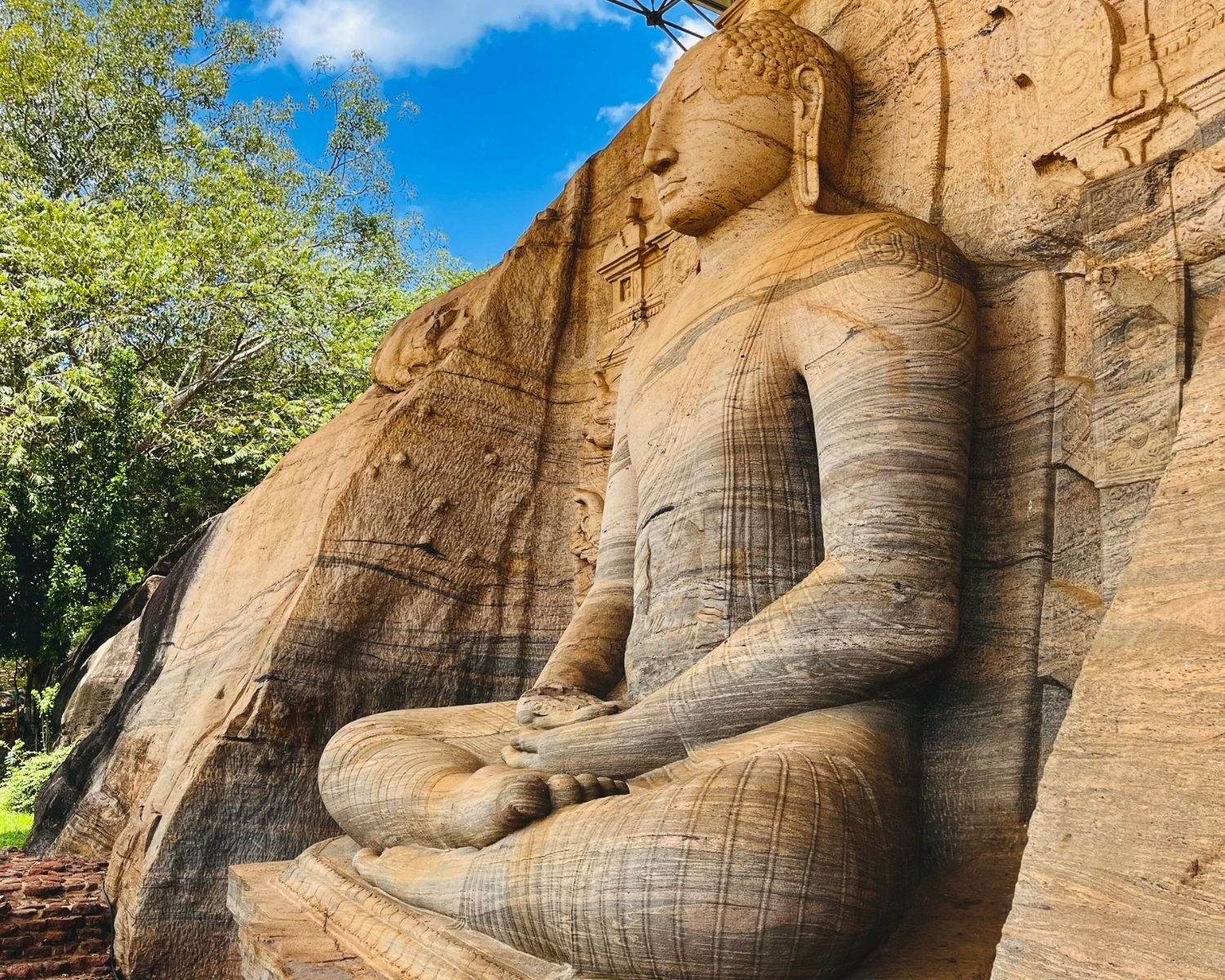
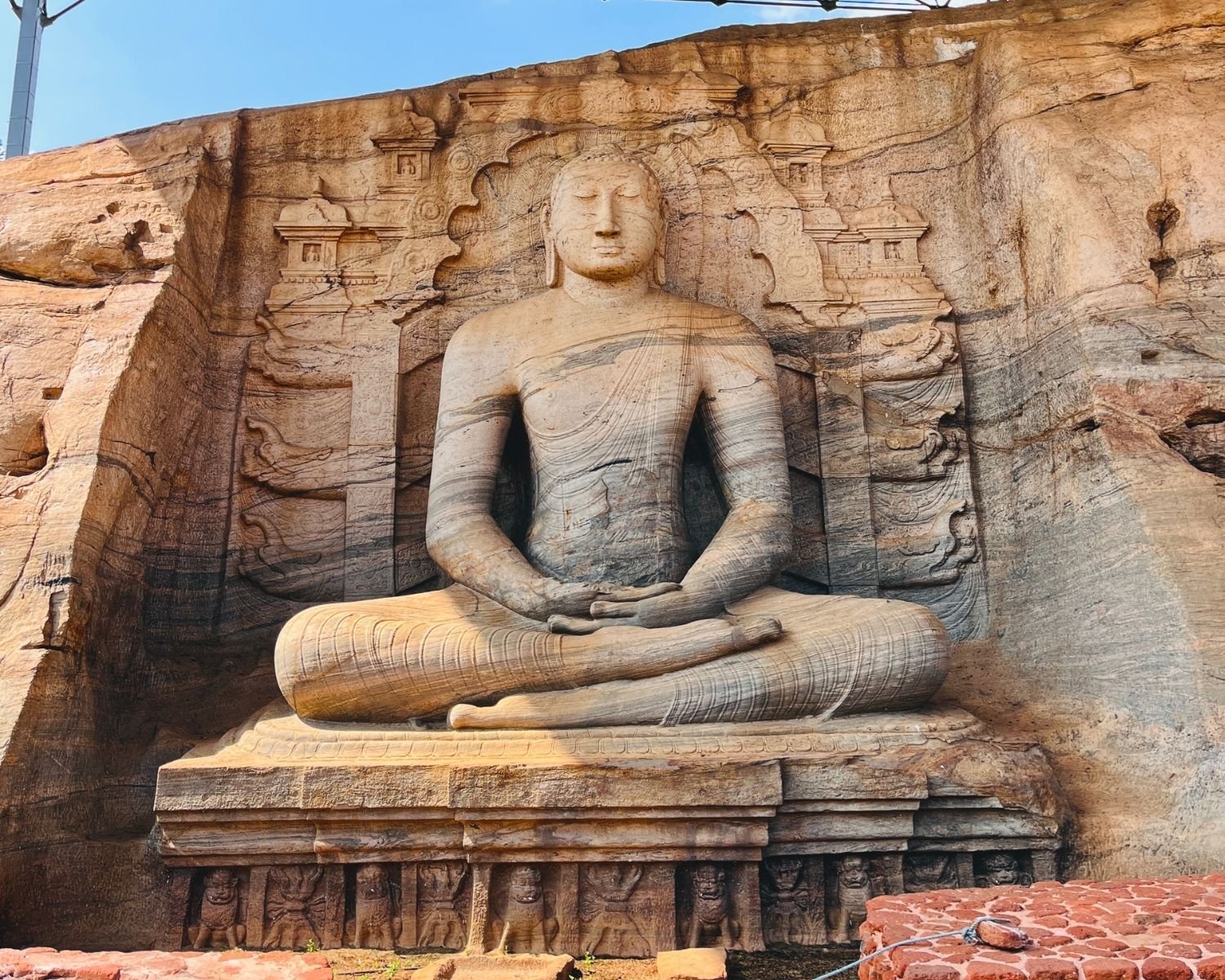
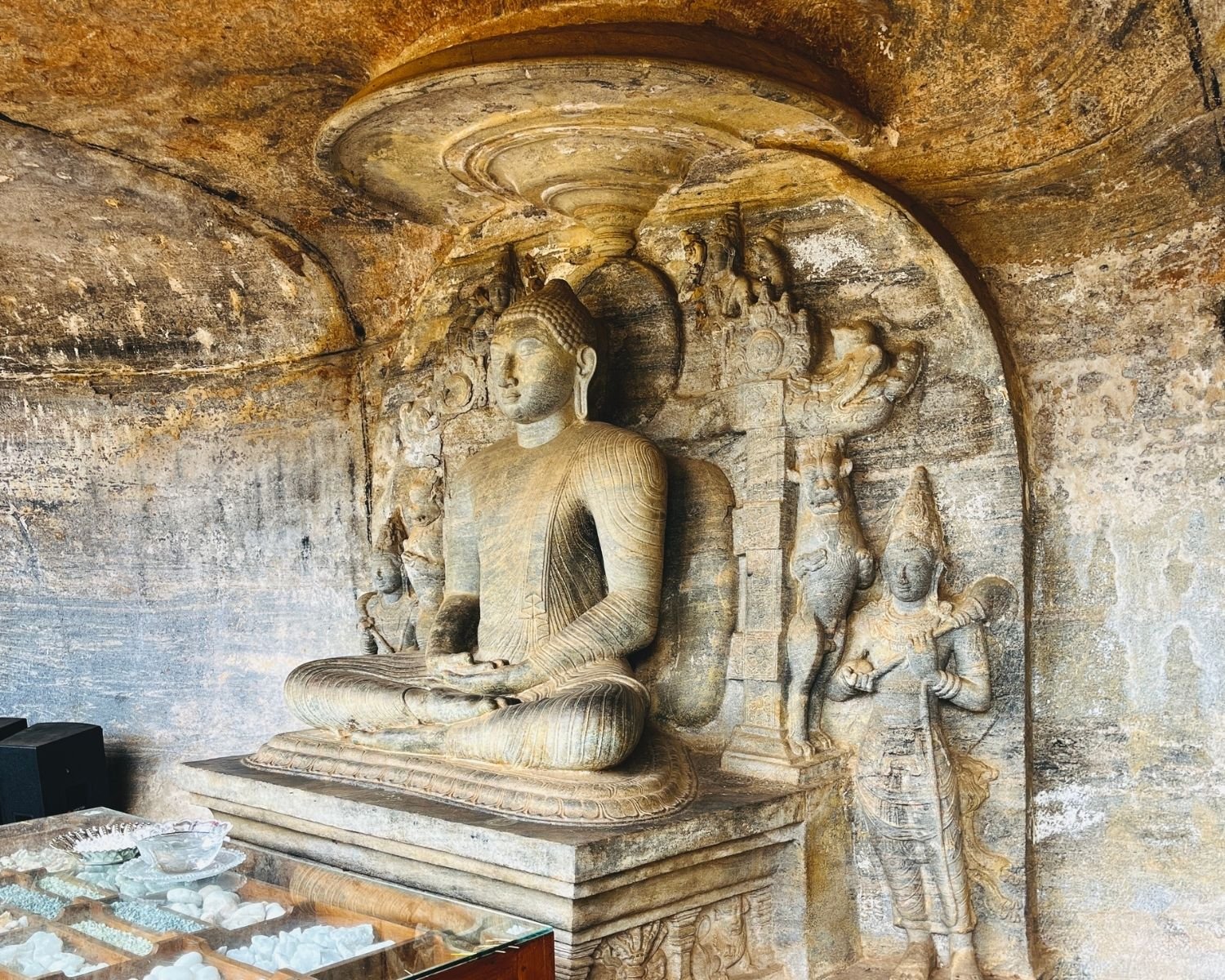
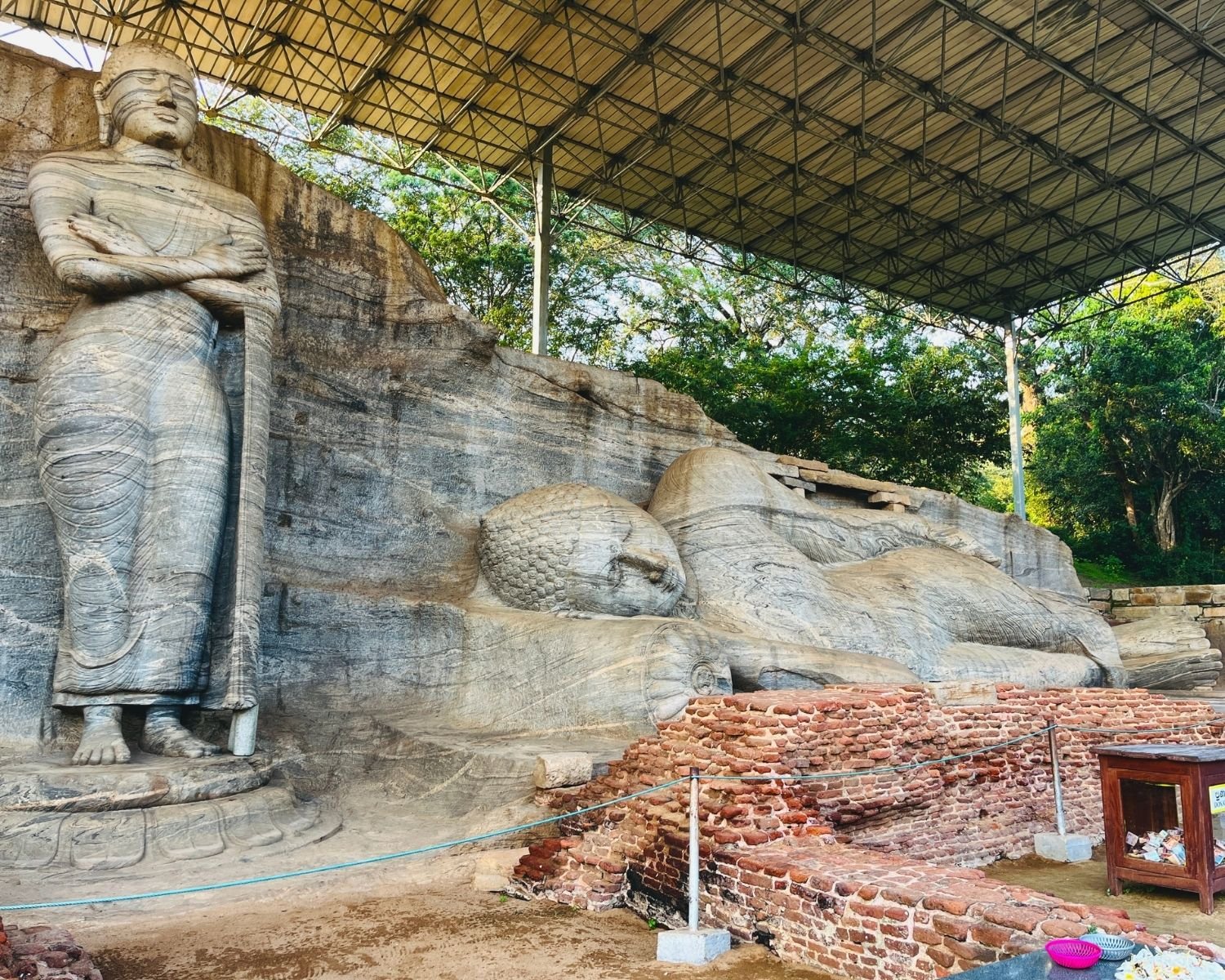
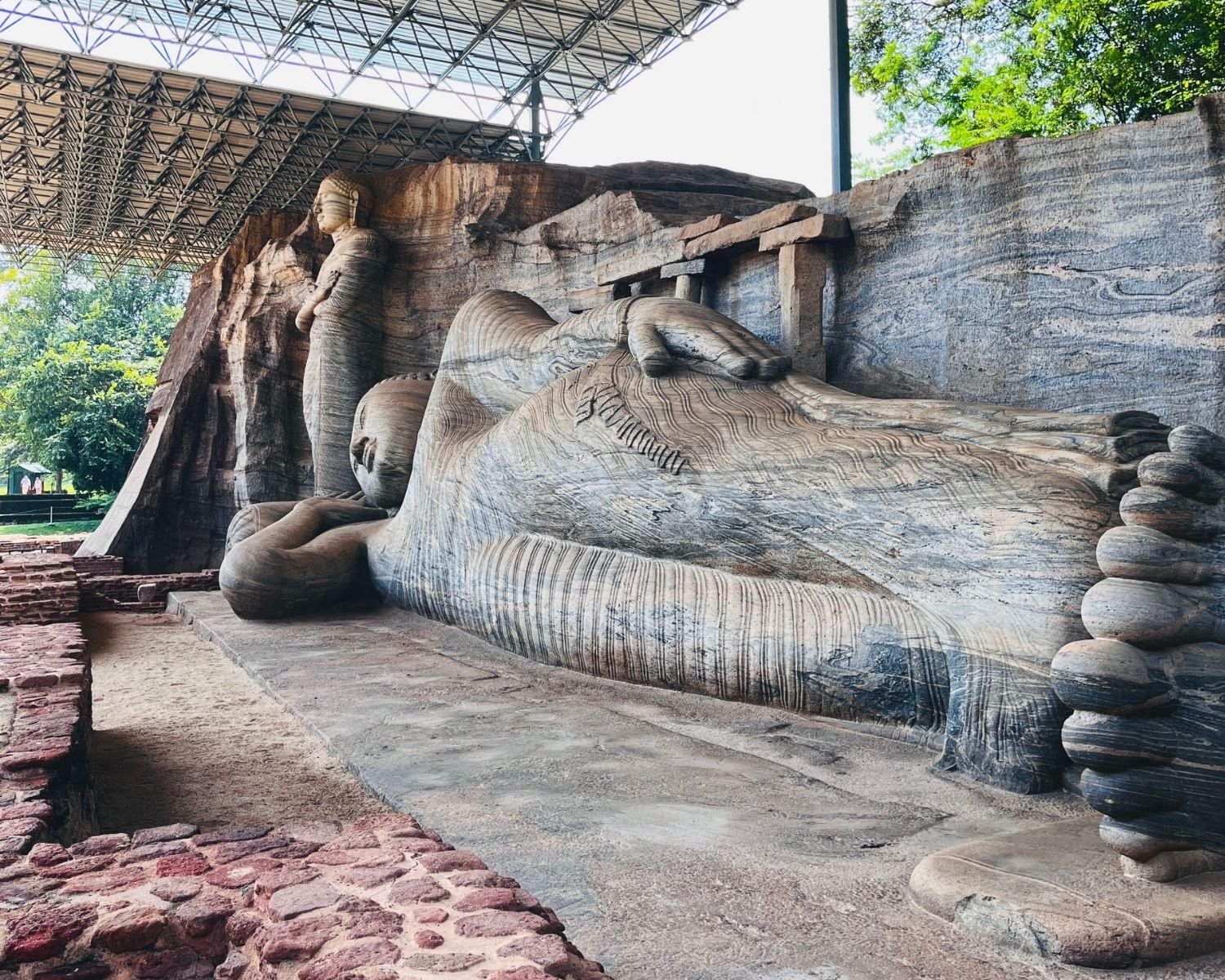
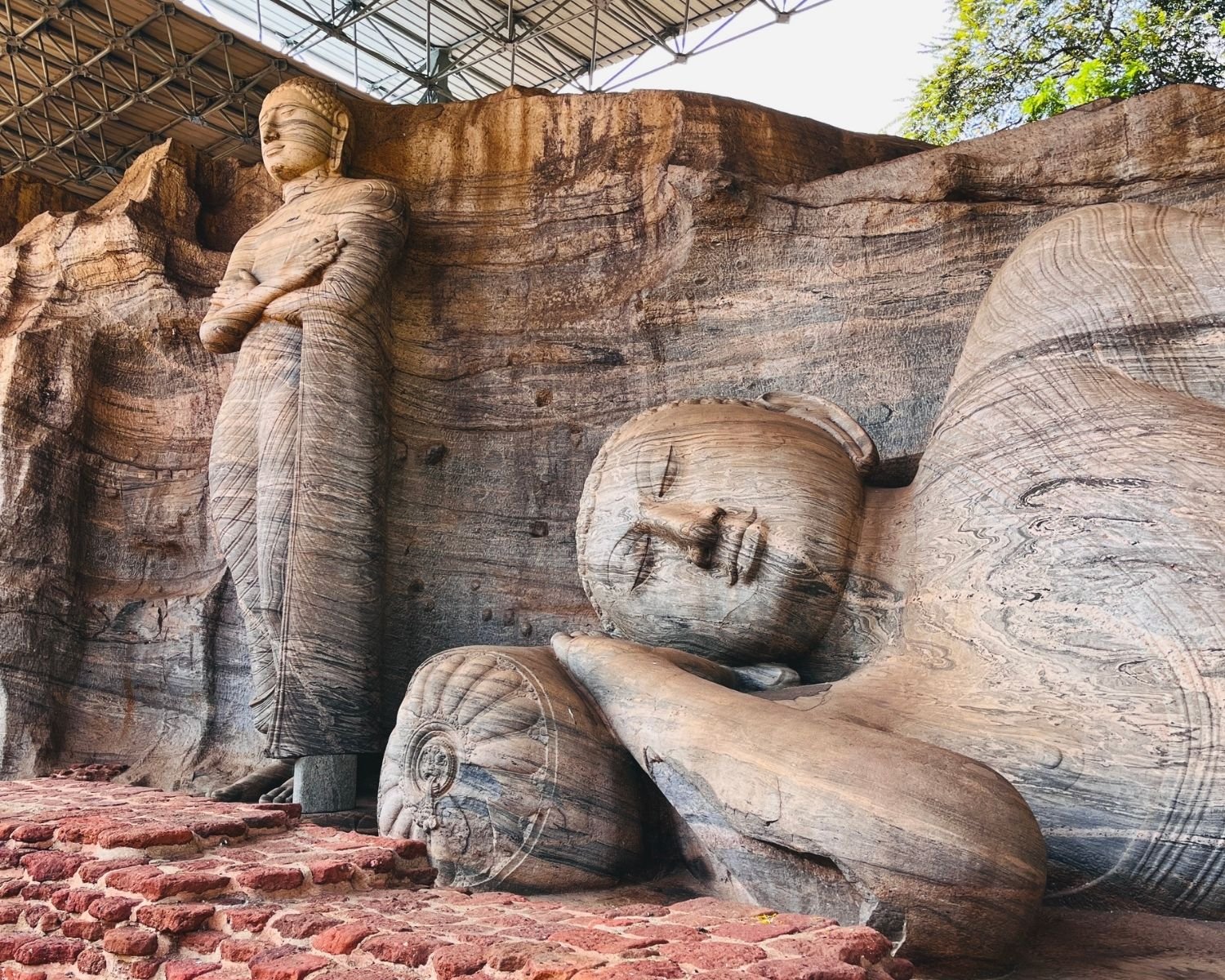
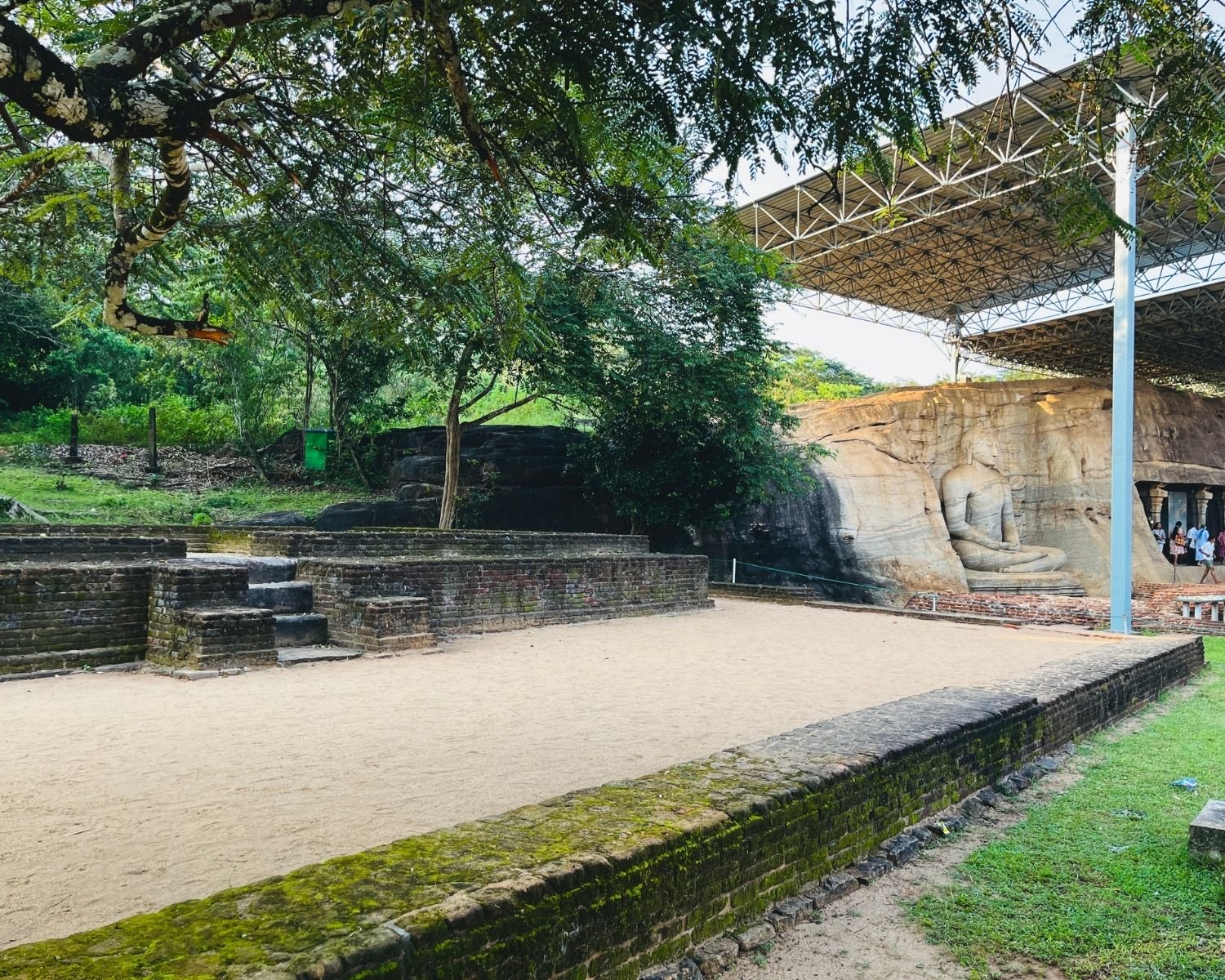
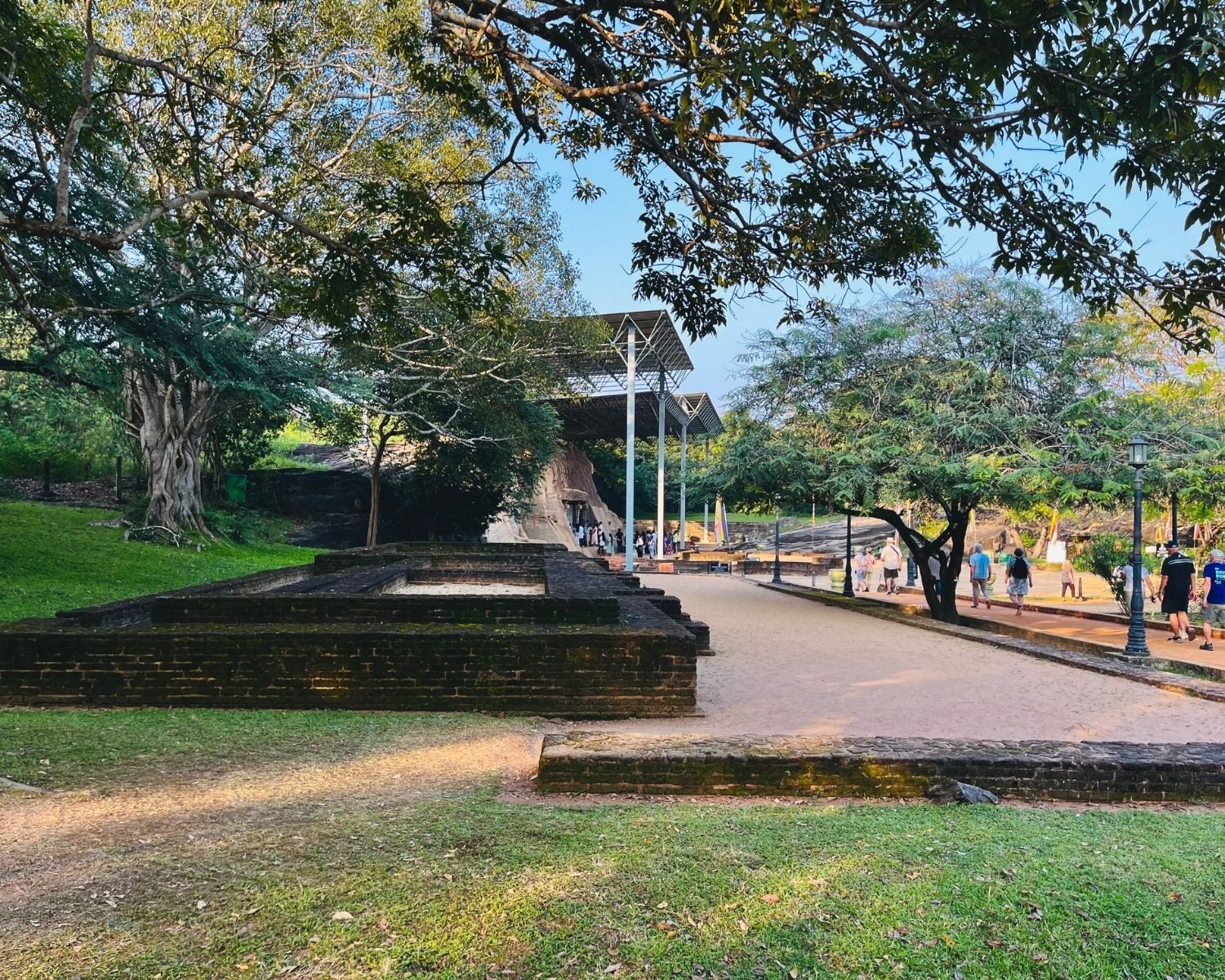

Buddhist Site
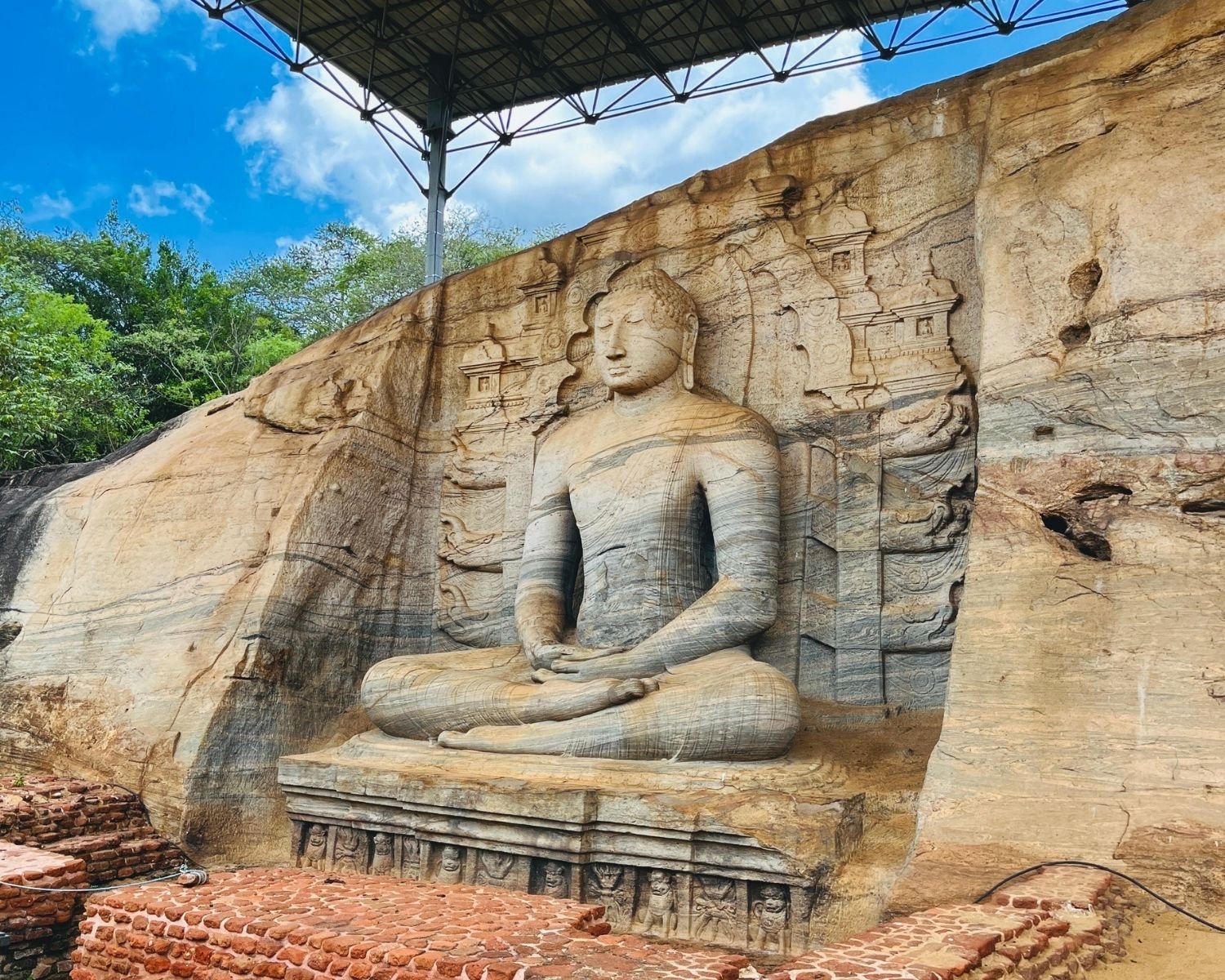
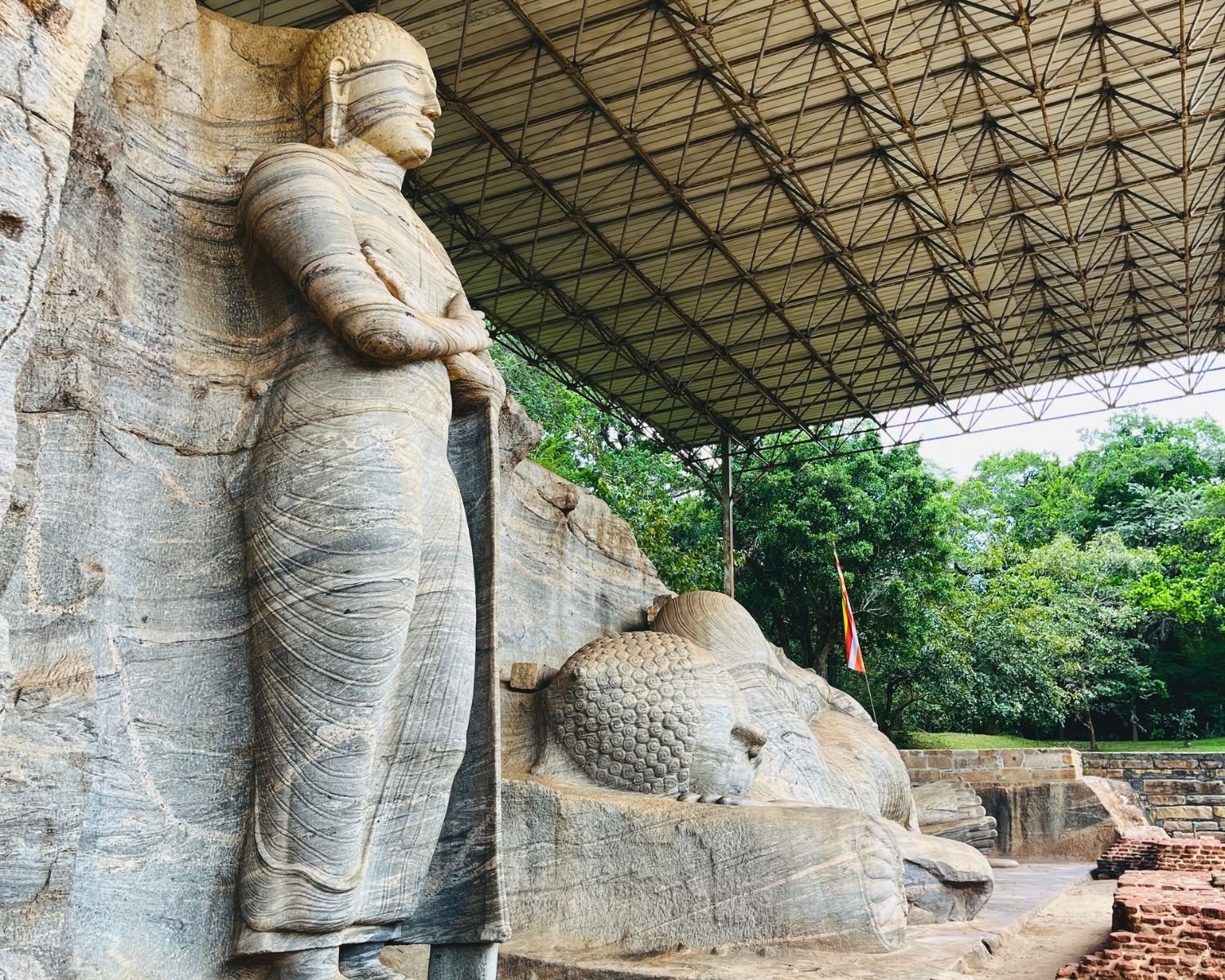
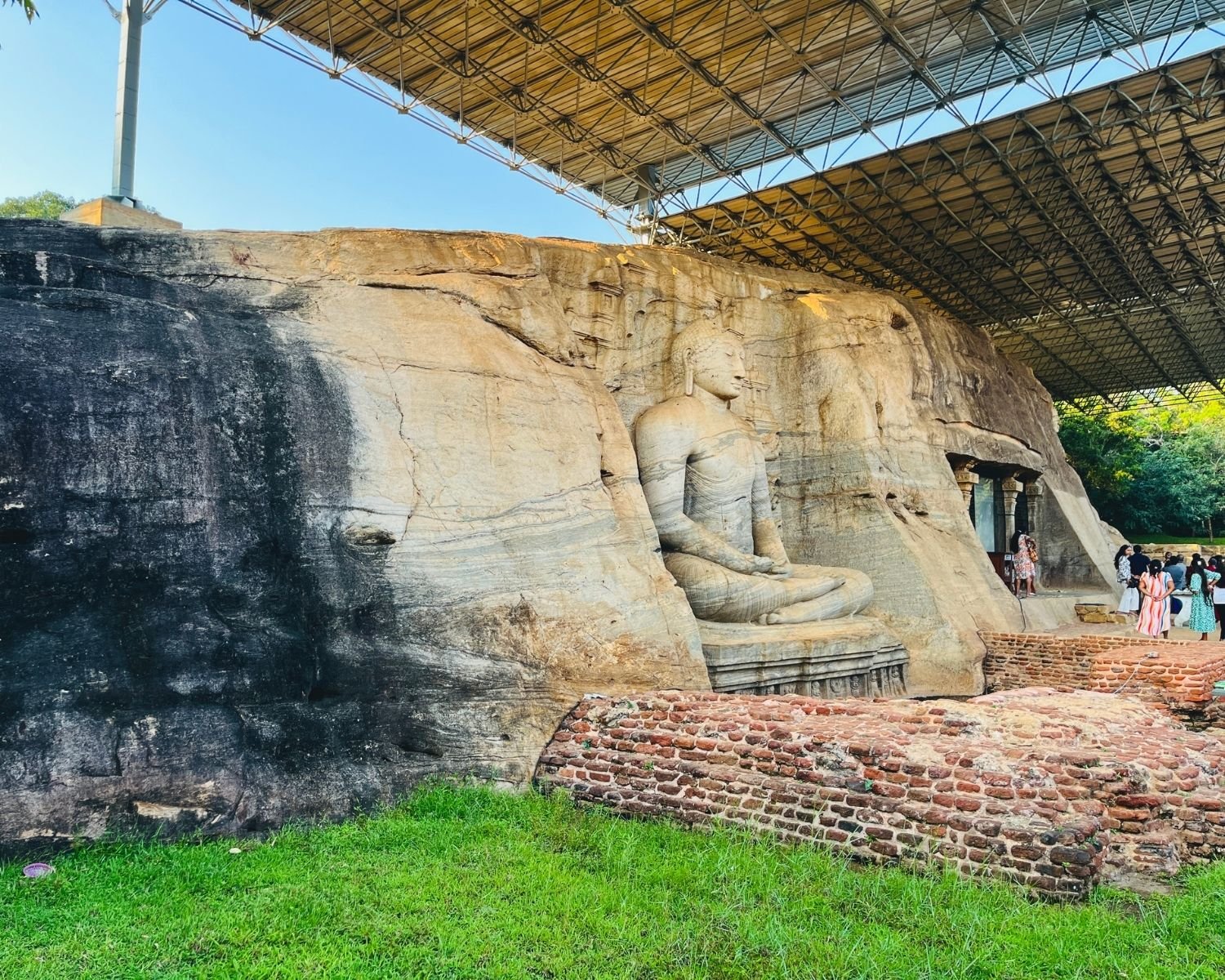
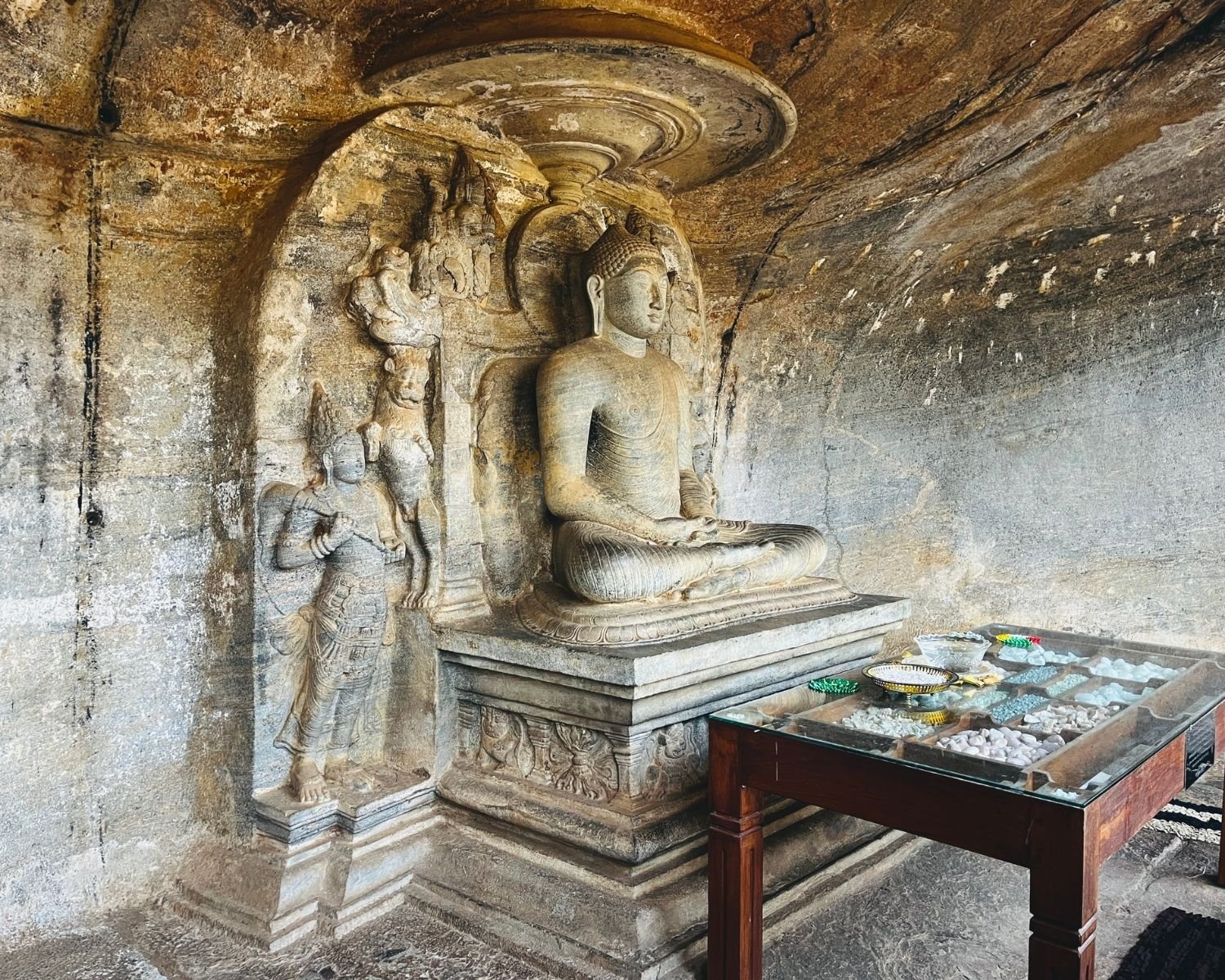
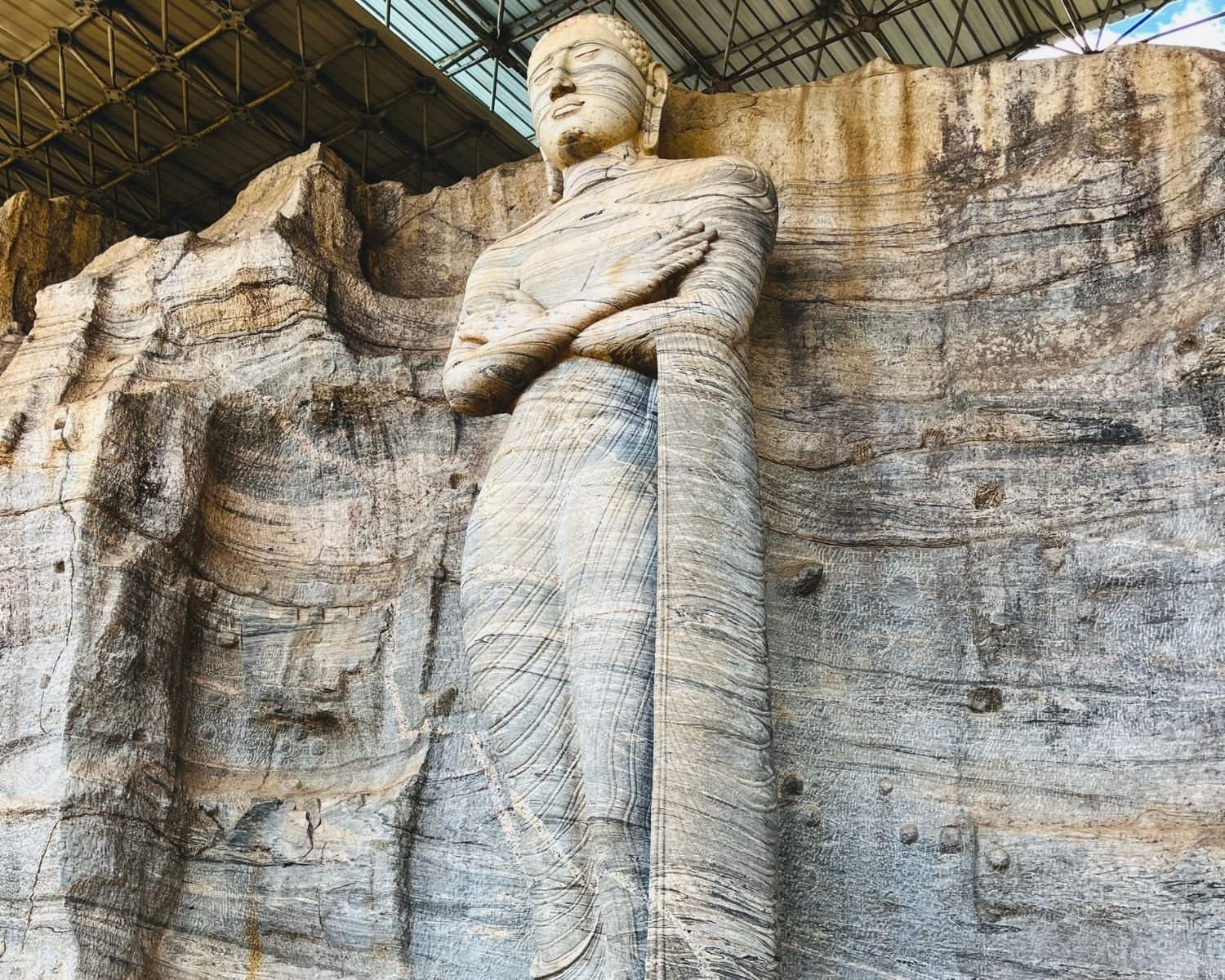
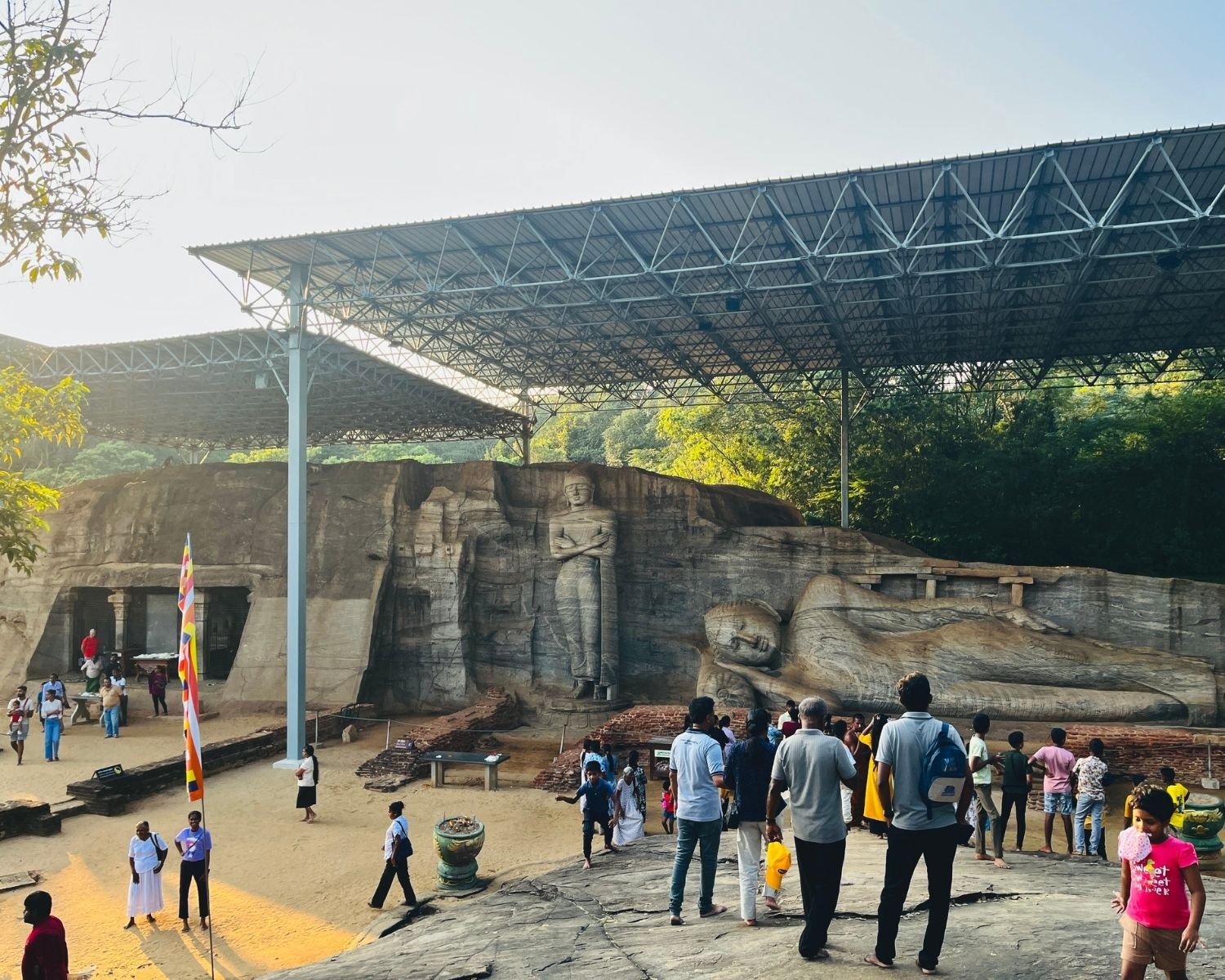
Rock-cut Buddha statues carved from a single granite outcrop. Part of the 12th century Uttararama Monastery complex.
Rock-cut Buddha statues carved from a single granite outcrop. Part of the 12th century Uttararama Monastery complex.

History
Created during the reign of King Parakramabahu I (1153–1186). Represents the height of Polonnaruwa period stone sculpture and monastic architectural planning.
Created during the reign of King Parakramabahu I (1153–1186). Represents the height of Polonnaruwa period stone sculpture and monastic architectural planning.

Scenery
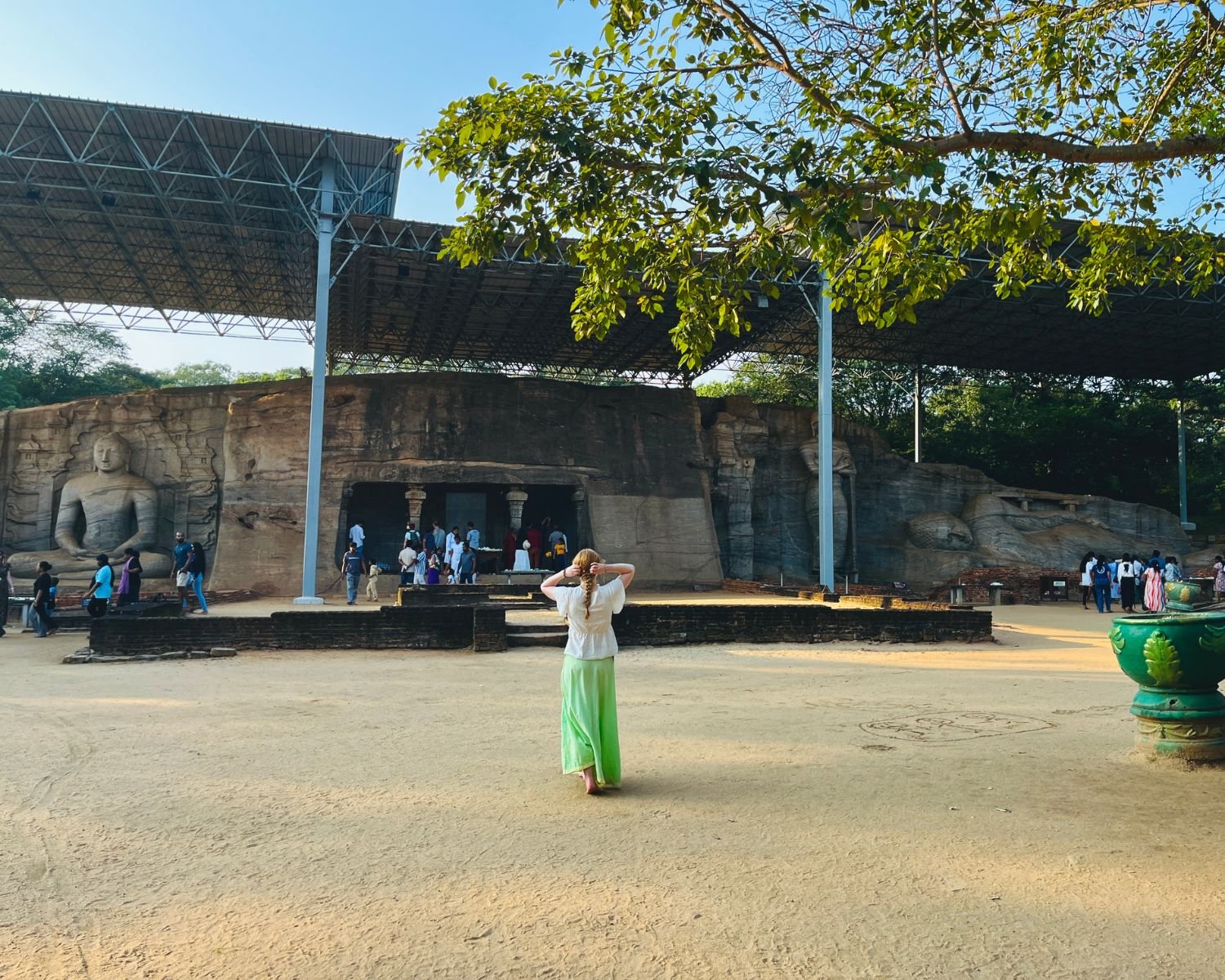
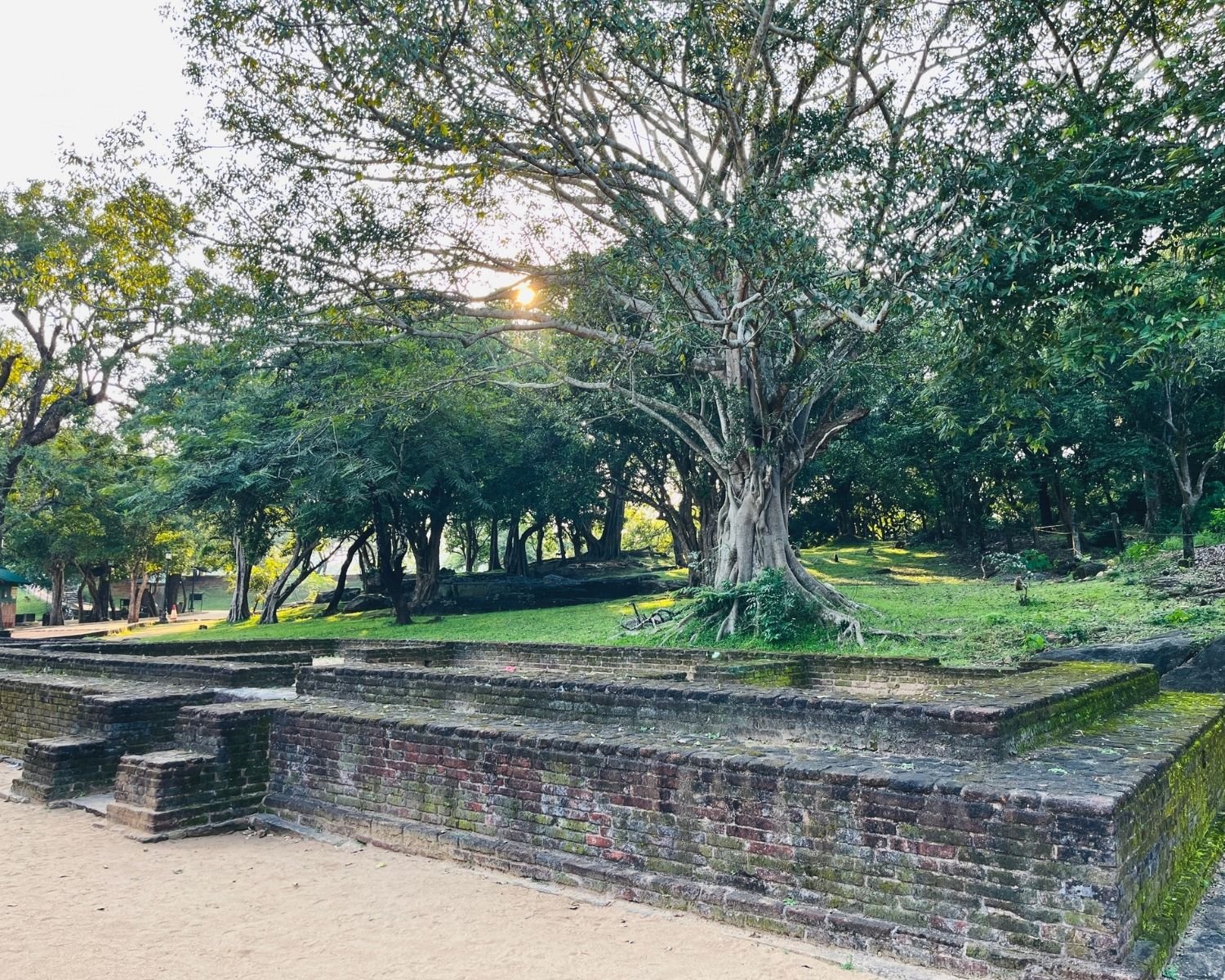
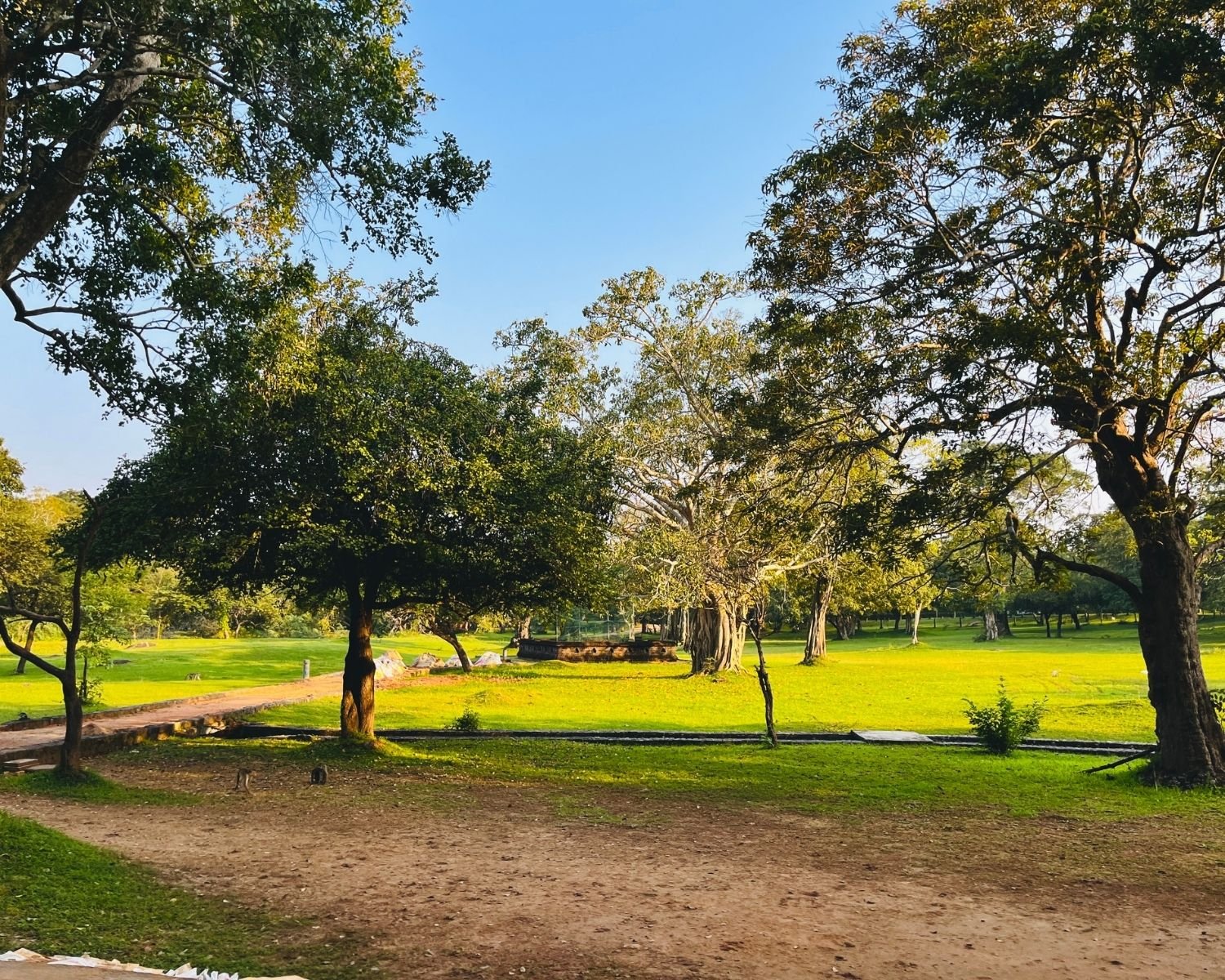
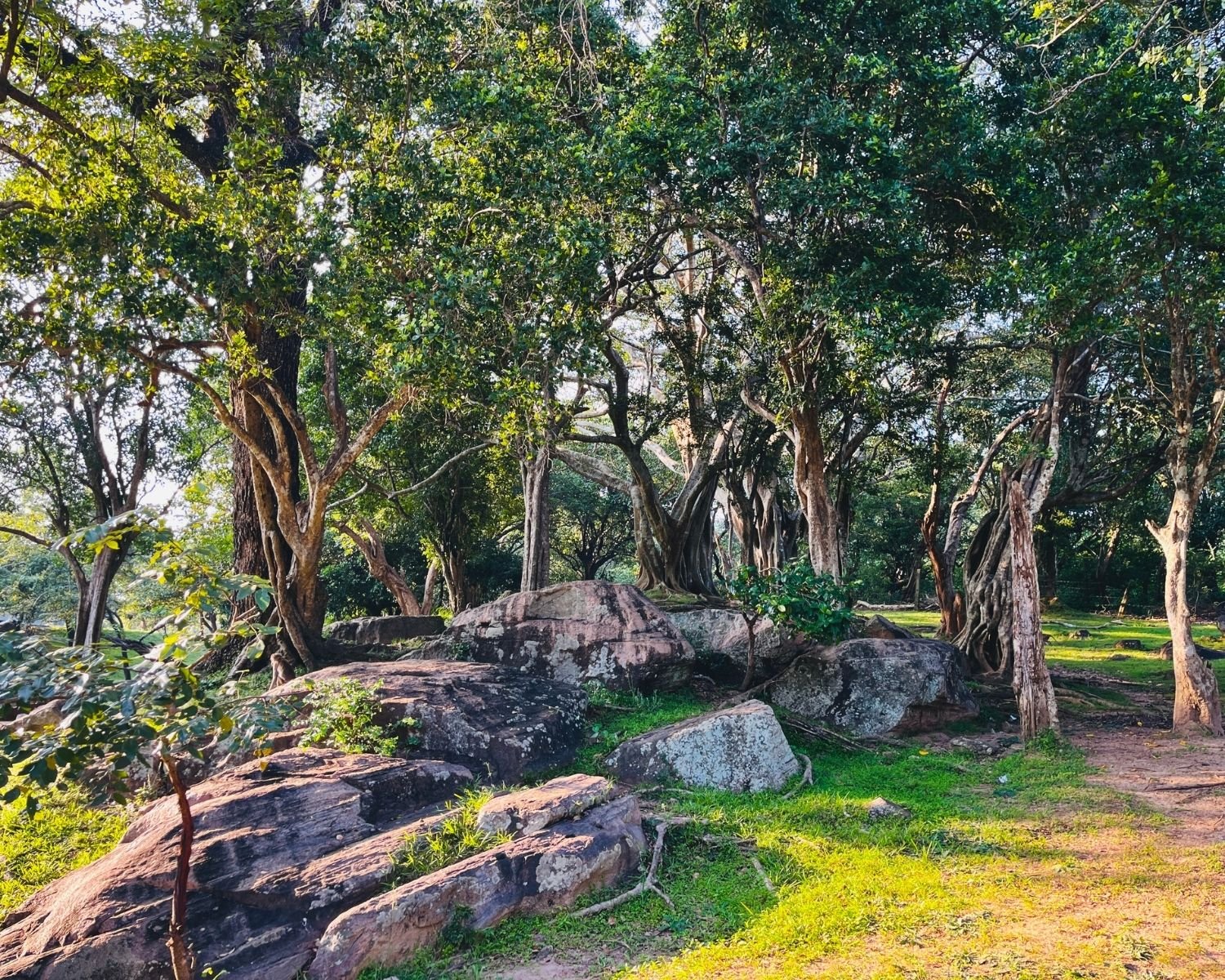
Natural granite rock face, shaded surroundings, and a quiet archaeological setting with stone platforms and ancient foundations.
Natural granite rock face, shaded surroundings, and a quiet archaeological setting with stone platforms and ancient foundations.

Art & Culture
Four iconic Buddha statues: seated meditation figure, cave-seated figure, standing Buddha, and 14-meter reclining Buddha. Master-level craftsmanship reflecting Polonnaruwa era artistry.
Four iconic Buddha statues: seated meditation figure, cave-seated figure, standing Buddha, and 14-meter reclining Buddha. Master-level craftsmanship reflecting Polonnaruwa era artistry.
 Top Pick
Location
 View on Map
 View on Map
Buddhist Site
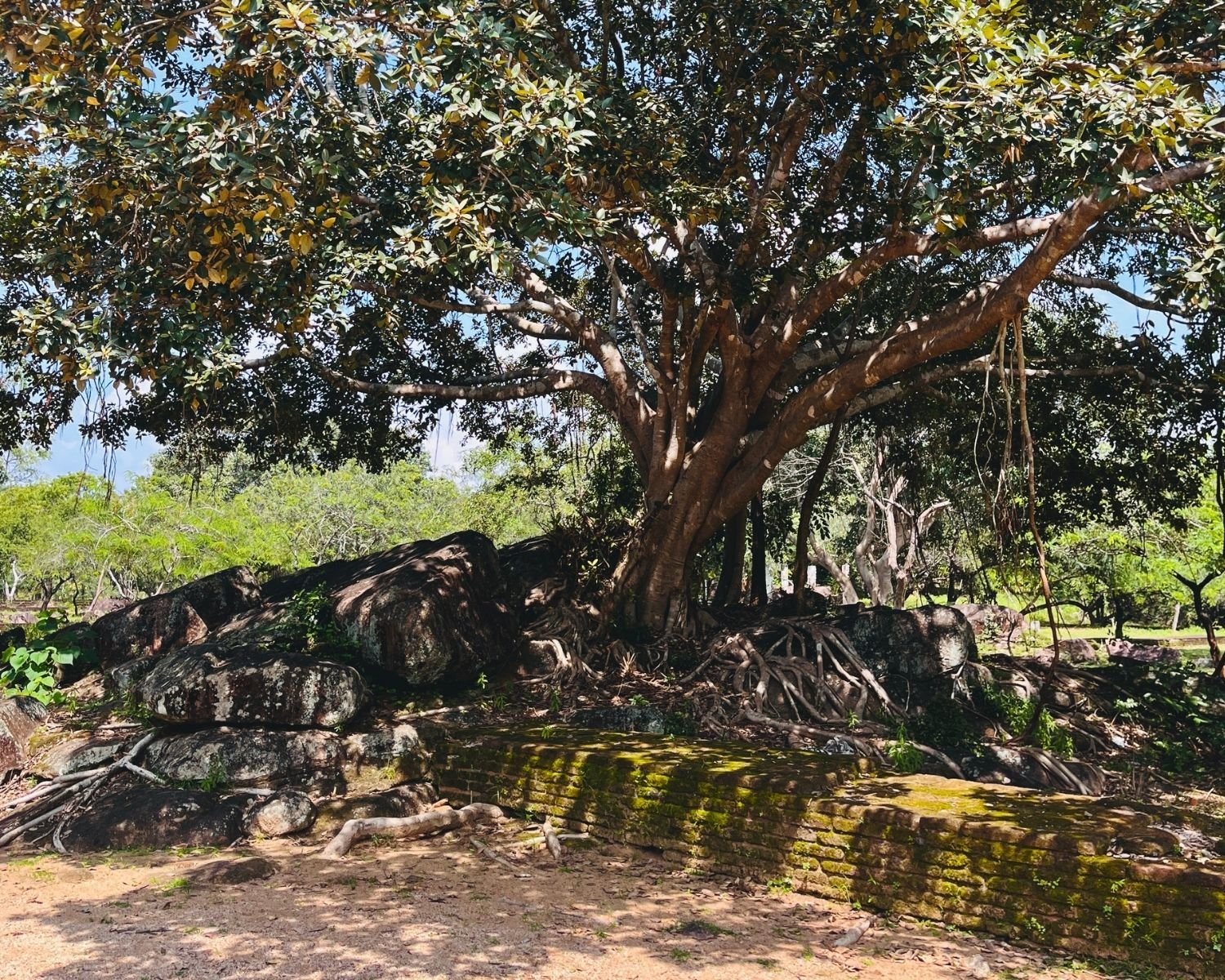
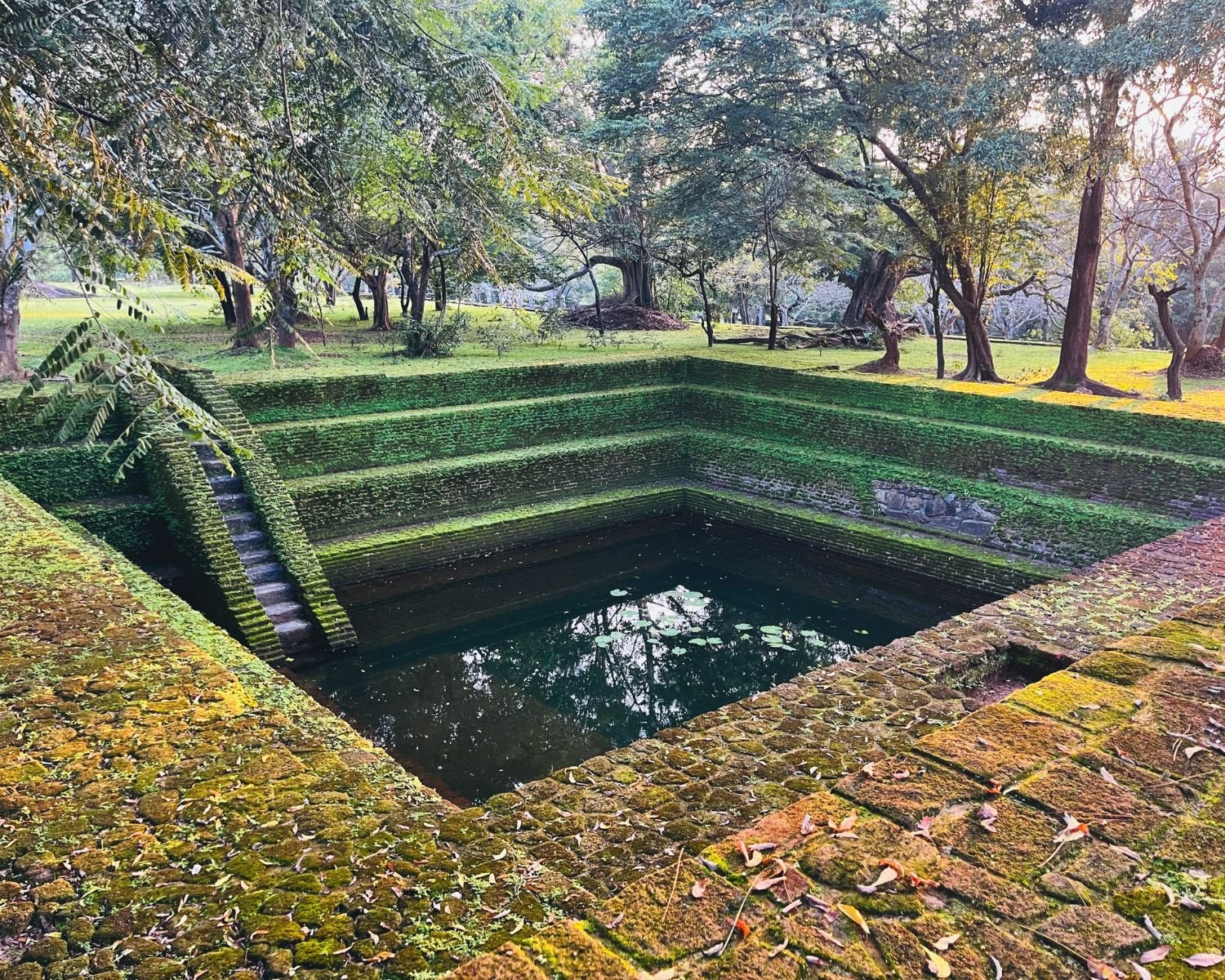
Major Buddhist monastic and educational center built during the Polonnaruwa period.
Major Buddhist monastic and educational center built during the Polonnaruwa period.
History
Developed in the 12th century as a residential and learning center for Buddhist monks under royal patronage.
Developed in the 12th century as a residential and learning center for Buddhist monks under royal patronage.
Scenery
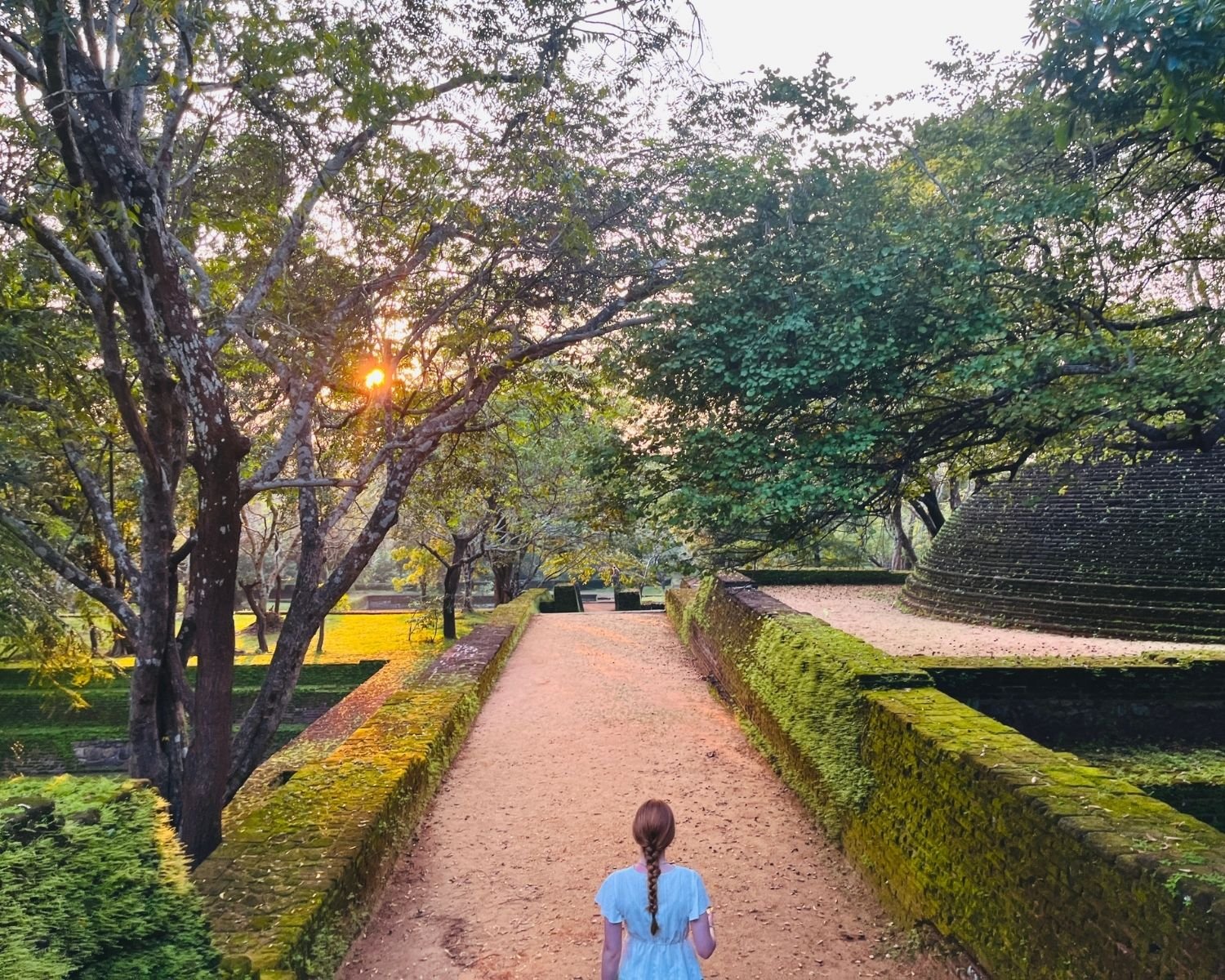
Wide archaeological area with stupas, image houses, and ruins set among open landscapes and greenery.
Wide archaeological area with stupas, image houses, and ruins set among open landscapes and greenery.
Art & Culture
Advanced monastic architecture, stone carving, brick engineering, and Buddhist educational traditions during the Polonnaruwa Kingdom.
Advanced monastic architecture, stone carving, brick engineering, and Buddhist educational traditions during the Polonnaruwa Kingdom.
Top Pick
Location
View on Map
View on Map
Buddhist Site
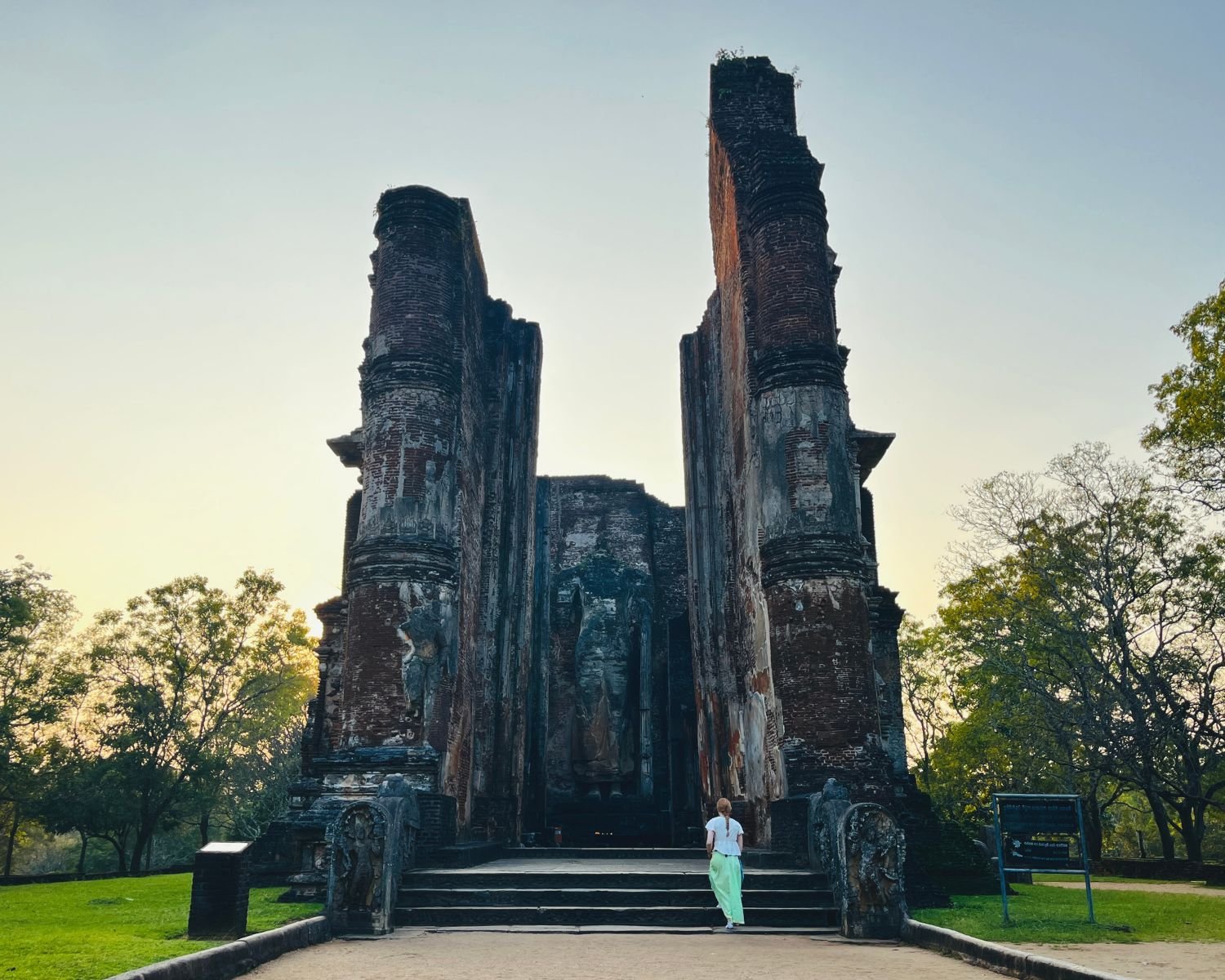
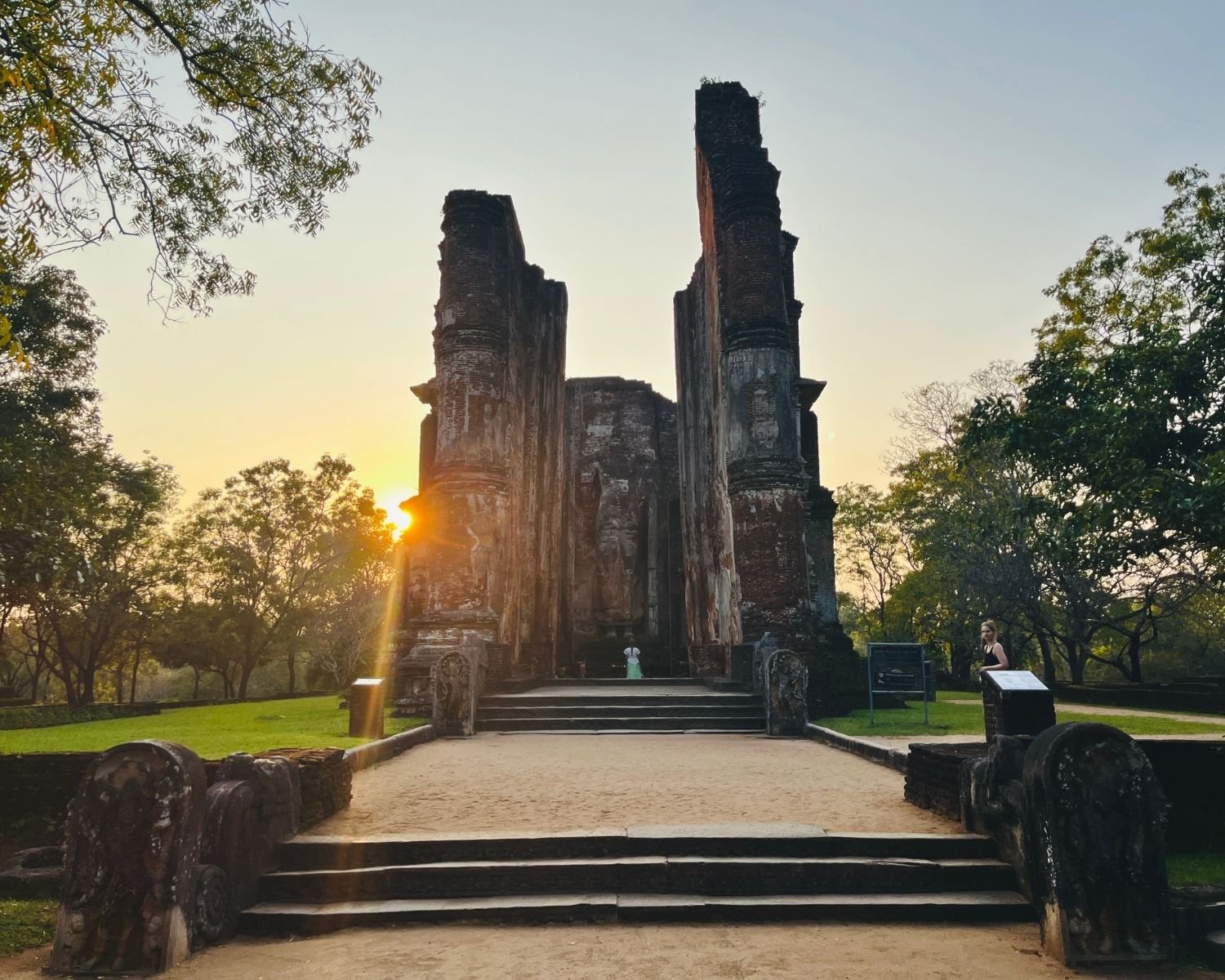
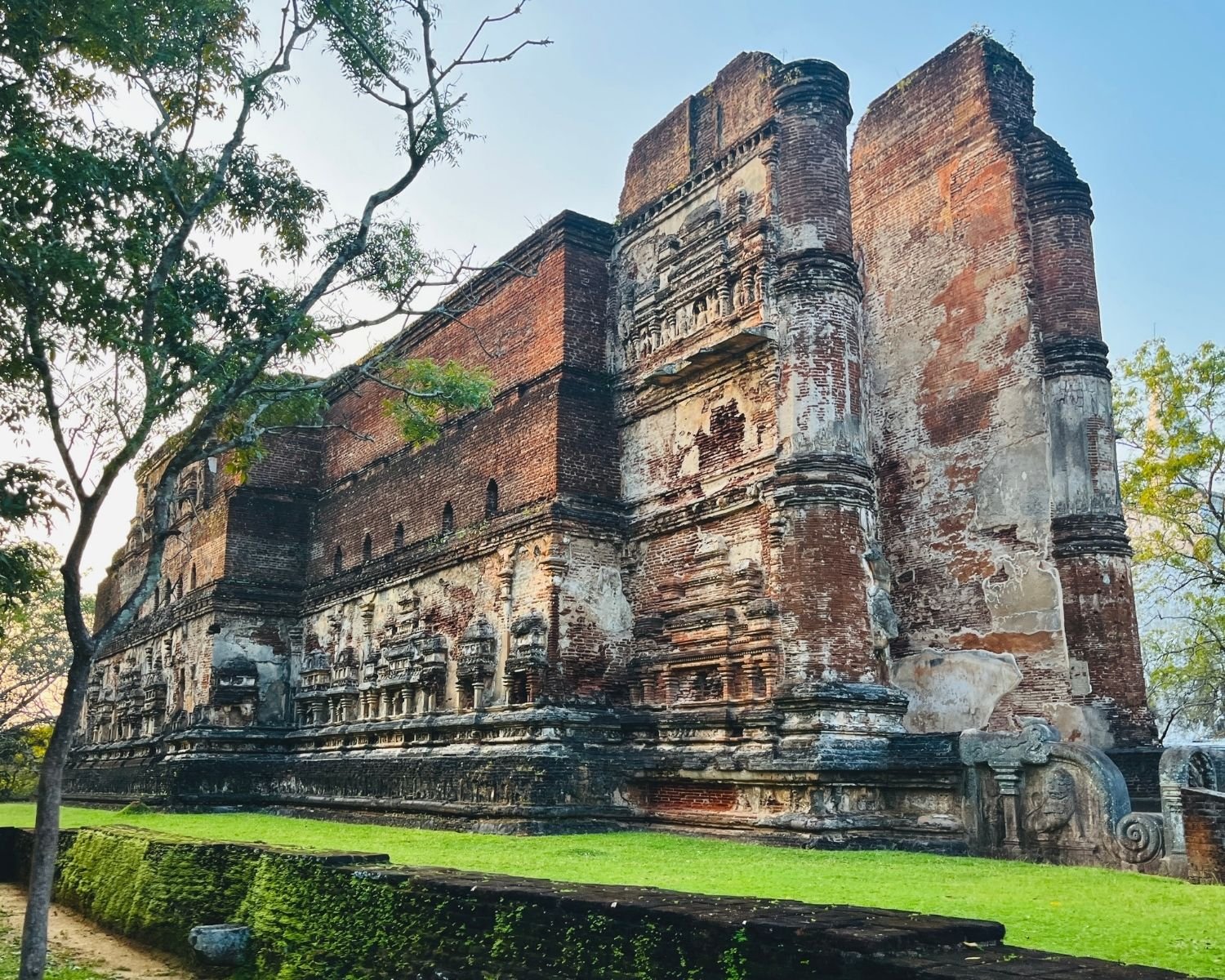
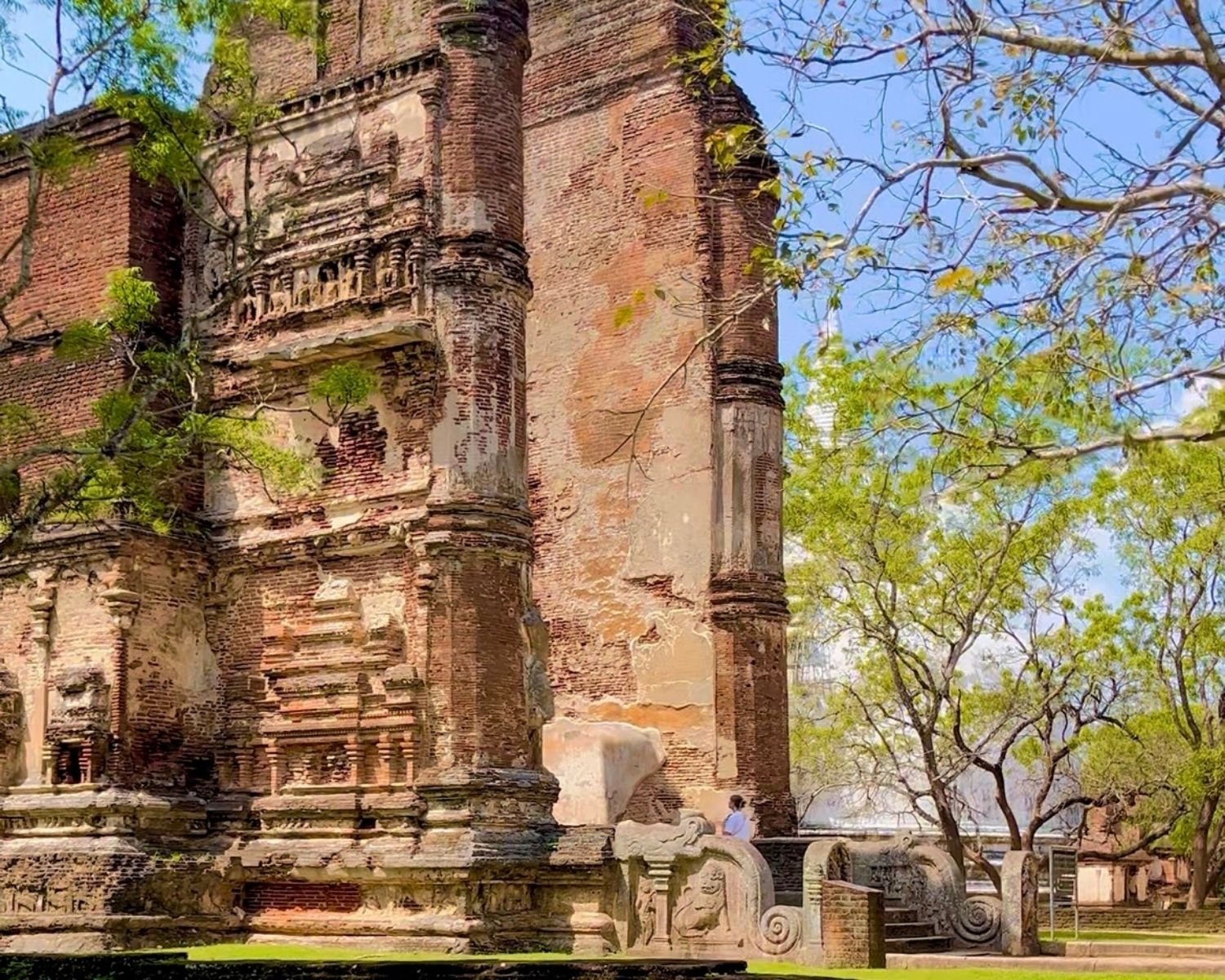
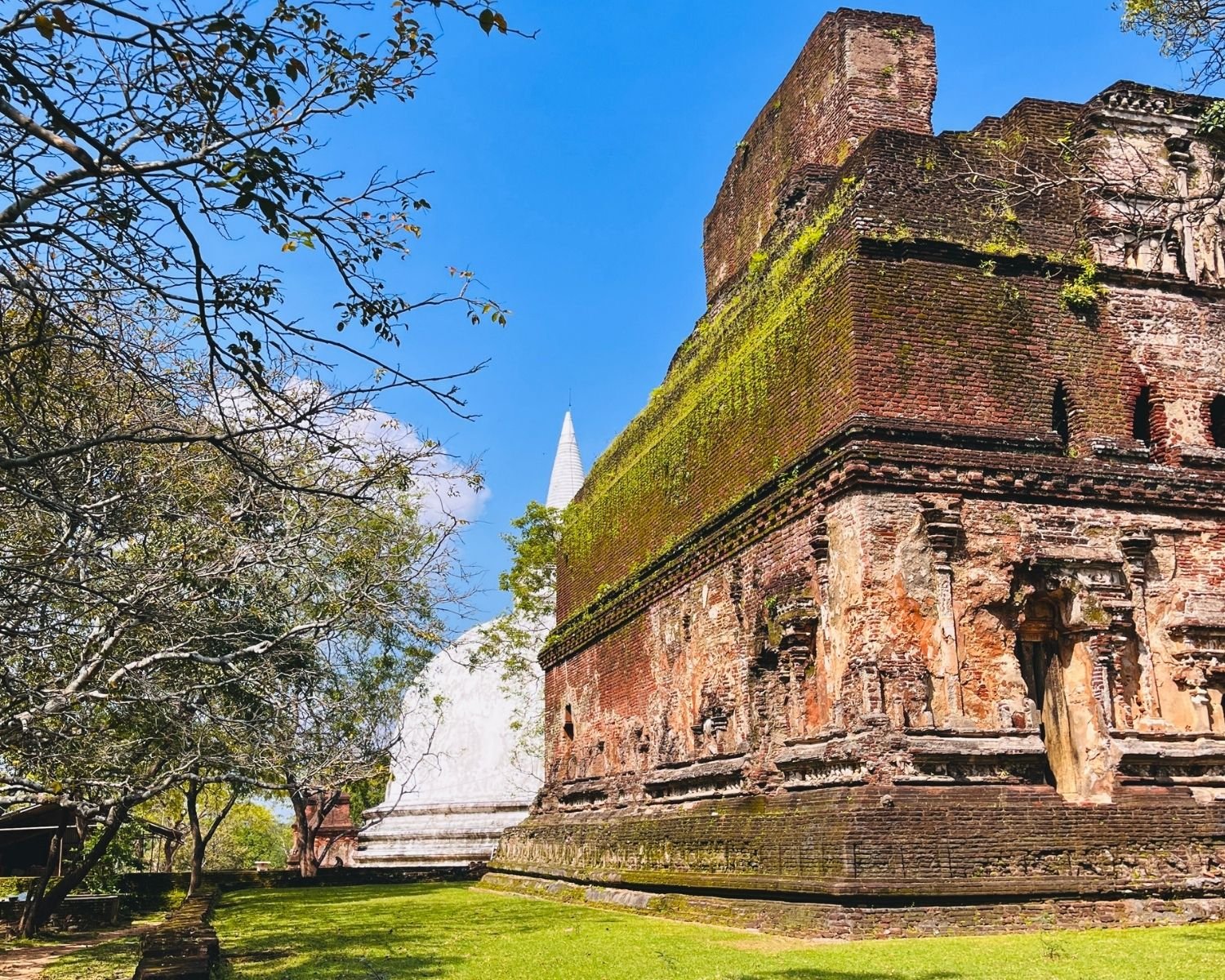
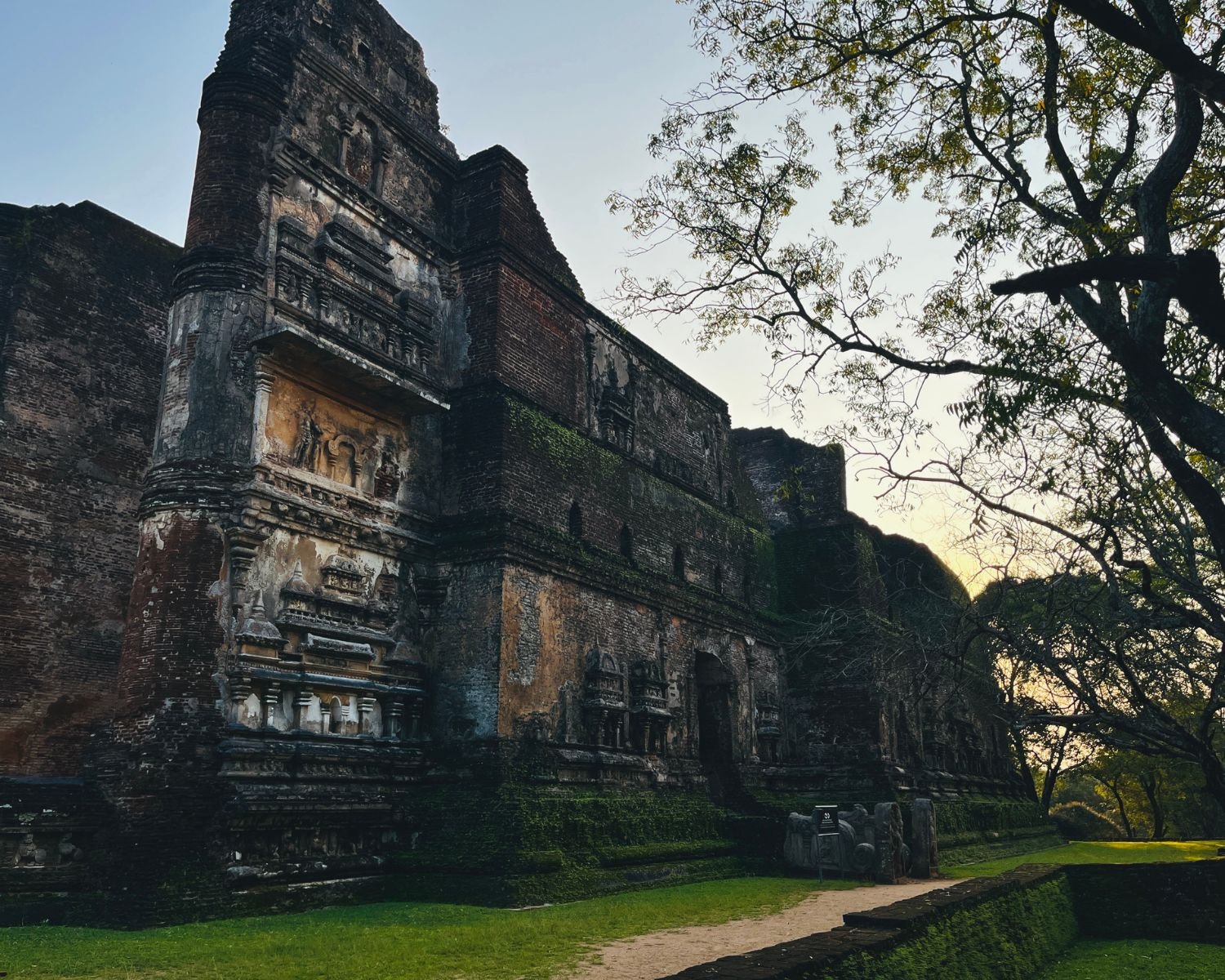
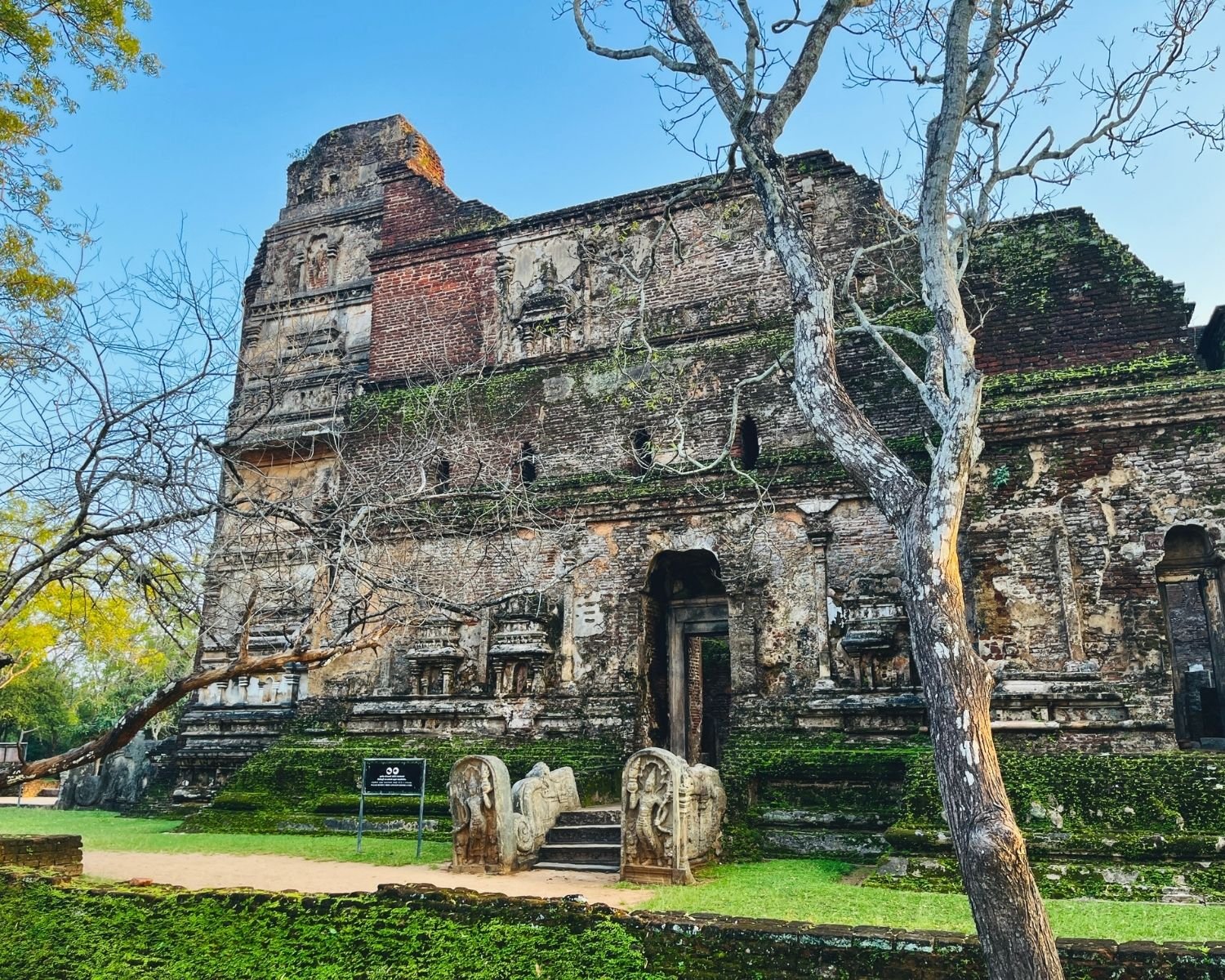
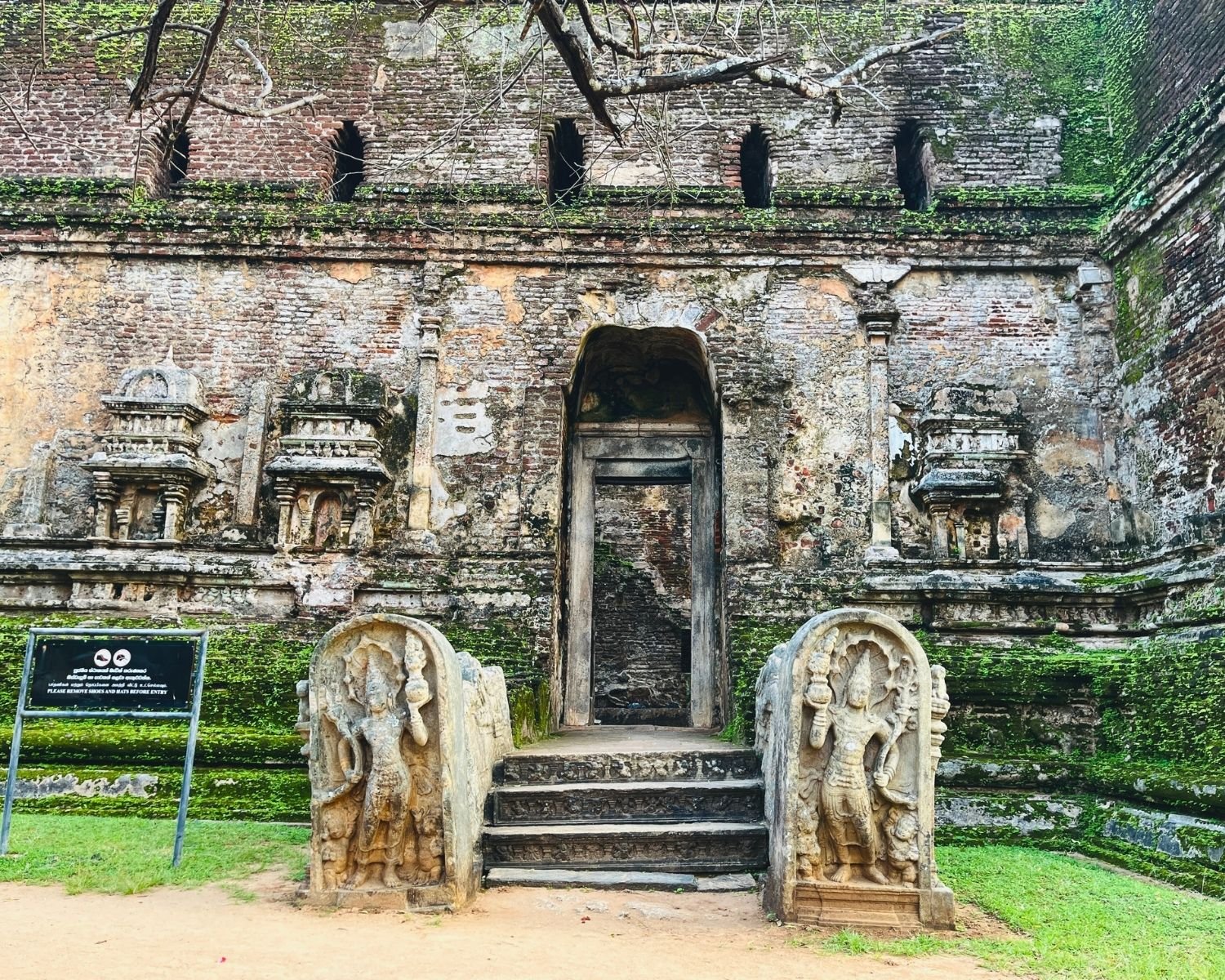
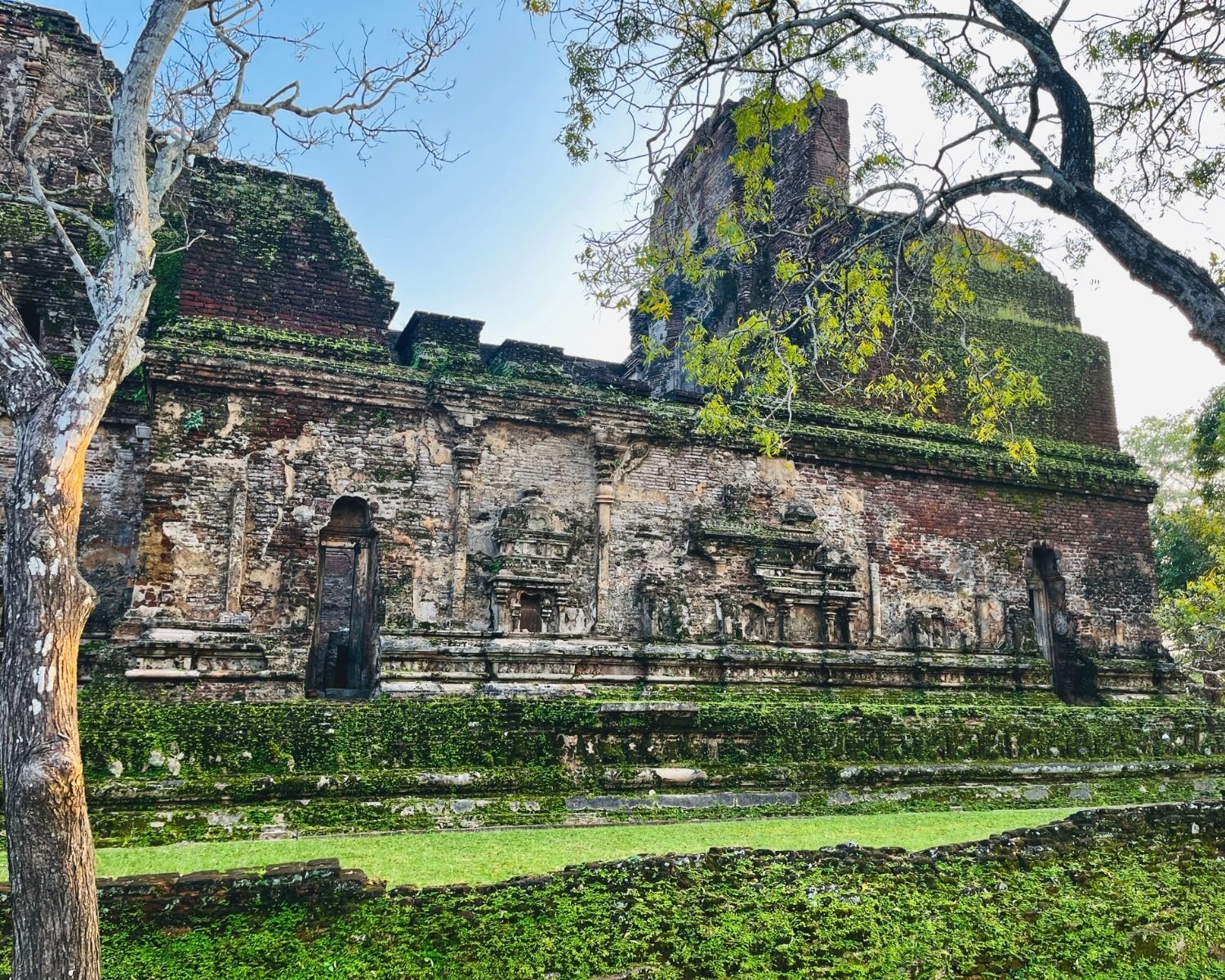
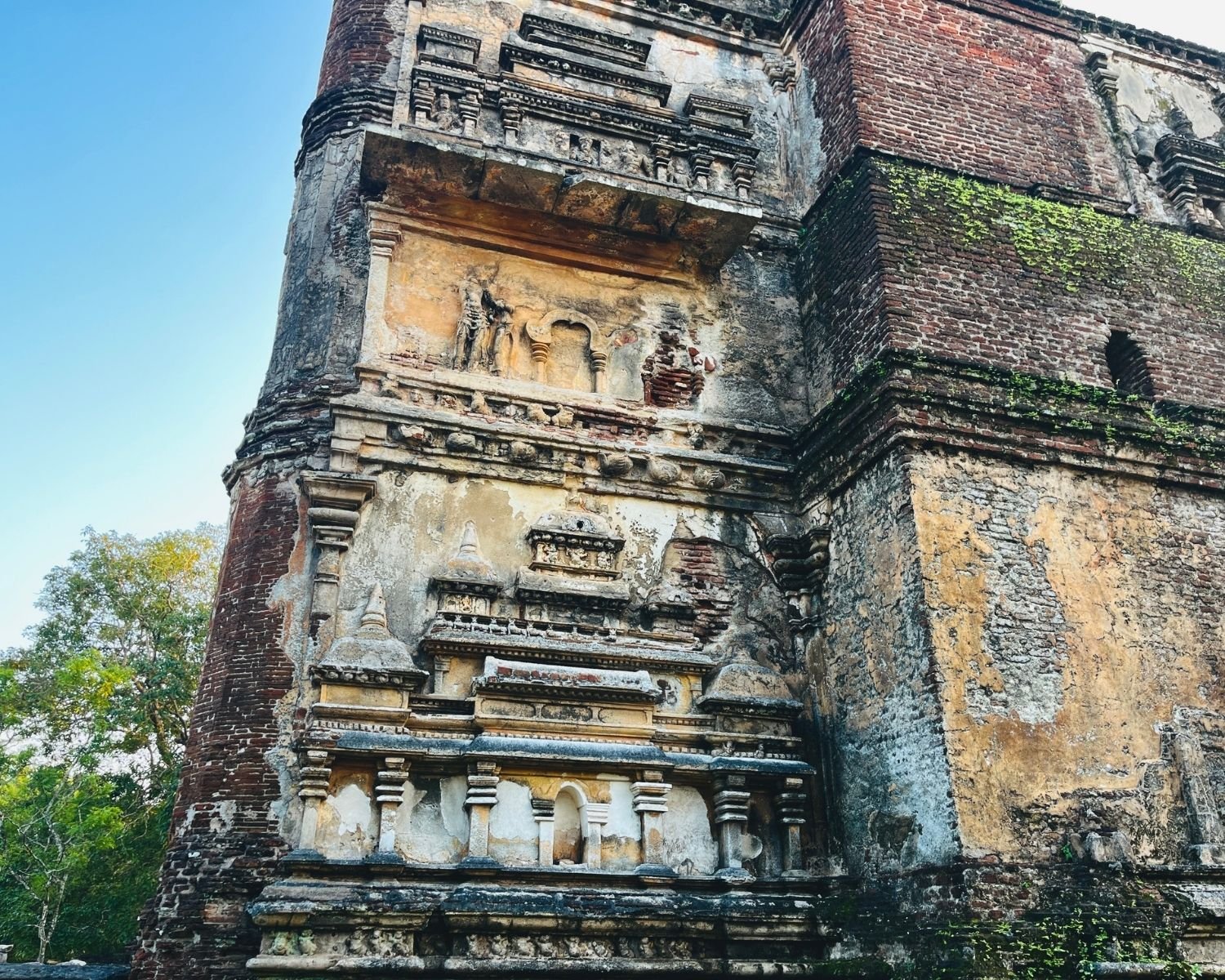
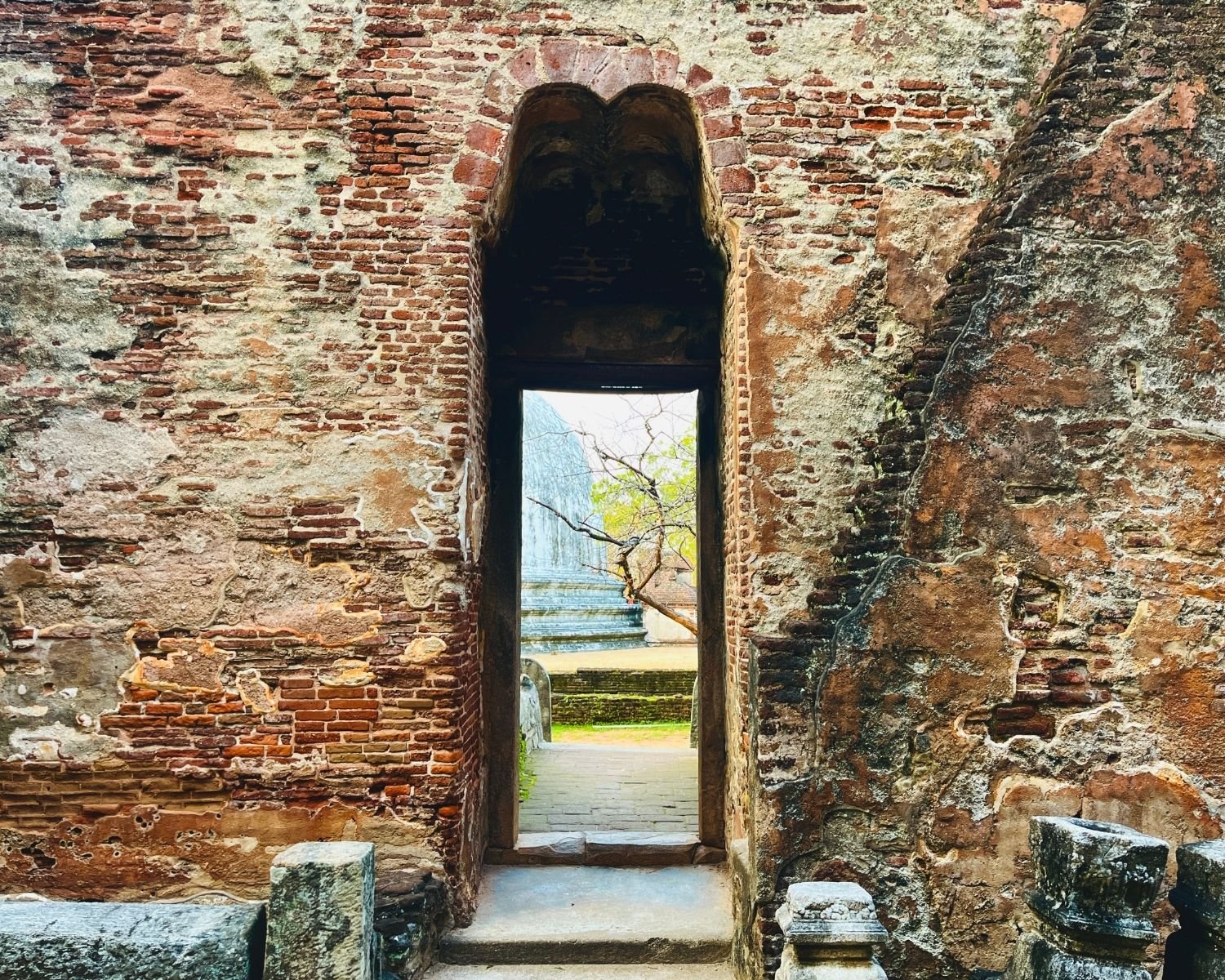
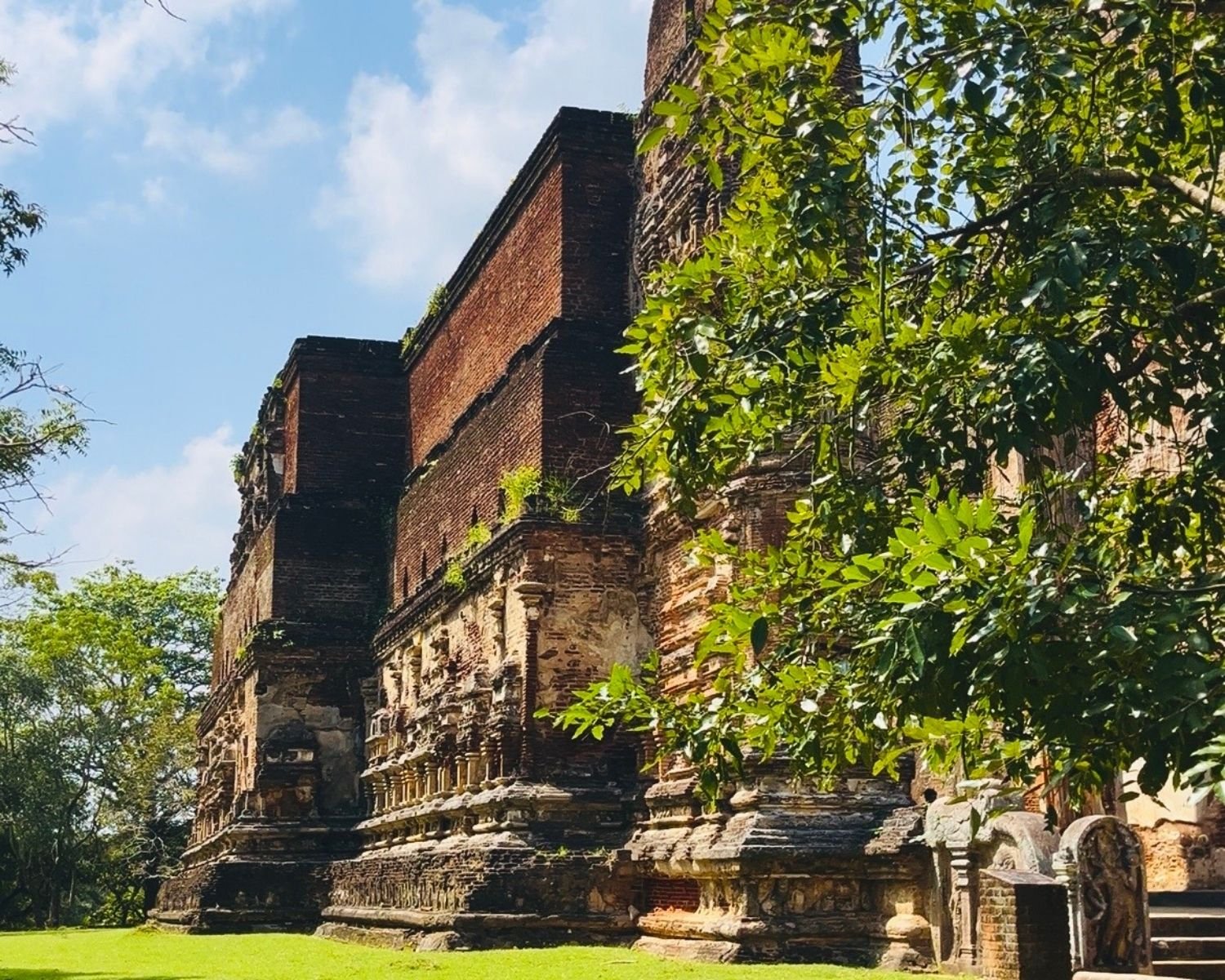
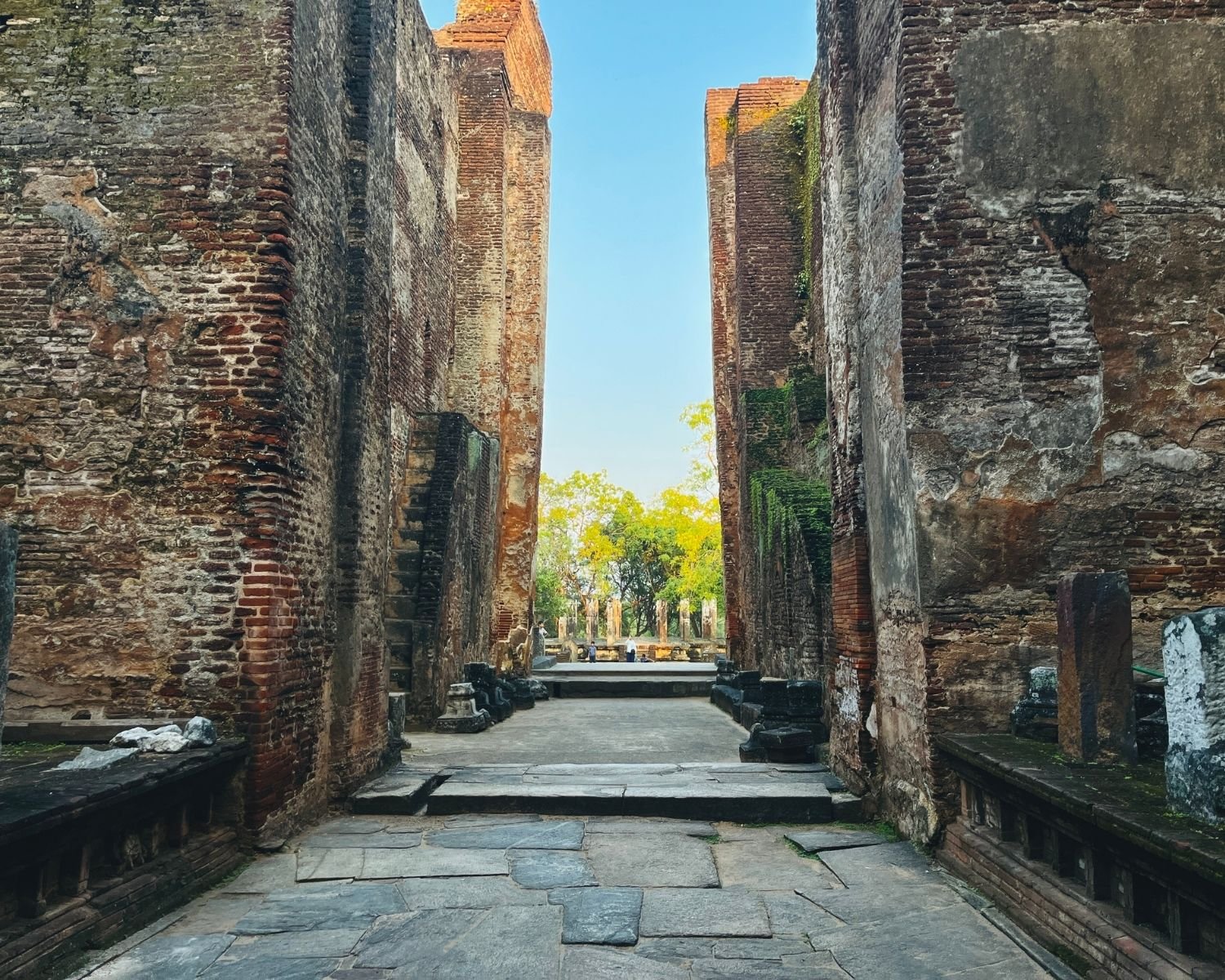
Massive 12th-century brick image house with a towering standing Buddha statue. Part of the Alahana Pirivena Monastic Complex.
Massive 12th-century brick image house with a towering standing Buddha statue. Part of the Alahana Pirivena Monastic Complex.
History
Constructed during the reign of King Parakramabahu I (1153–1186). Represents advanced Polonnaruwa period brick architecture and royal craftsmanship.
Constructed during the reign of King Parakramabahu I (1153–1186). Represents advanced Polonnaruwa period brick architecture and royal craftsmanship.
Scenery
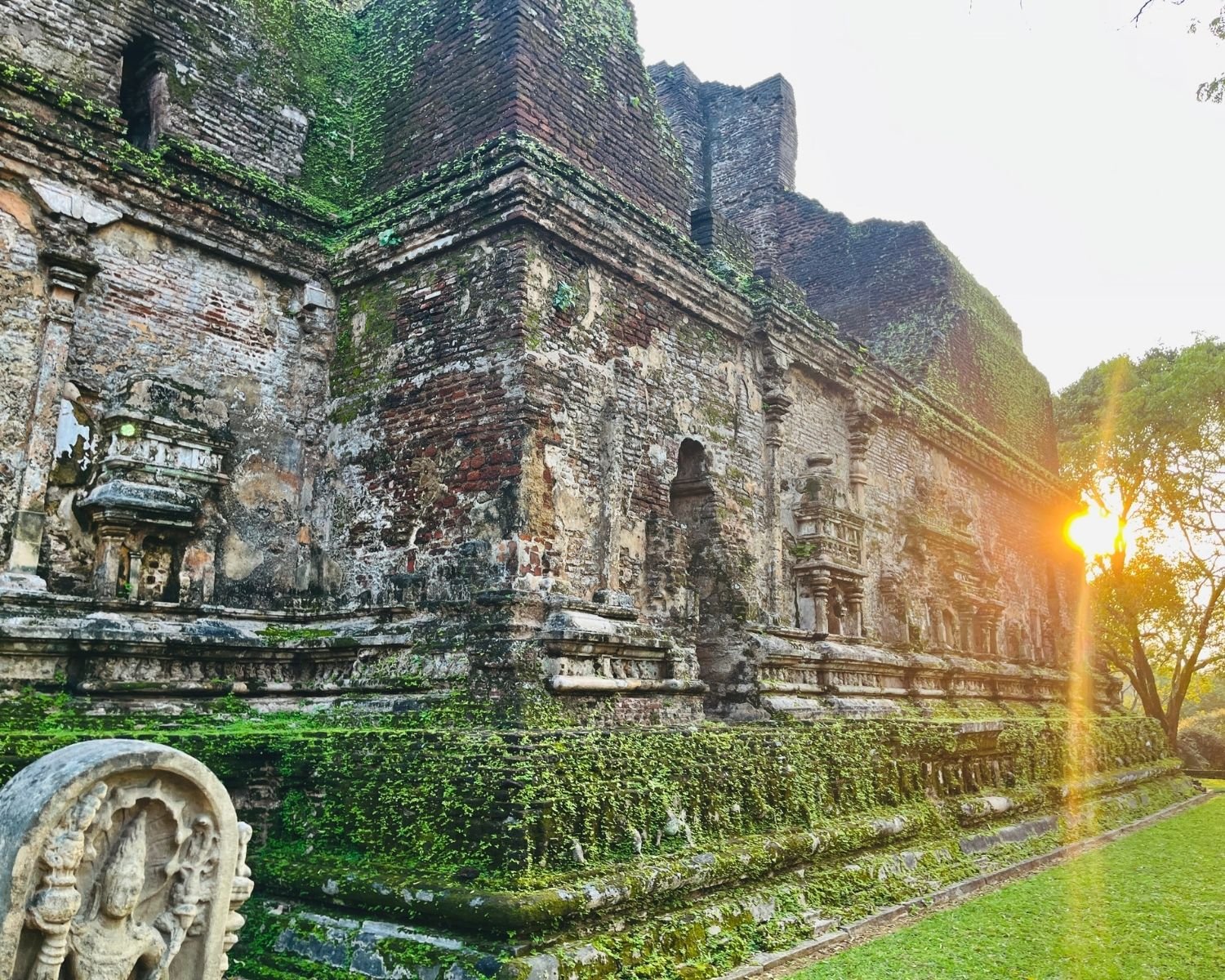
Tall brick walls, stone platforms, forest edges, and surrounding ruins of the ancient monastery. Quiet and atmospheric archaeological setting.
Tall brick walls, stone platforms, forest edges, and surrounding ruins of the ancient monastery. Quiet and atmospheric archaeological setting.
Art & Culture
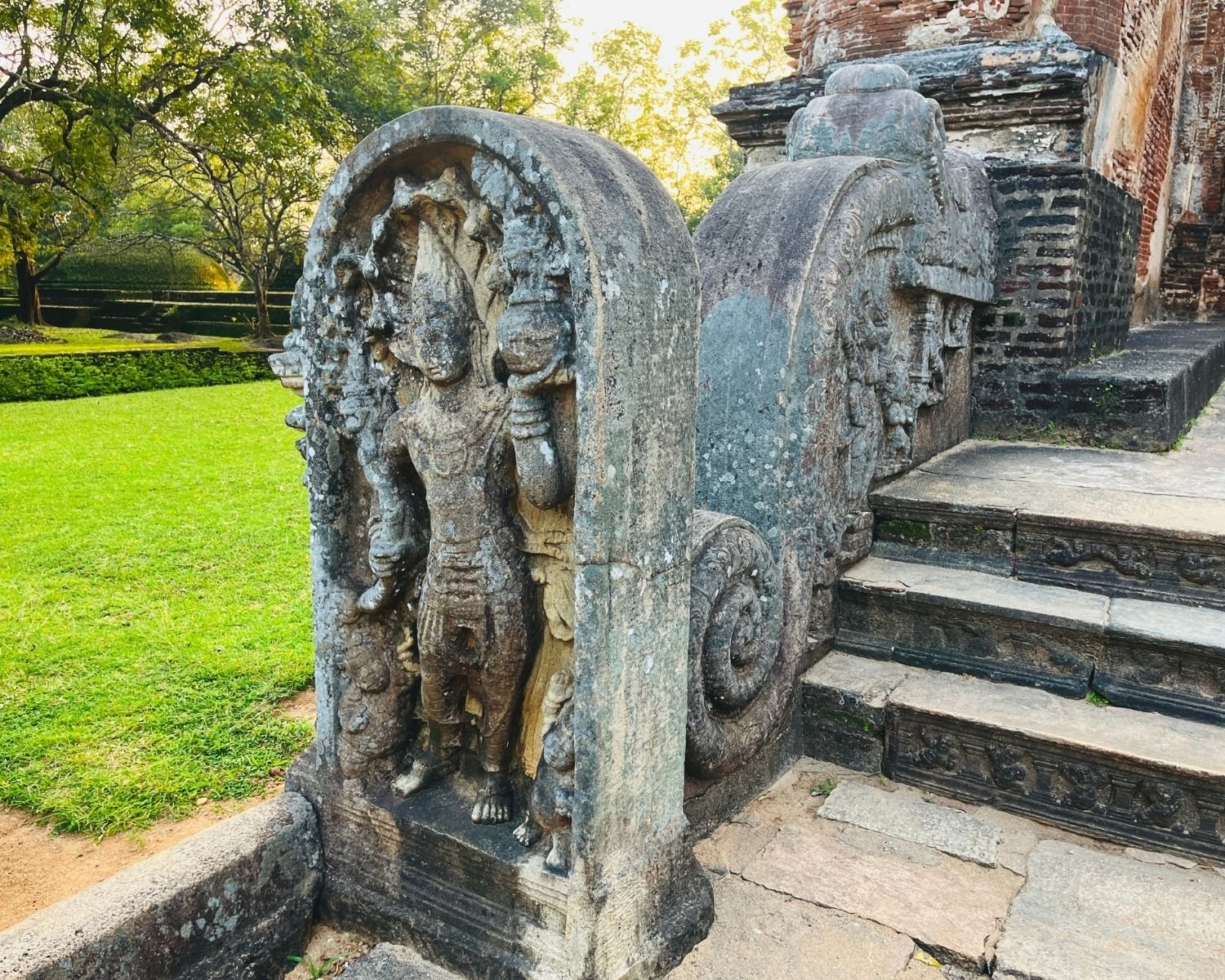
Monumental standing Buddha statue, guardian carvings, classical Polonnaruwa motifs, and refined brick construction techniques from the 12th century.
Monumental standing Buddha statue, guardian carvings, classical Polonnaruwa motifs, and refined brick construction techniques from the 12th century.
Top Pick
Location
View on Map
View on Map
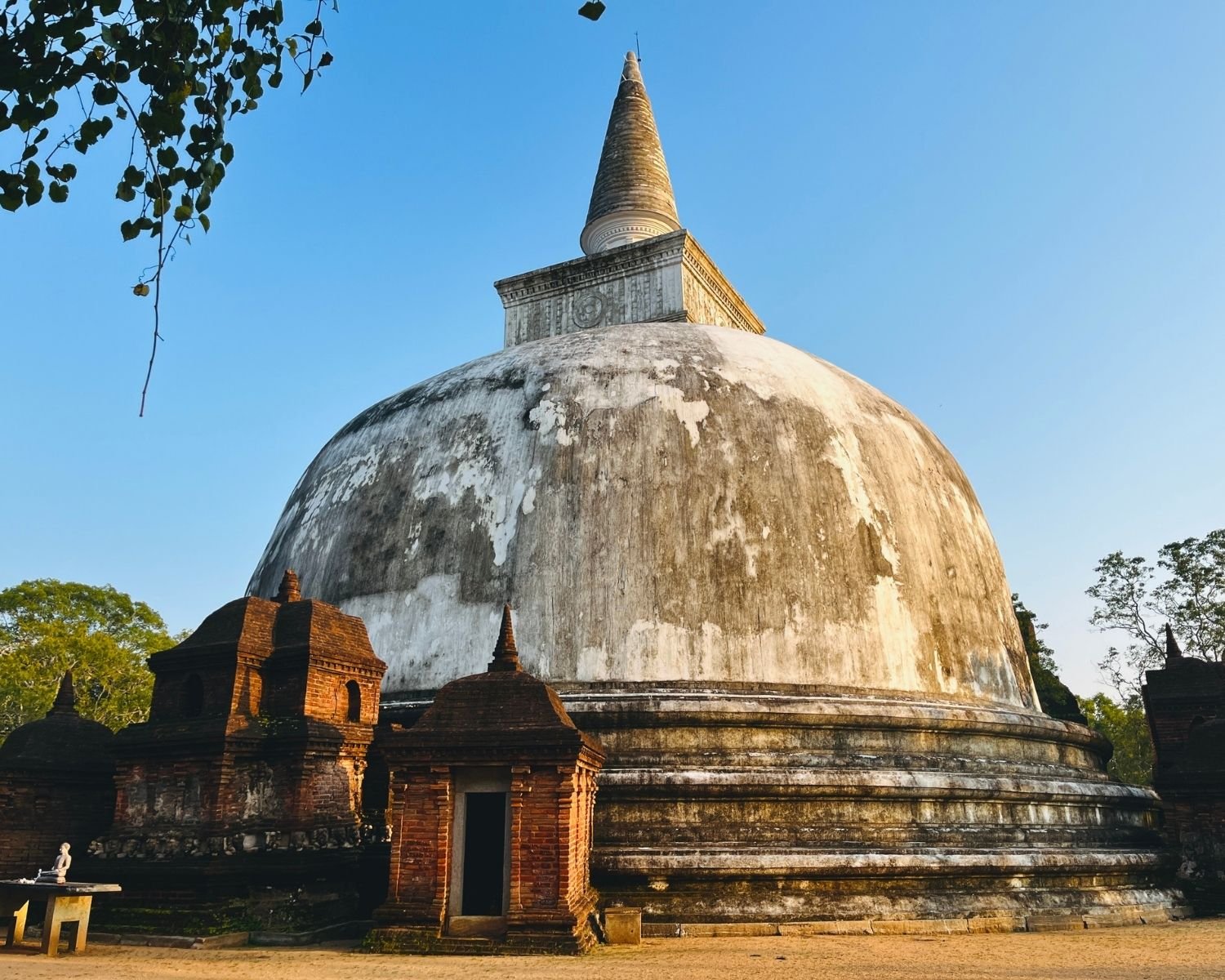
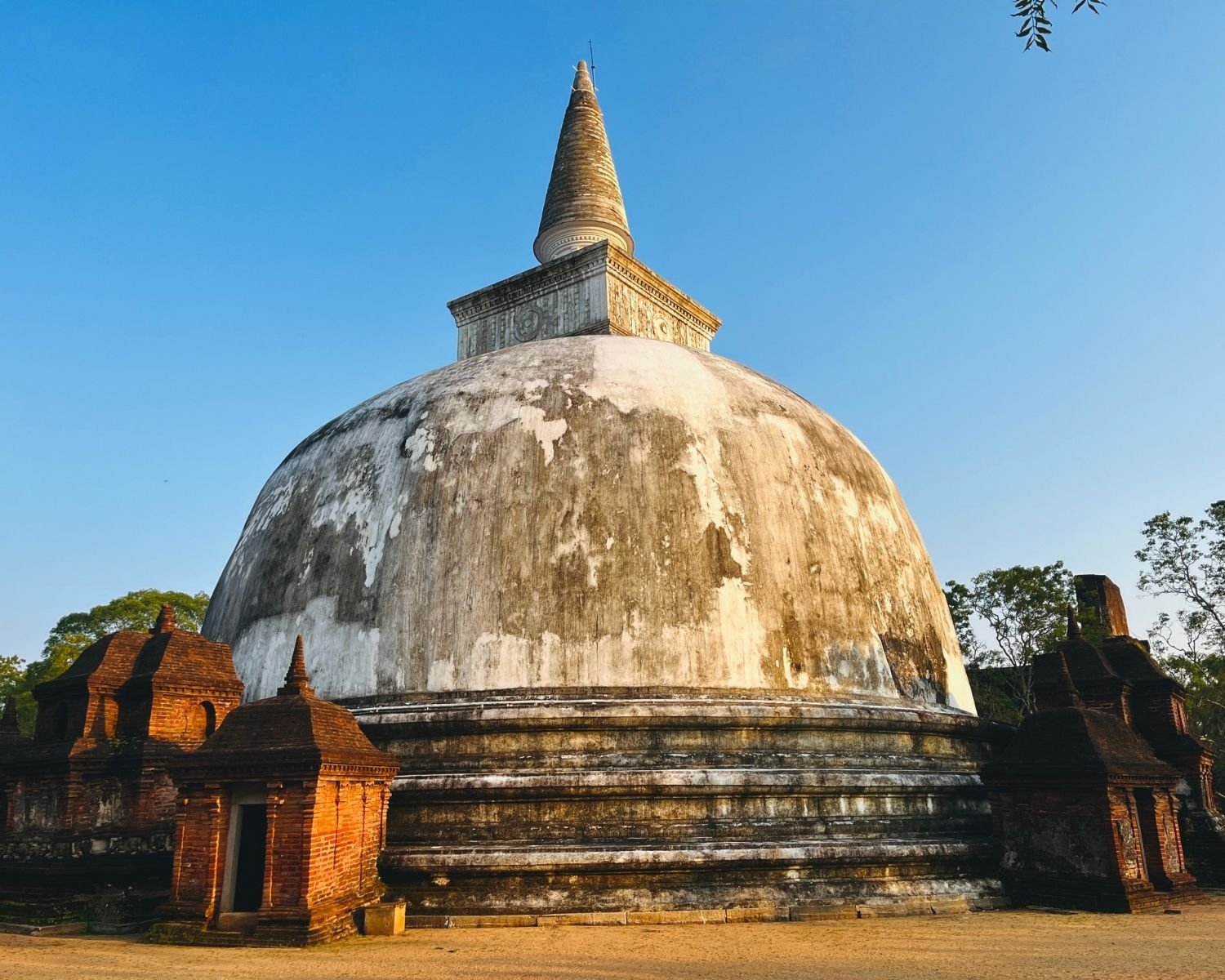
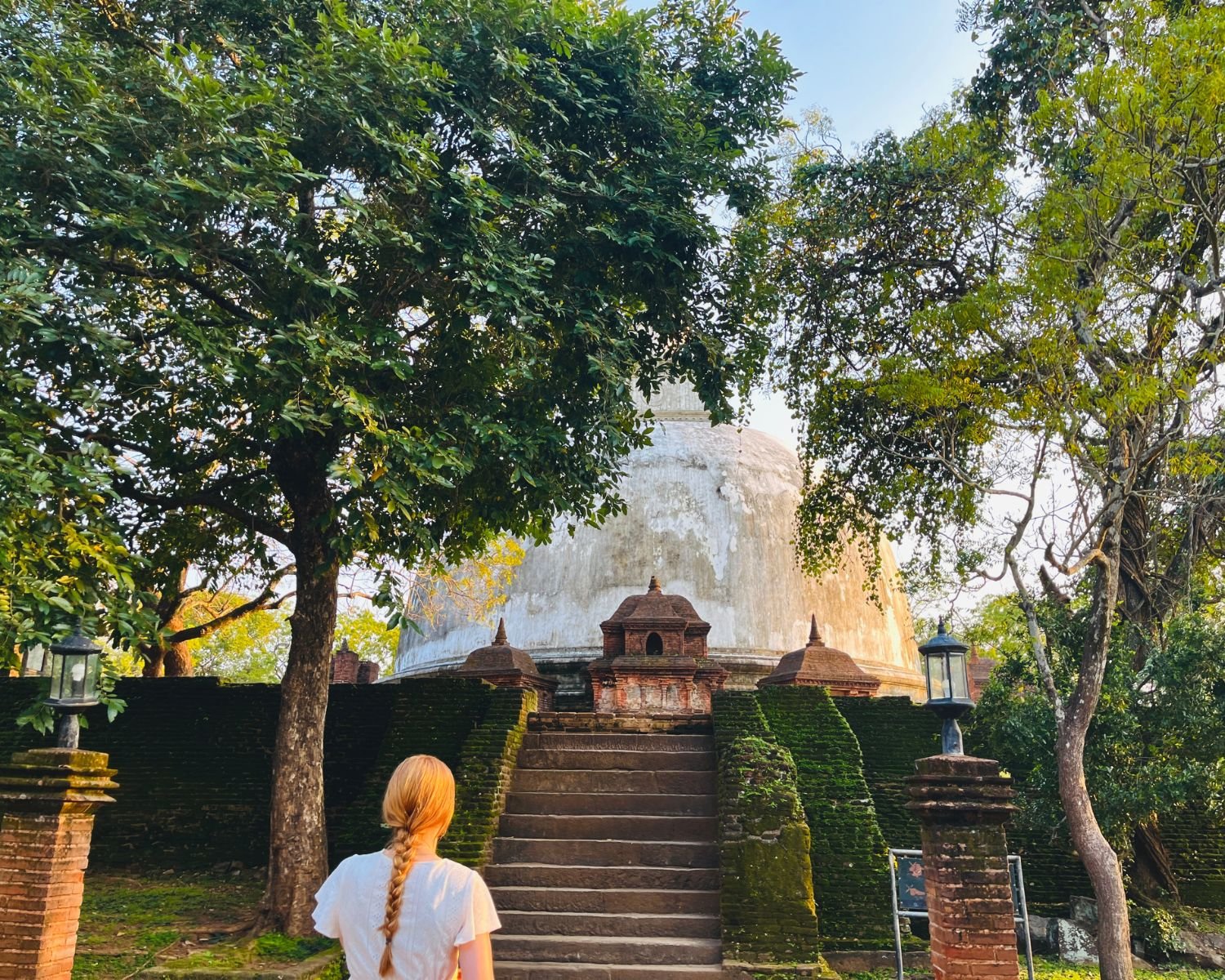
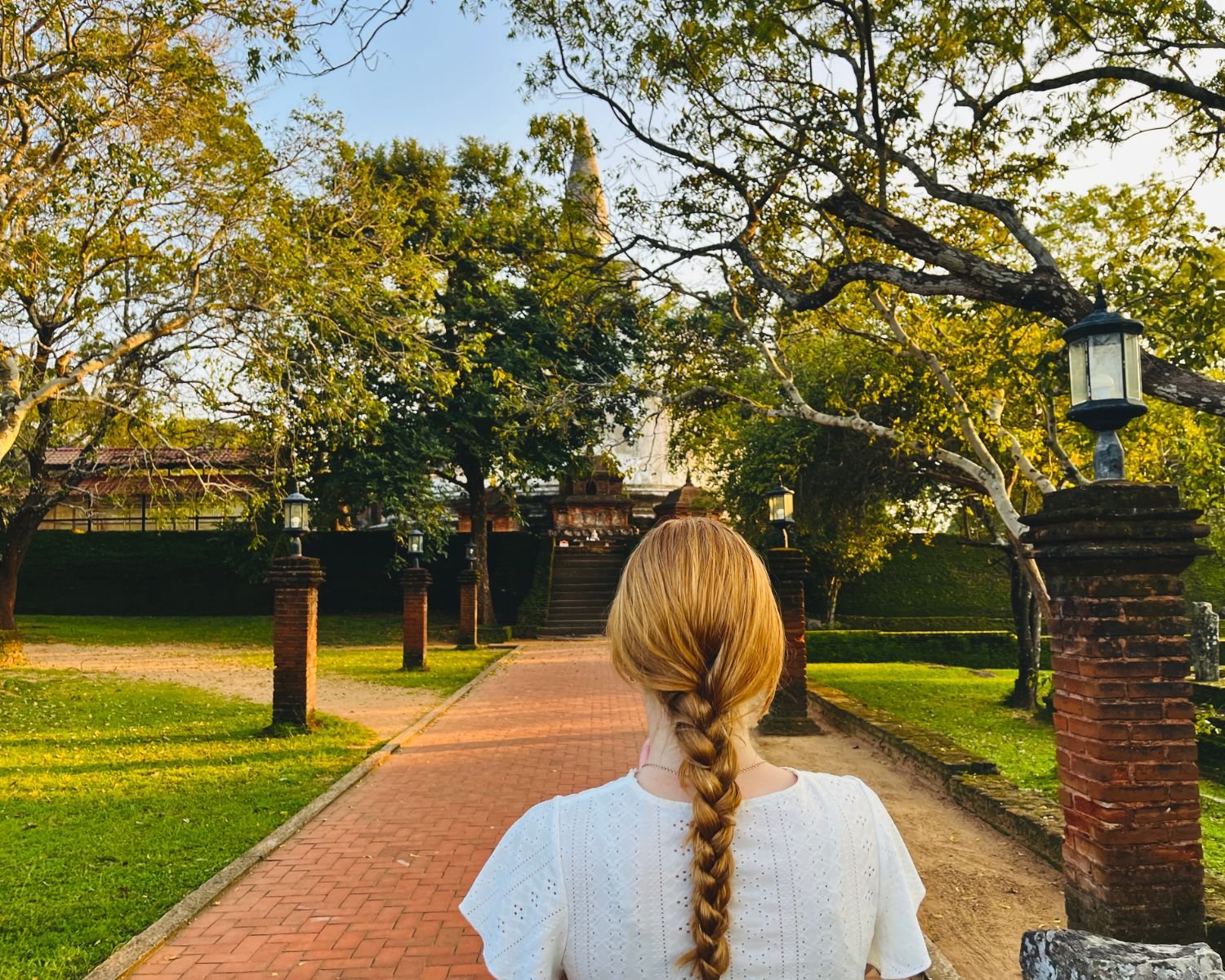
Buddhist Site
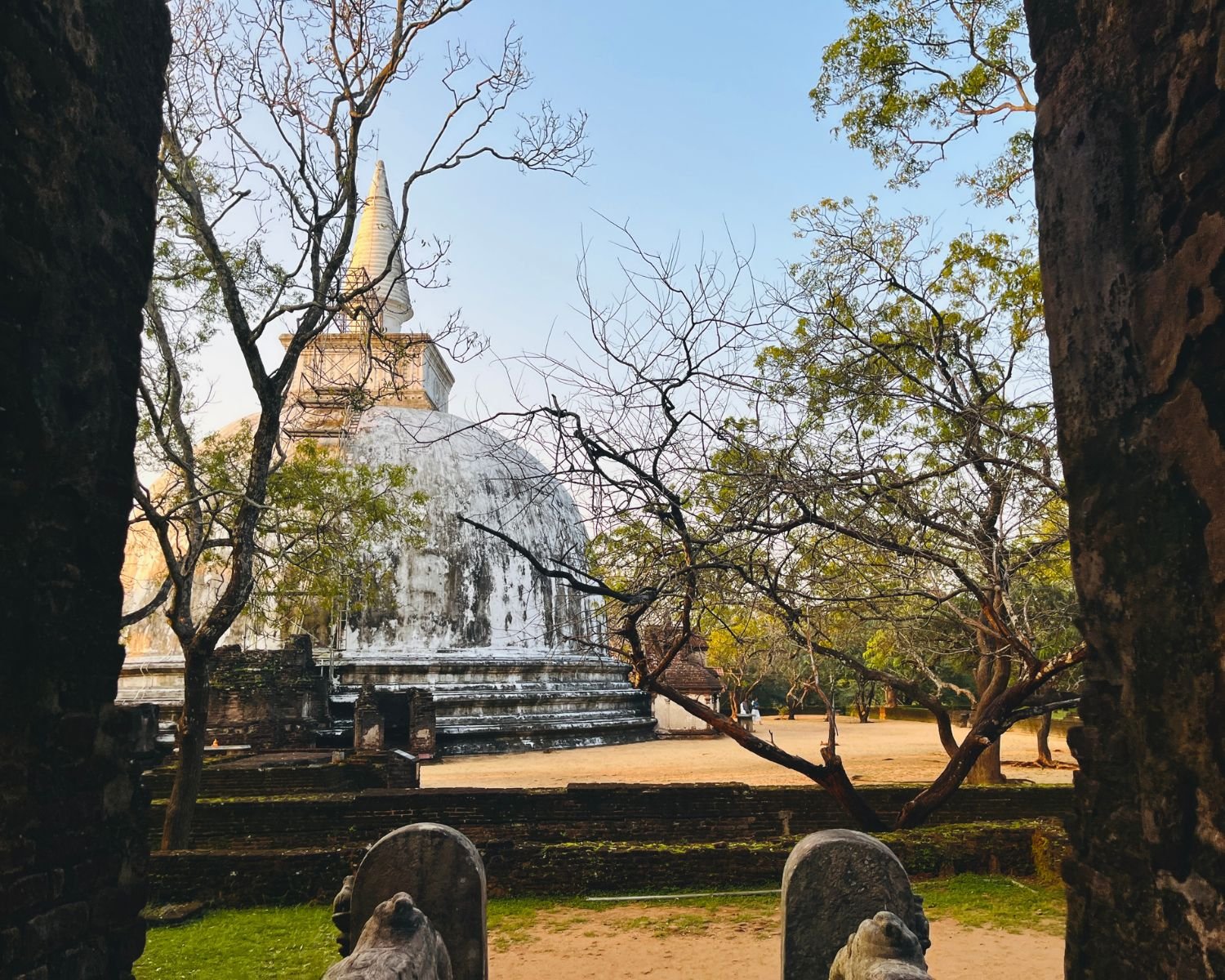
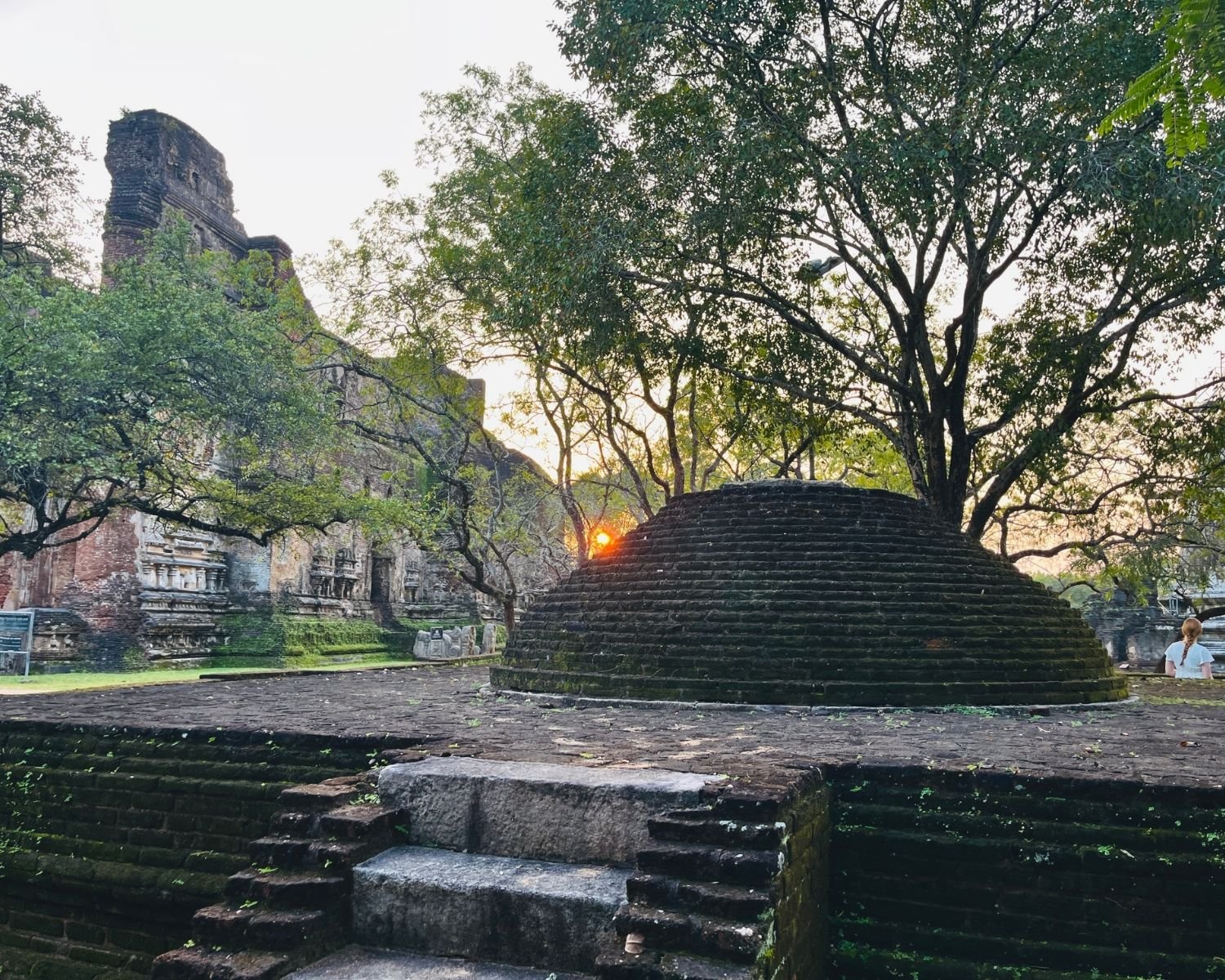
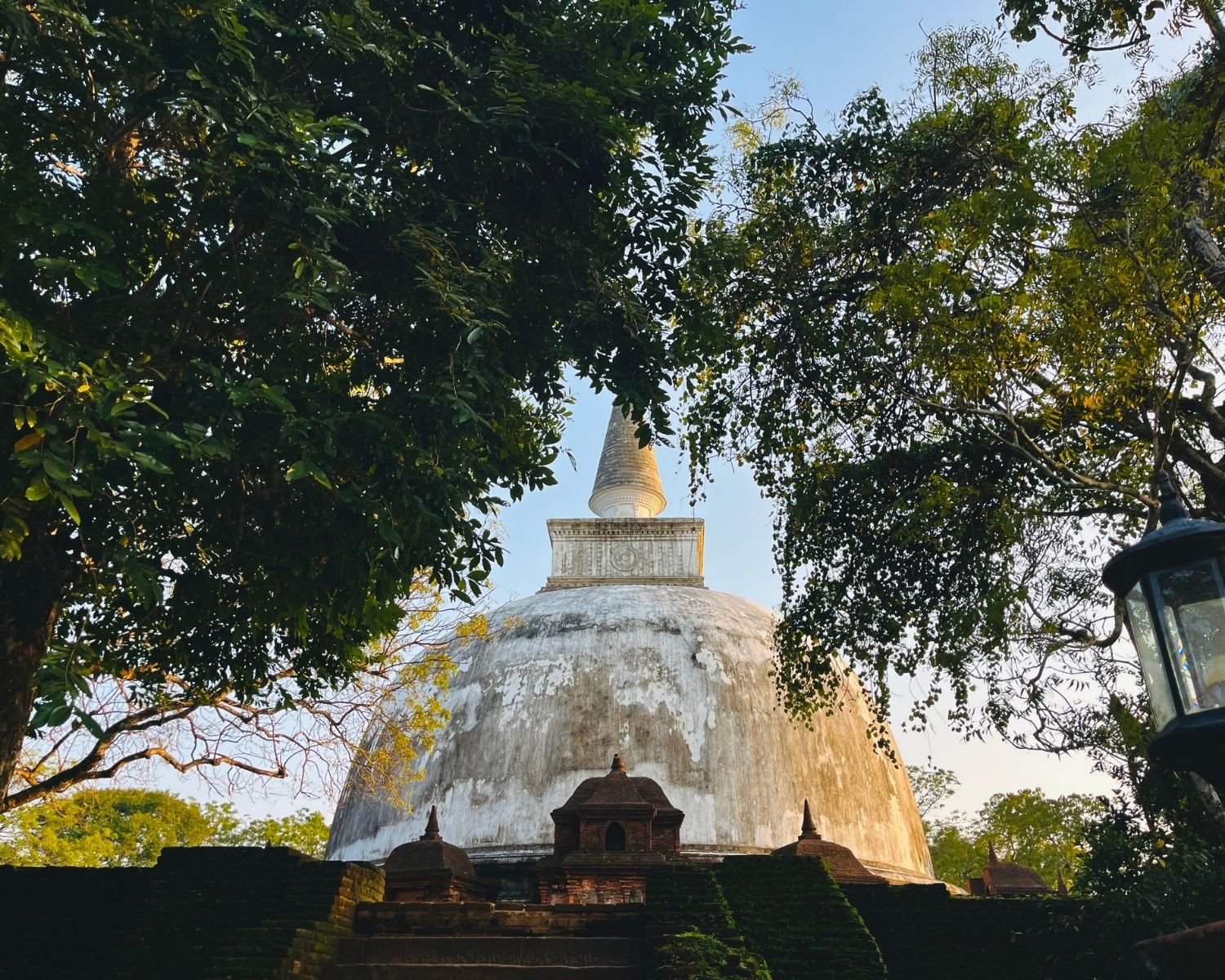
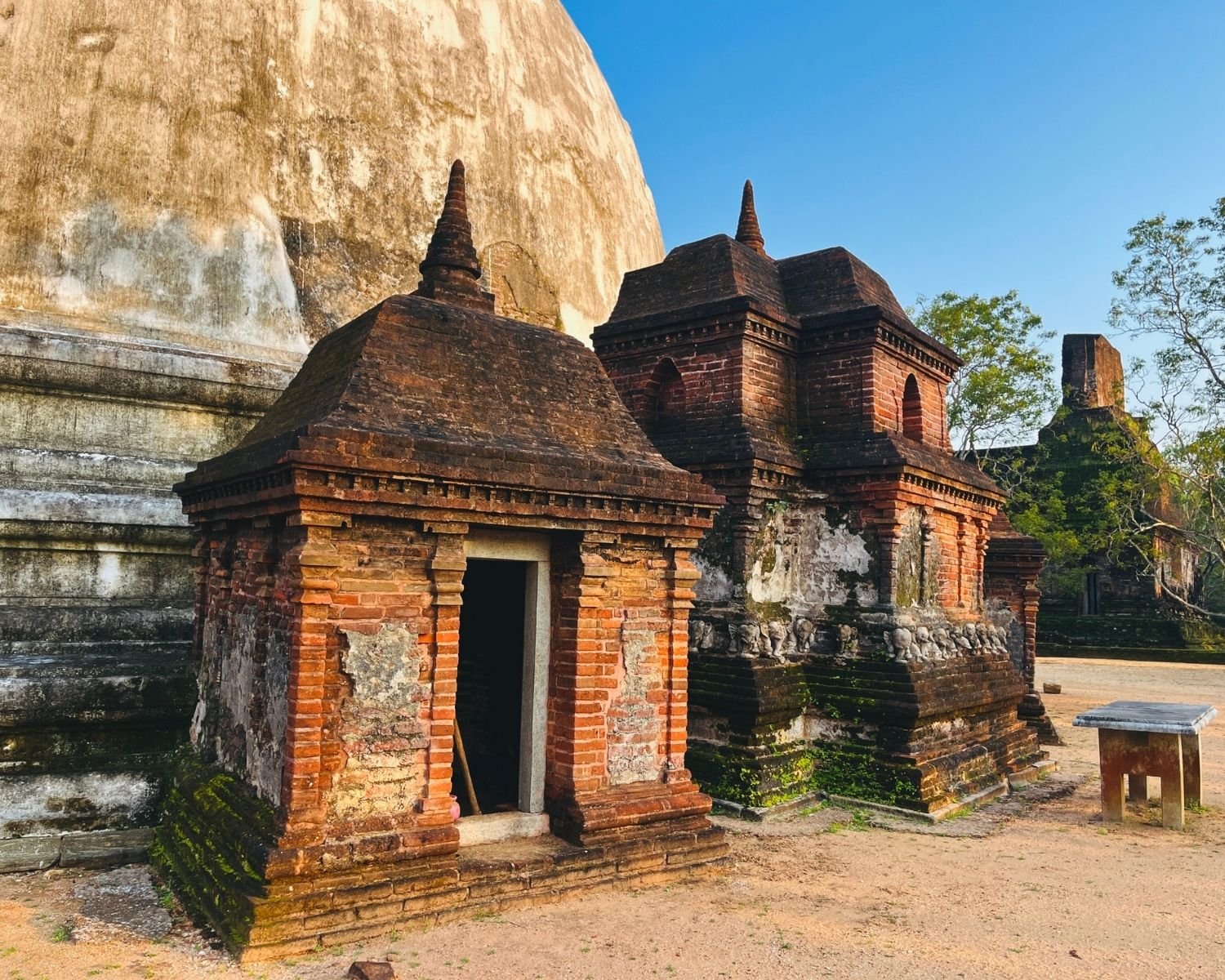
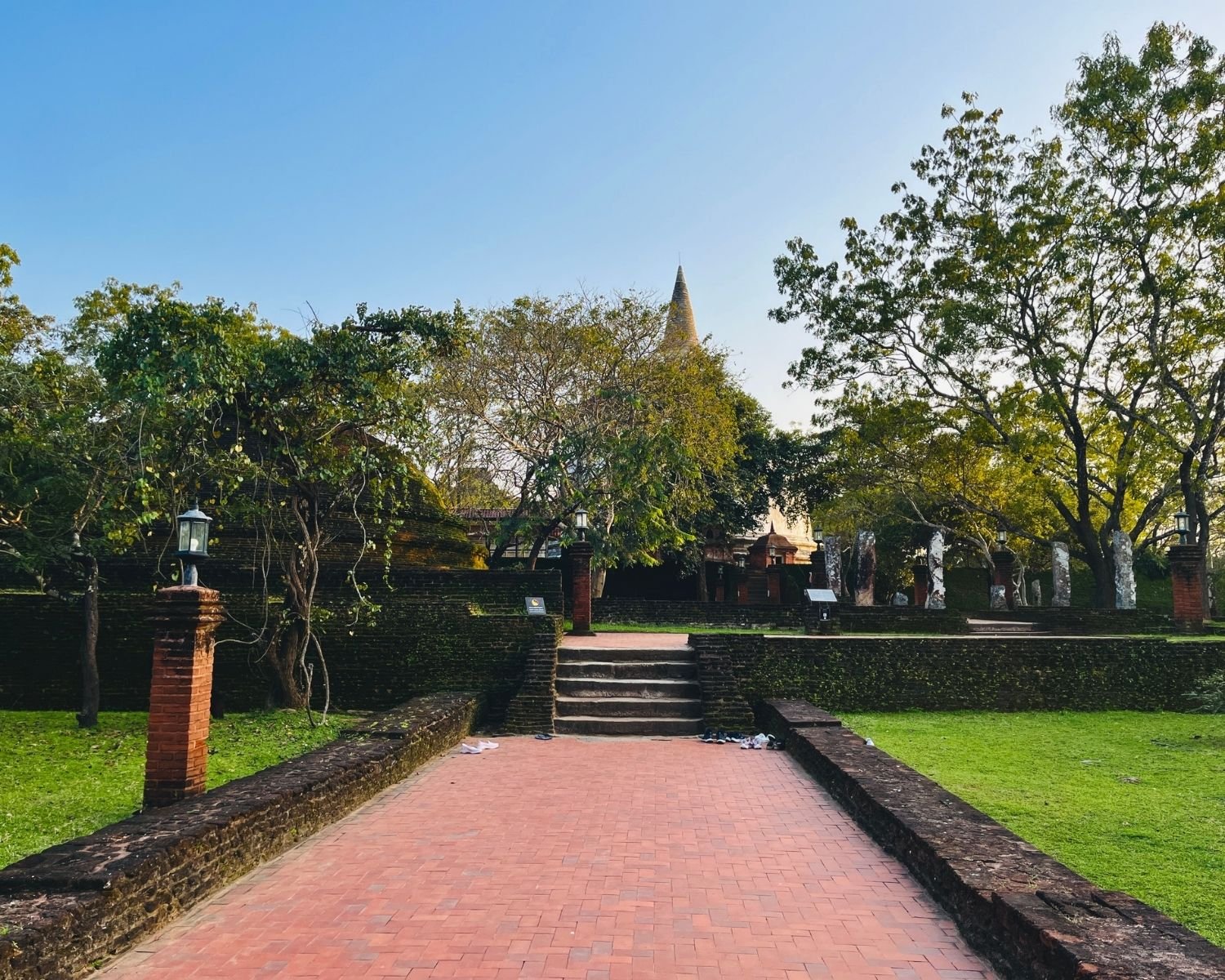
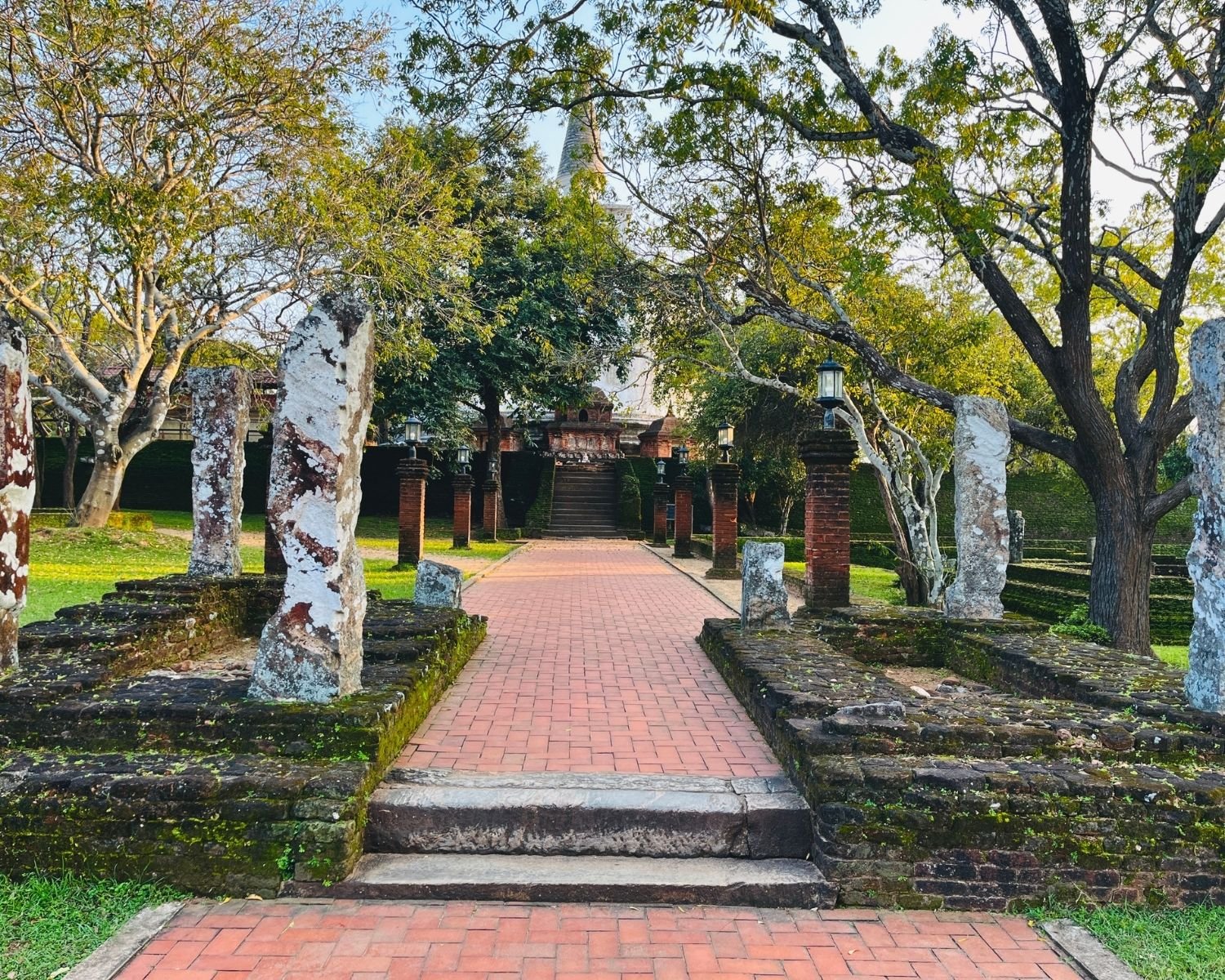
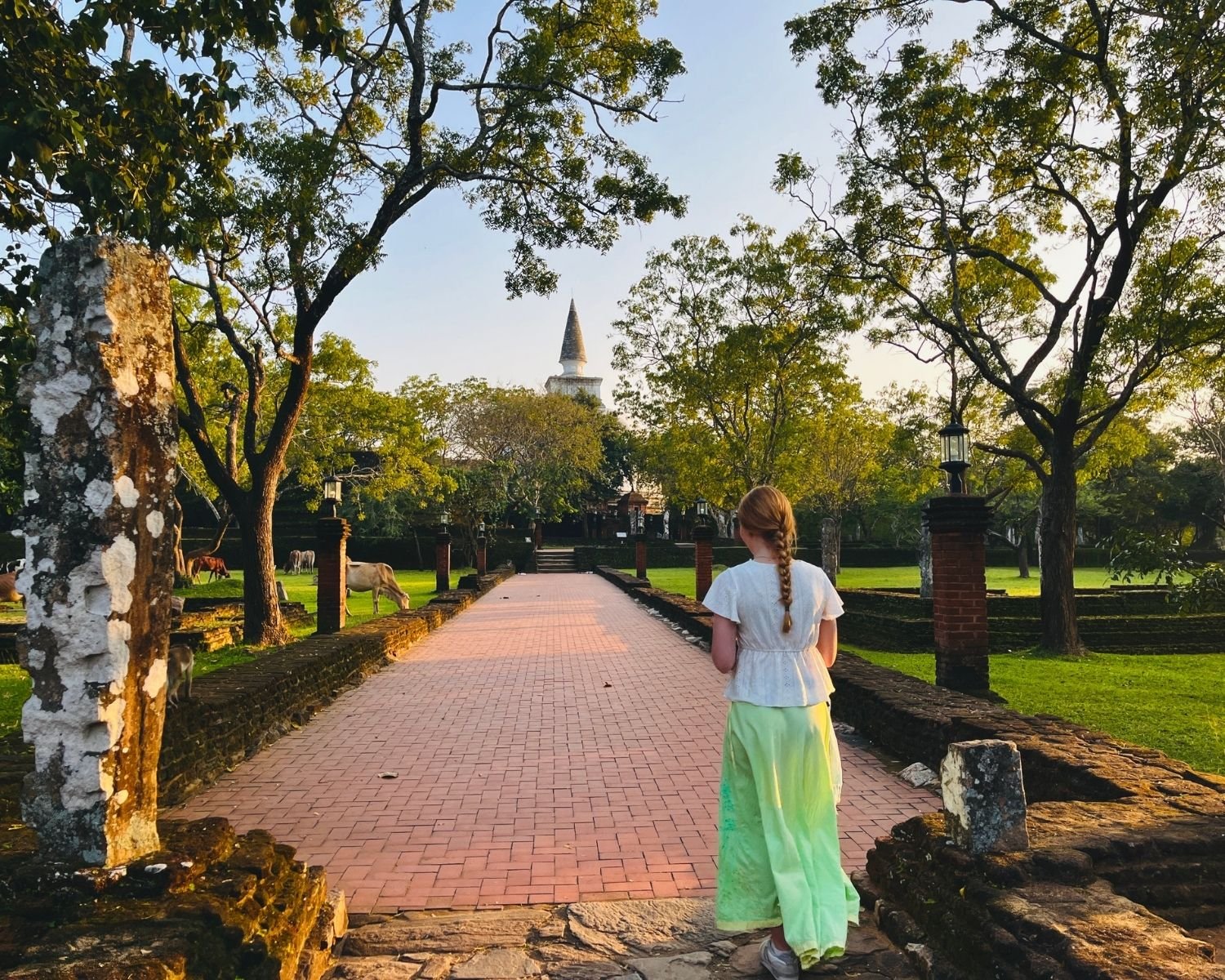
Well-preserved 12th-century stupa within the Alahana Pirivena Monastic Complex, still used as a place of worship.
Well-preserved 12th-century stupa within the Alahana Pirivena Monastic Complex, still used as a place of worship.
History
Built in the 12th century CE by Queen Subhadradevi during the reign of King Parakramabahu I. One of the few Polonnaruwa stupas to survive with minimal structural alteration.
Built in the 12th century CE by Queen Subhadradevi during the reign of King Parakramabahu I. One of the few Polonnaruwa stupas to survive with minimal structural alteration.
Scenery
Quiet open courtyard, stone paving, nearby monastic ruins, and a peaceful setting within the northern sacred complex.
Quiet open courtyard, stone paving, nearby monastic ruins, and a peaceful setting within the northern sacred complex.
Art & Culture
Classic Polonnaruwa stupa architecture, original form and proportions, and long standing religious practices tied to royal devotion.
Classic Polonnaruwa stupa architecture, original form and proportions, and long standing religious practices tied to royal devotion.
Top Pick
Location
View on Map
View on Map
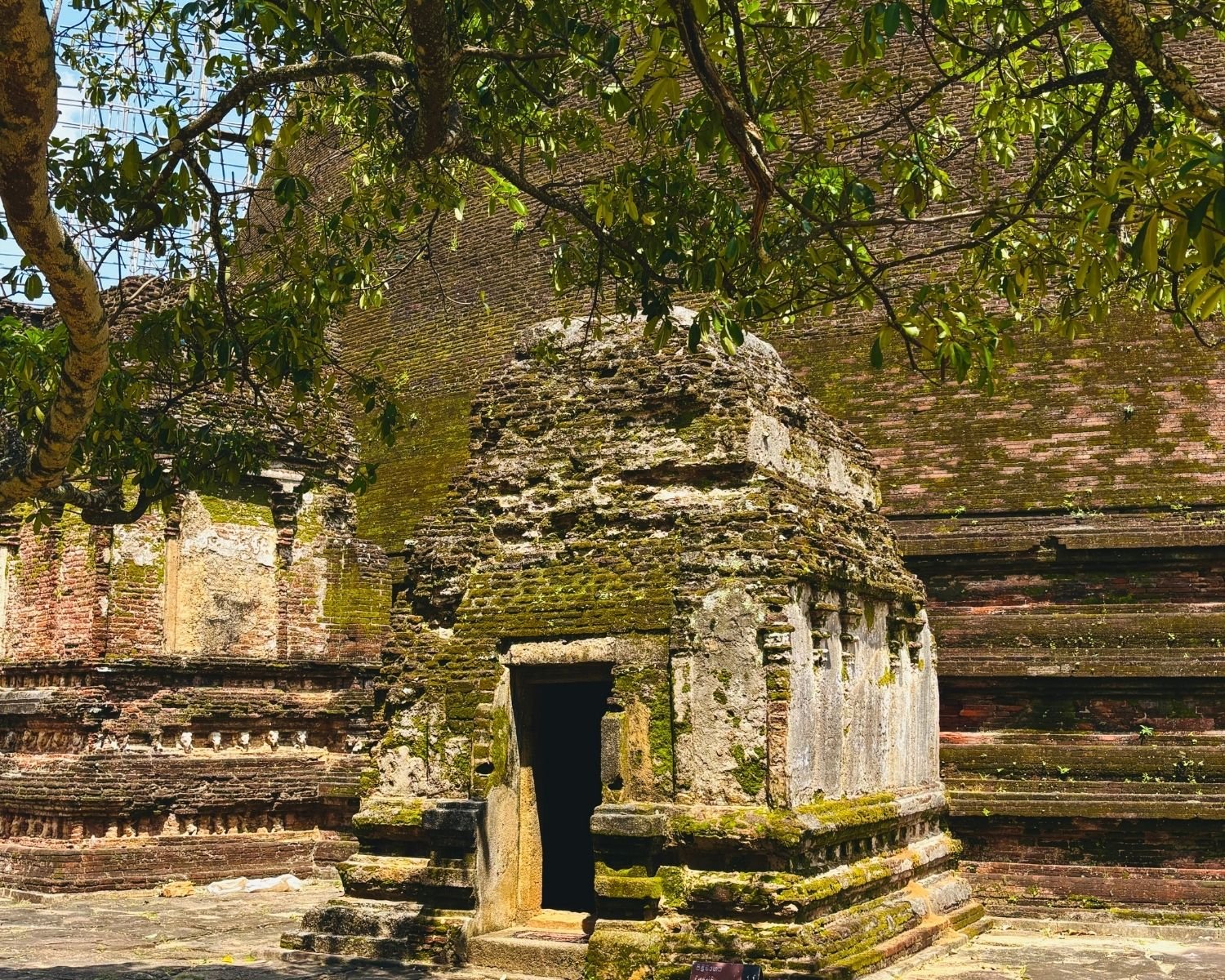
Buddhist Site
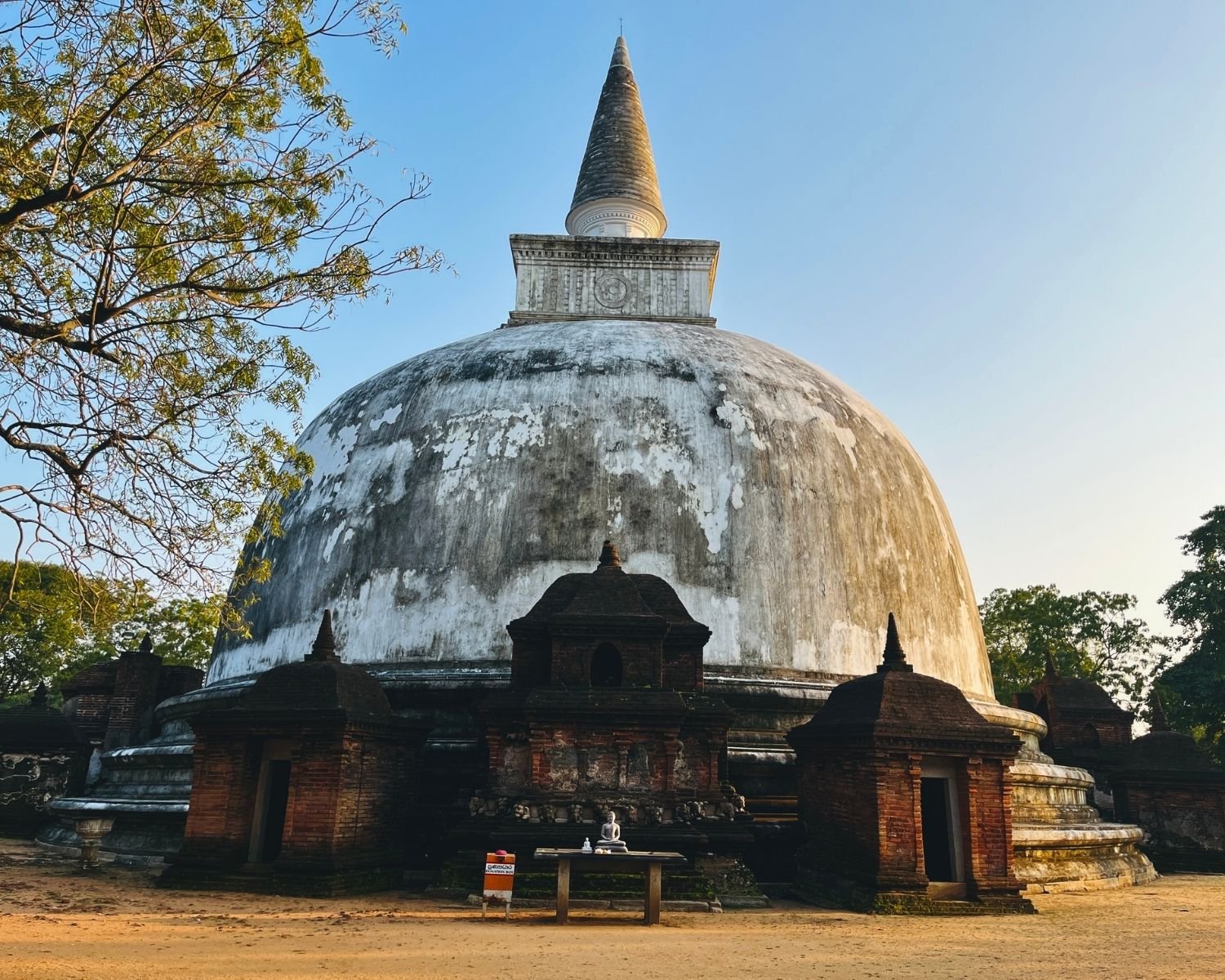
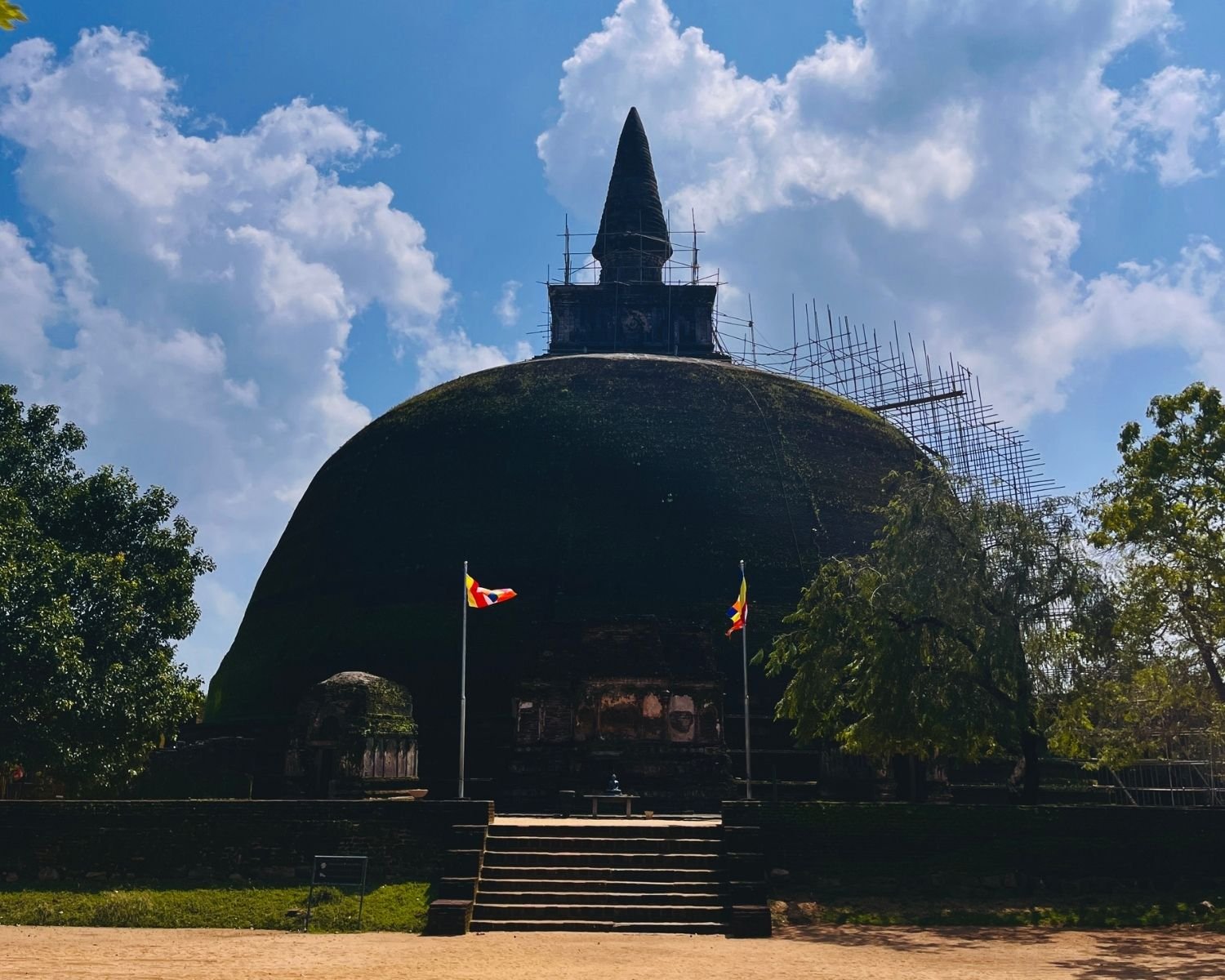
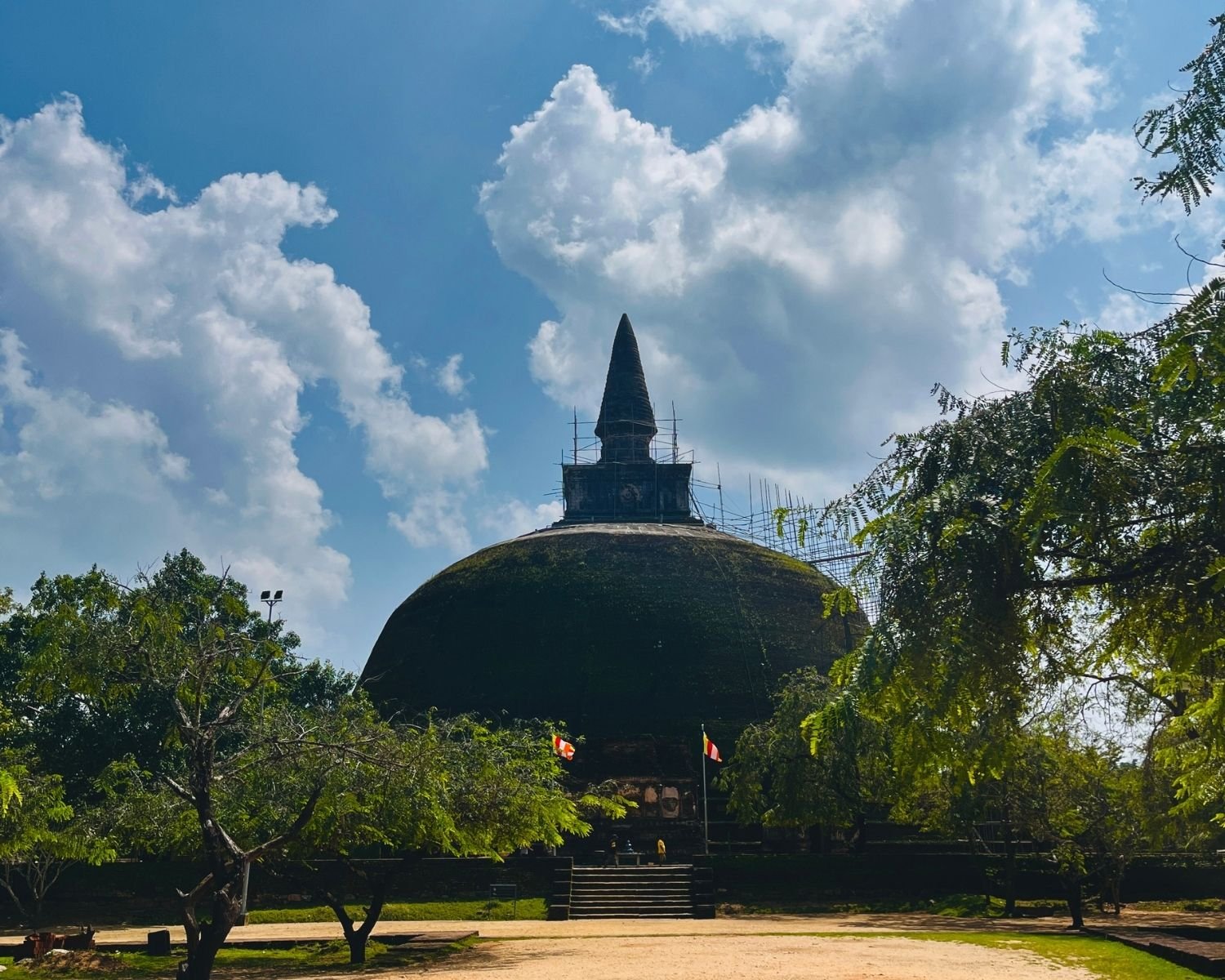
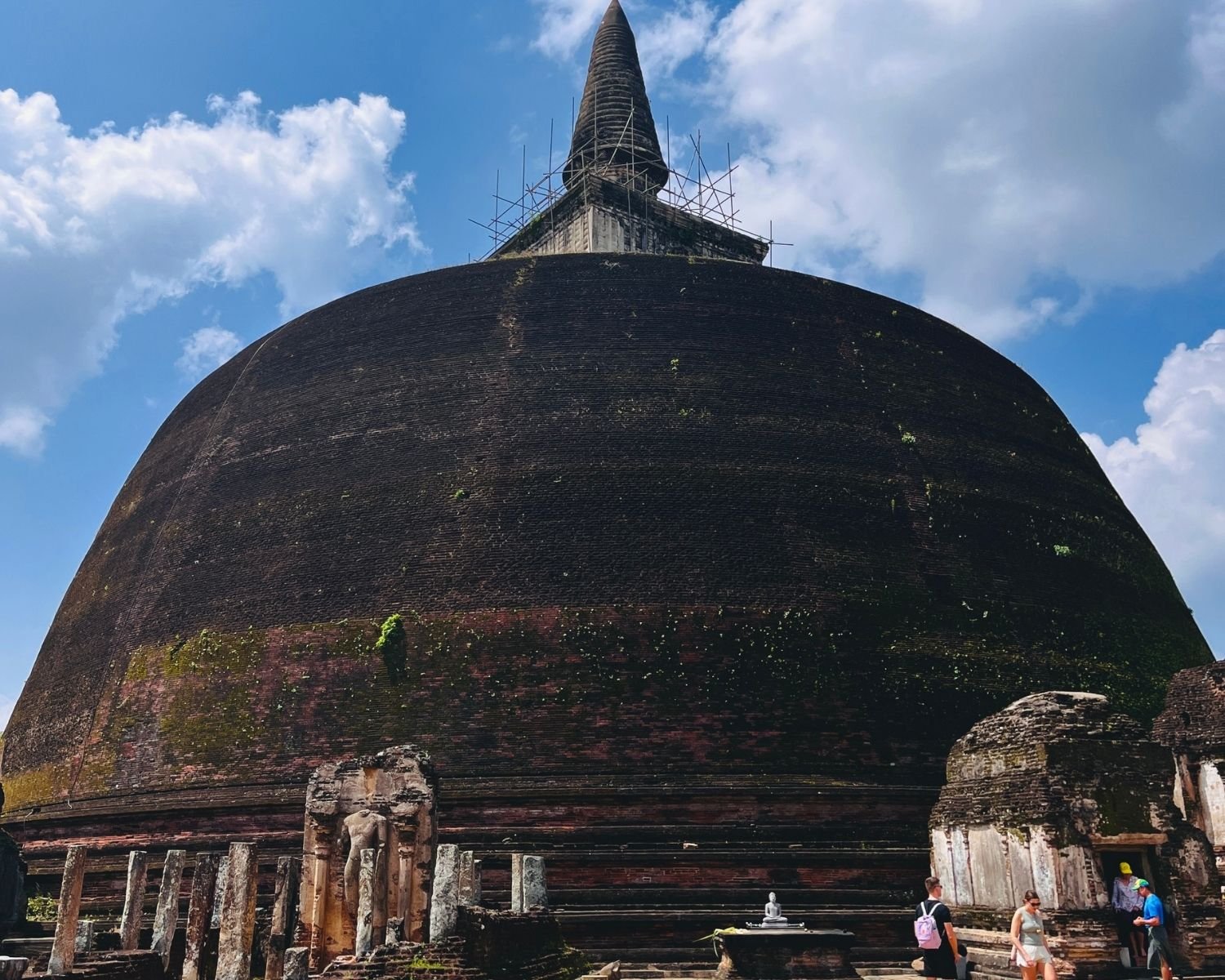
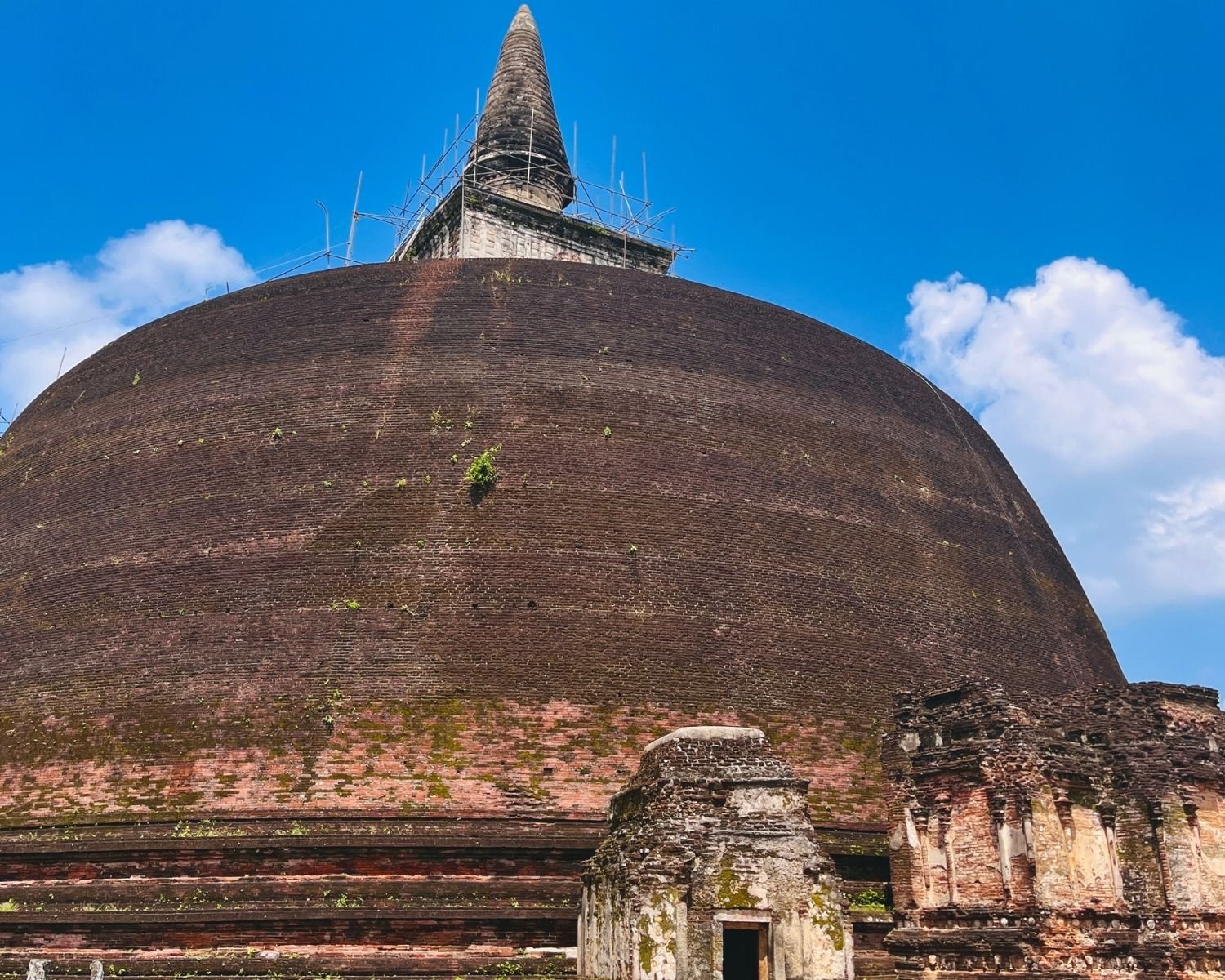
Largest stupa in Polonnaruwa, built as a major 12th-century religious monument and still used for Buddhist worship.
Largest stupa in Polonnaruwa, built as a major 12th-century religious monument and still used for Buddhist worship.
History
Constructed in the late 12th century CE by King Nissanka Malla. Designed in the style of the great Anuradhapura stupas to reflect continuity of Buddhist tradition.
Constructed in the late 12th century CE by King Nissanka Malla. Designed in the style of the great Anuradhapura stupas to reflect continuity of Buddhist tradition.
Scenery
Wide open courtyard, stone-paved terraces, surrounding ruins, and an imposing stupa dominating the landscape.
Wide open courtyard, stone-paved terraces, surrounding ruins, and an imposing stupa dominating the landscape.
Art & Culture
Classic Sinhala stupa architecture, royal patronage symbolism, restored brickwork, and ongoing Buddhist worship practices.
Classic Sinhala stupa architecture, royal patronage symbolism, restored brickwork, and ongoing Buddhist worship practices.
Top Pick
Location
View on Map
View on Map
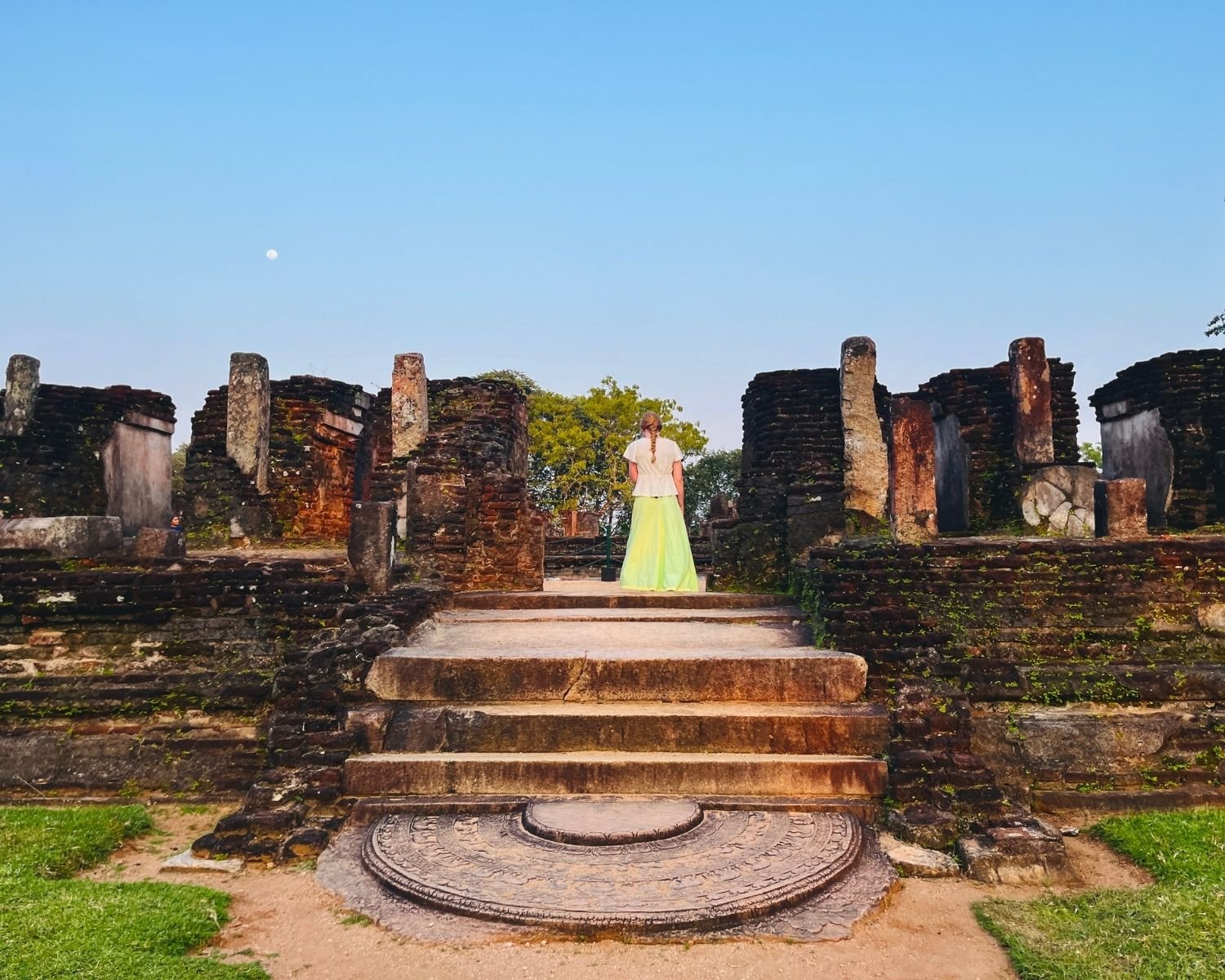
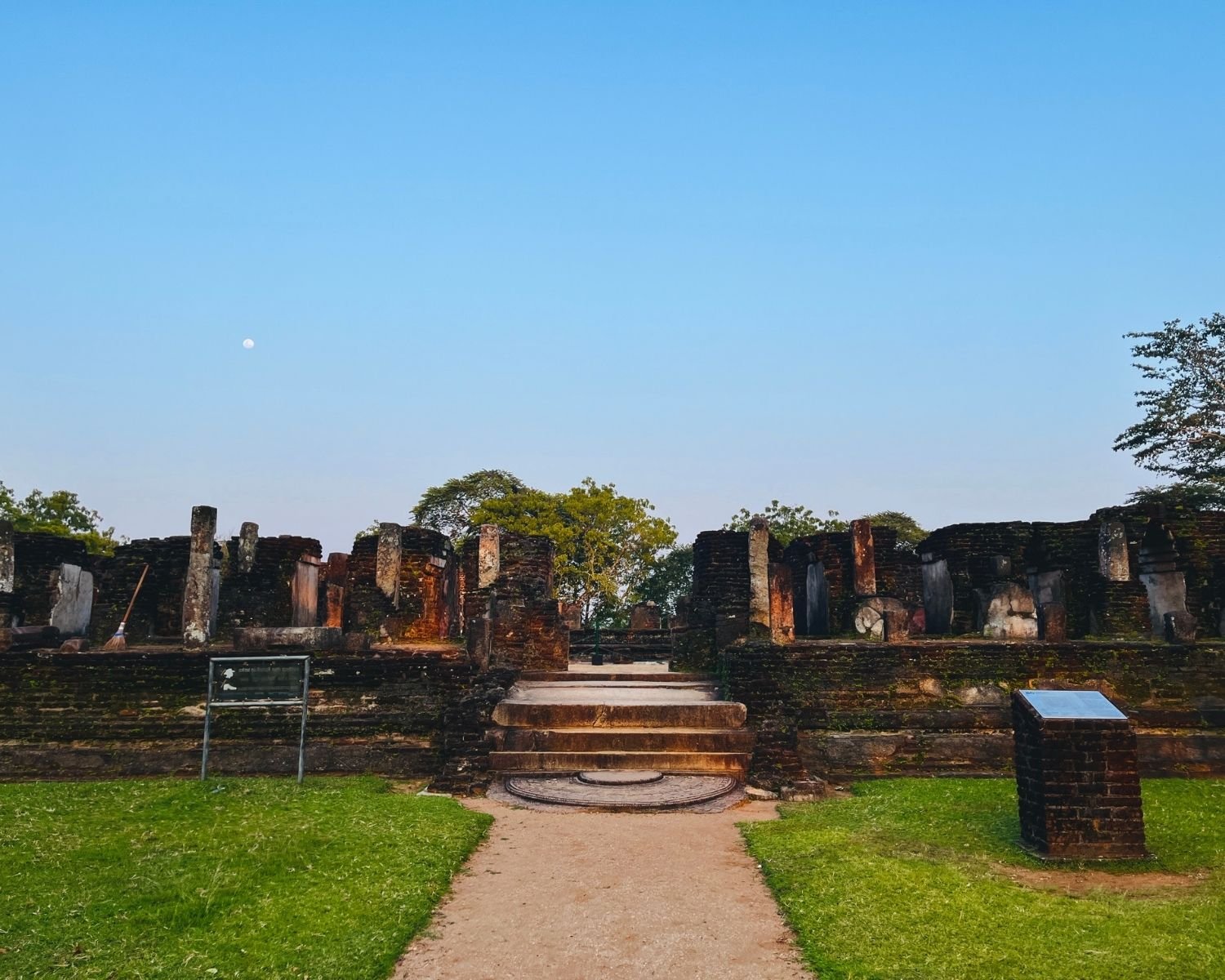
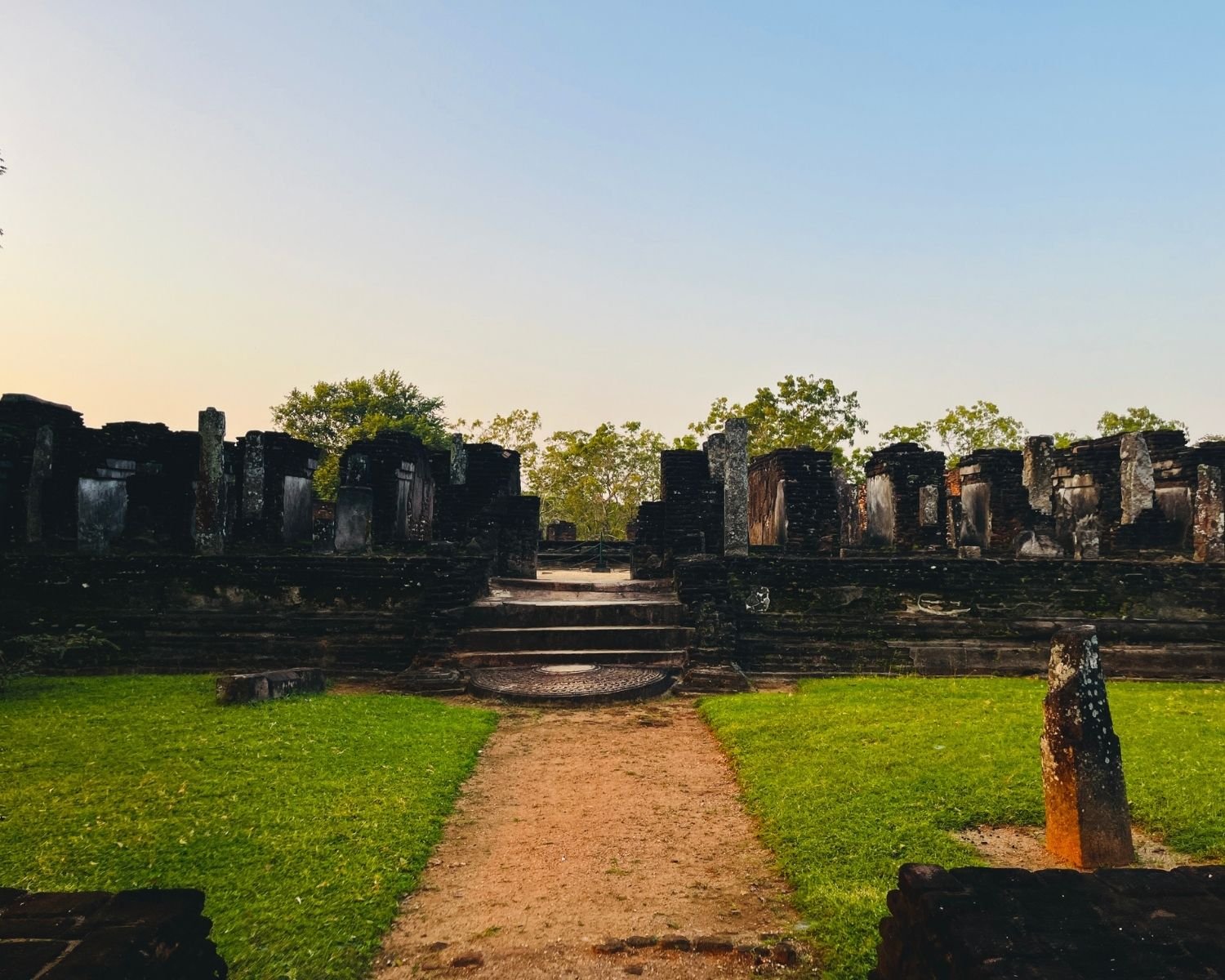
History
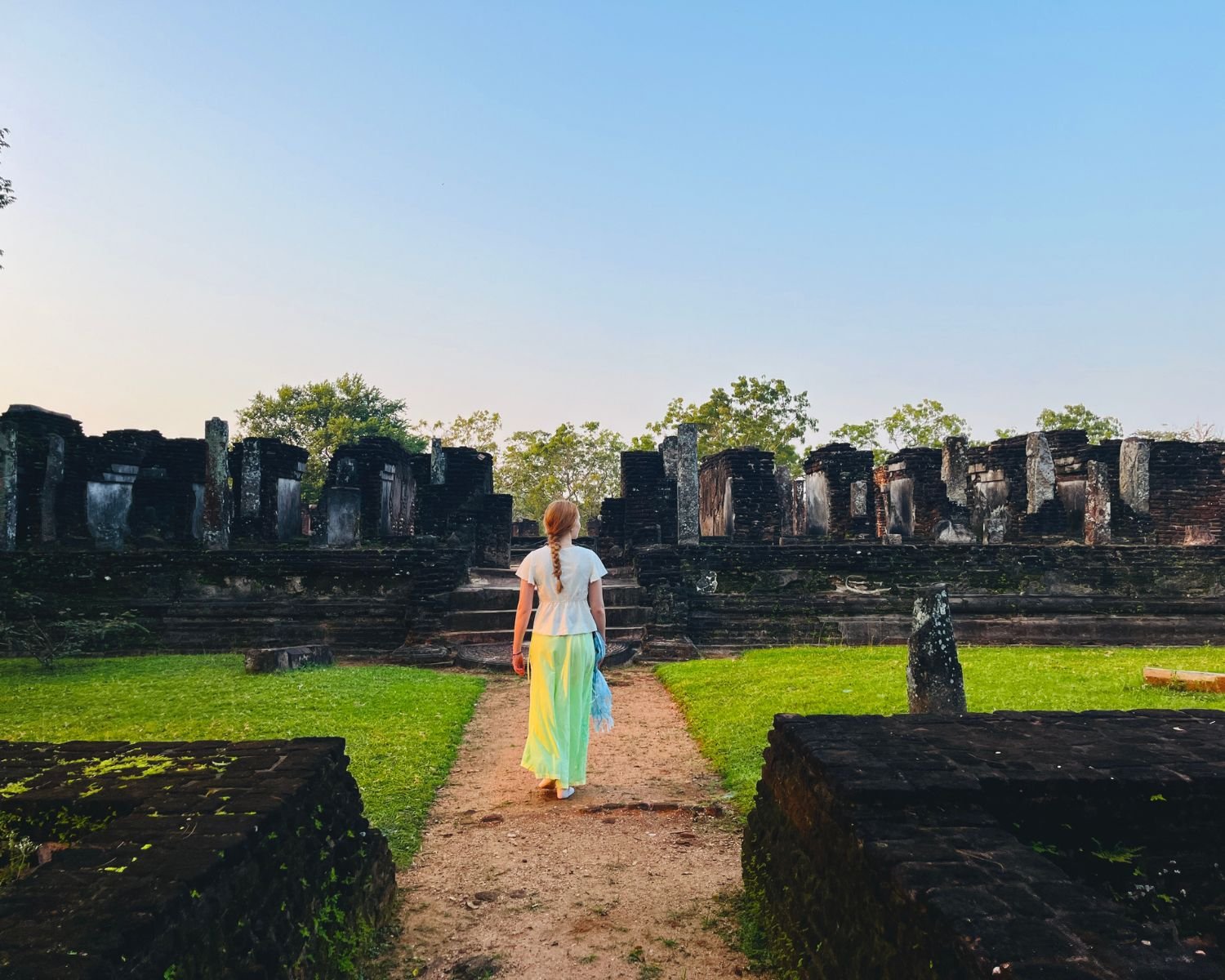
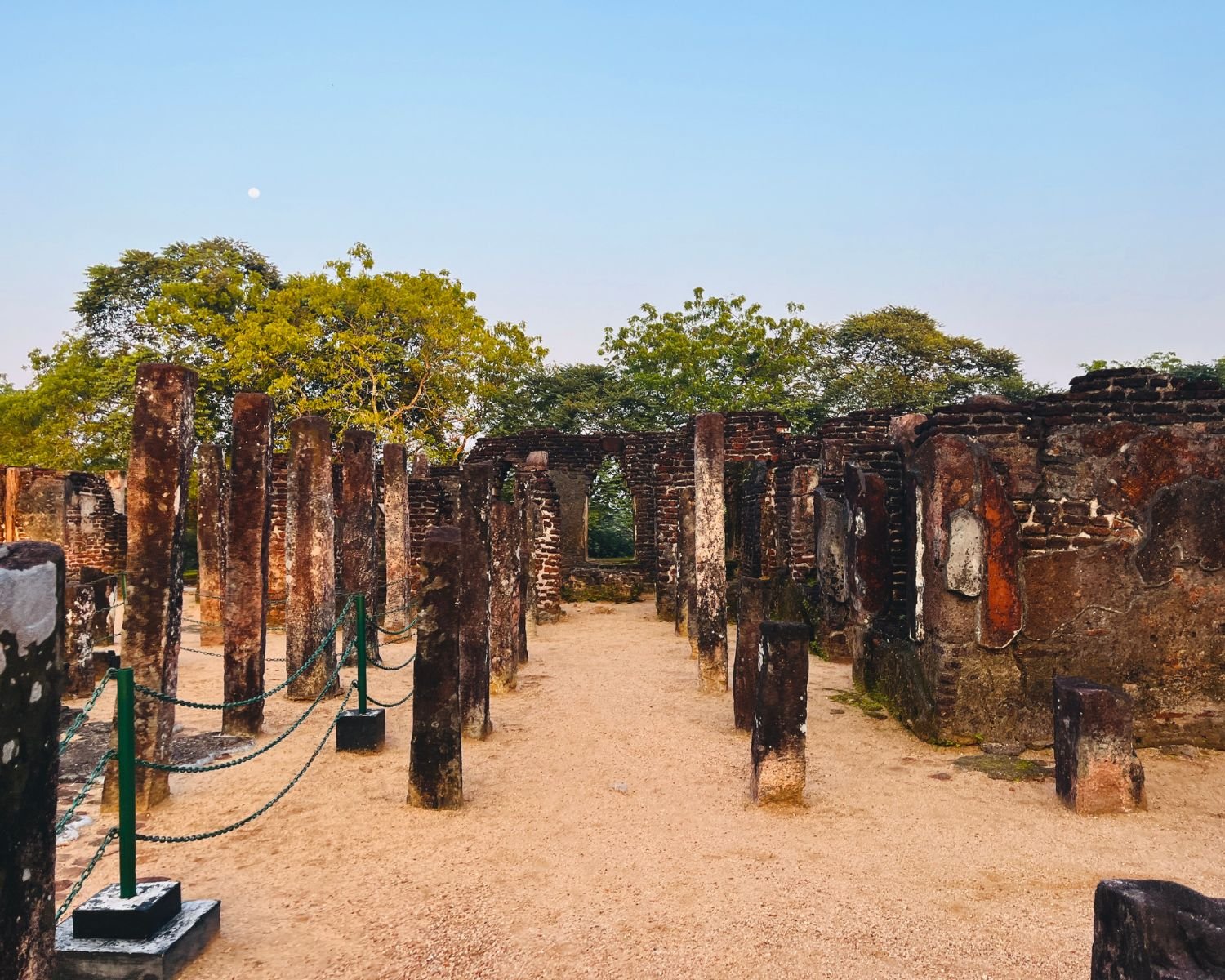
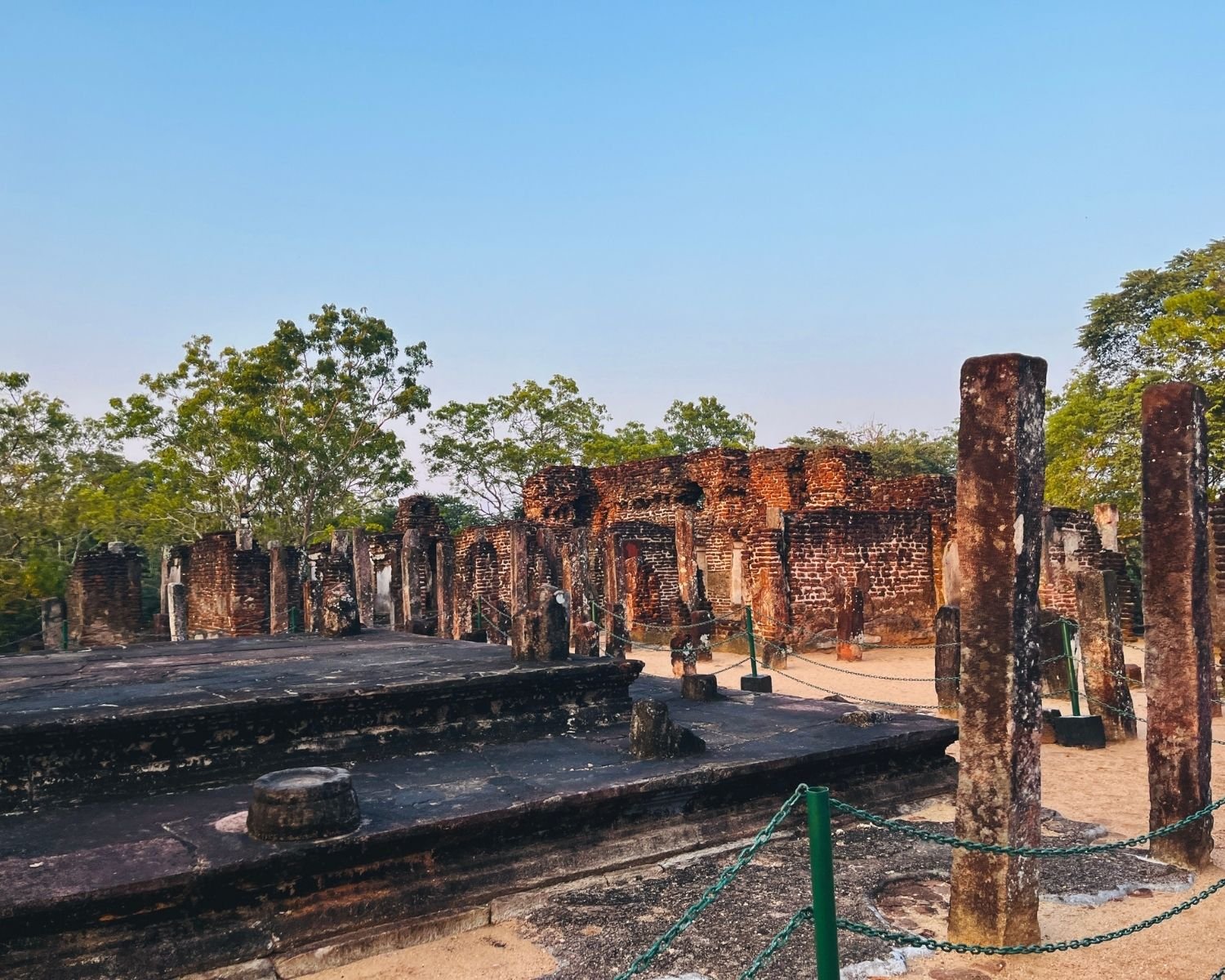
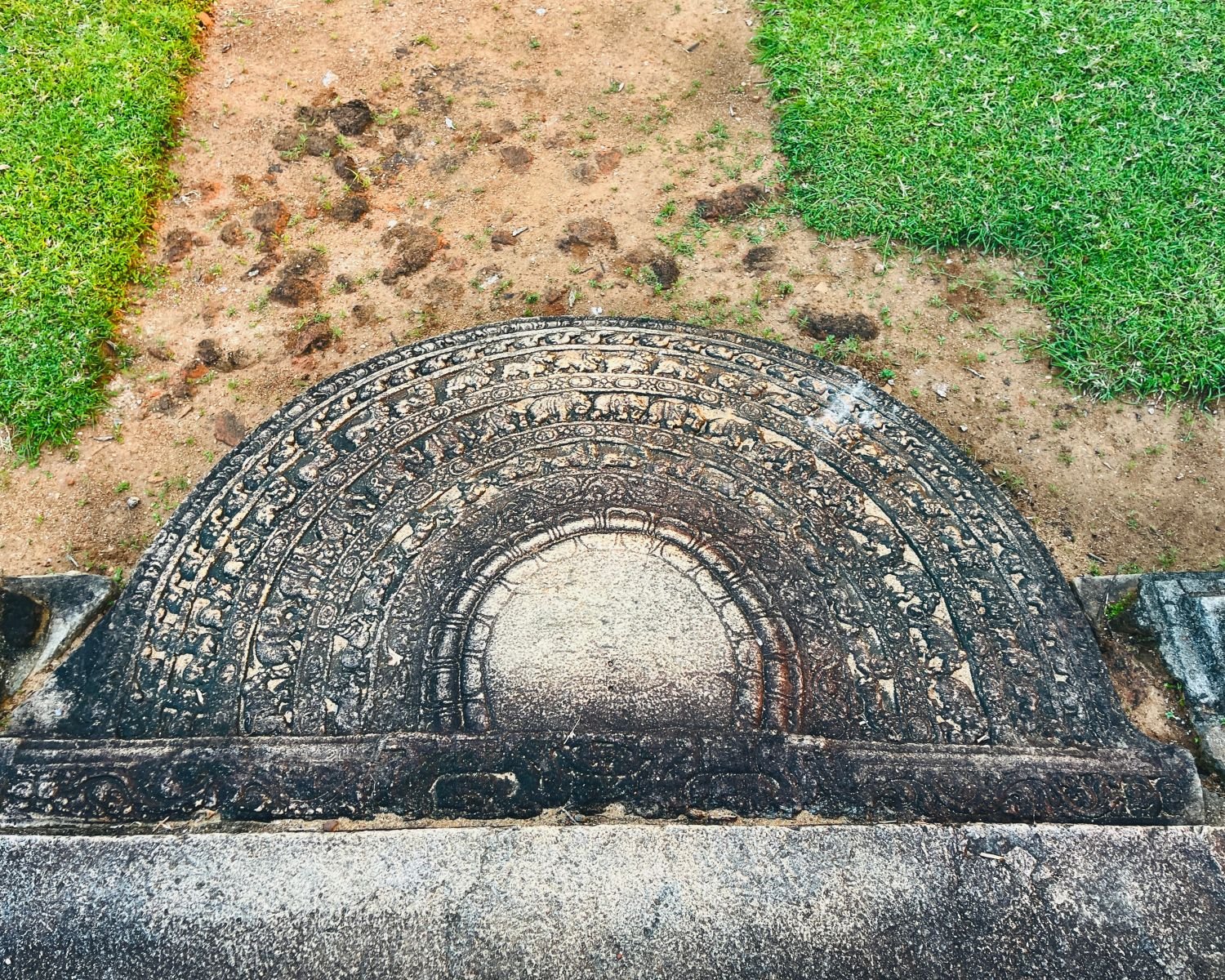
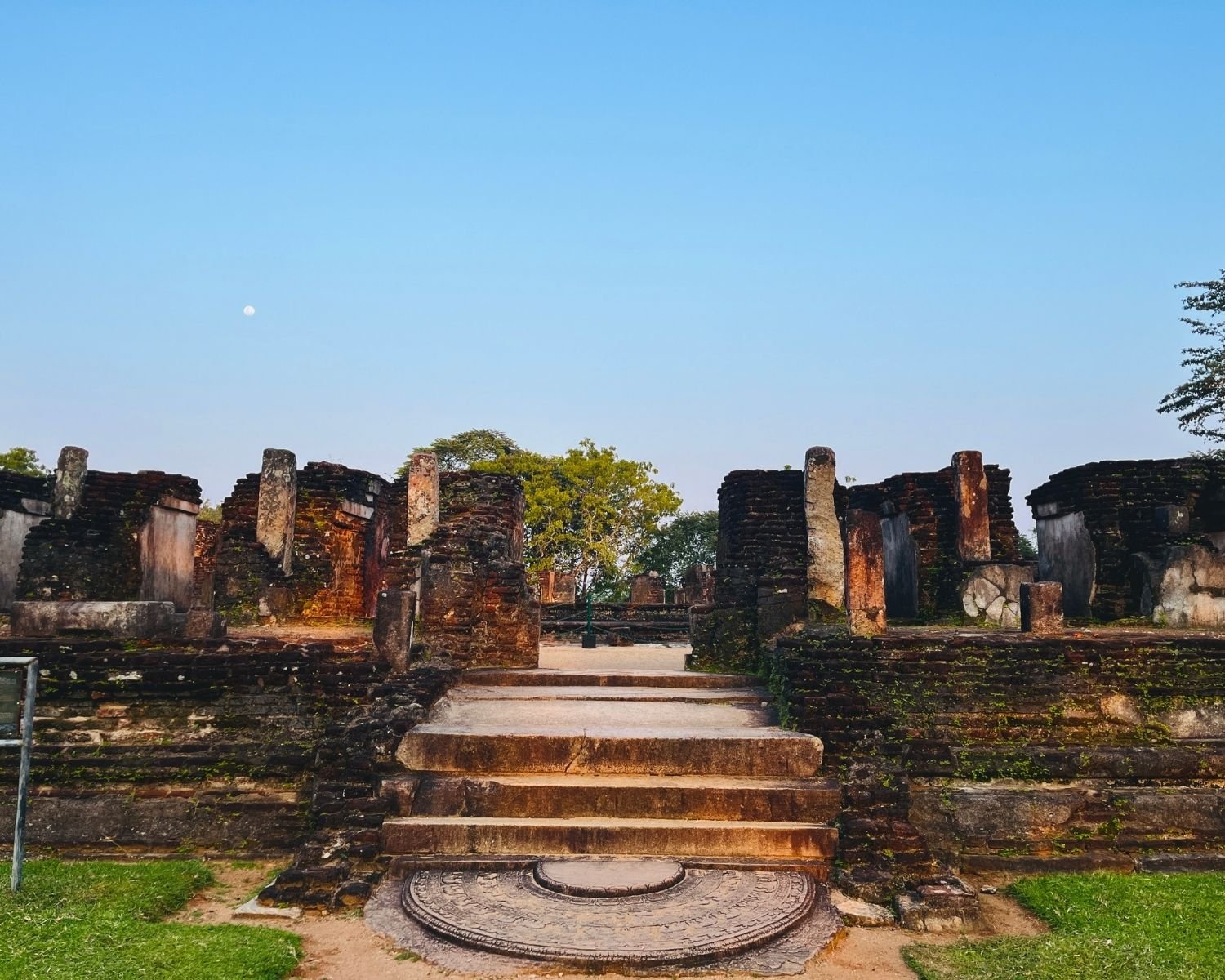
Built in the 12th century CE during the reign of King Parakramabahu I as part of his reforms to unify and regulate the Buddhist monastic order.
Built in the 12th century CE during the reign of King Parakramabahu I as part of his reforms to unify and regulate the Buddhist monastic order.
Scenery
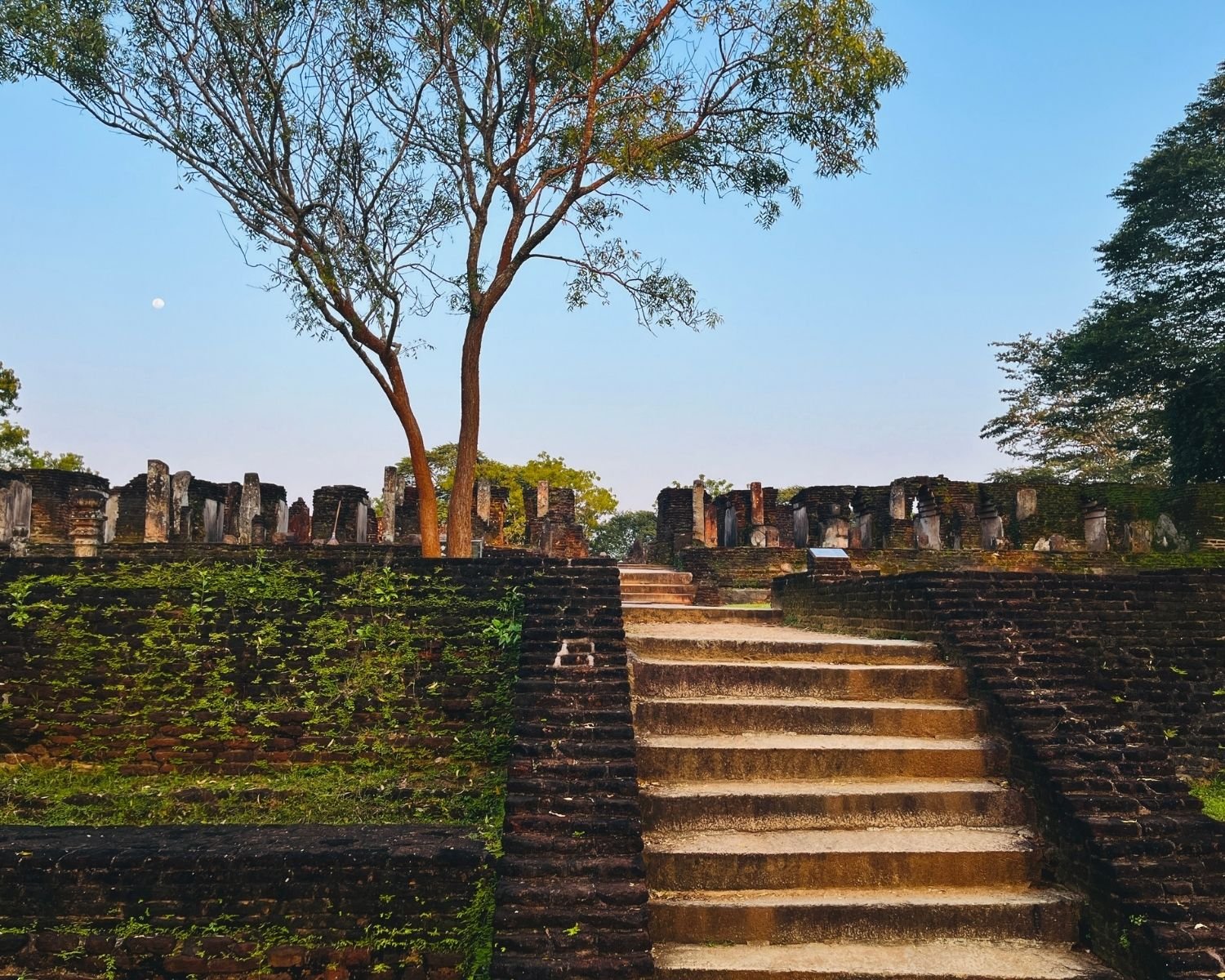
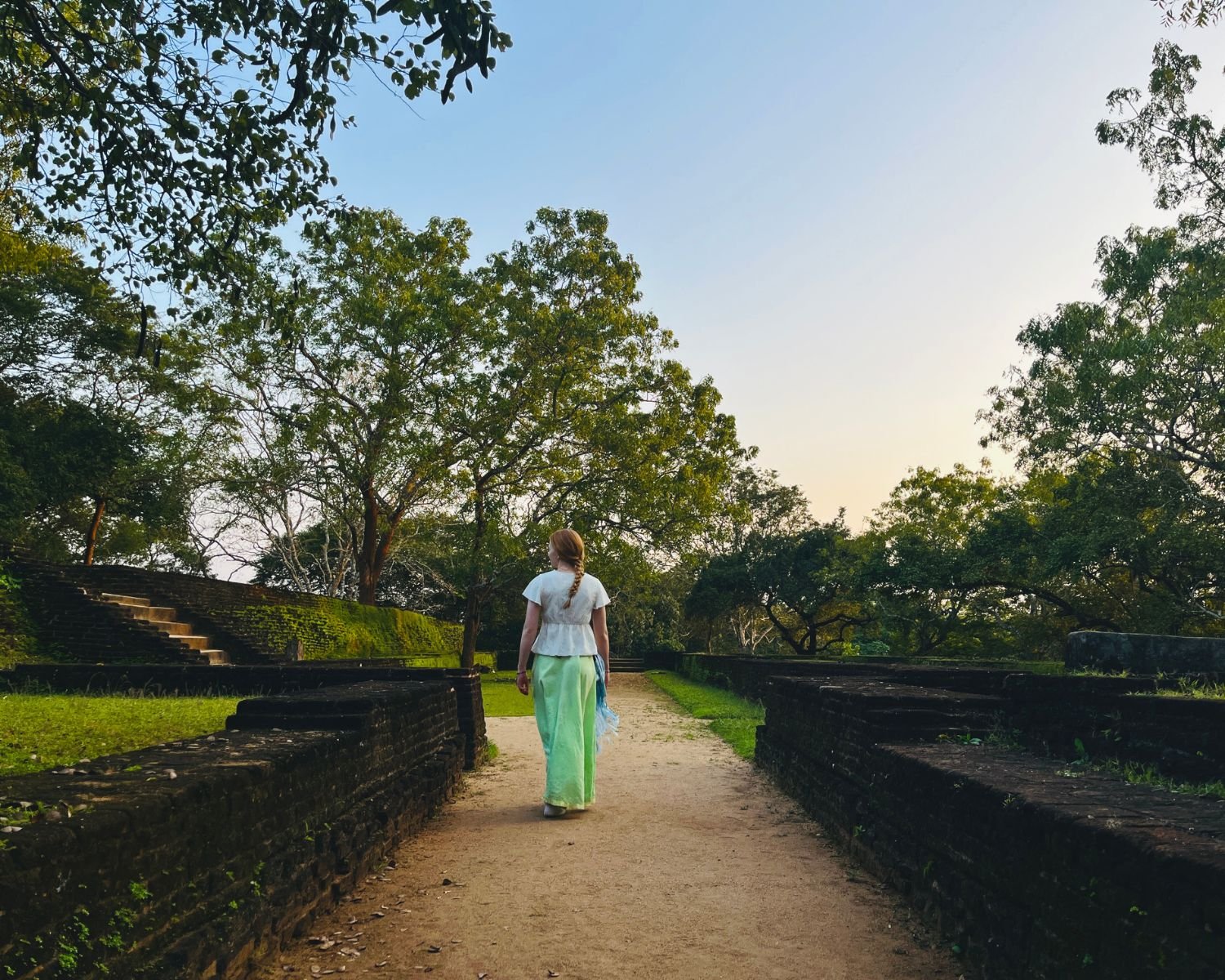
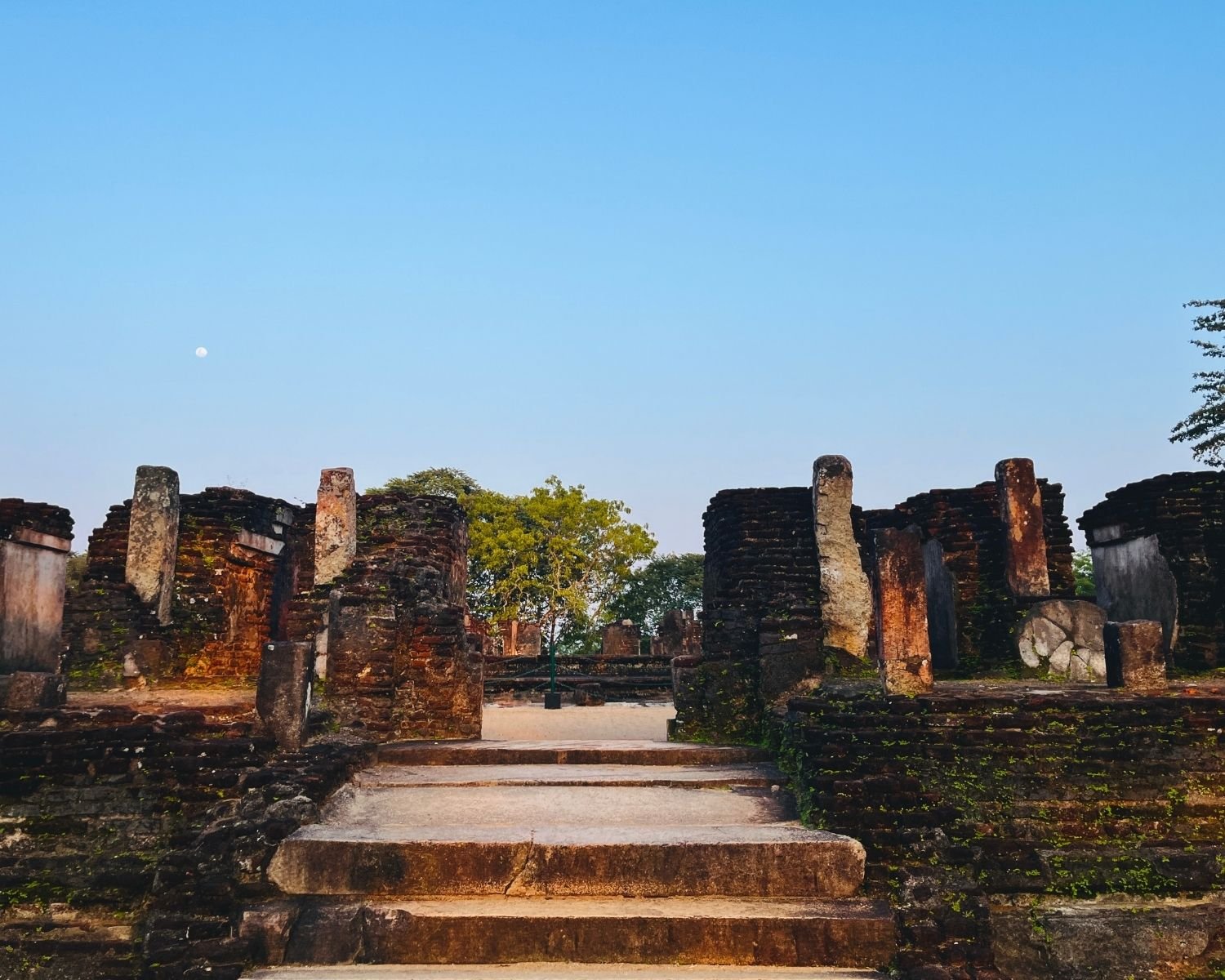
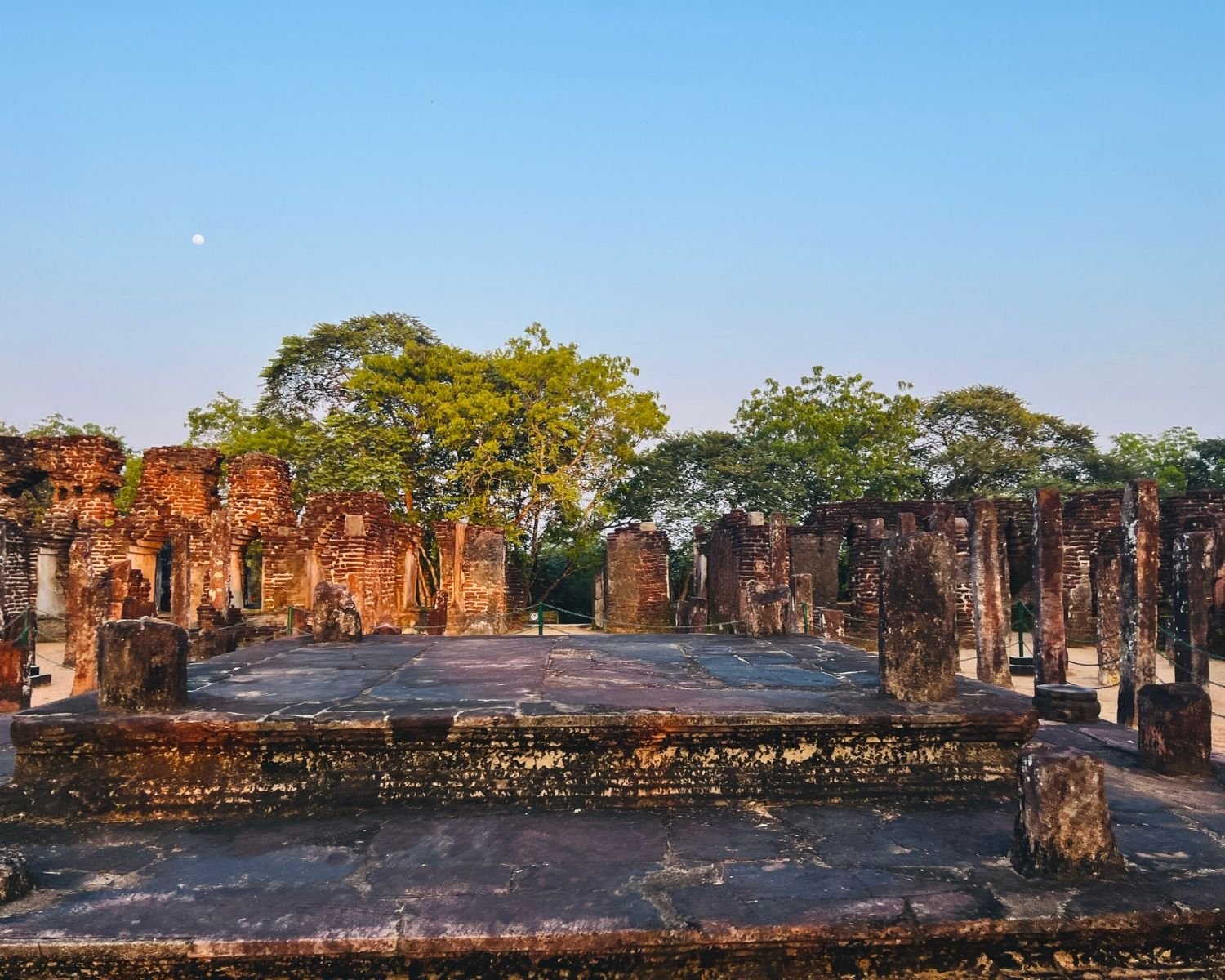
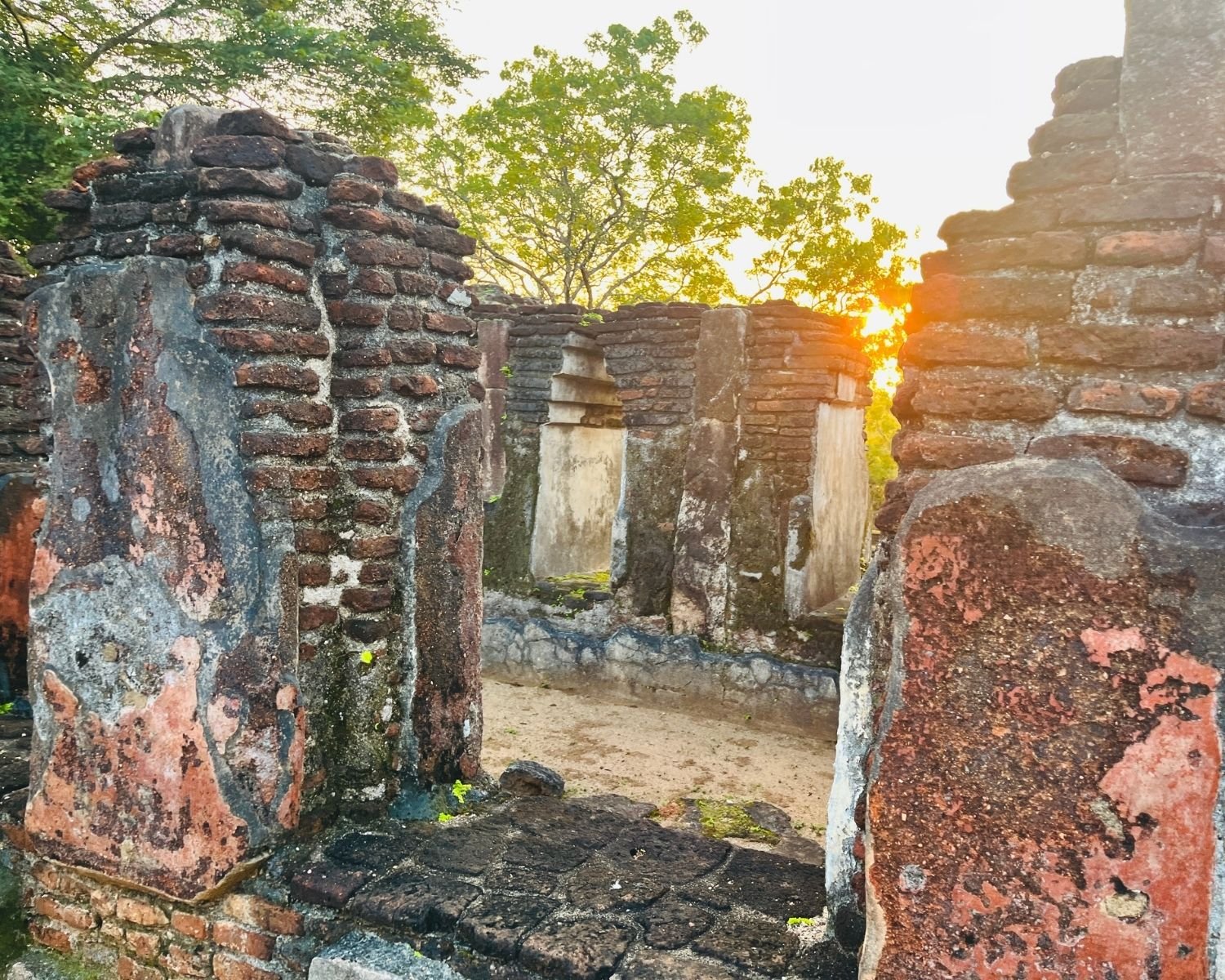
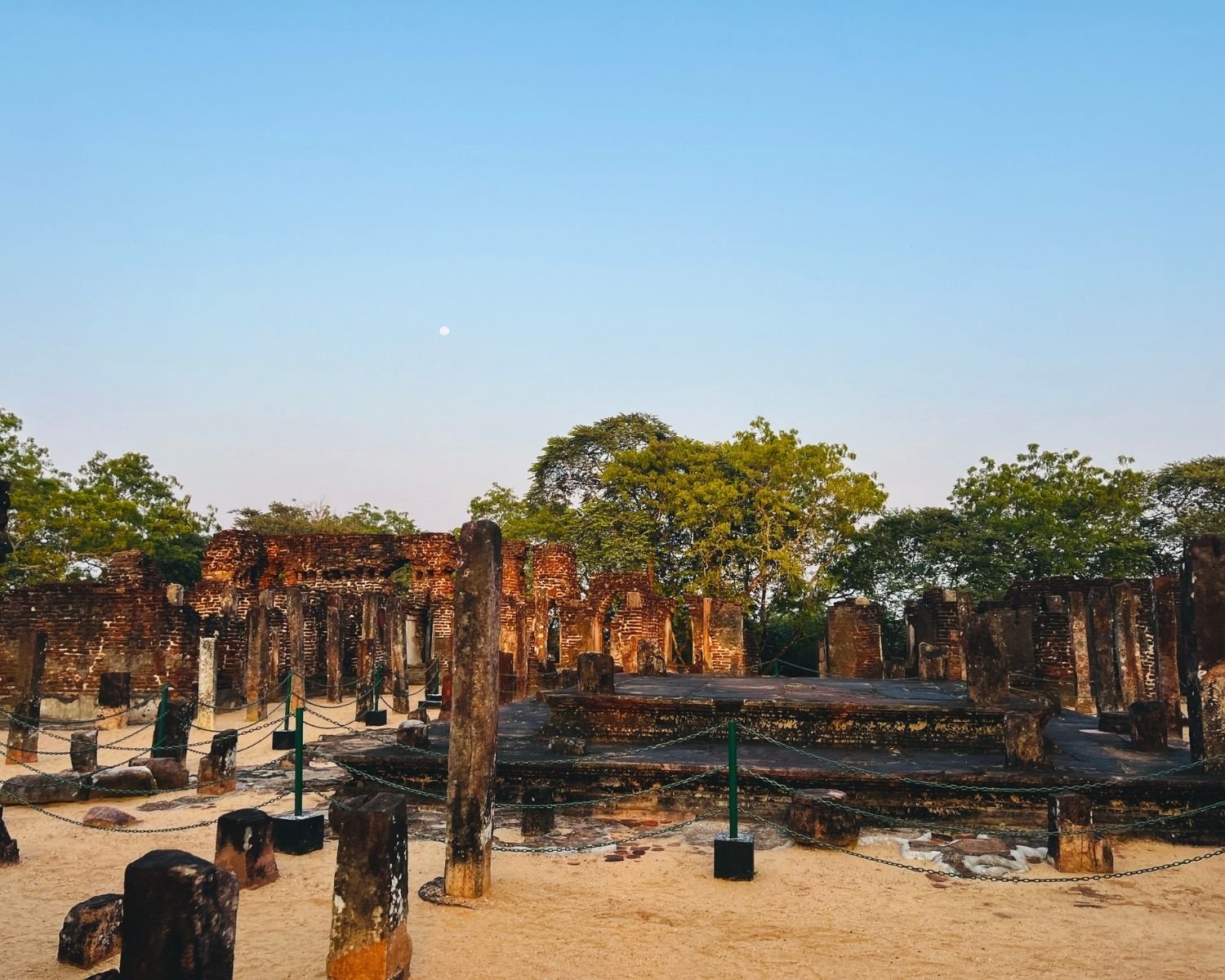
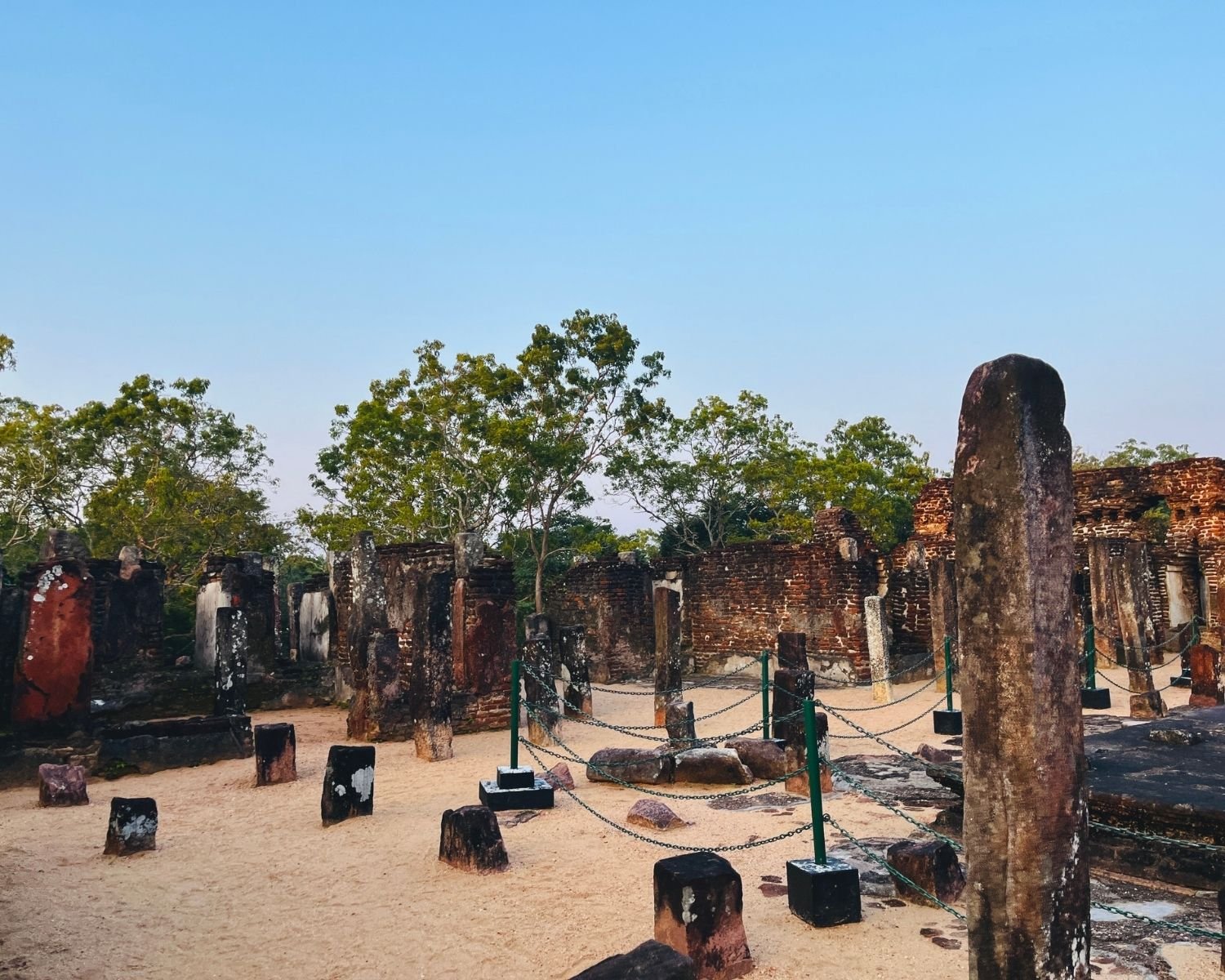
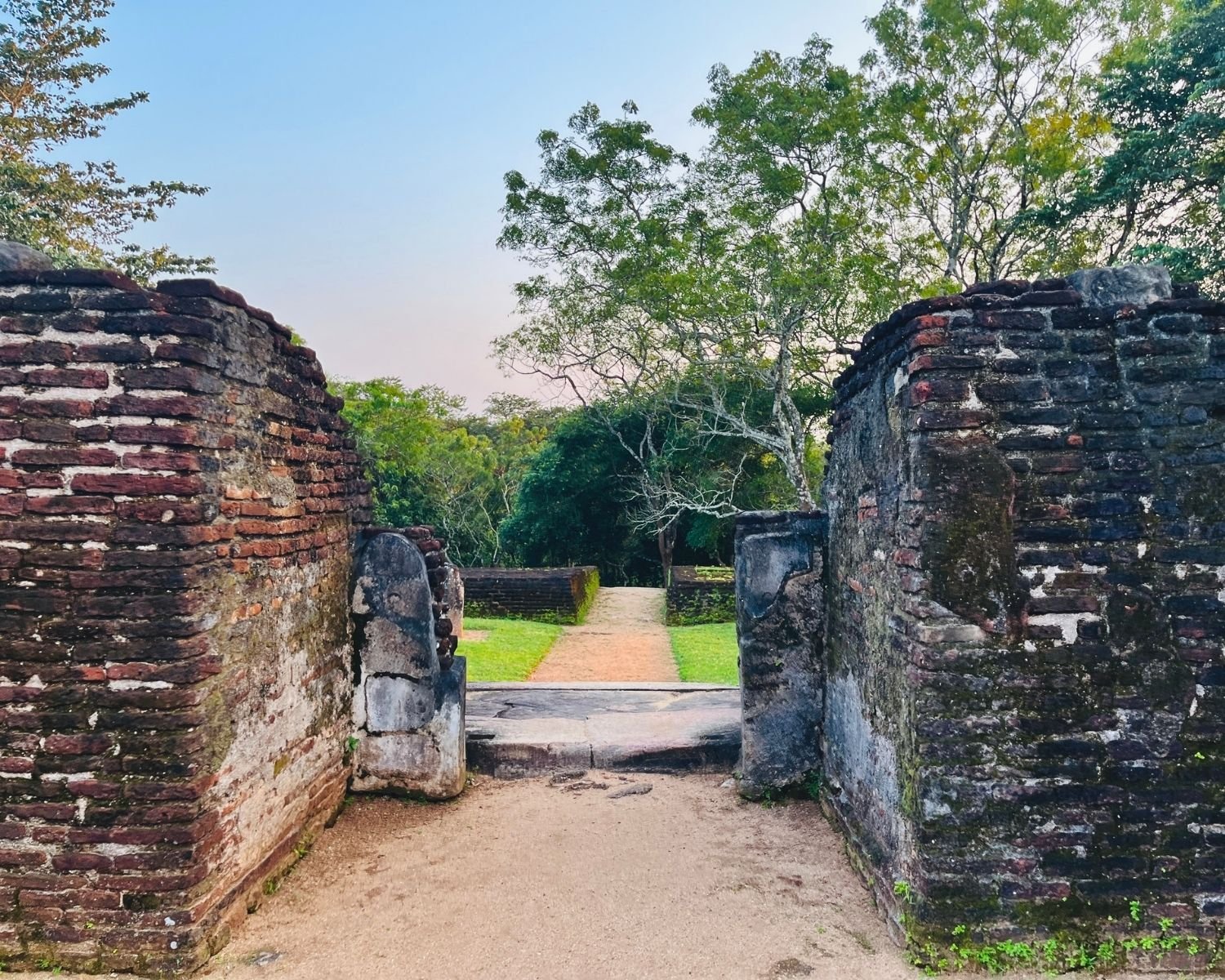
Open stone platform surrounded by monastic ruins, trees, and quiet ground within the Alahana Pirivena zone.
Open stone platform surrounded by monastic ruins, trees, and quiet ground within the Alahana Pirivena zone.
Buddhist Site
Ancient ordination hall used for higher ordinations, disciplinary proceedings, and official Sangha ceremonies.
Ancient ordination hall used for higher ordinations, disciplinary proceedings, and official Sangha ceremonies.
Art & Culture
Defined ritual boundaries, stone construction, carved steps, and architectural planning dedicated to Buddhist legal and ecclesiastical practice.
Defined ritual boundaries, stone construction, carved steps, and architectural planning dedicated to Buddhist legal and ecclesiastical practice.
Top Pick
Location
View on Map
View on Map
History
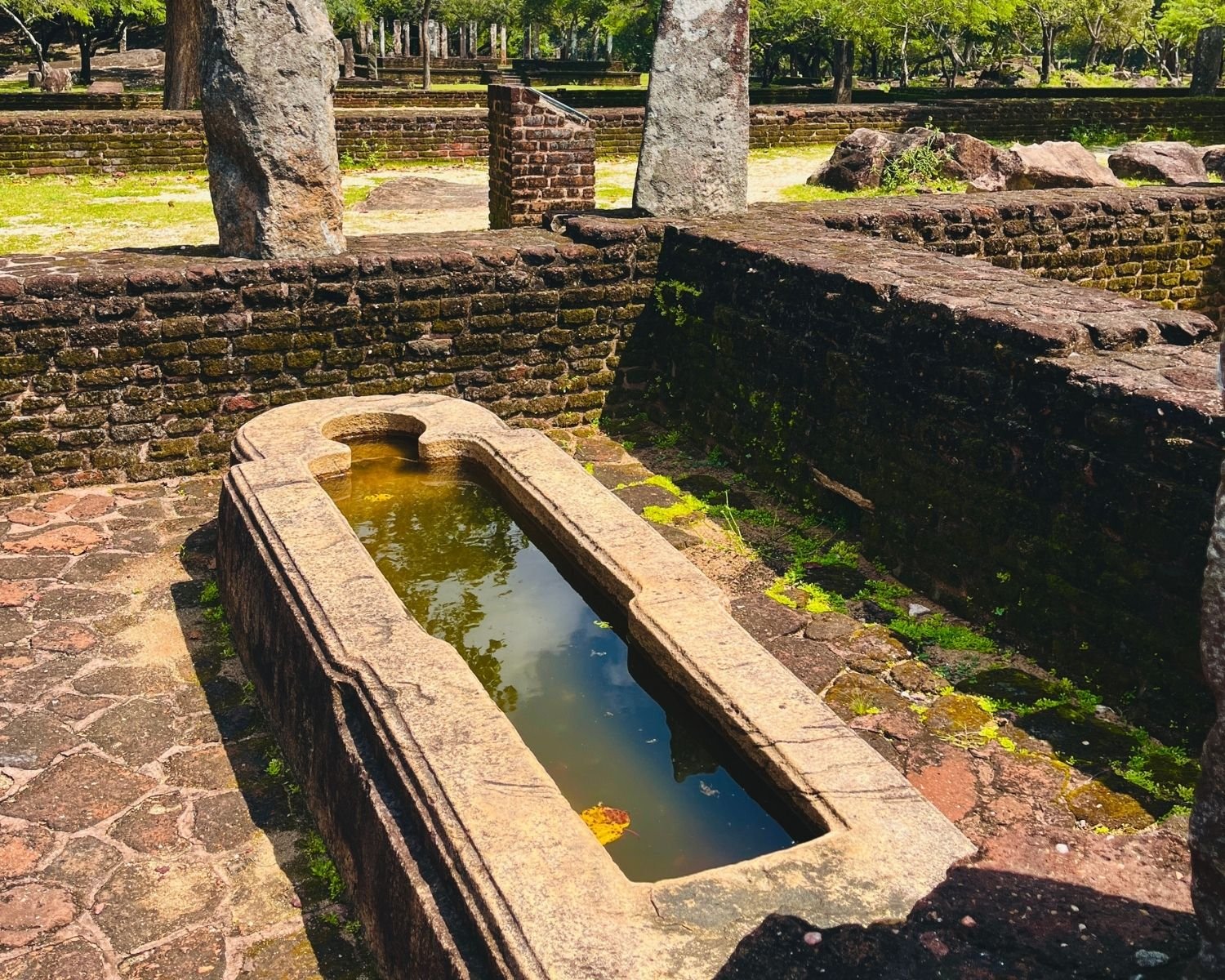
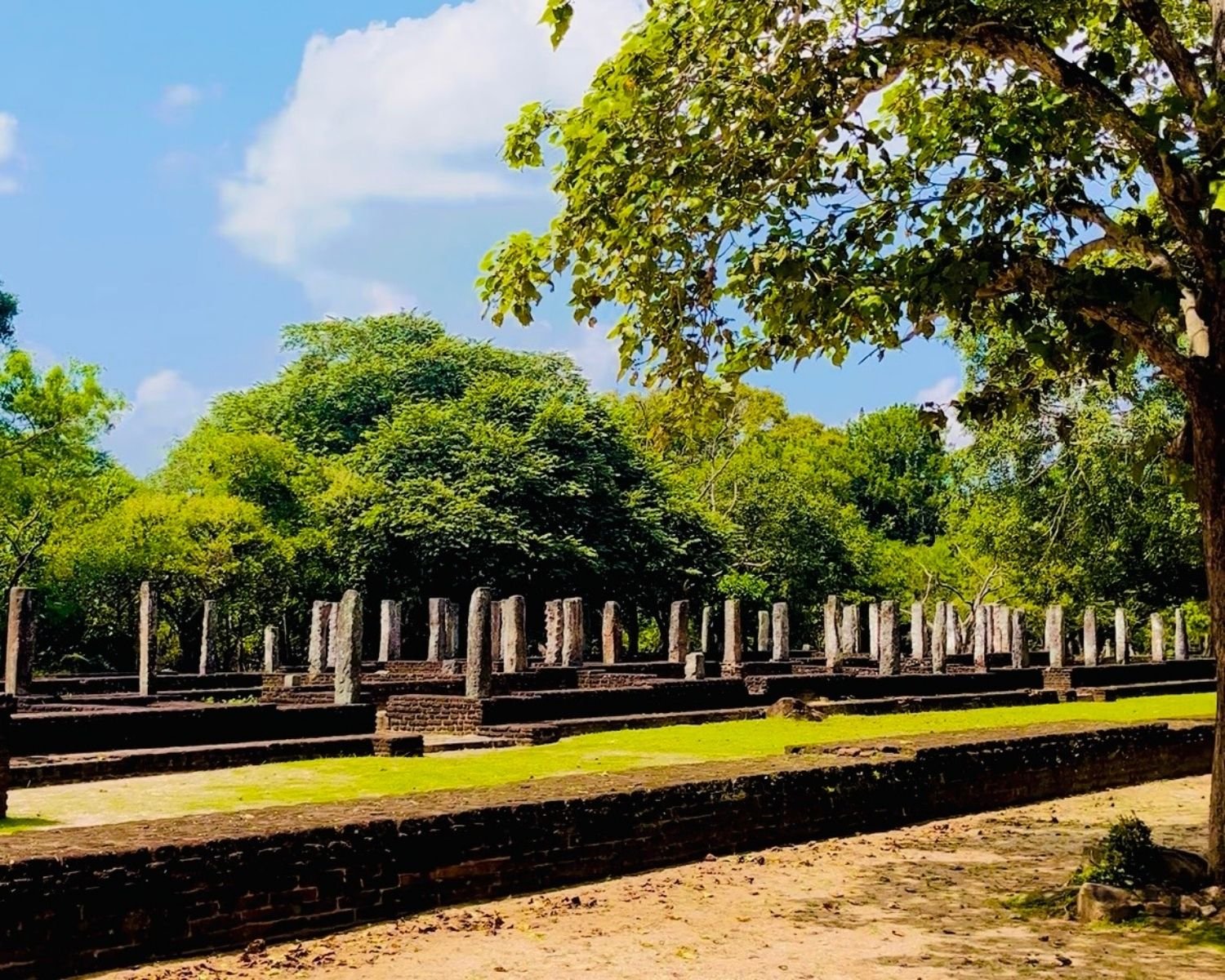
Ancient medical facility built to provide healthcare and recovery for monks living within the Alahana Pirivena monastic complex.
Ancient medical facility built to provide healthcare and recovery for monks living within the Alahana Pirivena monastic complex.
Scenery
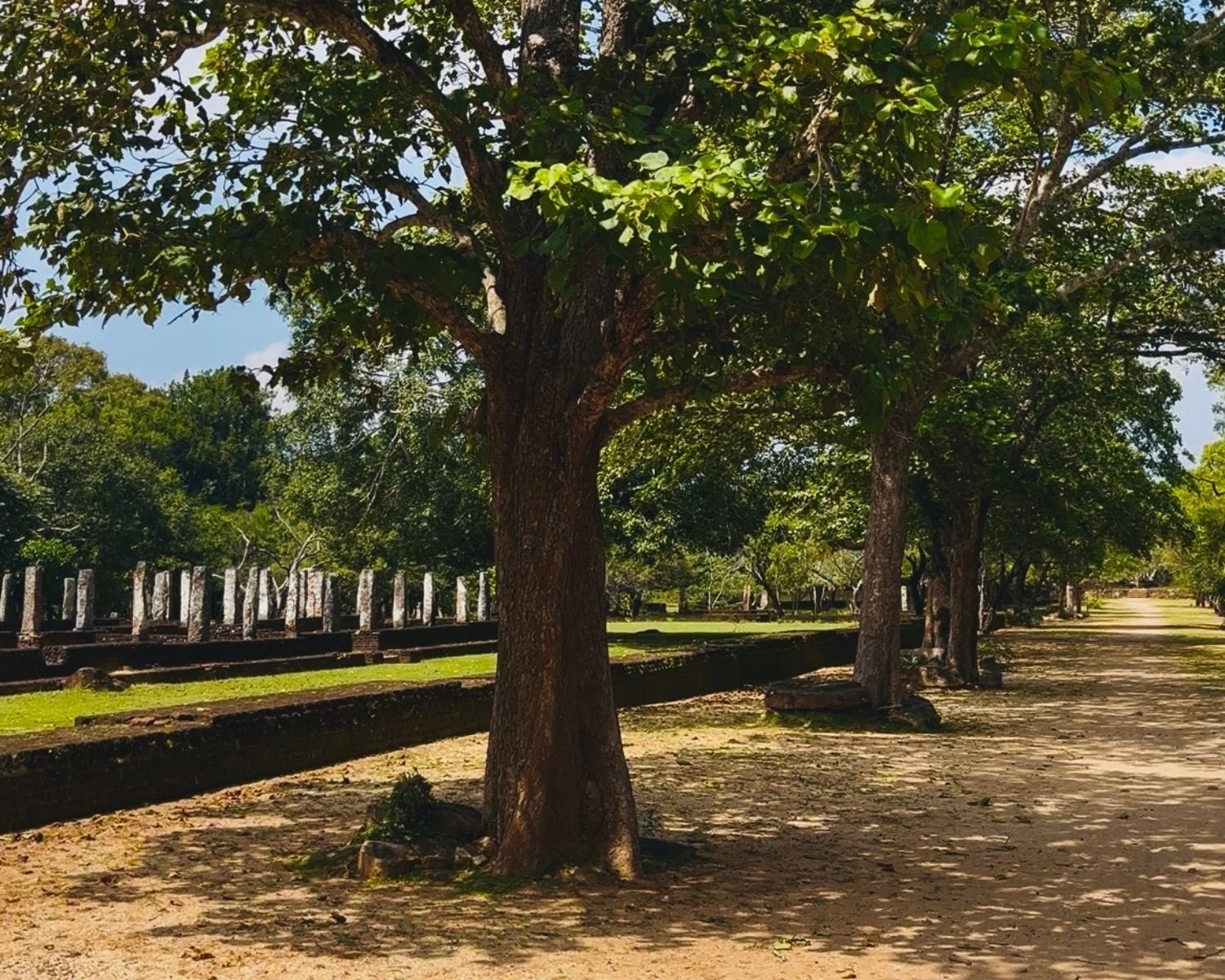
Stone foundations and ruins set among the archaeological grounds of the monastic complex.
Stone foundations and ruins set among the archaeological grounds of the monastic complex.
Art & Culture
Demonstrates the integration of healthcare and community welfare within ancient Buddhist monasteries.
Demonstrates the integration of healthcare and community welfare within ancient Buddhist monasteries.
 Worth It
Location
View on Map
View on Map
Buddhist Site
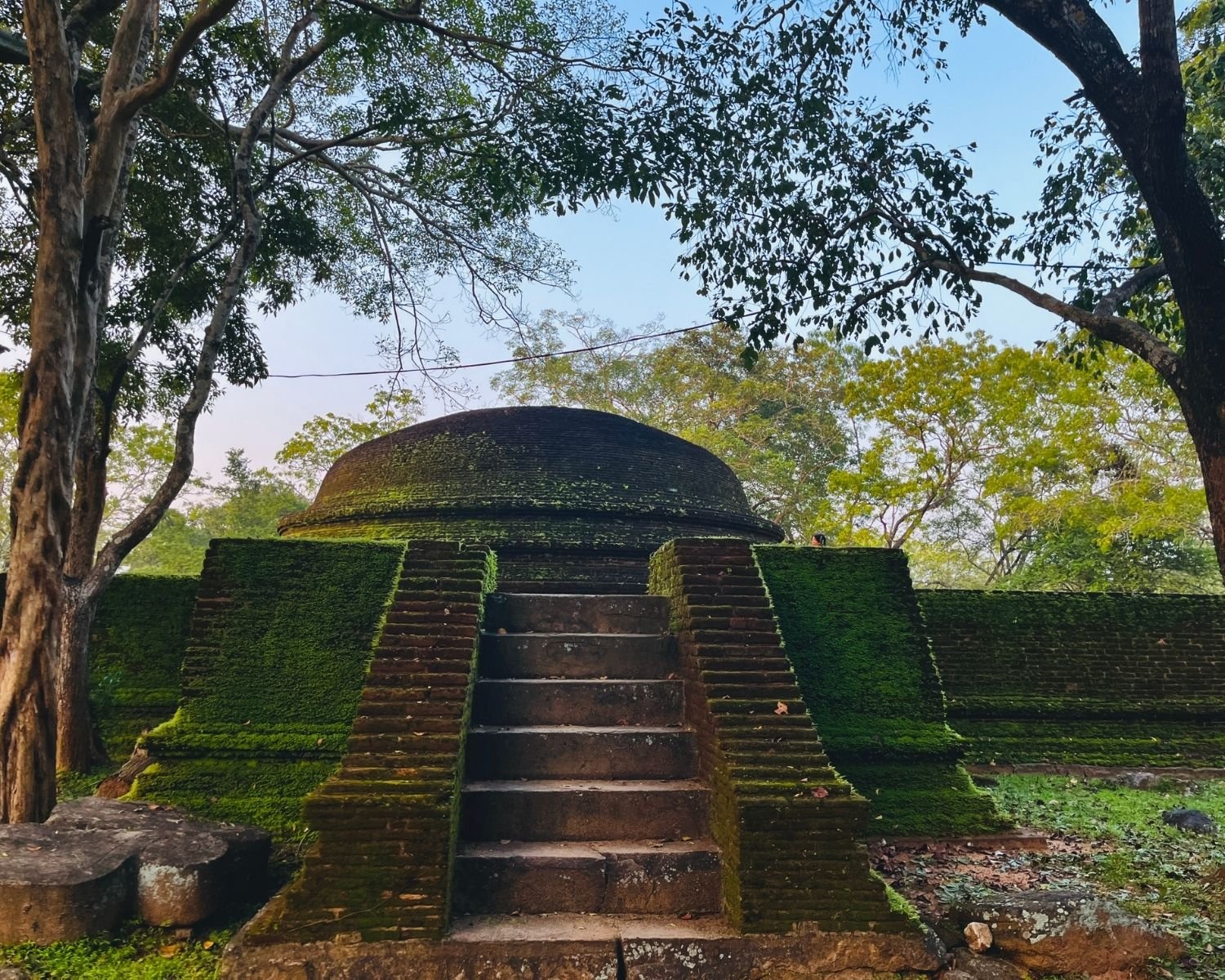
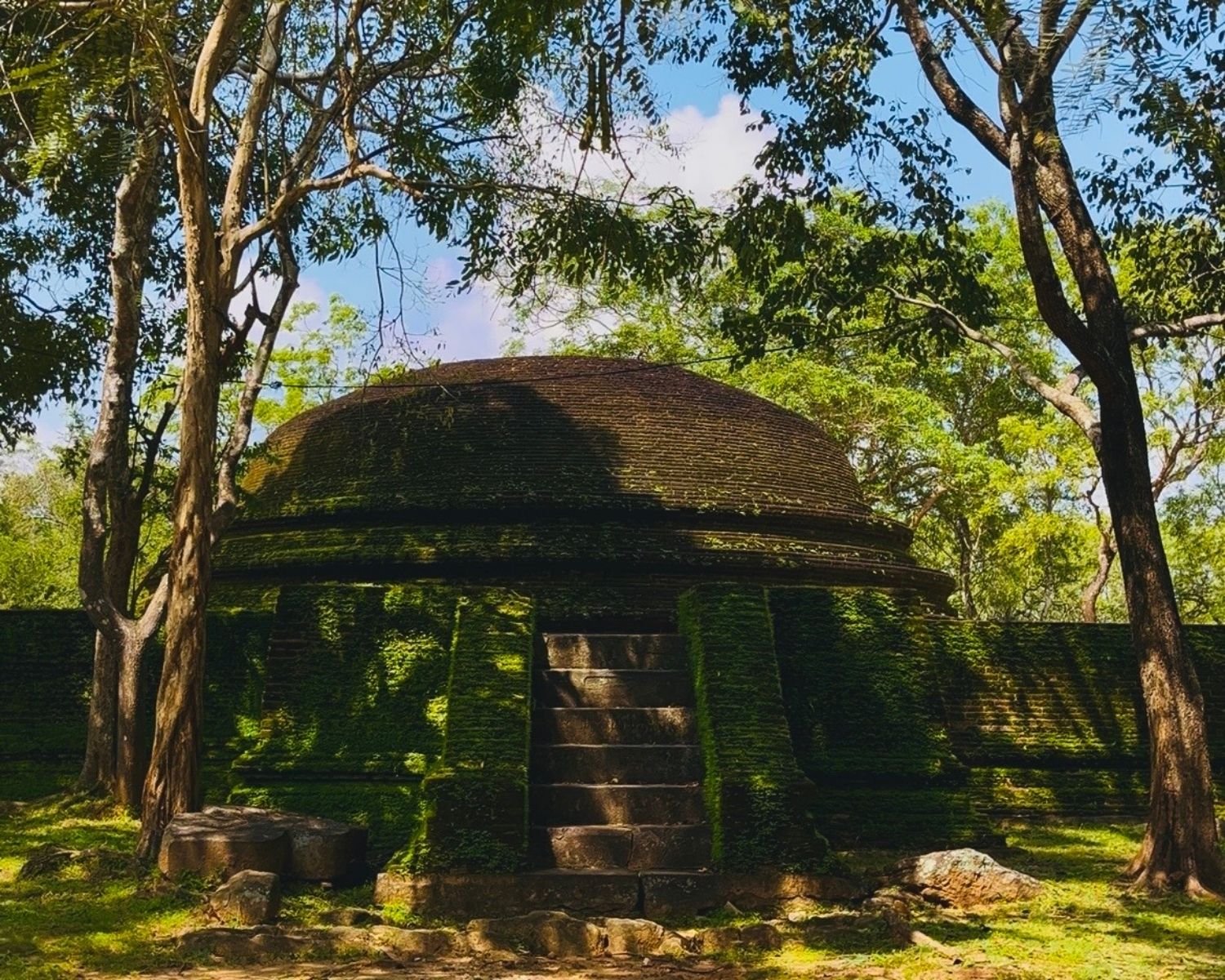
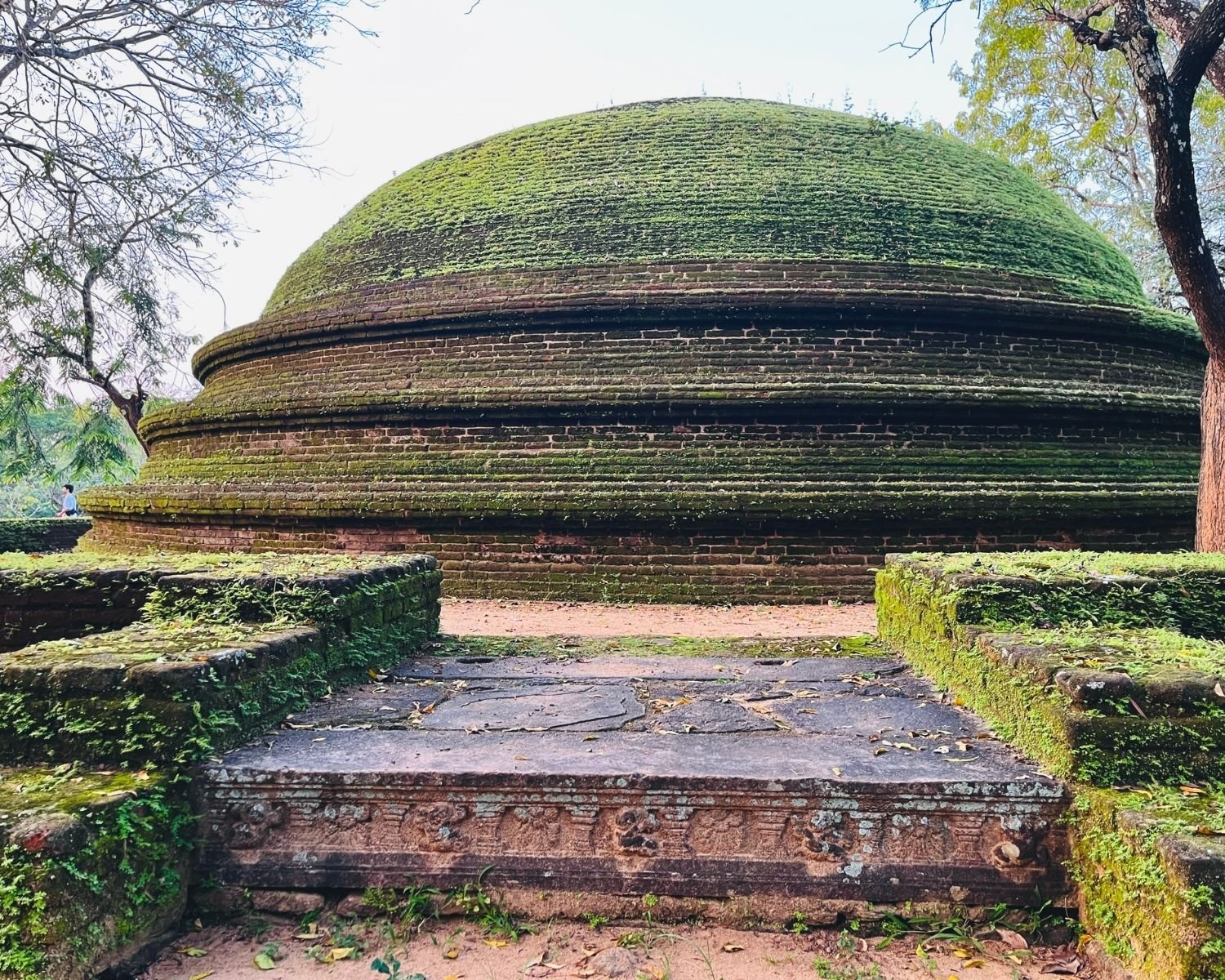
Group of smaller stupas associated with Kiri Vehera and the wider Alahana Pirivena monastic complex.
Group of smaller stupas associated with Kiri Vehera and the wider Alahana Pirivena monastic complex.
History
Built during the Polonnaruwa period as part of the monastic complex to support devotional practices.
Built during the Polonnaruwa period as part of the monastic complex to support devotional practices.
Scenery
Brick pagoda ruins set among open archaeological grounds near Kiri Vehera.
Brick pagoda ruins set among open archaeological grounds near Kiri Vehera.
Worth It
Location
View on Map
View on Map
History
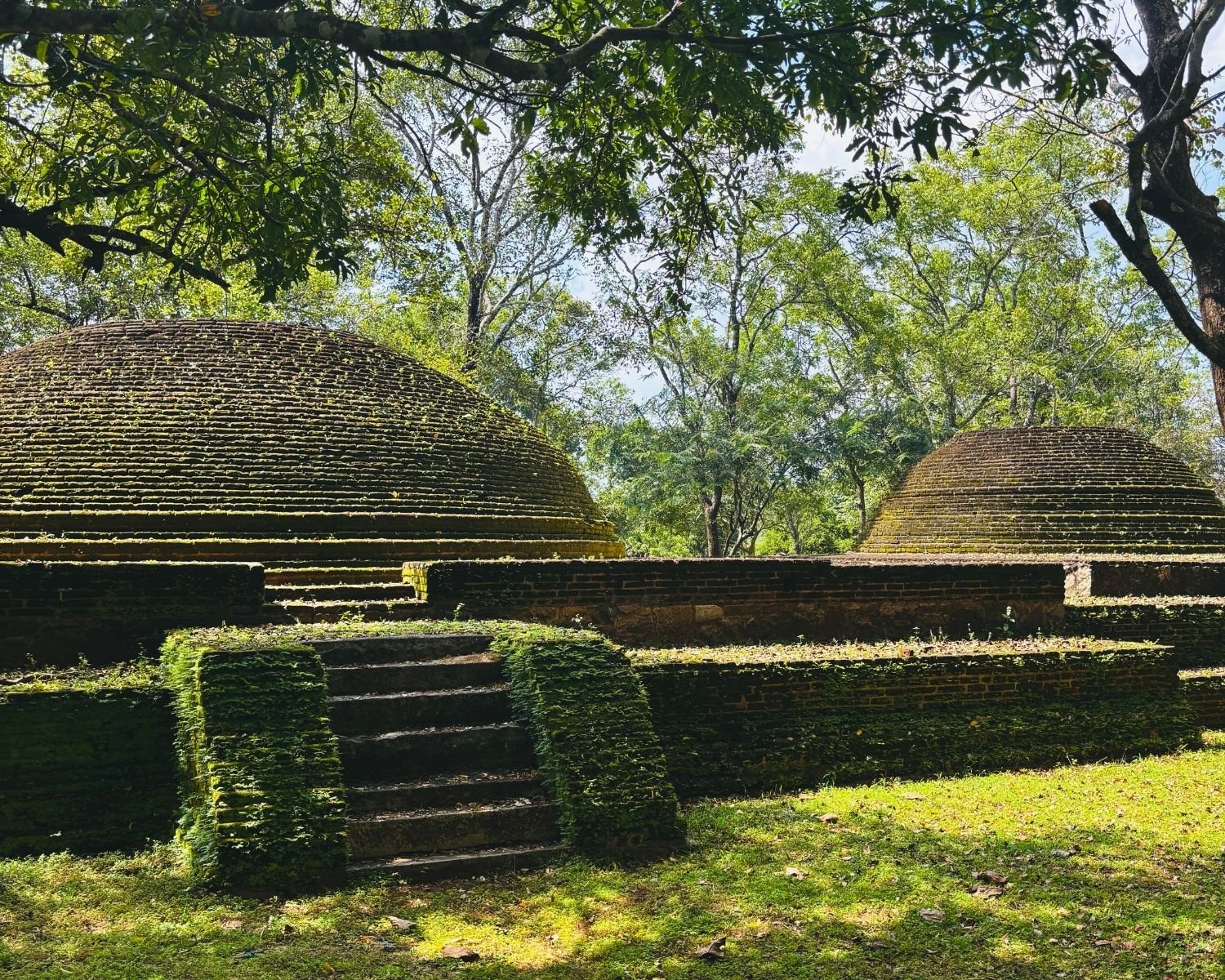
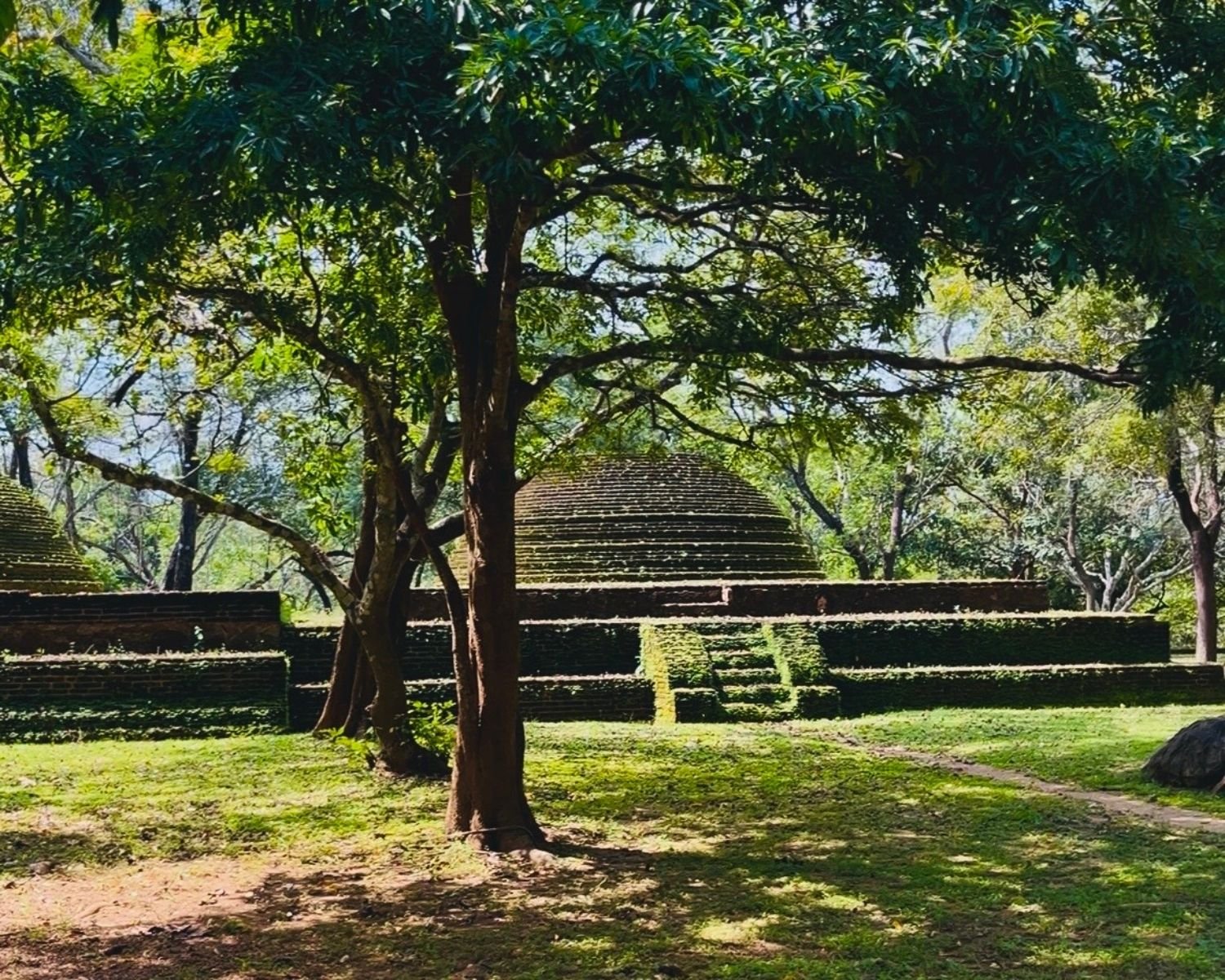
Small stupa believed to commemorate monks associated with the Alahana Pirivena monastery. Constructed during the Polonnaruwa period as part of monastic memorial traditions.
Small stupa believed to commemorate monks associated with the Alahana Pirivena monastery. Constructed during the Polonnaruwa period as part of monastic memorial traditions.
Scenery
Stupa ruins set among open archaeological grounds within the monastic complex.
Stupa ruins set among open archaeological grounds within the monastic complex.
Art & Culture
Reflects the tradition of honoring respected monks through memorial stupas within monastery grounds.
Reflects the tradition of honoring respected monks through memorial stupas within monastery grounds.
Worth It
Location
View on Map
View on Map
History
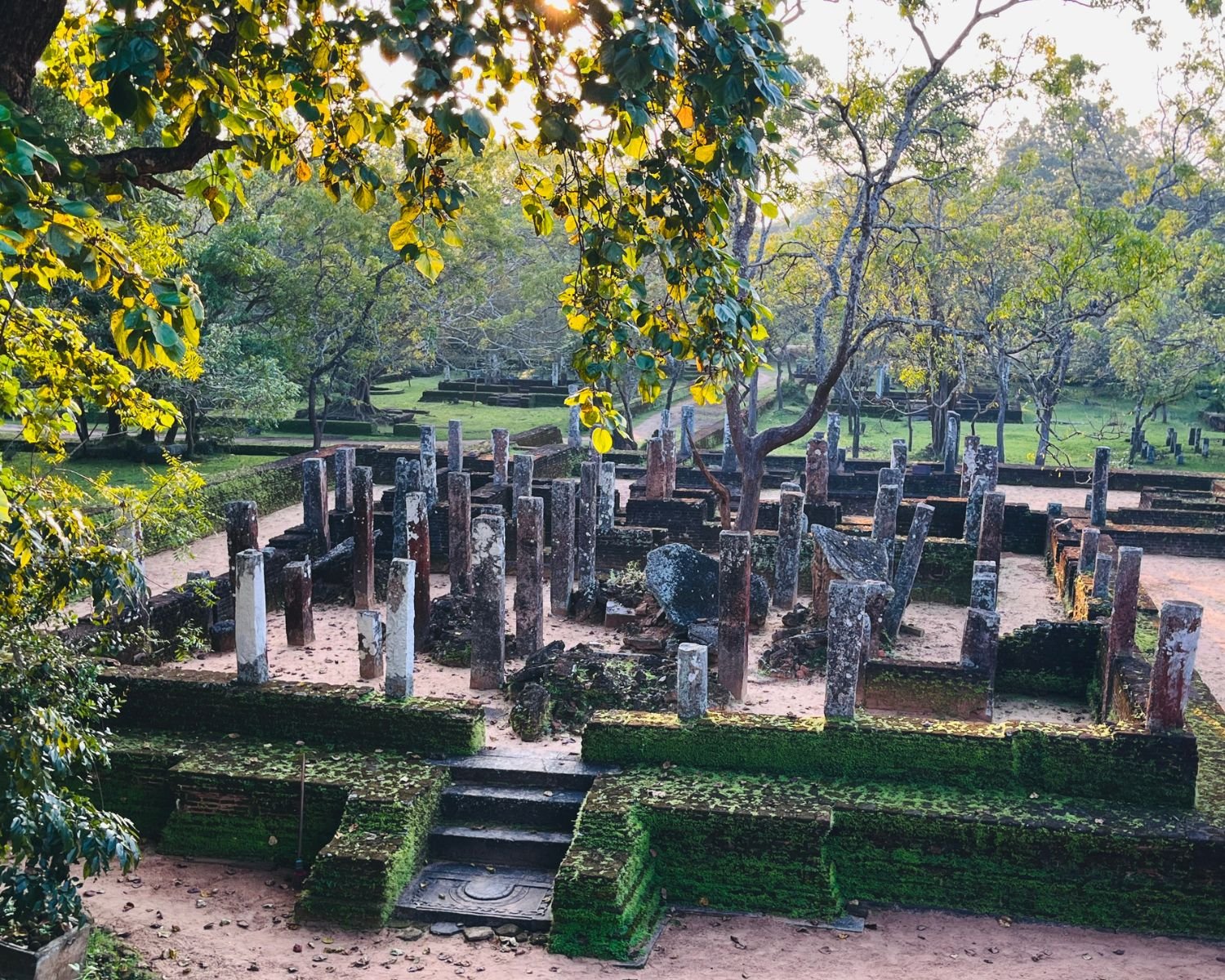
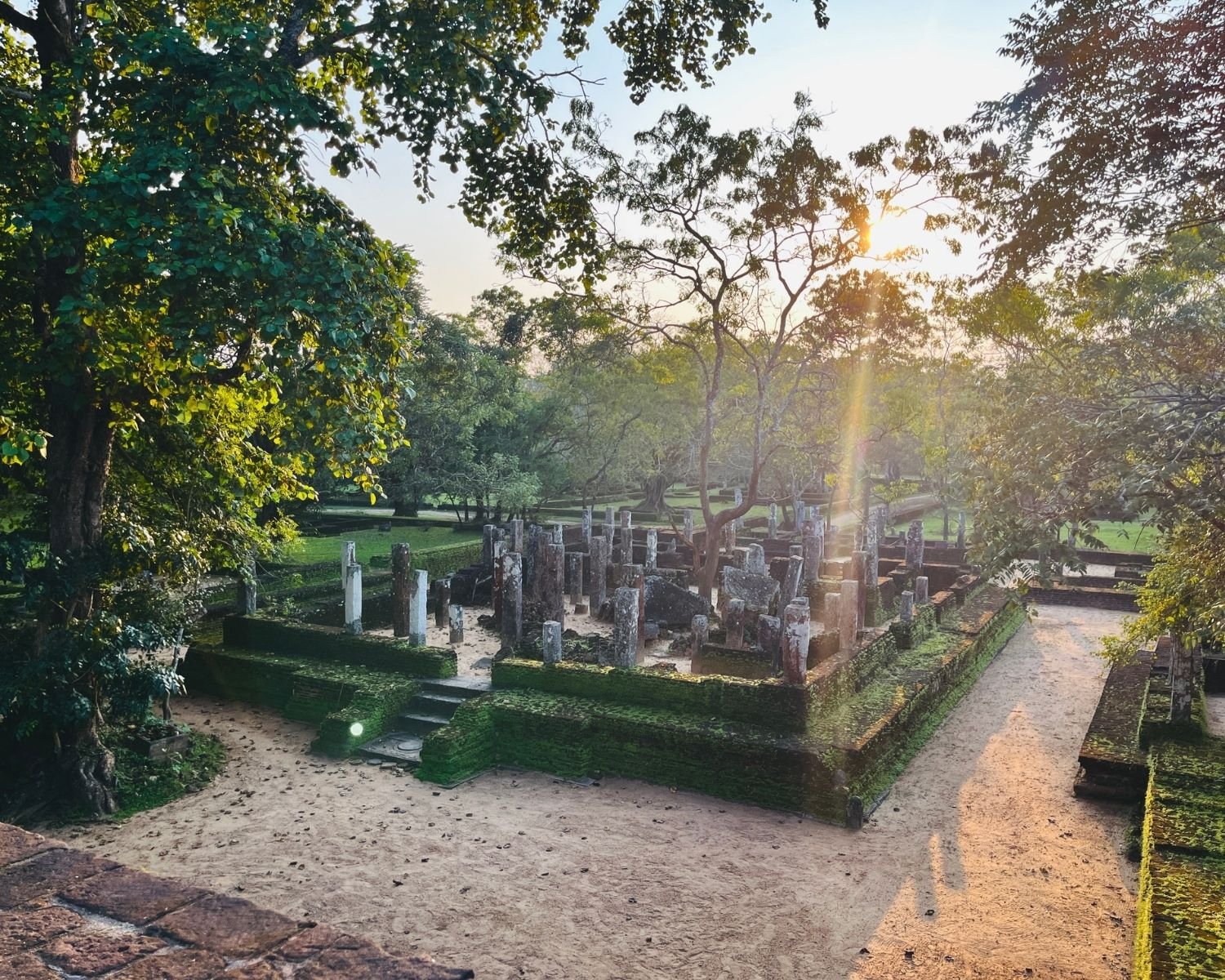
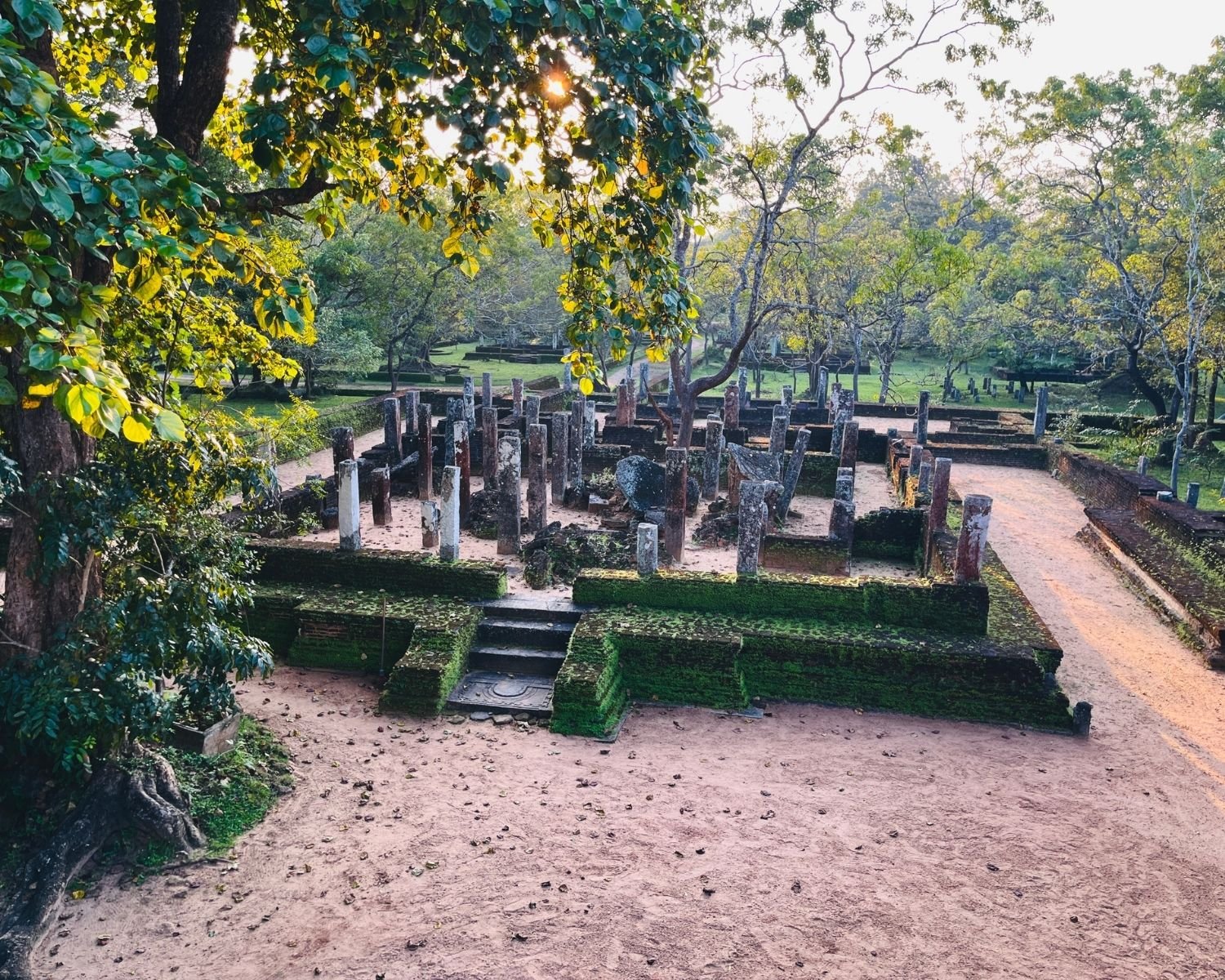
Built during the 12th century as a gathering place for monks within the Alahana Pirivena monastic complex. Used for meetings, discussions, and monastery administration.
Built during the 12th century as a gathering place for monks within the Alahana Pirivena monastic complex. Used for meetings, discussions, and monastery administration.
Scenery
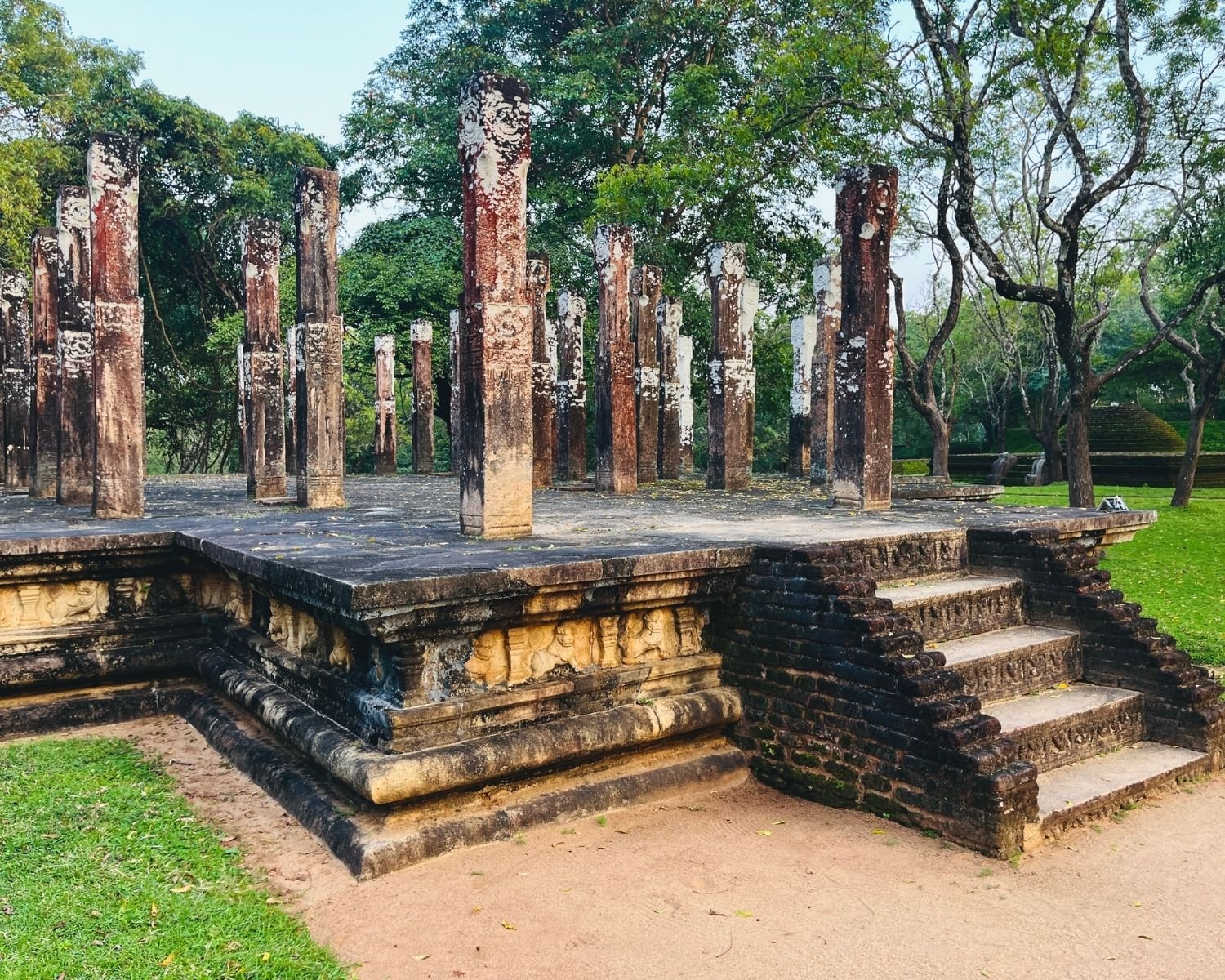
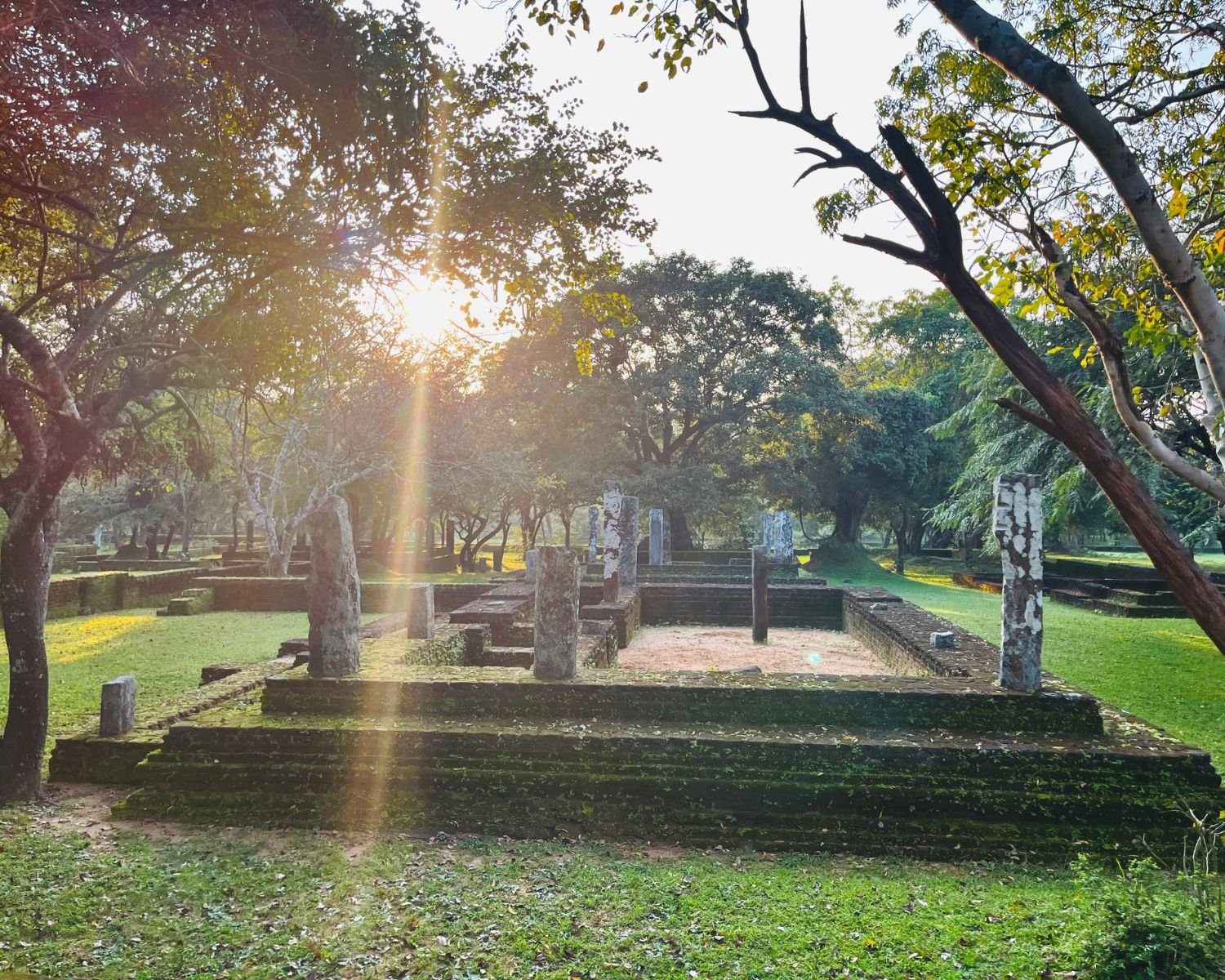
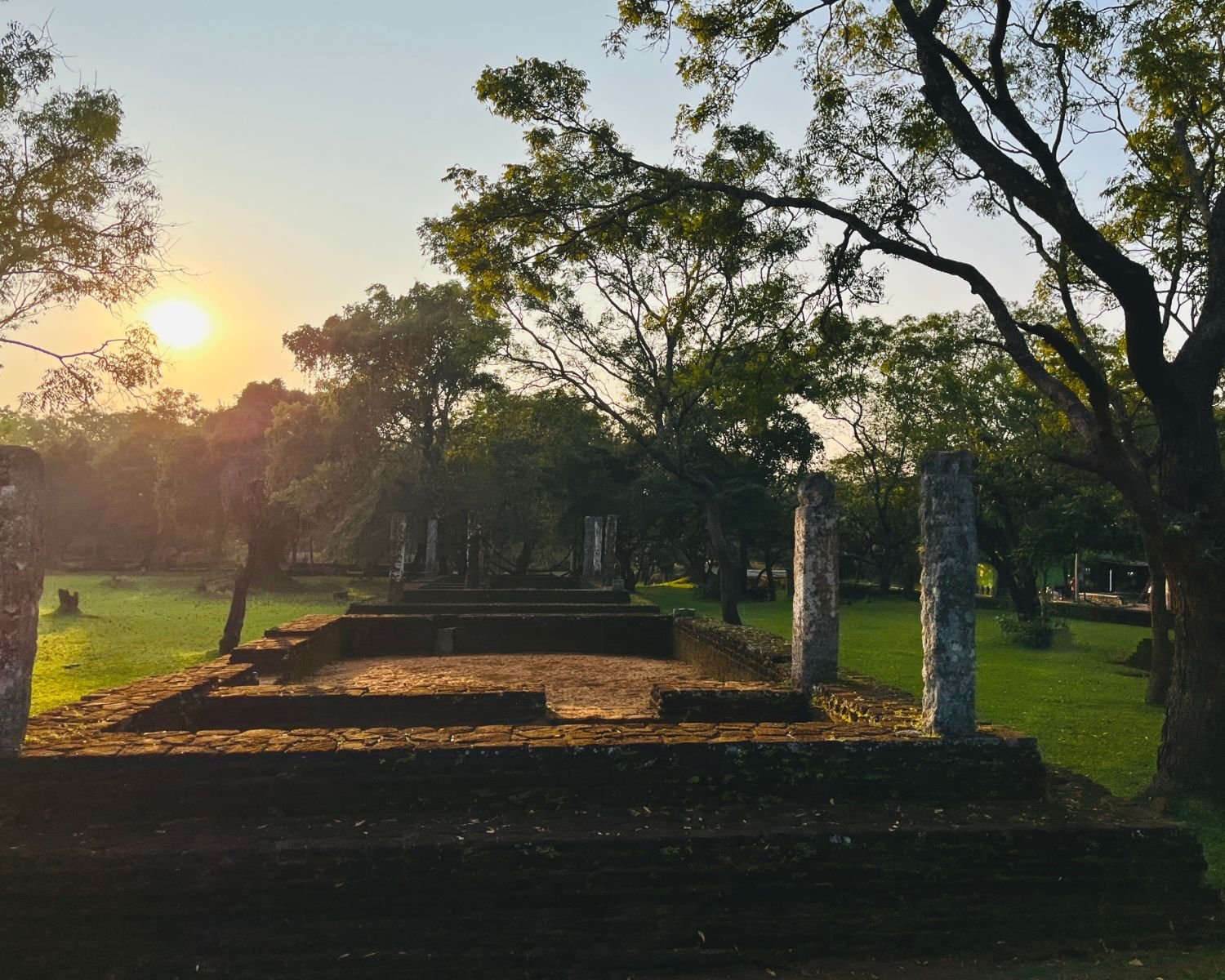
Stone pillars, brick foundations, and open archaeological grounds surrounded by trees within the northern monastery complex.
Stone pillars, brick foundations, and open archaeological grounds surrounded by trees within the northern monastery complex.
Art & Culture
Reflects the organized administration of Buddhist monasteries and the communal life of monks during the Polonnaruwa Kingdom.
Reflects the organized administration of Buddhist monasteries and the communal life of monks during the Polonnaruwa Kingdom.
Top Pick
Location
View on Map
View on Map
Scenery
Elevated views over Alahana Pirivena ruins, Eastern Pond, and surrounding sacred structures.
Elevated views over Alahana Pirivena ruins, Eastern Pond, and surrounding sacred structures.
History
Associated with the 12th century Polonnaruwa period. Likely used as an observation or lookout point connected to the surrounding monastic zone.
Associated with the 12th century Polonnaruwa period. Likely used as an observation or lookout point connected to the surrounding monastic zone.

Hike
Very short and easy climb up stone steps. One storey height with stable footing and open views at the top.
Very short and easy climb up stone steps. One storey height with stable footing and open views at the top.
Top Pick
Location
View on Map
View on Map
History
Constructed during the 12th century CE as part of the Alahana Pirivena monastic complex. Formed part of the sophisticated water management system that supported daily monastic life.
Constructed during the 12th century CE as part of the Alahana Pirivena monastic complex. Formed part of the sophisticated water management system that supported daily monastic life.
Scenery
Brick-lined pond surrounded by monastic ruins, trees, and open archaeological grounds within the northern sacred zone of Polonnaruwa.
Brick-lined pond surrounded by monastic ruins, trees, and open archaeological grounds within the northern sacred zone of Polonnaruwa.
Art & Culture
Advanced water management design, stone bathing steps, drainage systems, and architectural planning linked to monastic healthcare and daily life.
Advanced water management design, stone bathing steps, drainage systems, and architectural planning linked to monastic healthcare and daily life.
Top Pick
Location
View on Map
View on Map

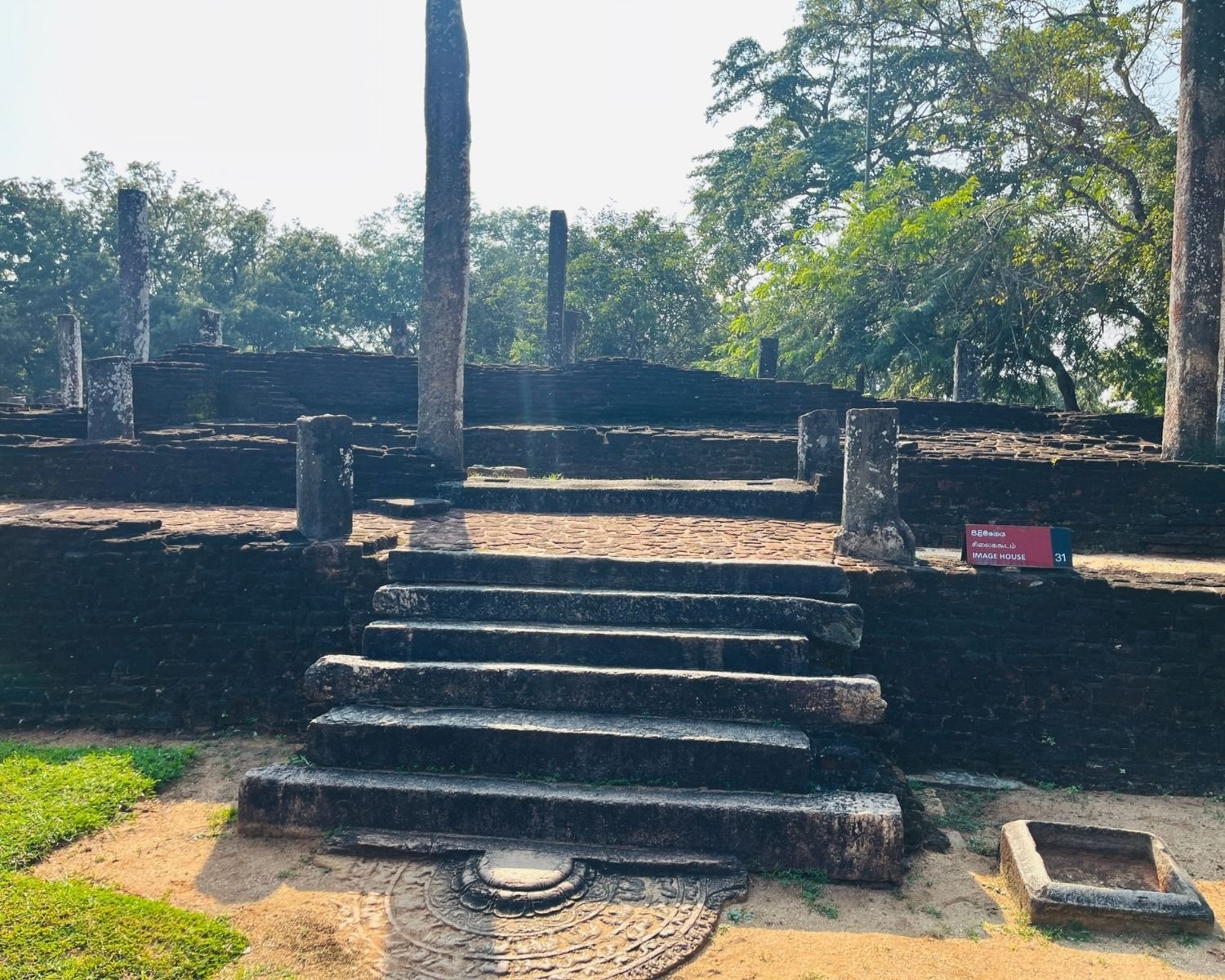
History
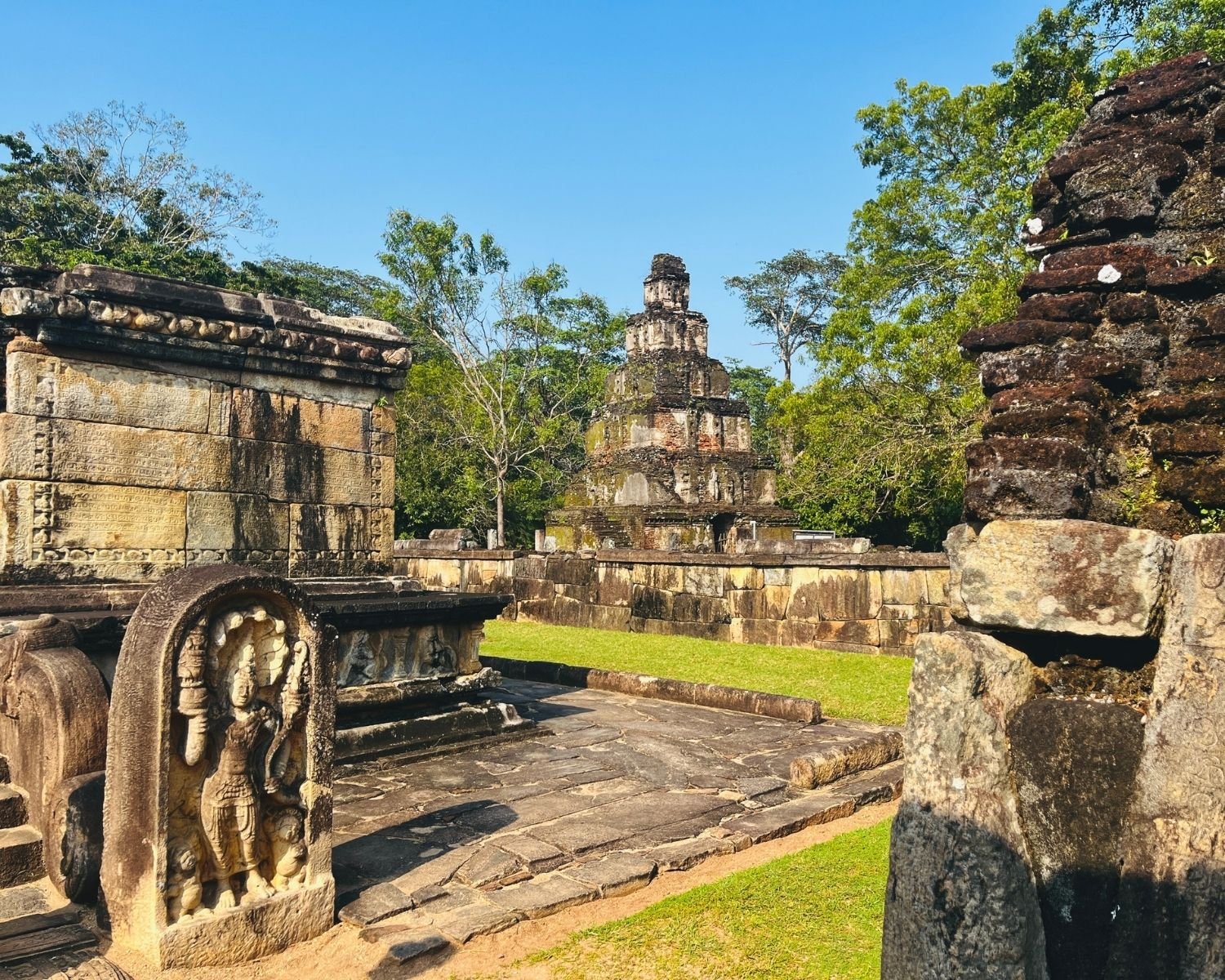
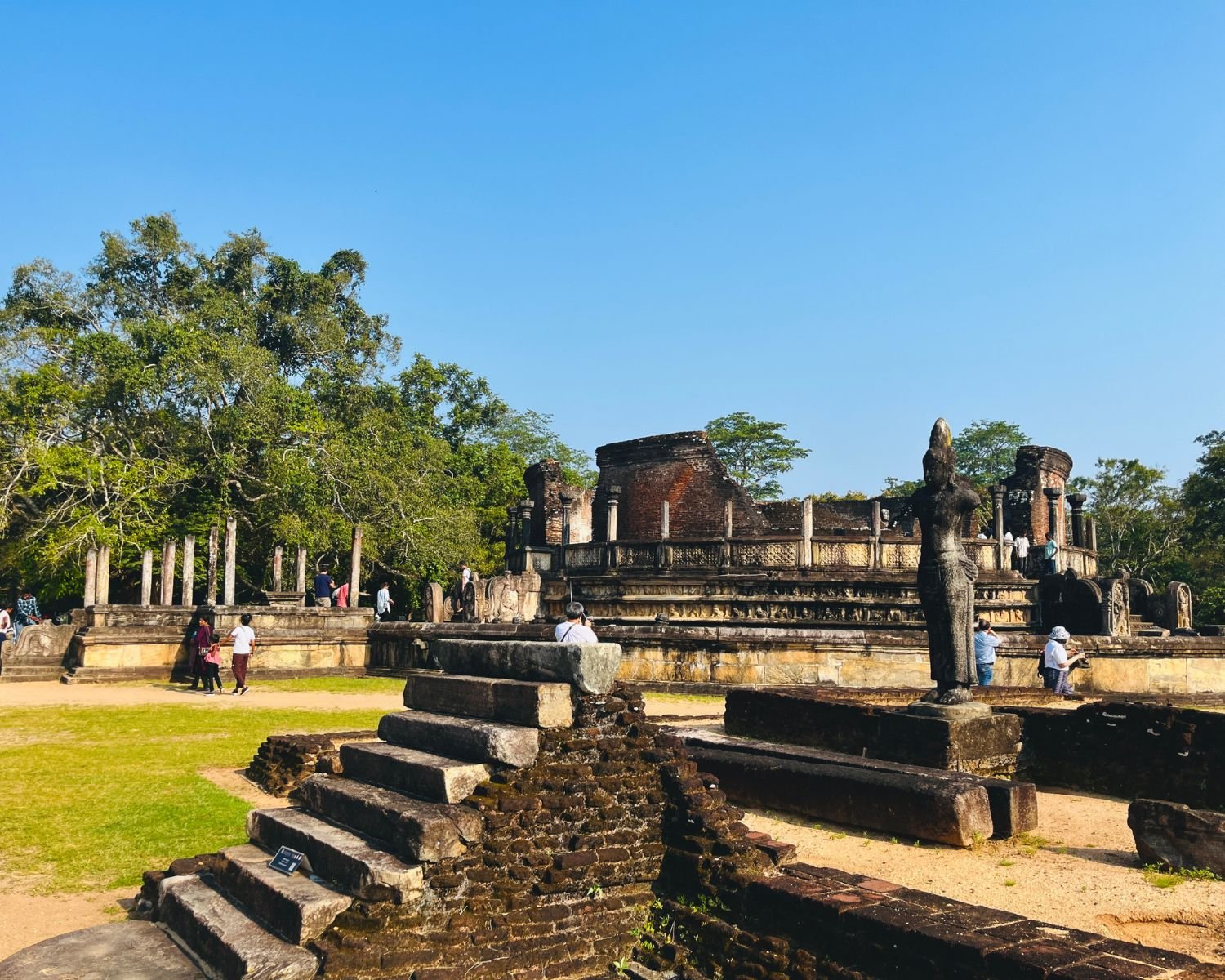
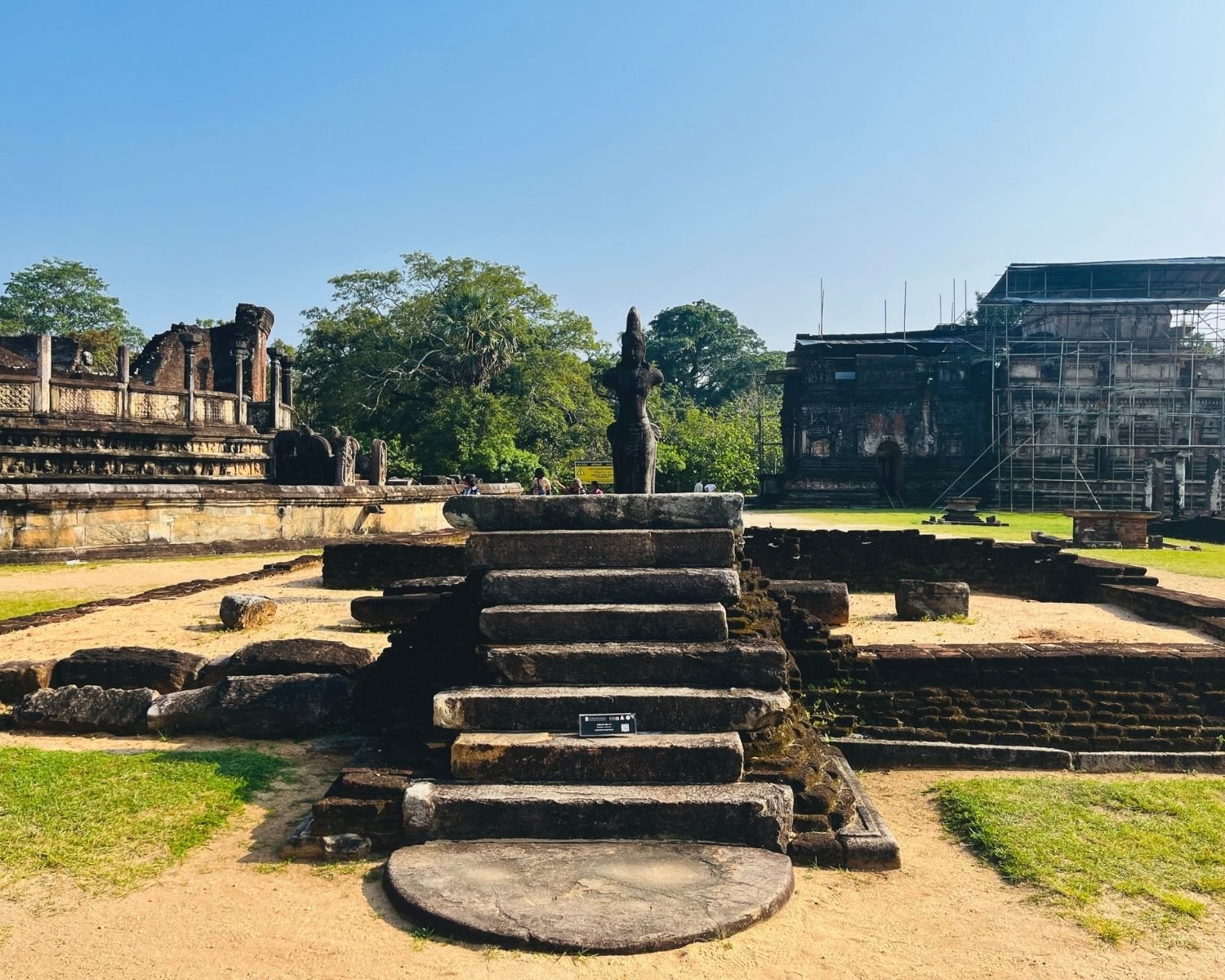
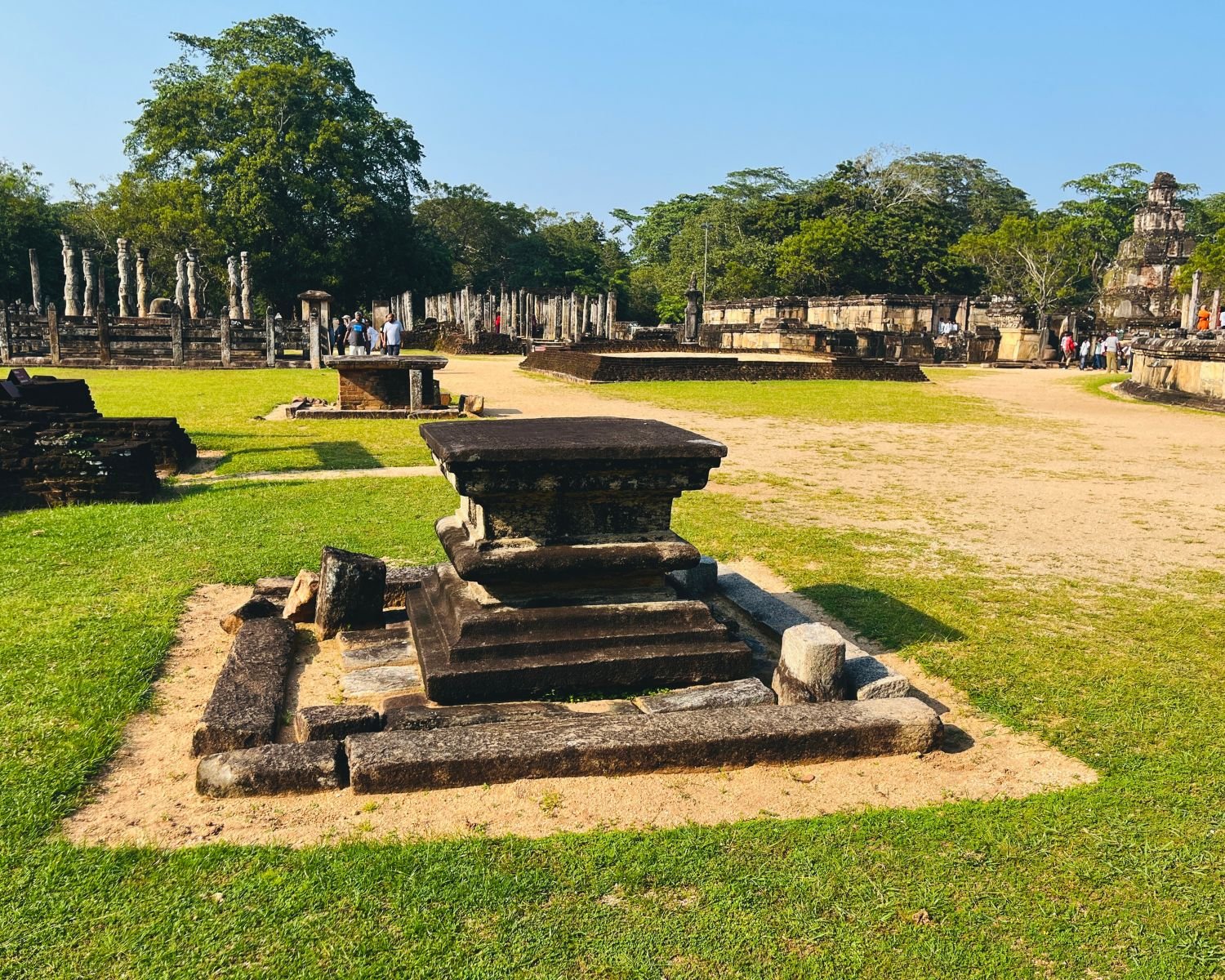
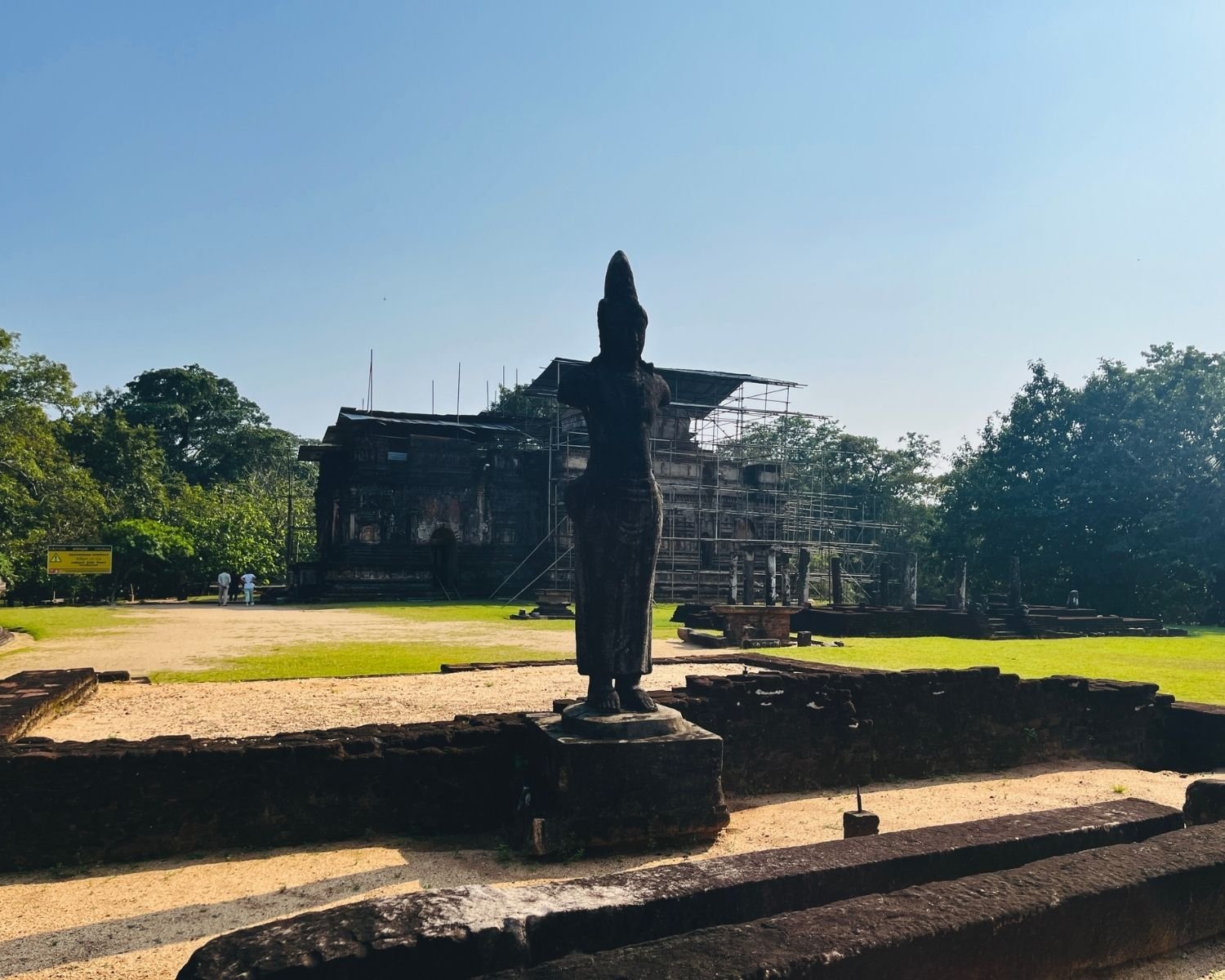
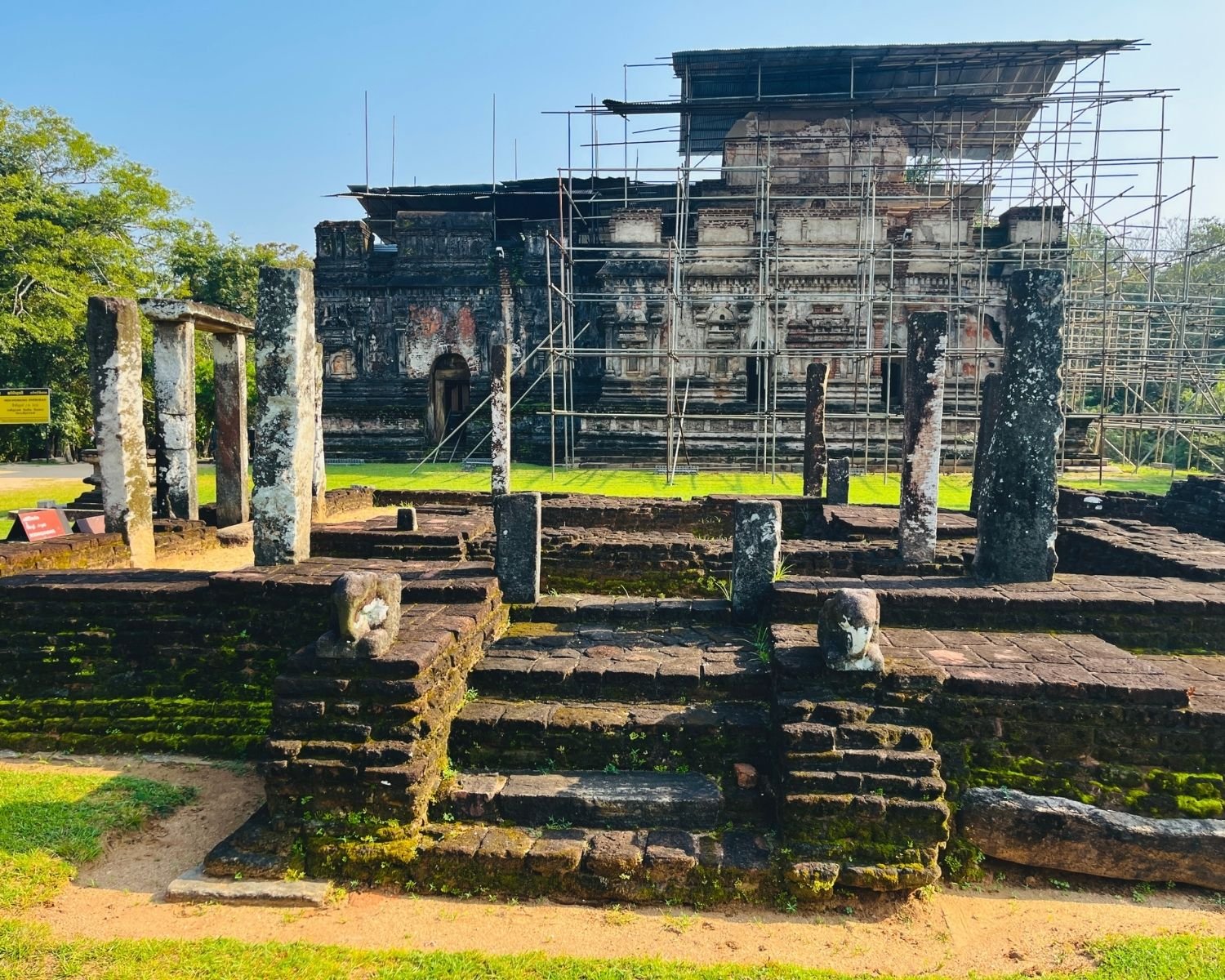
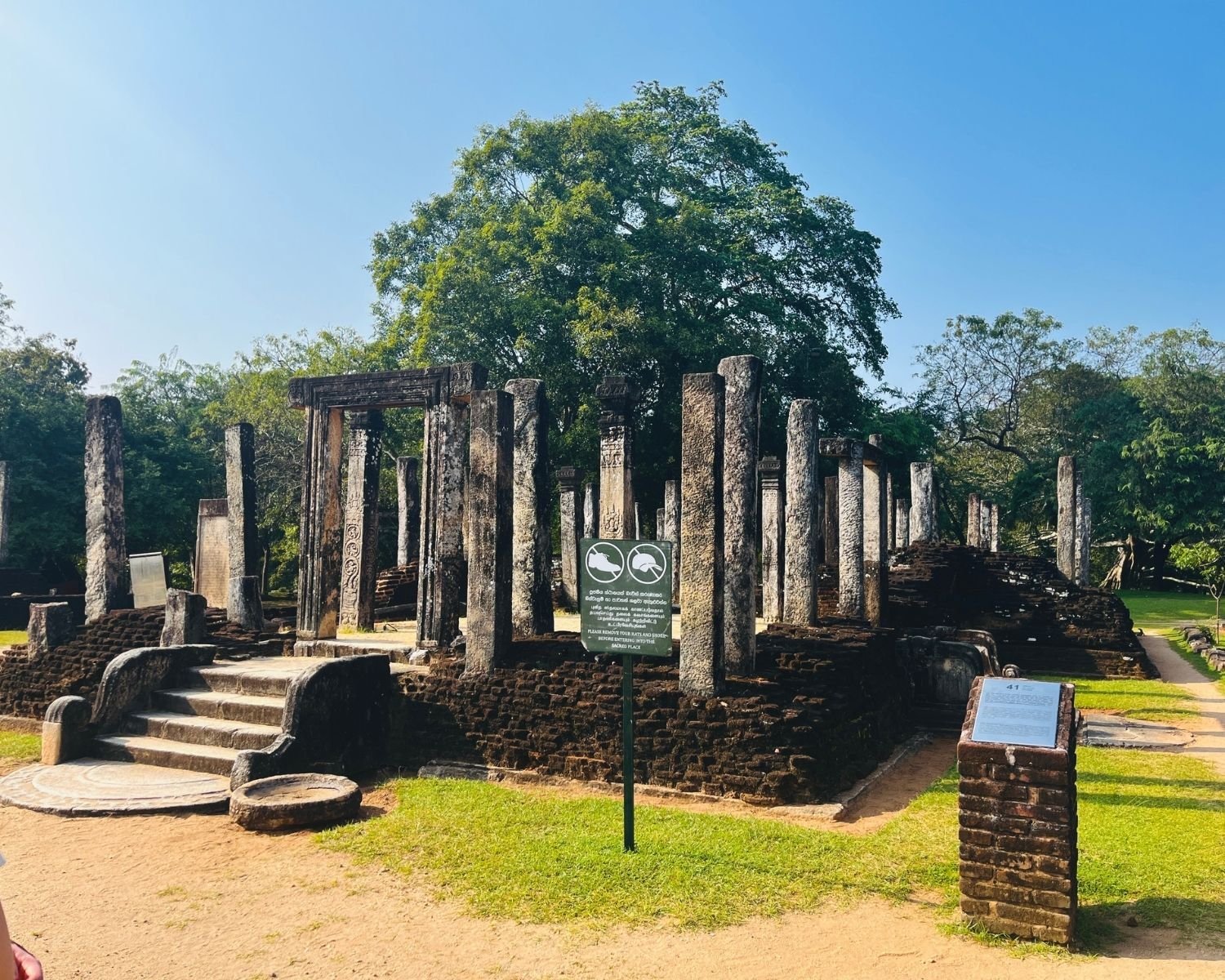
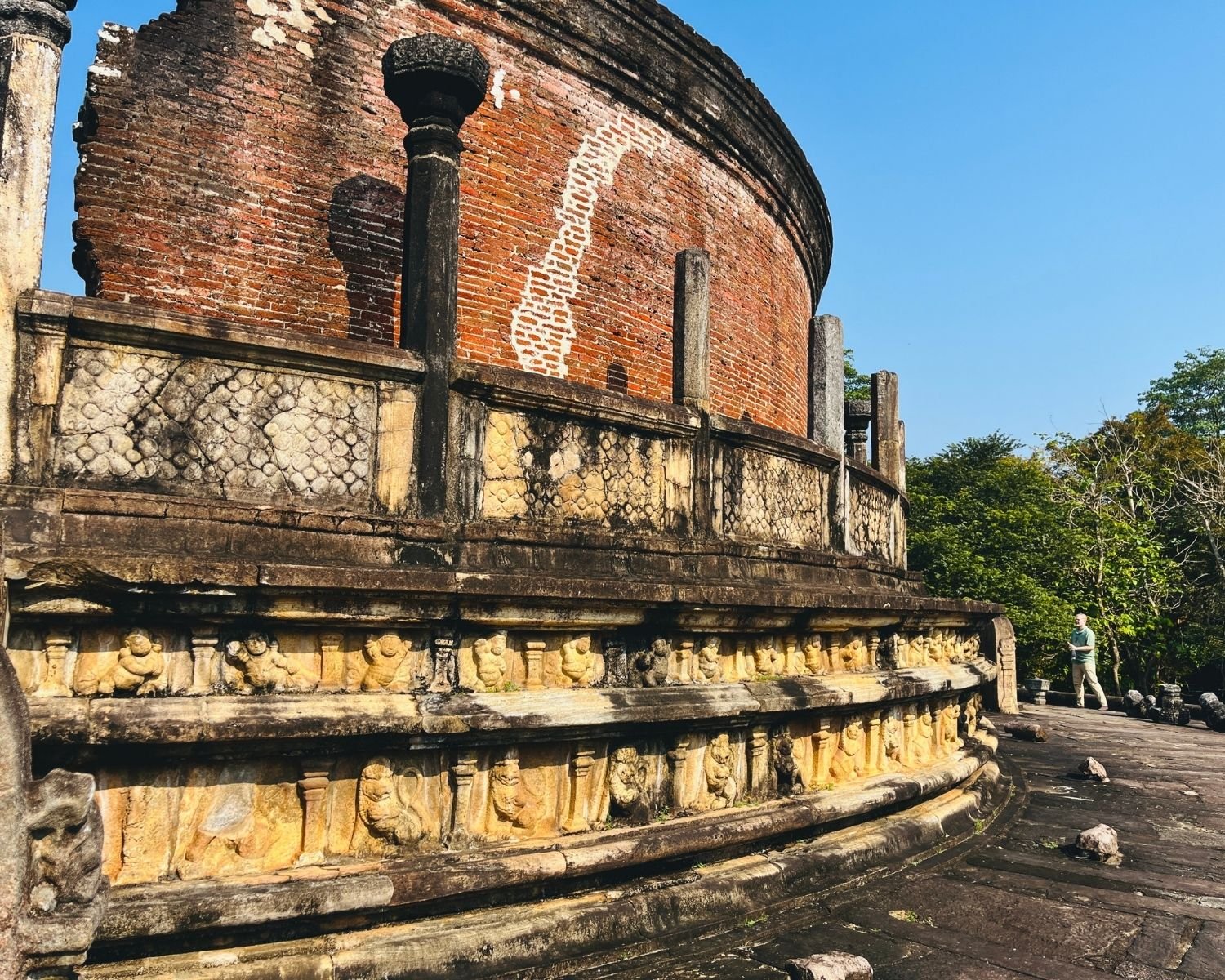
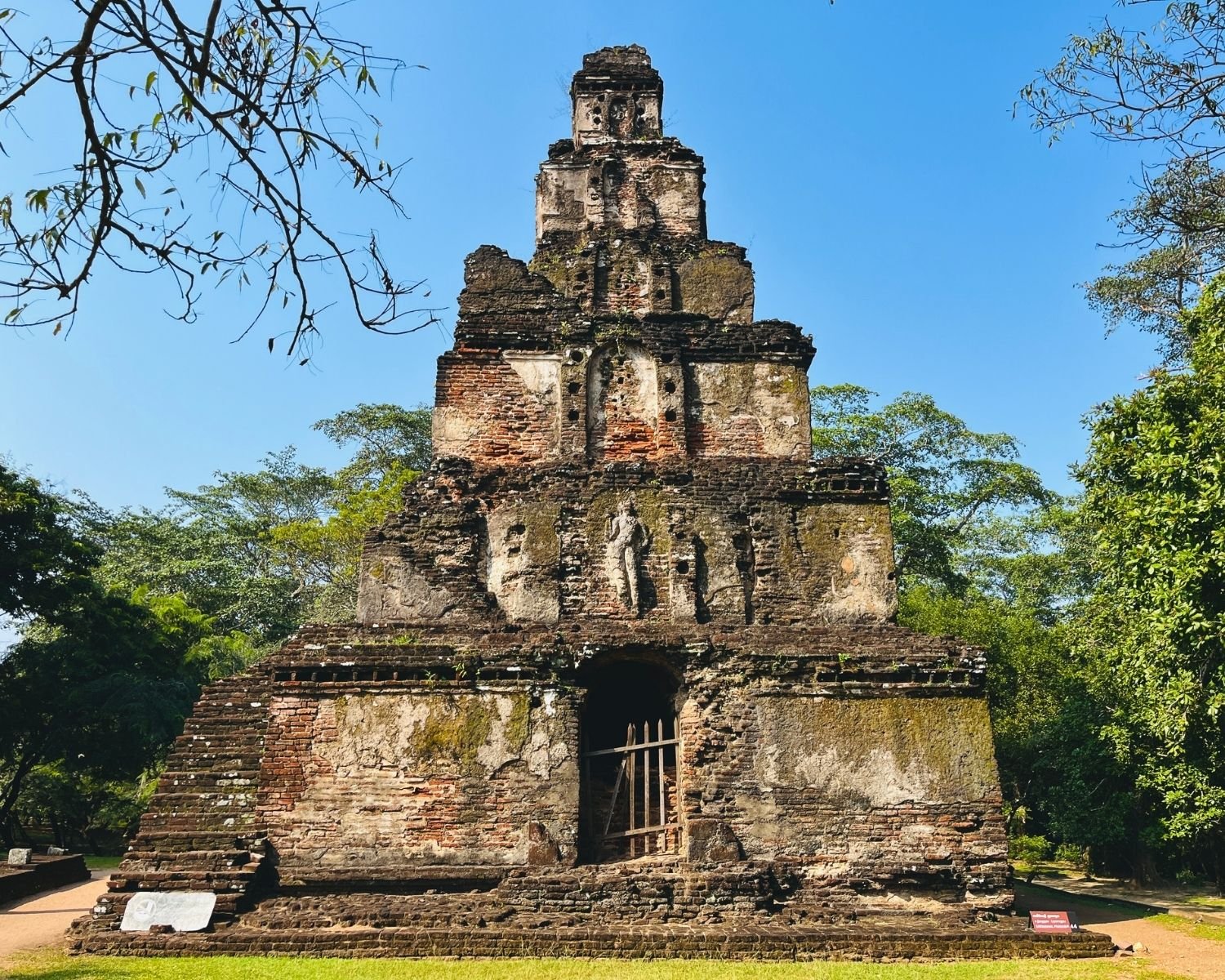
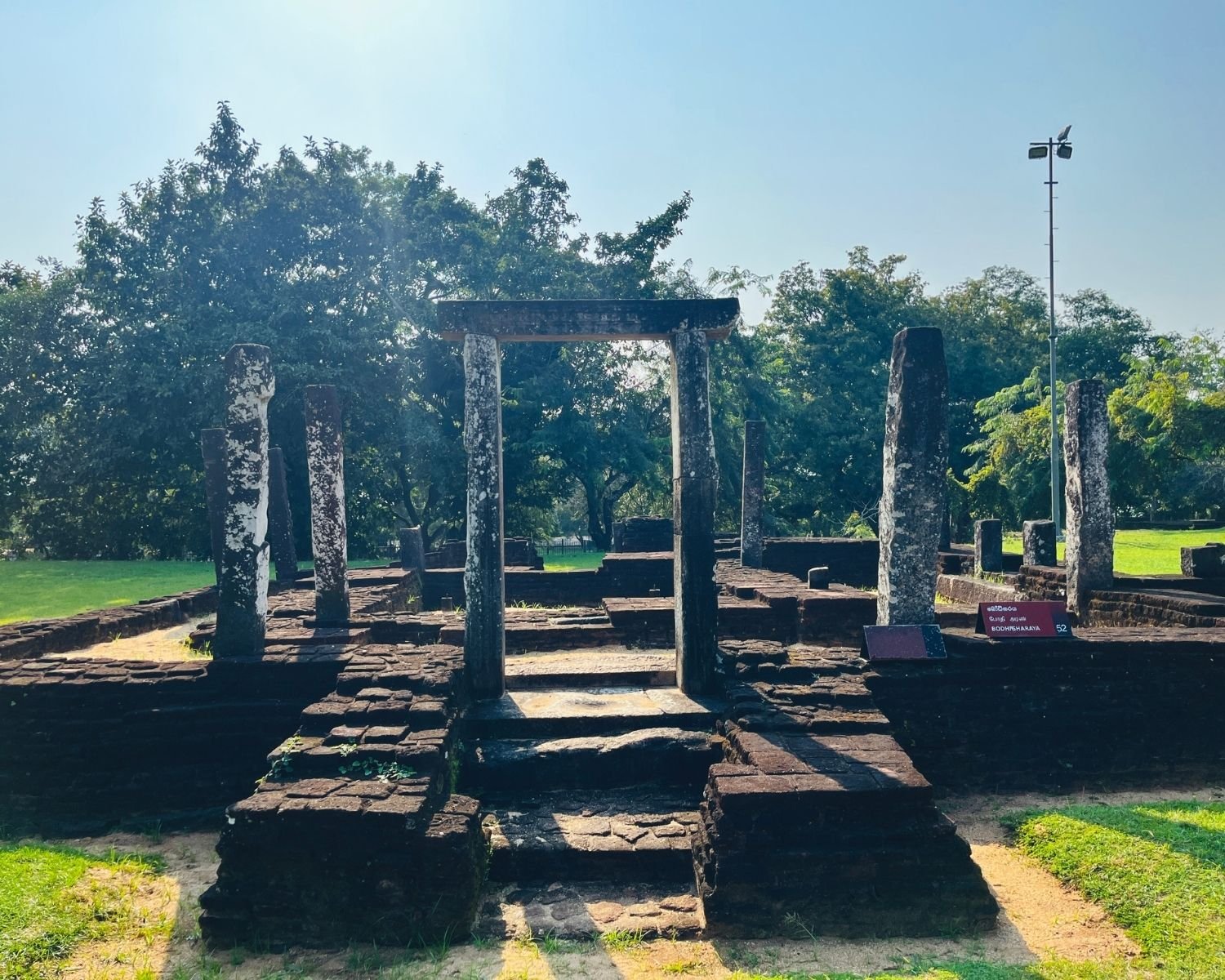
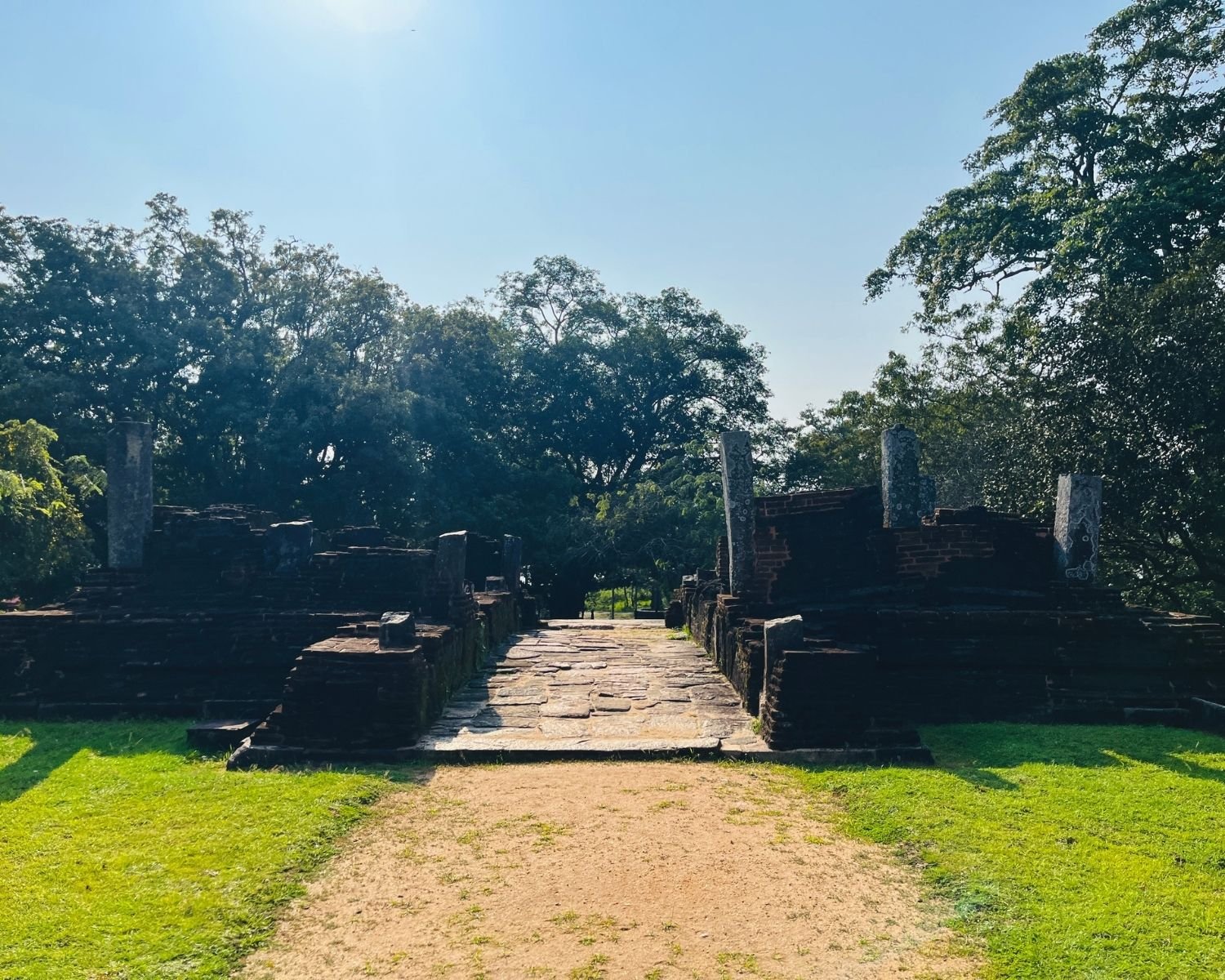
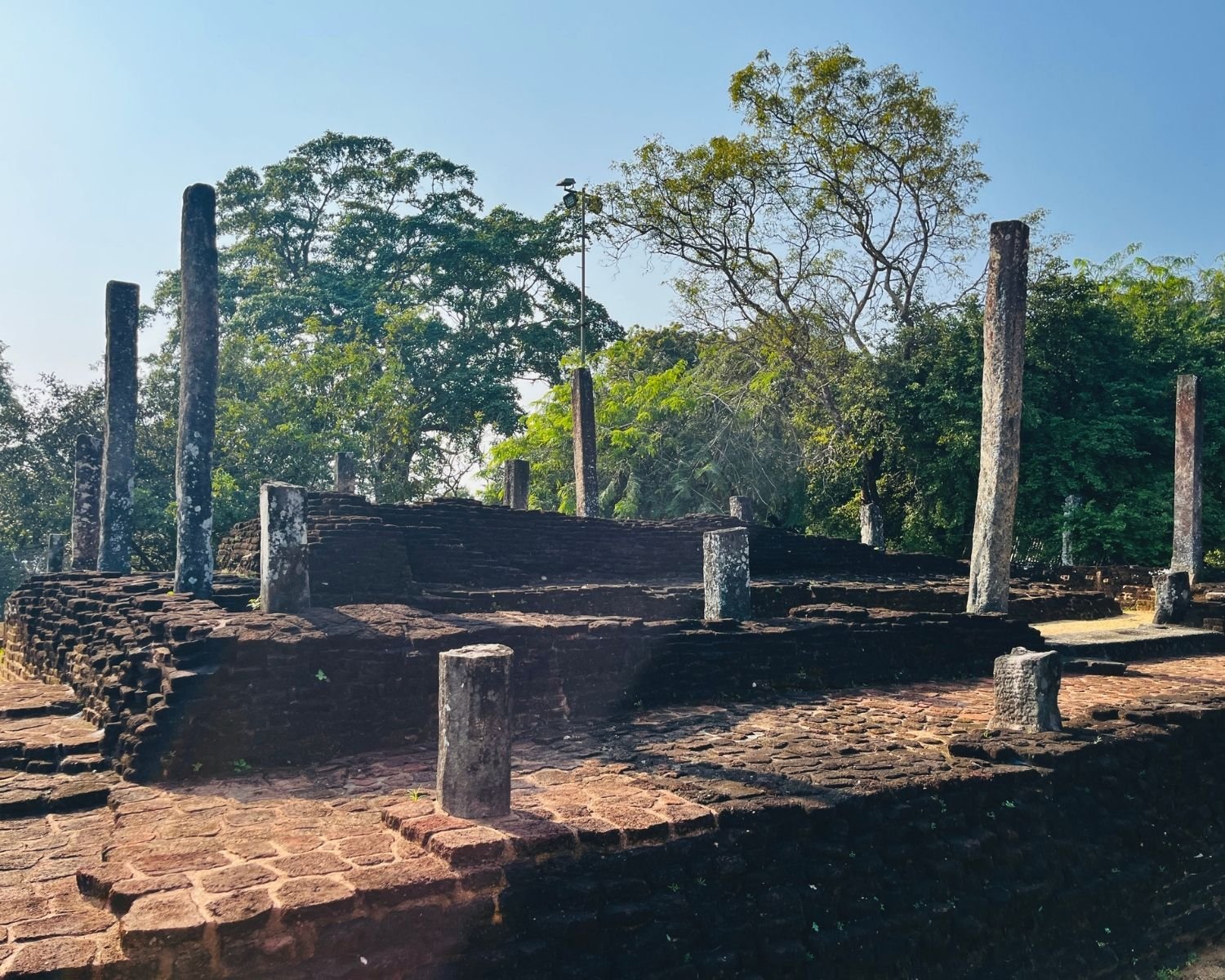
Developed between the 11th and 12th centuries CE under King Vijayabahu I, King Parakramabahu I, and King Nissanka Malla as the religious heart of the Polonnaruwa Kingdom.
Developed between the 11th and 12th centuries CE under King Vijayabahu I, King Parakramabahu I, and King Nissanka Malla as the religious heart of the Polonnaruwa Kingdom.
Buddhist Site
Sacred religious precinct containing the kingdom's principal Tooth Relic shrines, image houses, and ceremonial monuments.
Sacred religious precinct containing the kingdom's principal Tooth Relic shrines, image houses, and ceremonial monuments.
Scenery
Stone platforms, carved monuments, ancient shrines, and closely arranged sacred buildings within a compact archaeological setting.
Stone platforms, carved monuments, ancient shrines, and closely arranged sacred buildings within a compact archaeological setting.
Art & Culture
Relic houses, image houses, inscriptions, lotus shaped pillars, moonstones, and advanced Polonnaruwa period craftsmanship.
Relic houses, image houses, inscriptions, lotus shaped pillars, moonstones, and advanced Polonnaruwa period craftsmanship.
Top Pick
Location
View on Map
View on Map
History
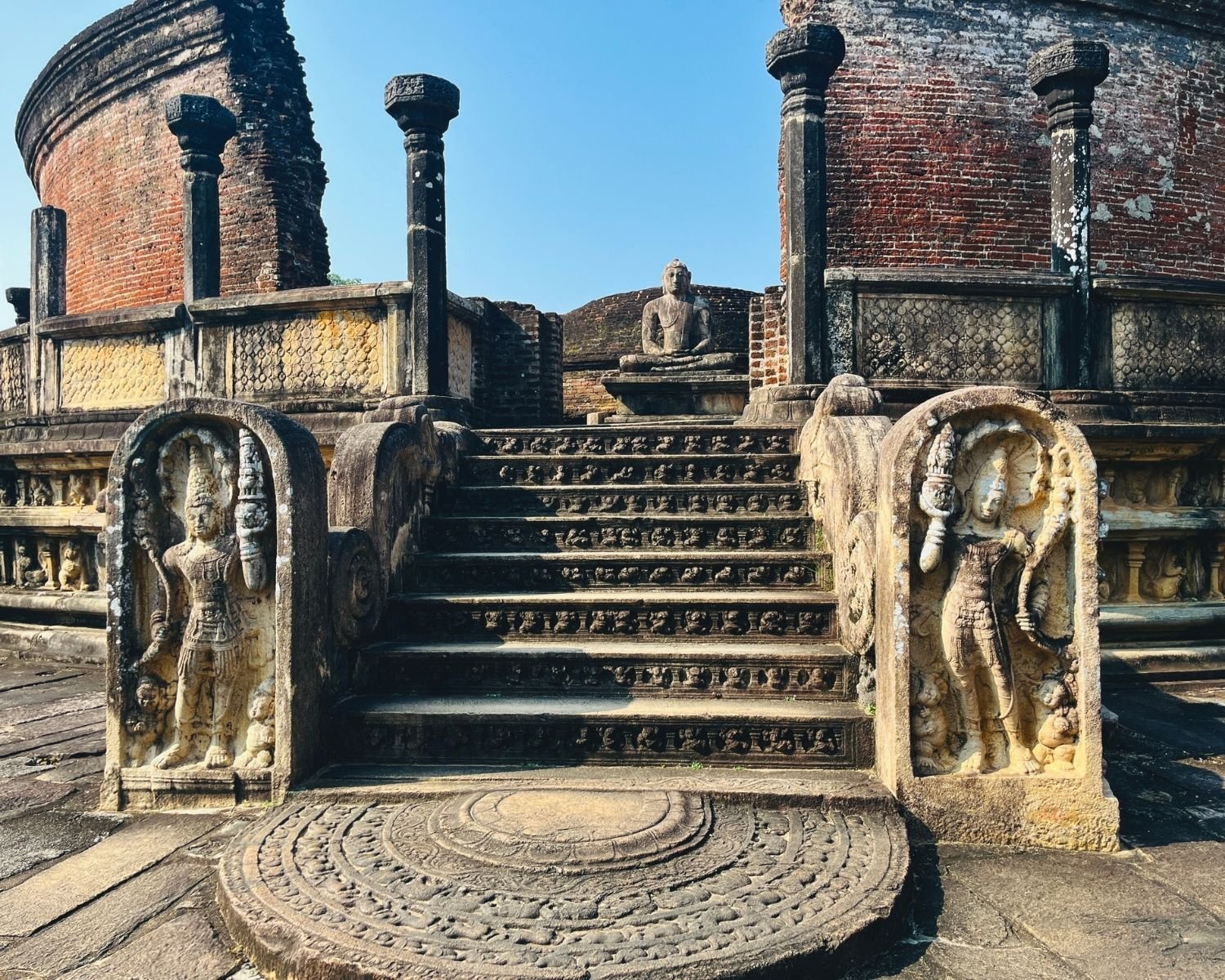
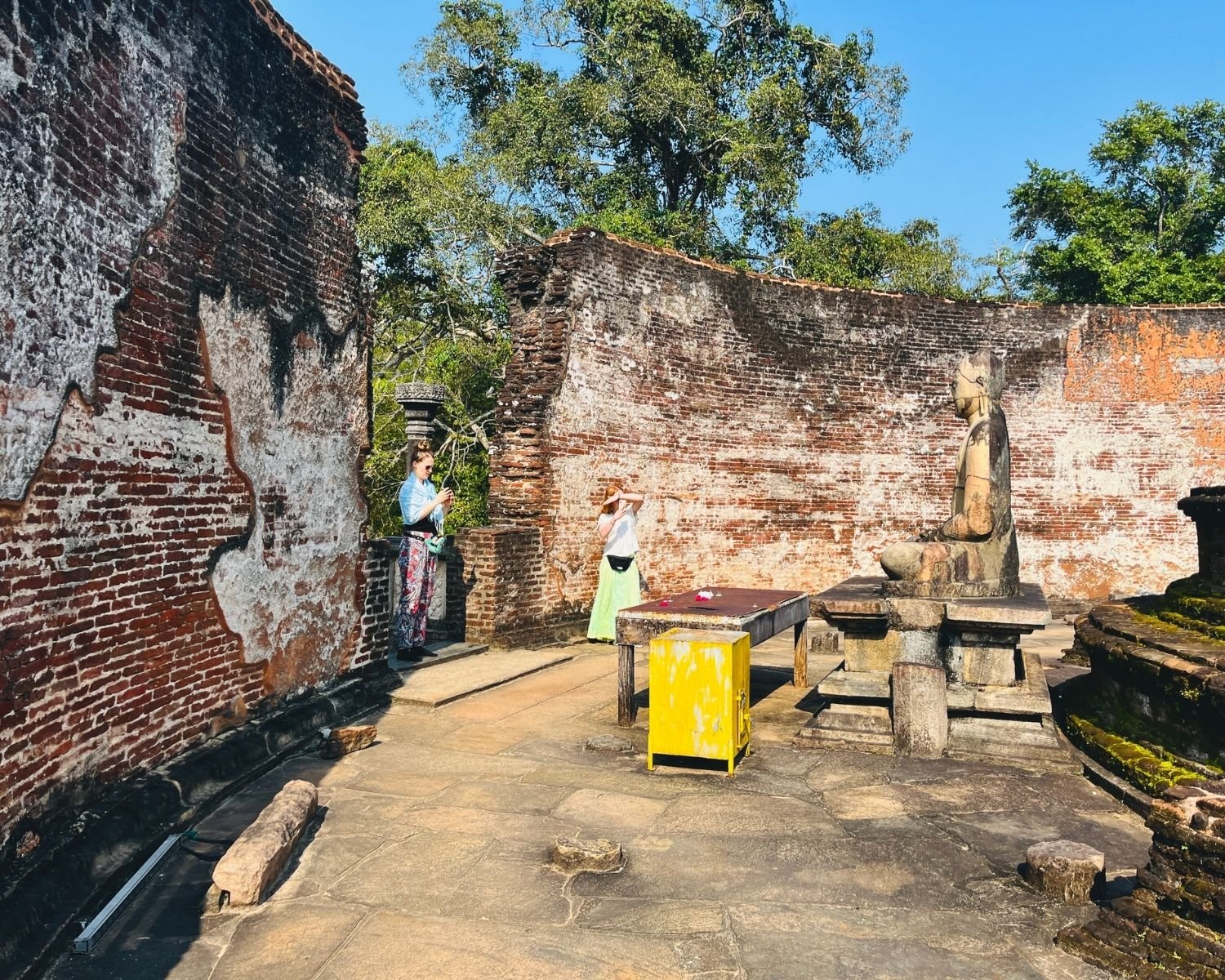
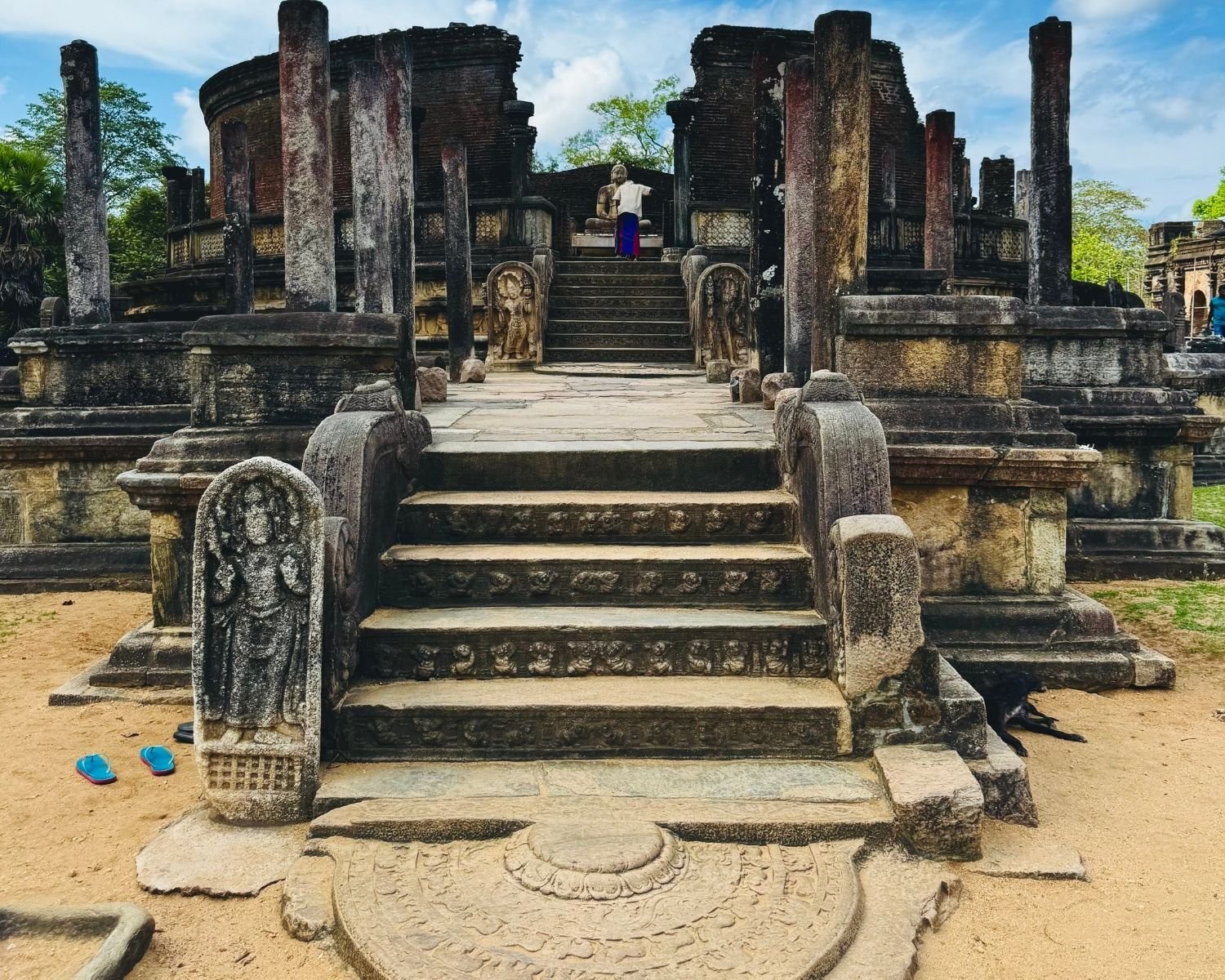
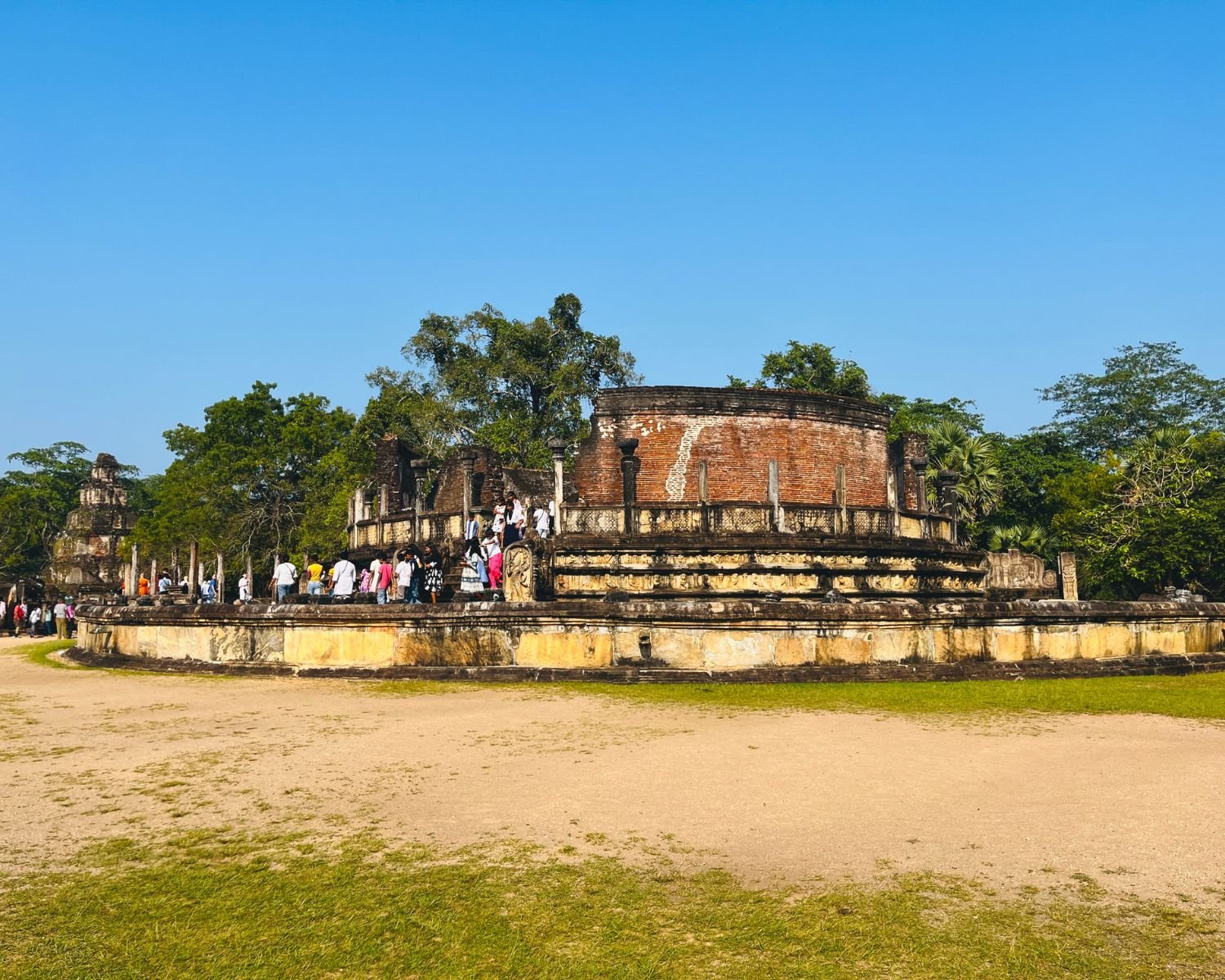
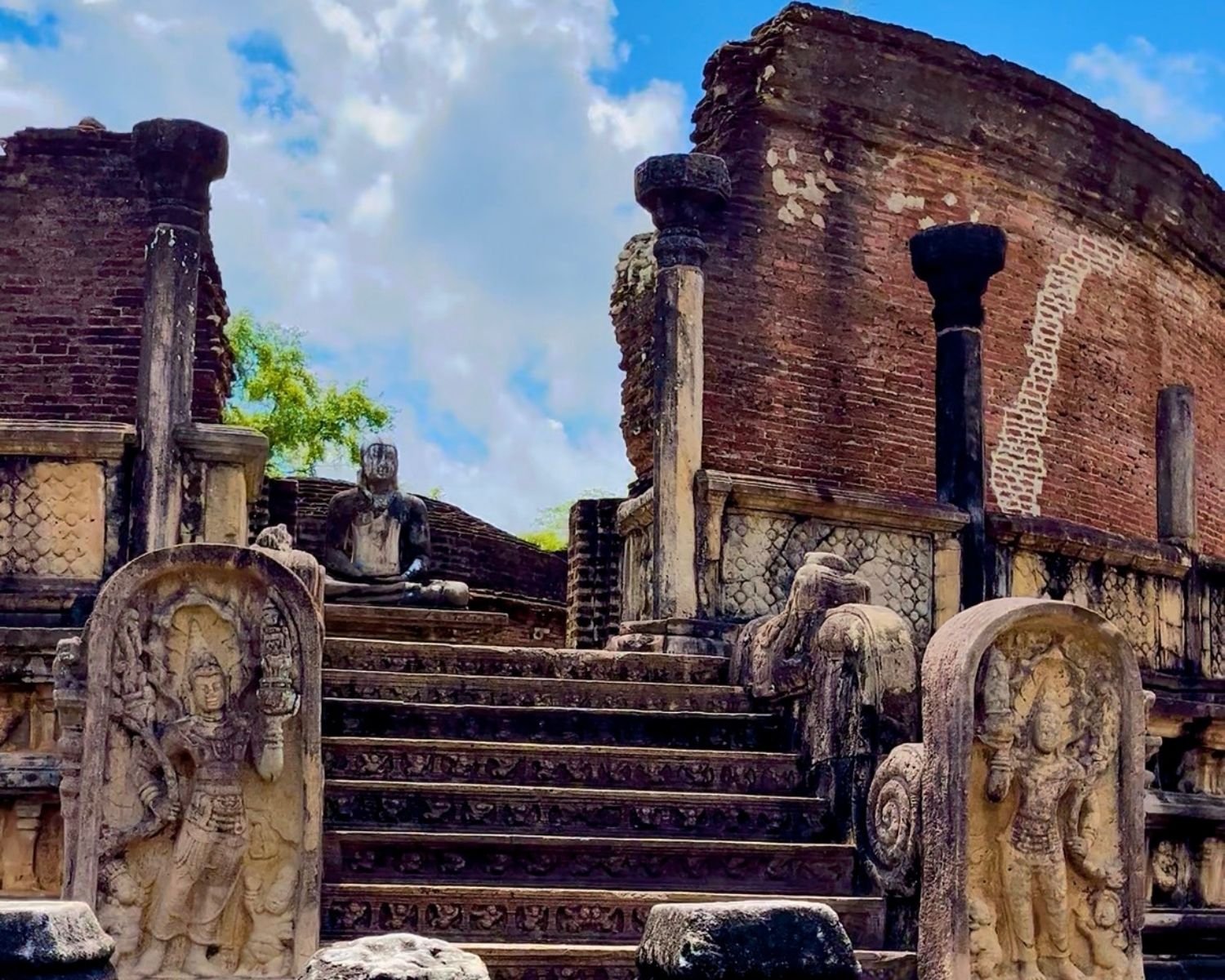
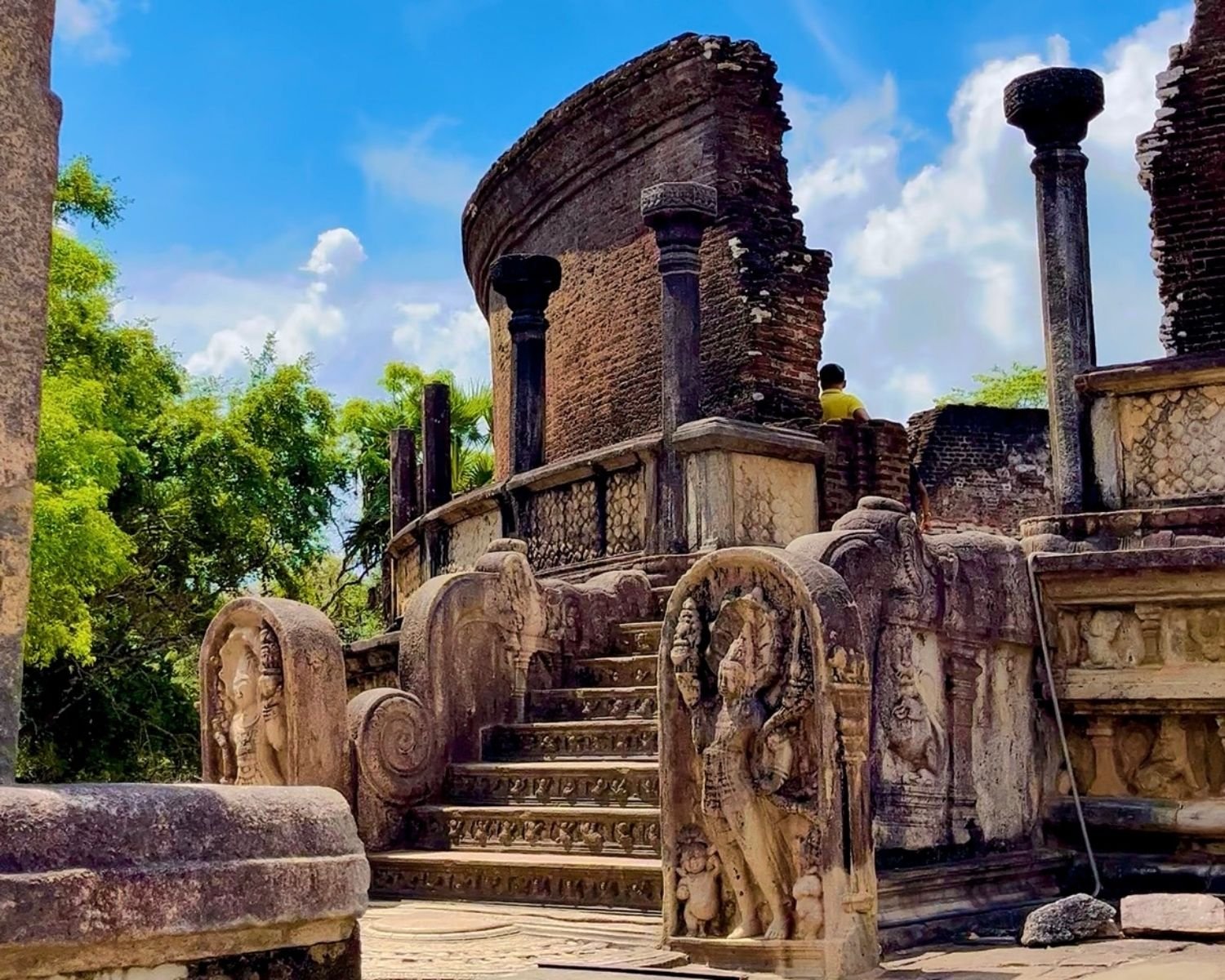
Constructed in the 12th century CE, primarily during the reign of King Parakramabahu I, with later contributions by King Nissanka Malla.
Constructed in the 12th century CE, primarily during the reign of King Parakramabahu I, with later contributions by King Nissanka Malla.
Buddhist Site
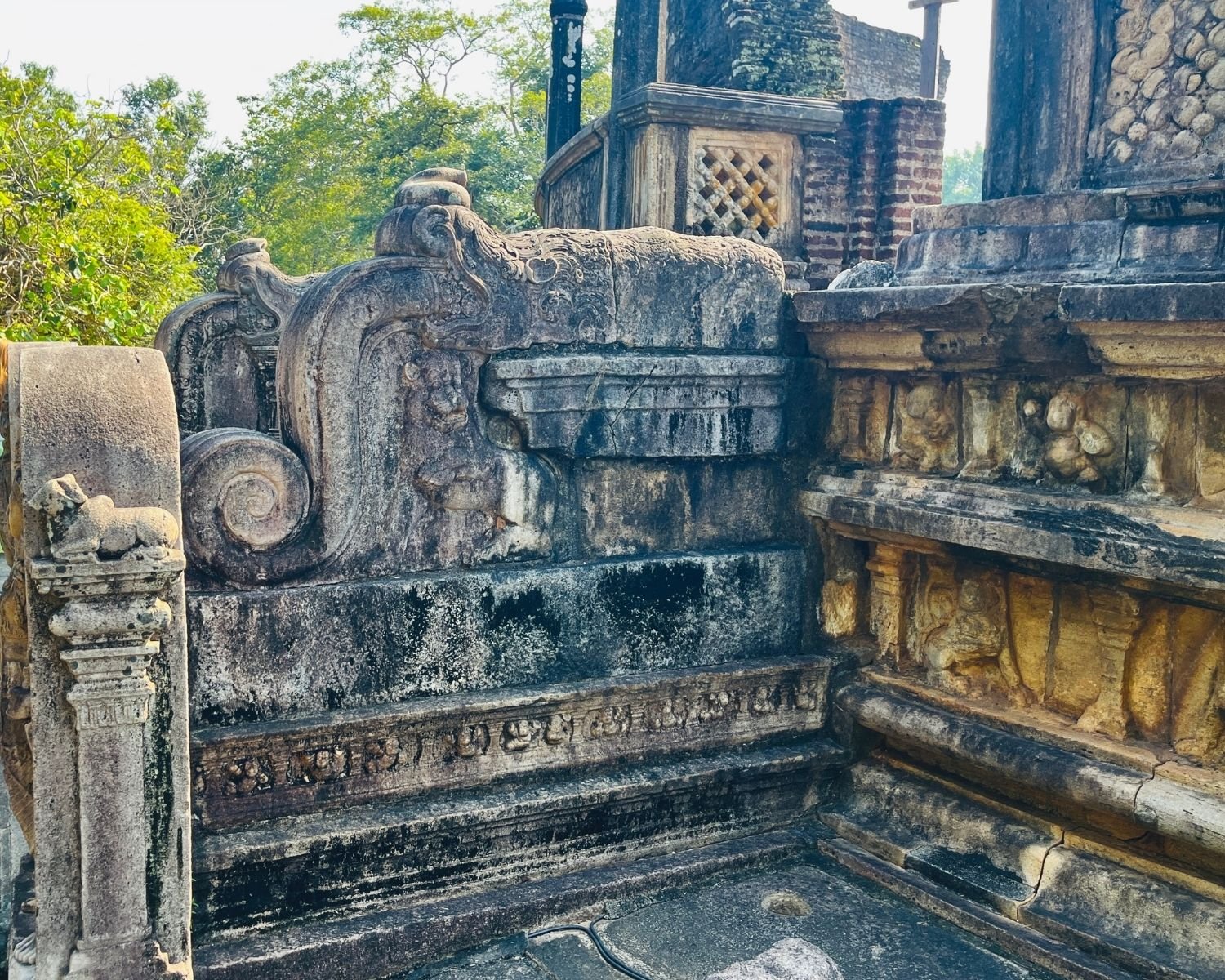
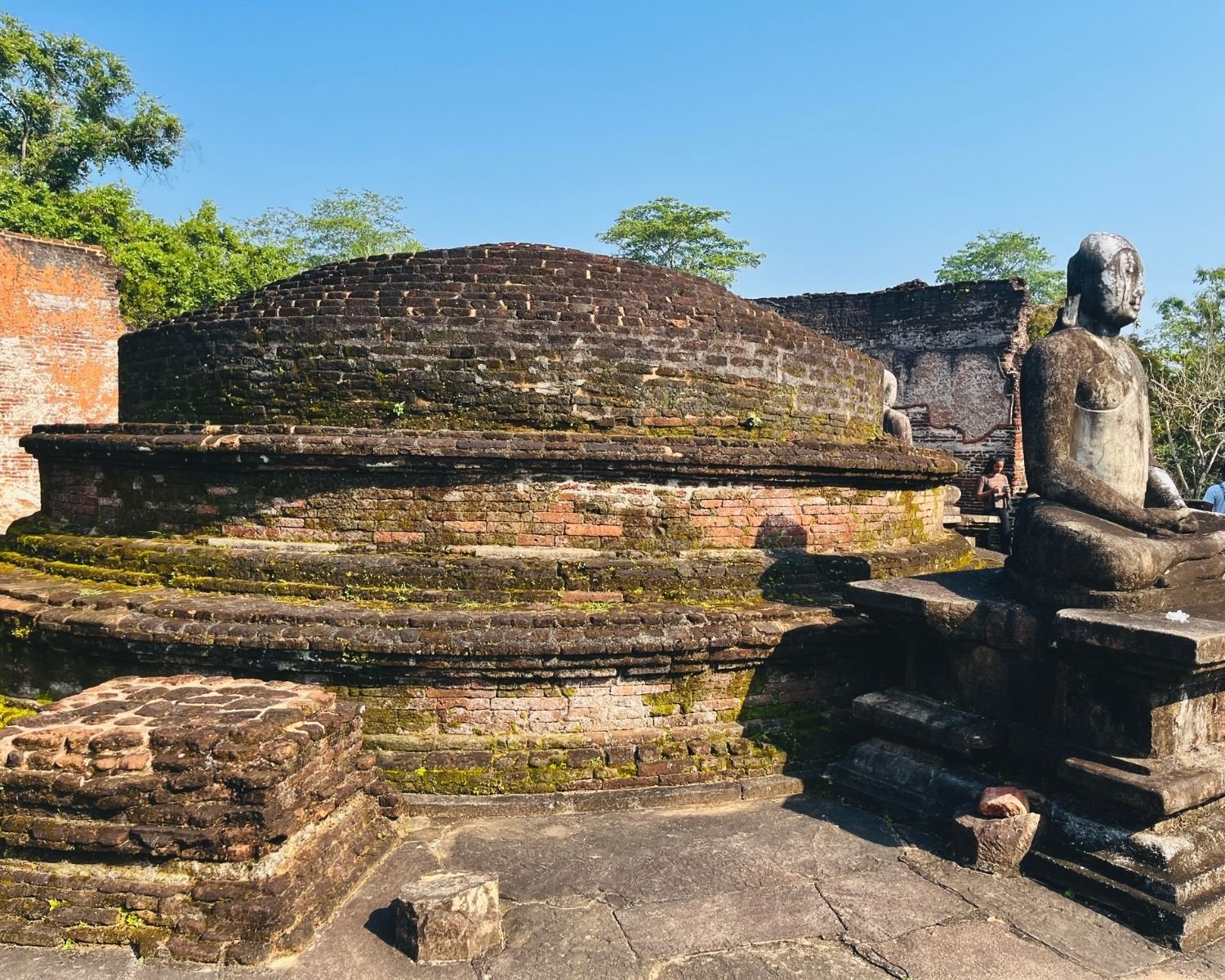
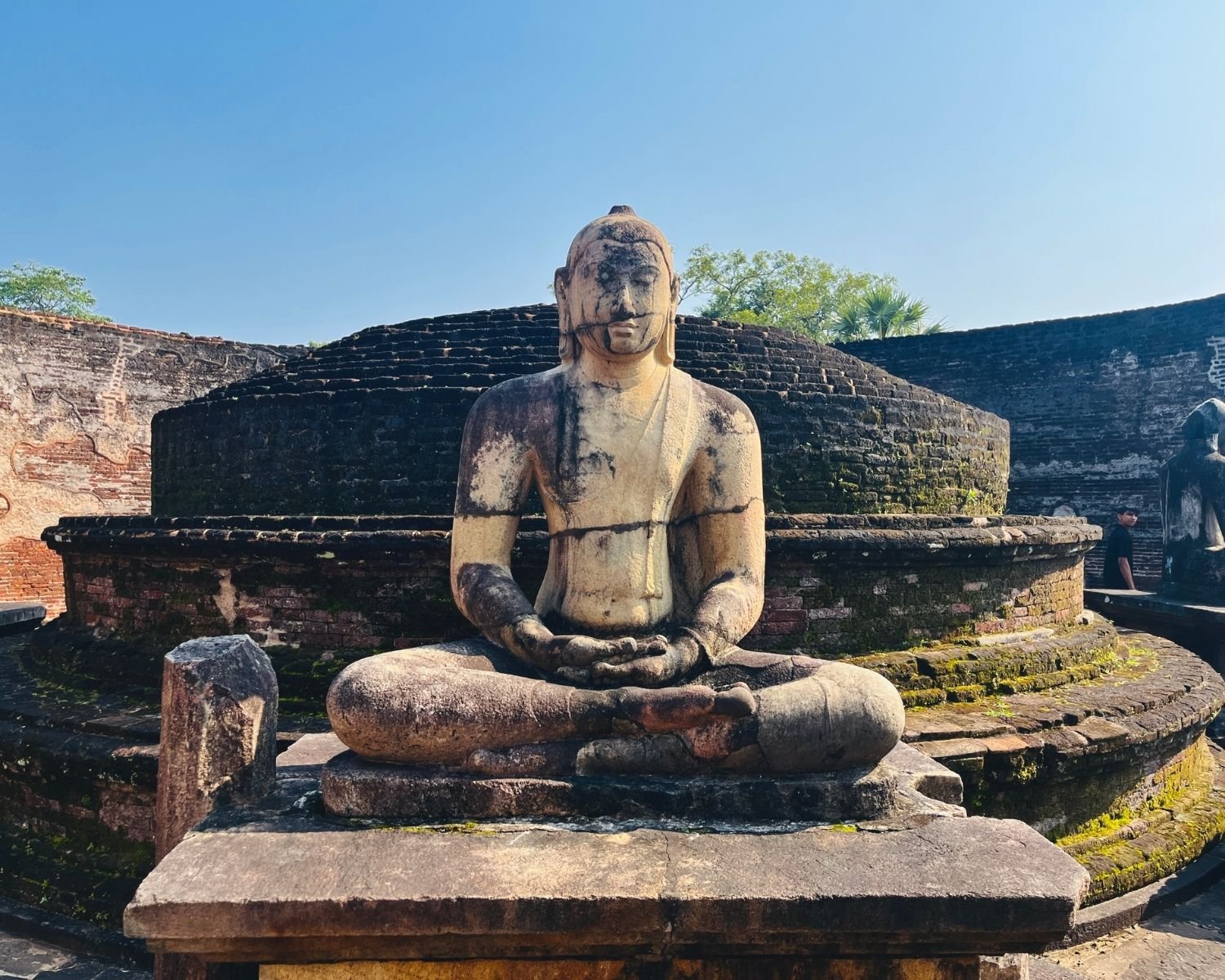
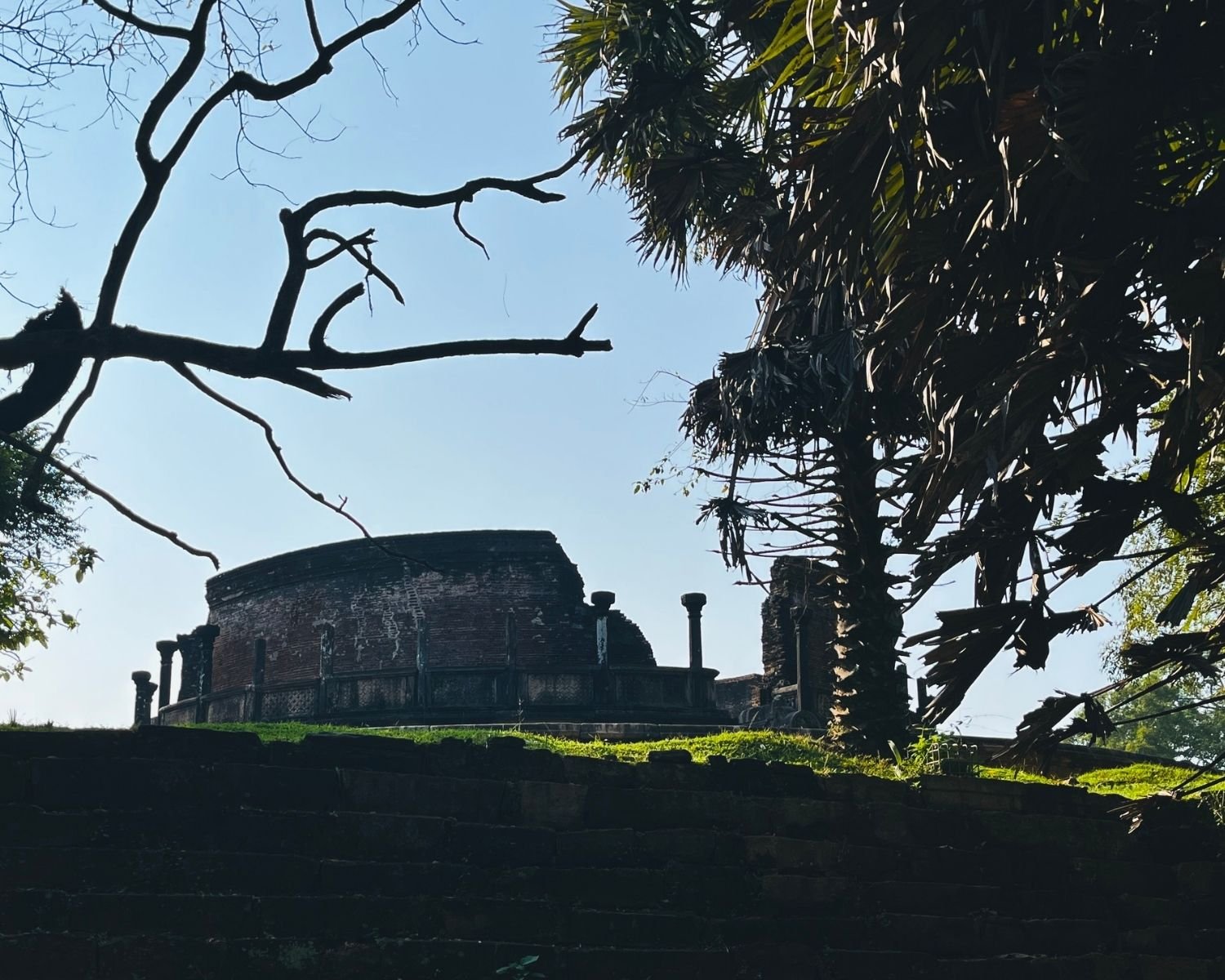
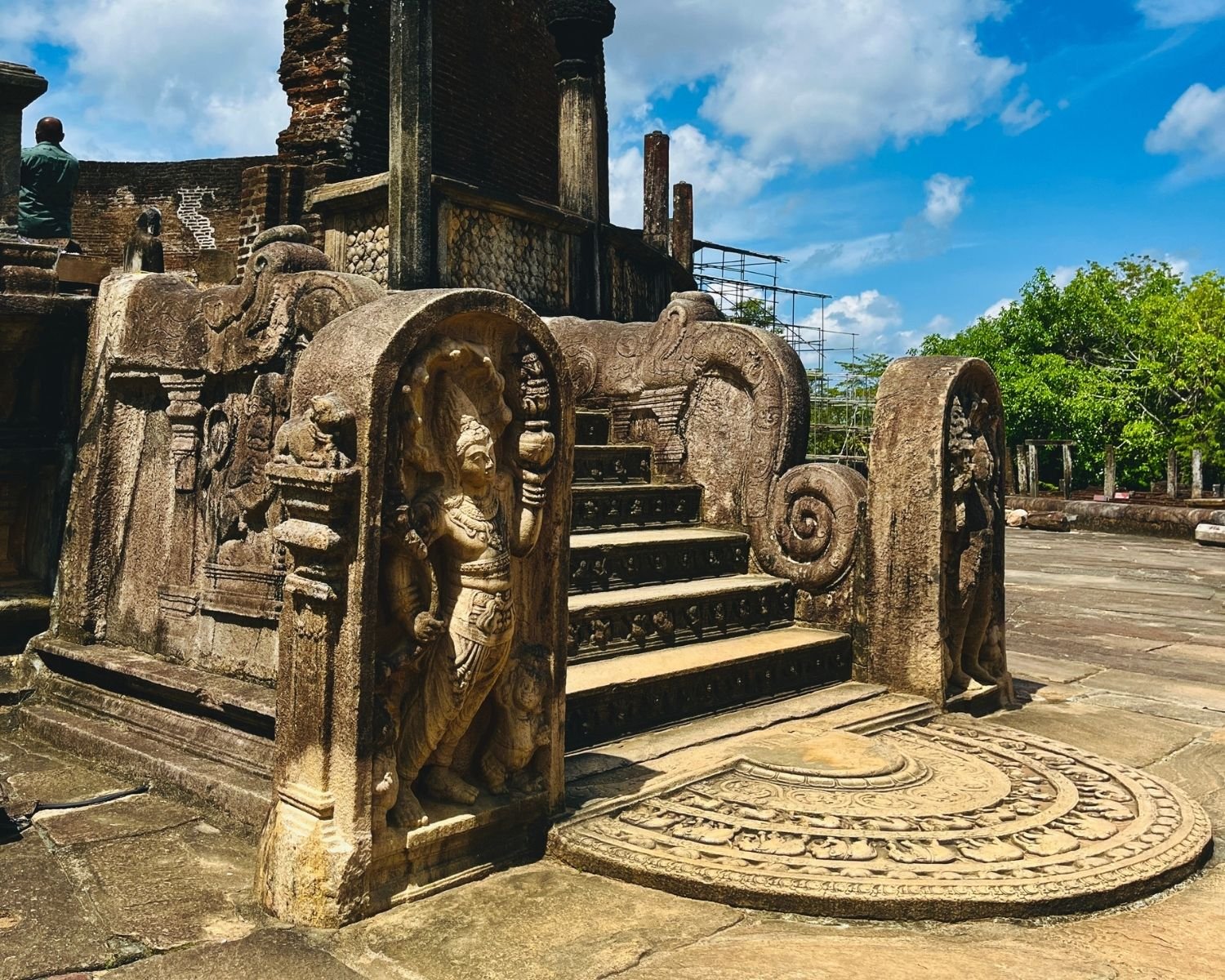
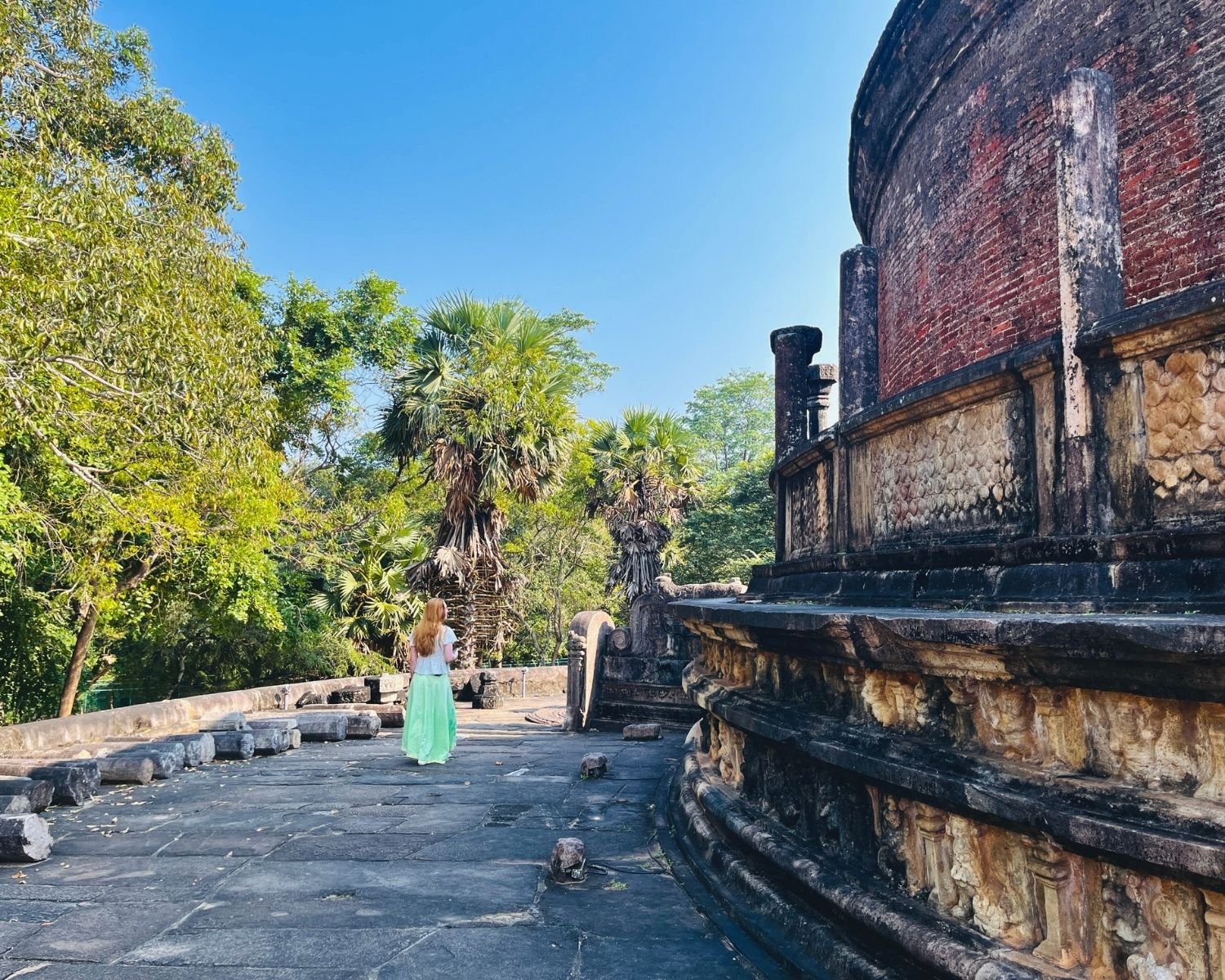
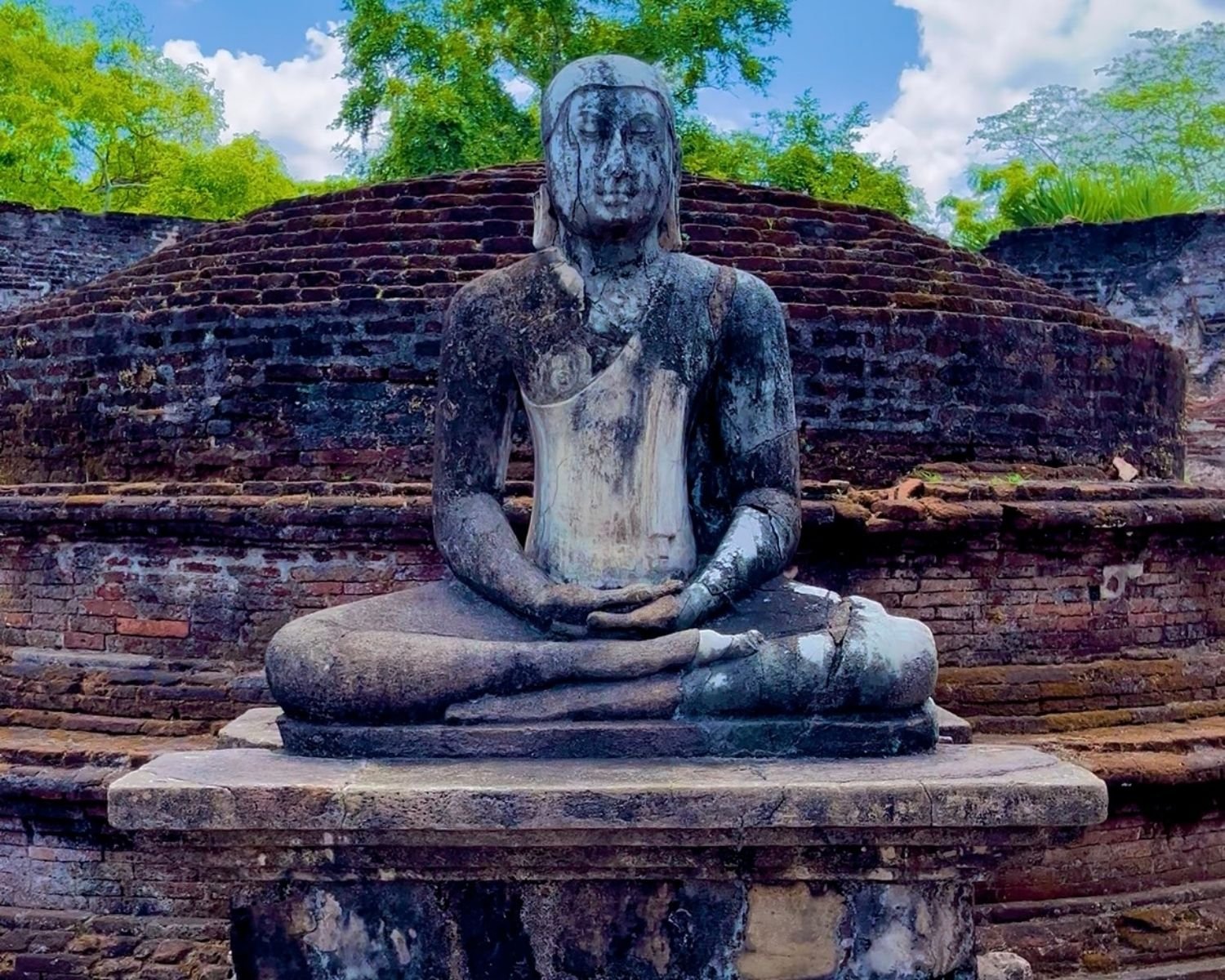
Circular relic house built to enshrine a sacred Buddhist relic, traditionally linked to the Tooth Relic, with four seated Buddha statues and refined stone craftsmanship.
Circular relic house built to enshrine a sacred Buddhist relic, traditionally linked to the Tooth Relic, with four seated Buddha statues and refined stone craftsmanship.
Scenery
Stone terraces, open circular layout, carved steps, and surrounding sacred monuments within the Dalada Maluwa precinct.
Stone terraces, open circular layout, carved steps, and surrounding sacred monuments within the Dalada Maluwa precinct.
Art & Culture
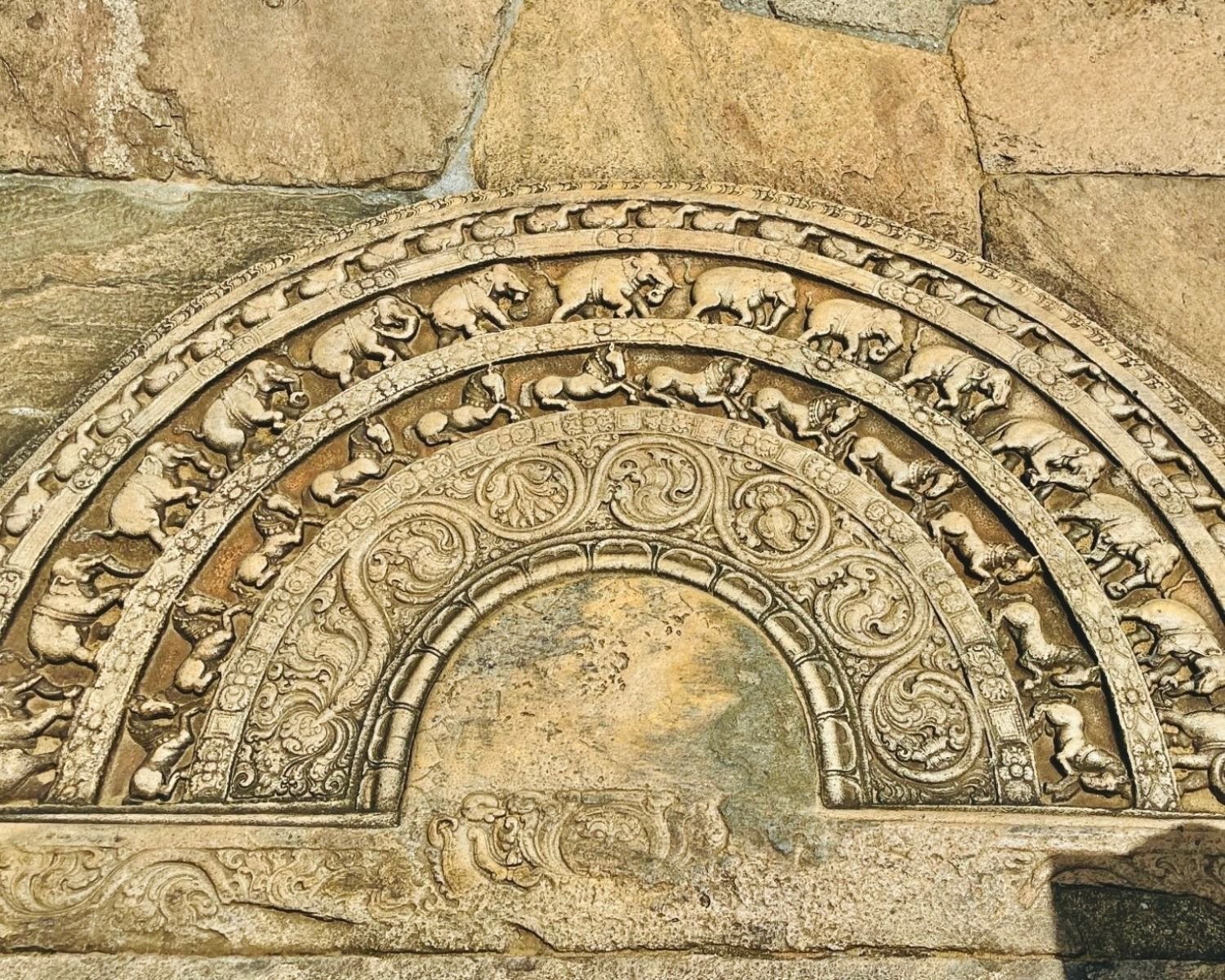
Highly detailed moonstones, guard stones, stone railings, seated Buddha images, and ceremonial architectural symmetry.
Highly detailed moonstones, guard stones, stone railings, seated Buddha images, and ceremonial architectural symmetry.
Top Pick
Location
View on Map
View on Map
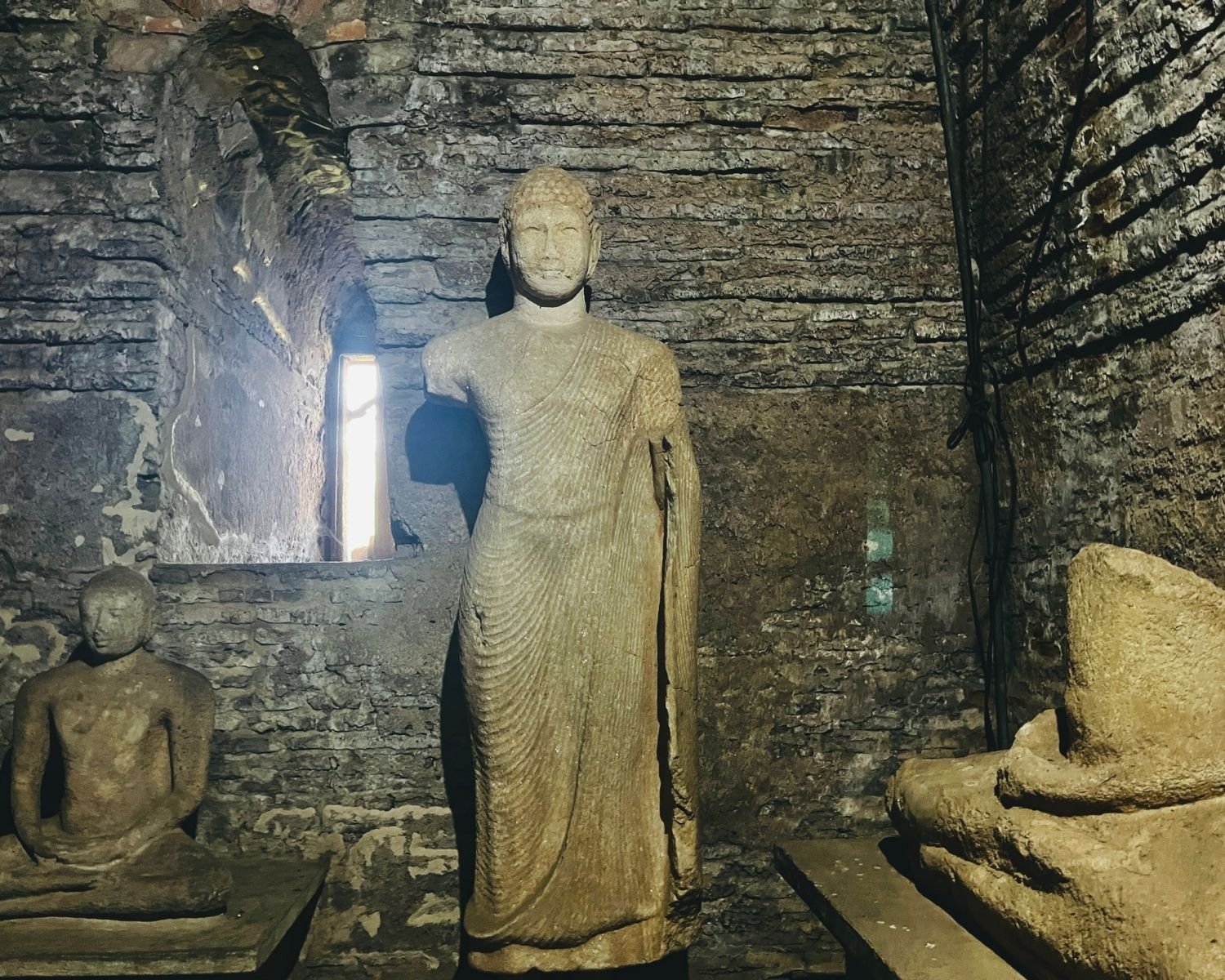
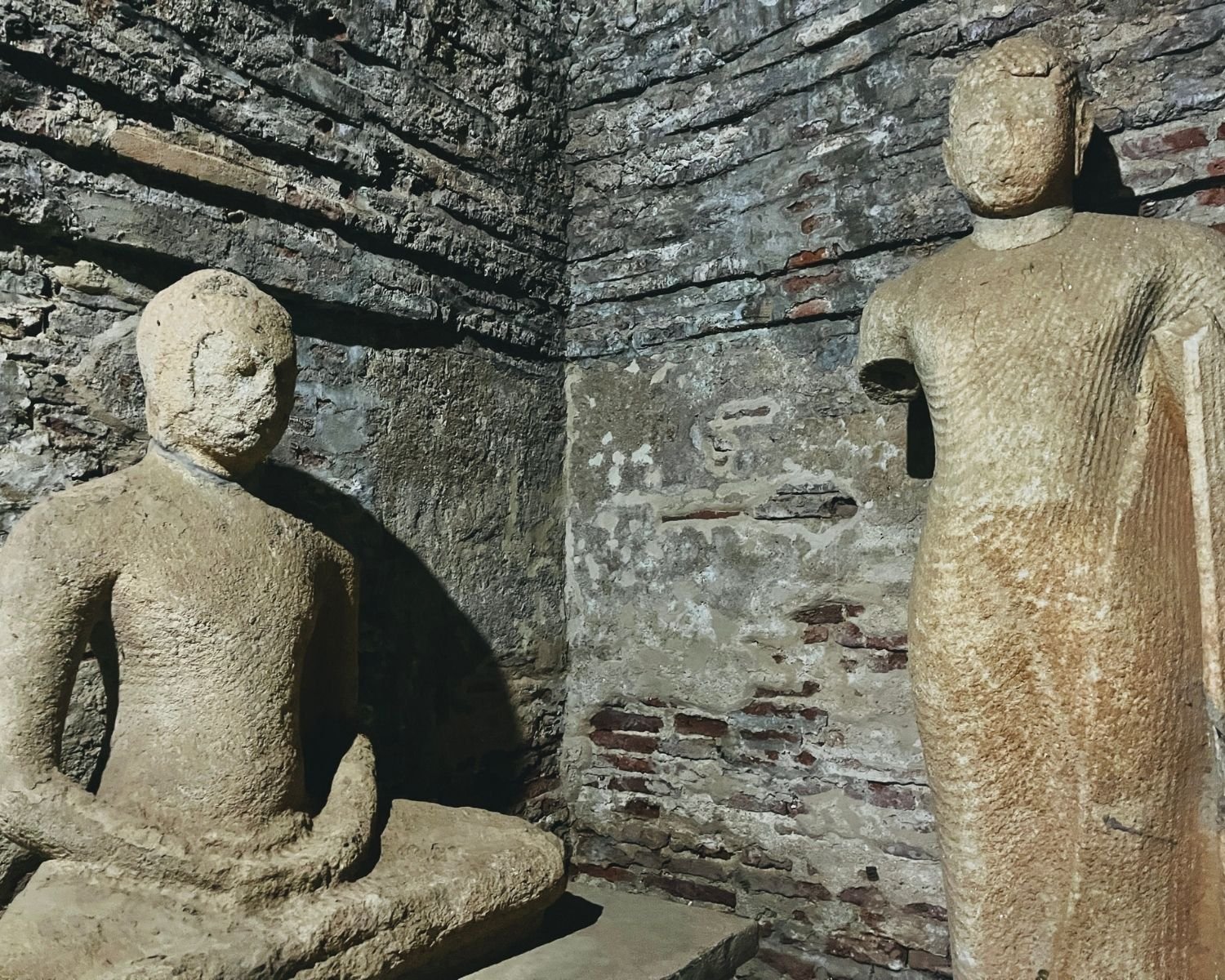
History
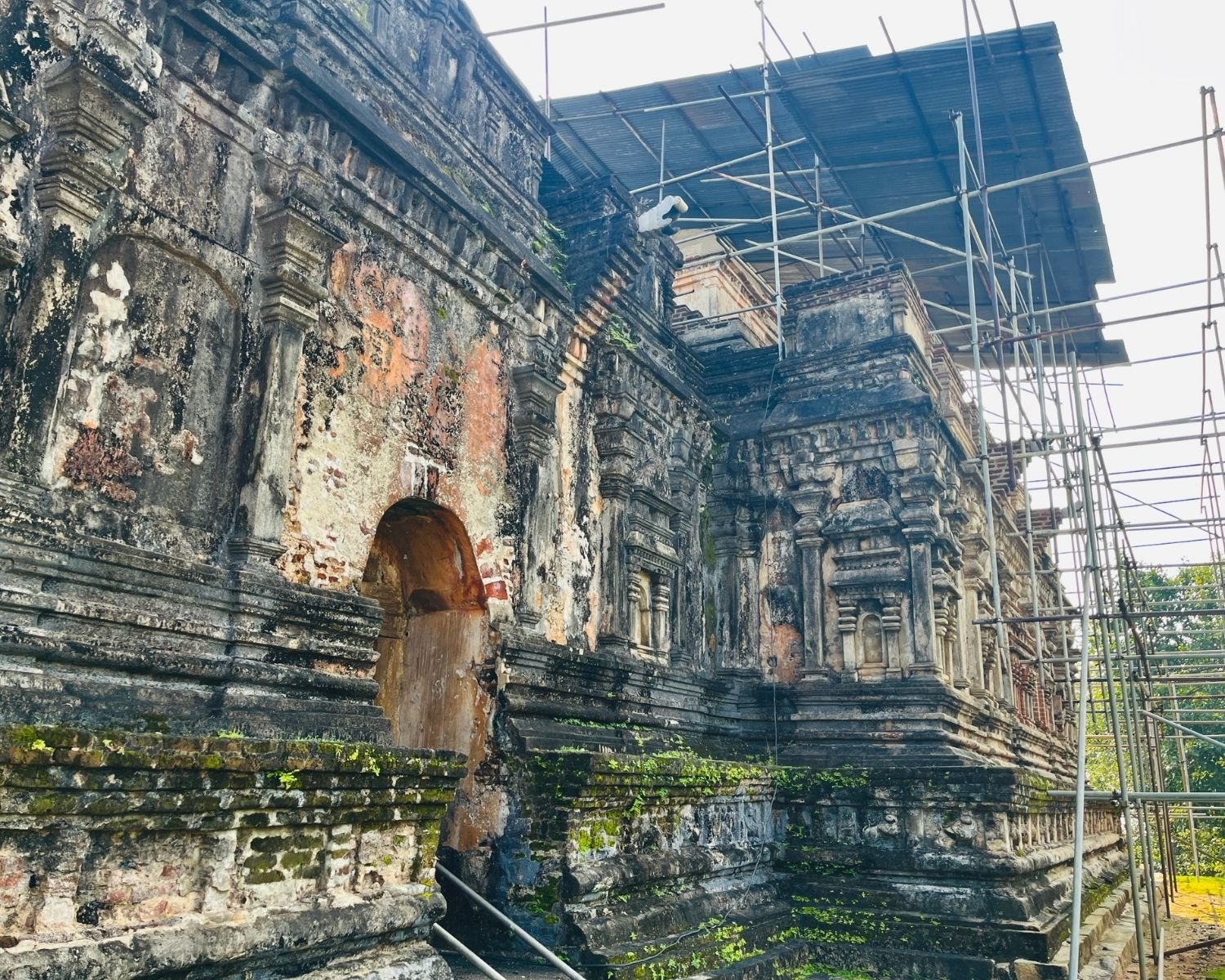
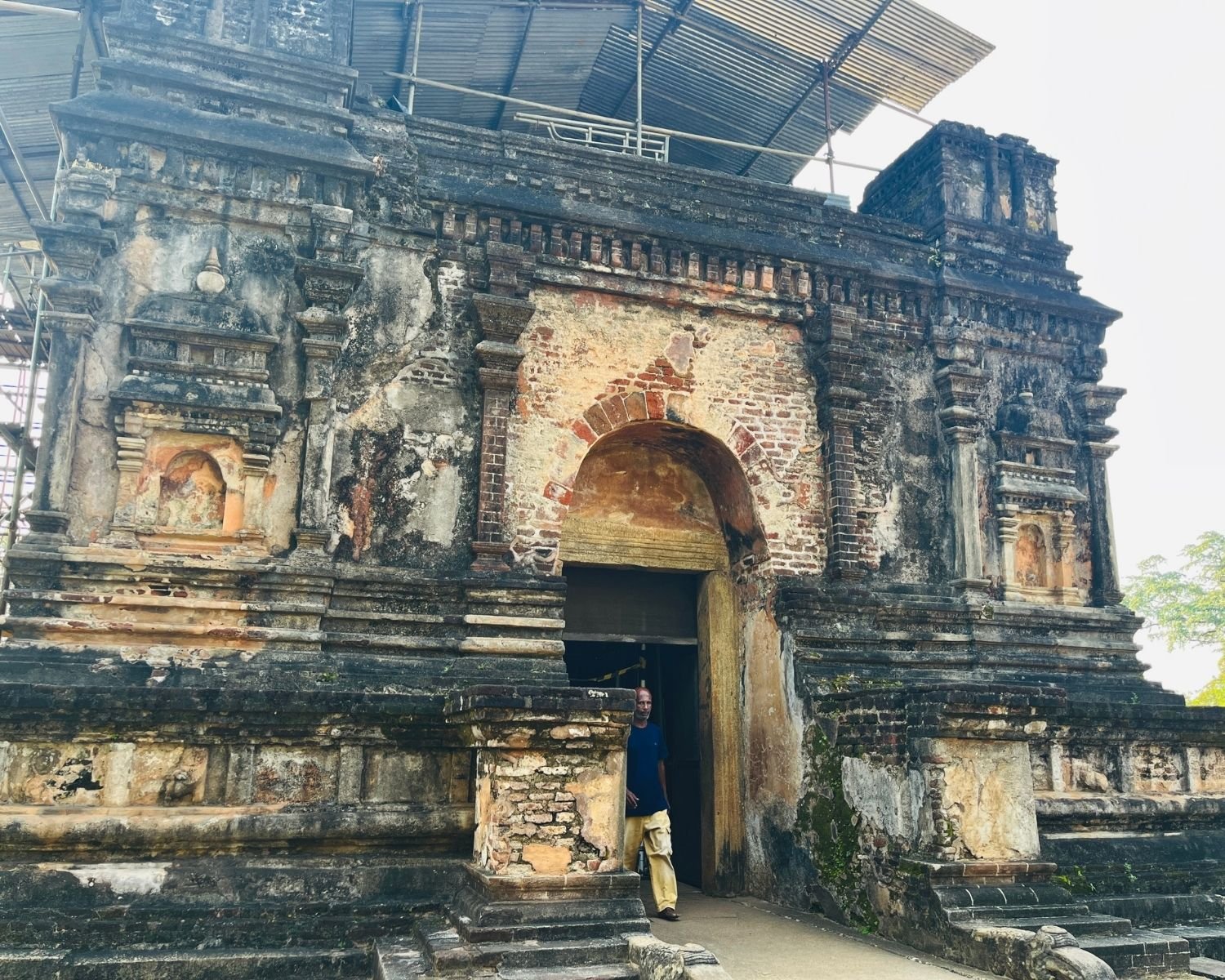
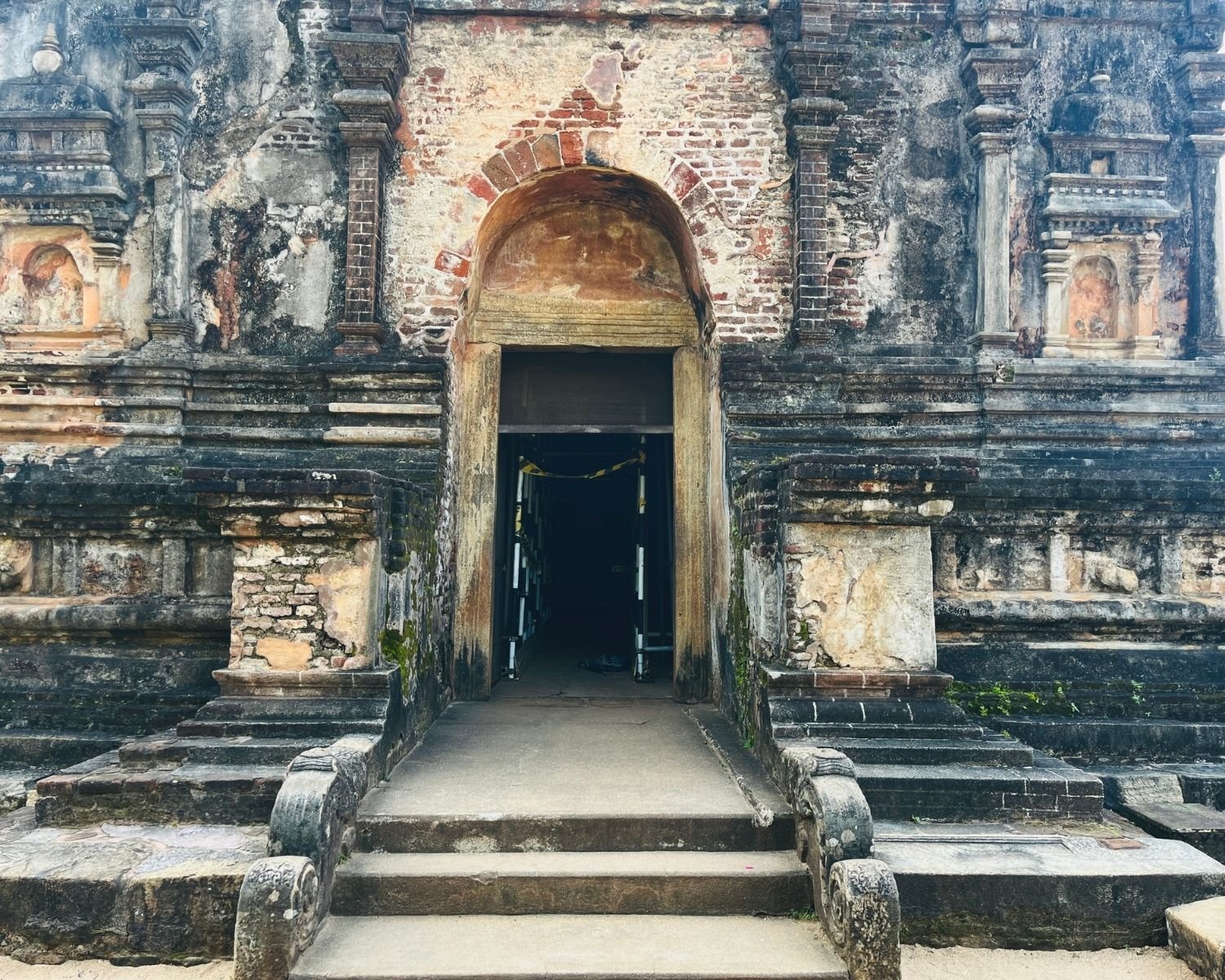
Believed to have been built in the 11th century CE during the reign of King Vijayabahu I, making it one of the oldest surviving structures in the Sacred Quadrangle.
Believed to have been built in the 11th century CE during the reign of King Vijayabahu I, making it one of the oldest surviving structures in the Sacred Quadrangle.
Buddhist Site
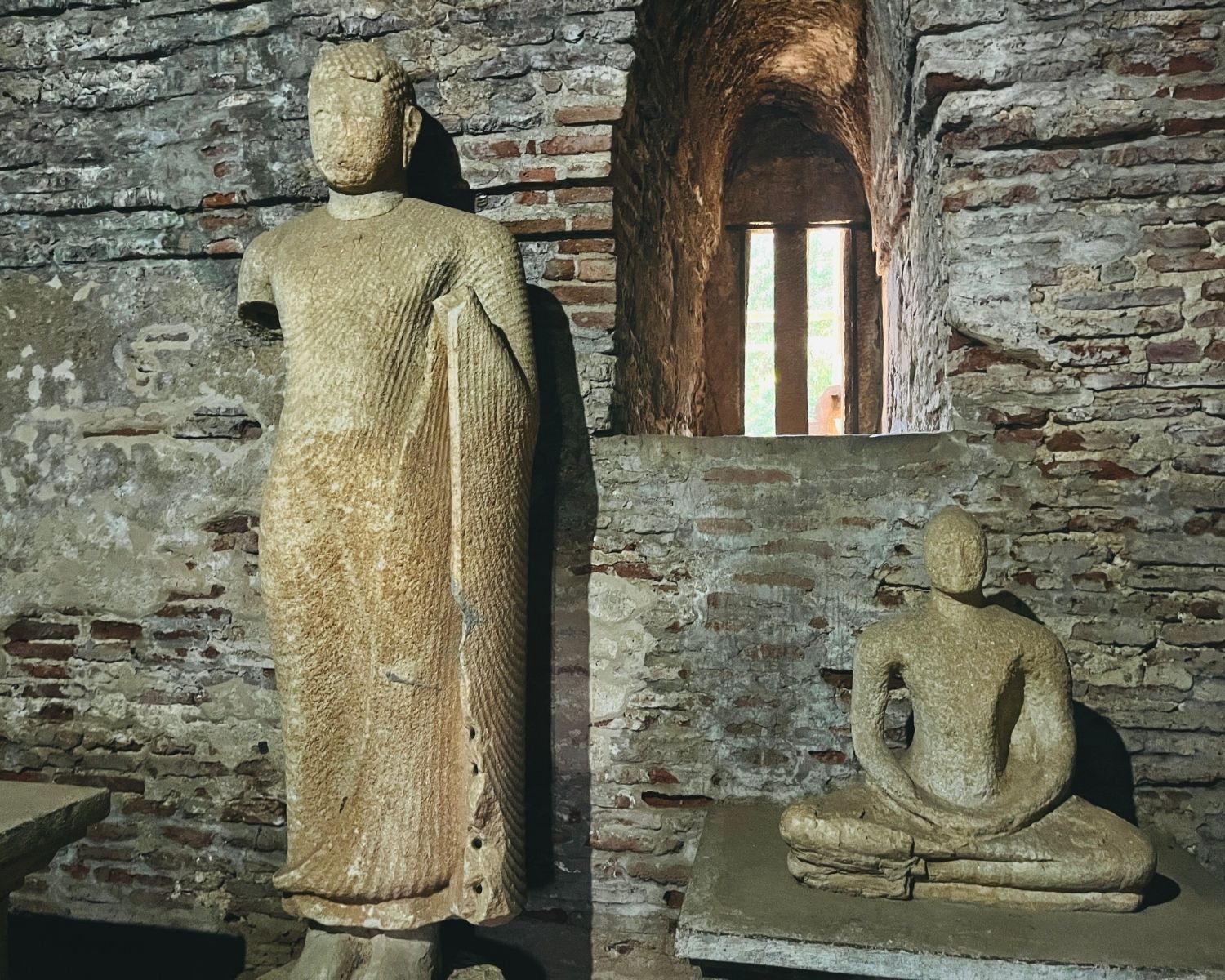
Well preserved brick image house containing a seated Buddha statue with a polished lime plaster surface and surviving interior murals.
Well preserved brick image house containing a seated Buddha statue with a polished lime plaster surface and surviving interior murals.
Scenery
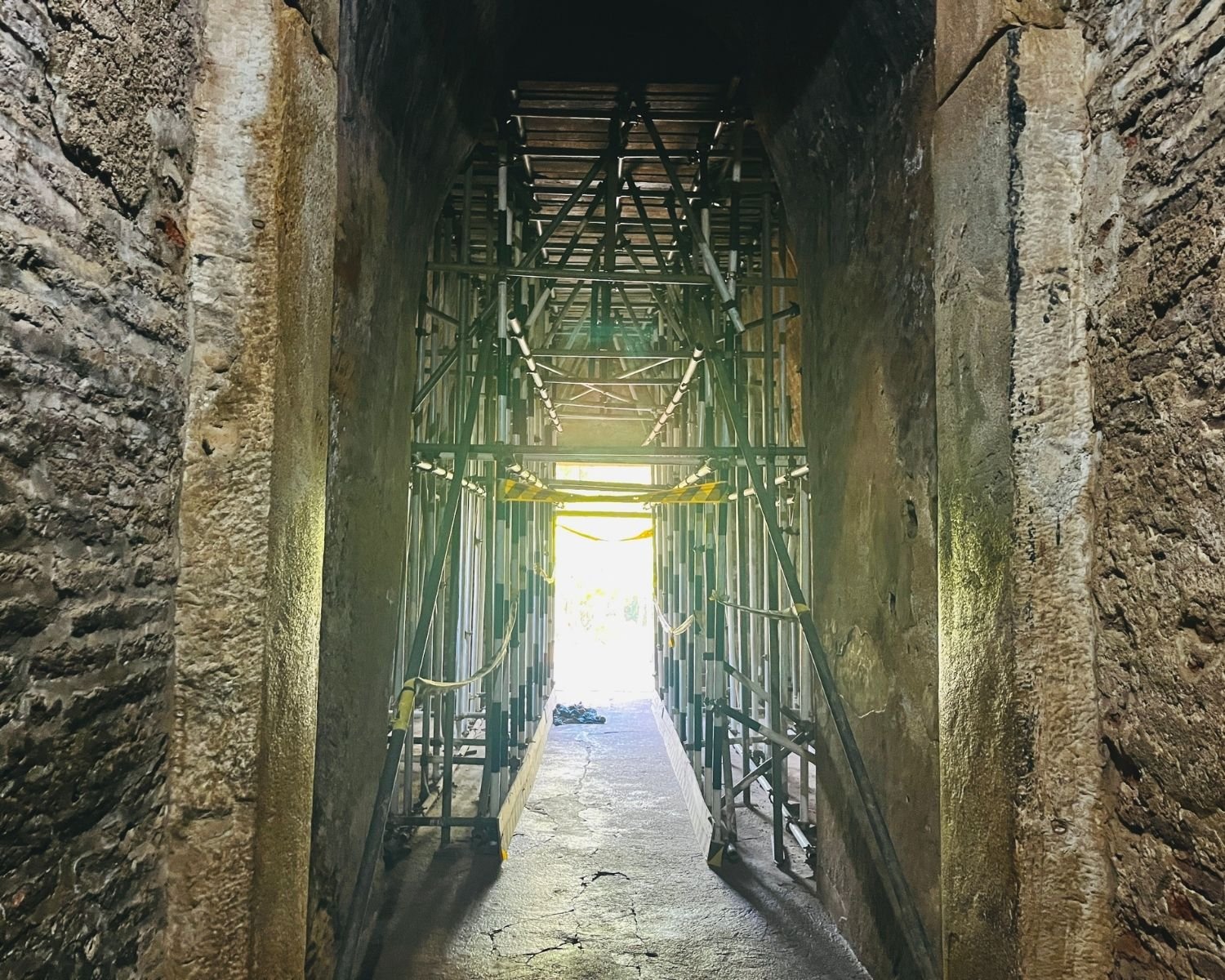
Compact brick structure set among ancient ruins near the Sacred Quadrangle, offering a quiet and enclosed viewing experience.
Compact brick structure set among ancient ruins near the Sacred Quadrangle, offering a quiet and enclosed viewing experience.
Art & Culture
Interior wall paintings, brick vaulted construction, and a Buddha statue finished with polished lime plaster that reflects light due to natural calcite crystallisation.
Interior wall paintings, brick vaulted construction, and a Buddha statue finished with polished lime plaster that reflects light due to natural calcite crystallisation.
Top Pick
Location
View on Map
View on Map
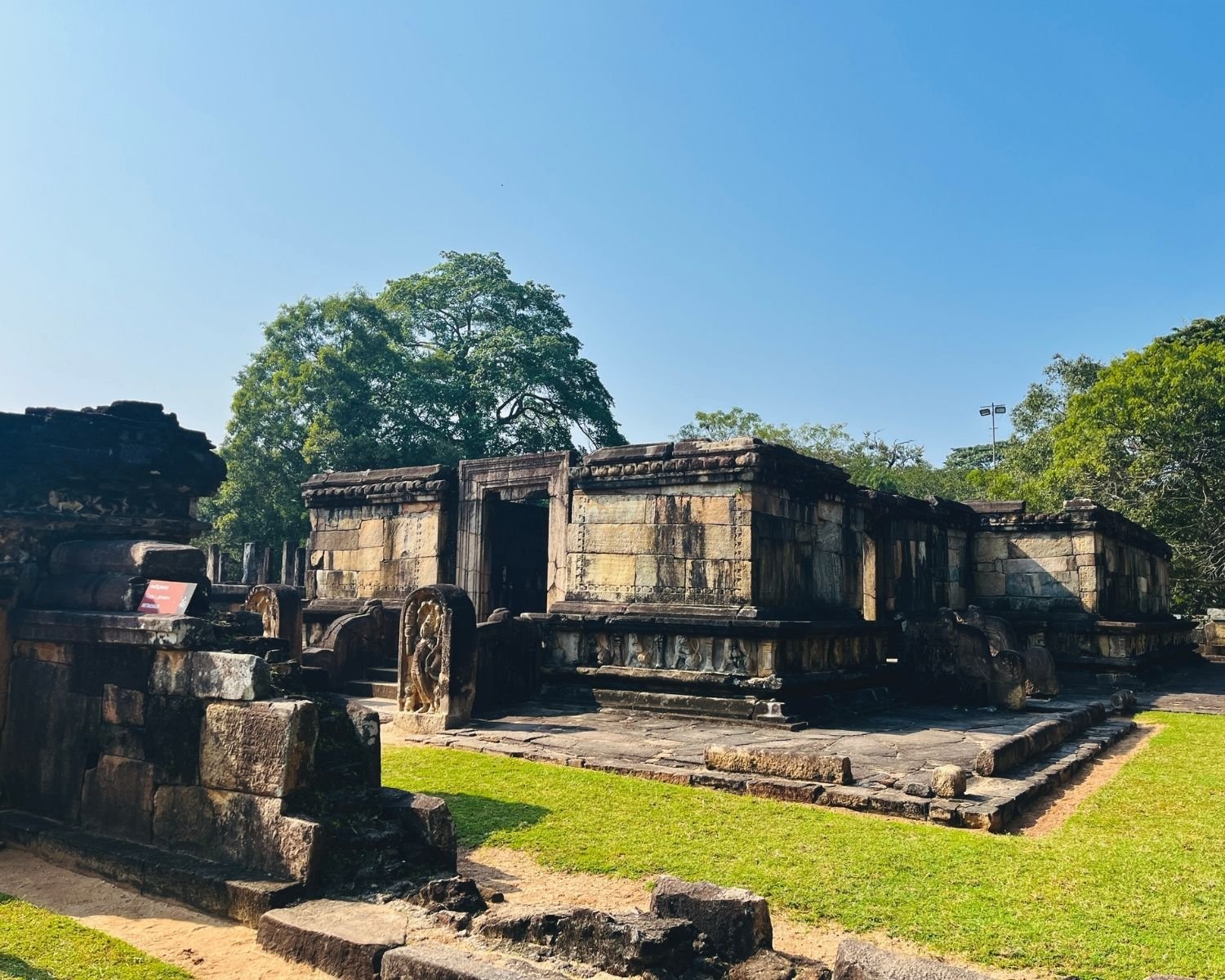
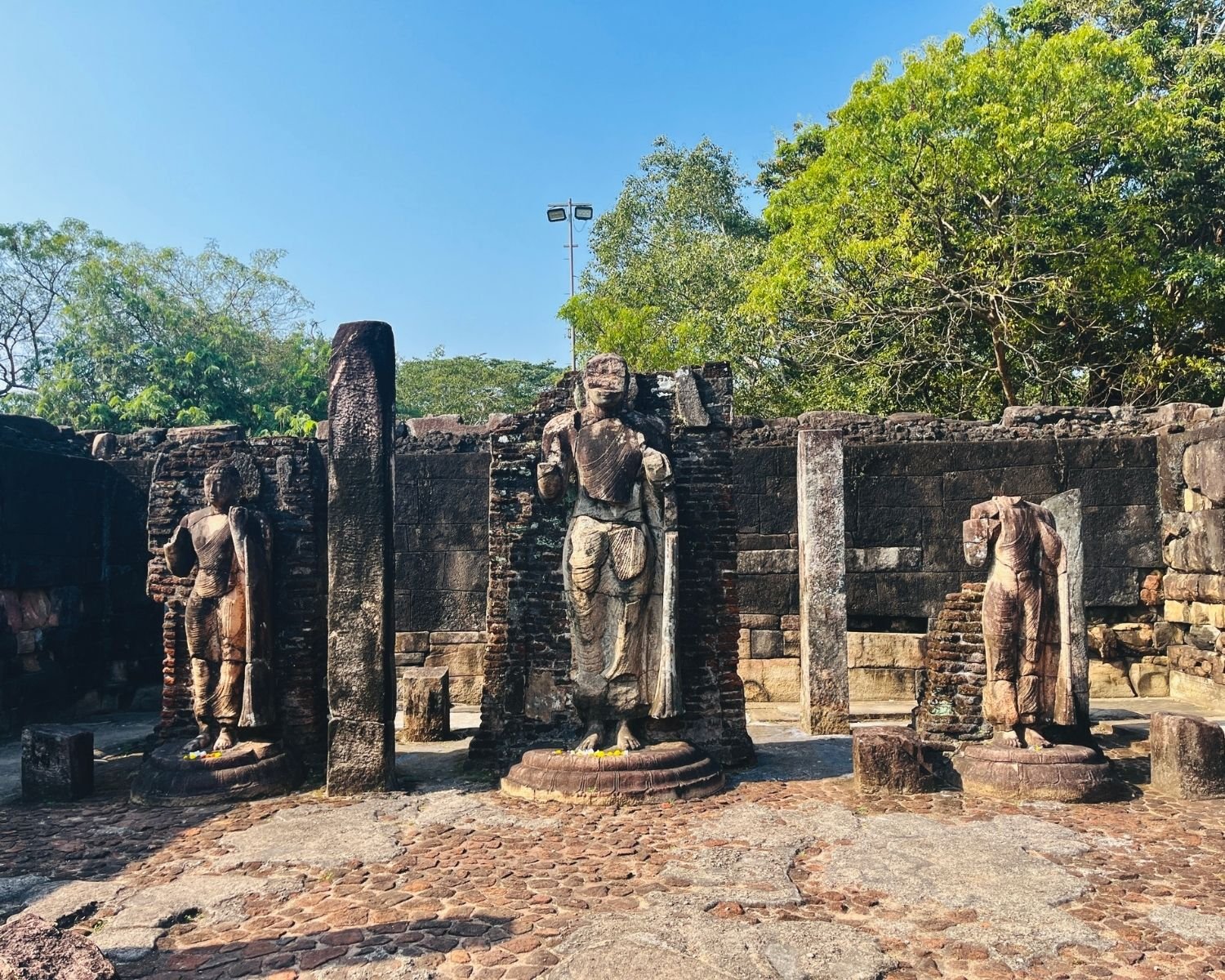
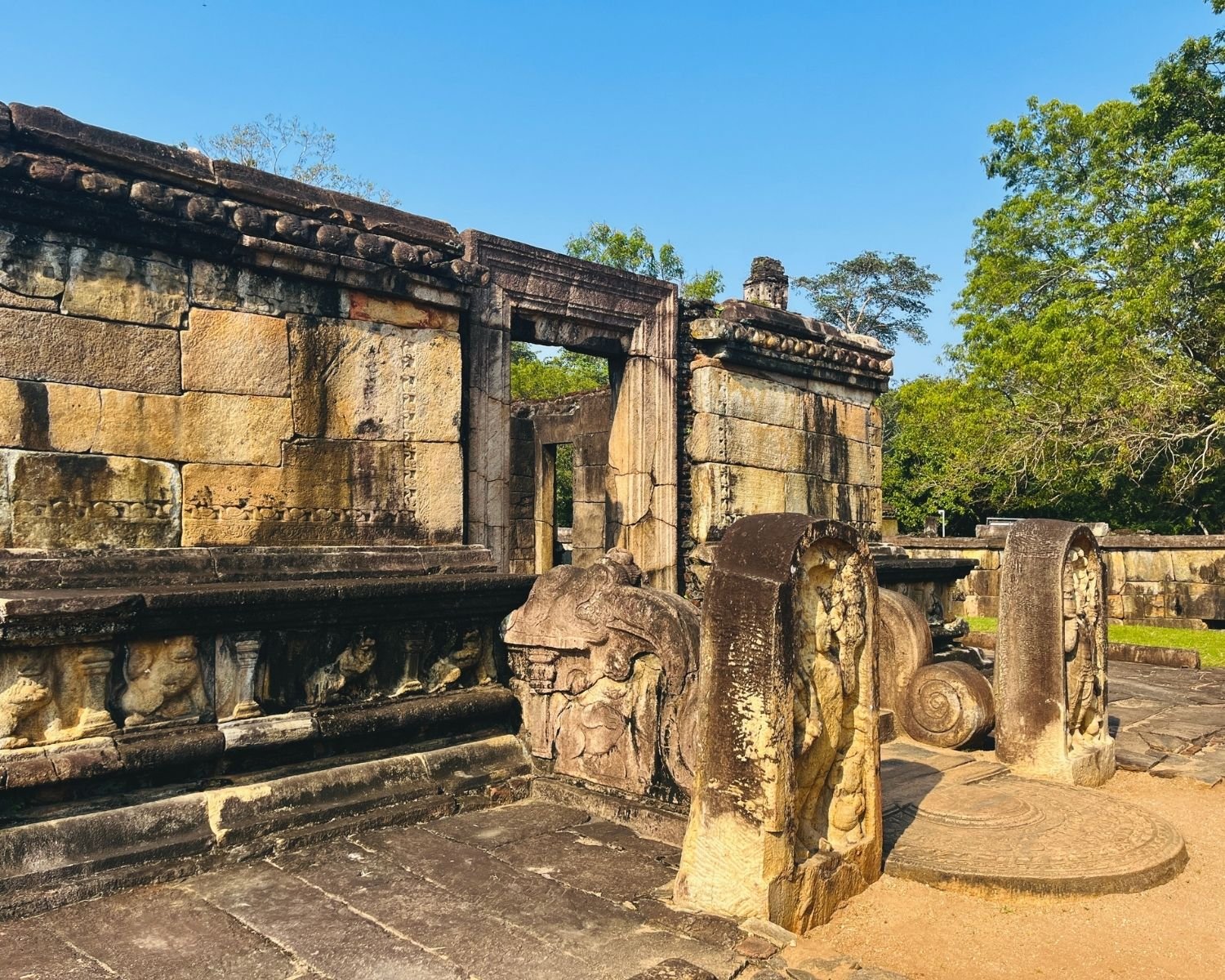
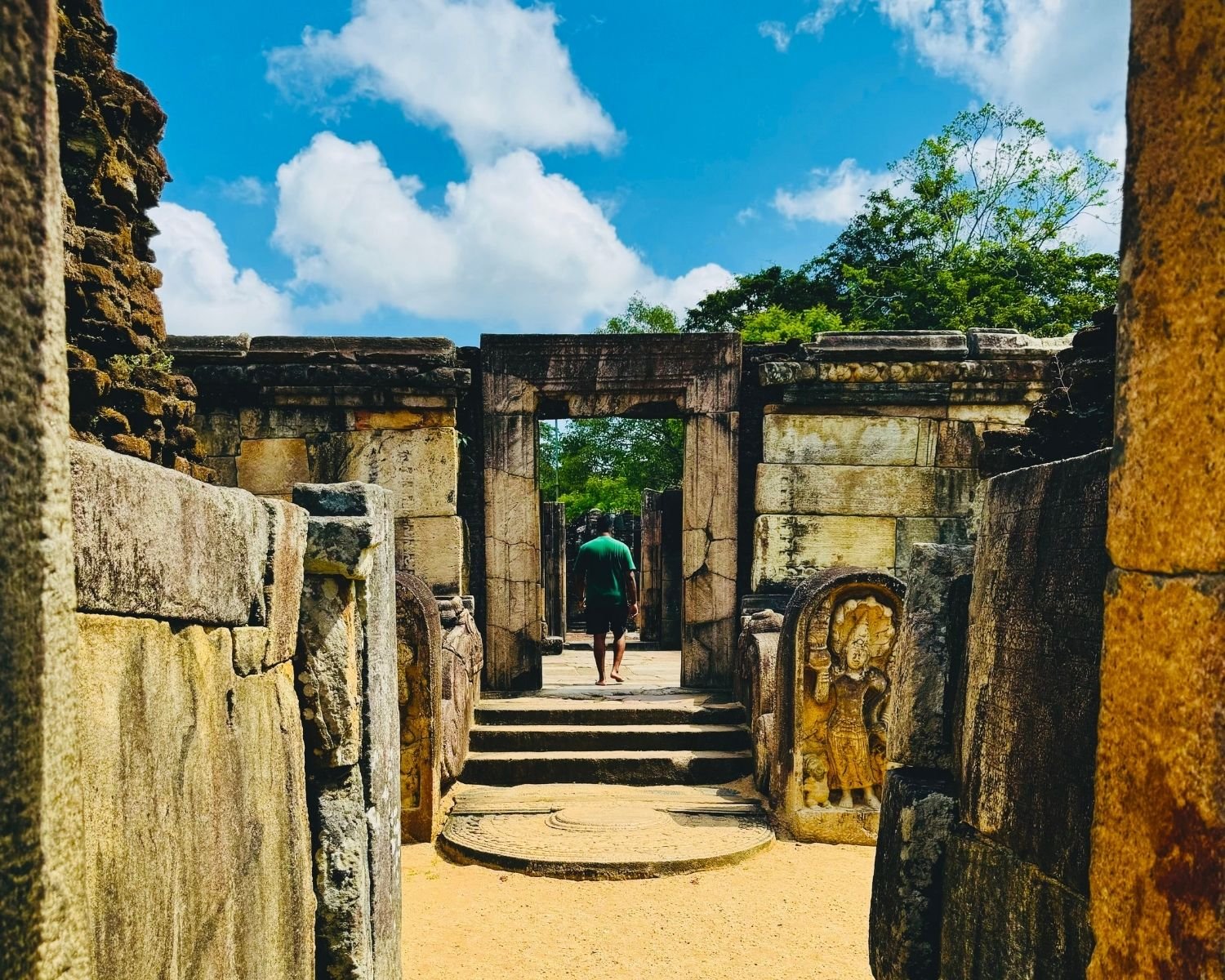
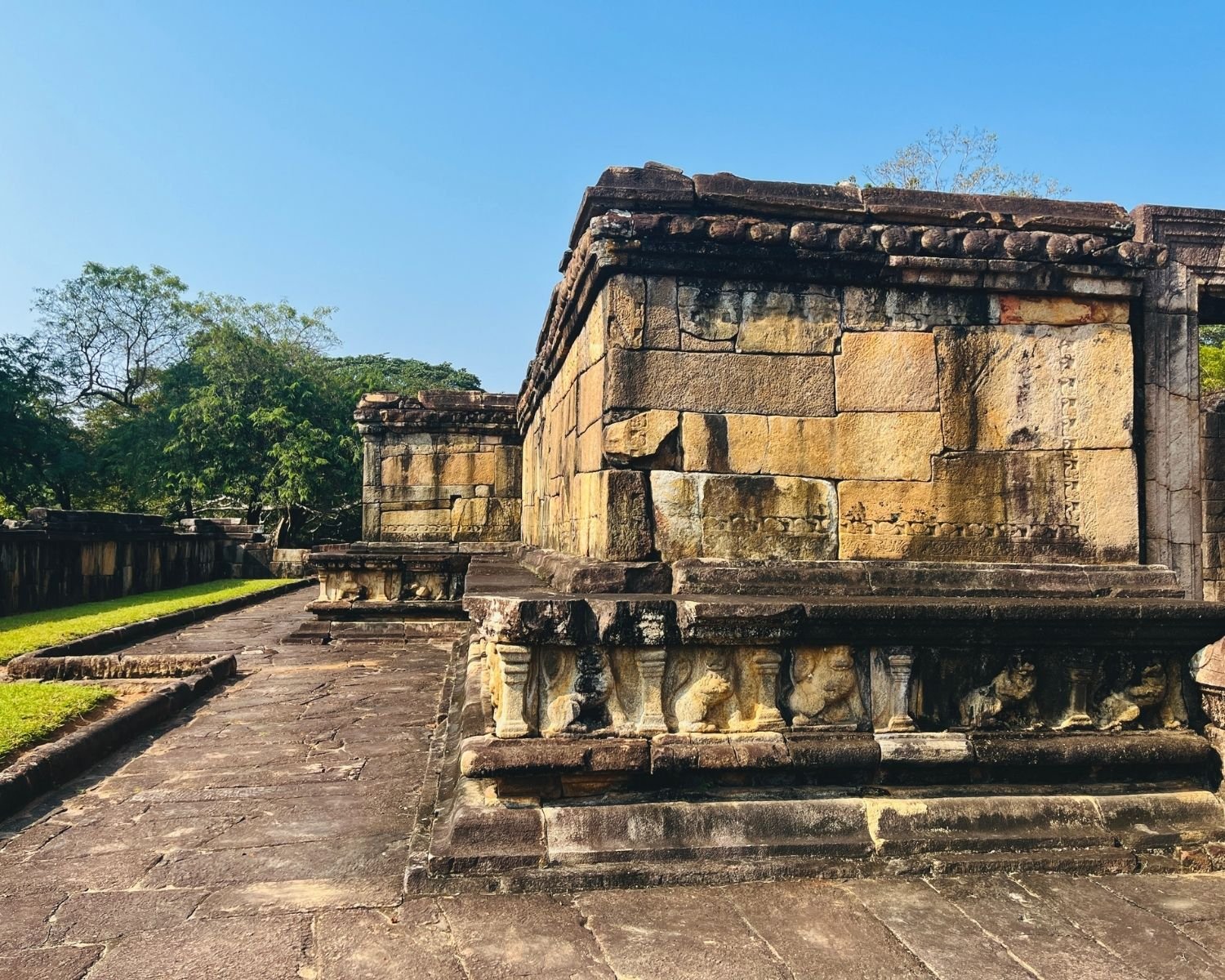
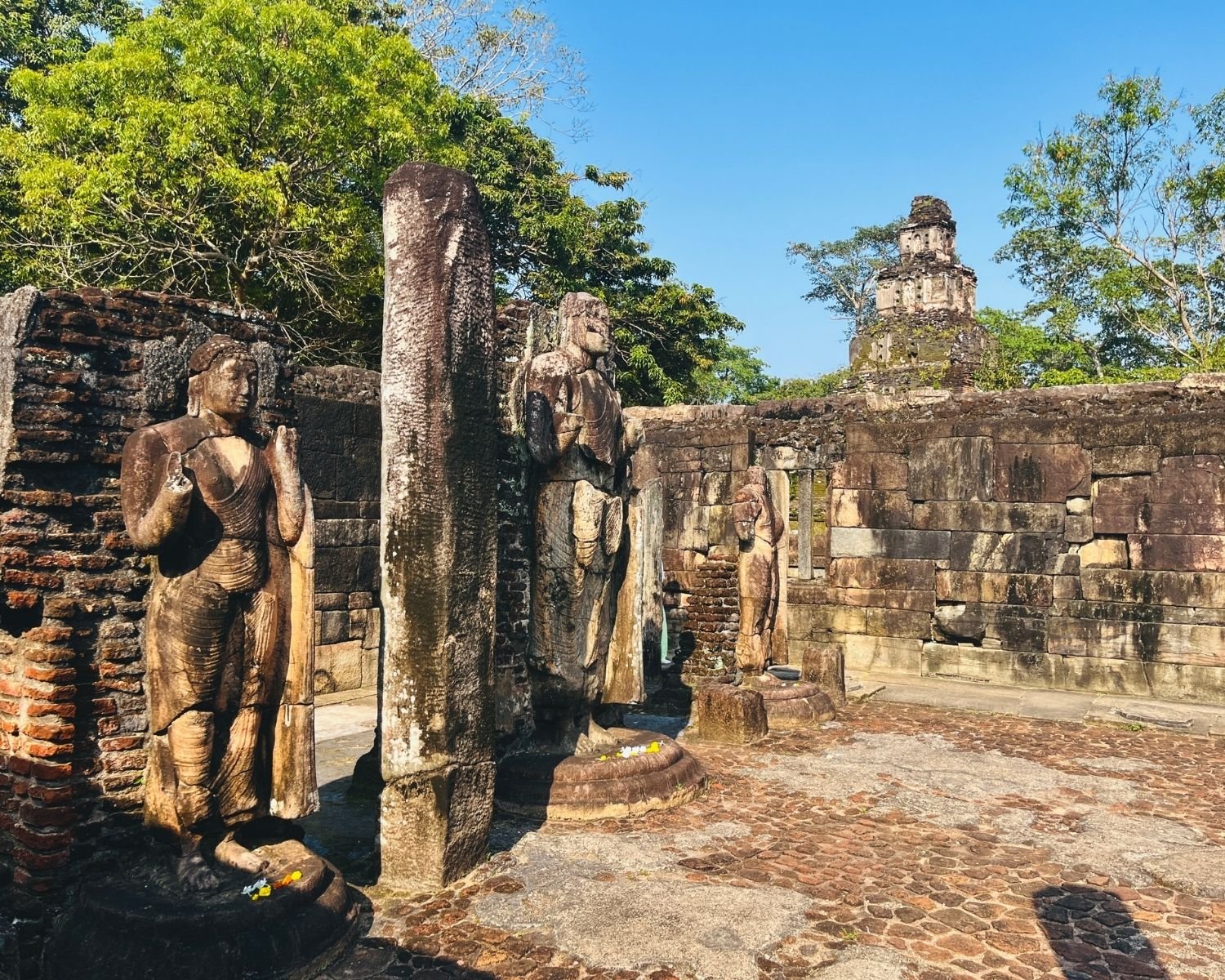
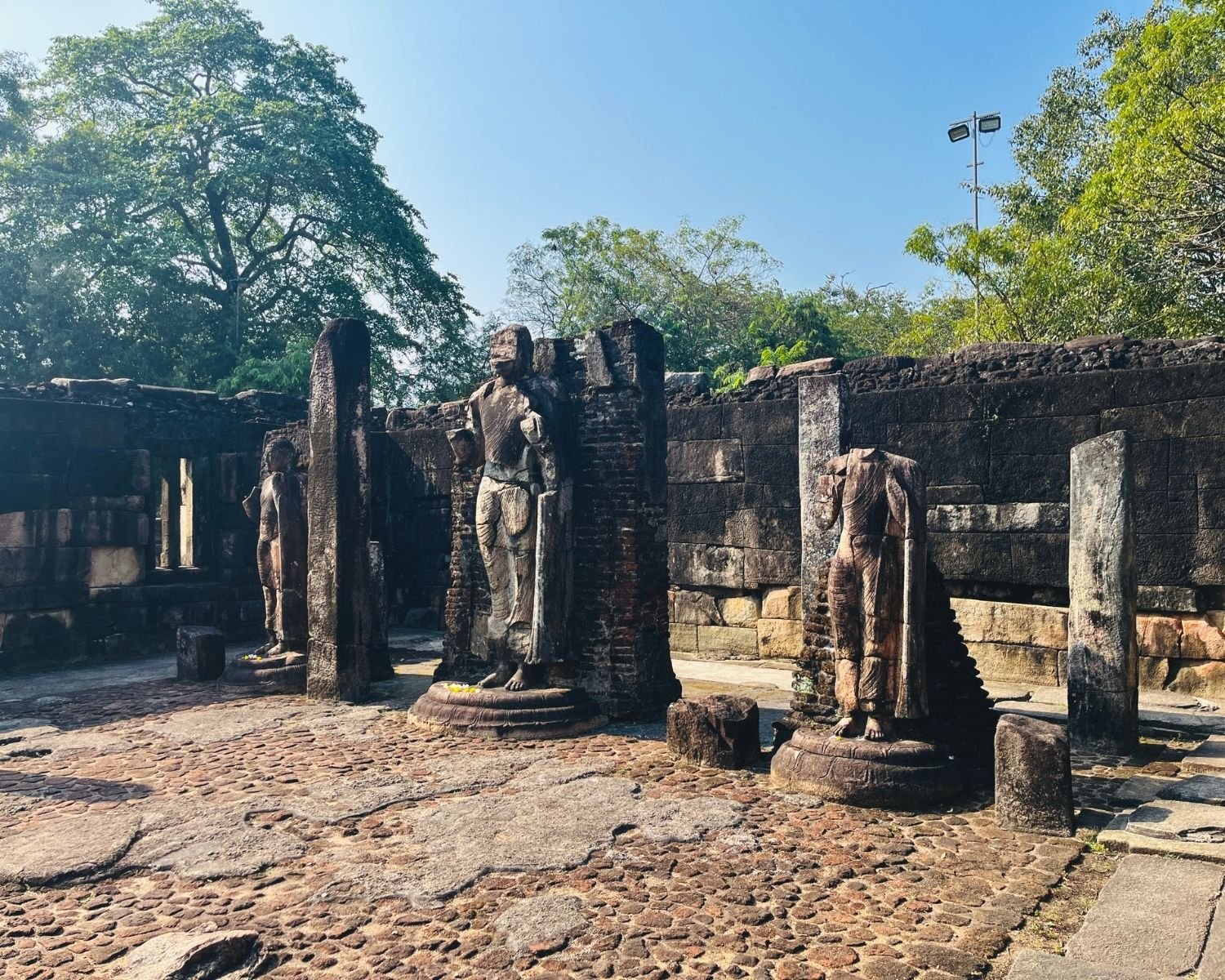
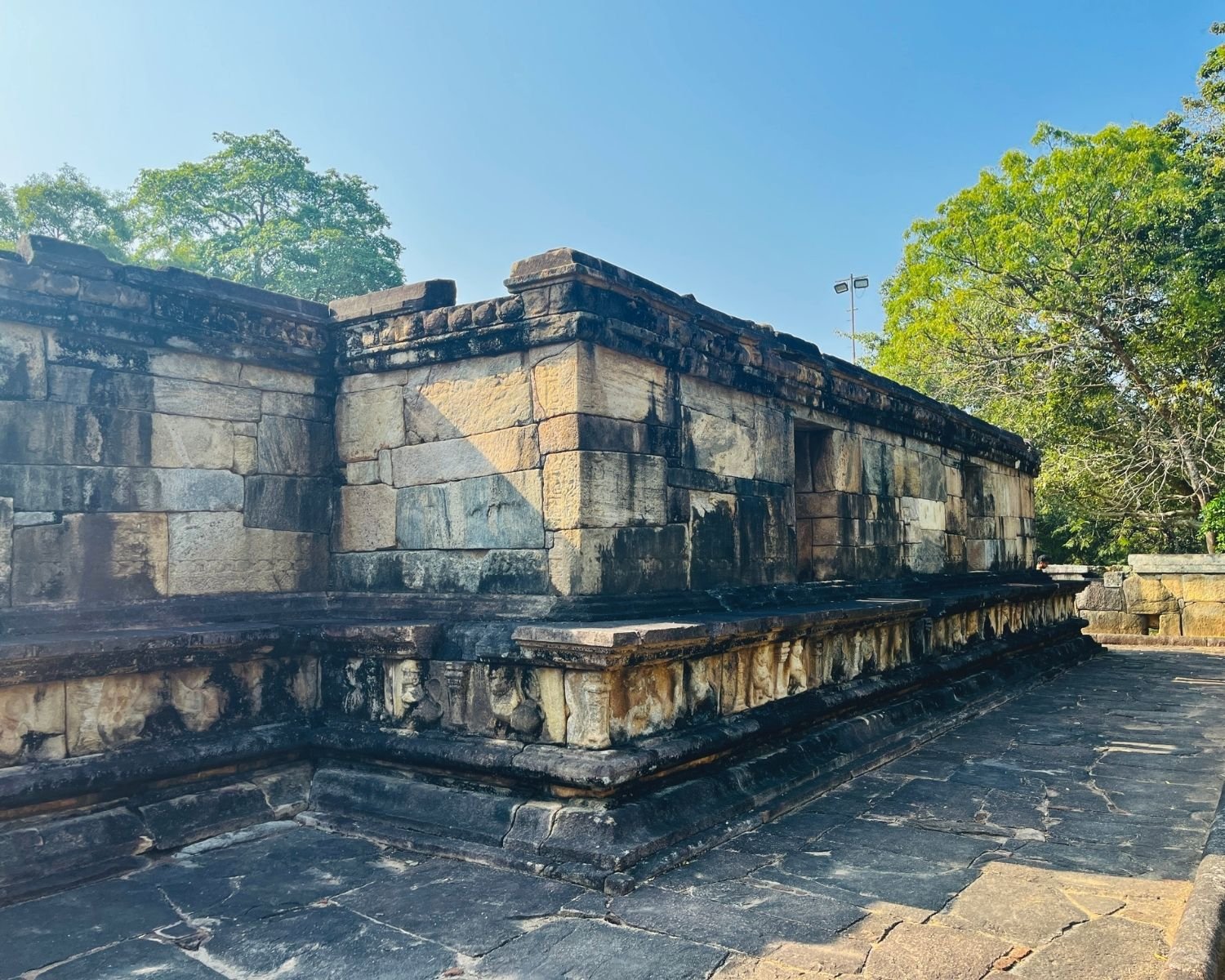
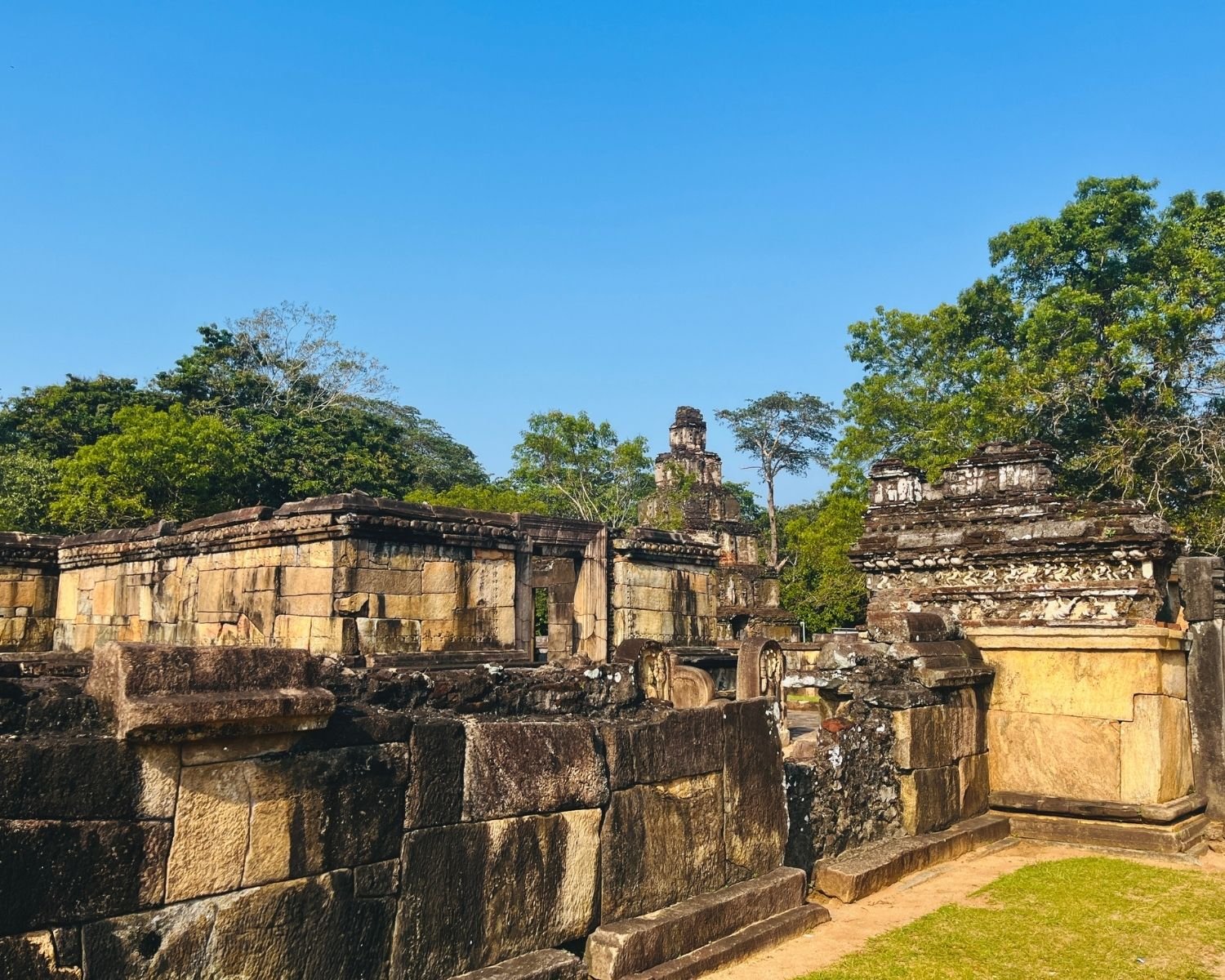
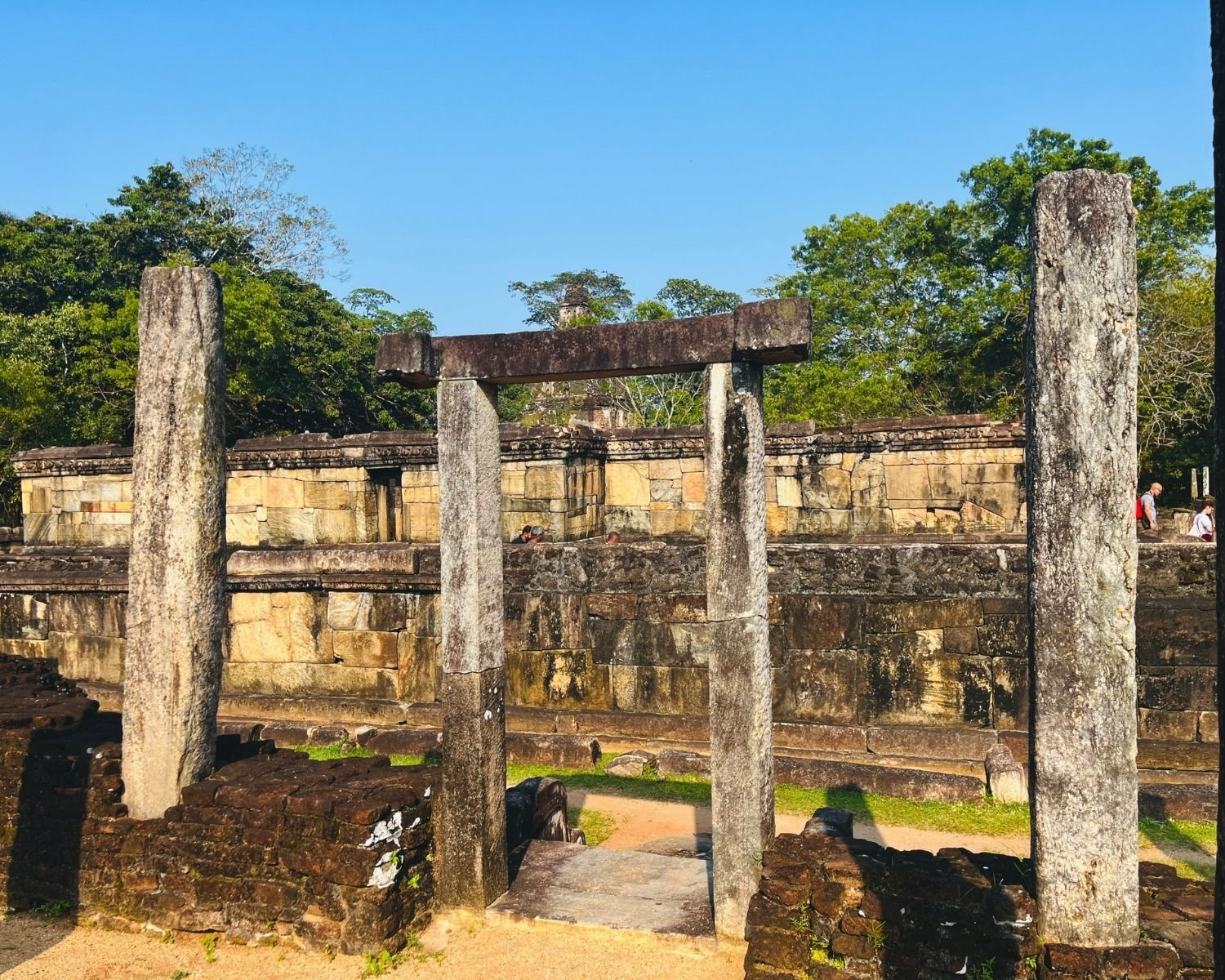
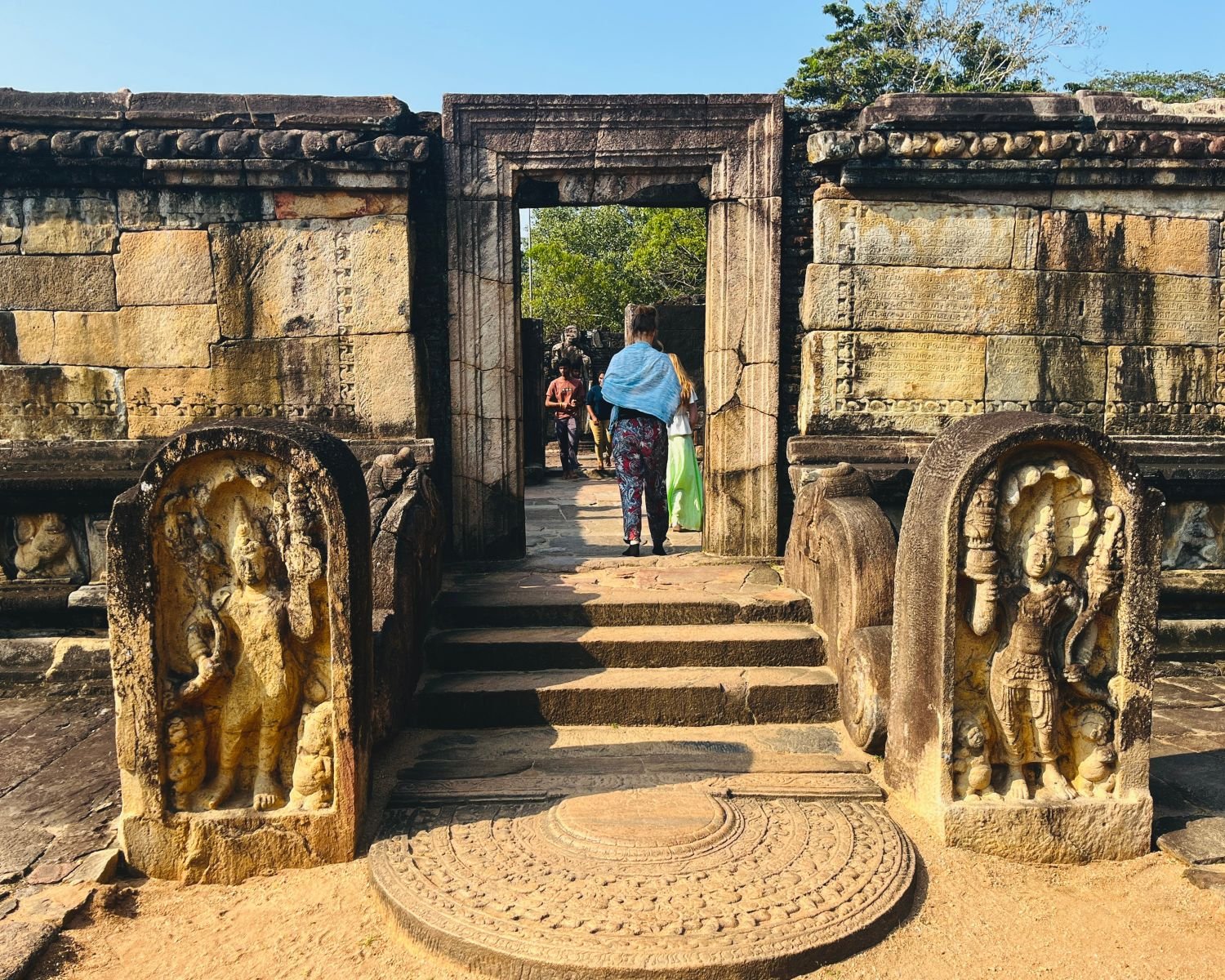
History
Constructed between 1187 and 1196 CE by King Nissanka Malla. Named Hatadage due to the belief that it was completed within sixty hours.
Constructed between 1187 and 1196 CE by King Nissanka Malla. Named Hatadage due to the belief that it was completed within sixty hours.
Buddhist Site
Temple of the Tooth built by King Nissanka Malla to enshrine the Sacred Tooth Relic within the Sacred Quadrangle.
Temple of the Tooth built by King Nissanka Malla to enshrine the Sacred Tooth Relic within the Sacred Quadrangle.
Scenery
Roofless stone structure with thick walls and inscriptions, located directly in front of the Vatadage within the Sacred Quadrangle.
Roofless stone structure with thick walls and inscriptions, located directly in front of the Vatadage within the Sacred Quadrangle.
Art & Culture
Stone architecture, relic chambers, Buddha image bases, and evidence of royal devotion connected to Tooth Relic worship.
Stone architecture, relic chambers, Buddha image bases, and evidence of royal devotion connected to Tooth Relic worship.
Top Pick
Location
View on Map
View on Map
History
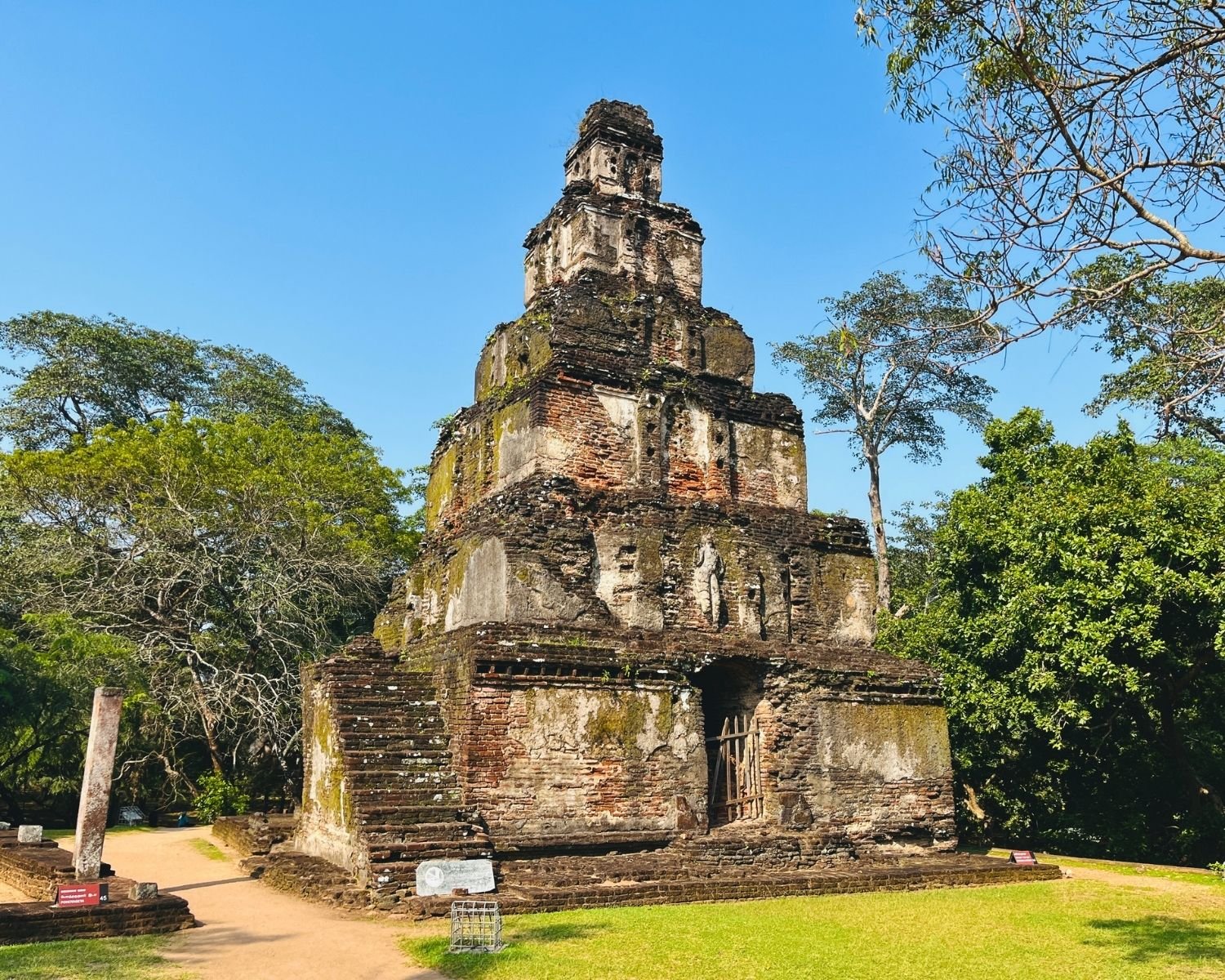
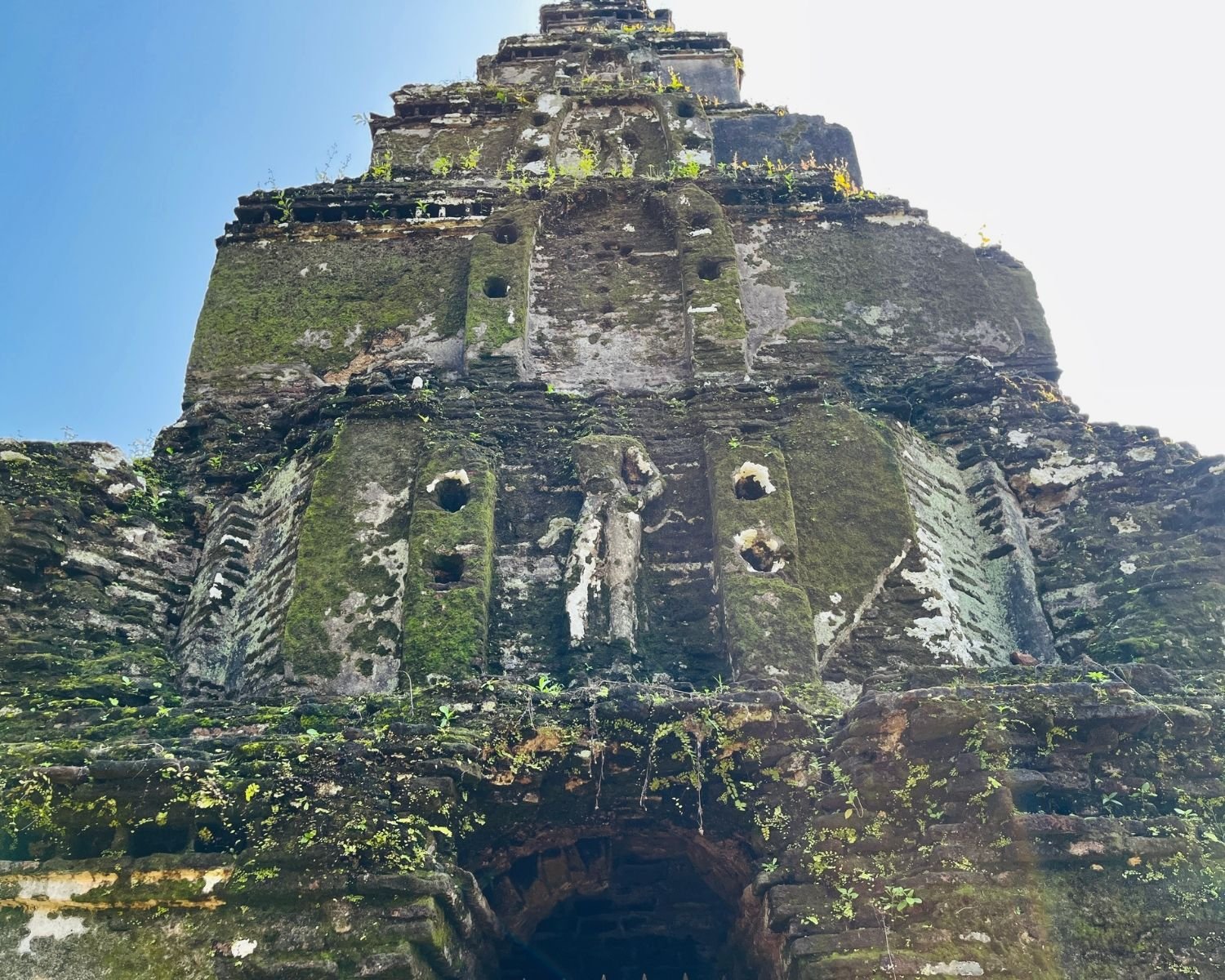
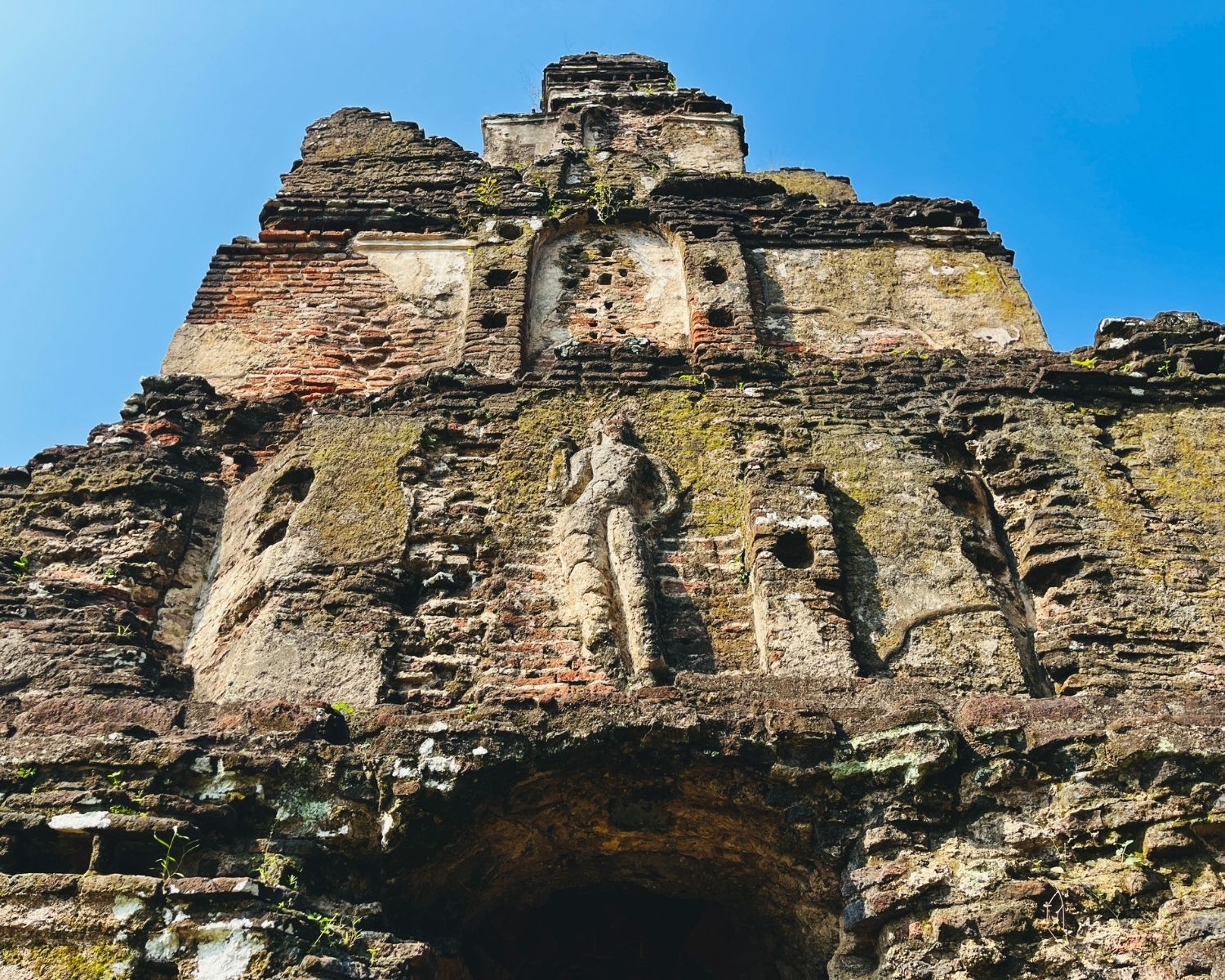
Built during the Polonnaruwa period, probably in the 12th century CE. Its exact patron and purpose remain uncertain, though it is generally associated with the reign of King Parakramabahu I or King Nissanka Malla.
Built during the Polonnaruwa period, probably in the 12th century CE. Its exact patron and purpose remain uncertain, though it is generally associated with the reign of King Parakramabahu I or King Nissanka Malla.
Buddhist Site
Unique stepped brick monument often interpreted as a Buddhist shrine, notable for its pyramid-like design unlike any other structure in Sri Lanka.
Unique stepped brick monument often interpreted as a Buddhist shrine, notable for its pyramid-like design unlike any other structure in Sri Lanka.
Scenery
Distinctive brick tower rising above surrounding ruins, located near the Sacred Quadrangle within the ancient city.
Distinctive brick tower rising above surrounding ruins, located near the Sacred Quadrangle within the ancient city.
Art & Culture
Unusual architectural form, geometric tiered design, and evidence of experimentation influenced by regional architectural traditions.
Unusual architectural form, geometric tiered design, and evidence of experimentation influenced by regional architectural traditions.
Top Pick
Location
View on Map
View on Map
History
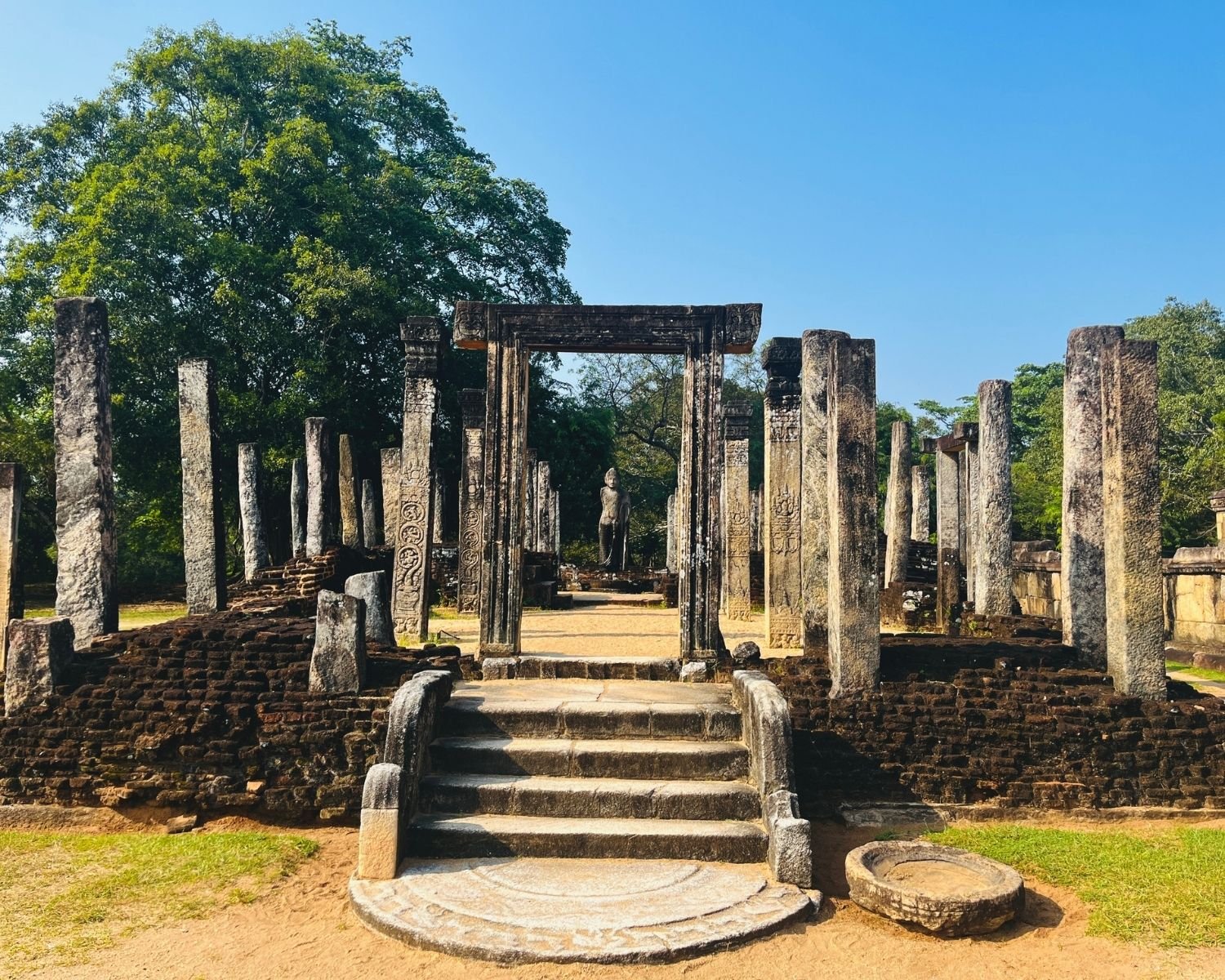
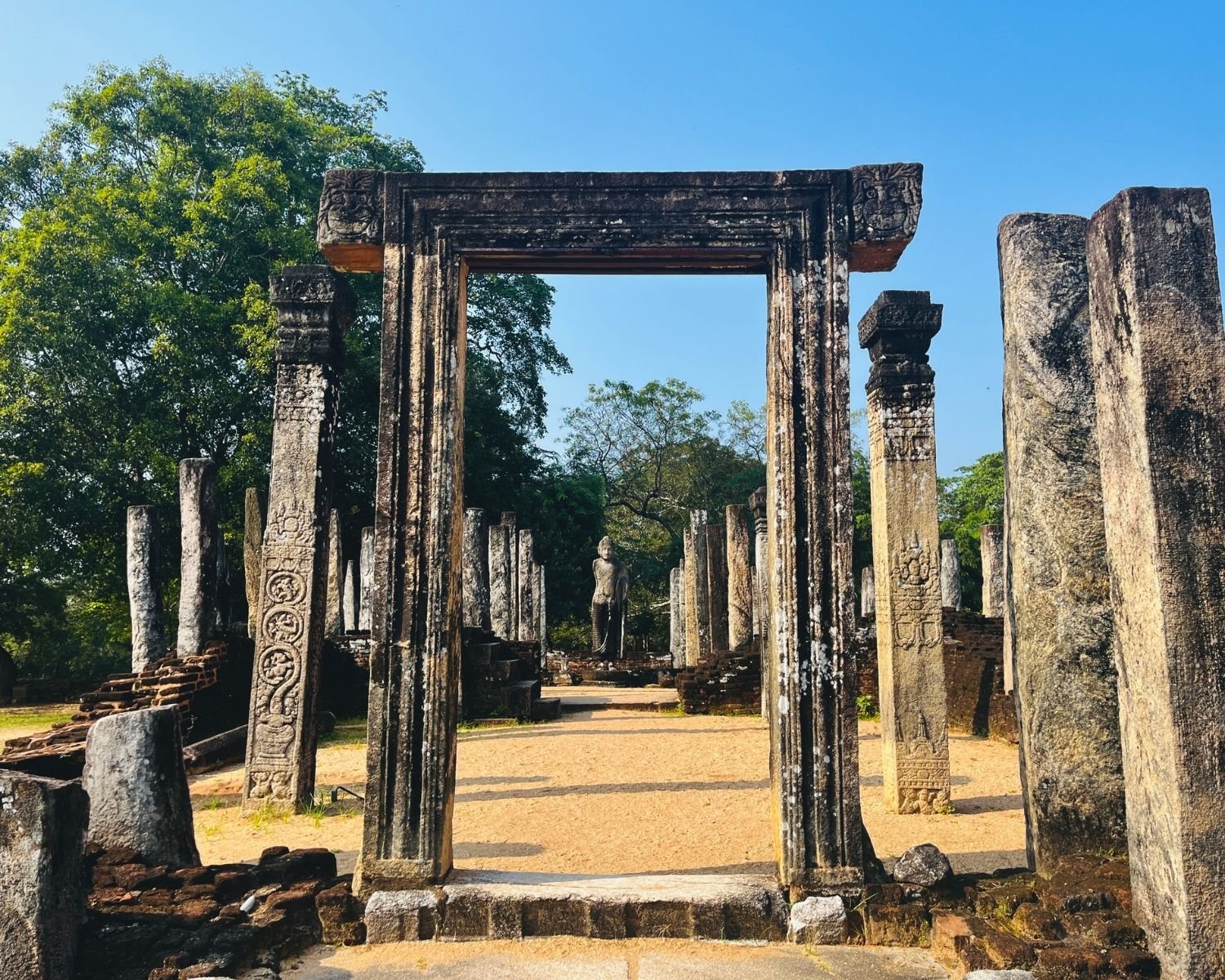
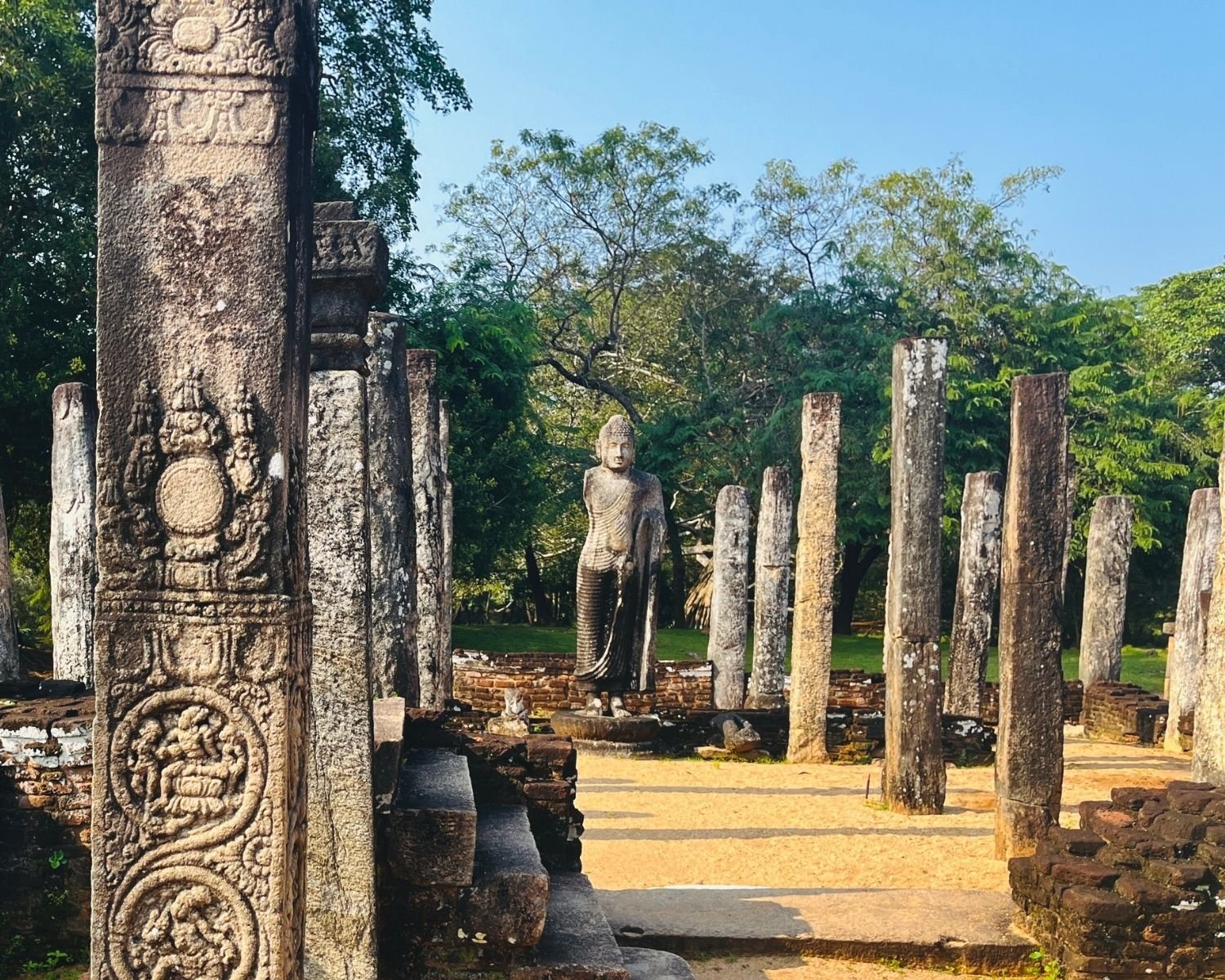
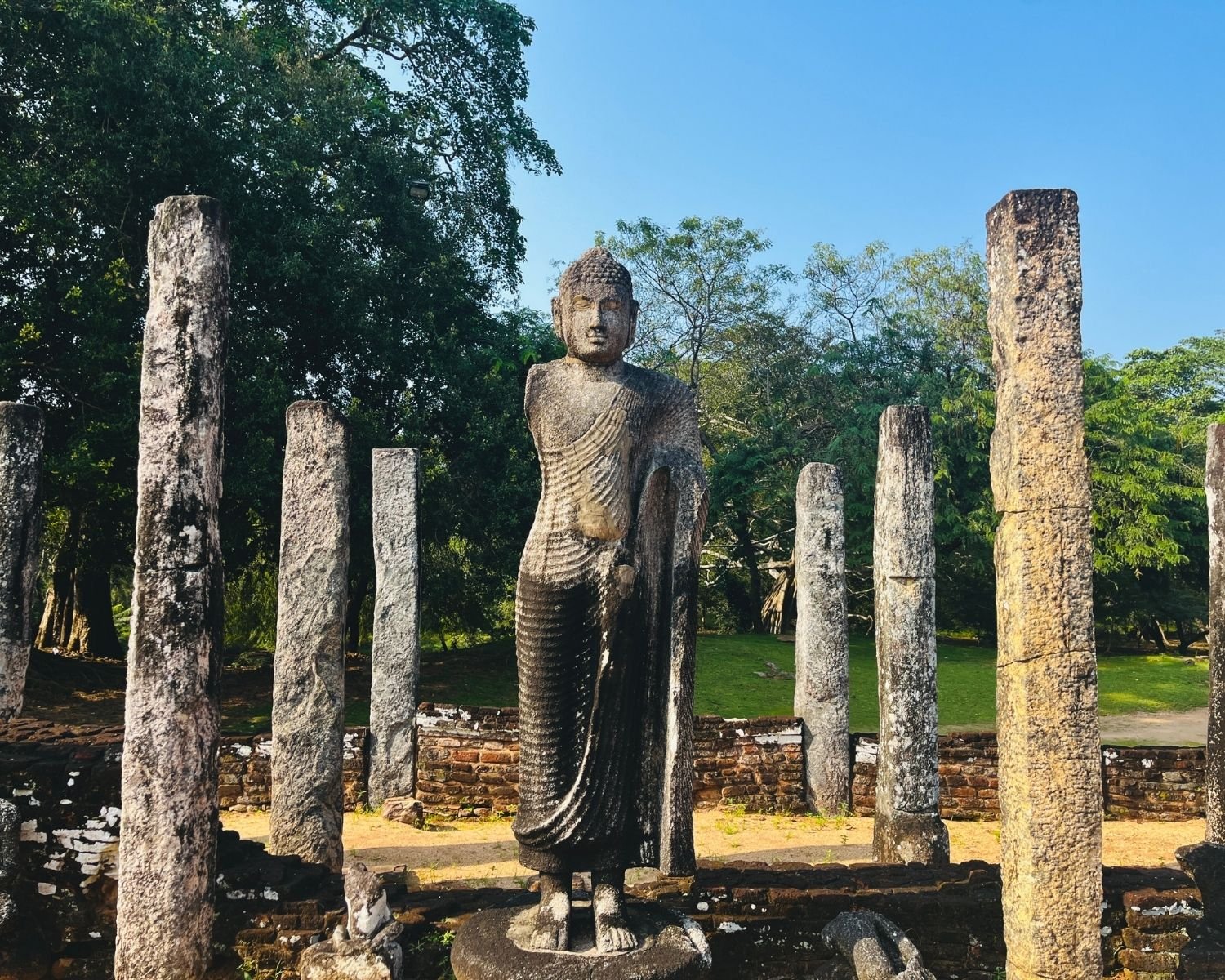
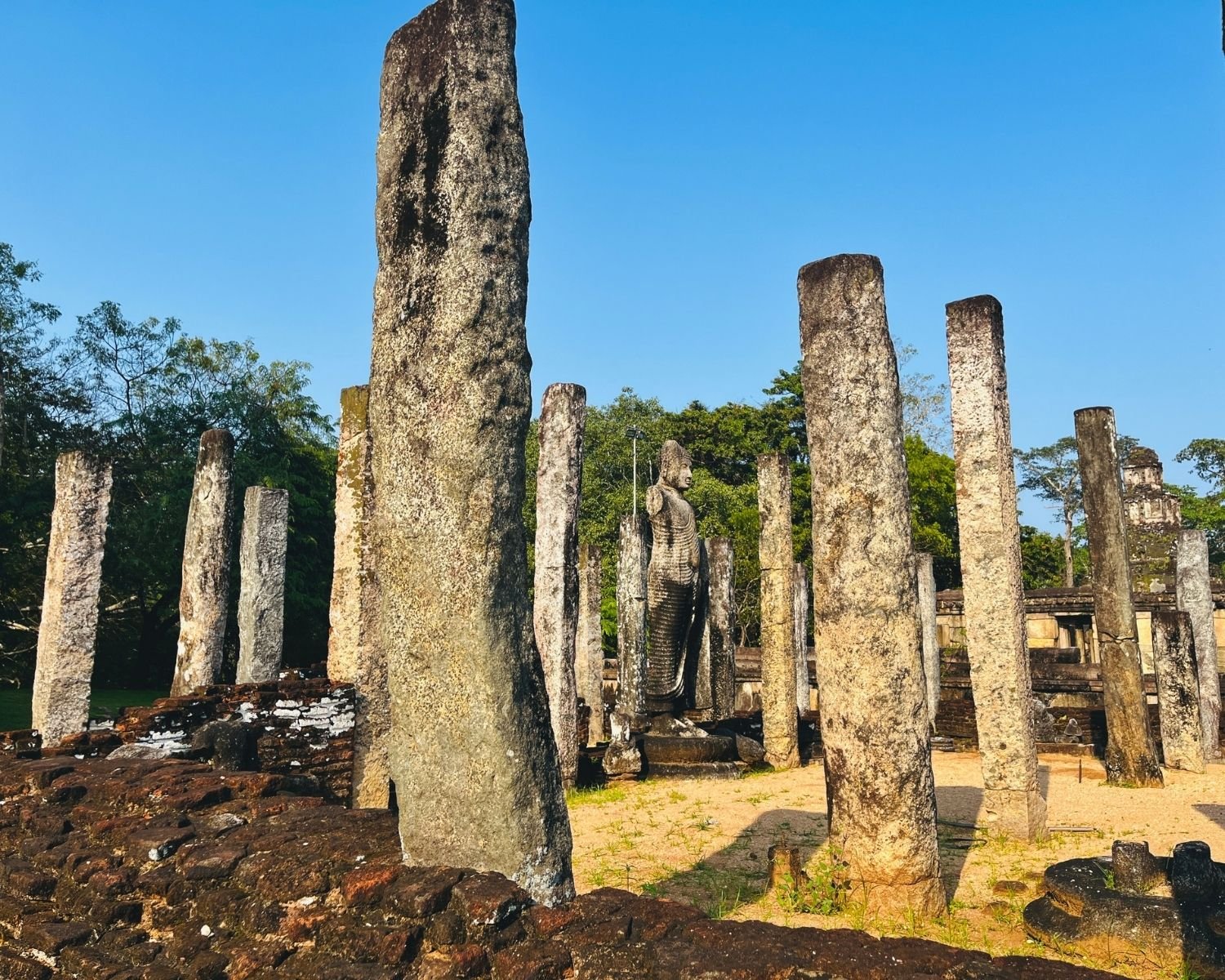
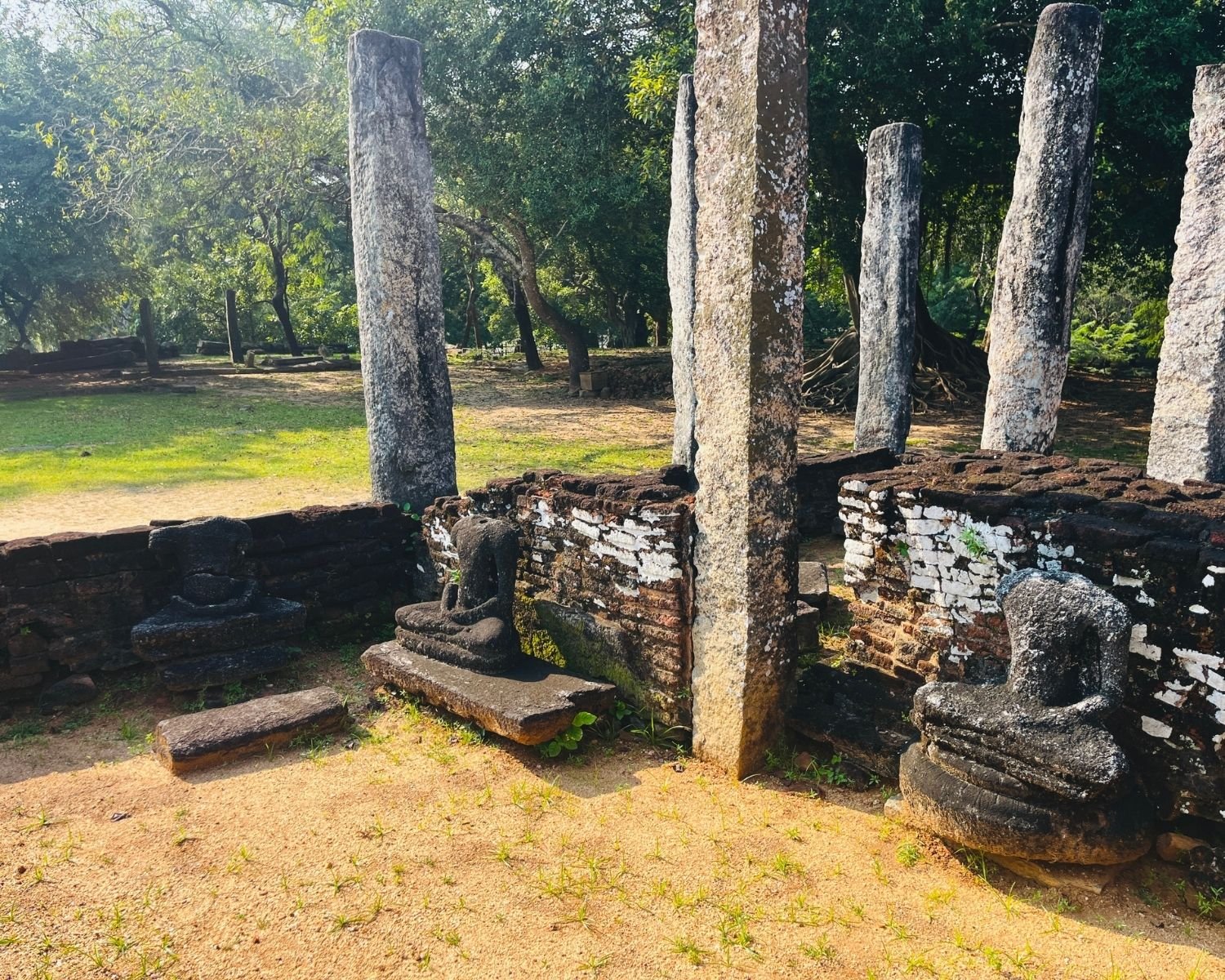
Constructed between 1070 and 1110 CE by King Vijayabahu I. It is widely regarded as the oldest surviving building in the Sacred Quadrangle and one of the earliest monuments of the Polonnaruwa Kingdom.
Constructed between 1070 and 1110 CE by King Vijayabahu I. It is widely regarded as the oldest surviving building in the Sacred Quadrangle and one of the earliest monuments of the Polonnaruwa Kingdom.
Buddhist Site
One of the earliest Tooth Relic shrines in Polonnaruwa, built to house the Sacred Tooth Relic and support Buddhist worship.
One of the earliest Tooth Relic shrines in Polonnaruwa, built to house the Sacred Tooth Relic and support Buddhist worship.
Scenery
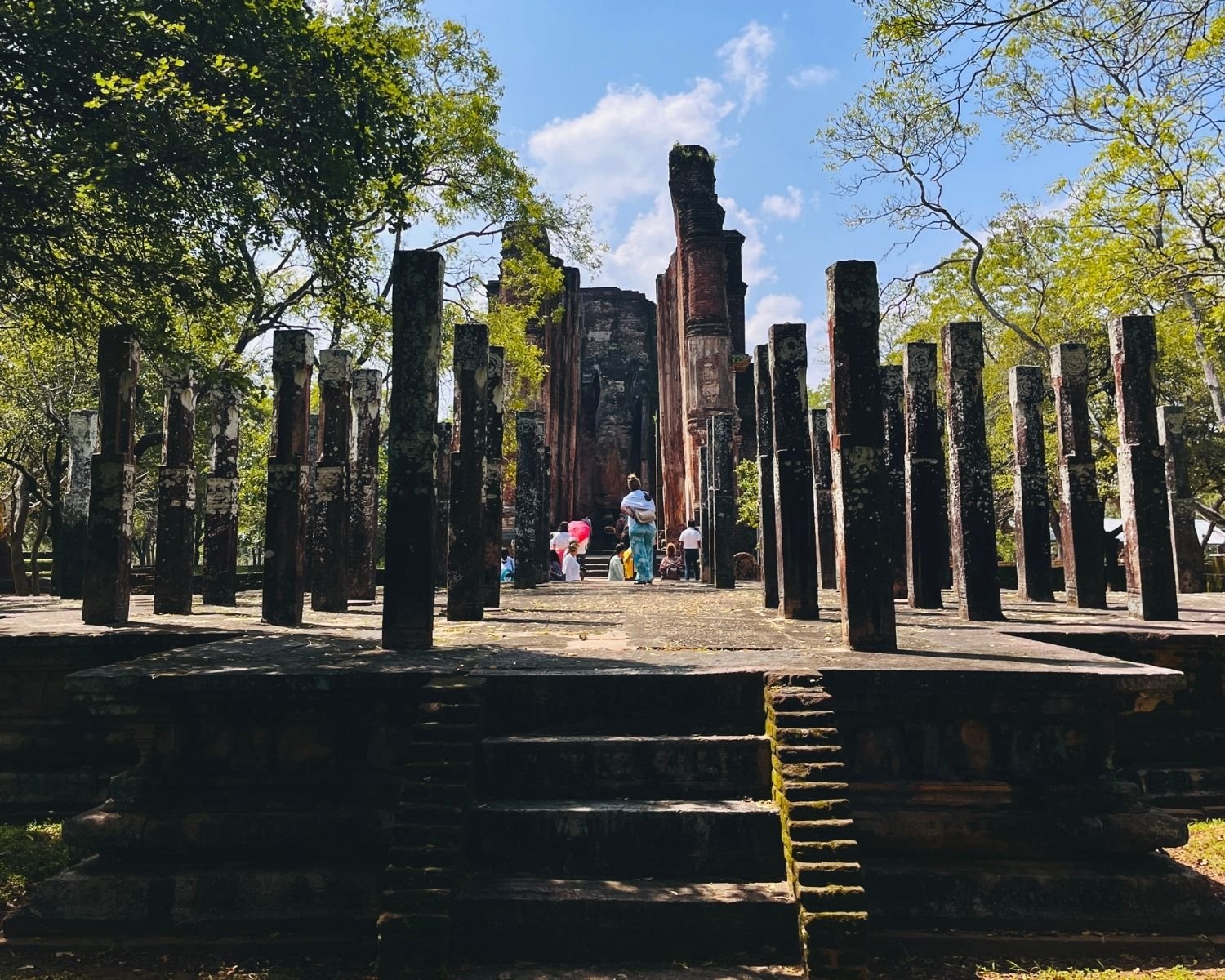
Stone pillars, remaining stair steps, central Buddha statue, and ruins set within the Sacred Quadrangle.
Stone pillars, remaining stair steps, central Buddha statue, and ruins set within the Sacred Quadrangle.
Art & Culture
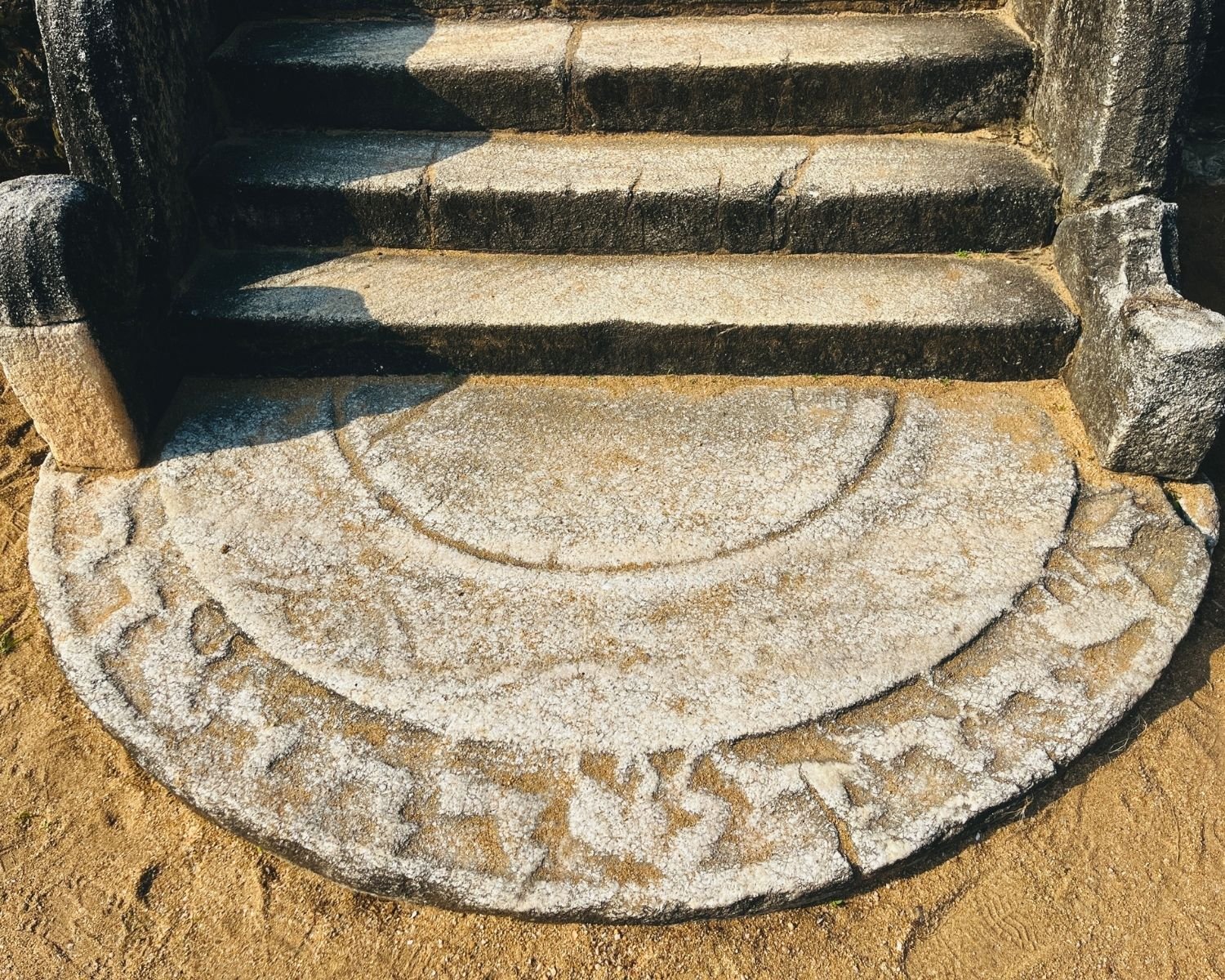
Finely carved stone pillars, a rare crystalline limestone moonstone, a surviving standing Buddha statue, and architectural evidence of a former two-storey Tooth Relic shrine.
Finely carved stone pillars, a rare crystalline limestone moonstone, a surviving standing Buddha statue, and architectural evidence of a former two-storey Tooth Relic shrine.
Top Pick
Location
View on Map
View on Map
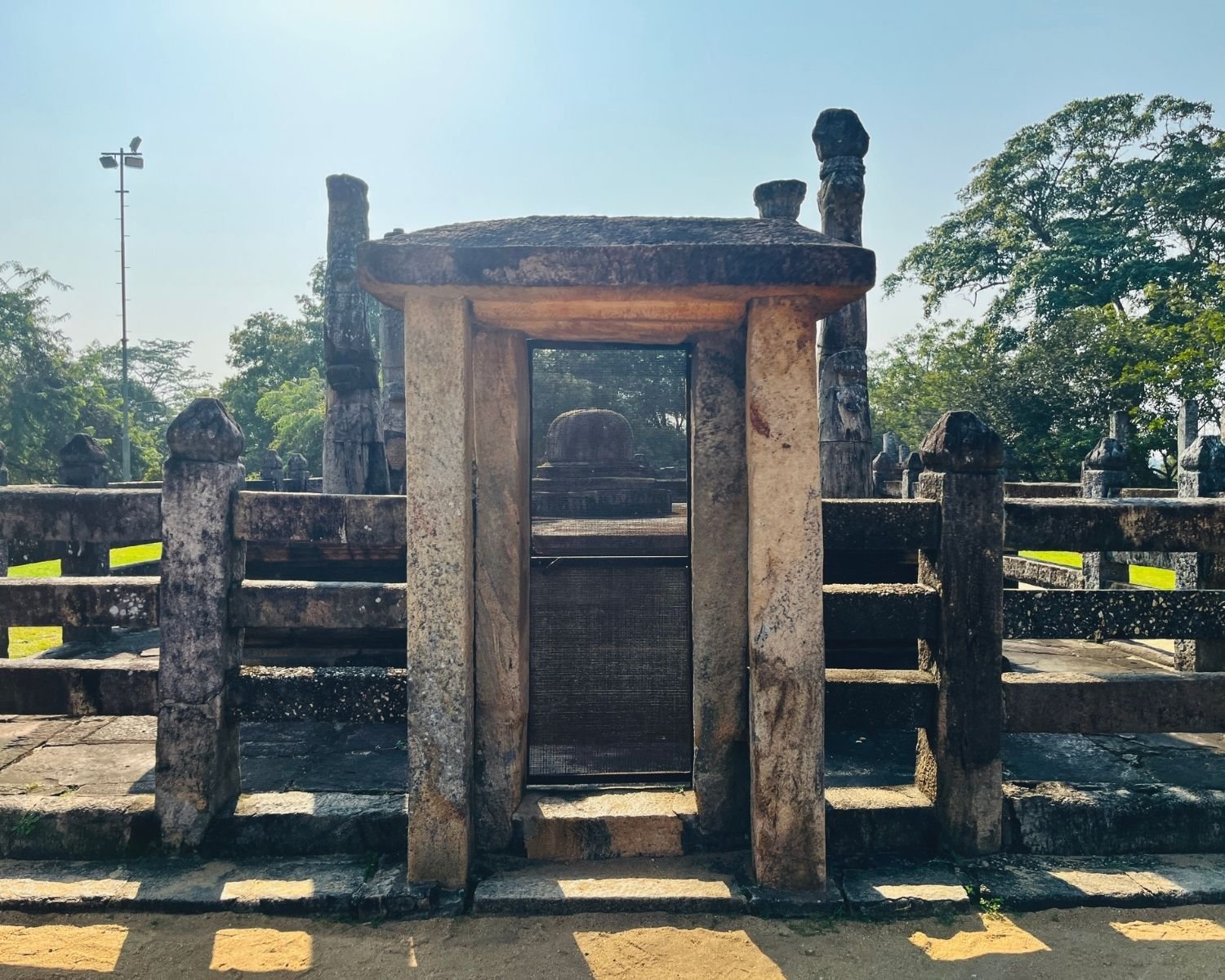
History
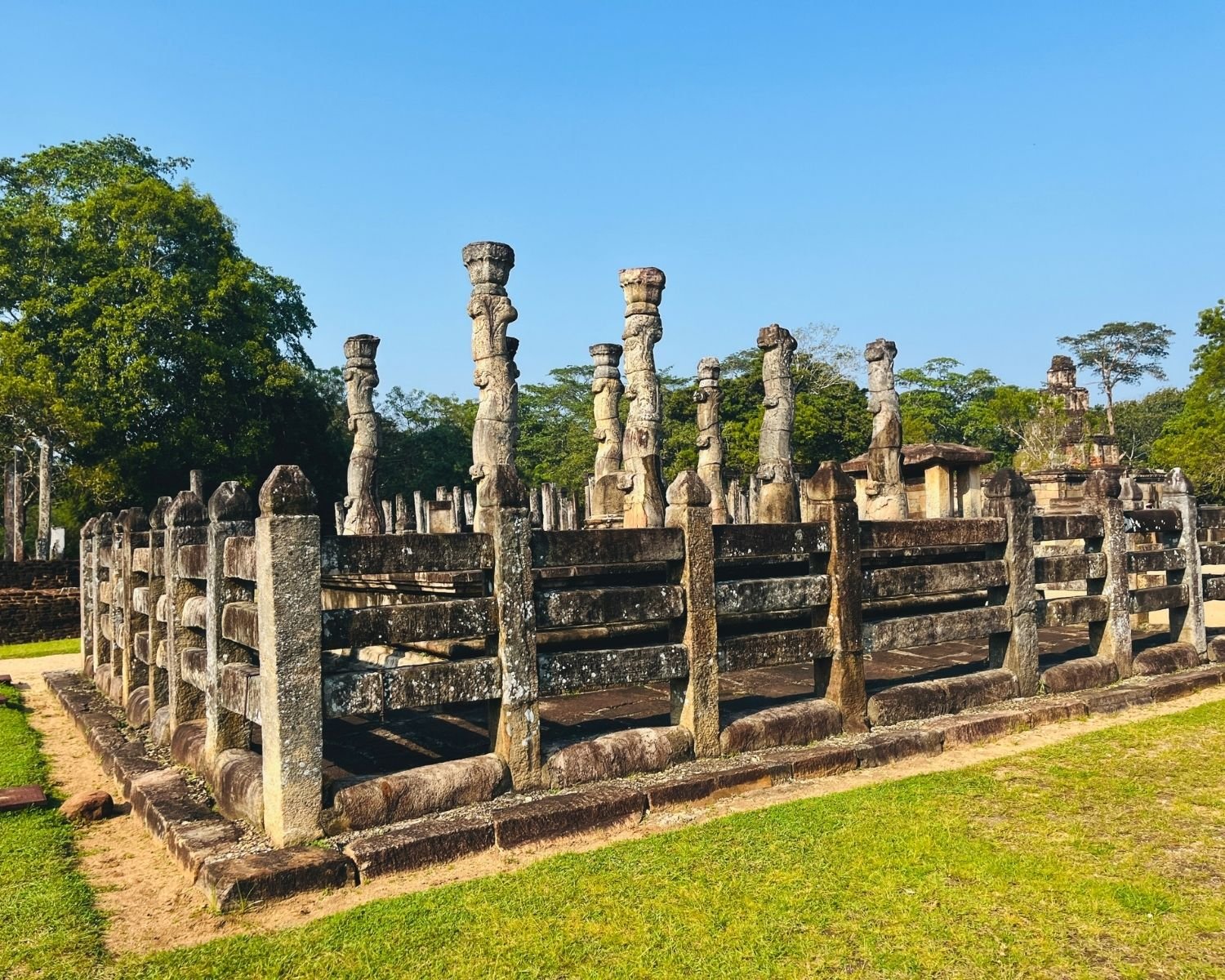
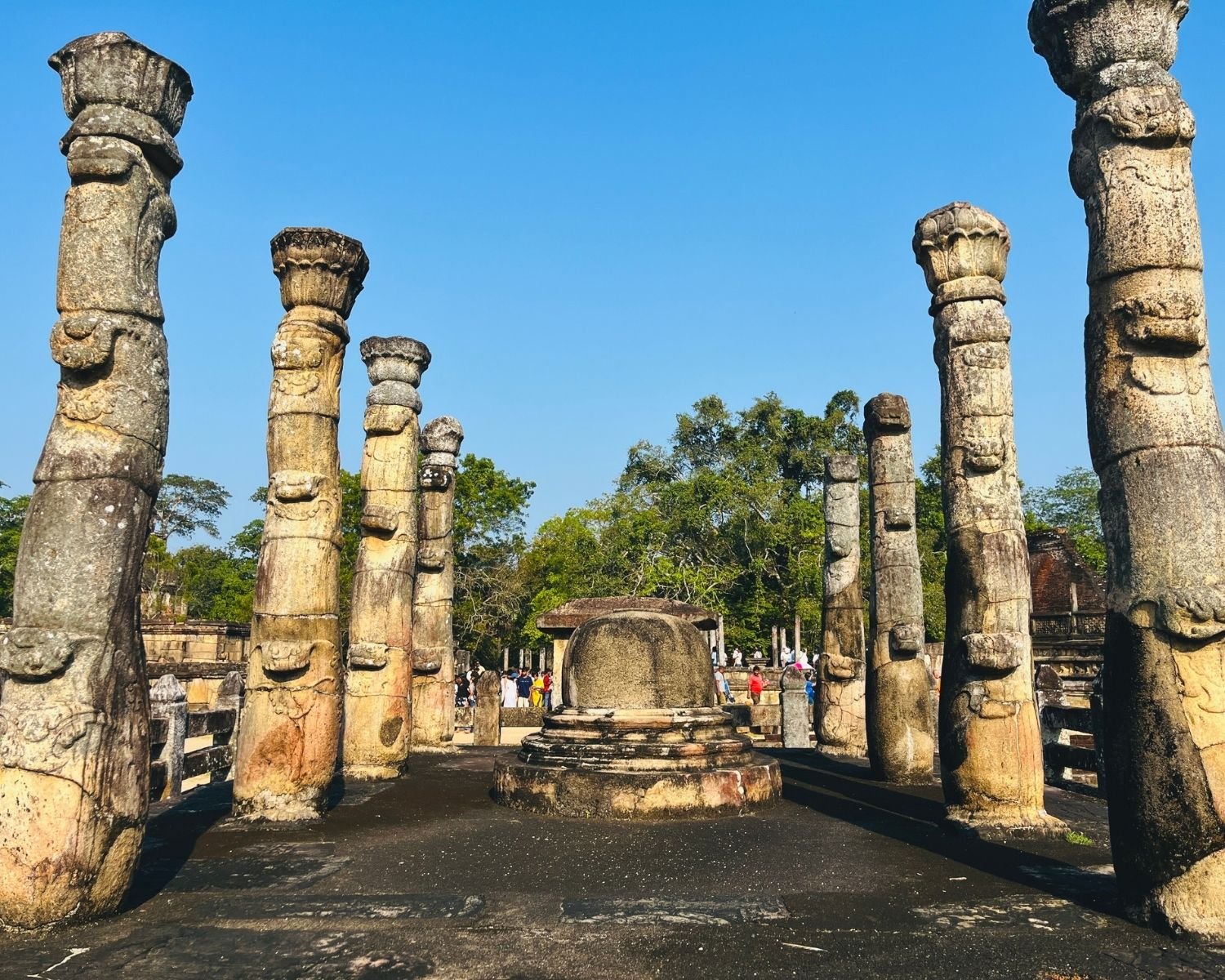
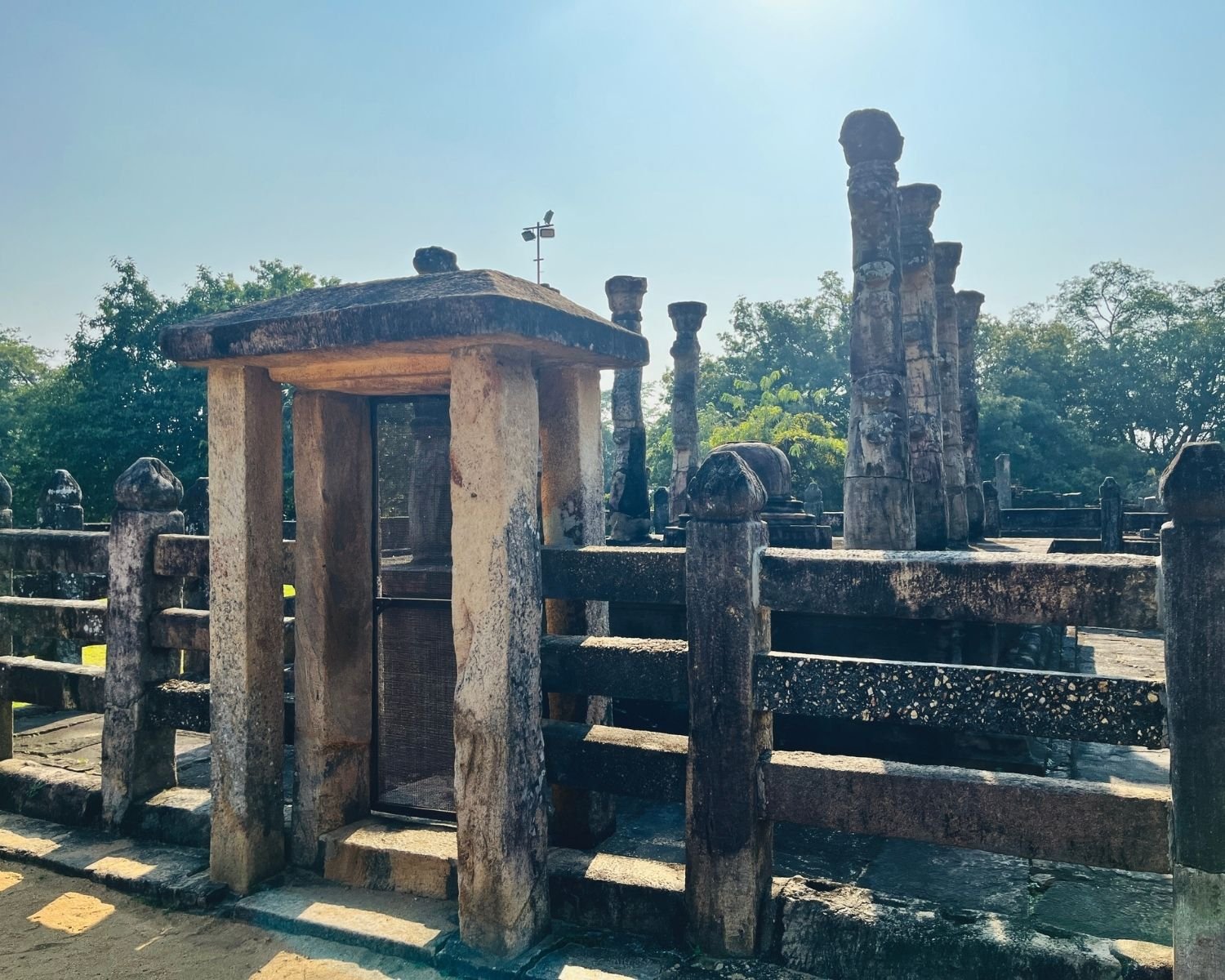
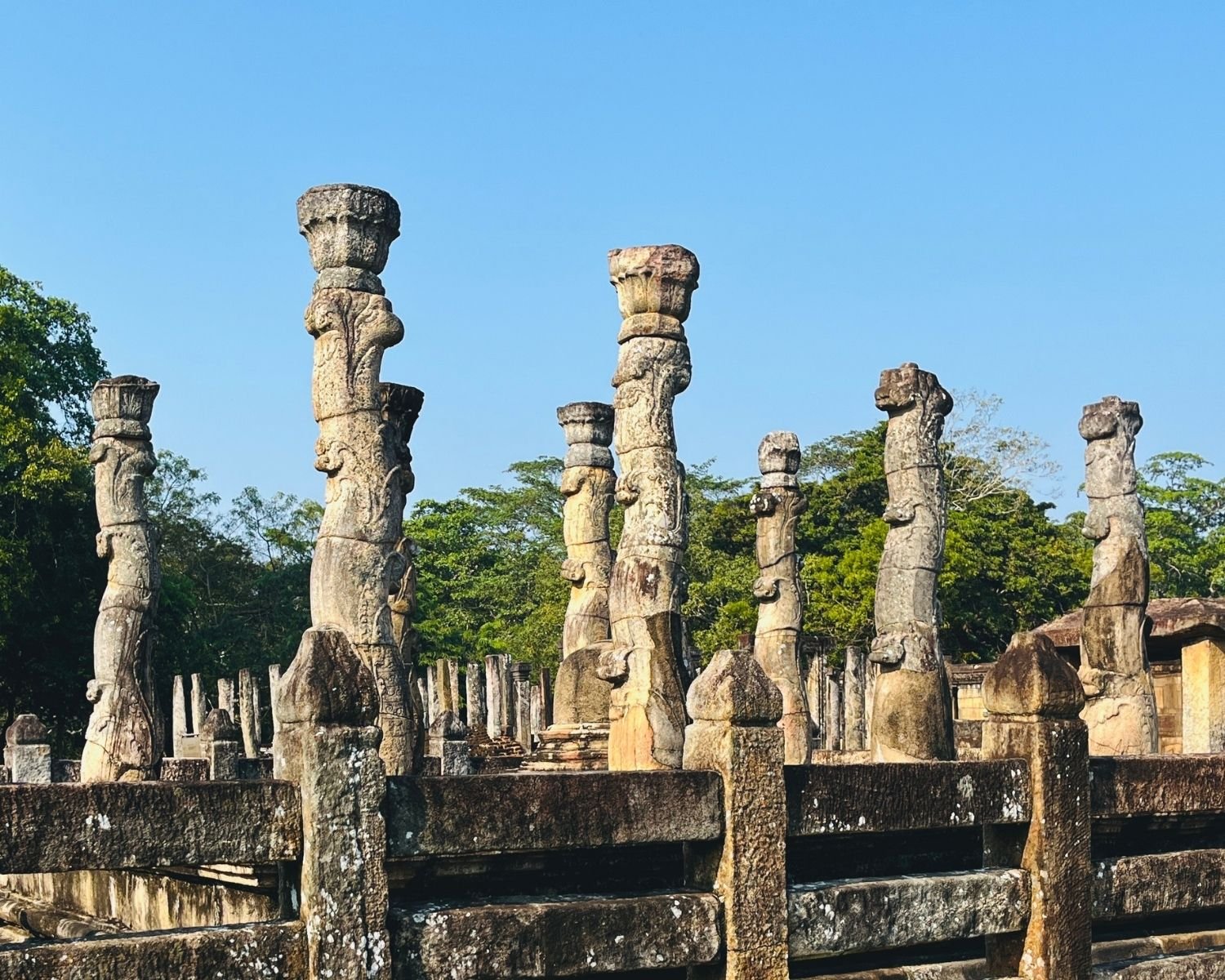
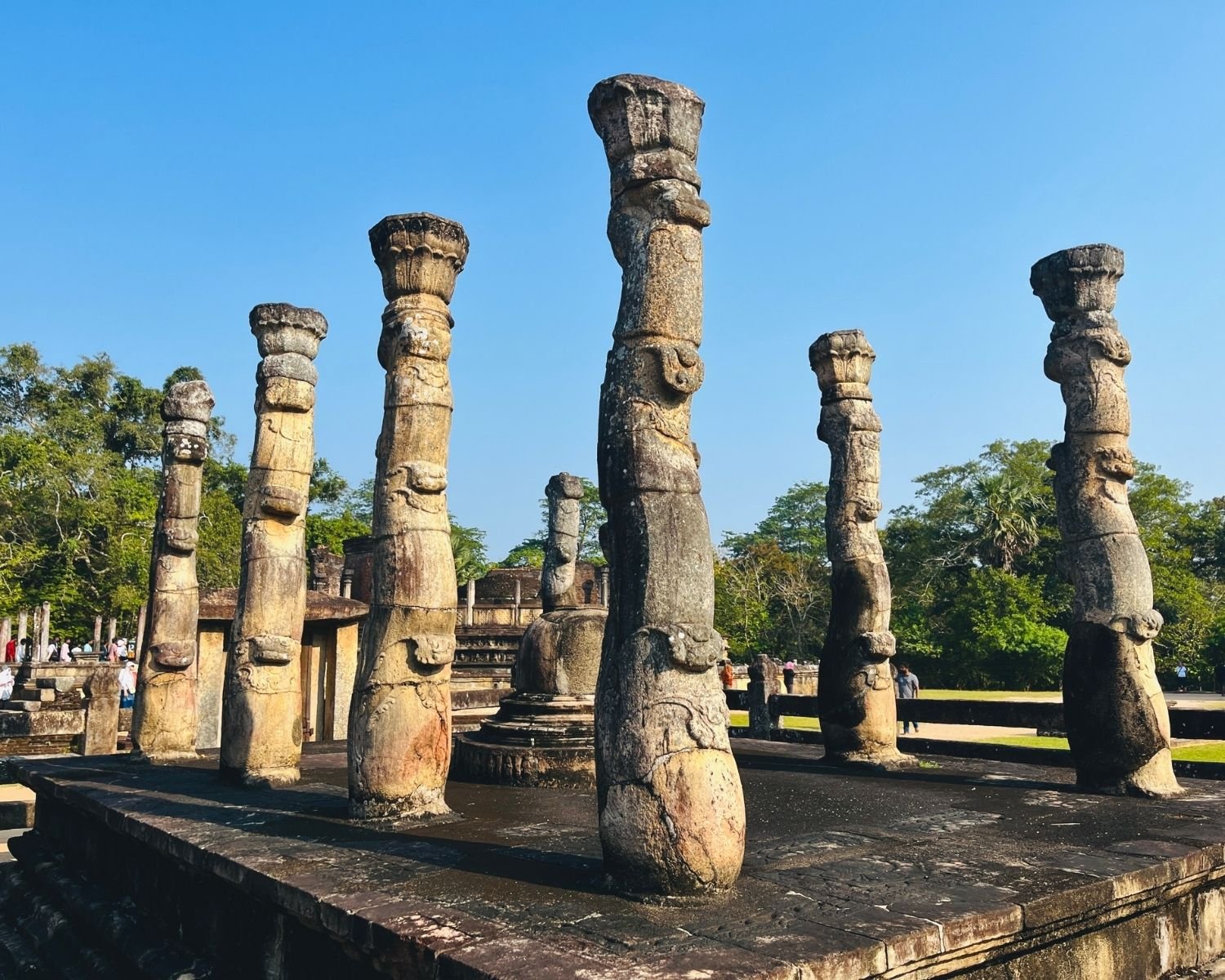
Built between 1187 and 1196 CE by King Nissanka Malla as a royal preaching pavilion associated with the Sacred Tooth Relic and Buddhist ceremonies within the Sacred Quadrangle.
Built between 1187 and 1196 CE by King Nissanka Malla as a royal preaching pavilion associated with the Sacred Tooth Relic and Buddhist ceremonies within the Sacred Quadrangle.
Buddhist Site
Royal preaching pavilion where King Nissanka Malla is believed to have listened to Buddhist sermons and religious recitations linked to the Sacred Tooth Relic.
Royal preaching pavilion where King Nissanka Malla is believed to have listened to Buddhist sermons and religious recitations linked to the Sacred Tooth Relic.
Scenery
Open stone platform surrounded by lotus shaped pillars, set among the major monuments of the Sacred Quadrangle.
Open stone platform surrounded by lotus shaped pillars, set among the major monuments of the Sacred Quadrangle.
Art & Culture
Unique lotus-stalk stone pillars found nowhere else in Sri Lanka, symbolic lotus imagery, carved stone railings, and a royal seat reflecting ceremonial Buddhist traditions.
Unique lotus-stalk stone pillars found nowhere else in Sri Lanka, symbolic lotus imagery, carved stone railings, and a royal seat reflecting ceremonial Buddhist traditions.
Top Pick
Location
View on Map
View on Map
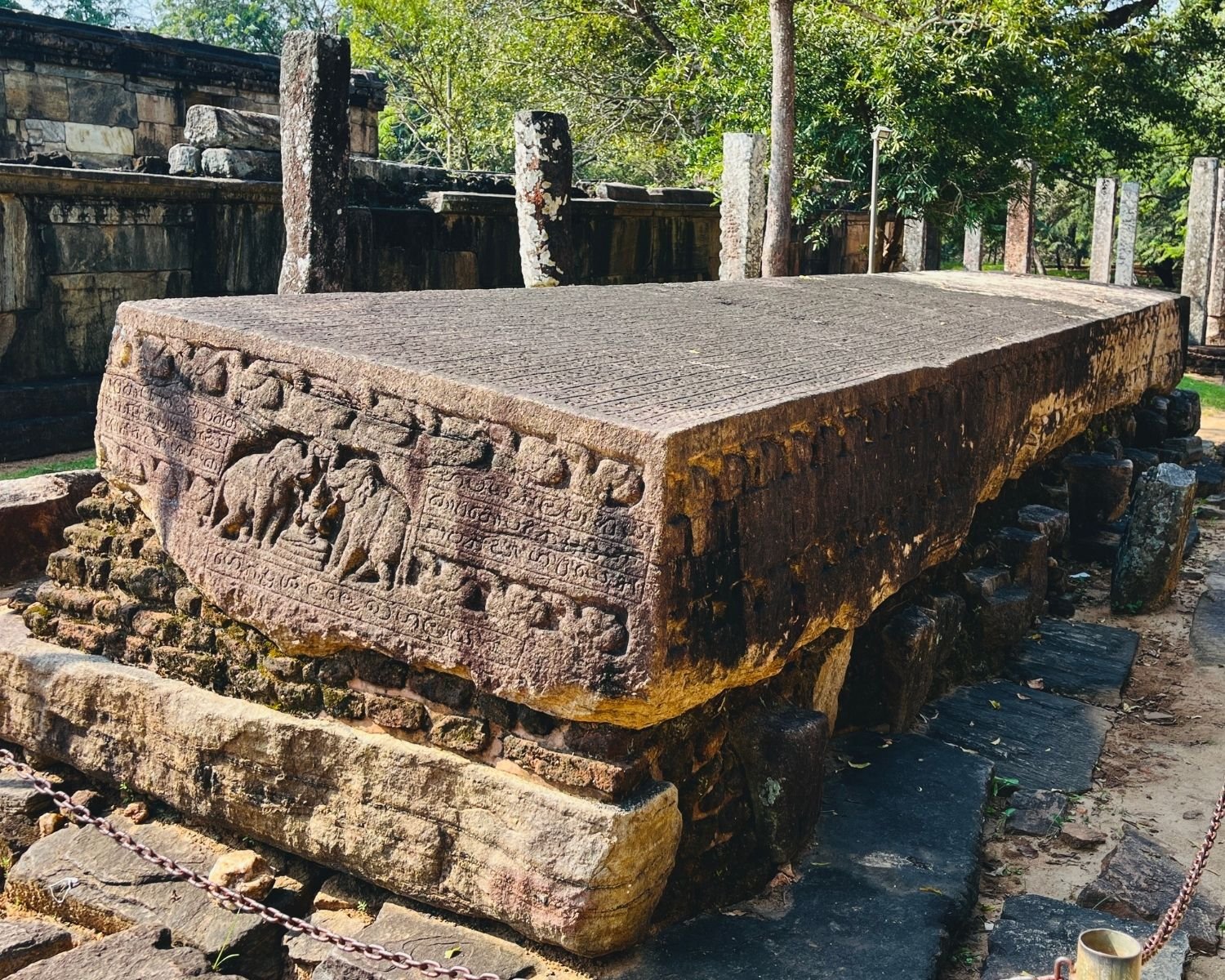
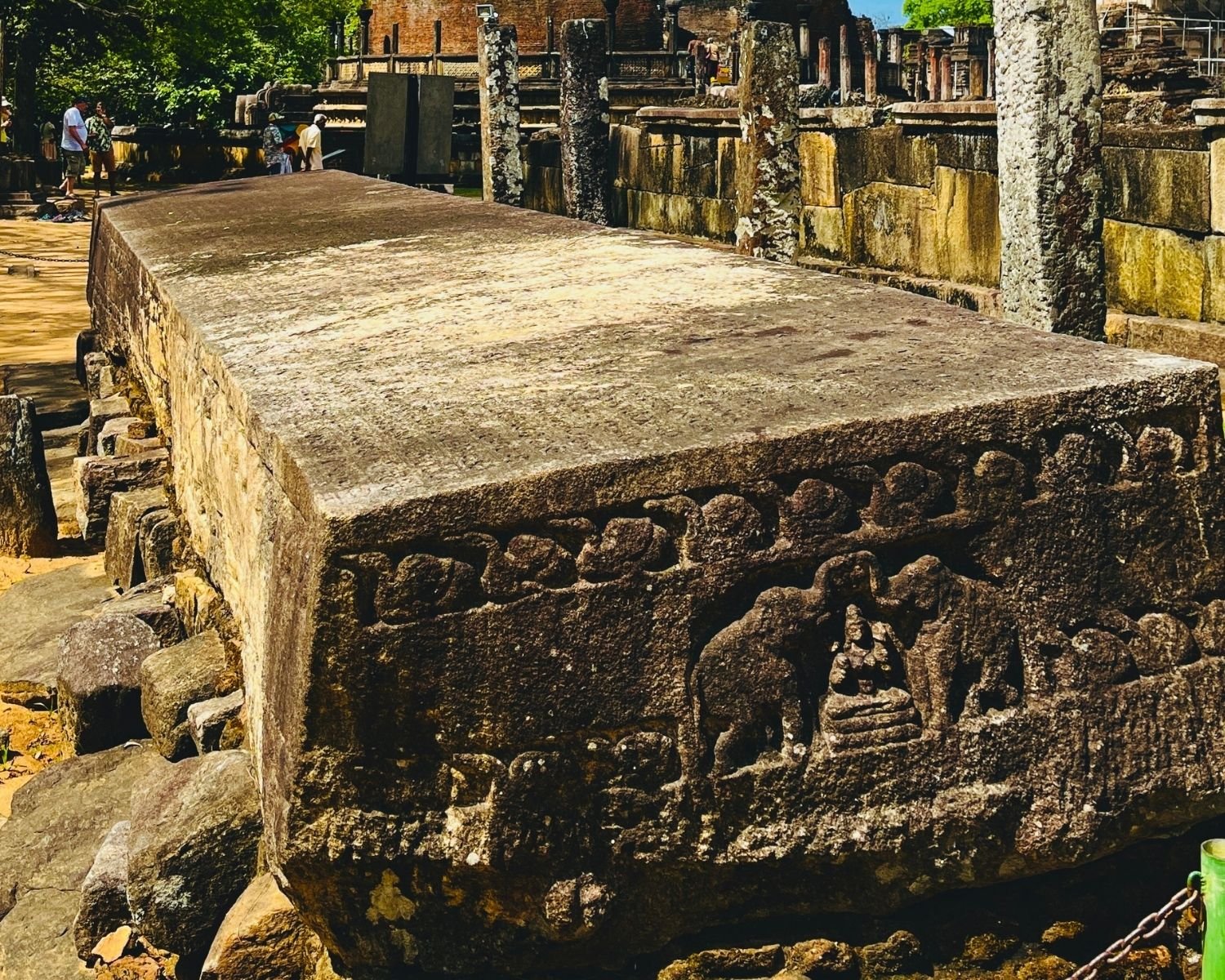
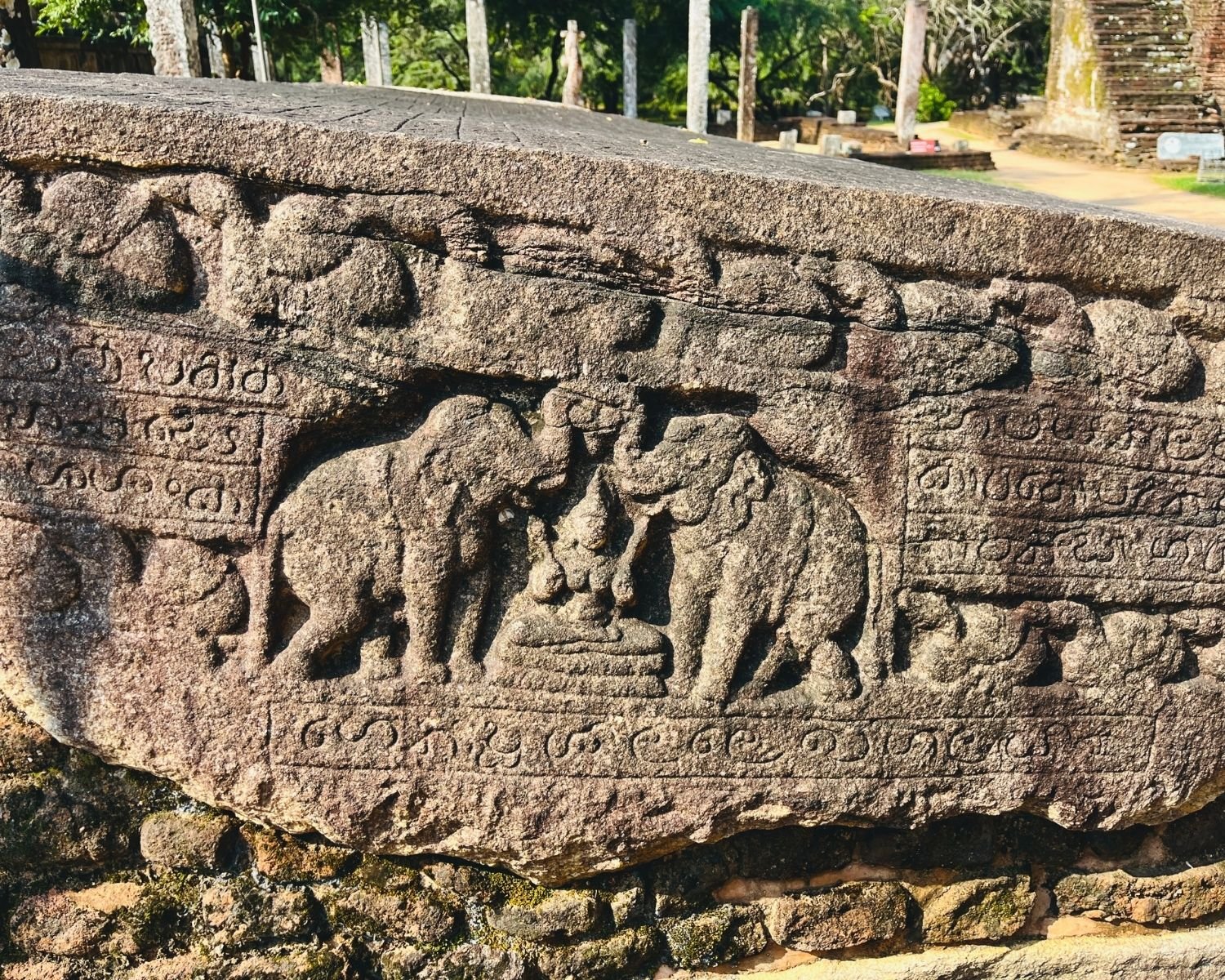
History
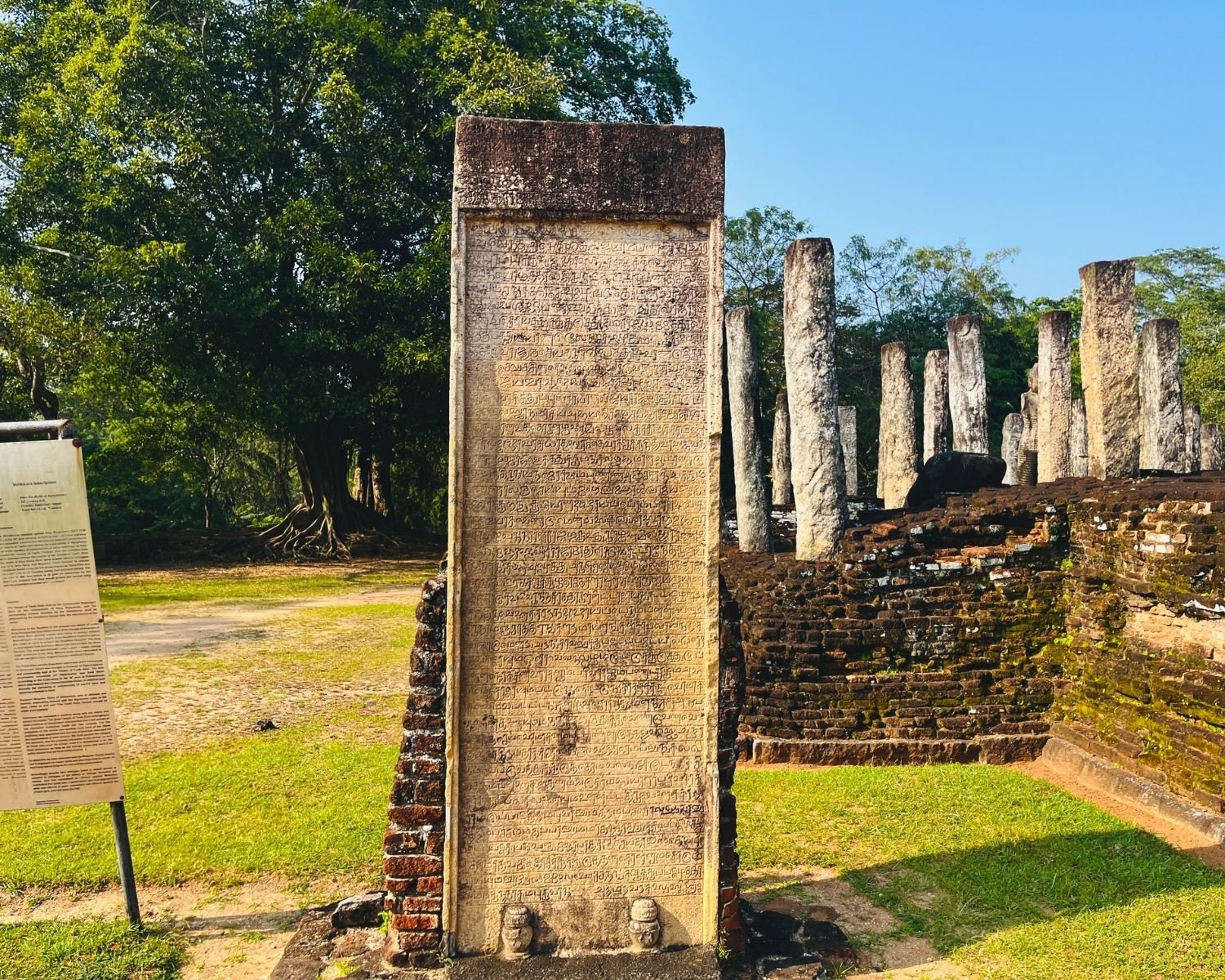
Created during the reign of King Nissanka Malla between 1187 and 1196 CE. The inscription records his achievements, religious works, and royal policies in remarkable detail.
Created during the reign of King Nissanka Malla between 1187 and 1196 CE. The inscription records his achievements, religious works, and royal policies in remarkable detail.
Scenery
Situated among ancient ruins and religious monuments within the Sacred Quadrangle archaeological complex.
Situated among ancient ruins and religious monuments within the Sacred Quadrangle archaeological complex.
Art & Culture
Features finely carved Sinhala inscriptions, symbolic elephant carvings, and one of the most important examples of medieval Sri Lankan epigraphy.
Features finely carved Sinhala inscriptions, symbolic elephant carvings, and one of the most important examples of medieval Sri Lankan epigraphy.
Worth It
Location
View on Map
View on Map
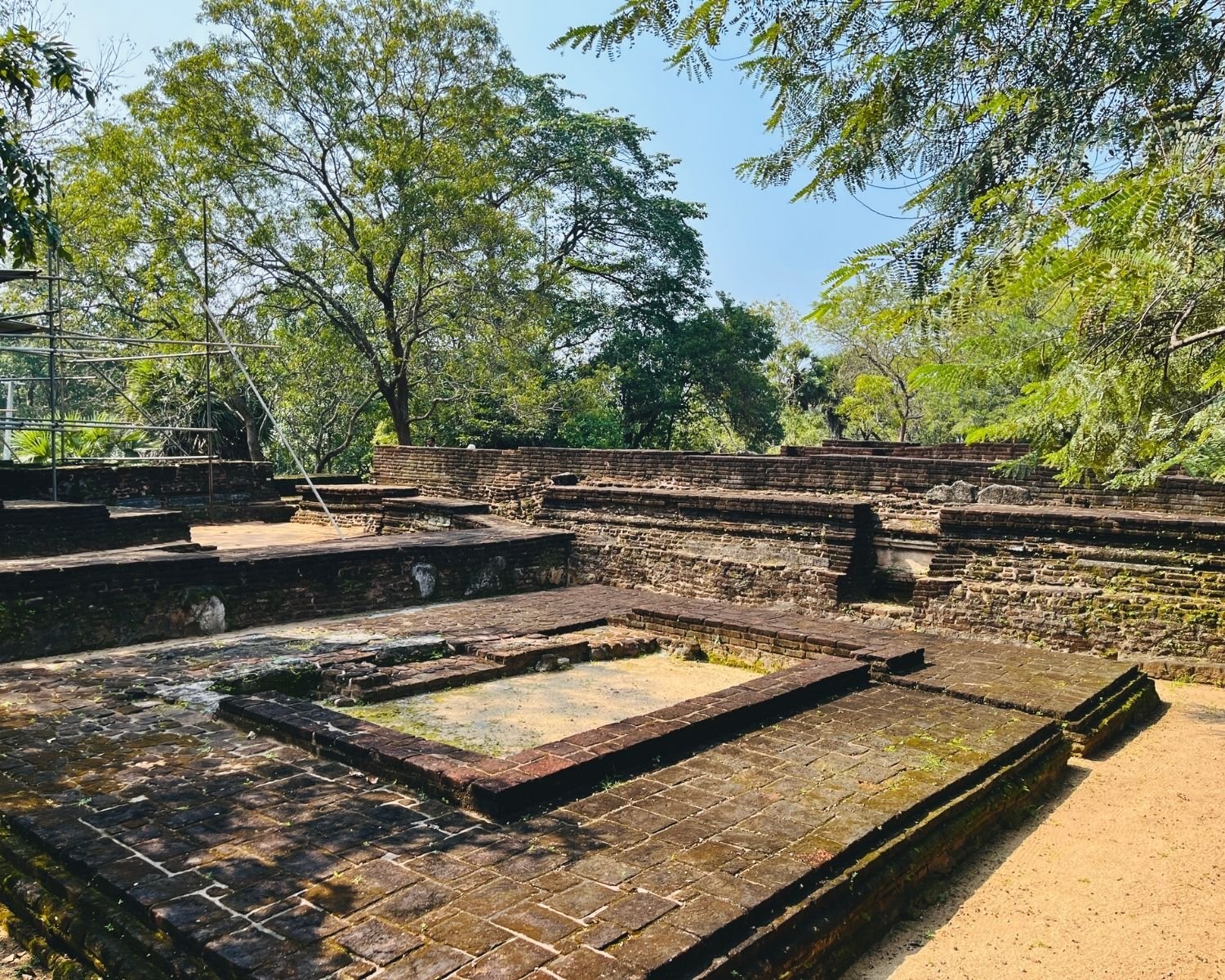
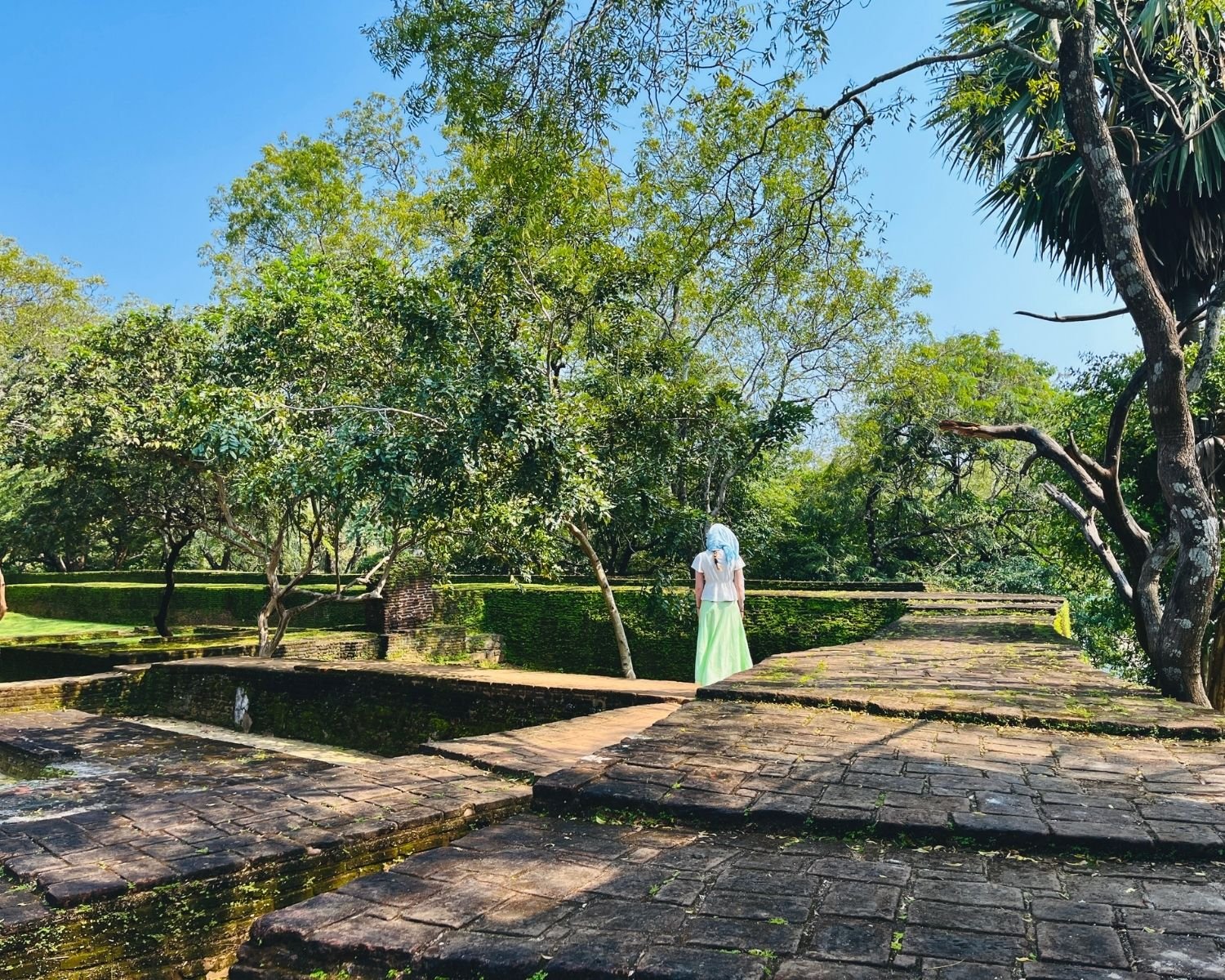
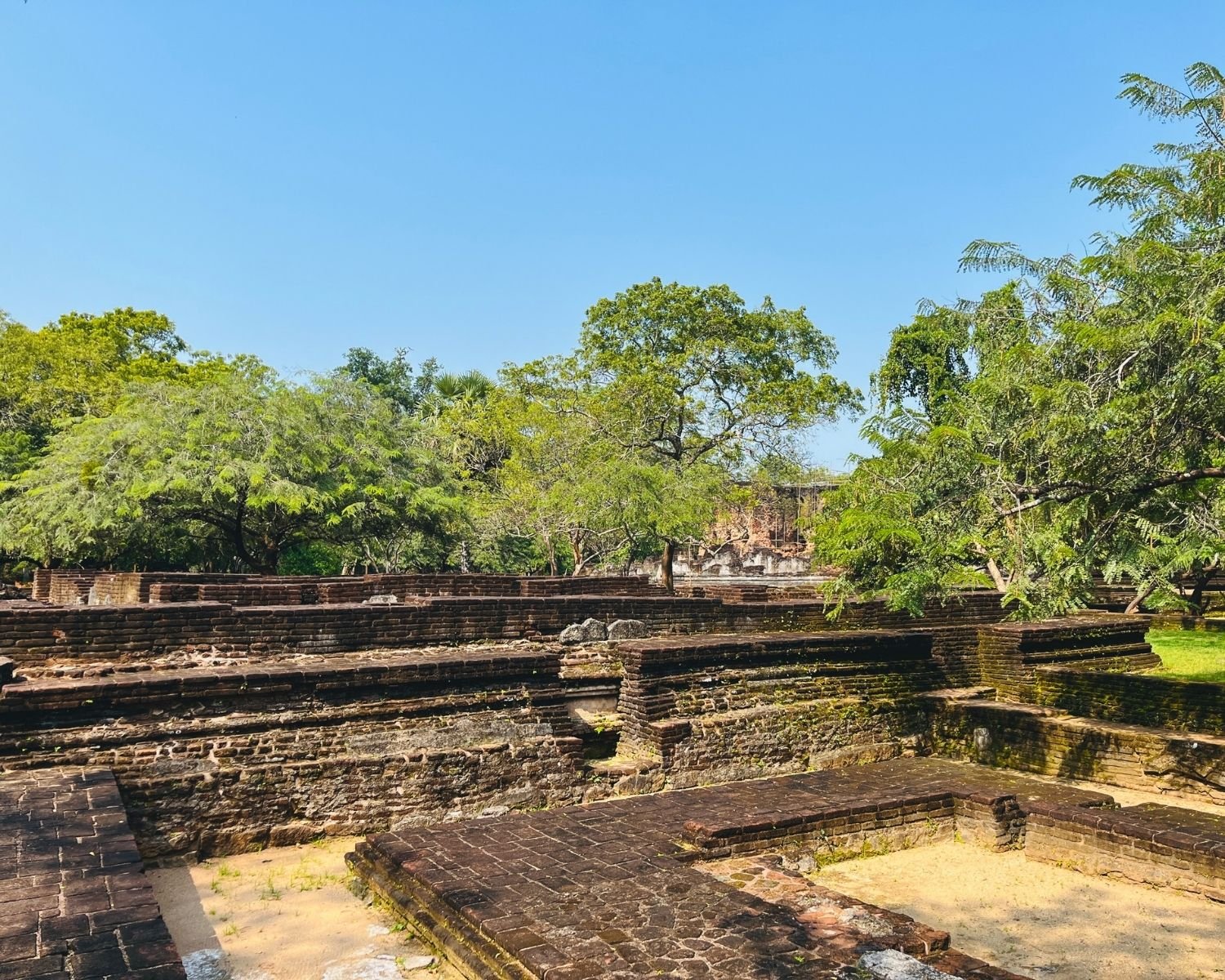
History
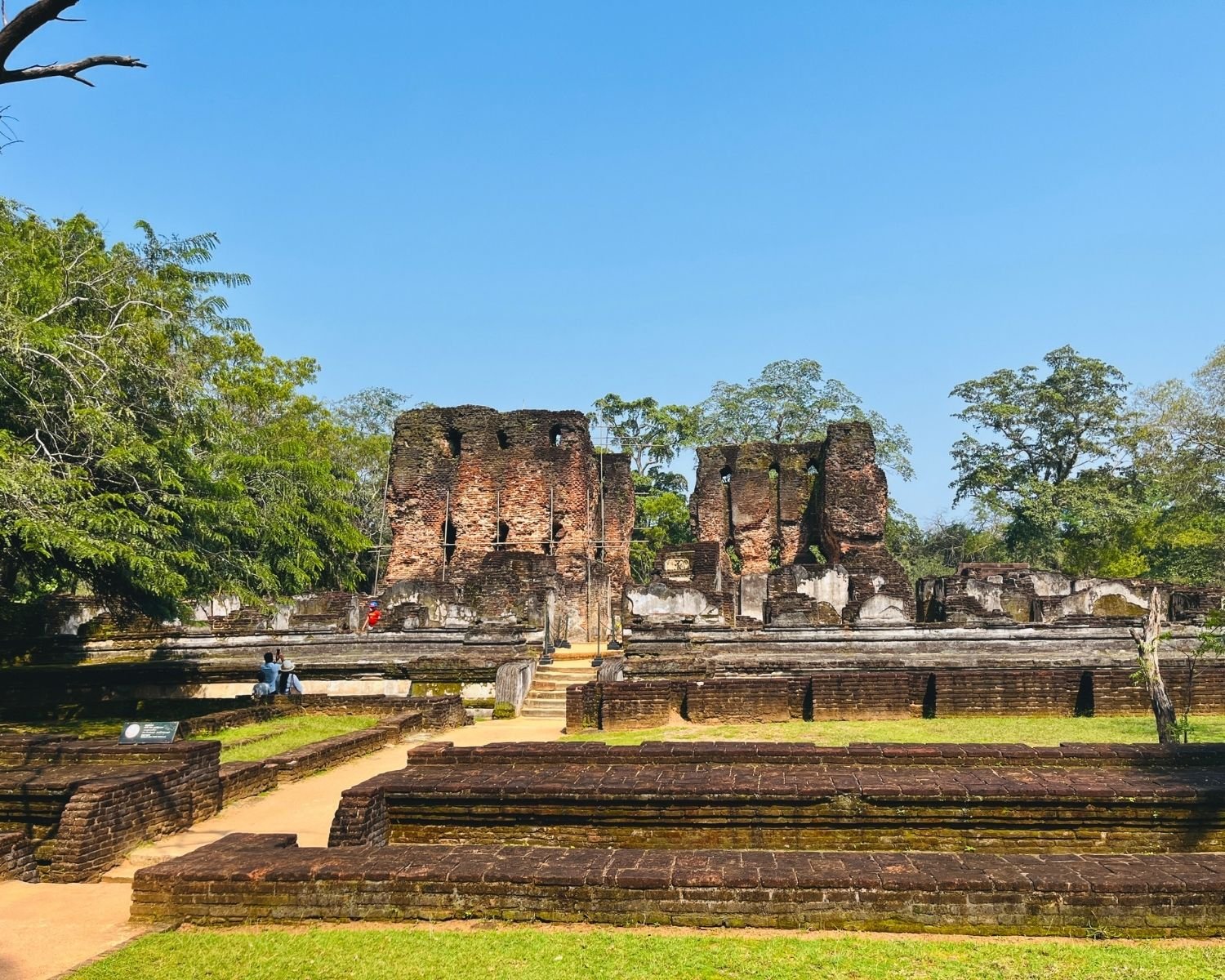
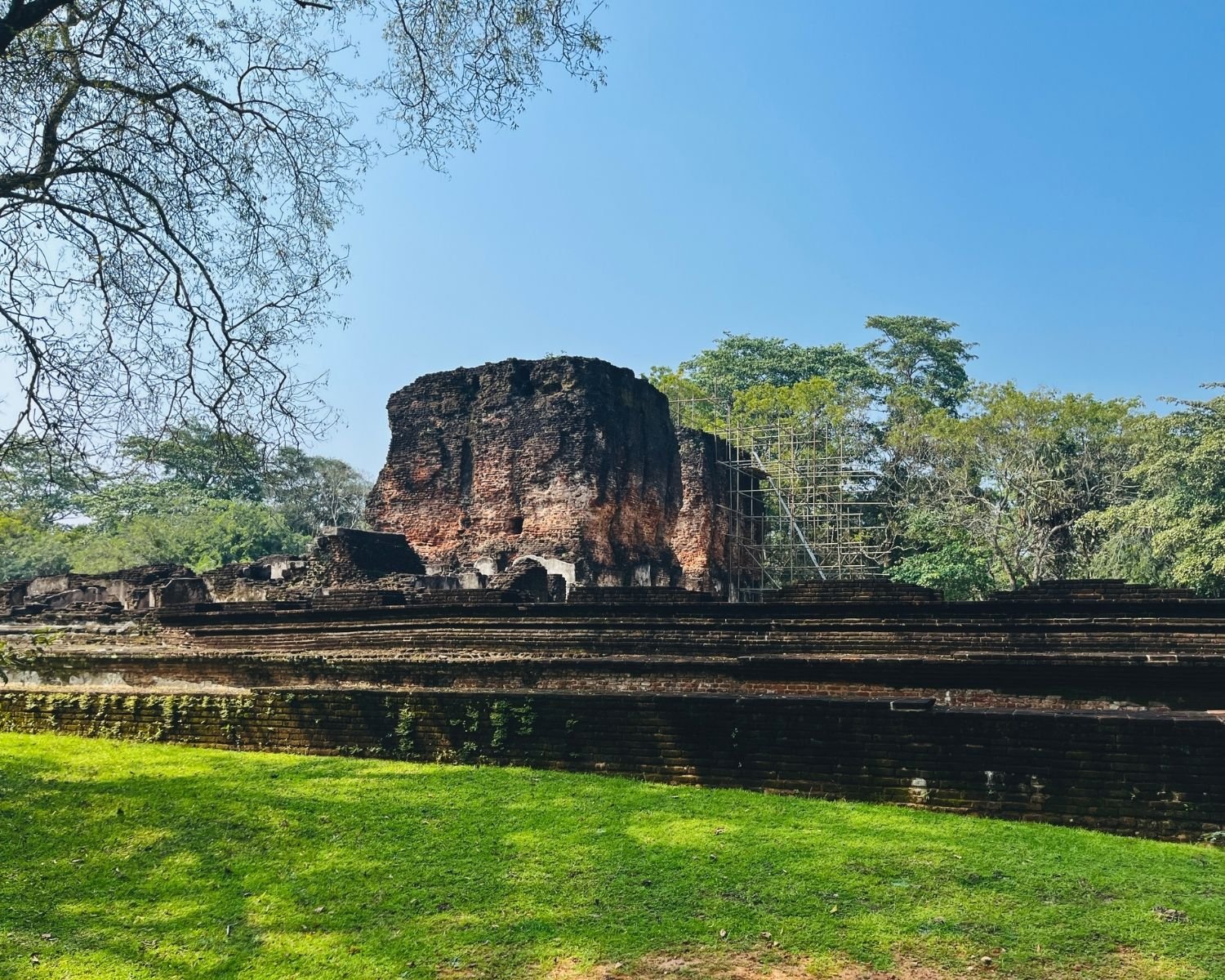
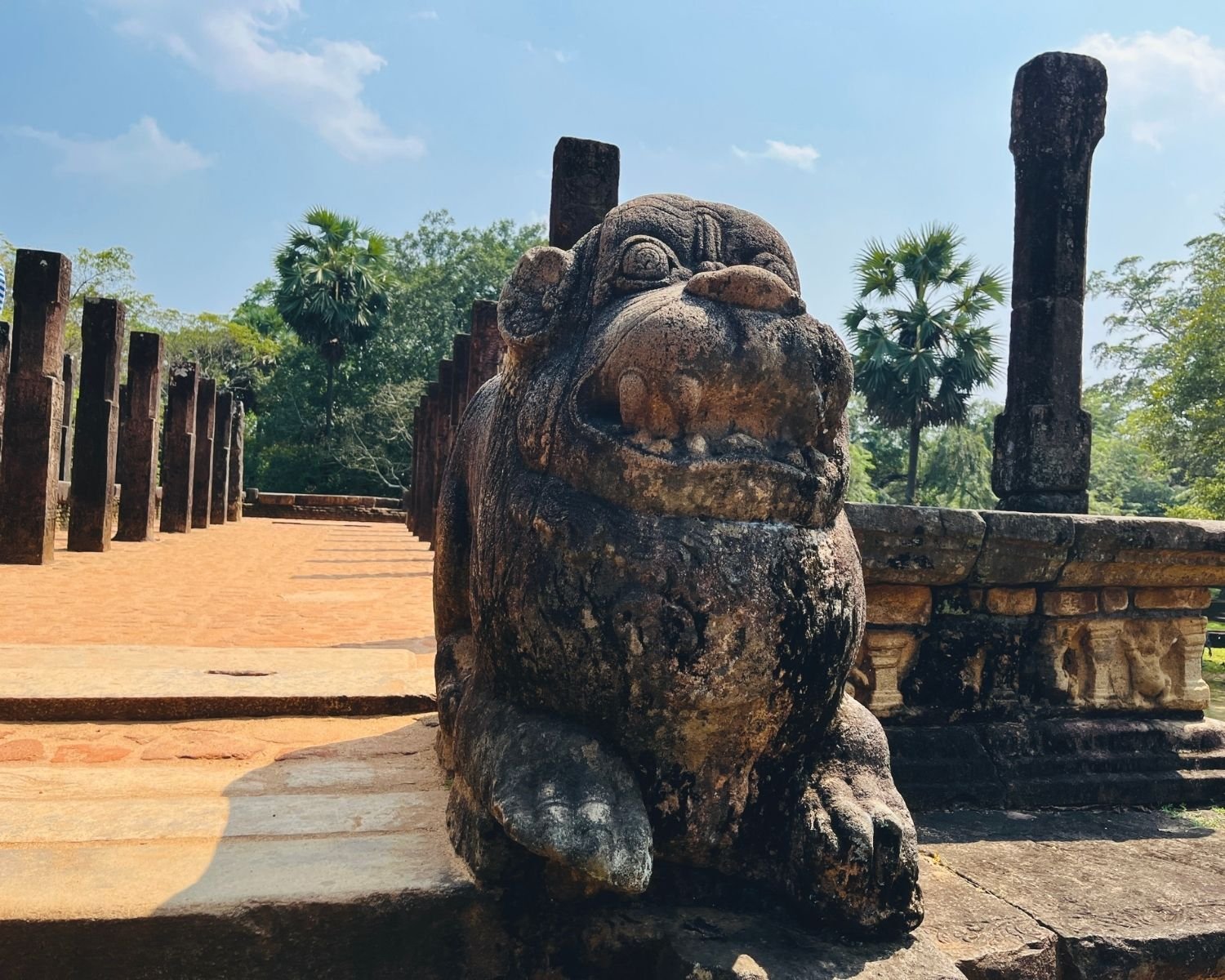
Constructed during the reign of King Parakramabahu I (1153–1186 CE). The palace formed the administrative and residential centre of the Polonnaruwa Kingdom at its height.
Constructed during the reign of King Parakramabahu I (1153–1186 CE). The palace formed the administrative and residential centre of the Polonnaruwa Kingdom at its height.
Scenery
Towering brick walls, extensive palace foundations, ceremonial platforms, and open royal grounds shaded by mature trees.
Towering brick walls, extensive palace foundations, ceremonial platforms, and open royal grounds shaded by mature trees.
Art & Culture
Features royal architecture, carved lion guardians, council chambers, moonstones, and evidence of advanced urban planning in medieval Sri Lanka.
Features royal architecture, carved lion guardians, council chambers, moonstones, and evidence of advanced urban planning in medieval Sri Lanka.
Top Pick
Location
View on Map
View on Map
History
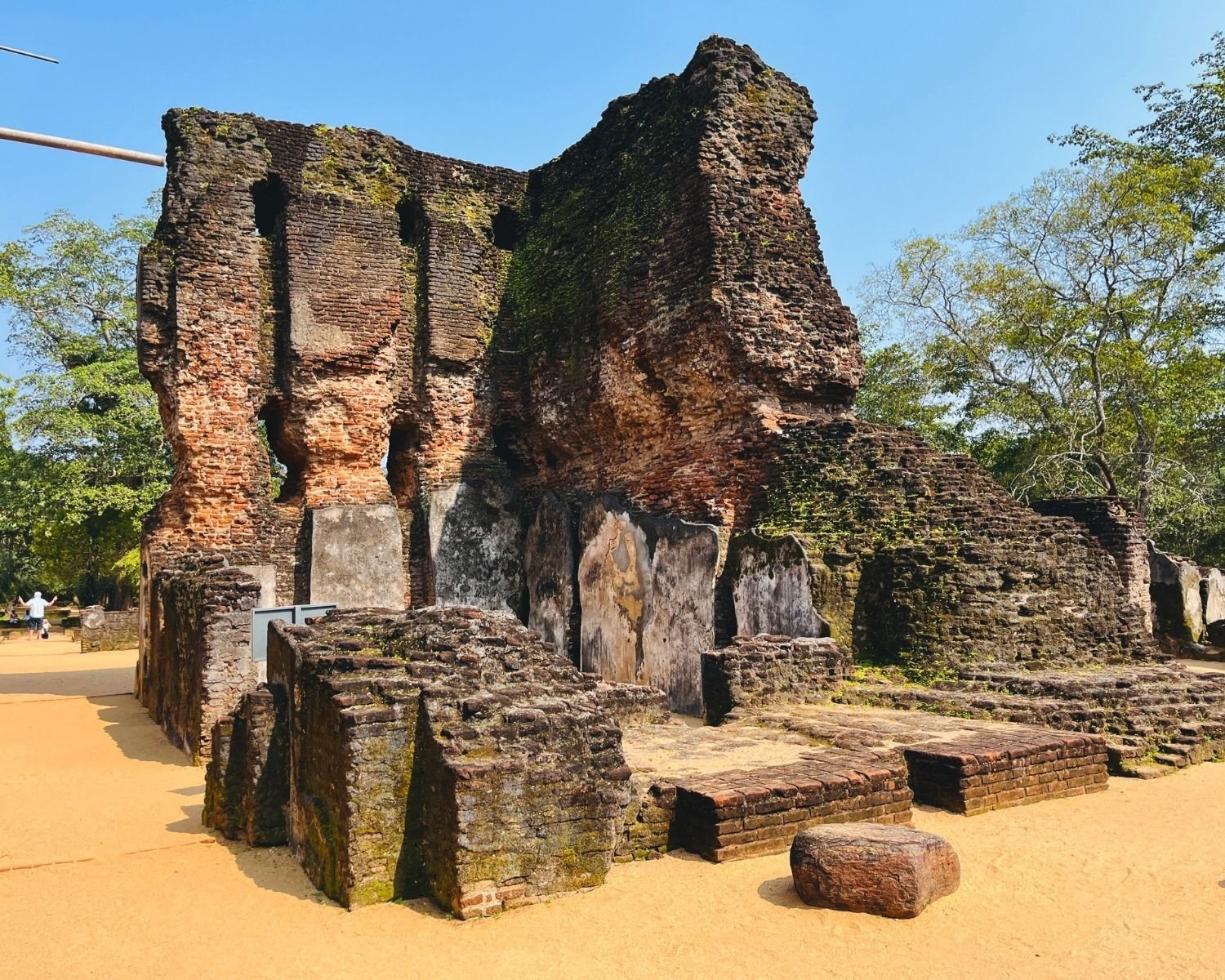
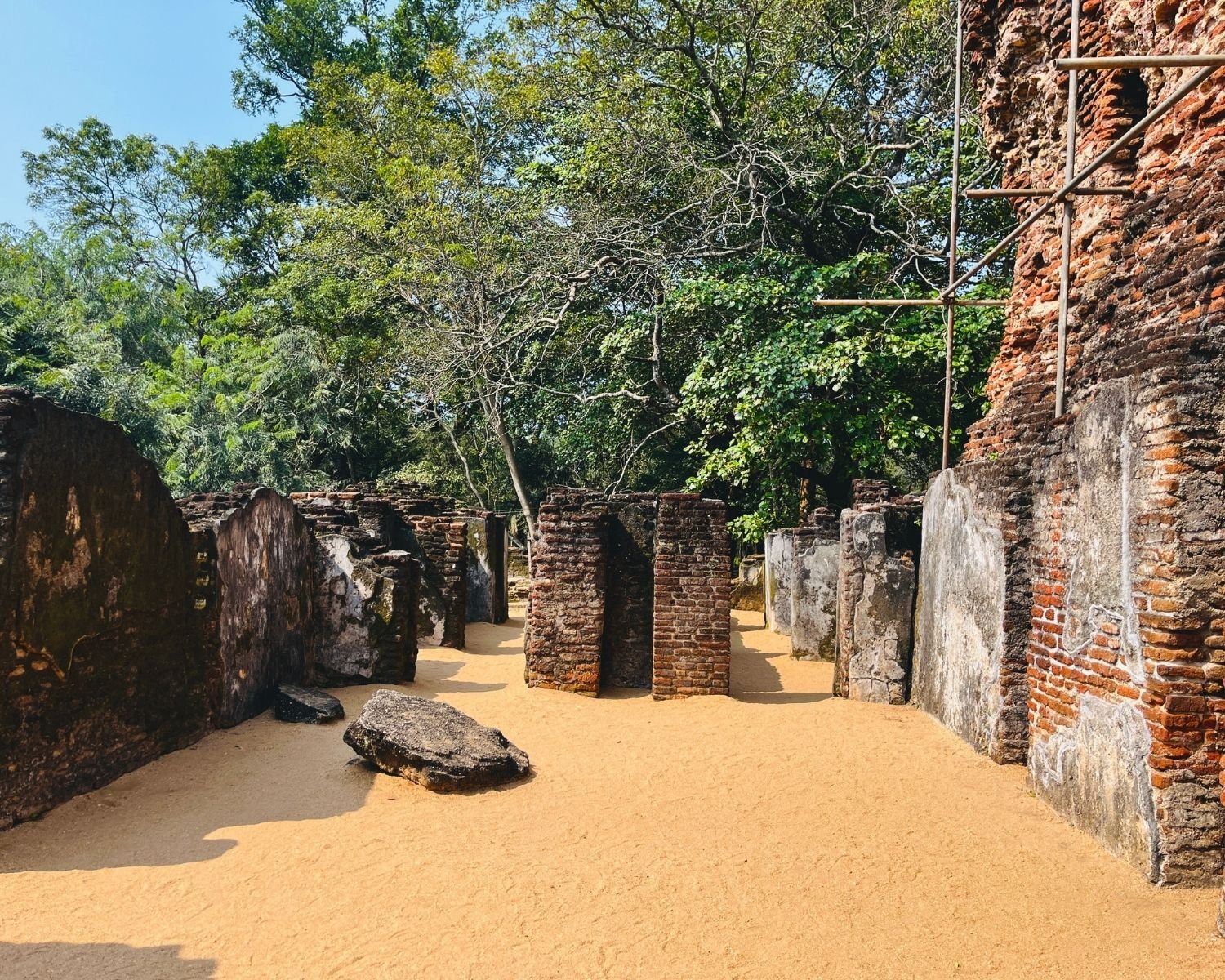
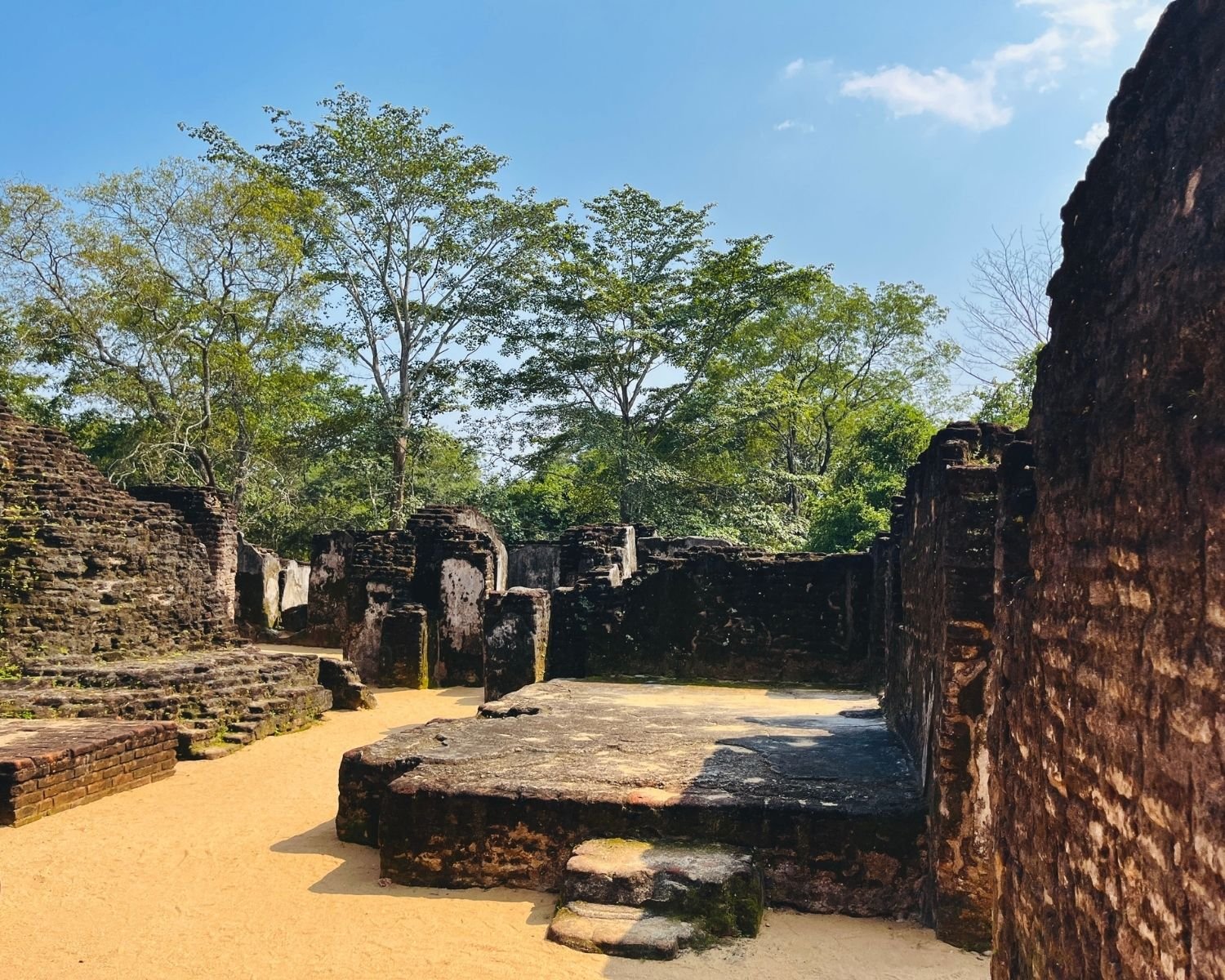
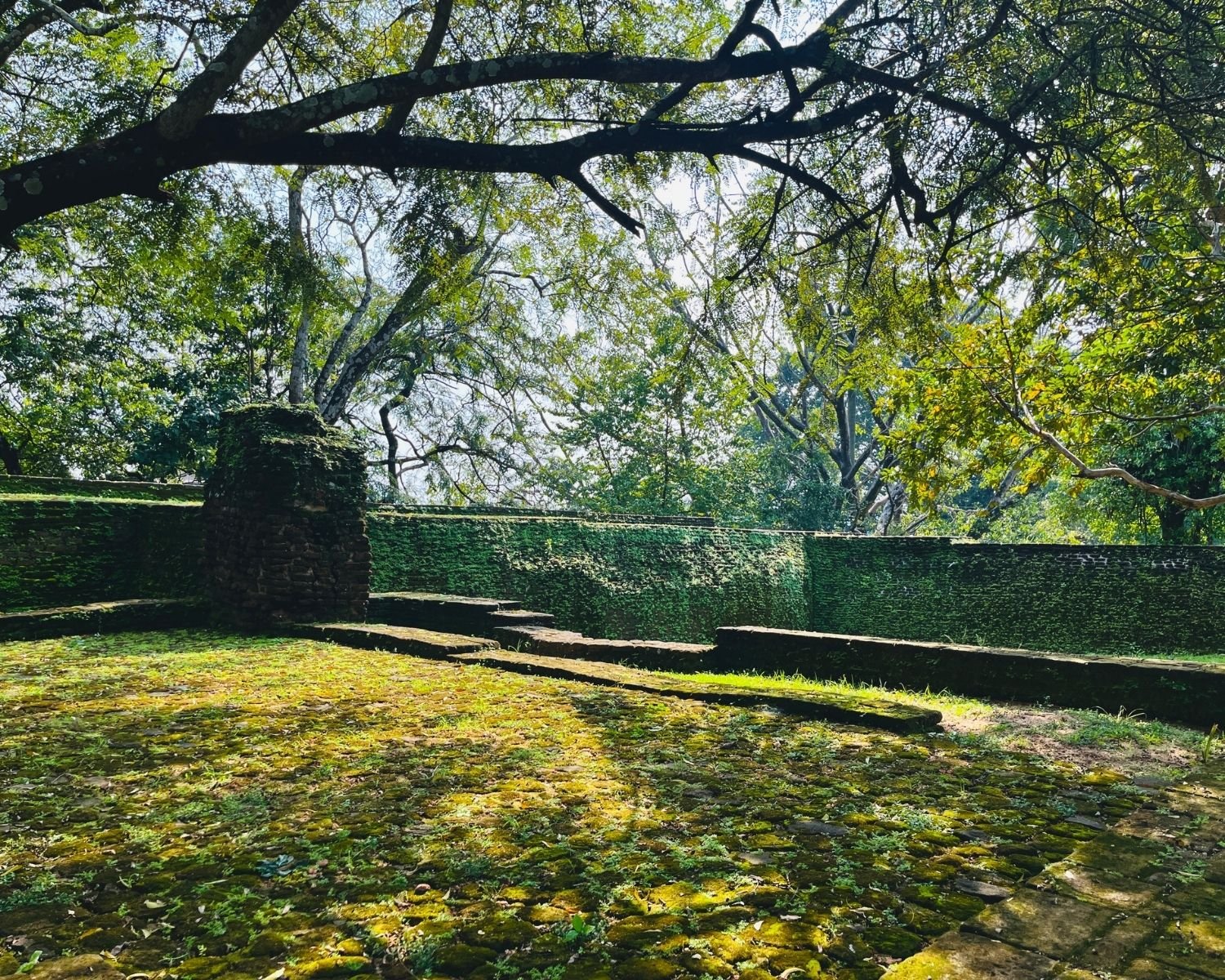
Constructed during the reign of King Parakramabahu I (1153–1186 CE). Historical chronicles describe it as a seven-storey royal palace containing over a thousand chambers.
Constructed during the reign of King Parakramabahu I (1153–1186 CE). Historical chronicles describe it as a seven-storey royal palace containing over a thousand chambers.
Scenery
Towering brick walls, palace courtyards, ruined chambers, and expansive views across the ancient royal precinct.
Towering brick walls, palace courtyards, ruined chambers, and expansive views across the ancient royal precinct.
Art & Culture
Massive brick construction, sophisticated drainage systems, royal architecture, and evidence of medieval court life and administration.
Massive brick construction, sophisticated drainage systems, royal architecture, and evidence of medieval court life and administration.
Top Pick
Location
View on Map
View on Map
History
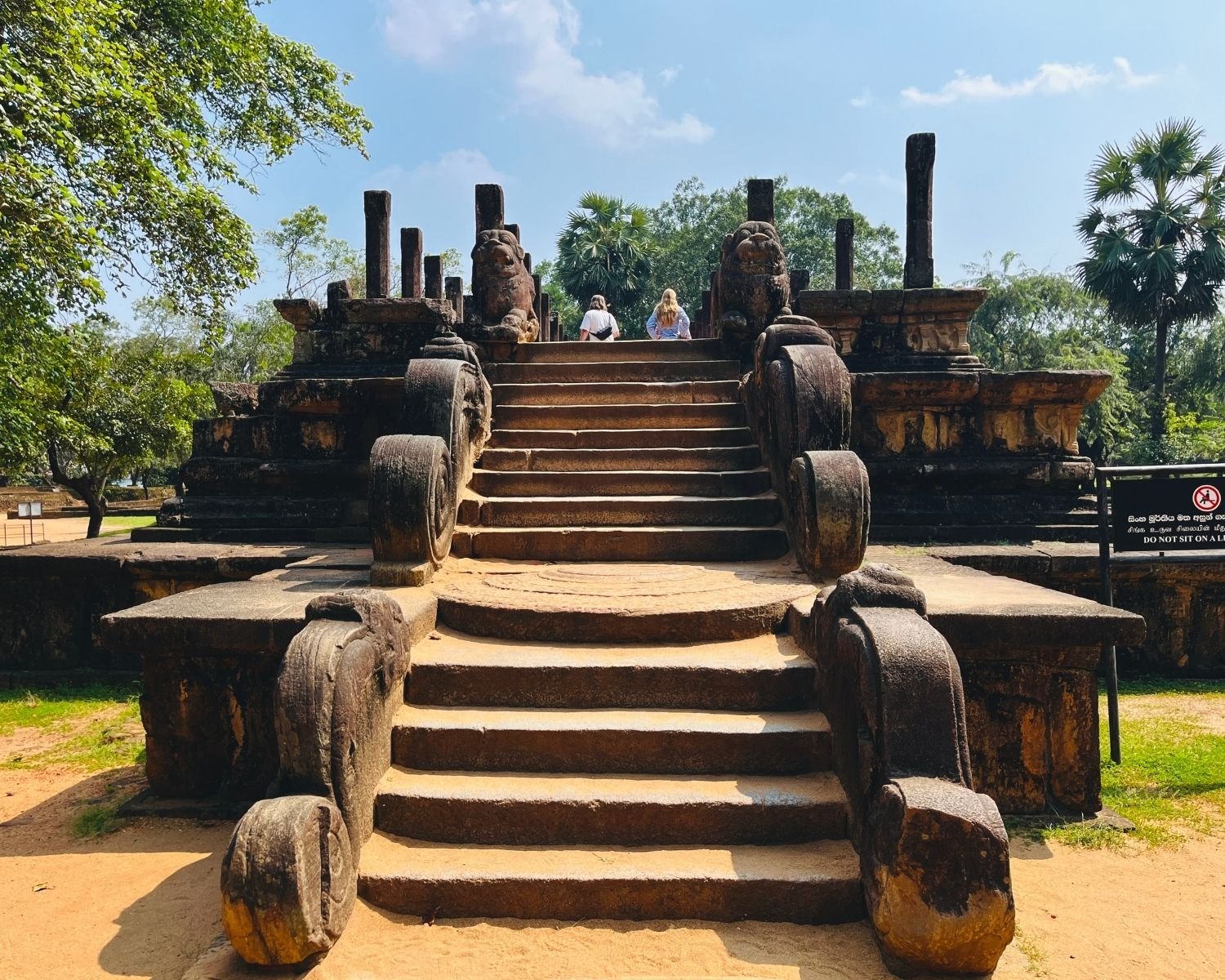
Built during the reign of King Parakramabahu I (1153–1186 CE) as a royal audience and administrative chamber within the palace complex.
Built during the reign of King Parakramabahu I (1153–1186 CE) as a royal audience and administrative chamber within the palace complex.
Scenery
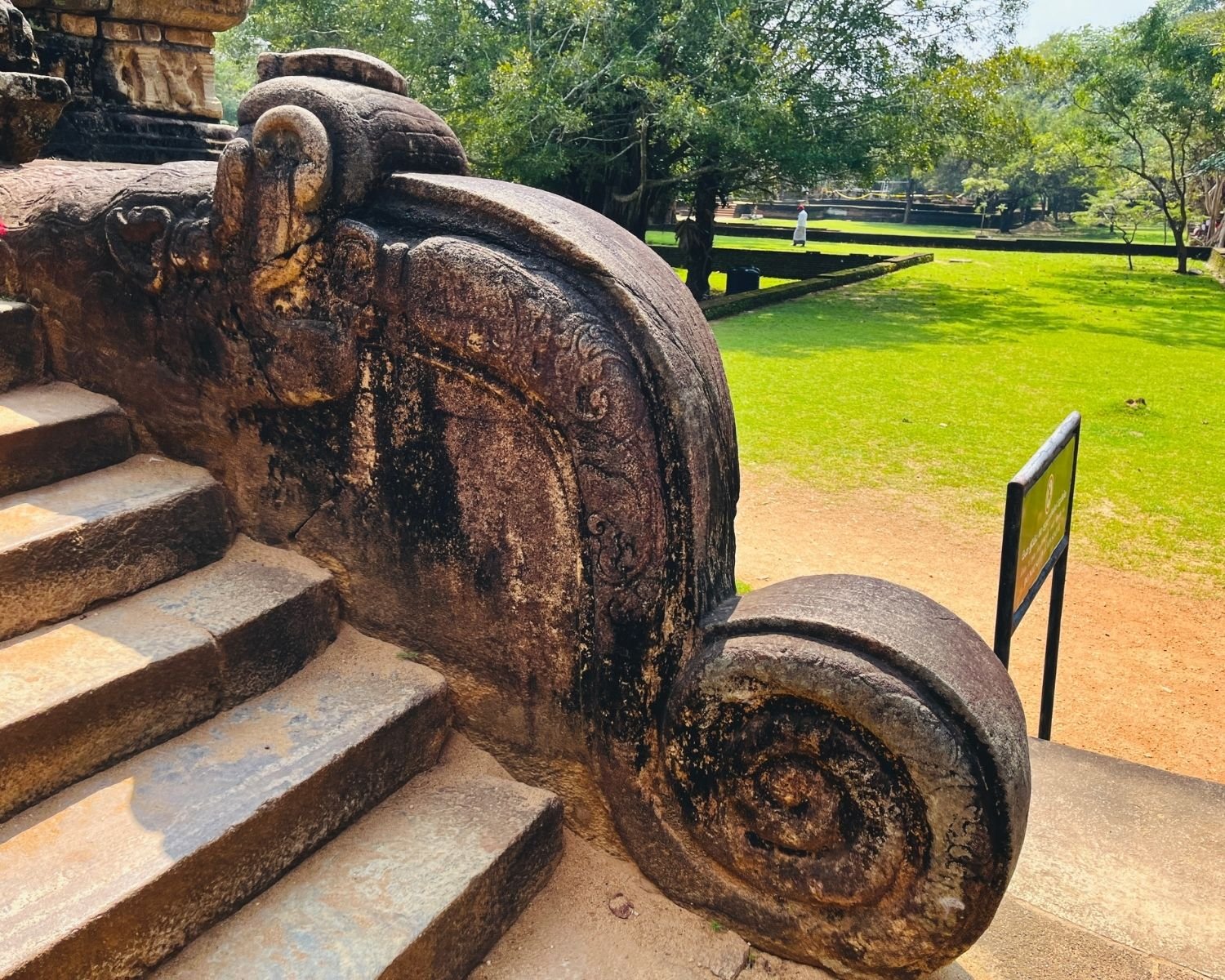
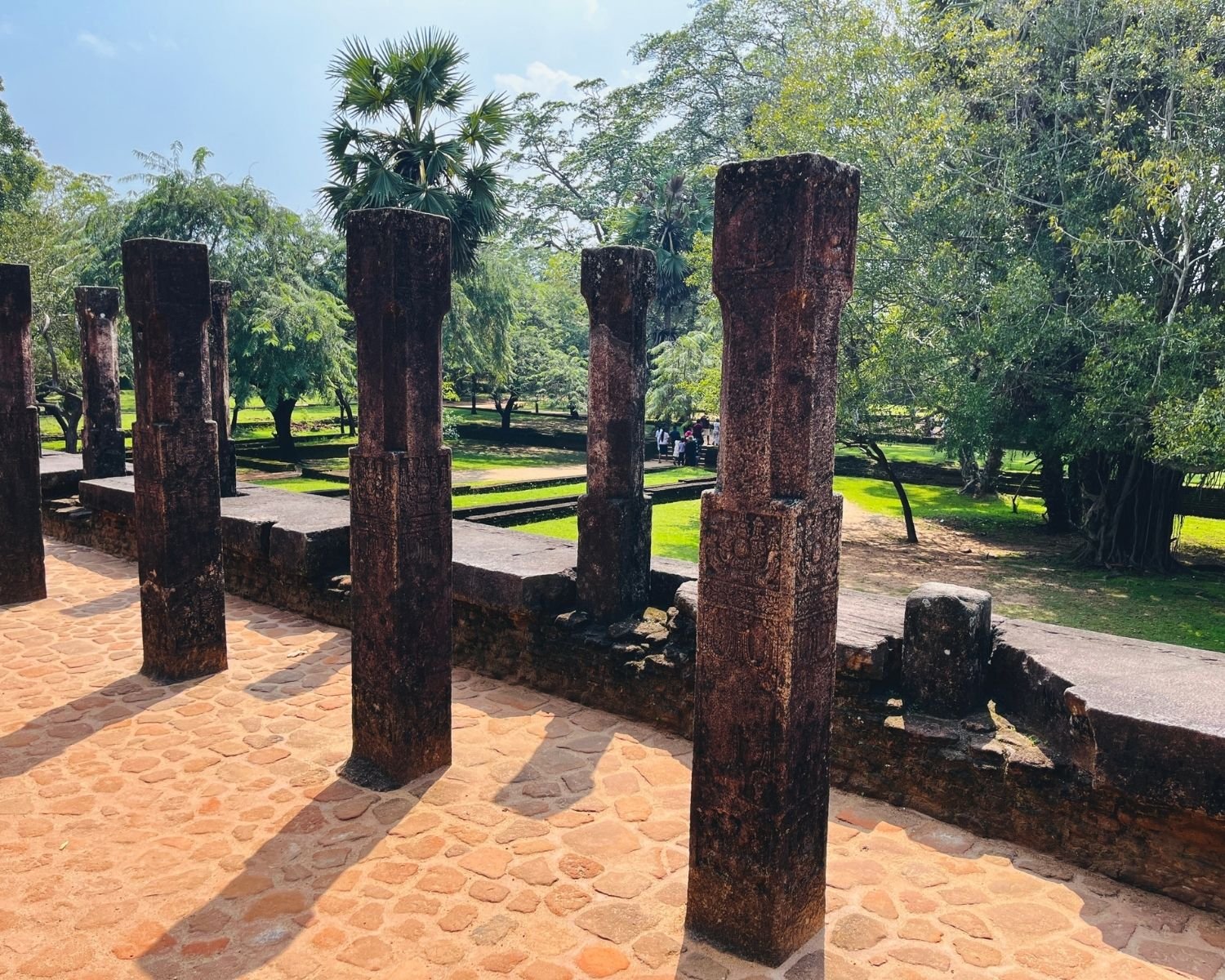
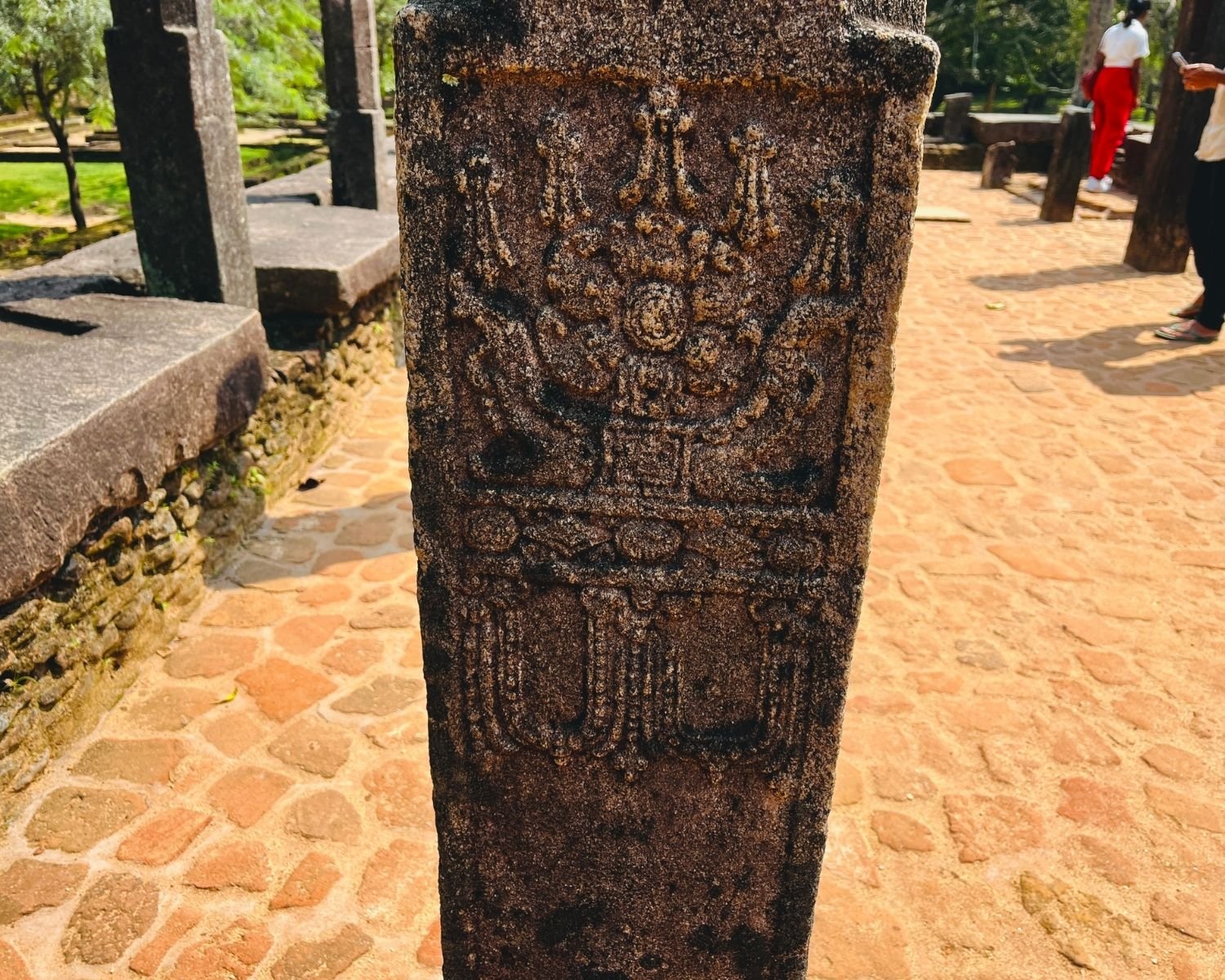
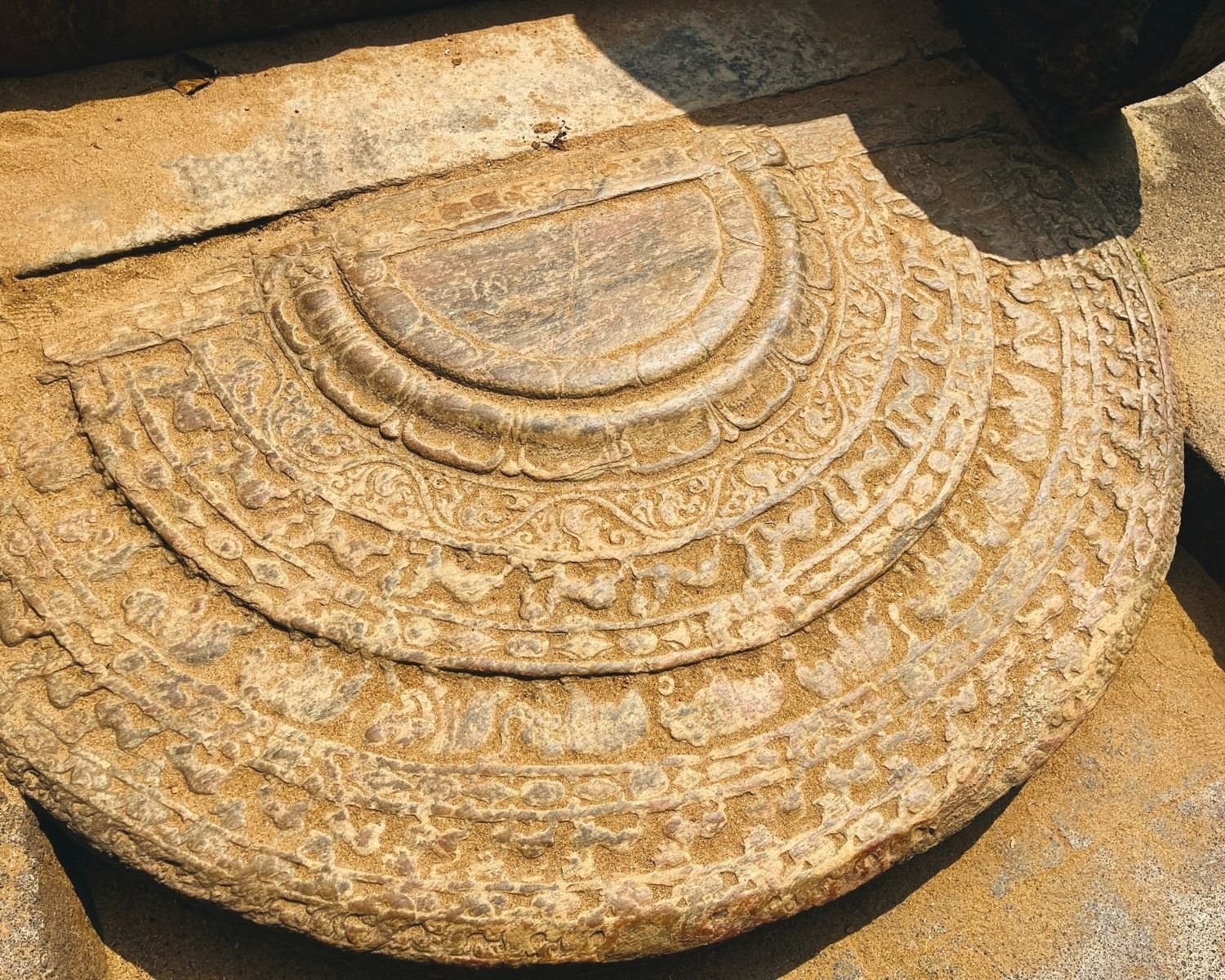
Elevated stone platform featuring lion guardians, carved stairways, ornamental pillars, decorative friezes, and a finely carved moonstone.
Elevated stone platform featuring lion guardians, carved stairways, ornamental pillars, decorative friezes, and a finely carved moonstone.
Art & Culture
Features lion guardian sculptures, carved balustrades, ornamental pillars, and some of the finest secular stonework from the Polonnaruwa Kingdom.
Features lion guardian sculptures, carved balustrades, ornamental pillars, and some of the finest secular stonework from the Polonnaruwa Kingdom.
Top Pick
Location
View on Map
View on Map
History
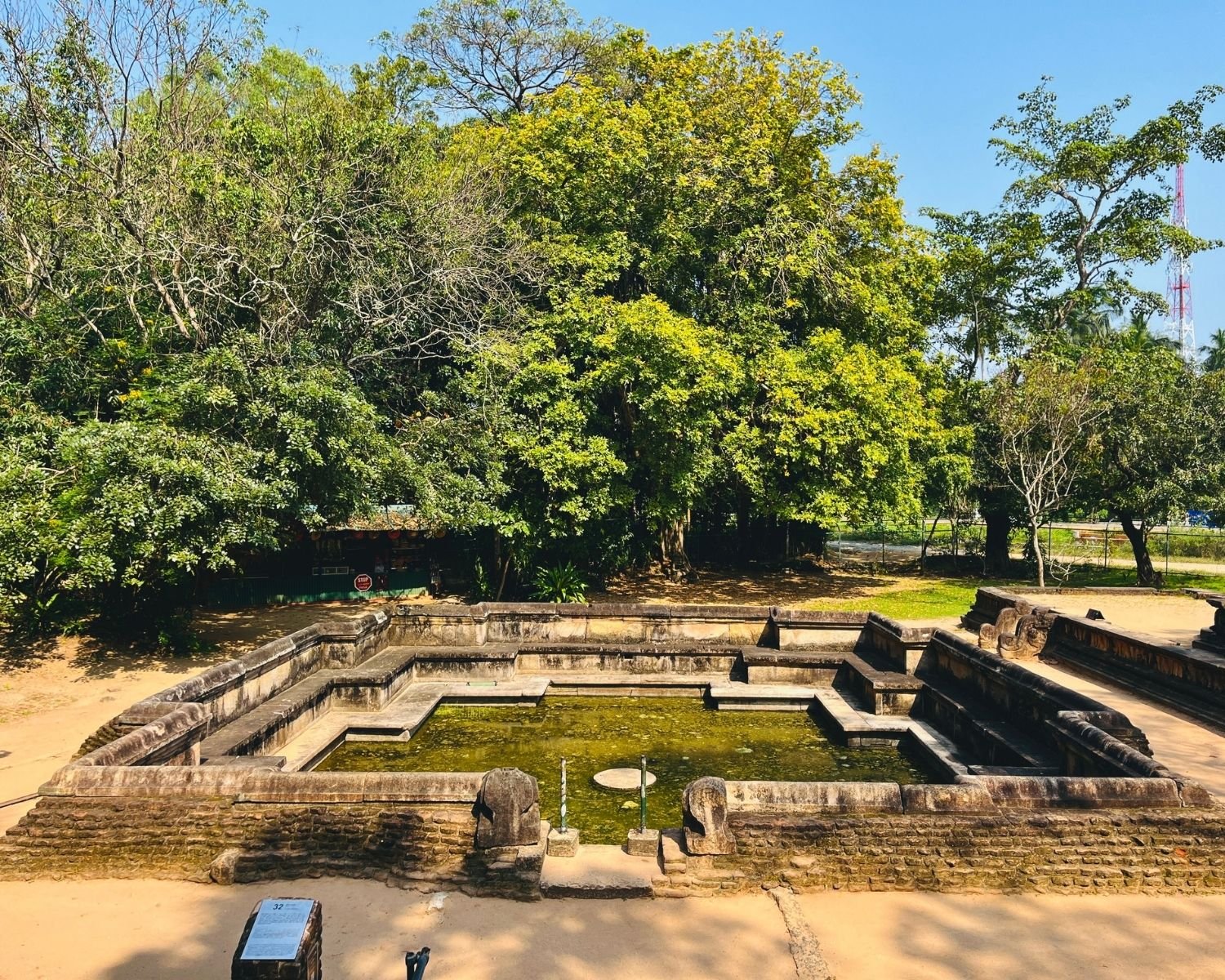
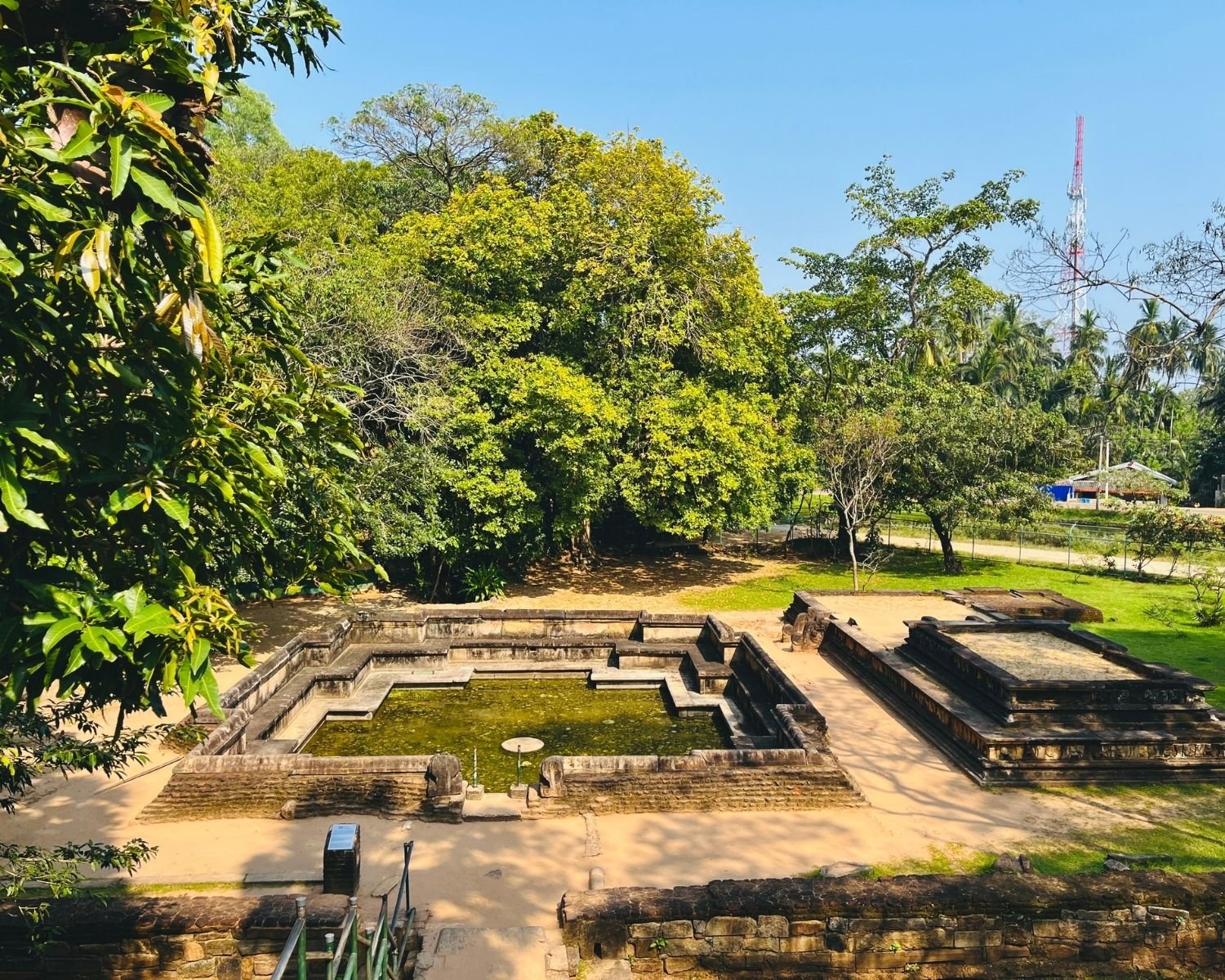
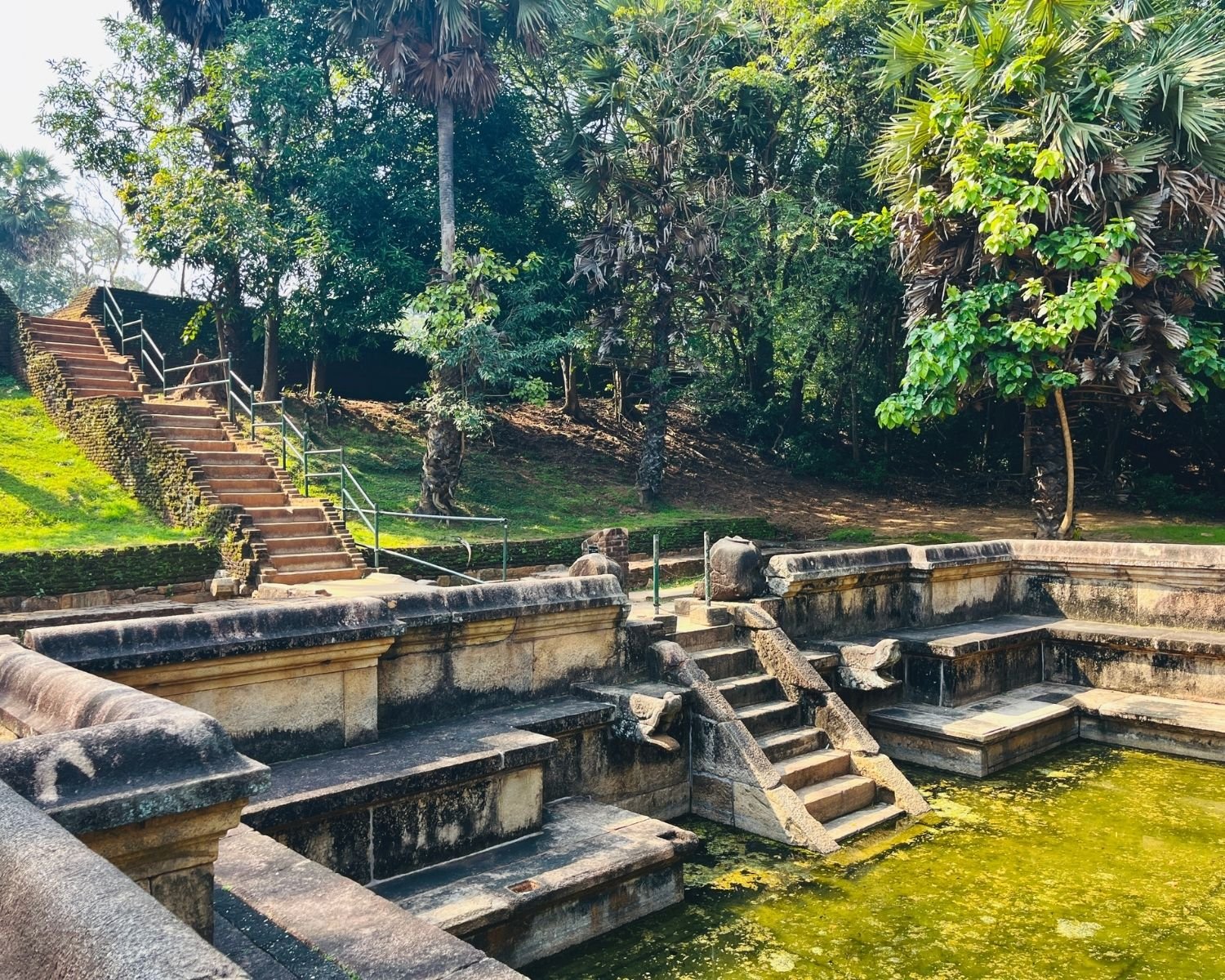
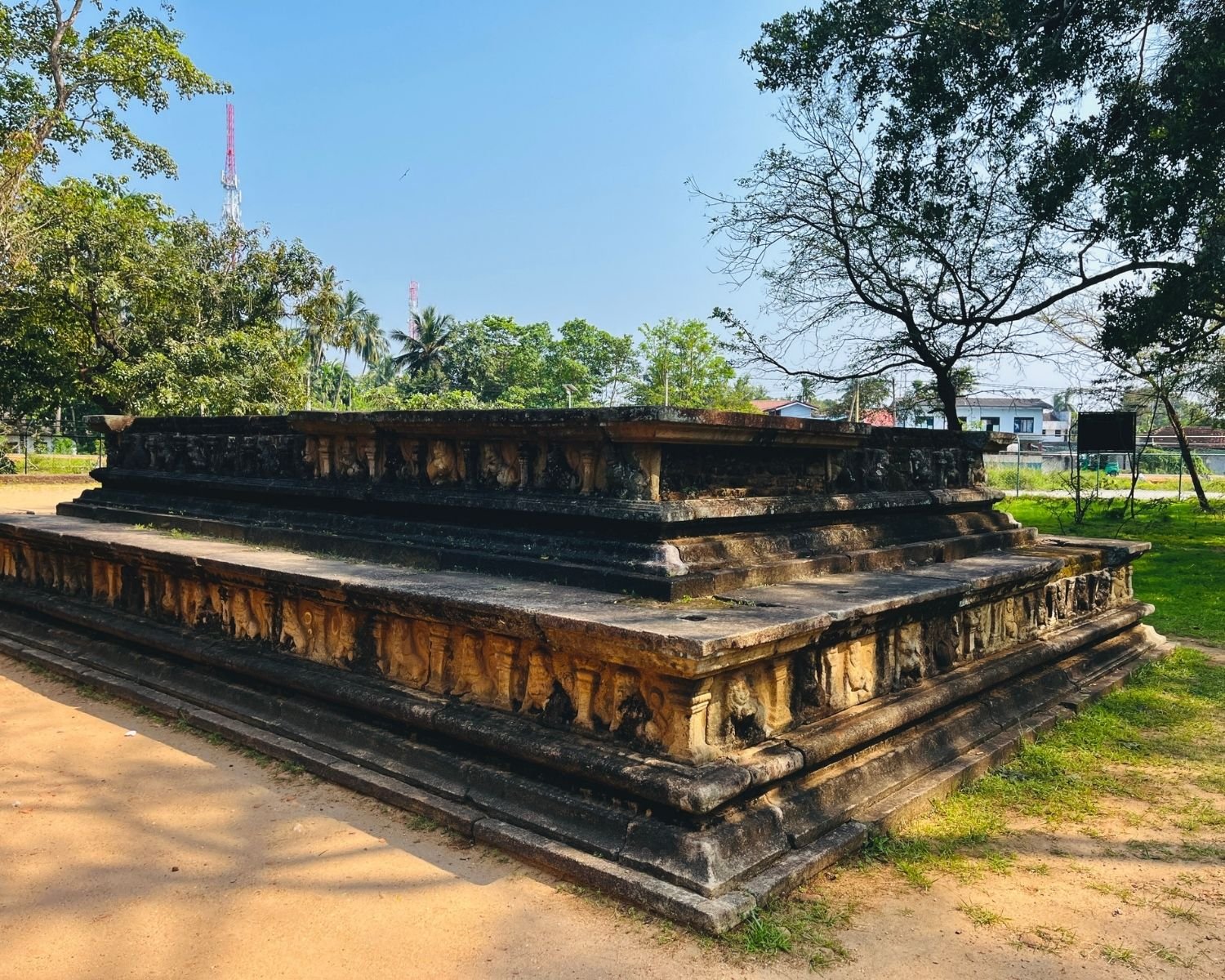
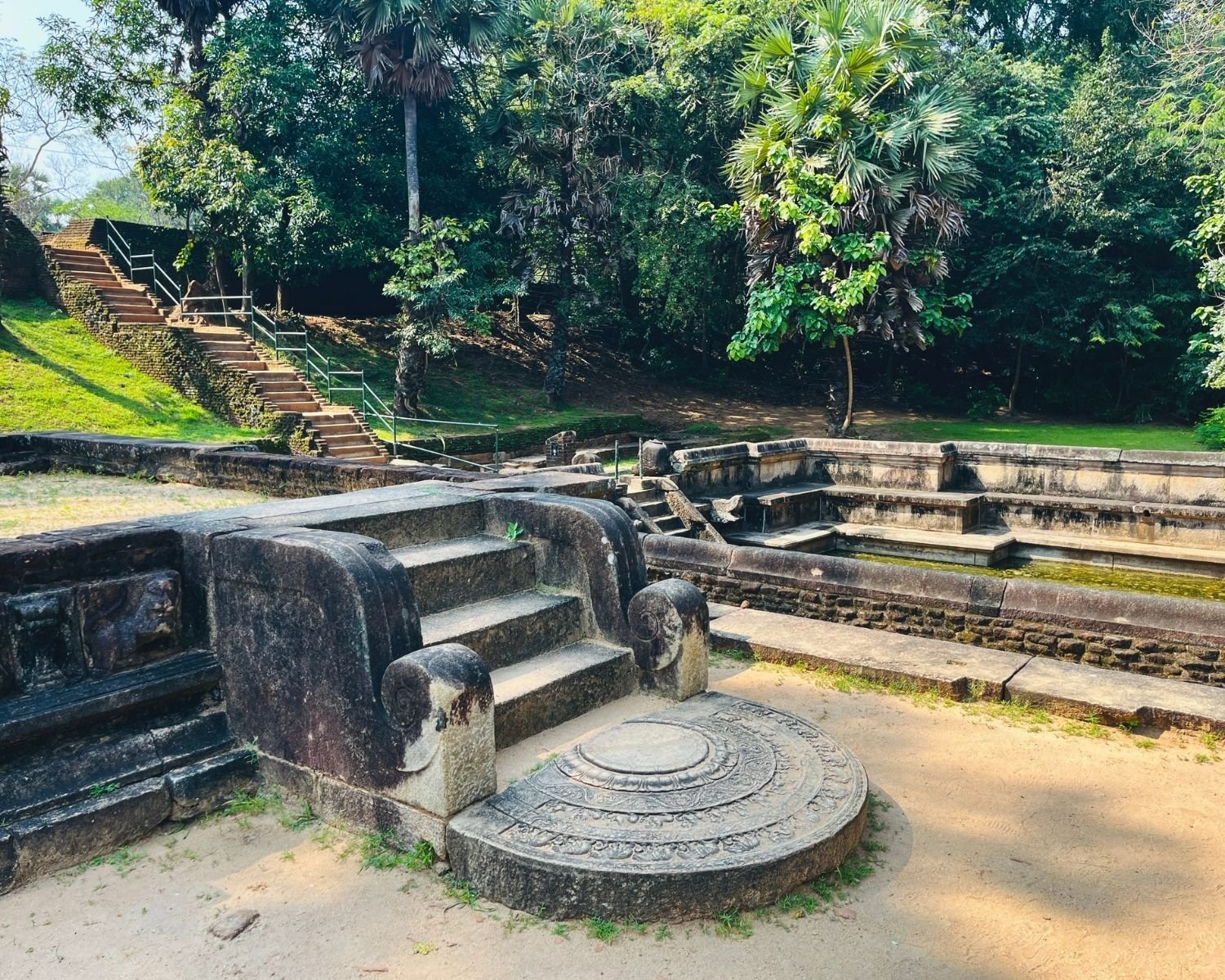
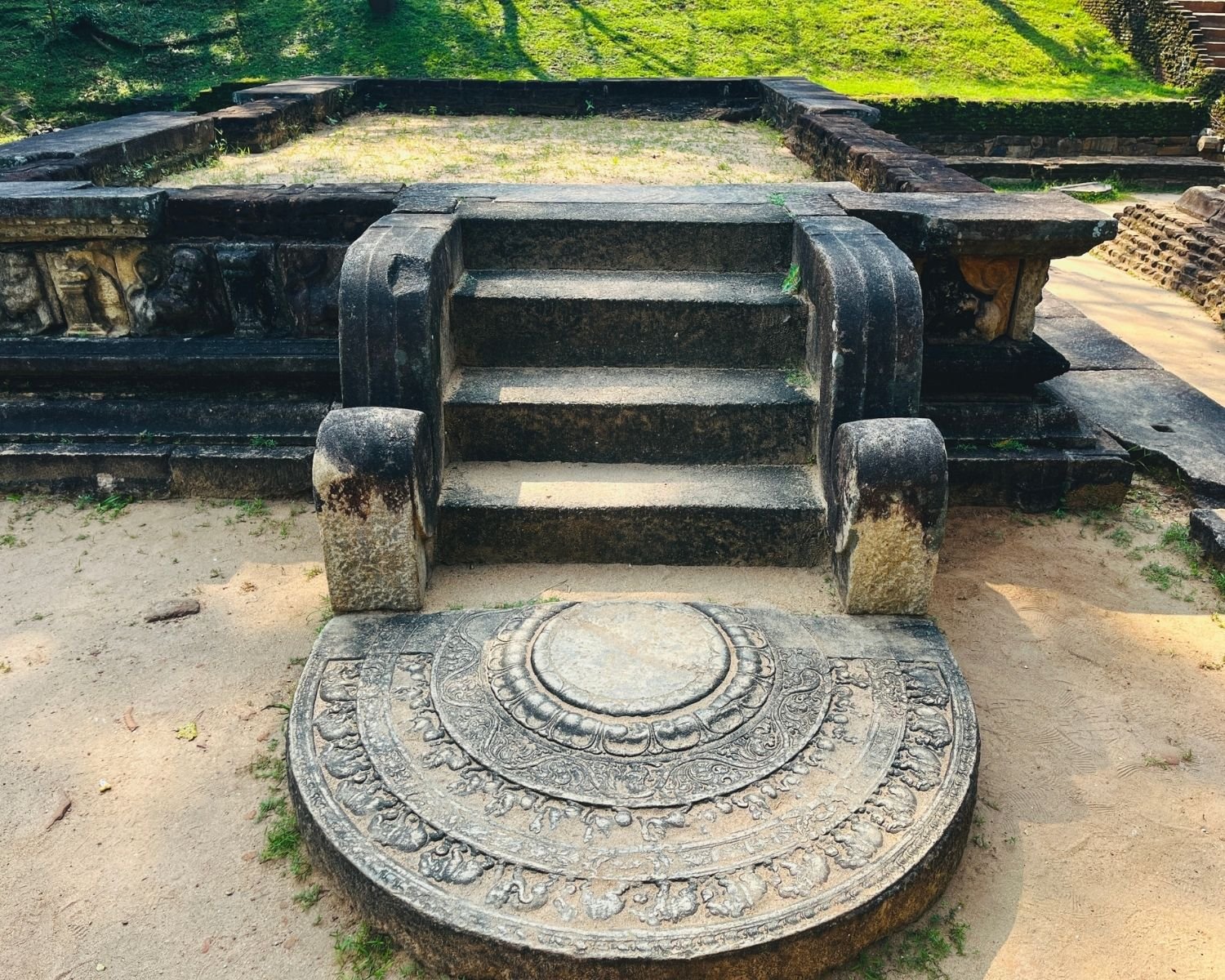
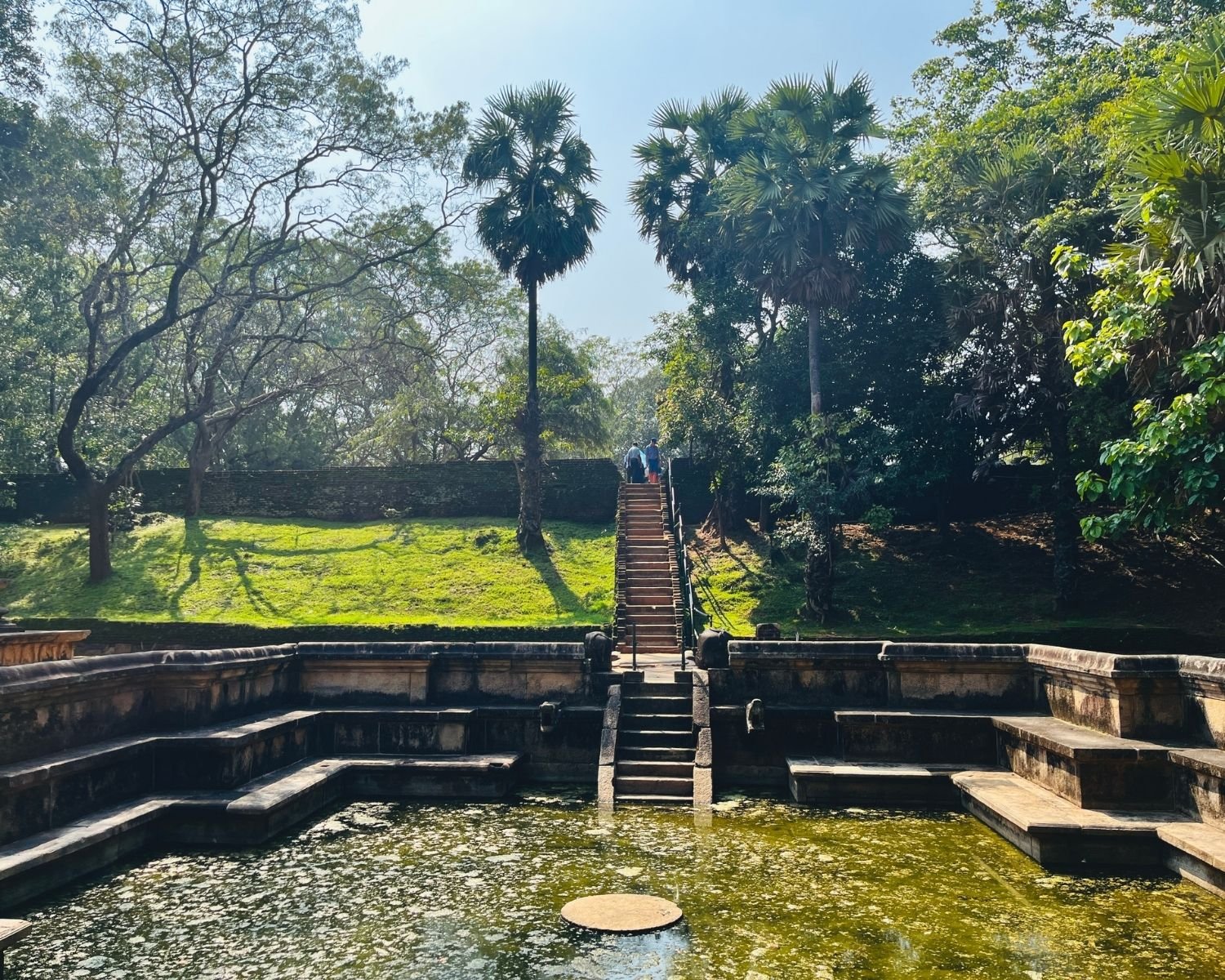
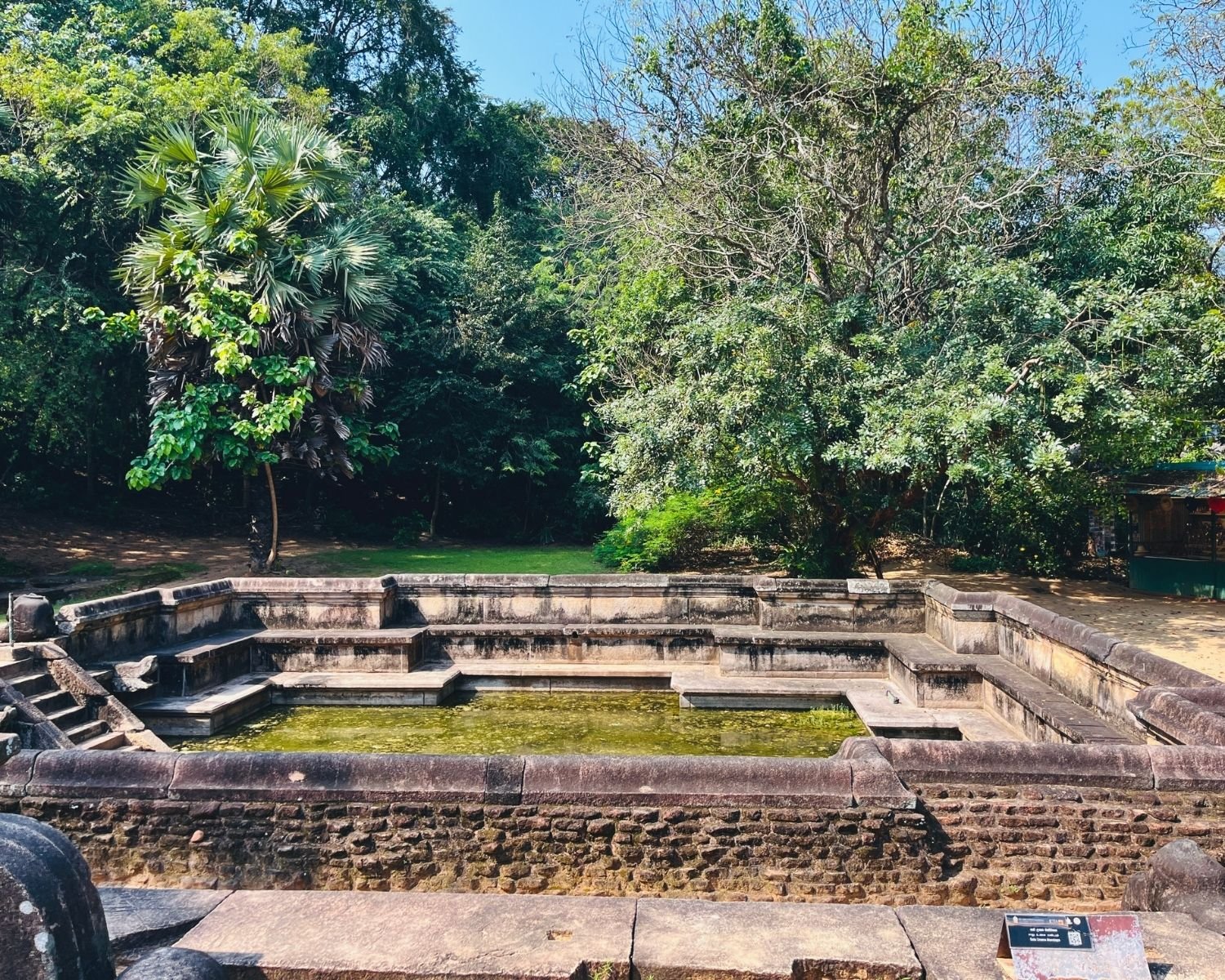
Constructed during the reign of King Parakramabahu I (1153–1186 CE) as a royal bathing pool within the palace complex.
Constructed during the reign of King Parakramabahu I (1153–1186 CE) as a royal bathing pool within the palace complex.
Scenery
Beautifully preserved stone bathing pool with symmetrical steps, clear geometric design, and peaceful royal surroundings.
Beautifully preserved stone bathing pool with symmetrical steps, clear geometric design, and peaceful royal surroundings.
Art & Culture
Exceptional stone masonry, sophisticated hydraulic engineering, and insight into royal life during the Polonnaruwa Kingdom.
Exceptional stone masonry, sophisticated hydraulic engineering, and insight into royal life during the Polonnaruwa Kingdom.
Top Pick
Location
View on Map
View on Map
History
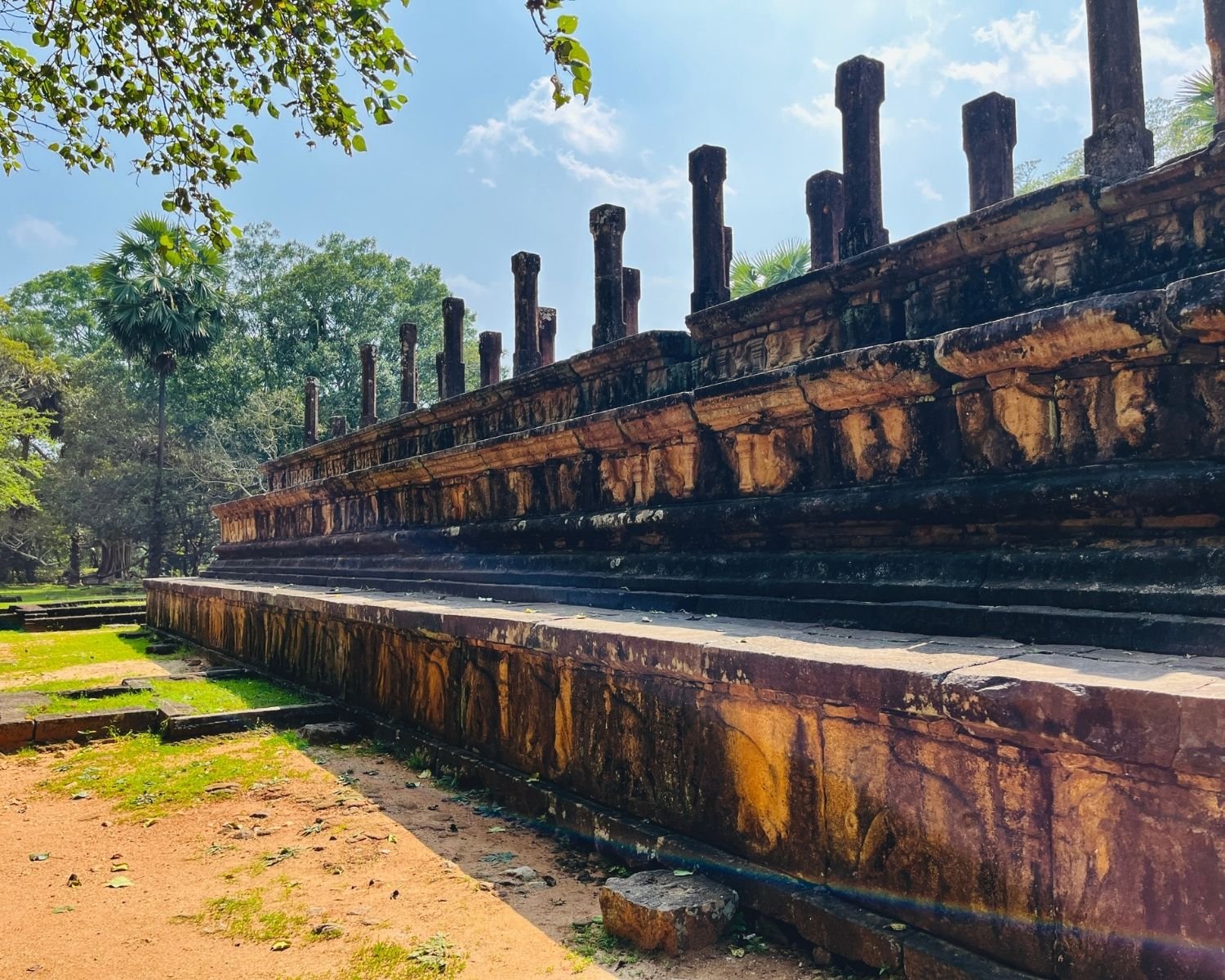
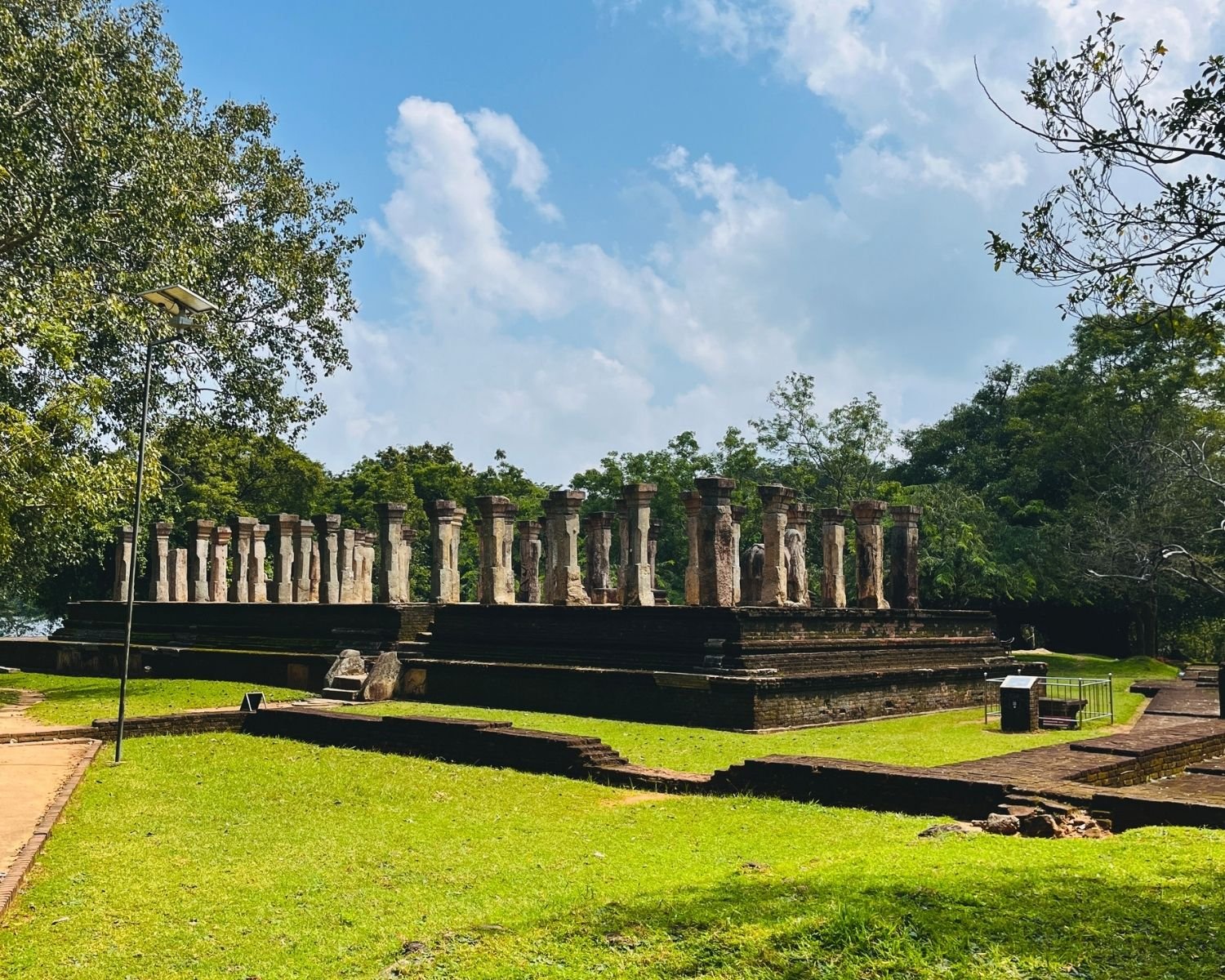
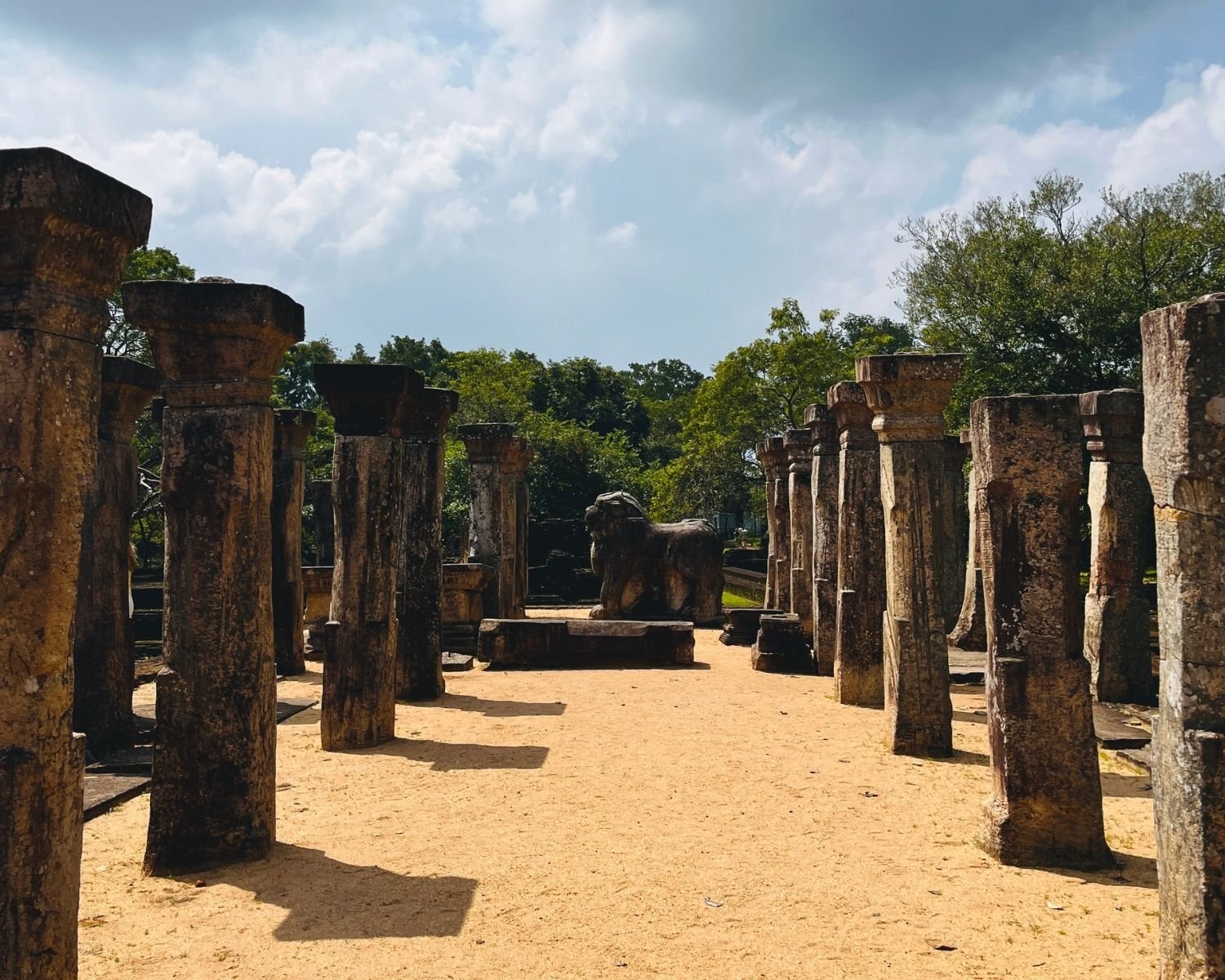
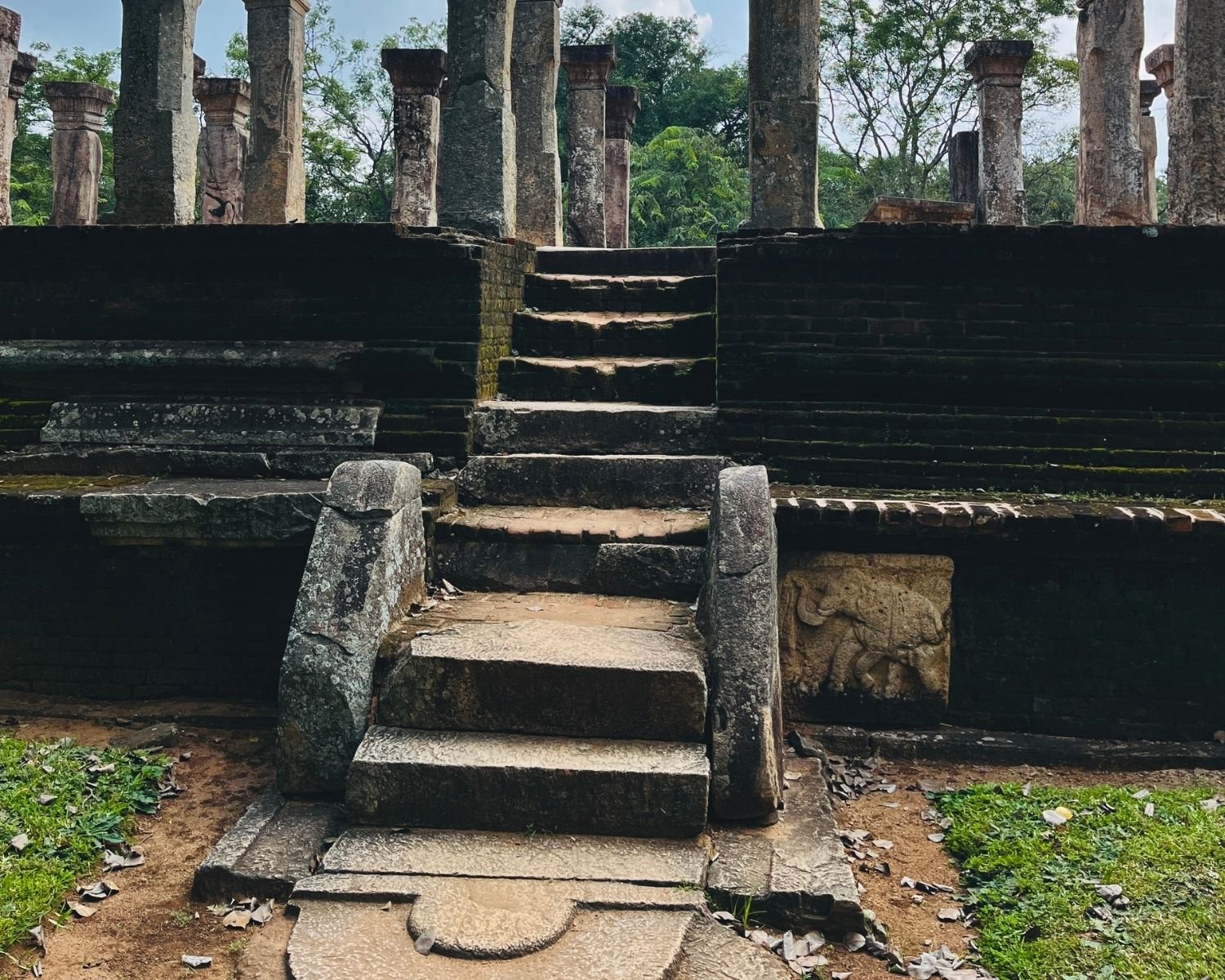
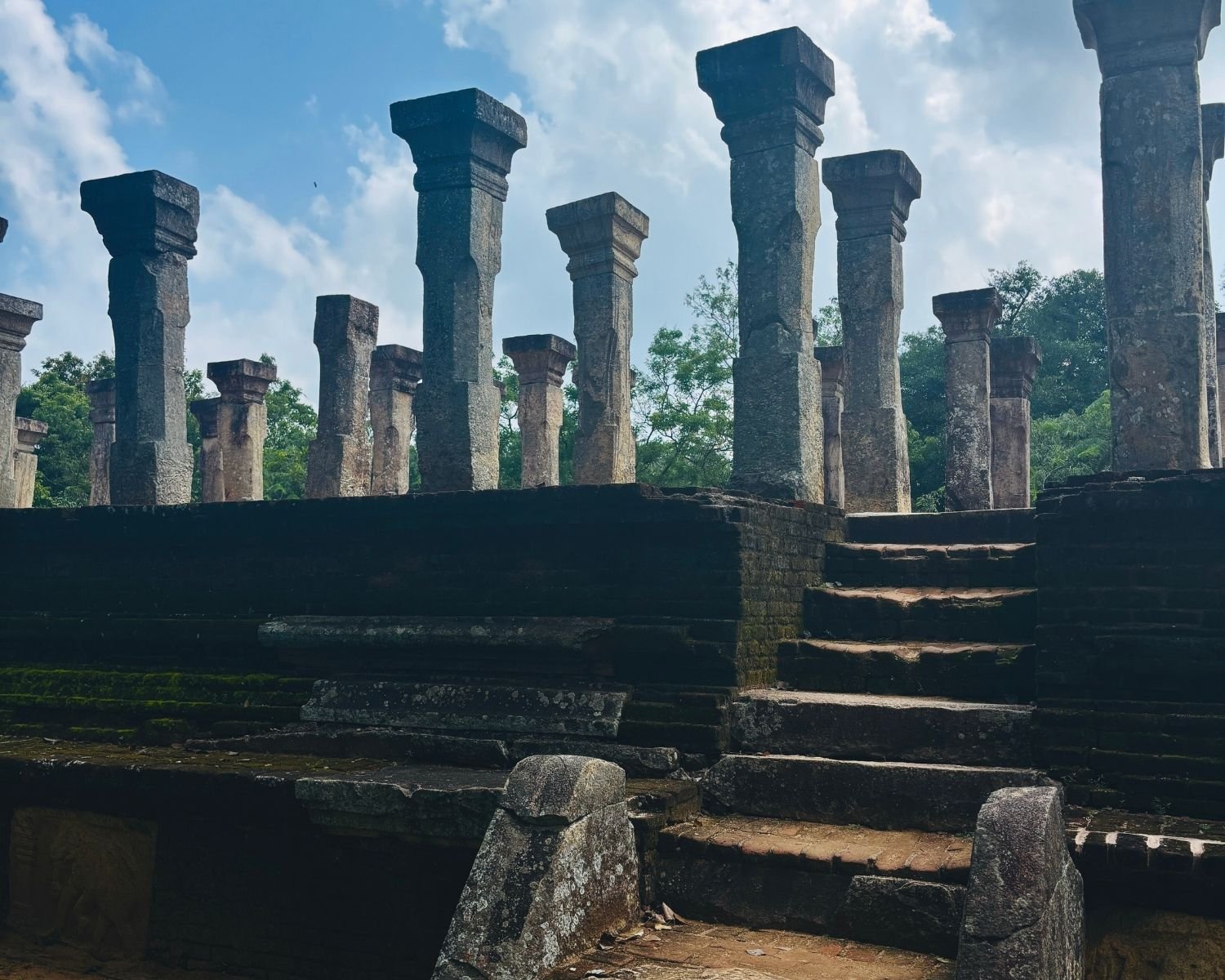
Built during the reign of King Nissanka Malla (1187–1196 CE) as a royal audience hall and council chamber for state and ceremonial affairs.
Built during the reign of King Nissanka Malla (1187–1196 CE) as a royal audience hall and council chamber for state and ceremonial affairs.
Scenery
Raised stone platform surrounded by pillars, carved stairways, elephant friezes, and royal ruins within the ancient city.
Raised stone platform surrounded by pillars, carved stairways, elephant friezes, and royal ruins within the ancient city.
Art & Culture
Features lion symbolism, elephant carvings, ceremonial architecture, and stone craftsmanship associated with royal governance.
Features lion symbolism, elephant carvings, ceremonial architecture, and stone craftsmanship associated with royal governance.
Top Pick
Location
View on Map
View on Map
History
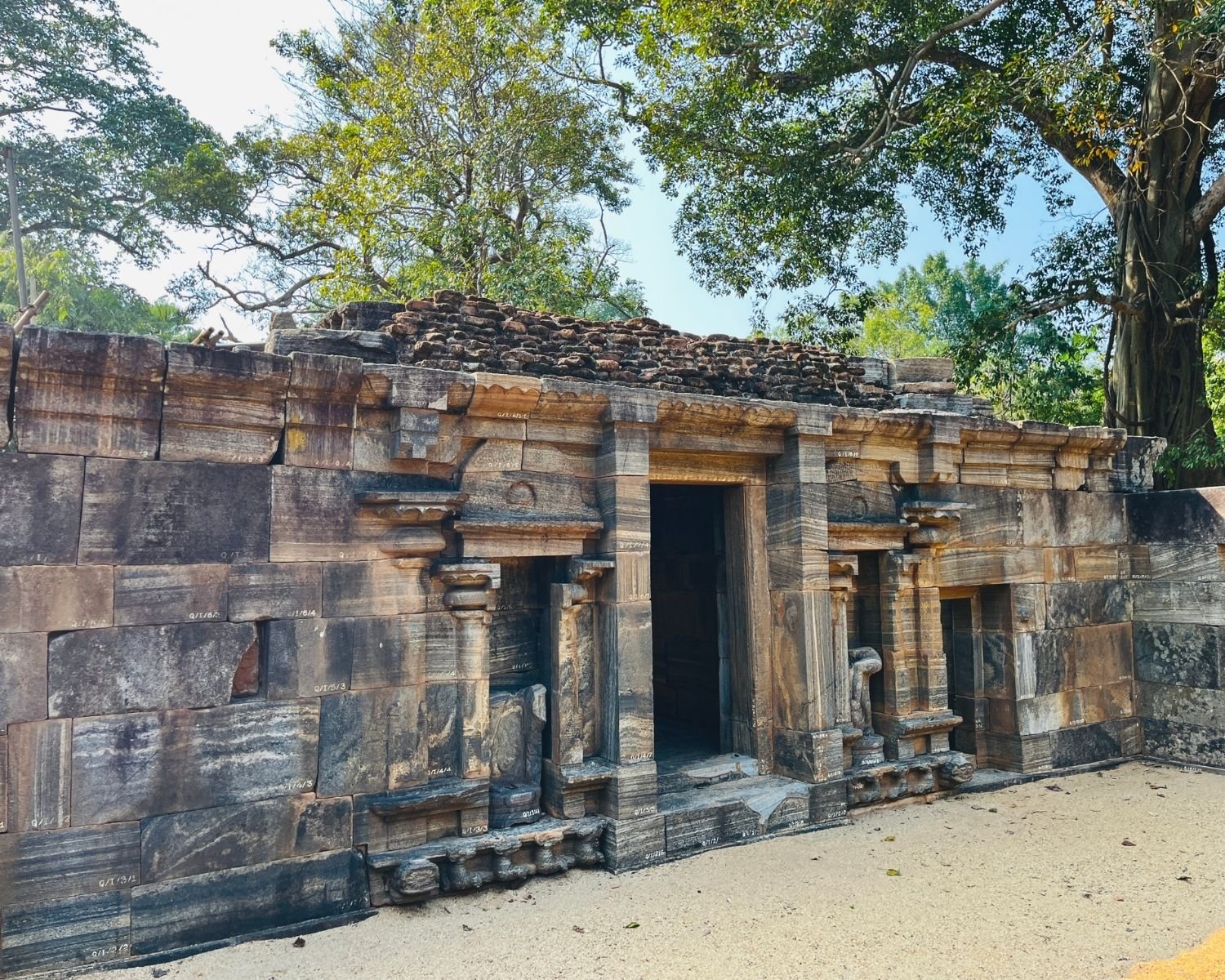
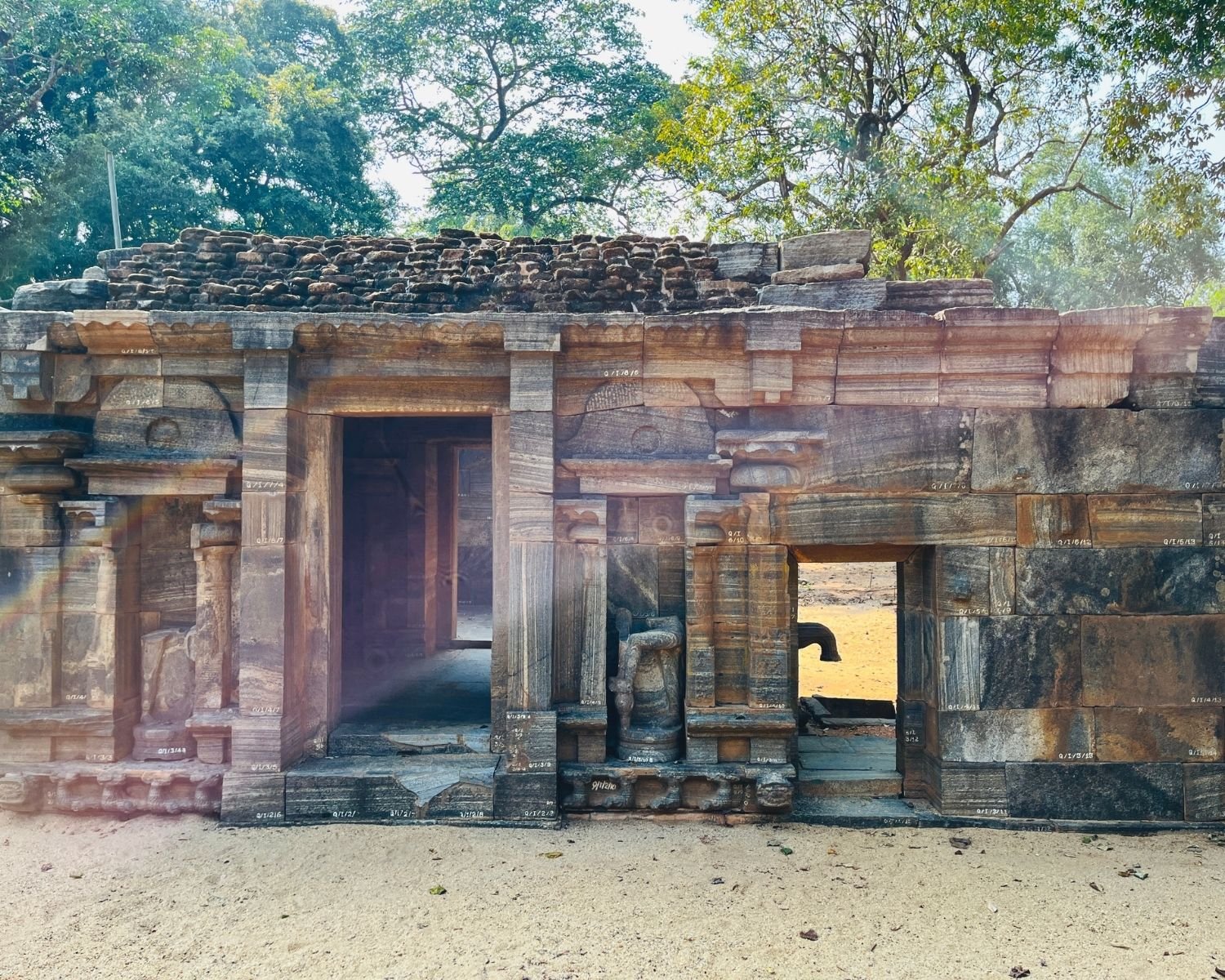
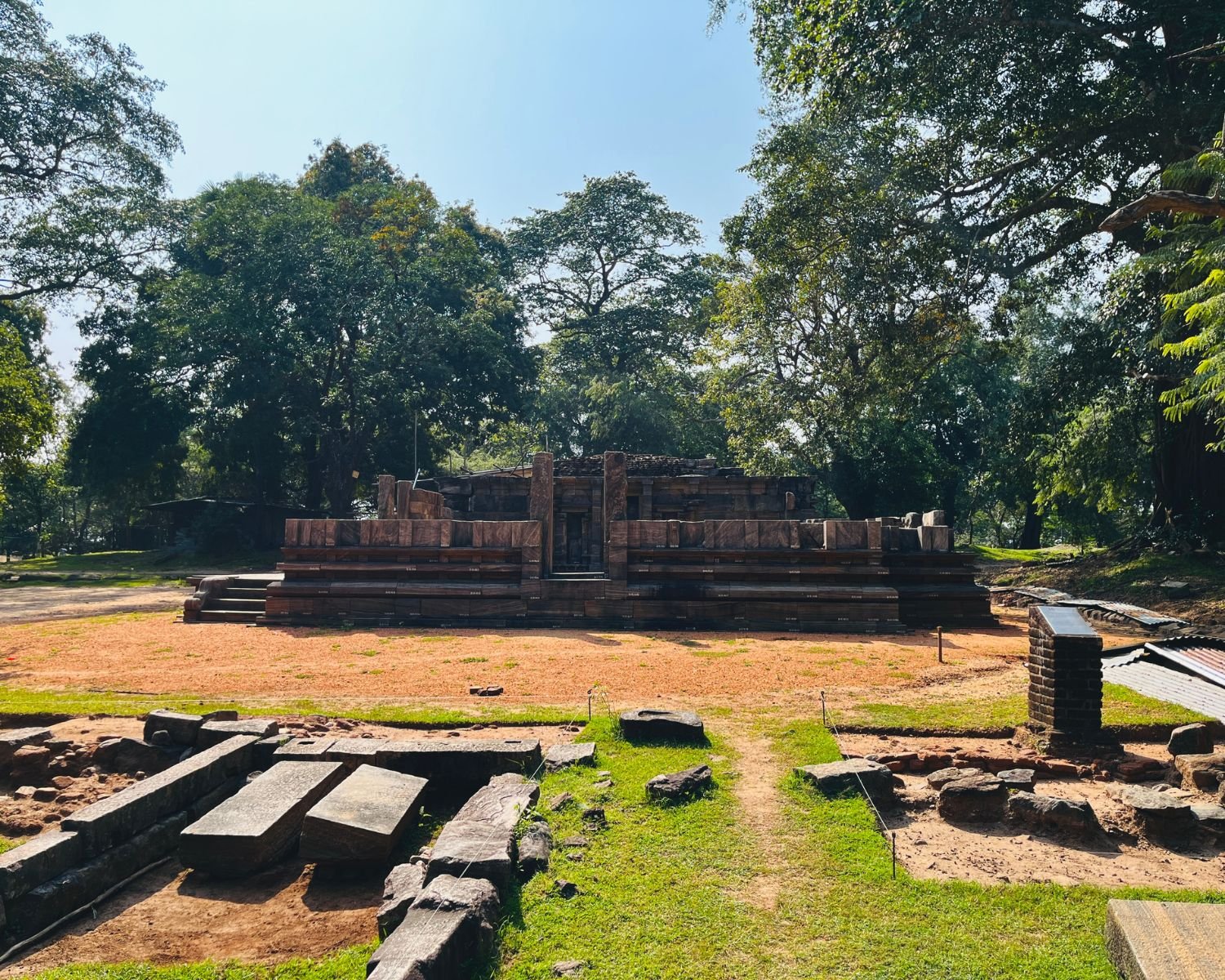
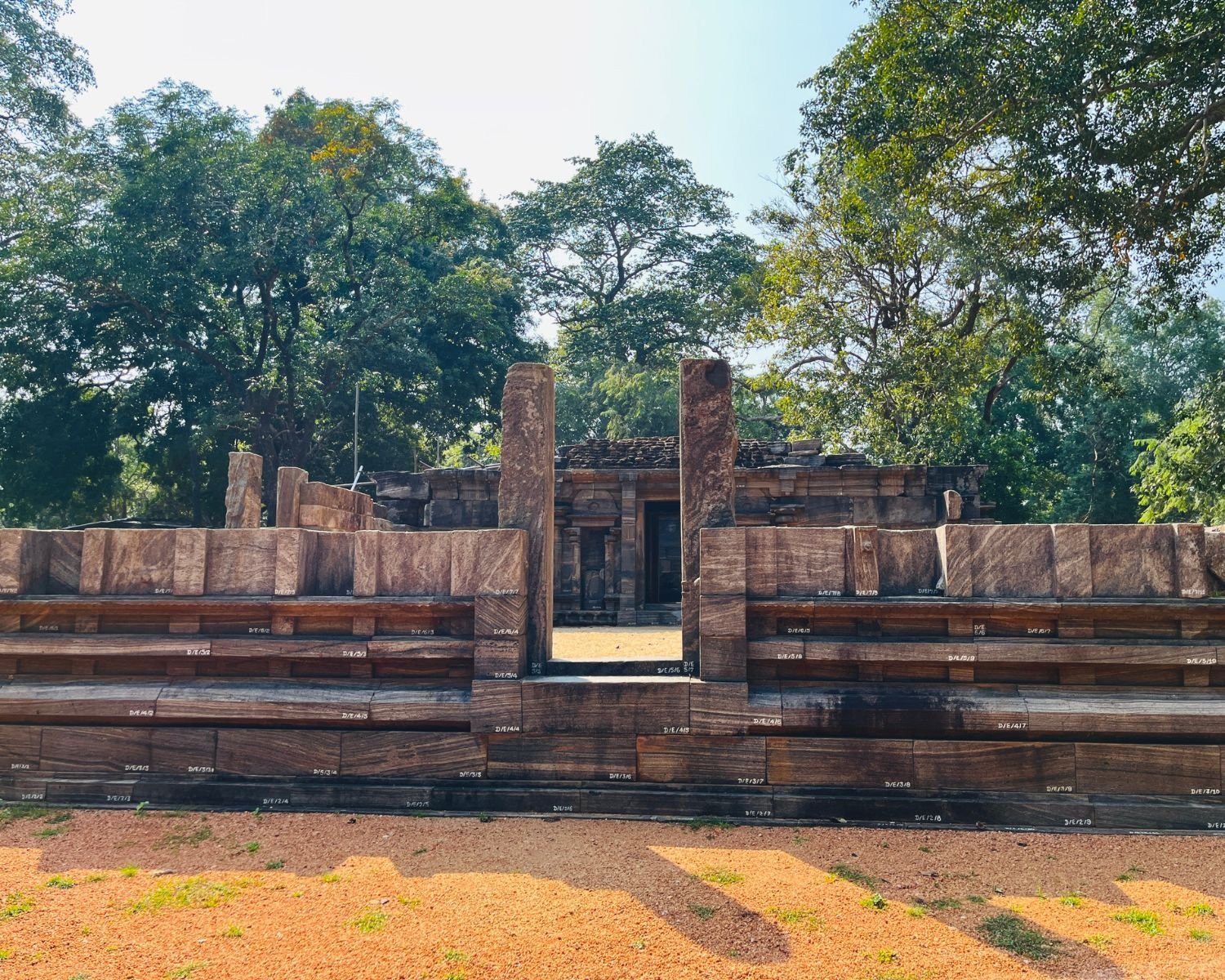
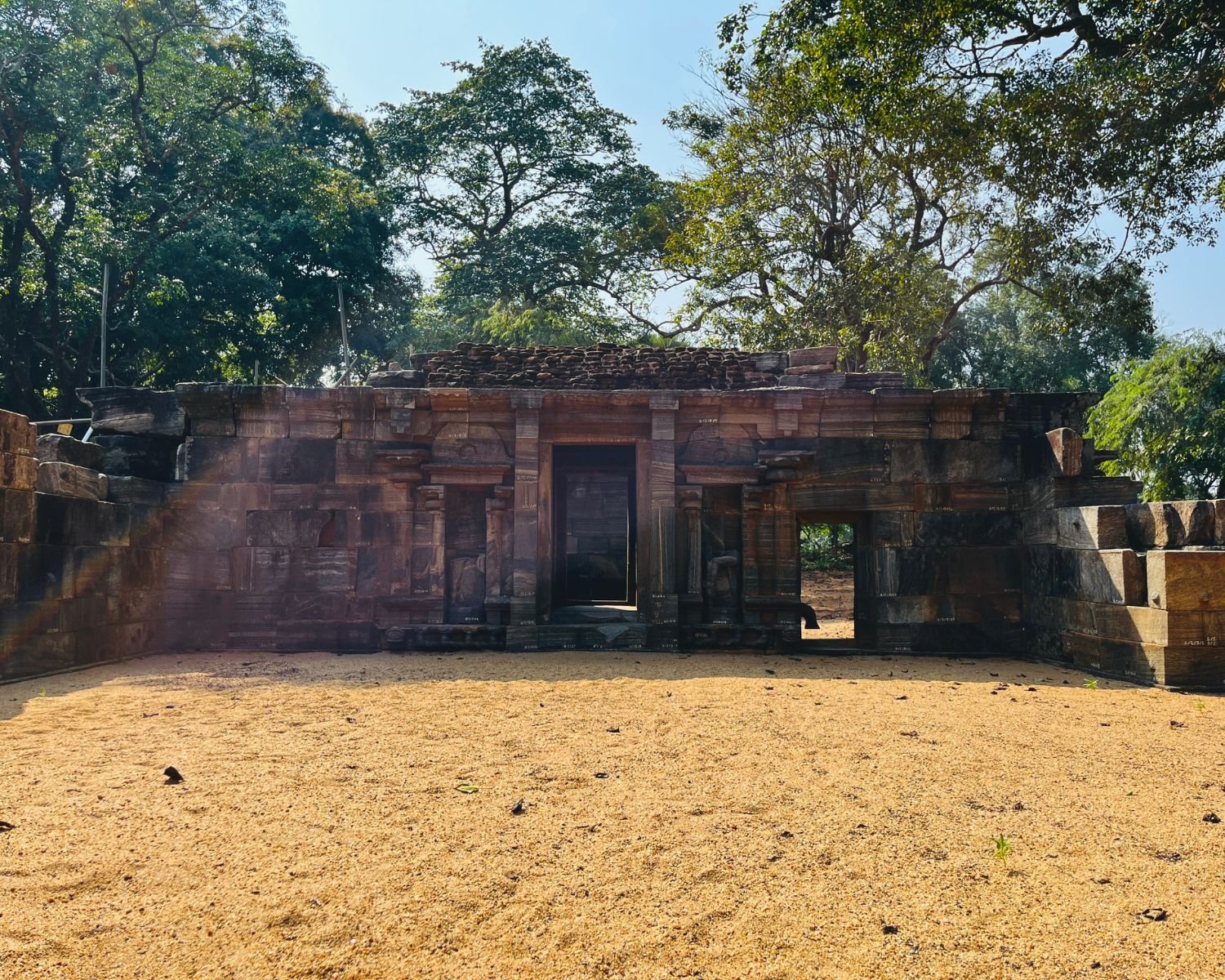
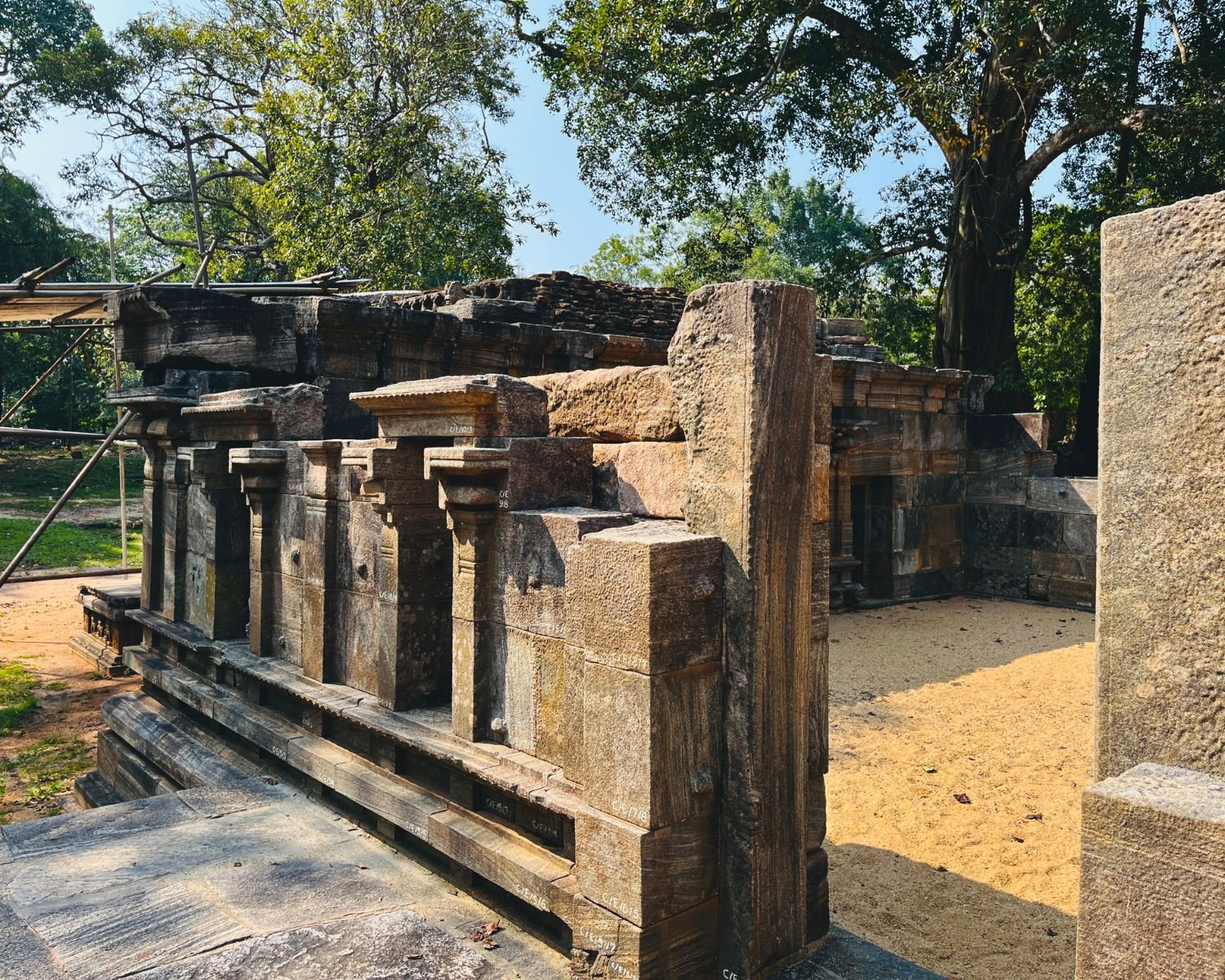
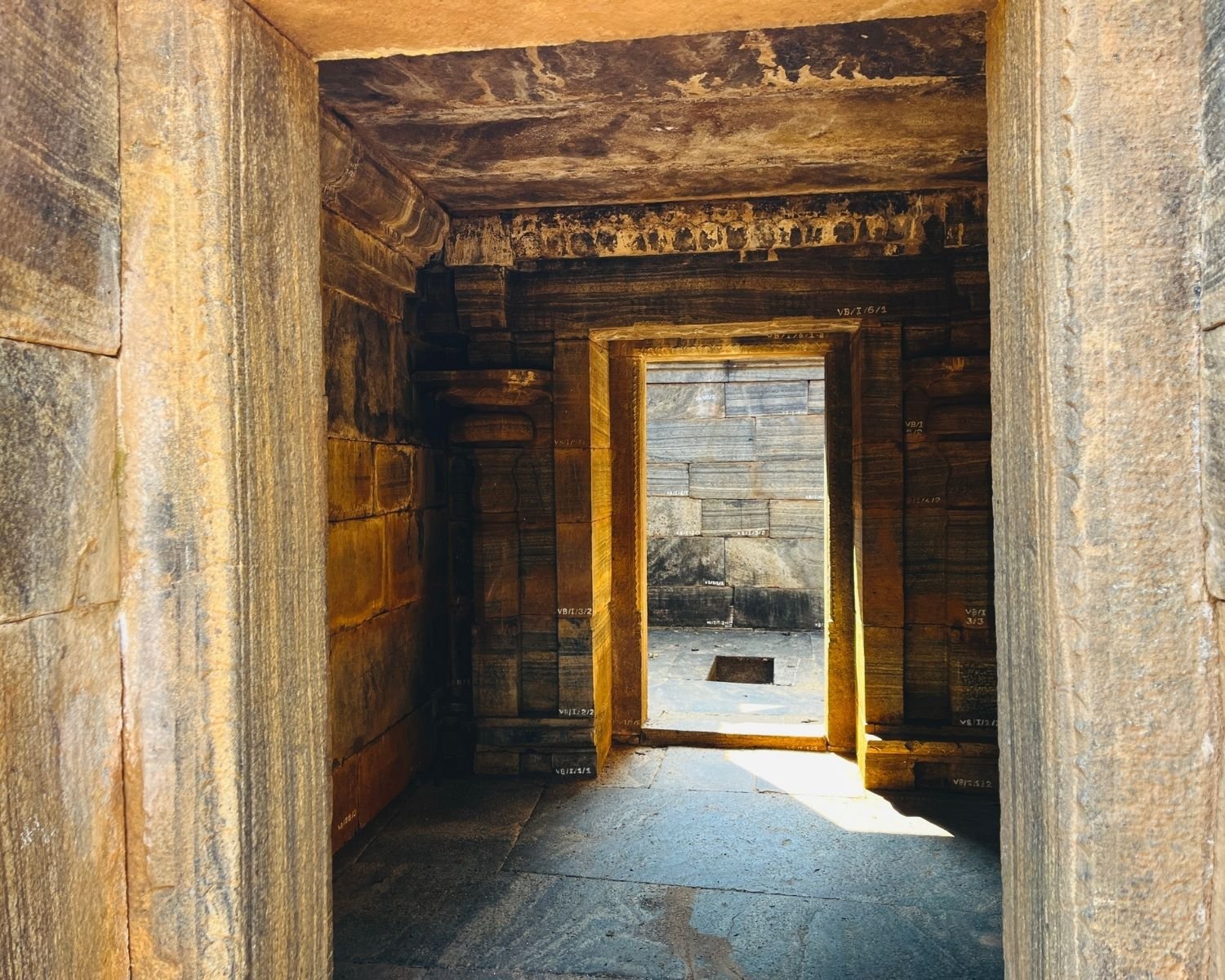
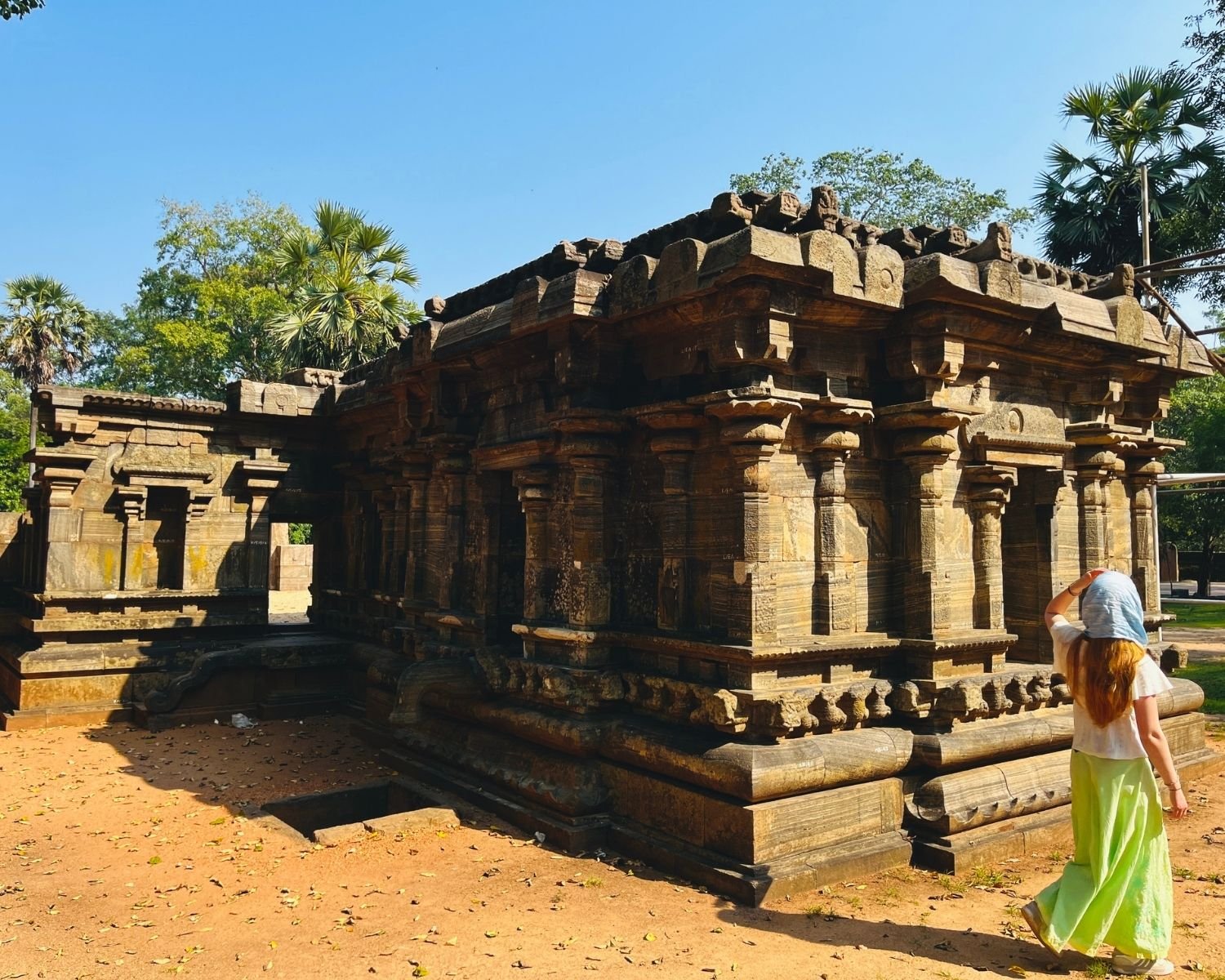
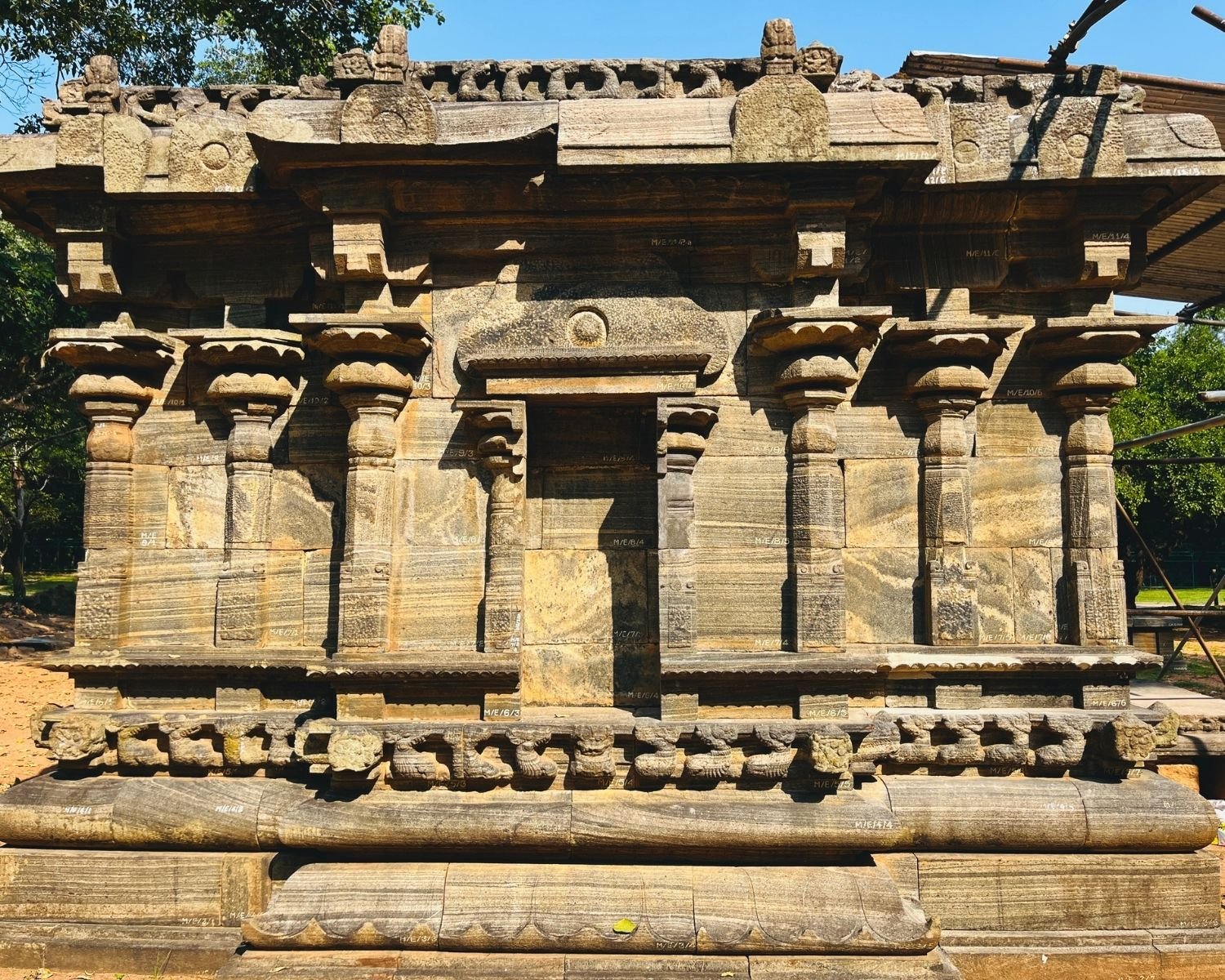
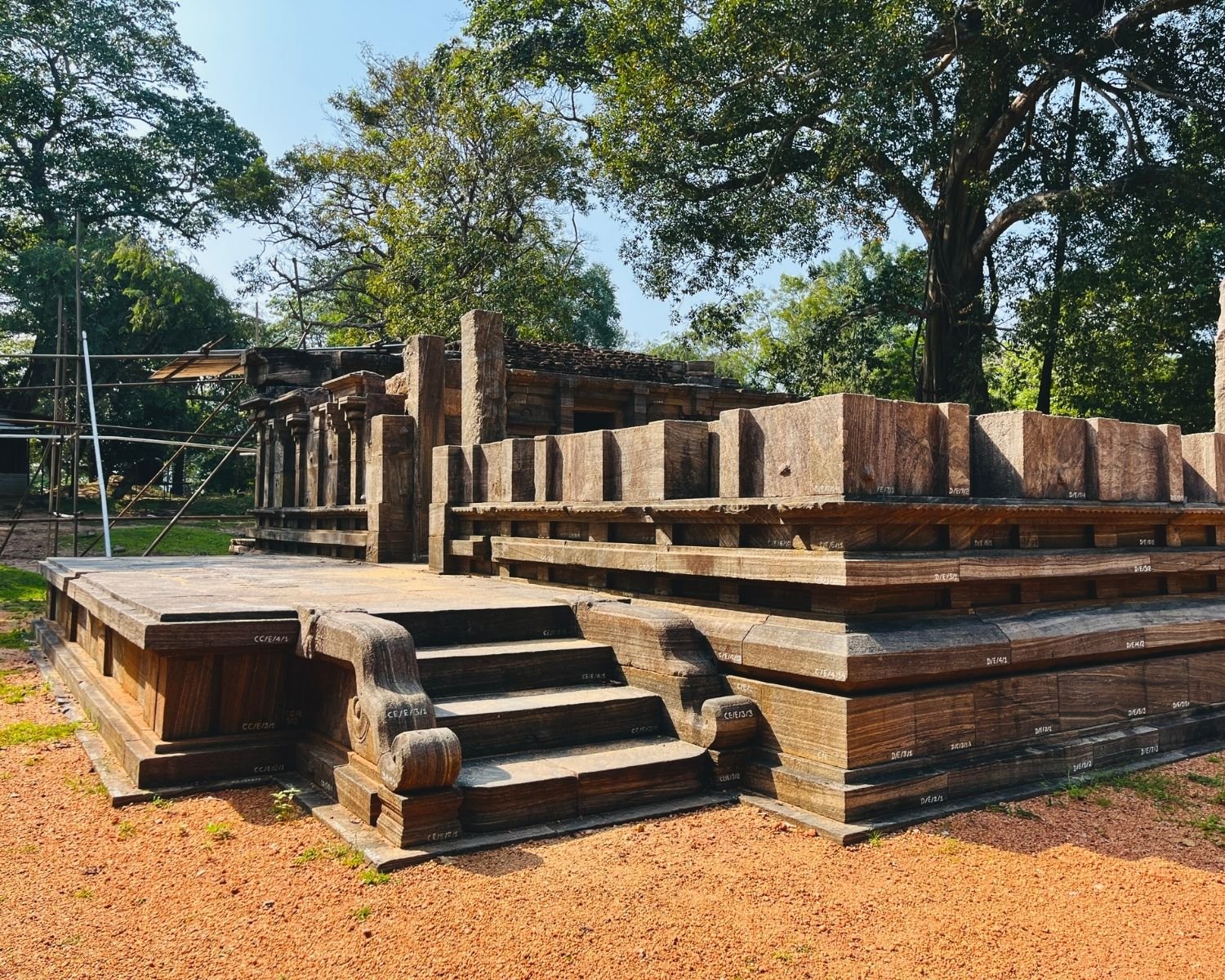
Built in the late 11th century CE during the Chola occupation of Polonnaruwa and remains the best-preserved Hindu temple from that period in Sri Lanka.
Built in the late 11th century CE during the Chola occupation of Polonnaruwa and remains the best-preserved Hindu temple from that period in Sri Lanka.

Hindu Site
Granite temple dedicated to Lord Shiva, showcasing classic Chola-period Dravidian architecture and Hindu worship traditions.
Granite temple dedicated to Lord Shiva, showcasing classic Chola-period Dravidian architecture and Hindu worship traditions.
Scenery
Massive granite walls, carved entrances, and intact stone roofing create one of the most distinctive monuments in Polonnaruwa.
Massive granite walls, carved entrances, and intact stone roofing create one of the most distinctive monuments in Polonnaruwa.
Art & Culture
Classic Dravidian temple architecture featuring granite masonry, carved pilasters, sanctum design, and Chola-era religious craftsmanship.
Classic Dravidian temple architecture featuring granite masonry, carved pilasters, sanctum design, and Chola-era religious craftsmanship.
Top Pick
Location
View on Map
View on Map
Scenery
Forest-covered rock outcrop overlooking Parakrama Samudraya, with cave shelters, abundant birdlife, peaceful surroundings, and beautiful sunset views.
Forest-covered rock outcrop overlooking Parakrama Samudraya, with cave shelters, abundant birdlife, peaceful surroundings, and beautiful sunset views.
History
Ancient monastic site occupied from the 3rd to 2nd century BCE, preserving some of the earliest Buddhist remains in the Polonnaruwa region.
Ancient monastic site occupied from the 3rd to 2nd century BCE, preserving some of the earliest Buddhist remains in the Polonnaruwa region.
Hike
Short and relatively easy hike with minor rock scrambling required to reach the ancient cave shelters and summit viewpoints.
Short and relatively easy hike with minor rock scrambling required to reach the ancient cave shelters and summit viewpoints.
Worth It
Location
View on Map
View on Map
History
Dates to approximately the 8th-9th centuries CE. Although its original name is unknown, the monument became popularly known as Menik Vehera.
Dates to approximately the 8th-9th centuries CE. Although its original name is unknown, the monument became popularly known as Menik Vehera.
Buddhist Site
Ancient brick stupa that once served as a place of Buddhist worship along the main ceremonial route of Polonnaruwa.
Ancient brick stupa that once served as a place of Buddhist worship along the main ceremonial route of Polonnaruwa.
Scenery
Set beside the ancient main street near the Northern Gate, surrounded by brick ruins, trees, and a peaceful archaeological landscape.
Set beside the ancient main street near the Northern Gate, surrounded by brick ruins, trees, and a peaceful archaeological landscape.
Art & Culture
Notable for its surrounding tiled walls, terracotta lion reliefs, and finely carved stone doorway that reflect medieval craftsmanship.
Notable for its surrounding tiled walls, terracotta lion reliefs, and finely carved stone doorway that reflect medieval craftsmanship.
Worth It
Location
View on Map
View on Map
History
Built during the 12th century CE by King Parakramabahu I. It is one of the largest surviving image houses of the Polonnaruwa Kingdom.
Built during the 12th century CE by King Parakramabahu I. It is one of the largest surviving image houses of the Polonnaruwa Kingdom.
Buddhist Site
Image house built to enshrine a large standing Buddha statue in the distinctive three-bent (Thivanka) posture.
Image house built to enshrine a large standing Buddha statue in the distinctive three-bent (Thivanka) posture.
Scenery
Massive brick shrine decorated with stucco figures, lion friezes, and some of Sri Lanka's finest surviving medieval murals.
Massive brick shrine decorated with stucco figures, lion friezes, and some of Sri Lanka's finest surviving medieval murals.
Art & Culture
Three-bent Buddha image, detailed Jataka murals, celestial figures, and some of the best preserved paintings from the Polonnaruwa period.
Three-bent Buddha image, detailed Jataka murals, celestial figures, and some of the best preserved paintings from the Polonnaruwa period.
Worth It
Location
View on Map
View on Map
History
Built during the Chola period between the 10th and 11th centuries CE. The original name and builder of the complex remain unknown.
Built during the Chola period between the 10th and 11th centuries CE. The original name and builder of the complex remain unknown.
Hindu Site
Hindu temple complex containing shrines dedicated to Shiva and Vishnu, reflecting South Indian religious influence in Polonnaruwa.
Hindu temple complex containing shrines dedicated to Shiva and Vishnu, reflecting South Indian religious influence in Polonnaruwa.
Scenery
Quiet archaeological setting with stone foundations, shrine remains, and scattered ruins surrounded by trees.
Quiet archaeological setting with stone foundations, shrine remains, and scattered ruins surrounded by trees.
Art & Culture
Named after a five-hooded cobra carving, with evidence of Hindu worship, Chola architecture, and one of the largest discoveries of Hindu bronze statues in Sri Lanka.
Named after a five-hooded cobra carving, with evidence of Hindu worship, Chola architecture, and one of the largest discoveries of Hindu bronze statues in Sri Lanka.
Worth It
Location
View on Map
View on Map
History
Dates to the Polonnaruwa period. Traditionally associated with Queen Rupavati, consort of King Parakramabahu I, although its original name and builder remain uncertain.
Dates to the Polonnaruwa period. Traditionally associated with Queen Rupavati, consort of King Parakramabahu I, although its original name and builder remain uncertain.
Buddhist Site
Large stupa surrounded by image houses and monastic structures within one of Polonnaruwa's important religious precincts.
Large stupa surrounded by image houses and monastic structures within one of Polonnaruwa's important religious precincts.
Scenery
Large brick stupa surrounded by monastery ruins, image houses, trees, and peaceful archaeological grounds.
Large brick stupa surrounded by monastery ruins, image houses, trees, and peaceful archaeological grounds.
Art & Culture
Known for nearby image houses, a unique triple-flight staircase, and the discovery of ancient beads that may have inspired its modern name.
Known for nearby image houses, a unique triple-flight staircase, and the discovery of ancient beads that may have inspired its modern name.
Worth It
Location
View on Map
View on Map
History
Built by King Rajaraja I (985–1014 CE) and considered the oldest surviving Hindu shrine in Polonnaruwa.
Built by King Rajaraja I (985–1014 CE) and considered the oldest surviving Hindu shrine in Polonnaruwa.
Hindu Site
Ancient Shiva temple containing a stone-cut Sivalinga and continuing to serve as a place of Hindu worship.
Ancient Shiva temple containing a stone-cut Sivalinga and continuing to serve as a place of Hindu worship.
Scenery
Historic stone shrine with a Nandi statue, surrounded by archaeological ruins within the ancient city.
Historic stone shrine with a Nandi statue, surrounded by archaeological ruins within the ancient city.
Art & Culture
Features a stone-cut Sivalinga, Nandi statue, Tamil inscriptions, and some of the earliest surviving evidence of Hindu worship in Polonnaruwa.
Features a stone-cut Sivalinga, Nandi statue, Tamil inscriptions, and some of the earliest surviving evidence of Hindu worship in Polonnaruwa.
Worth It
Location
View on Map
View on Map
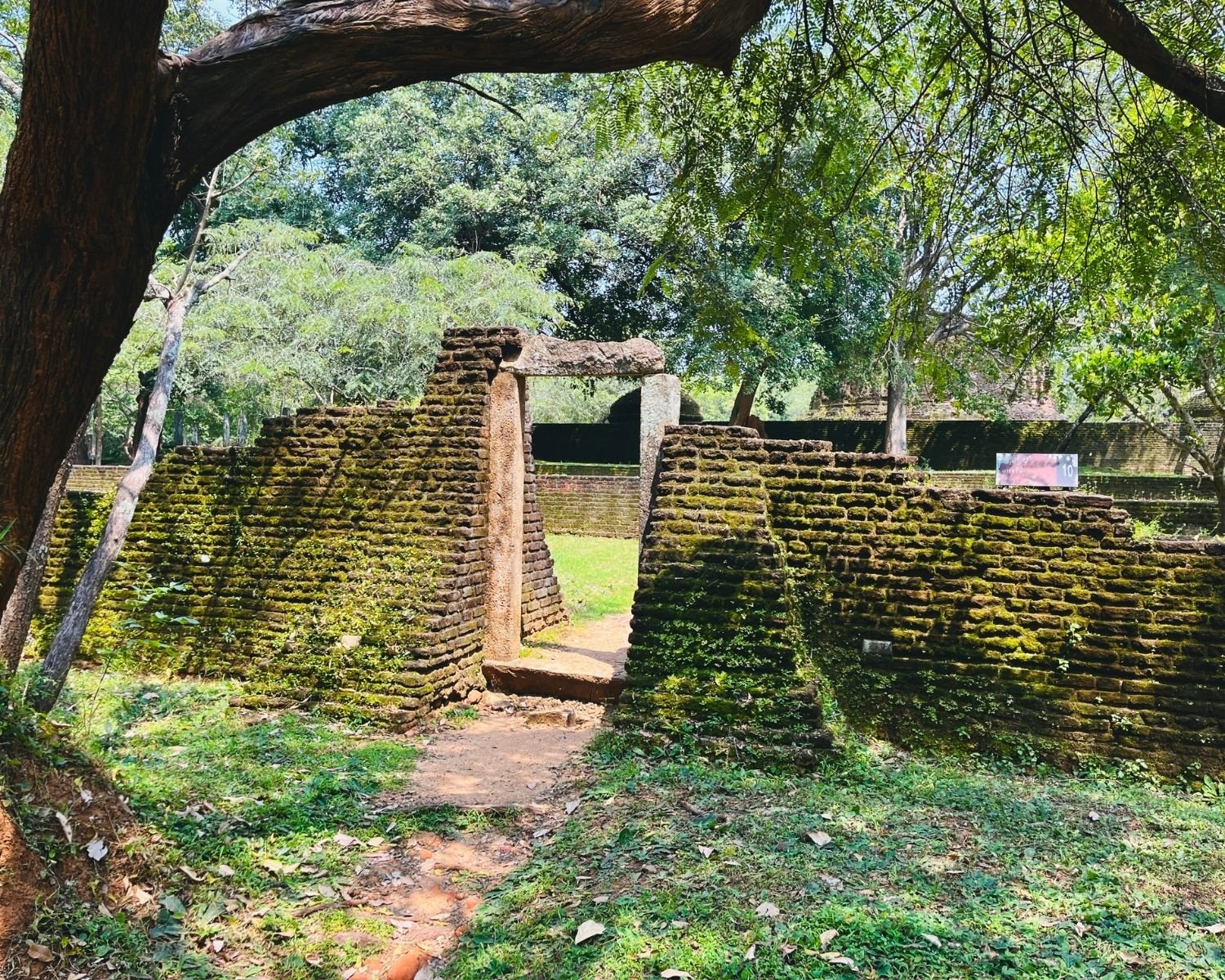
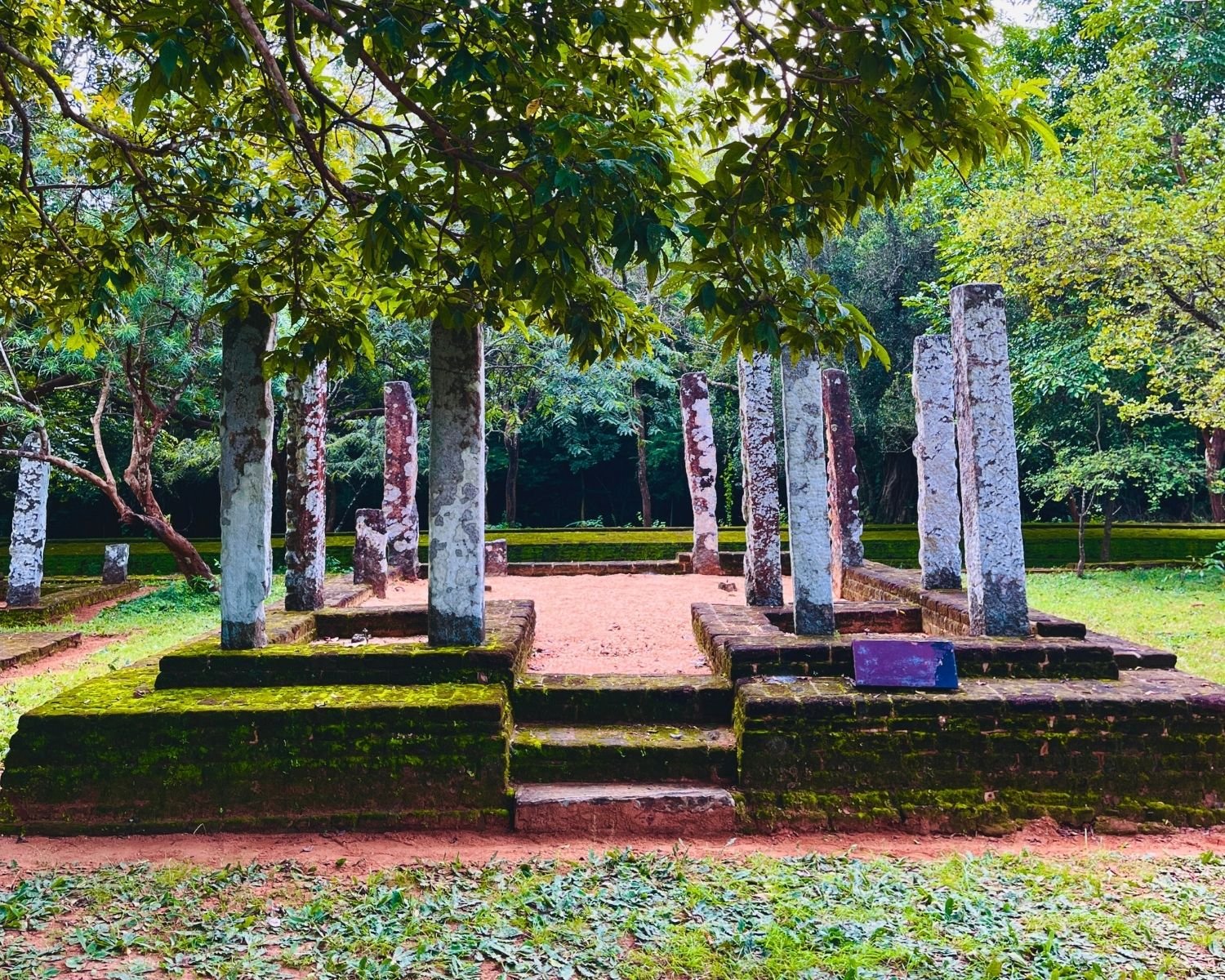
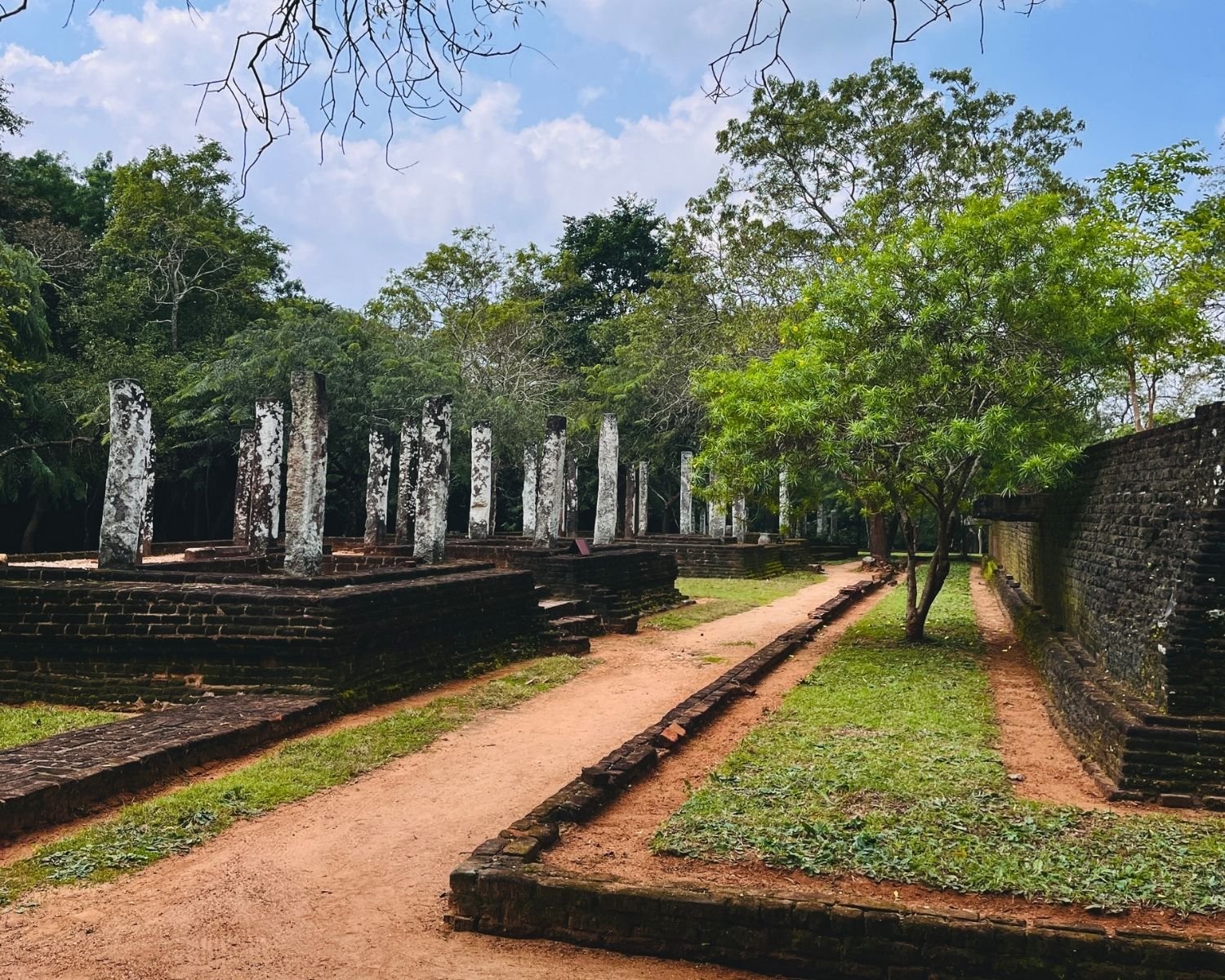
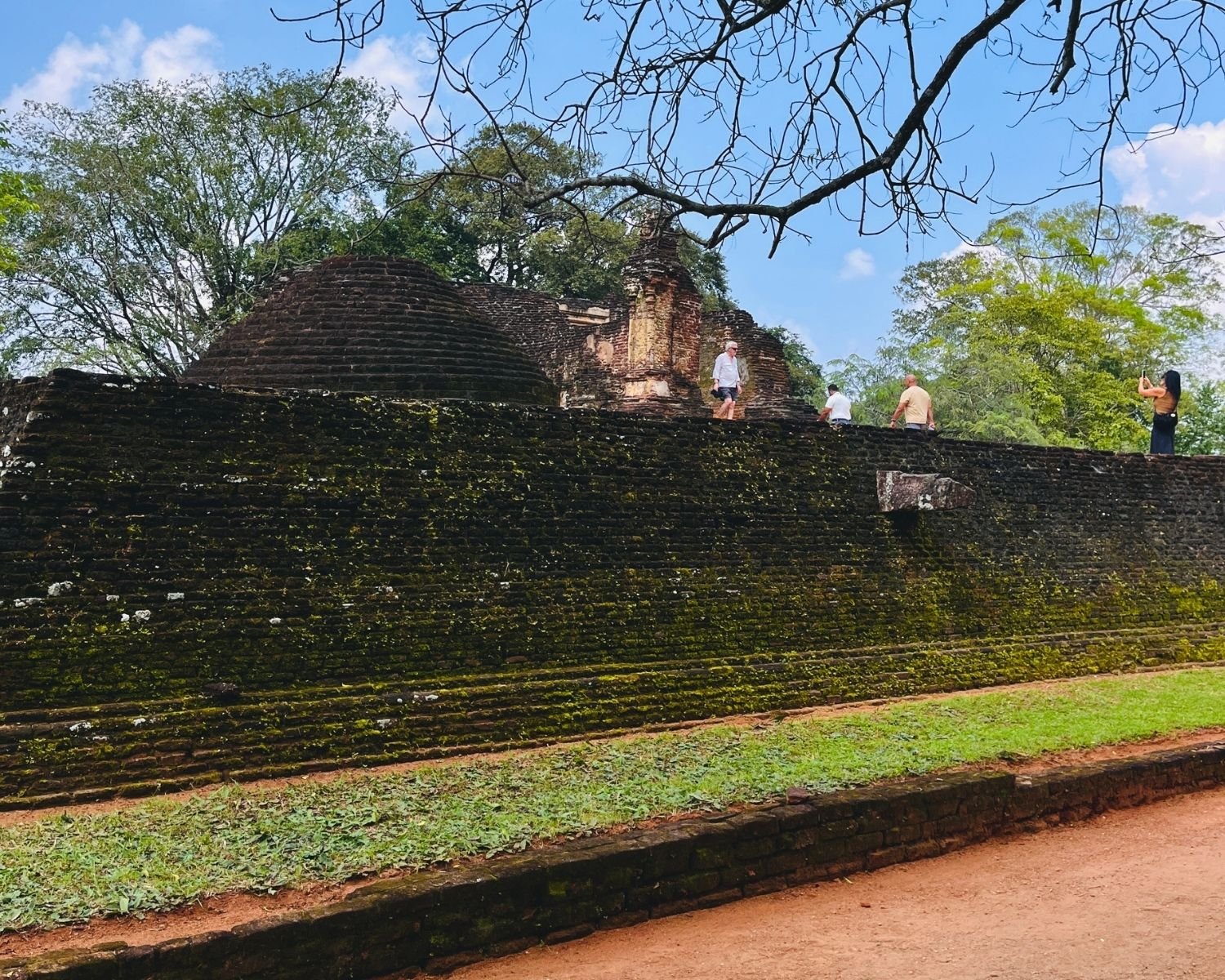
History
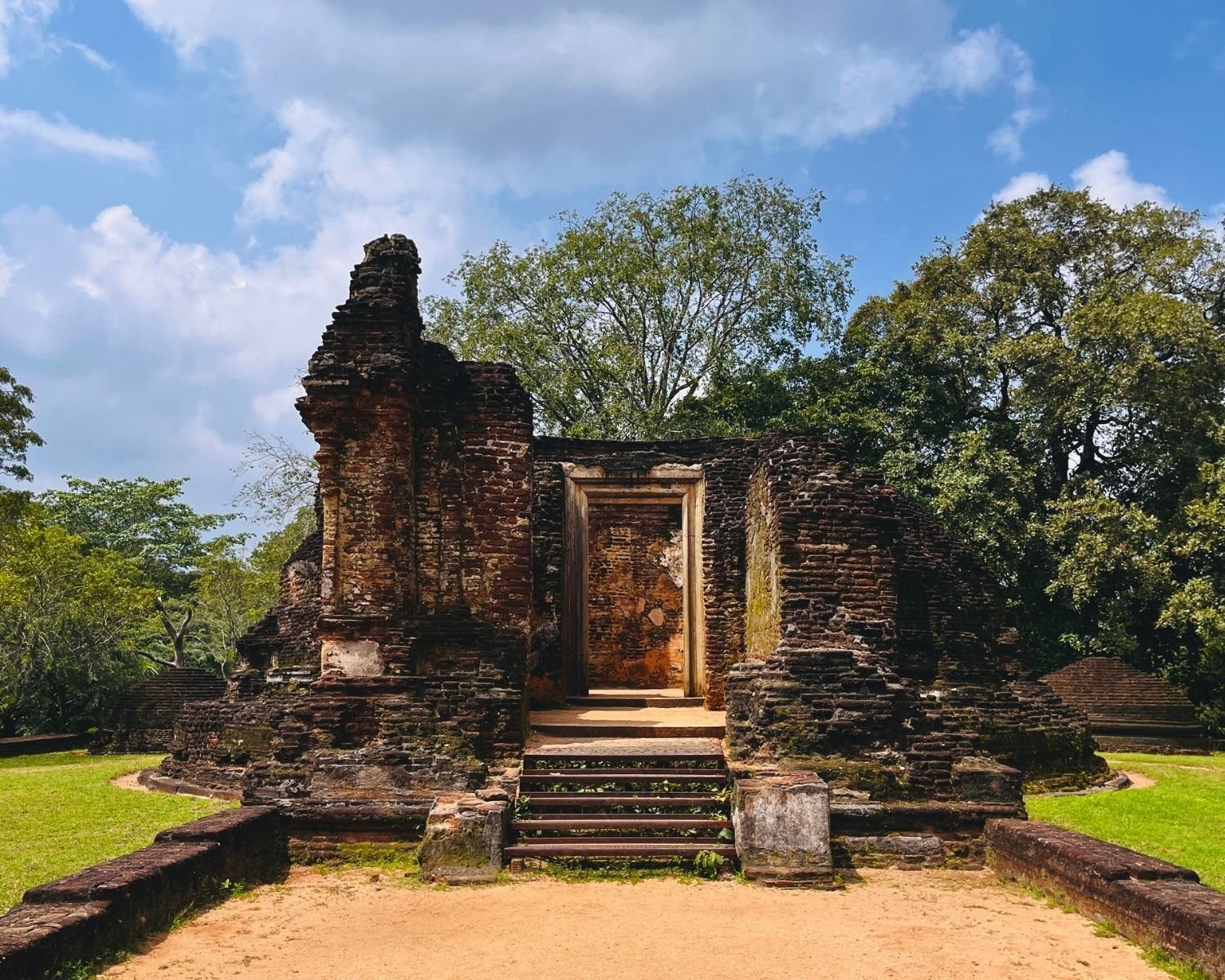
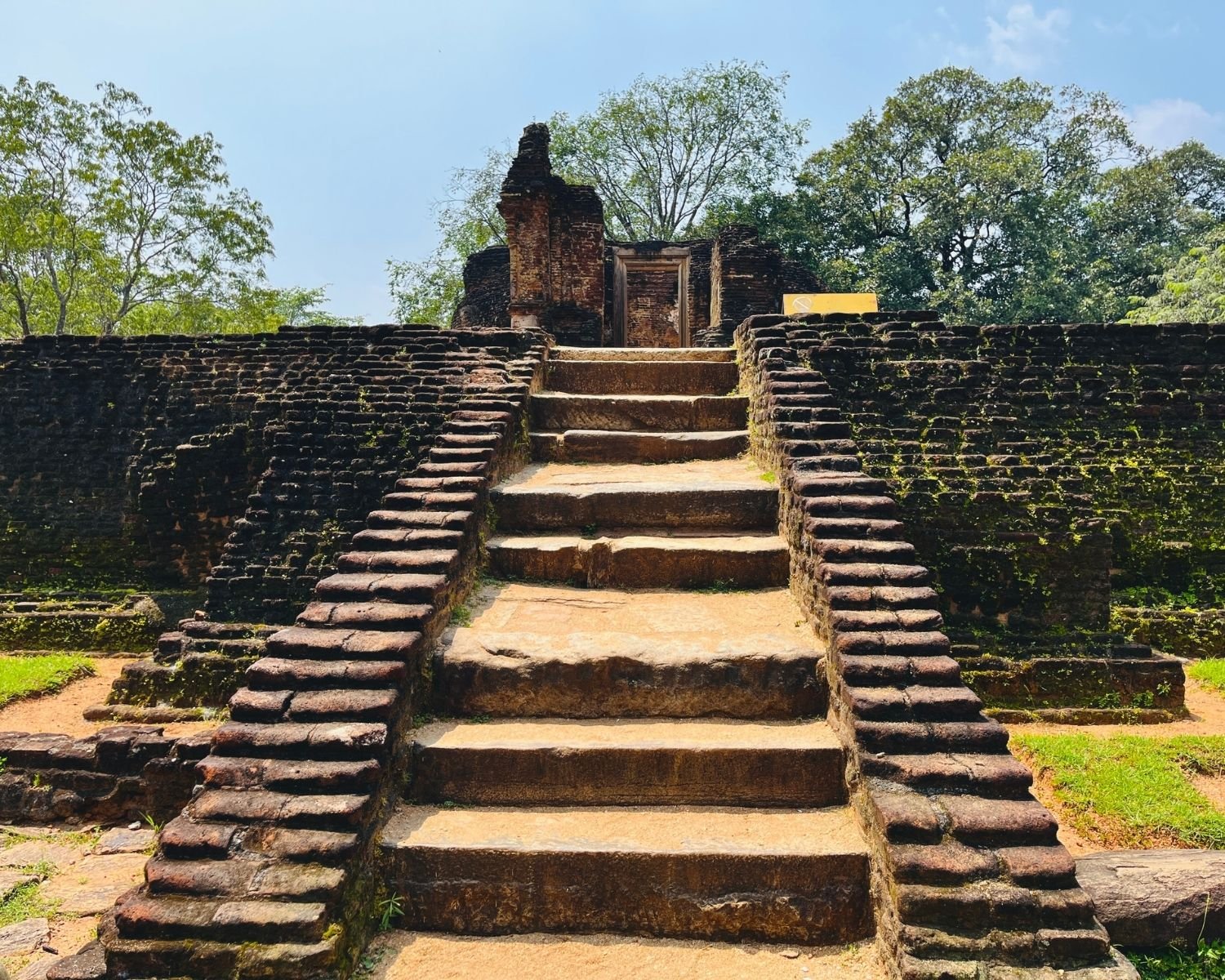
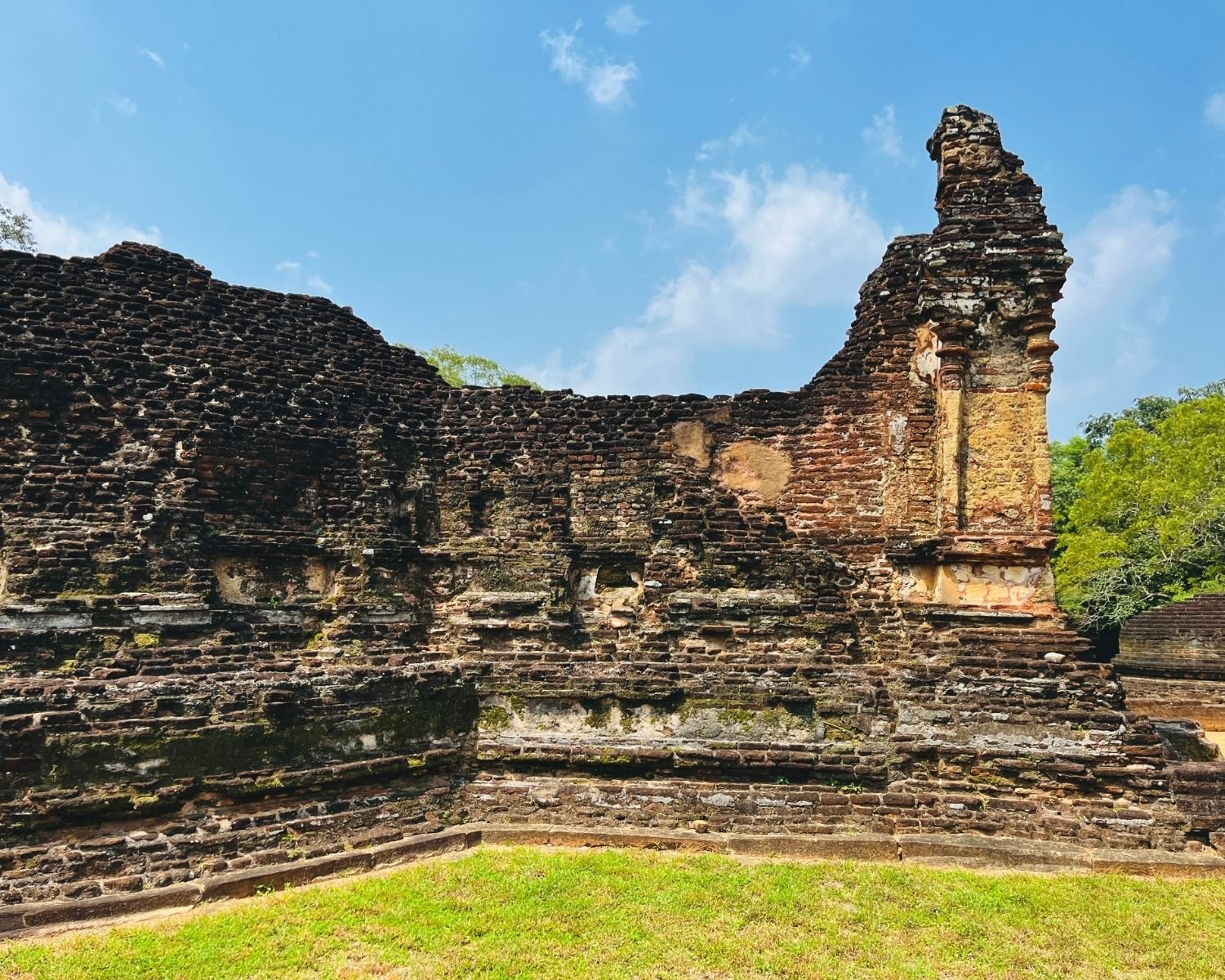
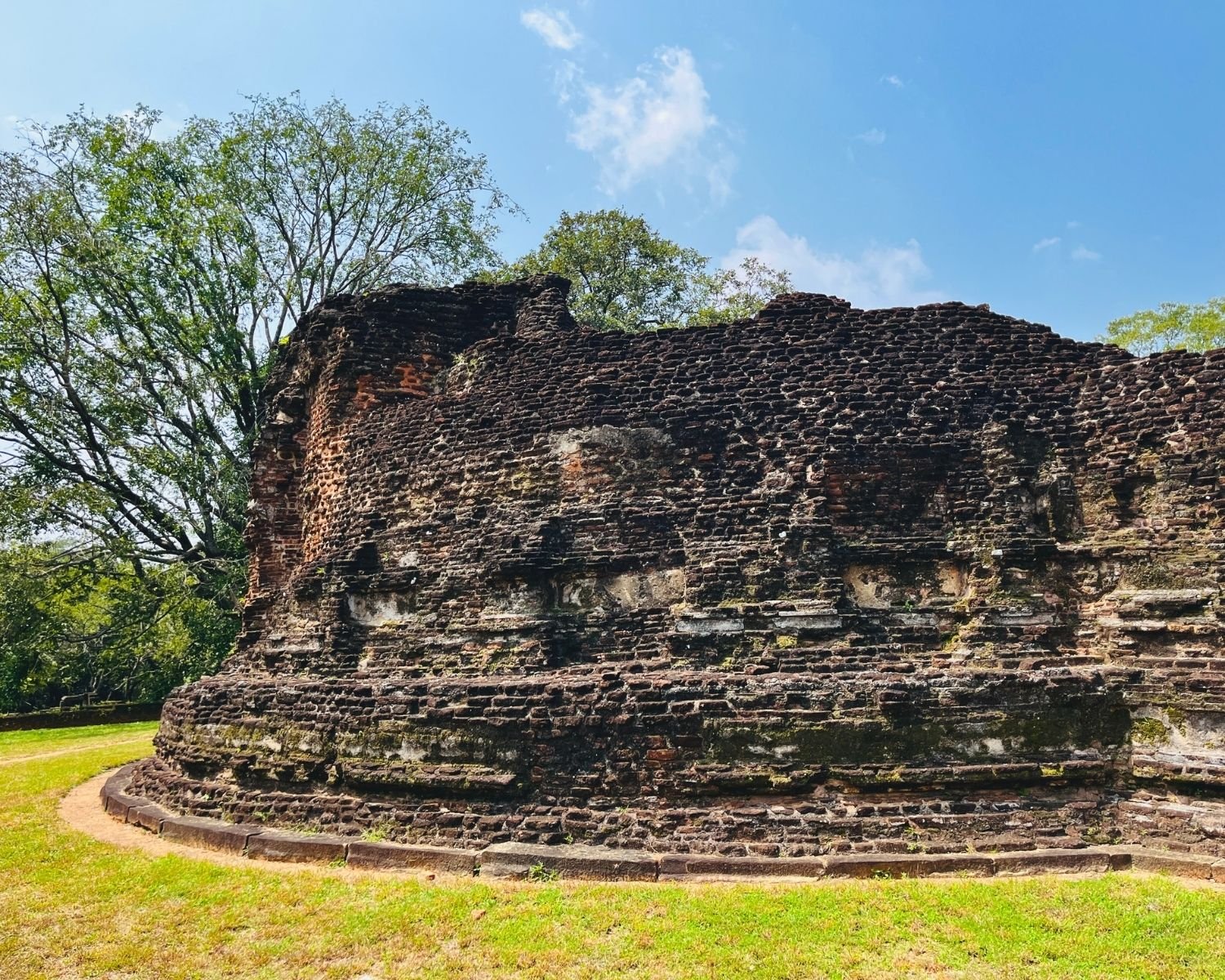
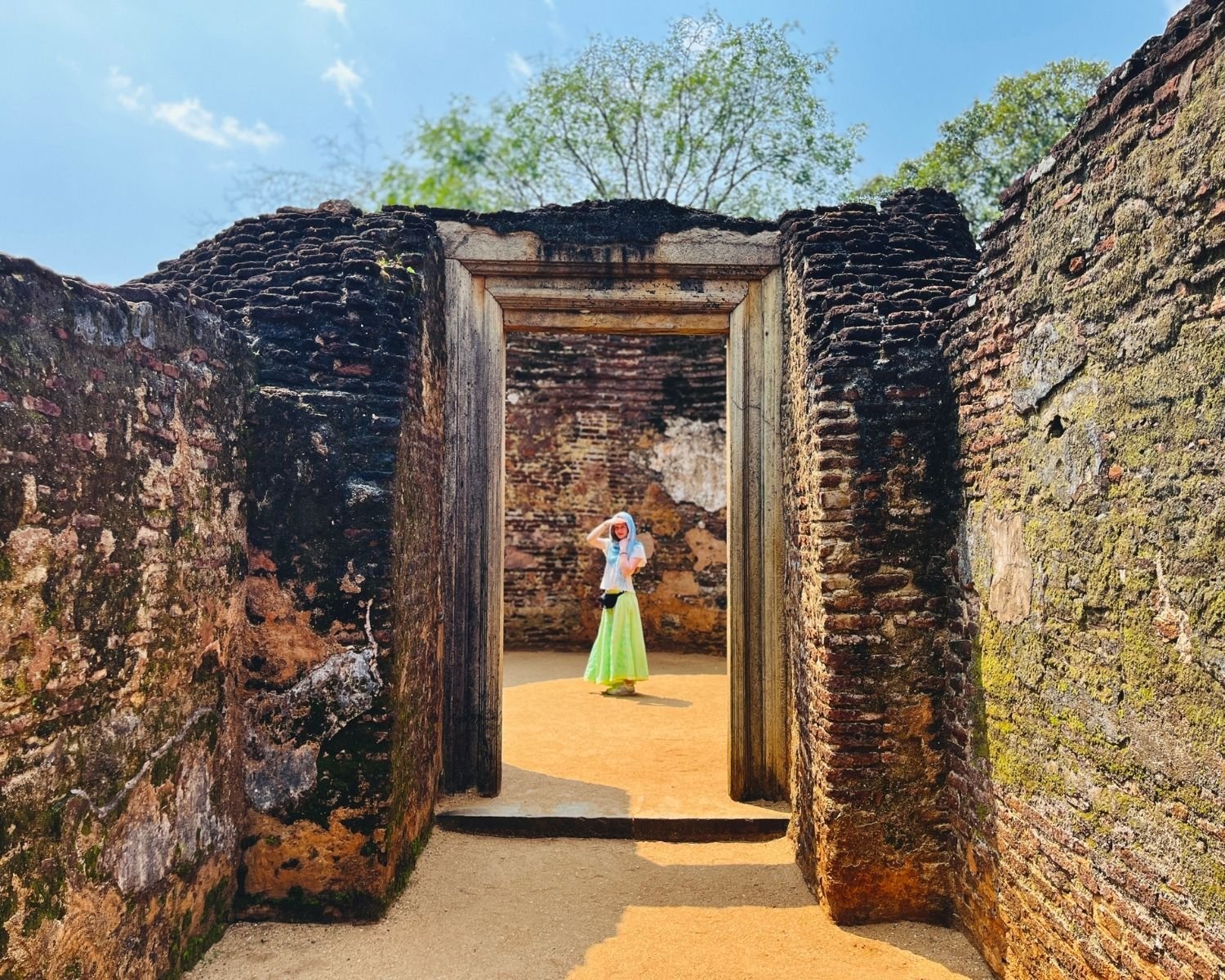
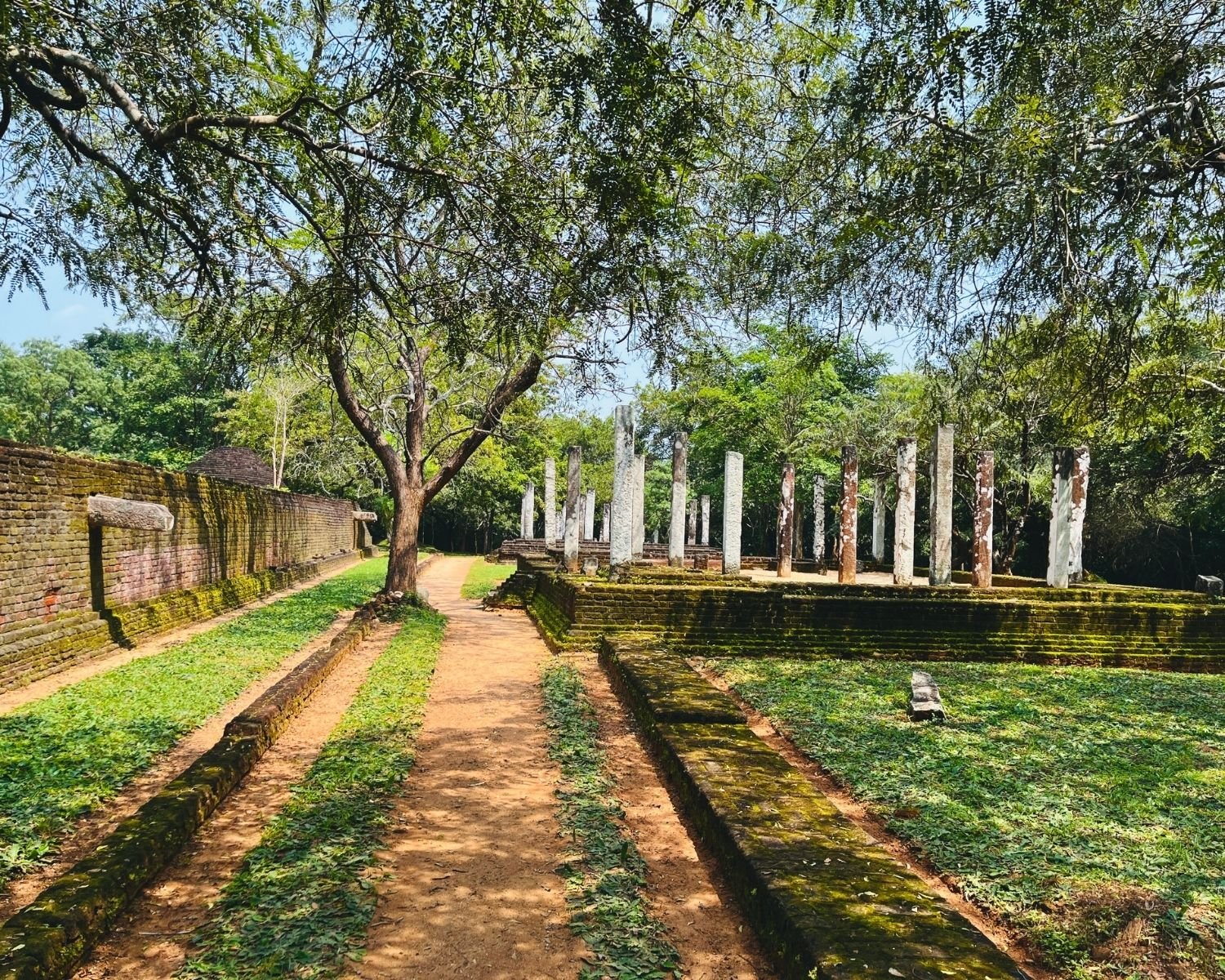
Built during the 12th century CE, most likely during the reign of King Parakramabahu I as part of a large monastic complex near Parakrama Samudra.
Built during the 12th century CE, most likely during the reign of King Parakramabahu I as part of a large monastic complex near Parakrama Samudra.
Buddhist Site
Terraced monastic complex featuring a unique circular brick structure, meditation cells, and links to Buddhist learning and scholarship.
Terraced monastic complex featuring a unique circular brick structure, meditation cells, and links to Buddhist learning and scholarship.
Scenery
Peaceful ruins overlooking the Parakrama Samudra area, with ancient brick terraces, monastic cells, and mature shade trees.
Peaceful ruins overlooking the Parakrama Samudra area, with ancient brick terraces, monastic cells, and mature shade trees.
Art & Culture
Unusual circular architecture, monastic residential quarters, and the nearby statue traditionally associated with King Parakramabahu I or the sage Pulasti.
Unusual circular architecture, monastic residential quarters, and the nearby statue traditionally associated with King Parakramabahu I or the sage Pulasti.
Worth It
Location
View on Map
View on Map
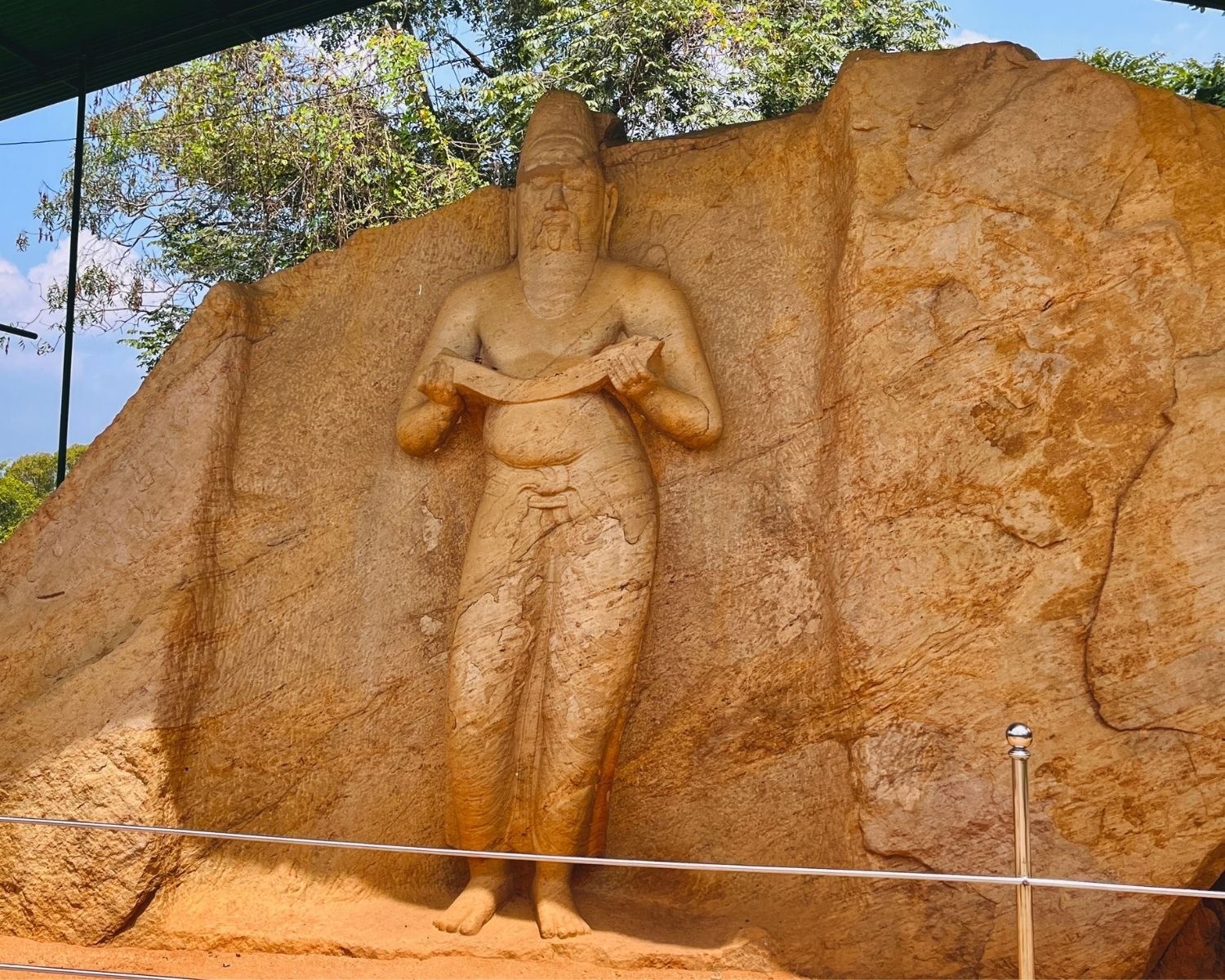
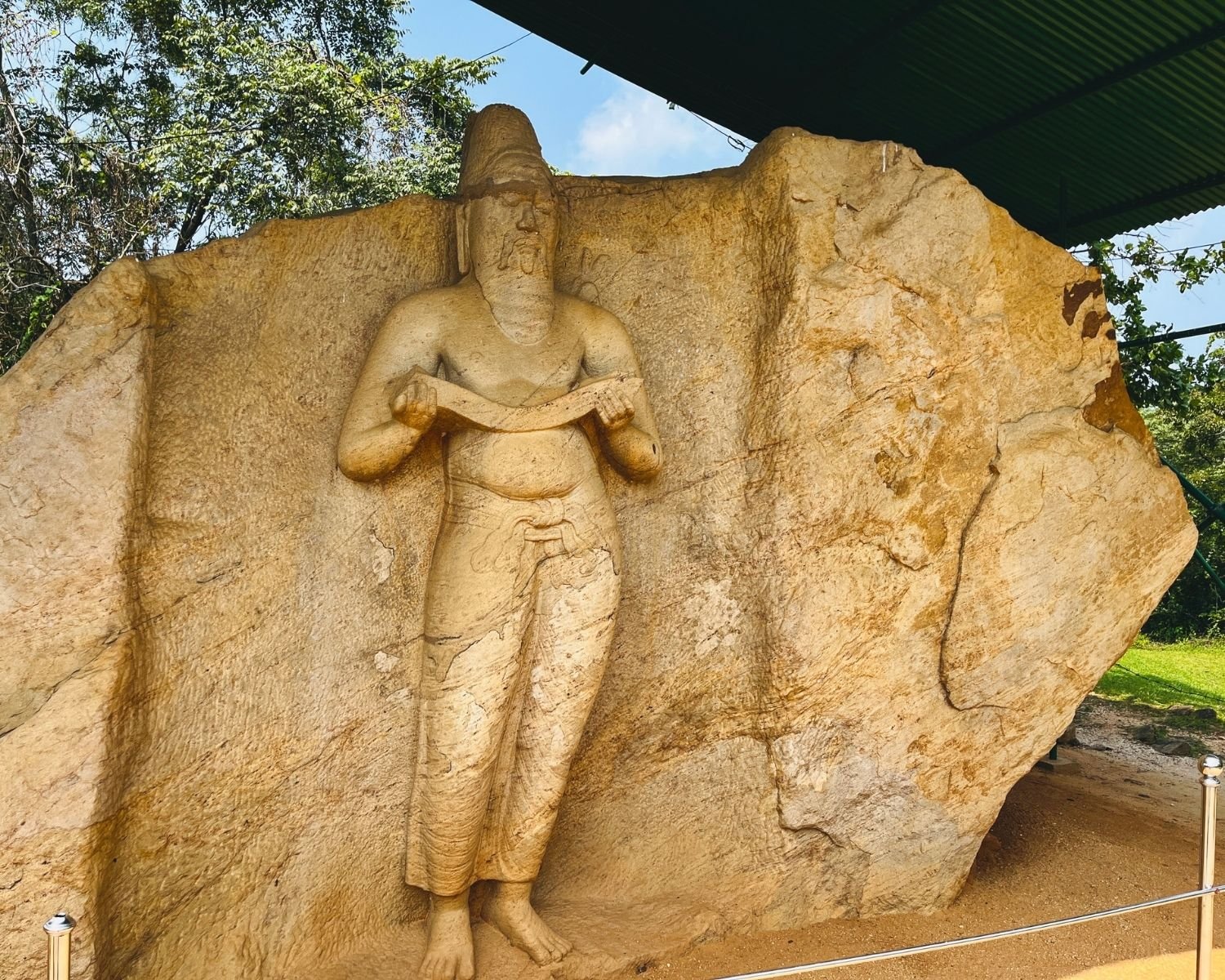
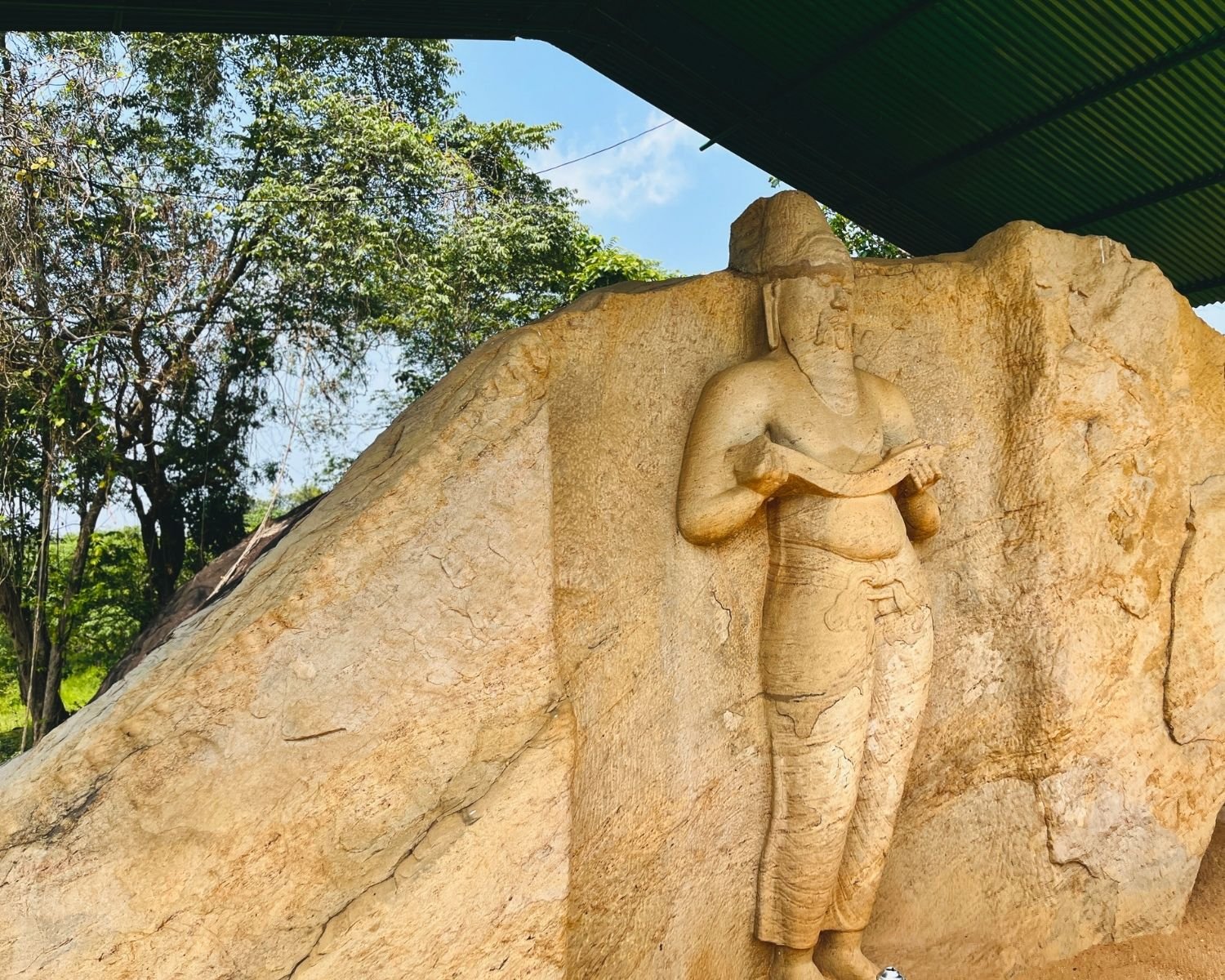
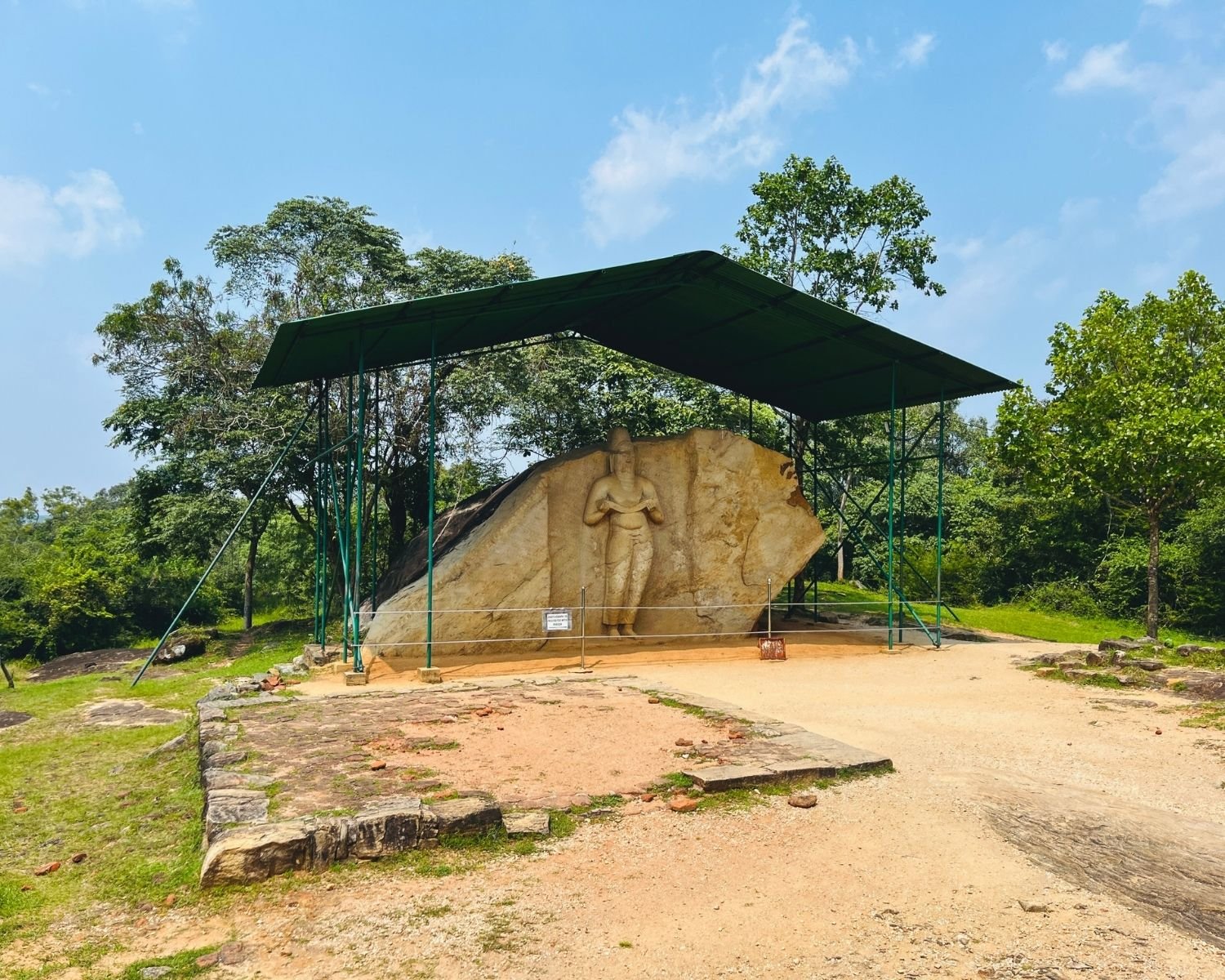
History
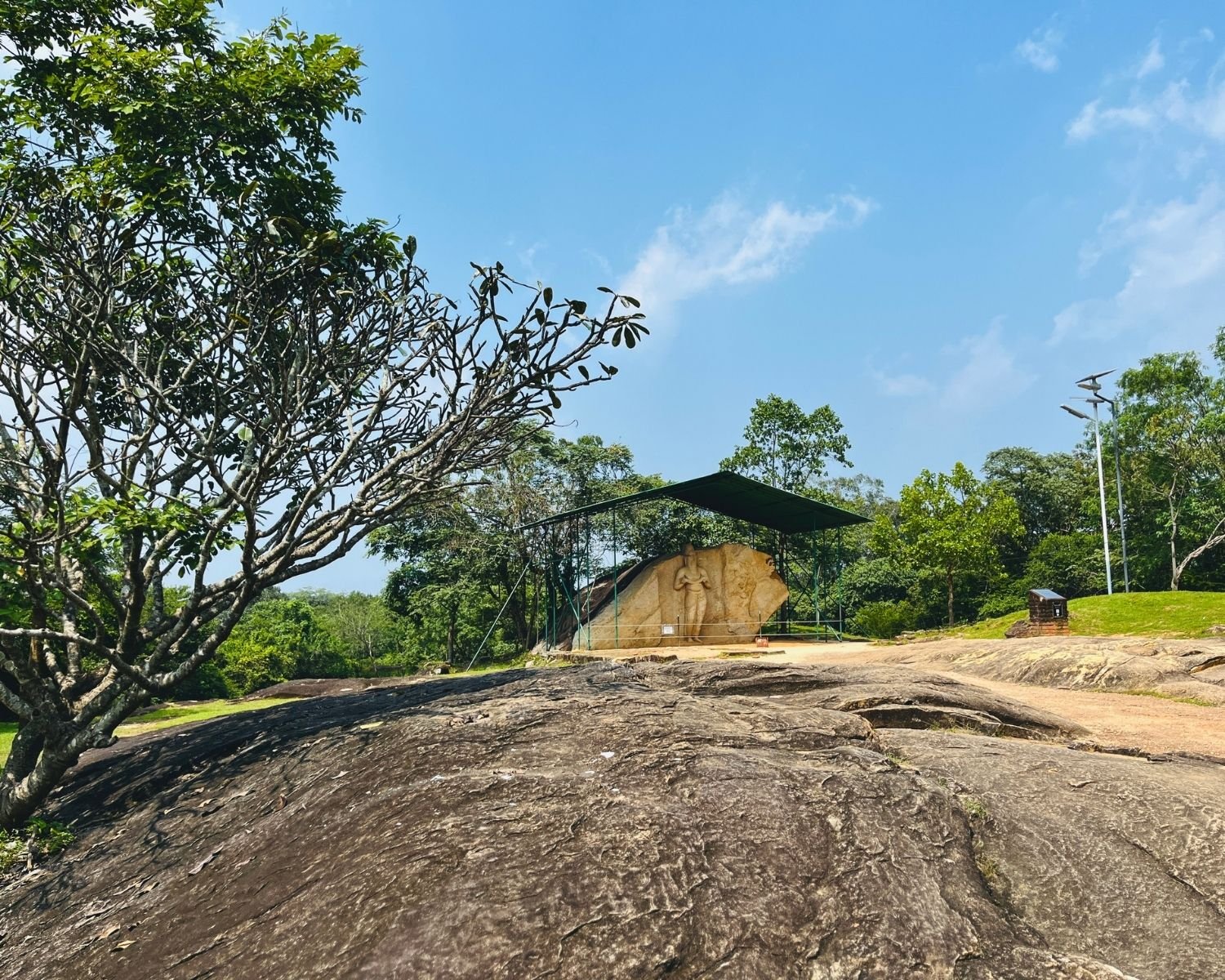
Carved during the Polonnaruwa period, probably in the 12th century CE. Traditionally identified as King Parakramabahu I, though some scholars believe it may represent the sage Pulasti.
Carved during the Polonnaruwa period, probably in the 12th century CE. Traditionally identified as King Parakramabahu I, though some scholars believe it may represent the sage Pulasti.
Scenery
Open setting near Potgul Viharaya with surrounding ruins and views toward Parakrama Samudra.
Open setting near Potgul Viharaya with surrounding ruins and views toward Parakrama Samudra.
Art & Culture
One of Sri Lanka's finest medieval stone sculptures, depicting a dignified figure holding a palm-leaf manuscript or sacred text.
One of Sri Lanka's finest medieval stone sculptures, depicting a dignified figure holding a palm-leaf manuscript or sacred text.
Worth It
Location
View on Map
View on Map
History
Traditionally identified as Seetha Maligawa (Summer Palace), a royal retreat associated with King Parakramabahu I and situated within the Parakrama Samudra reservoir.
Traditionally identified as Seetha Maligawa (Summer Palace), a royal retreat associated with King Parakramabahu I and situated within the Parakrama Samudra reservoir.
Scenery
Remote island-like setting within Parakrama Samudra, surrounded by water, trees, and seasonal views that change with reservoir levels.
Remote island-like setting within Parakrama Samudra, surrounded by water, trees, and seasonal views that change with reservoir levels.
Art & Culture
Represents the tradition of royal leisure retreats and demonstrates how water landscapes were integrated into Polonnaruwa's architecture.
Represents the tradition of royal leisure retreats and demonstrates how water landscapes were integrated into Polonnaruwa's architecture.
Worth It
Location
View on Map
View on Map

Reservoir
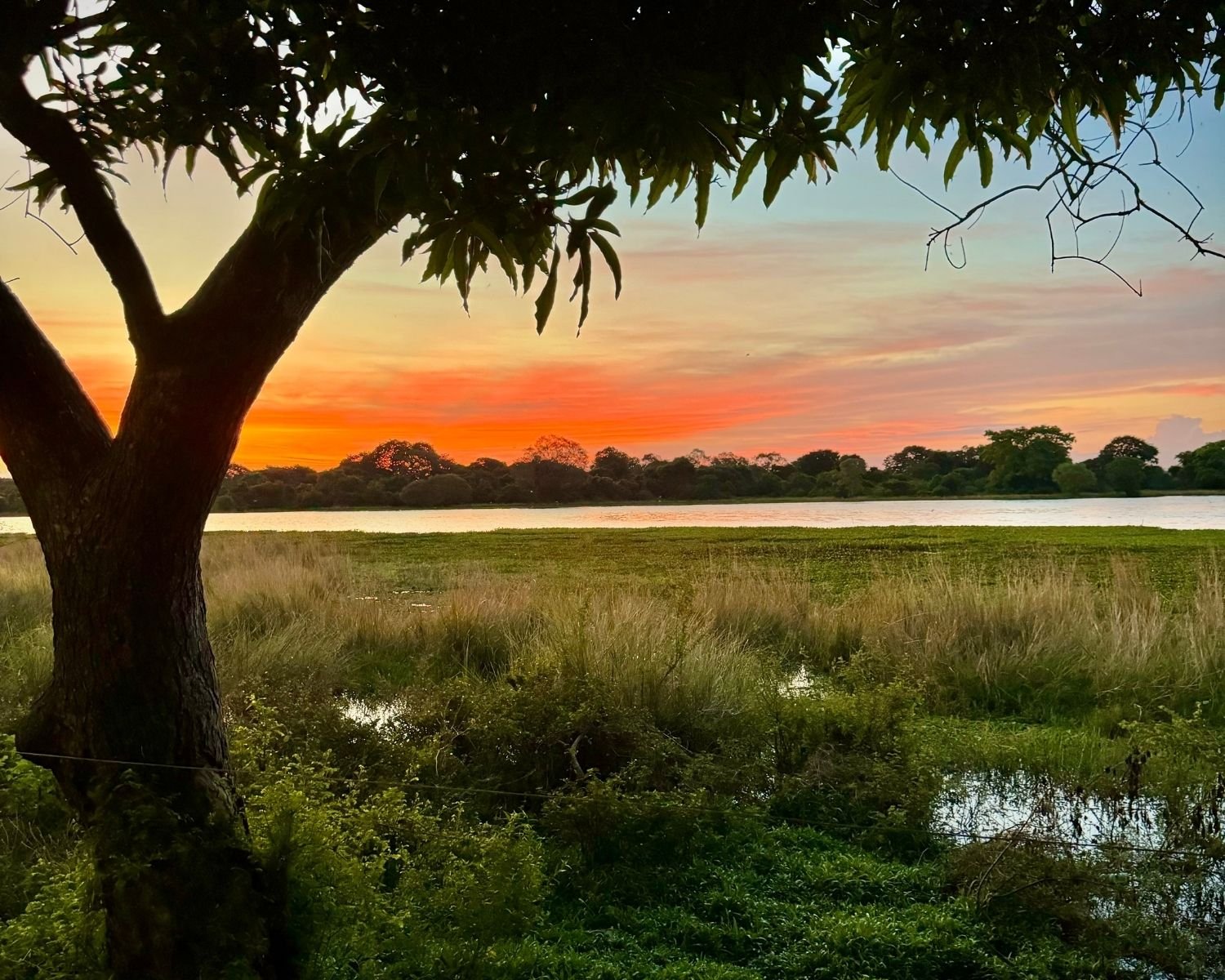
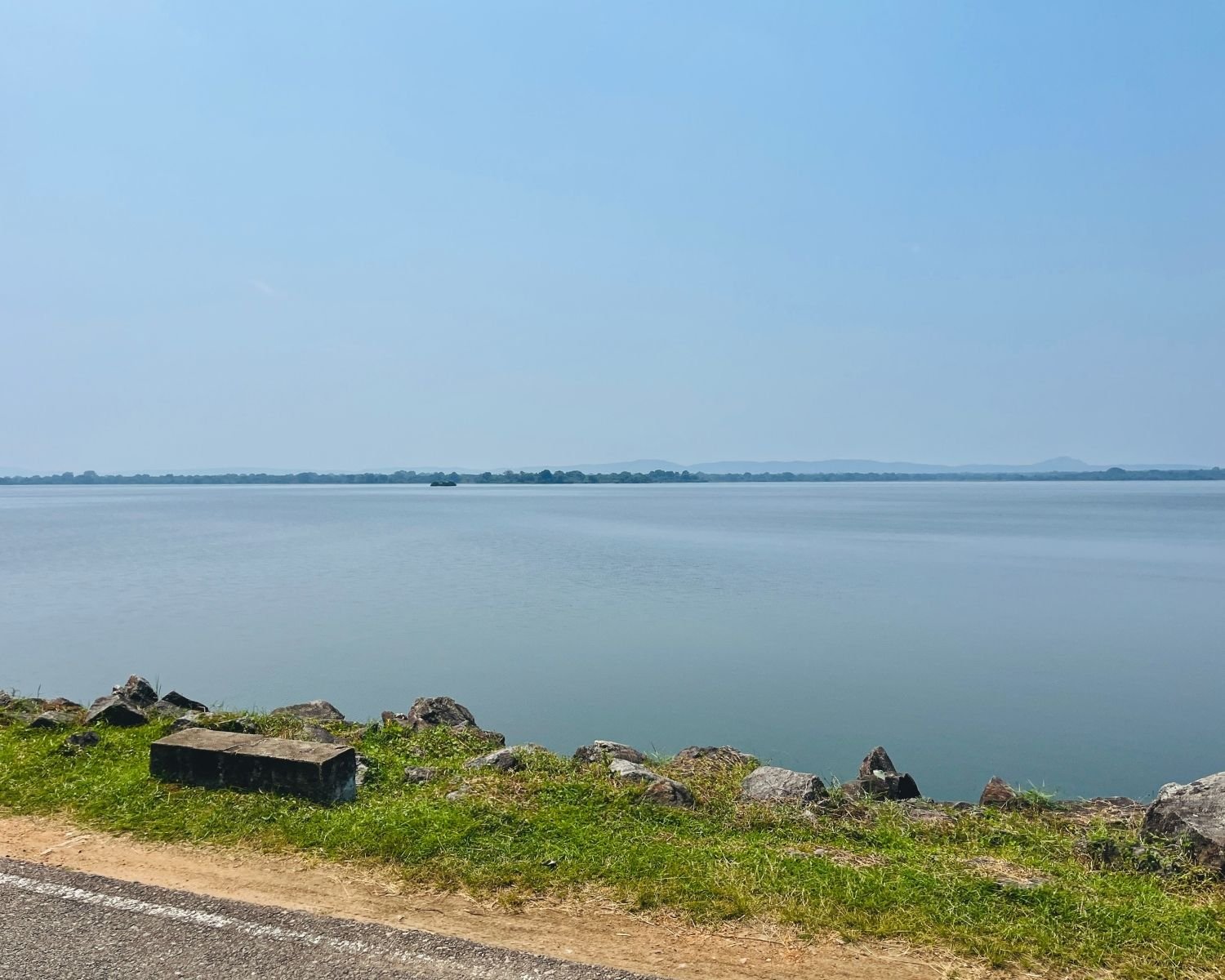
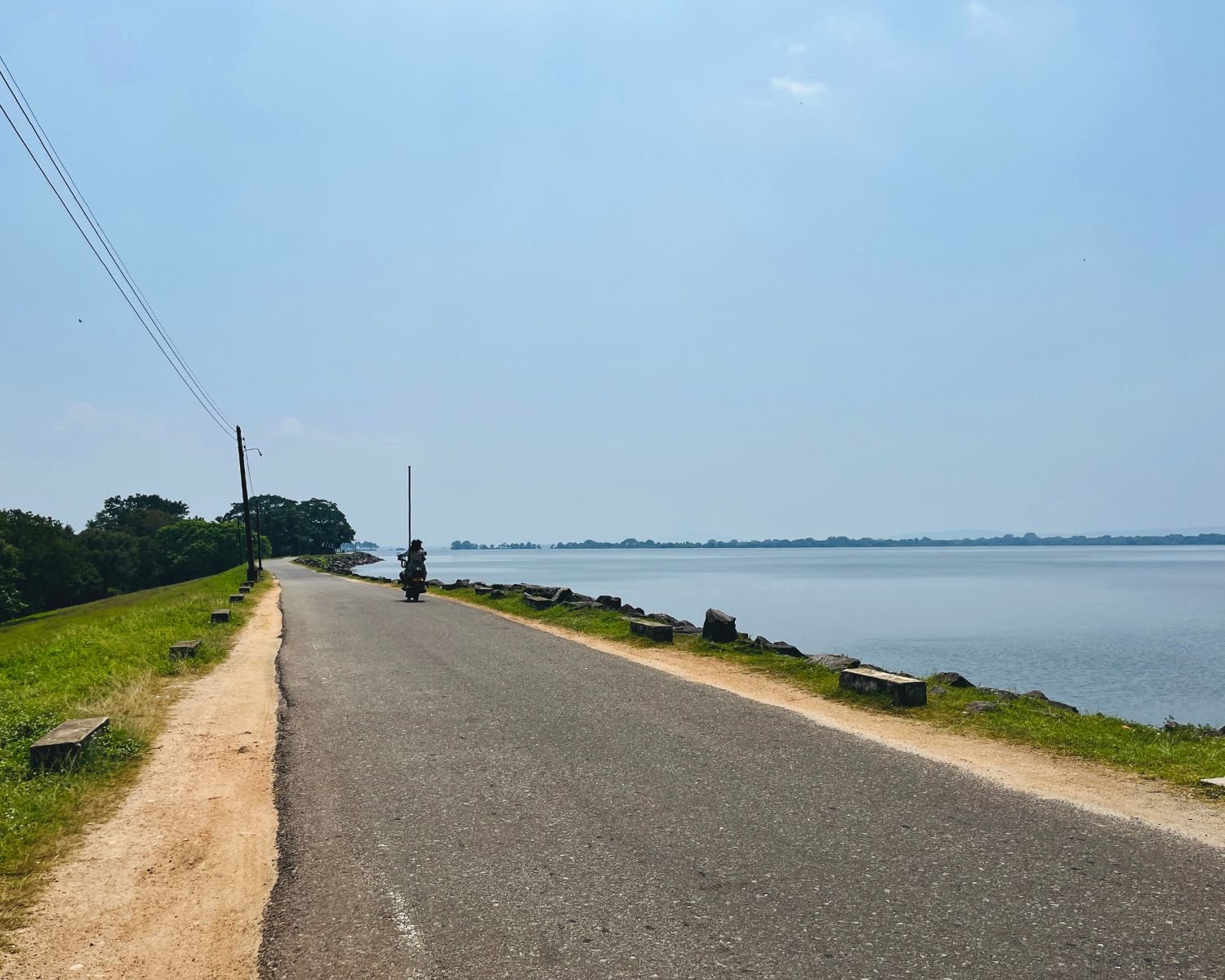
One of the largest and most ambitious water engineering projects of the ancient world, holding approximately 134 million cubic metres of water, spanning over 2,260 hectares.
One of the largest and most ambitious water engineering projects of the ancient world, holding approximately 134 million cubic metres of water, spanning over 2,260 hectares.
History
Created in the 12th century CE by King Parakramabahu I by linking and expanding several existing reservoirs into a single system.
Created in the 12th century CE by King Parakramabahu I by linking and expanding several existing reservoirs into a single system.
Scenery
A vast inland sea of open water, wetlands, birdlife, and spectacular sunrise and sunset views across the Polonnaruwa landscape.
A vast inland sea of open water, wetlands, birdlife, and spectacular sunrise and sunset views across the Polonnaruwa landscape.
Engineering
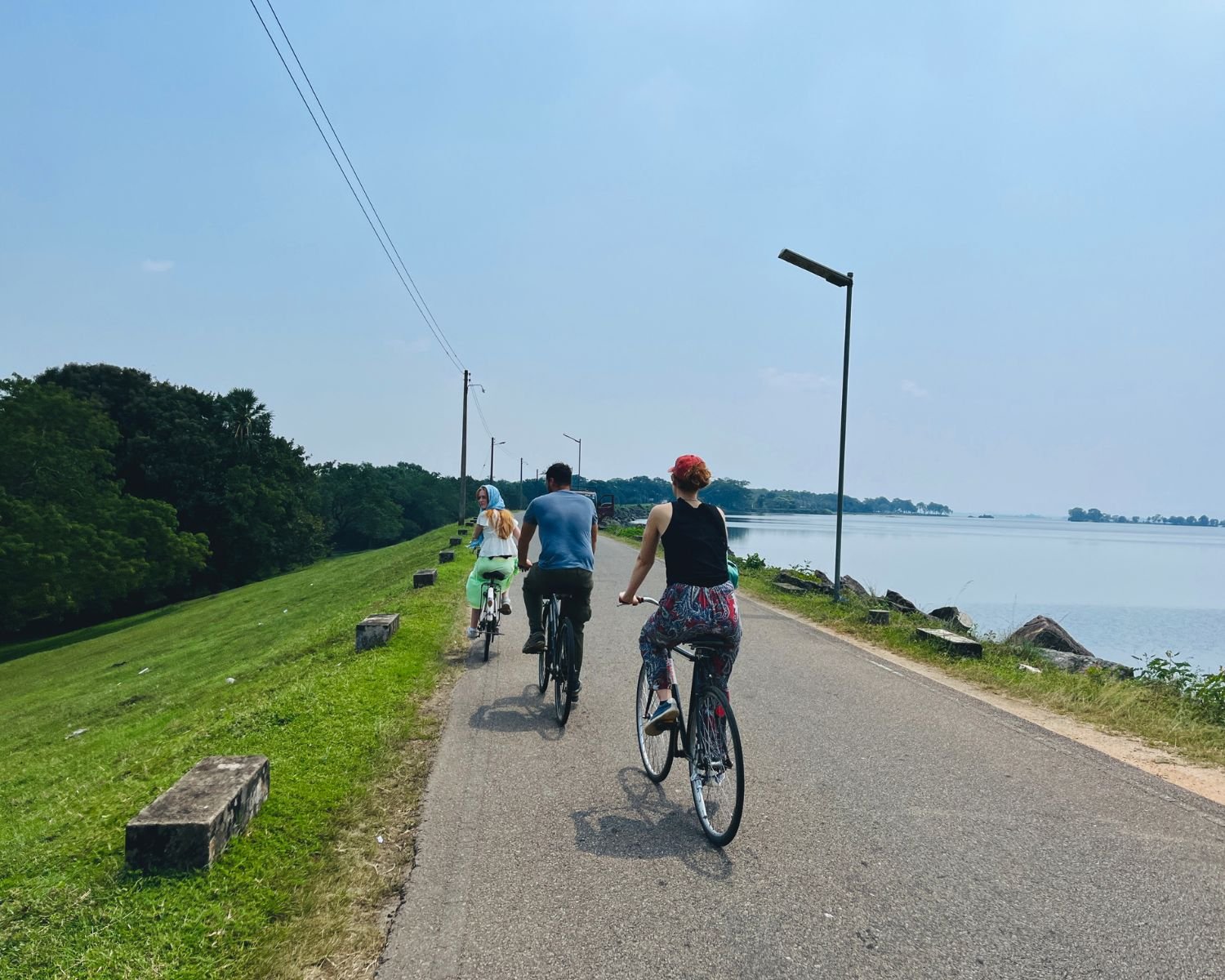
Features a 14-kilometre embankment and one of the most sophisticated interconnected water management systems of the ancient world.
Features a 14-kilometre embankment and one of the most sophisticated interconnected water management systems of the ancient world.
Top Pick
Location
View on Map
View on Map

Museum
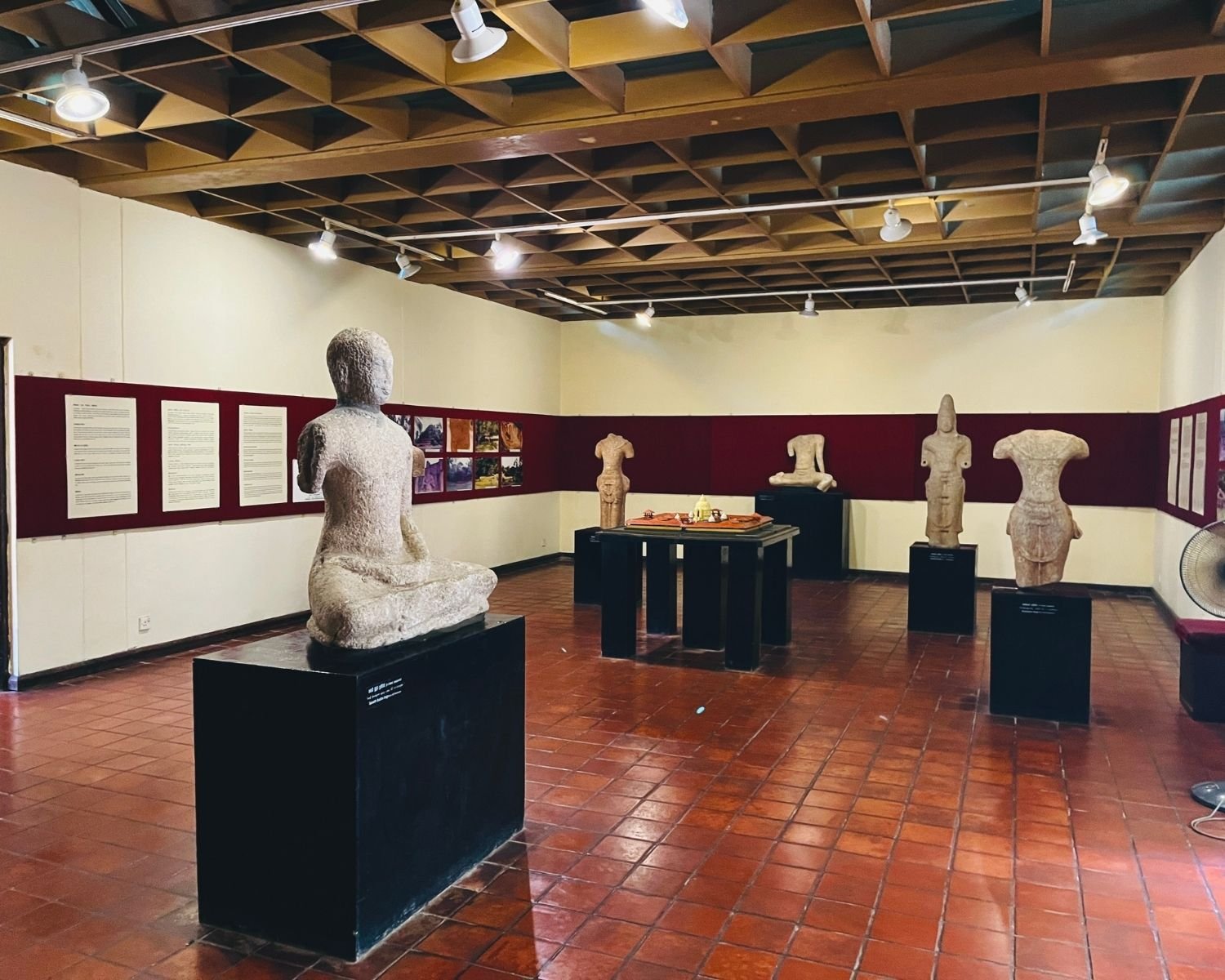
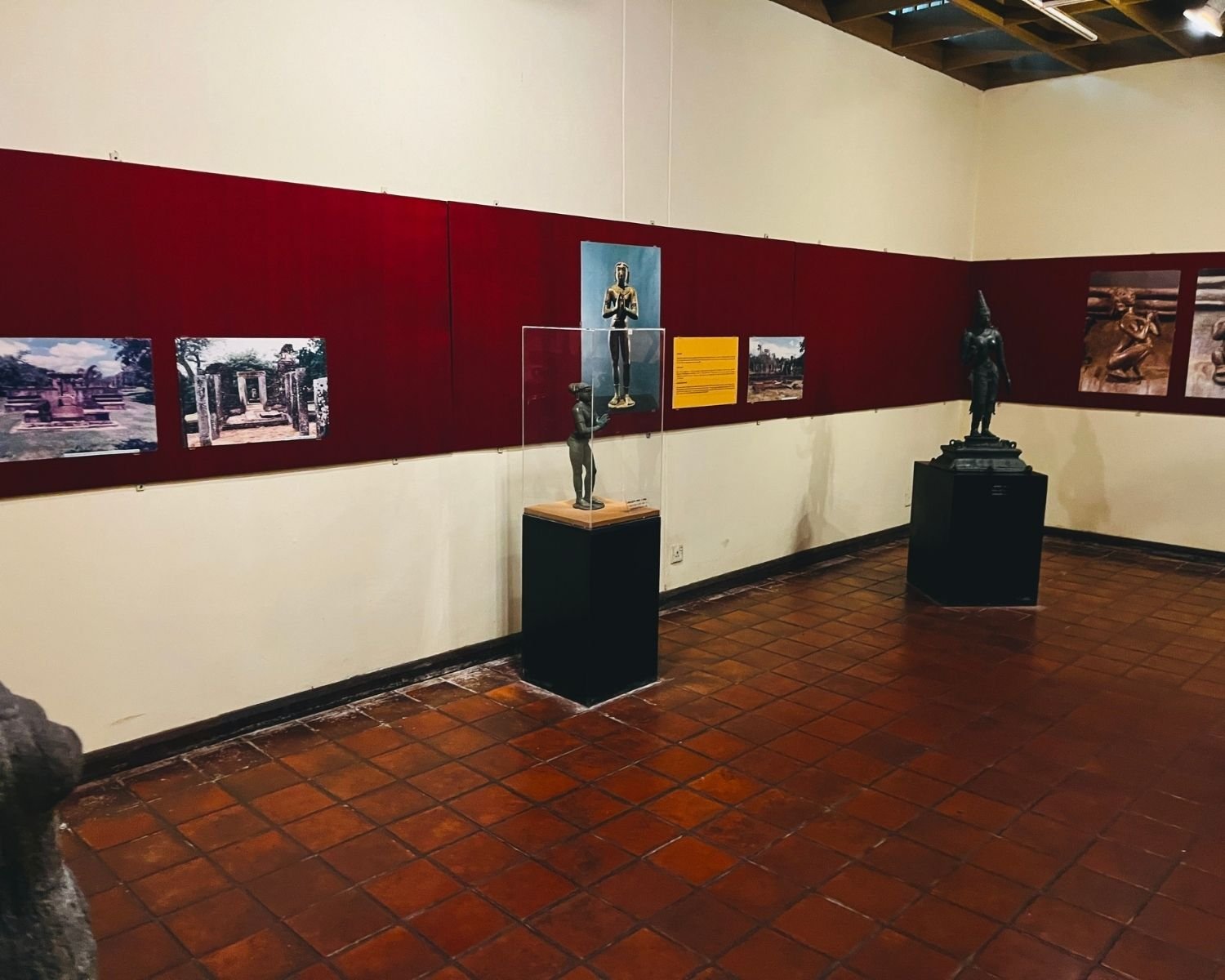
Main museum explaining the history, monuments, architecture, and daily life of the Polonnaruwa Kingdom.
Main museum explaining the history, monuments, architecture, and daily life of the Polonnaruwa Kingdom.
Art & Culture
Ancient sculptures, inscriptions, coins, ceramics, architectural fragments, and scale models of the ancient city.
Ancient sculptures, inscriptions, coins, ceramics, architectural fragments, and scale models of the ancient city.
 Optional
Location
View on Map
View on Map