ELLA
Misty mountains, scenic trails, and relaxed hill country charm.
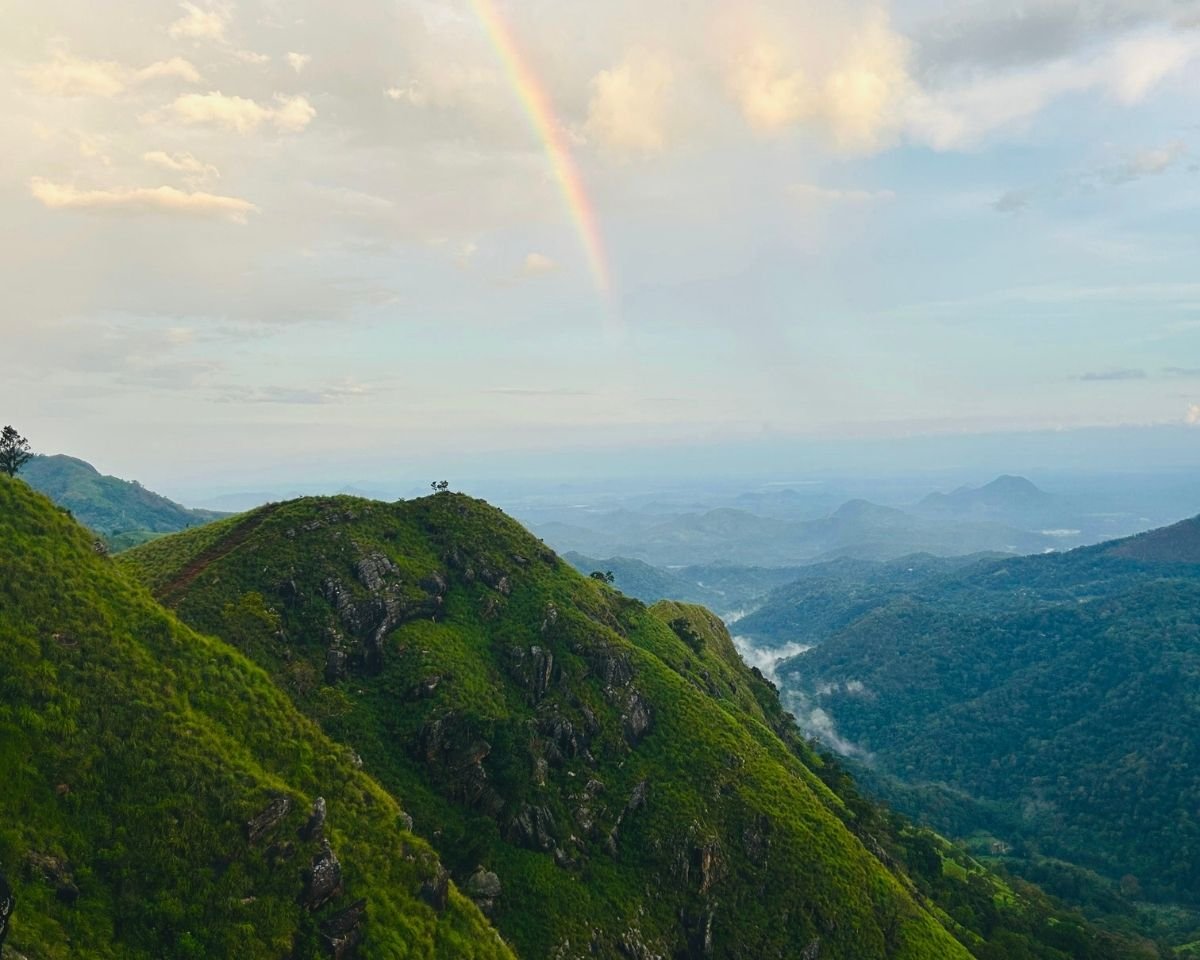
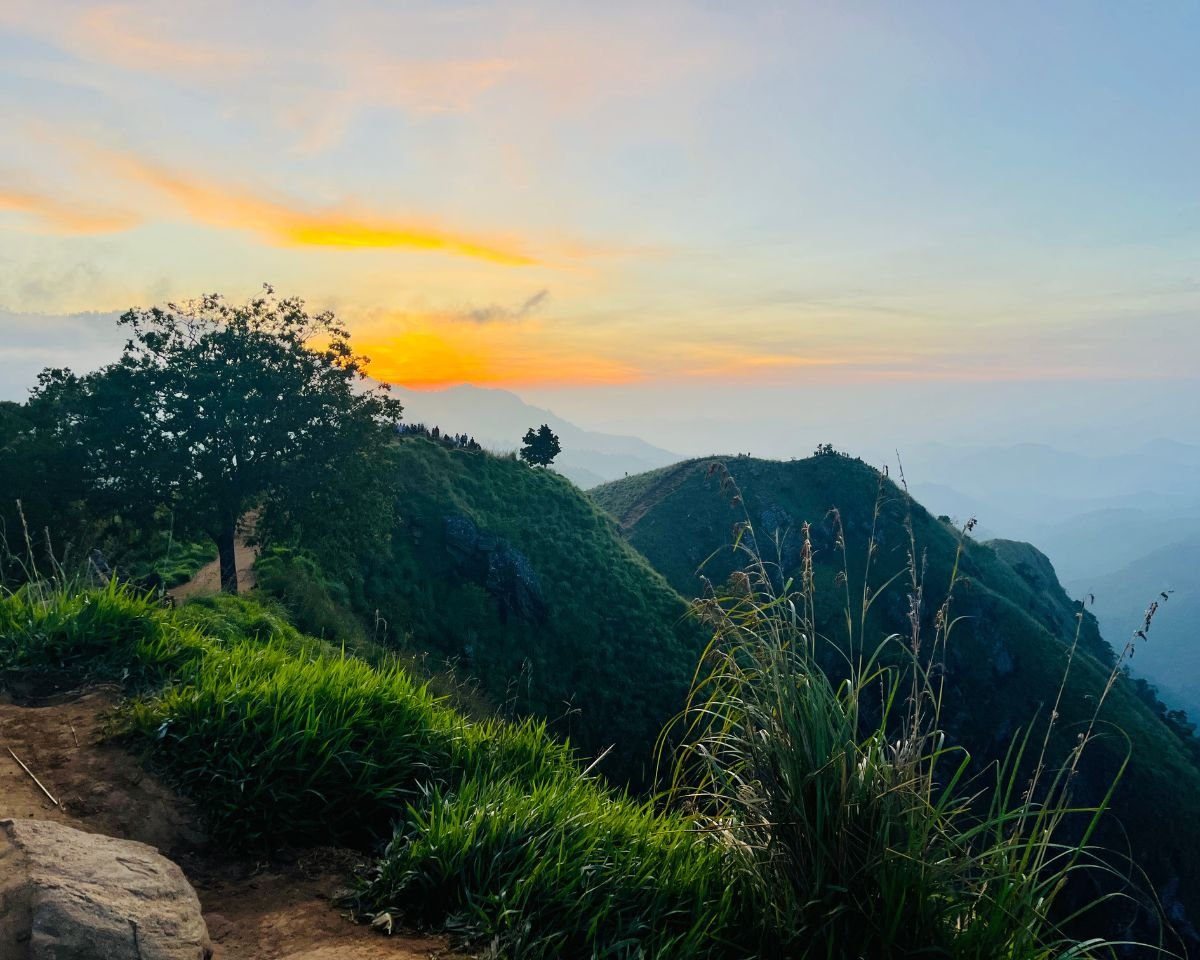
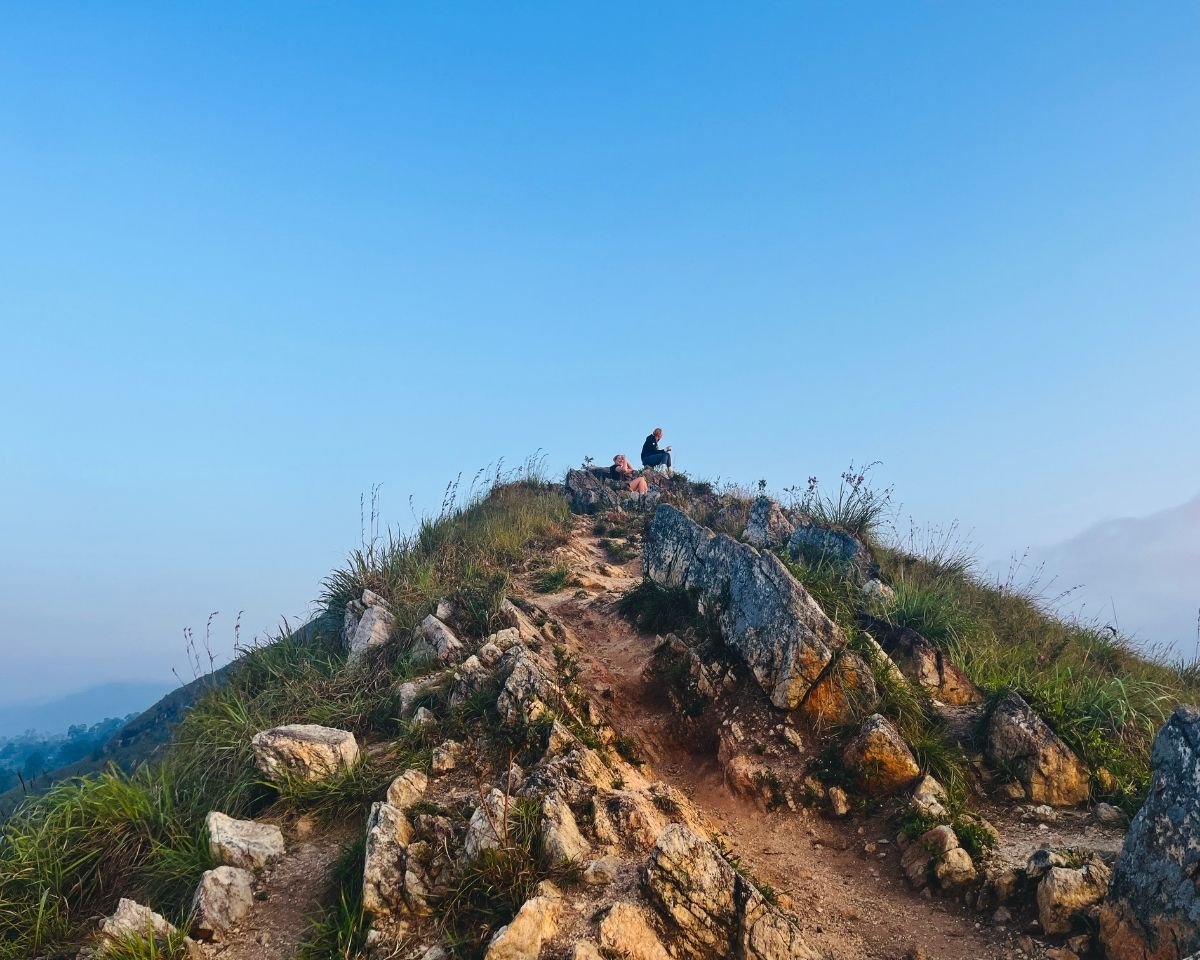
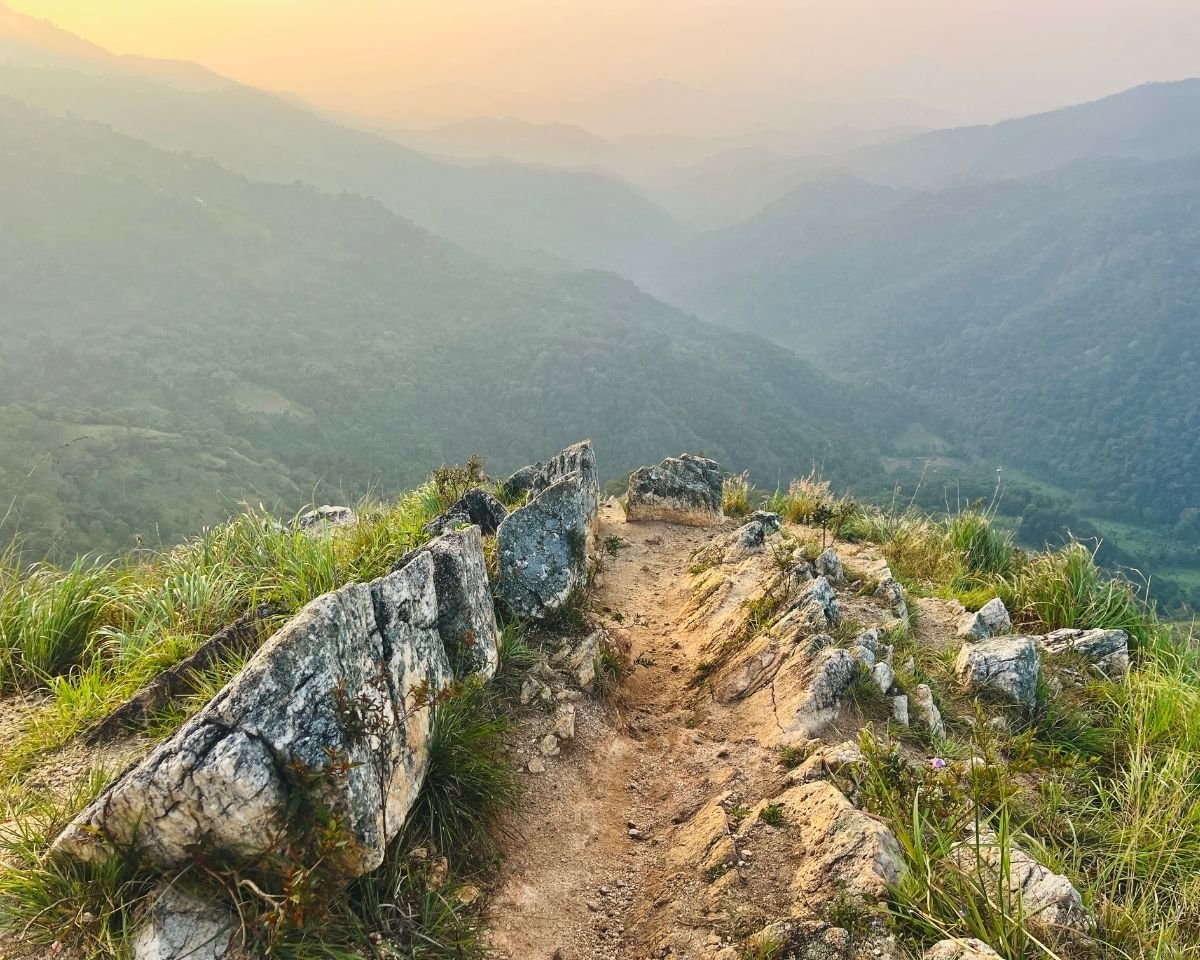
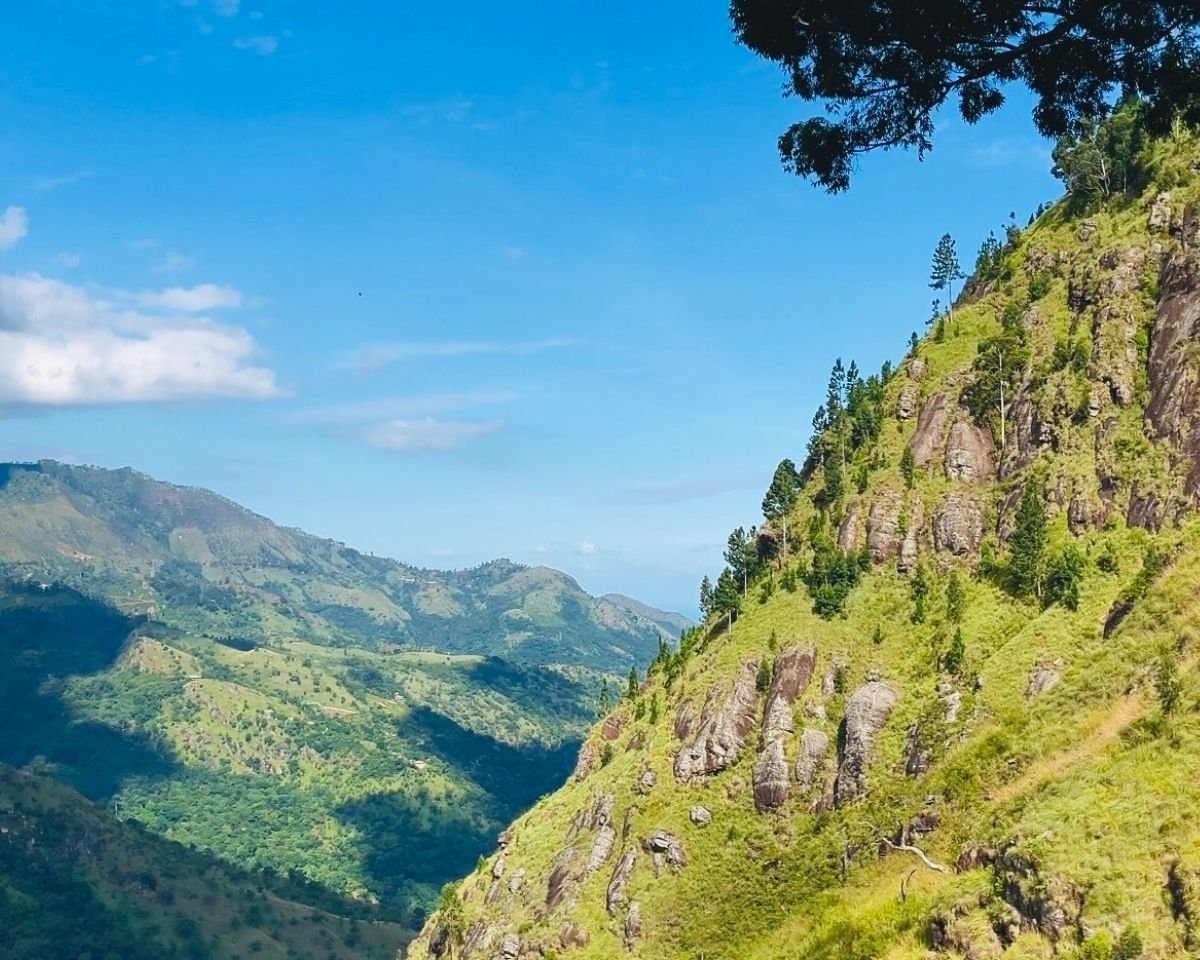
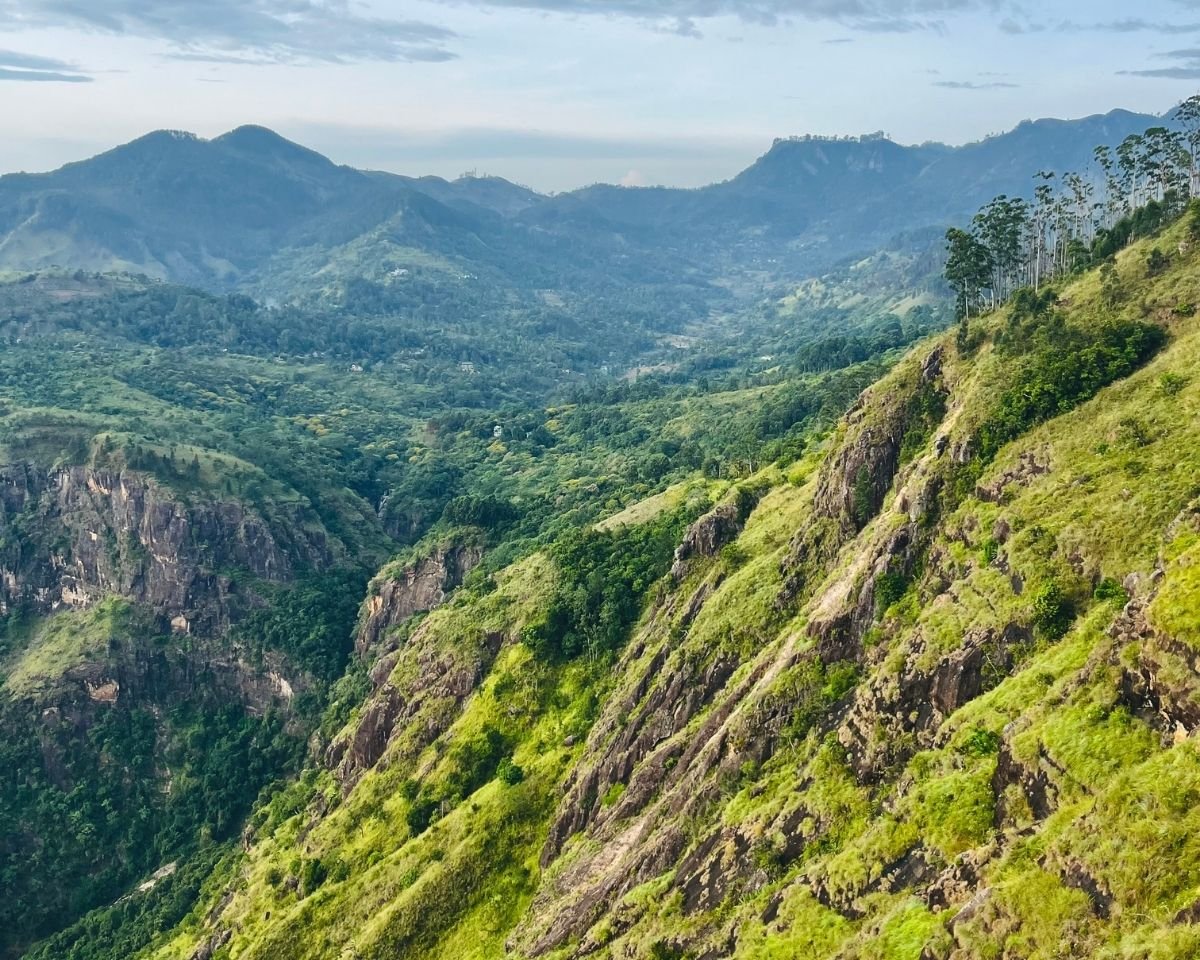
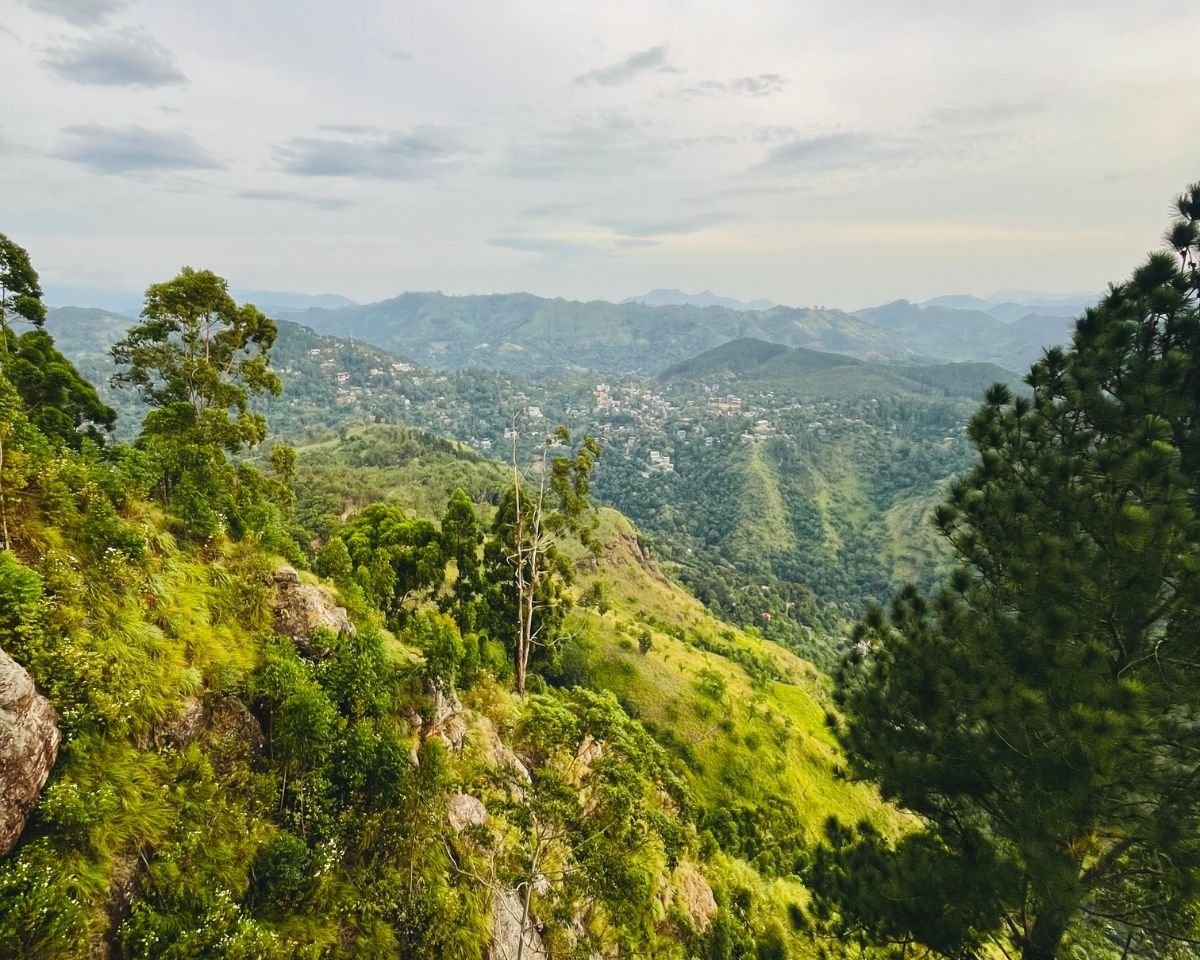
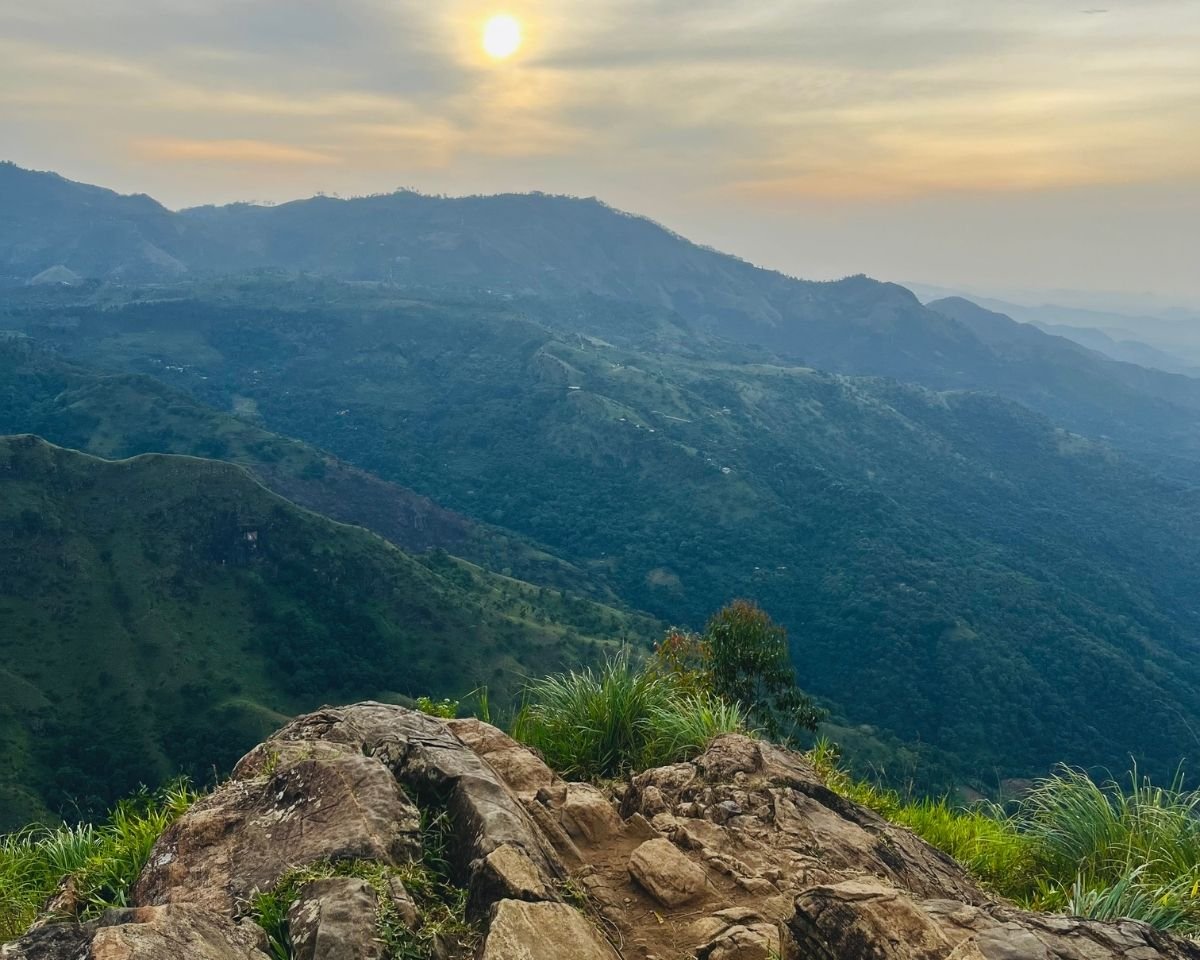
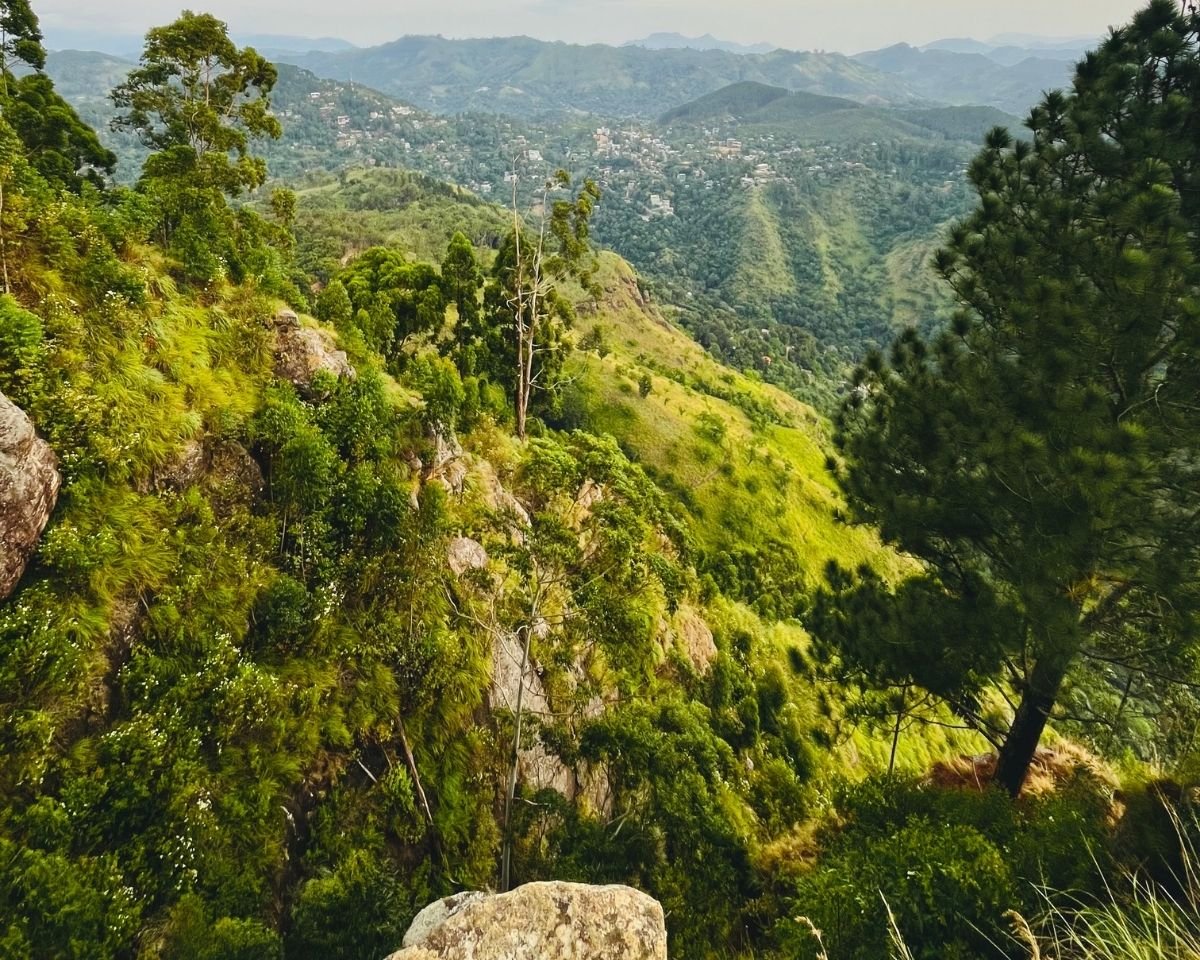
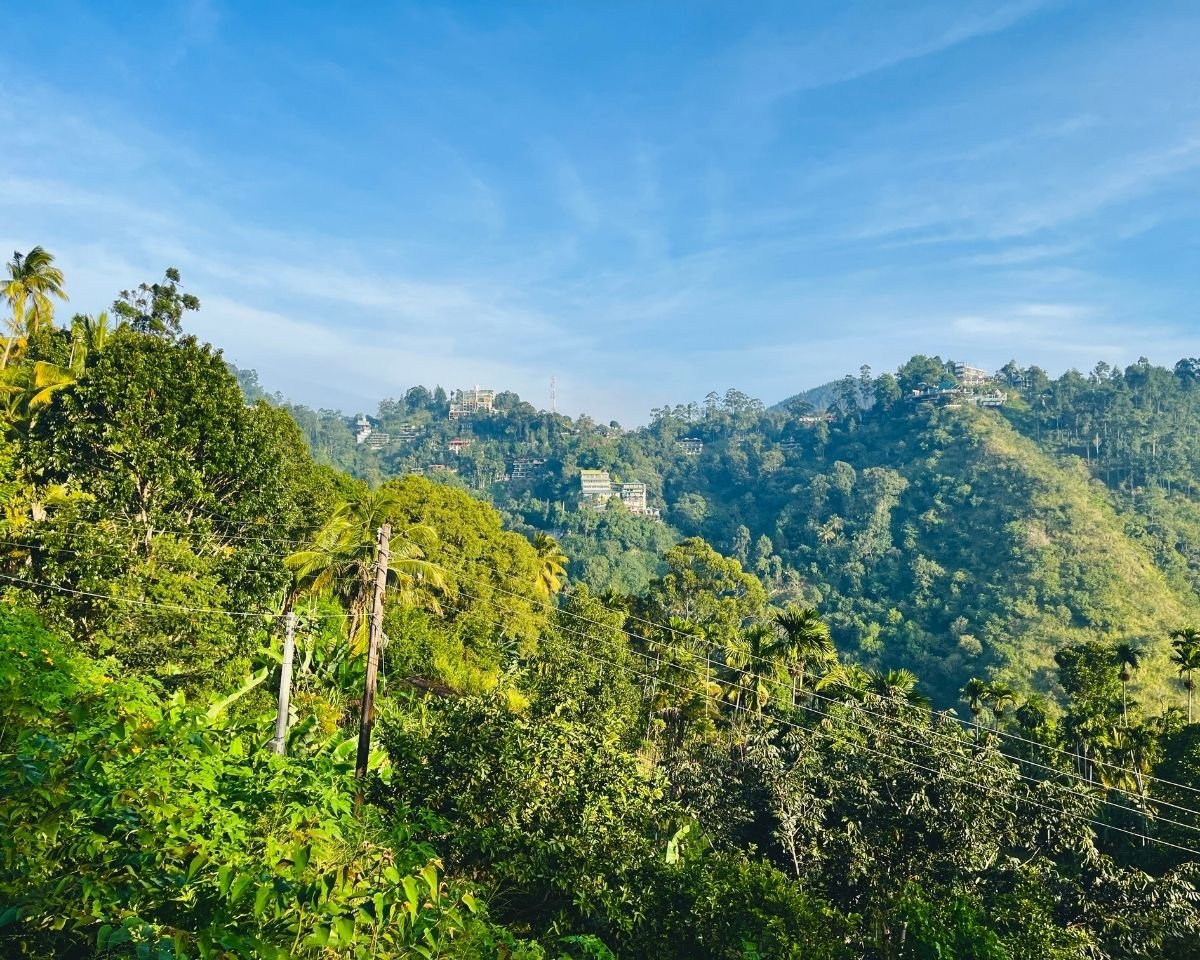
Ella is one of Sri Lanka’s most loved hill country destinations, known for Nine Arch Bridge, Little Adam’s Peak, Ella Rock, tea-covered slopes, waterfalls, scenic train views, misty valleys, and a relaxed mountain town atmosphere.
Attractions
Best Places to See in Ella

sophie_ettner
sophie_ettner
sophie_ettner
ravinkavish
ravinkavish
ravinkavish
ravinkavish
ravinkavish
ravinkavish
ravinkavish
ravinkavish
ravinkavish
lotta.maria.amelie
ravinkavish
ravinkavish
ravinkavish
ravinkavish
ravinkavish
ravinkavish
ravinkavish
ravinkavish
ravinkavish
ravinkavish
ravinkavish
ravinkavish
ravinkavish
Hike
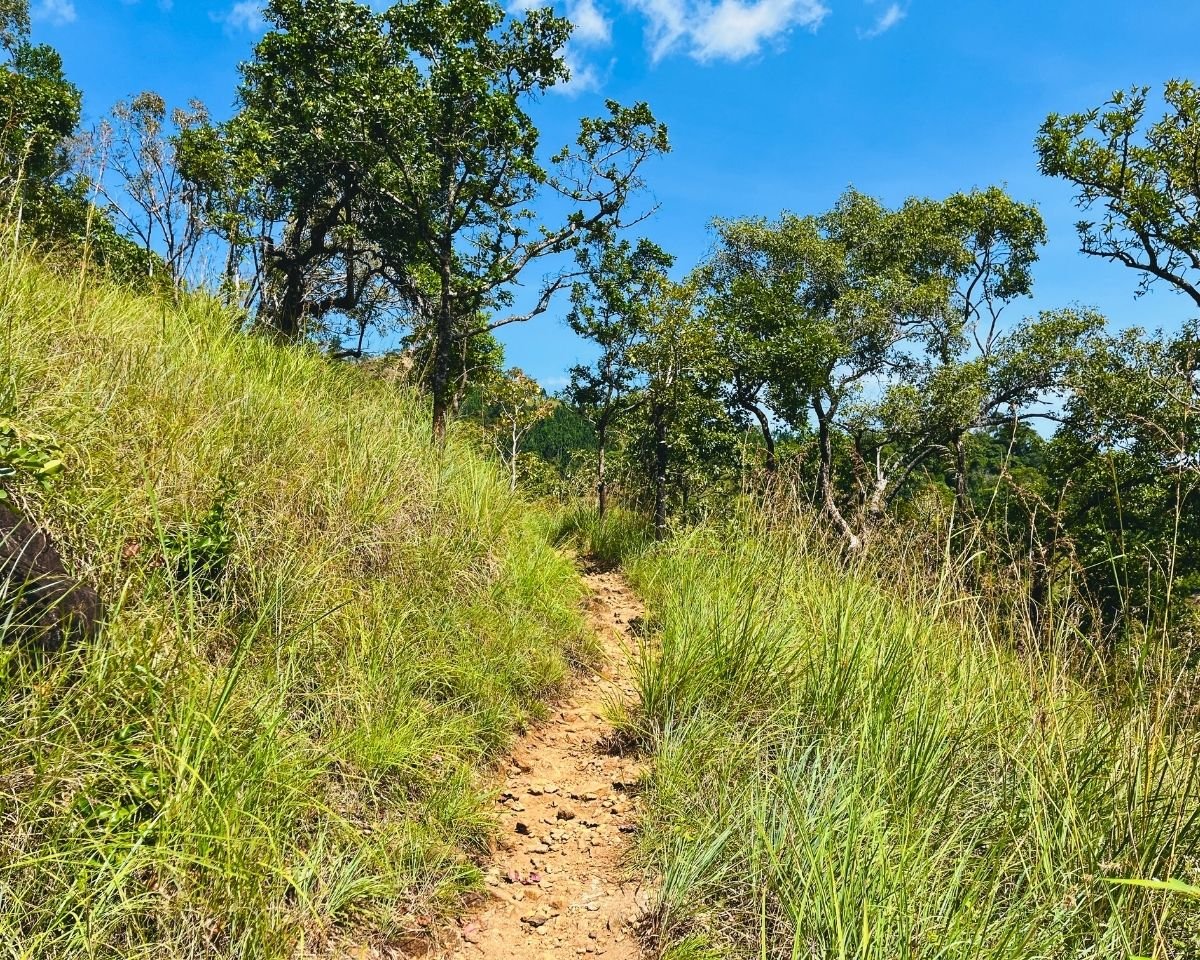
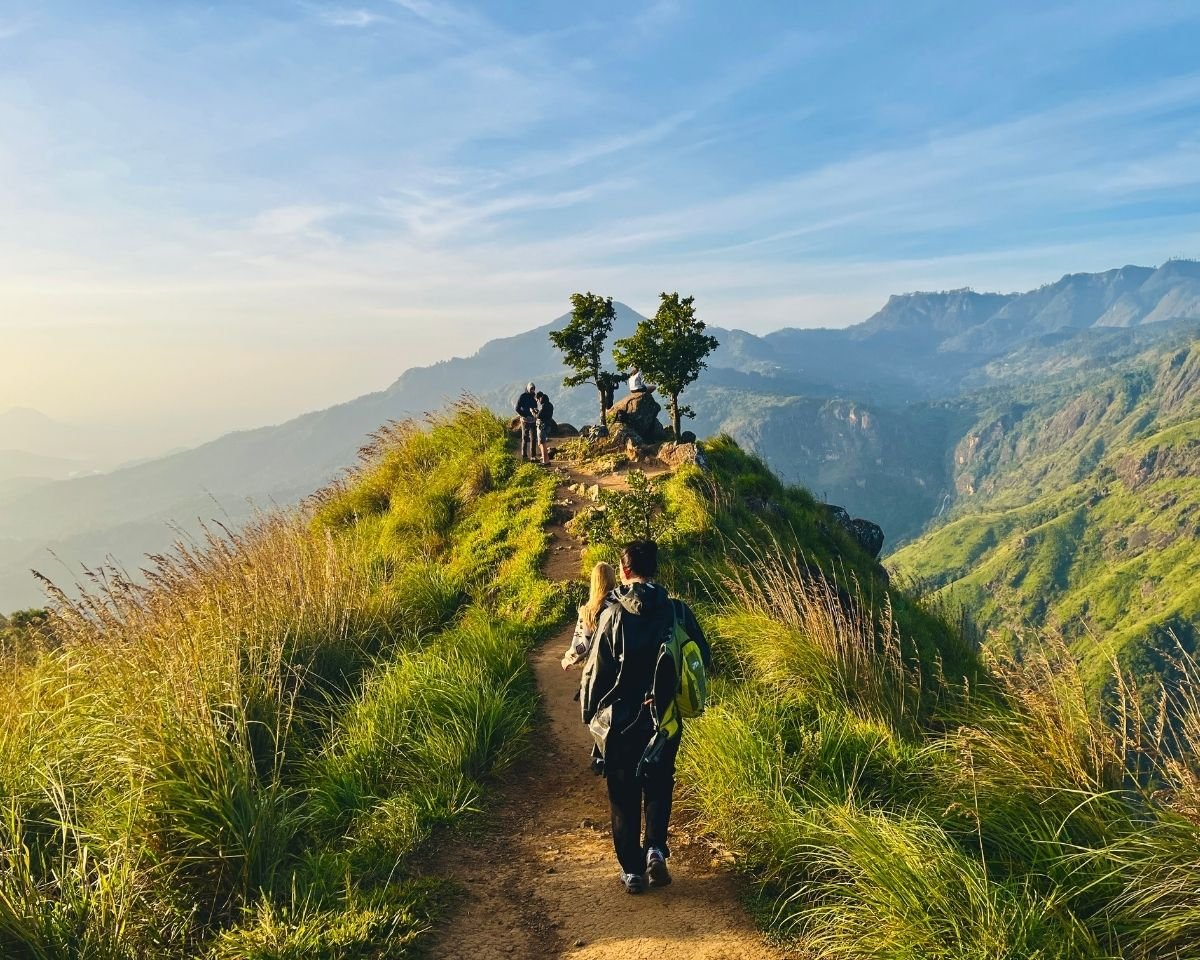
Easy to moderate hike on a well defined trail through tea estates. Around 30 to 45 minutes to the summit

Scenery
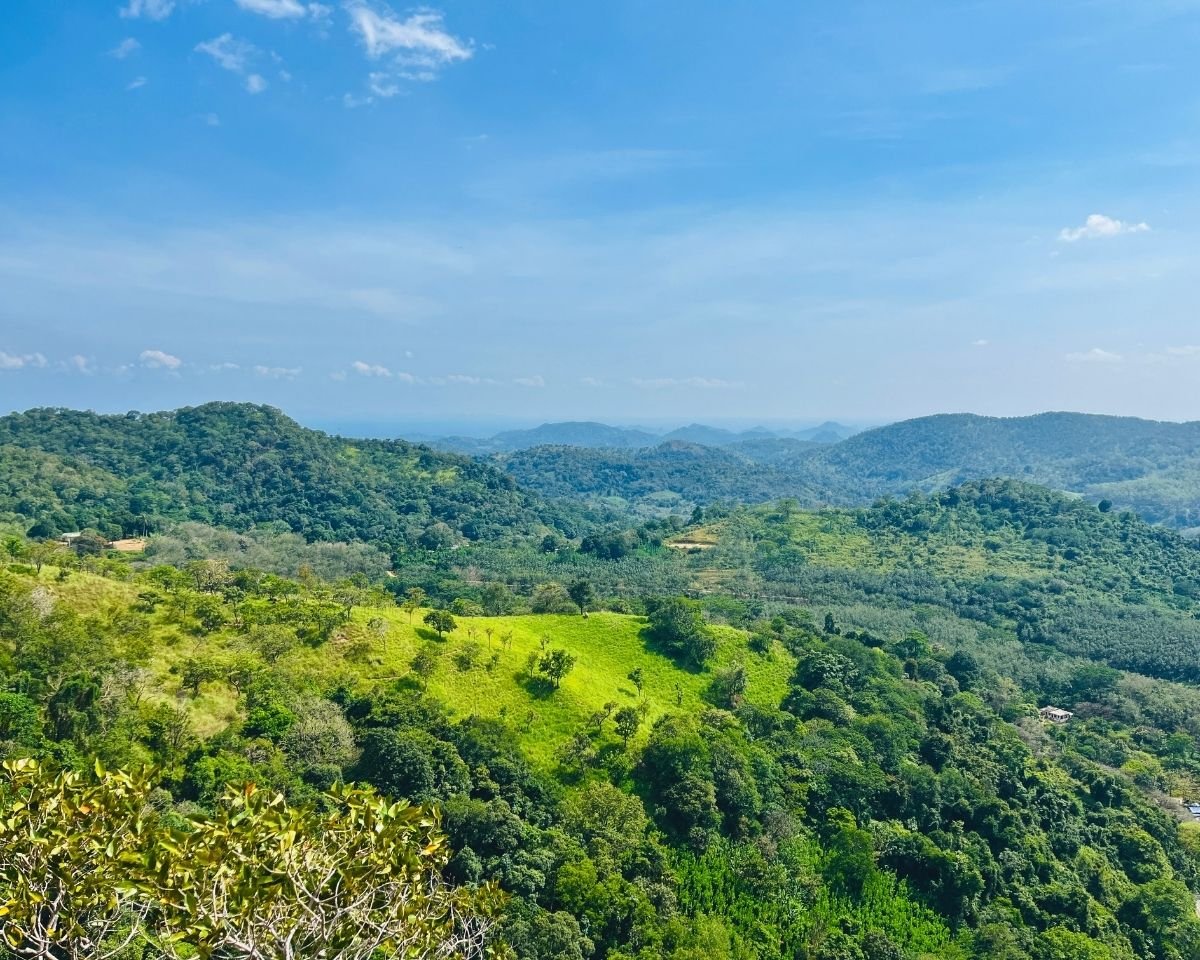
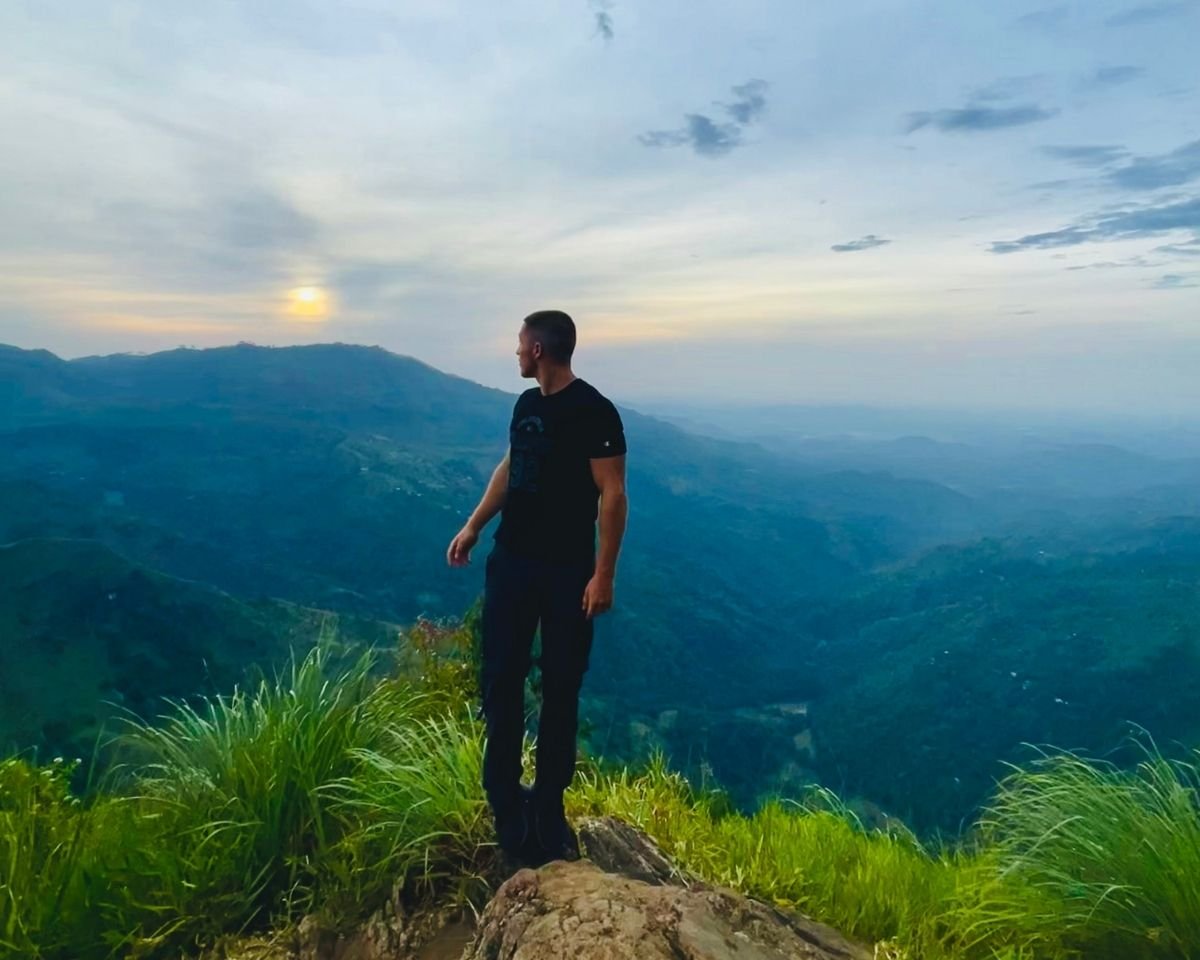
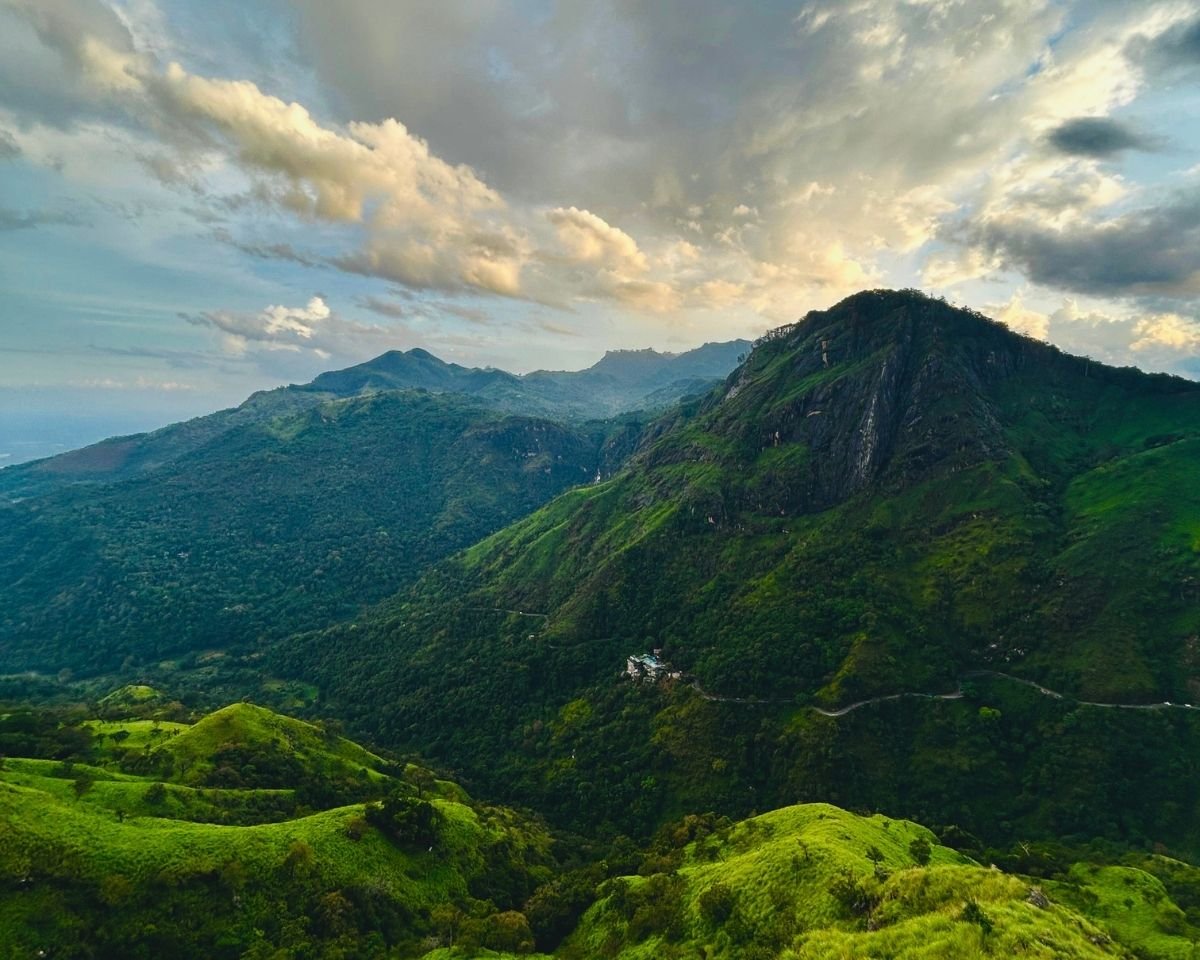
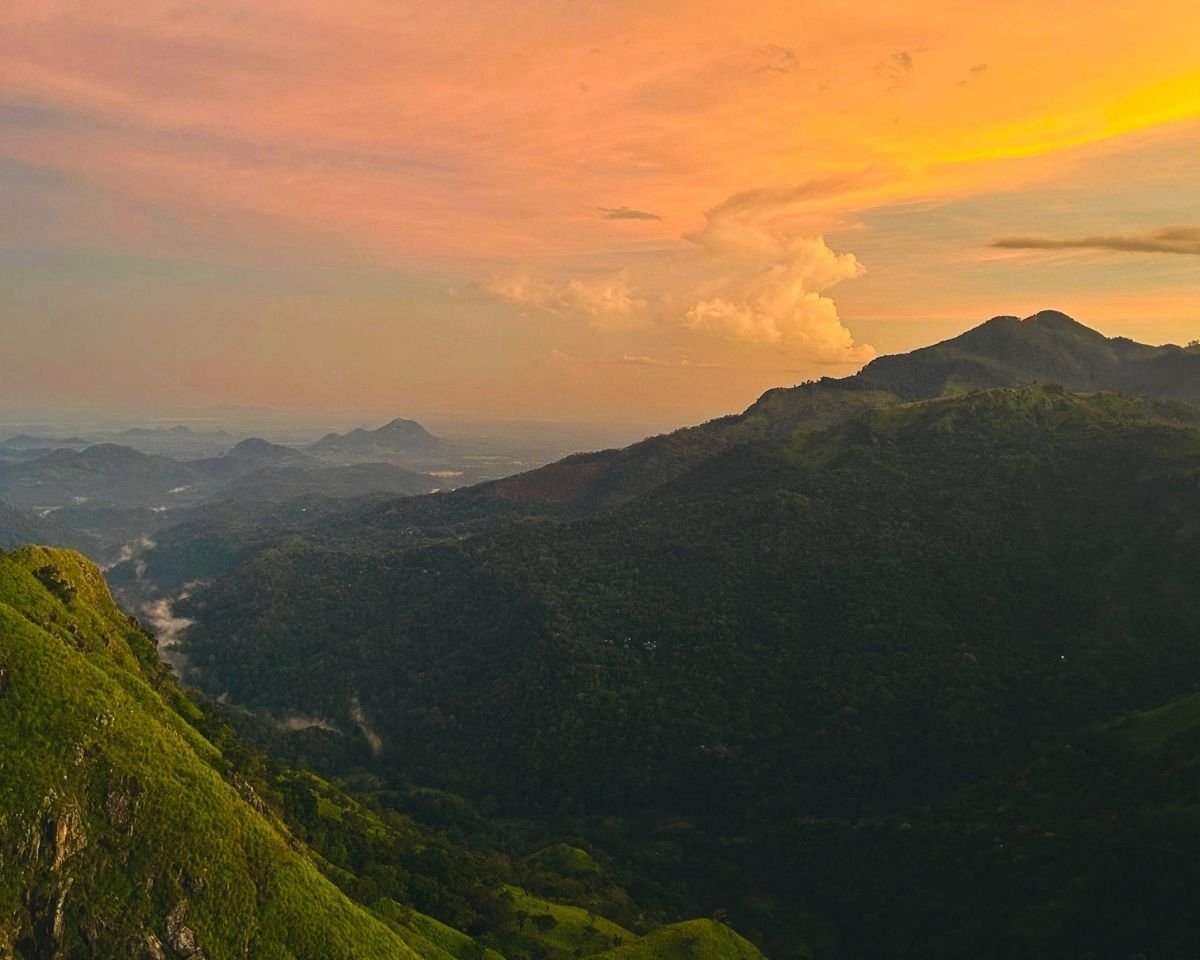
Panoramic views of forests and plains. Stunning sunrise and sunset vistas.
Little Adam’s Peak
Top Pick
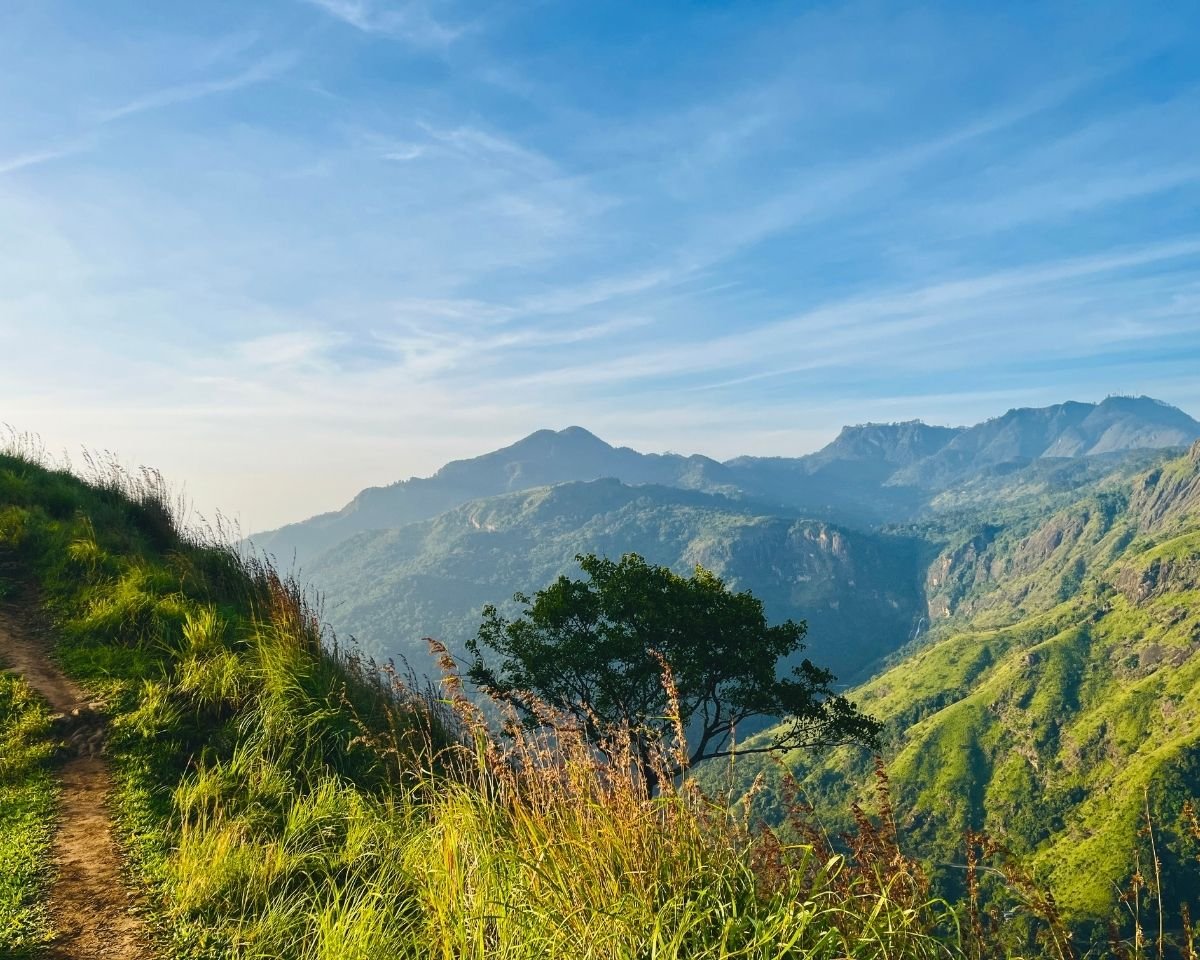
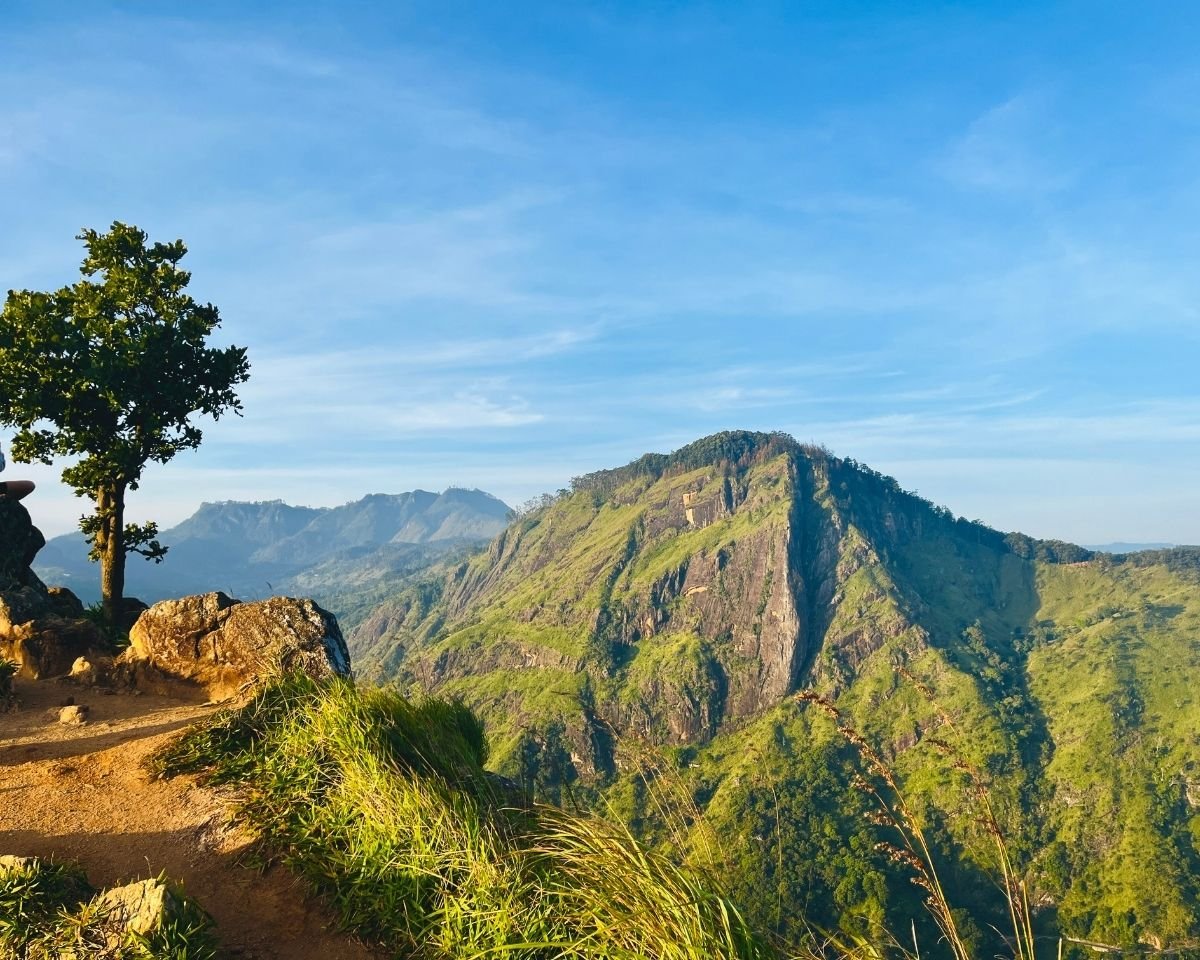
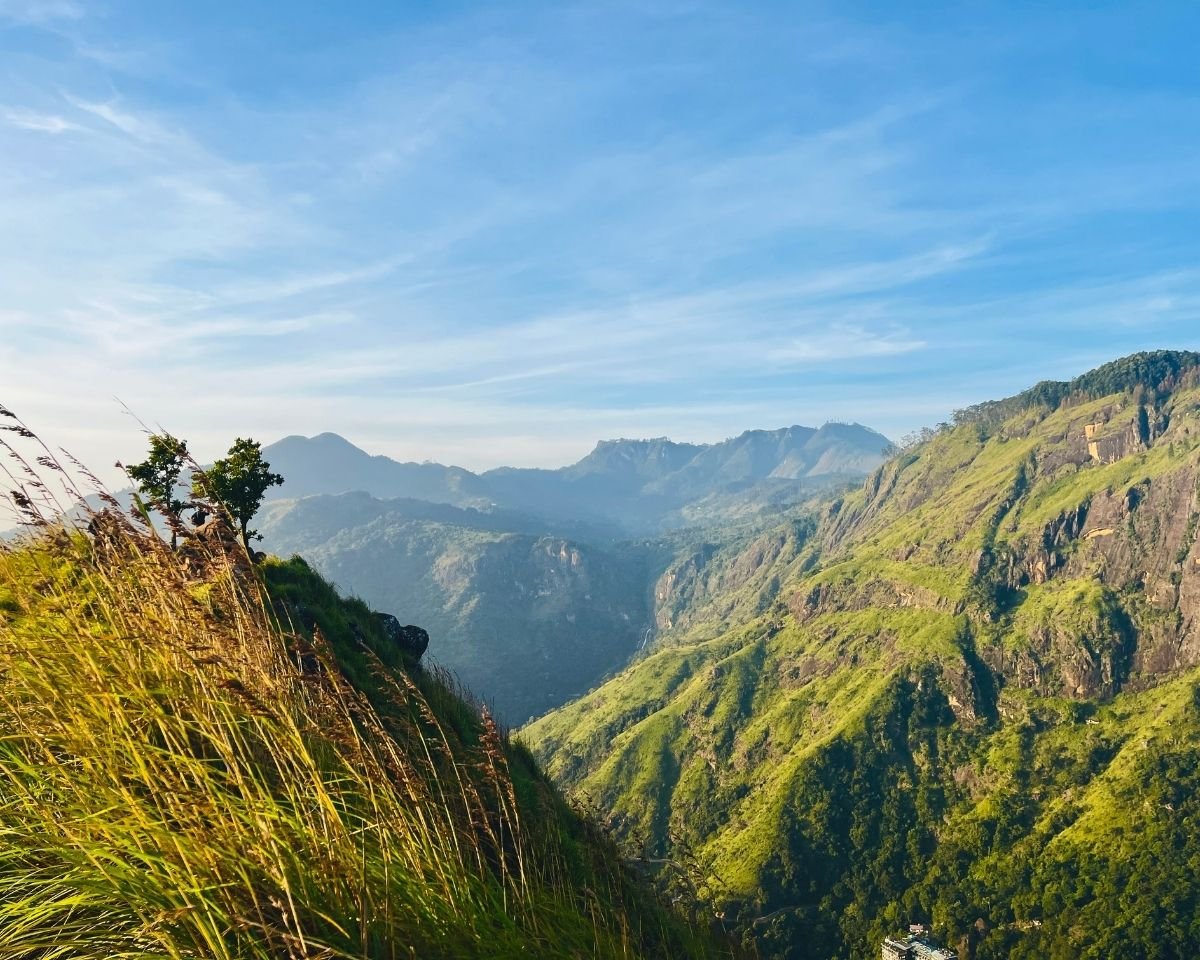
Little Adam's Peak is one of the most visited viewpoints in Ella and is widely regarded as one of the best easy hikes in Sri Lanka. Located just a short distance from the town centre, the trail leads through tea plantations, open hillsides, and mountain ridges before reaching a panoramic viewpoint overlooking the surrounding highlands. Its combination of accessibility, scenery, and relatively short walking time makes it a popular attraction for both first-time visitors and experienced hikers exploring Ella.
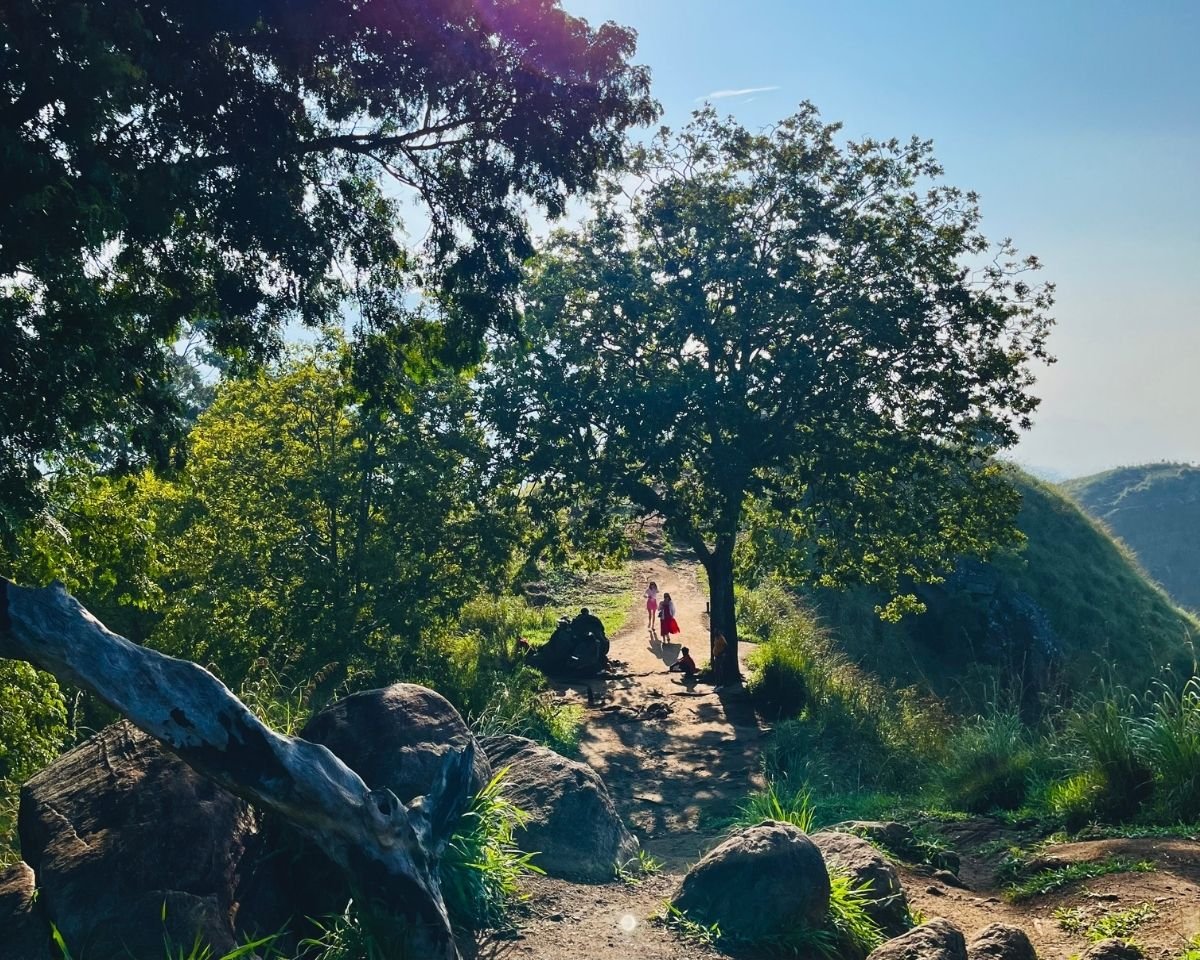
The hike begins near the southern edge of Ella and follows a well-established footpath through working tea estates that continue to shape the landscape of Sri Lanka's hill country. As the trail gradually climbs, the views open up across rolling mountains, forested valleys, cultivated slopes, and the famous Ella Gap. The route is considerably easier than nearby hikes such as Ella Rock, making it suitable for families, casual walkers, and travellers looking for rewarding views without a demanding climb.
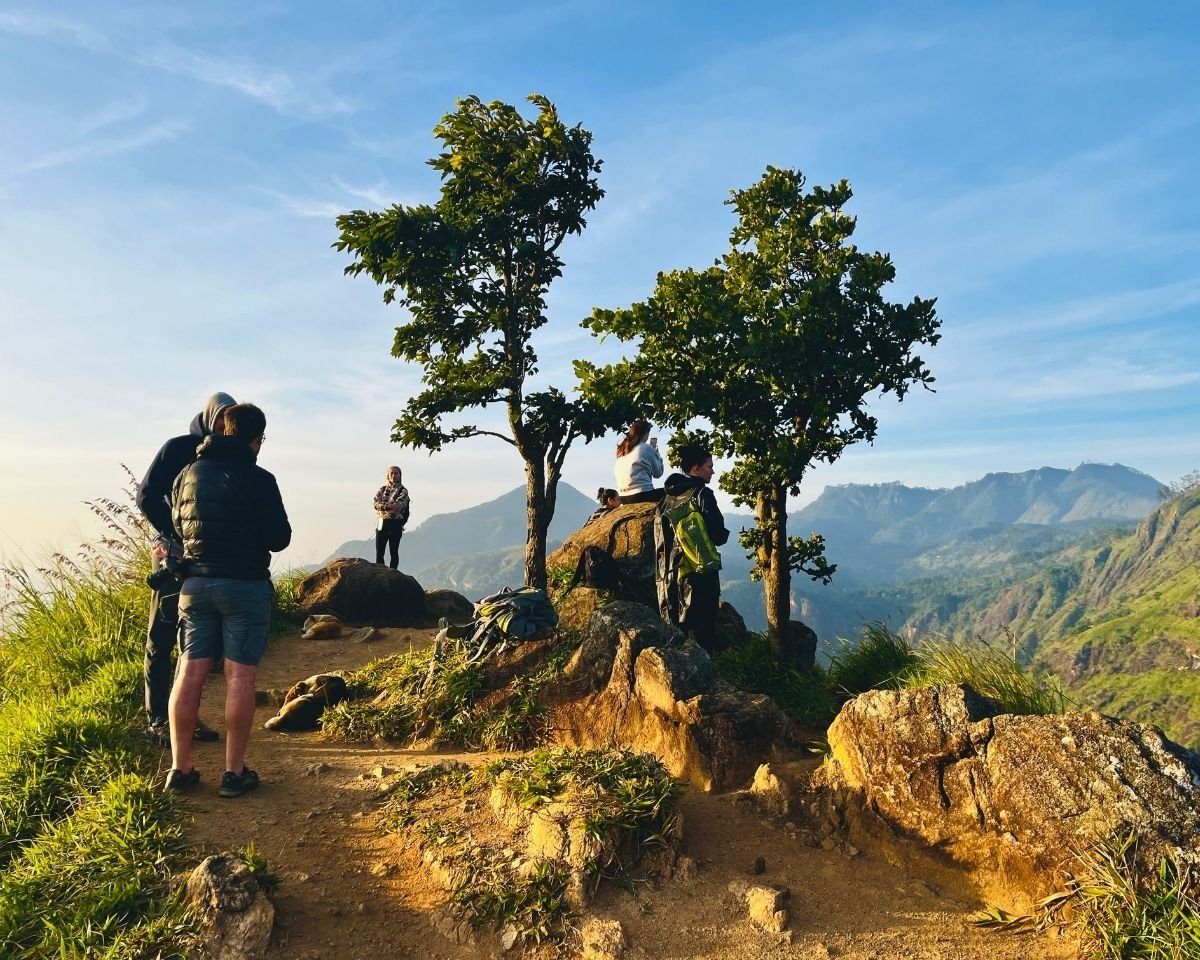
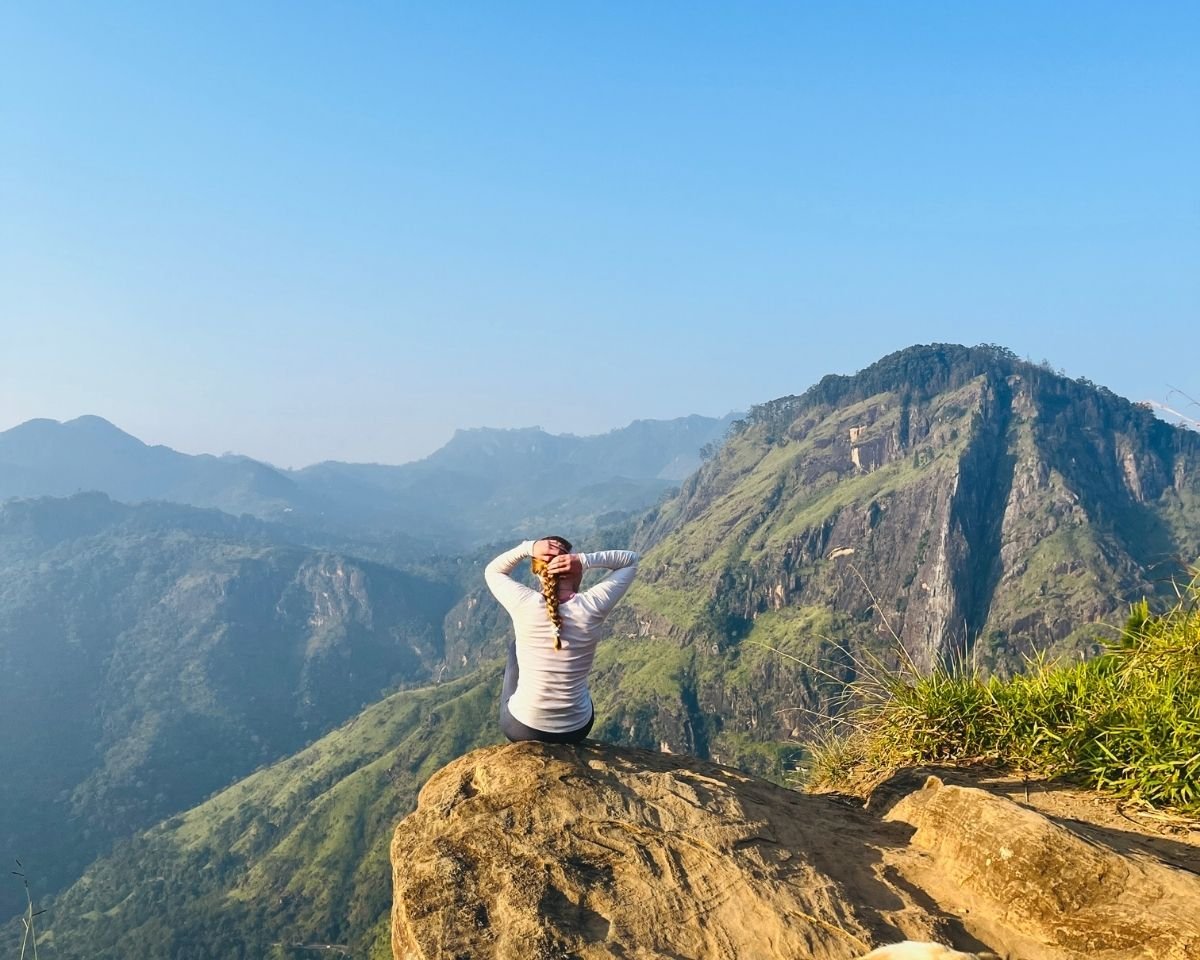
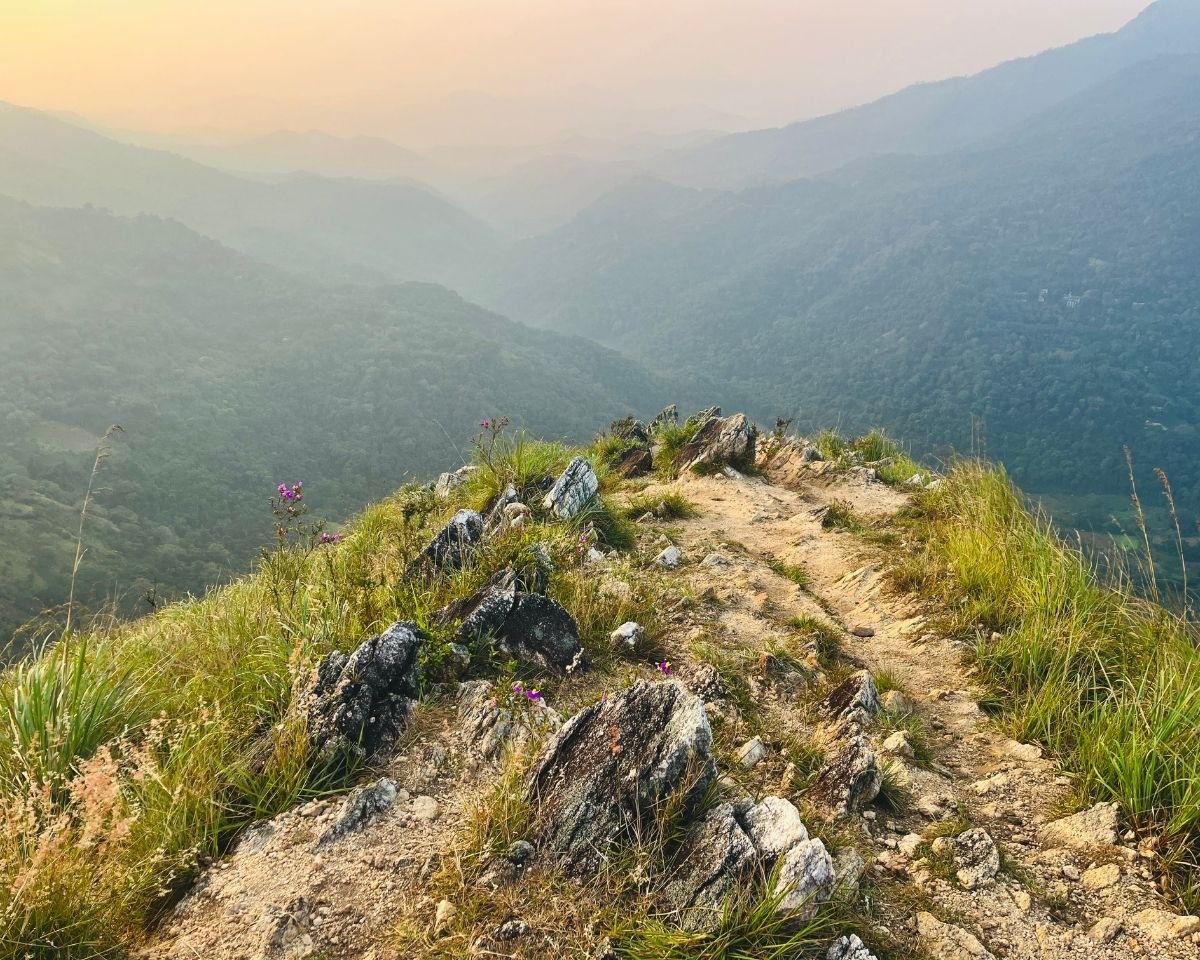
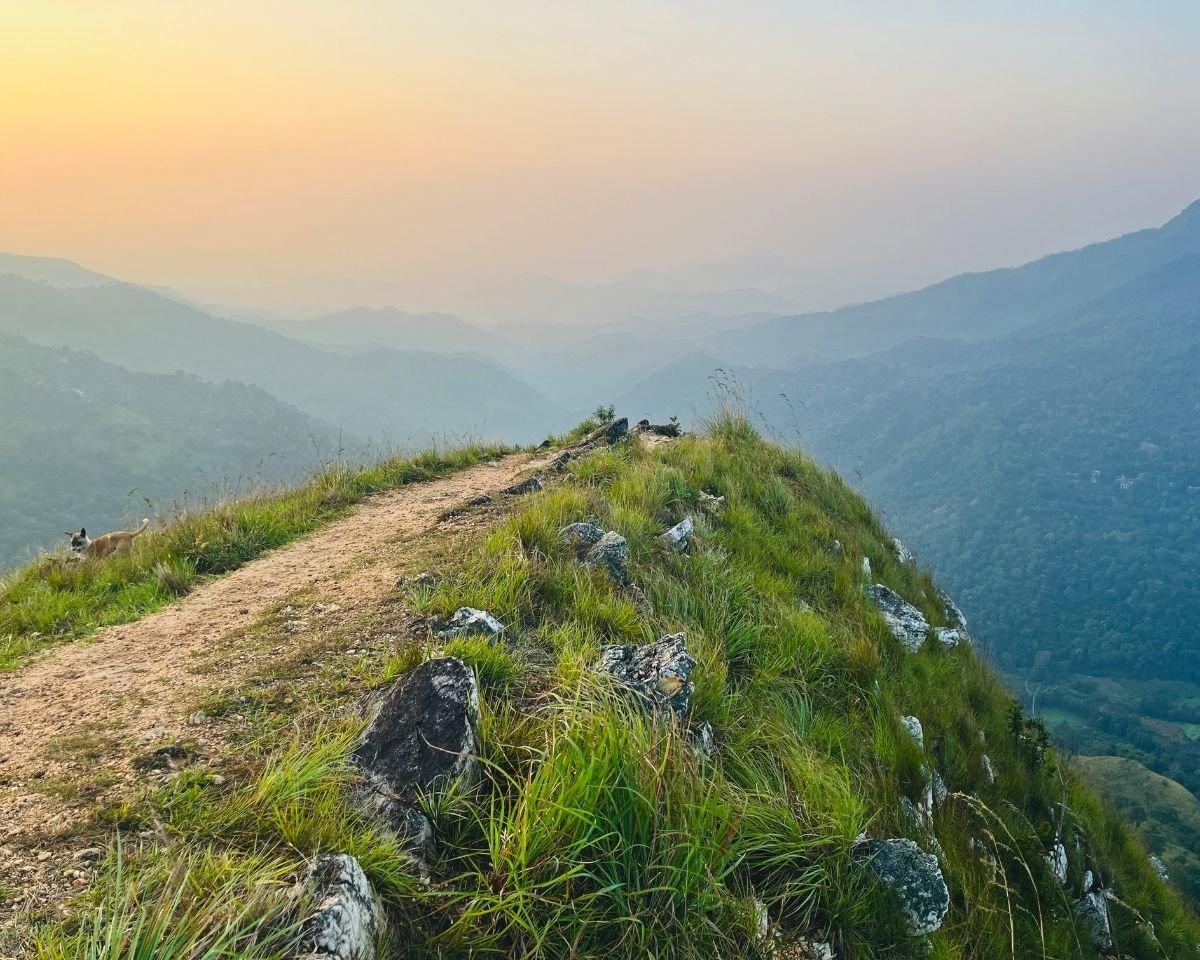
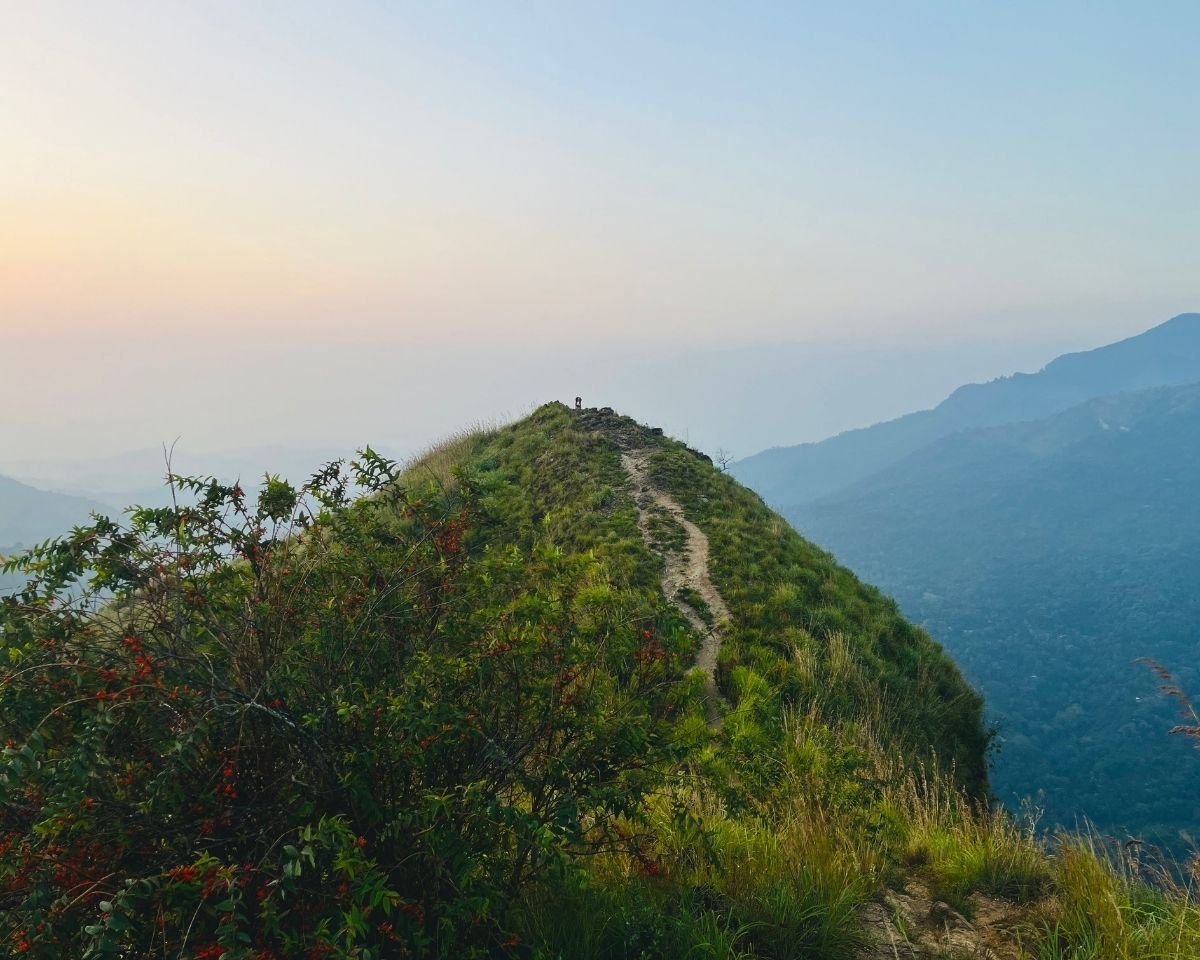
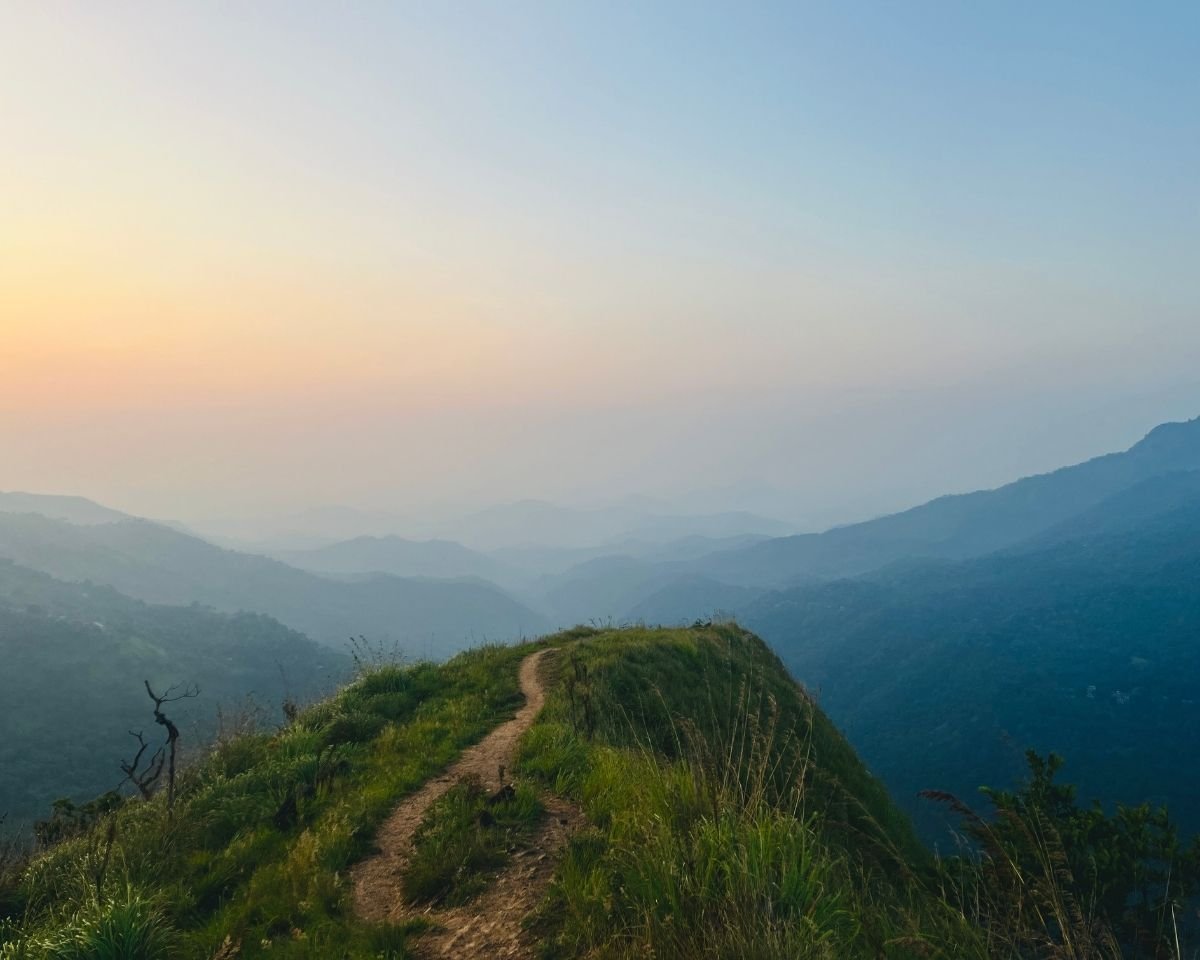
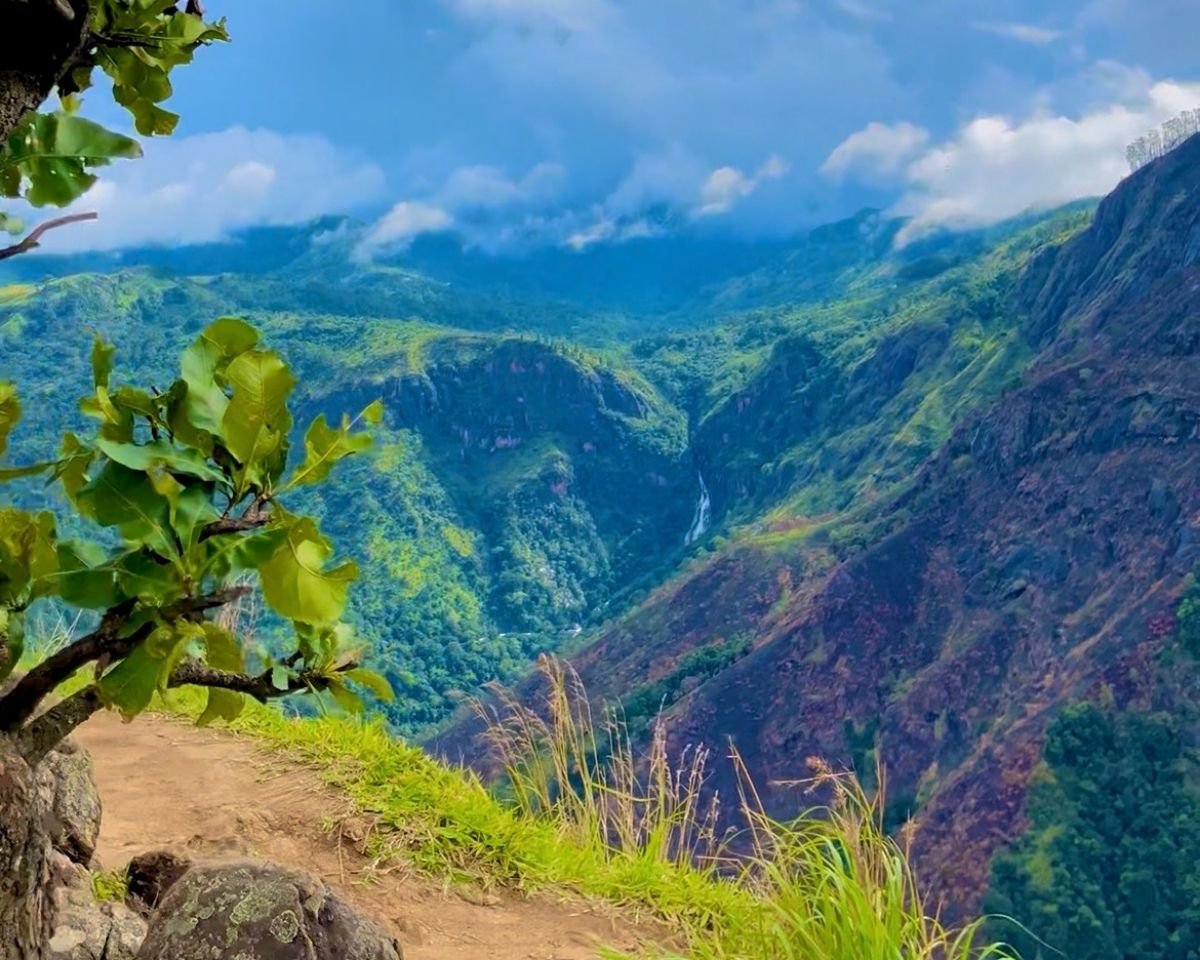
The summit provides a broad ridgeline viewpoint rather than a single rocky peak, allowing visitors to enjoy panoramic views in several directions. On clear days, it is possible to see Ella Rock, sections of the surrounding tea country, distant lowlands, and even Ravana Falls from certain vantage points along the ridge. Changing weather conditions often transform the landscape throughout the day, with morning mist, passing clouds, rain showers, and dramatic evening light creating a different experience on every visit.
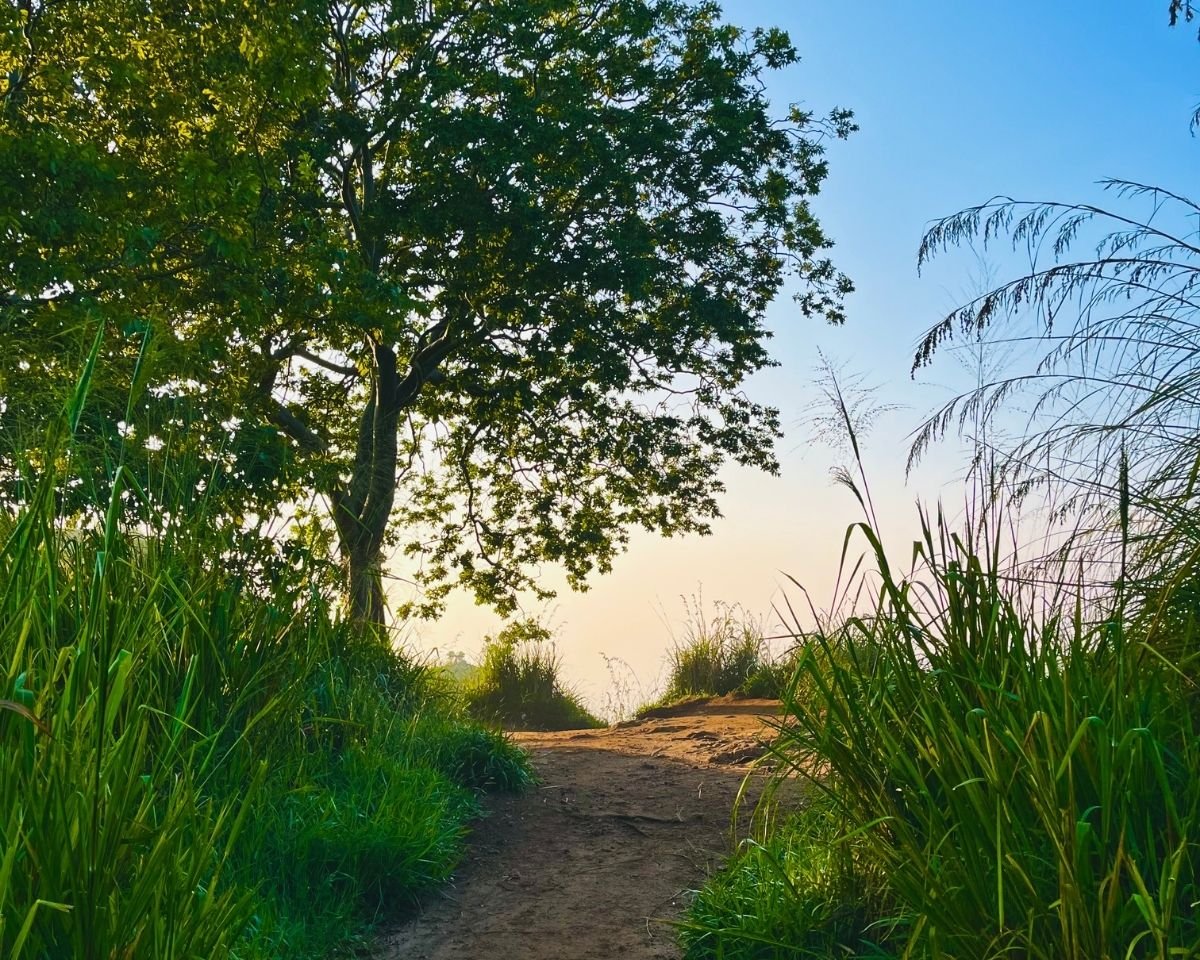
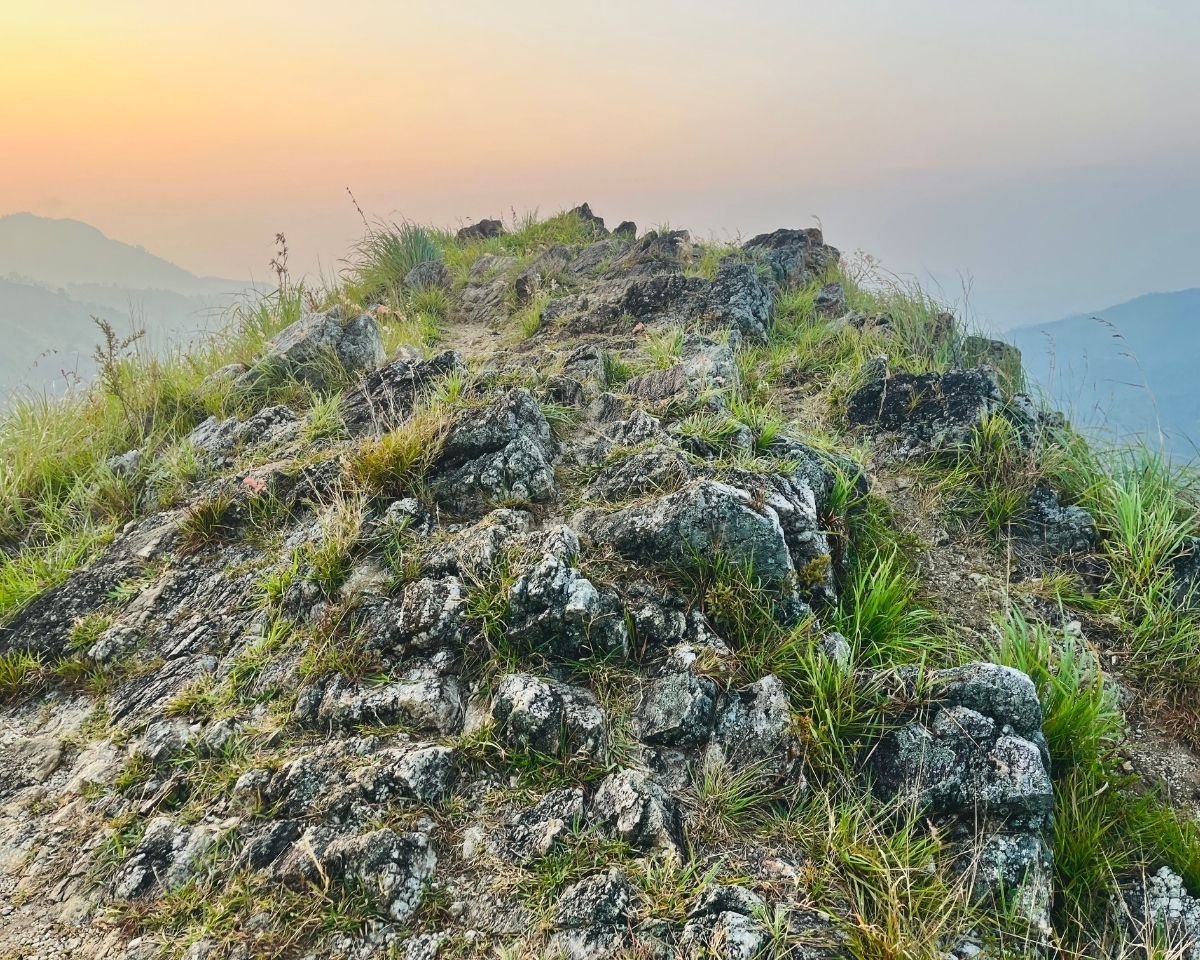
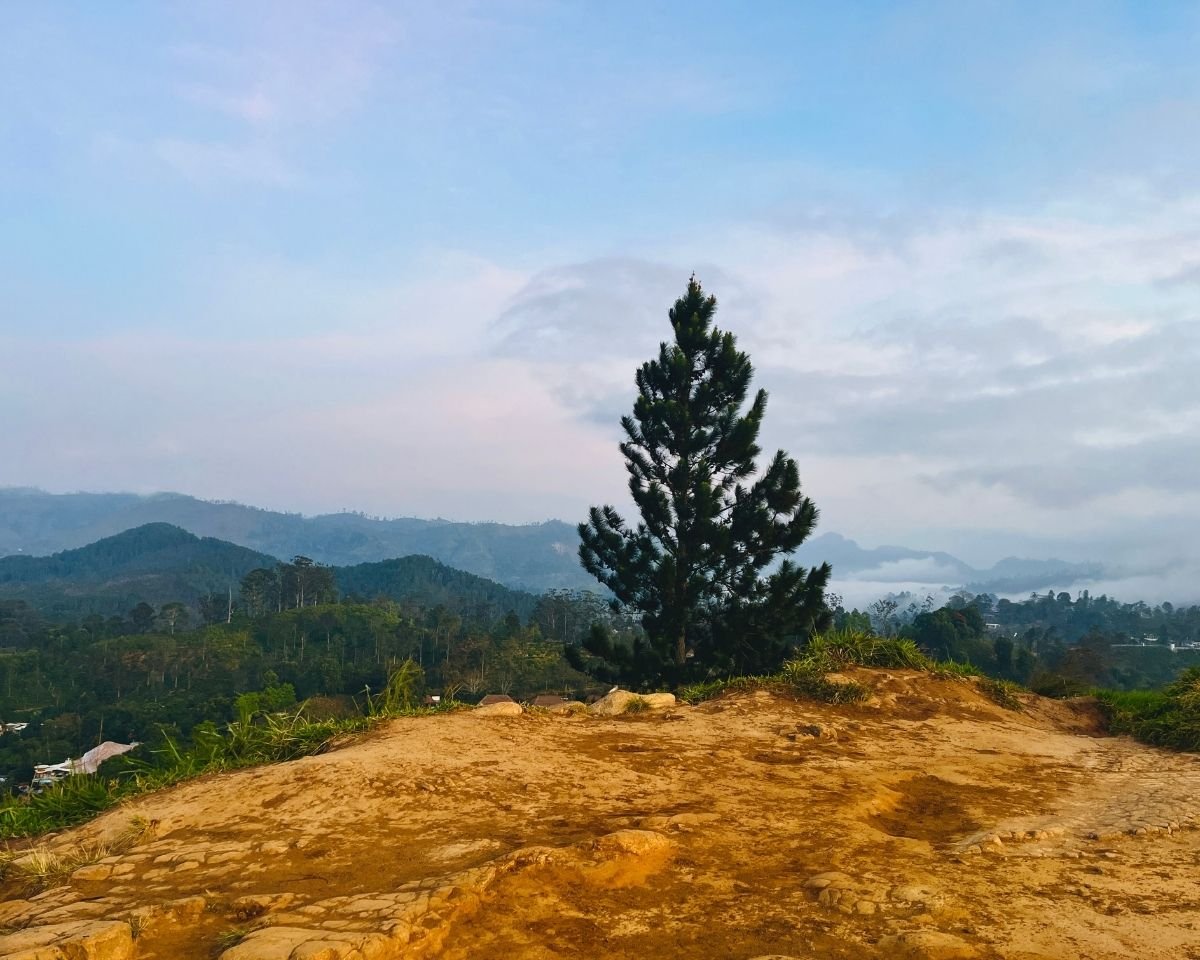
Many visitors choose to hike Little Adam's Peak at sunrise when the mountains are at their clearest and the temperatures are at their coolest. Others prefer late afternoon and sunset, when warm golden light spreads across the valleys and ridges of Ella. The trail remains enjoyable throughout the year, although visibility can vary depending on seasonal weather conditions in the central highlands.
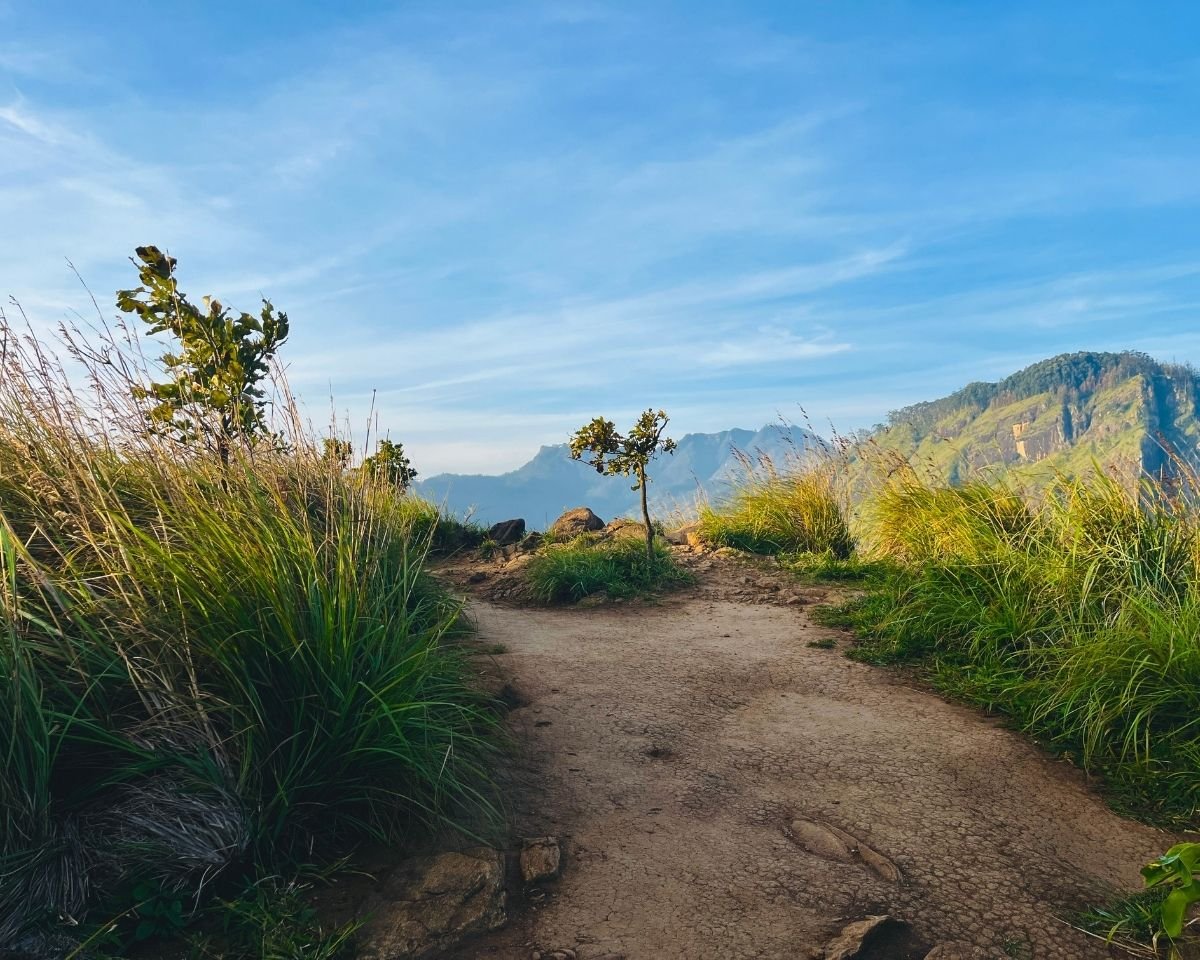
While most visitors stop at the main viewpoint, the ridgeline extends further beyond the summit and offers additional walking opportunities for those who wish to continue exploring. These quieter sections provide a different perspective of the surrounding mountains and help showcase the scale of the landscape beyond the popular lookout. Combined with its easy access, scenic views, and connection to Ella's tea-growing heritage, Little Adam's Peak remains one of the most rewarding places to visit in Sri Lanka's hill country.
Read MoreThe hike begins near the southern edge of Ella and follows a well-established footpath through working tea estates that continue to shape the landscape of Sri Lanka's hill country. As the trail gradually climbs, the views open up across rolling mountains, forested valleys, cultivated slopes, and the famous Ella Gap. The route is considerably easier than nearby hikes such as Ella Rock, making it suitable for families, casual walkers, and travellers looking for rewarding views without a demanding climb.
The summit provides a broad ridgeline viewpoint rather than a single rocky peak, allowing visitors to enjoy panoramic views in several directions. On clear days, it is possible to see Ella Rock, sections of the surrounding tea country, distant lowlands, and even Ravana Falls from certain vantage points along the ridge. Changing weather conditions often transform the landscape throughout the day, with morning mist, passing clouds, rain showers, and dramatic evening light creating a different experience on every visit.
Many visitors choose to hike Little Adam's Peak at sunrise when the mountains are at their clearest and the temperatures are at their coolest. Others prefer late afternoon and sunset, when warm golden light spreads across the valleys and ridges of Ella. The trail remains enjoyable throughout the year, although visibility can vary depending on seasonal weather conditions in the central highlands.
While most visitors stop at the main viewpoint, the ridgeline extends further beyond the summit and offers additional walking opportunities for those who wish to continue exploring. These quieter sections provide a different perspective of the surrounding mountains and help showcase the scale of the landscape beyond the popular lookout. Combined with its easy access, scenic views, and connection to Ella's tea-growing heritage, Little Adam's Peak remains one of the most rewarding places to visit in Sri Lanka's hill country.

ssofiainfiore
ssofiainfiore
sophie_ettner
sophie_ettner
joshua_laporta
ssofiainfiore
joshua_laporta
sophie_ettner
sophie_ettner
ravinkavish
Bridge
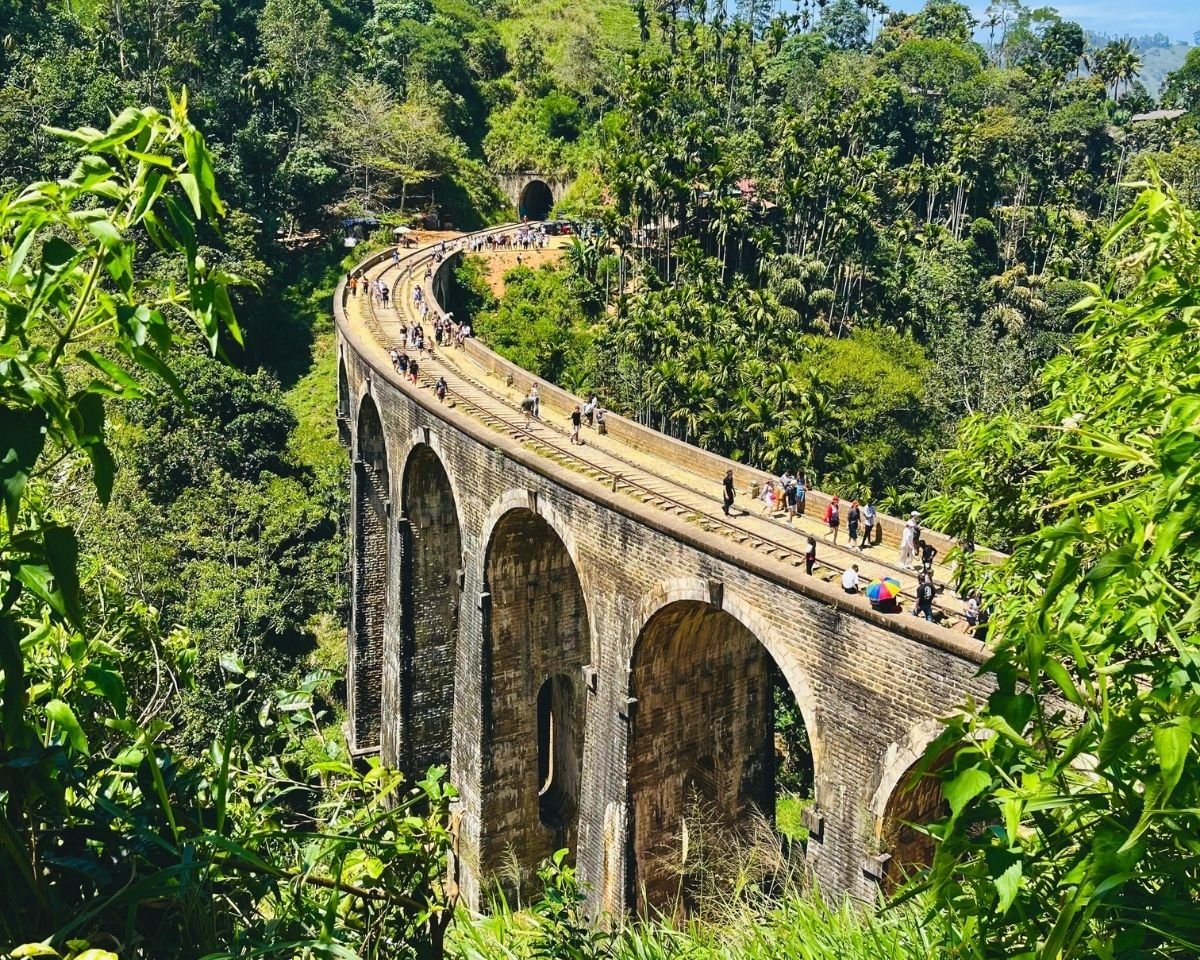
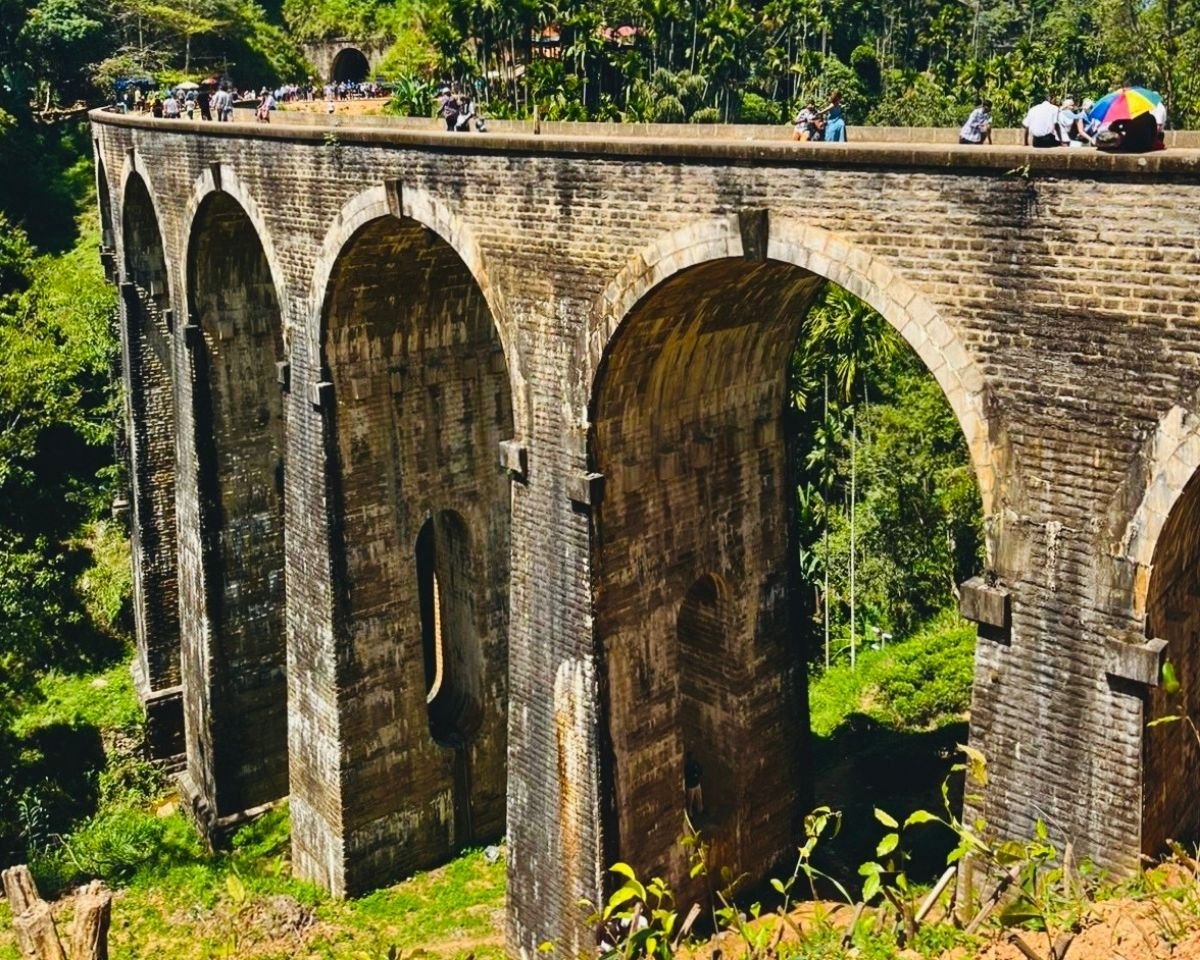
Historic nine arch railway bridge built entirely of stone, brick, and cement, without the use of steel.

History
Built in the early 20th century during the British colonial period as part of Sri Lanka’s hill country railway line.

Scenery
Stone arches spanning a lush green valley surrounded by tea estates, forested slopes, and rolling hills.

Hike
Short downhill walk from nearby access points through tea estates and village paths. Moderate climb on the return.
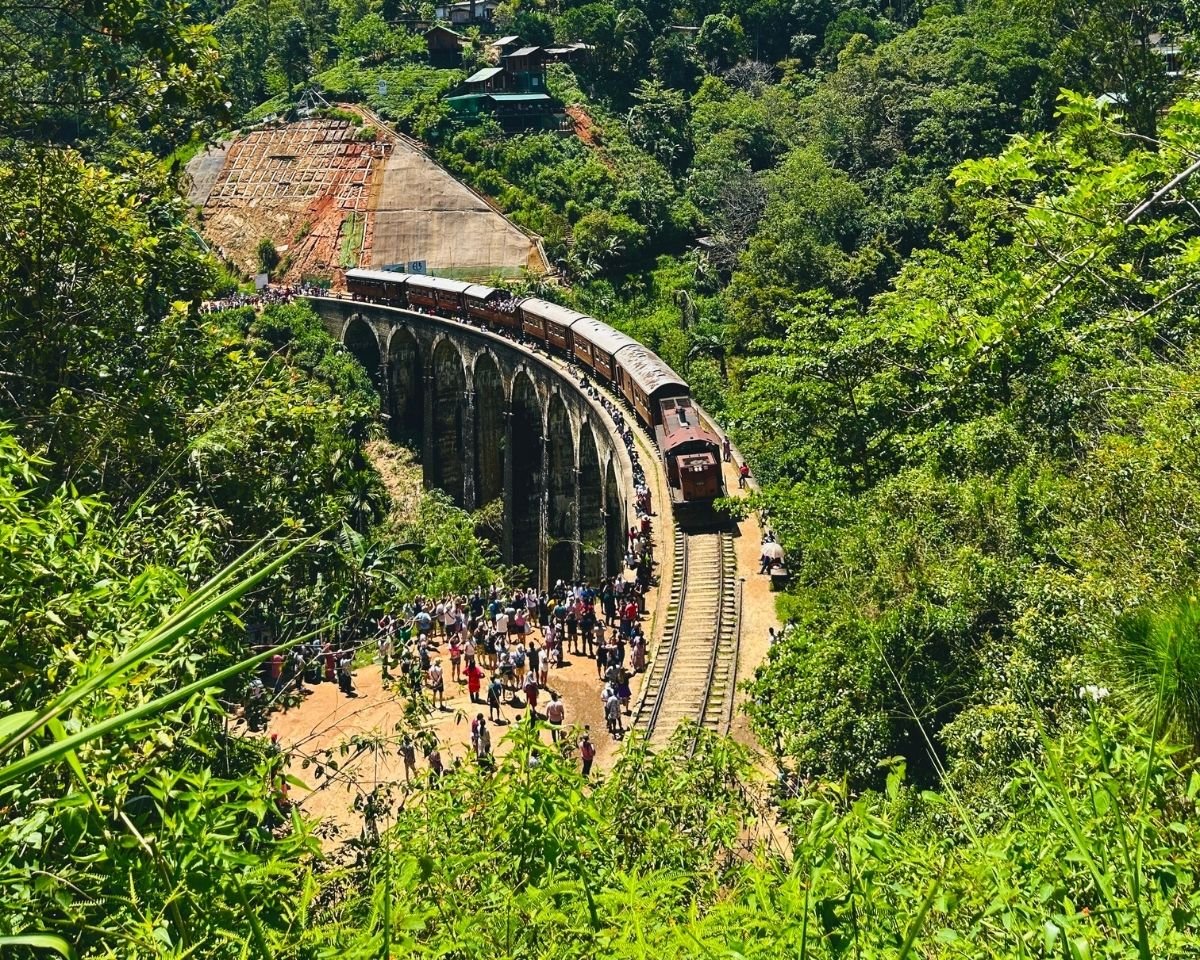
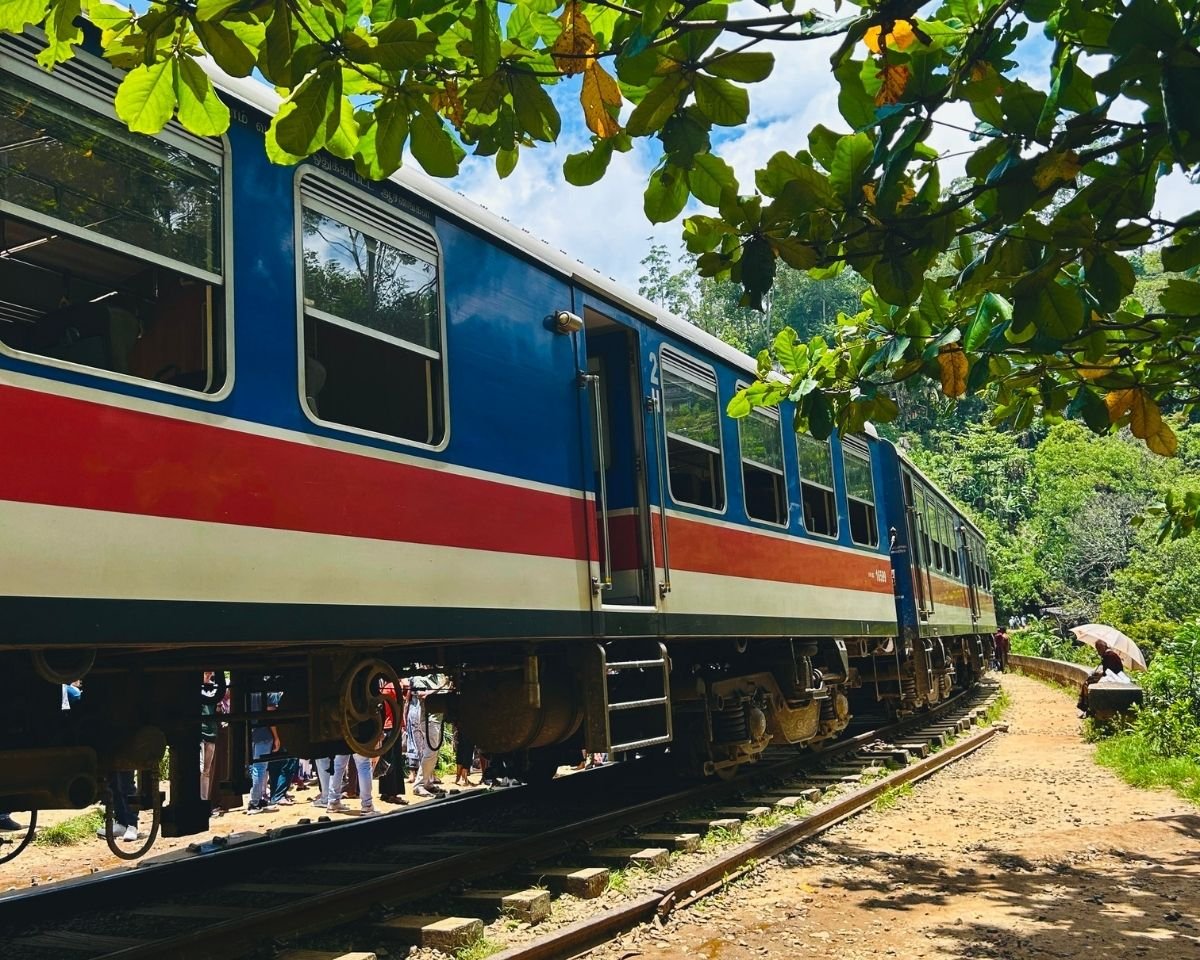
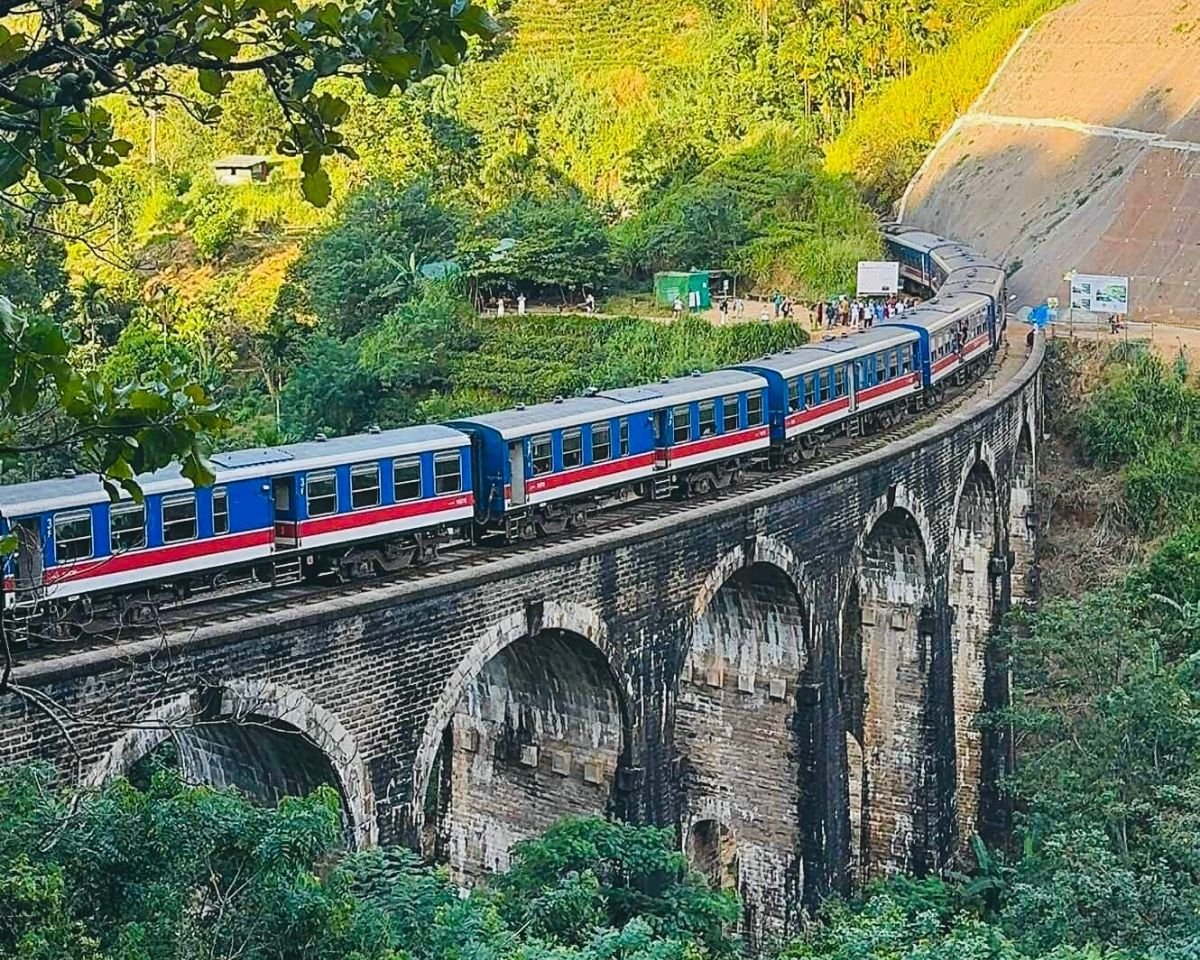
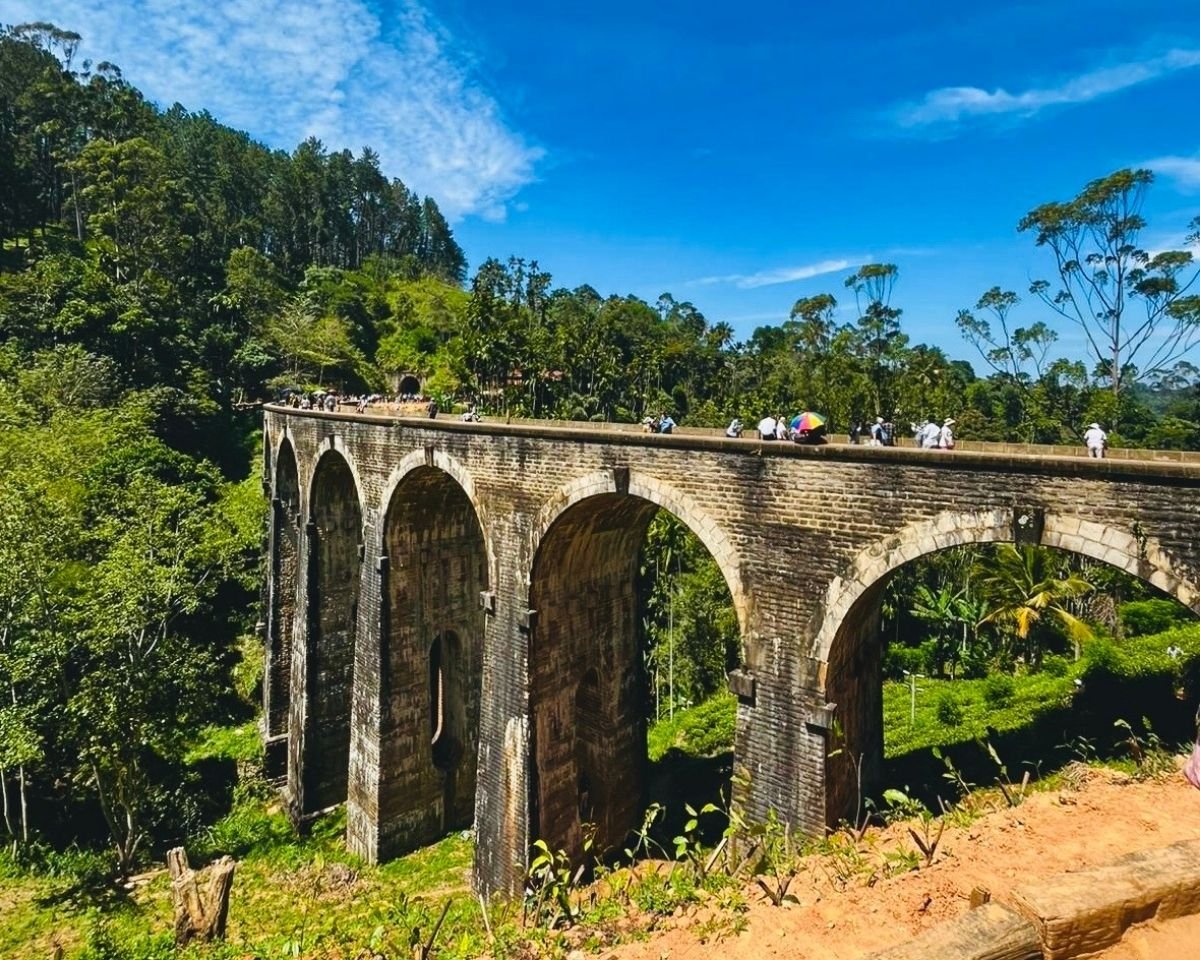
Nine Arch Bridge is one of the most famous landmarks in Ella and one of the most photographed railway bridges in Sri Lanka. Hidden within a forested valley surrounded by tea plantations and rolling hills, the bridge is renowned for its elegant stone arches, scenic setting, and the iconic blue trains that regularly pass across it. Built during the British colonial period, the structure remains one of the finest examples of early railway engineering in Sri Lanka.
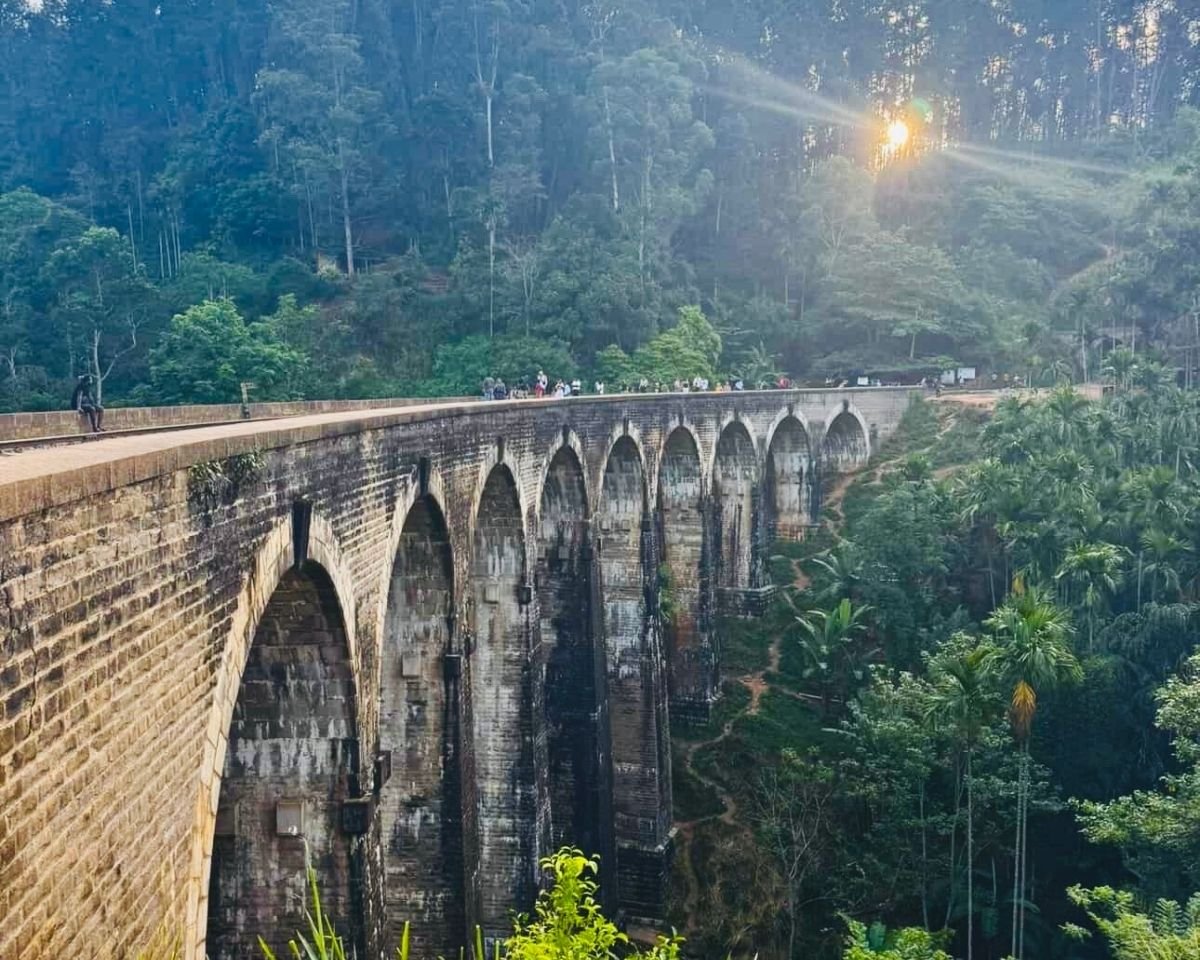
Completed in the early 20th century, Nine Arch Bridge stretches across a deep jungle-covered valley and is constructed almost entirely from stone, brick, and cement, with little to no steel used in its main structure. Its nine symmetrical arches support a section of the famous Kandy to Ella railway line, which is widely regarded as one of the most scenic train journeys in the world. More than a century after its construction, the bridge continues to serve daily passenger trains while remaining one of Ella's most visited attractions.
Visitors can reach the bridge via several walking routes that descend through tea estates, village footpaths, and forest trails. Along the way, viewpoints open across the valley, revealing the bridge framed by dense greenery and layered mountain ridges. The surrounding landscape is as much a part of the experience as the structure itself, combining railway heritage with the natural beauty of Sri Lanka's hill country.
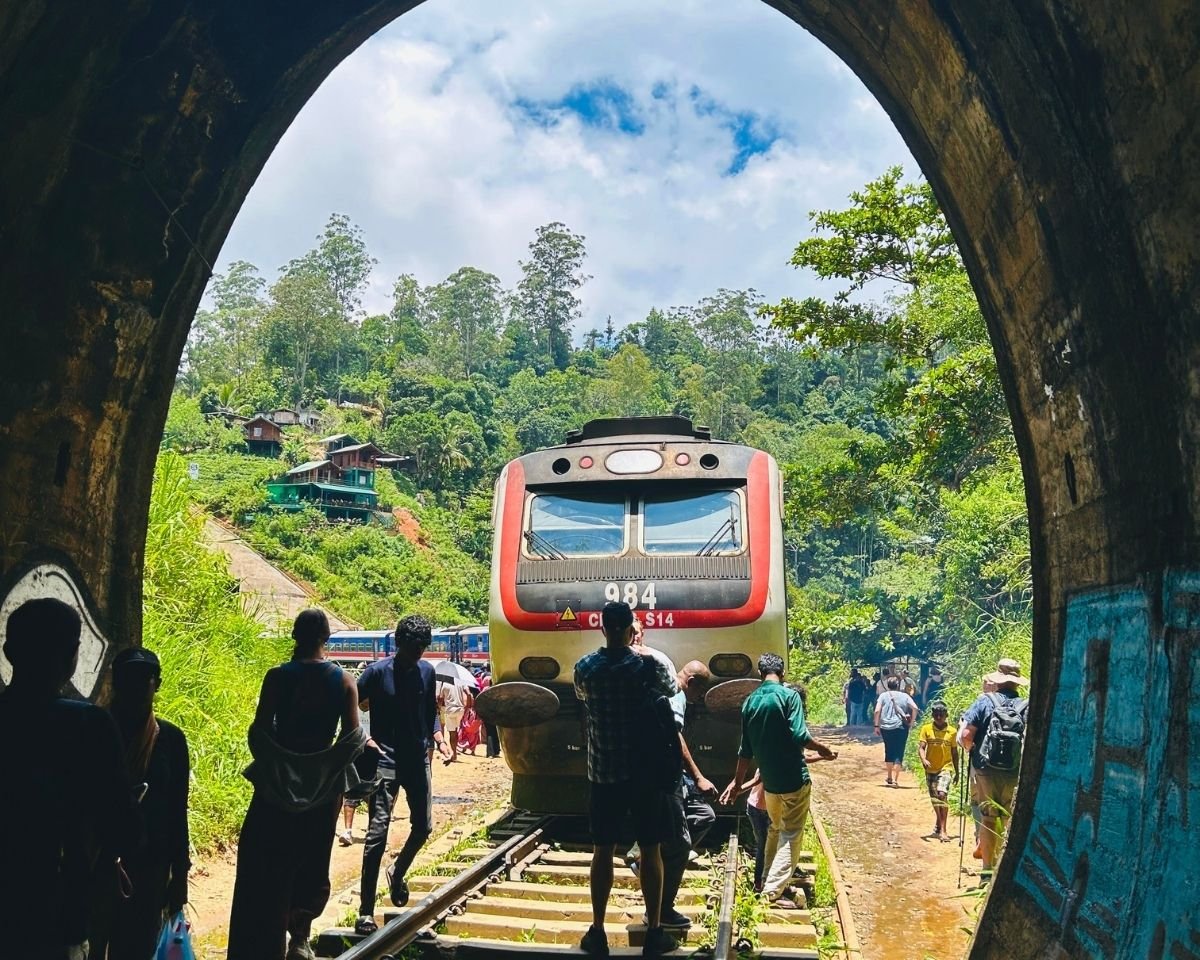
The most popular time to visit is when a train crosses the bridge. As the locomotive emerges from the surrounding forest and slowly travels across the arches, the scene creates one of the most recognisable images in Sri Lankan tourism. Between train crossings, visitors can walk beneath the arches, explore nearby viewpoints, visit the railway tunnel, or simply enjoy the peaceful atmosphere of the valley.
Whether viewed from above, from the railway tracks, from the jungle viewpoints, or from beneath the arches themselves, Nine Arch Bridge offers a unique combination of history, engineering, photography, and landscape. Its enduring beauty and cultural significance have made it one of the defining attractions of Ella and one of the most iconic railway landmarks in Sri Lanka.
Read MoreCompleted in the early 20th century, Nine Arch Bridge stretches across a deep jungle-covered valley and is constructed almost entirely from stone, brick, and cement, with little to no steel used in its main structure. Its nine symmetrical arches support a section of the famous Kandy to Ella railway line, which is widely regarded as one of the most scenic train journeys in the world. More than a century after its construction, the bridge continues to serve daily passenger trains while remaining one of Ella's most visited attractions.
Visitors can reach the bridge via several walking routes that descend through tea estates, village footpaths, and forest trails. Along the way, viewpoints open across the valley, revealing the bridge framed by dense greenery and layered mountain ridges. The surrounding landscape is as much a part of the experience as the structure itself, combining railway heritage with the natural beauty of Sri Lanka's hill country.
The most popular time to visit is when a train crosses the bridge. As the locomotive emerges from the surrounding forest and slowly travels across the arches, the scene creates one of the most recognisable images in Sri Lankan tourism. Between train crossings, visitors can walk beneath the arches, explore nearby viewpoints, visit the railway tunnel, or simply enjoy the peaceful atmosphere of the valley.
Whether viewed from above, from the railway tracks, from the jungle viewpoints, or from beneath the arches themselves, Nine Arch Bridge offers a unique combination of history, engineering, photography, and landscape. Its enduring beauty and cultural significance have made it one of the defining attractions of Ella and one of the most iconic railway landmarks in Sri Lanka.

sophie_ettner
Hill Town
Popular hill country town known for scenic views and relaxed atmosphere.

Scenery
Mountain landscapes, tea plantations, valleys, and mist covered hills.
Ella Town
Top Pick
Location
Ella Town
Ella Town
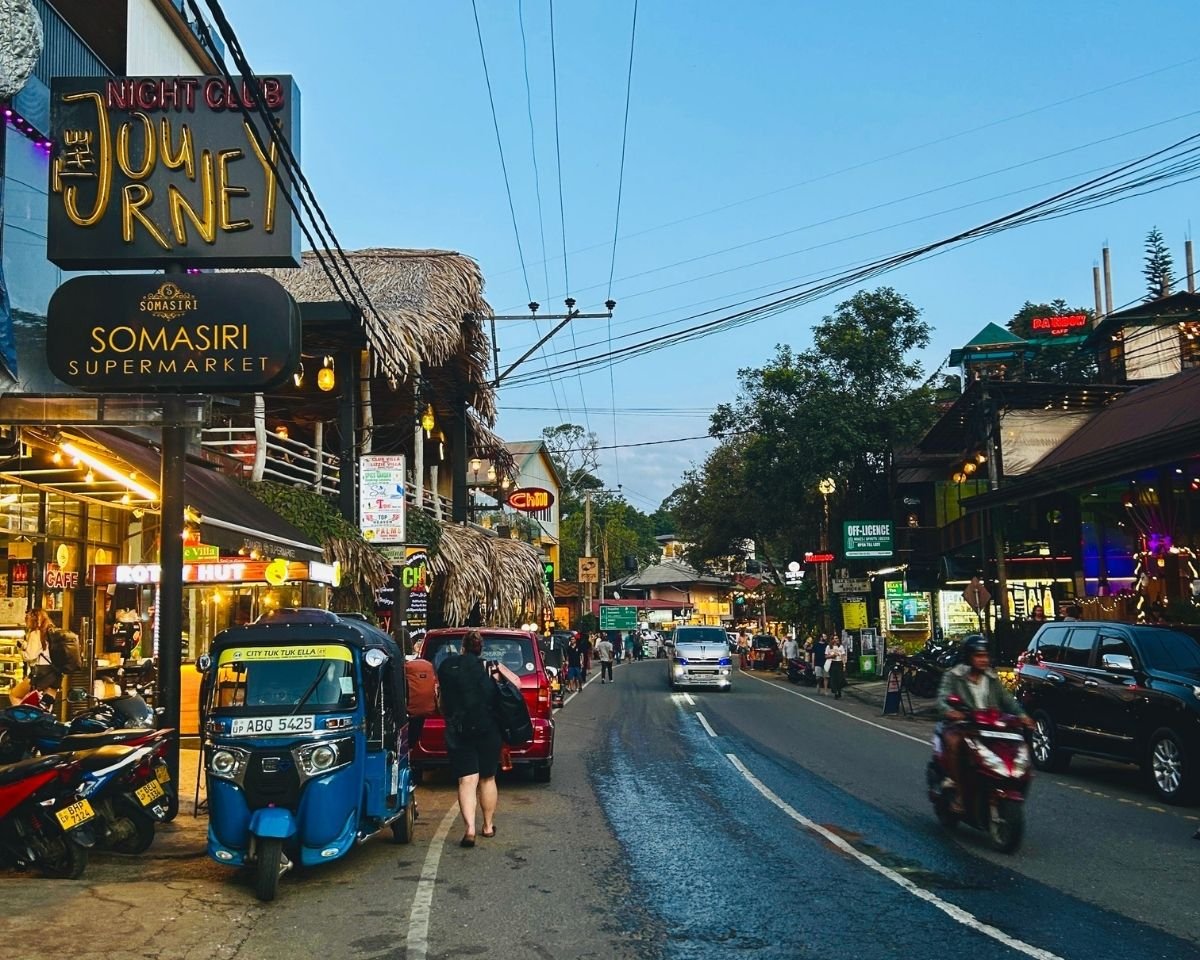
Ella Town is the heart of Sri Lanka's hill country tourism scene and serves as the main base for visitors exploring the surrounding mountains, tea plantations, waterfalls, and viewpoints. Set among lush green hills and cooler highland temperatures, the town combines spectacular natural scenery with a lively atmosphere that attracts backpackers, couples, families, and independent travellers from around the world.
Despite its small size, Ella offers a wide range of cafes, restaurants, guesthouses, boutique hotels, and rooftop bars concentrated along its walkable main street. During the day, travellers gather in coffee shops and local eateries before heading out to nearby attractions, while evenings bring a relaxed social atmosphere with live music, restaurants, and hillside bars overlooking the surrounding valleys.
Ella is best known as the gateway to some of Sri Lanka's most famous attractions, including Little Adam's Peak, Ella Rock, Nine Arch Bridge, Ravana Falls, and the scenic railway that winds through the central highlands. The town's railway station is a popular stop on the Kandy to Ella train journey, often considered one of the most beautiful train rides in the world due to its views of mountains, forests, tea estates, and mist-covered valleys.
Beyond its attractions, Ella remains a place where visitors can slow down and enjoy the atmosphere of Sri Lanka's highlands. Whether relaxing in a cafe overlooking the hills, staying in a guesthouse surrounded by tea plantations, or using the town as a base for hiking and sightseeing, Ella offers a unique combination of nature, comfort, and accessibility that has made it one of the country's most popular travel destinations.
Read MoreDespite its small size, Ella offers a wide range of cafes, restaurants, guesthouses, boutique hotels, and rooftop bars concentrated along its walkable main street. During the day, travellers gather in coffee shops and local eateries before heading out to nearby attractions, while evenings bring a relaxed social atmosphere with live music, restaurants, and hillside bars overlooking the surrounding valleys.
Ella is best known as the gateway to some of Sri Lanka's most famous attractions, including Little Adam's Peak, Ella Rock, Nine Arch Bridge, Ravana Falls, and the scenic railway that winds through the central highlands. The town's railway station is a popular stop on the Kandy to Ella train journey, often considered one of the most beautiful train rides in the world due to its views of mountains, forests, tea estates, and mist-covered valleys.
Beyond its attractions, Ella remains a place where visitors can slow down and enjoy the atmosphere of Sri Lanka's highlands. Whether relaxing in a cafe overlooking the hills, staying in a guesthouse surrounded by tea plantations, or using the town as a base for hiking and sightseeing, Ella offers a unique combination of nature, comfort, and accessibility that has made it one of the country's most popular travel destinations.

ravinkavish
ravinkavish
ravinkavish
ravinkavish
ravinkavish
ravinkavish
ravinkavish
ravinkavish
ravinkavish
ravinkavish
ravinkavish
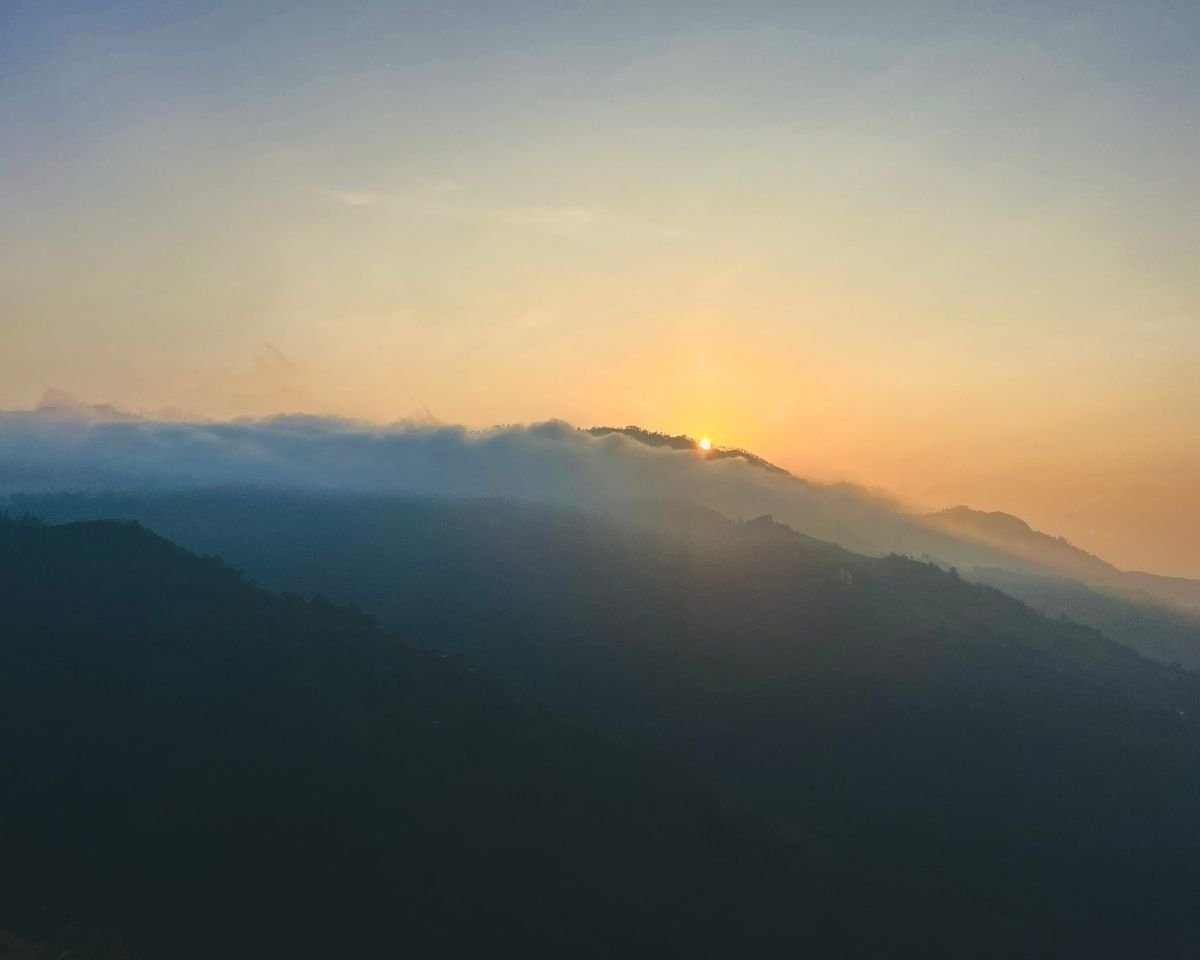
ravinkavish
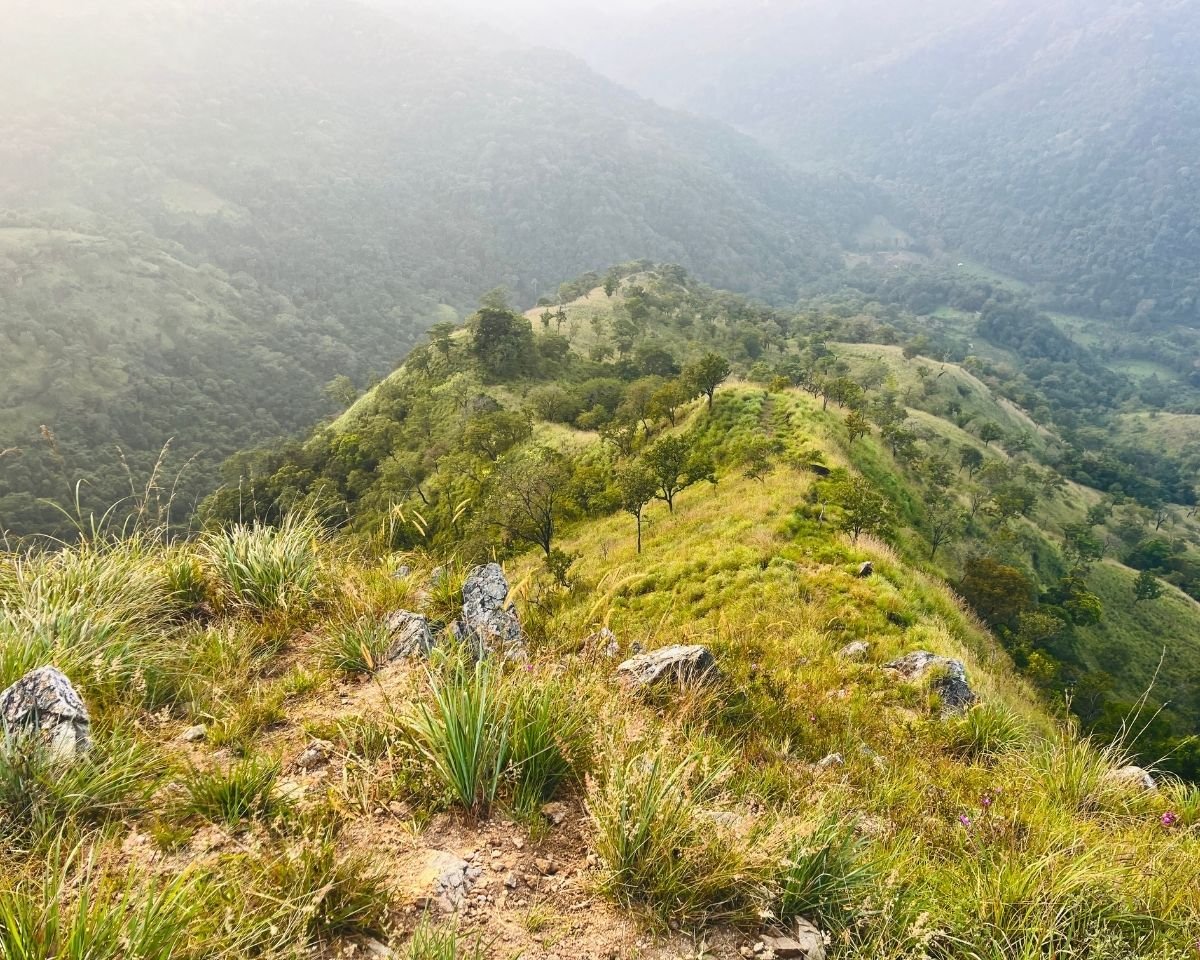
ravinkavish
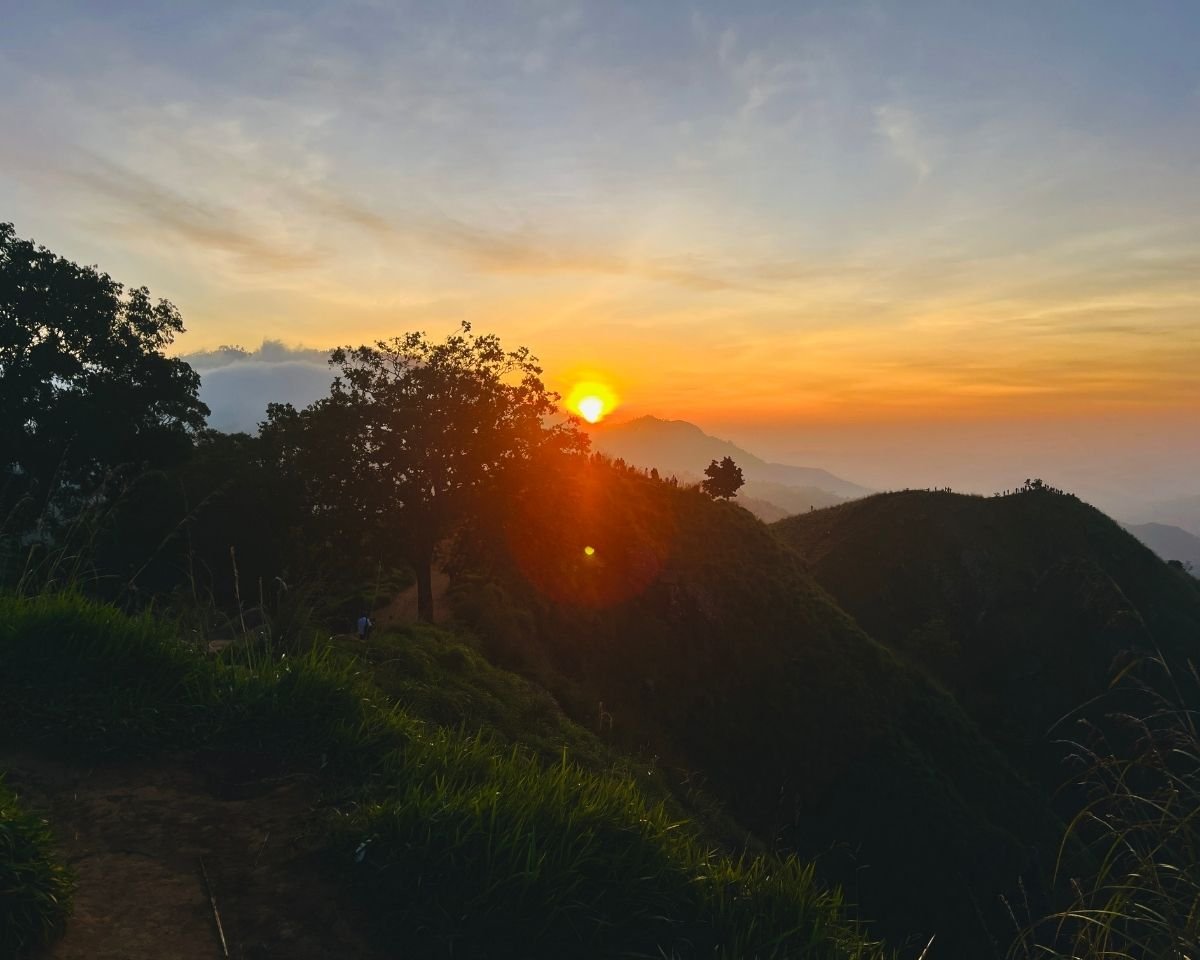
ravinkavish
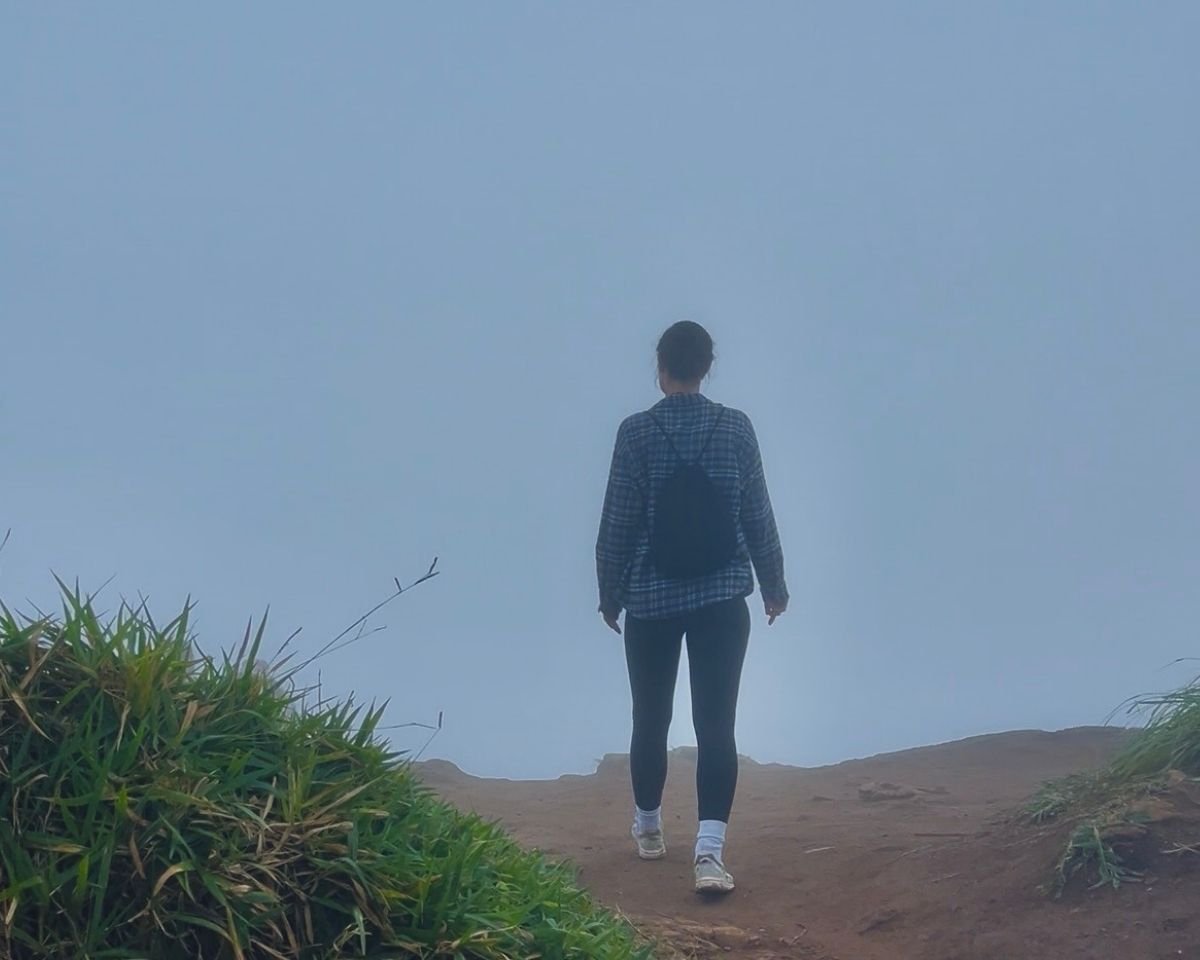
ravinkavish
ravinkavish
ravinkavish

ravinkavish
ravinkavish
ravinkavish
ravinkavish
ravinkavish
ravinkavish
ravinkavish
ravinkavish
ravinkavish
ravinkavish
ravinkavish
ravinkavish
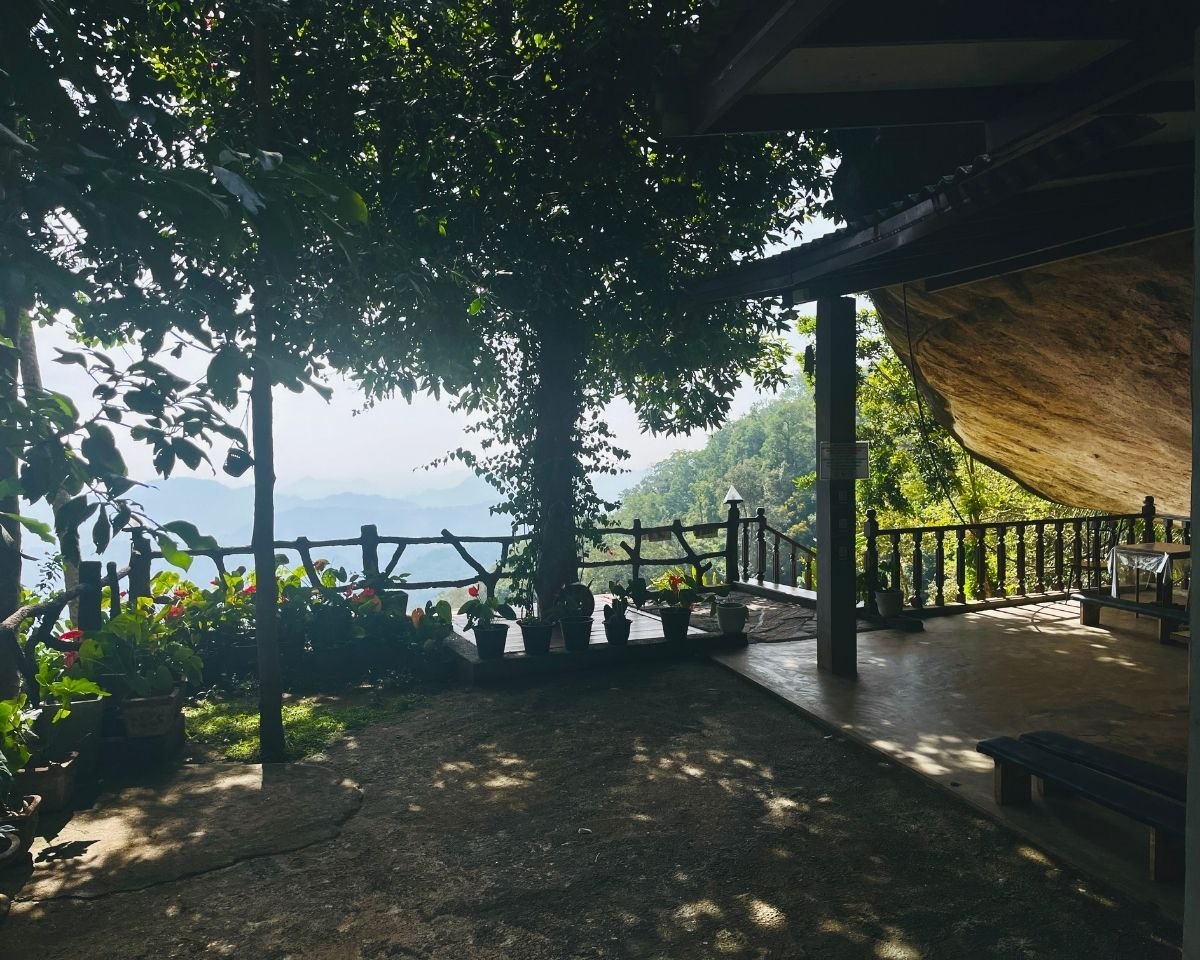
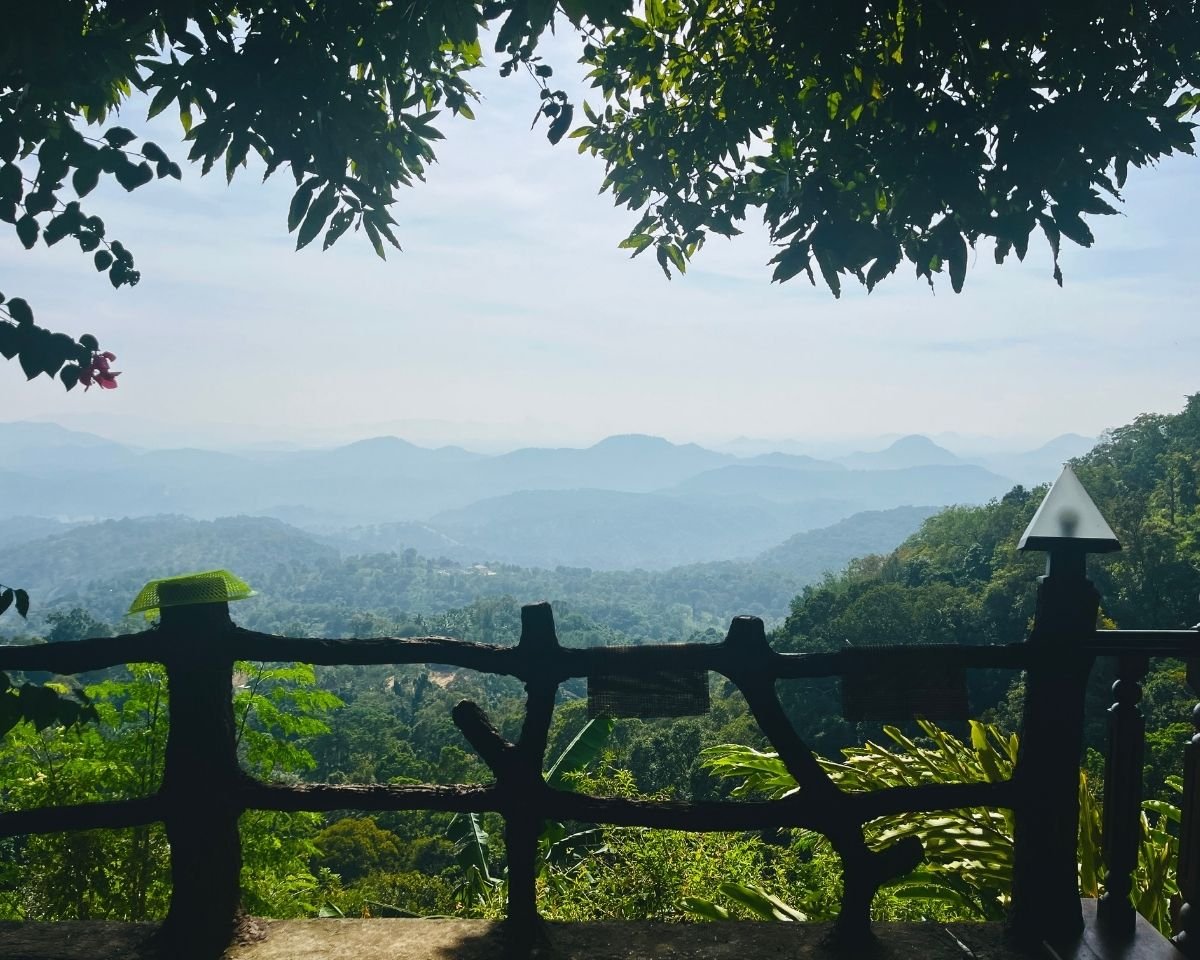
Buddhist Site
Ancient Rajamaha Viharaya with rock cave shrines and long-standing religious use.

History
Traditionally attributed to the Anuradhapura period. While local tradition links the temple to early royal patronage, the exact founder and date remain unrecorded.

Scenery
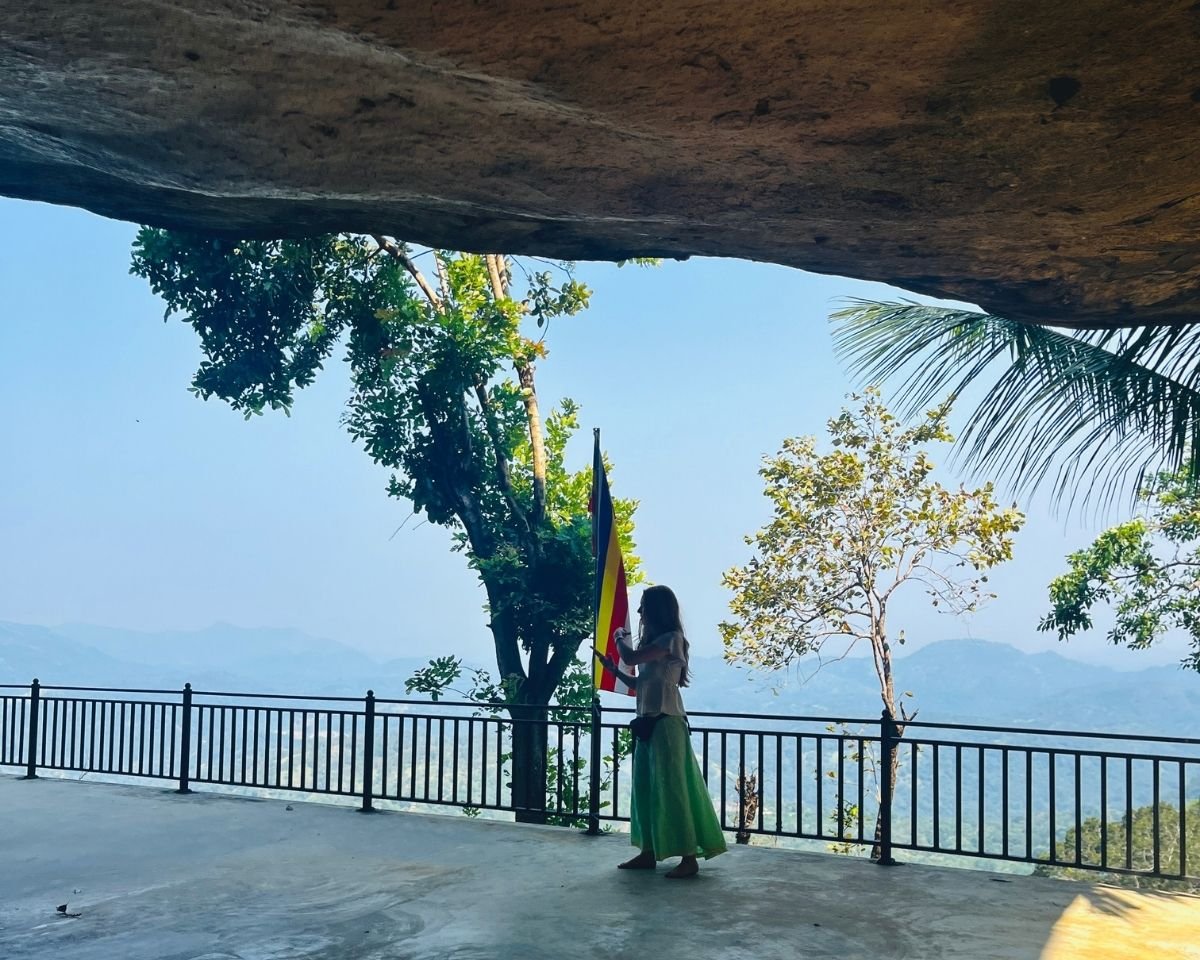
Elevated hillside setting with rock formations, forested surroundings, and views across the Ella region.

Art & Culture
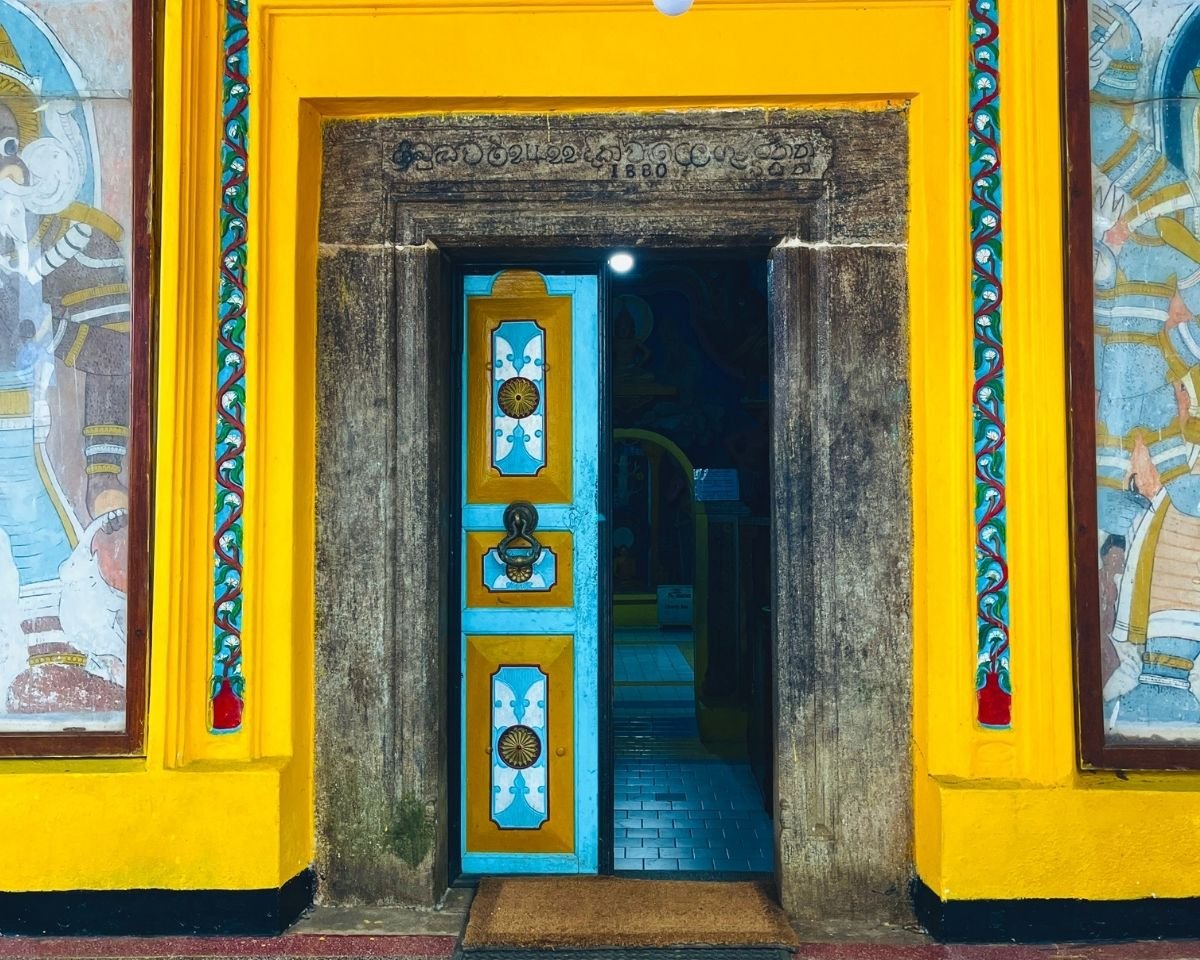
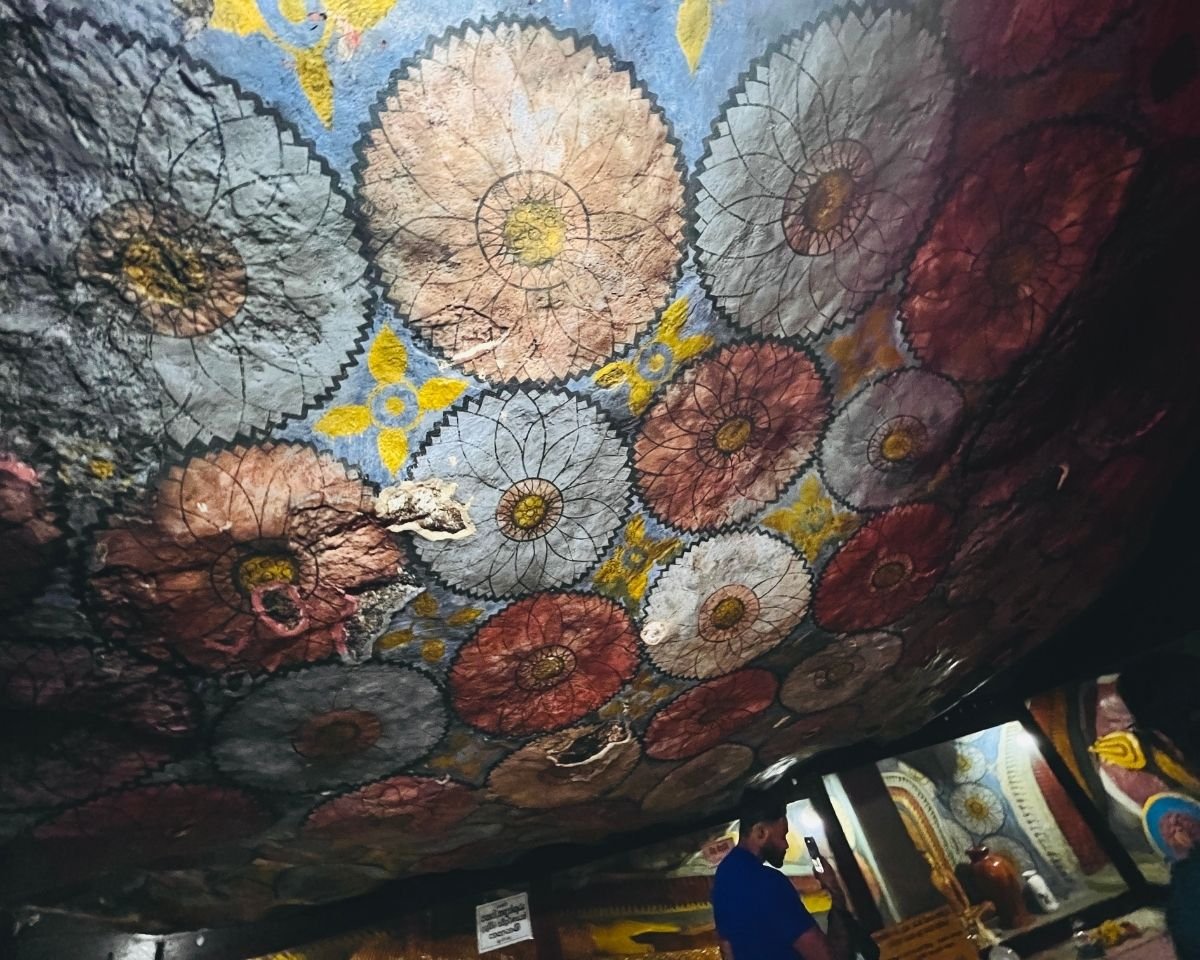
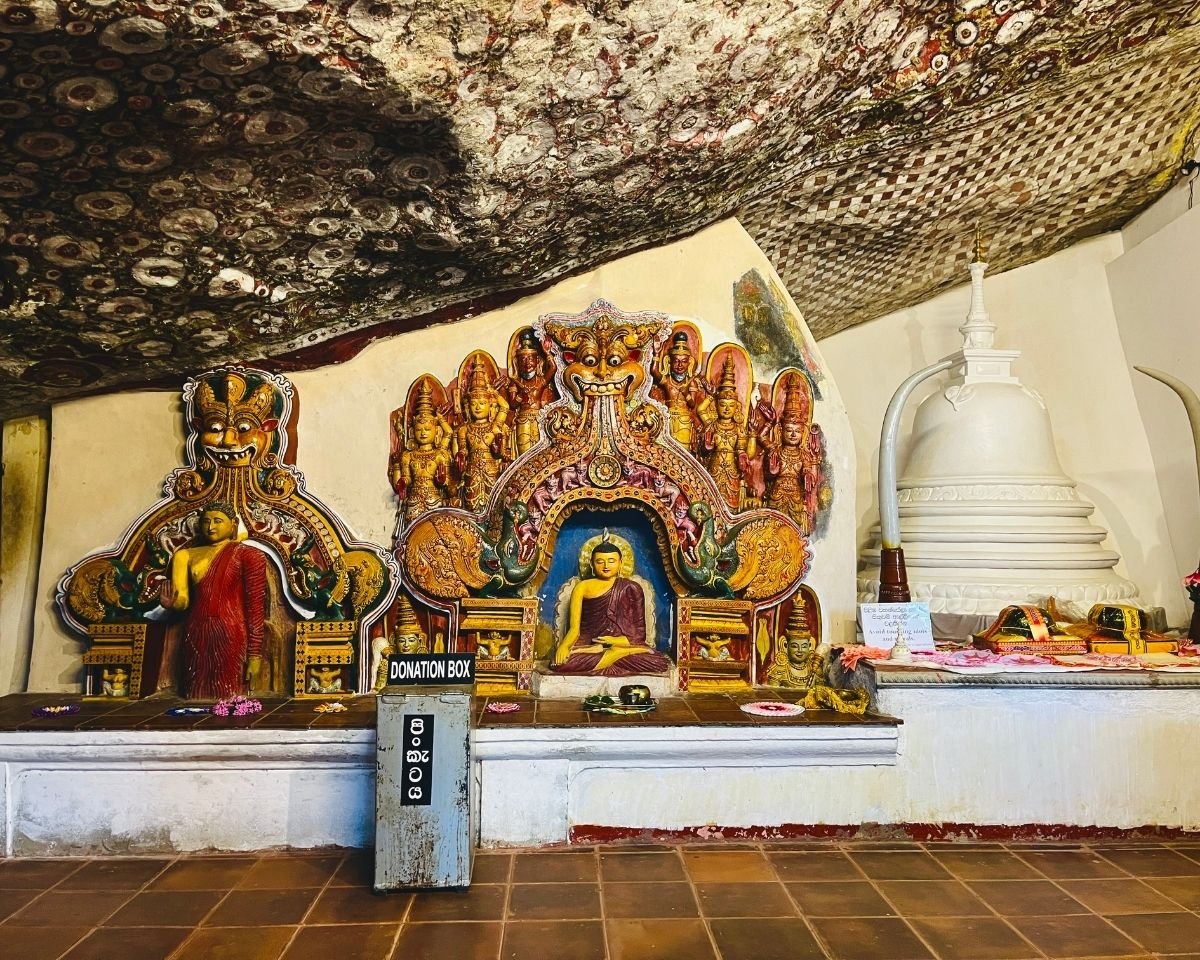
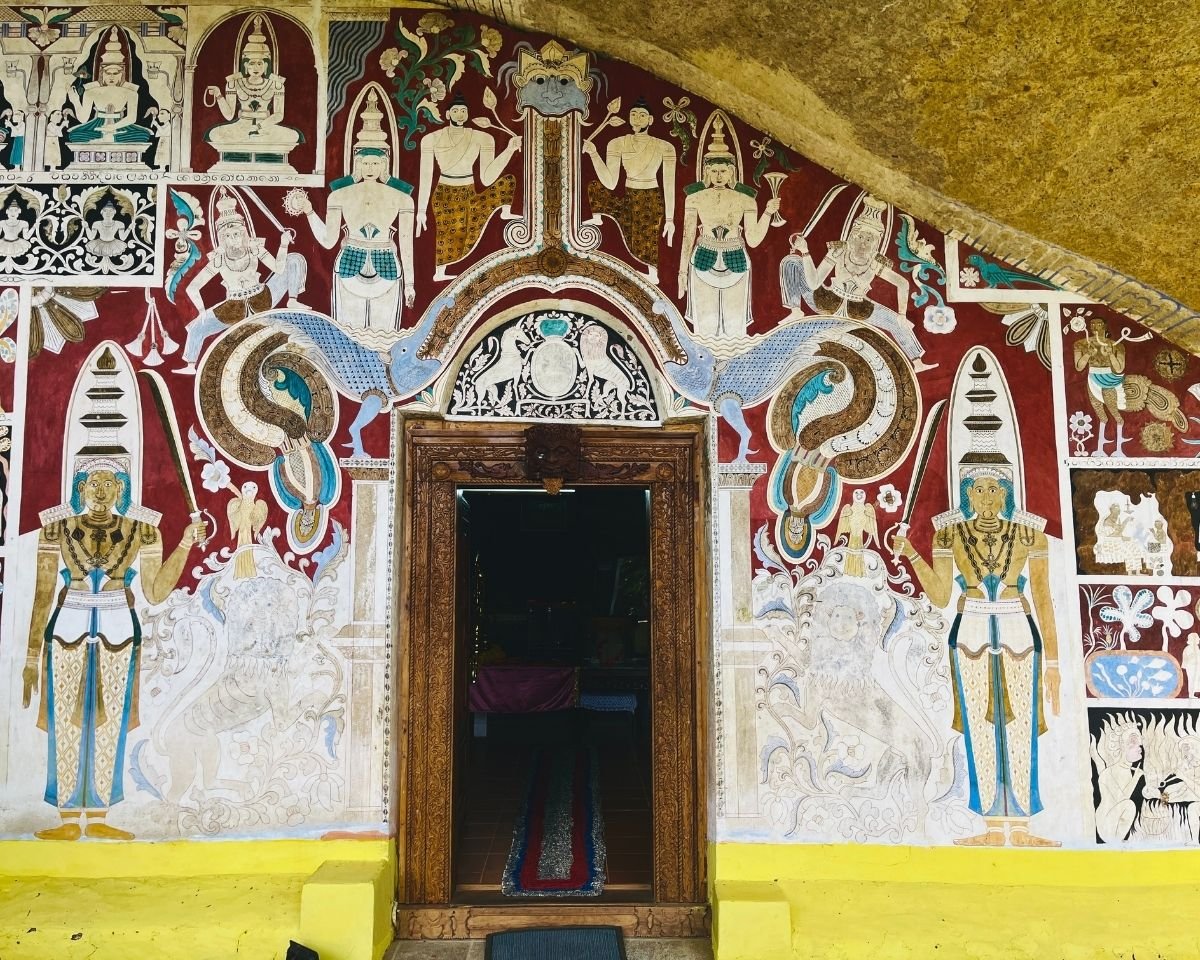
Rock cave shrines, Buddha images, and Kandyan-era paintings reflecting continued religious activity over time.
Rakkiththa Kanda Royal Temple
Top Pick
Location
View on Map
View on Map
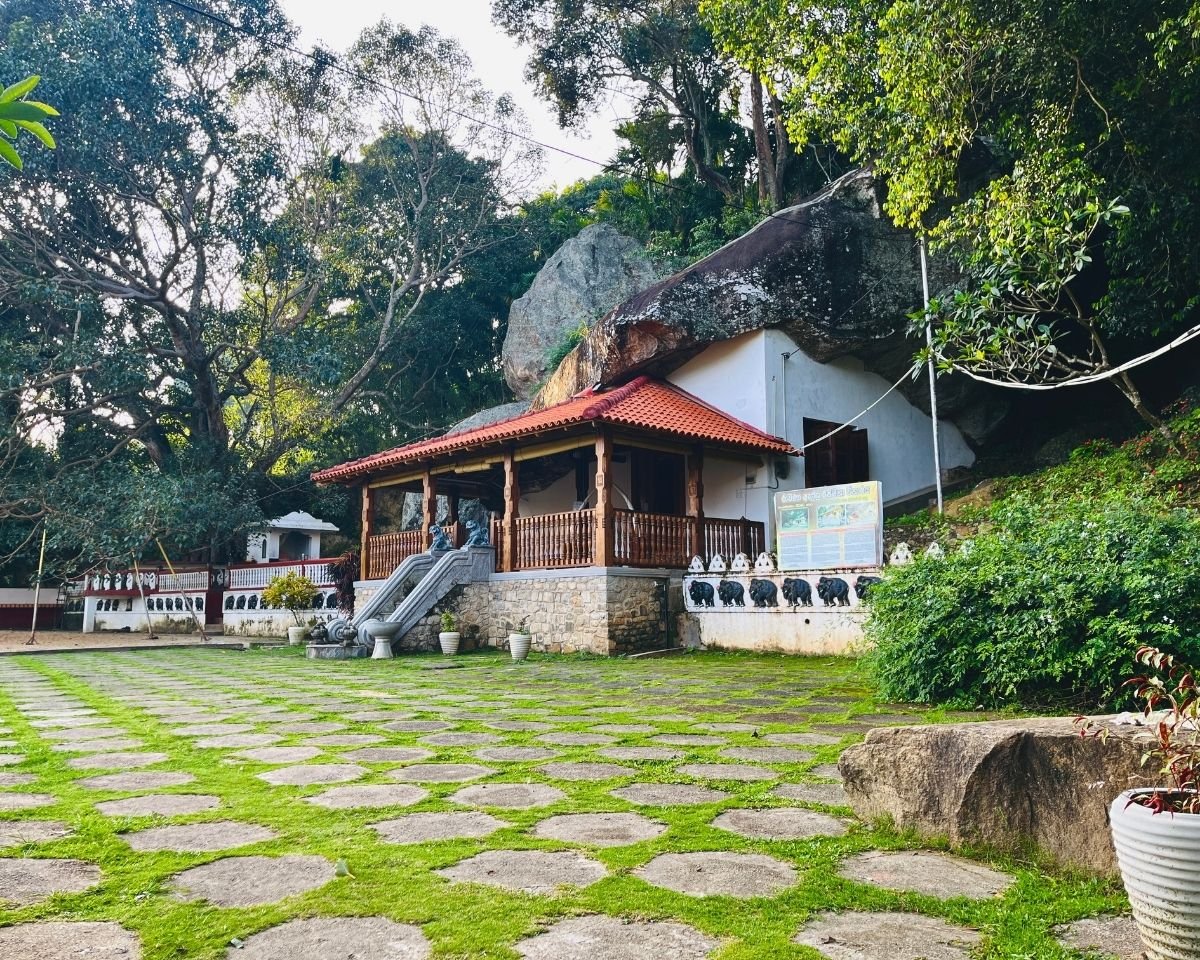
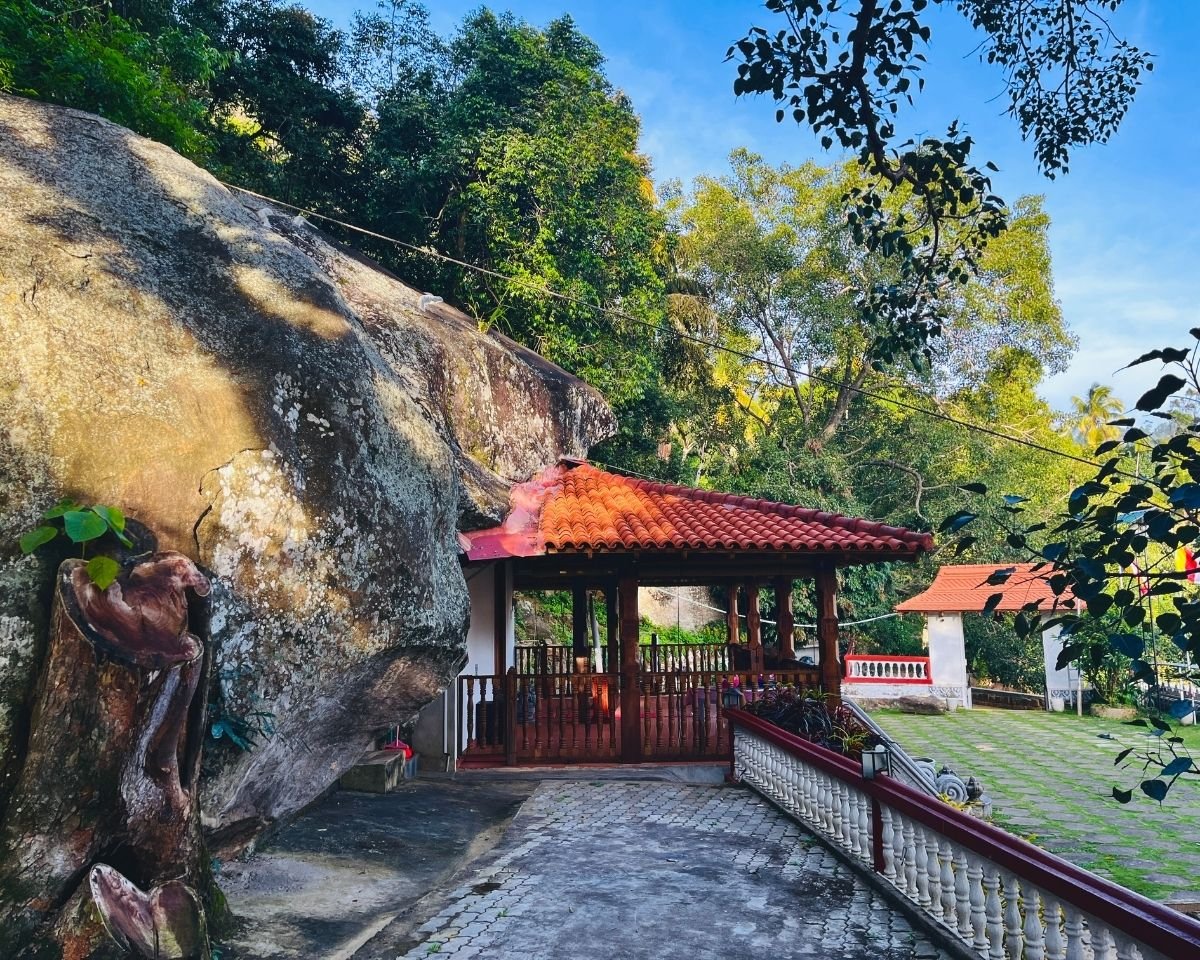
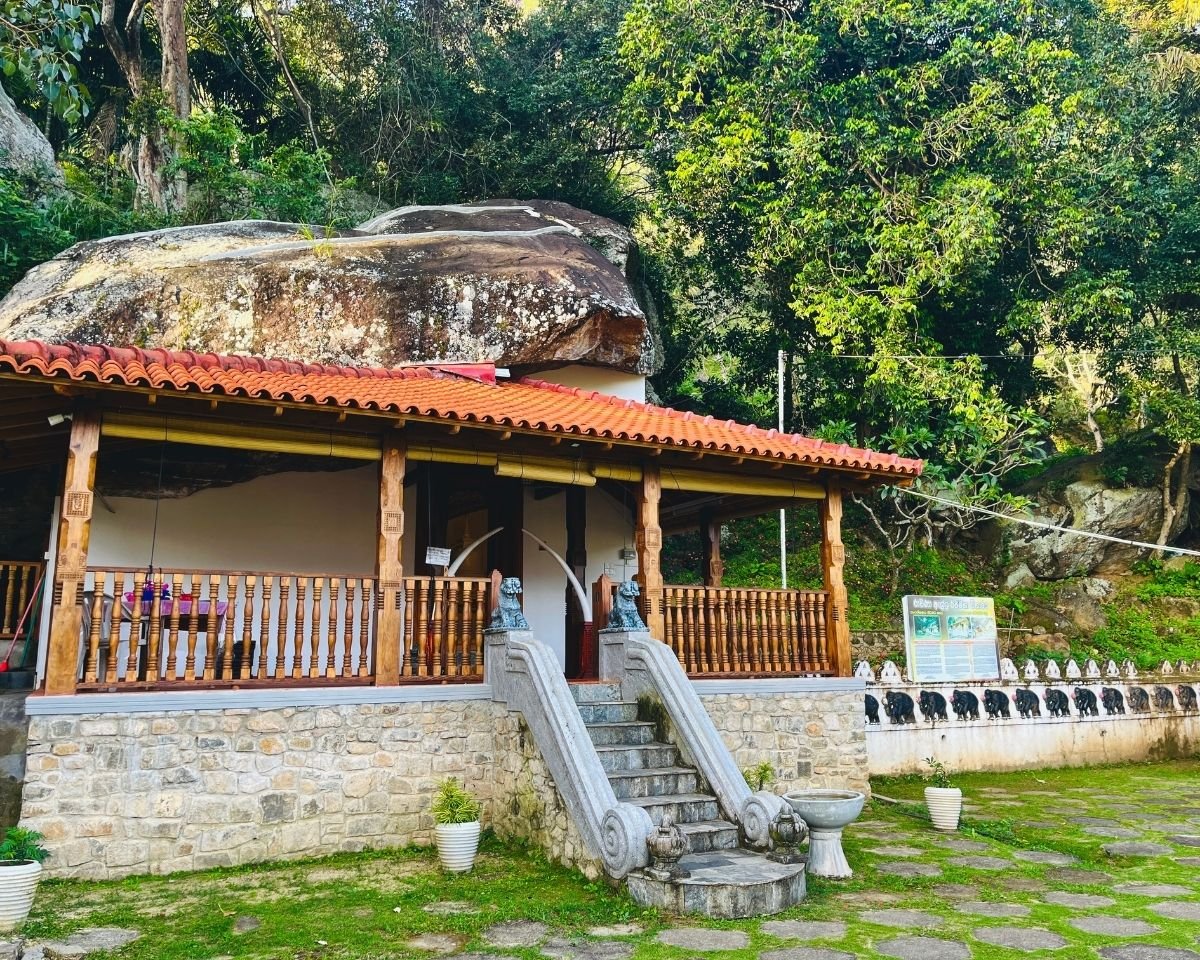
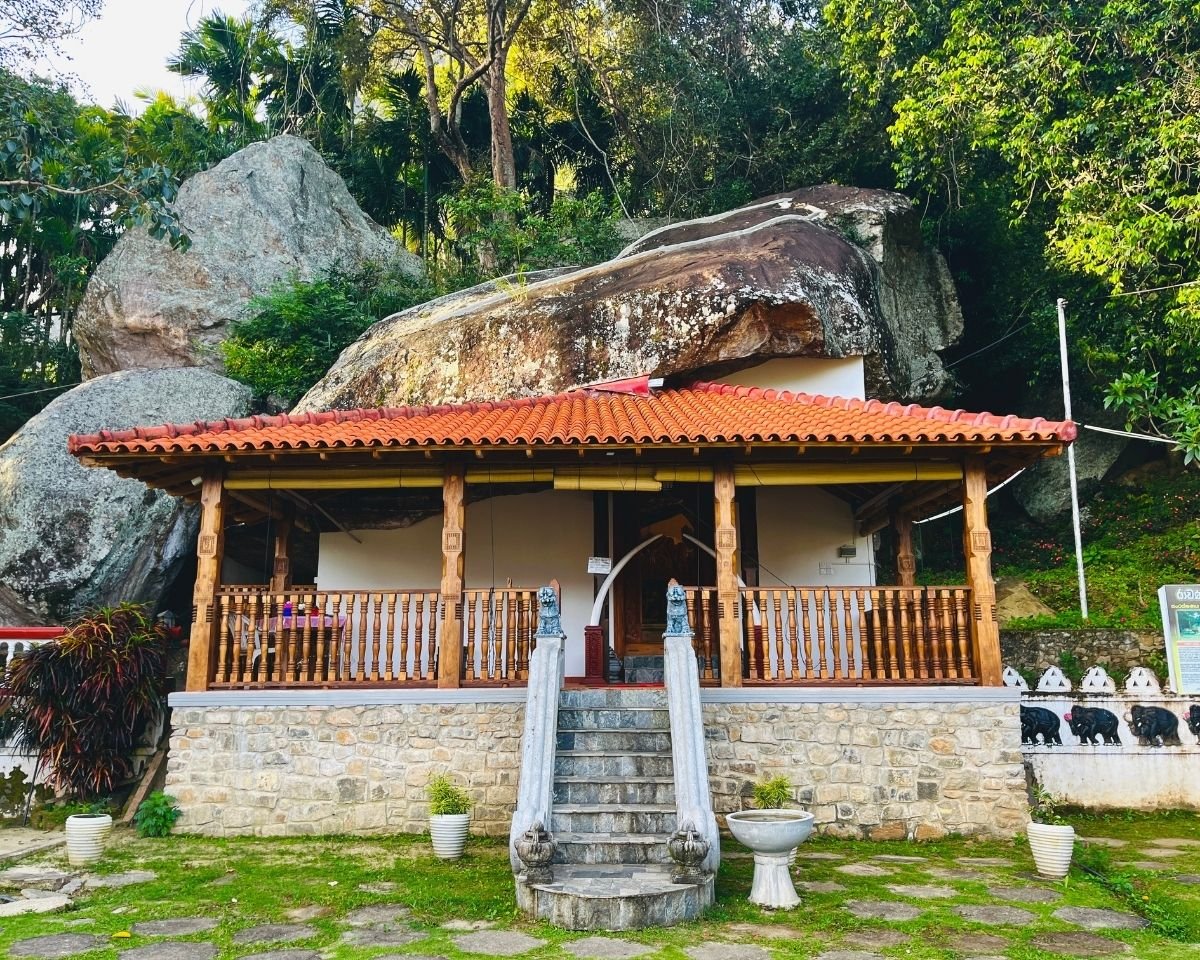
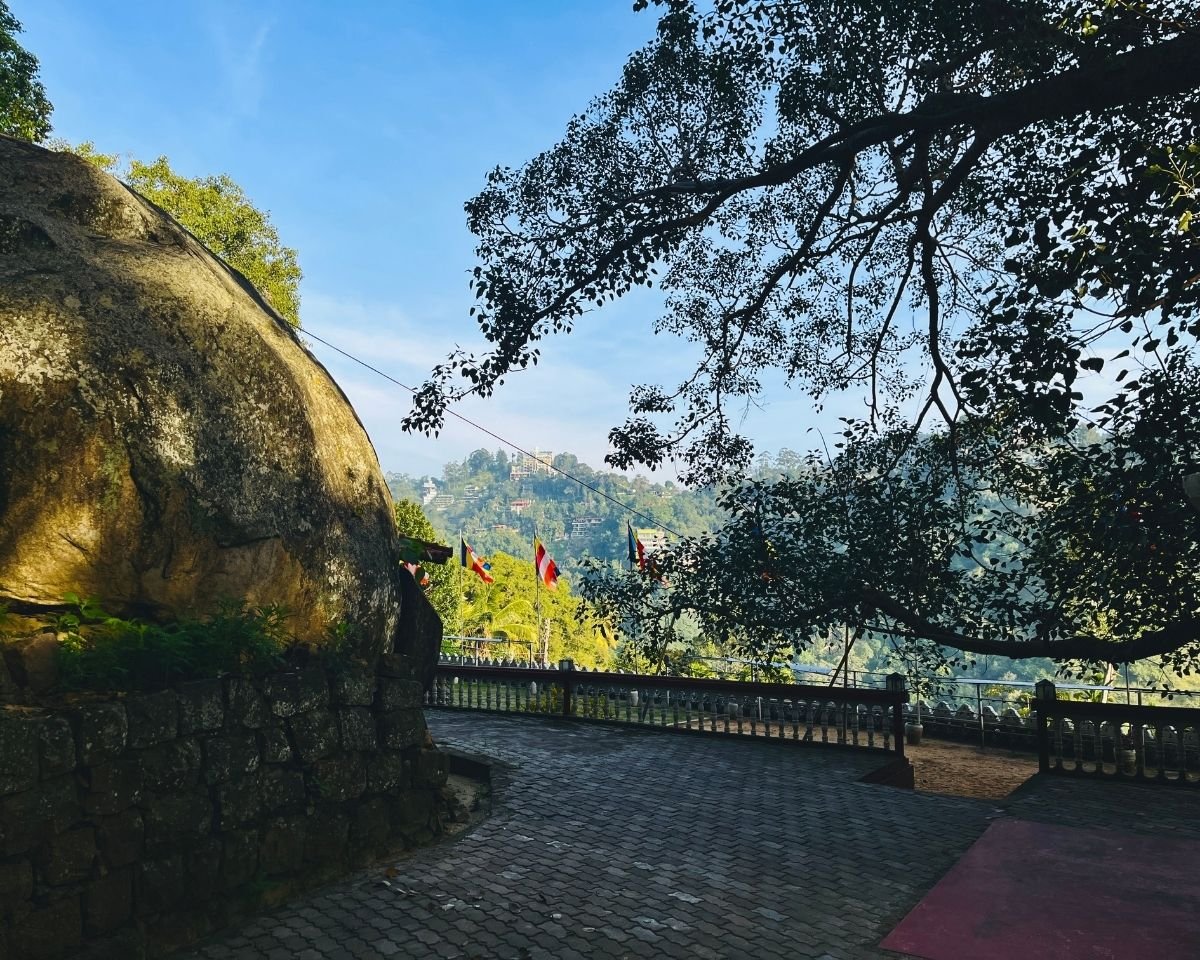
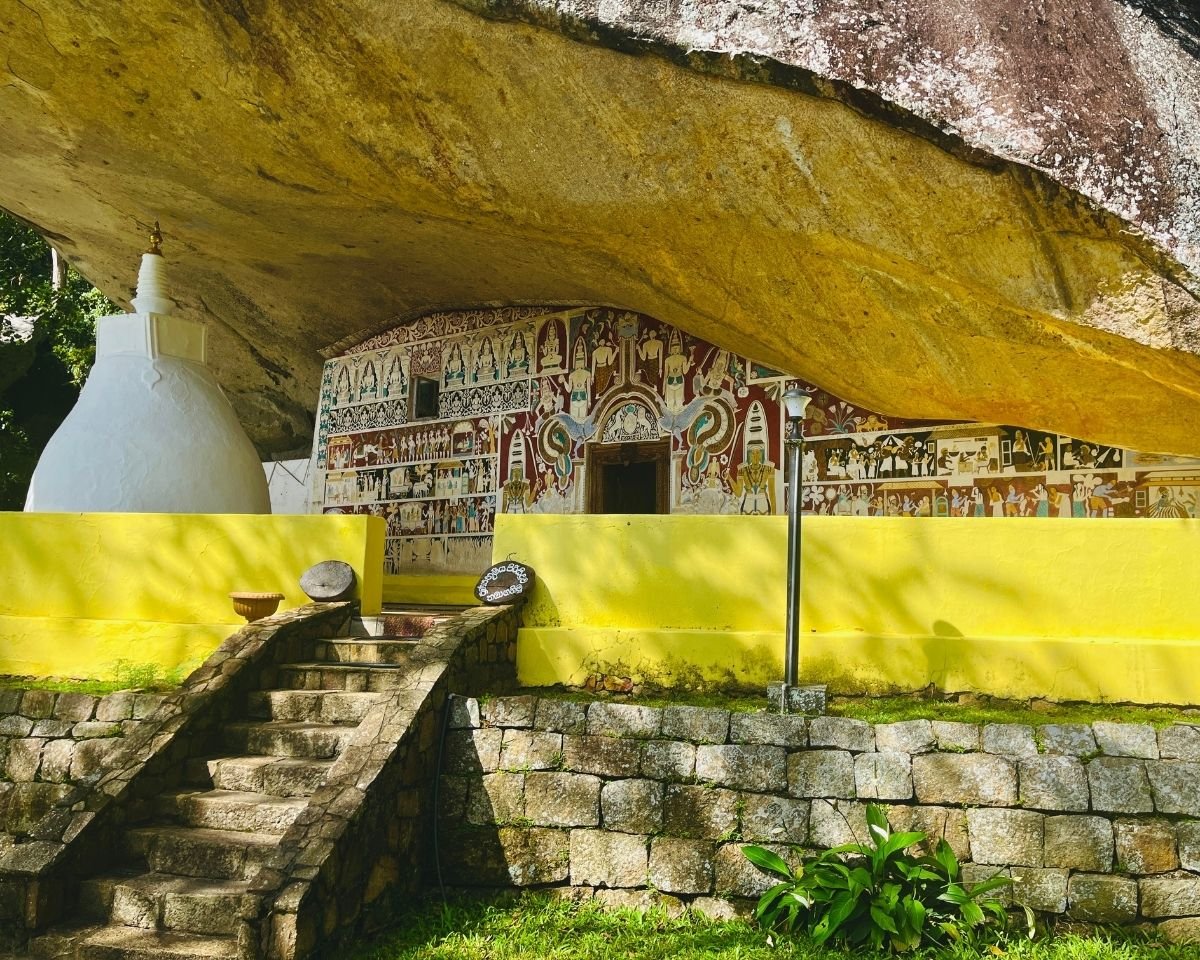
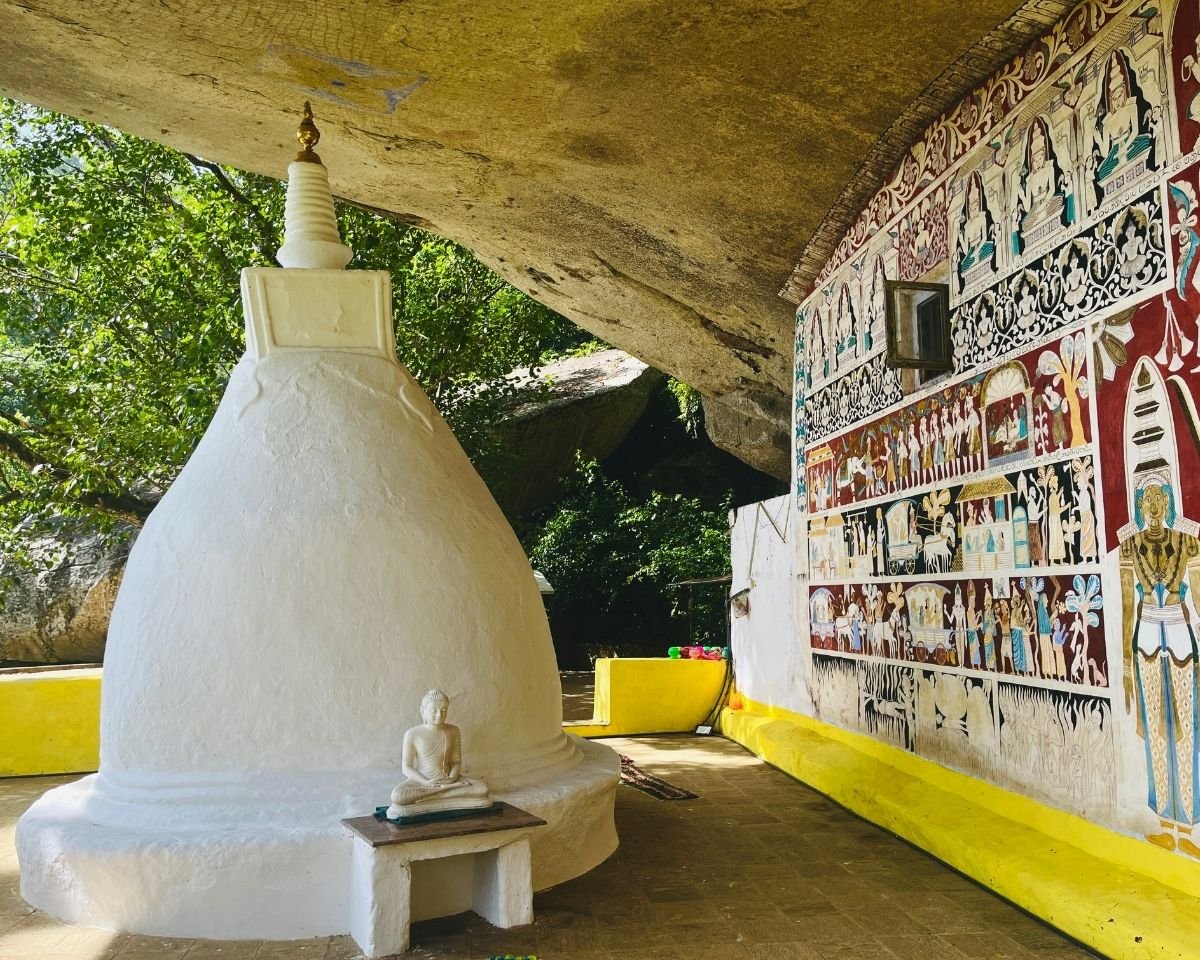
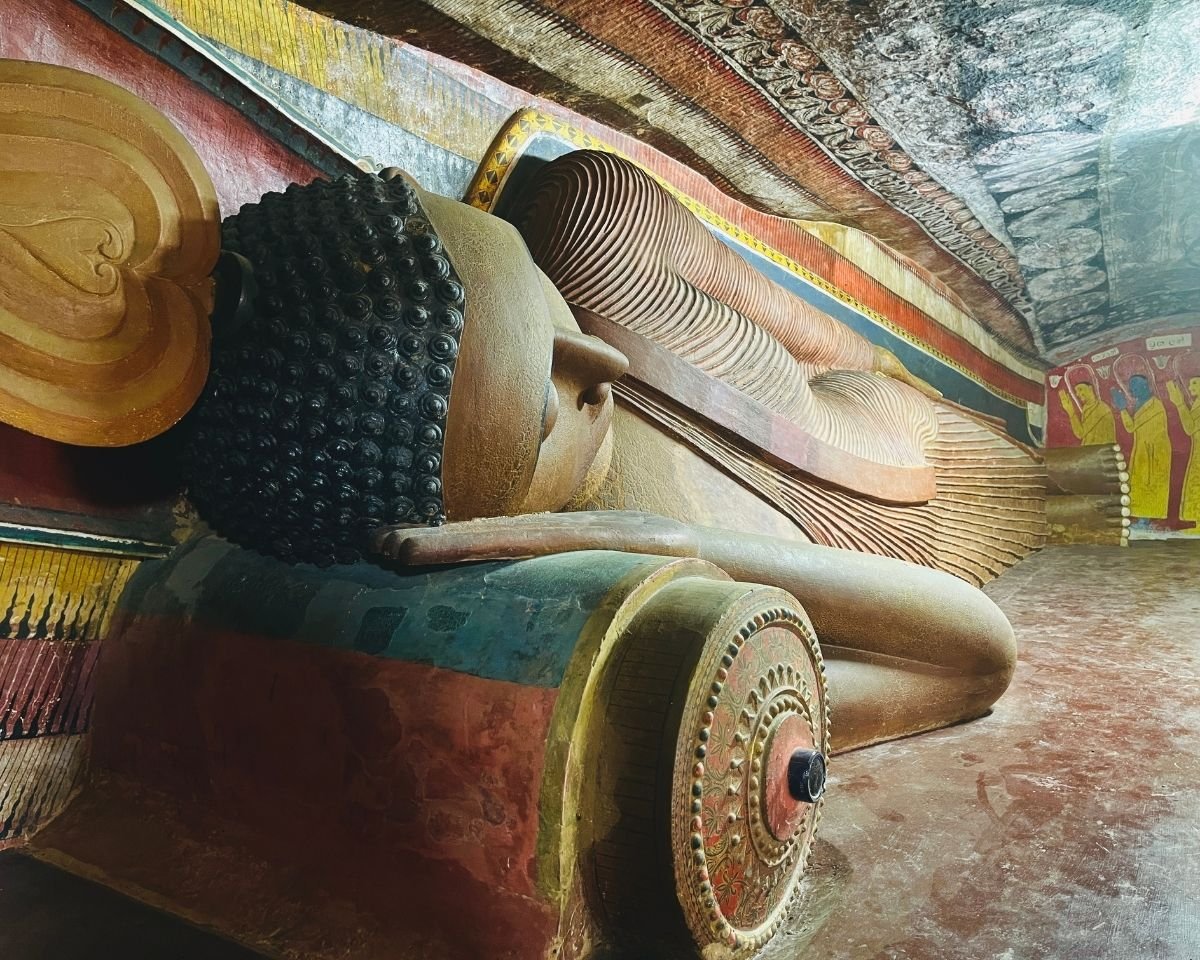
Locally known as Rakkiththa Kanda Rajamaha Viharaya, this ancient Buddhist cave temple is located near Ella in the village of Karandagolla, hidden among the forests and hills of Sri Lanka's Uva Province. Set beneath a series of massive natural rock shelters, the temple combines ancient monastic architecture, historic cave shrines, and panoramic mountain views, making it one of the most unique cultural attractions in the Ella region.
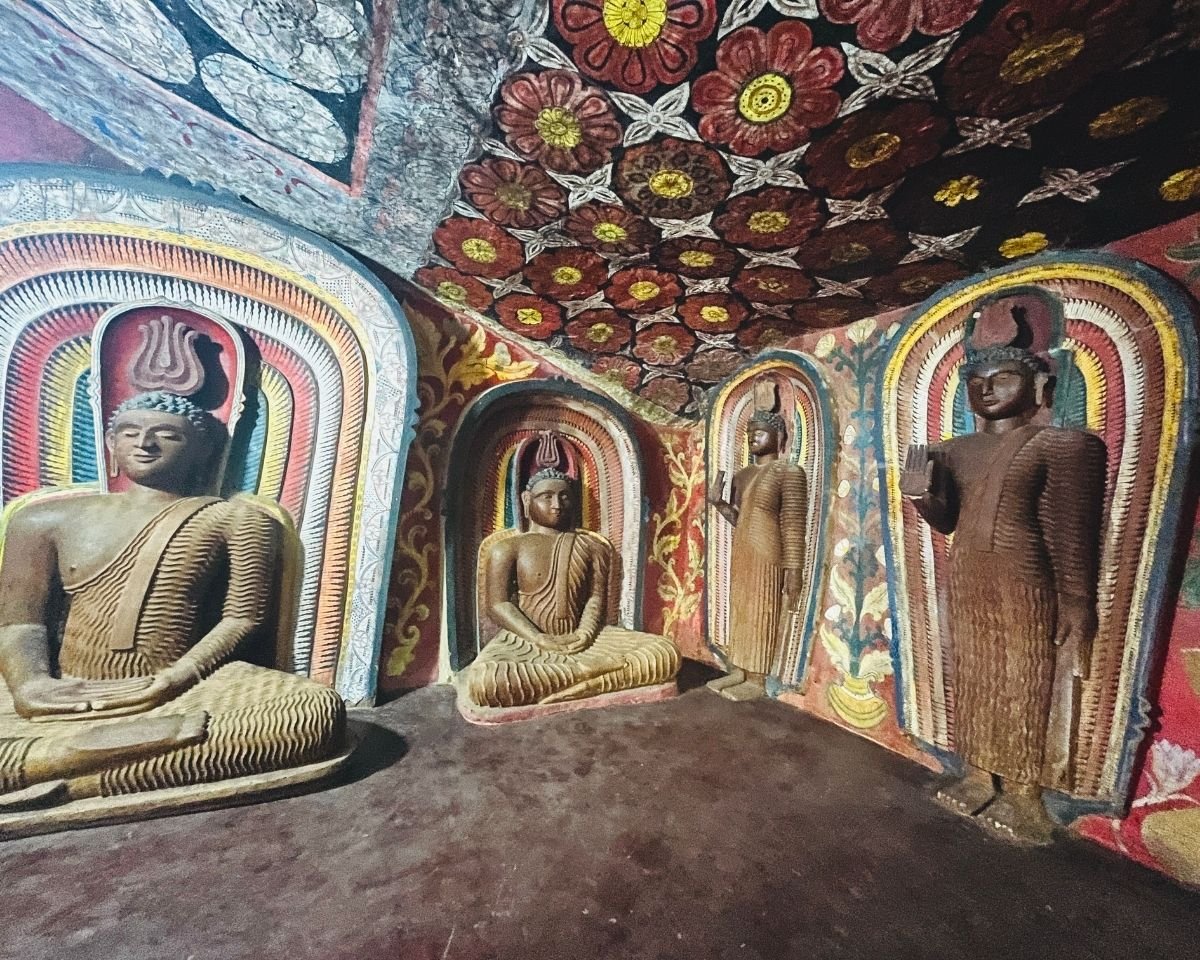
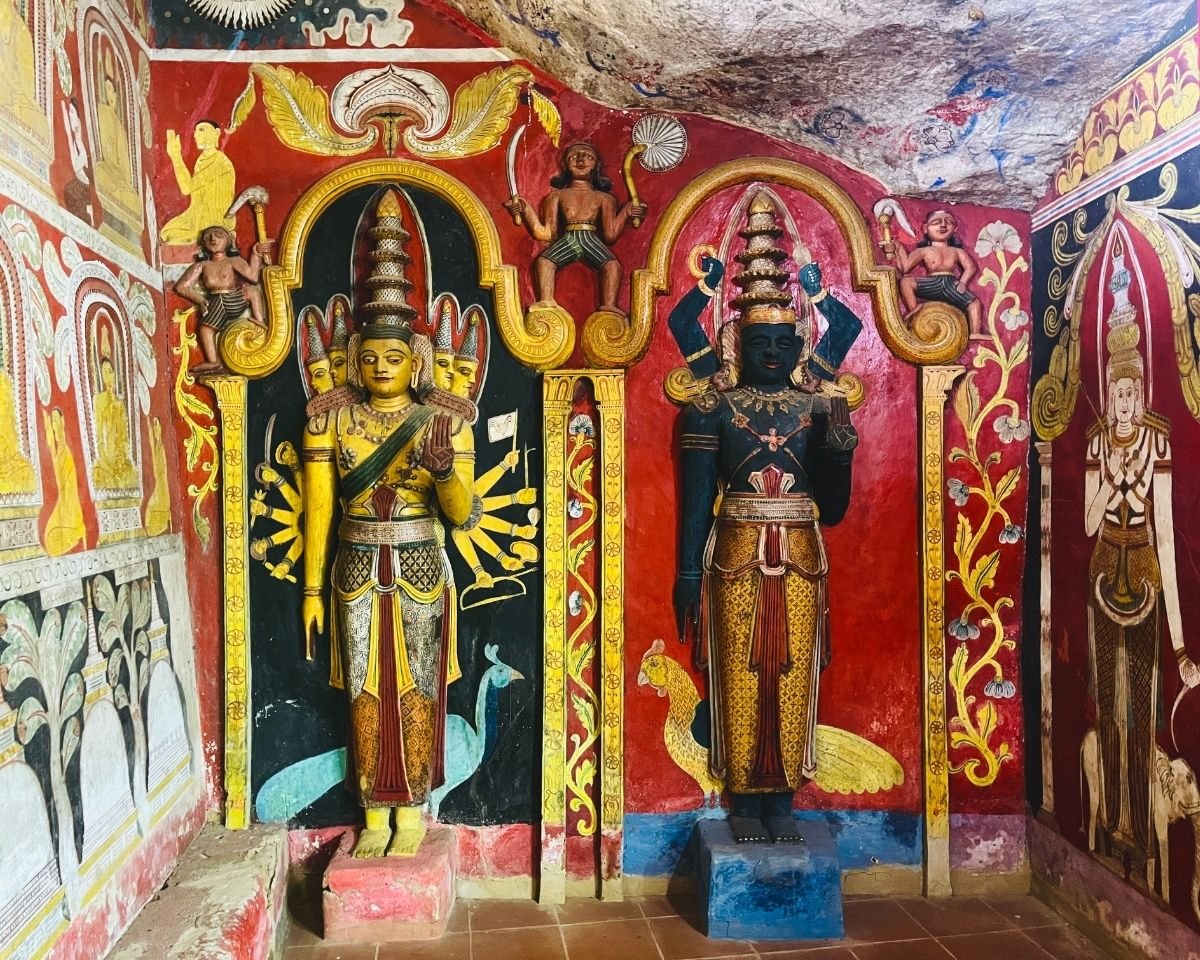
The temple is traditionally associated with the Anuradhapura period and has remained an active place of worship for centuries. Local tradition links the site to the era of King Walagamba, while early Brahmi inscriptions discovered in the surrounding area suggest a long history of Buddhist monastic activity. Its status as a Rajamaha Viharaya indicates that the temple received royal patronage at some stage of its development. Over time, the complex continued to evolve, with beautiful Kandyan-era murals and decorative paintings added to several of its cave shrines.
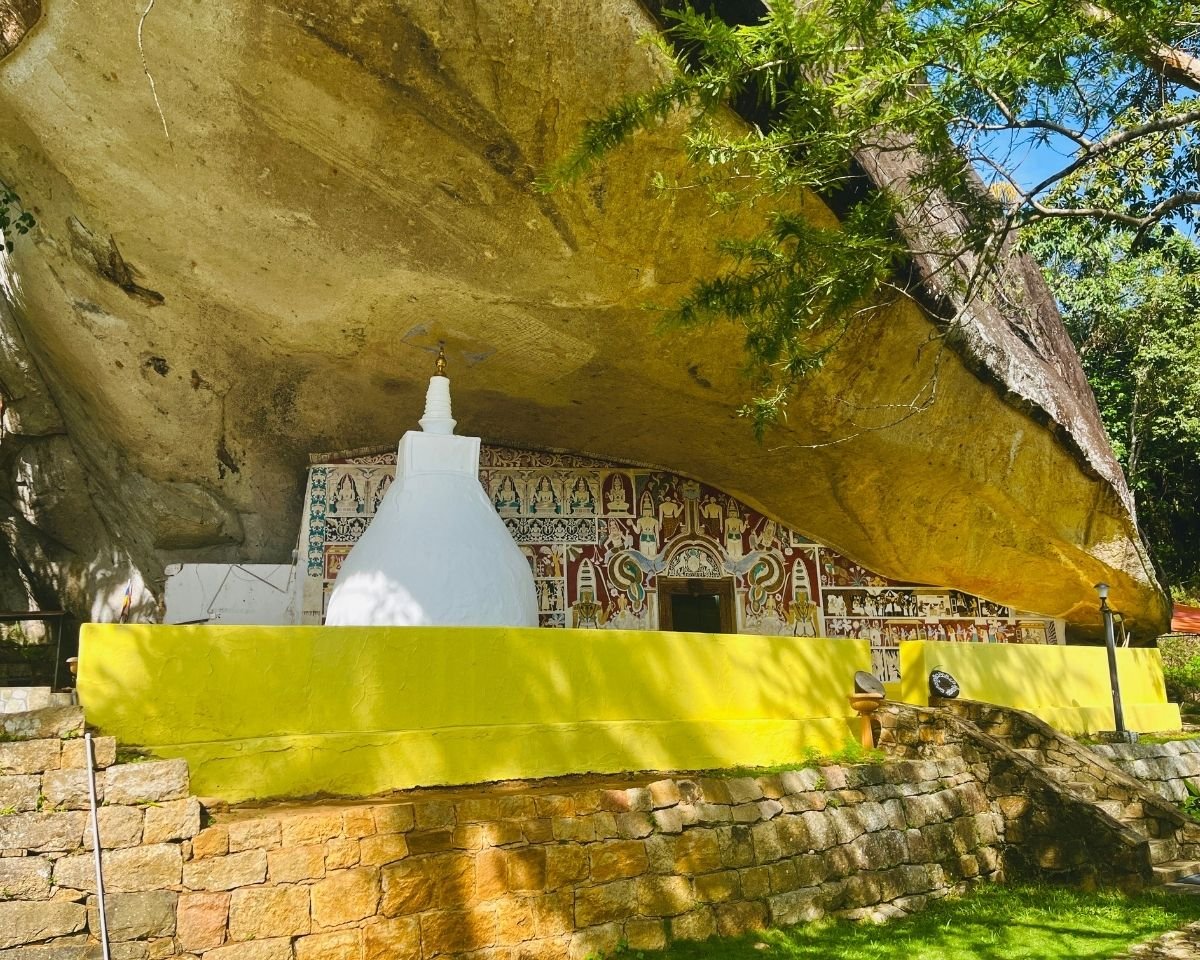
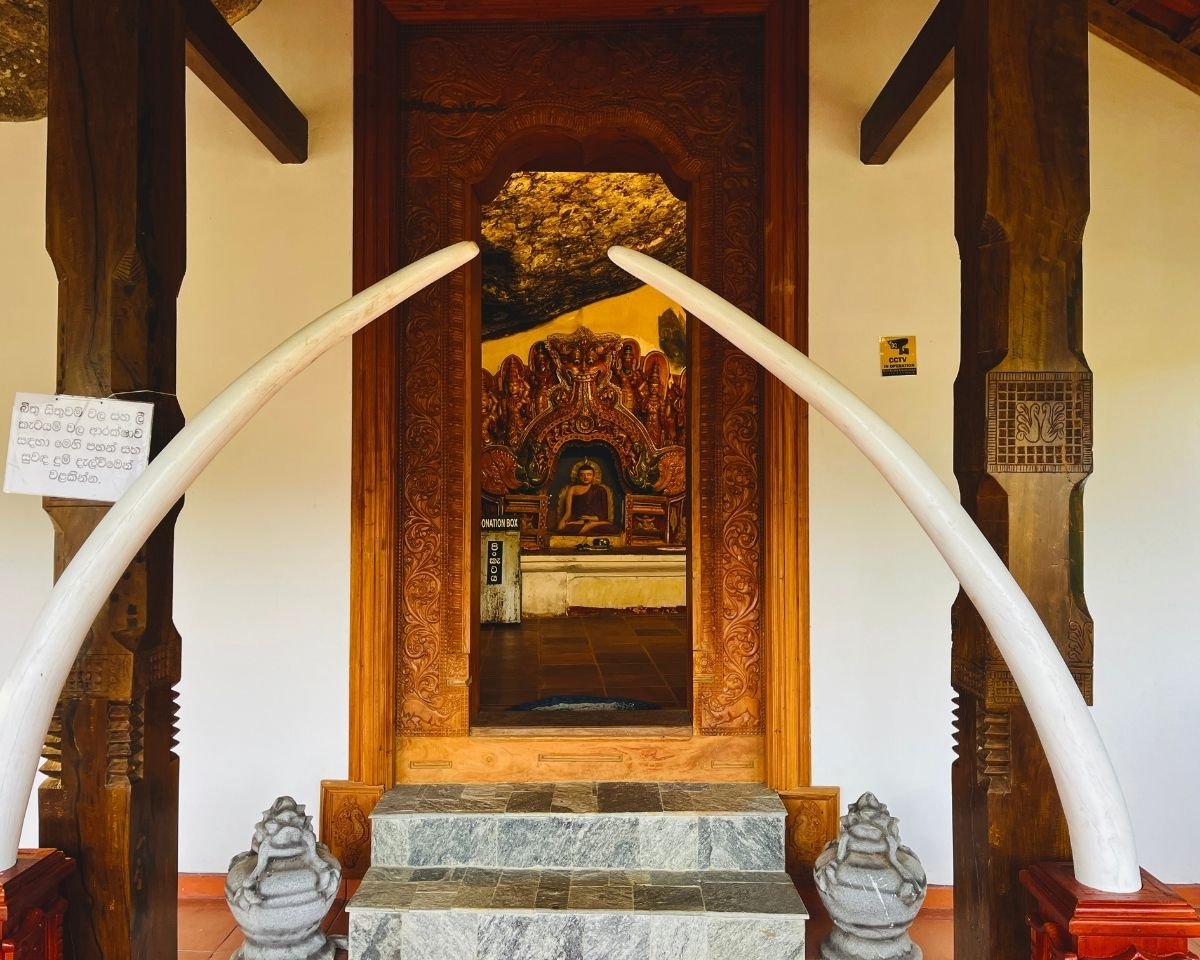
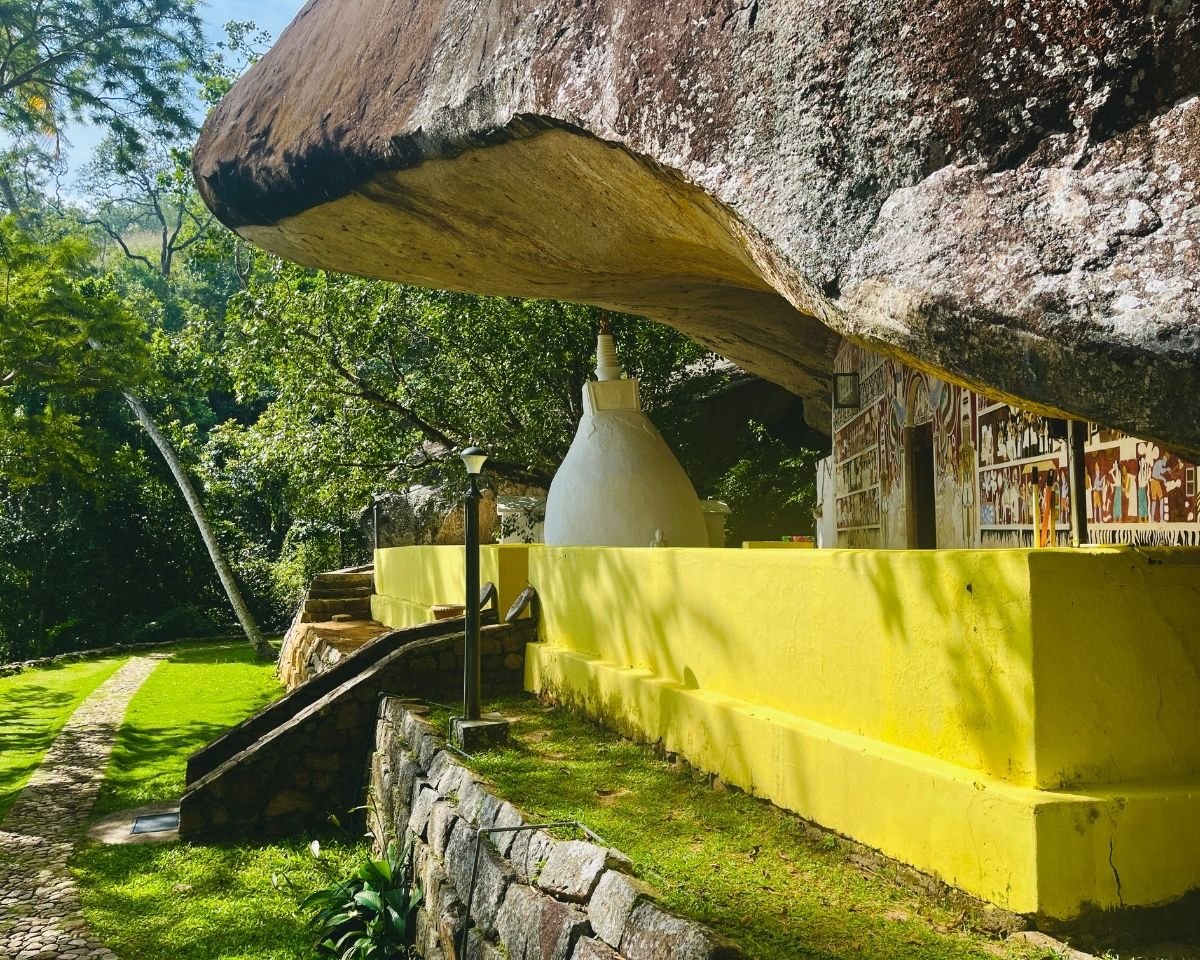
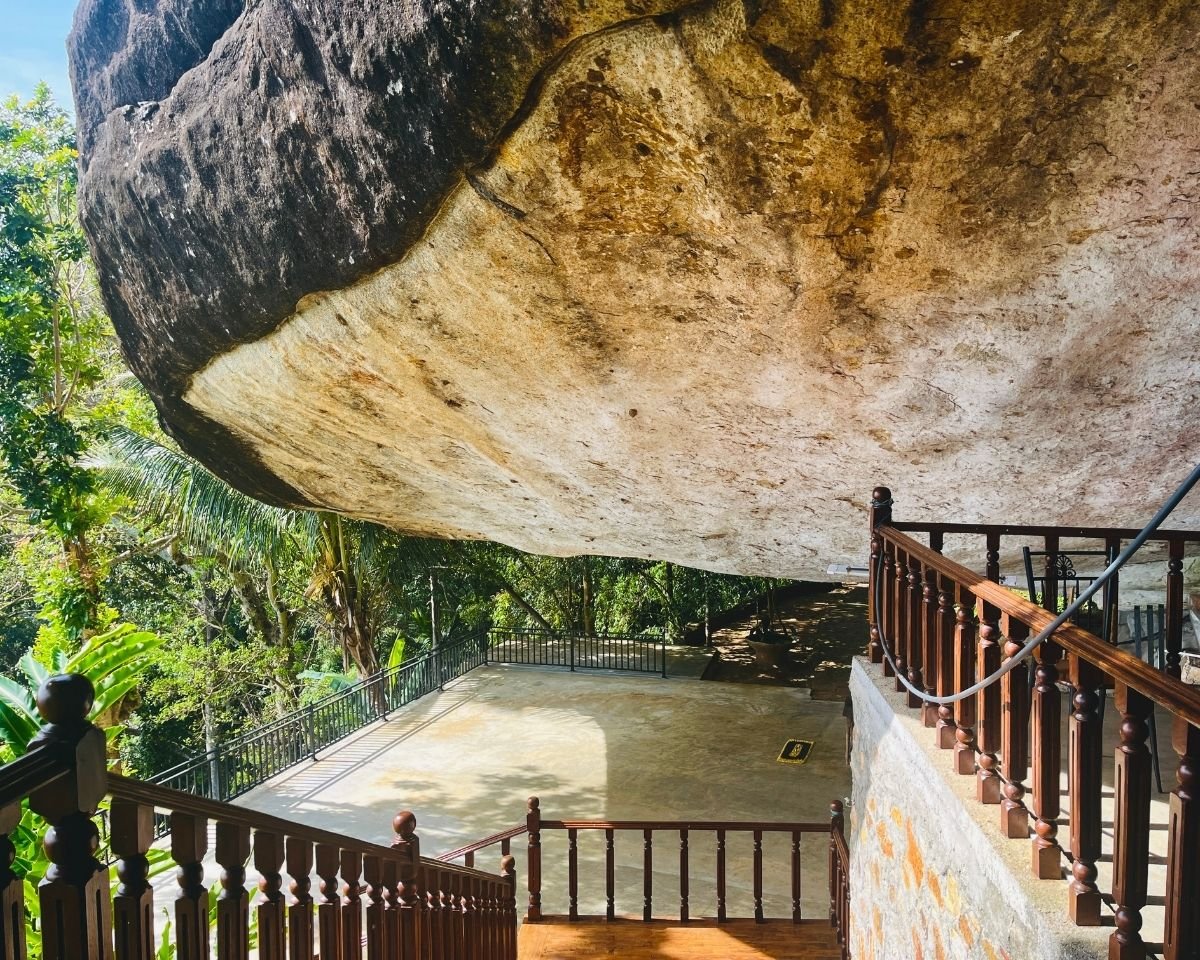
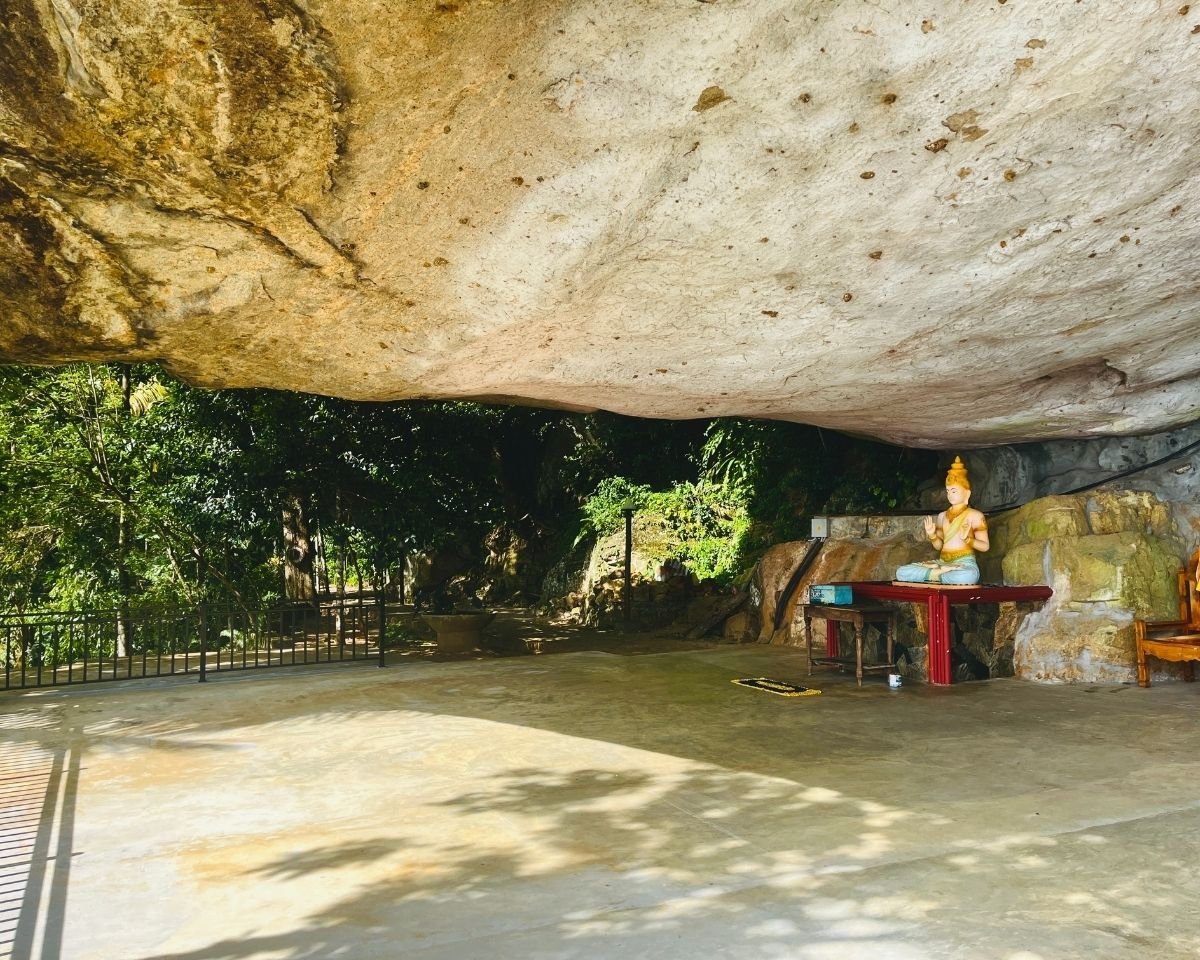
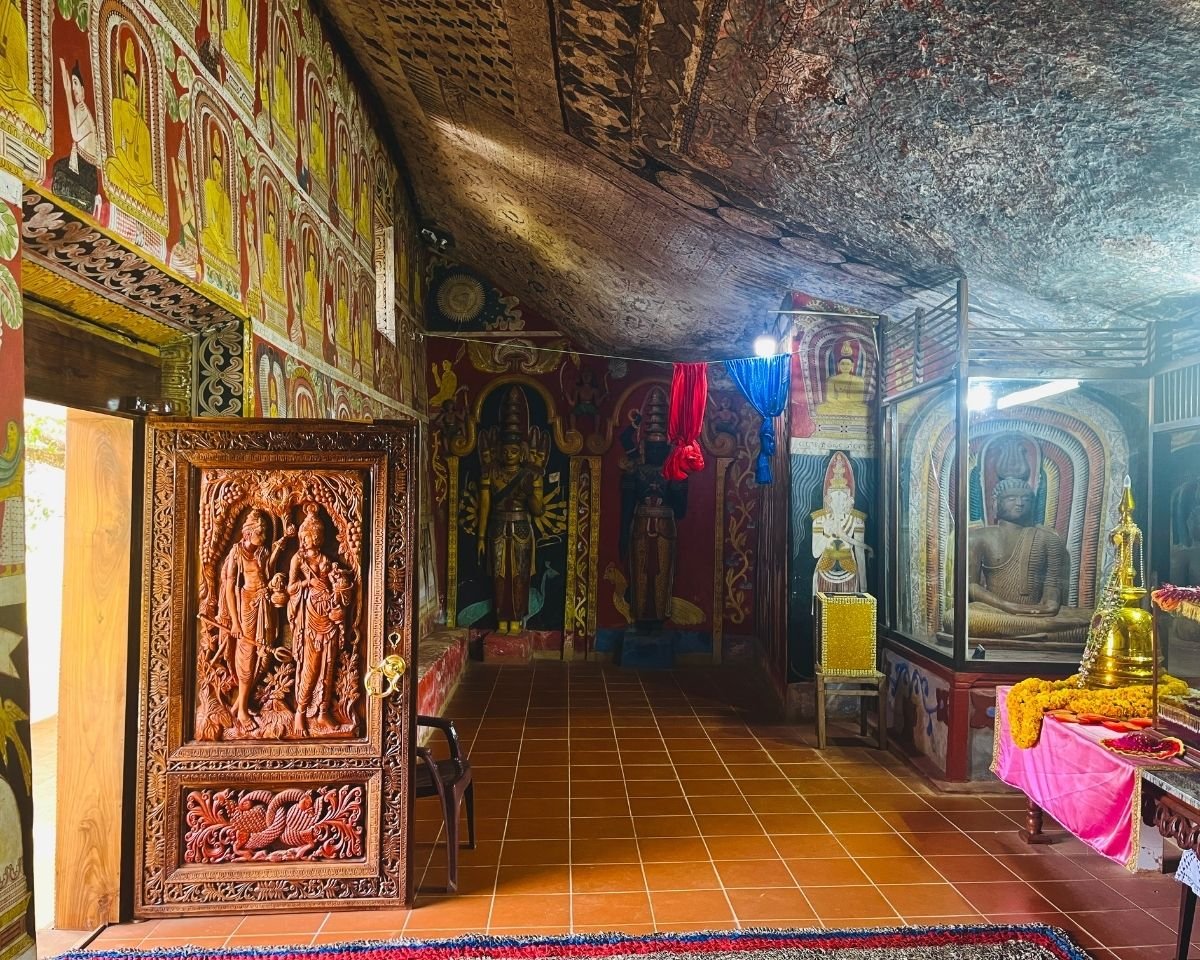
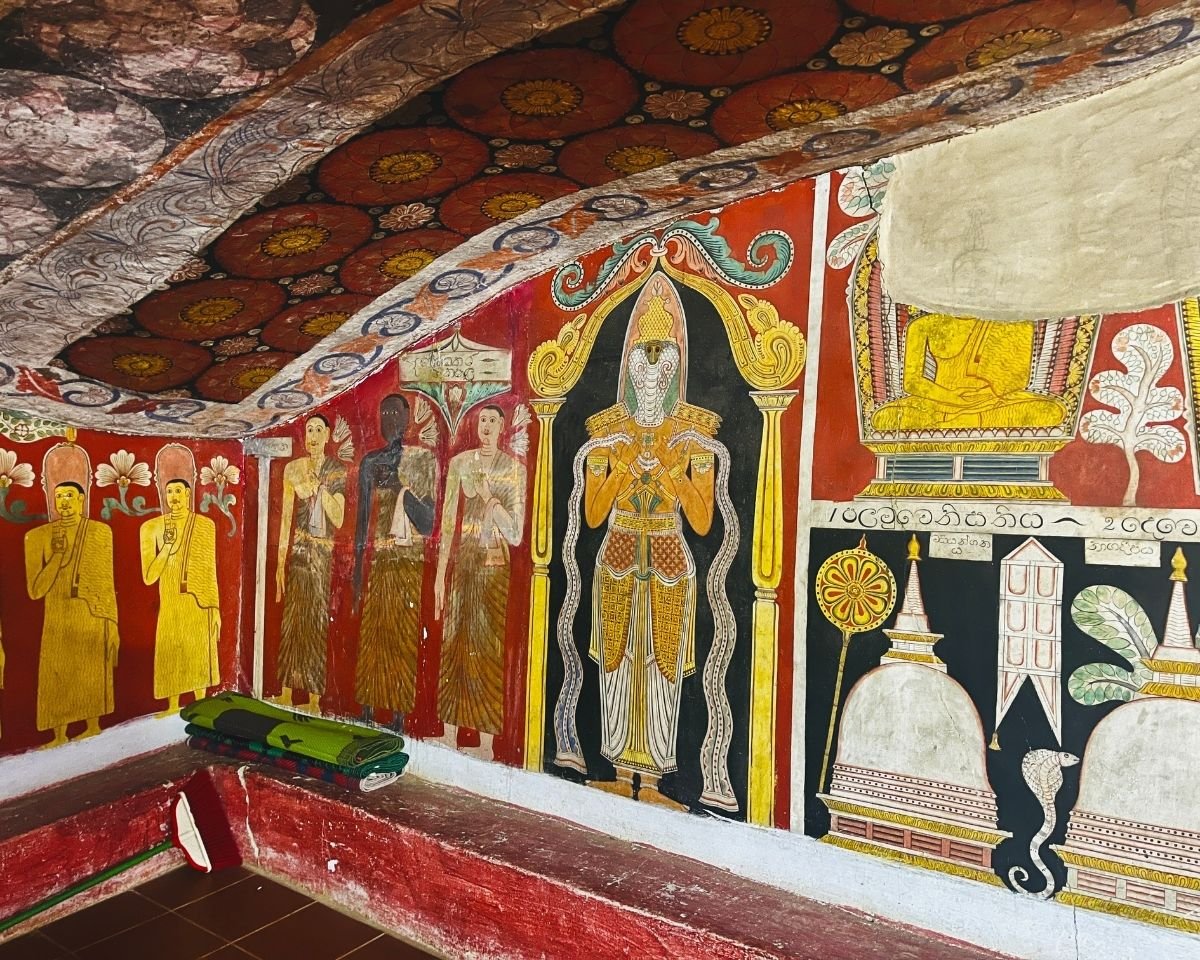
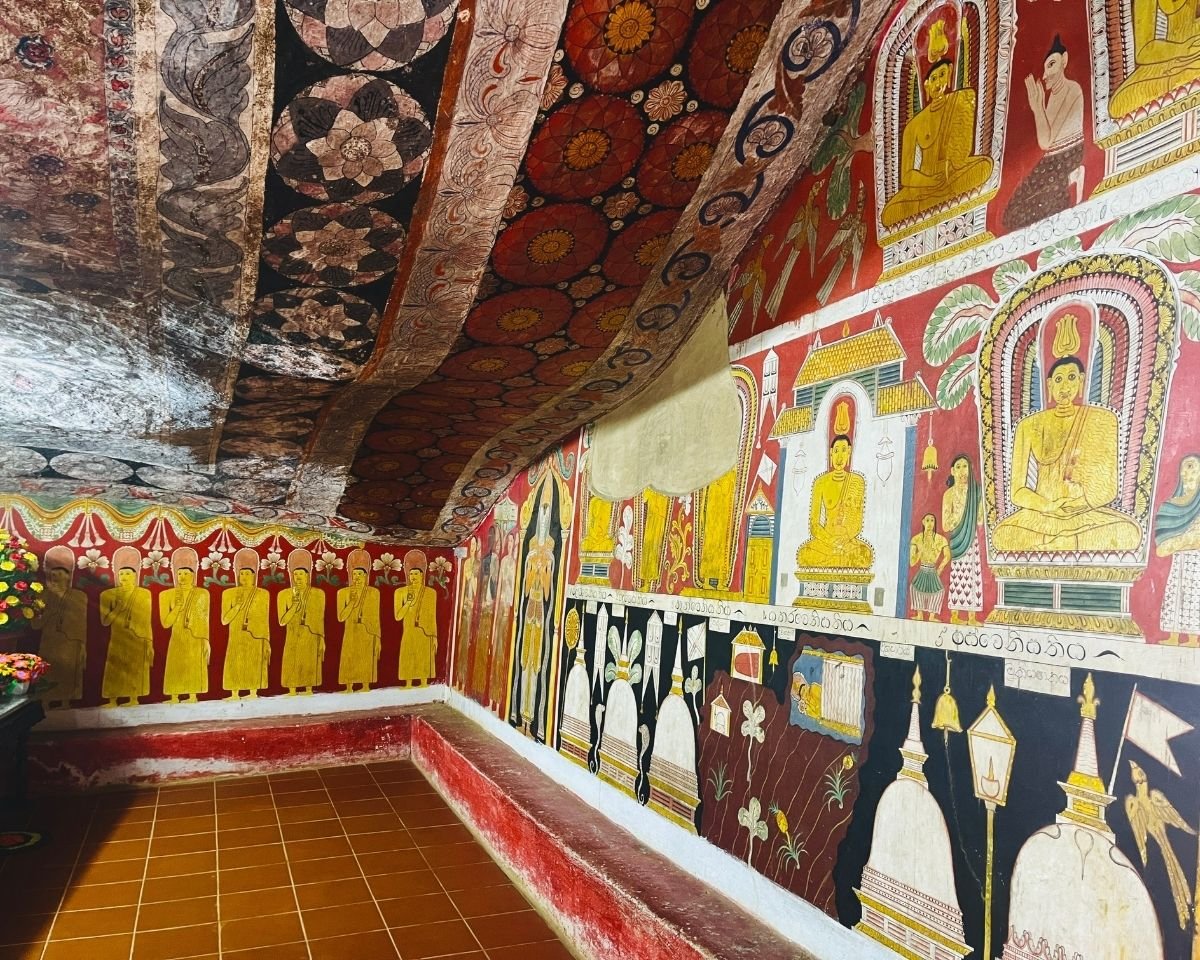
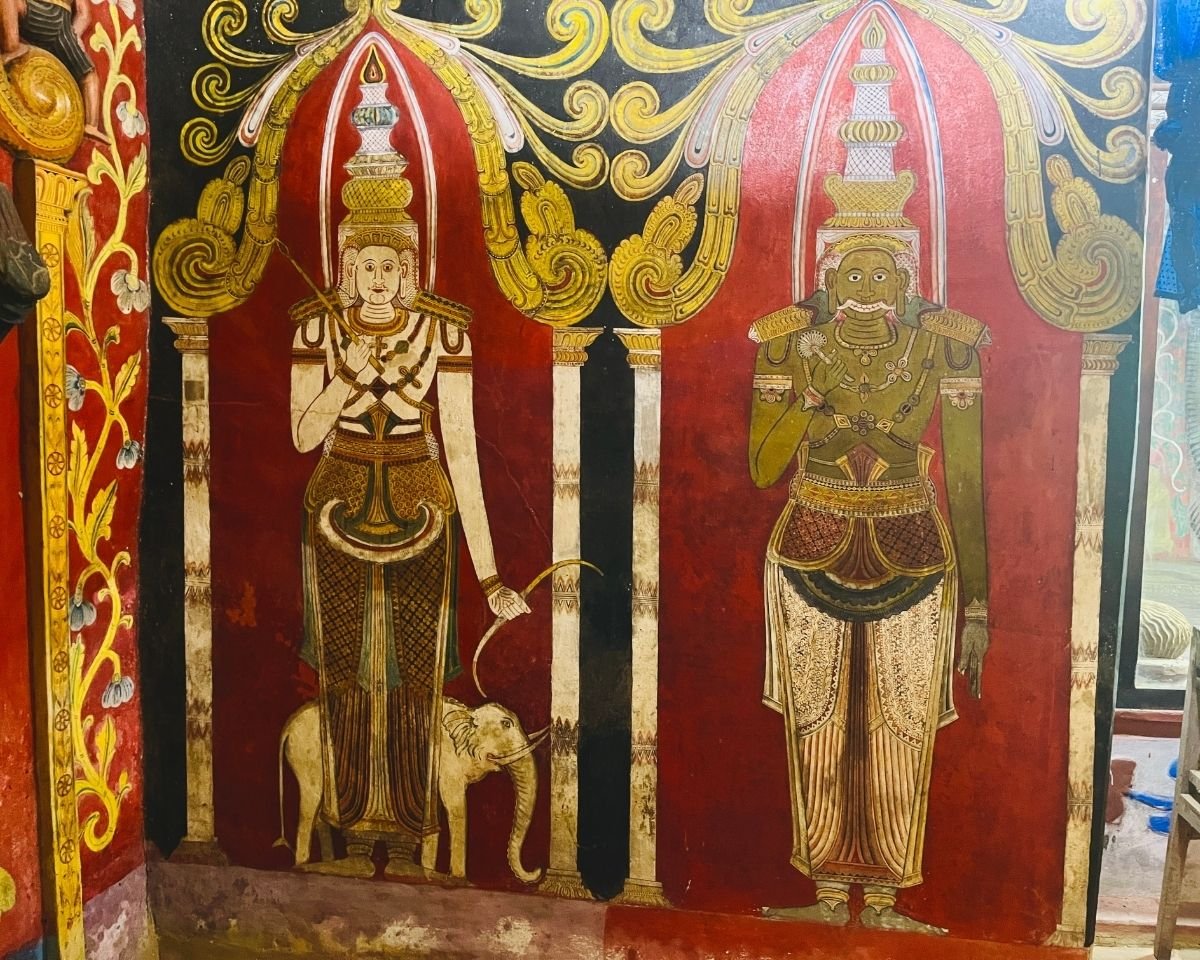
Architecturally, Rakkiththa Kanda is best known for its cave temples built beneath enormous rock overhangs. The complex contains multiple cave shrines, Buddha statues, historic murals, and religious structures that have been carefully integrated into the natural landscape. Intricate wall paintings, rock-cut images, and traditional shrine rooms reflect the artistic and spiritual traditions that have shaped the temple over many generations.
Beyond its religious significance, the temple is also known for its dramatic natural setting. Forest pathways wind between giant boulders, secluded cave shrines, and open terraces overlooking the surrounding valleys and mountain ranges of the Uva Highlands. Visitors can explore quiet walking paths, admire centuries-old artwork, and enjoy panoramic viewpoints that extend far beyond the forests below.
For travelers exploring Ella, Rakkiththa Kanda Rajamaha Viharaya offers a rewarding alternative to the area's more popular attractions. Combining history, spirituality, cave architecture, mountain scenery, and cultural heritage, it provides a deeper insight into Sri Lanka's Buddhist traditions while remaining one of the region's most peaceful and lesser-known destinations.
Read MoreThe temple is traditionally associated with the Anuradhapura period and has remained an active place of worship for centuries. Local tradition links the site to the era of King Walagamba, while early Brahmi inscriptions discovered in the surrounding area suggest a long history of Buddhist monastic activity. Its status as a Rajamaha Viharaya indicates that the temple received royal patronage at some stage of its development. Over time, the complex continued to evolve, with beautiful Kandyan-era murals and decorative paintings added to several of its cave shrines.
Architecturally, Rakkiththa Kanda is best known for its cave temples built beneath enormous rock overhangs. The complex contains multiple cave shrines, Buddha statues, historic murals, and religious structures that have been carefully integrated into the natural landscape. Intricate wall paintings, rock-cut images, and traditional shrine rooms reflect the artistic and spiritual traditions that have shaped the temple over many generations.
Beyond its religious significance, the temple is also known for its dramatic natural setting. Forest pathways wind between giant boulders, secluded cave shrines, and open terraces overlooking the surrounding valleys and mountain ranges of the Uva Highlands. Visitors can explore quiet walking paths, admire centuries-old artwork, and enjoy panoramic viewpoints that extend far beyond the forests below.
For travelers exploring Ella, Rakkiththa Kanda Rajamaha Viharaya offers a rewarding alternative to the area's more popular attractions. Combining history, spirituality, cave architecture, mountain scenery, and cultural heritage, it provides a deeper insight into Sri Lanka's Buddhist traditions while remaining one of the region's most peaceful and lesser-known destinations.

ravinkavish
ravinkavish
elli.mjc
joshua_laporta
ravinkavish
ravinkavish
ravinkavish
ravinkavish
Buddhist Site
Modern Theravada Buddhist monastery focused on meditation, discipline, and early Buddhist teachings.

Scenery
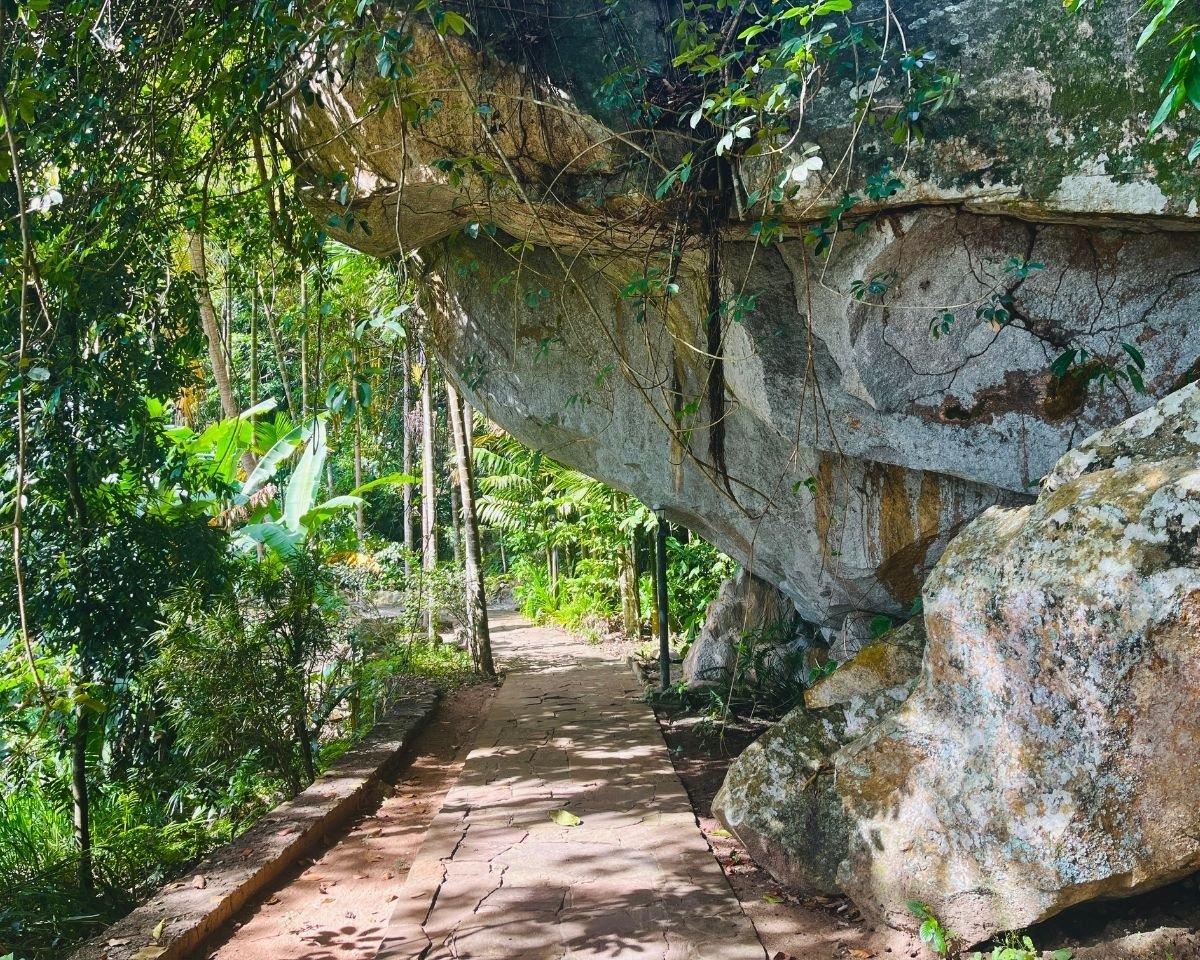
Peaceful hill country surroundings with open spaces and trees, enhanced by modern Buddhist architecture featuring bright colours and carefully designed structures.

Art & Culture
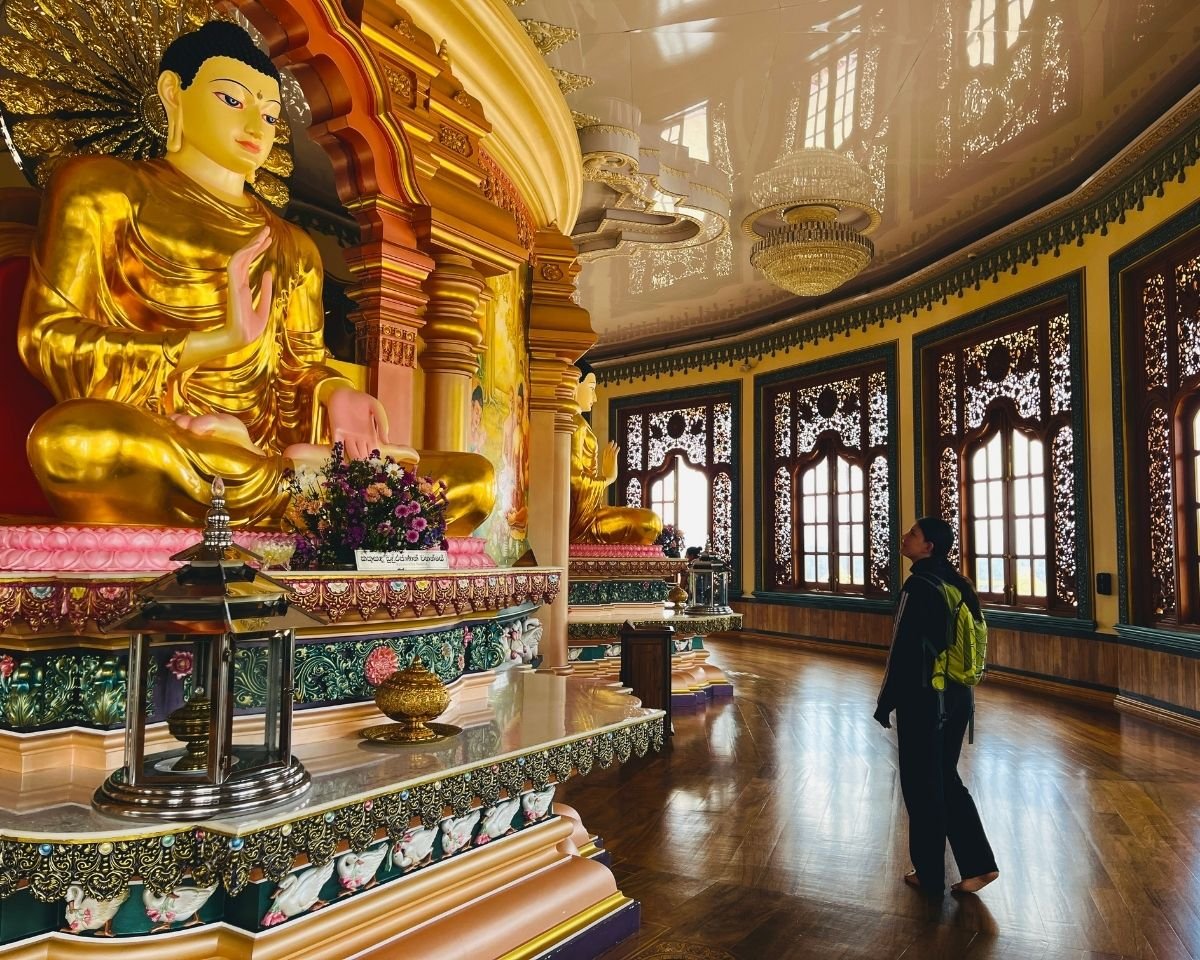
Modern Theravada Buddhist architecture and contemporary shrine design, with opportunities for visitors to take part in guided meditation sessions led by resident monks.
Mahamevnawa Buddhist Monastery (Sri Satbudu Maha Stupa)
Top Pick
Location
View on Map
View on Map
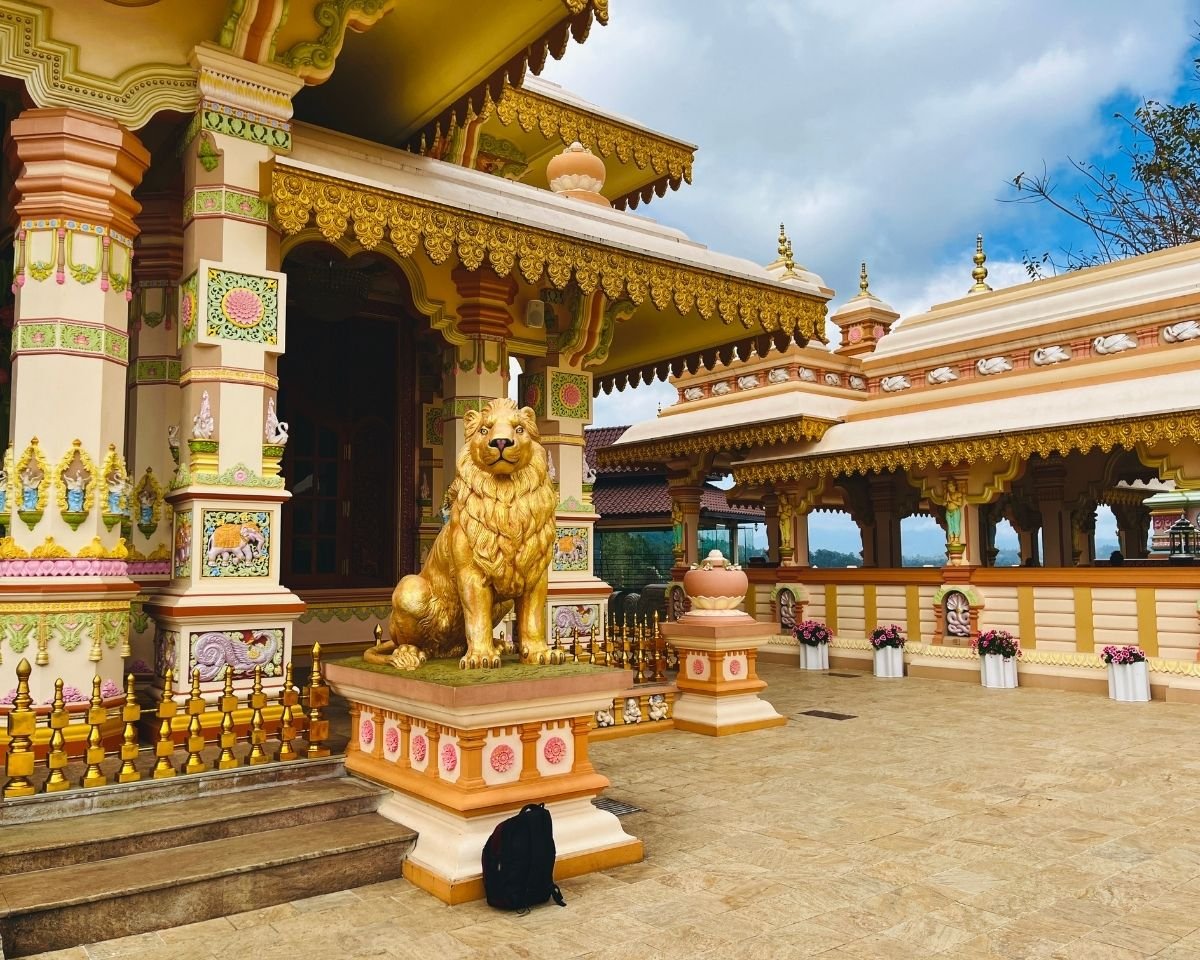
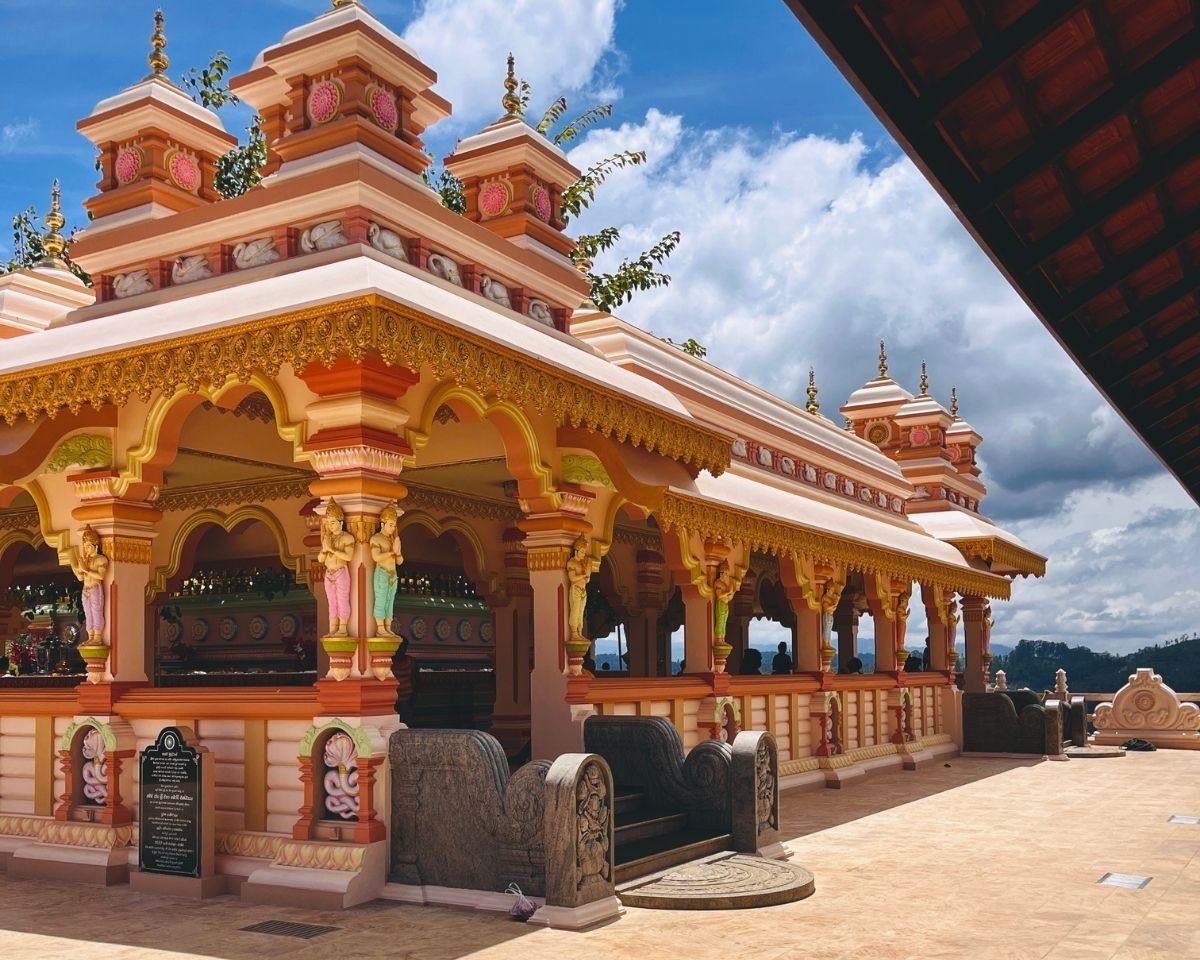
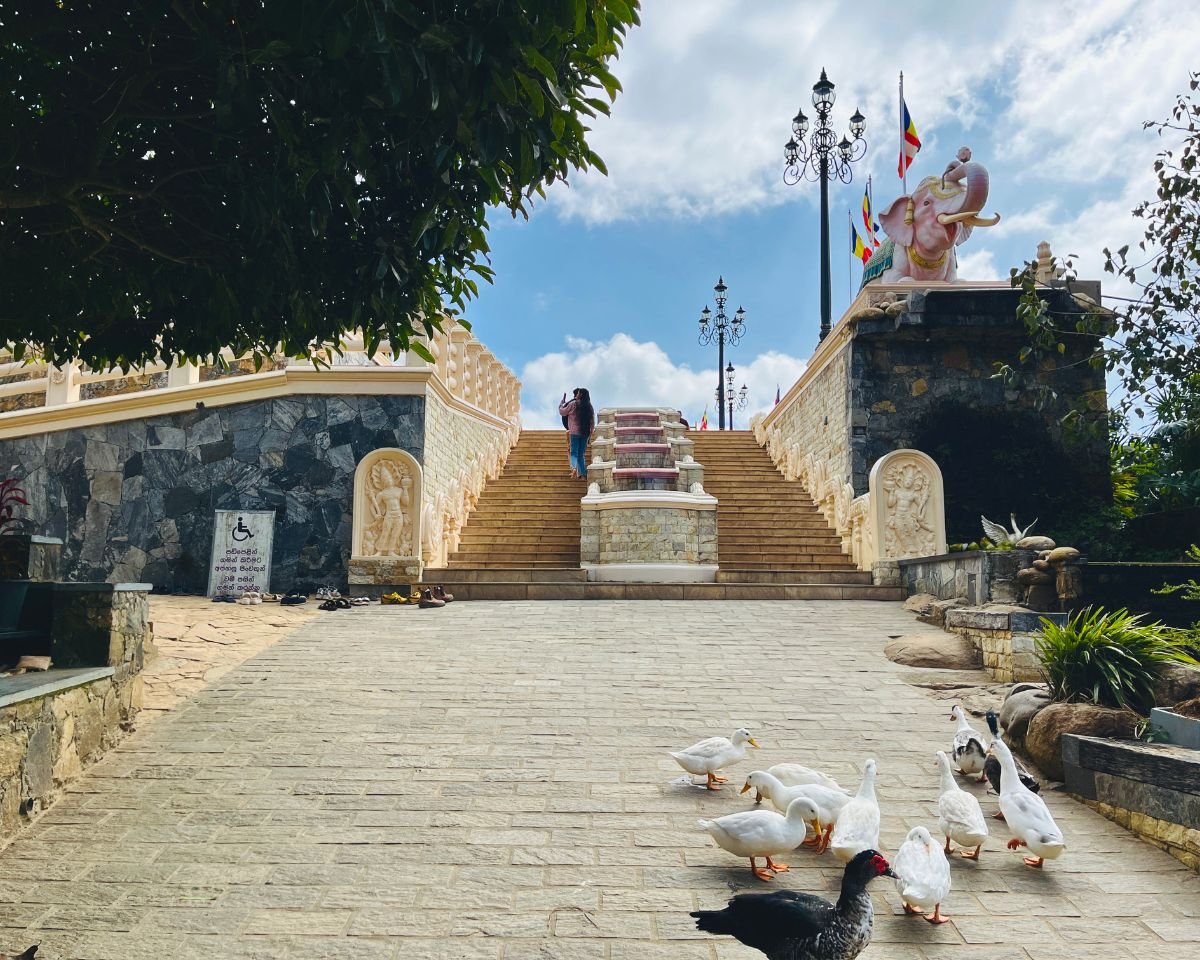
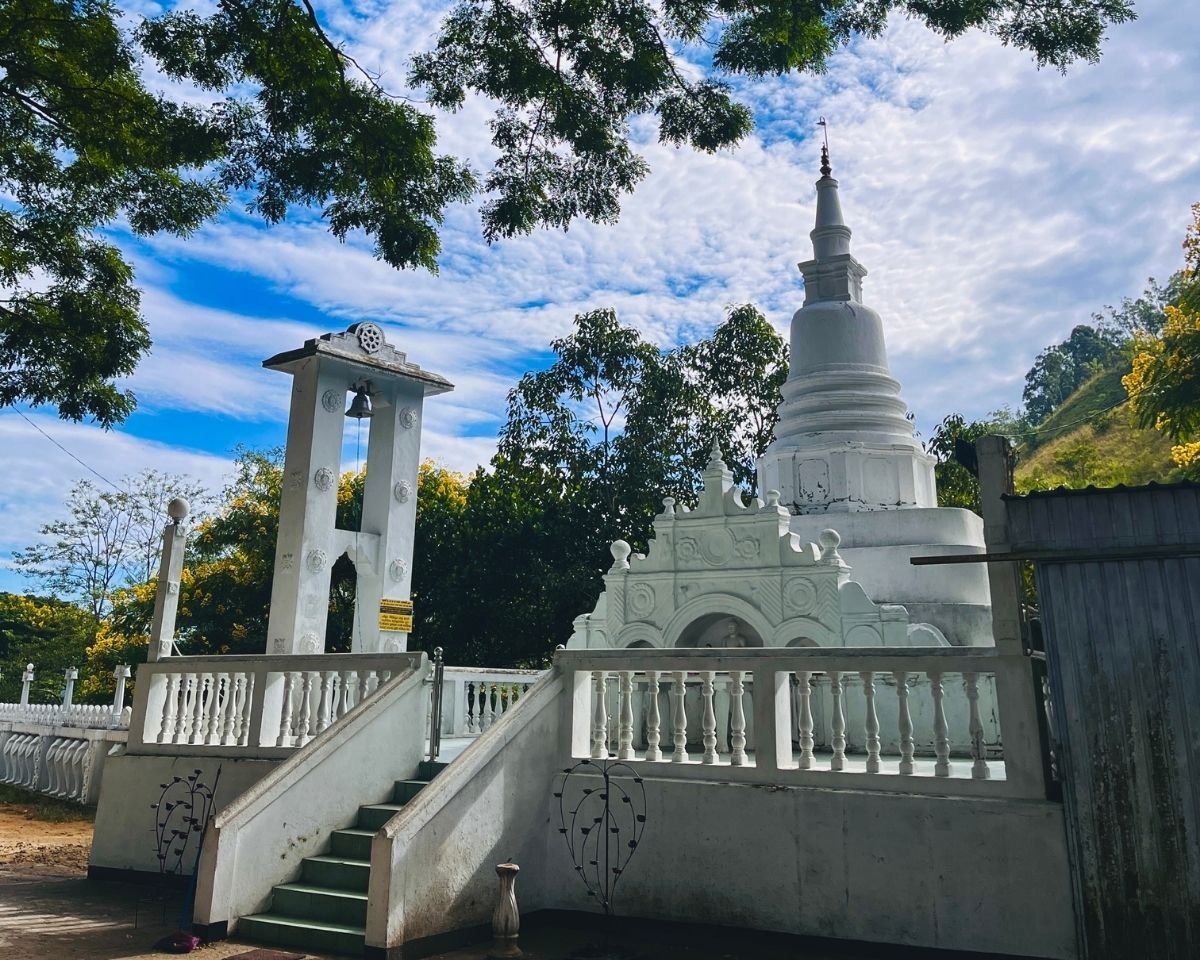
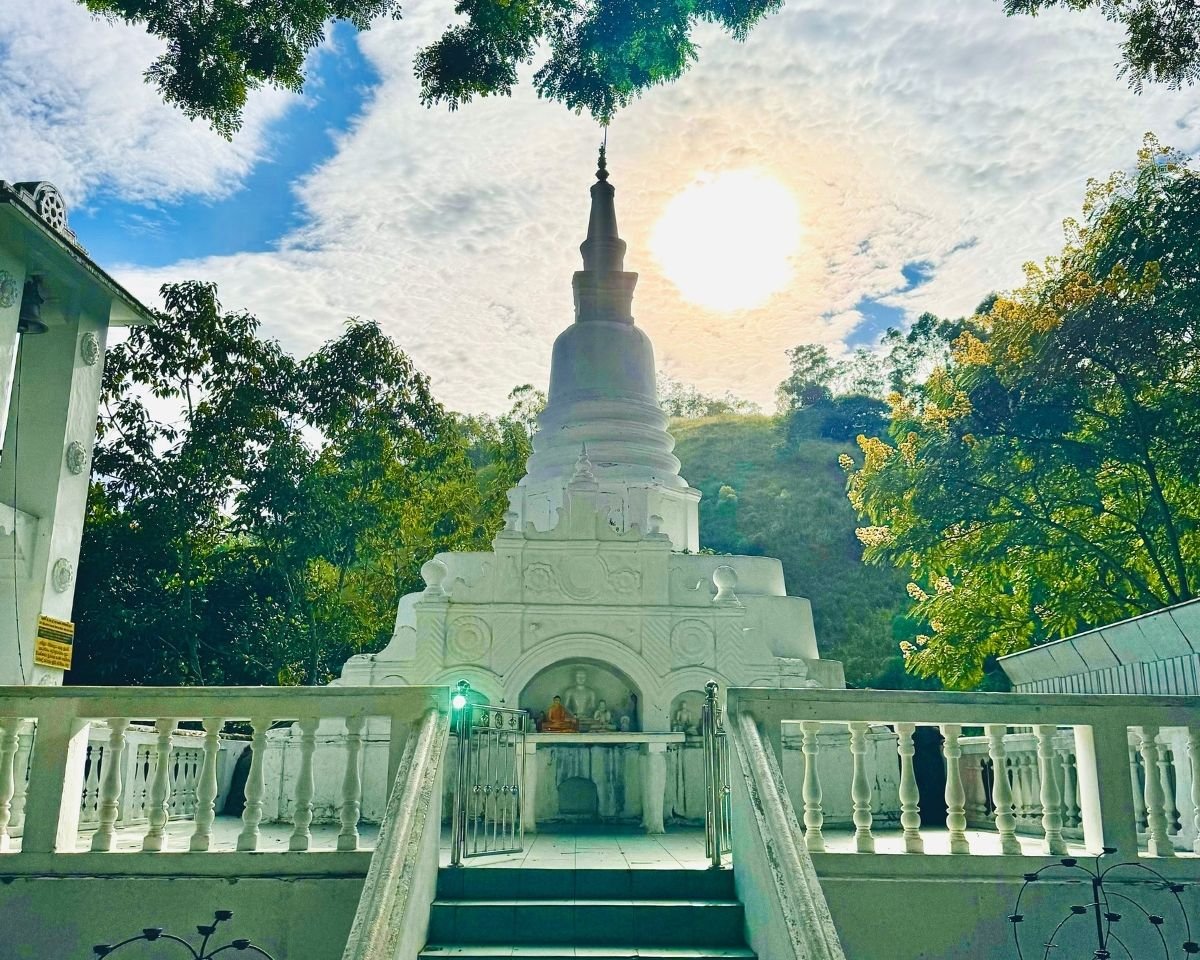
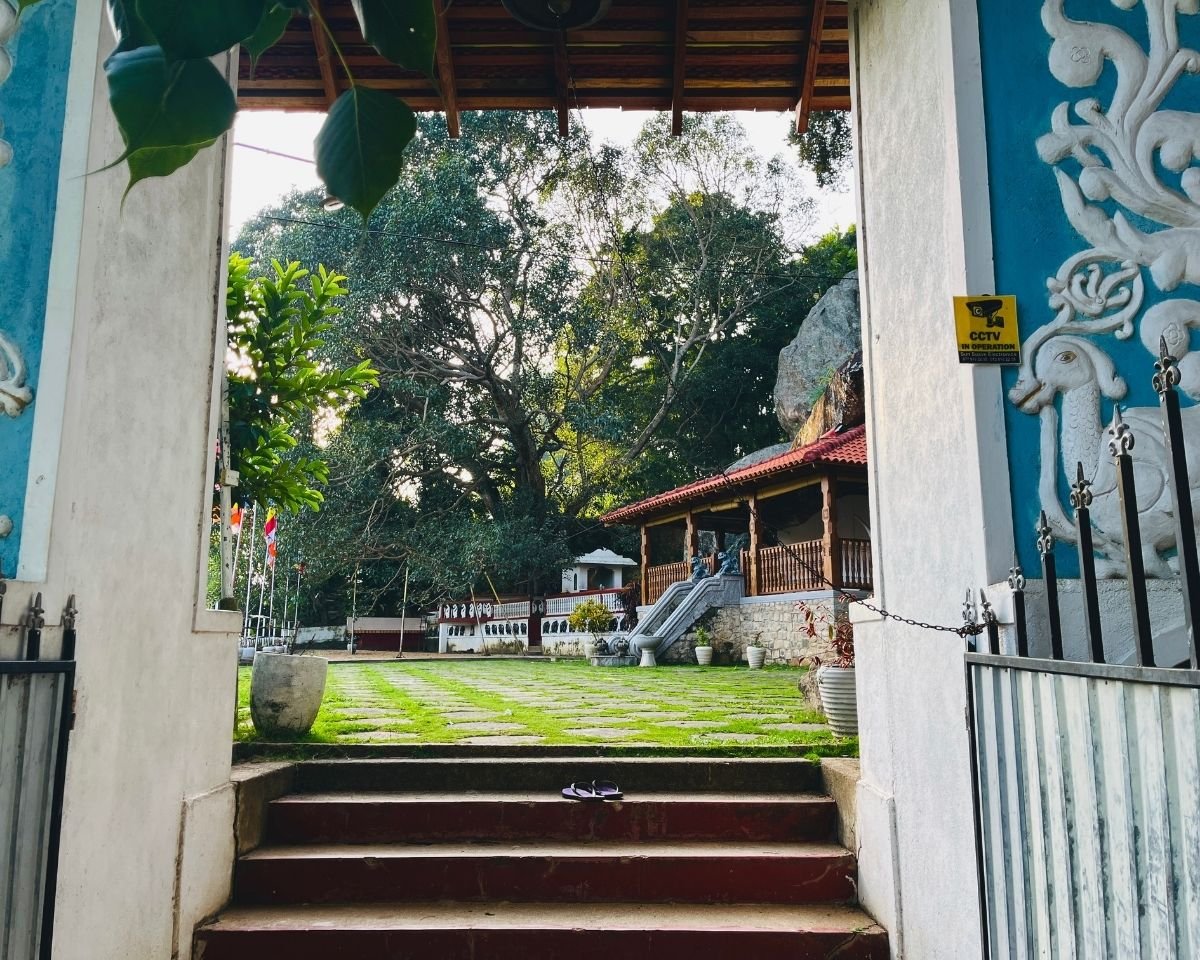
Mahamevnawa Buddhist Monastery is a peaceful Buddhist monastery located near Ella in the village of Kumbalwela, surrounded by forests, open countryside, and views of Sri Lanka's central highlands. Established as part of the Mahamevnawa Buddhist Monastic Tradition, the monastery promotes the practice of early Buddhist teachings and meditation while providing a calm environment for spiritual reflection. Its quiet setting offers a welcome contrast to the busy attractions and hiking trails that draw most visitors to Ella.
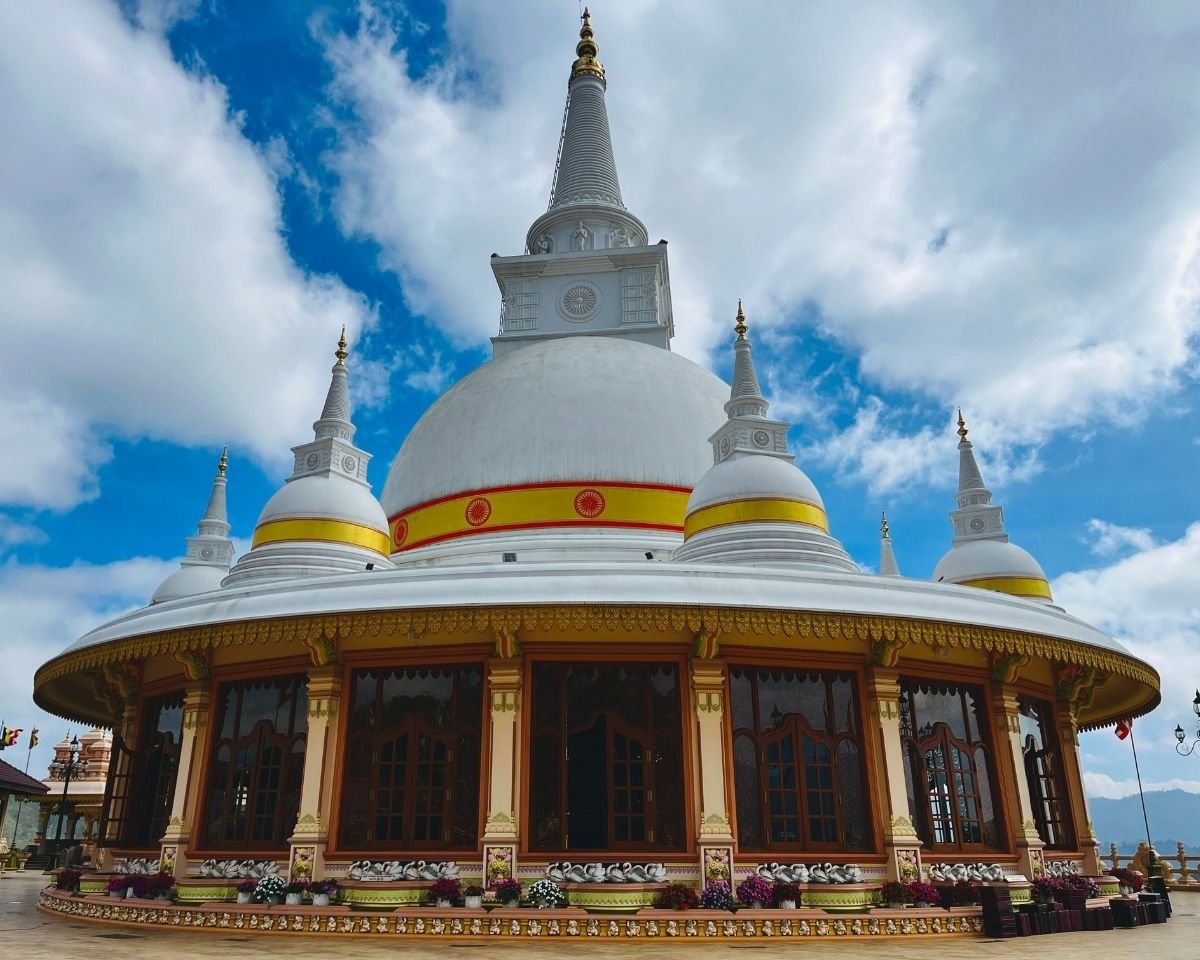
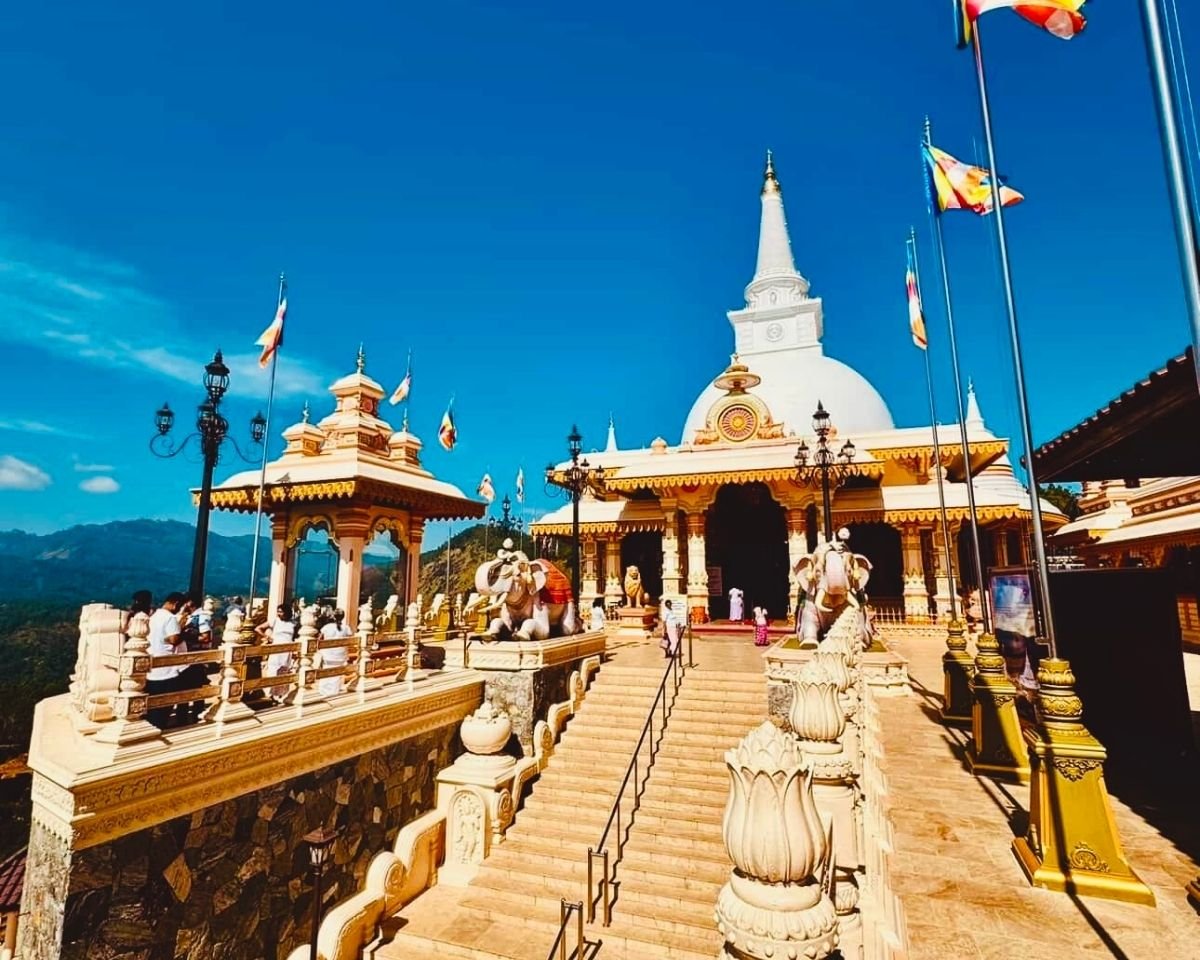
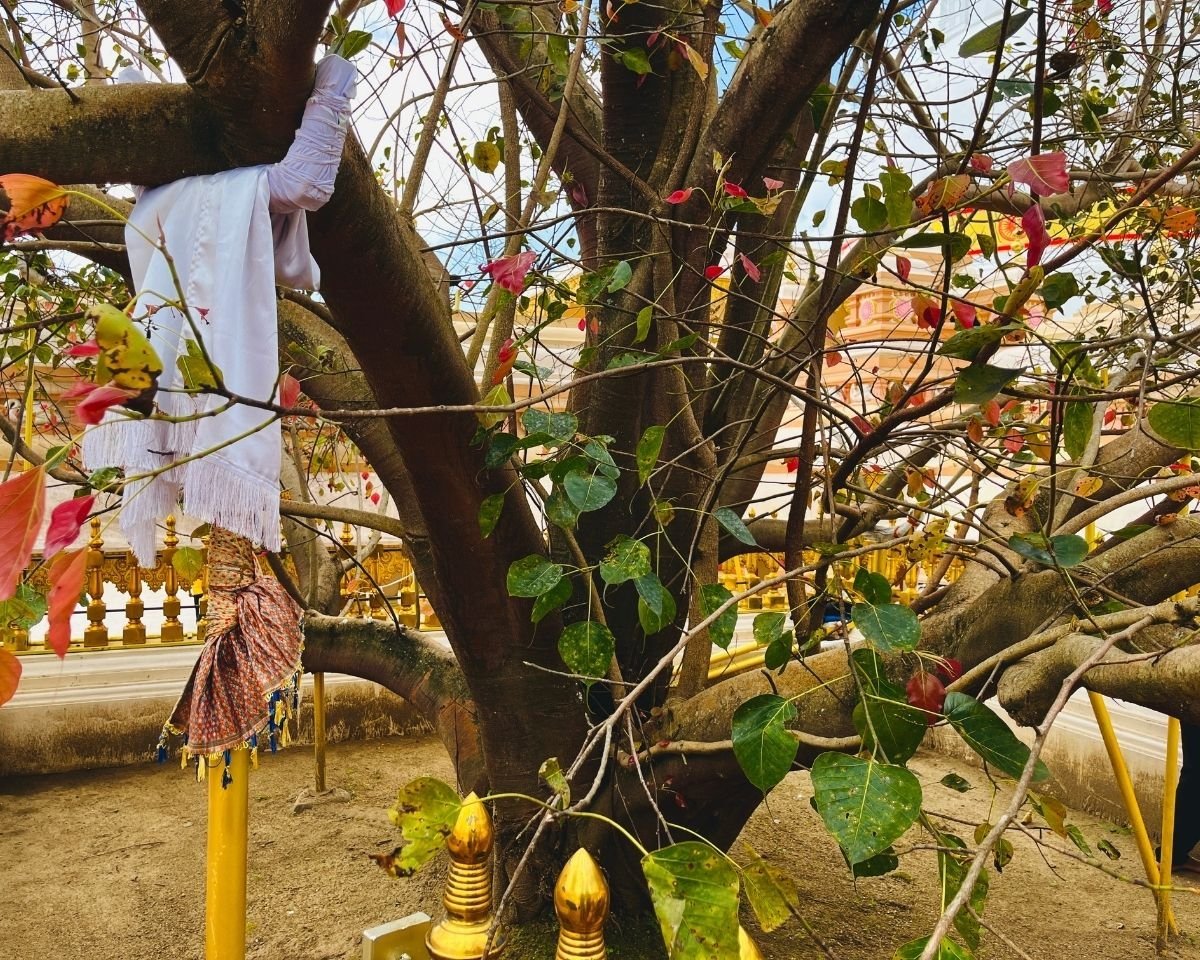
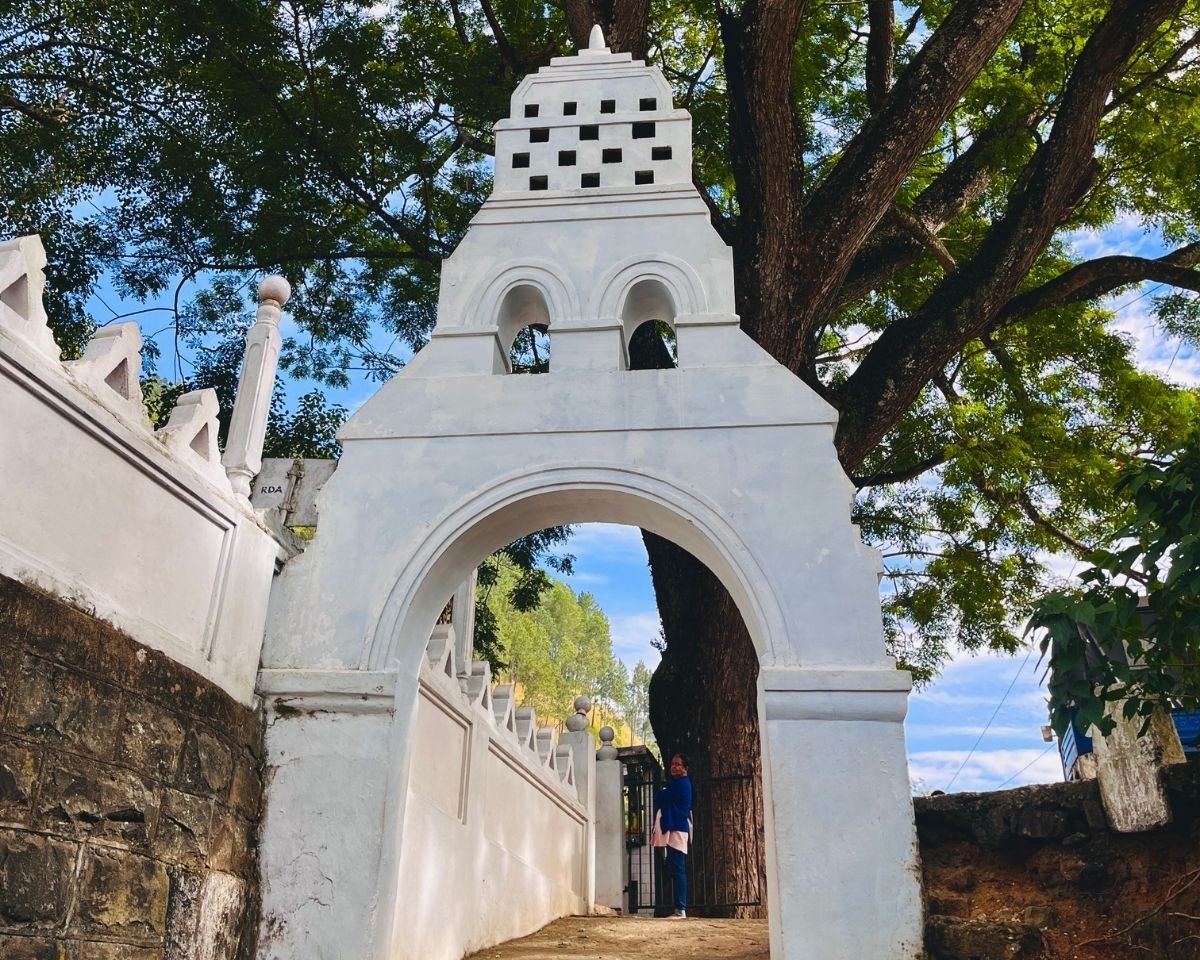
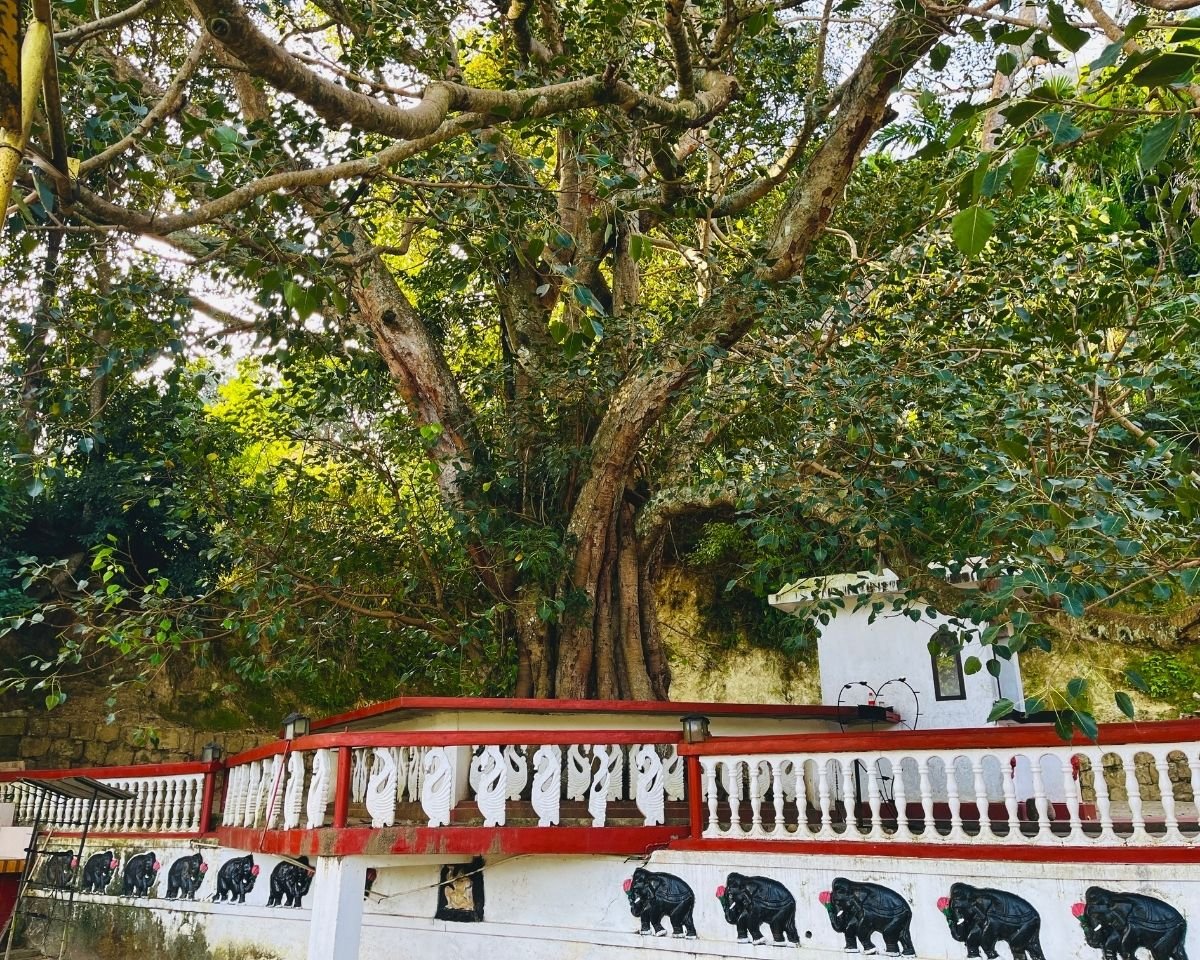
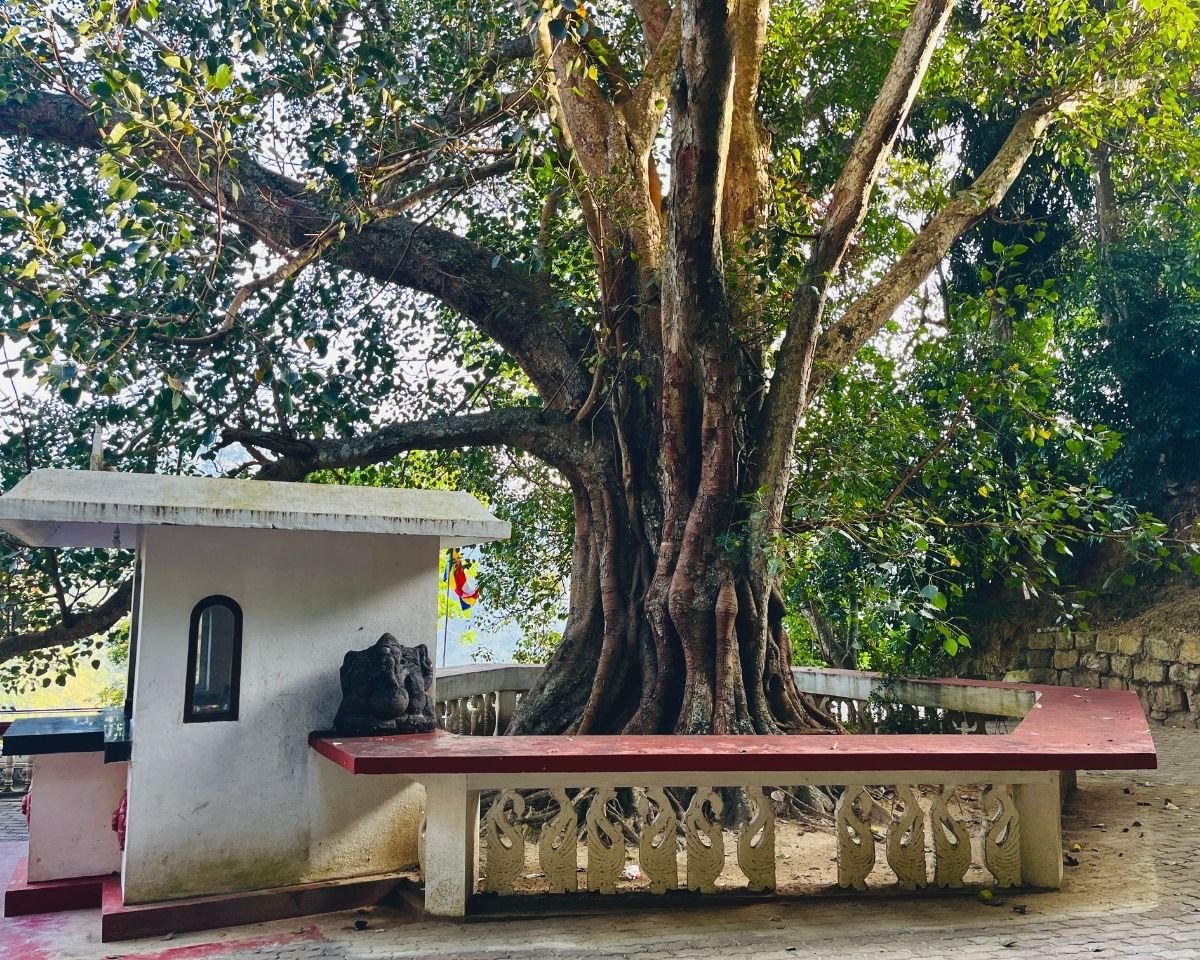
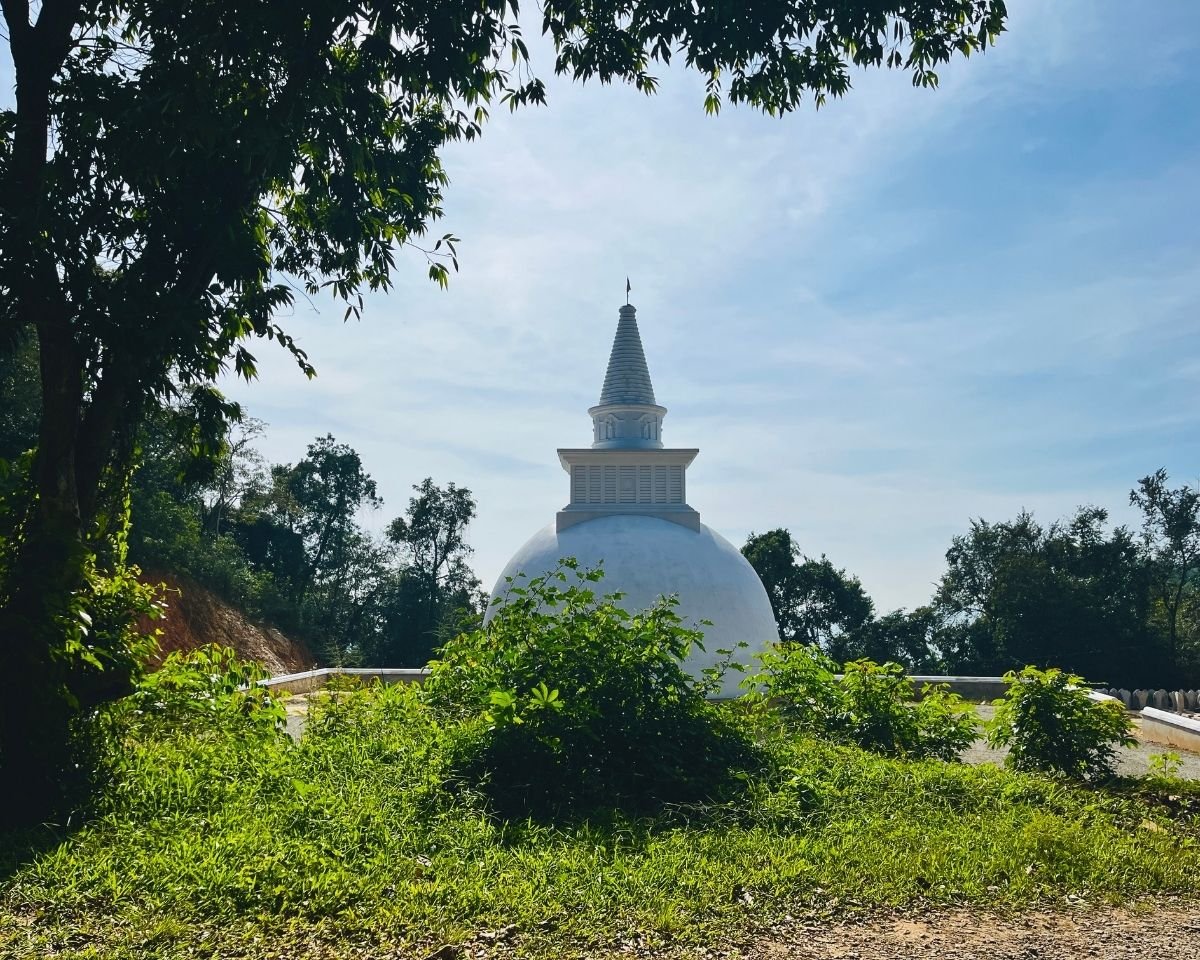
The monastery is best known as the home of the Sri Satbudu Maha Seya, originally named the Sri Satbudu Maha Stupa - Stupa of Seven Buddhas. This impressive white stupa complex serves as the spiritual centre of the property and was built to enshrine relics of the seven Buddhas including Gautama Buddha. Surrounded by landscaped gardens, shrine areas, and a sacred Bo tree, the grounds are carefully maintained and designed to encourage contemplation and mindfulness. Visitors can explore the pathways around the stupa, admire the temple architecture, and experience the peaceful atmosphere that defines monastic life.
Unlike many historic temples in Sri Lanka, Mahamevnawa Monastery is a modern religious centre that continues to attract monks, devotees, and meditation practitioners from across the country. The emphasis here is not on ancient ruins or archaeological remains, but on living Buddhist practice, meditation, and the preservation of the Buddha's teachings in everyday life.
Due to its close proximity to Ella, the monastery is an easy addition to any itinerary and provides a different perspective on the region. While attractions such as Nine Arch Bridge, Little Adam's Peak, and Ella Rock showcase the area's natural beauty, Mahamevnawa offers a quieter experience focused on spirituality, reflection, and inner calm. For travelers seeking a peaceful cultural experience in Sri Lanka's hill country, it remains one of the most rewarding places to visit near Ella.
Read MoreThe monastery is best known as the home of the Sri Satbudu Maha Seya, originally named the Sri Satbudu Maha Stupa - Stupa of Seven Buddhas. This impressive white stupa complex serves as the spiritual centre of the property and was built to enshrine relics of the seven Buddhas including Gautama Buddha. Surrounded by landscaped gardens, shrine areas, and a sacred Bo tree, the grounds are carefully maintained and designed to encourage contemplation and mindfulness. Visitors can explore the pathways around the stupa, admire the temple architecture, and experience the peaceful atmosphere that defines monastic life.
Unlike many historic temples in Sri Lanka, Mahamevnawa Monastery is a modern religious centre that continues to attract monks, devotees, and meditation practitioners from across the country. The emphasis here is not on ancient ruins or archaeological remains, but on living Buddhist practice, meditation, and the preservation of the Buddha's teachings in everyday life.
Due to its close proximity to Ella, the monastery is an easy addition to any itinerary and provides a different perspective on the region. While attractions such as Nine Arch Bridge, Little Adam's Peak, and Ella Rock showcase the area's natural beauty, Mahamevnawa offers a quieter experience focused on spirituality, reflection, and inner calm. For travelers seeking a peaceful cultural experience in Sri Lanka's hill country, it remains one of the most rewarding places to visit near Ella.

ravinkavish
ravinkavish
ravinkavish
ravinkavish
ravinkavish
ravinkavish
ravinkavish
ravinkavish
ravinkavish
ravinkavish
ravinkavish
ravinkavish
ravinkavish
ravinkavish
ravinkavish
ravinkavish
ravinkavish
ravinkavish
ravinkavish
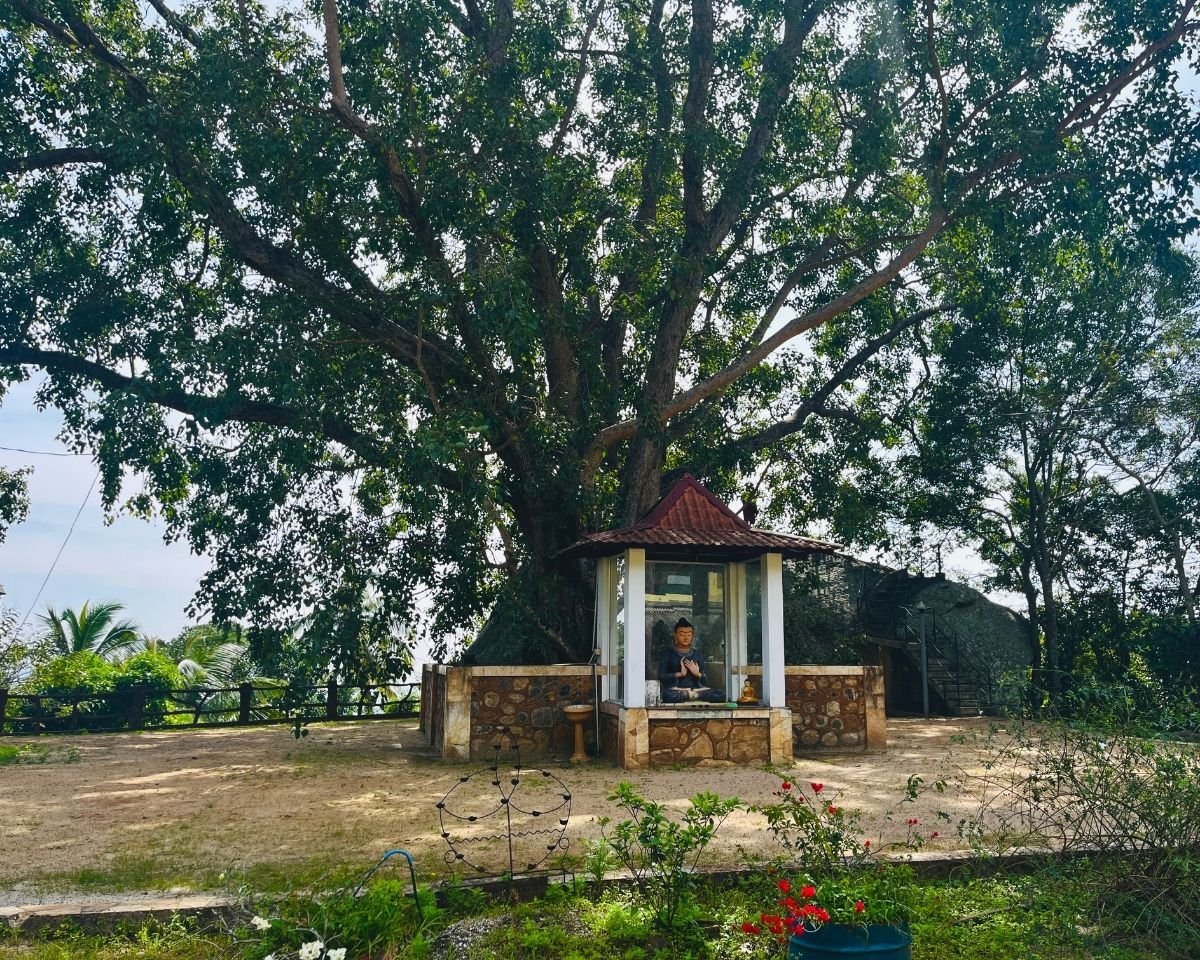
Waterfall
Sri Lanka’s second highest waterfall, featuring a dramatic vertical drop and upper natural pools.

Swimming
Upper natural pools are suitable for swimming during dry weather. Swimming near the main drop or during heavy flow is not recommended.

Hike
Moderate hike to reach the upper pools, involving open terrain and uneven rock surfaces.

Scenery
High cliffs, open views across valleys, exposed rock formations, and powerful flowing water.

Entrance Fee
LKR 600 ($2 USD ) Tickets near the upper trail entrance.
! Fees are approximate and can vary based on factors such as season, group size, and additional services.
LKR 600 ($2 USD ) Tickets near the upper trail entrance.
! Fees are approximate and can vary based on factors such as season, group size, and additional services.
Diyaluma Falls
Top Pick
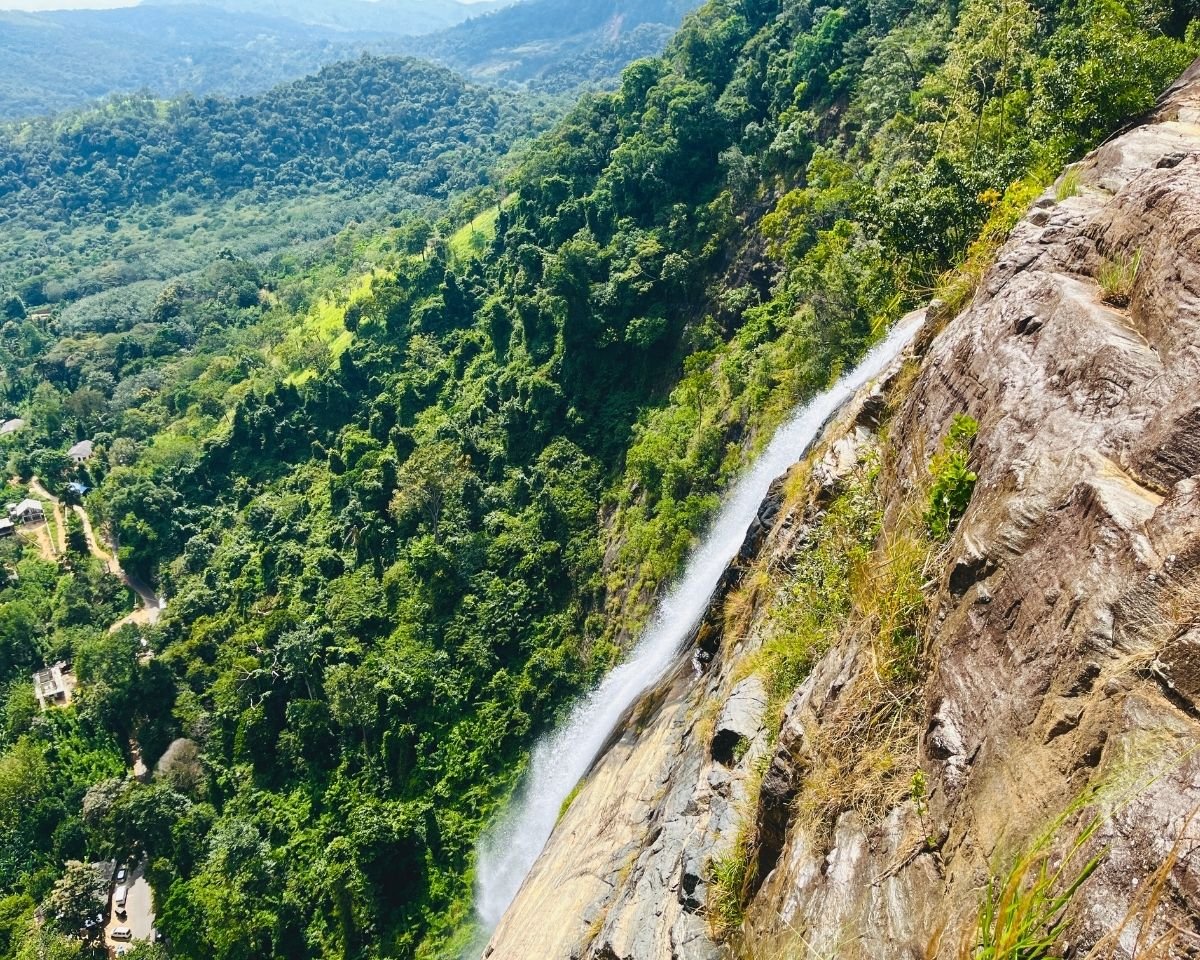
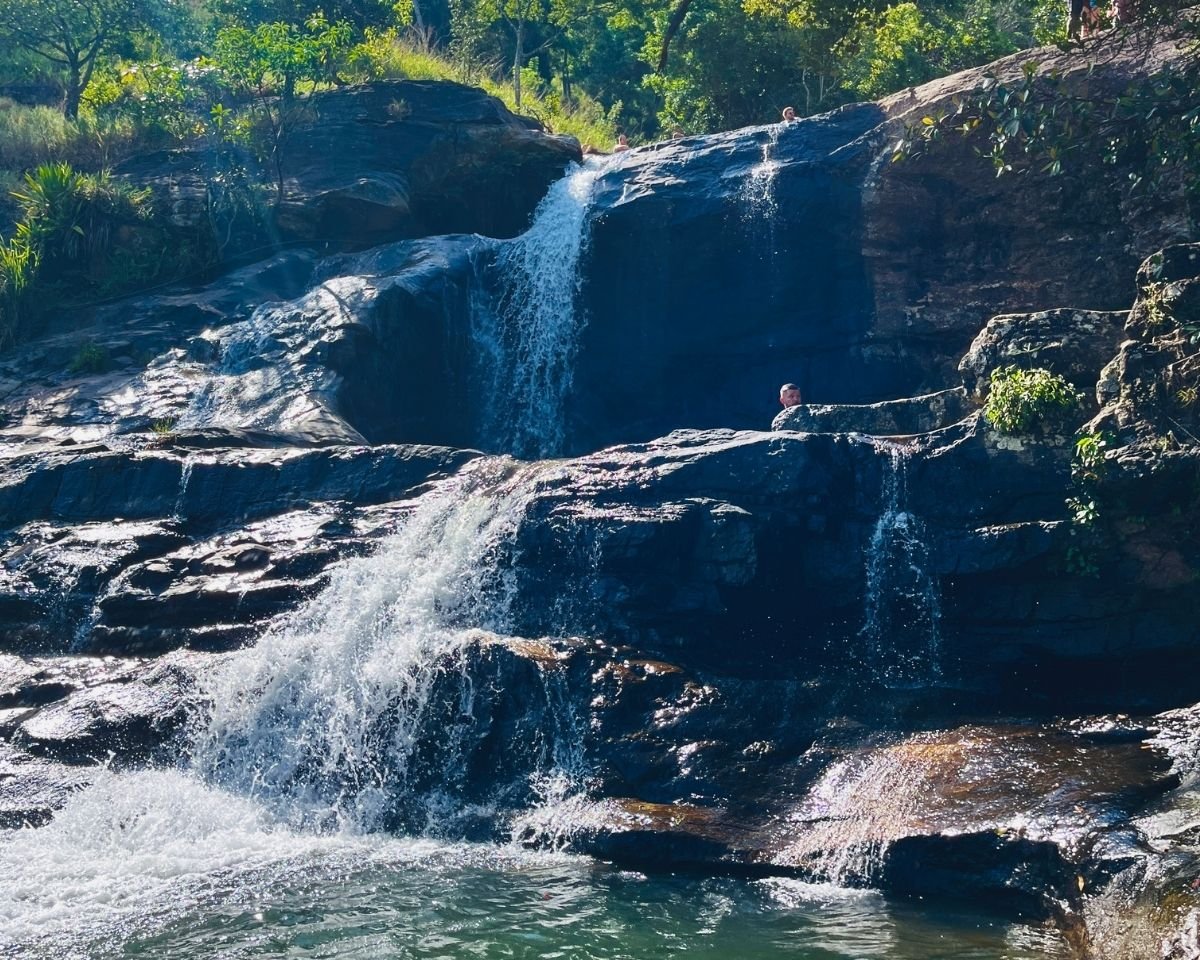
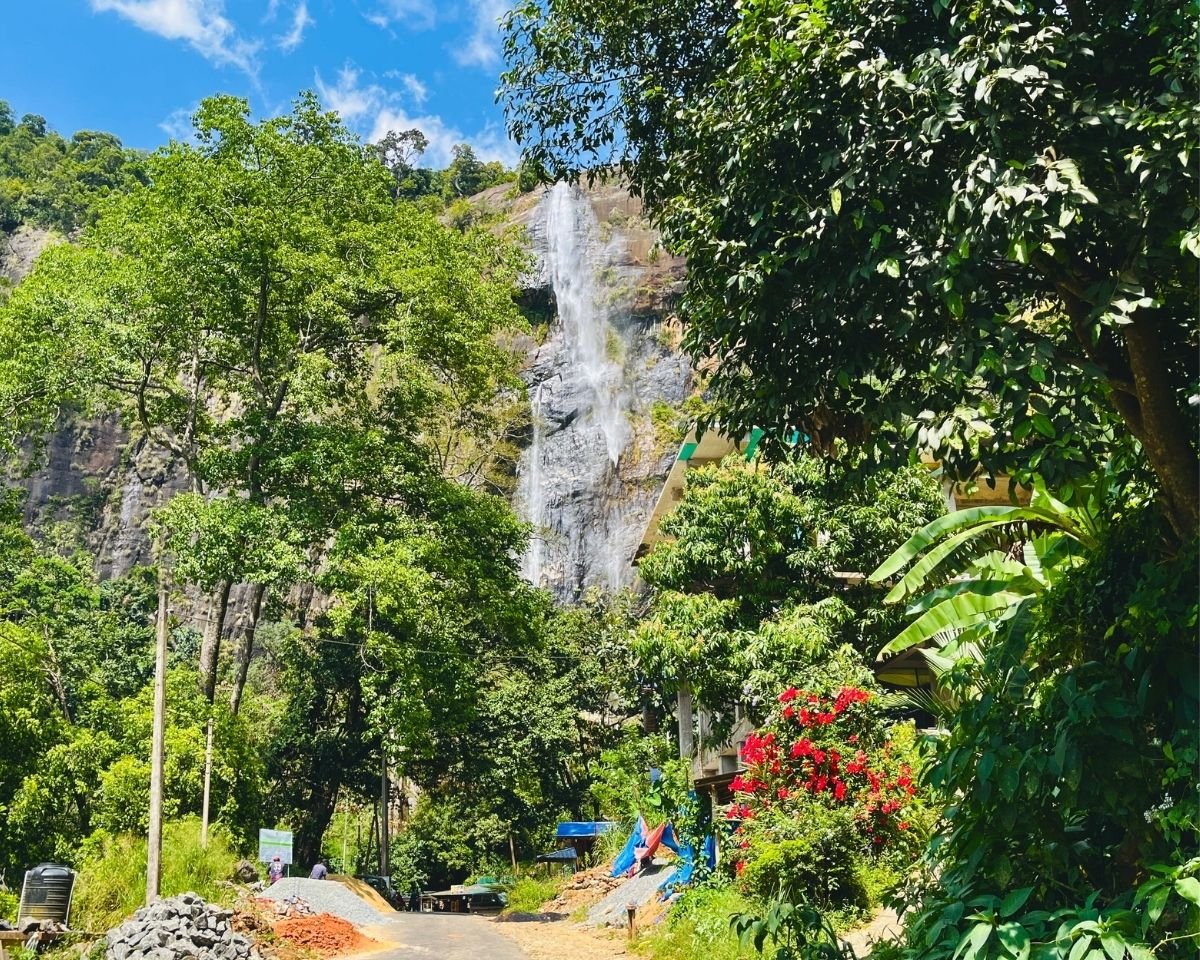
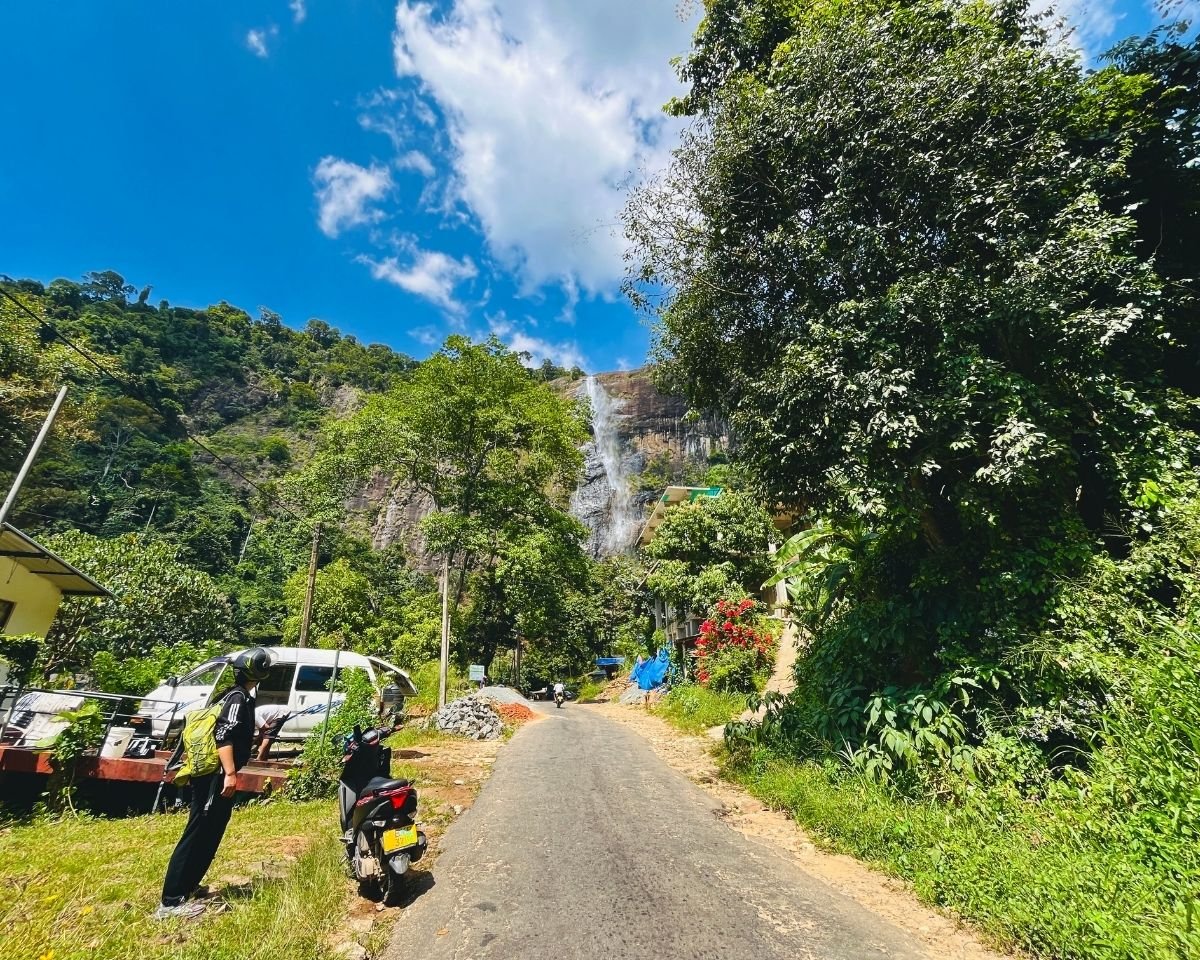
Diyaluma Falls is the second-highest waterfall in Sri Lanka and one of the most spectacular natural attractions in the country's hill country. Located near Koslanda, within easy reach of Ella, the waterfall plunges approximately 220 metres down a dramatic cliff face into the valley below. Visible from the main road and surrounding hillsides, the falls create an impressive landmark that dominates the landscape, particularly during the rainy season when water levels are at their highest.
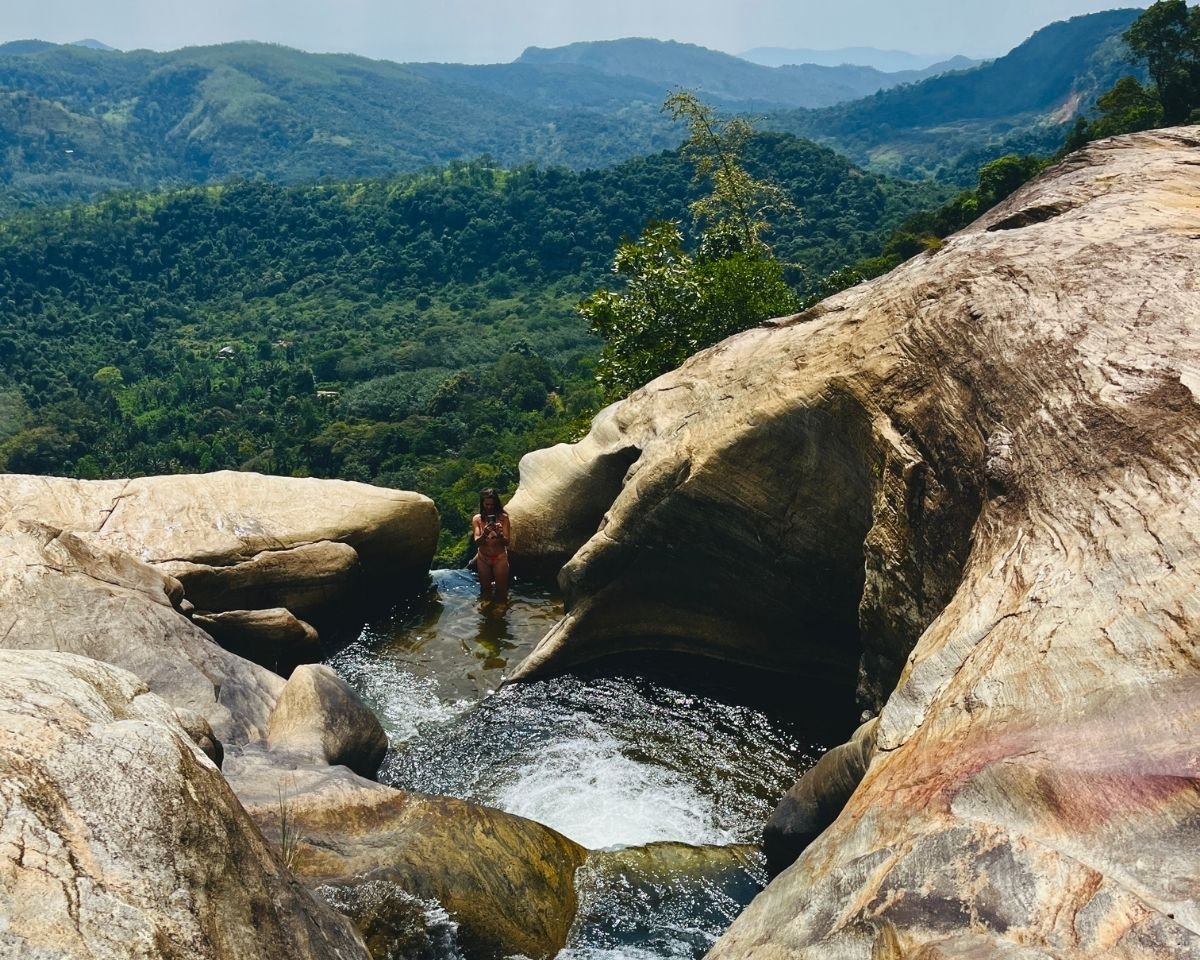
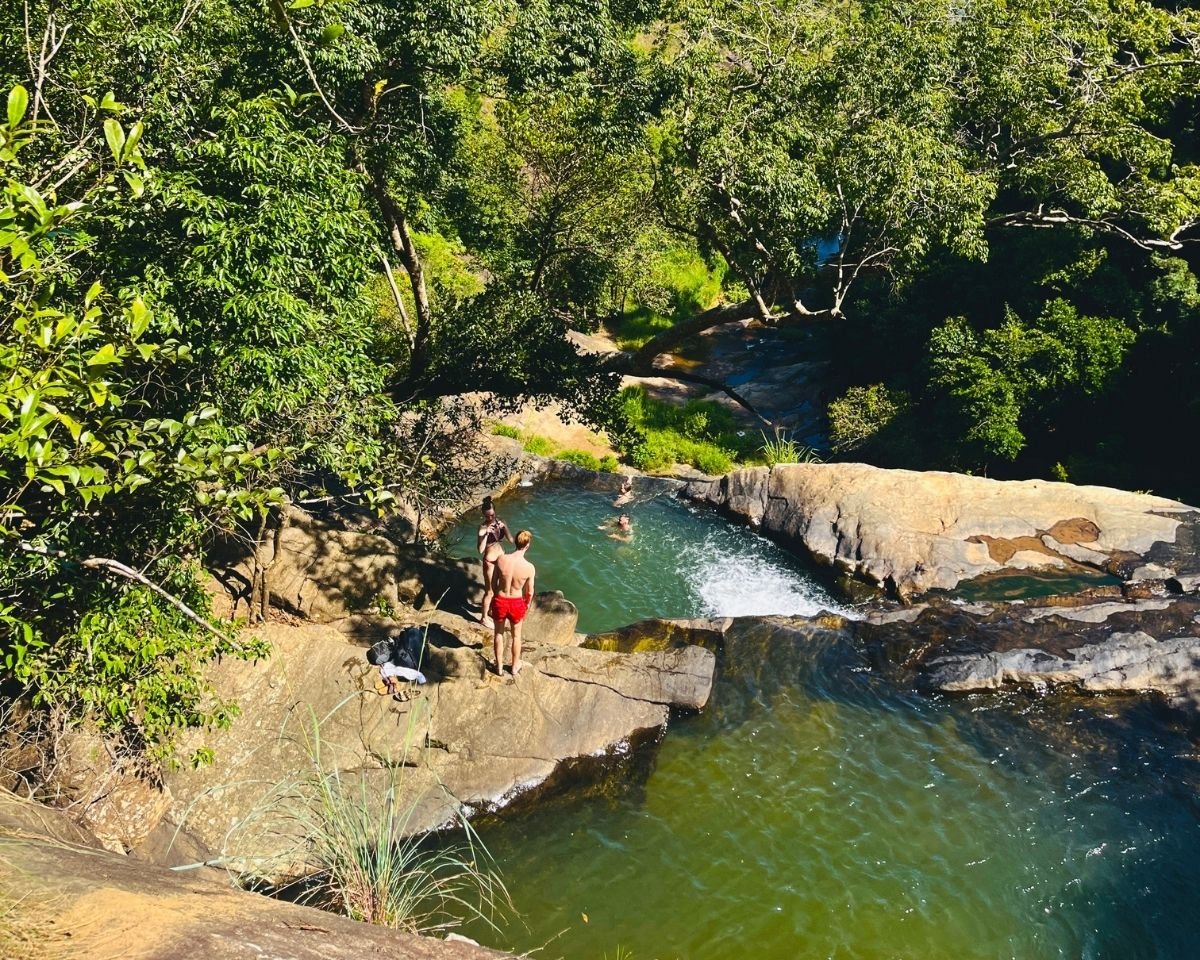
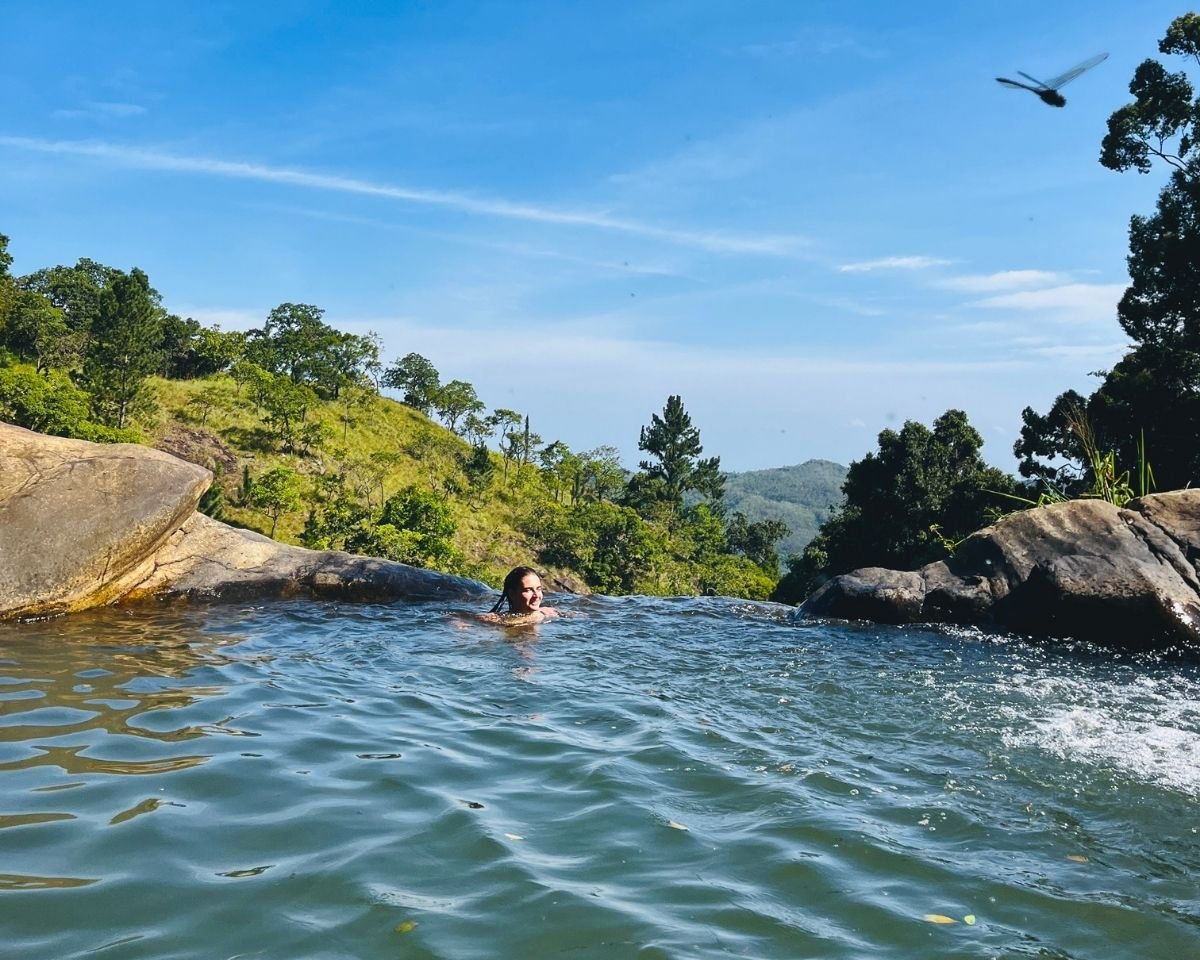
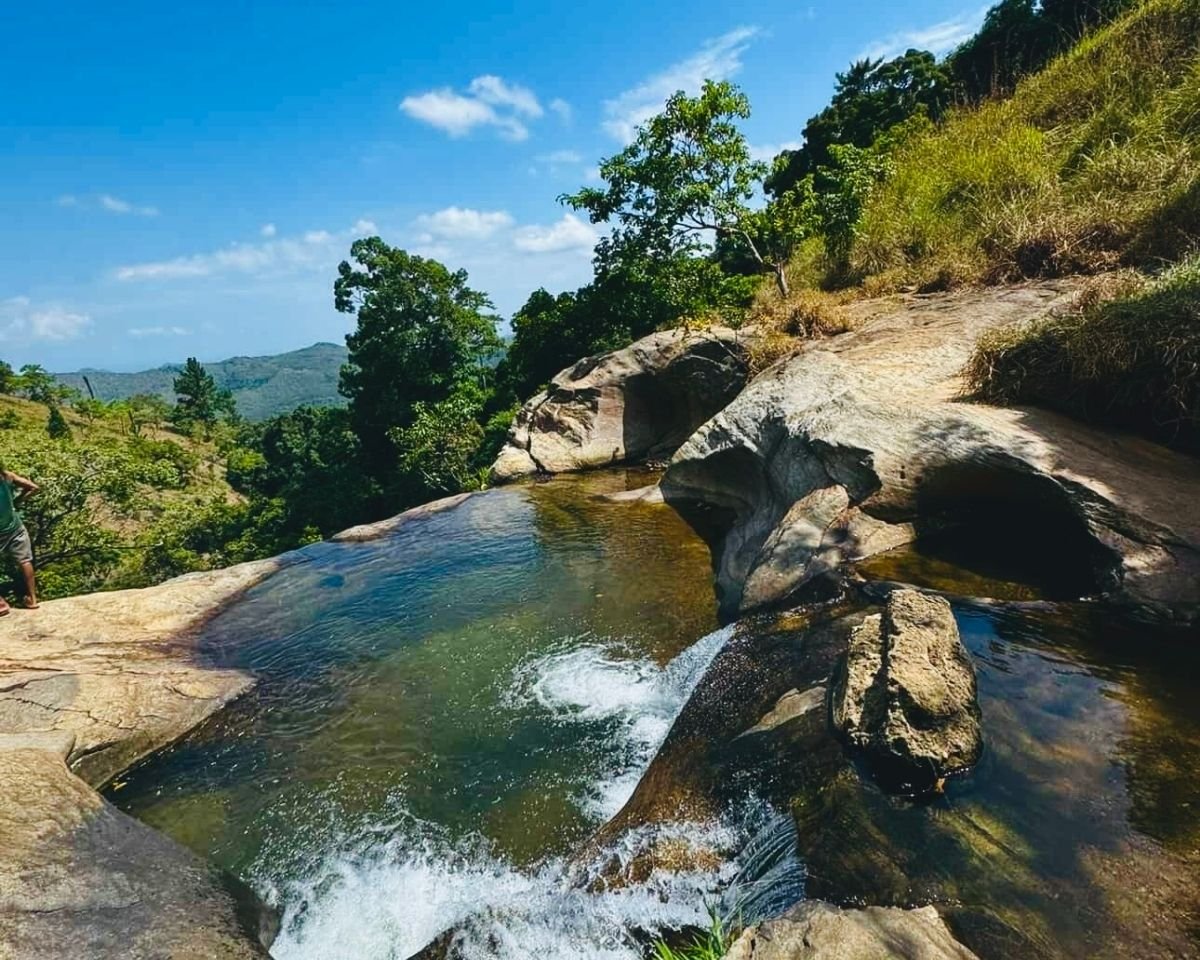
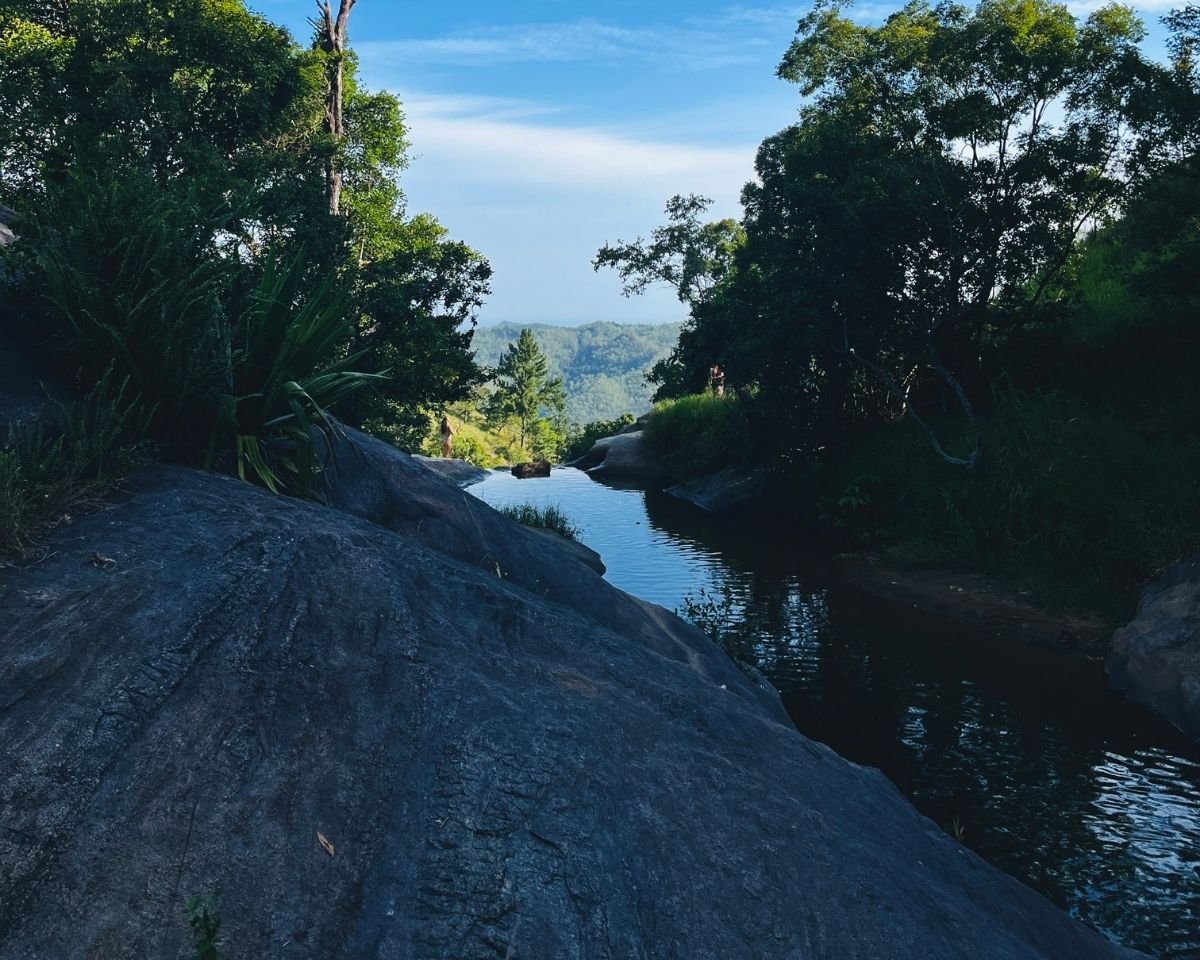
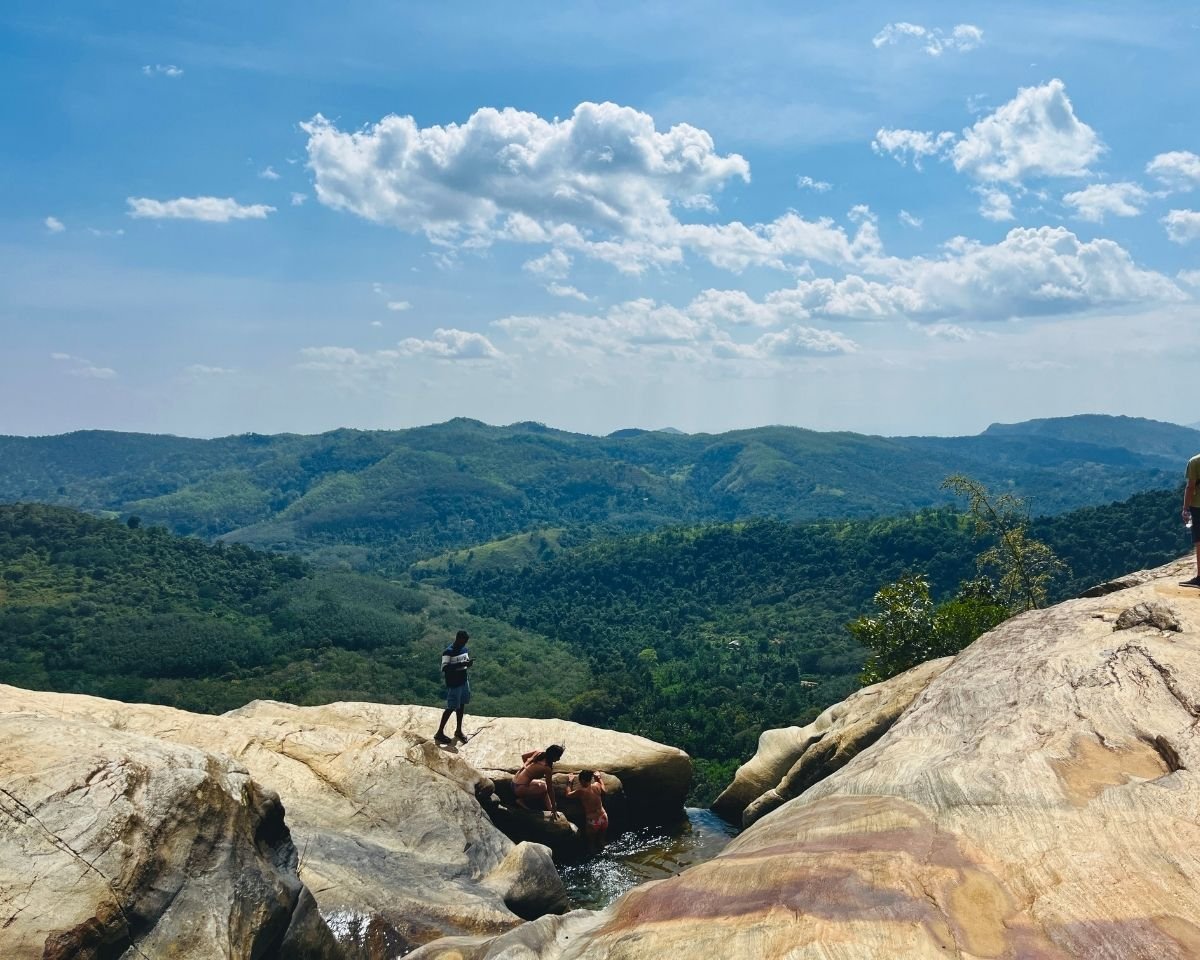
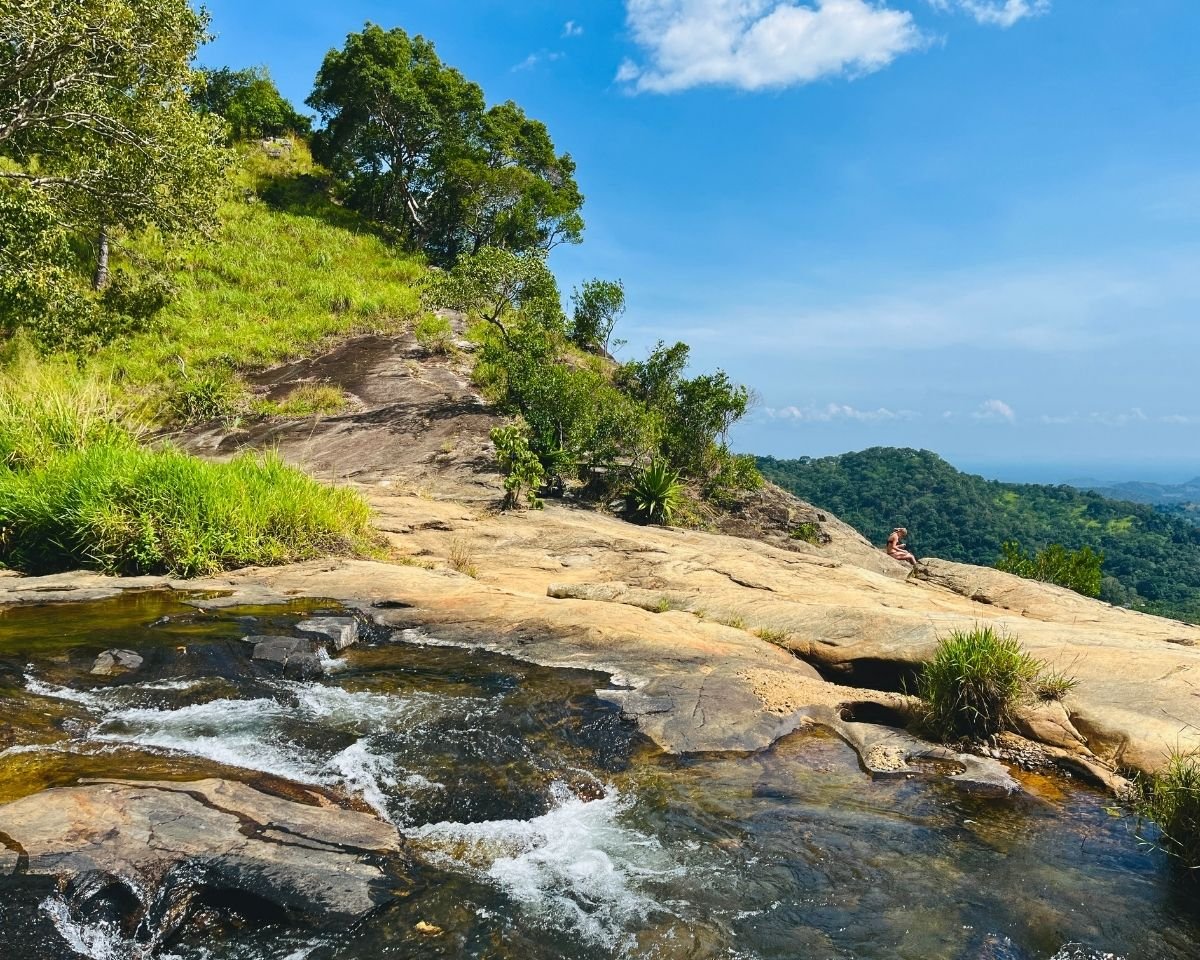
While the main waterfall is famous for its towering vertical drop, many visitors come to explore Upper Diyaluma Falls, where the river forms a series of natural rock pools, cascading terraces, and infinity pools before plunging over the cliff edge. Reaching the upper section requires a short hike through open grassland and rocky terrain, rewarding visitors with panoramic views across the surrounding mountains and valleys of Sri Lanka's Uva Highlands.
The upper pools are among the most unique natural swimming spots in Sri Lanka. During suitable conditions, visitors can relax in clear rock pools overlooking vast landscapes far below, creating one of the country's most memorable viewpoints. The contrast between the calm upper pools and the immense waterfall beyond them makes Diyaluma unlike any other waterfall experience in Sri Lanka.
Beyond the pools themselves, the area offers scenic hiking trails, dramatic cliff-edge viewpoints, forest streams, and sweeping views across the surrounding countryside. Whether viewed from the roadside, explored from the upper plateau, or admired from the valley below, Diyaluma Falls combines adventure, scenery, swimming, and photography into one of the most rewarding destinations near Ella.
Read MoreWhile the main waterfall is famous for its towering vertical drop, many visitors come to explore Upper Diyaluma Falls, where the river forms a series of natural rock pools, cascading terraces, and infinity pools before plunging over the cliff edge. Reaching the upper section requires a short hike through open grassland and rocky terrain, rewarding visitors with panoramic views across the surrounding mountains and valleys of Sri Lanka's Uva Highlands.
The upper pools are among the most unique natural swimming spots in Sri Lanka. During suitable conditions, visitors can relax in clear rock pools overlooking vast landscapes far below, creating one of the country's most memorable viewpoints. The contrast between the calm upper pools and the immense waterfall beyond them makes Diyaluma unlike any other waterfall experience in Sri Lanka.
Beyond the pools themselves, the area offers scenic hiking trails, dramatic cliff-edge viewpoints, forest streams, and sweeping views across the surrounding countryside. Whether viewed from the roadside, explored from the upper plateau, or admired from the valley below, Diyaluma Falls combines adventure, scenery, swimming, and photography into one of the most rewarding destinations near Ella.

ravinkavish
ravinkavish
ravinkavish
ravinkavish
gosoloceylon
Waterfall
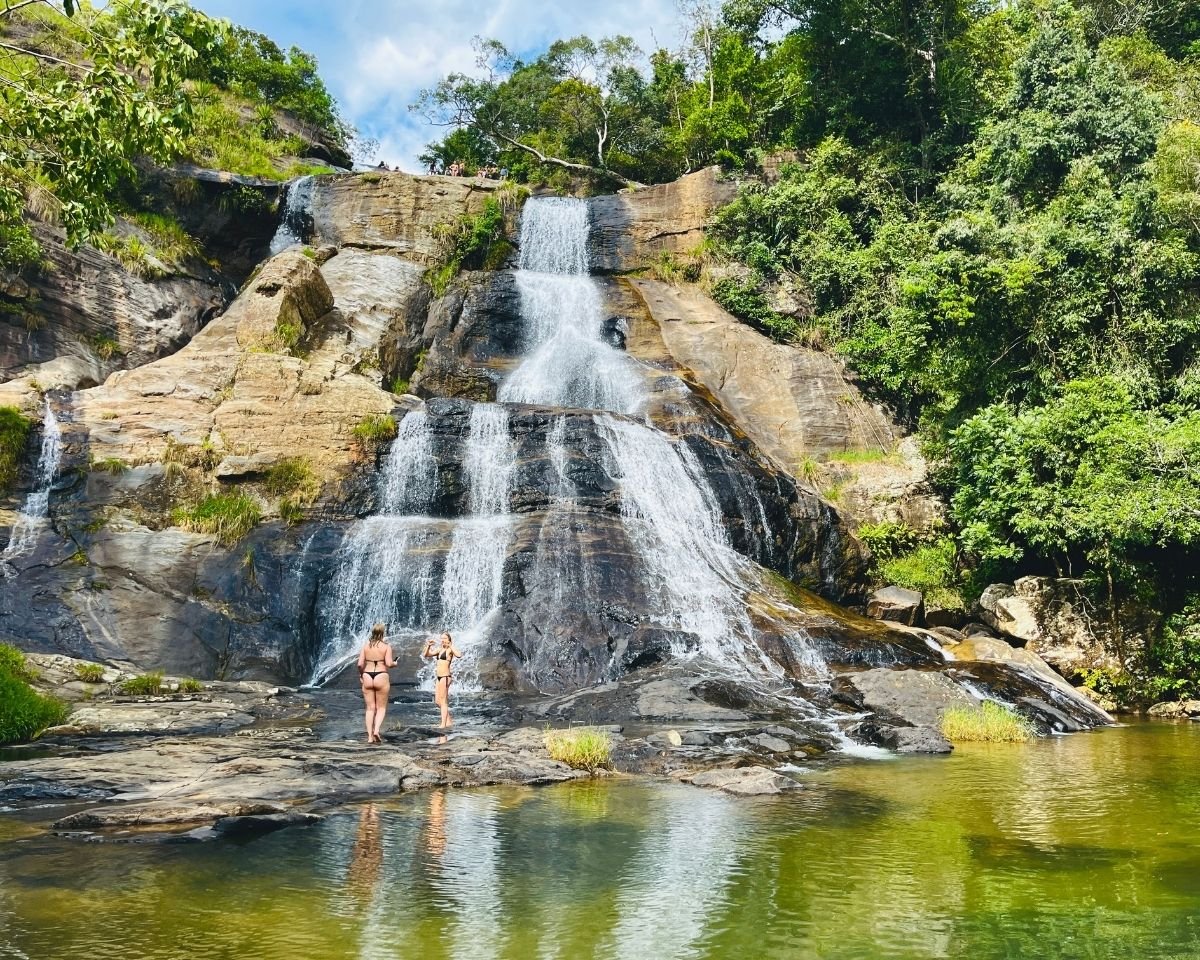
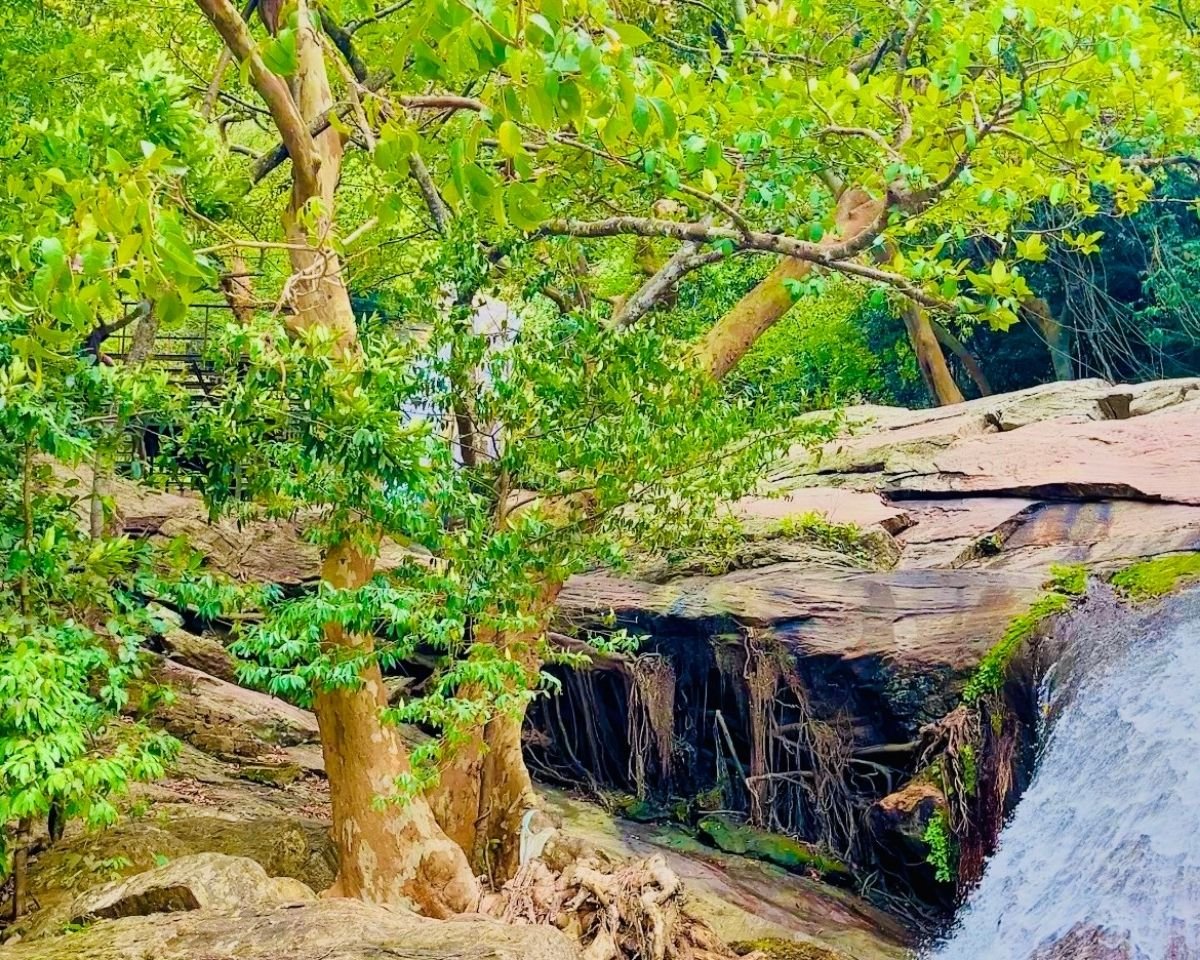
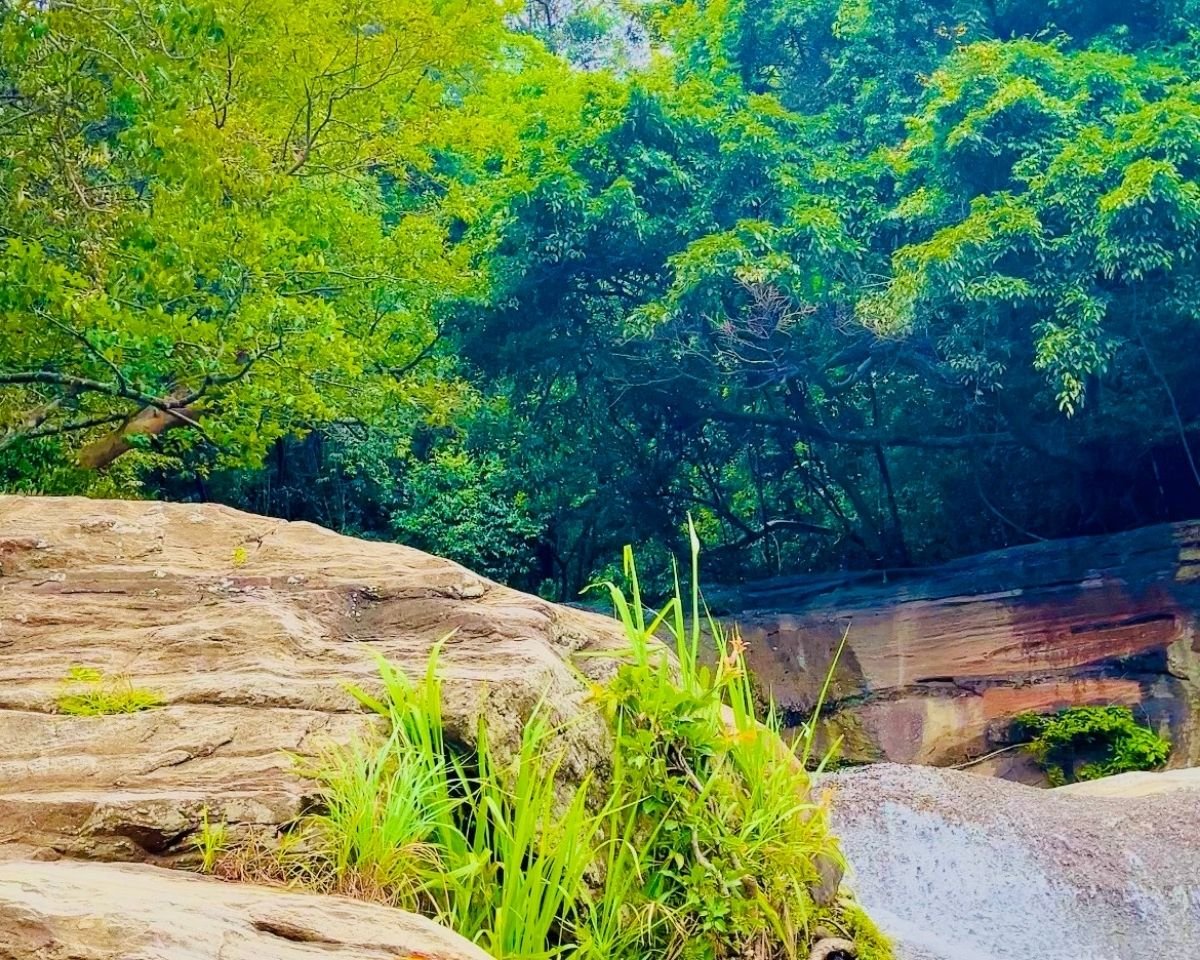
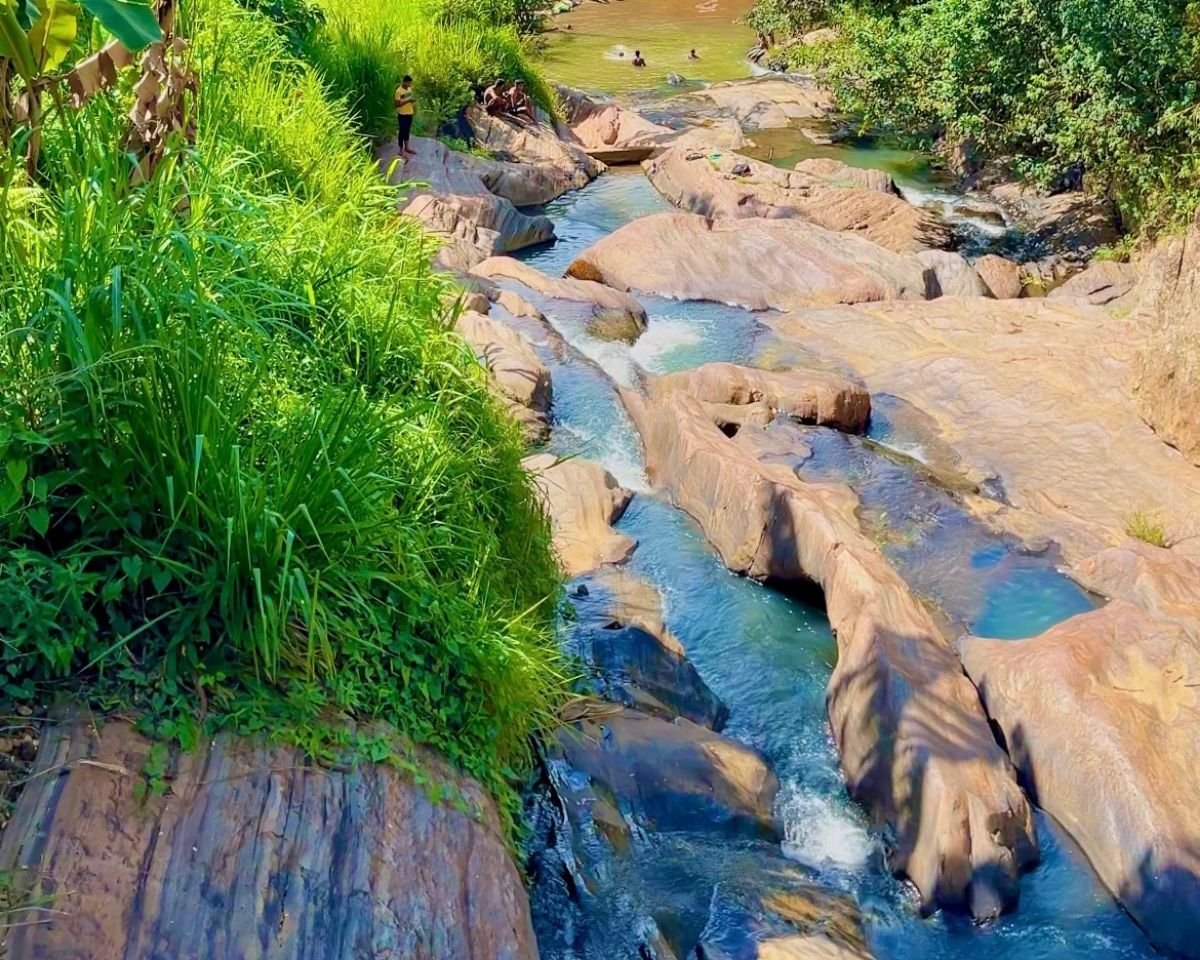
Small multi level waterfall flowing over rock surfaces within a village and natural setting.

Swimming
Shallow pools near the base may allow light wading during dry periods, but swimming should be done with caution due to uneven rocks.

Scenery
Green surroundings with trees, rocks, farmland, and a peaceful hill country atmosphere.

Hike
Short walk through village paths and rural roads. Easy access with minimal elevation change.
Pallewela Waterfall
Top Pick
Pallewela Waterfall is a small and lesser-known waterfall located near Ella, hidden within a peaceful rural landscape of forest, farmland, and village footpaths. Unlike the region's more famous waterfalls, Pallewela remains largely overlooked by mainstream tourism, making it an appealing destination for travelers seeking quieter experiences away from crowds. Its natural setting and local character provide a different perspective on the hill country beyond Ella's well-known viewpoints and hiking trails.
Reaching the waterfall typically involves a short walk through village roads, cultivated land, and shaded woodland. The route passes homes, small farms, and patches of native vegetation, offering a glimpse into everyday life in the surrounding countryside. As the sound of flowing water gradually becomes louder, the waterfall emerges from the forest without the infrastructure or commercial development found at many larger attractions.
The waterfall flows over a series of rocky ledges before collecting in small natural basins surrounded by dense greenery. During the rainy season, the cascade becomes more impressive as water spreads across the smooth rock surfaces, while drier periods reveal more of the surrounding terrain and natural pools. The combination of forest, exposed rock, and flowing water creates a peaceful atmosphere that encourages visitors to slow down and enjoy the landscape.
For travelers exploring Ella beyond the main tourist circuit, Pallewela Waterfall offers a rewarding stop that highlights the quieter side of Sri Lanka's hill country. While it may not have the scale of Diyaluma Falls or the popularity of Ravana Falls, its relaxed setting, local surroundings, and natural beauty make it a worthwhile hidden gem for those who enjoy discovering lesser-known places.
Read MoreReaching the waterfall typically involves a short walk through village roads, cultivated land, and shaded woodland. The route passes homes, small farms, and patches of native vegetation, offering a glimpse into everyday life in the surrounding countryside. As the sound of flowing water gradually becomes louder, the waterfall emerges from the forest without the infrastructure or commercial development found at many larger attractions.
The waterfall flows over a series of rocky ledges before collecting in small natural basins surrounded by dense greenery. During the rainy season, the cascade becomes more impressive as water spreads across the smooth rock surfaces, while drier periods reveal more of the surrounding terrain and natural pools. The combination of forest, exposed rock, and flowing water creates a peaceful atmosphere that encourages visitors to slow down and enjoy the landscape.
For travelers exploring Ella beyond the main tourist circuit, Pallewela Waterfall offers a rewarding stop that highlights the quieter side of Sri Lanka's hill country. While it may not have the scale of Diyaluma Falls or the popularity of Ravana Falls, its relaxed setting, local surroundings, and natural beauty make it a worthwhile hidden gem for those who enjoy discovering lesser-known places.

ravinkavish
ravinkavish
ravinkavish
ravinkavish
ravinkavish
ravinkavish
ravinkavish
ravinkavish
Waterfall
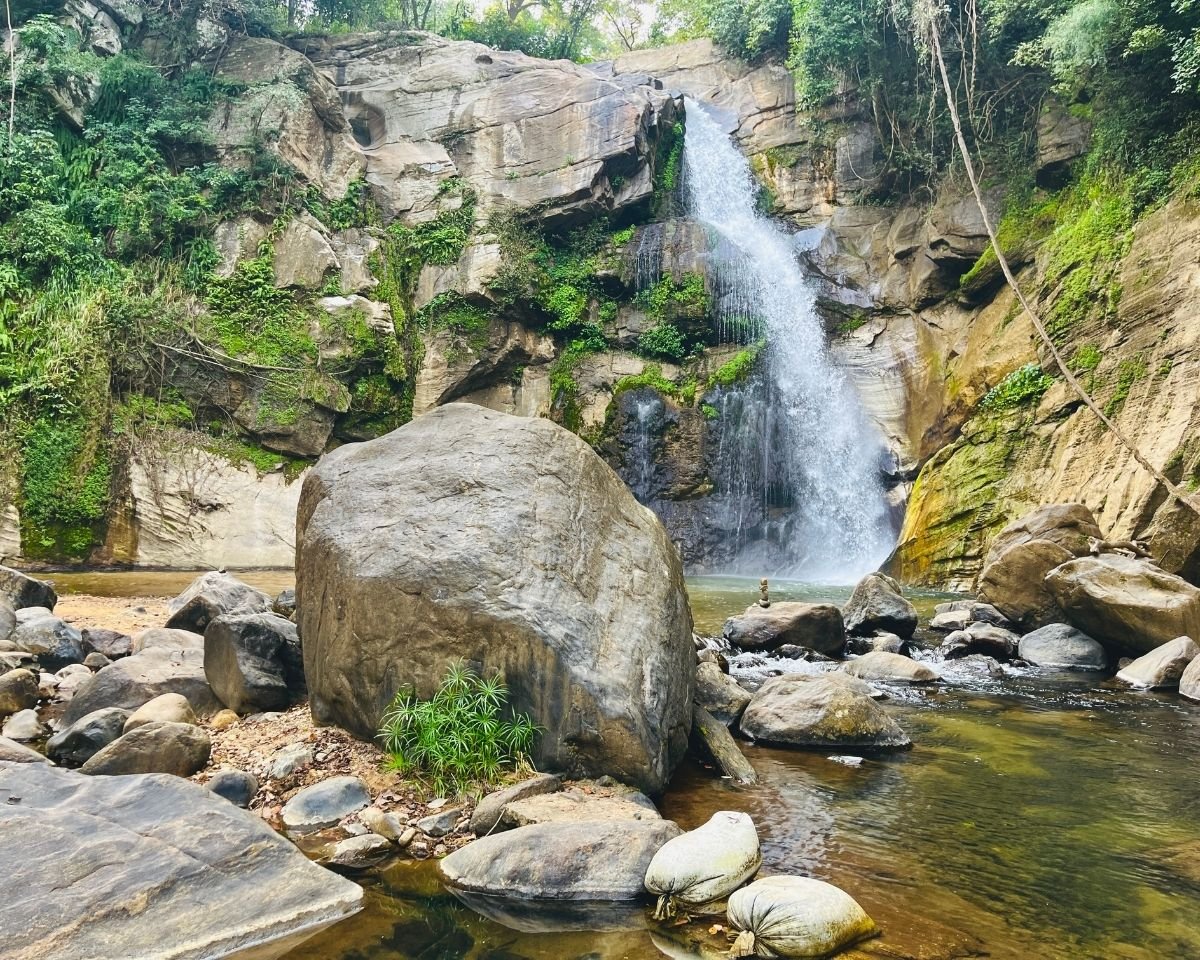
Small to medium sized waterfall flowing into a wide natural rock basin at its base.

Swimming
Dry season for clearer water and safer conditions within the basin. Flow increases during rainy periods, making swimming less suitable.

Scenery
Green surroundings with rocks, trees, open space, and a large water basin creating a calm hill country setting.

Hike
Short walk through village paths and natural trails. Easy access with minimal elevation change.
Ellewala Waterfall
Top Pick
Location
View on Map
View on Map
Ellewala Waterfall is a hidden waterfall located near Wellawaya, within easy reach of Ella, and is known for its large natural swimming pool surrounded by forest and rock formations. Unlike many waterfalls in Sri Lanka that are defined by dramatic vertical drops, Ellewala is valued for its broad basin, calm waters, and relaxed atmosphere. The combination of a gentle cascade, open swimming areas, and a scenic jungle setting makes it one of the most enjoyable lesser-known waterfalls in the region.
Reaching the waterfall involves a short walk through village paths, cultivated land, and shaded forest sections. The approach is simple and informal, creating a sense of discovery that contrasts with the more developed attractions around Ella. Along the way, visitors pass large boulders, streams, and patches of greenery before the waterfall gradually comes into view.
At the base of the falls, water collects in a spacious natural pool surrounded by smooth rock formations and jungle vegetation. During drier months, the pool becomes a popular place for swimming, wading, and relaxing in the shade, while the rainy season transforms the waterfall into a more powerful cascade with stronger water flow and changing conditions. The broad rock basin creates a unique landscape where visitors can enjoy both the waterfall and the natural swimming area in the same location.
For travelers seeking a quieter alternative to the region's more famous attractions, Ellewala Waterfall offers a rewarding combination of nature, swimming, and easy exploration. Its peaceful setting, clear water, forest surroundings, and accessible walking trail make it one of the most appealing hidden waterfalls near Ella and Wellawaya.
Read MoreReaching the waterfall involves a short walk through village paths, cultivated land, and shaded forest sections. The approach is simple and informal, creating a sense of discovery that contrasts with the more developed attractions around Ella. Along the way, visitors pass large boulders, streams, and patches of greenery before the waterfall gradually comes into view.
At the base of the falls, water collects in a spacious natural pool surrounded by smooth rock formations and jungle vegetation. During drier months, the pool becomes a popular place for swimming, wading, and relaxing in the shade, while the rainy season transforms the waterfall into a more powerful cascade with stronger water flow and changing conditions. The broad rock basin creates a unique landscape where visitors can enjoy both the waterfall and the natural swimming area in the same location.
For travelers seeking a quieter alternative to the region's more famous attractions, Ellewala Waterfall offers a rewarding combination of nature, swimming, and easy exploration. Its peaceful setting, clear water, forest surroundings, and accessible walking trail make it one of the most appealing hidden waterfalls near Ella and Wellawaya.

ravinkavish
ravinkavish
ravinkavish
ravinkavish
ravinkavish
ravinkavish
Waterfall
Multi tiered cascade dropping from steep rock faces, easily visible and accessible from the main road.

Scenery
Rocky cliffs, flowing water, surrounding forest, and hill country terrain shaped by seasonal rain.

Swimming
Shallow pools near the base may allow light wading during dry periods, but swimming should be done with caution due to uneven rocks.
Ravana Waterfall
Top Pick
Location
View on Map
View on Map
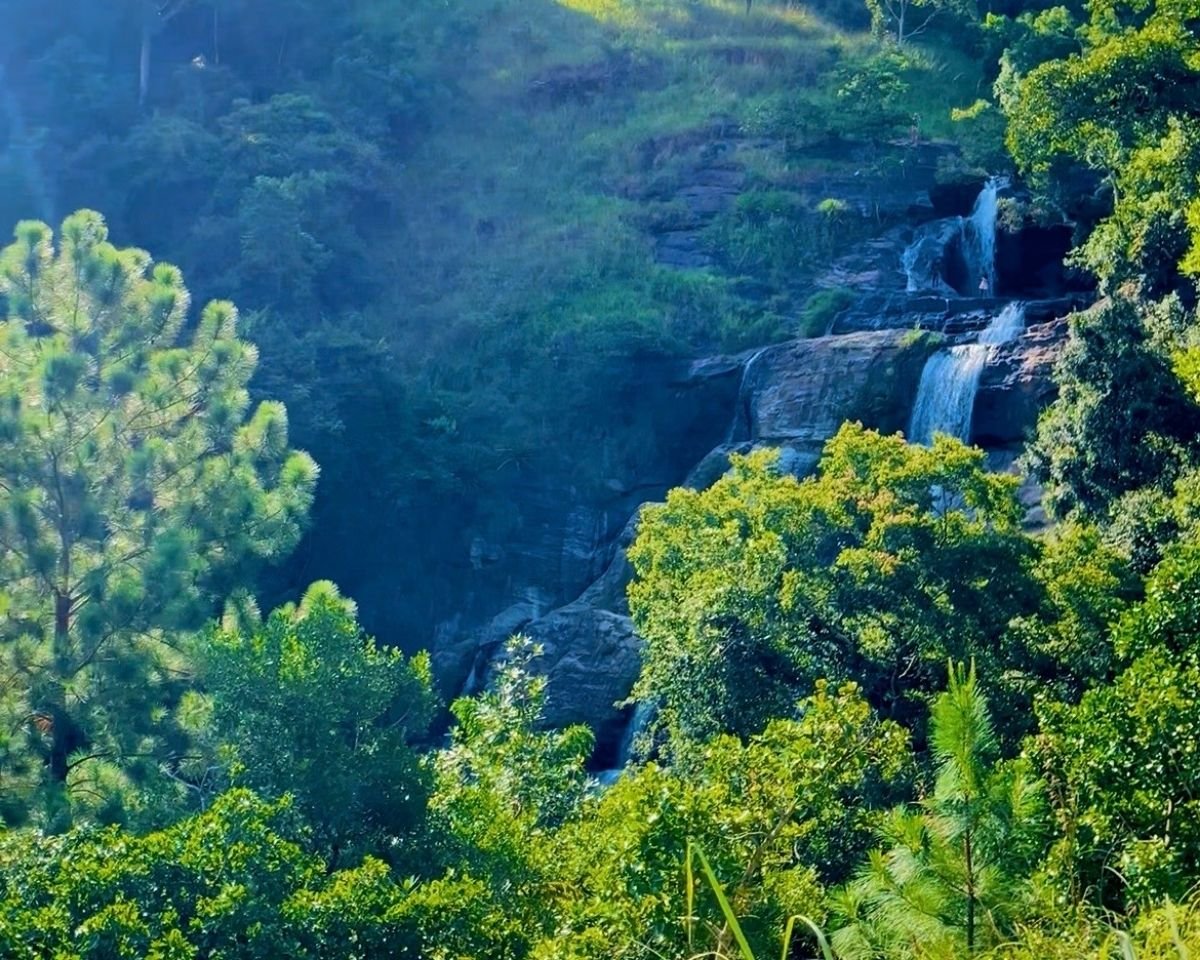
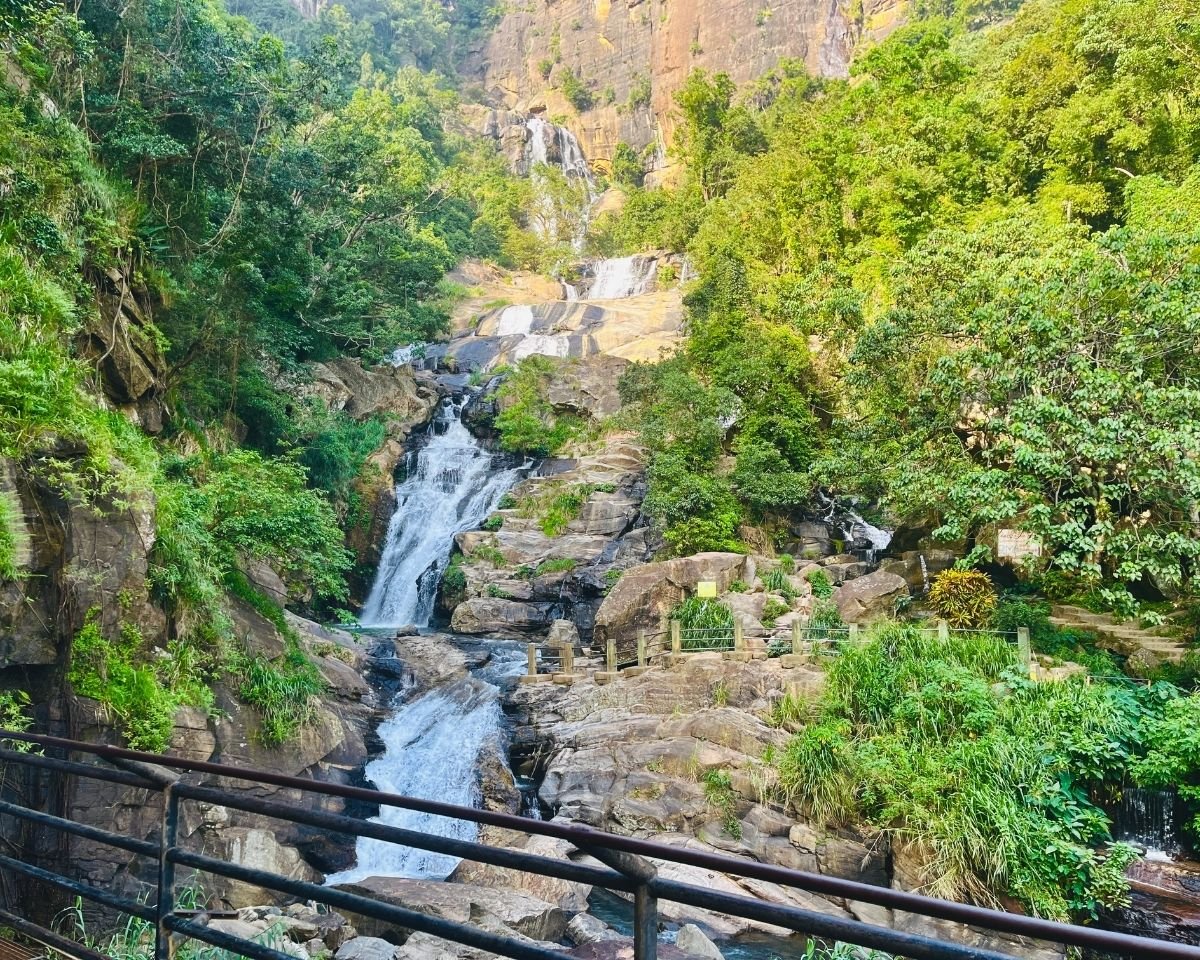
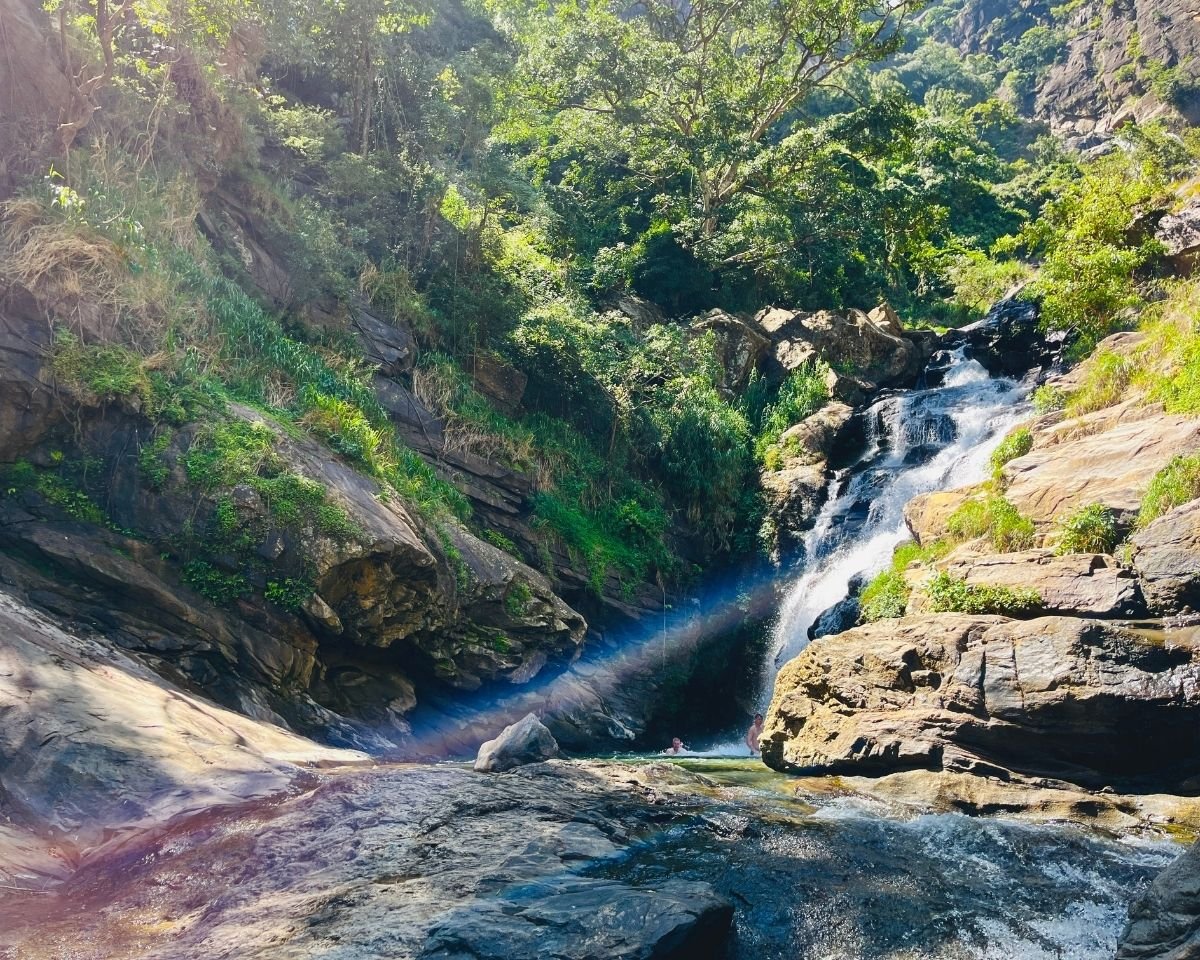
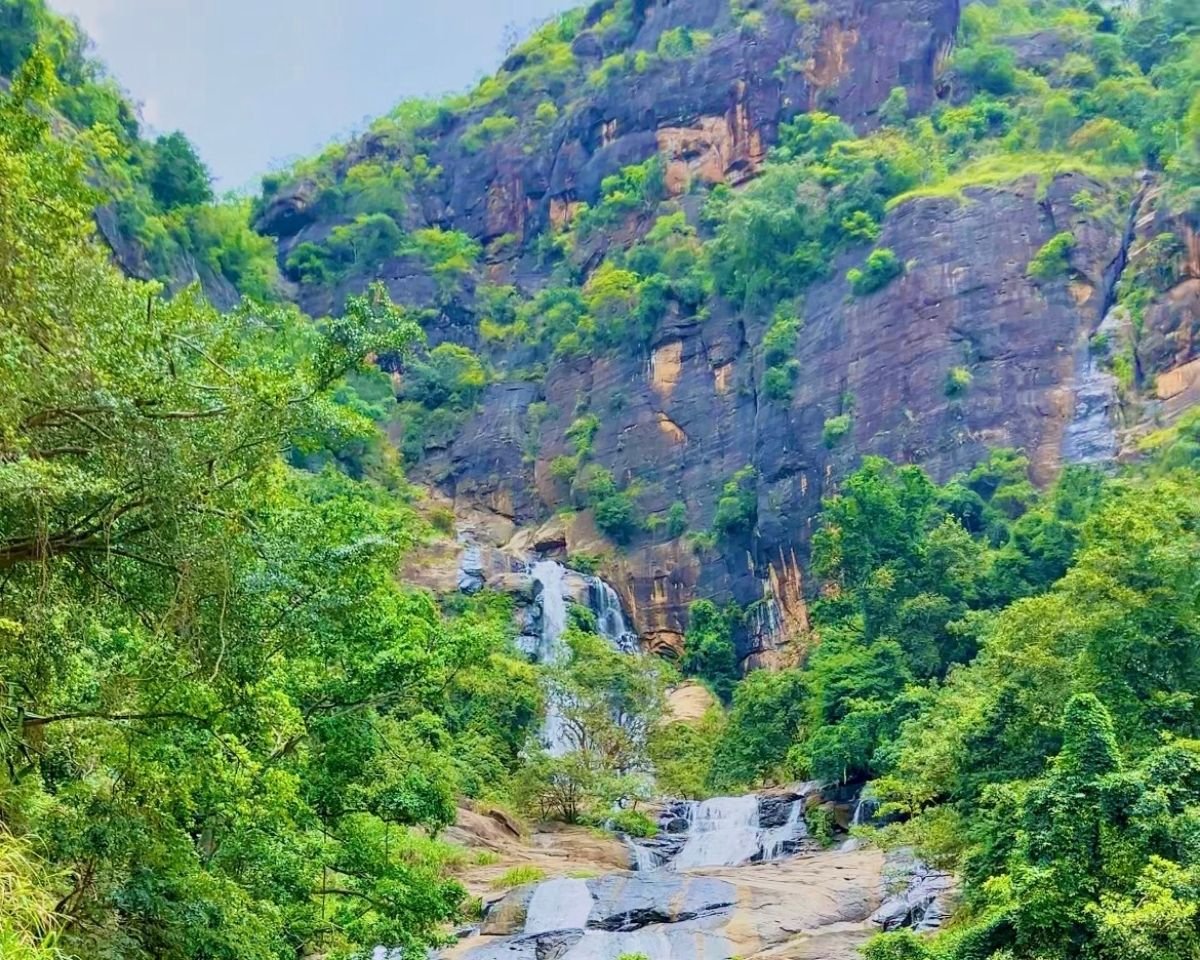
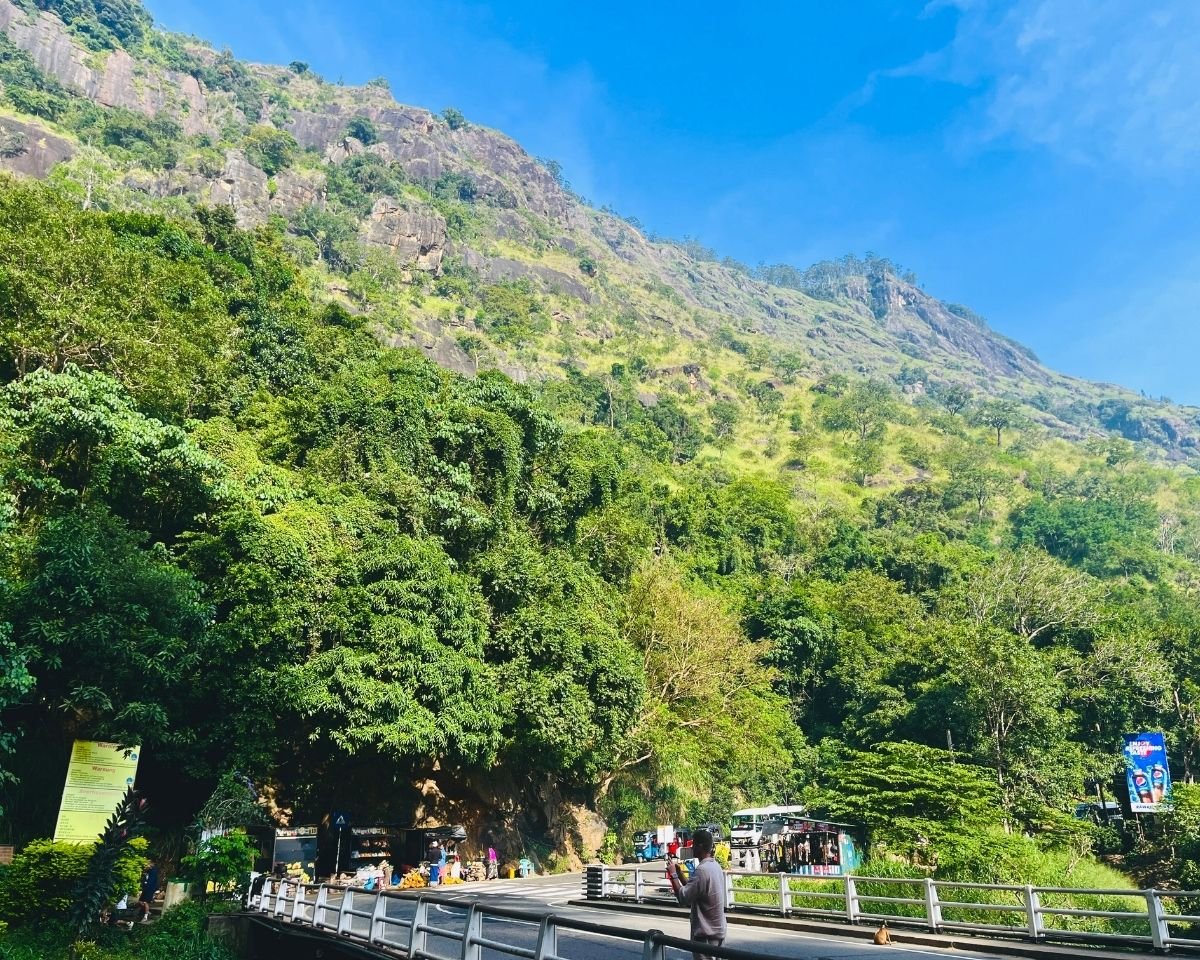
Ravana Falls is one of the most famous waterfalls in Sri Lanka and one of the most visited natural attractions near Ella. Located beside the Ella–Wellawaya Road, the waterfall cascades down a series of rocky cliffs surrounded by forested hills, creating a dramatic landscape that can be admired directly from the roadside. Its accessibility, size, and year-round flow have made it one of the most recognisable waterfalls in Sri Lanka's hill country.
The waterfall is closely associated with the Ramayana, one of South Asia's most important epic stories. According to local tradition, King Ravana is believed to have hidden Princess Sita in the nearby Ravana Cave, giving both the waterfall and surrounding landmarks their names. These connections have made the area an important stop on Sri Lanka's Ramayana Trail, attracting visitors interested in mythology, history, and cultural heritage alongside its natural beauty.
Ravana Falls descends in multiple tiers over a broad rock face before collecting in pools and streams below. During the rainy season, the cascade becomes especially powerful, transforming into a wide curtain of water visible from a considerable distance. In drier months, the rock formations become more visible, revealing the structure of the cliff and creating calmer sections along the watercourse.
Beyond the waterfall itself, the surrounding landscape offers viewpoints, forested valleys, streams, and access to nearby attractions such as Ravana Cave and Ella's mountain viewpoints. Whether admired from the roadside, viewed from nearby lookouts, or experienced up close beside the water, Ravana Falls combines natural beauty, local legend, and accessibility in a way that few other waterfalls in Sri Lanka can match.
Read MoreThe waterfall is closely associated with the Ramayana, one of South Asia's most important epic stories. According to local tradition, King Ravana is believed to have hidden Princess Sita in the nearby Ravana Cave, giving both the waterfall and surrounding landmarks their names. These connections have made the area an important stop on Sri Lanka's Ramayana Trail, attracting visitors interested in mythology, history, and cultural heritage alongside its natural beauty.
Ravana Falls descends in multiple tiers over a broad rock face before collecting in pools and streams below. During the rainy season, the cascade becomes especially powerful, transforming into a wide curtain of water visible from a considerable distance. In drier months, the rock formations become more visible, revealing the structure of the cliff and creating calmer sections along the watercourse.
Beyond the waterfall itself, the surrounding landscape offers viewpoints, forested valleys, streams, and access to nearby attractions such as Ravana Cave and Ella's mountain viewpoints. Whether admired from the roadside, viewed from nearby lookouts, or experienced up close beside the water, Ravana Falls combines natural beauty, local legend, and accessibility in a way that few other waterfalls in Sri Lanka can match.

ravinkavish
ravinkavish
ravinkavish
ravinkavish
ravinkavish
ravinkavish
Buddhist Site
Ancient rock cave temple featuring a large unfinished Buddha statue and painted shrine interior.

History
Traditionally attributed to the Anuradhapura period, with Kandyan-era paintings reflecting later religious use and restoration.

Scenery
Rock overhang setting beside forested surroundings, creating a quiet and shaded atmosphere.

Art & Culture
Unfinished rock-carved Buddha statue, Kandyan-era wall paintings, and early cave temple architecture.
Dowa Ancient Rock Temple
Worth It
Location
View on Map
View on Map
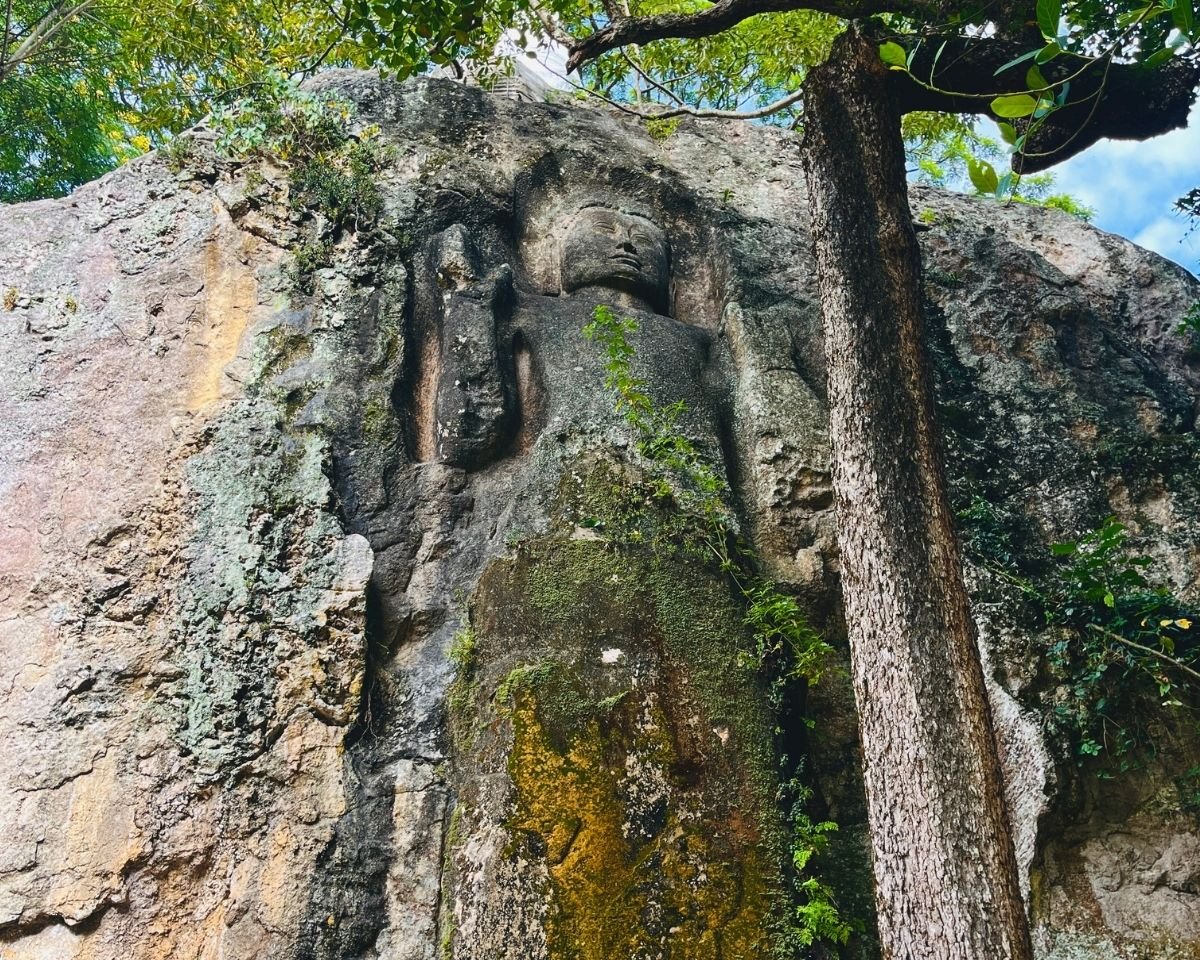
Dowa Ancient Rock Temple, also known as Dowa Rajamaha Viharaya, is one of the most important historical and religious sites near Ella and Bandarawela. Hidden beside a rocky hillside and surrounded by forest, the temple is best known for its remarkable unfinished Buddha statue carved directly into a massive granite rock face. Standing several metres high beneath a natural rock overhang, the sculpture is one of the most distinctive Buddhist carvings in Sri Lanka's hill country and remains the defining feature of the temple complex.
The origins of Dowa are traditionally linked to the Anuradhapura period, although the site has undergone centuries of development and restoration. According to local tradition, the rock-cut Buddha statue was never completed, giving rise to various stories about its construction and abandonment. The temple's long history reflects the evolution of Buddhist worship in the region and its continued importance as a place of religious devotion.
Beyond the famous rock carving, visitors can explore a historic cave shrine decorated with Kandyan-era murals, painted ceilings, and traditional Buddhist artwork. The cave temple is built beneath a natural rock shelter, creating a setting that combines architecture, religious practice, and the surrounding landscape. These artistic features provide valuable insight into Sri Lanka's Buddhist heritage and the craftsmanship of earlier generations.
Despite its historical significance, Dowa remains a peaceful and relatively uncrowded destination compared to many of the region's better-known attractions. Its combination of ancient cave temple architecture, religious artwork, and the unfinished Buddha statue makes it one of the most rewarding cultural sites near Ella. For travelers interested in history, archaeology, and Buddhist heritage, Dowa Ancient Rock Temple offers a unique glimpse into the spiritual traditions of Sri Lanka's hill country.
Read MoreThe origins of Dowa are traditionally linked to the Anuradhapura period, although the site has undergone centuries of development and restoration. According to local tradition, the rock-cut Buddha statue was never completed, giving rise to various stories about its construction and abandonment. The temple's long history reflects the evolution of Buddhist worship in the region and its continued importance as a place of religious devotion.
Beyond the famous rock carving, visitors can explore a historic cave shrine decorated with Kandyan-era murals, painted ceilings, and traditional Buddhist artwork. The cave temple is built beneath a natural rock shelter, creating a setting that combines architecture, religious practice, and the surrounding landscape. These artistic features provide valuable insight into Sri Lanka's Buddhist heritage and the craftsmanship of earlier generations.
Despite its historical significance, Dowa remains a peaceful and relatively uncrowded destination compared to many of the region's better-known attractions. Its combination of ancient cave temple architecture, religious artwork, and the unfinished Buddha statue makes it one of the most rewarding cultural sites near Ella. For travelers interested in history, archaeology, and Buddhist heritage, Dowa Ancient Rock Temple offers a unique glimpse into the spiritual traditions of Sri Lanka's hill country.

adam_vodrazka
ravinkavish
adam_vodrazka
adam_vodrazka
adam_vodrazka
adam_vodrazka
ravinkavish
ravinkavish
Hike
Moderate to challenging hike with uneven terrain and steady climbs. Around 1.5 to 2 hours one way, depending on route and pace.

Scenery
Expansive views of forested hills, deep valleys, tea estates, and distant plains stretching beyond the Ella Gap.

Entrance Fee
LKR 1,000 ($3 USD ) *Tickets at the summit
Ticket Counter
! Fees are approximate and can vary based on factors such as season, group size, and additional services.
LKR 1,000 ($3 USD ) *Tickets at the summit
! Fees are approximate and can vary based on factors such as season, group size, and additional services.
Ella Rock
Worth It
Ella Rock is one of the most famous hiking destinations in Sri Lanka and is widely regarded as one of the best viewpoints in Ella. Rising high above the town, the summit offers panoramic views across mountain ranges, tea plantations, forests, valleys, and the surrounding highlands. Compared to the easier walk up Little Adam's Peak, the hike to Ella Rock is longer, steeper, and more challenging, making it a popular choice for travelers seeking a more adventurous experience.
The trail traditionally begins near the Kithal Ella area and follows sections of the historic railway line before climbing through forests, tea estates, grasslands, and rocky hillside paths. As the route gains elevation, the landscape gradually opens up, revealing increasingly dramatic views across the hill country. The combination of railway scenery, forest trails, and mountain terrain makes the journey itself as rewarding as the summit.
Reaching the top rewards hikers with one of the most spectacular viewpoints in the Ella region. From the summit cliffs, visitors can look out across rolling mountains, deep valleys, distant plains, and famous landmarks including Little Adam's Peak and Ella town. Changing weather conditions often create dramatic scenes, with clouds drifting through the valleys, mist covering the forests, and golden sunlight illuminating the surrounding ridges.
Ella Rock is particularly popular for sunrise, when the first light spreads across the mountains and the crowds are at their lowest. The combination of panoramic scenery, physical challenge, and diverse landscapes has helped establish it as one of the most rewarding hikes in Sri Lanka's hill country. For visitors seeking a more immersive outdoor experience beyond Ella's easier viewpoints, Ella Rock remains an essential destination.
Read MoreThe trail traditionally begins near the Kithal Ella area and follows sections of the historic railway line before climbing through forests, tea estates, grasslands, and rocky hillside paths. As the route gains elevation, the landscape gradually opens up, revealing increasingly dramatic views across the hill country. The combination of railway scenery, forest trails, and mountain terrain makes the journey itself as rewarding as the summit.
Reaching the top rewards hikers with one of the most spectacular viewpoints in the Ella region. From the summit cliffs, visitors can look out across rolling mountains, deep valleys, distant plains, and famous landmarks including Little Adam's Peak and Ella town. Changing weather conditions often create dramatic scenes, with clouds drifting through the valleys, mist covering the forests, and golden sunlight illuminating the surrounding ridges.
Ella Rock is particularly popular for sunrise, when the first light spreads across the mountains and the crowds are at their lowest. The combination of panoramic scenery, physical challenge, and diverse landscapes has helped establish it as one of the most rewarding hikes in Sri Lanka's hill country. For visitors seeking a more immersive outdoor experience beyond Ella's easier viewpoints, Ella Rock remains an essential destination.

ravinkavish
ravinkavish
ravinkavish
ravinkavish
ravinkavish
ravinkavish
ravinkavish
ravinkavish
ravinkavish
ravinkavish
ravinkavish
ravinkavish
Buddhist Site
Small hillside temple located near Ravana Cave but separate from the cave complex.

History
xact origins are unknown. The temple reflects long-standing local Buddhist worship rather than a documented royal or monastic foundation.

Scenery
Forest edged hillside setting with rock formations and a quiet atmosphere near the Ravana Cave area.

Art & Culture
Simple shrine elements and religious practices linked to the cultural landscape surrounding Ravana-related sites.
Ravana Ancient Temple
Worth It
Location
View on Map
View on Map
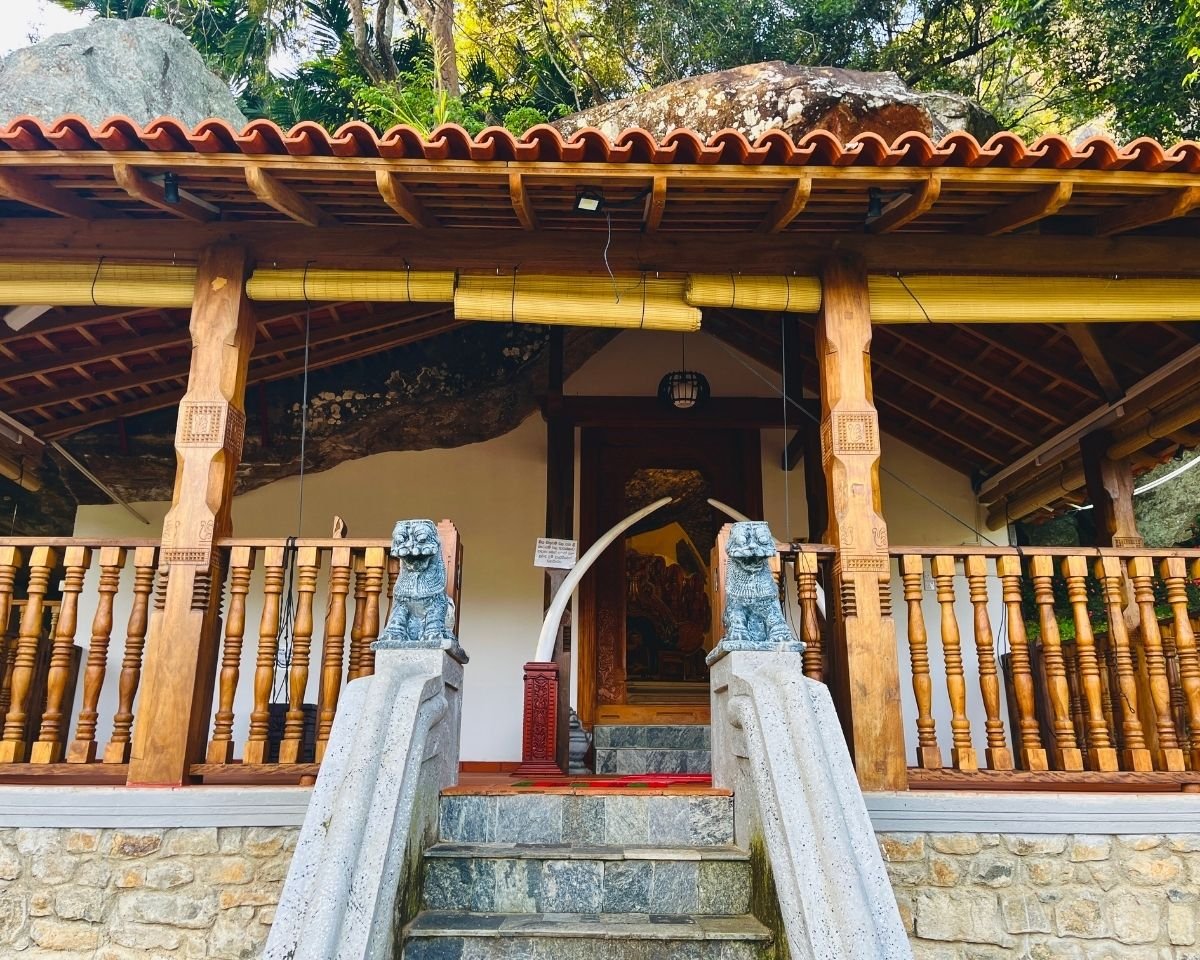
Ravana Ancient Temple, also known as Ravana Royal Cave Temple, is a historic Buddhist cave temple located near Ravana Cave and Ravana Falls in the hills surrounding Ella. Built beneath massive natural rock formations and surrounded by forested slopes, the temple combines religious heritage, cave architecture, and panoramic mountain scenery. Although often overshadowed by the nearby cave and waterfall, it remains one of the most interesting cultural sites associated with the Ravana region.
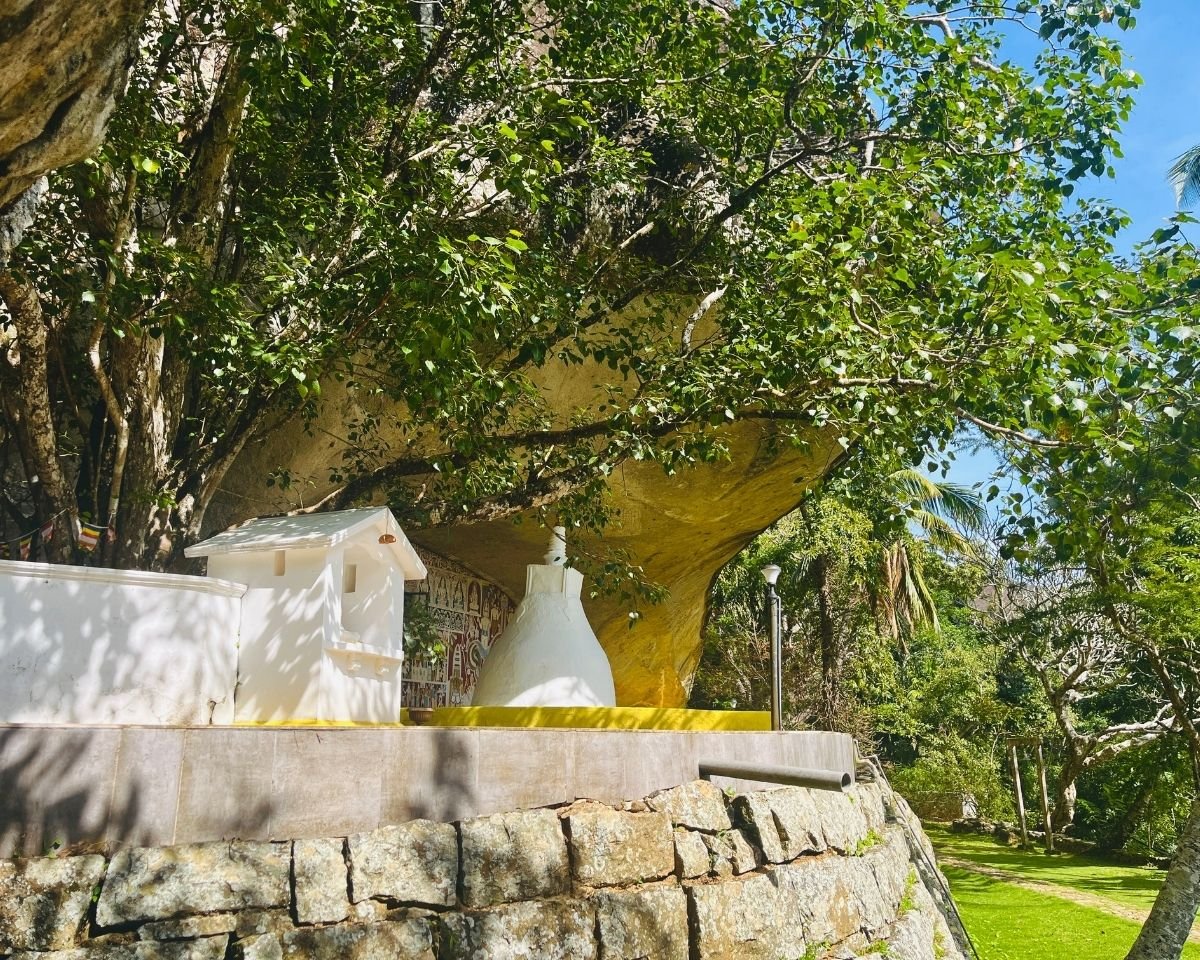
The temple occupies a natural rock shelter that has been adapted into a place of worship over many generations. Visitors can explore cave shrines, Buddha statues, sacred Bodhi tree terraces, and traditional temple buildings integrated directly into the surrounding landscape. The combination of natural boulders, forest vegetation, and religious structures creates a setting that feels both secluded and deeply connected to the environment.
One of the temple's most distinctive features is its collection of cave shrines and rock-cut religious artwork, including a standing Buddha statue carved into the cliff face. Decorative shrine rooms, traditional wooden architecture, and sacred spaces beneath enormous rock overhangs reflect the long-standing Buddhist traditions of the region. The temple's elevated position also provides scenic views across the surrounding hills and forests.
The area is closely associated with the legends of King Ravana and the Ramayana, making it an interesting cultural complement to visits to Ravana Cave and Ravana Falls. While the nearby attractions often draw larger crowds, the temple offers a quieter and more reflective experience focused on history, spirituality, and the natural beauty of Sri Lanka's hill country. For travelers exploring the Ravana region, it provides a rewarding combination of culture, mythology, and landscape.
Read MoreThe temple occupies a natural rock shelter that has been adapted into a place of worship over many generations. Visitors can explore cave shrines, Buddha statues, sacred Bodhi tree terraces, and traditional temple buildings integrated directly into the surrounding landscape. The combination of natural boulders, forest vegetation, and religious structures creates a setting that feels both secluded and deeply connected to the environment.
One of the temple's most distinctive features is its collection of cave shrines and rock-cut religious artwork, including a standing Buddha statue carved into the cliff face. Decorative shrine rooms, traditional wooden architecture, and sacred spaces beneath enormous rock overhangs reflect the long-standing Buddhist traditions of the region. The temple's elevated position also provides scenic views across the surrounding hills and forests.
The area is closely associated with the legends of King Ravana and the Ramayana, making it an interesting cultural complement to visits to Ravana Cave and Ravana Falls. While the nearby attractions often draw larger crowds, the temple offers a quieter and more reflective experience focused on history, spirituality, and the natural beauty of Sri Lanka's hill country. For travelers exploring the Ravana region, it provides a rewarding combination of culture, mythology, and landscape.

ravinkavish
ravinkavish
ravinkavish
ravinkavish
ravinkavish
ravinkavish
ravinkavish
Lake
Small rural reservoir formed by the Alikota Ara stream, supporting local agriculture.

Scenery
Green surroundings with rocks, trees, open space, and a large water basin creating a calm hill country setting.
Alikota Ara Reservoir
Worth It
Location
View on Map
View on Map
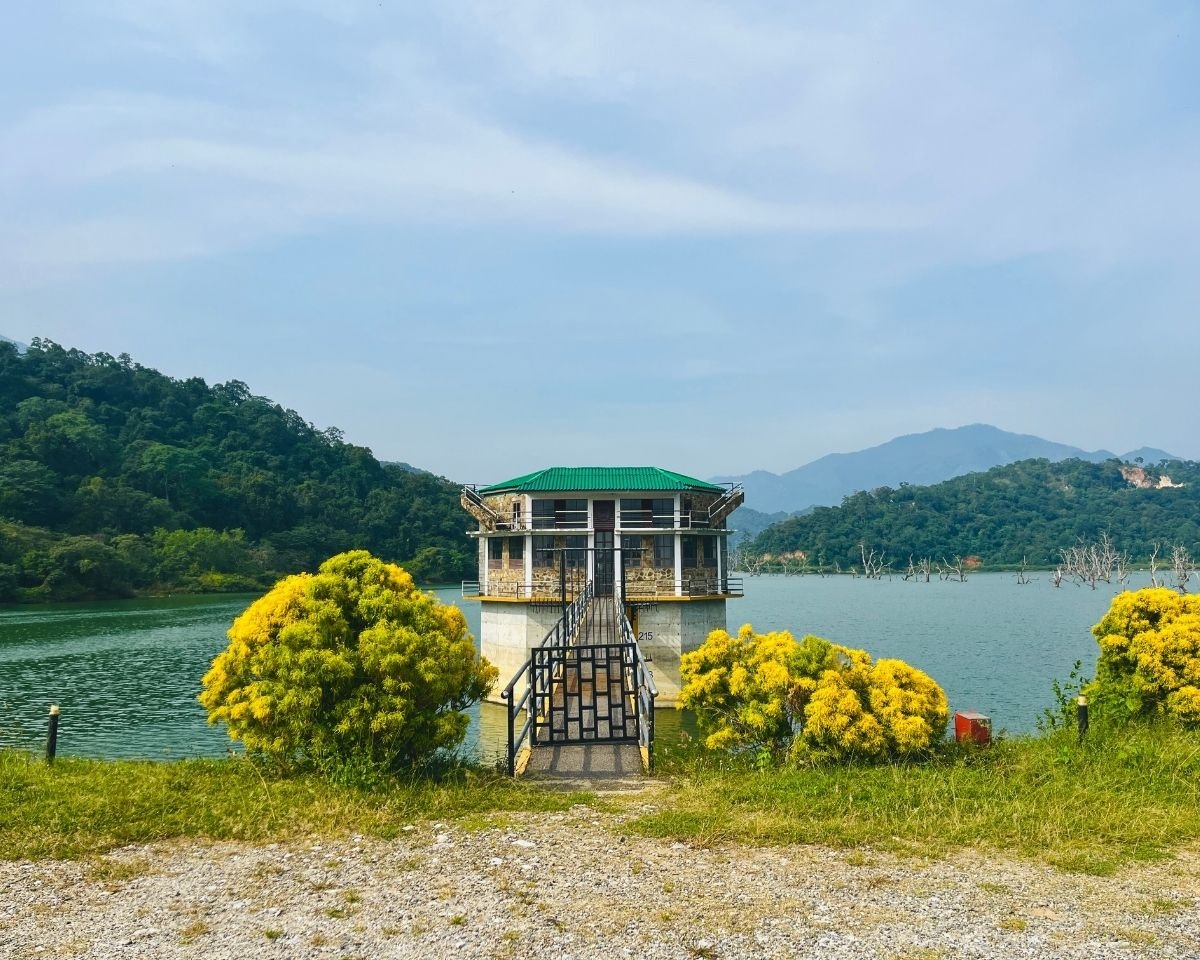
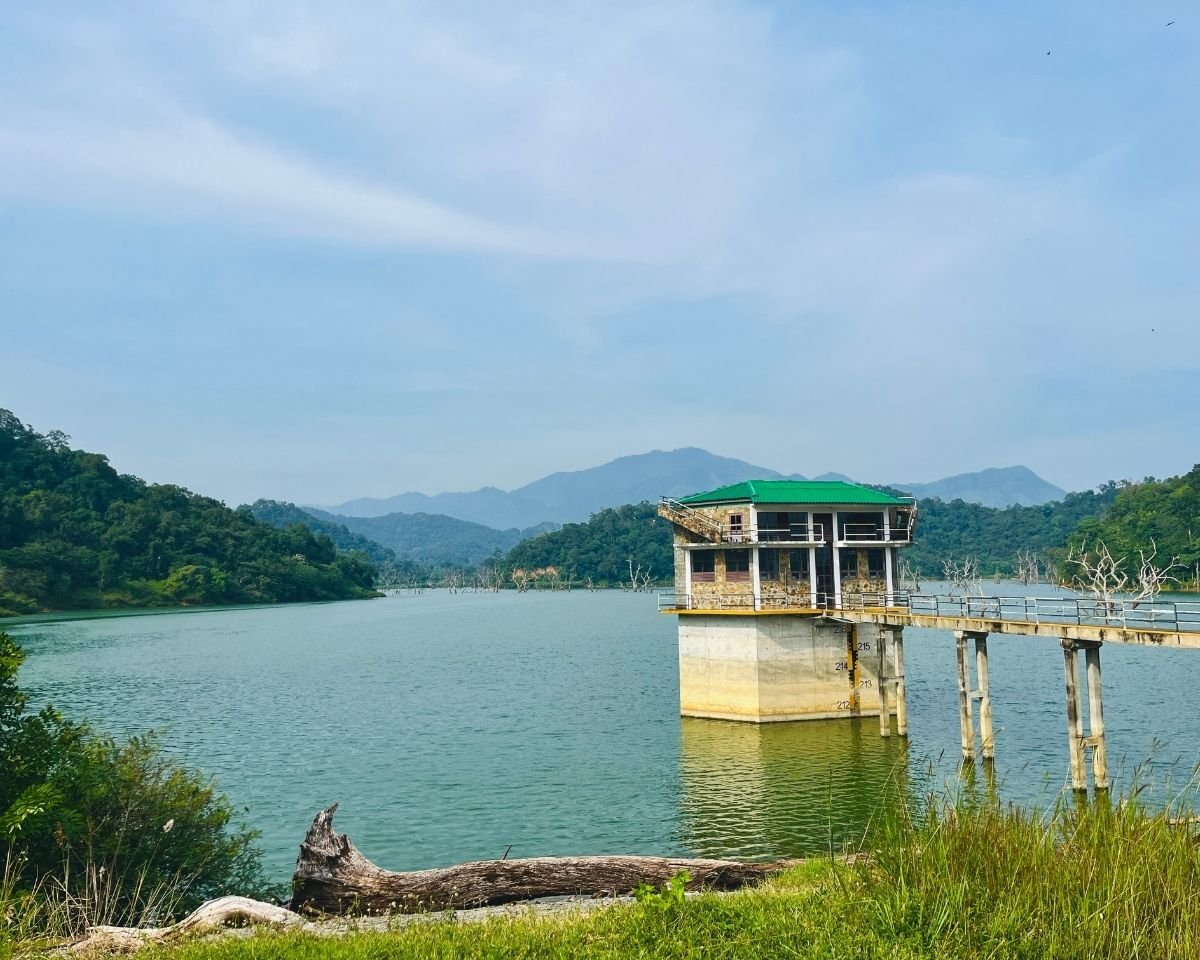
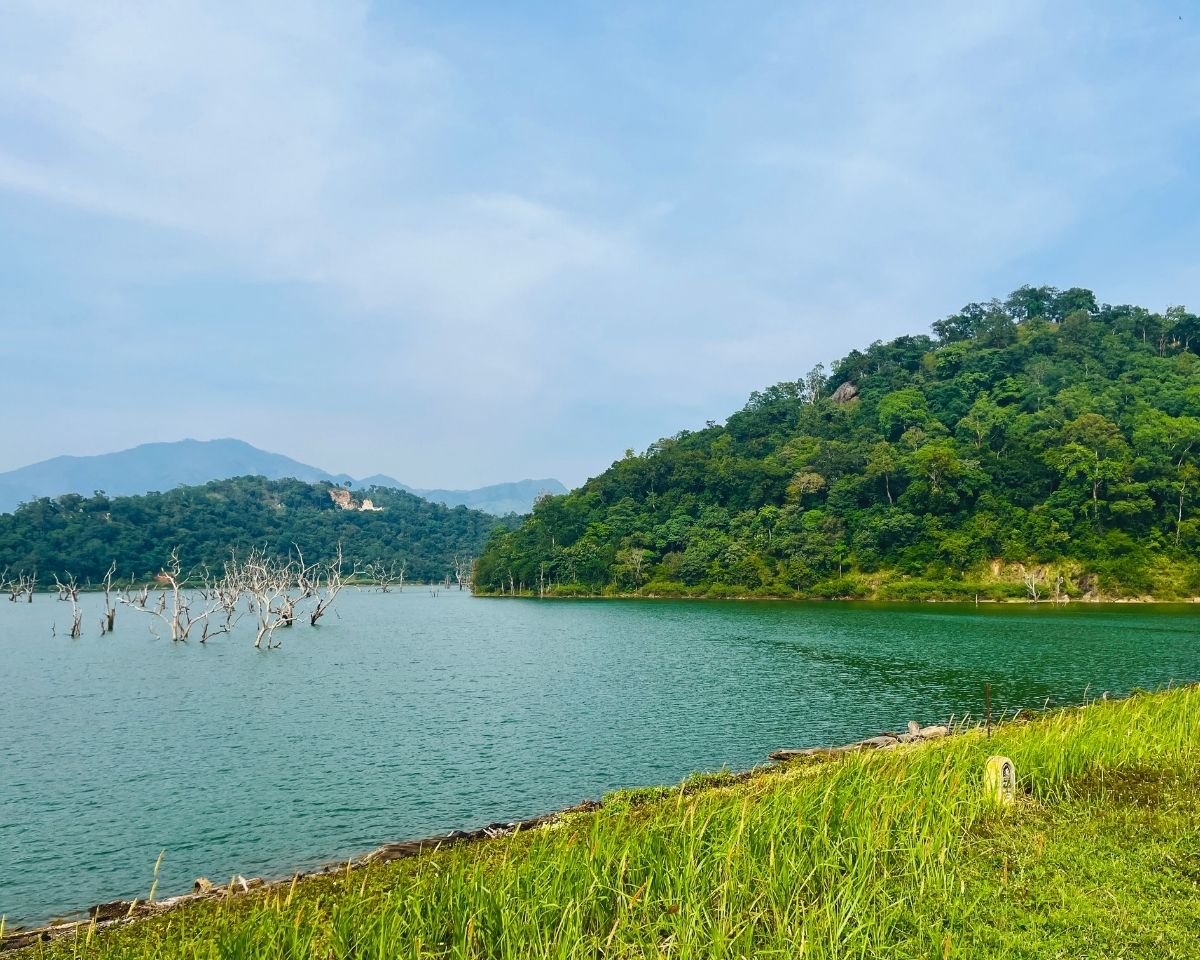
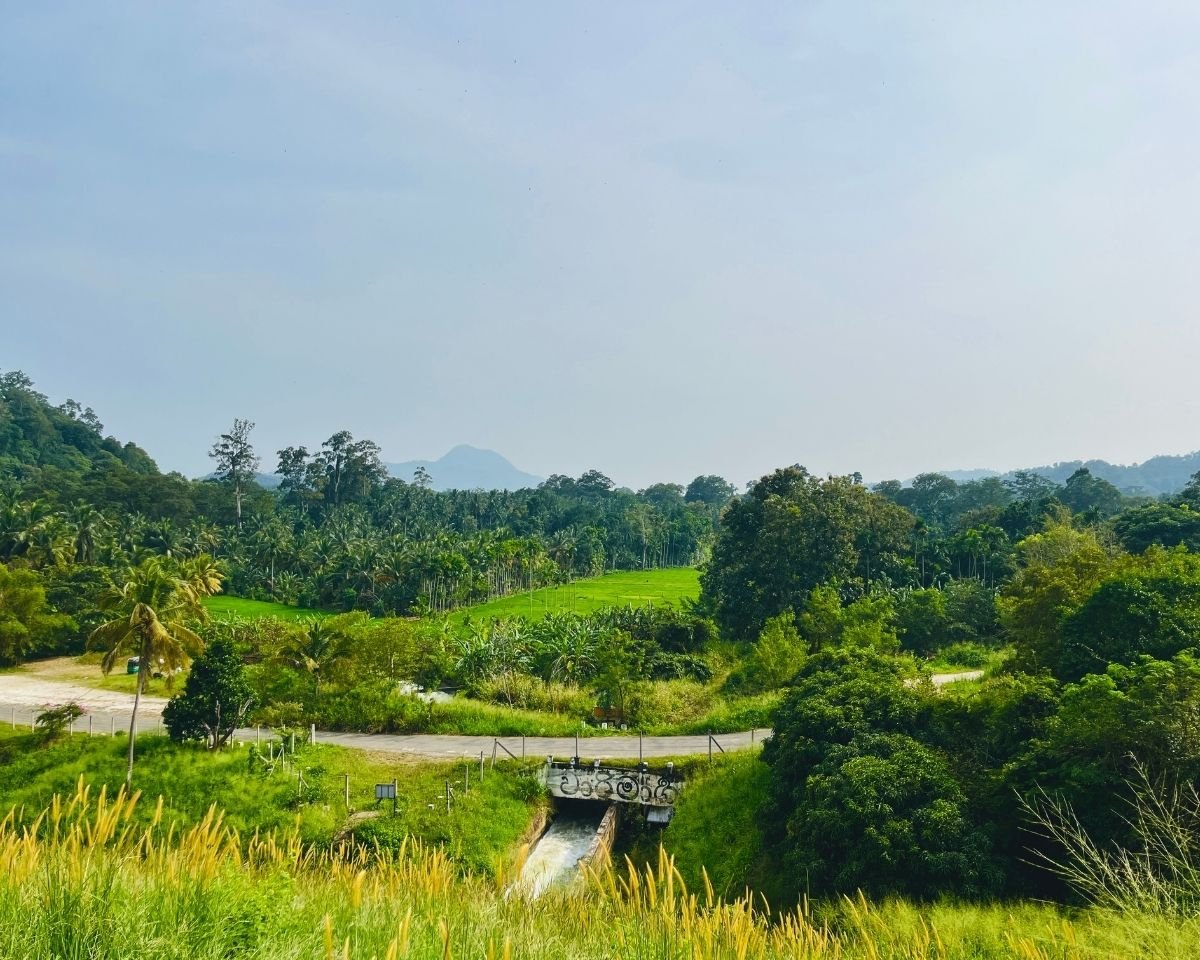
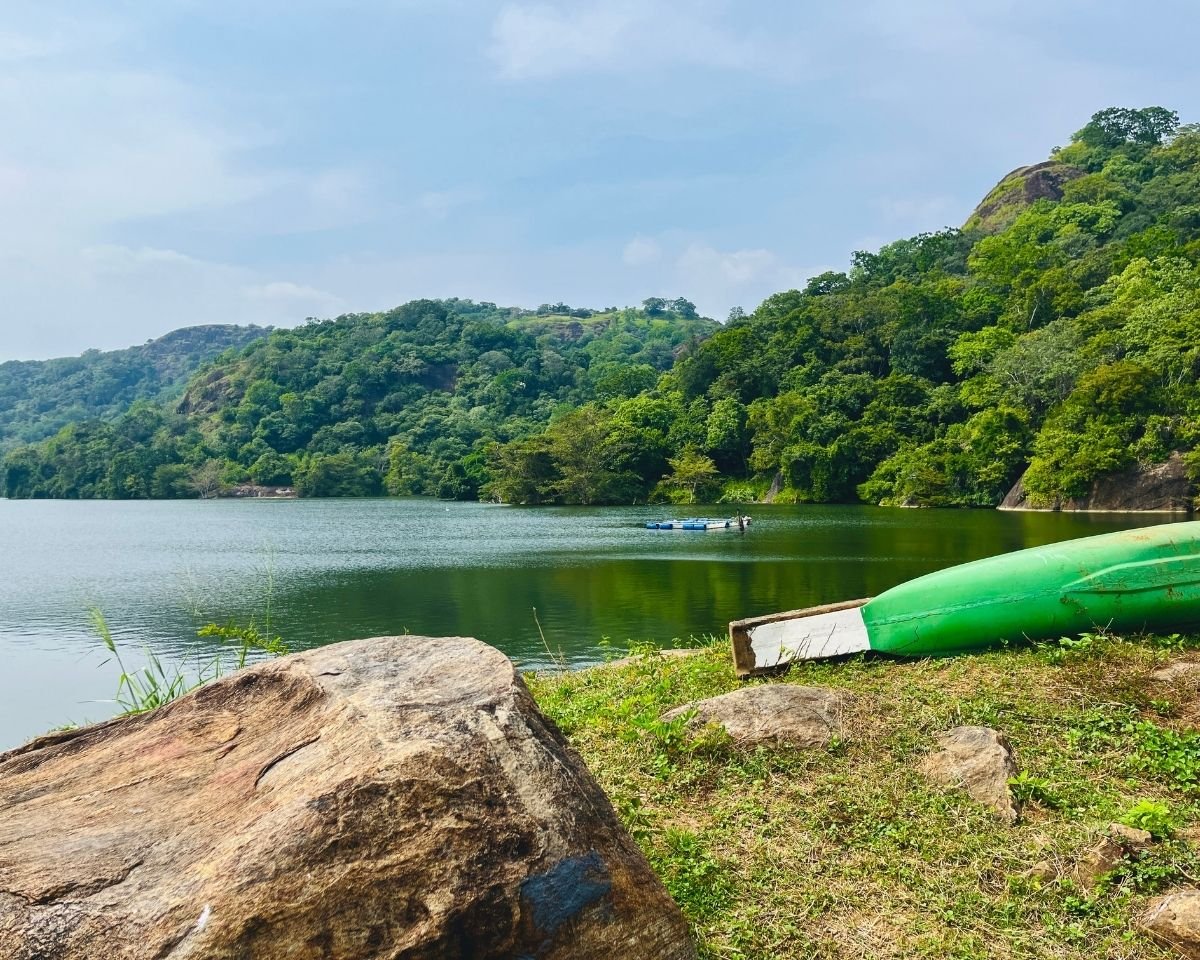
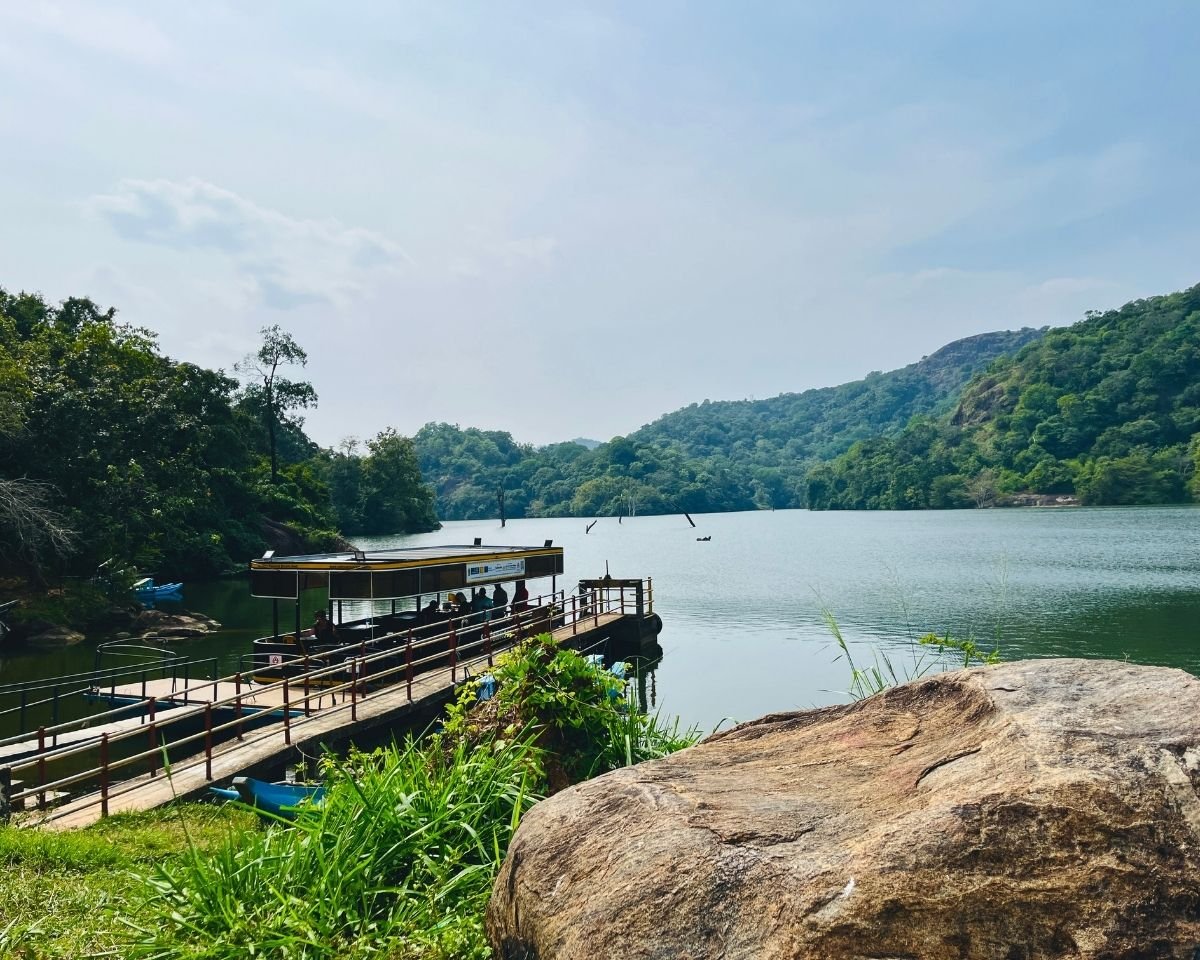
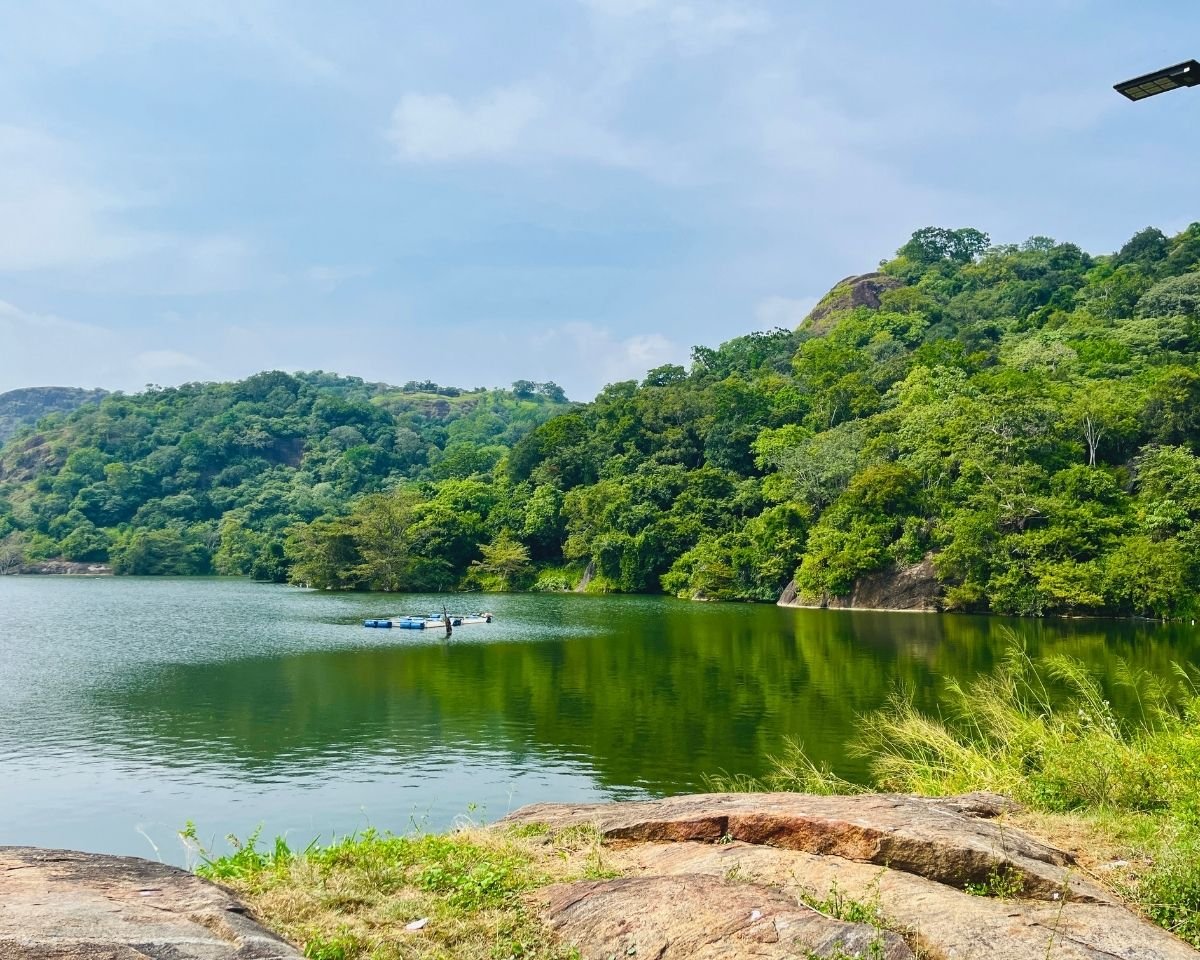
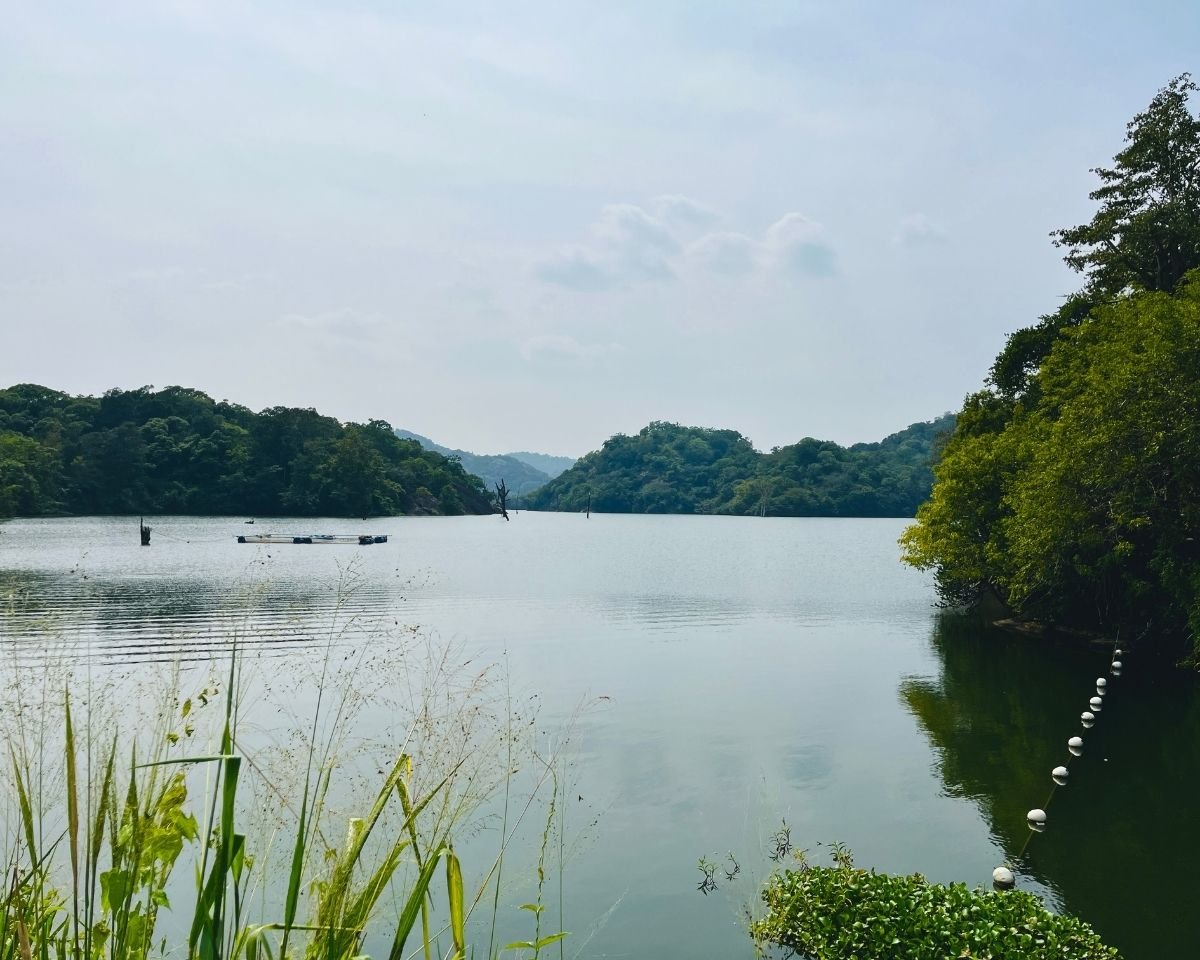
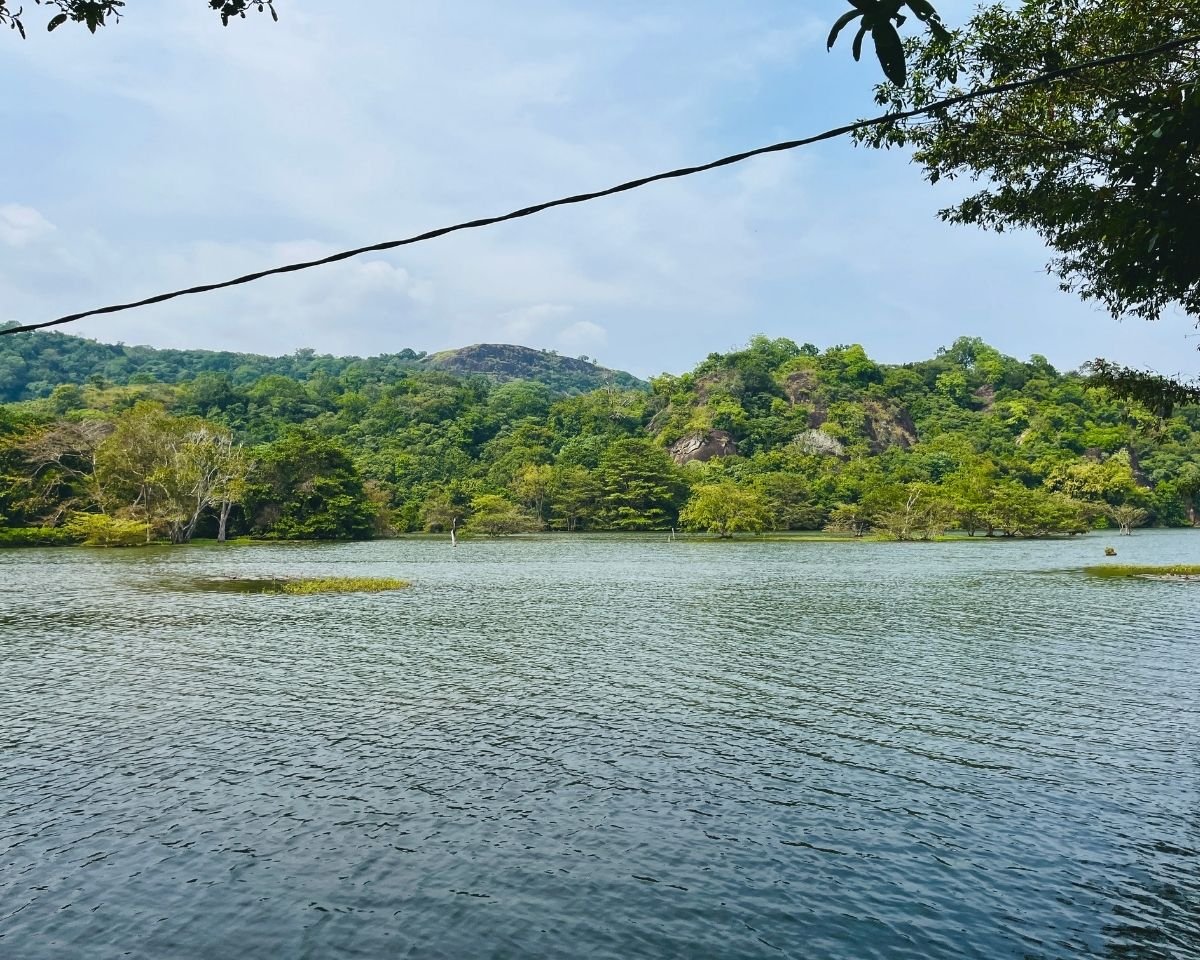
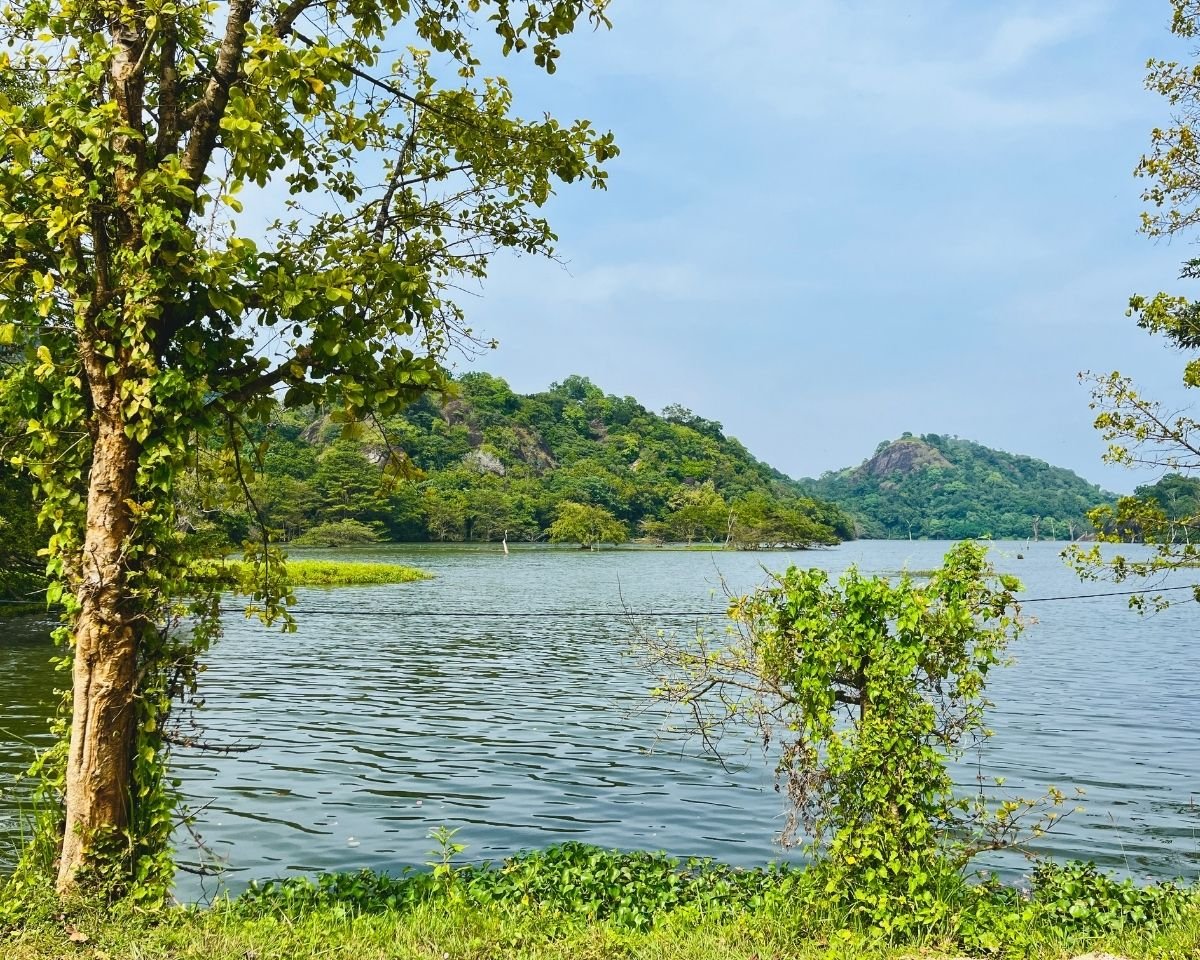
Alikota Ara Reservoir is a peaceful reservoir located near Ella, surrounded by rolling hills, forests, and agricultural landscapes in Sri Lanka's hill country. Created as part of a local irrigation system, the reservoir serves an important practical role while also offering a surprisingly scenic setting. Calm water, distant mountain ridges, and the remains of a drowned forest combine to create one of the more unusual landscapes in the Ella region.
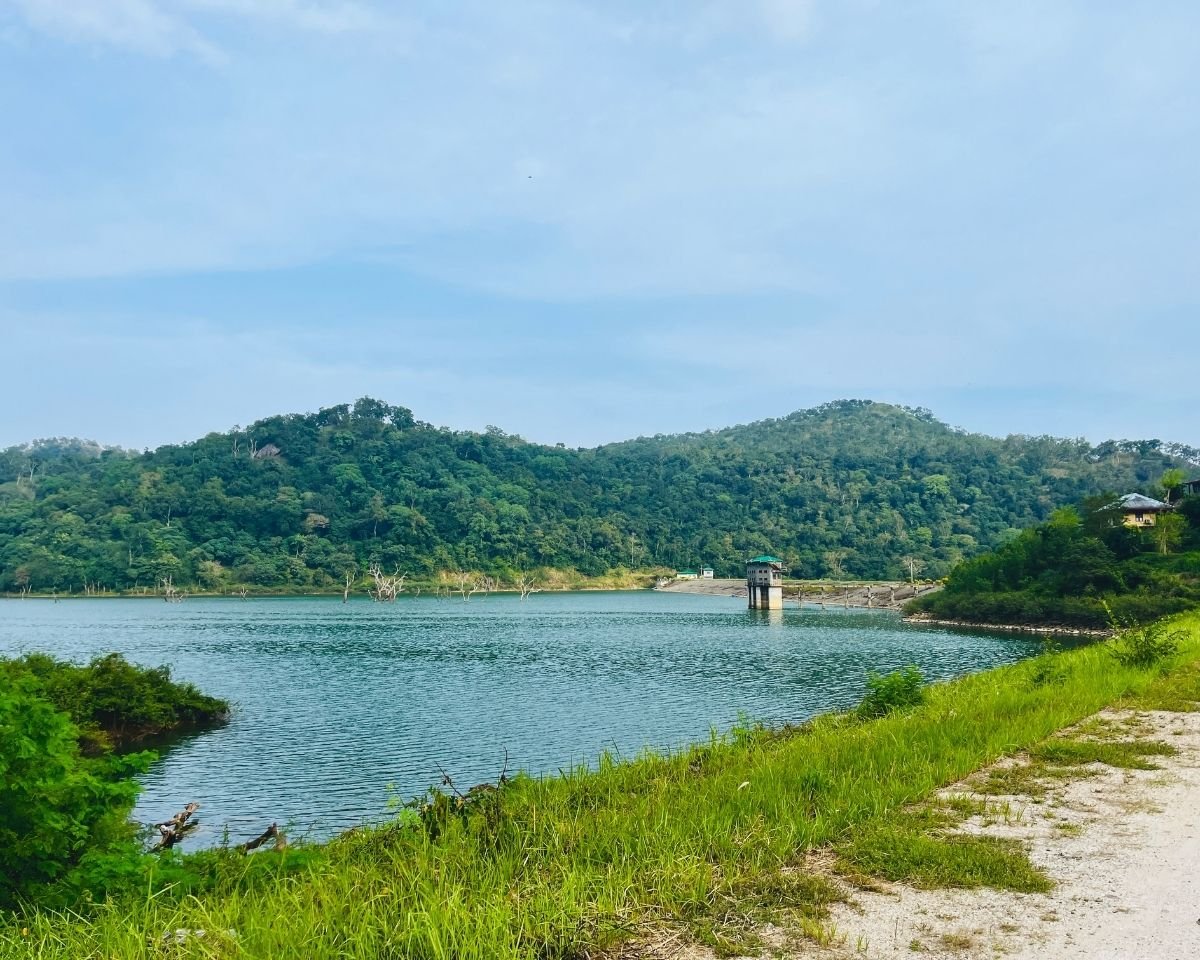
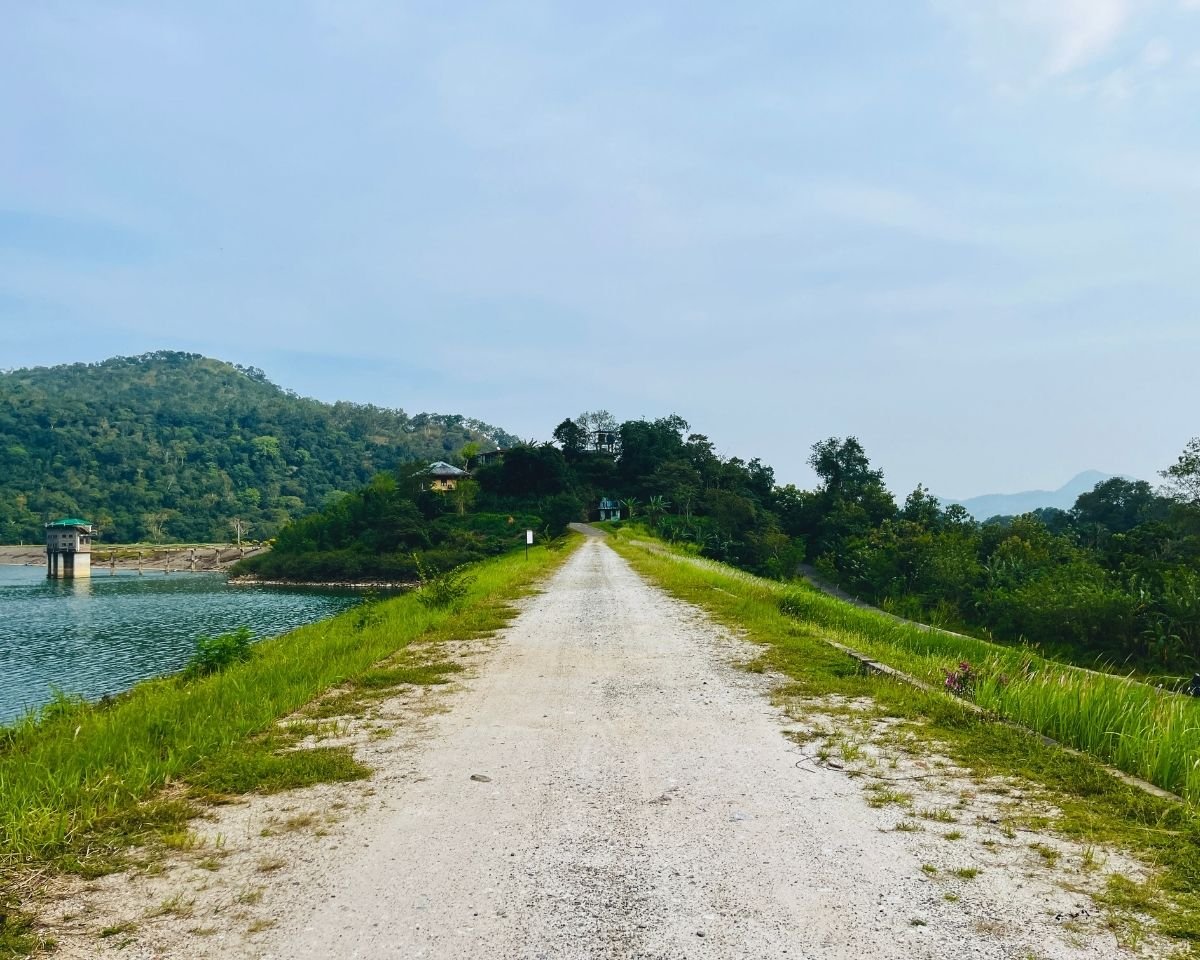
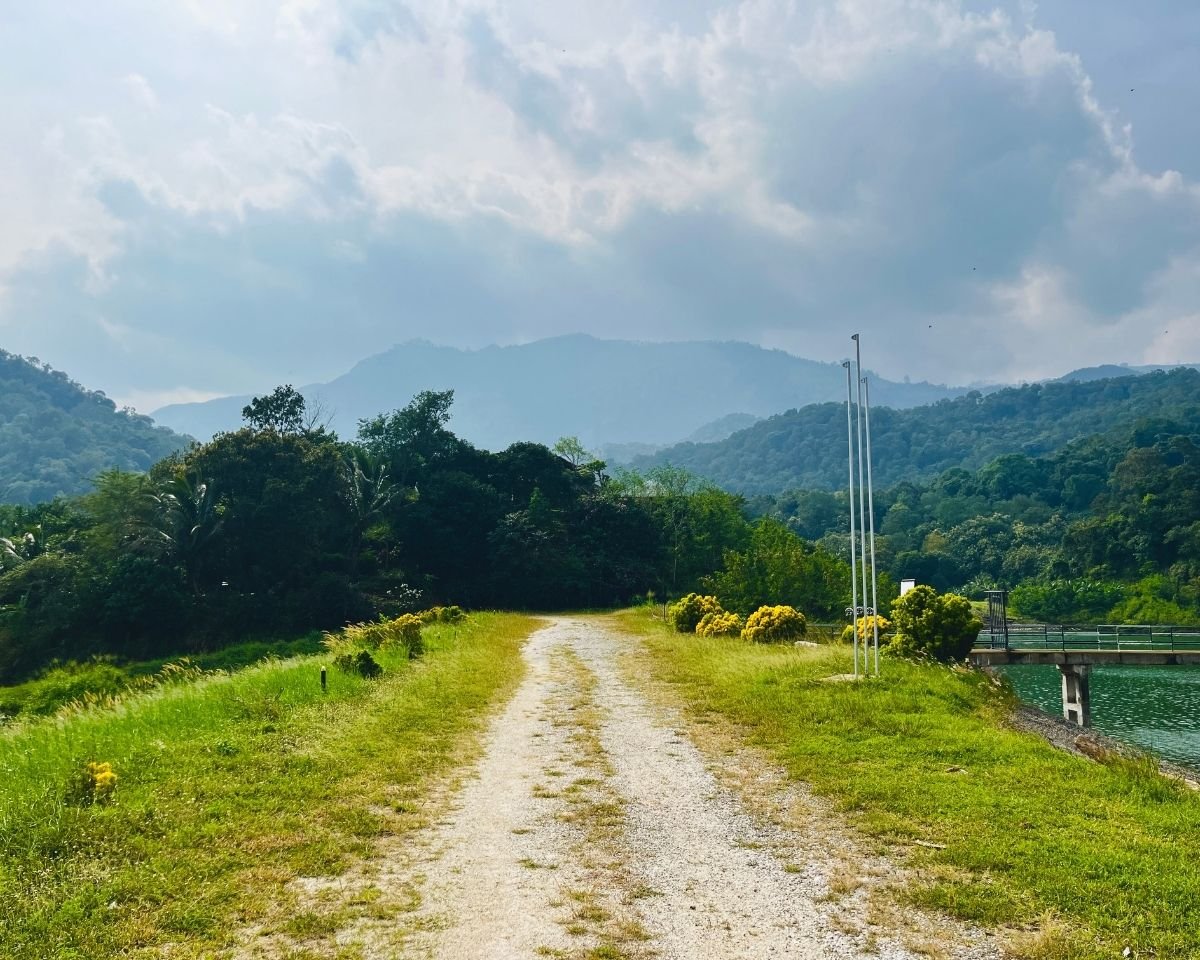
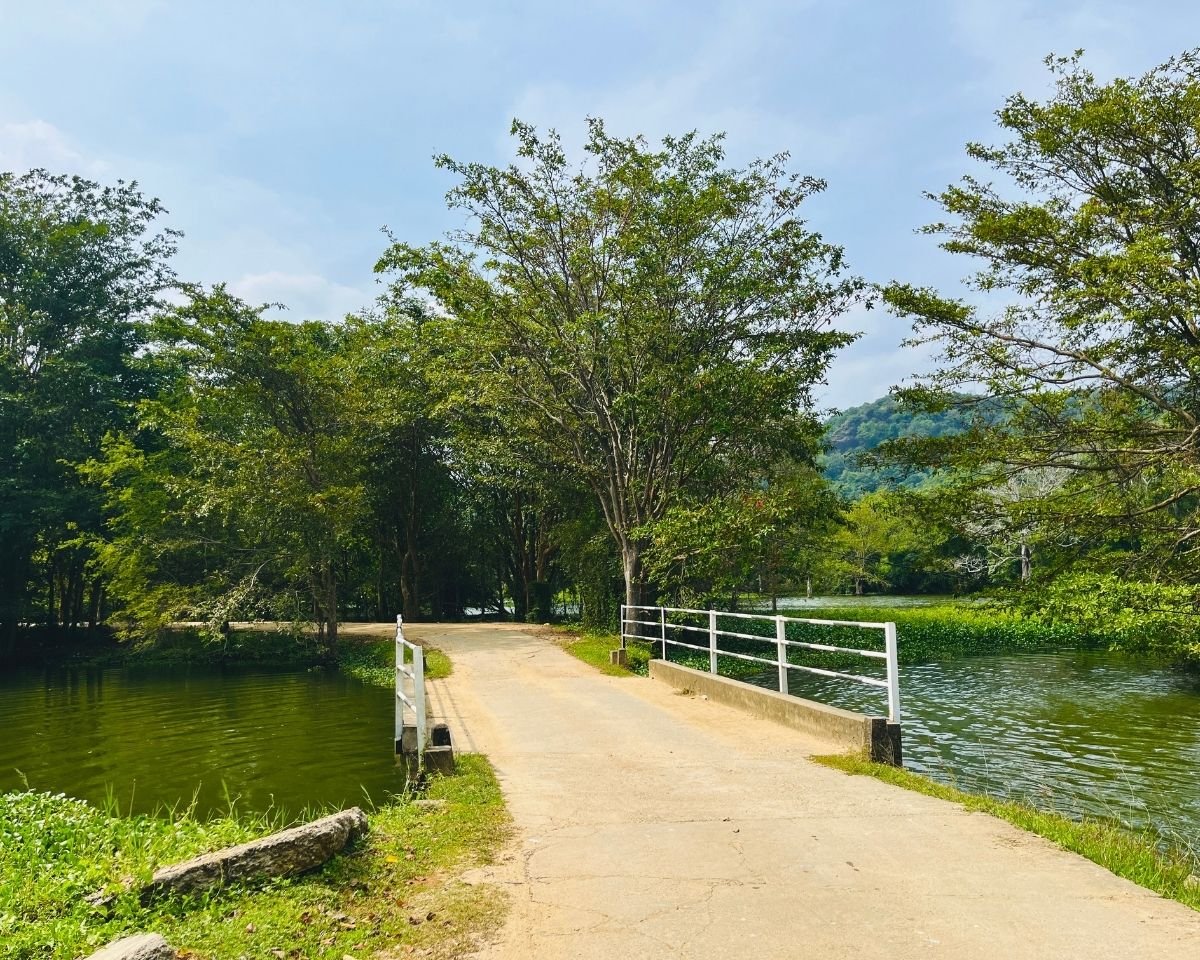
Fed by the Alikota Ara stream, the reservoir supports nearby farmland and rural communities while blending naturally into the surrounding environment. Unlike the area's famous viewpoints and hiking destinations, this is a working landscape where water management, agriculture, and nature exist side by side. The embankment road, intake structures, and sluice tower provide a glimpse into the engineering systems that help sustain cultivation in the region.
One of the reservoir's most distinctive features is the drowned forest scattered across sections of the water. Weathered tree trunks emerging from the reservoir create a striking contrast against the still surface and surrounding hills, making the area particularly appealing for photography. Combined with reflections on the water and changing weather conditions, the landscape often feels quiet and atmospheric.
For travelers looking to explore beyond Ella's better-known attractions, Alikota Ara Reservoir offers a different perspective on the hill country. The combination of mountain scenery, water, rural life, and reservoir engineering creates a peaceful stop for photography, short walks, and appreciation of the landscapes that support everyday life in the region.
Read MoreFed by the Alikota Ara stream, the reservoir supports nearby farmland and rural communities while blending naturally into the surrounding environment. Unlike the area's famous viewpoints and hiking destinations, this is a working landscape where water management, agriculture, and nature exist side by side. The embankment road, intake structures, and sluice tower provide a glimpse into the engineering systems that help sustain cultivation in the region.
One of the reservoir's most distinctive features is the drowned forest scattered across sections of the water. Weathered tree trunks emerging from the reservoir create a striking contrast against the still surface and surrounding hills, making the area particularly appealing for photography. Combined with reflections on the water and changing weather conditions, the landscape often feels quiet and atmospheric.
For travelers looking to explore beyond Ella's better-known attractions, Alikota Ara Reservoir offers a different perspective on the hill country. The combination of mountain scenery, water, rural life, and reservoir engineering creates a peaceful stop for photography, short walks, and appreciation of the landscapes that support everyday life in the region.

dannionvanderbolt
Cave Site
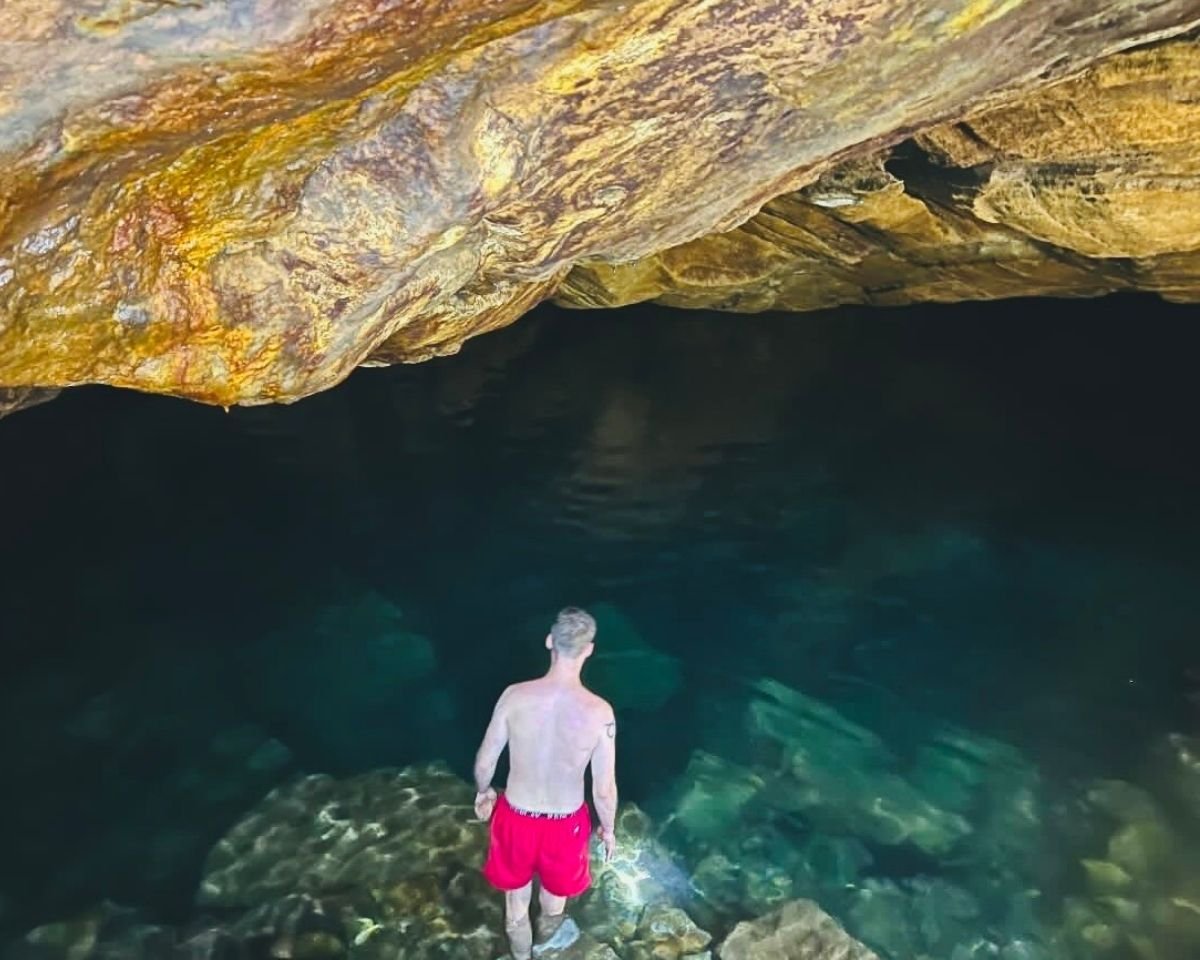
Underground cave pond with clear blue water formed naturally within a rock chamber.

Swimming
The pond is swimmable, with clear and cool water, but swimming is only recommended under guidance due to depth, low light, and confined space conditions.

Scenery
Dark cave interior, reflective blue water, and raw rock surfaces creating a quiet and enclosed atmosphere.

Art & Culture
Connected to local Ramayana folklore and oral traditions involving King Ravana, forming part of the cultural storytelling of the Ella region.

Entrance Fee
LKR 3,000 ($10 USD ) Tickets near the cave
Ticket Counter
! Fees are approximate and can vary based on factors such as season, group size, and additional services.
LKR 3,000 ($10 USD ) Tickets near the cave
! Fees are approximate and can vary based on factors such as season, group size, and additional services.
Blue Water Cave Pond (Nil Diya Pokuna)
Worth It
Location
View on Map
View on Map
Nil Diya Pokuna, meaning "Blue Water Pond," is one of the most unusual attractions near Ella and one of the few underground cave sites accessible to visitors in Sri Lanka's hill country. Hidden beneath the rocky terrain of Karandagolla, the site is centred around a deep pool of remarkably clear blue water contained within a natural cave chamber. The combination of underground passages, still water, and limited natural light creates an atmosphere unlike any other attraction in the region.
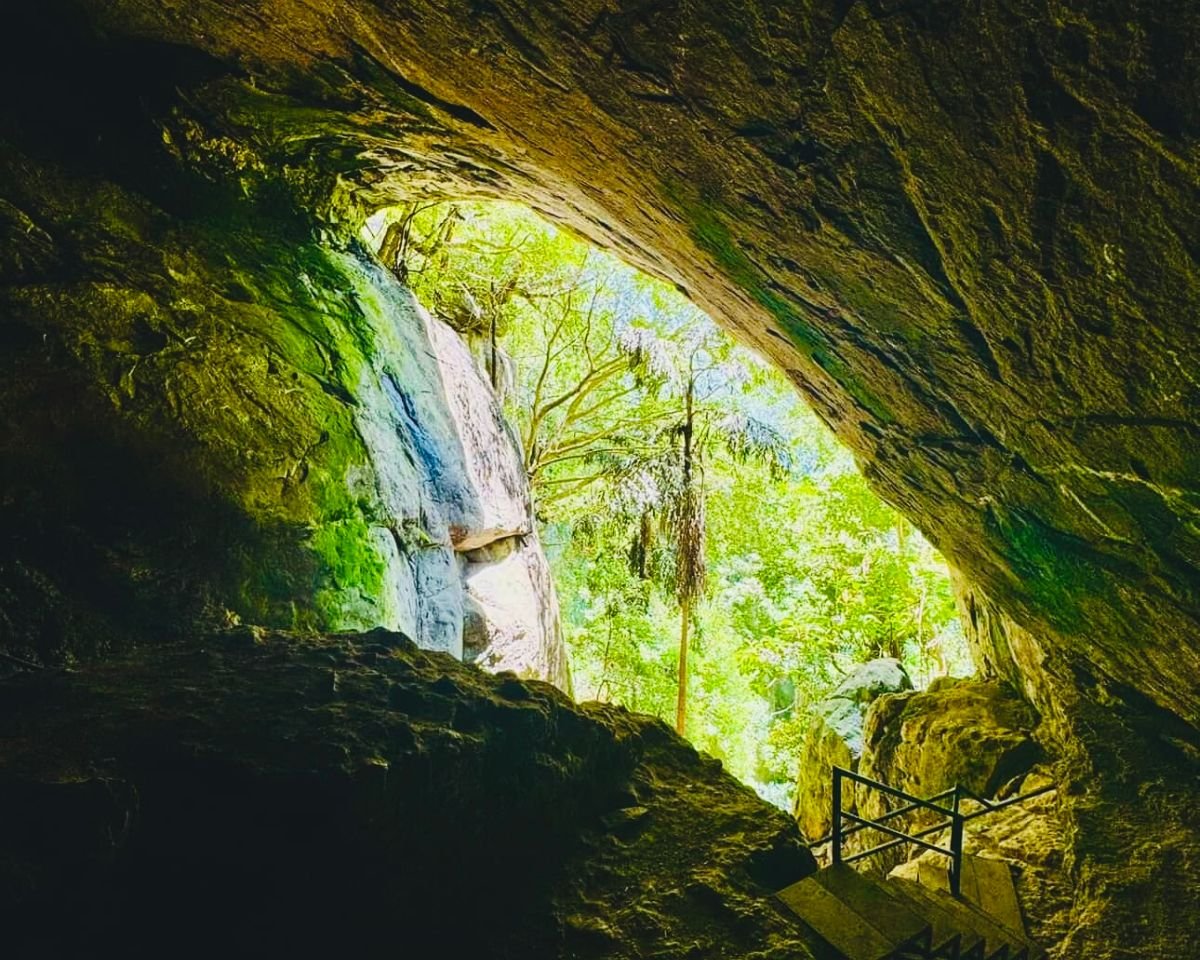
Reaching the pond involves descending through a narrow cave entrance using steps, ladders, and secured handholds before entering a network of underground chambers. As visitors move deeper into the cave, the temperature drops and natural light gradually disappears, creating a sense of isolation from the landscape above. The experience is part adventure, part exploration, and differs significantly from Ella's more familiar viewpoints, waterfalls, and hiking trails.
The striking blue colour of the water is one of the site's defining features. Illuminated by artificial light, the underground pool appears almost luminous against the dark rock surroundings. The water is believed to originate from underground sources and remains remarkably clear due to its sheltered environment. Combined with the cave's enclosed setting, the pond creates one of the most visually distinctive natural formations in the Ella region.
Nil Diya Pokuna is also associated with local folklore and stories connected to King Ravana and the Ramayana. Some traditions suggest the cave formed part of a hidden underground network linked to Ravana's kingdom, although these claims remain part of regional legend rather than established archaeological fact. Whether visited for its natural beauty, underground exploration, or cultural stories, Nil Diya Pokuna offers one of the most unique experiences available near Ella.
Read MoreReaching the pond involves descending through a narrow cave entrance using steps, ladders, and secured handholds before entering a network of underground chambers. As visitors move deeper into the cave, the temperature drops and natural light gradually disappears, creating a sense of isolation from the landscape above. The experience is part adventure, part exploration, and differs significantly from Ella's more familiar viewpoints, waterfalls, and hiking trails.
The striking blue colour of the water is one of the site's defining features. Illuminated by artificial light, the underground pool appears almost luminous against the dark rock surroundings. The water is believed to originate from underground sources and remains remarkably clear due to its sheltered environment. Combined with the cave's enclosed setting, the pond creates one of the most visually distinctive natural formations in the Ella region.
Nil Diya Pokuna is also associated with local folklore and stories connected to King Ravana and the Ramayana. Some traditions suggest the cave formed part of a hidden underground network linked to Ravana's kingdom, although these claims remain part of regional legend rather than established archaeological fact. Whether visited for its natural beauty, underground exploration, or cultural stories, Nil Diya Pokuna offers one of the most unique experiences available near Ella.

ravinkavish
ravinkavish
ravinkavish
ravinkavish
ravinkavish
ravinkavish
ravinkavish
ravinkavish
ravinkavish

ravinkavish
ravinkavish
ravinkavish
ravinkavish
ravinkavish
Buddhist Site
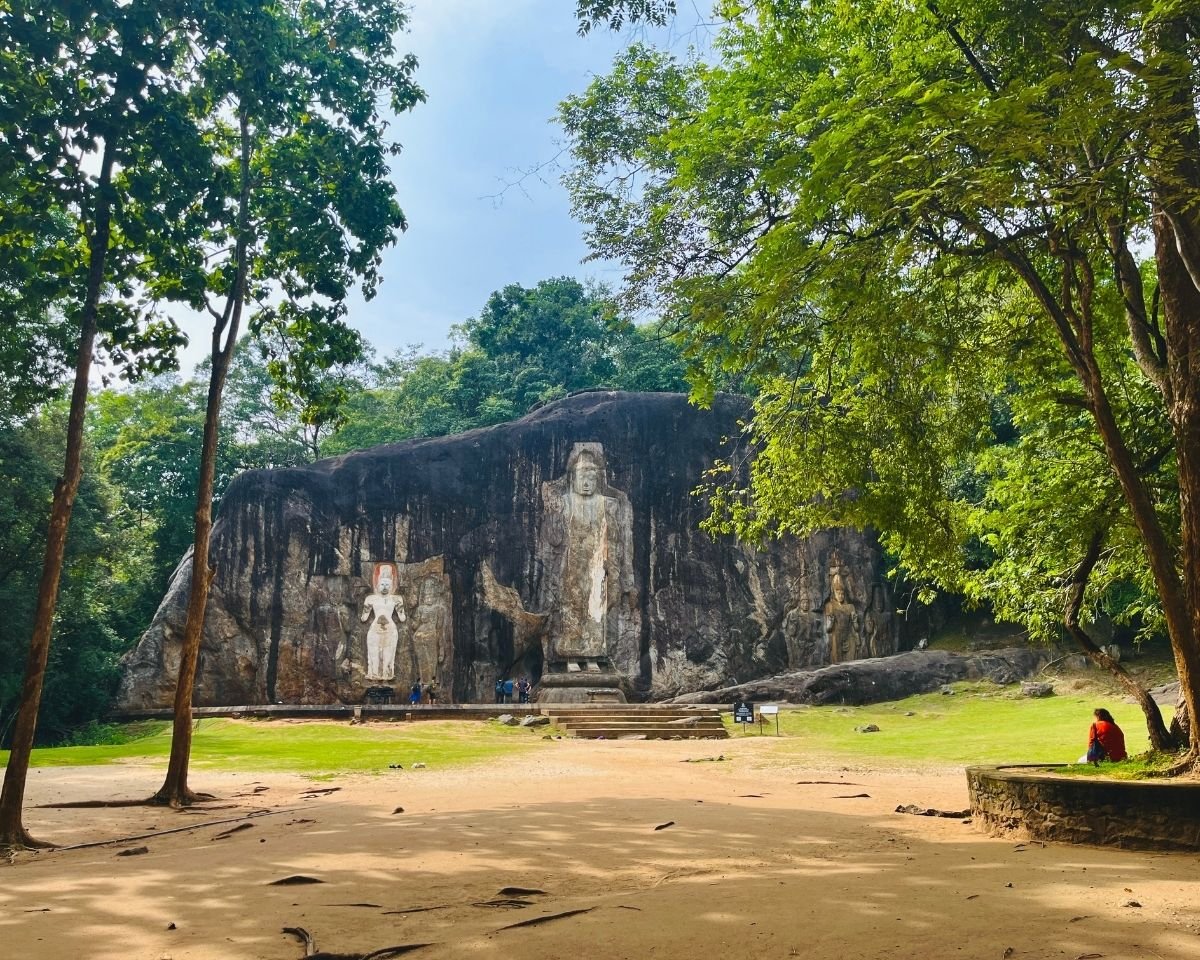
Ancient rock carving complex featuring seven large stone statues carved into a cliff face.

History
Dated to around the 10th century CE during the late Anuradhapura period, reflecting Mahayana Buddhist influence.

Scenery
Forest clearing with a dramatic rock backdrop, quiet surroundings, and a secluded atmosphere.

Art & Culture
Monumental Buddha and Bodhisattva figures, including traces of ancient paint and Mahayana iconography.

Entrance Fee
LKR 1,000 ($3 USD ) Tickets at the Entrance
Ticket Counter
! Fees are approximate and can vary based on factors such as season, group size, and additional services.
LKR 1,000 ($3 USD ) Tickets at the Entrance
! Fees are approximate and can vary based on factors such as season, group size, and additional services.
Buduruwagala Rock Carving Site
Worth It
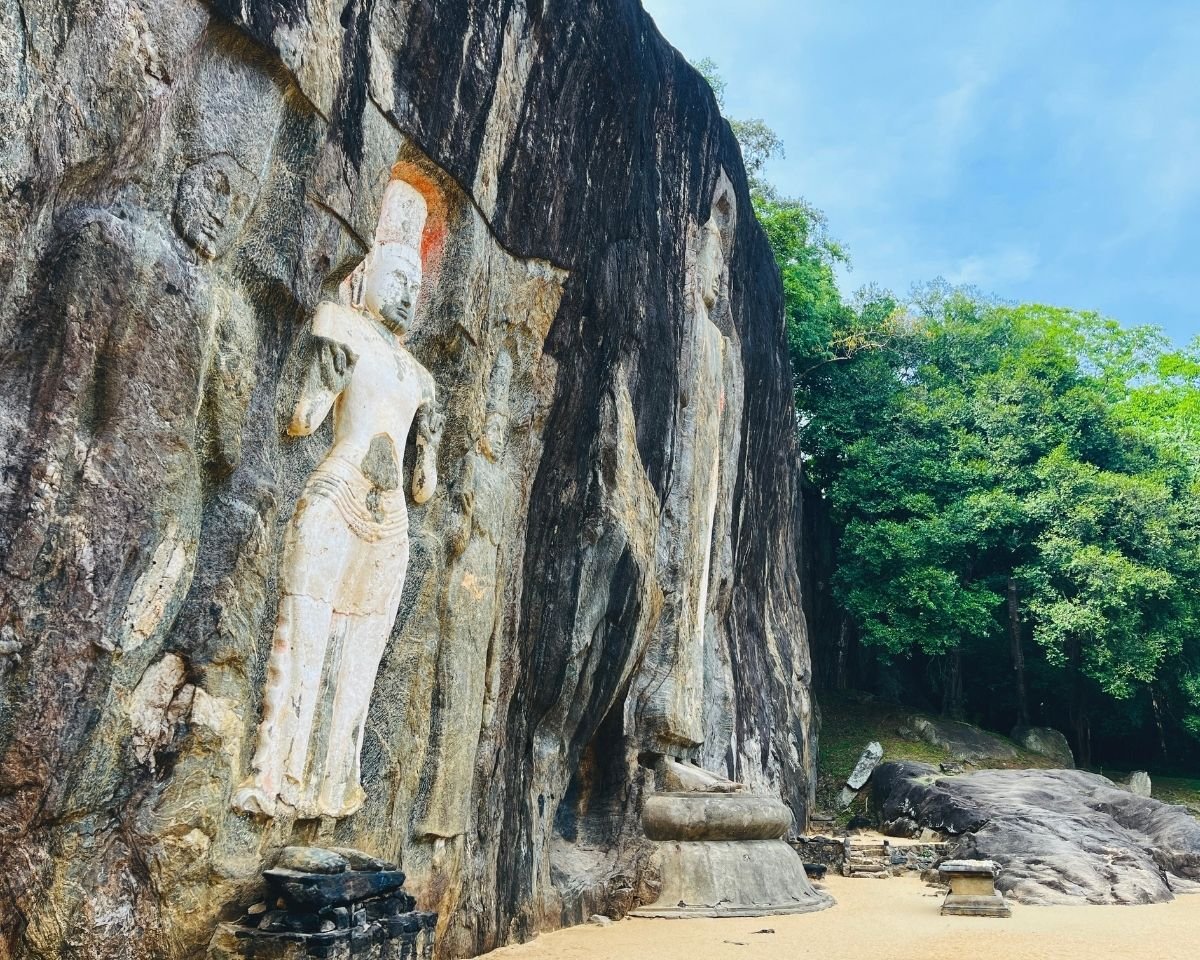
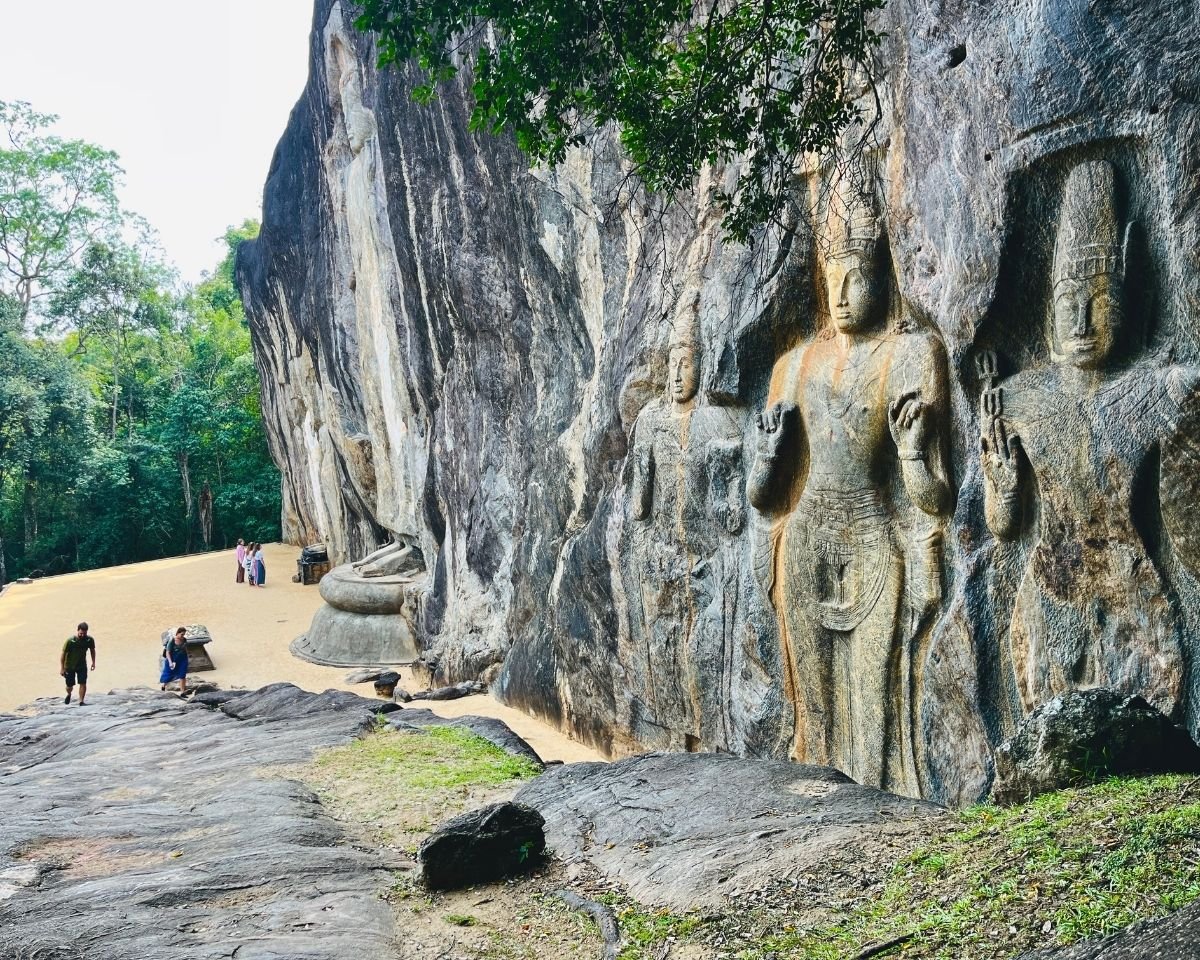
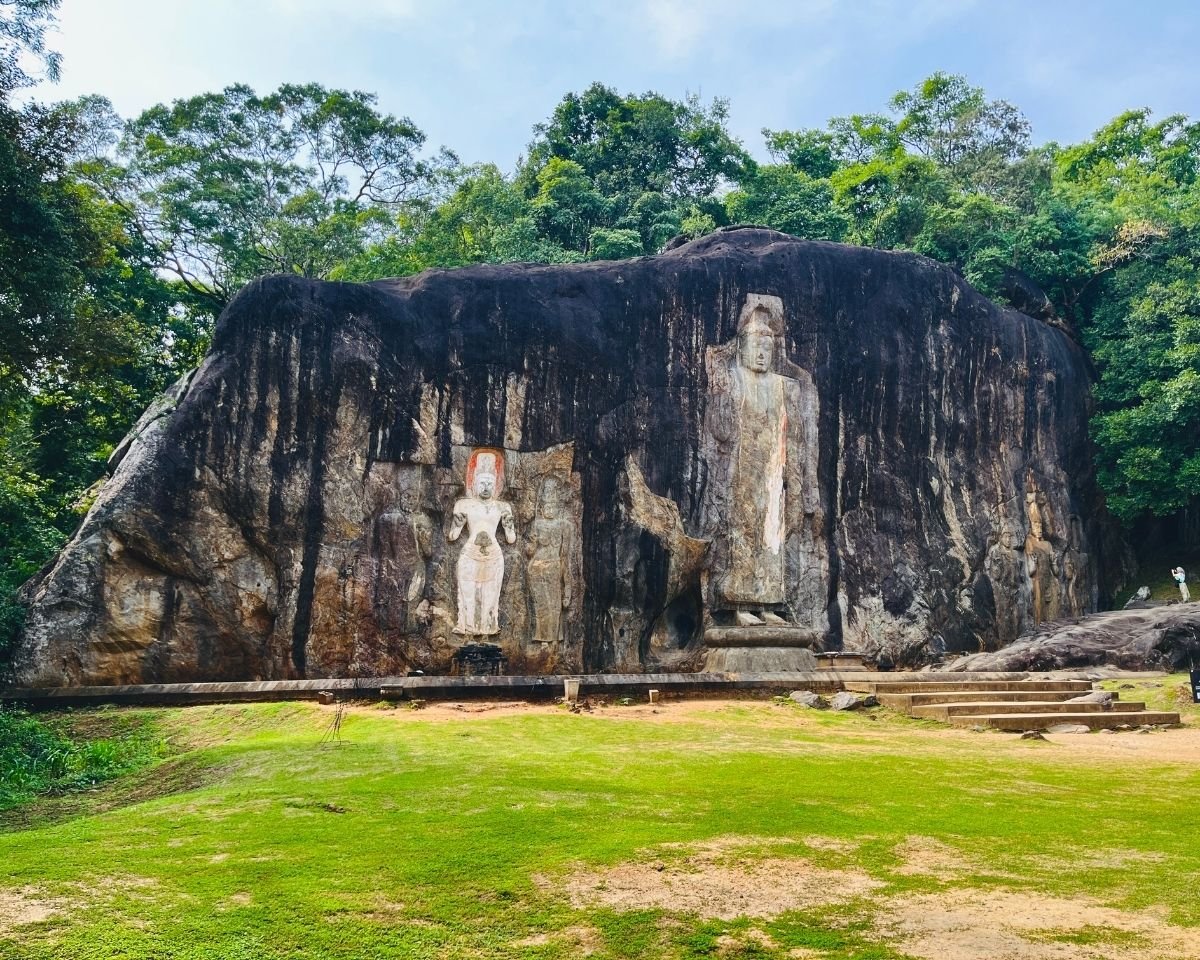
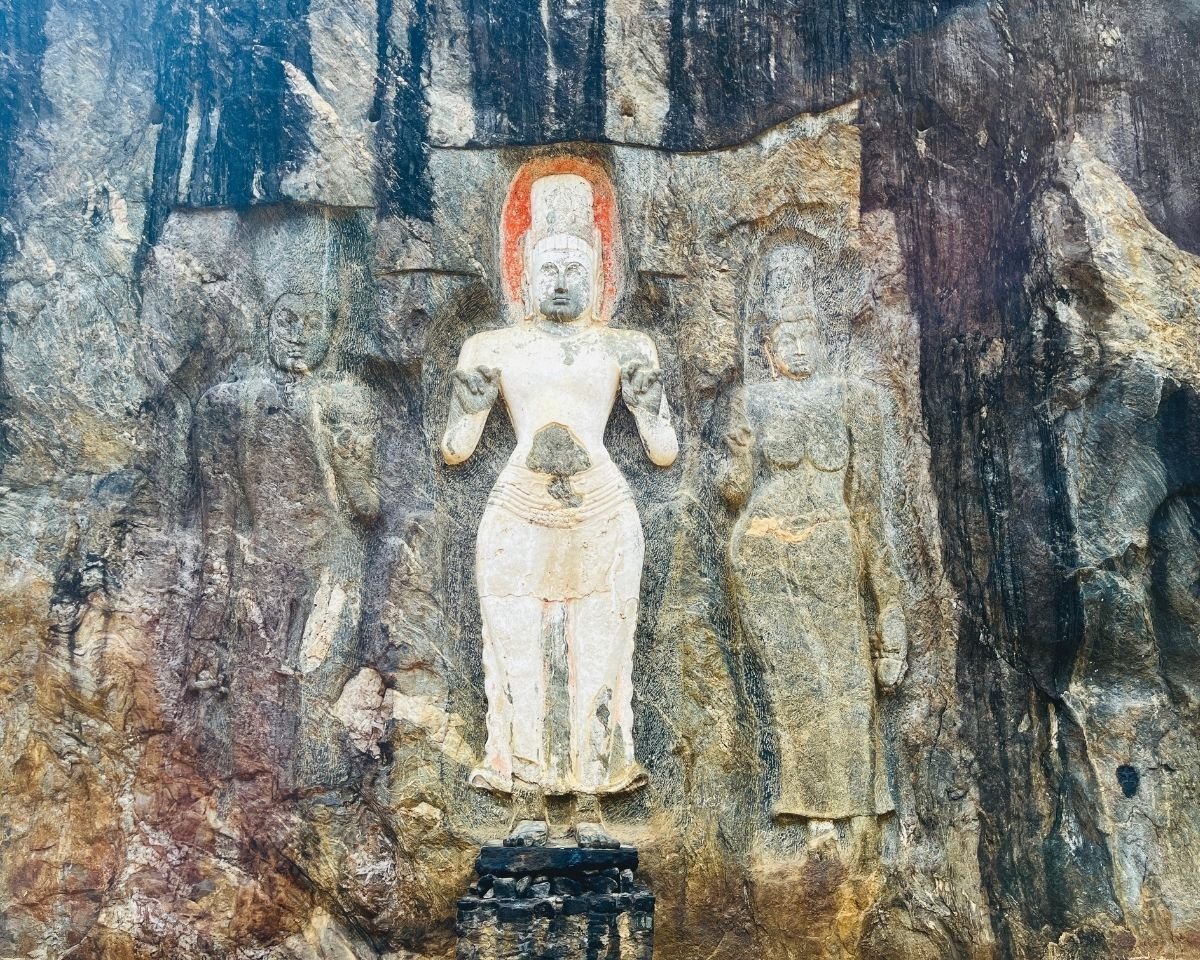
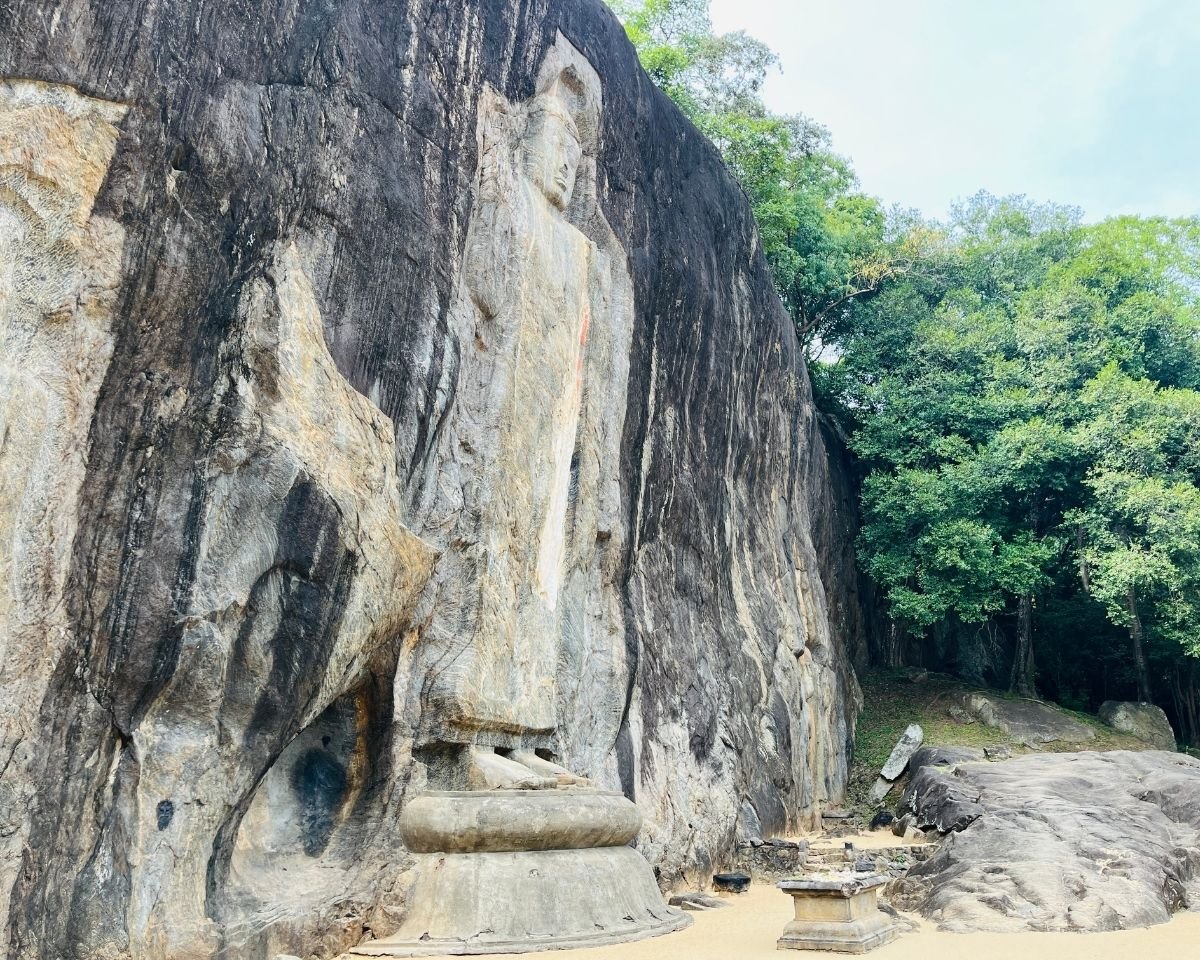
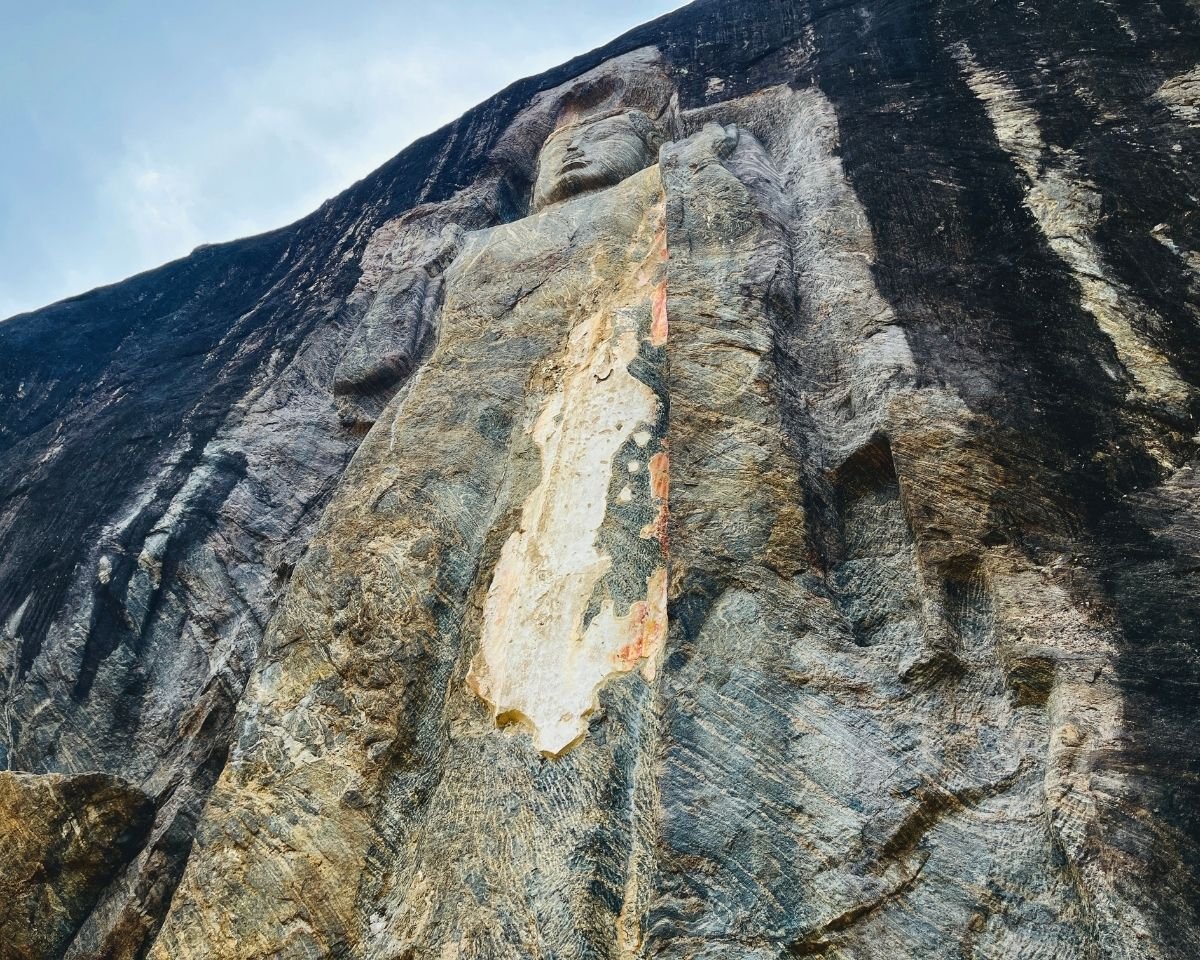
Buduruwagala Rock Carving Site is one of Sri Lanka's most remarkable ancient Buddhist monuments, located near Wellawaya within easy reach of Ella. Hidden within a quiet forest clearing, the site is famous for its collection of seven monumental figures carved directly into a massive granite cliff. Dominating the complex is a towering 51-foot (15.5-metre) standing Buddha, one of the largest ancient rock-cut Buddha statues in Sri Lanka. The scale, craftsmanship, and peaceful surroundings make Buduruwagala one of the country's most impressive archaeological and religious sites.
The carvings are generally dated to the late Anuradhapura period, around the 10th century CE, and are considered an important example of Mahayana Buddhist influence in Sri Lanka. The central Buddha is flanked by six additional figures believed to represent Bodhisattvas and attendants, including Avalokiteshvara and Maitreya. One of the statues still preserves traces of ancient stucco and paint, including a distinctive orange-coloured marking that hints at the monument's original appearance. Together, the figures provide valuable insight into a period of religious and artistic development rarely seen elsewhere in the country.
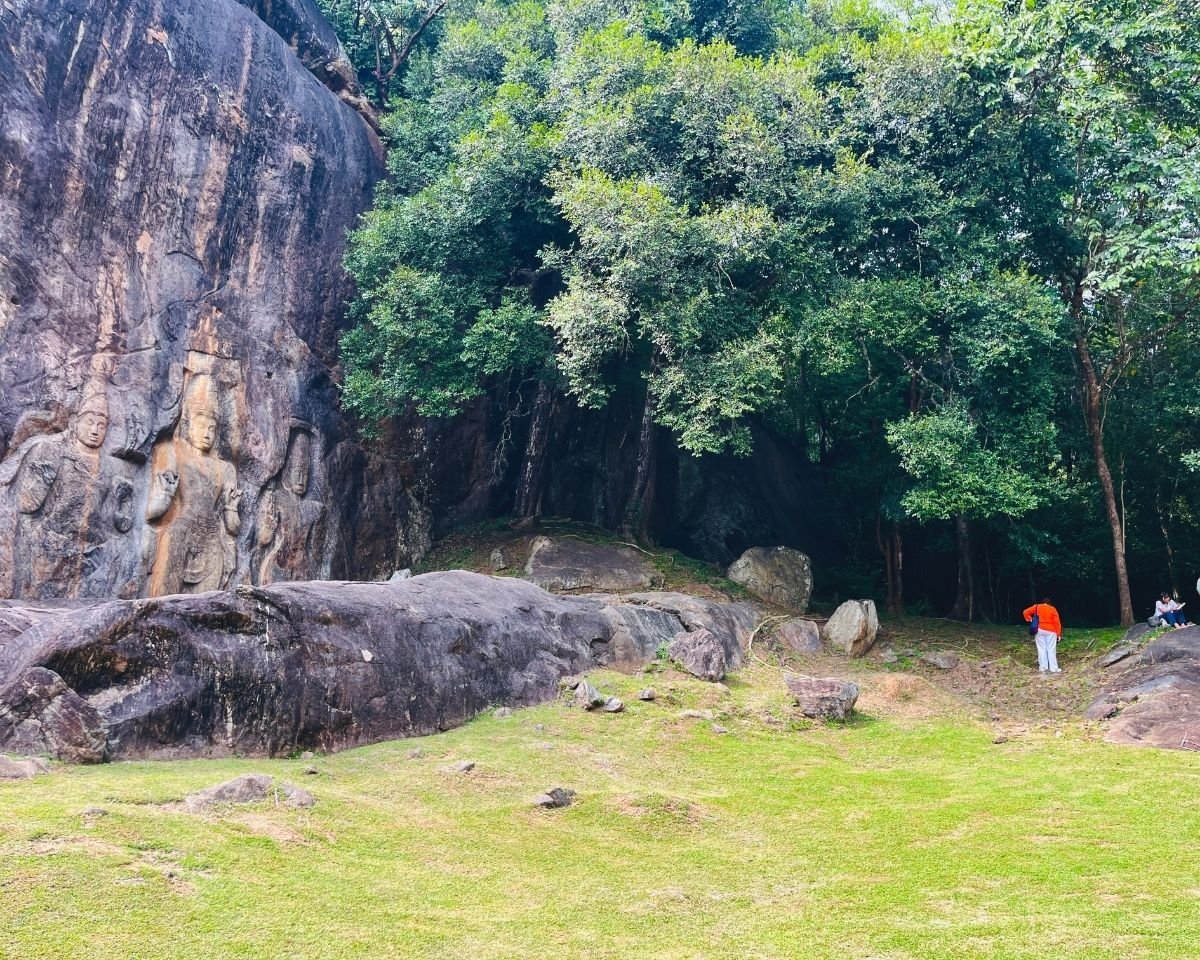
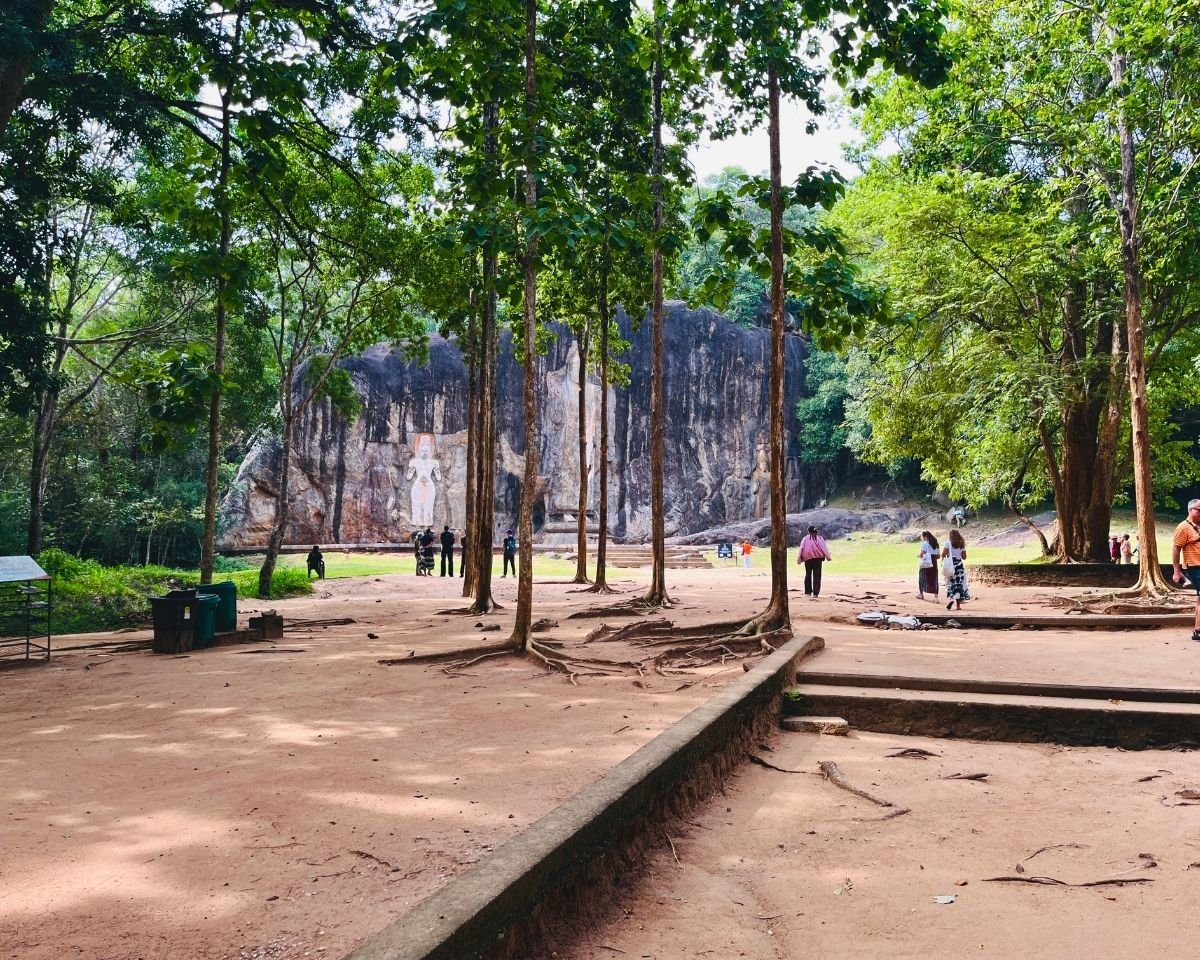
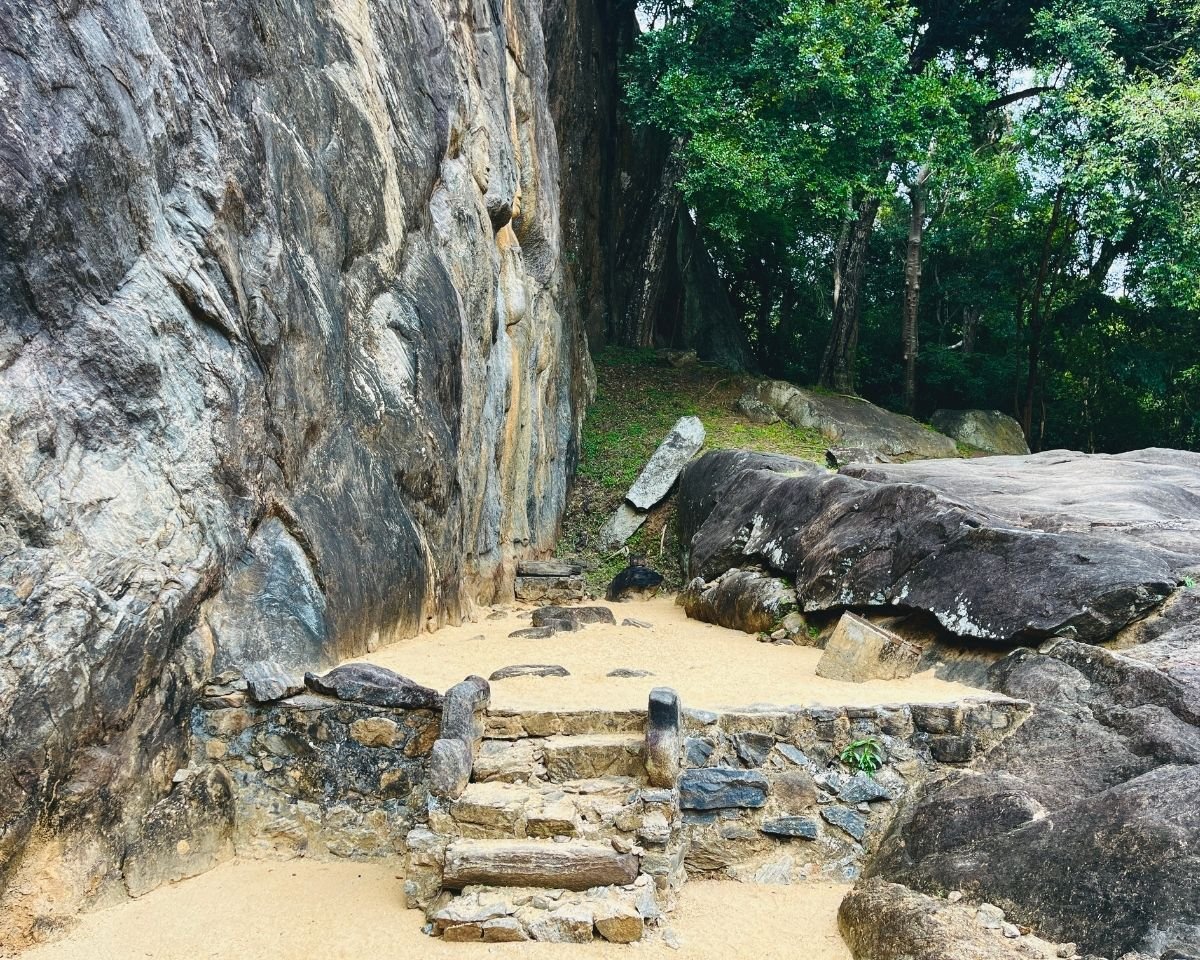
Unlike many historic temples that evolved into large religious complexes, Buduruwagala remains remarkably simple and undisturbed. A short forest path leads visitors to the base of the cliff, where the carvings emerge dramatically from the surrounding greenery. The combination of dense forest, open clearing, and towering stone figures creates a powerful sense of scale and isolation that is difficult to experience at more crowded heritage sites.
Beyond the main carvings, the archaeological area includes ancient remains, ruined structures, and evidence of long-standing religious activity in the region. The site's tranquil setting encourages slow exploration and reflection, allowing visitors to appreciate both the artistic achievement and spiritual significance of the monument. For travelers based in Ella, Buduruwagala offers one of the most rewarding cultural excursions in the region, combining archaeology, history, Buddhist heritage, and natural beauty in a single destination.
Read MoreThe carvings are generally dated to the late Anuradhapura period, around the 10th century CE, and are considered an important example of Mahayana Buddhist influence in Sri Lanka. The central Buddha is flanked by six additional figures believed to represent Bodhisattvas and attendants, including Avalokiteshvara and Maitreya. One of the statues still preserves traces of ancient stucco and paint, including a distinctive orange-coloured marking that hints at the monument's original appearance. Together, the figures provide valuable insight into a period of religious and artistic development rarely seen elsewhere in the country.
Unlike many historic temples that evolved into large religious complexes, Buduruwagala remains remarkably simple and undisturbed. A short forest path leads visitors to the base of the cliff, where the carvings emerge dramatically from the surrounding greenery. The combination of dense forest, open clearing, and towering stone figures creates a powerful sense of scale and isolation that is difficult to experience at more crowded heritage sites.
Beyond the main carvings, the archaeological area includes ancient remains, ruined structures, and evidence of long-standing religious activity in the region. The site's tranquil setting encourages slow exploration and reflection, allowing visitors to appreciate both the artistic achievement and spiritual significance of the monument. For travelers based in Ella, Buduruwagala offers one of the most rewarding cultural excursions in the region, combining archaeology, history, Buddhist heritage, and natural beauty in a single destination.

ravinkavish
ravinkavish
ravinkavish
ravinkavish
ravinkavish
ravinkavish
ravinkavish
Lake
Small rural reservoir located near the Buduruwagala rock carving site.

Scenery
Calm water surface, forested surroundings, rocky terrain, and a quiet rural atmosphere.
Buduruwagala Reservoir
Worth It
Location
View on Map
View on Map
Buduruwagala Reservoir is a peaceful lake-like water body located near the famous Buduruwagala Rock Carving Site, close to Wellawaya and within easy reach of Ella. Surrounded by forested hills, rocky shorelines, and open countryside, the reservoir provides a quiet contrast to the archaeological monument nearby. Its calm waters and scenic setting make it one of the lesser-known natural attractions in the region.
The reservoir forms part of the local water management system and supports surrounding agricultural land, but many visitors are drawn to its tranquil atmosphere rather than its practical purpose. Along the shoreline, small boats, fishing activity, and occasional birdlife add character to the landscape, while the surrounding hills create a natural backdrop that changes throughout the day with shifting light and weather conditions.
Unlike Ella's popular viewpoints and hiking trails, Buduruwagala Reservoir offers a slower and more relaxed experience. Visitors can enjoy short walks along the shoreline, take photographs of the reflections and surrounding scenery, or simply appreciate the quiet environment away from busy tourist areas. The combination of water, forest, and open views creates a setting that feels peaceful and largely undiscovered.
For travelers visiting Buduruwagala Rock Carving Site, the reservoir makes an excellent additional stop, adding a natural dimension to the area's cultural and historical attractions. Together, the reservoir and the ancient carvings showcase two very different sides of the landscape surrounding Wellawaya and the southern edge of Sri Lanka's hill country.
Read MoreThe reservoir forms part of the local water management system and supports surrounding agricultural land, but many visitors are drawn to its tranquil atmosphere rather than its practical purpose. Along the shoreline, small boats, fishing activity, and occasional birdlife add character to the landscape, while the surrounding hills create a natural backdrop that changes throughout the day with shifting light and weather conditions.
Unlike Ella's popular viewpoints and hiking trails, Buduruwagala Reservoir offers a slower and more relaxed experience. Visitors can enjoy short walks along the shoreline, take photographs of the reflections and surrounding scenery, or simply appreciate the quiet environment away from busy tourist areas. The combination of water, forest, and open views creates a setting that feels peaceful and largely undiscovered.
For travelers visiting Buduruwagala Rock Carving Site, the reservoir makes an excellent additional stop, adding a natural dimension to the area's cultural and historical attractions. Together, the reservoir and the ancient carvings showcase two very different sides of the landscape surrounding Wellawaya and the southern edge of Sri Lanka's hill country.

Scenery
Wide views across layered hills, distant plains, and changing cloud formations.

Hike
Short walk from nearby roads across open ground. Easy access with minimal climbing.

Animals
Occasional sightings of wild elephants.
Visitors should remain cautious and maintain a safe distance, especially during early morning and late afternoon.
Occasional sightings of wild elephants.
Visitors should remain cautious and maintain a safe distance, especially during early morning and late afternoon.
Pilkington Point
Worth It
Location
View on Map
View on Map
Pilkington Point is a quiet viewpoint located near Ella, overlooking the dramatic opening of the Ella Gap and the lowlands stretching toward the southern plains. Unlike the more frequented viewpoints in the area, Pilkington Point feels open and understated, offering wide horizons without crowds or built viewing platforms. The setting allows the landscape to speak for itself, shaped by distance, light, and elevation.
The viewpoint is reached via a short walk from nearby roads, passing through open ground and lightly vegetated areas. The approach is simple and unmarked, contributing to the sense of discovery rather than arrival at a formal attraction. As the land opens up, the view gradually expands, revealing layered hills, valleys, and changing cloud patterns moving through the gap.
From Pilkington Point, the experience is defined by stillness and scale. The elevated position creates a feeling of space, with cool air and shifting light adding to the atmosphere. Sunrise and late afternoon are especially rewarding, when shadows stretch across the landscape and colours soften. Pilkington Point suits travellers who prefer quiet viewpoints and unhurried observation over busy photo stops, making it a calm addition to an Ella stay.
Read MoreThe viewpoint is reached via a short walk from nearby roads, passing through open ground and lightly vegetated areas. The approach is simple and unmarked, contributing to the sense of discovery rather than arrival at a formal attraction. As the land opens up, the view gradually expands, revealing layered hills, valleys, and changing cloud patterns moving through the gap.
From Pilkington Point, the experience is defined by stillness and scale. The elevated position creates a feeling of space, with cool air and shifting light adding to the atmosphere. Sunrise and late afternoon are especially rewarding, when shadows stretch across the landscape and colours soften. Pilkington Point suits travellers who prefer quiet viewpoints and unhurried observation over busy photo stops, making it a calm addition to an Ella stay.

Scenery
Open hilltop lookout offering wide views of valleys, forested slopes, and surrounding mountain ranges.

Hike
Short drive from Ella followed by a brief uphill walk along village paths. Easy access with minimal effort.

Animals
Occasional sightings of wild elephants.
Visitors should remain cautious and maintain a safe distance, especially during early morning and late afternoon.
Occasional sightings of wild elephants.
Visitors should remain cautious and maintain a safe distance, especially during early morning and late afternoon.
Macaldeniya View Point
Worth It
Location
View on Map
View on Map
Macaldeniya View Point is a quiet hilltop lookout located near Ella, offering wide views across valleys, forested slopes, and layered mountain ridges. Set away from the main viewpoints, the location feels open and unstructured, shaped by the natural terrain rather than built platforms. The surrounding landscape reflects the softer side of the hill country, with changing light, drifting mist, and long sightlines across the land.
Reaching the viewpoint usually involves a short drive followed by a brief uphill walk along village roads and footpaths. The approach passes through rural surroundings and lightly wooded areas, giving a sense of moving gradually away from the town. The lack of signage or formal entrances adds to the feeling of discovery and keeps visitor numbers relatively low.
At the top, the view opens out in multiple directions, allowing time to observe the scale and quiet rhythm of the hills. Early mornings often bring clearer visibility and cooler air, while late afternoons soften the landscape with warm tones as the sun lowers. Macaldeniya View Point suits travellers looking for a calm pause rather than a crowded stop, making it a relaxed addition to an Ella stay focused on slow exploration.
Read MoreReaching the viewpoint usually involves a short drive followed by a brief uphill walk along village roads and footpaths. The approach passes through rural surroundings and lightly wooded areas, giving a sense of moving gradually away from the town. The lack of signage or formal entrances adds to the feeling of discovery and keeps visitor numbers relatively low.
At the top, the view opens out in multiple directions, allowing time to observe the scale and quiet rhythm of the hills. Early mornings often bring clearer visibility and cooler air, while late afternoons soften the landscape with warm tones as the sun lowers. Macaldeniya View Point suits travellers looking for a calm pause rather than a crowded stop, making it a relaxed addition to an Ella stay focused on slow exploration.

Scenery
Layered mountains, open skies, drifting mist, and a peaceful hill country atmosphere.

Hike
Direct roadside access with minimal walking required. Easy stop while travelling through the Ella area.

Animals
Occasional sightings of wild elephants.
Visitors should remain cautious and maintain a safe distance, especially during early morning and late afternoon.
Occasional sightings of wild elephants.
Visitors should remain cautious and maintain a safe distance, especially during early morning and late afternoon.
Millennium Viewpoint
Worth It
Location
View on Map
View on Map
Millennium Viewpoint is a scenic lookout located near Ella, offering wide views across valleys, forested slopes, and layered mountain ridges. The viewpoint sits along a quiet stretch of road, making it easily accessible while still feeling removed from the busier stops around the town. Its open position allows the landscape to unfold gradually, with long sightlines that change with light and weather.
The approach to Millennium Viewpoint is simple, usually involving a short stop along the roadside rather than a dedicated hike. This makes it a convenient pause during travel between Ella and nearby areas. The surroundings remain largely natural, with trees, open sky, and distant hills shaping the experience rather than built platforms or heavy development.
From the viewpoint, the hills roll away into the distance, often softened by mist drifting through the valleys. Early mornings can bring clearer visibility and cooler air, while late afternoons offer warmer tones across the landscape. Millennium Viewpoint suits travellers who appreciate quiet, accessible viewpoints that allow time to observe the scale and calm rhythm of the hill country without effort or crowds.
Read MoreThe approach to Millennium Viewpoint is simple, usually involving a short stop along the roadside rather than a dedicated hike. This makes it a convenient pause during travel between Ella and nearby areas. The surroundings remain largely natural, with trees, open sky, and distant hills shaping the experience rather than built platforms or heavy development.
From the viewpoint, the hills roll away into the distance, often softened by mist drifting through the valleys. Early mornings can bring clearer visibility and cooler air, while late afternoons offer warmer tones across the landscape. Millennium Viewpoint suits travellers who appreciate quiet, accessible viewpoints that allow time to observe the scale and calm rhythm of the hill country without effort or crowds.

ravinkavish
ravinkavish
Hike
Steep and physically demanding climb over rock surfaces to reach the caves. A rope is used at certain sections for support. A good level of fitness and confidence on uneven terrain is required.

History
Believed to date back several thousand years, representing early human presence in the hill country region.

Scenery
Rocky outcrops, forested surroundings, and elevated views across the Ella area.
Kurullangala Prehistoric Cave Art Site
Worth It
Location
View on Map
View on Map
Kurullangala Prehistoric Cave Art Site is one of the most significant prehistoric heritage locations near Ella, situated within a dramatic rocky mountain landscape overlooking the surrounding forests and valleys. The site is known for its ancient rock shelters and prehistoric paintings, providing rare evidence of human activity in the region thousands of years before the emergence of kingdoms, temples, and recorded history. Hidden within the slopes of Kurullangala Mountain, the site offers a unique connection to Sri Lanka's earliest known inhabitants.
The prehistoric cave paintings found at Kurullangala are believed to date back several thousand years and are considered an important part of the island's archaeological heritage. Created using natural pigments on sheltered rock surfaces, the markings provide insight into the lives, beliefs, and artistic expression of early communities that once occupied the area. Although weathering has affected some of the artwork over time, the surviving paintings remain a valuable record of prehistoric human presence in Sri Lanka's hill country.
Beyond its archaeological importance, Kurullangala is also known for its impressive natural setting. Massive rock formations rise above dense forest, creating a landscape that would have provided both shelter and strategic vantage points for ancient communities. The journey to the site passes through scenic countryside and offers views of the surrounding mountains, adding a strong natural element to the experience.
Unlike many historical attractions near Ella that focus on Buddhist heritage or colonial history, Kurullangala takes visitors much further back in time. The site provides a rare opportunity to explore a chapter of Sri Lanka's past that predates written records, offering insight into prehistoric life while showcasing the rugged beauty of the landscape that helped sustain it for generations.
Read MoreThe prehistoric cave paintings found at Kurullangala are believed to date back several thousand years and are considered an important part of the island's archaeological heritage. Created using natural pigments on sheltered rock surfaces, the markings provide insight into the lives, beliefs, and artistic expression of early communities that once occupied the area. Although weathering has affected some of the artwork over time, the surviving paintings remain a valuable record of prehistoric human presence in Sri Lanka's hill country.
Beyond its archaeological importance, Kurullangala is also known for its impressive natural setting. Massive rock formations rise above dense forest, creating a landscape that would have provided both shelter and strategic vantage points for ancient communities. The journey to the site passes through scenic countryside and offers views of the surrounding mountains, adding a strong natural element to the experience.
Unlike many historical attractions near Ella that focus on Buddhist heritage or colonial history, Kurullangala takes visitors much further back in time. The site provides a rare opportunity to explore a chapter of Sri Lanka's past that predates written records, offering insight into prehistoric life while showcasing the rugged beauty of the landscape that helped sustain it for generations.

ravinkavish
ravinkavish
ravinkavish
ravinkavish
ravinkavish
ravinkavish
Waterfall
Small to medium waterfall flowing over layered rock in a secluded natural setting.

Scenery
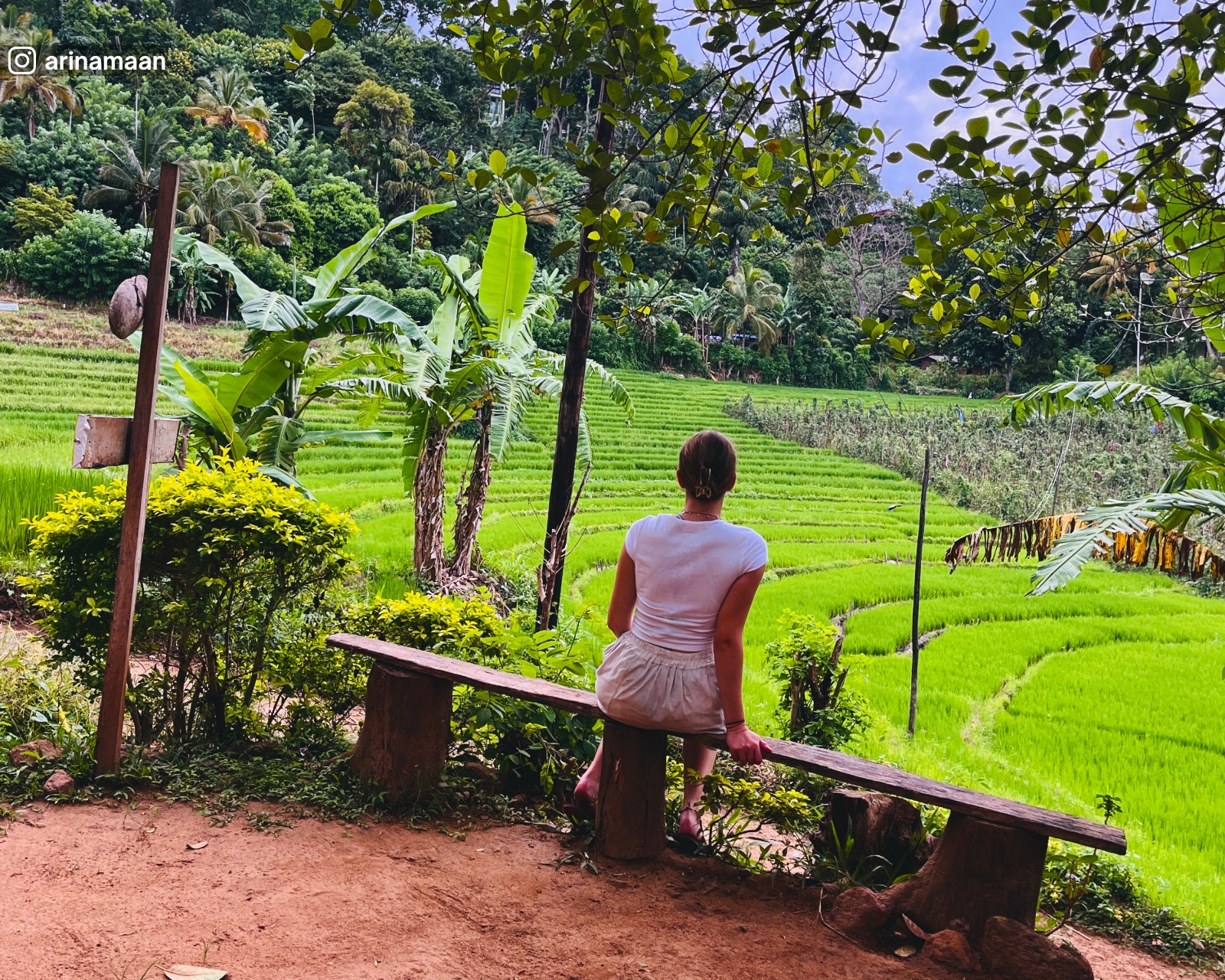
Paddy fields, village paths, forest shade, boulders, and a quiet hill country setting.

Hike
Short walk through village paths, paddy fields, and forest sections. Easy to moderate depending on conditions.
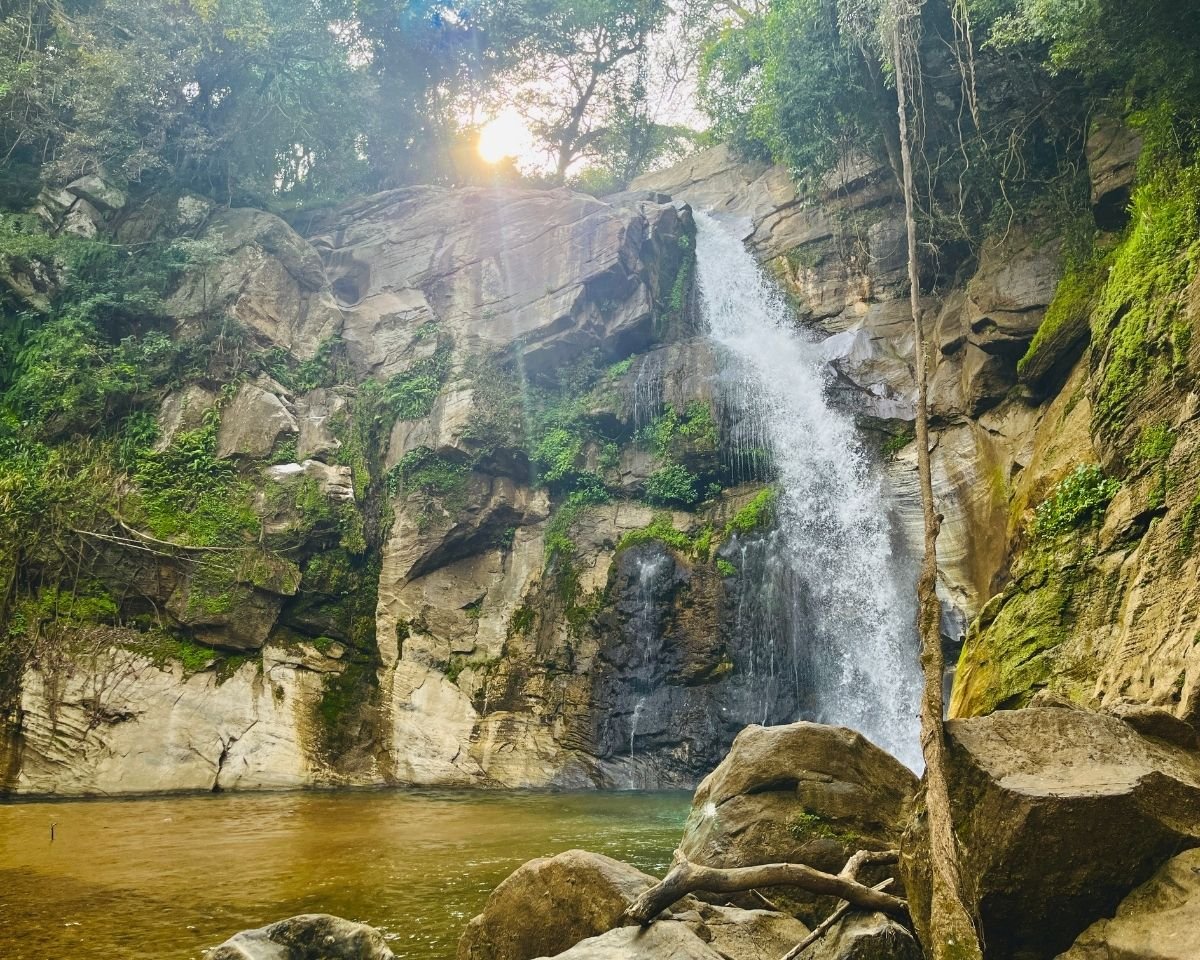
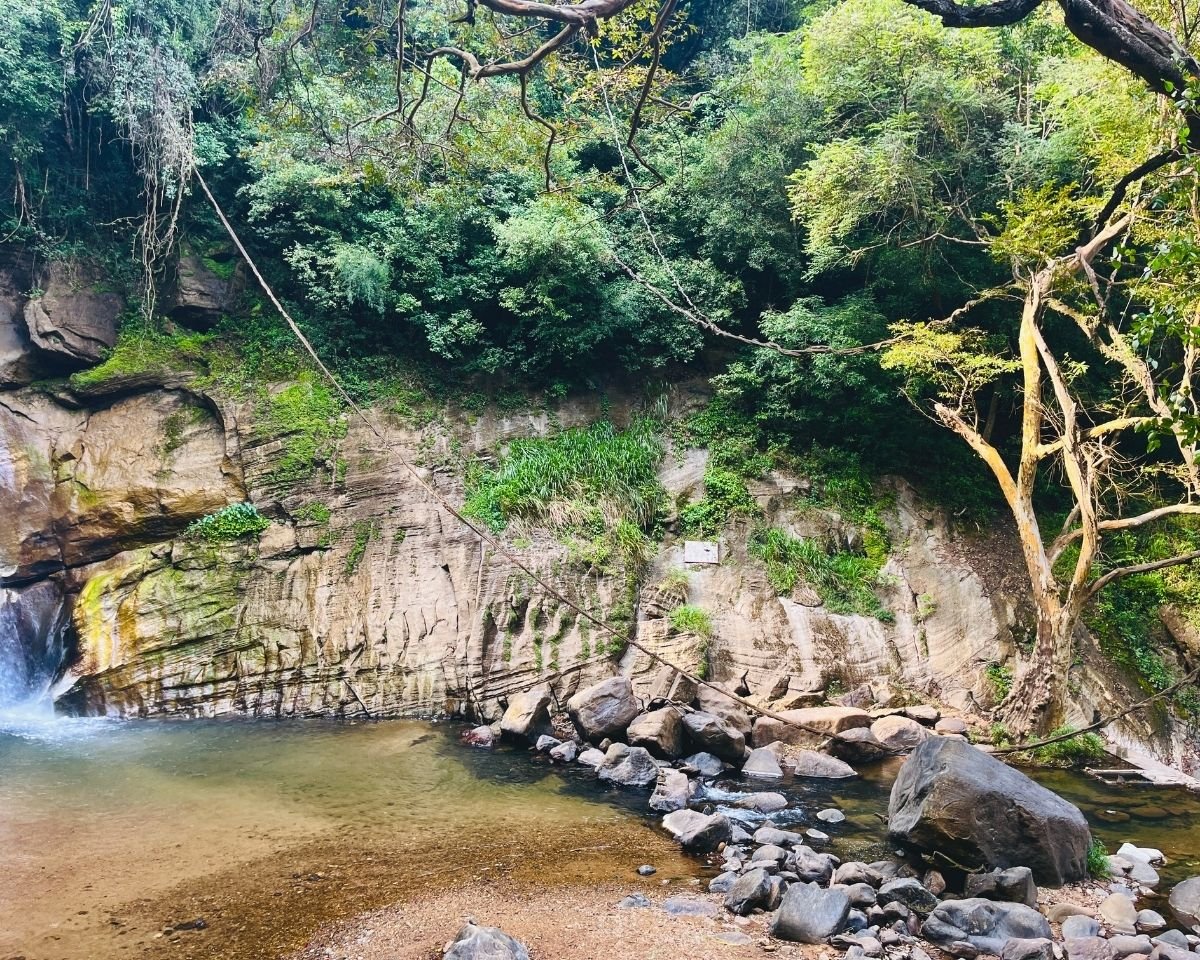
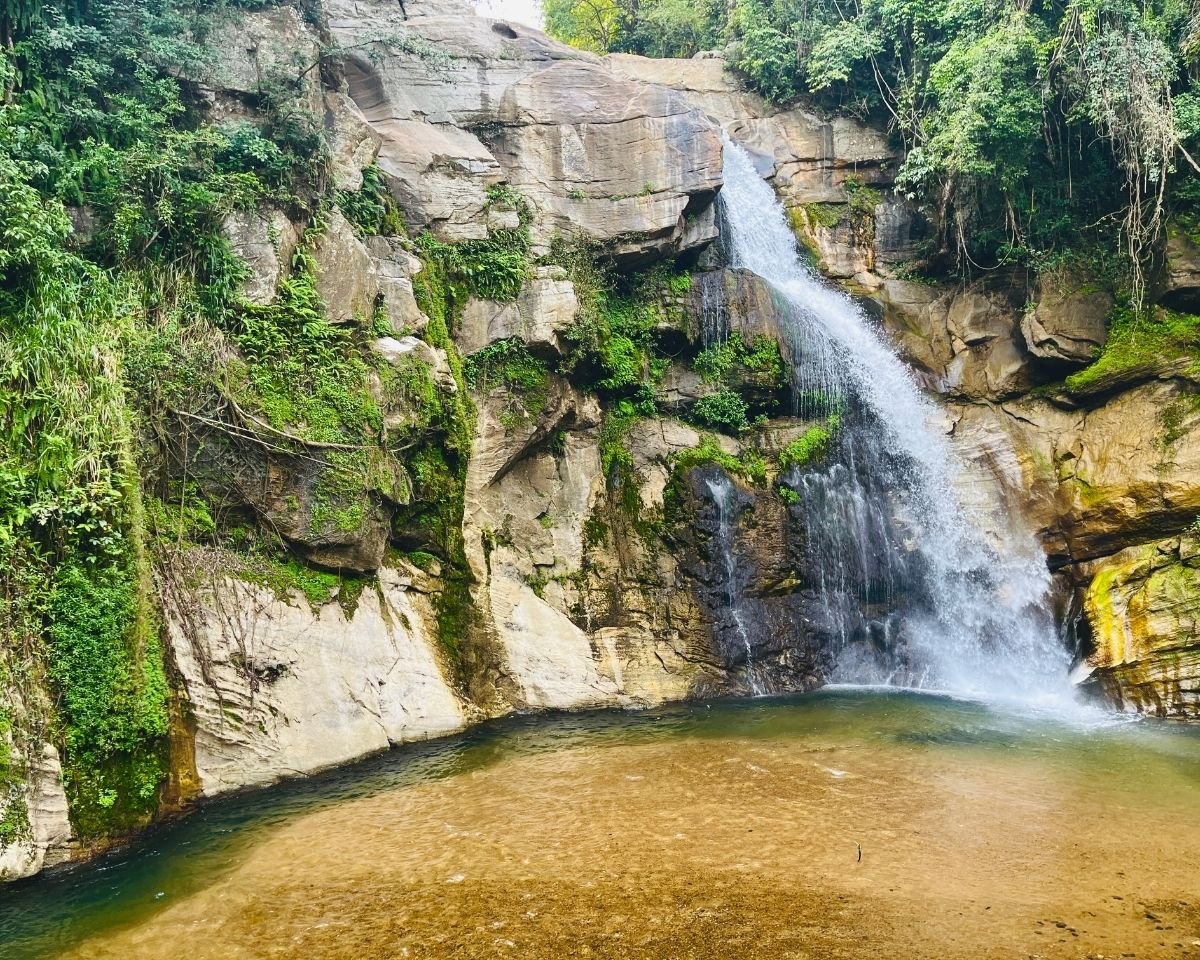
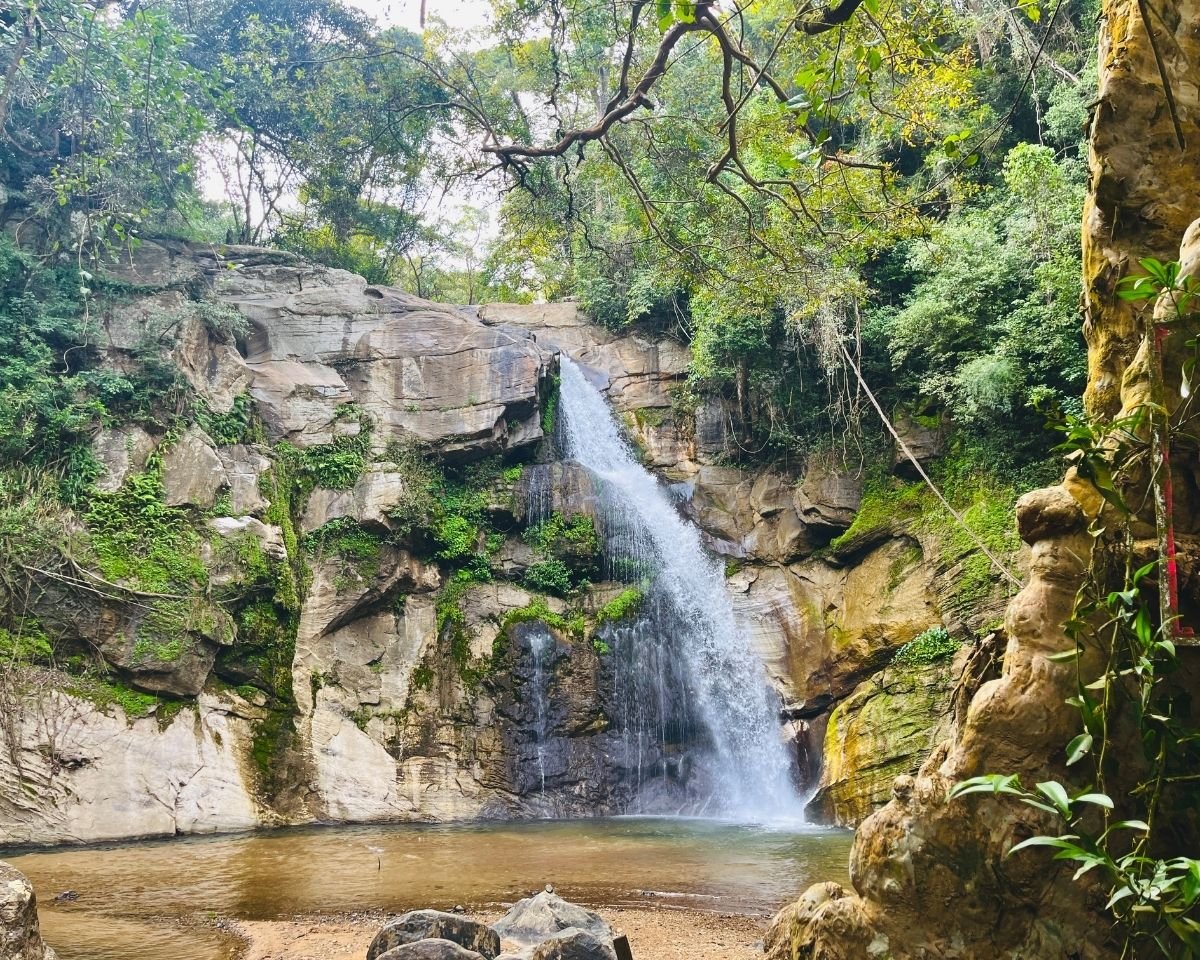
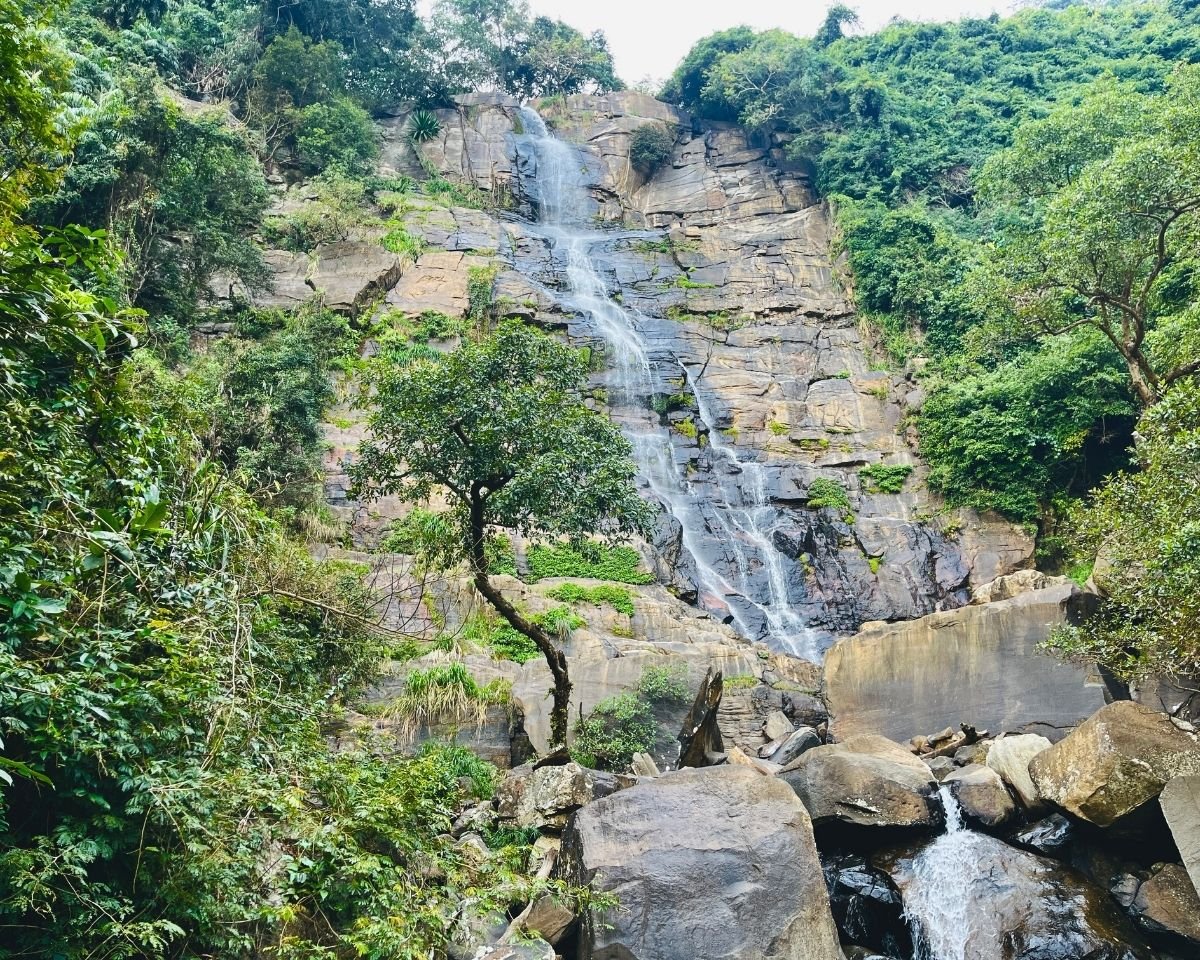
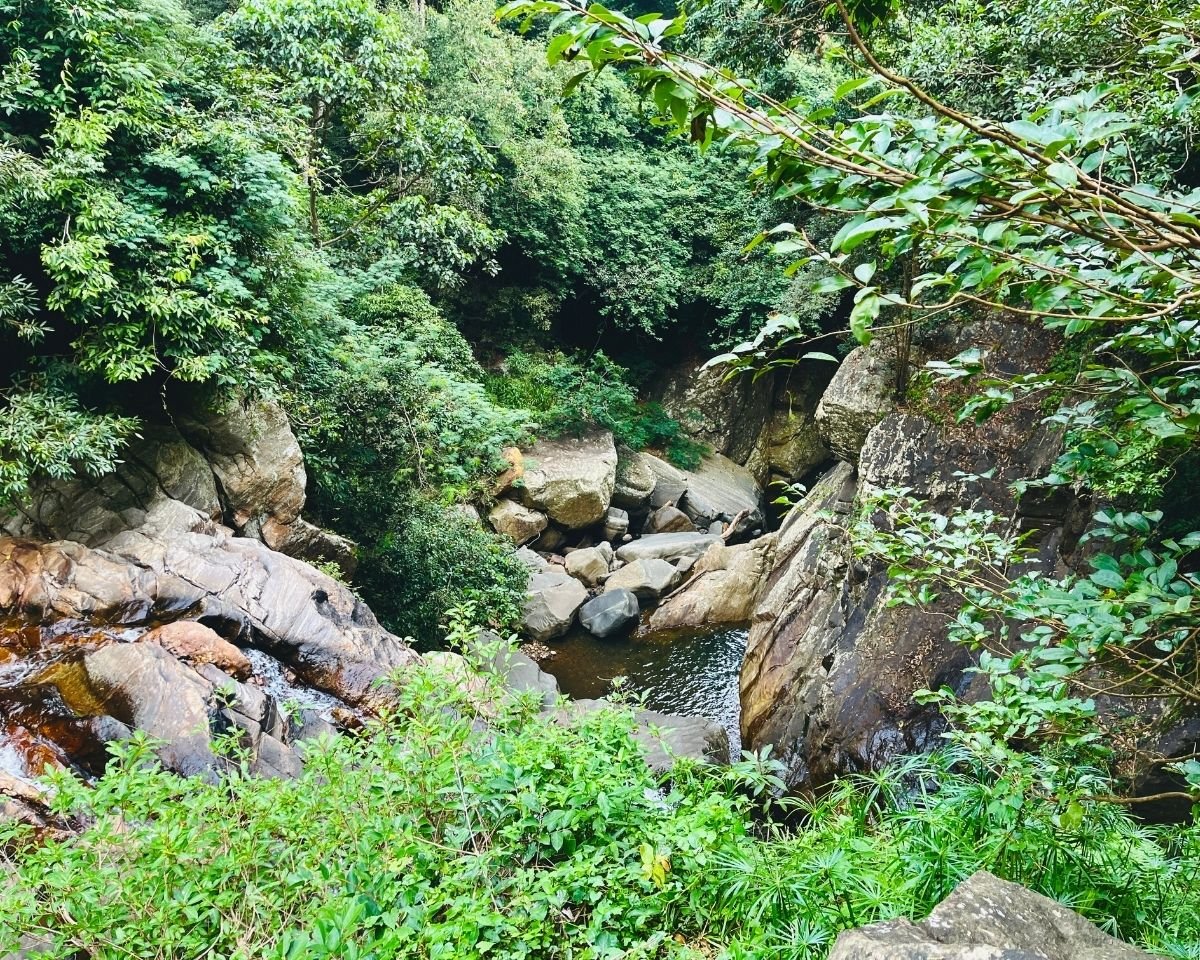
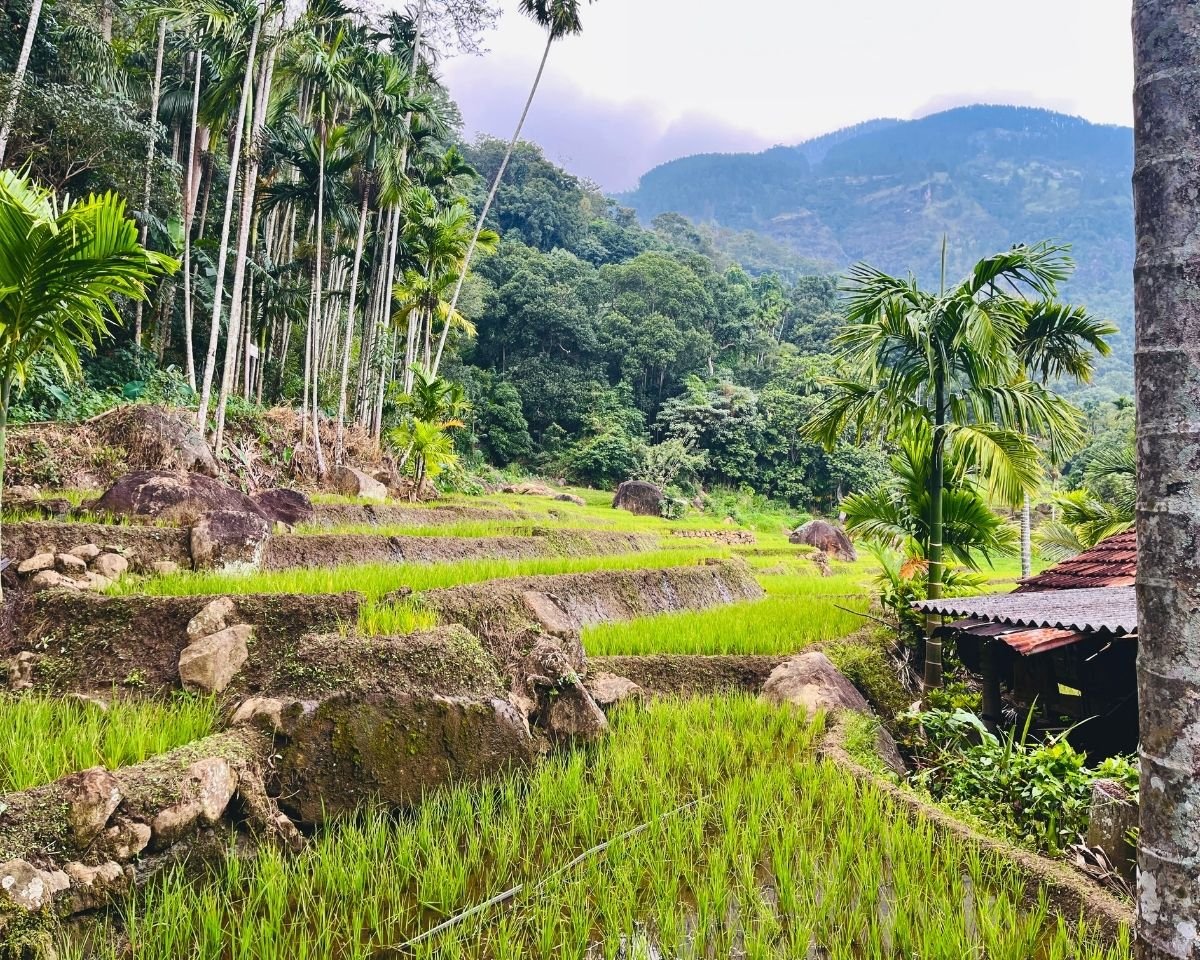
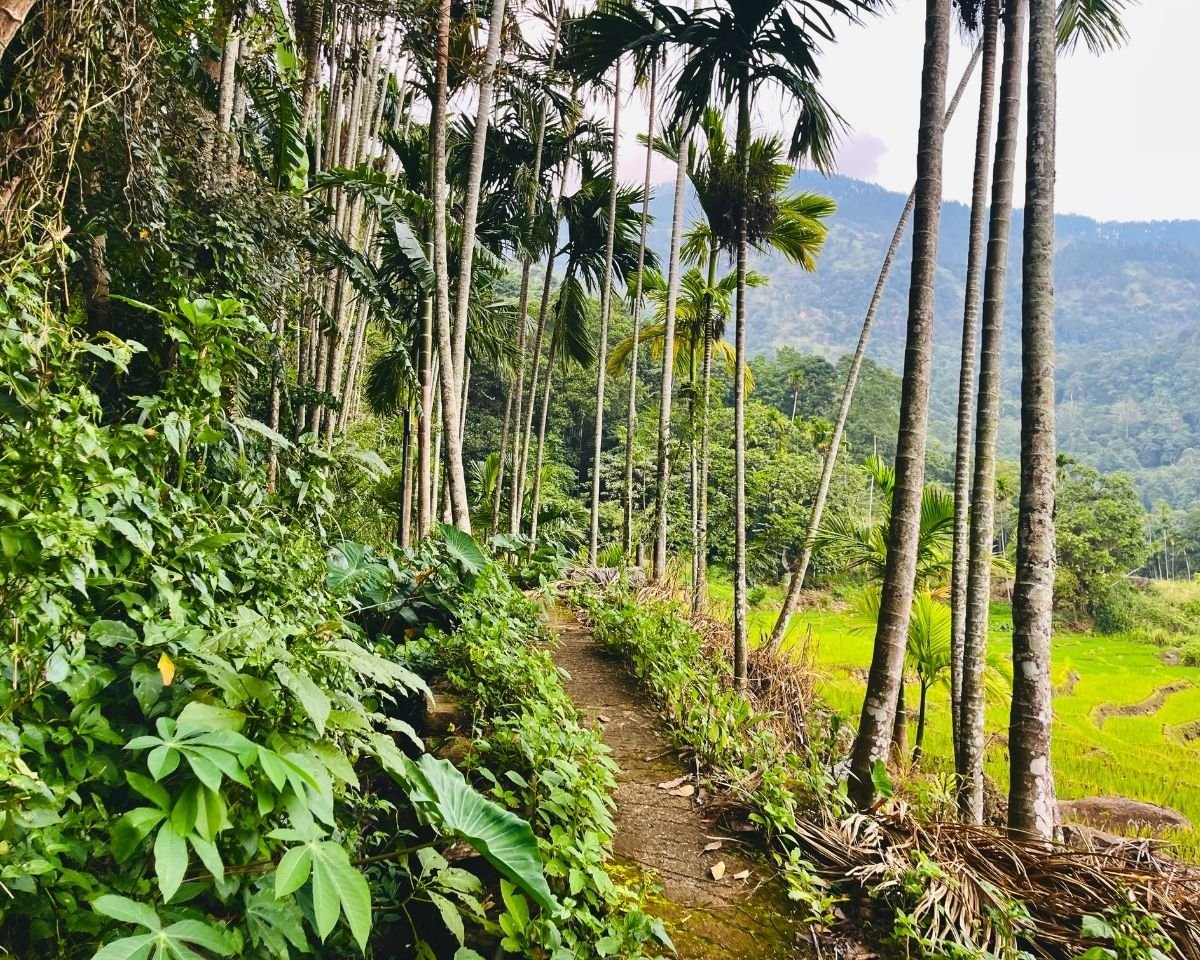
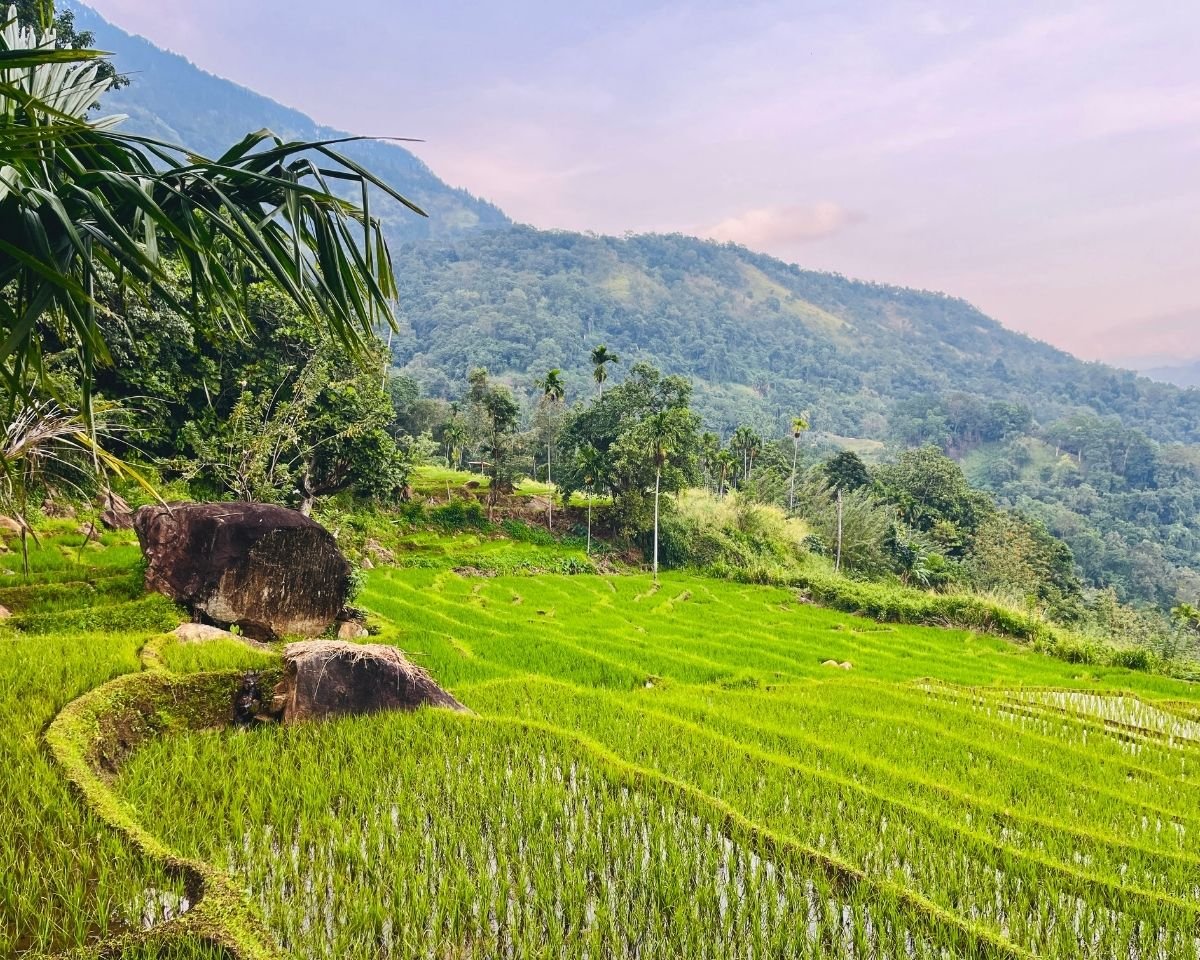
Wisari Waterfall is a hidden waterfall near Ella that rewards visitors with one of the most scenic walks in the region. Reached by following village footpaths, terraced paddy fields, forest trails, and quiet rural landscapes, the journey to the waterfall is just as memorable as the destination itself. Far from the crowds that gather at Ella's better-known attractions, Wisari offers a peaceful experience that feels closely connected to local village life and the surrounding natural environment.
The trail passes through rice fields, home gardens, areca palm groves, and shaded woodland before gradually descending toward the stream that feeds the waterfall. Along the way, visitors are treated to views of rolling hills, cultivated terraces, and patches of dense forest that showcase a quieter side of Sri Lanka's hill country. The route is relatively short, although sections can become slippery after rainfall, particularly near the stream and rocky areas surrounding the falls.
Wisari Waterfall flows down a layered rock face into a boulder-strewn stream surrounded by thick vegetation and mature forest. While not among the tallest waterfalls near Ella, its secluded setting and natural surroundings give it a distinctive charm. The waterfall is generally at its most impressive after periods of rain, when water spreads across the rock formations and the surrounding forest becomes especially lush.
For travelers seeking an off-the-beaten-path experience, Wisari Waterfall offers a rewarding combination of hiking, village scenery, and natural beauty. The blend of rural landscapes, forest trails, and a hidden waterfall creates an experience that feels more exploratory than many of Ella's mainstream attractions, making it an excellent choice for those looking to discover a quieter side of the region.
Read MoreThe trail passes through rice fields, home gardens, areca palm groves, and shaded woodland before gradually descending toward the stream that feeds the waterfall. Along the way, visitors are treated to views of rolling hills, cultivated terraces, and patches of dense forest that showcase a quieter side of Sri Lanka's hill country. The route is relatively short, although sections can become slippery after rainfall, particularly near the stream and rocky areas surrounding the falls.
Wisari Waterfall flows down a layered rock face into a boulder-strewn stream surrounded by thick vegetation and mature forest. While not among the tallest waterfalls near Ella, its secluded setting and natural surroundings give it a distinctive charm. The waterfall is generally at its most impressive after periods of rain, when water spreads across the rock formations and the surrounding forest becomes especially lush.
For travelers seeking an off-the-beaten-path experience, Wisari Waterfall offers a rewarding combination of hiking, village scenery, and natural beauty. The blend of rural landscapes, forest trails, and a hidden waterfall creates an experience that feels more exploratory than many of Ella's mainstream attractions, making it an excellent choice for those looking to discover a quieter side of the region.

joshua_laporta
Cave Site
Natural cave set high above the valley, accessed by a long stone stairway.

Hike
Moderately challenging climb, around 650 to 700 steps, Steep climb up a long stone staircase from the roadside.

Scenery
Rocky hillside setting with forest cover, wide cave interior, and views across the surrounding landscape.

Entrance Fee
LKR 1,000 ($3 USD ) *Tickets near the Trailhead
Ticket Counter
! Fees are approximate and can vary based on factors such as season, group size, and additional services.
LKR 1,000 ($3 USD ) *Tickets near the Trailhead
! Fees are approximate and can vary based on factors such as season, group size, and additional services.
Ravana’s Cave
Optional
Location
View on Map
View on Map
Ravana's Cave is one of the most famous historical and legendary sites near Ella, located on a steep hillside overlooking the surrounding forests and valleys. Reached by climbing a long flight of stone steps, the cave is a natural rock shelter that has attracted visitors for both its archaeological significance and its connection to the legends of King Ravana. Its elevated position and dramatic setting make it one of the most distinctive attractions in the region.
Archaeological investigations suggest that the cave was used during Sri Lanka's early historic period, possibly serving as a shelter or meditation site for Buddhist monks. The cave's natural formation, sheltered interior, and strategic location would have made it a practical refuge long before the modern era. While evidence of ancient human activity has been identified in the area, much of the site's popularity today comes from its association with the Ramayana.
According to local tradition, Ravana's Cave formed part of a network of caves linked to King Ravana and is often connected to stories surrounding Princess Sita from the Ramayana epic. These associations remain part of regional folklore rather than established historical fact, but they have helped make the cave one of the most important stops on Sri Lanka's Ramayana Trail. The combination of mythology, archaeology, and natural scenery gives the site a unique identity that few other attractions near Ella can match.
Inside, the cave opens into a spacious chamber with rugged rock walls, natural formations, and filtered light entering through the main entrance. The atmosphere feels cool, enclosed, and largely untouched, creating a striking contrast to the open viewpoints and waterfalls that define much of the Ella region. For visitors interested in history, legend, and exploration, Ravana's Cave offers one of the most intriguing experiences in Sri Lanka's hill country.
Read MoreArchaeological investigations suggest that the cave was used during Sri Lanka's early historic period, possibly serving as a shelter or meditation site for Buddhist monks. The cave's natural formation, sheltered interior, and strategic location would have made it a practical refuge long before the modern era. While evidence of ancient human activity has been identified in the area, much of the site's popularity today comes from its association with the Ramayana.
According to local tradition, Ravana's Cave formed part of a network of caves linked to King Ravana and is often connected to stories surrounding Princess Sita from the Ramayana epic. These associations remain part of regional folklore rather than established historical fact, but they have helped make the cave one of the most important stops on Sri Lanka's Ramayana Trail. The combination of mythology, archaeology, and natural scenery gives the site a unique identity that few other attractions near Ella can match.
Inside, the cave opens into a spacious chamber with rugged rock walls, natural formations, and filtered light entering through the main entrance. The atmosphere feels cool, enclosed, and largely untouched, creating a striking contrast to the open viewpoints and waterfalls that define much of the Ella region. For visitors interested in history, legend, and exploration, Ravana's Cave offers one of the most intriguing experiences in Sri Lanka's hill country.
Safaris
Wildlife activities near Ella

ravinkavish
ravinkavish
haja_jo
ravinkavish
ravinkavish
ravinkavish
haja_jo
haja_jo
Animals
Asian elephants, water buffalo, deer, crocodiles, jackals, and a wide range of resident and migratory birds.

Activities
Jeep safaris, wildlife photography, birdwatching, and guided nature observation.

Scenery
Open grasslands, scrub forest, water bodies, and wide dry zone landscapes suitable for wildlife viewing.
Udawalawe National Park
Top Pick
Location
View on Map
View on Map
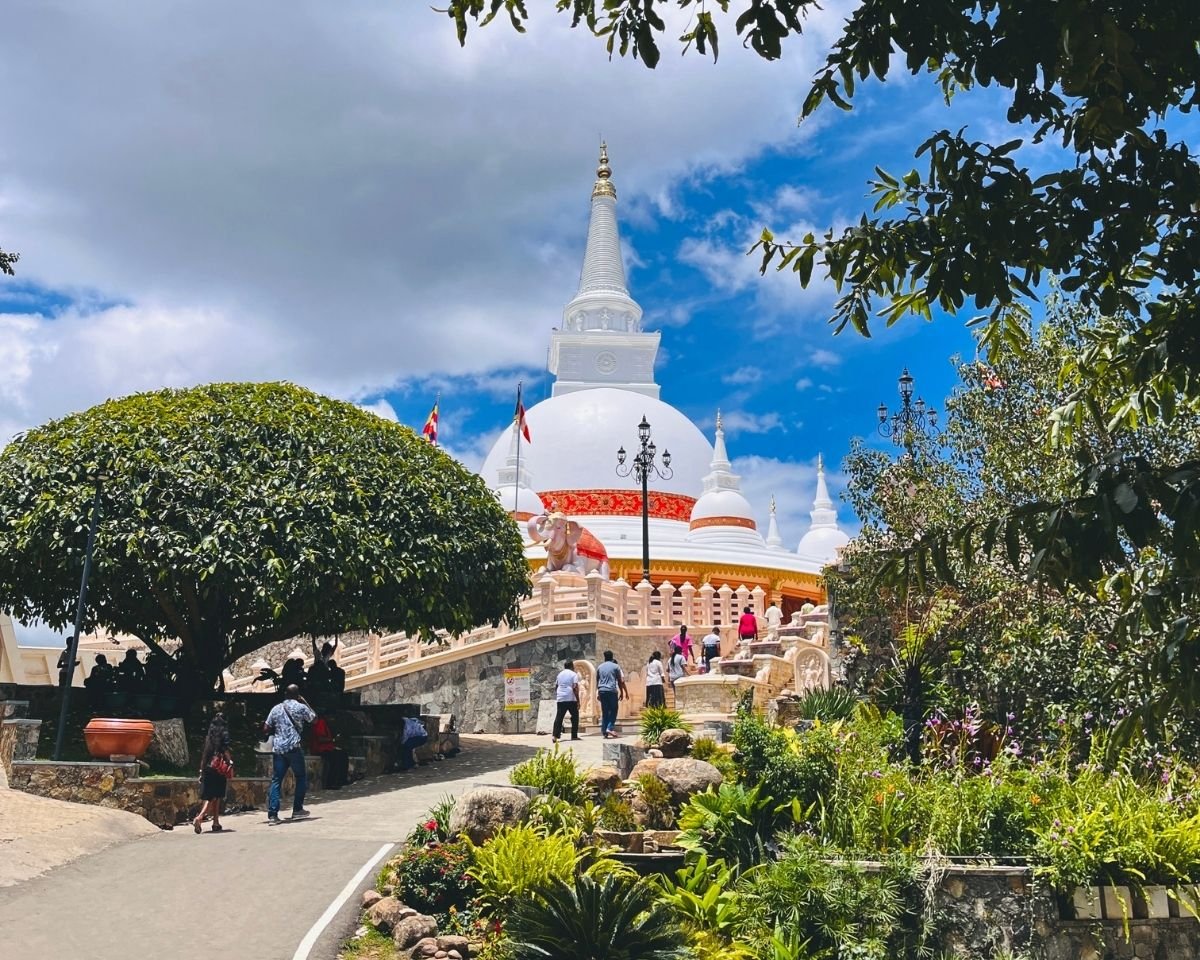
Udawalawe National Park is one of Sri Lanka's premier wildlife destinations and is widely regarded as the best place in the country to see wild Asian elephants. Located in the southern dry zone, approximately two hours from Ella, the park was established in 1972 to protect wildlife displaced by the construction of the Udawalawe Reservoir. Today, it is home to hundreds of elephants along with a rich variety of mammals, reptiles, and birdlife, making it one of the island's most popular safari destinations.
Unlike Sri Lanka's dense rainforest parks, Udawalawe is characterised by open grasslands, scrub forest, wetlands, and scattered water bodies. This landscape provides excellent visibility, allowing visitors to observe wildlife at relatively close range. In addition to elephants, the park supports water buffalo, spotted deer, crocodiles, jackals, monkeys, monitor lizards, and more than 200 recorded bird species. The combination of diverse habitats and open terrain creates some of the most rewarding wildlife-viewing opportunities in Sri Lanka.
The Udawalawe Reservoir forms the heart of the ecosystem, attracting animals throughout the year and creating important feeding and watering areas during the dry season. Large herds of elephants are frequently seen near the reservoir and surrounding grasslands, while wetlands attract migratory birds, raptors, storks, and other waterbirds. Because wildlife is often active throughout the day, sightings are generally more consistent than in many other national parks.
For visitors based in Ella, Udawalawe National Park is one of the most popular day trips in the region. A typical visit includes an early morning or afternoon jeep safari, offering the opportunity to experience a very different side of Sri Lanka from the cool mountains and tea-covered hills of the central highlands. Combining exceptional elephant sightings, scenic landscapes, and abundant wildlife, Udawalawe remains one of the country's most rewarding safari experiences.
Read MoreUnlike Sri Lanka's dense rainforest parks, Udawalawe is characterised by open grasslands, scrub forest, wetlands, and scattered water bodies. This landscape provides excellent visibility, allowing visitors to observe wildlife at relatively close range. In addition to elephants, the park supports water buffalo, spotted deer, crocodiles, jackals, monkeys, monitor lizards, and more than 200 recorded bird species. The combination of diverse habitats and open terrain creates some of the most rewarding wildlife-viewing opportunities in Sri Lanka.
The Udawalawe Reservoir forms the heart of the ecosystem, attracting animals throughout the year and creating important feeding and watering areas during the dry season. Large herds of elephants are frequently seen near the reservoir and surrounding grasslands, while wetlands attract migratory birds, raptors, storks, and other waterbirds. Because wildlife is often active throughout the day, sightings are generally more consistent than in many other national parks.
For visitors based in Ella, Udawalawe National Park is one of the most popular day trips in the region. A typical visit includes an early morning or afternoon jeep safari, offering the opportunity to experience a very different side of Sri Lanka from the cool mountains and tea-covered hills of the central highlands. Combining exceptional elephant sightings, scenic landscapes, and abundant wildlife, Udawalawe remains one of the country's most rewarding safari experiences.

Animals
Asian elephants, leopards, sloth bears, deer, wild boar, crocodiles, and diverse birdlife.

Activities
Jeep safaris, wildlife observation, birdwatching, and nature photography.

Scenery
Dry forest, scrubland, grasslands, and seasonal wetlands within a broad natural landscape.
Lunugamwehera National Park
Top Pick
Location
View on Map
View on Map
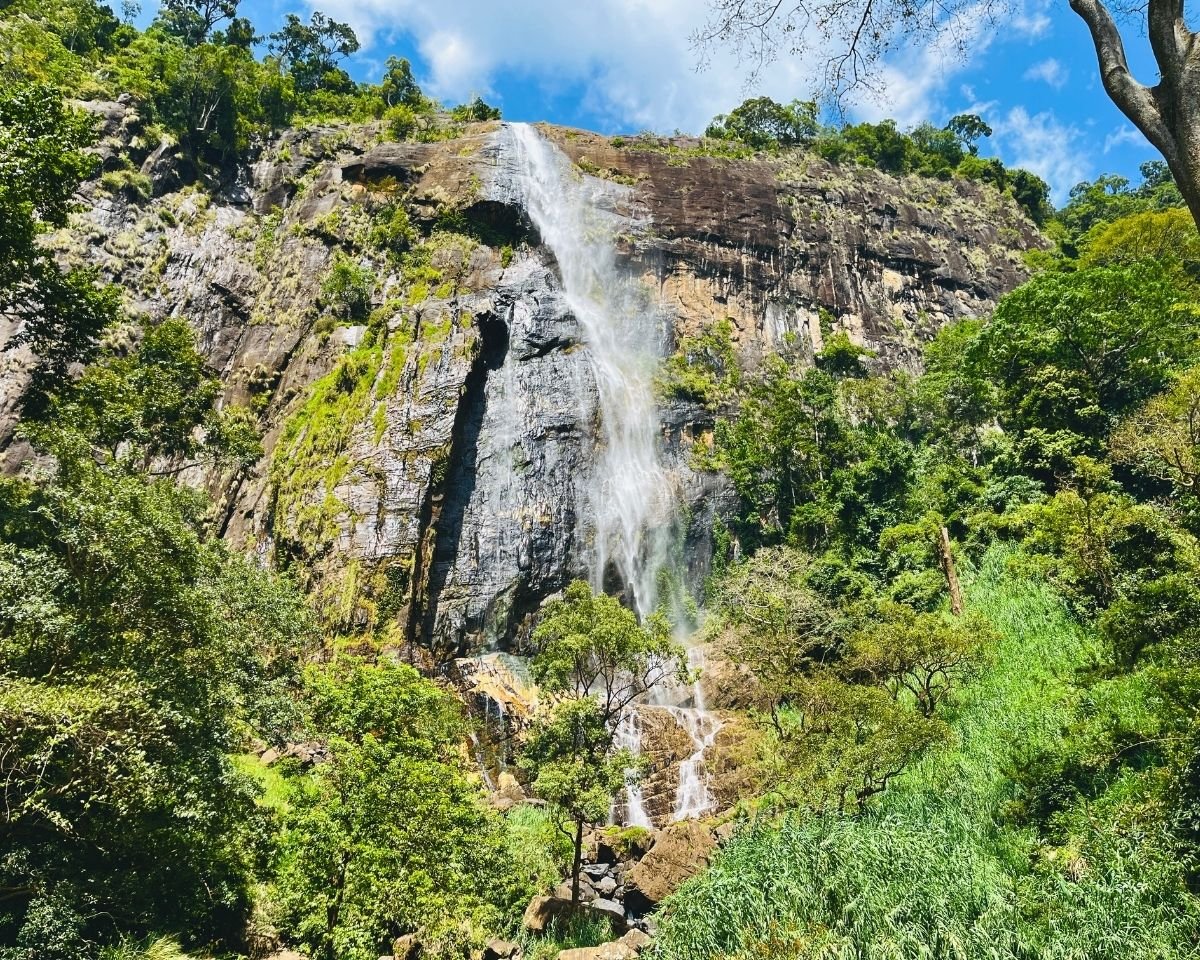
Lunugamwehera National Park is a protected wildlife reserve located in Sri Lanka’s southern dry zone and is often visited as a day trip from Ella. The park was originally established to protect the catchment area of the Lunugamvehera Reservoir and now serves as an important wildlife corridor linking Udawalawe National Park and Yala National Park. Its location allows animals to move freely between ecosystems, contributing to its ecological importance.
The landscape of Lunugamwehera consists of dry zone forest, scrubland, grasslands, and seasonal water bodies shaped by rainfall and reservoir levels. Wildlife includes Asian elephants, deer, wild boar, crocodiles, and a variety of bird species. While animal sightings can be less predictable than in more open parks, the environment feels quieter and less crowded, offering a more natural and undisturbed safari experience.
For travellers staying in Ella, Lunugamwehera provides an alternative wildlife experience to the more popular Udawalawe safaris. Jeep safaris move through forest tracks and open clearings where wildlife activity varies throughout the day. The park suits visitors who prefer fewer vehicles, broader landscapes, and a sense of remoteness, adding a deeper wildlife dimension to an Ella based itinerary.
Read MoreThe landscape of Lunugamwehera consists of dry zone forest, scrubland, grasslands, and seasonal water bodies shaped by rainfall and reservoir levels. Wildlife includes Asian elephants, deer, wild boar, crocodiles, and a variety of bird species. While animal sightings can be less predictable than in more open parks, the environment feels quieter and less crowded, offering a more natural and undisturbed safari experience.
For travellers staying in Ella, Lunugamwehera provides an alternative wildlife experience to the more popular Udawalawe safaris. Jeep safaris move through forest tracks and open clearings where wildlife activity varies throughout the day. The park suits visitors who prefer fewer vehicles, broader landscapes, and a sense of remoteness, adding a deeper wildlife dimension to an Ella based itinerary.

Animals
Leopards, Asian elephants, sloth bears, crocodiles, deer, wild boar, and a wide range of bird species.

Activities
Jeep safaris, wildlife photography, birdwatching, and guided nature observation.

Scenery
Dry forests, grasslands, rocky terrain, water bodies, and coastal landscapes within a single reserve.
Yala National Park
Top Pick
Location
View on Map
View on Map
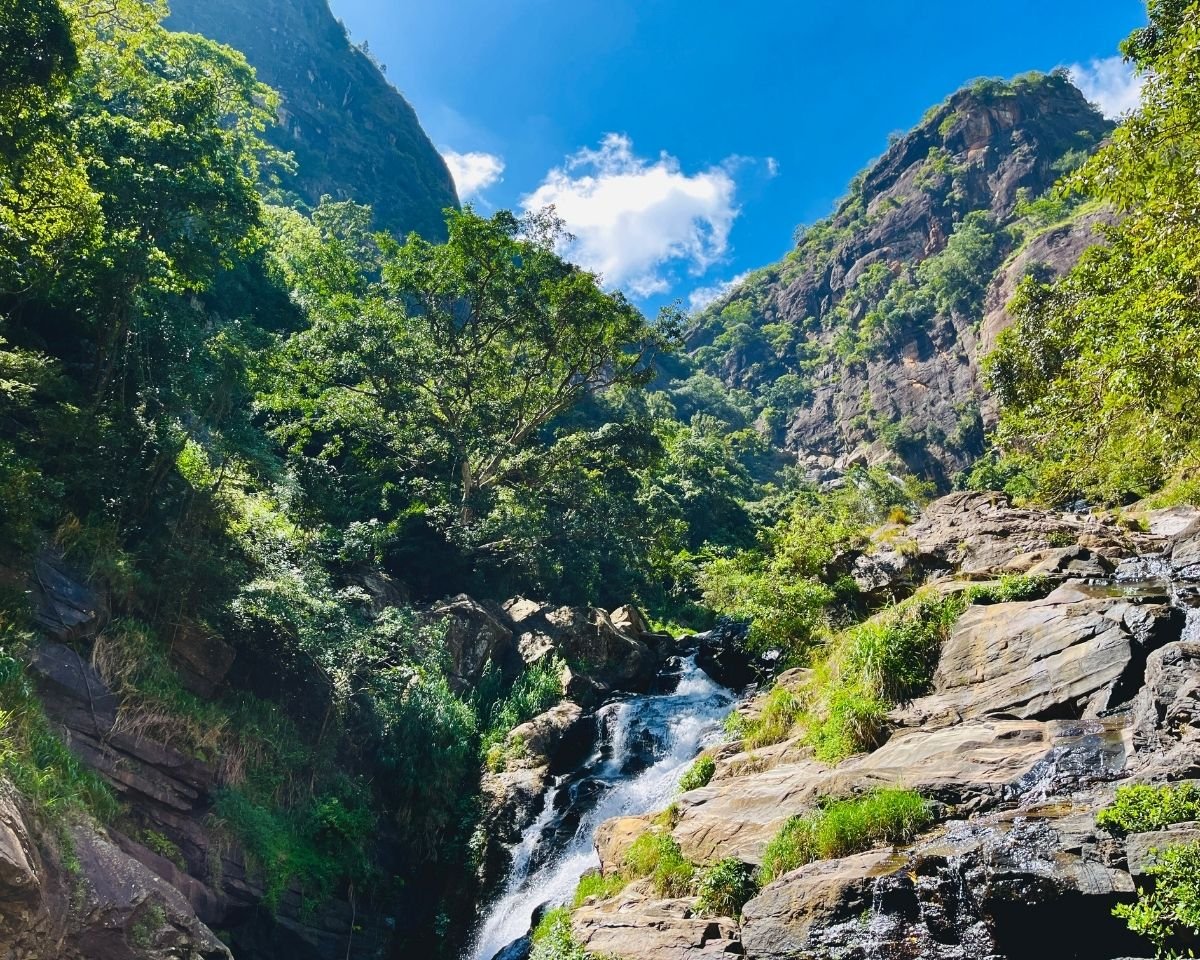
Yala National Park is Sri Lanka’s most famous wildlife reserve and is often visited as a full day trip from Ella. Located in the southeastern dry zone, the park is best known for having one of the highest leopard densities in the world, making it the top destination in the country for leopard sightings. Its popularity comes from a combination of wildlife richness, open terrain, and long established safari routes.
The park’s landscape is diverse, consisting of dry zone forest, scrubland, open grasslands, rocky outcrops, lagoons, and coastal stretches. Yala is home to leopards, Asian elephants, sloth bears, crocodiles, deer, wild boar, and a large variety of bird species. Leopards are most active during early morning and late afternoon safaris, often seen resting on rocks, moving through forest edges, or near water sources. While sightings are never guaranteed, Yala offers the highest probability compared to other parks in Sri Lanka.
For visitors staying in Ella, Yala provides a dramatic contrast to the hill country environment. A typical visit involves an early start, a jeep safari in one of the park’s zones, and a return journey by evening. Due to its popularity, Yala can be busy, especially during peak seasons, but it remains a must visit for travellers whose priority is wildlife and leopard sightings rather than solitude.
Read MoreThe park’s landscape is diverse, consisting of dry zone forest, scrubland, open grasslands, rocky outcrops, lagoons, and coastal stretches. Yala is home to leopards, Asian elephants, sloth bears, crocodiles, deer, wild boar, and a large variety of bird species. Leopards are most active during early morning and late afternoon safaris, often seen resting on rocks, moving through forest edges, or near water sources. While sightings are never guaranteed, Yala offers the highest probability compared to other parks in Sri Lanka.
For visitors staying in Ella, Yala provides a dramatic contrast to the hill country environment. A typical visit involves an early start, a jeep safari in one of the park’s zones, and a return journey by evening. Due to its popularity, Yala can be busy, especially during peak seasons, but it remains a must visit for travellers whose priority is wildlife and leopard sightings rather than solitude.