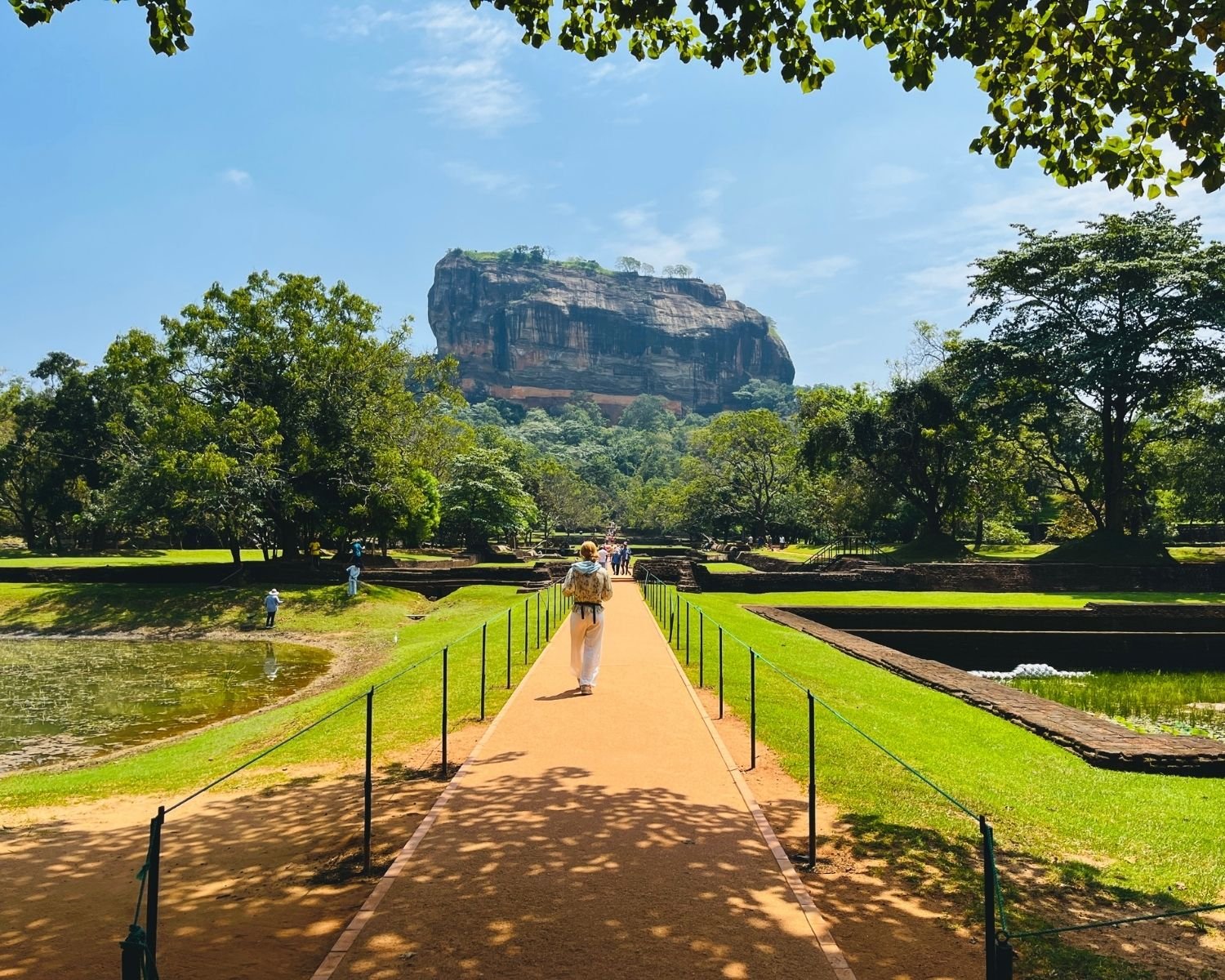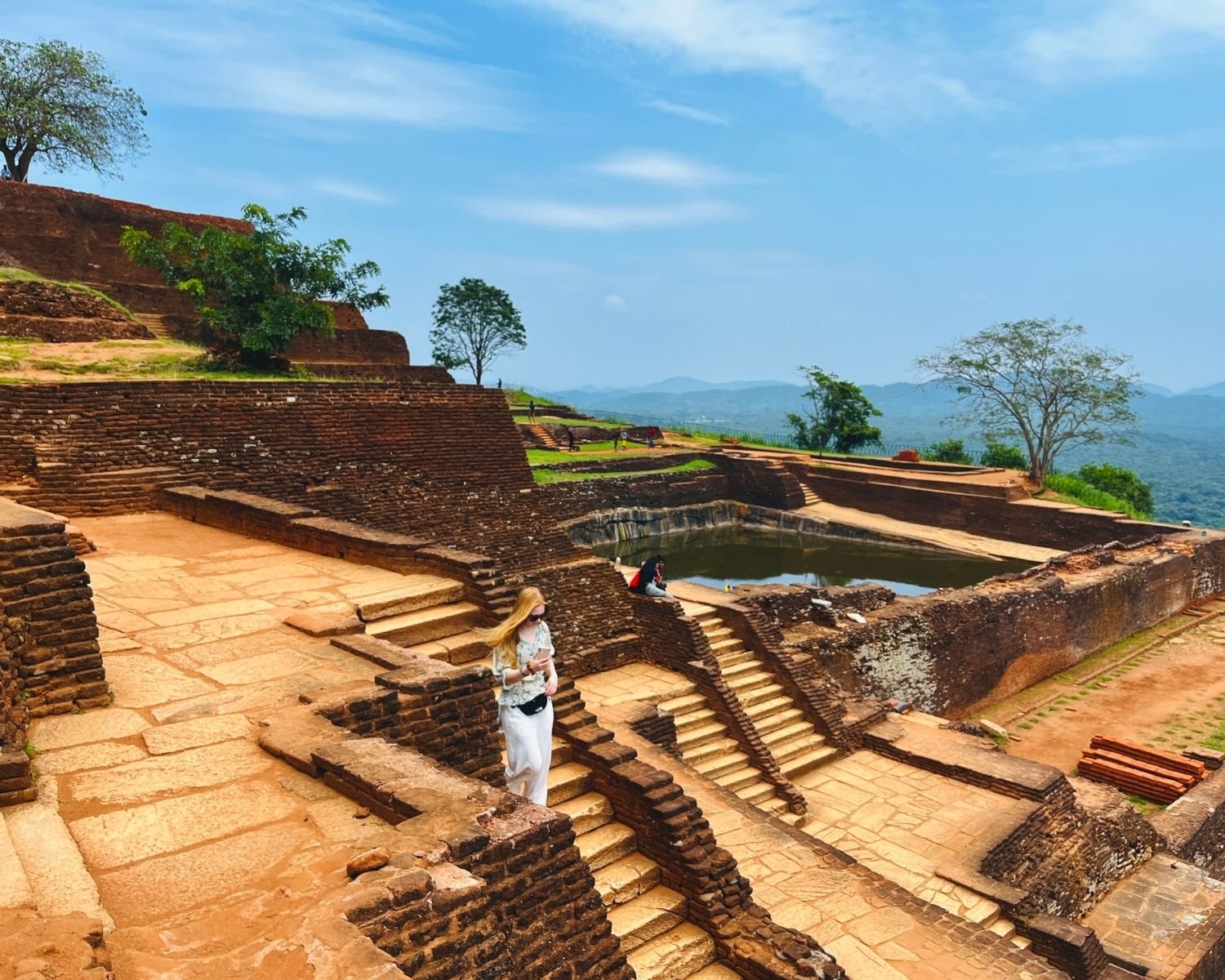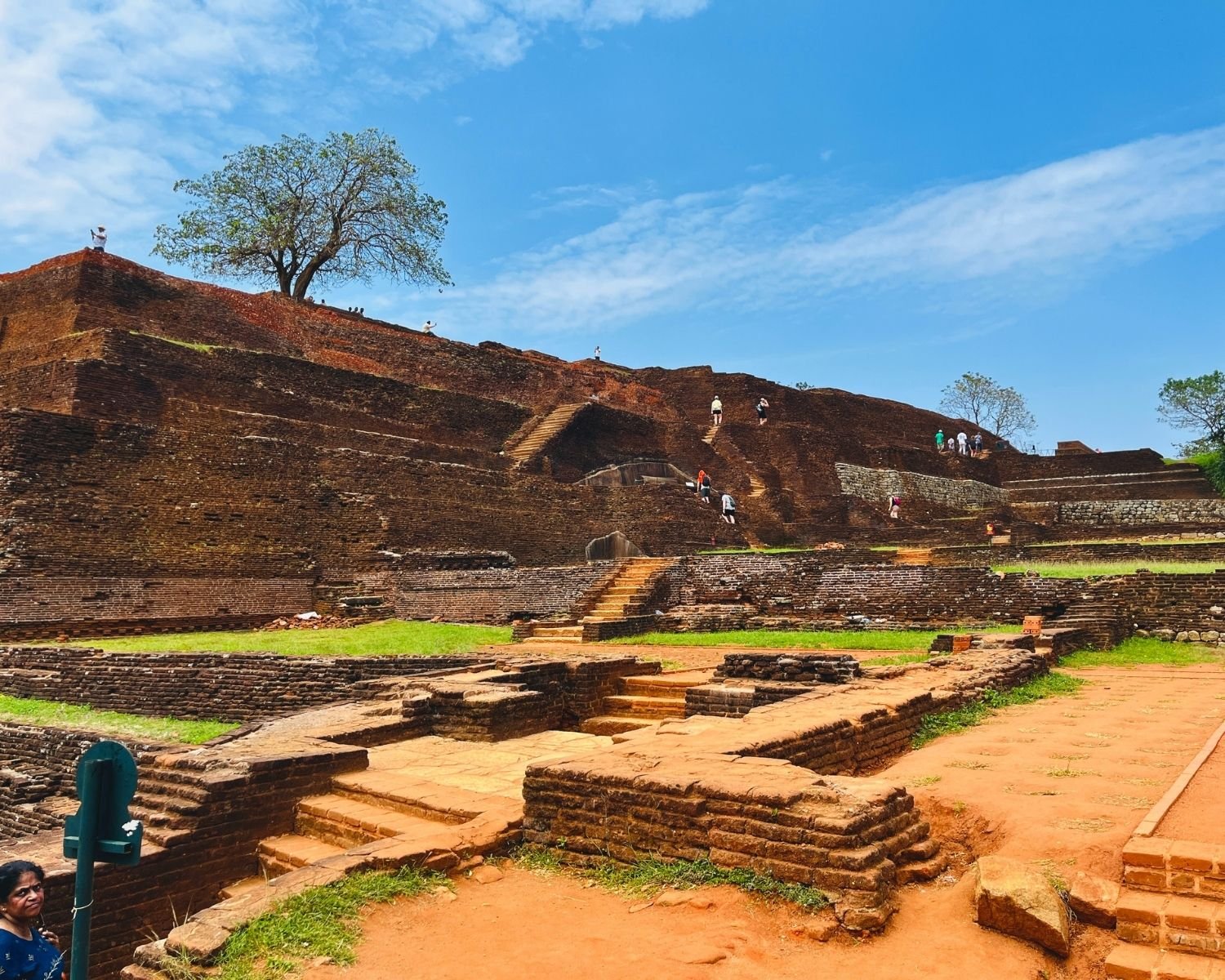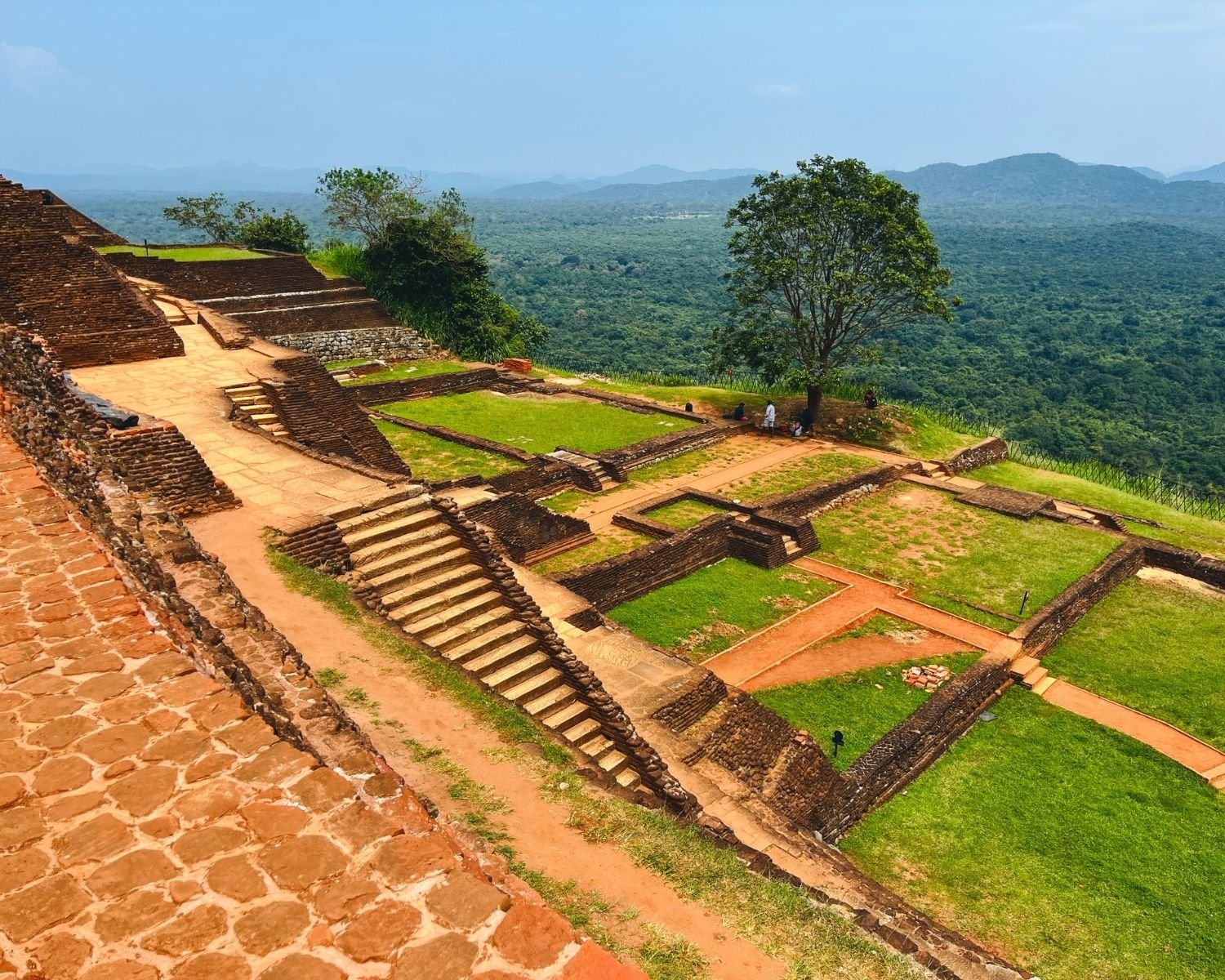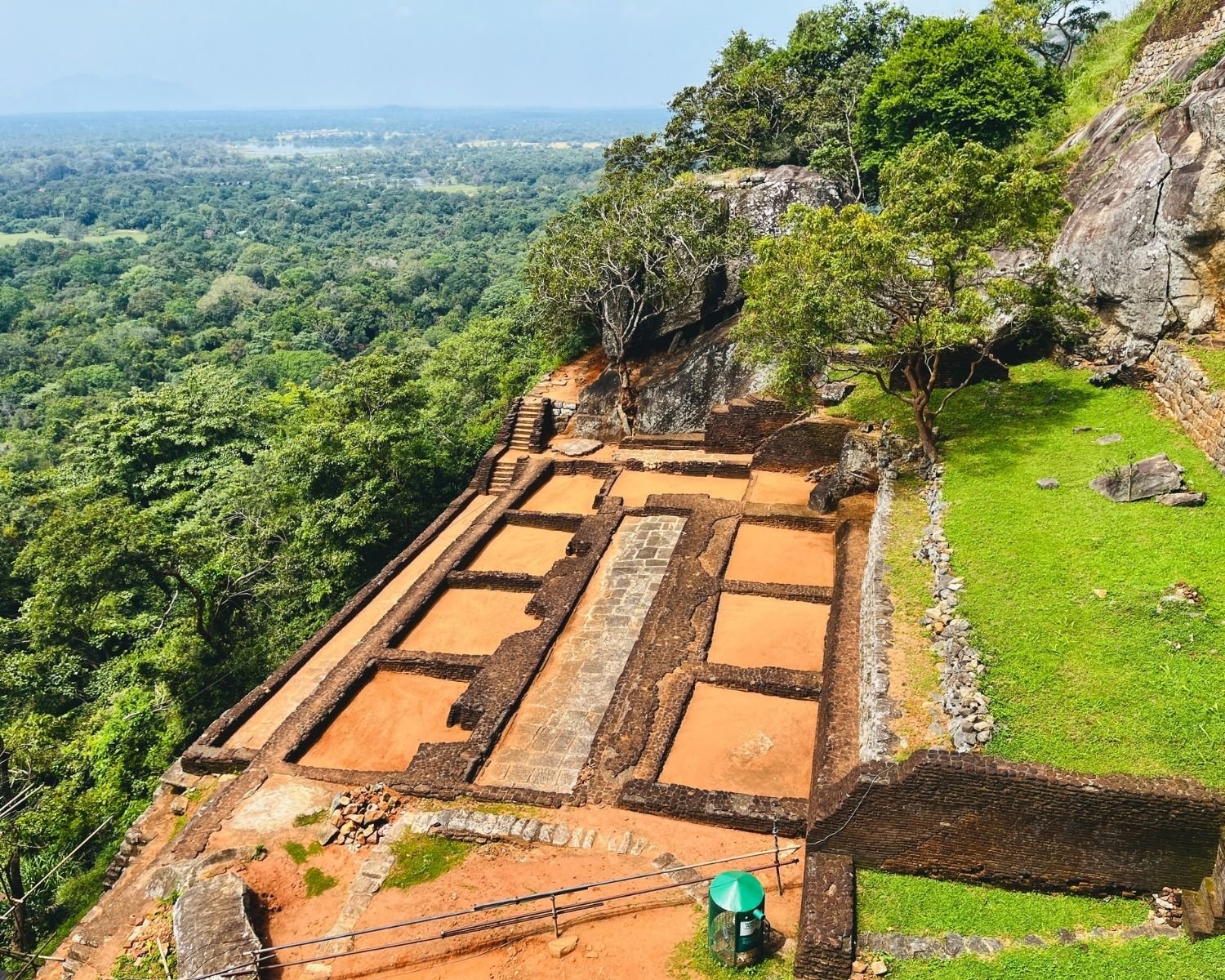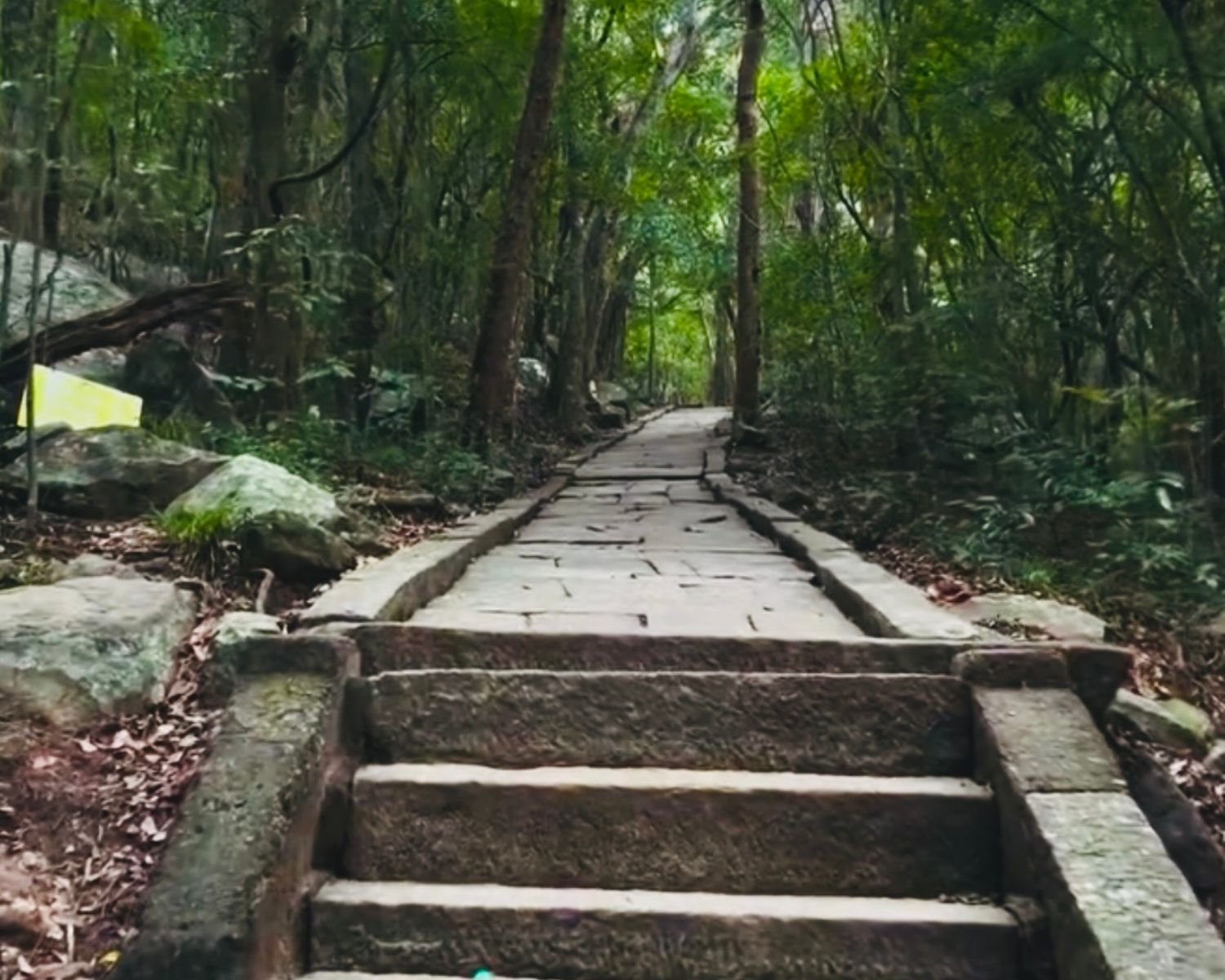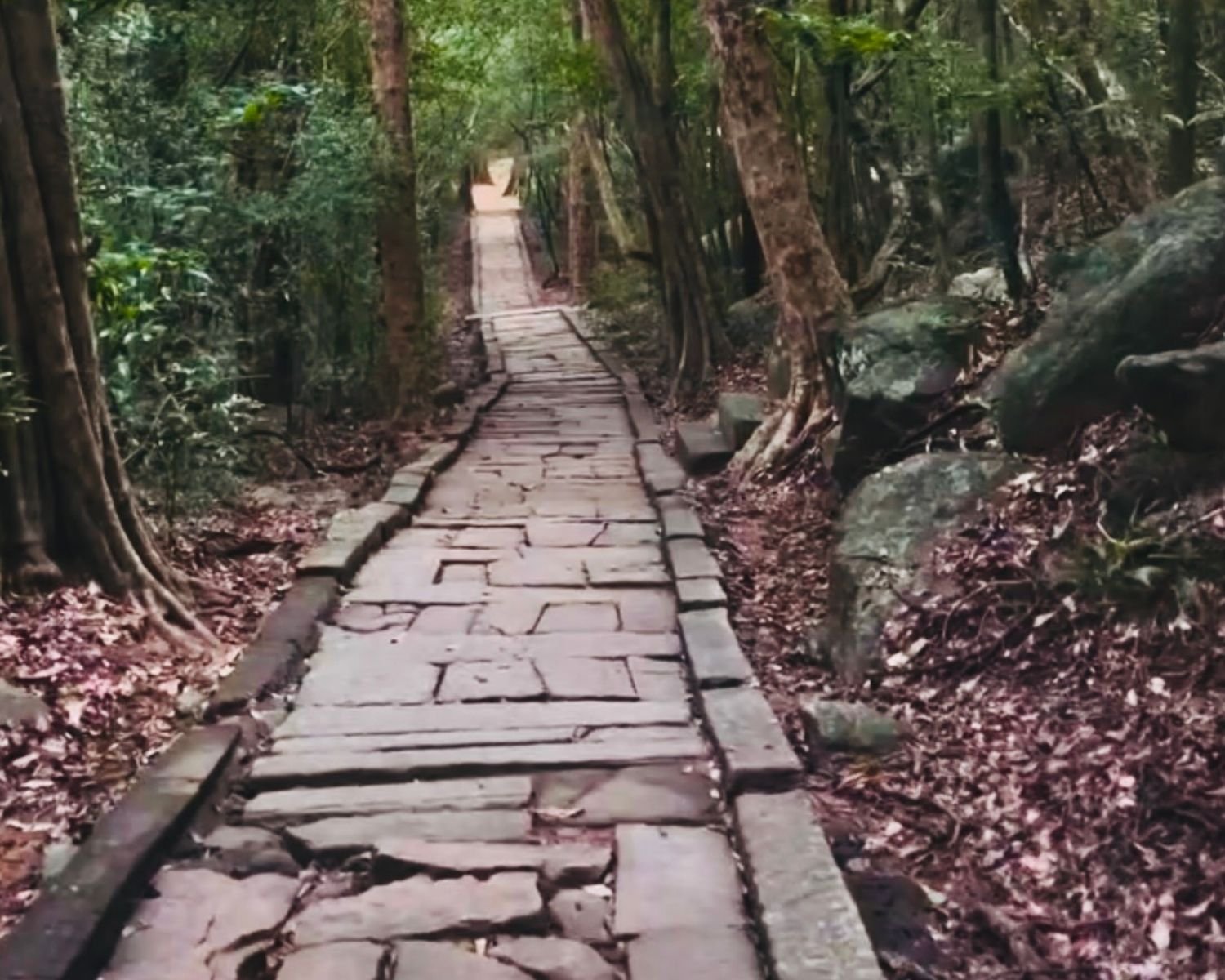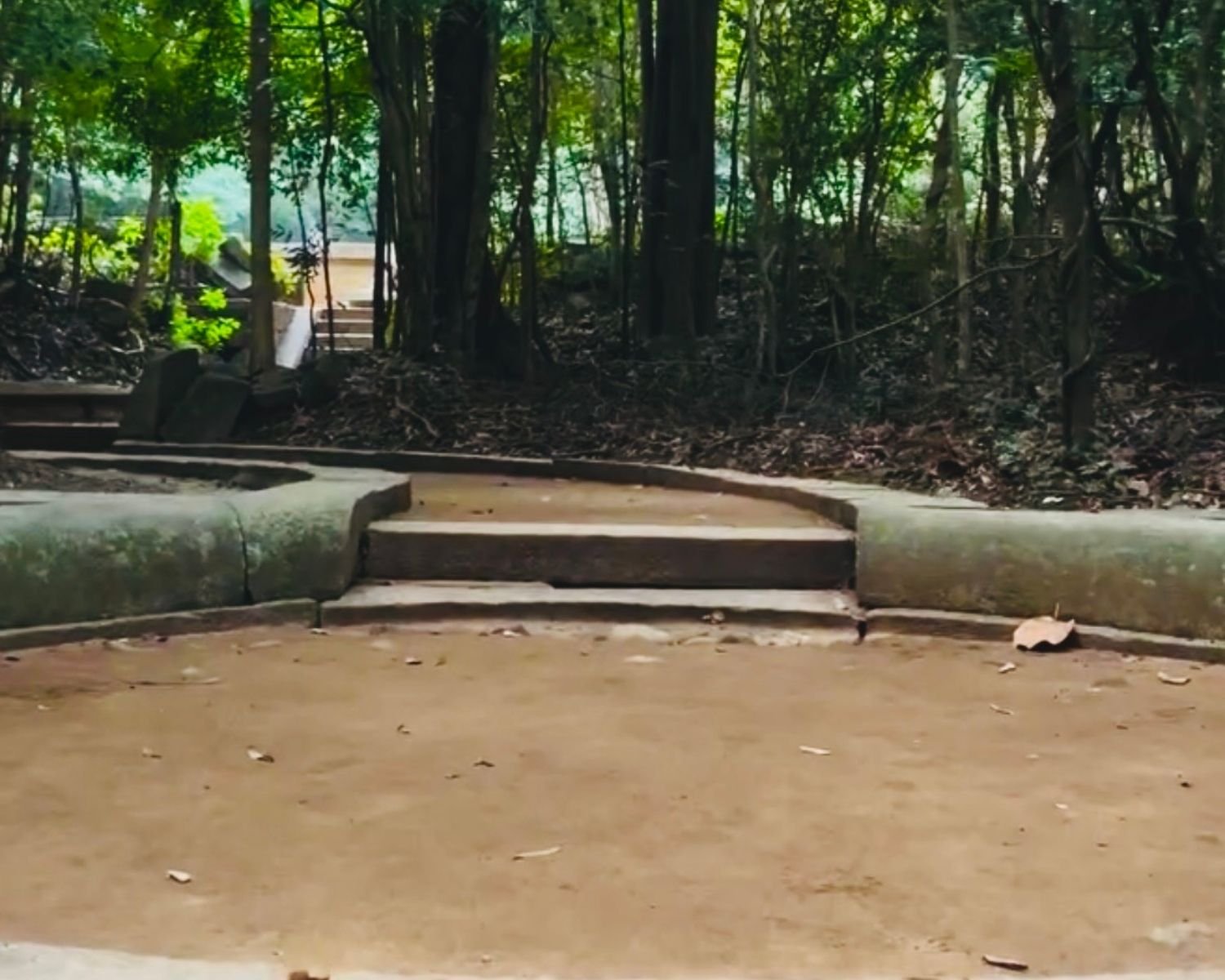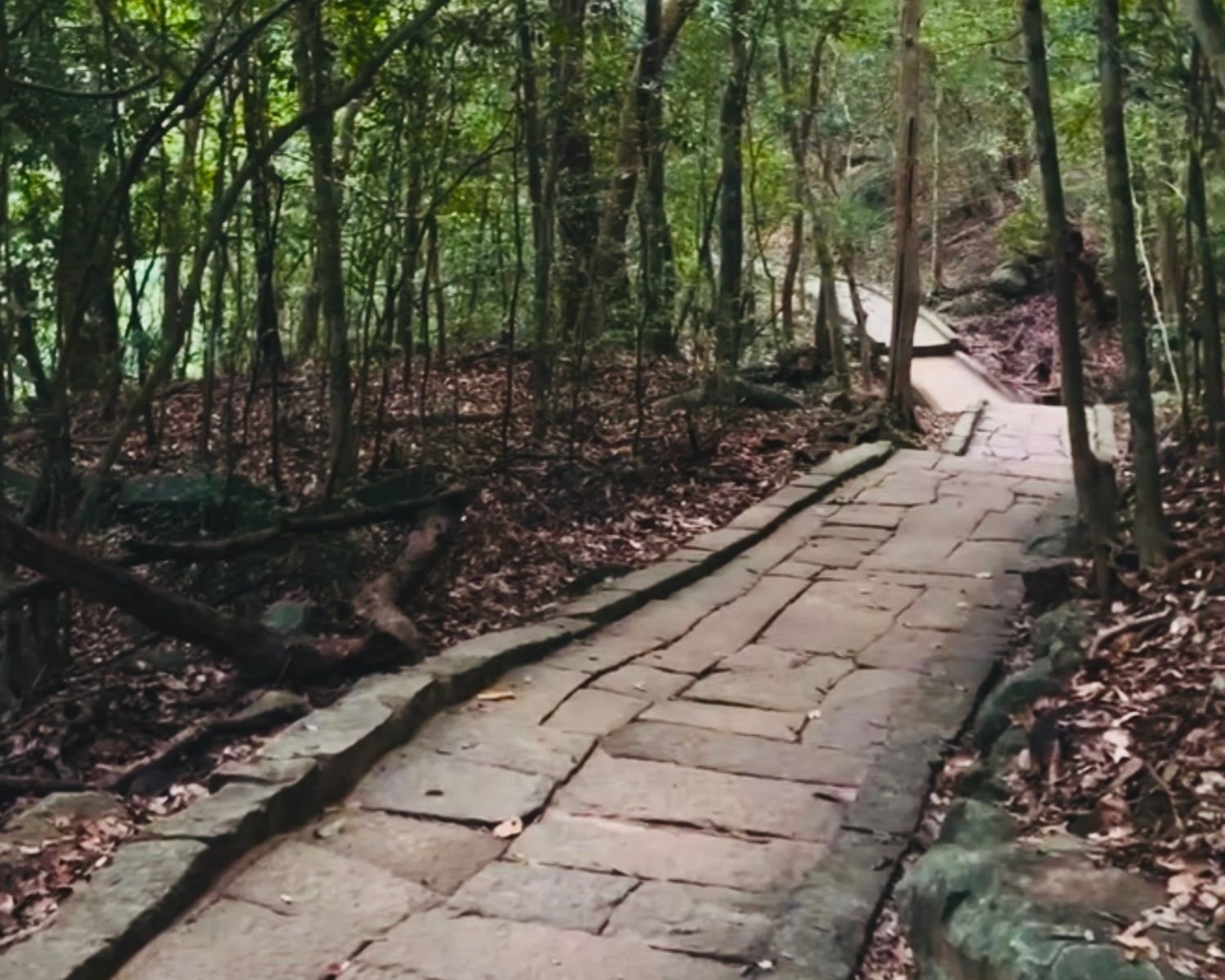
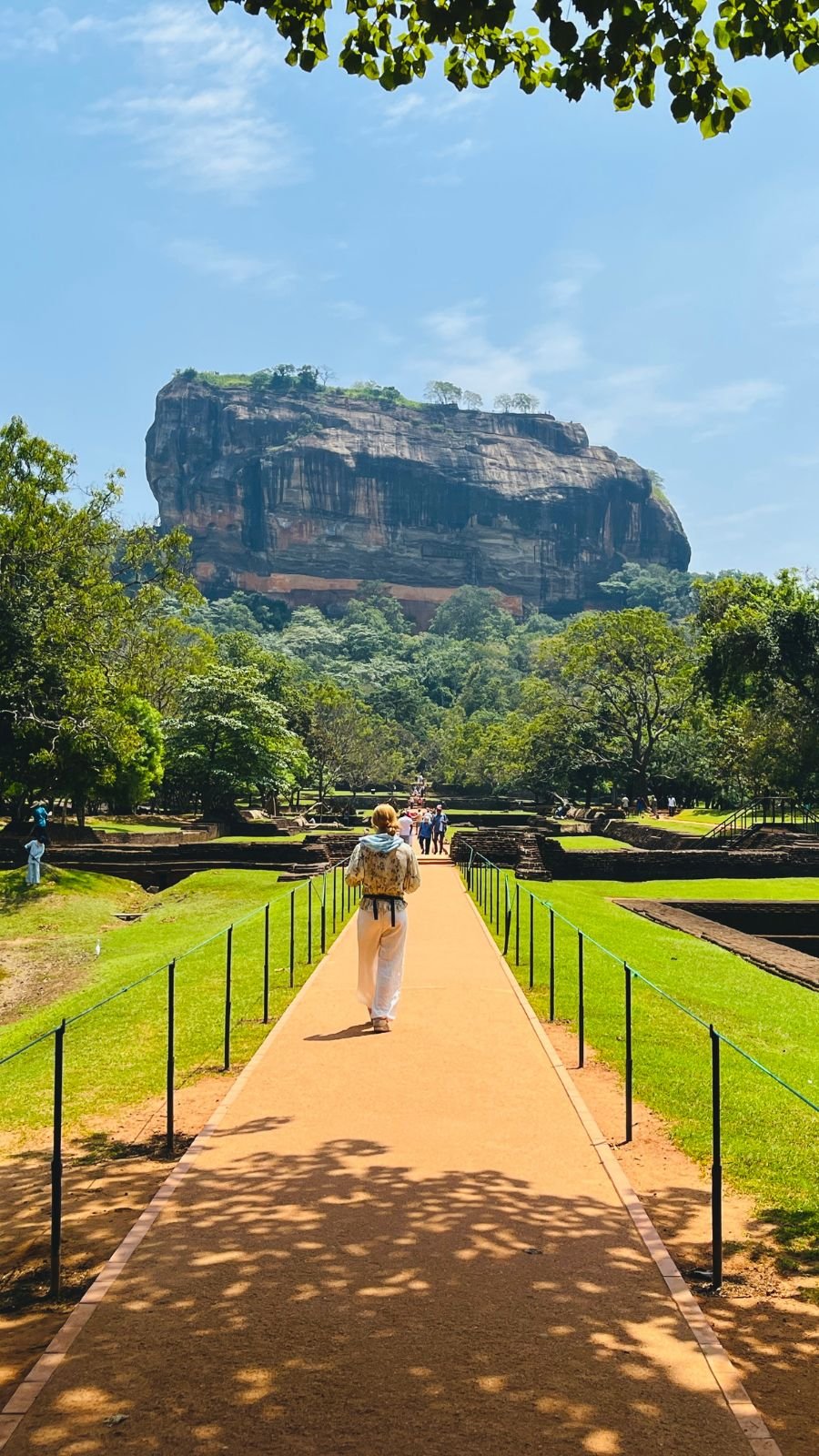
Sigiriya Rock Fortress with water gardens path

SIGIRIYA

Ancient rock fortress, jungle views, and authentic village life.

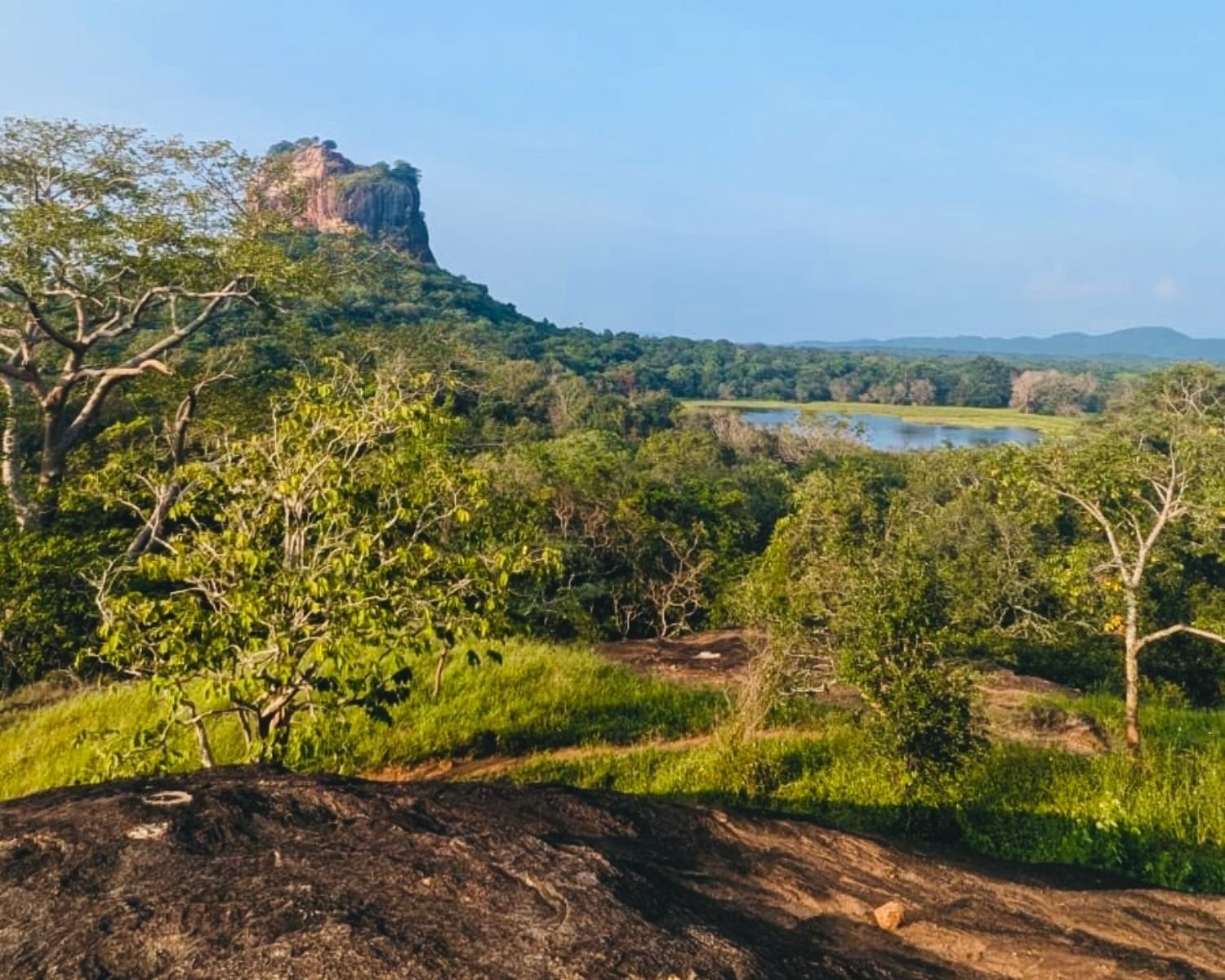
Sigiriya is one of Sri Lanka’s most iconic cultural destinations, known for the ancient Sigiriya Rock Fortress, royal gardens, frescoes, jungle landscapes, and nearby viewpoints such as Pidurangala and Mapagala.

Explore Now

Attractions

Best Places to See in Sigiriya

History
Built in the 5th century CE by King Kashyapa as a royal palace and rock fortress.

Hike
Allow 2-3 hours total.
The summit climb takes about 45-60 minutes.
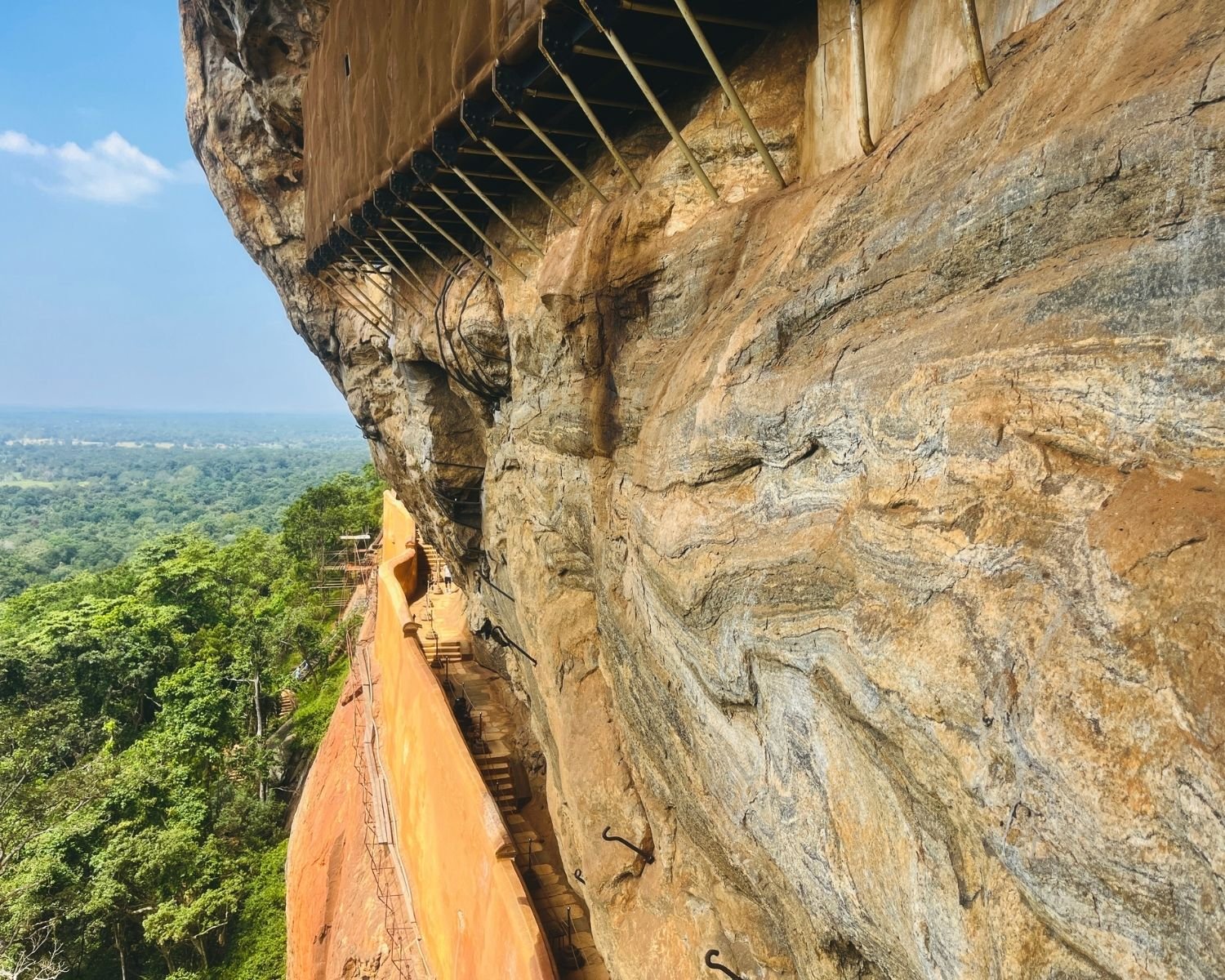
Expect around 1,200 steps with handrails.
Best early morning or late afternoon.

Scenery
Dramatic rock fortress with ancient gardens, jungle landscapes, and panoramic views from the summit.

Art & Culture
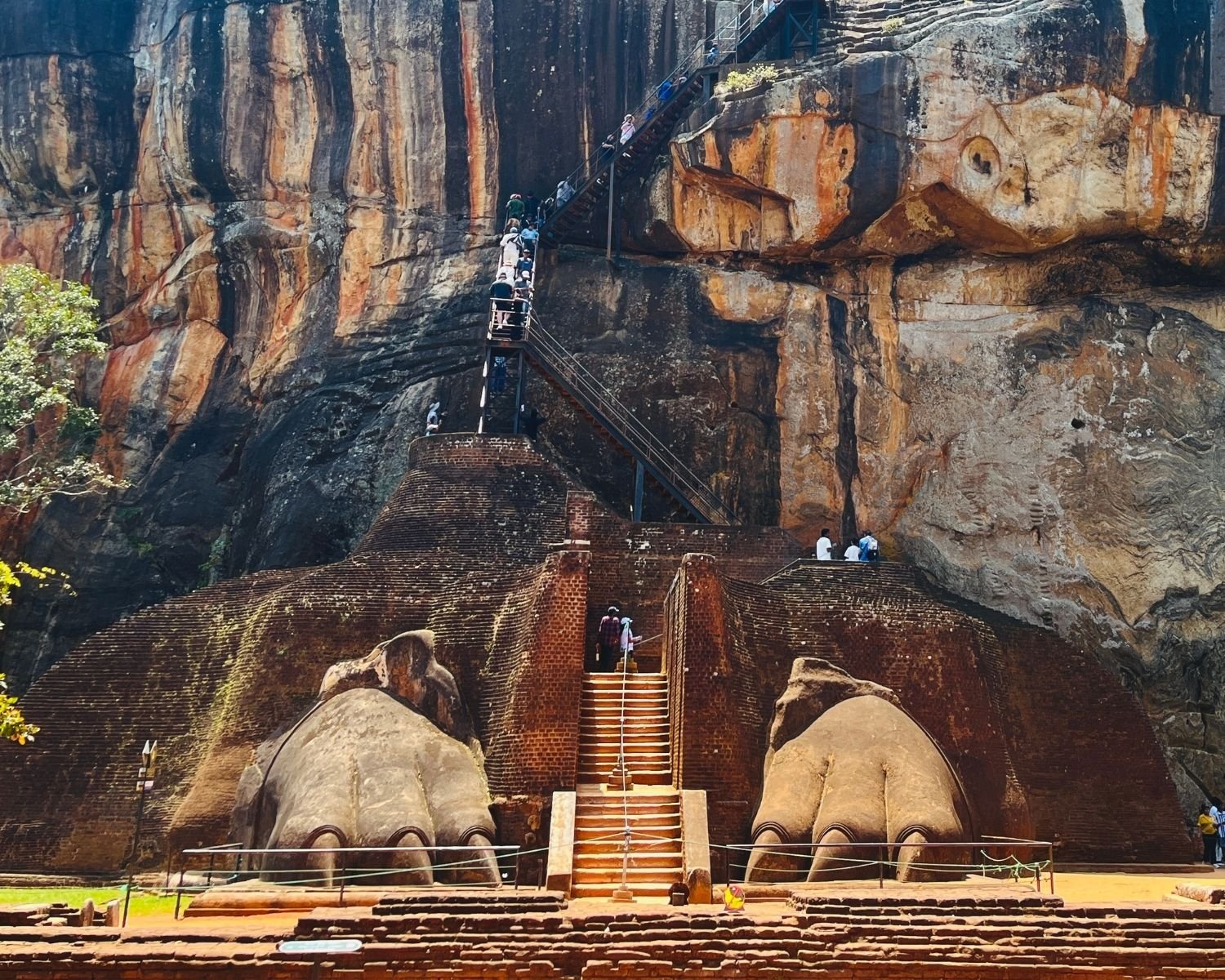
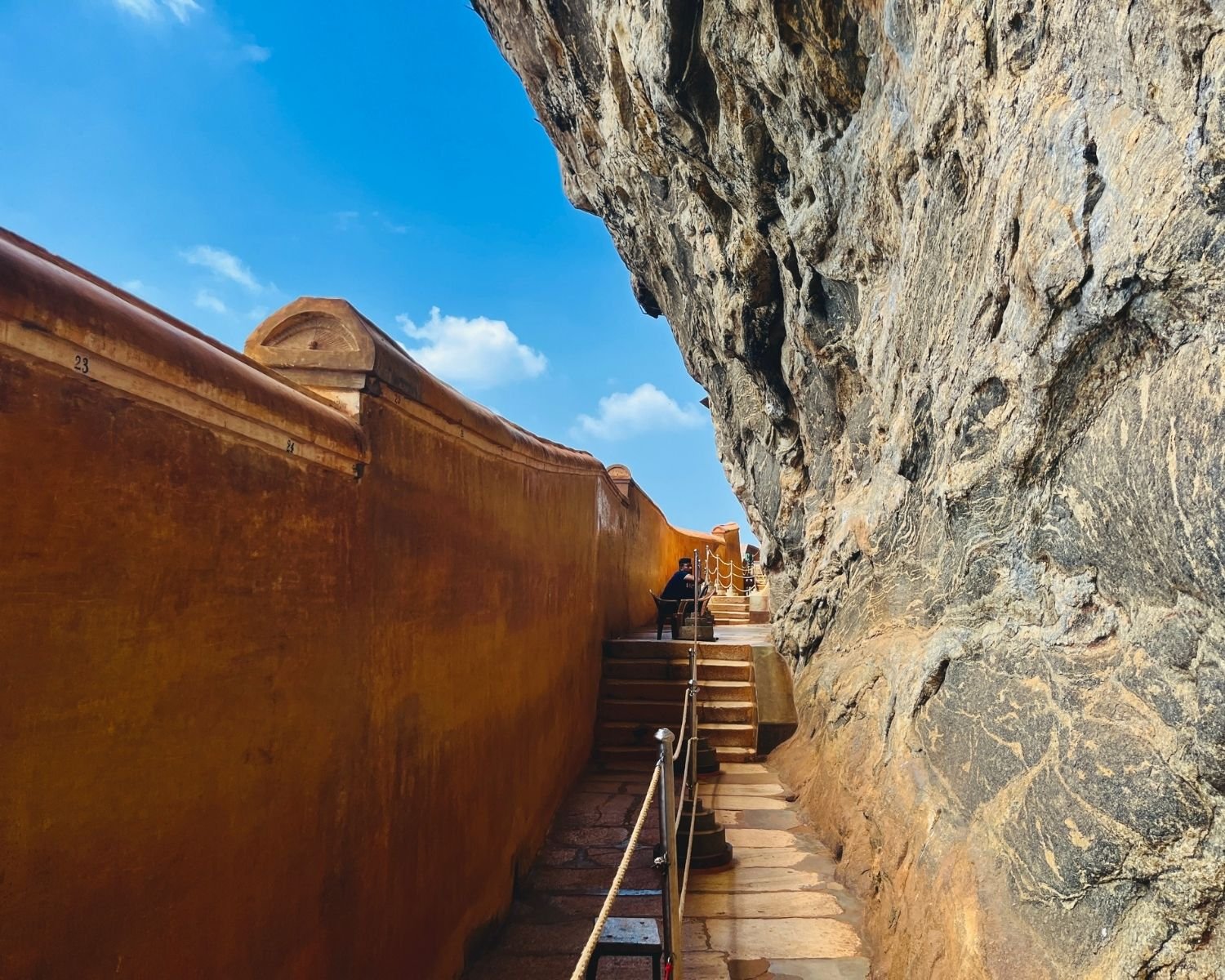
Includes the Sigiriya frescoes, Mirror Wall, Lion Paw entrance, water gardens, and palace ruins.

Entrance Fee
Foreign visitors:
-$35 adults
-$20 children
SAARC visitors:
-$20 adults and children
Under 6: Free
Tickets available at the entrance

Ticket Office

! Fees can change, so check at the ticket office before visiting.

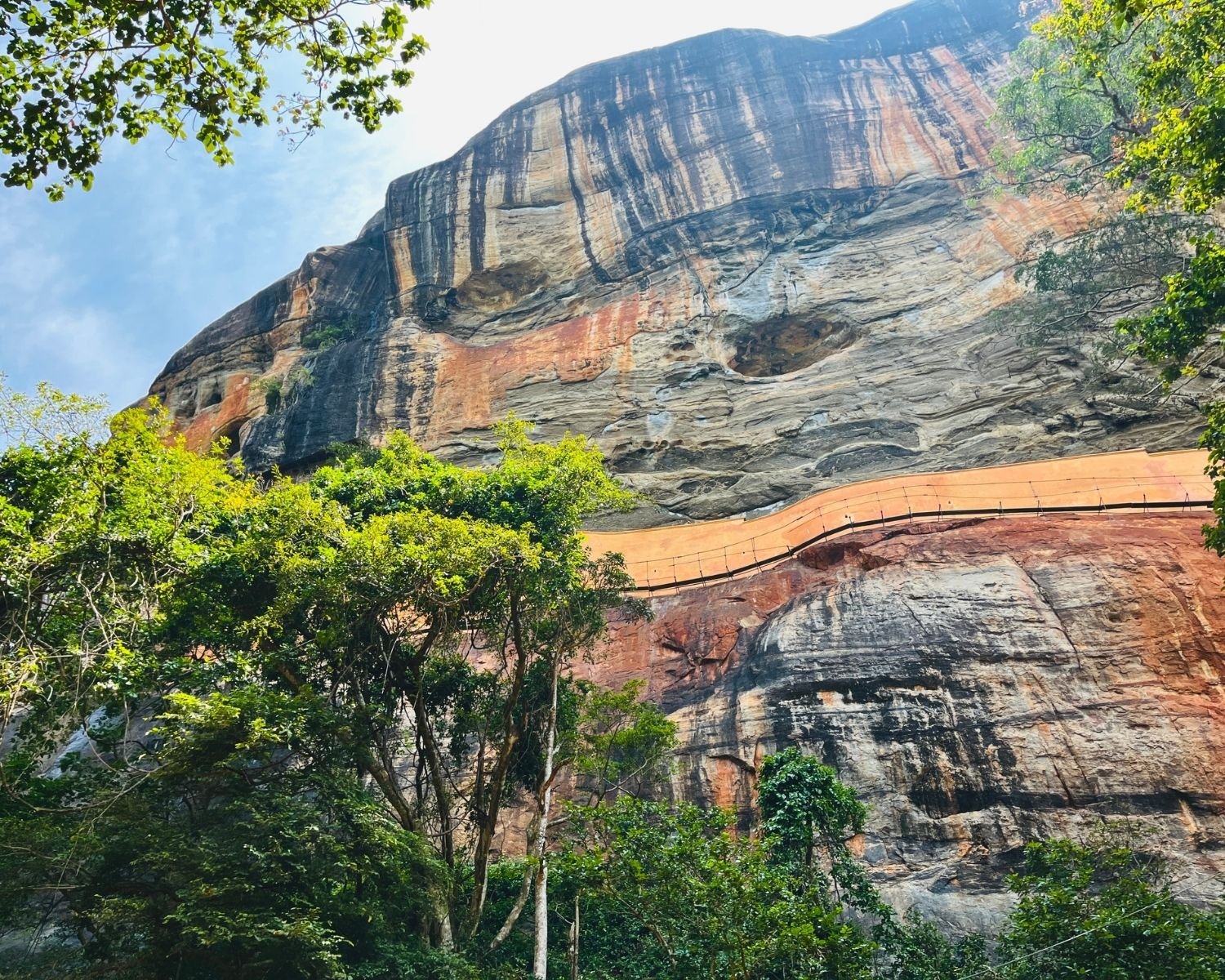
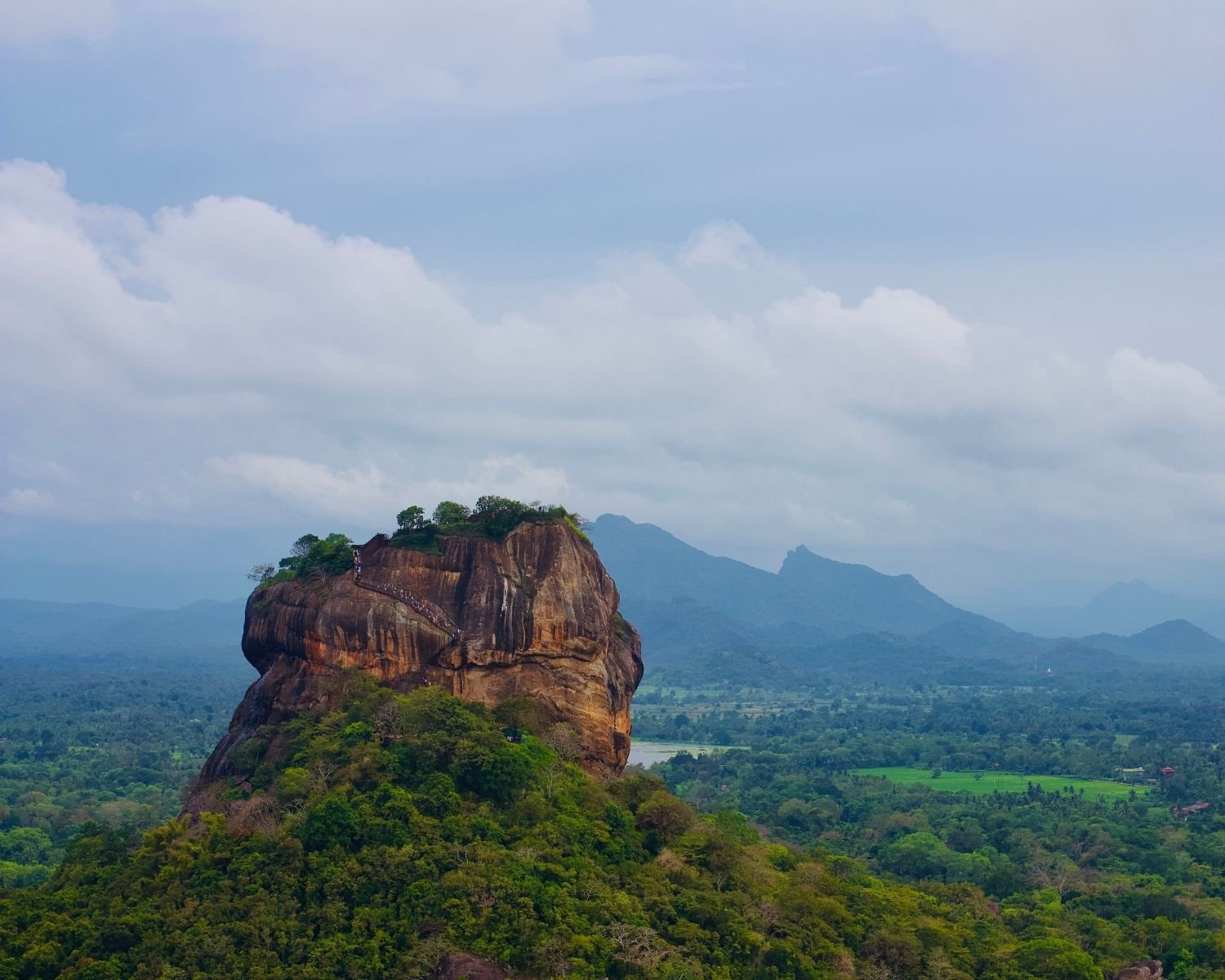
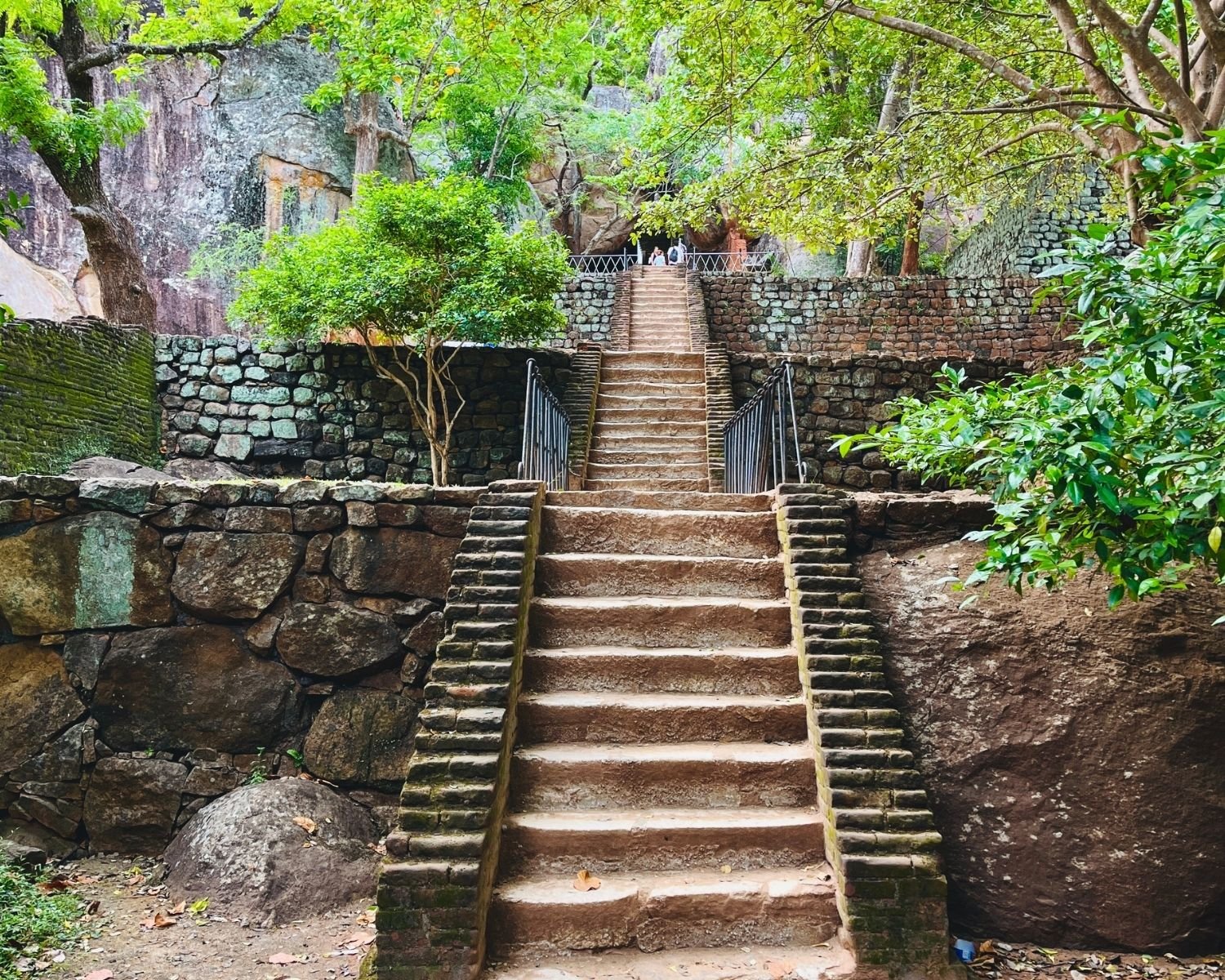
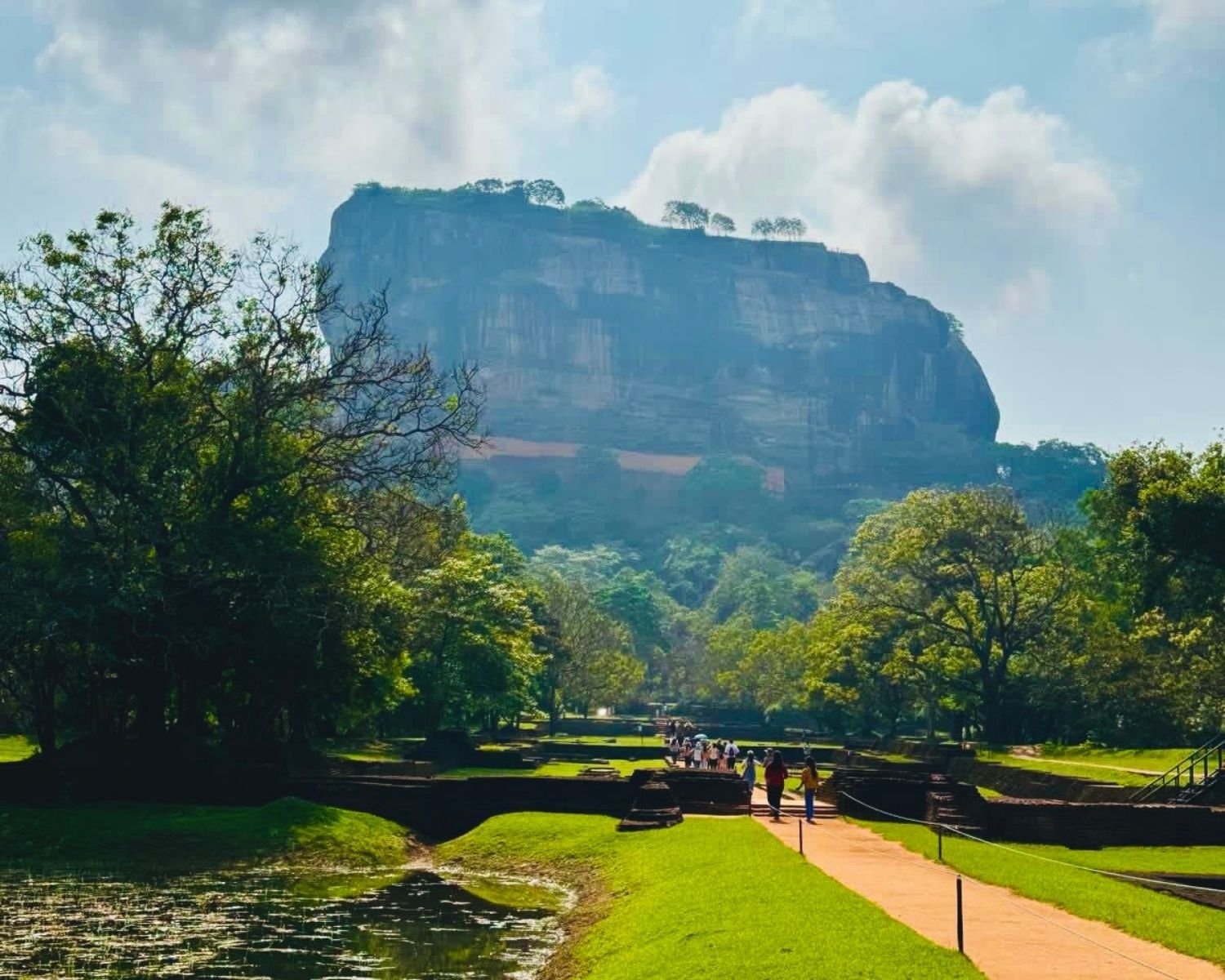
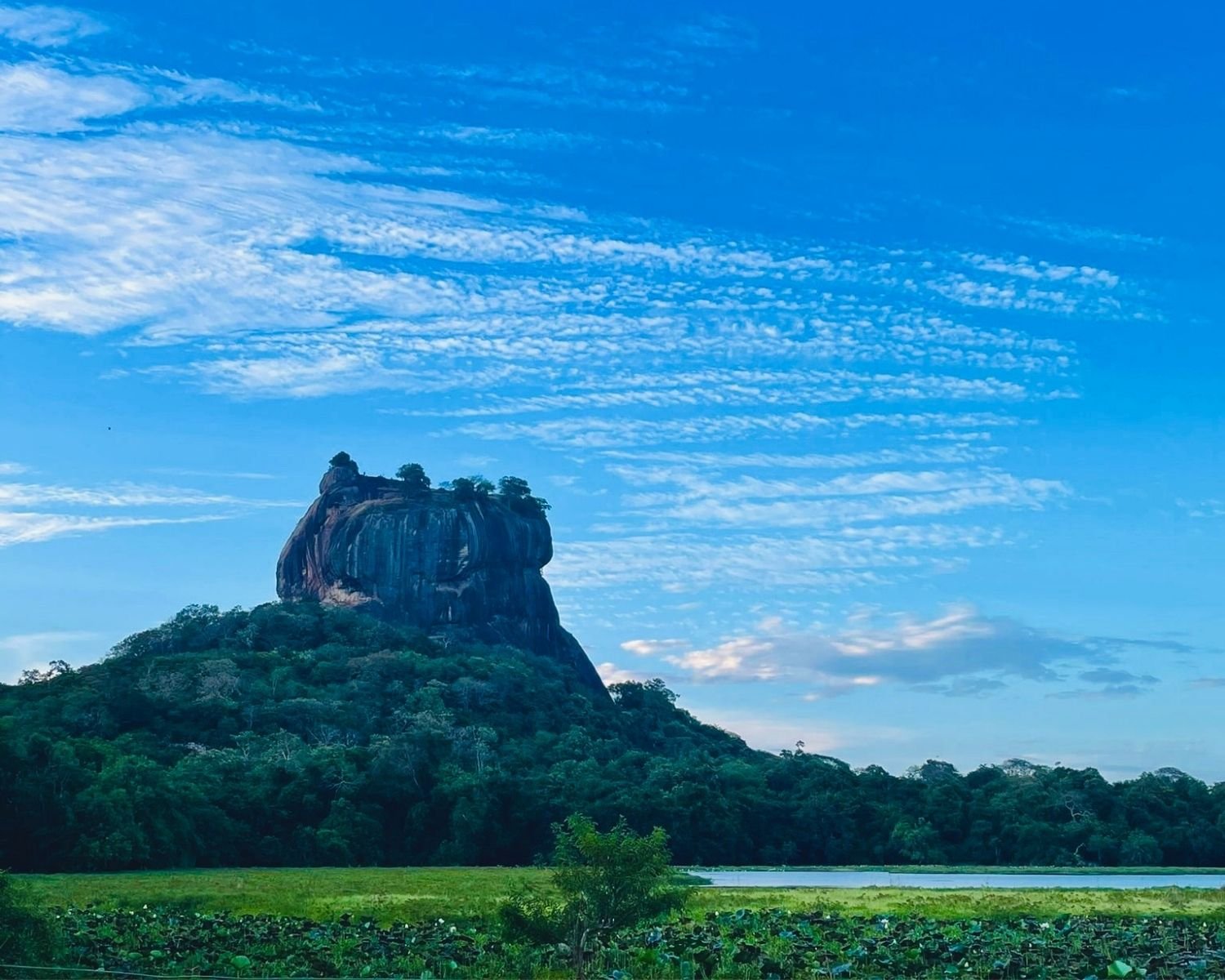
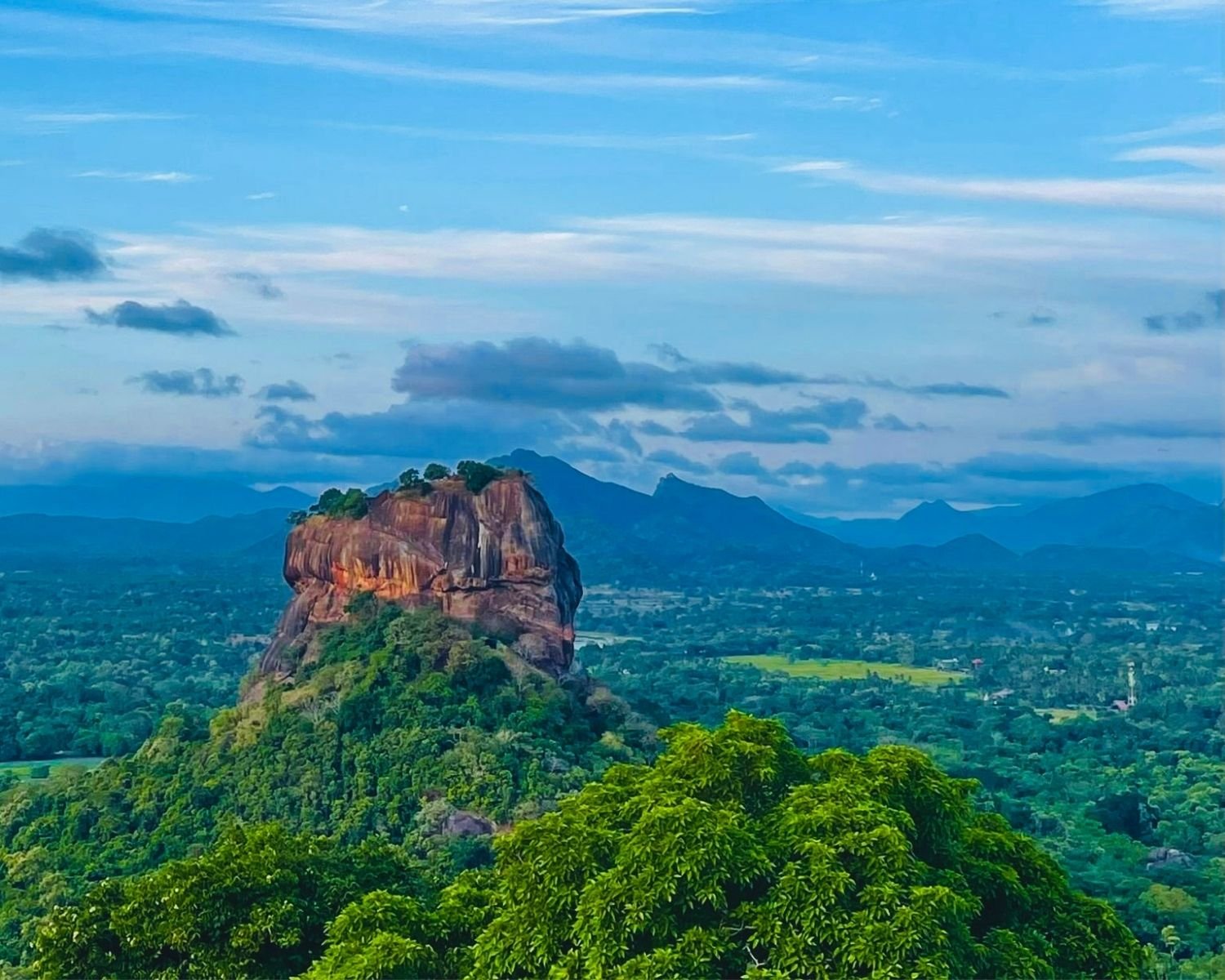
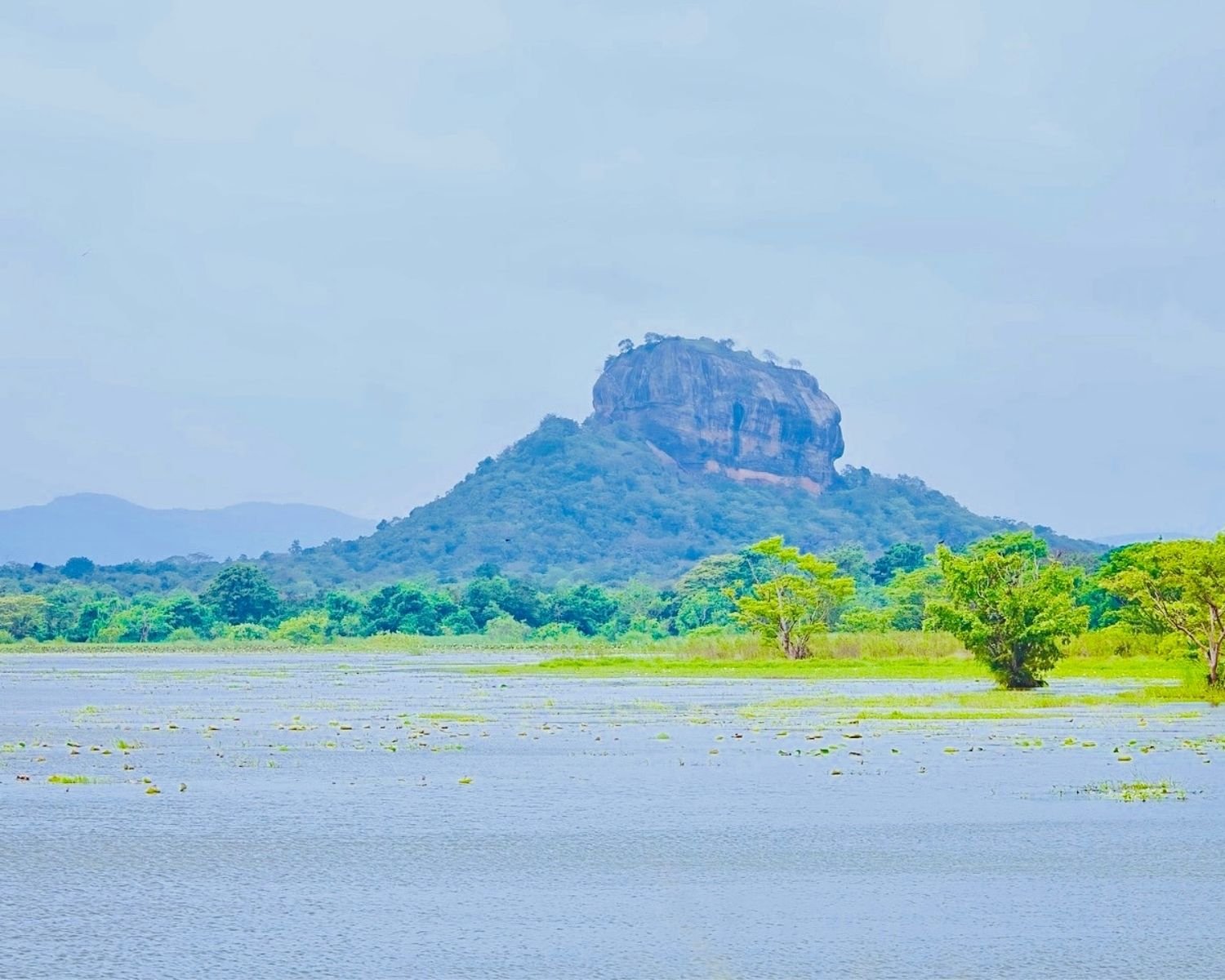
Rising nearly 200 metres (660 ft) above Sri Lanka's central plains, Sigiriya Rock Fortress, also known as Sigiriya Lion Rock, is one of the country's most famous historical landmarks and a UNESCO World Heritage Site. Built atop a massive granite outcrop, the site combines a royal palace, defensive fortress, landscaped gardens, and some of Sri Lanka's most important ancient artwork. Visible from miles away, the towering rock dominates the surrounding landscape and remains one of the most visited attractions in the country.

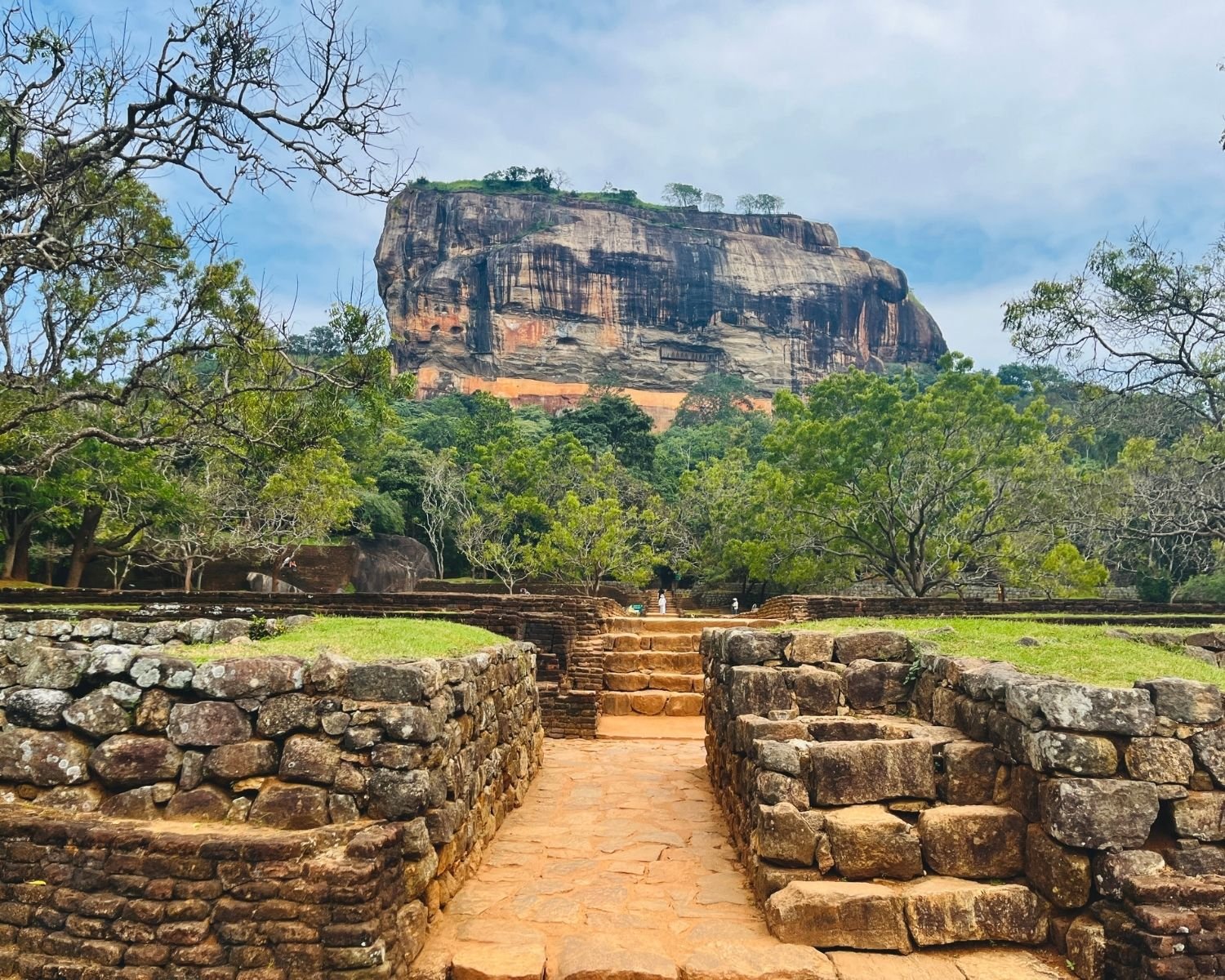
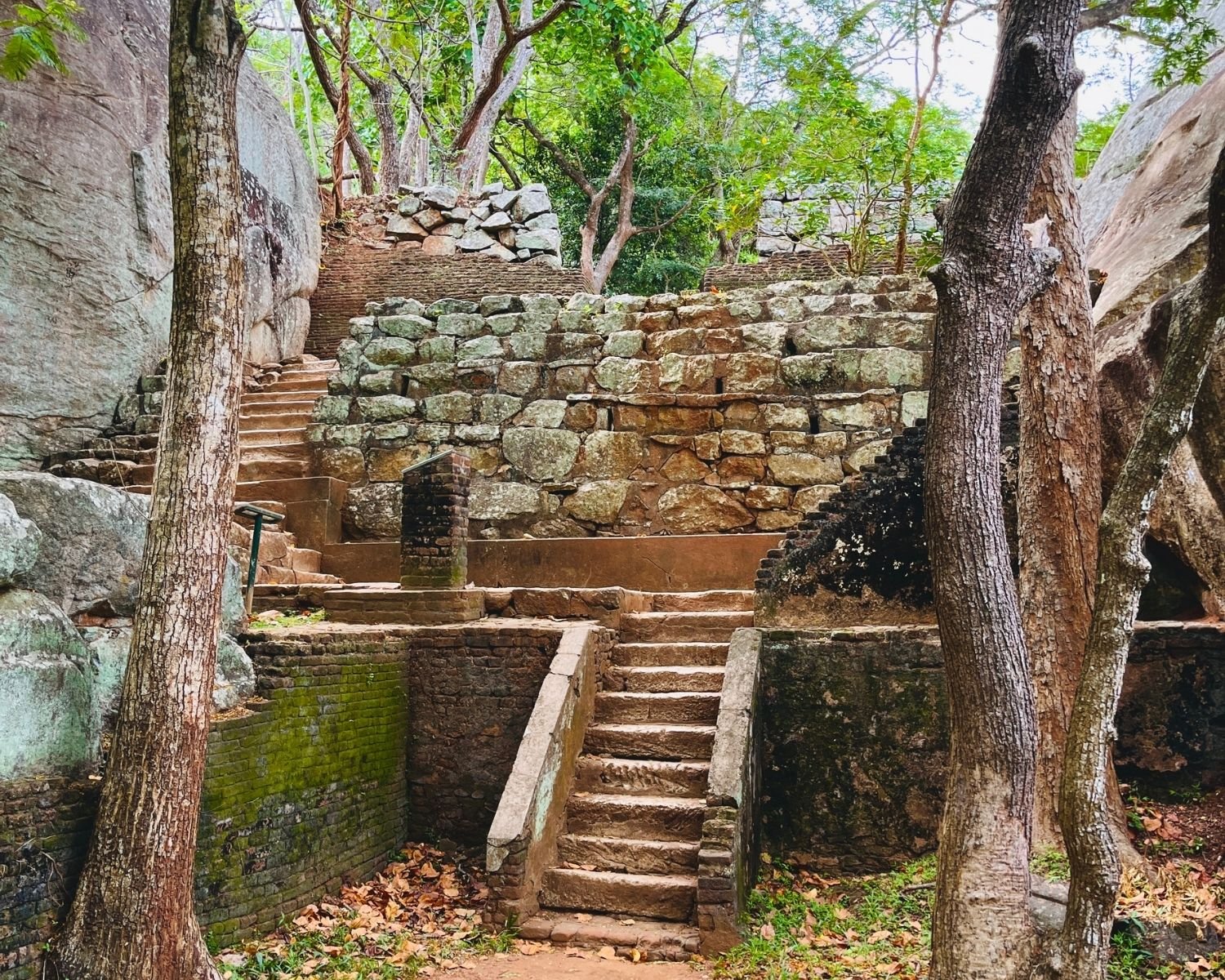
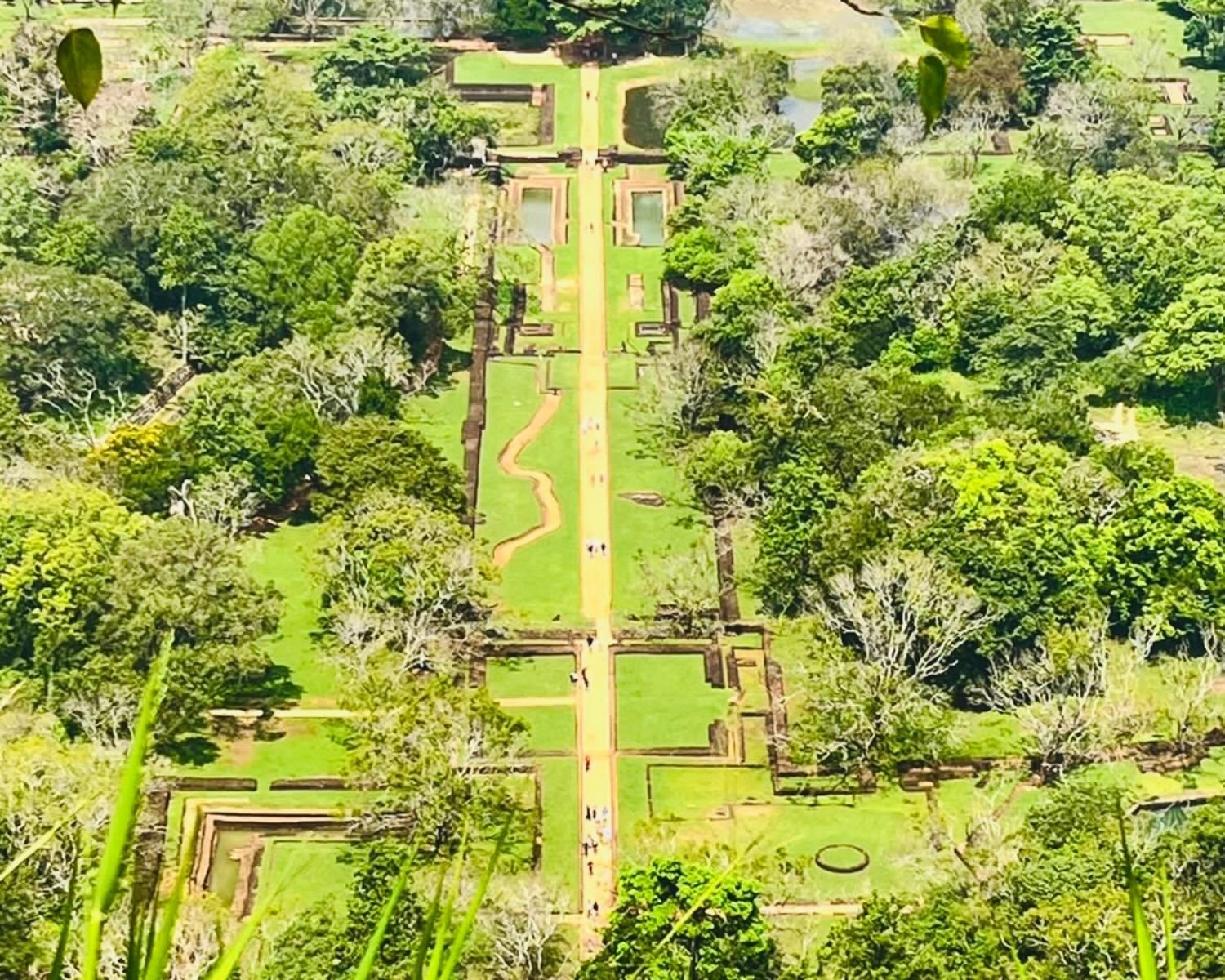
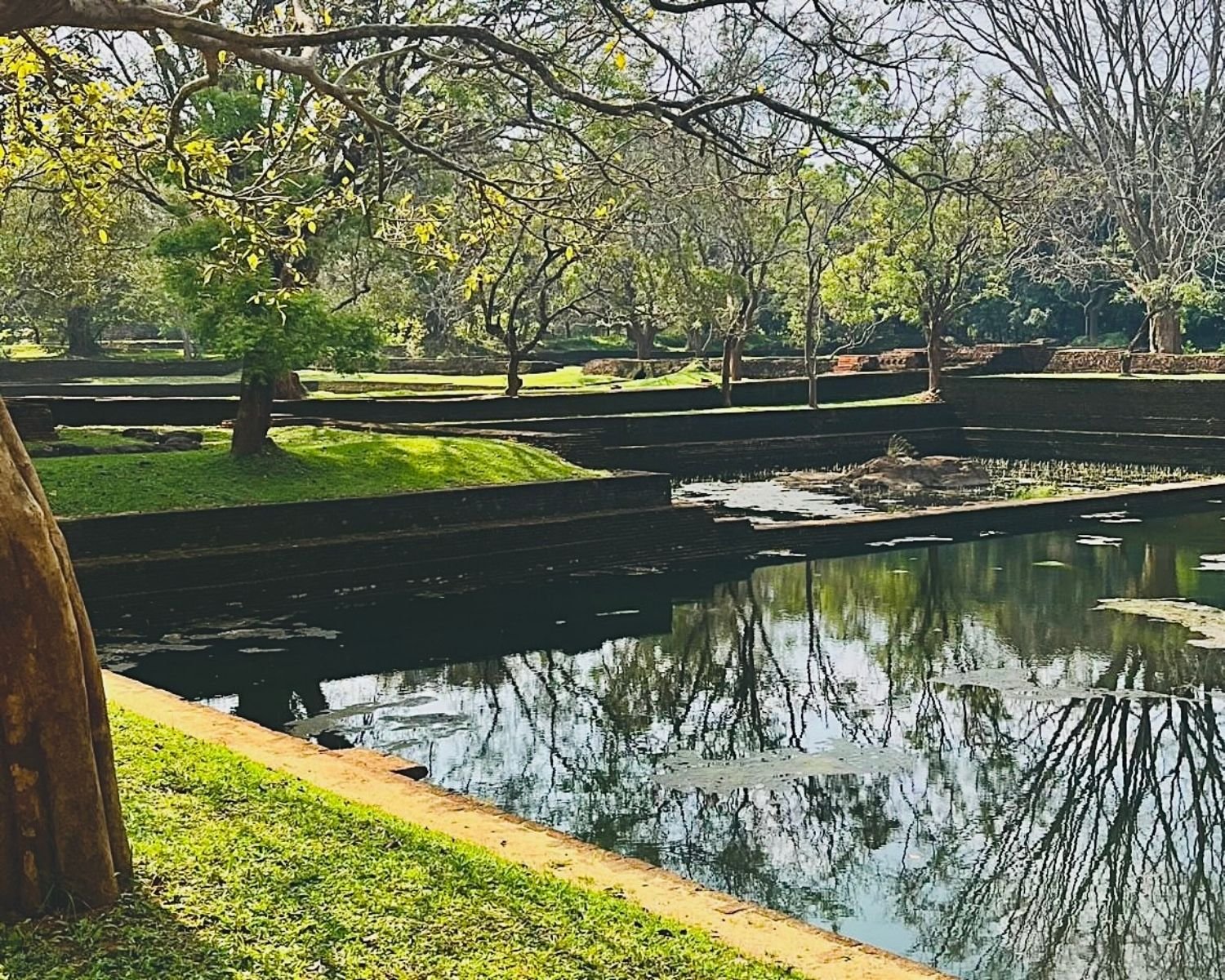
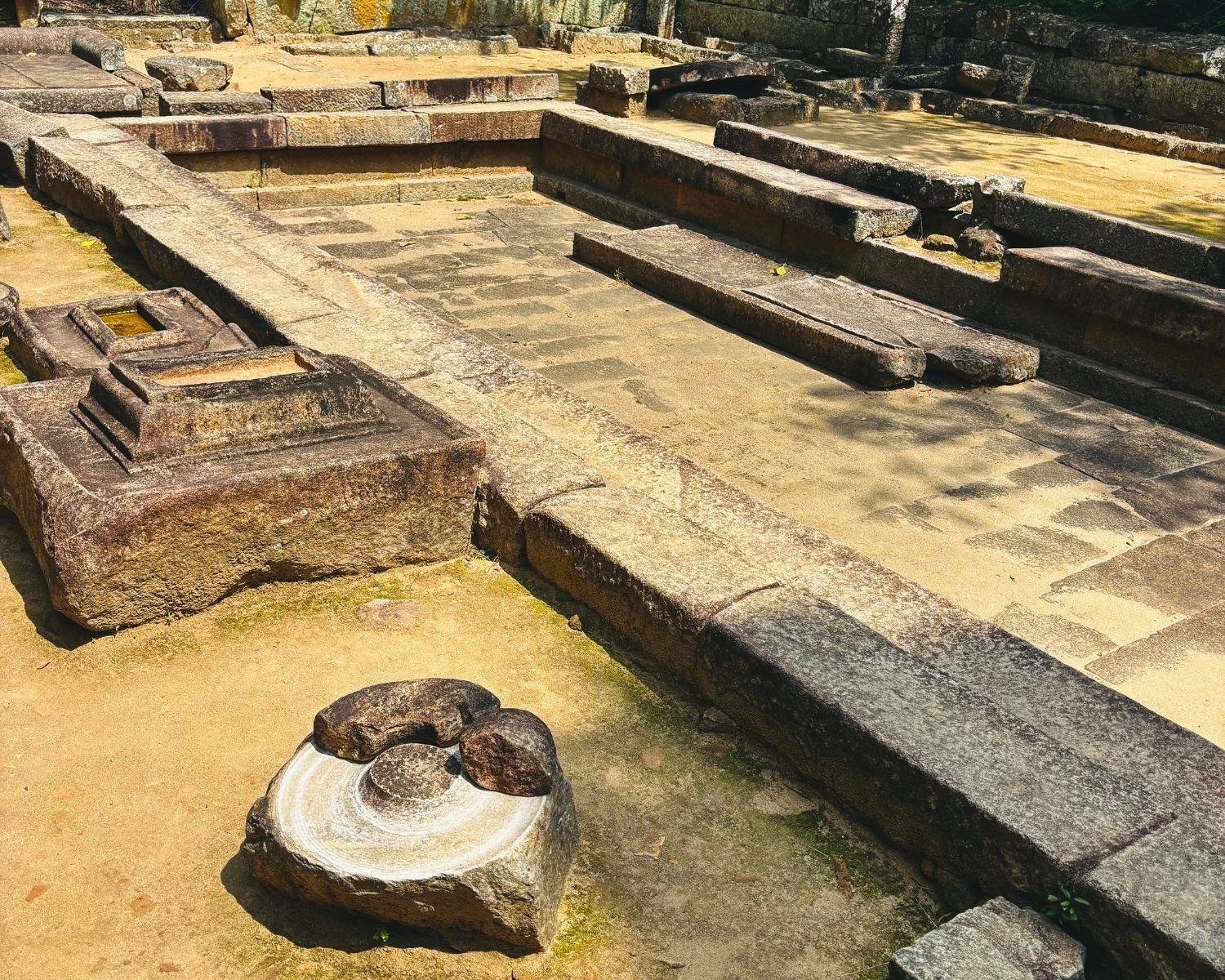
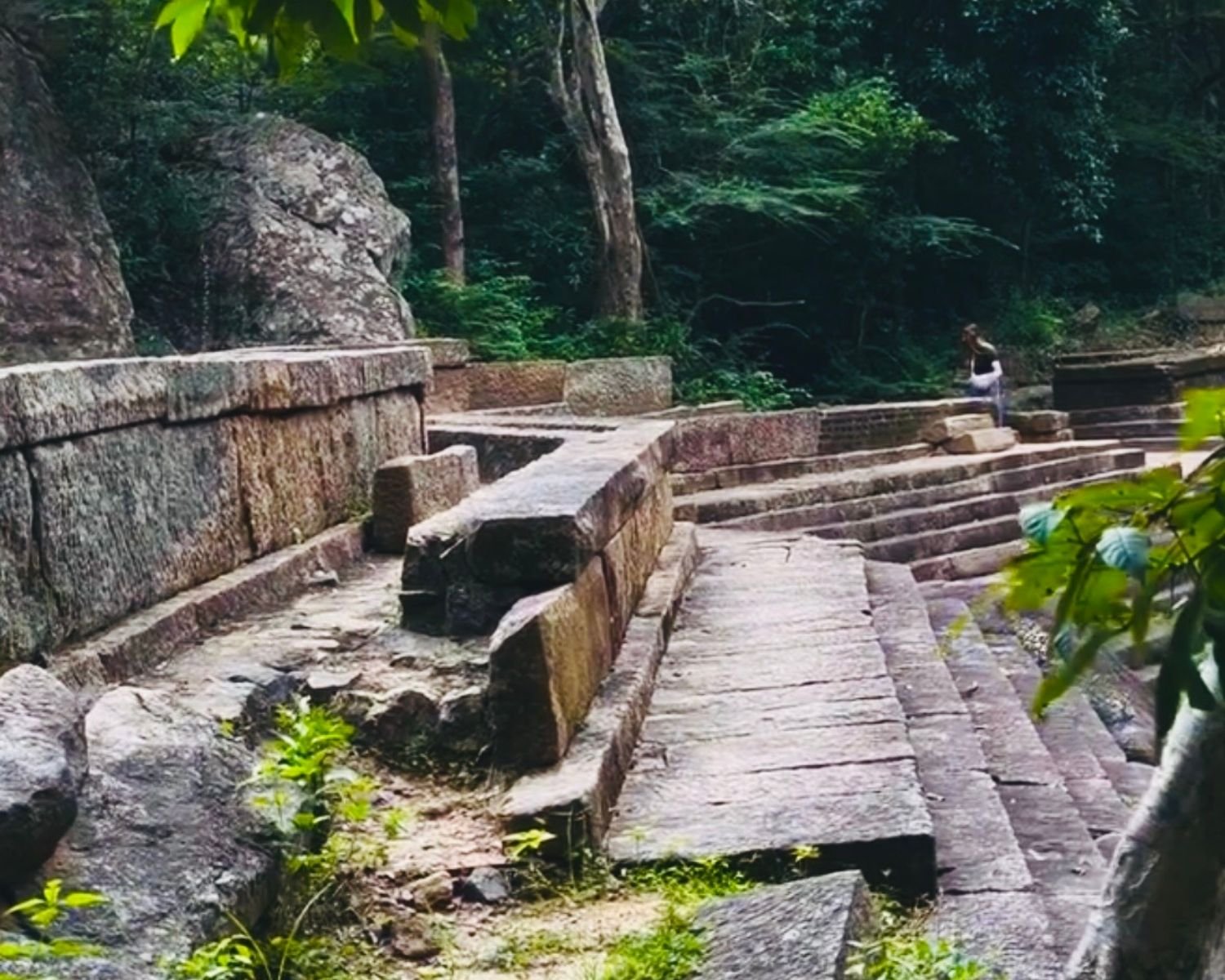
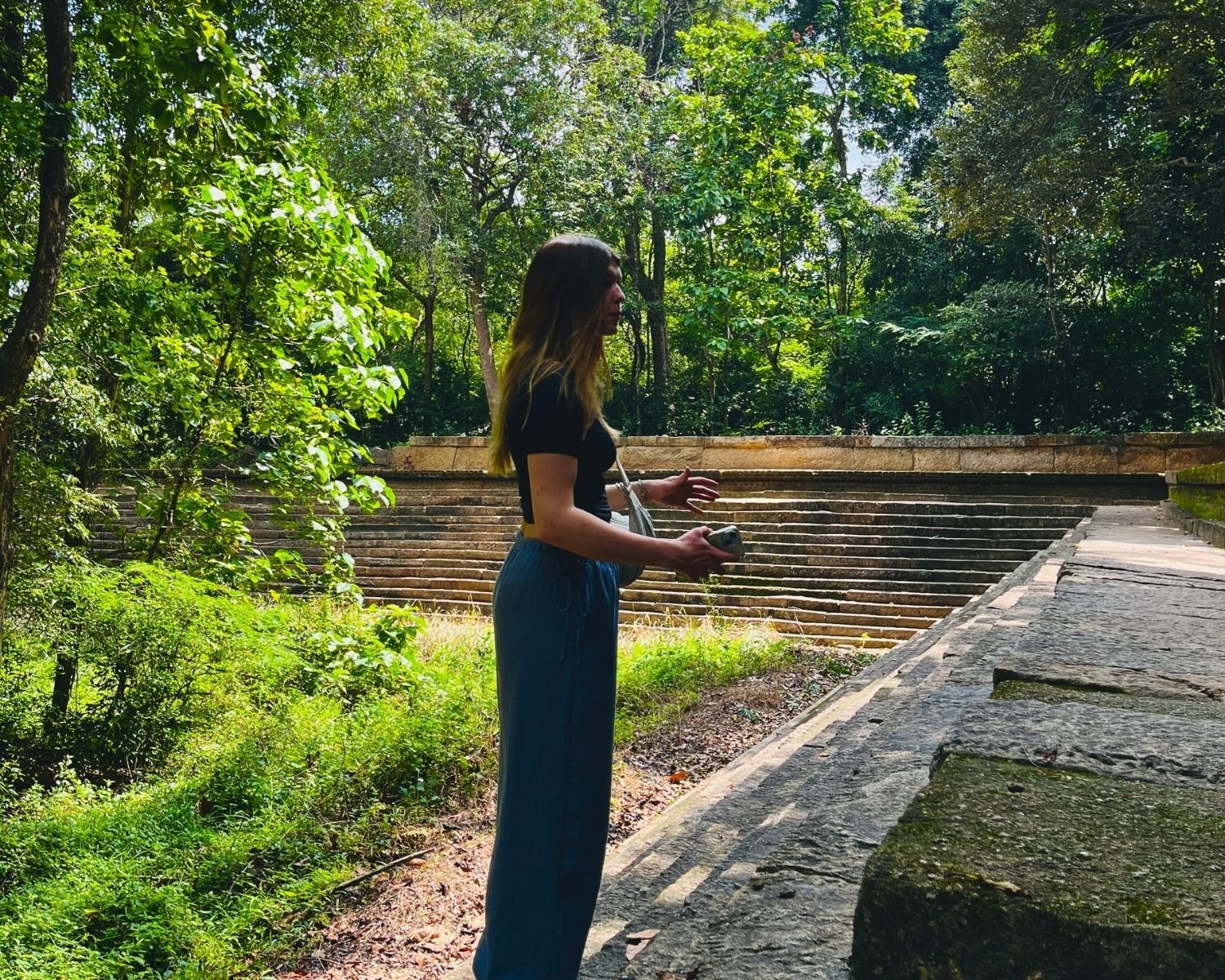
The fortress was established during the reign of King Kashyapa in the 5th century CE. According to ancient chronicles, the king transformed the rock into a royal citadel after taking the throne, creating a heavily fortified residence protected by steep cliffs and elaborate defences. At the base of the rock, visitors can still explore moats, water gardens, boulder gardens, and terraced gardens that showcase the advanced engineering and planning of the period. The symmetrical water gardens are particularly remarkable and are considered among the oldest landscaped gardens in the world.

One of Sigiriya's most famous attractions is its collection of frescoes, painted on a sheltered section of the western rock face. These colourful depictions of celestial maidens have survived for more than 1,500 years and remain among the finest examples of ancient Sri Lankan art. Nearby, the Mirror Wall, once polished so smoothly that it reflected the king's image, still preserves inscriptions and poems left by visitors centuries ago.

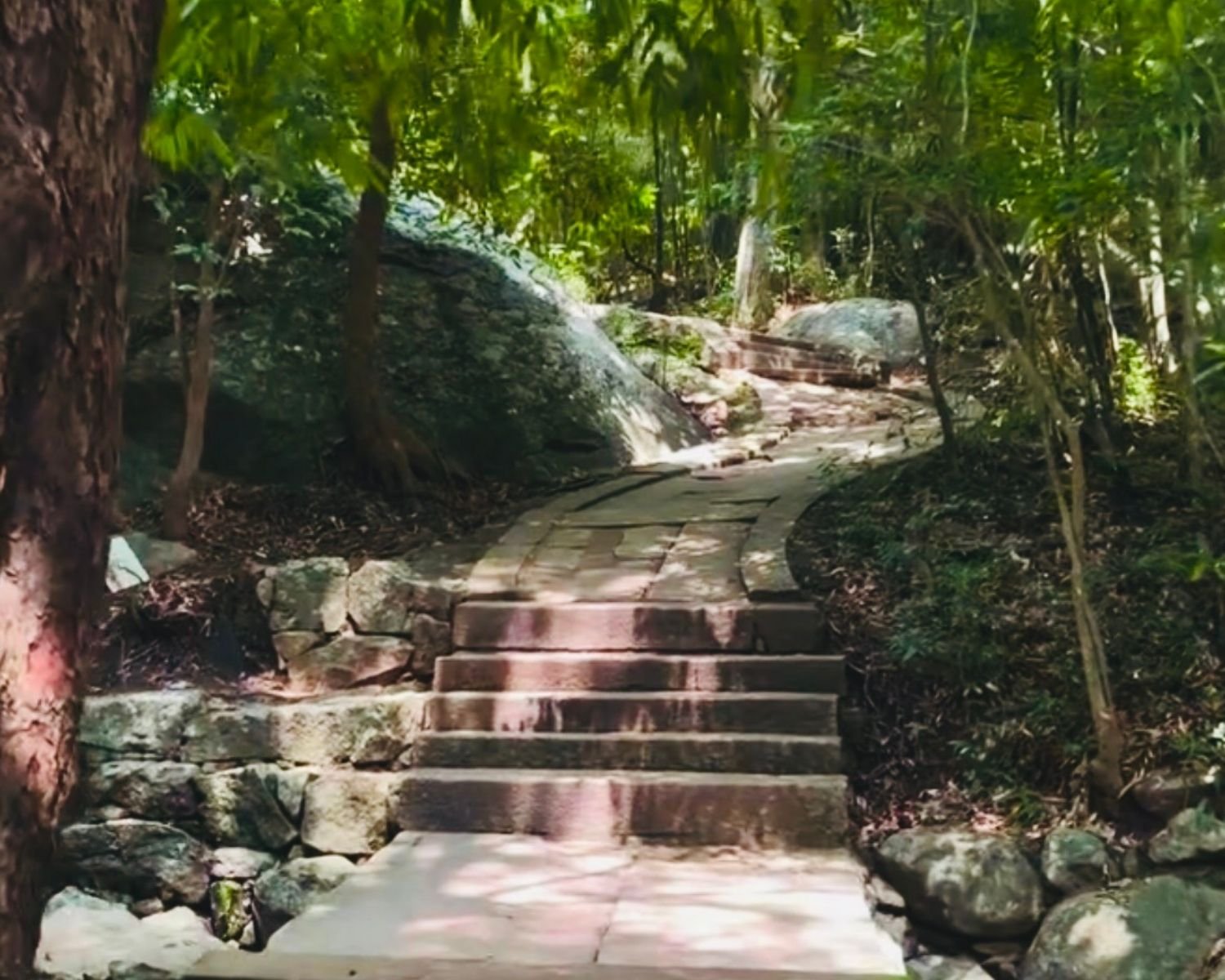
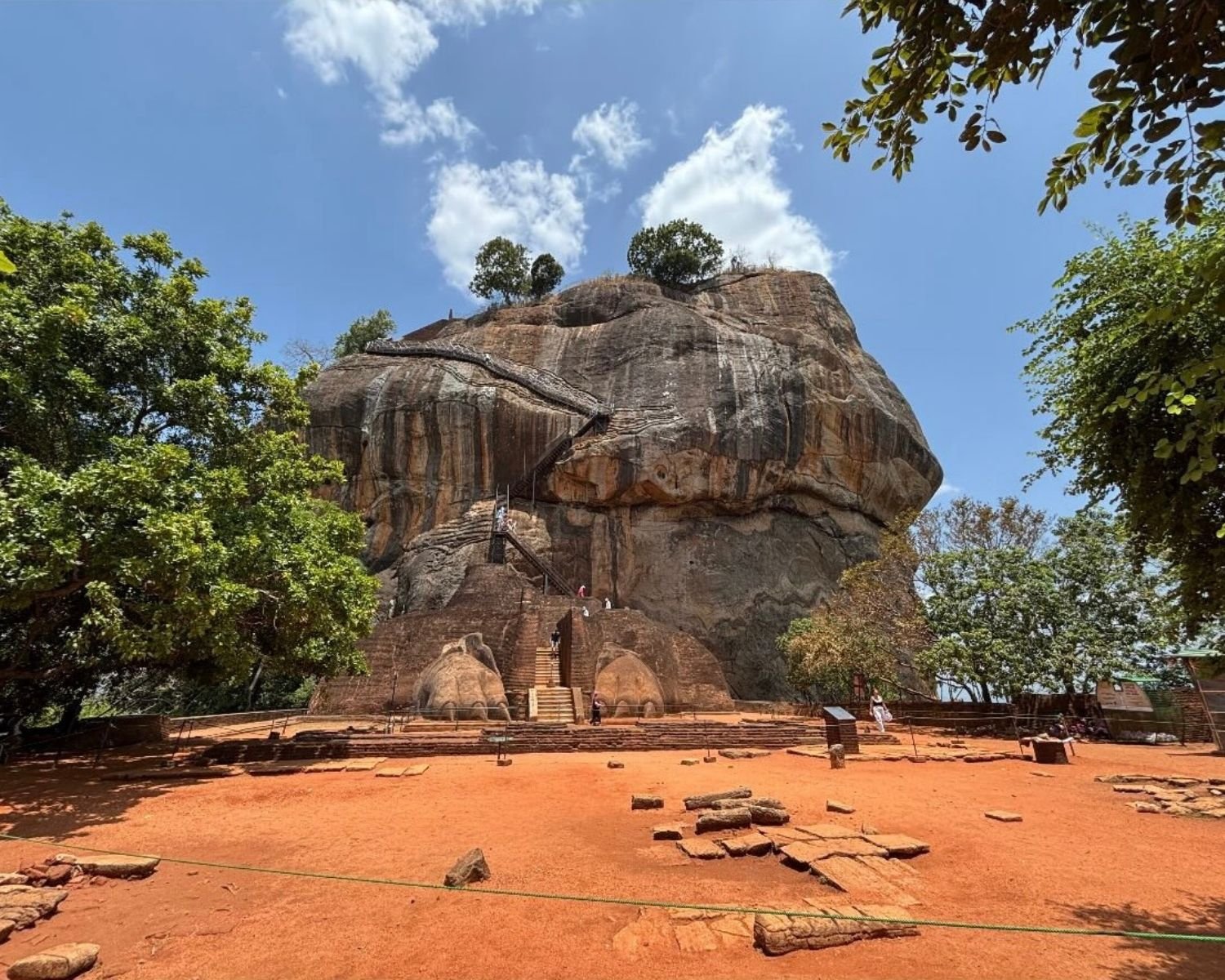
The final ascent passes through the Lion's Gate, where two enormous stone paws remain from what was once a giant lion-shaped entrance. Although the upper structure has long disappeared, the surviving paws continue to be one of Sigiriya's most recognisable features and mark the entrance to the summit. From here, visitors climb the final staircase to reach the ancient royal citadel at the top of the rock.

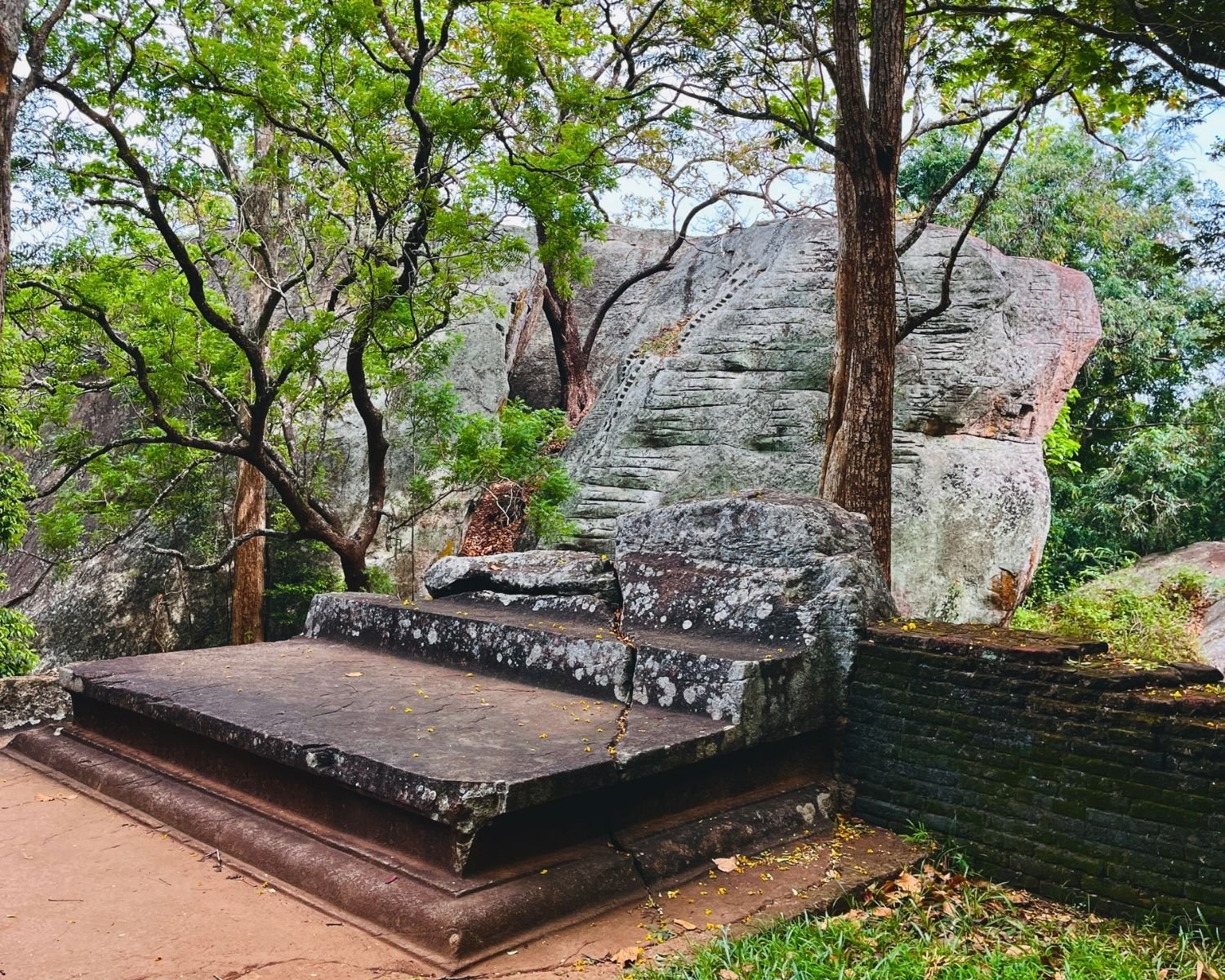
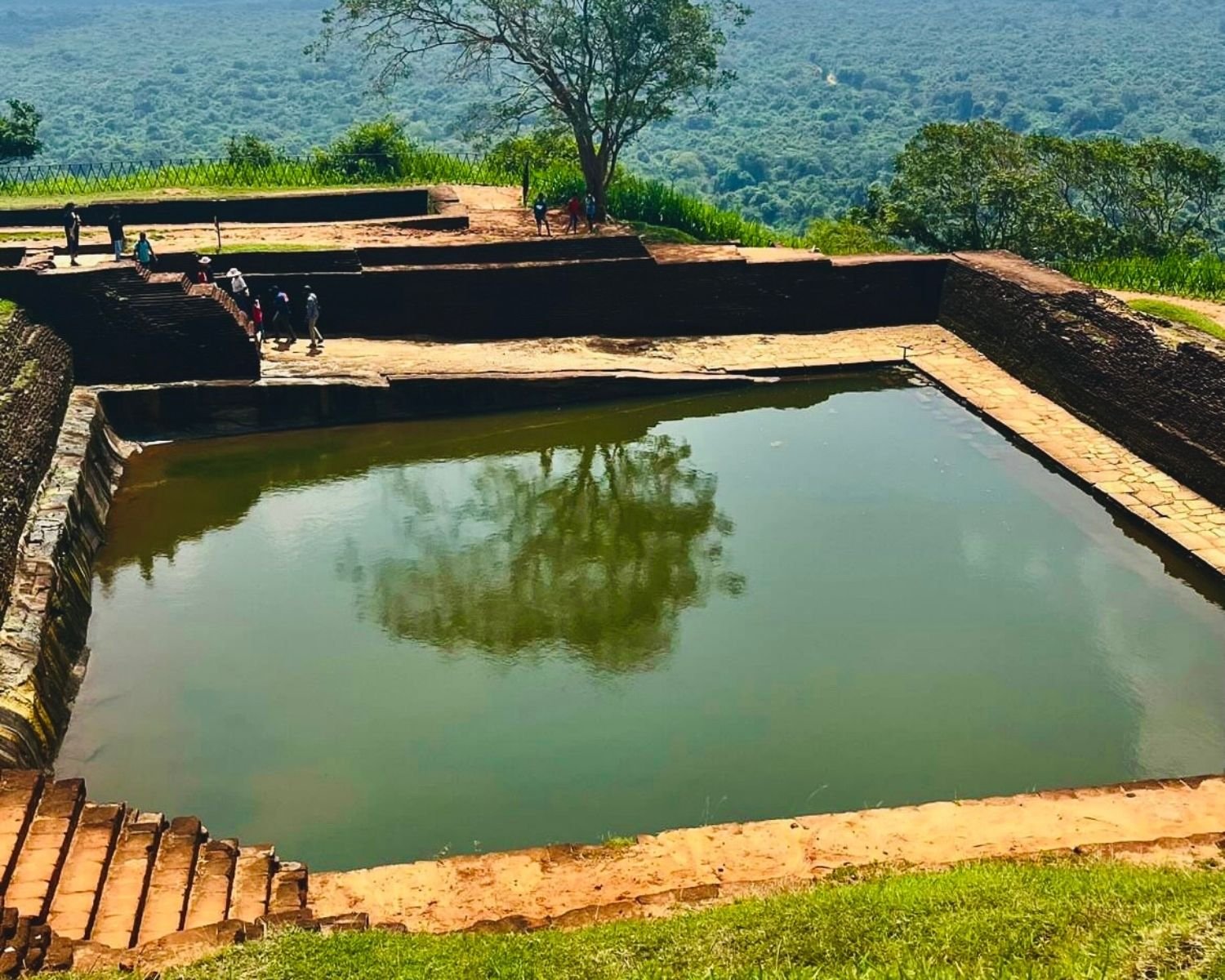
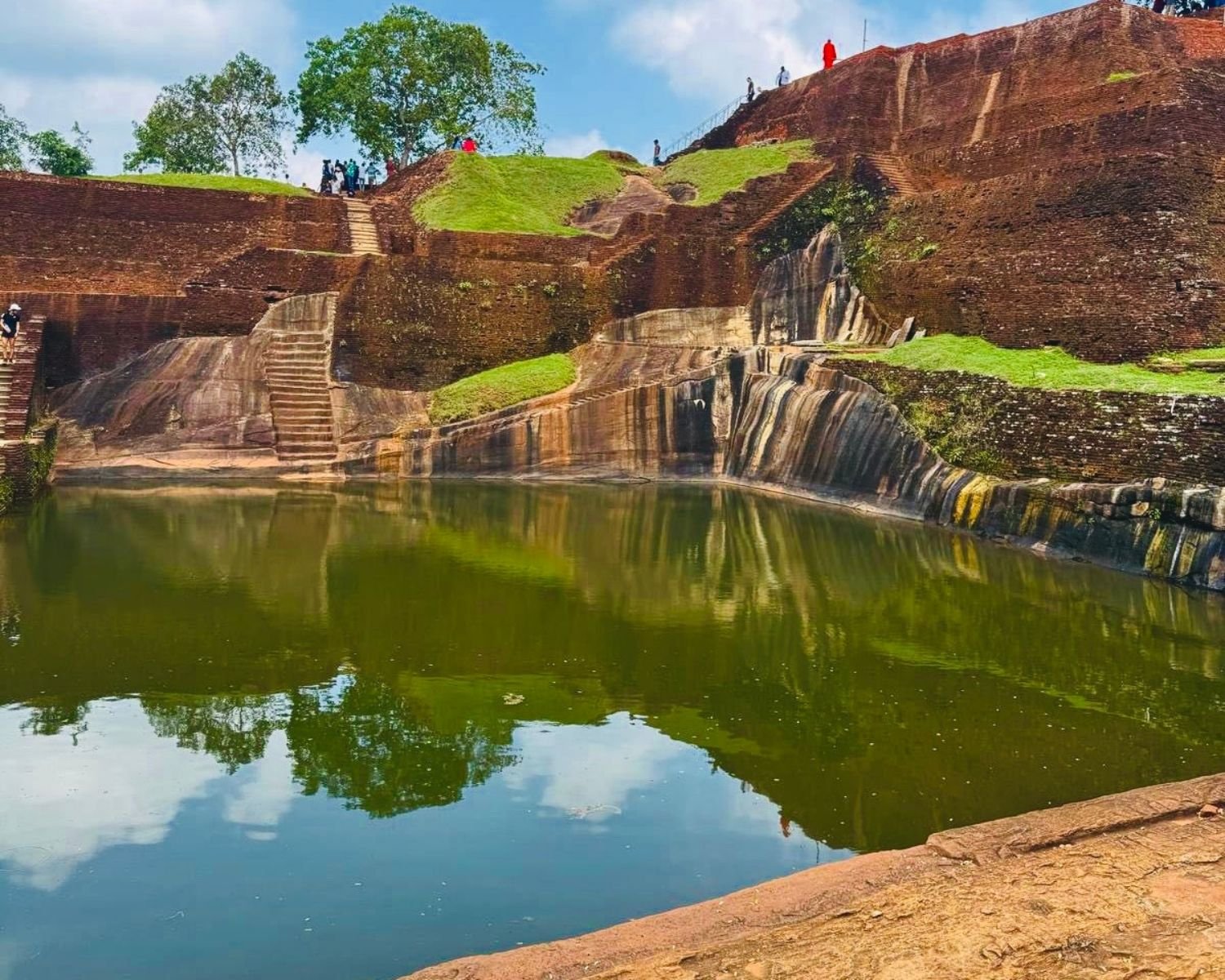
At the summit are the remains of King Kashyapa's palace complex, including foundations, terraces, pools, reservoirs, and other structures that once formed an impressive royal residence. The summit also offers panoramic views across forests, reservoirs, villages, and neighbouring landmarks such as Pidurangala Rock, providing one of the most spectacular viewpoints in Sri Lanka.

Beyond its royal history, Sigiriya also holds important archaeological and religious significance. Evidence suggests the site served as a Buddhist monastic complex both before and after King Kashyapa's reign. Today, Sigiriya is recognised not only for its historical importance but also for its unique combination of architecture, engineering, art, archaeology, and natural scenery.

Whether visiting for its history, ancient artwork, impressive engineering, or breathtaking views, Sigiriya Rock Fortress offers one of the most rewarding cultural experiences in Sri Lanka and remains an essential stop for travellers exploring the Cultural Triangle.
Read More
Hike
30-40 min climb to the summit. Moderate difficulty with a short rock scramble near the top.
Scenery
Panoramic views of Sigiriya Rock, forests, reservoirs, and the surrounding plains. Best at sunrise.
History
Ancient Buddhist monastery dating to the 5th century CE, closely linked to King Kashyapa and Sigiriya.
Entrance Fee
$3 USD (LKR 1,000)
Tickets at entrance

Ticket Office

! Fees are approximate and can vary based on factors such as season, group size, and additional services.
Pidurangala Rock

Top Pick
Pidurangala Rock Locations Entrance Summit
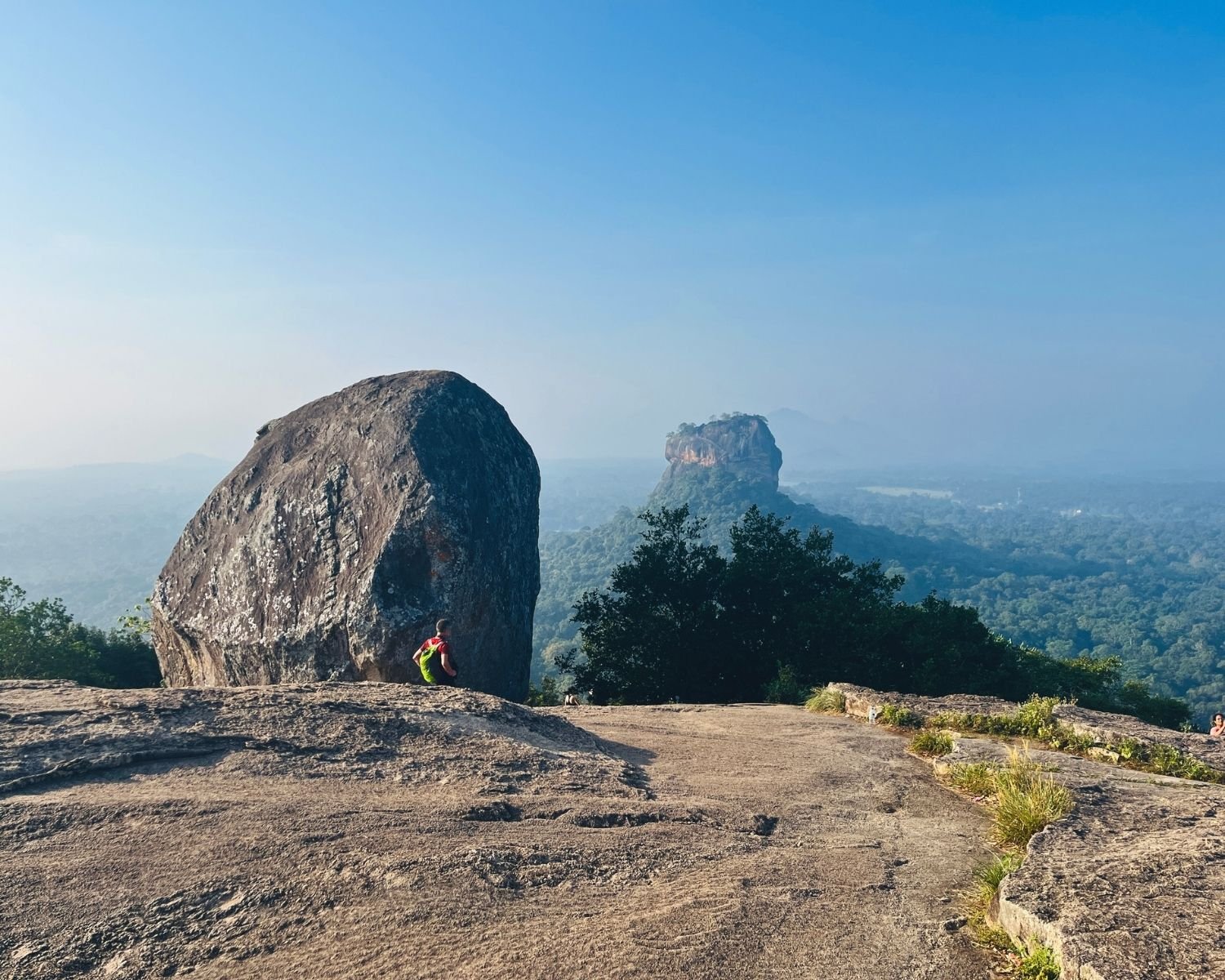
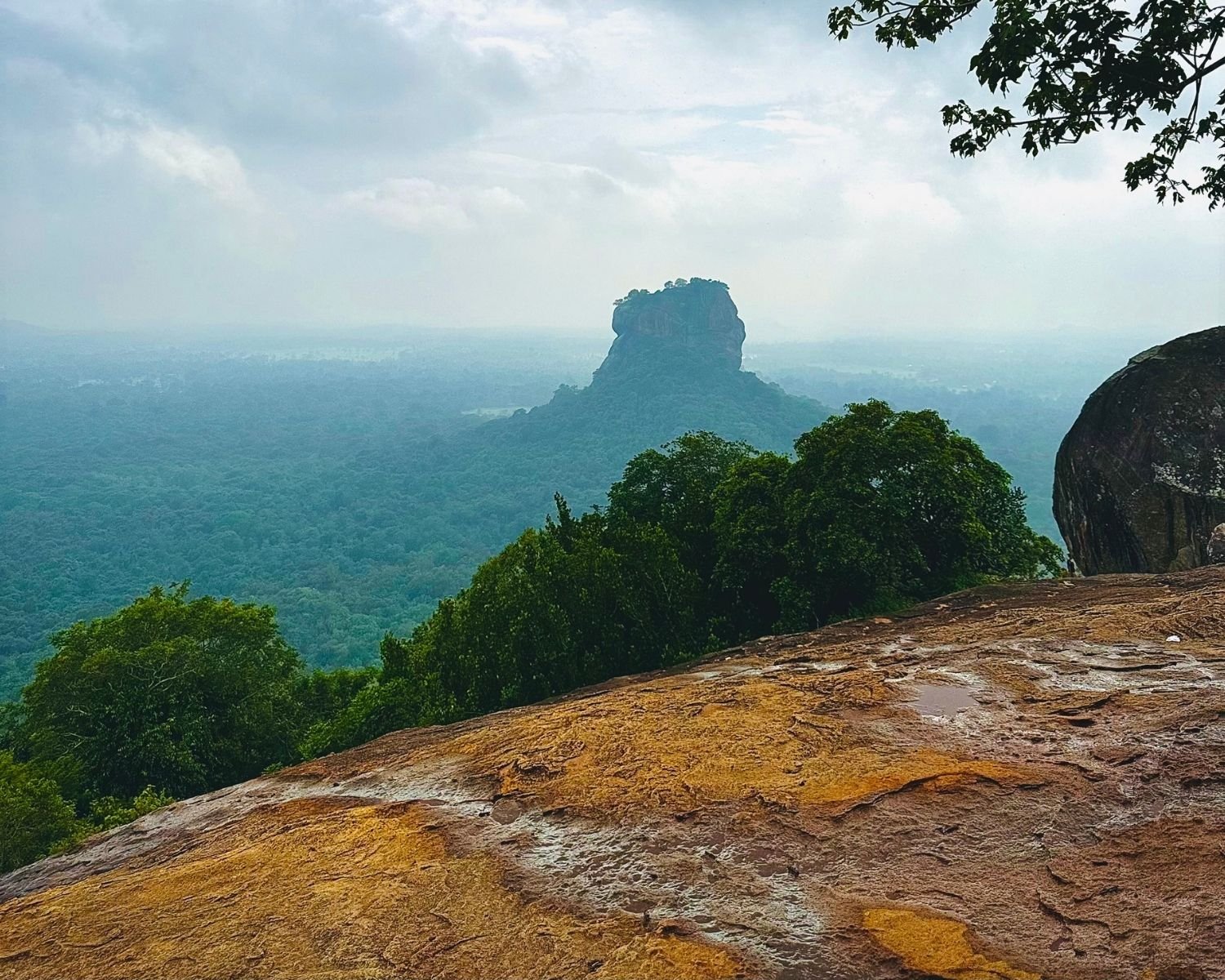
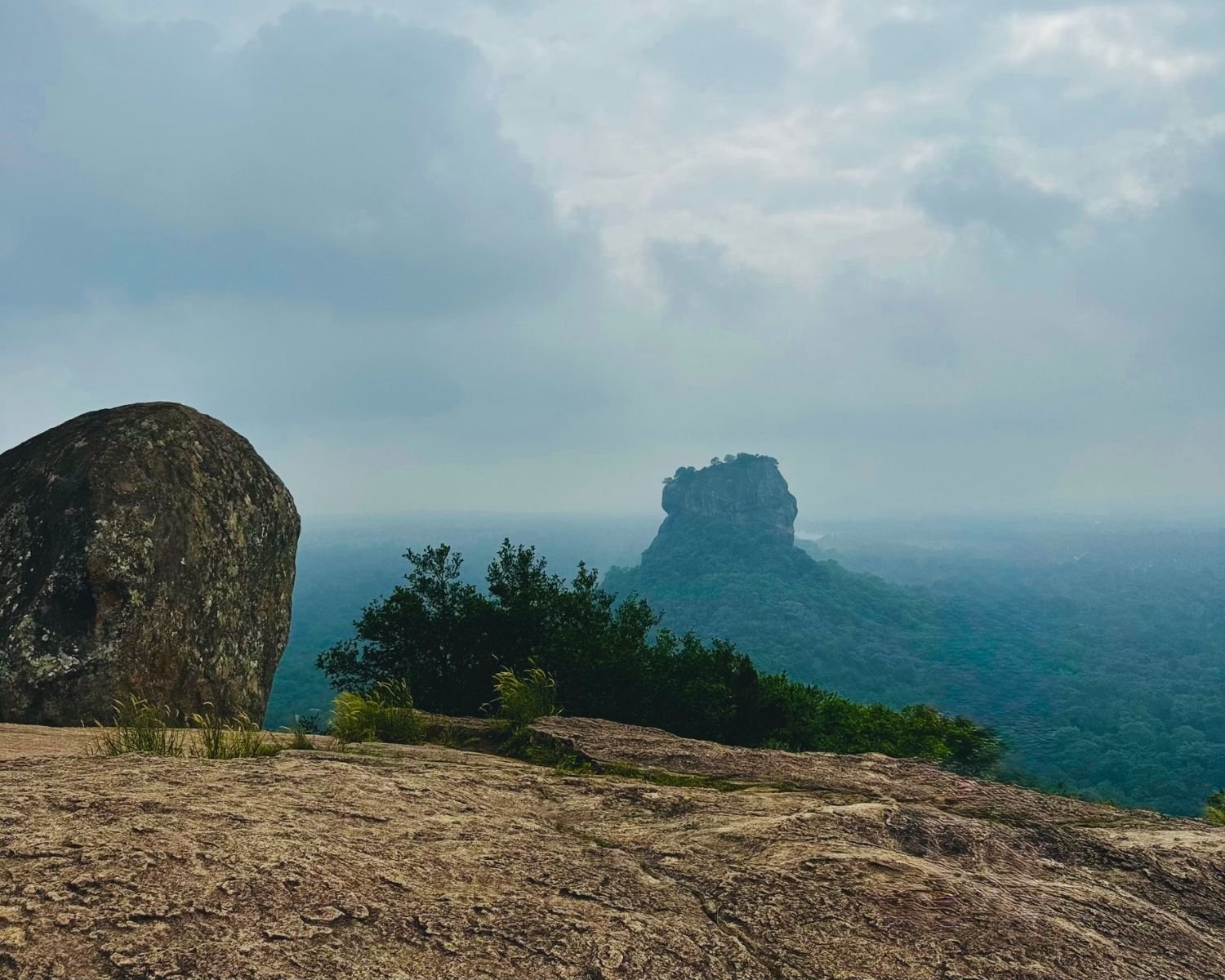
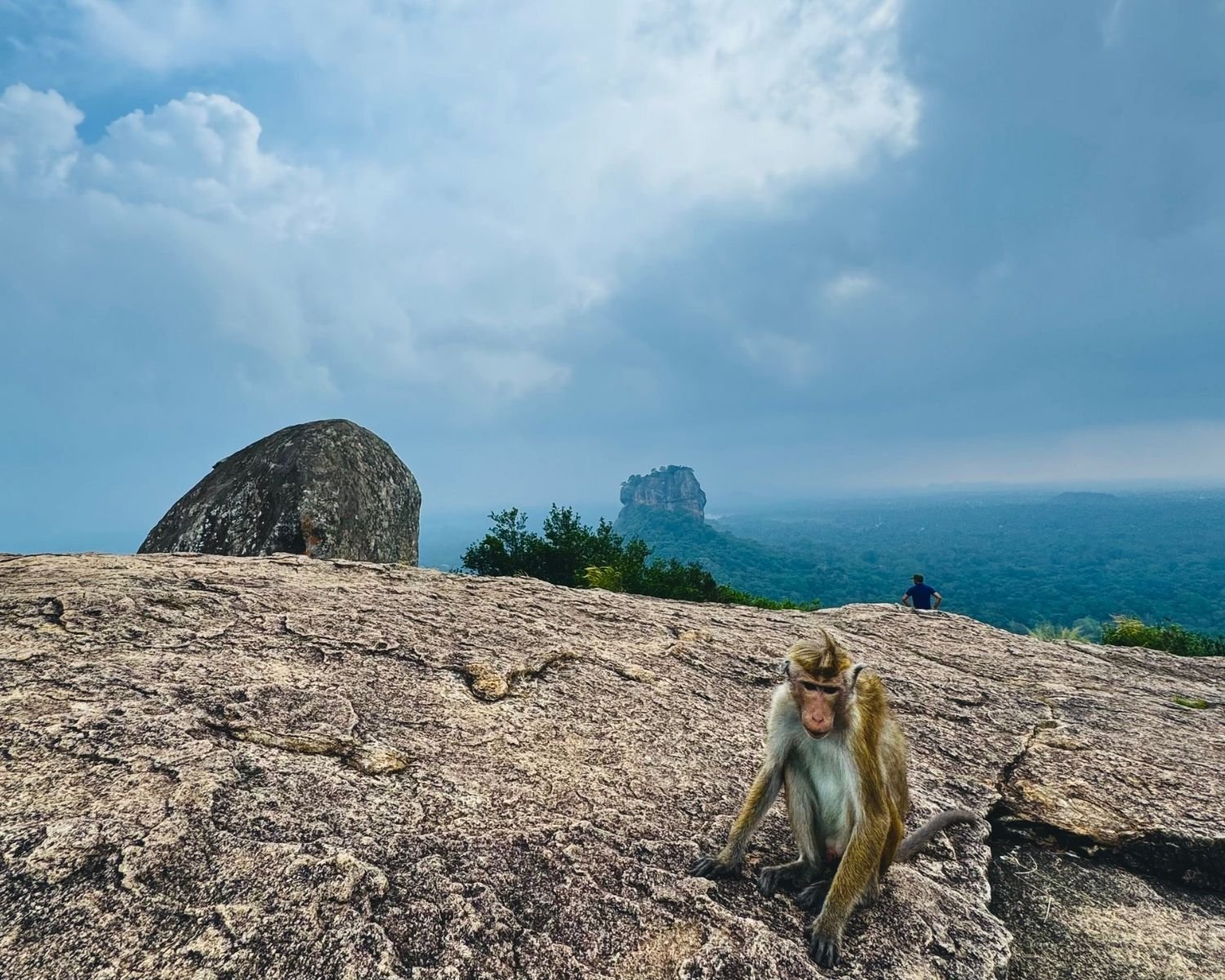
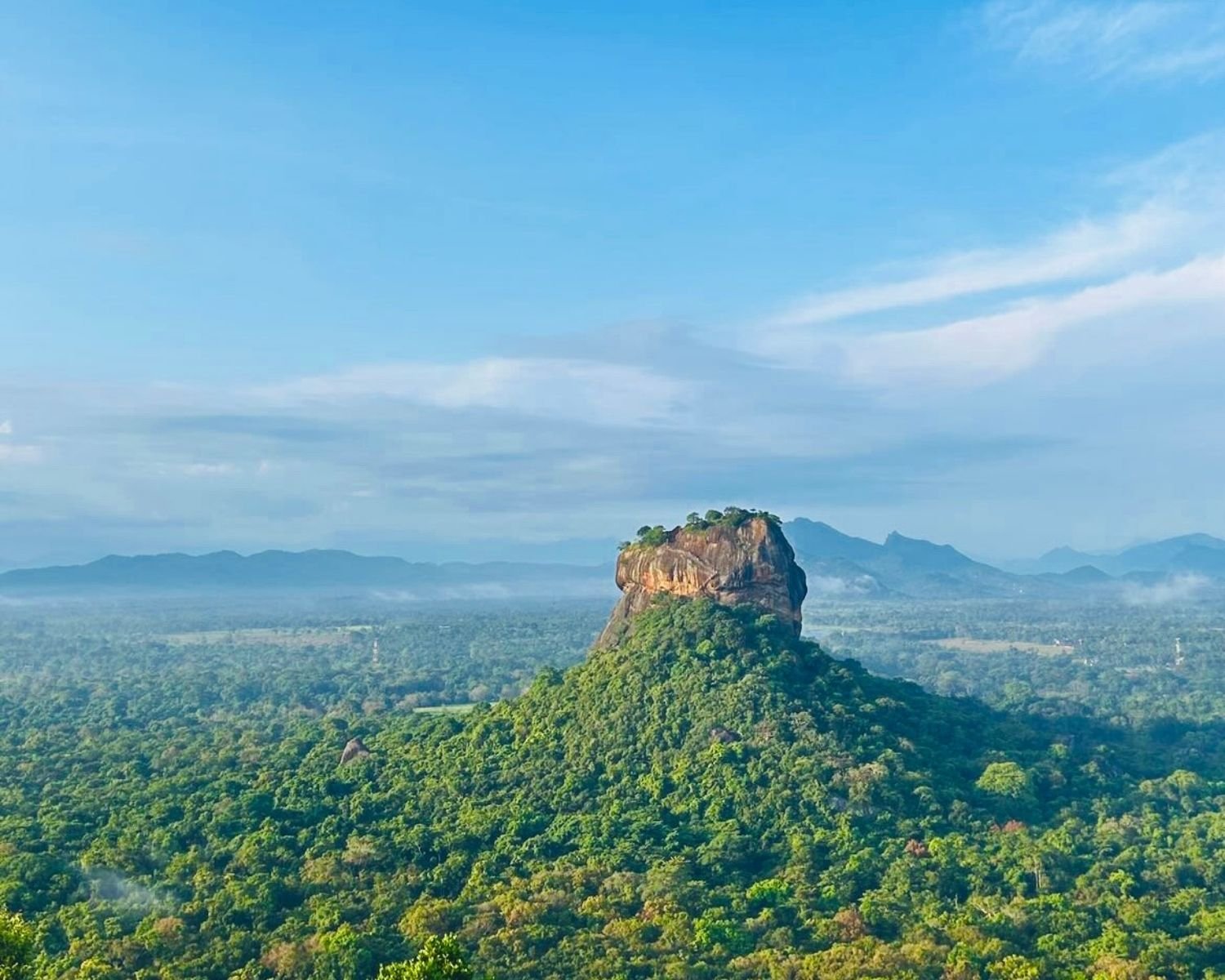
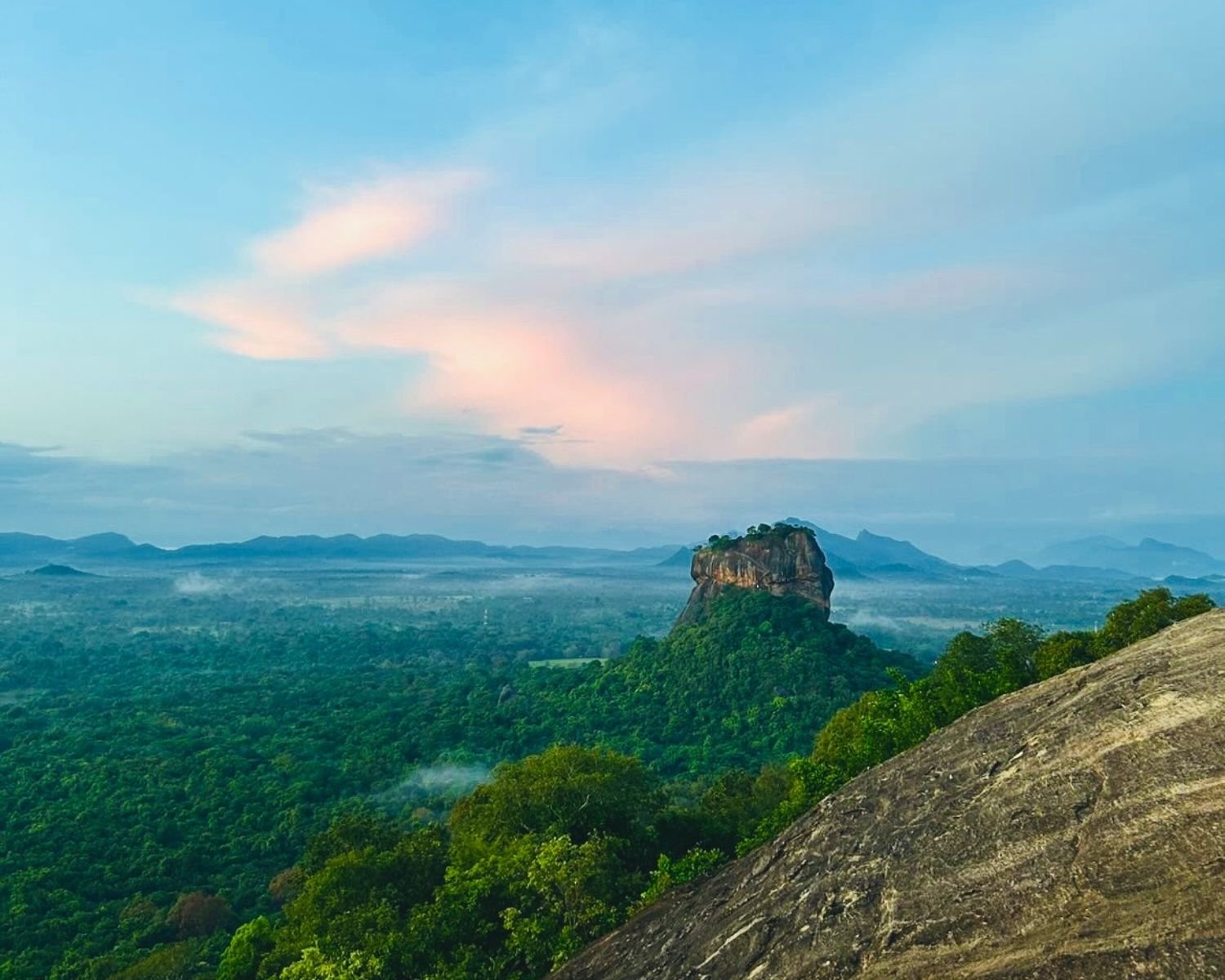
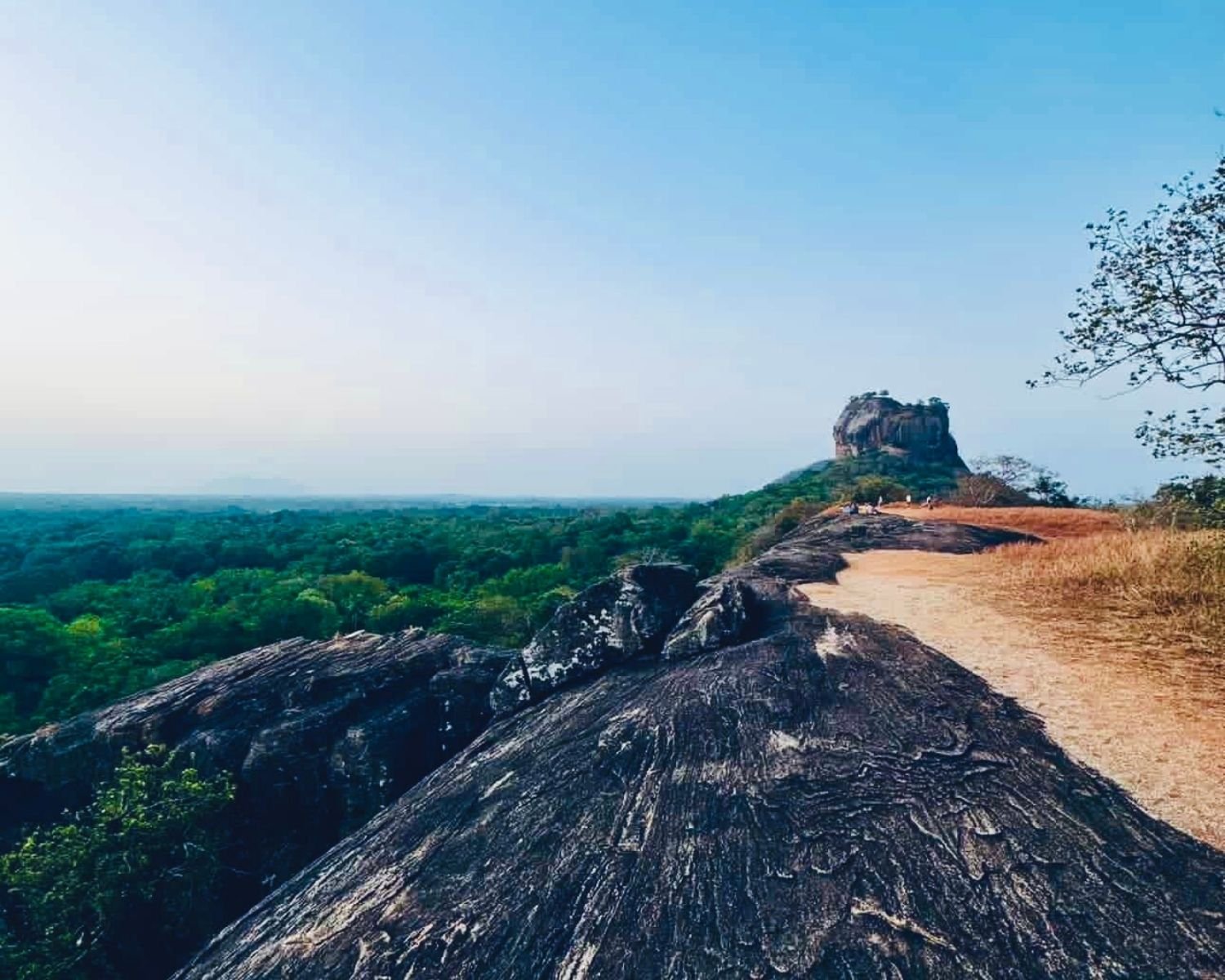
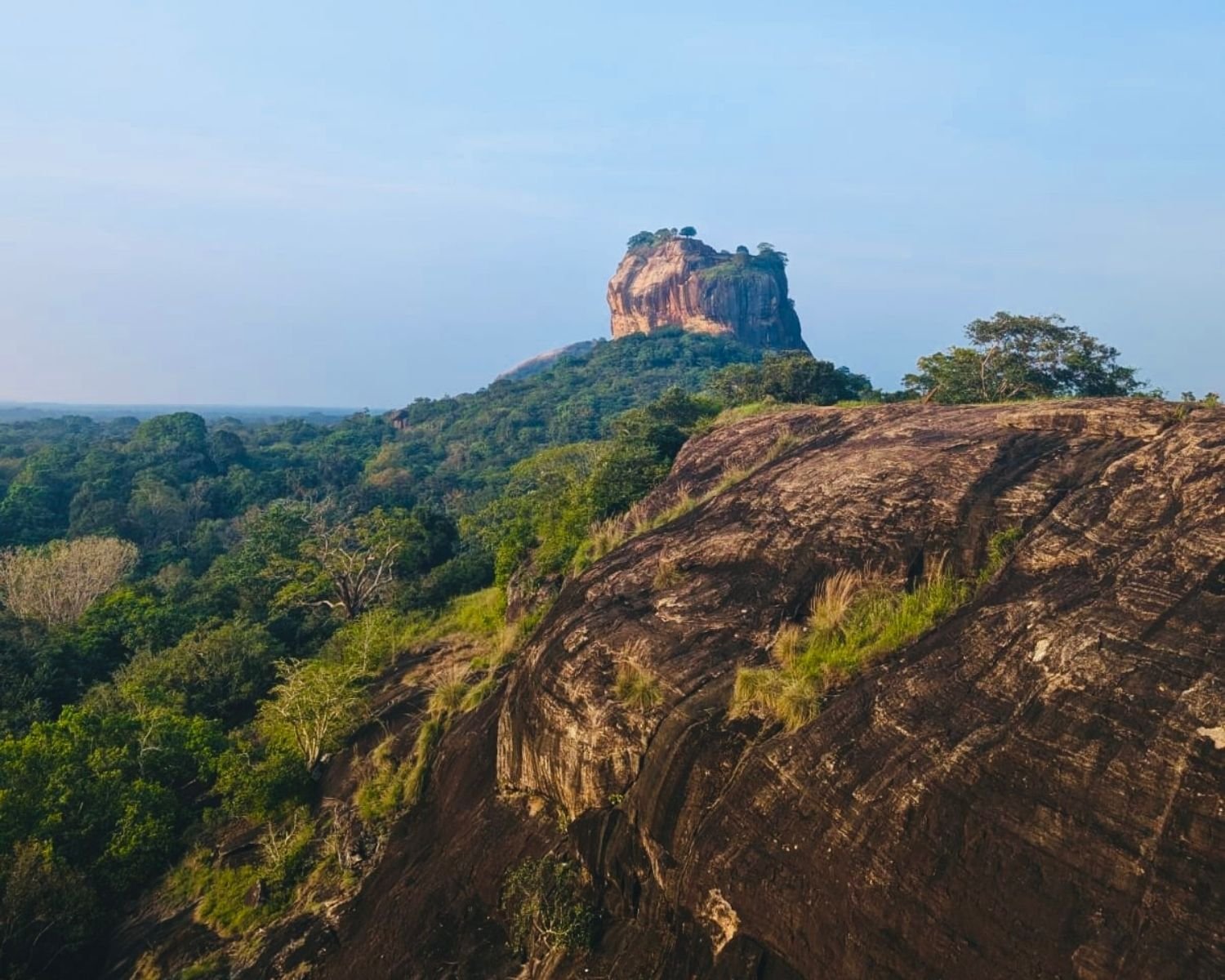
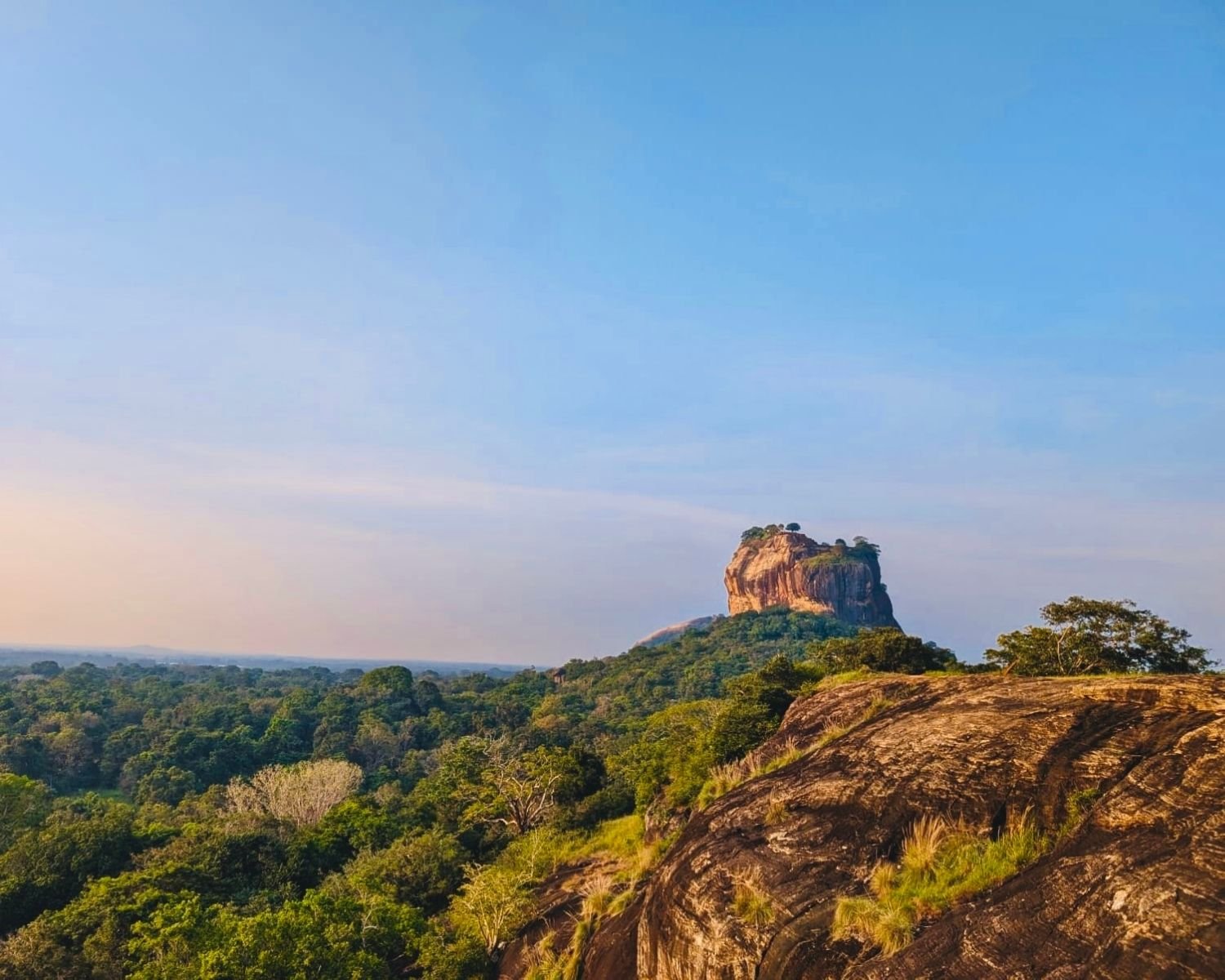
Pidurangala Rock is one of the best viewpoints near Sigiriya and is especially popular for sunrise and sunset. Located just north of Sigiriya Rock Fortress, it offers a wide summit view across forests, lakes, villages, and the famous Lion Rock in the distance. While Sigiriya is known for its palace ruins and ancient gardens, Pidurangala is more natural, quieter, and focused mainly on the hike, the monastery ruins, and the panoramic view from the top.

Pidurangala also has an important religious history. The site was used as a Buddhist monastic complex, and local tradition connects it with the period of King Kashyapa in the 5th century CE. When Sigiriya was developed as a royal fortress, monks who had lived around the rock are believed to have moved to Pidurangala, where a monastery was established for them.

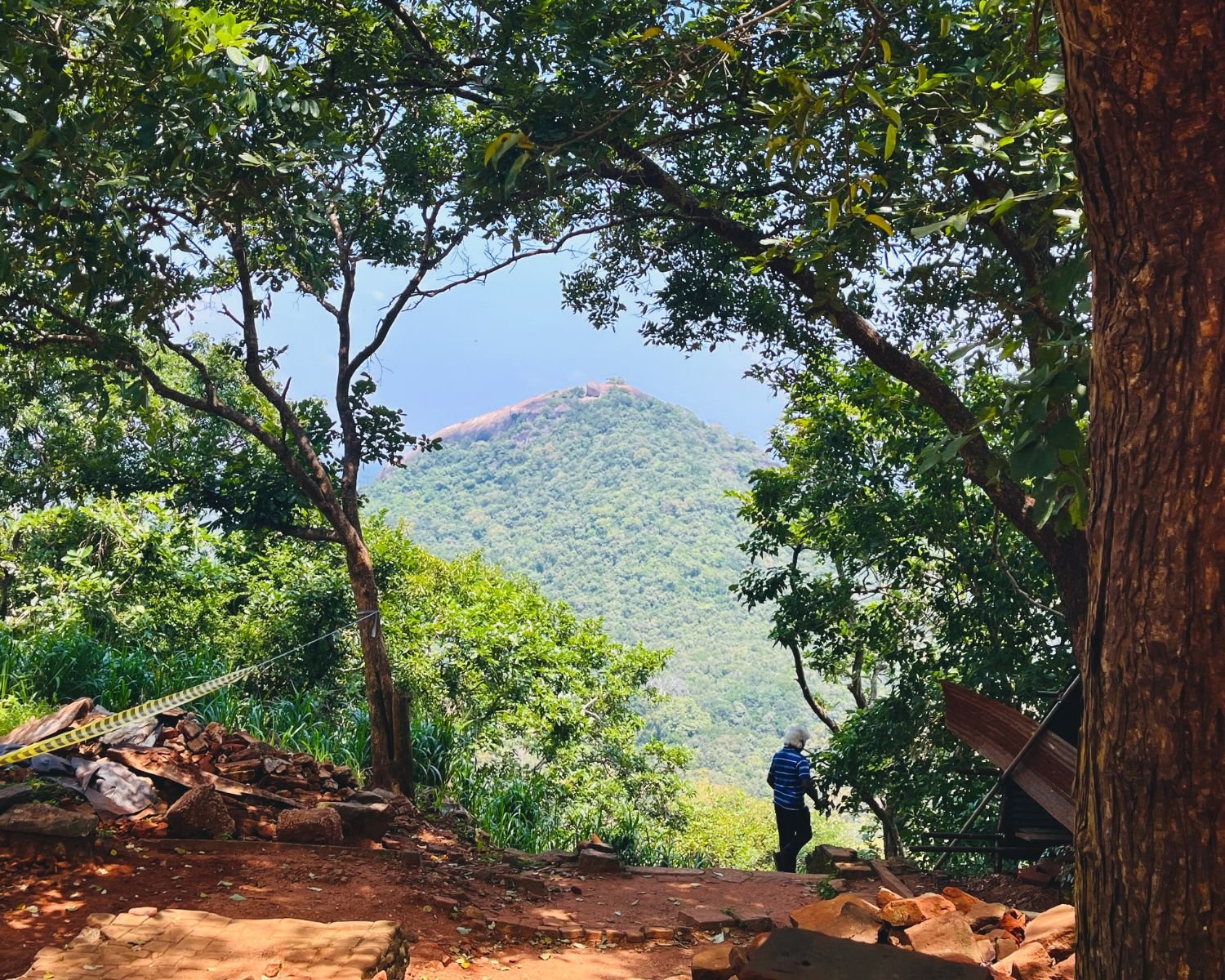
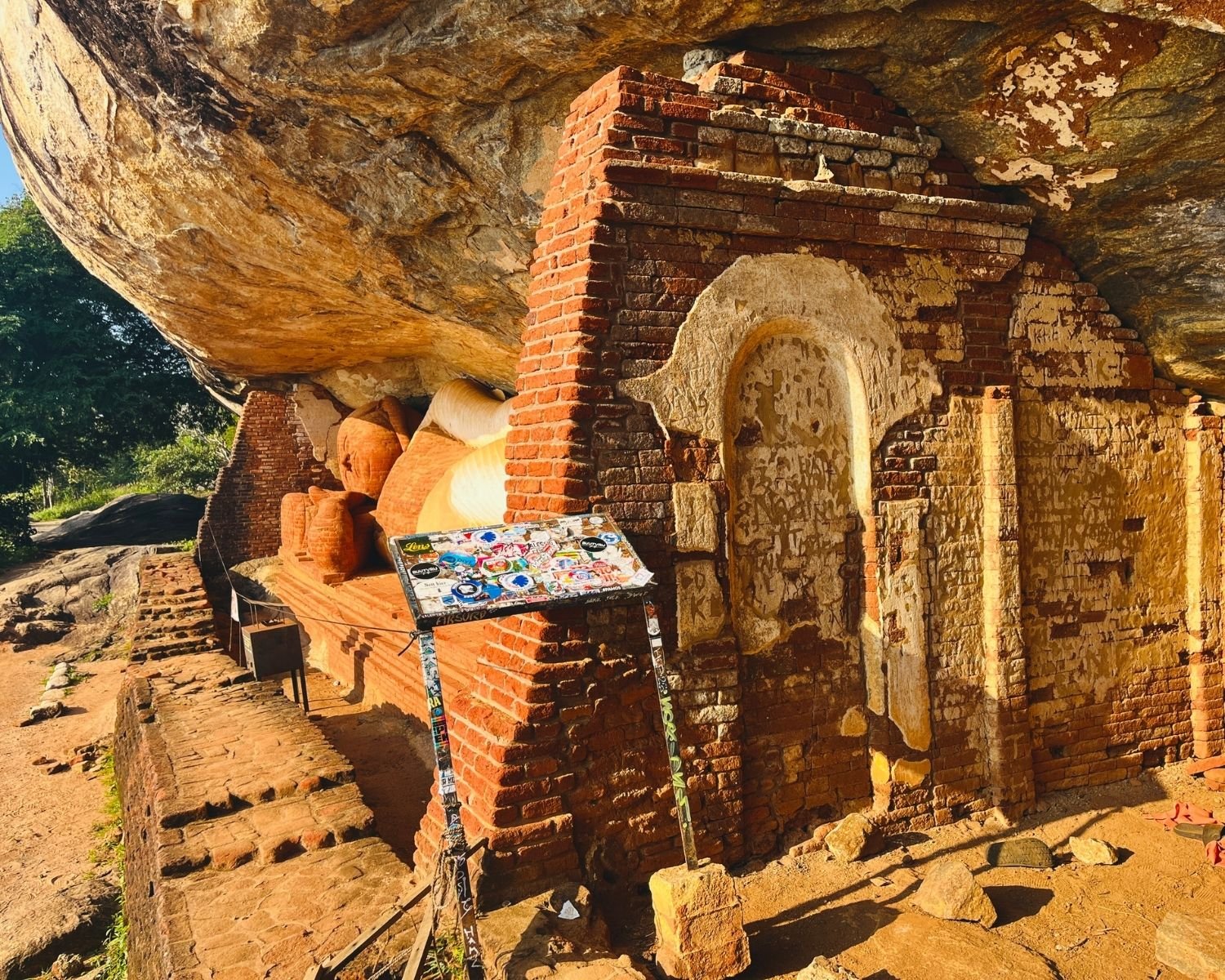
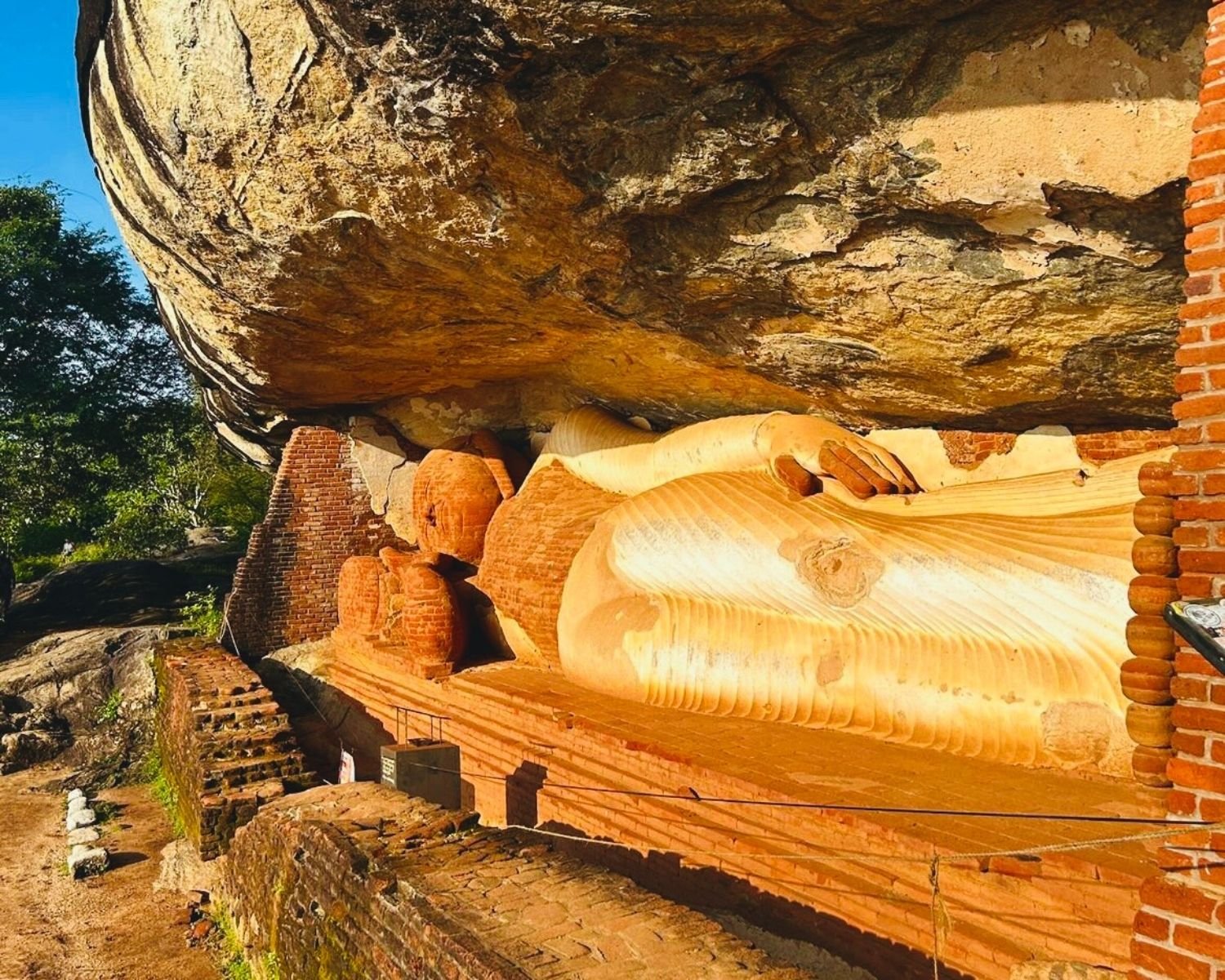
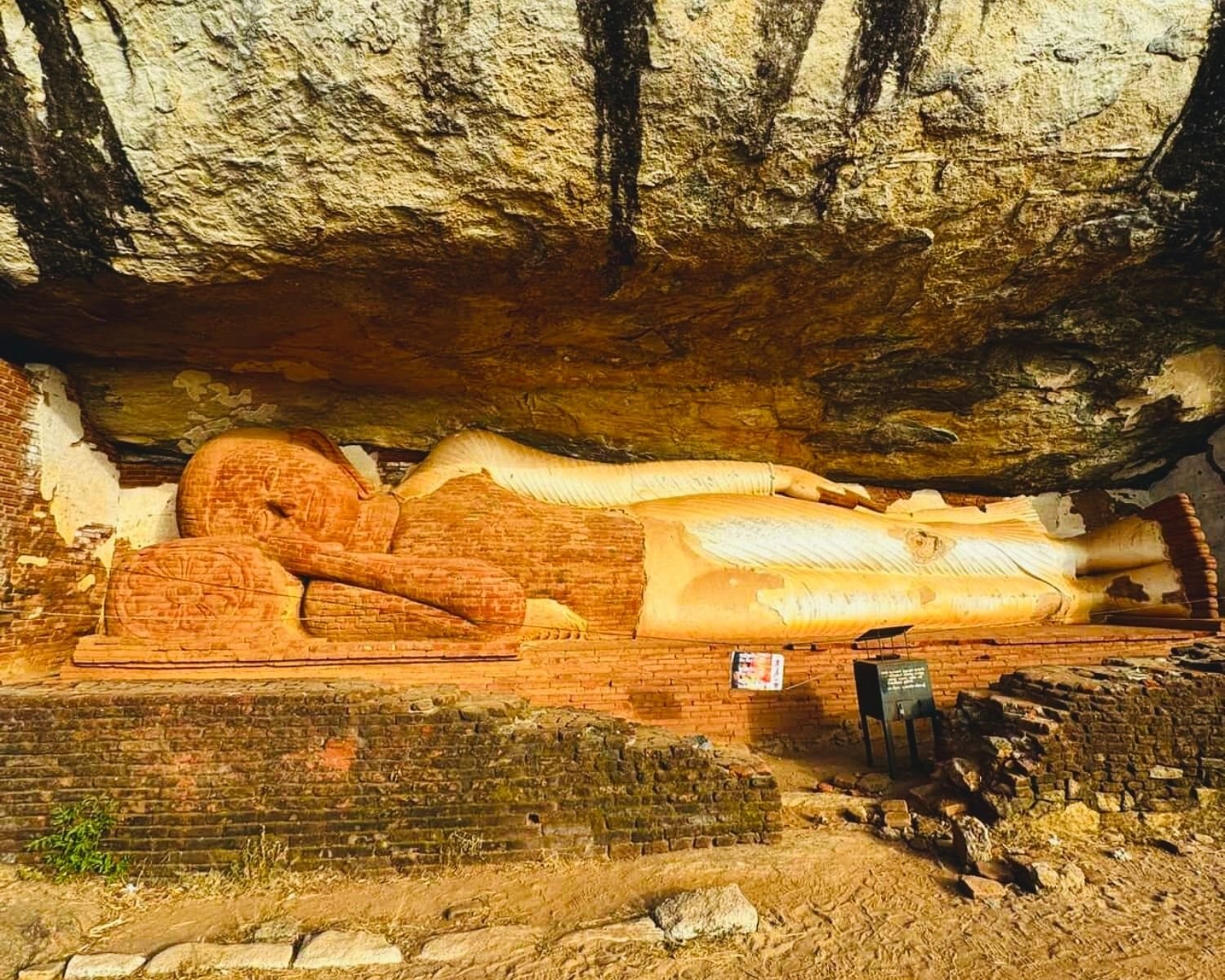
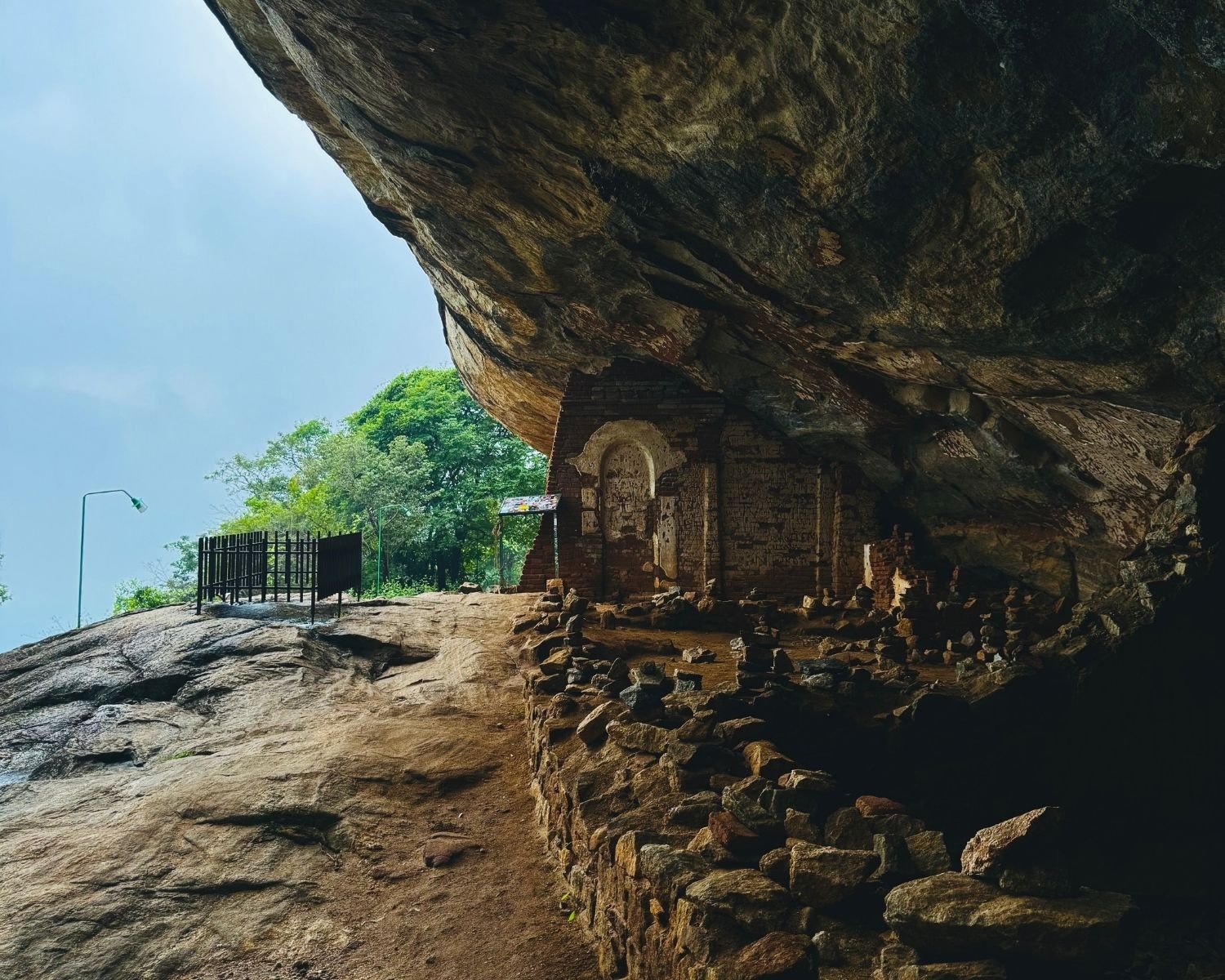
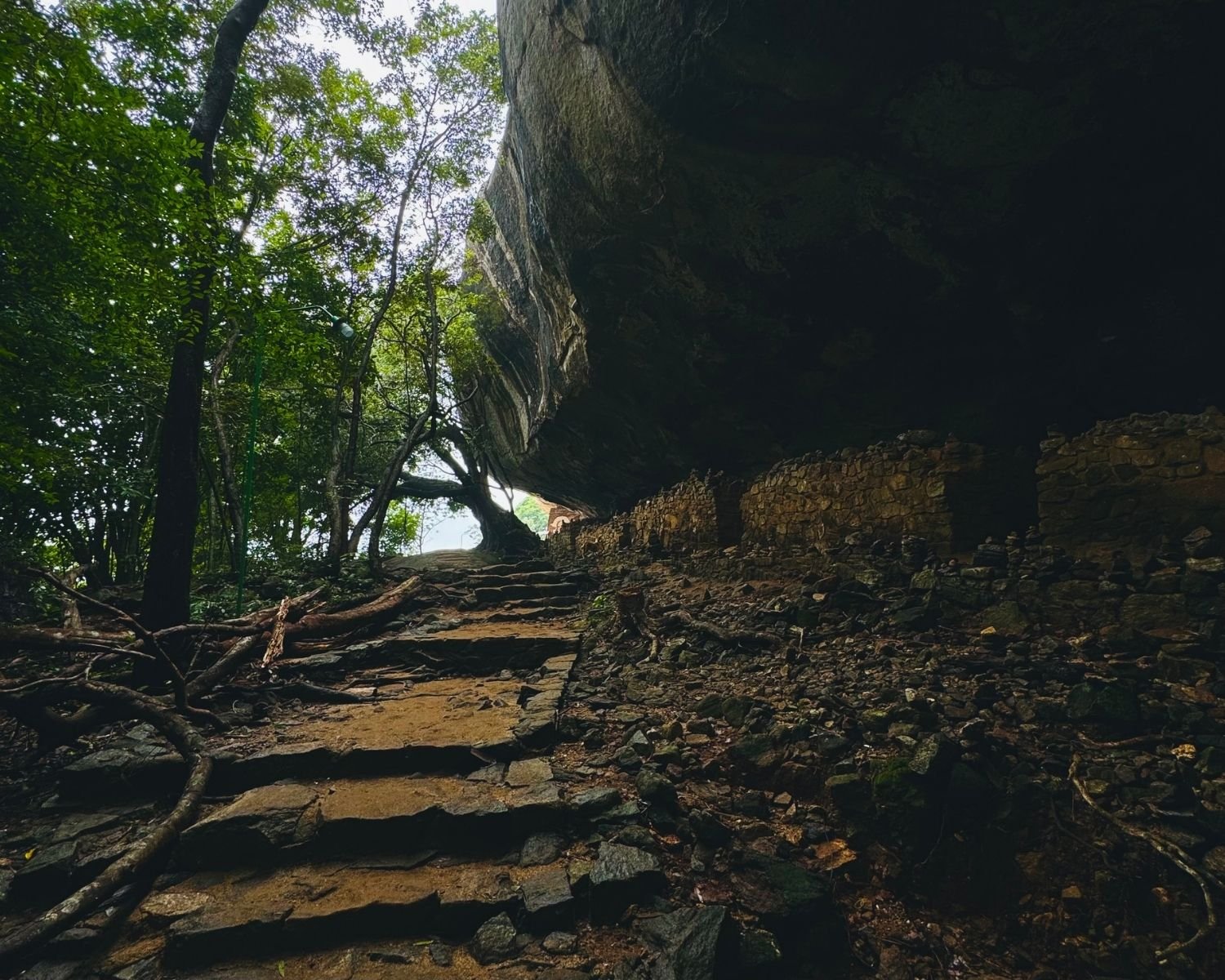
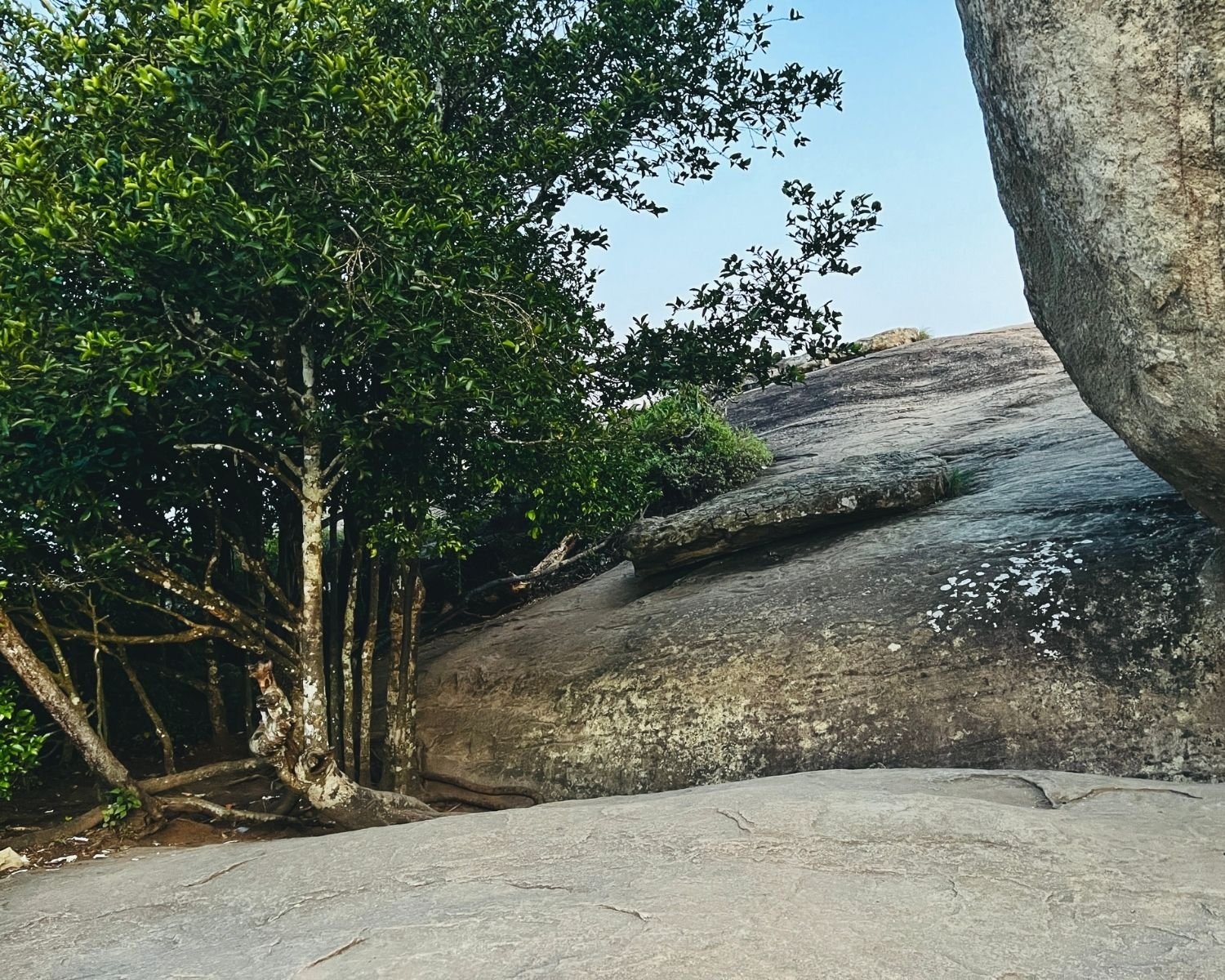
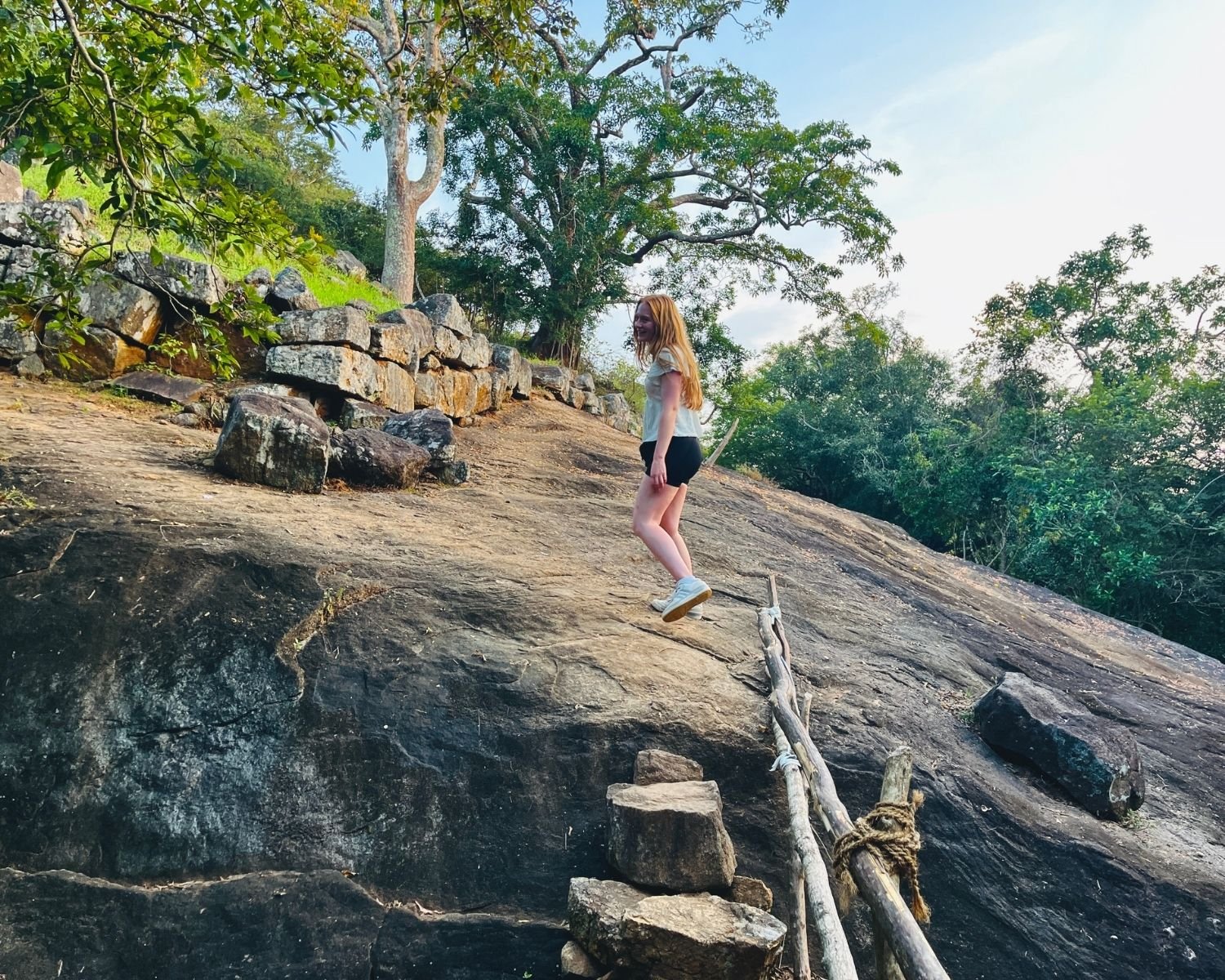
The walk begins near Pidurangala Raja Maha Viharaya and passes through forest, stone steps, old monastic remains, and a reclining Buddha statue set beneath a large rock shelter. This section gives the climb more historical and cultural value, rather than being only a viewpoint hike.

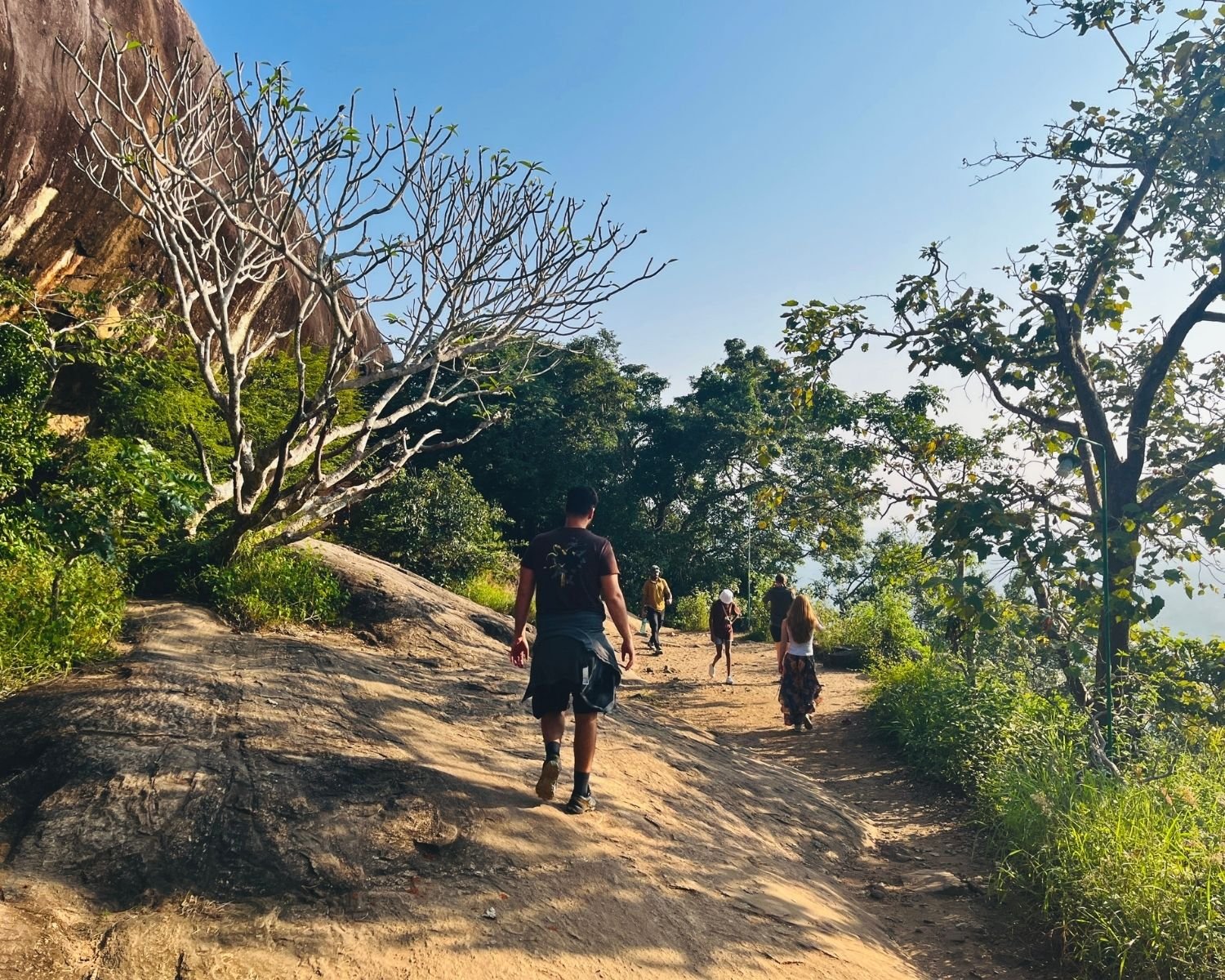
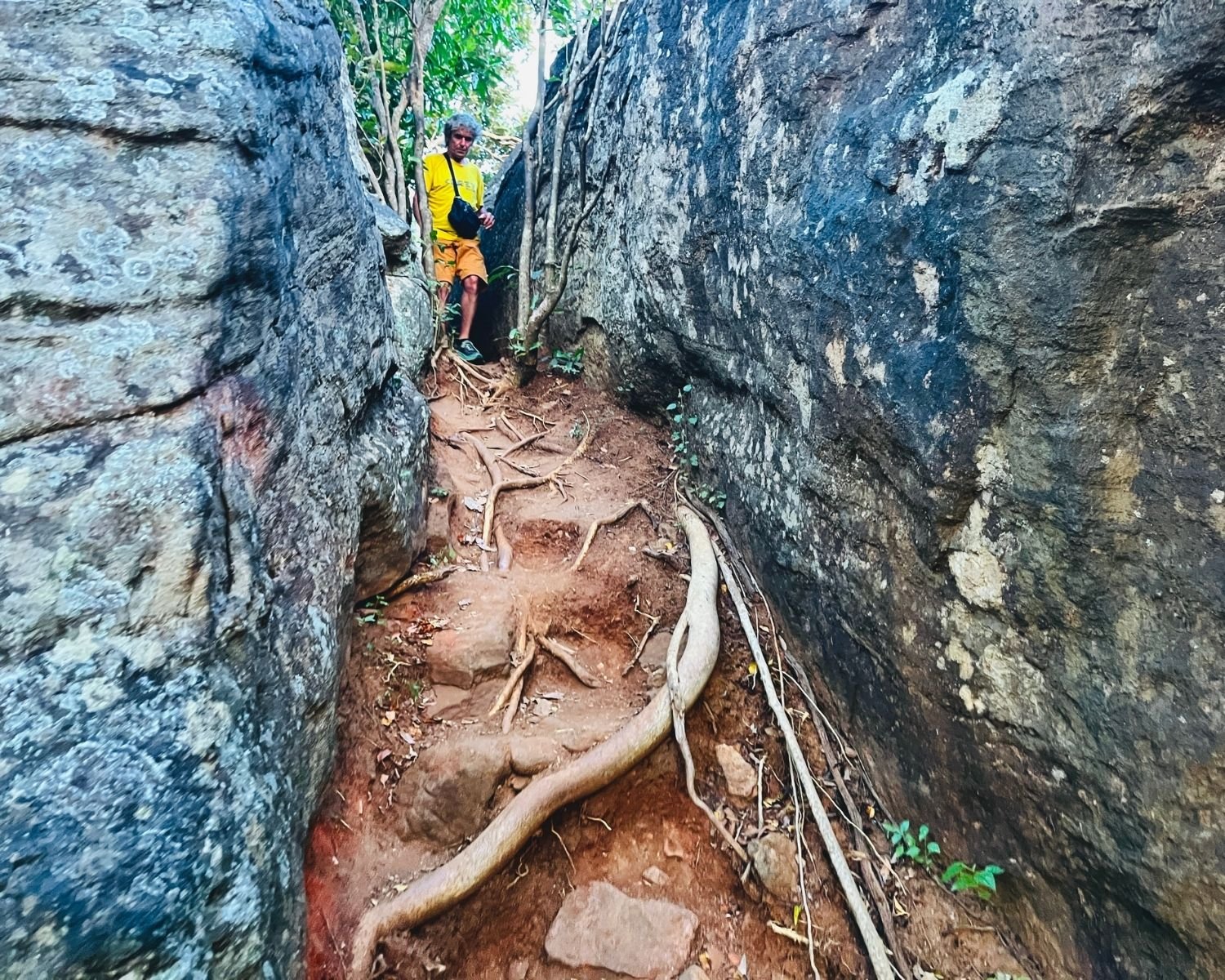
The hike usually takes around 30 to 40 minutes to reach the summit. Most of the route is manageable, but the final section requires climbing over large boulders, so good footwear is useful. It is not a long hike, but the last part can be awkward for visitors who are not comfortable with scrambling or uneven rocks.

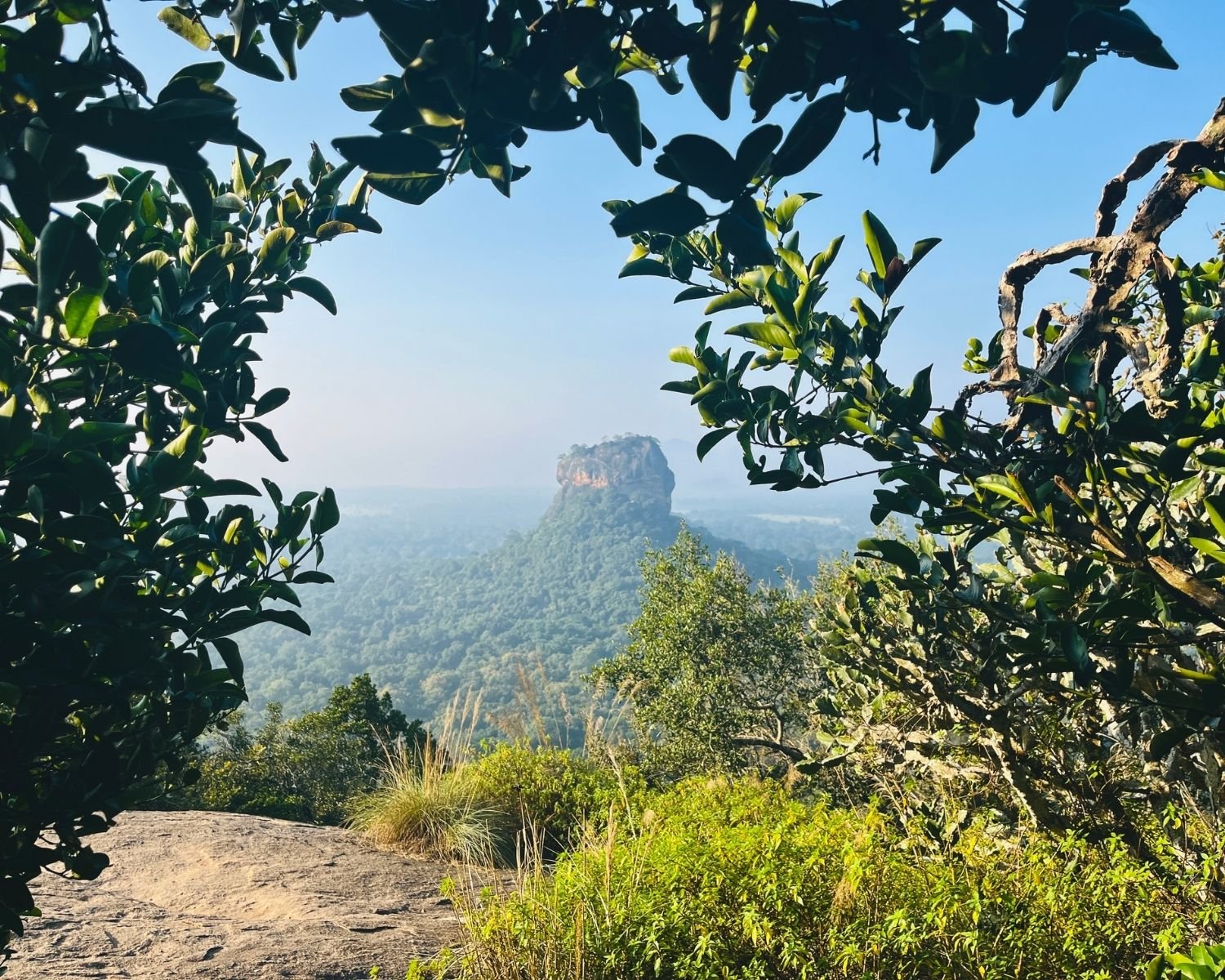
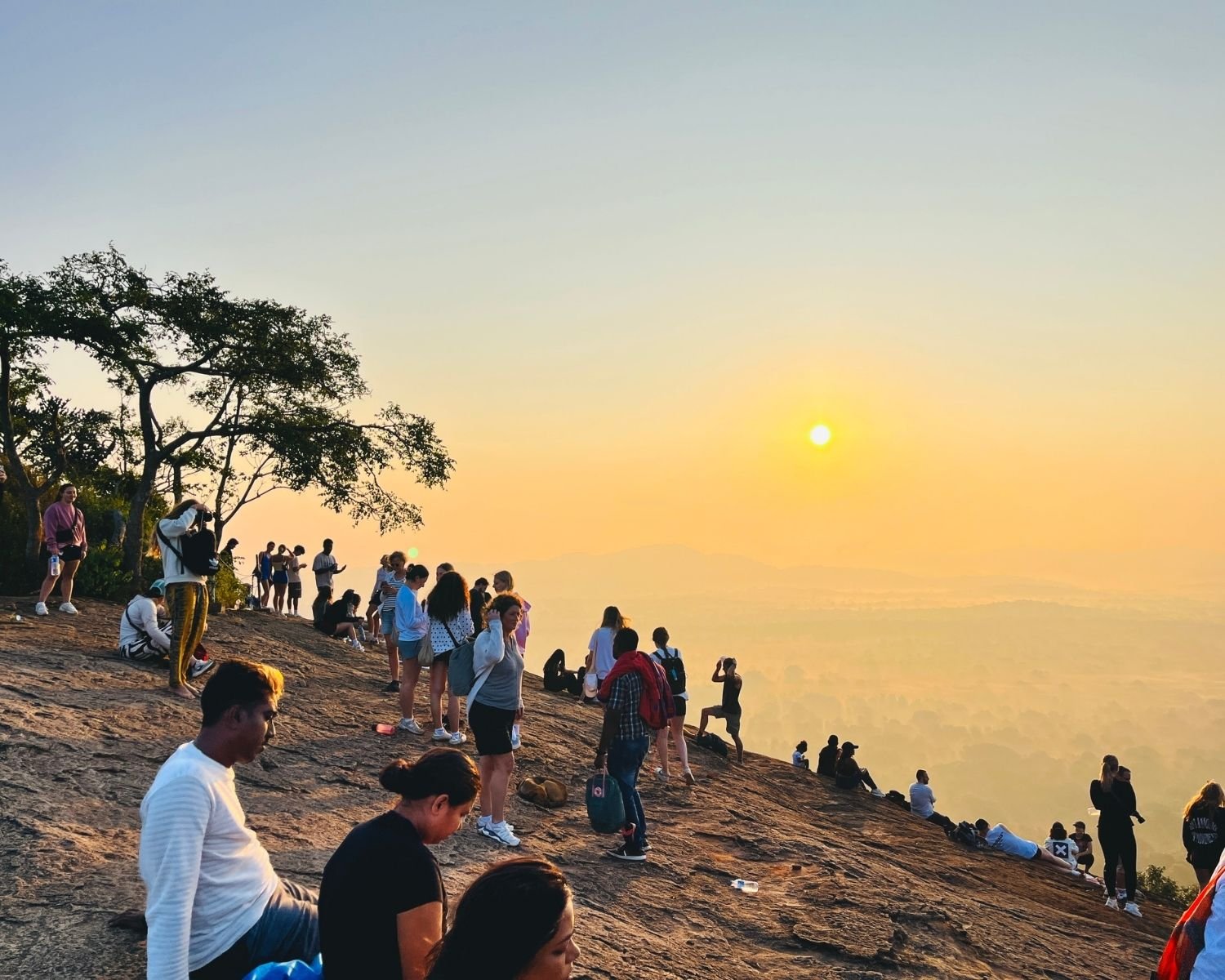
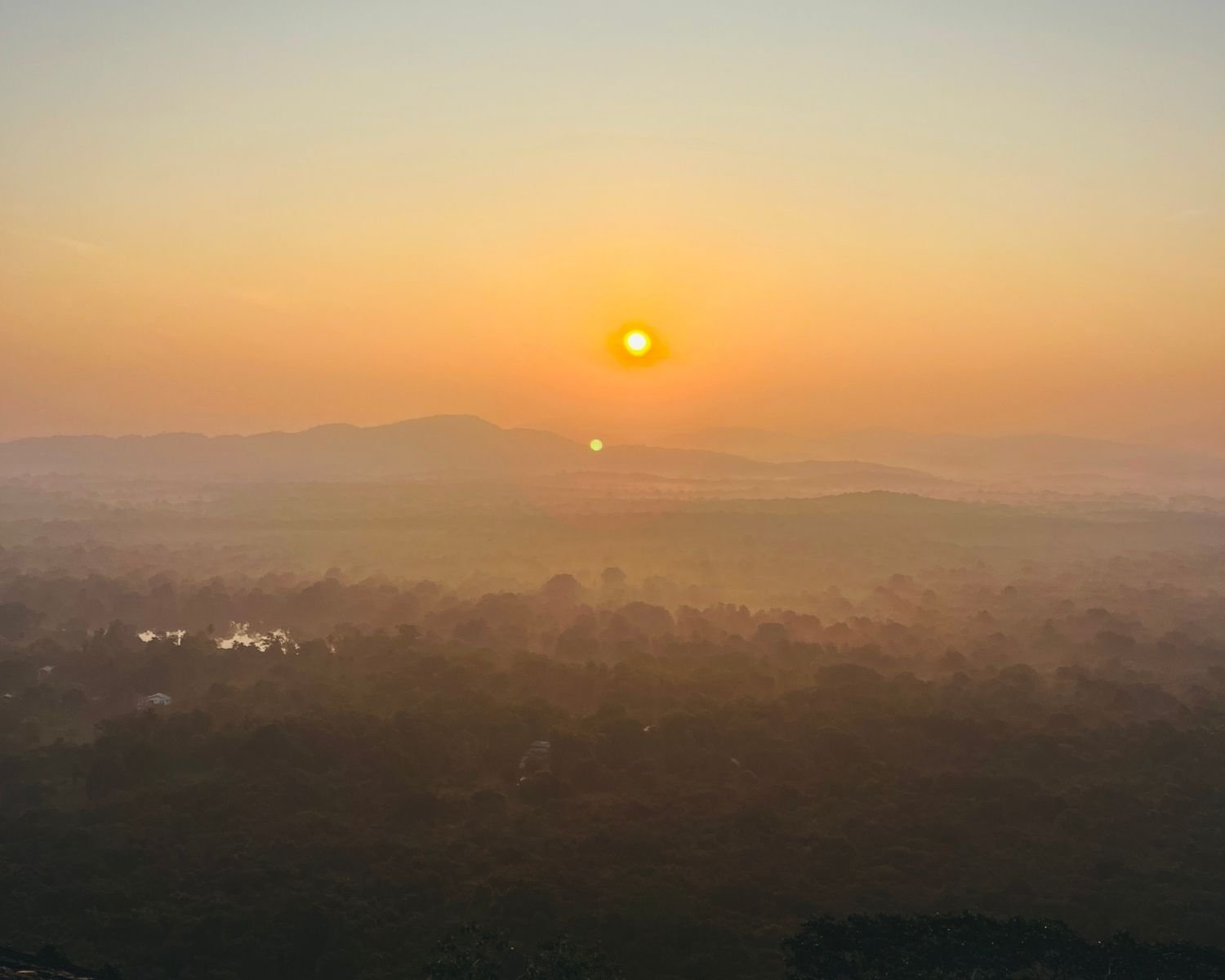
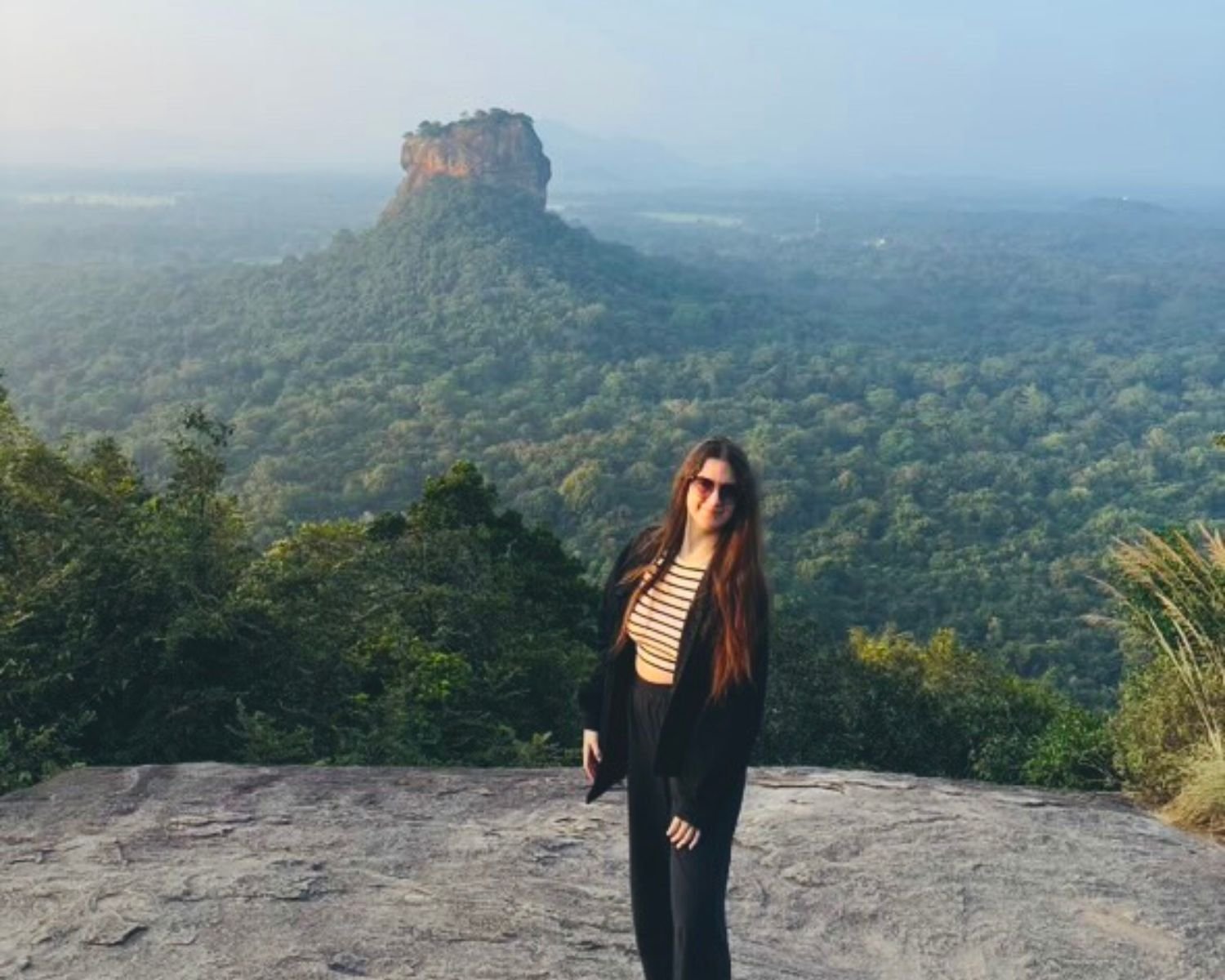
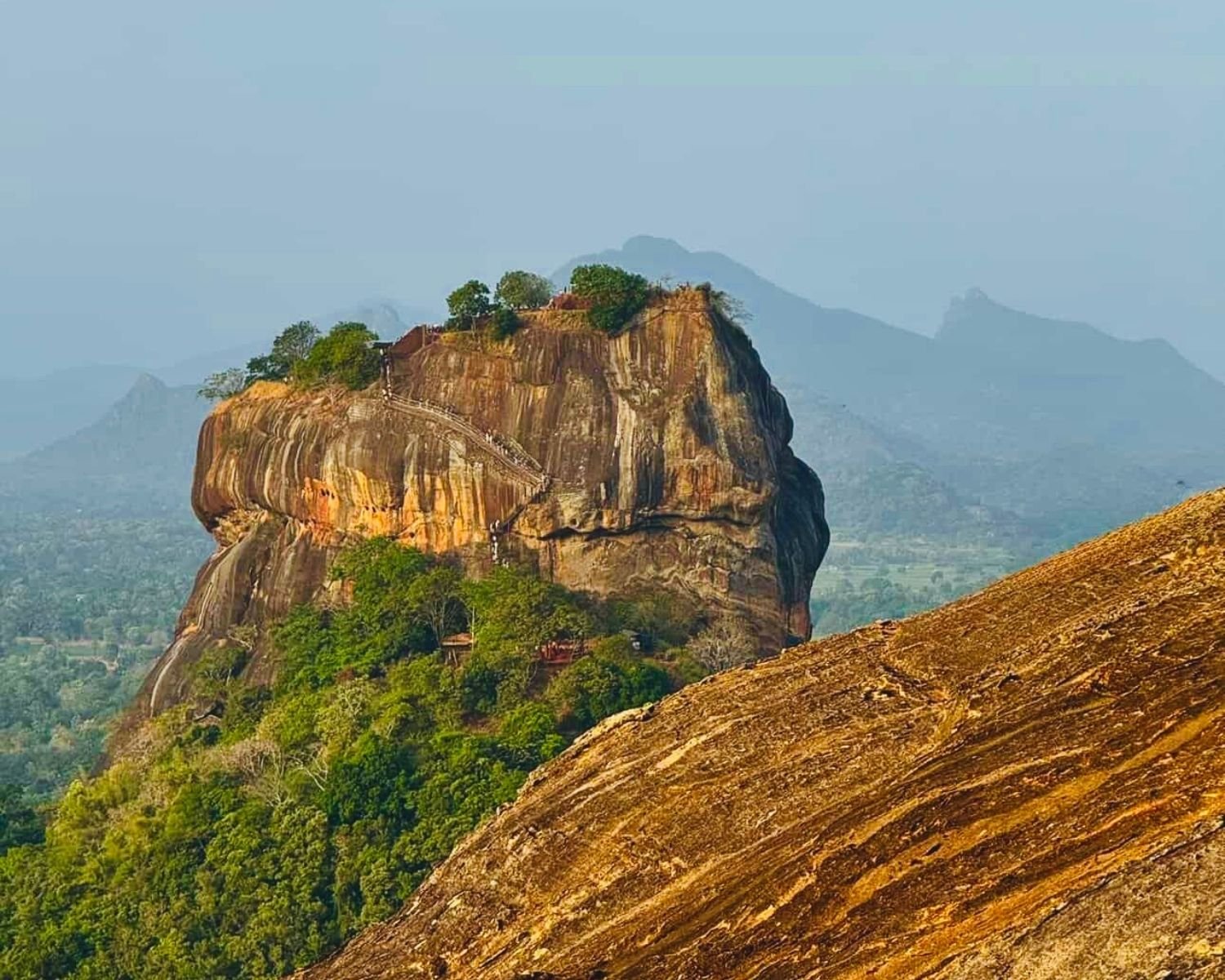
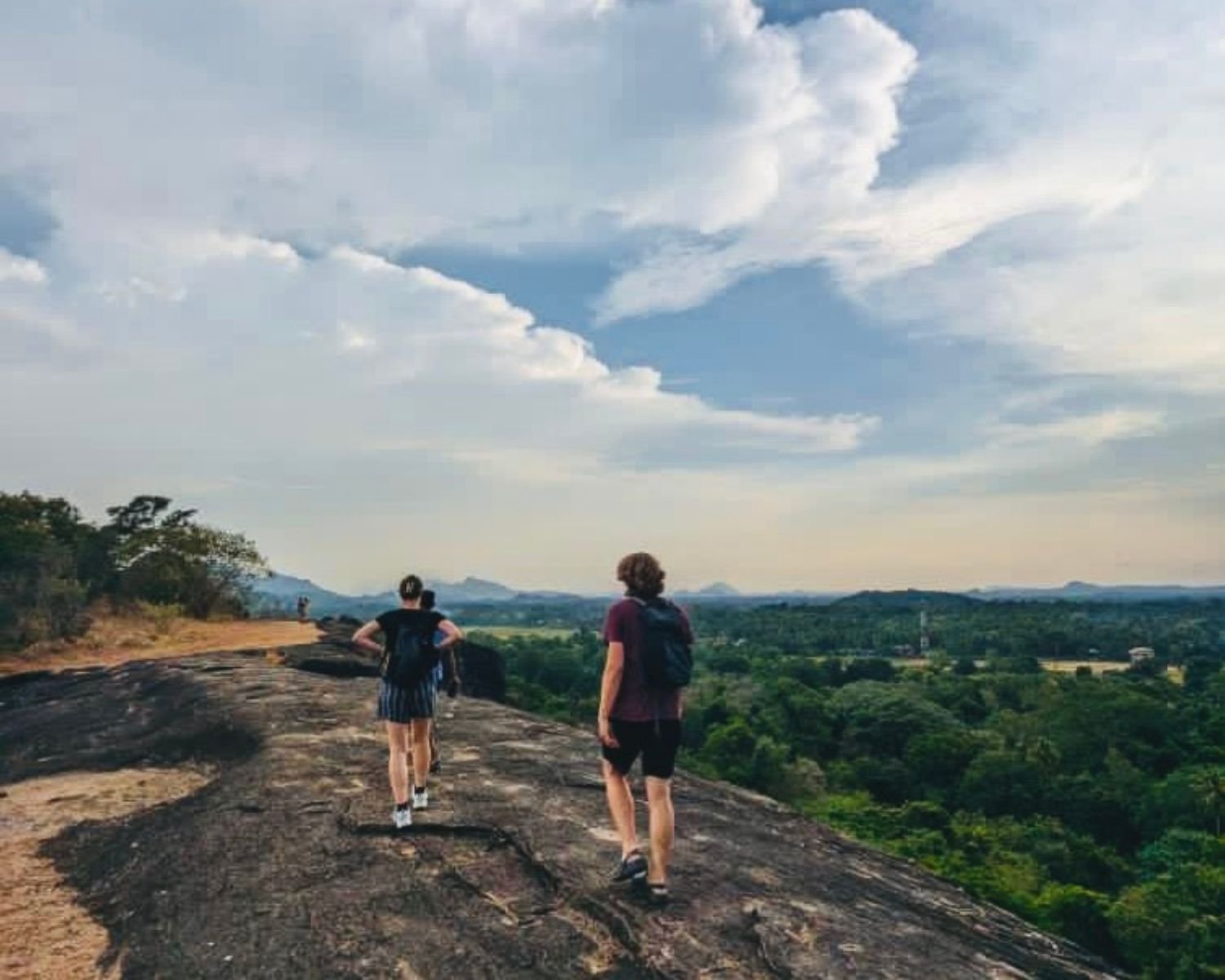
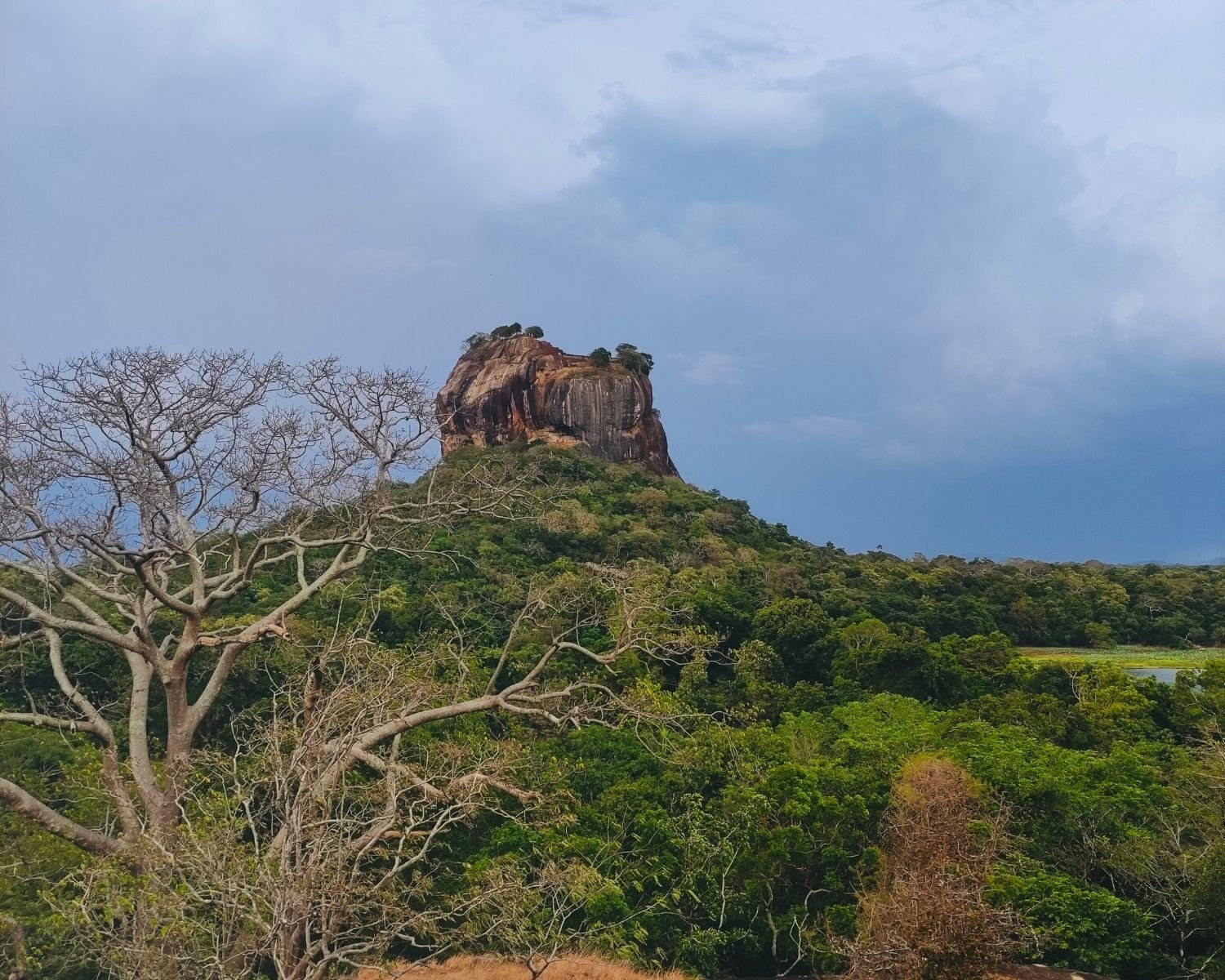
The summit is the main reason most travellers visit Pidurangala. From the open rock surface, Sigiriya Rock rises clearly above the surrounding jungle, making it one of the most photographed views in Sri Lanka. Sunrise is the most popular time, but late afternoon and sunset can also be beautiful, especially when the light falls across the plains.

Pidurangala is a strong choice for travellers who want a more relaxed and adventurous experience near Sigiriya. It is cheaper than Sigiriya Rock Fortress, less formal, and gives one of the best views of Lion Rock. For many visitors, combining Sigiriya Rock Fortress and Pidurangala Rock gives the best balance of history, hiking, scenery, and photography in the Sigiriya area.
Read More
Hike
~10–15 min climb. Easily accessible compared to Sigiriya or Pidurangala.
Scenery
Offers a much closer and dramatic view of Sigiriya Rock than Pidurangala. Quiet, peaceful, and less crowded.
History
5th century CE. Thought to have been part of a defensive network, believed to predate King Kashyapa’s rock citadel.

Mapagala Fortress

Top Pick
Located just south of Sigiriya Rock Fortress, Mapagala Fortress is an ancient fortified site that is often referred to as Little Pidurangala because of its rocky viewpoint and close view of Lion Rock. Unlike Sigiriya and Pidurangala, Mapagala is much quieter and less developed, making it a good stop for travellers who want a short climb, peaceful surroundings, and a different angle of the Sigiriya landscape.

Mapagala is believed to have been used as a fortified site before King Kashyapa built his 5th-century citadel at Sigiriya. The ruins are not as complete or visually dramatic as Sigiriya, but the site still has archaeological value. Large stone blocks and remnants of ancient defensive walls can be found around the area, showing that this was once part of an important fortified landscape near Sigiriya.

The site is closely connected to the wider Sigiriya area. While Sigiriya became the famous royal palace and fortress, Mapagala appears to have served a more defensive or supporting role. Some sources describe it as an older fortified complex, with stone walls built using large boulders and blocks. Today, only scattered ruins remain, but they still give visitors a sense of the site's age and historical importance.

The climb at Mapagala is short compared to Sigiriya or Pidurangala. Most visitors can reach the viewpoint in around 10 to 15 minutes, depending on the route and conditions. The path can be rough in places, so it is still better to wear proper footwear, especially after rain. There are fewer facilities here, and the site feels more natural and less managed than the better-known attractions nearby.

The main reason to visit Mapagala is the view. From the rocky plateau, Sigiriya Rock appears close and clear, giving a different perspective from the more famous Pidurangala viewpoint. The surrounding scenery includes jungle, open plains, lakes, and distant hills, especially beautiful during golden hour or around sunset.

Mapagala Fortress is best suited for travellers who enjoy quiet viewpoints, hidden ruins, and less crowded places. It does not have the grand palace ruins of Sigiriya or the wide summit atmosphere of Pidurangala, but it offers a peaceful experience with historical interest and one of the closest natural views of Lion Rock.

For visitors already exploring Sigiriya, Mapagala is a worthwhile short detour. It works especially well for photographers, repeat visitors, or anyone looking for a quieter place to enjoy the landscape without the crowds.
Read More
Lake
Ancient reservoir ideal for walking, birdwatching, photography, and views of Sigiriya and Pidurangala.
Scenery
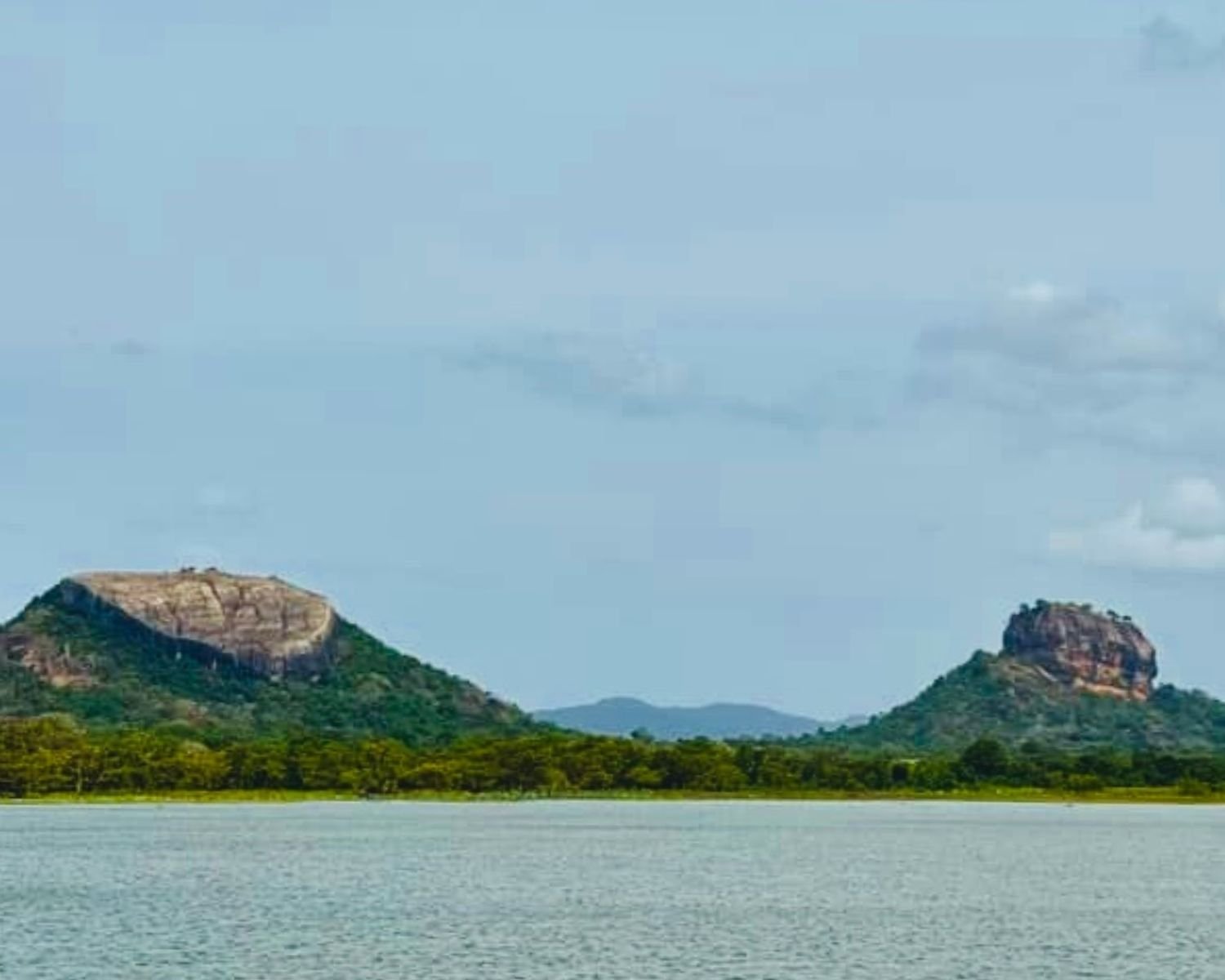
Peaceful reservoir with panoramic views of Sigiriya Rock and Pidurangala reflected across the water.
History
Ancient irrigation reservoir that has supported farming communities around Sigiriya for centuries.

Thalkote Reservoir

Top Pick
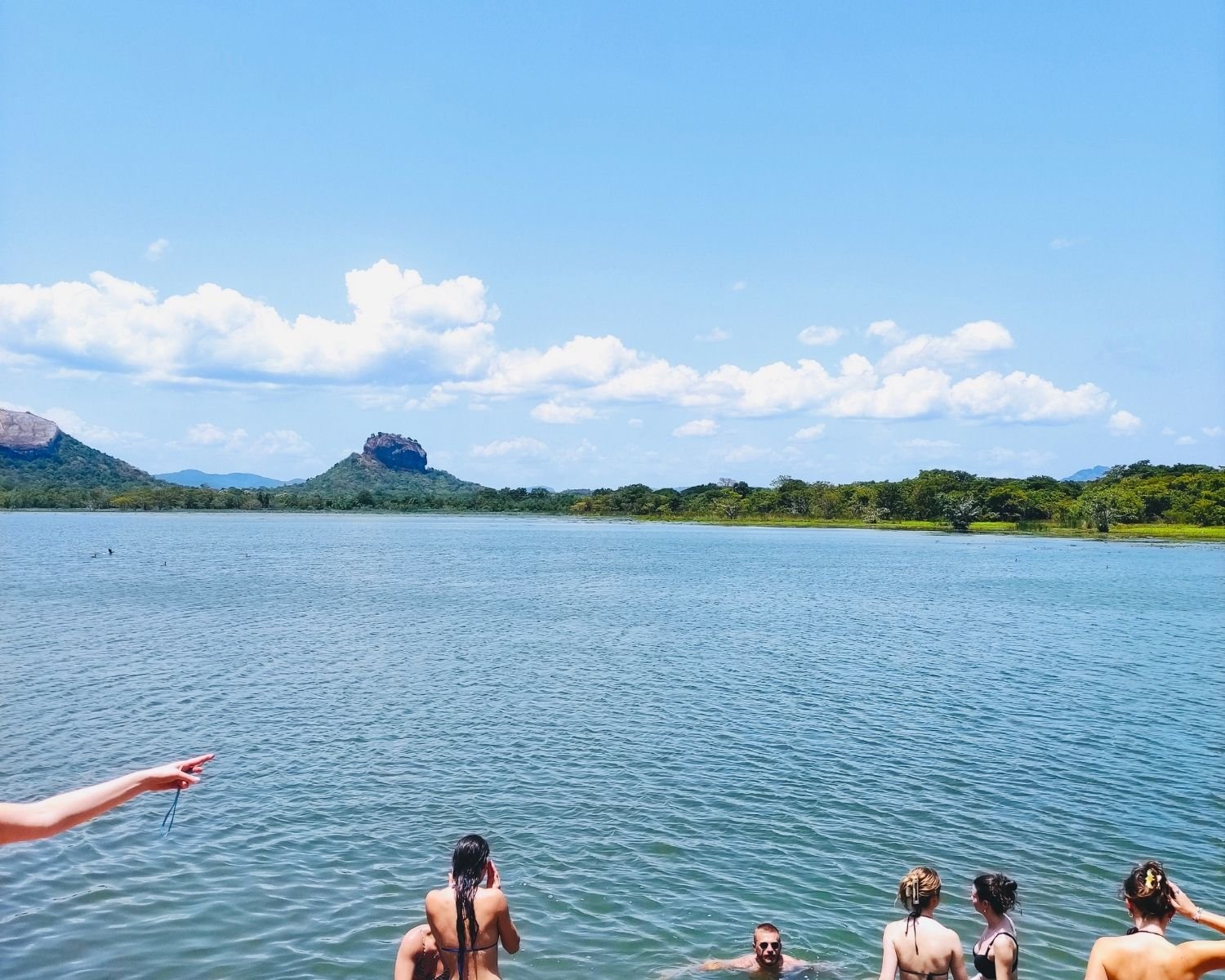
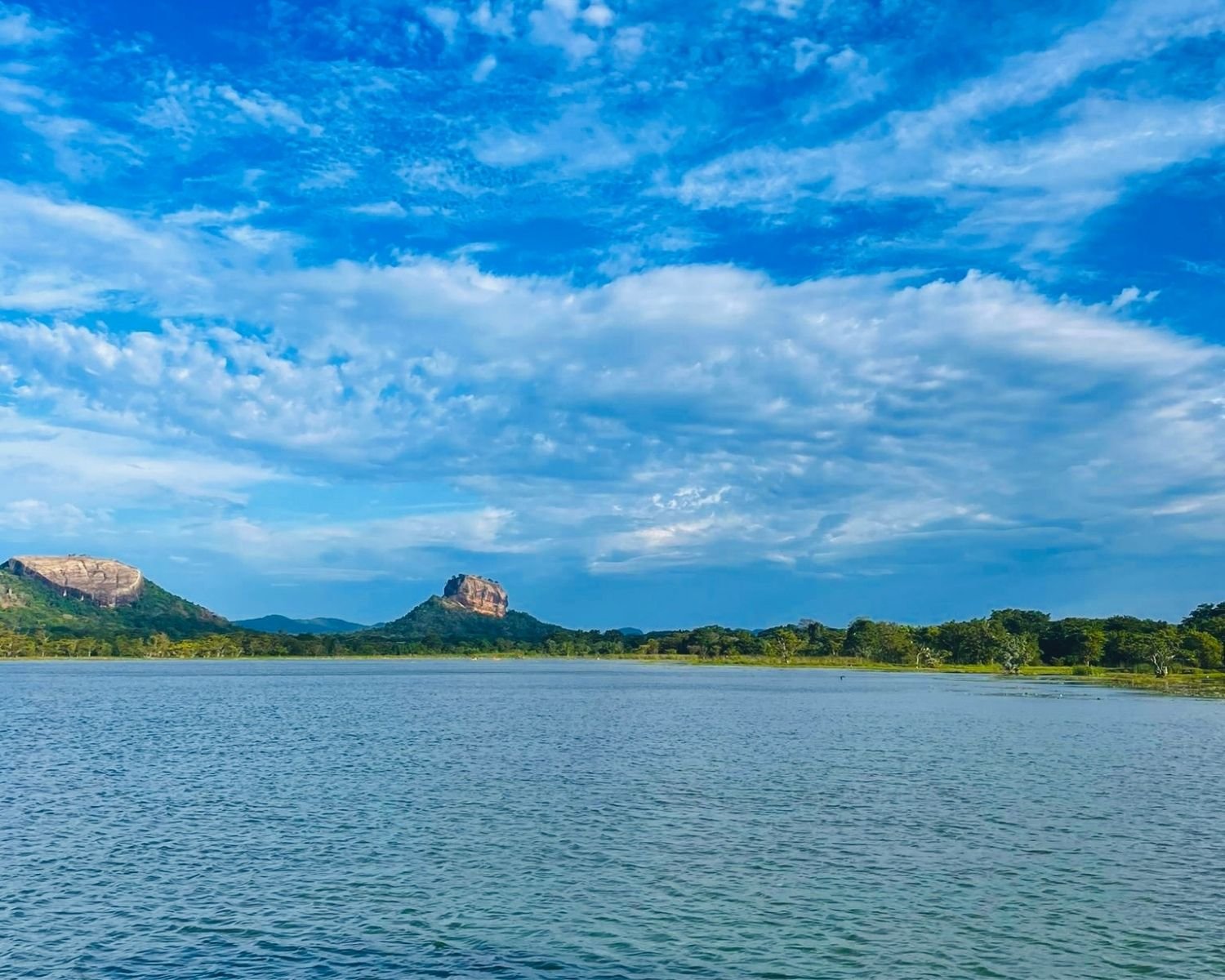
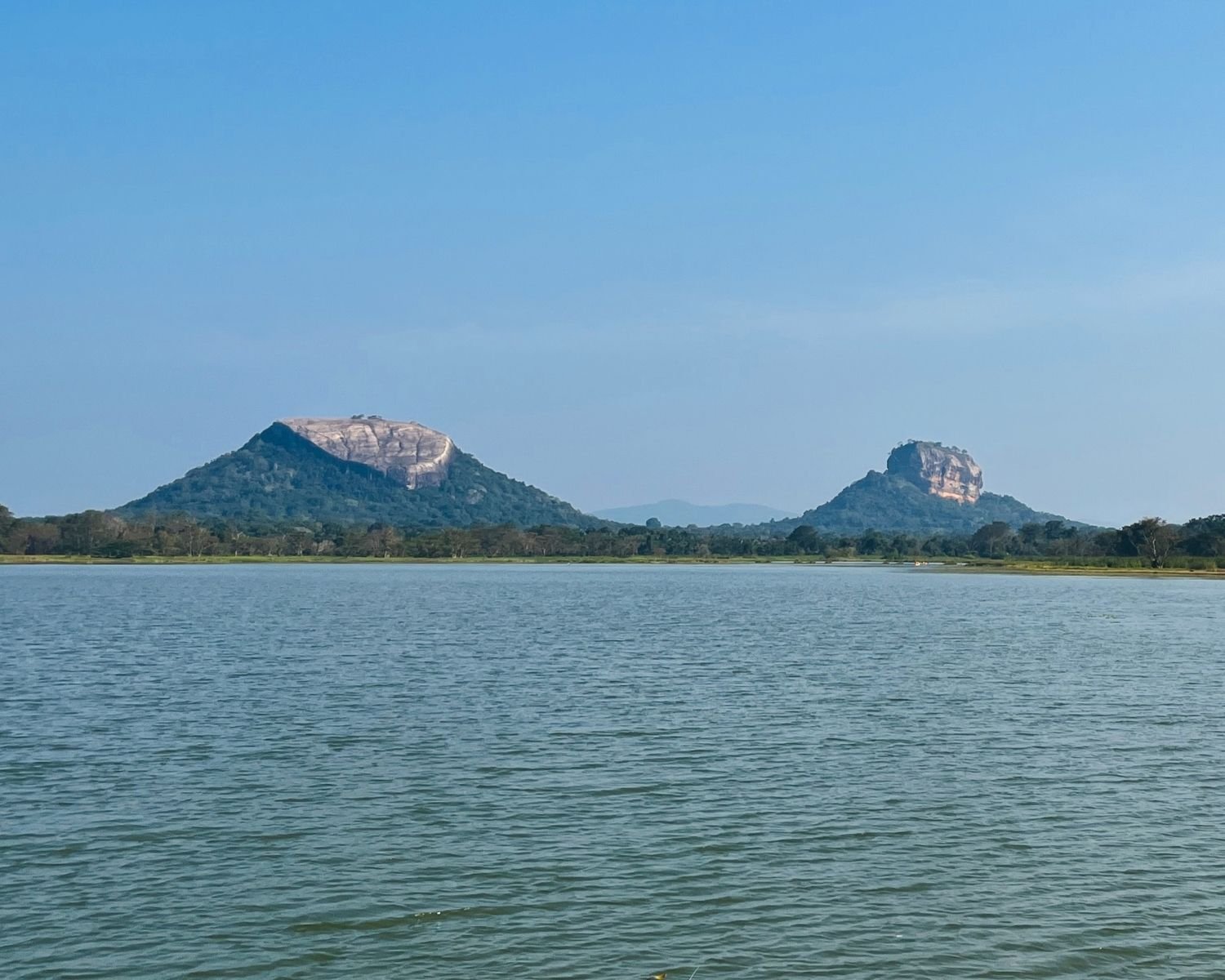
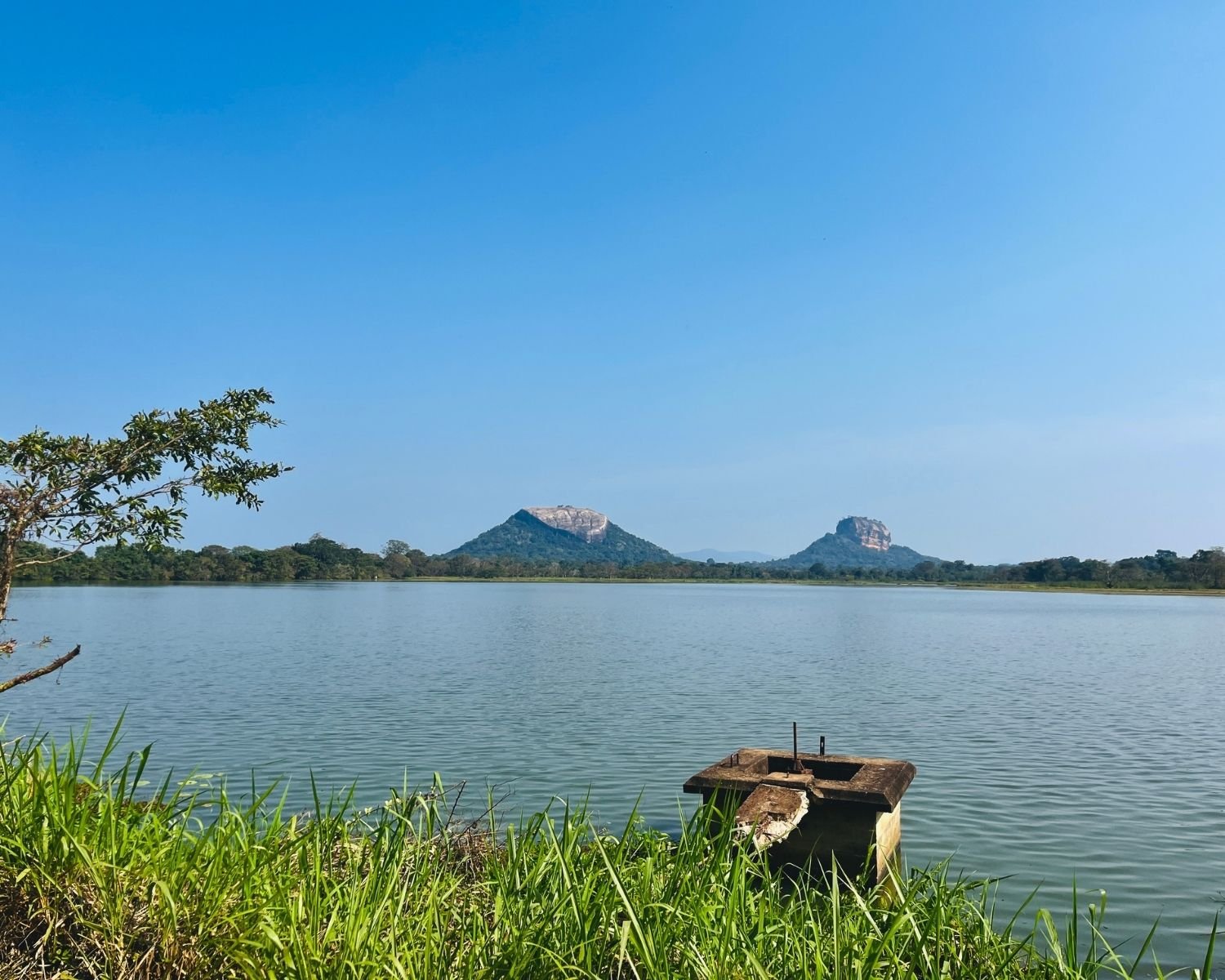
Thalkote Reservoir, locally known as Thalkote Wewa, is one of the most scenic and peaceful places in the Sigiriya area. Located just north of Sigiriya Rock Fortress, the reservoir is best known for its wide-open views of both Sigiriya Rock and Pidurangala Rock rising above the surrounding landscape. On calm days, the water creates beautiful reflections of the two landmarks, making it a favourite spot for photographers and nature lovers.

Like many reservoirs in Sri Lanka's Dry Zone, Thalkote forms part of an ancient irrigation network that has supported agriculture in the region for centuries. The reservoir continues to provide water for nearby farming communities and remains an important part of daily life in the villages surrounding Sigiriya.

Unlike the busy atmosphere found at Sigiriya Rock Fortress, Thalkote Reservoir offers a much quieter experience. Visitors can walk along the bund, relax by the shoreline, or simply enjoy the changing views across the water. Early morning is particularly beautiful, when mist often drifts across the reservoir and the first sunlight illuminates Sigiriya and Pidurangala in the distance.

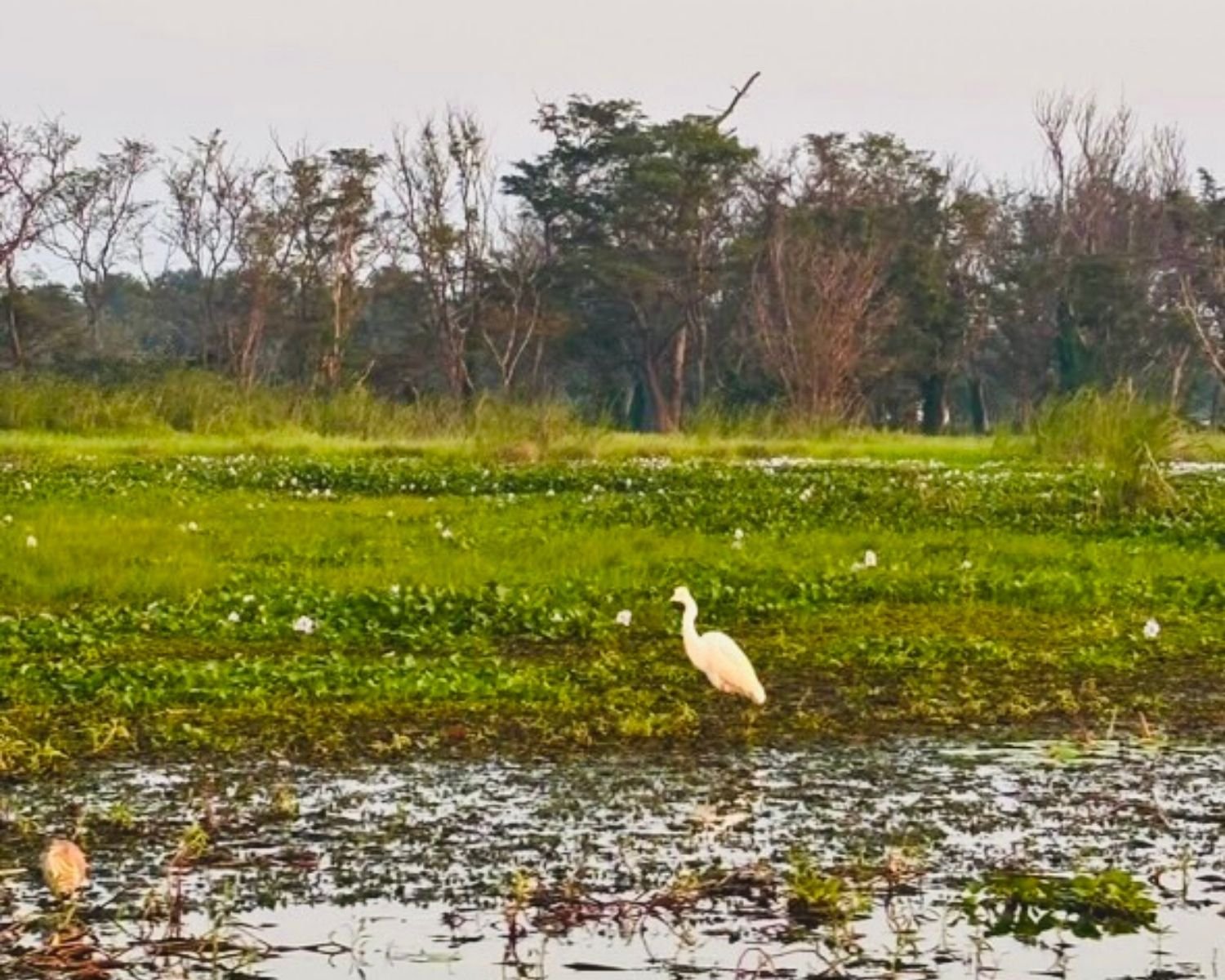
The reservoir is also a good location for birdwatching. Herons, egrets, kingfishers, cormorants, and other water birds are frequently seen around the shoreline and reed beds. The combination of open water, surrounding vegetation, and nearby forest creates an attractive habitat for a variety of wildlife throughout the year.

One of Thalkote's biggest attractions is its photography potential. Few places in the Sigiriya region offer such clear views of both Sigiriya Rock and Pidurangala Rock from a single location. Sunrise and sunset are especially popular times to visit, when soft light and colourful skies create some of the most memorable views in the Cultural Triangle.

Thalkote Reservoir is not a major tourist attraction in the traditional sense, but that is part of its appeal. It is a place to slow down, appreciate the landscape, and experience a quieter side of Sigiriya. For travellers interested in scenery, photography, birdlife, or simply escaping the crowds, Thalkote Reservoir is a worthwhile stop that perfectly complements a visit to Sigiriya and Pidurangala.
Read More
History
Ancient forest monastery dating back over 2,000 years, featuring meditation platforms, stone pathways, and monastic ruins.
Explore
Easy to moderate forest walk through monastery ruins. Allow 1–2 hours to explore the main archaeological sites.
Scenery
Dense forest, ancient stone ruins, giant trees, and one of Sri Lanka's most atmospheric archaeological landscapes.
Entrance Fee
LKR 1,850 ($6.5 USD )
Tickets at entrance

Ticket Office

! Fees are approximate and can vary based on factors such as season, group size, and additional services.

Ritigala Archaeological Site

Top Pick
Ritigala Archaeological Site is one of the most unique and atmospheric historical sites in Sri Lanka. Located about 40 km north of Sigiriya, the site combines ancient monastery ruins with dense forest, creating a setting that feels completely different from the grand palaces and monuments found elsewhere in the Cultural Triangle. Hidden beneath a thick canopy of trees, Ritigala offers a quieter and more mysterious experience than many of Sri Lanka's better-known archaeological attractions.

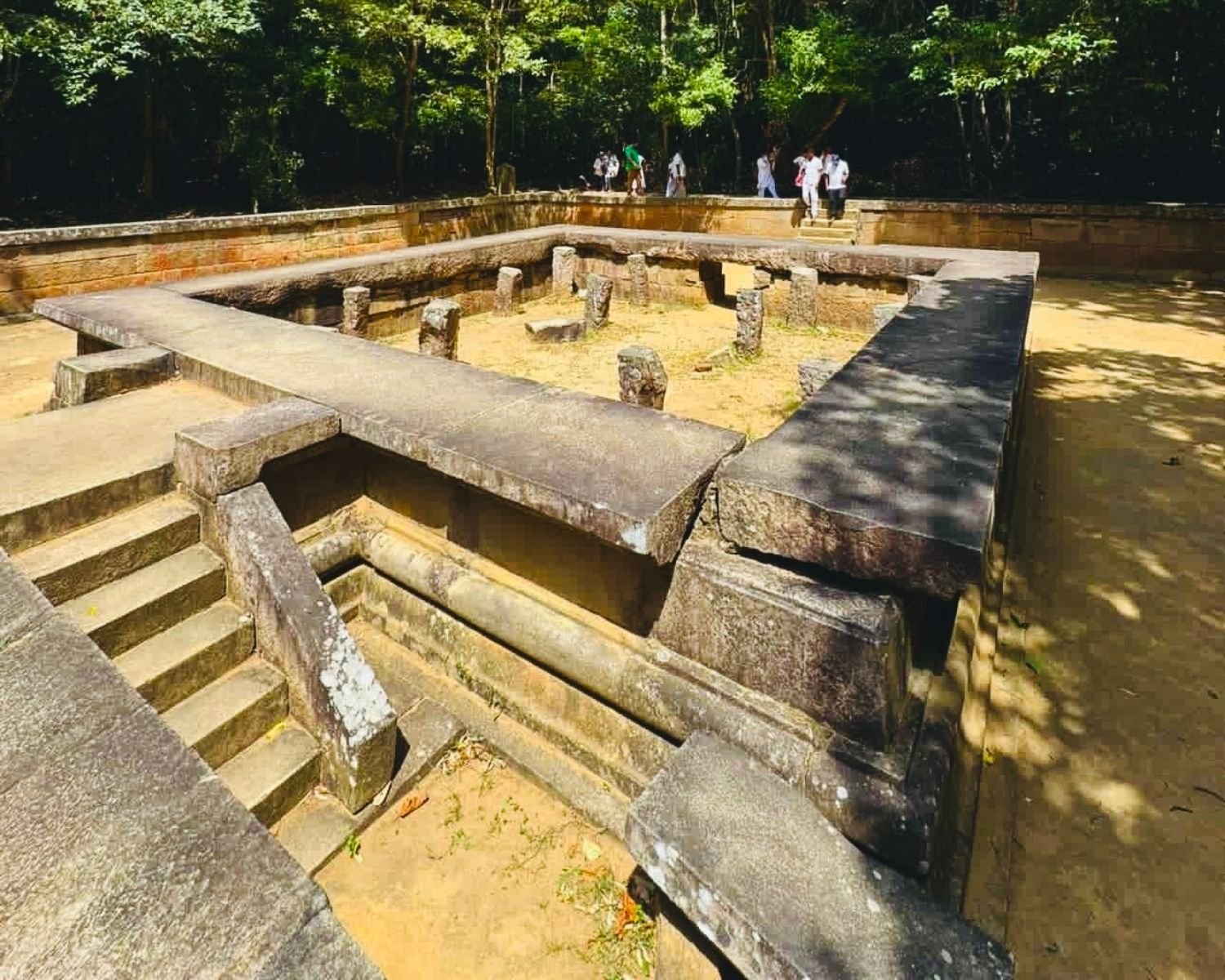
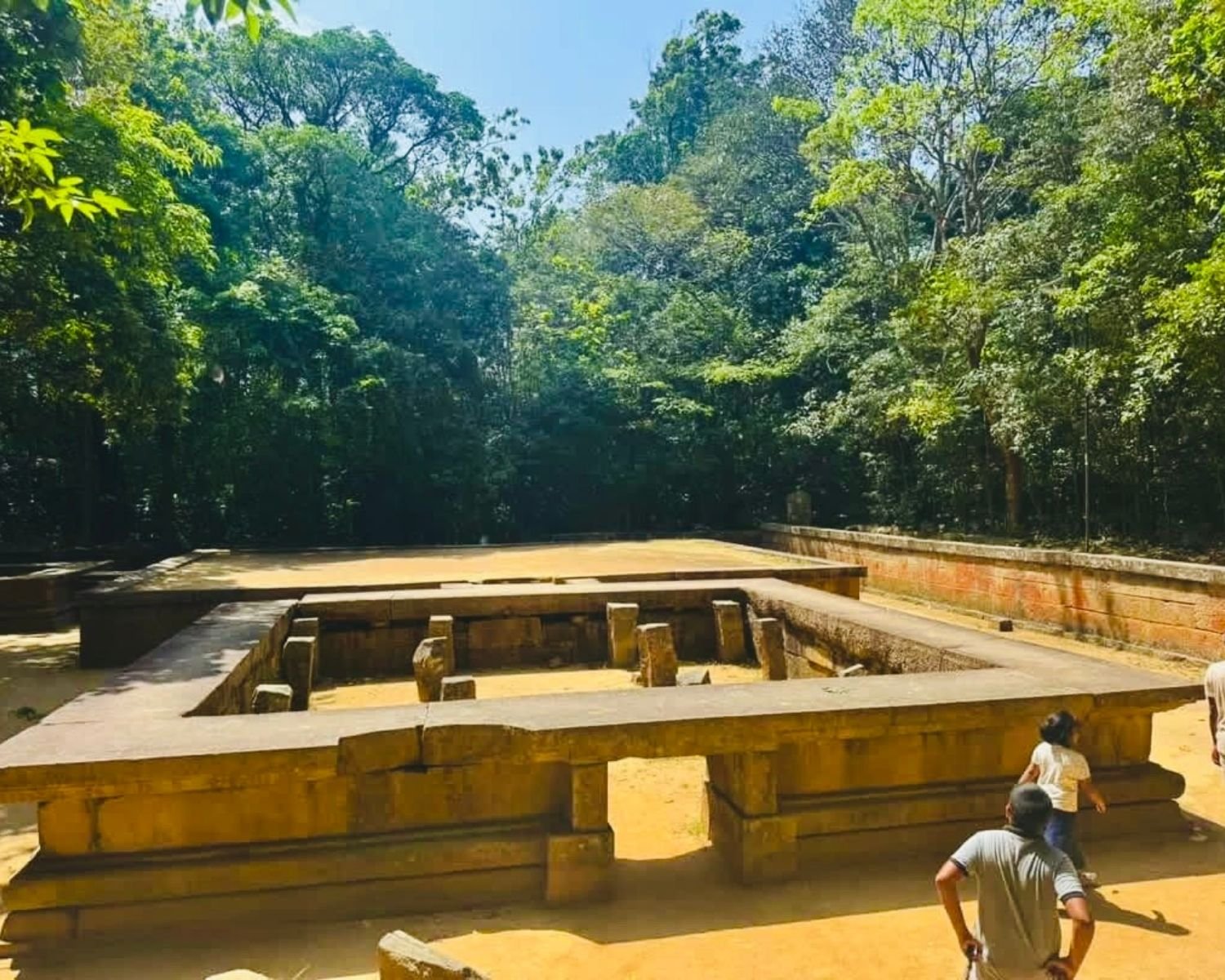
The site was once home to a large Buddhist forest monastery that dates back more than 2,000 years. Unlike traditional monasteries centred around large stupas and temples, Ritigala was designed for meditation and secluded monastic life. Monks lived among the forested slopes of the mountain, connected by stone pathways, reservoirs, meditation platforms, and carefully planned monastic structures that can still be seen today.

One of the most remarkable features of Ritigala is its network of ancient stone causeways. These straight and elevated pathways cut through the forest, linking different parts of the monastery complex. Visitors can also explore the famous double-platform meditation structures, known for their unique architectural design, as well as Banda Pokuna, a large stone-lined bathing reservoir that once supplied water to the monastic community. The remains of an ancient hospital, bathing areas, and stone foundations provide a fascinating glimpse into daily life at the monastery centuries ago.

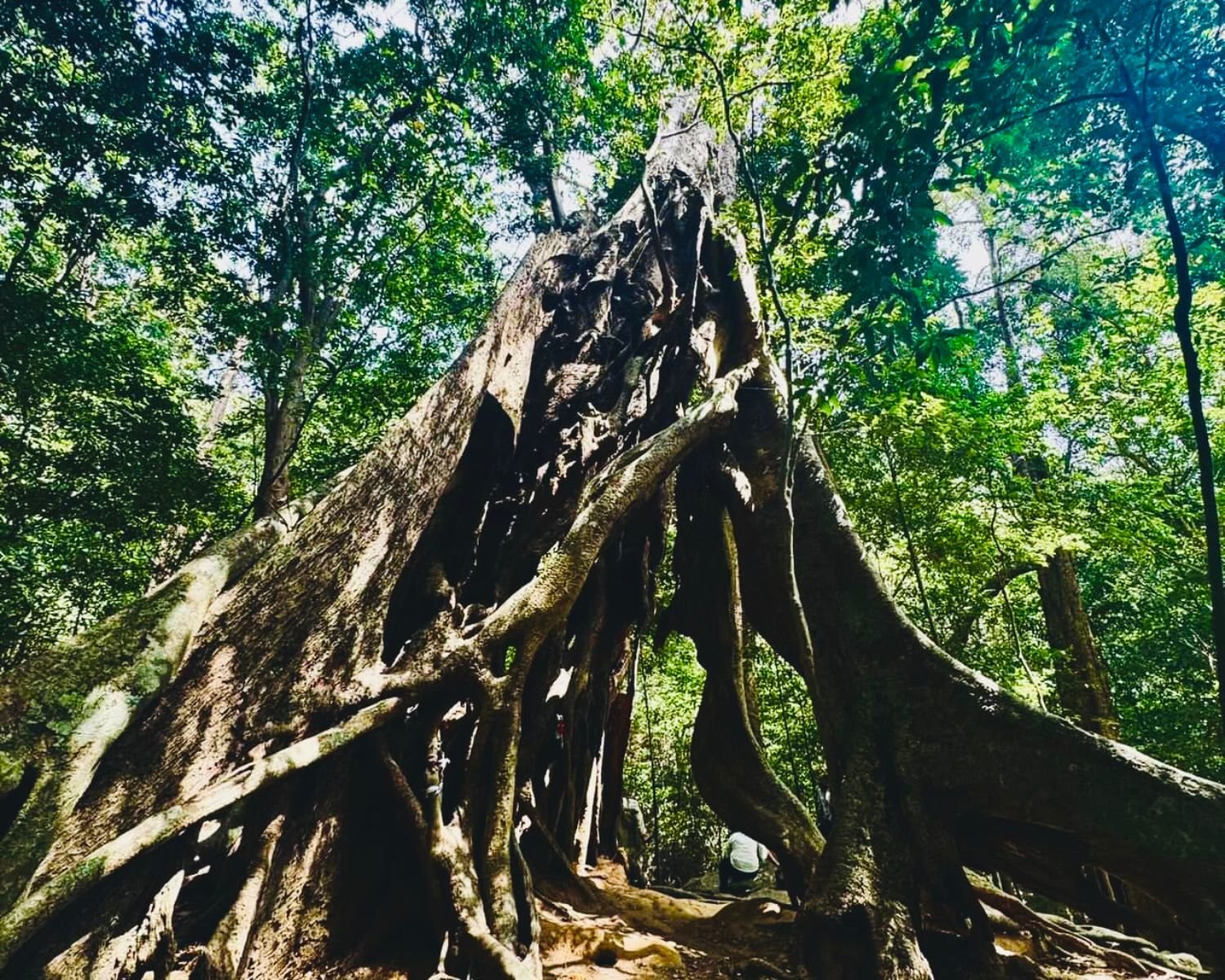
Walking through Ritigala is less about reaching a viewpoint and more about experiencing the atmosphere of the forest itself. The trails pass beneath towering trees, giant roots, and thick jungle vegetation, creating a cool and peaceful environment that feels far removed from the dry plains surrounding the mountain. The combination of nature and archaeology gives the site a unique character that cannot be found anywhere else in Sri Lanka.

Ritigala is also surrounded by legend and mystery. Ancient chronicles connect the mountain to Sri Lanka's early history, while local folklore speaks of medicinal plants, hidden treasures, and sacred powers associated with the forest. These stories, combined with the isolated setting and unusual monastery architecture, have helped Ritigala earn a reputation as one of the country's most enigmatic historical sites.

Exploring the archaeological area is relatively easy and can be enjoyed by most visitors. Allow around one to two hours to walk through the main ruins, stone pathways, ponds, and meditation platforms. Unlike the climbs at Sigiriya or Pidurangala, Ritigala offers a gentler experience focused on discovery, history, and the natural surroundings rather than reaching a summit viewpoint.

For travellers interested in archaeology, history, nature, or photography, Ritigala is one of the most rewarding places to visit near Sigiriya. Its forest-covered ruins, ancient monastic landscape, and peaceful atmosphere create an experience that feels both timeless and unforgettable, offering a fascinating glimpse into a lesser-known chapter of Sri Lanka's past.
Read More
Buddhist Temple
Active Buddhist temple best known for its large white standing Buddha statue overlooking the Sigiriya area.
Art & Culture
A living place of worship that reflects the continuing Buddhist traditions of the Sigiriya region.
Scenery
Large white Buddha statue surrounded by forests, farmland, and village landscapes near Sigiriya.

Sigiriya Temple

Top Pick
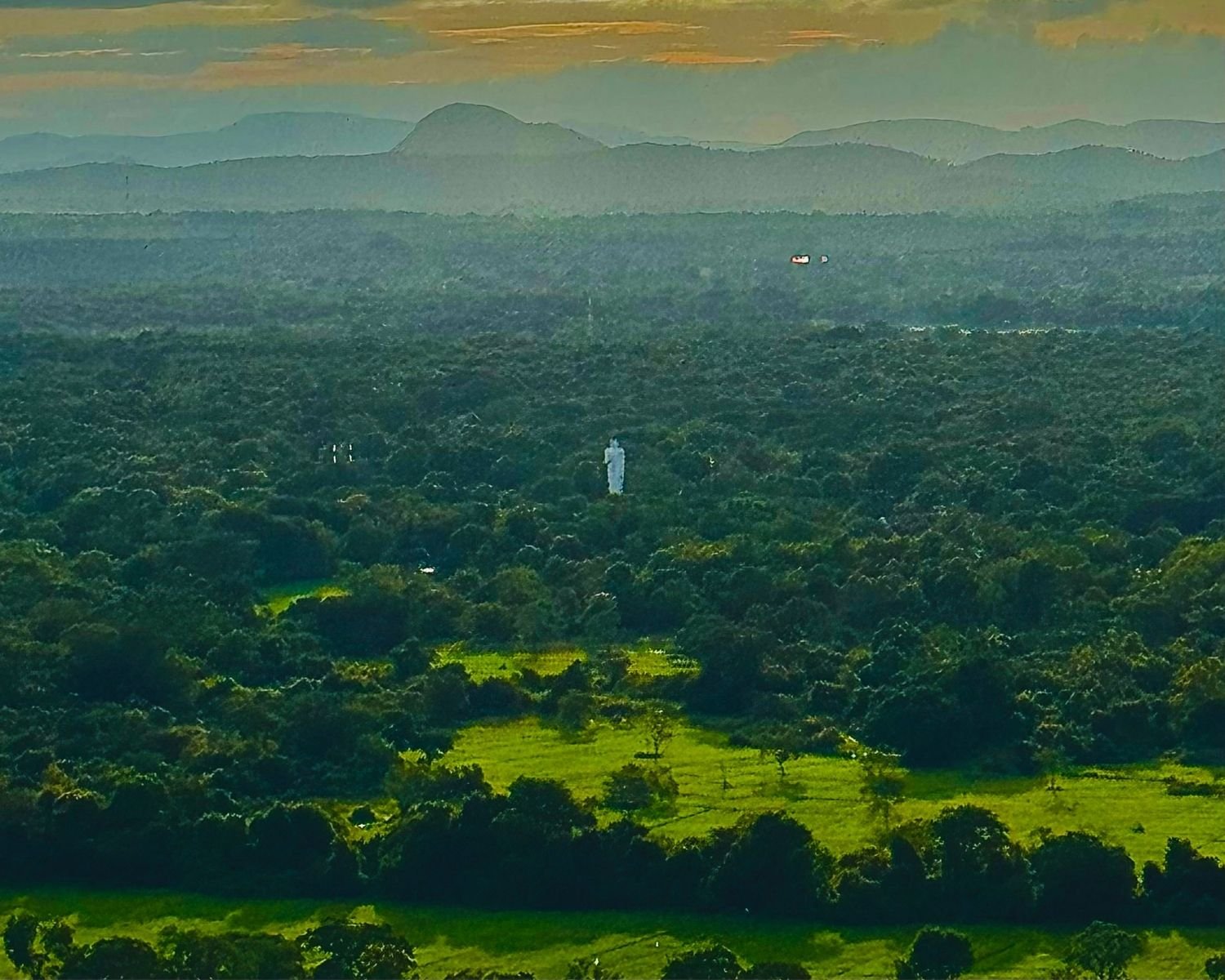
Sigiriya Temple is a peaceful Buddhist temple located near Sigiriya Rock Fortress, best known for its large white standing Buddha statue that rises above the surrounding trees. The statue has become a recognizable landmark in the area and is often spotted from viewpoints such as Pidurangala Rock and even from parts of Sigiriya itself. While most visitors come to the region for the famous rock fortress, the temple offers a quieter and more local perspective on life in the Sigiriya area.

Unlike the ancient monuments that dominate the Cultural Triangle, Sigiriya Temple is a modern place of worship that continues to serve the local Buddhist community. The temple grounds provide a calm environment for prayer, reflection, and religious activities, creating a contrast to the busy tourist attractions found nearby. Its peaceful atmosphere makes it a pleasant stop for visitors interested in experiencing a living religious site rather than an archaeological monument.

The most prominent feature of the temple is the towering white Buddha statue. Standing above the surrounding vegetation, it can be seen from several locations around Sigiriya and has become an important visual landmark within the landscape. The bright white figure stands out against the green forests and fields, creating a striking sight that draws the attention of travellers exploring the region.

Visitors can walk around the temple grounds, observe the statue from close range, and experience a quieter side of Sigiriya away from the crowds. The setting is surrounded by village roads, farmland, and tropical greenery, offering a glimpse into everyday life beyond the area's major tourist attractions. The temple is particularly peaceful during the early morning and late afternoon when the surroundings are at their most tranquil.

Although it does not have the ancient history of Sigiriya Rock Fortress or the archaeological significance of nearby sites, Sigiriya Temple adds another dimension to the region's cultural landscape. It reflects the continuing importance of Buddhism in Sri Lankan society and highlights the connection between the country's ancient heritage and its living religious traditions.

For travellers exploring Sigiriya, the temple is a worthwhile short stop, especially for those who have noticed the white Buddha statue from Pidurangala or other viewpoints and wish to see it up close. Its peaceful setting, local character, and distinctive landmark statue make it a small but memorable part of the wider Sigiriya experience.
Read More
Lake
Easy lakeside walks, birdwatching, boat rides, sunset views, and nature photography.
Scenery
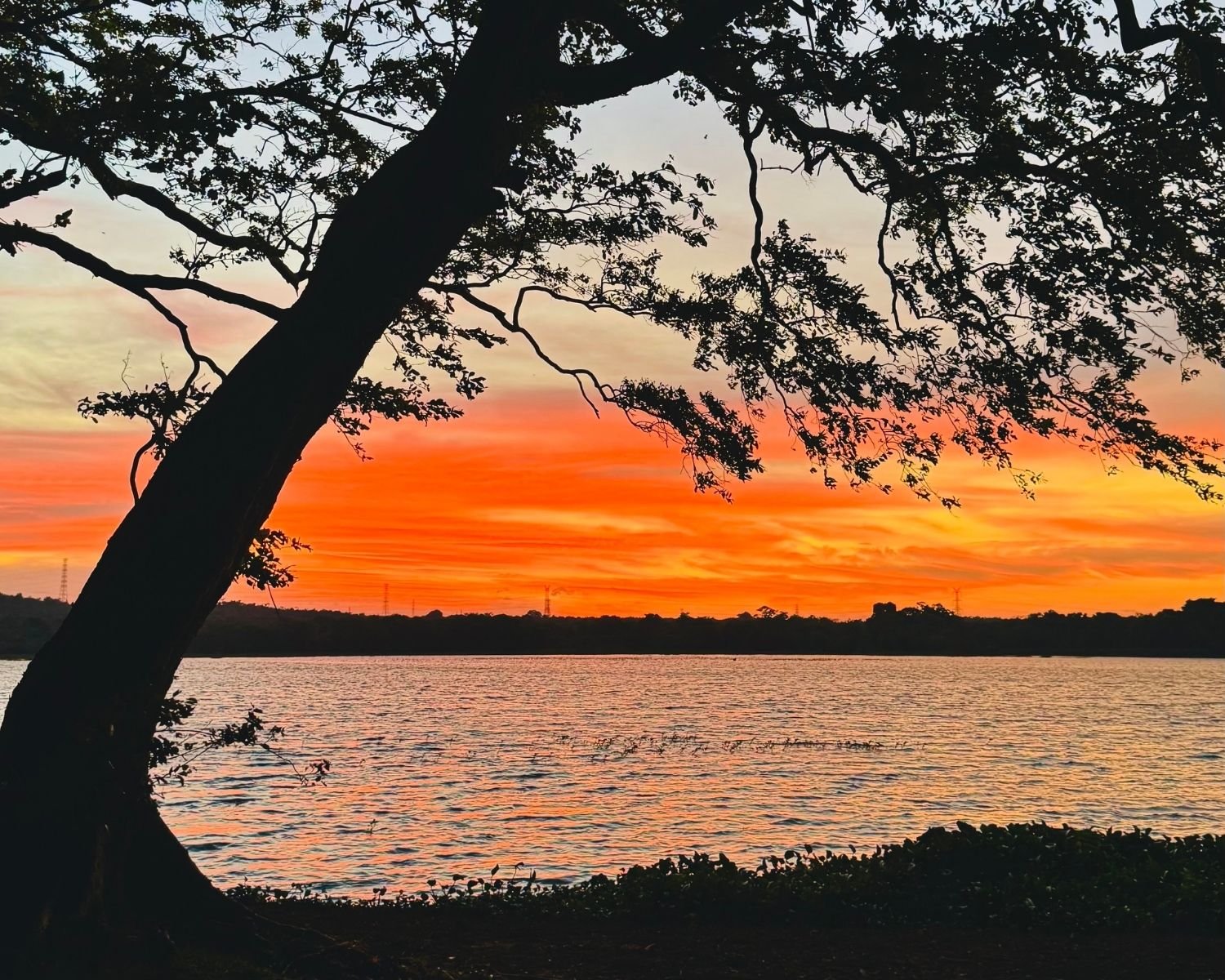
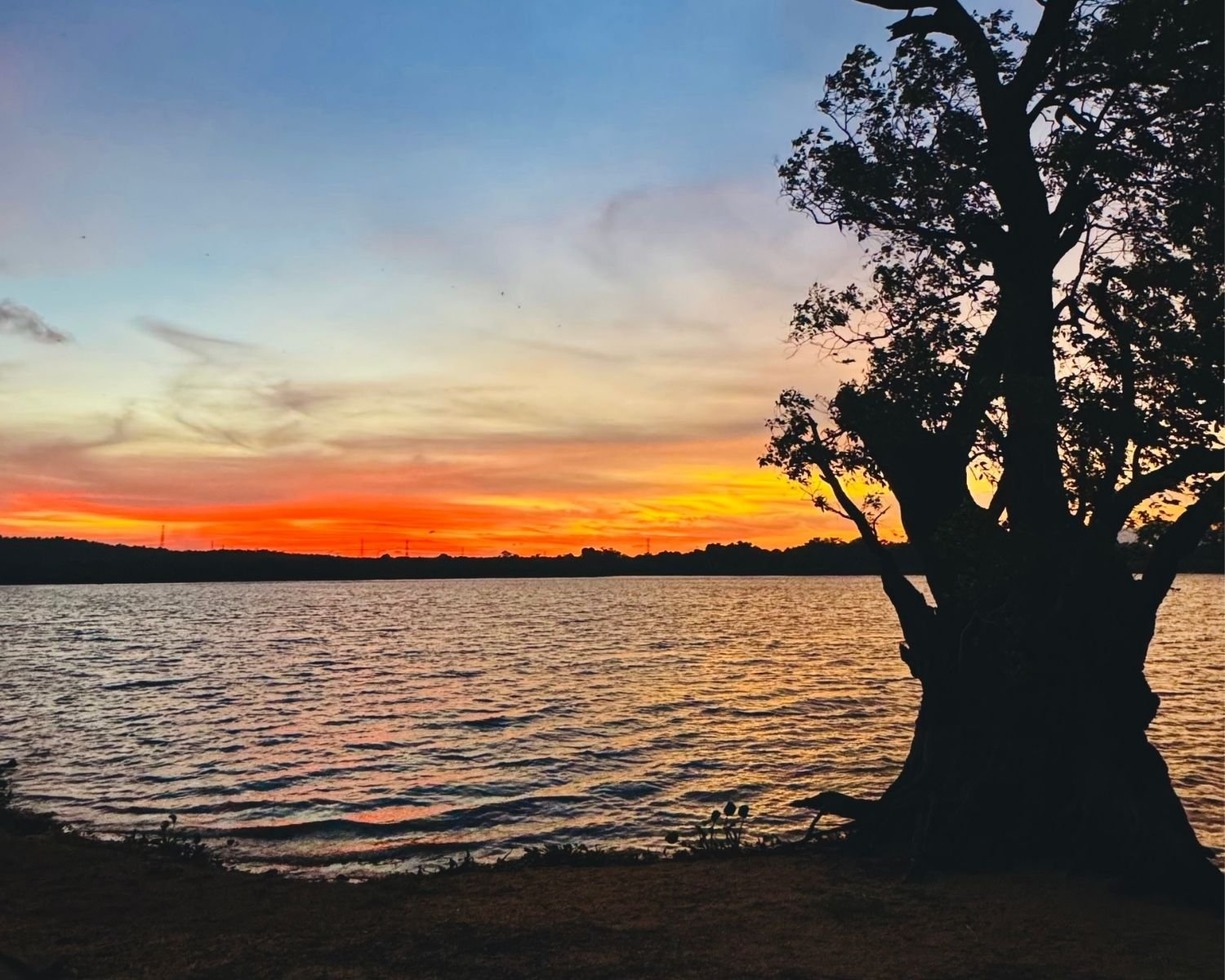
Peaceful reservoir surrounded by trees, wildlife, and spectacular sunsets reflected across the water.
History
Ancient irrigation reservoir that continues to support farming communities around Habarana today.

Habarana Reservoir

Worth It
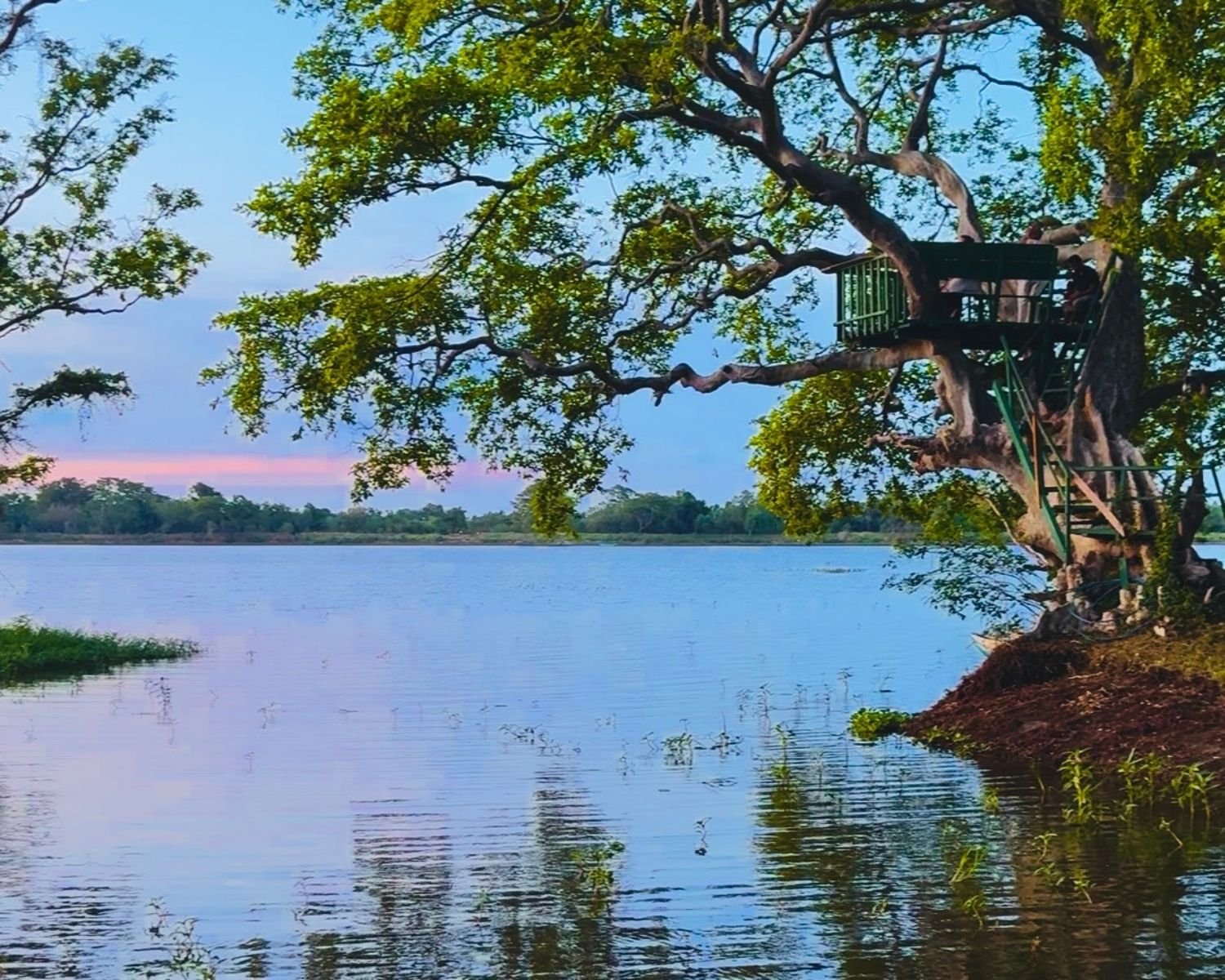
Located near the town of Habarana, the Habarana Reservoir/Lake is a peaceful and expansive body of water that blends seamlessly with the surrounding landscape of Sri Lanka’s Cultural Triangle. Its calm surface reflects the sky and nearby trees, creating a serene atmosphere that makes it a perfect stop for travelers exploring the region.

The reservoir is part of the ancient irrigation system of Sri Lanka, built to support agriculture and sustain local communities. Even today, it continues to provide water for nearby paddy fields and villages. While it may not have grand historical ruins, the reservoir carries the quiet presence of centuries of human ingenuity and careful coexistence with nature.

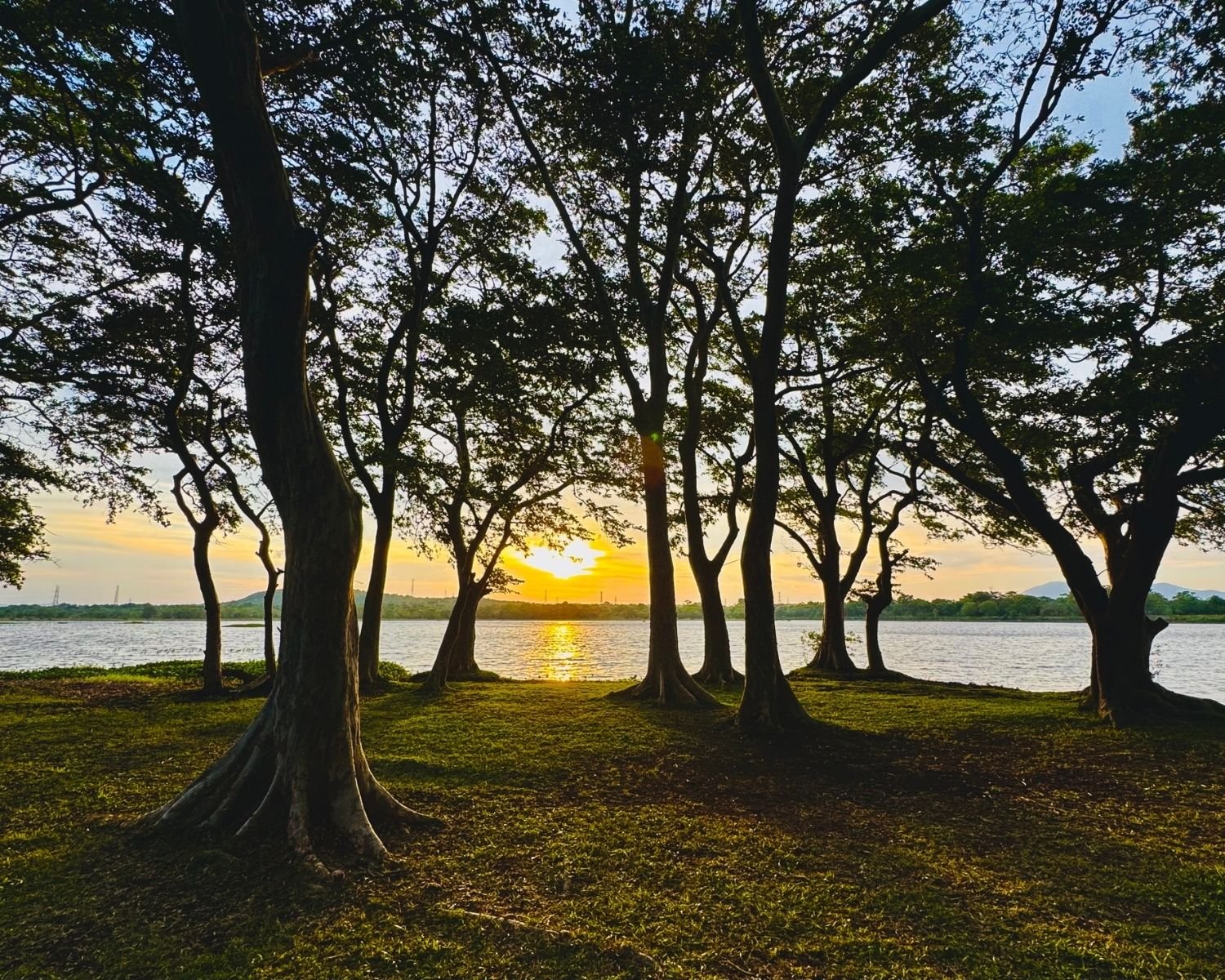
Habarana Reservoir is known for its natural beauty and wildlife. Birds such as kingfishers, herons, and egrets are often seen along the edges of the water, and the surrounding fields and small forests are home to monkeys and other wildlife. During early mornings and late afternoons, the area is particularly tranquil, with soft light reflecting on the water and gentle breezes rippling the surface.

The site is also a popular spot for leisure and photography. Visitors enjoy walking along the bund, observing daily village life, or simply sitting by the water and taking in the peaceful surroundings. The reservoir offers clear views of distant hills and forests, giving a sense of space and calm in contrast to the busier tourist sites nearby.

Though it is quiet and unassuming, Habarana Reservoir holds a special charm. It embodies the simple harmony between people, water, and land that has characterized Sri Lanka’s dry zone for centuries. For travelers seeking a moment of reflection, nature, or scenic beauty, the reservoir provides a quiet retreat where the rhythm of rural life and the timeless presence of water can be fully appreciated.
Read More
Lake
Traditional catamaran rides, birdwatching, village experiences, and nature photography around a peaceful wetland reservoir.
Scenery
Water lilies, wetlands, village landscapes, and distant views of Sigiriya Rock reflected across tranquil waters.
History
Ancient irrigation reservoir that continues to support farming communities and village life around Hiriwadunna.

Hiriwadunna Reservoir

Optional
Hiriwadunna Reservoir, also known as Hiriwadunna Wewa, is one of the most authentic rural experiences in the Sigiriya region. Surrounded by traditional villages, wetlands, forests, and paddy fields, the reservoir offers visitors a glimpse into a slower way of life that has changed little for generations. Unlike many attractions in the Cultural Triangle, Hiriwadunna is not about ancient ruins or famous monuments. Instead, it is a place where nature, village culture, and traditional livelihoods come together.

The reservoir forms part of an ancient irrigation network that has supported farming communities in the area for centuries. Even today, local villagers depend on its waters for agriculture, fishing, and daily life. The surrounding landscape remains largely untouched, creating a peaceful setting that feels far removed from the busier tourist centres of Sigiriya and Habarana.

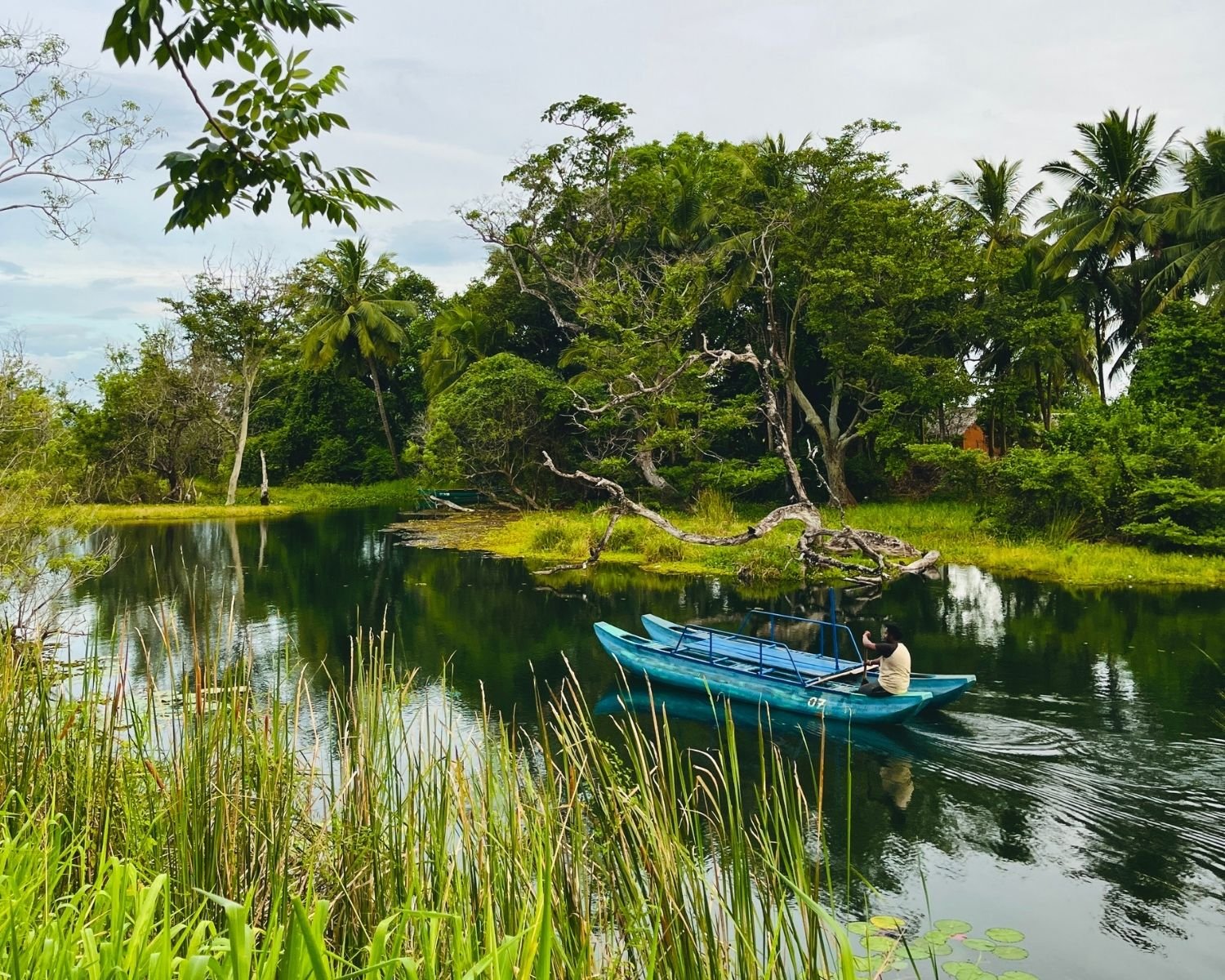
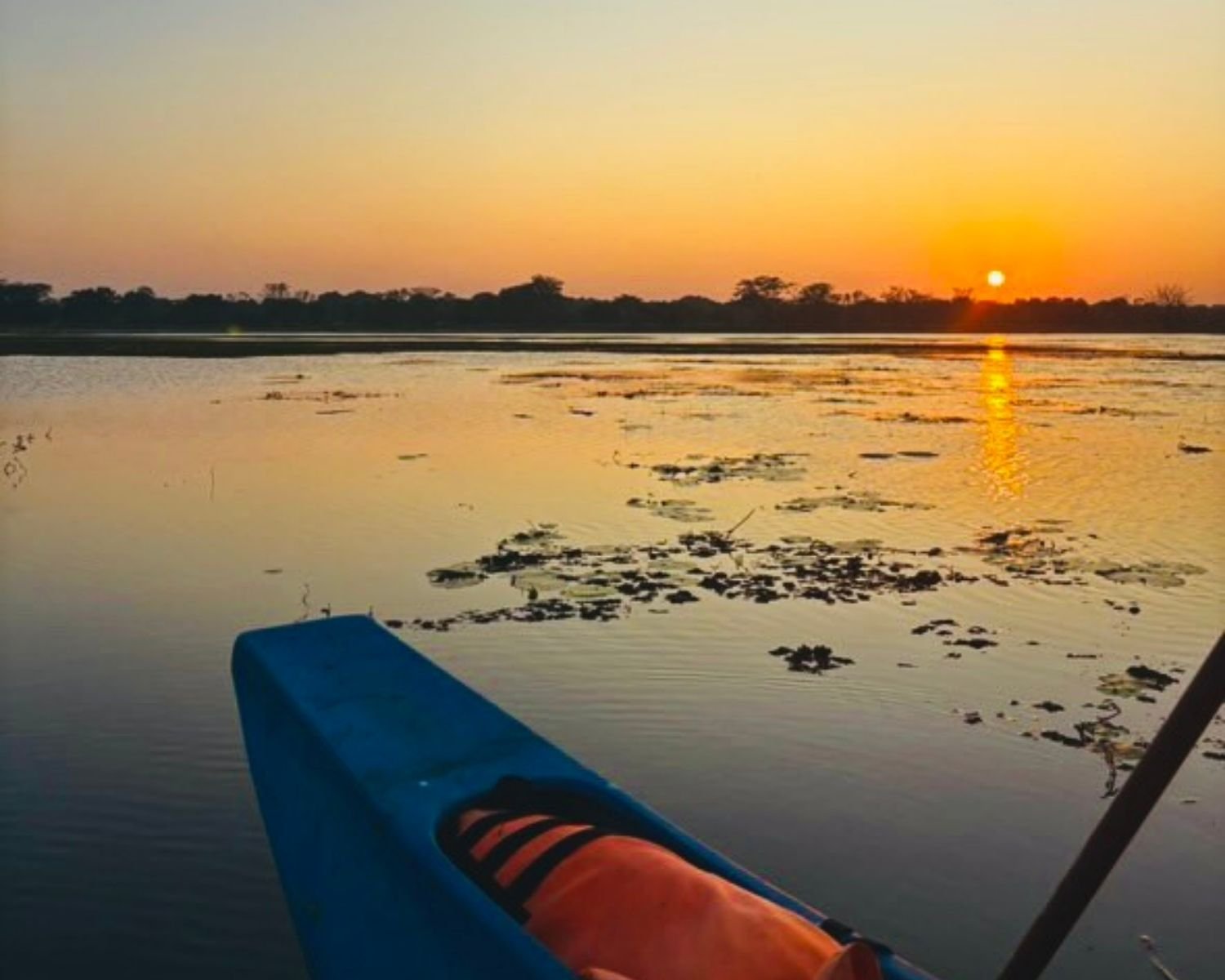
One of the most popular activities at Hiriwadunna Reservoir is the traditional catamaran ride. Local boatmen guide visitors across the calm waters on simple wooden rafts, passing through floating water lilies, wetland vegetation, and quiet coves along the shoreline. These slow-moving journeys offer a unique perspective of the reservoir and provide excellent opportunities to observe birds and wildlife in their natural habitat.

The reservoir is particularly rich in birdlife. Egrets, herons, kingfishers, cormorants, and other wetland species are frequently seen among the reeds and lily-covered waters. The surrounding forests also support monkeys, reptiles, and a variety of smaller wildlife. During certain times of the year, visitors may even spot wild elephants in nearby areas, adding another layer of excitement to the experience.

Hiriwadunna is also known for its beautiful scenery. Water lilies cover parts of the reservoir, while distant views of Sigiriya Rock rise above the surrounding countryside. Early mornings often bring mist hanging over the water, while sunset paints the sky in shades of orange and gold reflected across the lake's surface. These moments make the reservoir particularly popular with photographers and nature lovers.

Many village tours combine a visit to the reservoir with bullock cart rides, catamaran crossings, traditional cooking demonstrations, and opportunities to learn about local farming practices. These experiences allow visitors to connect directly with the people who live around the reservoir and gain a better understanding of rural life in Sri Lanka's dry zone.

Although often overlooked by travellers focused on Sigiriya and safari parks, Hiriwadunna Reservoir offers something equally rewarding: an authentic experience of Sri Lanka's countryside. Its combination of traditional village culture, wildlife, scenic beauty, and peaceful surroundings makes it one of the most memorable hidden gems in the Cultural Triangle.
Read More
Buddhist Temple
Active Buddhist temple featuring a rare tampita image house raised on stone pillars with historic Kandyan-era artwork.
History
Tampita shrine built between 1755 and 1760 during the reign of King Kirti Sri Rajasinha. Local tradition traces the site to the 1st century BC.
Art & Culture
Rare tampita architecture, Kandyan murals, Buddha statues, timber craftsmanship, and traditional decorative motifs.
Scenery
Historic temple set among quiet village surroundings, tropical greenery, and peaceful rural landscapes.

Madawala Pillared Temple

Optional
Madawala Pillared Temple, also known as Namalpura Sri Vishuddharama Tampita Viharaya (Madawala Tampita Viharaya), is one of Sri Lanka’s finest surviving examples of a tampita temple, a unique style of shrine raised on stone pillars. Located along the route to Ritigala, this historic temple is often overlooked by travellers heading to the famous forest monastery, yet it offers a fascinating glimpse into Sri Lanka’s religious and architectural heritage. Hidden within a quiet rural setting, the temple is celebrated for its distinctive Kandyan-era architecture, historic murals, and centuries of Buddhist tradition.

The temple’s tampita image house was built during the reign of King Kirti Sri Rajasinha between 1755 and 1760. Known for restoring and supporting Buddhist institutions throughout the Kandyan Kingdom, the king's patronage helped preserve many important religious sites, including this shrine. Local tradition also suggests that the original temple site may date back to the 1st century BC and is associated with King Valagamba, although the present structure belongs firmly to the 18th century.

The most distinctive feature of the temple is its elevated image house, which stands on a series of stone pillars supporting a timber structure above ground level. This architectural style, known as tampita construction, was widely used during the Kandyan period but has become increasingly rare today. Inside, visitors will find Buddha statues, traditional Kandyan-era murals, floral decorations, and artistic motifs painted in earthy colours. The compact yet elegant design showcases the remarkable craftsmanship of the period.

Beyond its architecture, the temple remains an active place of worship for the local community. Small shrines, stone pathways, mature trees, and peaceful village surroundings create a calm atmosphere that contrasts with the more heavily visited attractions in the region. Visitors can explore the temple grounds while gaining an appreciation for both its religious significance and architectural beauty.

For travellers visiting Ritigala, Madawala Tampita Viharaya makes an excellent stop along the journey. Its location, historical importance, and well-preserved tampita design provide a rewarding cultural experience that complements the ancient monastery ruins found deeper within the forest reserve.

Madawala Tampita Viharaya stands as an important example of Sri Lanka’s historic timber and stone temple architecture. Its connection to the Kandyan Kingdom, its rare pillared shrine, and its continuing role as a living place of worship make it a valuable cultural landmark and one of the region’s most interesting hidden heritage sites.
Read More
Buddhist Temple
Active village temple featuring a tampita image house raised on stone pillars. Contains traditional Buddha statues and simple Kandyan style murals.
History
Recognised as a purana viharaya. Exact founder and construction year are unknown. Architectural style suggests late Kandyan to early post Kandyan period, roughly 17th to 19th century.
Art & Culture
Tampita architecture, wooden and stone construction, traditional Buddhist imagery, and ongoing village worship practices.
Scenery
Peaceful rural setting with paddy fields, reservoir views, scattered stone ruins, and quiet village surroundings.

Mahadivulwewa Pillared Temple

Optional
Mahadivulwewa Pillared Temple, commonly known as Mahadivulwewa Tampita Viharaya, is a small historic Buddhist temple located near the Mahadivulwewa Reservoir in Sri Lanka's North Central Province. Situated along the route to Ritigala, it is an easy cultural stop for travellers exploring the region's lesser-known heritage sites. The temple is best known for its tampita image house, a traditional shrine raised on stone pillars, representing a distinctive architectural style that became popular during the Kandyan and early post-Kandyan periods.

Although the exact date of construction and the identity of its founder remain unknown, the temple is recognised as a purana viharaya, indicating a long history of religious use. Based on its architectural features, historians believe the existing tampita structure was likely built between the 17th and 19th centuries. While less elaborate than some of Sri Lanka's more famous temples, it remains an important example of traditional rural Buddhist architecture.

The temple's most distinctive feature is its elevated image house, supported by short stone pillars beneath a timber structure. This construction method helped protect the shrine from ground moisture while creating a visually striking design. Inside, visitors will find Buddha statues, simple Kandyan-style murals, and traditional religious imagery reflecting the artistic traditions of rural Sri Lankan temples. Scattered stone pillars and smaller shrine structures around the site further add to its historic character.

Surrounded by paddy fields, village homes, patches of forest, and the nearby Mahadivulwewa Reservoir bund, the temple enjoys a peaceful rural setting. Unlike larger pilgrimage sites, it remains quiet and largely undiscovered by mainstream tourism, allowing visitors to experience an active village temple in a relaxed atmosphere.

For travellers heading to Ritigala Archaeological Site, Mahadivulwewa Tampita Viharaya provides an interesting glimpse into the region's living Buddhist heritage. Its location, traditional architecture, and tranquil surroundings make it a worthwhile stop before continuing deeper into the forests and ancient monastic landscapes of Ritigala.

Today, the temple continues to serve the local community while preserving a rare example of Sri Lanka's historic tampita architecture. Though modest in scale, its cultural significance, traditional craftsmanship, and connection to the rural landscape make it one of the area's overlooked heritage attractions.
Read More

Safaris

Wildlife activities near Sigiriya

Animals
Animals
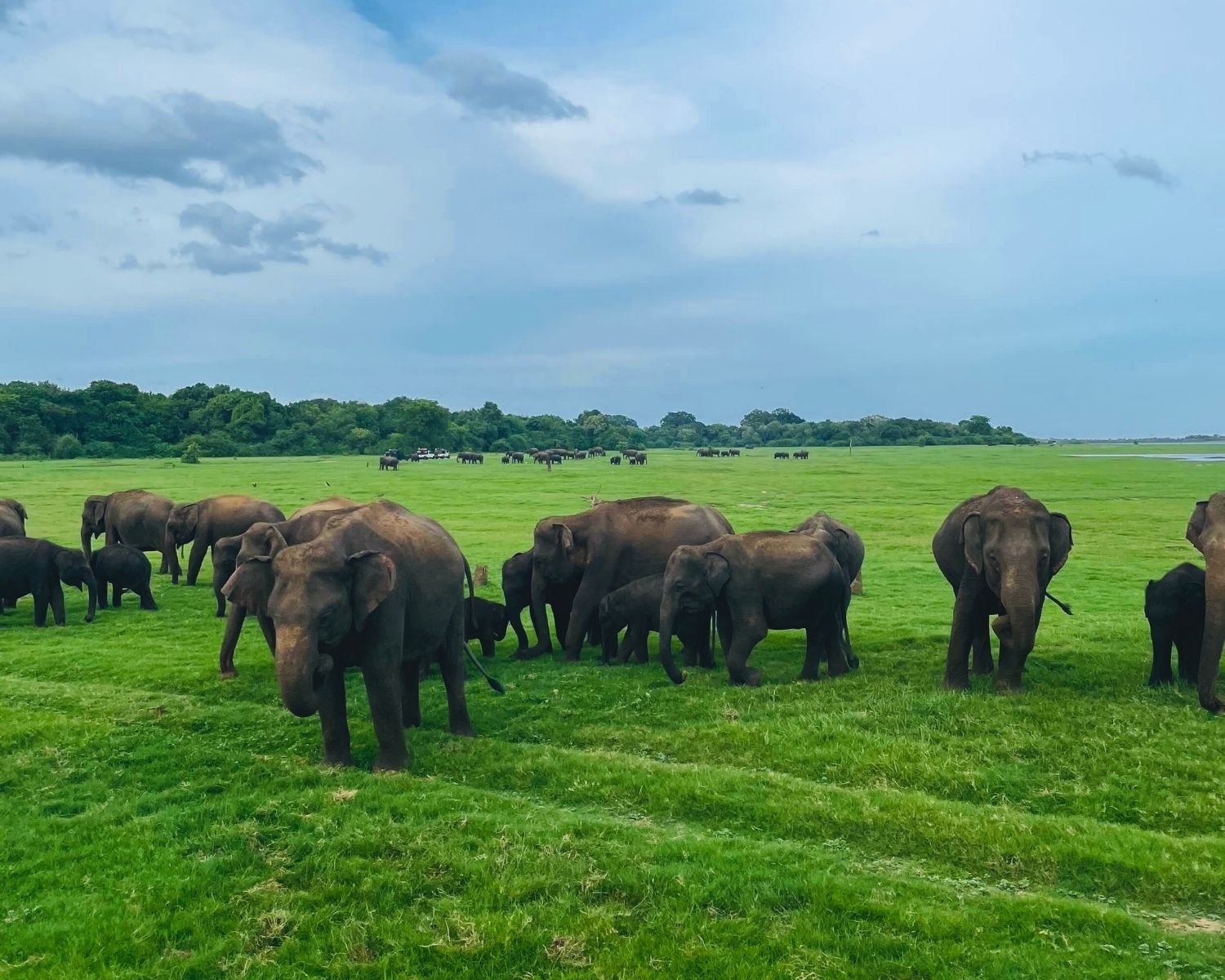
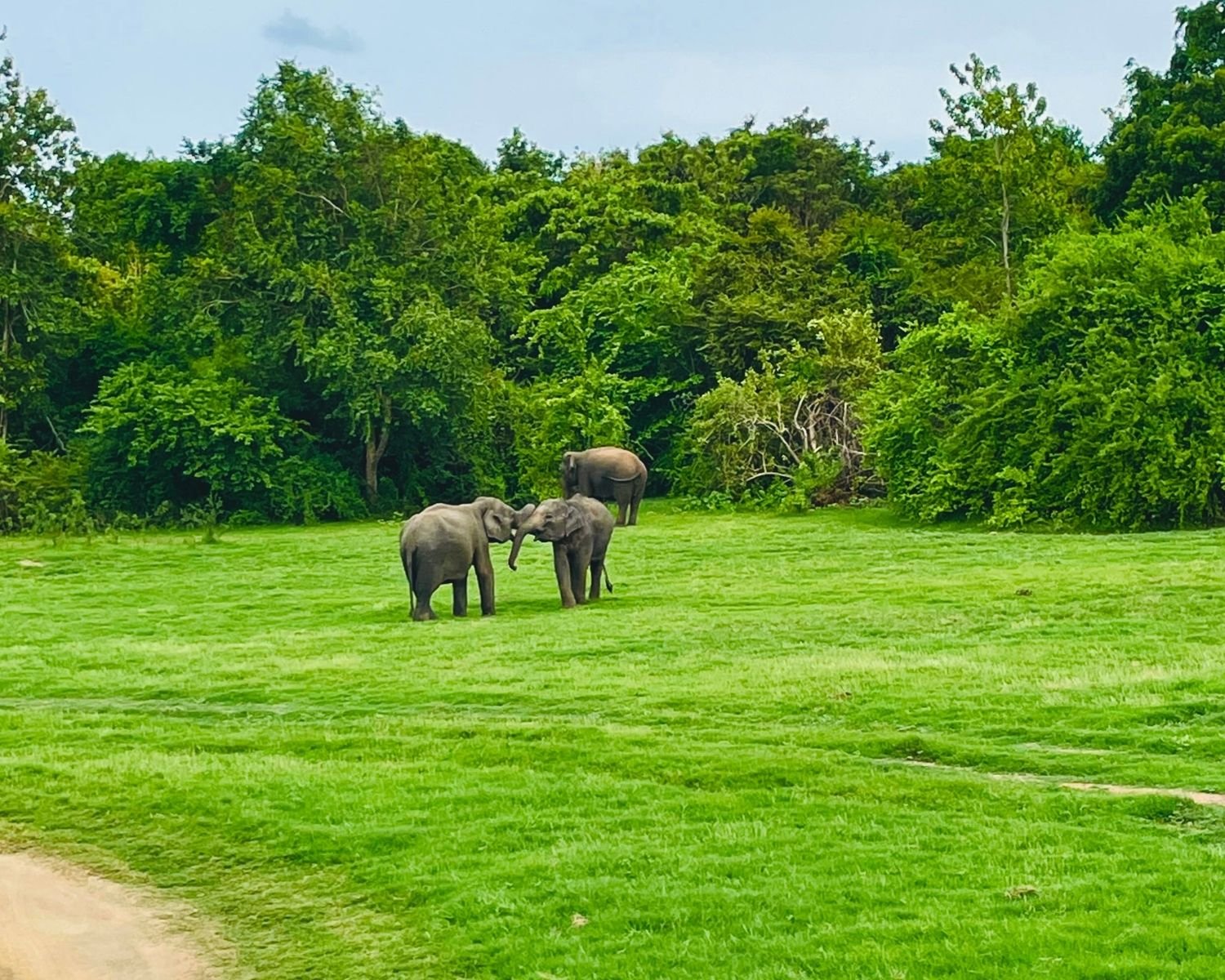
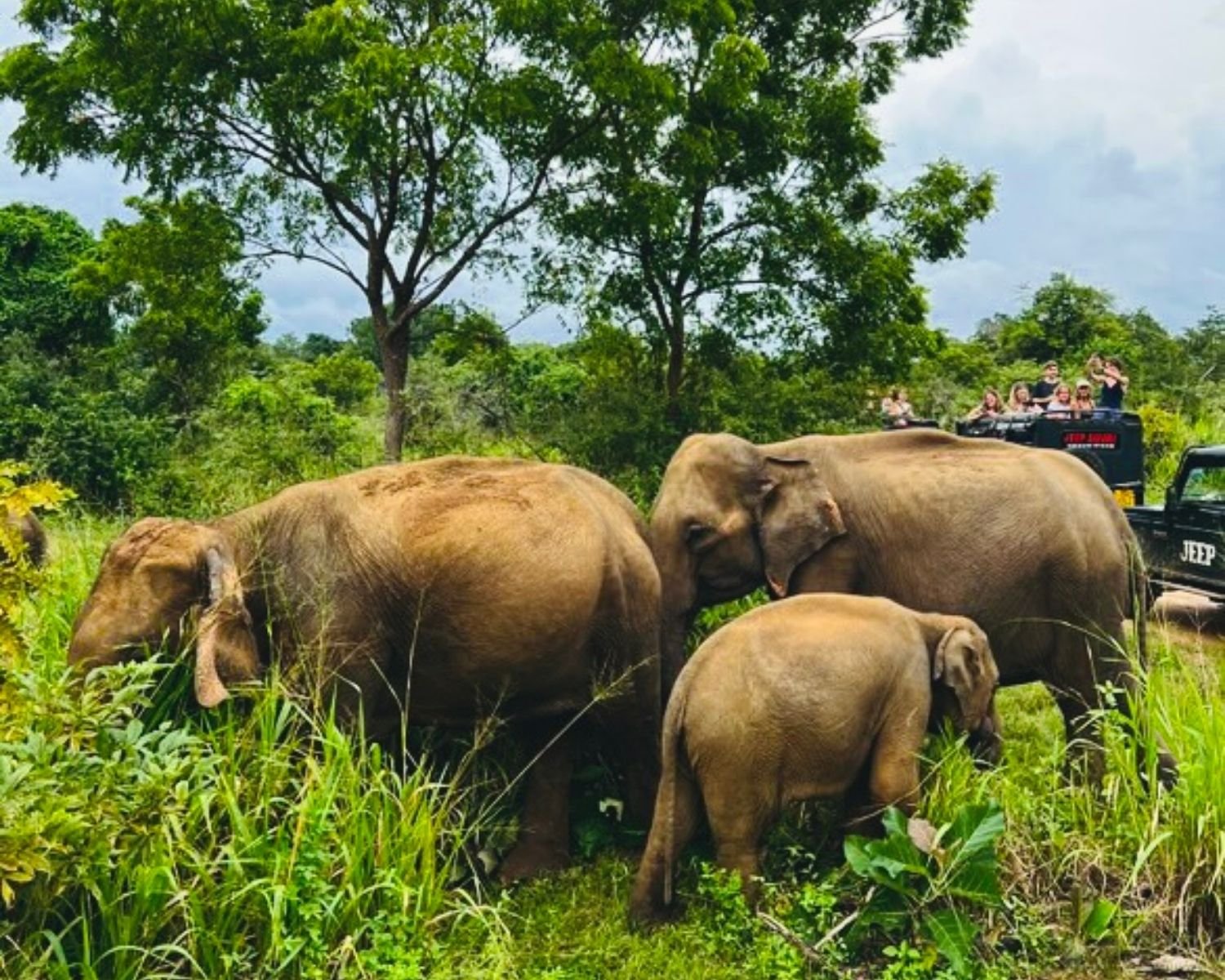
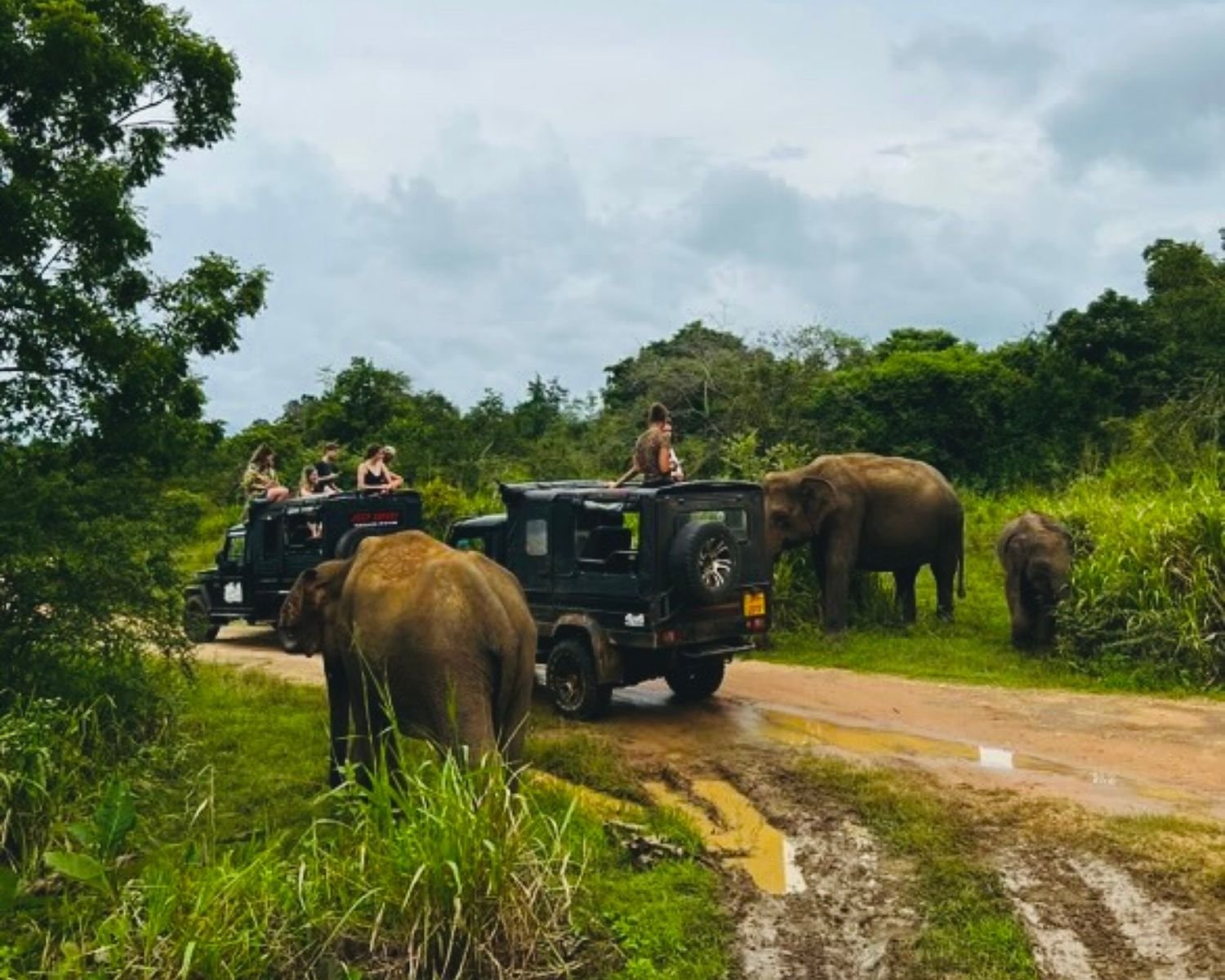
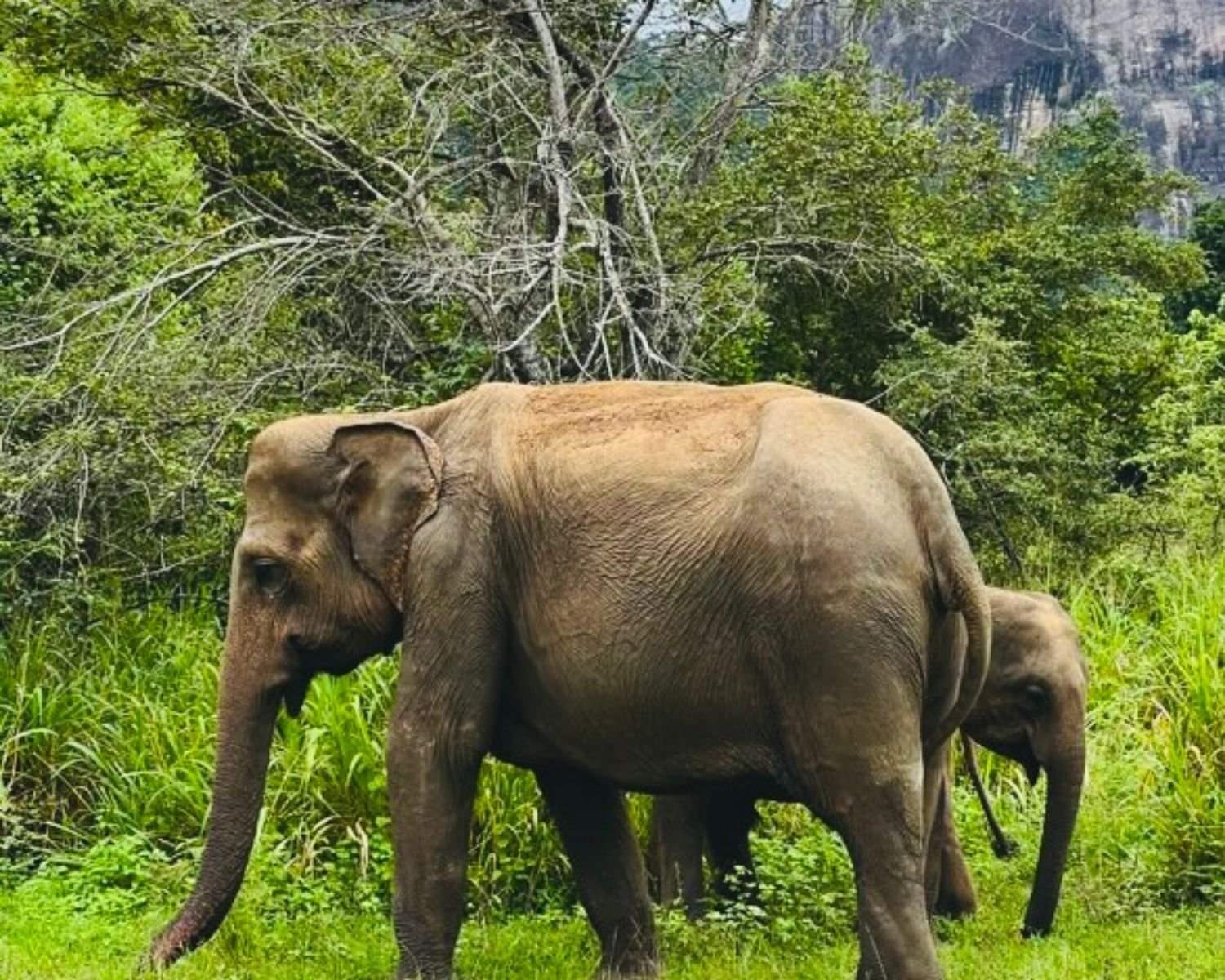
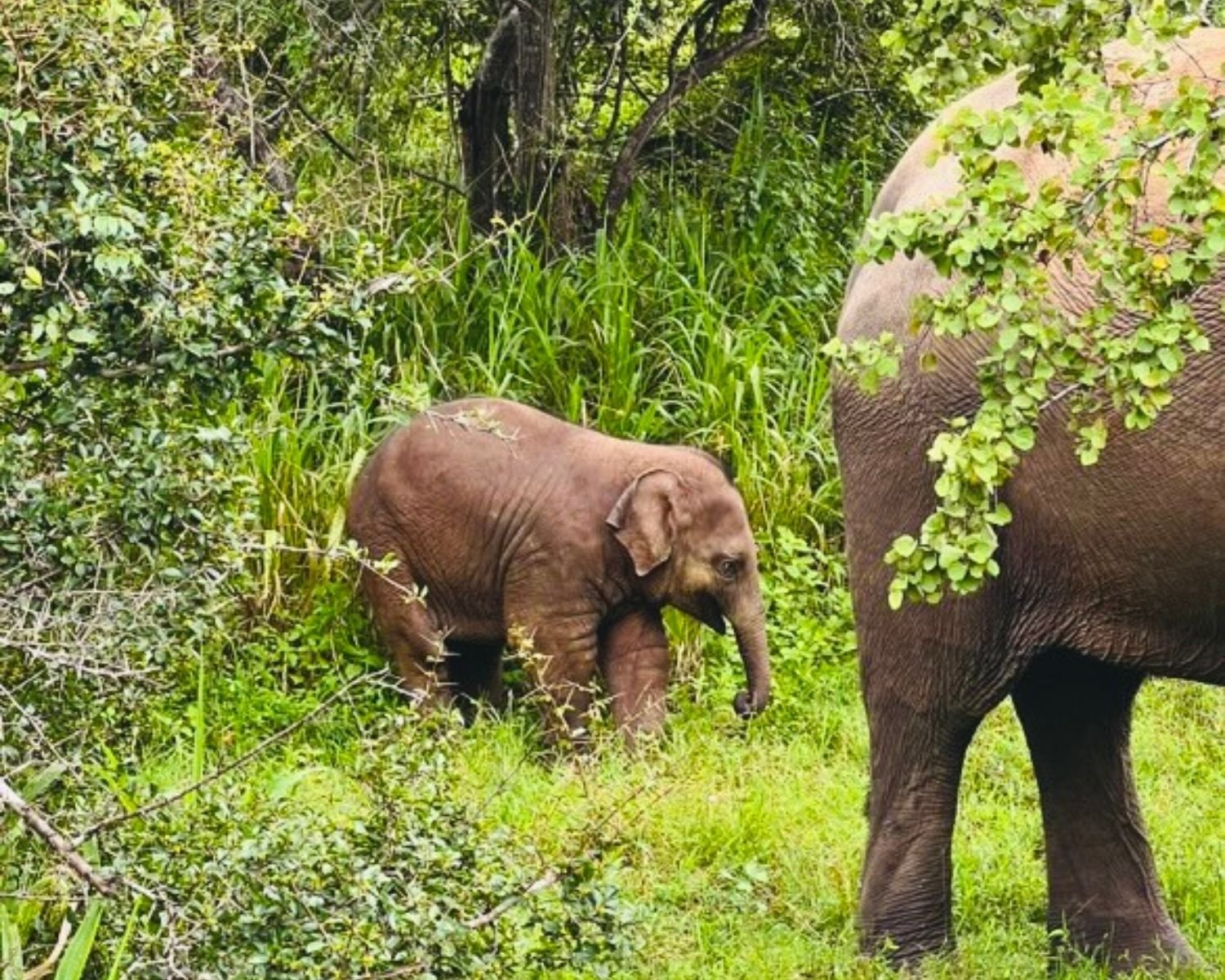
Famous for “The Gathering,” where hundreds of wild elephants congregate around the reservoir. Also home to deer, buffalo, monkeys, crocodiles, and many birds.

Activities
Activities
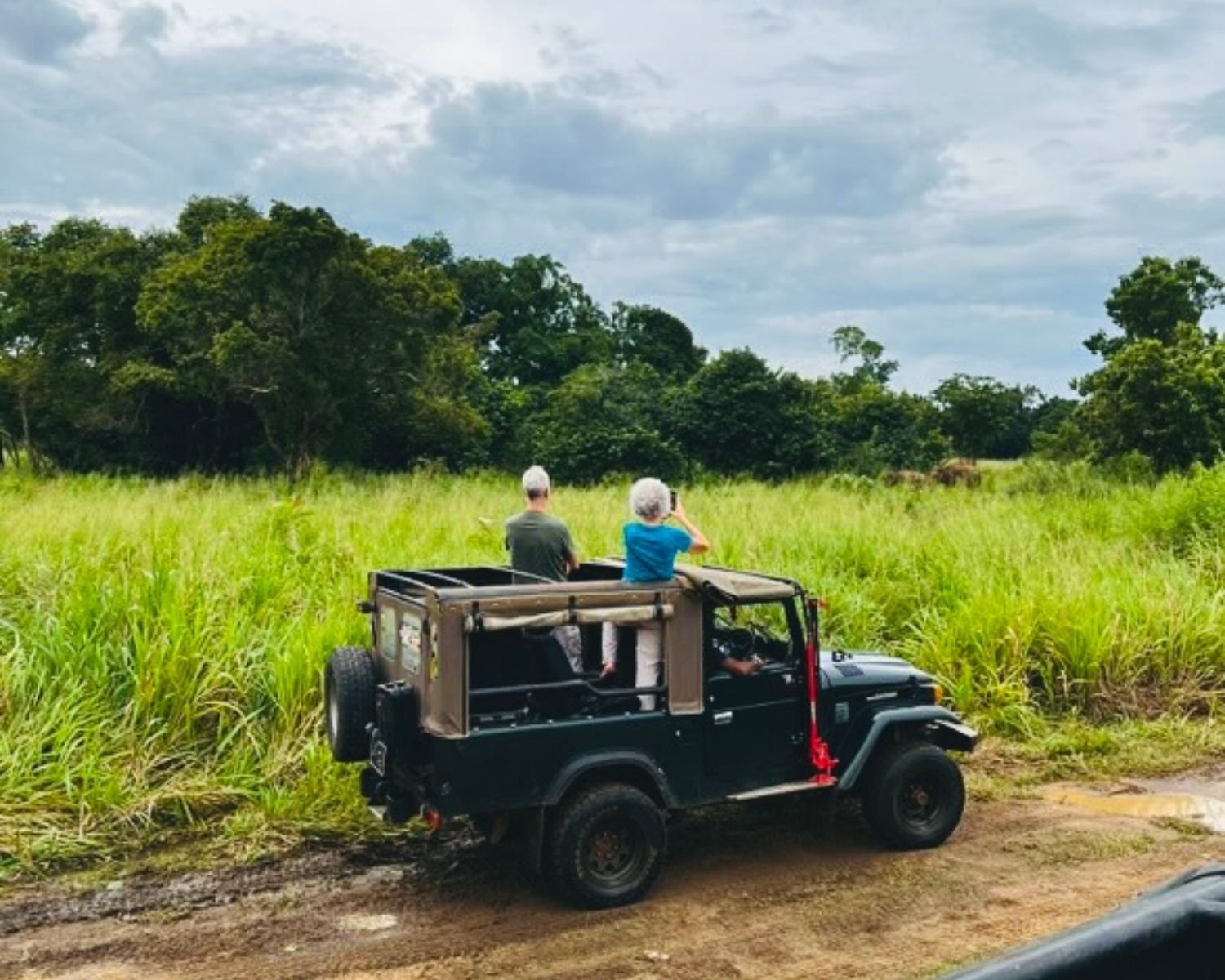
Jeep safaris, wildlife photography, birdwatching, and elephant spotting throughout the year.
Scenery
Scenery
Ancient reservoir surrounded by wide grasslands, tropical dry forest, and open safari landscapes.
History
Centred around the ancient Minneriya Tank, built by King Mahasen in the 3rd century CE.

Minneriya National Park

Top Pick
Located around 30 minutes from Sigiriya, Minneriya National Park is one of Sri Lanka’s most famous wildlife destinations and one of the best places in Asia to see wild elephants. Covering more than 8,800 hectares of dry forest, grassland, wetlands, and scrubland, the park forms part of an important wildlife corridor connecting Minneriya, Kaudulla, and Hurulu Eco Park. Its diverse habitats support a rich variety of animals, but it is the elephants that have made Minneriya internationally renowned.

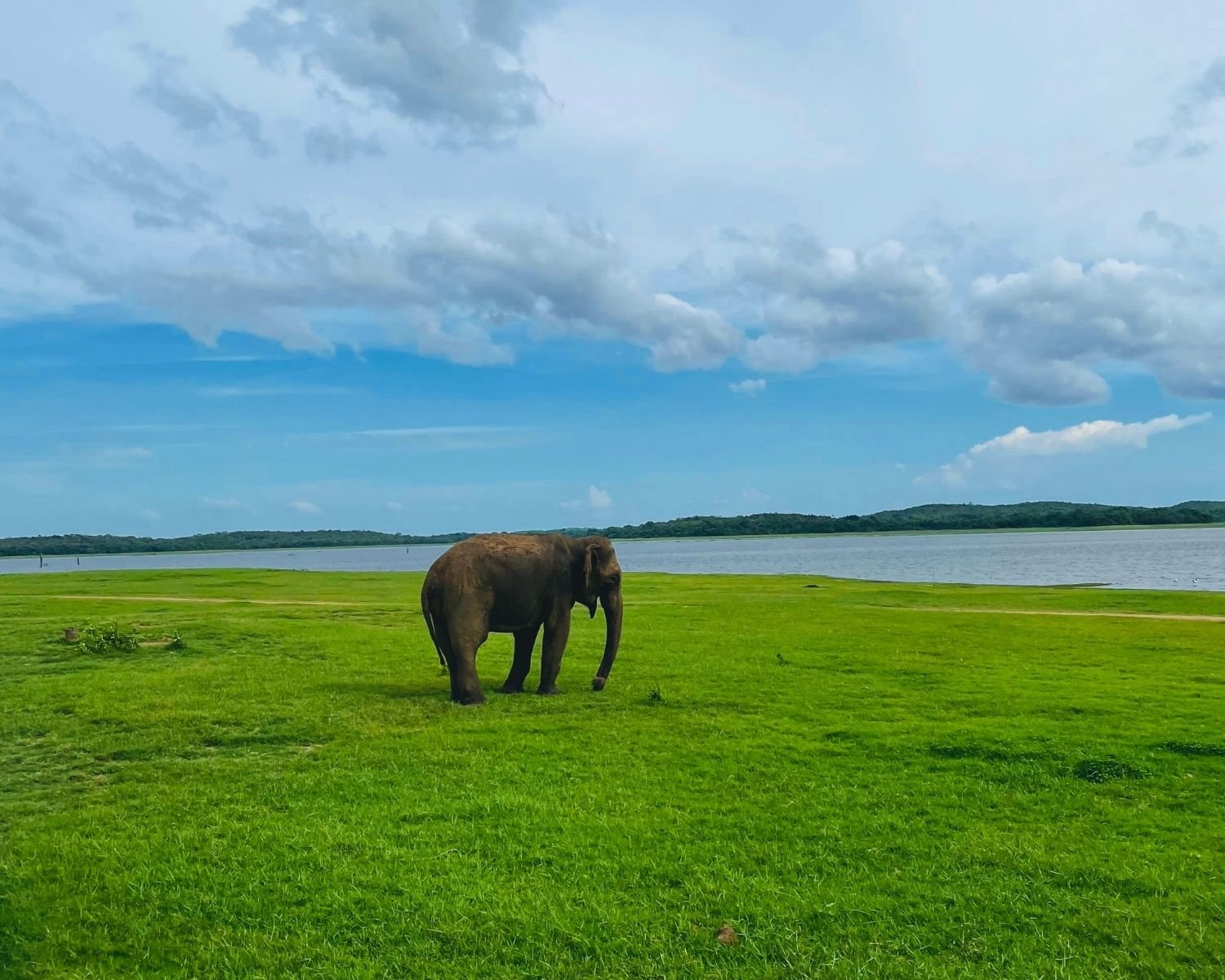
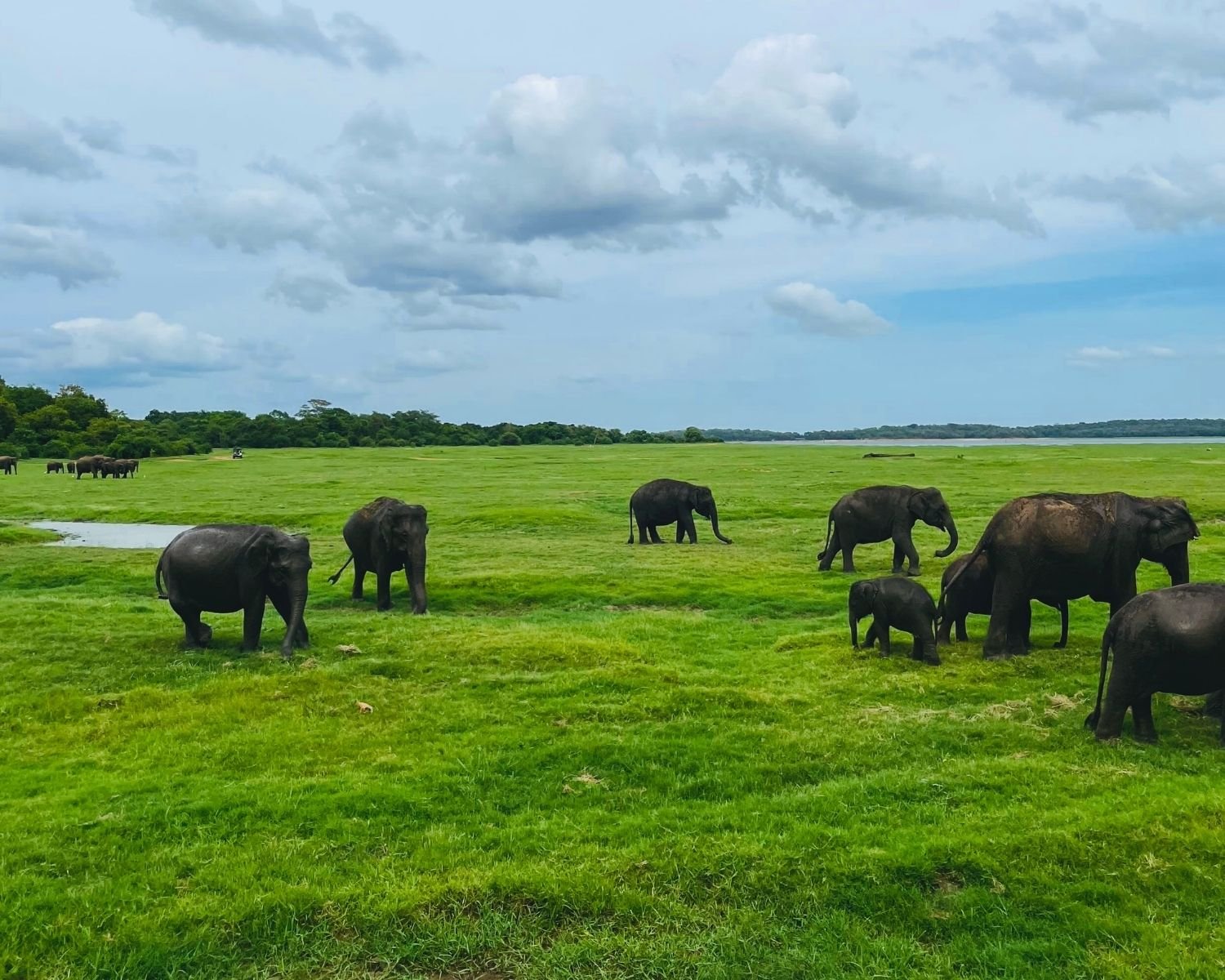
At the heart of the park lies the ancient Minneriya Reservoir, also known as Minneriya Tank, a vast irrigation lake built by King Mahasen in the 3rd century CE. For more than 1,700 years, the reservoir has provided water to both local communities and wildlife. During the dry season, as water sources in surrounding areas begin to disappear, animals gather around the shrinking shoreline, transforming the park into one of Sri Lanka’s greatest wildlife spectacles.

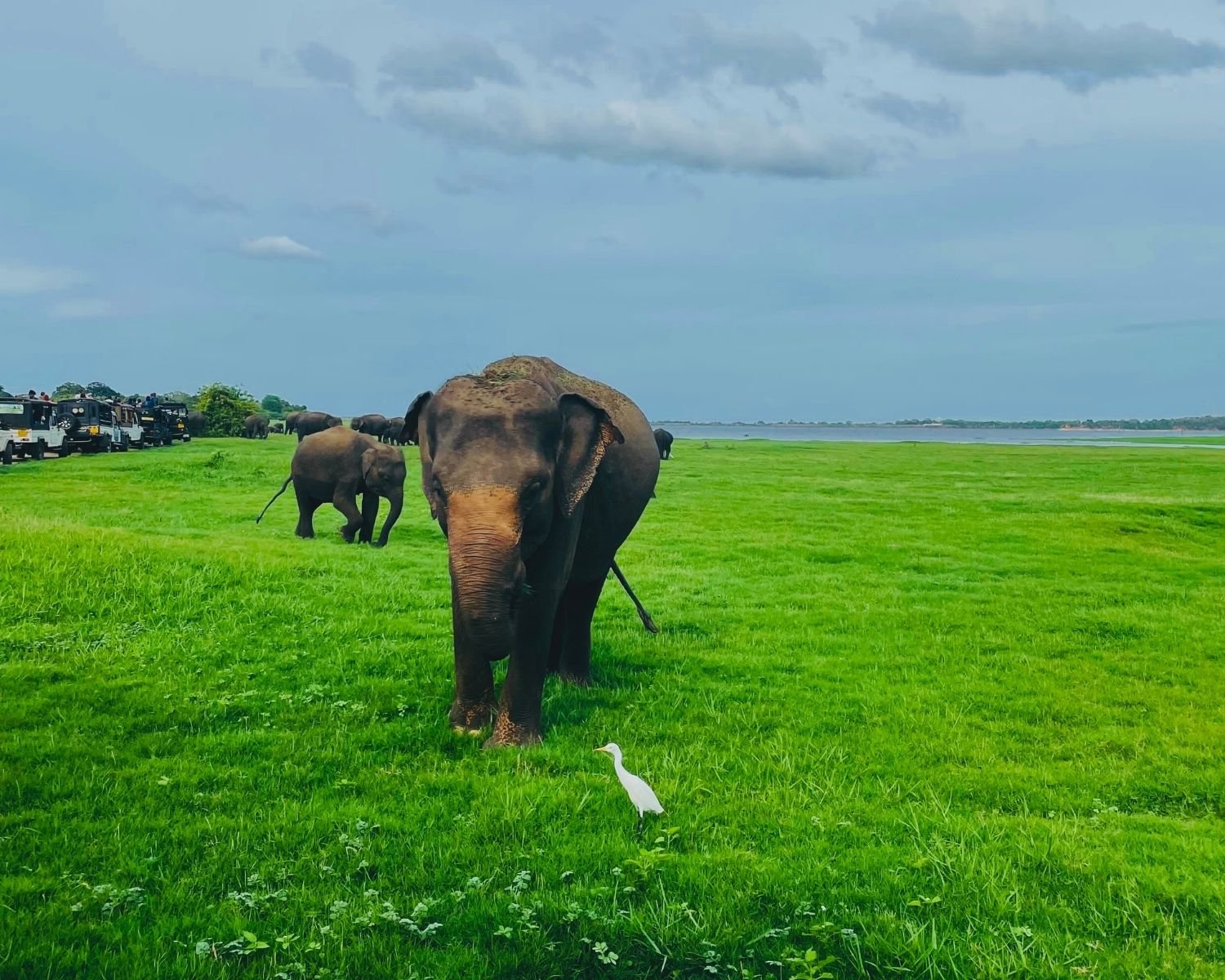
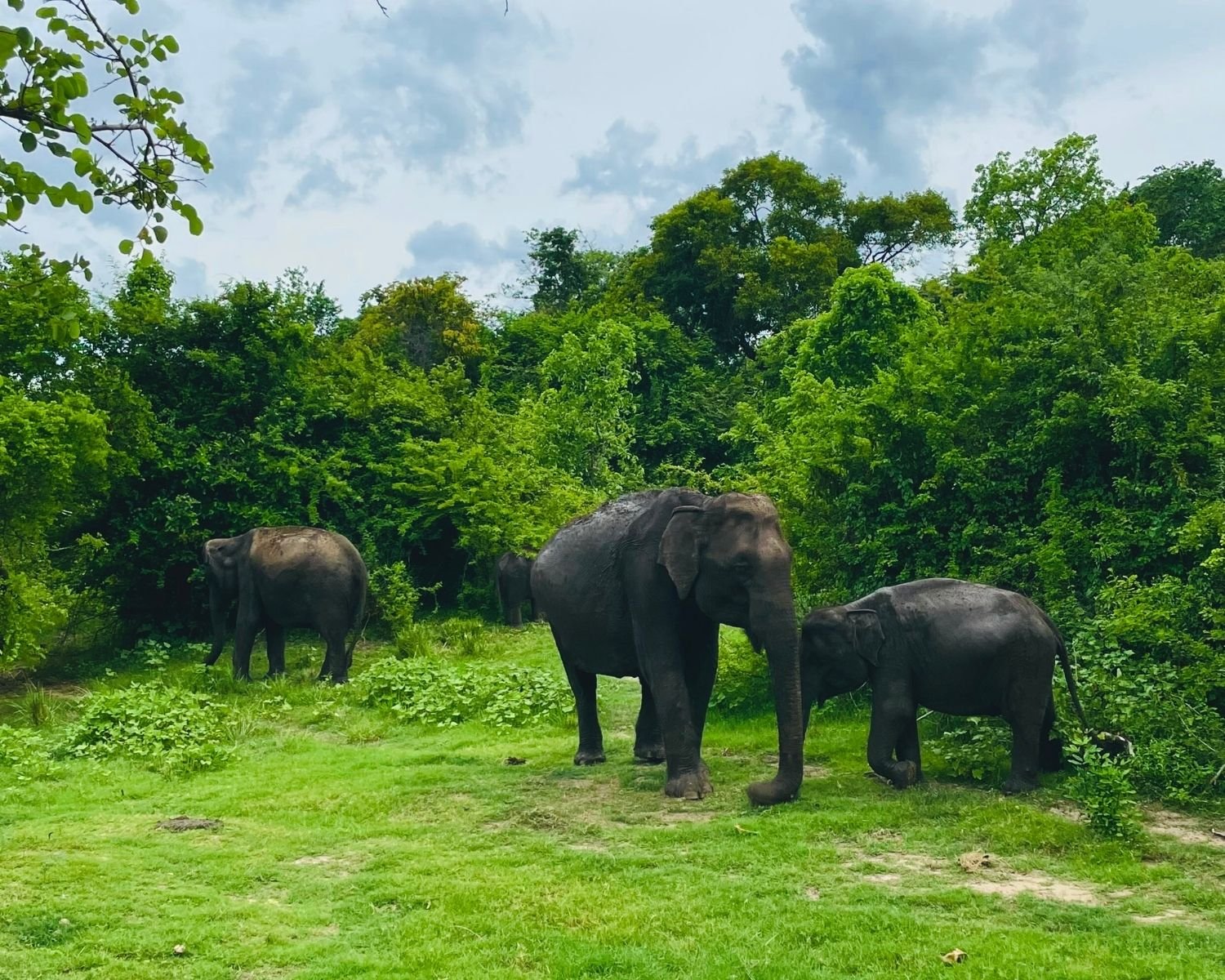
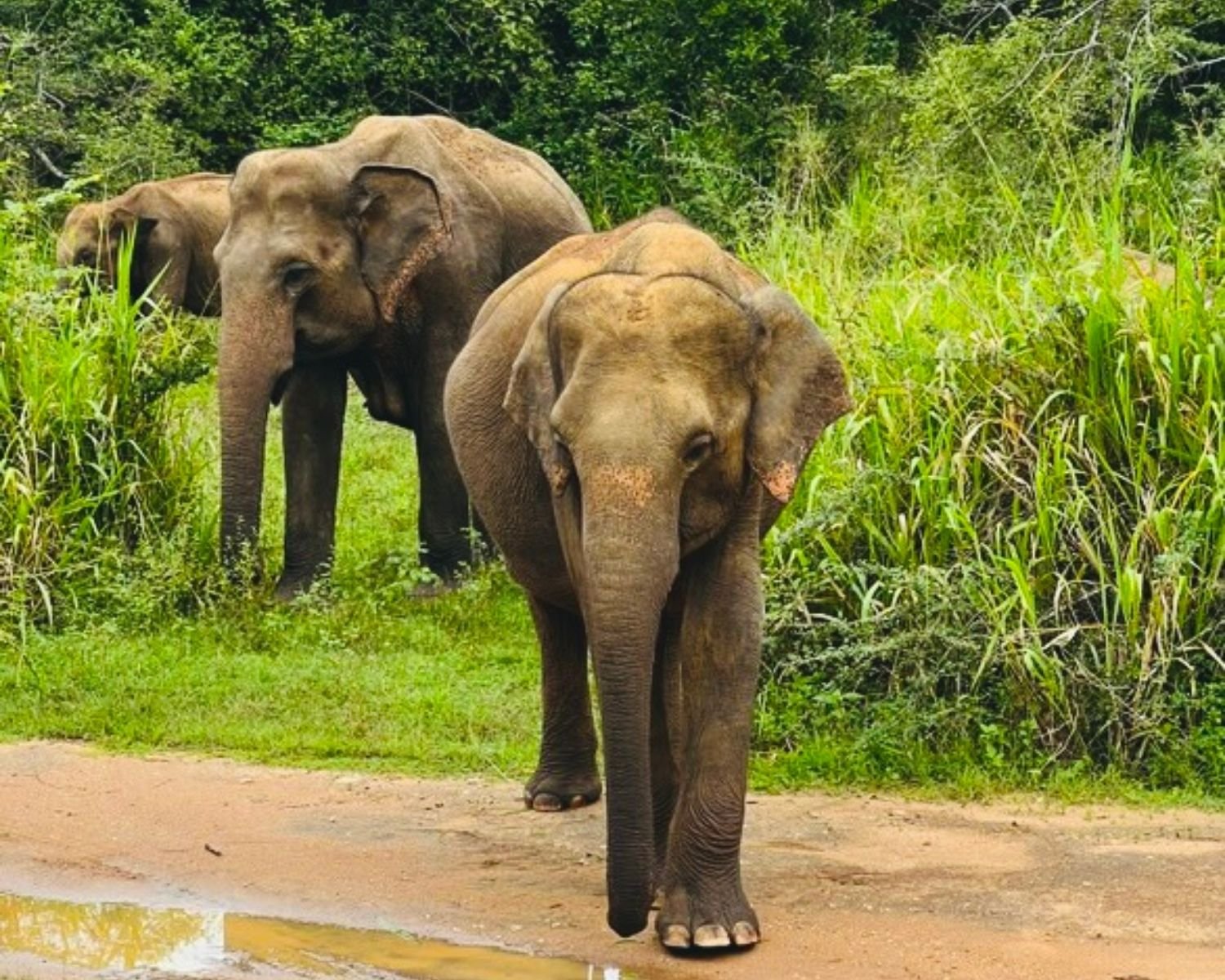
Minneriya is best known for "The Gathering," a remarkable natural event often regarded as the largest concentration of Asian elephants in the world. Between approximately July and October, and sometimes extending into November depending on rainfall patterns, hundreds of elephants gather around the reservoir's grasslands to feed, socialize, bathe, and care for their young. Seeing large herds with calves roaming freely across the open plains is an unforgettable experience and the primary reason many visitors choose to visit the park.

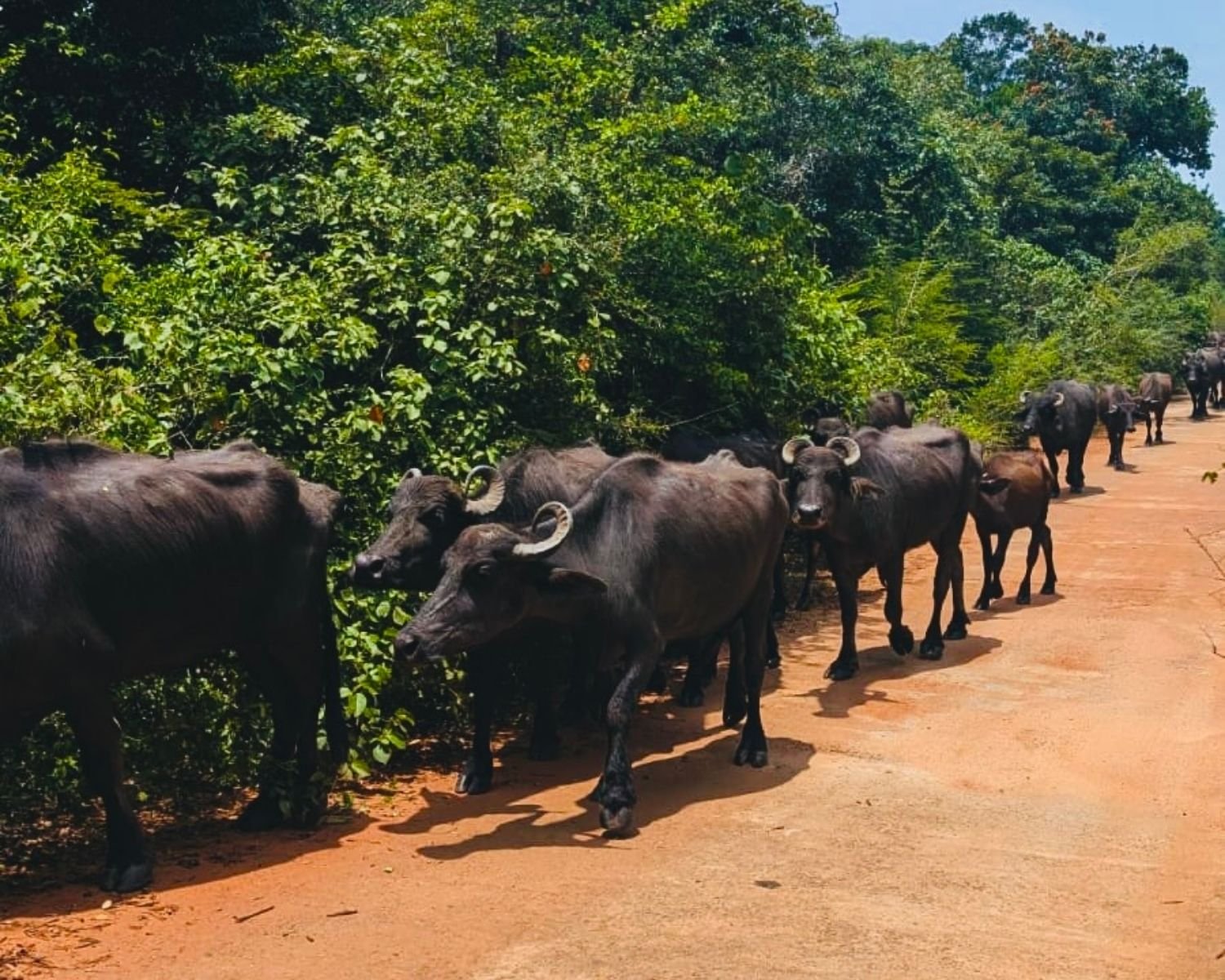
Although elephants are the star attraction, Minneriya supports a wide range of other wildlife. Visitors may encounter sambar deer, spotted deer, wild buffalo, toque macaques, grey langurs, crocodiles, monitor lizards, and numerous bird species. The park is particularly rewarding for birdwatchers, with resident and migratory birds frequently seen around the reservoir and wetland areas.

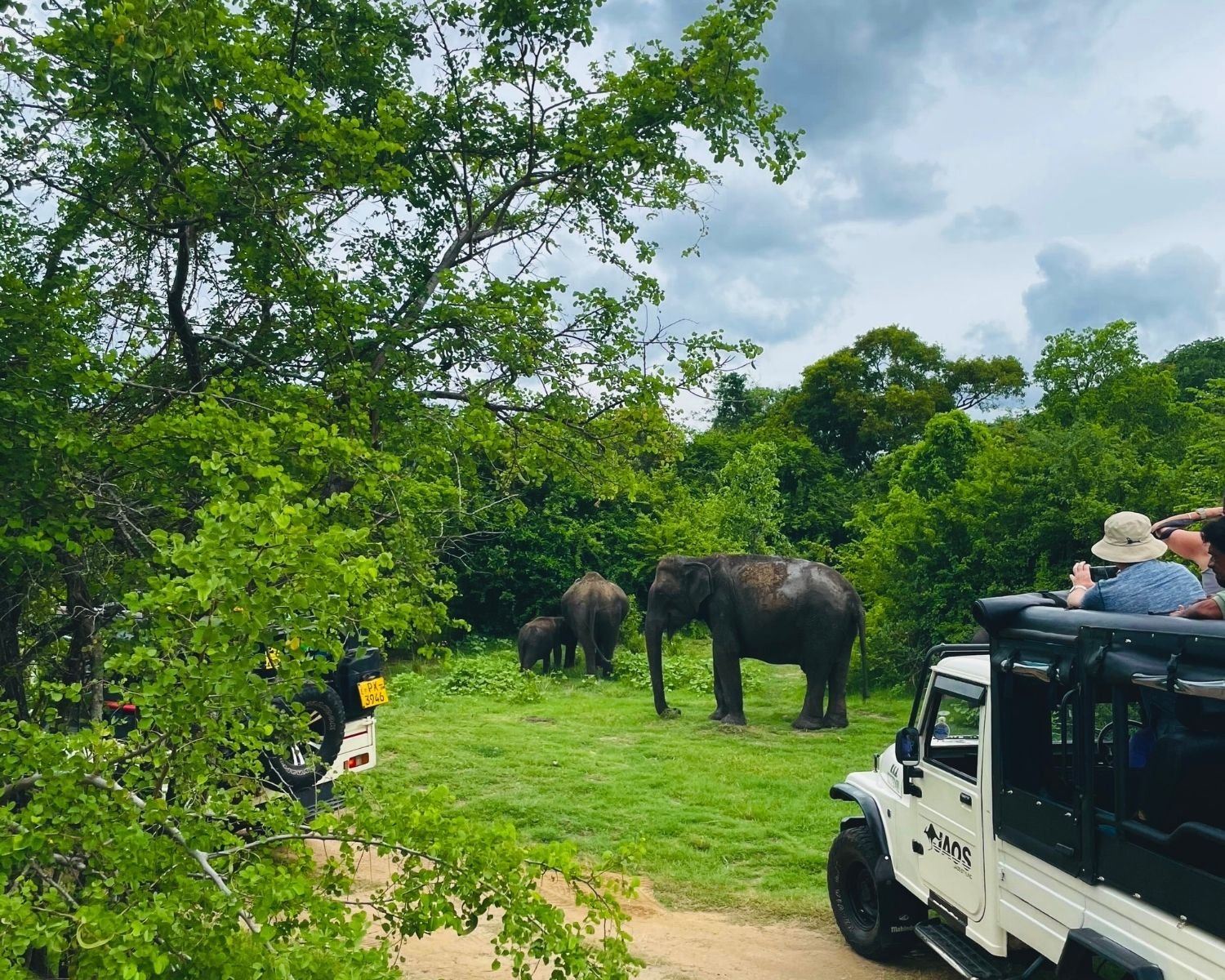
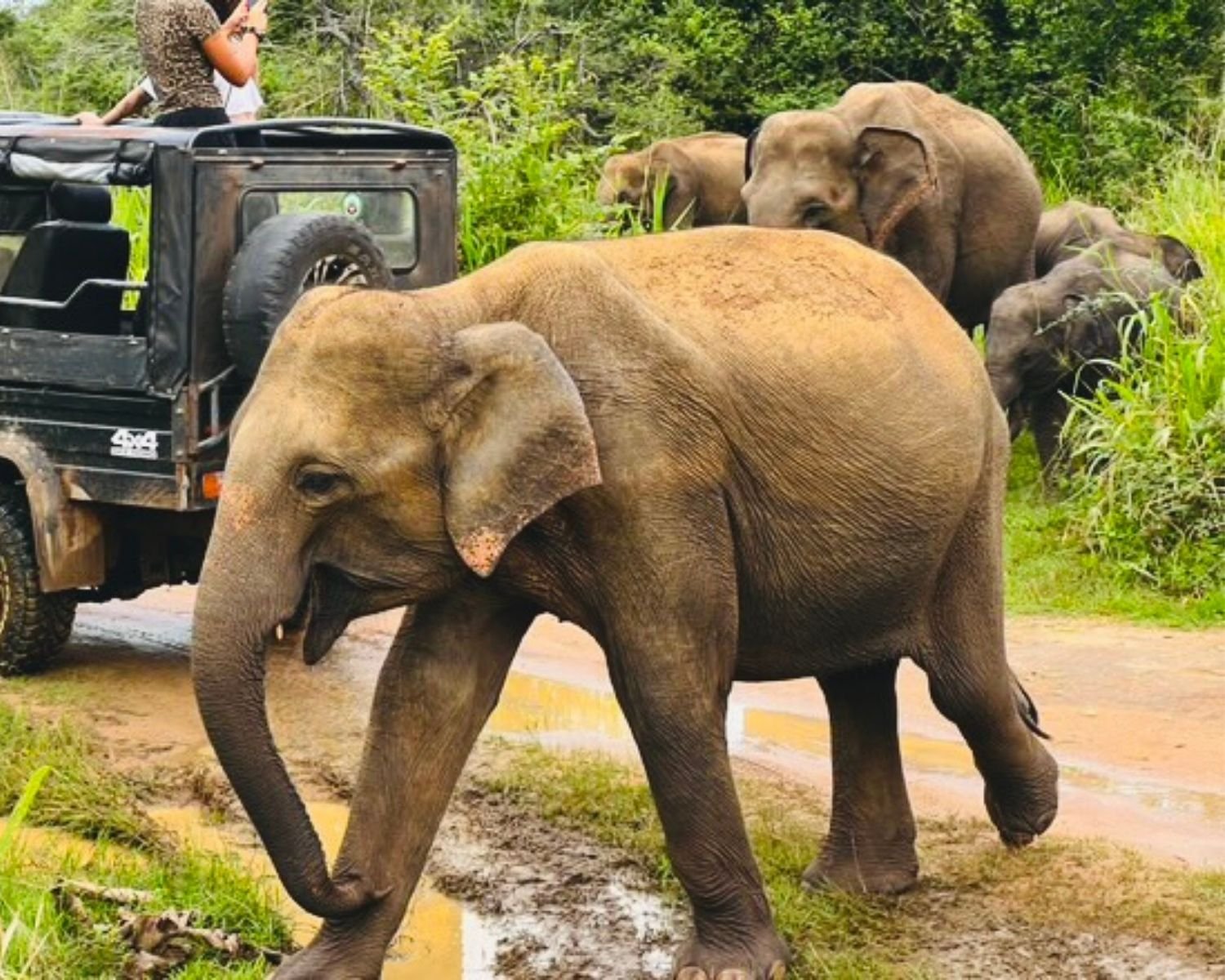
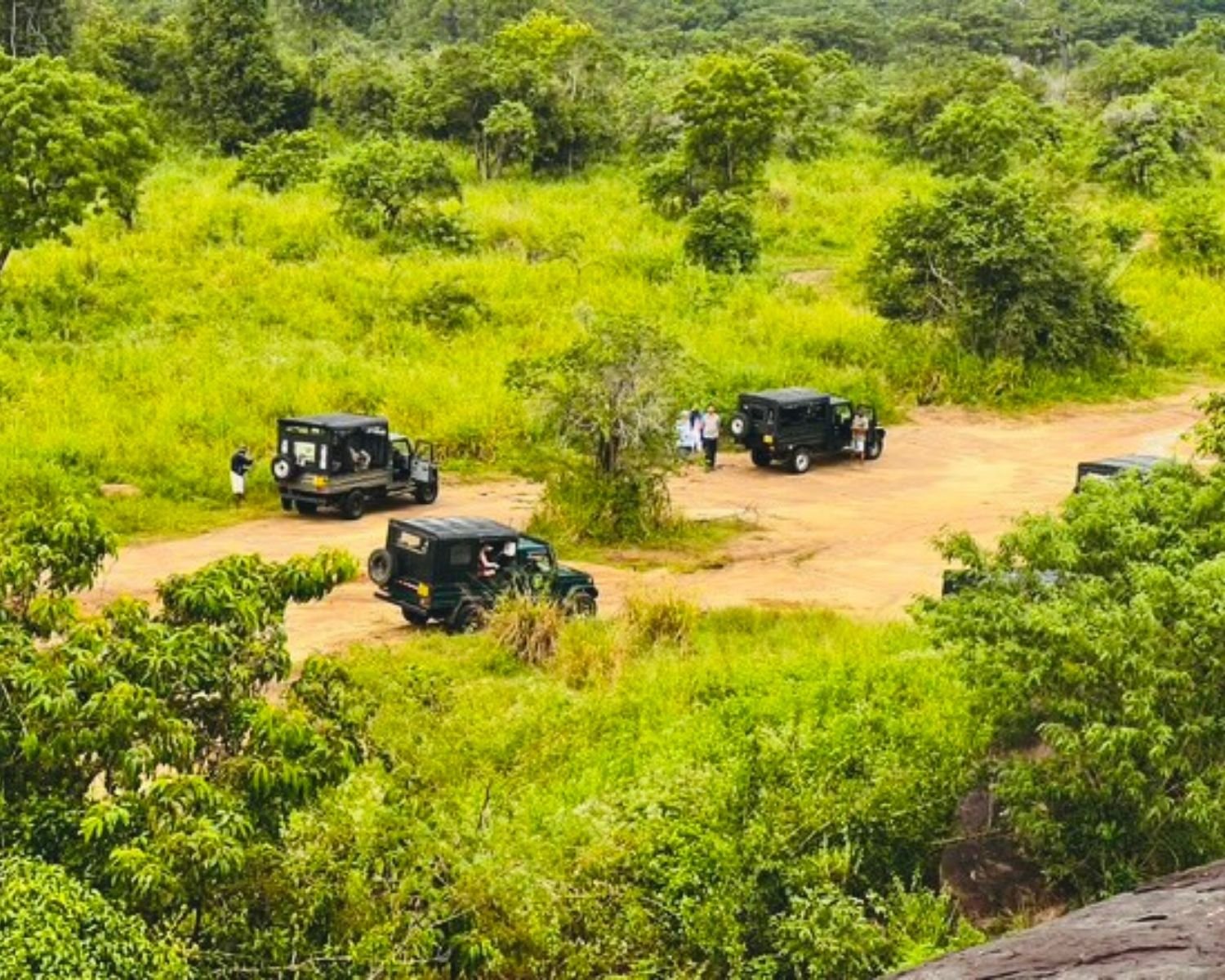
Jeep safaris are the most popular way to explore the park. Open grasslands around the reservoir provide excellent visibility, allowing visitors to observe elephants and other animals in their natural environment. Early morning and late afternoon safaris generally offer the best wildlife activity and the most comfortable temperatures, while sunset often creates spectacular views across the reservoir and surrounding plains.

Beyond its wildlife, Minneriya National Park is a landscape of remarkable beauty. Wide grasslands, tropical dry forests, and the vast waters of the ancient reservoir combine to create one of the most scenic safari environments in Sri Lanka. The contrast between open plains and dense forest provides constantly changing scenery throughout the journey.

For travellers staying in Sigiriya, Habarana, or Dambulla, Minneriya National Park offers one of the most rewarding safari experiences in the country. Whether visiting during The Gathering or simply hoping to see elephants in the wild, the park delivers an exceptional combination of wildlife, history, and natural beauty that has made it one of Sri Lanka’s most celebrated national parks.
Read More
Animals
Famous for large elephant herds that migrate between Minneriya and Kaudulla. Also home to deer, buffalo, crocodiles, monkeys, and many birds.
Activities
Jeep safaris, wildlife photography, birdwatching, and elephant spotting throughout the year.
Scenery
Ancient reservoir surrounded by wetlands, grasslands, tropical dry forest, and open safari landscapes.
History
Centred around the ancient Kaudulla Tank, built by King Mahasen in the 3rd century CE as part of Sri Lanka's historic irrigation network.

Kaudulla National Park

Top Pick
Located northeast of Sigiriya and Habarana, Kaudulla National Park is one of Sri Lanka’s premier wildlife destinations and among the best places in the country to see wild elephants. Covering more than 6,600 hectares of forests, grasslands, wetlands, and scrubland, the park forms part of the famous elephant corridor that connects Minneriya, Kaudulla, and Wasgamuwa. While often overshadowed by its more famous neighbour Minneriya, many visitors consider Kaudulla the more peaceful and rewarding safari experience.

At the heart of the park lies the ancient Kaudulla Reservoir, also known as Kaudulla Tank, a vast irrigation lake originally constructed by King Mahasen during the 3rd century CE. The reservoir remains a vital source of water for both wildlife and local communities, just as it has for more than 1,700 years. During the dry season, the receding waters reveal extensive grasslands that attract large numbers of animals from across the surrounding region.

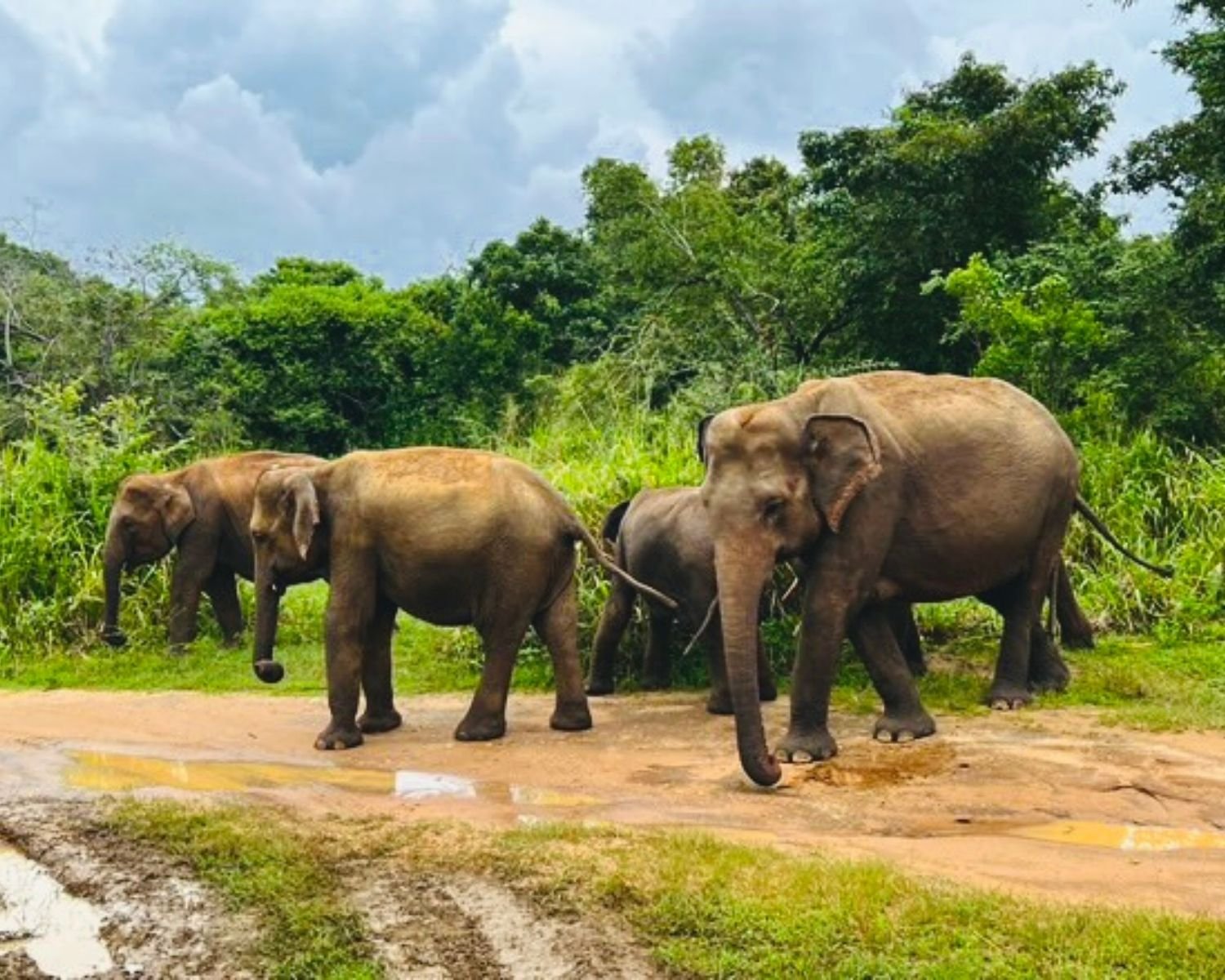
Kaudulla is best known for its impressive elephant population. As water levels change throughout the year, elephant herds move between Minneriya and Kaudulla in search of fresh grazing grounds. During peak months, visitors may witness dozens or even hundreds of elephants gathering around the reservoir, creating one of the most memorable wildlife experiences in Sri Lanka. The park is particularly valued for offering excellent elephant sightings while generally attracting fewer safari vehicles than Minneriya.

Beyond elephants, Kaudulla supports a rich variety of wildlife including spotted deer, sambar deer, wild buffalo, crocodiles, toque macaques, grey langurs, and occasionally sloth bears. The wetlands surrounding the reservoir attract numerous bird species, including pelicans, painted storks, eagles, cormorants, and migratory waterbirds, making the park a favourite destination for birdwatchers and wildlife photographers.

A safari through Kaudulla National Park offers constantly changing scenery. Vast grasslands stretch toward the reservoir, while patches of dry evergreen forest provide shelter for wildlife throughout the day. The combination of open landscapes and dense vegetation creates excellent opportunities for animal sightings, particularly during the early morning and late afternoon when wildlife is most active.

Unlike some of Sri Lanka’s busier national parks, Kaudulla often feels quieter and less crowded. This allows visitors to spend more time observing wildlife in a natural setting without the large concentrations of safari vehicles sometimes found elsewhere. The peaceful atmosphere, combined with exceptional elephant encounters, makes the park particularly appealing for nature lovers seeking a more relaxed safari experience.

For travellers visiting Sigiriya, Habarana, or the Cultural Triangle, Kaudulla National Park offers an outstanding combination of wildlife, history, and natural beauty. Whether visiting during the elephant migration season or simply exploring Sri Lanka’s dry zone wilderness, the park provides one of the country's most authentic and rewarding safari experiences.
Read More
Animals
Famous for large tusked male elephants, alongside deer, buffalo, monkeys, crocodiles, and numerous bird species.
Activities
Jeep safaris, birdwatching, photography, and elephant spotting around the ancient reservoirs.
Scenery
Vast ancient reservoirs, open grasslands, dry forests, and beautiful sunset views across the water.
History
Centred around Kala Wewa and Balalu Wewa, massive reservoirs built by King Dhatusena in the 5th century CE.

Kalawewa National Park

Top Pick
Located around 45 minutes from Sigiriya, Kalawewa National Park is a unique wildlife reserve built around two of Sri Lanka’s greatest ancient reservoirs, Kala Wewa and Balalu Wewa. Established to protect both the historic irrigation landscape and its wildlife, the park combines centuries of history with some of the most rewarding elephant encounters in the Cultural Triangle. Unlike the busier safari parks nearby, Kalawewa offers a quieter and more authentic wilderness experience.

At the heart of the park lie the vast waters of Kala Wewa and Balalu Wewa, enormous reservoirs constructed by King Dhatusena during the 5th century CE. These engineering marvels have supplied water to surrounding communities for more than 1,500 years and continue to sustain both agriculture and wildlife today. Their expansive shorelines create one of the most distinctive landscapes in Sri Lanka's dry zone.

Kalawewa National Park is particularly famous for its population of large tusked male elephants, some of the most impressive wild elephants found anywhere in Sri Lanka. While herds of elephants can often be seen throughout the park, many visitors come specifically to observe these magnificent tuskers as they move between the forests and reservoir edges. The park is also home to spotted deer, wild buffalo, toque macaques, crocodiles, monitor lizards, and a variety of bird species.

The landscape is dominated by open grasslands, dry mixed evergreen forest, and the vast waters of the ancient reservoirs. During the dry season, receding water levels expose wide feeding grounds that attract wildlife from across the region. Waterbirds gather along the shorelines, while the reflections of the sky across the reservoirs create spectacular scenery throughout the day.

Jeep safaris provide excellent opportunities to explore the park and observe wildlife in a peaceful setting. Compared with some of Sri Lanka’s more famous safari destinations, visitor numbers are generally lower, allowing for a more relaxed experience and better opportunities to watch animals behaving naturally in their environment.

Beyond its wildlife, Kalawewa National Park offers a remarkable connection between nature and history. Few places in Sri Lanka demonstrate so clearly how ancient engineering projects continue to shape modern ecosystems. The reservoirs built over fifteen centuries ago remain the lifeblood of the landscape, supporting both people and wildlife to this day.

For travellers exploring Sigiriya and the Cultural Triangle, Kalawewa National Park offers a rewarding combination of wildlife, history, and scenery. Whether seeking the chance to see Sri Lanka’s famous tuskers or simply enjoy a quieter safari experience, the park provides one of the region’s most distinctive and underrated natural attractions.
Read More
Animals
Large elephant herds, langurs, deer, peacocks, and rich birdlife. Leopards and sloth bears are occasionally spotted.
Activities
Jeep safaris, elephant tracking, birdwatching, wildlife photography, and forest exploration.
Scenery
Dense dry evergreen forest, shaded safari tracks, open clearings, and natural elephant habitats.

Hurulu Eco Park

Worth It
Located near Habarana and Sigiriya, Hurulu Eco Park is one of Sri Lanka’s most important wildlife reserves and a key part of the country's famous elephant corridor. Covering a vast area of dry evergreen forest, grasslands, and scrub jungle, the park forms part of the larger Hurulu Forest Reserve, which was designated Sri Lanka’s first UNESCO Biosphere Reserve. Unlike the open grasslands of Minneriya and Kaudulla, Hurulu offers a more immersive forest safari experience where wildlife is encountered among dense vegetation and shaded jungle tracks.

Hurulu Eco Park is best known for its elephant population. The reserve lies within a major migration route used by elephants moving between Minneriya, Kaudulla, and surrounding protected areas. During certain times of the year, especially when elephants move away from the reservoirs of nearby parks, Hurulu becomes one of the best places in the region to observe elephant herds in a natural forest environment. Close encounters with elephants are common, making it a favourite destination for safari enthusiasts.

Beyond elephants, the park supports a rich variety of wildlife including spotted deer, sambar deer, wild boar, grey langurs, toque macaques, crocodiles, monitor lizards, and numerous bird species. Although rarely seen, leopards and sloth bears also inhabit the reserve. Birdwatchers are particularly drawn to Hurulu due to its abundance of resident and migratory birds, including peacocks, eagles, hornbills, kingfishers, and parrots.

A safari through Hurulu Eco Park feels distinctly different from other wildlife parks in the Cultural Triangle. Rather than driving across open plains, visitors travel along narrow forest tracks beneath a thick canopy of trees. Sunlight filters through the leaves while the sounds of birds and insects fill the air, creating an atmosphere that feels wild, peaceful, and largely untouched. The dense vegetation often makes wildlife sightings more exciting as animals suddenly emerge from the forest edge.

The reserve plays an important role in protecting the region's biodiversity and maintaining ecological connectivity between Sri Lanka's major wildlife habitats. As part of the UNESCO Biosphere Reserve, Hurulu is recognised not only for its wildlife but also for its importance in conserving dry zone forest ecosystems that support countless plant and animal species.

For travellers staying in Sigiriya or Habarana, Hurulu Eco Park offers one of the most authentic forest safari experiences in Sri Lanka. Its combination of elephant encounters, rich biodiversity, and beautiful natural landscapes makes it an excellent alternative to the more heavily visited national parks nearby.

Whether you are hoping to photograph elephants, explore a UNESCO Biosphere Reserve, or simply experience the beauty of Sri Lanka’s dry zone forests, Hurulu Eco Park delivers a rewarding wildlife experience that showcases a quieter and more natural side of the Cultural Triangle.
Read More

Activities

Hot Air Balloon
Peaceful floating, sightseeing, and photography. Operates with licensed pilots, usually lasting about an hour.
Scenery
Lush forests, lakes, paddy fields, and the Sigiriya Rock glowing under morning light. Occasional views of wildlife and mist-covered mountains.

Hot Air Balloon Ride

The Sigiriya Hot Air Balloon Ride is one of the most enchanting experiences you can enjoy in Sri Lanka, especially for those who want to see the island’s natural beauty from a whole new angle. Floating high above the Cultural Triangle, this early morning adventure offers spectacular views of lush jungles, sparkling lakes, ancient temples, and, of course, the iconic Sigiriya Rock Fortress standing proudly at the center of it all. As the balloon slowly rises with the sunrise, the golden light spreads across the misty landscape, creating a breathtaking view that feels almost dreamlike.

The flight usually lasts about an hour, during which you can peacefully drift over local villages and farmlands, spotting wildlife like elephants or birds from above. The entire journey is calm and silent, with only the sound of the wind and the occasional burst of the balloon’s burner. Each ride is guided by experienced pilots who ensure safety while sharing stories about the region below. The adventure typically ends with a gentle landing and a small celebration, making it a truly memorable highlight of any Sigiriya trip. Whether you’re a photographer, a nature lover, or simply chasing unforgettable moments, the Sigiriya Hot Air Balloon Ride promises an experience you’ll remember for a lifetime.
Read More
Cooking Class
Hands-on classes, learn local dishes, use fresh ingredients, experience village life.
Art & Culture
Culinary tradition, spices and flavors, passed down generations, reflects culture and community.

Traditional Cooking Class

A Cooking Class in Sigiriya offers a wonderful opportunity to discover Sri Lanka’s culture through its rich and flavorful food traditions. Away from the famous rock fortress and the busy tourist trails, these classes let travelers experience real village life and learn how local families prepare their everyday meals. Most classes are hosted in family homes or traditional open-air kitchens surrounded by lush greenery, paddy fields, and spice gardens, creating a peaceful and authentic setting for the experience.

The journey often begins with a visit to a nearby market or garden, where you can pick fresh vegetables, herbs, and spices that will be used in your cooking session. You will learn about the importance of local ingredients such as curry leaves, coconut, cinnamon, turmeric, and rice, while your host explains their role in traditional Sri Lankan cuisine. Once back in the kitchen, the hands-on part begins. With the help of your instructor, you will prepare several classic dishes like lentil curry, coconut sambol, brinjal moju, and fragrant rice. Everything is cooked using simple, traditional methods such as clay pots and firewood stoves, which bring out the real flavor of the island.

During the session, you will hear stories about family recipes, cooking traditions, and how food is deeply connected to Sri Lankan life and hospitality. The highlight comes at the end when everyone sits down to share the meal that was prepared together, often served on banana leaves in true local style. Some classes also include tea-making or dessert preparation, such as coconut pancakes or buffalo curd with treacle.

Taking part in a cooking class in Sigiriya is more than just learning how to cook. It is a cultural exchange that allows you to connect with local people and understand their way of life through food. It is a warm, friendly, and memorable experience that lets you take home not only recipes but also stories and memories from the heart of Sri Lanka.
Read More
Village Tour
Explore village life, paddy fields, local homes, farming activities, and interact with villagers.
Scenery
Peaceful landscapes filled with greenery, shimmering lakes, distant mountains, and the majestic Sigiriya Rock rising above the horizon.
Art & Culture
Experience traditional customs, crafts, folklore, and authentic Sri Lankan culture preserved in everyday village life.

Sigiriya Village Tour

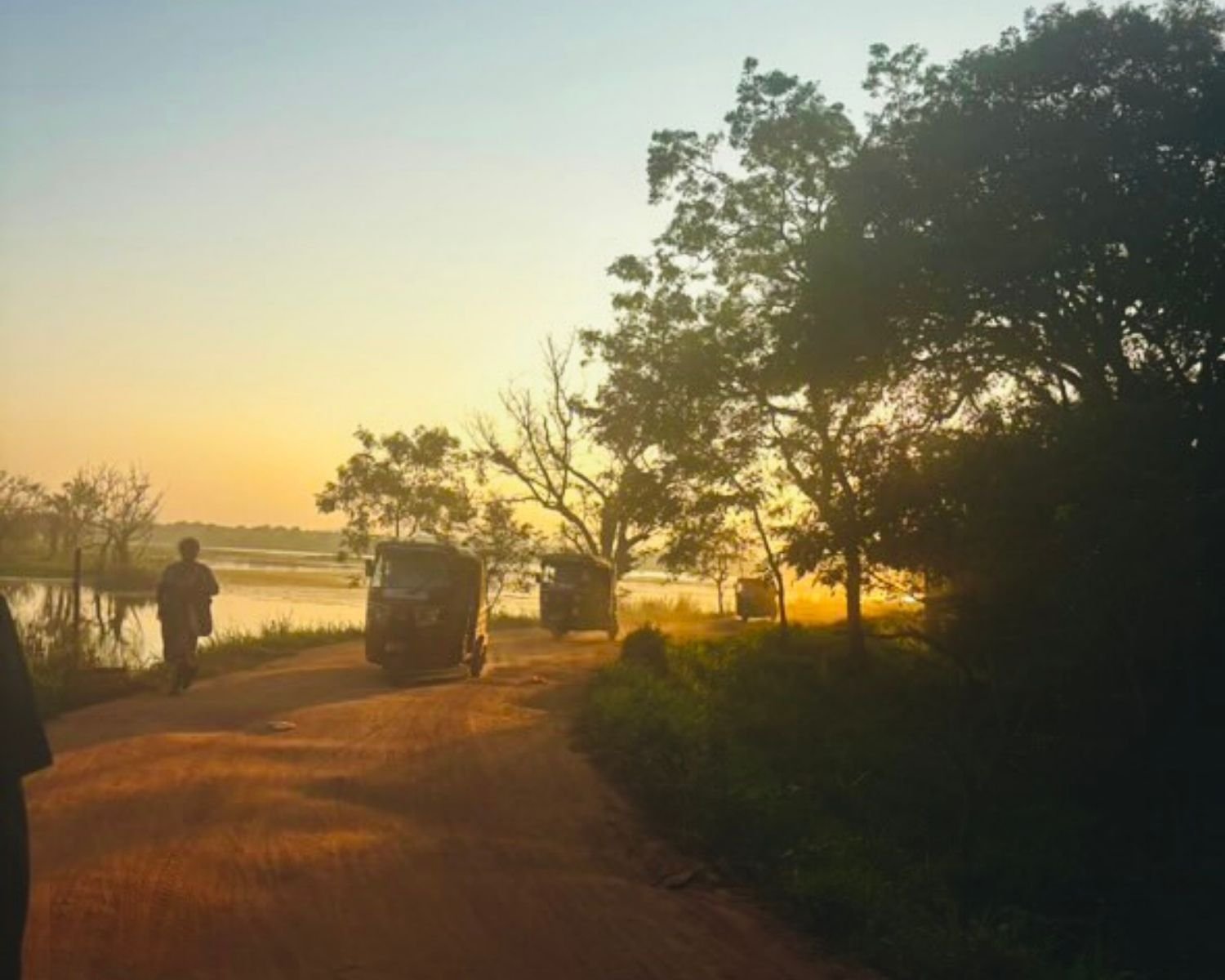
A Village Tour in Sigiriya offers travelers a unique opportunity to step away from the typical tourist path and immerse themselves in the authentic rural life of Sri Lanka. Located near the iconic Sigiriya Rock, these tours take you through picturesque villages where time seems to move at a slower pace, and life is closely connected to nature. The experience begins with a warm welcome from local families who guide you through daily village activities, giving you a glimpse into how communities live, work, and thrive in harmony with their surroundings.

During the tour, you may walk or cycle along narrow pathways lined with paddy fields, coconut plantations, and vegetable gardens, while observing traditional farming techniques that have been practiced for generations. You can interact with villagers, learn about their customs, and even try your hand at tasks such as planting rice, harvesting vegetables, or feeding livestock. Along the way, you will see traditional houses made from clay, wood, and thatched roofs, and get a chance to understand the architecture and lifestyle adapted to the local environment.

The tour often includes visits to local schools, temples, or small workshops where villagers create handicrafts, pottery, or traditional tools. You may also taste authentic Sri Lankan snacks or meals prepared by the locals, offering a deeper insight into the flavors and culinary culture of the region. Knowledgeable guides share stories about village life, folklore, and history, helping travelers connect with the cultural roots and traditions that define rural Sri Lanka.

A Village Tour in Sigiriya is more than sightseeing; it is an immersive cultural journey that allows visitors to experience the simplicity, warmth, and hospitality of Sri Lankan villagers. It encourages sustainable tourism, supports local communities, and leaves travelers with lasting memories of genuine cultural encounters, making it a truly enriching and eye-opening experience for anyone visiting the region.
Read More
Cycling
Ride through scenic village roads, paddy fields, and plantations while enjoying nature and local life.
Village Tour
Explore village life, paddy fields, local homes, farming activities, and interact with villagers.
Scenery
Peaceful landscapes filled with greenery, shimmering lakes, distant mountains, and the majestic Sigiriya Rock rising above the horizon.

Countryside Cycling Tour

A Cycling Tour in Sigiriya is an exciting and immersive way to explore the region at your own pace while enjoying its natural beauty and cultural richness. This tour typically takes you along quiet village roads, through lush paddy fields, coconut plantations, and dense forests, offering scenic views of the iconic Sigiriya Rock Fortress from different angles. Along the way, you can pass small villages, interact with locals, and witness traditional farming practices, giving you a closer look at everyday rural life.

Cycling allows you to access areas that are often missed by regular vehicles, including hidden temples, water bodies, and local markets. Knowledgeable guides usually accompany the tour, sharing stories about the history, culture, and wildlife of the region. Stops are often made for photography, tasting fresh tropical fruits, or enjoying a short rest under the shade of a tree.

The tour can be tailored to different fitness levels, making it suitable for beginners as well as experienced cyclists. Whether you are seeking adventure, cultural immersion, or a peaceful ride through nature, a cycling tour in Sigiriya provides a unique, active way to connect with the landscape and local lifestyle while creating memorable experiences.
Read More