
ANURADHAPURA
Sacred Bodhi tree, ancient stupas, and 2,000 years of history.
Anuradhapura is Sri Lanka’s first ancient capital, famous for the sacred Sri Maha Bodhi tree, massive Ruwanwelisaya and Jetavanaramaya stupas, ancient monasteries, stone moonstones, and UNESCO World Heritage ruins spanning over two millennia.

Entrance Fee
Non-SAARC:$30 adult
$15 child (age 6–12)
Foreign (SAARC):$15
Tickets at entrance
Non-SAARC:$30 adult
$15 child (age 6–12)
Foreign (SAARC):$15
Tickets at entrance
Tickets are valid for the entire Anuradhapura Sacred City zone and must be used on the same day of purchase.
Fees are approximate and may vary by season. Keep your ticket — it’s checked at each monument.
 ravinkavish
 hugo_t_v_r
 ravinkavish
 lena.tlmn
 ravinkavish
 ravinkavish
 ravinkavish
 ravinkavish
 joshua_laporta
 joshua_laporta
 ravinkavish
 ravinkavish
 ravinkavish
 kira.sperling
 kira.sperling
 ravinkavish
 ravinkavish
Buddhist Site
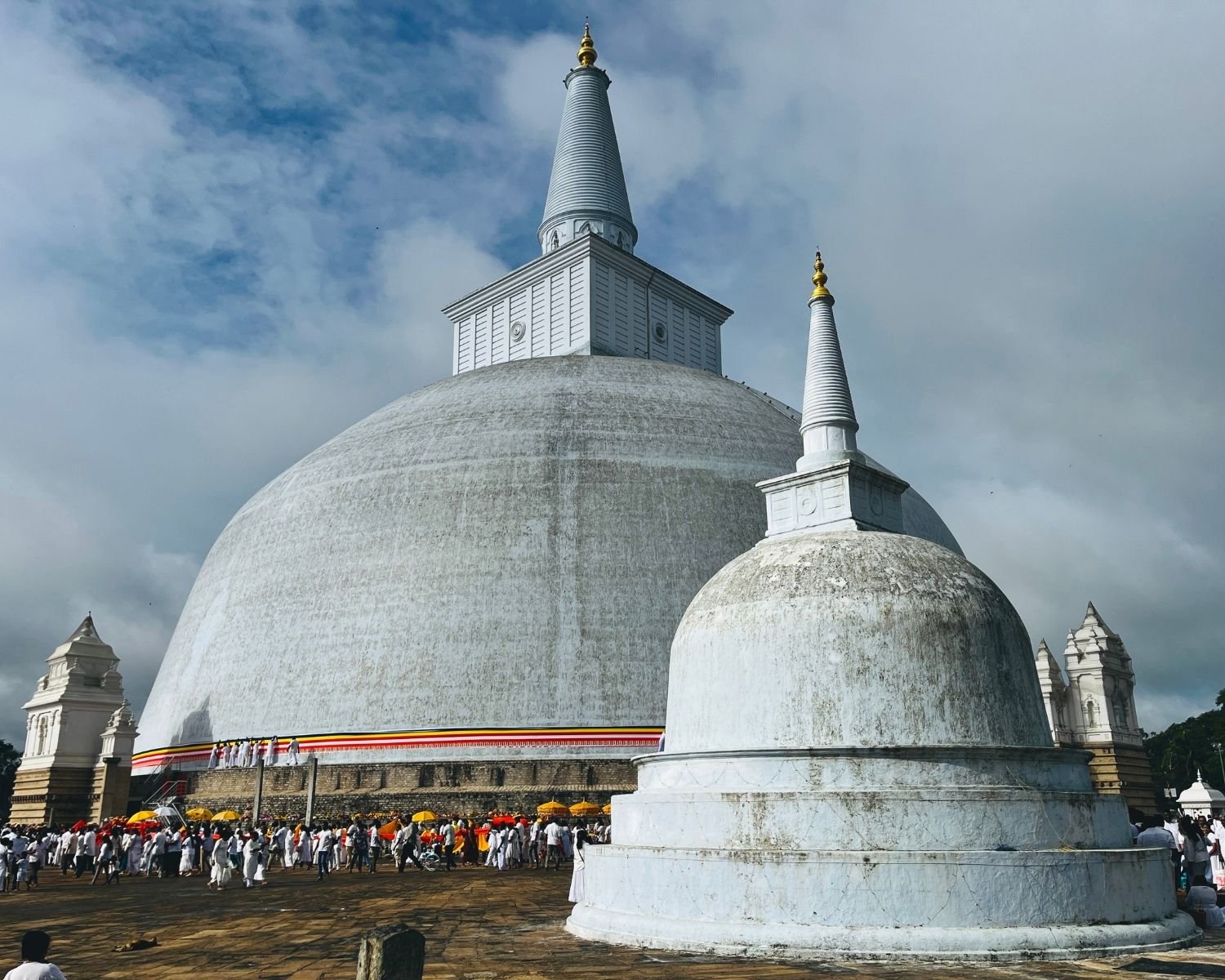
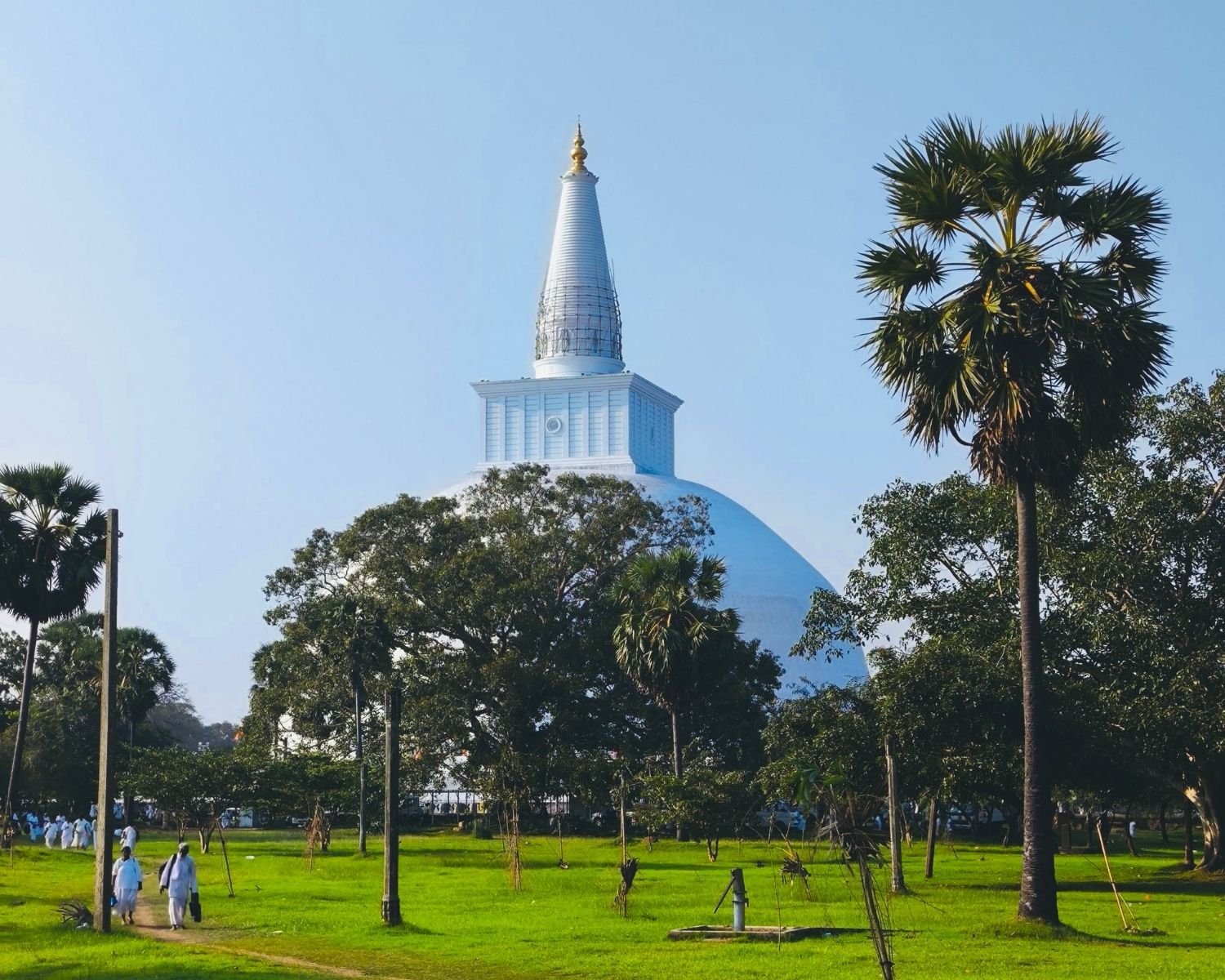
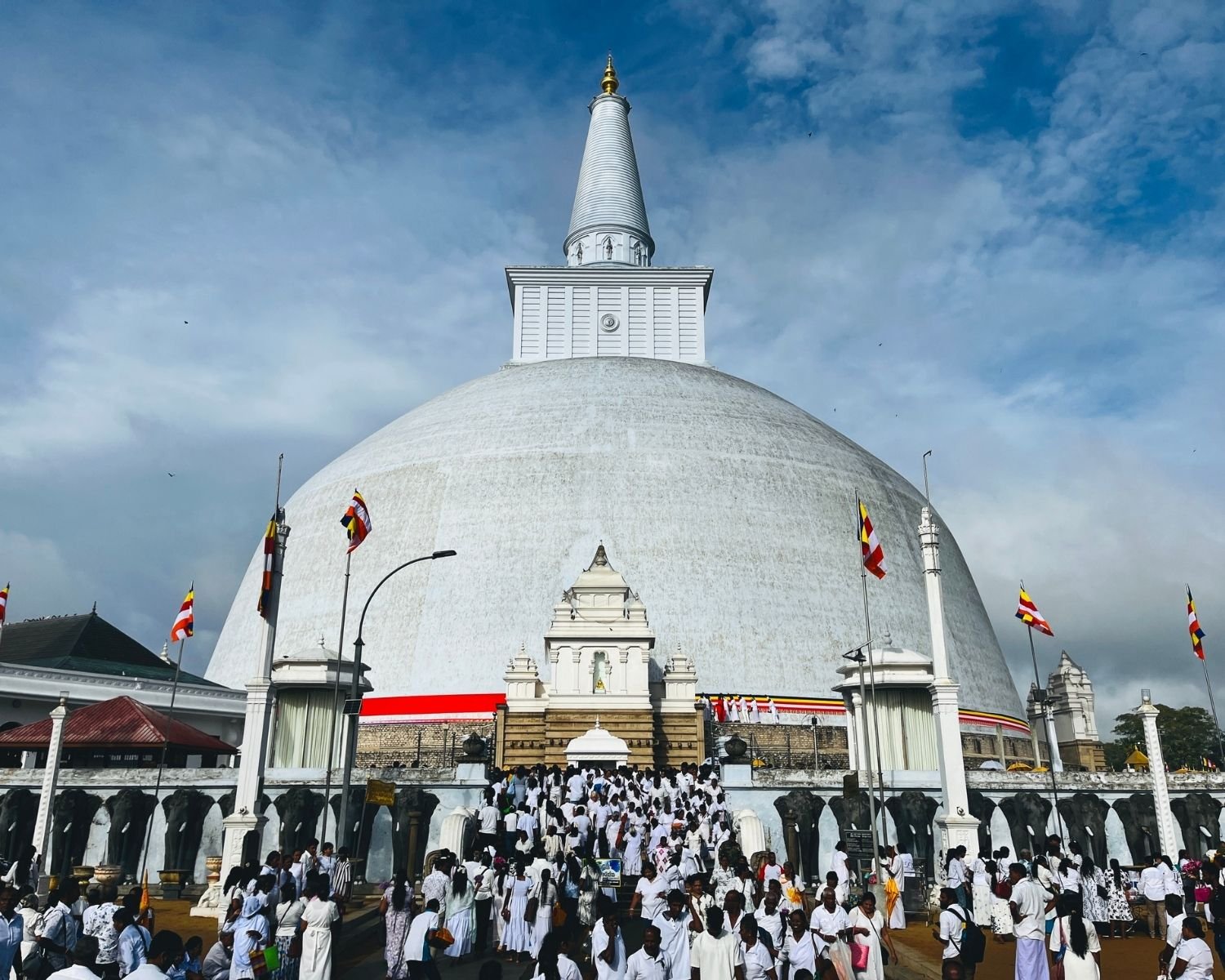
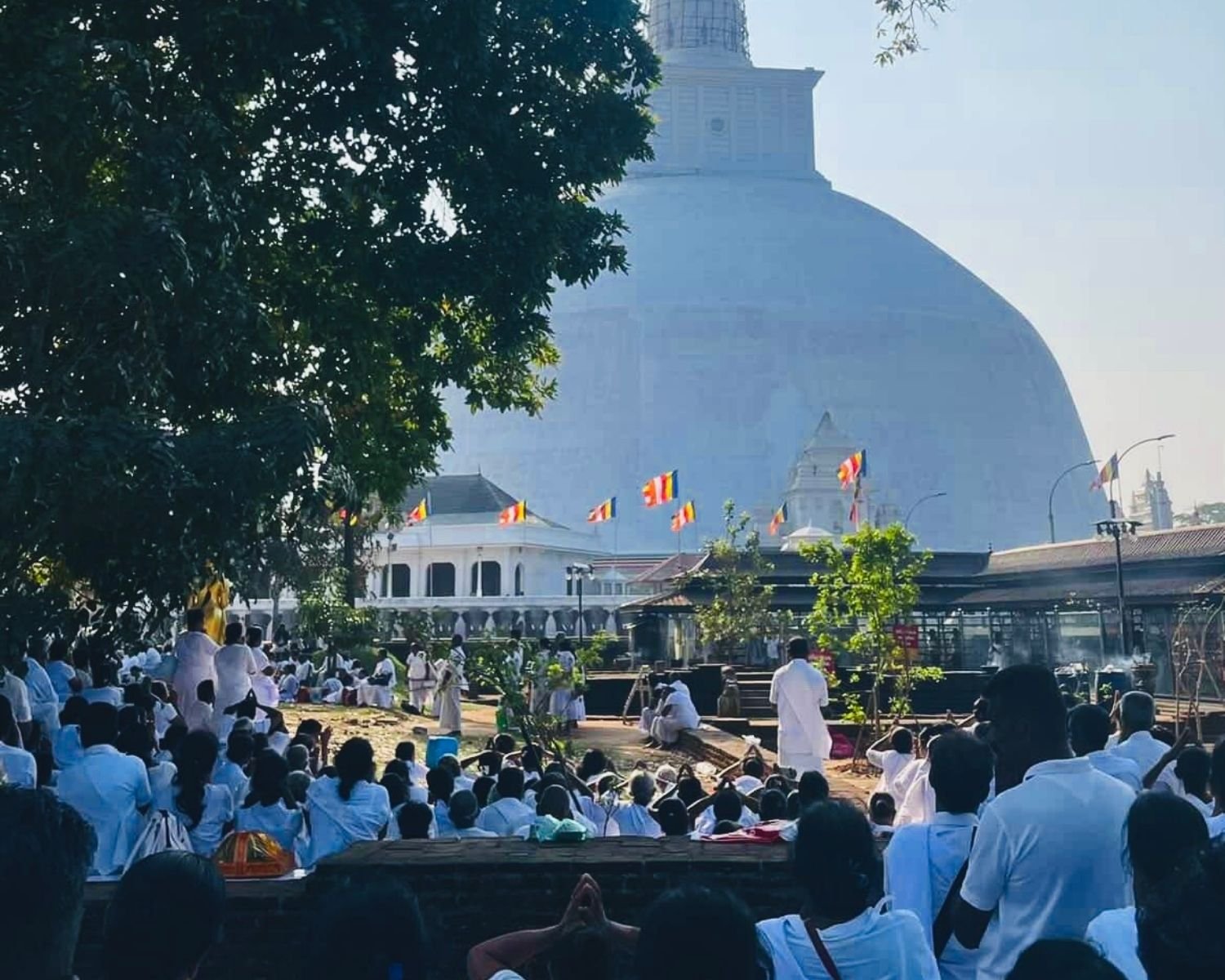
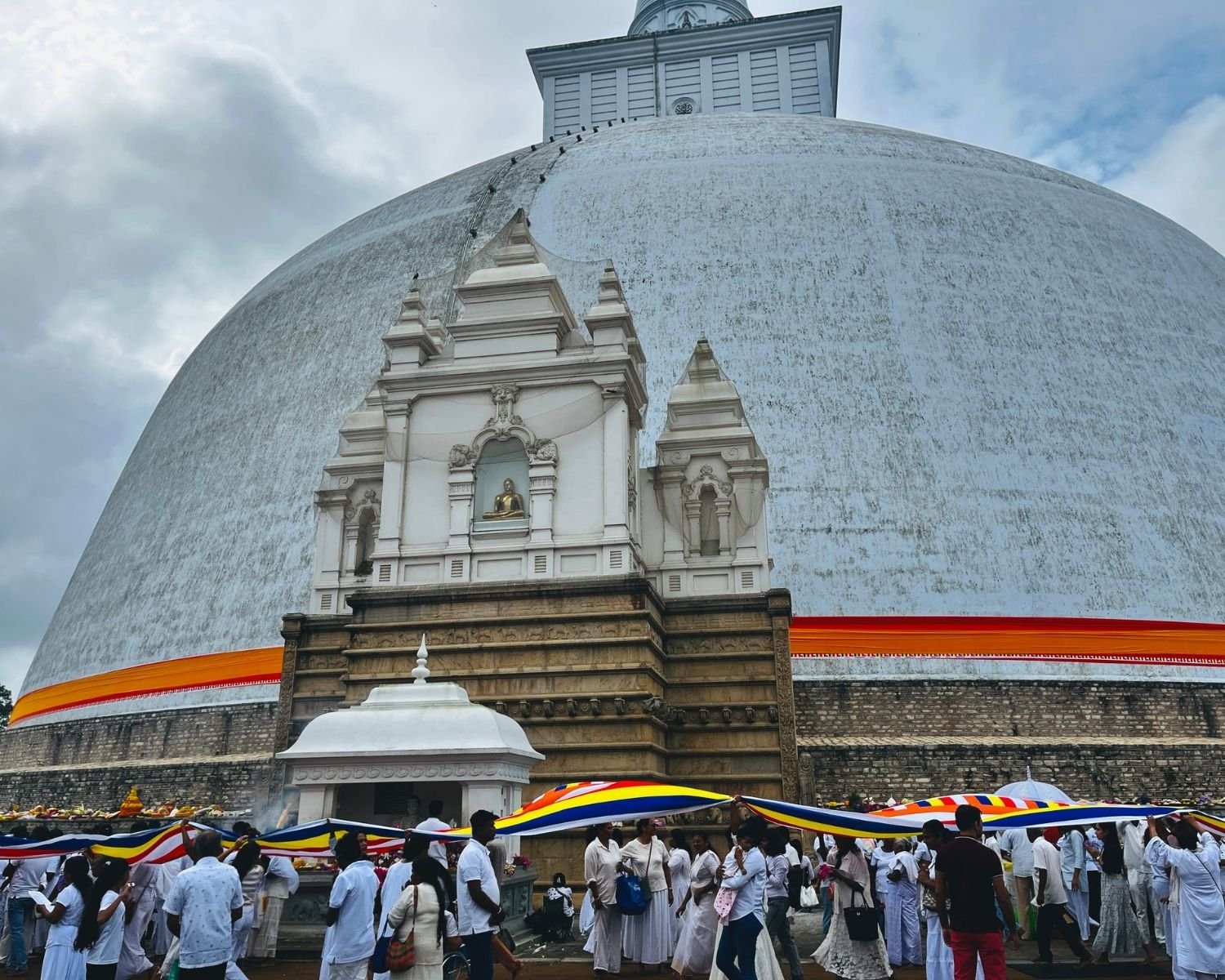
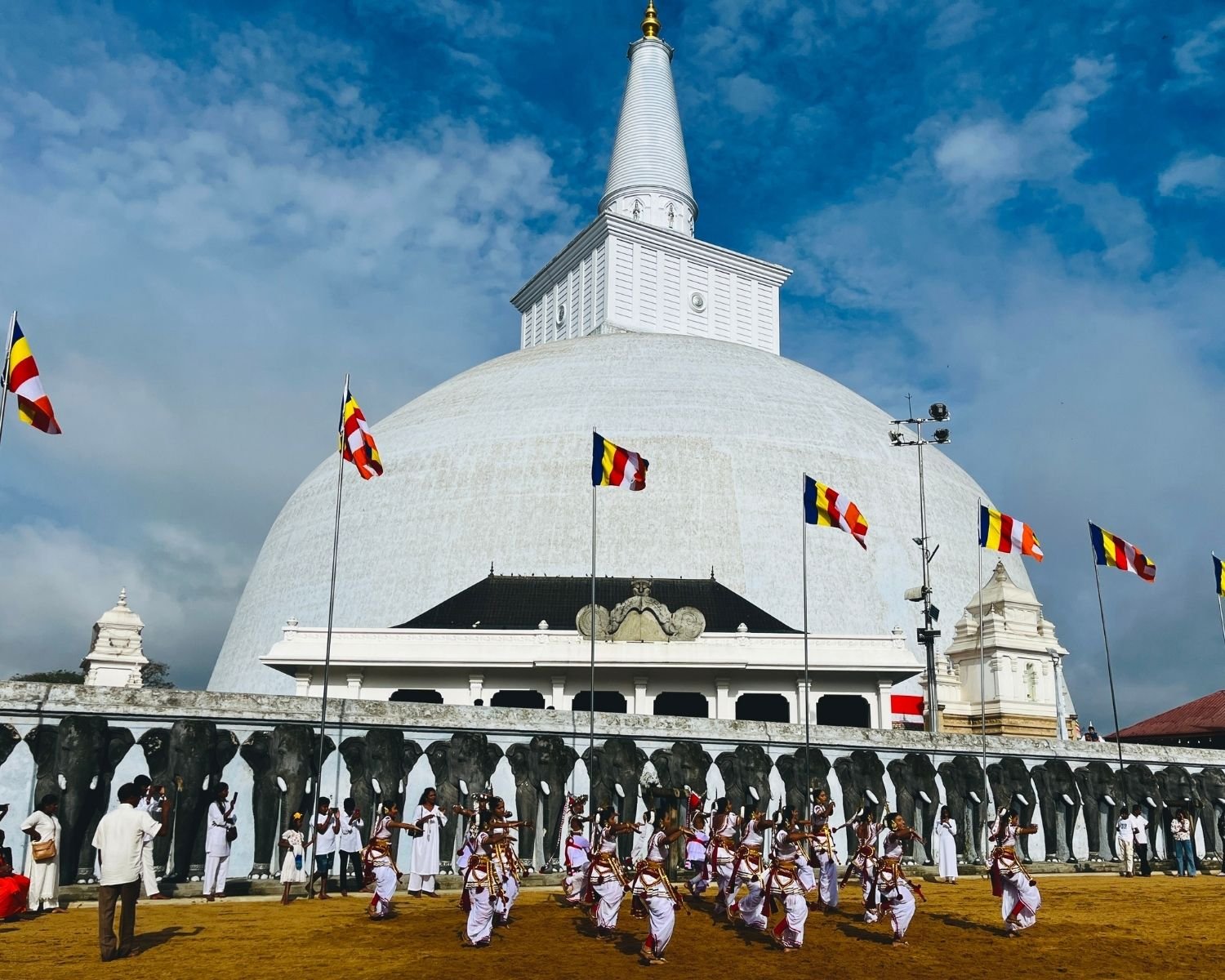
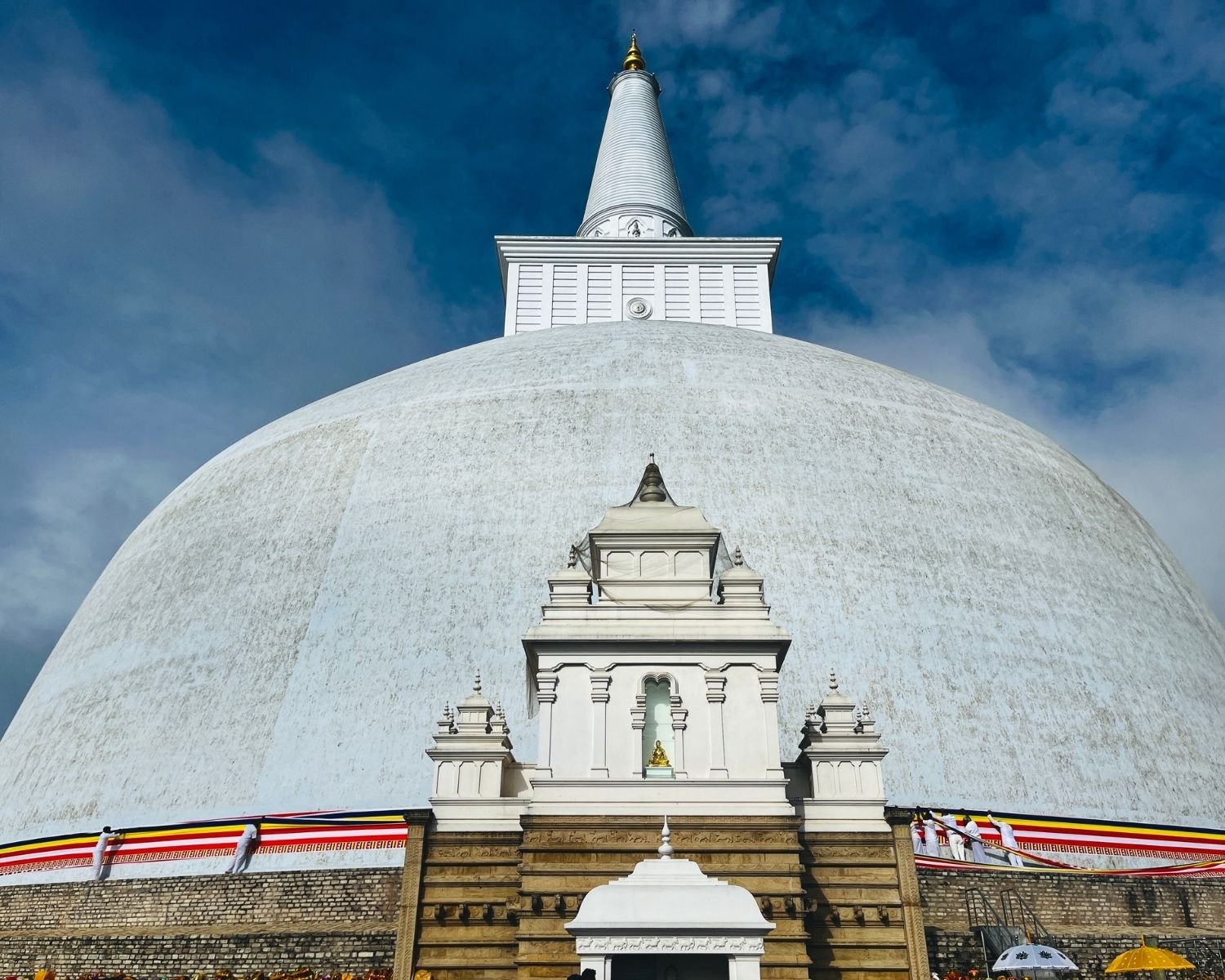
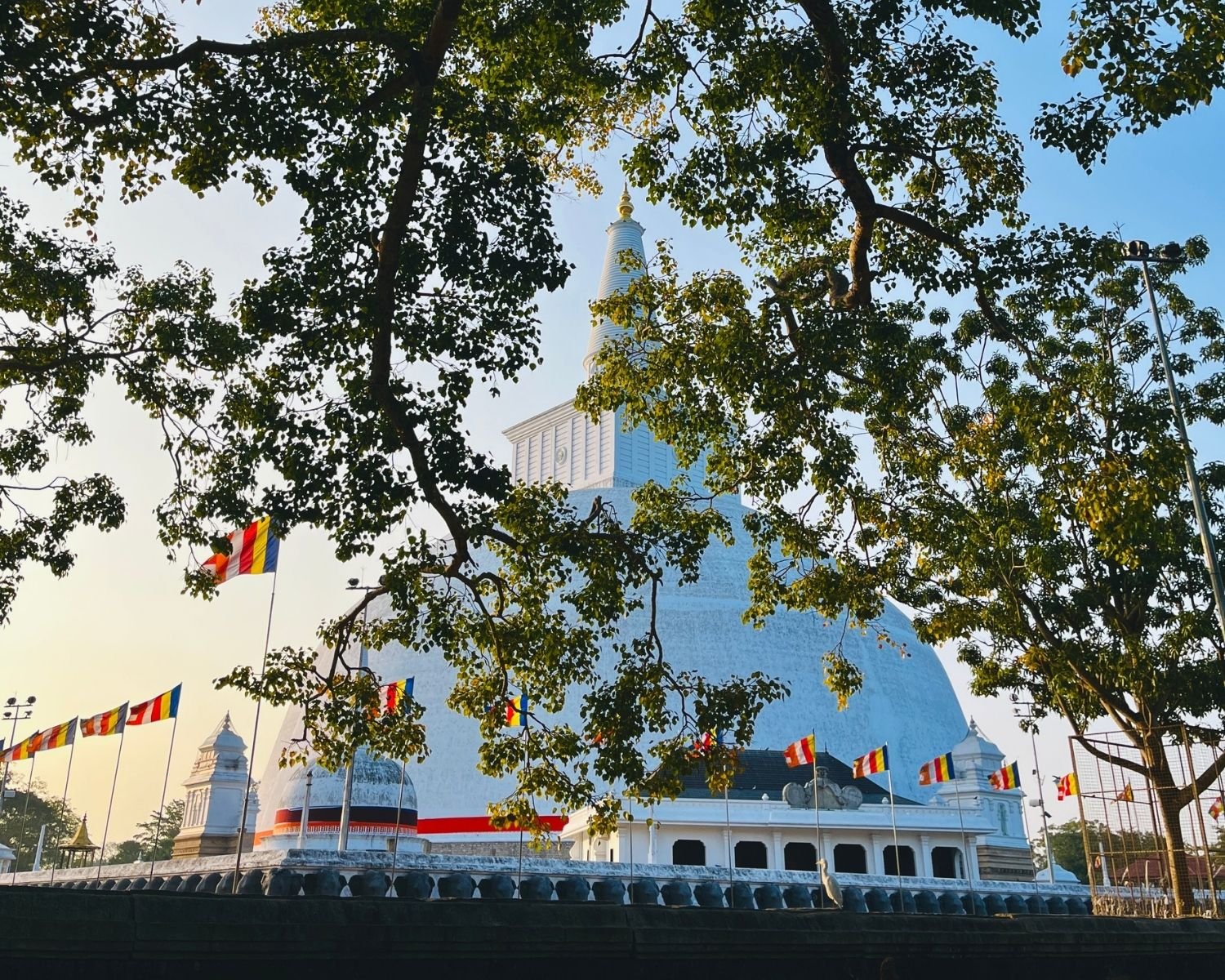
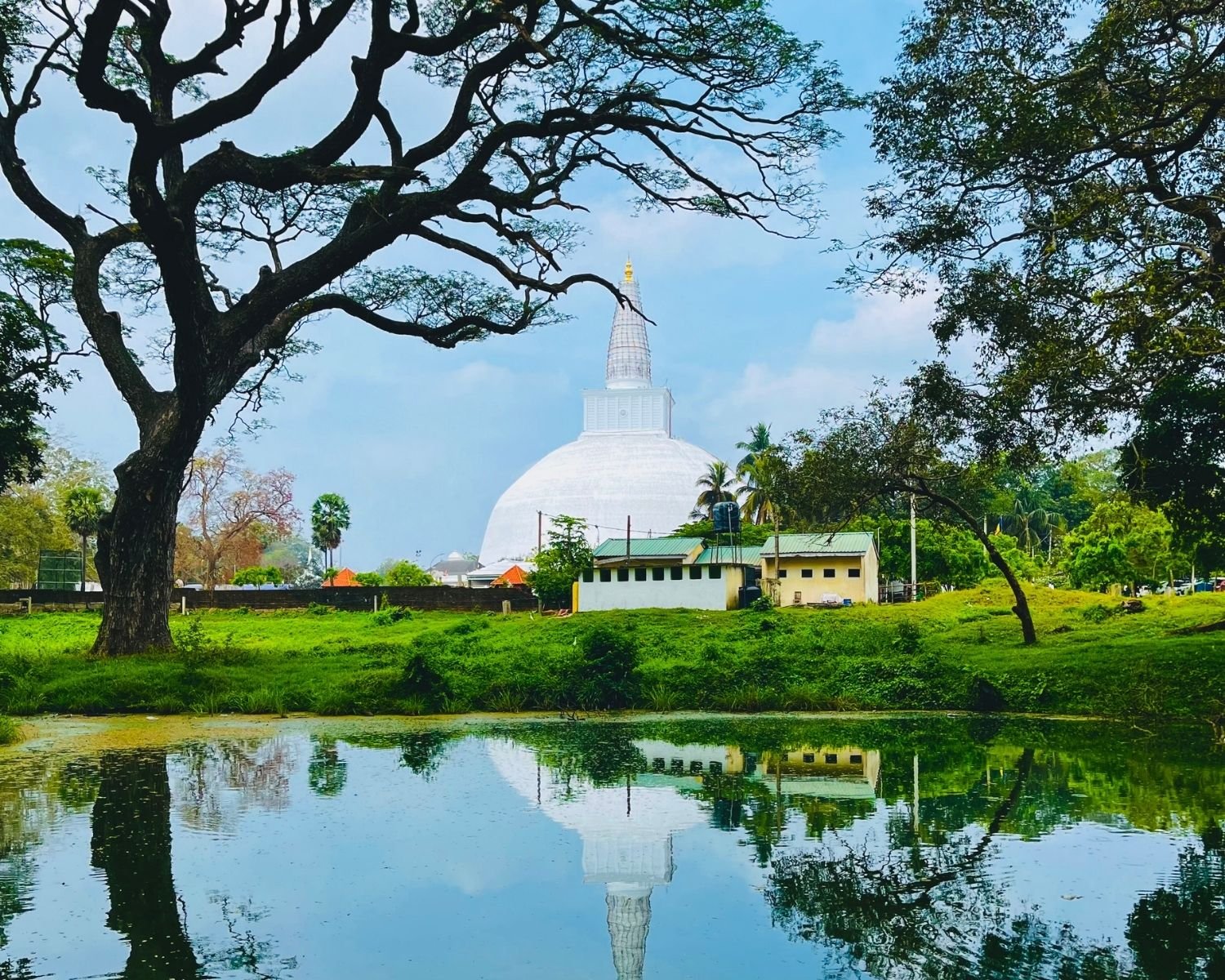
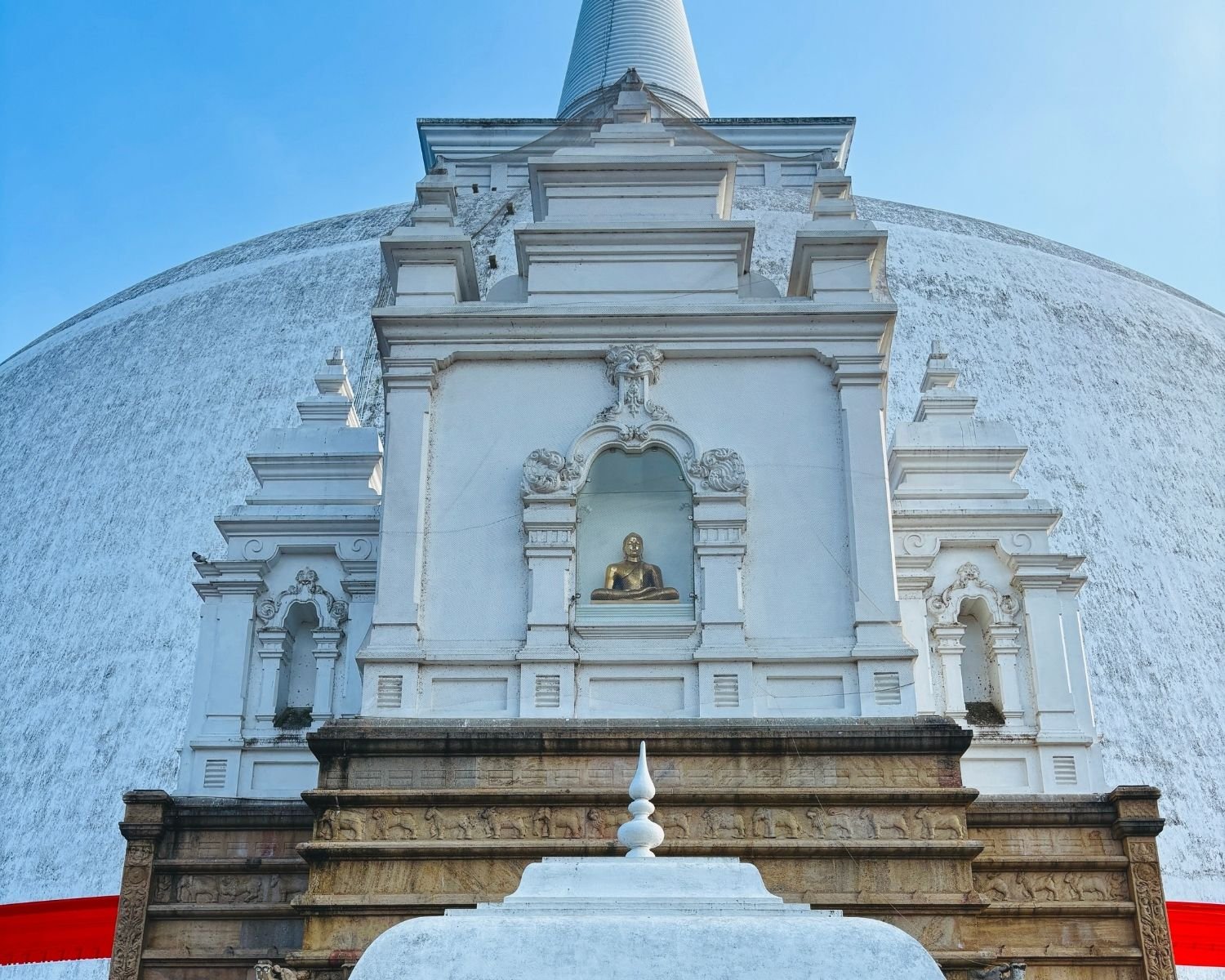
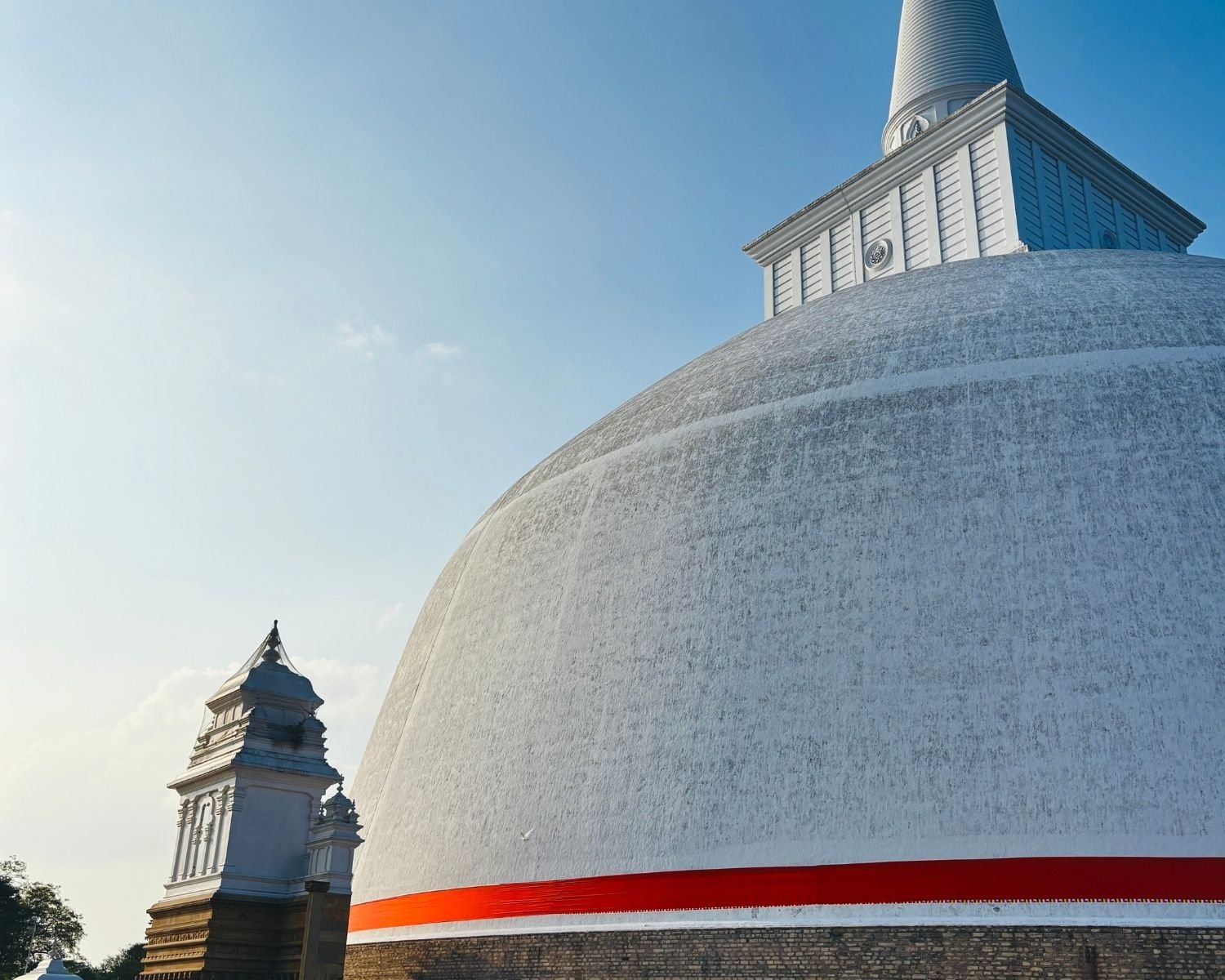
One of Sri Lanka’s most sacred stupas, visited daily by pilgrims for flower offerings, chanting, meditation, and worship.
One of Sri Lanka’s most sacred stupas, visited daily by pilgrims for flower offerings, chanting, meditation, and worship.

History
Built by King Dutugemunu in the 2nd century BCE and completed by King Saddhatissa.
Built by King Dutugemunu in the 2nd century BCE and completed by King Saddhatissa.

Scenery
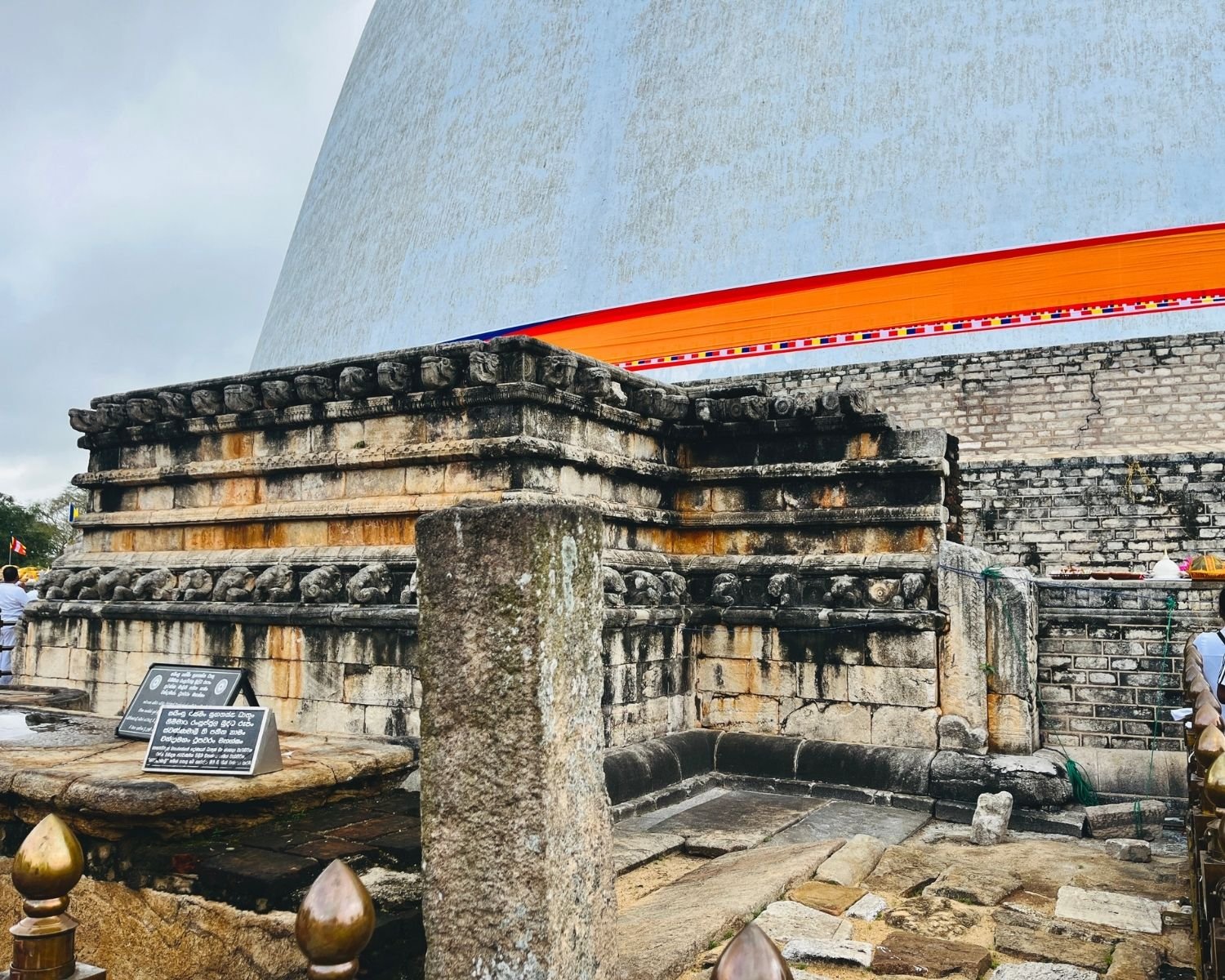
One of Sri Lanka's most iconic views, featuring a giant white stupa, worshippers in white, ceremonial activities, and a deeply spiritual atmosphere.
One of Sri Lanka's most iconic views, featuring a giant white stupa, worshippers in white, ceremonial activities, and a deeply spiritual atmosphere.

Art & Culture
Ancient stupa architecture, elephant friezes, vahalkada gateways, Poya day traditions, ceremonial processions, and over two millennia of Buddhist worship.
Ancient stupa architecture, elephant friezes, vahalkada gateways, Poya day traditions, ceremonial processions, and over two millennia of Buddhist worship.
 Top Pick
Location
 View on Map
 View on Map
 lena.tlmn
 ravinkavish
 ravinkavish
 ravinkavish
 ravinkavish
 ravinkavish
 ravinkavish
 ravinkavish
 ravinkavish
 ravinkavish
 ravinkavish
 ravinkavish
 ravinkavish
 ravinkavish
 lena.tlmn
 ravinkavish
 ravinkavish
 ravinkavish
Buddhist Site
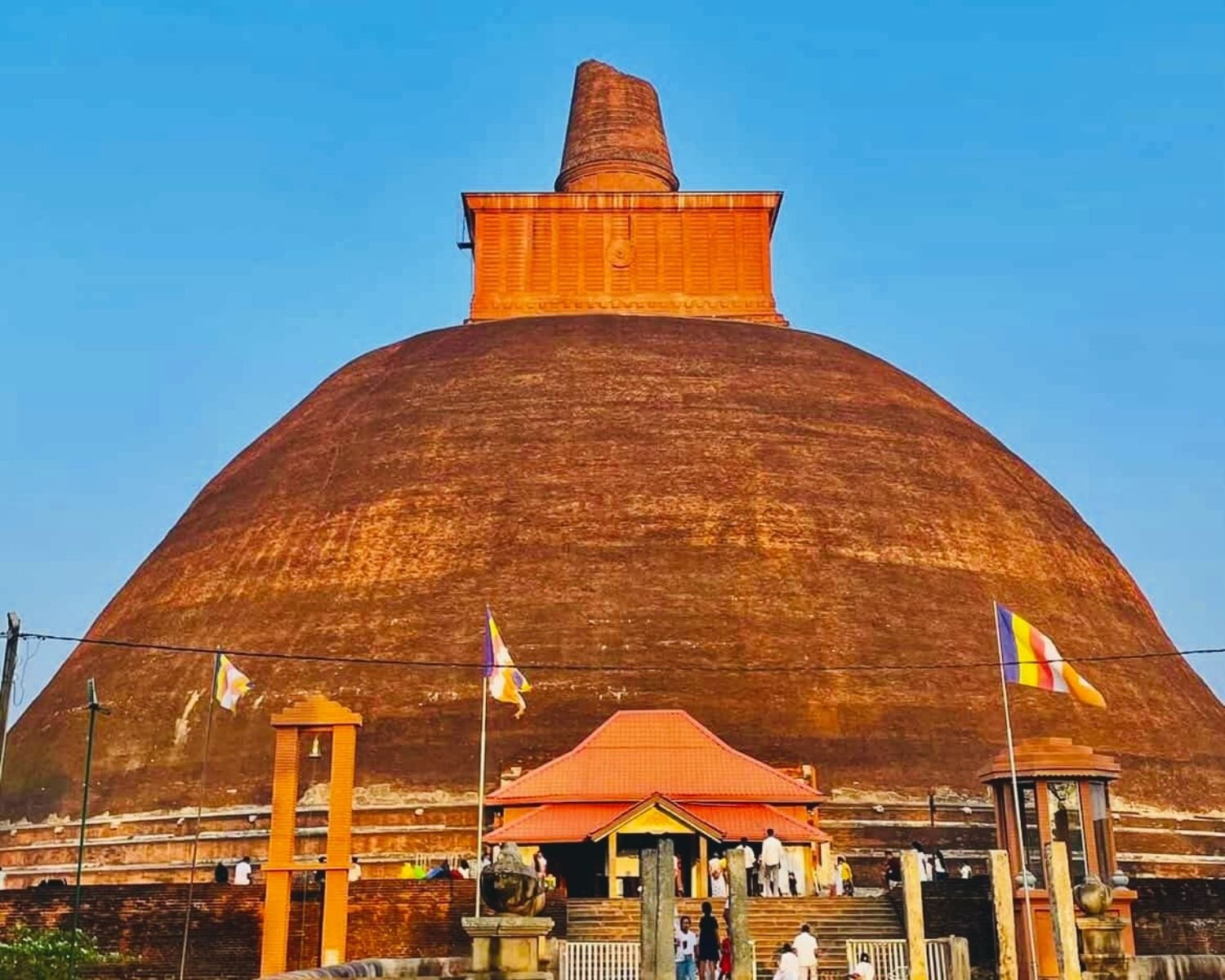
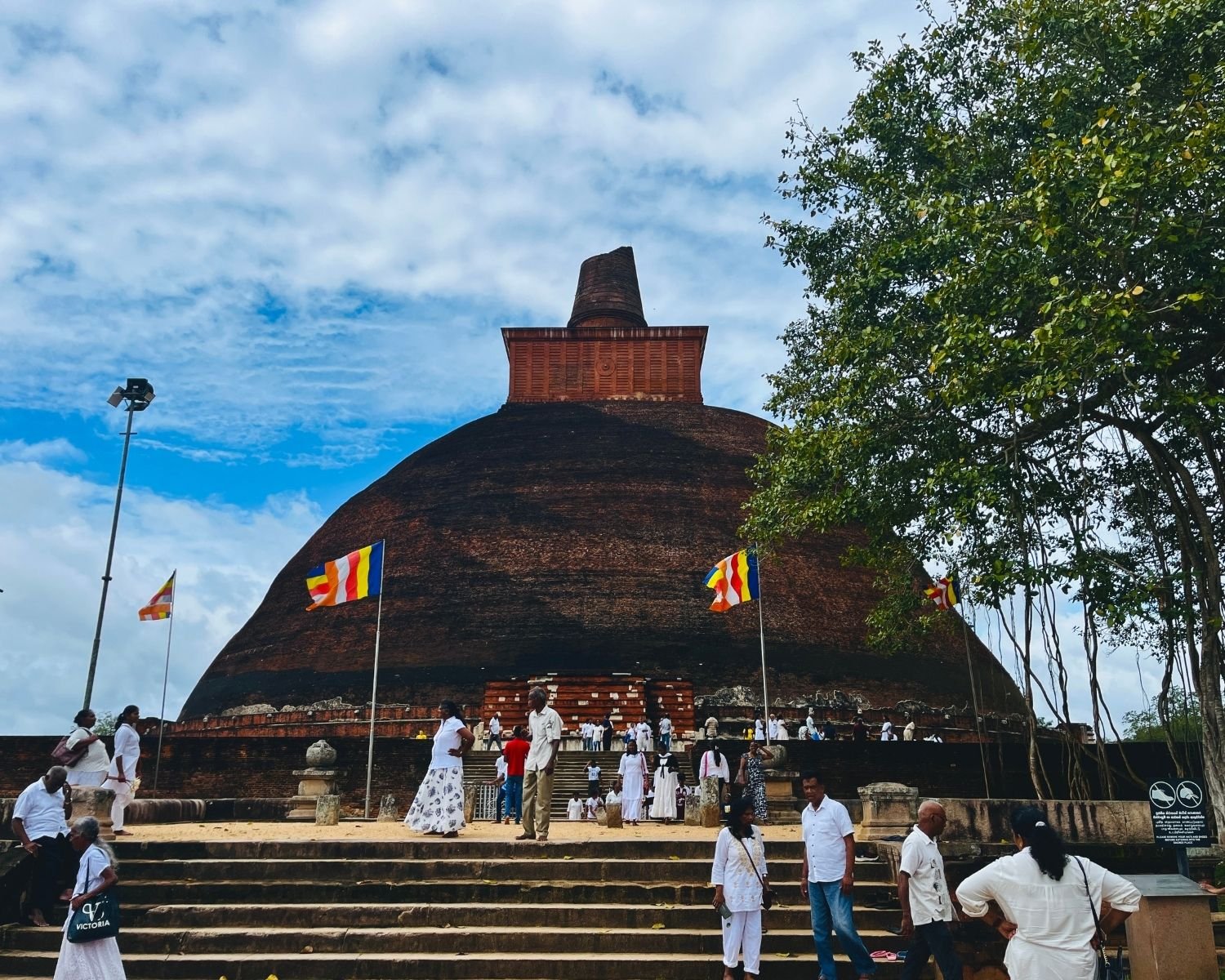
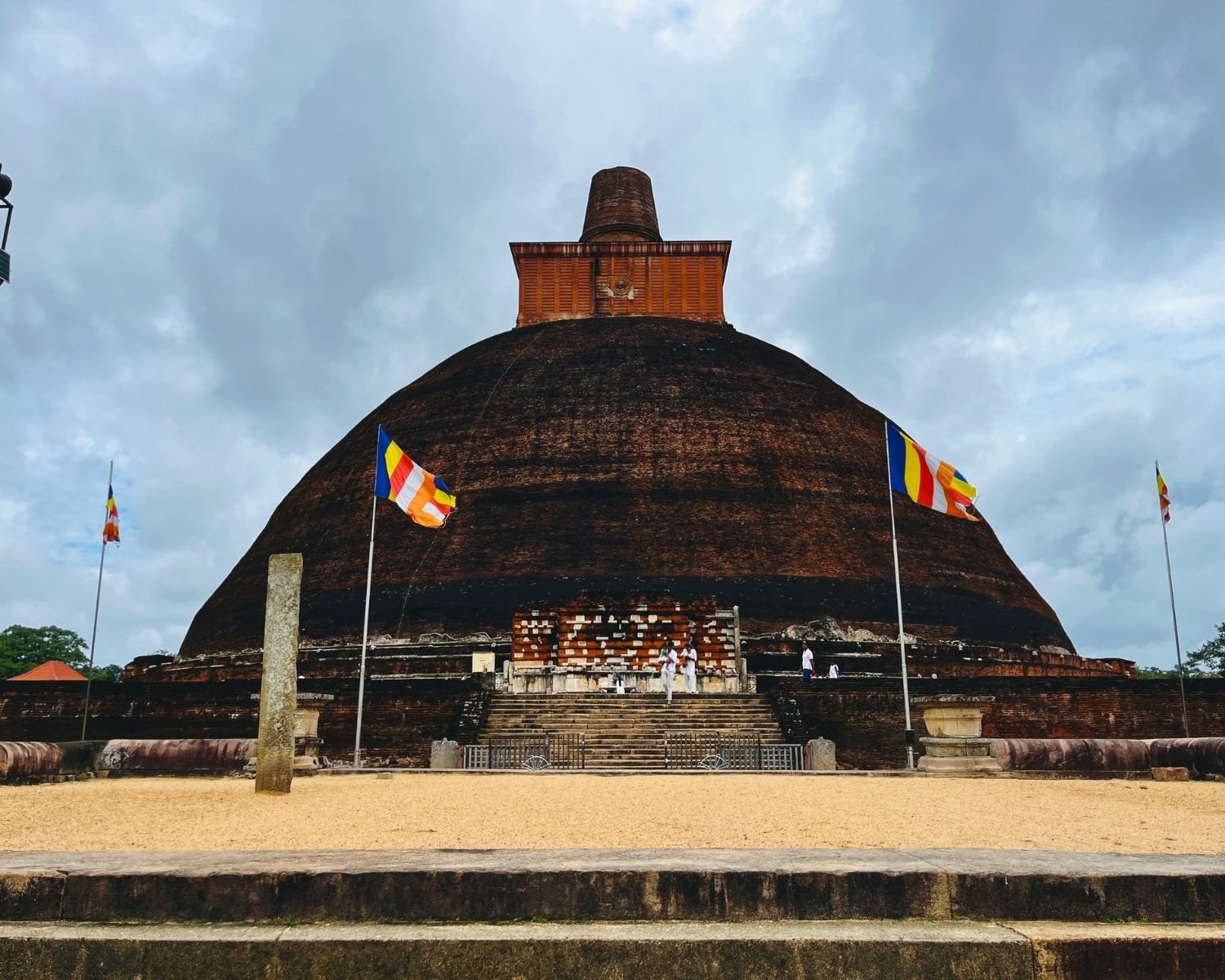
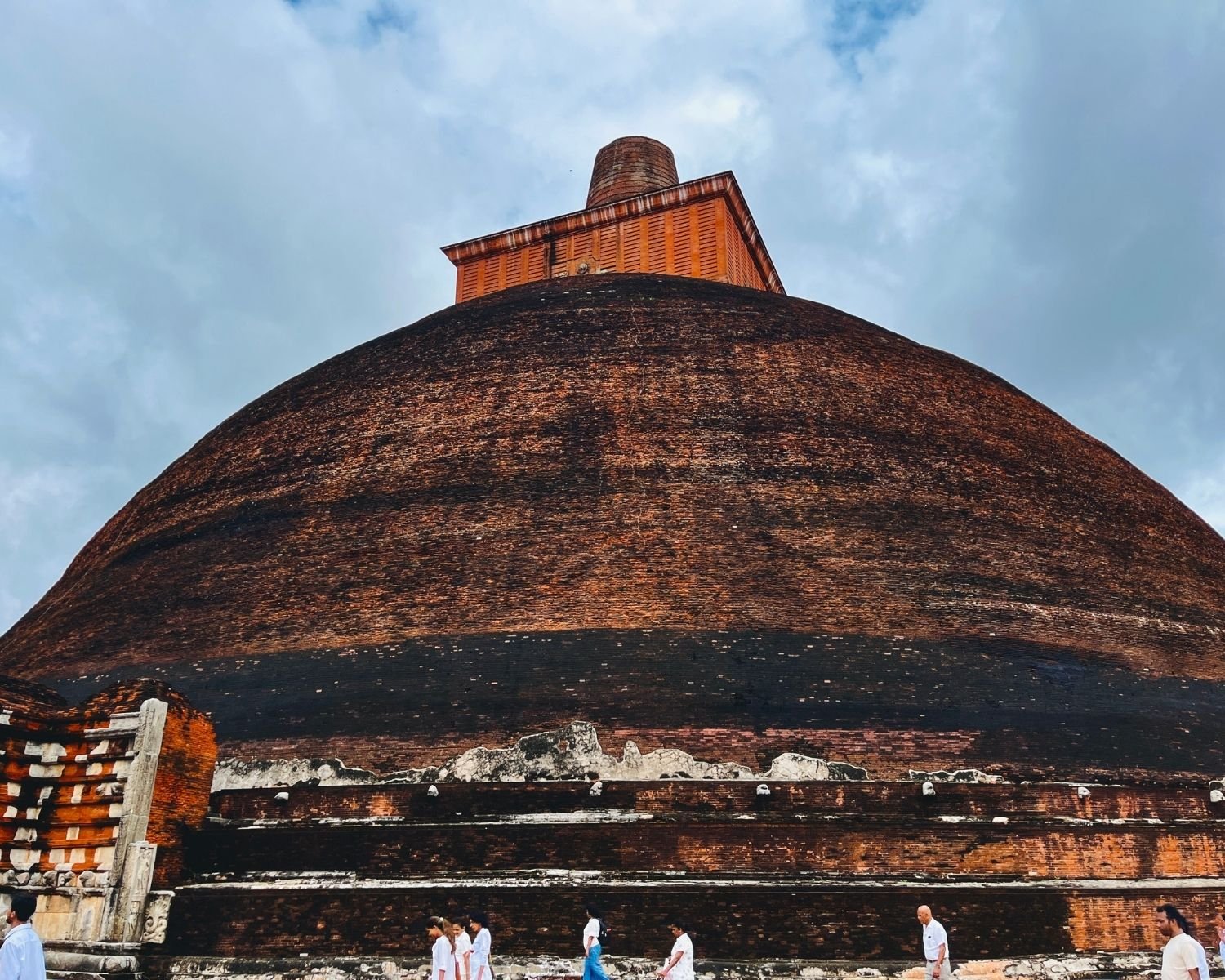
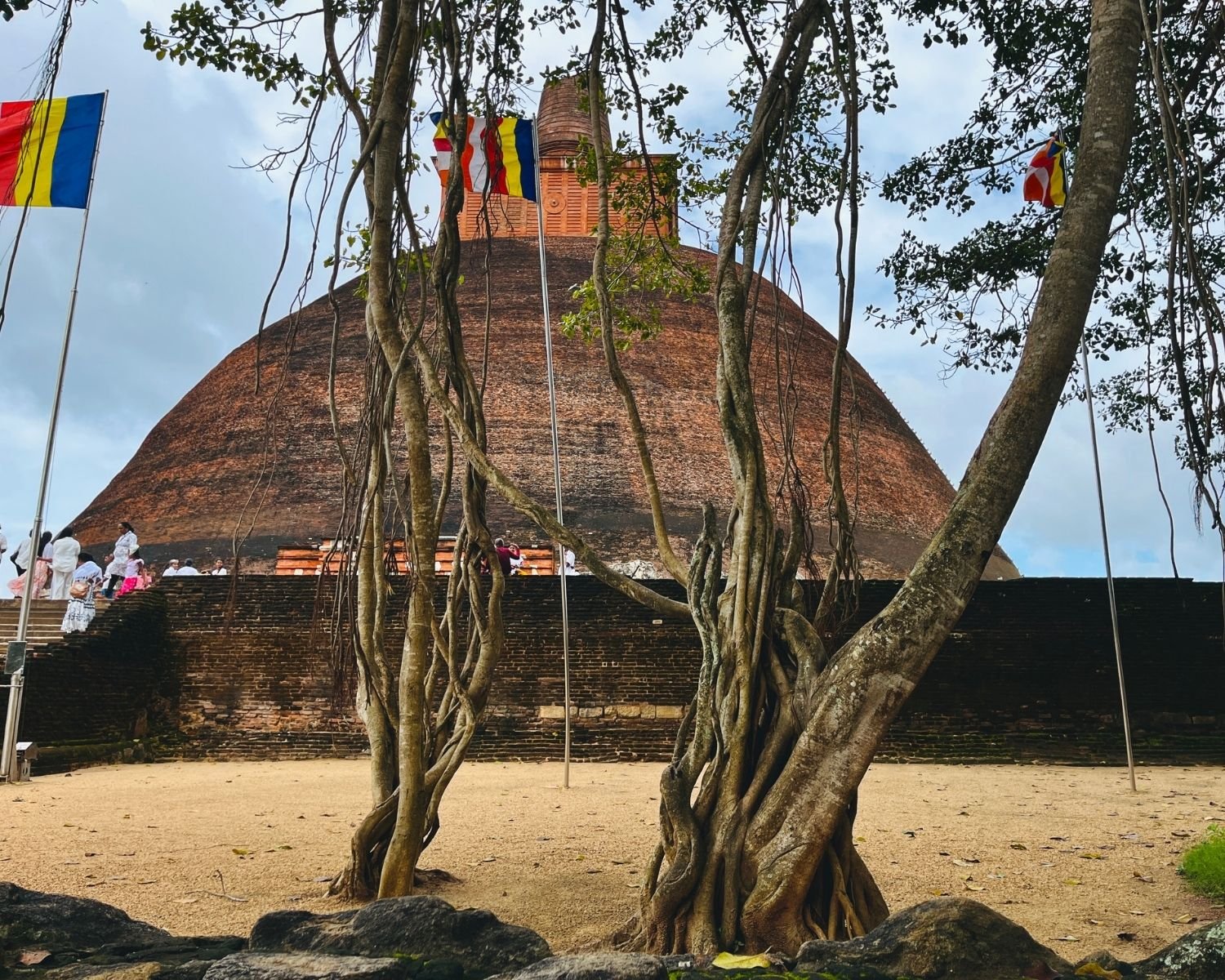
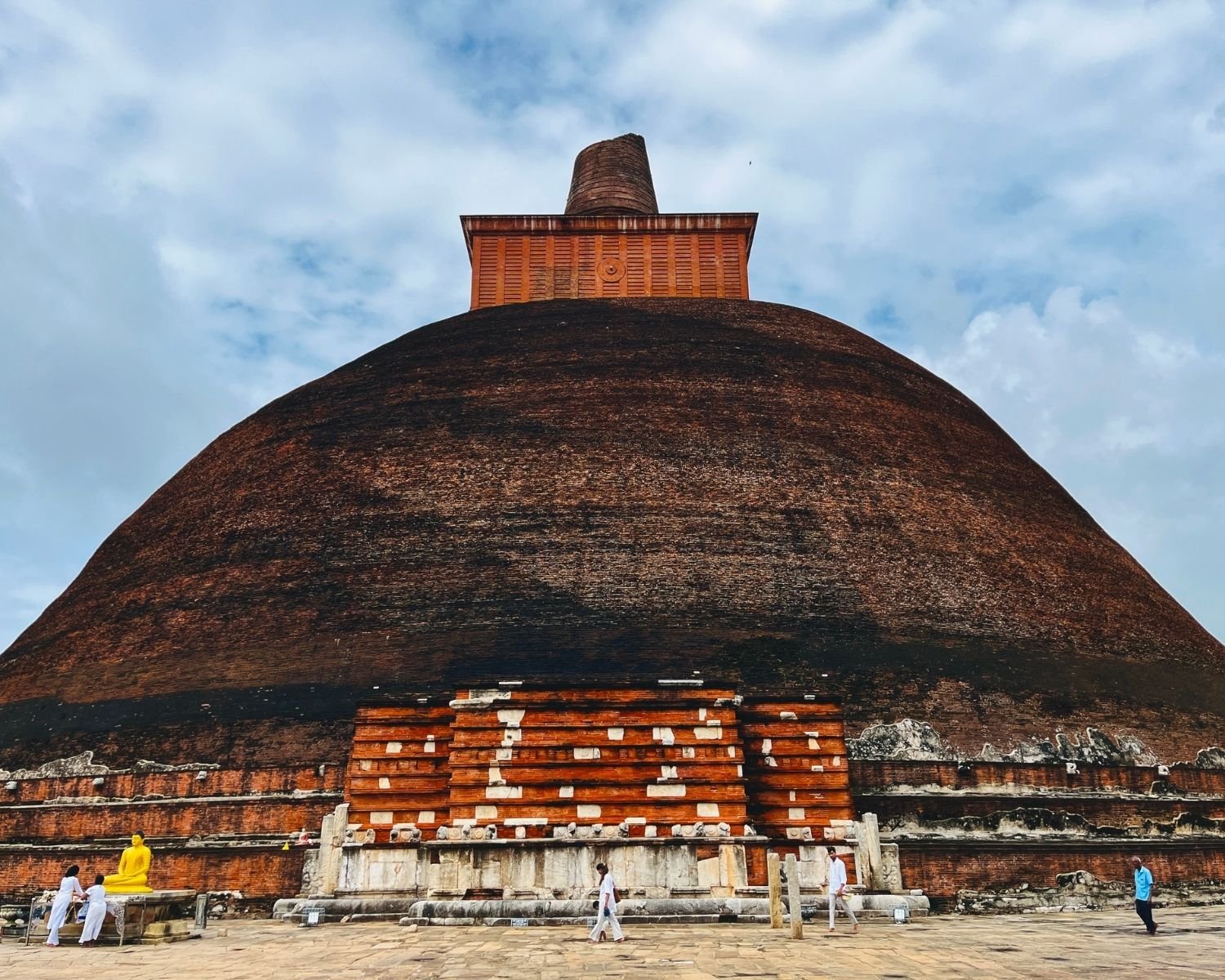
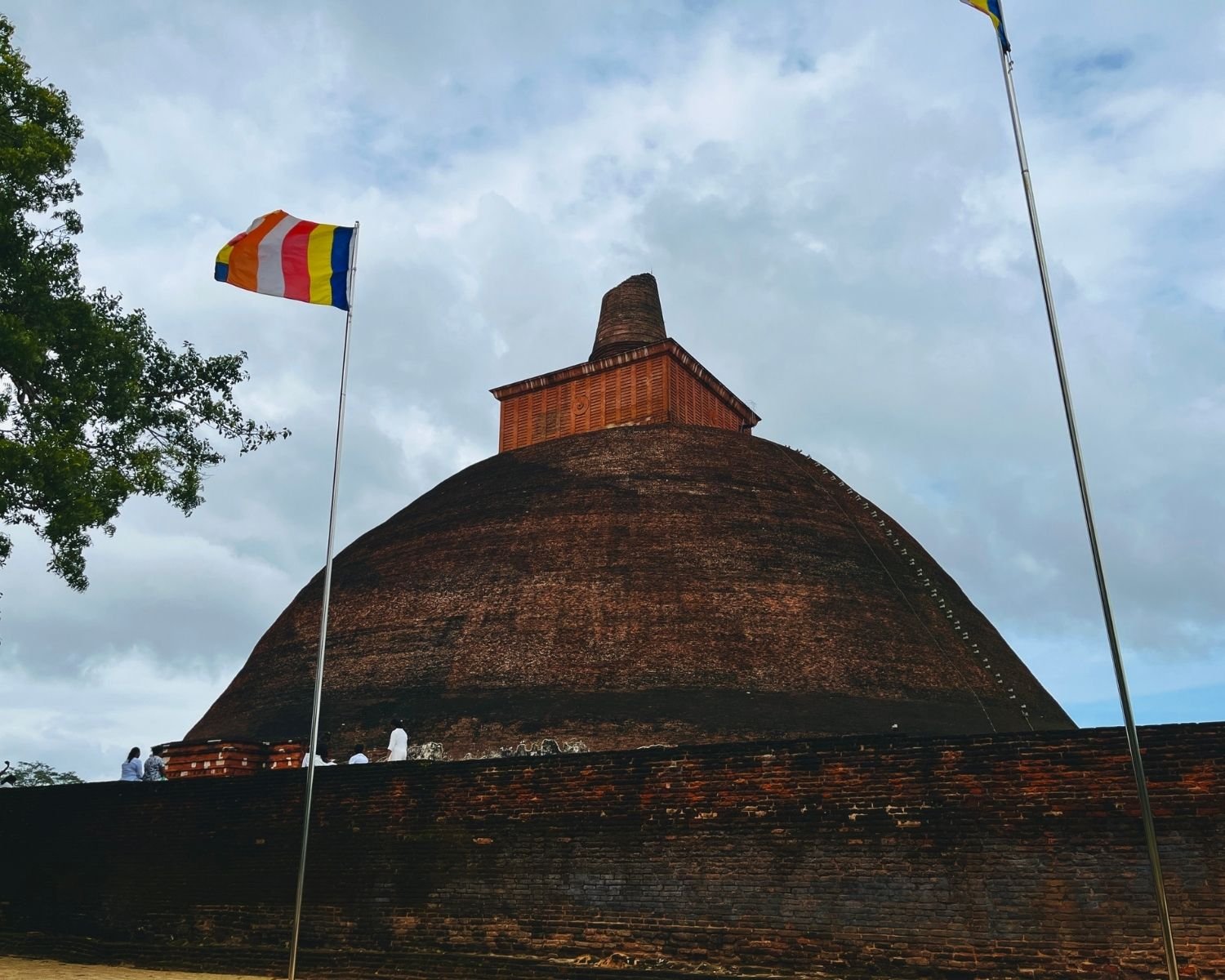
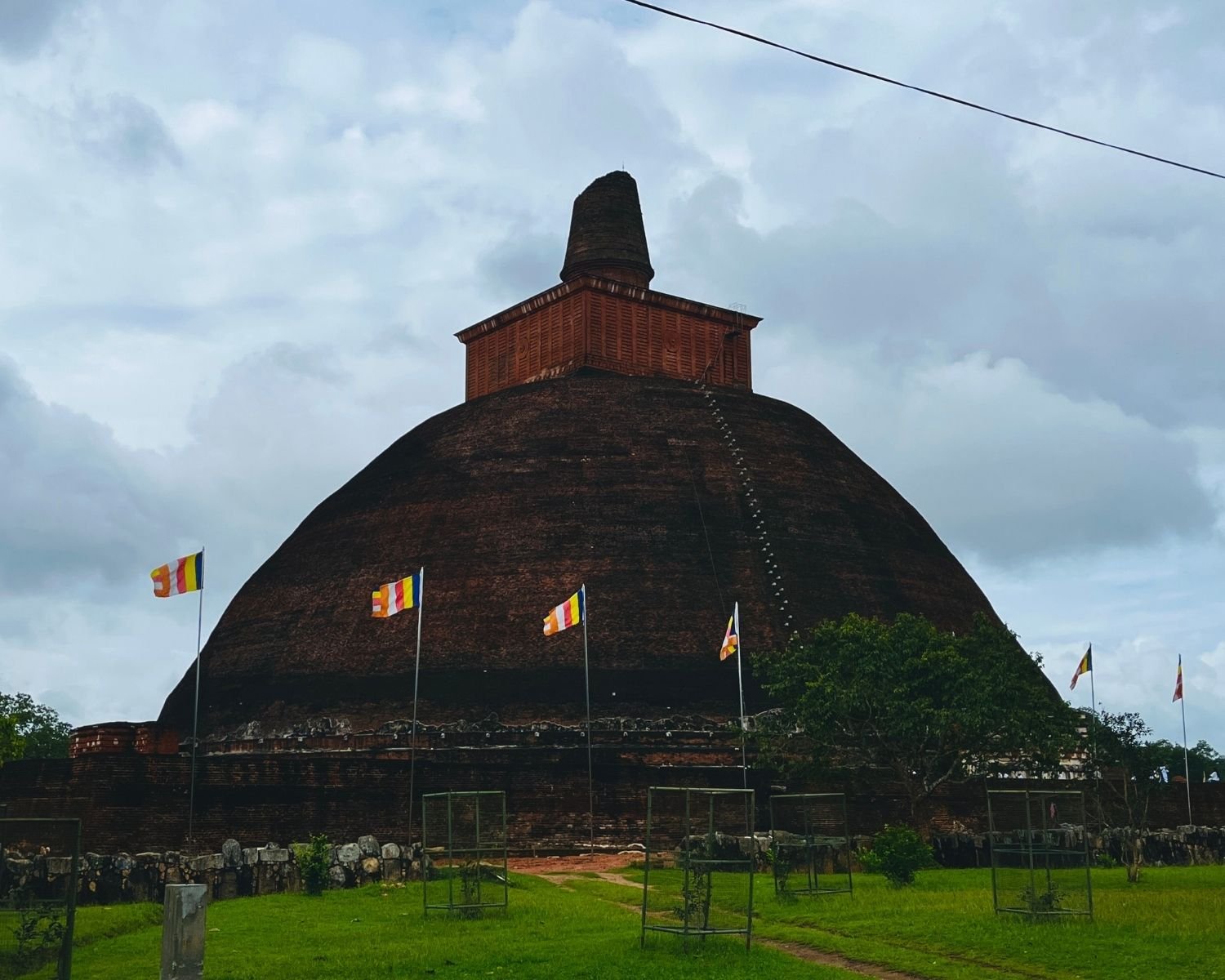
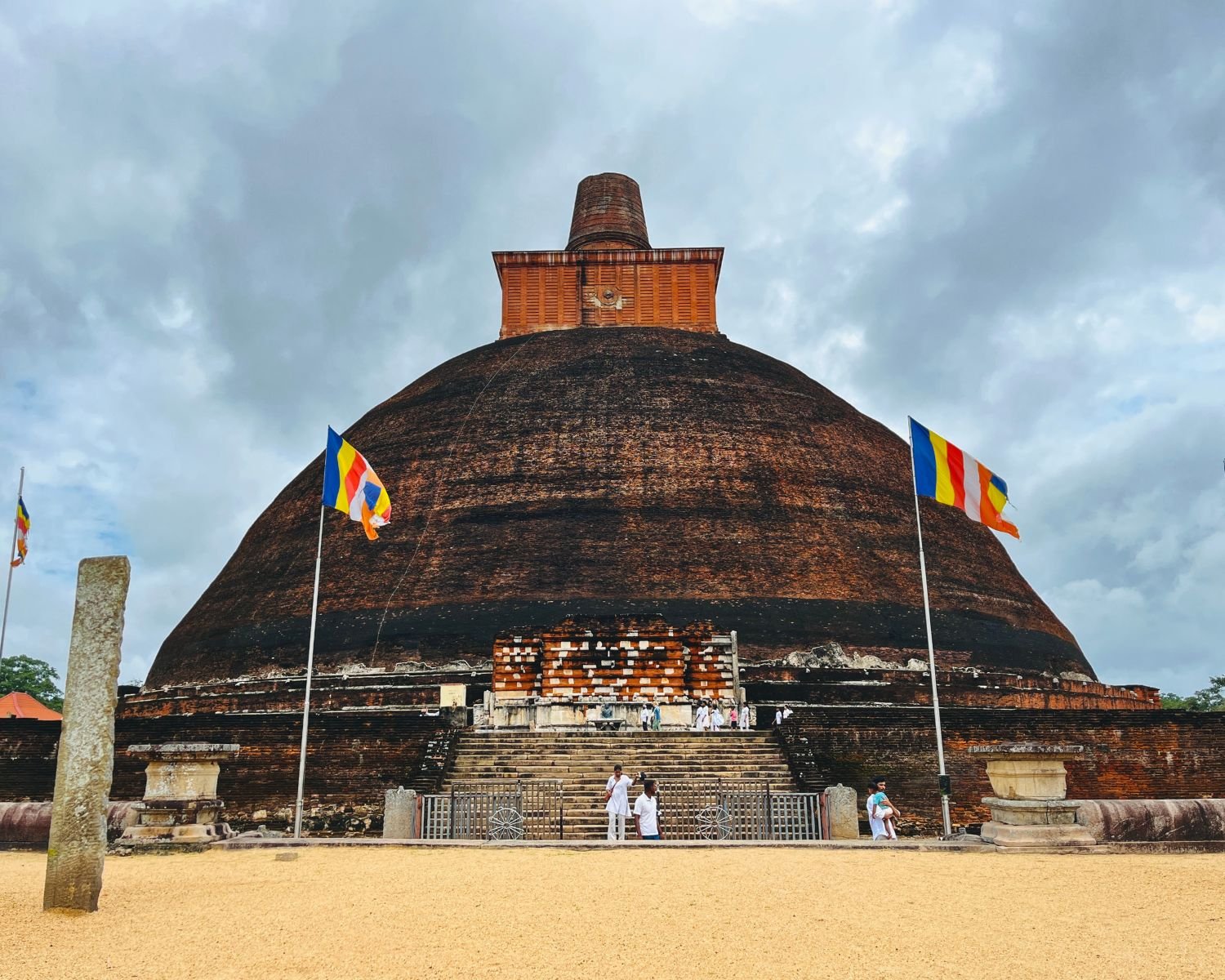
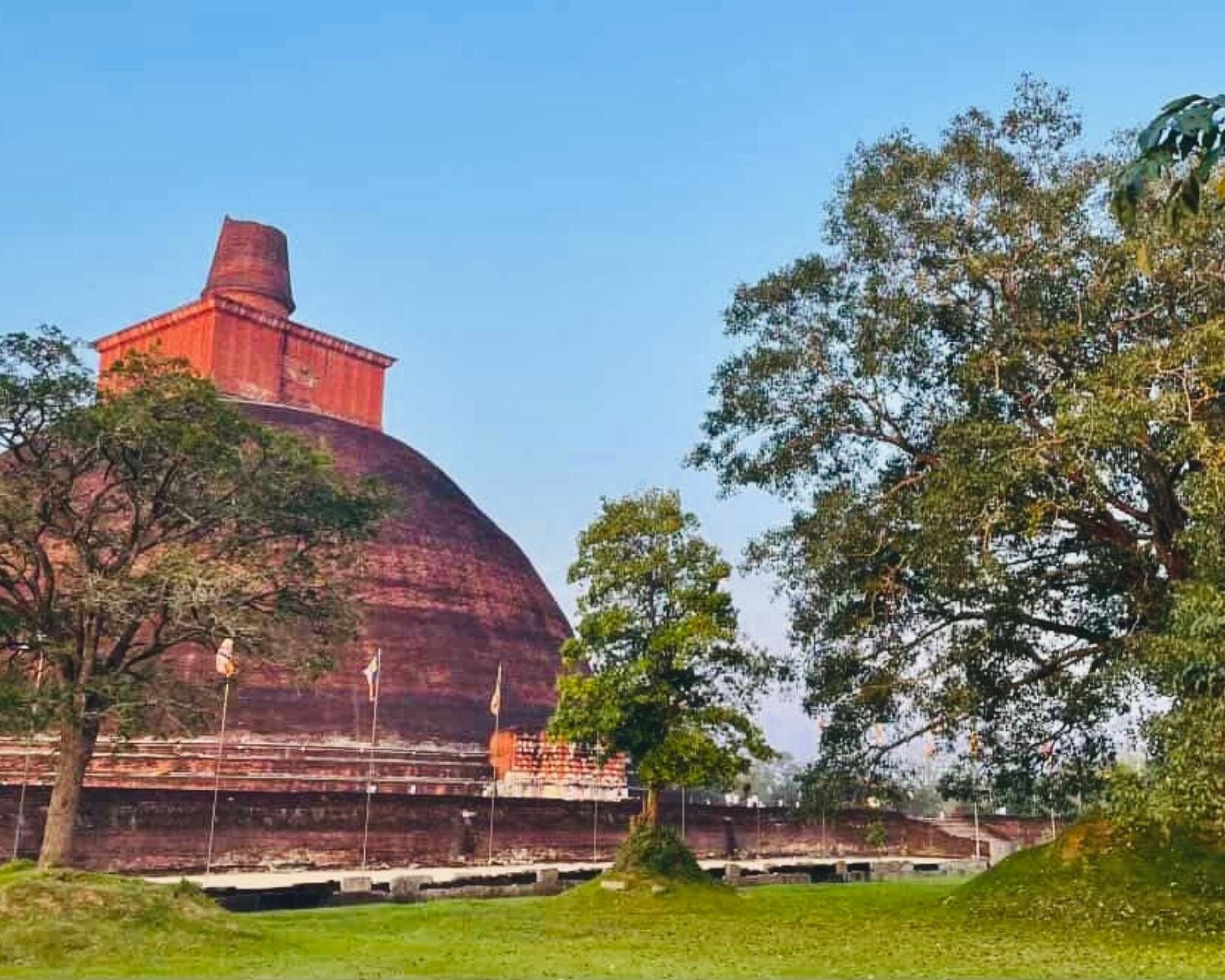
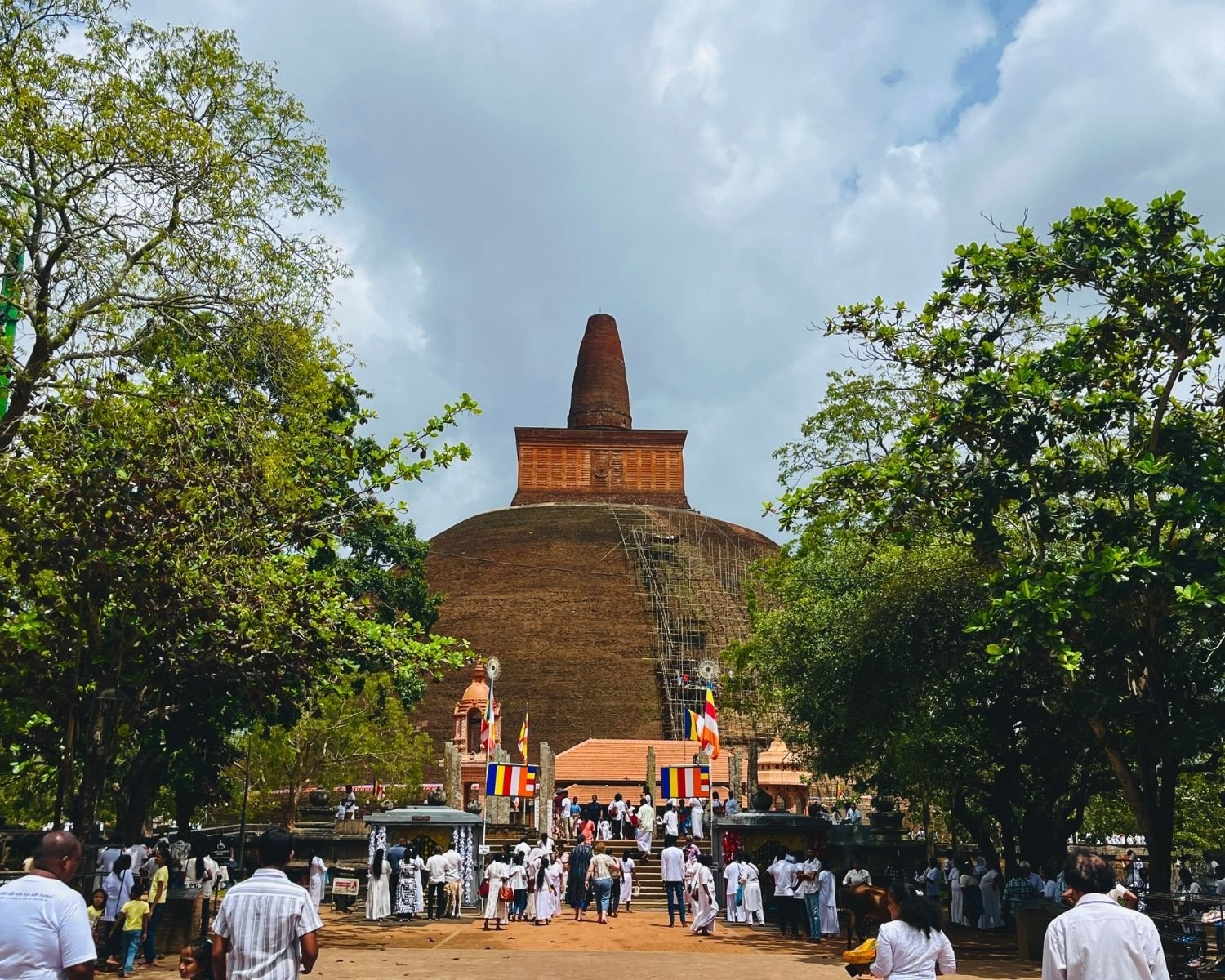
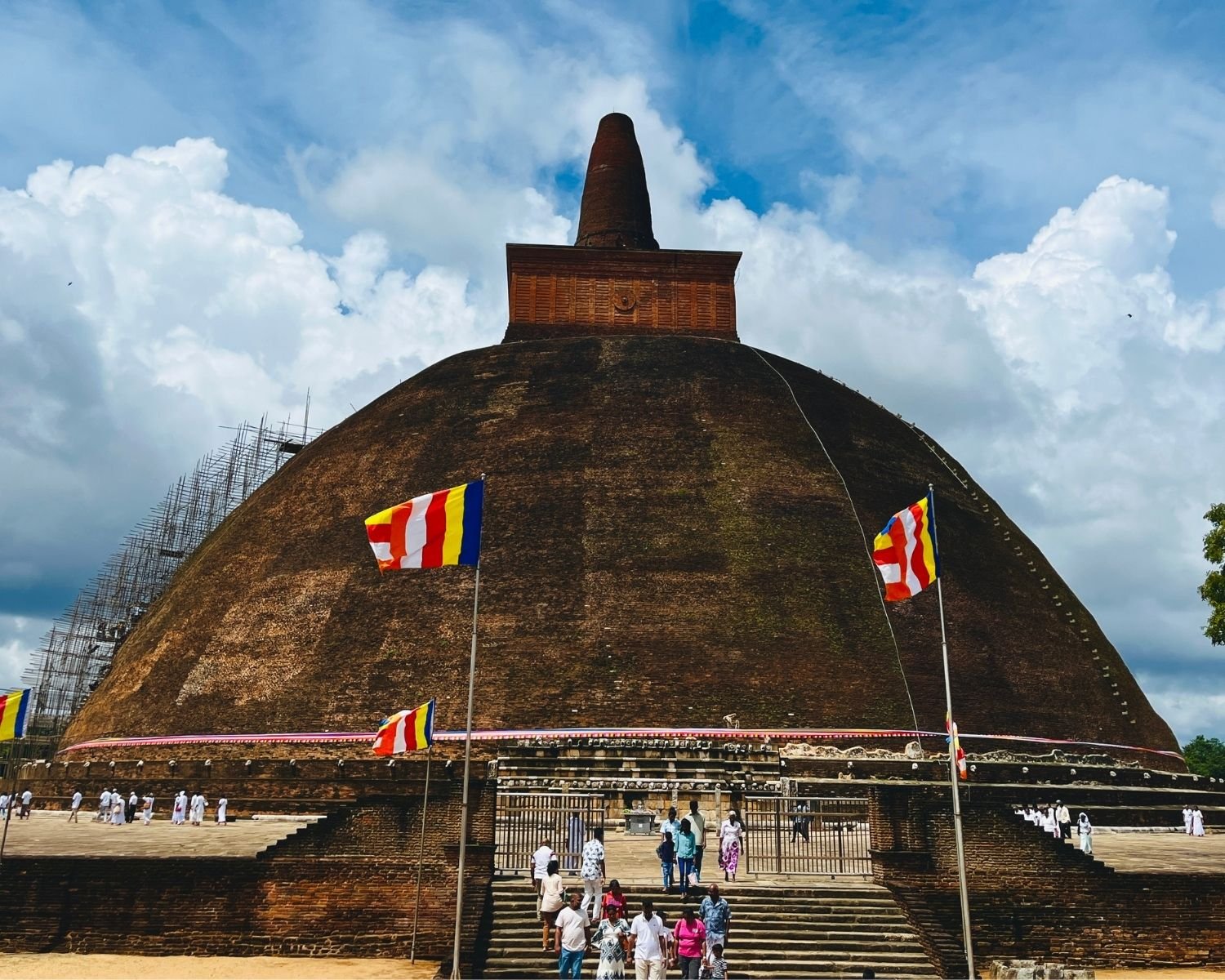
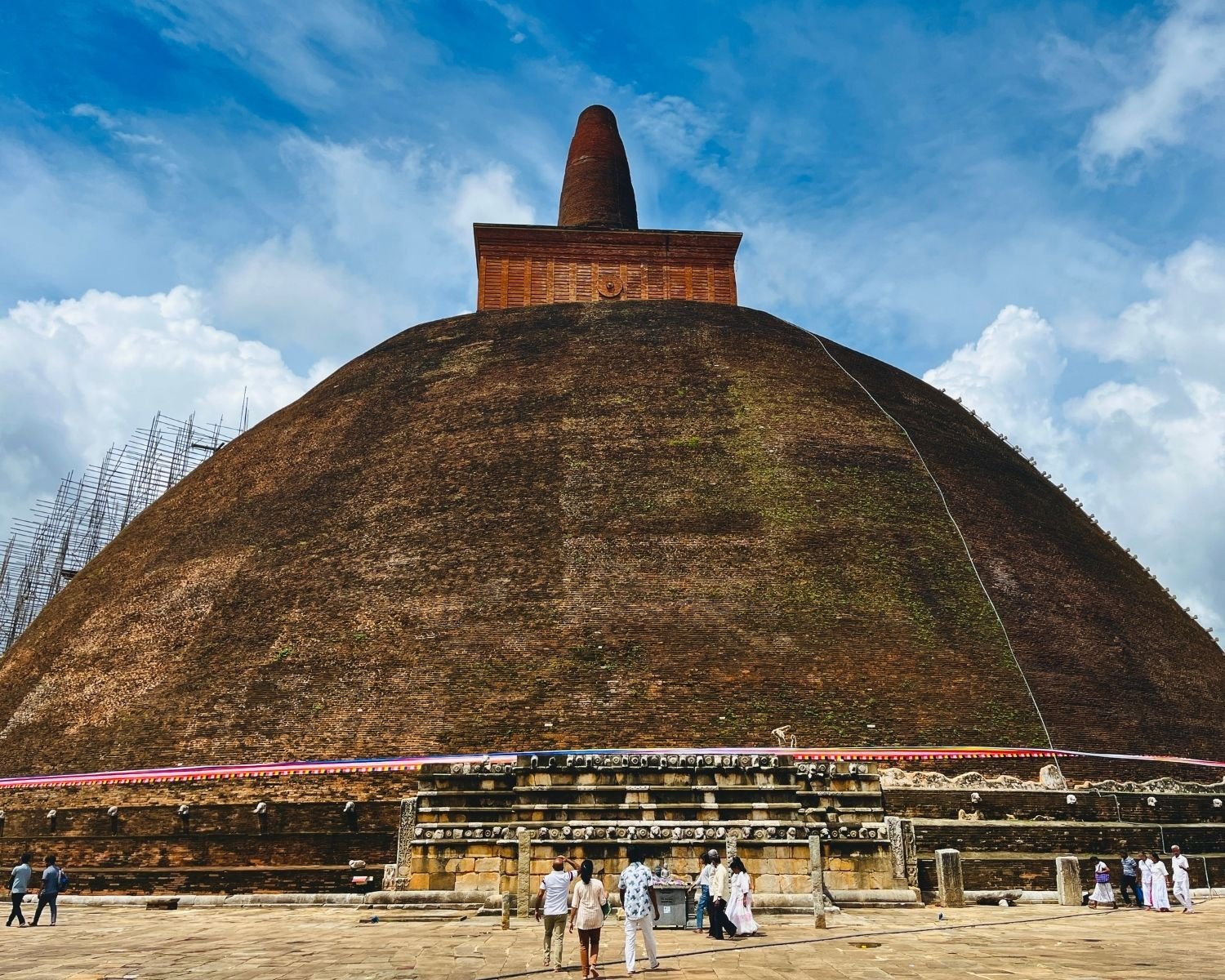
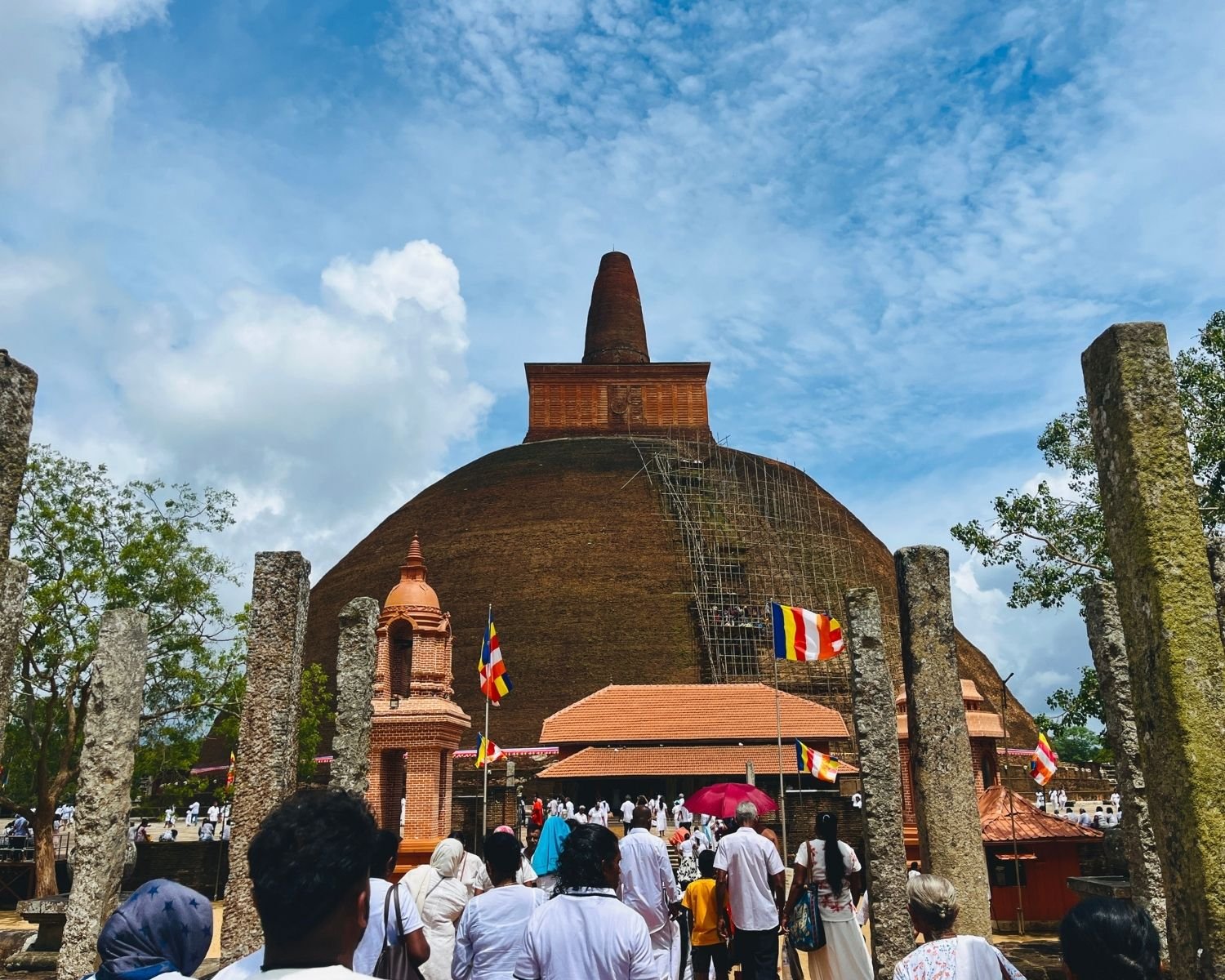
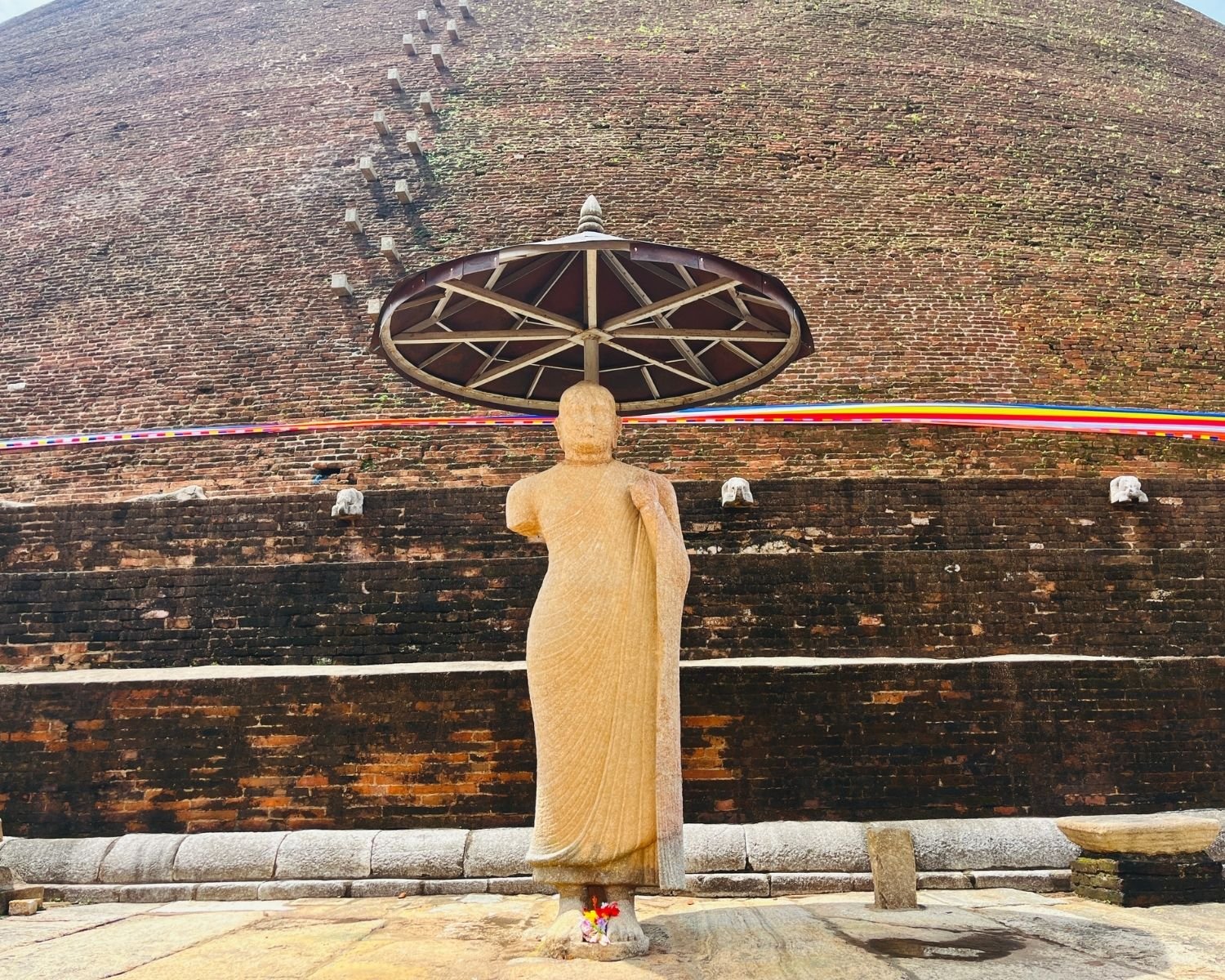
Centre of the ancient Jetavana Monastery, once home to thousands of monks and one of the largest monastic institutions in the ancient world.
Centre of the ancient Jetavana Monastery, once home to thousands of monks and one of the largest monastic institutions in the ancient world.
History
Built by King Mahasena in the 3rd century CE and completed by King Sirimeghavanna. Originally 122 metres tall, it was among the tallest structures of the ancient world and is often ranked behind only the two largest pyramids of Giza.
Built by King Mahasena in the 3rd century CE and completed by King Sirimeghavanna. Originally 122 metres tall, it was among the tallest structures of the ancient world and is often ranked behind only the two largest pyramids of Giza.
Scenery
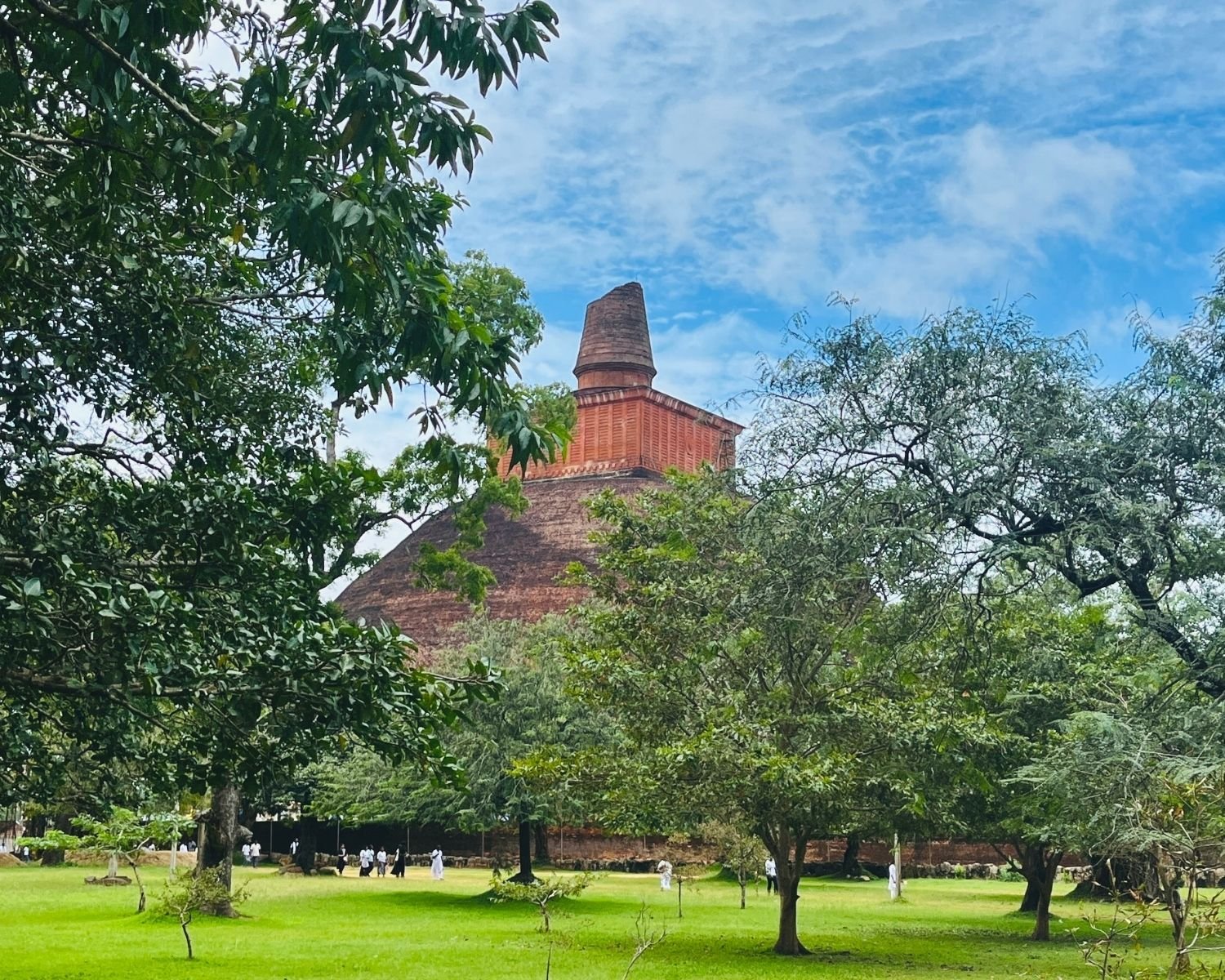
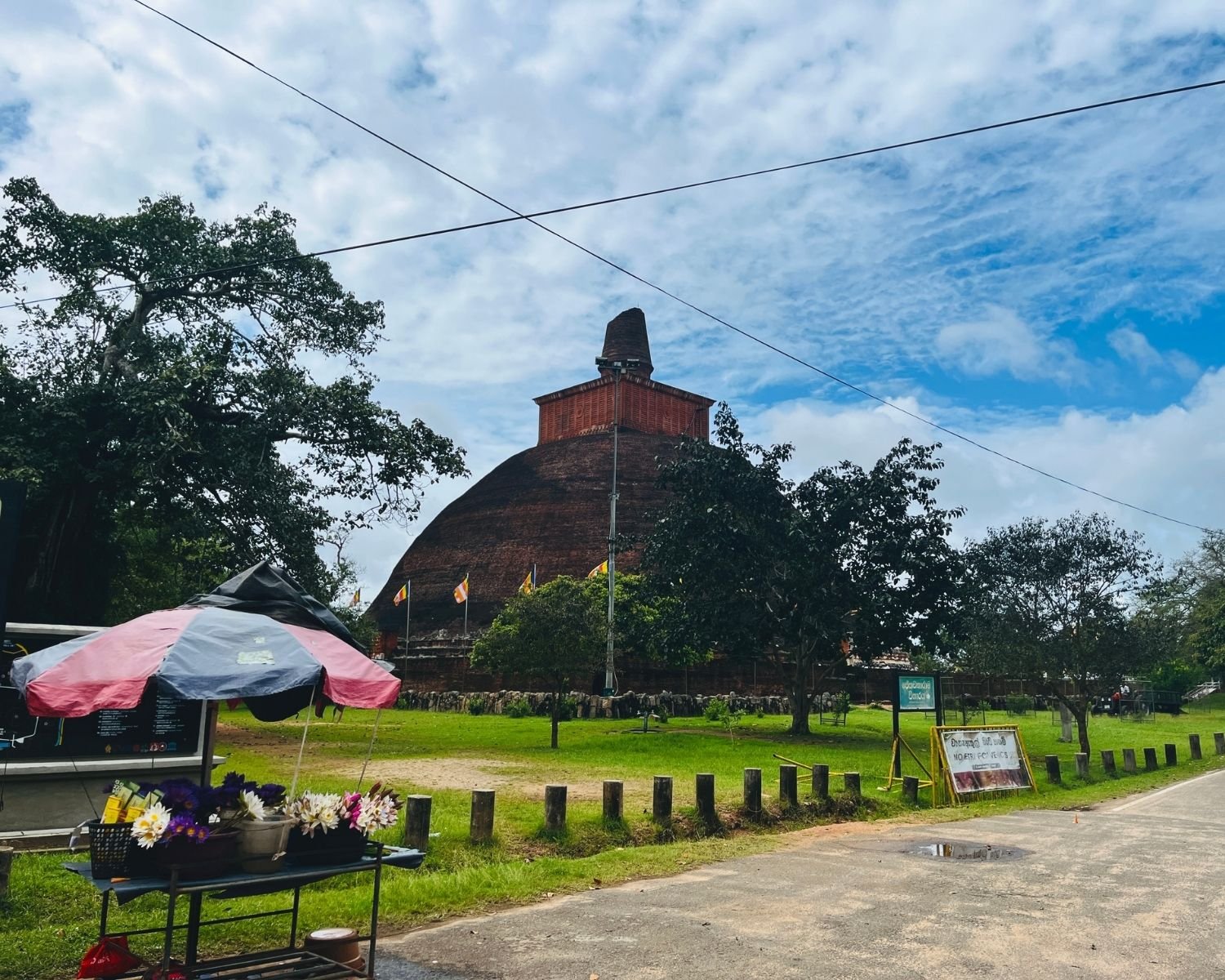
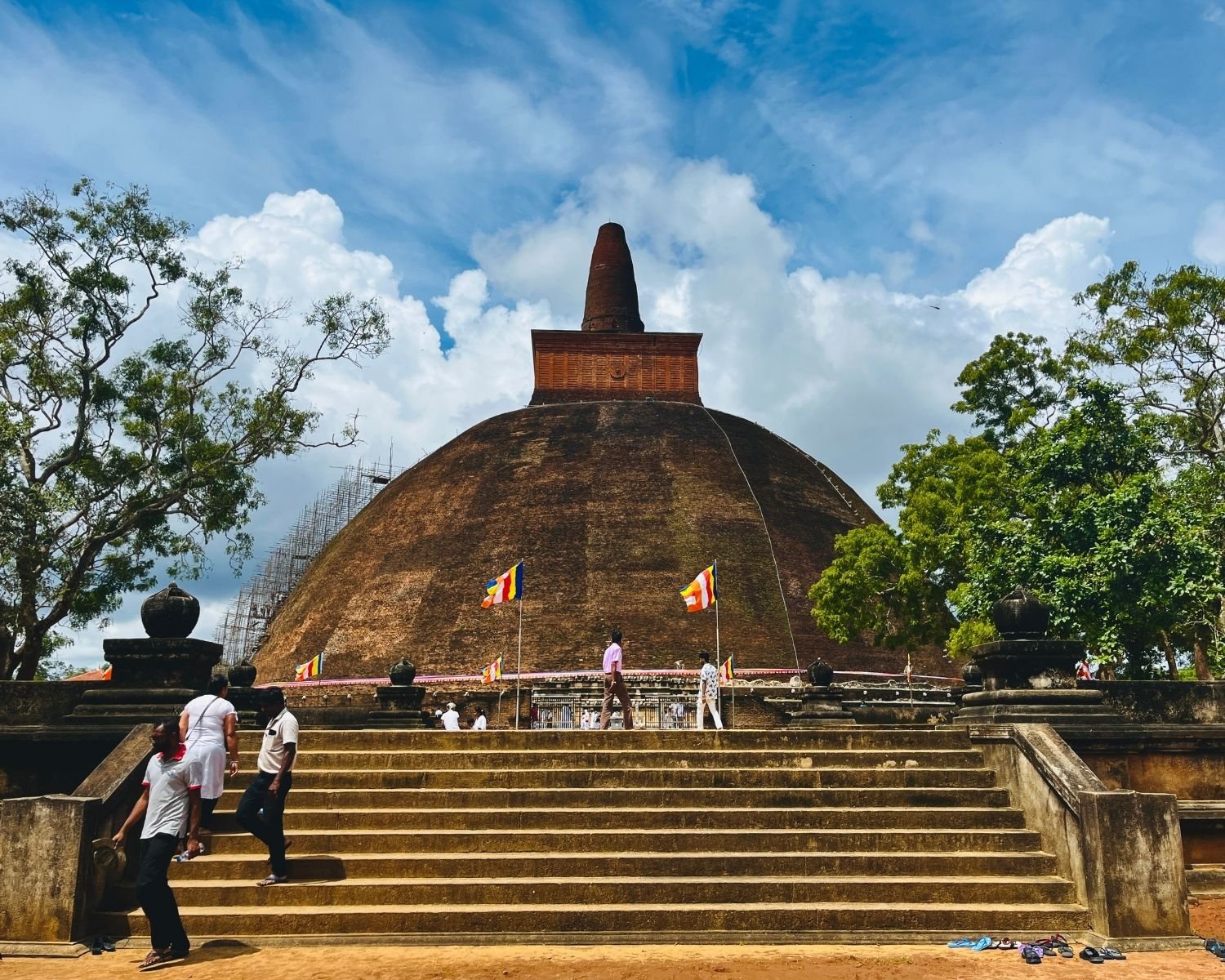
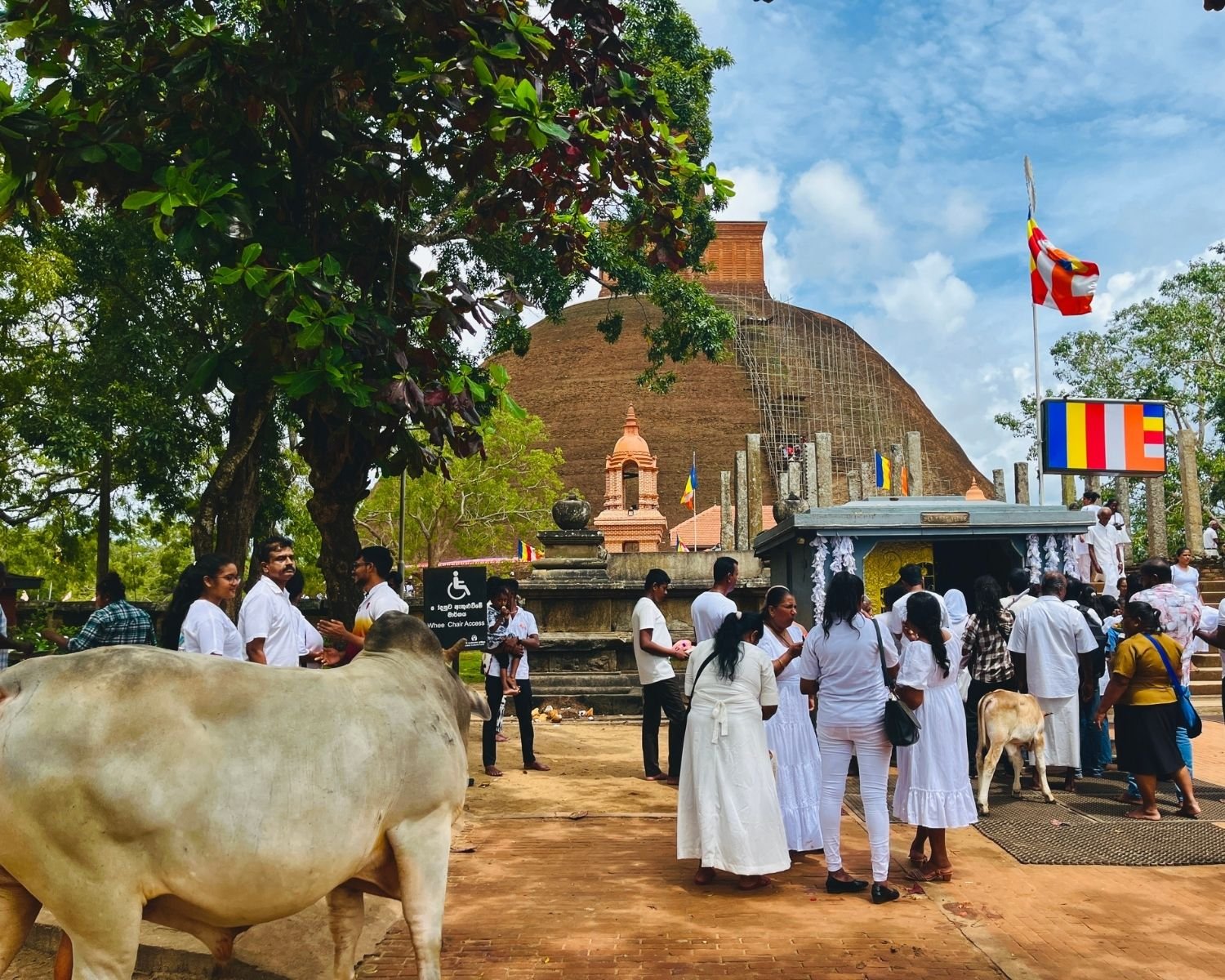
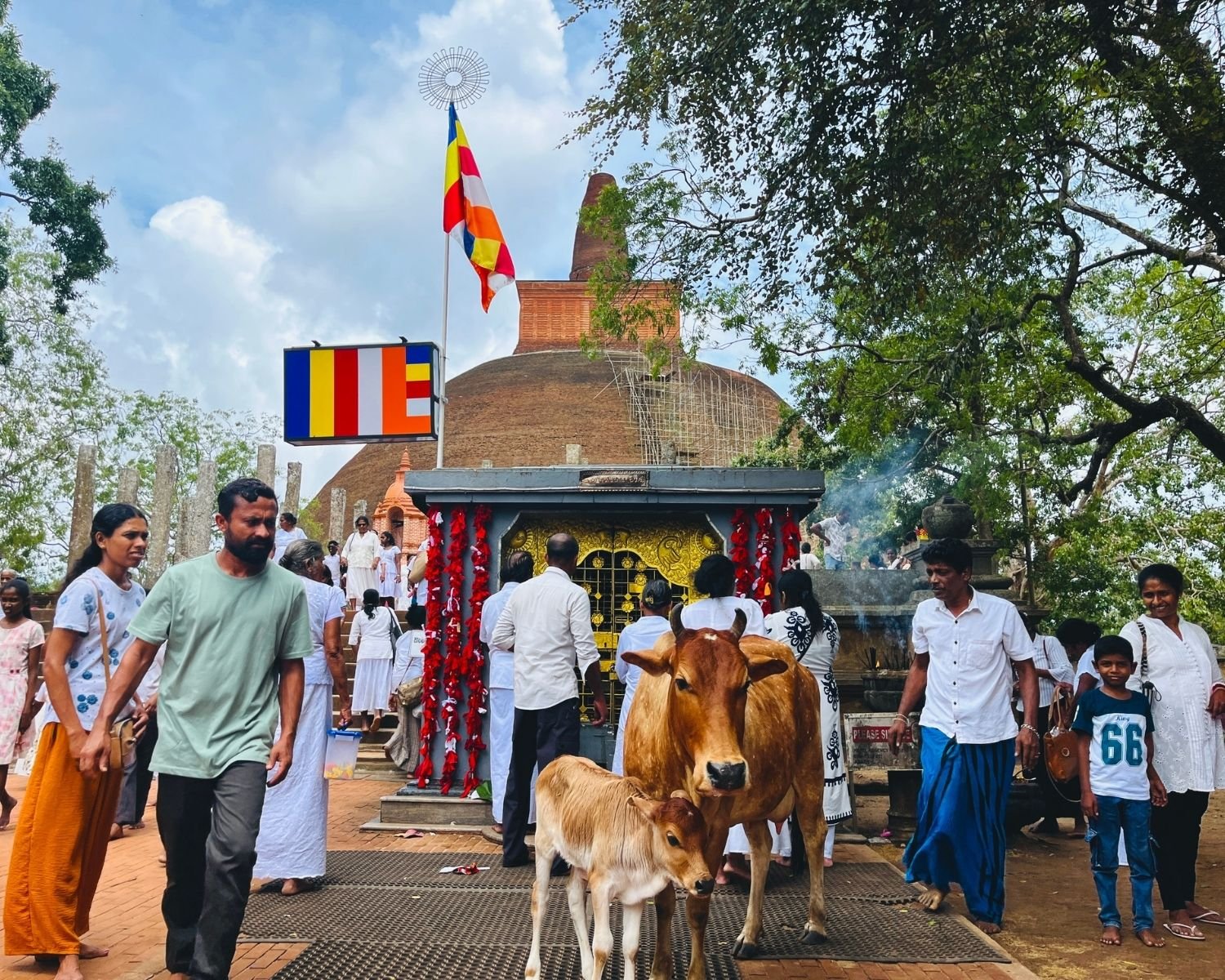
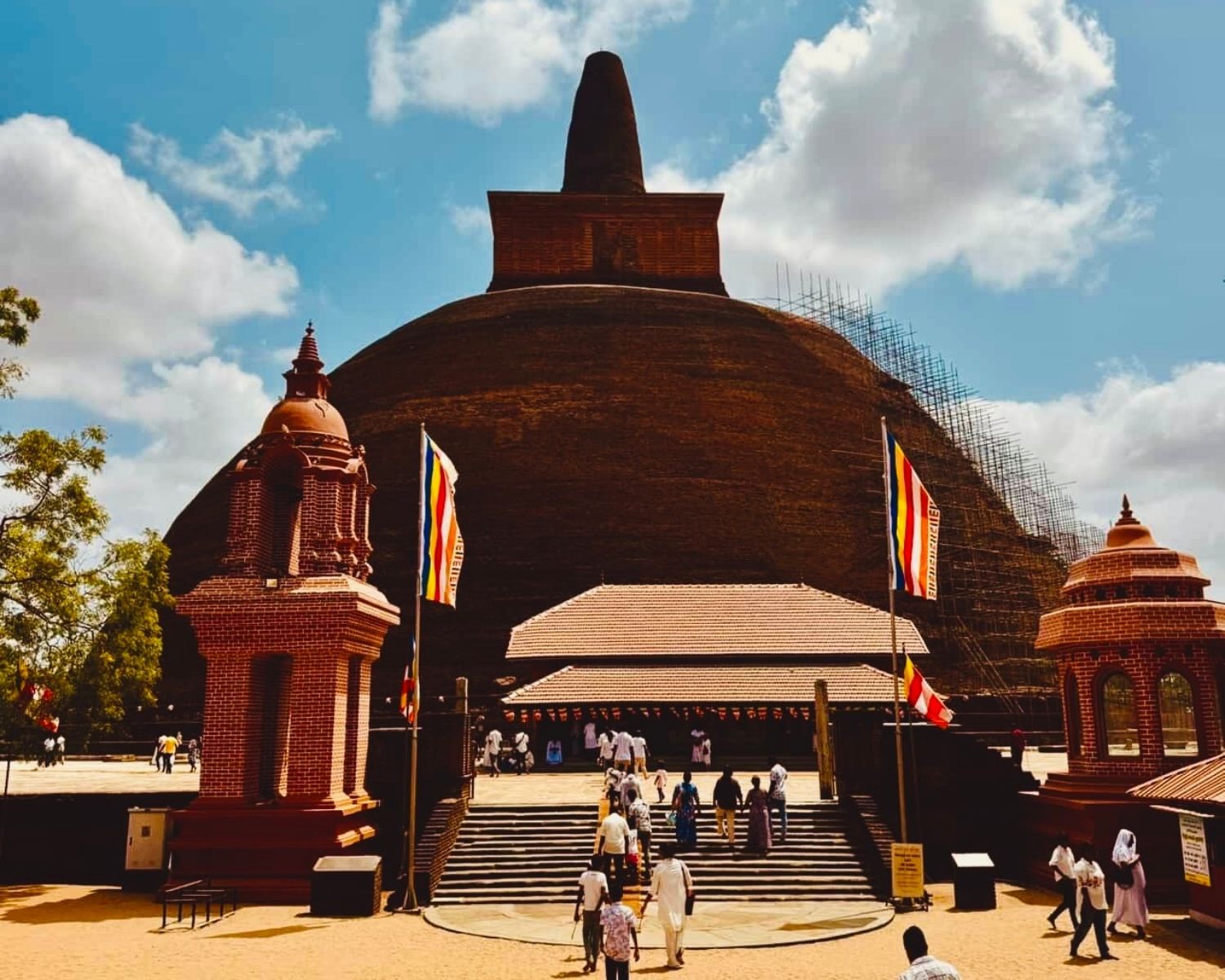
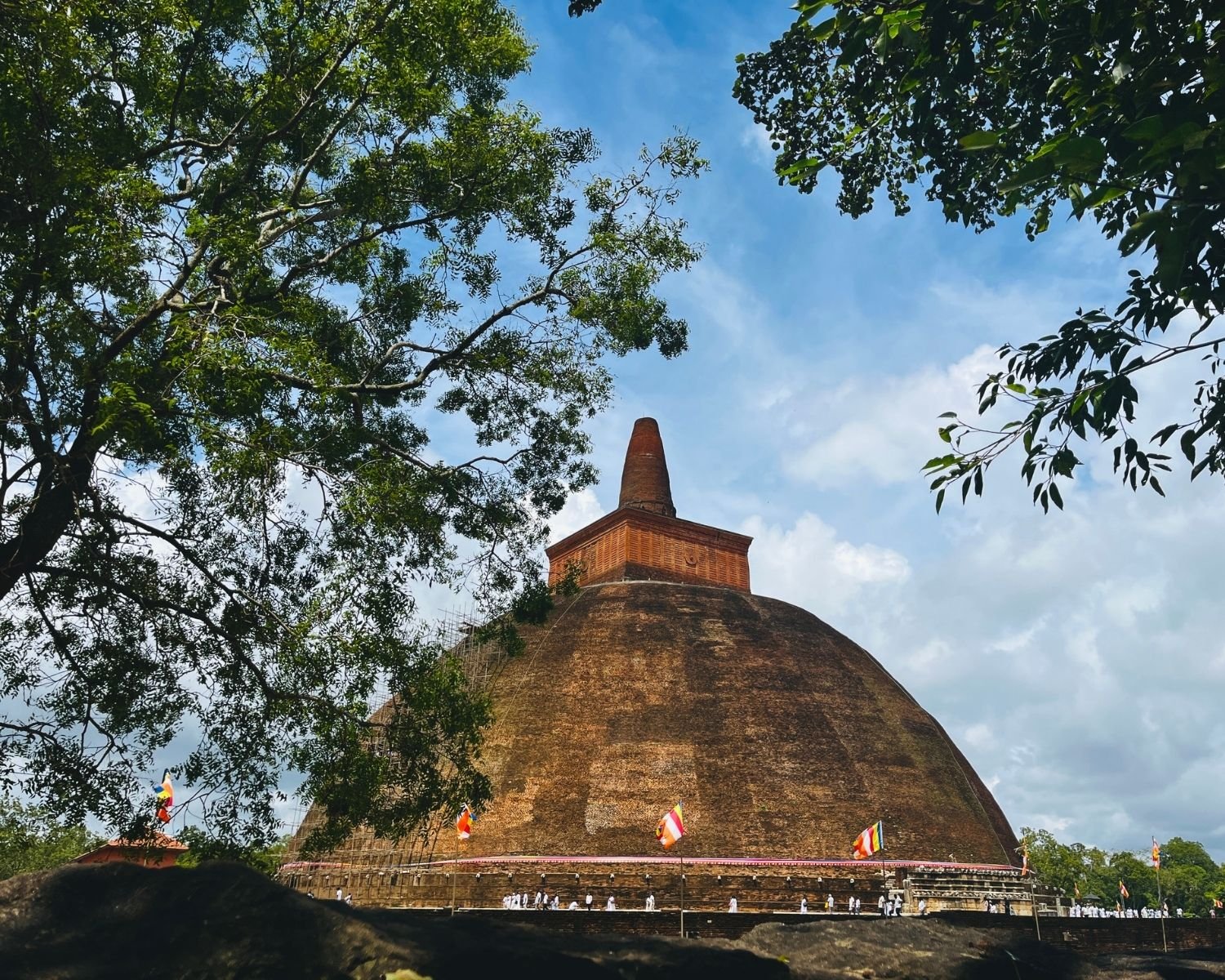
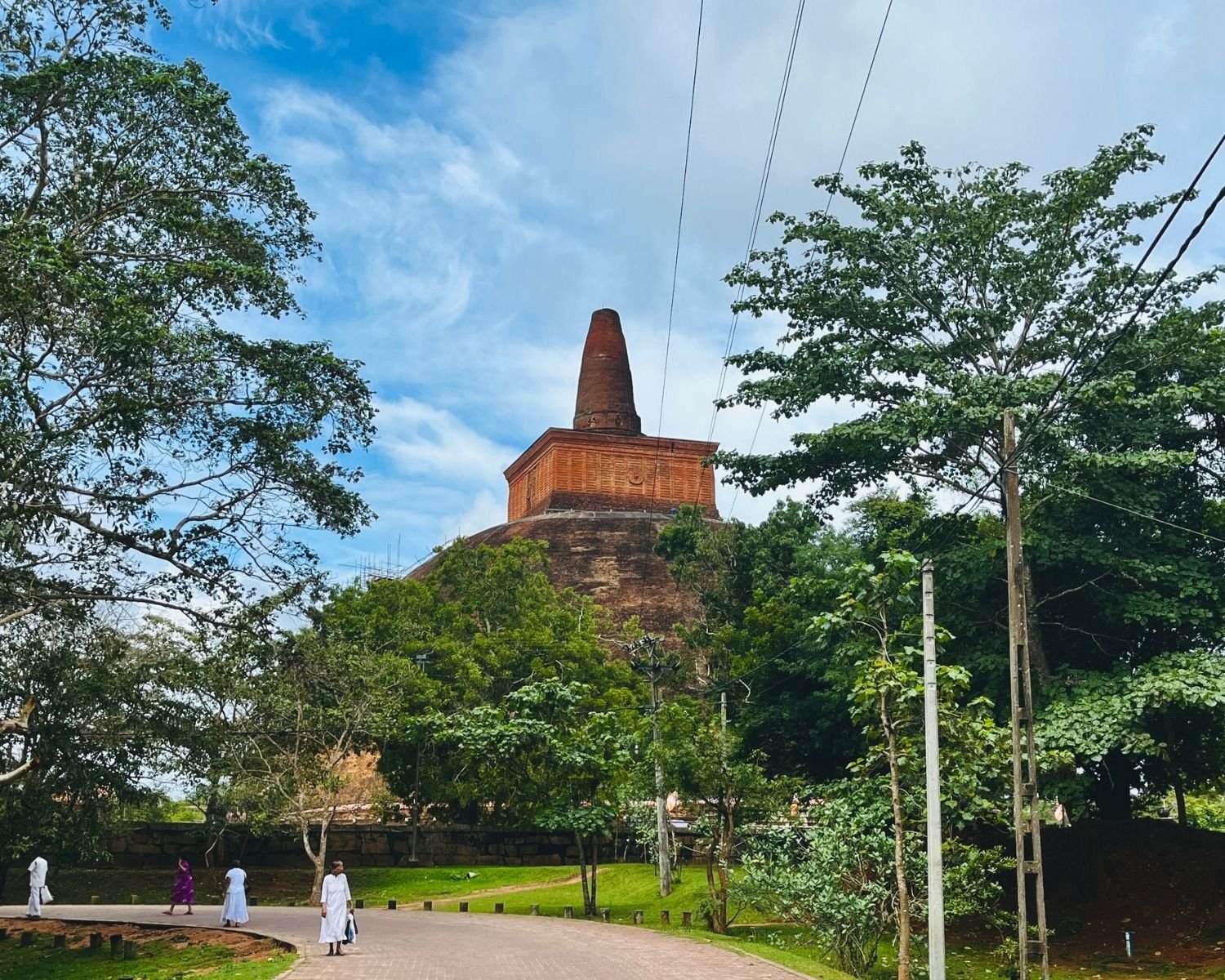
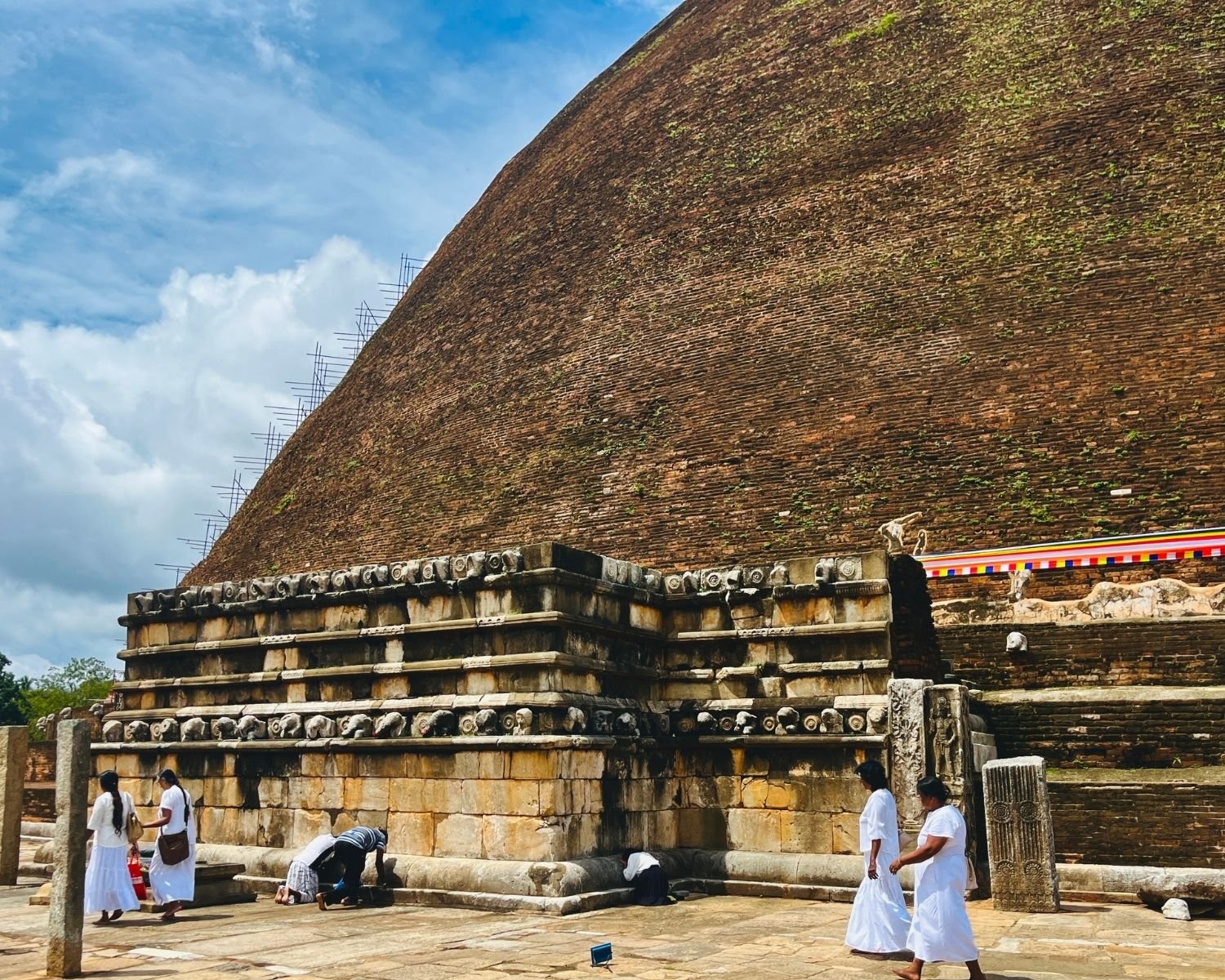
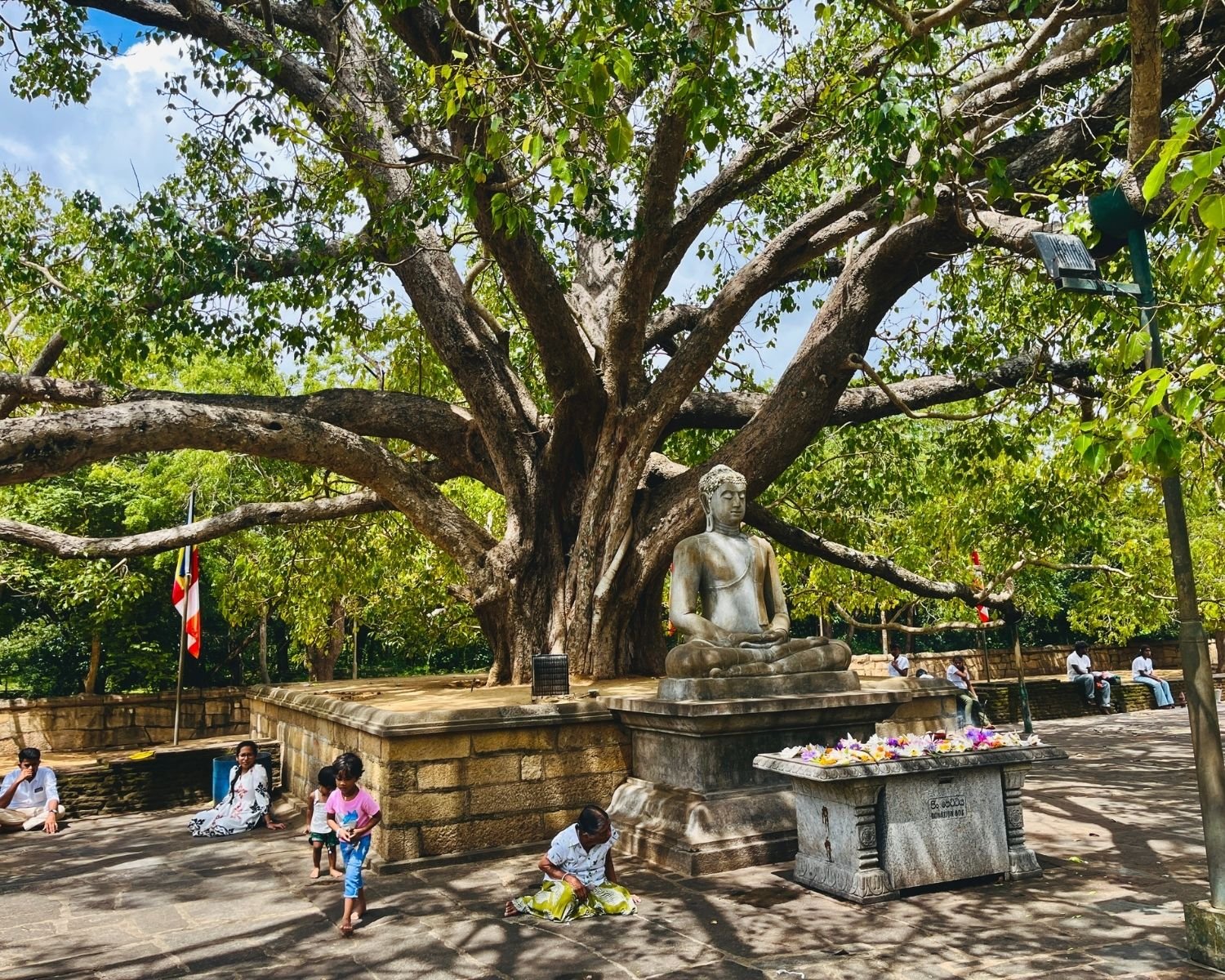
Massive exposed brick dome rising above open courtyards, ancient ruins, stone pillars, and shaded pathways. Its sheer scale dominates the surrounding landscape.
Massive exposed brick dome rising above open courtyards, ancient ruins, stone pillars, and shaded pathways. Its sheer scale dominates the surrounding landscape.
Art & Culture
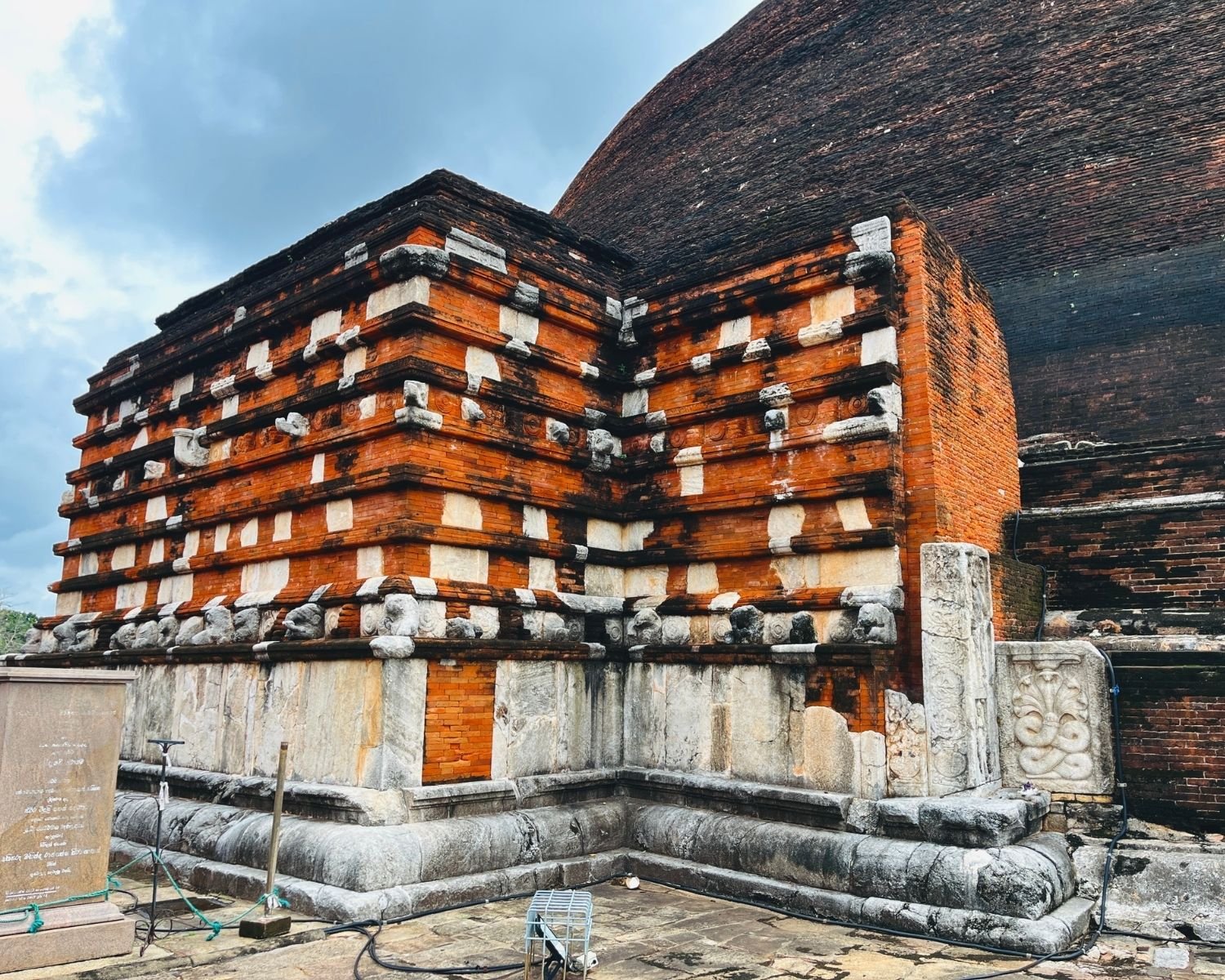
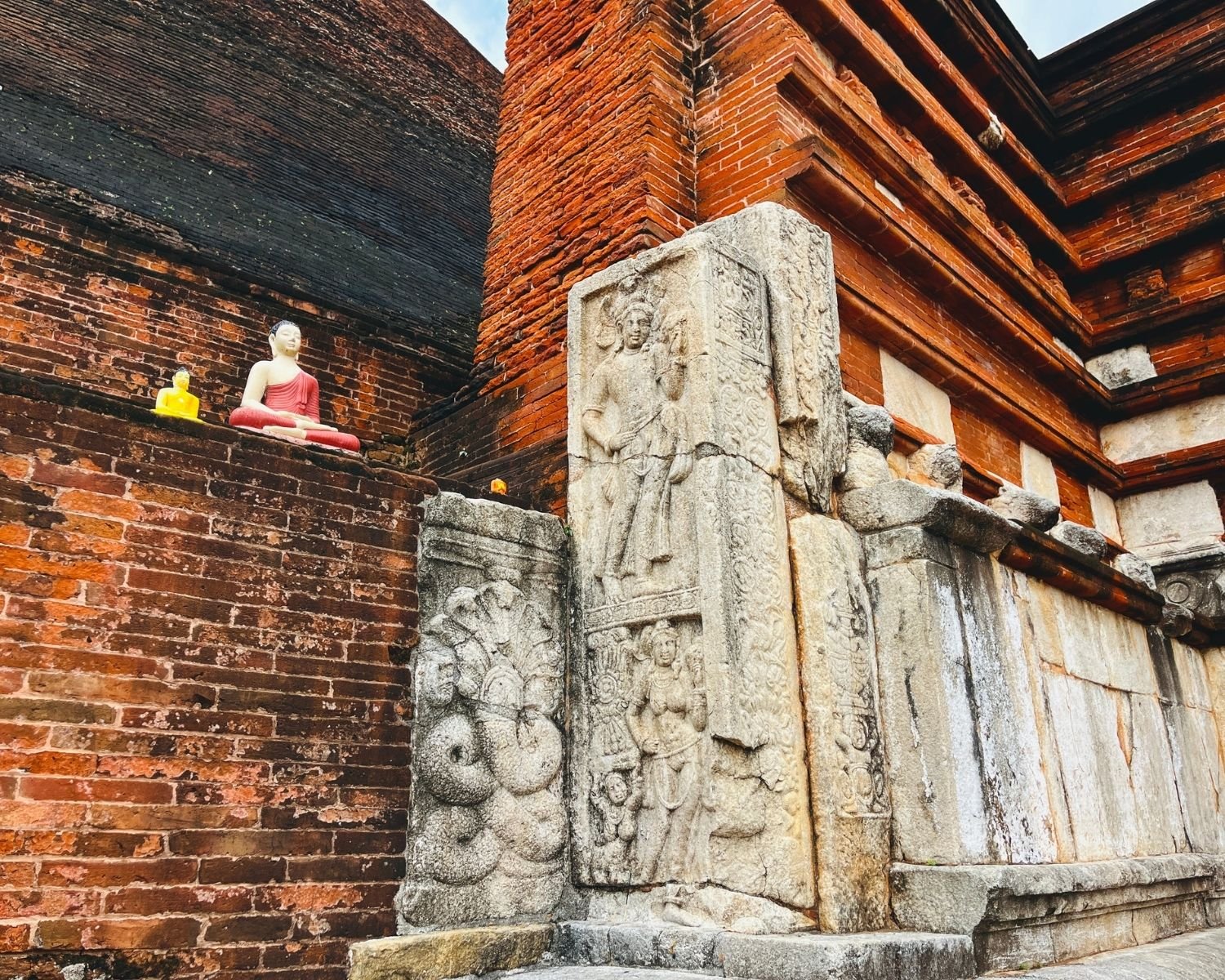
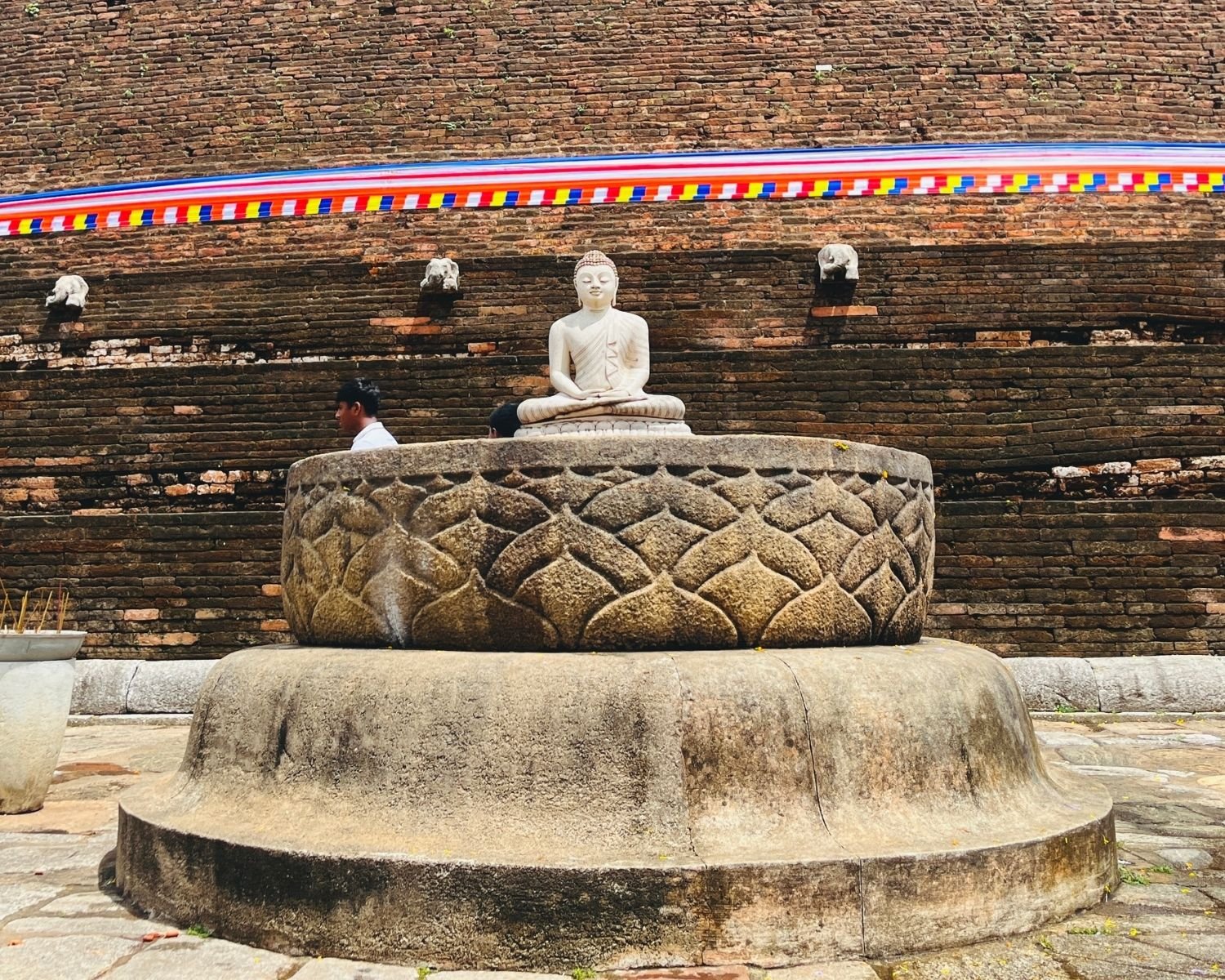
The largest brick-built monument on Earth, constructed using an estimated 93 million baked bricks. A masterpiece of ancient Sri Lankan engineering and Buddhist architecture.
The largest brick-built monument on Earth, constructed using an estimated 93 million baked bricks. A masterpiece of ancient Sri Lankan engineering and Buddhist architecture.
Top Pick
Location
View on Map
View on Map
 ravinkavish
 ravinkavish
 ravinkavish
 ravinkavish
 joshua_laporta
 ravinkavish
 ravinkavish
 ravinkavish
 ravinkavish
 ravinkavish
 ravinkavish
 ravinkavish
 ravinkavish
 ravinkavish
 ravinkavish
 ravinkavish
 ravinkavish
 ravinkavish
 ravinkavish
 ravinkavish
 ravinkavish
 ravinkavish
 ravinkavish
 ravinkavish
 ravinkavish
 ravinkavish
 ravinkavish
Buddhist Site
Vast ancient monastery with the Abhayagiri Stupa, Bodhi tree shrines, ponds, monk residences, and sacred worship spaces.
Vast ancient monastery with the Abhayagiri Stupa, Bodhi tree shrines, ponds, monk residences, and sacred worship spaces.
History
Founded by King Vattagamani Abhaya in the 1st century BCE. Became one of the largest Buddhist monasteries in ancient Sri Lanka.
Founded by King Vattagamani Abhaya in the 1st century BCE. Became one of the largest Buddhist monasteries in ancient Sri Lanka.
Scenery
Massive brick stupa, pilgrims in white, cattle on sandy temple grounds, shaded trees, ponds, and wide monastery ruins.
Massive brick stupa, pilgrims in white, cattle on sandy temple grounds, shaded trees, ponds, and wide monastery ruins.
Art & Culture
Ancient brick architecture, wahalkada carvings, elephant friezes, guardstones, ponds, monastic residences, and Abhayagiri Buddhist traditions.
Ancient brick architecture, wahalkada carvings, elephant friezes, guardstones, ponds, monastic residences, and Abhayagiri Buddhist traditions.
Top Pick
Location
View on Map
View on Map
 ravinkavish
 ravinkavish
 ravinkavish
 ravinkavish
 ravinkavish
 ravinkavish
 ravinkavish
 ravinkavish
 ravinkavish
ravinkavish
ravinkavish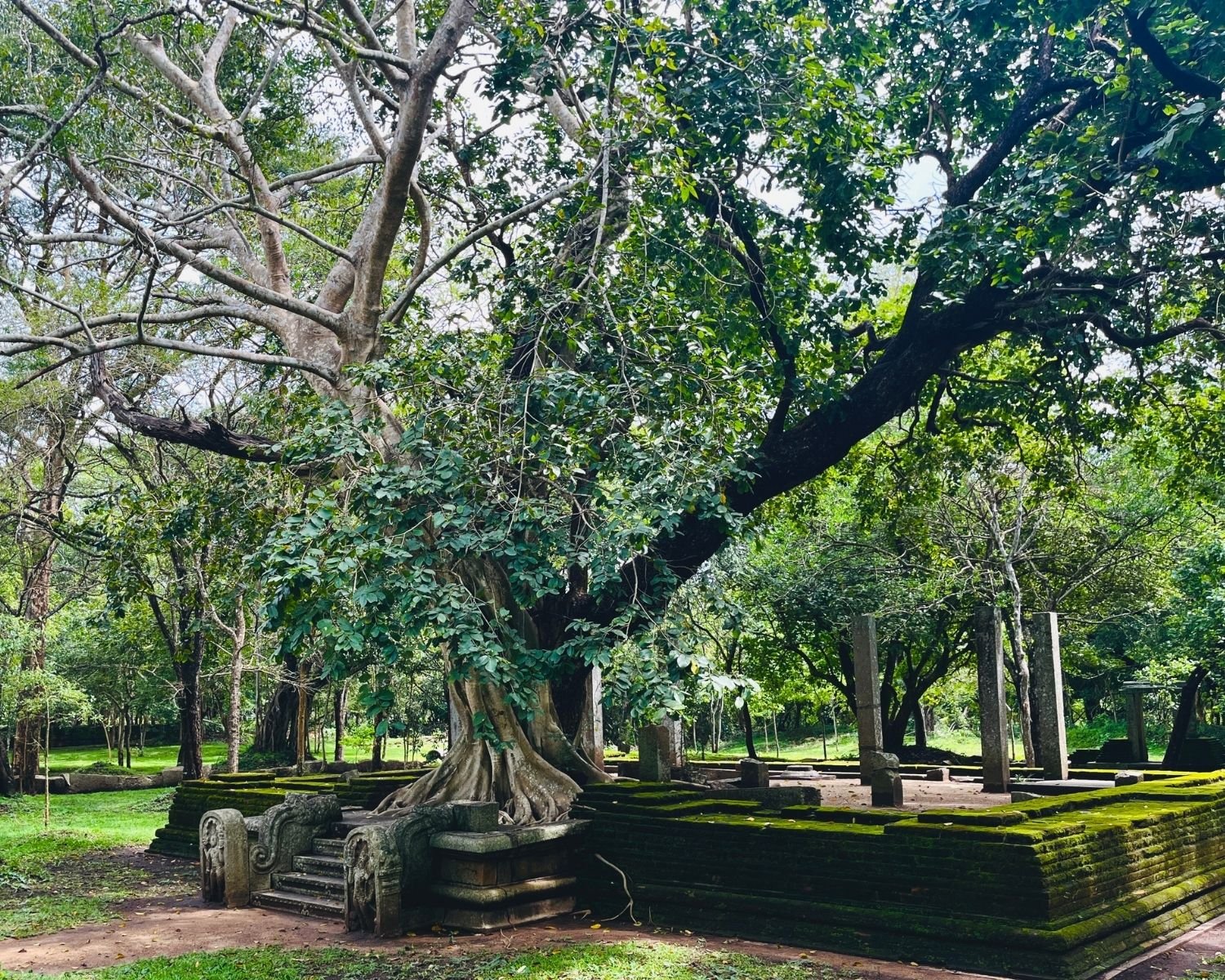 ravinkavish
 ravinkavish
 ravinkavish
 ravinkavish
 ravinkavish
 ravinkavish
 ravinkavish
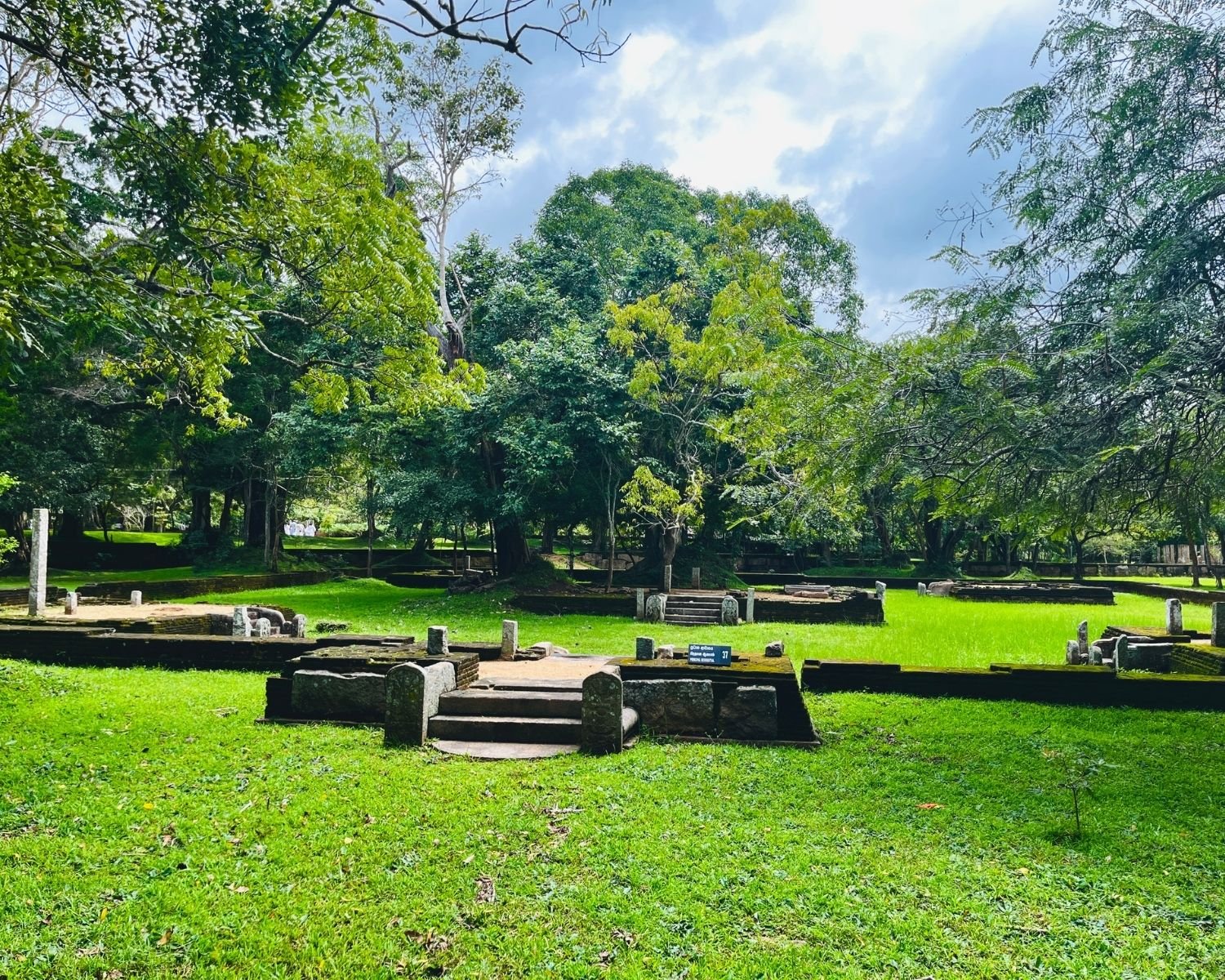
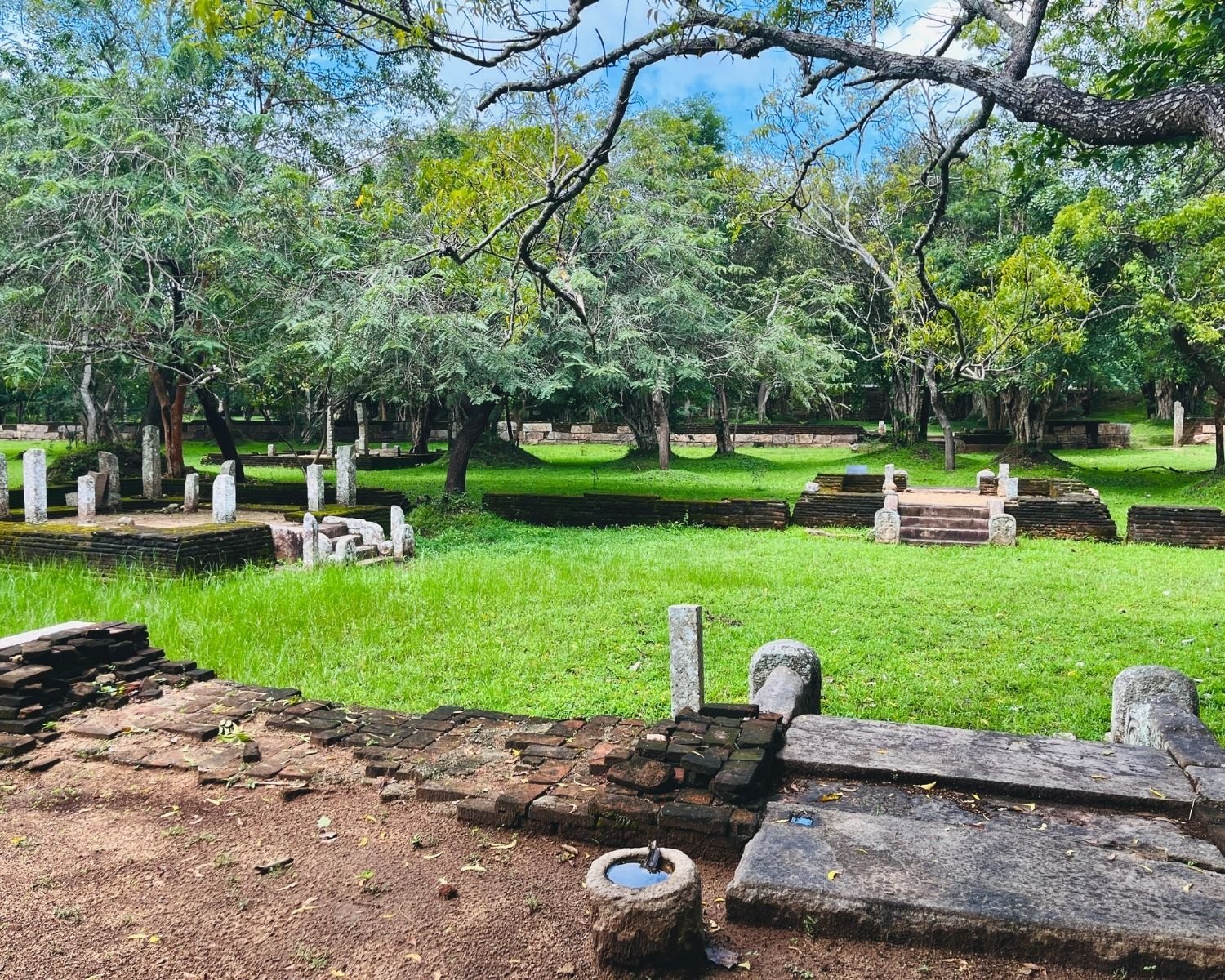
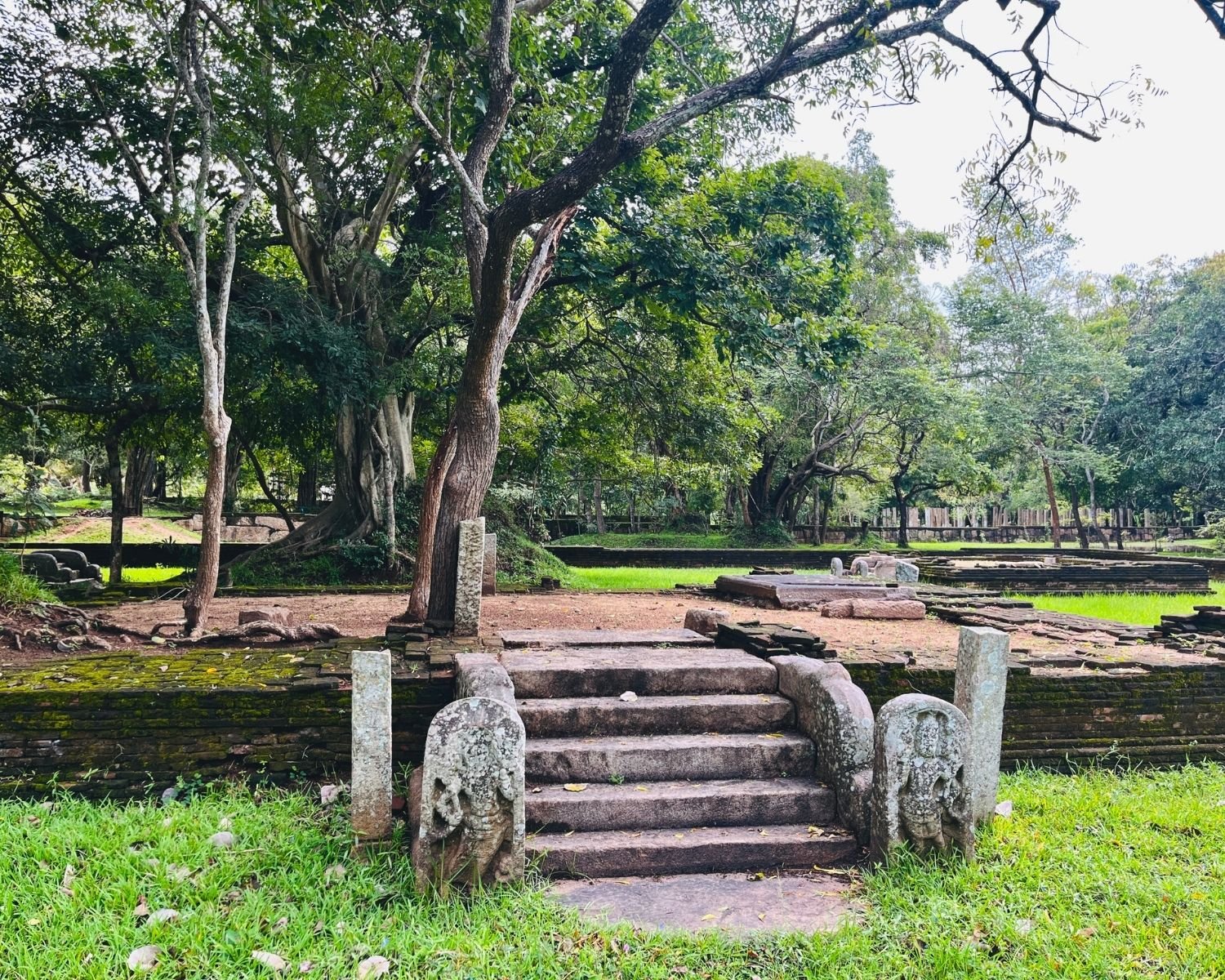
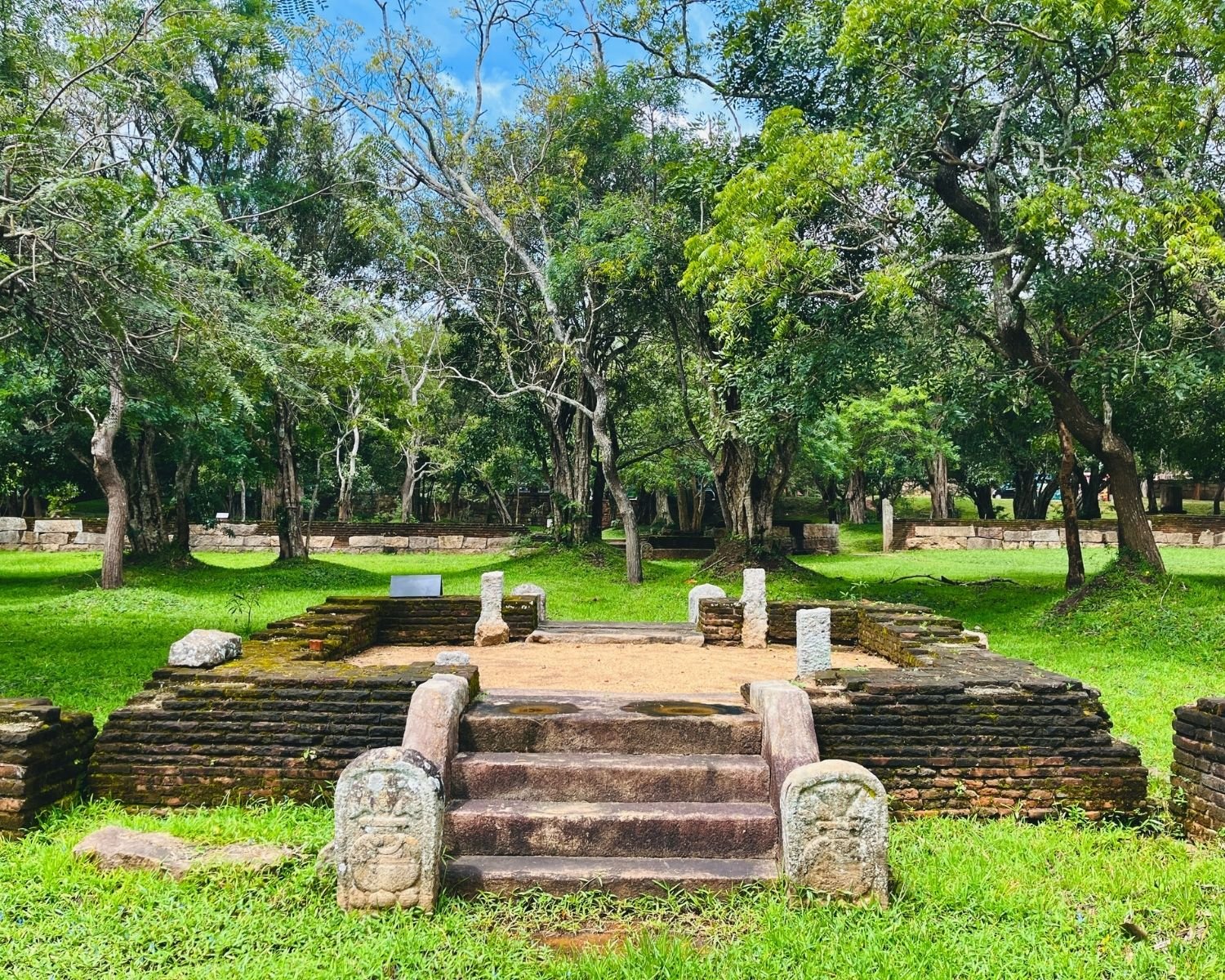
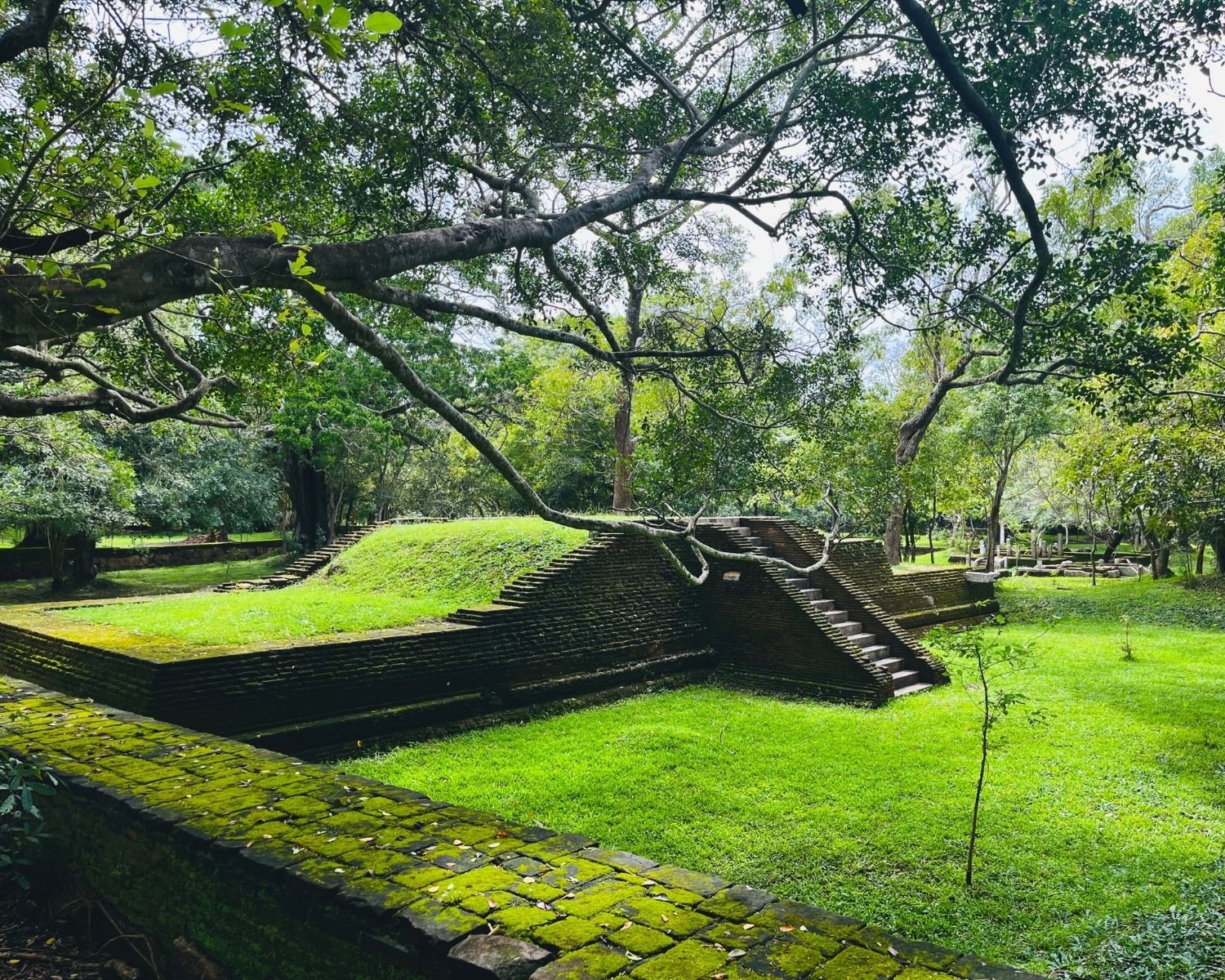
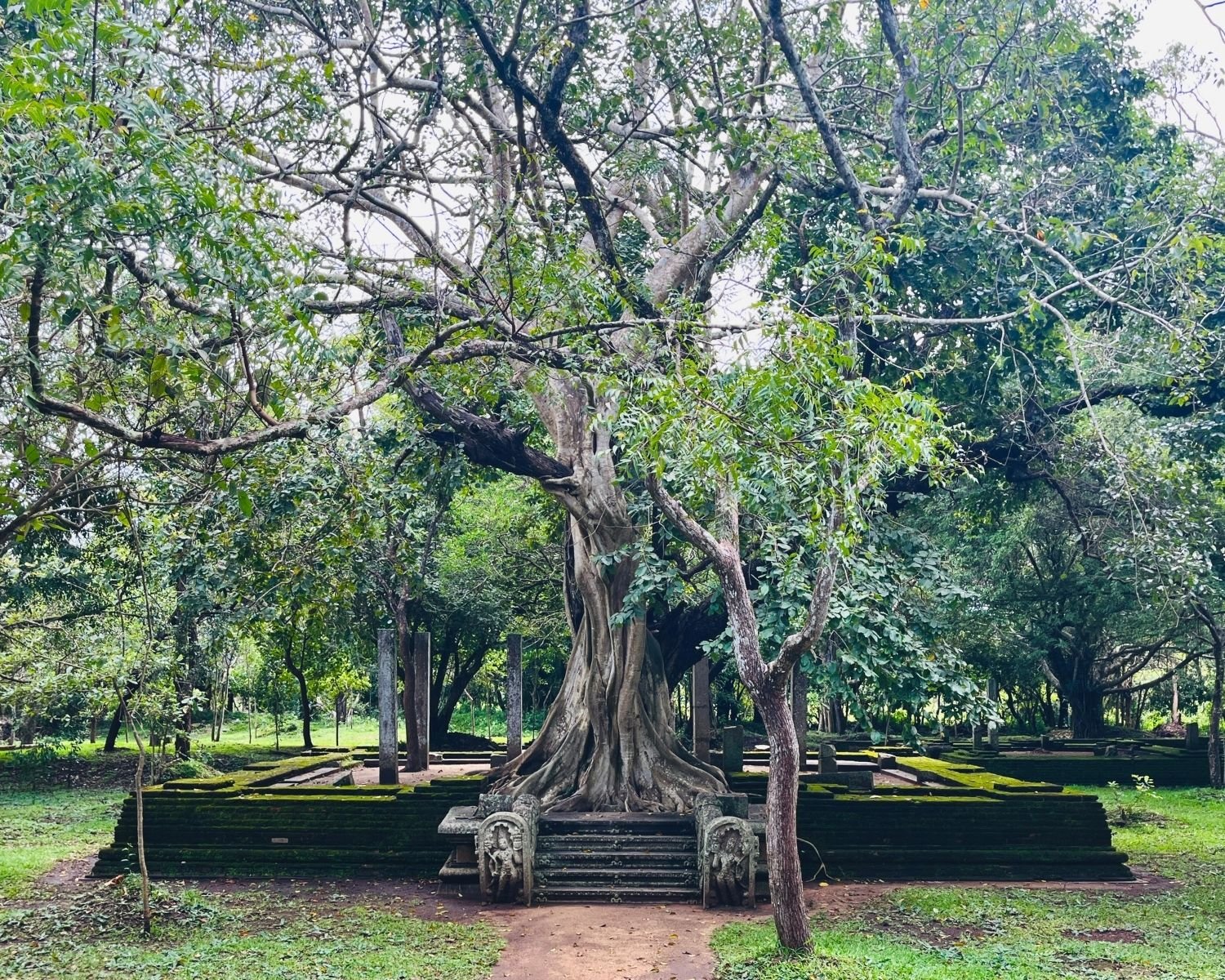
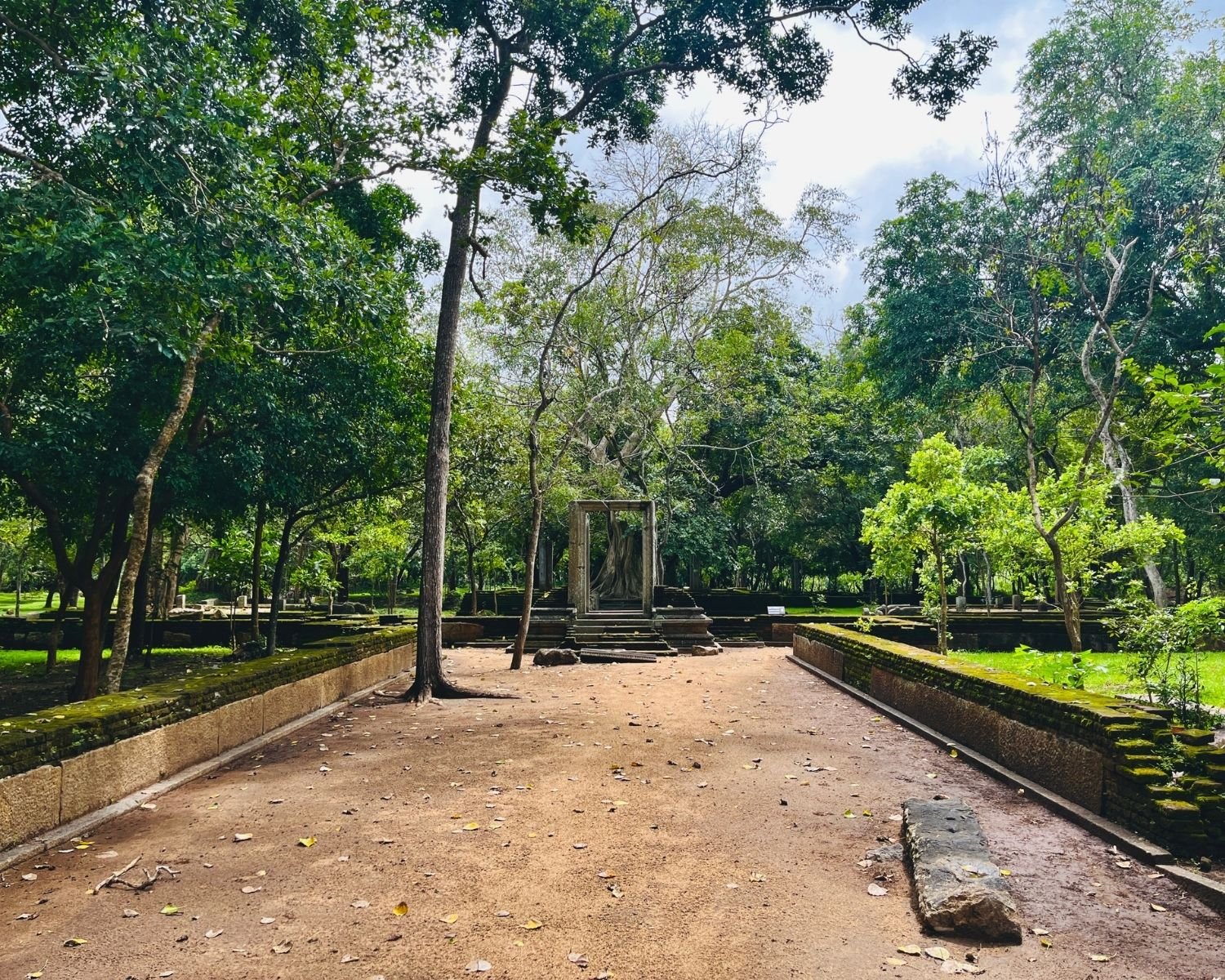
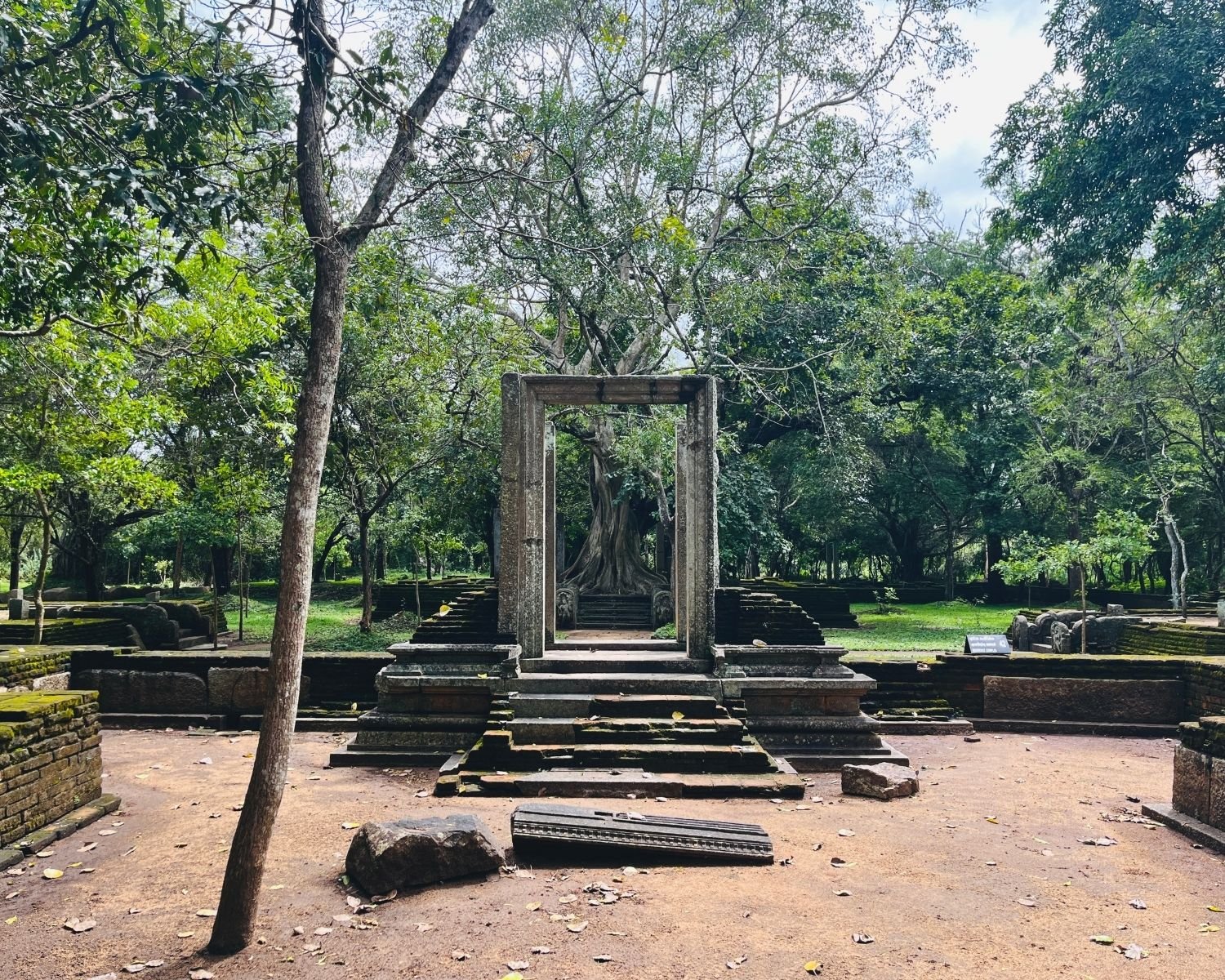
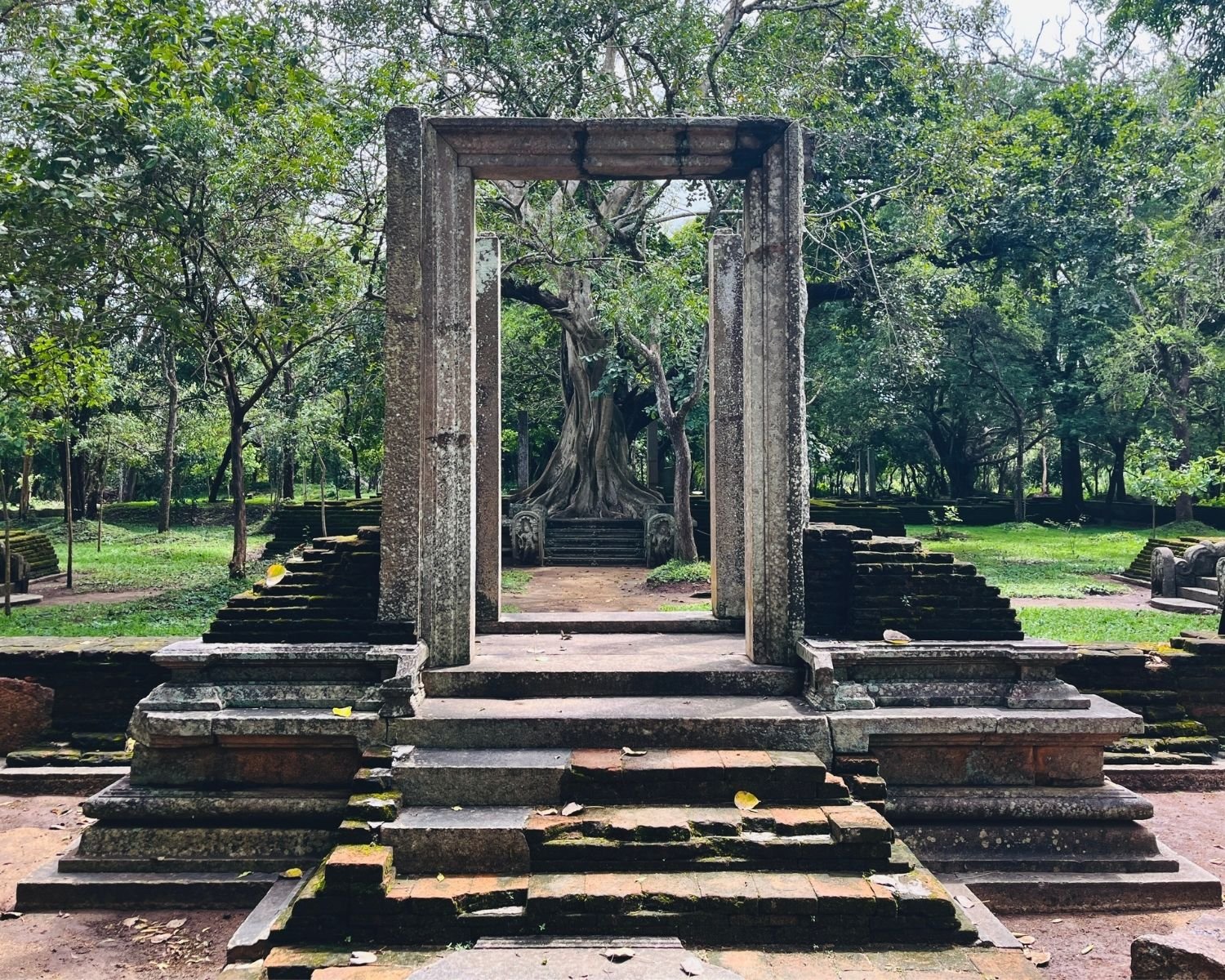
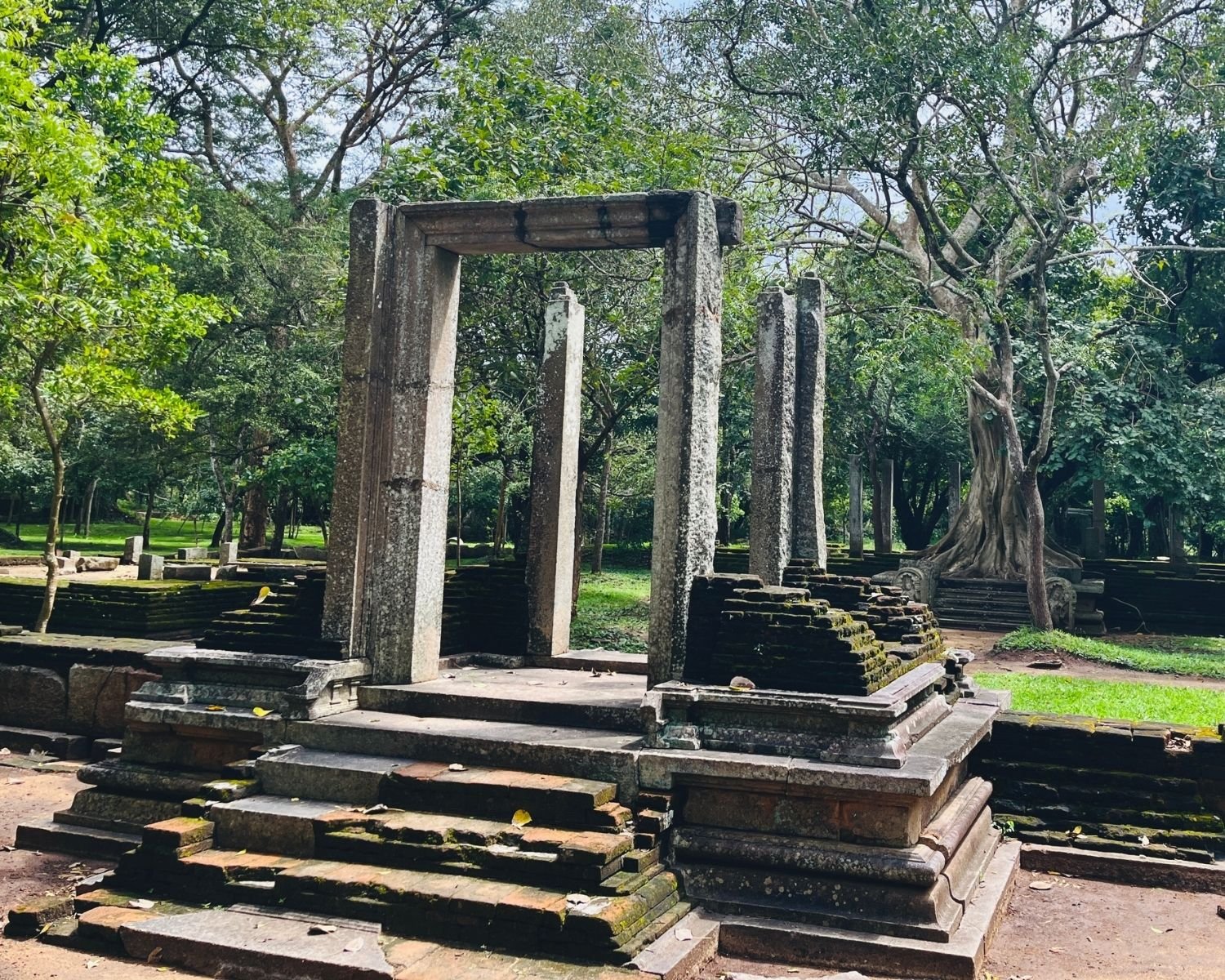
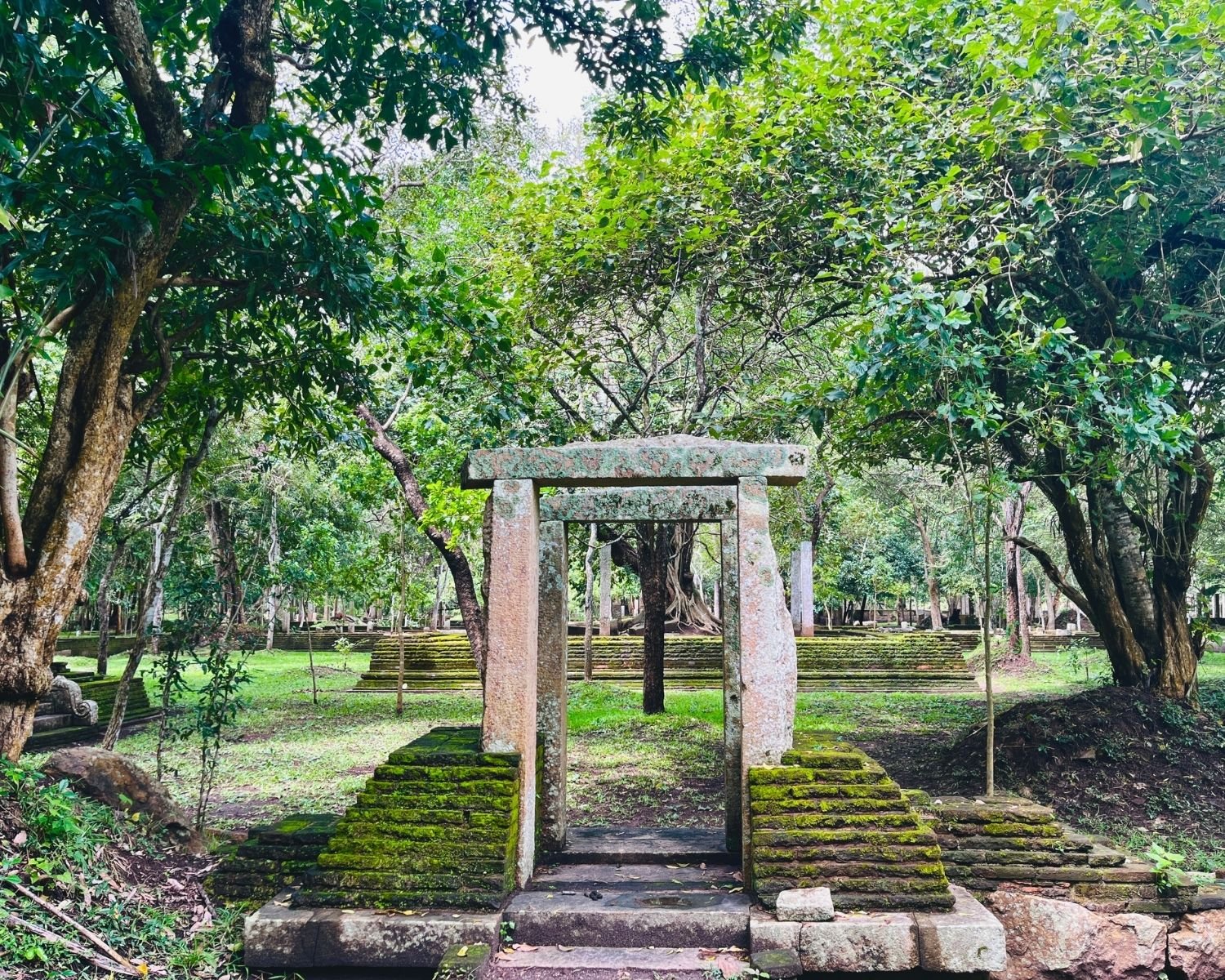
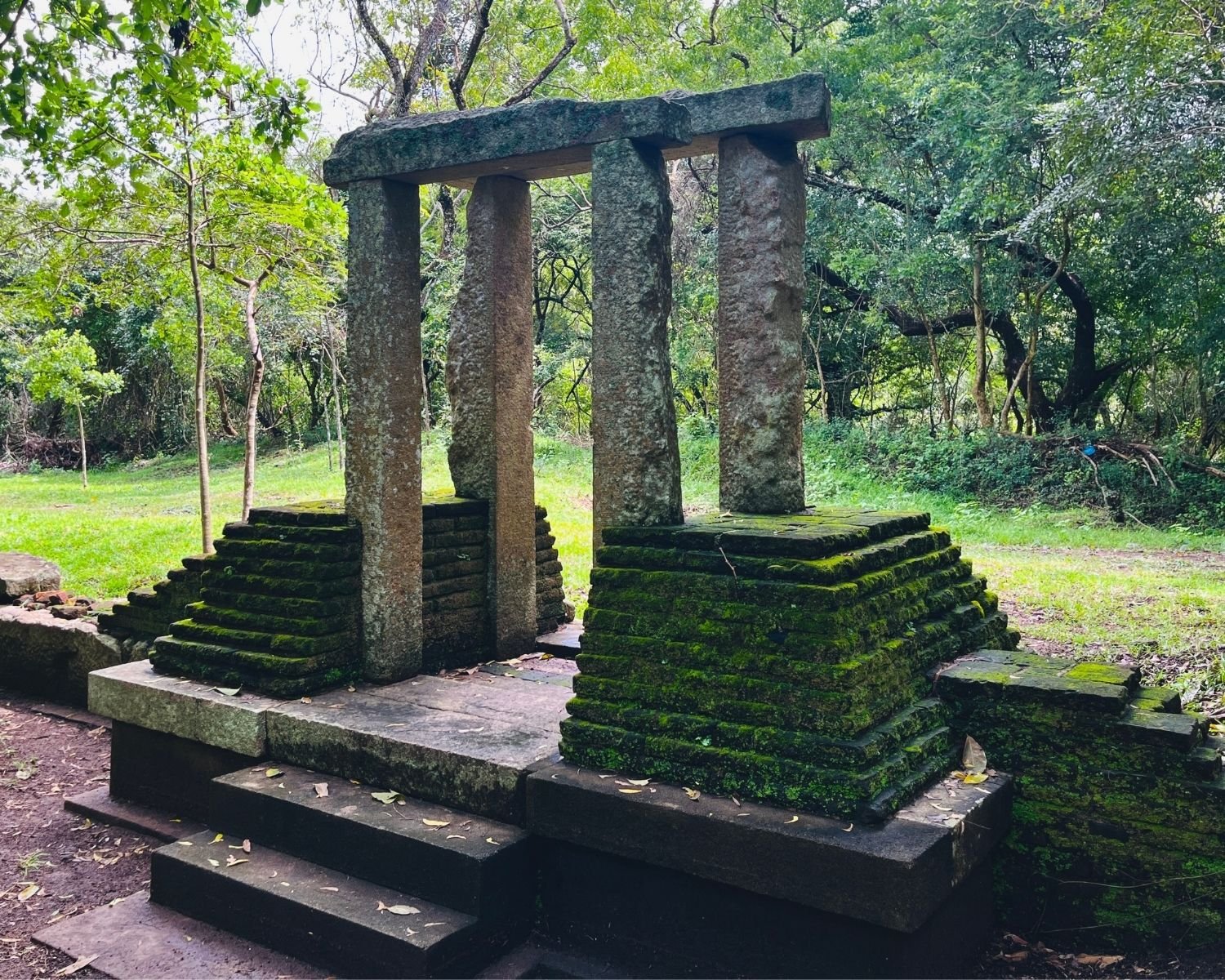
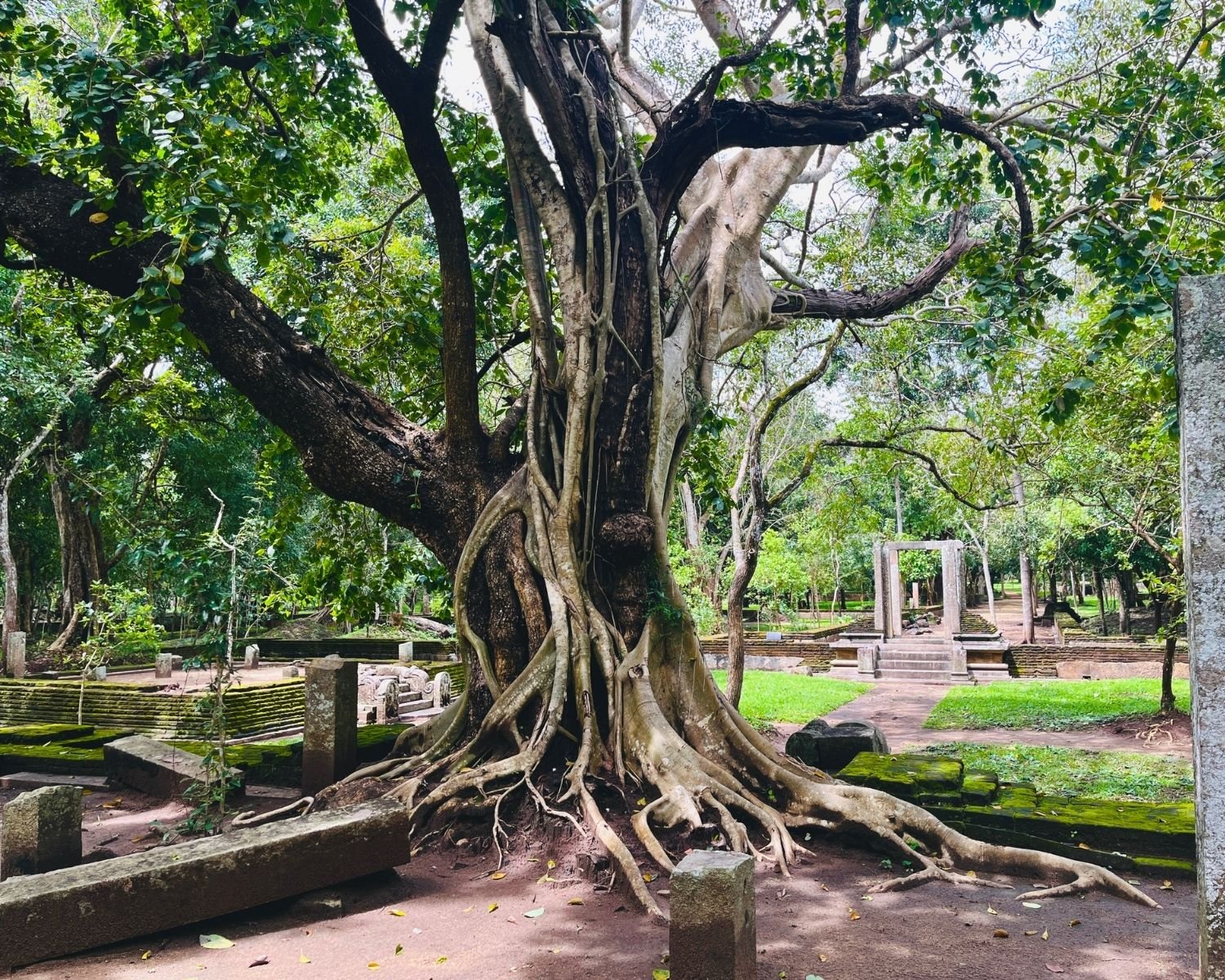
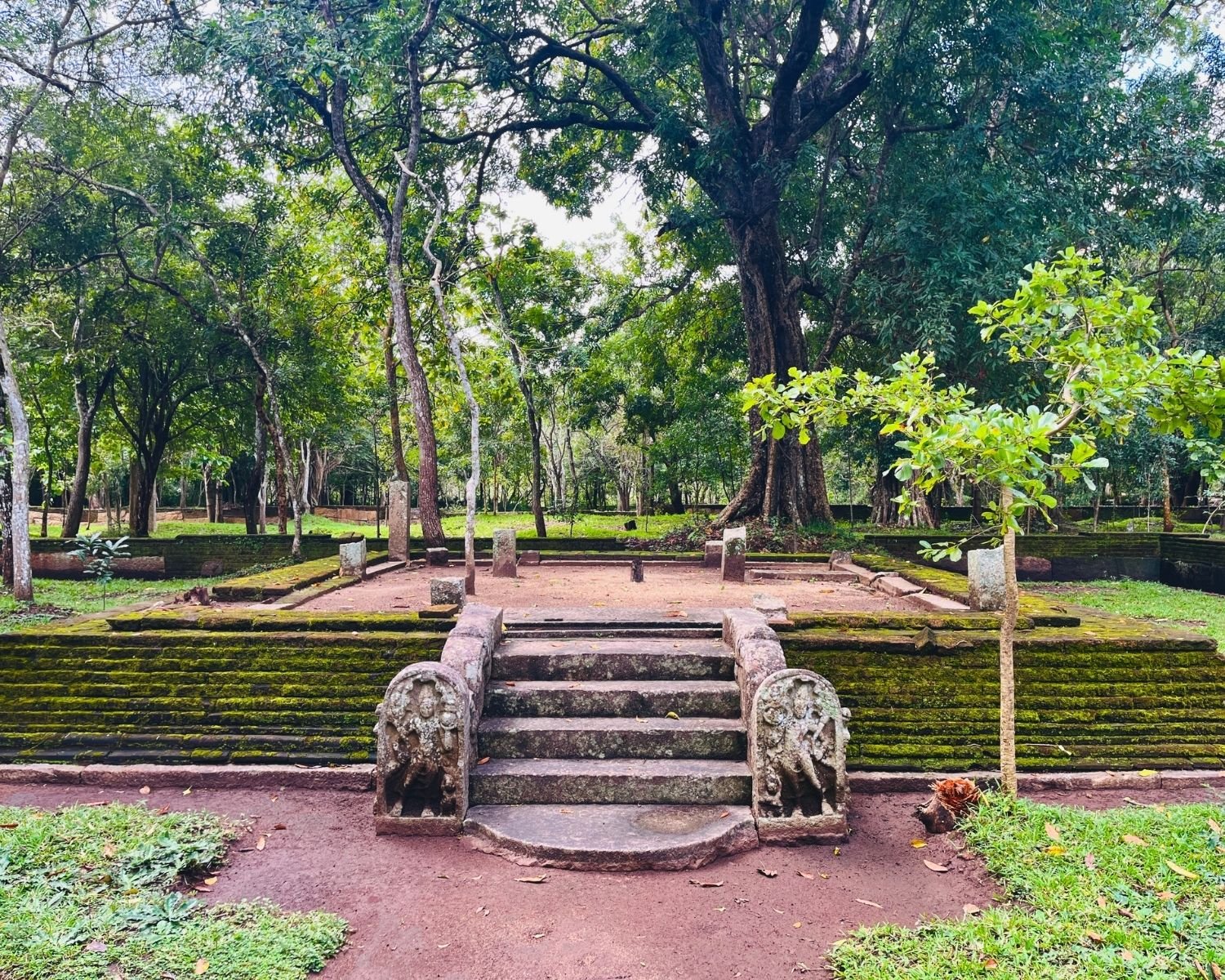
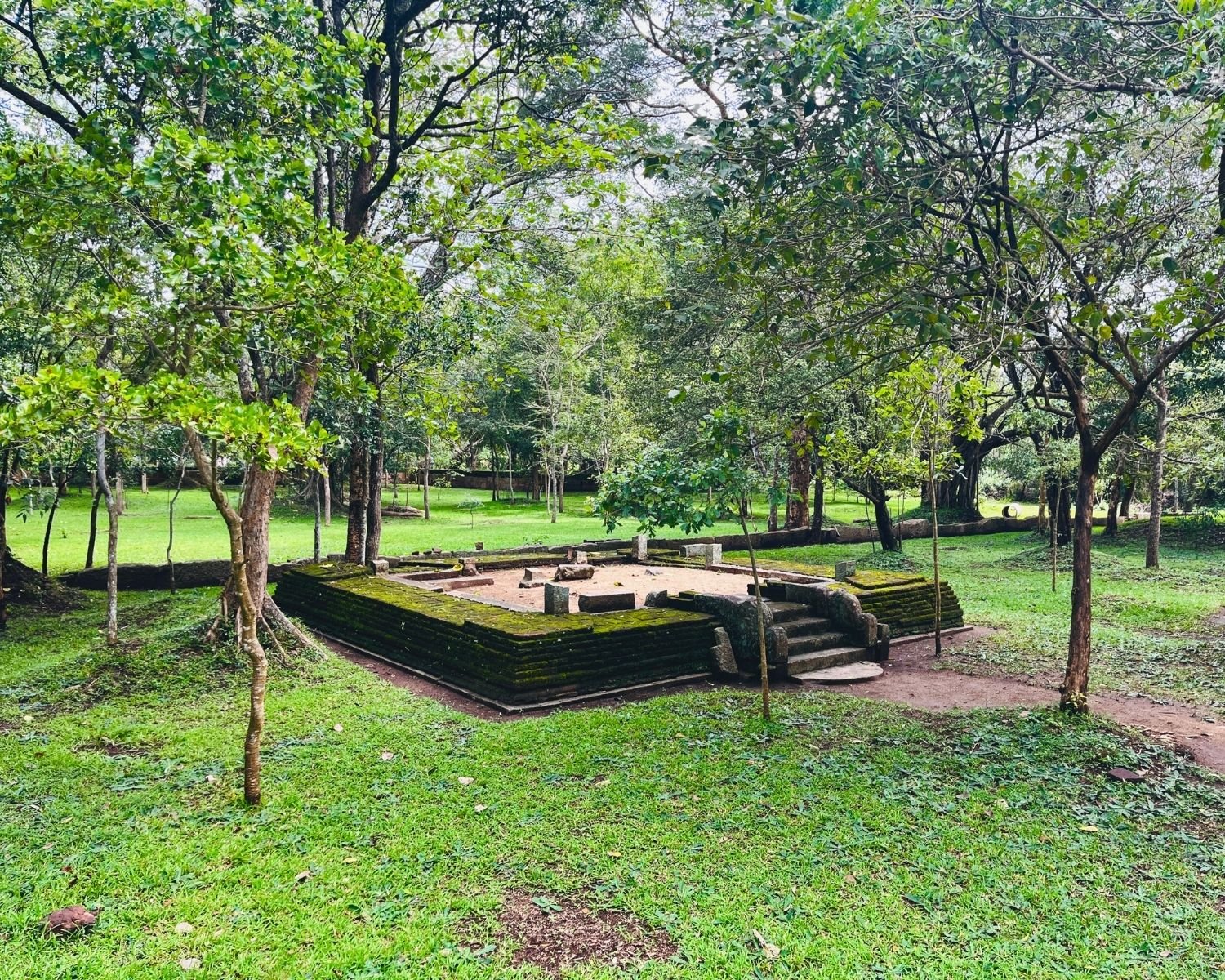
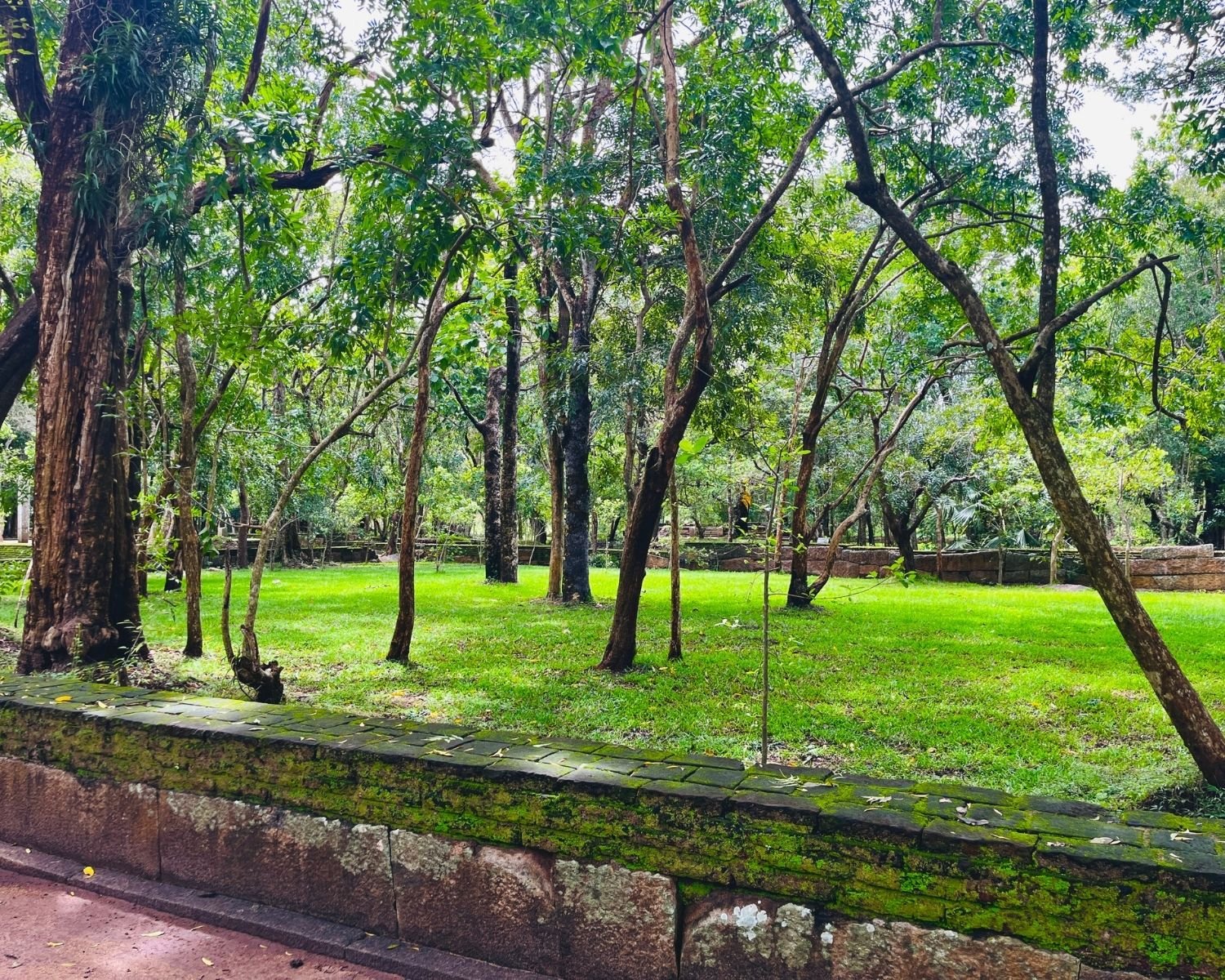
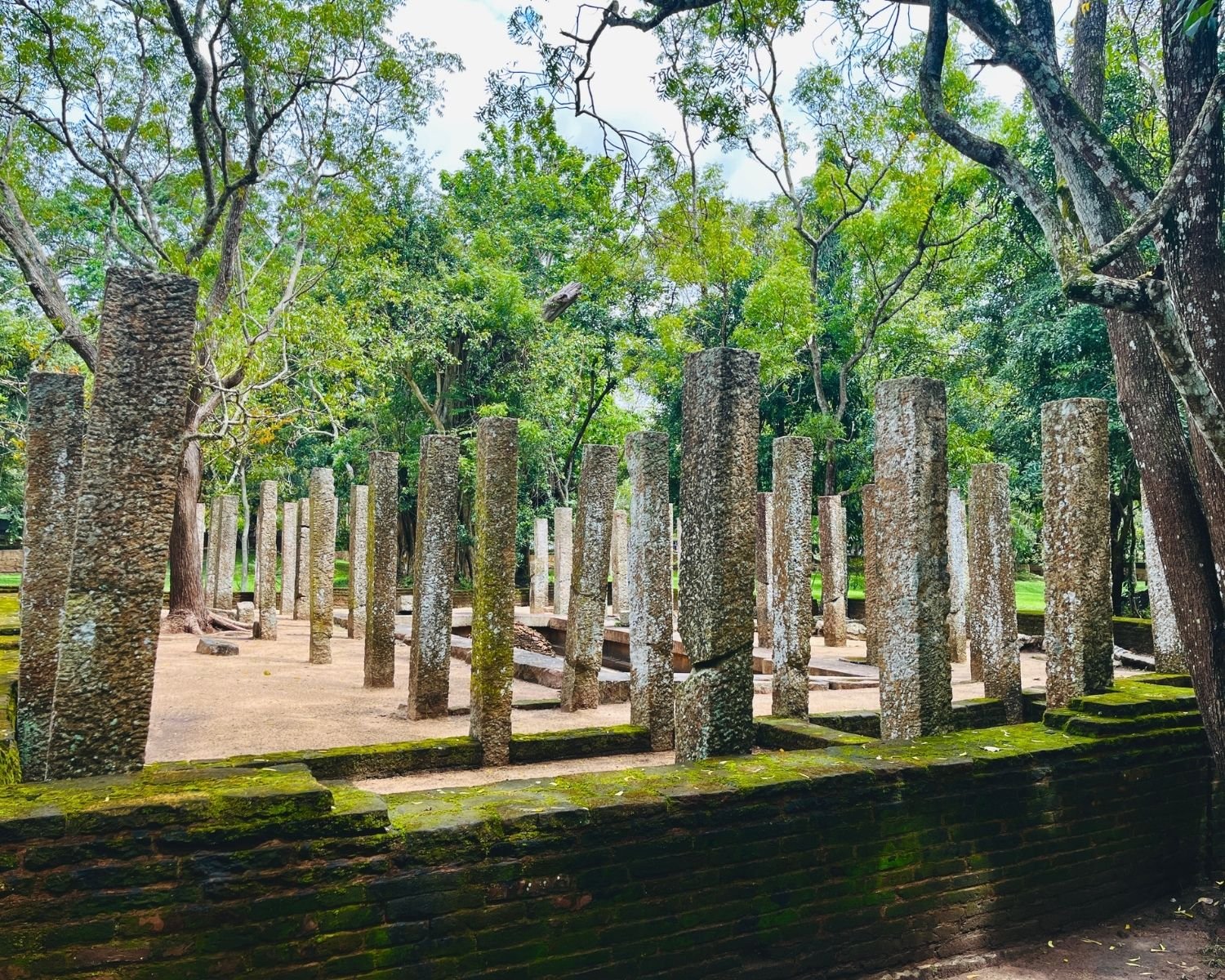
History
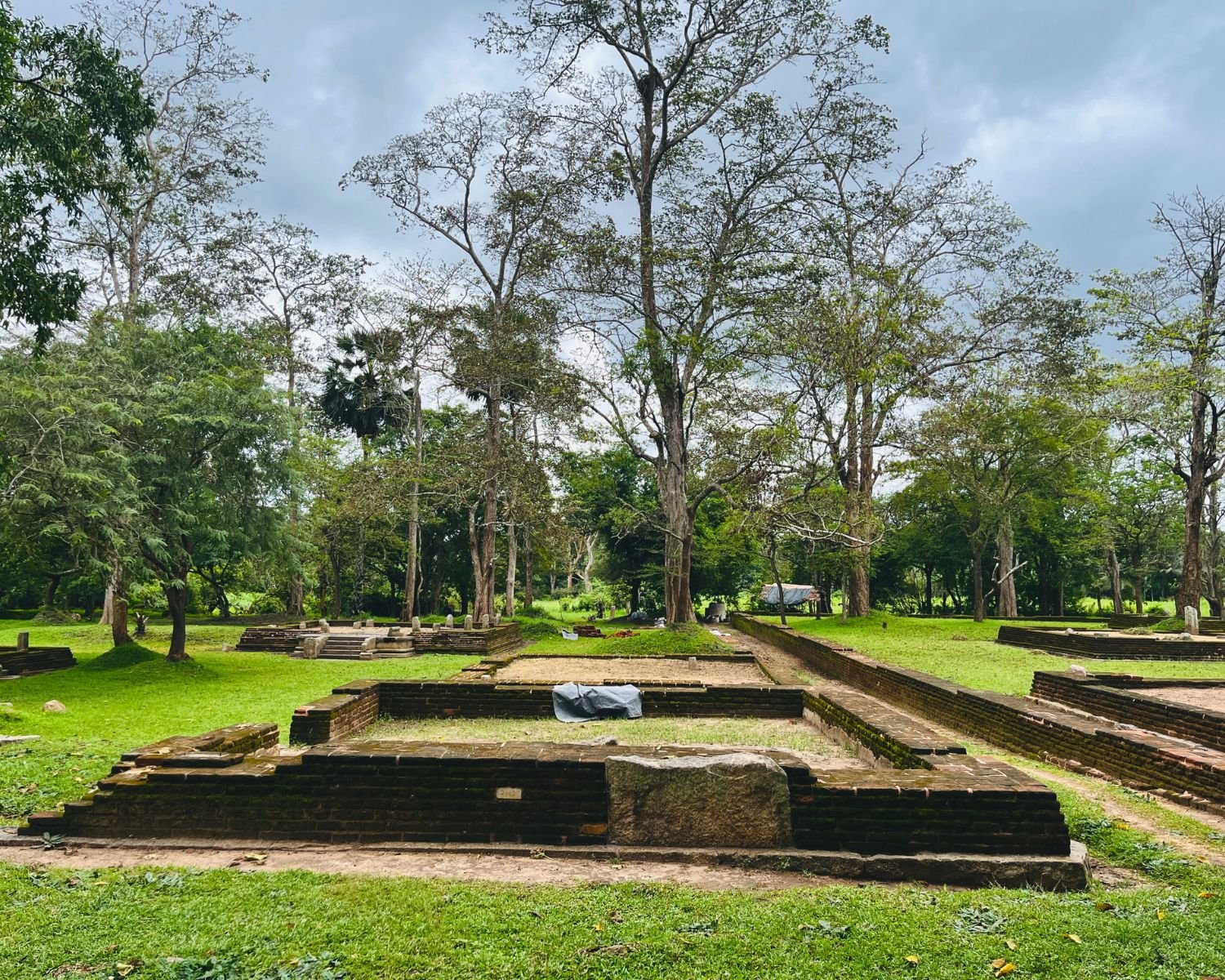
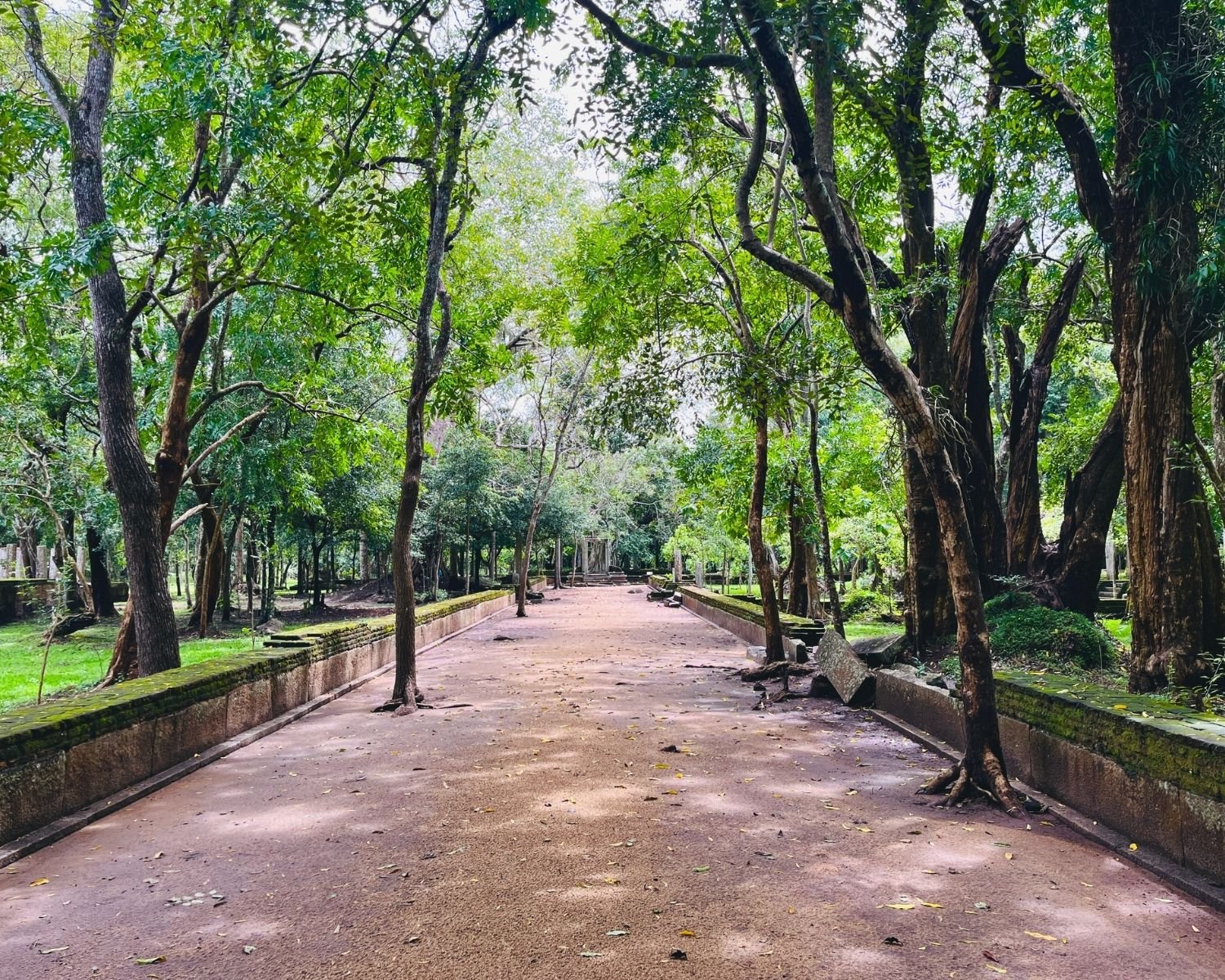
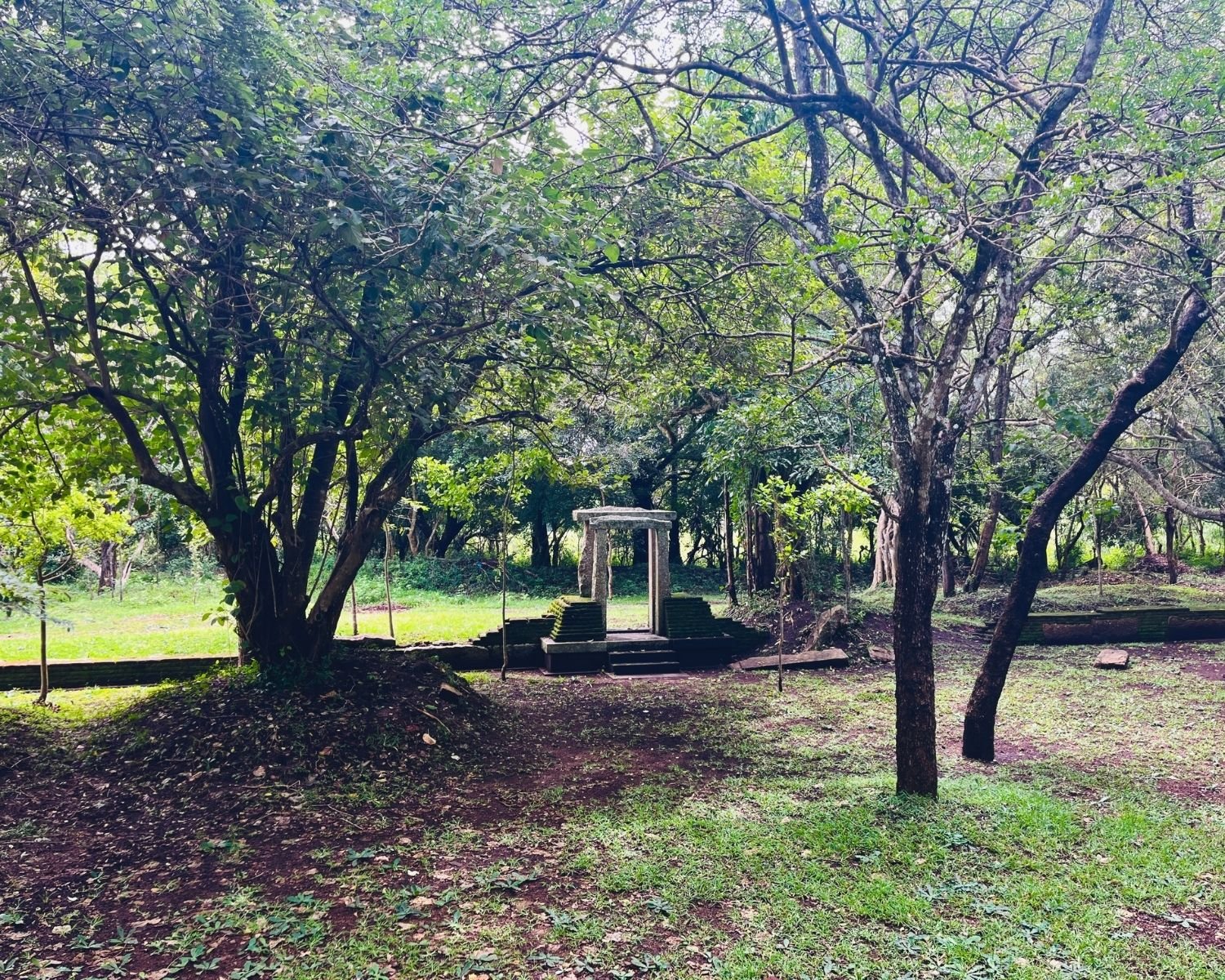
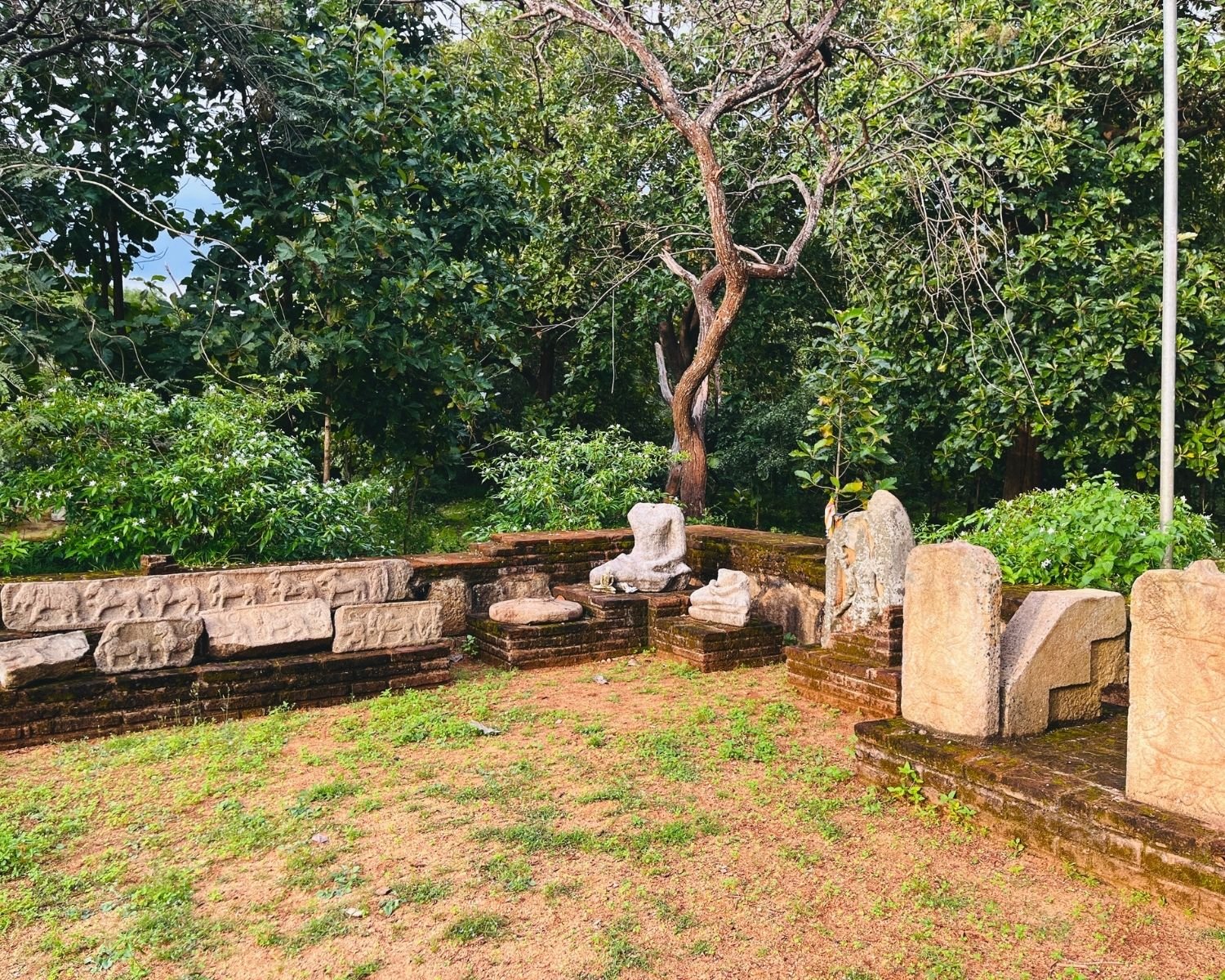
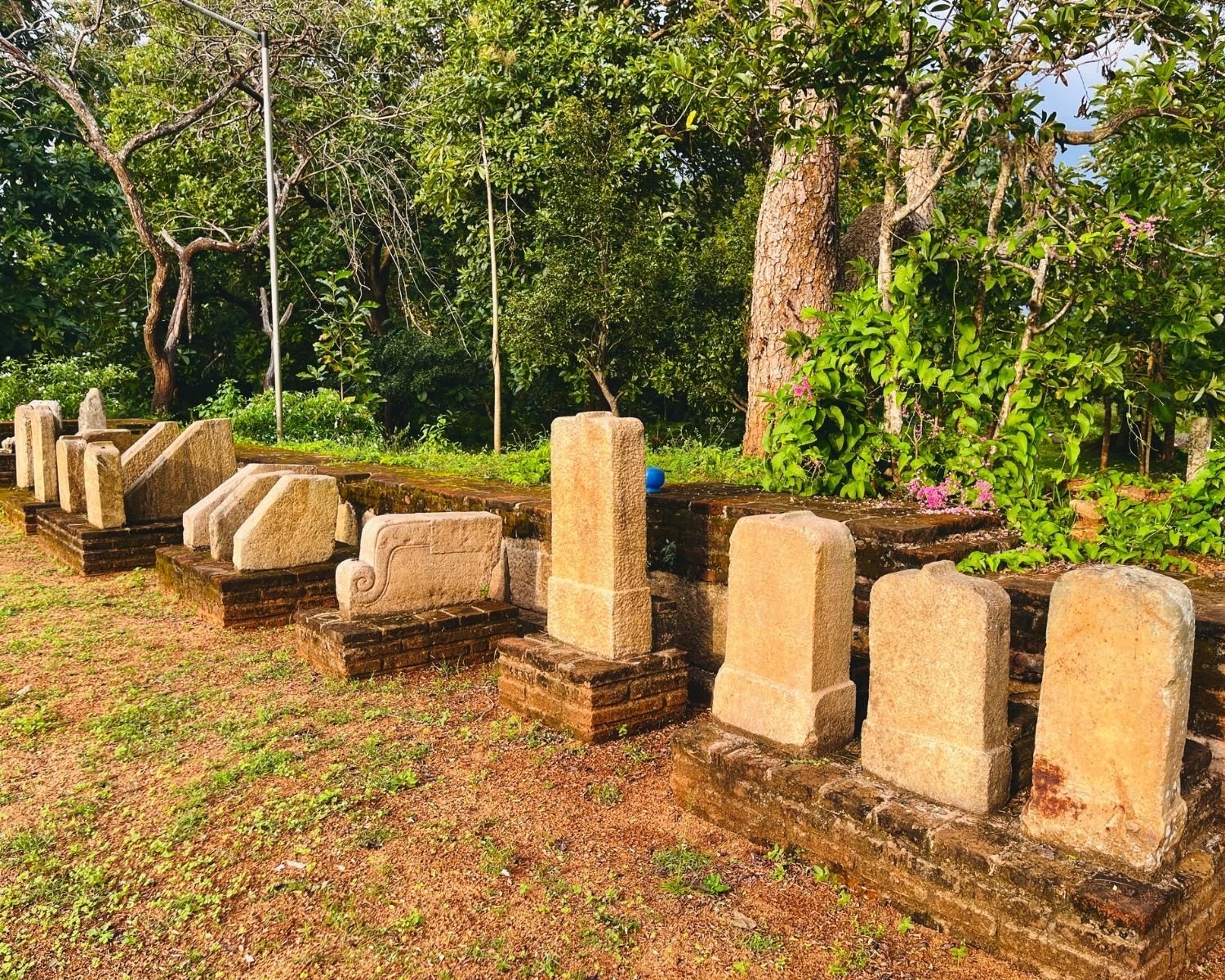
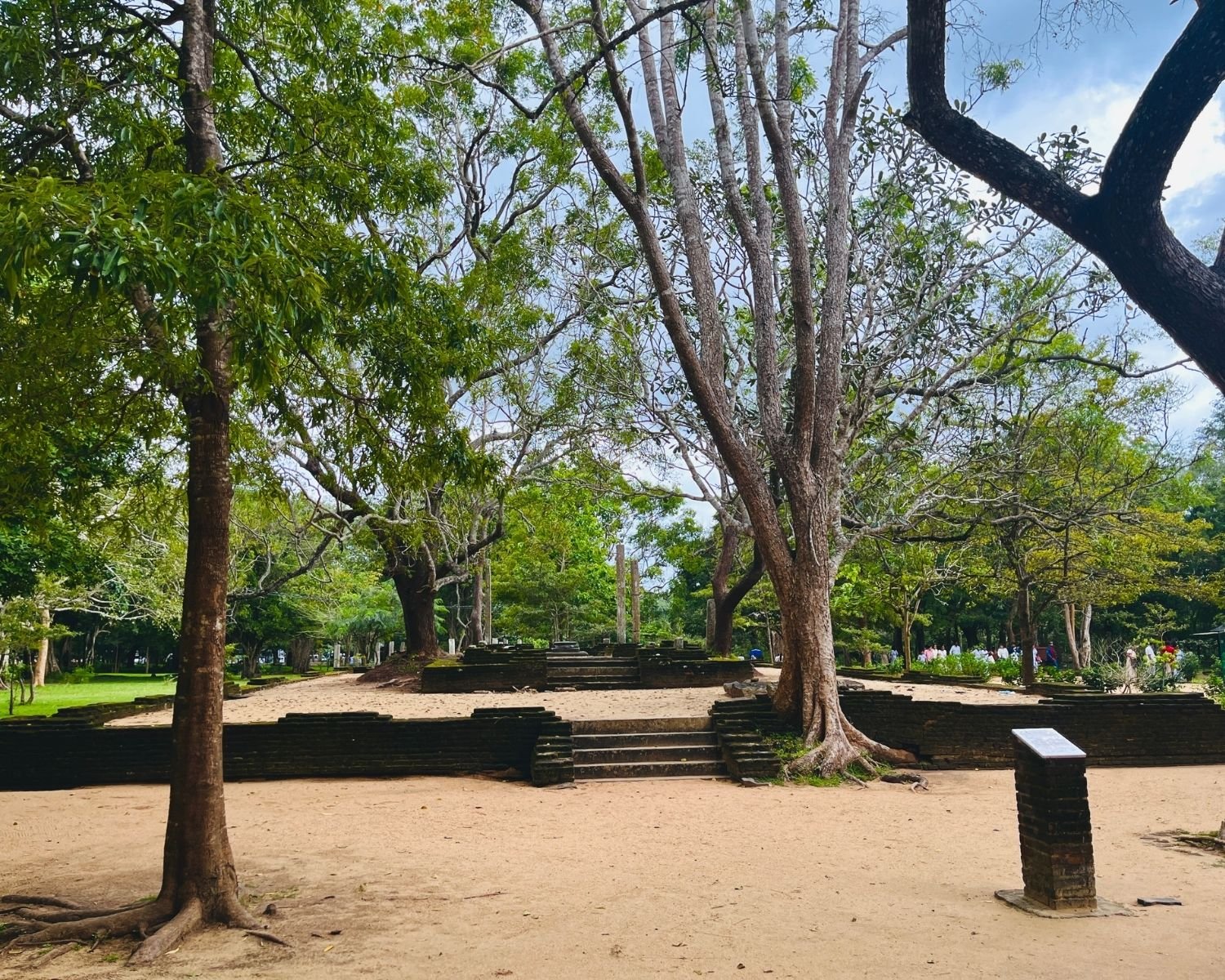
Part of the wider Abhayagiri Monastery complex, with stone platforms, entrances, and shrine remains from the Anuradhapura period.
Part of the wider Abhayagiri Monastery complex, with stone platforms, entrances, and shrine remains from the Anuradhapura period.
Scenery
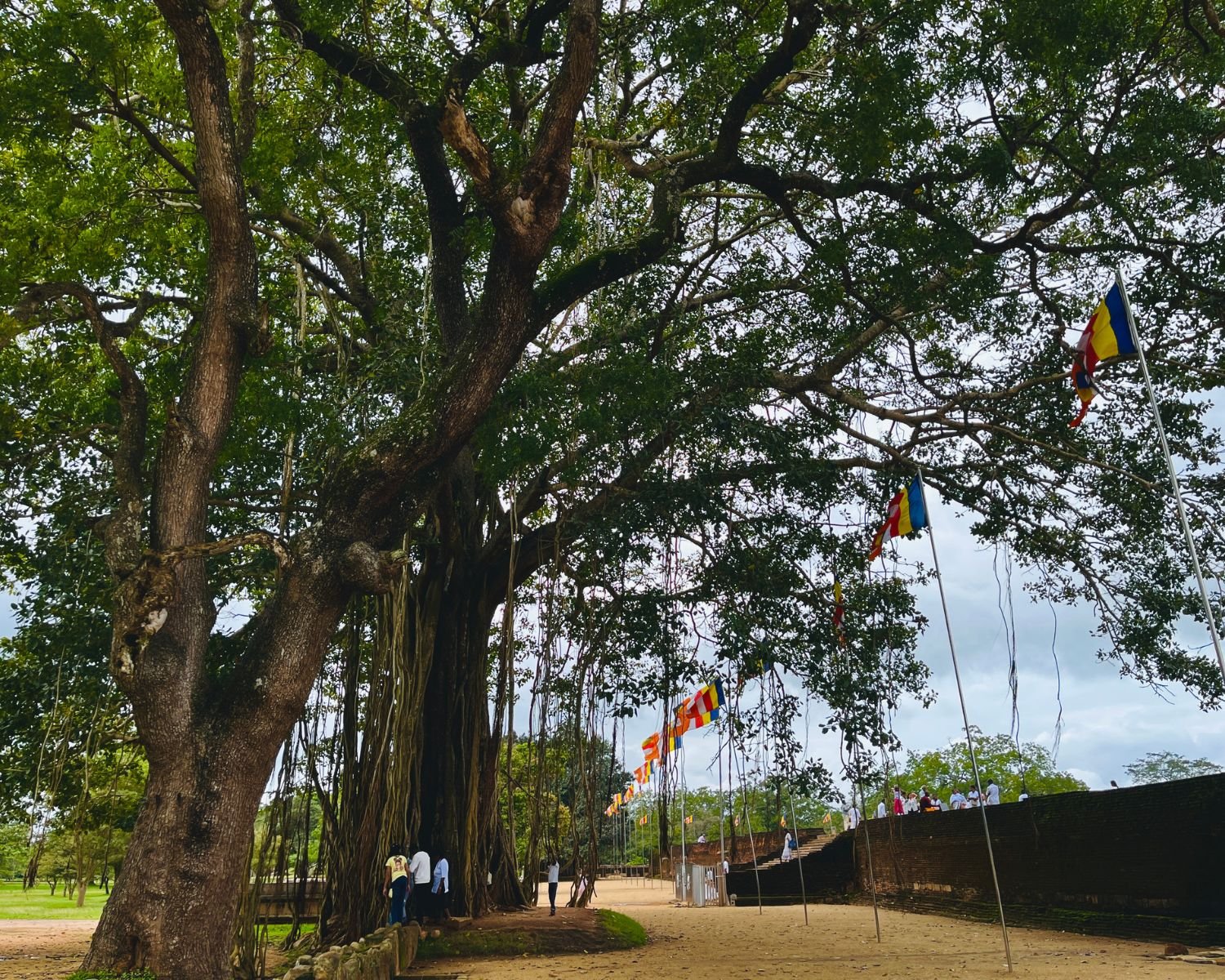
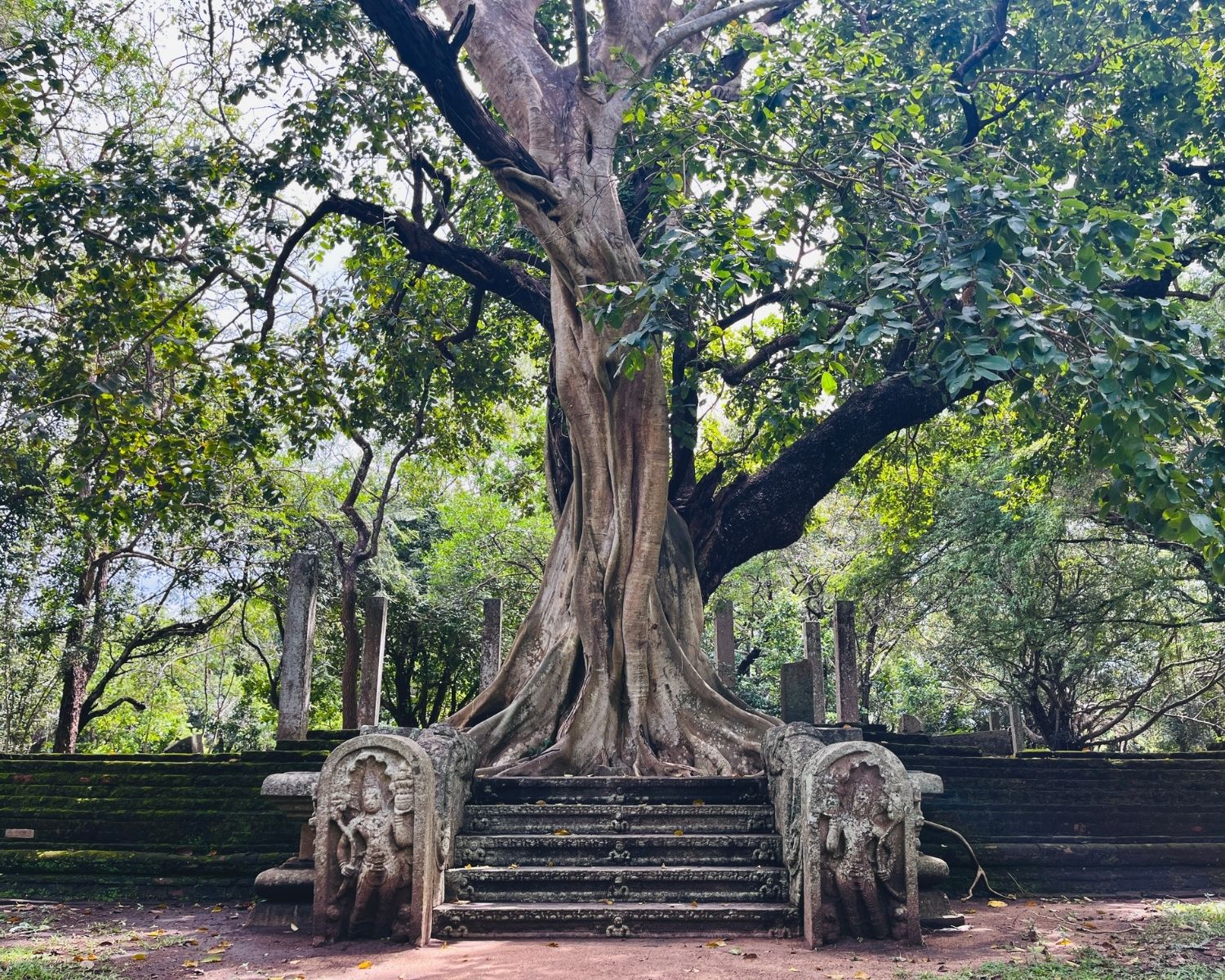
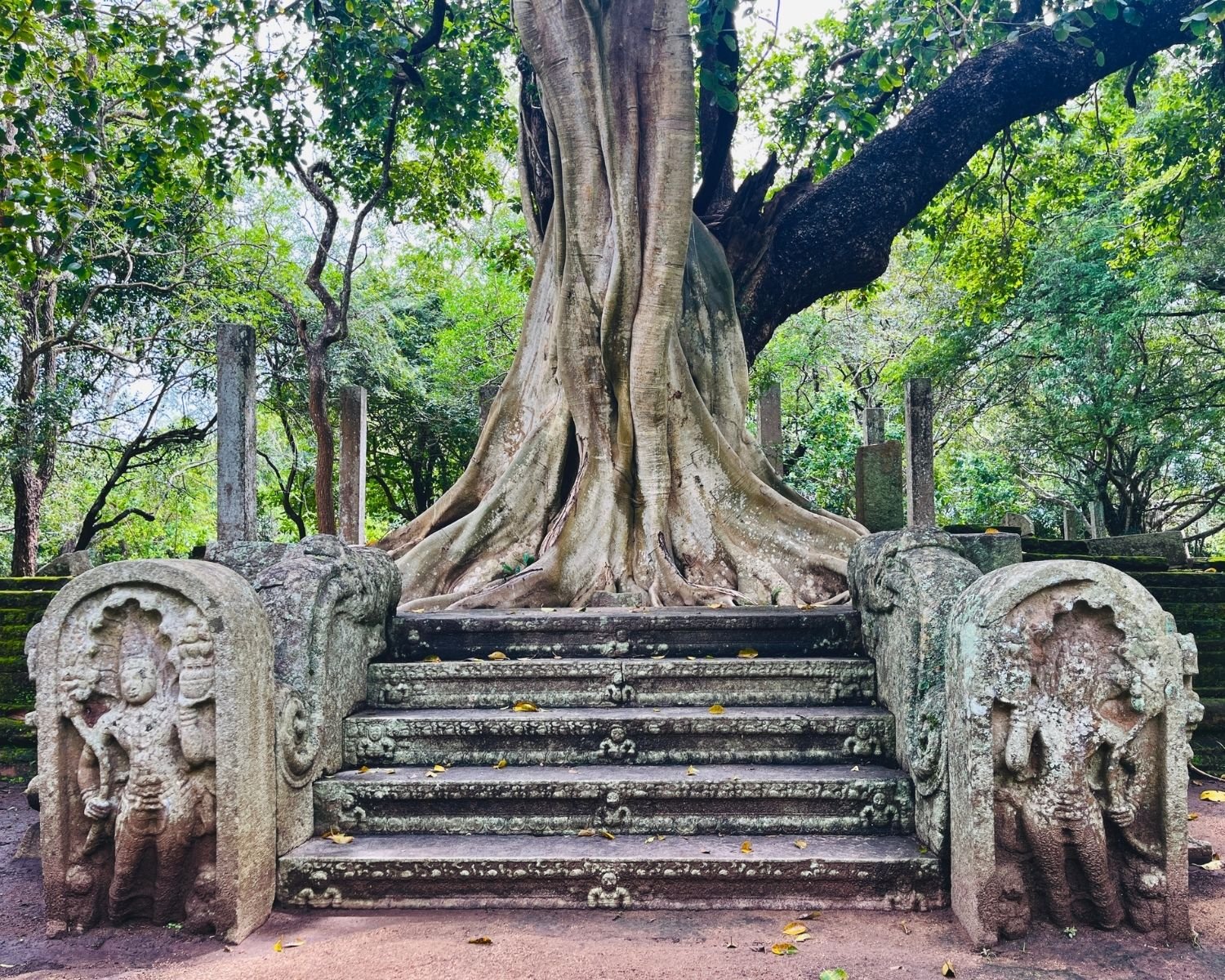
A giant banyan tree growing through ancient stone ruins, with mossy steps, guardstones, shaded paths, and a secluded forest atmosphere.
A giant banyan tree growing through ancient stone ruins, with mossy steps, guardstones, shaded paths, and a secluded forest atmosphere.
Art & Culture
Guardstones, stone doorways, raised platforms, and monastic architecture showing how nature has slowly reclaimed the ancient shrine.
Guardstones, stone doorways, raised platforms, and monastic architecture showing how nature has slowly reclaimed the ancient shrine.
Top Pick
Location
View on Map
View on Map
 ravinkavish
 ravinkavish
 ravinkavish
 ravinkavish
ravinkavish
ravinkavish
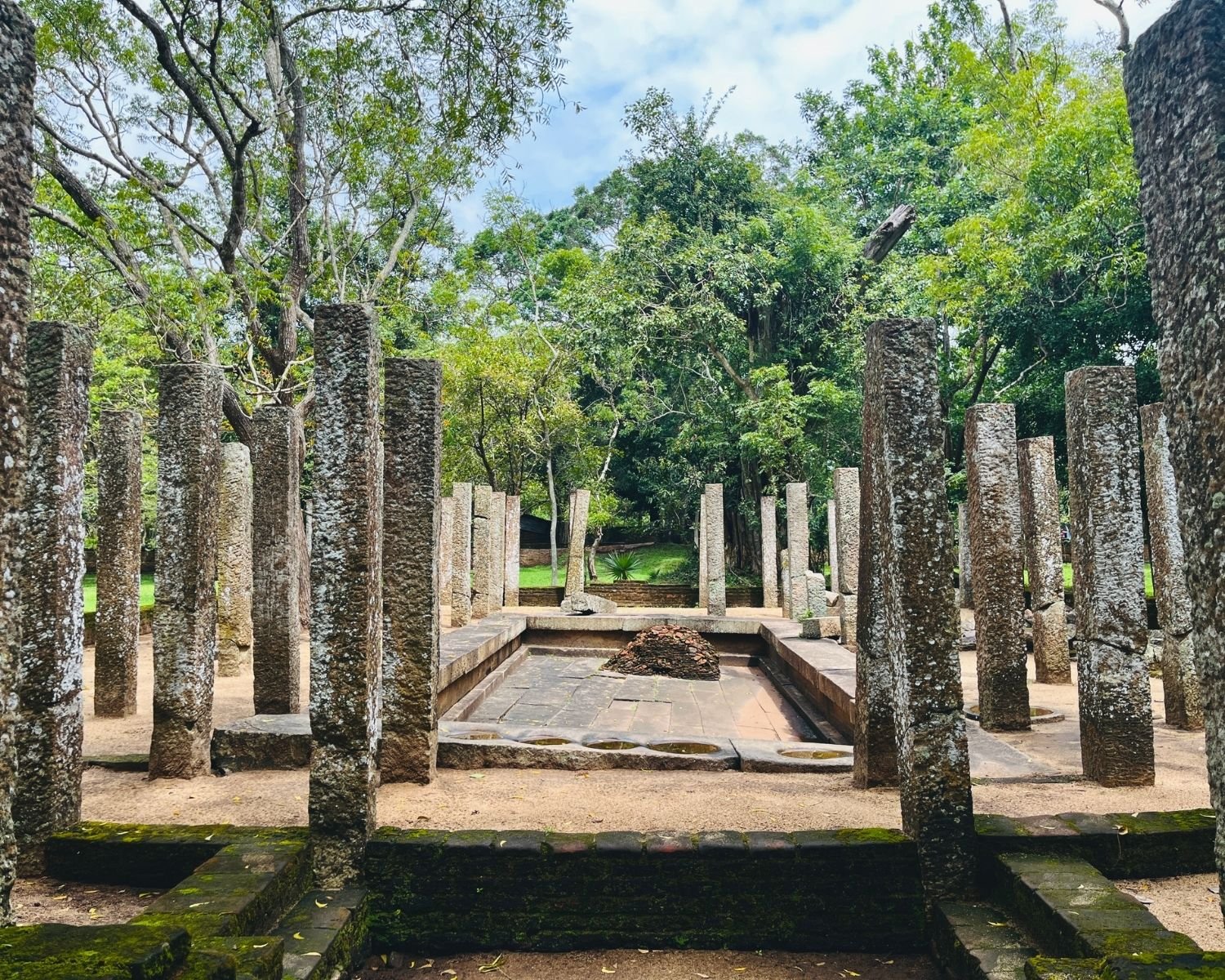
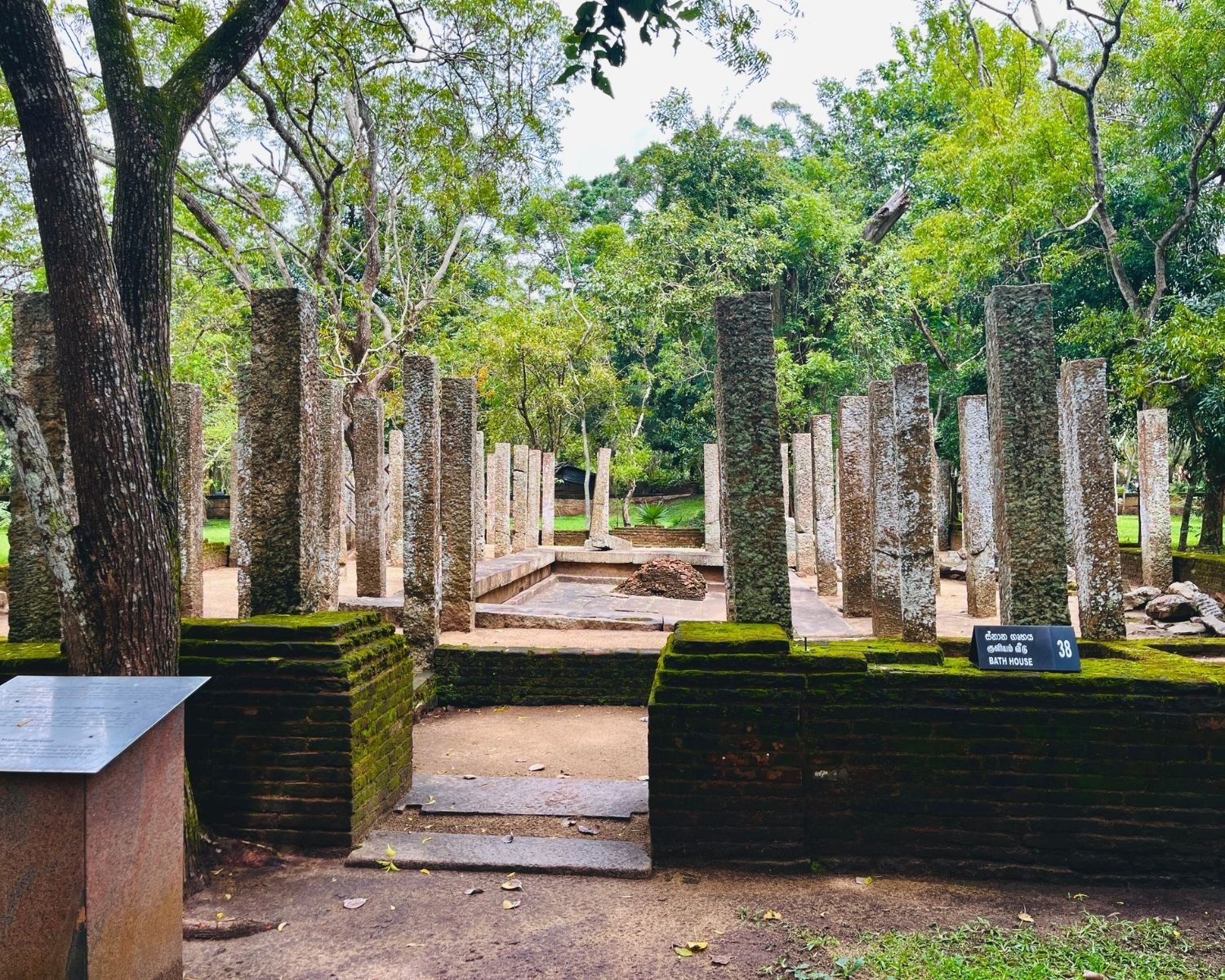
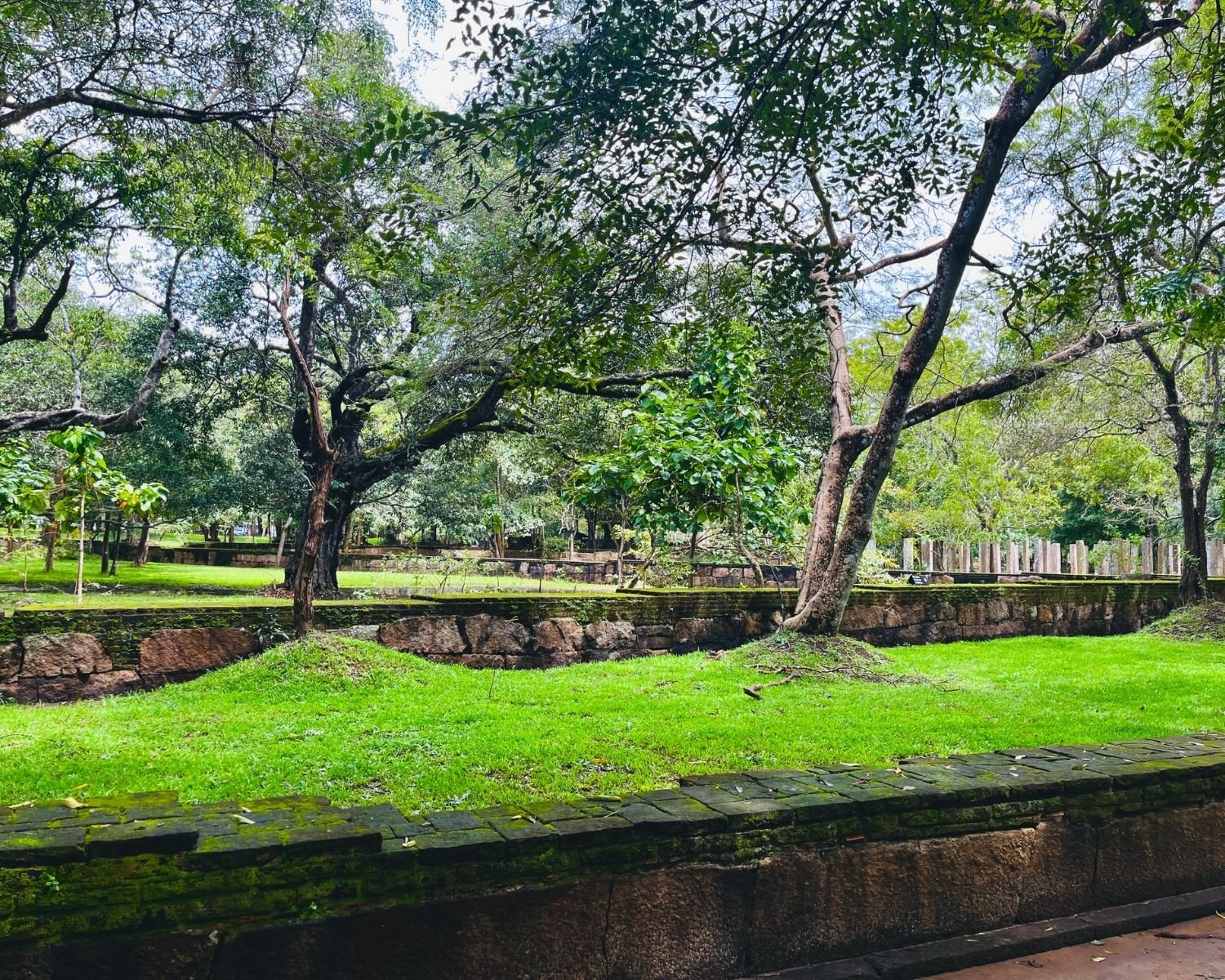
History
Believed to date between the 7th and 9th centuries CE. Built as part of the Abhayagiri Monastery's advanced healthcare and bathing facilities for resident monks.
Believed to date between the 7th and 9th centuries CE. Built as part of the Abhayagiri Monastery's advanced healthcare and bathing facilities for resident monks.
Scenery
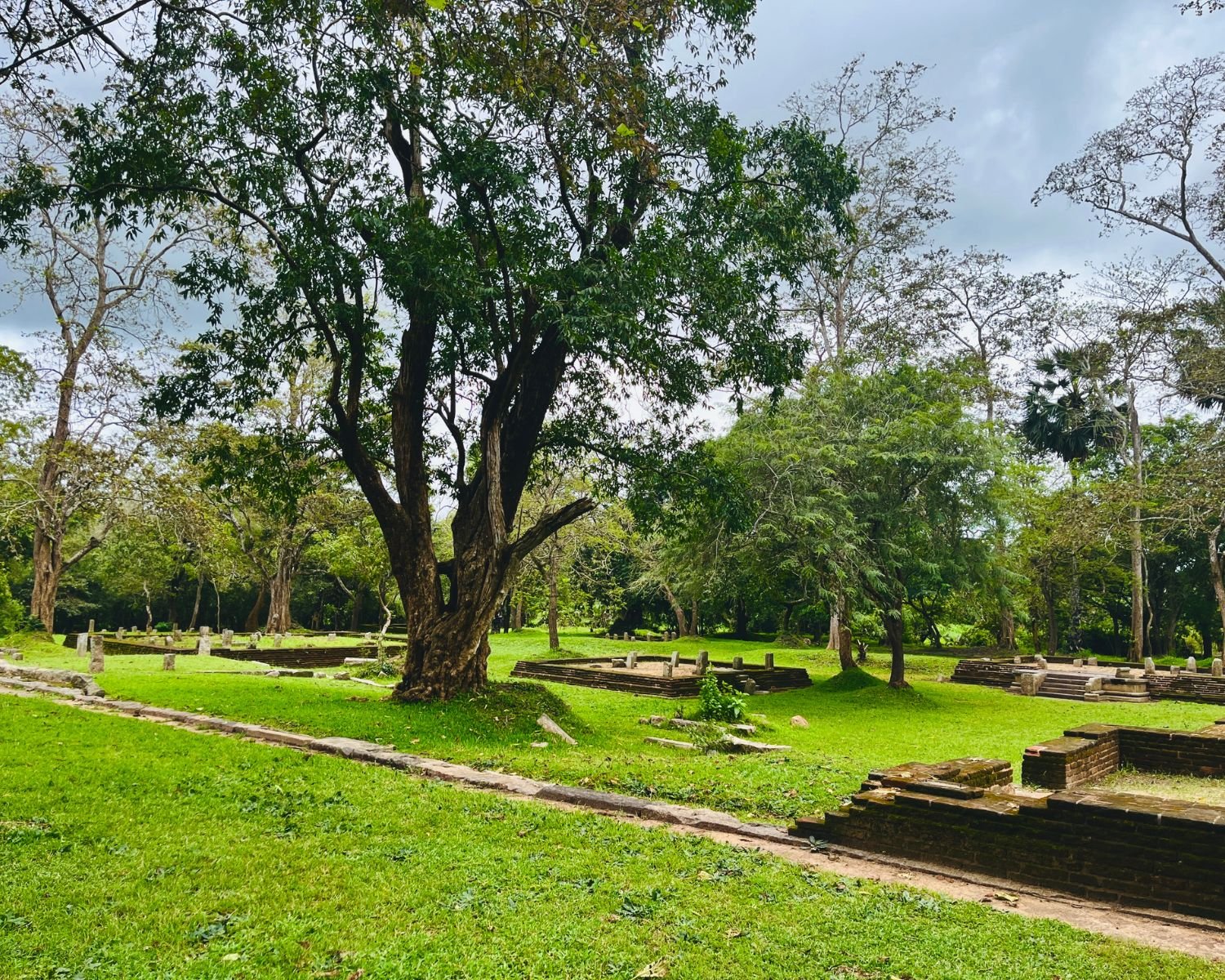
Shaded ruins surrounded by trees, stone pathways, and quiet archaeological surroundings hidden within the wider Abhayagiri complex.
Shaded ruins surrounded by trees, stone pathways, and quiet archaeological surroundings hidden within the wider Abhayagiri complex.
Art & Culture
Provides rare insight into ancient monastic healthcare, Ayurvedic traditions, hygiene practices, and daily life within the Abhayagiri Monastery.
Provides rare insight into ancient monastic healthcare, Ayurvedic traditions, hygiene practices, and daily life within the Abhayagiri Monastery.
Top Pick
Location
View on Map
View on Map
 ravinkavish
 ravinkavish
 ravinkavish
 ravinkavish
 ravinkavish
 ravinkavish
 ravinkavish
 ravinkavish
 ravinkavish
 ravinkavish
 ravinkavish
 ravinkavish
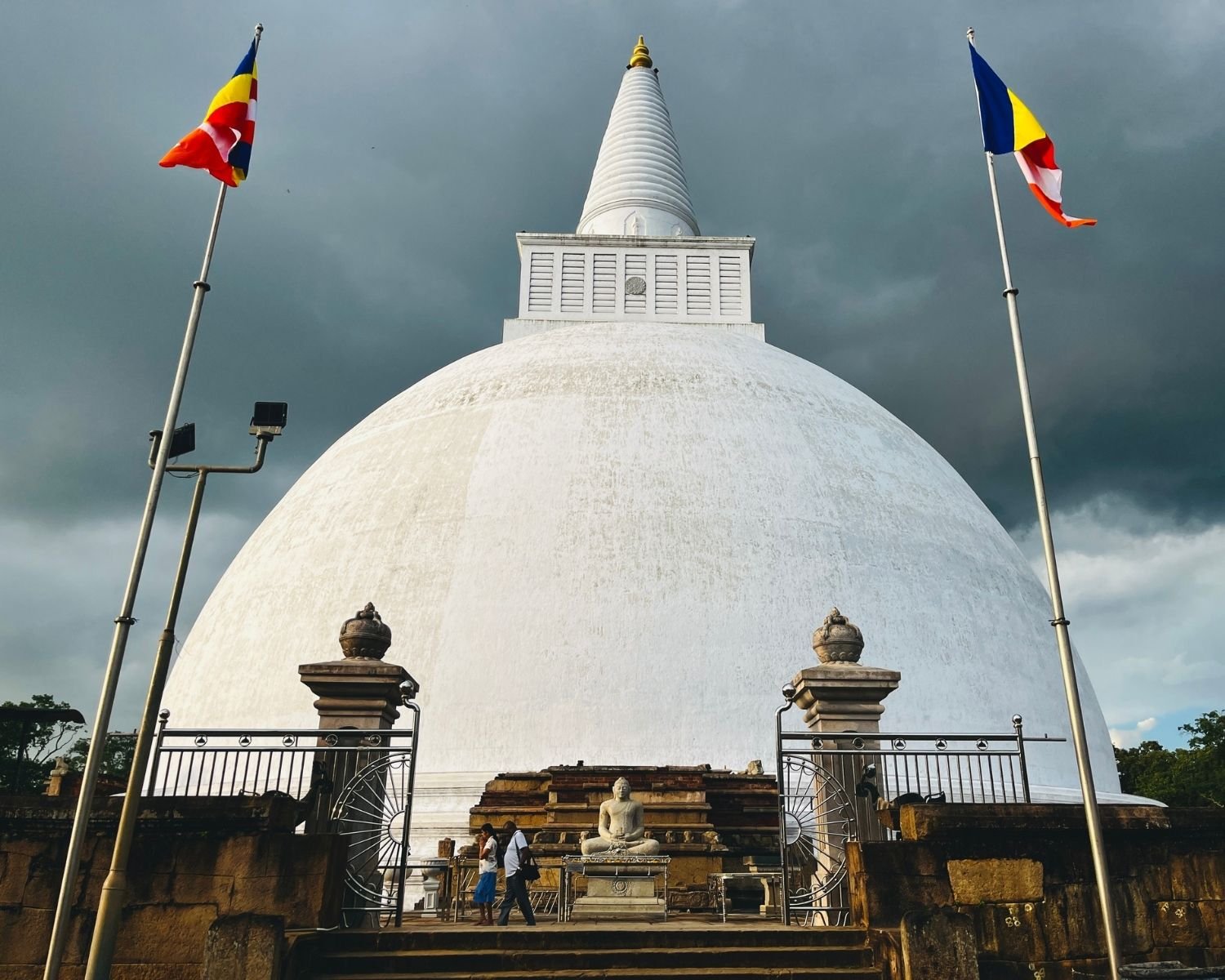
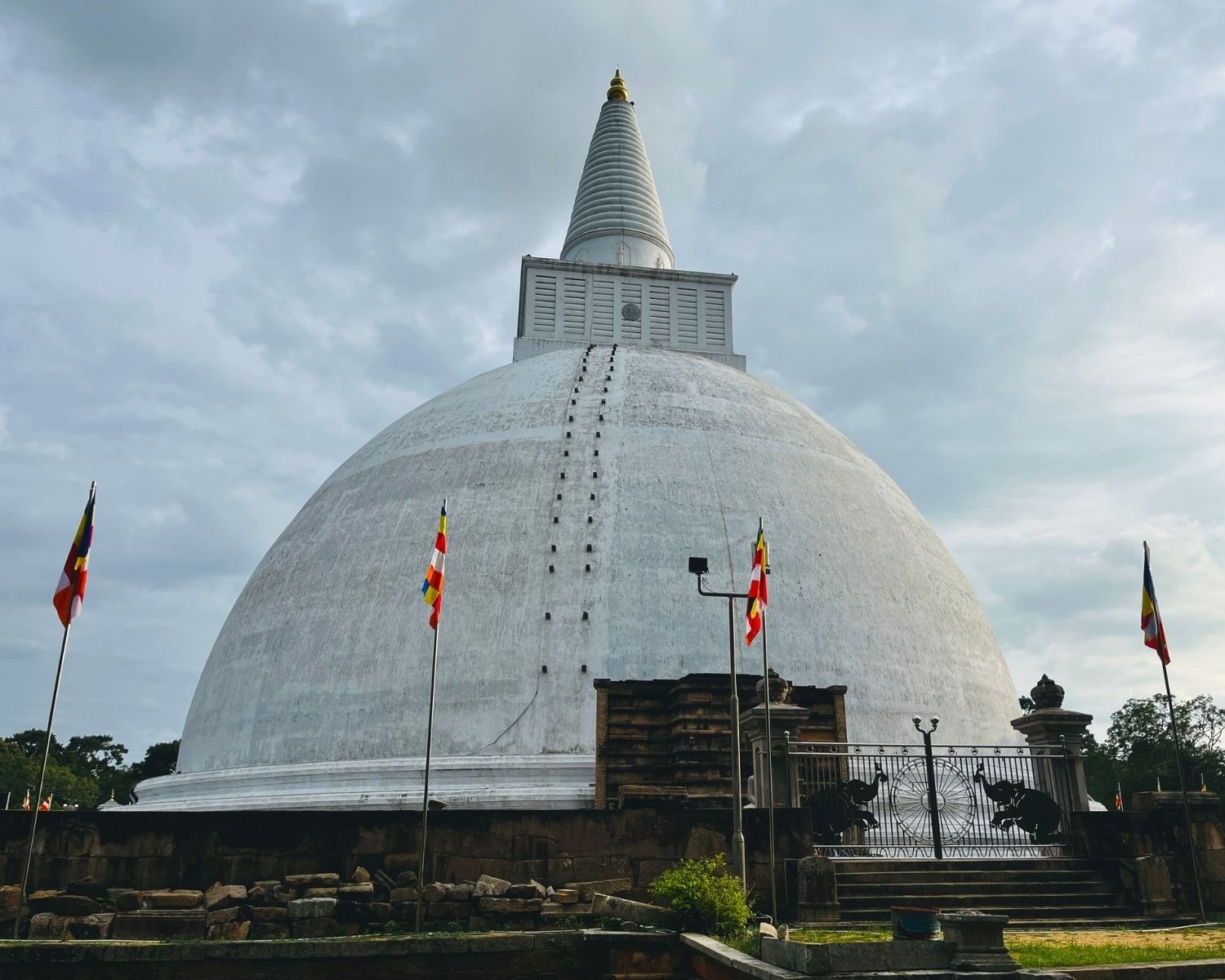
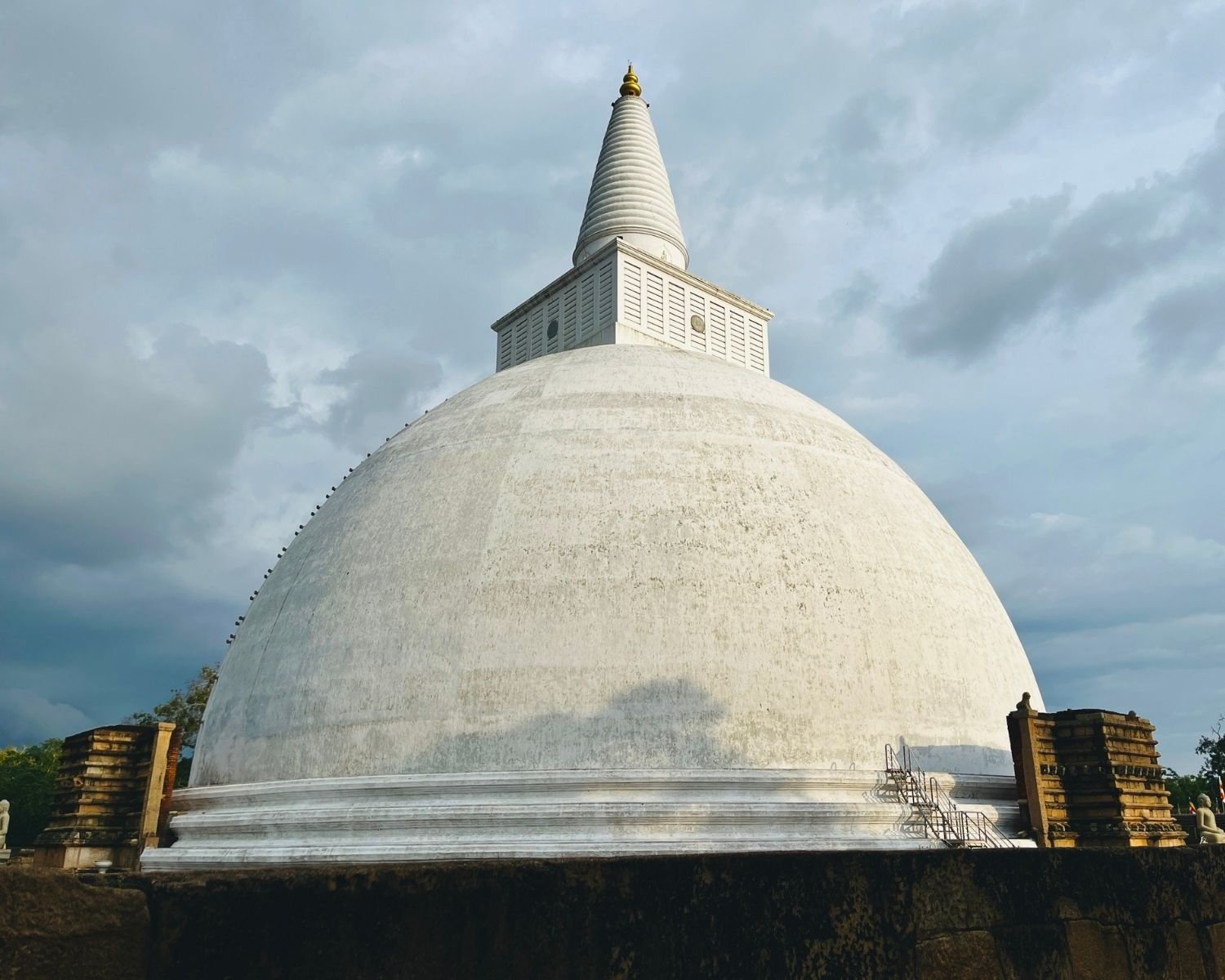
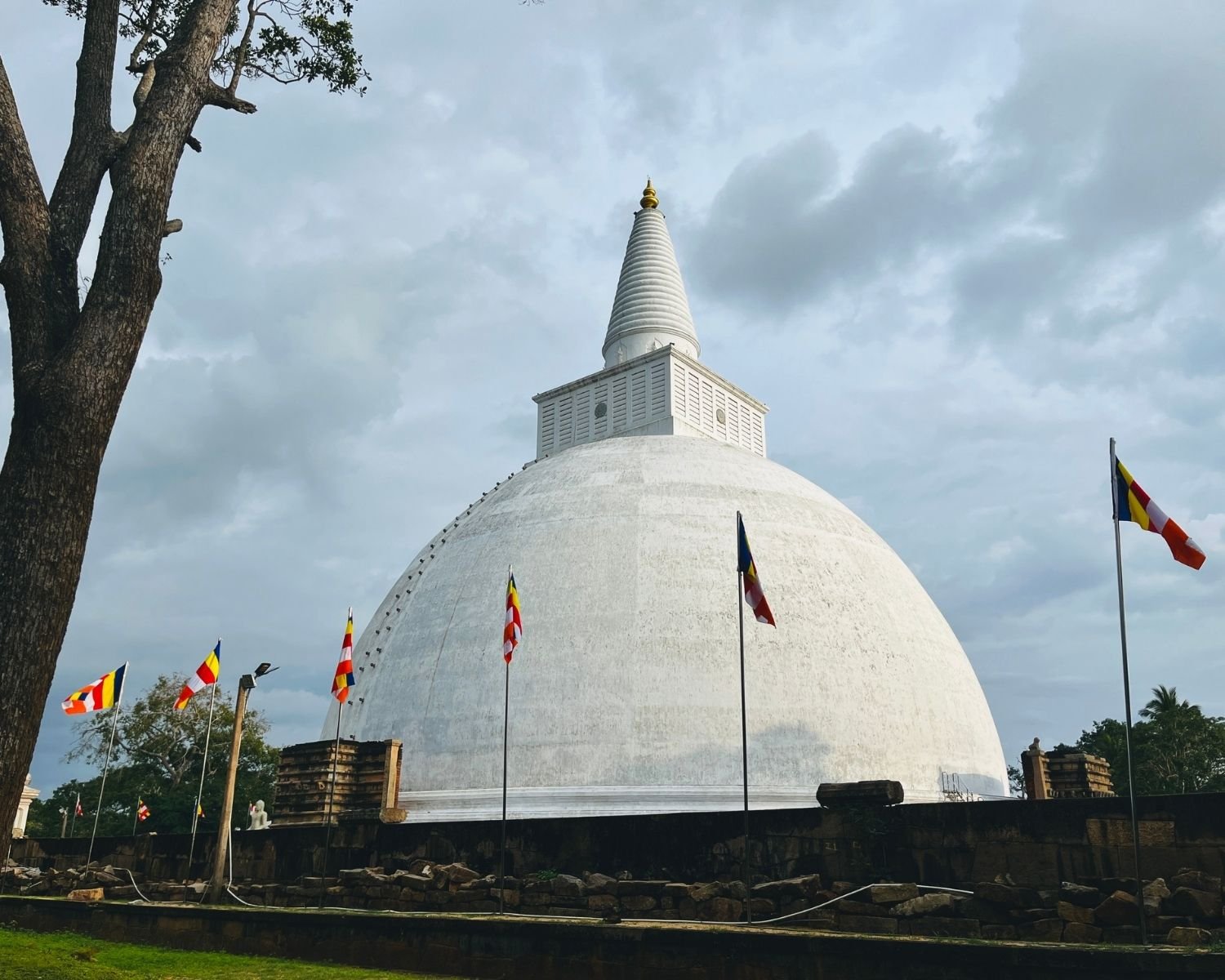
Buddhist Site
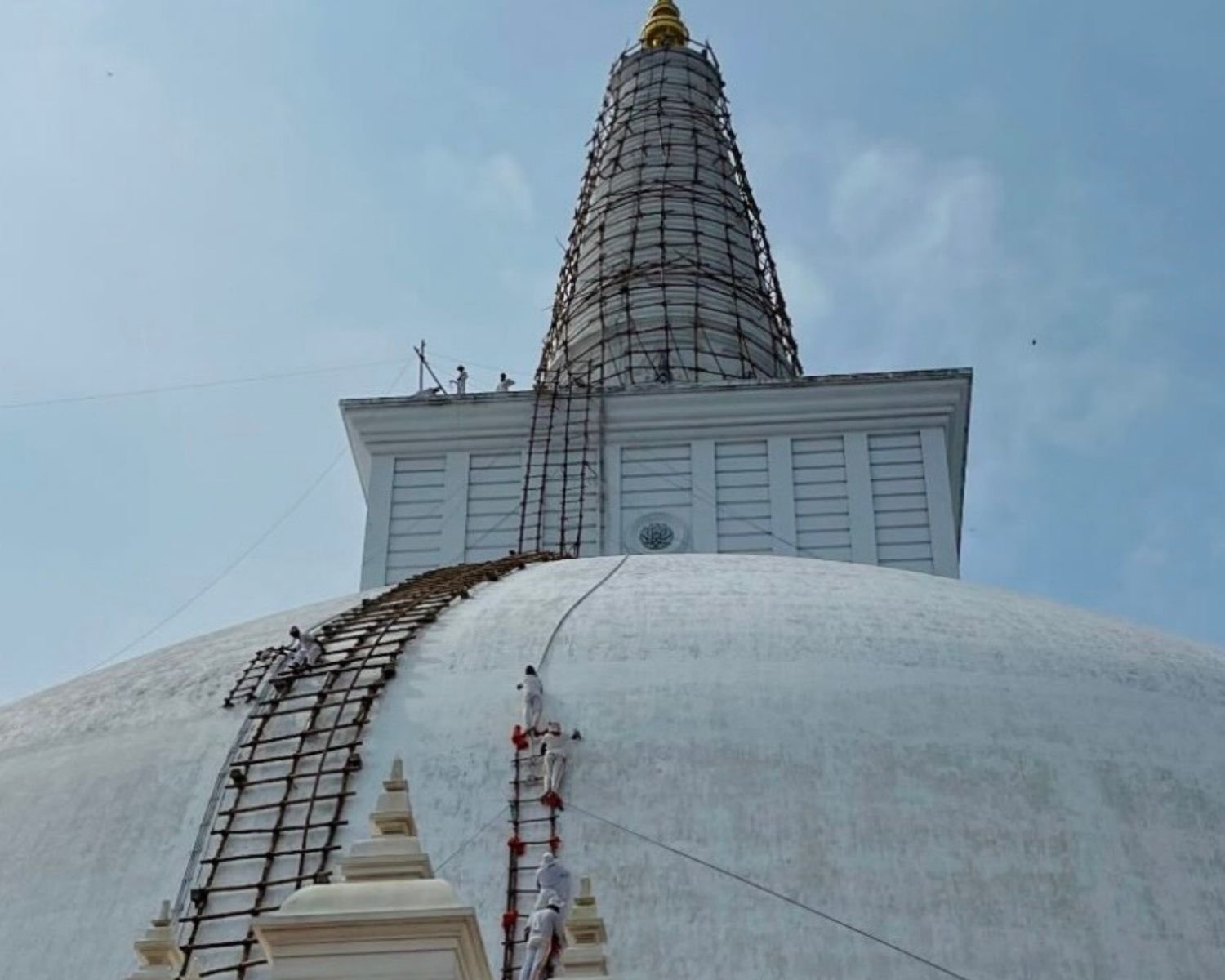
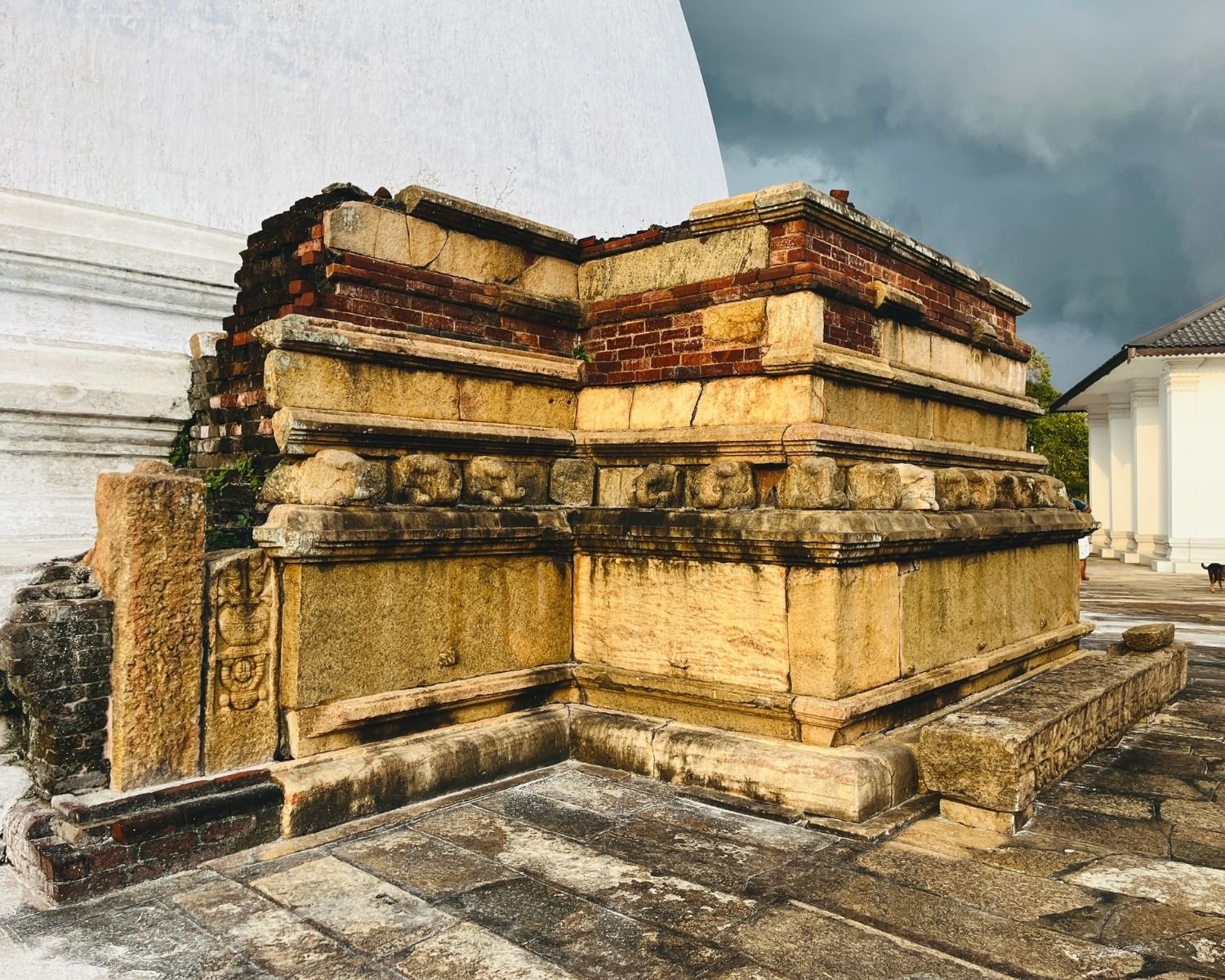
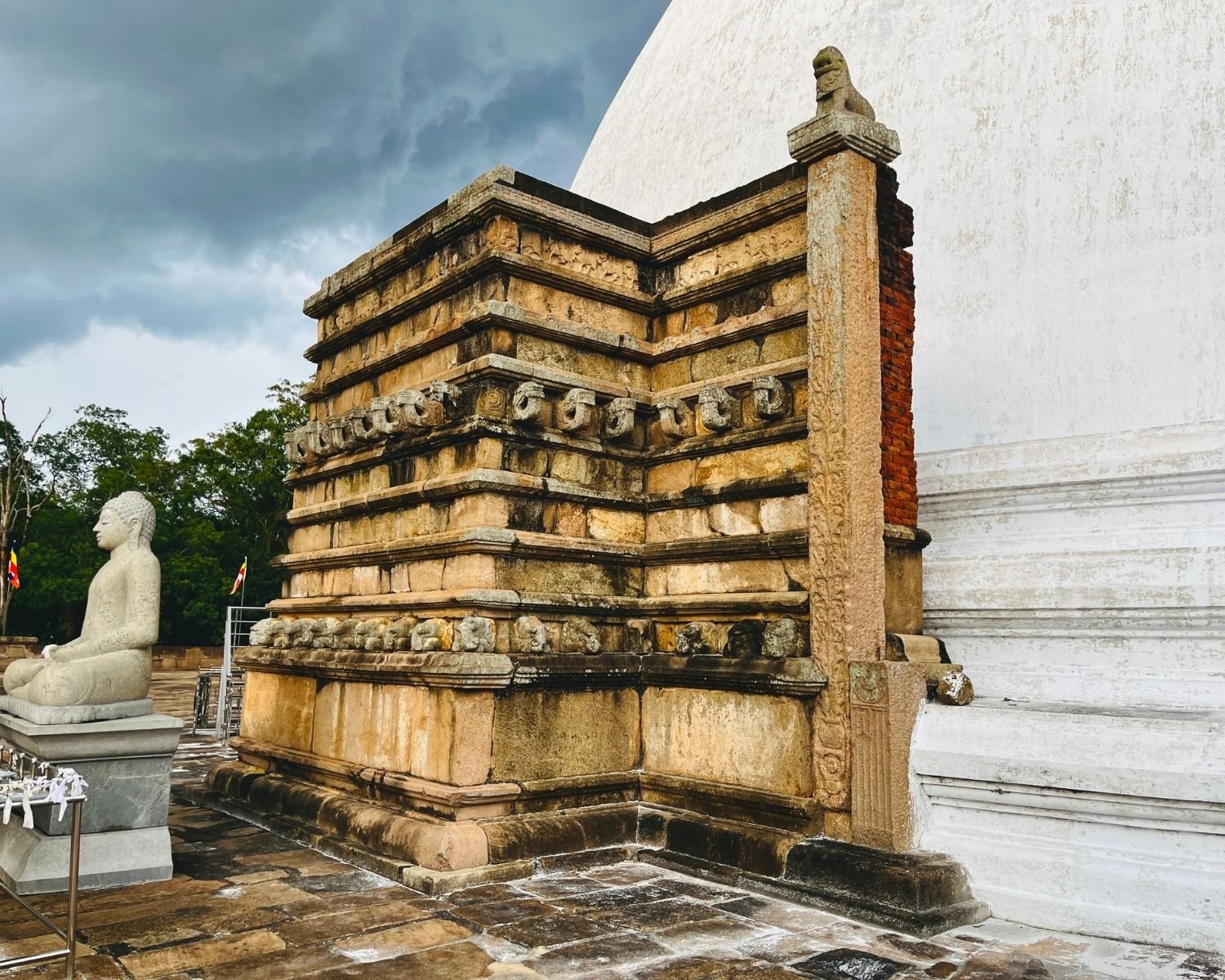
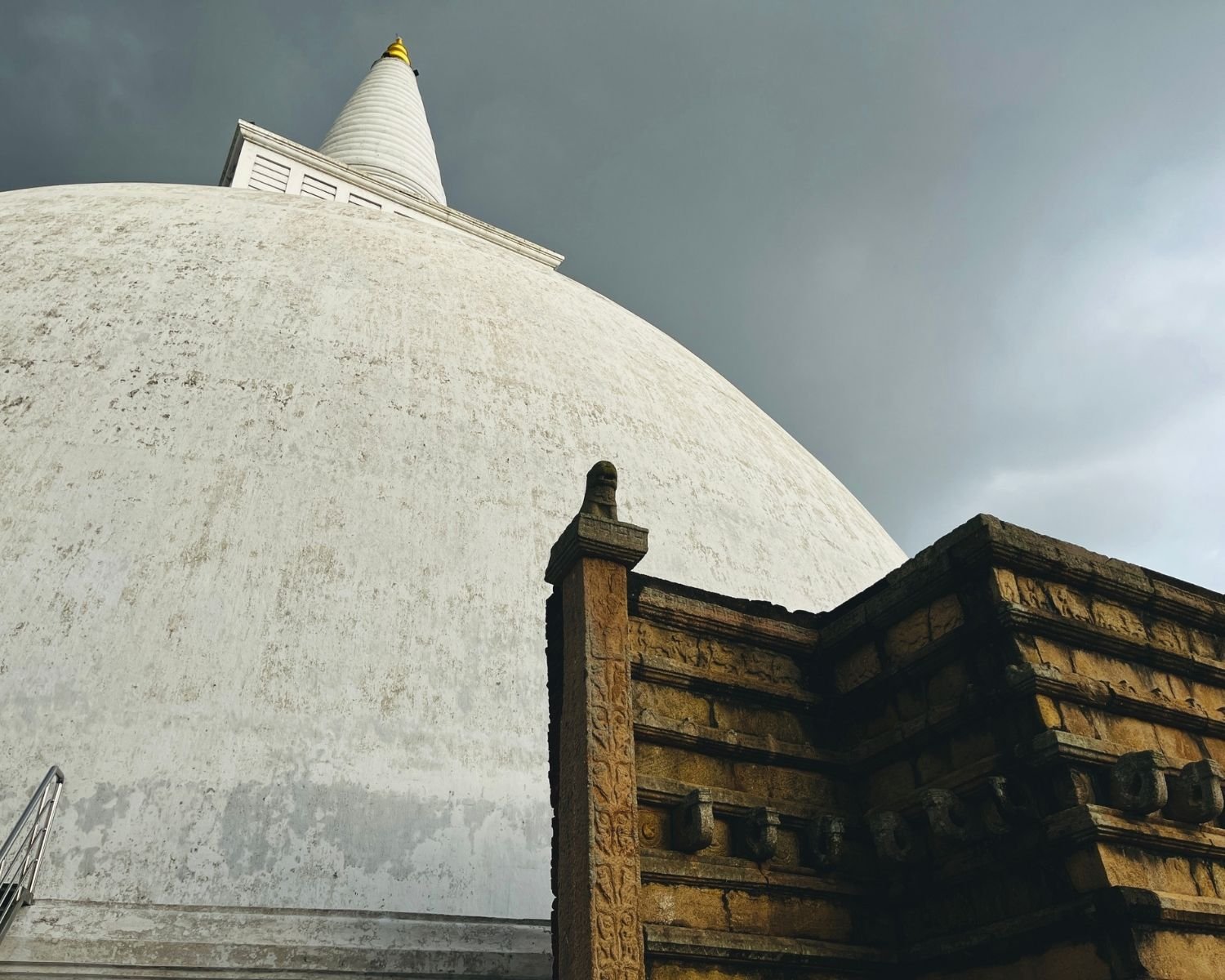
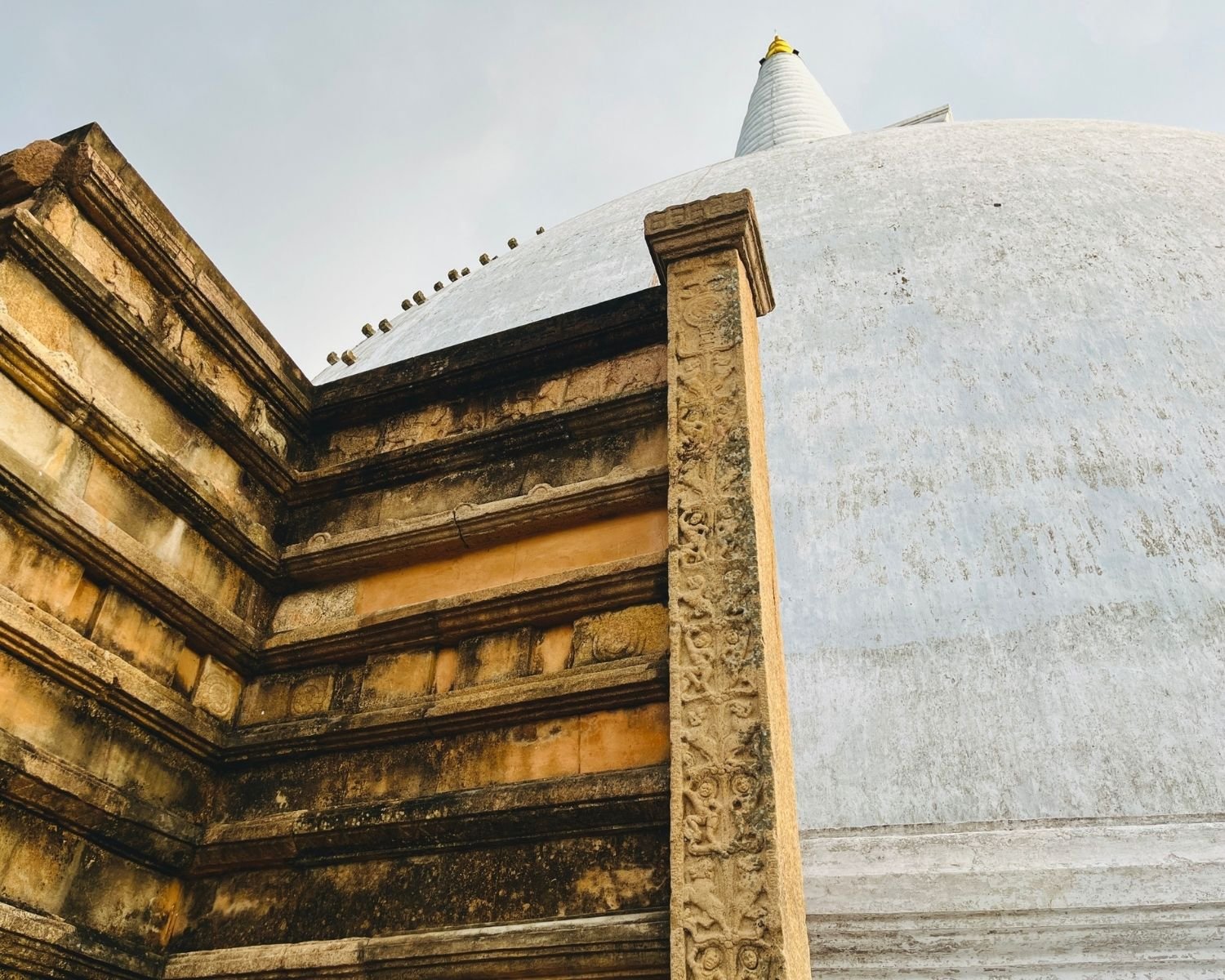
Restored ancient stupa constructed by King Dutugemunu. Includes image houses, shrines, and ruins of associated monastic buildings.
Restored ancient stupa constructed by King Dutugemunu. Includes image houses, shrines, and ruins of associated monastic buildings.
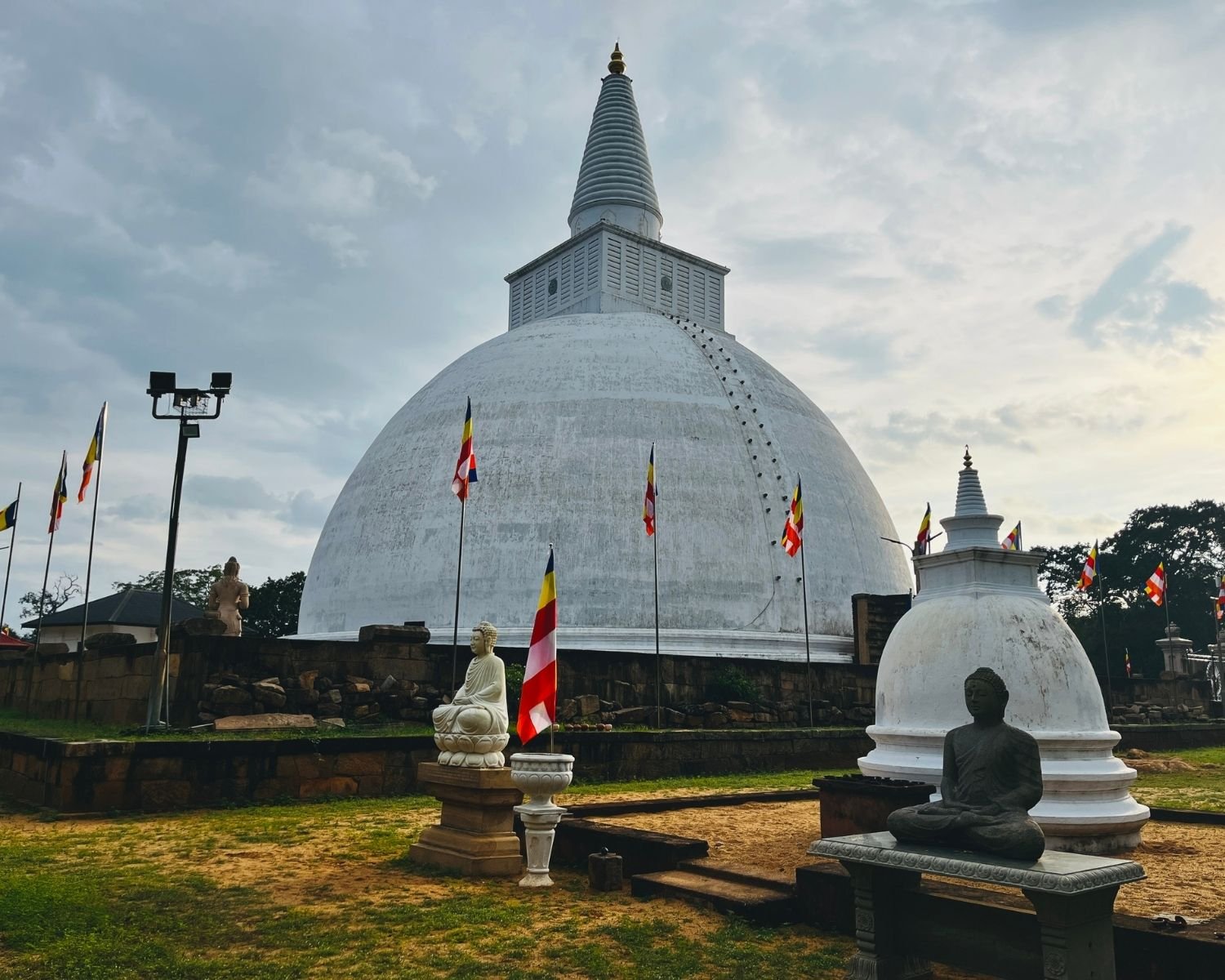
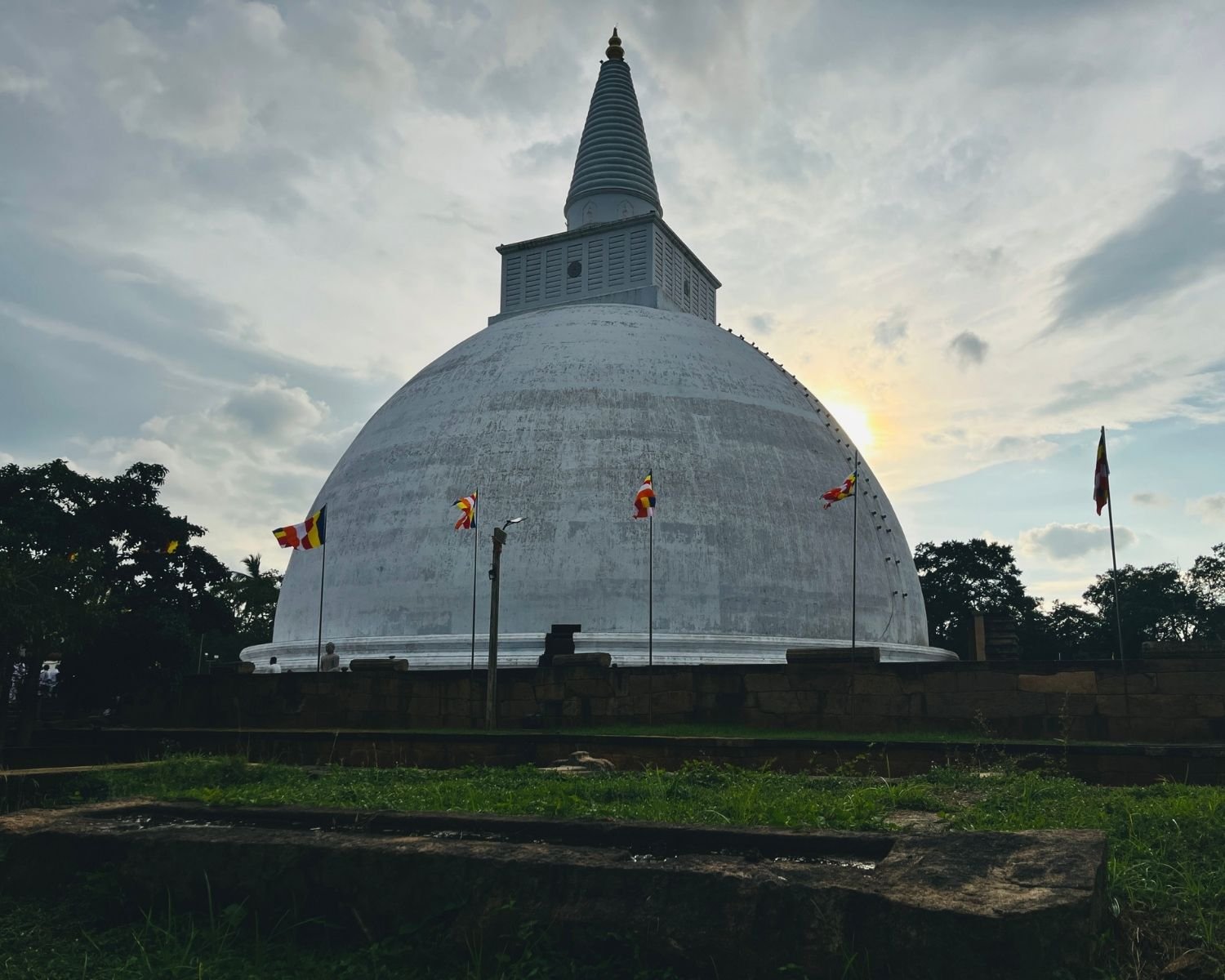
History
Built in the 2nd century BCE following King Dutugemunu’s unification of Sri Lanka. The stupa has undergone multiple restorations across centuries, with major conservation completed in recent history.
Built in the 2nd century BCE following King Dutugemunu’s unification of Sri Lanka. The stupa has undergone multiple restorations across centuries, with major conservation completed in recent history.
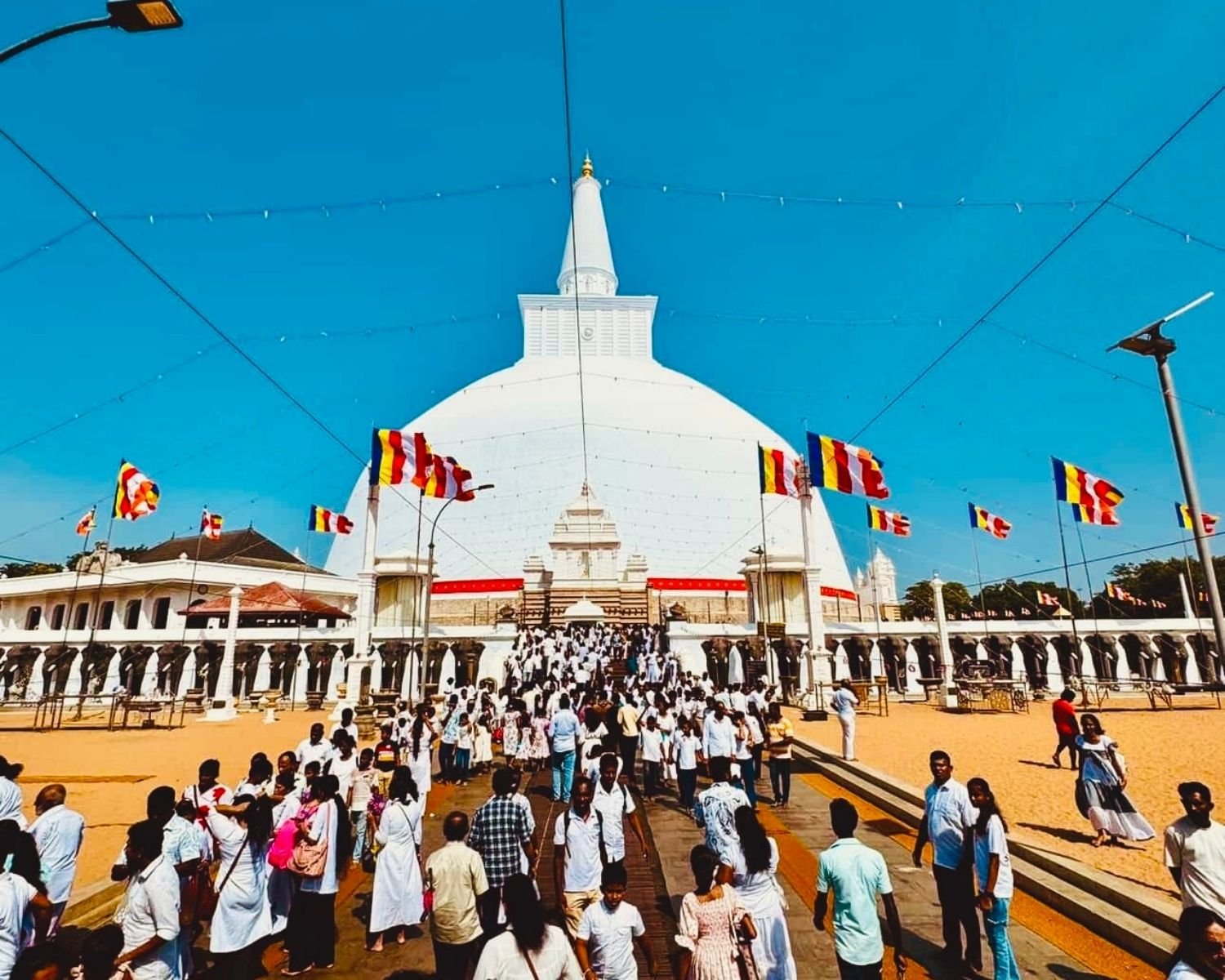
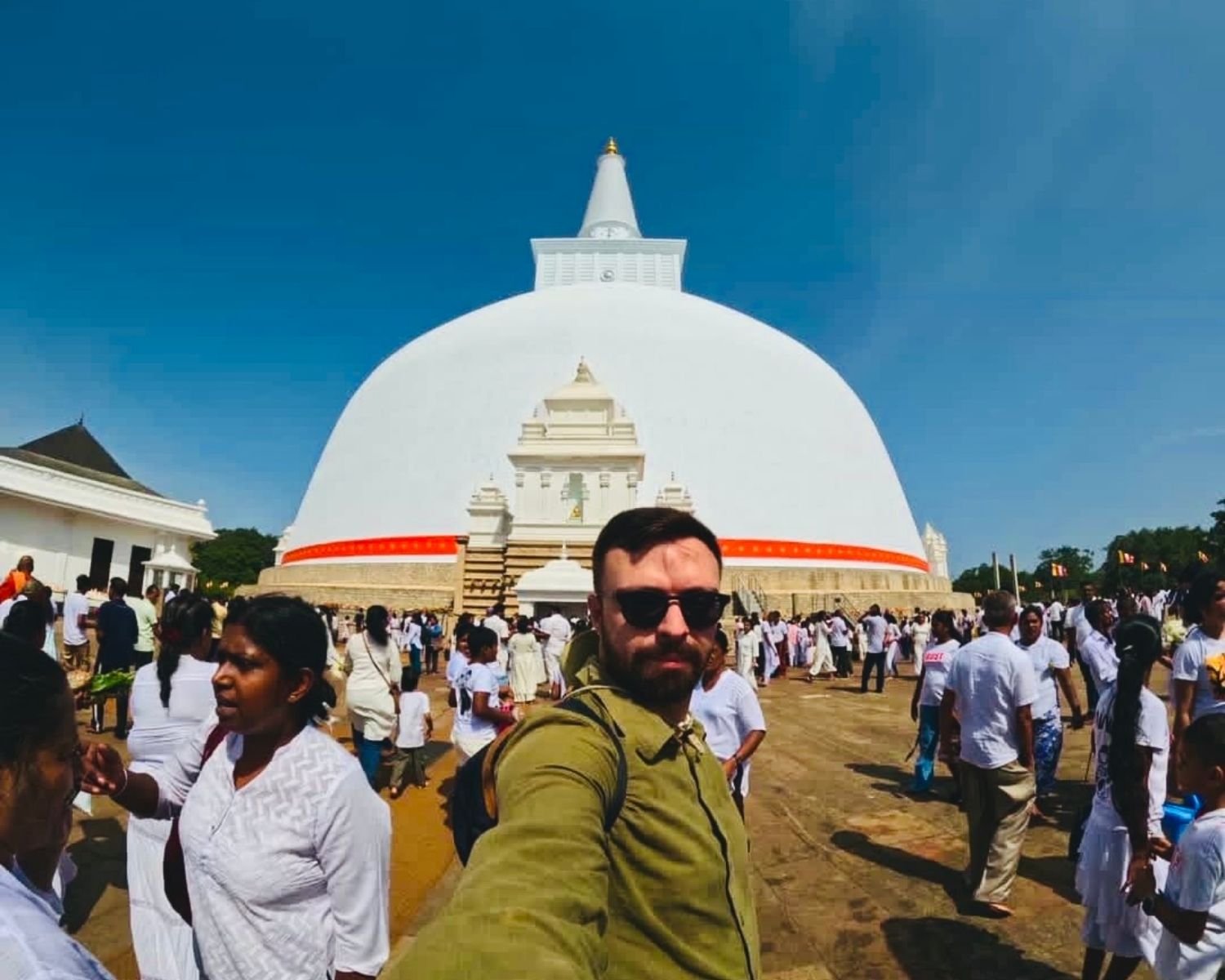
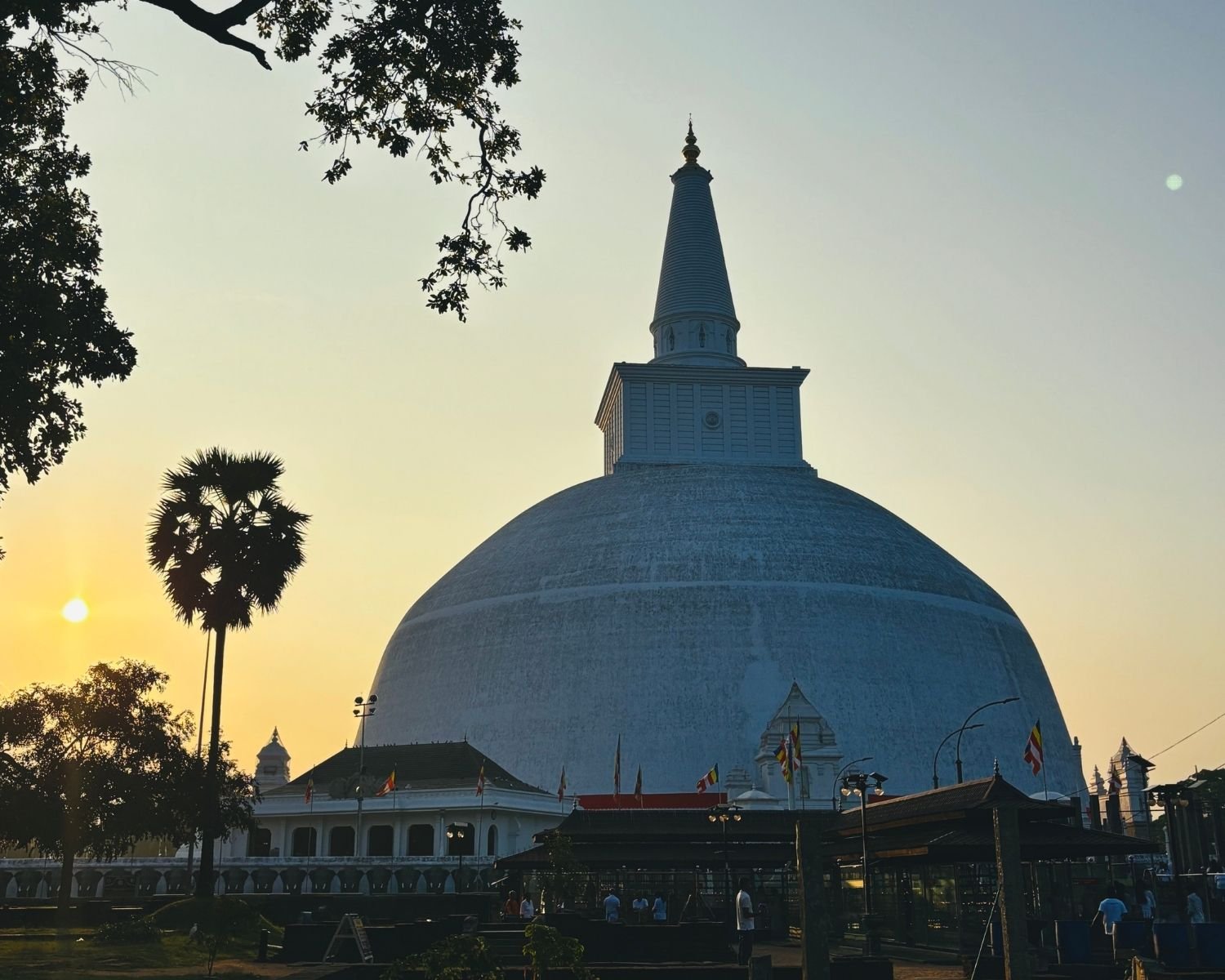
Scenery
Large white stupa rising above open courtyards, ancient vahalkada ruins, Buddhist flags, and peaceful surrounding.
Large white stupa rising above open courtyards, ancient vahalkada ruins, Buddhist flags, and peaceful surrounding.
Art & Culture
Ancient vahalkada carvings, elephant friezes, stone guardstones, and centuries of Buddhist worship linked to King Dutugemunu's legacy.
Ancient vahalkada carvings, elephant friezes, stone guardstones, and centuries of Buddhist worship linked to King Dutugemunu's legacy.
Top Pick
Location
View on Map
View on Map
 ravinkavish
 ravinkavish
 ravinkavish
 ravinkavish
 ravinkavish
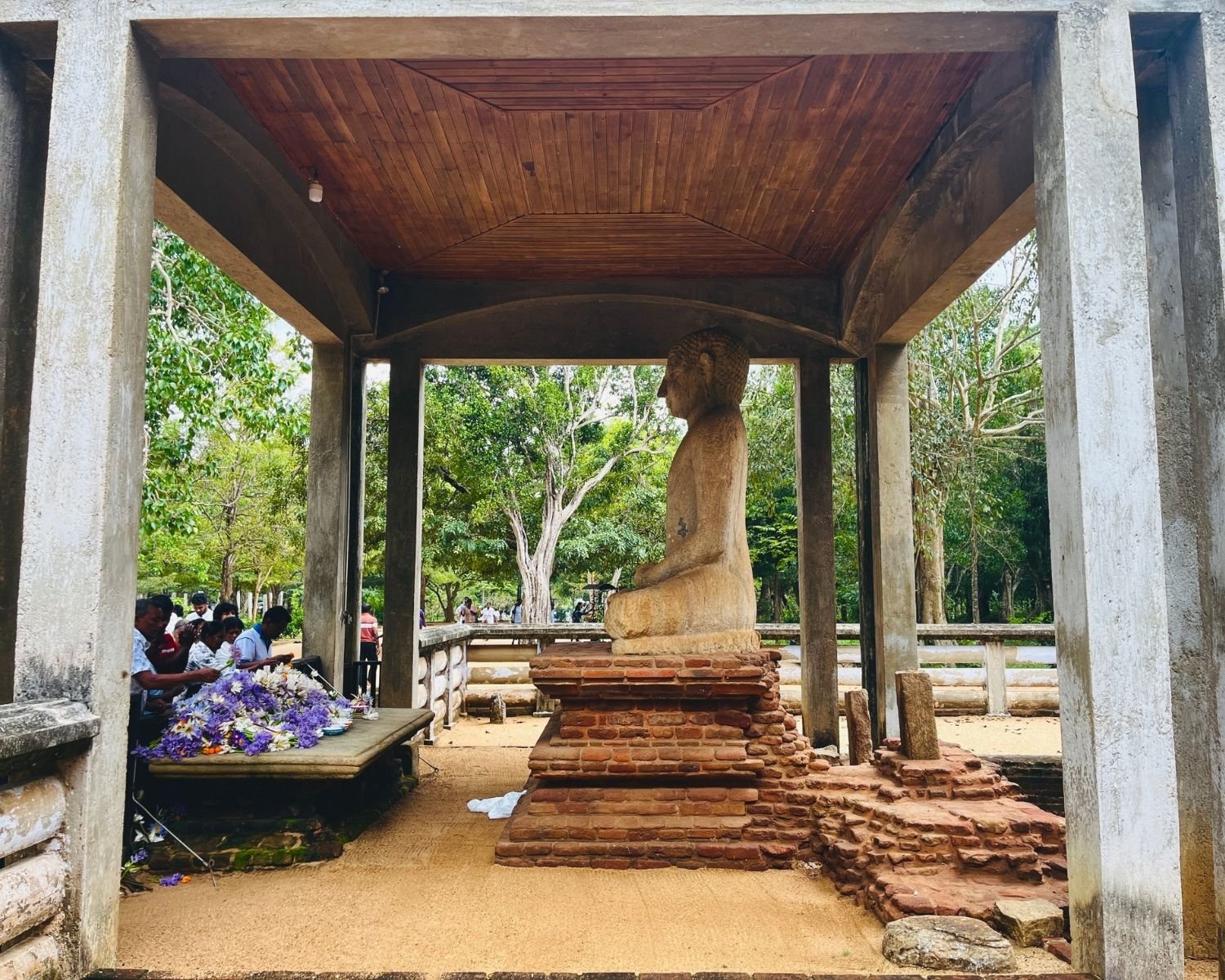
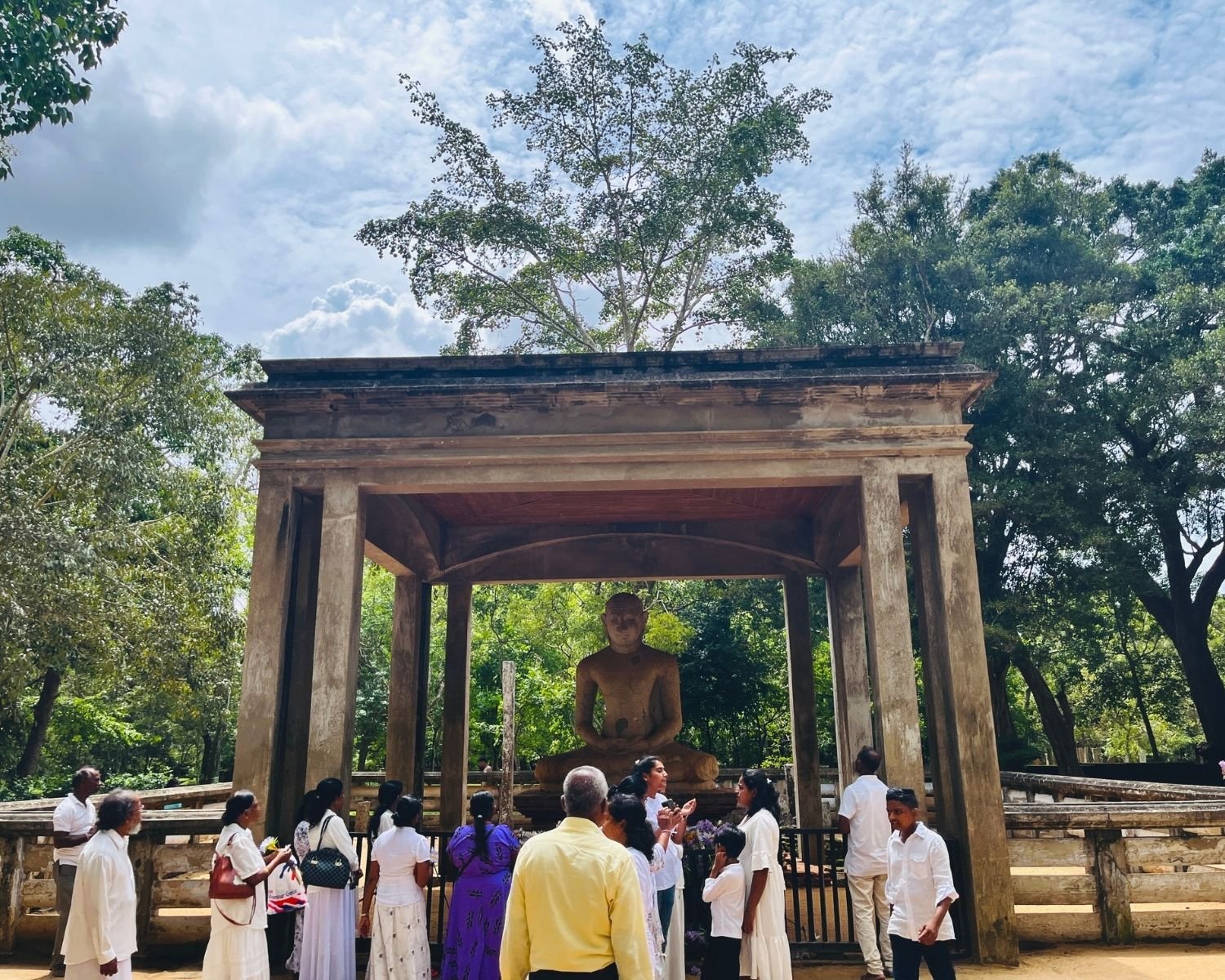
Art & Culture
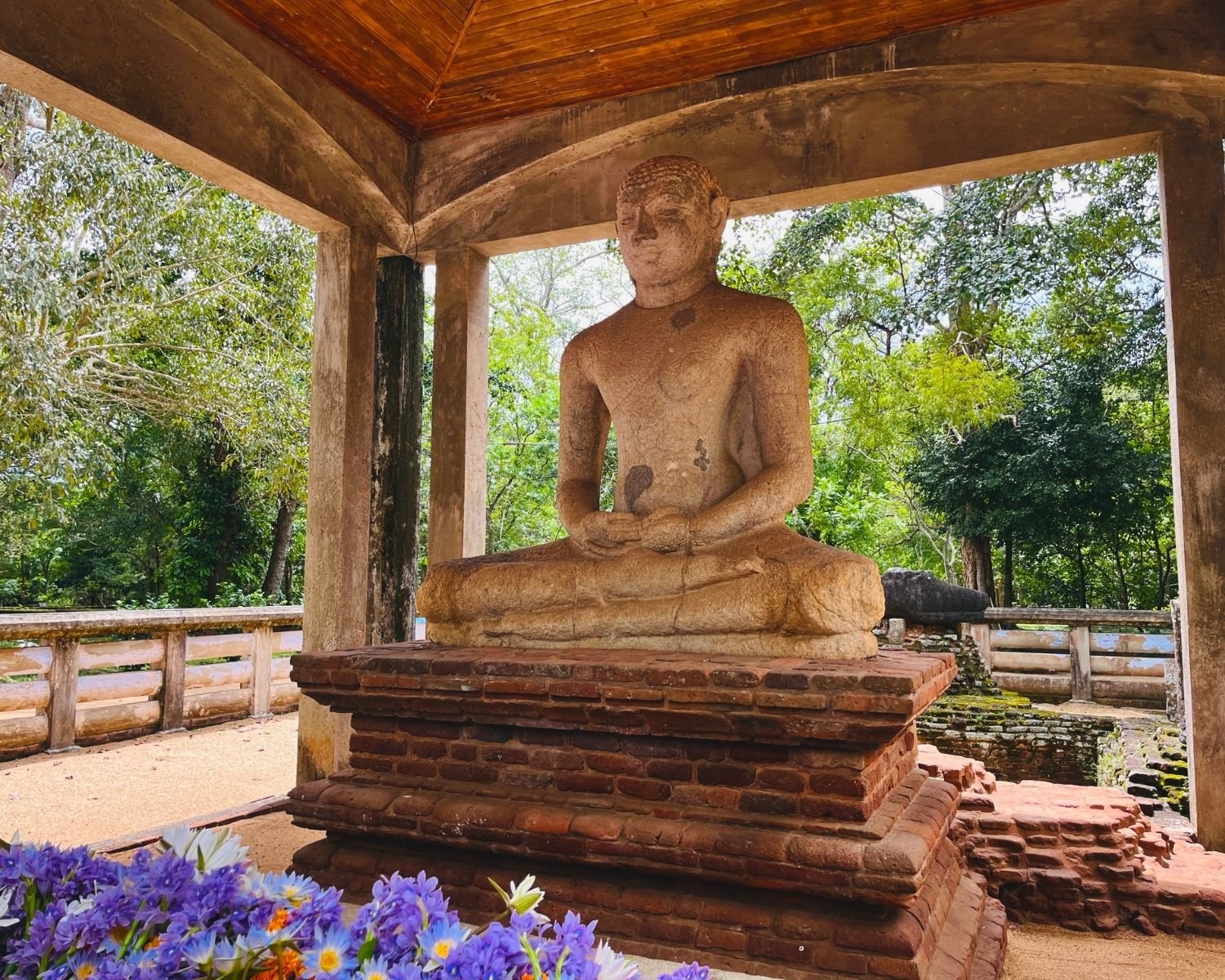
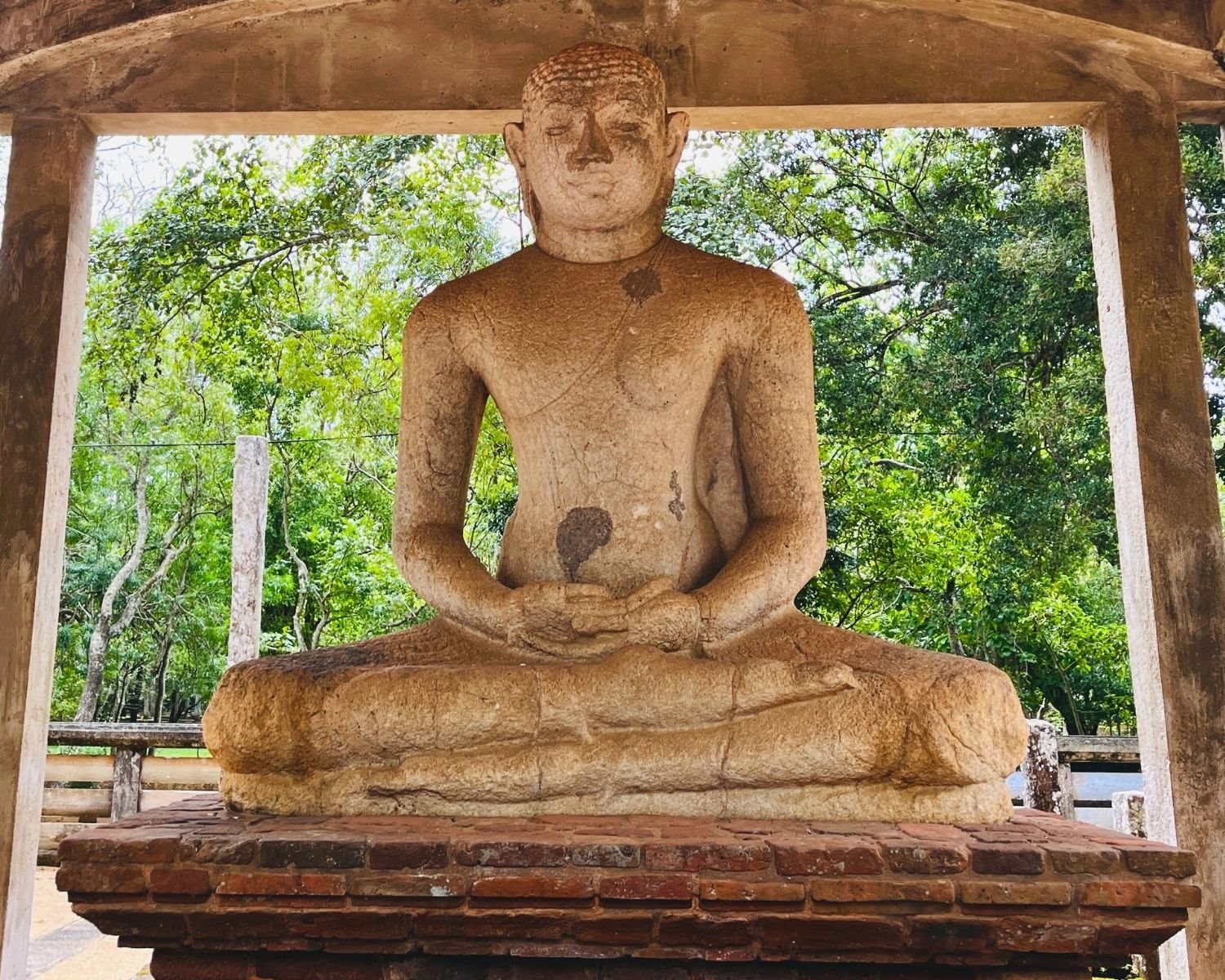
Widely regarded as the finest Buddha statue of the Anuradhapura period, admired for its meditation posture, perfect proportions, and timeless expression.
Widely regarded as the finest Buddha statue of the Anuradhapura period, admired for its meditation posture, perfect proportions, and timeless expression.
Buddhist Site
Ancient meditation statue located within the Abhayagiri Monastery zone. A revered icon of serenity and spiritual devotion.
Ancient meditation statue located within the Abhayagiri Monastery zone. A revered icon of serenity and spiritual devotion.
History
Carved in the 4th or 5th century CE. Linked to the meditation practices of the Abhayagiri monastic community and celebrated as a masterpiece of Sri Lankan sculpture.
Carved in the 4th or 5th century CE. Linked to the meditation practices of the Abhayagiri monastic community and celebrated as a masterpiece of Sri Lankan sculpture.
Scenery
Quiet forest setting, lotus flower offerings, ancient ruins, and shaded pathways creating one of the most peaceful spaces in Anuradhapura.
Quiet forest setting, lotus flower offerings, ancient ruins, and shaded pathways creating one of the most peaceful spaces in Anuradhapura.
Top Pick
Location
View on Map
View on Map
 ravinkavish
 ravinkavish
 ravinkavish
 ravinkavish
 ravinkavish
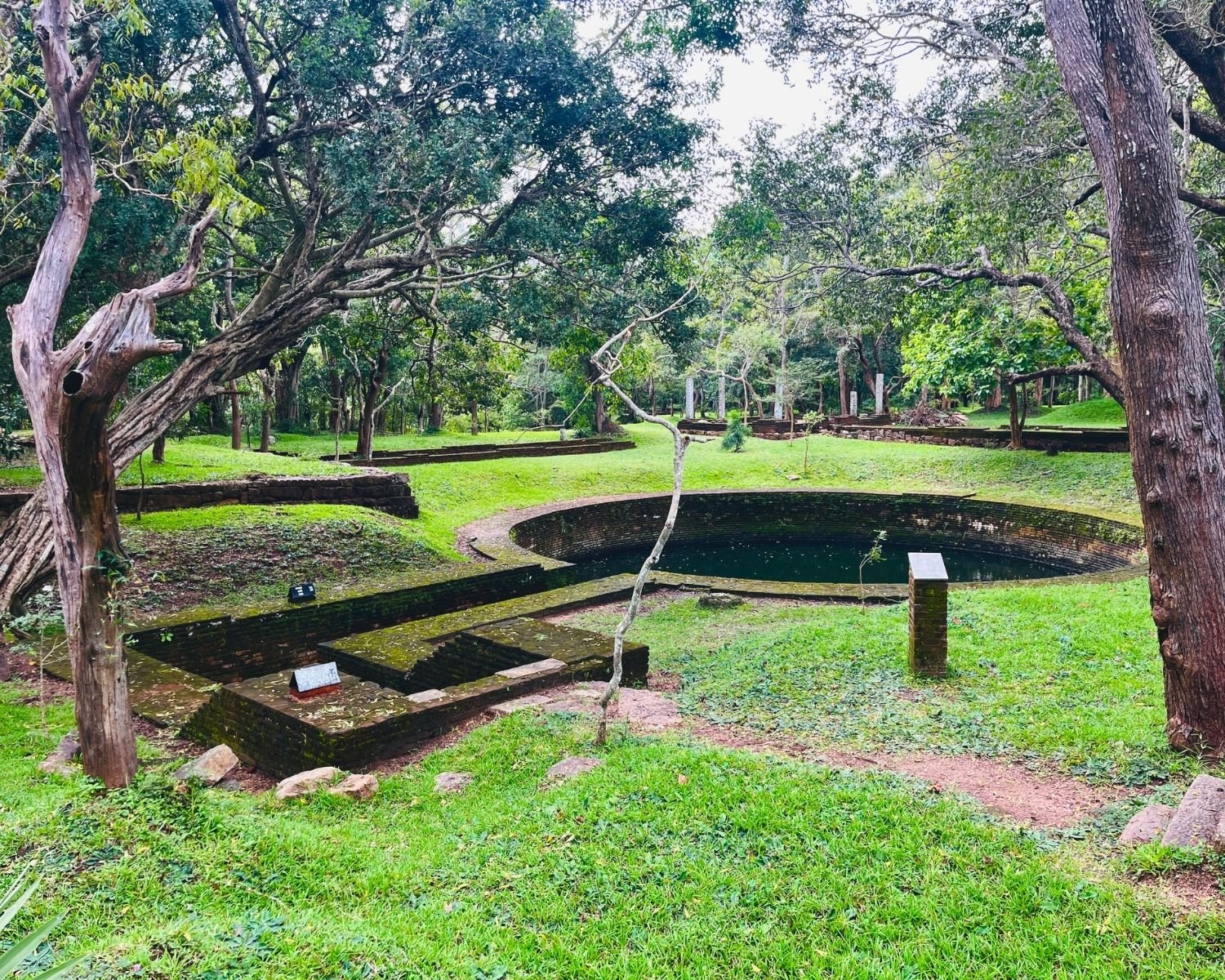
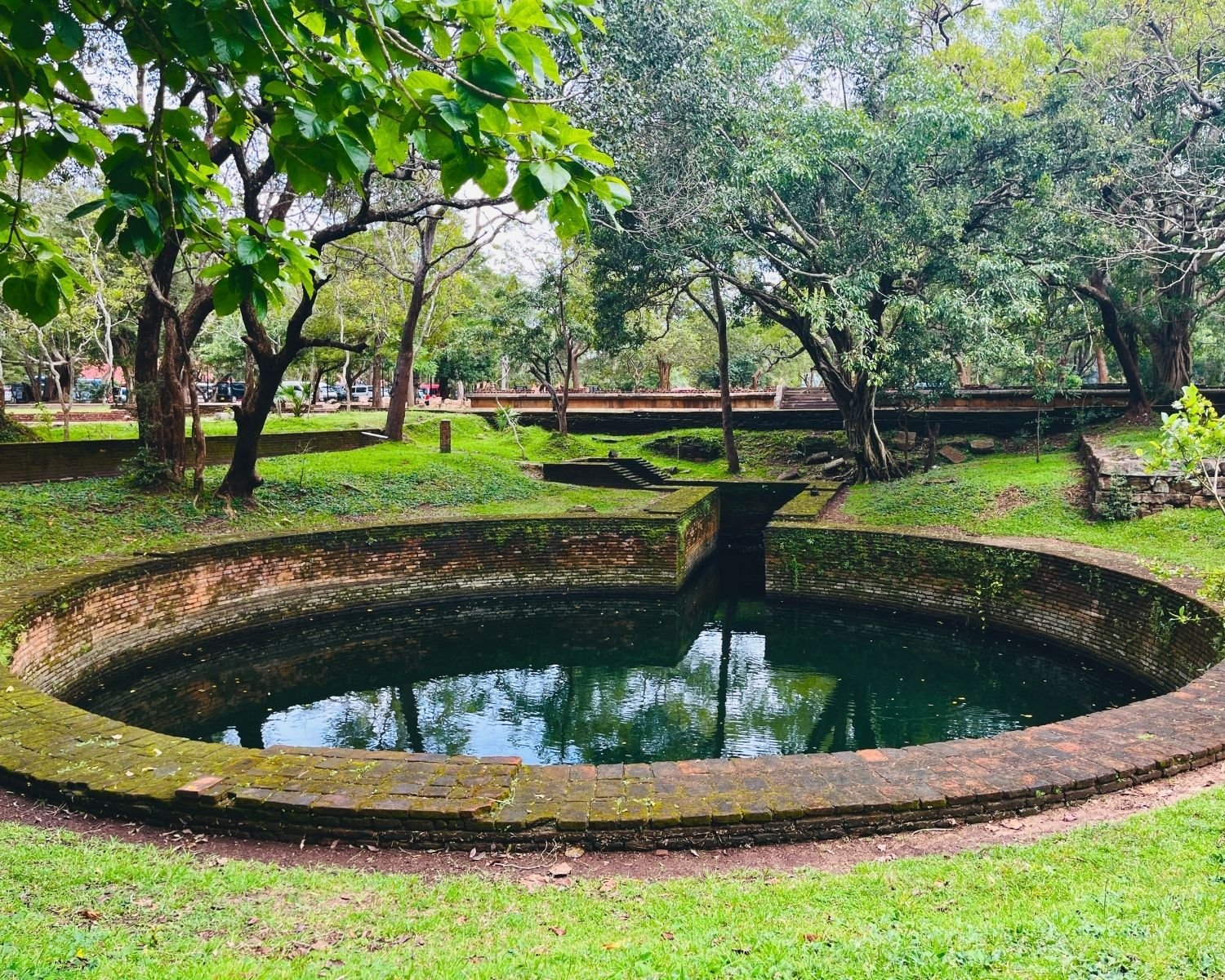
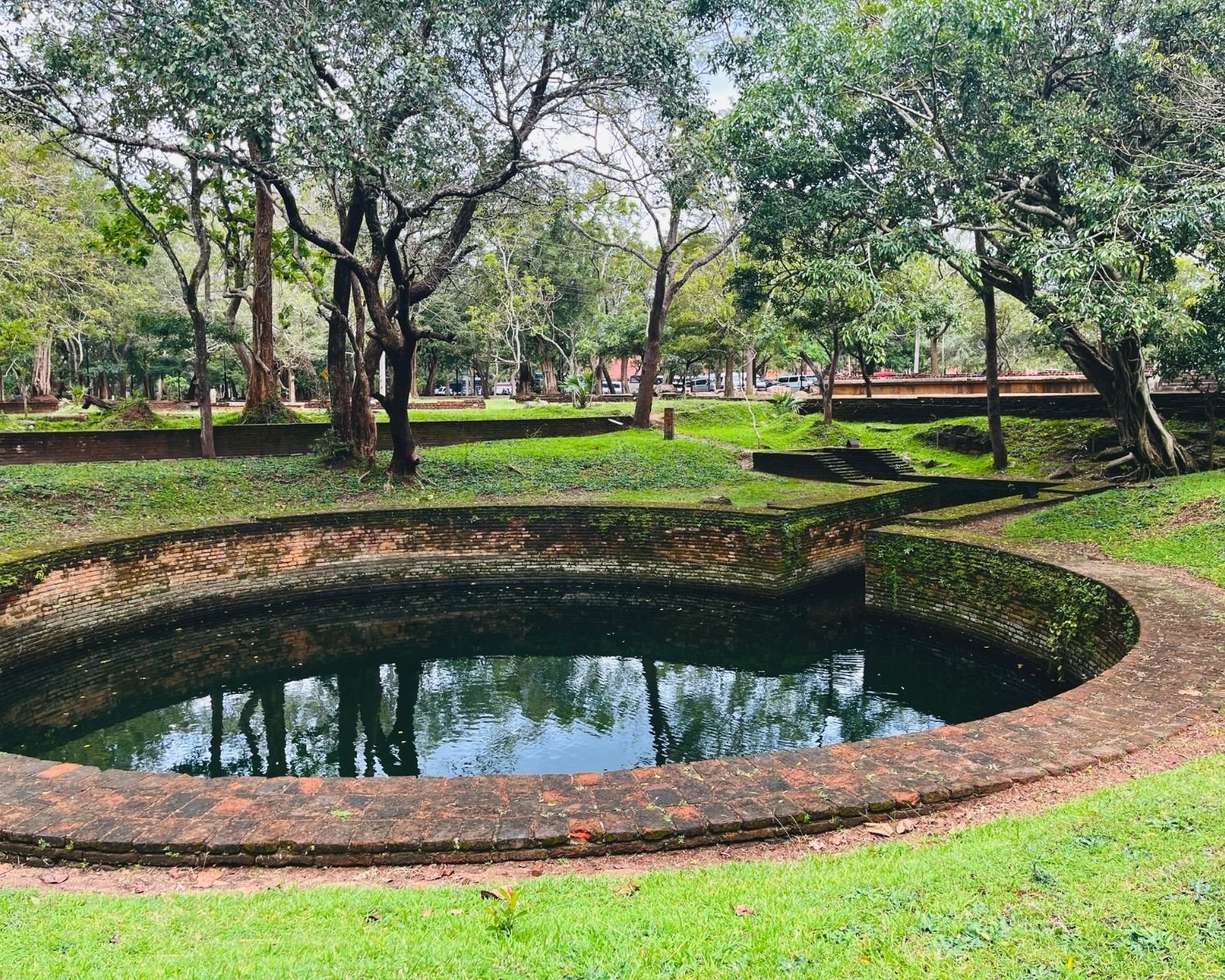
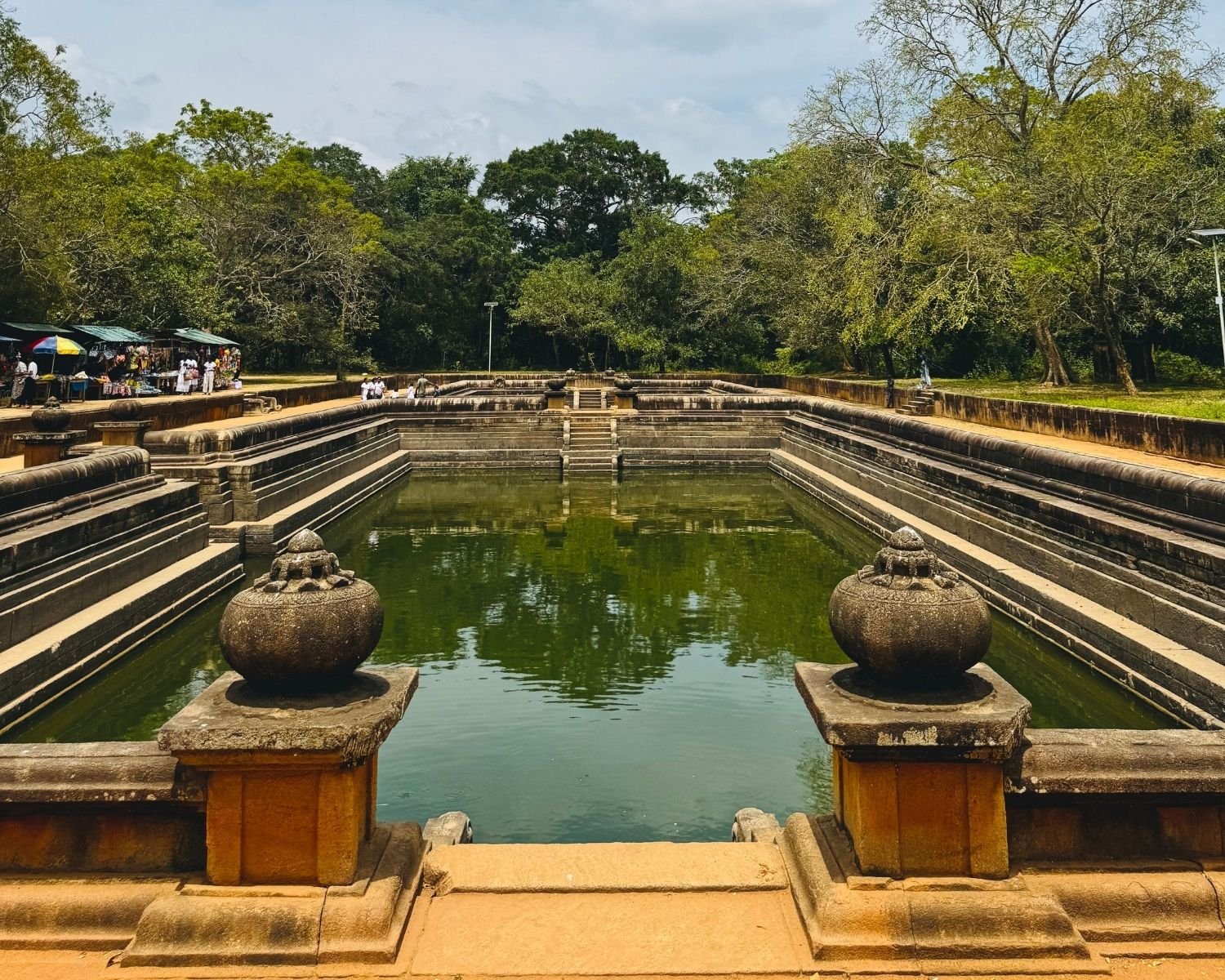
Bathing Pools
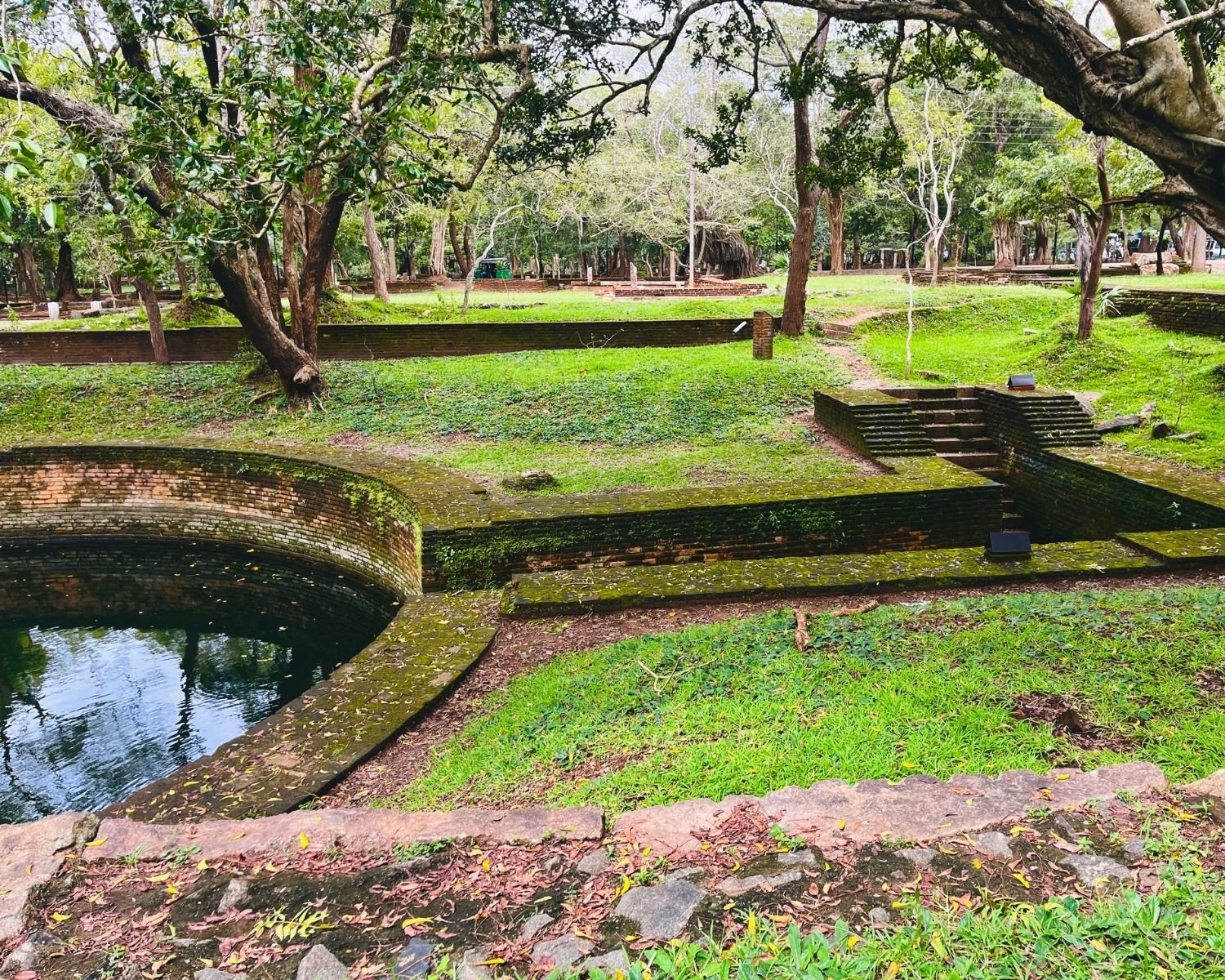
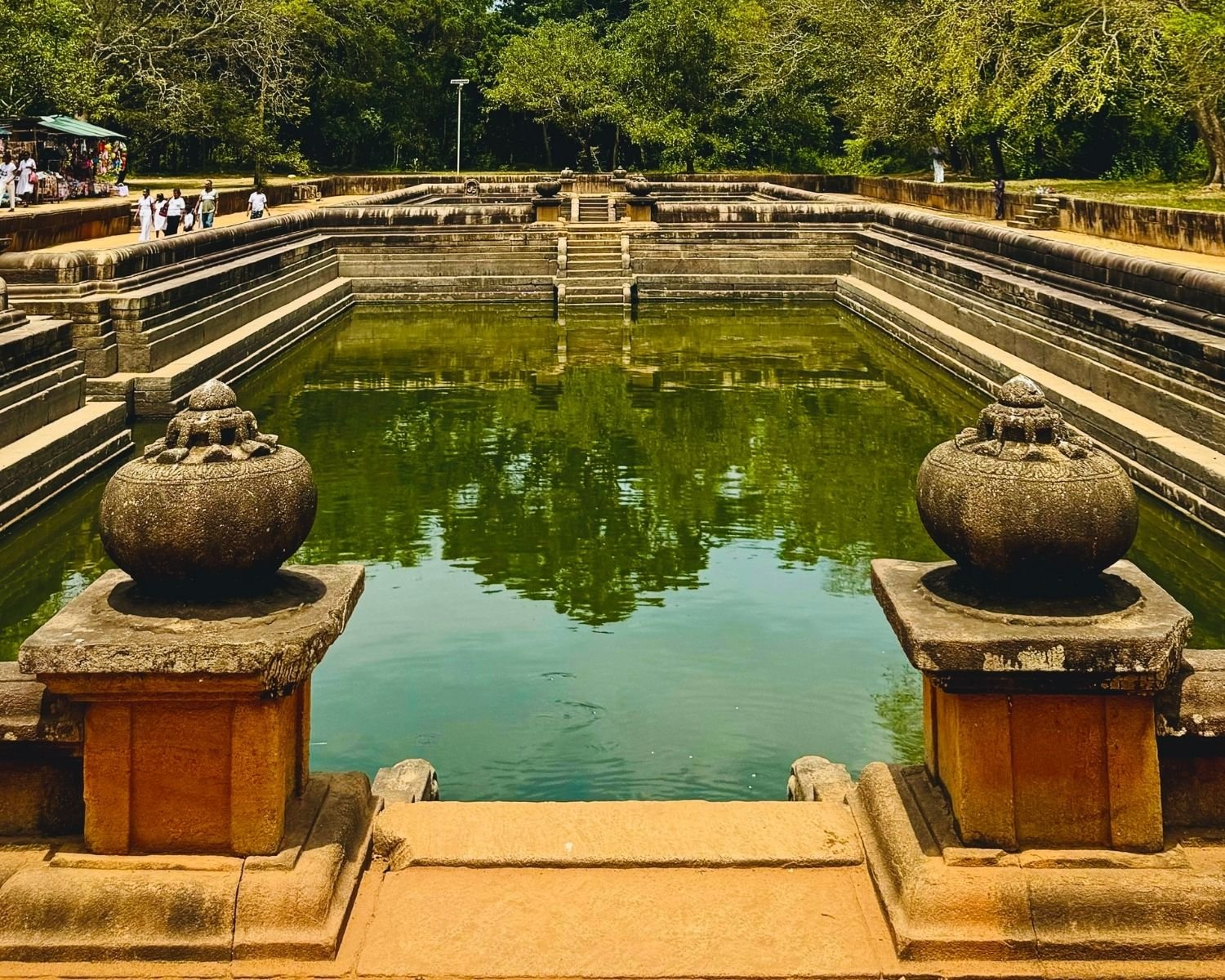
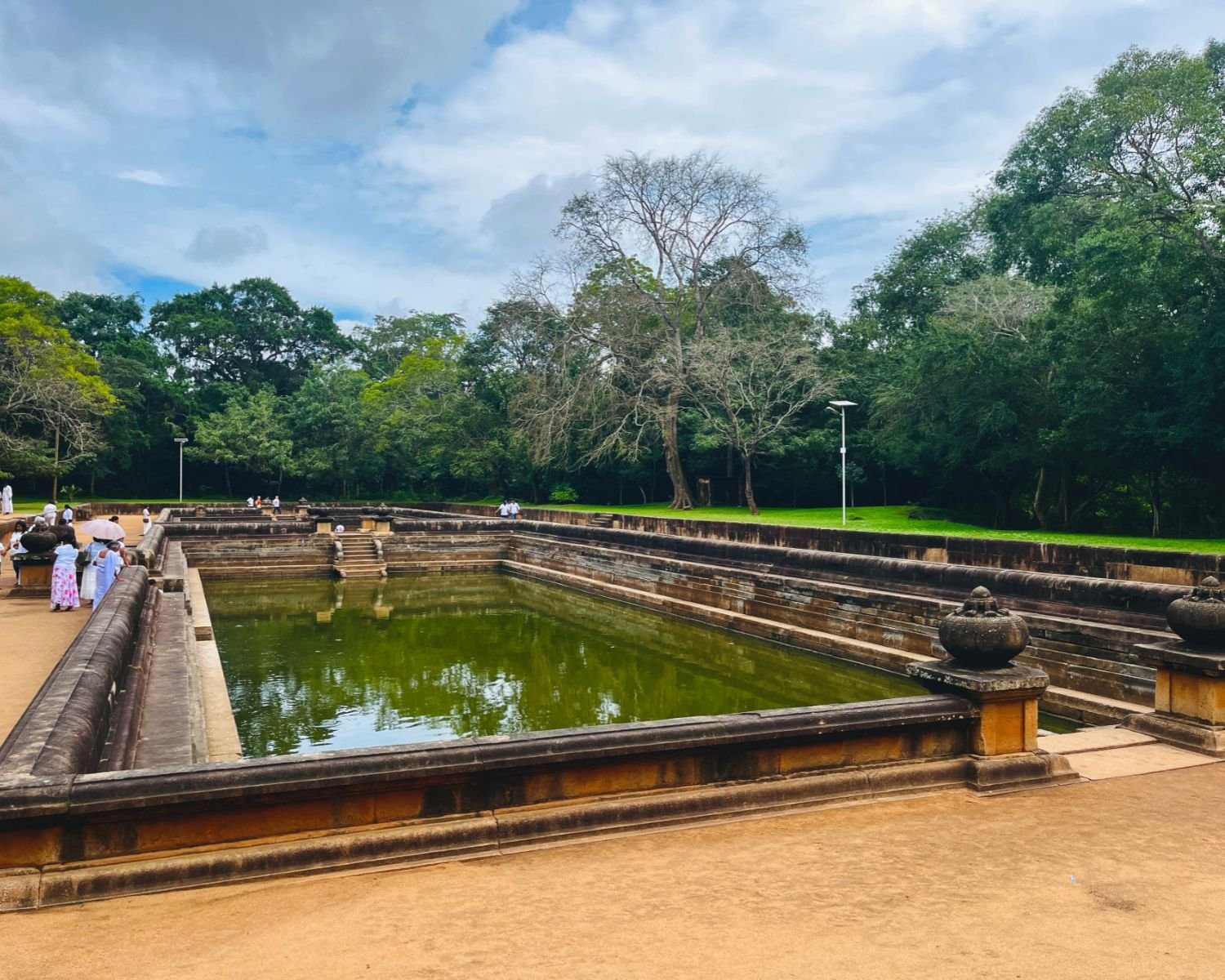
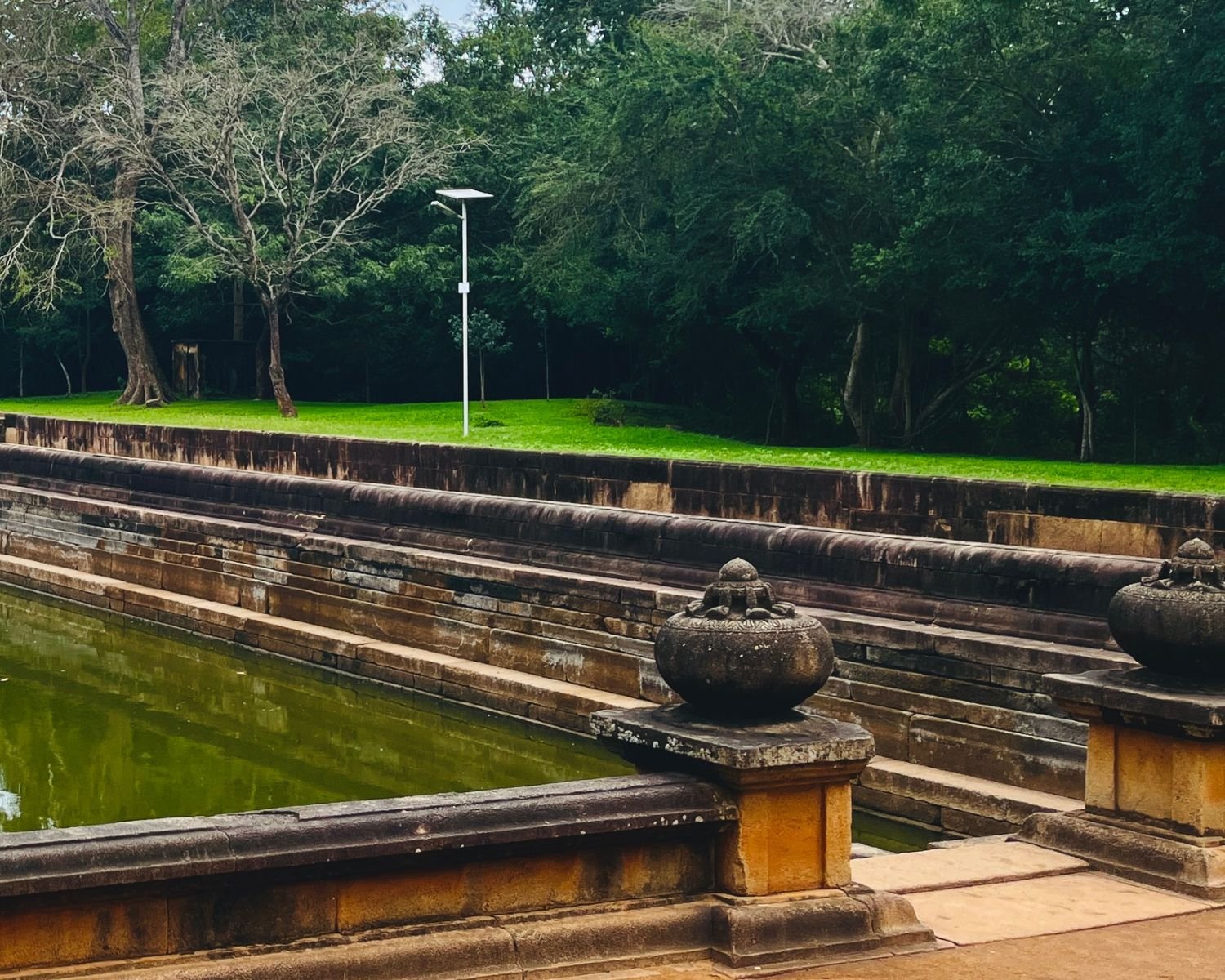
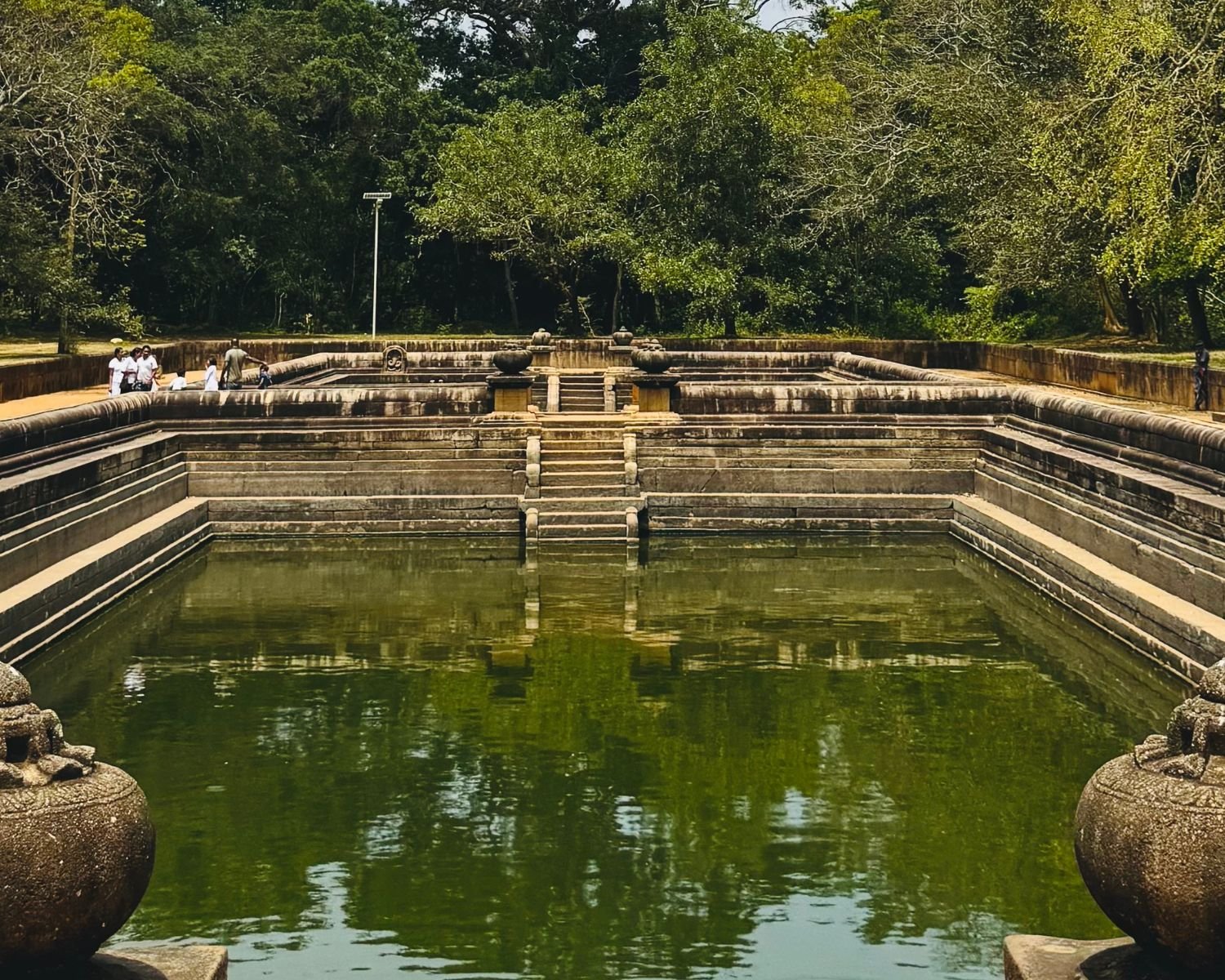
Twin granite bathing pools built for the monks of Abhayagiri, featuring advanced water filtration and some of the finest hydraulic engineering of the ancient world.
Twin granite bathing pools built for the monks of Abhayagiri, featuring advanced water filtration and some of the finest hydraulic engineering of the ancient world.
History
Constructed during the Abhayagiri period between the 6th and 8th centuries CE. Designed for ritual bathing, cleansing, and daily use by the monastic community.
Constructed during the Abhayagiri period between the 6th and 8th centuries CE. Designed for ritual bathing, cleansing, and daily use by the monastic community.
Scenery
Two symmetrical stone ponds set within a peaceful archaeological area surrounded by trees and ancient foundations.
Two symmetrical stone ponds set within a peaceful archaeological area surrounded by trees and ancient foundations.
Art & Culture
Granite stonework, carved steps, decorative elements, and an advanced hydraulic system that reflects the engineering mastery of ancient Anuradhapura.
Granite stonework, carved steps, decorative elements, and an advanced hydraulic system that reflects the engineering mastery of ancient Anuradhapura.
Top Pick
Location
View on Map
View on Map
Bathing Pool
Measuring approximately 159 metres by 52 metres and over 9 metres deep, it could hold around 75,000 cubic metres of water, roughly six Olympic-sized swimming pools.
Measuring approximately 159 metres by 52 metres and over 9 metres deep, it could hold around 75,000 cubic metres of water, roughly six Olympic-sized swimming pools.
History
Built between the 7th and 10th centuries CE as part of the Abhayagiri Monastery.
Built between the 7th and 10th centuries CE as part of the Abhayagiri Monastery.
Scenery
Monumental granite walls, calm water, and quiet archaeological surroundings hidden within the Abhayagiri complex.
Monumental granite walls, calm water, and quiet archaeological surroundings hidden within the Abhayagiri complex.
Engineering
Constructed from thousands of granite blocks and supplied by underground canals, demonstrating the advanced hydraulic engineering of ancient Anuradhapura.
Constructed from thousands of granite blocks and supplied by underground canals, demonstrating the advanced hydraulic engineering of ancient Anuradhapura.
Top Pick
Location
View on Map
View on Map
 ravinkavish
 ravinkavish
History
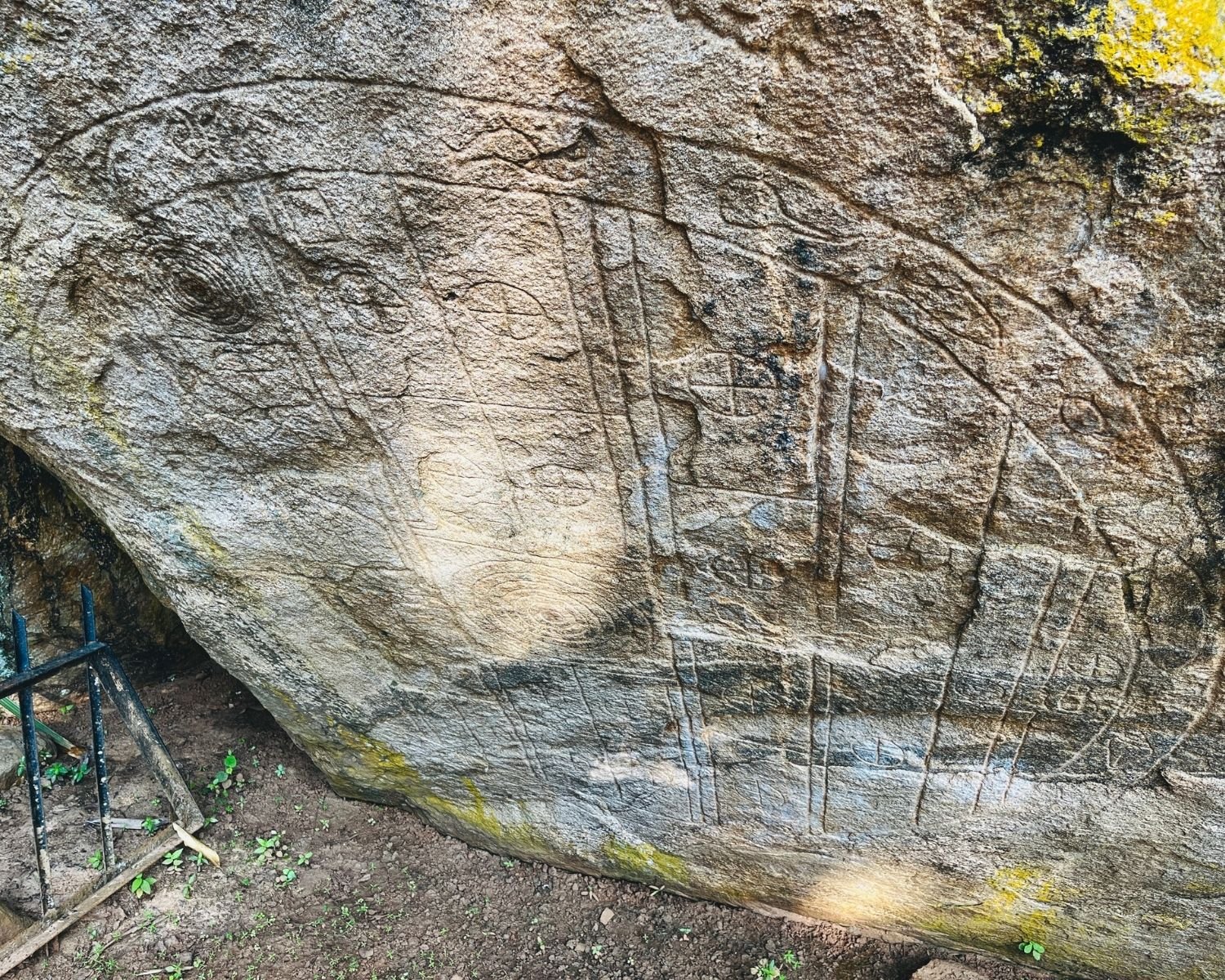
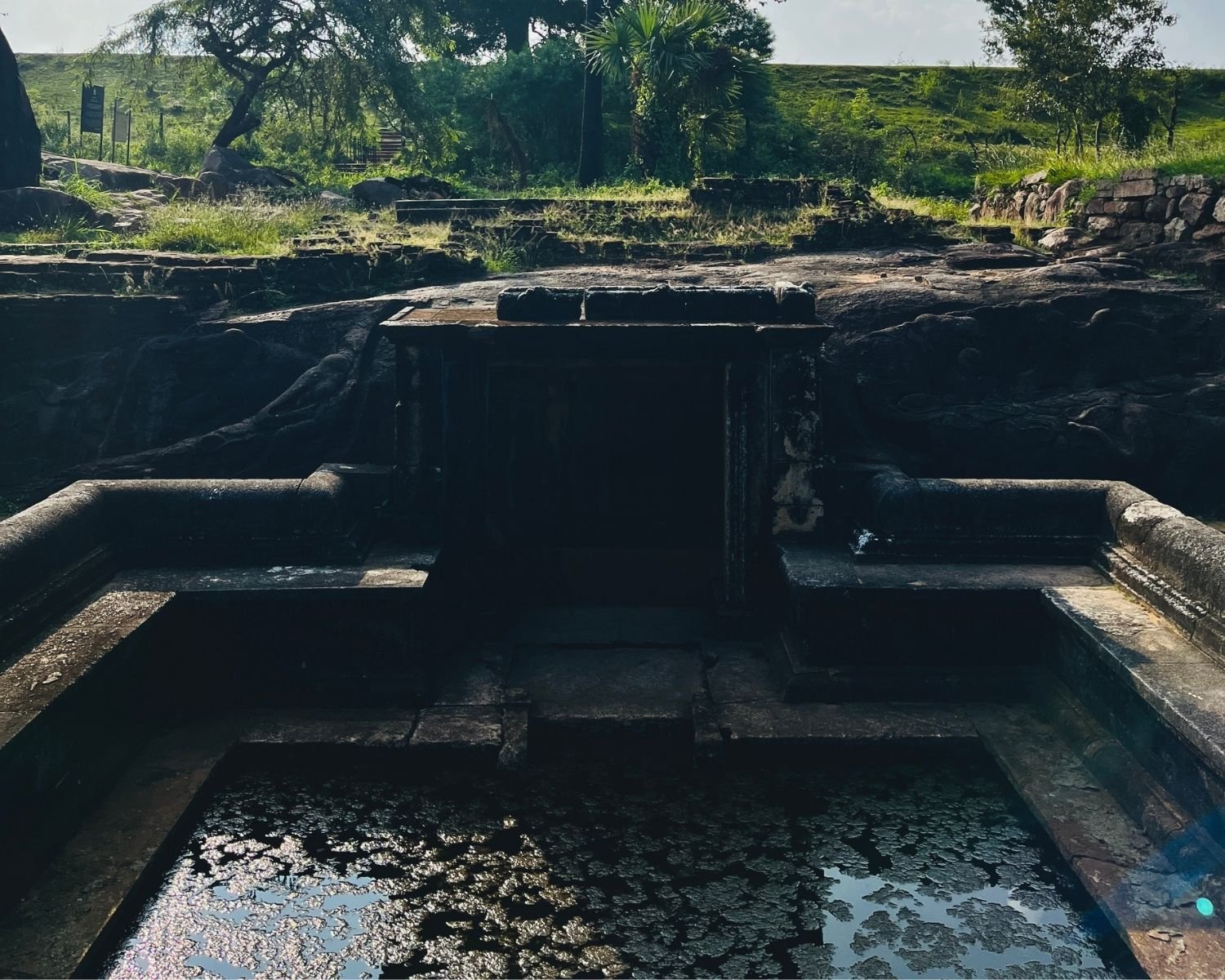
Developed during the early Anuradhapura period and used by the royal family for recreation. Features ancient hydraulic engineering and the Sakwala Chakraya carving.
Developed during the early Anuradhapura period and used by the royal family for recreation. Features ancient hydraulic engineering and the Sakwala Chakraya carving.
Scenery
Ancient rock pools, shaded gardens, granite outcrops, stone terraces, and water features set between Tissa Wewa and Isurumuniya in a peaceful natural setting.
Ancient rock pools, shaded gardens, granite outcrops, stone terraces, and water features set between Tissa Wewa and Isurumuniya in a peaceful natural setting.
Art & Culture
Royal bathing pools, carved stone architecture, advanced hydraulic features, and the mysterious Sakwala Chakraya cosmological carving.
Royal bathing pools, carved stone architecture, advanced hydraulic features, and the mysterious Sakwala Chakraya cosmological carving.
Top Pick
Location
View on Map
View on Map
 where.is.isabelle
 where.is.isabelle
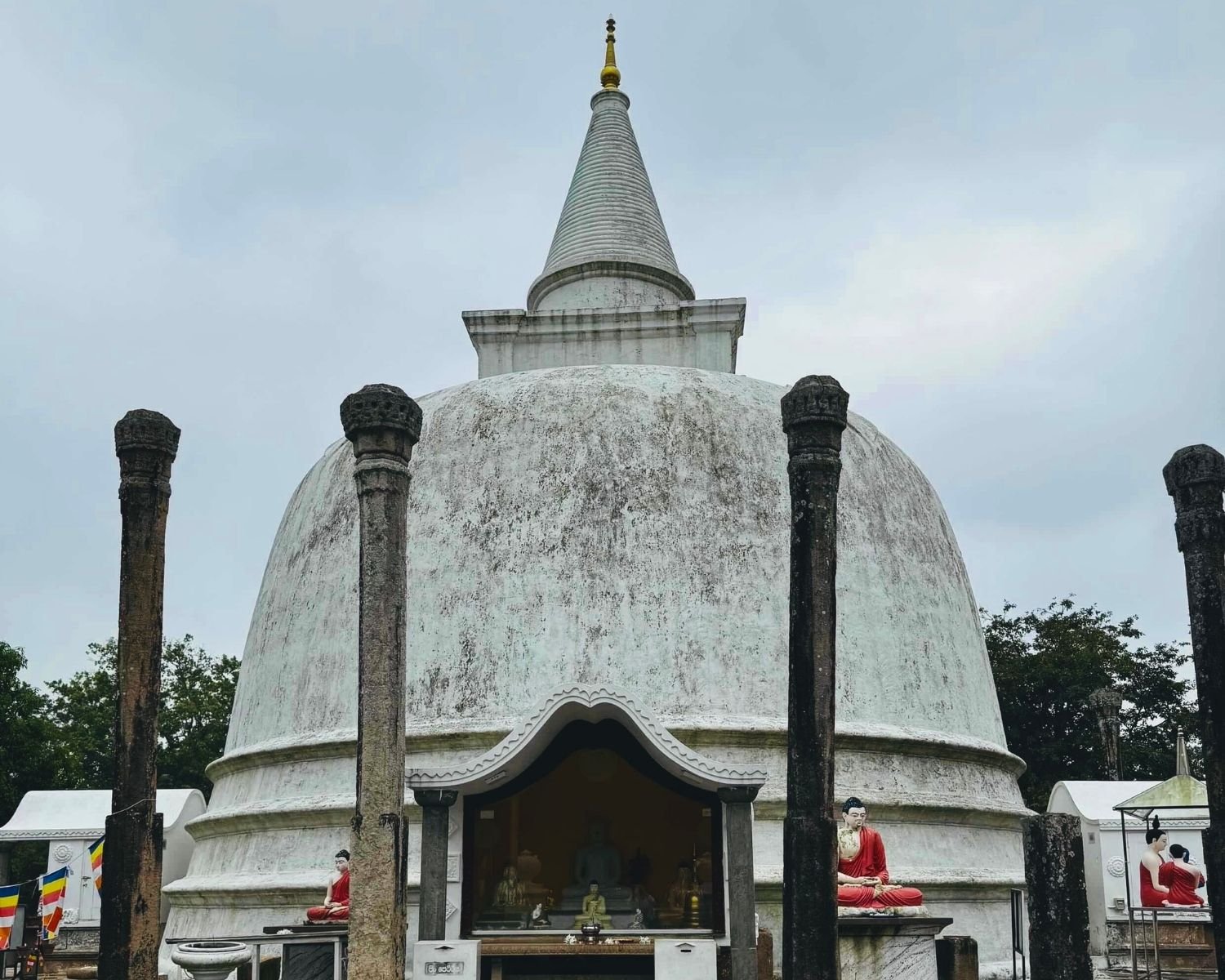
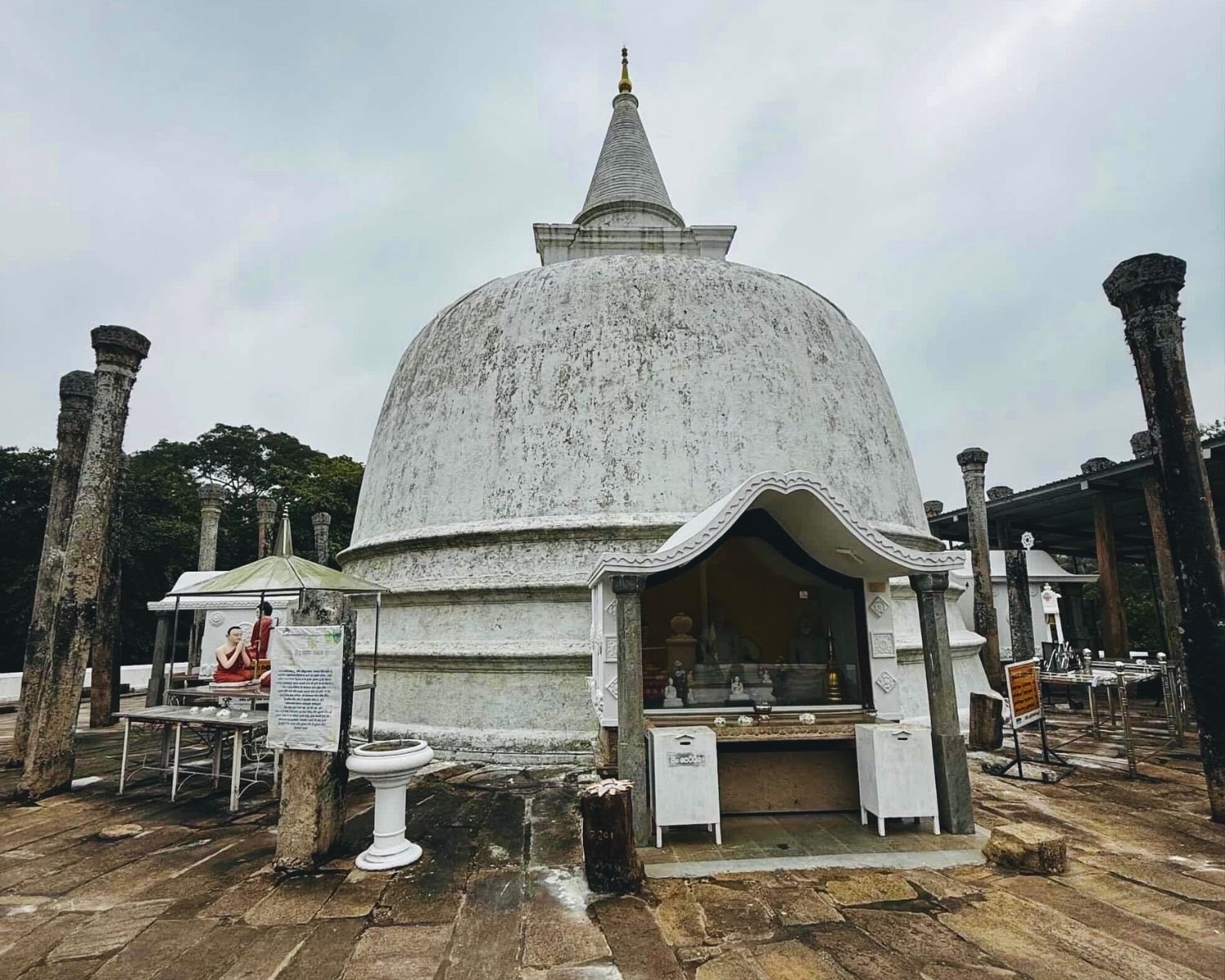
Buddhist Site
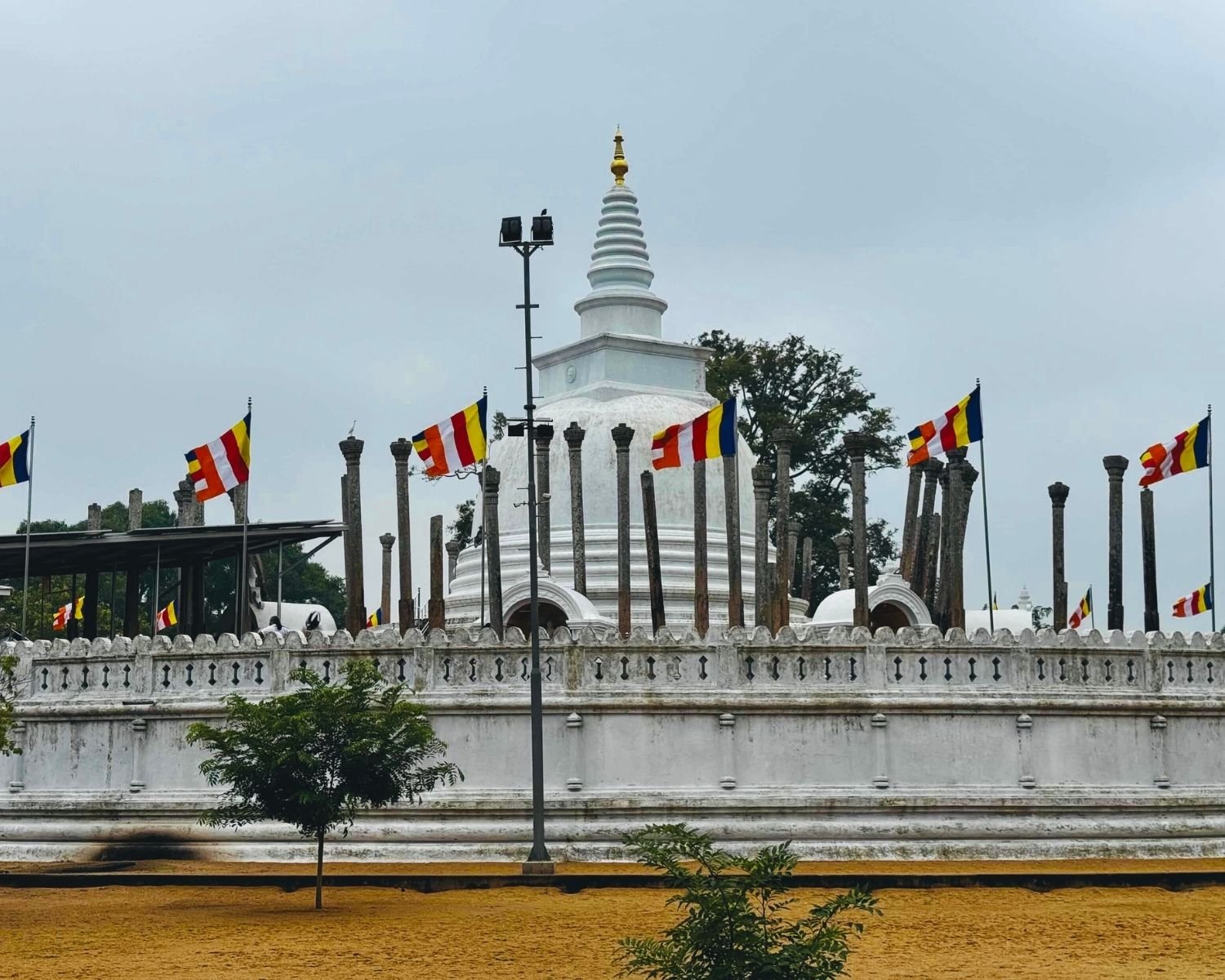
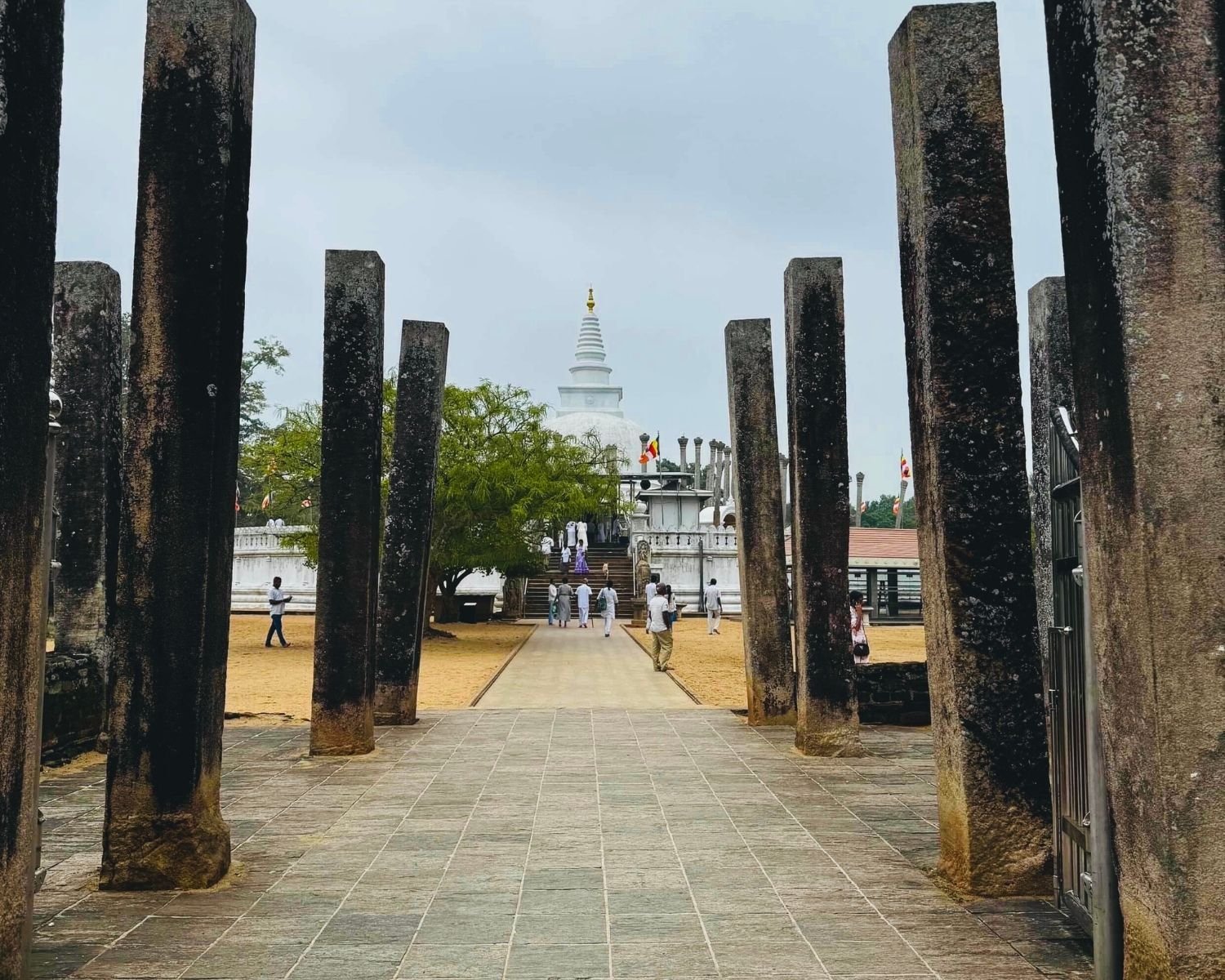
Oldest stupa in Sri Lanka, built to enshrine a sacred relic of the Buddha. Surrounded by stone pillars from an ancient vatadage structure.
Oldest stupa in Sri Lanka, built to enshrine a sacred relic of the Buddha. Surrounded by stone pillars from an ancient vatadage structure.
History
Constructed by King Devanampiyatissa in the 3rd century BCE. Restored repeatedly throughout history and preserved as one of the earliest Buddhist monuments in Anuradhapura.
Constructed by King Devanampiyatissa in the 3rd century BCE. Restored repeatedly throughout history and preserved as one of the earliest Buddhist monuments in Anuradhapura.
Scenery
White stupa surrounded by concentric rings of ancient stone pillars, open courtyards, Buddhist flags, and a peaceful sacred atmosphere.
White stupa surrounded by concentric rings of ancient stone pillars, open courtyards, Buddhist flags, and a peaceful sacred atmosphere.
Art & Culture
Earliest Sri Lankan stupa architecture, ancient vatadage pillars, relic worship traditions, and over two millennia of continuous Buddhist devotion.
Earliest Sri Lankan stupa architecture, ancient vatadage pillars, relic worship traditions, and over two millennia of continuous Buddhist devotion.
Top Pick
Location
View on Map
View on Map
 where.is.isabelle
 where.is.isabelle
Buddhist Site
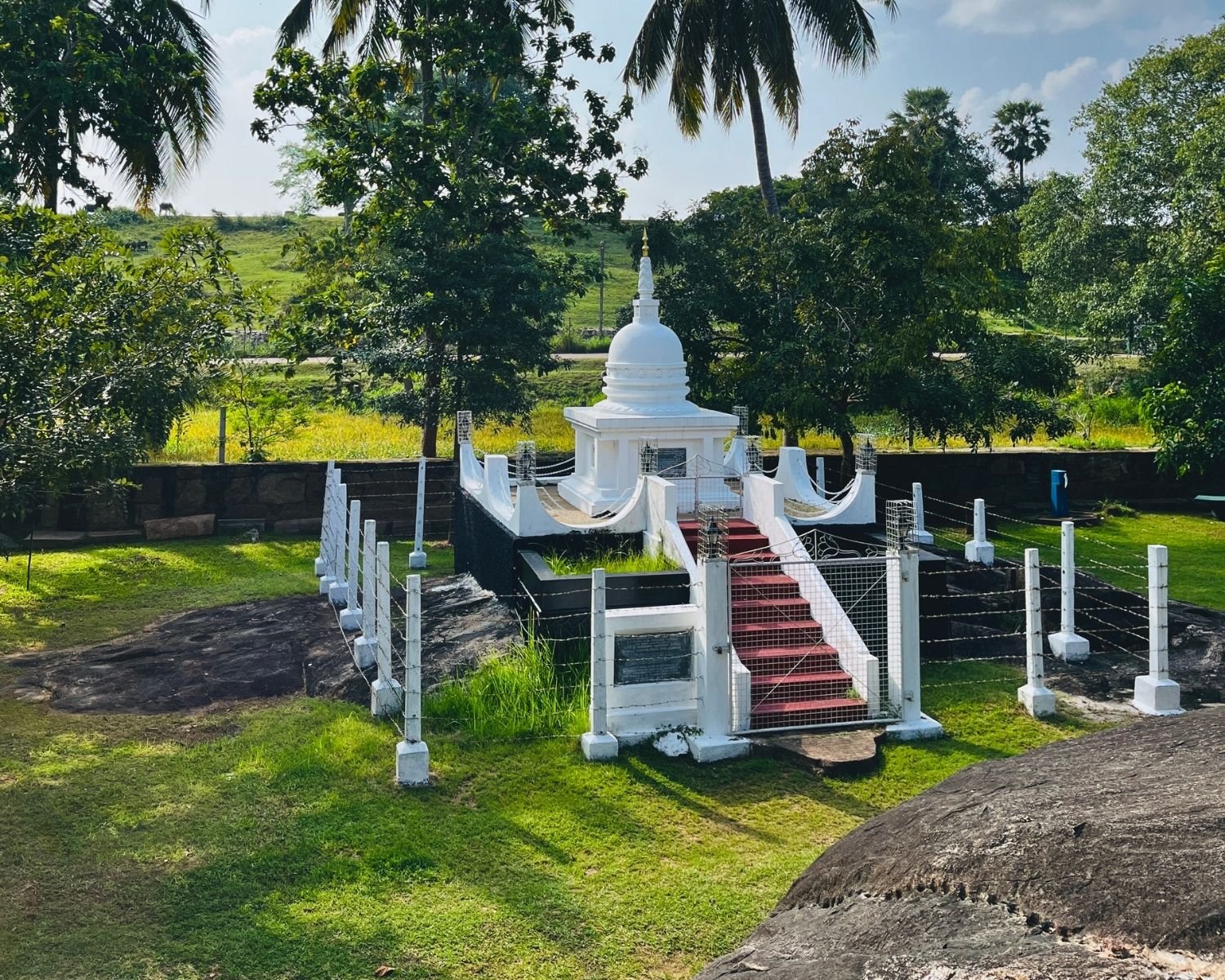
Ancient stupa built by King Valagamba, originally surrounded by a ring of stone pillars forming a circular shrine structure.
Ancient stupa built by King Valagamba, originally surrounded by a ring of stone pillars forming a circular shrine structure.
History
Constructed in the 1st century BCE. Associated with the Abhayagiriya monastic complex and rebuilt in modern times to preserve its historical form.
Constructed in the 1st century BCE. Associated with the Abhayagiriya monastic complex and rebuilt in modern times to preserve its historical form.
Scenery
White stupa surrounded by a distinctive ring of ancient stone pillars, shaded by trees and set within the peaceful ruins of the Abhayagiri monastic complex.
White stupa surrounded by a distinctive ring of ancient stone pillars, shaded by trees and set within the peaceful ruins of the Abhayagiri monastic complex.
Art & Culture
Circular stone pillar arrangement, early stupa architecture, possible vatadage influences, and traditions linked to the ancient Abhayagiri Monastery.
Circular stone pillar arrangement, early stupa architecture, possible vatadage influences, and traditions linked to the ancient Abhayagiri Monastery.
Top Pick
Location
View on Map
View on Map
 where.is.isabelle
 ravinkavish
 ravinkavish
 ravinkavish
 ravinkavish
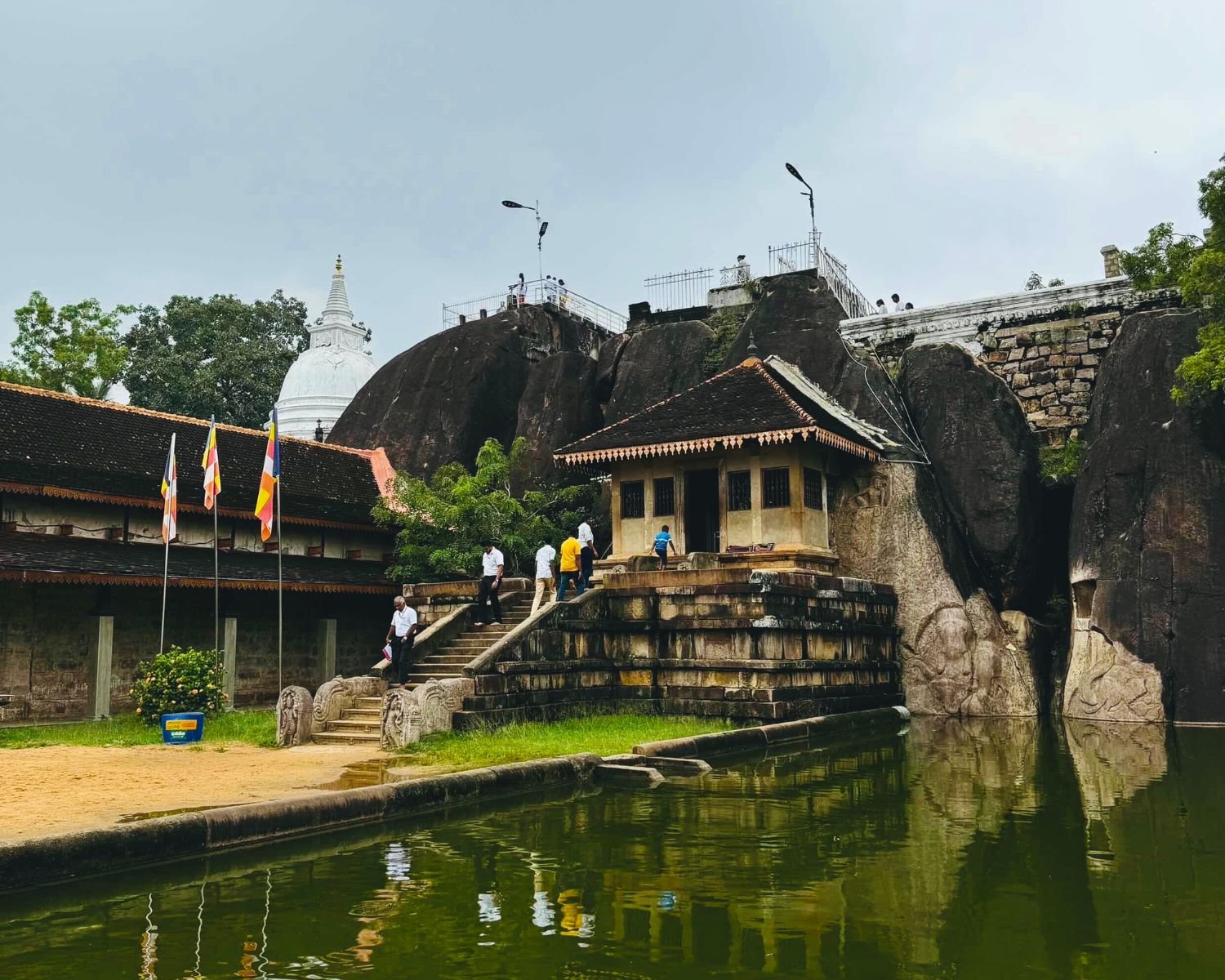
Buddhist Site
Rock temple featuring ancient carvings, shrine rooms, ponds, and meditation spaces linked to early Buddhist monastic life.
Rock temple featuring ancient carvings, shrine rooms, ponds, and meditation spaces linked to early Buddhist monastic life.
Art & Culture
Home to the famous Isurumuniya Lovers carving, Horseman relief, Royal Family panel, and some of the finest surviving stone sculptures from the Anuradhapura Kingdom.
Home to the famous Isurumuniya Lovers carving, Horseman relief, Royal Family panel, and some of the finest surviving stone sculptures from the Anuradhapura Kingdom.
History
Built by King Devanampiyatissa in the 3rd century BCE. Expanded over time and known for significant stone carvings from the Anuradhapura period.
Built by King Devanampiyatissa in the 3rd century BCE. Expanded over time and known for significant stone carvings from the Anuradhapura period.
Scenery
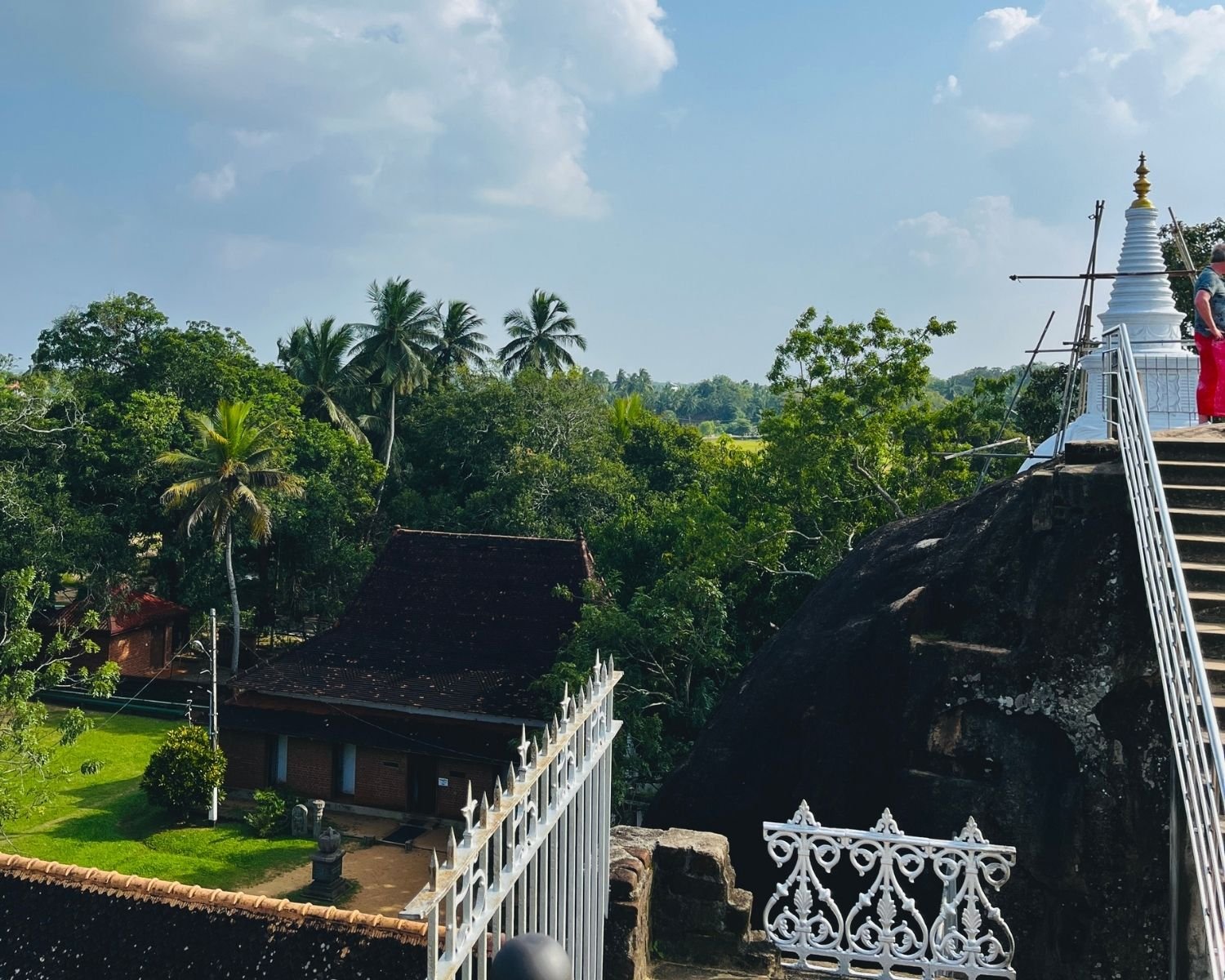
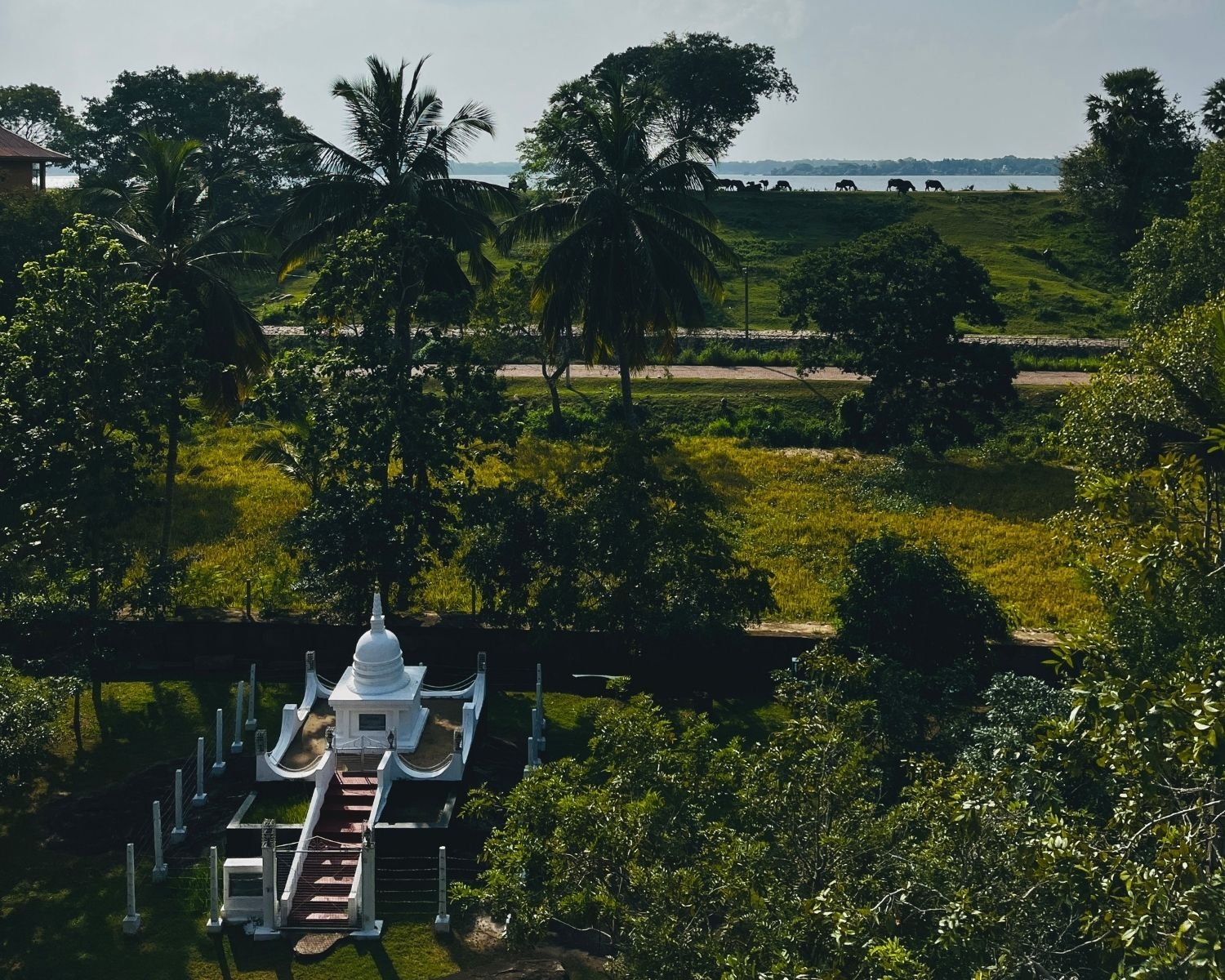
Granite boulders, lotus ponds, shaded courtyards, and panoramic viewpoints overlooking Tissa Wewa and the sacred skyline of Anuradhapura.
Granite boulders, lotus ponds, shaded courtyards, and panoramic viewpoints overlooking Tissa Wewa and the sacred skyline of Anuradhapura.

Hike
Short climb to the summit rock rewards visitors with panoramic views across Tissa Wewa, the surrounding countryside, and several major stupas of Anuradhapura.
Short climb to the summit rock rewards visitors with panoramic views across Tissa Wewa, the surrounding countryside, and several major stupas of Anuradhapura.
 ravinkavish
 ravinkavish
 ravinkavish
 ravinkavish
 ravinkavish
 ravinkavish
 ravinkavish
 ravinkavish
 ravinkavish
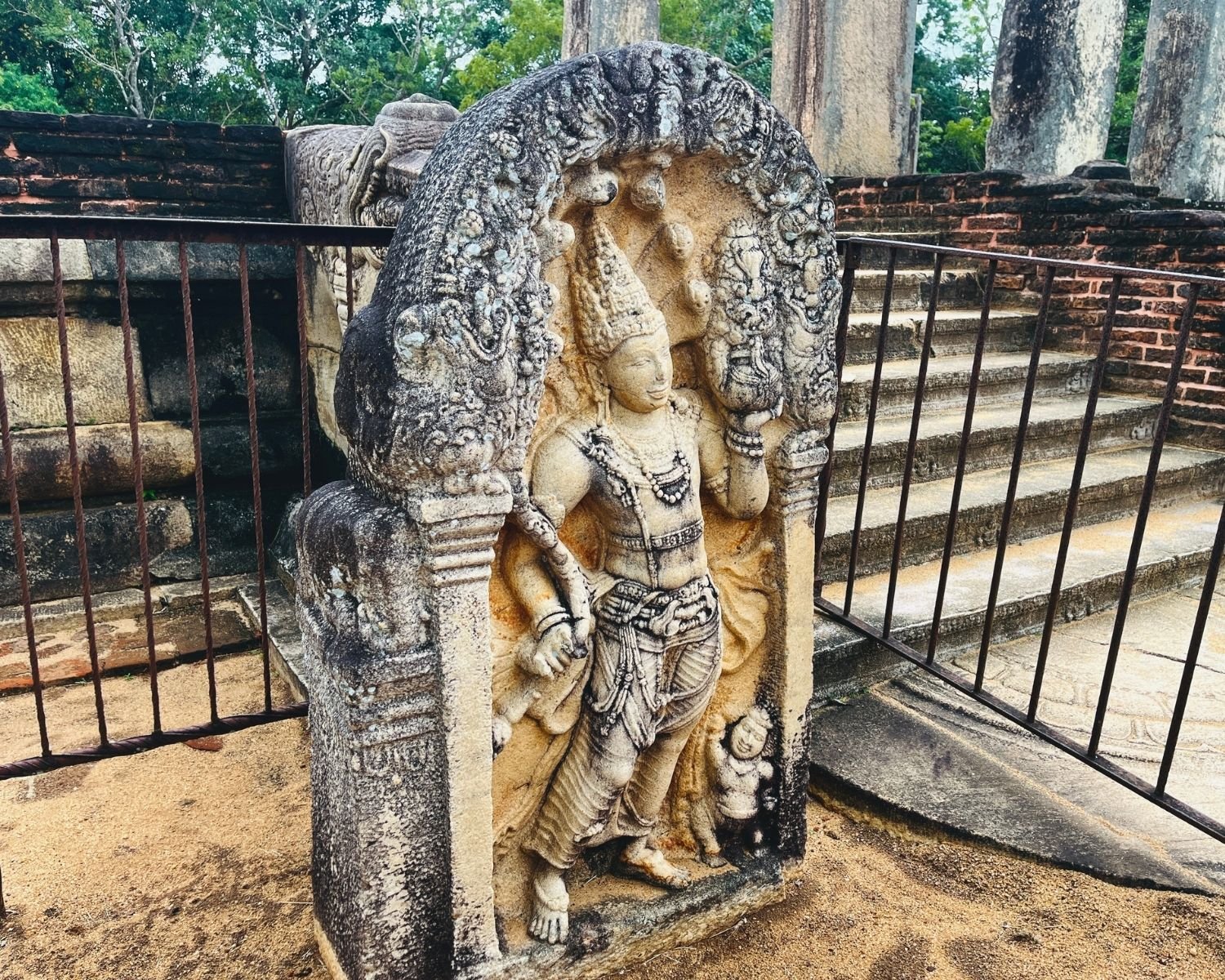
Buddhist Site
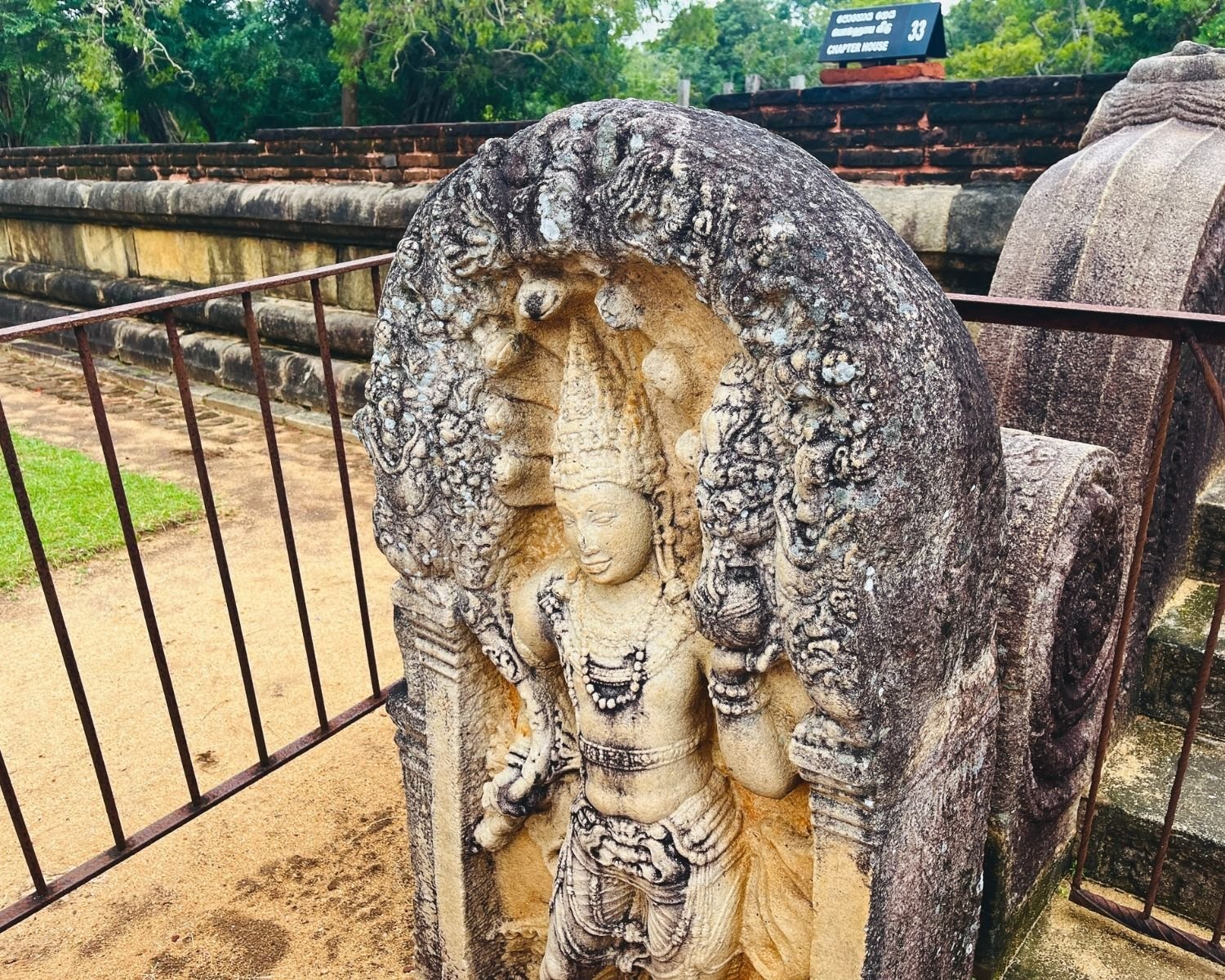
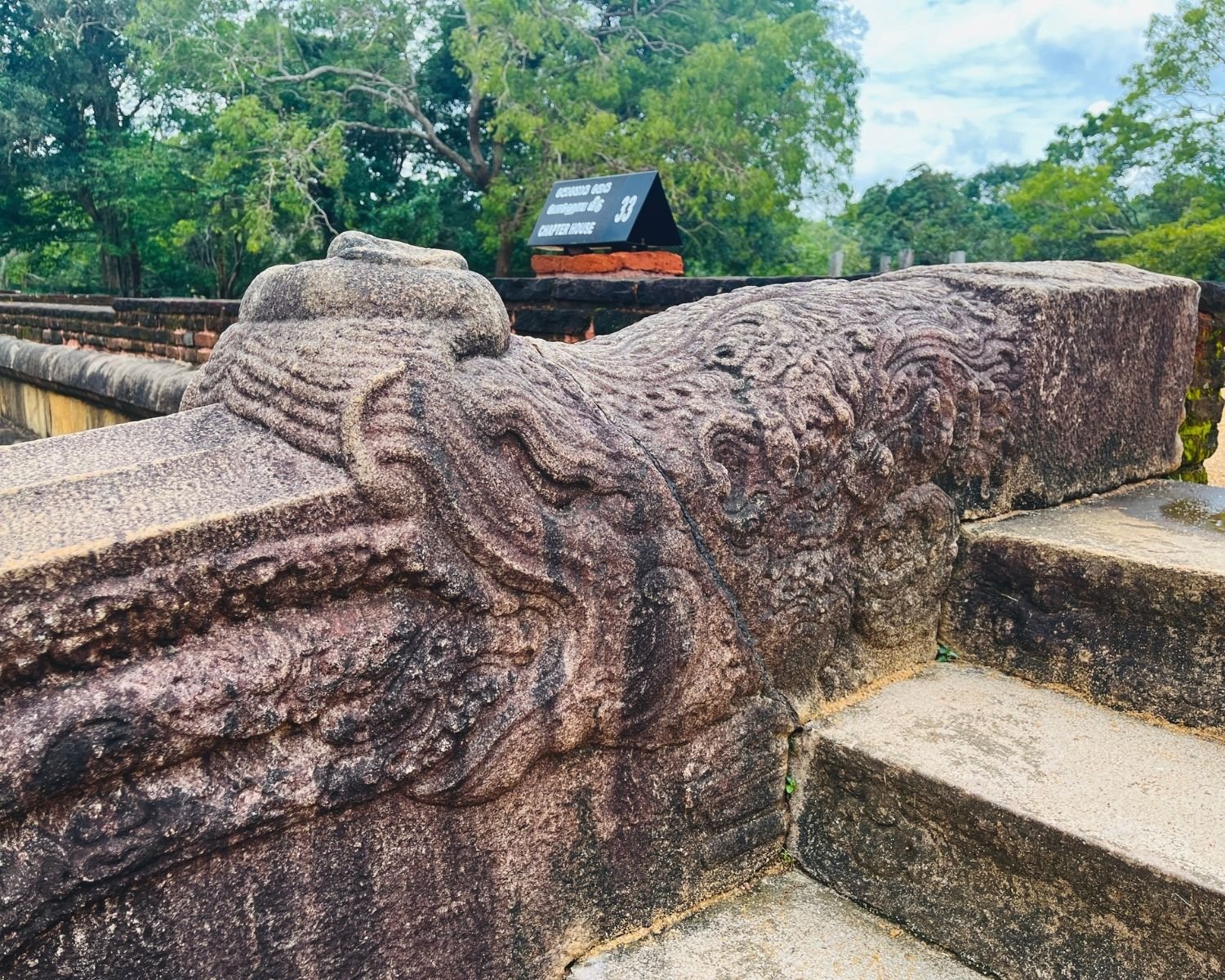
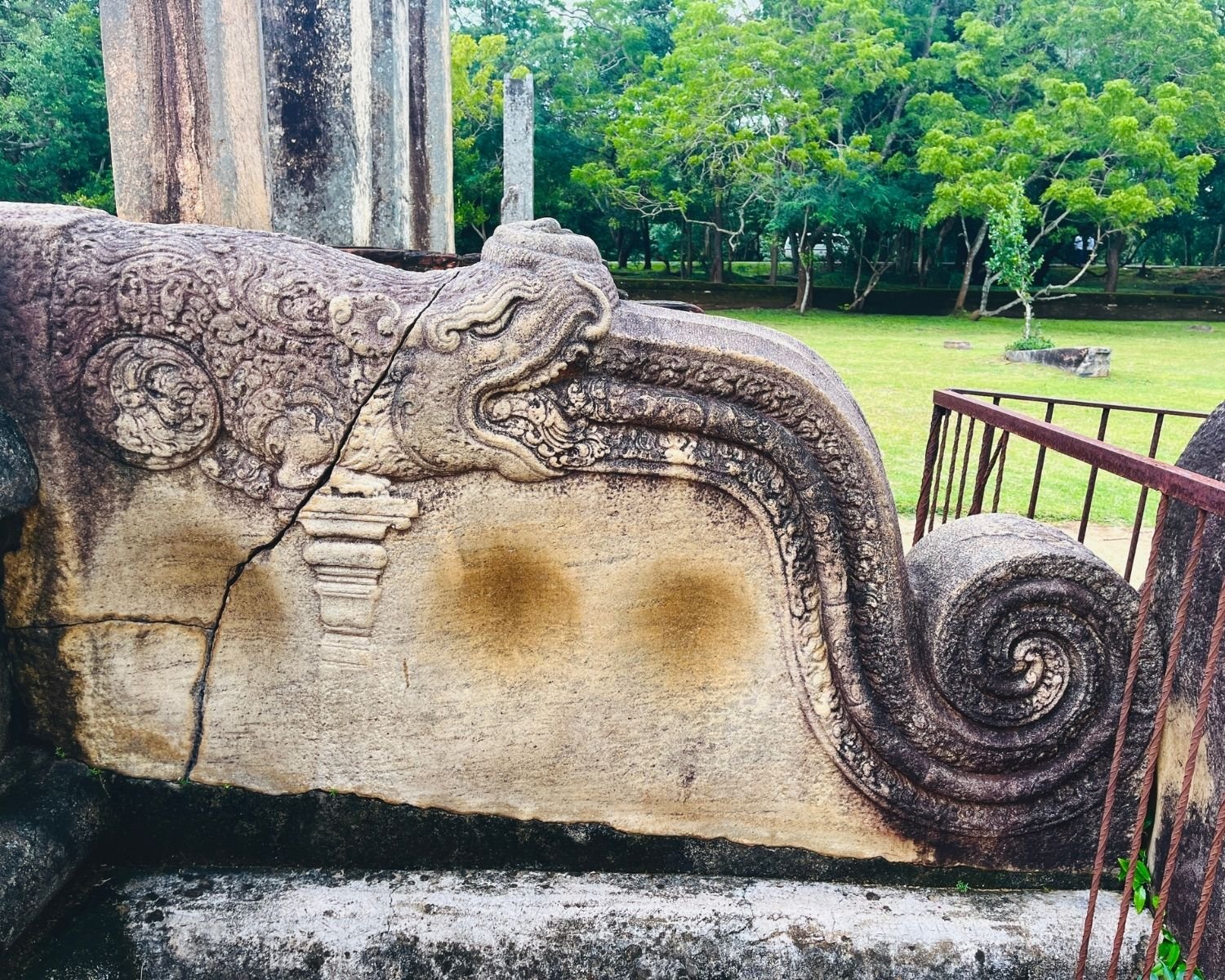
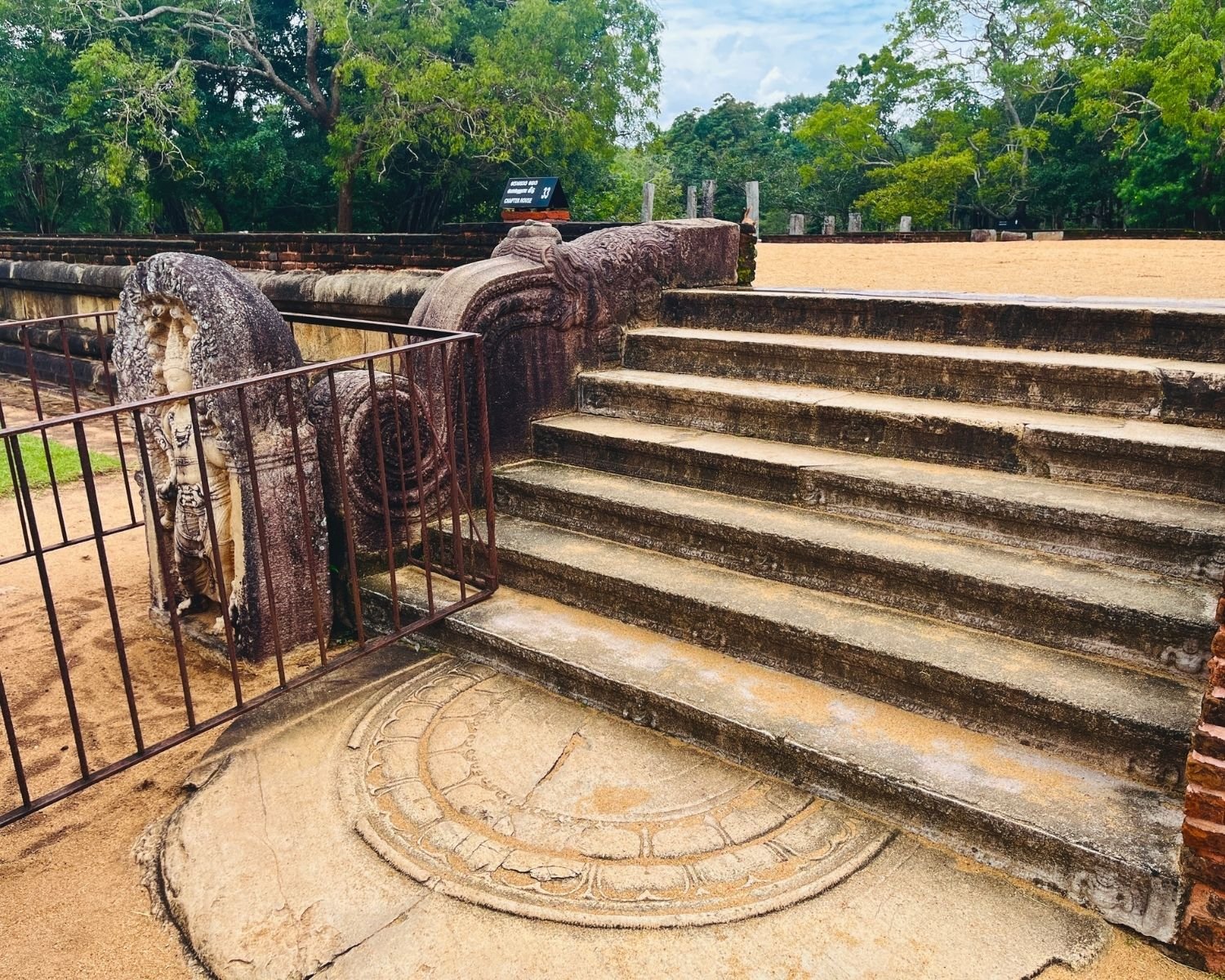
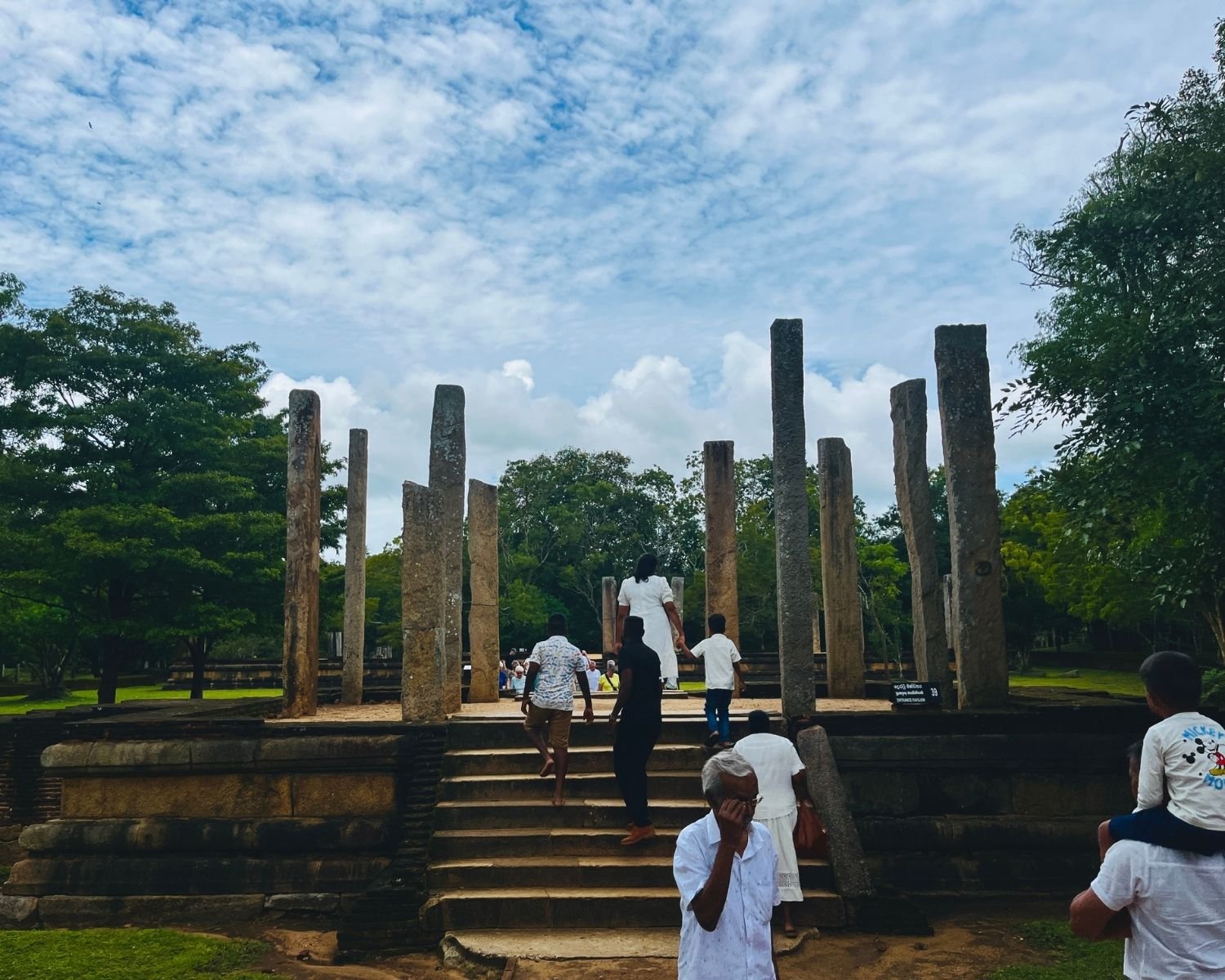
Chapter House of Abhayagiri Monastery where monks debated monastic law. Part of a functioning monastic university complex.
Chapter House of Abhayagiri Monastery where monks debated monastic law. Part of a functioning monastic university complex.
History
7th–10th century CE, built over the original hall of King Kanitthatissa (164–192 CE). A 10th-century inscription records King Mahinda IV’s rebuilding as a “five storied divine mansion.” Guardstone and balustrade carvings date to the 7th–9th centuries CE.
7th–10th century CE, built over the original hall of King Kanitthatissa (164–192 CE). A 10th-century inscription records King Mahinda IV’s rebuilding as a “five storied divine mansion.” Guardstone and balustrade carvings date to the 7th–9th centuries CE.
Scenery
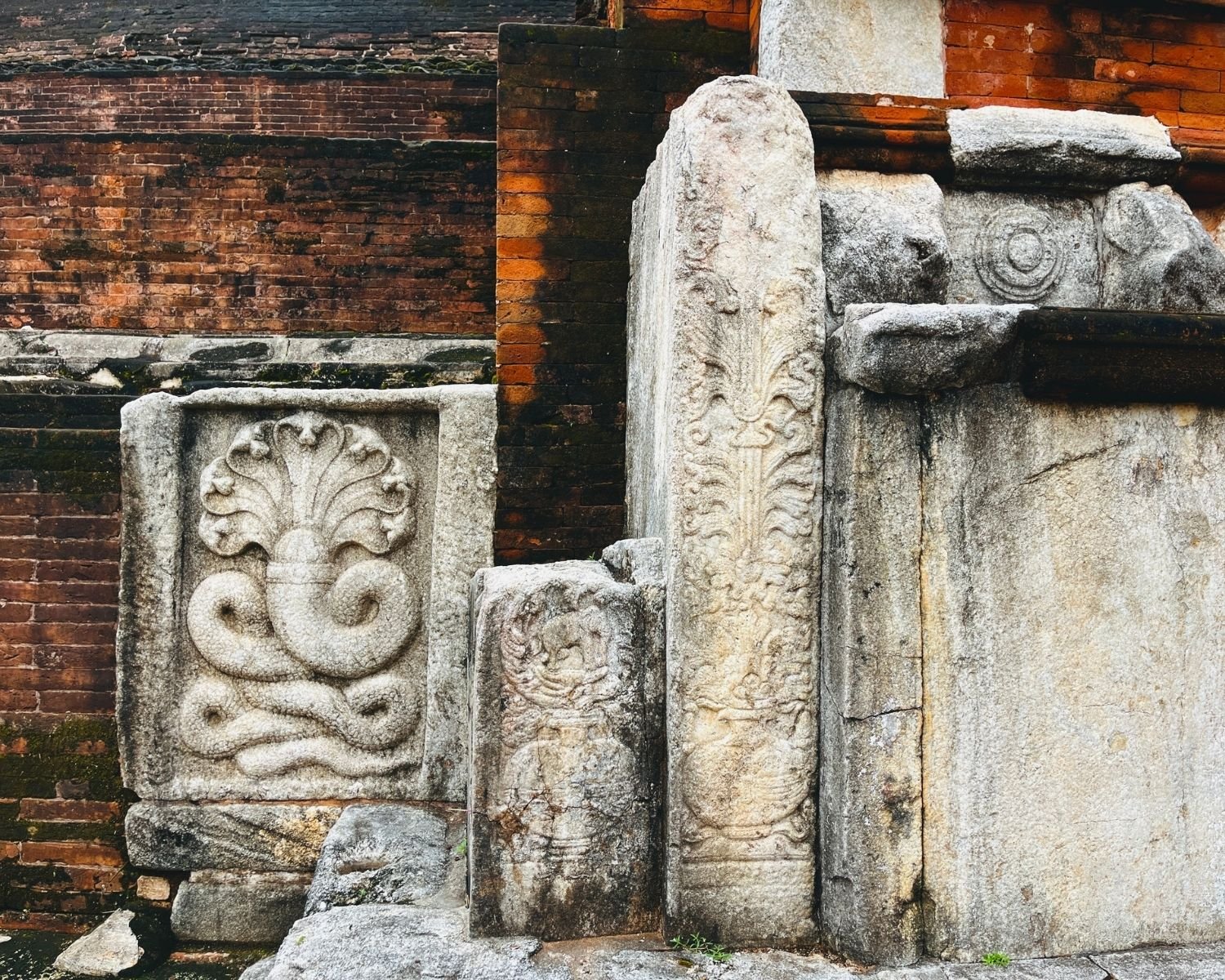
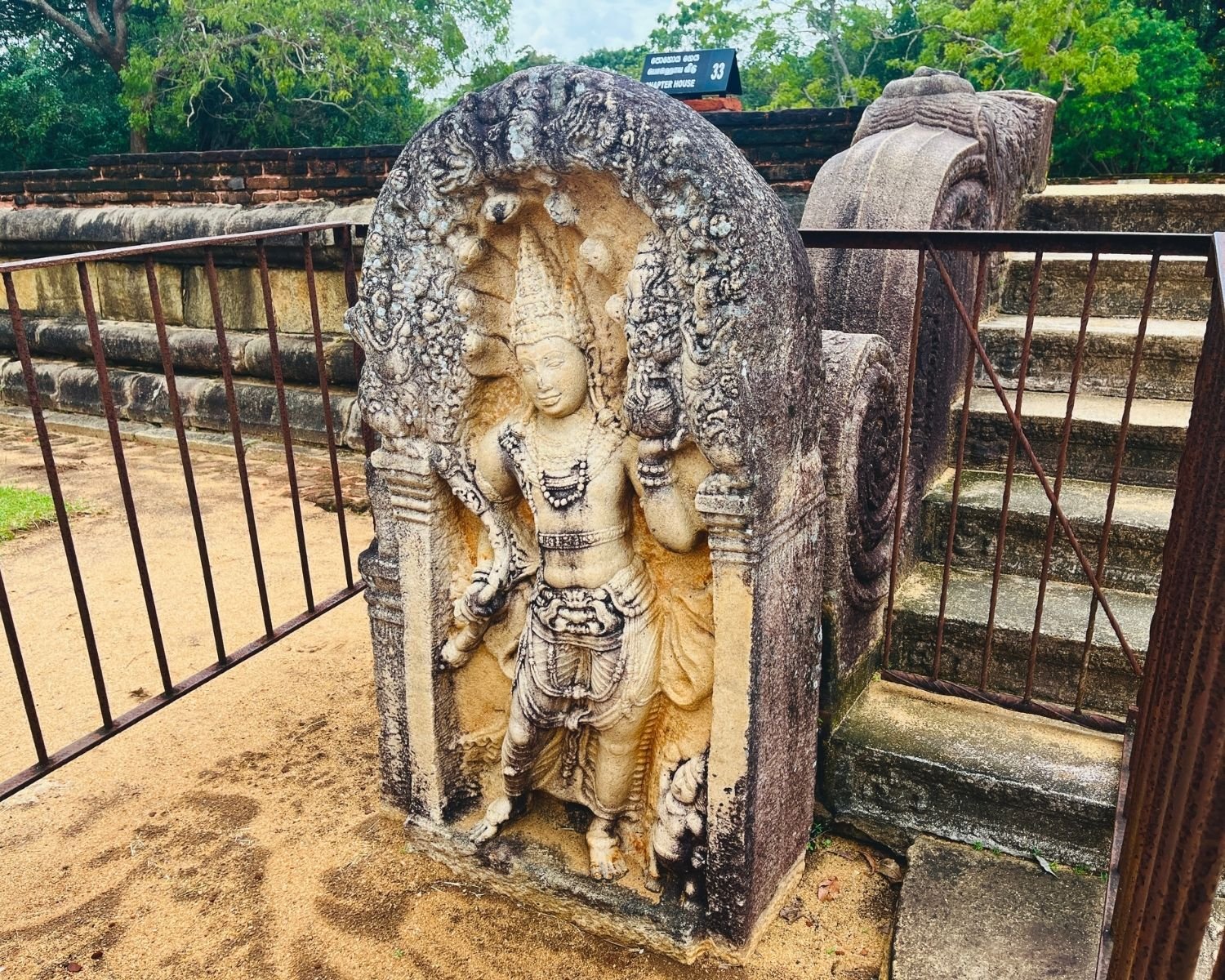
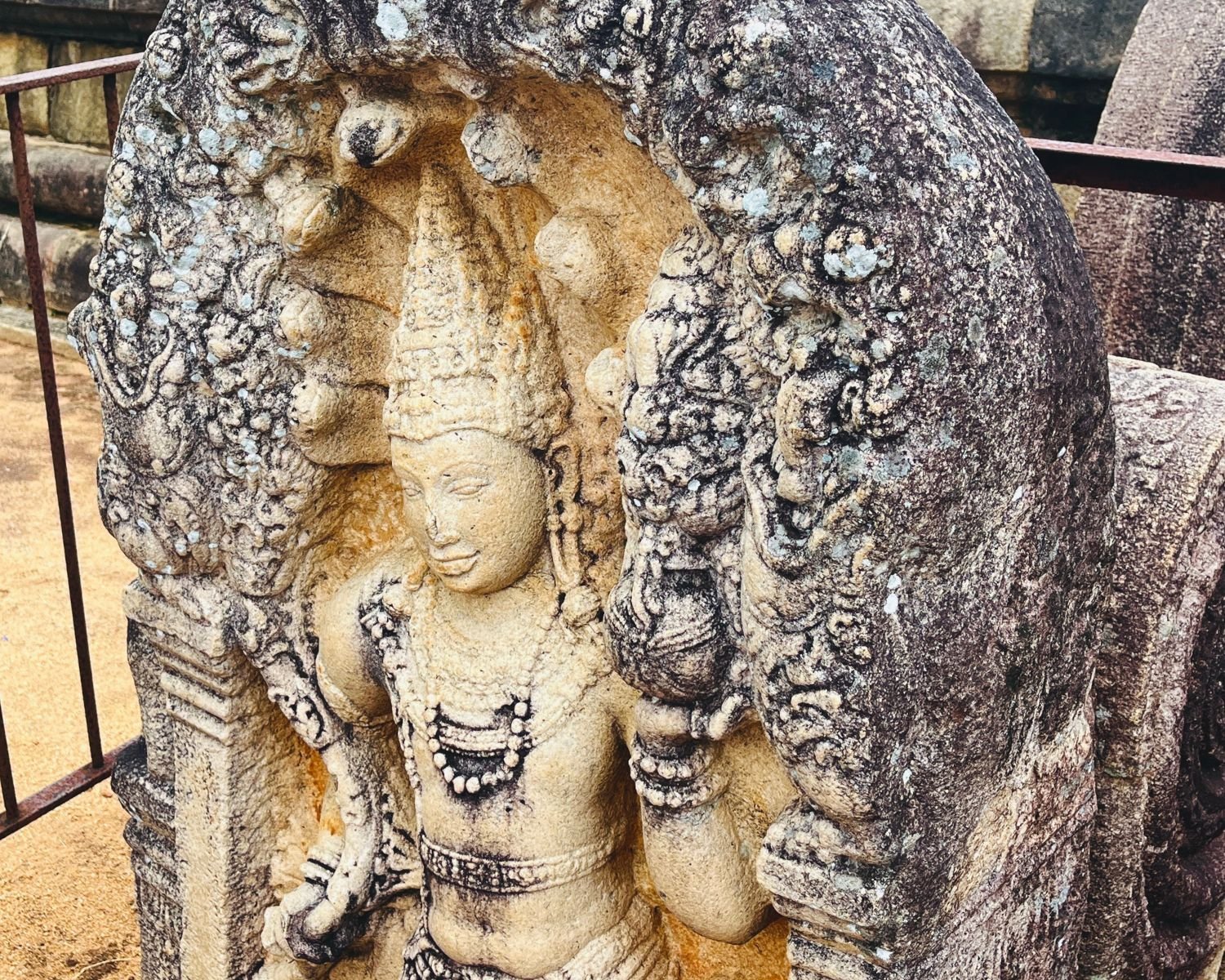
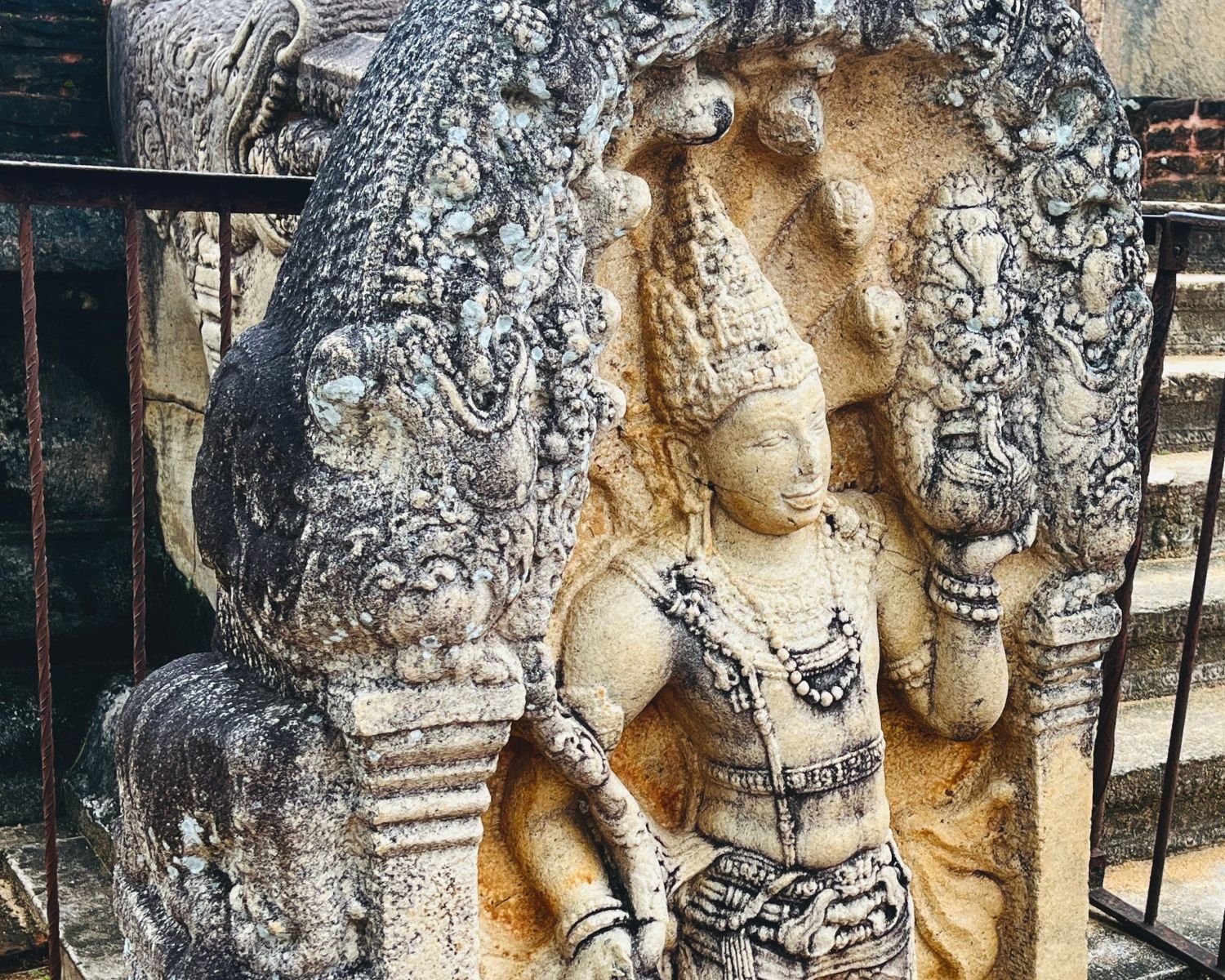
Raised stone platform and granite pillars standing within the open grounds of Abhayagiri. Home to Sri Lanka's most famous and intricately carved guardstone.
Raised stone platform and granite pillars standing within the open grounds of Abhayagiri. Home to Sri Lanka's most famous and intricately carved guardstone.
Art & Culture
Showcases the pinnacle of Anuradhapura stone artistry. The guardstone depicts Nagaraja, the serpent king, crowned under a seven-hooded cobra canopy and holding the punkalasa pot of abundance.
Showcases the pinnacle of Anuradhapura stone artistry. The guardstone depicts Nagaraja, the serpent king, crowned under a seven-hooded cobra canopy and holding the punkalasa pot of abundance.
 Worth It
Location
View on Map
View on Map
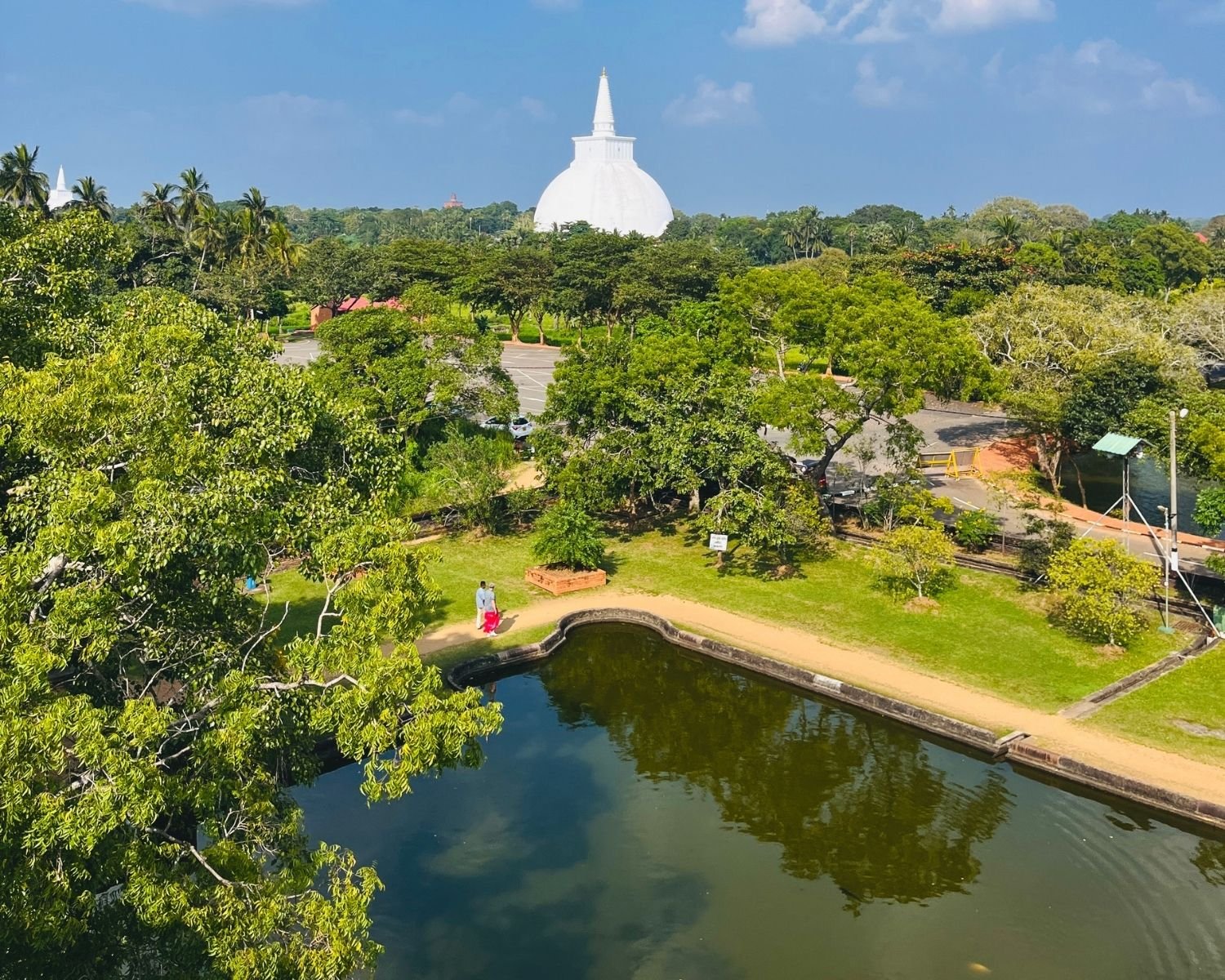
Buddhist Site
Modern Buddhist temple overlooking Nuwara Wewa, offering one of the best elevated viewpoints in Anuradhapura and a sweeping panorama of the Sacred City.
Modern Buddhist temple overlooking Nuwara Wewa, offering one of the best elevated viewpoints in Anuradhapura and a sweeping panorama of the Sacred City.
Scenery
Spectacular views across Nuwara Wewa, with Ruwanwelisaya, Jetavanaramaya, Abhayagiriya, and Mirisawetiya visible on the horizon during clear weather.
Spectacular views across Nuwara Wewa, with Ruwanwelisaya, Jetavanaramaya, Abhayagiriya, and Mirisawetiya visible on the horizon during clear weather.
Art & Culture
Combines modern Buddhist worship with one of the most unique panoramic perspectives of Anuradhapura’s ancient sacred landscape.
Combines modern Buddhist worship with one of the most unique panoramic perspectives of Anuradhapura’s ancient sacred landscape.
 Optional
Location
View on Map
View on Map
 joshua_laporta
 hugo_t_v_r
 joshua_laporta
 cameron.travels
 ravinkavish
 ravinkavish
 ravinkavish
 ravinkavish
Buddhist Site
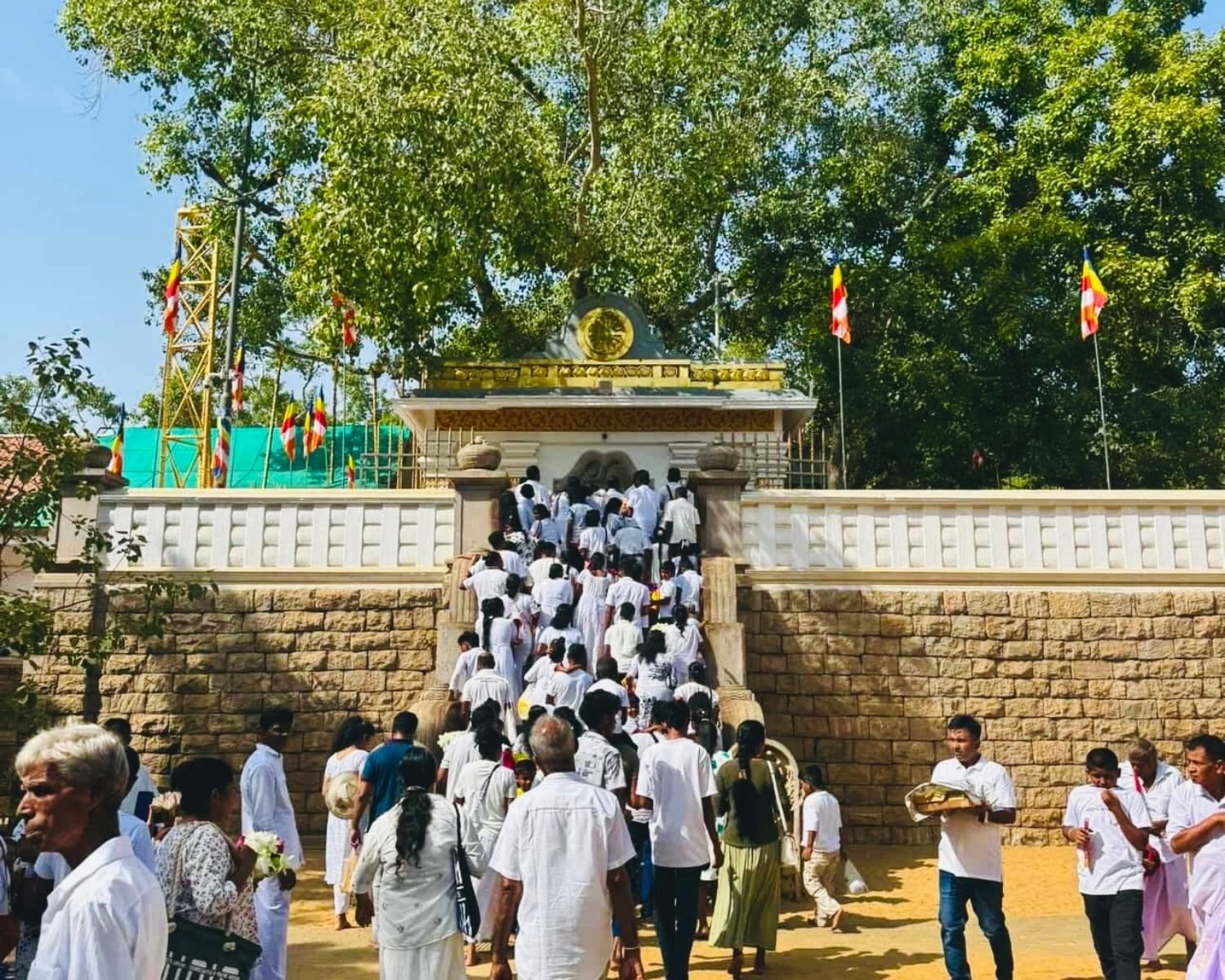
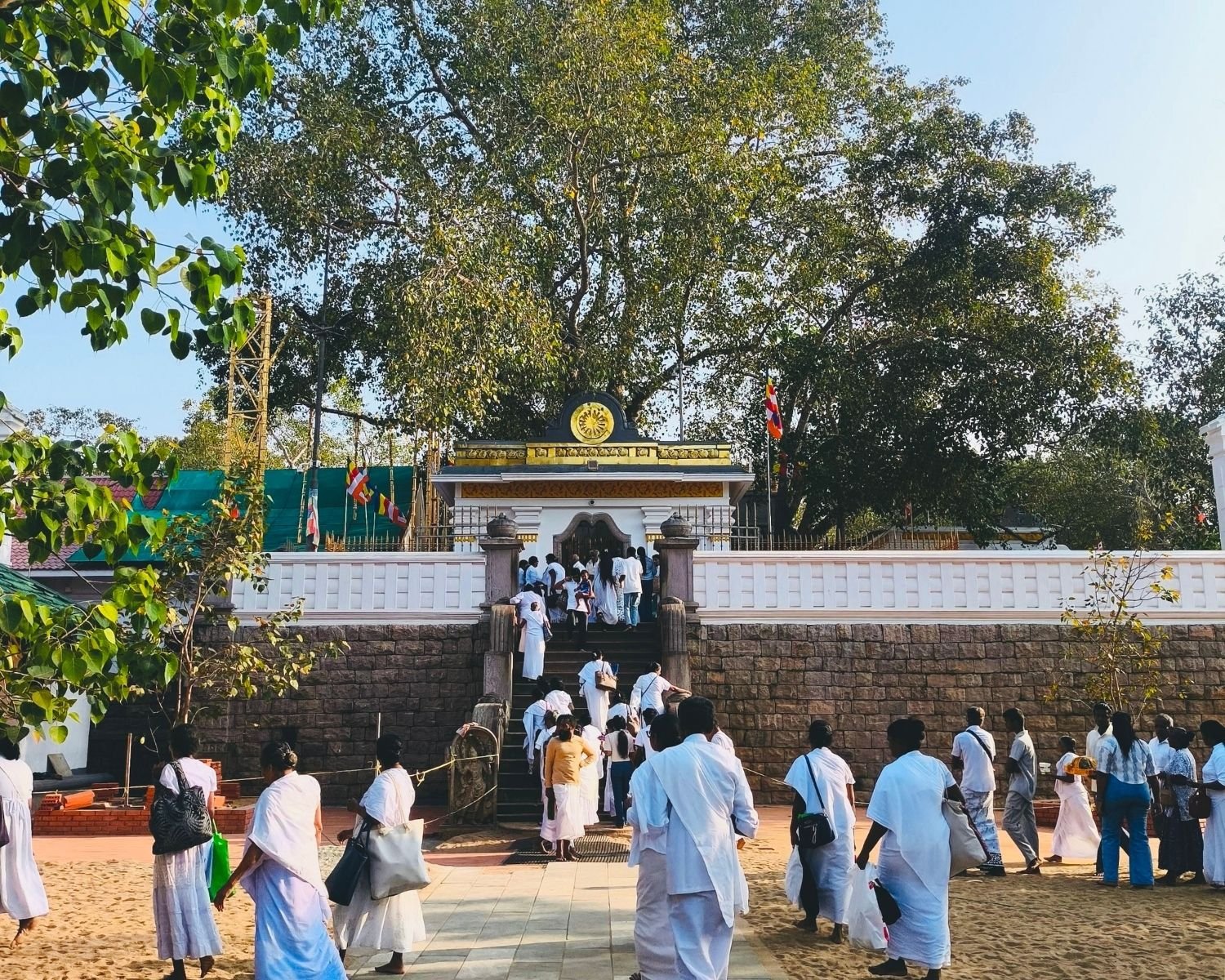
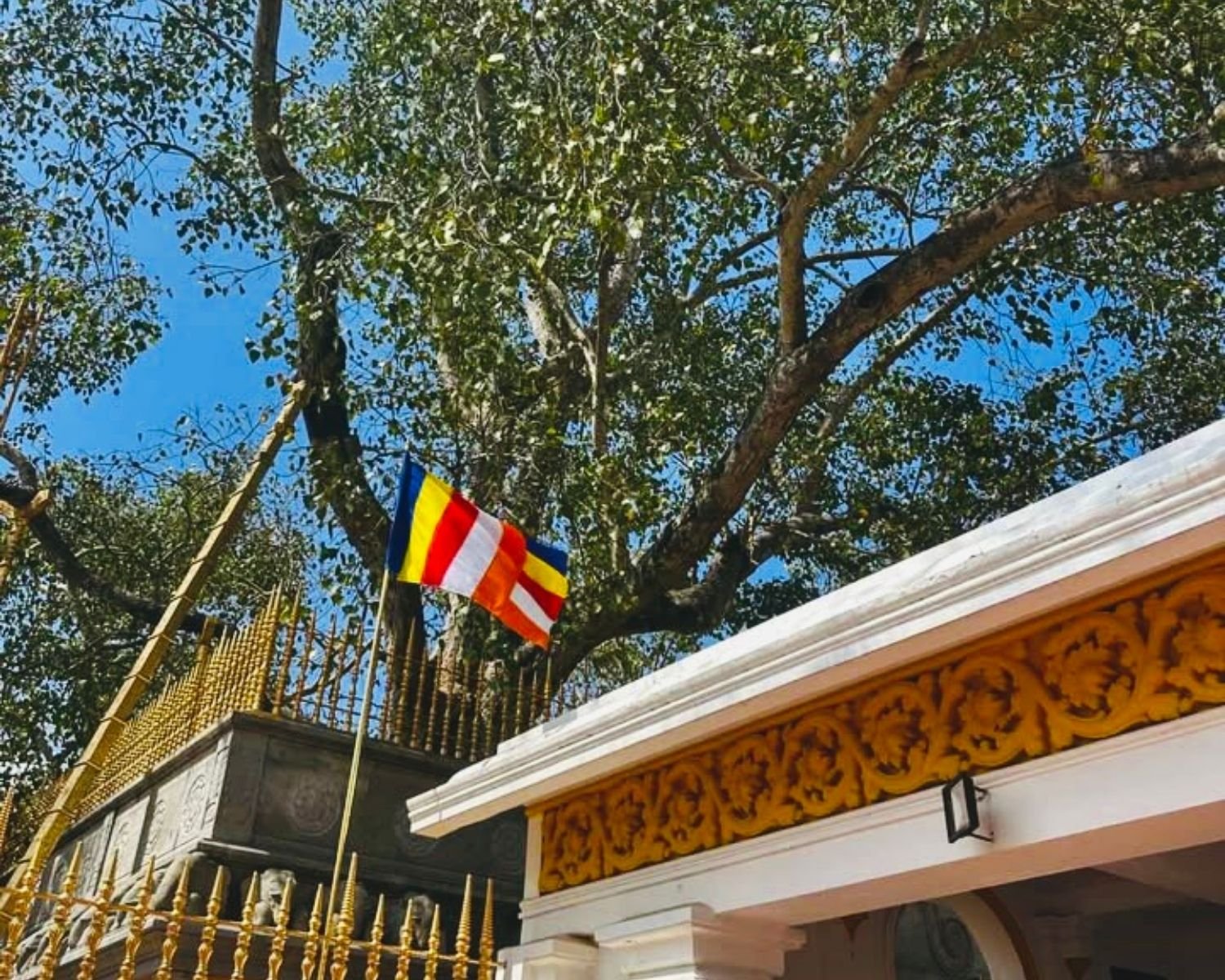
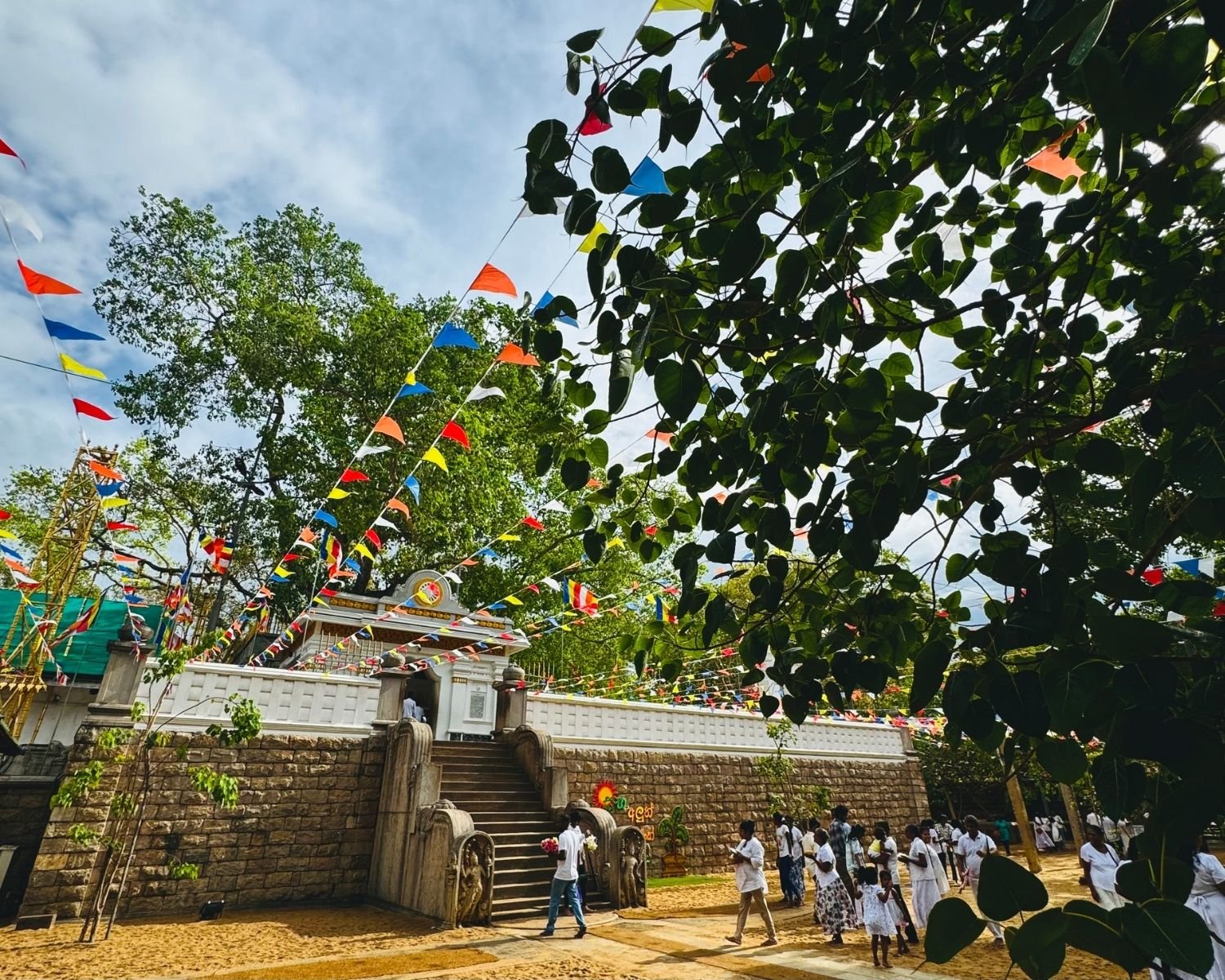
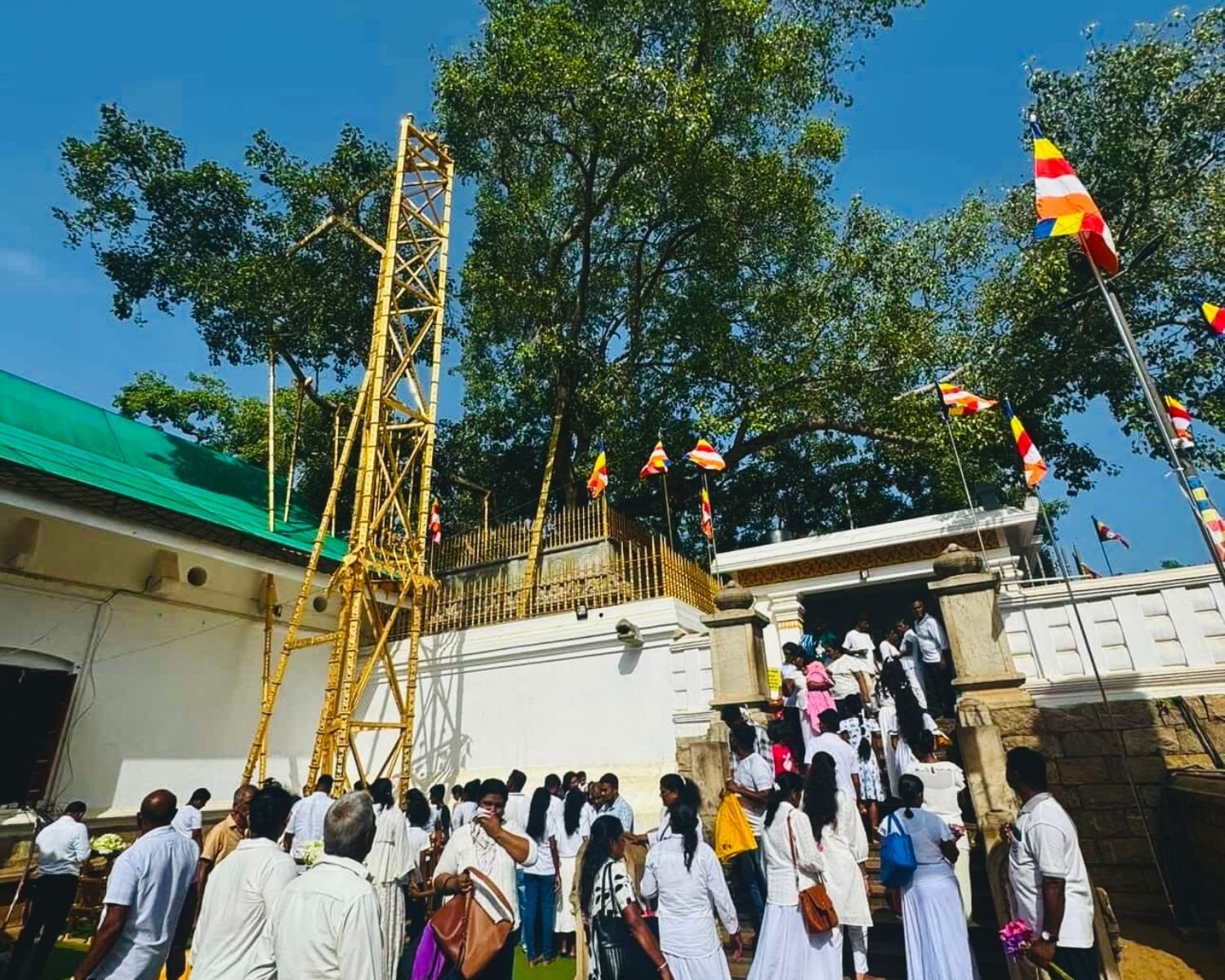
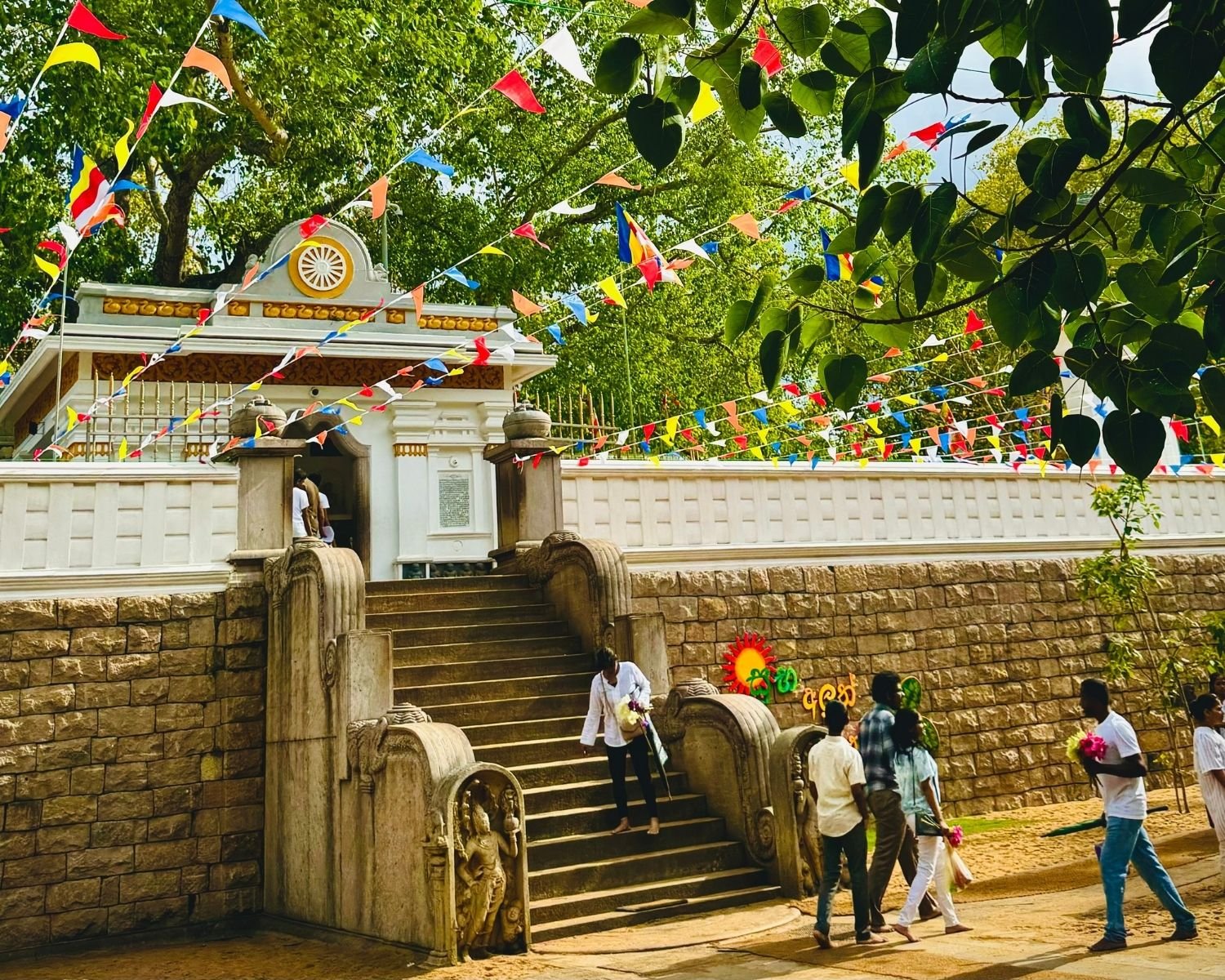
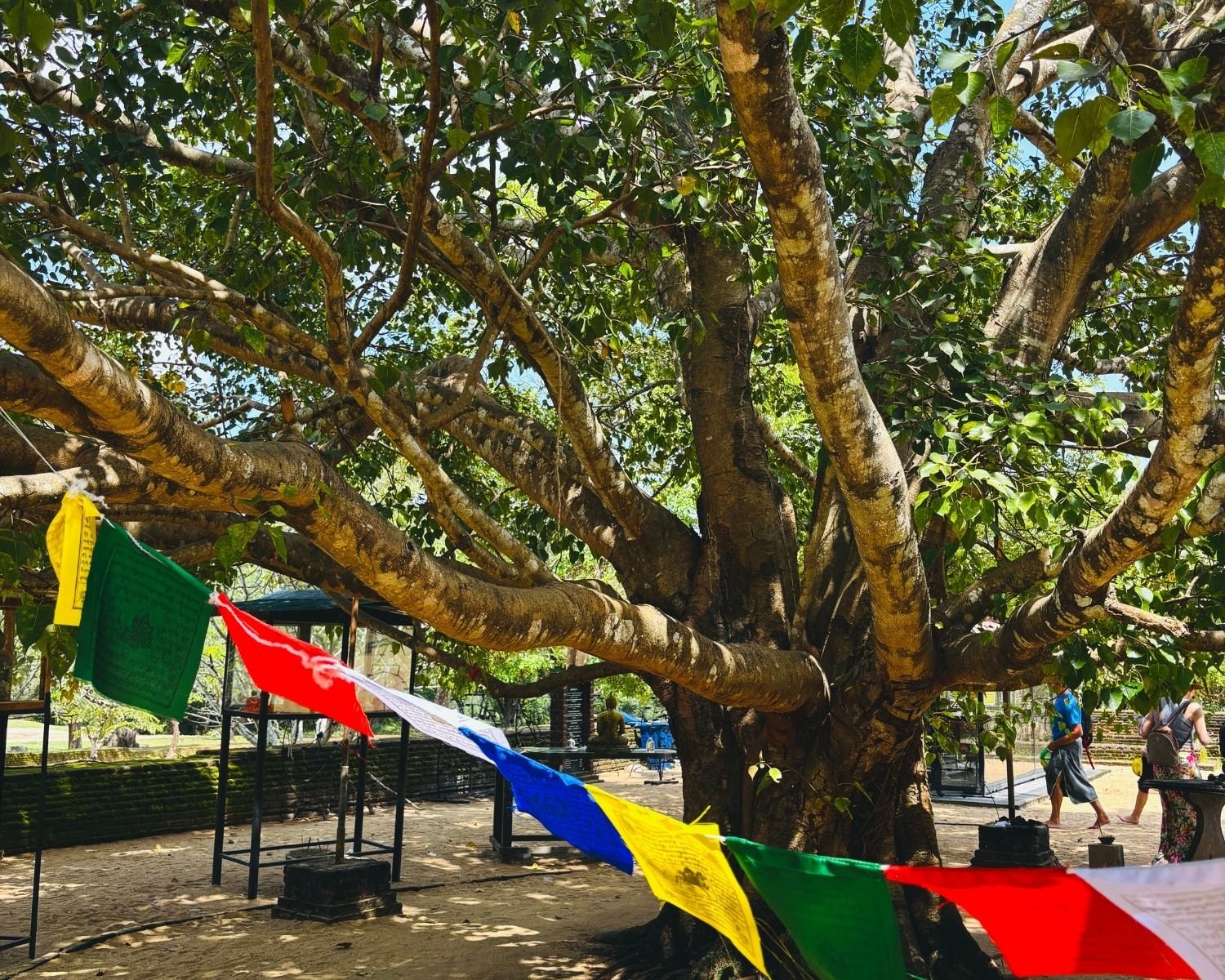
Sacred Bodhi tree planted in 288 BCE, brought by Sangamitta Theri. One of the oldest living religious sites in the world with continuous worship for more than 2,300 years.
Sacred Bodhi tree planted in 288 BCE, brought by Sangamitta Theri. One of the oldest living religious sites in the world with continuous worship for more than 2,300 years.
History
Planted during the reign of King Devanampiyatissa. Direct sapling of the Bodh Gaya tree. Protected and maintained by kings throughout the Anuradhapura period and beyond.
Planted during the reign of King Devanampiyatissa. Direct sapling of the Bodh Gaya tree. Protected and maintained by kings throughout the Anuradhapura period and beyond.
Scenery
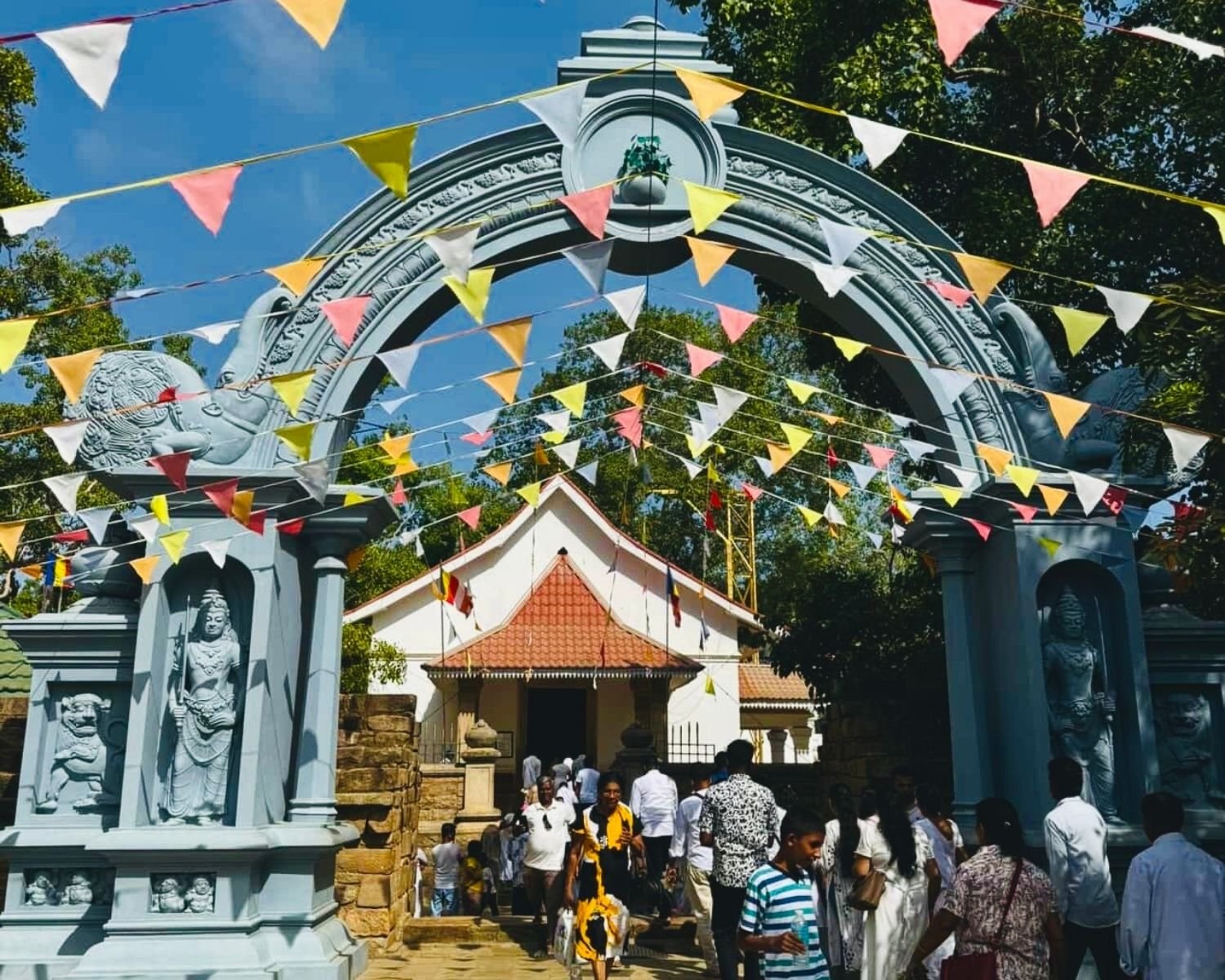
White terraces, gold railings, sacred Bodhi branches, flower offerings, and thousands of pilgrims gathered around one of the world's oldest living historical monuments.
White terraces, gold railings, sacred Bodhi branches, flower offerings, and thousands of pilgrims gathered around one of the world's oldest living historical monuments.
Art & Culture
Sacred terraces, devotional shrines, ancient stone pillars, ritual traditions, and ceremonies preserved over two millennia.
Sacred terraces, devotional shrines, ancient stone pillars, ritual traditions, and ceremonies preserved over two millennia.
Worth It
Location
View on Map
View on Map
 cameron.travels
 cameron.travels
Buddhist Site
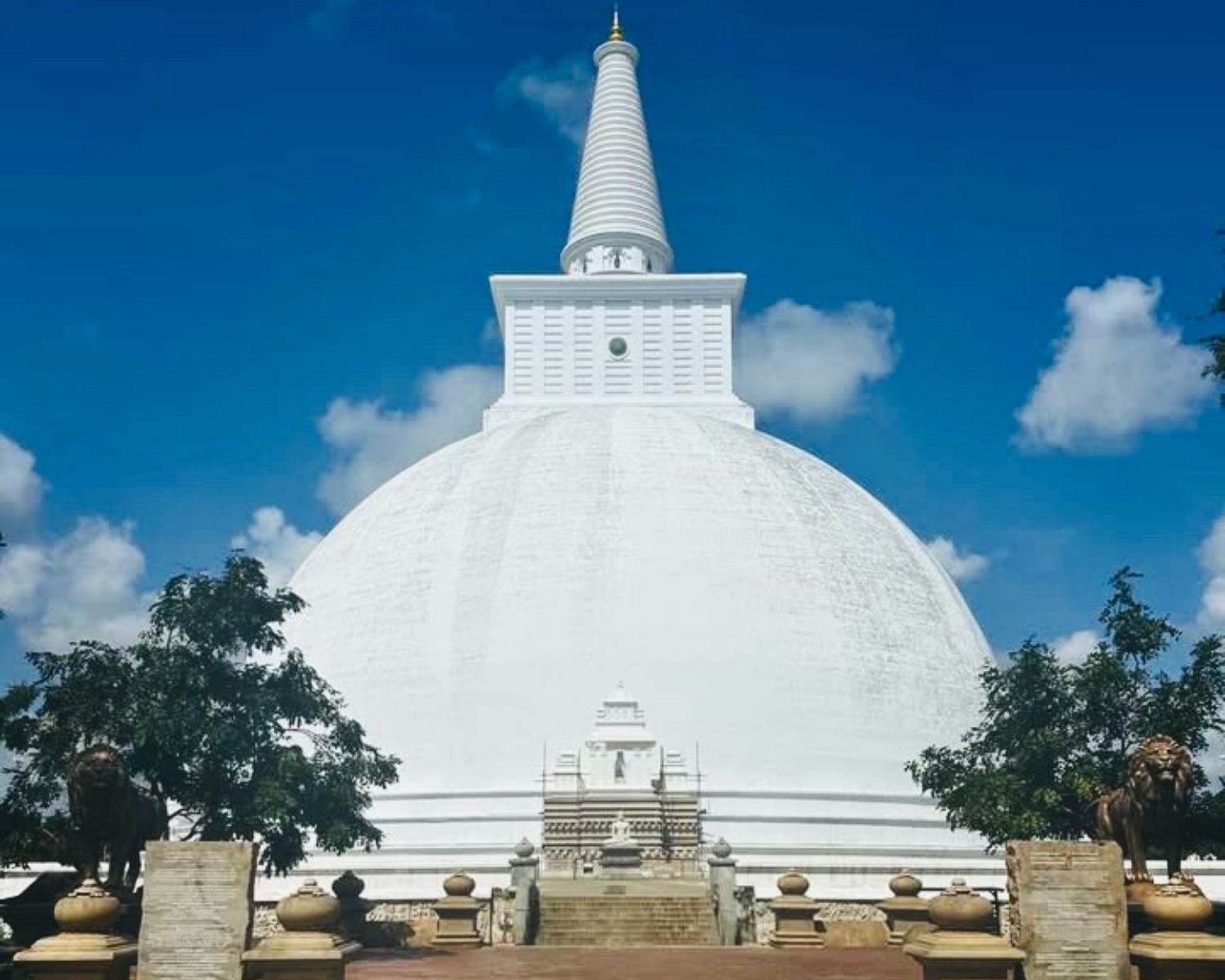
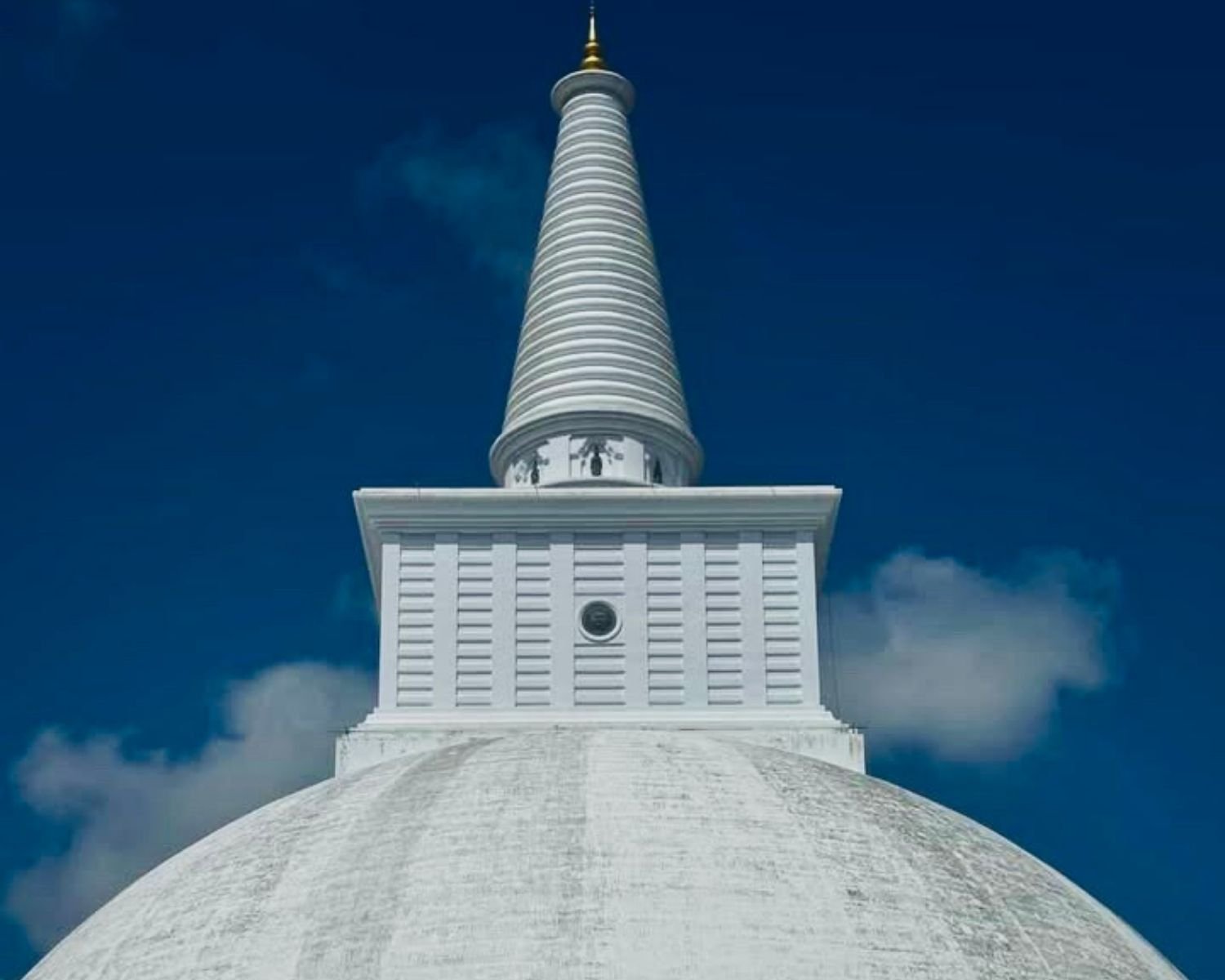
Large modern Buddhist stupa located within the sacred city of Anuradhapura.
Large modern Buddhist stupa located within the sacred city of Anuradhapura.
Scenery
Massive white dome surrounded by open grounds and clear sky views.
Massive white dome surrounded by open grounds and clear sky views.
Art & Culture
Represents the continuation of traditional stupa architecture using modern construction techniques.
Represents the continuation of traditional stupa architecture using modern construction techniques.
Optional
Location
View on Map
View on Map
History
Established in the 3rd century BCE during the time of King Devanampiyatissa. Contains Brahmi inscriptions indicating donations and monastic activity over many centuries.
Established in the 3rd century BCE during the time of King Devanampiyatissa. Contains Brahmi inscriptions indicating donations and monastic activity over many centuries.
Scenery
Towering granite boulders, hidden caves, shaded pathways, ancient ruins, and peaceful forest surroundings create one of the most atmospheric landscapes in Anuradhapura.
Towering granite boulders, hidden caves, shaded pathways, ancient ruins, and peaceful forest surroundings create one of the most atmospheric landscapes in Anuradhapura.
Art & Culture
Brahmi inscriptions, early monastic architecture, carved drip ledges, stone platforms, and cultural traditions rooted in the beginnings of Sri Lankan Buddhism.
Brahmi inscriptions, early monastic architecture, carved drip ledges, stone platforms, and cultural traditions rooted in the beginnings of Sri Lankan Buddhism.
Hike
Easy walk through rock formations with short climbs, narrow paths, and gentle exploration among caves and boulders.
Easy walk through rock formations with short climbs, narrow paths, and gentle exploration among caves and boulders.
Top Pick
Location
View on Map
View on Map
History
Dates back to at least the 1st century CE. The rock inscription from the reign of King Mahadathika Mahanaga records royal donations to an ancient monastery whose original name has partially disappeared due to erosion.
Dates back to at least the 1st century CE. The rock inscription from the reign of King Mahadathika Mahanaga records royal donations to an ancient monastery whose original name has partially disappeared due to erosion.
Buddhist Temple
Active temple with a stupa, shrine rooms, and the site of the Maharathmale rock inscription linked to early Buddhist monastic life.
Active temple with a stupa, shrine rooms, and the site of the Maharathmale rock inscription linked to early Buddhist monastic life.
Scenery
Peaceful temple grounds with trees, open space, a stupa, and quiet surroundings away from the busier monuments of Anuradhapura.
Peaceful temple grounds with trees, open space, a stupa, and quiet surroundings away from the busier monuments of Anuradhapura.
Hike
Short walk over mild slopes and rocky ground to reach the stupa and inscription areas. Easy difficulty, with natural surroundings and elevated viewpoints.
Short walk over mild slopes and rocky ground to reach the stupa and inscription areas. Easy difficulty, with natural surroundings and elevated viewpoints.
Worth It
Location
View on Map
View on Map
History
Developed between the 7th and 10th centuries CE. Built for monks belonging to the Abhayagiri monastic tradition.
Developed between the 7th and 10th centuries CE. Built for monks belonging to the Abhayagiri monastic tradition.
Scenery
Rocky forest landscape with shaded paths, natural boulders, quiet groves, and hidden ruins spread across gently rising terrain. Calm, remote, and ideal for exploration.
Rocky forest landscape with shaded paths, natural boulders, quiet groves, and hidden ruins spread across gently rising terrain. Calm, remote, and ideal for exploration.
Art & Culture
Unique double-platform meditation houses, stone-carved toilets, drip-ledged caves, carved stone floors, and architectural designs created specifically to support meditation and monastic discipline.
Unique double-platform meditation houses, stone-carved toilets, drip-ledged caves, carved stone floors, and architectural designs created specifically to support meditation and monastic discipline.
Worth It
Location
Padanagara
Complex - I
Padanagara
Complex - I
History
Established by King Sirimeghavanna around 301–331 CE as the first shrine built to house the Sacred Tooth Relic of the Buddha in Sri Lanka.
Established by King Sirimeghavanna around 301–331 CE as the first shrine built to house the Sacred Tooth Relic of the Buddha in Sri Lanka.
Scenery
Ruins of ancient foundations, stone pillars, and quiet open spaces within the broader sacred city of Anuradhapura.
Ruins of ancient foundations, stone pillars, and quiet open spaces within the broader sacred city of Anuradhapura.
Art & Culture
Center of early royal rituals linked to the Tooth Relic, origin point of the relic’s custodial tradition, and early ceremonial practices that later evolved into the famous Perahera.
Center of early royal rituals linked to the Tooth Relic, origin point of the relic’s custodial tradition, and early ceremonial practices that later evolved into the famous Perahera.
Worth It
Location
View on Map
View on Map
Reservoir
Large ancient reservoir that supplied water to Anuradhapura's settlements, monasteries, and farmland. Still in use today.
Large ancient reservoir that supplied water to Anuradhapura's settlements, monasteries, and farmland. Still in use today.
History
Traditionally attributed to King Valagamba in the 1st century BCE. Expanded and maintained by later rulers as part of the city's hydraulic network.
Traditionally attributed to King Valagamba in the 1st century BCE. Expanded and maintained by later rulers as part of the city's hydraulic network.
Scenery
Wide open water, tree-lined shores, village landscapes, and popular sunset views along the reservoir bund.
Wide open water, tree-lined shores, village landscapes, and popular sunset views along the reservoir bund.
Worth It
Location
View on Map
View on Map
 kira.sperling
ravinkavish
kira.sperling
ravinkavish
Reservoir
A massive 550-acre artificial basin built to collect water for a capital city. It continuously functions as a critical urban reservoir supplying the entire town of Anuradhapura.
A massive 550-acre artificial basin built to collect water for a capital city. It continuously functions as a critical urban reservoir supplying the entire town of Anuradhapura.
History
Commissioned in the 3rd Century BCE by King Devanampiya Tissa. It is the ancient world’s earliest planned municipal water grid, explicitly recorded in the Mahavamsa chronicle.
Commissioned in the 3rd Century BCE by King Devanampiya Tissa. It is the ancient world’s earliest planned municipal water grid, explicitly recorded in the Mahavamsa chronicle.
Scenery
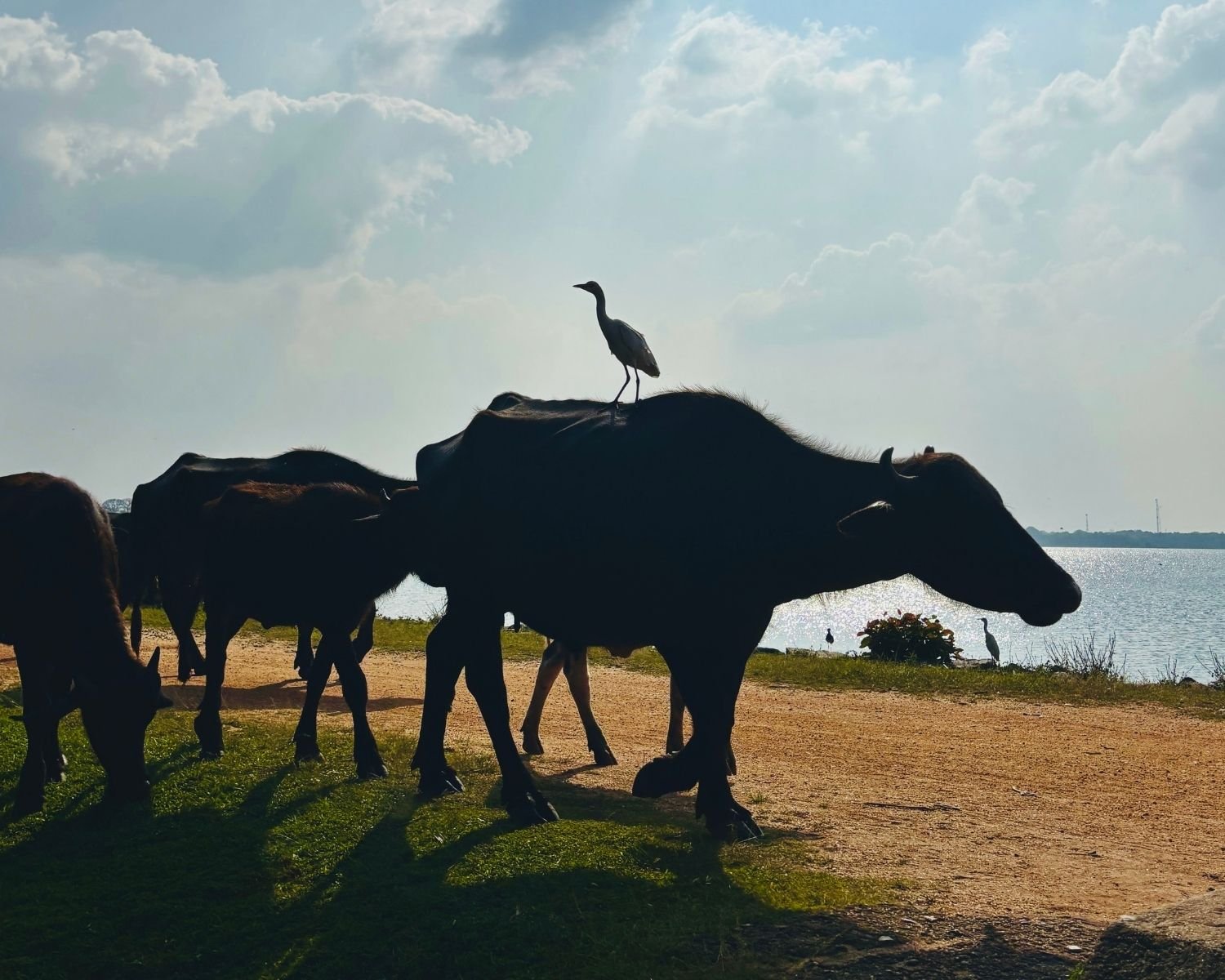
A stunning sunset spot offering expansive water views with wild birdlife and grazing buffalo. The horizon directly overlooks the monumental white domes of the ancient sacred city.
A stunning sunset spot offering expansive water views with wild birdlife and grazing buffalo. The horizon directly overlooks the monumental white domes of the ancient sacred city.
Engineering
Pioneered advanced stone sluice gate technology to neutralize immense water pressure. This gravity innovation enabled safe water release from massive reservoirs two millennia before Western adoption.
Pioneered advanced stone sluice gate technology to neutralize immense water pressure. This gravity innovation enabled safe water release from massive reservoirs two millennia before Western adoption.
Worth It
Location
View on Map
View on Map
Reservoir
Built in 460 CE, Kala Wewa holds approximately 123 million cubic metres of water and ranks among the largest unified and oldest surviving reservoirs ever created.
Built in 460 CE, Kala Wewa holds approximately 123 million cubic metres of water and ranks among the largest unified and oldest surviving reservoirs ever created.
Scenery
Expansive open water, long earthen bunds, forested surroundings, and wide dry zone horizons.
Expansive open water, long earthen bunds, forested surroundings, and wide dry zone horizons.
History
Built in the 5th century CE by King Dhatusena and linked to the Yoda Ela canal supplying water to Anuradhapura.
Built in the 5th century CE by King Dhatusena and linked to the Yoda Ela canal supplying water to Anuradhapura.
Engineering
One of humanity's earliest mega-engineering projects, completed in 460 CE and still functioning more than 1,500 years later.
One of humanity's earliest mega-engineering projects, completed in 460 CE and still functioning more than 1,500 years later.
Top Pick
Location
View on Map
View on Map
Reservoir
A massive 255-acre basin capturing monsoon rainwater rather than river flow. It is the world’s oldest large-scale urban reservoir still in continuous, daily operation.
A massive 255-acre basin capturing monsoon rainwater rather than river flow. It is the world’s oldest large-scale urban reservoir still in continuous, daily operation.
History
Constructed in 484 BCE by King Pandukabhaya, this landmark is the oldest artificial lake on Earth with a verified, contemporary written record in the ancient Mahavamsa chronicle.
Constructed in 484 BCE by King Pandukabhaya, this landmark is the oldest artificial lake on Earth with a verified, contemporary written record in the ancient Mahavamsa chronicle.
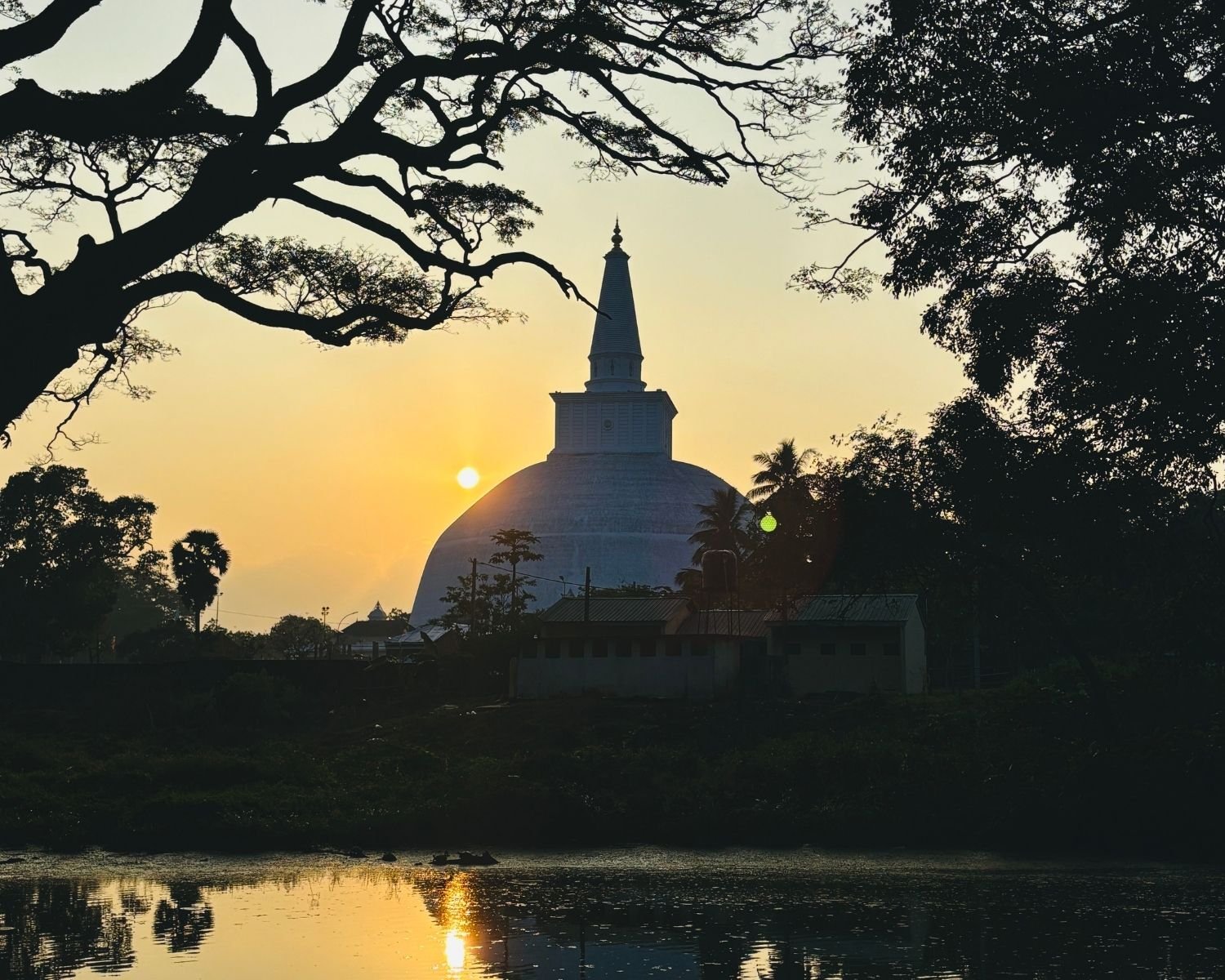
Scenery
A breathtaking sunset destination where golden waters mirror the massive white dome of the neighboring stupas.
A breathtaking sunset destination where golden waters mirror the massive white dome of the neighboring stupas.
Engineering
Operates entirely via pure gravity hydraulics. Its 5,910-foot earthen bund and specialized valve towers channel massive water pressure downward without mechanical pumps, pioneering the world’s first self-regulating cascade system.
Operates entirely via pure gravity hydraulics. Its 5,910-foot earthen bund and specialized valve towers channel massive water pressure downward without mechanical pumps, pioneering the world’s first self-regulating cascade system.
Worth It
Location
View on Map
View on Map
Reservoir
A colossal 12-square-kilometer basin built directly across a main river valley. It operates continuously as a functional flood-retention fortress protecting the city of Anuradhapura.
A colossal 12-square-kilometer basin built directly across a main river valley. It operates continuously as a functional flood-retention fortress protecting the city of Anuradhapura.
History
Commissioned in the 3rd Century CE by King Mahasen. Its critical dual role in capital city protection and regional water routing is explicitly recorded in the Mahavamsa.
Commissioned in the 3rd Century CE by King Mahasen. Its critical dual role in capital city protection and regional water routing is explicitly recorded in the Mahavamsa.
Scenery
Features a massive 1.6-kilometer-long embankment road. The vast open waters generate sweeping breezes, creating a sanctuary for migratory birdlife and panoramic sunset views.
Features a massive 1.6-kilometer-long embankment road. The vast open waters generate sweeping breezes, creating a sanctuary for migratory birdlife and panoramic sunset views.
Engineering
Uses three independent stone sluices to split-route high-pressure water directly into Tissa Wewa and Nuwara Wewa, seamlessly balancing two separate regional river basins via pure gravity.
Uses three independent stone sluices to split-route high-pressure water directly into Tissa Wewa and Nuwara Wewa, seamlessly balancing two separate regional river basins via pure gravity.
Worth It
Location
View on Map
View on Map
 janindu_meegoda
 janindu_meegoda
 janindu_meegoda
 janindu_meegoda
 janindu_meegoda
 janindu_meegoda
 janindu_meegoda
 janindu_meegoda
 ravinkavish
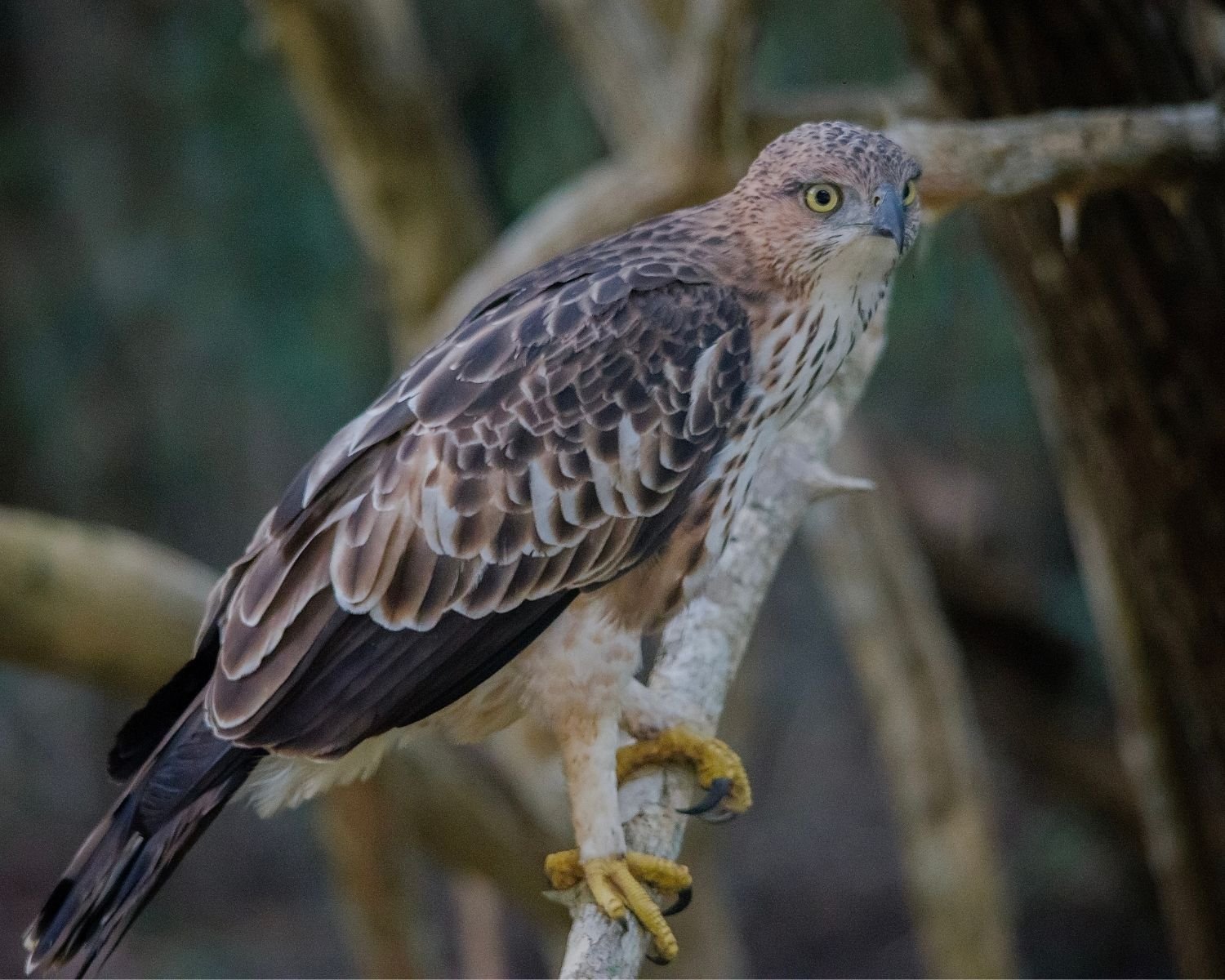 janindu_meegoda
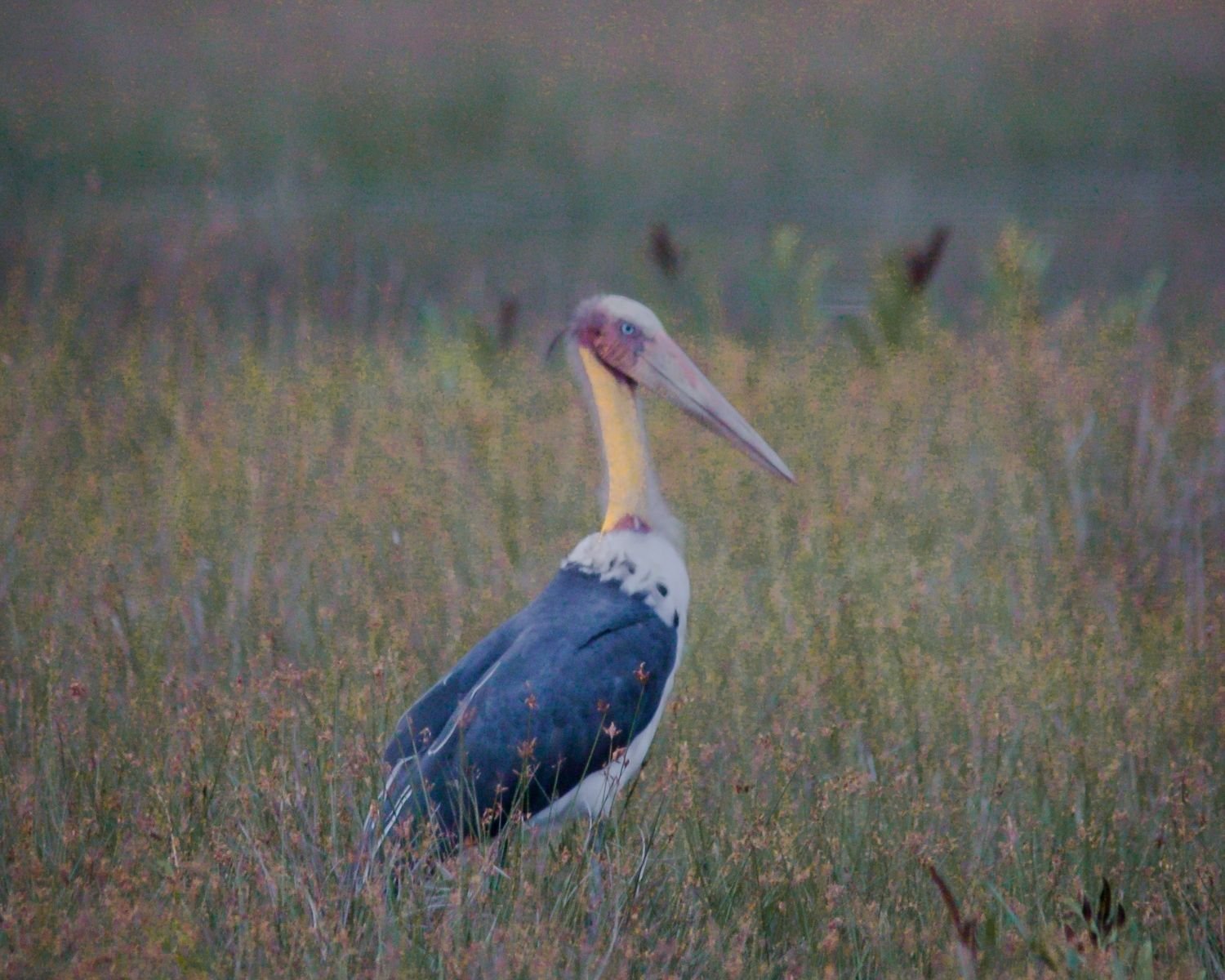 janindu_meegoda
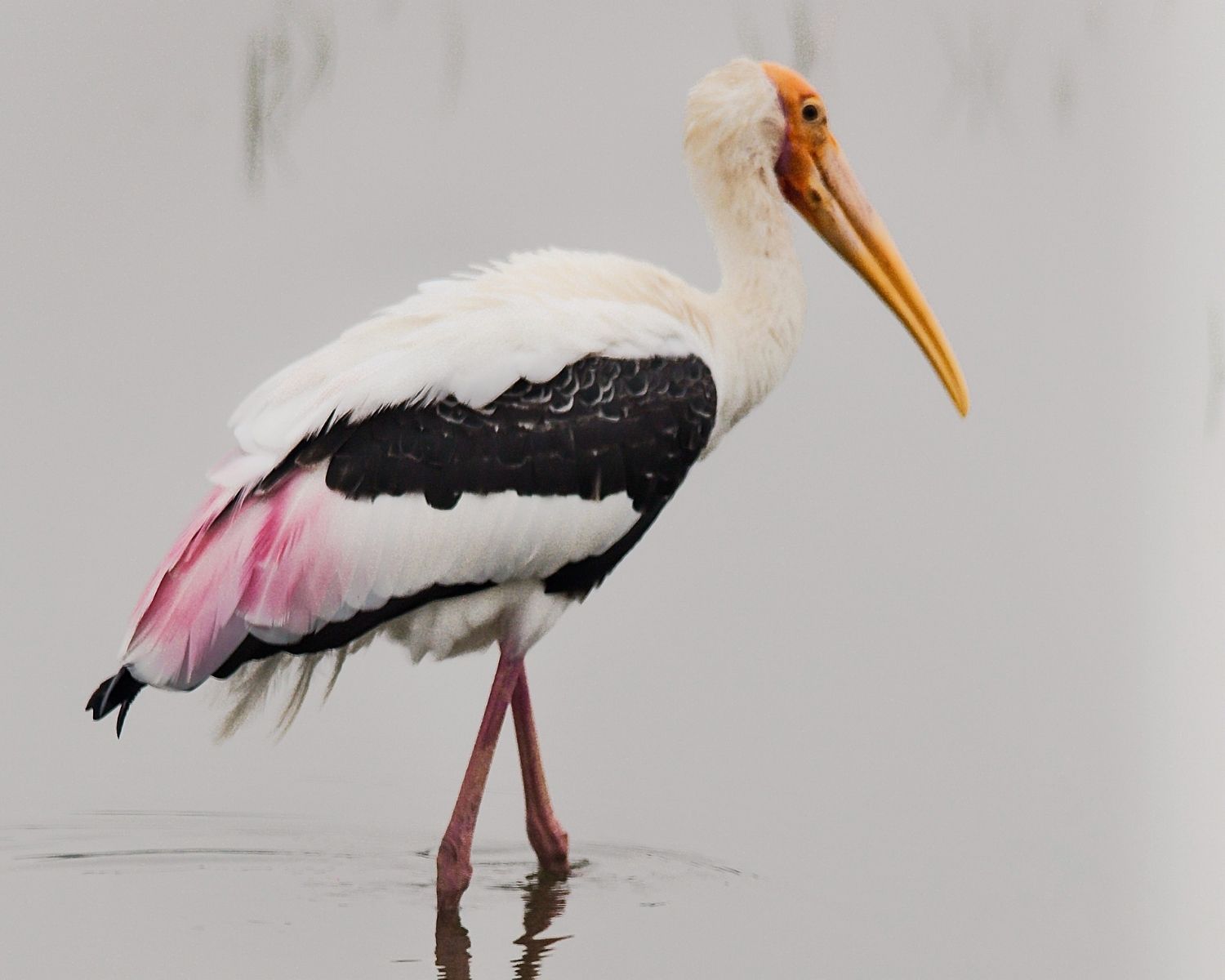 janindu_meegoda
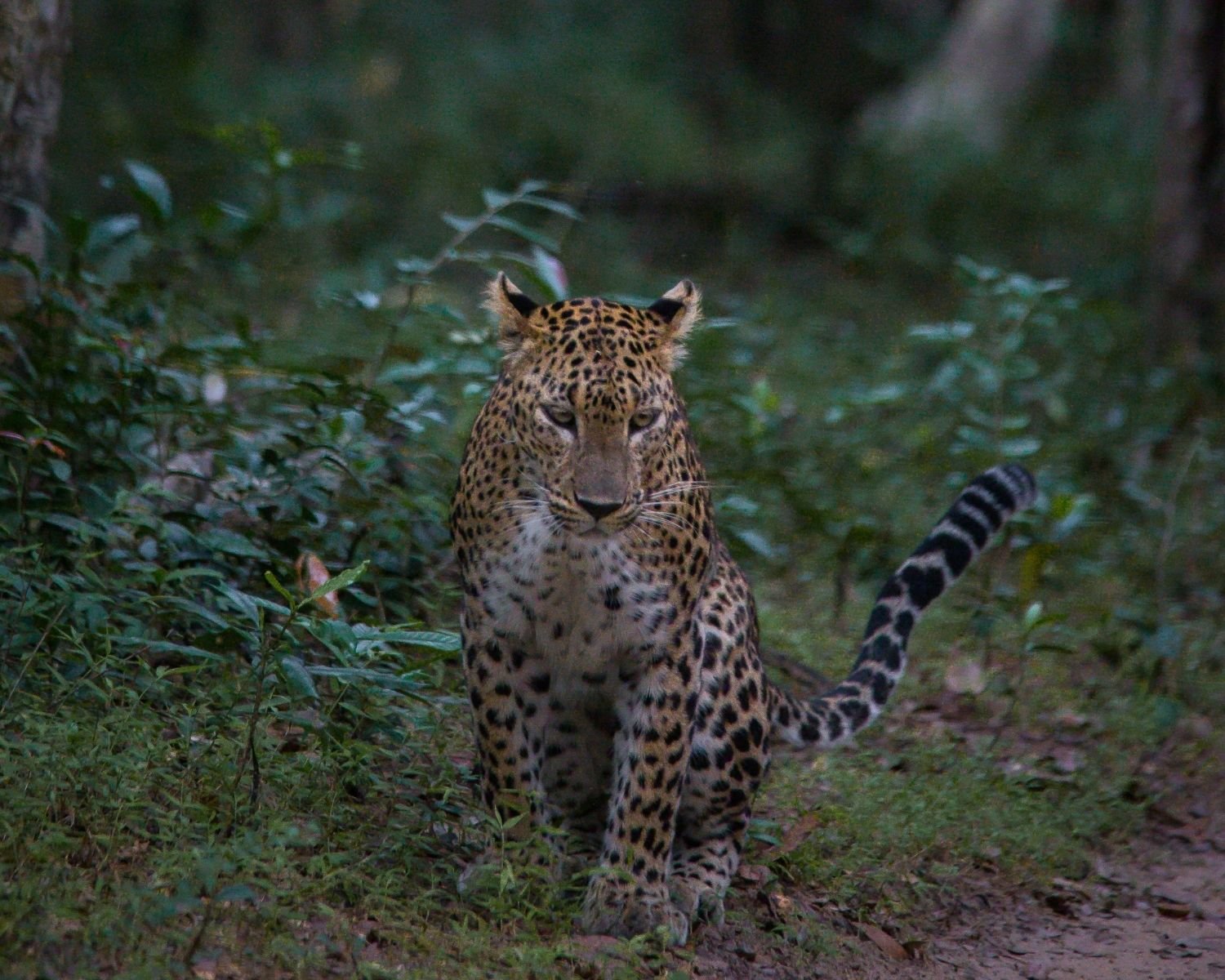 janindu_meegoda
 janindu_meegoda
Animals
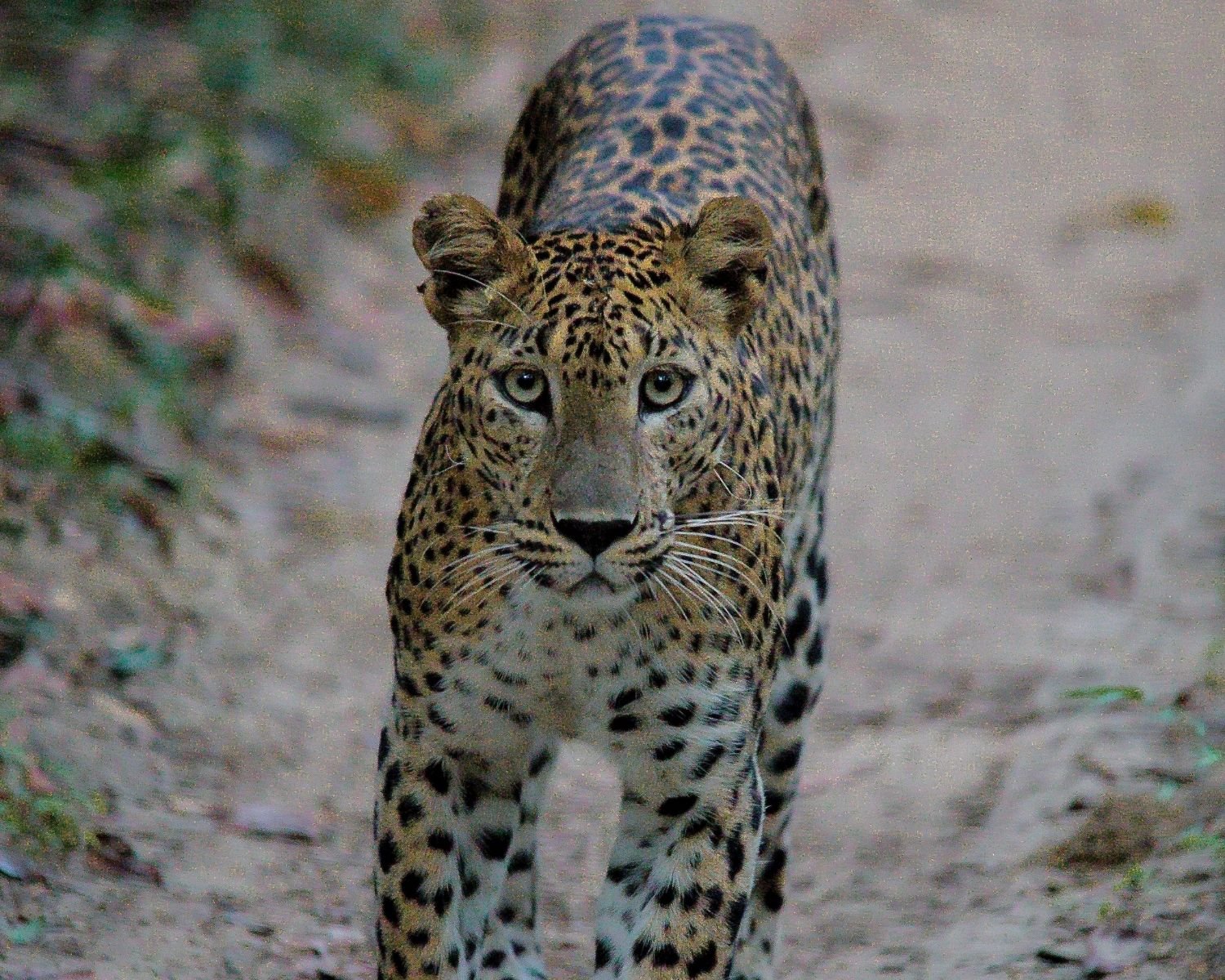
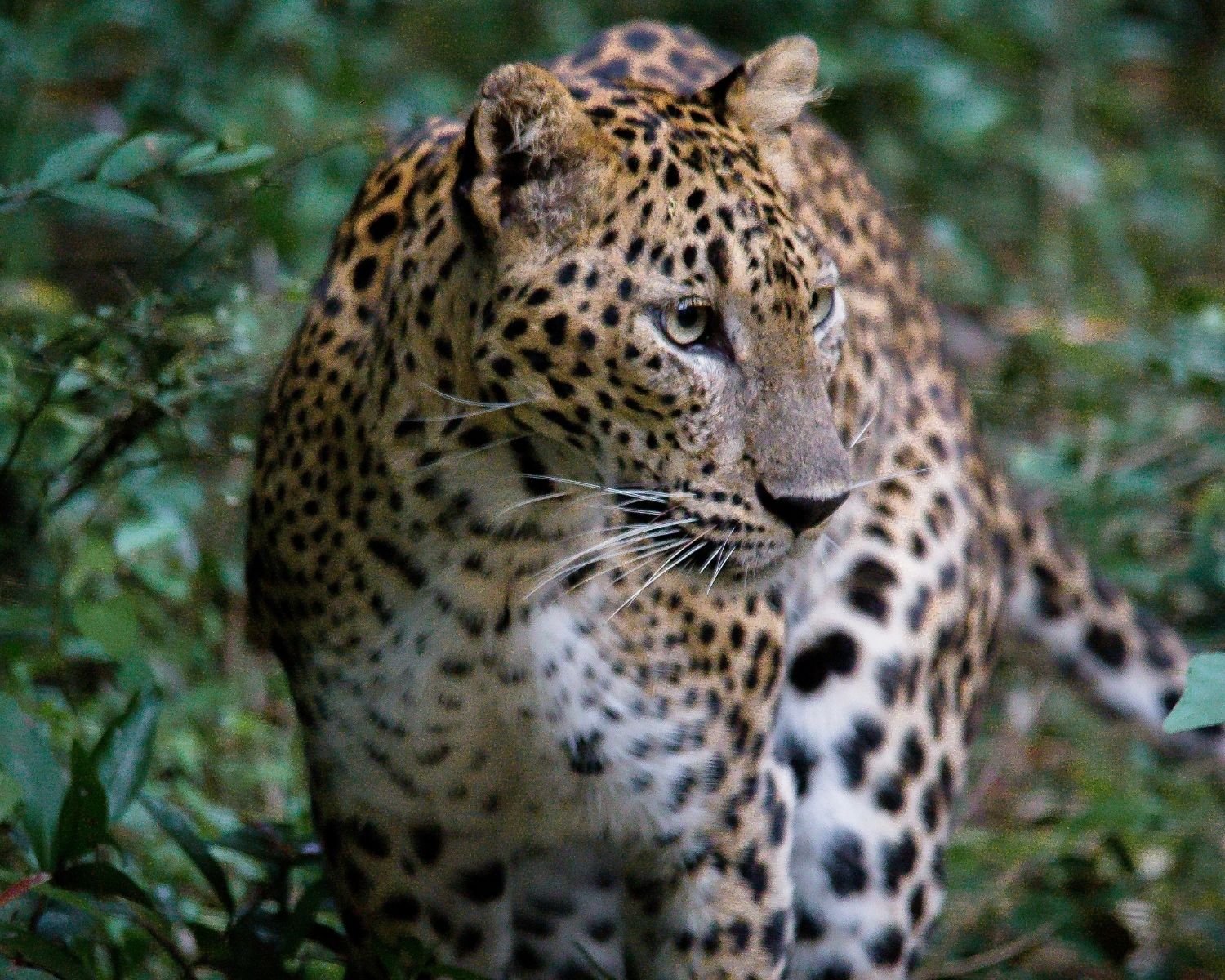
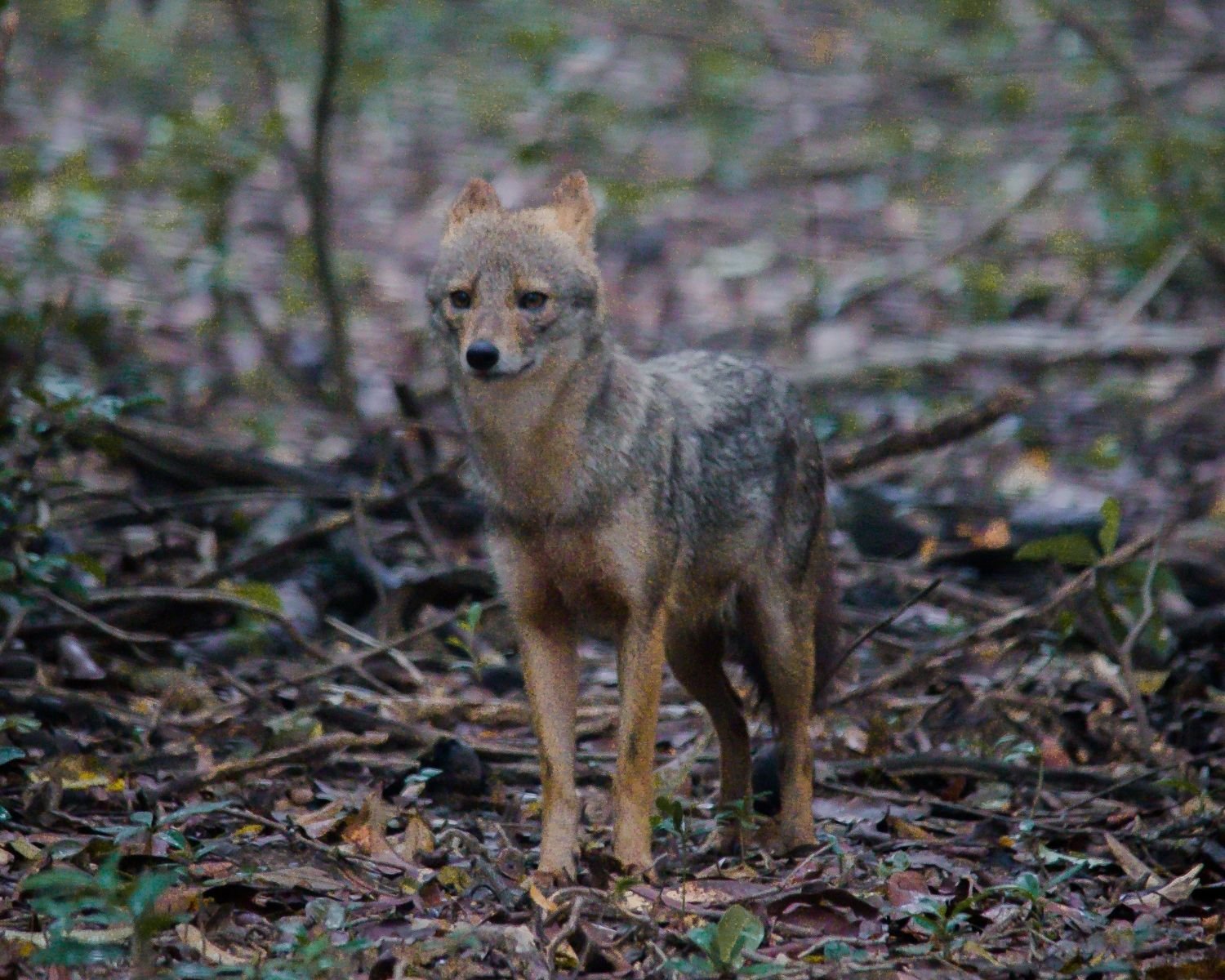
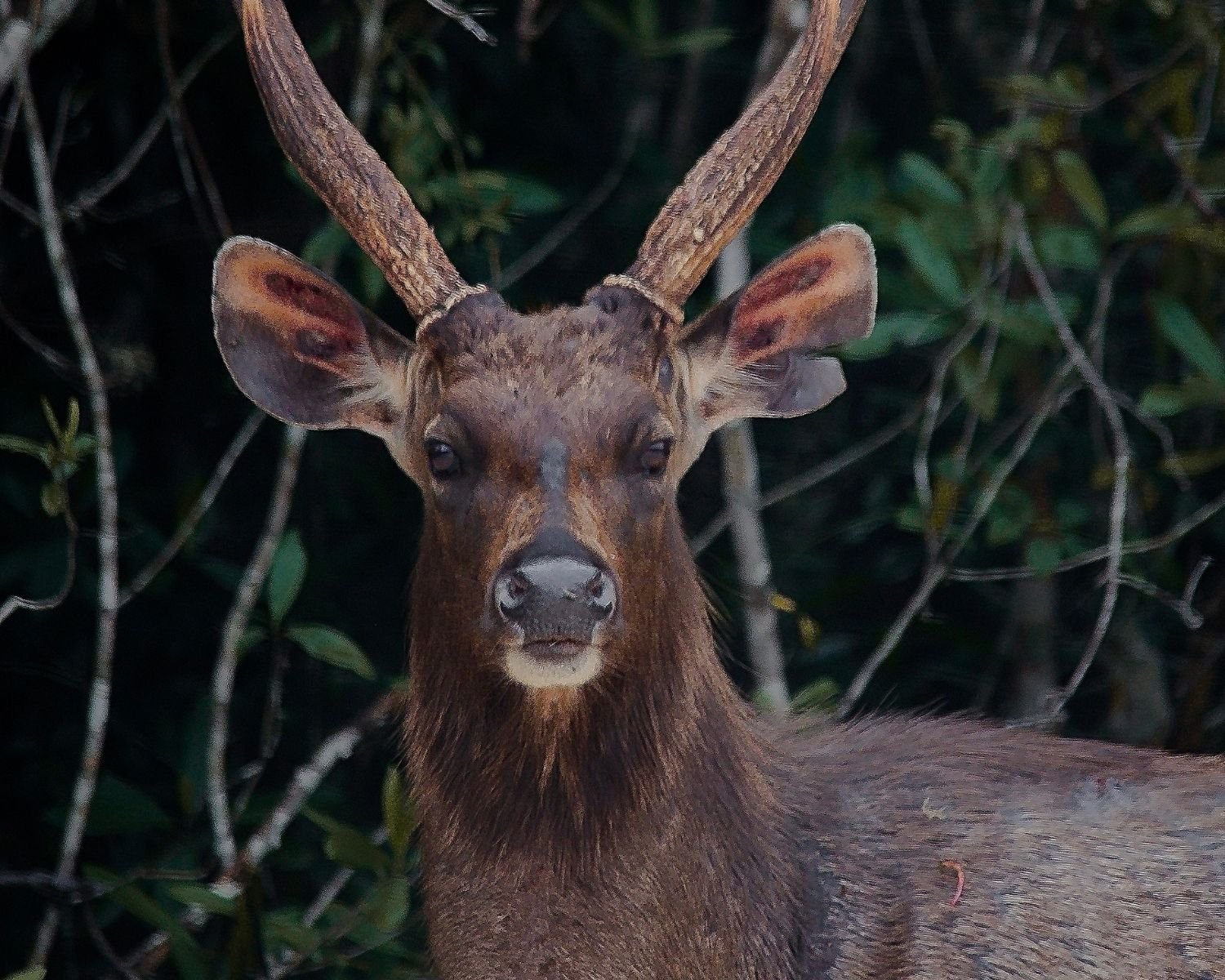
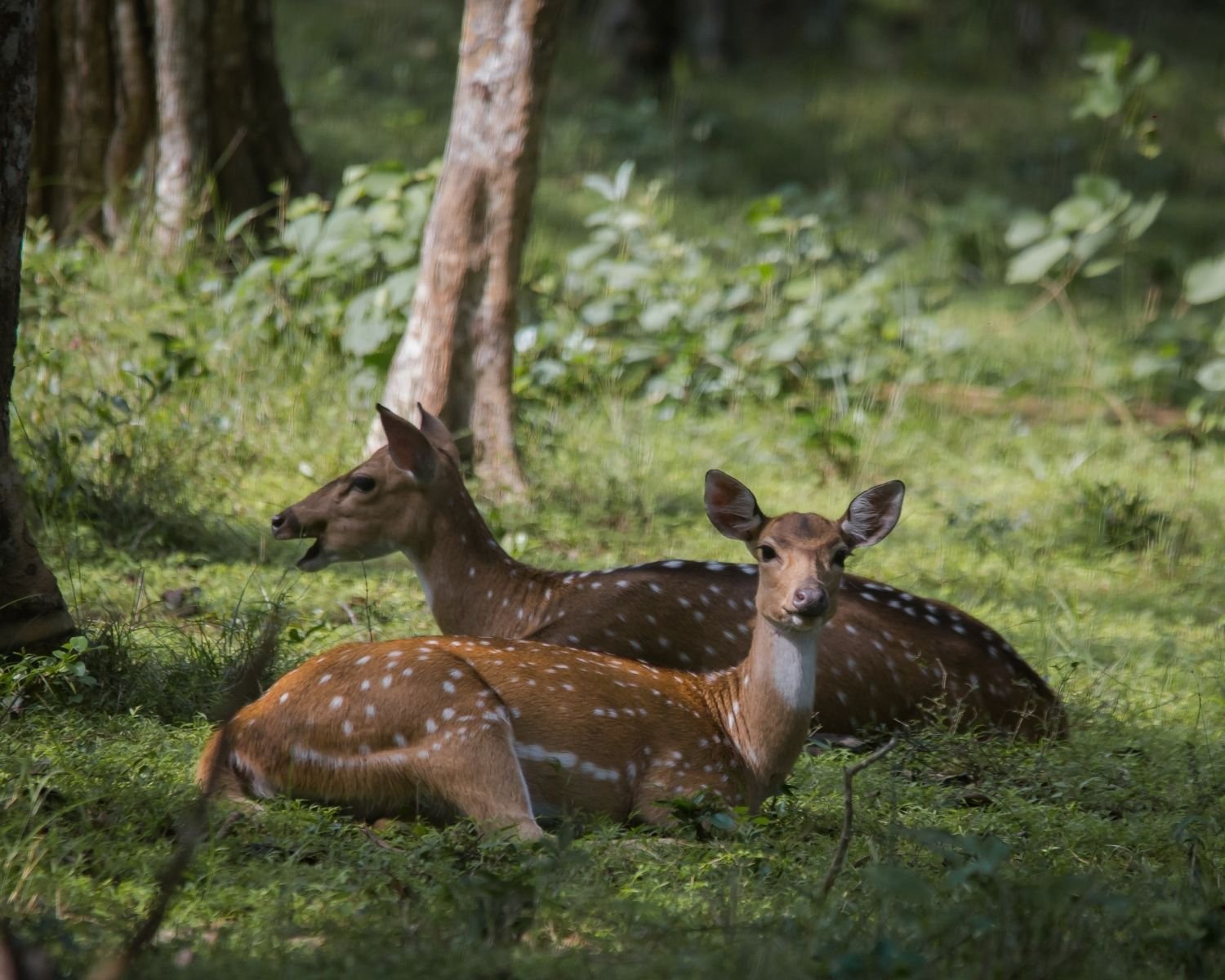
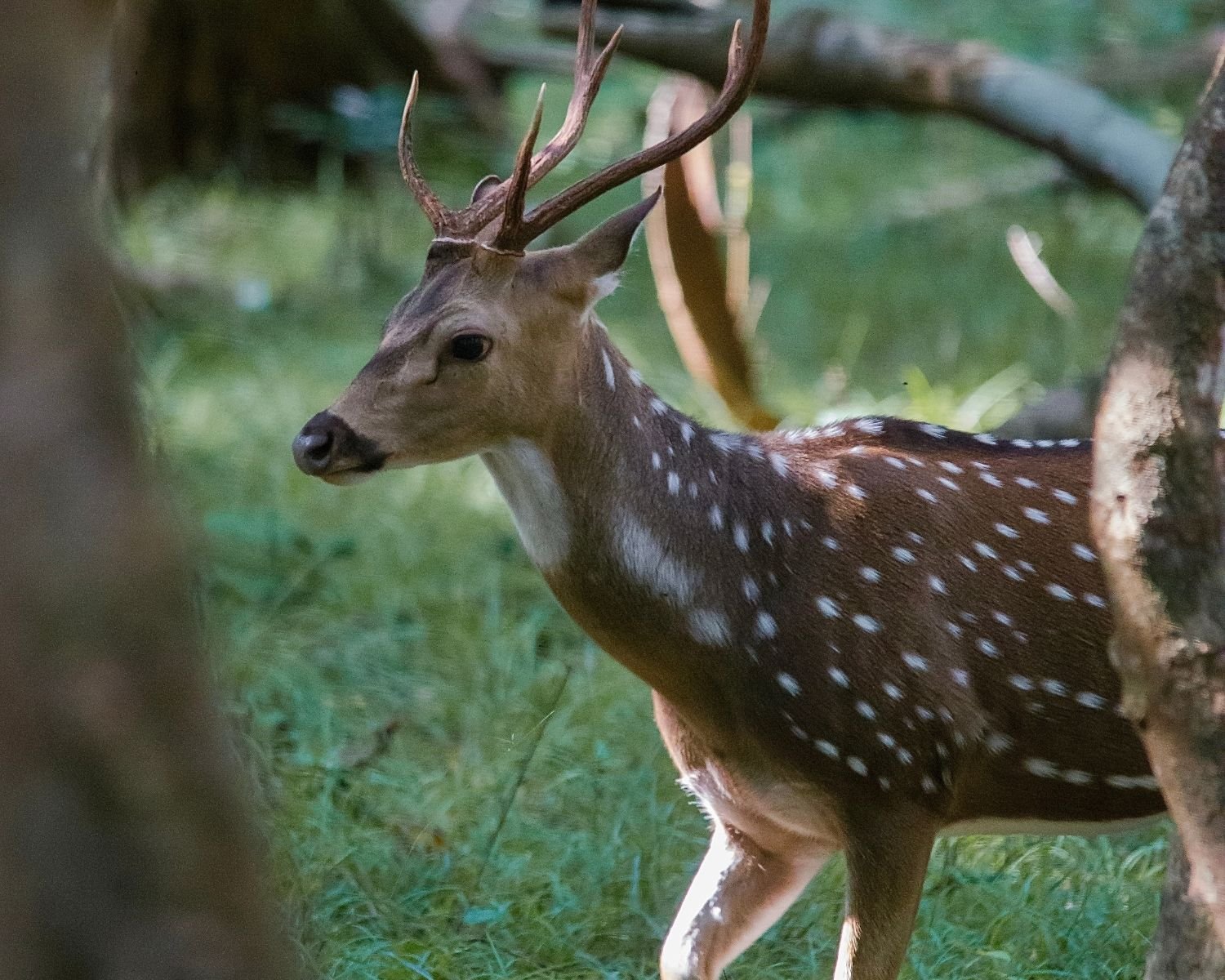
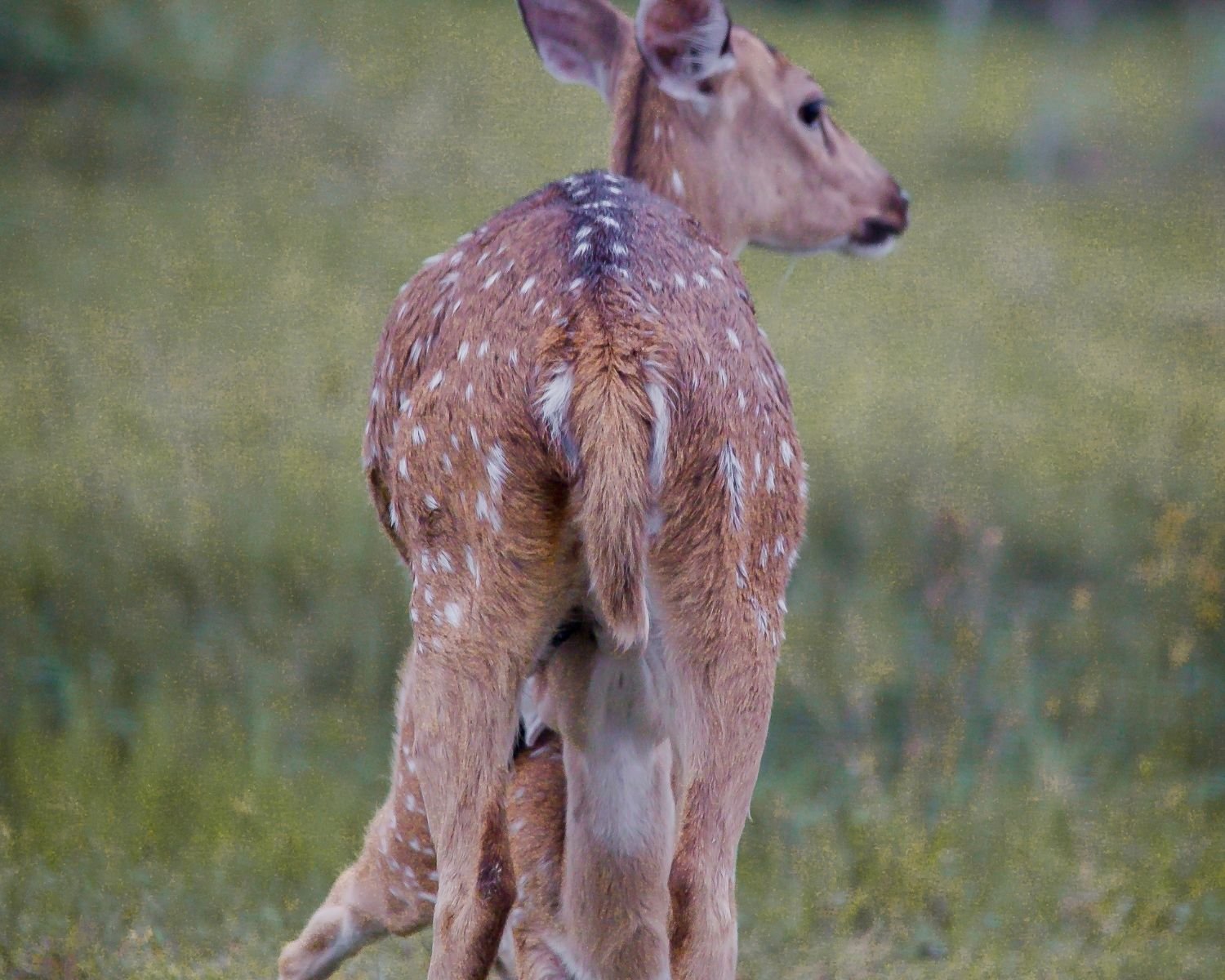
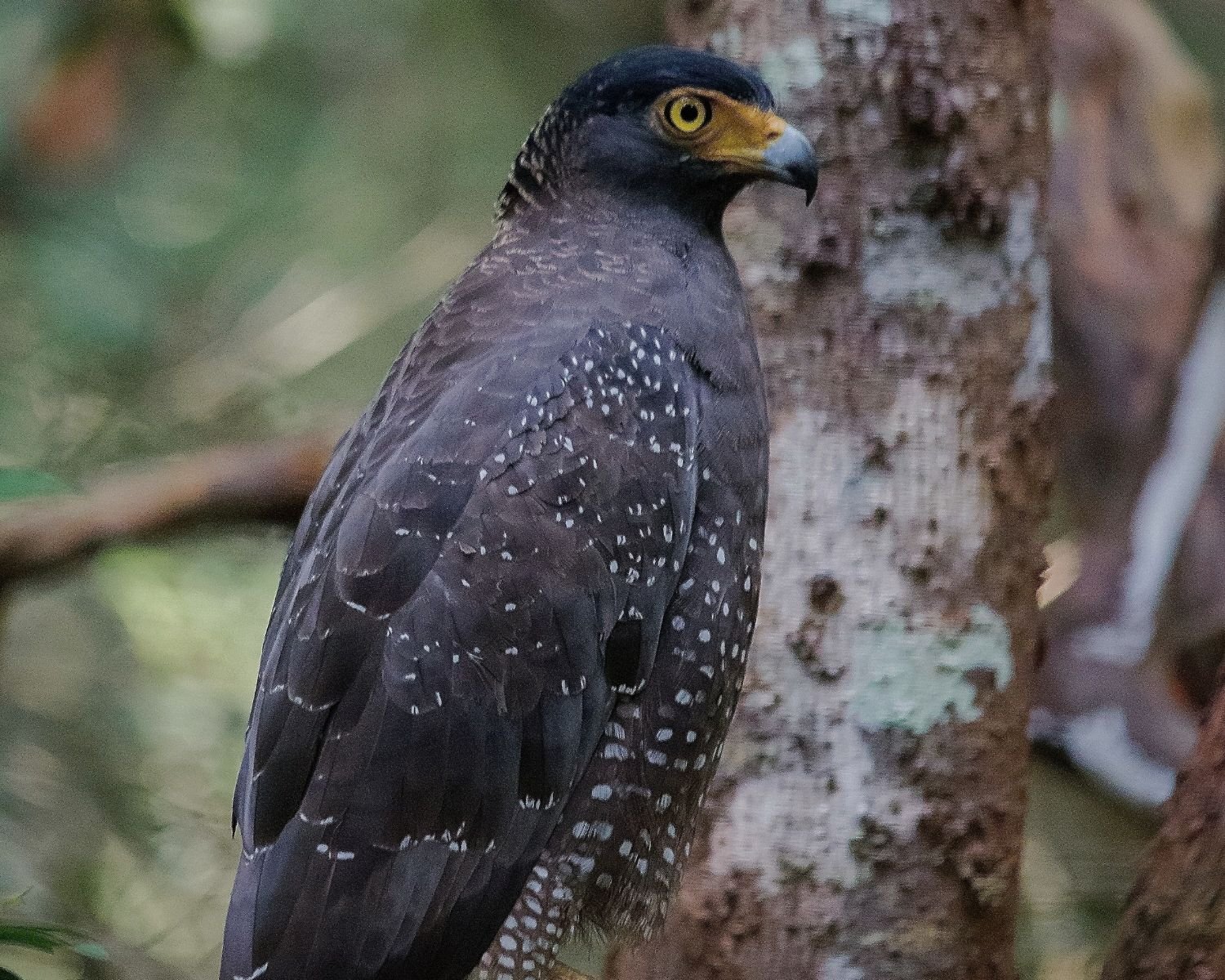
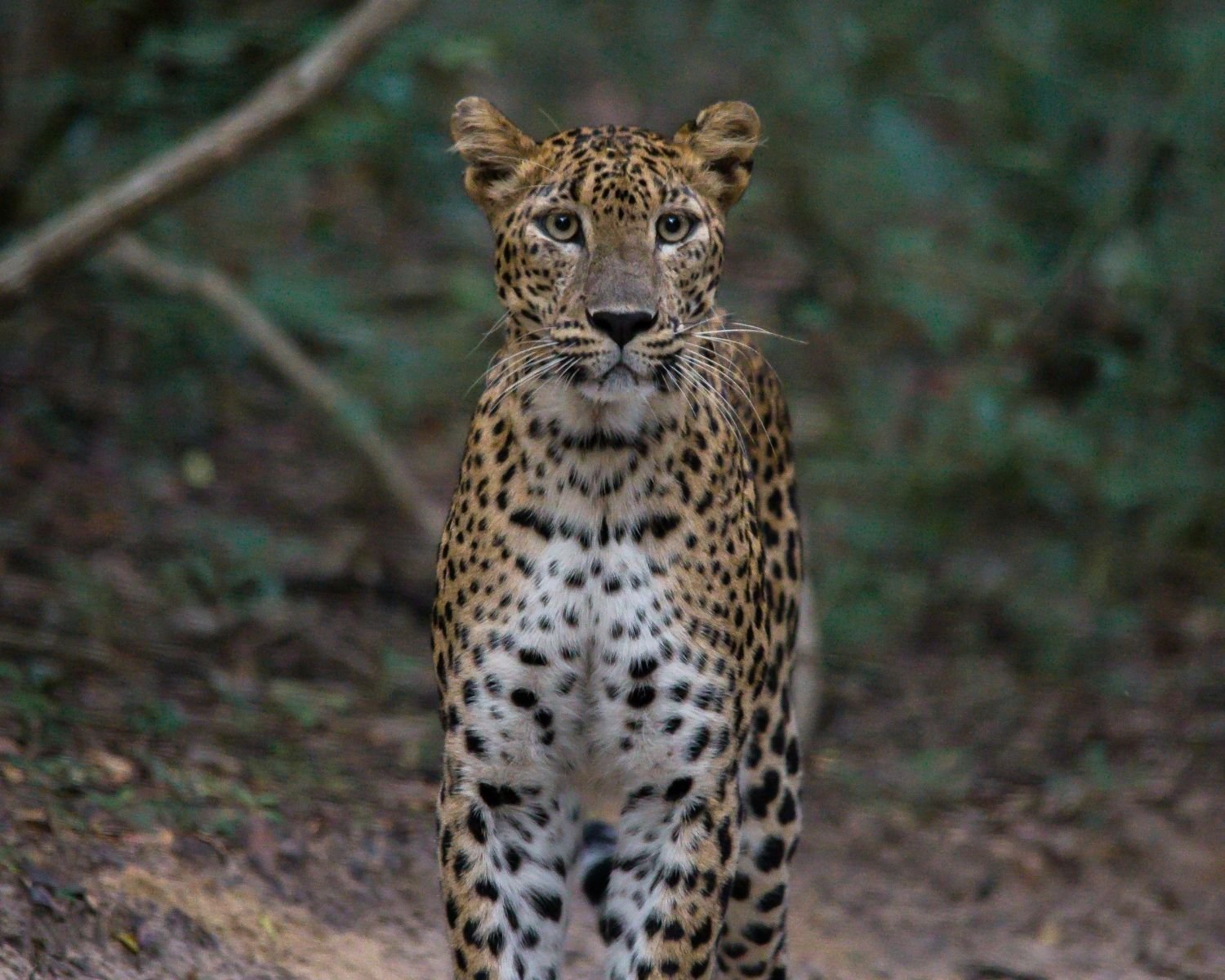
Sri Lanka’s oldest and largest national park, known for frequent leopard sightings. Also home to sloth bears, elephants, deer, crocodiles, and rich birdlife.
Sri Lanka’s oldest and largest national park, known for frequent leopard sightings. Also home to sloth bears, elephants, deer, crocodiles, and rich birdlife.

Activities
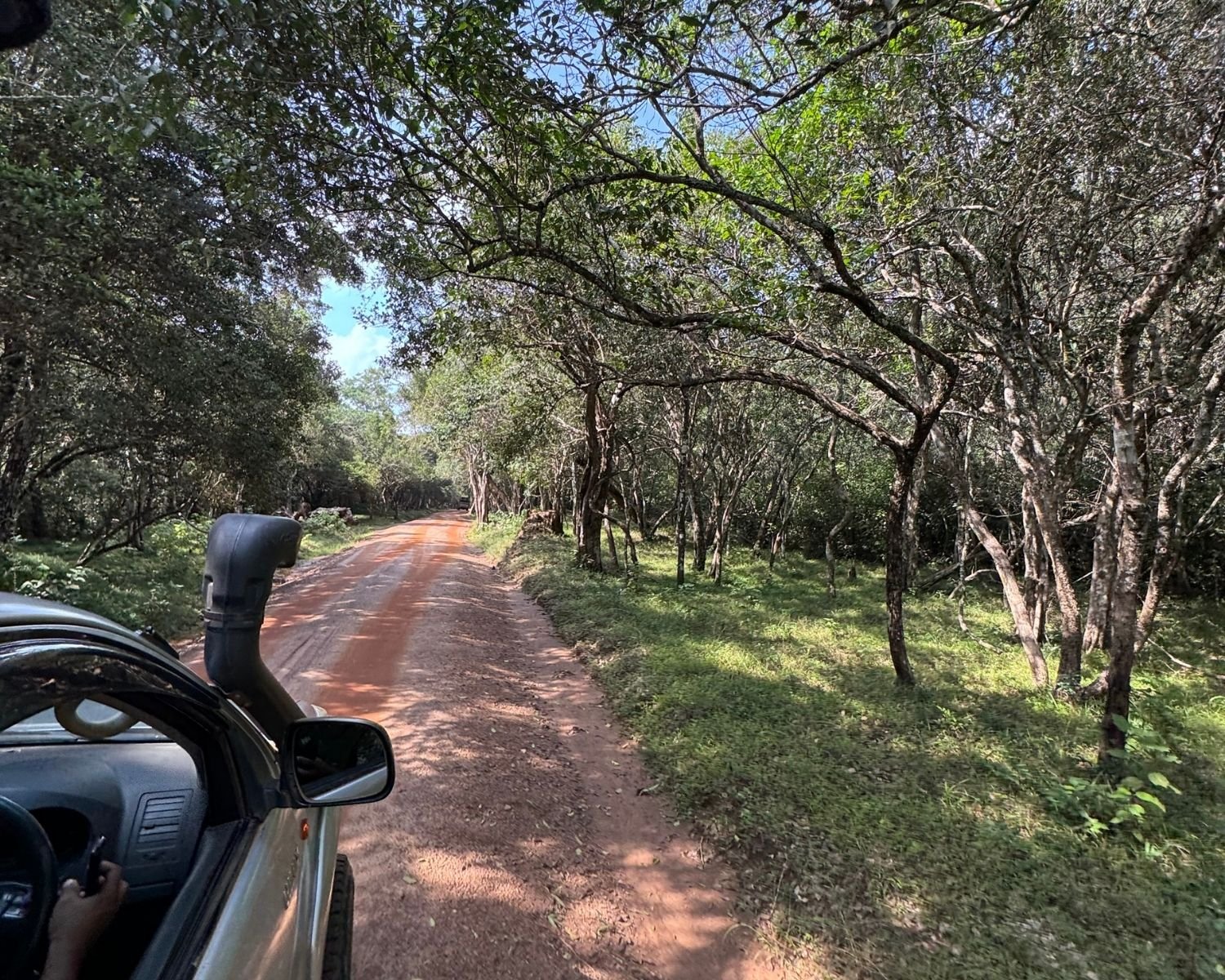
Jeep safaris through forest tracks, wildlife photography, birdwatching, and peaceful lake viewing near the villus.
Jeep safaris through forest tracks, wildlife photography, birdwatching, and peaceful lake viewing near the villus.
Scenery
Natural water-filled villus, dense lowland forest, tall grass meadows, sandy tracks, lakeside clearings, and quiet untouched wilderness.
Natural water-filled villus, dense lowland forest, tall grass meadows, sandy tracks, lakeside clearings, and quiet untouched wilderness.
History
Declared a sanctuary in 1905 and a national park in 1938. The surrounding region has historic links to ancient settlements connected to Anuradhapura and the northern plains.
Declared a sanctuary in 1905 and a national park in 1938. The surrounding region has historic links to ancient settlements connected to Anuradhapura and the northern plains.
Top Pick
Location
View on Map
View on Map

Animals
Known for majestic tusked male elephants and migratory birds.
Known for majestic tusked male elephants and migratory birds.
Activities
Jeep safaris, kayaking, photography and tranquil sunset watching near the tank.
Jeep safaris, kayaking, photography and tranquil sunset watching near the tank.
Scenery
Vast tanks reflecting the sky, surrounded by forest and distant mountain views.
Vast tanks reflecting the sky, surrounded by forest and distant mountain views.
History
Encompasses the historic Kalawewa and Balaluwewa reservoirs built by King Dhatusena in the 5th century CE.
Encompasses the historic Kalawewa and Balaluwewa reservoirs built by King Dhatusena in the 5th century CE.
Top Pick
Location
View on Map
View on Map