

ELLA
Misty mountains, scenic trails, and relaxed hill country charm.
Ella is one of Sri Lanka’s most loved hill country destinations, known for Nine Arch Bridge, Little Adam’s Peak, Ella Rock, tea-covered slopes, waterfalls, scenic train views, misty valleys, and a relaxed mountain town atmosphere.
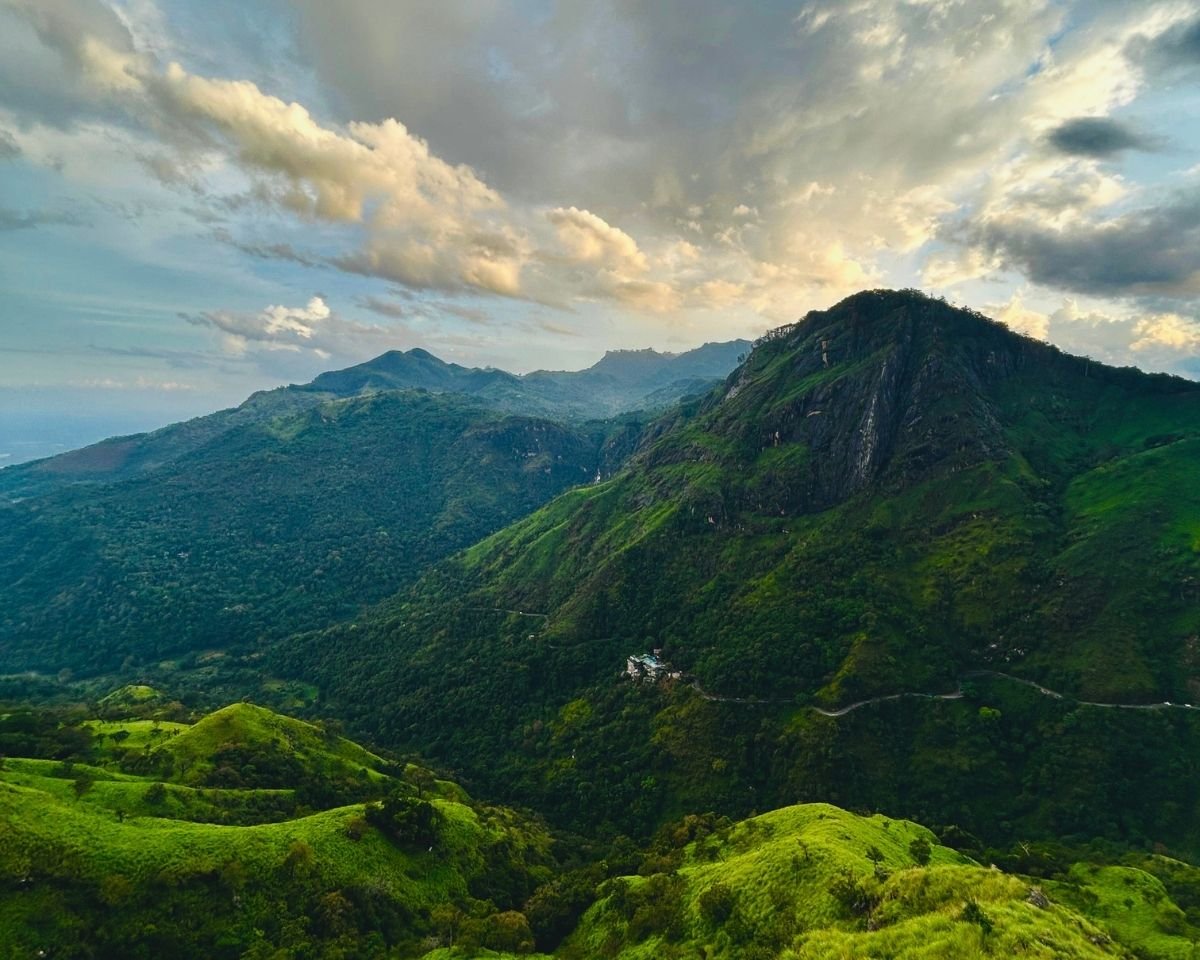
 sophie_ettner
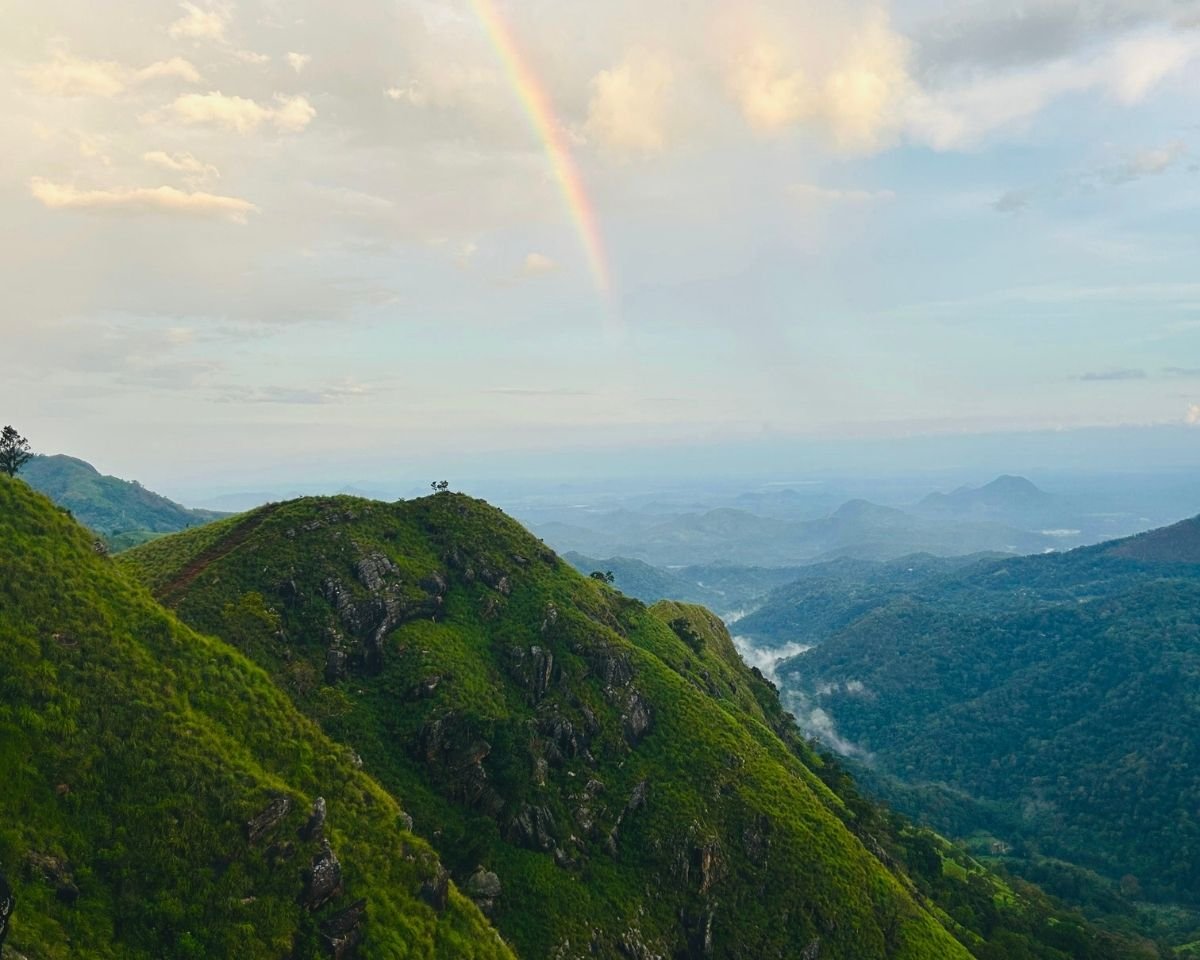 sophie_ettner
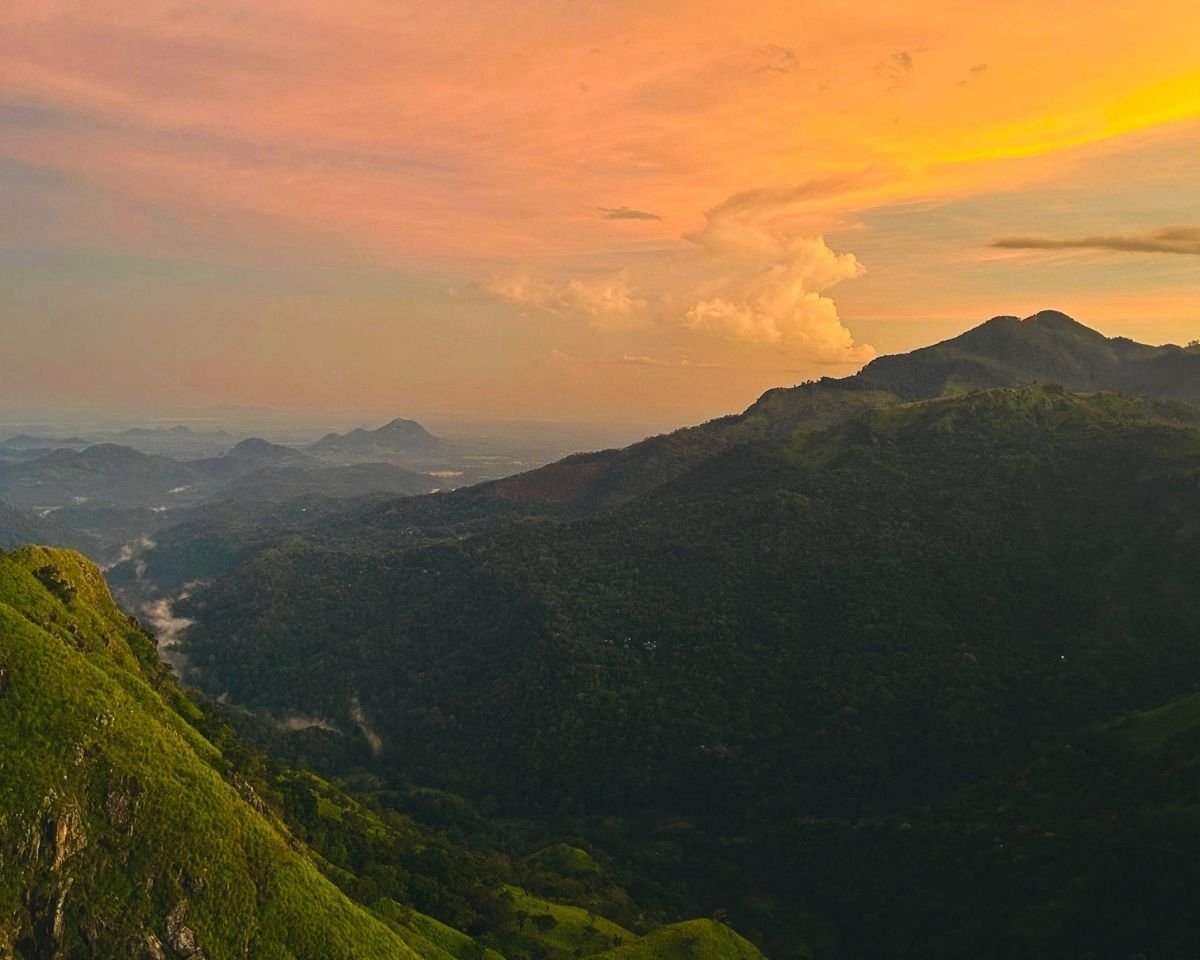 sophie_ettner
 ravinkavish
 ravinkavish
 ravinkavish
 ravinkavish
 ravinkavish
 ravinkavish
 ravinkavish
 ravinkavish
 ravinkavish
 lotta.maria.amelie
 ravinkavish
 ravinkavish
 ravinkavish
 ravinkavish
 ravinkavish
 ravinkavish
 ravinkavish
 ravinkavish
 ravinkavish
 ravinkavish
 ravinkavish
 ravinkavish
 ravinkavish
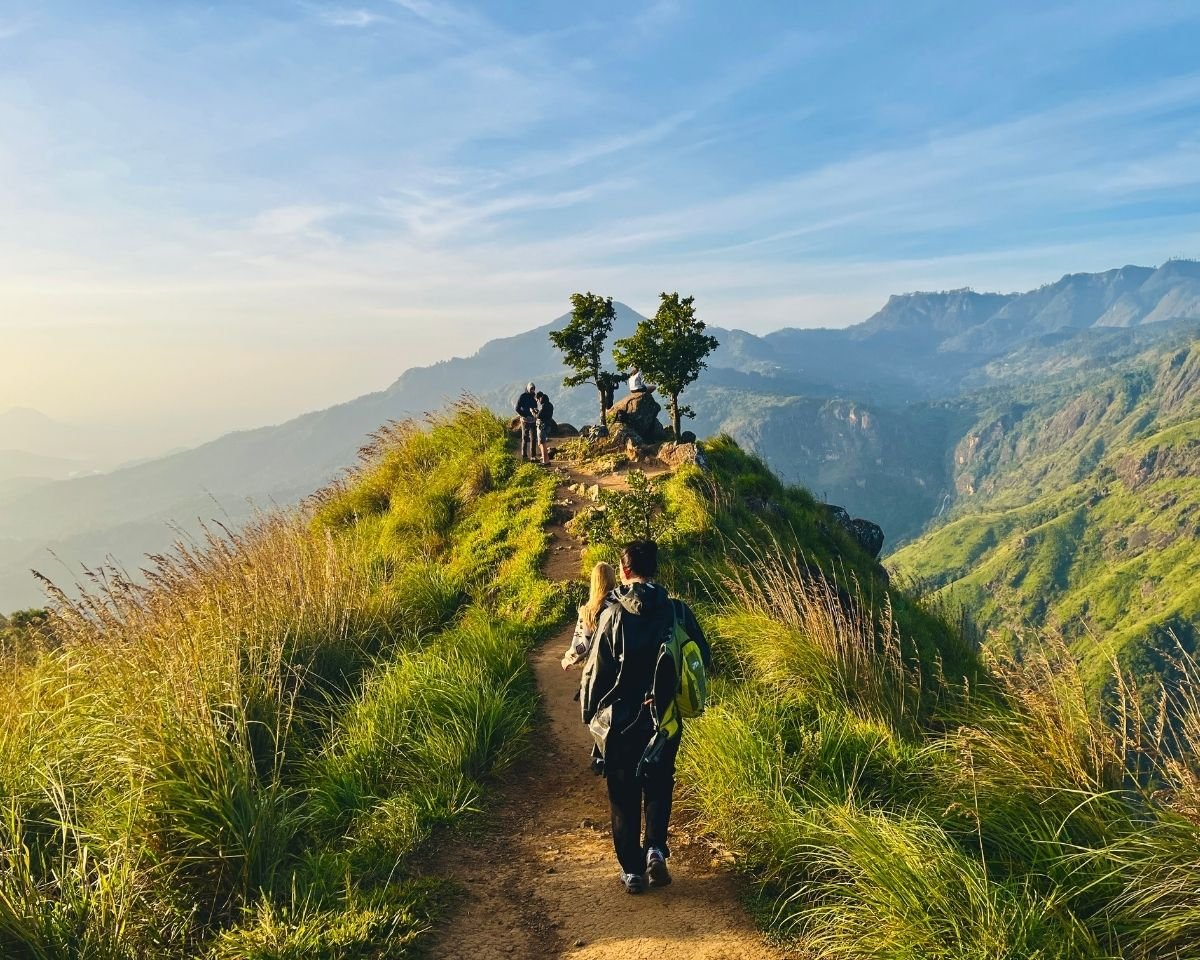
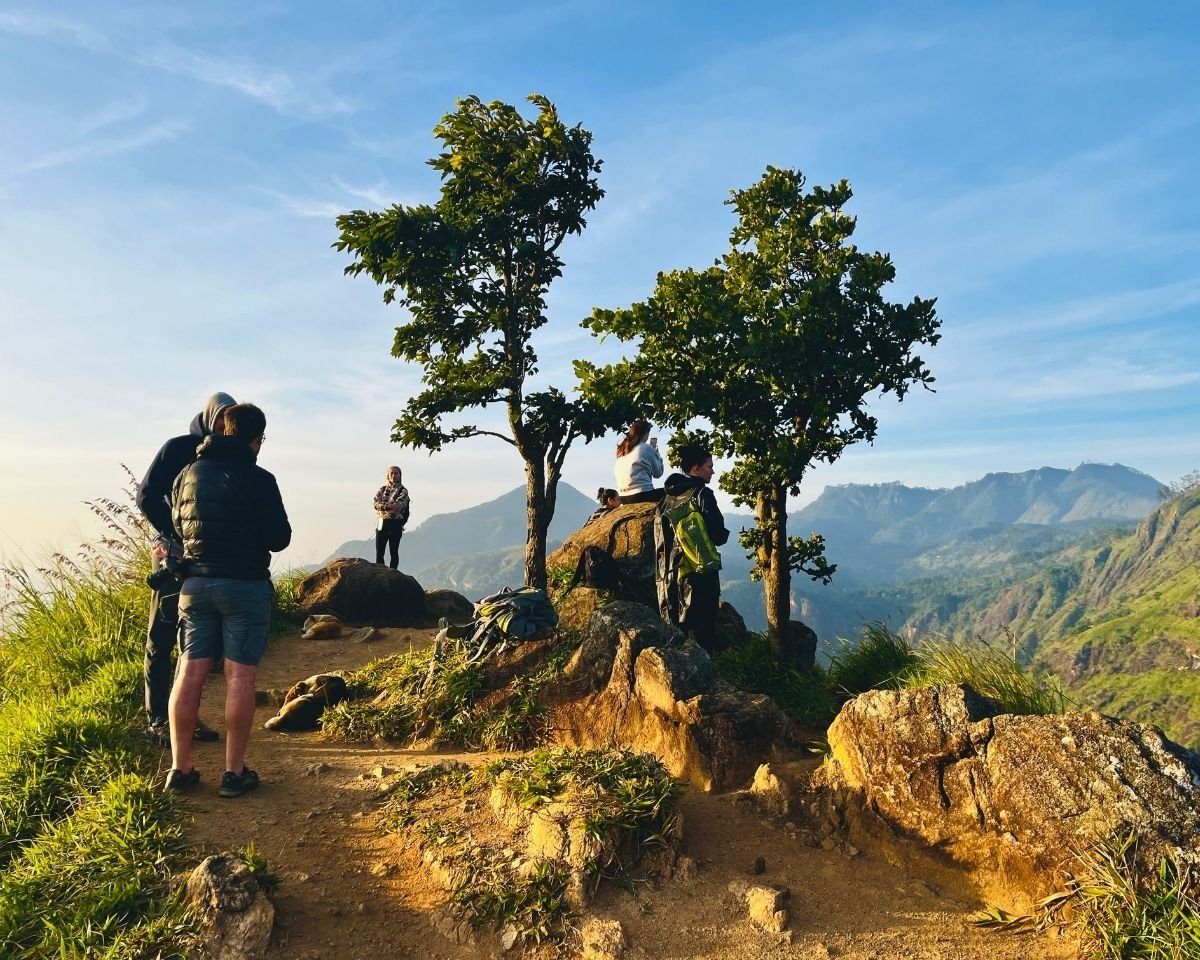
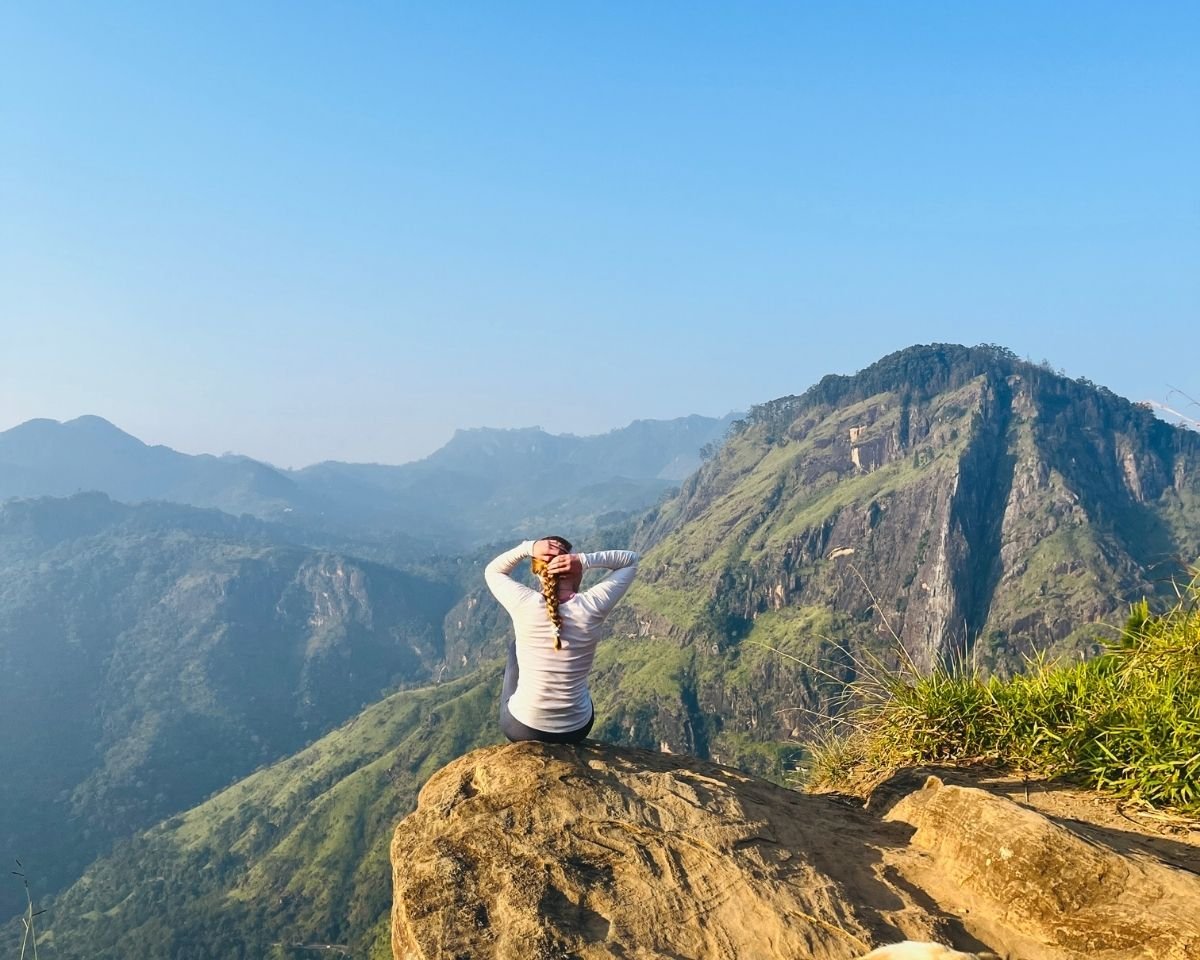
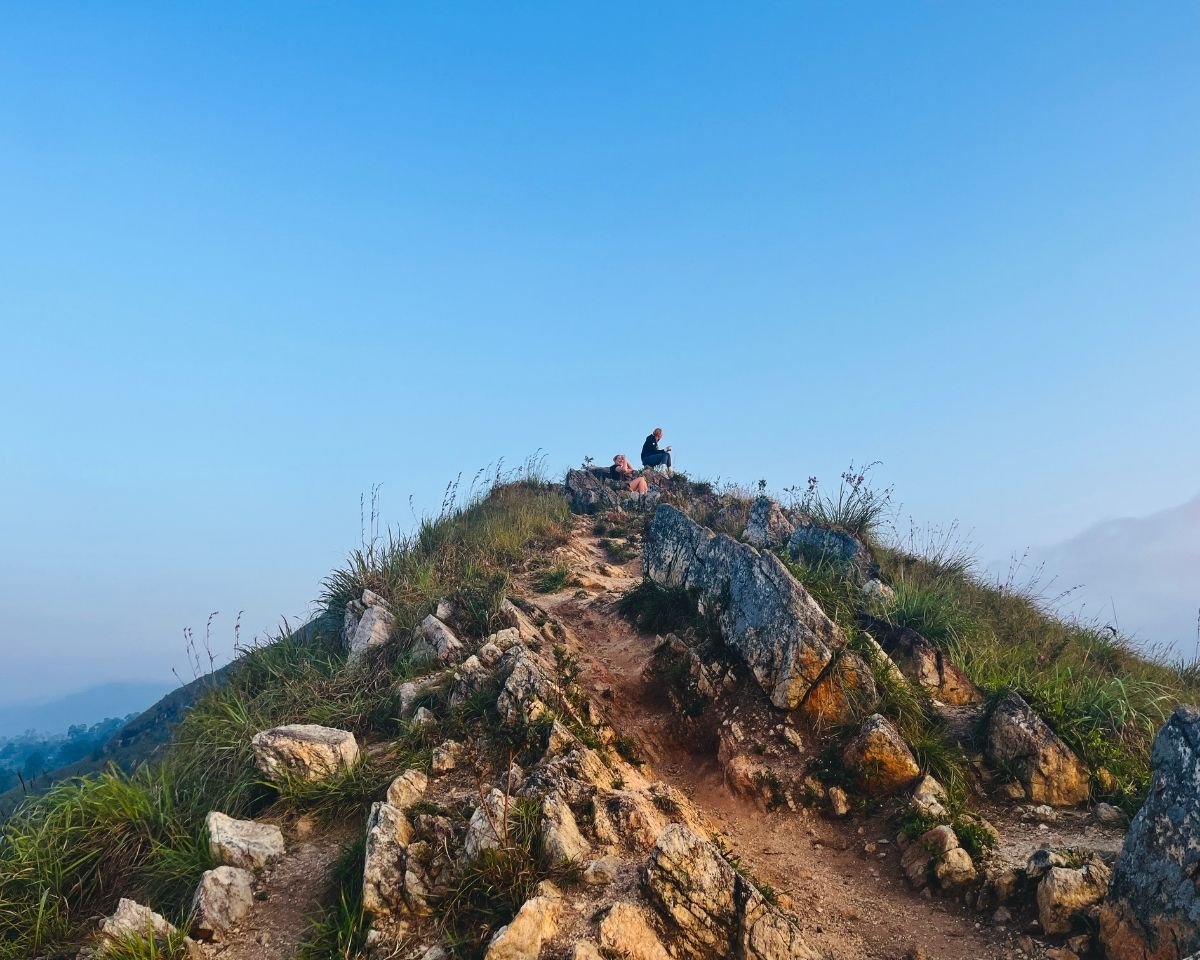
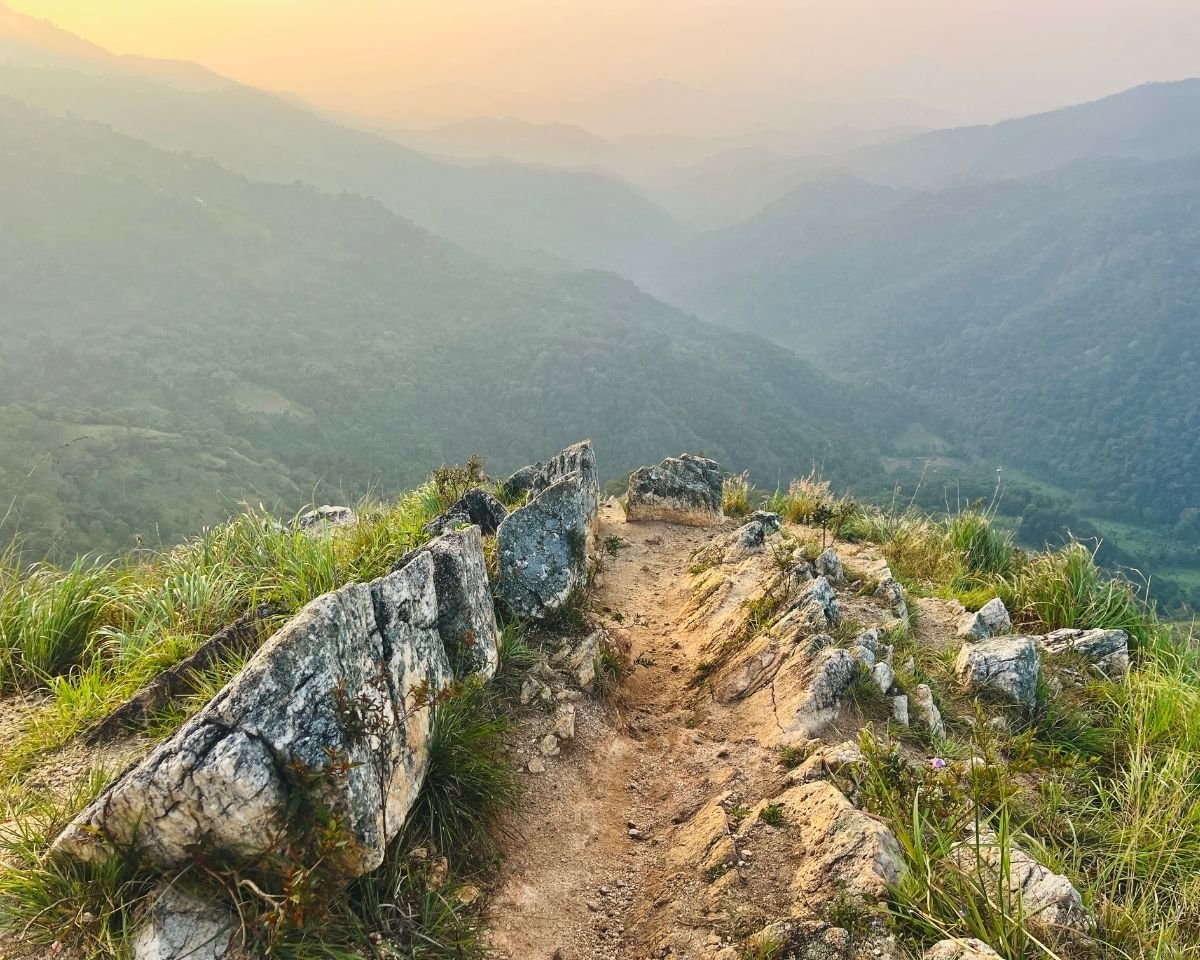
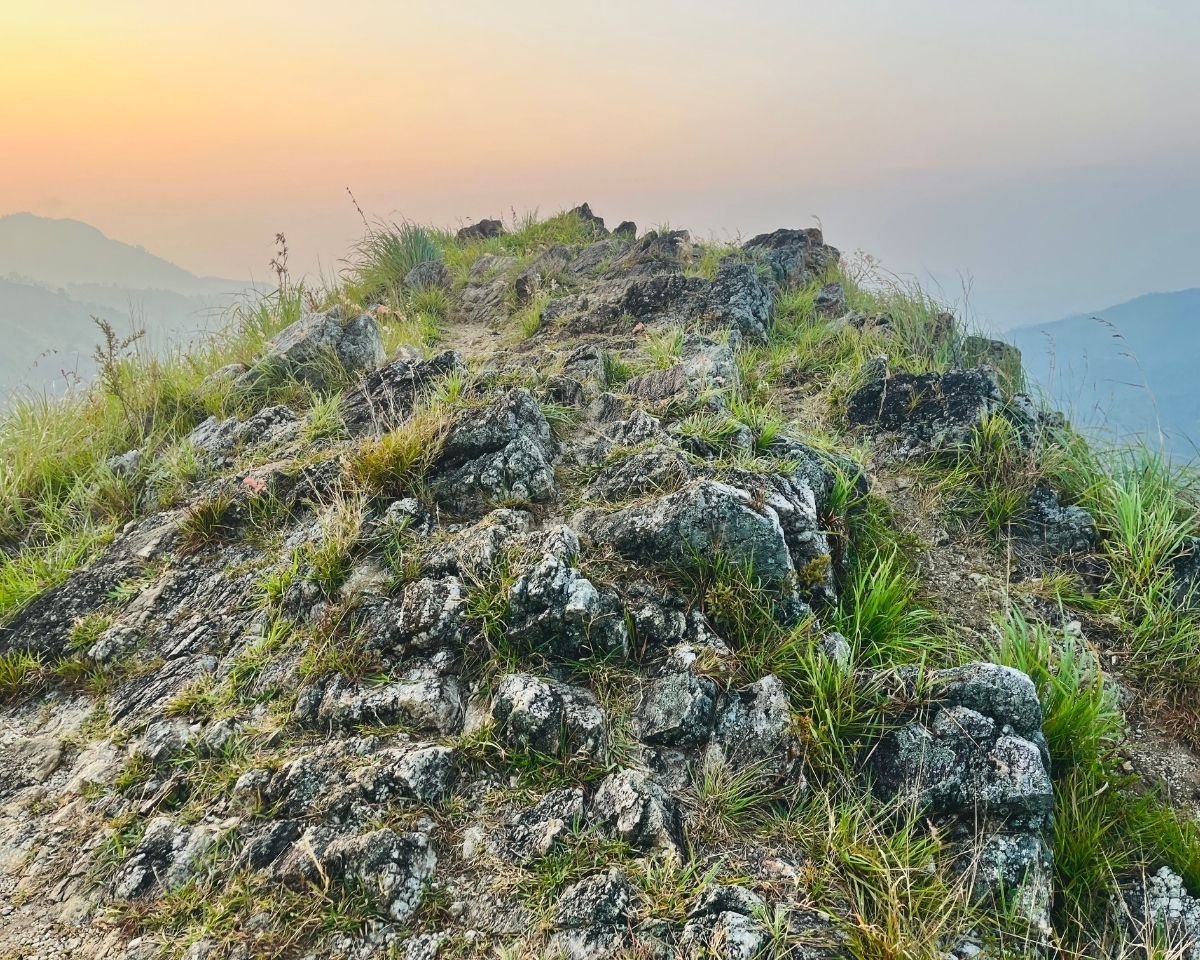
Hike
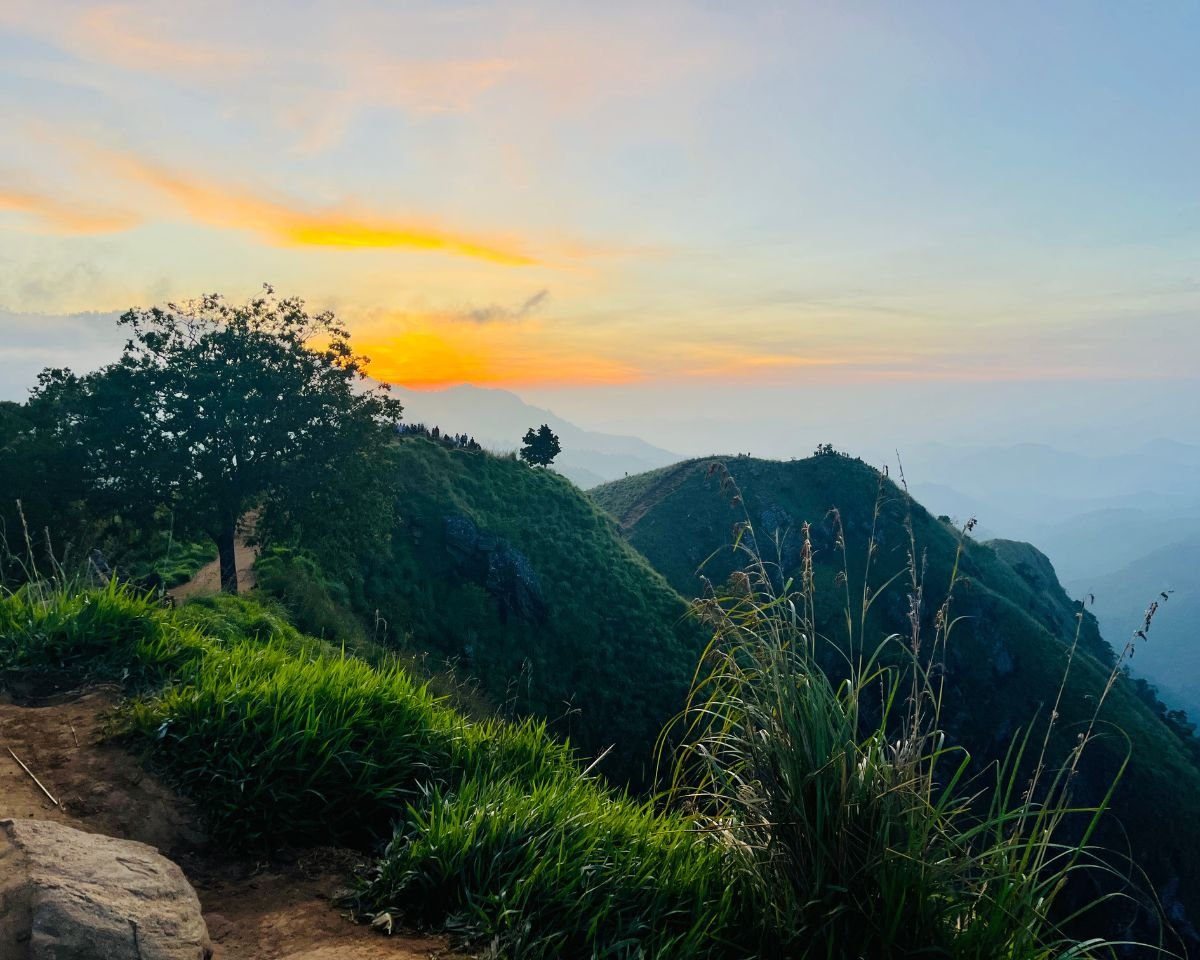
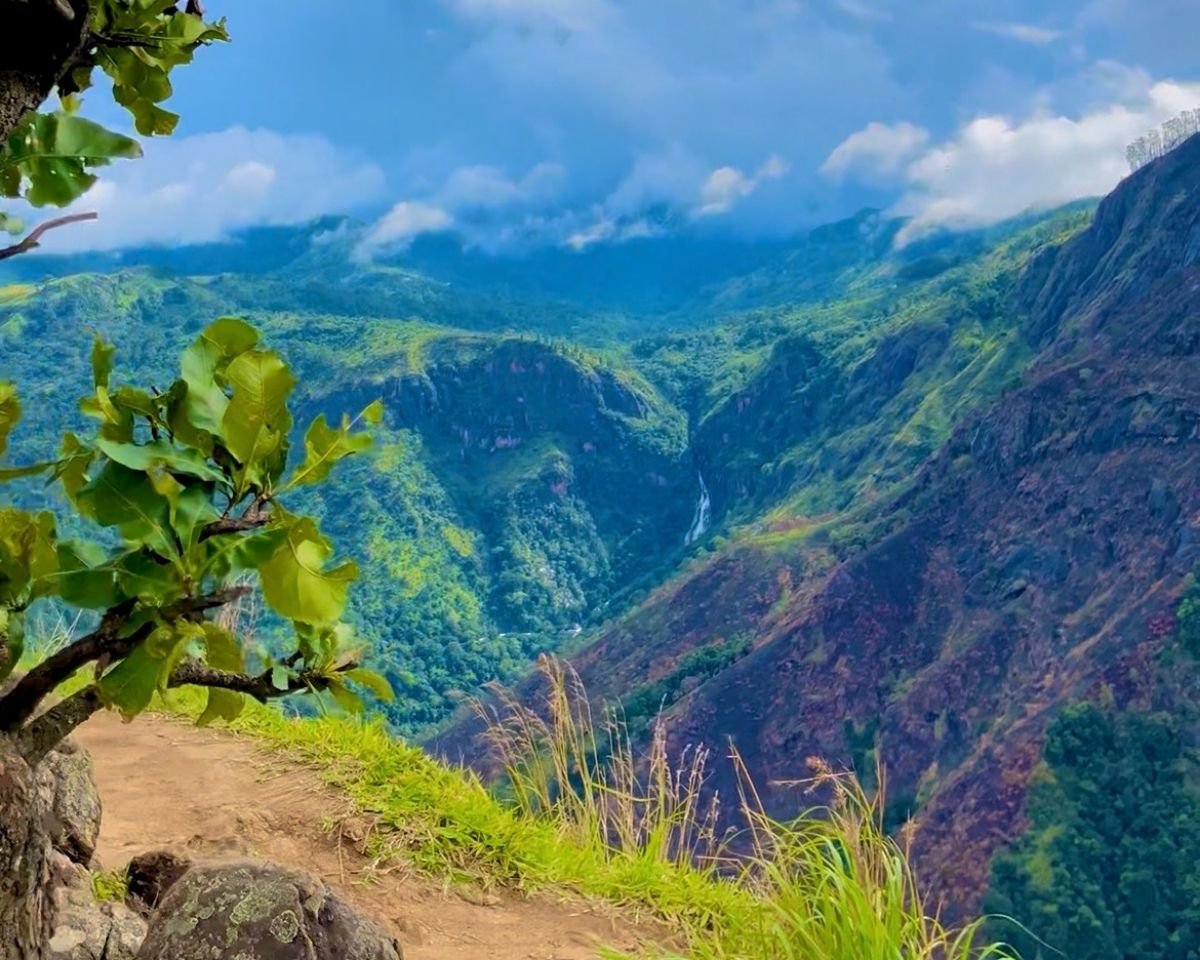
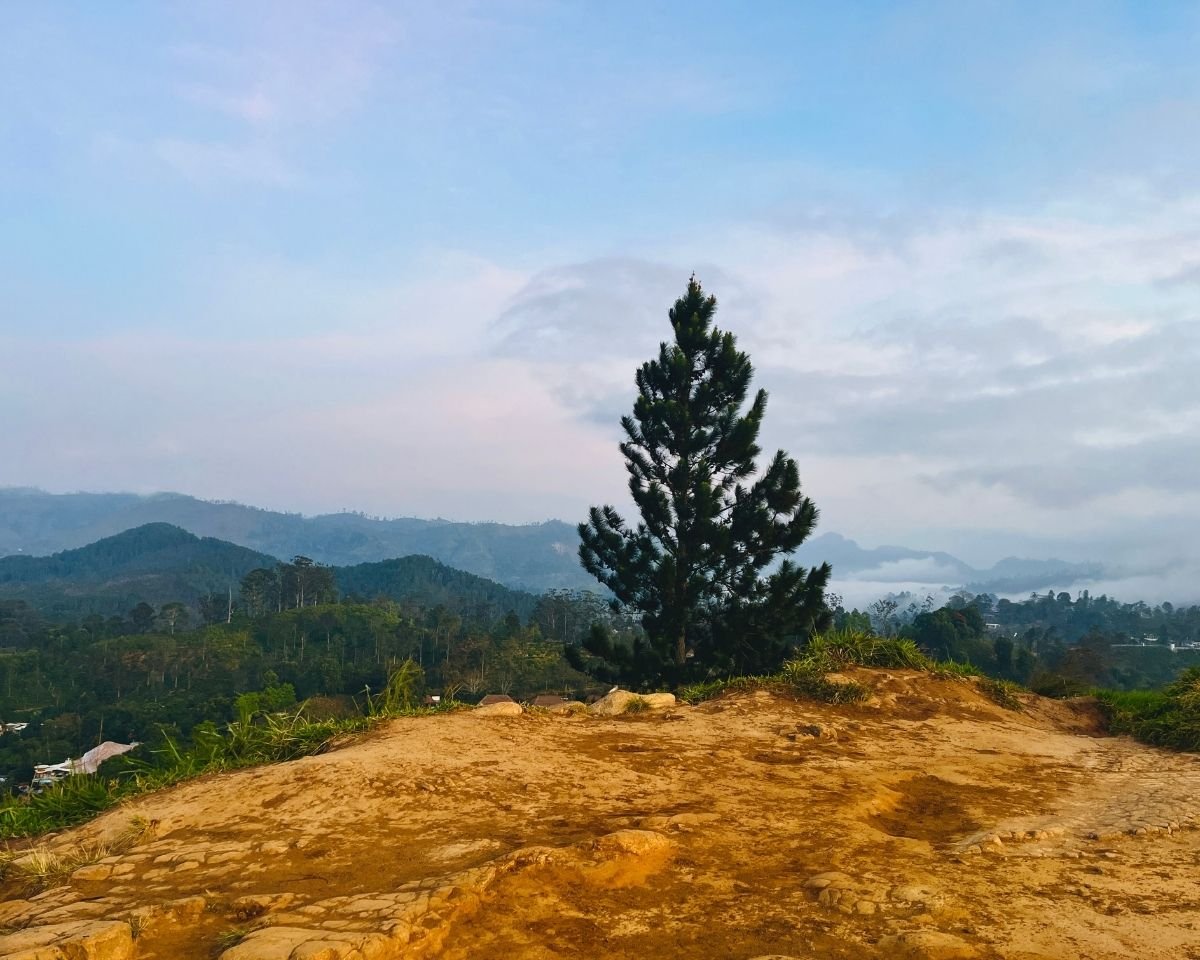
Easy to moderate hike on a well defined trail through tea estates. Around 30 to 45 minutes to the summit
Easy to moderate hike on a well defined trail through tea estates. Around 30 to 45 minutes to the summit

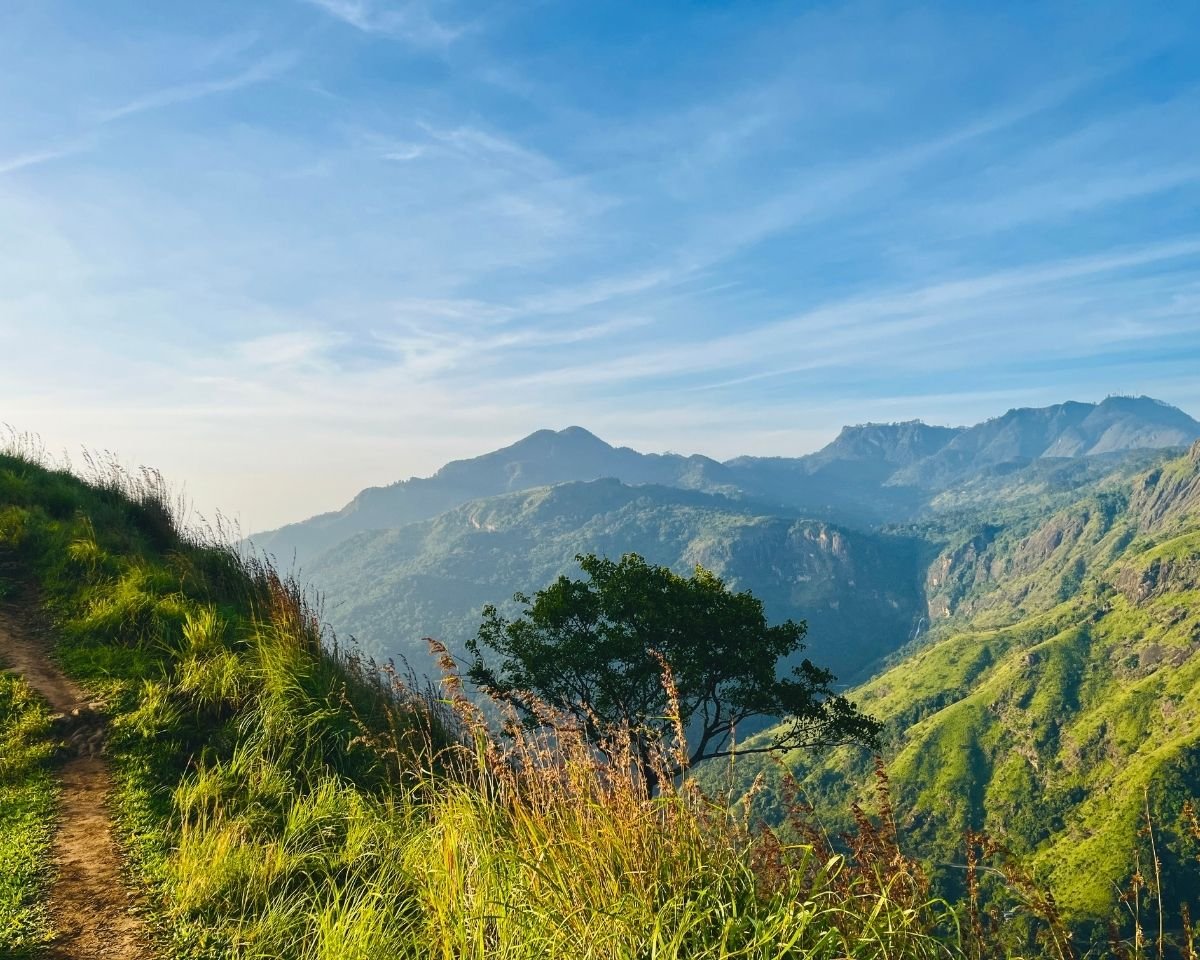
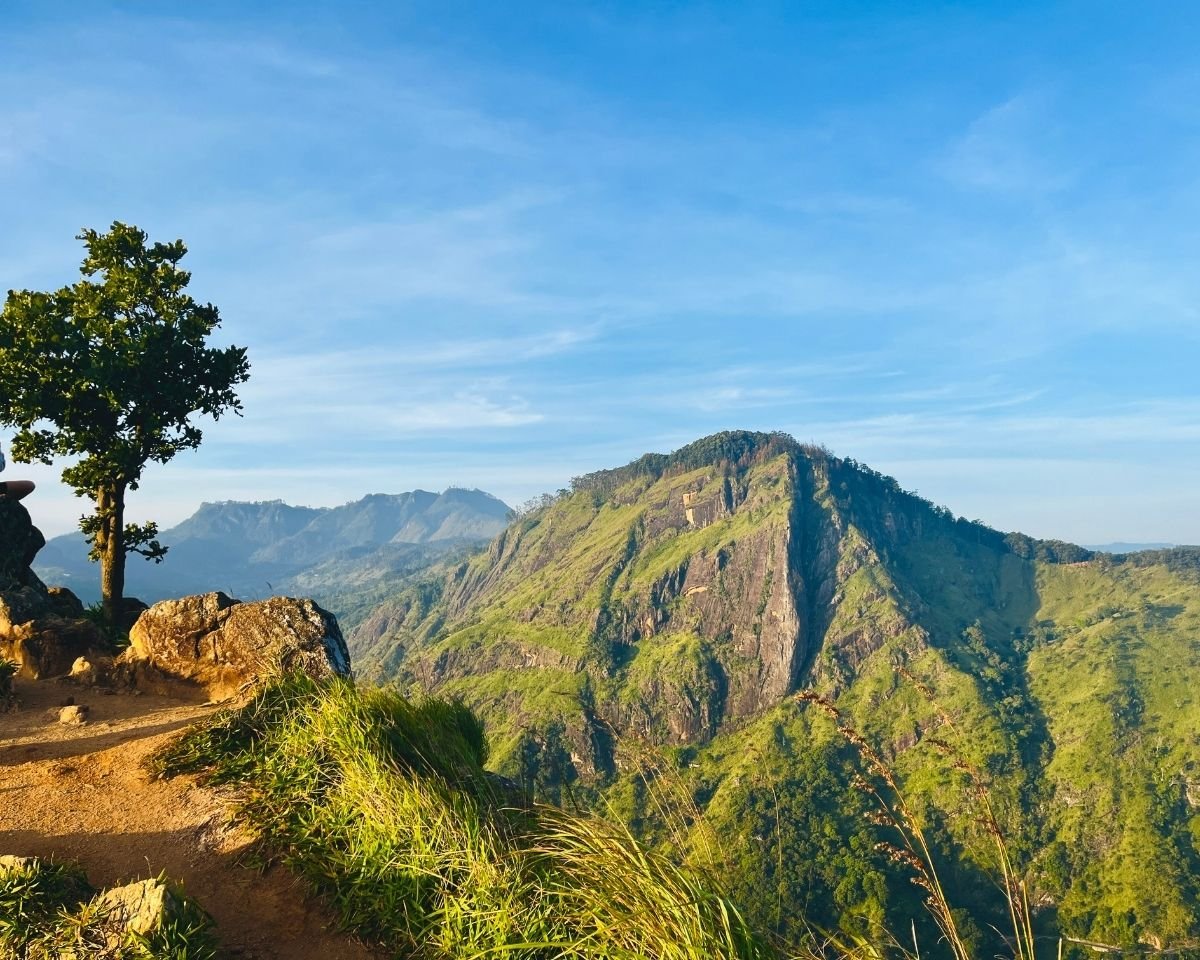
Scenery
Panoramic views of forests and plains. Stunning sunrise and sunset vistas.
Panoramic views of forests and plains. Stunning sunrise and sunset vistas.
 Top Pick
 ssofiainfiore
 ssofiainfiore
 sophie_ettner
 sophie_ettner
 joshua_laporta
 ssofiainfiore
 joshua_laporta
 sophie_ettner
 sophie_ettner
 ravinkavish
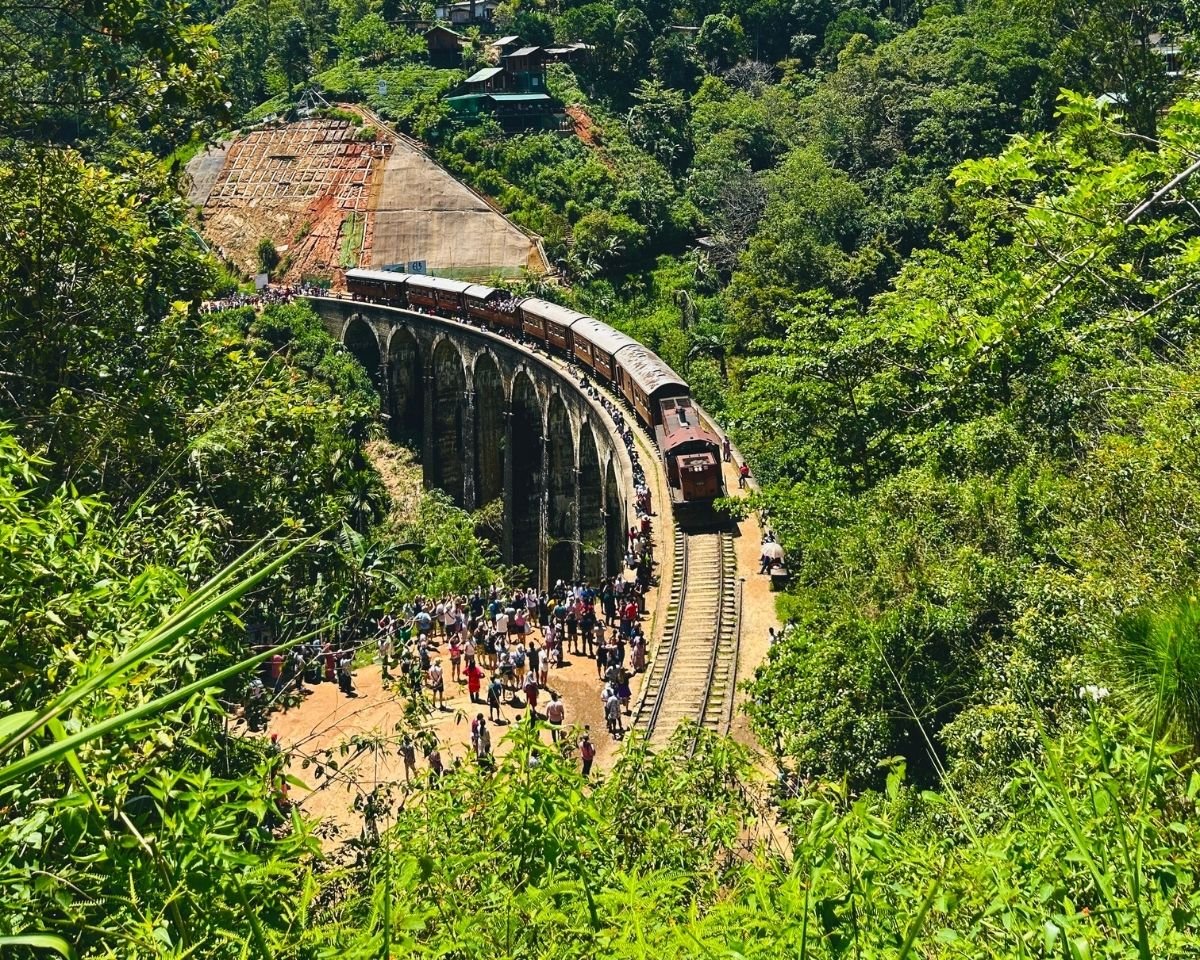
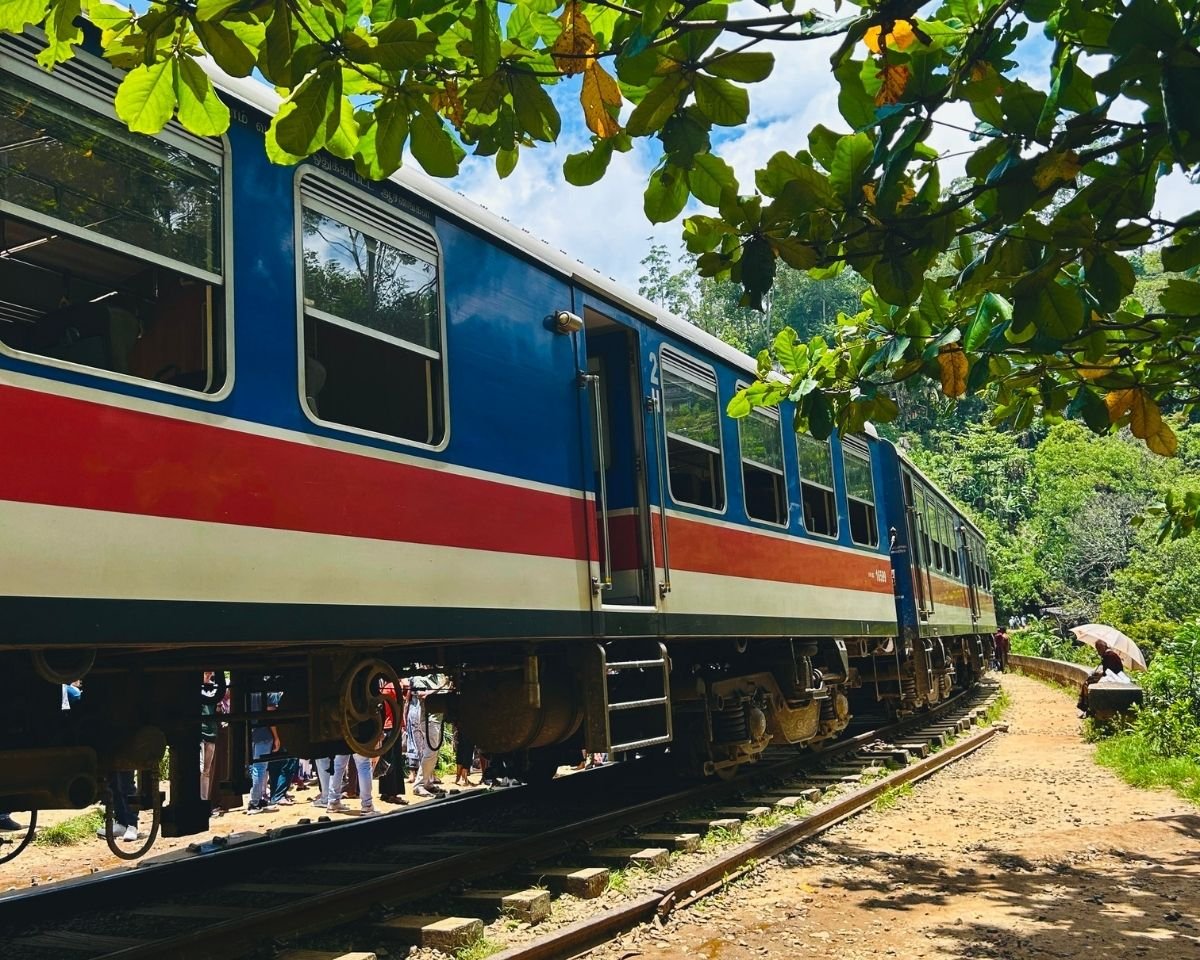
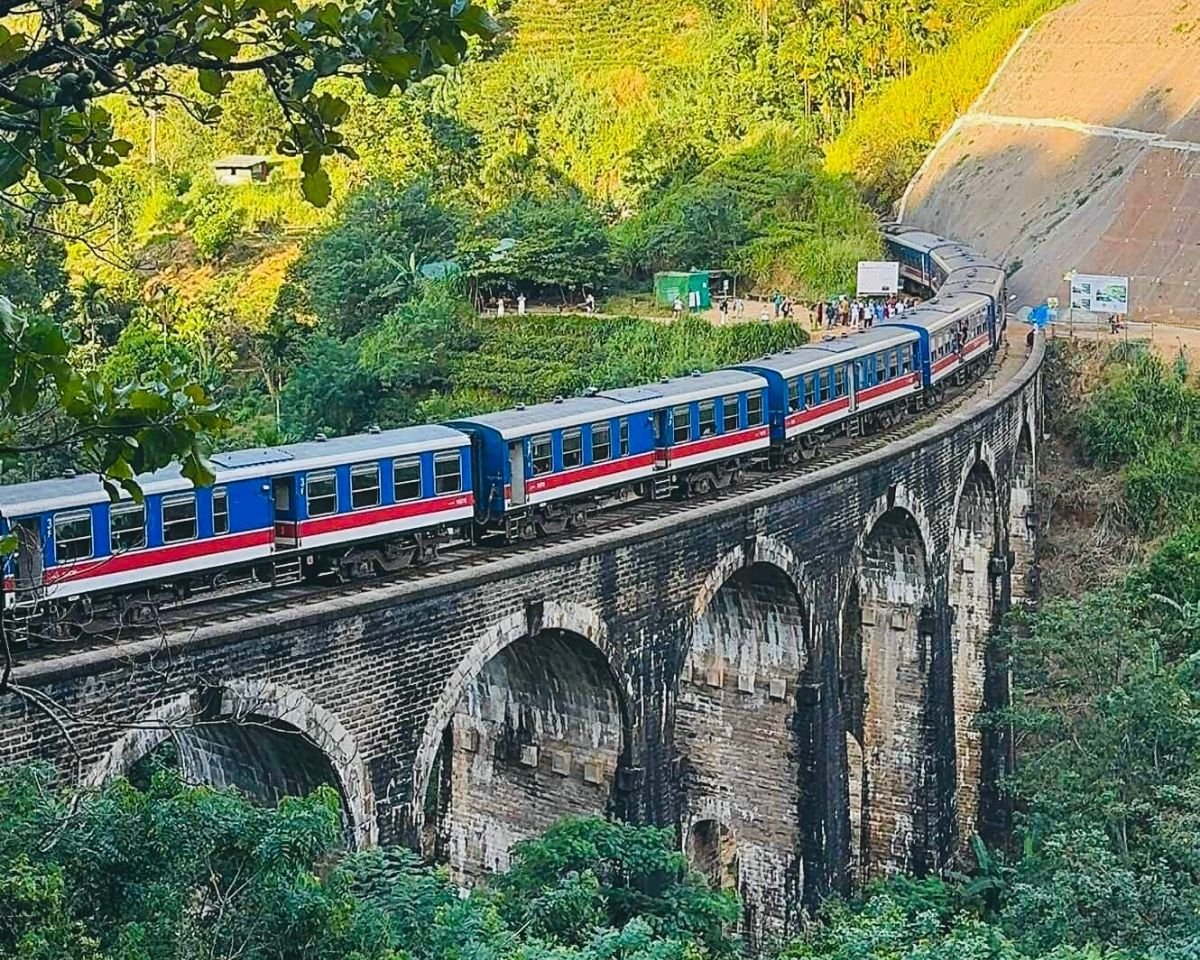
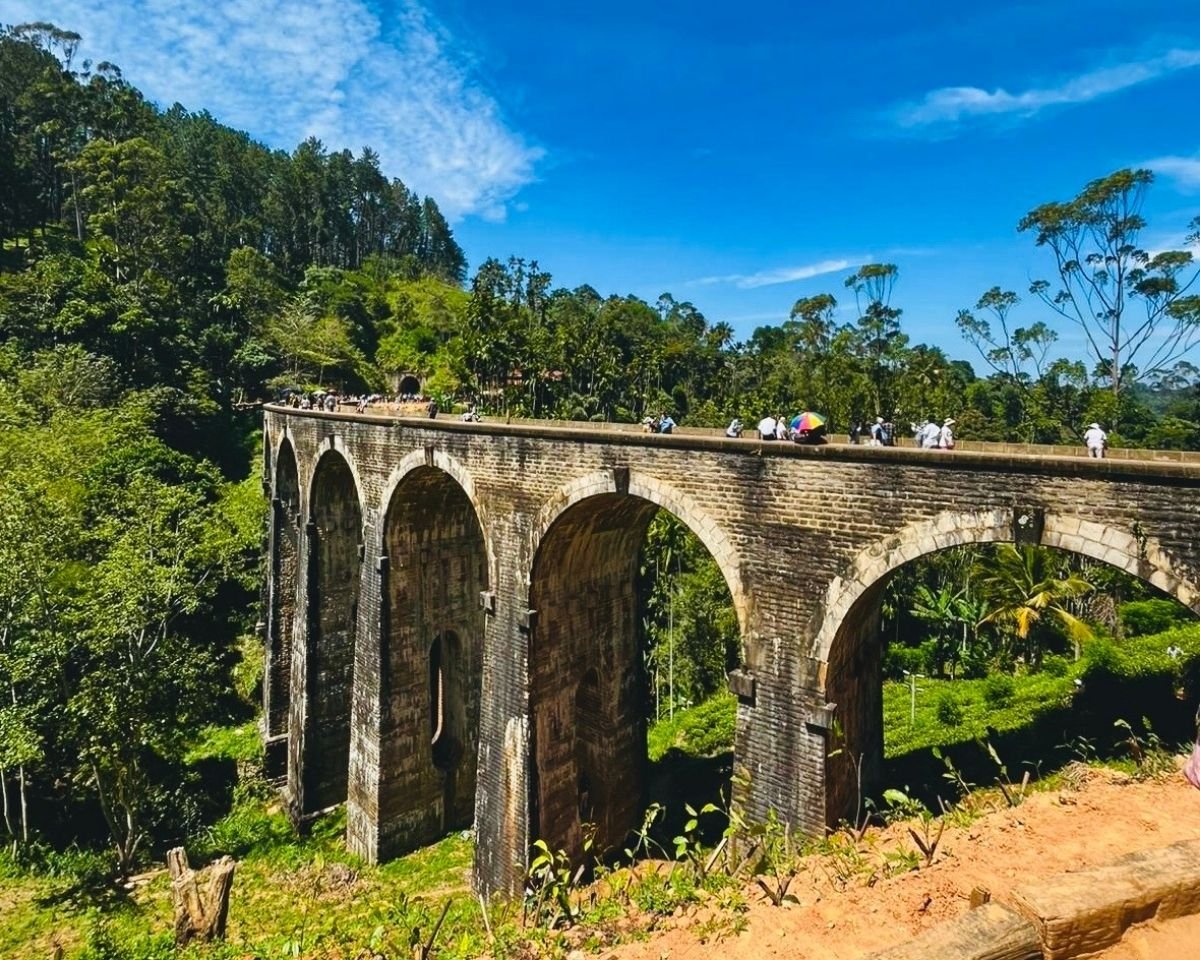
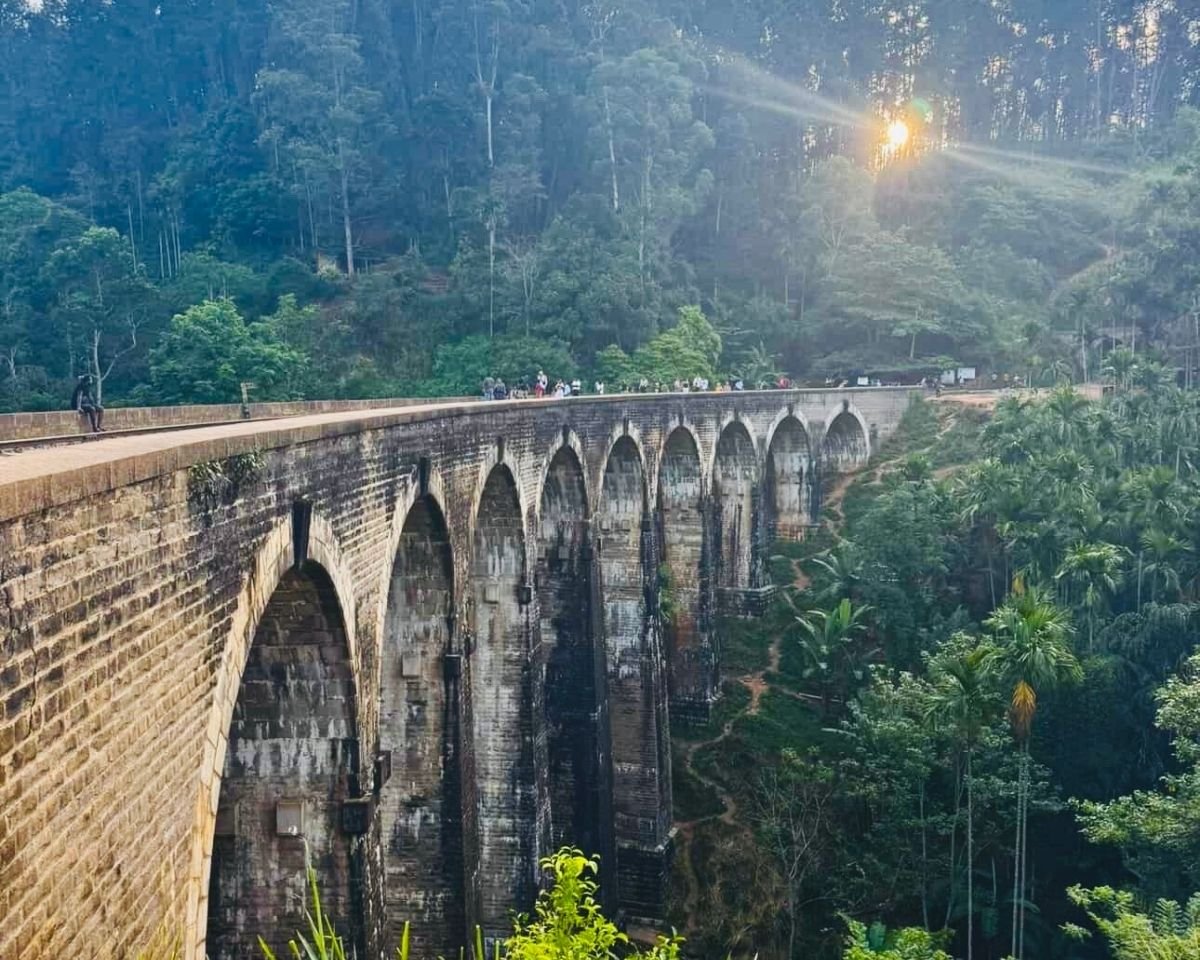
Bridge
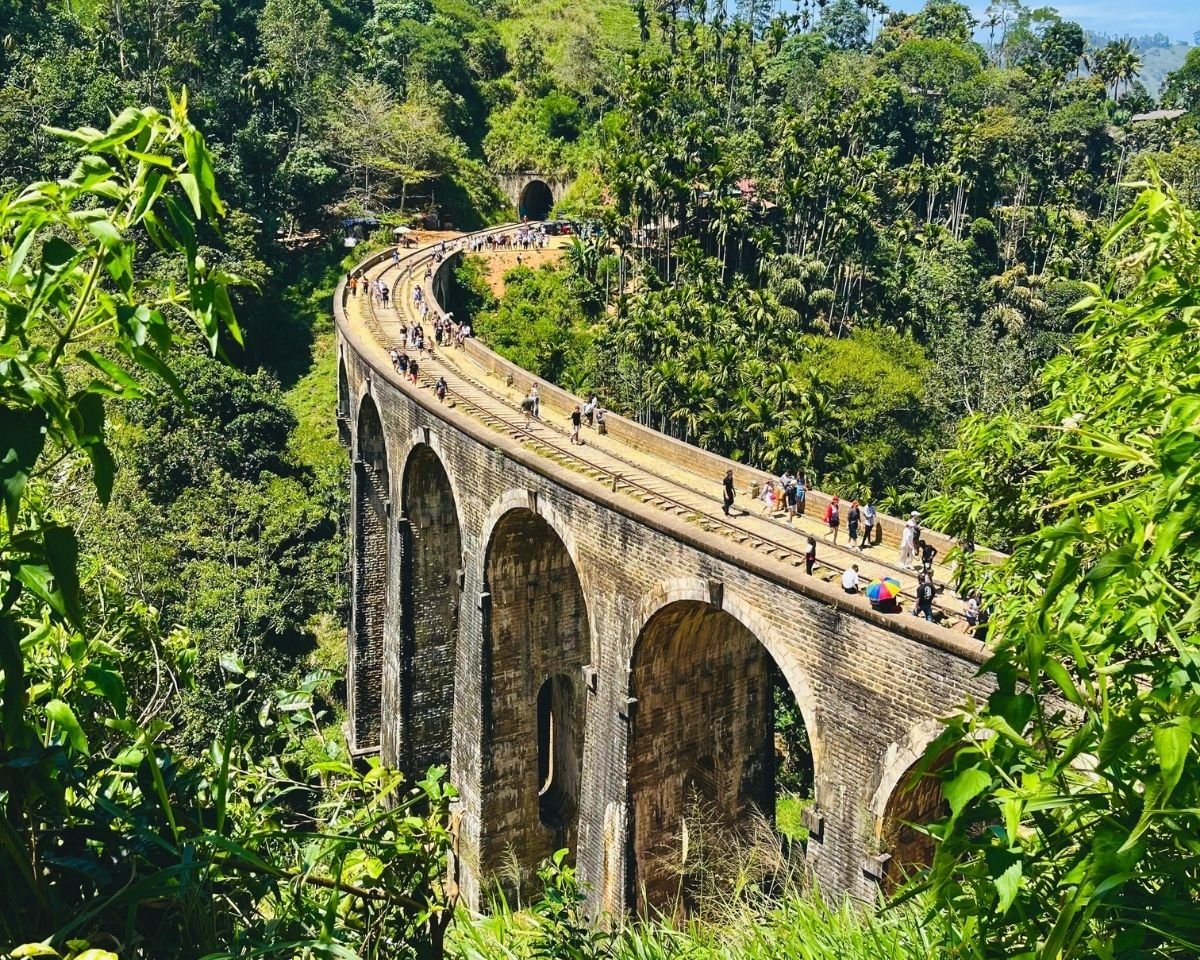
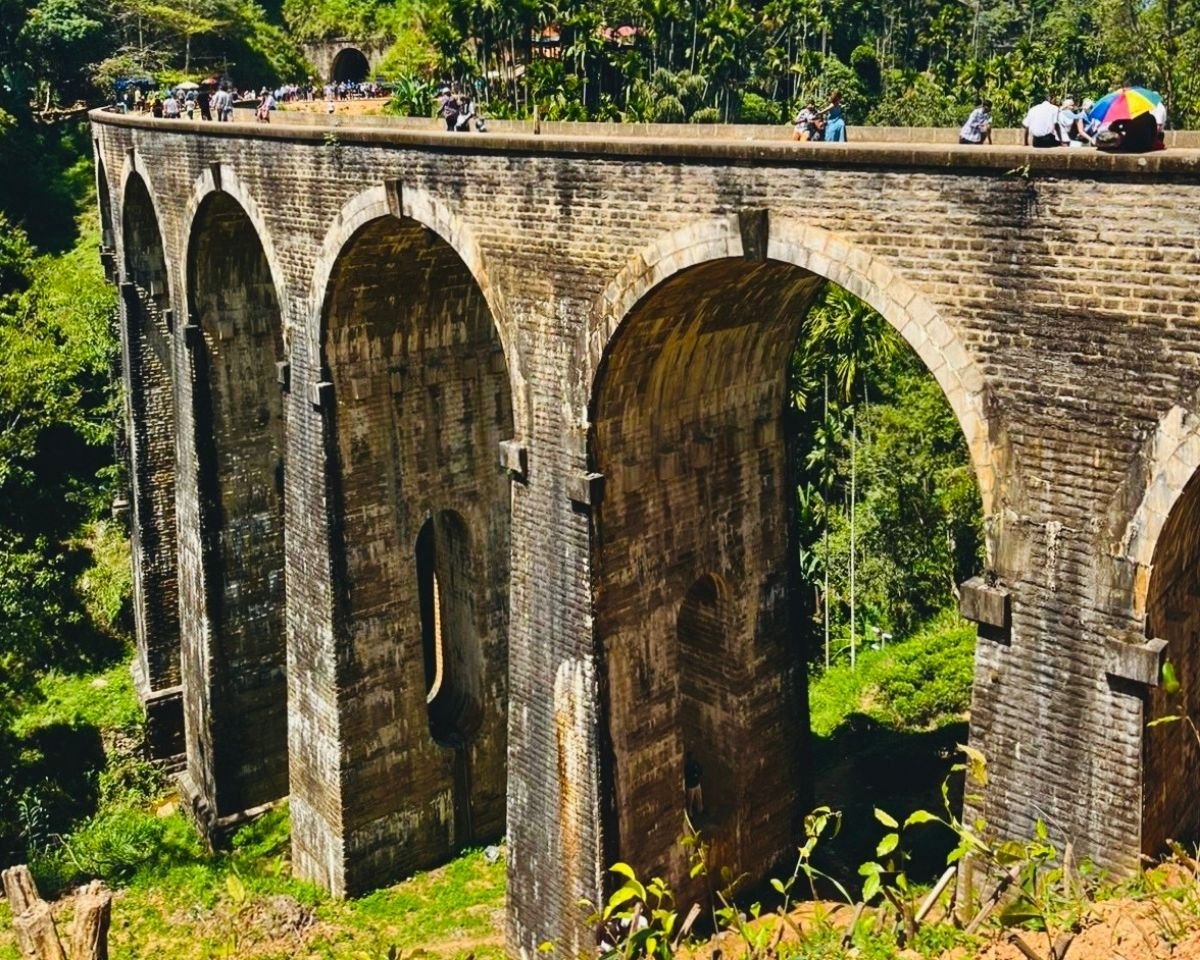
Historic nine arch railway bridge built entirely of stone, brick, and cement, without the use of steel.
Historic nine arch railway bridge built entirely of stone, brick, and cement, without the use of steel.

History
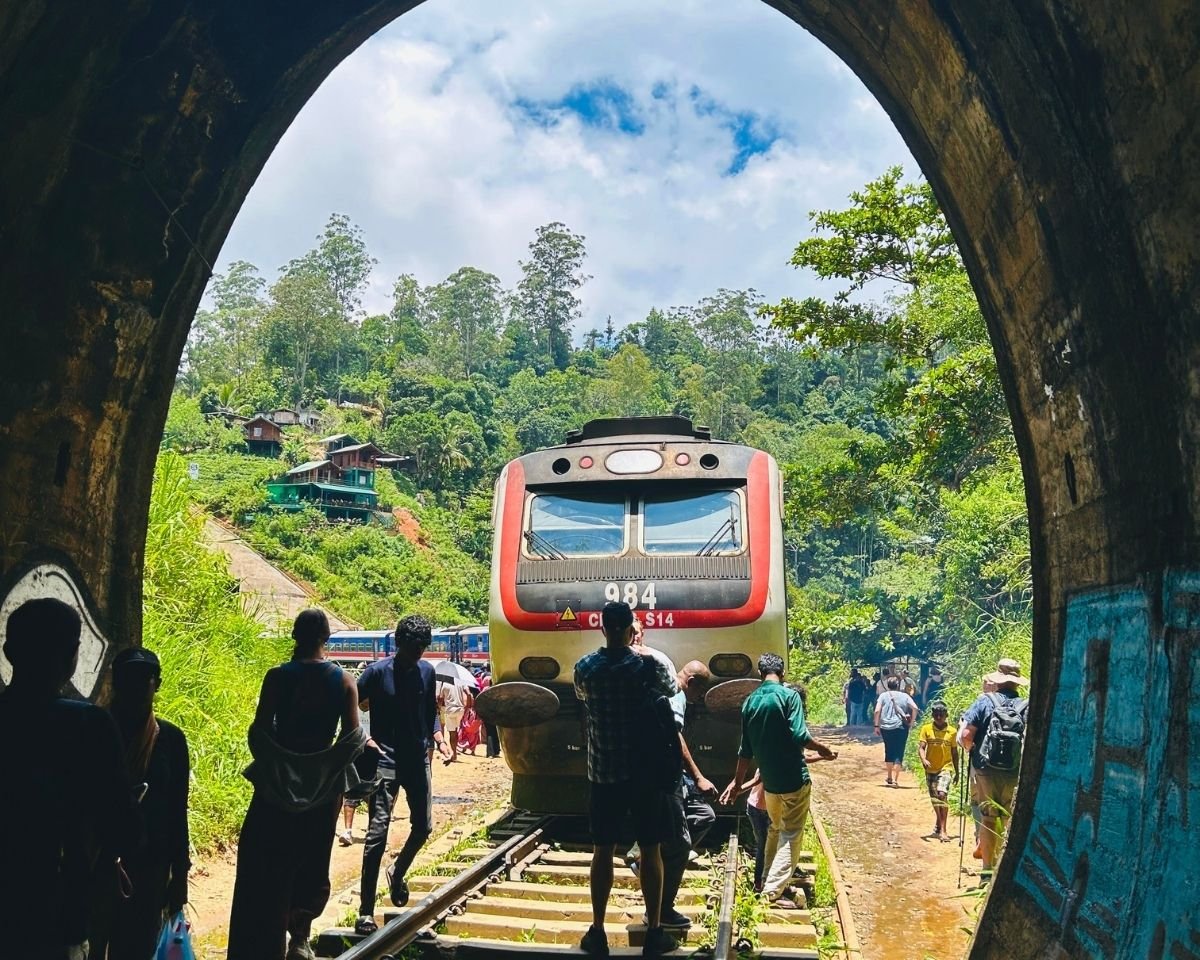
Built in the early 20th century during the British colonial period as part of Sri Lanka’s hill country railway line.
Built in the early 20th century during the British colonial period as part of Sri Lanka’s hill country railway line.
Scenery
Stone arches spanning a lush green valley surrounded by tea estates, forested slopes, and rolling hills.
Stone arches spanning a lush green valley surrounded by tea estates, forested slopes, and rolling hills.
Hike
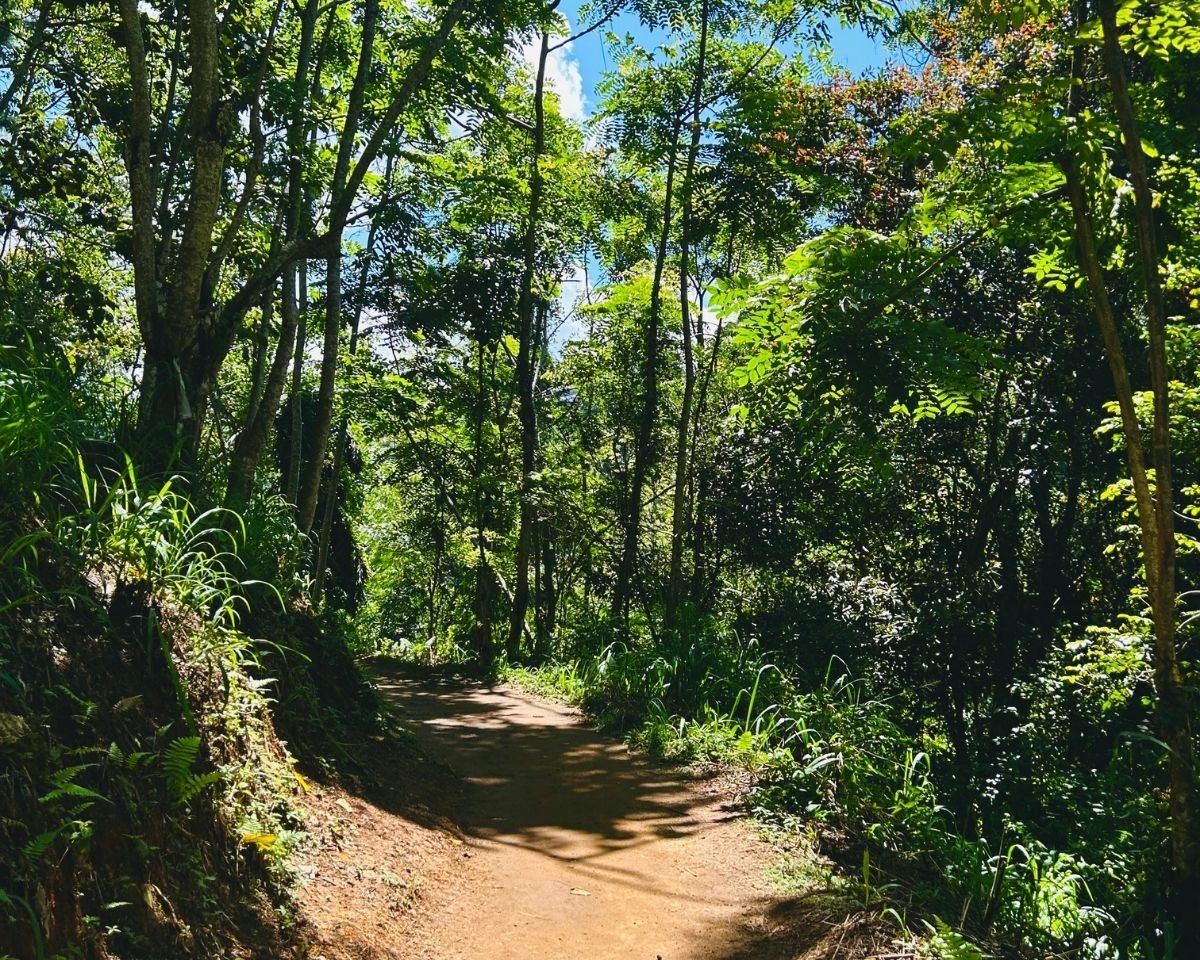
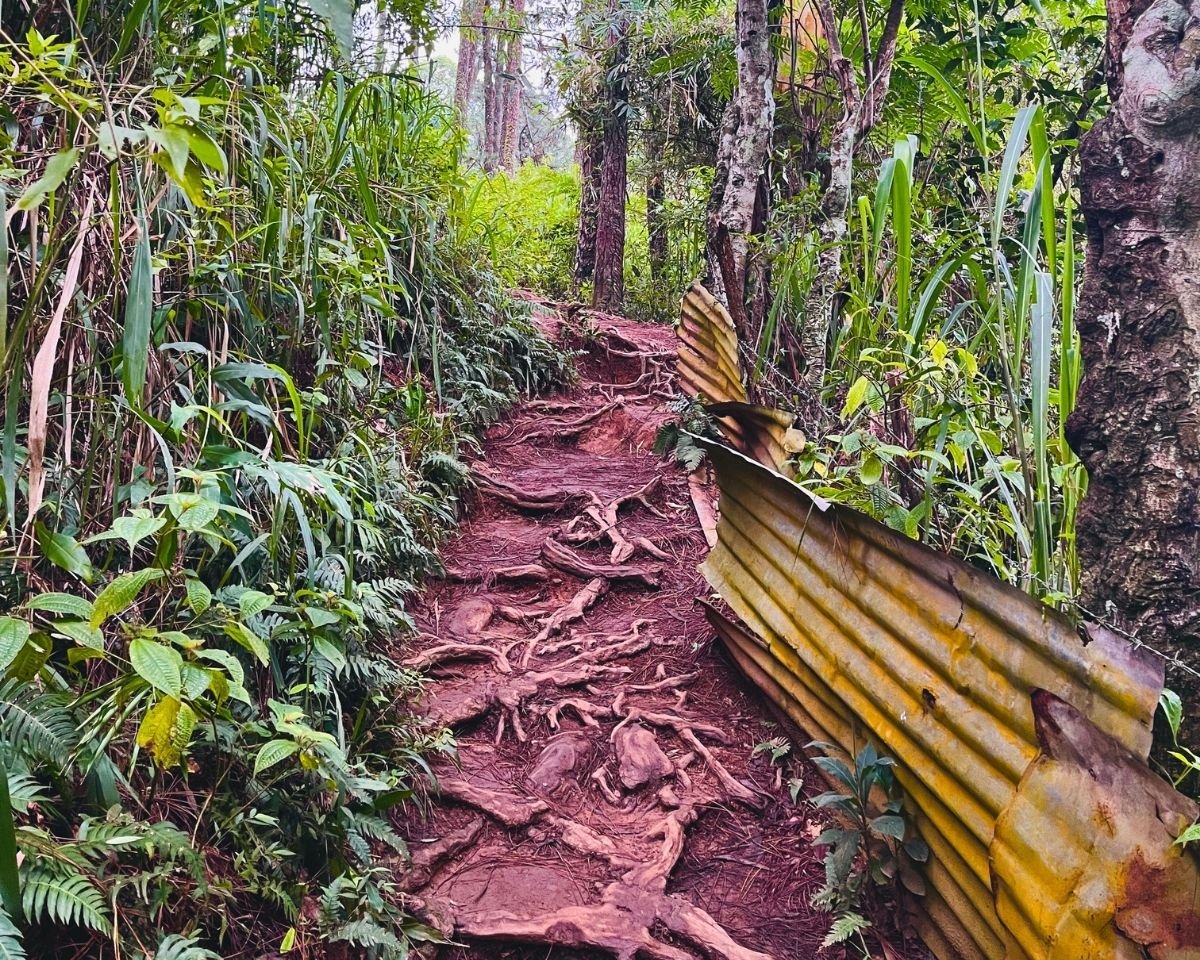
Short downhill walk from nearby access points through tea estates and village paths. Moderate climb on the return.
Short downhill walk from nearby access points through tea estates and village paths. Moderate climb on the return.
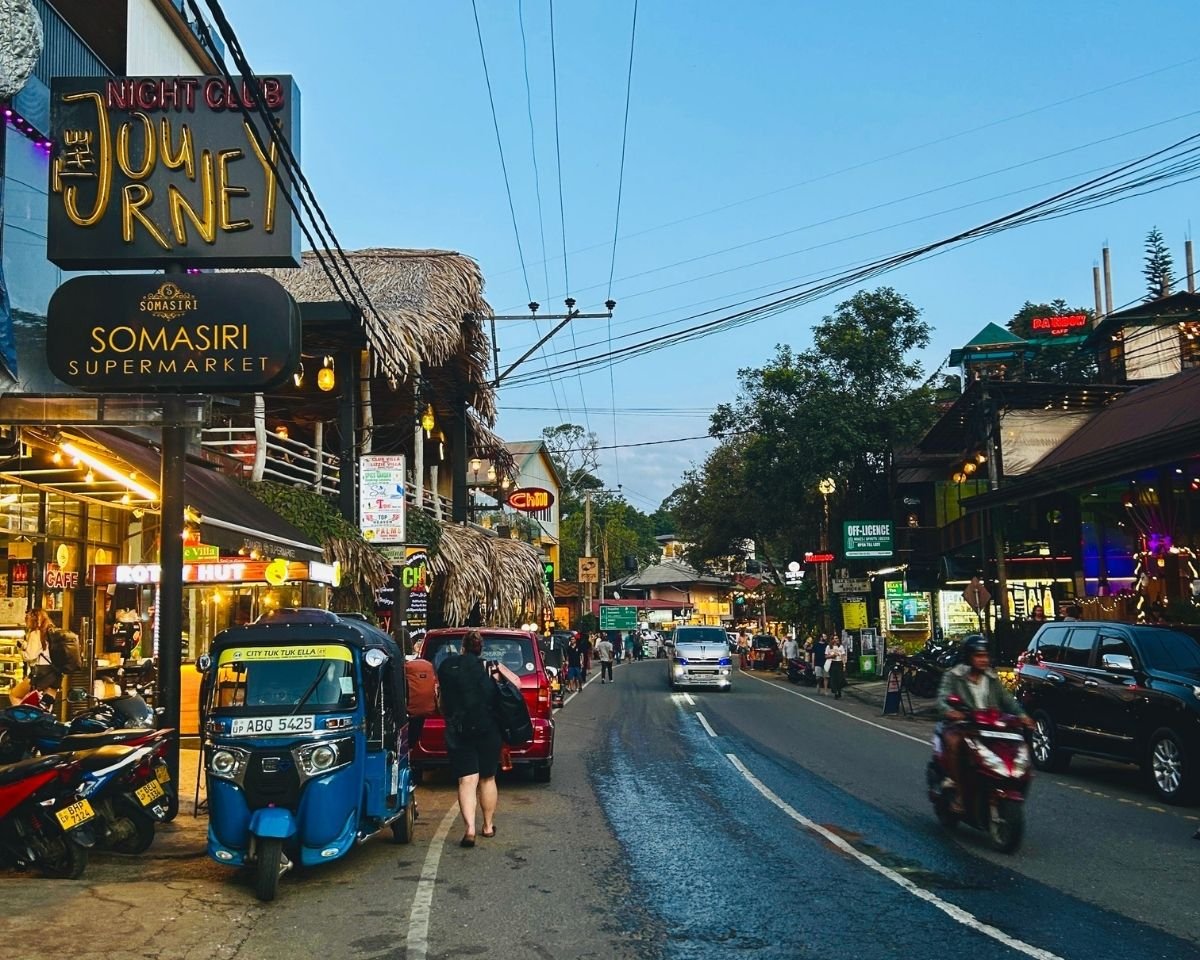 sophie_ettner
Hill Town
Popular hill country town known for scenic views and relaxed atmosphere.
Popular hill country town known for scenic views and relaxed atmosphere.
Scenery
Mountain landscapes, tea plantations, valleys, and mist covered hills.
Mountain landscapes, tea plantations, valleys, and mist covered hills.
Top Pick
Location
 Ella Town
 Ella Town
 ravinkavish
 ravinkavish
 ravinkavish
 ravinkavish
 ravinkavish
 ravinkavish
 ravinkavish
 ravinkavish
 ravinkavish
 ravinkavish
 ravinkavish
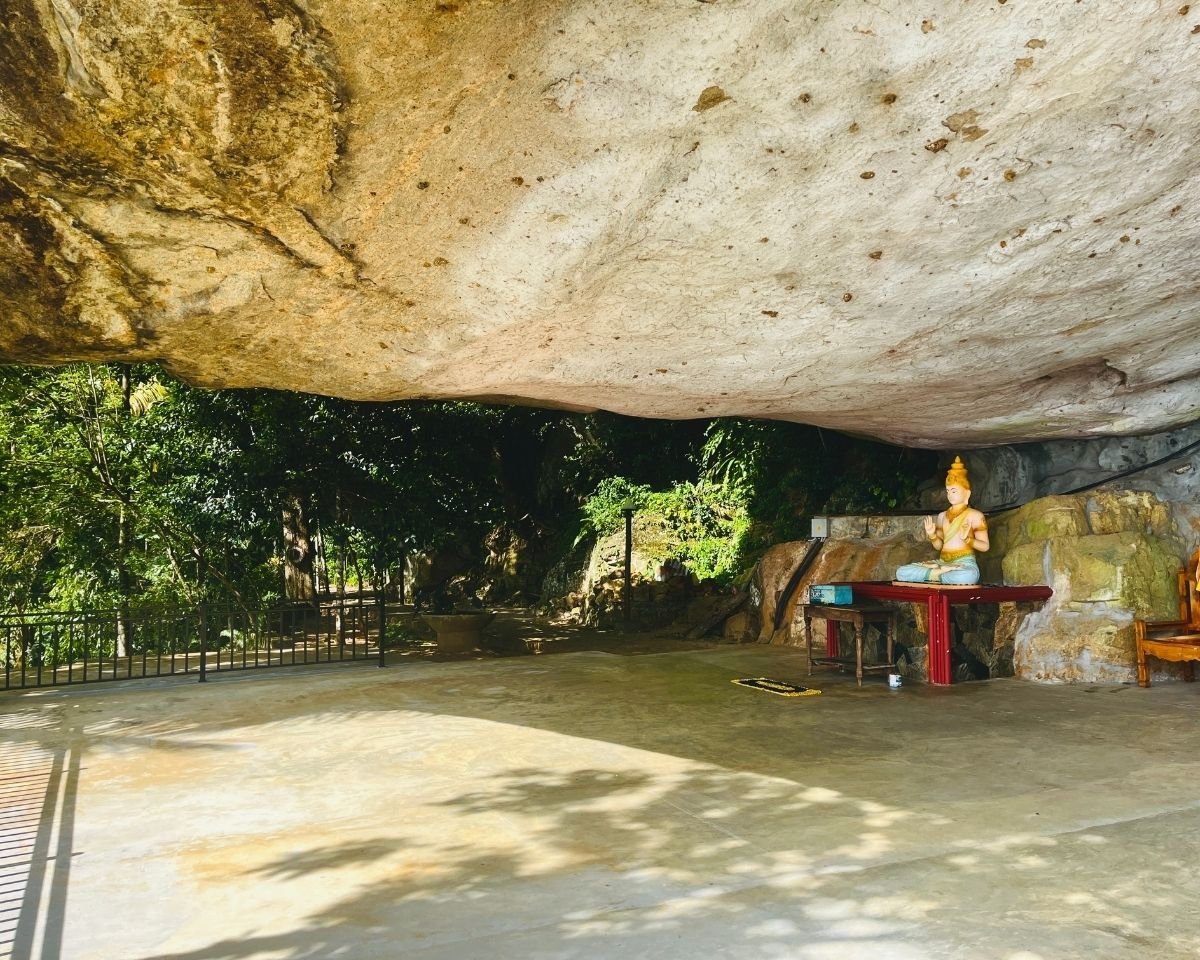 ravinkavish
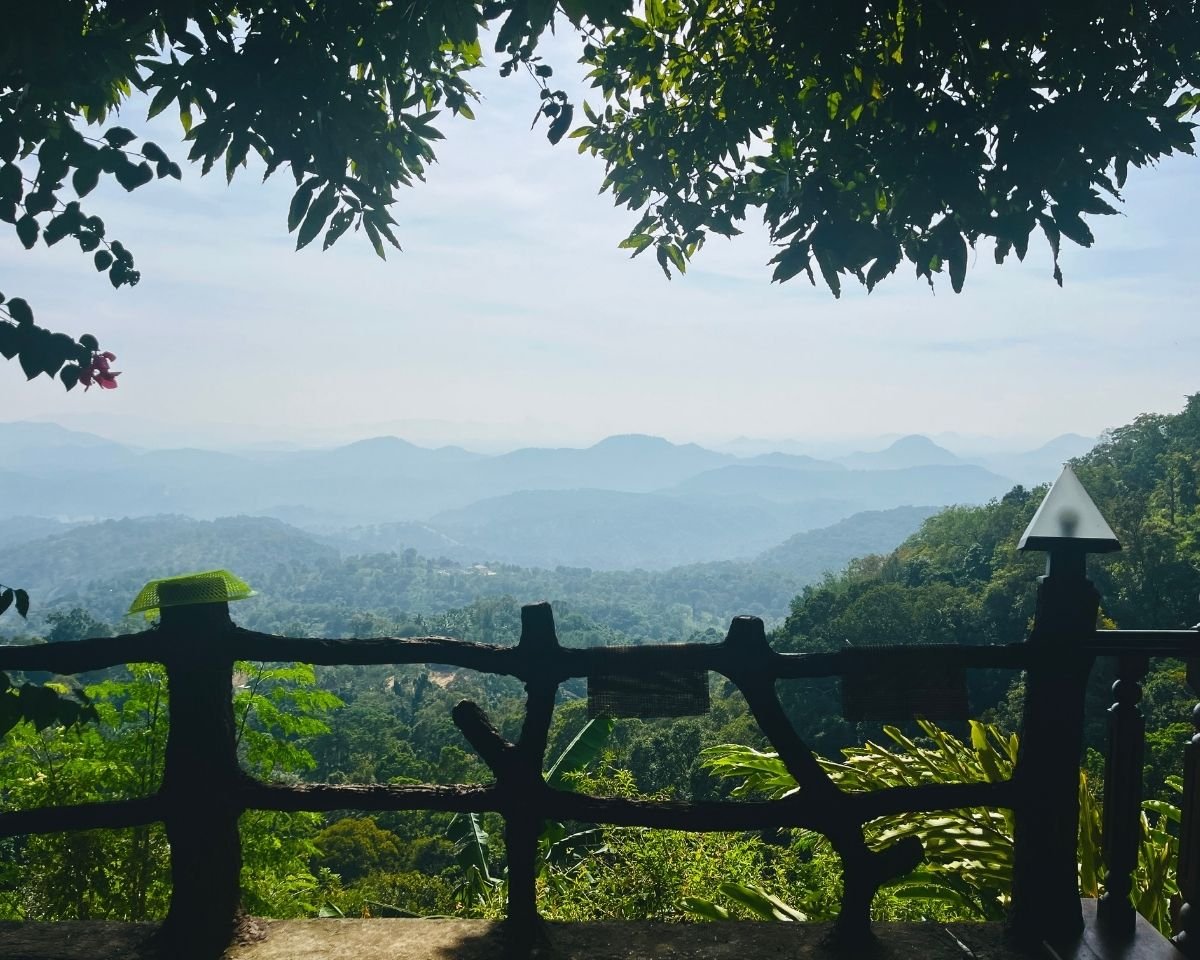 ravinkavish
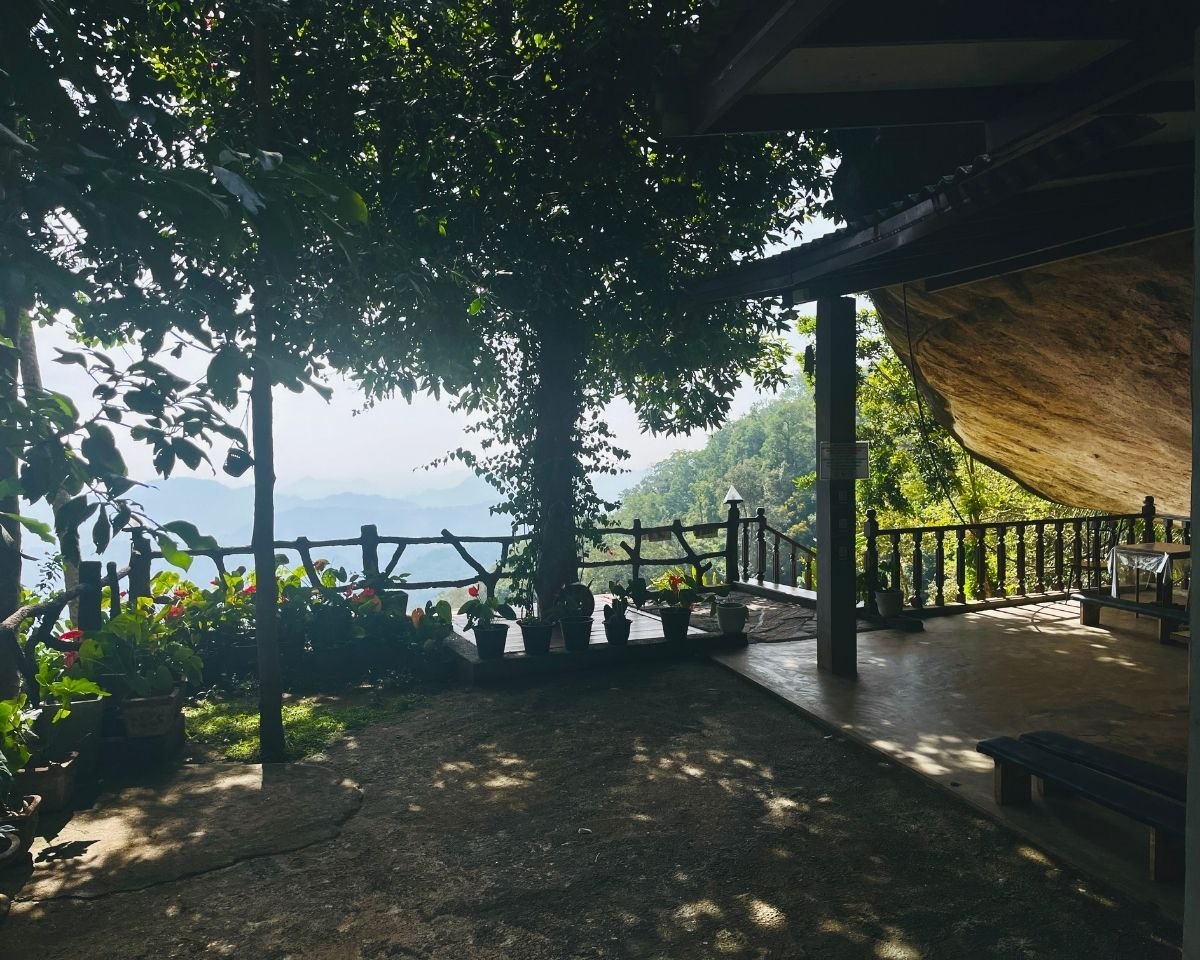 ravinkavish
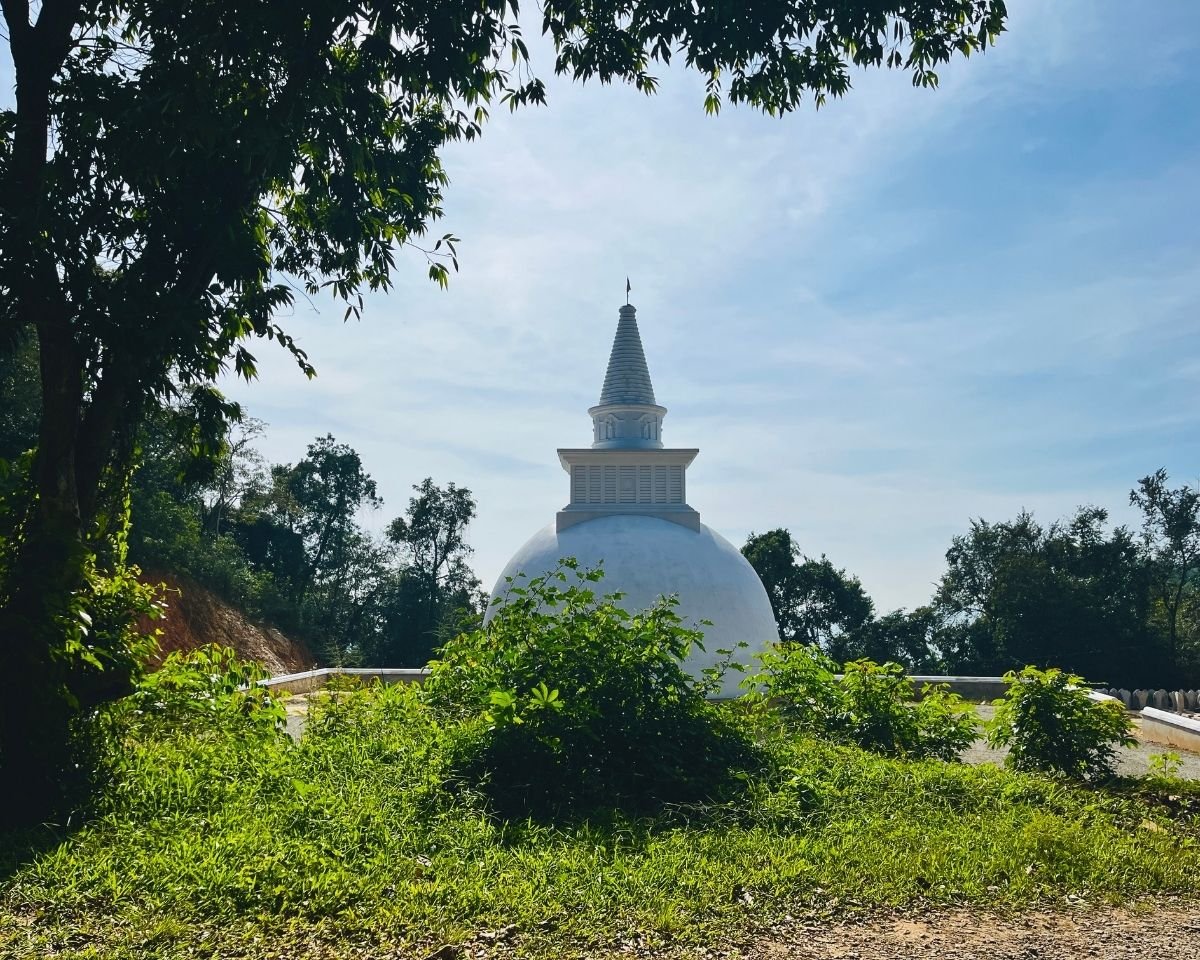 ravinkavish
 ravinkavish
 ravinkavish
 ravinkavish
 ravinkavish
 ravinkavish
 ravinkavish
 ravinkavish
 ravinkavish
 ravinkavish
 ravinkavish
 ravinkavish
 ravinkavish
 ravinkavish
 ravinkavish
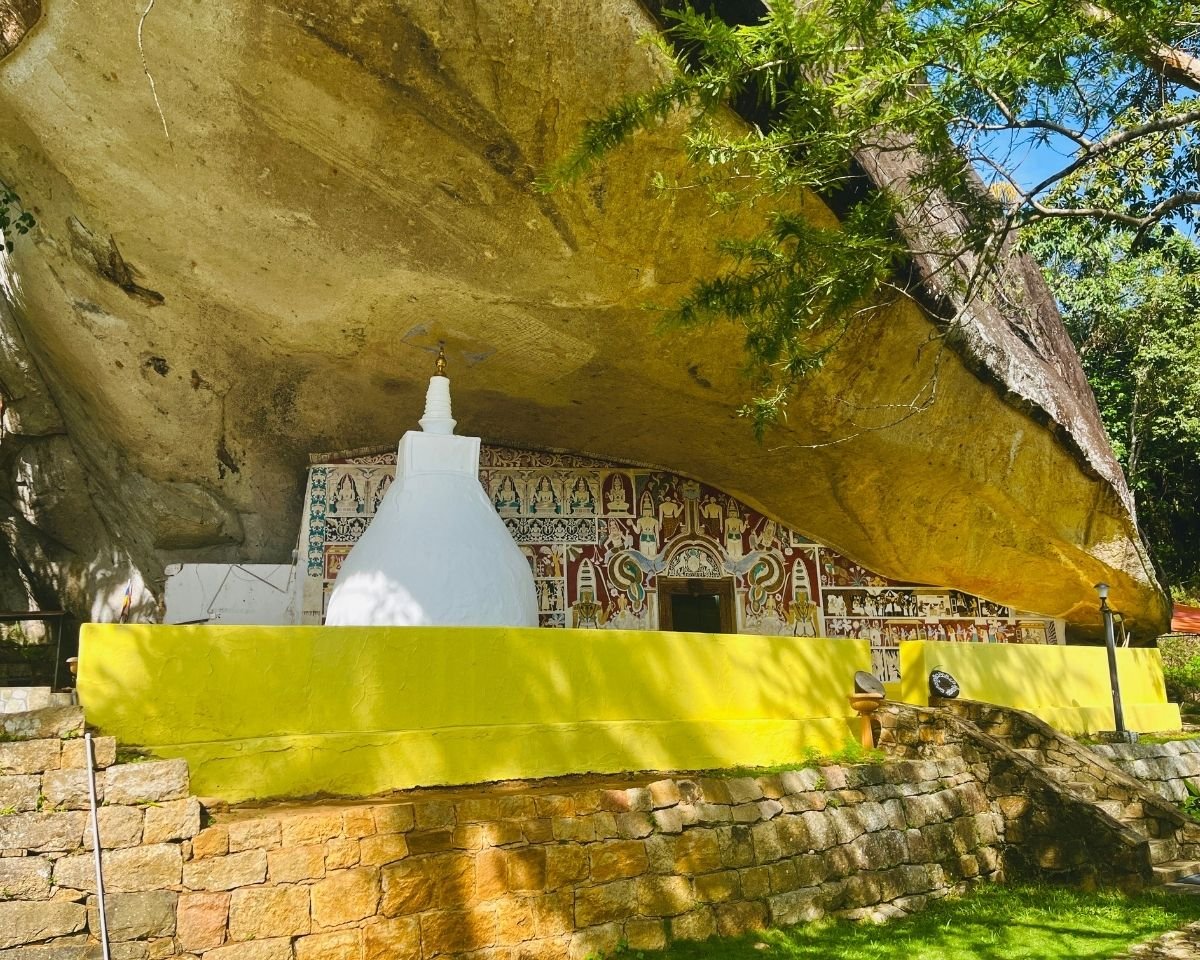
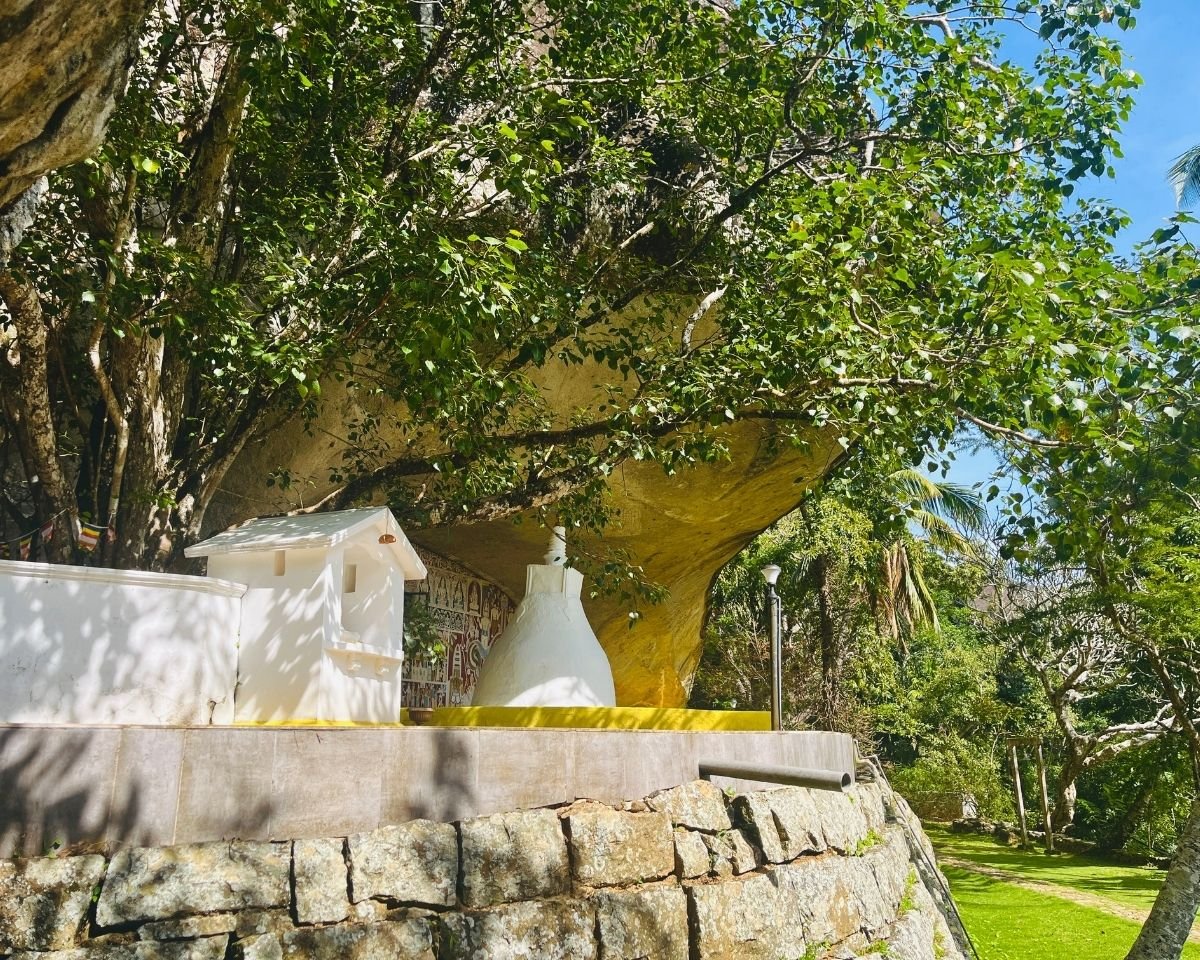
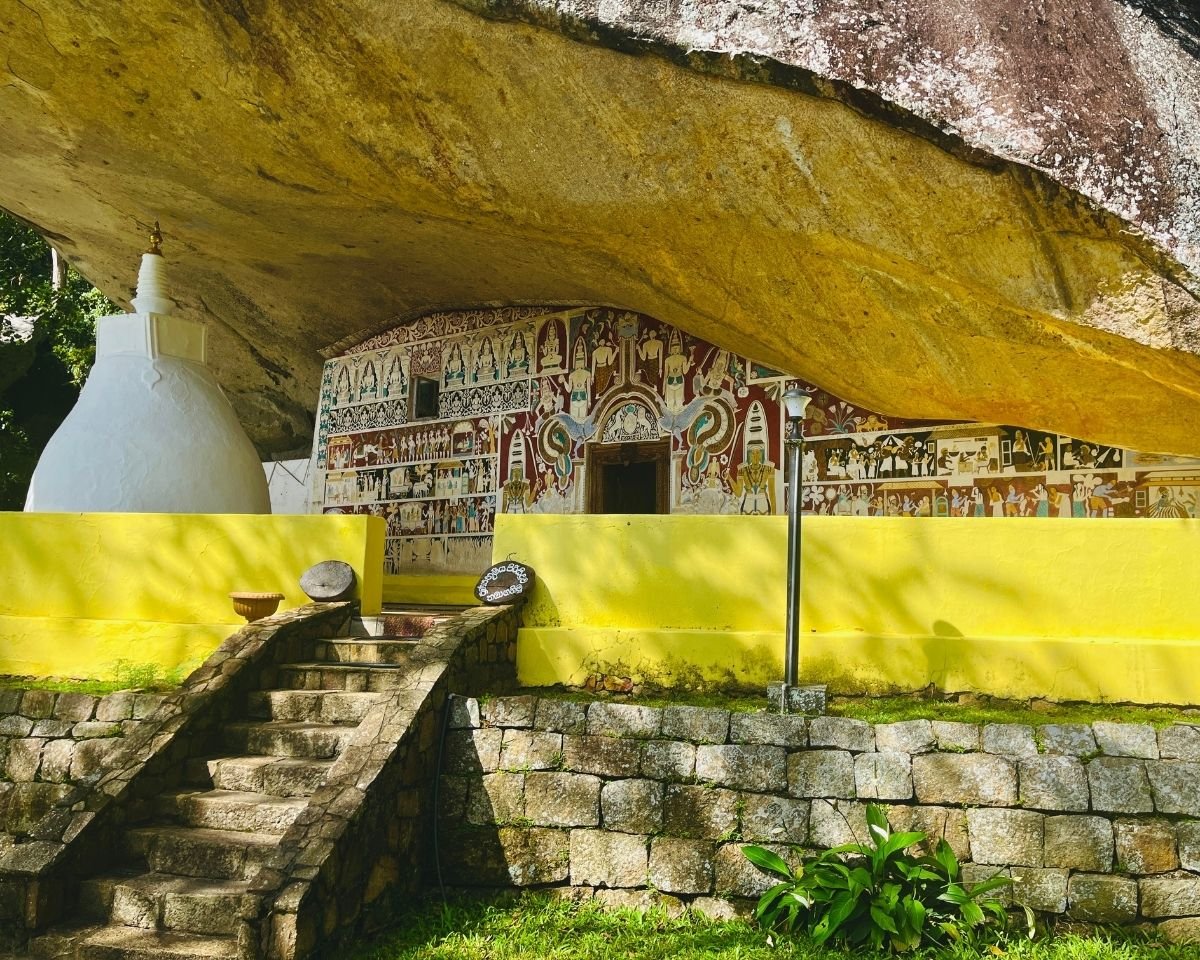
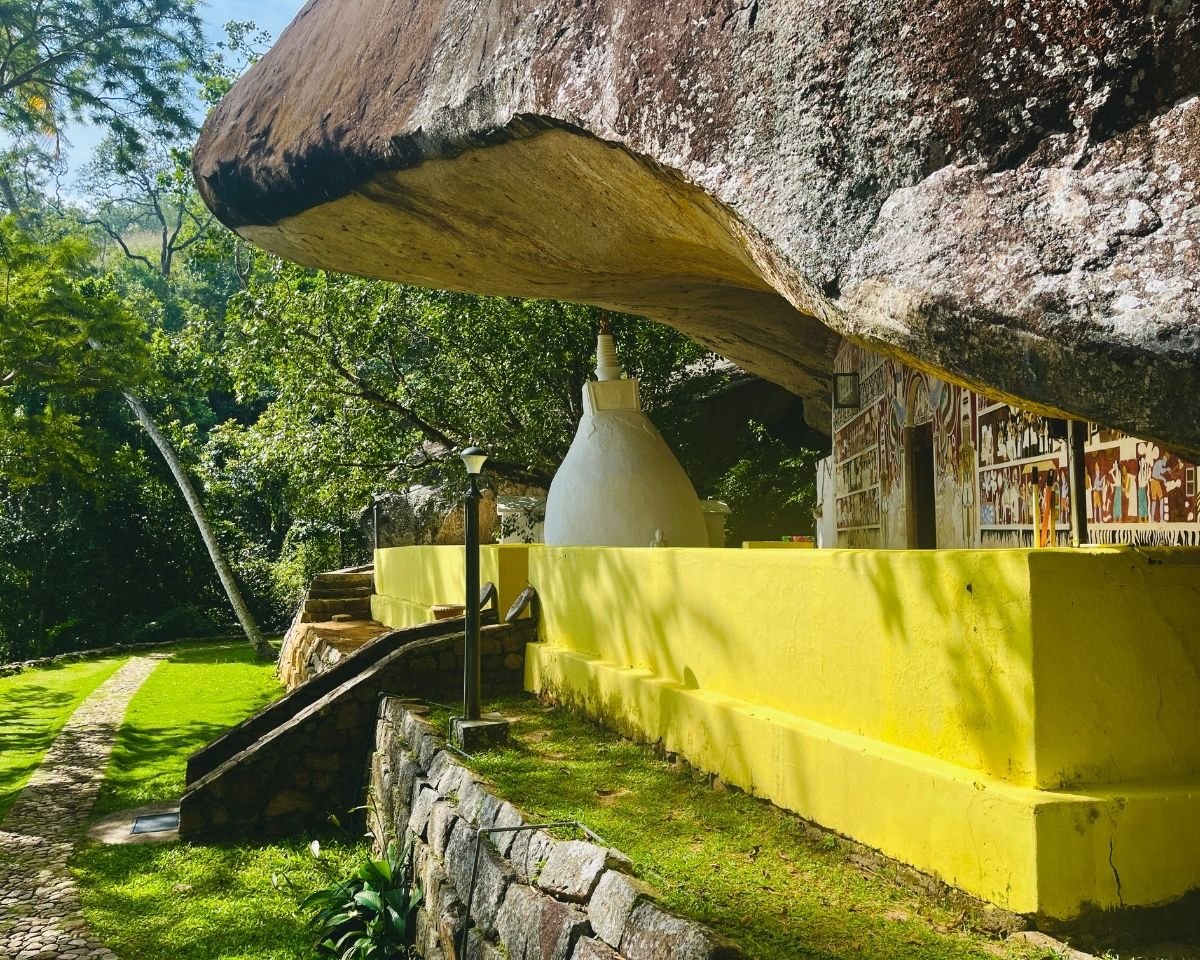
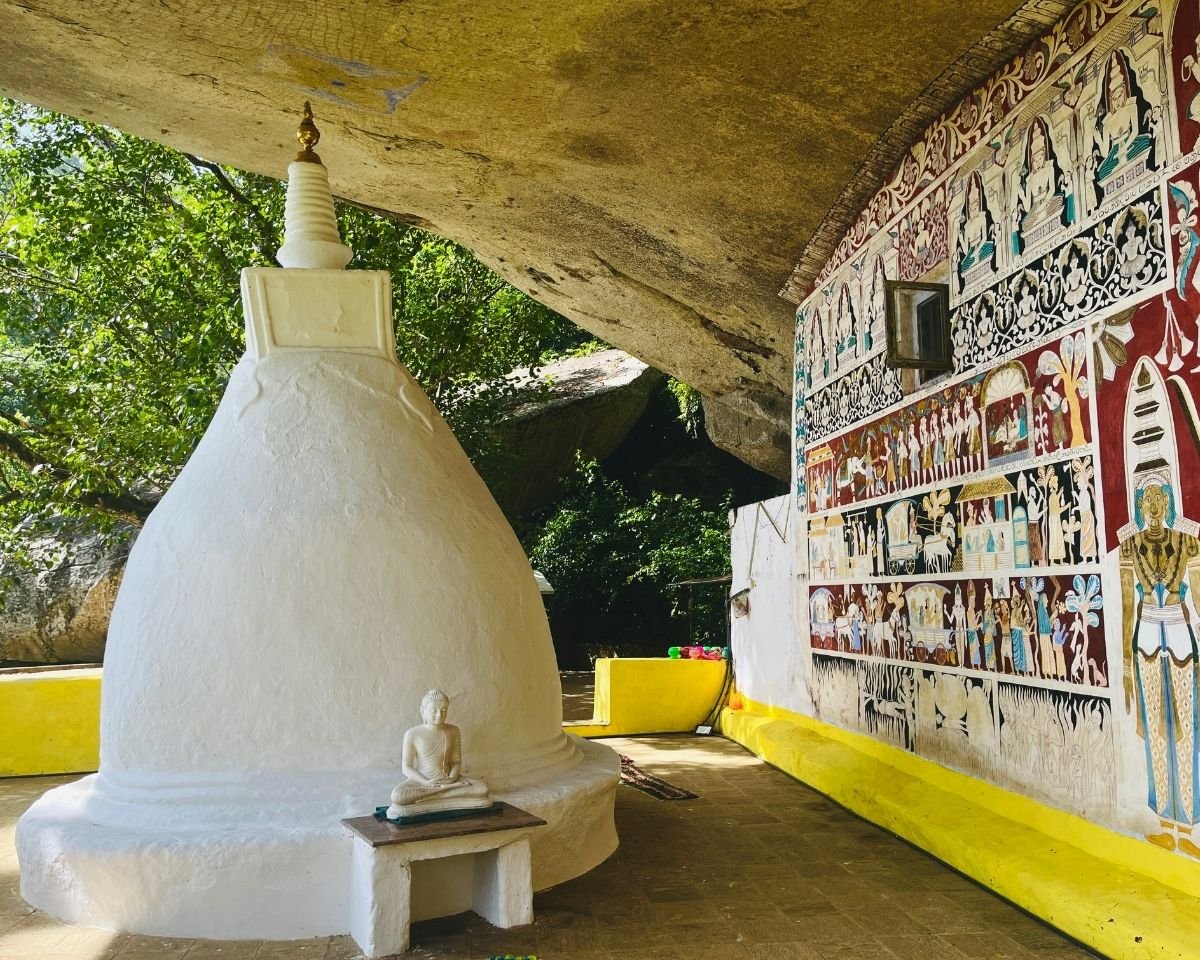
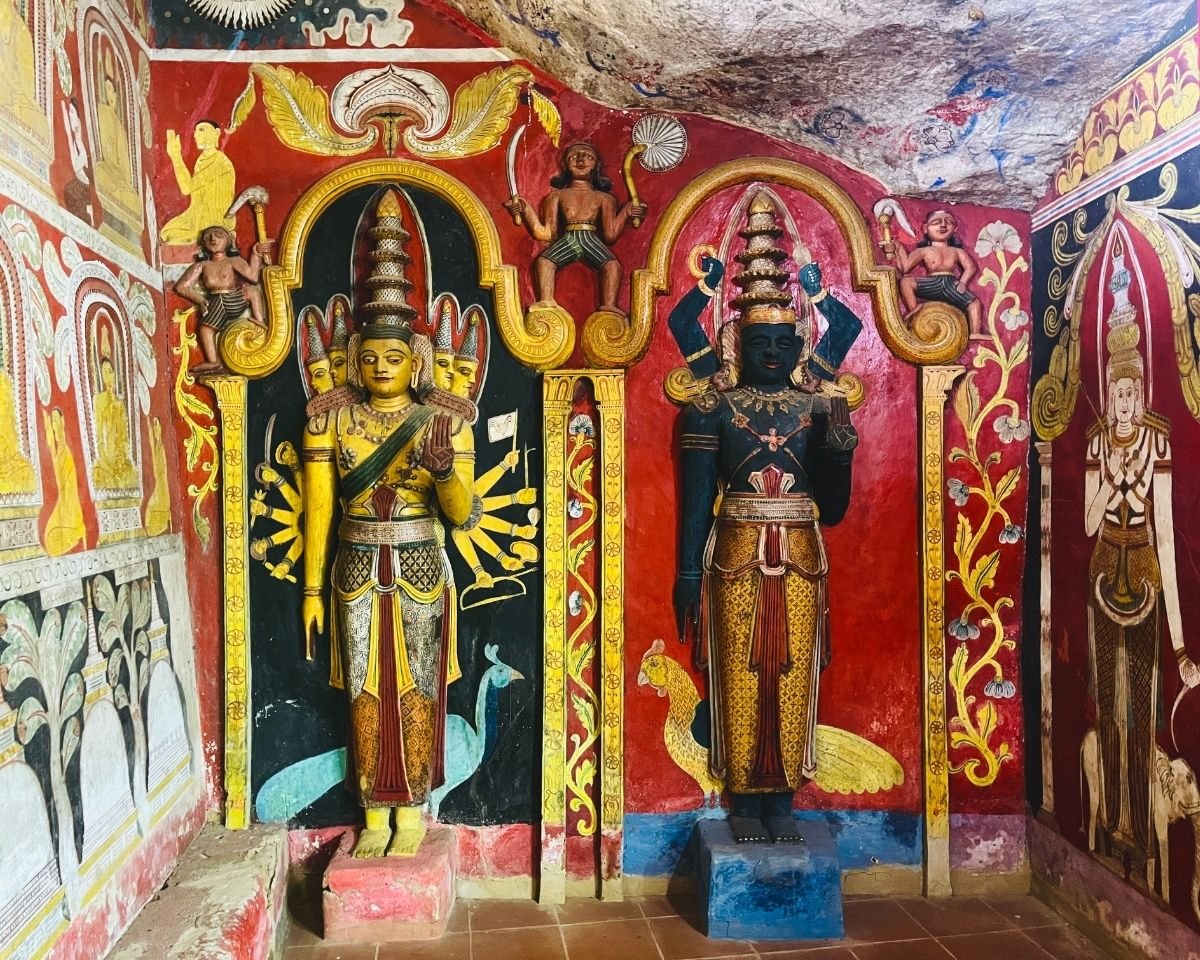
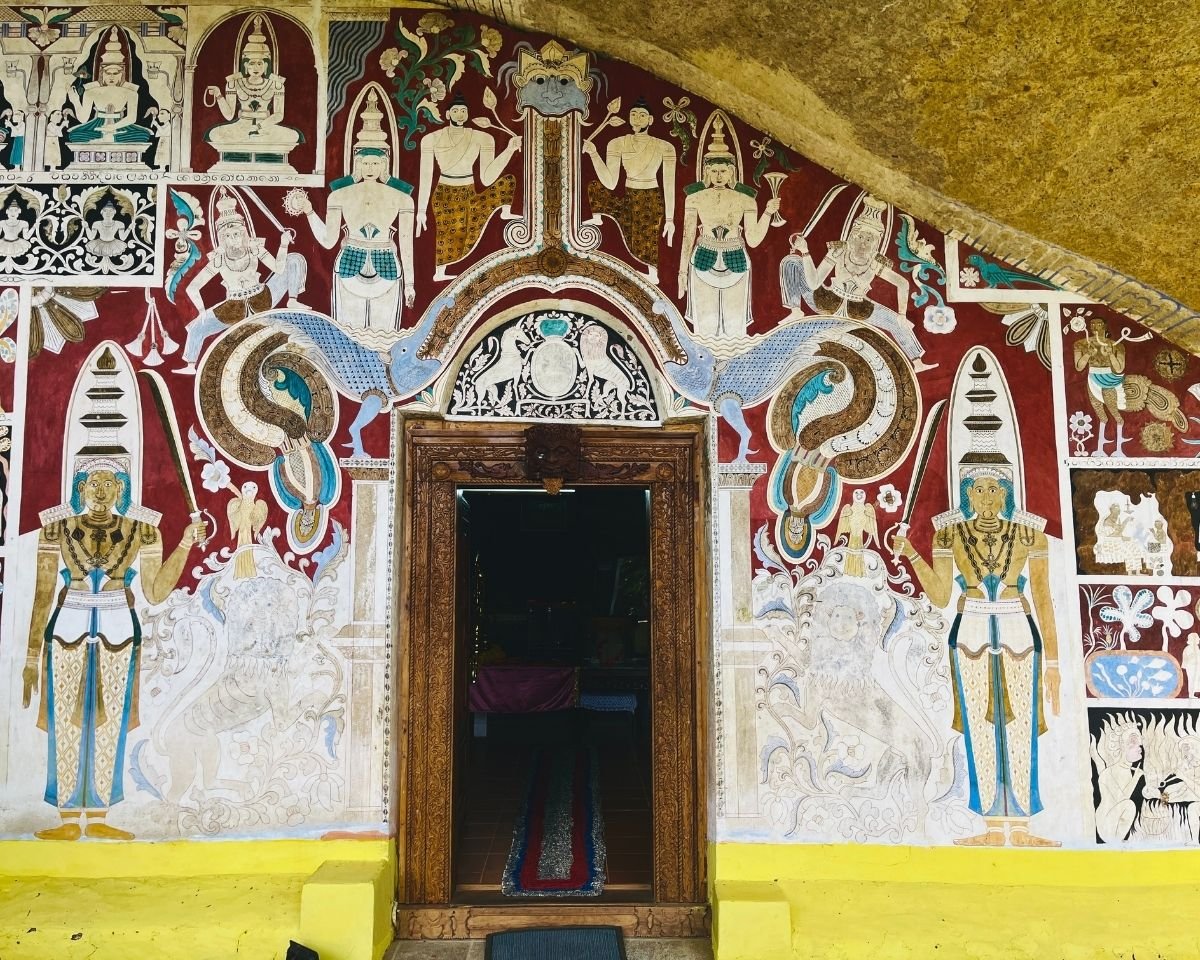
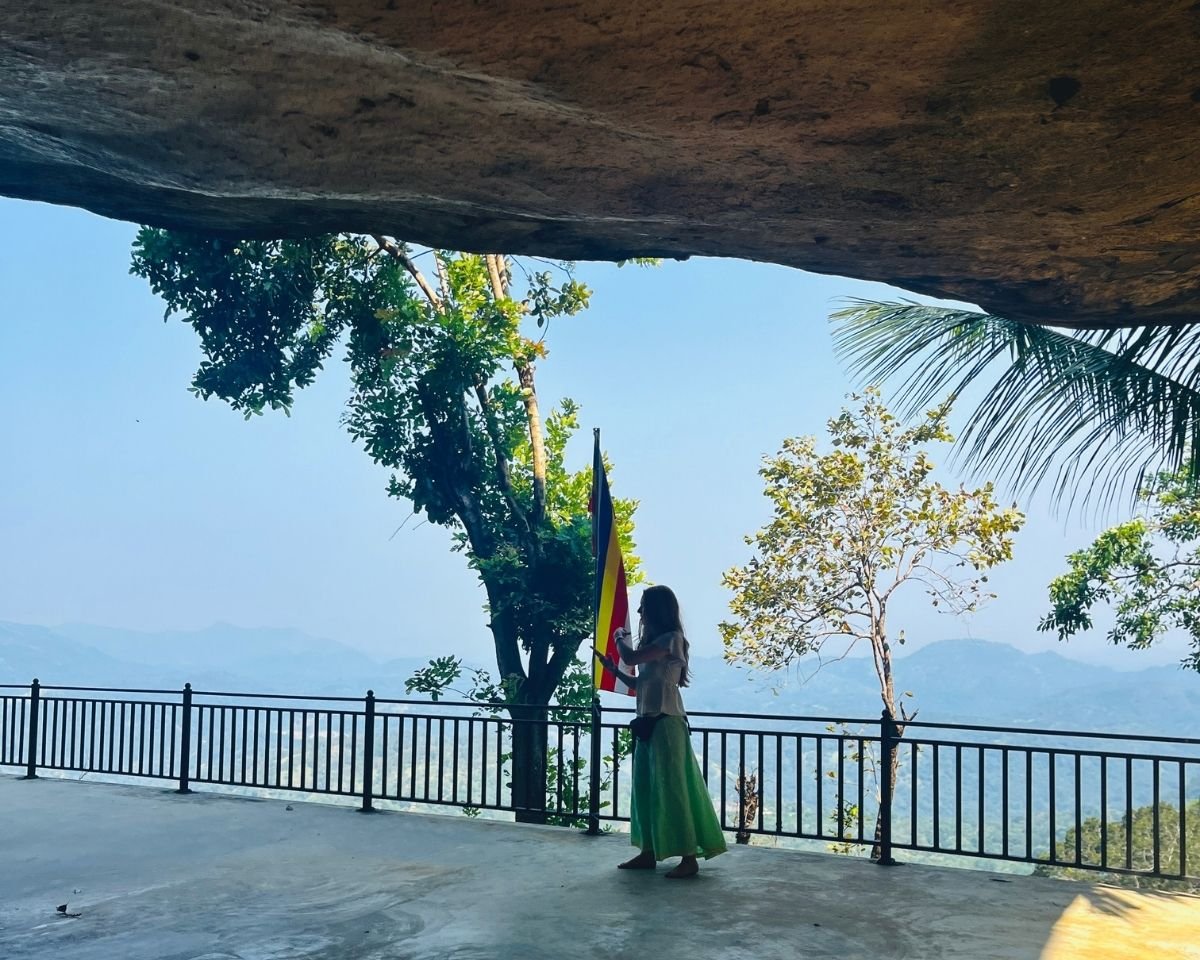
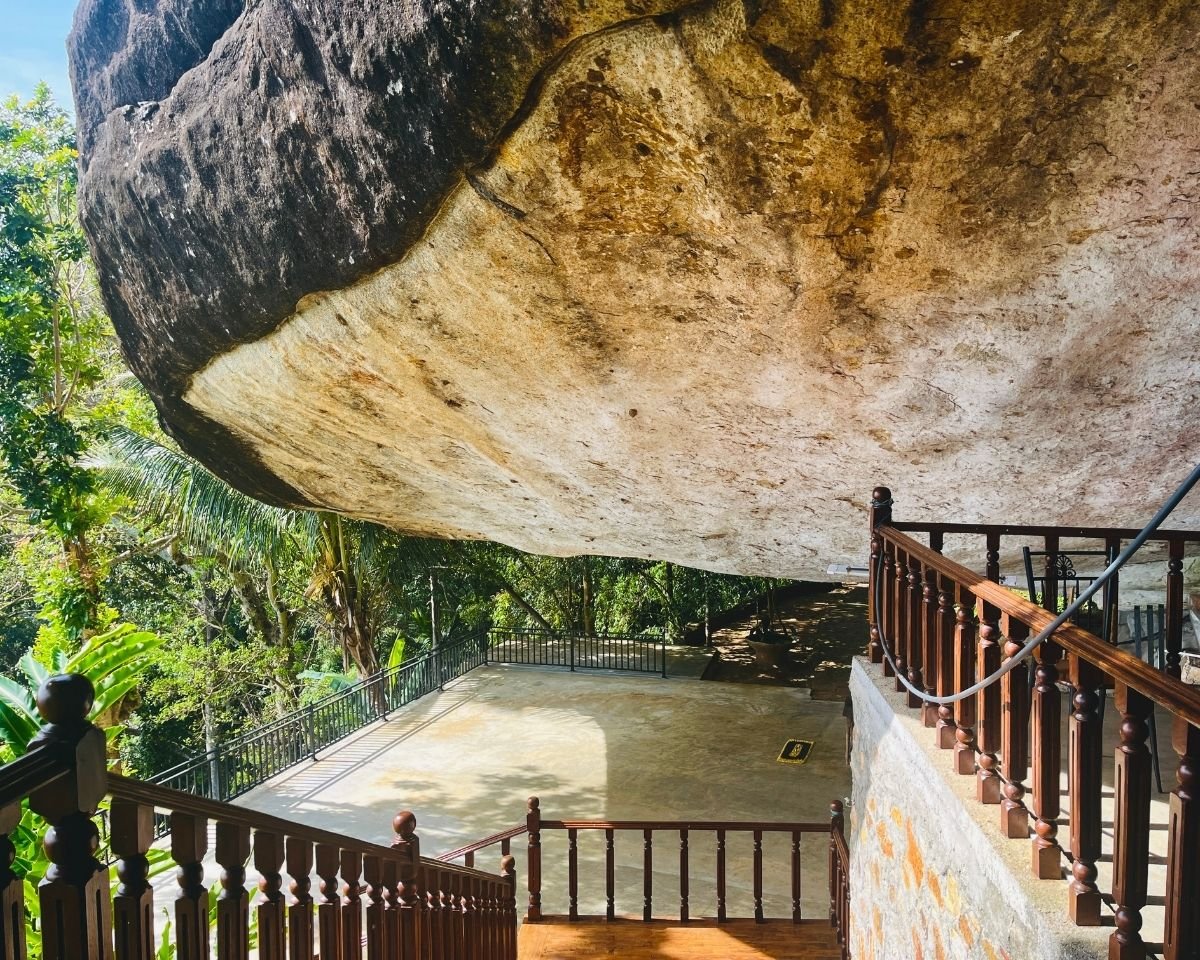
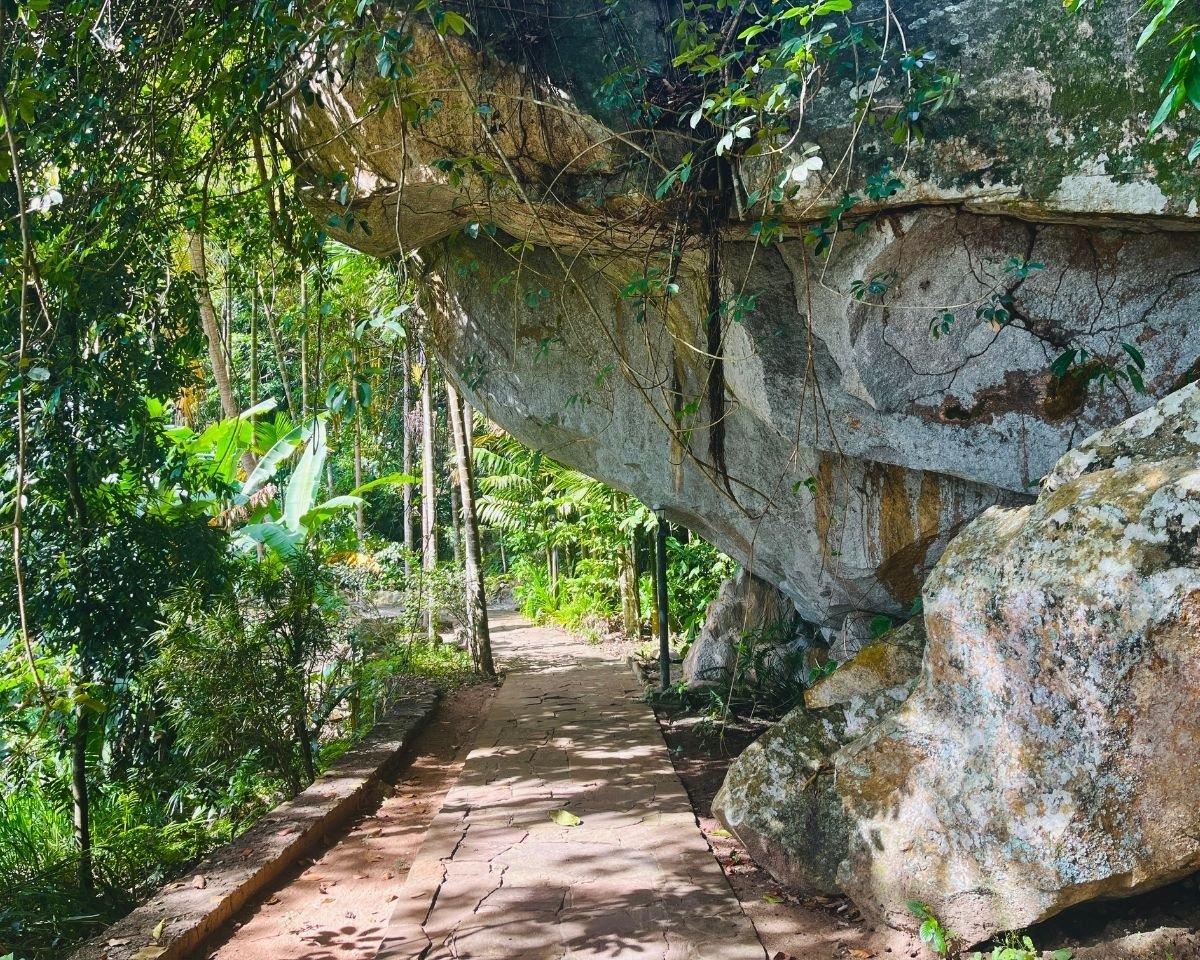
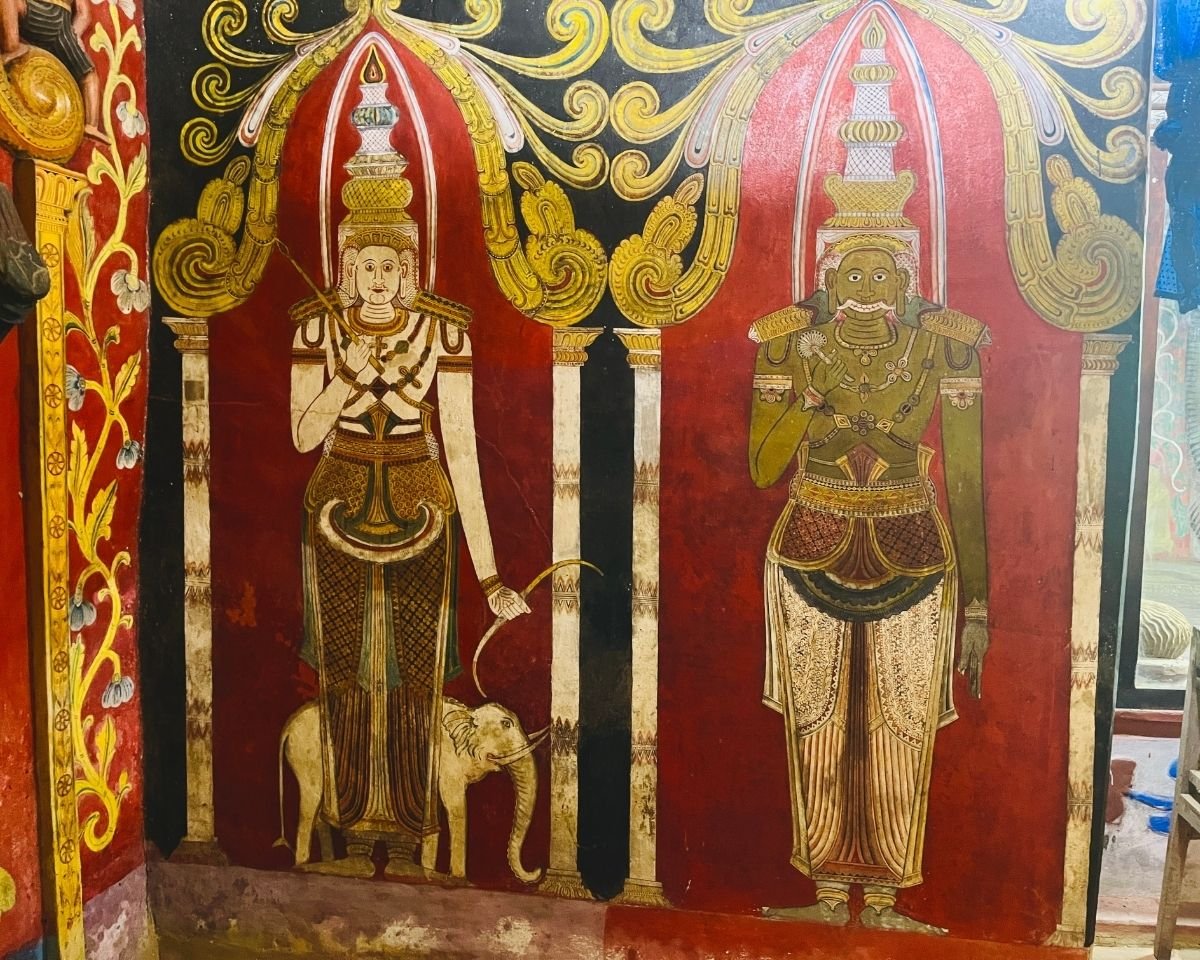
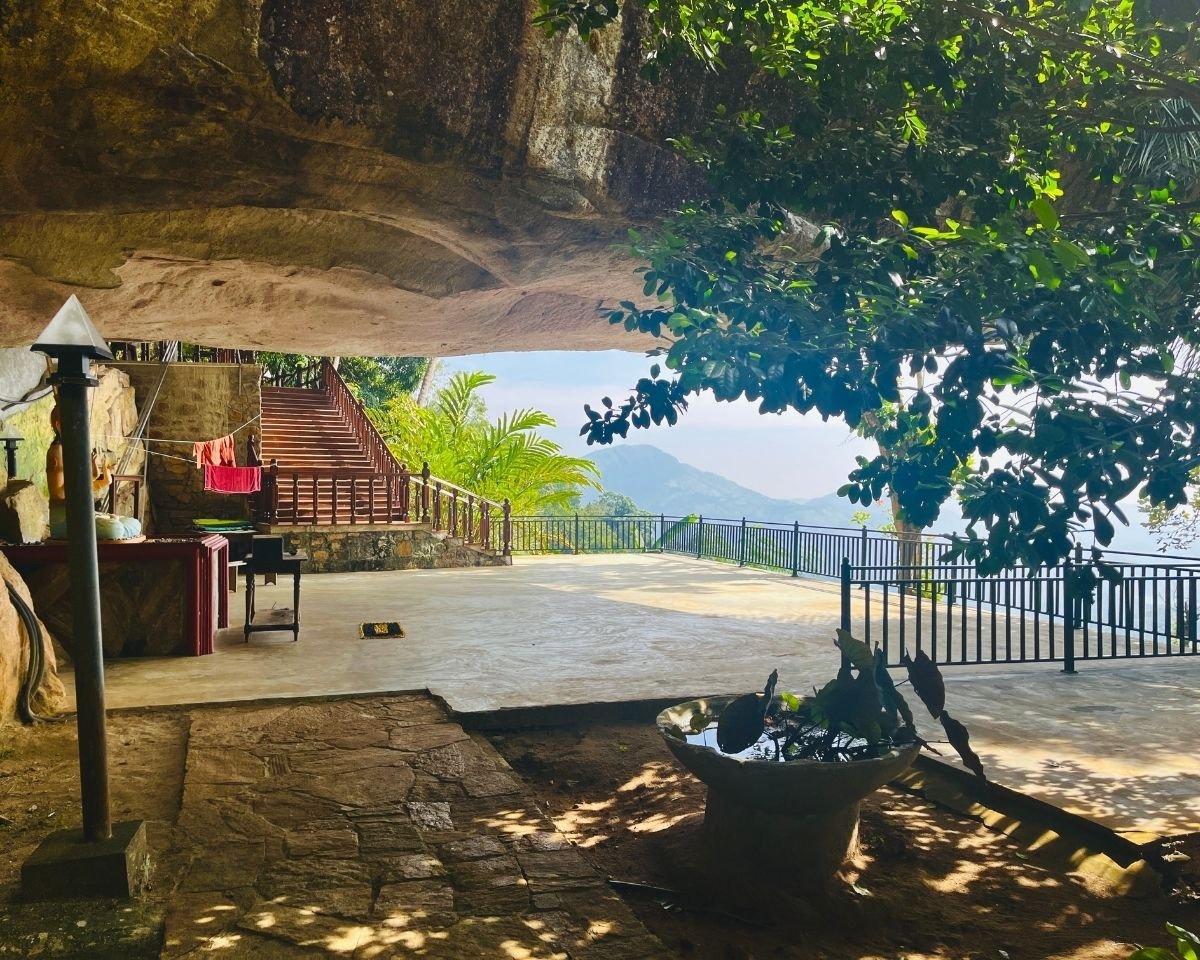
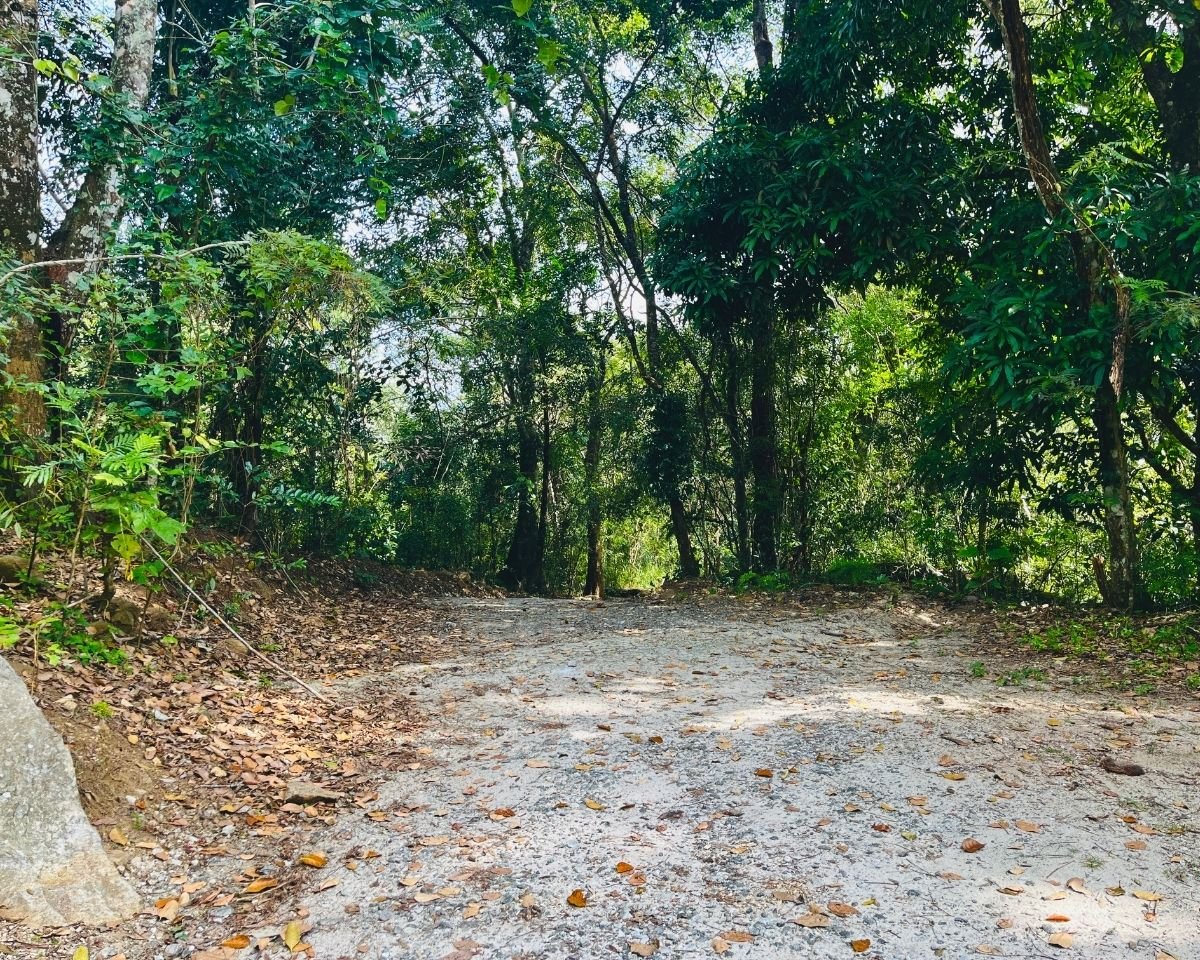
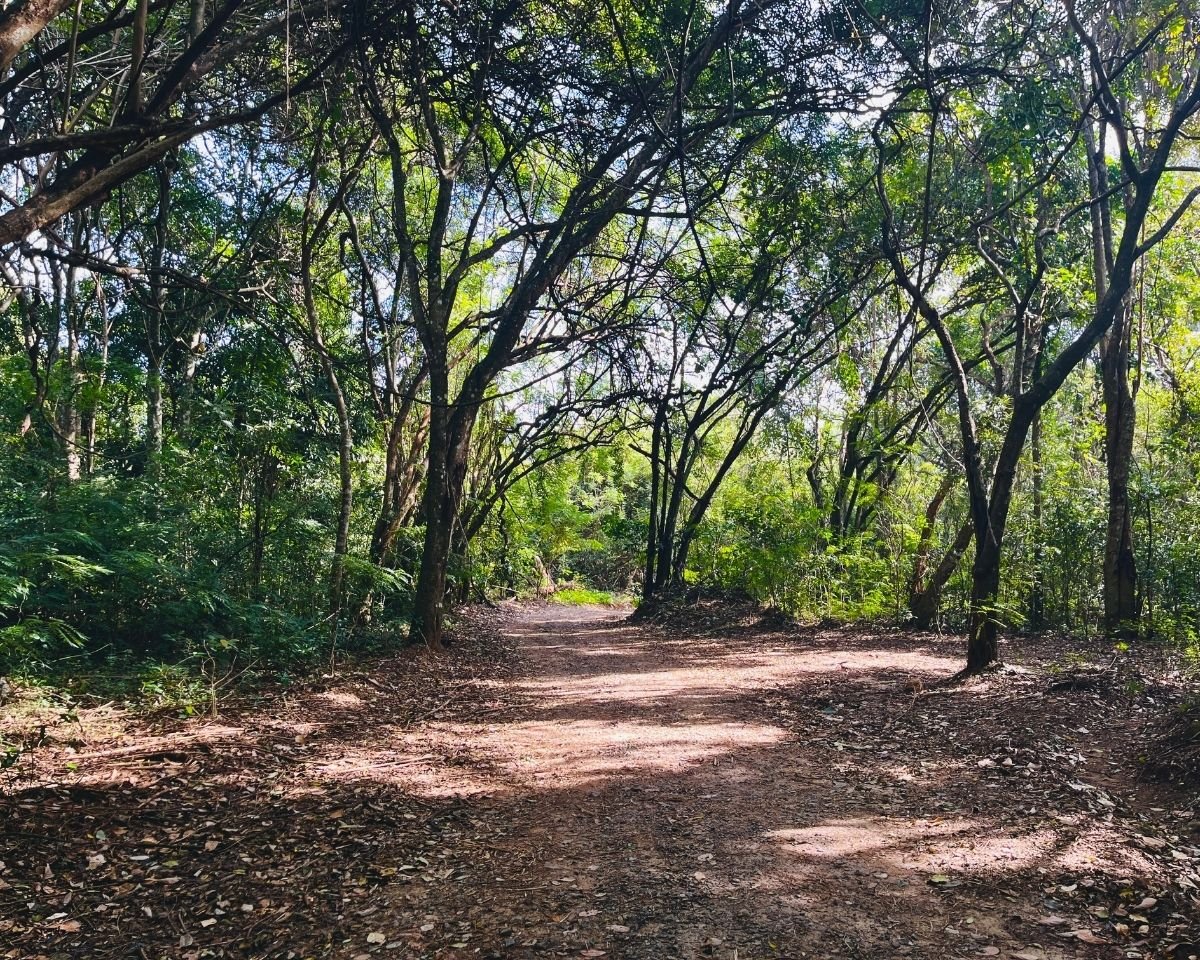
Buddhist Site
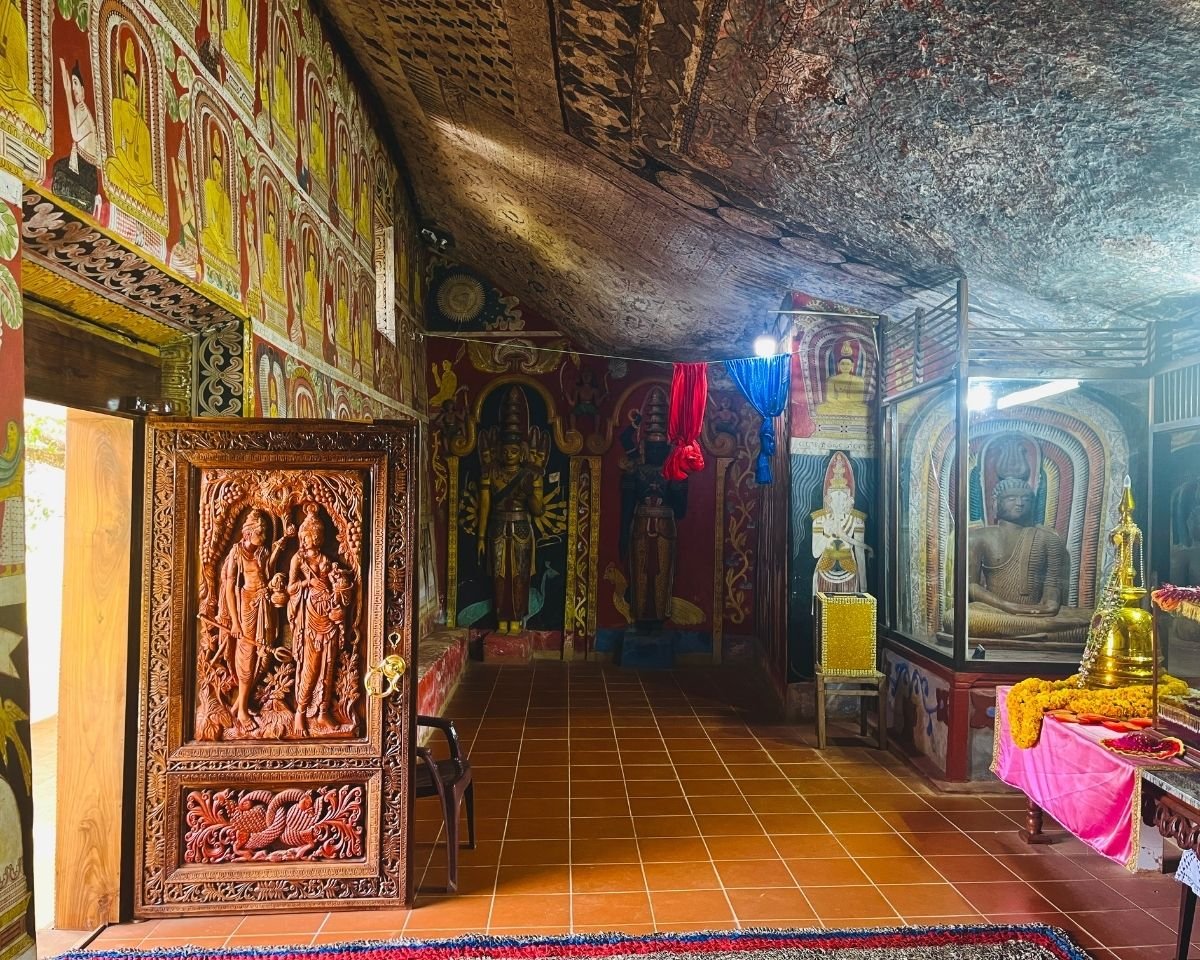
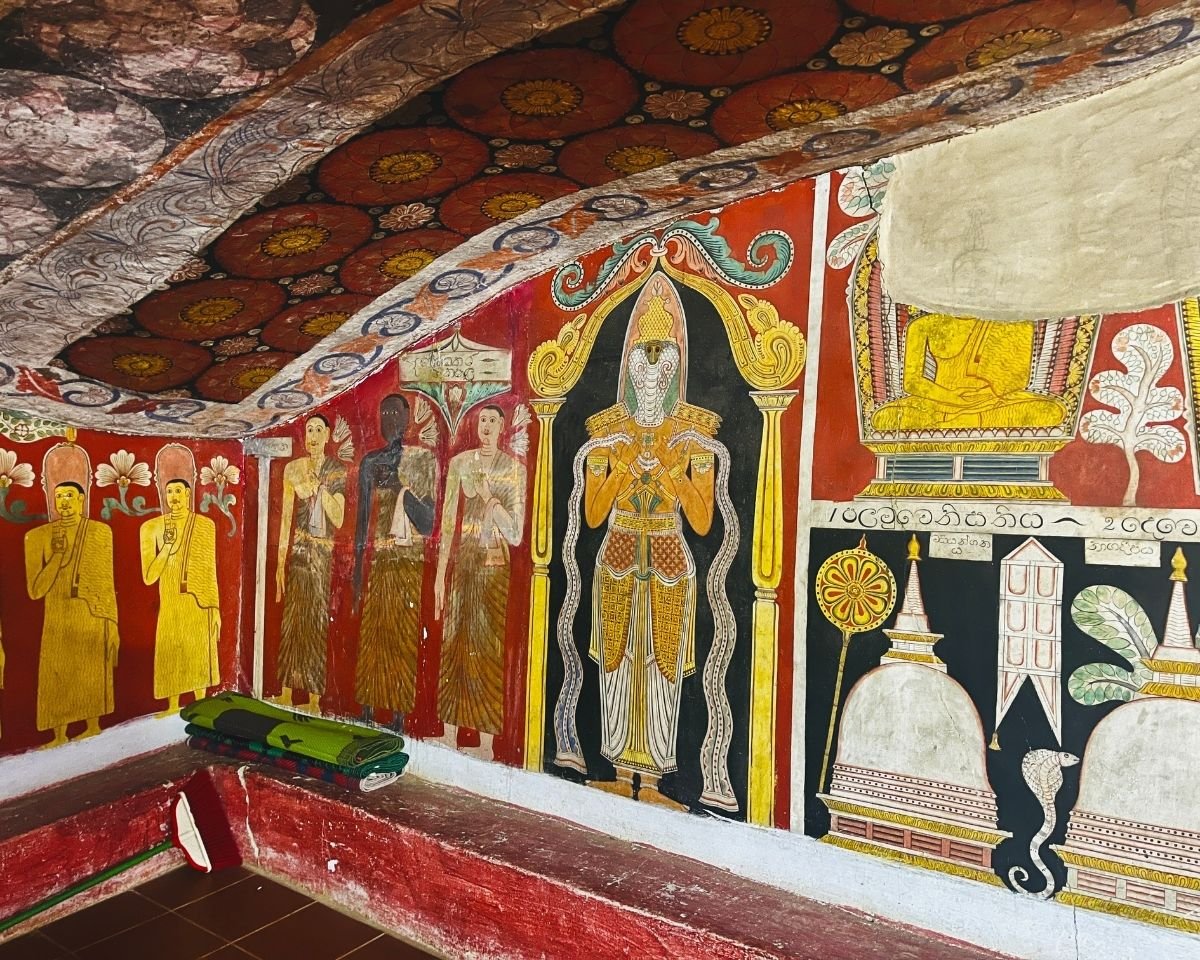
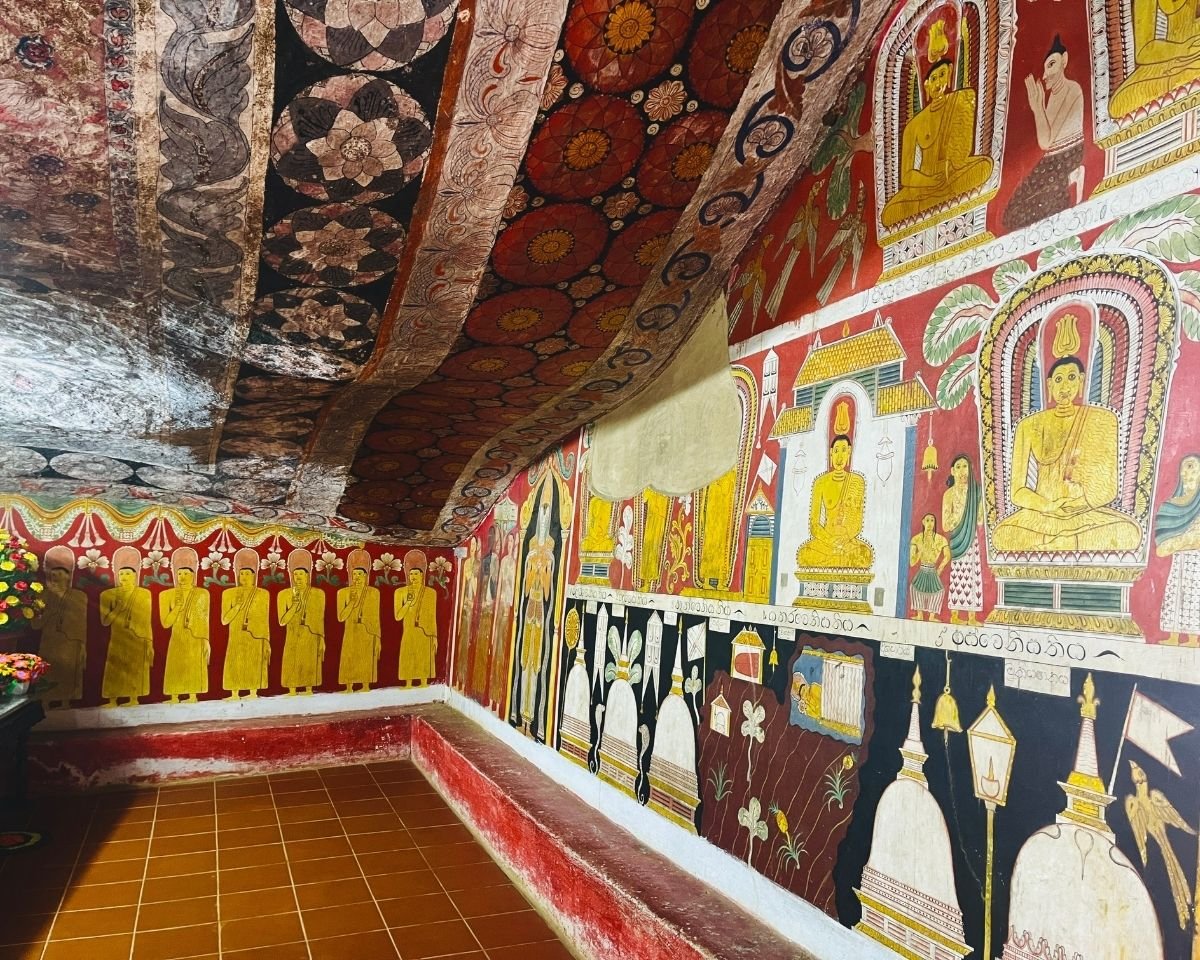
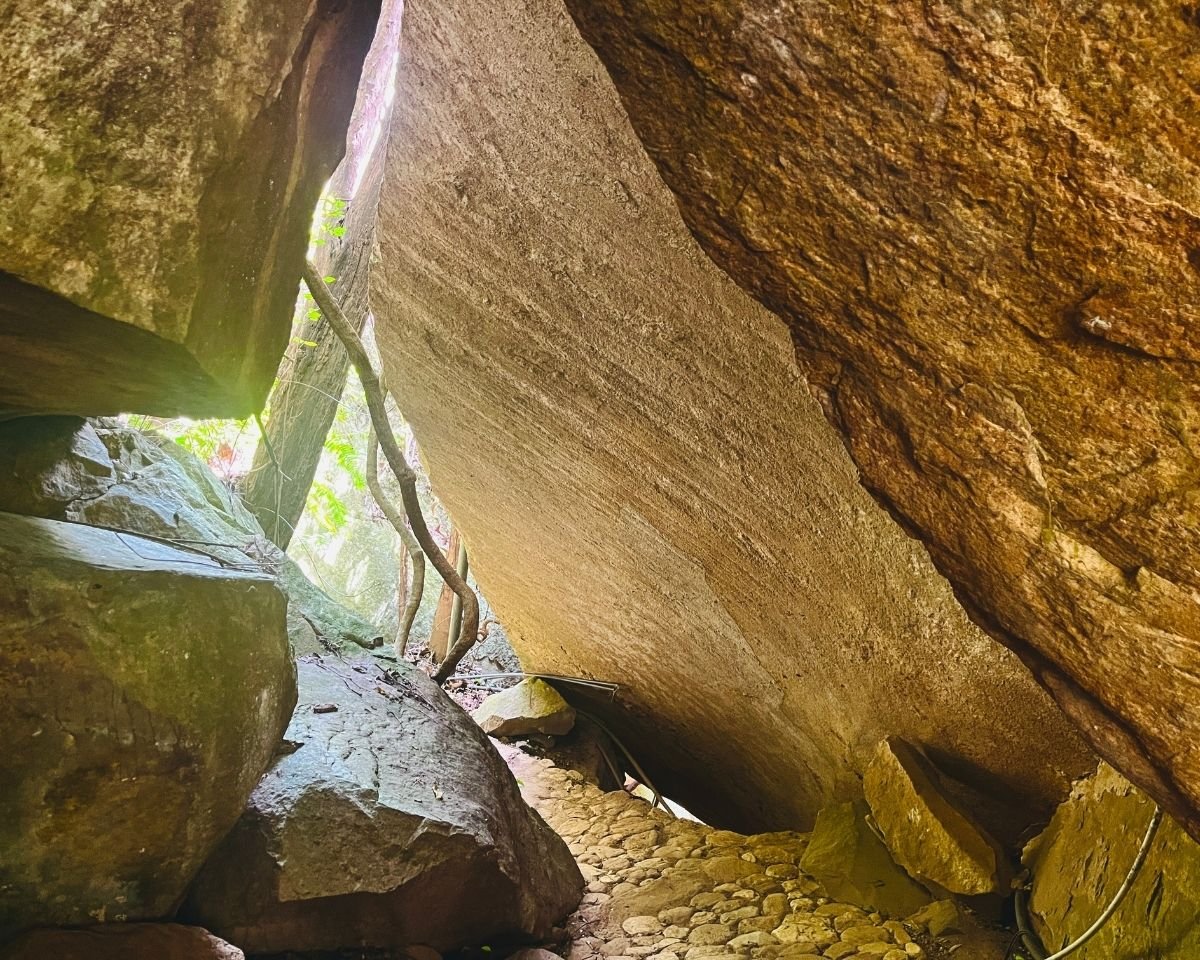
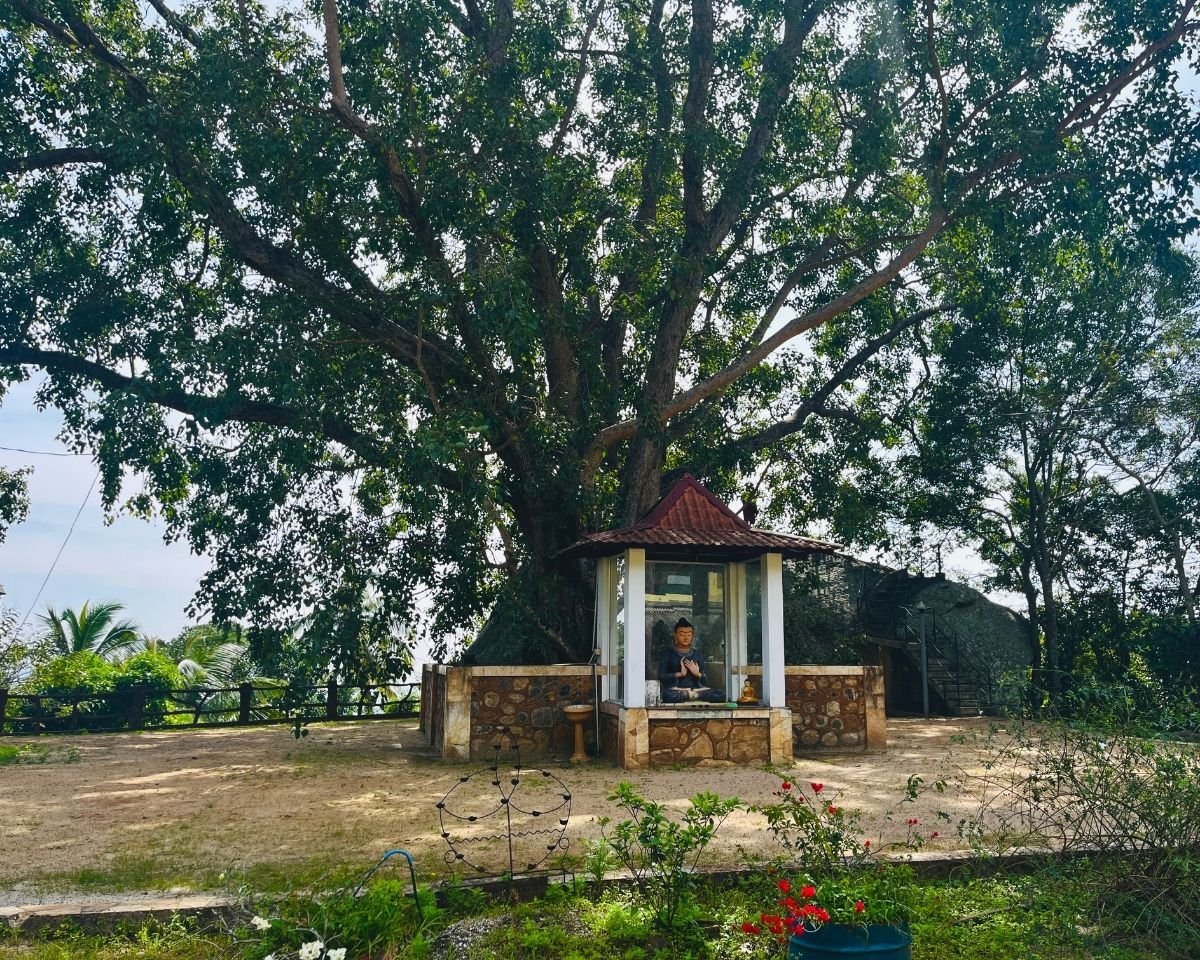
Ancient Rajamaha Viharaya with rock cave shrines and long-standing religious use.
Ancient Rajamaha Viharaya with rock cave shrines and long-standing religious use.
History
Traditionally attributed to the Anuradhapura period. While local tradition links the temple to early royal patronage, the exact founder and date remain unrecorded.
Traditionally attributed to the Anuradhapura period. While local tradition links the temple to early royal patronage, the exact founder and date remain unrecorded.
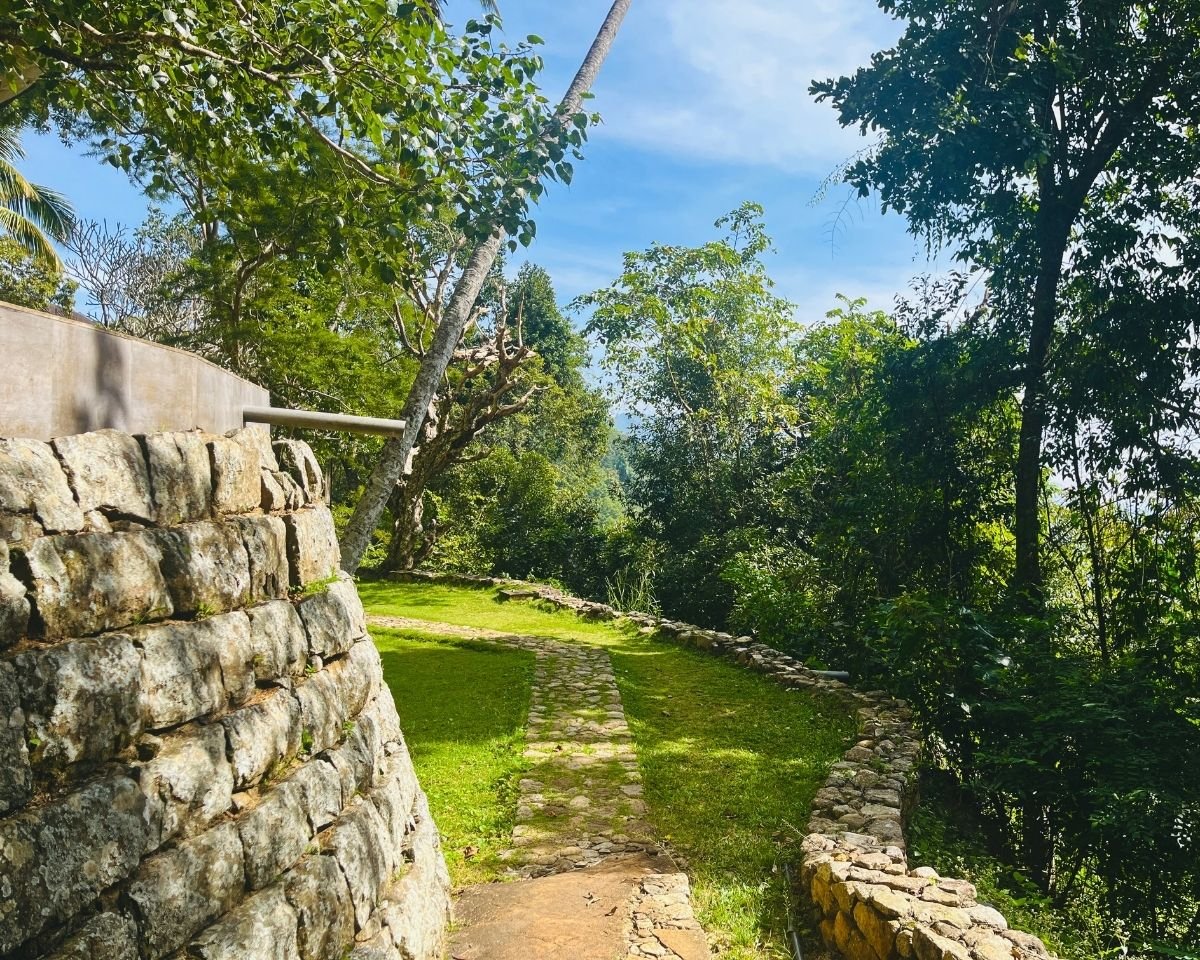
Scenery
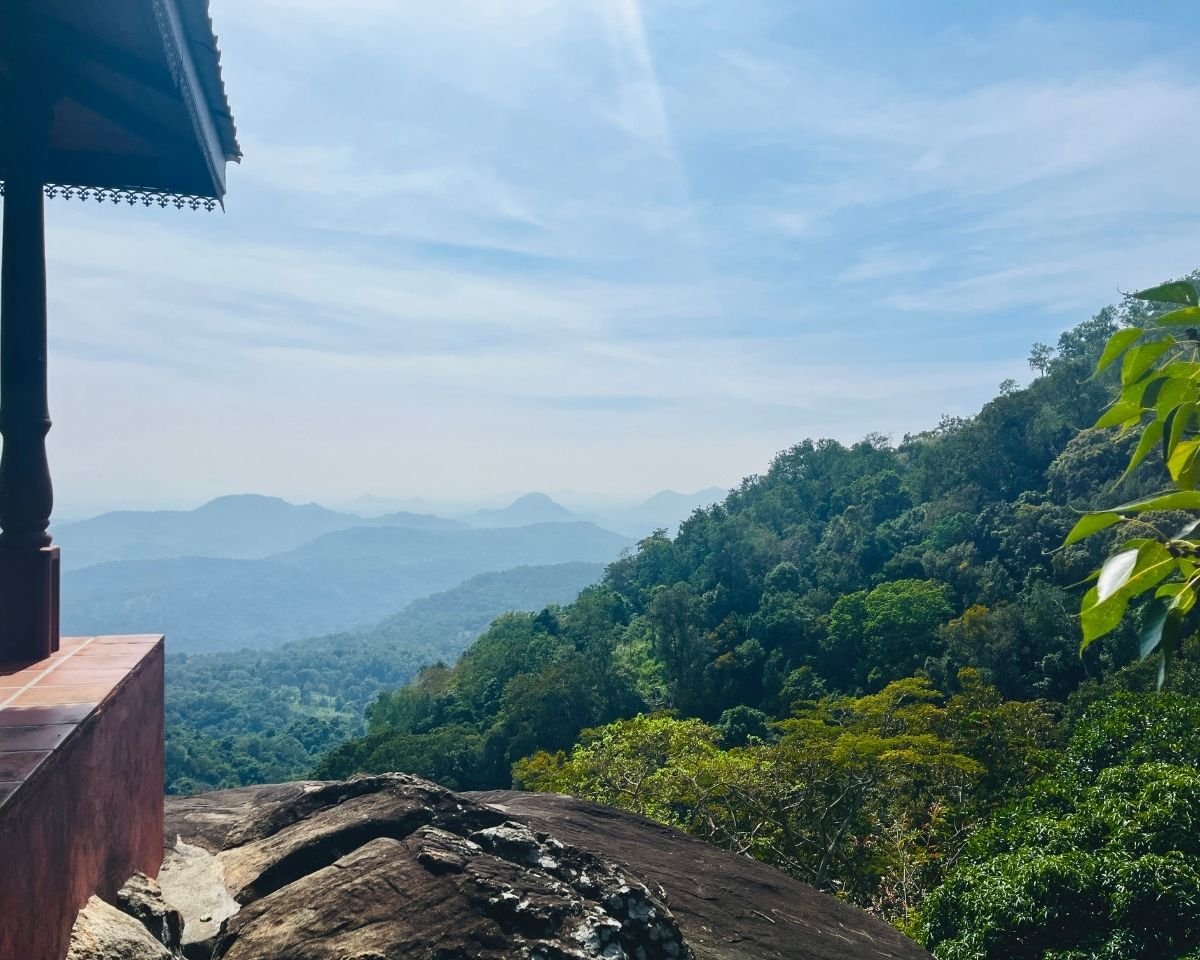
Elevated hillside setting with rock formations, forested surroundings, and views across the Ella region.
Elevated hillside setting with rock formations, forested surroundings, and views across the Ella region.

Art & Culture
Rock cave shrines, Buddha images, and Kandyan-era paintings reflecting continued religious activity over time.
Rock cave shrines, Buddha images, and Kandyan-era paintings reflecting continued religious activity over time.
Top Pick
Location
View on Map
View on Map
 ravinkavish
 ravinkavish
 elli.mjc
 joshua_laporta
 ravinkavish
 ravinkavish
 ravinkavish
 ravinkavish
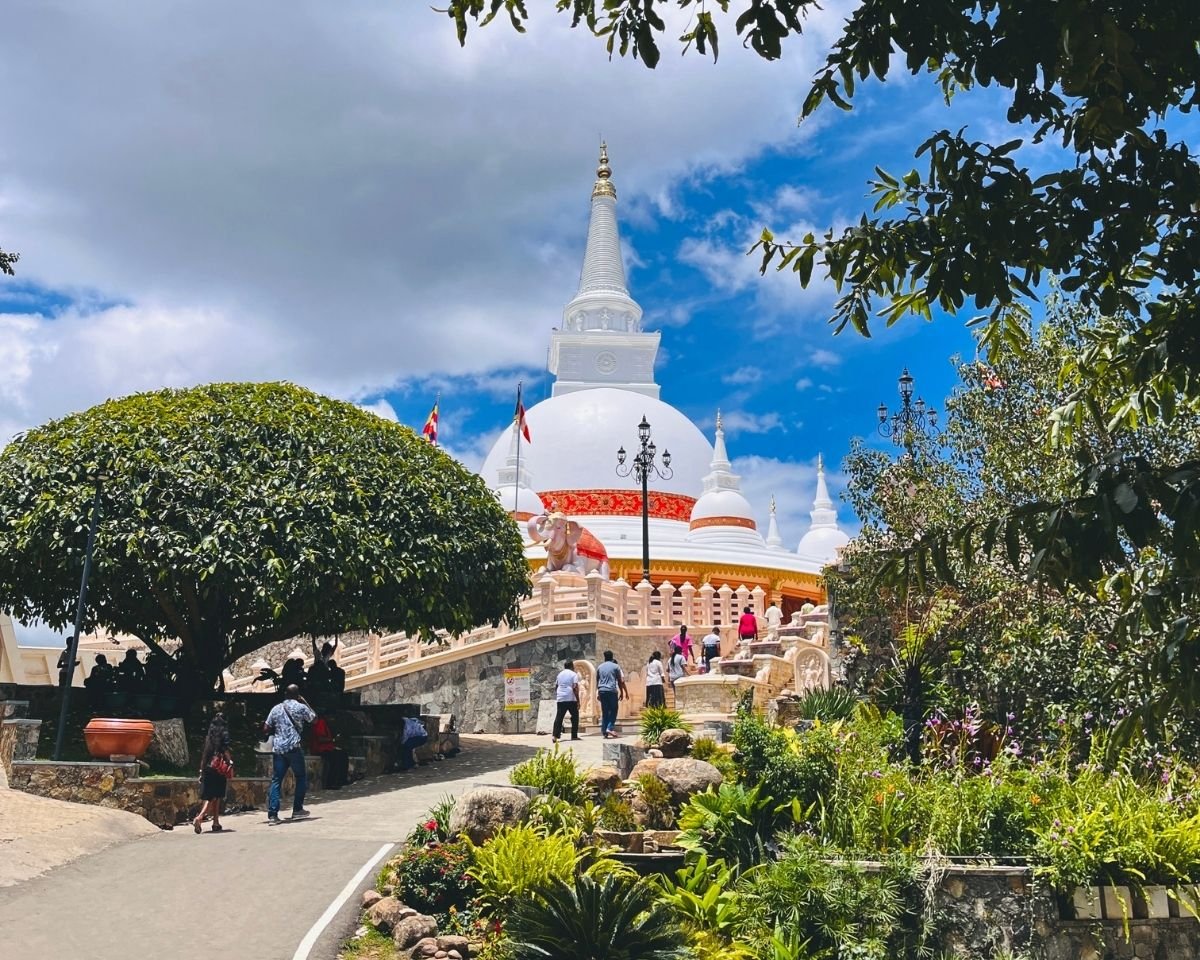
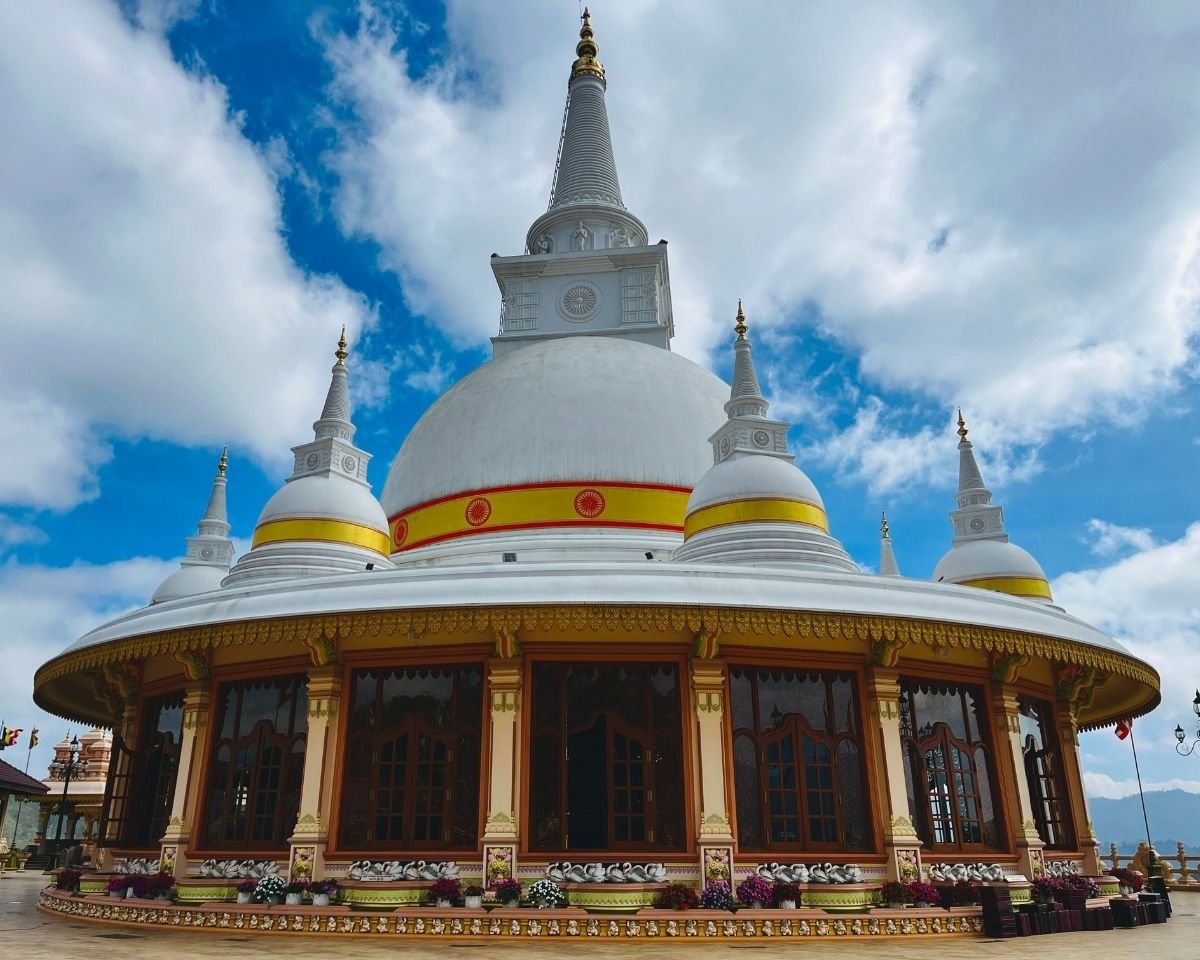
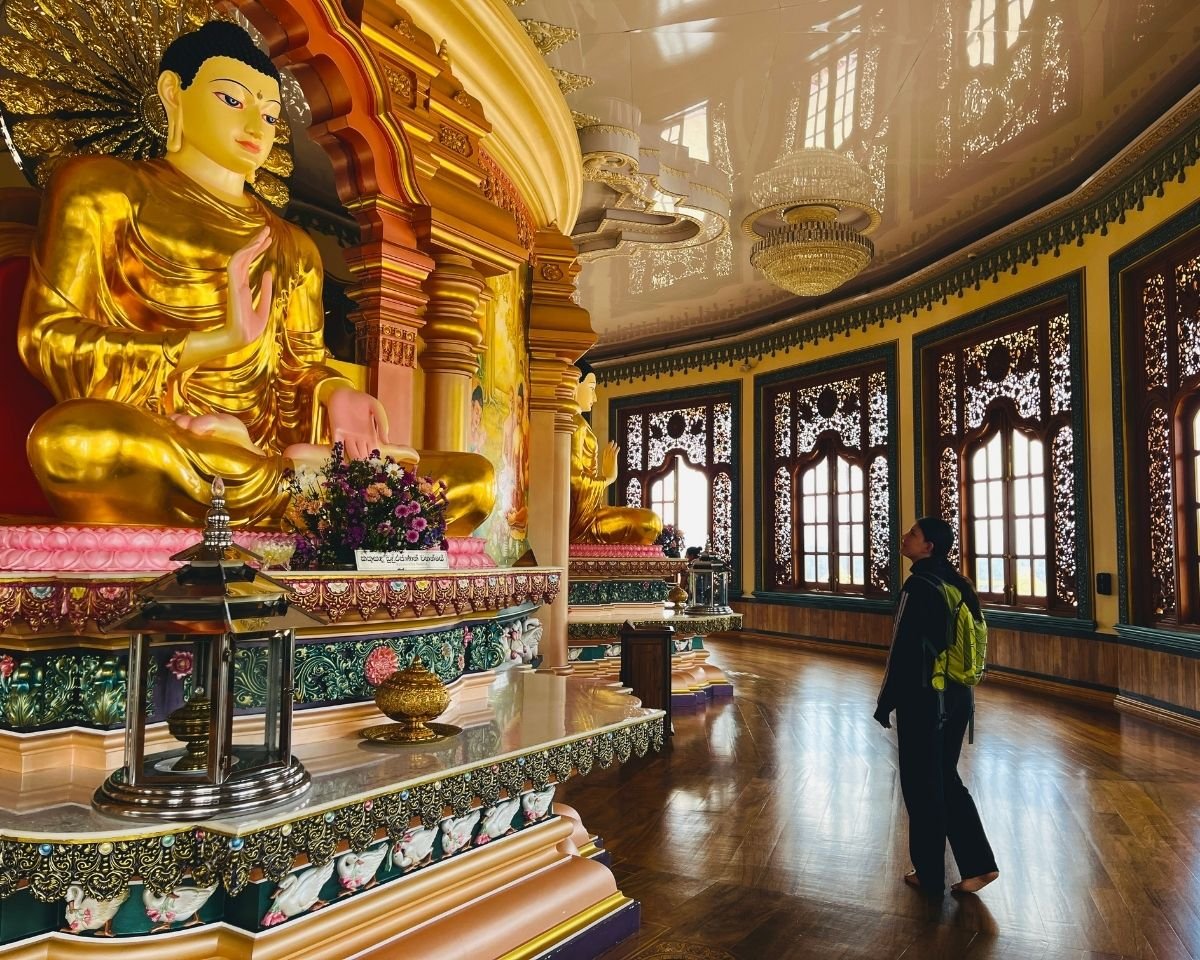
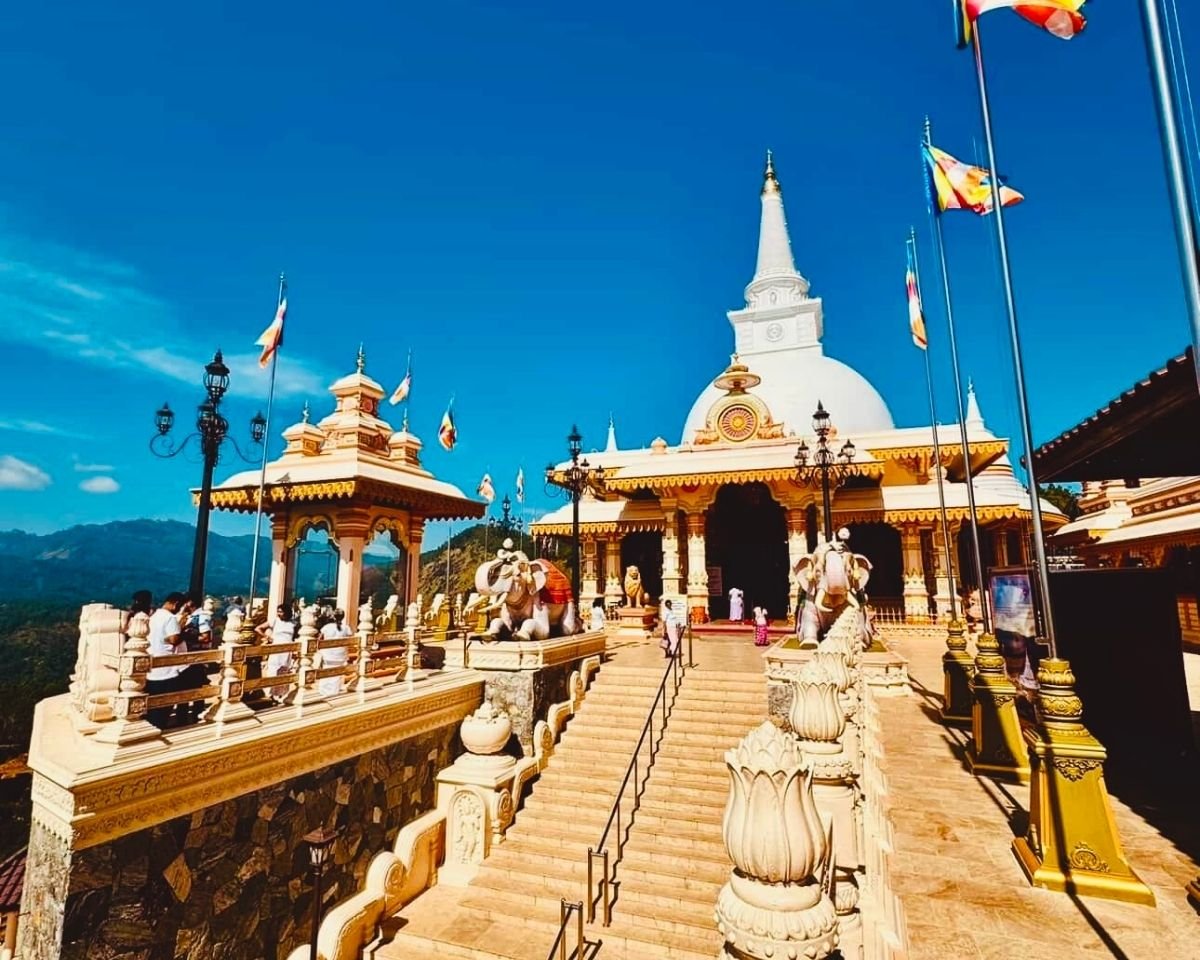
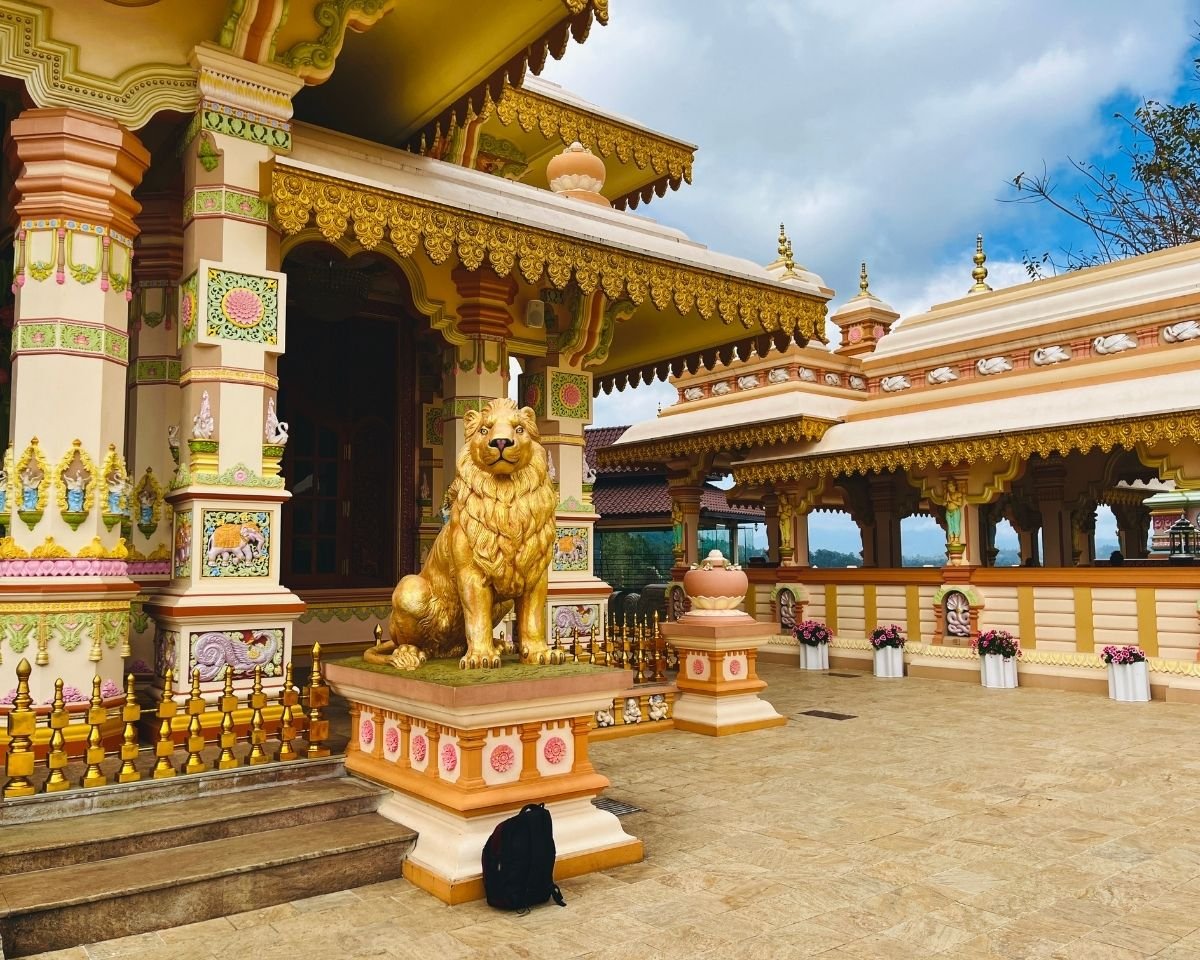
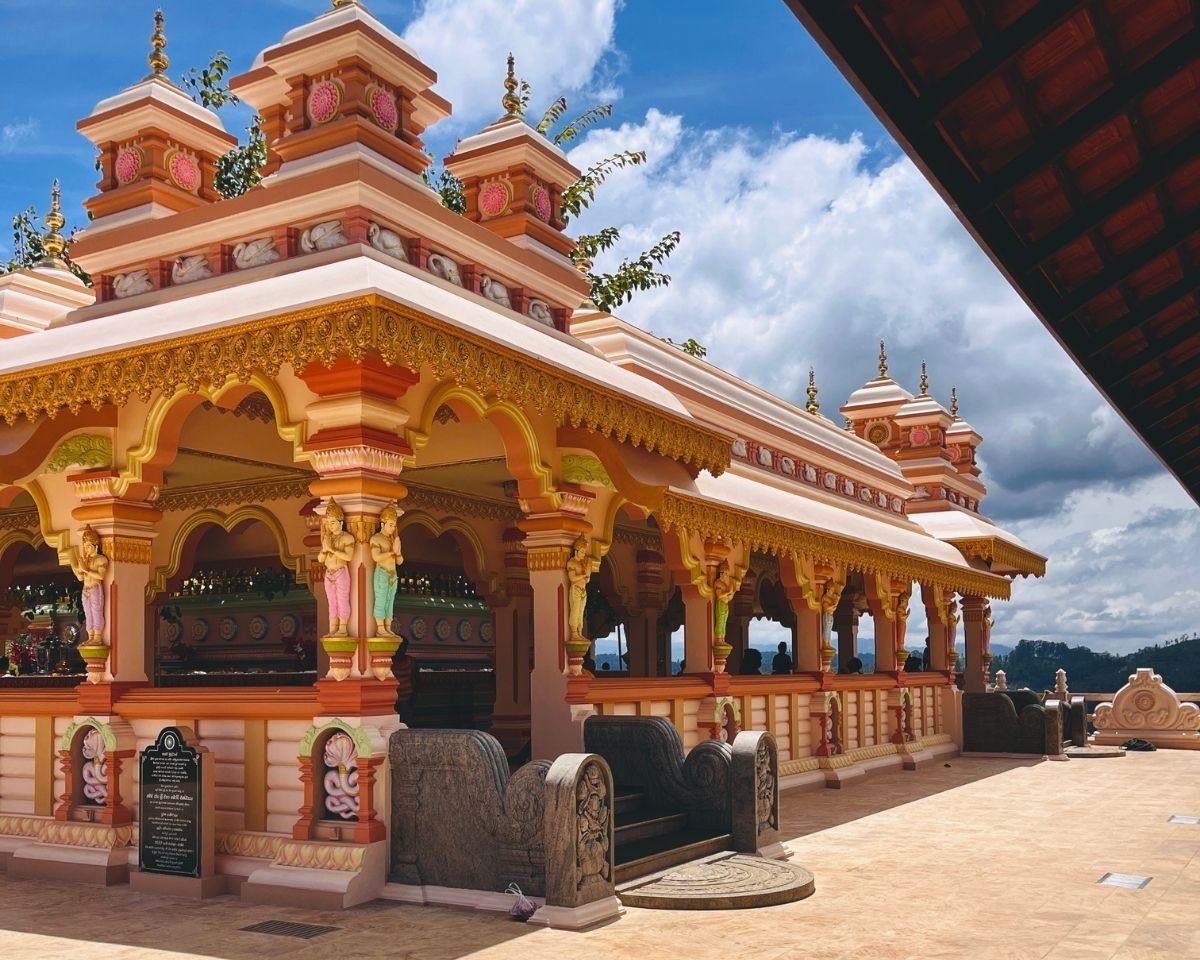
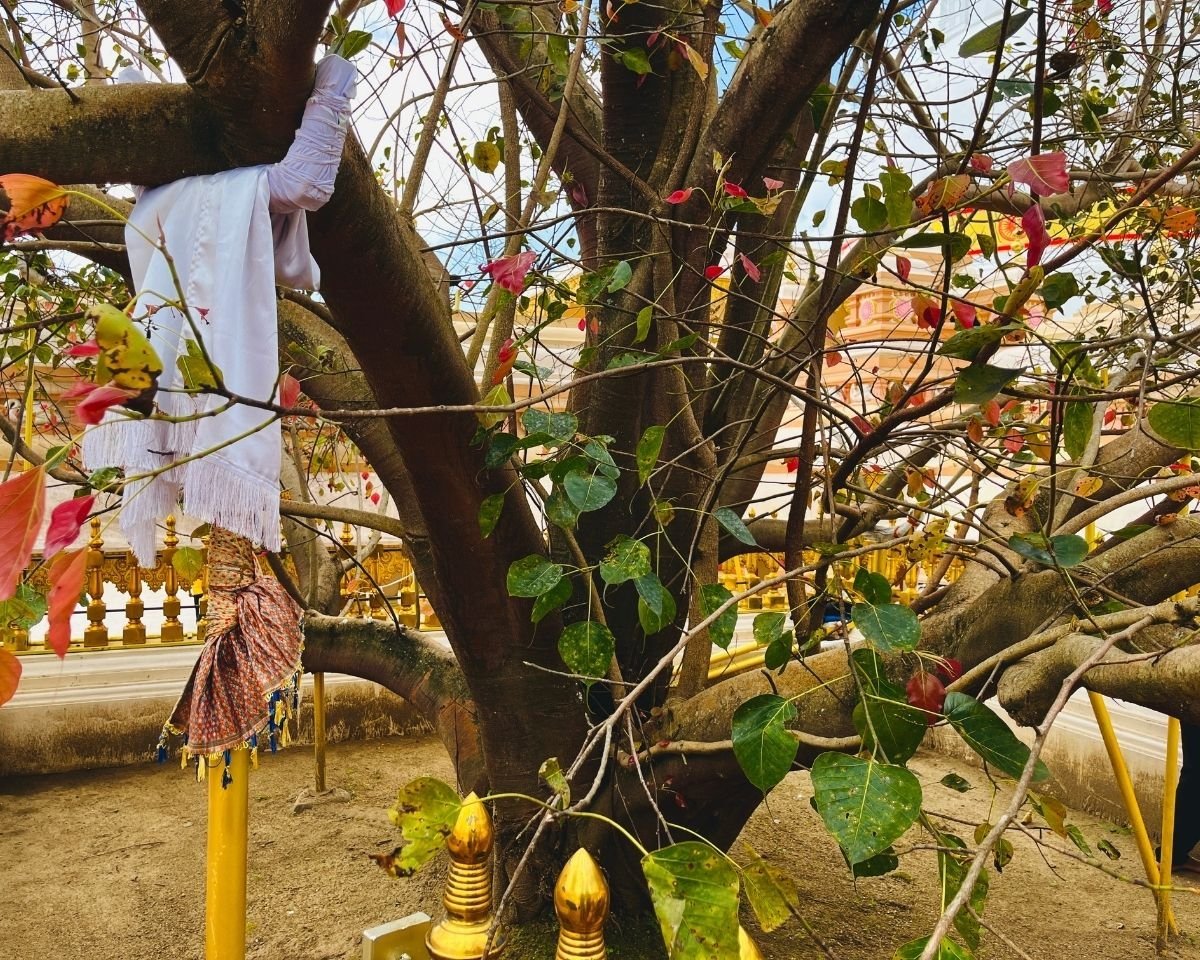
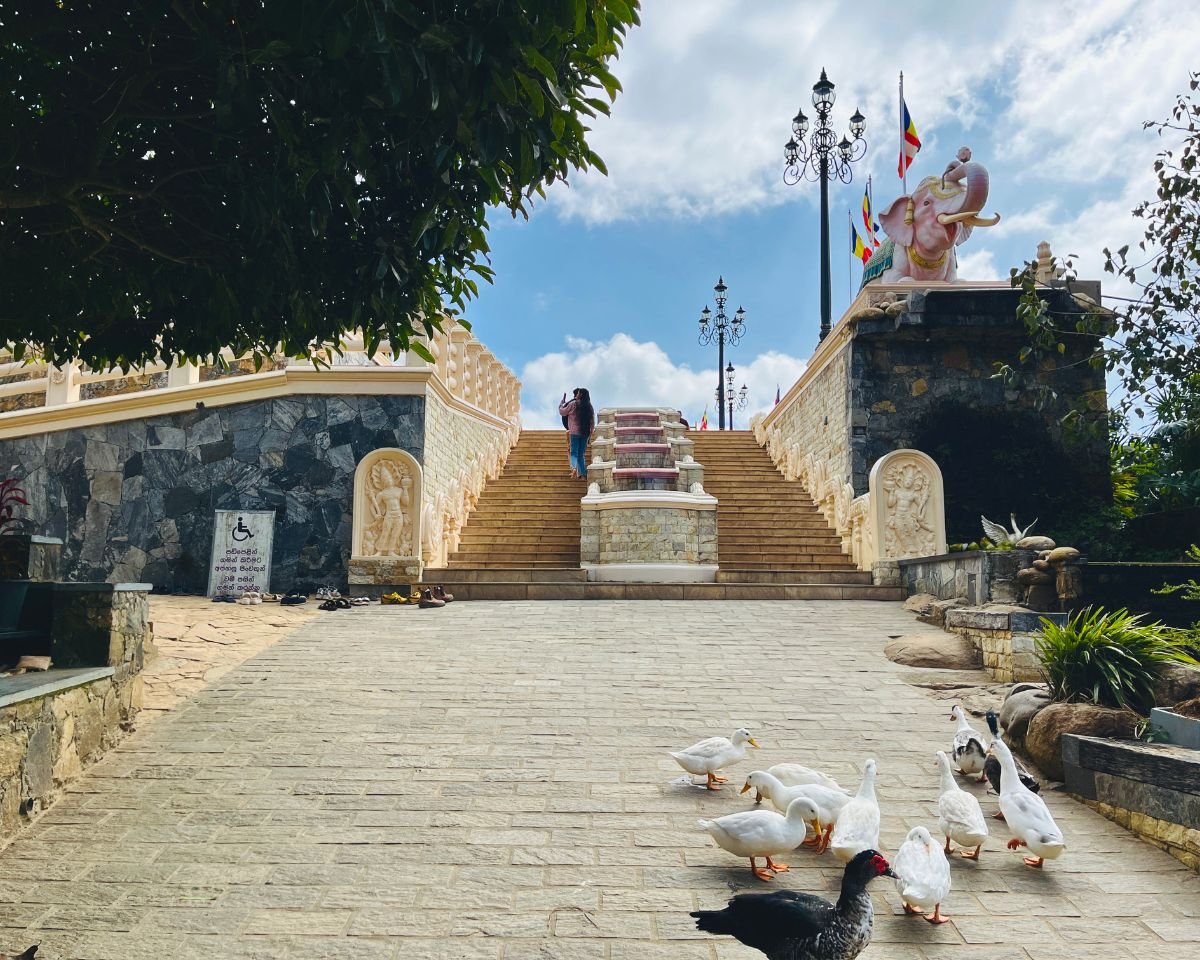
Buddhist Site
Modern Theravada Buddhist monastery focused on meditation, discipline, and early Buddhist teachings.
Modern Theravada Buddhist monastery focused on meditation, discipline, and early Buddhist teachings.
Scenery
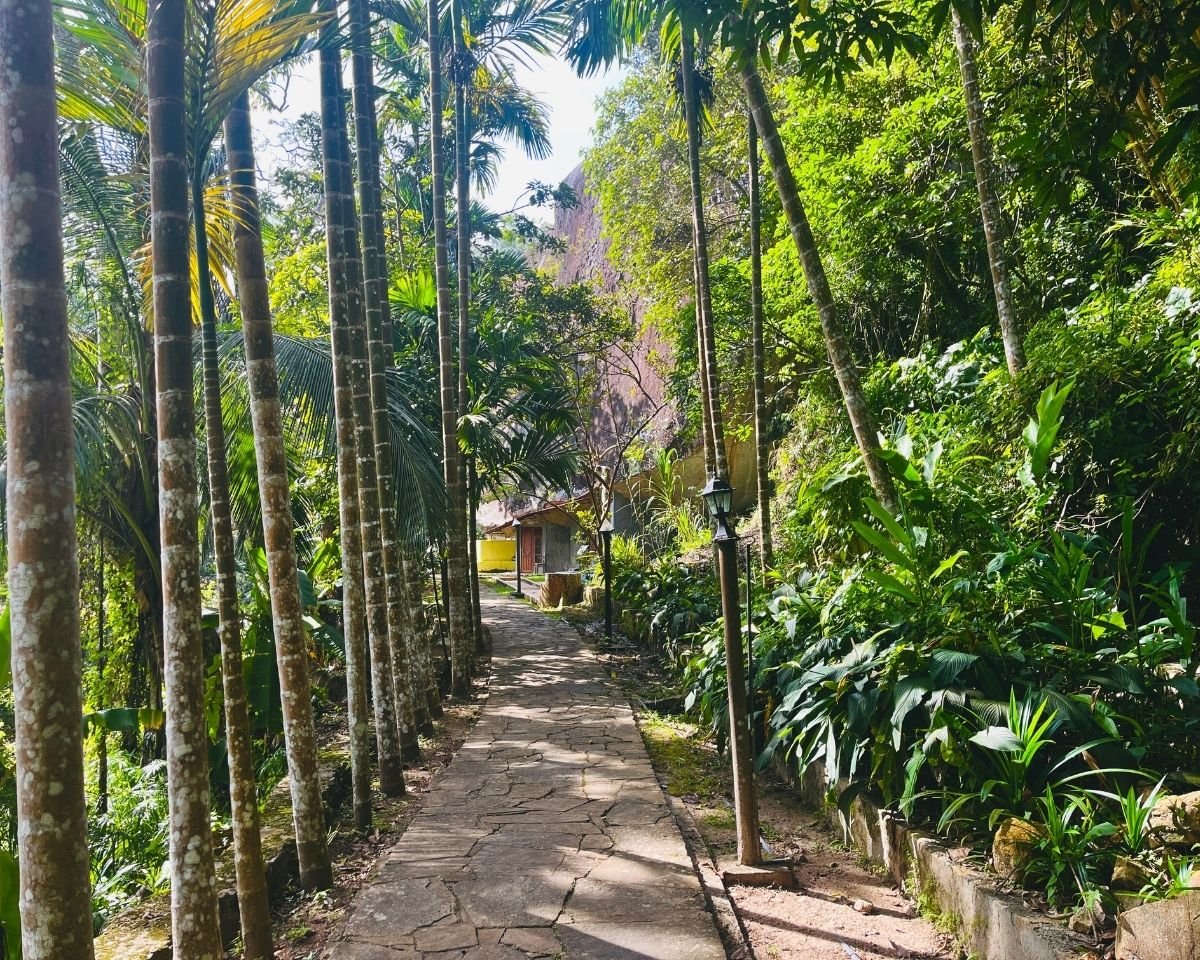
Peaceful hill country surroundings with open spaces and trees, enhanced by modern Buddhist architecture featuring bright colours and carefully designed structures.
Peaceful hill country surroundings with open spaces and trees, enhanced by modern Buddhist architecture featuring bright colours and carefully designed structures.
Art & Culture
Modern Theravada Buddhist architecture and contemporary shrine design, with opportunities for visitors to take part in guided meditation sessions led by resident monks.
Modern Theravada Buddhist architecture and contemporary shrine design, with opportunities for visitors to take part in guided meditation sessions led by resident monks.
Top Pick
Location
View on Map
View on Map
 ravinkavish
 ravinkavish
 ravinkavish
 ravinkavish
 ravinkavish
 ravinkavish
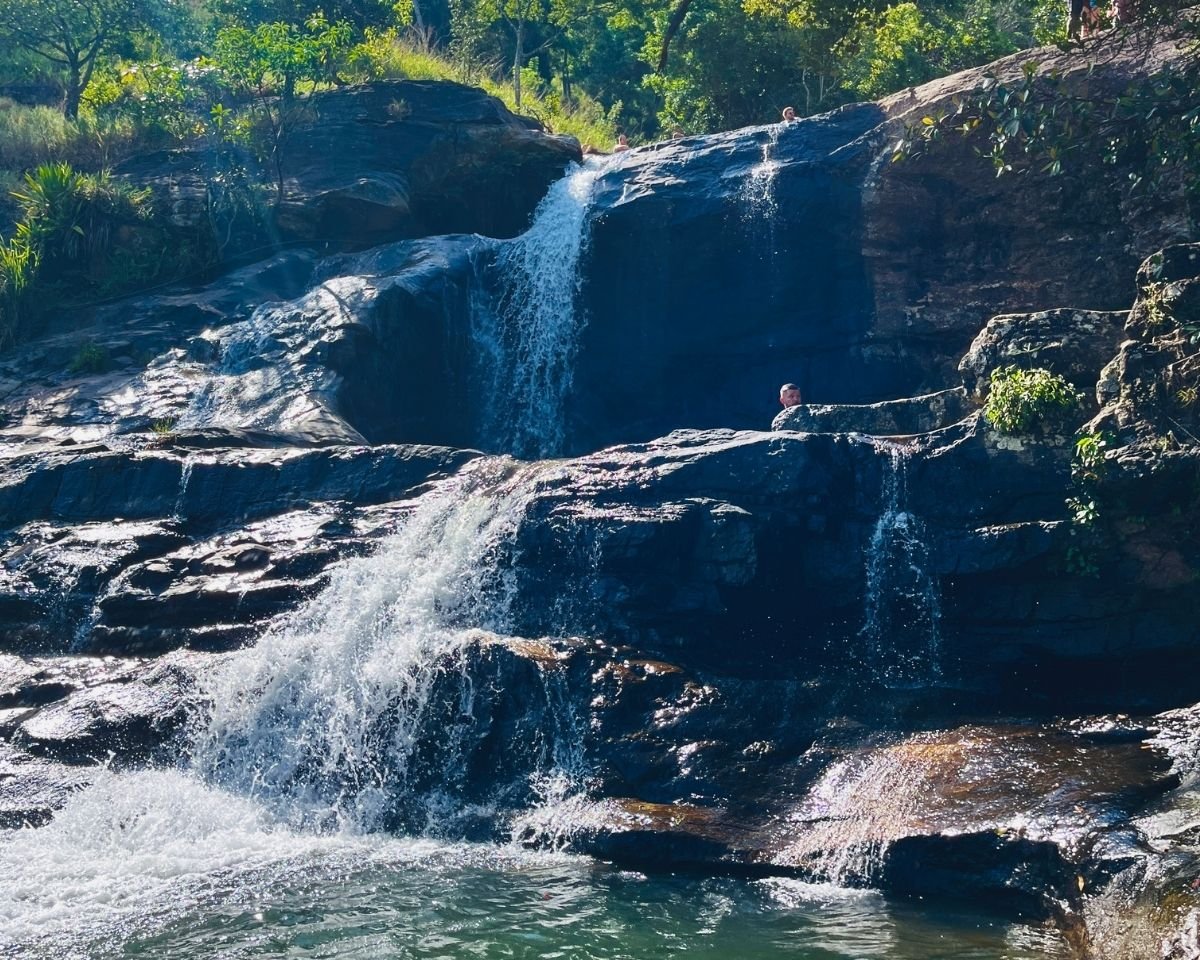 ravinkavish
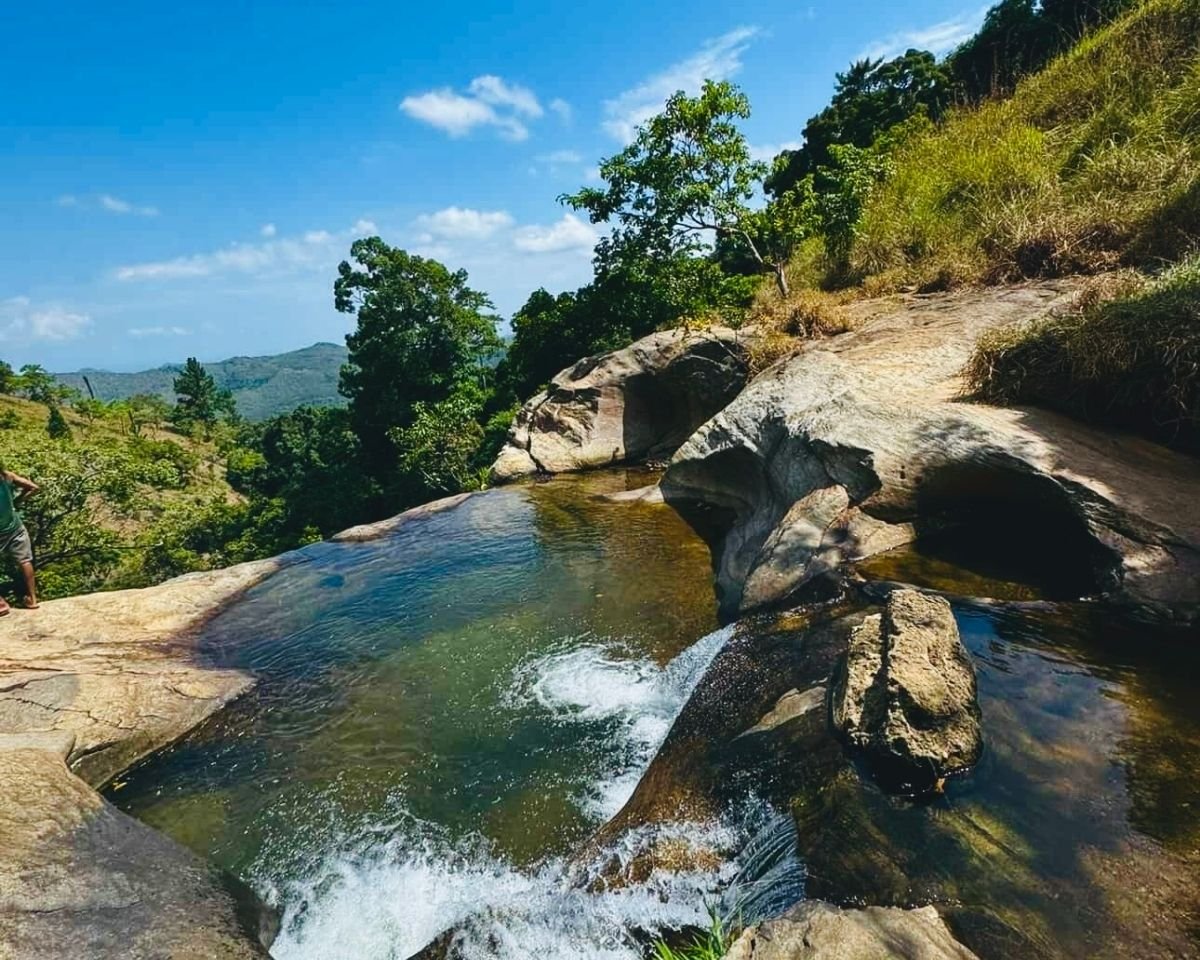 ravinkavish
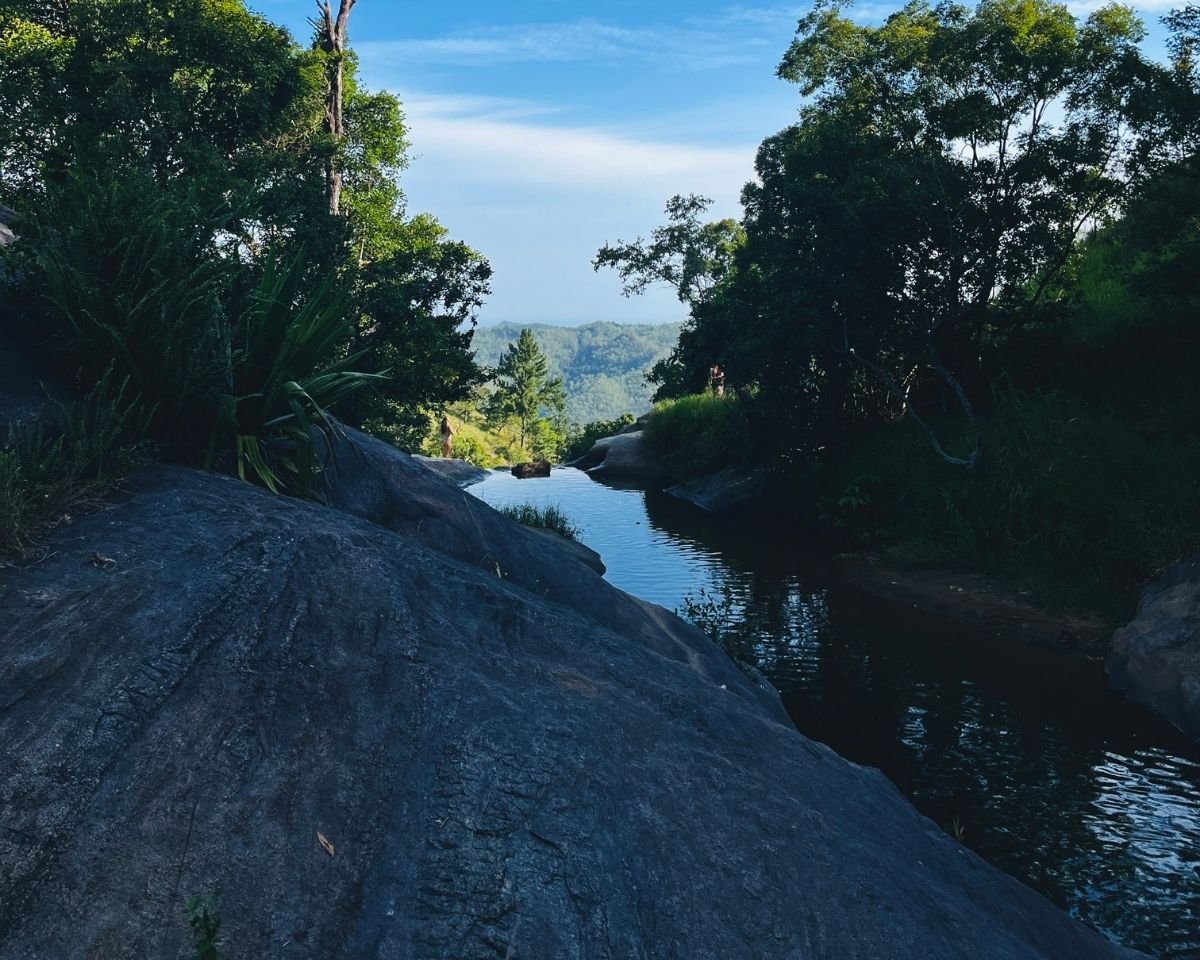 ravinkavish
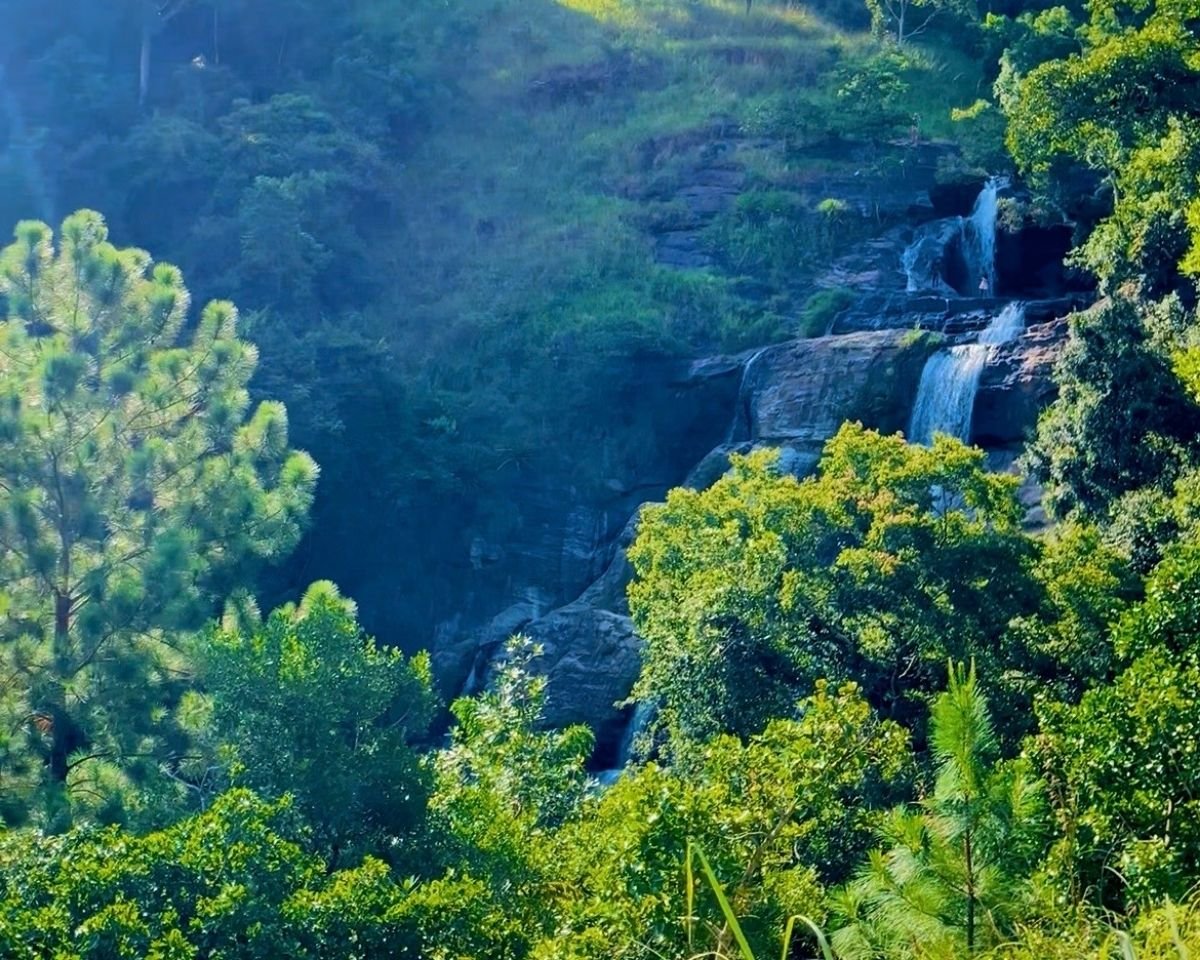 ravinkavish
 ravinkavish
 ravinkavish
 ravinkavish
 ravinkavish
 ravinkavish
 ravinkavish
 ravinkavish
 ravinkavish
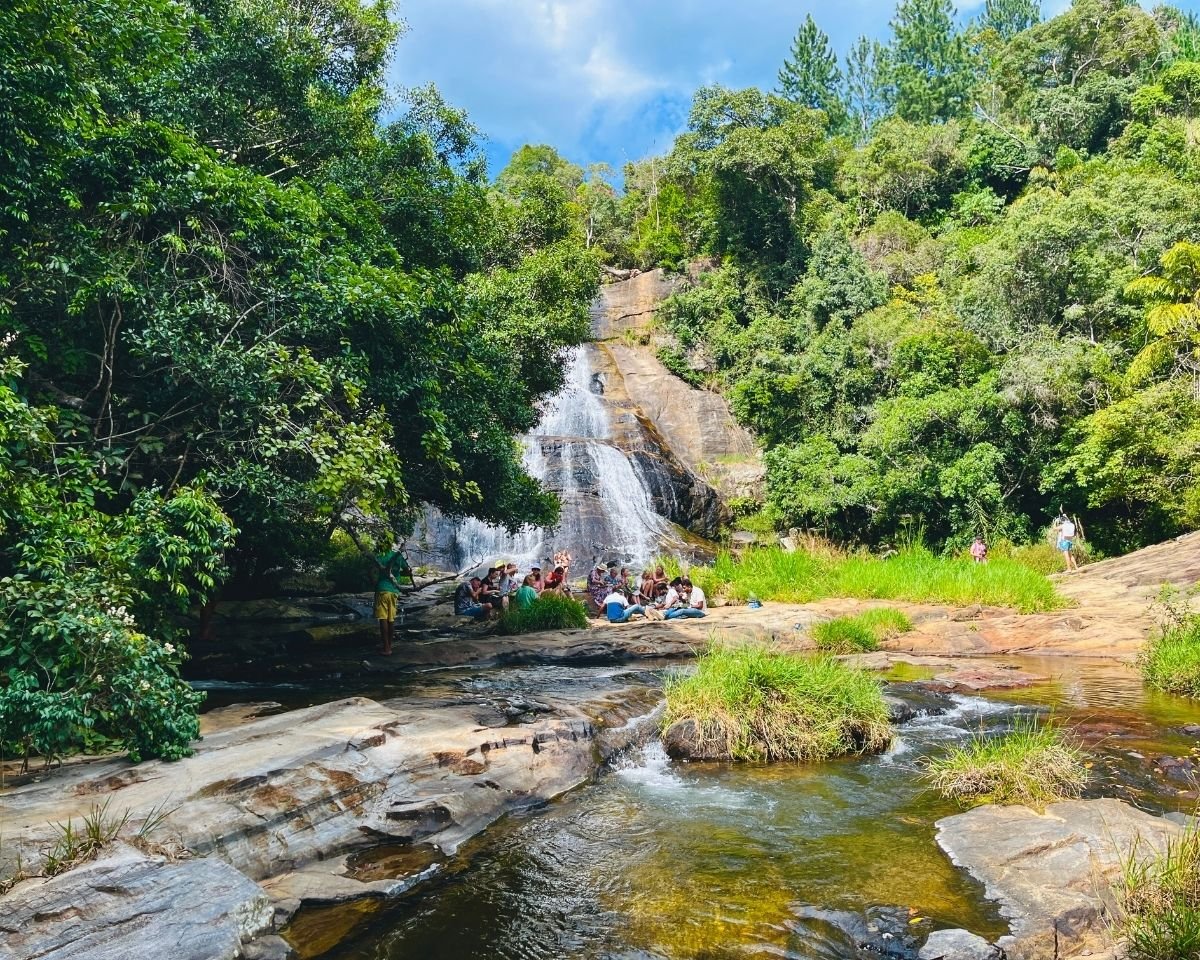 ravinkavish
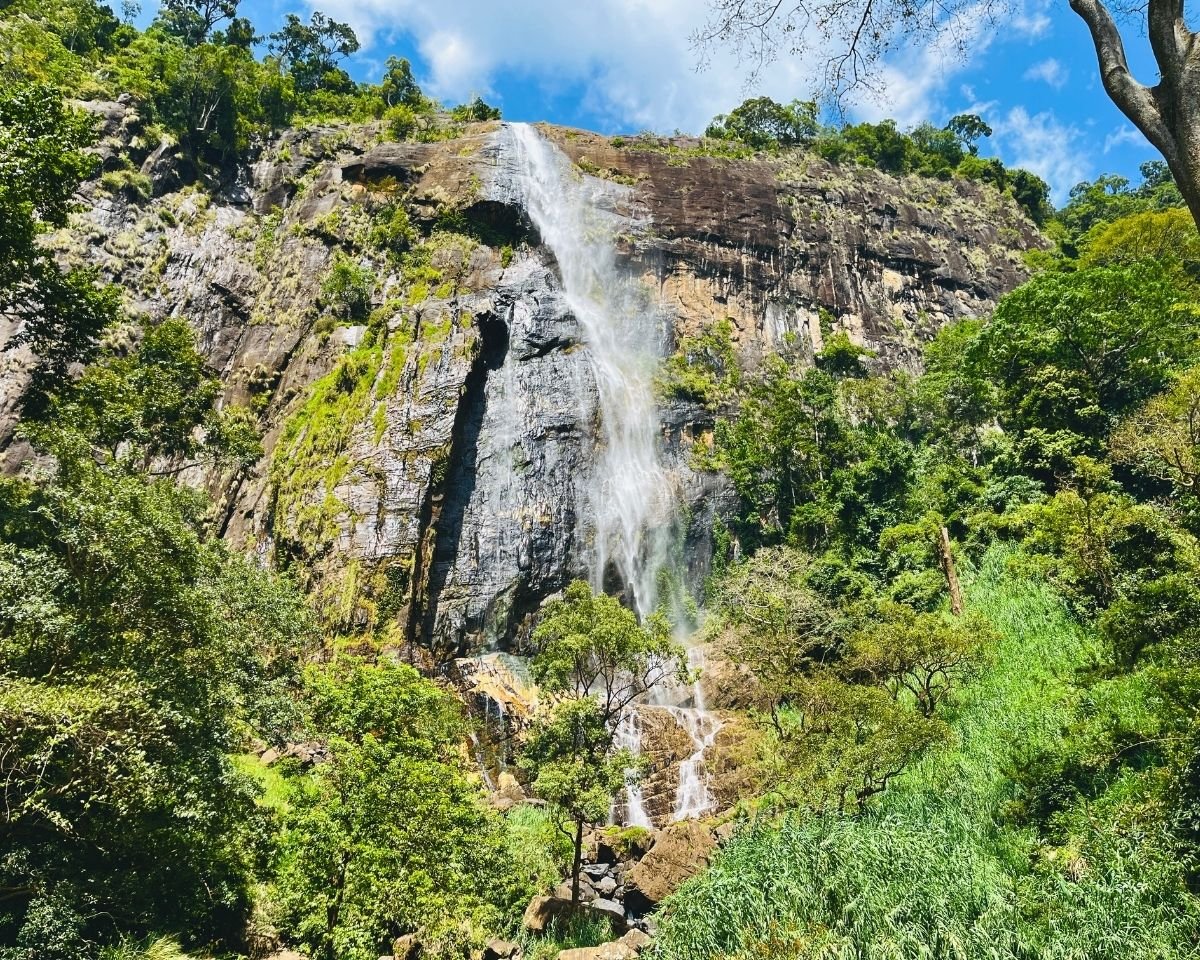
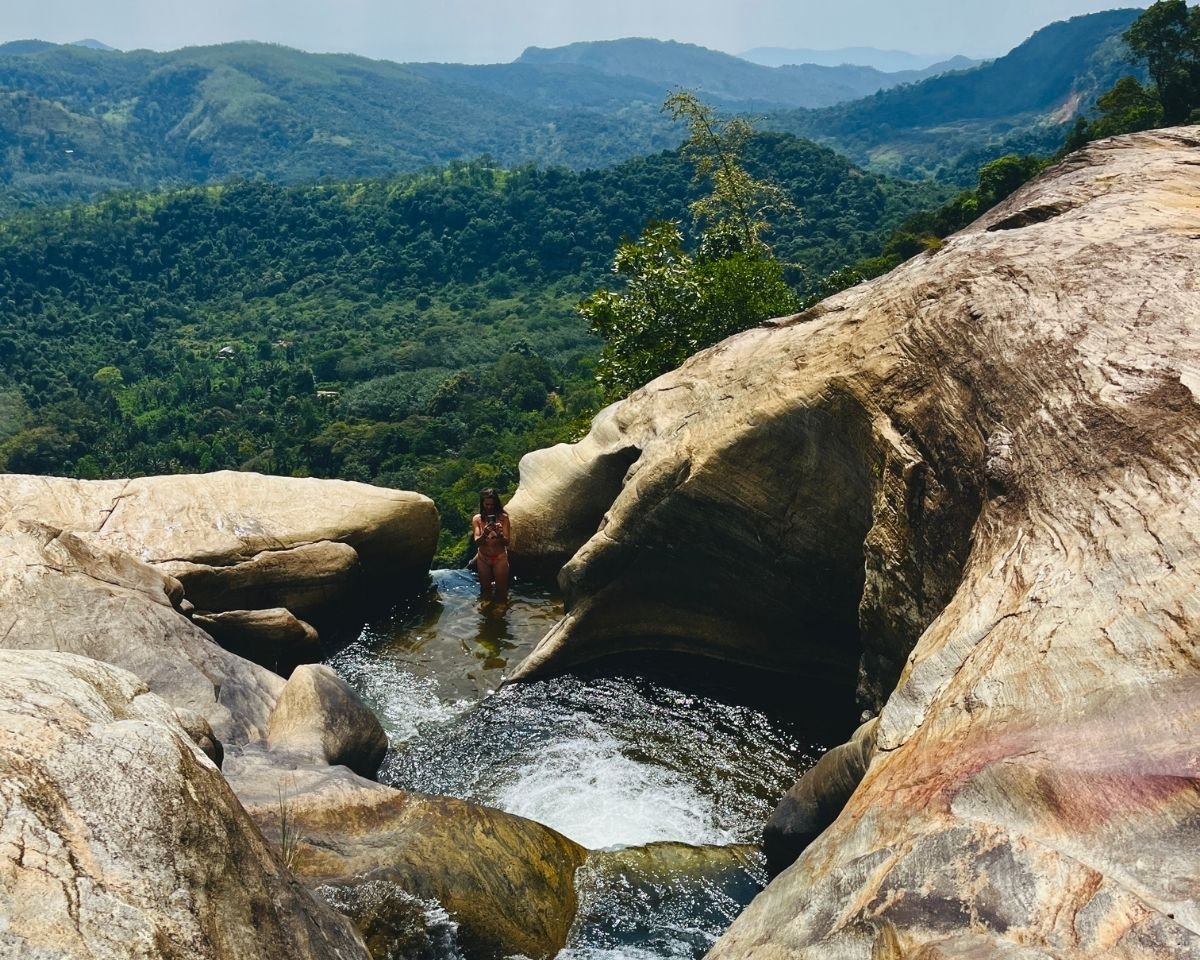
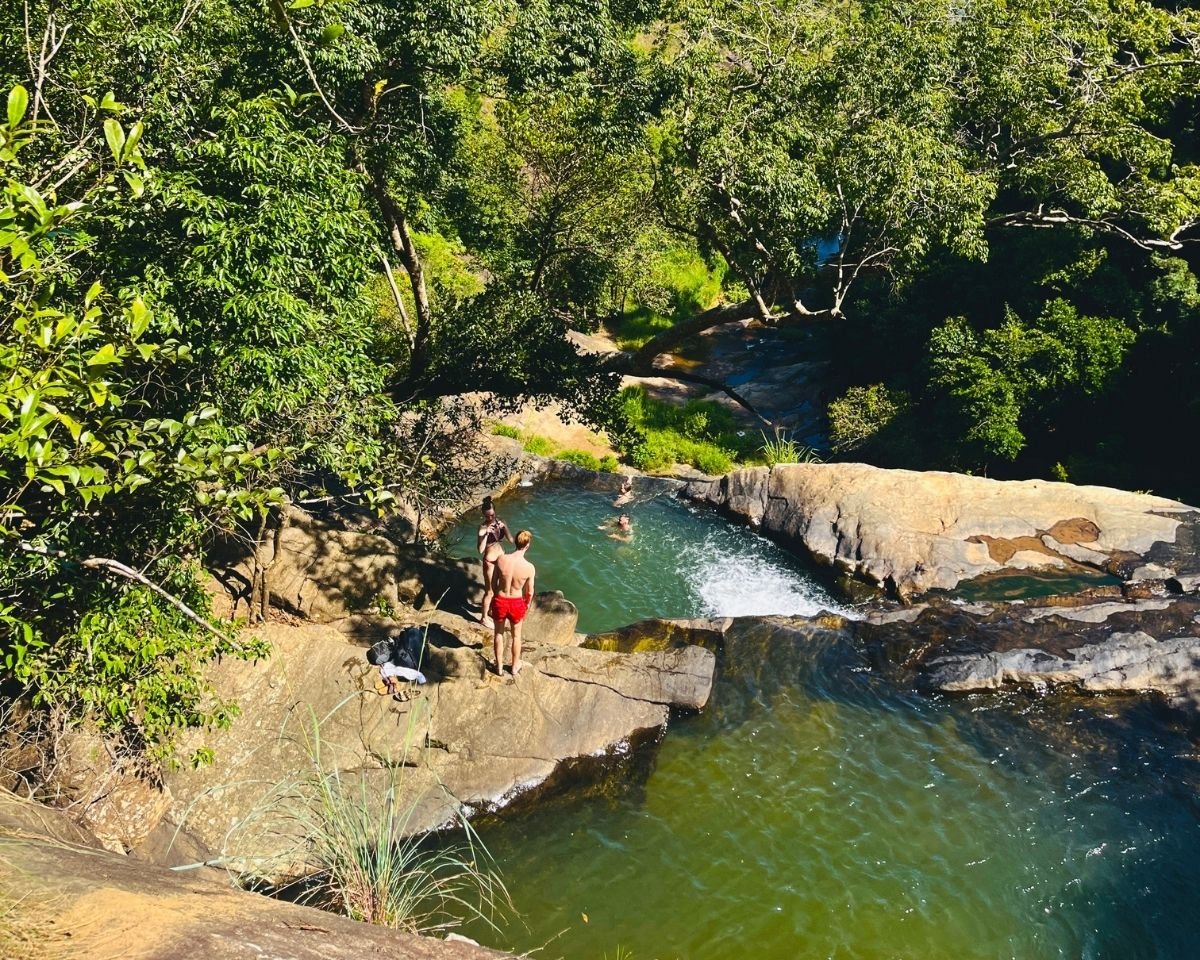
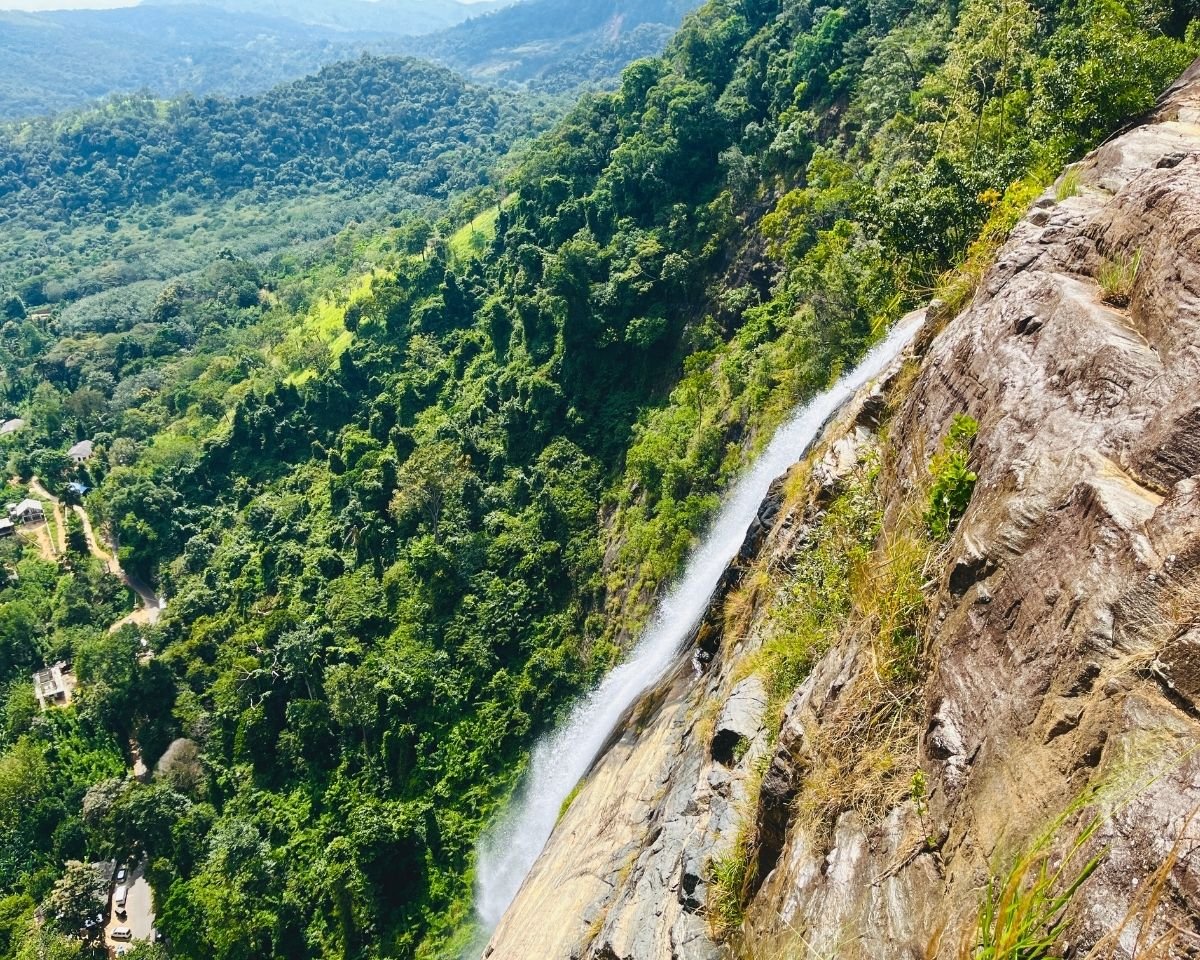
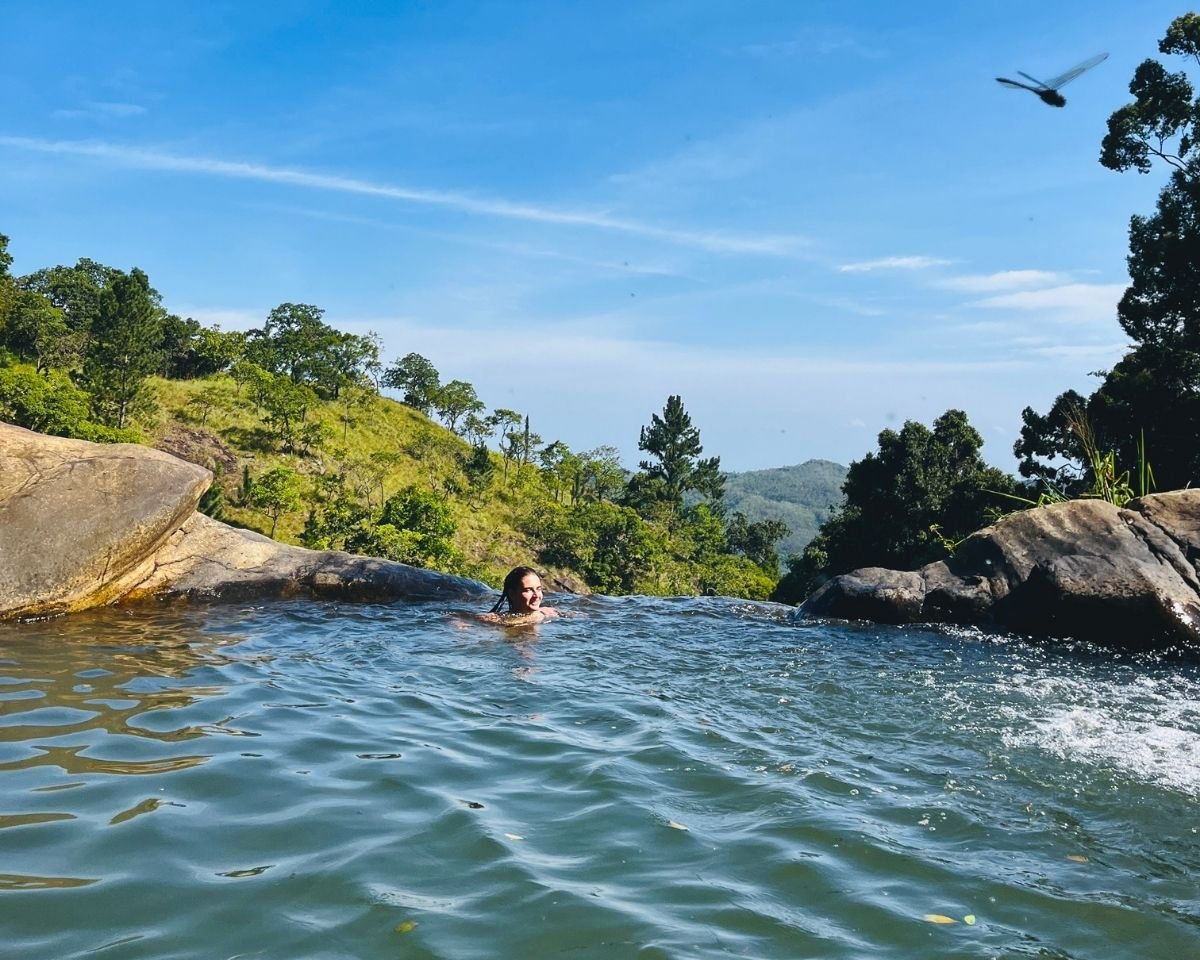
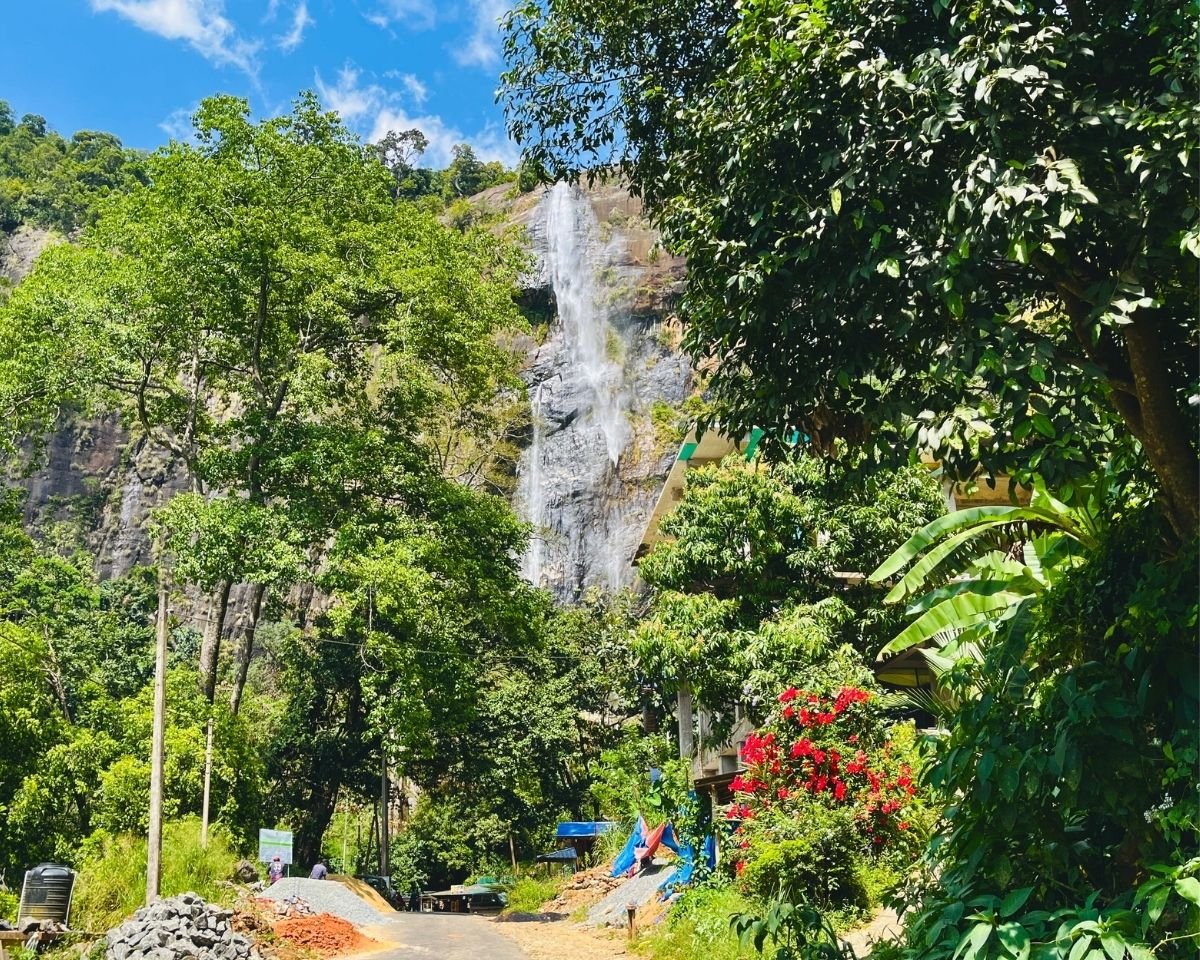
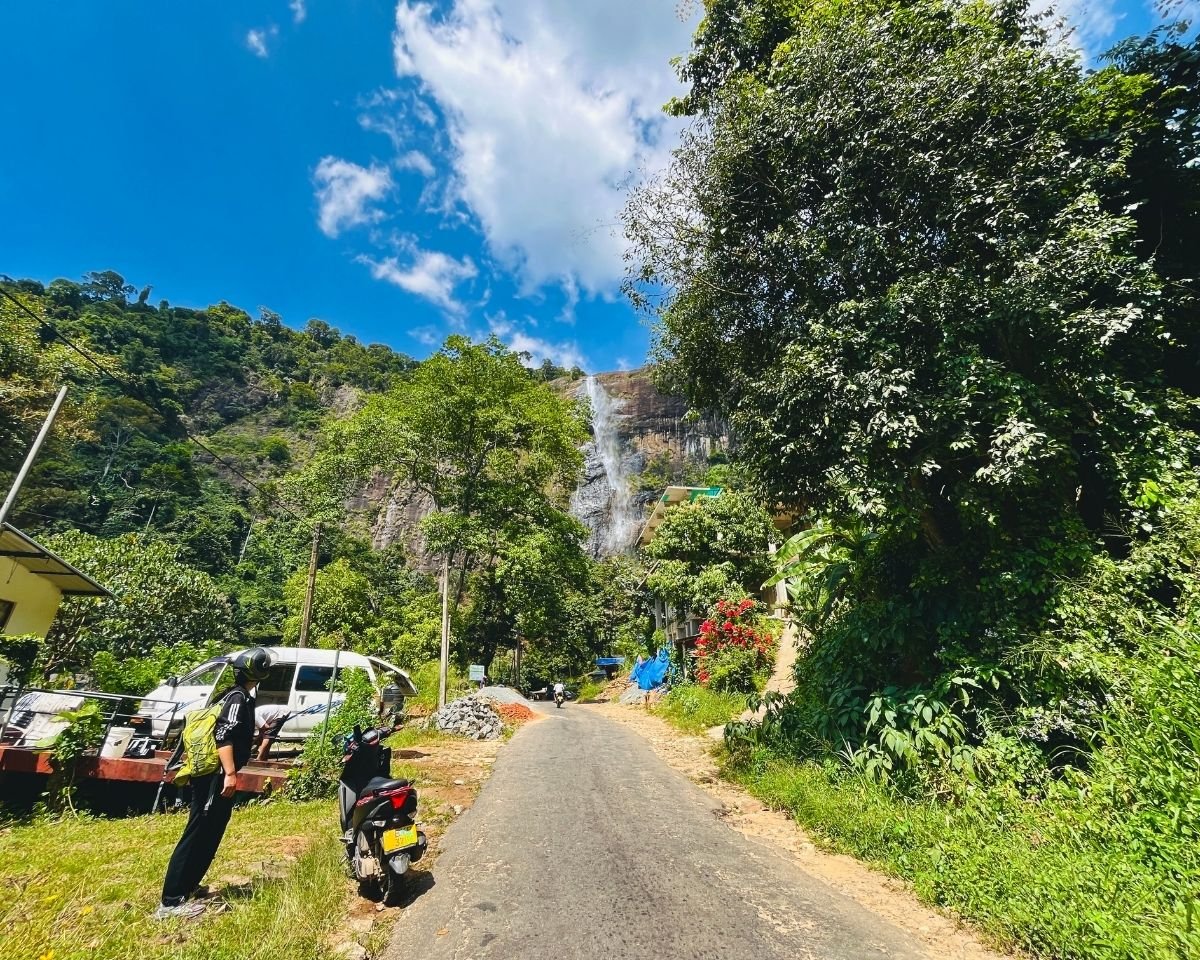
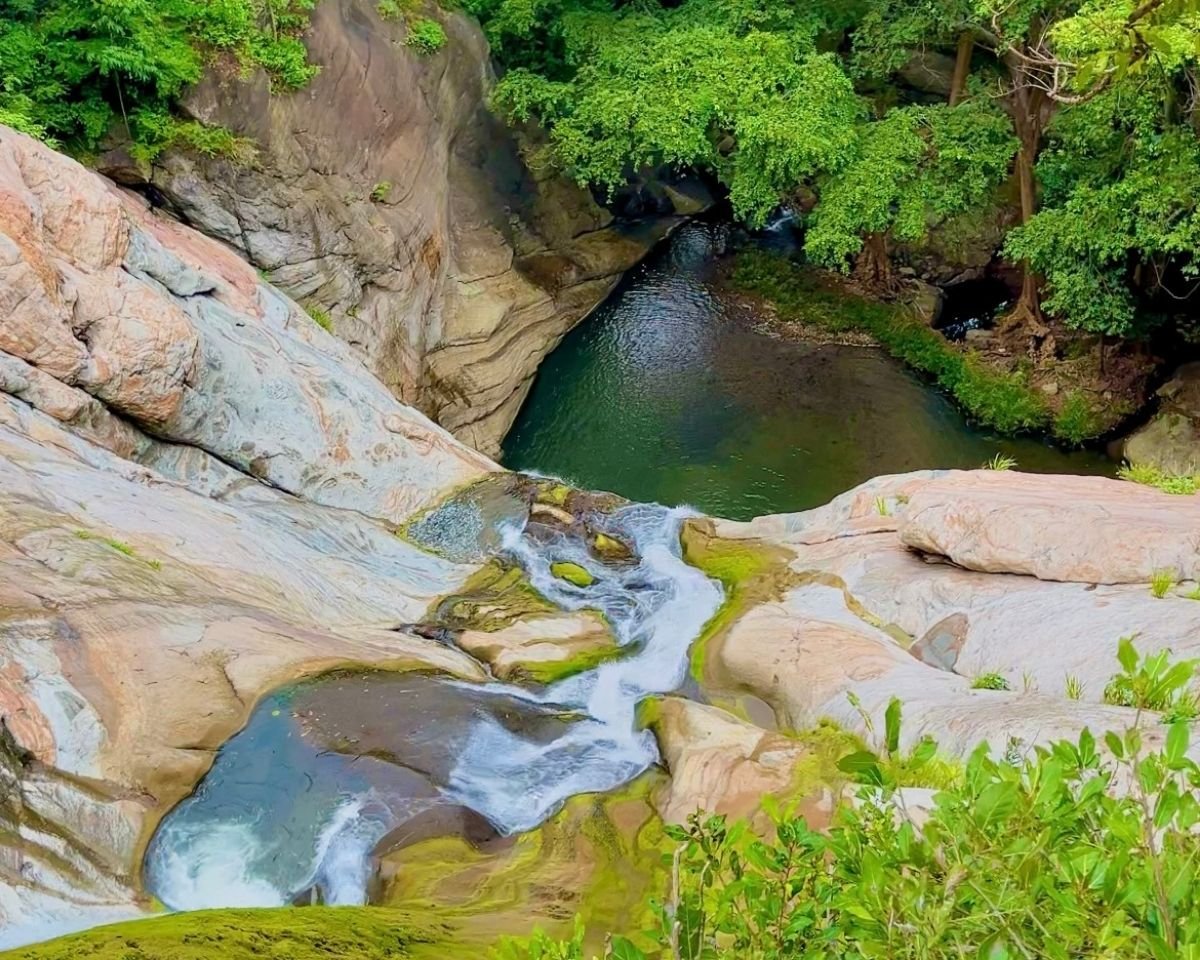
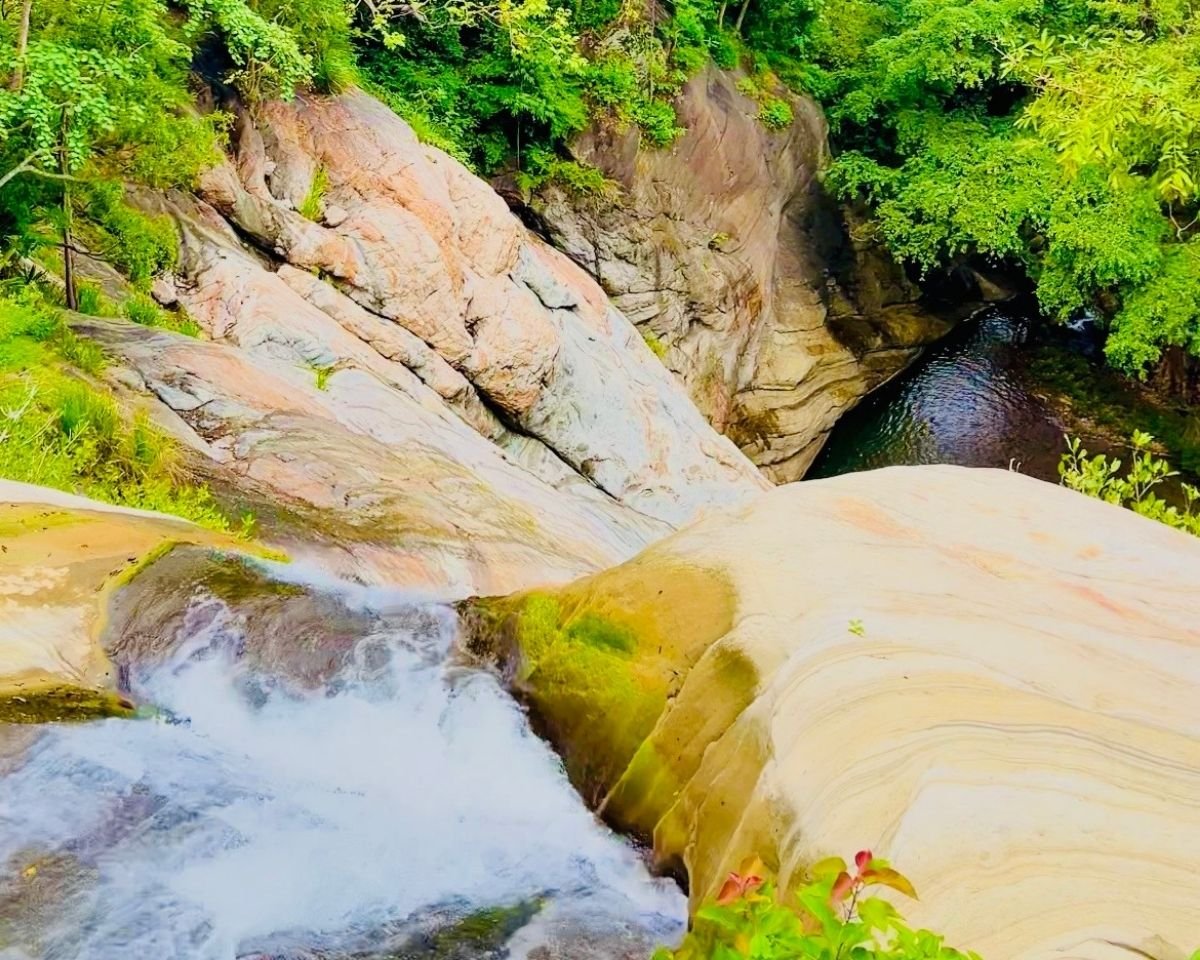
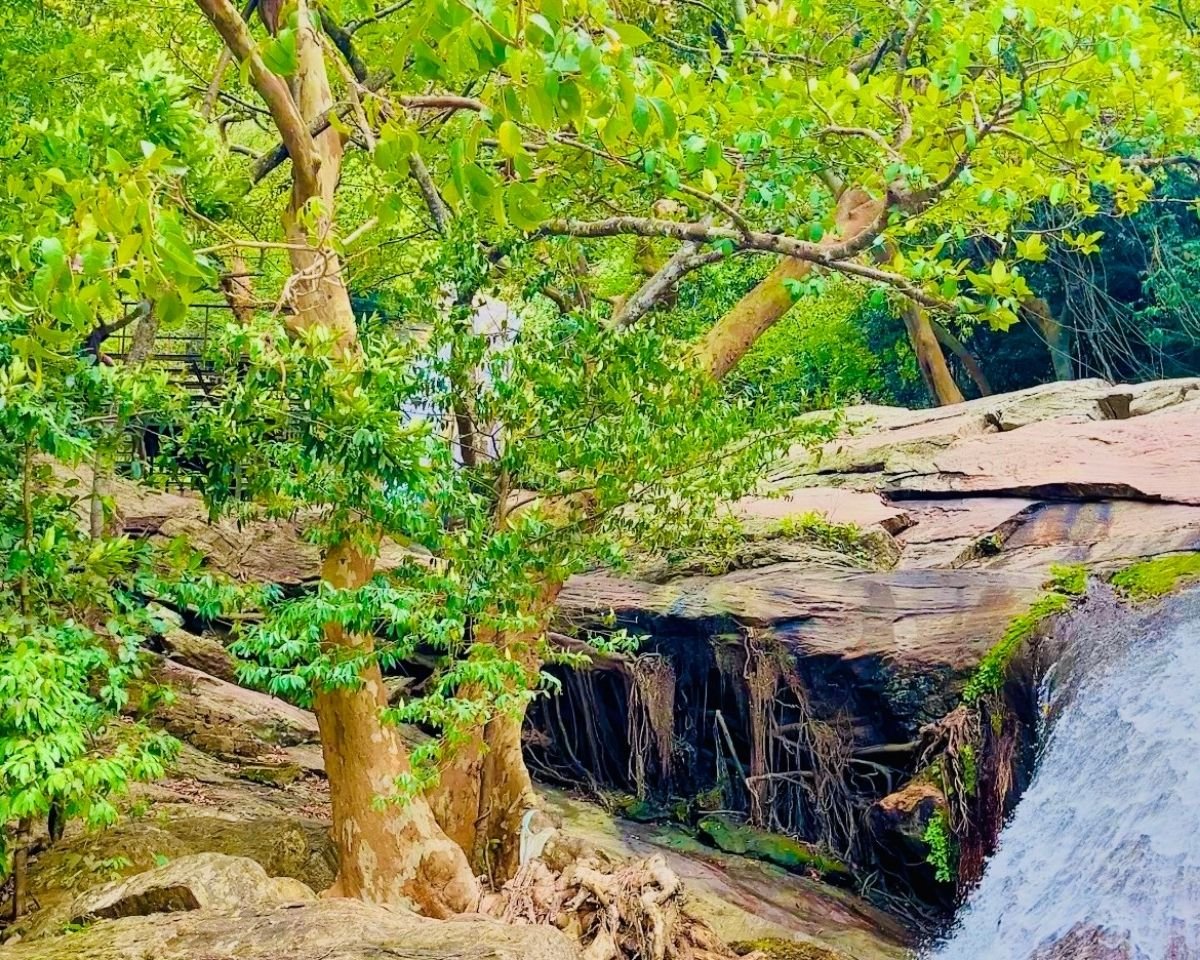
Waterfall
Sri Lanka’s second highest waterfall, featuring a dramatic vertical drop and upper natural pools.
Sri Lanka’s second highest waterfall, featuring a dramatic vertical drop and upper natural pools.

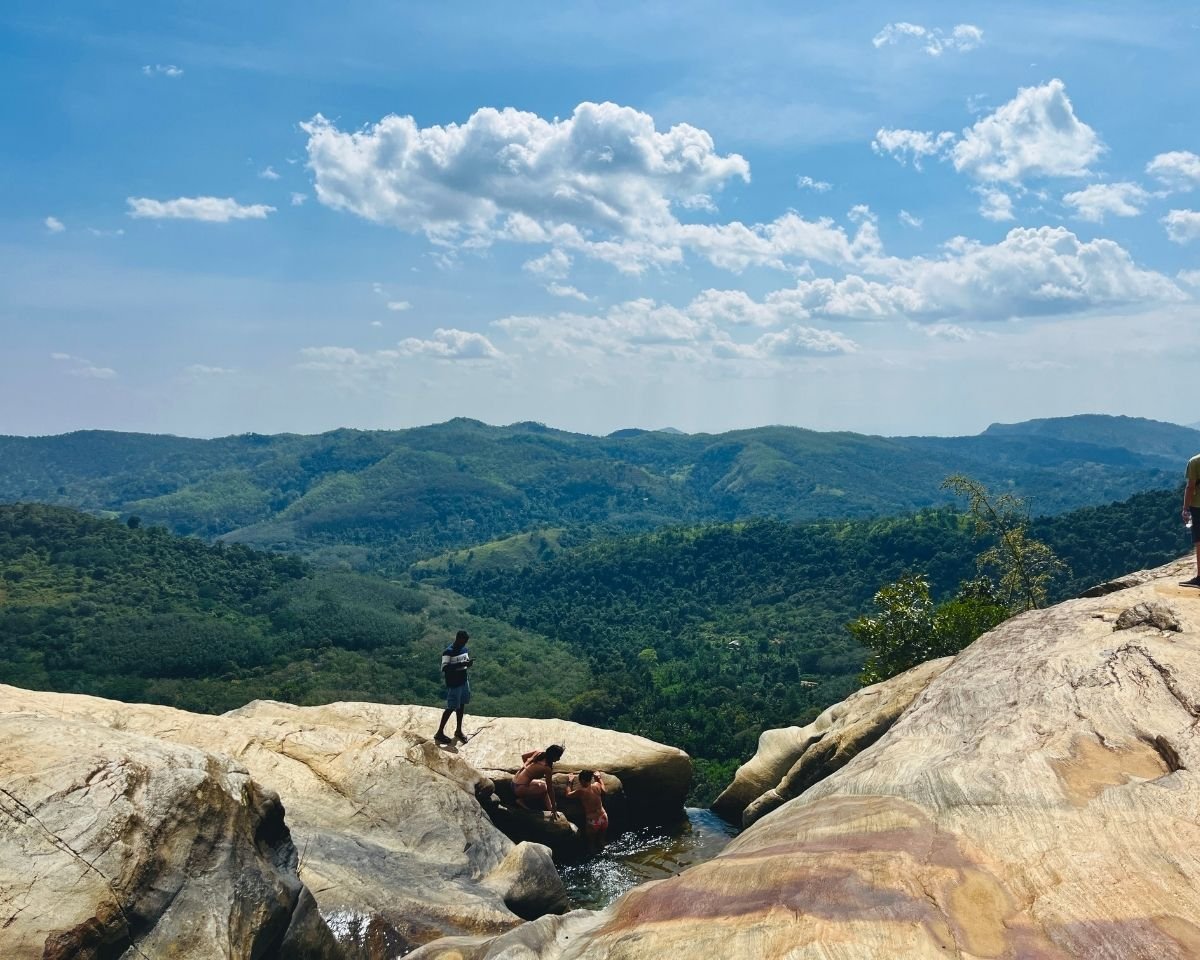
Swimming
Upper natural pools are suitable for swimming during dry weather. Swimming near the main drop or during heavy flow is not recommended.
Upper natural pools are suitable for swimming during dry weather. Swimming near the main drop or during heavy flow is not recommended.
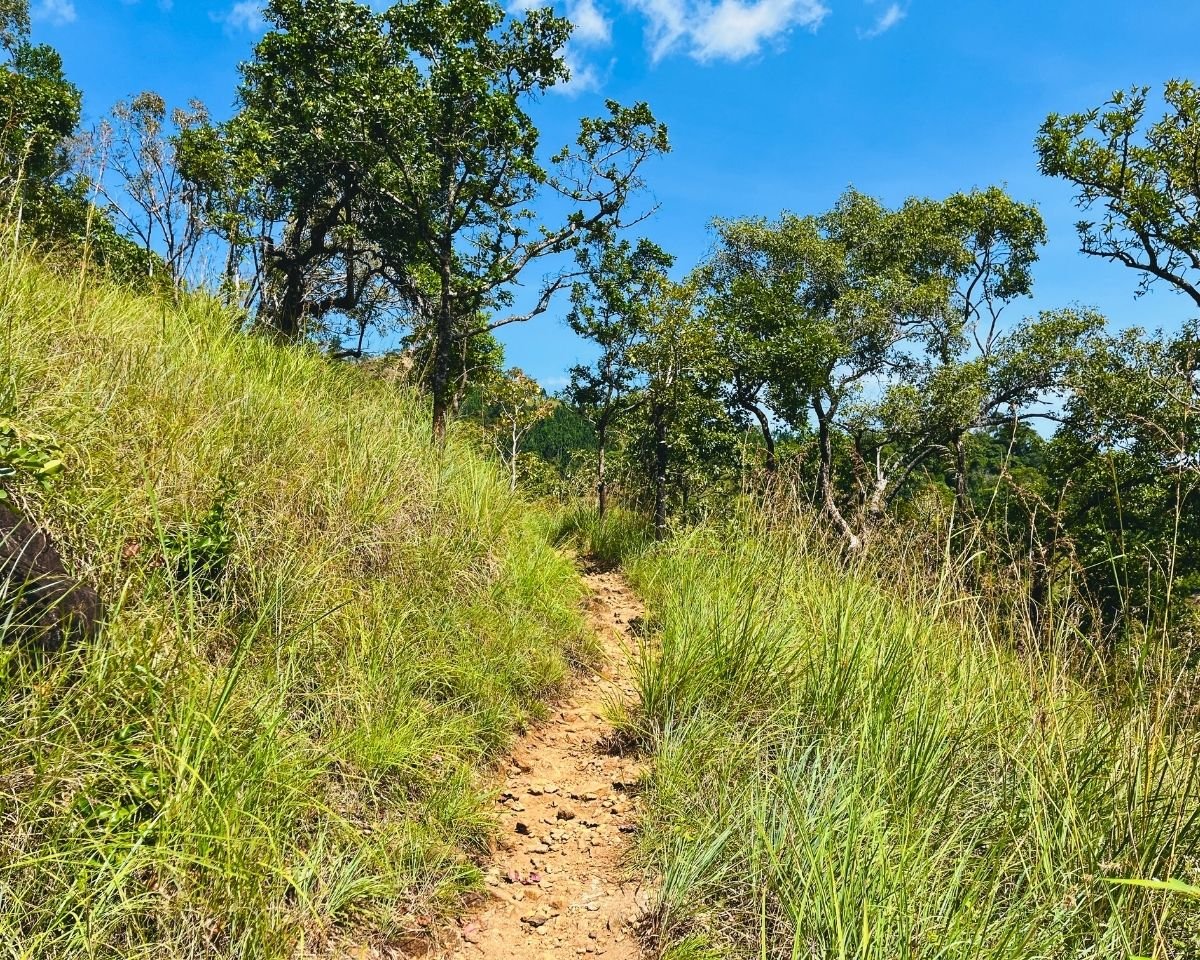
Hike
Moderate hike to reach the upper pools, involving open terrain and uneven rock surfaces.
Moderate hike to reach the upper pools, involving open terrain and uneven rock surfaces.
Scenery
High cliffs, open views across valleys, exposed rock formations, and powerful flowing water.
High cliffs, open views across valleys, exposed rock formations, and powerful flowing water.

Entrance Fee
LKR 600 ($2 USD ) Tickets near the upper trail entrance.
! Fees are approximate and can vary based on factors such as season, group size, and additional services.
LKR 600 ($2 USD ) Tickets near the upper trail entrance.
! Fees are approximate and can vary based on factors such as season, group size, and additional services.
Top Pick
 ravinkavish
 ravinkavish
 ravinkavish
 ravinkavish
 gosoloceylon
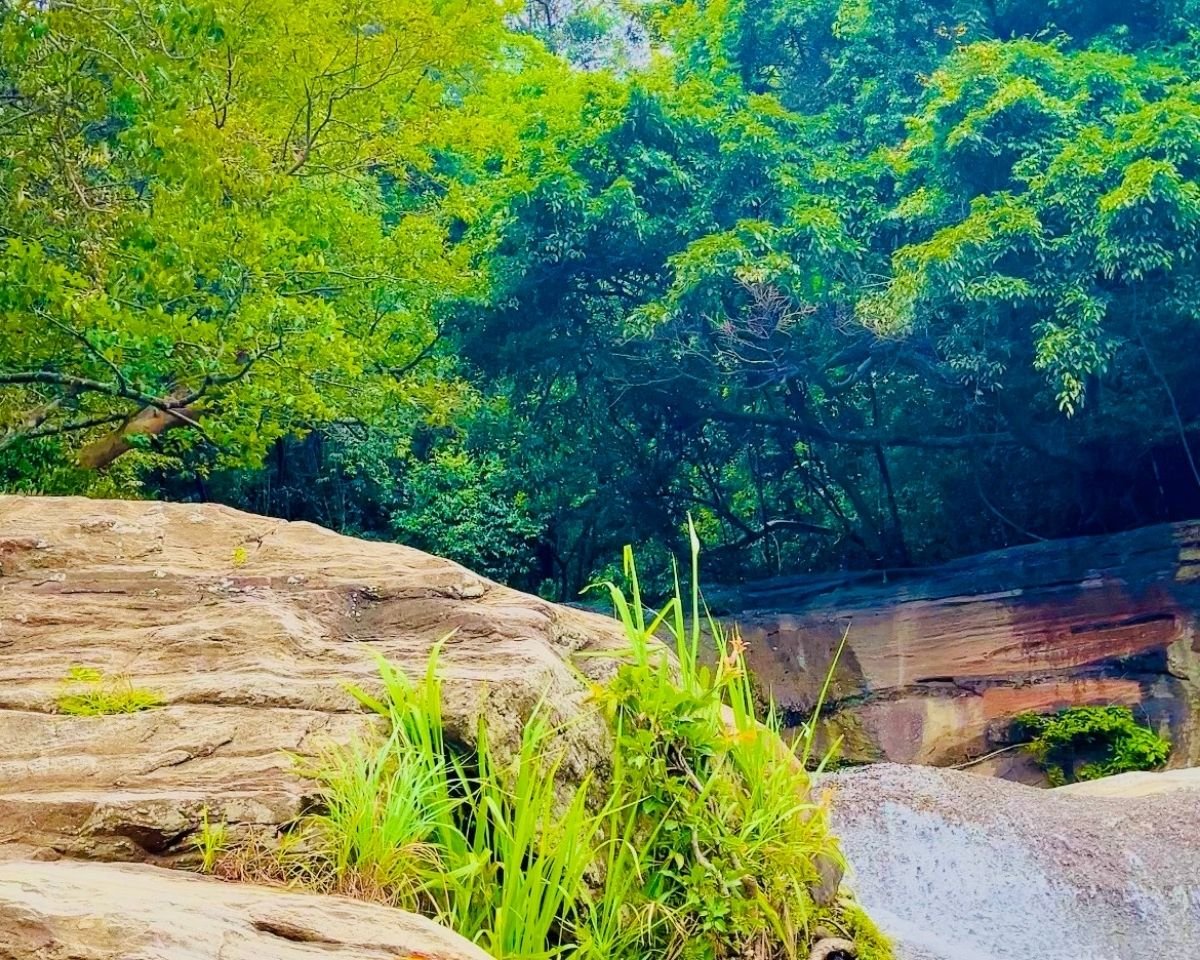
Waterfall
Small multi level waterfall flowing over rock surfaces within a village and natural setting.
Small multi level waterfall flowing over rock surfaces within a village and natural setting.
Swimming
Shallow pools near the base may allow light wading during dry periods, but swimming should be done with caution due to uneven rocks.
Shallow pools near the base may allow light wading during dry periods, but swimming should be done with caution due to uneven rocks.
Scenery
Green surroundings with trees, rocks, farmland, and a peaceful hill country atmosphere.
Green surroundings with trees, rocks, farmland, and a peaceful hill country atmosphere.
Hike
Short walk through village paths and rural roads. Easy access with minimal elevation change.
Short walk through village paths and rural roads. Easy access with minimal elevation change.
Top Pick
 ravinkavish
 ravinkavish
 ravinkavish
 ravinkavish
 ravinkavish
 ravinkavish
 ravinkavish
 ravinkavish
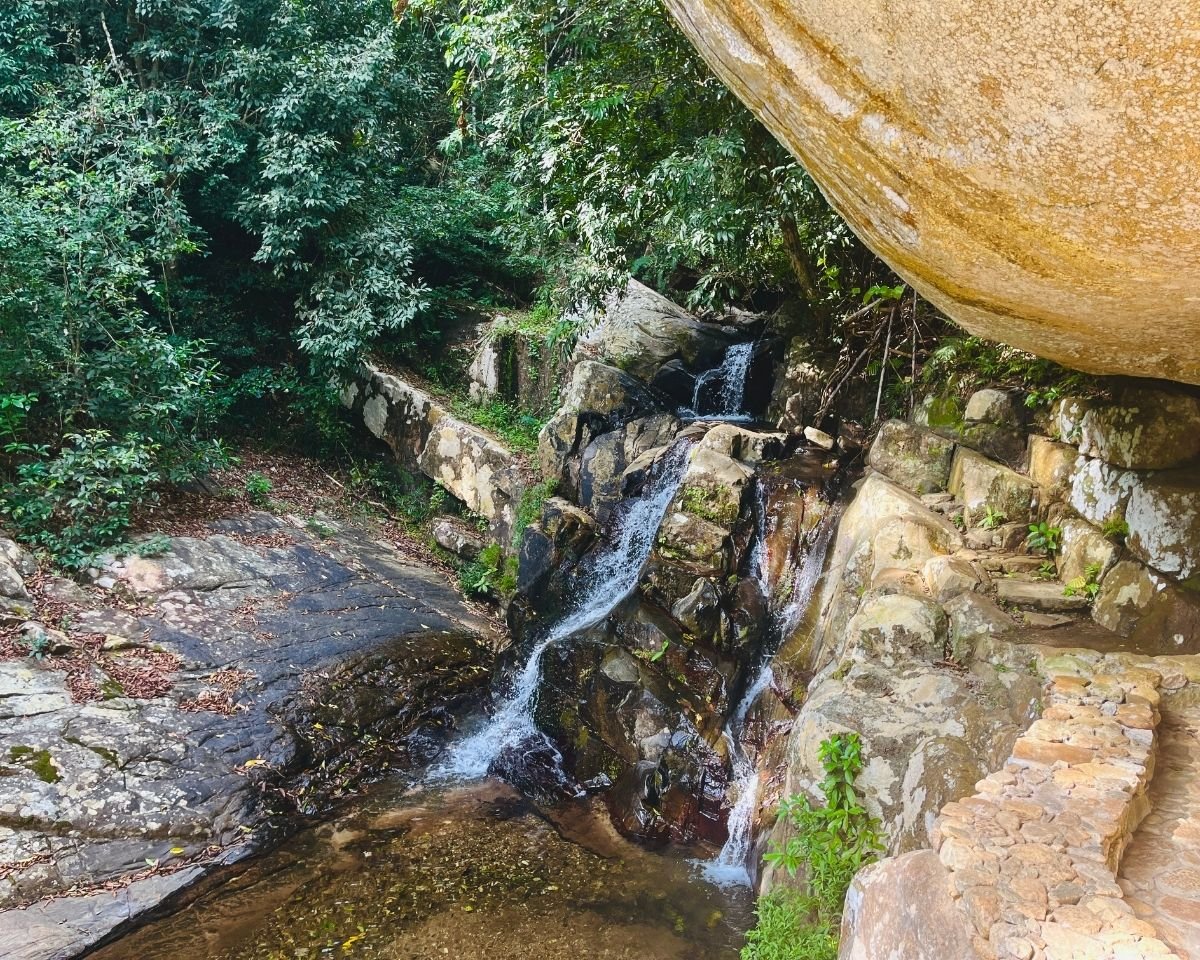
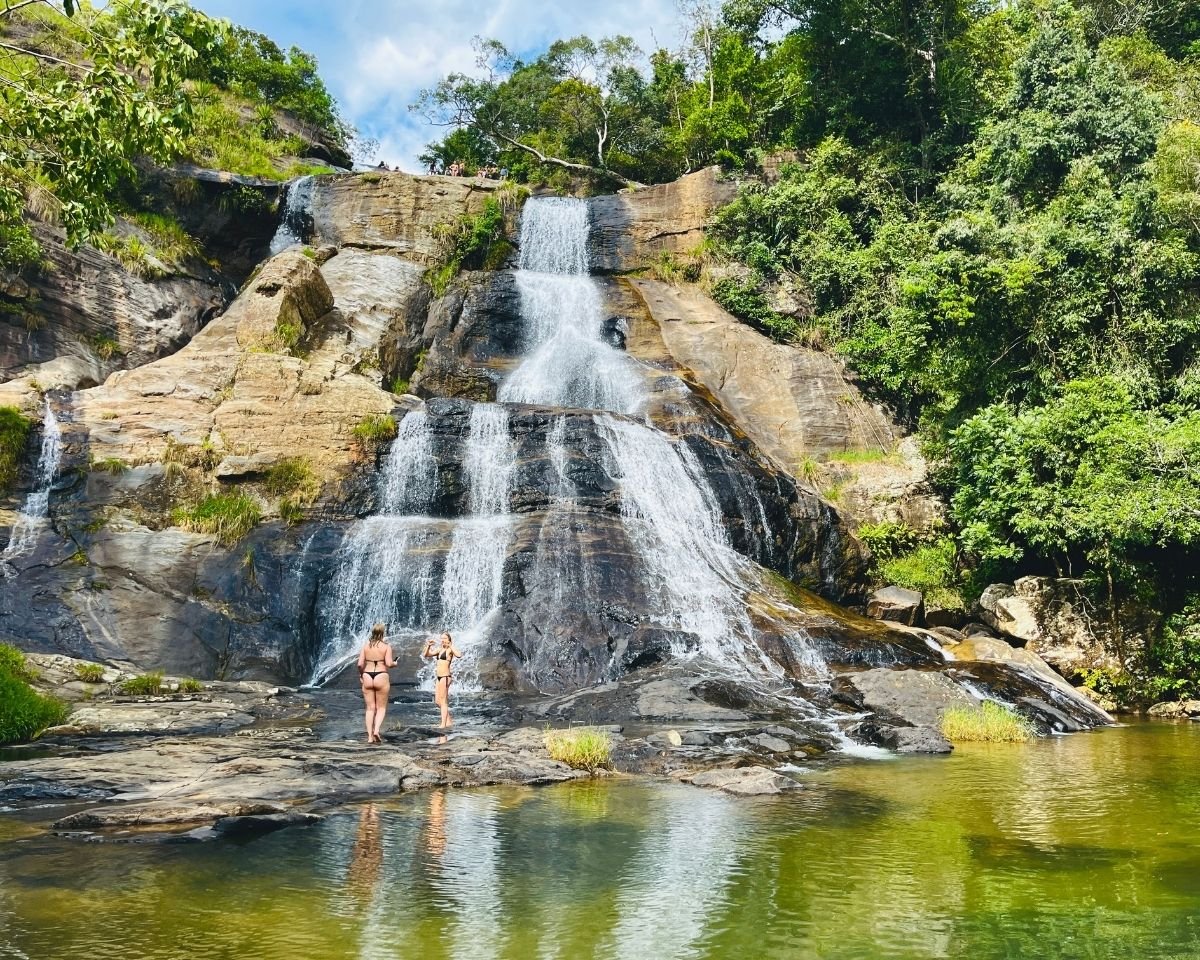
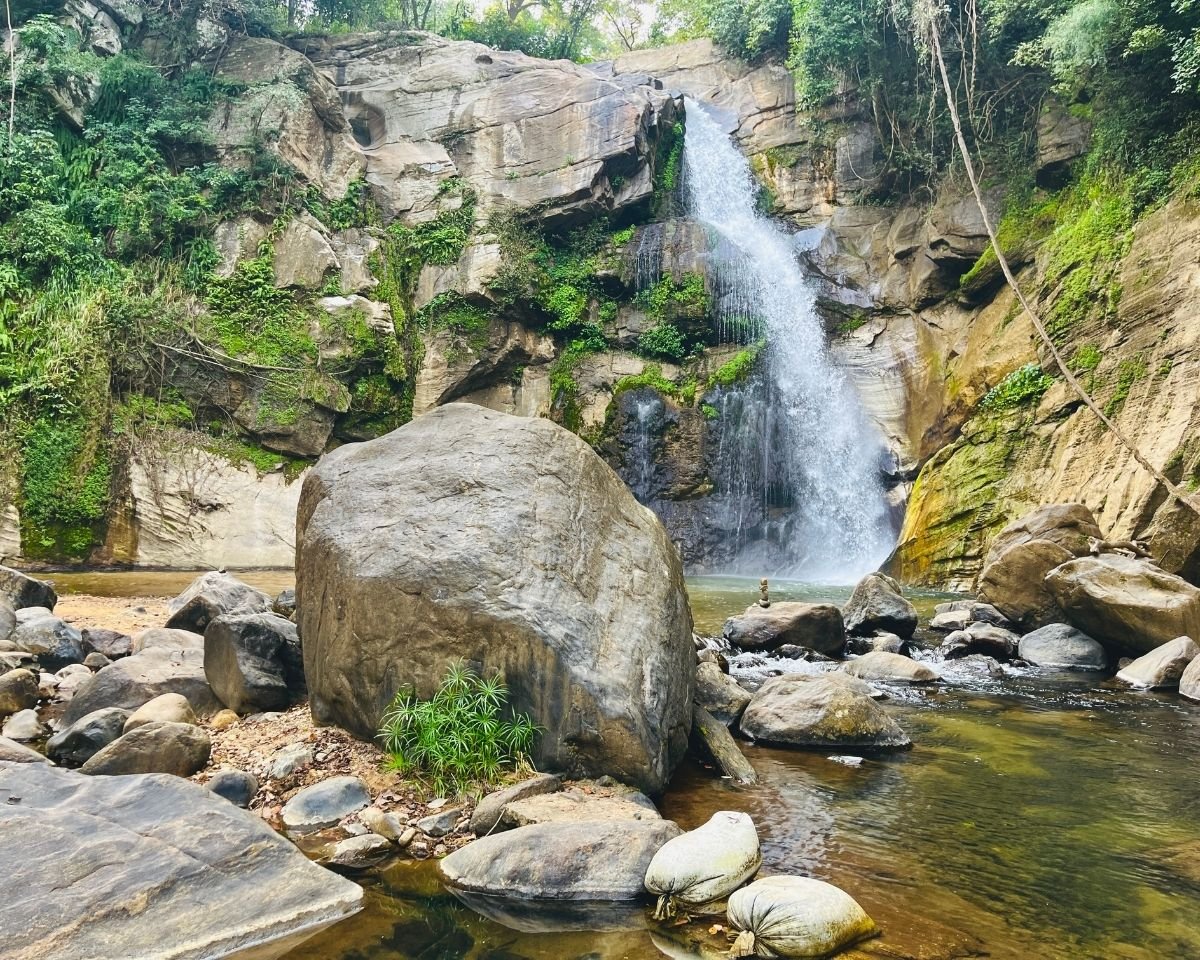
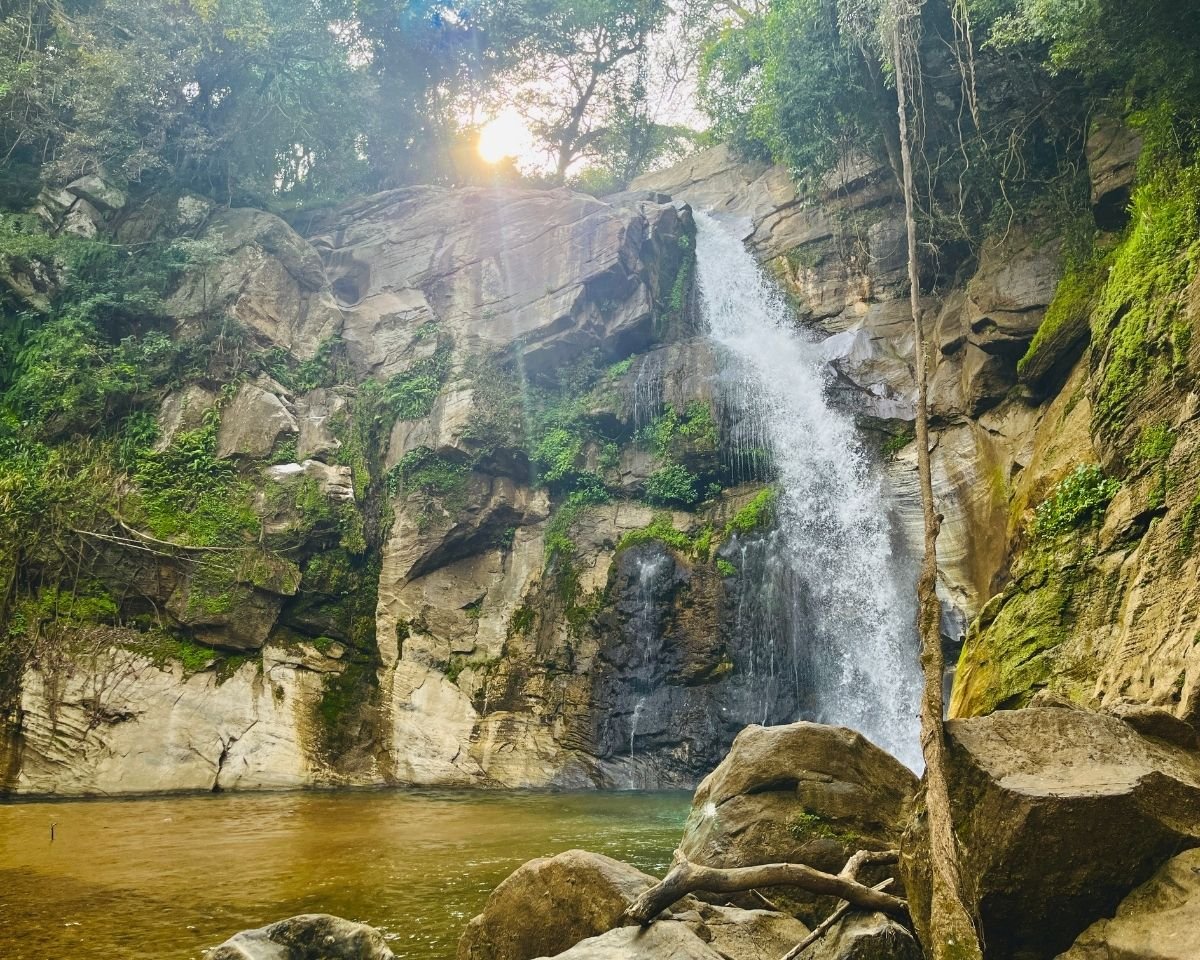
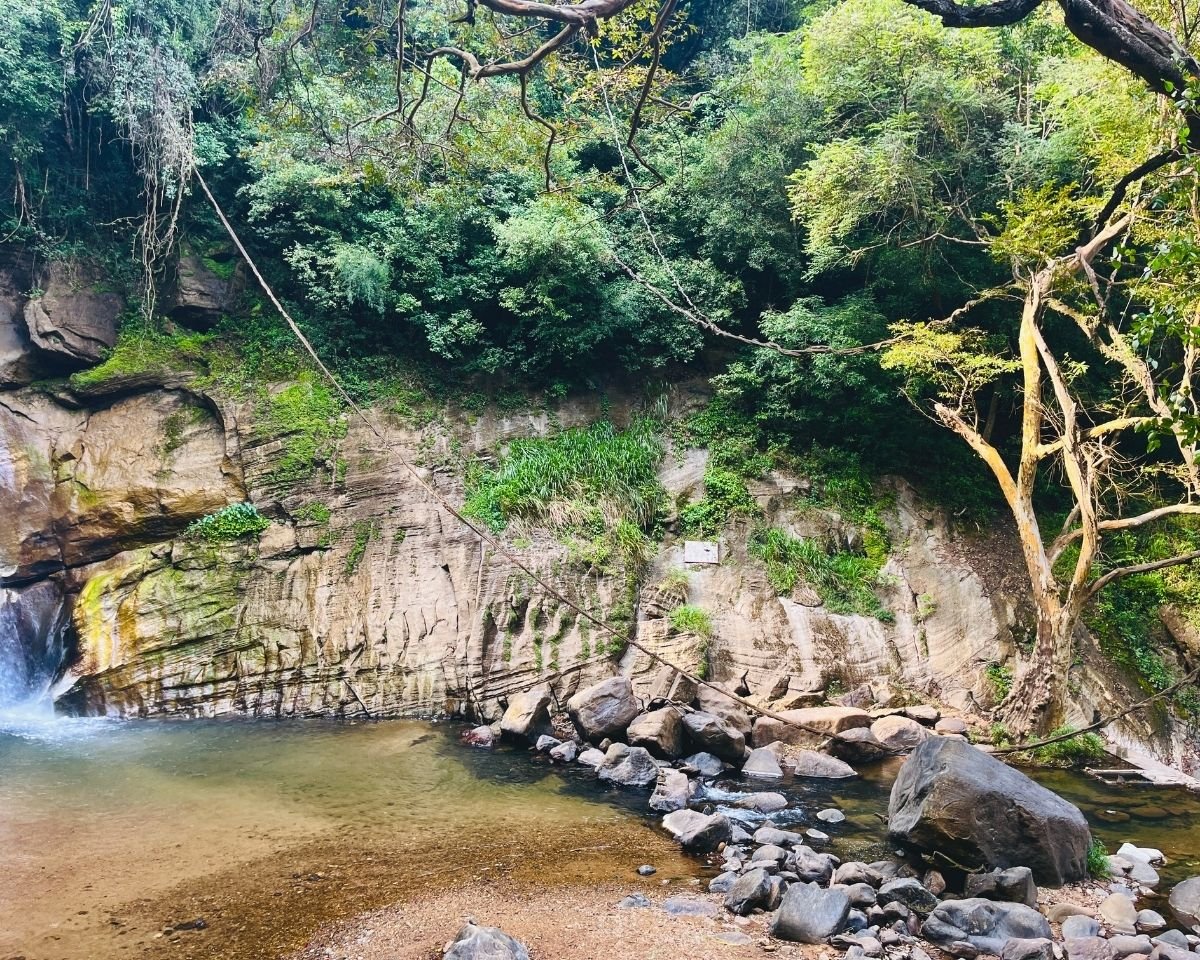
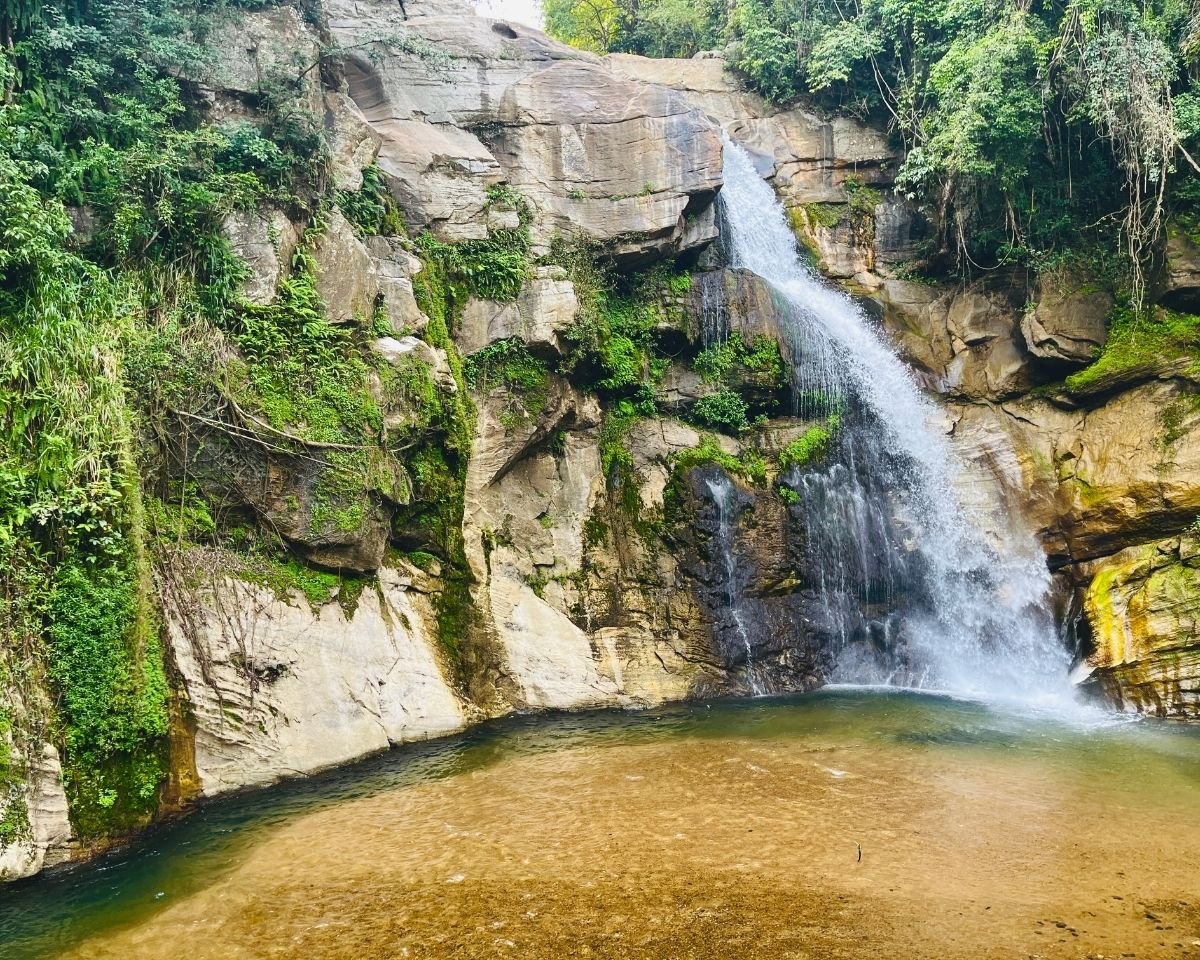
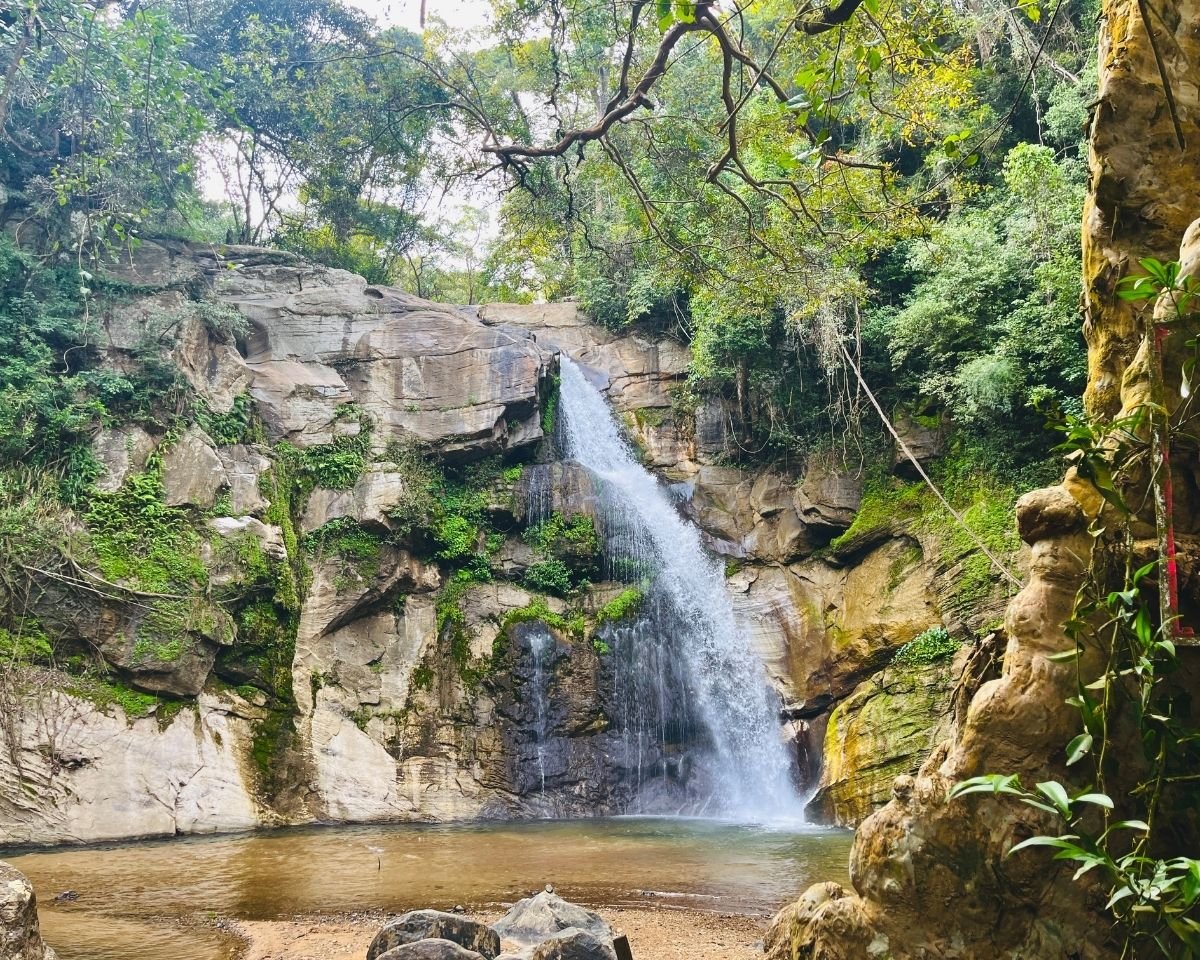
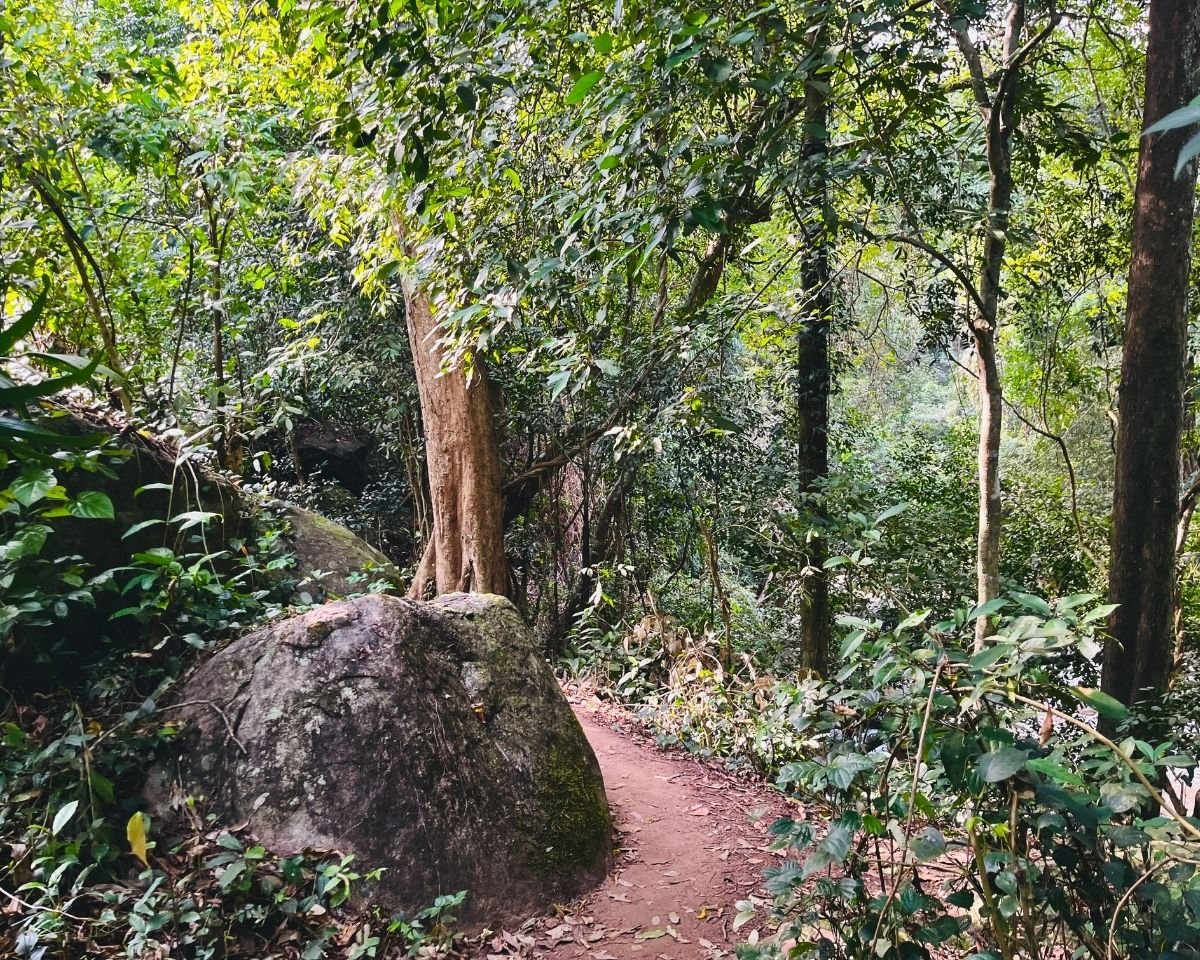
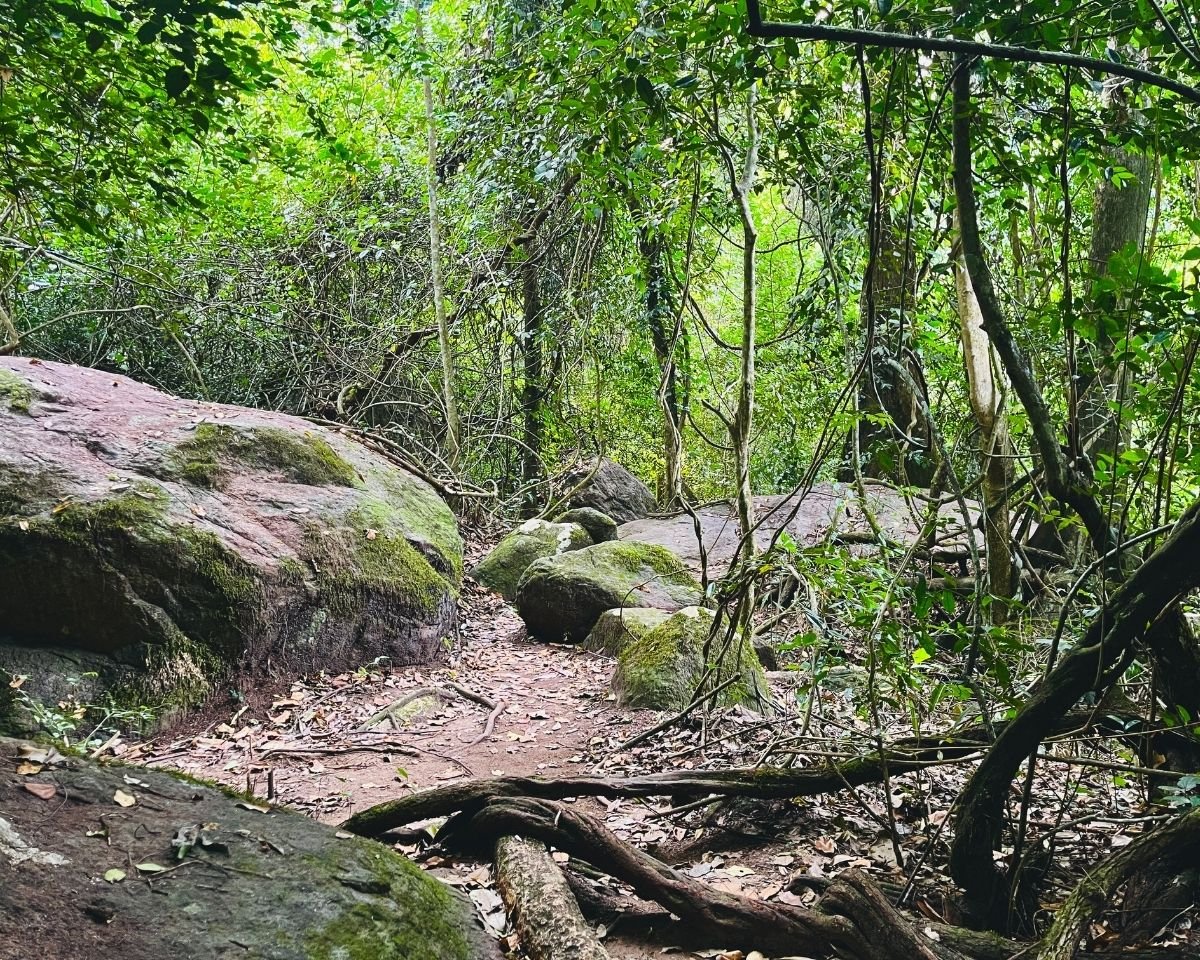
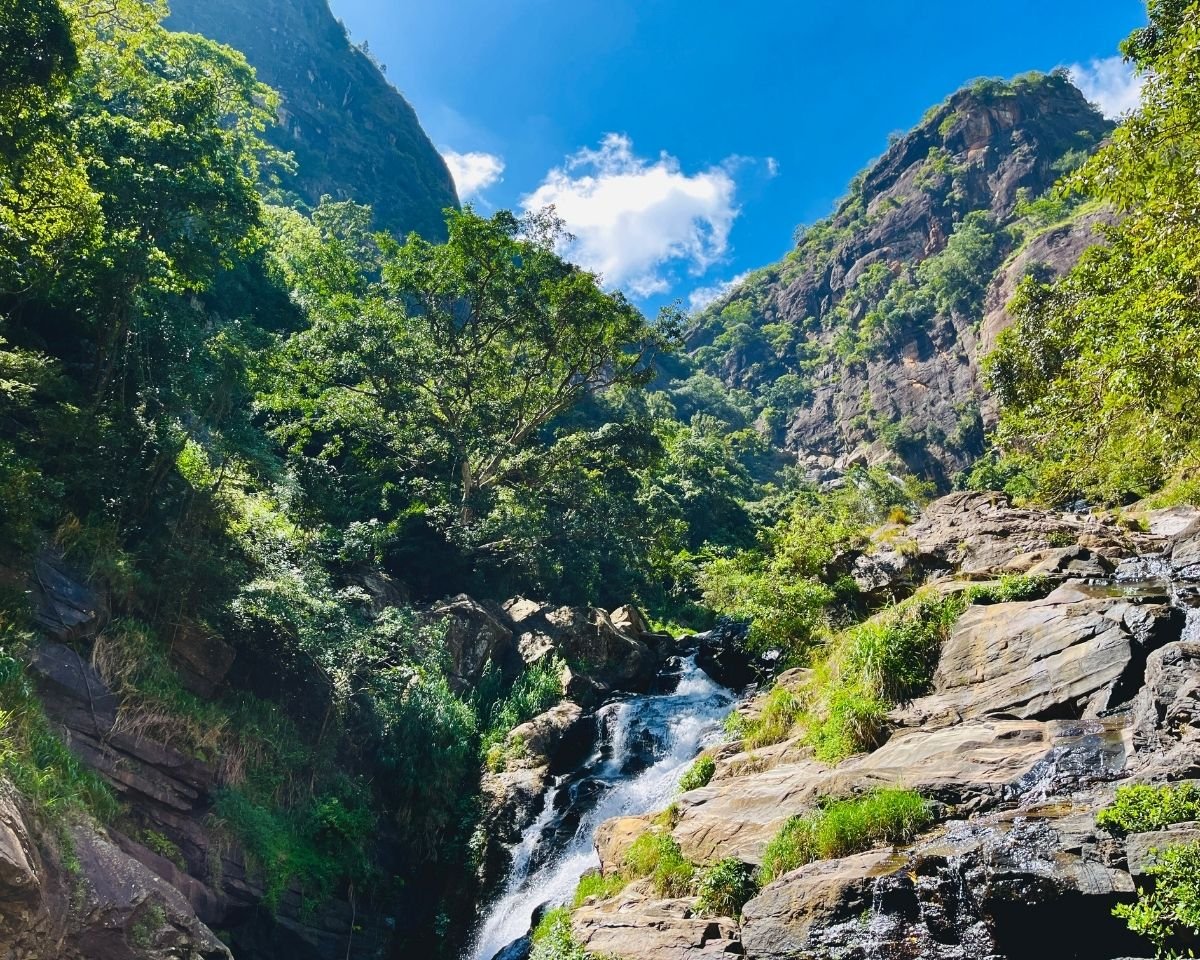
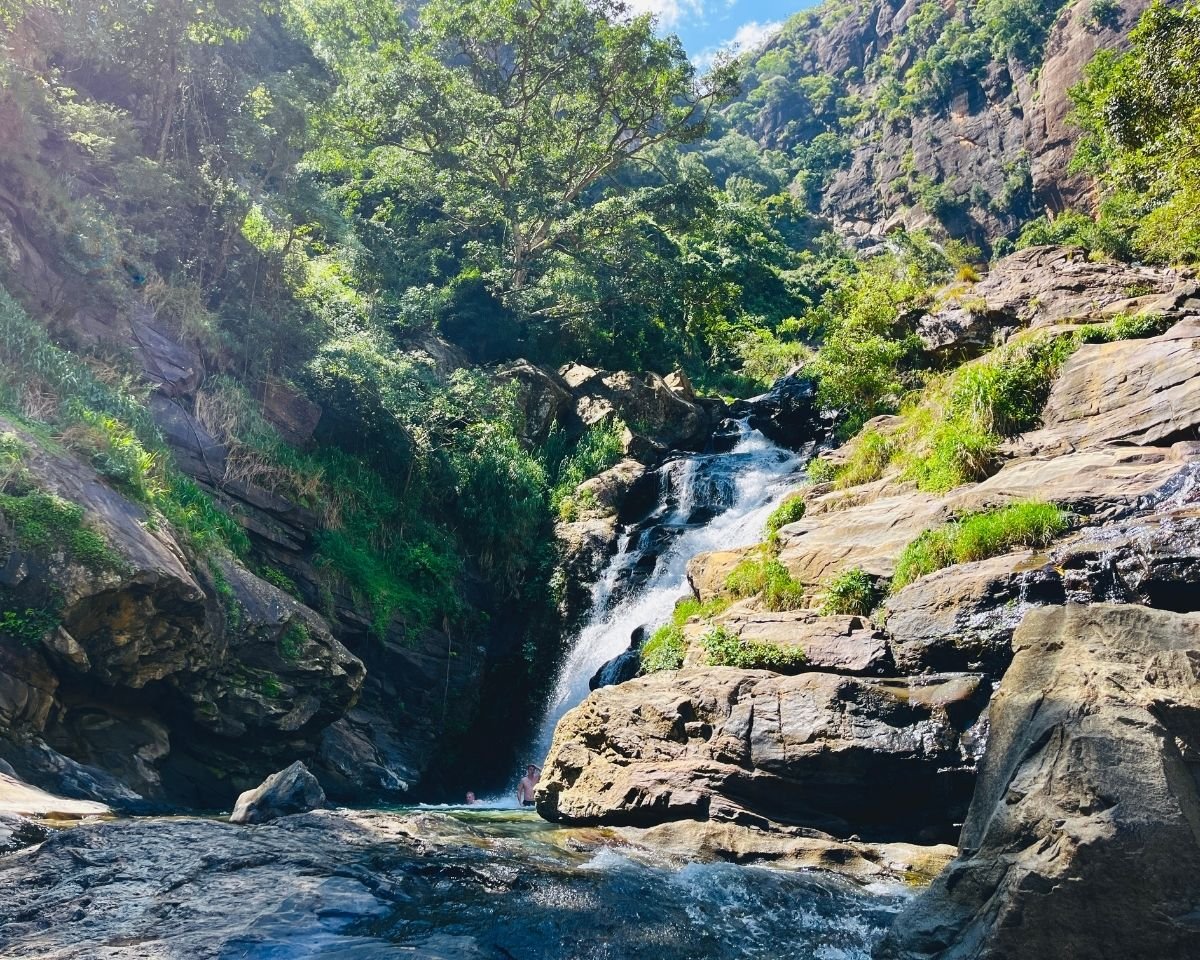
Waterfall
Small to medium sized waterfall flowing into a wide natural rock basin at its base.
Small to medium sized waterfall flowing into a wide natural rock basin at its base.
Swimming
Dry season for clearer water and safer conditions within the basin. Flow increases during rainy periods, making swimming less suitable.
Dry season for clearer water and safer conditions within the basin. Flow increases during rainy periods, making swimming less suitable.
Scenery
Green surroundings with rocks, trees, open space, and a large water basin creating a calm hill country setting.
Green surroundings with rocks, trees, open space, and a large water basin creating a calm hill country setting.
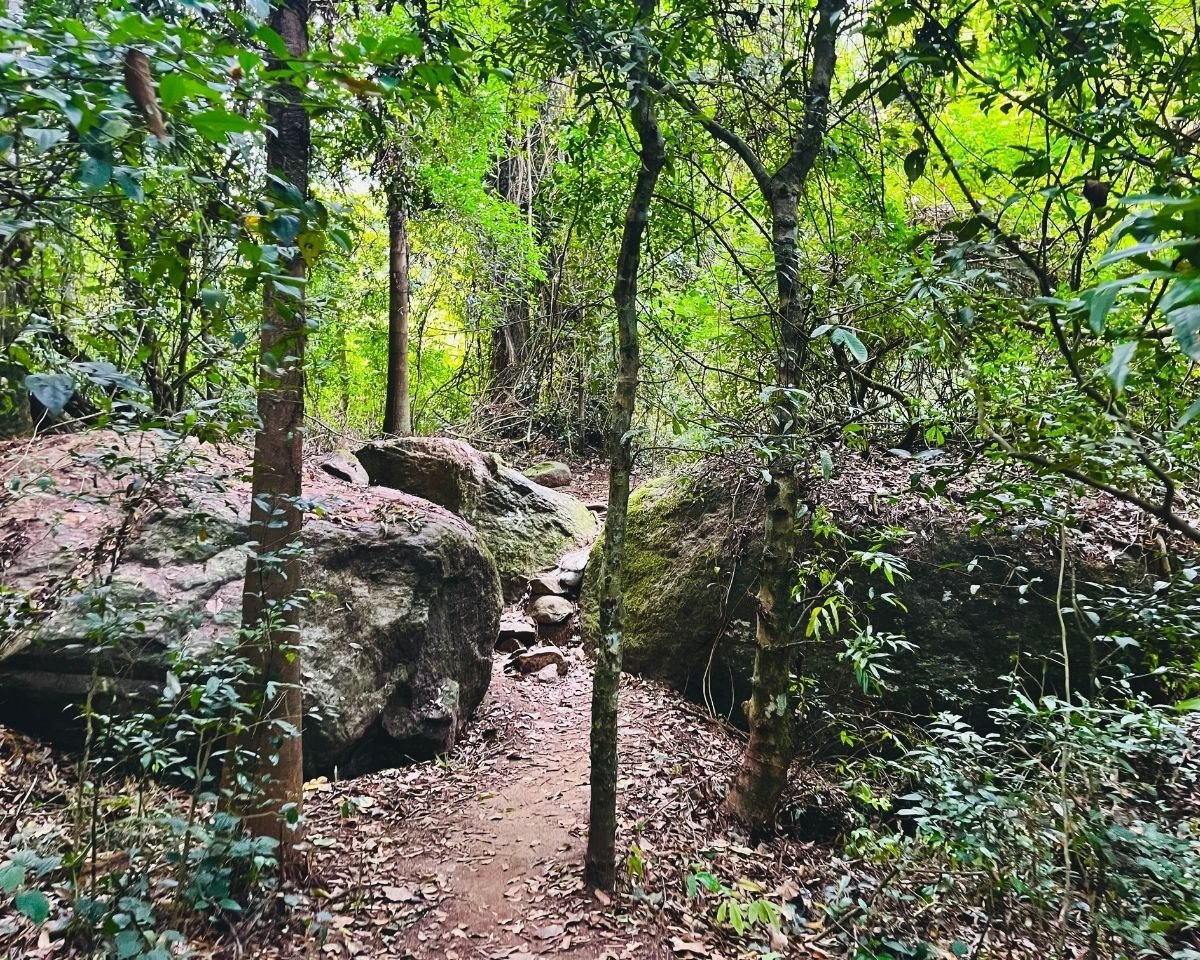
Hike
Short walk through village paths and natural trails. Easy access with minimal elevation change.
Short walk through village paths and natural trails. Easy access with minimal elevation change.
Top Pick
Location
View on Map
View on Map
 ravinkavish
 ravinkavish
 ravinkavish
 ravinkavish
 ravinkavish
 ravinkavish
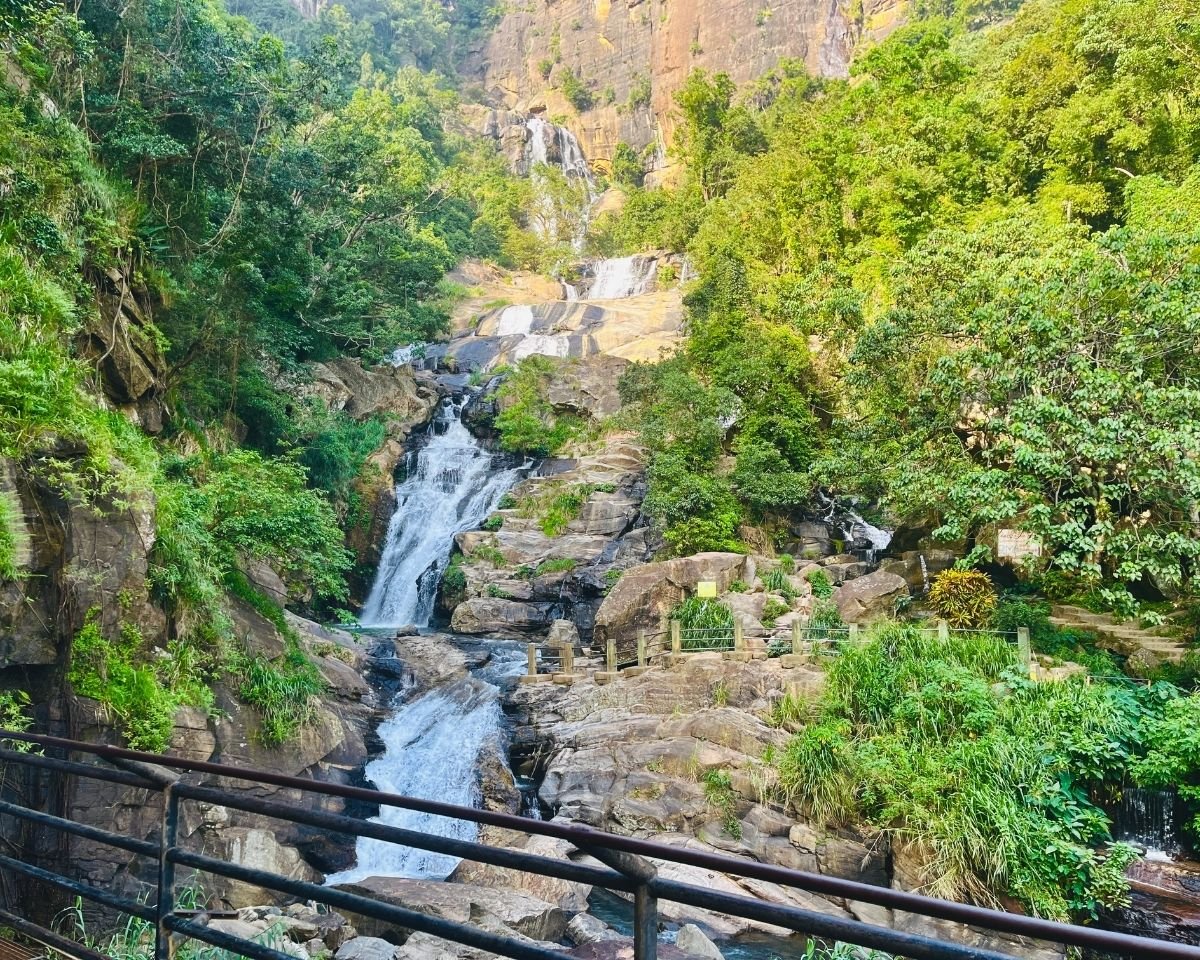
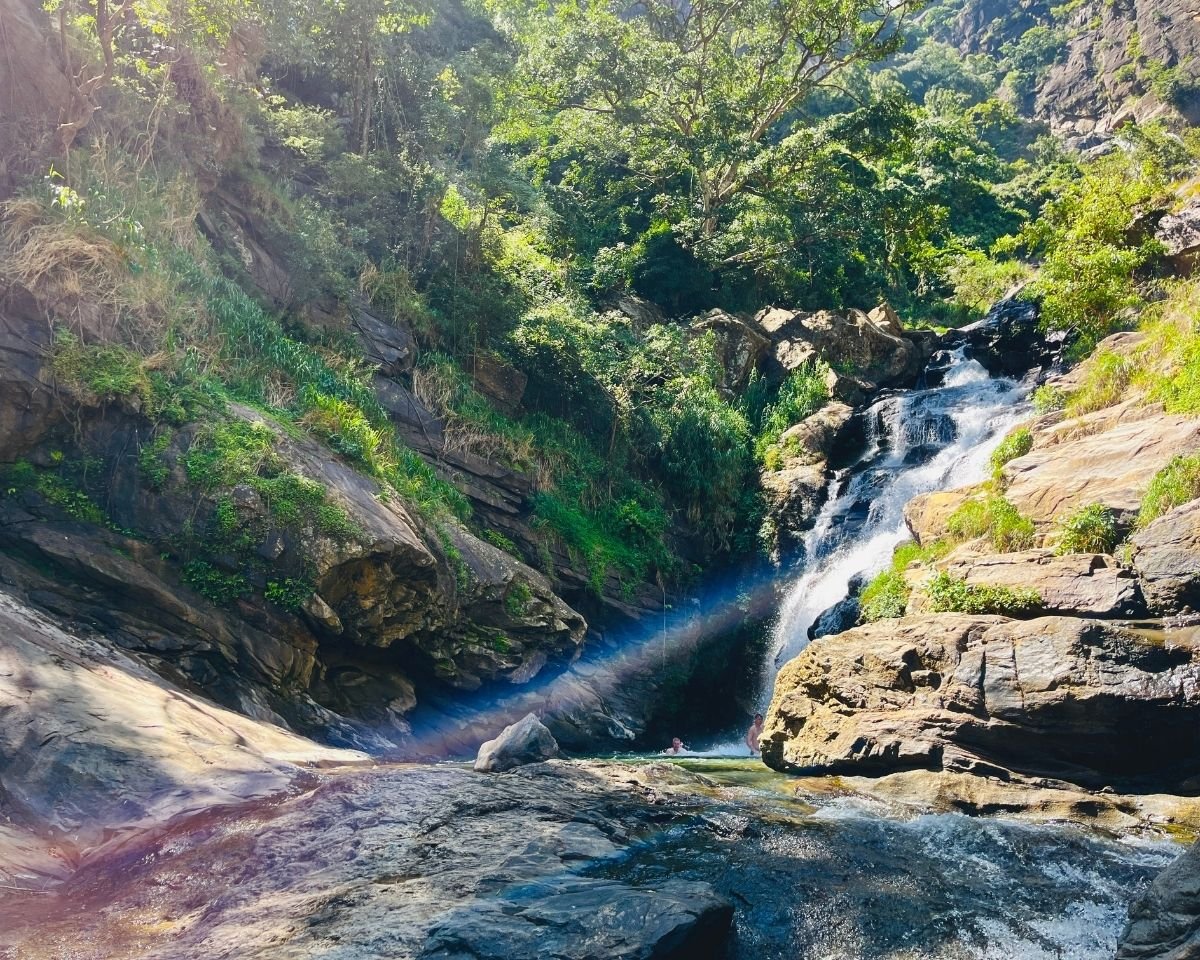
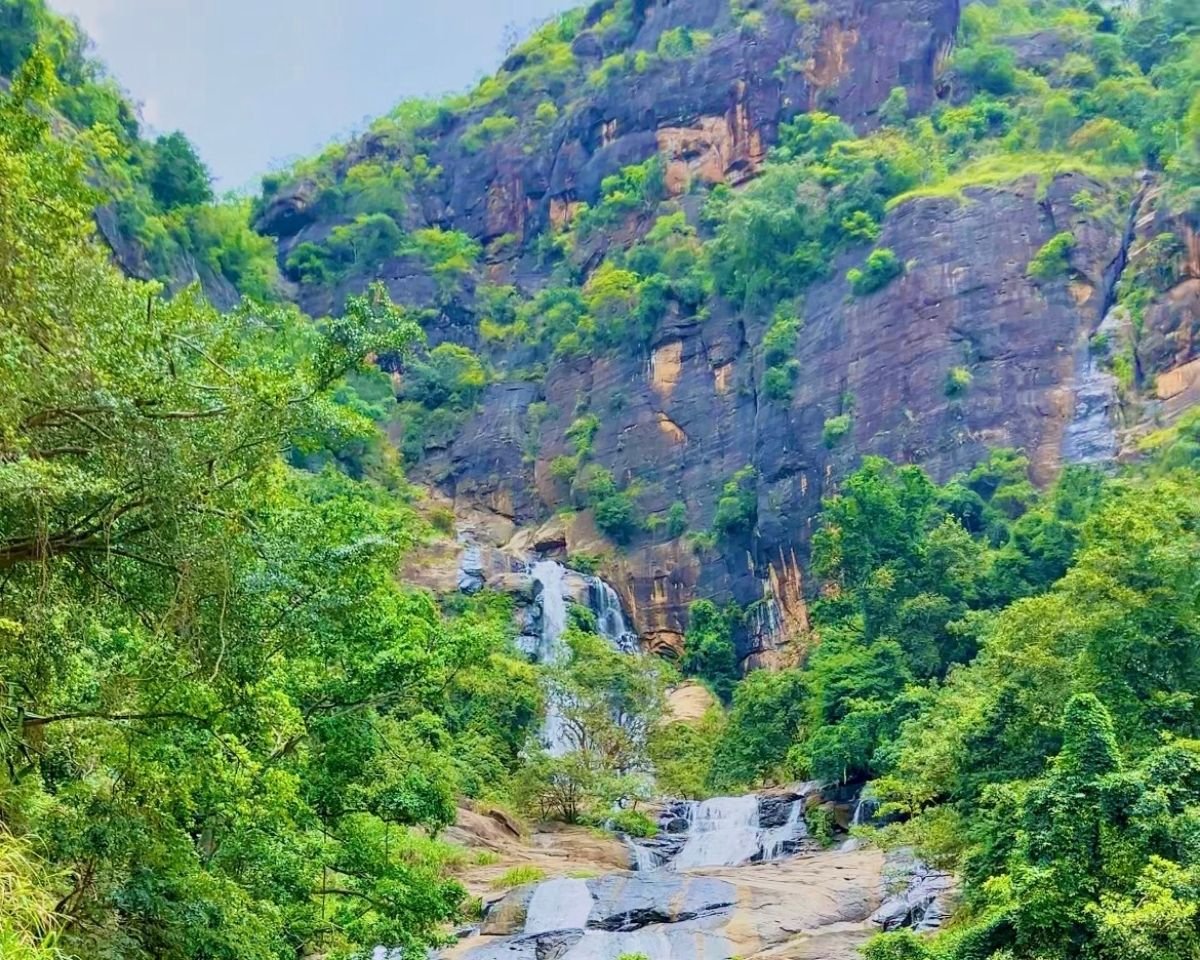
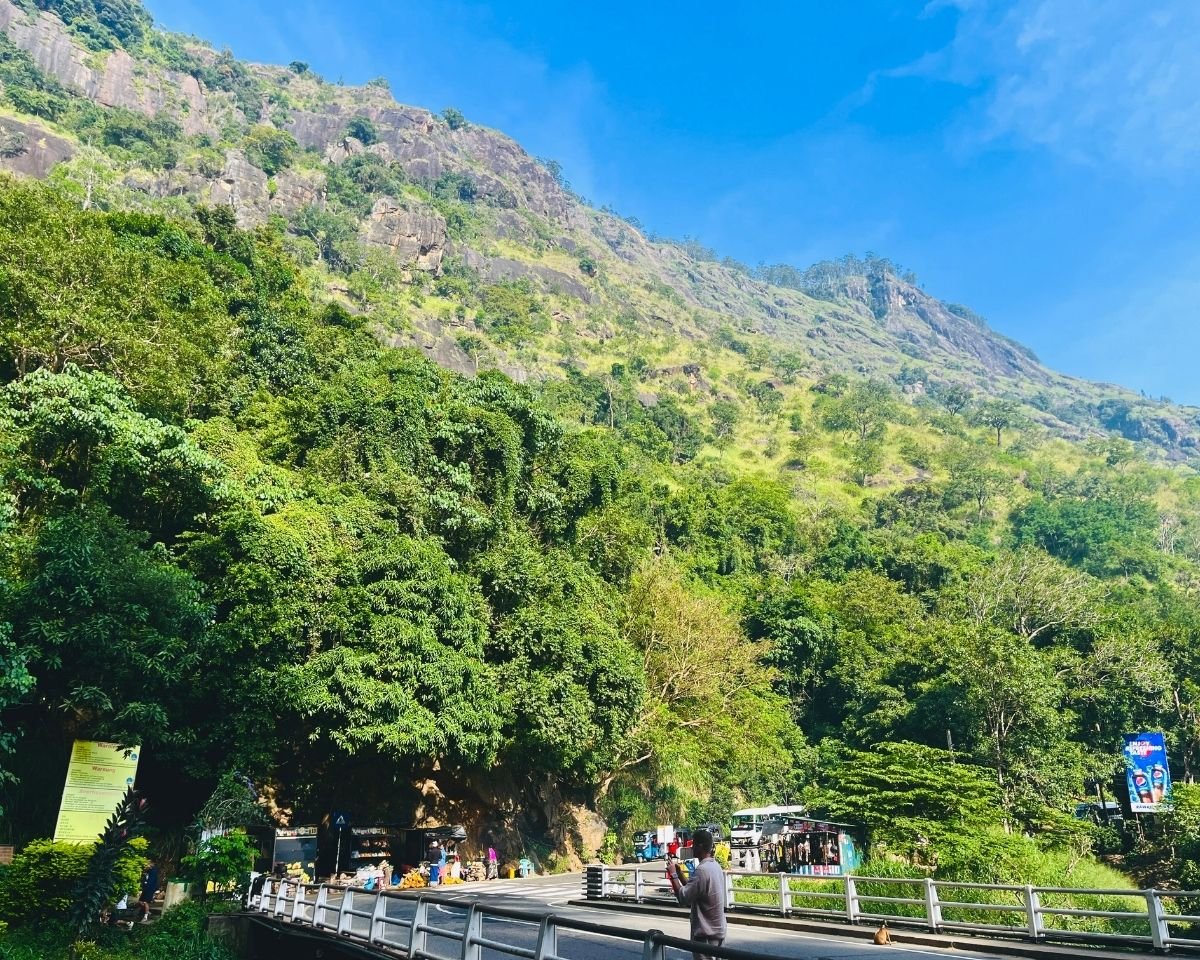
Waterfall
Multi tiered cascade dropping from steep rock faces, easily visible and accessible from the main road.
Multi tiered cascade dropping from steep rock faces, easily visible and accessible from the main road.
Scenery
Rocky cliffs, flowing water, surrounding forest, and hill country terrain shaped by seasonal rain.
Rocky cliffs, flowing water, surrounding forest, and hill country terrain shaped by seasonal rain.
Swimming
Shallow pools near the base may allow light wading during dry periods, but swimming should be done with caution due to uneven rocks.
Shallow pools near the base may allow light wading during dry periods, but swimming should be done with caution due to uneven rocks.
Top Pick
Location
View on Map
View on Map
 ravinkavish
 ravinkavish
 ravinkavish
 ravinkavish
 ravinkavish
 ravinkavish
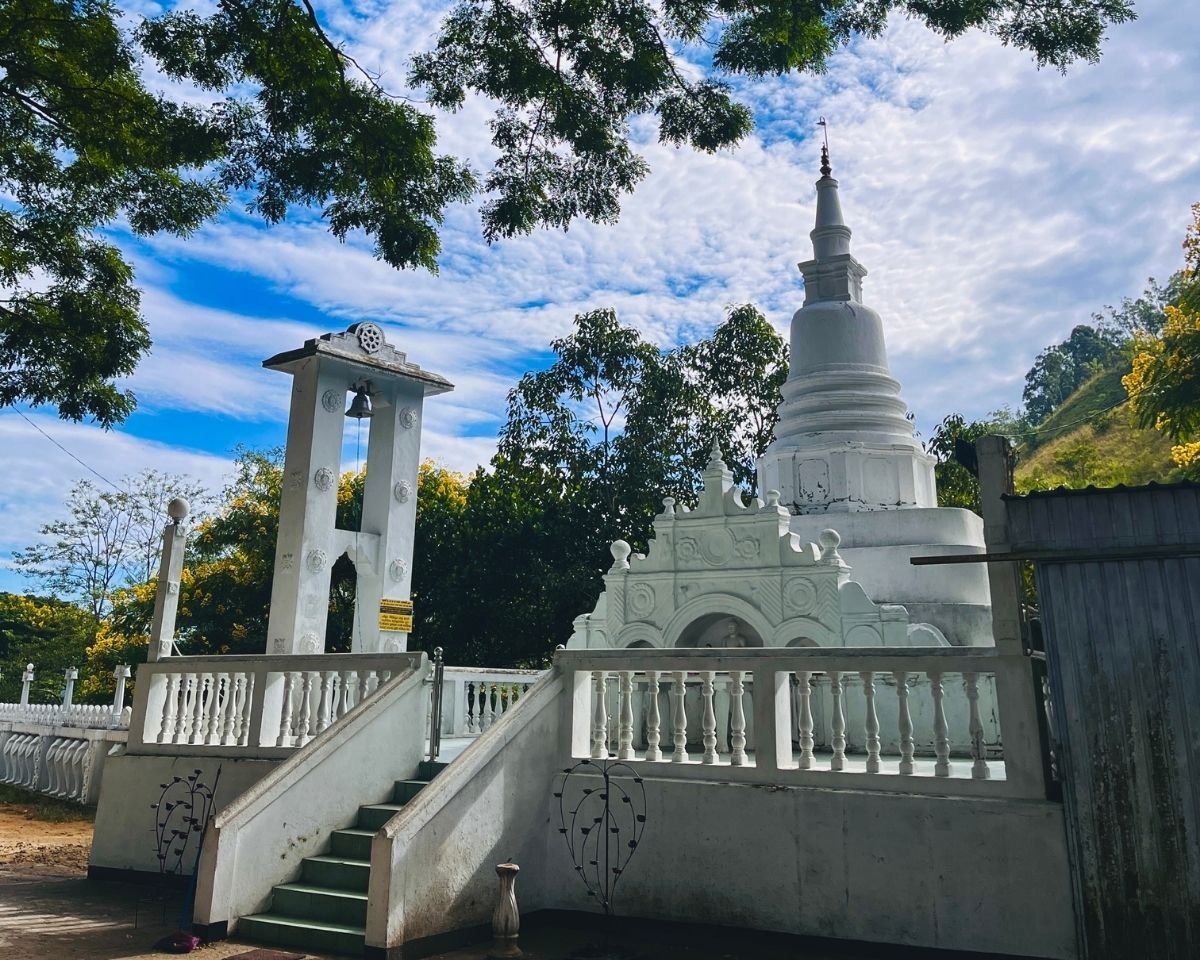
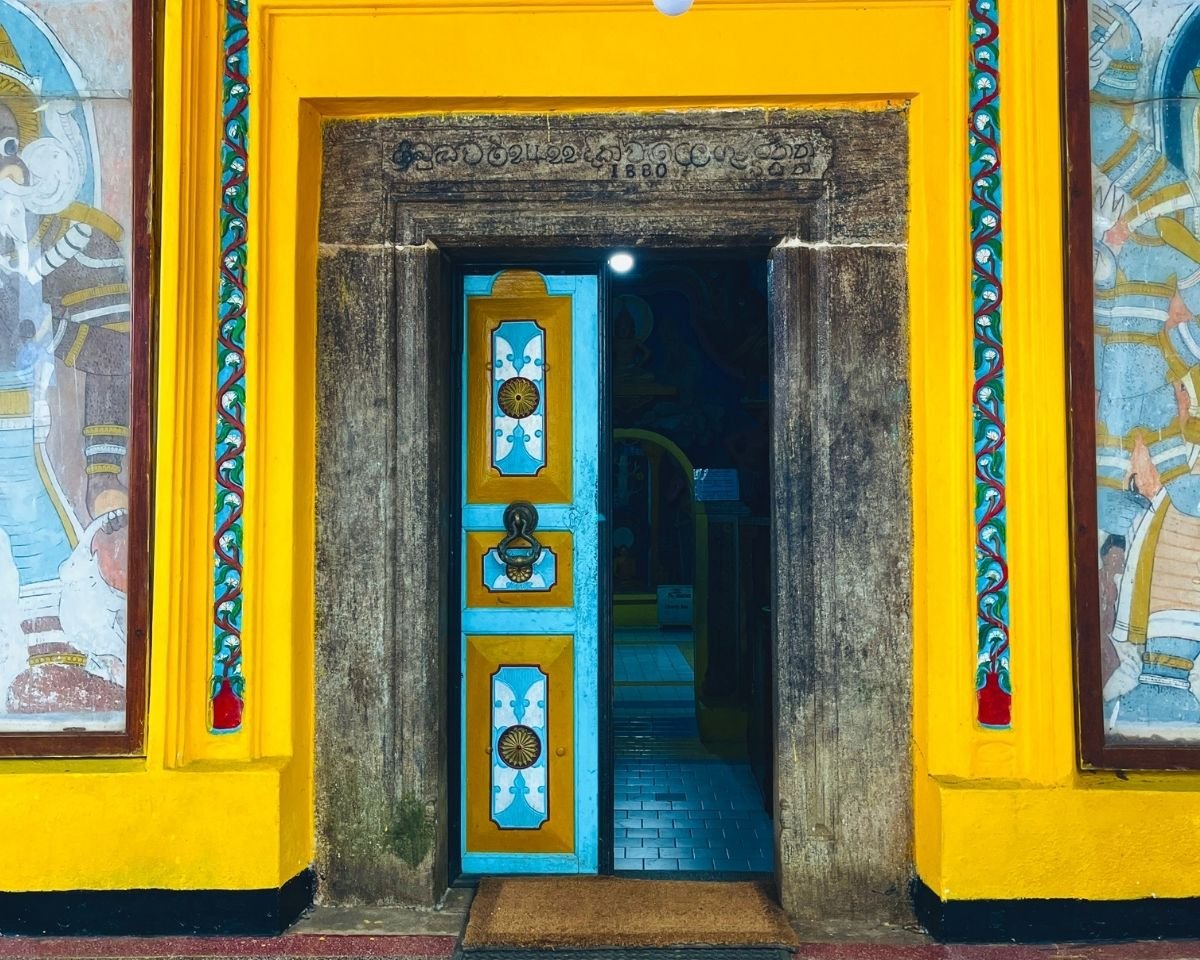
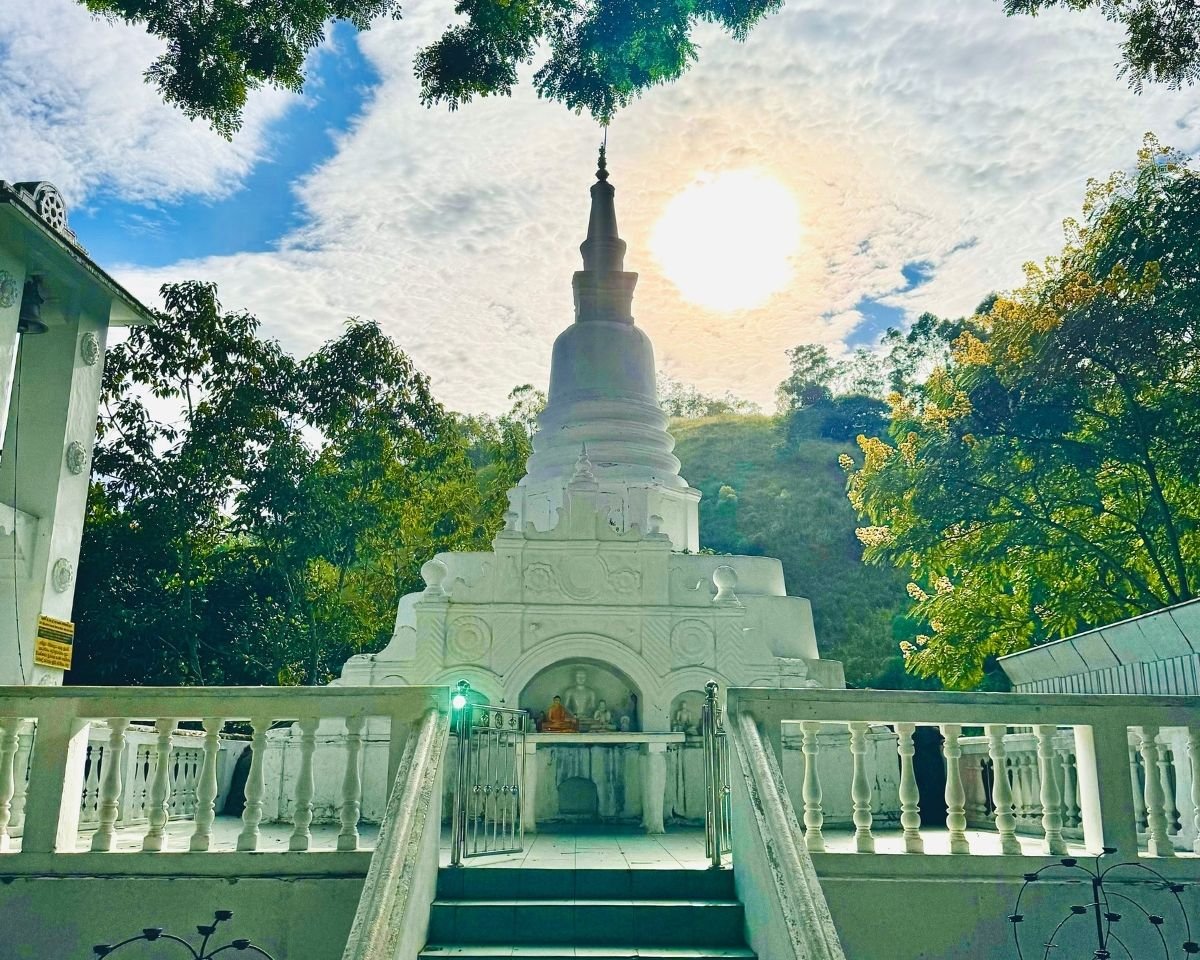
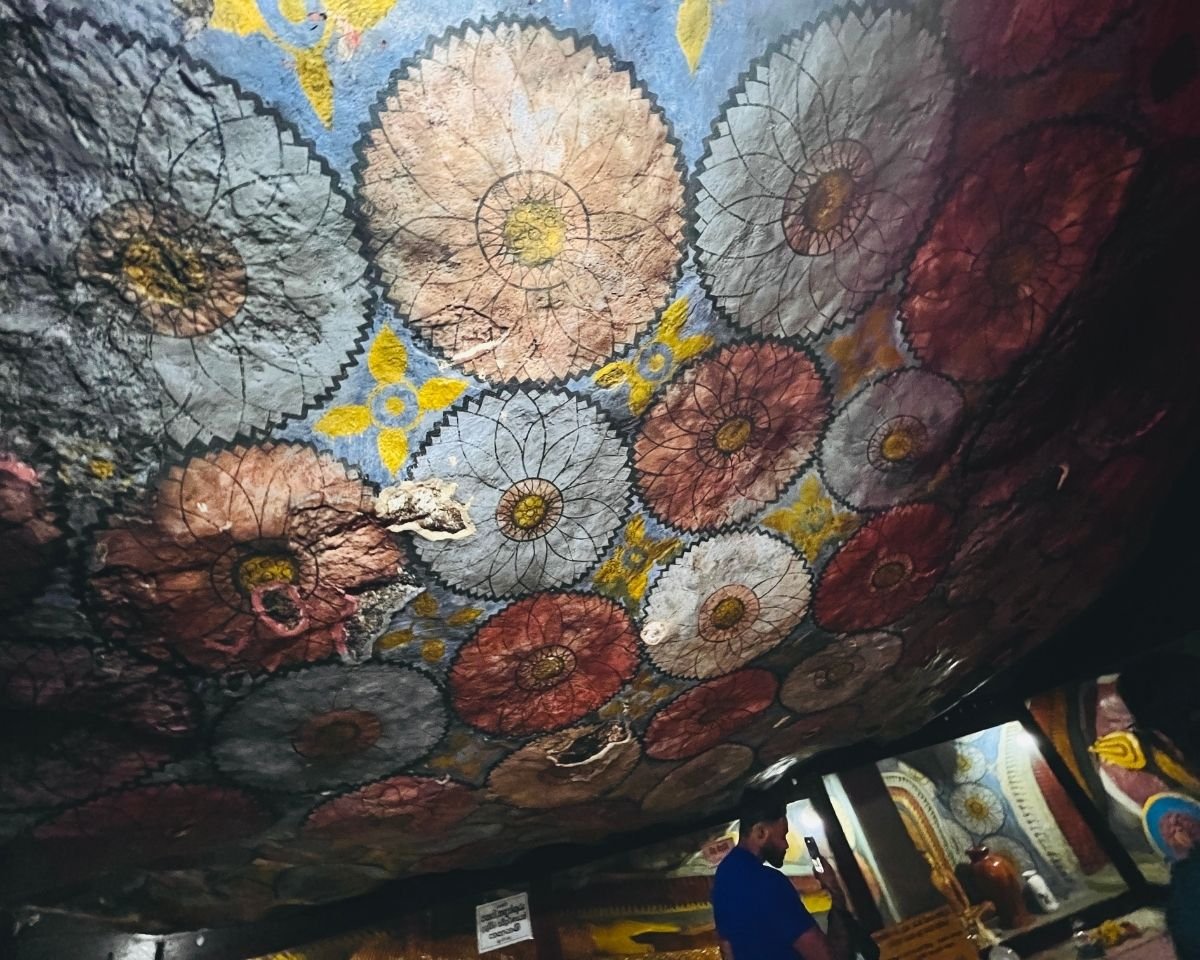
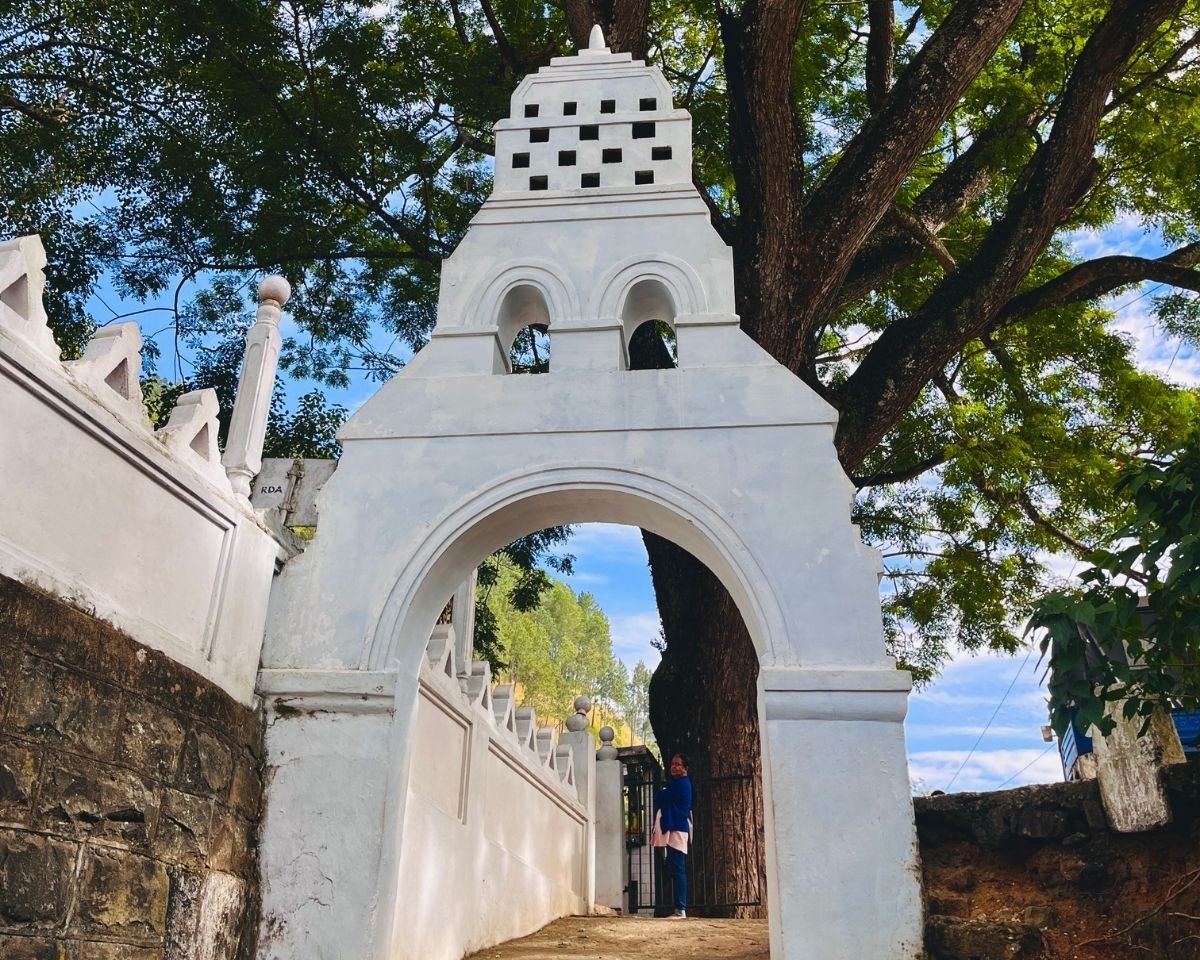
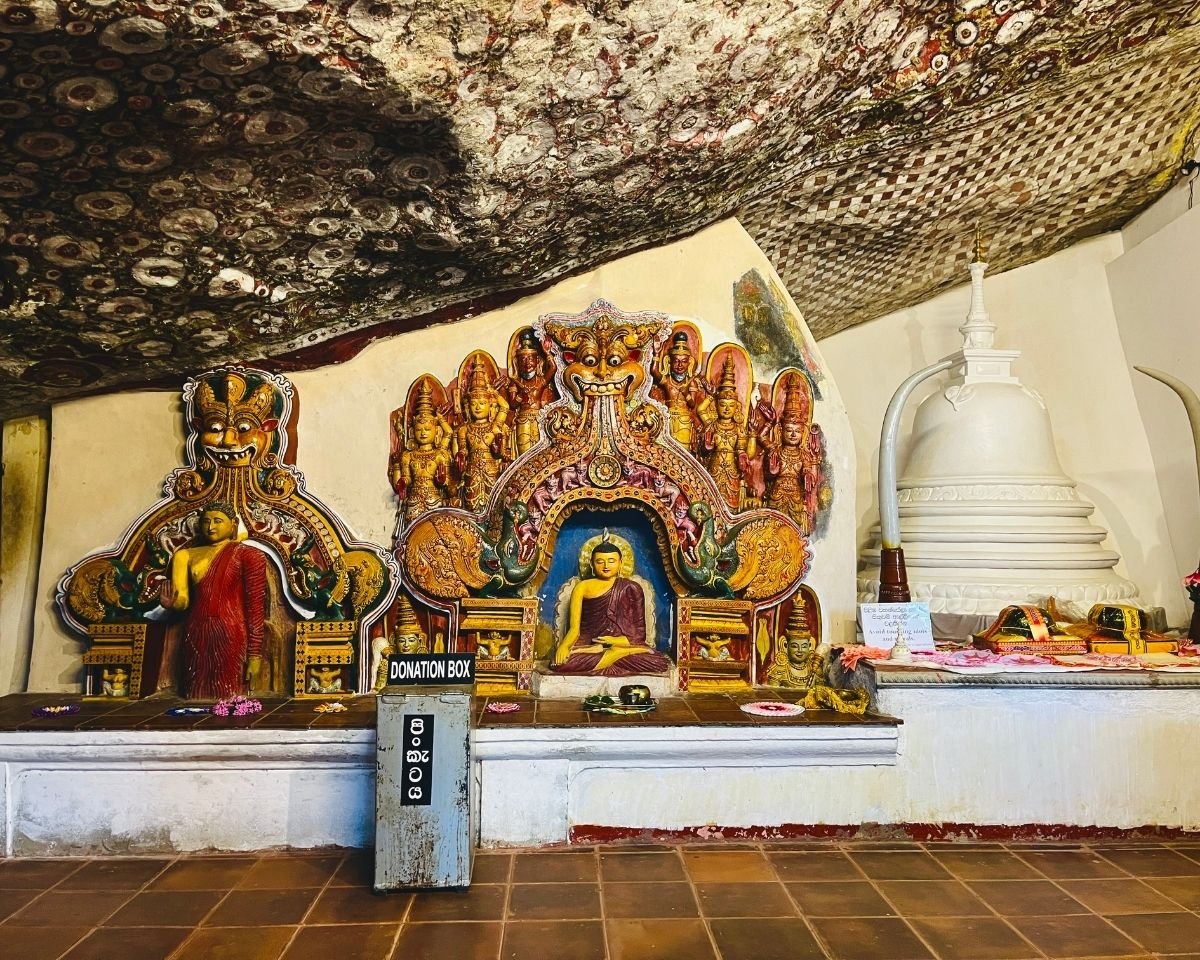
Buddhist Site
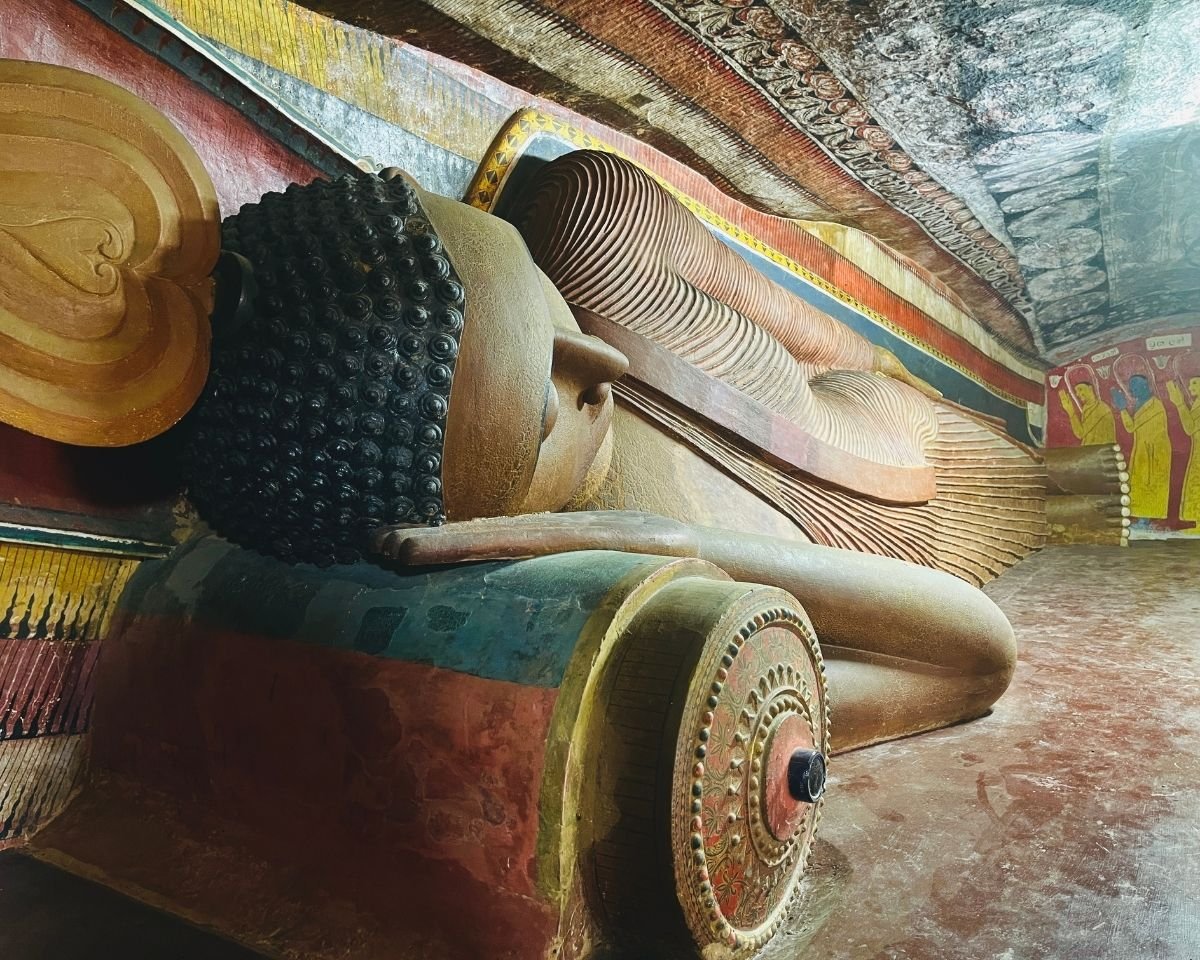
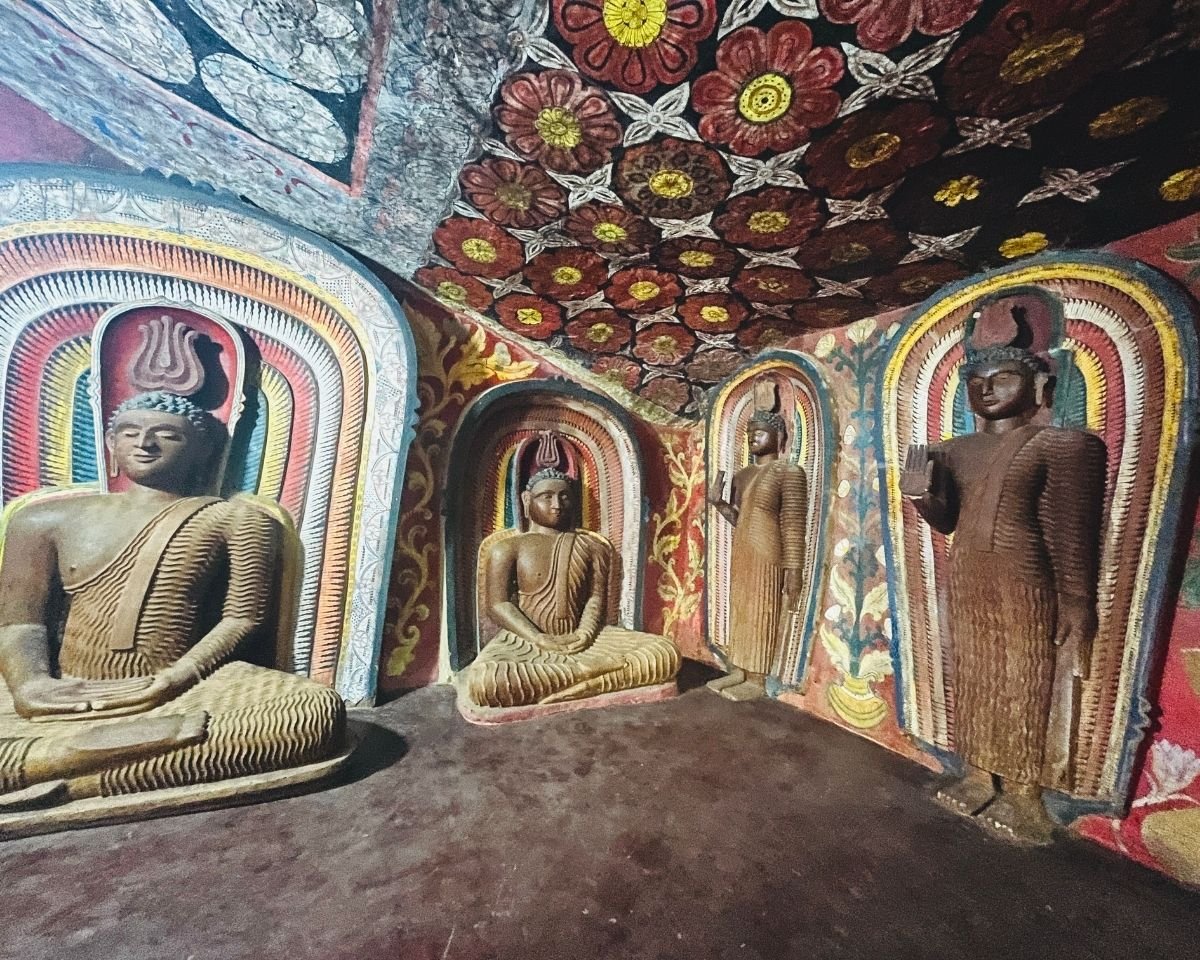
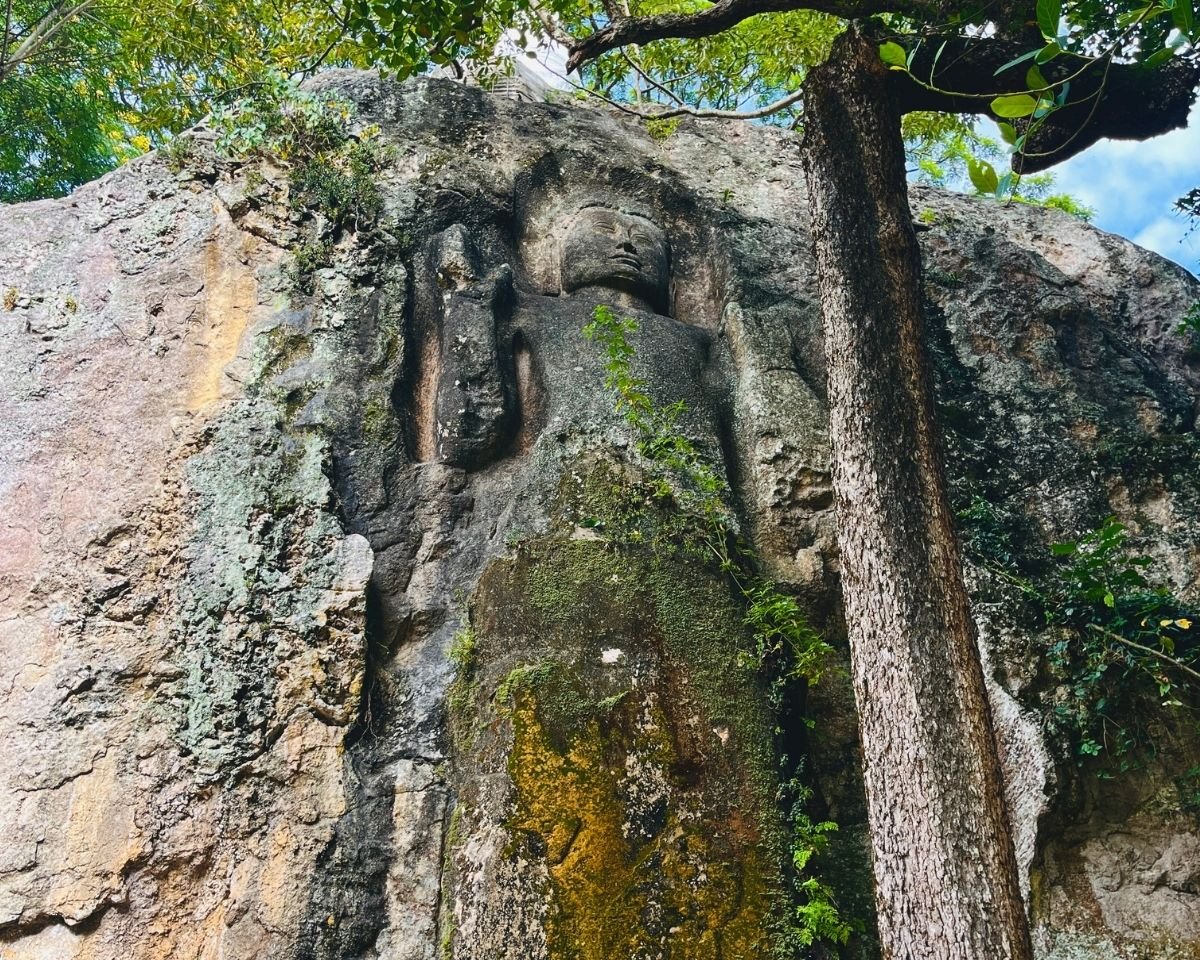
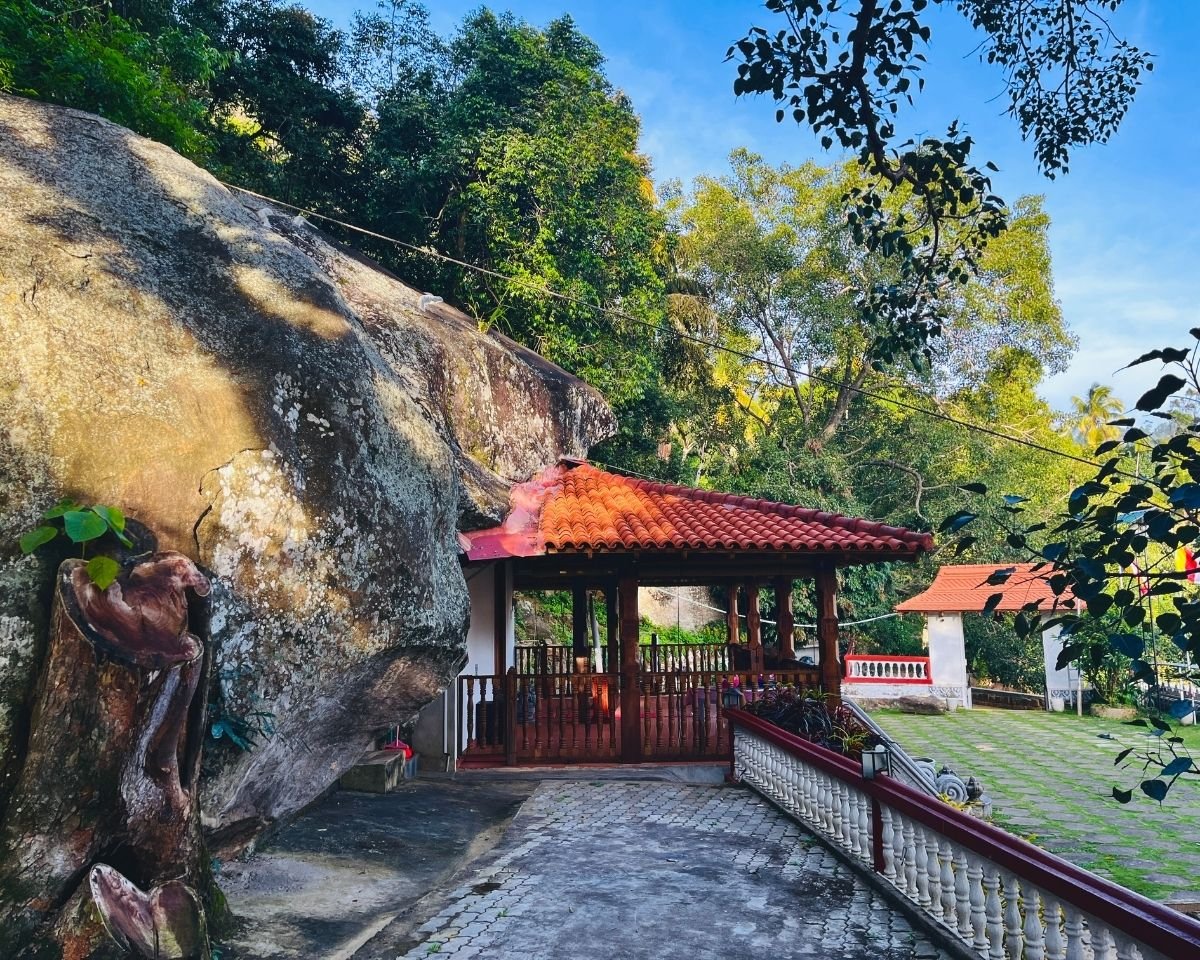
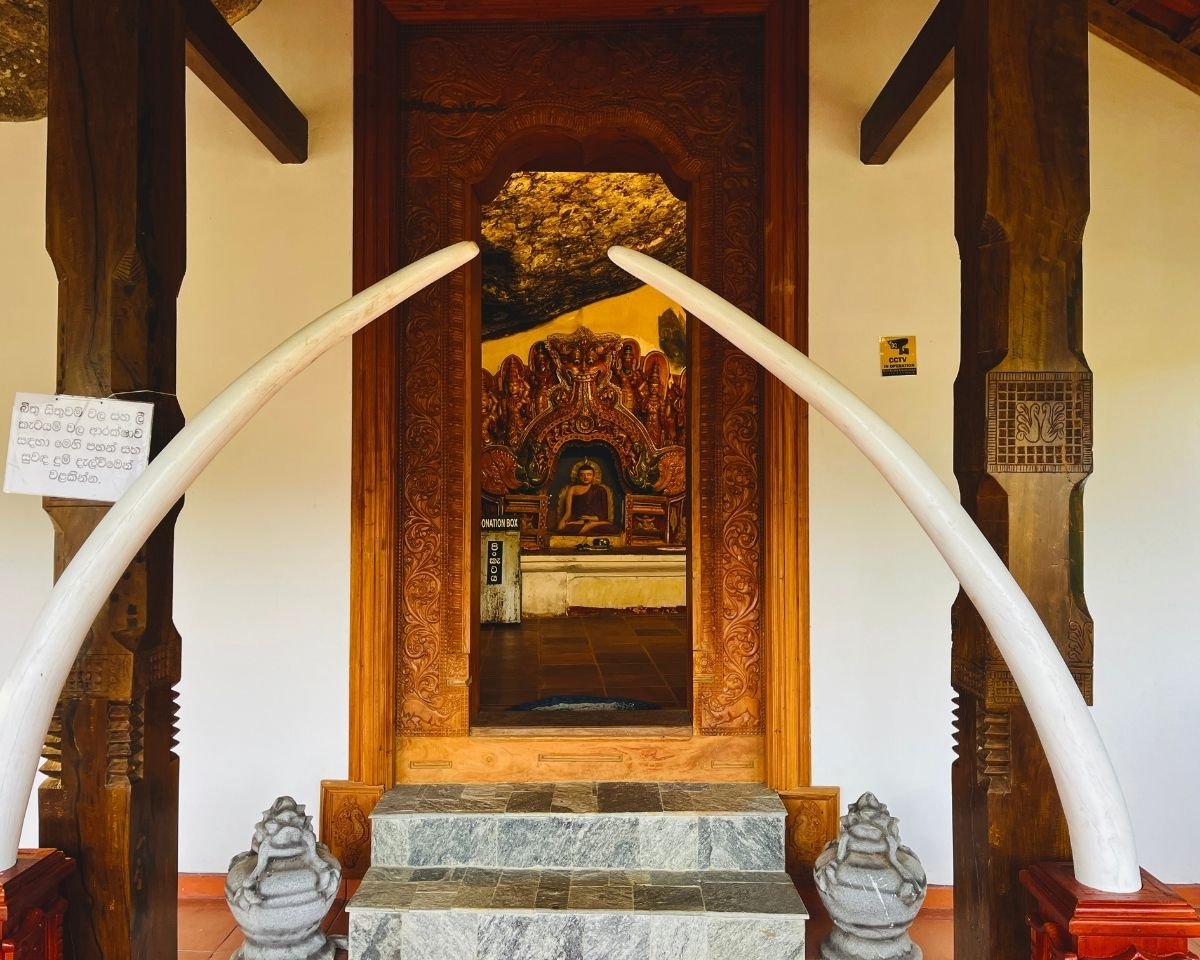
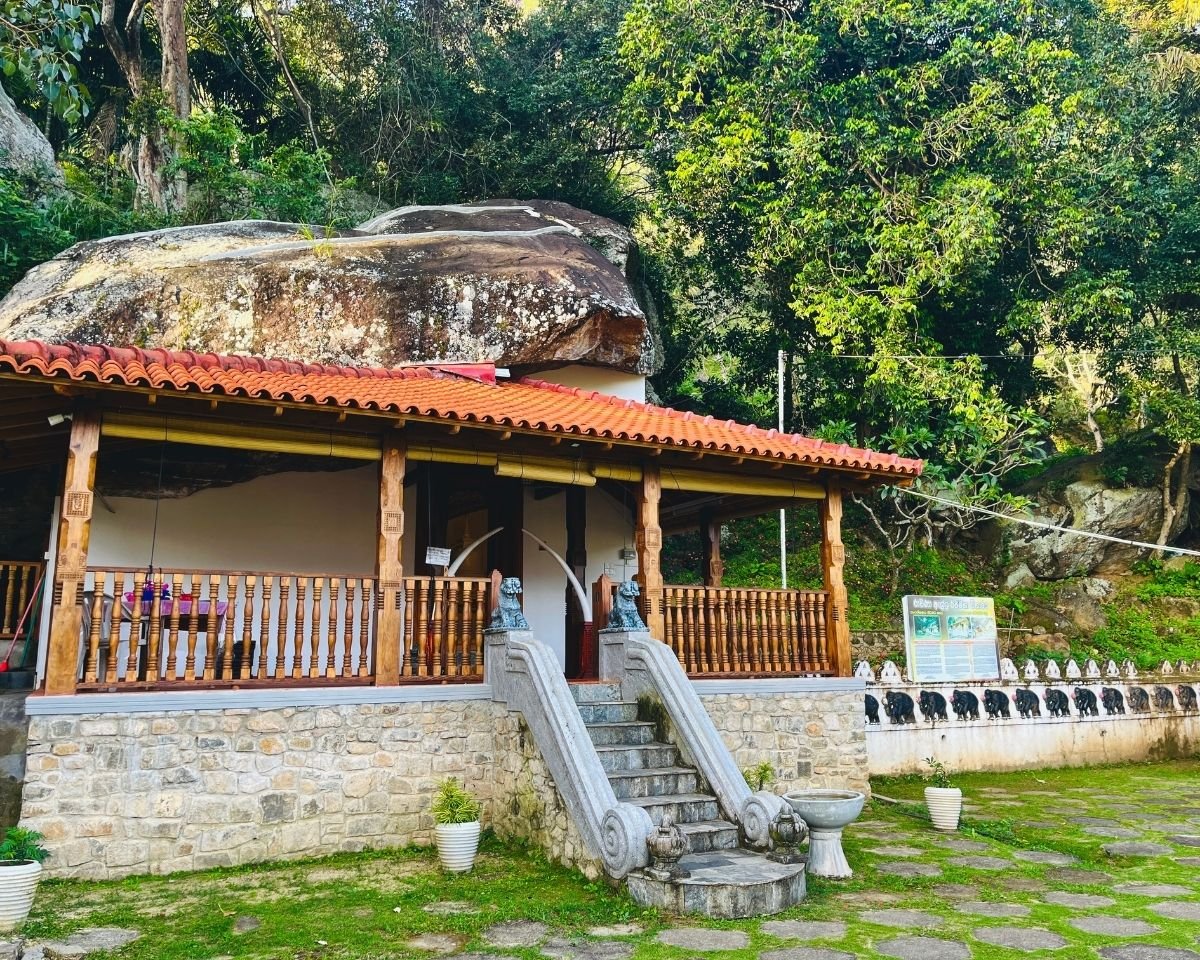
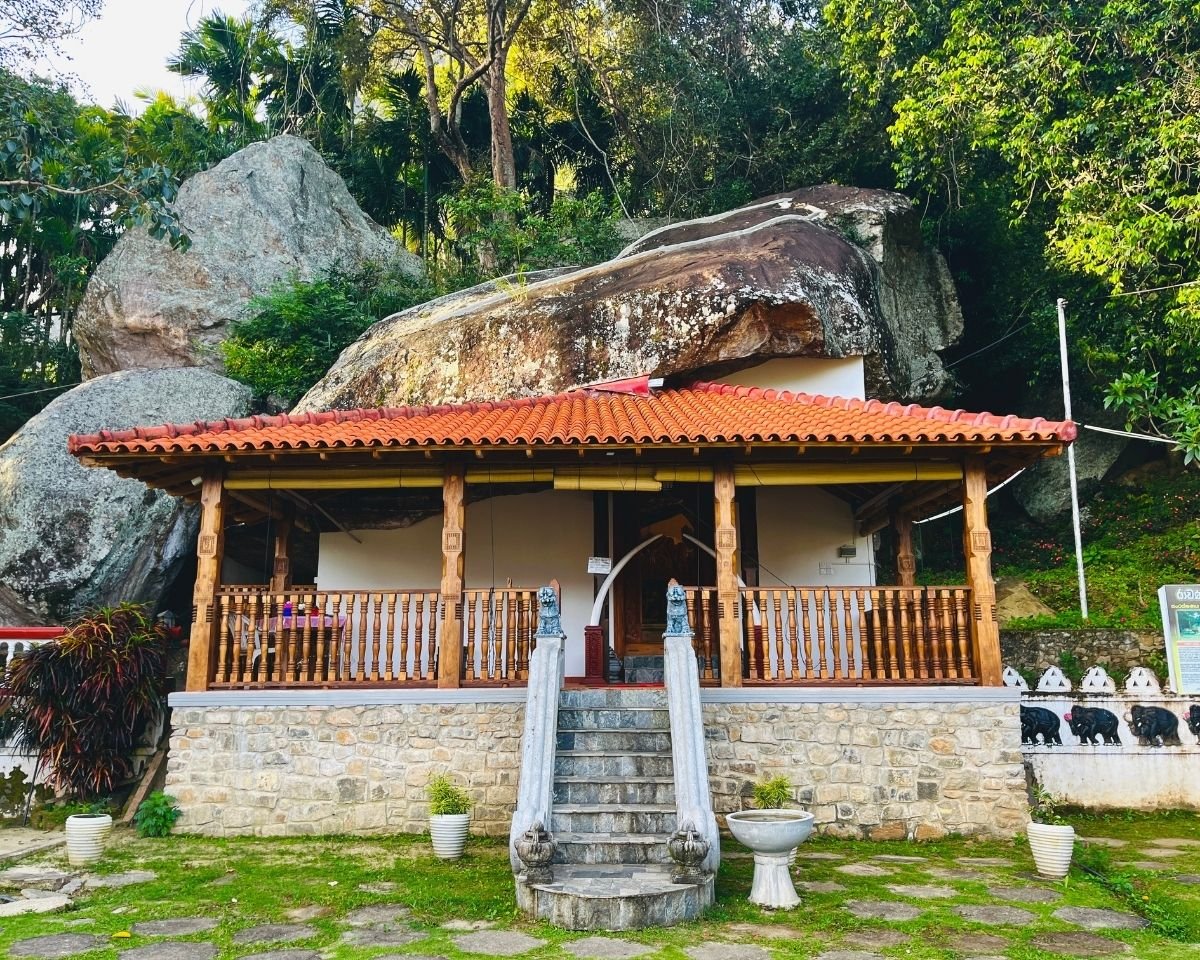
Ancient rock cave temple featuring a large unfinished Buddha statue and painted shrine interior.
Ancient rock cave temple featuring a large unfinished Buddha statue and painted shrine interior.
History
Traditionally attributed to the Anuradhapura period, with Kandyan-era paintings reflecting later religious use and restoration.
Traditionally attributed to the Anuradhapura period, with Kandyan-era paintings reflecting later religious use and restoration.
Scenery
Rock overhang setting beside forested surroundings, creating a quiet and shaded atmosphere.
Rock overhang setting beside forested surroundings, creating a quiet and shaded atmosphere.
Art & Culture
Unfinished rock-carved Buddha statue, Kandyan-era wall paintings, and early cave temple architecture.
Unfinished rock-carved Buddha statue, Kandyan-era wall paintings, and early cave temple architecture.
 Worth It
Location
View on Map
View on Map
 adam_vodrazka
 ravinkavish
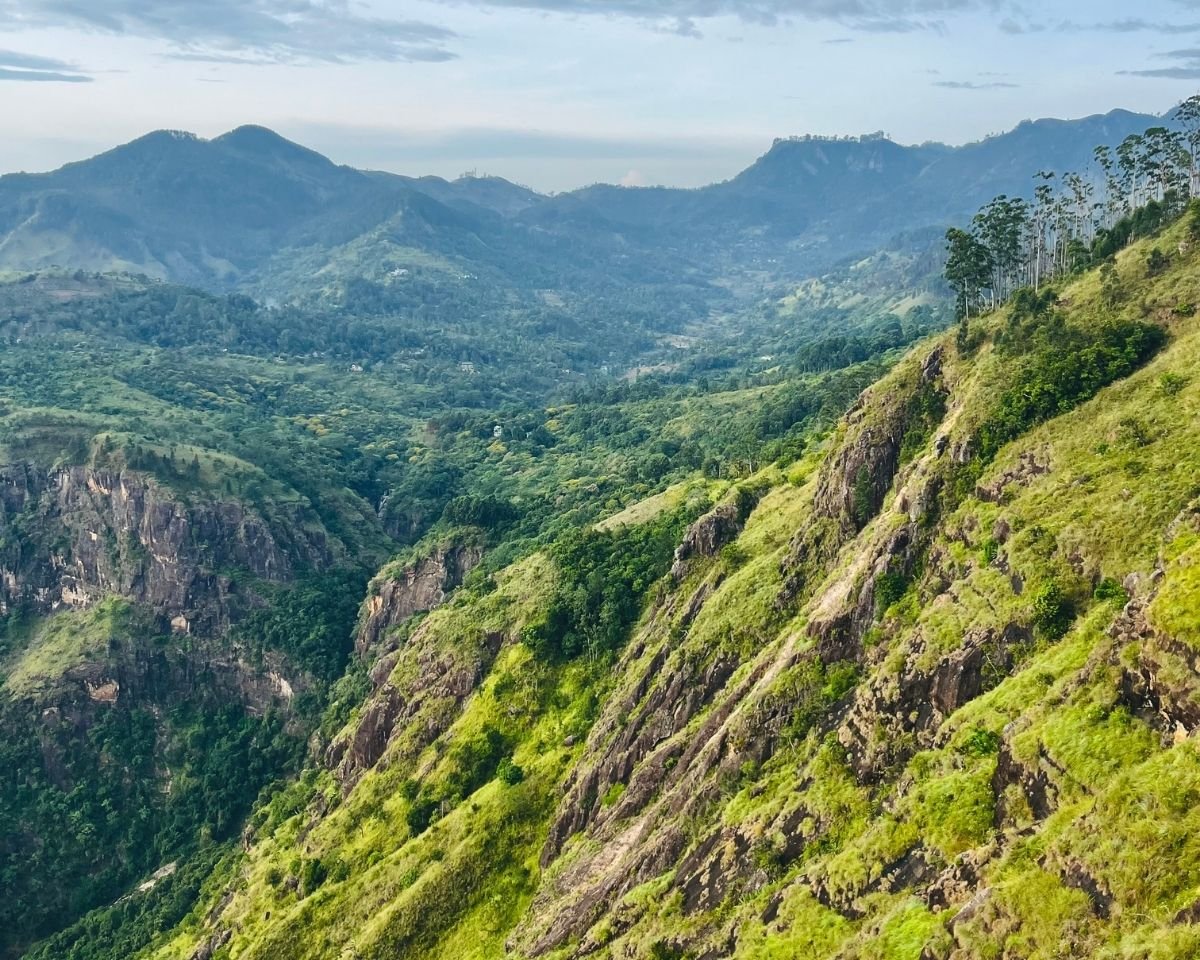 adam_vodrazka
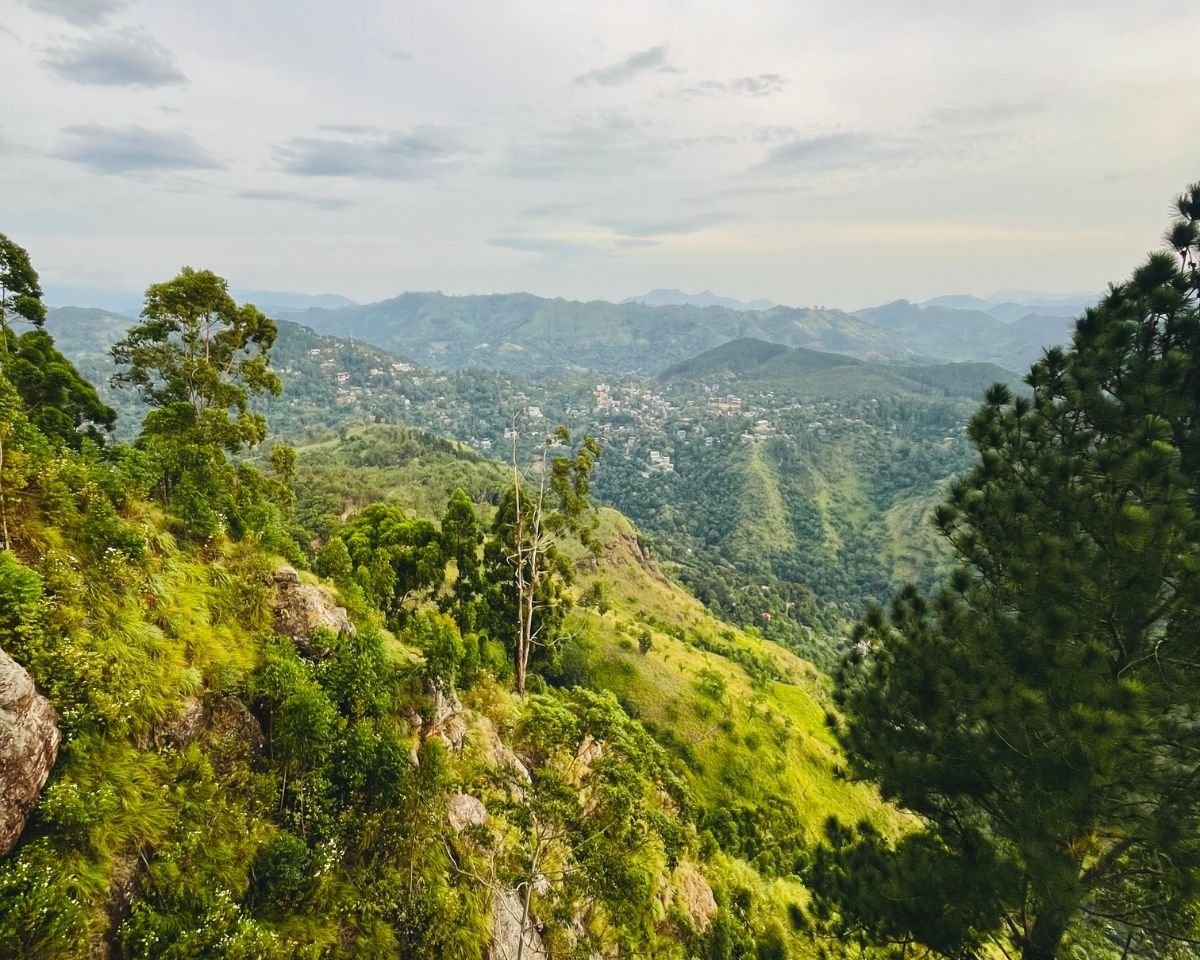 adam_vodrazka
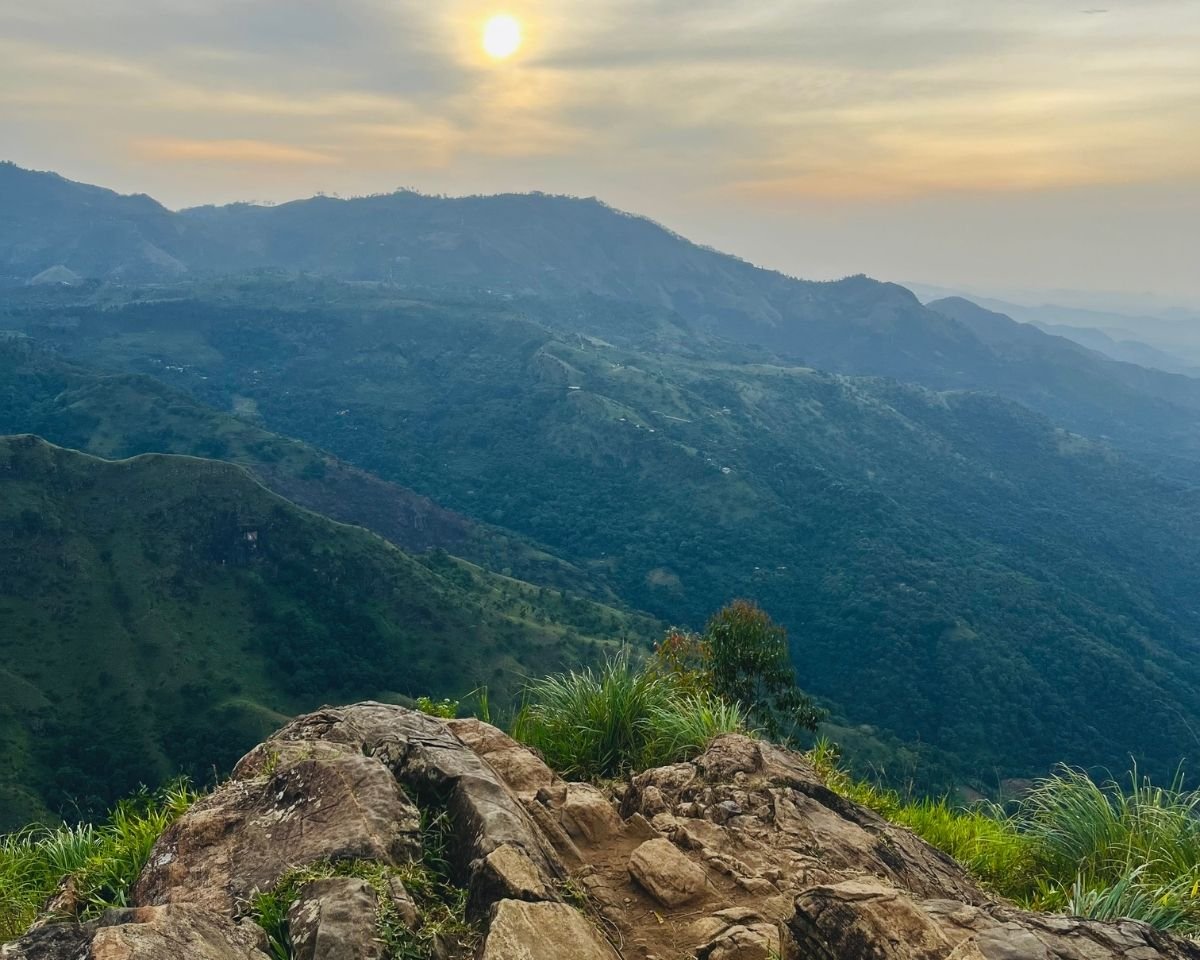 adam_vodrazka
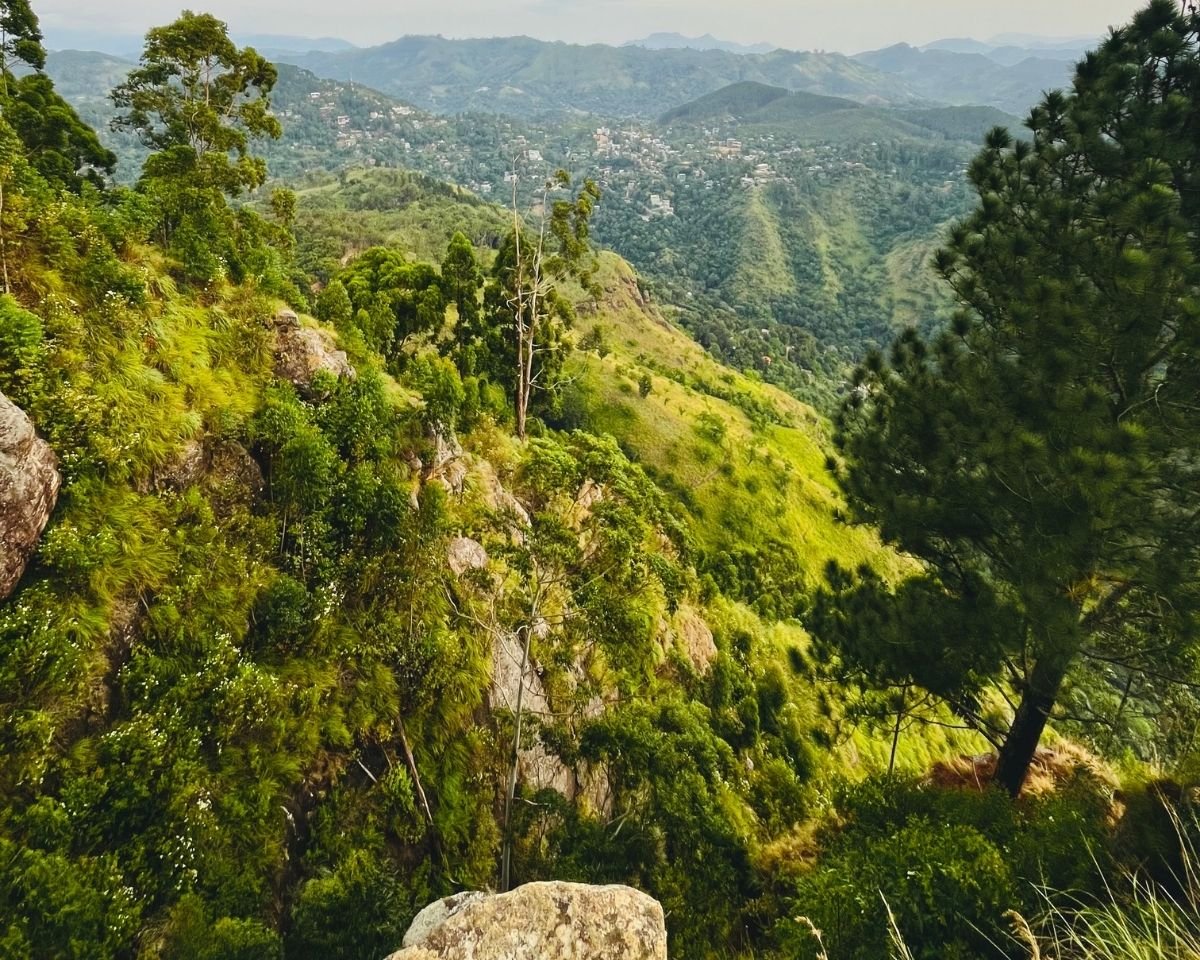 adam_vodrazka
 ravinkavish
 ravinkavish
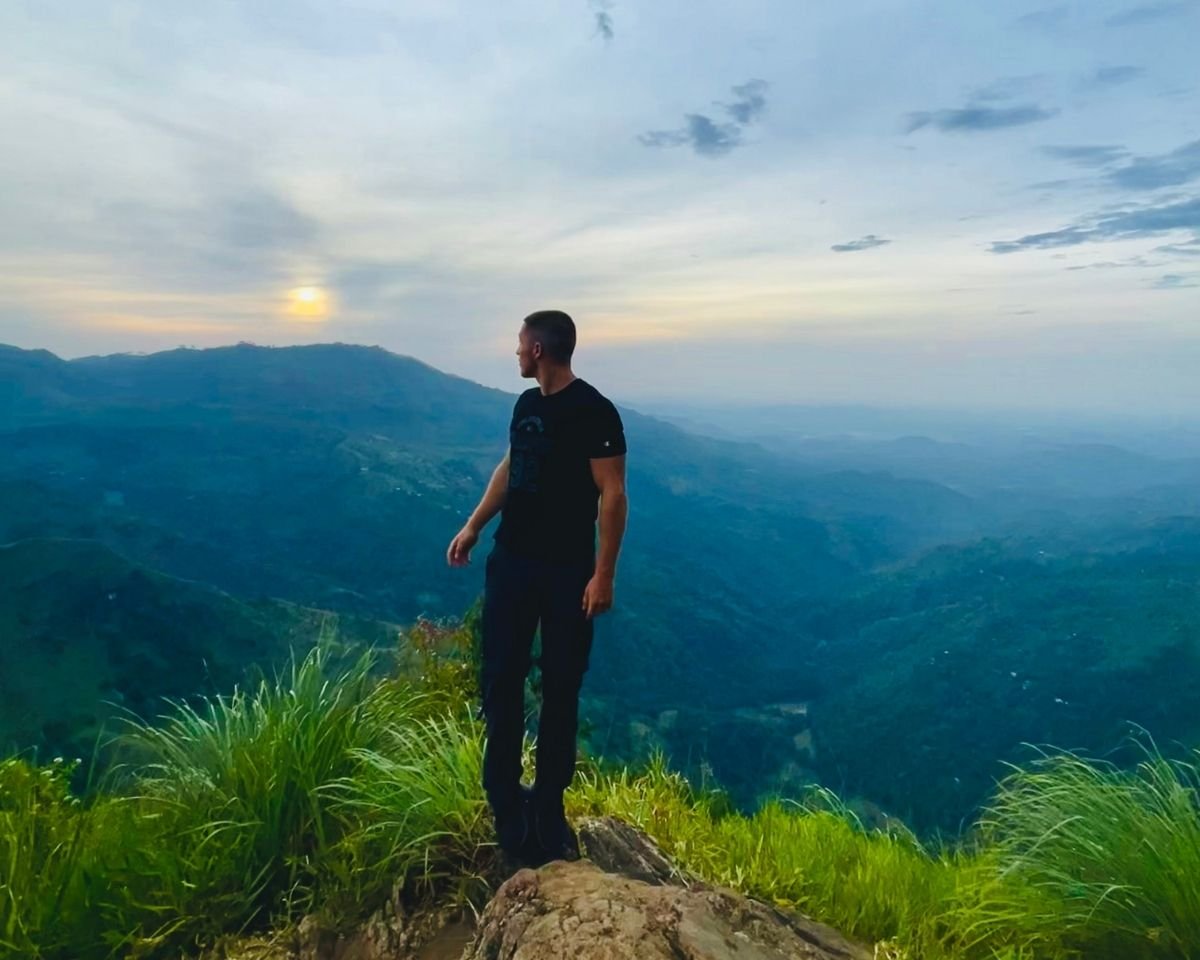
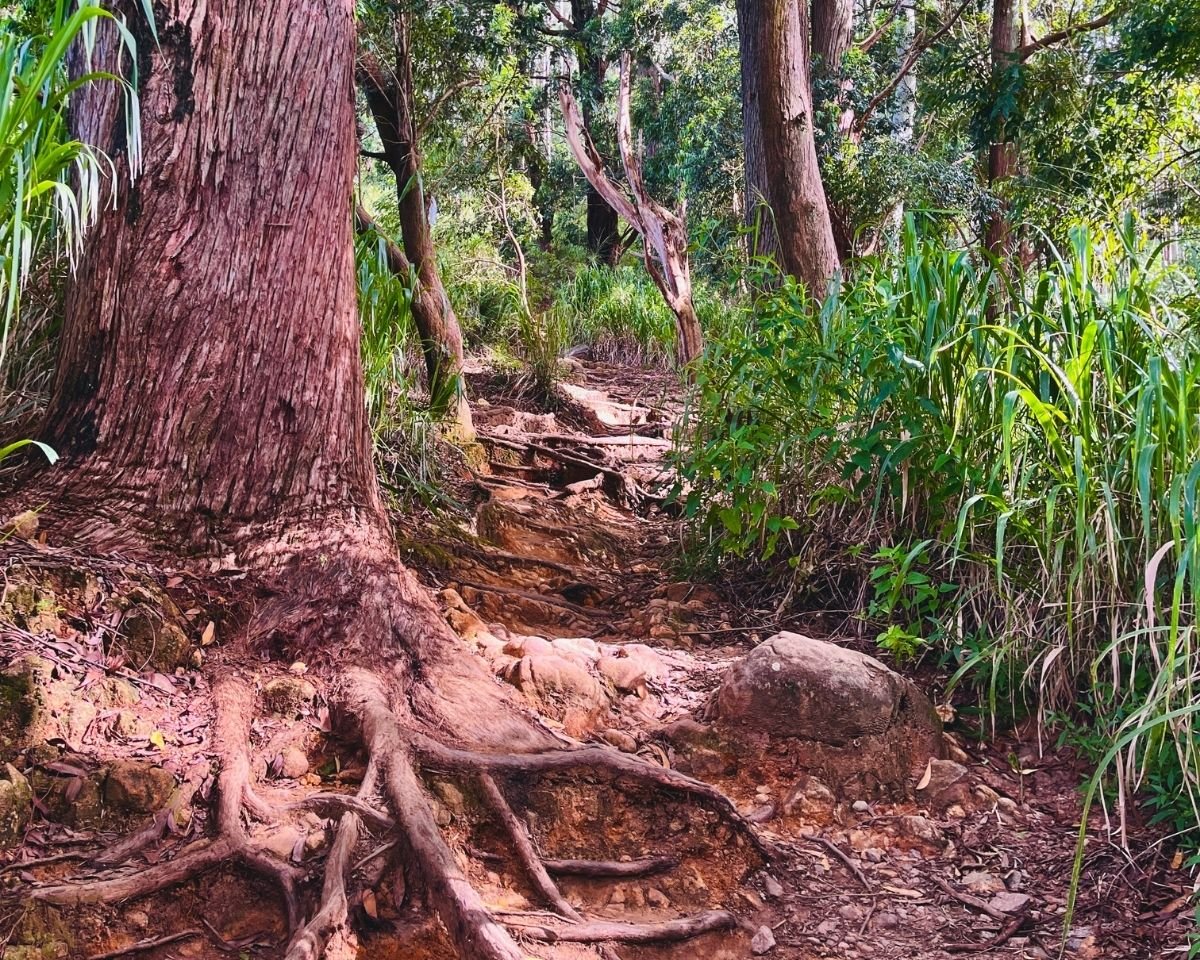
Hike
Moderate to challenging hike with uneven terrain and steady climbs. Around 1.5 to 2 hours one way, depending on route and pace.
Moderate to challenging hike with uneven terrain and steady climbs. Around 1.5 to 2 hours one way, depending on route and pace.
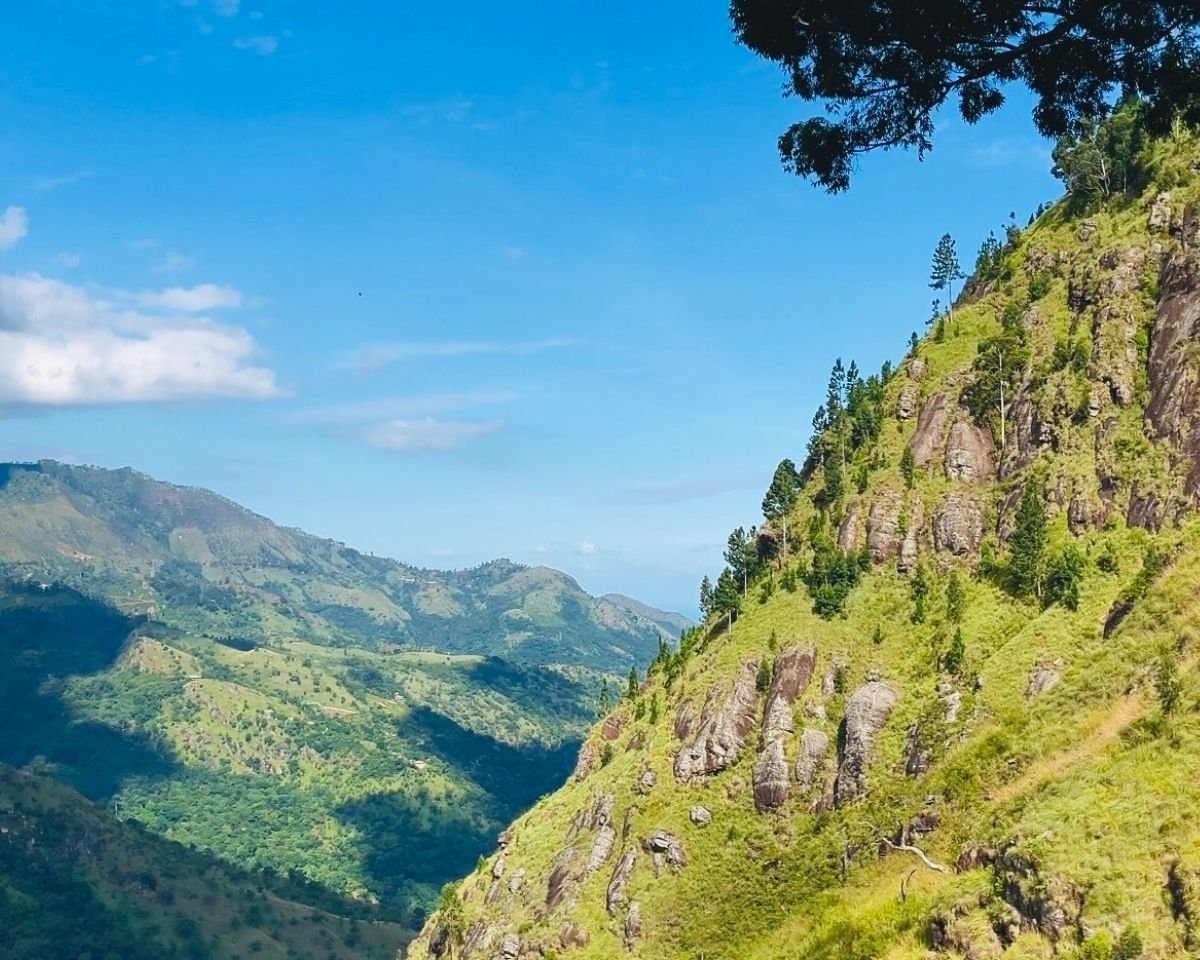
Scenery
Expansive views of forested hills, deep valleys, tea estates, and distant plains stretching beyond the Ella Gap.
Expansive views of forested hills, deep valleys, tea estates, and distant plains stretching beyond the Ella Gap.
Entrance Fee
LKR 1,000 ($3 USD ) *Tickets at the summit
 Ticket Counter
! Fees are approximate and can vary based on factors such as season, group size, and additional services.
LKR 1,000 ($3 USD ) *Tickets at the summit
Ticket Counter
! Fees are approximate and can vary based on factors such as season, group size, and additional services.
Worth It
 ravinkavish
 ravinkavish
 ravinkavish
 ravinkavish
 ravinkavish
 ravinkavish
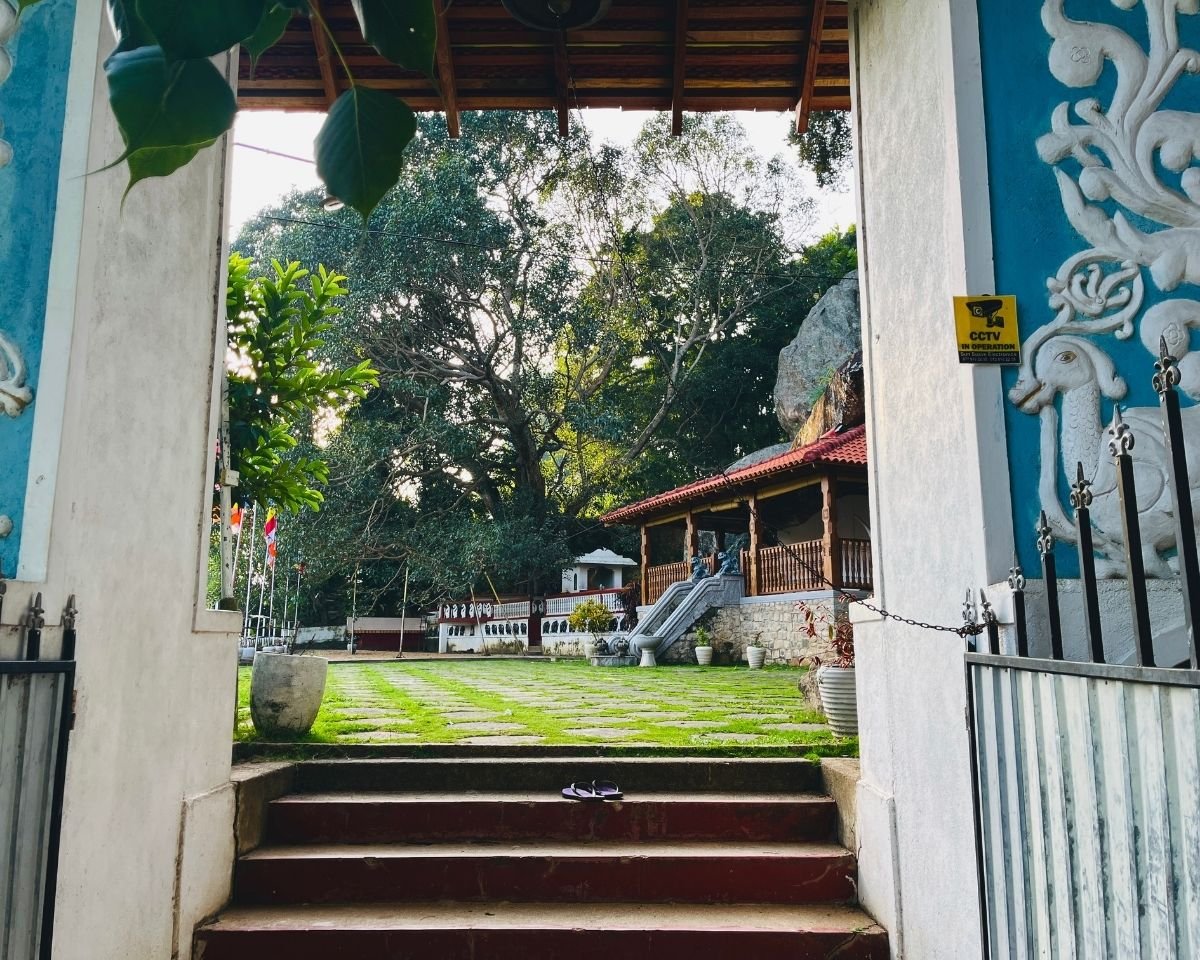 ravinkavish
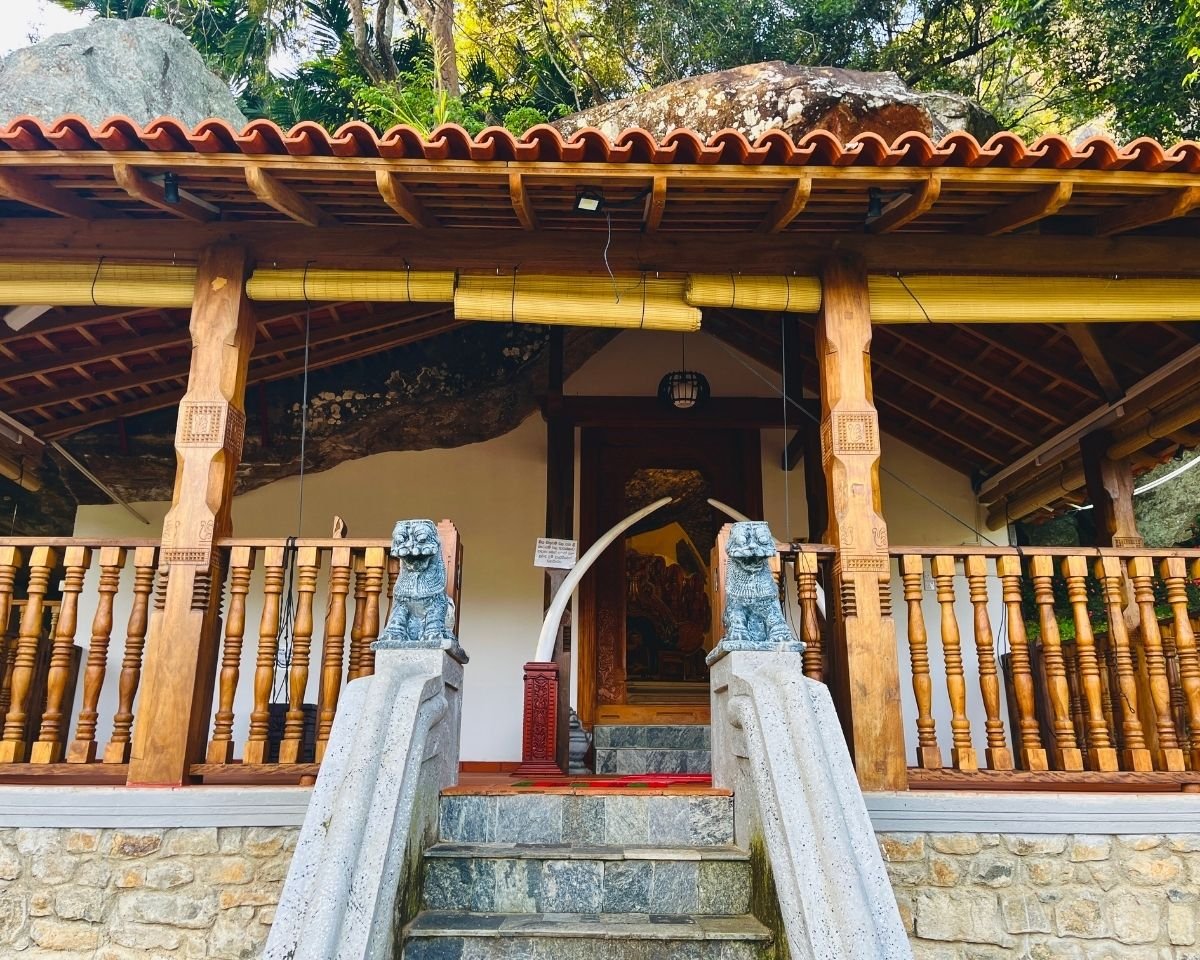 ravinkavish
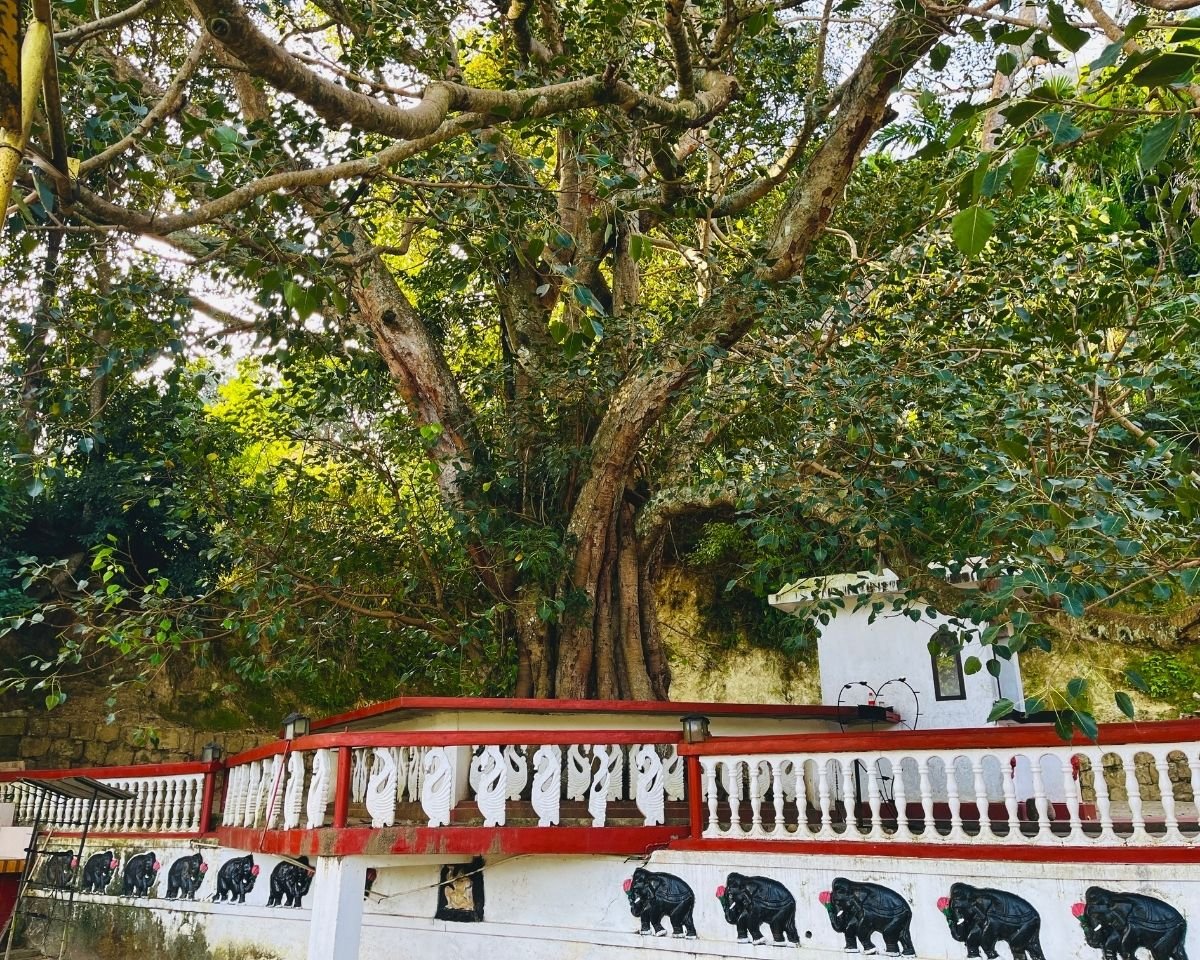 ravinkavish
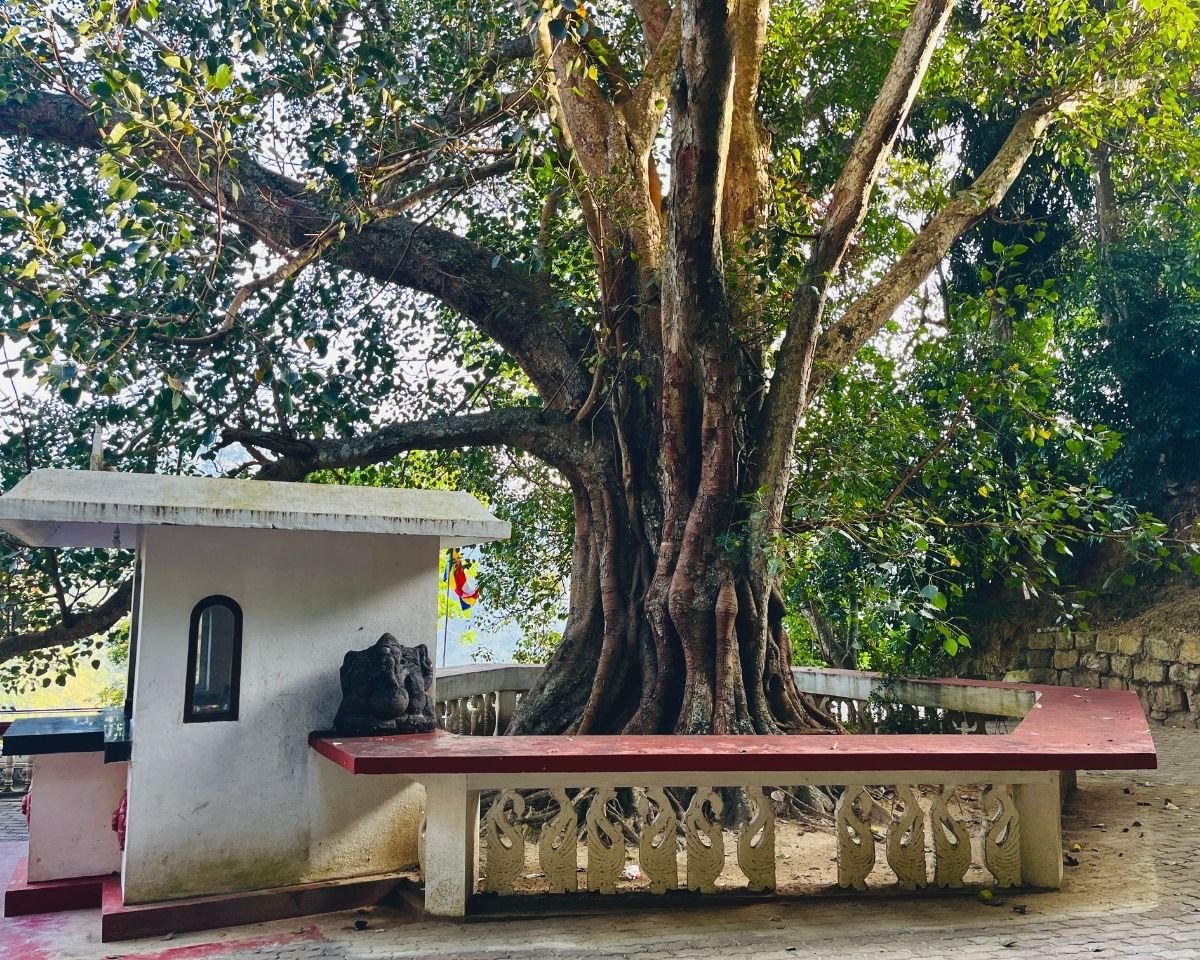 ravinkavish
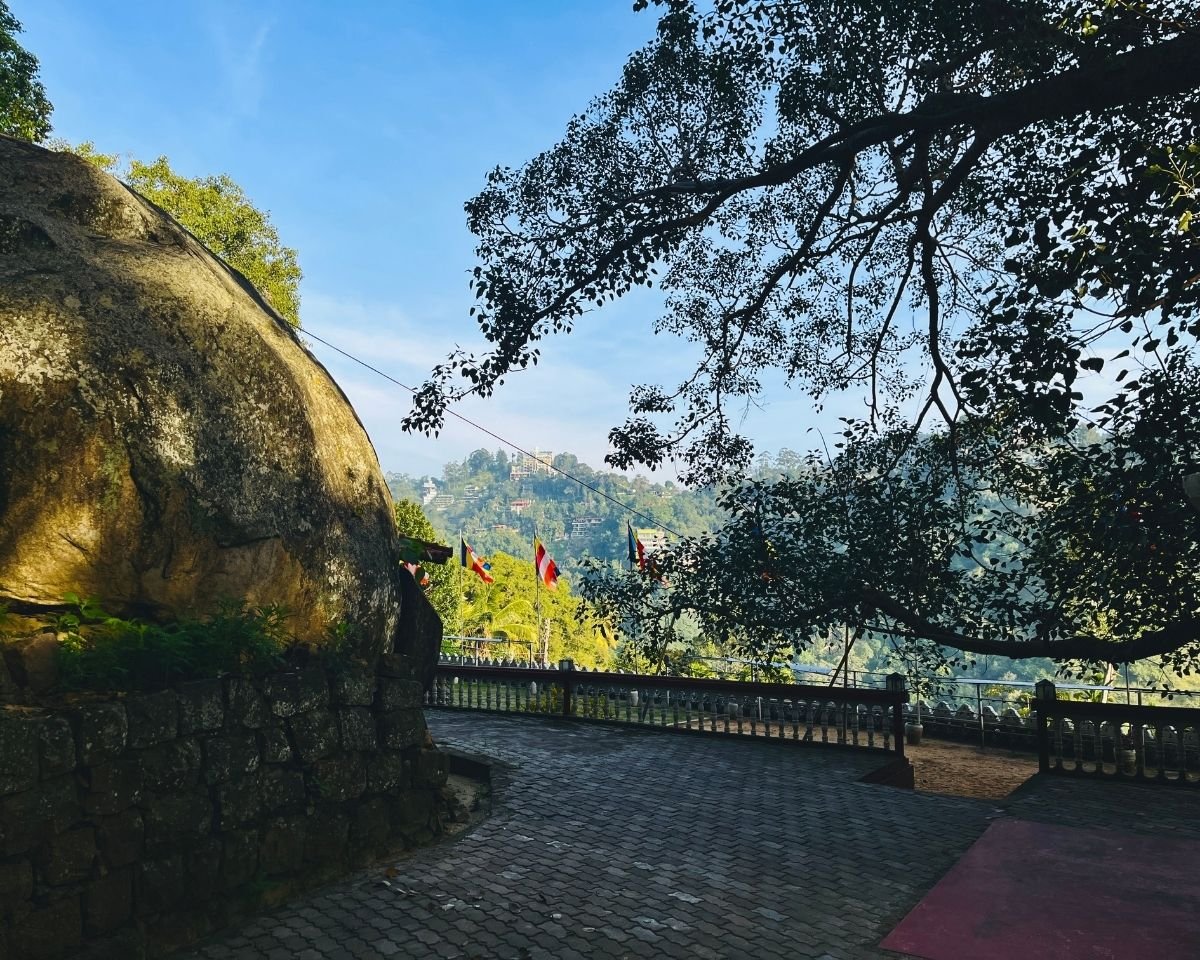 ravinkavish
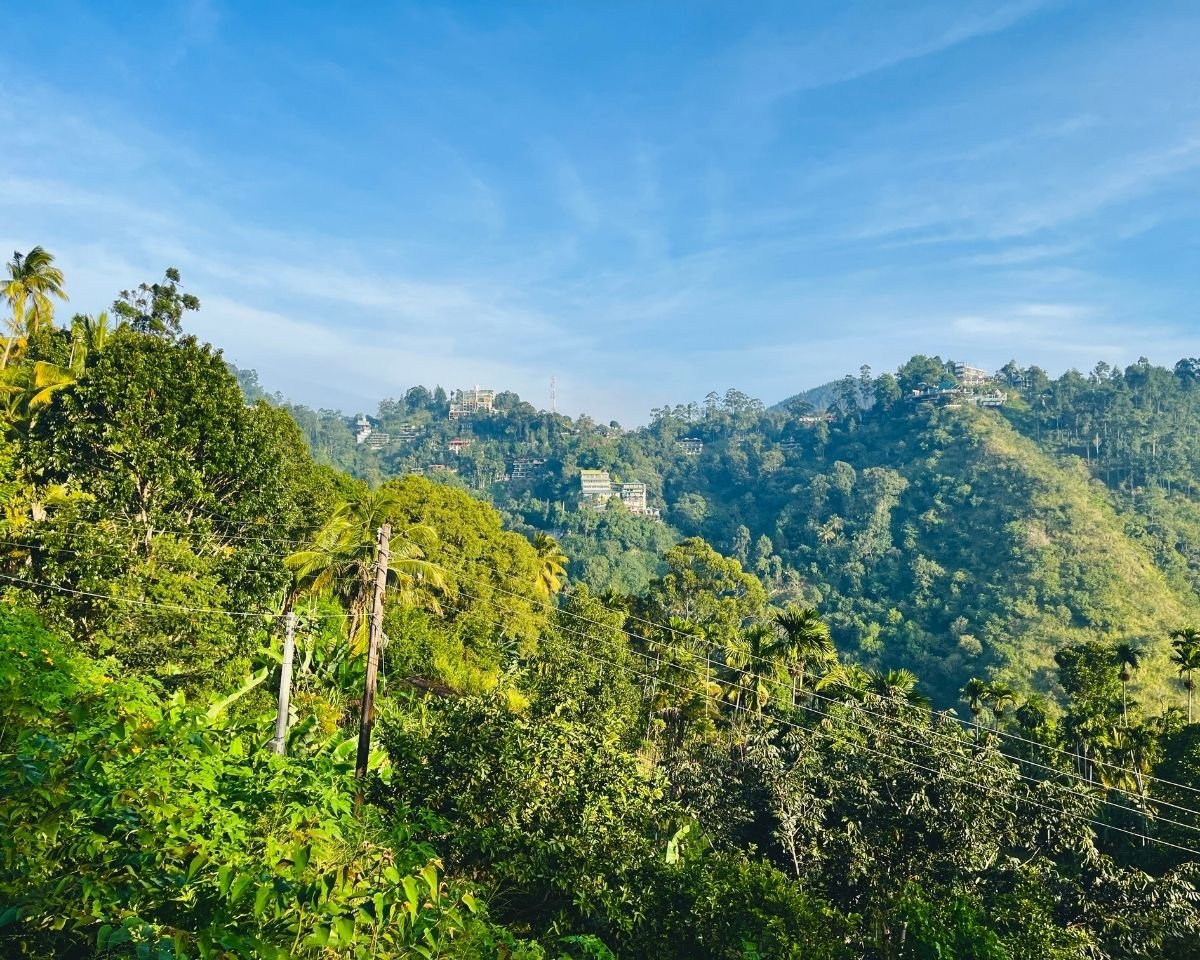 ravinkavish
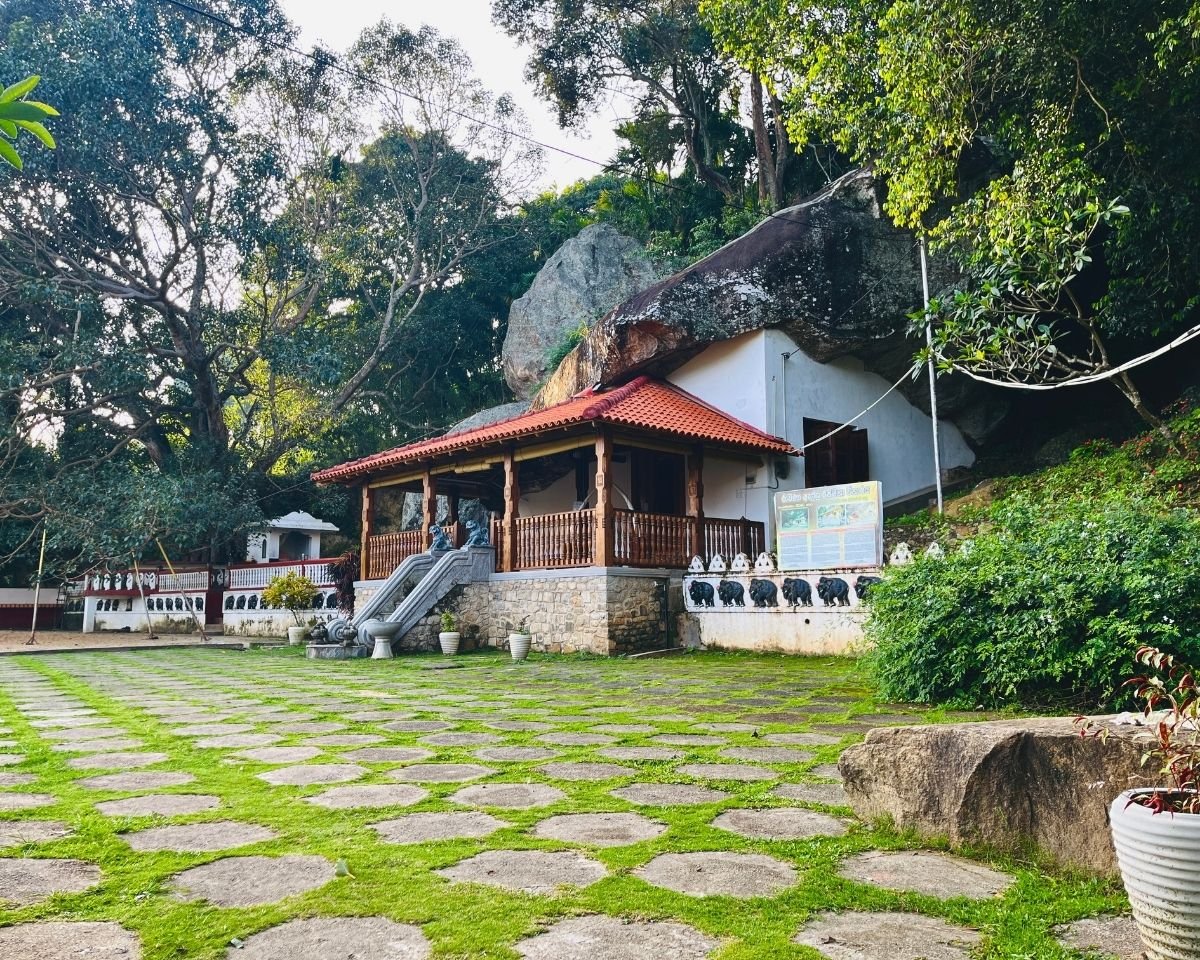
Buddhist Site
Small hillside temple located near Ravana Cave but separate from the cave complex.
Small hillside temple located near Ravana Cave but separate from the cave complex.
History
xact origins are unknown. The temple reflects long-standing local Buddhist worship rather than a documented royal or monastic foundation.
xact origins are unknown. The temple reflects long-standing local Buddhist worship rather than a documented royal or monastic foundation.
Scenery
Forest edged hillside setting with rock formations and a quiet atmosphere near the Ravana Cave area.
Forest edged hillside setting with rock formations and a quiet atmosphere near the Ravana Cave area.
Art & Culture
Simple shrine elements and religious practices linked to the cultural landscape surrounding Ravana-related sites.
Simple shrine elements and religious practices linked to the cultural landscape surrounding Ravana-related sites.
Worth It
Location
View on Map
View on Map
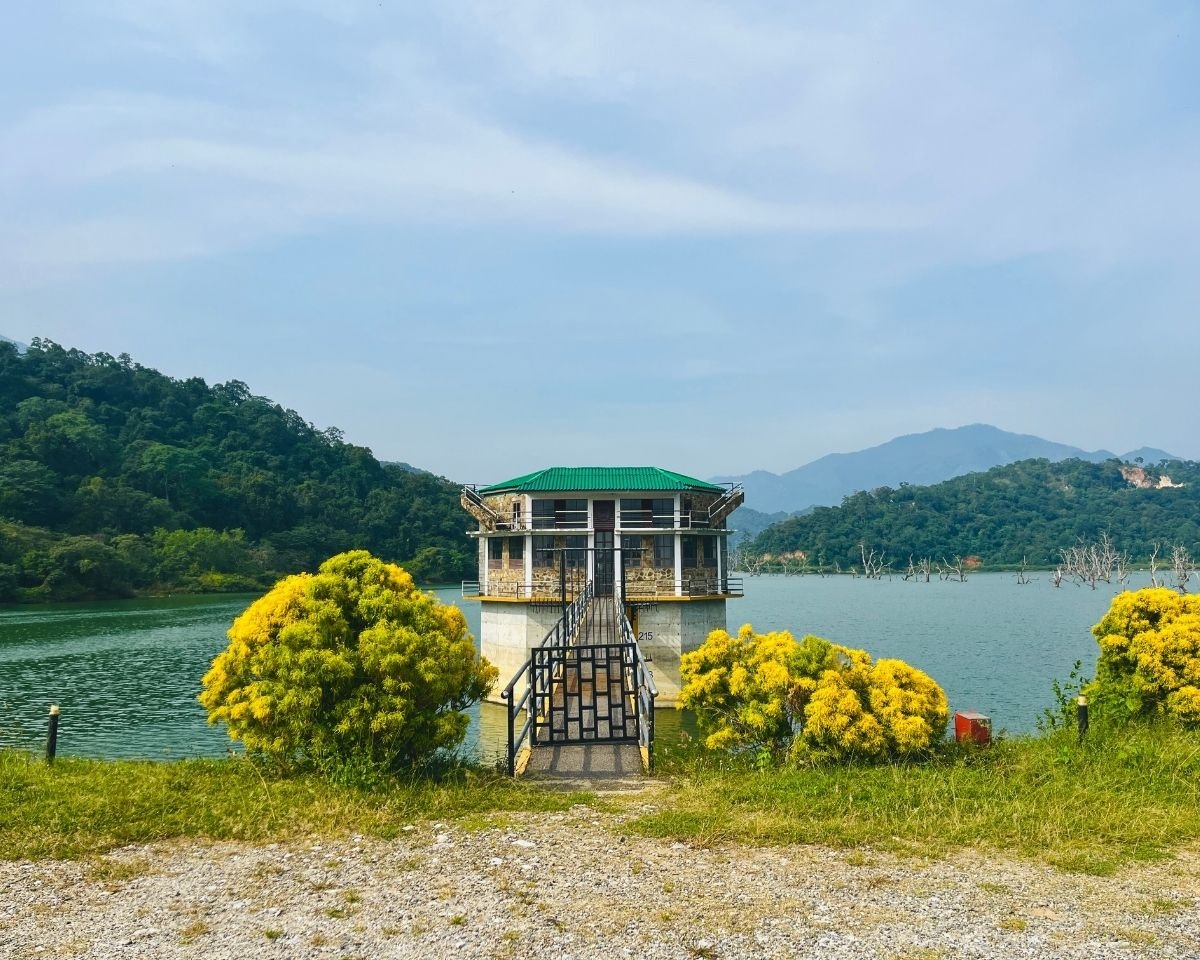 ravinkavish
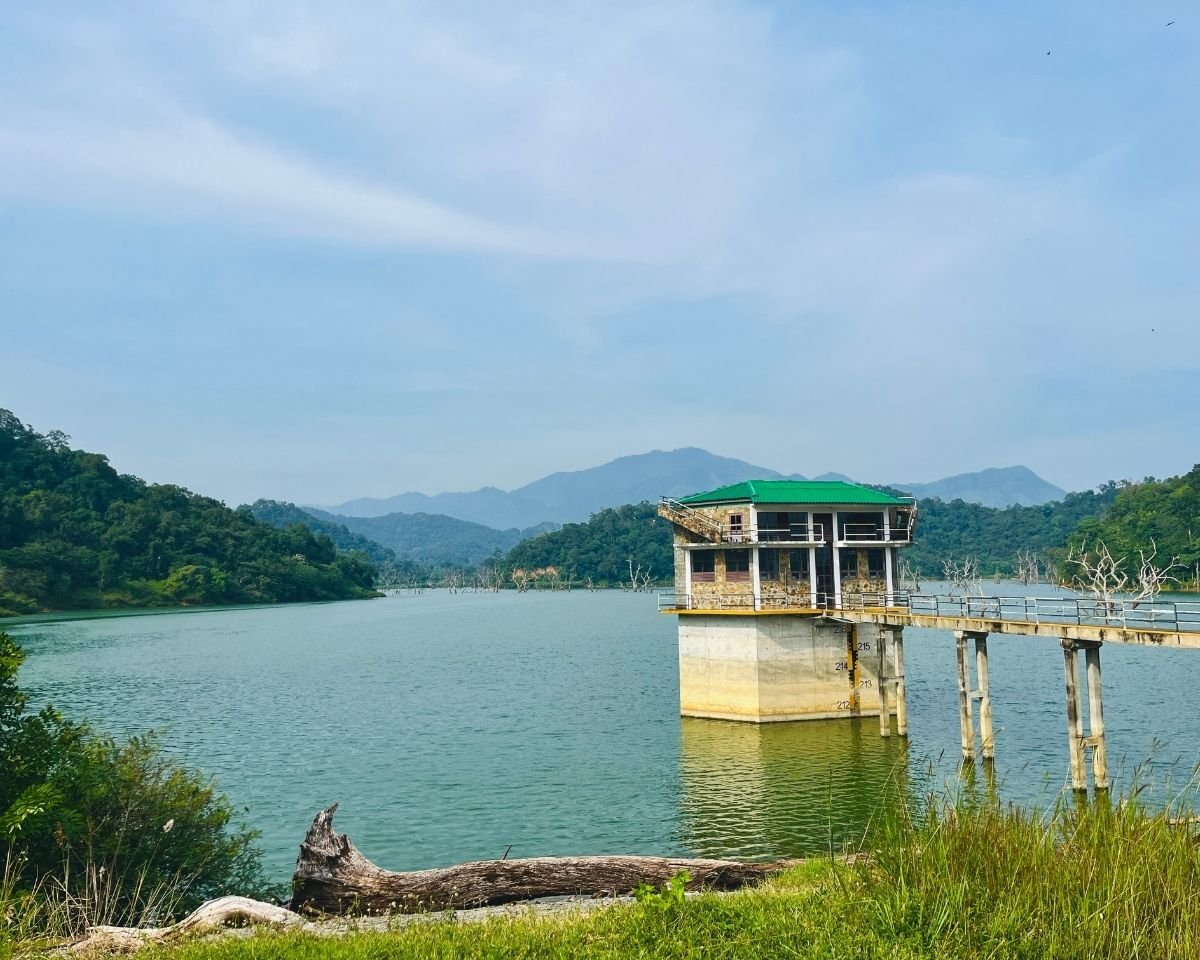 ravinkavish
 ravinkavish
 ravinkavish
 ravinkavish
 ravinkavish
 ravinkavish
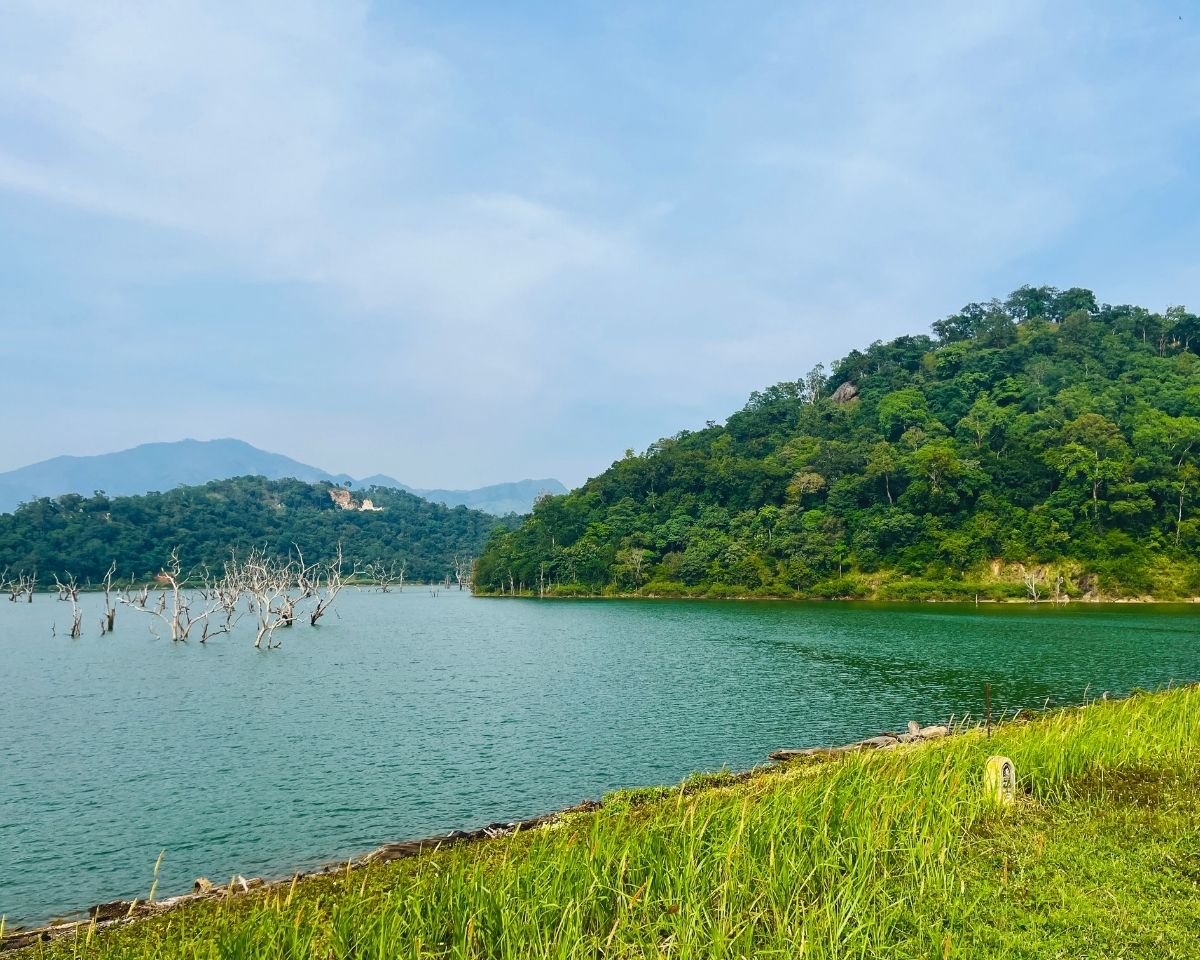
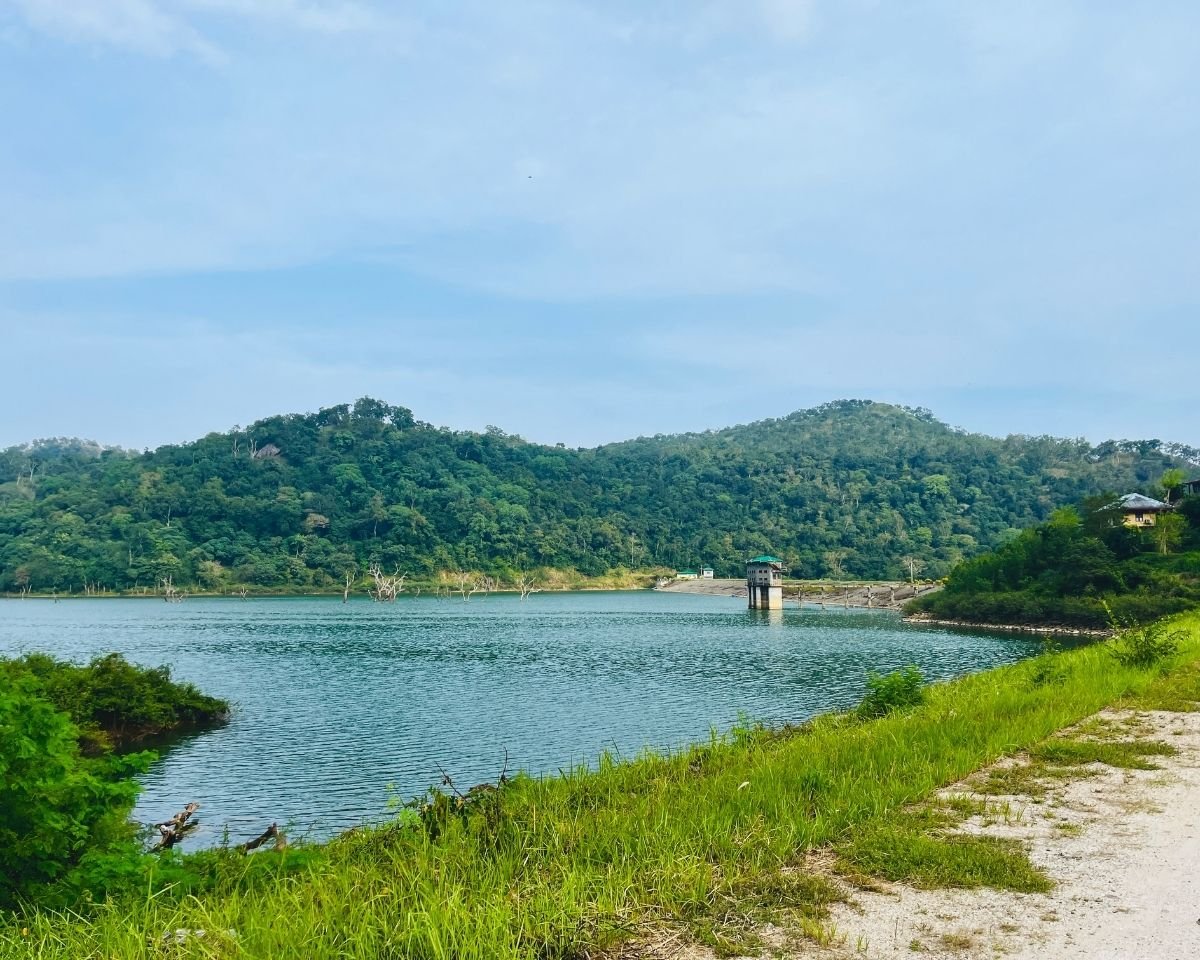
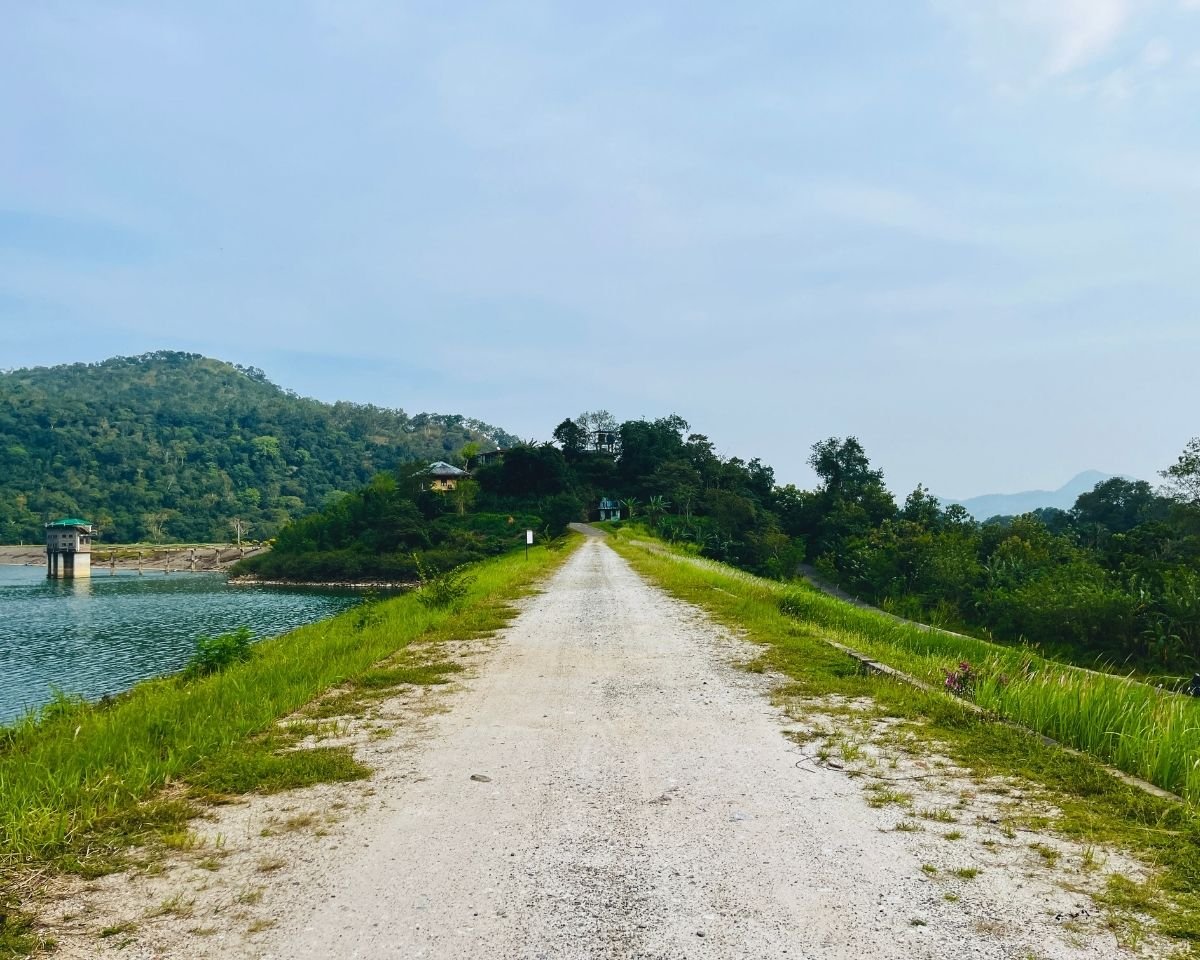
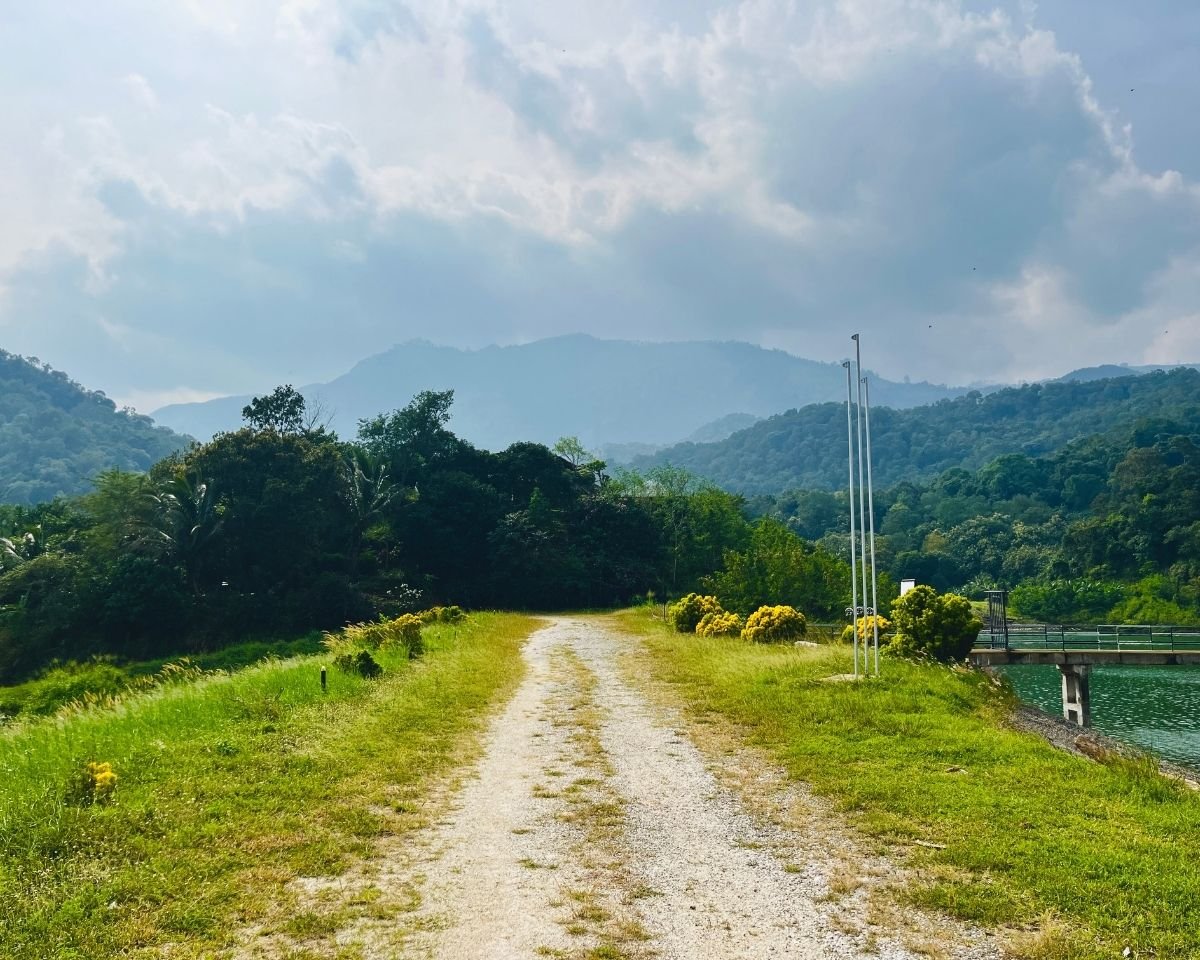
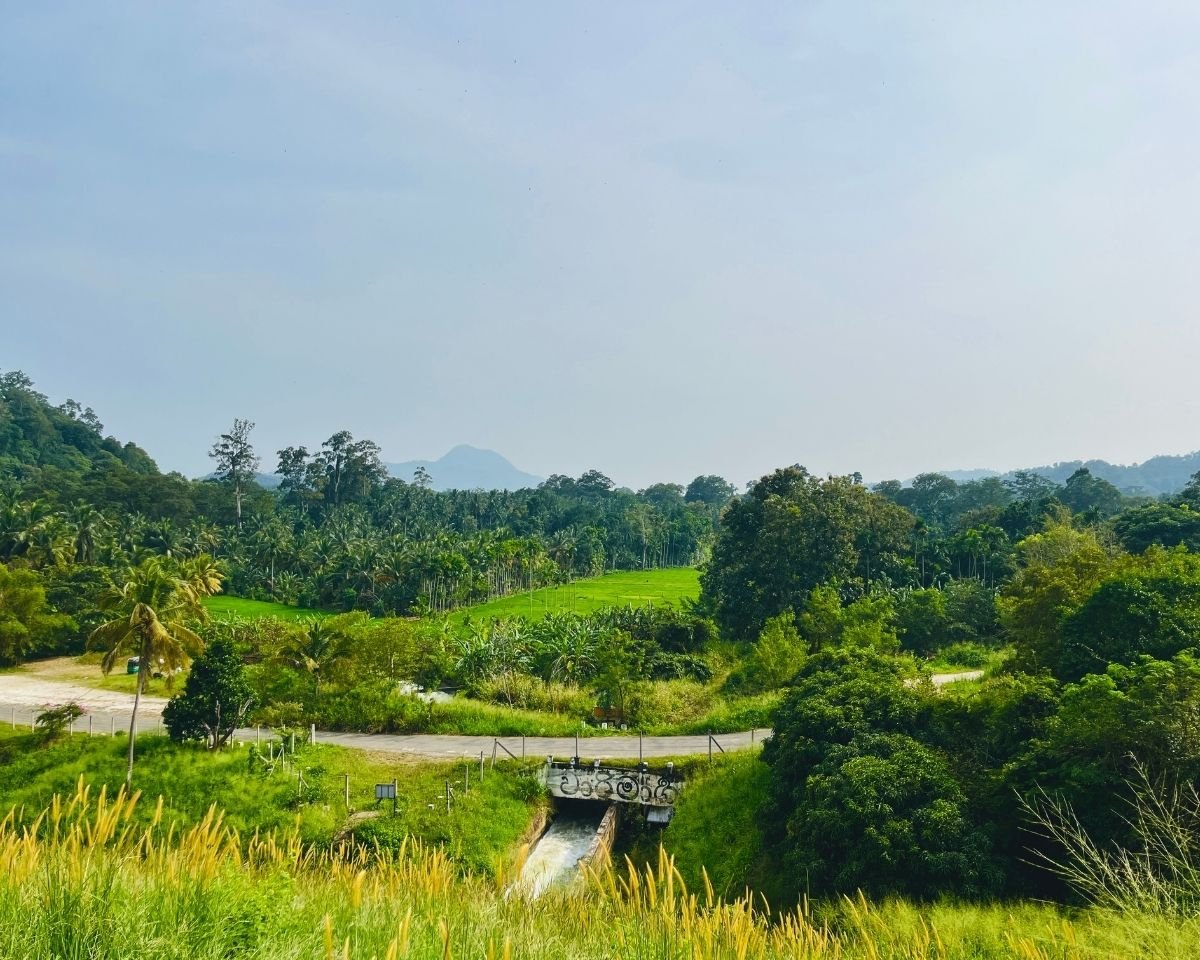
Lake
Small rural reservoir formed by the Alikota Ara stream, supporting local agriculture.
Small rural reservoir formed by the Alikota Ara stream, supporting local agriculture.
Scenery
Green surroundings with rocks, trees, open space, and a large water basin creating a calm hill country setting.
Green surroundings with rocks, trees, open space, and a large water basin creating a calm hill country setting.
Worth It
Location
View on Map
View on Map
 dannionvanderbolt
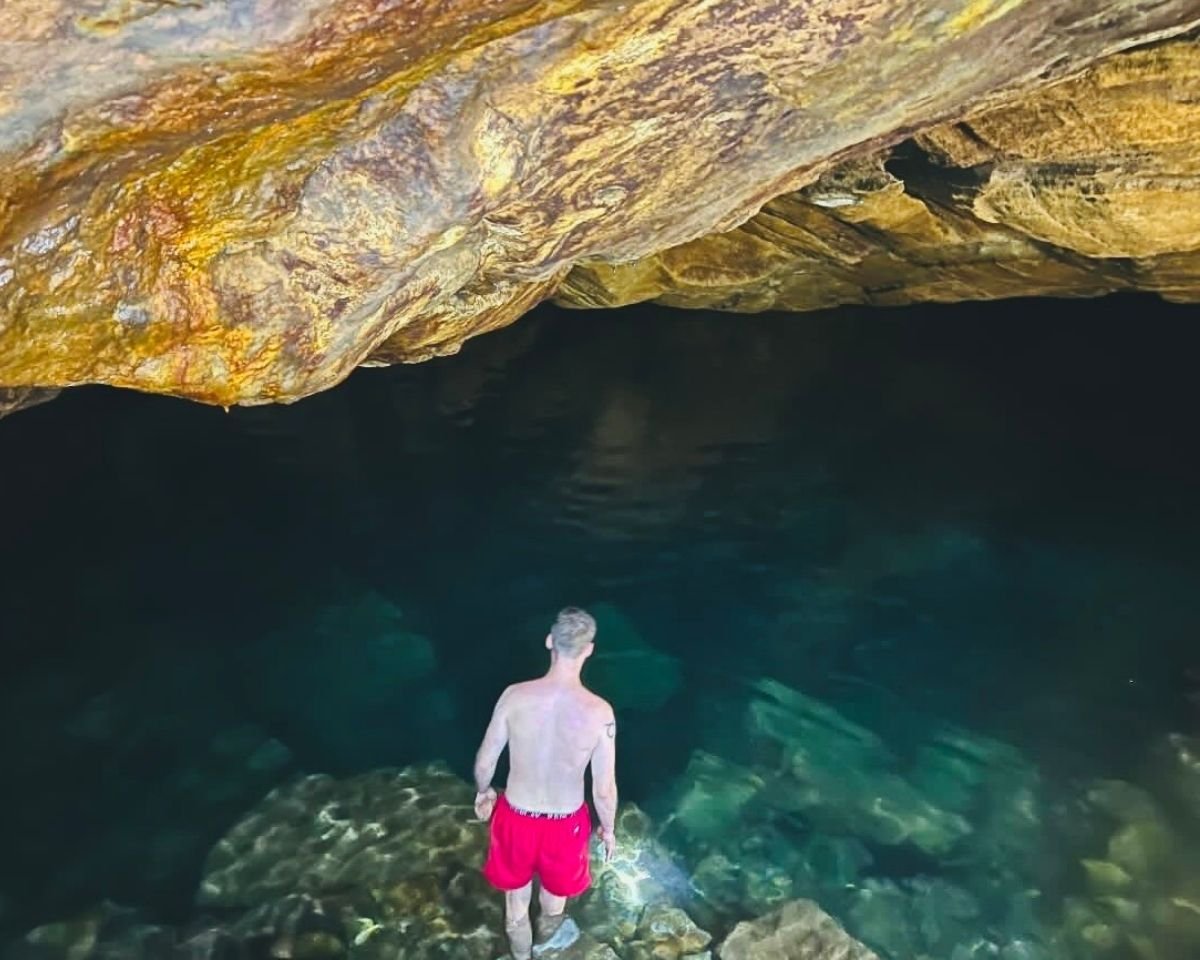
Cave Site
Underground cave pond with clear blue water formed naturally within a rock chamber.
Underground cave pond with clear blue water formed naturally within a rock chamber.
Swimming
The pond is swimmable, with clear and cool water, but swimming is only recommended under guidance due to depth, low light, and confined space conditions.
The pond is swimmable, with clear and cool water, but swimming is only recommended under guidance due to depth, low light, and confined space conditions.
Scenery
Dark cave interior, reflective blue water, and raw rock surfaces creating a quiet and enclosed atmosphere.
Dark cave interior, reflective blue water, and raw rock surfaces creating a quiet and enclosed atmosphere.
Art & Culture
Connected to local Ramayana folklore and oral traditions involving King Ravana, forming part of the cultural storytelling of the Ella region.
Connected to local Ramayana folklore and oral traditions involving King Ravana, forming part of the cultural storytelling of the Ella region.
Entrance Fee
LKR 3,000 ($10 USD ) Tickets near the cave
Ticket Counter
! Fees are approximate and can vary based on factors such as season, group size, and additional services.
LKR 3,000 ($10 USD ) Tickets near the cave
Ticket Counter
! Fees are approximate and can vary based on factors such as season, group size, and additional services.
Worth It
Location
View on Map
View on Map
 ravinkavish
 ravinkavish
 ravinkavish
 ravinkavish
 ravinkavish
 ravinkavish
 ravinkavish
 ravinkavish
 ravinkavish
 ravinkavish
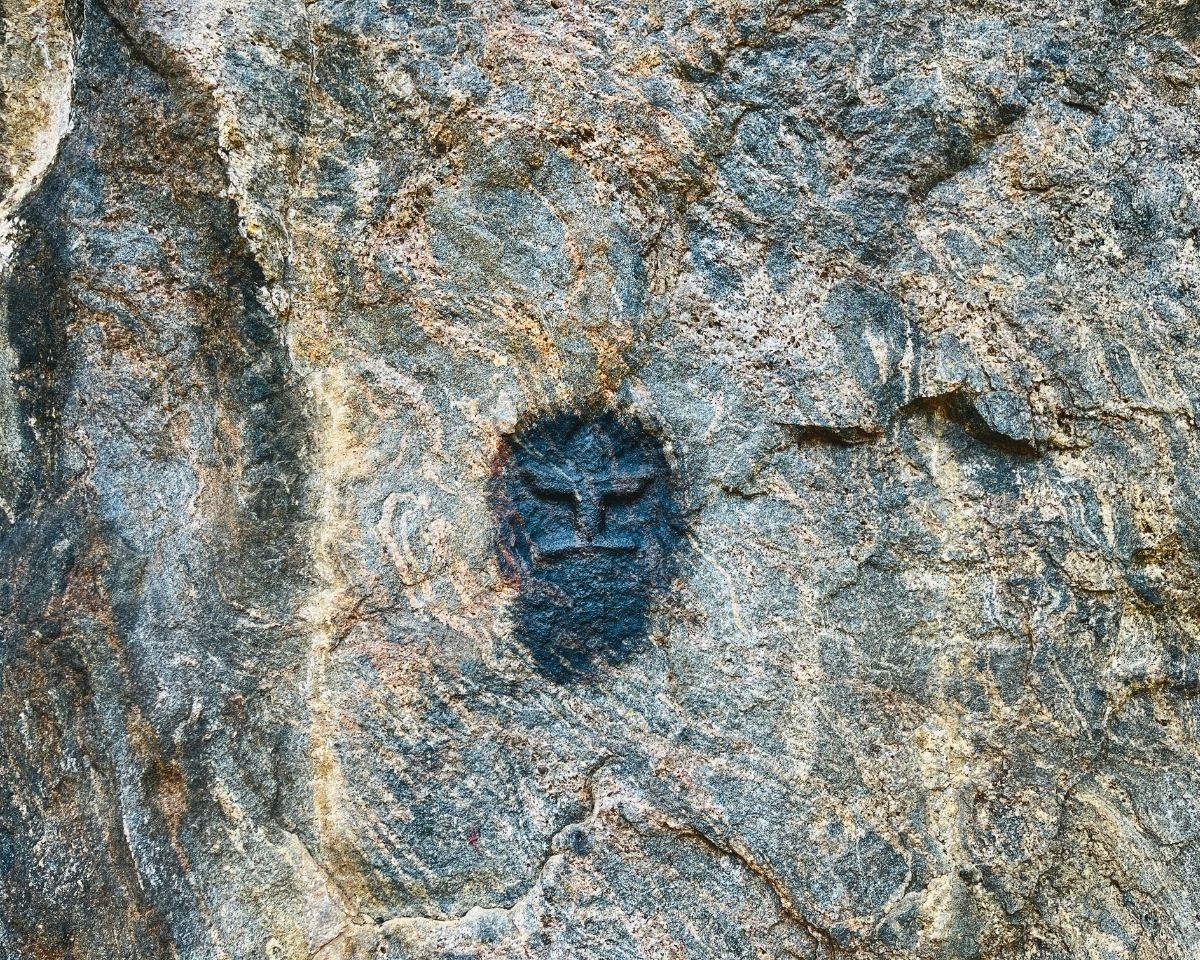 ravinkavish
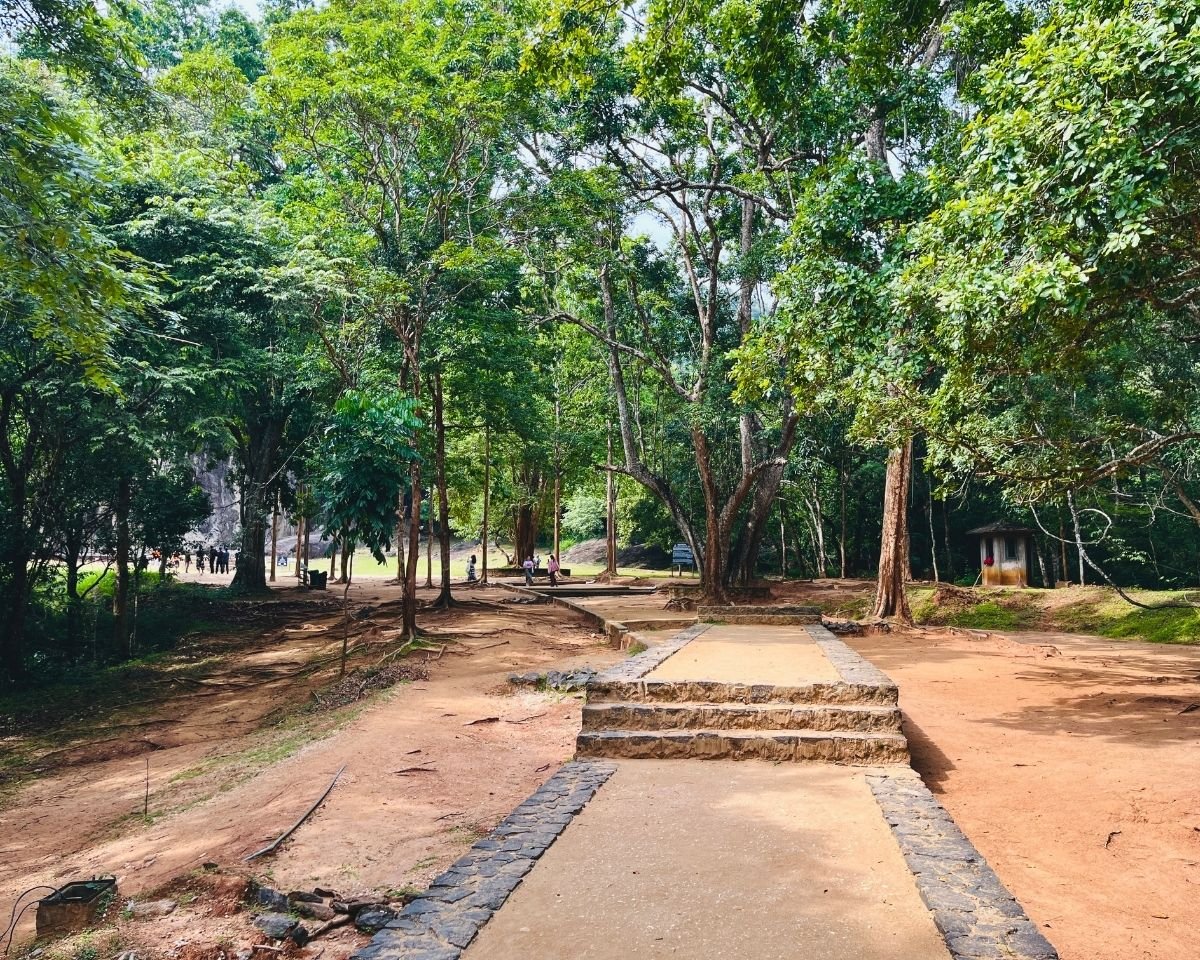 ravinkavish
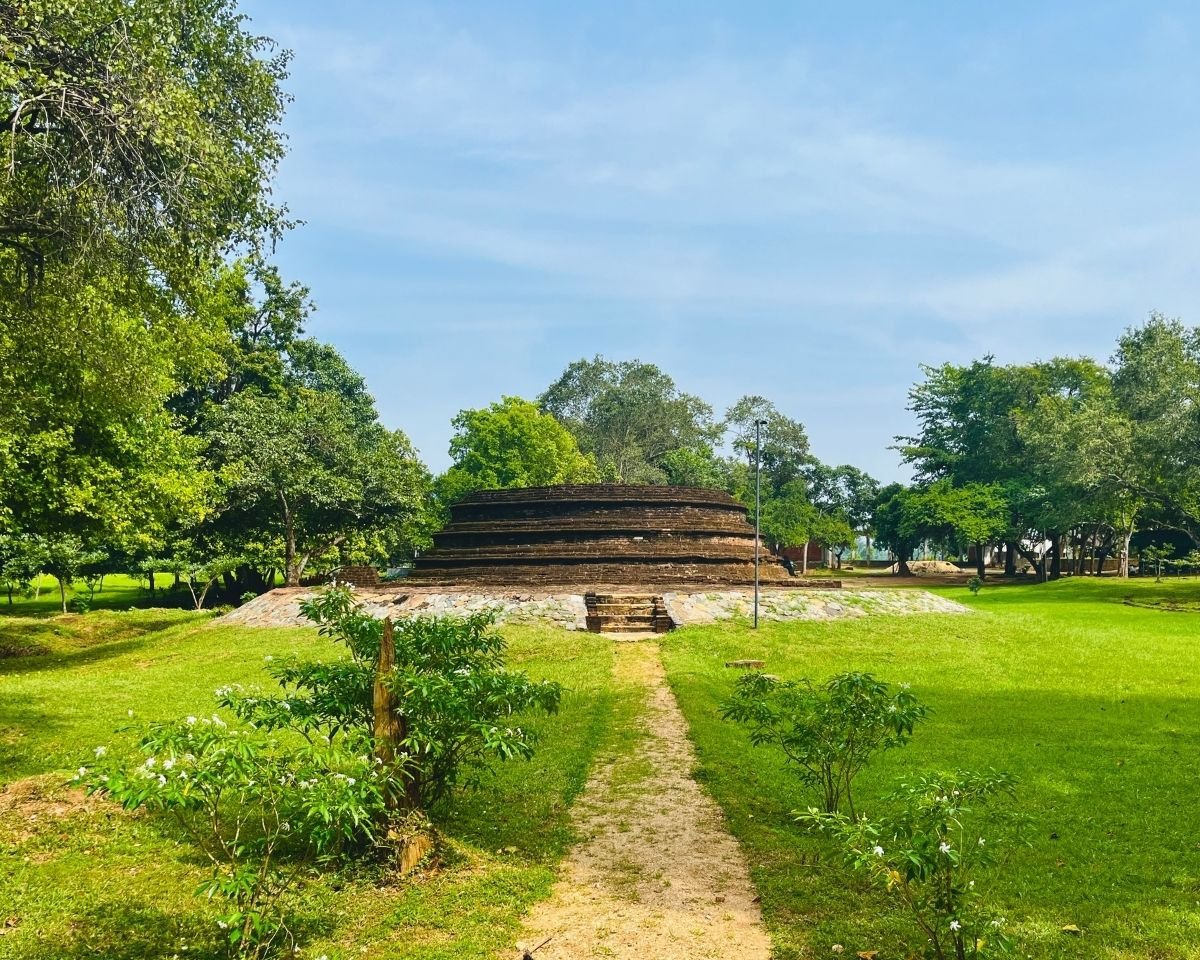 ravinkavish
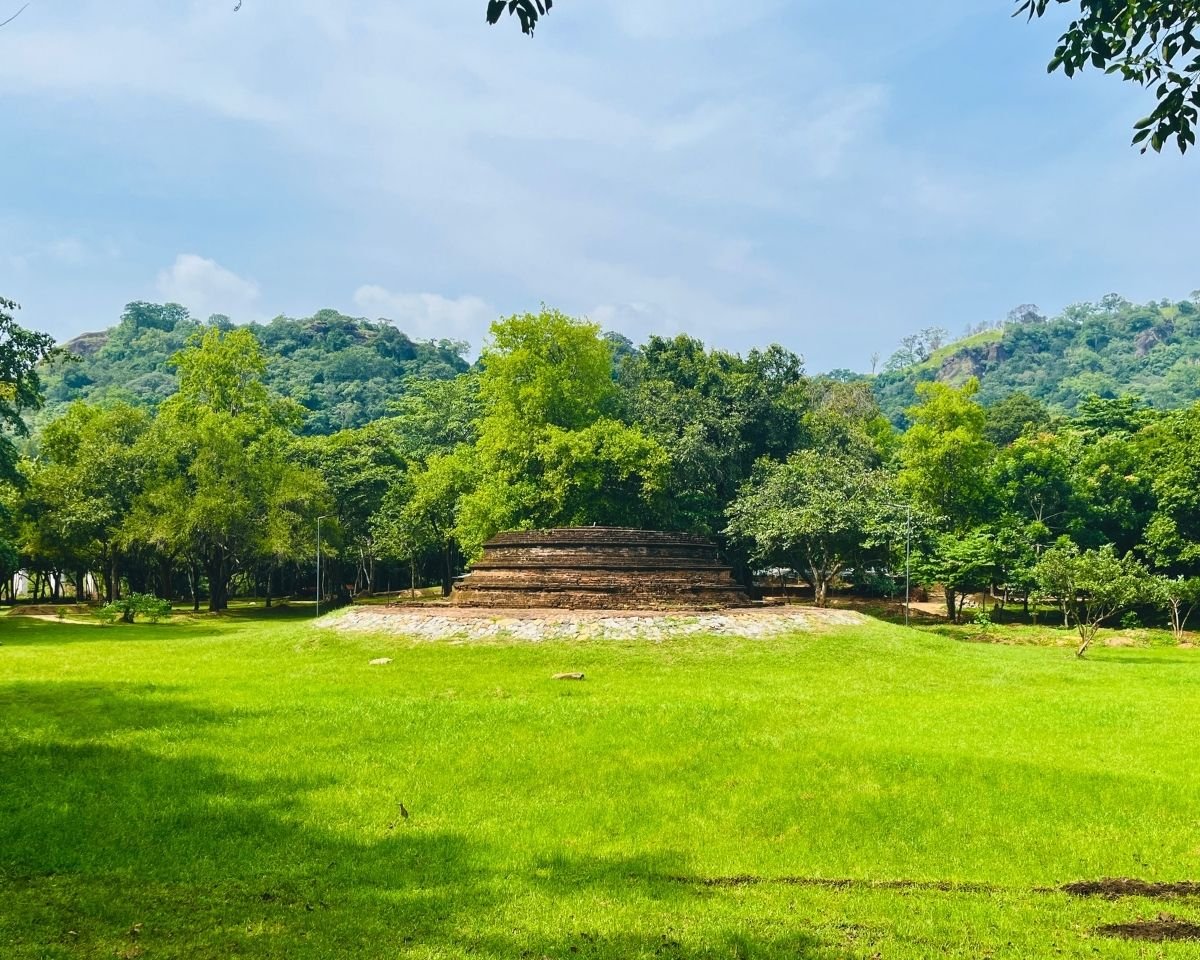 ravinkavish
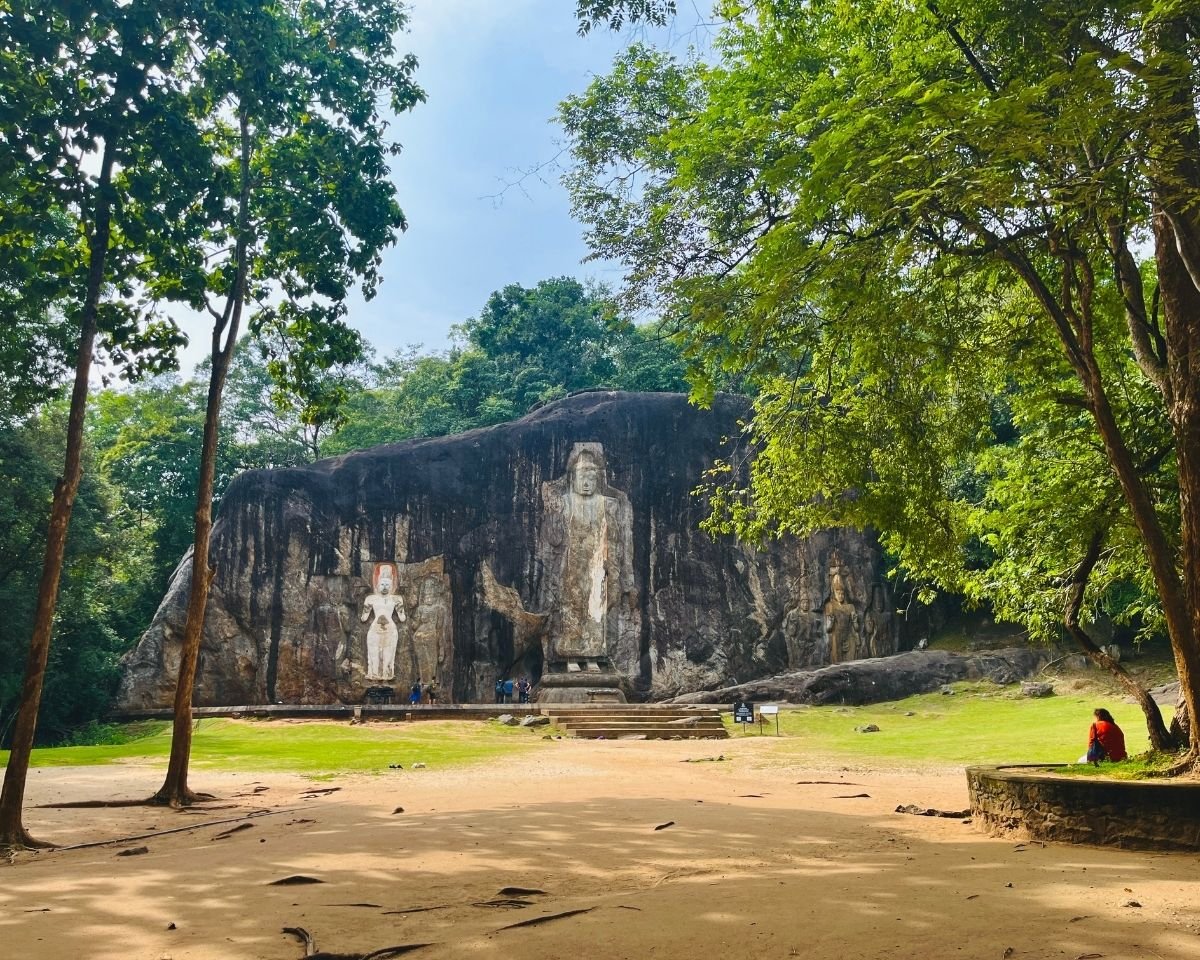
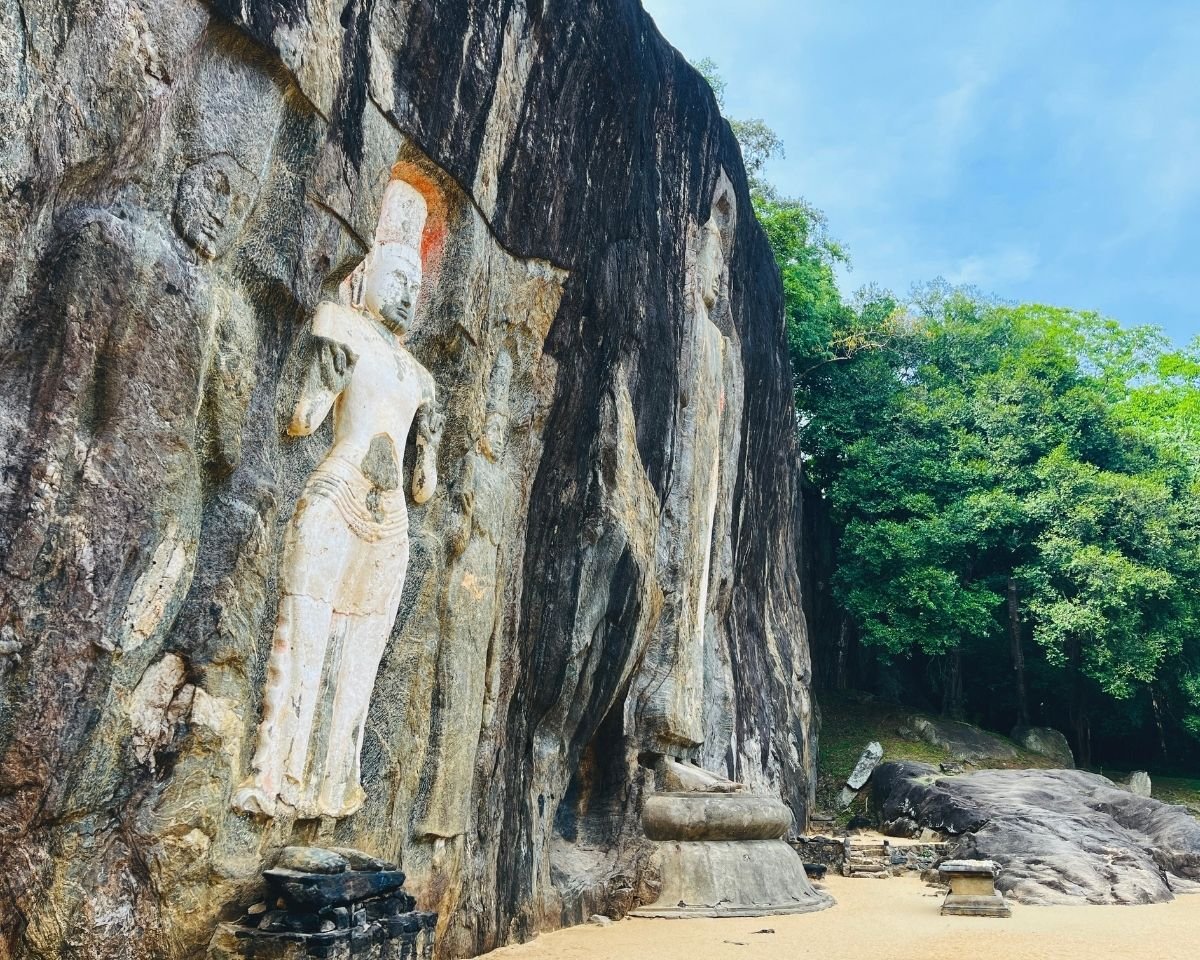
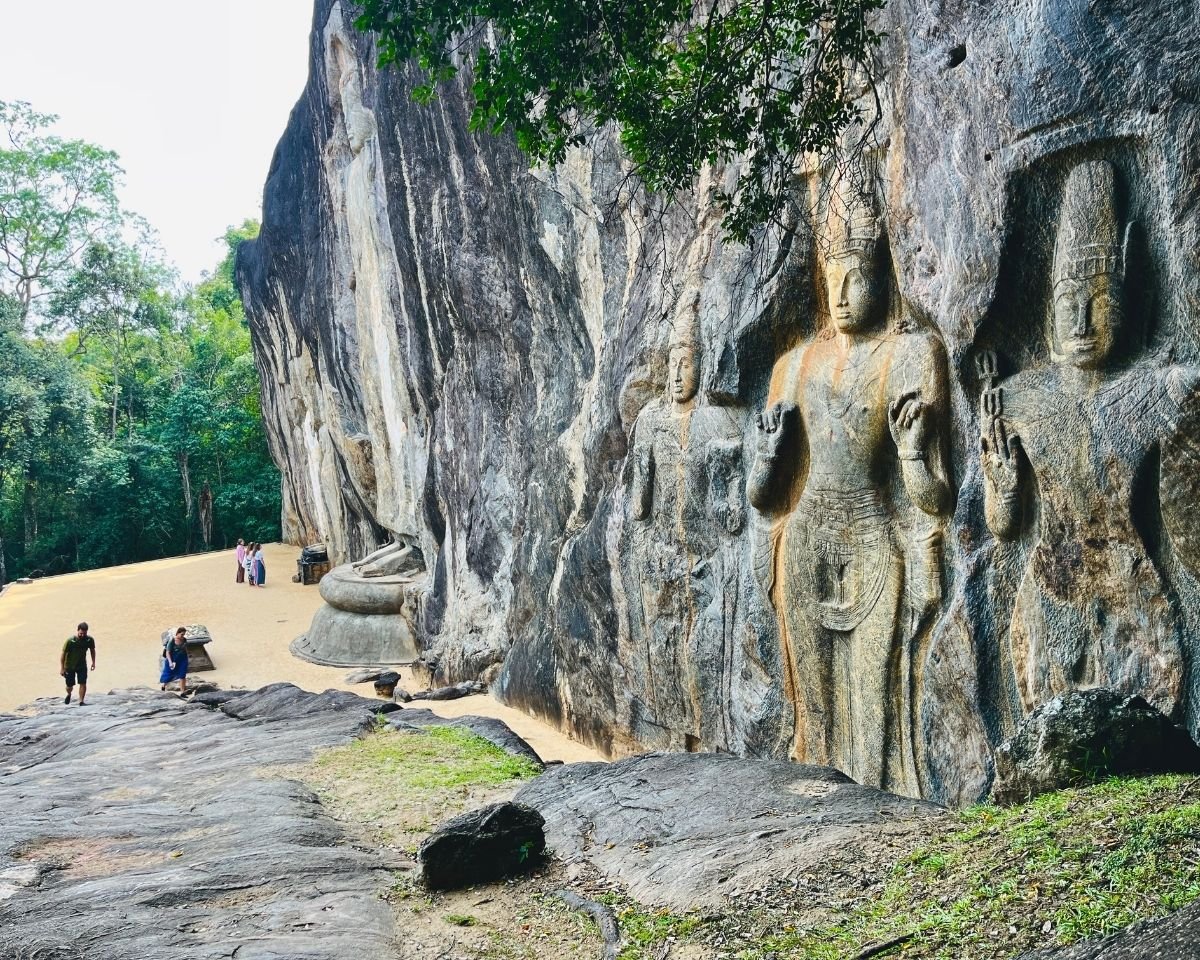
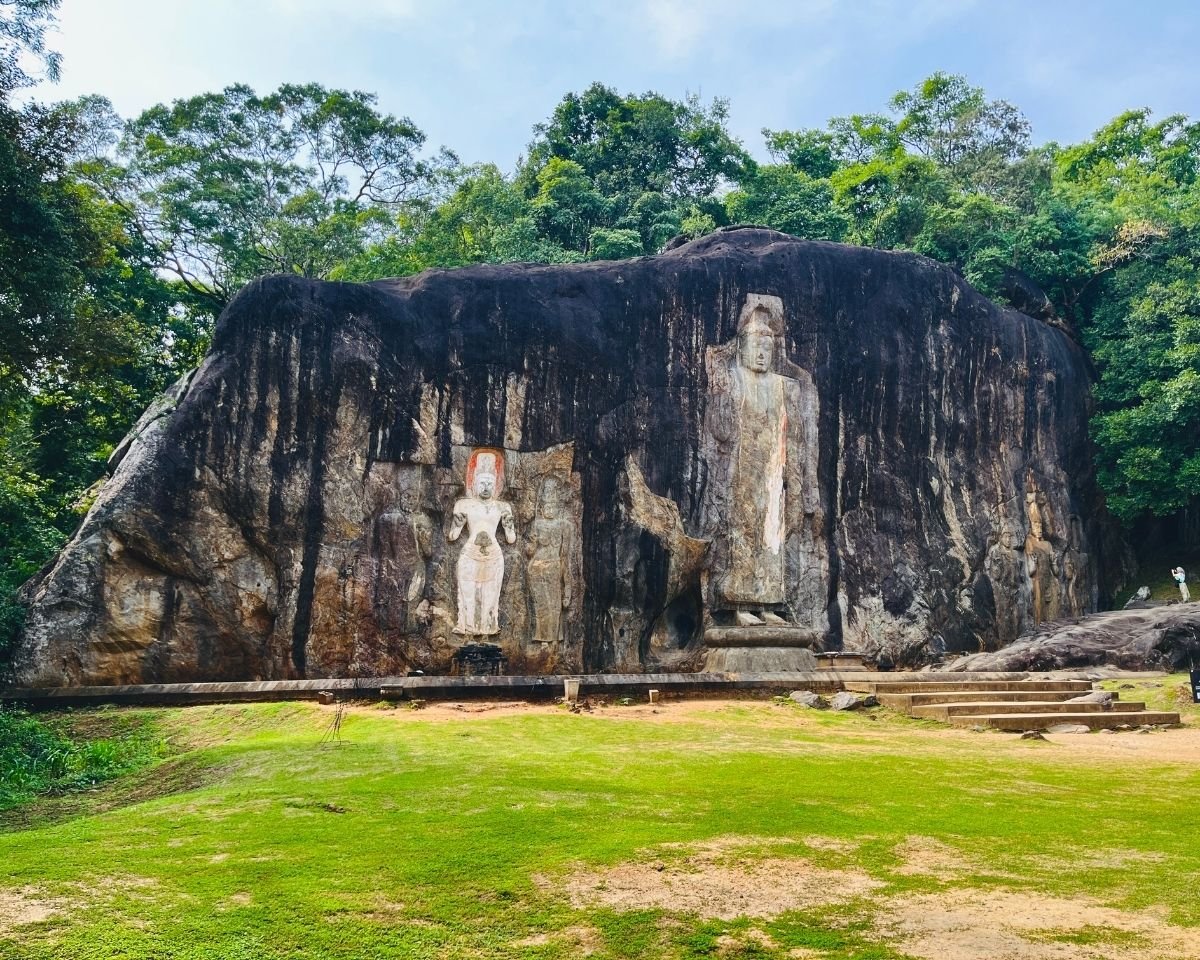
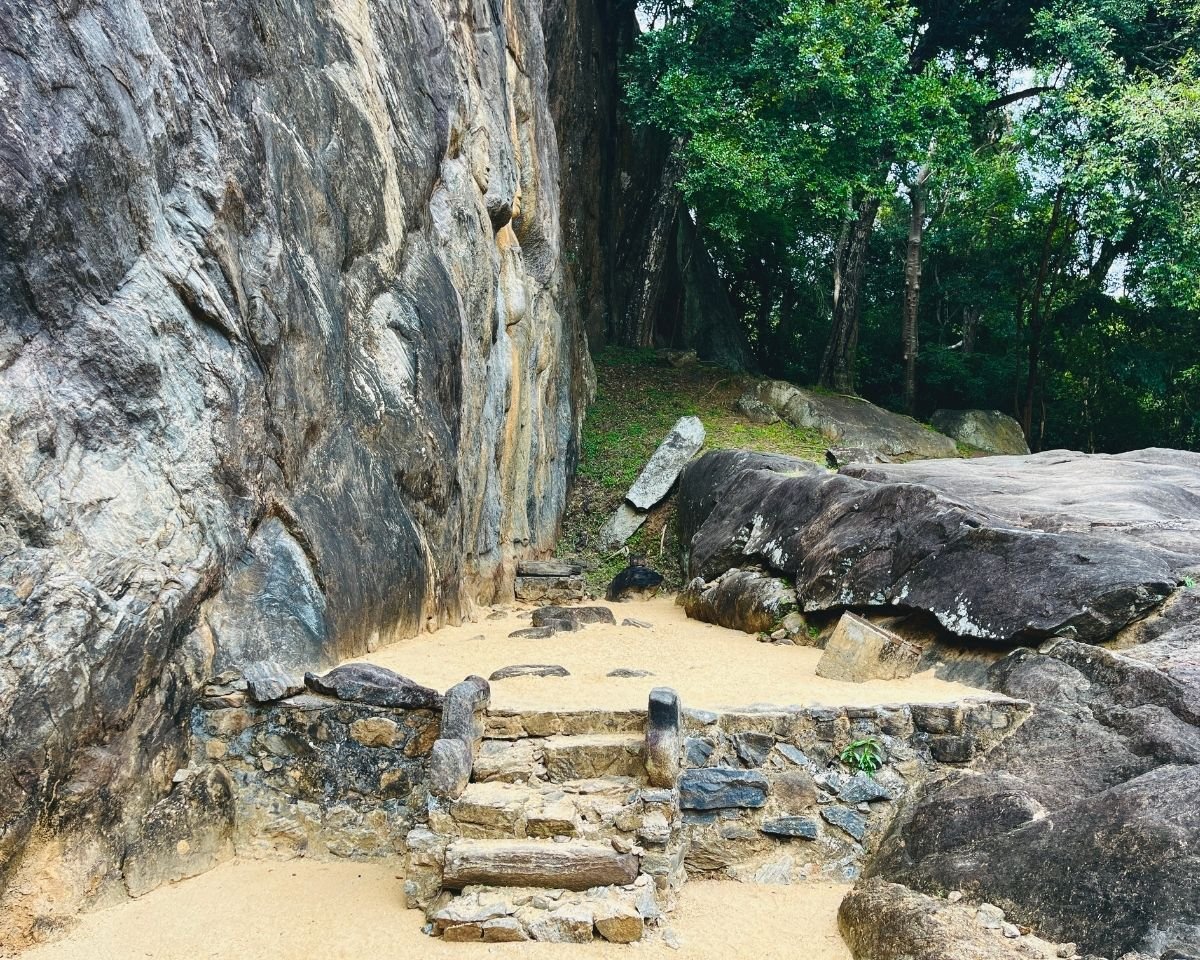
Buddhist Site
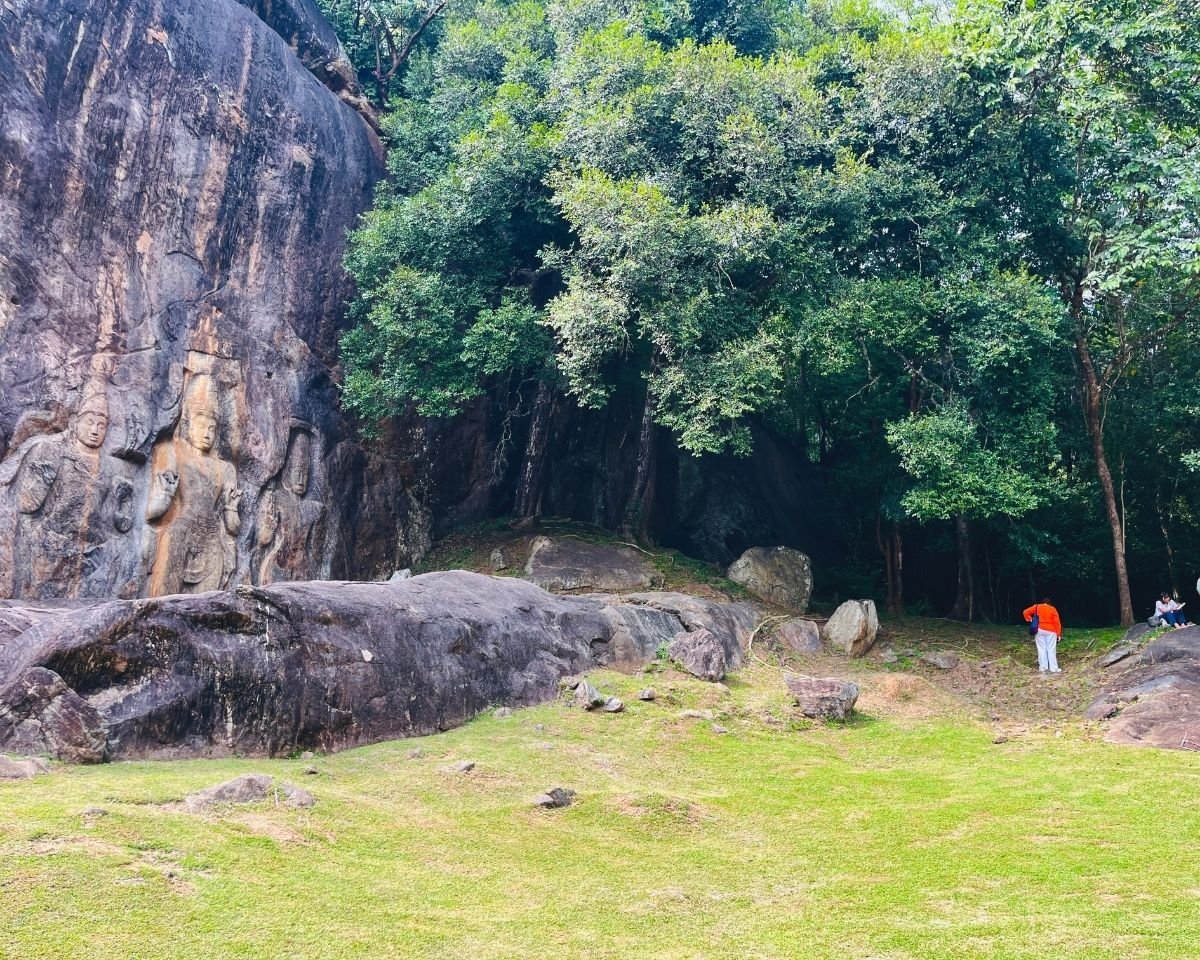
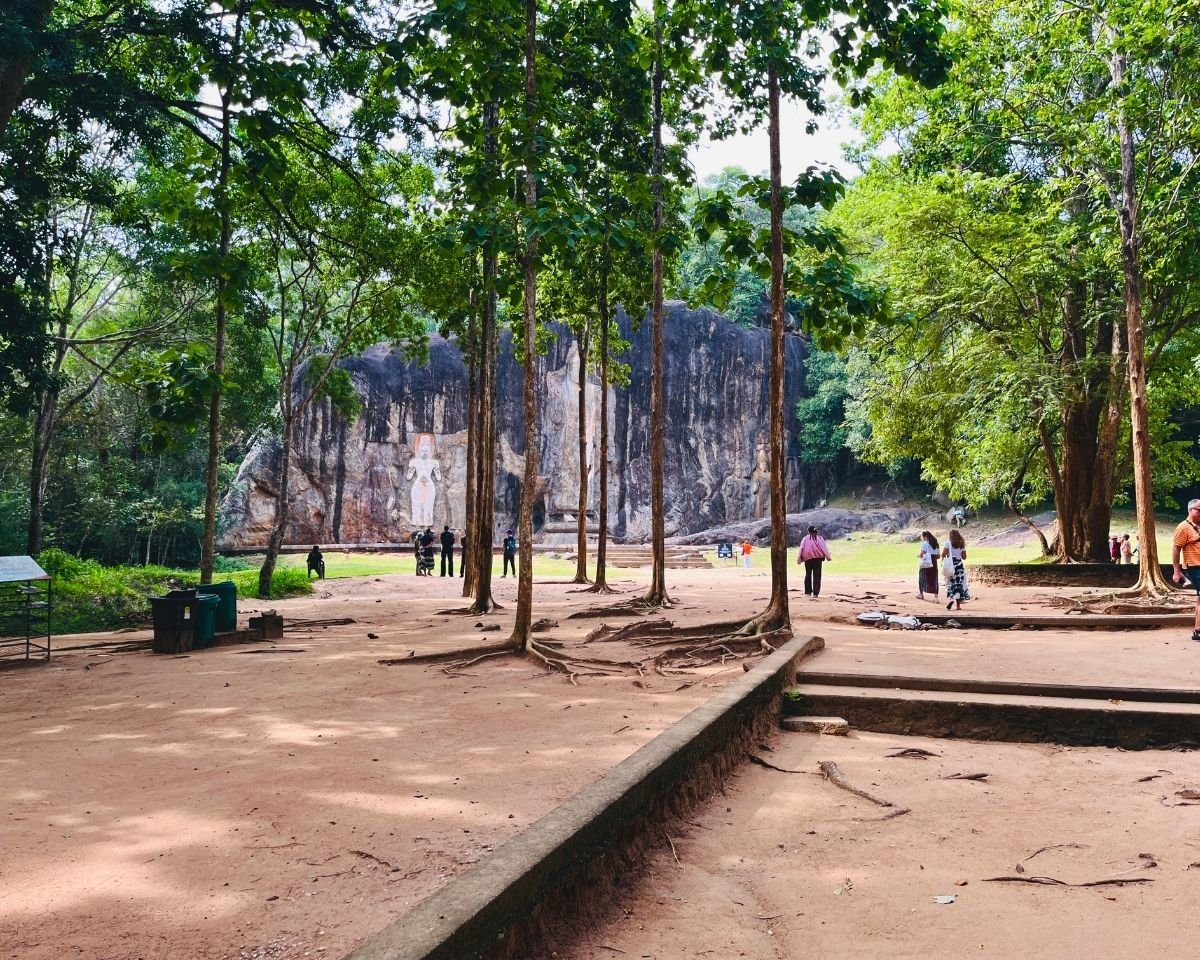
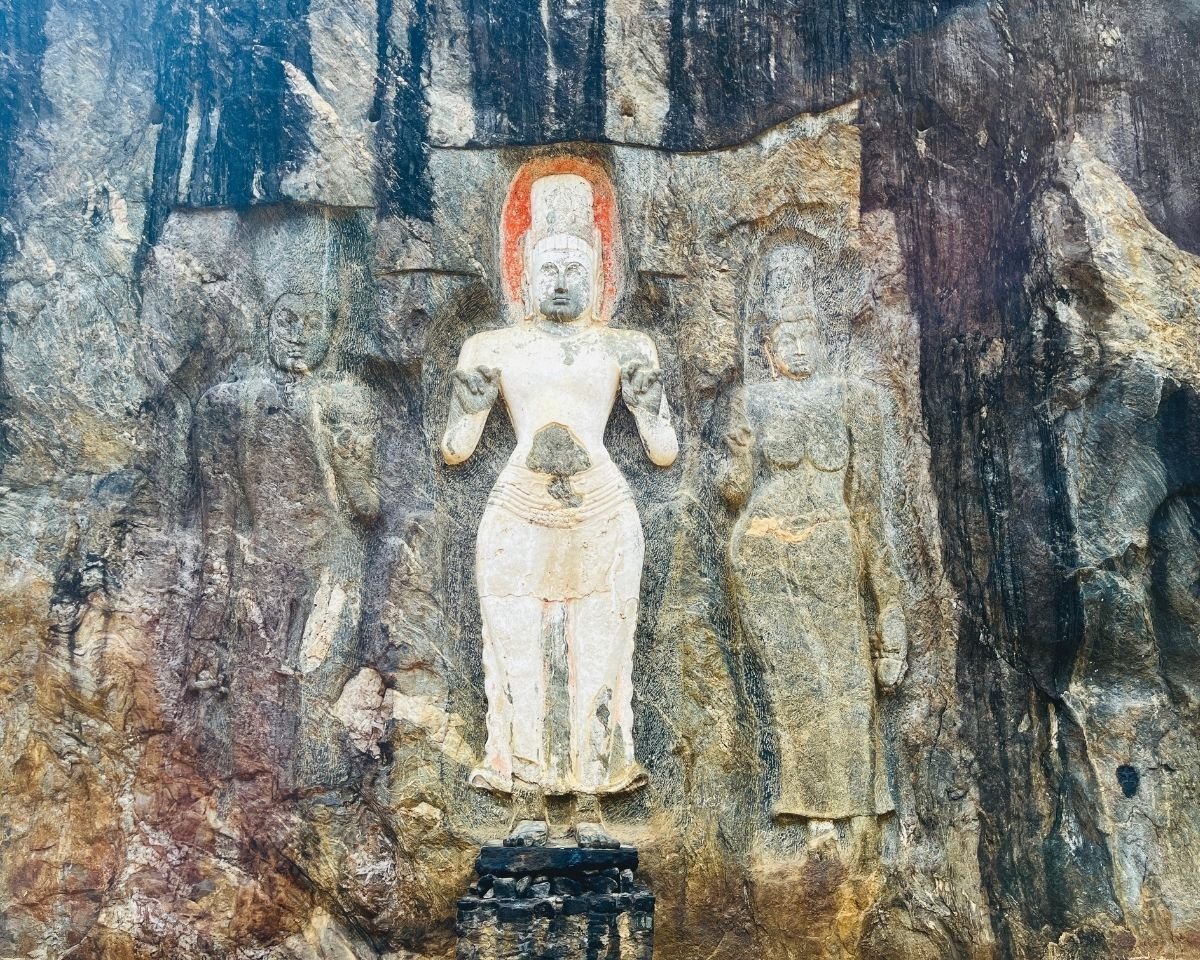
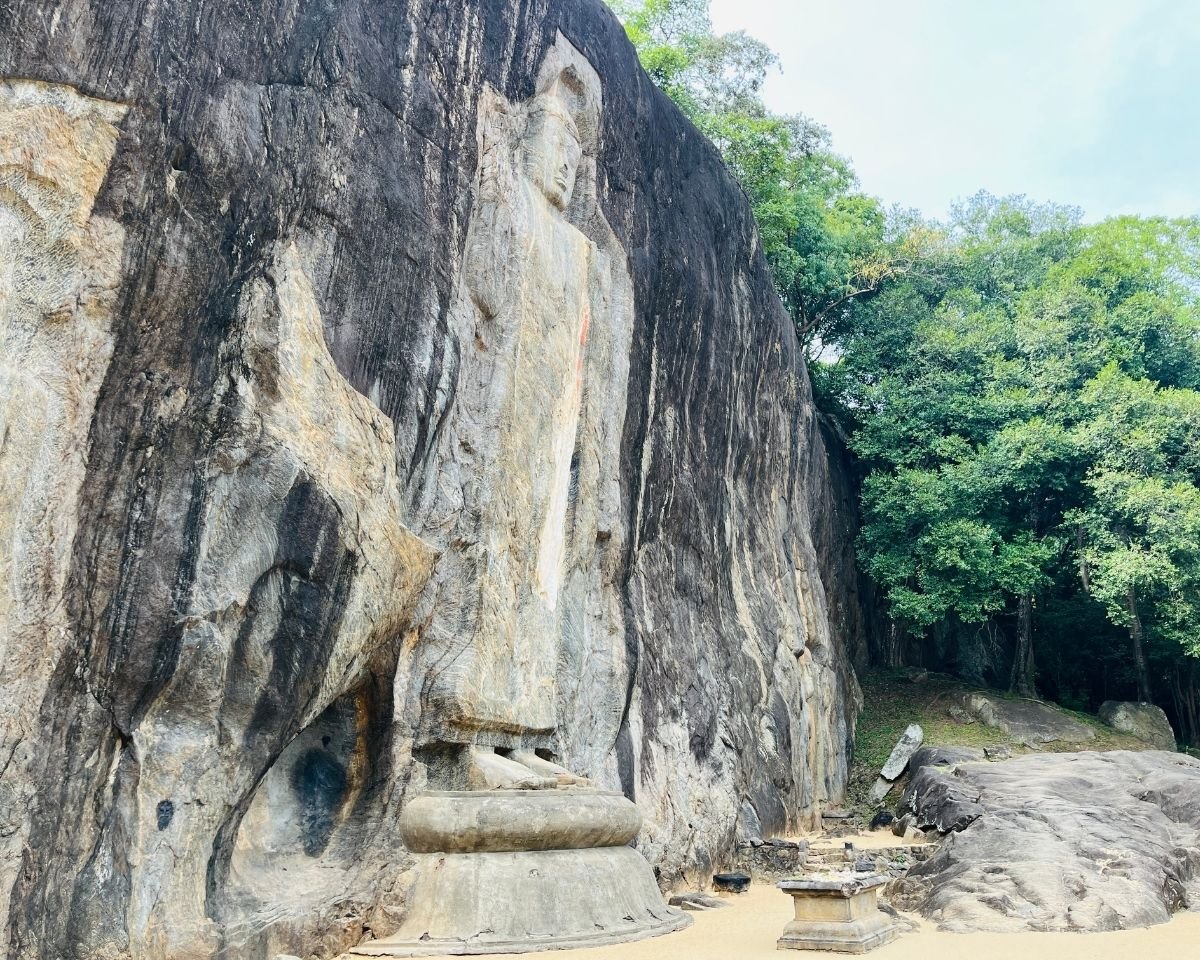
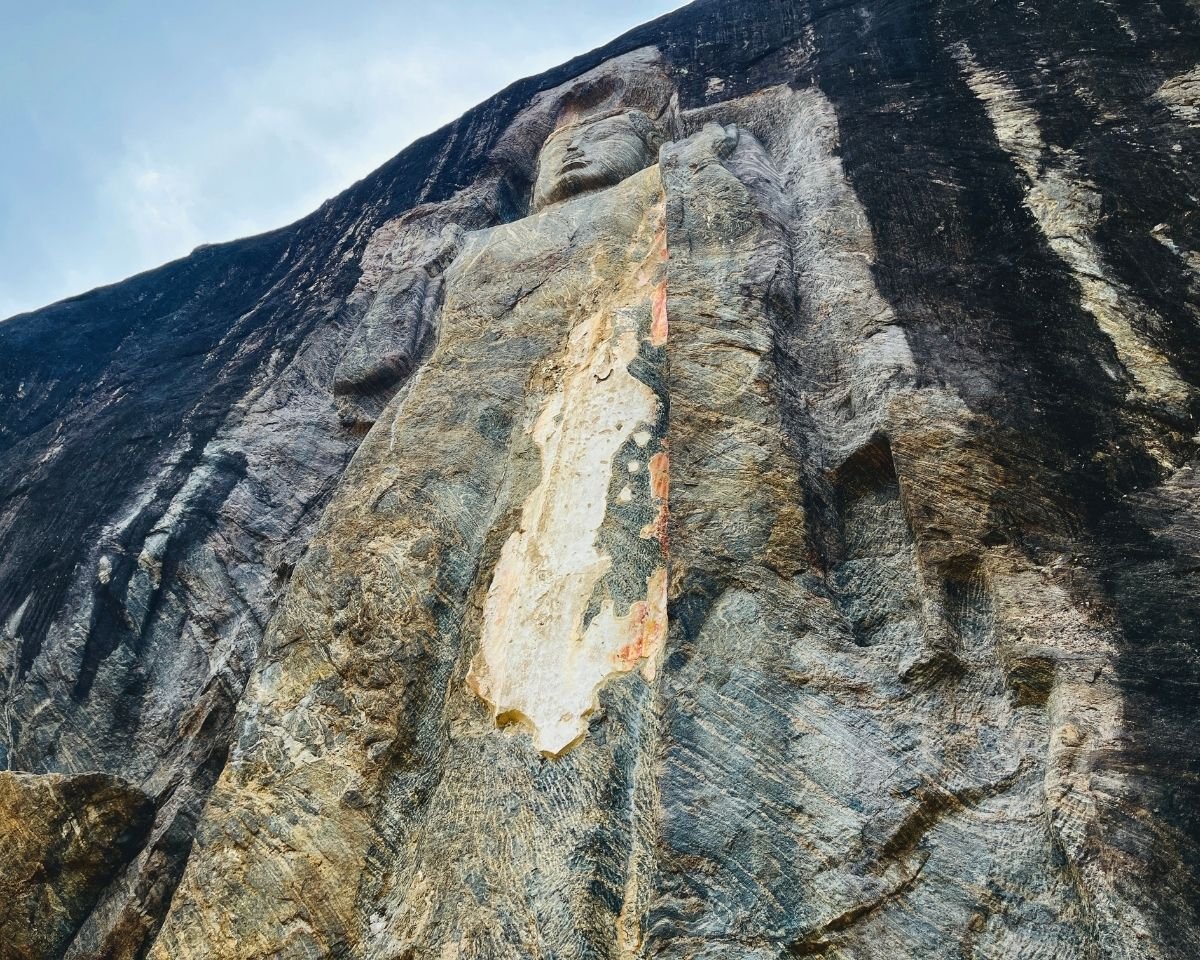
Ancient rock carving complex featuring seven large stone statues carved into a cliff face.
Ancient rock carving complex featuring seven large stone statues carved into a cliff face.
History
Dated to around the 10th century CE during the late Anuradhapura period, reflecting Mahayana Buddhist influence.
Dated to around the 10th century CE during the late Anuradhapura period, reflecting Mahayana Buddhist influence.
Scenery
Forest clearing with a dramatic rock backdrop, quiet surroundings, and a secluded atmosphere.
Forest clearing with a dramatic rock backdrop, quiet surroundings, and a secluded atmosphere.
Art & Culture
Monumental Buddha and Bodhisattva figures, including traces of ancient paint and Mahayana iconography.
Monumental Buddha and Bodhisattva figures, including traces of ancient paint and Mahayana iconography.
Entrance Fee
LKR 1,000 ($3 USD ) Tickets at the Entrance
Ticket Counter
! Fees are approximate and can vary based on factors such as season, group size, and additional services.
LKR 1,000 ($3 USD ) Tickets at the Entrance
Ticket Counter
! Fees are approximate and can vary based on factors such as season, group size, and additional services.
Worth It
 ravinkavish
 ravinkavish
 ravinkavish
 ravinkavish
 ravinkavish
 ravinkavish
 ravinkavish
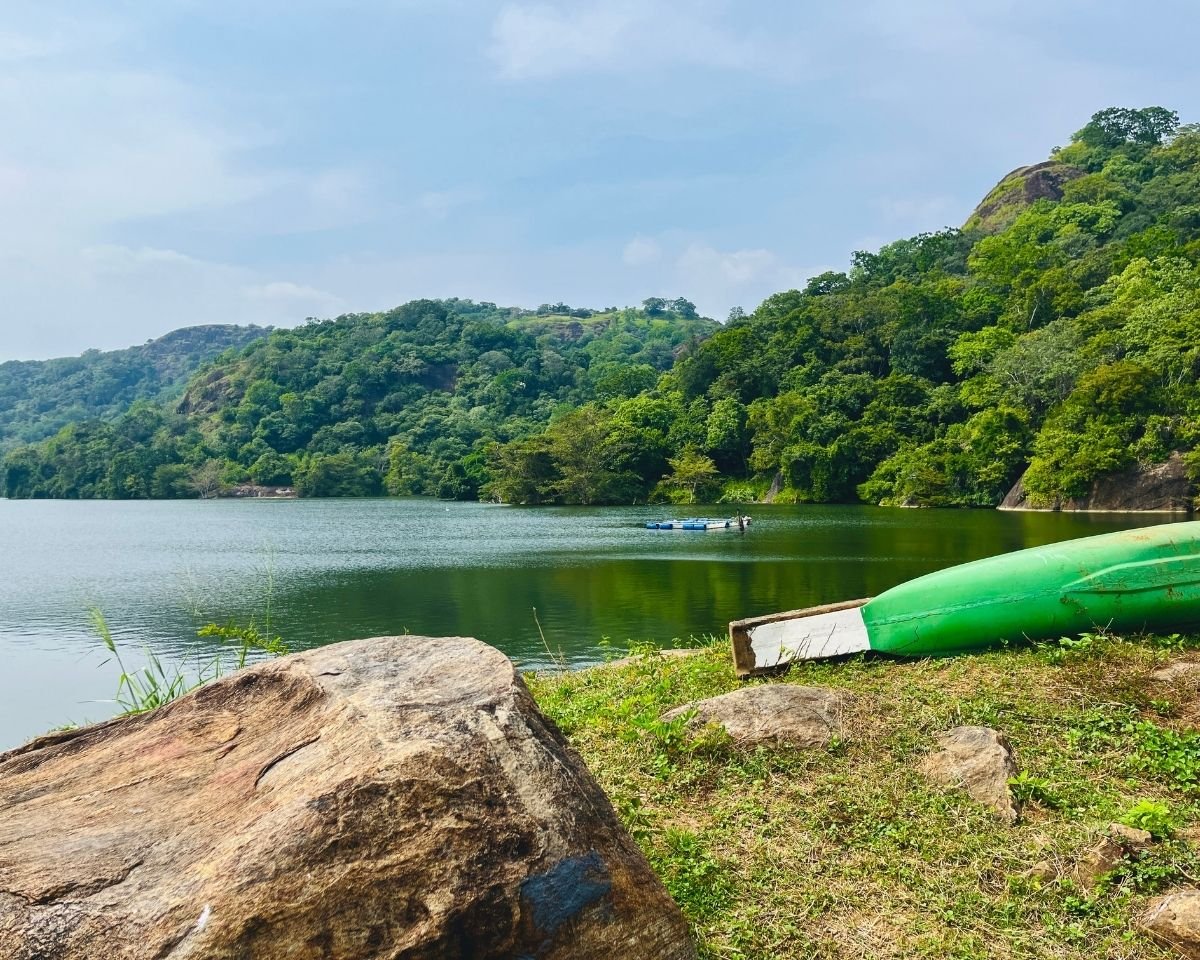
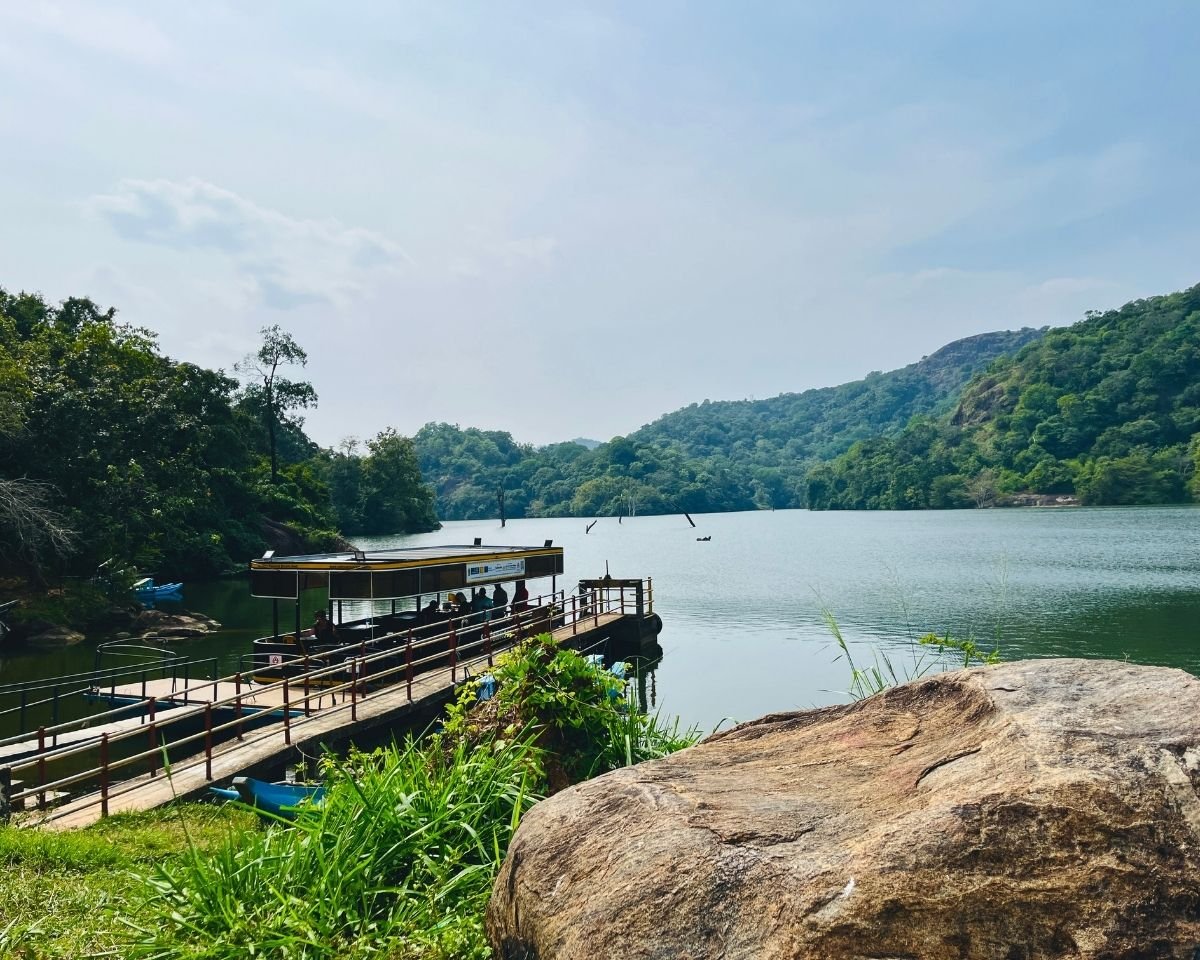
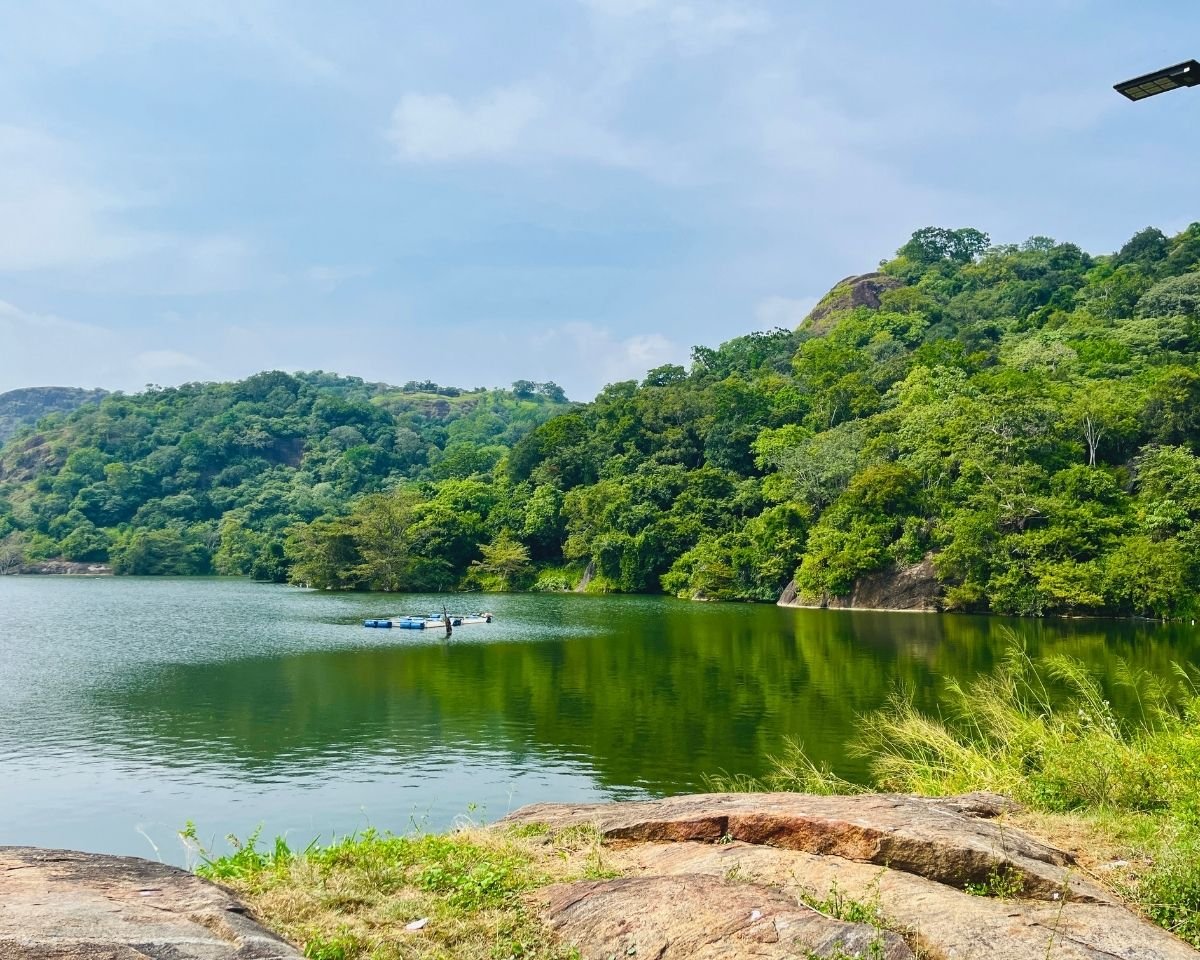
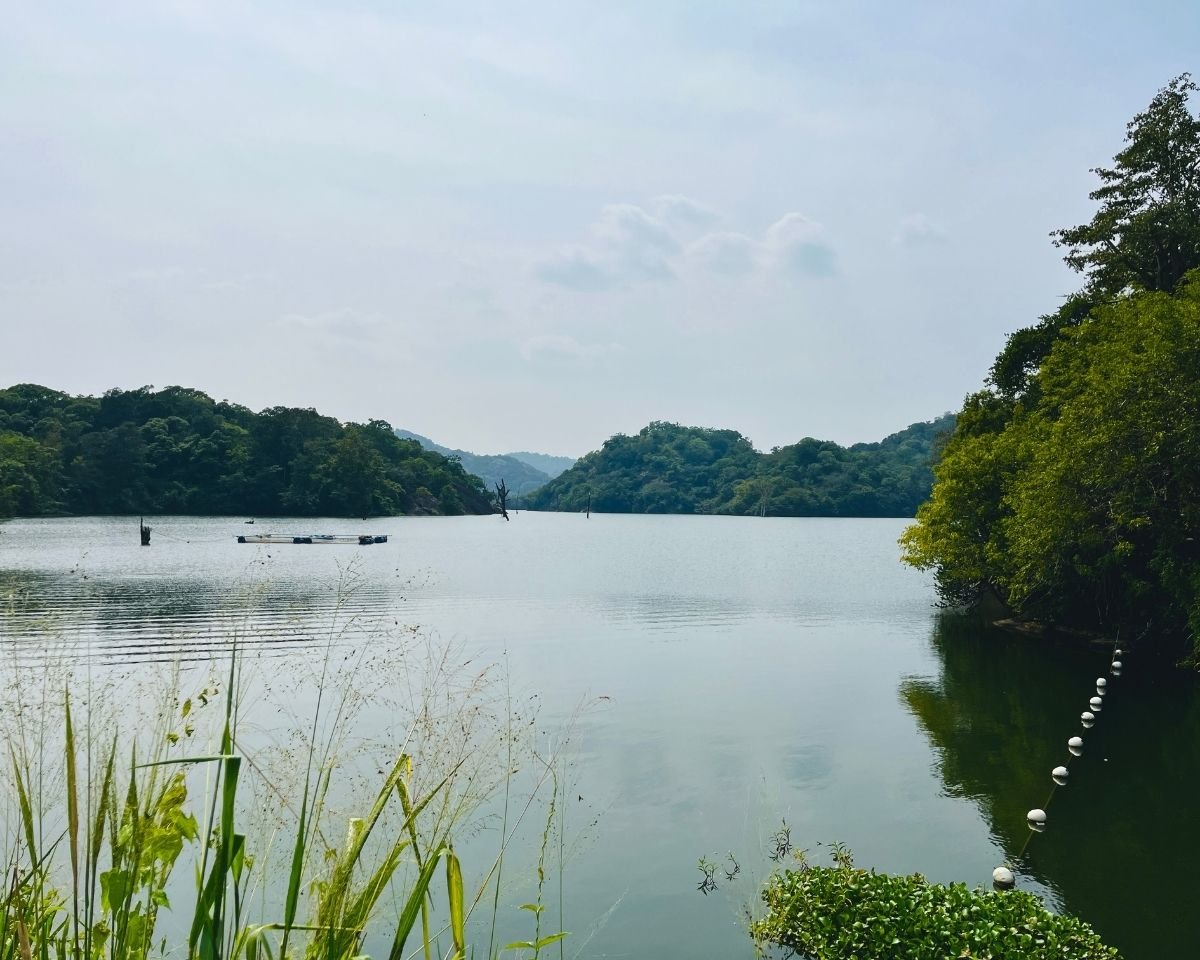
Lake
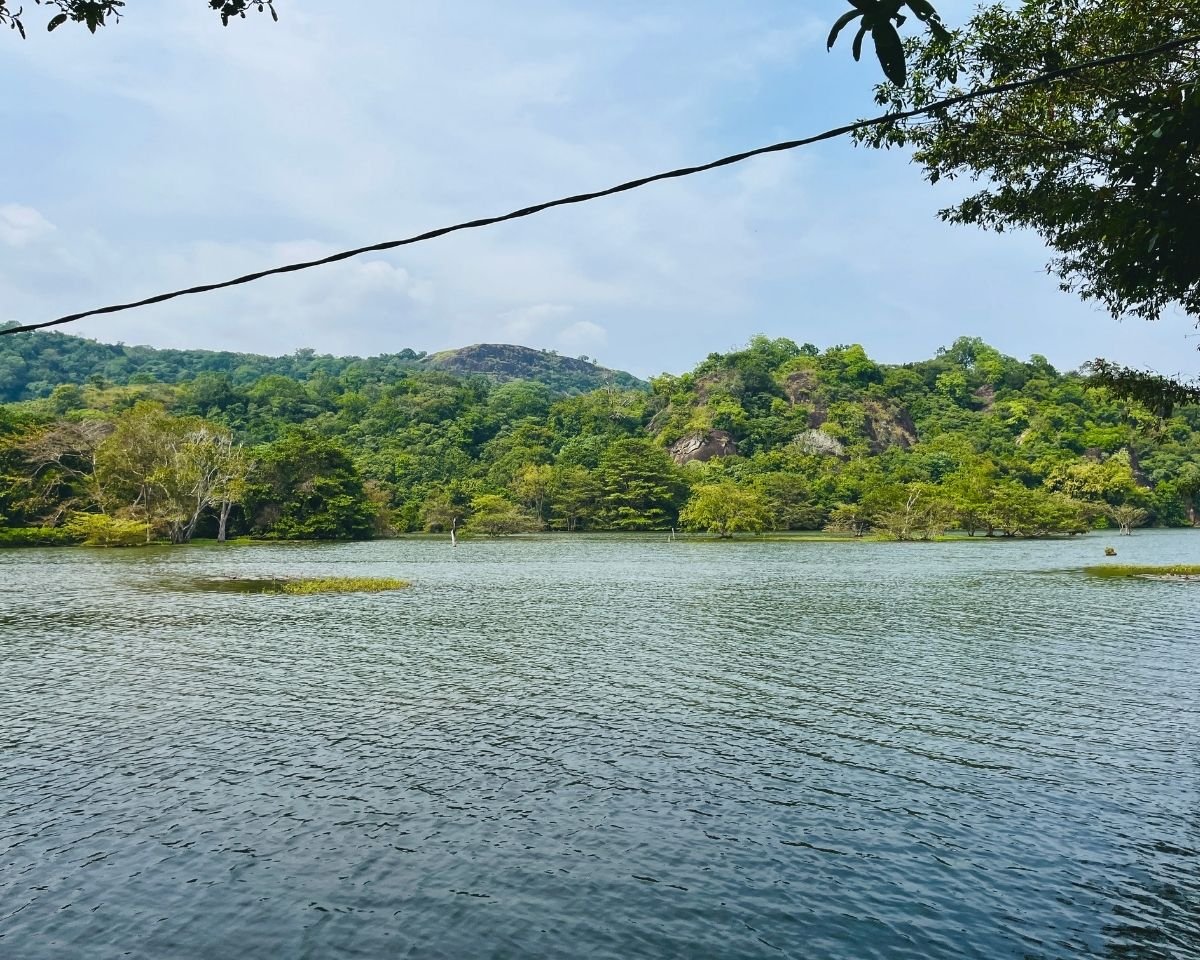
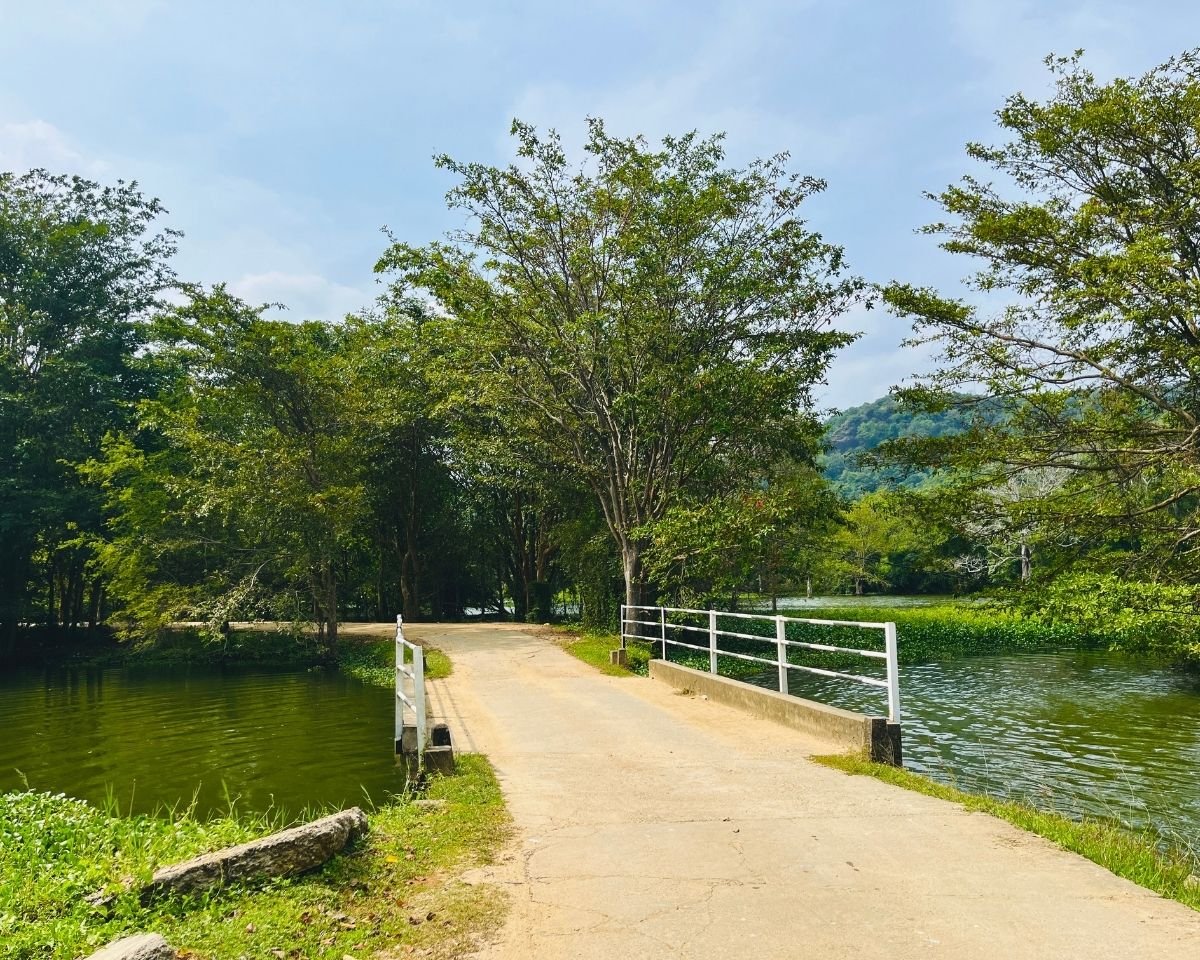
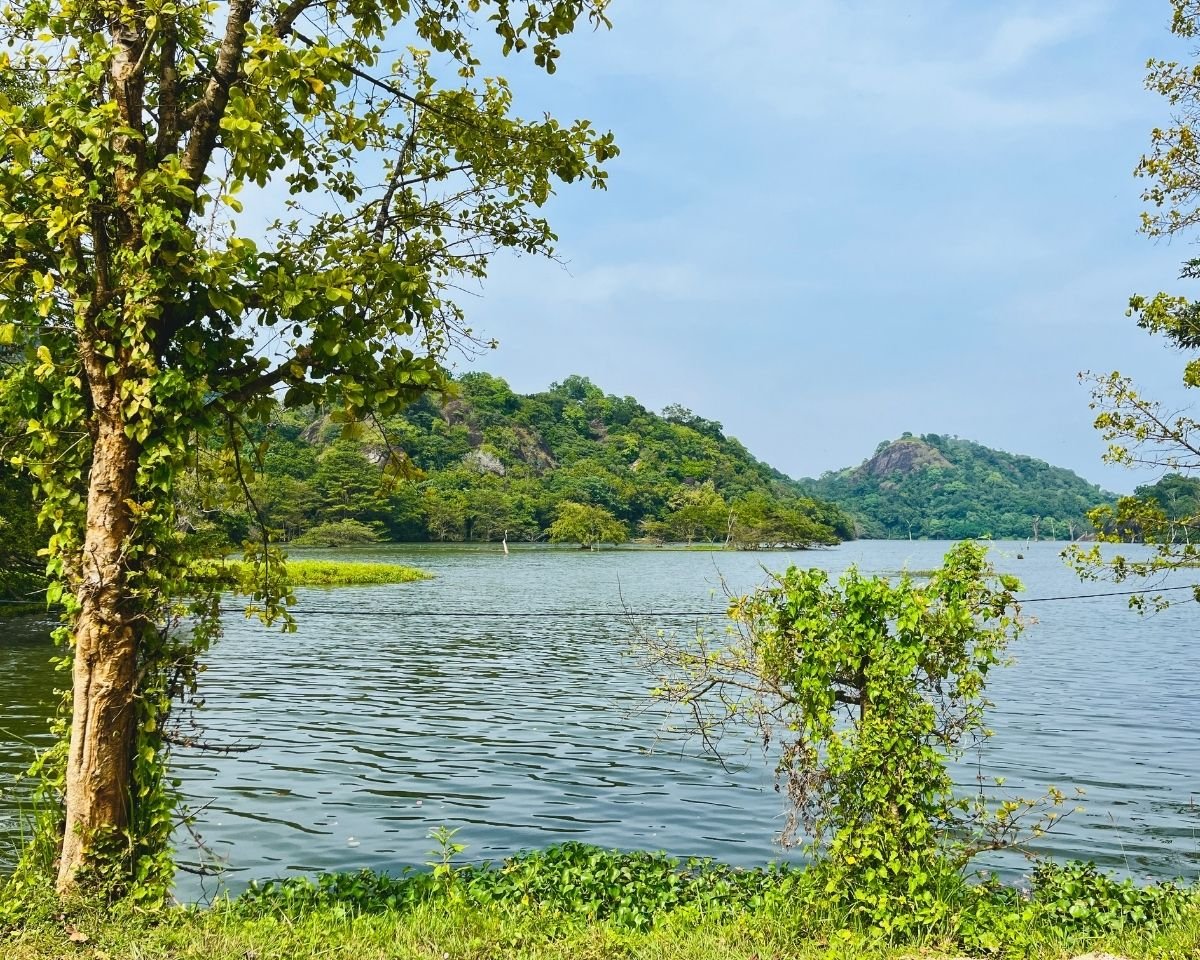
Small rural reservoir located near the Buduruwagala rock carving site.
Small rural reservoir located near the Buduruwagala rock carving site.
Scenery
Calm water surface, forested surroundings, rocky terrain, and a quiet rural atmosphere.
Calm water surface, forested surroundings, rocky terrain, and a quiet rural atmosphere.
Worth It
Location
View on Map
View on Map
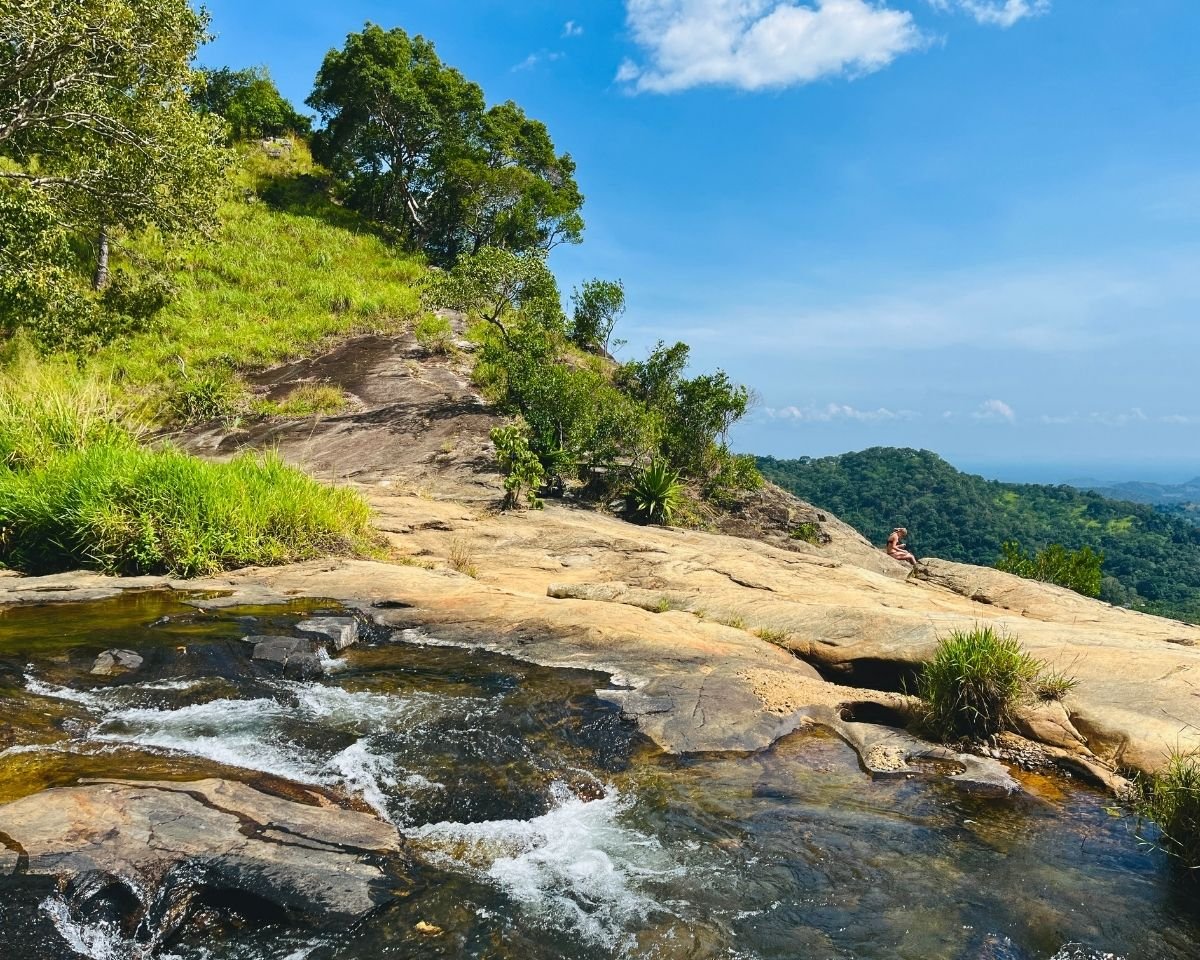
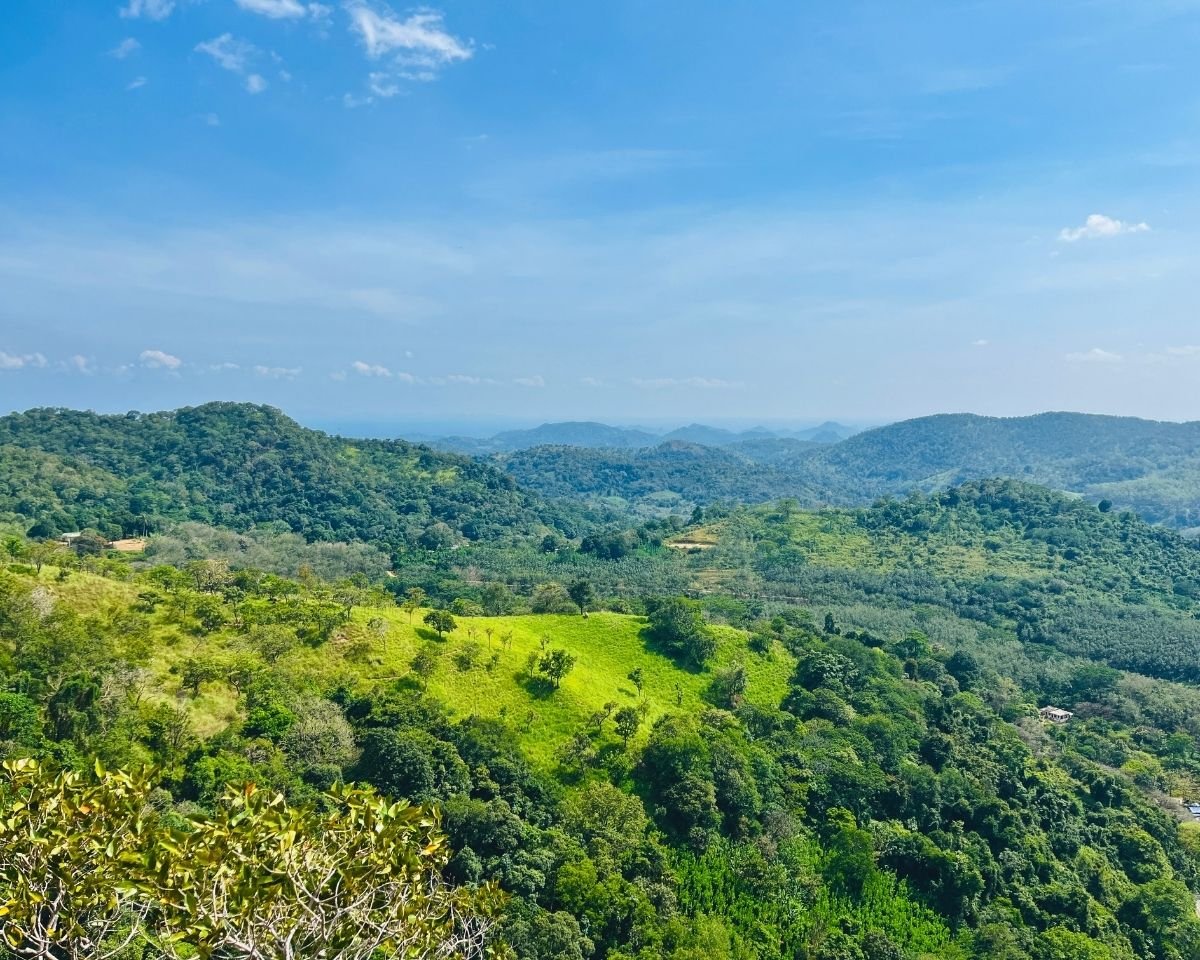
Scenery
Wide views across layered hills, distant plains, and changing cloud formations.
Wide views across layered hills, distant plains, and changing cloud formations.
Hike
Short walk from nearby roads across open ground. Easy access with minimal climbing.
Short walk from nearby roads across open ground. Easy access with minimal climbing.

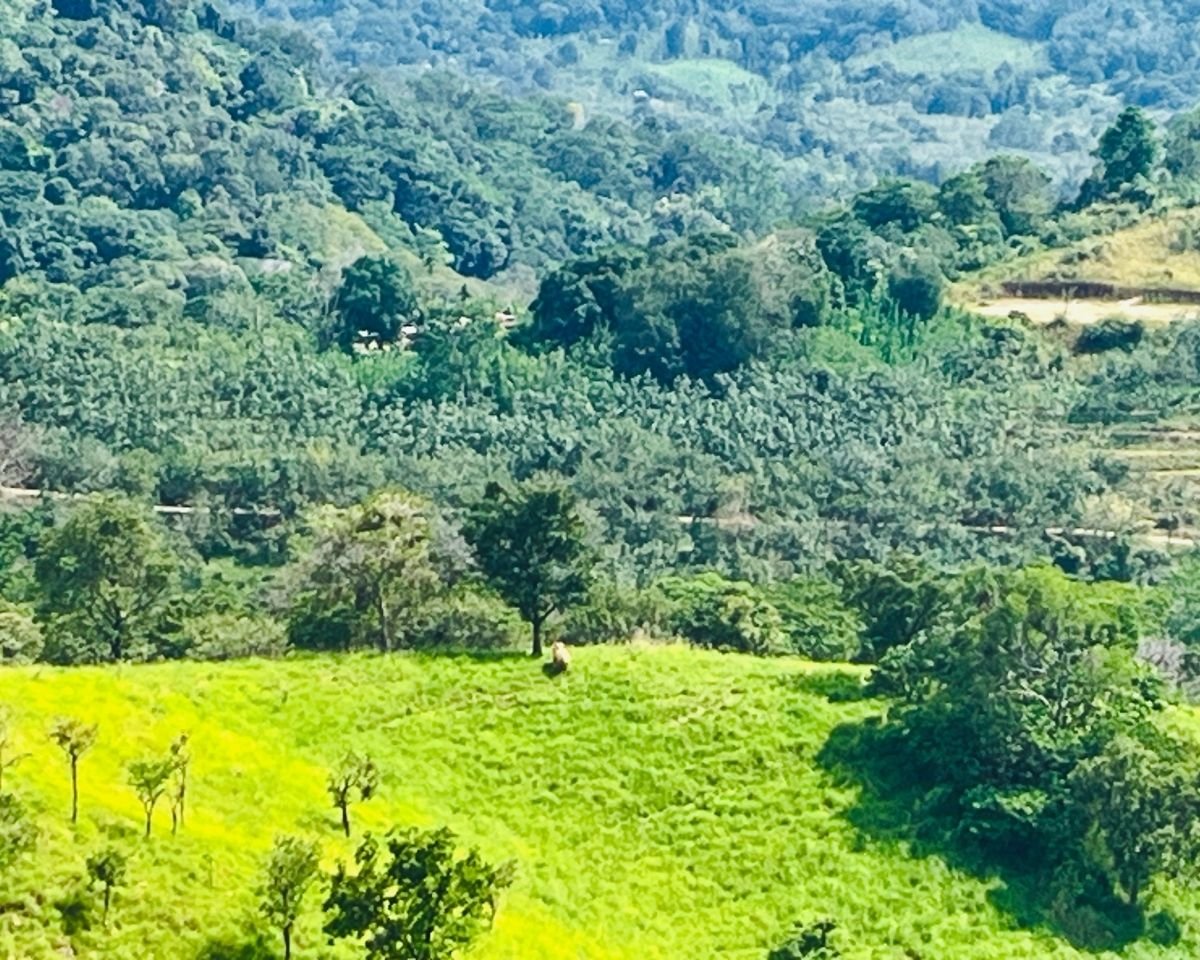
Animals
Occasional sightings of wild elephants.
Visitors should remain cautious and maintain a safe distance, especially during early morning and late afternoon.
Occasional sightings of wild elephants.
Visitors should remain cautious and maintain a safe distance, especially during early morning and late afternoon.
Worth It
Location
View on Map
View on Map
Scenery
Open hilltop lookout offering wide views of valleys, forested slopes, and surrounding mountain ranges.
Open hilltop lookout offering wide views of valleys, forested slopes, and surrounding mountain ranges.
Hike
Short drive from Ella followed by a brief uphill walk along village paths. Easy access with minimal effort.
Short drive from Ella followed by a brief uphill walk along village paths. Easy access with minimal effort.
Animals
Occasional sightings of wild elephants.
Visitors should remain cautious and maintain a safe distance, especially during early morning and late afternoon.
Occasional sightings of wild elephants.
Visitors should remain cautious and maintain a safe distance, especially during early morning and late afternoon.
Worth It
Location
View on Map
View on Map
Scenery
Layered mountains, open skies, drifting mist, and a peaceful hill country atmosphere.
Layered mountains, open skies, drifting mist, and a peaceful hill country atmosphere.
Hike
Direct roadside access with minimal walking required. Easy stop while travelling through the Ella area.
Direct roadside access with minimal walking required. Easy stop while travelling through the Ella area.
Animals
Occasional sightings of wild elephants.
Visitors should remain cautious and maintain a safe distance, especially during early morning and late afternoon.
Occasional sightings of wild elephants.
Visitors should remain cautious and maintain a safe distance, especially during early morning and late afternoon.
Worth It
Location
View on Map
View on Map
 ravinkavish
 ravinkavish
Hike
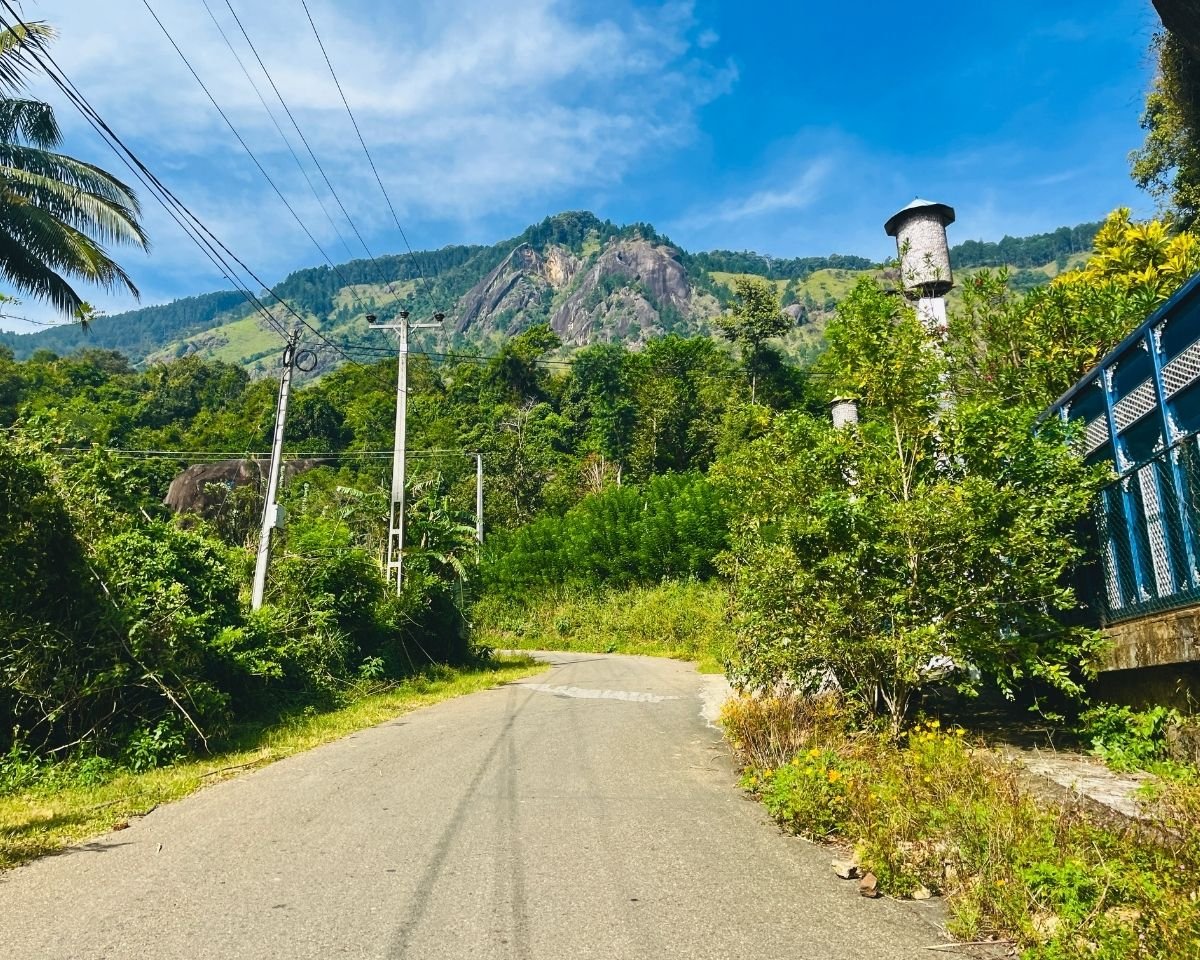
Steep and physically demanding climb over rock surfaces to reach the caves. A rope is used at certain sections for support. A good level of fitness and confidence on uneven terrain is required.
Steep and physically demanding climb over rock surfaces to reach the caves. A rope is used at certain sections for support. A good level of fitness and confidence on uneven terrain is required.
History
Believed to date back several thousand years, representing early human presence in the hill country region.
Believed to date back several thousand years, representing early human presence in the hill country region.
Scenery
Rocky outcrops, forested surroundings, and elevated views across the Ella area.
Rocky outcrops, forested surroundings, and elevated views across the Ella area.
Worth It
Location
View on Map
View on Map
 ravinkavish
 ravinkavish
 ravinkavish
 ravinkavish
 ravinkavish
 ravinkavish
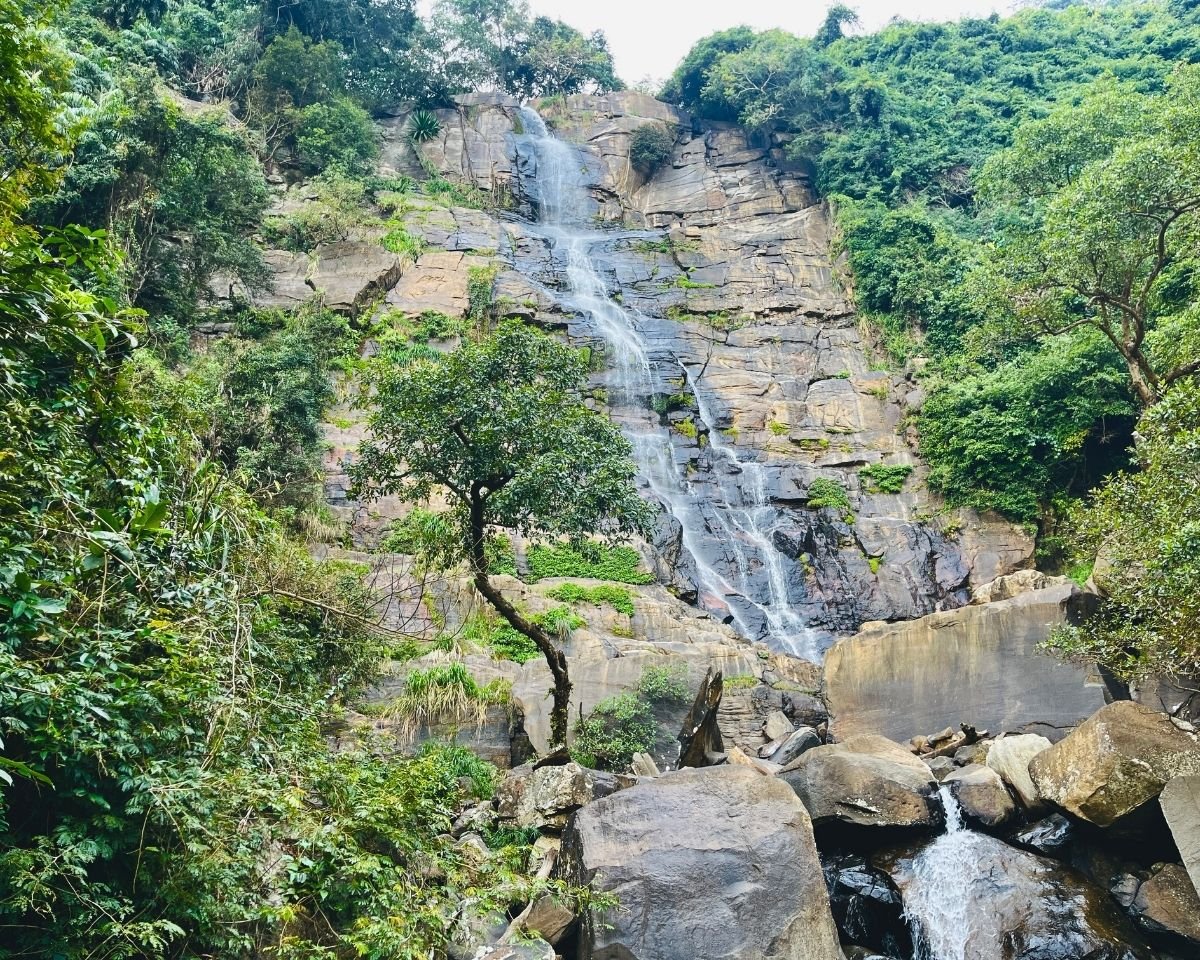
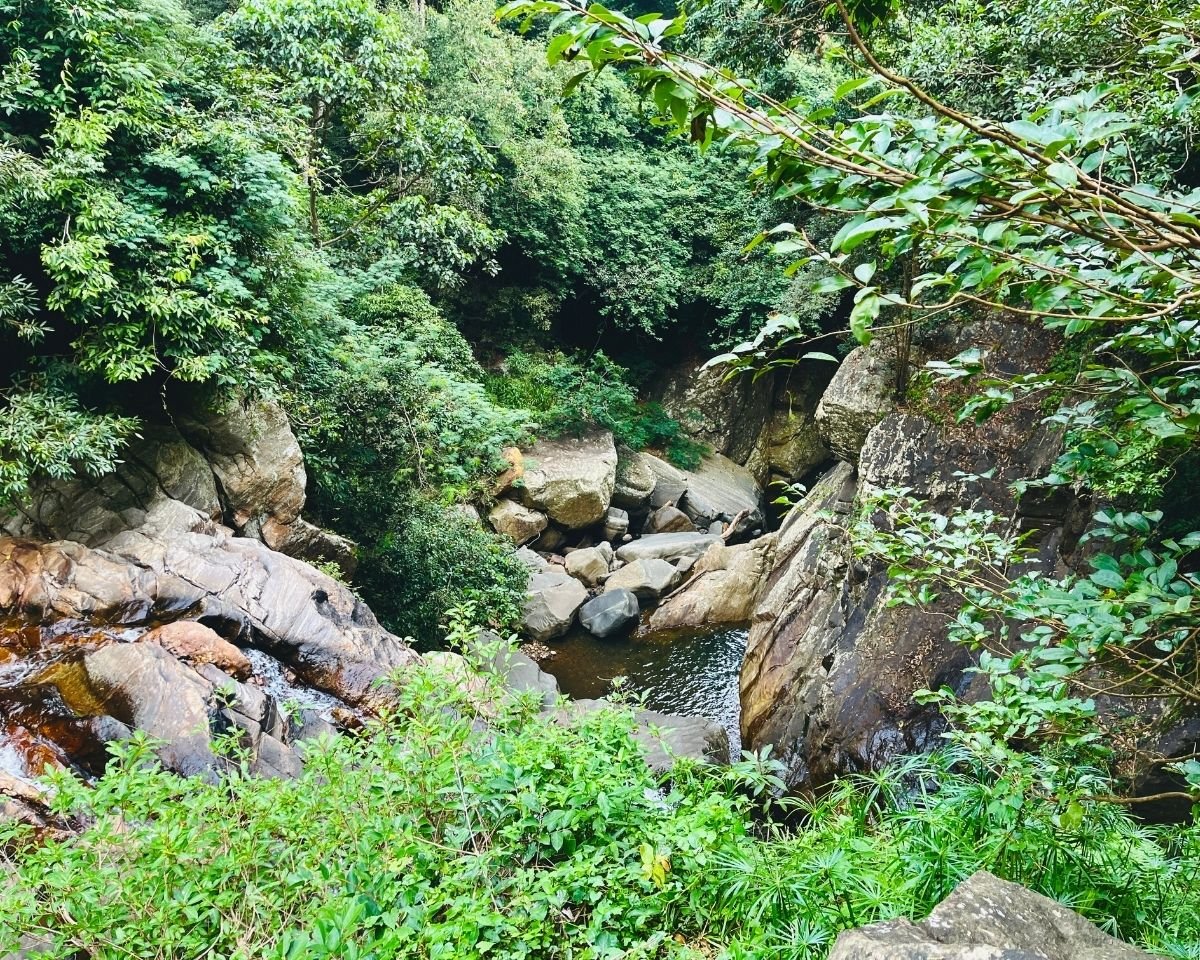
 Waterfall
Small to medium waterfall flowing over layered rock in a secluded natural setting.
Small to medium waterfall flowing over layered rock in a secluded natural setting.
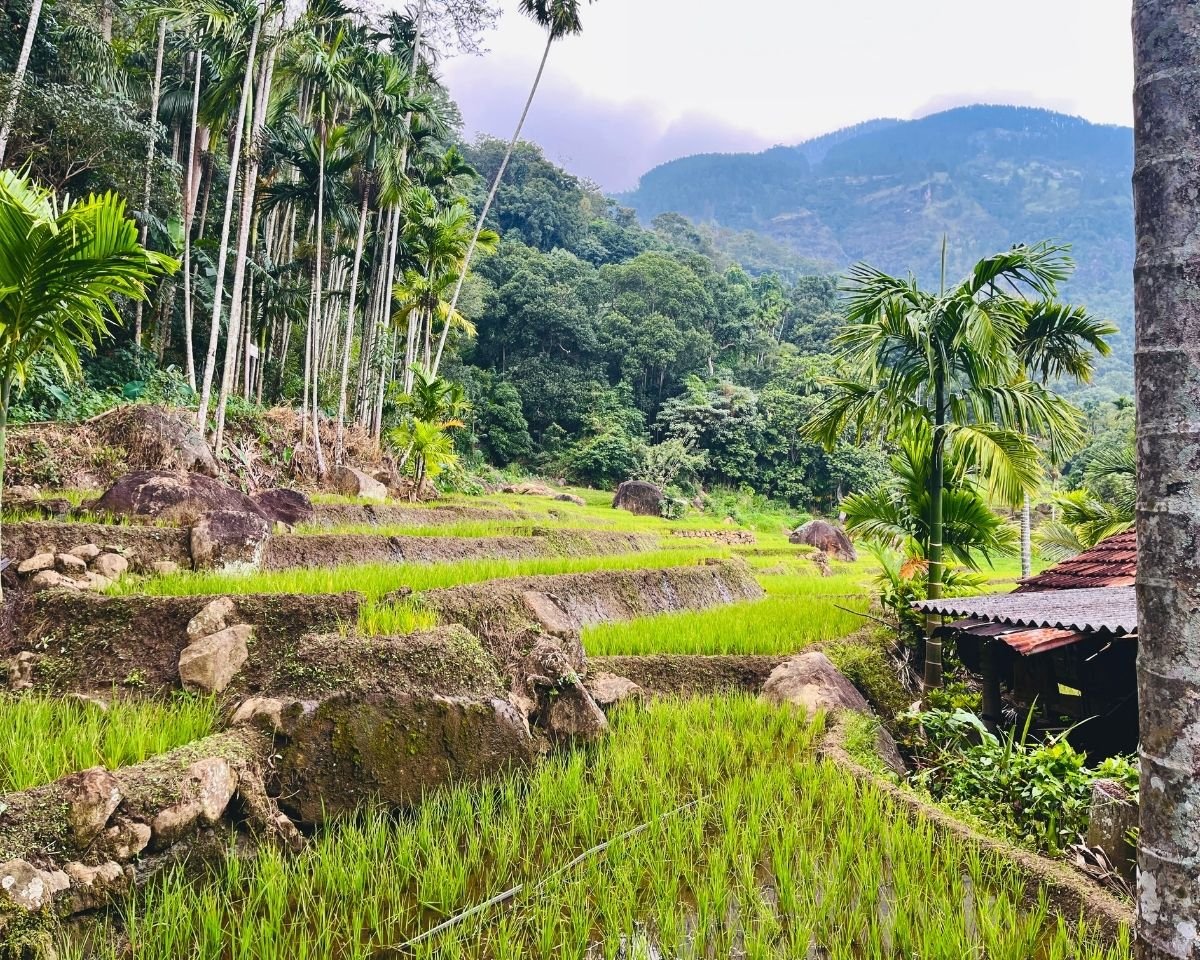
Scenery
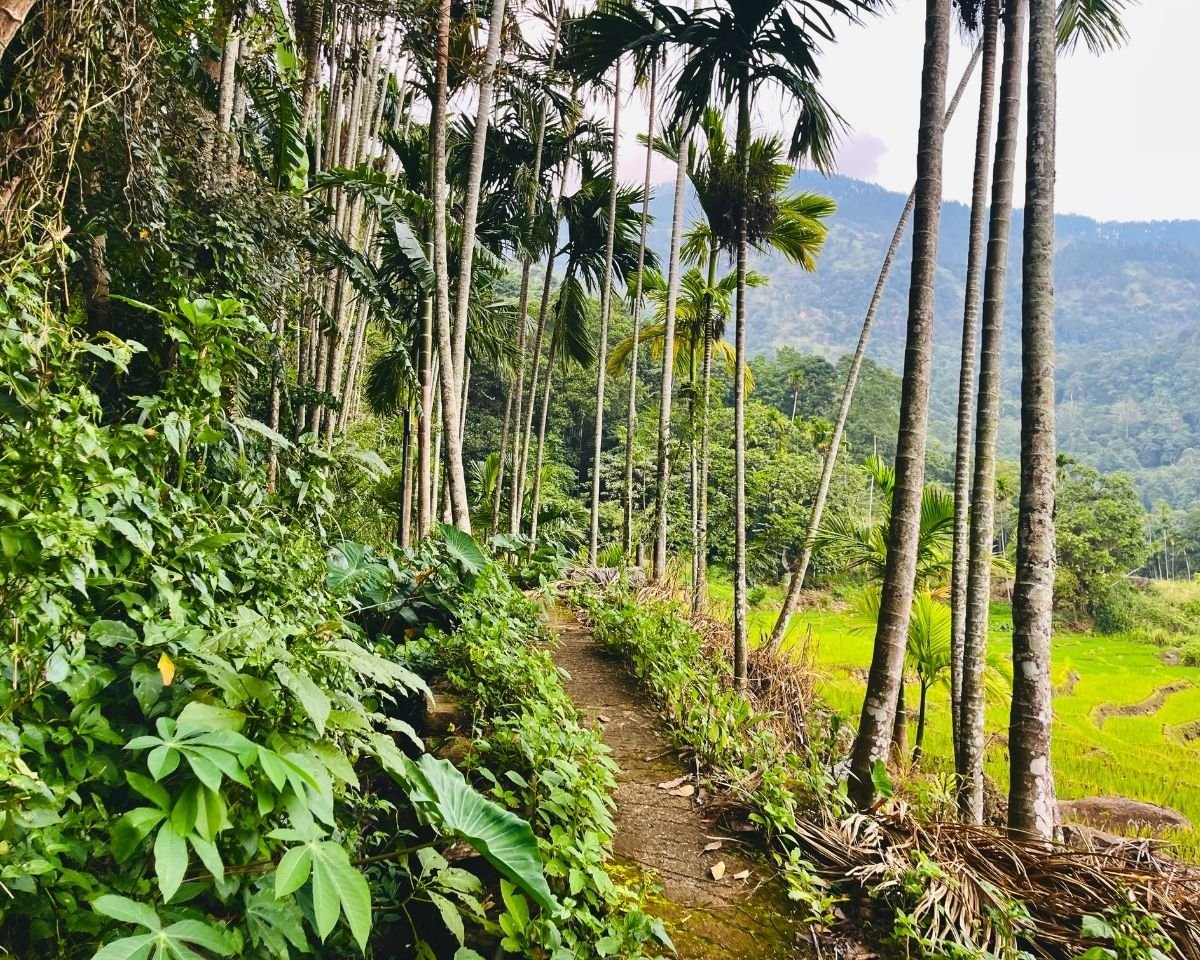
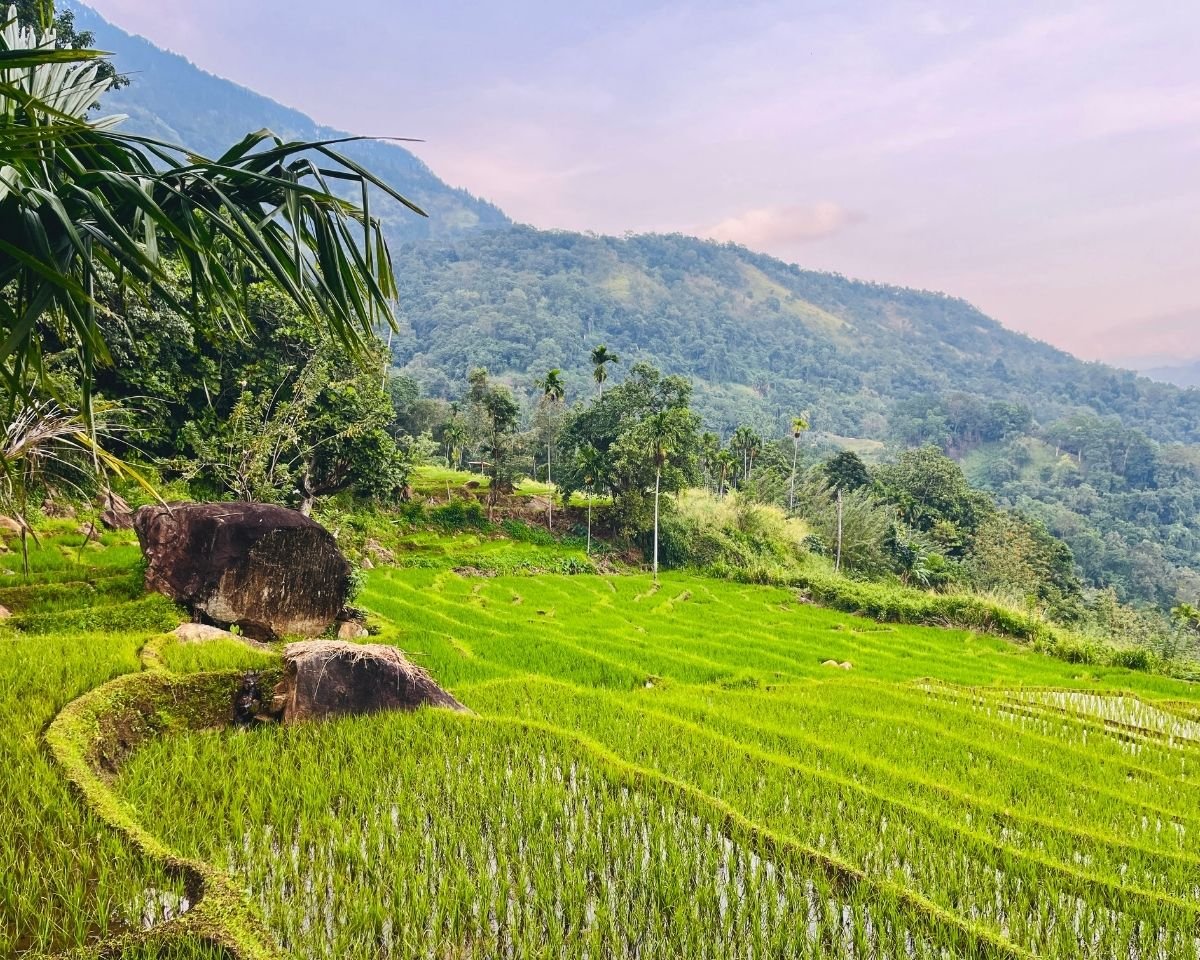
Paddy fields, village paths, forest shade, boulders, and a quiet hill country setting.
Paddy fields, village paths, forest shade, boulders, and a quiet hill country setting.
Hike
Short walk through village paths, paddy fields, and forest sections. Easy to moderate depending on conditions.
Short walk through village paths, paddy fields, and forest sections. Easy to moderate depending on conditions.
 joshua_laporta
Cave Site
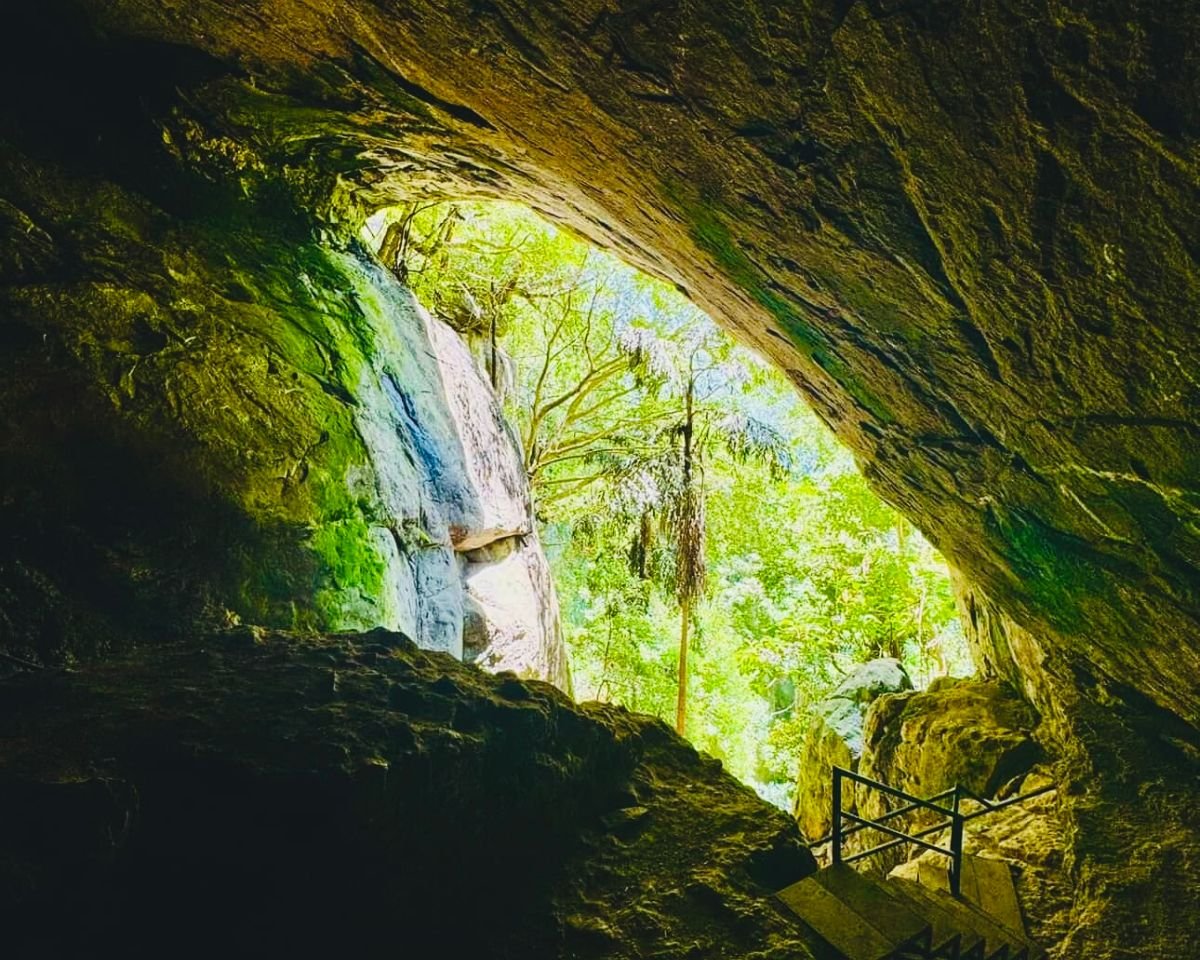
Natural cave set high above the valley, accessed by a long stone stairway.
Natural cave set high above the valley, accessed by a long stone stairway.
Hike
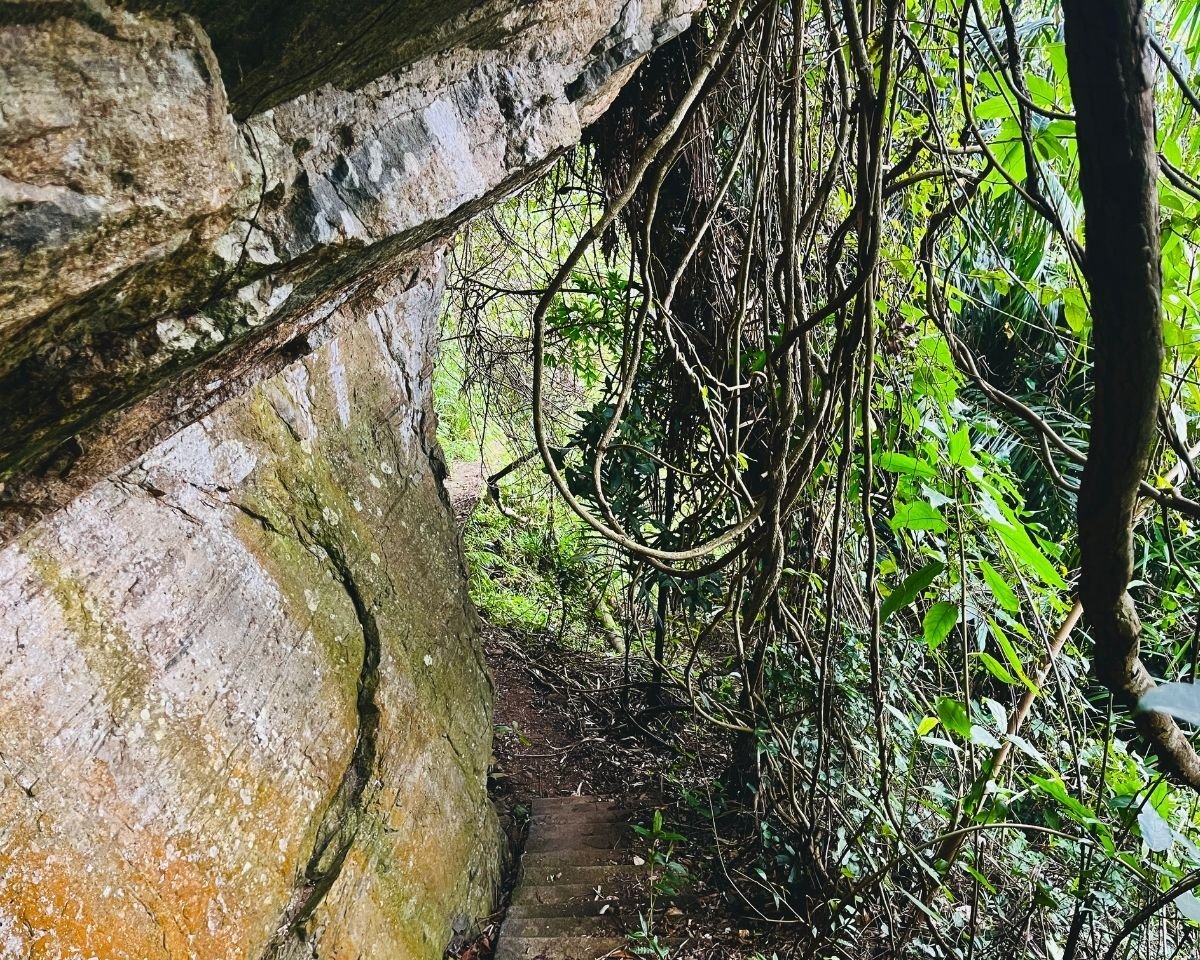
Moderately challenging climb, around 650 to 700 steps, Steep climb up a long stone staircase from the roadside.
Moderately challenging climb, around 650 to 700 steps, Steep climb up a long stone staircase from the roadside.
Scenery
Rocky hillside setting with forest cover, wide cave interior, and views across the surrounding landscape.
Rocky hillside setting with forest cover, wide cave interior, and views across the surrounding landscape.
Entrance Fee
LKR 1,000 ($3 USD ) *Tickets near the Trailhead
Ticket Counter
! Fees are approximate and can vary based on factors such as season, group size, and additional services.
LKR 1,000 ($3 USD ) *Tickets near the Trailhead
Ticket Counter
! Fees are approximate and can vary based on factors such as season, group size, and additional services.
 Optional
Location
View on Map
View on Map
 ravinkavish
 ravinkavish
 haja_jo
 ravinkavish
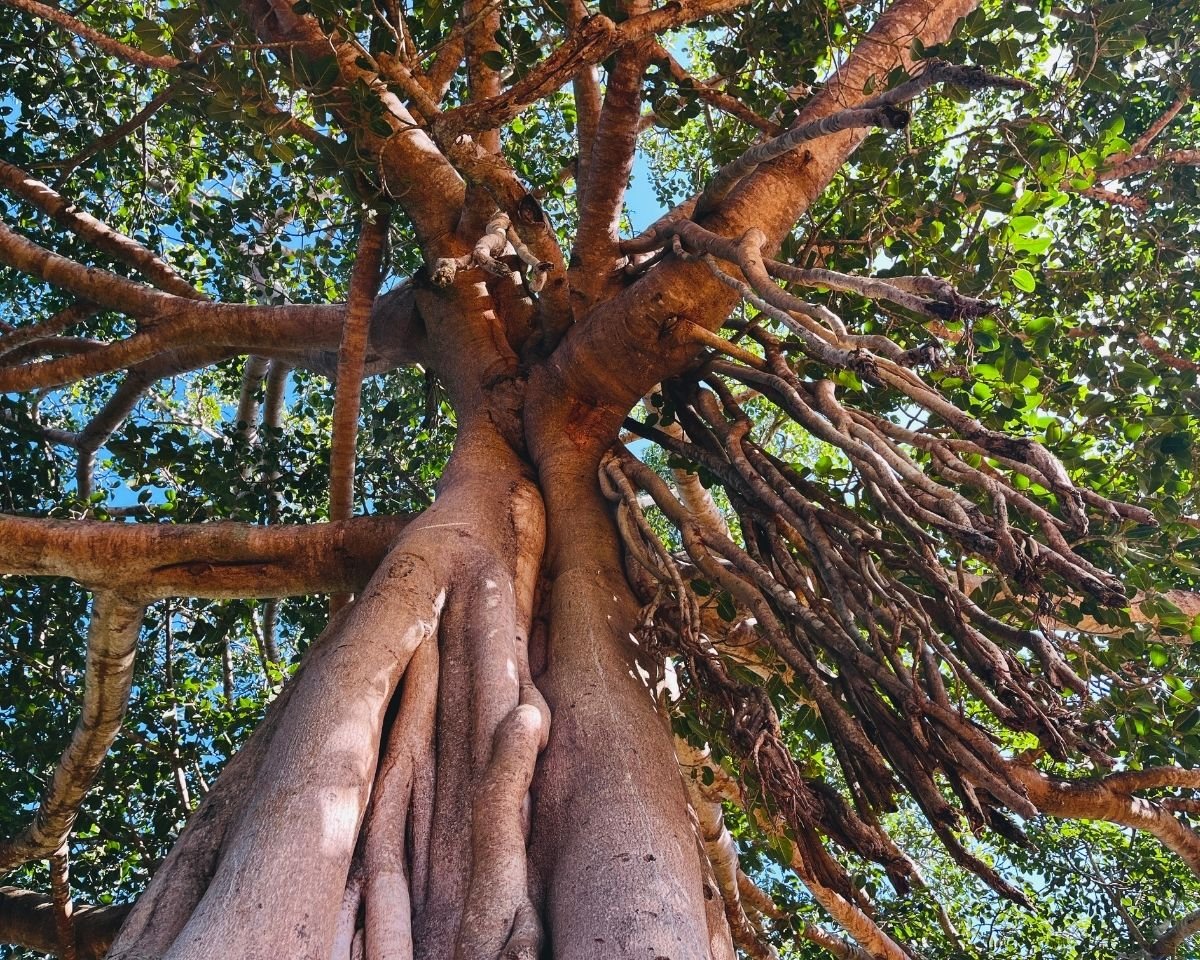 ravinkavish
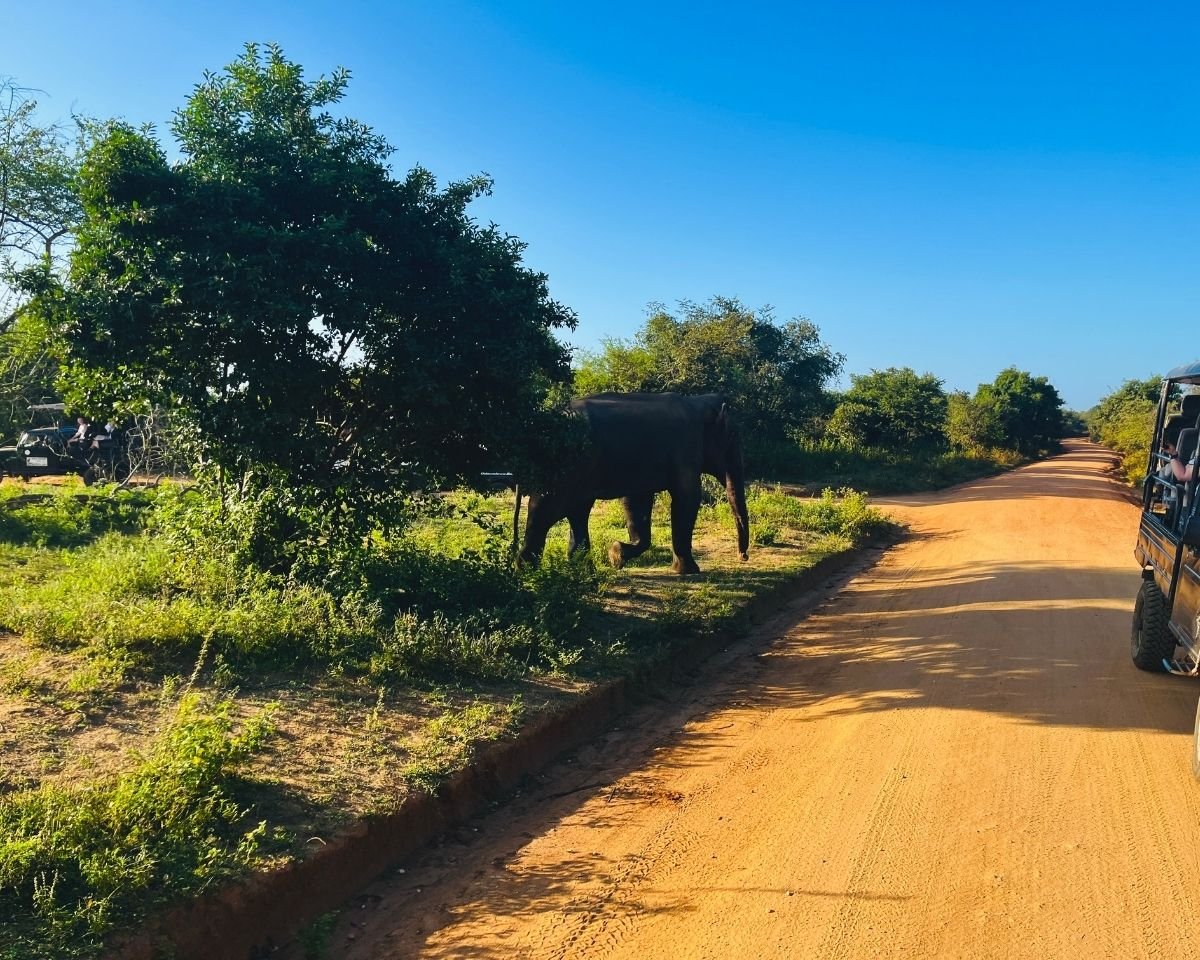 ravinkavish
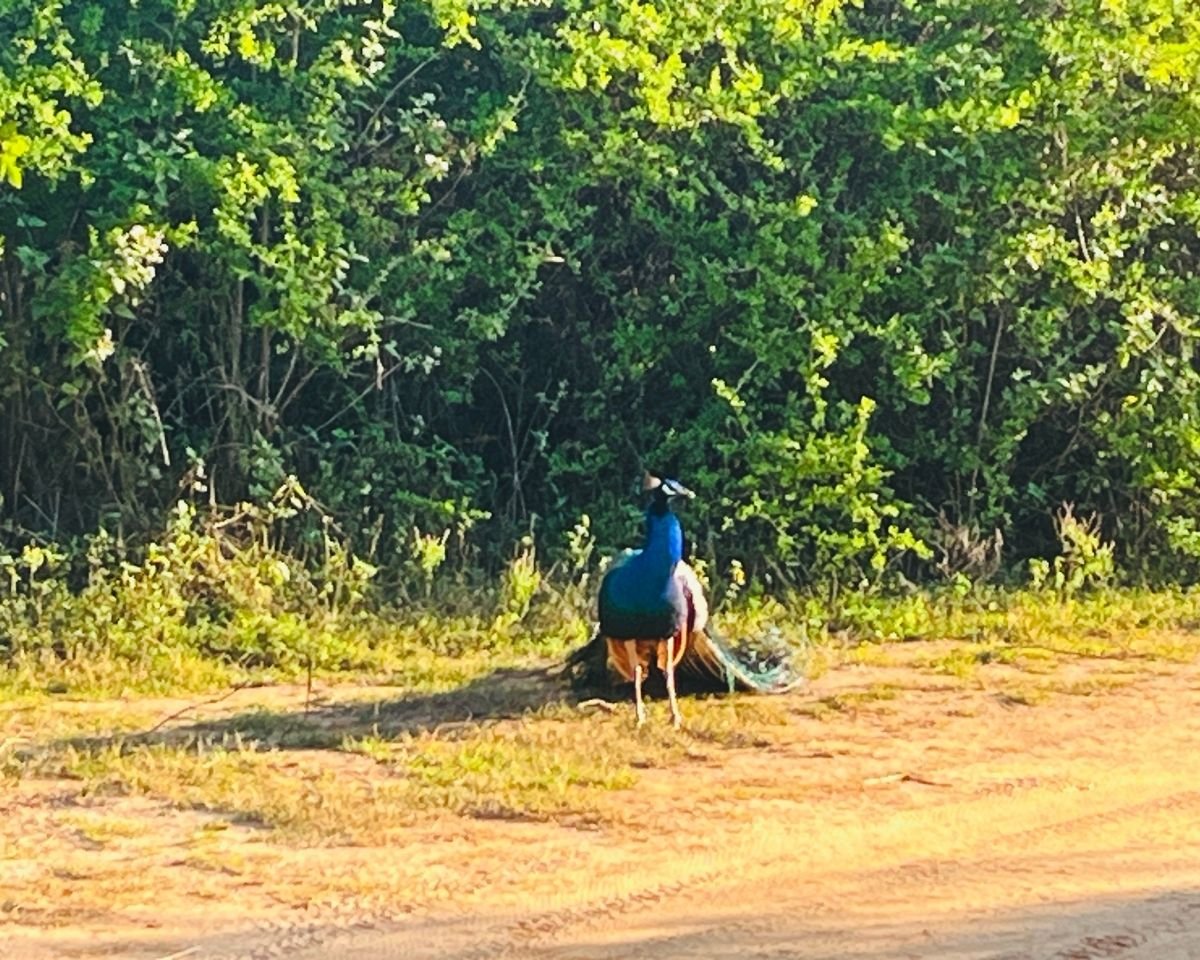 haja_jo
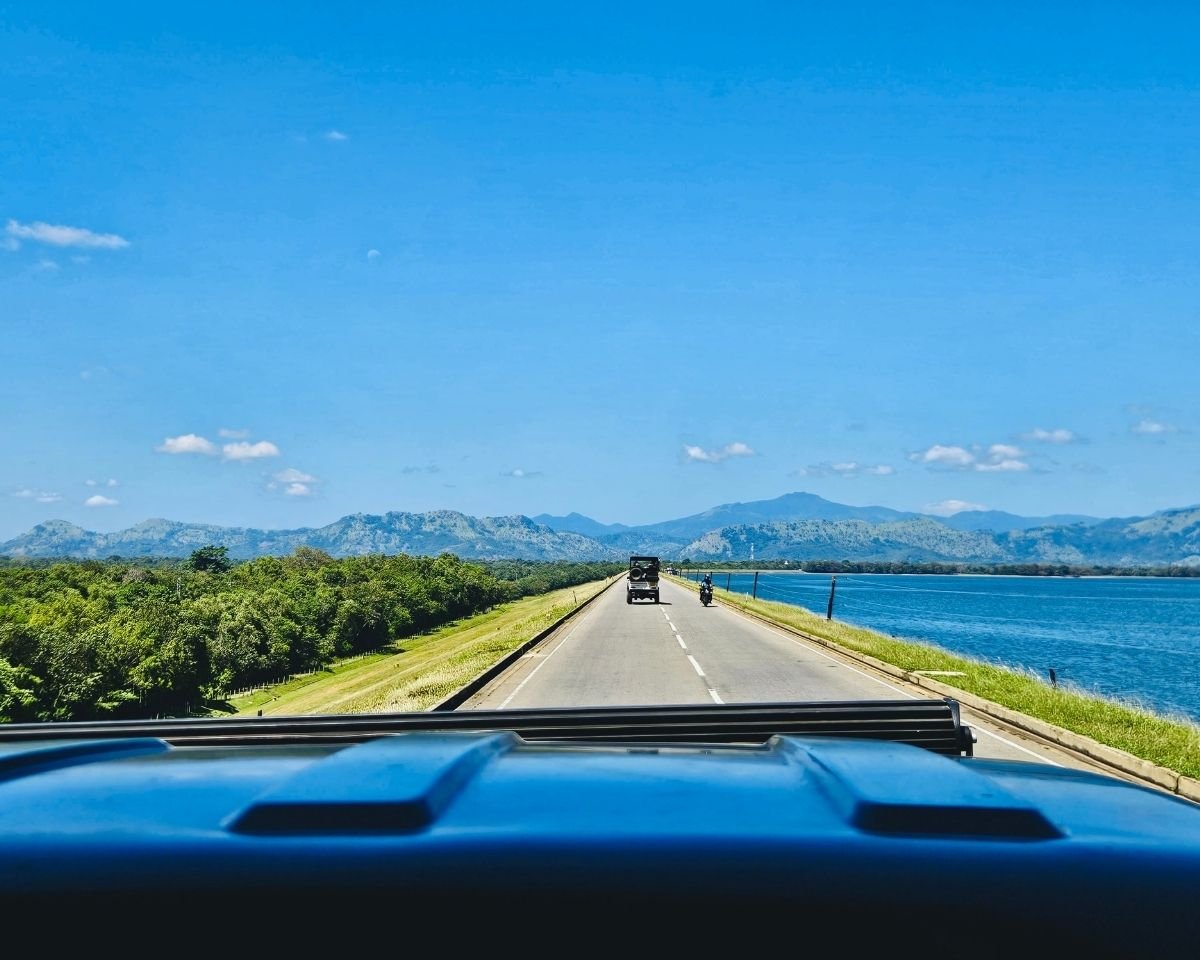 haja_jo
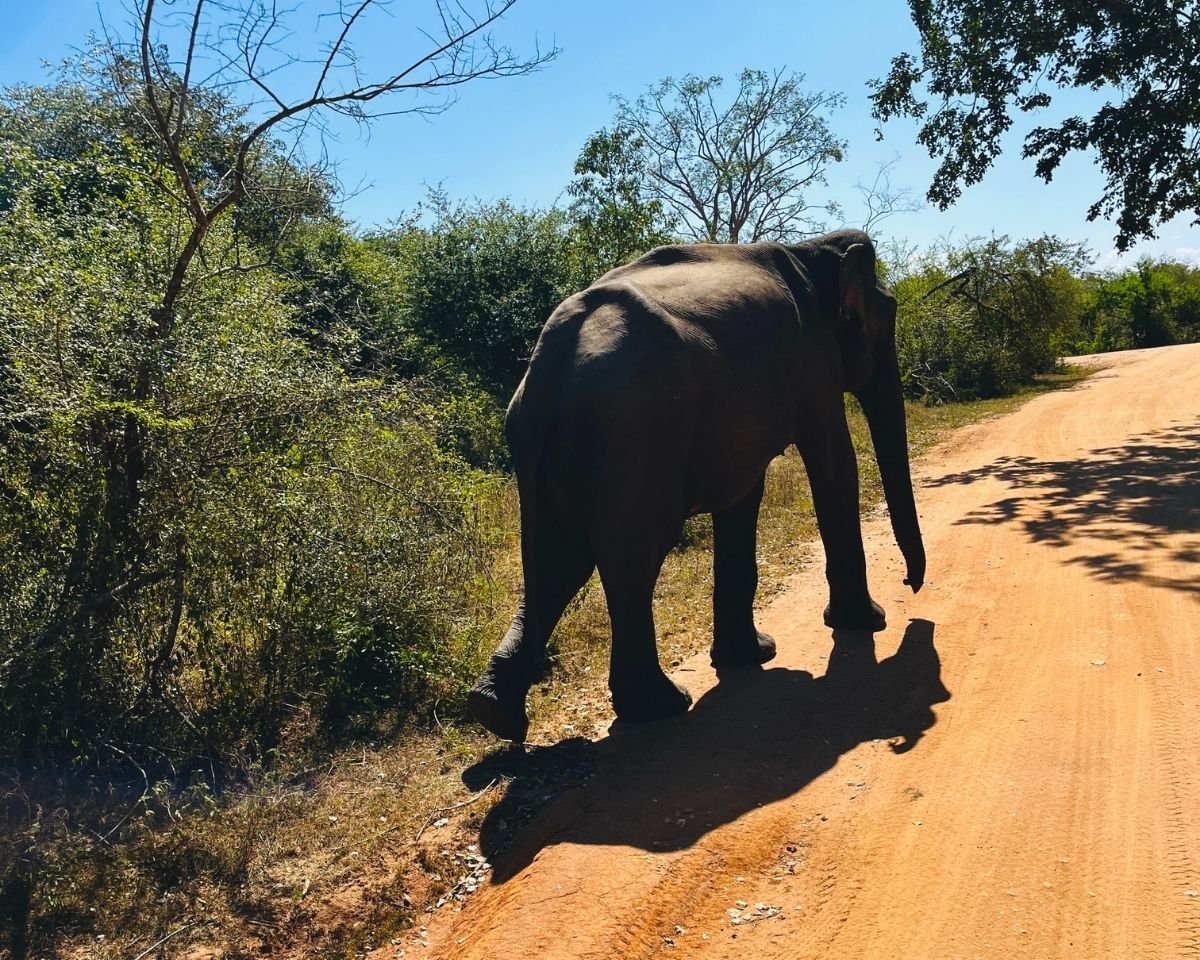
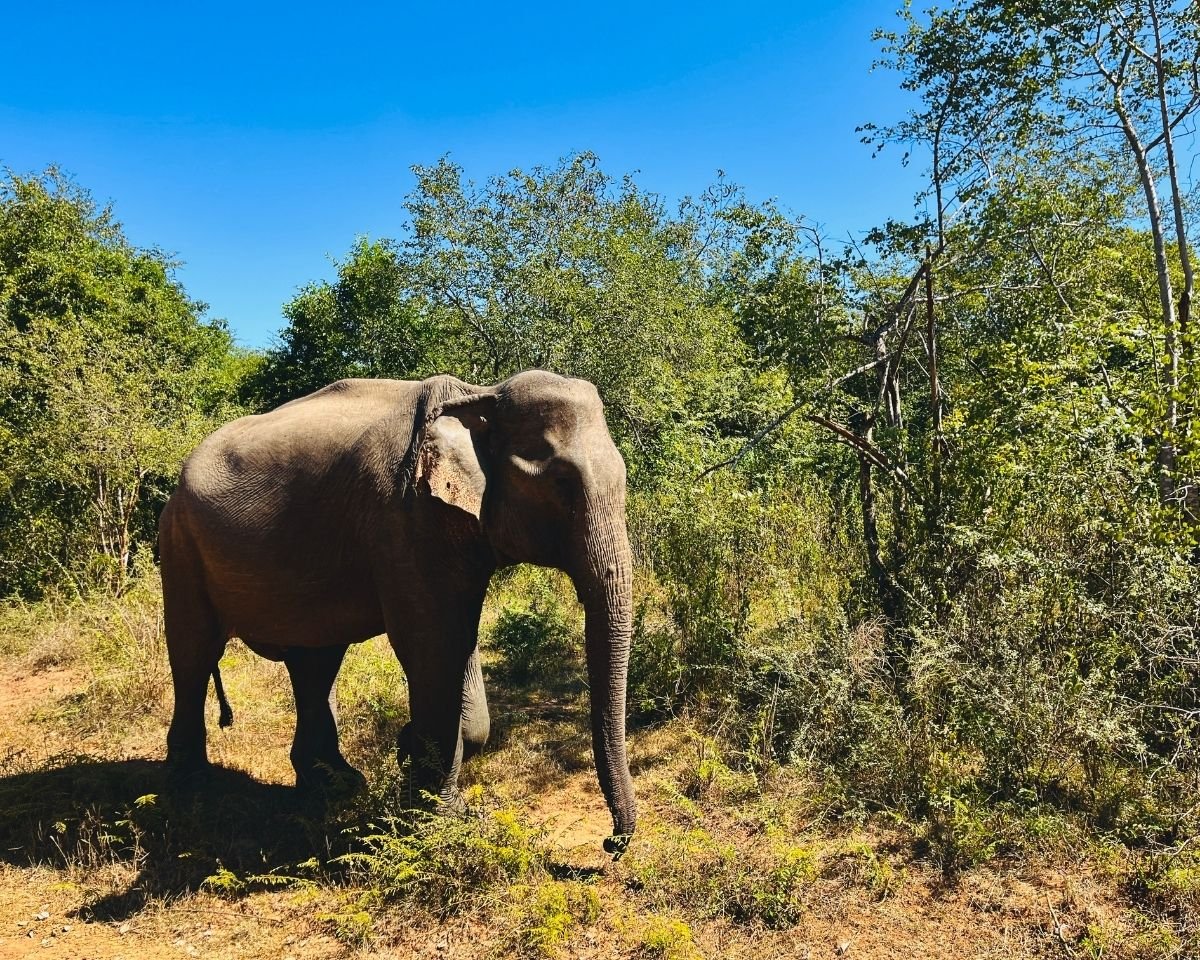
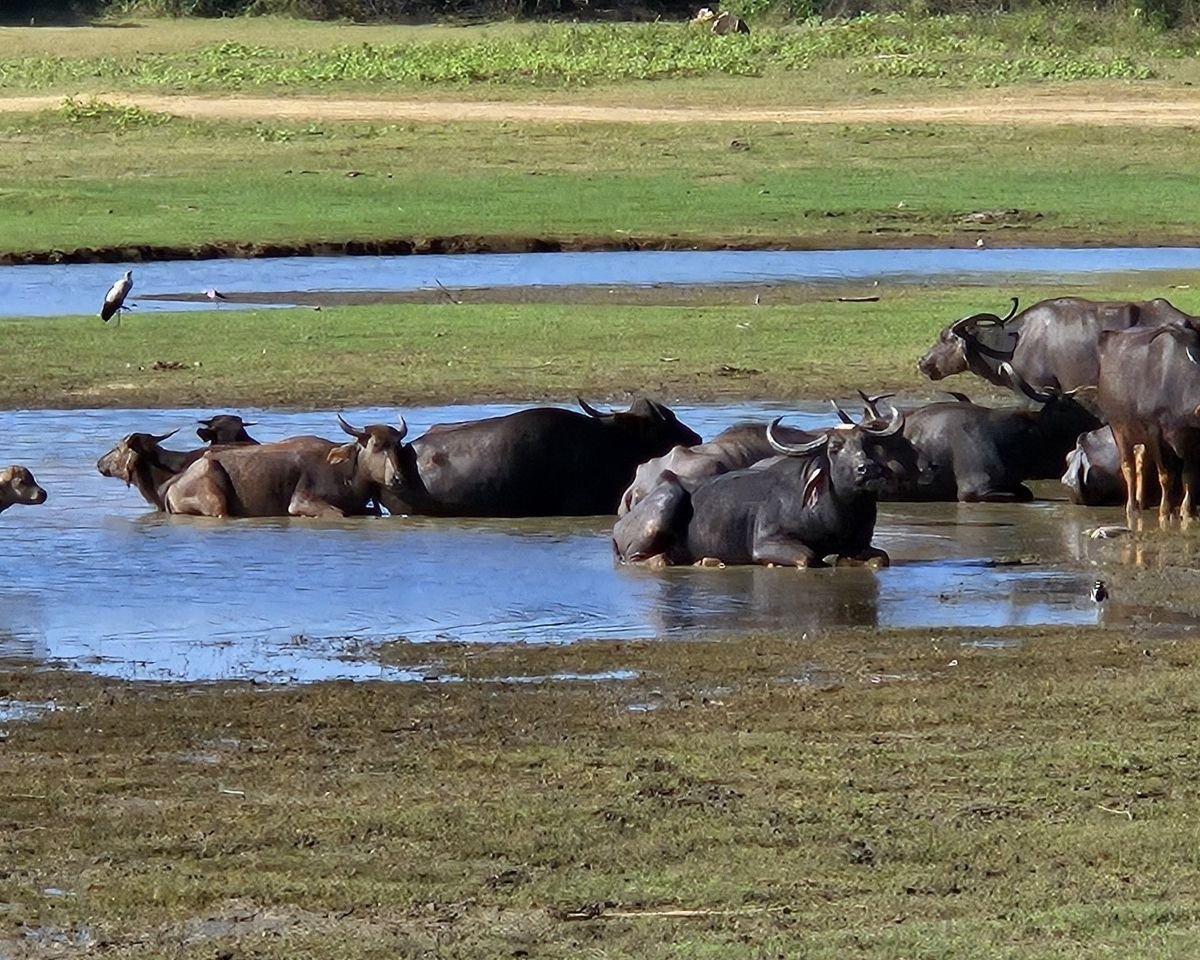
Animals
Asian elephants, water buffalo, deer, crocodiles, jackals, and a wide range of resident and migratory birds.
Asian elephants, water buffalo, deer, crocodiles, jackals, and a wide range of resident and migratory birds.

Activities
Jeep safaris, wildlife photography, birdwatching, and guided nature observation.
Jeep safaris, wildlife photography, birdwatching, and guided nature observation.
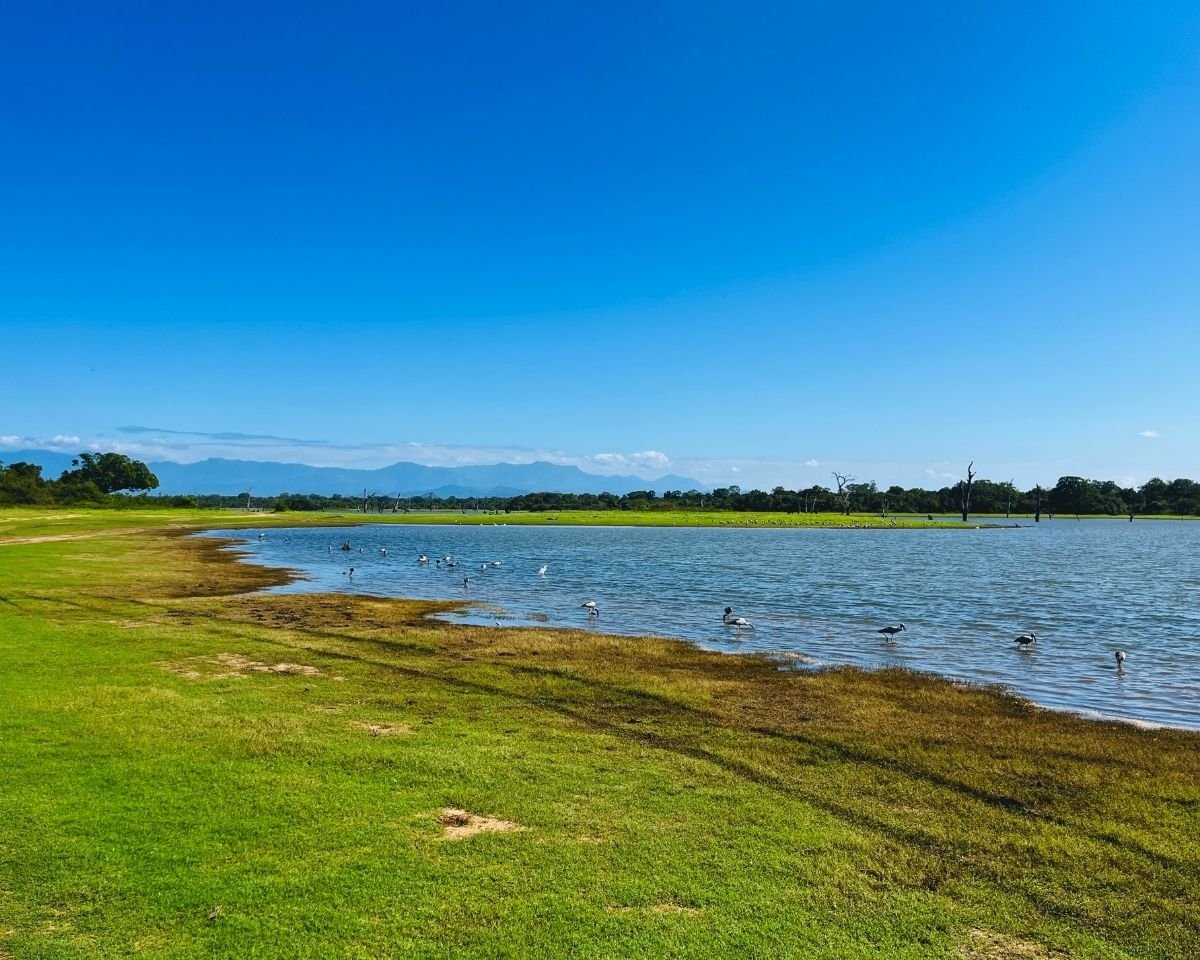
Scenery
Open grasslands, scrub forest, water bodies, and wide dry zone landscapes suitable for wildlife viewing.
Open grasslands, scrub forest, water bodies, and wide dry zone landscapes suitable for wildlife viewing.
Top Pick
Location
View on Map
View on Map

Animals
Asian elephants, leopards, sloth bears, deer, wild boar, crocodiles, and diverse birdlife.
Asian elephants, leopards, sloth bears, deer, wild boar, crocodiles, and diverse birdlife.
Activities
Jeep safaris, wildlife observation, birdwatching, and nature photography.
Jeep safaris, wildlife observation, birdwatching, and nature photography.
Scenery
Dry forest, scrubland, grasslands, and seasonal wetlands within a broad natural landscape.
Dry forest, scrubland, grasslands, and seasonal wetlands within a broad natural landscape.
Top Pick
Location
View on Map
View on Map
Animals
Leopards, Asian elephants, sloth bears, crocodiles, deer, wild boar, and a wide range of bird species.
Leopards, Asian elephants, sloth bears, crocodiles, deer, wild boar, and a wide range of bird species.
Activities
Jeep safaris, wildlife photography, birdwatching, and guided nature observation.
Jeep safaris, wildlife photography, birdwatching, and guided nature observation.
Scenery
Dry forests, grasslands, rocky terrain, water bodies, and coastal landscapes within a single reserve.
Dry forests, grasslands, rocky terrain, water bodies, and coastal landscapes within a single reserve.
Top Pick
Location
View on Map
View on Map