
MASKELIYA

Tea country town at the foot of Adam’s Peak.

Set in Sri Lanka’s central highlands, Maskeliya is a small hill town surrounded by steep valleys, tea estates, and mist covered slopes. Known as one of the main gateways to Adam’s Peak, the town combines pilgrimage routes with everyday local life, offering a quieter and more purposeful hill country experience.

Attractions

9 Top Picks | 6 Worth Seeing | 2 Optional

Scenery
Waterfall
Major multi tiered waterfall formed by the Maskeliya Oya, known for its height and strong flow.

Hike
Hike
Reached via steps and walking paths descending into the valley. Moderate physical effort required, especially on the return climb.

Scenery
Scenery
Deep gorge, steep rock faces, rising mist, and surrounding tea estates and forested slopes.

Laxapana Falls is one of Sri Lanka’s most famous and powerful waterfalls, located close to Maskeliya in the central highlands. Dropping from a great height into a deep rocky gorge, the waterfall is fed by the Maskeliya Oya, a tributary of the Kelani River. Its scale and force make it one of the most striking natural features in the region, especially during periods of heavy rainfall.

The waterfall is closely linked to Sri Lanka’s hydroelectric history, with water from the surrounding area diverted to power stations that have supplied electricity for decades. Despite this, Laxapana retains a strong natural presence, with mist rising from the base and thick vegetation clinging to the steep valley walls. The surrounding landscape of tea estates and forested slopes highlights the contrast between natural power and human engineering.

Viewing Laxapana Falls involves walking down a series of steps and paths that descend toward the base, offering changing perspectives of the cascade along the way. The climb back up can be physically demanding, but the experience provides a clear sense of the waterfall’s height and force. For visitors staying in Maskeliya, Laxapana Falls is a key natural attraction that reflects both the raw energy and layered history of the hill country.
Read More
Lake
Lake
Highland reservoir formed by damming the Maskeliya Oya, supporting hydroelectric power generation.
Scenery
Scenery
Wide open water, tea estate covered hills, misty surroundings, and layered highland views.

Scenery
History
Constructed during the British colonial period in the early 20th century as part of the Laxapana hydroelectric scheme.

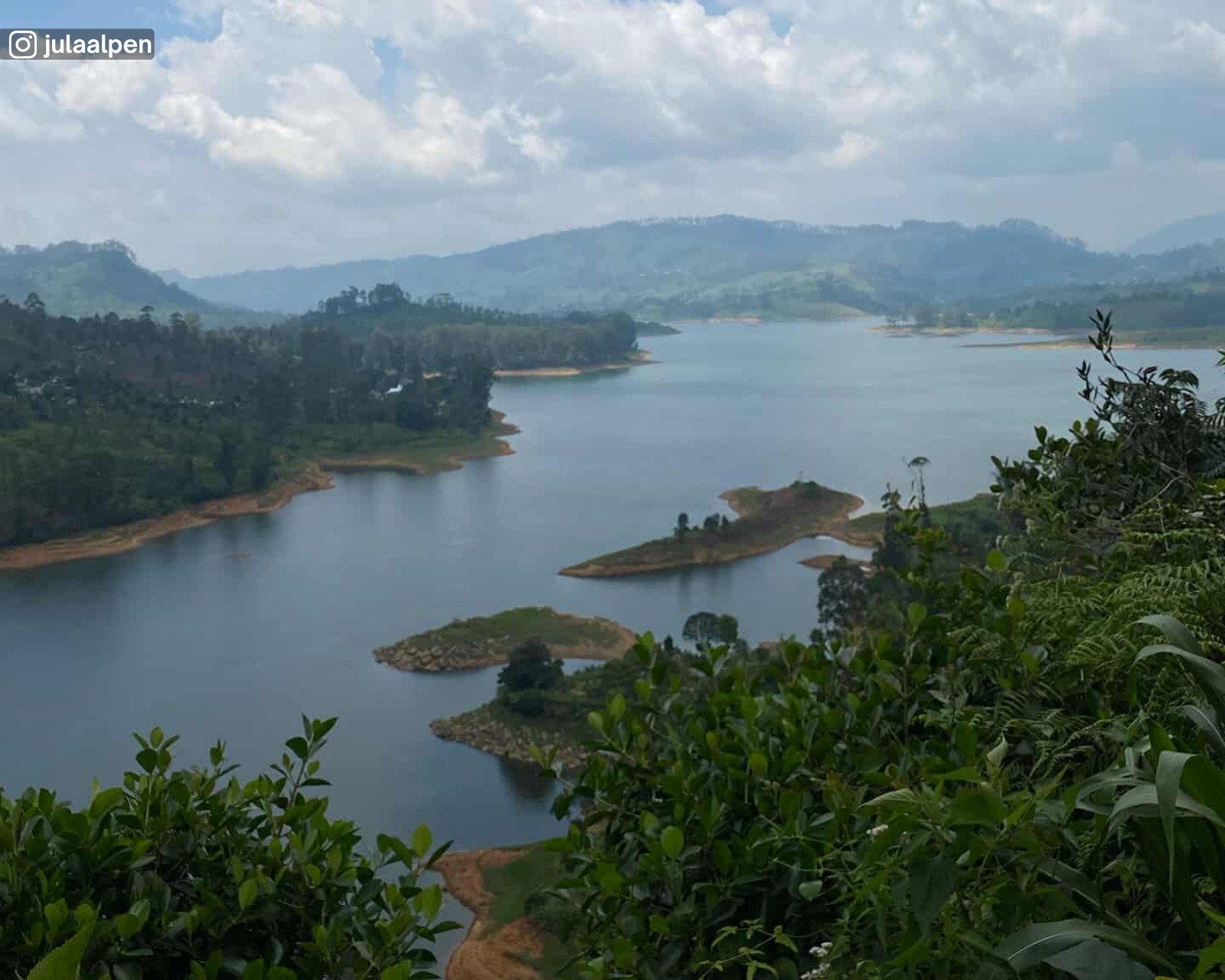
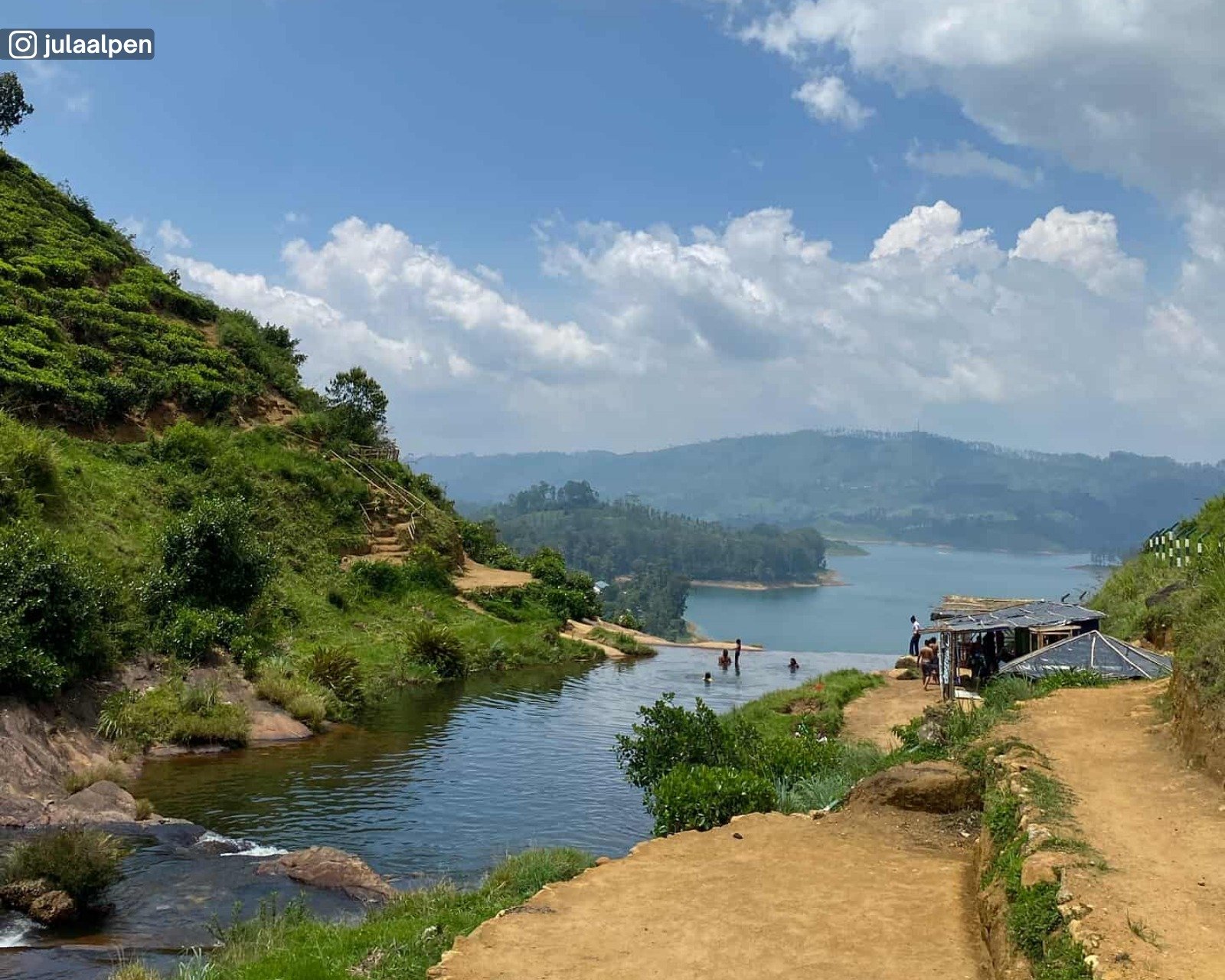
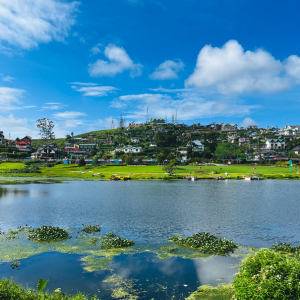
Maussakelle Reservoir is a large highland water body located near Maskeliya, set within a basin of steep hills, tea estates, and mist filled valleys. Formed by damming the Maskeliya Oya, the reservoir is a key part of the region’s hydropower landscape and plays a major role in regulating water flow through the central highlands. Its broad surface and surrounding slopes give it a quieter and more expansive feel compared to nearby waterfalls.

The reservoir was developed during the British colonial period in the early 20th century as part of the Laxapana hydroelectric scheme, one of Sri Lanka’s earliest large-scale power projects. Water stored at Maussakelle is released downstream to generate electricity, demonstrating early engineering solutions adapted to steep terrain and heavy rainfall. The construction of the reservoir reshaped the valley, influencing estate boundaries, access roads, and settlement patterns in the Maskeliya area.

Today, Maussakelle Reservoir is appreciated for its calm atmosphere and scenic setting rather than dramatic movement. The still water reflects surrounding hills and shifting cloud cover, while estate roads along the shoreline offer quiet viewpoints and walking routes. For visitors staying in Maskeliya, the reservoir provides a peaceful counterbalance to nearby hikes, waterfalls, and pilgrimage routes, encouraging slower exploration and observation.
Read More
Scenery
Church
Historic Anglican church belonging to the Church of Ceylon.
Scenery
History
Built in the late 19th century during the British colonial period to serve plantation communities in the Dickoya area.
Scenery
Scenery
Tea estate surroundings, misty hills, and a quiet highland setting. Colonial era Anglican design with simple Gothic features, timber interiors, and stained glass elements.

Map Icon
Location

MapChurch
Christ Church Warleigh
Top Pick
Christ Church Warleigh is a historic Anglican church located in Dickoya, near Maskeliya, set within Sri Lanka’s central highlands. Built during the British colonial period, the church reflects the presence of plantation era communities that developed alongside tea estates in the region. Its quiet setting among rolling hills and estate land gives it a calm and reflective atmosphere, distinct from urban churches.

The church was constructed in the late 19th century to serve British planters and estate workers living in the Warleigh and Dickoya area. As part of the Church of Ceylon, Christ Church Warleigh played an important role in the social and religious life of the colonial hill country. The surrounding cemetery and estate roads offer subtle reminders of the region’s plantation history and long standing settlement patterns.

Architecturally, the church features simple Gothic influenced design elements, including pointed arches, timber interiors, and stained glass details. The structure blends naturally into its surroundings, with views of tea covered hills and mist drifting through the valley. For visitors staying in Maskeliya or travelling through Dickoya, Christ Church Warleigh offers a quiet cultural stop that adds historical depth to the hill country experience.
Read More
Scenery
Waterfall
Tall seasonal waterfall descending from tea estate highlands into a forested valley.
Scenery
Scenery
Tea plantations, steep cliffs, forested slopes, and open highland views. Viewed from nearby estate roads and viewpoints. Direct access to the base is limited and not commonly used.
Gartmore Falls
Top Pick
Gartmore Falls is a scenic waterfall located near Maskeliya, set within the tea estate landscape of the central highlands. The cascade flows over a rocky cliff into a forested valley below, creating a strong visual contrast between cultivated estate land above and dense greenery beneath. Its setting feels open and elevated, shaped by both natural terrain and plantation era land use.

The waterfall is fed by mountain streams that swell during periods of rainfall, making its flow highly seasonal. During wetter months, Gartmore Falls becomes powerful and wide, sending mist into the surrounding valley. In drier periods, the flow reduces, revealing the rock structure and the steep drop more clearly. The surrounding estate roads and viewpoints provide partial perspectives of the falls from above rather than direct access to the base.

Gartmore Falls is best appreciated as a viewpoint stop rather than a place for close interaction. The area remains quiet and lightly visited, with few formal facilities, allowing the landscape to speak for itself. For travellers staying in Maskeliya or passing through estate routes, the waterfall adds a dramatic natural feature to the region’s mix of reservoirs, hills, and plantation scenery.
Read More
Scenery
Waterfall
Tall, narrow waterfall flowing over a steep rock face within a tea estate setting.
Scenery
Scenery
Tea plantations, forested slopes, rocky cliffs, and quiet highland surroundings. Viewed from nearby estate roads and footpaths. Direct access to the base is limited and not commonly used.
Moray Falls
Top Pick
Moray Falls is a lesser known waterfall located near Maskeliya, set within the tea estate landscape of Sri Lanka’s central highlands. The cascade drops over a steep rock face into a forested section below, creating a narrow but visually striking fall. Its surroundings are shaped by estate land and natural forest, giving it a quiet and relatively untouched character compared to more accessible waterfalls in the region.

The waterfall is fed by small mountain streams, making its flow highly seasonal. During periods of rainfall, Moray Falls becomes more pronounced and energetic, while in drier months it reduces to a thin stream tracing the rock face. The approach typically follows estate roads and footpaths, with viewpoints offering partial views of the falls rather than close access to the base.

Moray Falls is best appreciated as a scenic stop rather than a destination for extended activity. The lack of formal access paths and facilities keeps visitor numbers low, preserving the natural atmosphere. For travellers exploring Maskeliya and its surrounding estates, the waterfall adds another layer to the region’s landscape of reservoirs, hills, and plantation era scenery.
Read More
Scenery
Sacred Site
Major pilgrimage site revered by Buddhists, Hindus, Muslims, and Christians.
Hike
Hike
Challenging climb involving thousands of steps. Typically takes 4–6 hours to ascend, depending on pace and starting point.
Scenery
Scenery
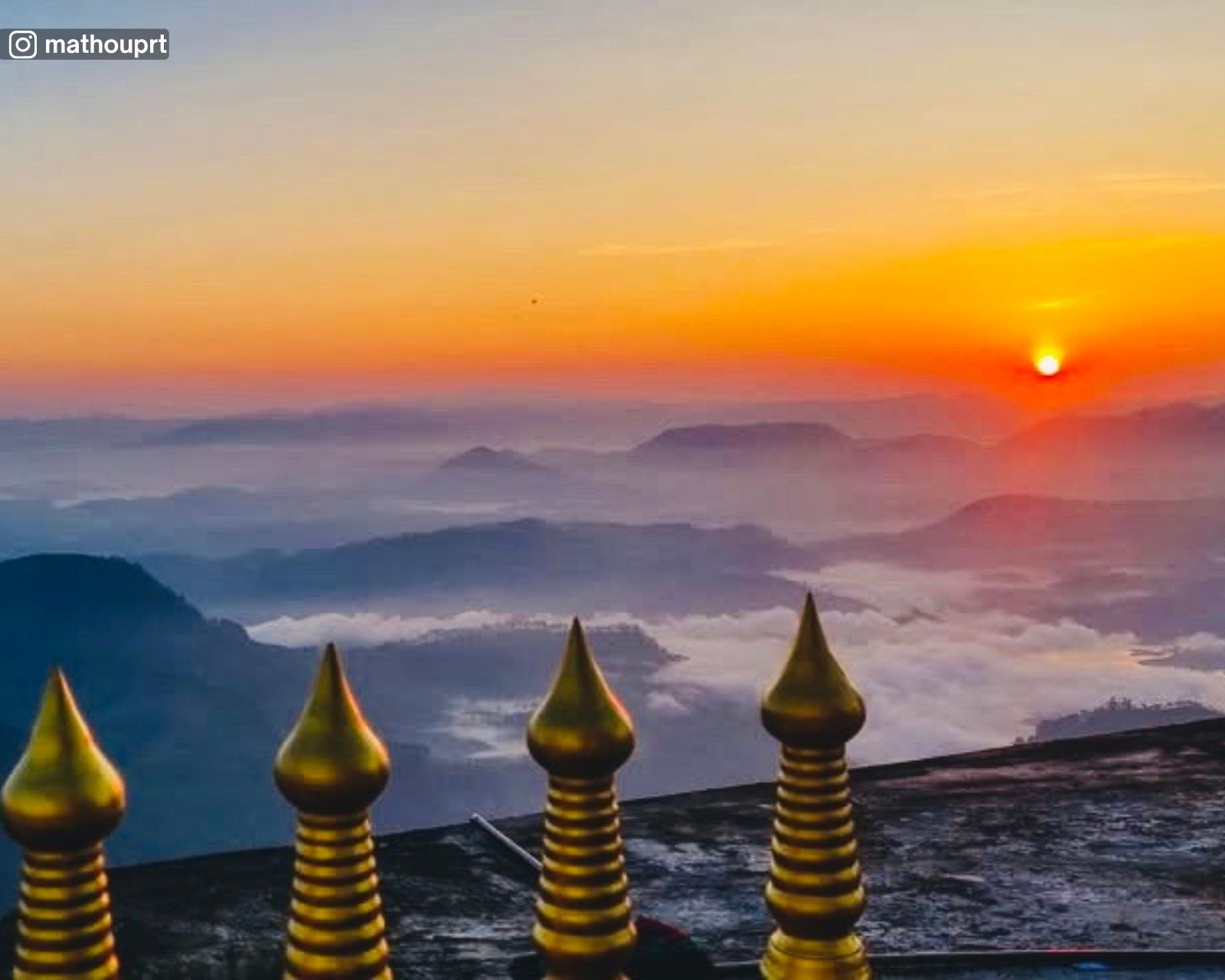
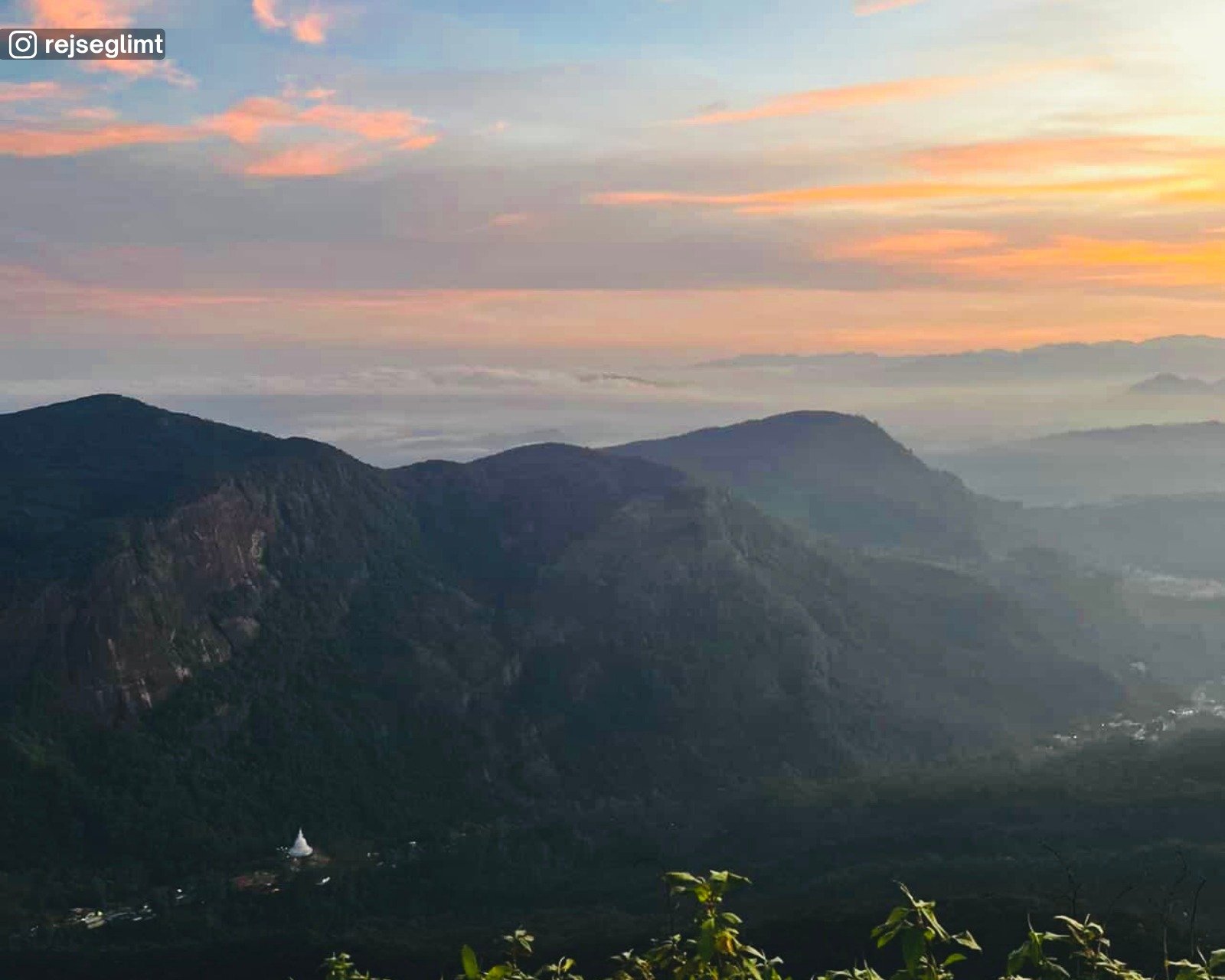
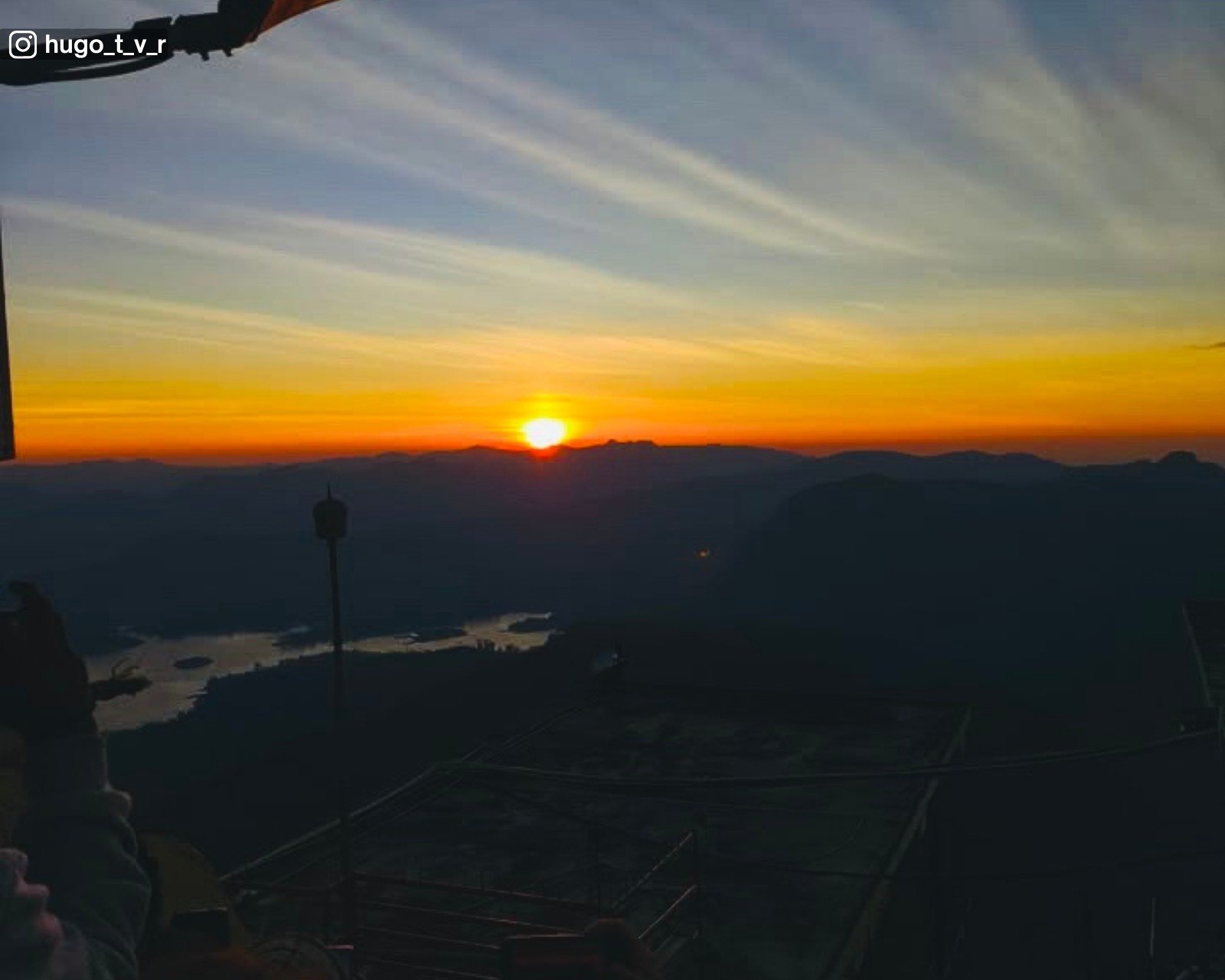
Forested slopes, mountain ridges, mist filled valleys, and expansive sunrise views from the summit.
Scenery
History
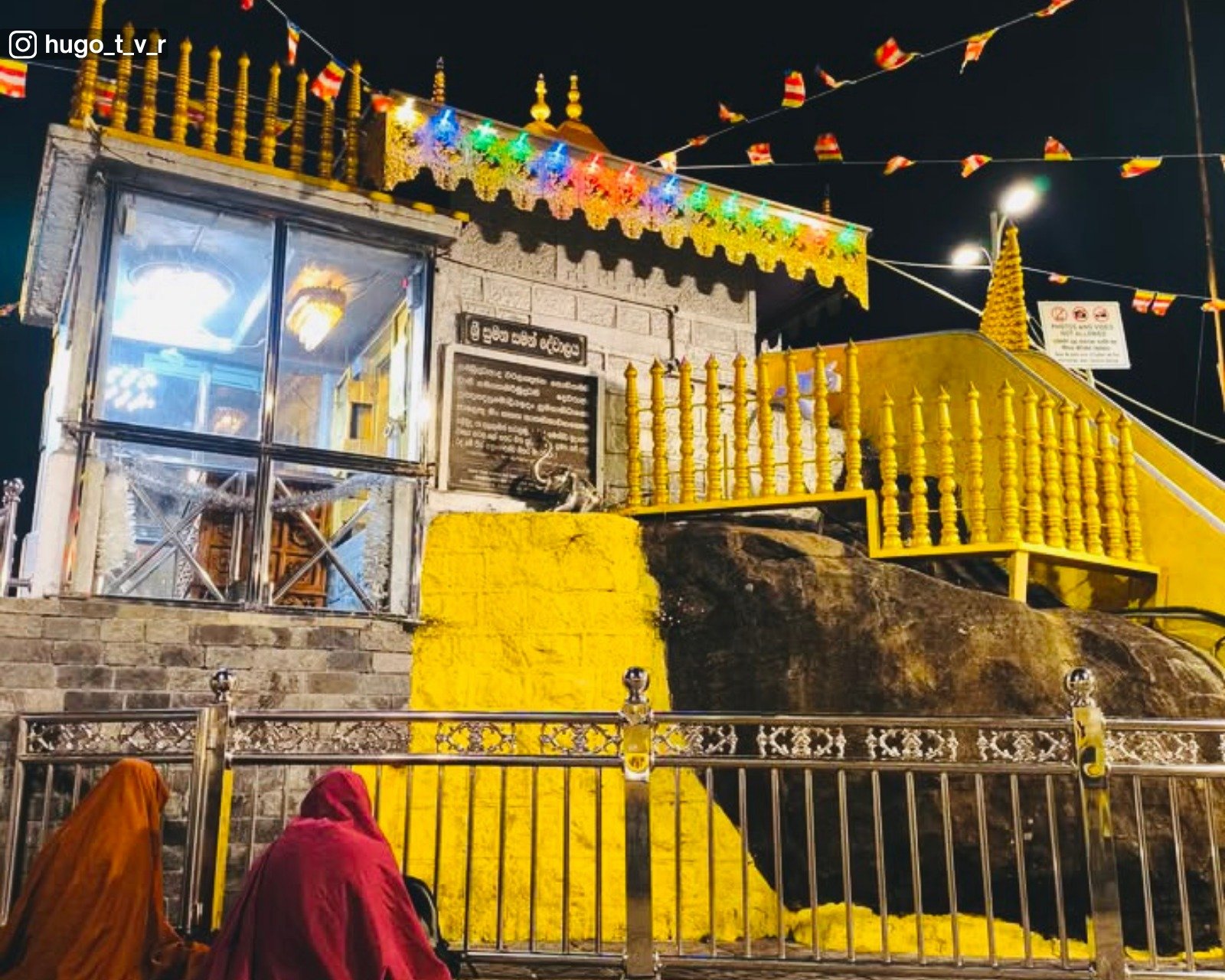
A sacred site for centuries, centred around the footprint at the summit known as Sri Pada, associated with multiple religious traditions.

Art & Culture
Art & Culture
A living pilgrimage tradition shaped by shared rituals, symbols, lamps, and practices from multiple faiths centred around the sacred footprint.
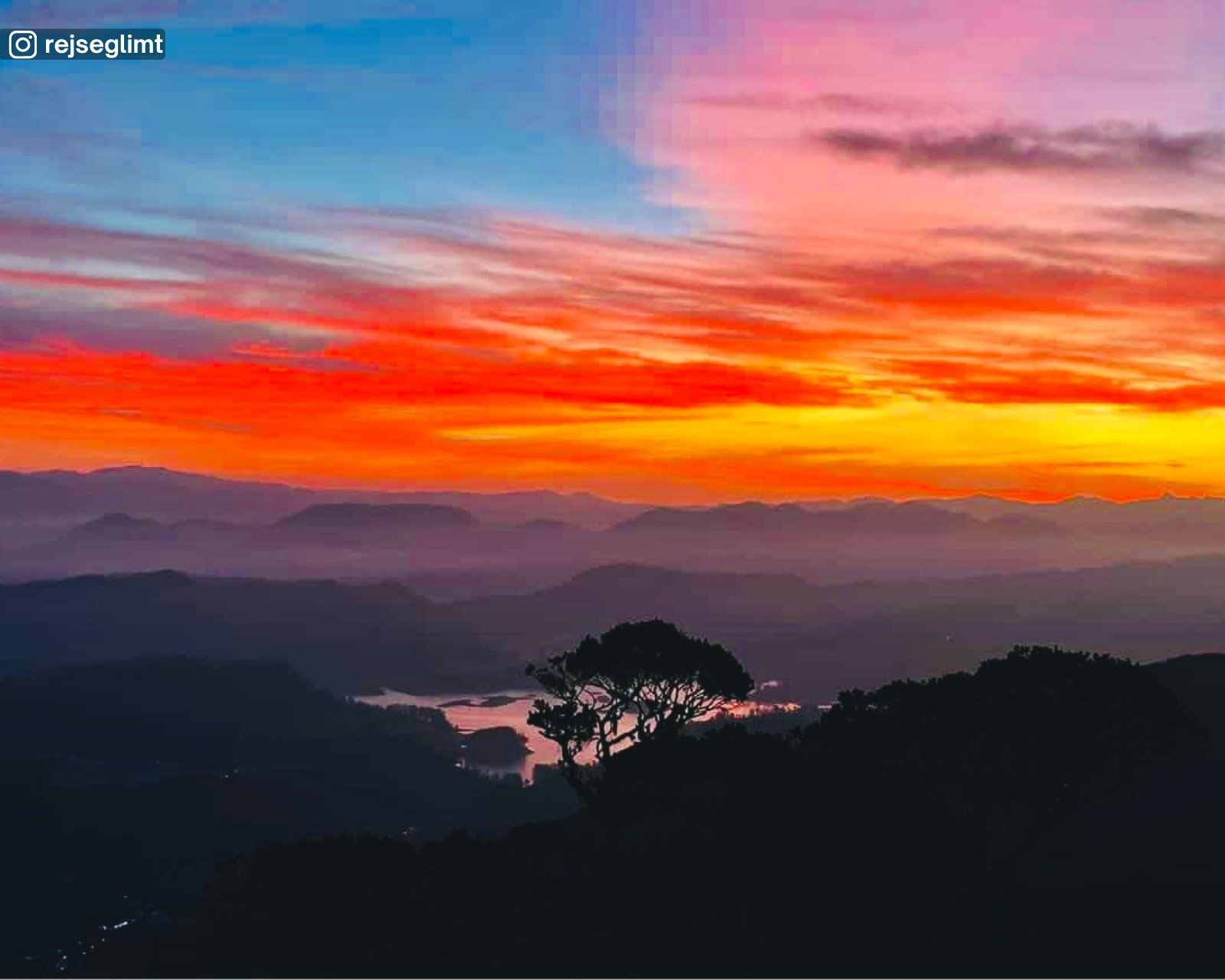
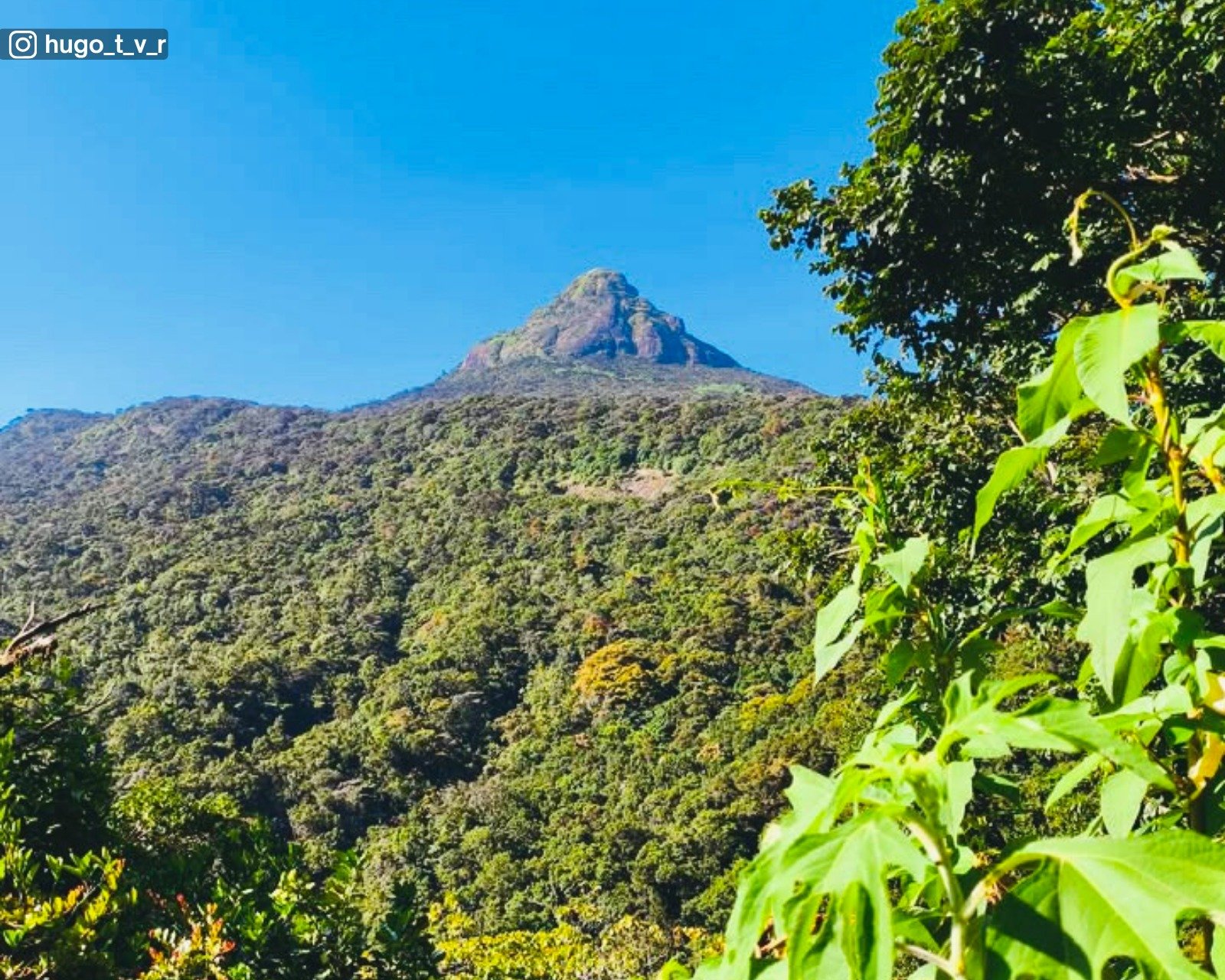
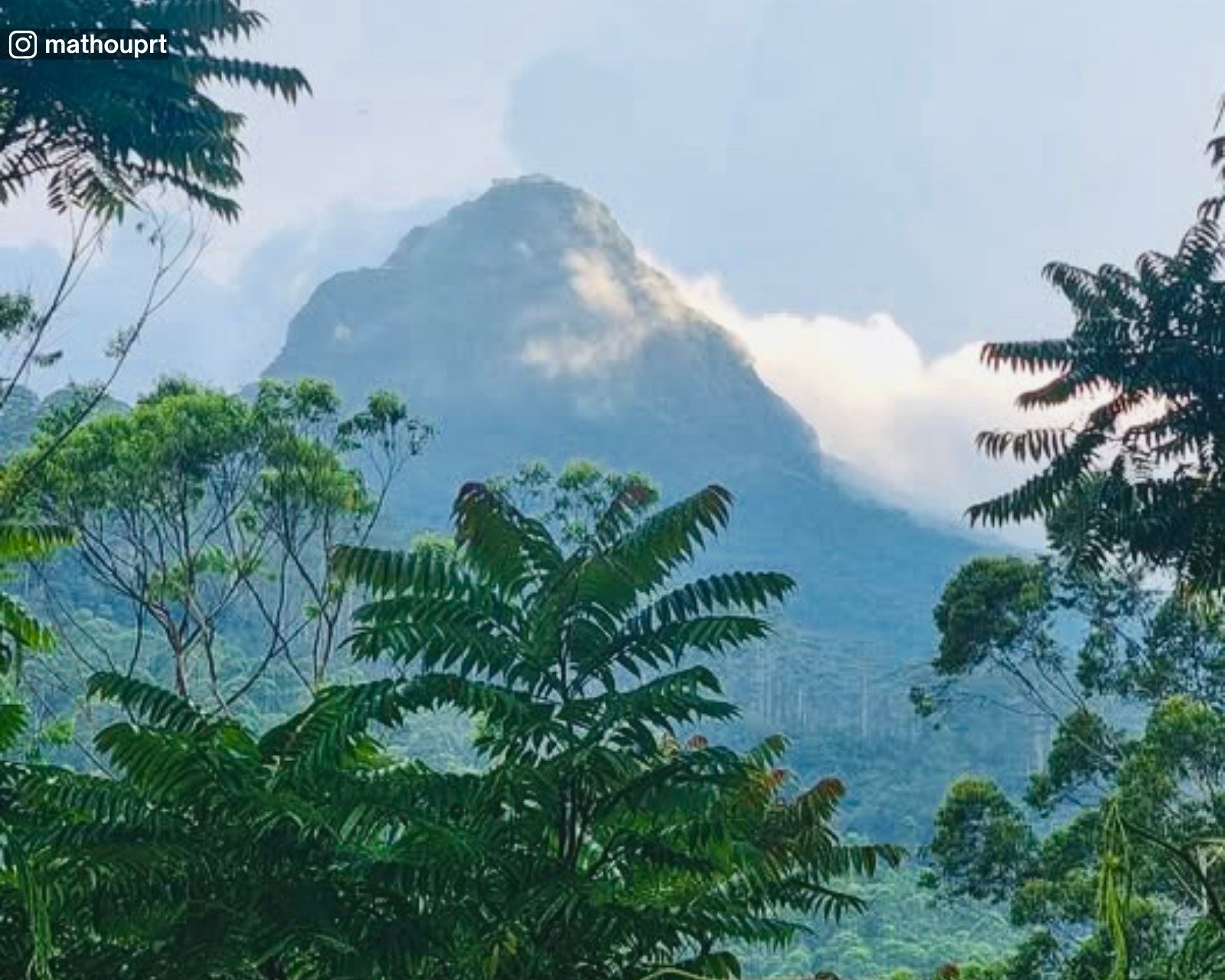
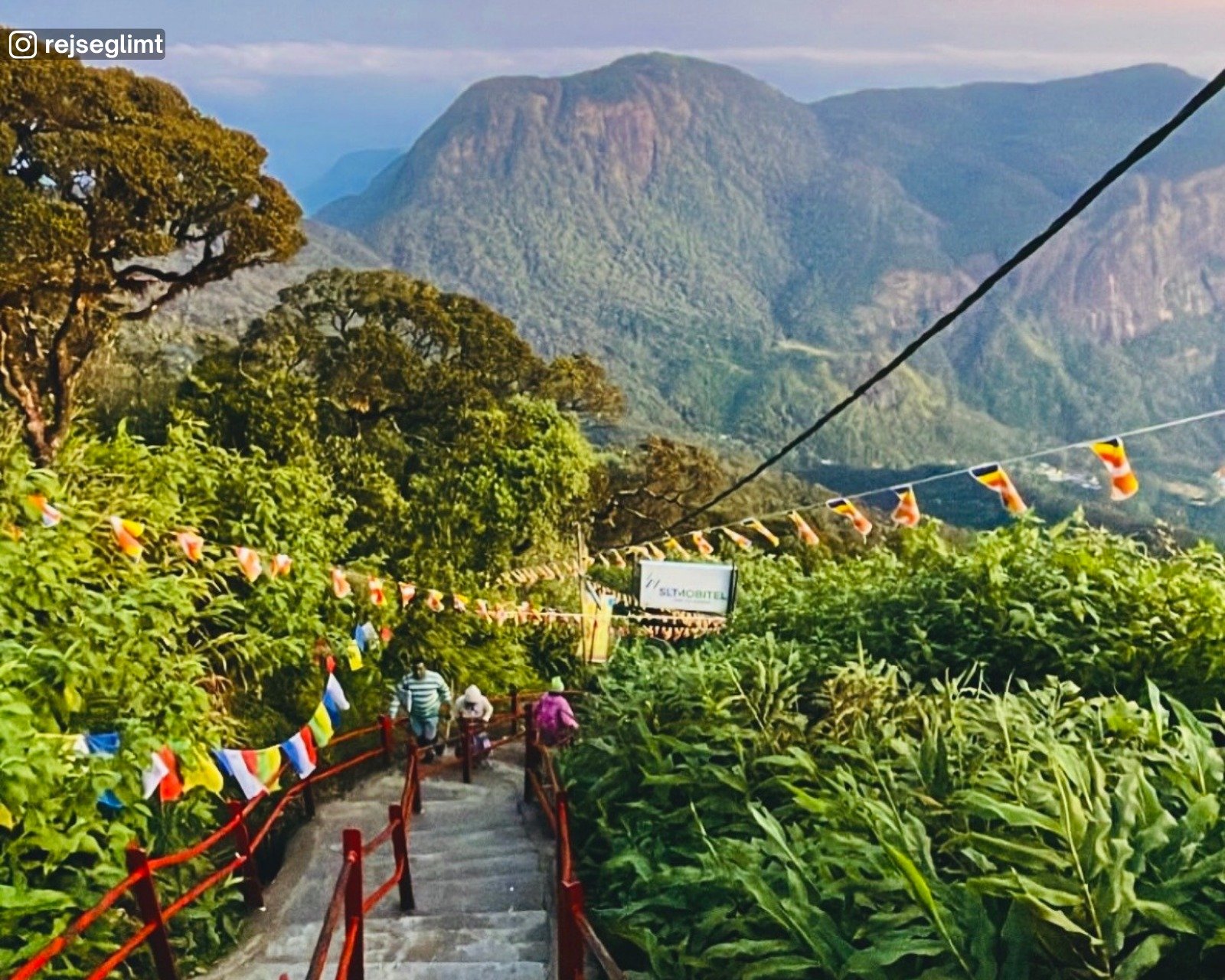
Adam’s Peak, locally known as Sri Pada, is one of Sri Lanka’s most important and symbolic mountains, rising prominently above the central highlands near Maskeliya. The peak is revered by multiple faiths due to the sacred footprint found at its summit, believed by Buddhists to be the footprint of the Buddha, while other traditions associate it with Adam or Shiva. Its physical presence and spiritual importance have made it a place of pilgrimage for centuries.

The ascent to the summit follows a well established pilgrimage route consisting of thousands of stone steps that wind through forested slopes, steep inclines, and mountain ridges. The climb is traditionally undertaken at night during pilgrimage season, allowing devotees and hikers to reach the summit by dawn. Along the route are rest stops, small shrines, and tea shops that support the steady flow of climbers making the journey upward together.

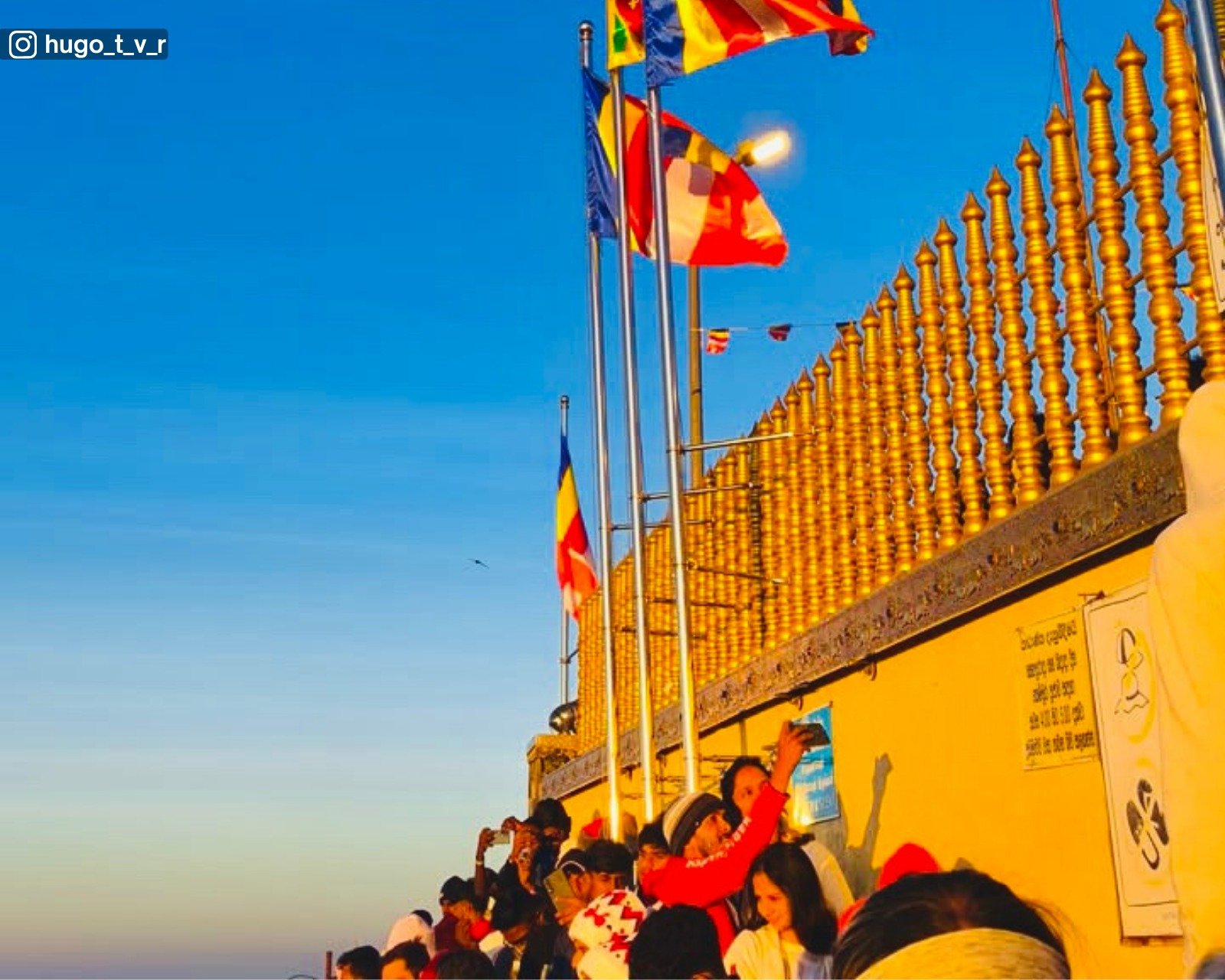
At the summit, the landscape opens to wide views across the surrounding highlands, with distant ridges, valleys, and plains visible in clear conditions. One of the most distinctive experiences is witnessing the triangular shadow cast by the peak at sunrise, stretching across the landscape below. For visitors staying in Maskeliya, Adam’s Peak represents both a physical challenge and a deeply cultural experience, connecting movement, landscape, and belief in a single journey.
Read More
Scenery
Mountain Range
A line of seven prominent peaks forming a recognizable highland silhouette near Maskeliya.
Scenery
Scenery
Layered mountain ridges, mist covered peaks, forested slopes, and wide highland views.
Seven Virgins Mountain Range
Top Pick
The Seven Virgins Mountain Range, locally known as Saptha Kanya, is a distinctive line of peaks visible from the Maskeliya and Adam’s Peak region. The range is named for its appearance, with a series of closely aligned summits rising above the surrounding hills, forming a recognizable silhouette against the sky. Its presence adds depth and scale to the central highlands, especially when viewed at dawn or through drifting mist.

The mountains are part of the broader highland landscape shaped by steep terrain, forest cover, and heavy rainfall. While not commonly climbed as individual peaks, Saptha Kanya is frequently admired from viewpoints, trails, and pilgrimage routes leading toward Sri Pada. The range contributes to the layered scenery of the region, creating visual contrast between near slopes and distant ridgelines.

Saptha Kanya also holds cultural meaning through local folklore, with stories passed down that associate the seven peaks with legend and symbolism rather than recorded history. These narratives form part of the region’s oral tradition and enrich how the landscape is understood by local communities. For visitors staying in Maskeliya, the mountain range serves as both a scenic backdrop and a reminder of how geography and storytelling intertwine in the hill country.
Read More
Scenery
Mountain / Plateau
Highland mountain with a broad summit area and surrounding steep slopes near Maskeliya.
Hike
Hike
Short to moderate uphill hike that can take around 30–45 minutes from nearby access points, depending on route, pace, and weather conditions.
Scenery
Scenery
Open highland views, forested areas, tea estate surroundings, and layered mountain ridges.
Map Icon
Location

MapMountain
Bopath Thalawa Mountain
Top Pick
Bopath Thalawa Mountain is a distinctive highland plateau located near Maskeliya, known for its broad, relatively flat summit and surrounding steep slopes. The name Bopath Thalawa refers to its leaf like shape when viewed from certain angles, a feature that makes it stand out among the sharper peaks of the central highlands. Its presence adds variety to the mountainous landscape of the region, combining elevation with openness rather than sheer height alone.

The mountain is part of the wider hill country terrain shaped by forest cover, tea estates, and heavy rainfall. Access routes typically pass through estate lands and natural footpaths, with sections that require steady climbing. While not as prominent as Adam’s Peak, Bopath Thalawa is valued locally for its scenery and quieter environment, remaining largely untouched by large scale tourism or infrastructure.

From elevated points on or near the mountain, the landscape opens out across valleys, surrounding ridges, and distant highland views. The area feels calm and spacious, especially during clear weather when mist lifts from the slopes below. For visitors staying in Maskeliya, Bopath Thalawa Mountain offers a less crowded outdoor experience, suited to those who enjoy exploration and natural viewpoints away from established pilgrimage or tourist routes.
Read More
Scenery
Waterfall
Tall single drop waterfall plunging into a deep forested gorge near Maskeliya.
Hike
Hike
Reached via steps and forest paths descending into the valley. Moderate physical effort required, especially on the return climb.
Scenery
Scenery
Steep rock faces, dense greenery, mist from falling water, and a dramatic highland setting.
Aberdeen Waterfall
Top Pick
Aberdeen Waterfall is a dramatic highland cascade located near Maskeliya, set within steep terrain shaped by forest, tea estates, and deep valleys. The waterfall drops in a powerful single plunge into a narrow gorge, making it one of the more striking natural features in the area. Its height and force are especially noticeable after periods of rain, when water volume increases rapidly.

The falls are fed by mountain streams connected to the Maskeliya Oya catchment, linking the site to the wider hydropower and reservoir system of the region. Access involves a descent along steps and forest paths, offering changing perspectives of the waterfall as the path winds downward. The surrounding vegetation thickens closer to the base, creating a cooler and more enclosed atmosphere near the plunge pool.

Aberdeen Waterfall is best experienced as a focused visit rather than a casual stop. The climb back up can be physically demanding, but the sense of scale and sound of falling water make the effort worthwhile. For visitors staying in Maskeliya, the waterfall adds a strong natural contrast to nearby reservoirs and pilgrimage routes, highlighting the raw energy of the hill country landscape.
Read More
Scenery
Church
Historic Anglican church associated with plantation era Christian communities in the Hatton area.
Scenery
History
Established during the British colonial period to serve estate and local Christian communities around Hatton.
Scenery
Scenery
Tea estate surroundings, misty hills, and a quiet highland setting.
Map Icon
Location

MapView on Map
Church of St. Margaret
Worth It
The Church of St. Margaret is a historic Christian church located in Hatton, within Sri Lanka’s central highlands. Set among tea estates and mist covered hills, the church reflects the long standing presence of Christian communities that developed alongside the plantation economy of the region. Although situated in Hatton, it is often visited together with nearby Maskeliya due to close proximity and shared hill country routes.

The church dates to the British colonial period, when Anglican churches were established to serve estate workers, planters, and local Christian families in the Hatton area. As part of the Anglican tradition, the Church of St. Margaret functioned as both a place of worship and a community centre within the plantation landscape. Its continued use highlights the enduring cultural and religious influence of the colonial era in the hill country.

Architecturally, the church follows a simple colonial style, with restrained design elements suited to its rural surroundings. The quiet setting, framed by estate roads and rolling hills, creates a calm and reflective atmosphere. For visitors staying in Maskeliya, the Church of St. Margaret offers a nearby cultural stop that adds historical depth to the region’s diverse religious landscape.
Read More
Scenery
Church
Historic Anglican church associated with plantation era communities in the Maskeliya region.
Scenery
History
Established during the British colonial period as part of the Church of Ceylon to serve estate and local Christian communities.
Scenery
Scenery
Quiet highland setting surrounded by tea estates, misty hills, and rural roads.
Map Icon
Location

MapView on Map
All Saints’ Church
Worth It
All Saints’ Church is a historic Anglican church located near Maskeliya, serving the hill country communities shaped by plantation era settlement. Set against a backdrop of tea estates and mist covered hills, the church reflects the quiet presence of Christianity in a region more widely known for pilgrimage routes and Buddhist heritage. Its location places it close to estate villages and long established residential areas rather than busy town centres.

The church dates to the British colonial period, when Anglican churches were established to serve estate administrators, planters, and local Christian communities in the central highlands. As part of the Church of Ceylon, All Saints’ Church functioned as both a place of worship and a social gathering point within the plantation landscape. While detailed construction records are limited, its continued use reflects the lasting imprint of colonial era settlement in the Maskeliya region.

Architecturally, the church follows a simple colonial design, with modest proportions and a focus on function rather than ornamentation. The surrounding environment of tea estates, quiet roads, and open highland views contributes to a calm and reflective atmosphere. For visitors staying in Maskeliya, All Saints’ Church offers a subtle cultural stop that adds historical depth to the area’s religious and social landscape.
Read More
Lake
Lake
Highland reservoir formed by damming the Maskeliya Oya, supporting hydroelectric power generation.
Scenery
Scenery
Wide open water, tea estate covered hills, misty surroundings, and layered highland views.
Scenery
History
Constructed during the British colonial period in the early 20th century as part of Sri Lanka’s early hydroelectric power development linked to the Laxapana scheme.

Castlereigh Reservoir
Worth It
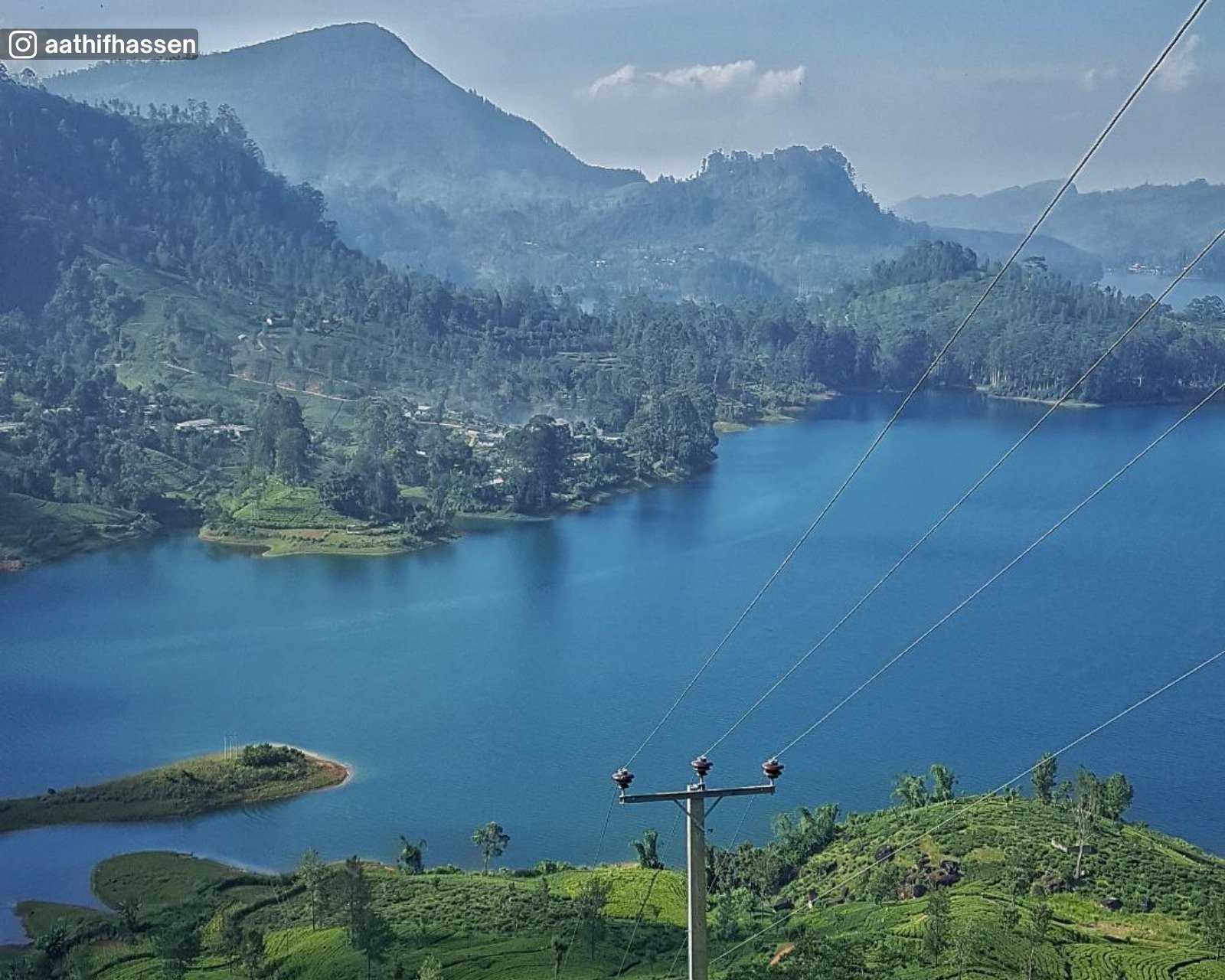
Castlereigh Reservoir is a scenic highland water body located near Maskeliya, surrounded by rolling tea estates and mist covered hills. Formed by damming the Maskeliya Oya, the reservoir plays an important role in Sri Lanka’s hydroelectric system while also shaping the character of the surrounding landscape. Its wide surface and gently curving shoreline create a sense of openness that contrasts with the steep terrain of the central highlands.

The reservoir is closely connected to the Castlereigh Dam and nearby power stations, reflecting the long history of hydropower development in the region. Despite its functional role, the setting feels calm and spacious, with estate roads, scattered villages, and forested slopes framing the water. The surrounding tea plantations descend toward the reservoir, giving clear views of how human activity and natural terrain coexist in the hill country.

Today, Castlereigh Reservoir is appreciated as much for its atmosphere as for its utility. The water remains largely still, reflecting clouds and hills that shift with changing light throughout the day. For visitors staying in Maskeliya, the reservoir offers a peaceful stop for slow walks, photography, and quiet observation, complementing nearby waterfalls and pilgrimage routes with a more open and reflective landscape.
Read More
Scenery
History
Submerged remains of the former Maskeliya town affected by the creation of Maussakelle Reservoir.
Lake
Lake
Flooded during the early 20th century as part of British colonial hydroelectric and reservoir development linked to the Laxapana scheme.
Scenery
Scenery
Calm reservoir waters with occasional visibility of submerged structures during low water levels.
Map Icon
Location

MapView on Map
Sunken Town of Maskeliya
Worth It
The Sunken Town of Maskeliya, also known as Old Maskeliya Town, refers to the remains of an earlier settlement that was submerged following the creation of the Maussakelle Reservoir during the British colonial period. The flooding of the valley was part of the early 20th century hydroelectric and water management projects linked to the Laxapana scheme, which reshaped the landscape of the Maskeliya region. As a result, the original town area was abandoned and gradually covered by reservoir waters.

When water levels drop during prolonged dry periods, traces of the old town occasionally become visible beneath the surface. These may include stone foundations, road outlines, and structural remnants that hint at the layout of the former settlement. While not always accessible or fully exposed, these glimpses offer a rare and quiet reminder of how infrastructure development altered human settlement patterns in the highlands.

The Sunken Town of Maskeliya is not a formal archaeological site but holds strong historical and local significance. It reflects the transition from an older landscape of villages and estate communities to one shaped by dams and reservoirs. For visitors staying in Maskeliya, the site adds a deeper layer of context to the surrounding scenery, linking the calm surface of the reservoir to the lives and places that once existed beneath it.
Read More
Scenery
Waterfall
Wide roadside waterfall formed by the Kothmale Oya, known for its graceful drop into a deep valley.
Scenery
Scenery
Tea estates, steep valleys, forested slopes, and open highland views.
Devon Falls is one of Sri Lanka’s most well known waterfalls, located near Talawakele, along the main road connecting Hatton and Nuwara Eliya. Often referred to as the “Veil of the Valley”, the waterfall drops gracefully over a wide rock face into a deep gorge below. Its roadside visibility makes it one of the most easily viewed waterfalls in the central highlands.

The falls are formed by the Kothmale Oya, a tributary of the Mahaweli River, and are closely linked to the surrounding tea estate landscape. Named after an English coffee planter from the colonial period, Devon Falls reflects the era when plantations reshaped much of the hill country. Water flow varies seasonally, becoming most impressive after periods of rainfall when the cascade widens and mist rises from the valley.

Devon Falls is best appreciated from designated viewpoints along the road, where visitors can pause without undertaking long walks or descents. The setting offers sweeping views across tea estates, forested slopes, and the deep valley carved by the river. For travellers moving between Maskeliya, Hatton, and Nuwara Eliya, Devon Falls serves as a convenient and scenic stop that highlights the dramatic terrain of the highlands.
Read More
Scenery
Waterfall
Wide roadside waterfall formed by the Kothmale Oya, known for its graceful drop into a deep valley.
Scenery
Scenery
Tea estates, steep valleys, forested slopes, and open highland views.
Hike
Hike
While the main viewpoints are roadside, short walks through grass and vegetation may be needed for alternate angles. Leeches are common in wet conditions, so proper footwear and precautions are recommended.
St. Clair’s Falls is one of Sri Lanka’s widest and most visually striking waterfalls, located near Talawakele, along the Hatton–Nuwara Eliya road. Often referred to as the “Little Niagara of Sri Lanka”, the falls consist of two main cascades that spread broadly across the rock face before dropping into the valley below. Its wide flow and open setting make it one of the most impressive roadside waterfalls in the central highlands.

The waterfall is formed by the Kothmale Oya, the same river that feeds nearby Devon Falls, and flows through a landscape shaped by tea estates and steep terrain. Like many waterfalls in the area, St. Clair’s is affected by hydroelectric development upstream, which can reduce water volume during dry periods. After rainfall, however, the falls regain their full width and power, creating a dramatic scene of moving water and mist.

St. Clair’s Falls is easily viewed from roadside viewpoints without the need for hiking or descending into the valley. The surrounding scenery of rolling tea estates, forested slopes, and deep gorges provides a strong sense of scale and openness. For travellers passing through the Hatton–Maskeliya region, the waterfall offers a convenient and memorable stop that highlights the raw geography of the hill country.
Read More
Scenery
Waterfall
Tall, narrow waterfall descending from tea estate highlands into a forested valley.
Scenery
Scenery
Tea plantations, steep rock faces, forested slopes, and quiet highland surroundings.
Map Icon
Location

MapWaterfall
Fairlawn Falls
Optional
Fairlawn Falls is a scenic waterfall located near Maskeliya, set within the tea estate landscape of Sri Lanka’s central highlands. The waterfall flows down a steep rock face into a forested valley, creating a slender but elegant cascade. Its setting reflects the balance between cultivated estate land above and dense natural vegetation below, a common feature of the region’s highland terrain.

The waterfall is fed by small mountain streams and is highly seasonal, becoming more pronounced during periods of rainfall. Estate roads and footpaths provide partial views of the falls from different angles, though access to the base is limited. The surrounding area remains quiet, with minimal development, allowing the waterfall to retain a natural and undisturbed atmosphere.

Fairlawn Falls is best appreciated as a brief scenic stop rather than a destination for extended activity. Its subtle presence and secluded setting make it suitable for travellers exploring the Maskeliya area at a relaxed pace. When combined with nearby reservoirs, churches, and larger waterfalls, Fairlawn Falls adds another layer to the varied landscape of the hill country.
Read More
Scenery
Plains / Grassland
Open highland grassland area with wide views and gently rolling terrain near Maskeliya.
Hike
Hike / Walk
Suitable for relaxed walking across open ground. Easy to moderate effort depending on route and distance.
Scenery
Scenery
Expansive open plains, distant mountain ridges, misty mornings, and broad highland skies.
Map Icon
Location

MapPlains
Gawaravila Plains
Optional
Gawaravila Plains is an open highland grassland area located near Maskeliya, characterised by wide flat stretches, gentle slopes, and expansive views across the surrounding hills. Unlike the dense forests and steep peaks common in the central highlands, the plains offer a sense of openness and space, allowing the landscape to be experienced on a broader scale. The area feels quiet and remote, shaped more by nature than by development.

The plains are part of the hill country ecosystem influenced by elevation, rainfall, and seasonal weather patterns. Grassy terrain dominates the landscape, with patches of shrubs and distant tree lines marking natural boundaries. The open nature of the area makes it particularly striking during early morning and late afternoon, when mist moves across the ground and light spreads evenly across the plains.

Gawaravila Plains are best suited for slow exploration rather than structured activity. Walking through the open land allows uninterrupted views of surrounding ridges and valleys, creating a calm and reflective experience. For visitors staying in Maskeliya, the plains offer a contrast to waterfalls, reservoirs, and pilgrimage routes, highlighting a quieter and more spacious side of the highland environment.
Read More

Discover More