RAMBODA

Waterfalls and winding roads through the highlands.

Located along the scenic mountain route between Kandy and Nuwara Eliya, Ramboda is a small highland settlement surrounded by deep valleys, tea estates, and cascading waterfalls. Known for its dramatic landscapes and cooler climate, the area offers a quiet pause along one of Sri Lanka’s most iconic hill country roads.

Attractions

9 Top Picks | 1 Worth Seeing

Scenery
Waterfall
Large multi tiered waterfall flowing through a steep highland valley near Ramboda.

Scenery
Scenery
Deep valleys, tea estate covered slopes, forest patches, and drifting mist.

Hike
Hike
Reached via short walking paths and steps from roadside viewpoints. Moderate effort required for return climb.

Ramboda Falls
Top Pick
Ramboda Falls is one of Sri Lanka’s most prominent highland waterfalls, located near Ramboda, along the main mountain road between Kandy and Nuwara Eliya. The waterfall descends in multiple tiers through a steep valley, making it especially striking when viewed from the surrounding road and viewpoints. Its scale and setting make it a defining natural feature of the Ramboda area.

The falls are fed by mountain streams flowing through tea estate terrain, and water volume changes noticeably with seasonal rainfall. During wetter months, Ramboda Falls becomes powerful and wide, with mist rising through the valley below. The surrounding slopes are covered with tea plantations and forest patches, reinforcing the dramatic contrast between cultivated land and rugged natural terrain.

Access to Ramboda Falls involves a short descent from roadside parking areas, allowing visitors to view the waterfall from closer vantage points. While the climb back up can be moderately demanding, the changing perspectives of the cascading water make the visit rewarding. For travellers passing through Ramboda, the waterfall serves as a key highlight that captures the energy and scale of the central highlands.
Read More
Lake
Hindu Temple
Hindu temple dedicated to Lord Hanuman, associated with Ramayana tradition.
Scenery
Scenery
Elevated views of valleys, tea estates, misty hills, and surrounding highland landscapes.

Art & Culture
Art & Culture
Brightly coloured Hindu architecture and devotional practices rooted in Ramayana based beliefs and worship.
Map Icon
Location

MapKovil
Shree Bhakta Hanuman Kovil
Top Pick
Shree Bhakta Hanuman Kovil is a Hindu temple located near Ramboda, along the scenic mountain route between Kandy and Nuwara Eliya. Set against a backdrop of steep hills, tea estates, and open valleys, the temple stands out for its elevated position and commanding views across the surrounding highlands. Its location makes it both a place of worship and a prominent landmark along the hill country road.

The temple is associated with Ramayana tradition, with local belief holding that this area was visited by Lord Hanuman during his search for Sita. While these associations are rooted in religious tradition rather than archaeological evidence, they form an important part of the cultural identity of the site. As a result, the kovil attracts devotees as well as travellers interested in the spiritual narratives connected to Sri Lanka’s landscape.

Architecturally, the temple features colourful Hindu design elements, including statues, decorative pillars, and shrine spaces that contrast vividly with the green surroundings. The elevated platform provides wide views across valleys and distant hills, adding to the sense of openness and calm. For visitors travelling through Ramboda, Shree Bhakta Hanuman Kovil offers a cultural and spiritual pause amid waterfalls, mountain roads, and tea estates.
Read More
Scenery
Waterfall
Small to medium sized seasonal waterfall flowing through steep highland terrain.
Scenery
Scenery
Rocky valley, forested slopes, tea estate surroundings, and quiet hill country views.
Gerandigini Ella
Top Pick
Gerandigini Ella, also known as Vattakani Ella, is a lesser known waterfall located near Ramboda, tucked within steep highland terrain shaped by tea estates and forested slopes. The waterfall descends in a narrow cascade into a rocky valley, giving it a raw and natural character compared to more developed roadside falls in the area. Its setting feels quiet and largely untouched, appealing to visitors who prefer less crowded locations.

The waterfall is fed by small mountain streams and is highly dependent on seasonal rainfall. During wet periods, Gerandigini Ella becomes more active and visually striking, while in drier months the flow reduces significantly, revealing the rock formations beneath. Access typically involves walking along estate paths and uneven ground, with viewpoints offering partial views rather than a single formal lookout.

Gerandigini Ella is best suited for travellers who enjoy exploration and natural surroundings rather than convenience. The absence of built facilities helps preserve its secluded atmosphere, but also means visitors should exercise caution, especially in wet conditions. For those staying in Ramboda or passing through the hill country route, the waterfall adds a quieter and more intimate experience of the region’s natural landscape.
Read More
Scenery
Waterfall
Small to medium sized seasonal waterfall flowing through steep highland terrain.
Scenery
Scenery
Rocky slopes, forested valley, tea estate surroundings, and a quiet hill country setting.
Hike
Hike
Approx. 1-hour hike through tea estate trails with unmarked paths, slippery sections, and a river crossing. Offline maps recommended, especially in wet weather.
Puna Ella Falls
Top Pick
Puna Ella Falls is a quiet and lesser known waterfall located near Ramboda, set within the central highlands among tea estates and forested slopes. The waterfall flows down a steep rock face into a narrow valley, creating a slim but graceful cascade. Its setting feels calm and secluded, shaped more by natural terrain than by visitor infrastructure.

The falls are fed by small mountain streams and are highly seasonal, with water volume increasing noticeably after rainfall. During wetter months, Puna Ella becomes more active and visually striking, while in drier periods it reduces to a thin flow tracing the rock surface. The surrounding vegetation and rock formations remain clearly visible, giving a sense of the landscape’s raw structure.

Puna Ella Falls is best suited for travellers who enjoy quieter stops and natural surroundings rather than major attractions. Access usually involves walking along estate paths and uneven ground, and there are no formal viewing platforms. For visitors exploring Ramboda and nearby highland routes, the waterfall adds a subtle and peaceful element to the area’s collection of scenic landscapes.
Read More
Scenery
Plains / Grassland
A flat, open rocky plain with shallow grooves across the surface, distinct from the surrounding steep highland slopes.
Scenery
Scenery
Exposed rock surfaces, surrounding hills, tea estate views, and open highland landscapes.
Hike
Hike
Easily reached from nearby roads with short walking required across rocky ground.
Chariot Path
Top Pick
Chariot Path is a rocky stretch of terrain located near Ramboda, known for the distinct linear grooves visible across its stone surface. The formation lies within steep highland surroundings shaped by forest, tea estates, and exposed rock, making it visually striking despite its relatively small area. Its appearance has drawn attention due to the unusual markings etched into the rock.

According to Ramayana tradition, the grooves are believed to have been formed by the wheels of a celestial chariot, giving the site its name. These associations are part of local religious and cultural belief rather than archaeological confirmation, but they play an important role in how the site is understood and valued by devotees. As a result, Chariot Path is often included in Ramayana related travel routes through the central highlands.

Beyond its symbolic meaning, the site also offers a quiet natural setting, with open views across surrounding hills and valleys. The exposed rock surface and elevated position make it a brief but interesting stop for travellers passing through Ramboda. For visitors exploring waterfalls and temples along the hill country road, Chariot Path adds a layer of cultural narrative to the natural landscape.
Read More
Scenery
Mountain
Elevated hill area offering wide views across the Ramboda highlands, also known locally as Monaragala Mountain.
Scenery
Scenery
Tea estates, open valleys, rocky slopes, forested ridges, and layered mountain views.
Hike
Hike
Reached via short walks from nearby roads and viewpoints.
Peacock Hill
Top Pick
Peacock Hill, also known as Monara Gala Mountain, is a prominent viewpoint and hilltop area located near Ramboda, forming part of the wider rocky highland landscape of the region. The hill rises above the surrounding valleys, offering elevated views across tea estates, forested slopes, and distant mountain layers. Its dual name reflects both local usage and descriptive naming tied to the shape and presence of the hill.

The terrain around Peacock Hill consists of exposed rock surfaces, open ground, and gently rising slopes that lead toward steeper edges. Rather than being a formal hiking peak, the area is accessed through short walks from nearby roads and viewpoints. The openness of the hilltop allows clear sightlines across the landscape when mist and cloud cover lift, revealing the scale of the surrounding highlands.

Peacock Hill is best experienced as a scenic pause along the Ramboda route rather than a long excursion. The quiet setting, combined with wide visibility, makes it suitable for photography and brief stops to take in the scenery. For visitors exploring nearby waterfalls, temples, and rock formations, Peacock Hill (Monaragala Mountain) adds another perspective to the layered and expansive hill country environment.
Read More
Scenery
Scenery
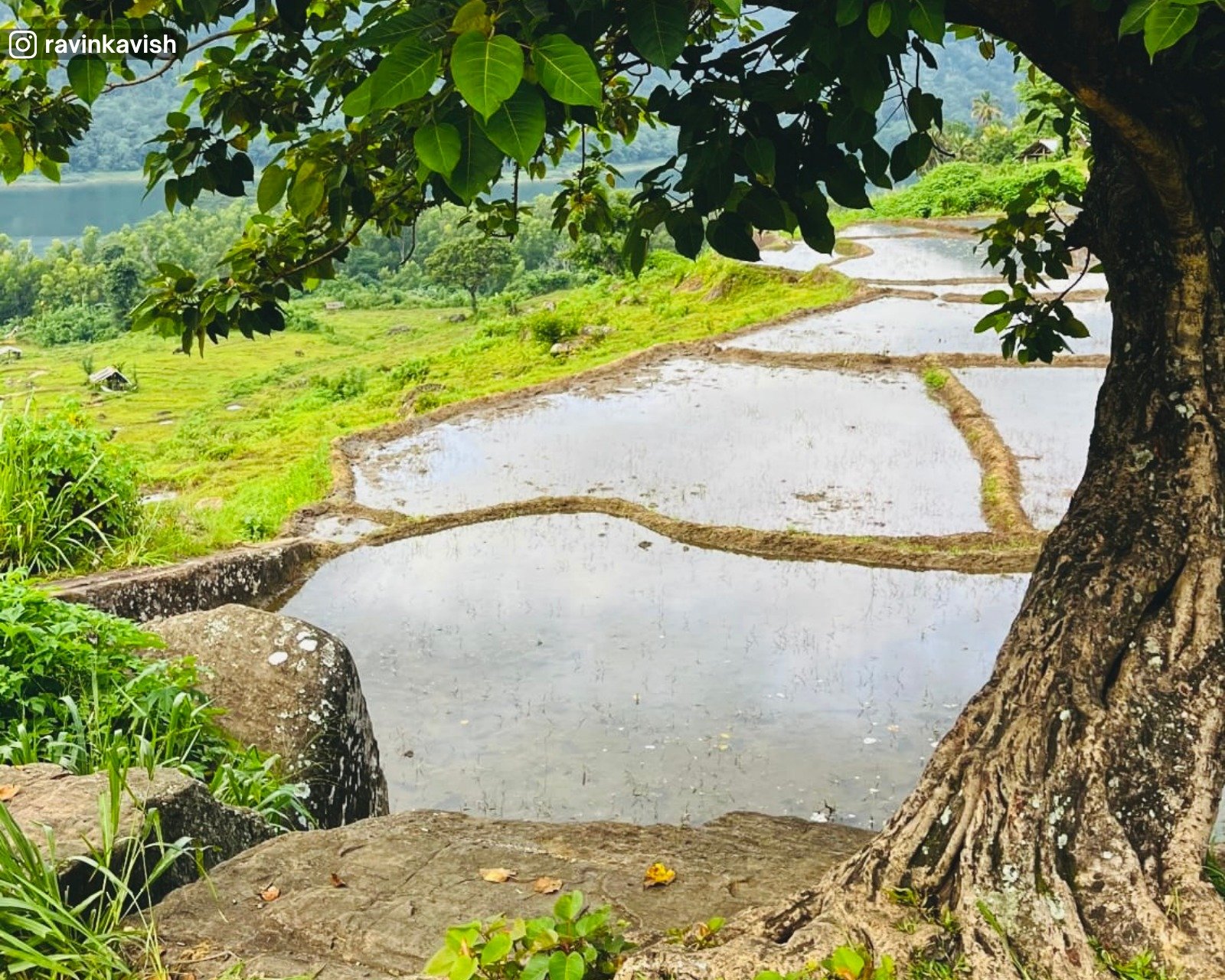
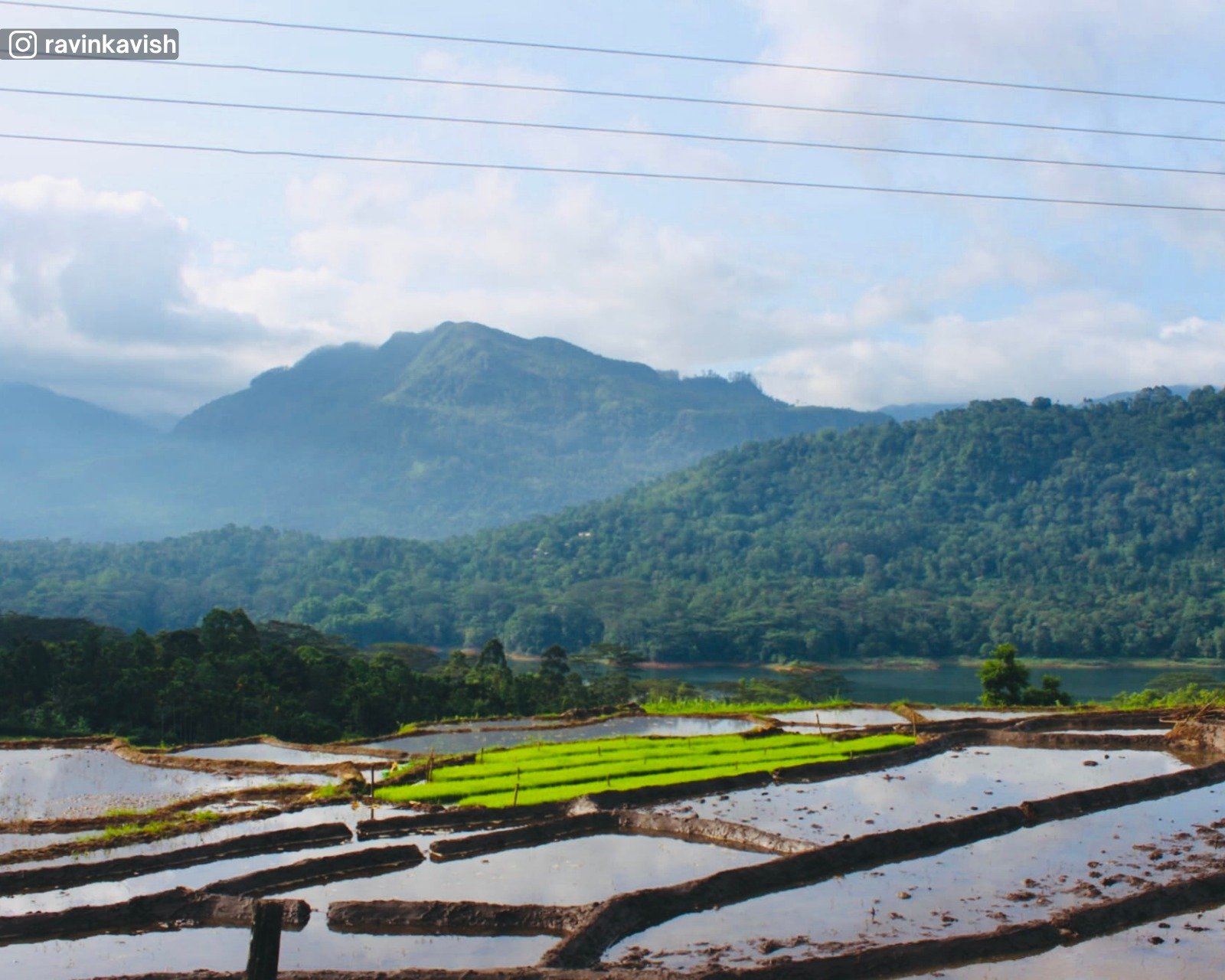
Paddy fields interspersed with rocky outcrops, open valley views, and distant views of the Kothmale Oya.

Scenery
Mountain
Believed to date to the early historic period and traditionally associated with King Dutugemunu.
Scenery
Scenery
Panoramic views of Kotmale Reservoir, surrounding hills, valleys, and open highland skies.
Map Icon
Location

MapTemple
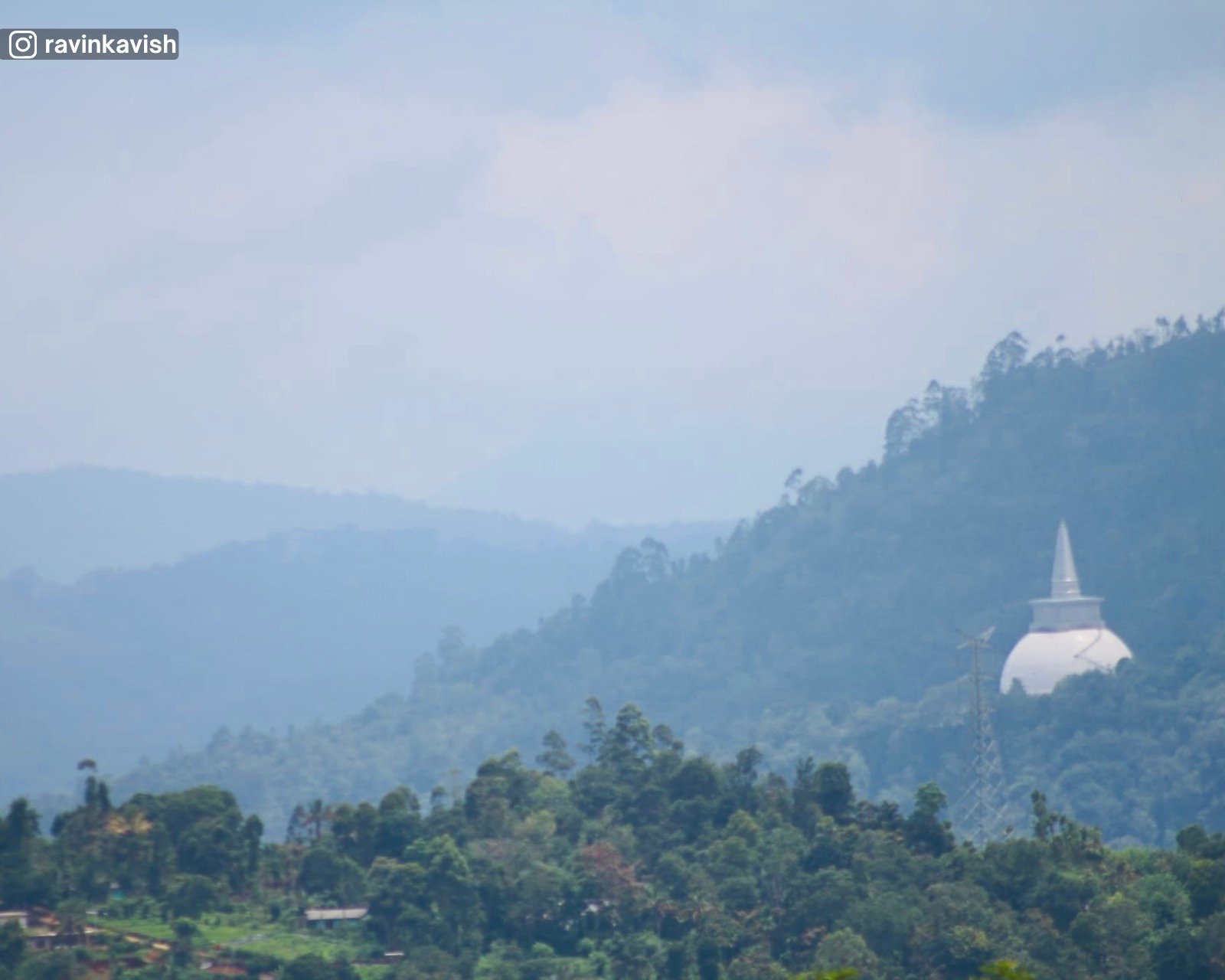
Kotmale Mahaweli Maha Seya
Top Pick
Kotmale Mahaweli Maha Seya is a modern Buddhist stupa located near Kotmale, overlooking the Kotmale Reservoir in Sri Lanka’s central highlands. Built on elevated ground, the stupa stands out against the surrounding hills and water, making it a prominent spiritual and visual landmark in the area. Its position allows wide views across the reservoir and nearby valleys, blending religious significance with natural scenery.

The stupa was constructed as a symbol of remembrance and reconciliation following the relocation of communities affected by the Kotmale Reservoir project, part of the Mahaweli Development Scheme. Rather than being an ancient monument, Mahaweli Maha Seya represents contemporary Buddhist architecture, reflecting modern Sri Lanka’s effort to preserve spiritual continuity alongside large-scale development projects.

Architecturally, the stupa follows traditional Buddhist form while incorporating a clean and open design suited to its hilltop setting. The surrounding grounds are spacious and quiet, encouraging reflection rather than ritual crowds. For travellers exploring the Ramboda, Kotmale, and Nuwara Eliya route, Kotmale Mahaweli Maha Seya offers a peaceful cultural stop with expansive views and a strong sense of place tied to the region’s recent history.
Read More
Scenery
Hilltop
Natural lookout offering wide views across the Kotmale highlands.
Scenery
Scenery
Valleys, forested slopes, cultivated land, and layered mountain ridges.
Map Icon
Location

MapViewpoint
Karnagala View Point
Top Pick
Karnagala View Point is a scenic lookout located in the Kotmale area, offering elevated views across valleys, hills, and surrounding highland terrain. Positioned along quiet hill country routes, the viewpoint provides a clear sense of the region’s scale, with layered ridges and changing light shaping the landscape throughout the day. Its setting feels open and calm, away from busy roads and developed attractions.

The viewpoint sits above forested slopes and cultivated land, with visibility depending on weather conditions. On clear days, distant hills and valleys stretch across the horizon, while mist and cloud movement add atmosphere during cooler hours. Unlike major viewpoints with built platforms, Karnagala View Point remains simple and lightly developed, preserving a natural and unforced experience.

Karnagala View Point is best visited as a short stop rather than a long activity. The quiet surroundings and open views make it suitable for photography, brief walks, and pausing to take in the scenery. For travellers exploring Kotmale and nearby highland routes, the viewpoint offers a peaceful moment to observe the landscape without crowds or structured facilities.
Read More
Scenery
Scenery
Paddy fields interspersed with rocky outcrops, open valley views, and distant views of the Kothmale Oya.

Scenery
History
Believed to date to the early historic period and traditionally associated with King Dutugemunu.

Ranamune Royal Bath
Top Pick
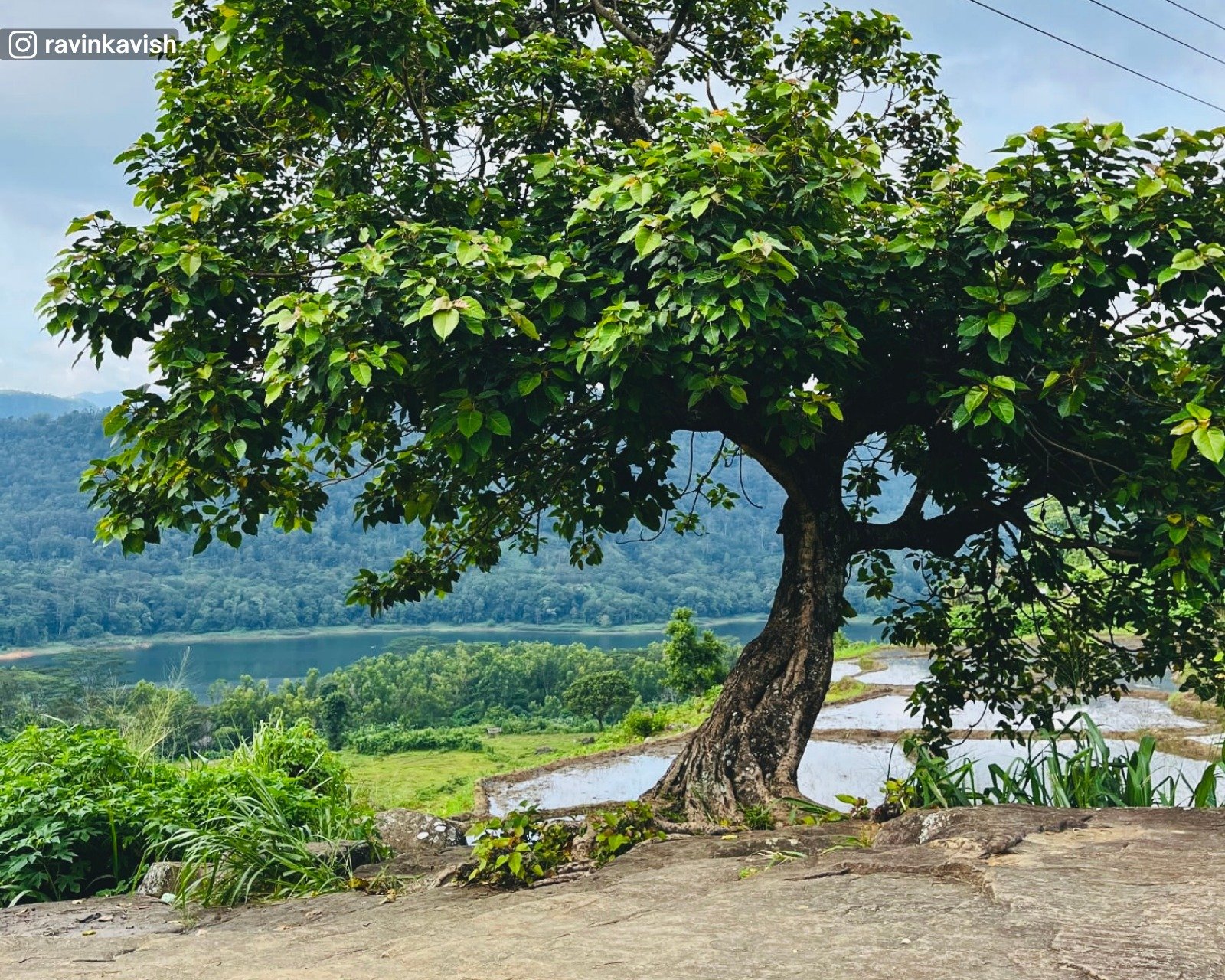
Ranamune Royal Bath is a historic stone bathing site located in the Kotmale area, locally known as Ranamune Raja Pihilla. According to local historical tradition, the site is believed to have been used by King Dutugemunu during his movements through the central highlands. The bathing pool is carved directly into natural rock and sits within a rural landscape of paddy fields broken by rocky outcrops, with open views across the valley and the Kothmale Oya visible in the distance.

The site reflects how ancient royalty selected locations that combined water access, privacy, and strategic landscape awareness. Unlike large public ponds or reservoirs, Ranamune Raja Pihilla is small and enclosed, designed for controlled and private use. Its association with King Dutugemunu places it within the early historic period, linking the site to one of Sri Lanka’s most significant rulers and military leaders.

Today, Ranamune Royal Bath is valued for both its historical importance and its setting. The contrast between cultivated paddy fields, exposed rock surfaces, and the distant flow of the Kothmale Oya creates a calm but grounded atmosphere. For visitors exploring Kotmale and nearby viewpoints, the site offers a quiet yet meaningful connection between rural highland scenery and Sri Lanka’s early royal history.
Read More
Scenery
Scenery
Hill country terrain with forested slopes, rocky ground, and views across the Kotmale landscape.
Scenery
History
Ancient entrance to Kotmale, traditionally associated with Prince Dutugemunu and early royal movements.
Dehadu Kadulla
Worth It
Dehadu Kadulla is a historic mountain entrance located in the Kotmale region, deeply connected to Sri Lanka’s ancient royal history. Kotmale is first recorded in historical chronicles during the reign of King Panduwasdeva (504–474 BC), when rituals involving the Yak tribes of Malaya Rata were performed in the area. These early references establish Kotmale as an inhabited and culturally significant region from the early Anuradhapura period.

Kotmale gained its greatest historical importance during the life of King Dutugemunu (161–131 BC). As a young prince, he spent 24 years in exile in Kotagepitiya village, living in the house of Urupelesse Gammahage and working as a herdsman. During this period, Kotmale served as both a refuge and a strategic stronghold, shaping the prince’s life before his return to reclaim the throne and unite the island.

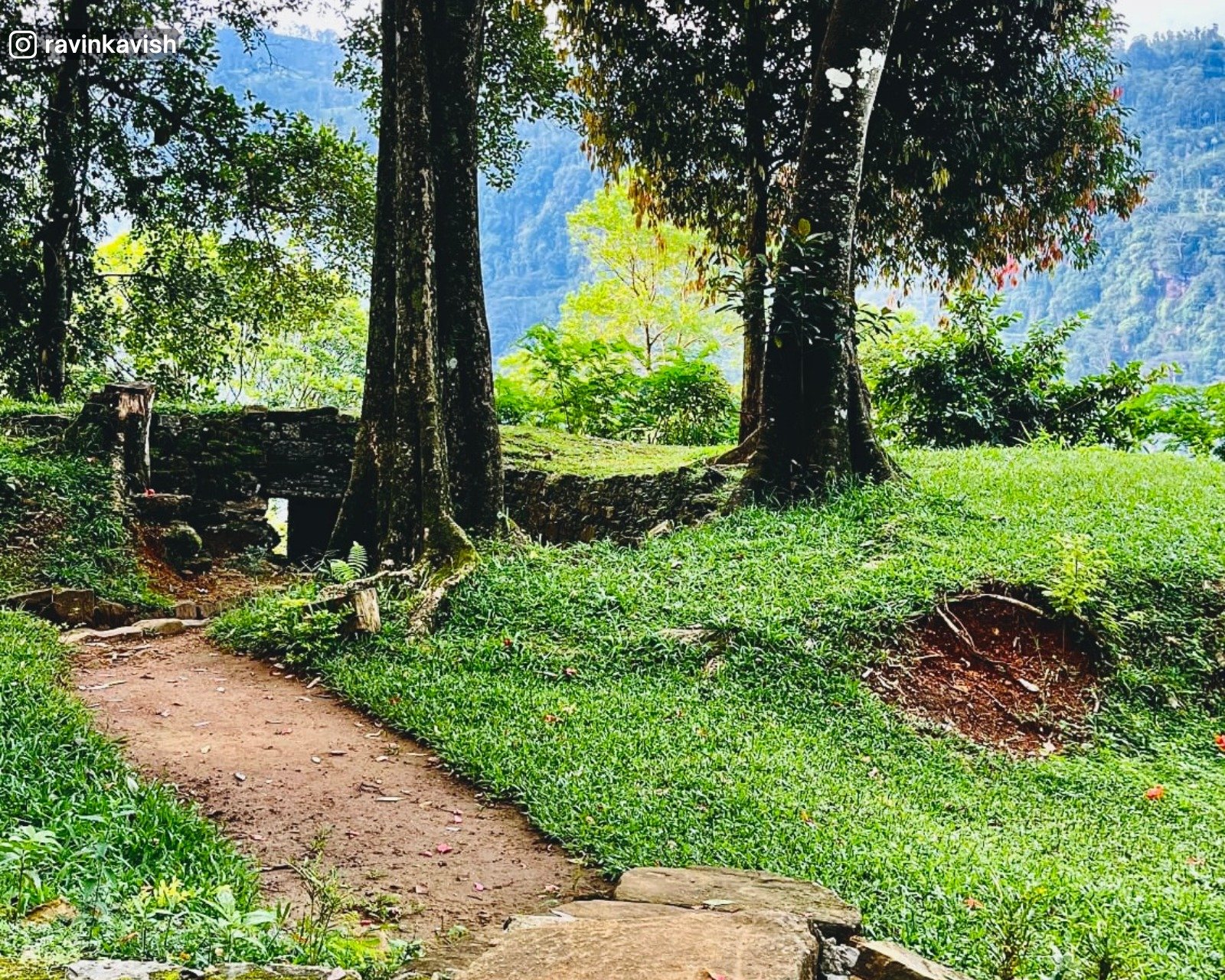
In ancient times, Kotmale was protected by four main entrances, known as Kadadora, Watadora, Niyangandora, and Galdora. Of these, Kadadora is the only entrance that remains visible today. Kadadora is traditionally believed to be the route used by Prince Gemunu to enter Kotmale and is also known as Dehadu Kadulla. Historical tradition states that the prince hid his royal sword inside a tree near this entrance. The site has since been restored, featuring a stone-paved flight of steps and entrance walls built with layered stone, marking it as a significant and tangible link to Sri Lanka’s early royal history.
Read More

Discover More