MIRISSA

Laid back beach town with surf, sunsets, and ocean life.

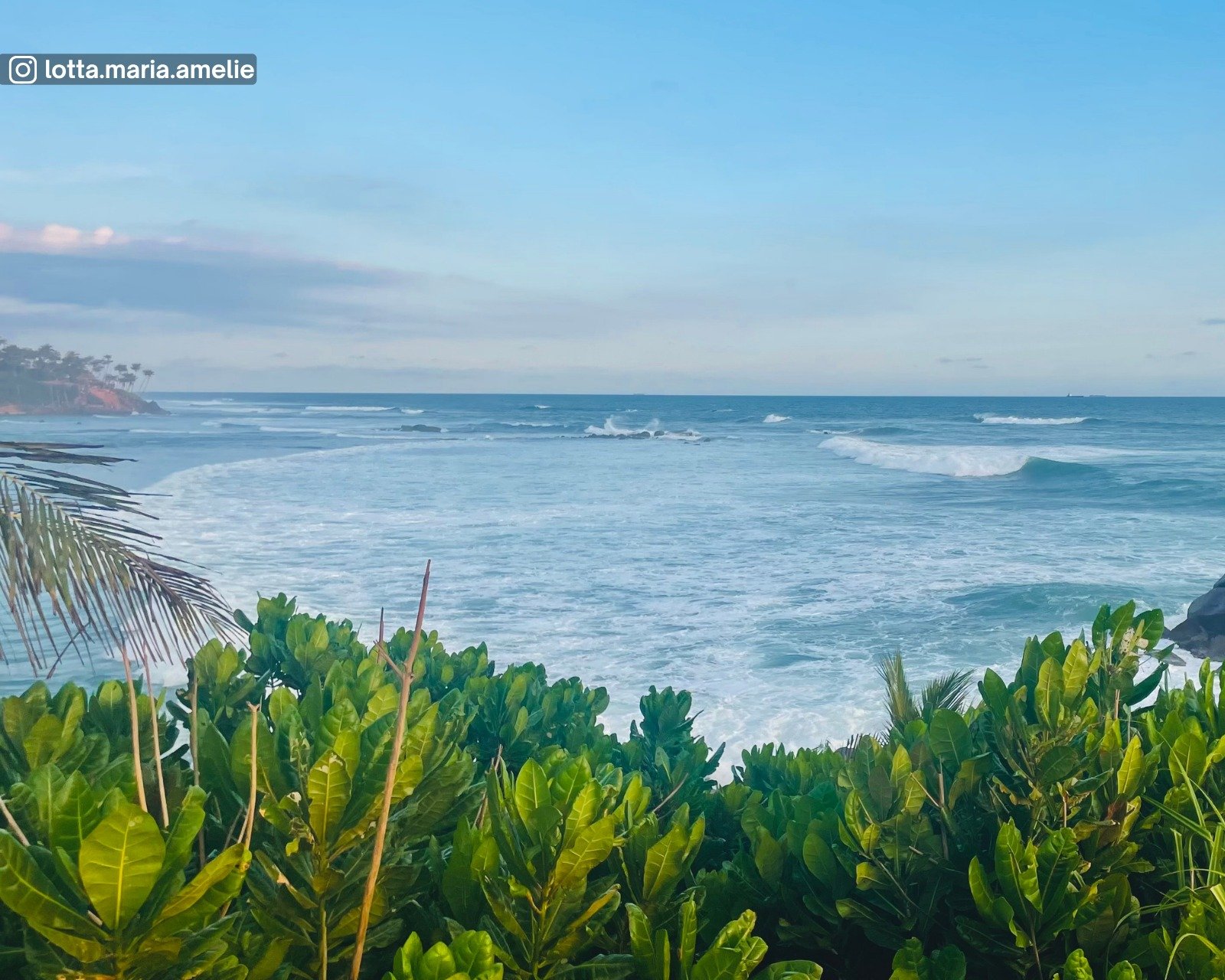
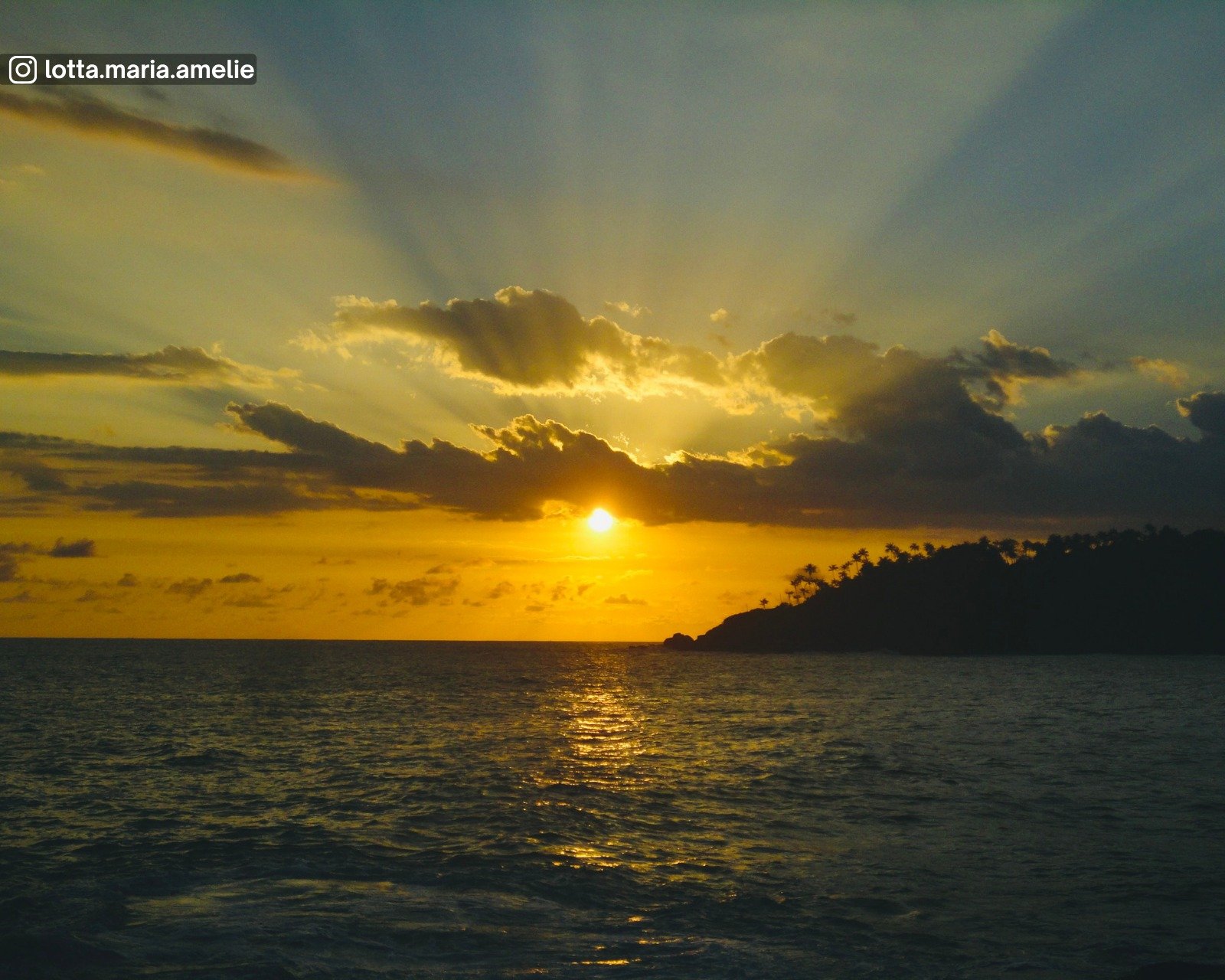
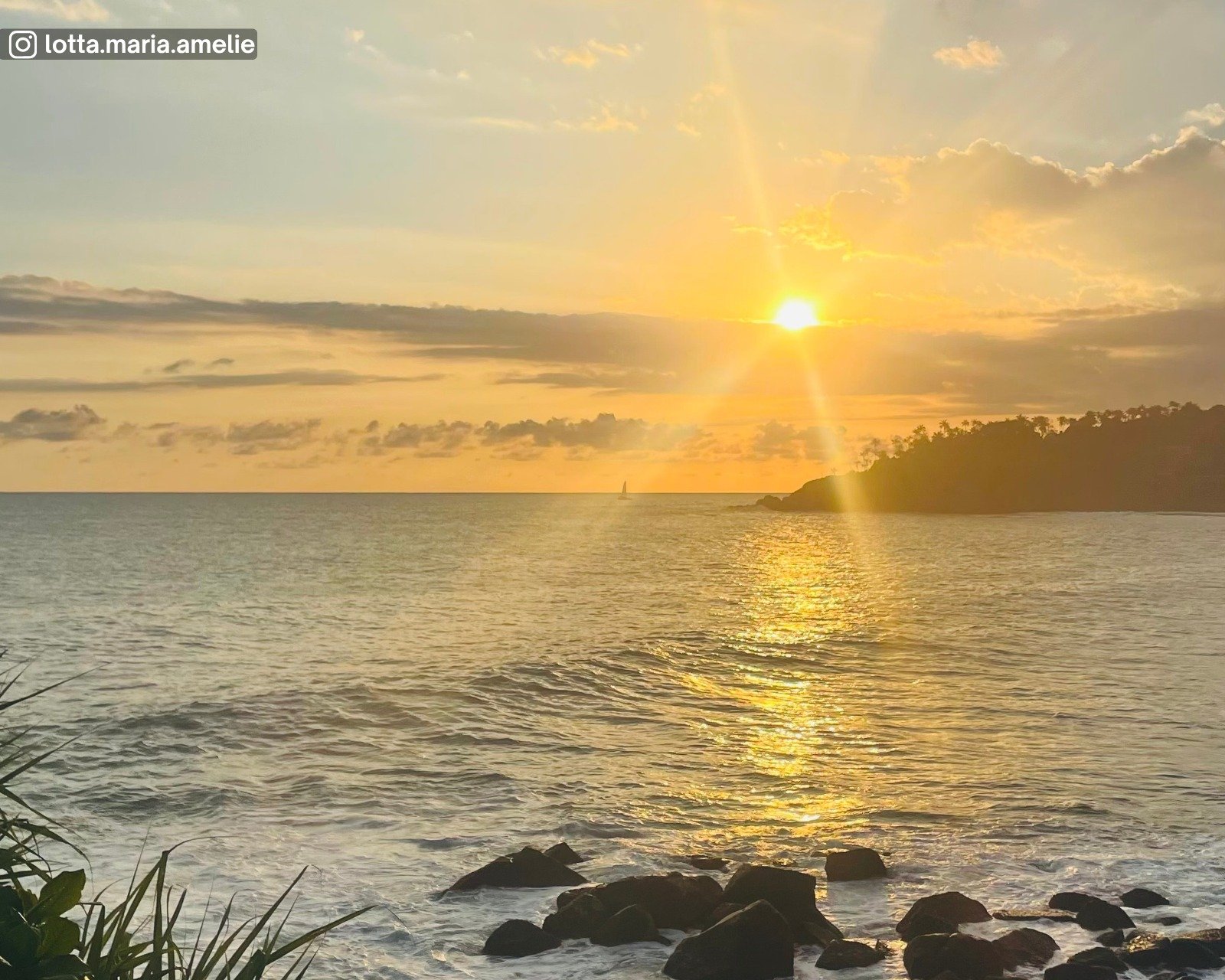
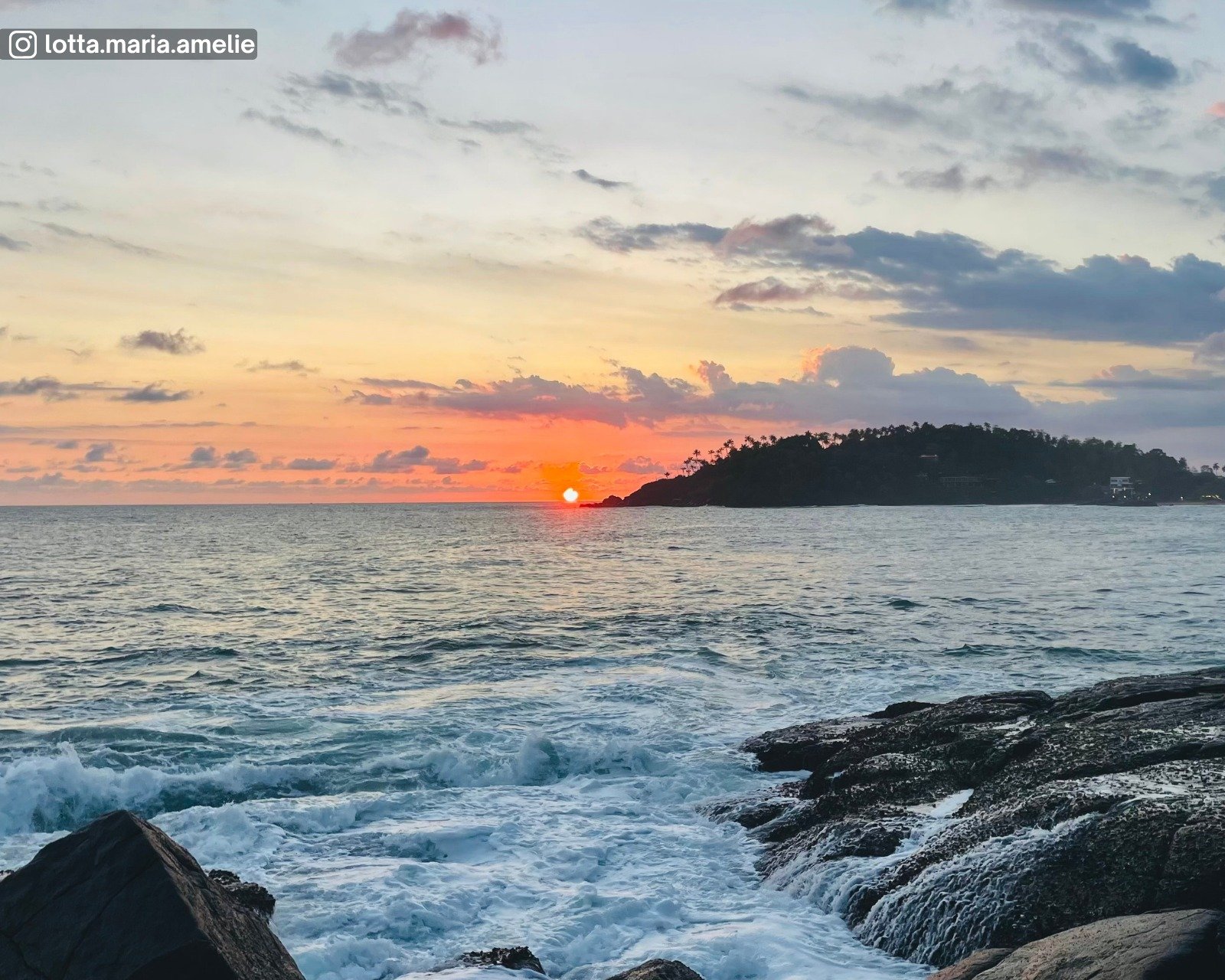
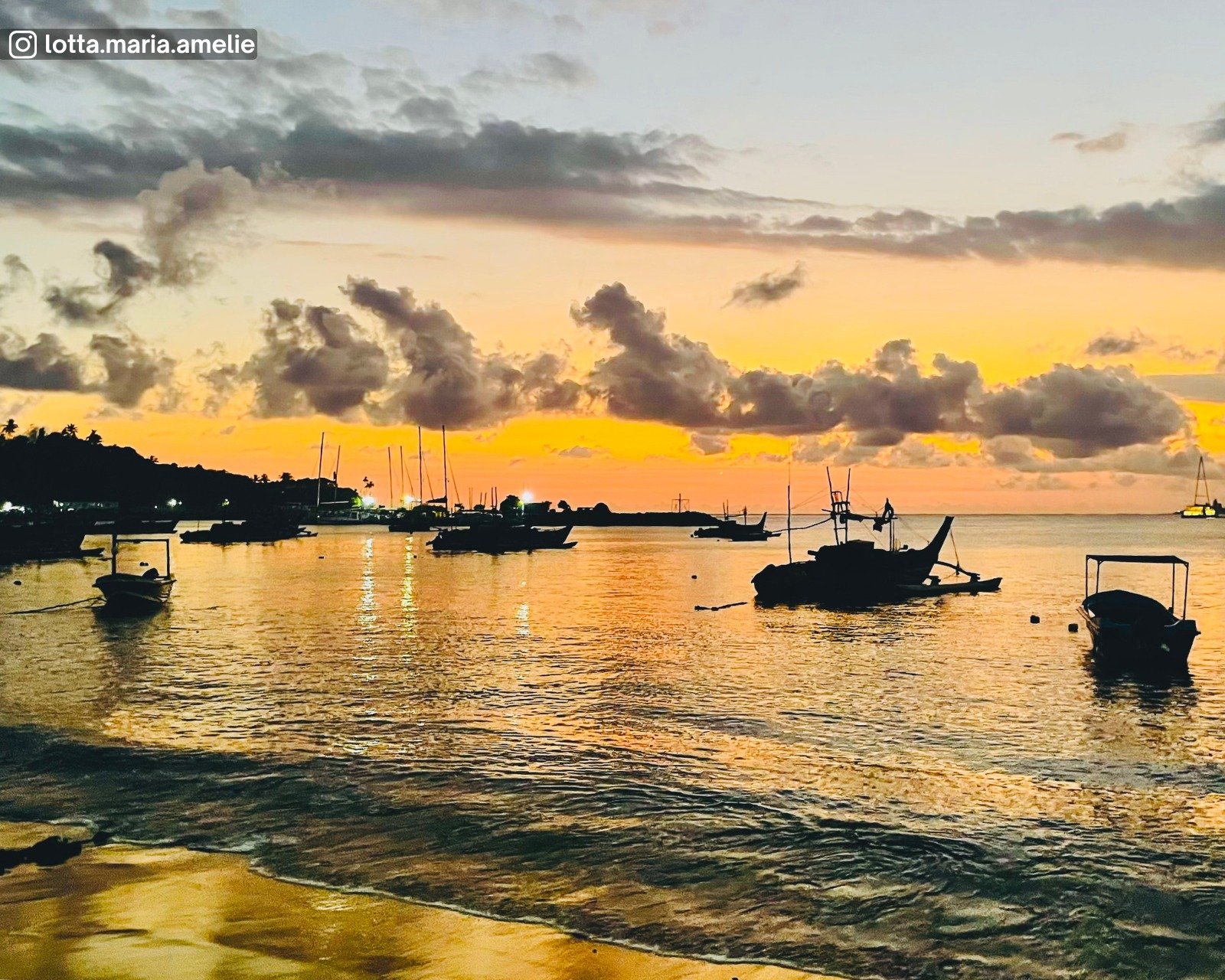
Located on Sri Lanka’s southern coast, Mirissa is a relaxed seaside town known for its crescent shaped beach, calm bays, and easygoing coastal atmosphere. Once a quiet fishing village, it has grown into a popular stop for beach stays, whale watching, and sunset views, while still retaining a slower pace compared to larger resort towns.

Attractions

9 Top Picks | 6 Worth Seeing | 2 Optional

Scenery
Beach
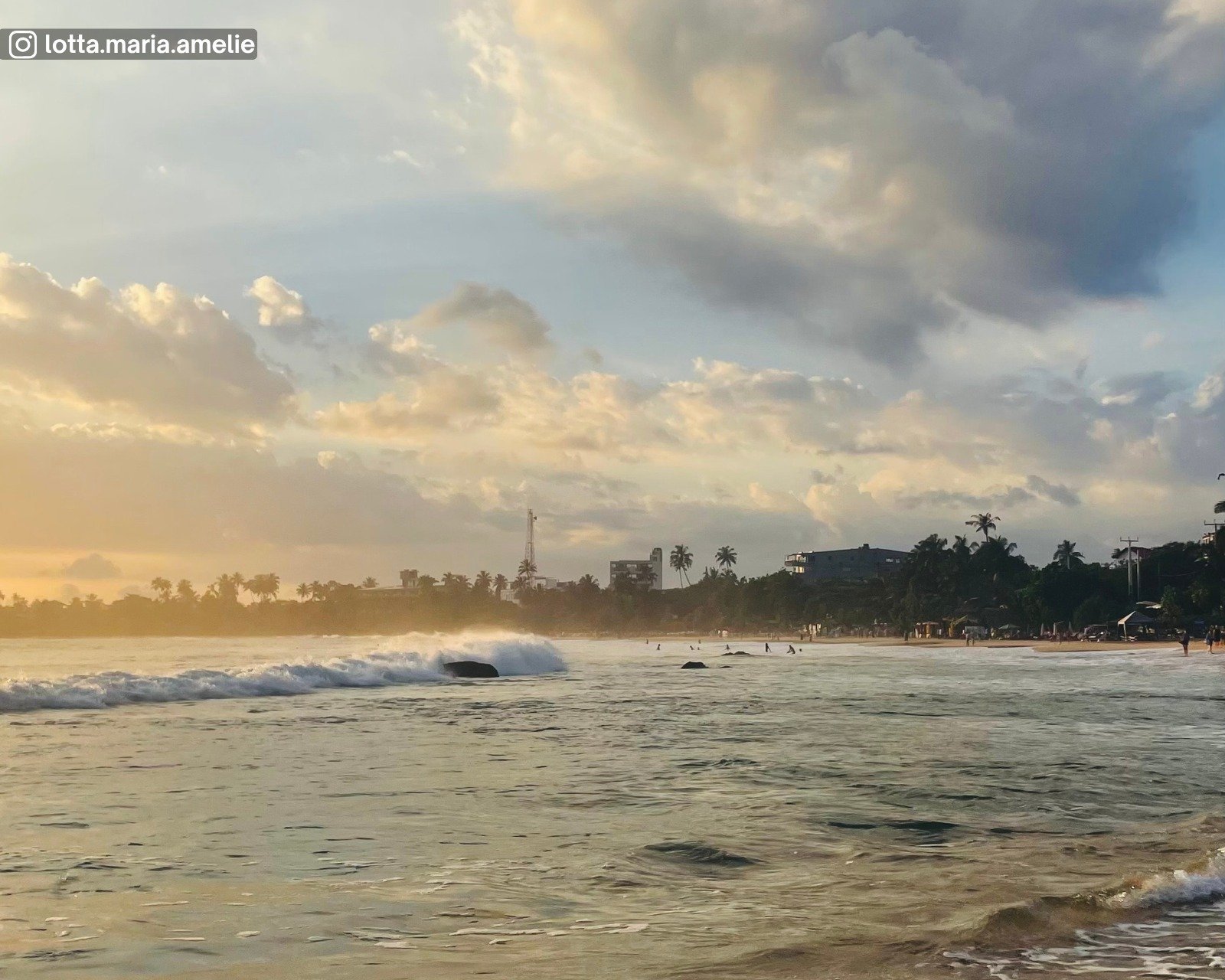
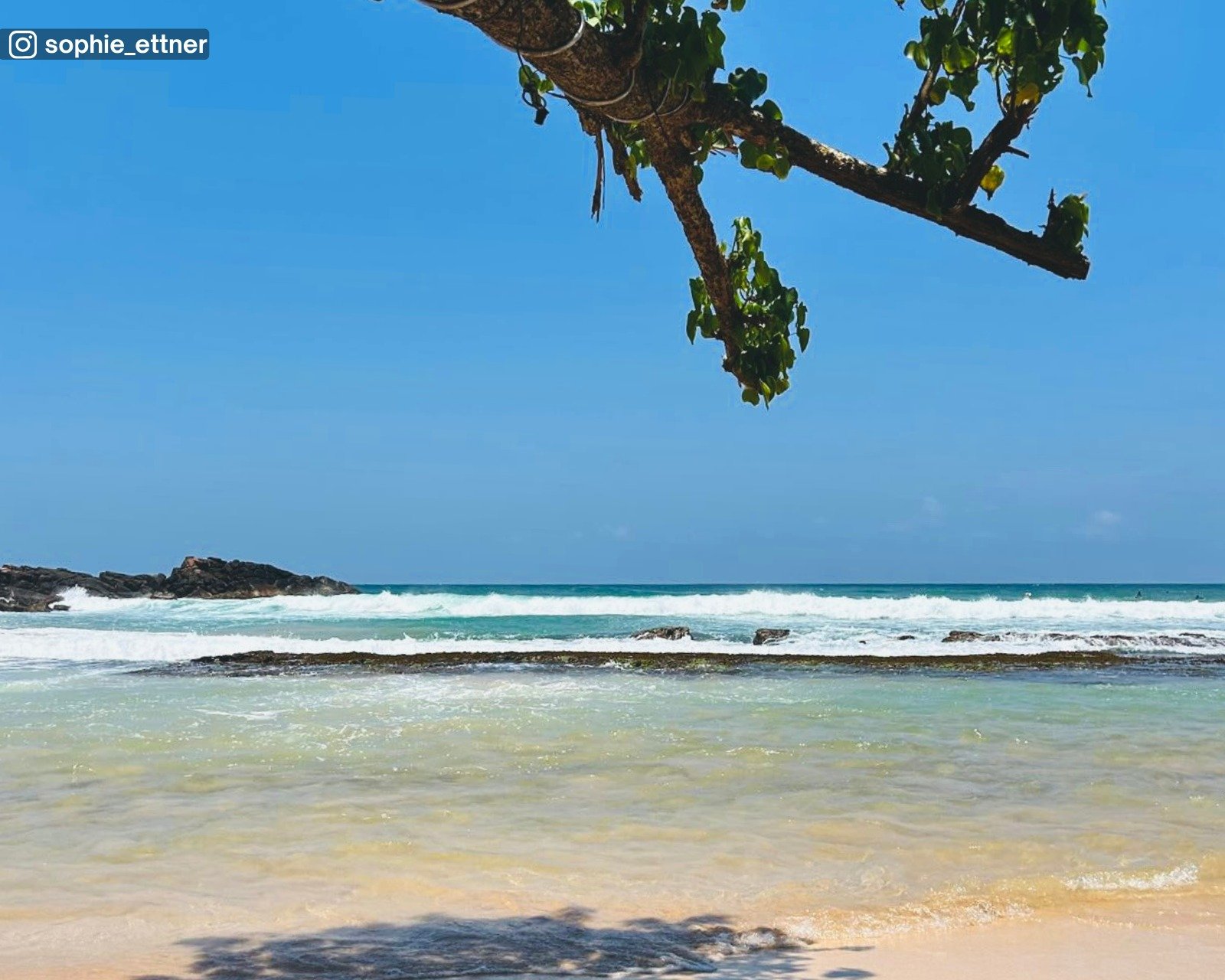
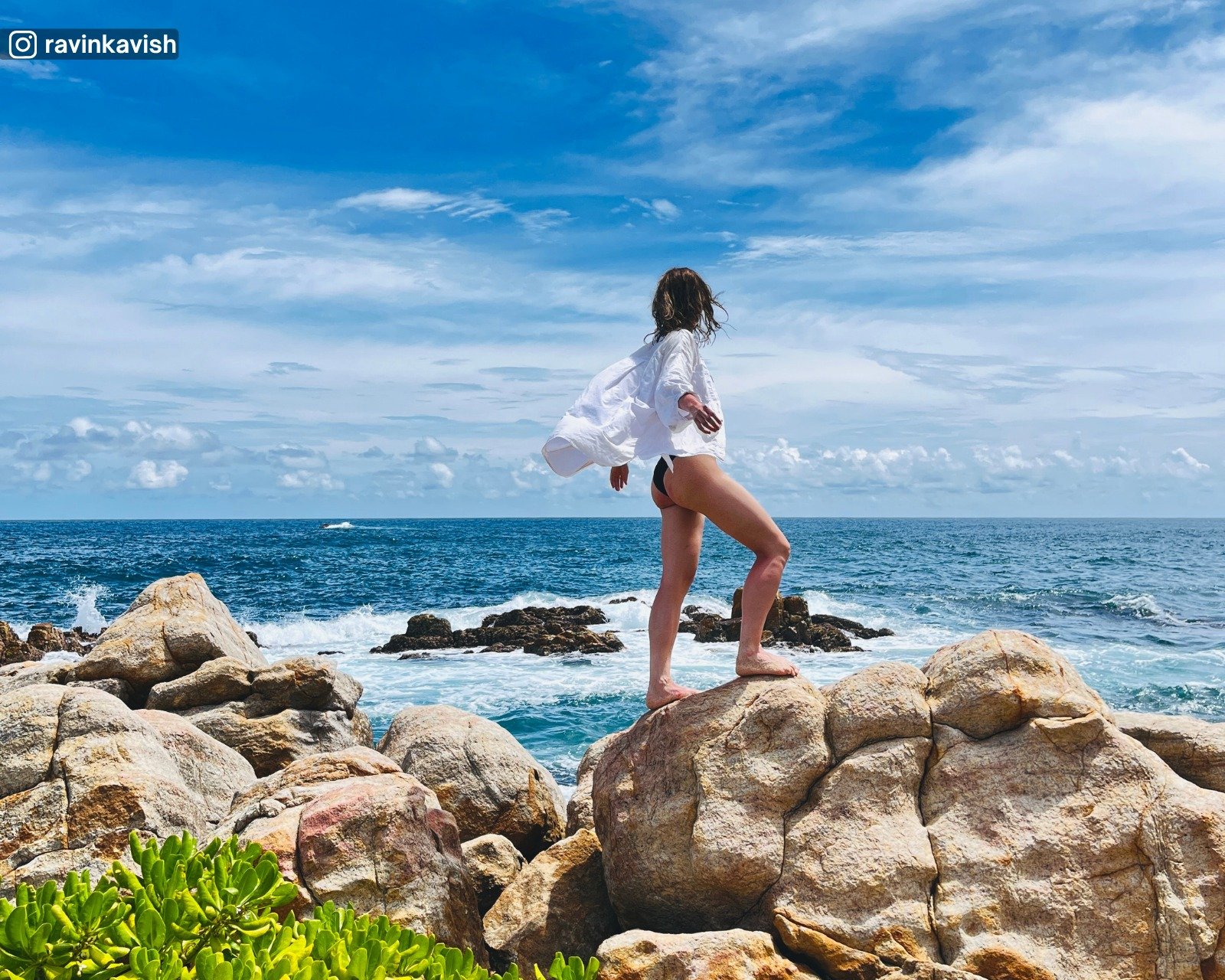
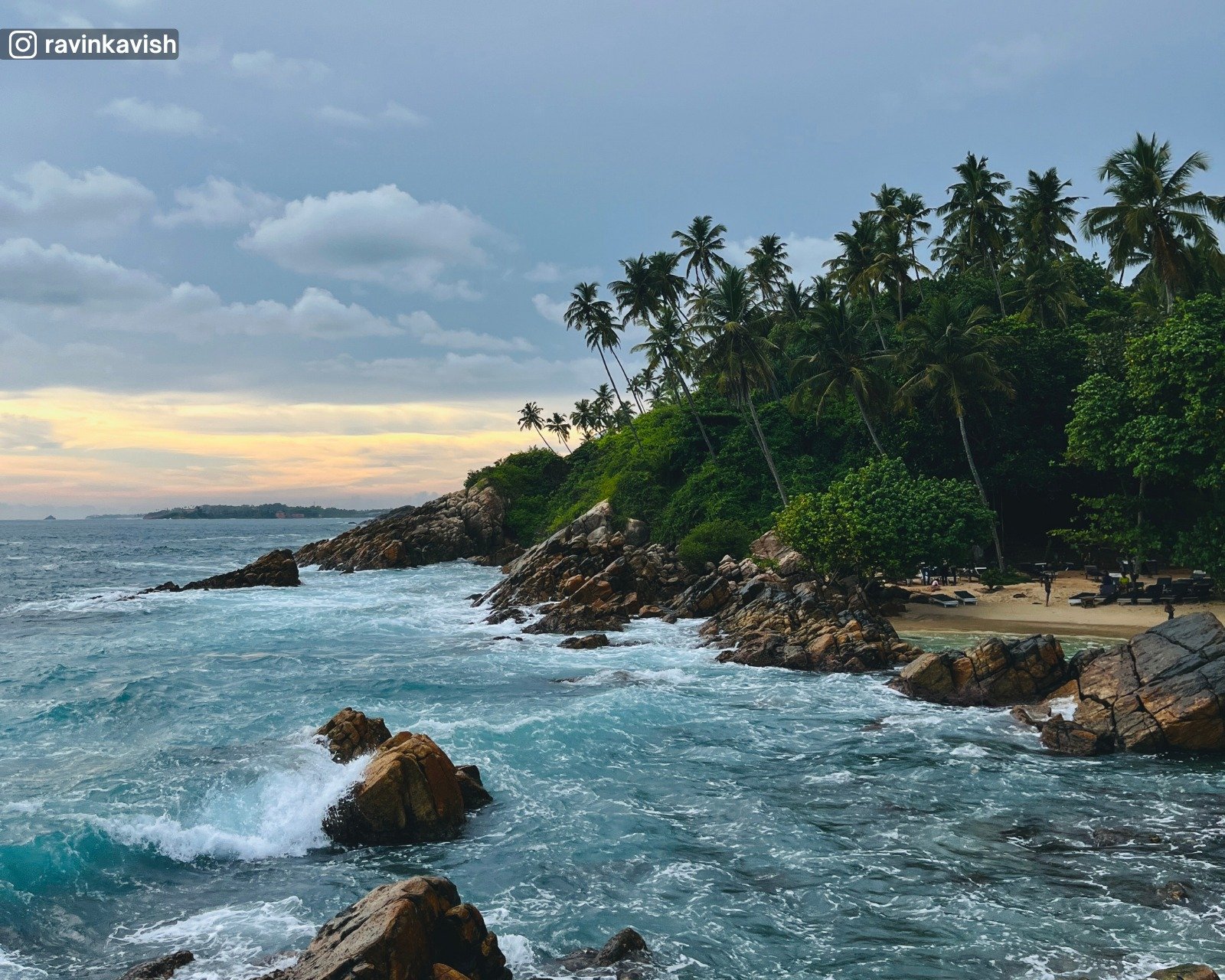
Crescent shaped sandy beach forming a sheltered bay in Mirissa town.

Hike
Activities
Swimming in calm sections, surfing in open areas, beach walks, sunset viewing, and relaxing by the shore.

Scenery
Scenery
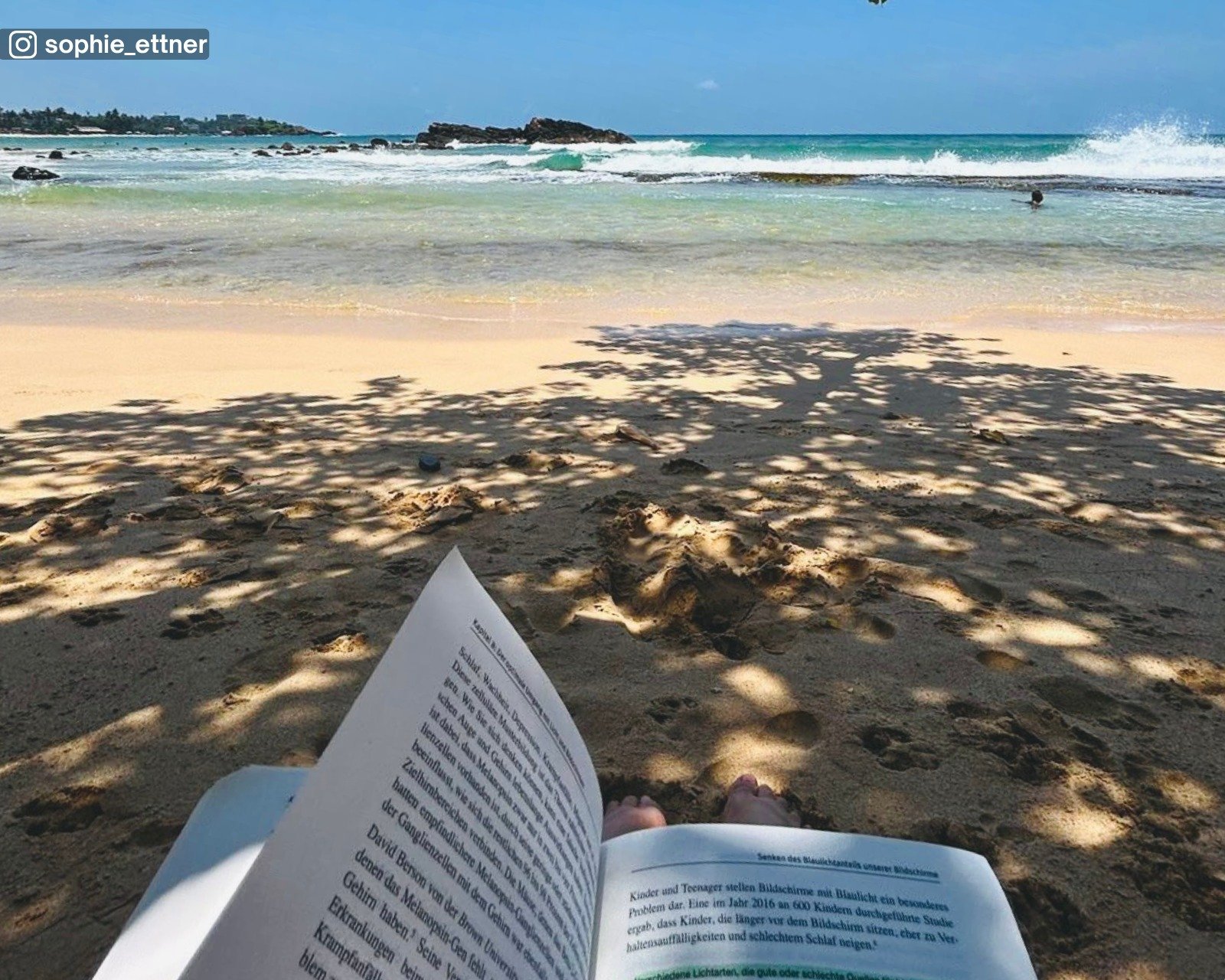
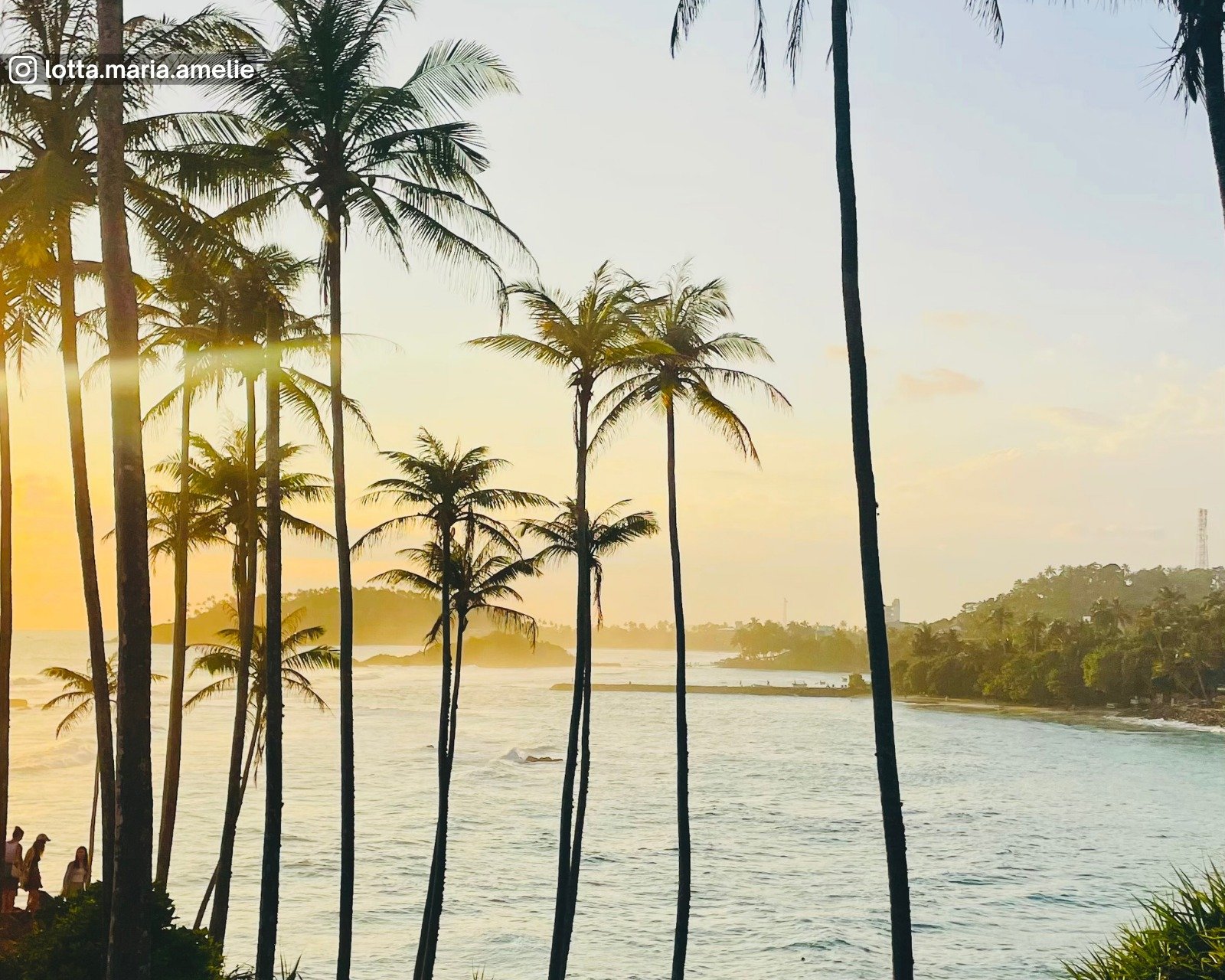
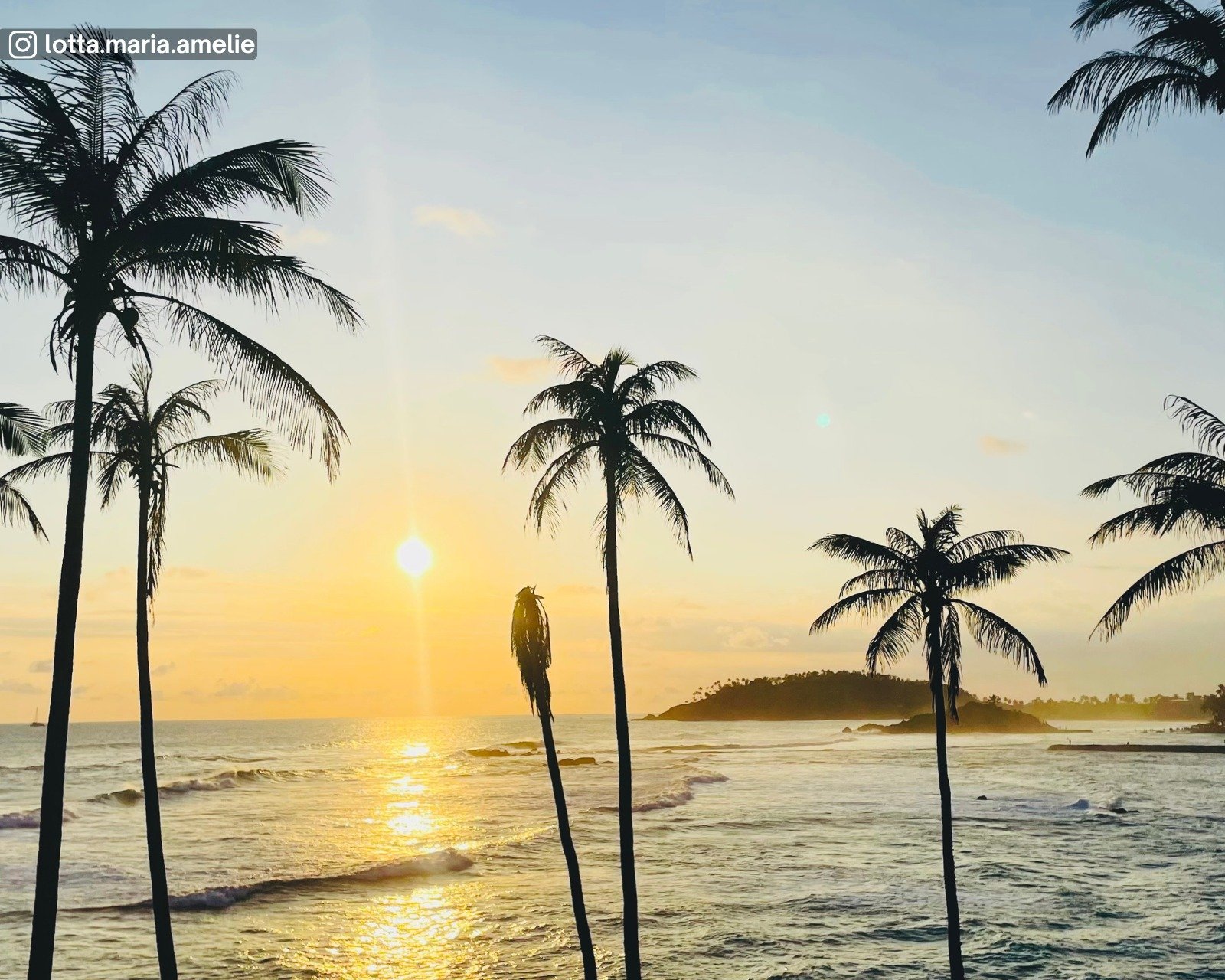
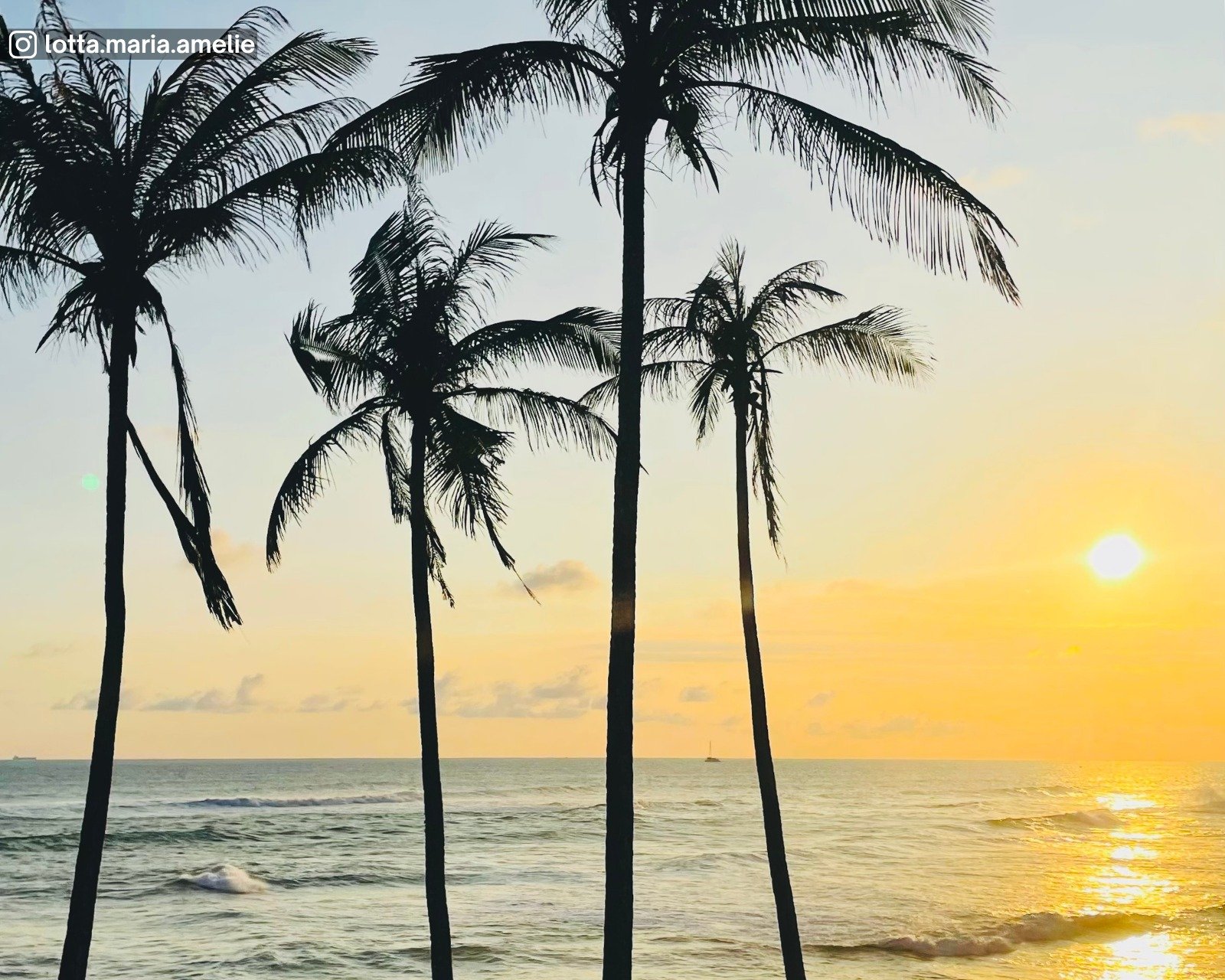
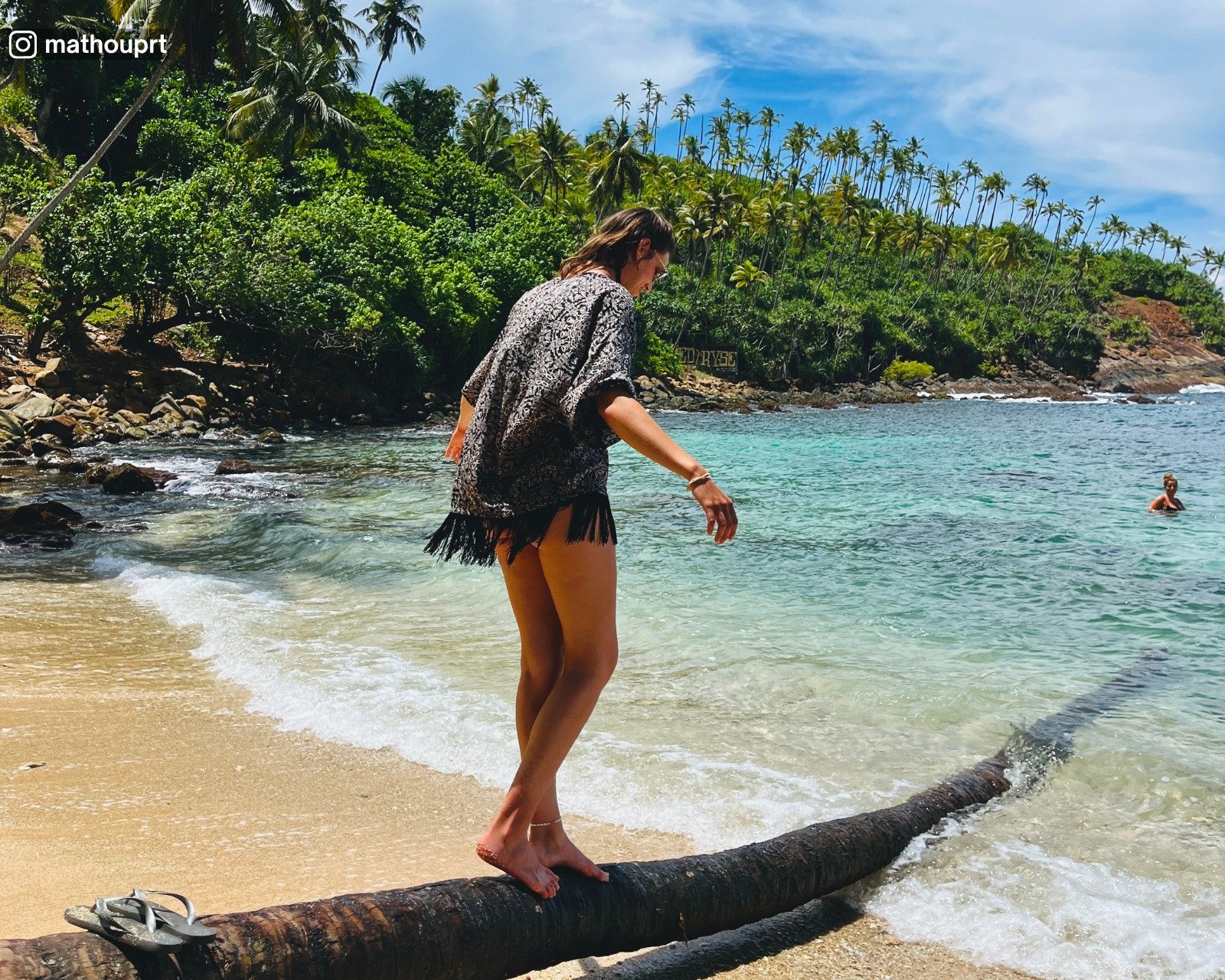
Golden sand, turquoise water, palm trees, rocky headlands, and open ocean views.

Map Icon
Location

MapMirissa Beach
Mirissa Beach
Top Pick
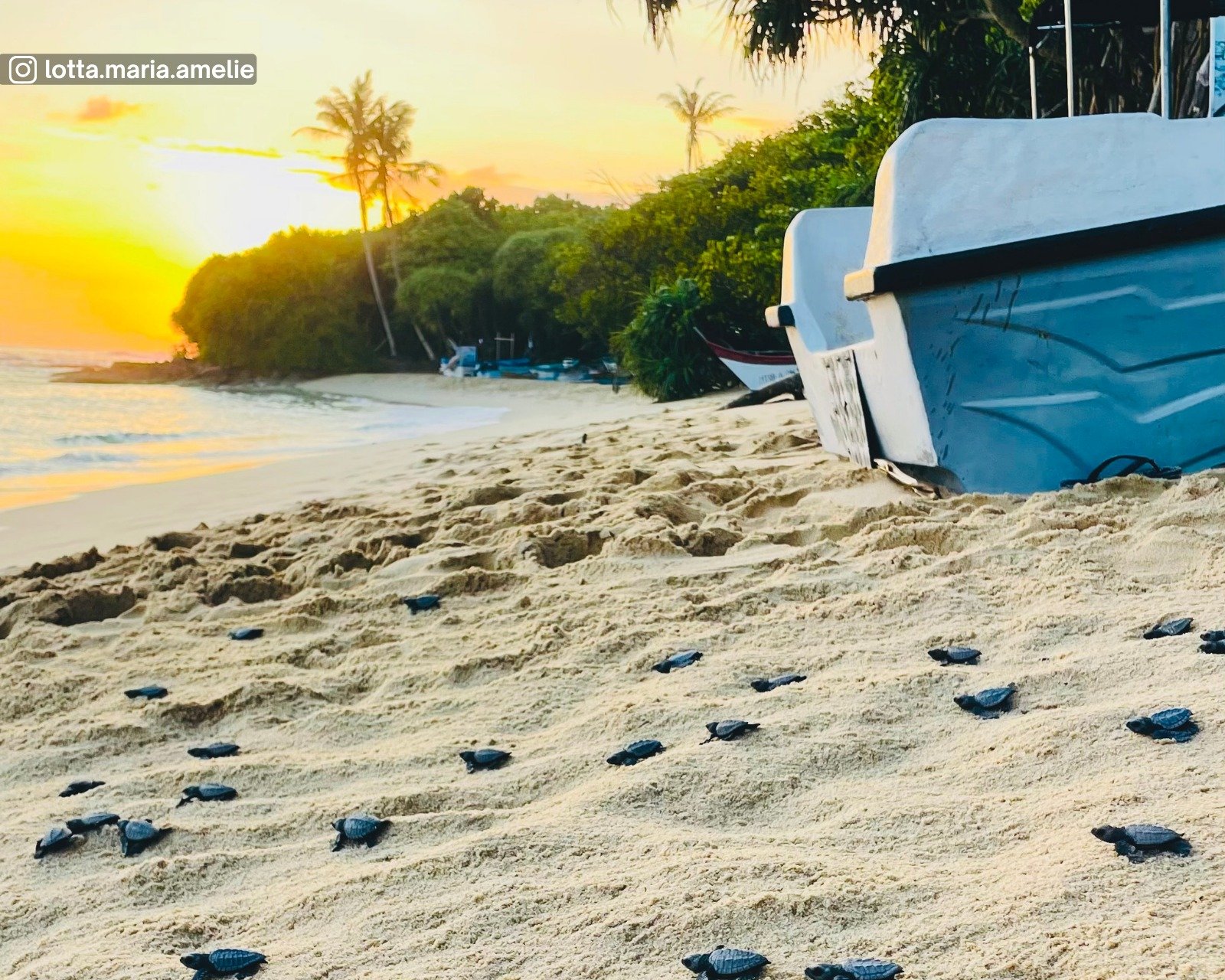
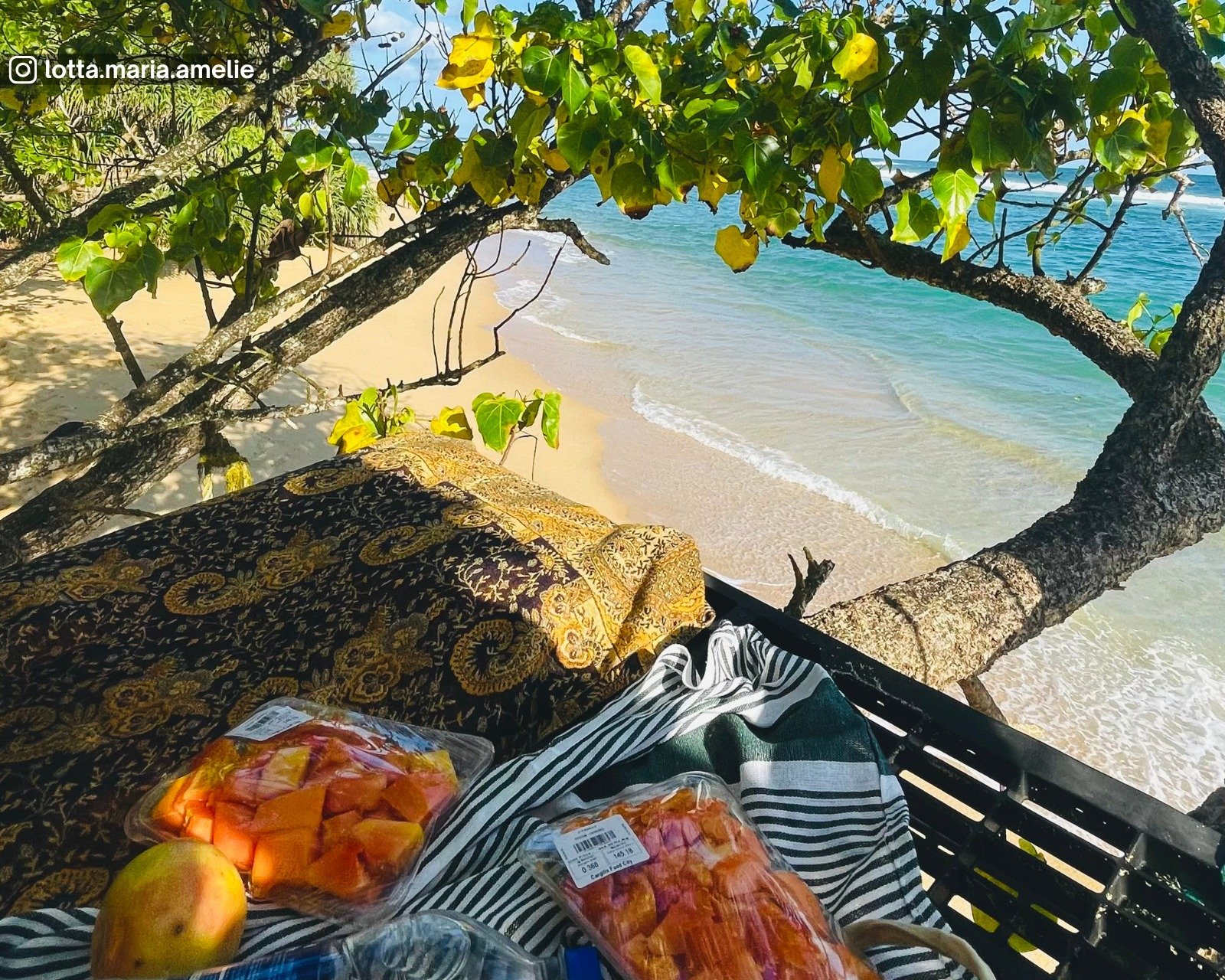
Mirissa Beach is a crescent shaped sandy beach located in the heart of Mirissa town, along Sri Lanka’s southern coast. Sheltered by headlands at either end, the beach forms a calm bay with gentle waves closer to shore, while open sections further out attract surfers. The setting combines soft sand, shallow turquoise water, and palm lined edges, creating one of the most balanced beach environments in the region.

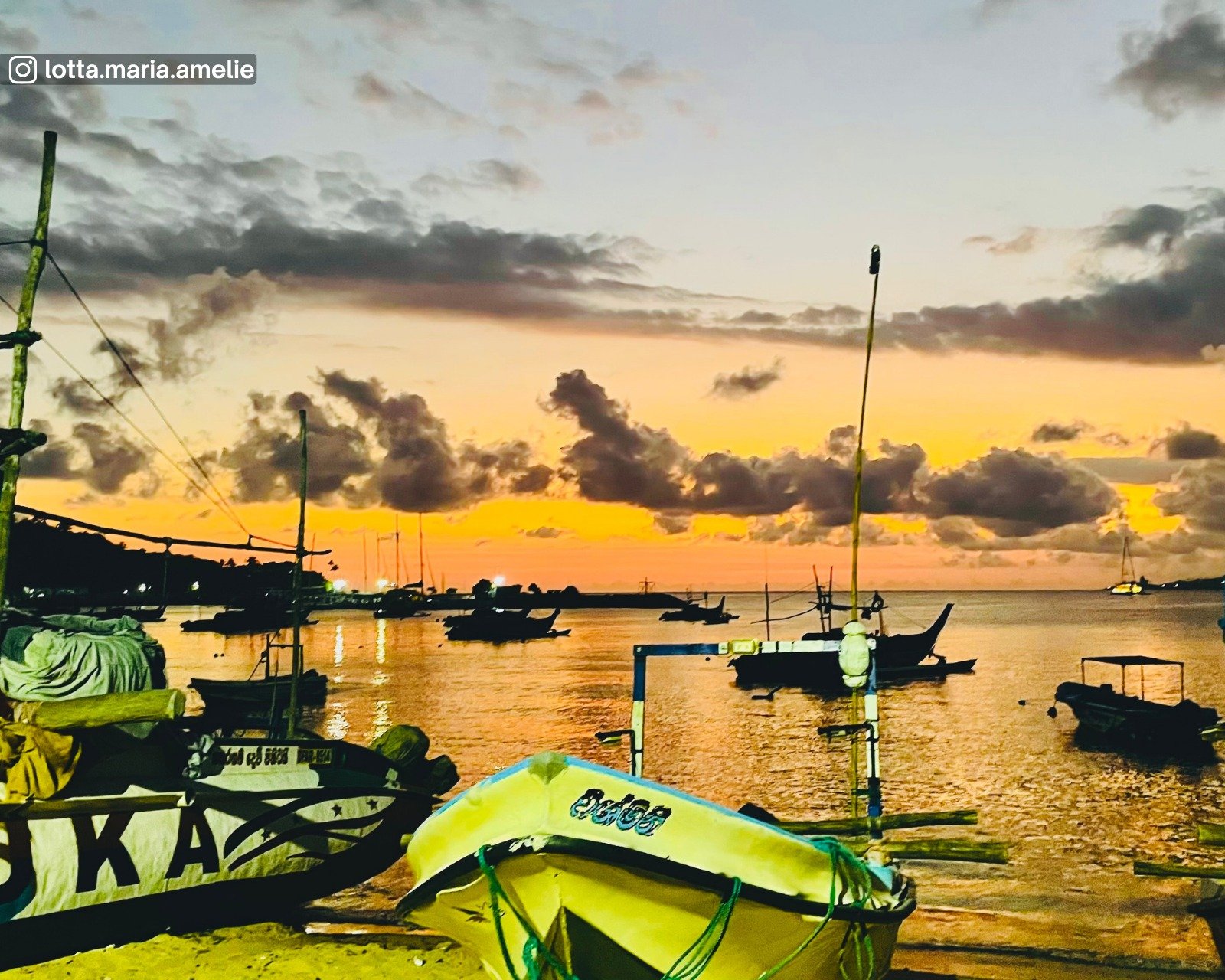
Historically, Mirissa functioned as a small fishing village, and elements of this daily life are still visible along the beach, especially in the early morning when fishing boats return to shore. Over time, the area developed into a popular coastal stop, with guesthouses, cafes, and restaurants lining the beachfront. Despite this growth, Mirissa Beach has retained a relaxed and walkable character rather than a large resort feel.

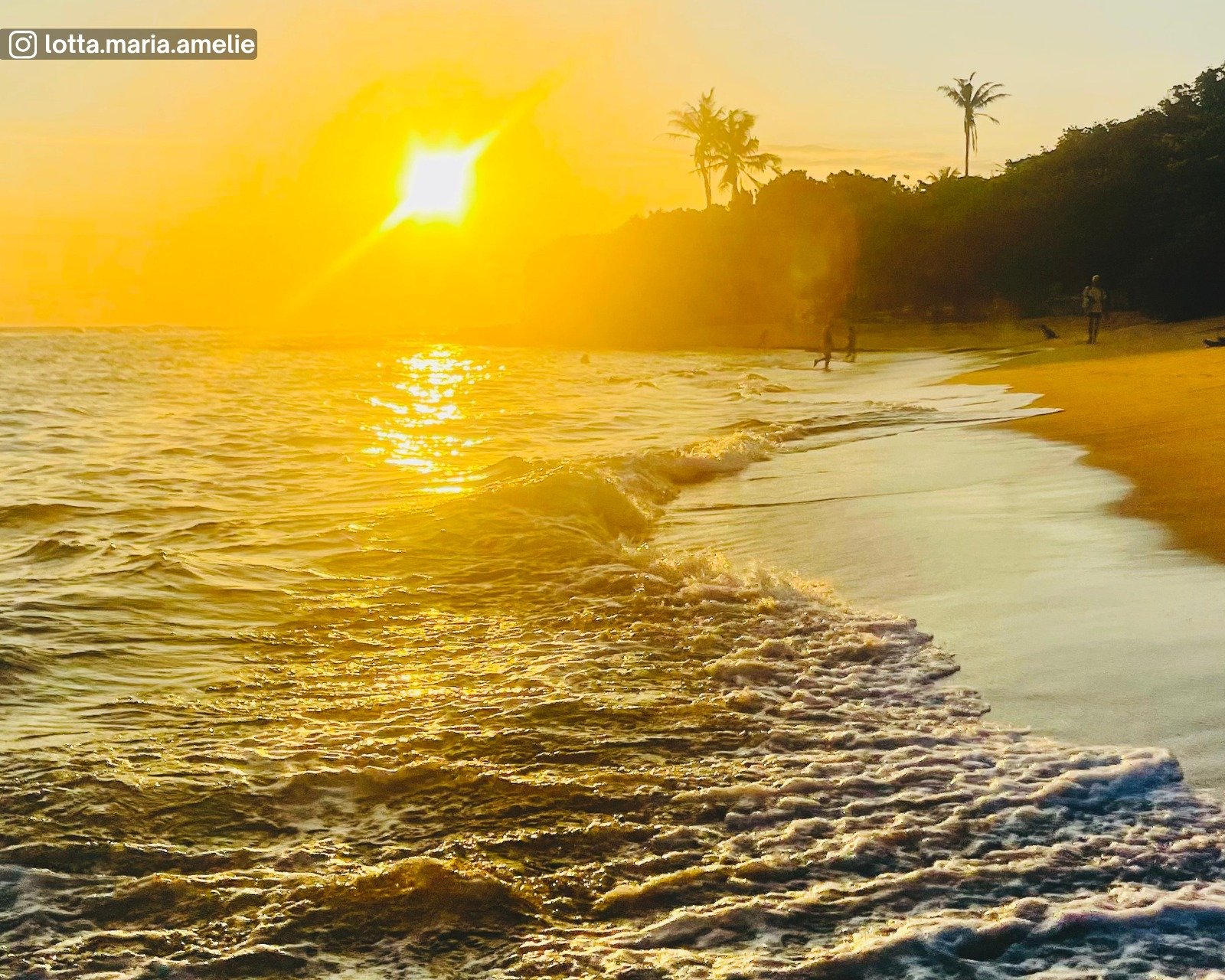
The beach is well known for its sunset atmosphere, when the sky shifts in colour and the bay becomes calmer. Swimming conditions vary depending on season, with the best conditions typically occurring during the calmer months when currents are weaker. Sections of the beach are suitable for casual swimming and wading, while other areas require caution due to stronger waves and reef formations.

For visitors travelling along the southern coast, Mirissa Beach offers a mix of leisure and everyday coastal life. It works equally well as a place to rest between activities or as a base for exploring nearby attractions such as whale watching points and headland viewpoints. The combination of accessibility, scenery, and atmosphere makes it one of the defining beaches of the south.
Read More
Lake
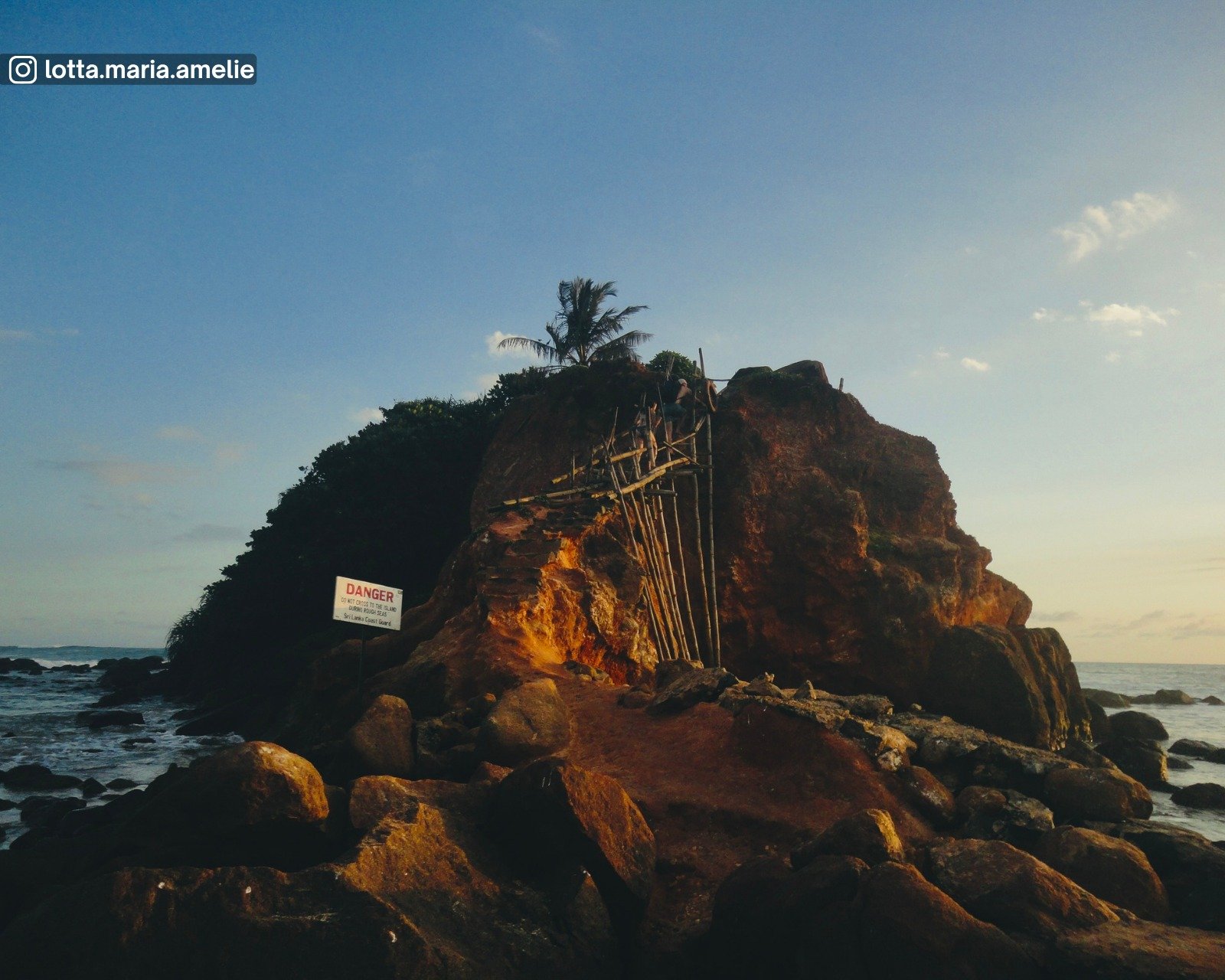
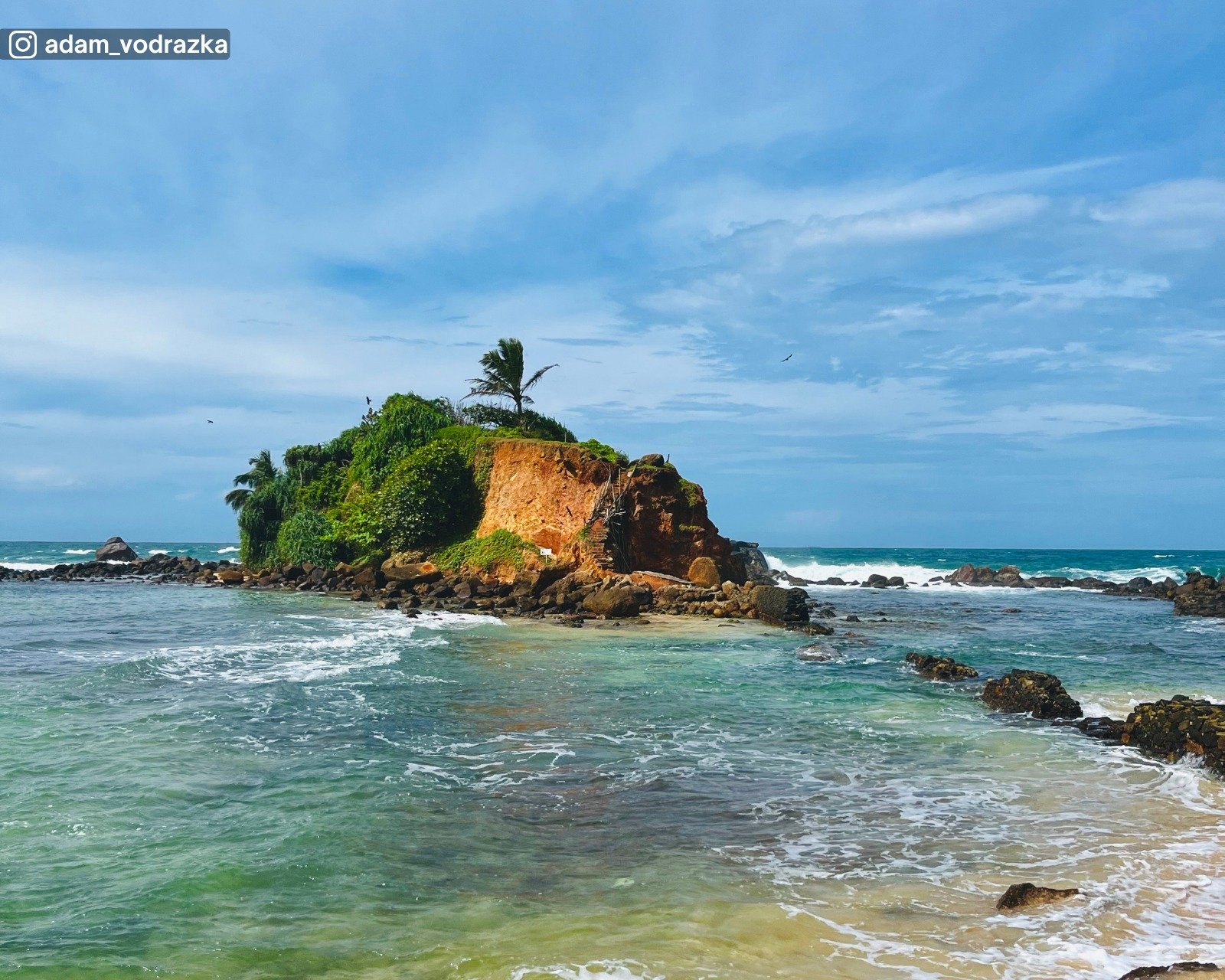
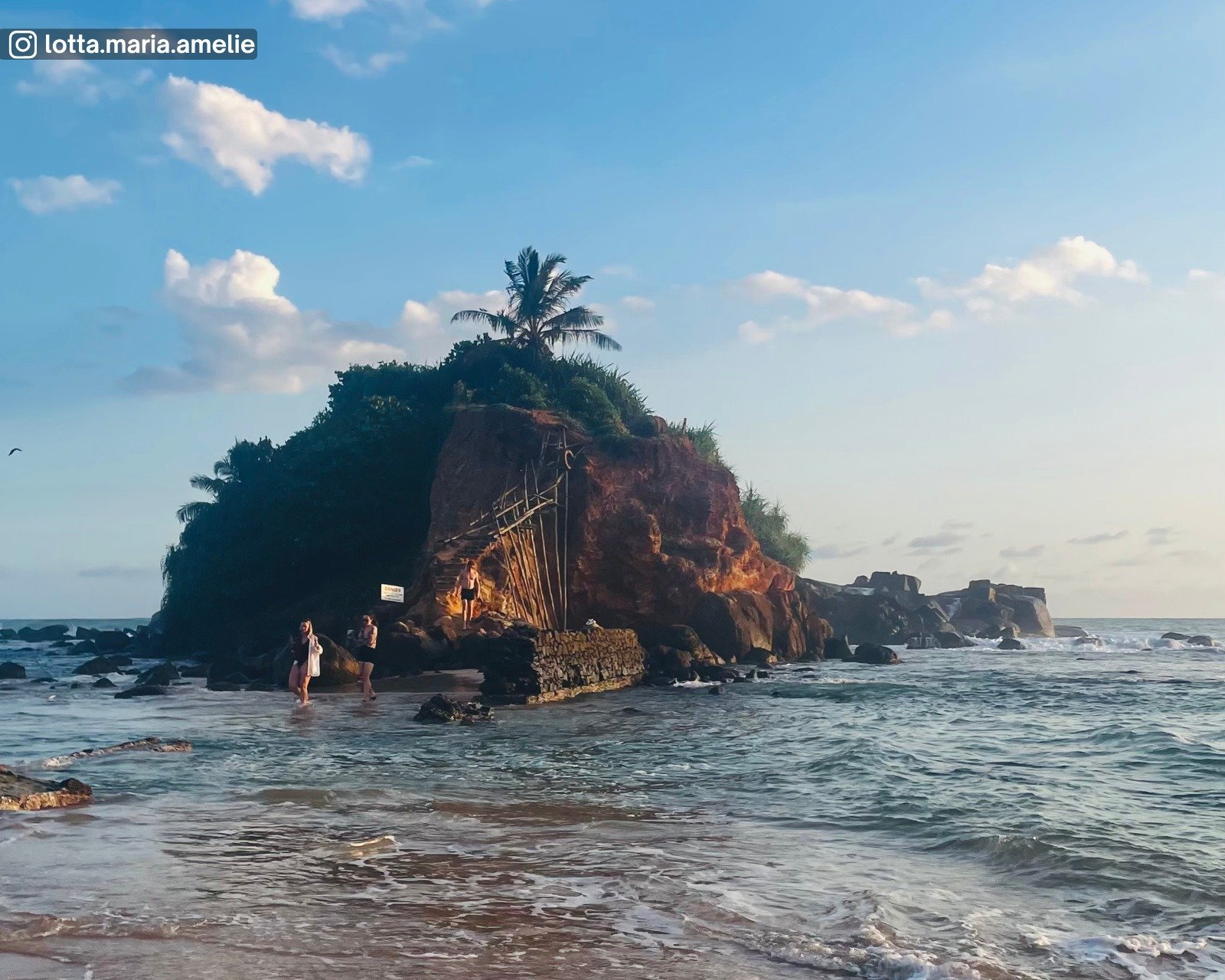
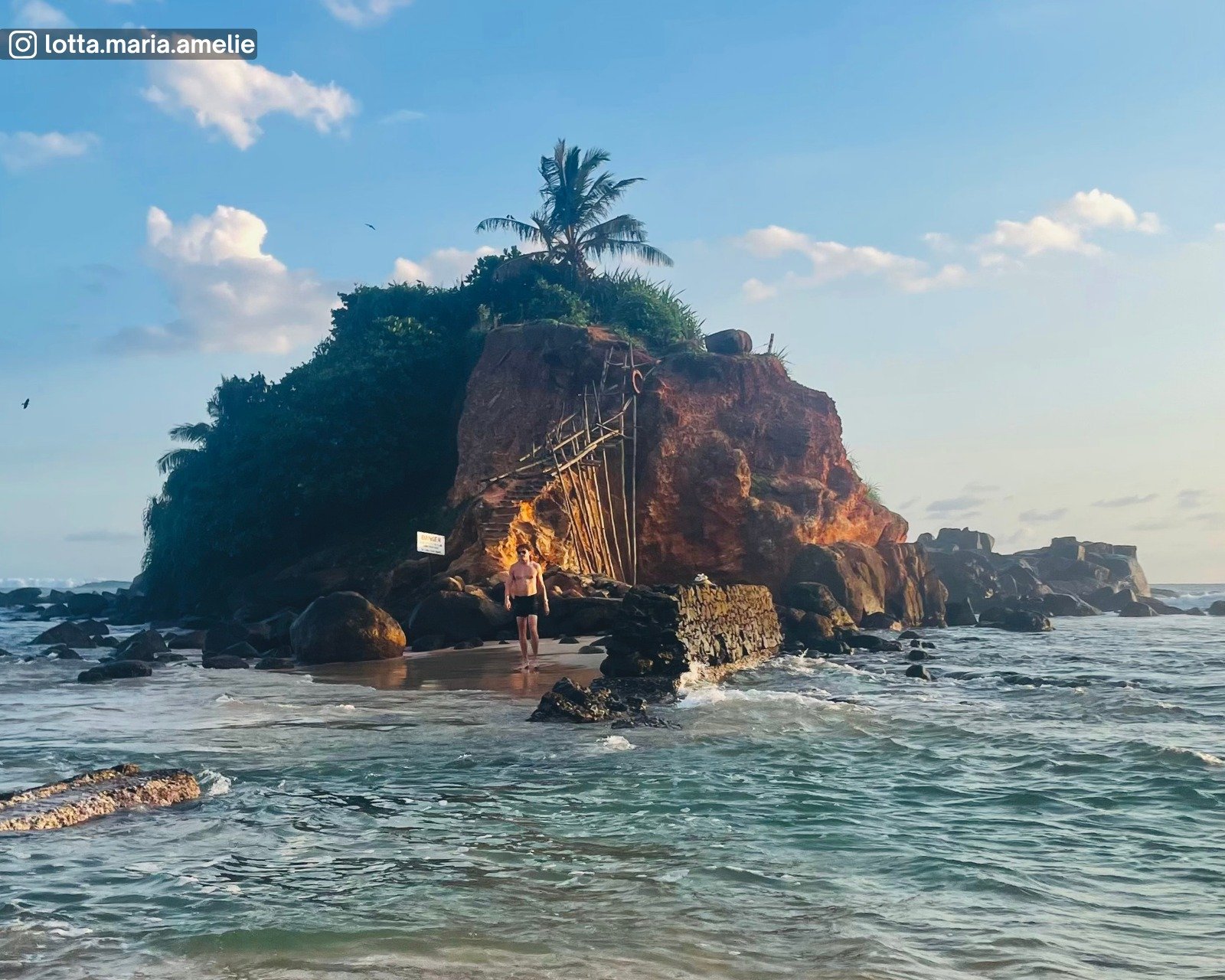
Rock Outcrop
Small rock outcrop offering elevated views over Mirissa Beach and the Indian Ocean.
Scenery
Scenery
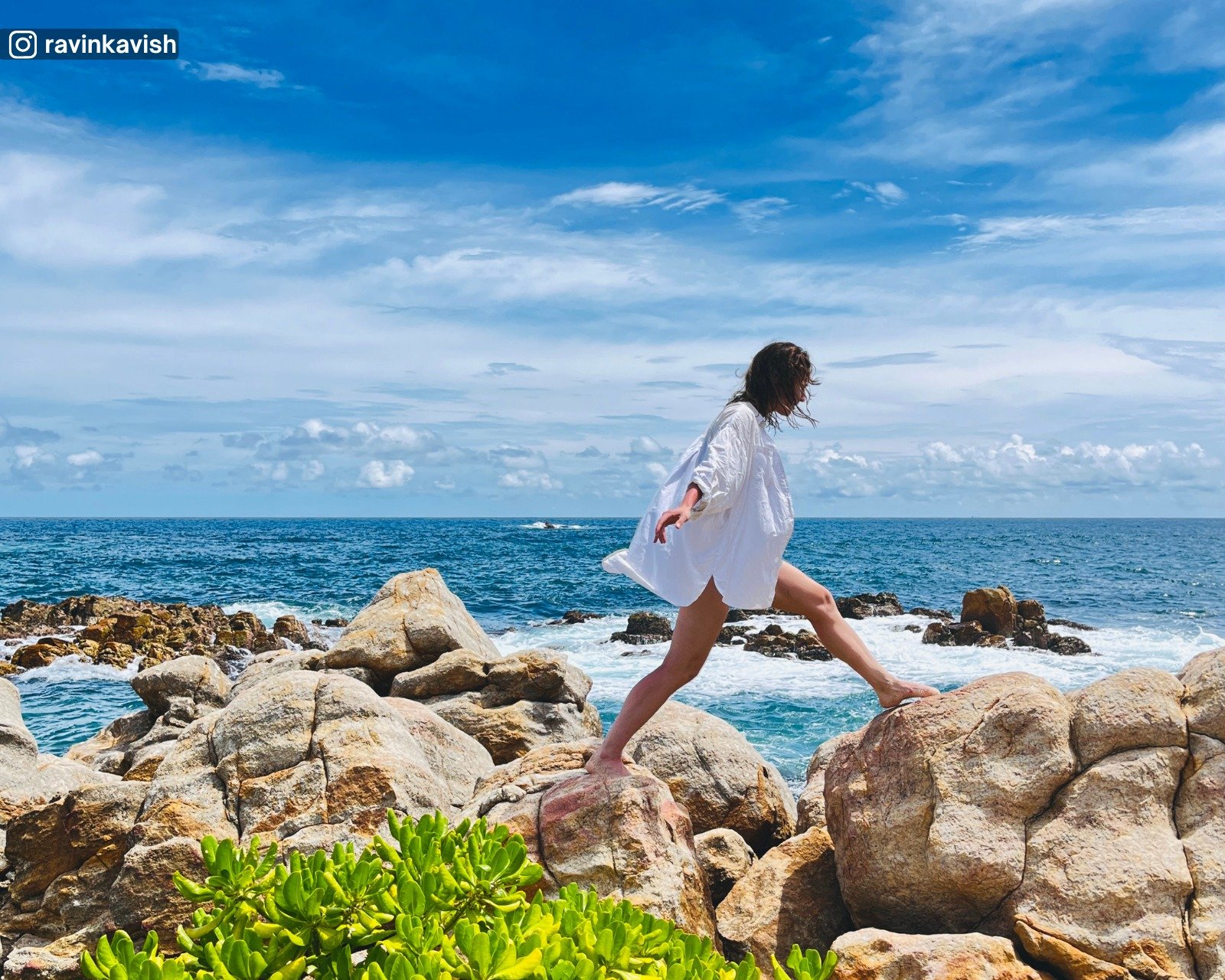
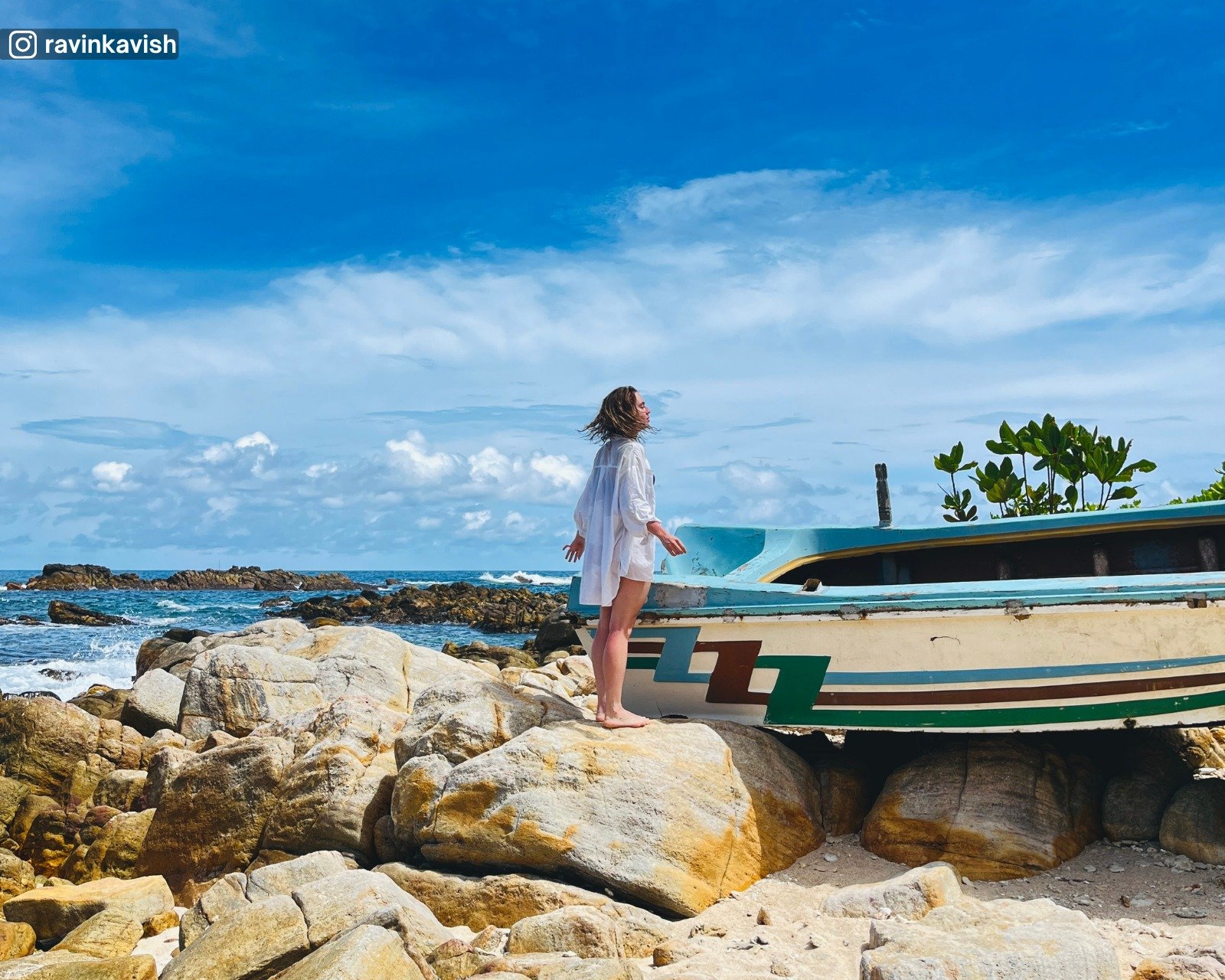
Ocean views, sandy shoreline, reef edges, fishing boats, and sunset light.

Hike
Climb
Short but uneven climb over rock surfaces. Access depends on tide and sea conditions.
Map Icon
Location

MapParrot Rock
Parrot Rock
Top Pick
Parrot Rock is a small rocky outcrop located at one end of Mirissa Beach, rising directly from the shoreline near the main swimming area. Despite its modest height, the rock offers elevated views over the bay, the open ocean, and the curve of the beach, making it a popular spot for short climbs and coastal observation. Its position close to town keeps it easily accessible while still feeling slightly removed from the busy beachfront.

Access to Parrot Rock depends on sea conditions. During low tide and calm seas, it can be reached by wading across shallow water or using exposed rocks as stepping points. When the tide is high or waves are strong, access becomes difficult or unsafe. The climb itself is short but involves uneven rock surfaces, requiring careful footing, especially when wet.

From the top, the view opens across Mirissa Bay, with fishing boats, swimmers, and surfers visible below. Early mornings are quieter and clearer, while late afternoons bring warmer light and changing colours over the water. The rock is also a good vantage point to observe wave patterns and the surrounding reef structure along the shoreline.

For visitors to Mirissa, Parrot Rock offers a brief but rewarding viewpoint rather than a long activity. It works well as a short stop during a beach walk, adding elevation and perspective to the coastal experience without requiring a full hike or travel away from town.
Read More
Lake
Coastal Headland
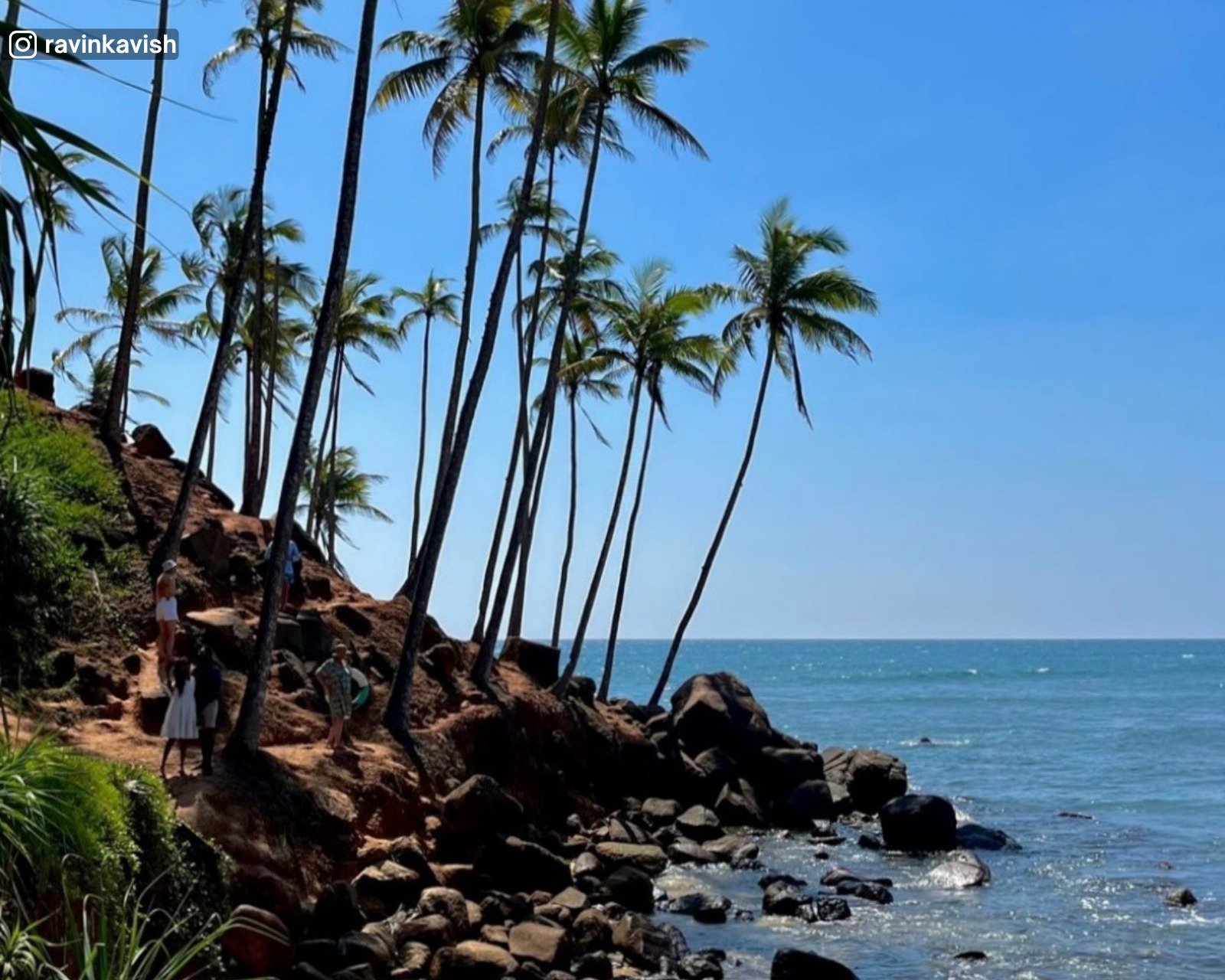
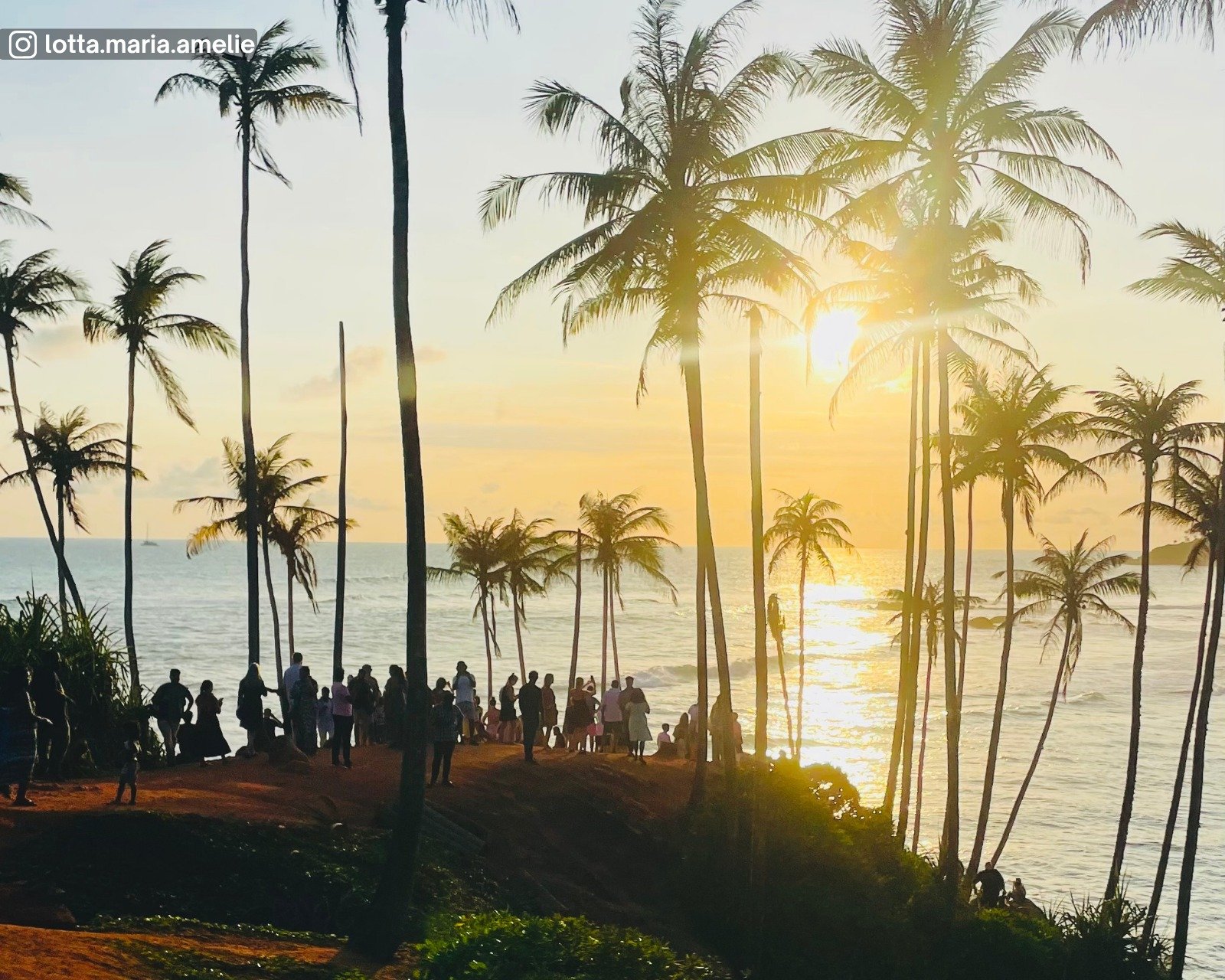
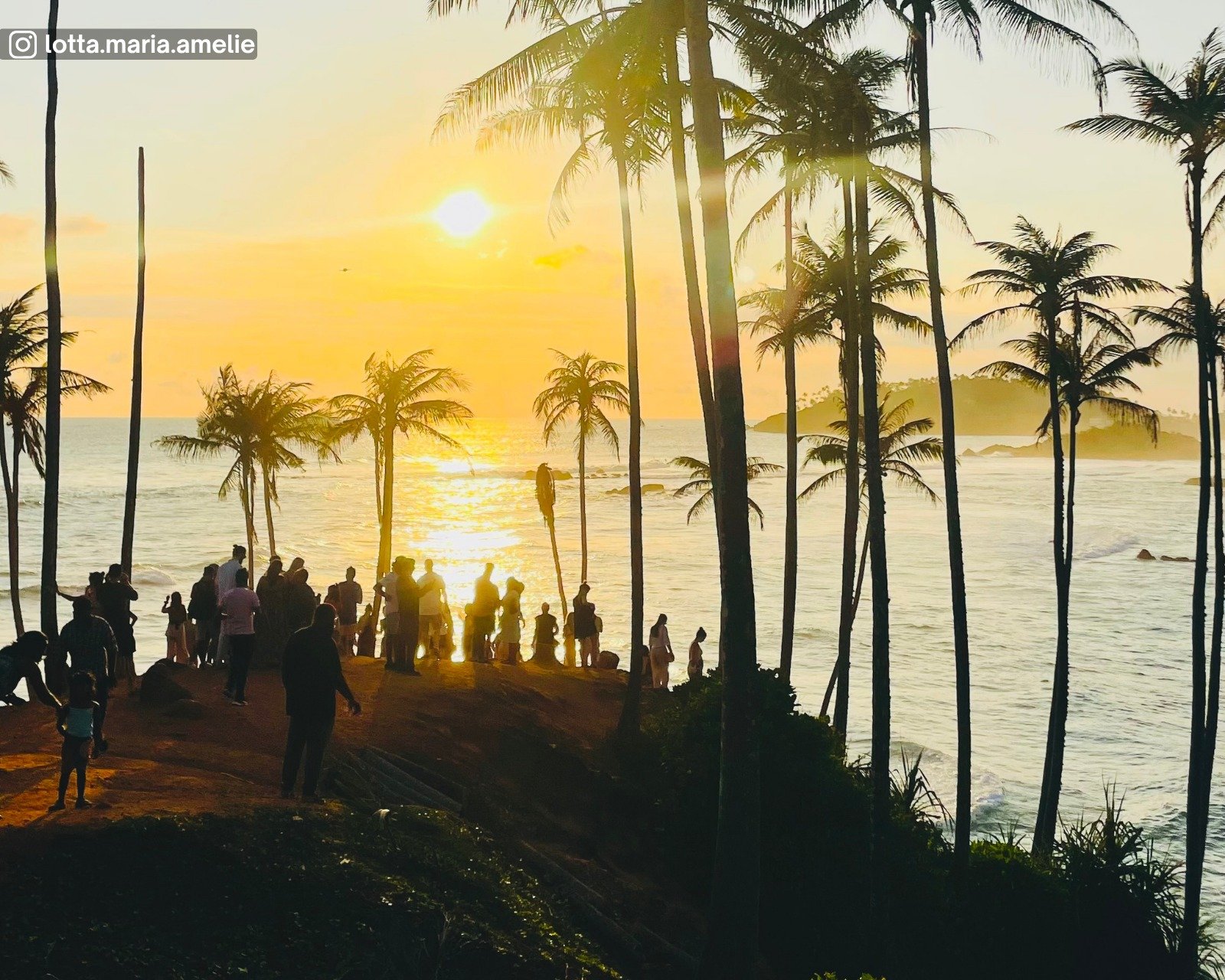
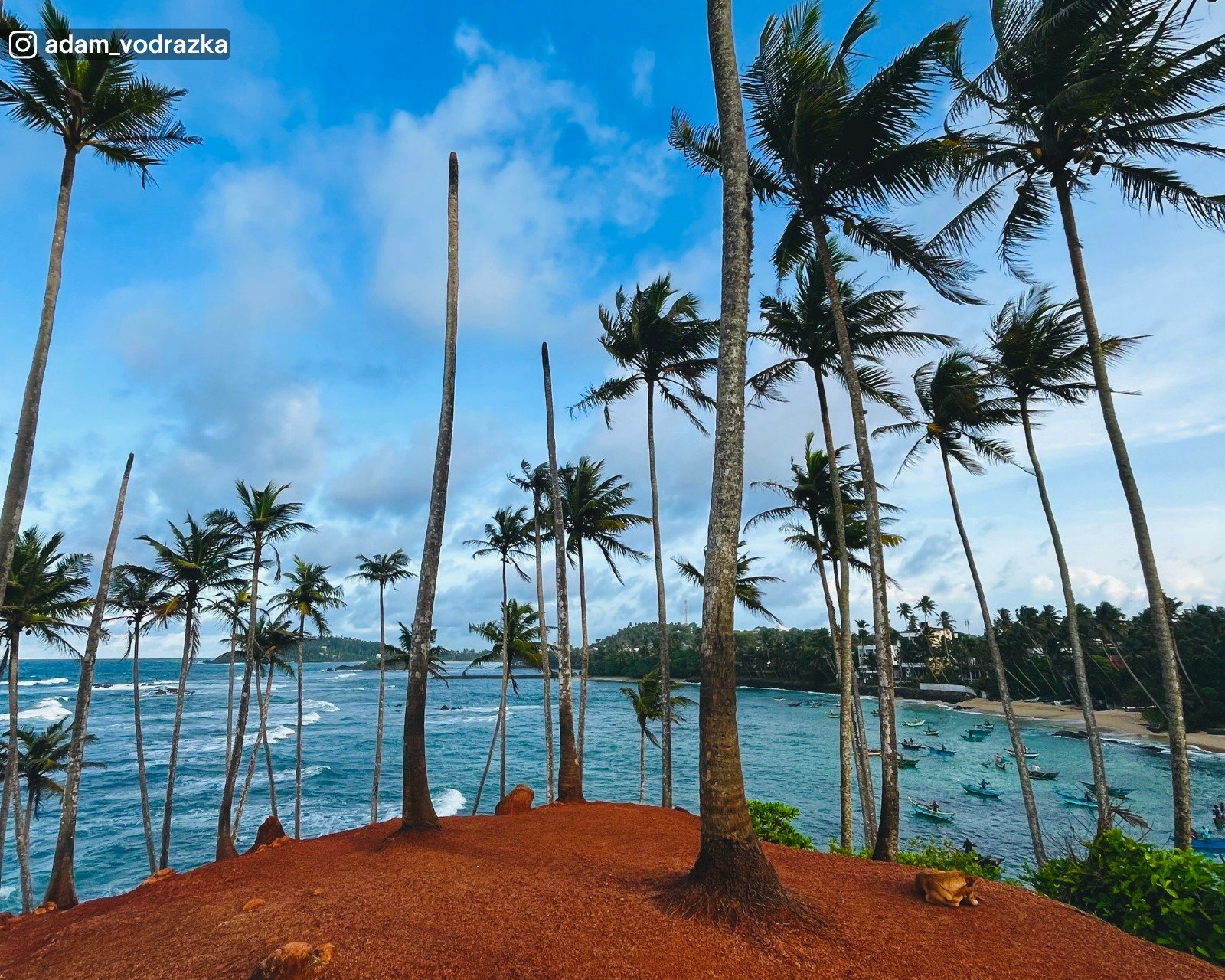
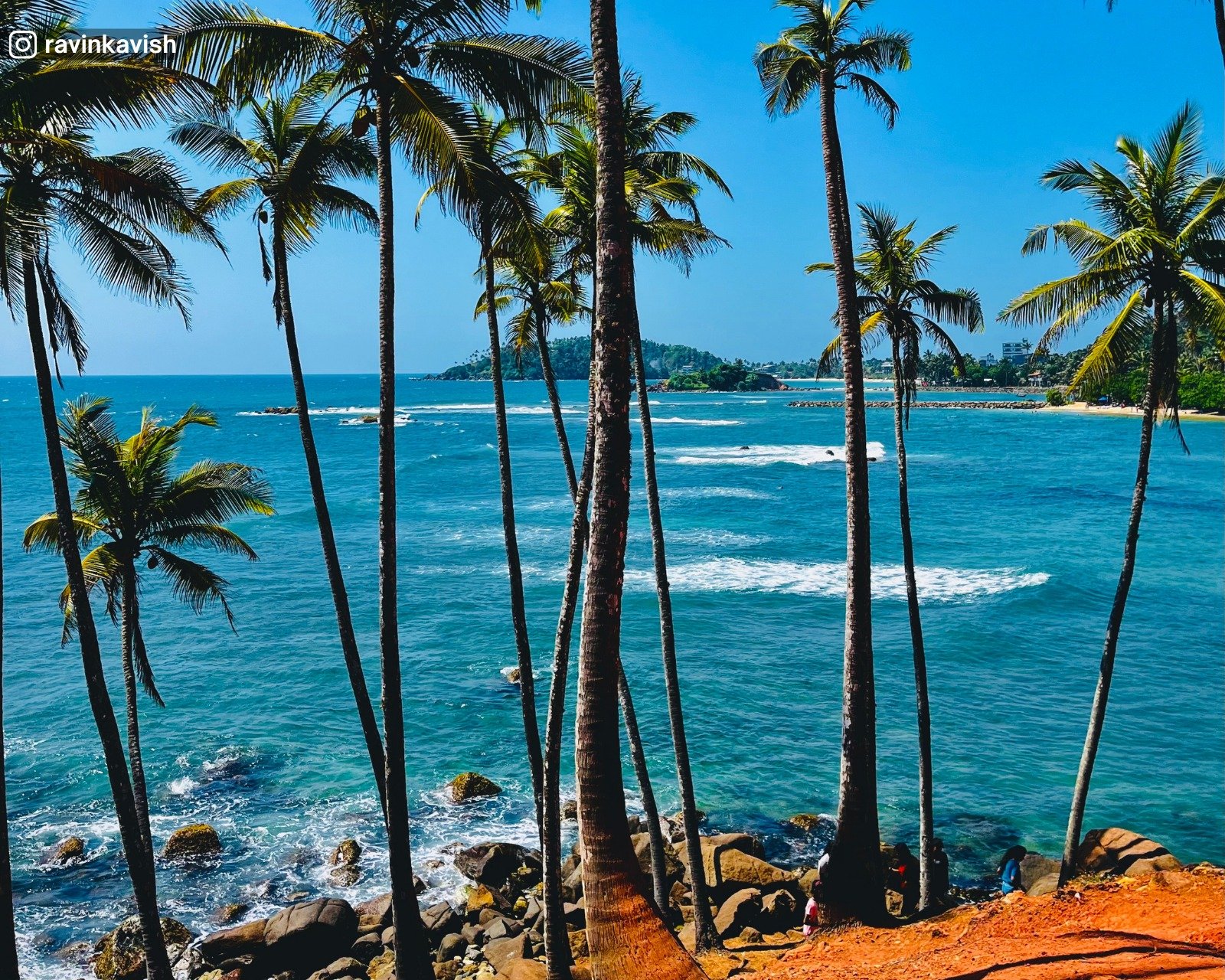
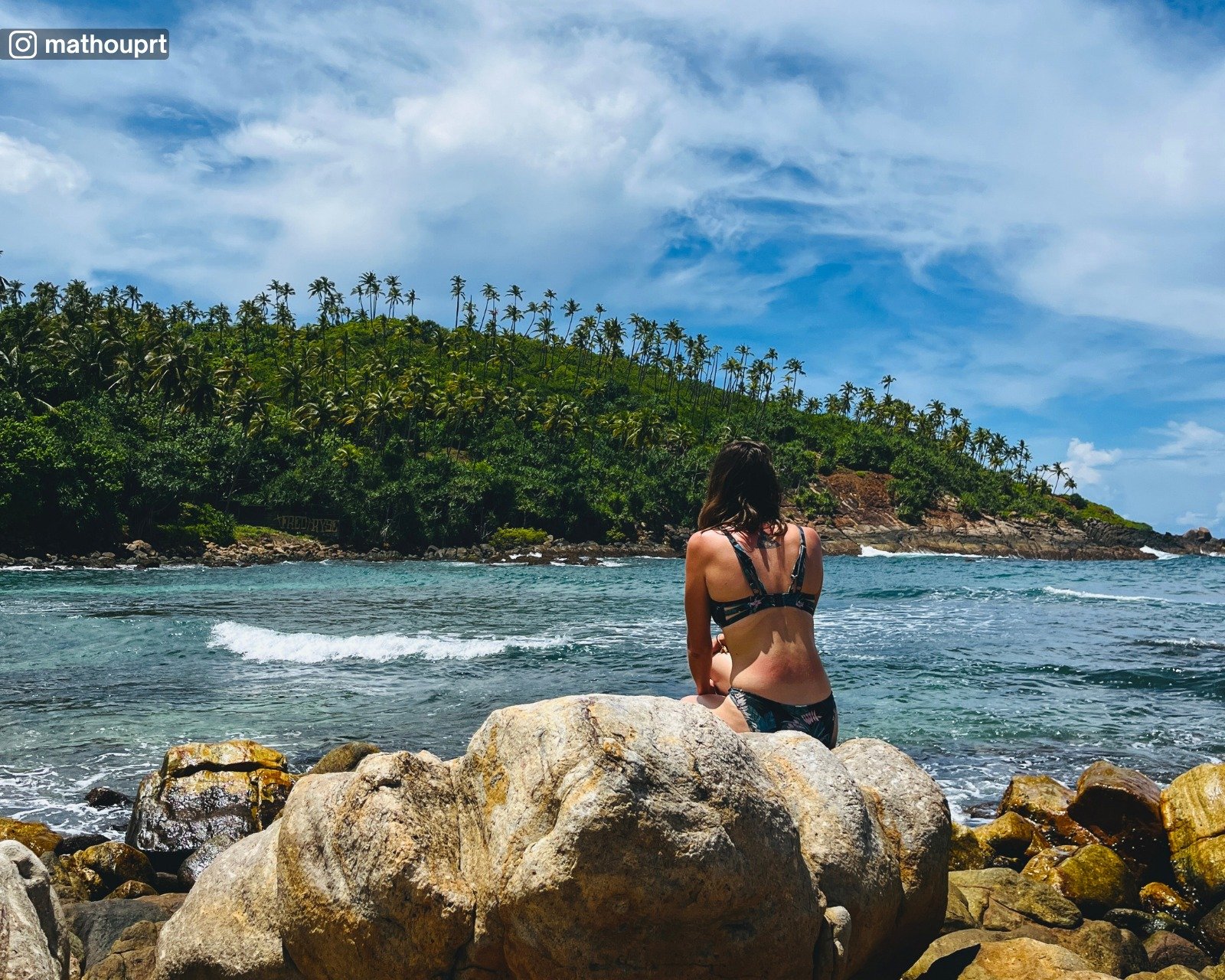
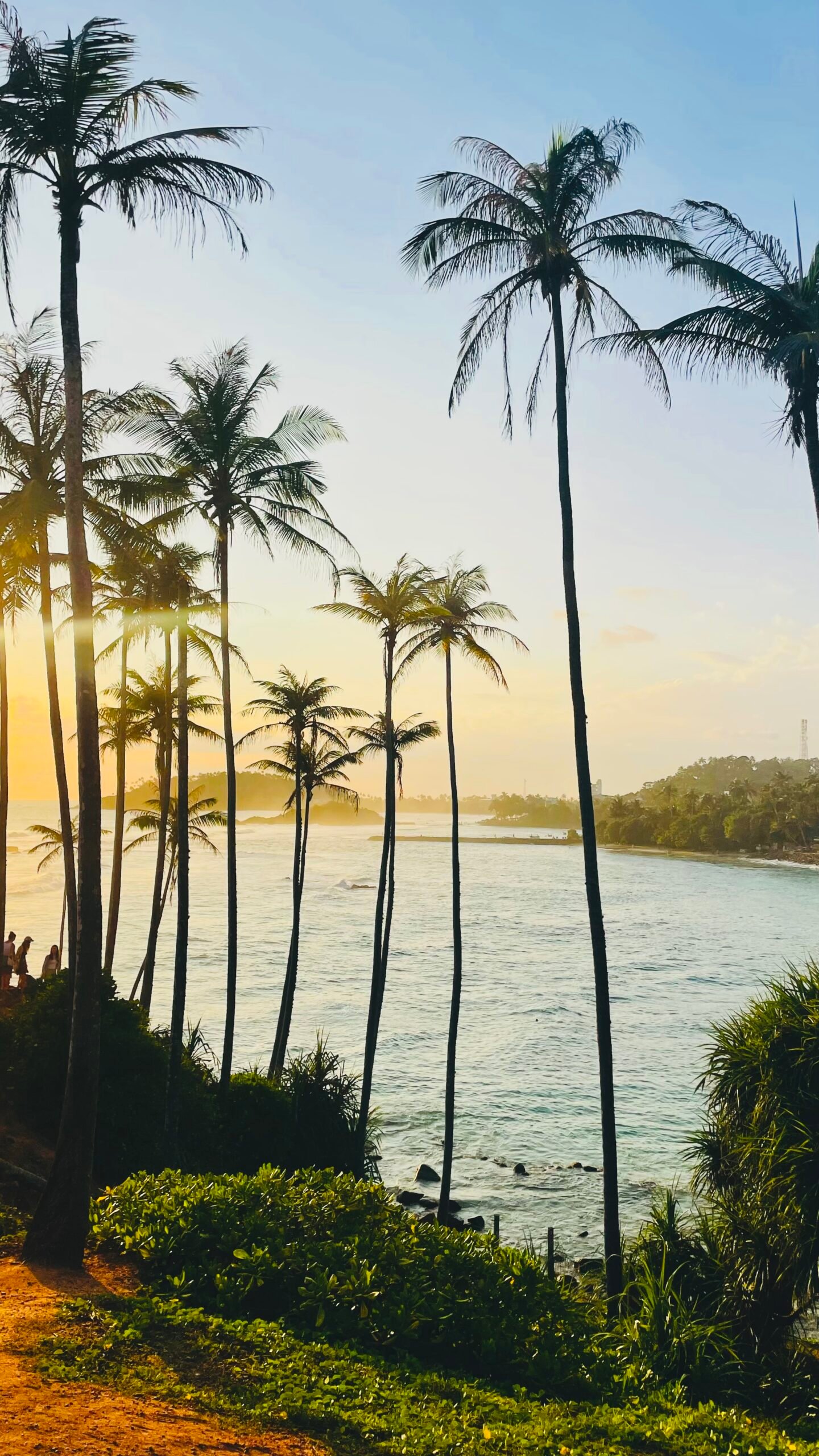
Small palm-covered headland overlooking the Indian Ocean at Mirissa Beach.
Scenery
Scenery
Dense coconut palms, open ocean views, rocky shoreline, and coastal light.
Coconut Tree Hill
Top Pick
Christ Church Warleigh is a historic Anglican church located in Dickoya, near Maskeliya, set within Sri Lanka’s central highlands. Built during the British colonial period, the church reflects the presence of plantation era communities that developed alongside tea estates in the region. Its quiet setting among rolling hills and estate land gives it a calm and reflective atmosphere, distinct from urban churches.

The church was constructed in the late 19th century to serve British planters and estate workers living in the Warleigh and Dickoya area. As part of the Church of Ceylon, Christ Church Warleigh played an important role in the social and religious life of the colonial hill country. The surrounding cemetery and estate roads offer subtle reminders of the region’s plantation history and long standing settlement patterns.

Architecturally, the church features simple Gothic influenced design elements, including pointed arches, timber interiors, and stained glass details. The structure blends naturally into its surroundings, with views of tea covered hills and mist drifting through the valley. For visitors staying in Maskeliya or travelling through Dickoya, Christ Church Warleigh offers a quiet cultural stop that adds historical depth to the hill country experience.
Read More
Scenery
Beach Cove
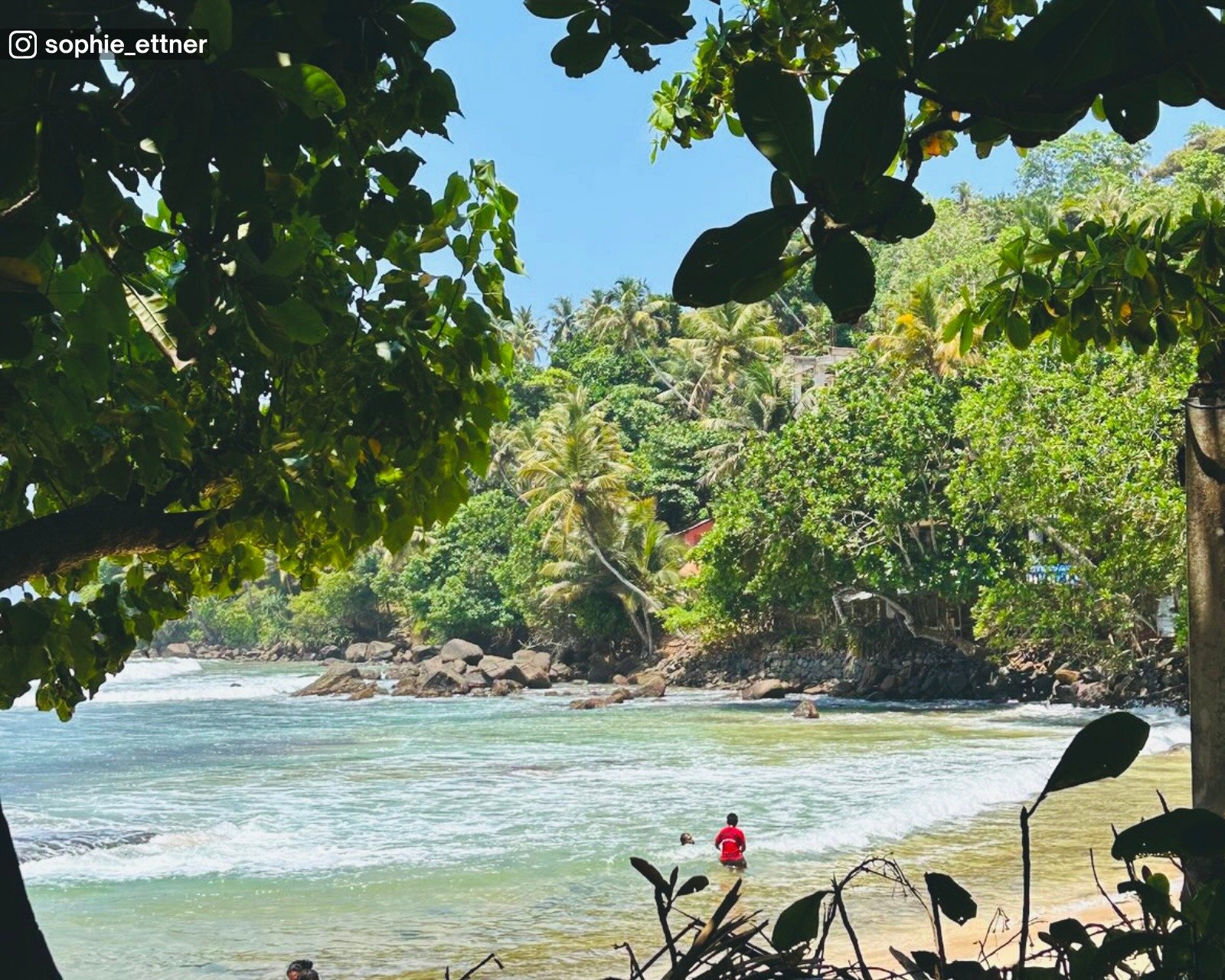
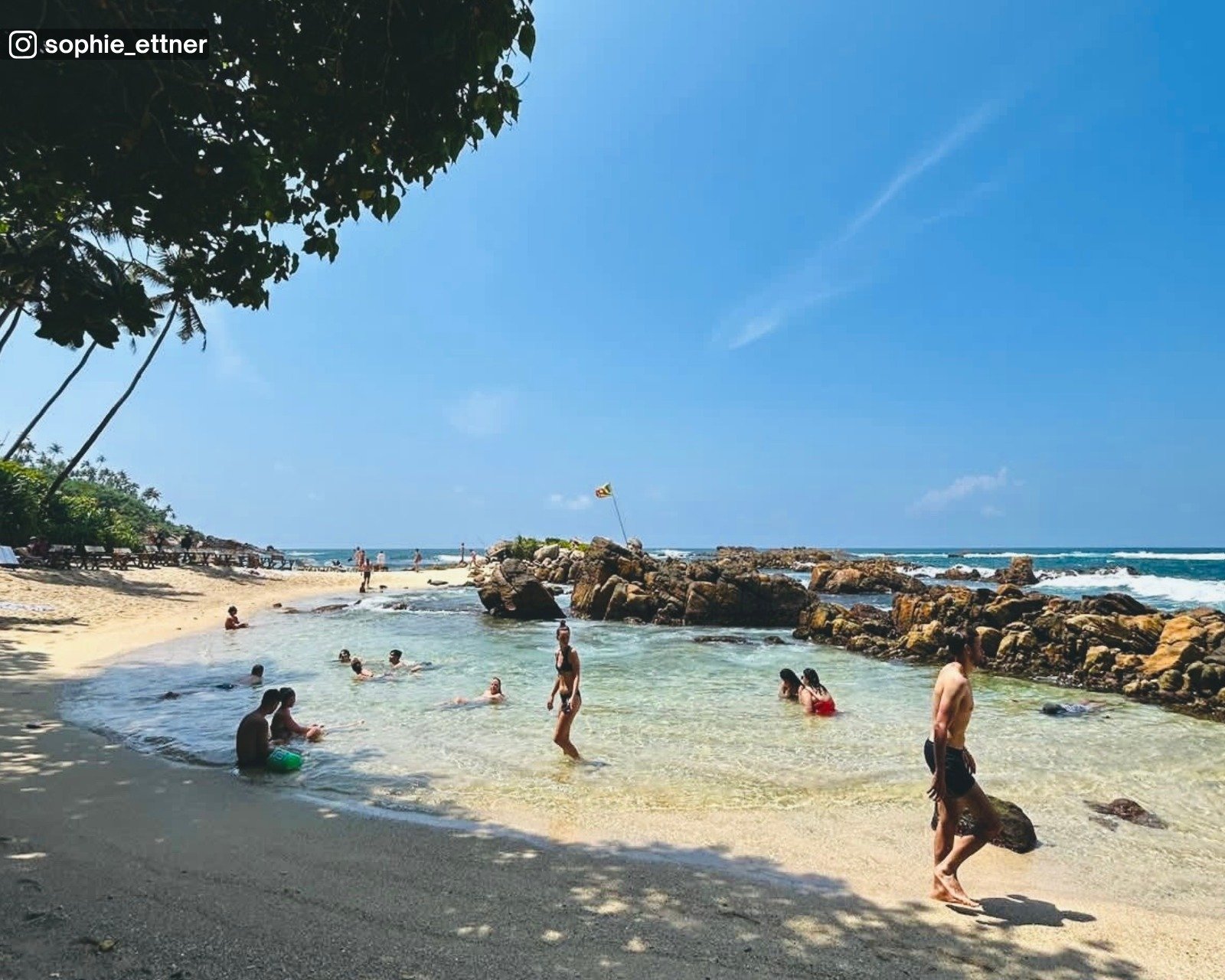
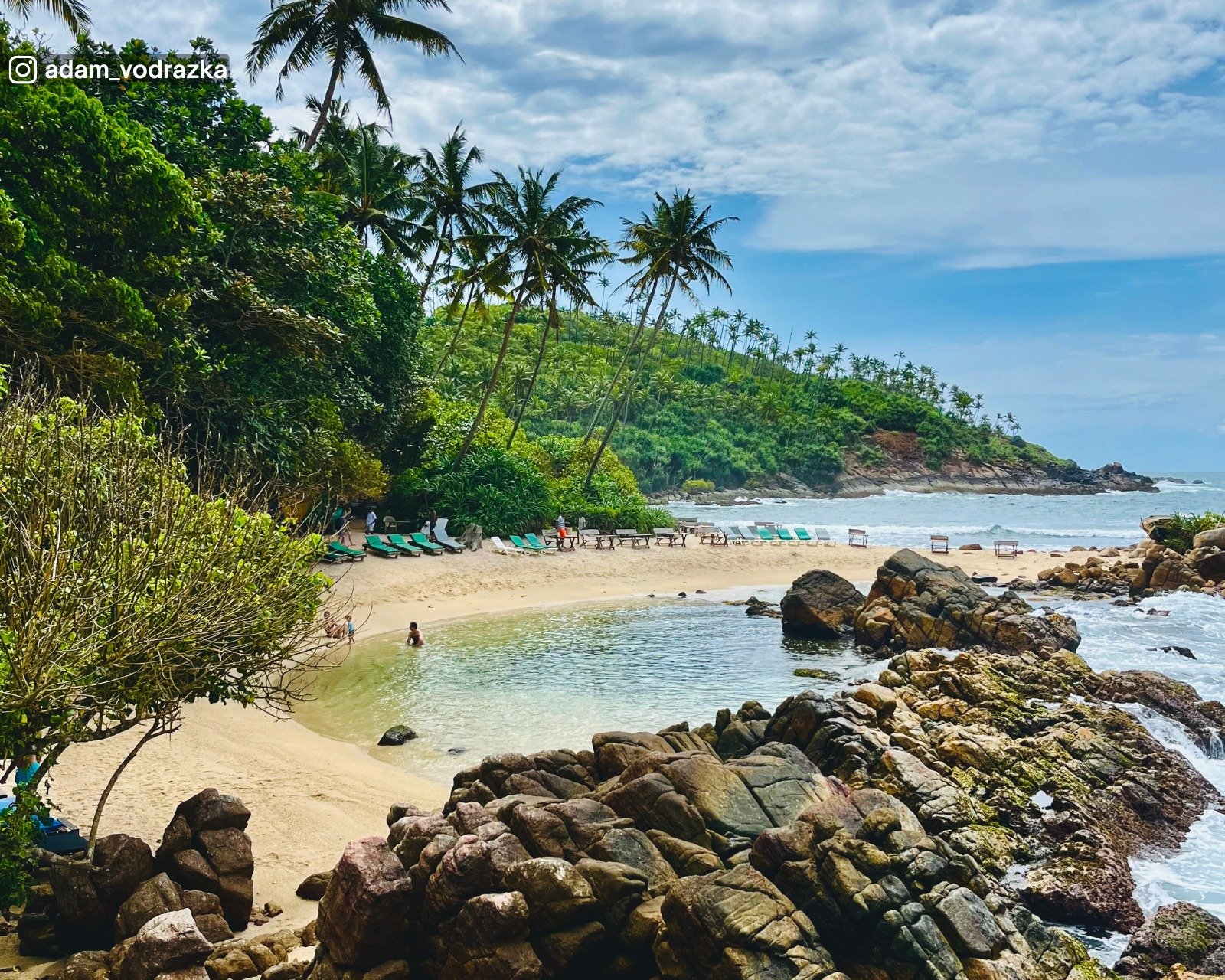
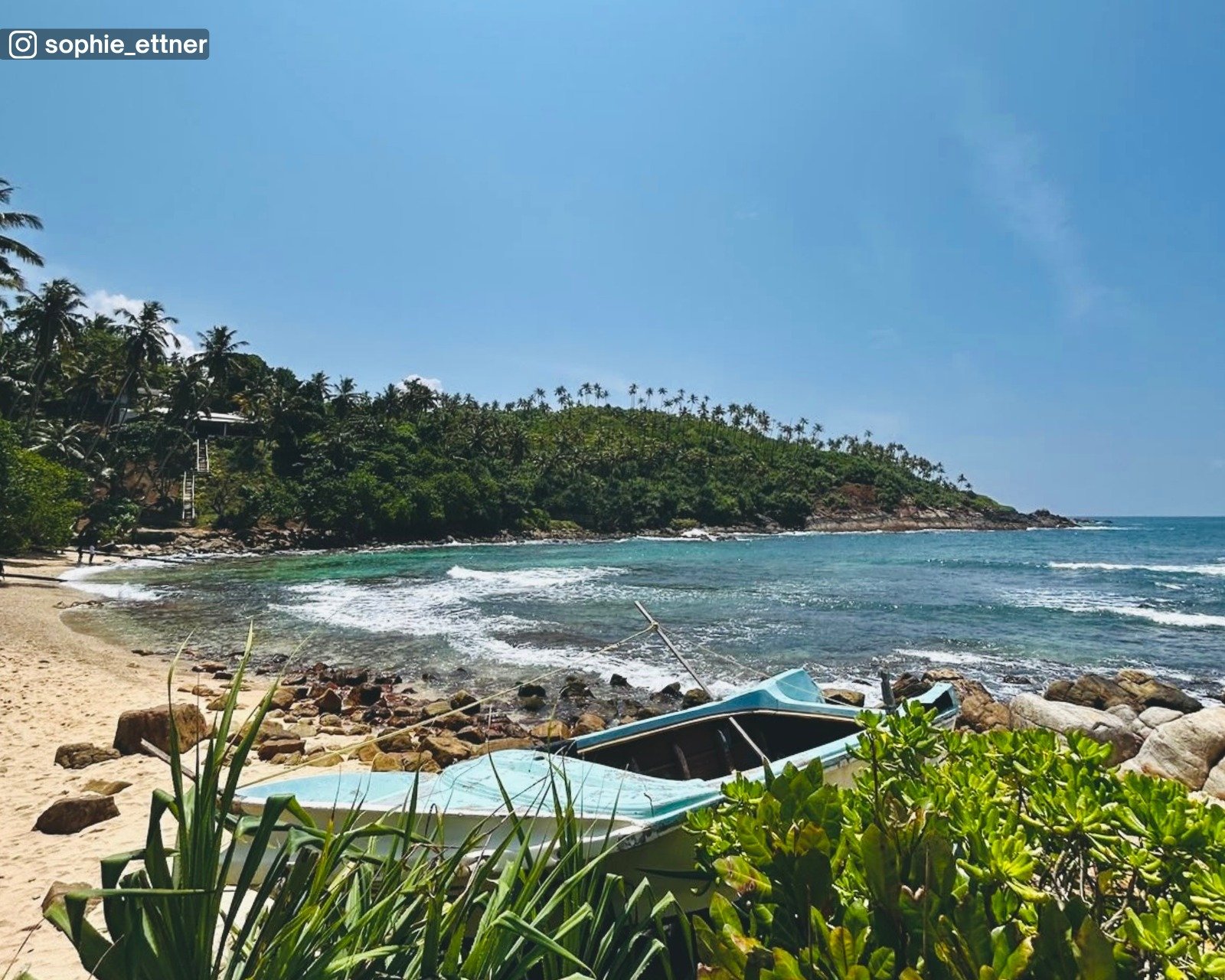
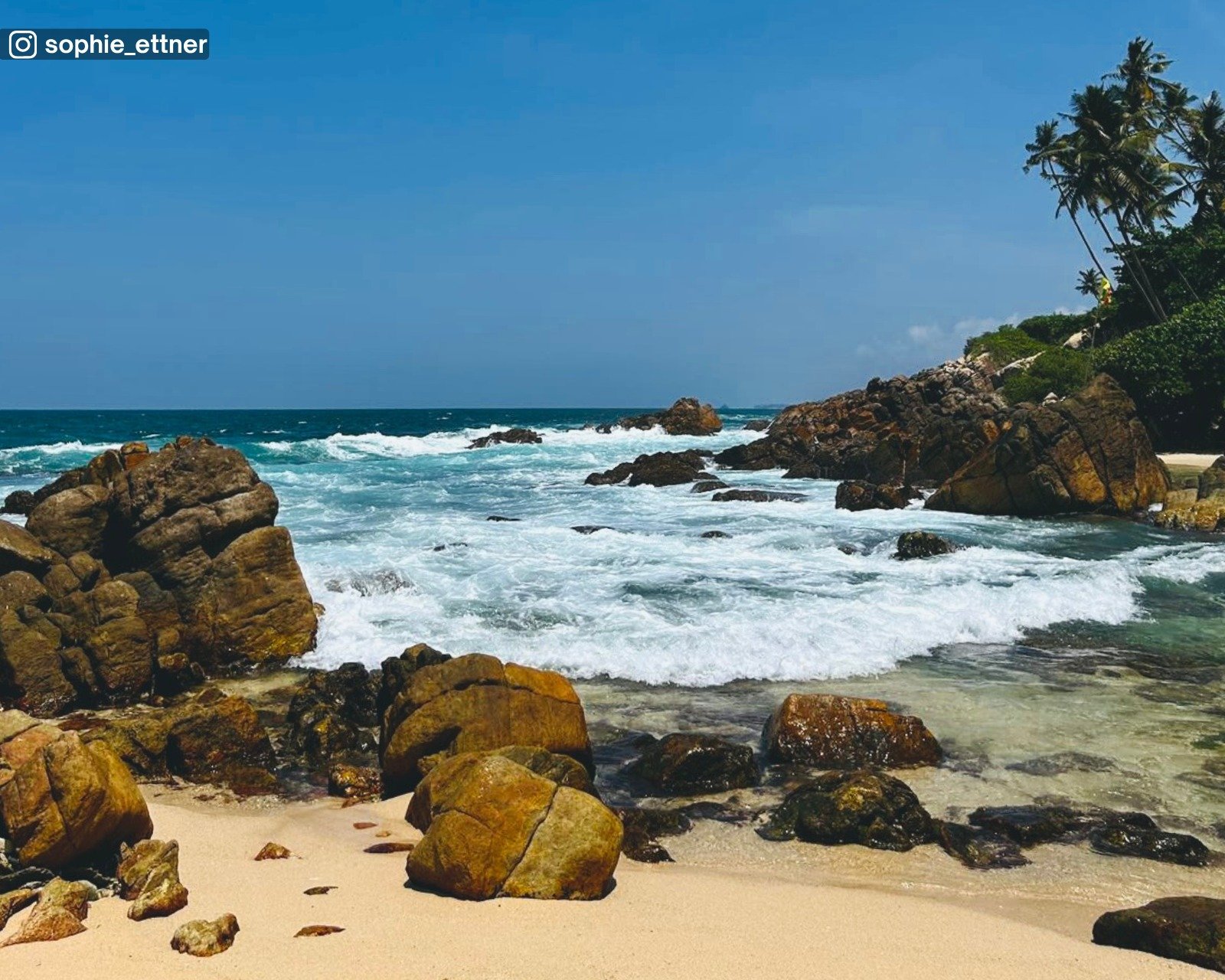
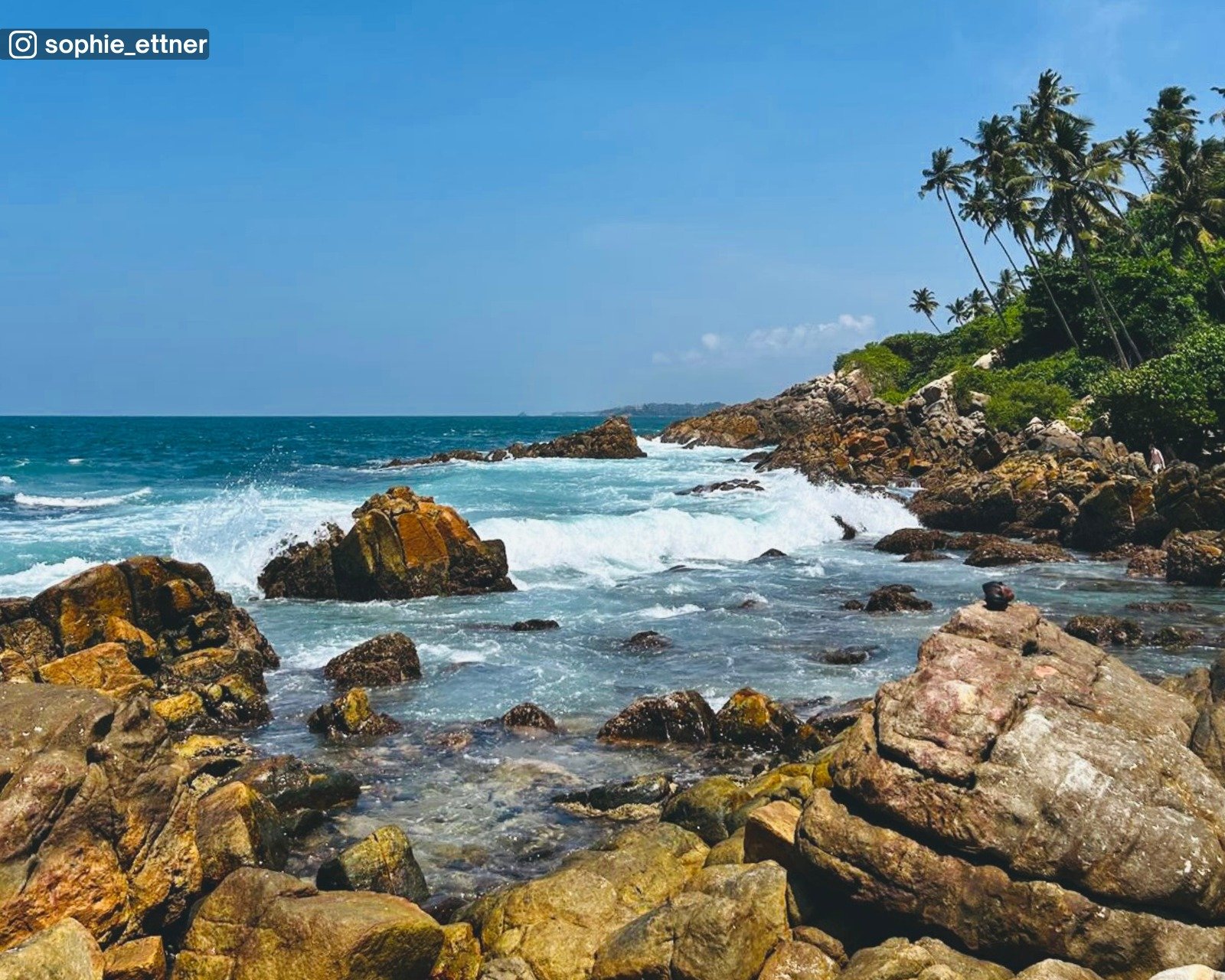
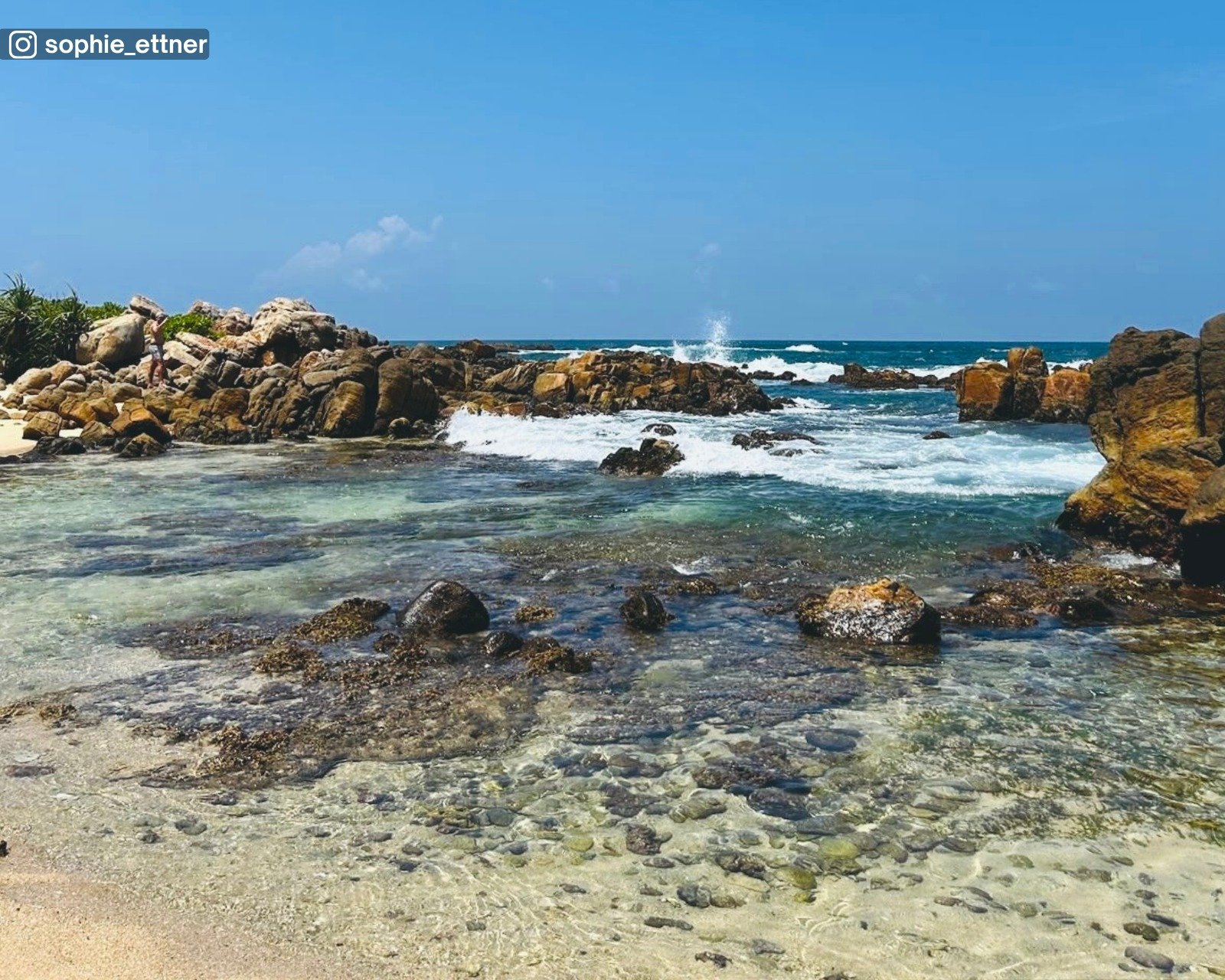
Small rocky beach cove located just outside Mirissa town. Despite its name, it is now a well known spot rather than a secluded or hidden beach.
Scenery
Scenery
Rocky shoreline, enclosed bay, open ocean backdrop, and coastal vegetation.

Hike
Swimming
Possible during calm sea conditions. Not safe during rough waves due to rocks and currents. Sharp rocks and coral beneath the surface can cause cuts, so extra caution is required.
Map Icon
Location

MapBeach
Secret Beach Mirissa
Top Pick
Secret Beach is a small, rocky cove located a short distance from Mirissa town, tucked away along the southern coastline beyond the main beach area. Despite its name, the beach is now fairly well known, but it still feels more secluded than Mirissa Beach due to its limited size and less direct access. The cove is enclosed by rocks on both sides, creating a sheltered pocket facing the open ocean.

Reaching Secret Beach involves a short but steep approach, either by walking along uneven paths or driving part of the way before descending on foot. The final access requires care, especially in wet conditions, as the ground can be slippery. The beach itself is compact, with coarse sand, exposed rock, and shallow water close to shore.

Sea conditions play a major role in the experience at Secret Beach. During calm weather, parts of the cove can be suitable for wading and light swimming, while rougher seas make the area unsafe due to waves rebounding off rocks. There is little open space, so the beach can feel crowded when several groups arrive at the same time, particularly during peak hours.

For visitors to Mirissa, Secret Beach works best as a short stop rather than a full beach day. It offers a change of scenery from the main bay and a closer, more enclosed coastal setting. When visited at quieter times and under good sea conditions, it provides a brief sense of escape while remaining close to town.
Read More
Scenery
Buddhist Temple
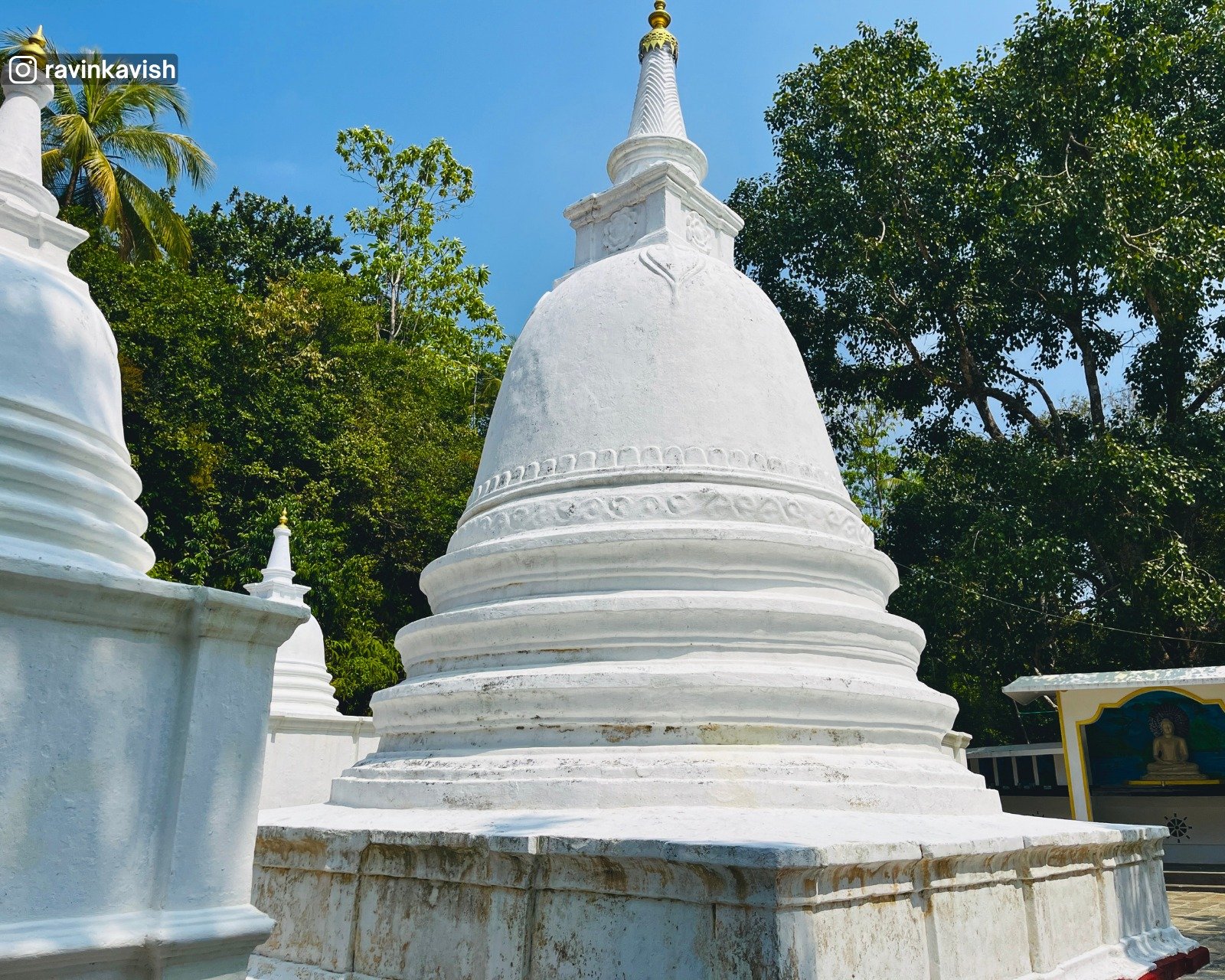
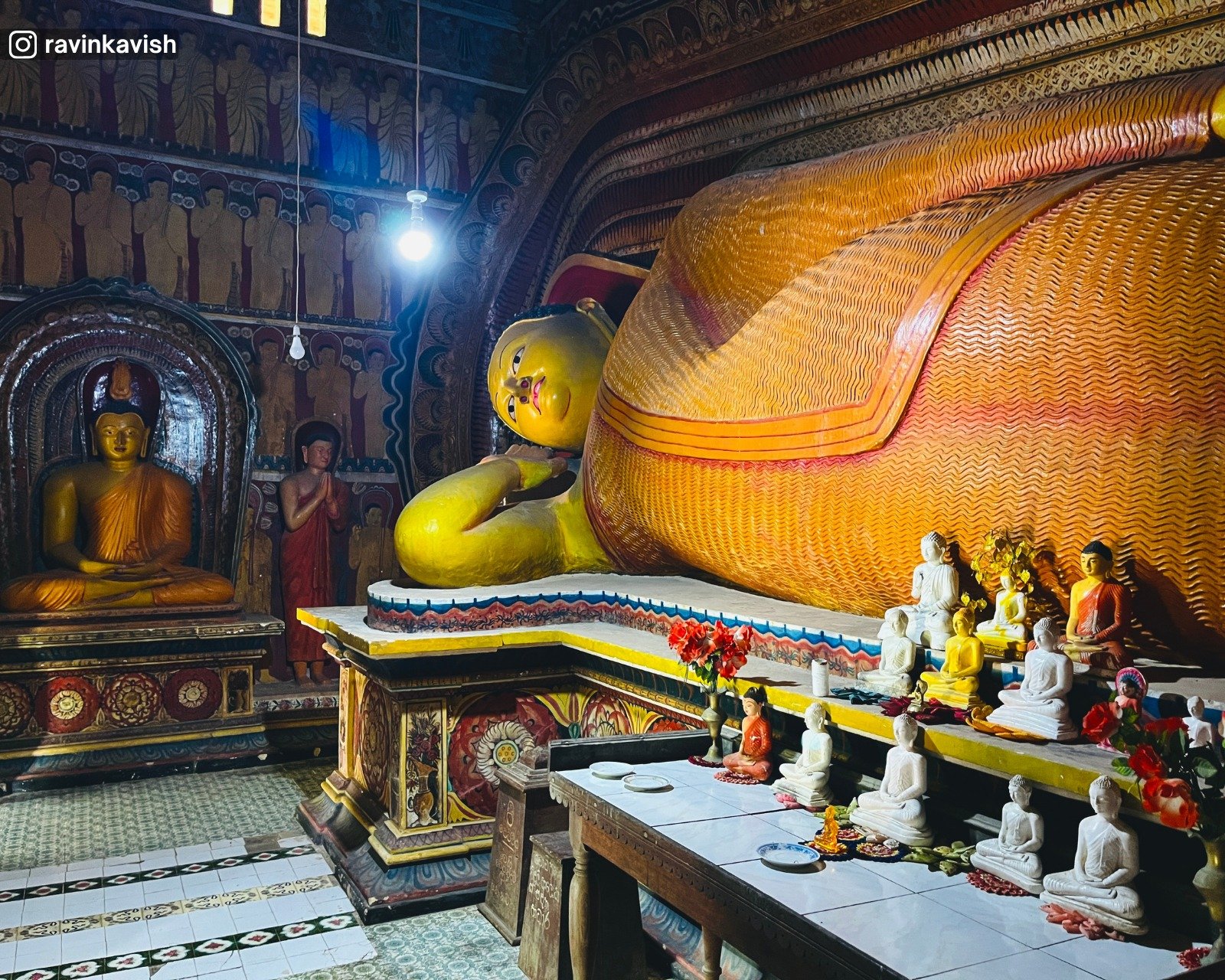
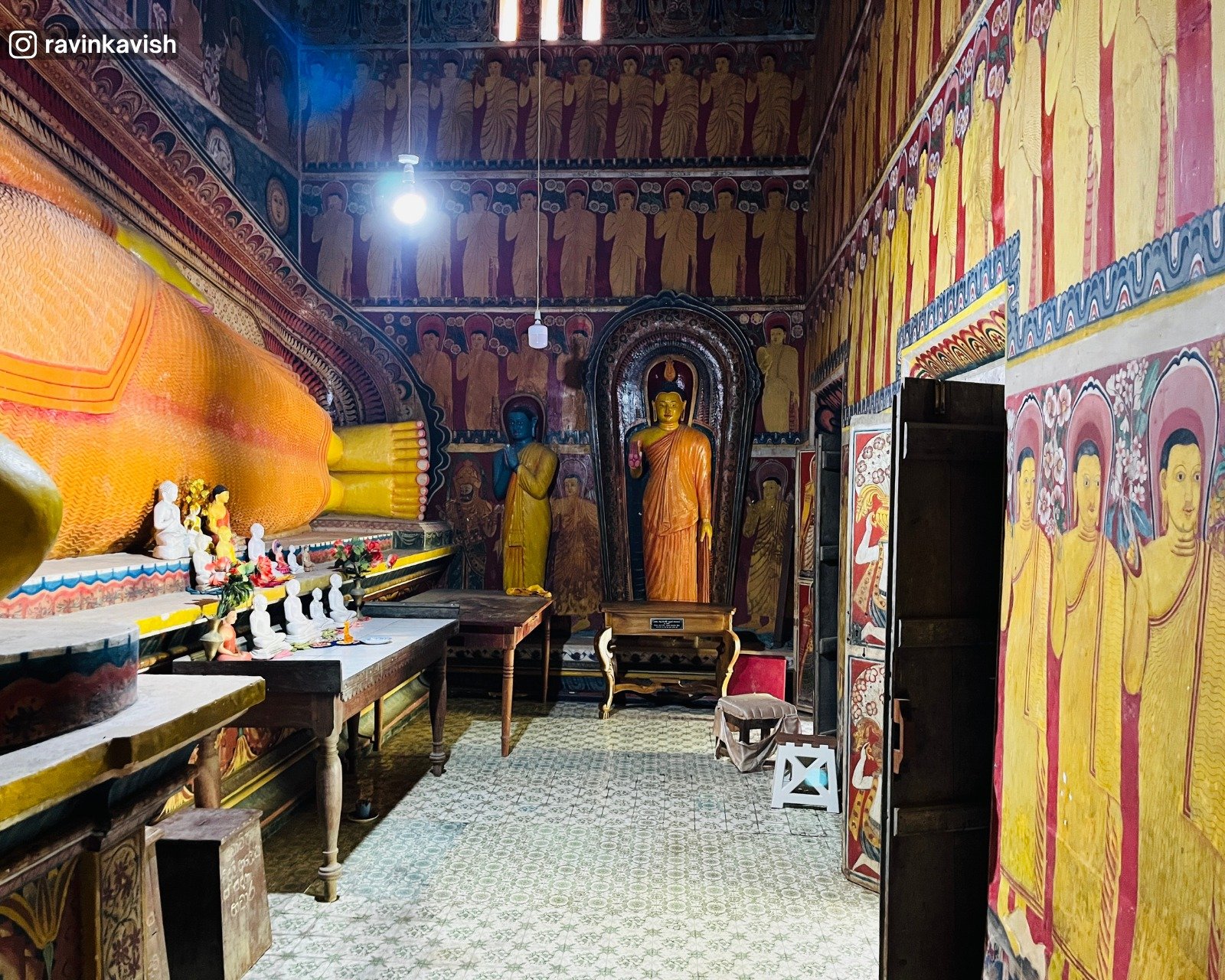
Coastal temple near Mirissa set within a coconut grove, known for its rare mural heritage.

Art & Culture
Art & Culture
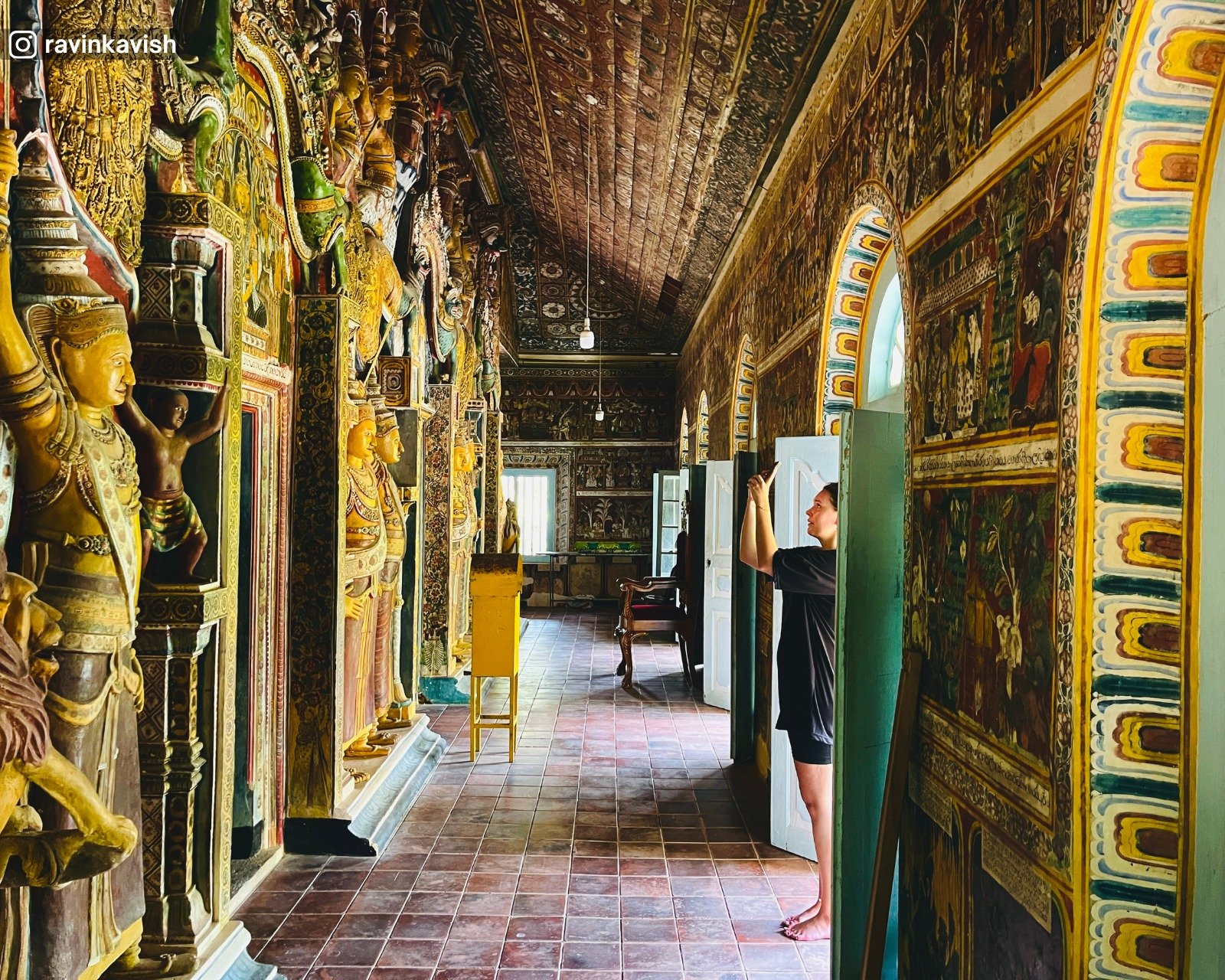
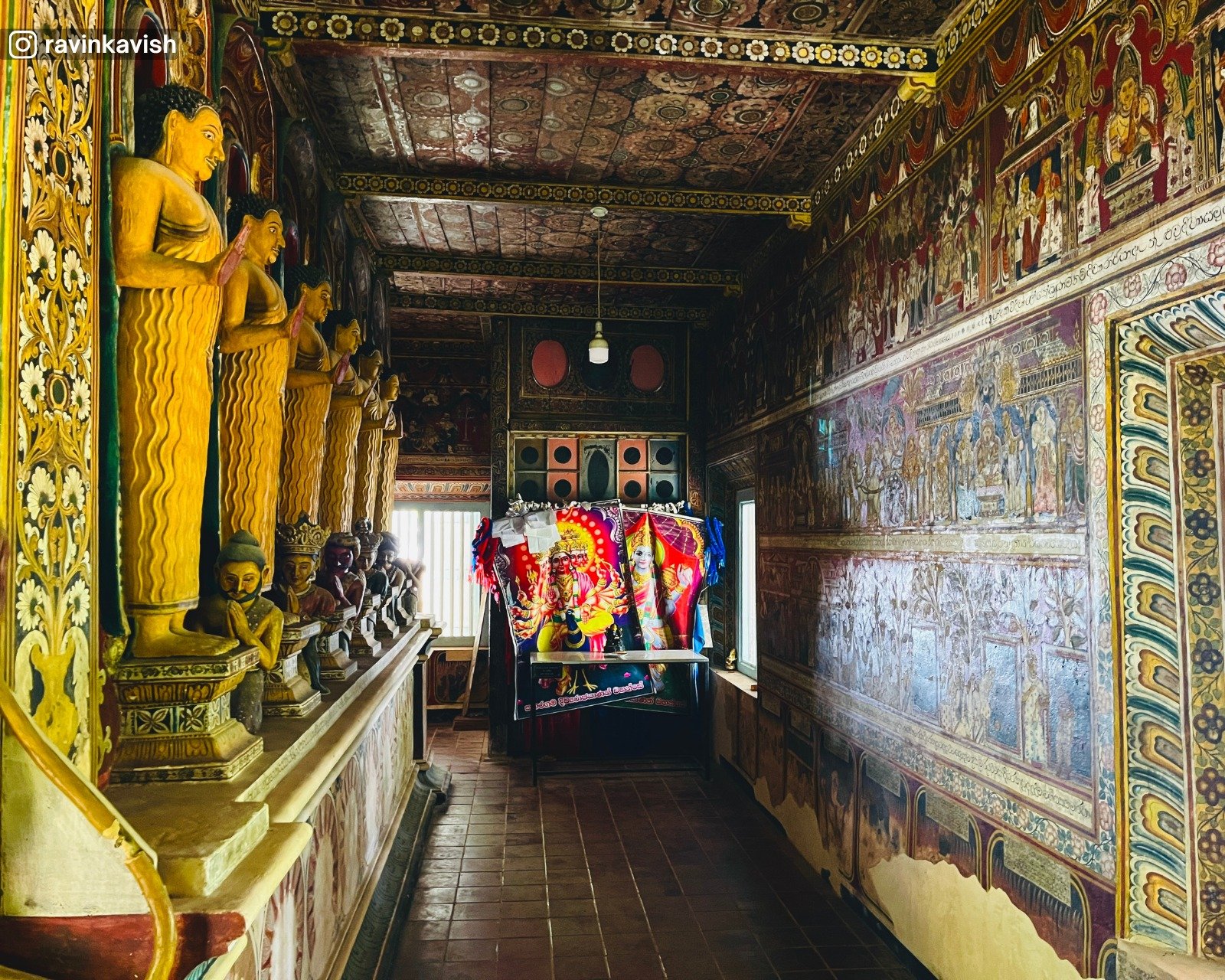
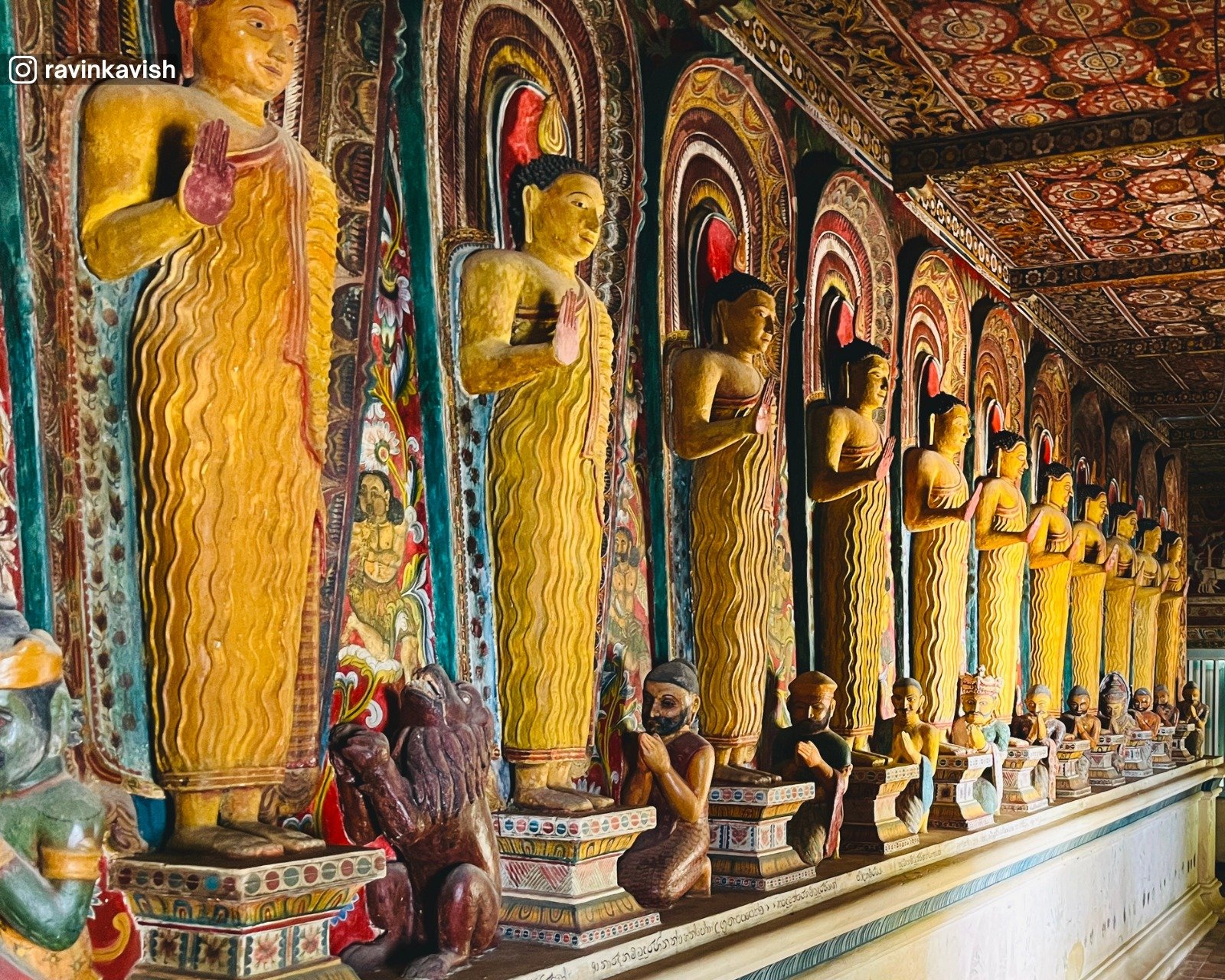
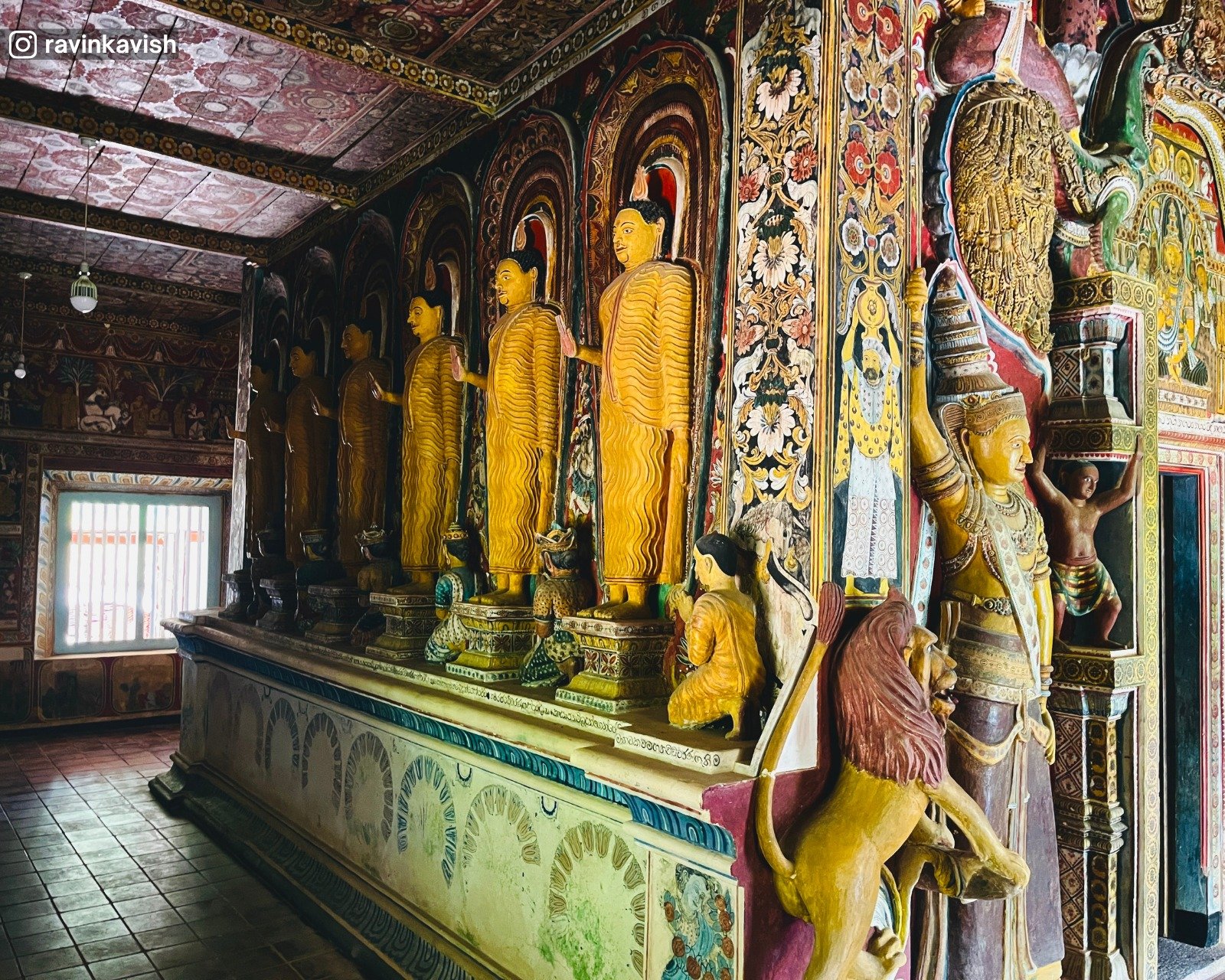
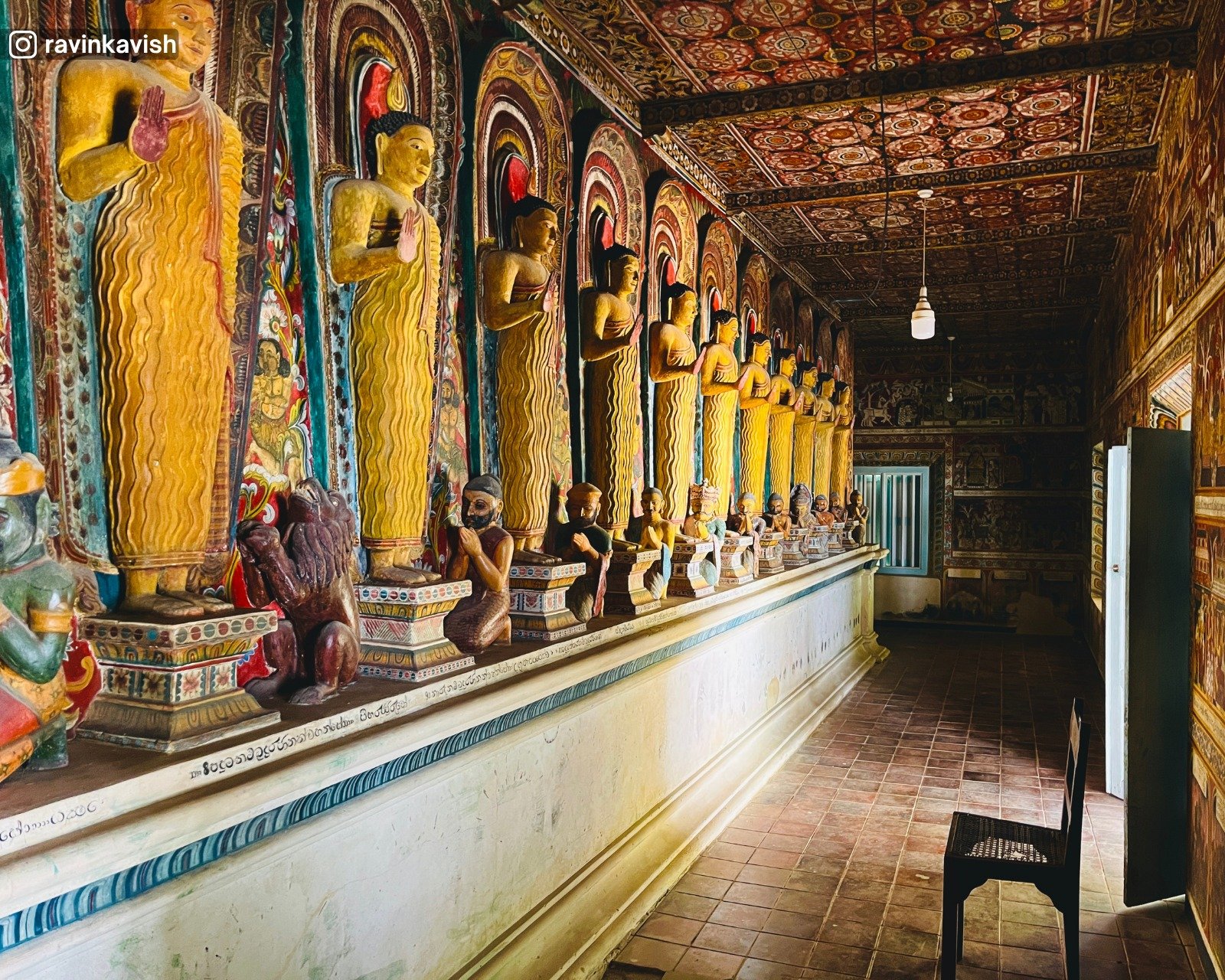
National heritage value due to Kandyan Era murals that strongly represent the low country Matara temple art tradition influenced by coastal artistic freedom and European contact.
Scenery
Scenery
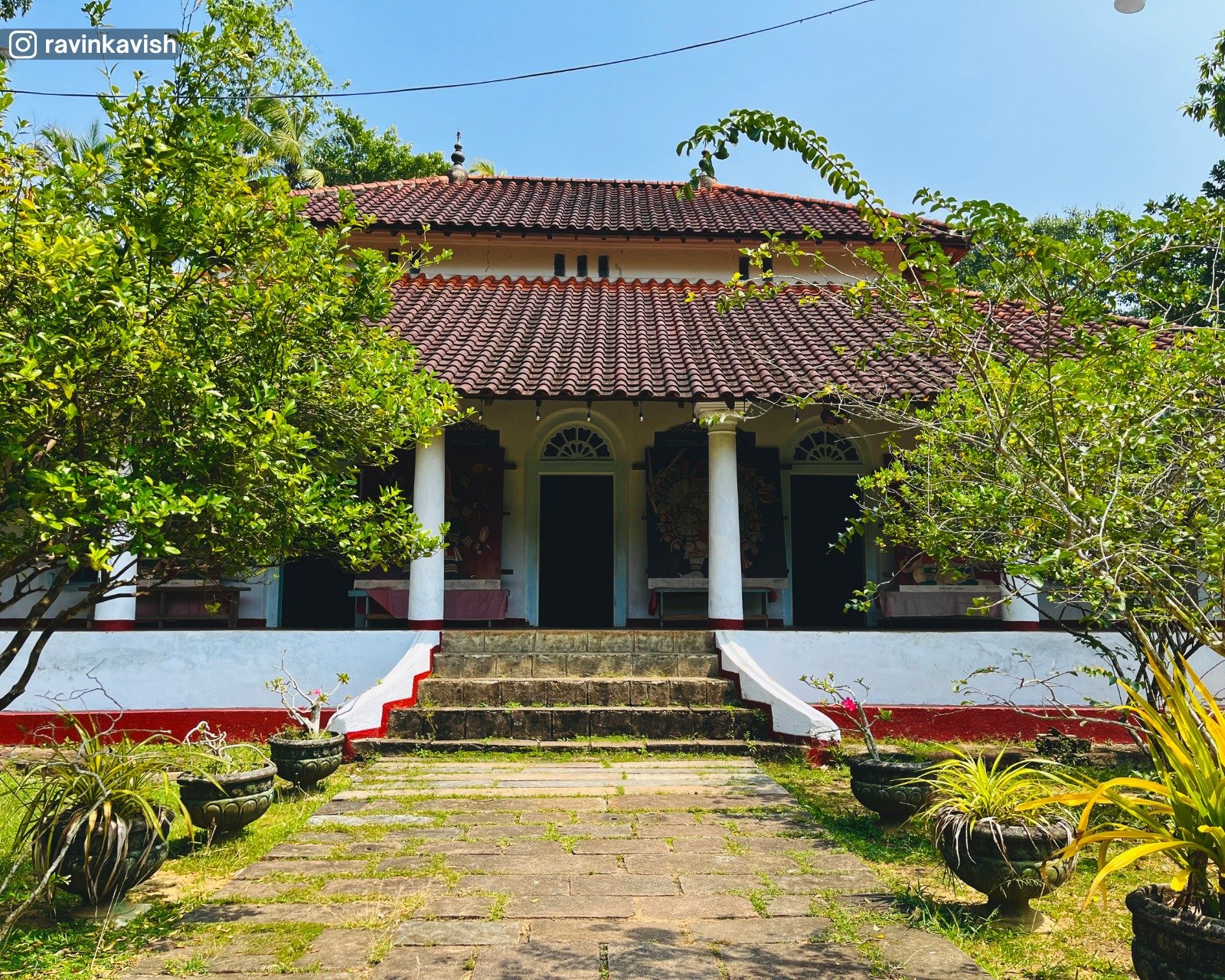
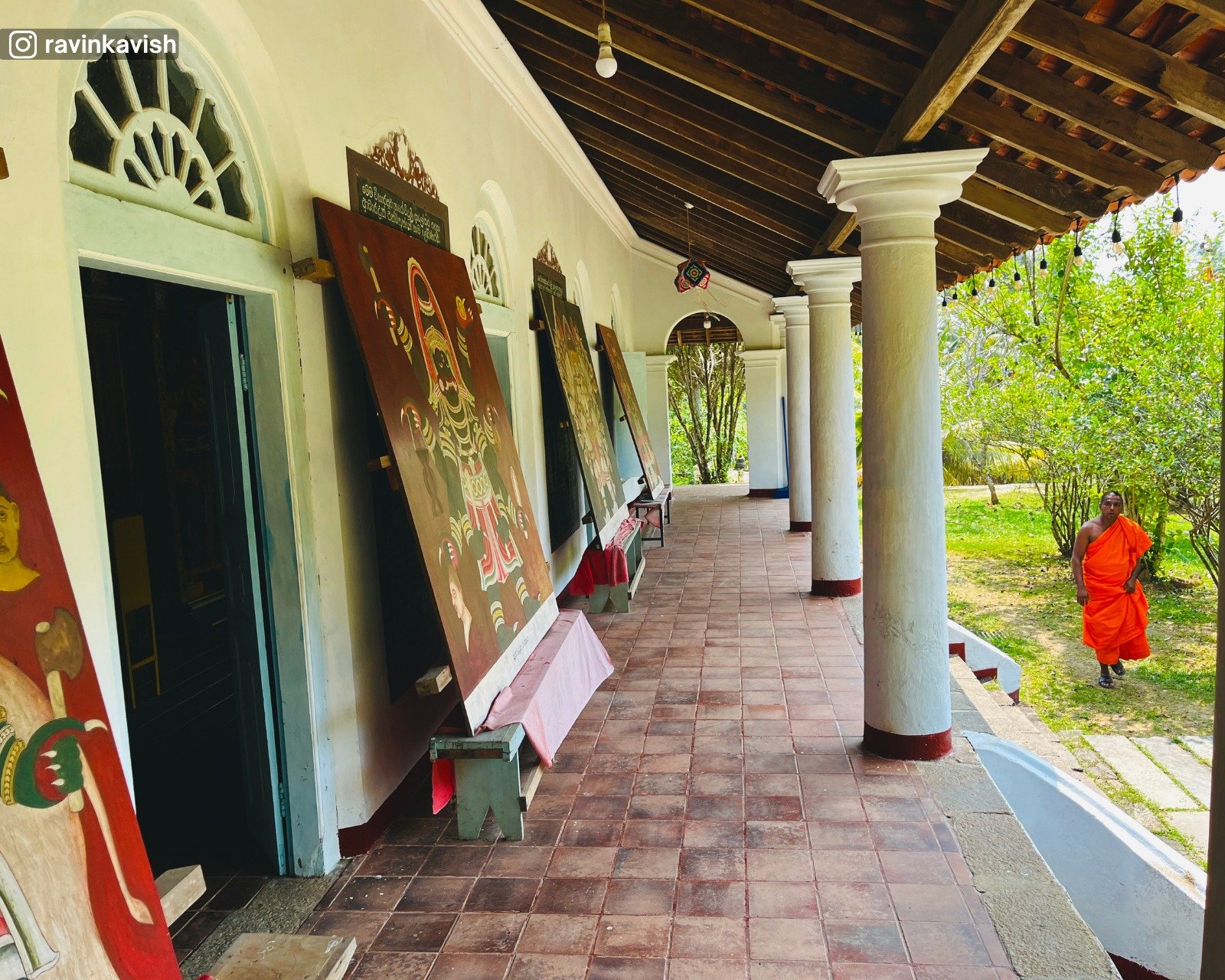
Traditional temple buildings set within a coconut grove near the coast, featuring a simple low country layout, tiled roofs, and an image house that blends village scale architecture with a calm seaside setting.

Scenery
History
Evidence of existence by the 18th century, with folklore suggesting an earlier small shrine serving monks and visiting priests.
Map Icon
Location

MapTemple
Samudragiri Temple
Top Pick
Samudragiri Viharaya is a coastal Buddhist temple set within a coconut grove close to the beaches of Mirissa, offering a quieter cultural stop away from the busy shoreline. While the temple’s earliest origins are not well documented, there is evidence that the site existed by the 18th century, and local folklore suggests an earlier, smaller shrine that served resident monks and visiting priests who came to Mirissa for daily rituals. The setting and coastal location reflect a long connection between temple life and the everyday rhythms of the southern shoreline.

The temple is recognised as a national heritage site, largely due to the murals preserved inside its image house, which belong to the Kandyan Era. What makes this site especially valuable is that it preserves a strong example of the low country Matara school of temple art, a distinctive style that developed in the coastal regions during a period when the low country was influenced by European presence. While many Kandyan Kingdom temples followed a more standardised mural tradition with limited variation, low country artists introduced freer stylistic changes, resulting in local identities such as the Matara style becoming clearly visible in temple paintings.

According to archaeologist Professor Senaka Bandara, the murals at Veheragalla Samudragiri Viharaya are unique for how clearly they express the Matara style. Many coastal temples of the 18th and 19th centuries absorbed European influenced decorative trends, including Rococo-like elements, but this temple stands out for retaining a significant body of well preserved Matara style murals. These paintings can be identified through several visual traits: traditional Kandyan murals typically use a tight, controlled colour palette with red dominating backgrounds, whereas Matara style murals use a broader range of colours, including darker tones such as black. The background filling also differs, with Matara murals often using leaves and branches alongside flowers, and the figures show clothing and head-dress details that suggest subtle European influence.

Today, the temple is valued not only as a place of worship but also as an important surviving record of southern Sri Lanka’s coastal artistic identity. However, it has been reported that parts of these murals are under threat due to deterioration and limited conservation attention. For visitors staying in Mirissa, Veheragalla Samudragiri Viharaya offers a rare chance to see a well preserved example of the Matara mural tradition in a setting that still feels connected to the coast and village life.
Read More
Scenery
Beach Cove
Small rocky beach cove located just outside Mirissa town.
Scenery
Scenery
Forested slopes, mountain ridges, mist filled valleys, and expansive sunrise views from the summit.

Scenery
Activities
Snorkling, beach walks, photography, sunset viewing, and observing local fishing life.
Hike
Swimming
Possible during calm sea conditions in selected areas. Caution advised due to waves and rocks.
Map Icon
Location

MapBeach
Thalaramba Beach
Top Pick
Thalaramba Beach is a quiet stretch of coastline located just east of Mirissa, offering a calmer alternative to the busier main beach. The shoreline is long and open, with coarse sand, scattered rock formations, and wide views across the Indian Ocean. Its lower level of development gives the area a more local and unhurried feel, shaped by everyday coastal life rather than tourism activity.

The beach remains closely tied to fishing culture, with boats often pulled up along the sand and nets laid out to dry. Early mornings are especially atmospheric, as fishermen return from the sea and the shoreline comes briefly to life before settling back into stillness. Compared to Mirissa Beach, Thalaramba feels more spacious and less structured, with fewer cafes and beach facilities.

Sea conditions vary seasonally. During calmer periods, parts of the shoreline are suitable for wading and light swimming, while stronger waves and currents appear at other times of year. Rocky sections along the coast influence wave patterns, creating pockets of calmer water alongside more exposed stretches. Sunsets are a highlight, with uninterrupted views and changing light across the horizon.

For visitors staying in Mirissa or moving along the southern coast, Thalaramba Beach works well as a quiet coastal walk or short stop. It offers a more grounded experience of the coastline, where landscape and local rhythm take precedence over organised beach activity.
Read More
Scenery
Fishing Harbour
Active working harbour supporting local fishing communities in Mirissa.
Scenery
Scenery
Fishing boats, nets, harbour waters, seabirds, and working coastal infrastructure.
Map Icon
Location

MapHarbour
Mirissa Fisheries Harbour
Top Pick
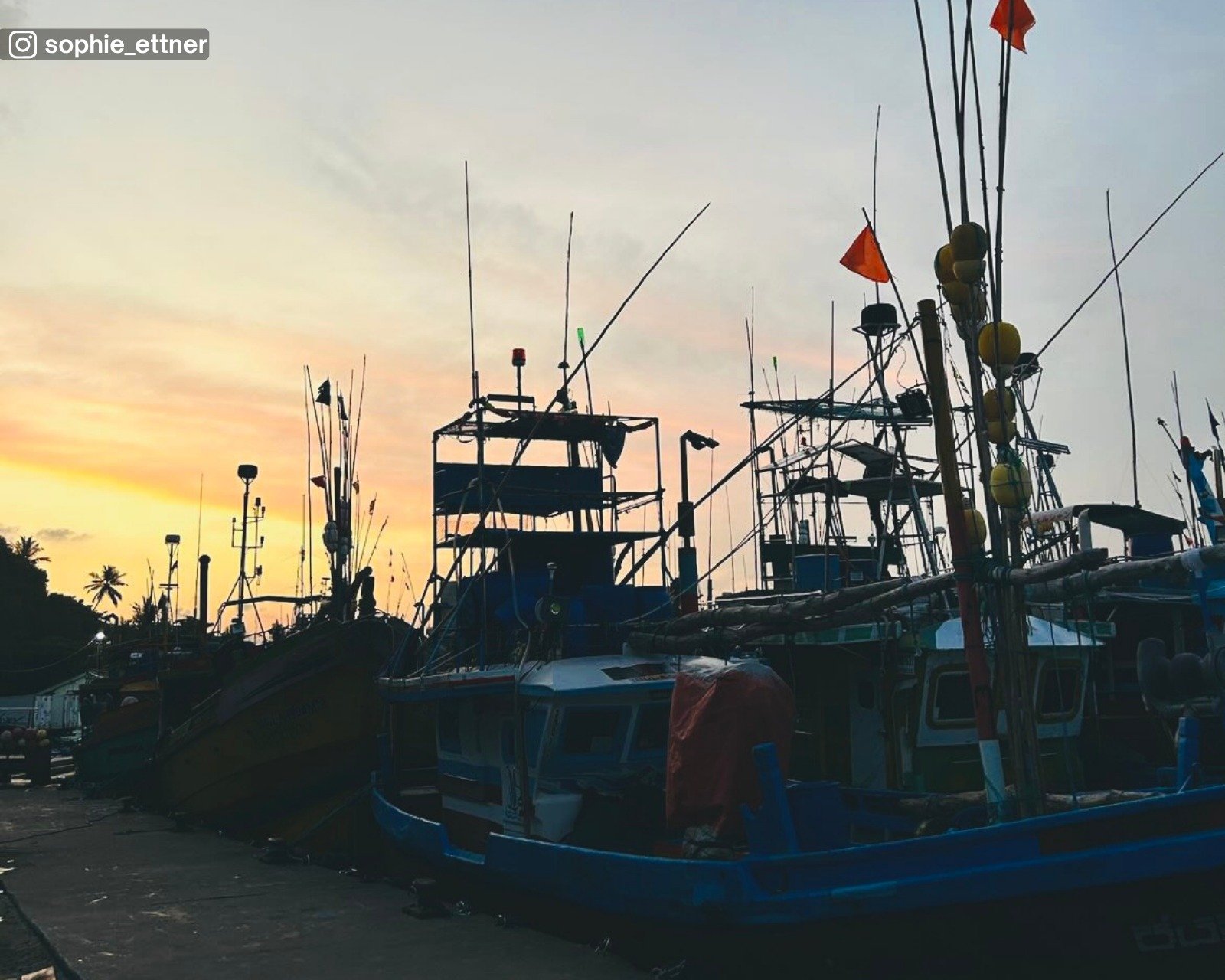
Mirissa Fisheries Harbour is a working fishing harbour located on the eastern edge of Mirissa, playing a central role in the town’s coastal economy and daily life. Unlike recreational marinas, the harbour is designed purely for fishing activity, with colourful boats, nets, and equipment forming a constantly changing scene. Its function and rhythm are closely tied to the sea, weather conditions, and fishing seasons along Sri Lanka’s southern coast.

The harbour supports small to medium scale fishing operations, with early mornings being the most active time of day. Boats return from night fishing trips as the sun rises, and the shoreline fills with fishermen unloading catch, repairing nets, and preparing for the next outing. This routine offers a clear view into the practical realities of coastal livelihoods that continue largely unchanged despite tourism growth nearby.

Visually, Mirissa Fisheries Harbour contrasts strongly with the nearby beaches. The calm, organised bay of the harbour is framed by working boats and utilitarian structures rather than open sand and leisure spaces. Seabirds are commonly seen gathering around the boats, and the smell of salt and fish reinforces the sense that this is a place of work rather than relaxation.

For visitors to Mirissa, the harbour provides valuable context to the town’s identity beyond beaches and viewpoints. A short visit, especially in the early morning, offers insight into the relationship between sea, community, and economy that has shaped Mirissa long before it became a tourist destination. Observation should be respectful, as the harbour remains an active workplace throughout the day.
Read More
Scenery
Buddhist Temple
Royal Buddhist temple serving the local southern coastal community.
Art & Culture
Art & Culture
Traditional southern Sri Lankan Buddhist murals, statues, and active religious practices.
Scenery
Scenery
Village surroundings with trees, open land, and a calm inland setting near the coast.
Scenery
History
Recognised as a Raja Maha Viharaya, indicating historical royal patronage, with modern structures built over older foundations.

Map Icon
Location

MapTemple
Naditerarama Royal Temple
Worth It
Naditerarama Royal Temple is a Buddhist temple located in the southern coastal region near Mirissa and Matara, set slightly inland from the shoreline within a village landscape of trees, home gardens, and paddy fields. The temple serves as an important religious and cultural centre for the surrounding community, reflecting the long-standing presence of Buddhism along Sri Lanka’s south coast. Its setting is calm and grounded, shaped more by everyday village life than by tourism activity.

The designation Raja Maha Viharaya indicates royal patronage in the temple’s historical development, a title traditionally granted to temples supported or recognised by kings. While the present structures are largely modern, the site itself is regarded as having older origins, with local tradition linking its establishment to early royal or regional support. As with many southern temples, renovations and rebuilding over time have replaced earlier constructions, making precise dating difficult without inscriptions.

Architecturally, Naditerarama Royal Temple follows traditional Sri Lankan Buddhist temple design, featuring a main shrine, image house, and surrounding open spaces used for worship and gatherings. Murals, Buddha statues, and decorative elements reflect Southern Province artistic styles rather than monumental court architecture. The temple remains an active place of worship, with daily religious activity and periodic festivals tied to the Buddhist calendar.

For visitors exploring Mirissa and nearby coastal towns, Naditerarama Royal Temple offers insight into living Buddhist culture beyond the beach environment. It is best experienced as a quiet cultural stop, providing context to how religious life continues alongside fishing villages, lagoons, and coastal travel routes in southern Sri Lanka.
Read More
Lake
Lagoon
Small coastal lagoon formed by the Garadu Oya near Thalaramba and Mirissa.
Scenery
Scenery
Still water, wetland vegetation, sandy edges, birdlife, and soft coastal light.
Map Icon
Location

MapLagoon
Garadu Gaga Lagoon
Worth It
Garadu Gaga is a small coastal lagoon located near Thalaramba, just east of Mirissa, formed where the Garadu Oya meets the sea. Sheltered from the open ocean, the water body creates a calm and enclosed environment that contrasts with the wave exposed beaches nearby. Its edges are defined by low vegetation, sandy banks, and narrow waterways that shift subtly with tides and seasonal rainfall.

The lake functions as part of a natural drainage and wetland system, supporting local ecology and everyday village use rather than formal recreation. During the dry season, water levels are lower and the lagoon appears still and reflective, while monsoon rains expand its surface and strengthen the connection between river and sea. This seasonal change shapes both the landscape and the activity around it.

Garadu Lake is especially valued for its quiet atmosphere. The absence of development keeps the focus on water, light, and surrounding greenery. Birdlife is commonly seen along the banks, particularly in the early morning and late afternoon, when the lagoon is most active. Reflections of sky and trees across the water give the area a soft, understated visual quality.

For visitors exploring Mirissa and the surrounding coastline, Garadu Lake offers a short pause away from the beach environment. It works well as a gentle walk or observation point, adding ecological and landscape variety to a south coast itinerary without requiring travel far from town.
Read More

Discover More