KOGGALA

Wide beaches, calm lagoons, and coastal village life.

Located along Sri Lanka’s southern coast near Galle, Koggala is a quiet coastal town known for its long open beach, large lagoon, and laid back village atmosphere. The area blends wide stretches of sand with inland waterways, cinnamon plantations, and traditional homes, offering a slower and more spacious coastal experience compared to nearby resort hubs.

Attractions

8 Top Picks | 1 Worth Seeing

Scenery
Beach
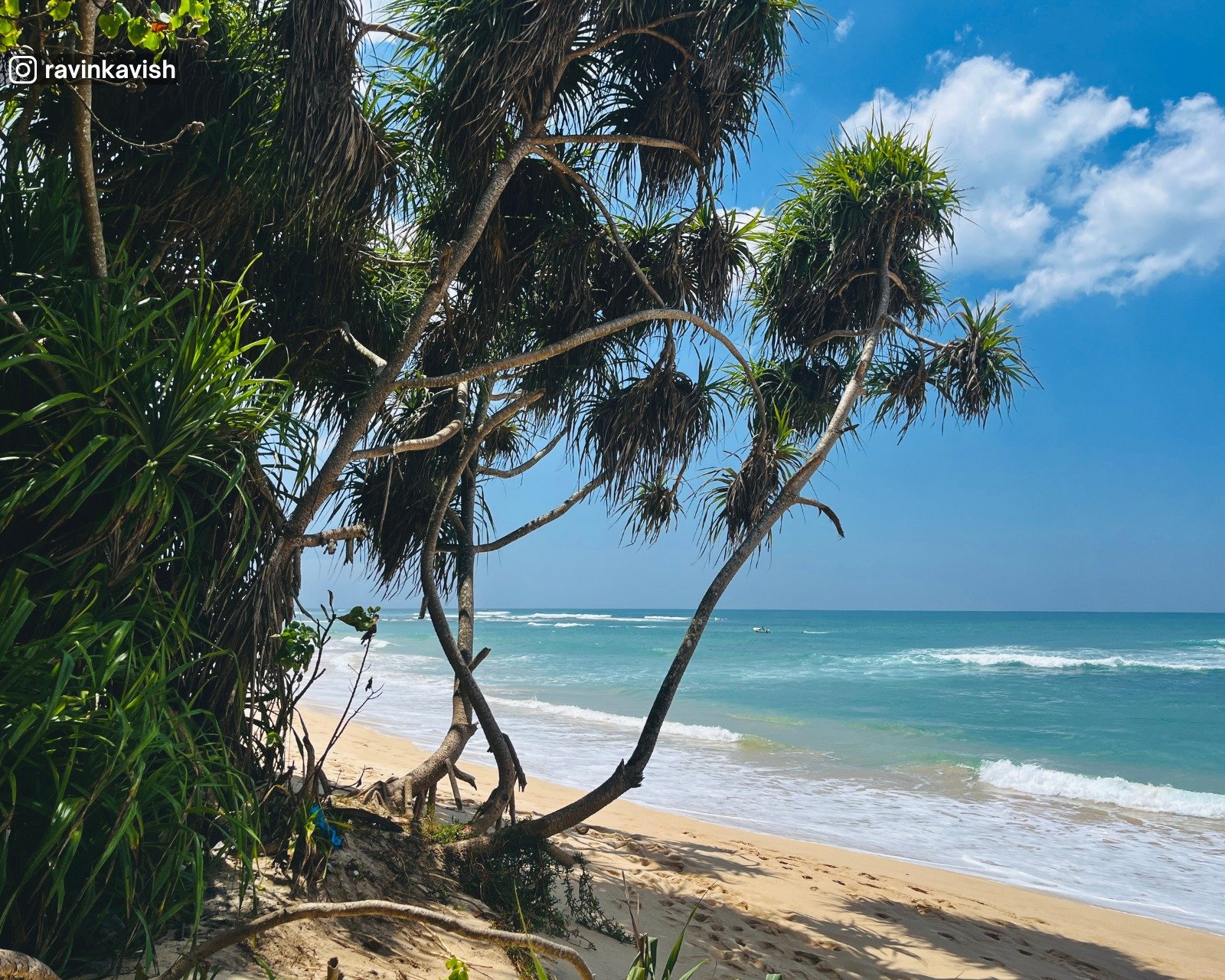
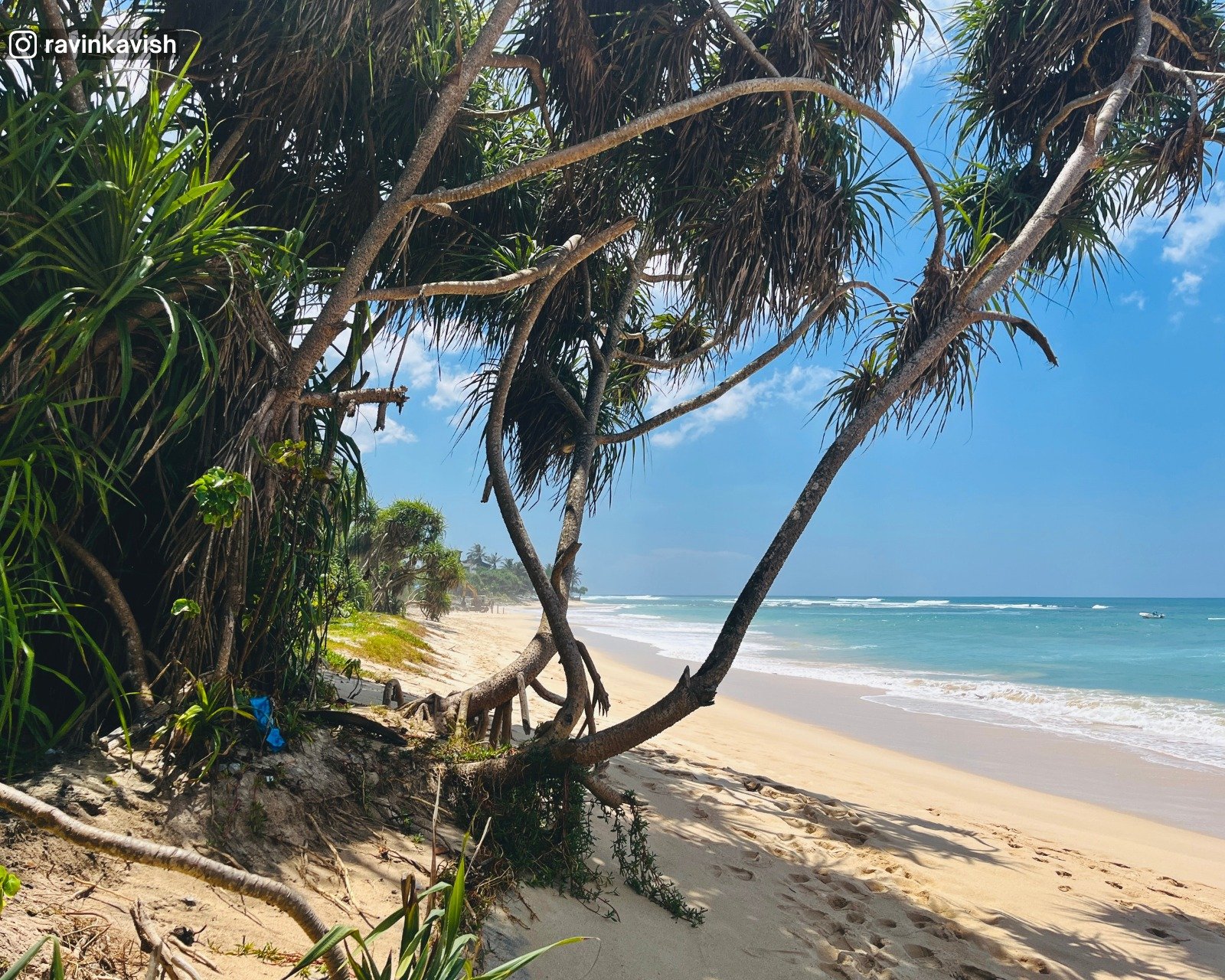
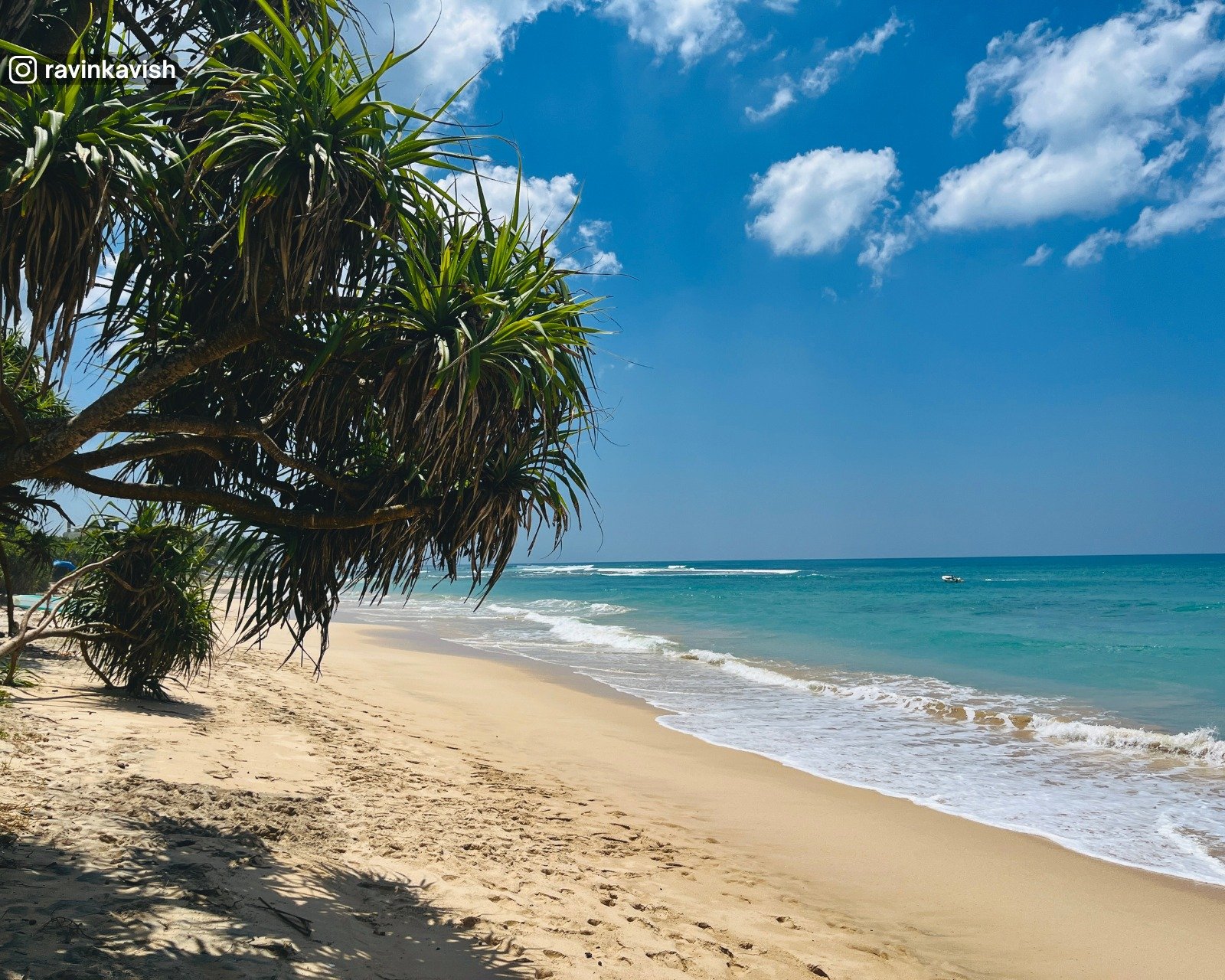
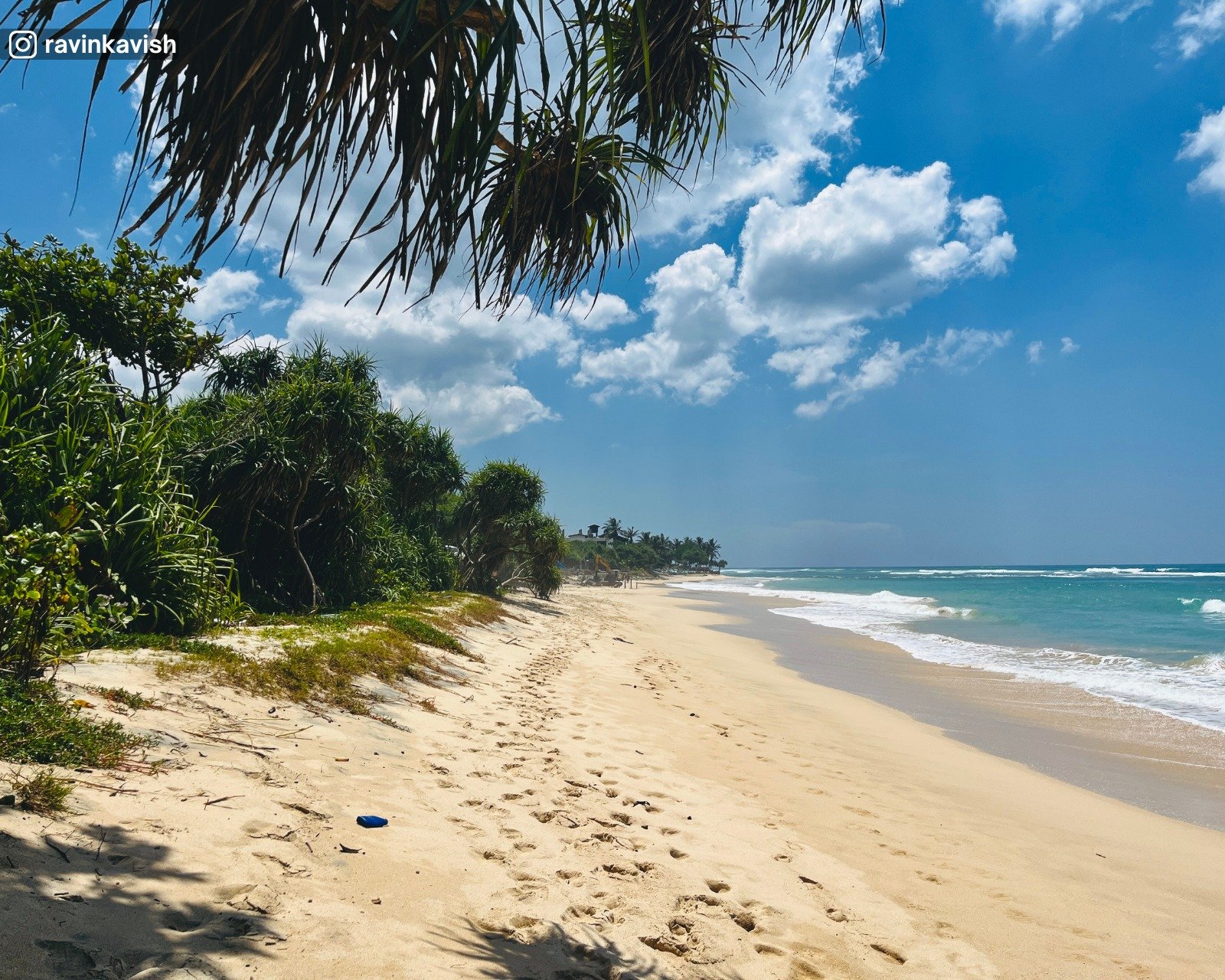
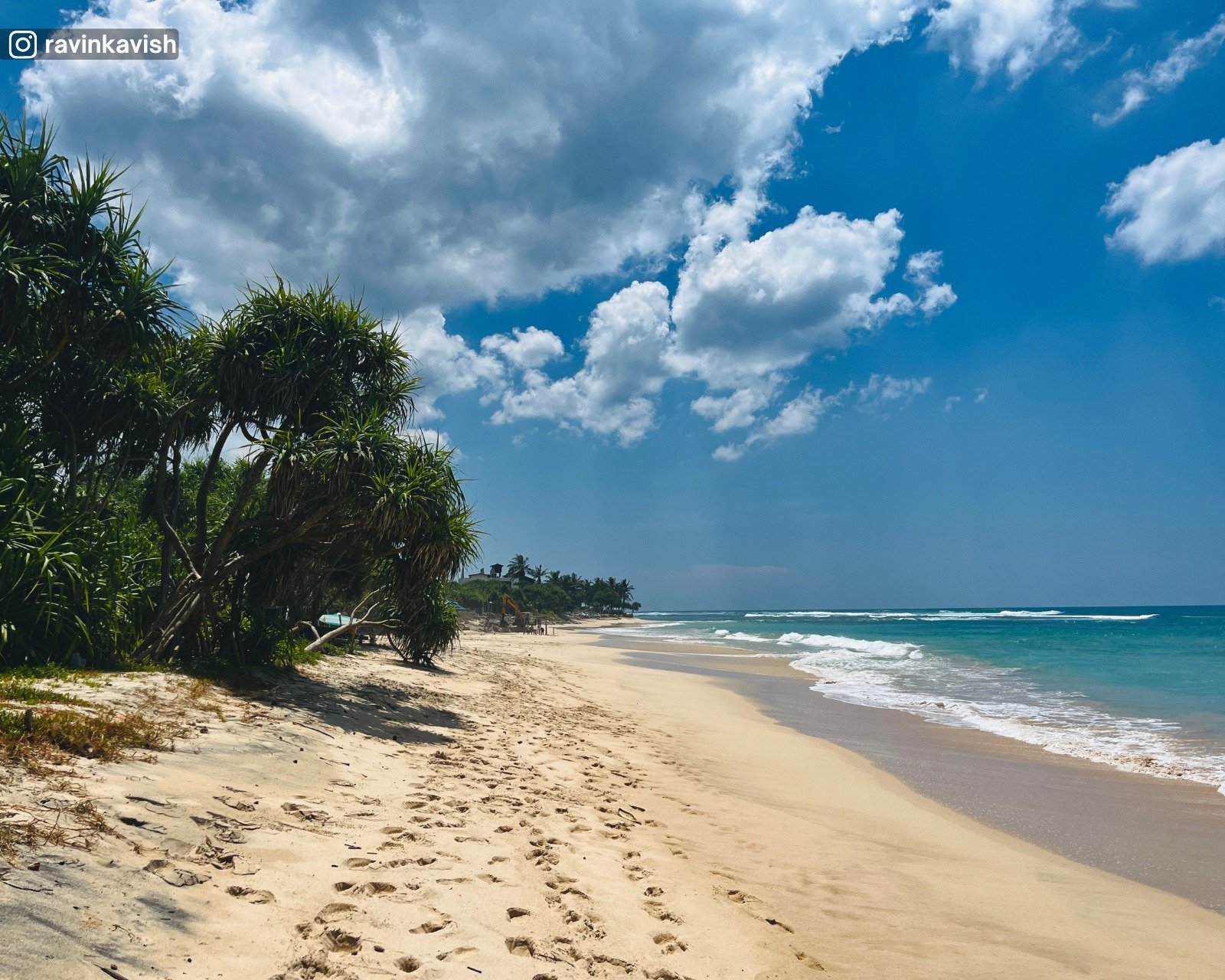
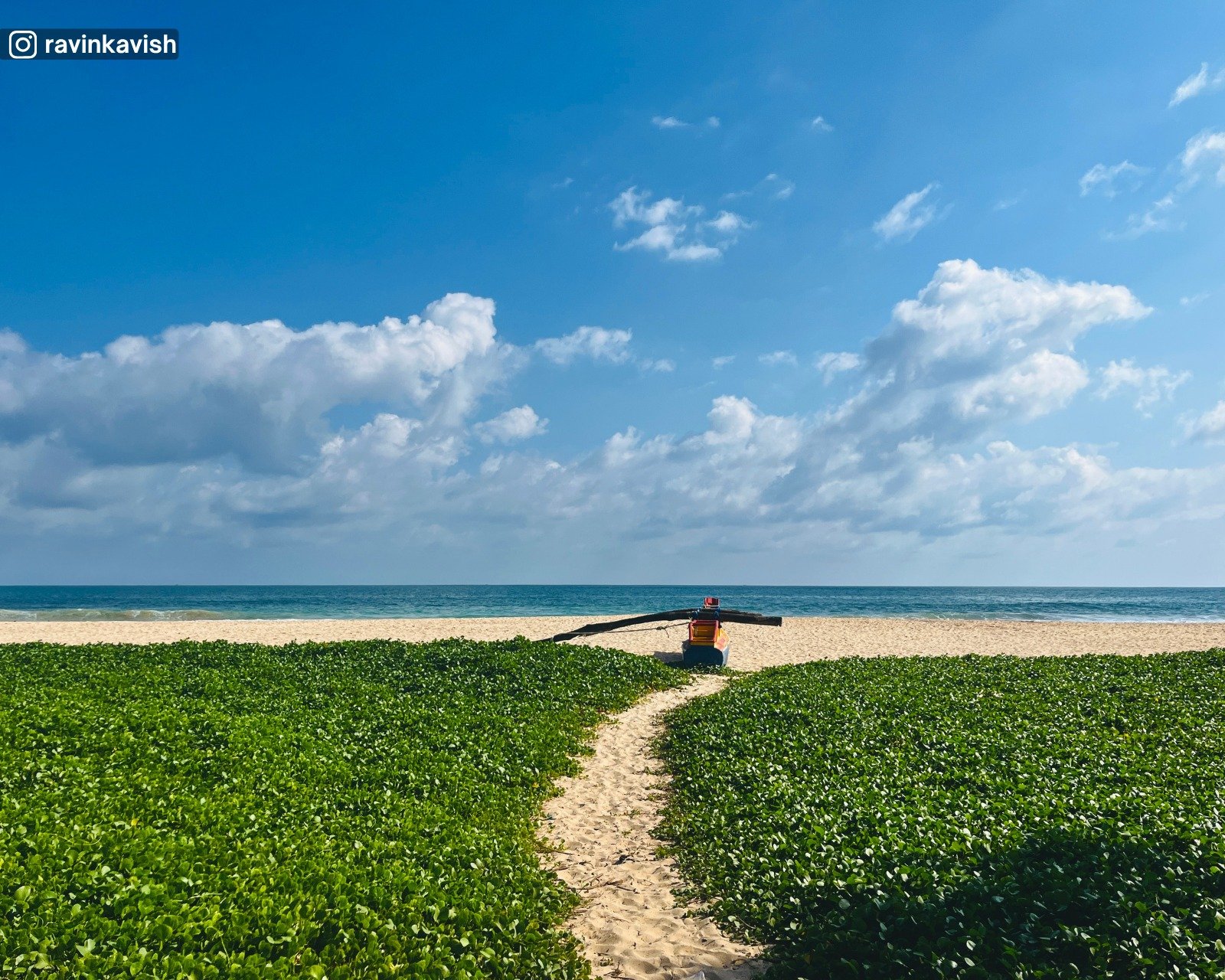
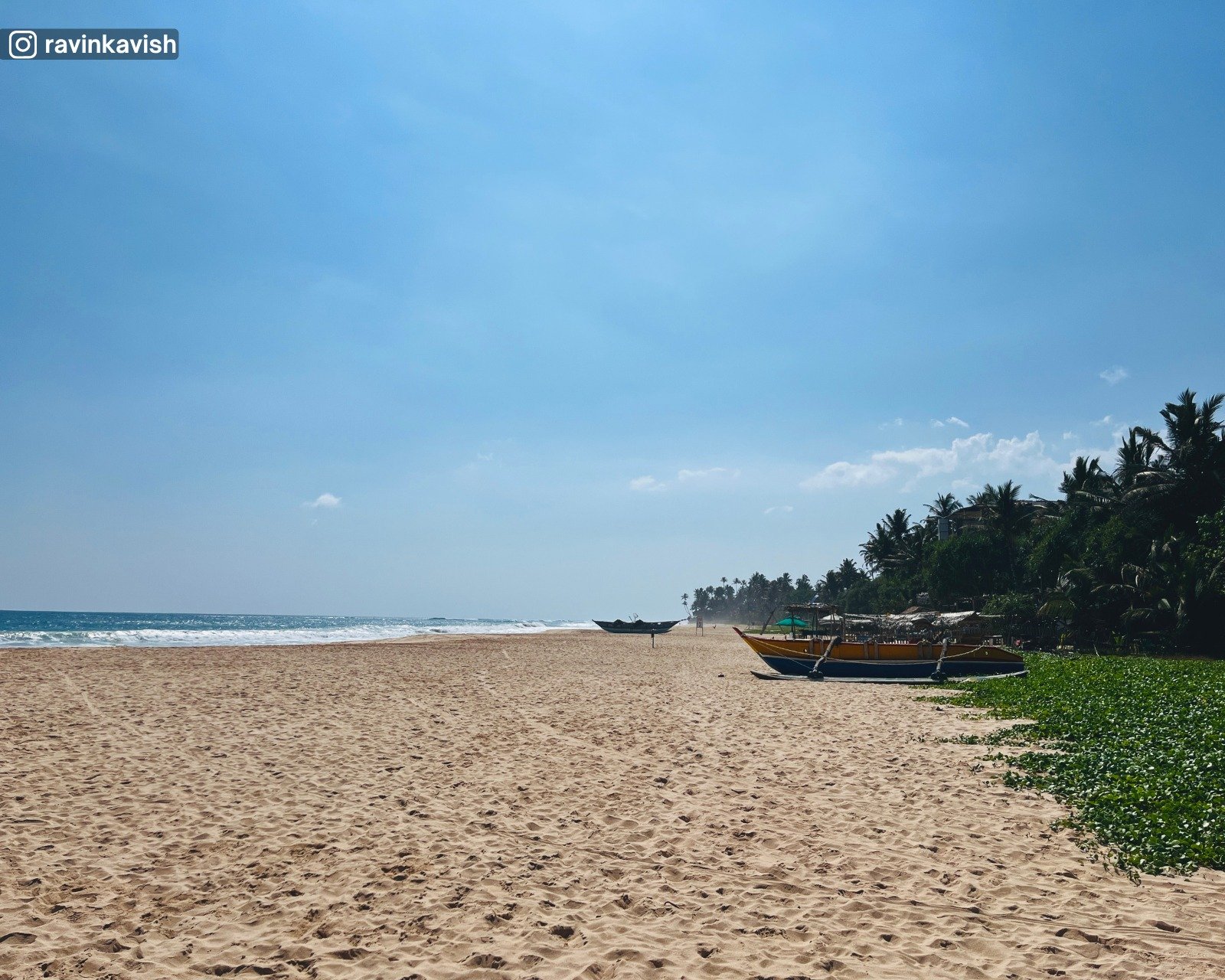
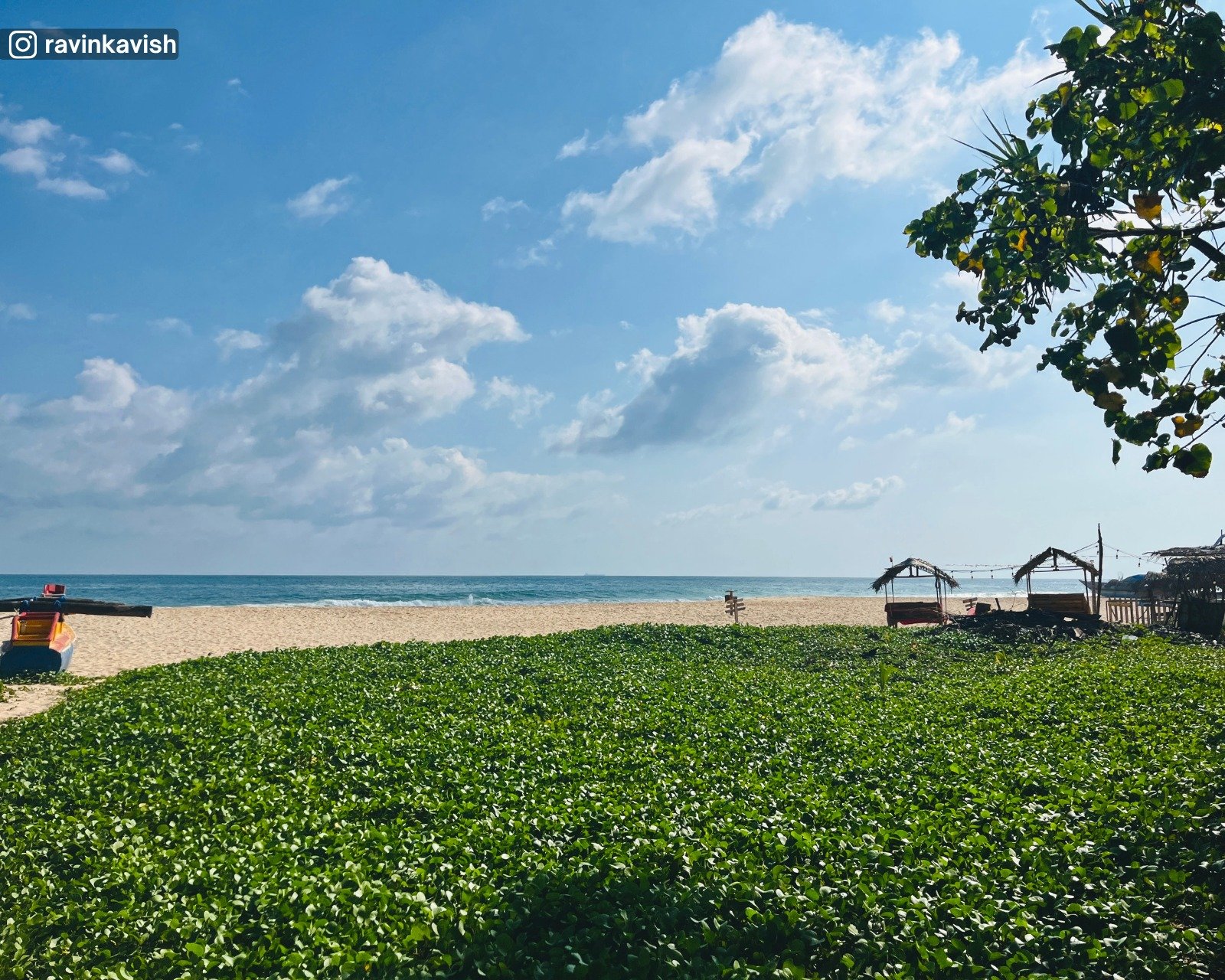
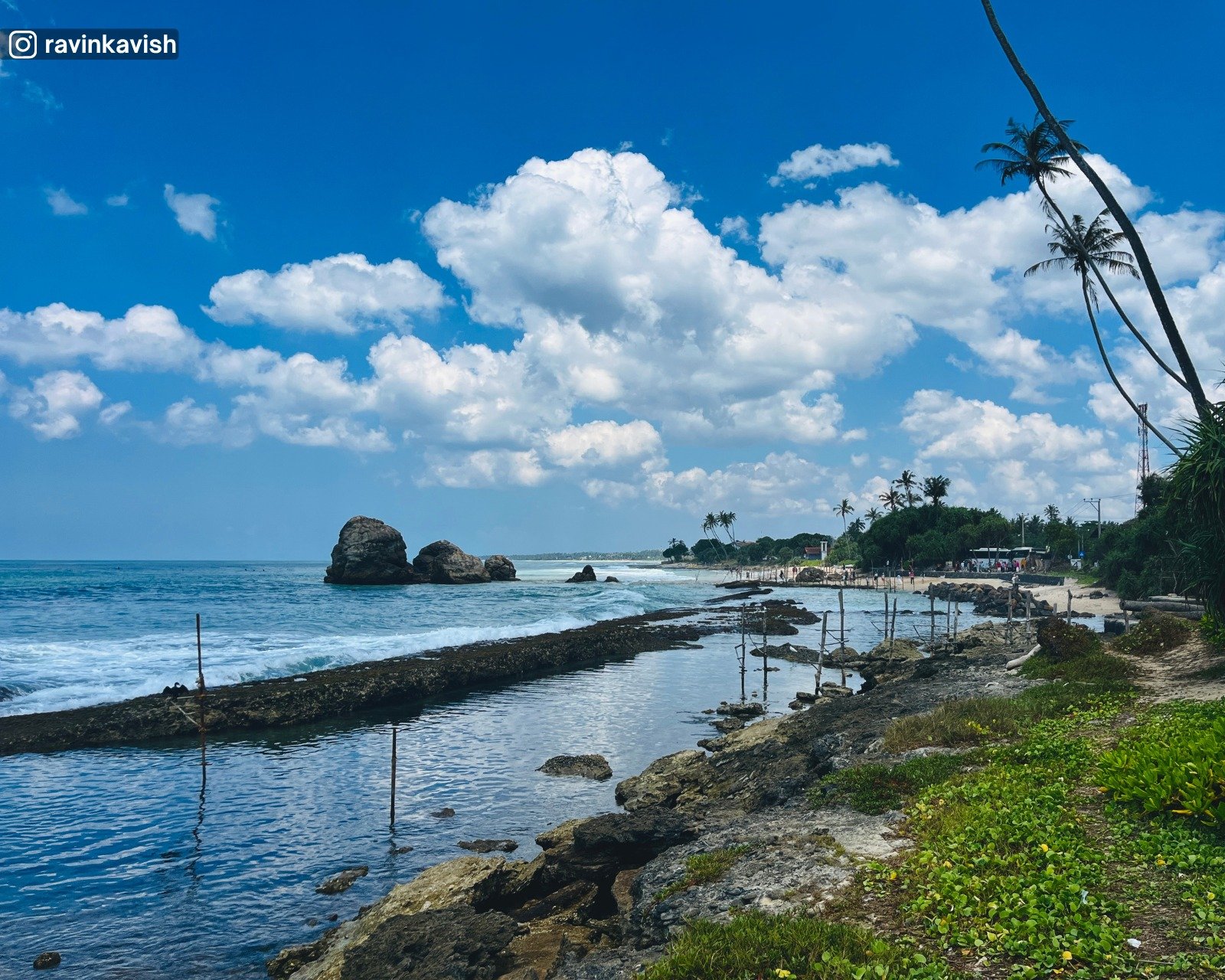
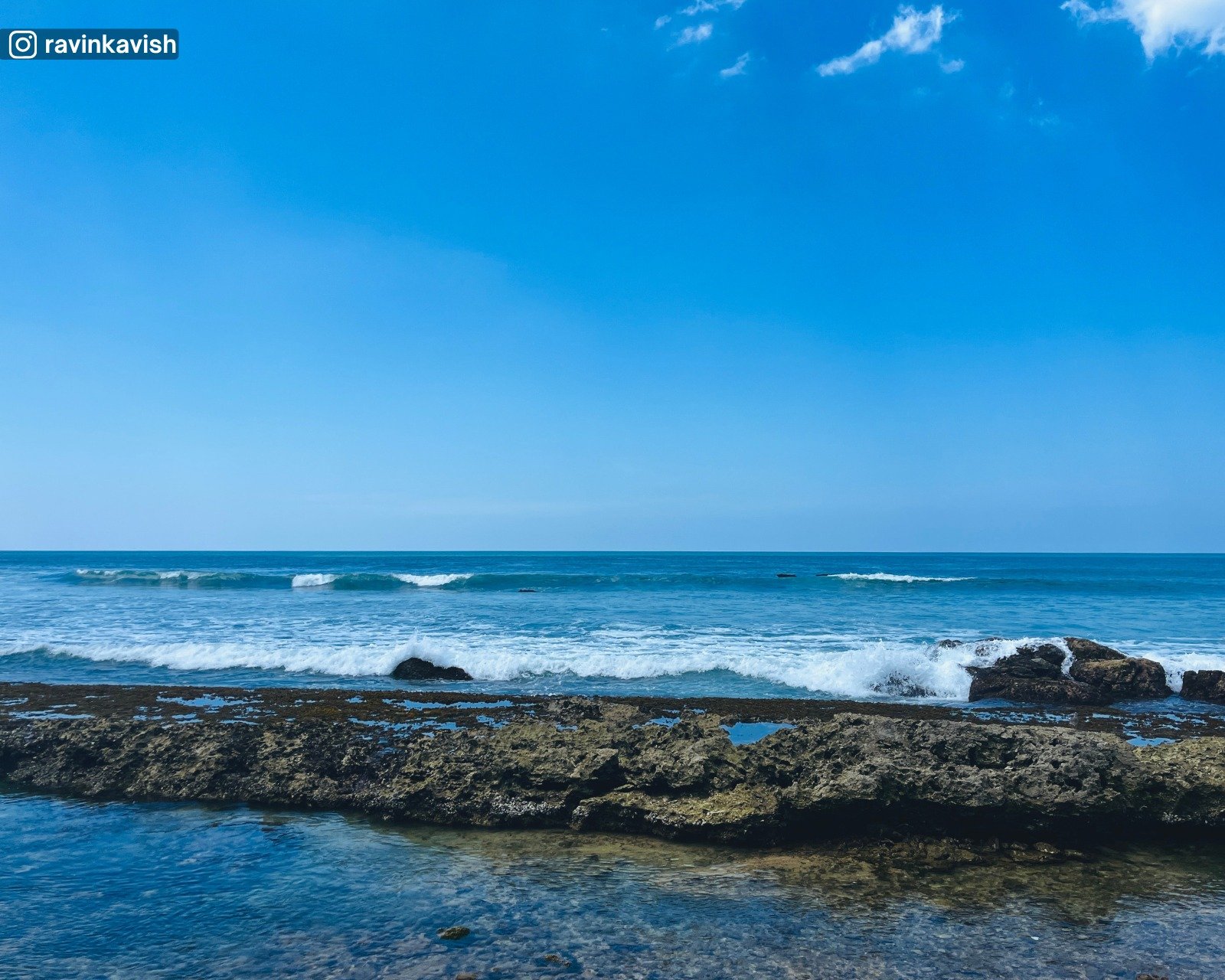
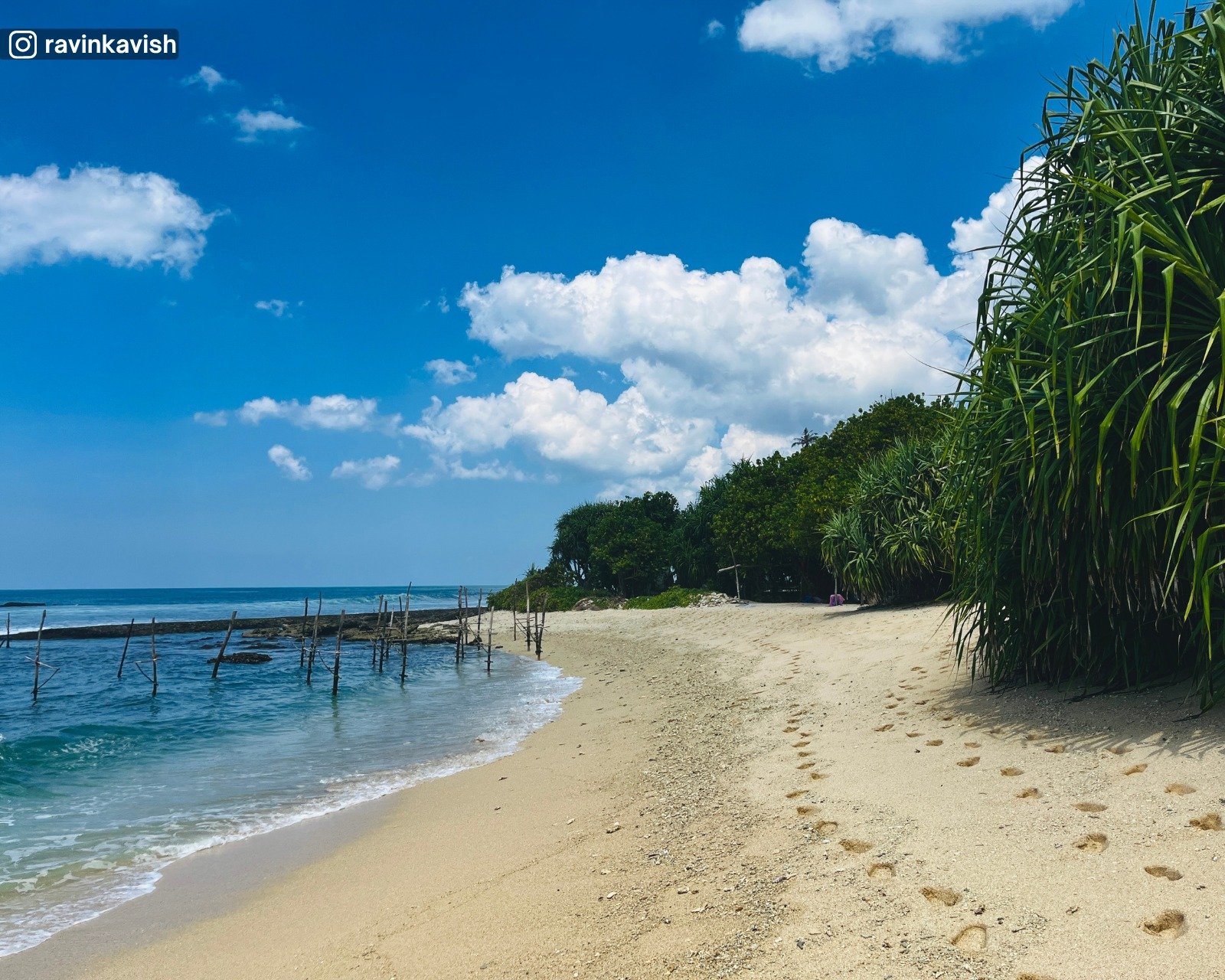
Long, open sandy beach along the southern coast near Galle.

Hike
Activities
Swimming, Beach walks, photography, observing fishing activity, and coastal relaxation.

Scenery
Scenery
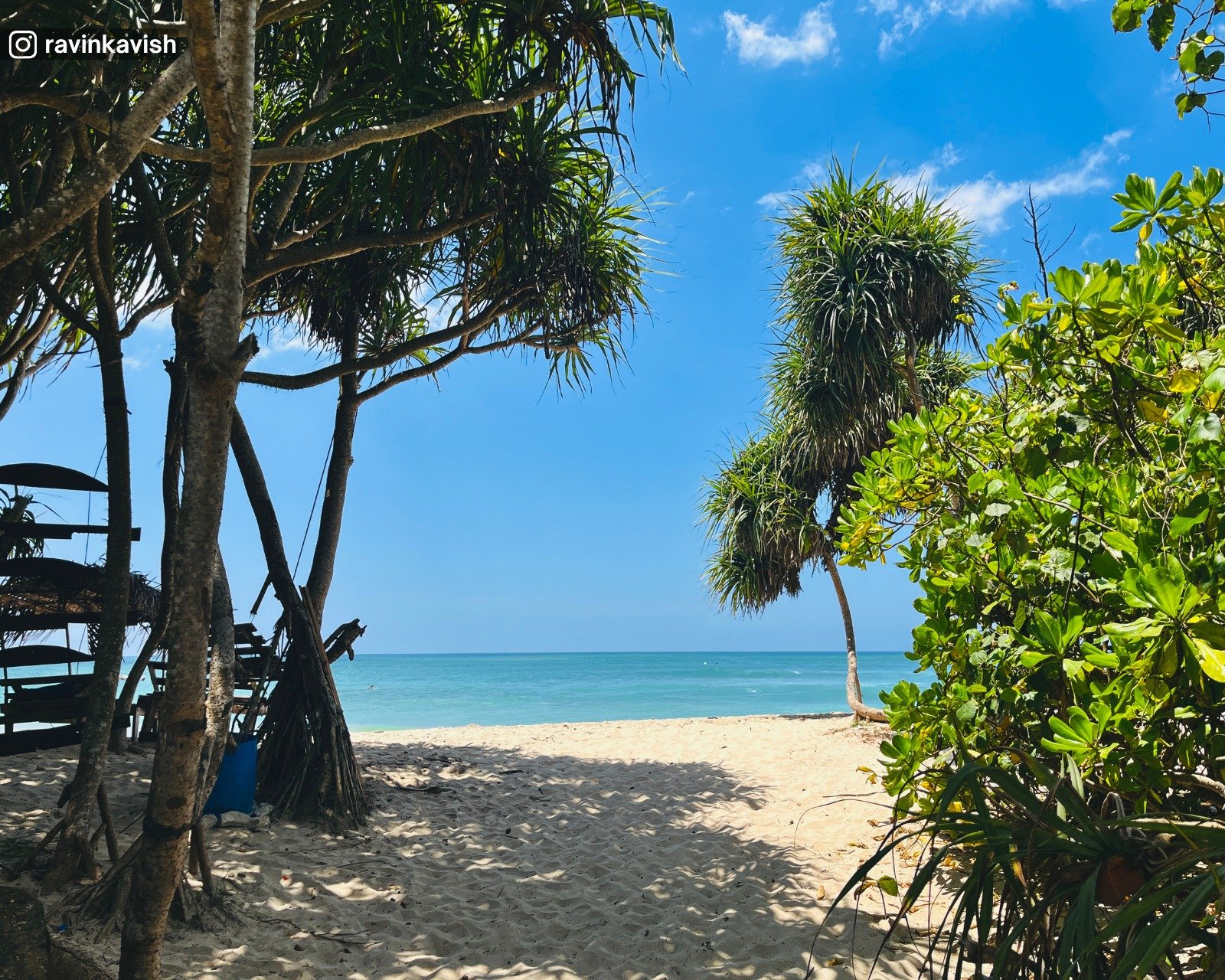
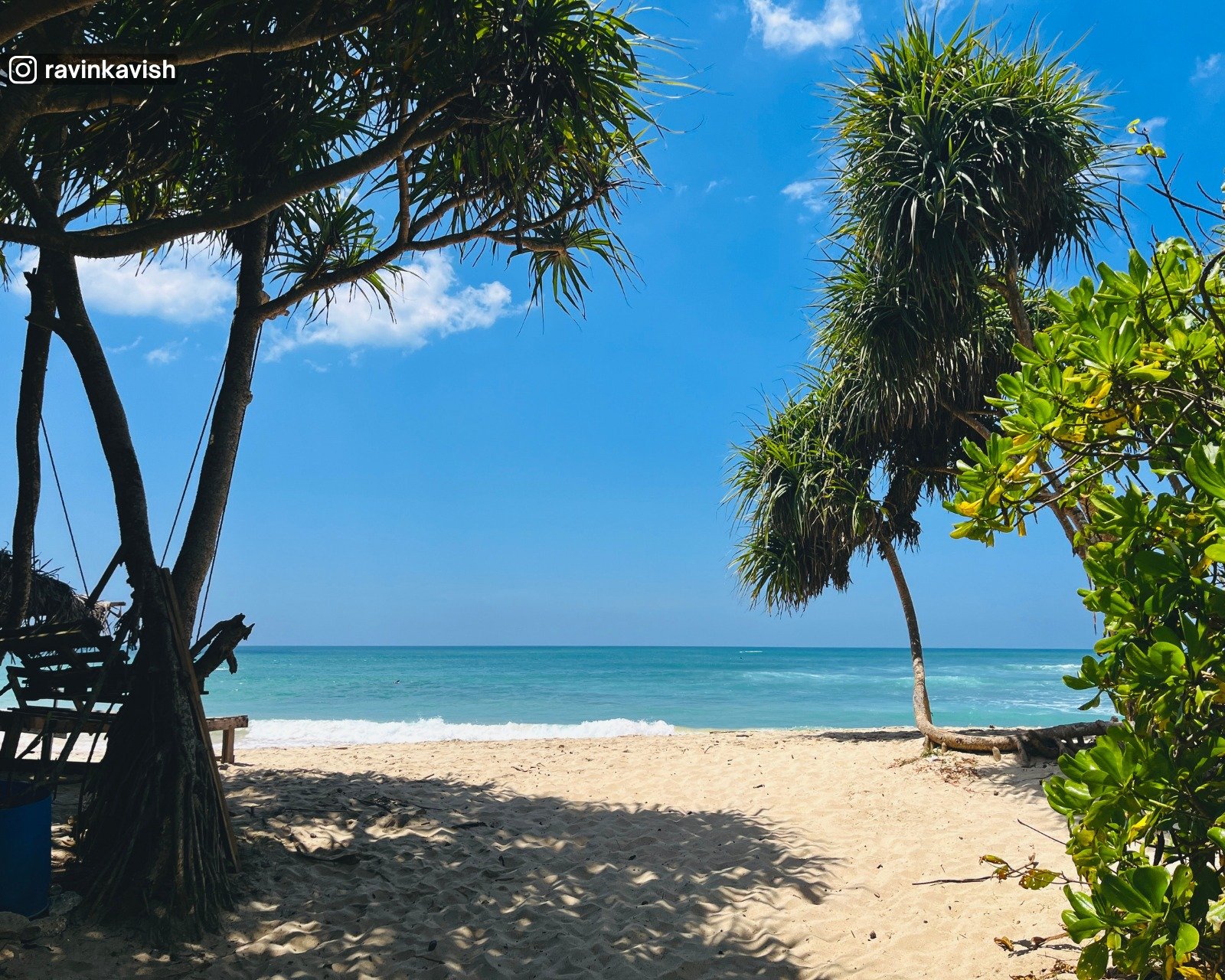
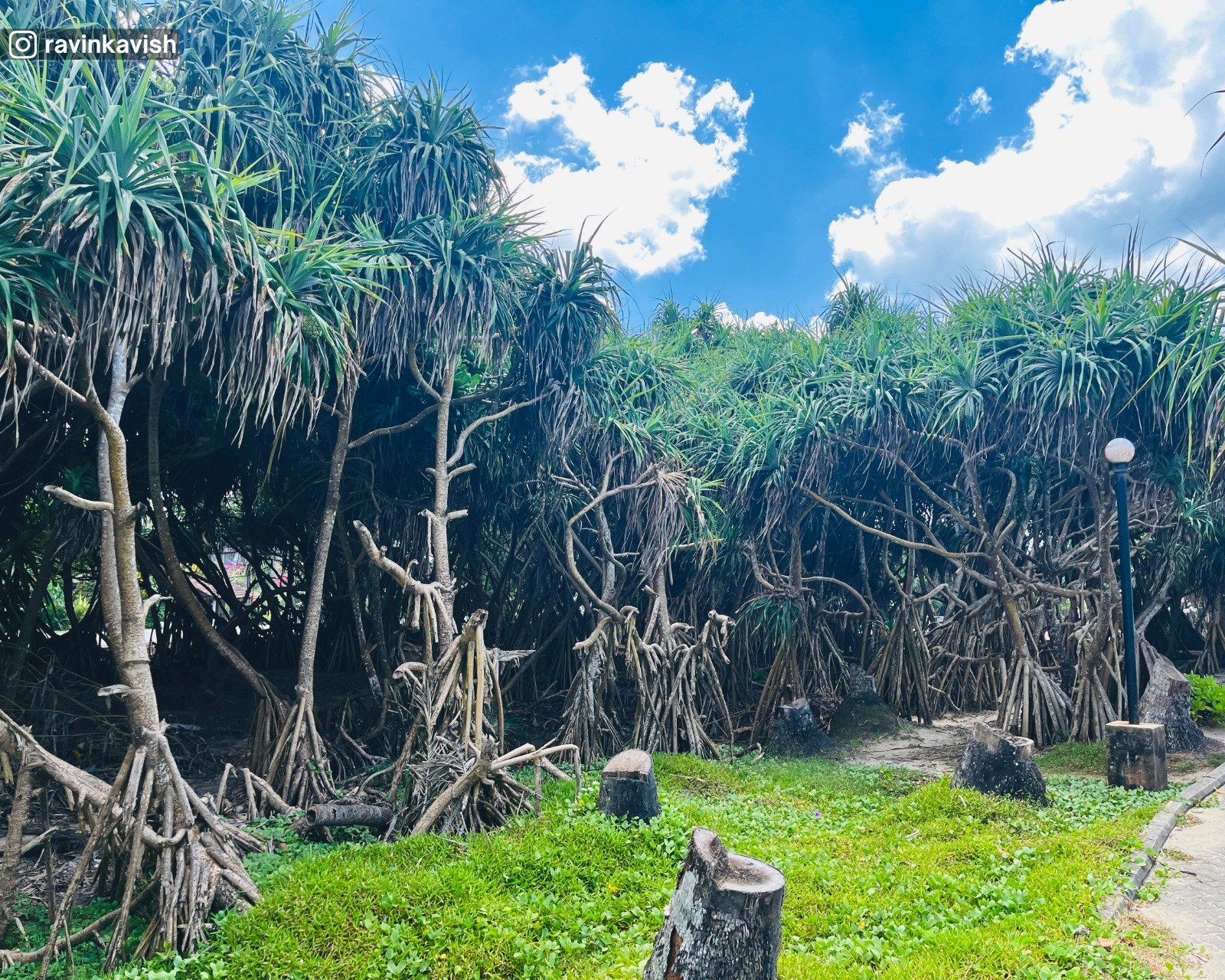
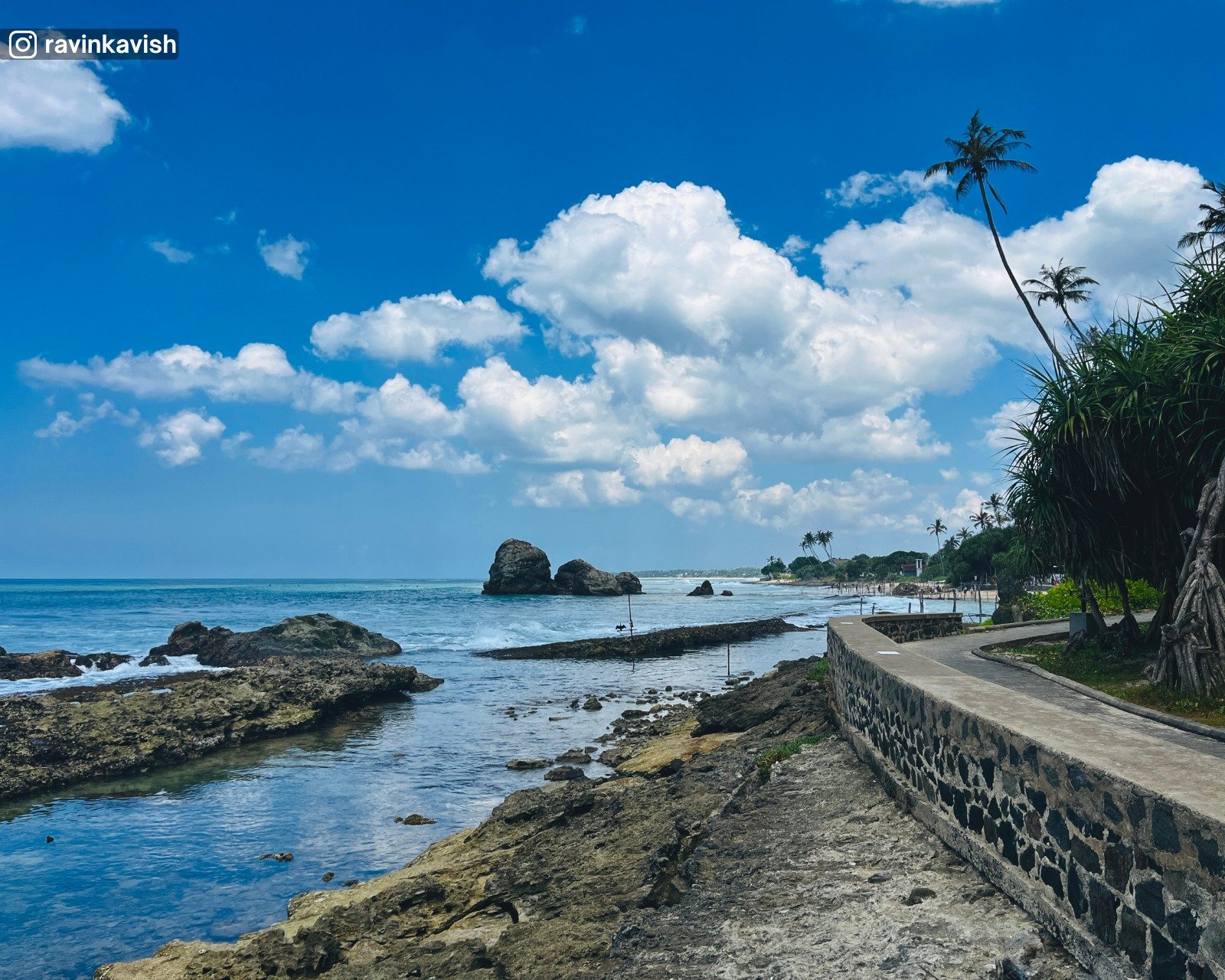
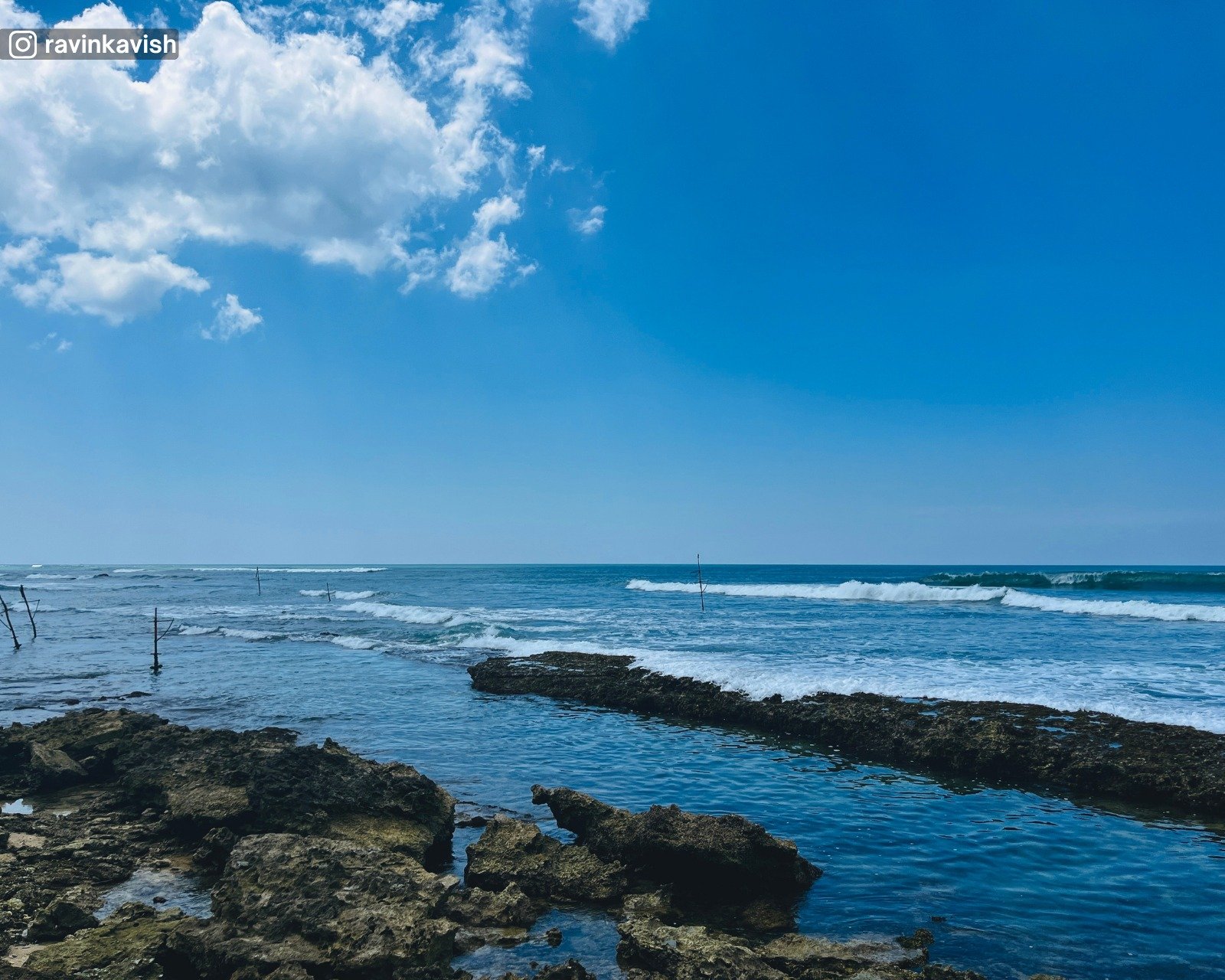
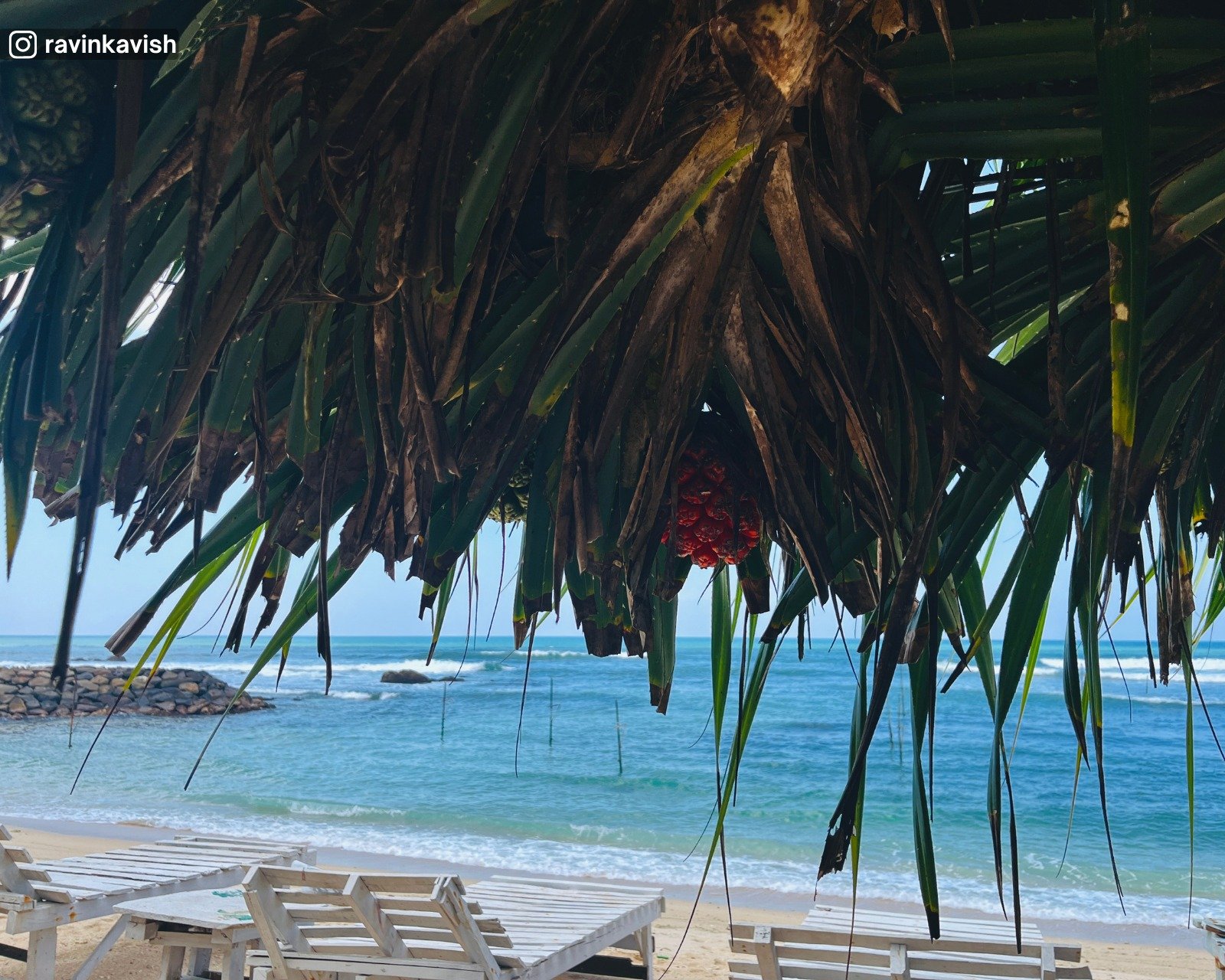
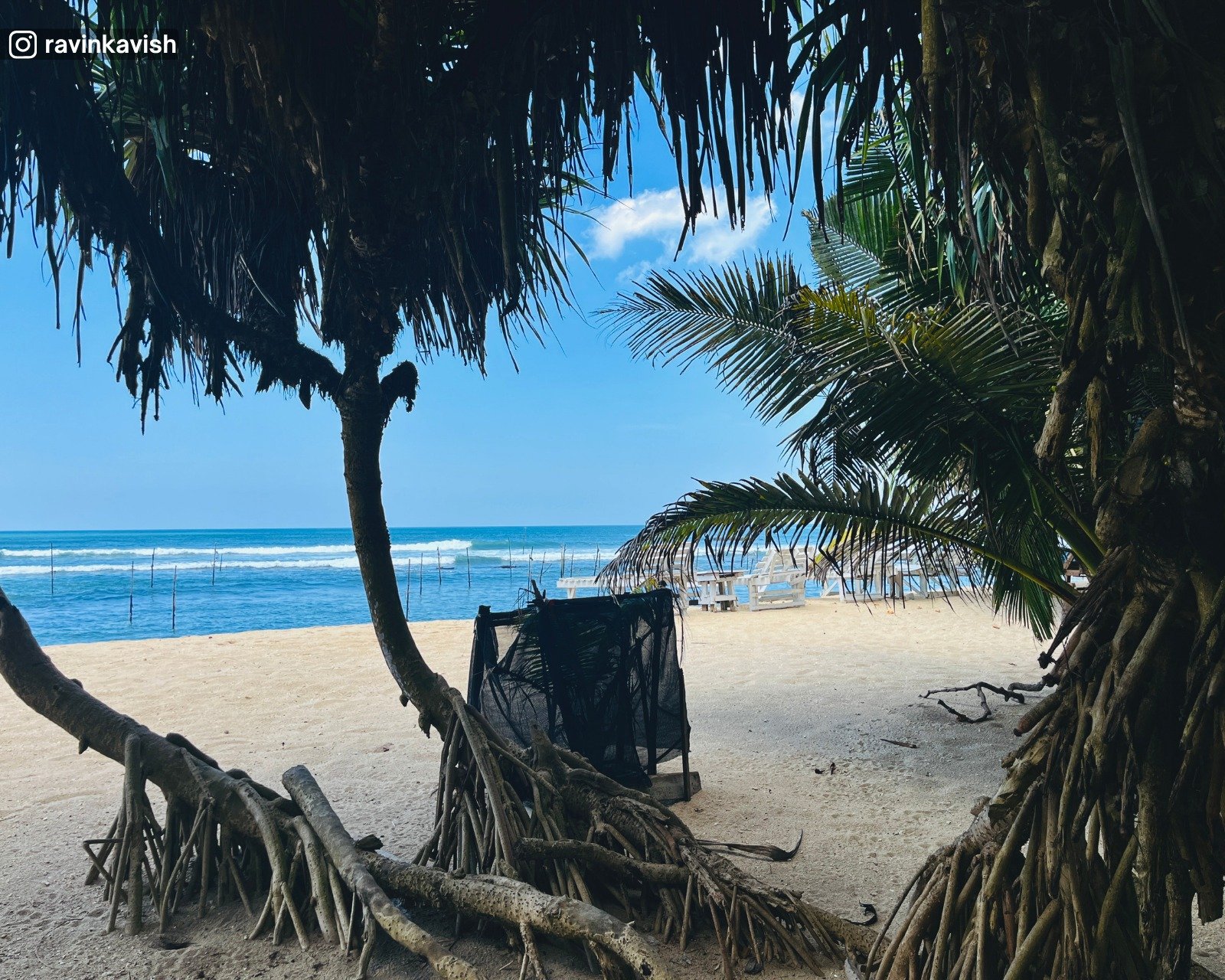
Wide shoreline, open ocean, coconut palms, fishing boats, and coastal villages.

Map Icon
Location

MapKoggala Beach
Koggala Beach
Top Pick
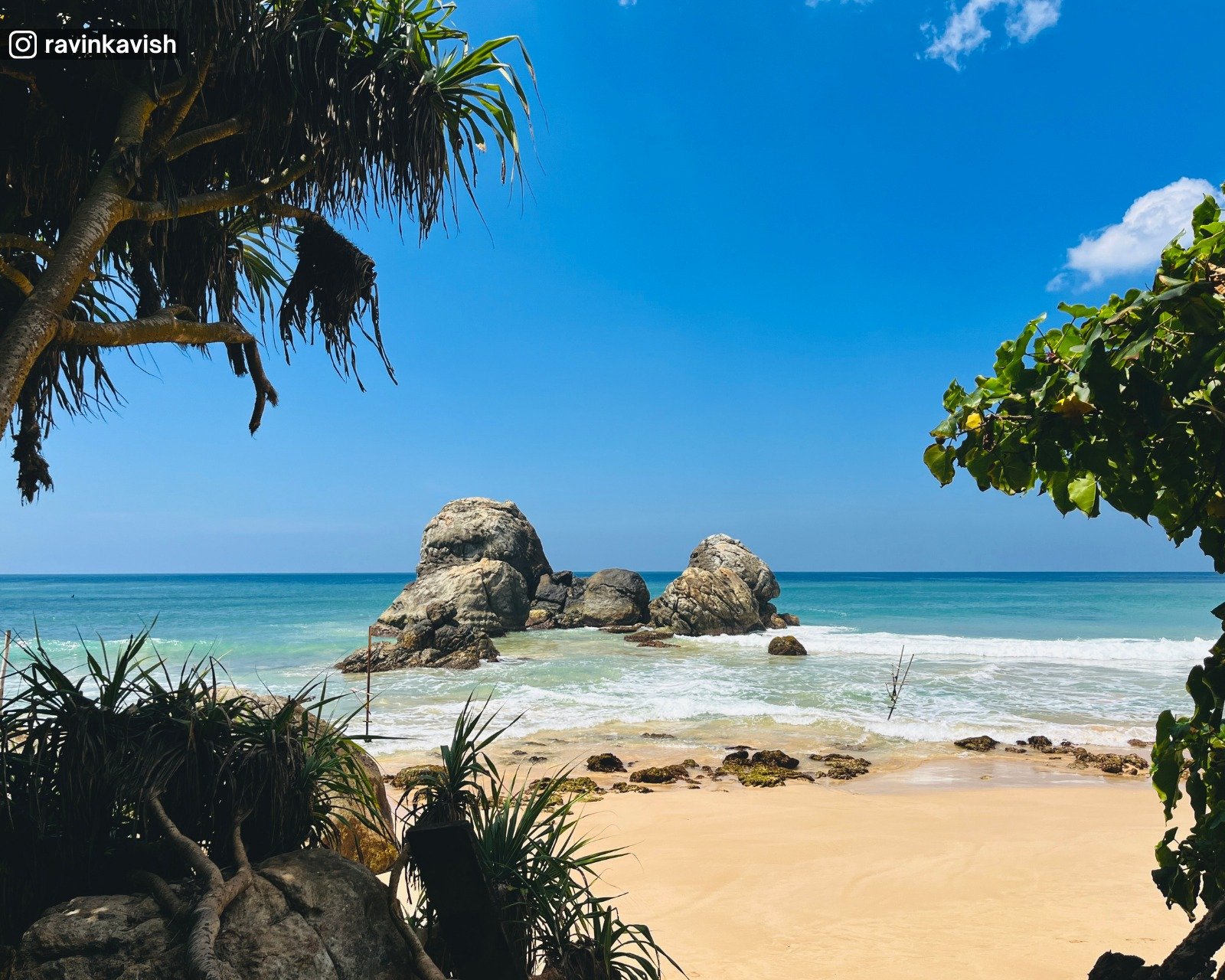
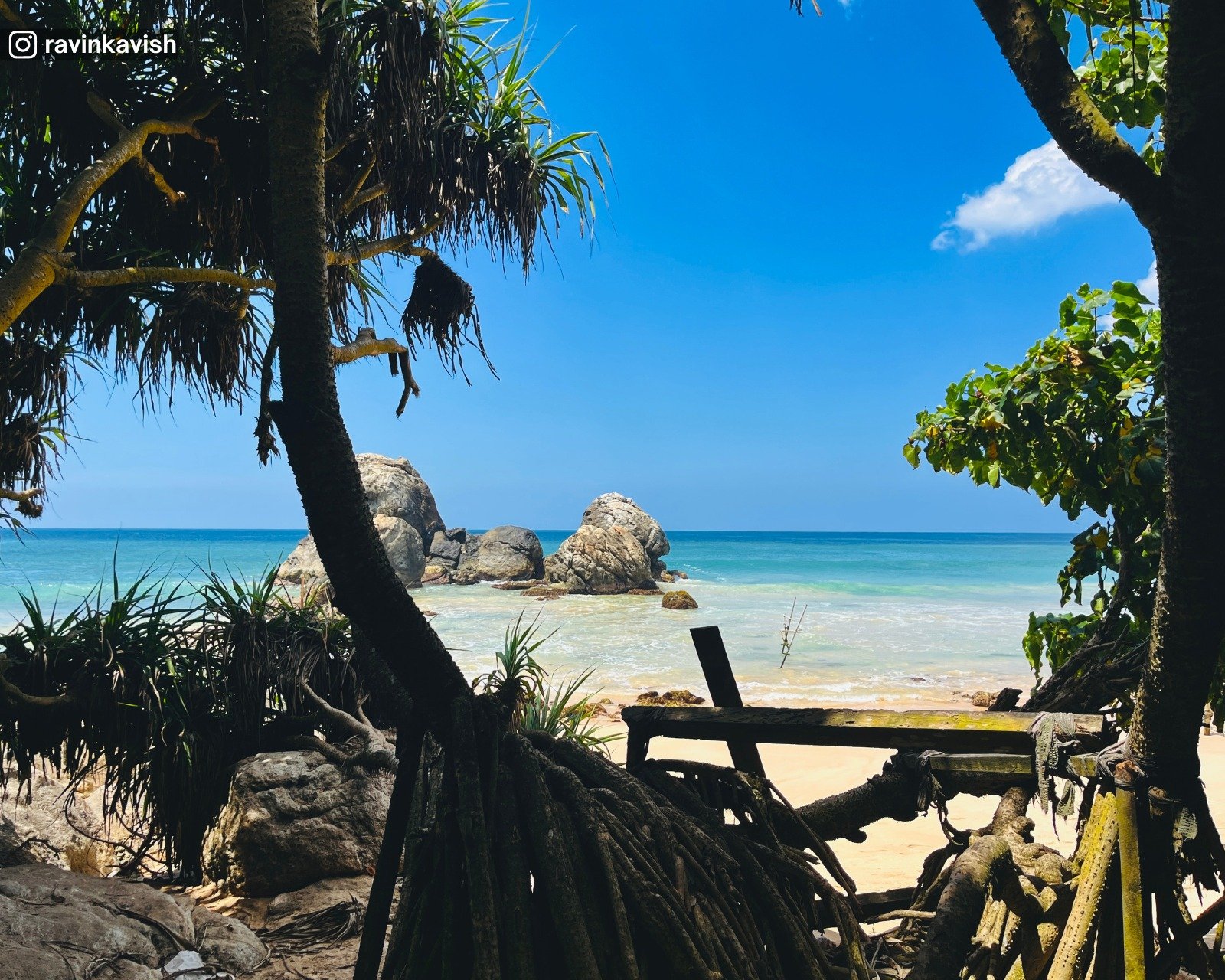
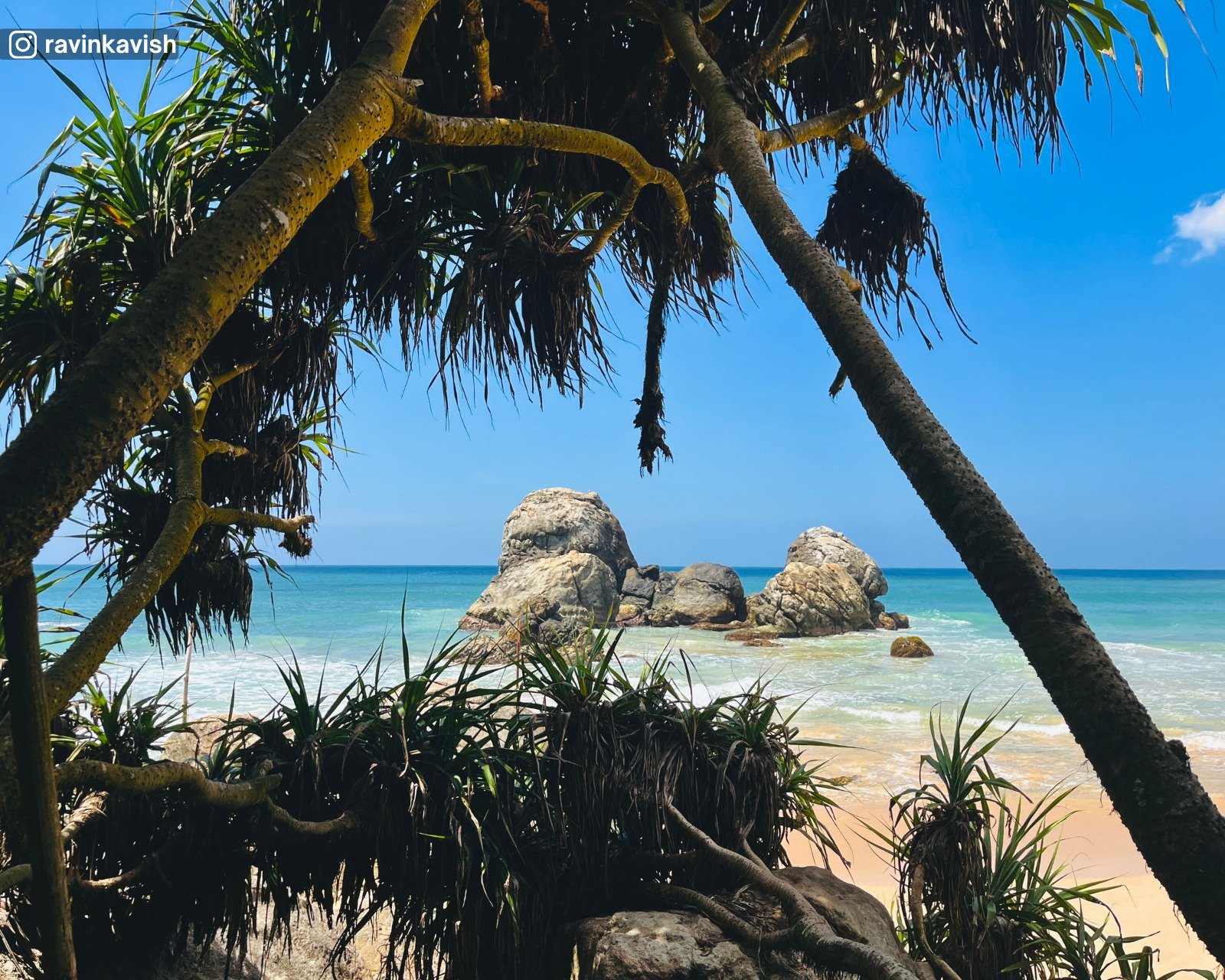
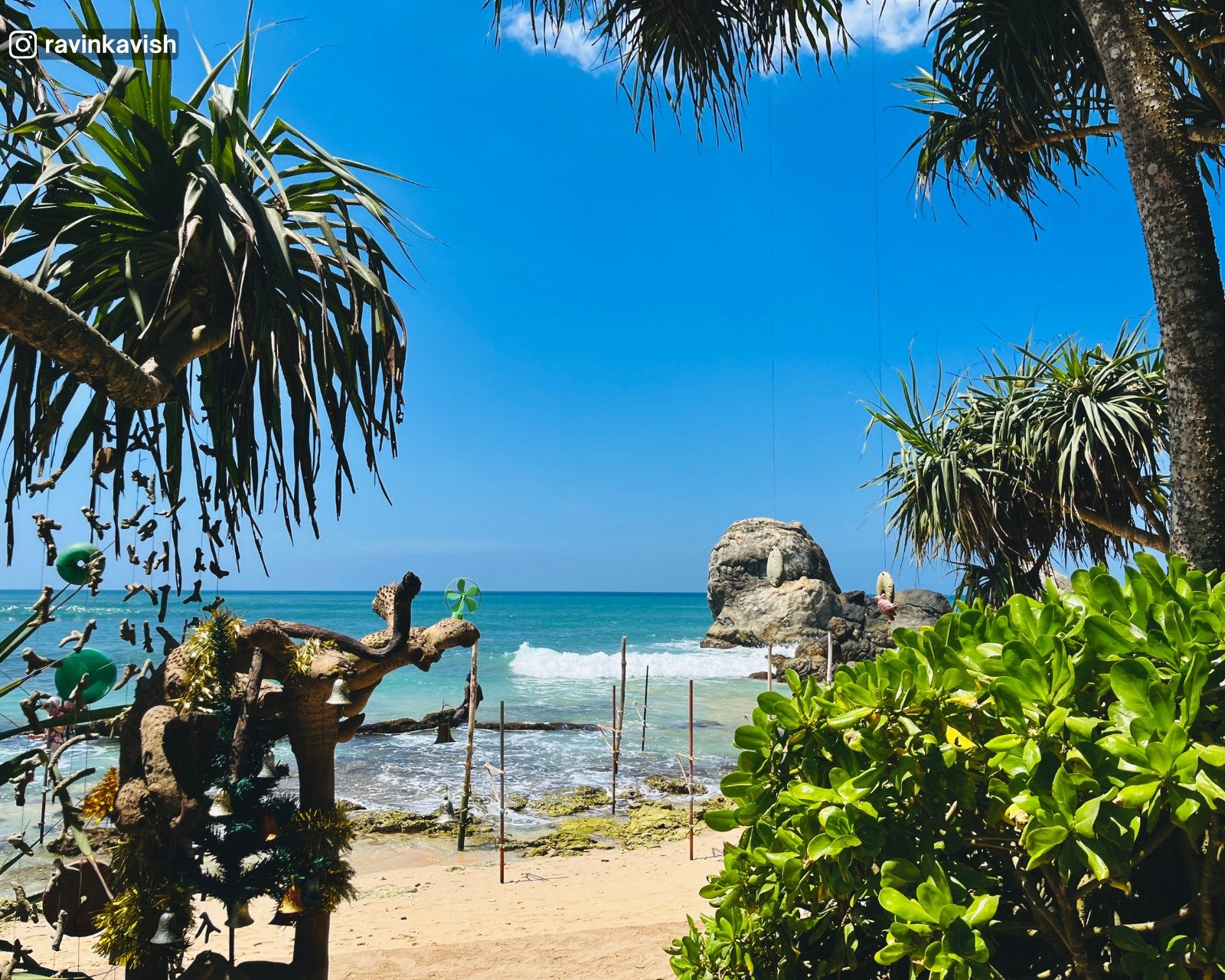
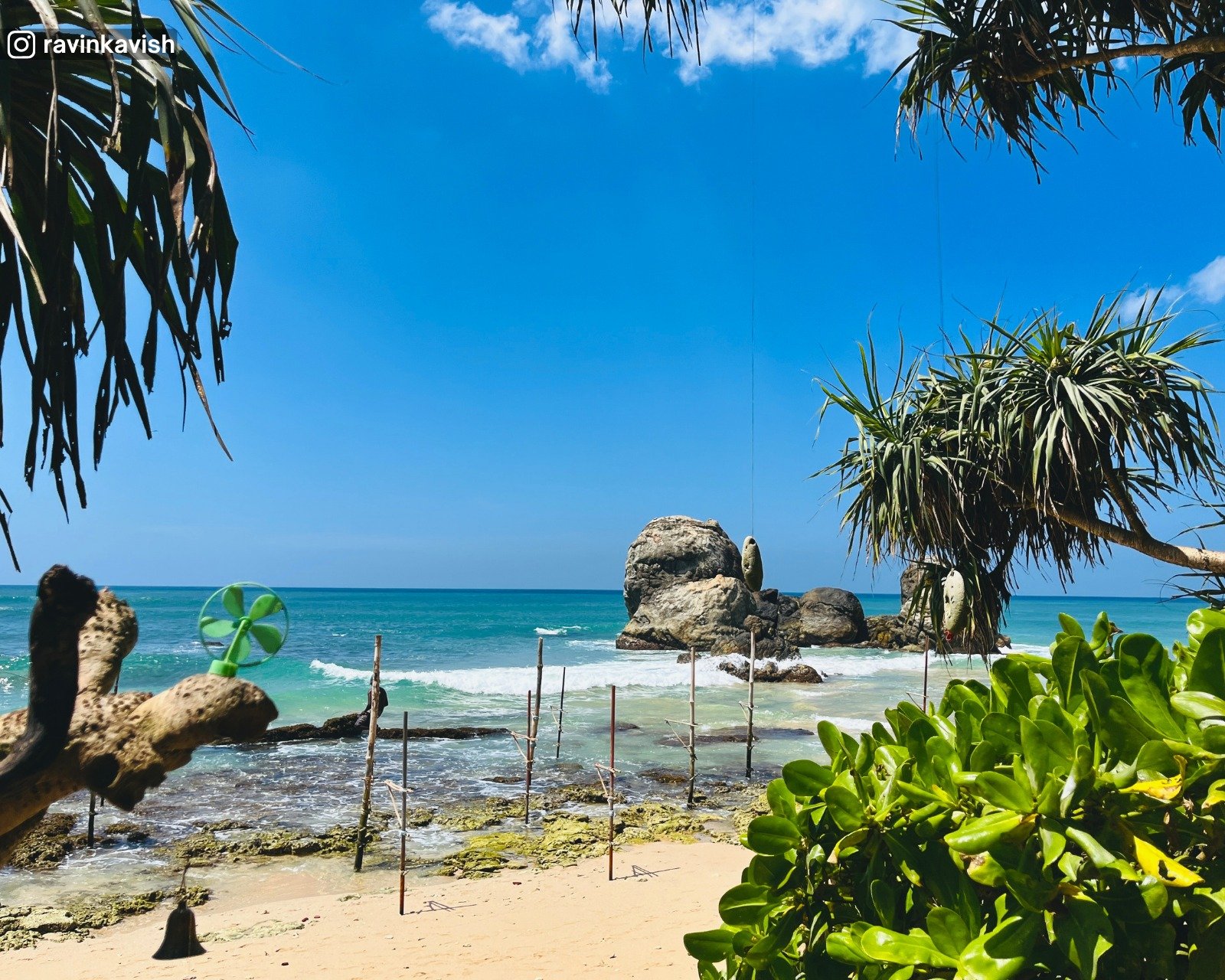
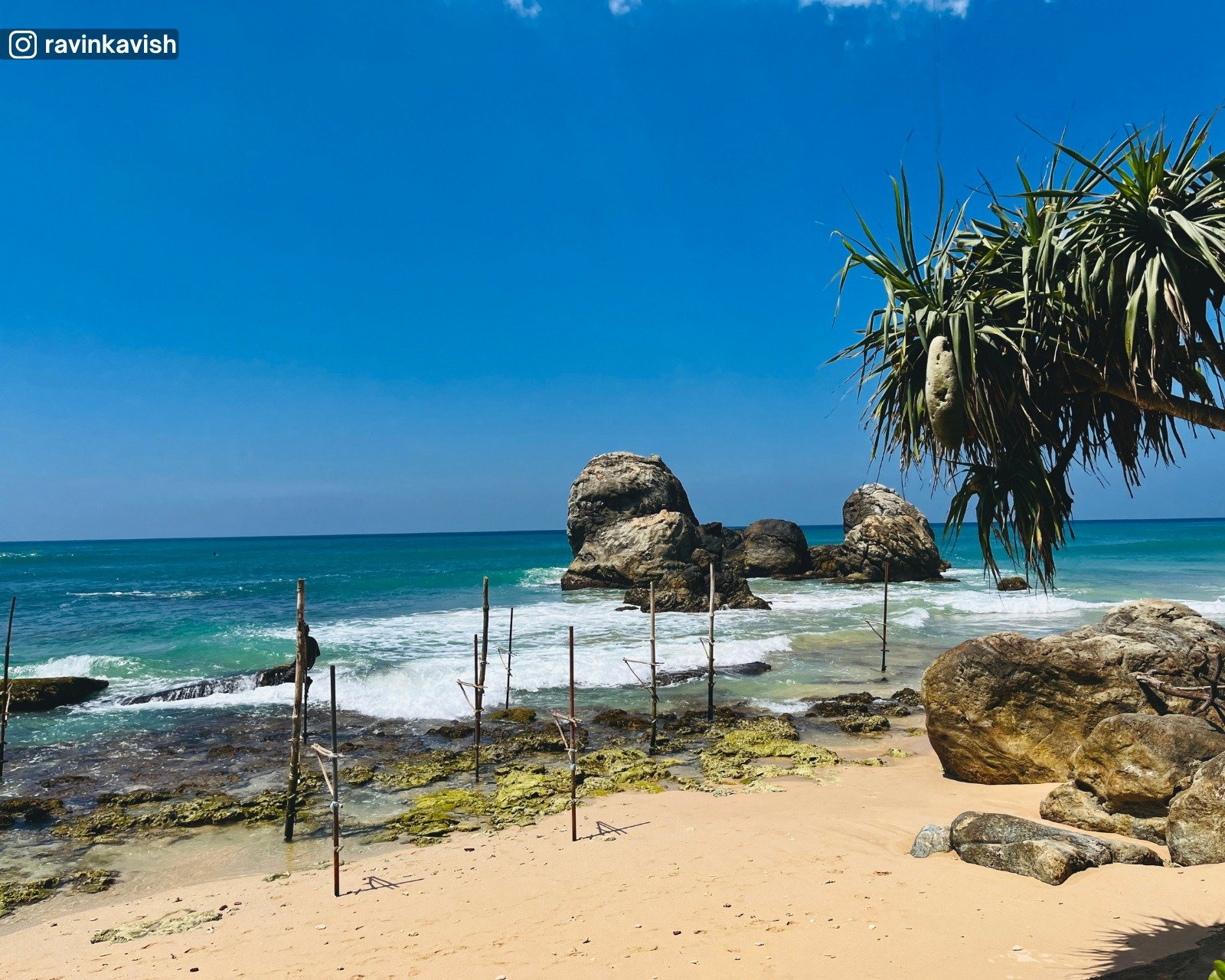
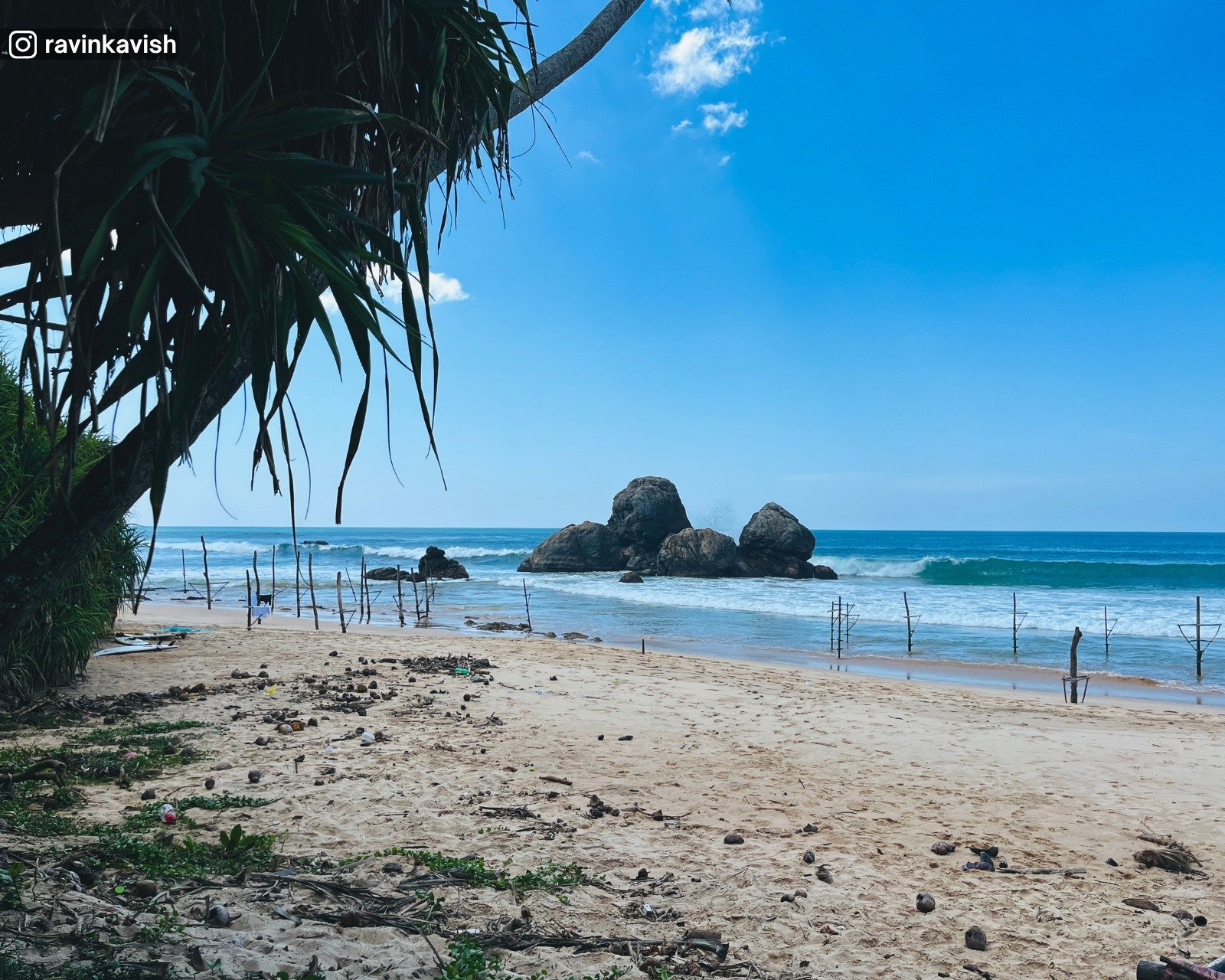
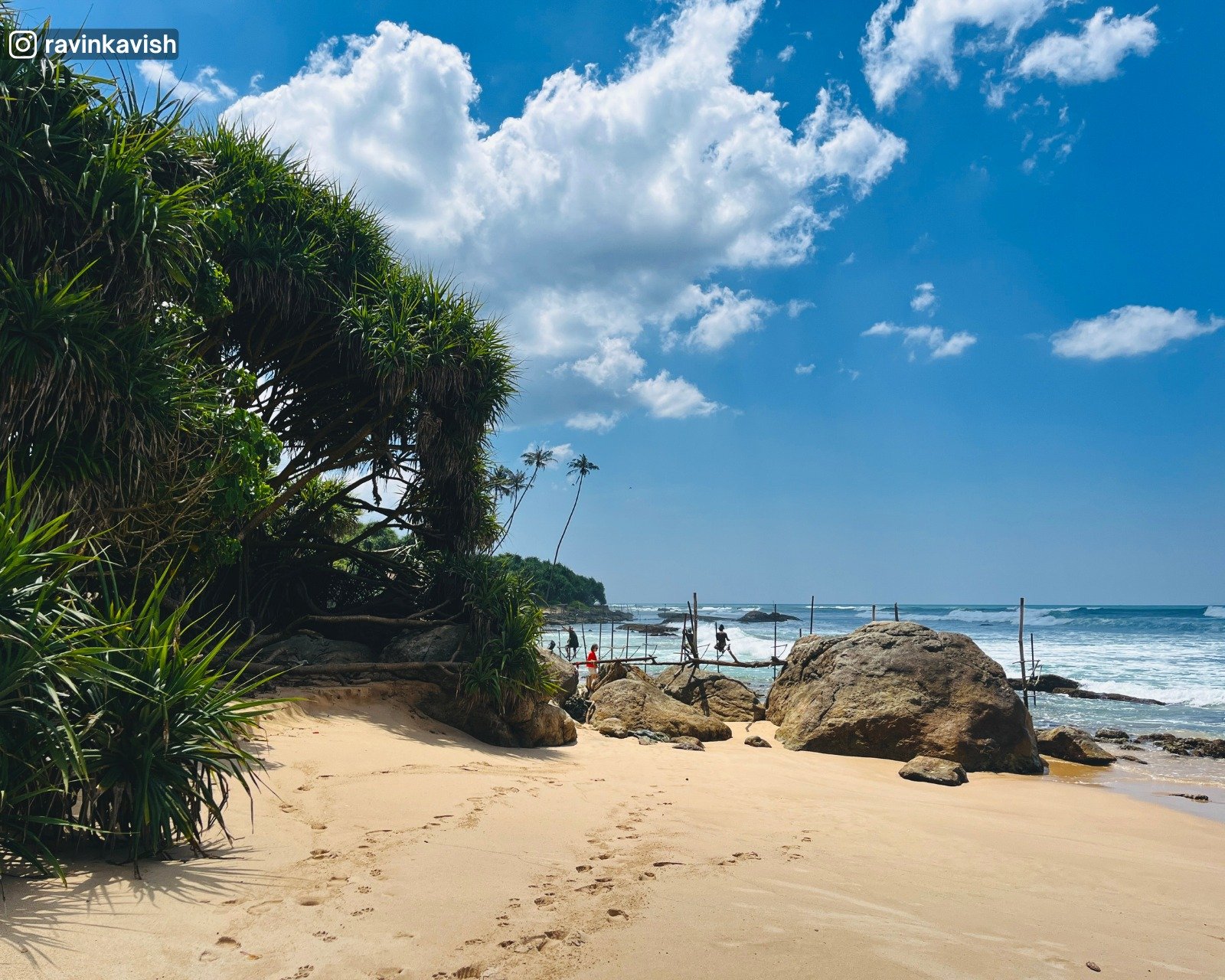
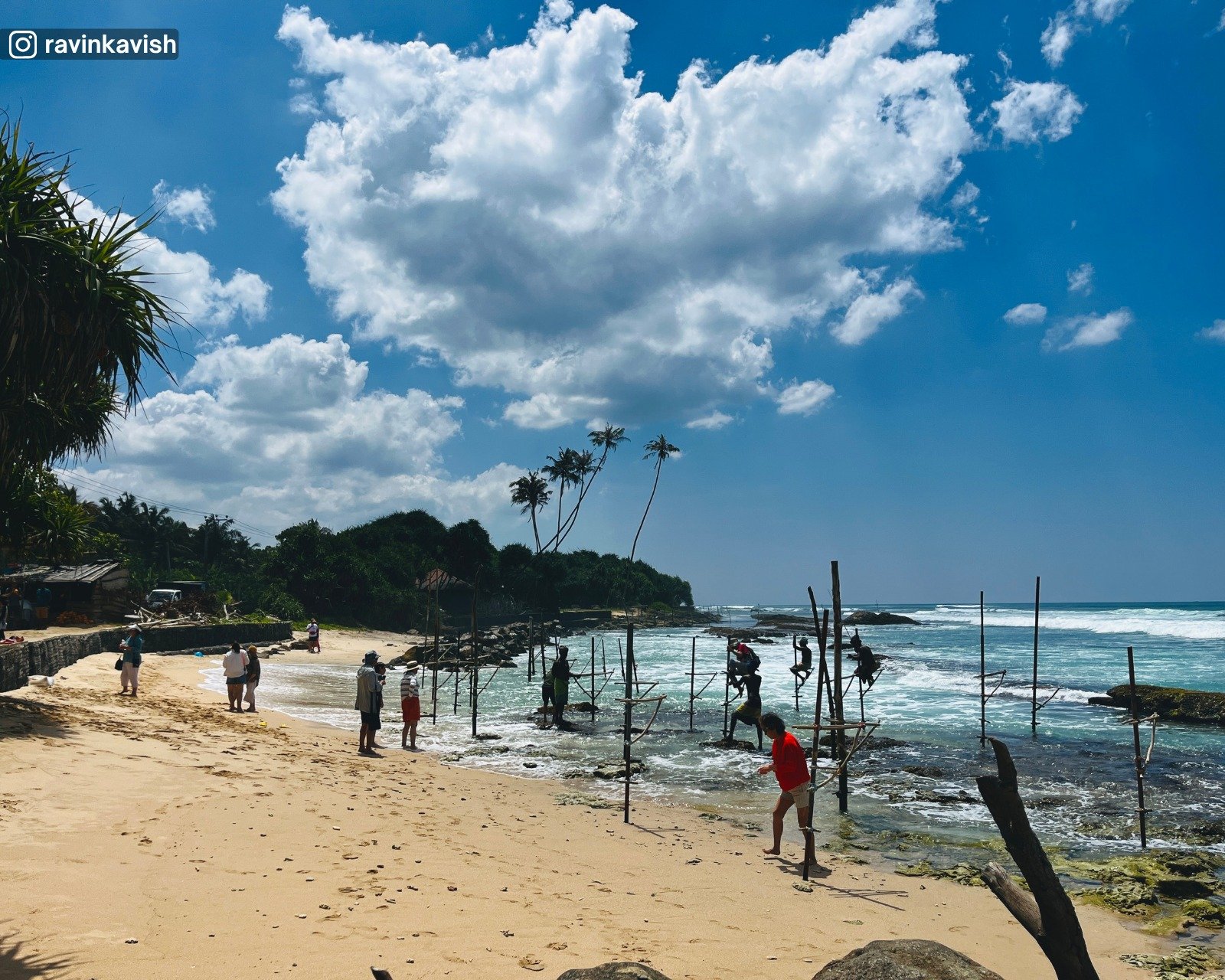
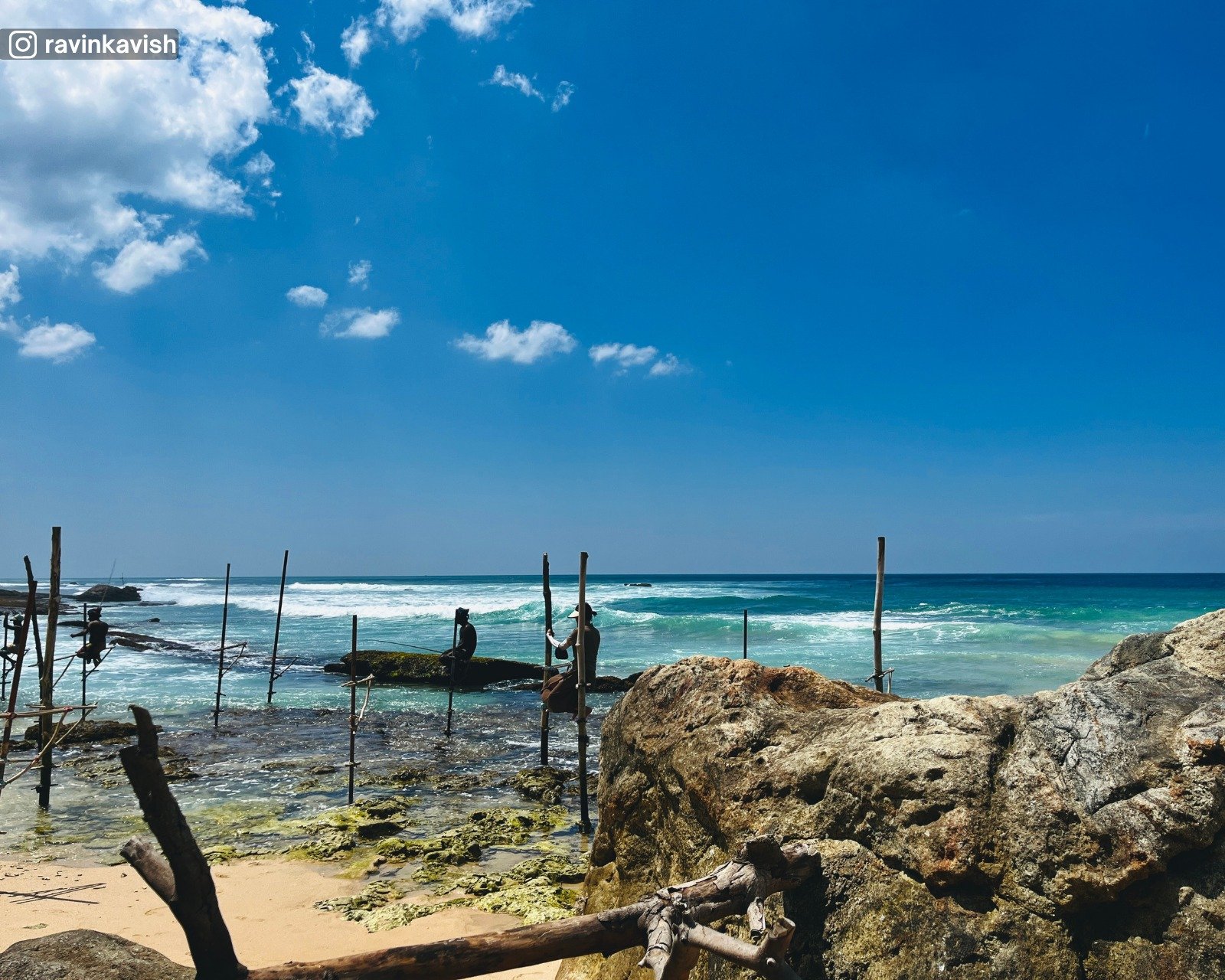
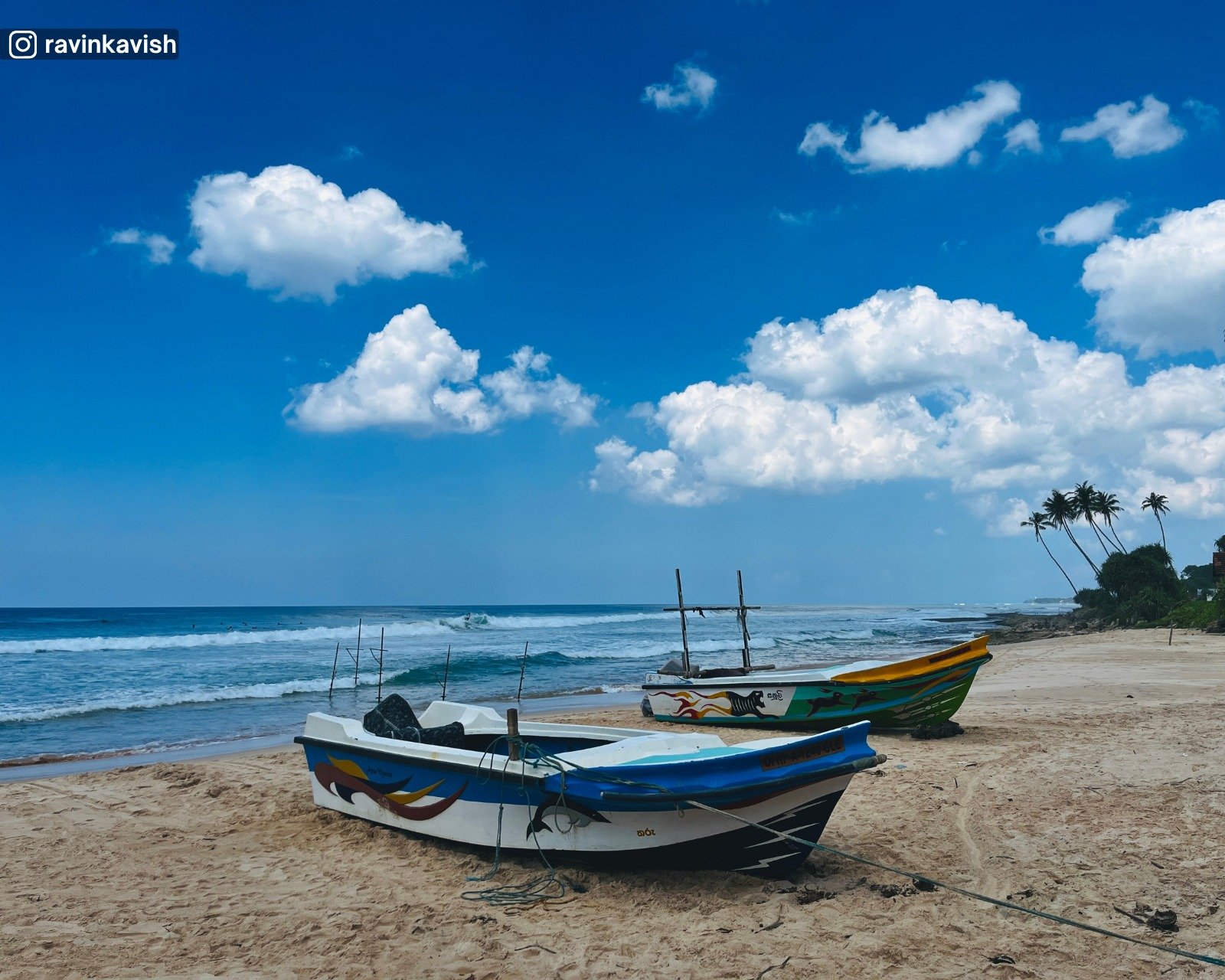
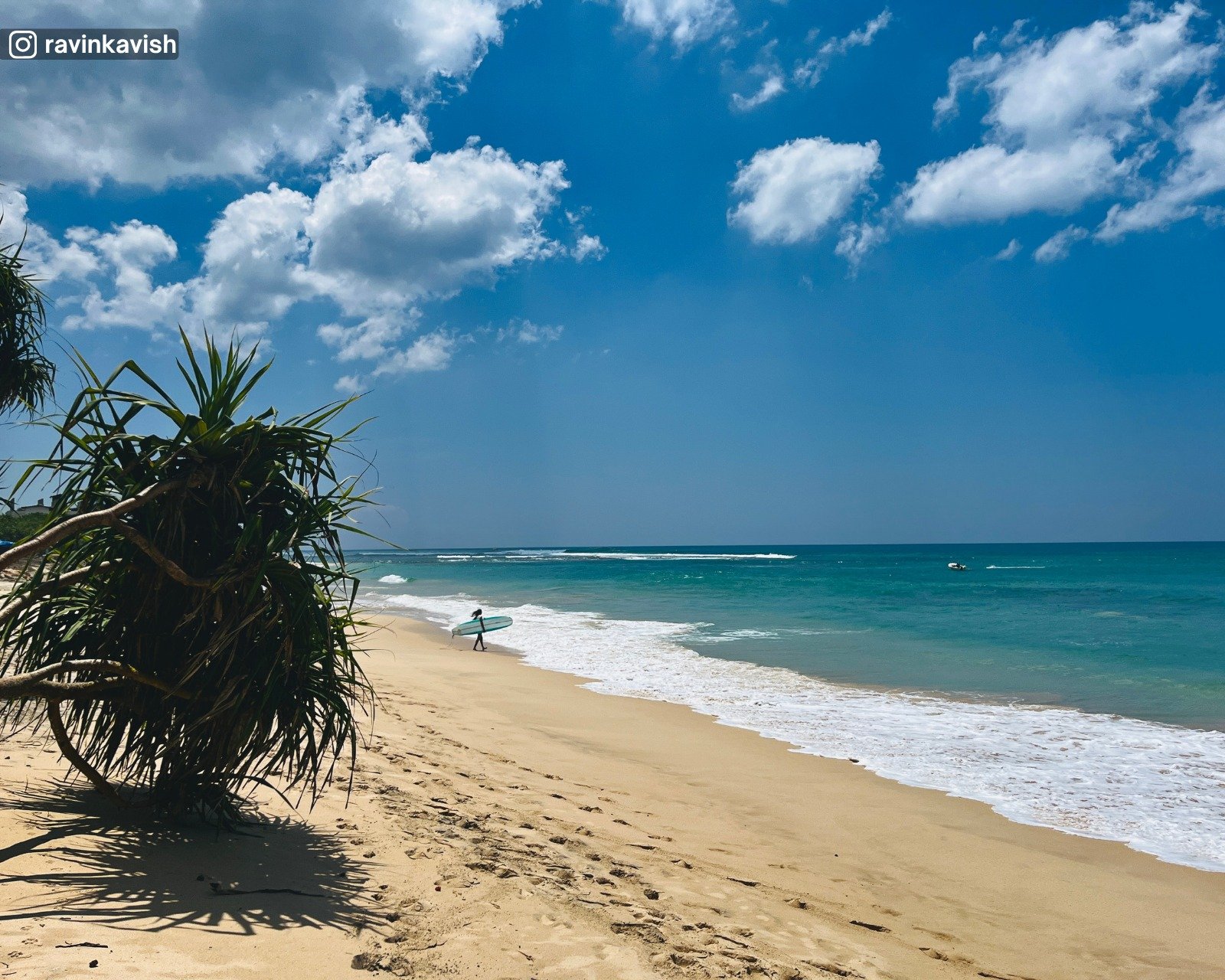
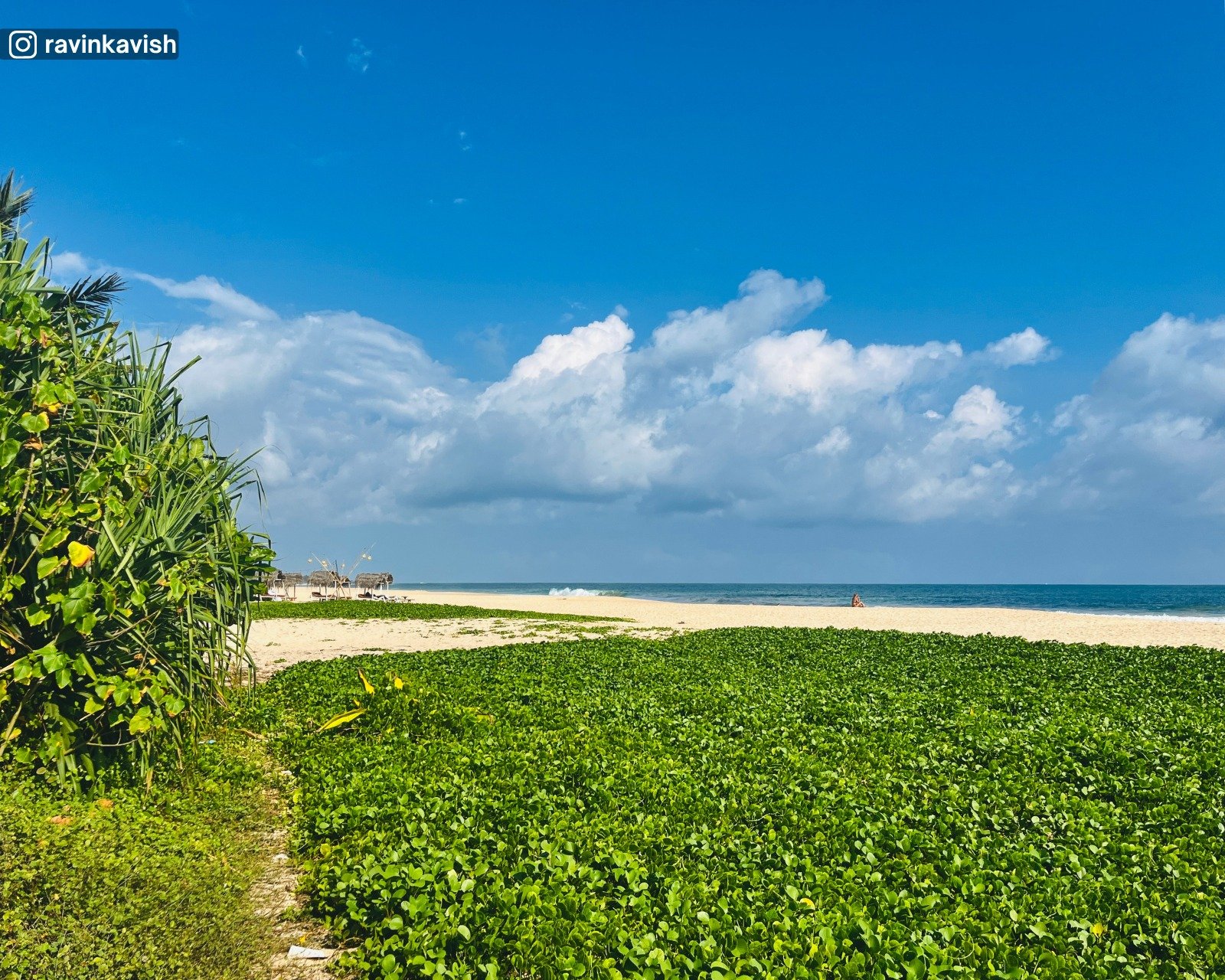
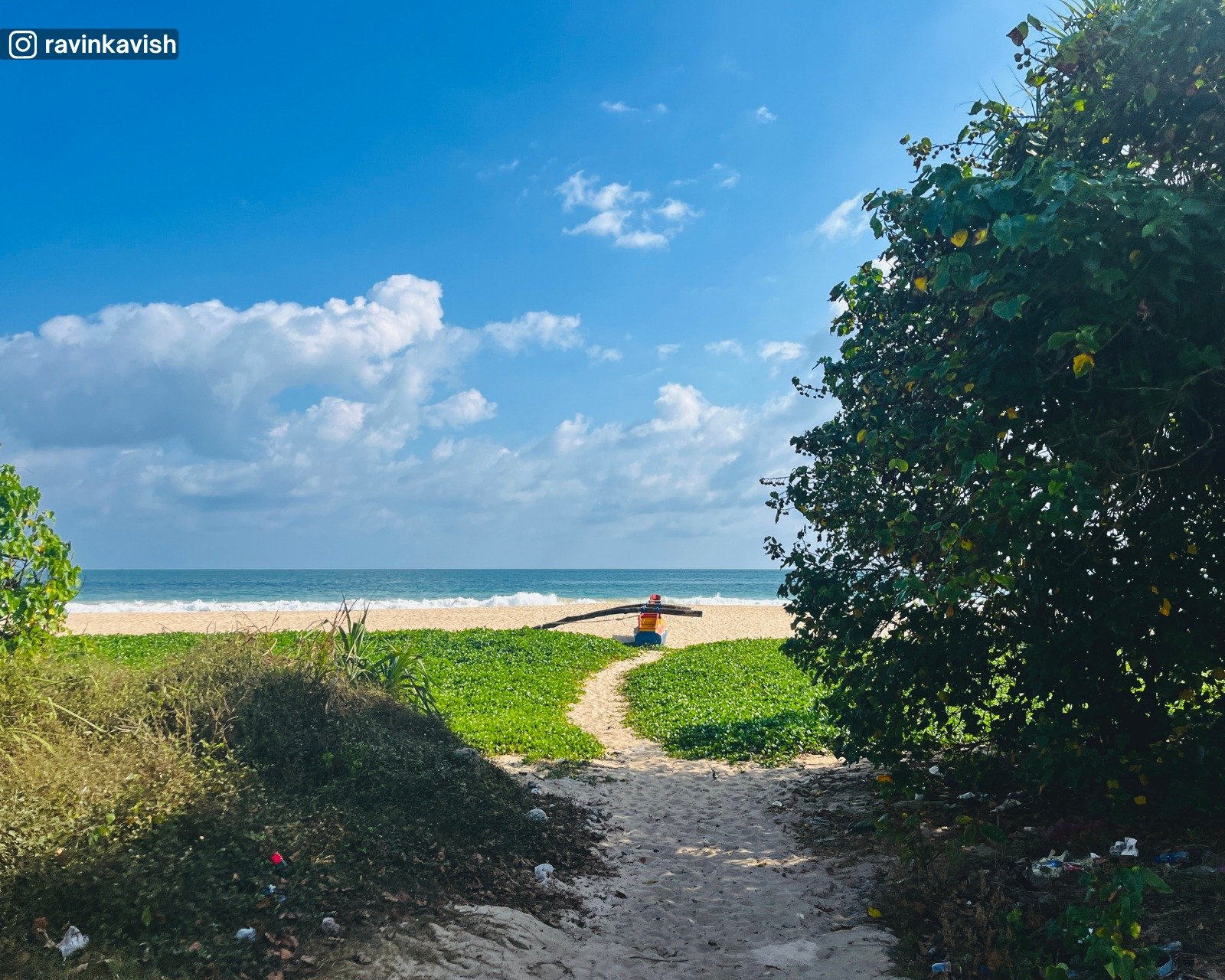
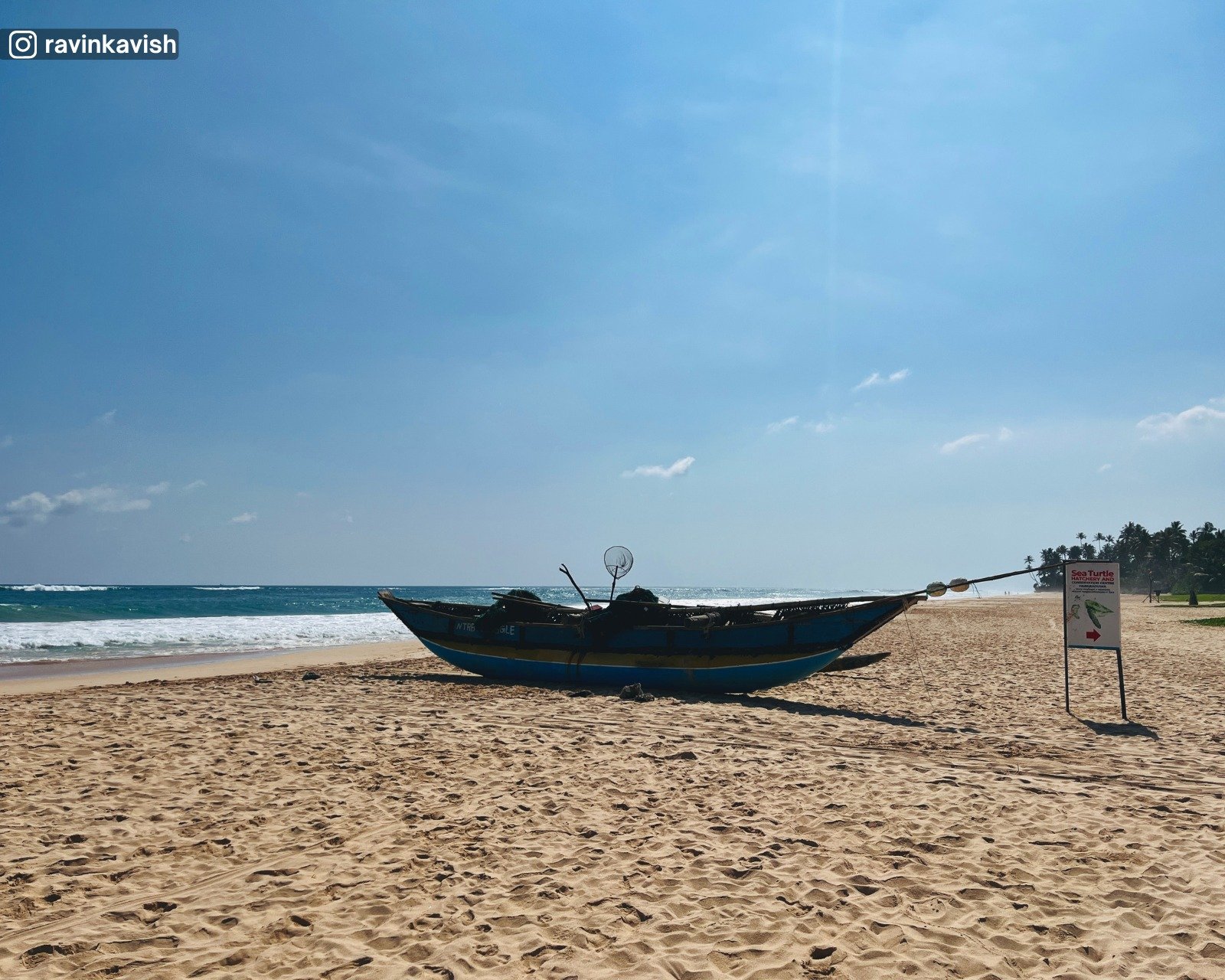
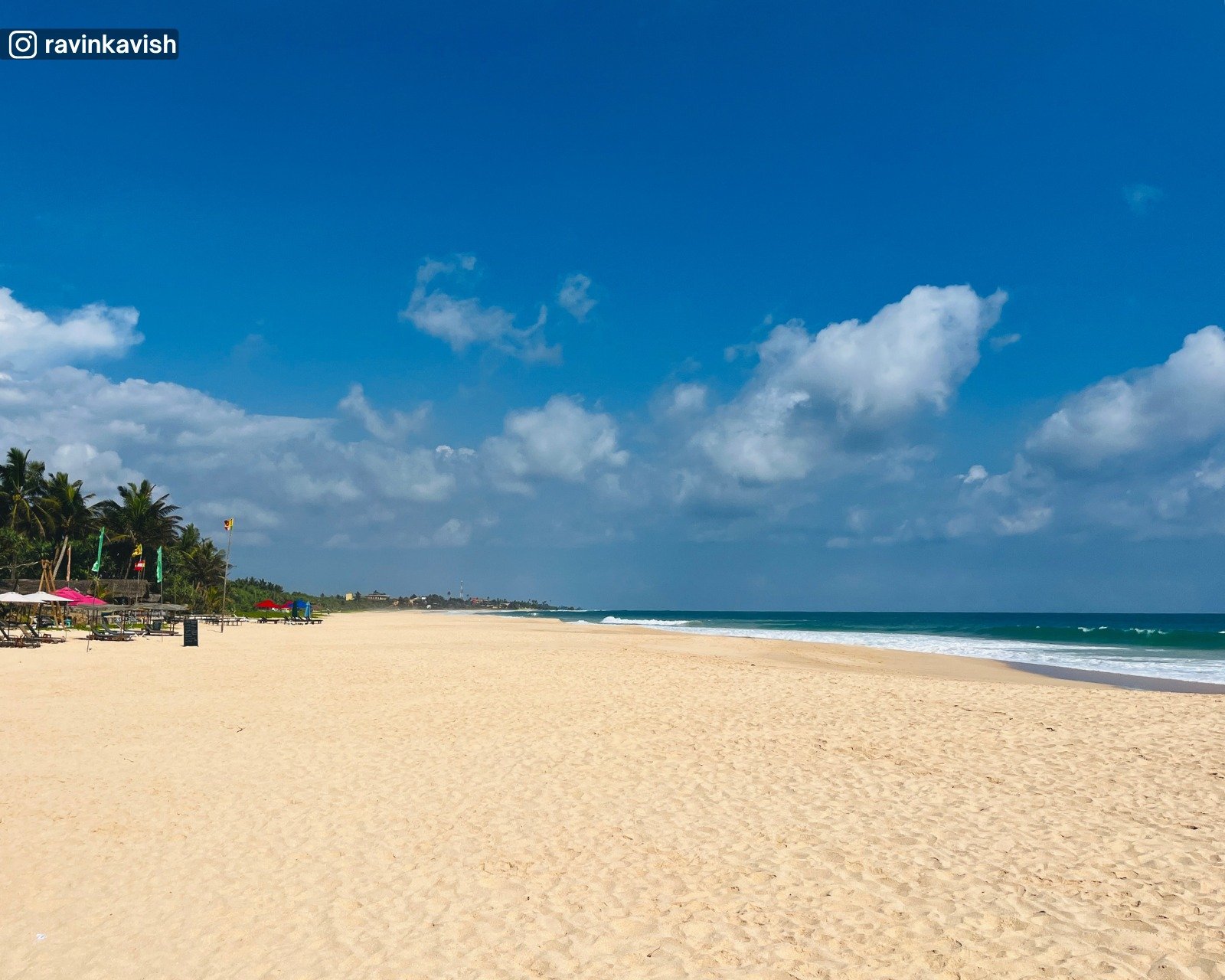
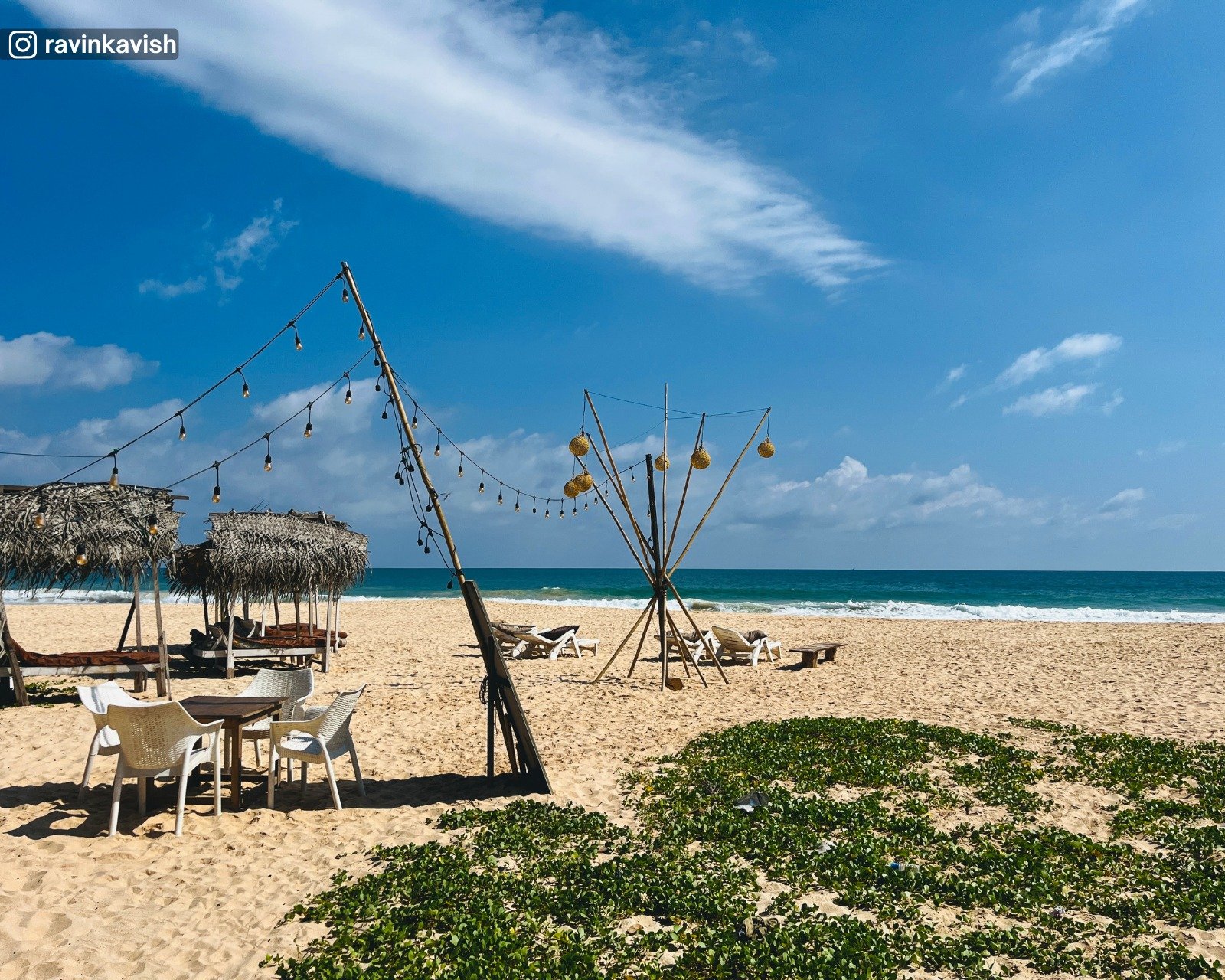
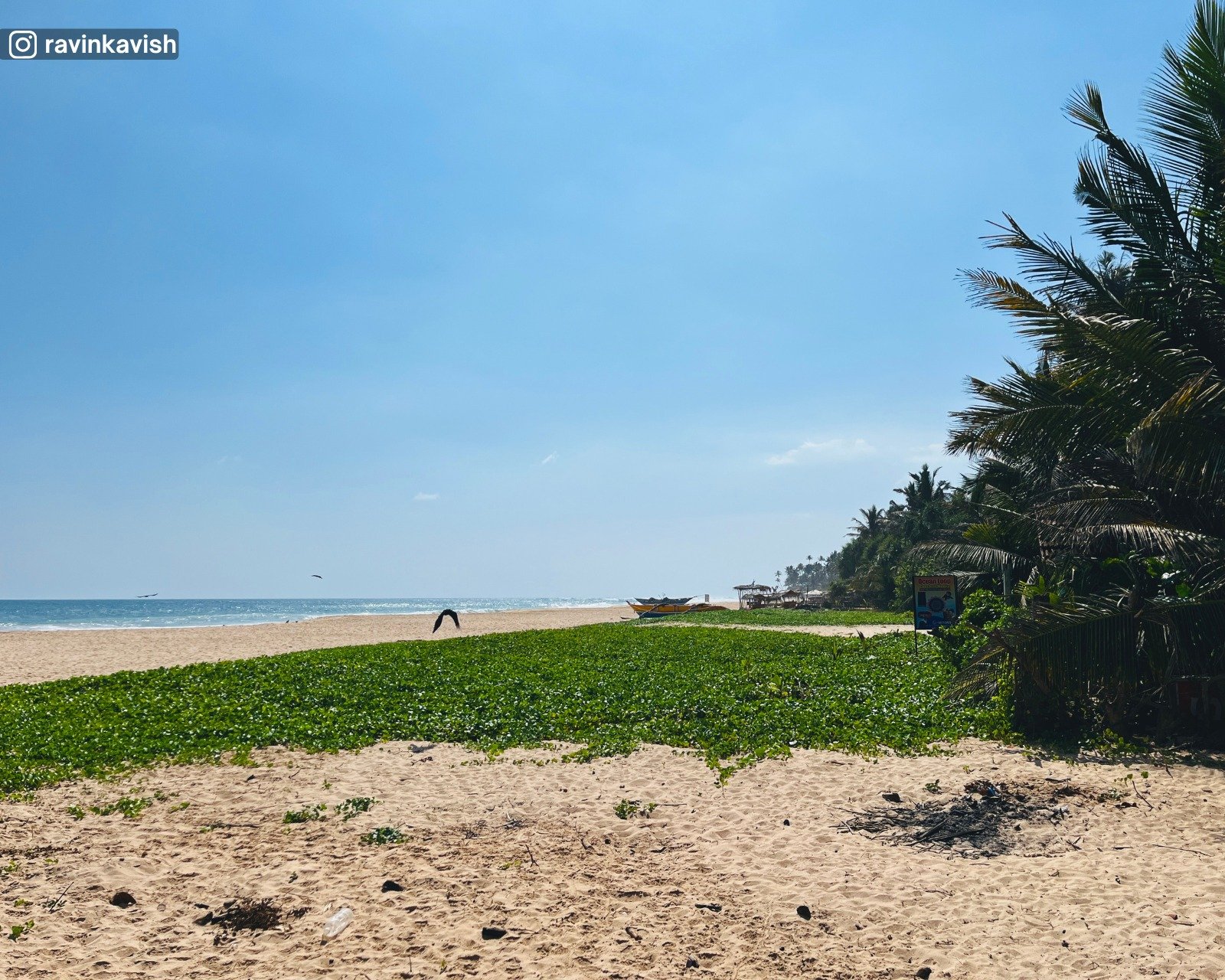
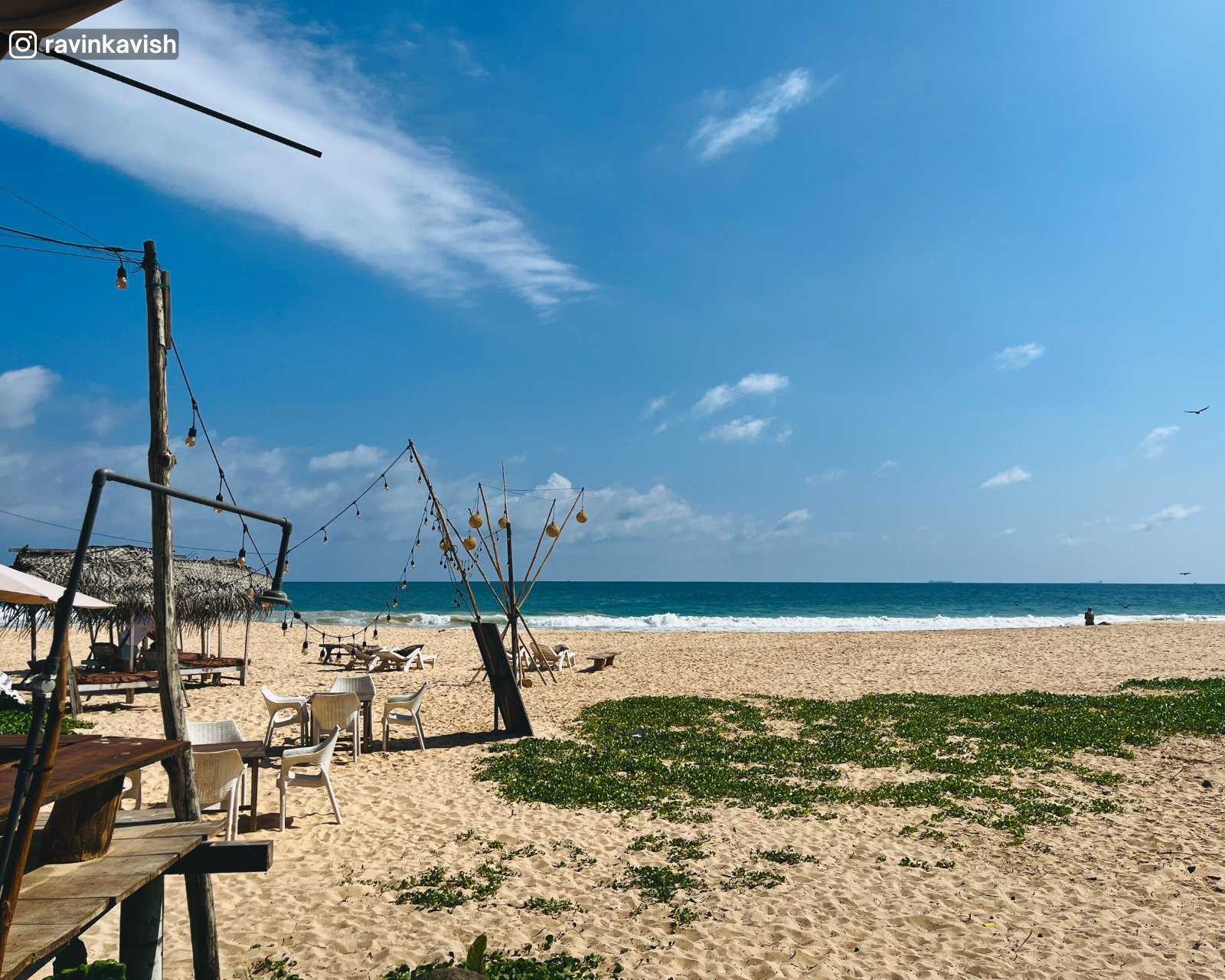
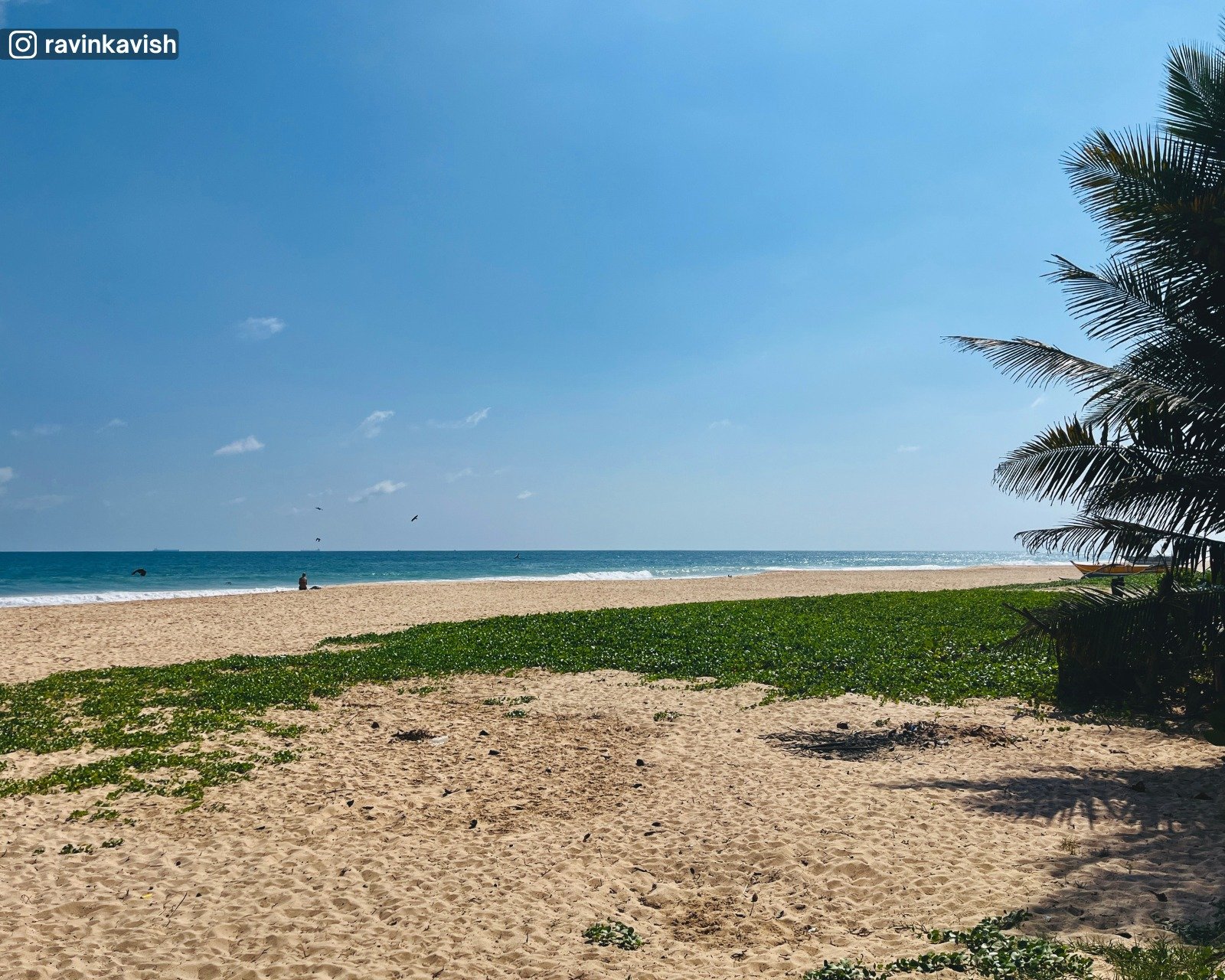
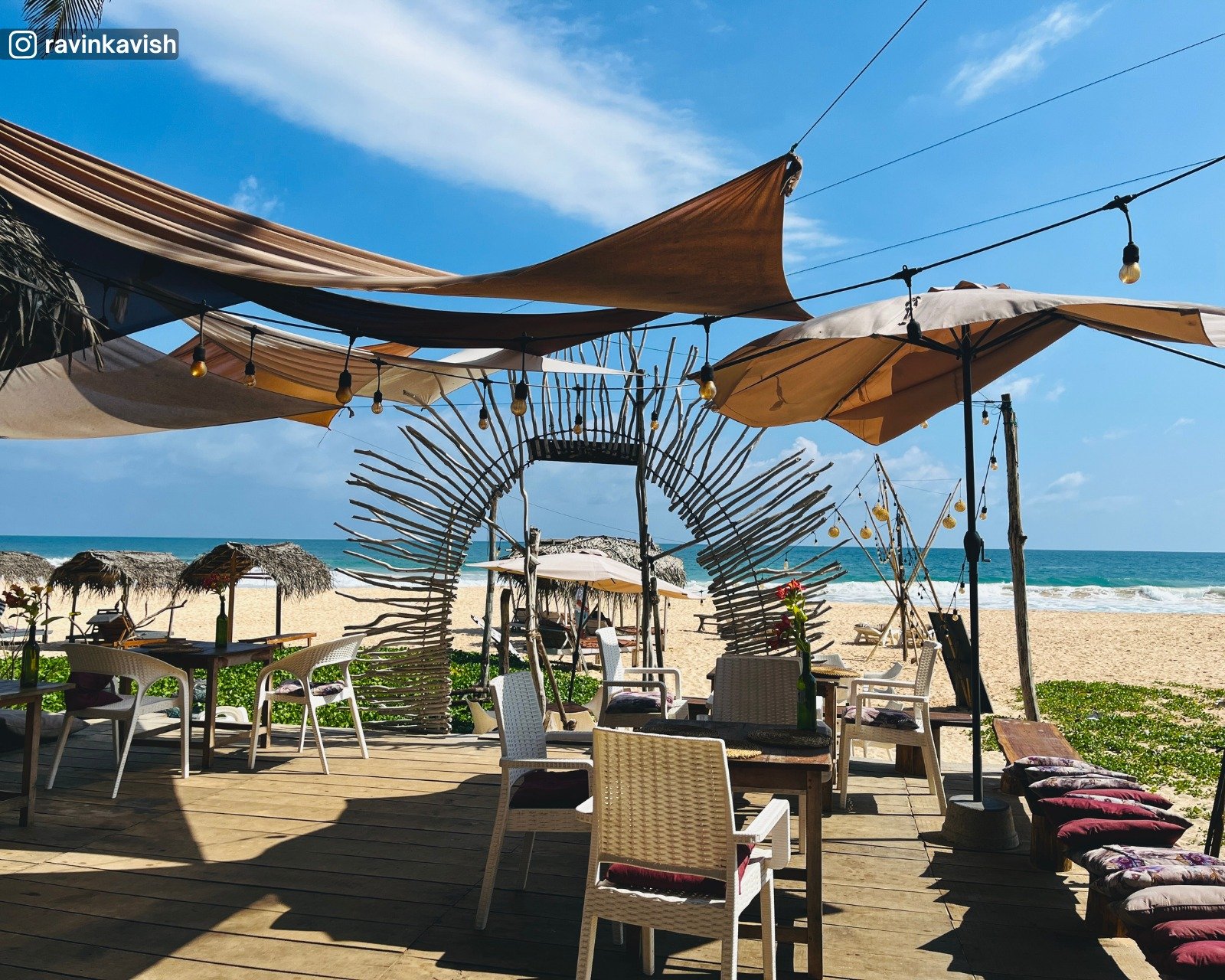
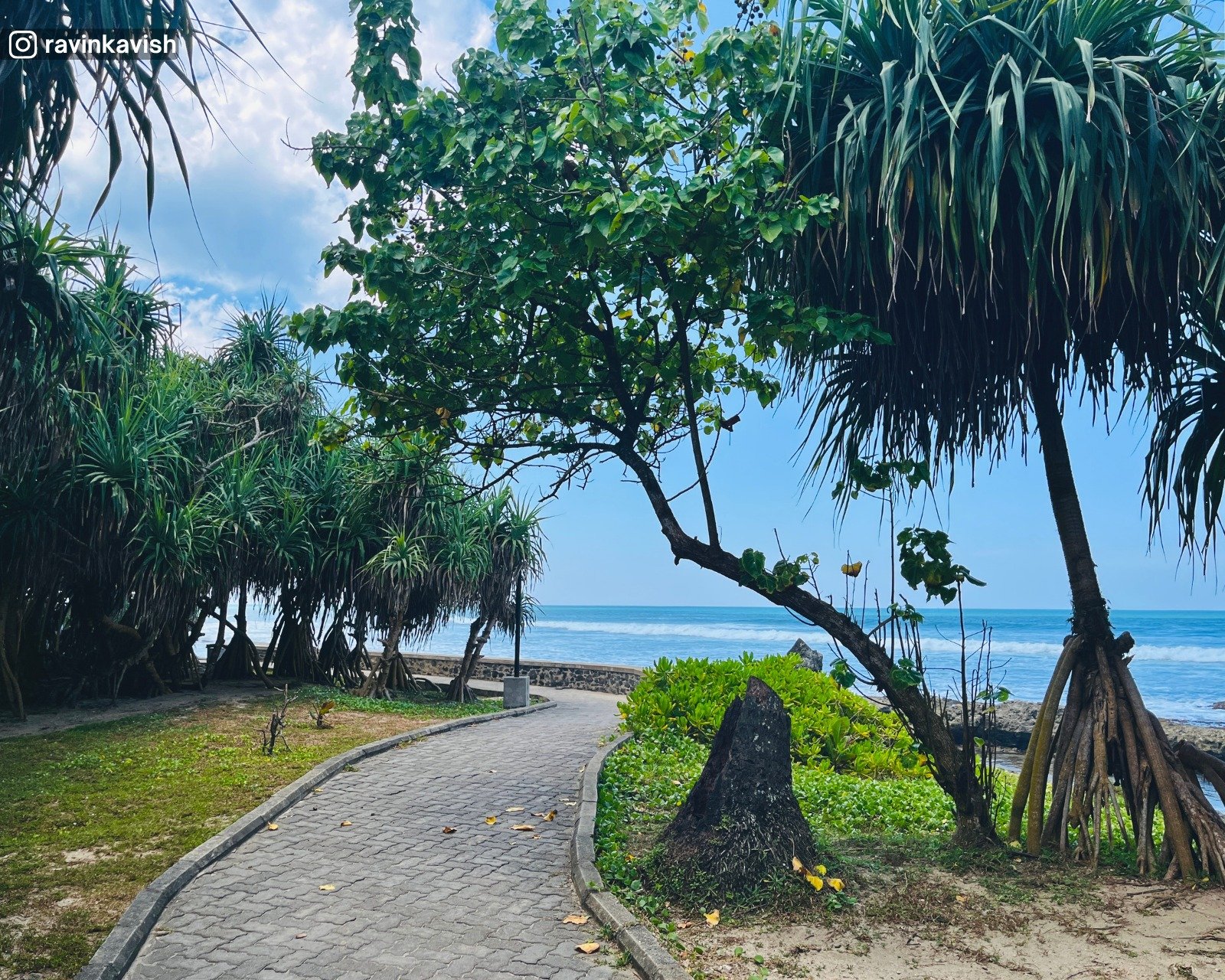
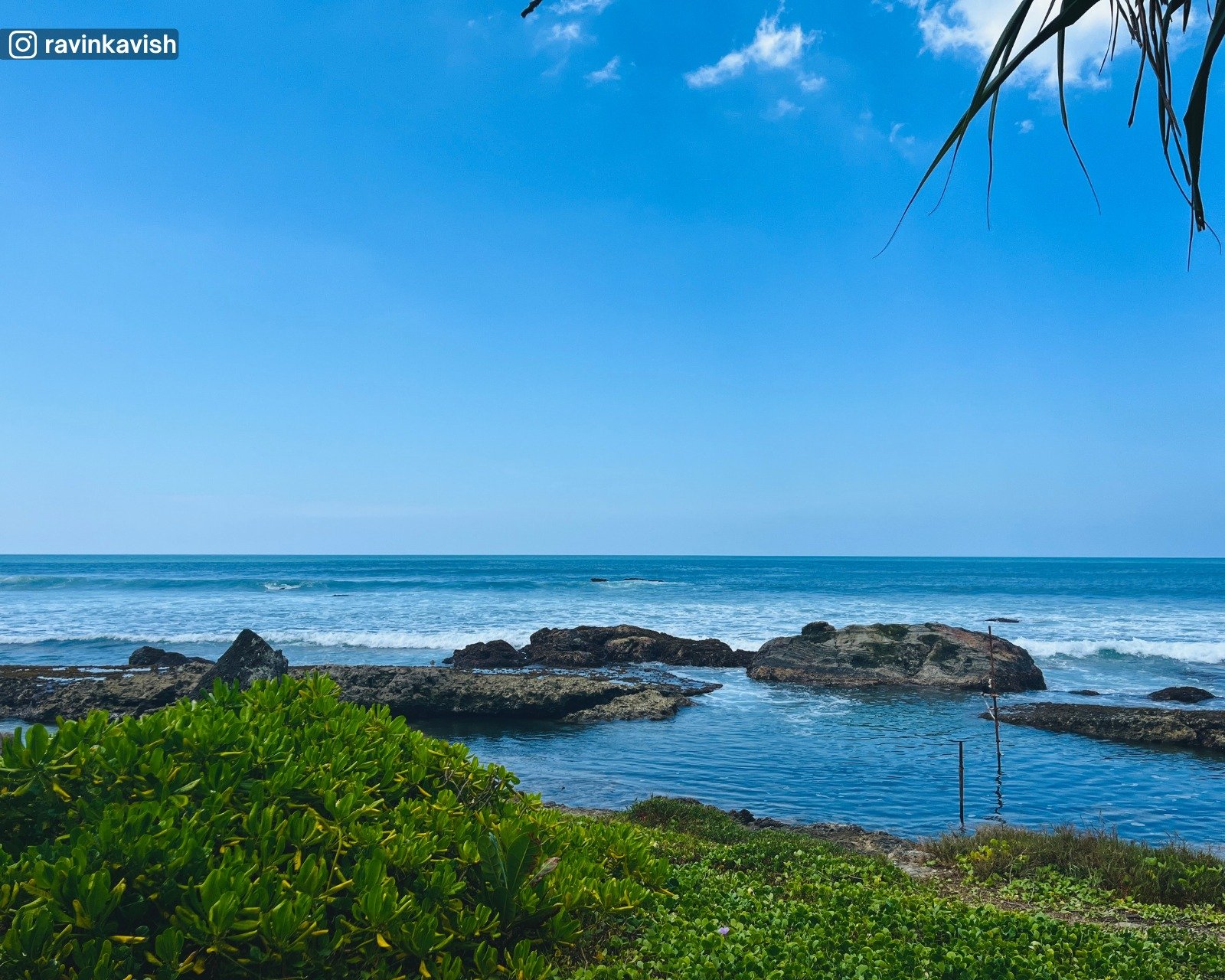
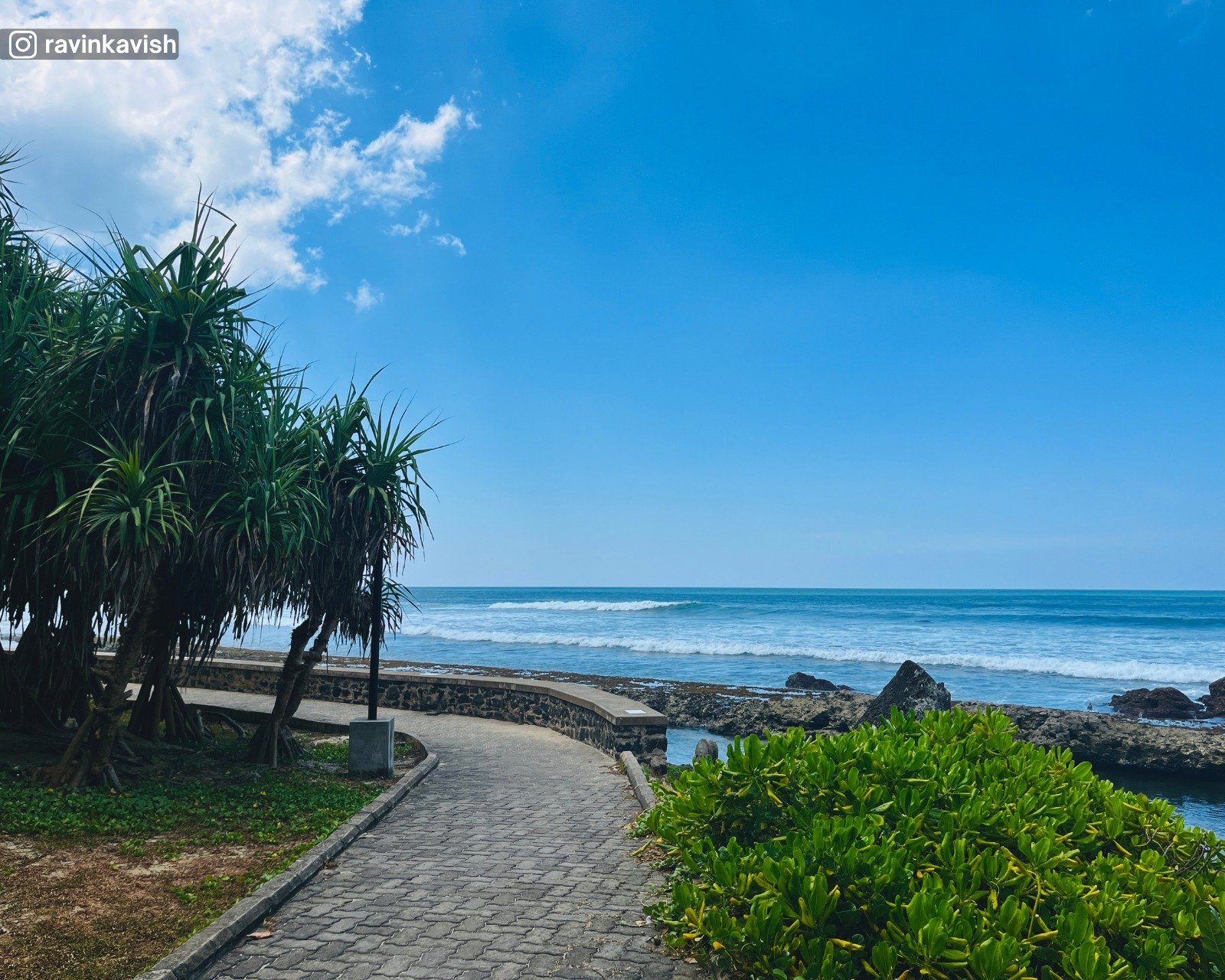
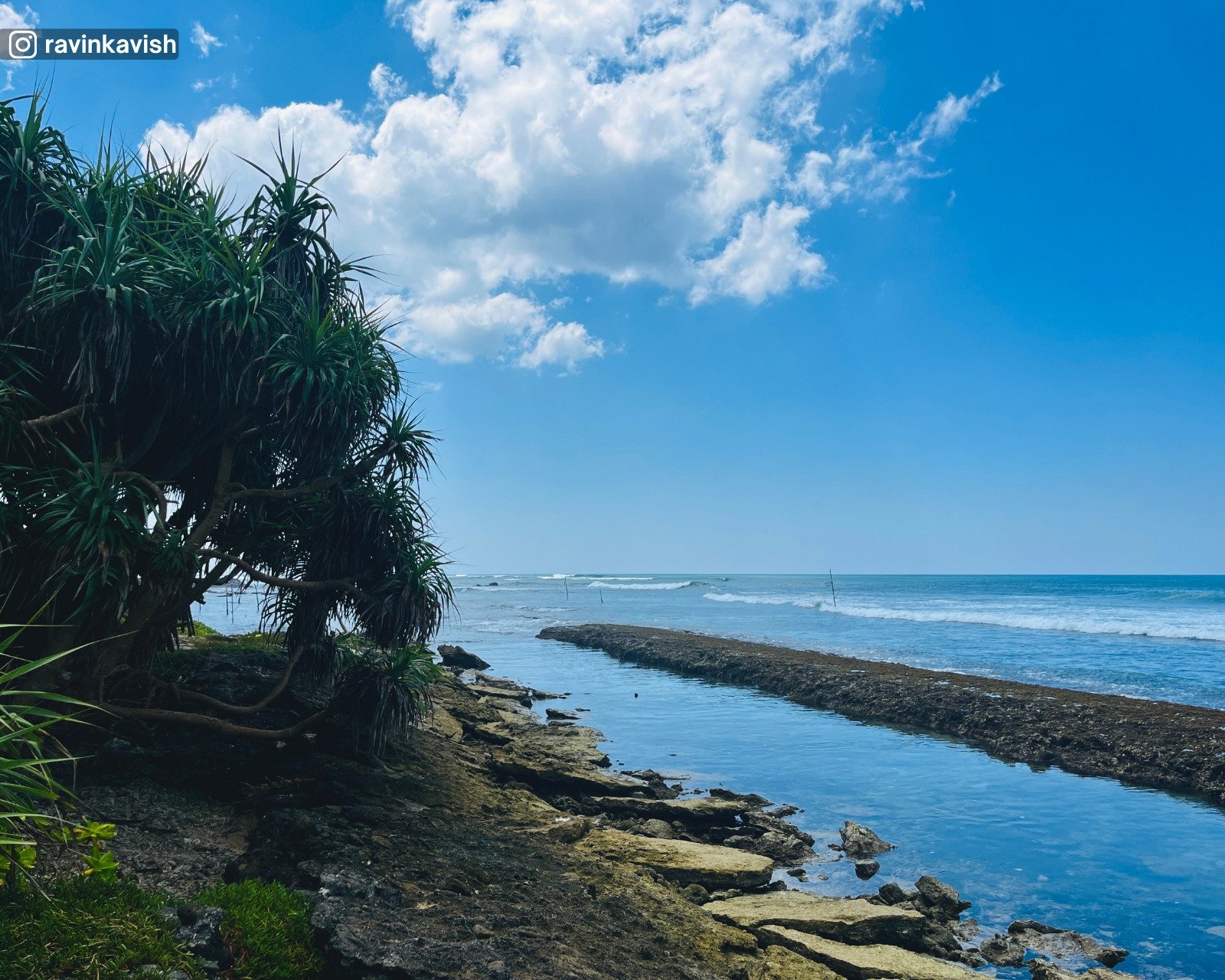
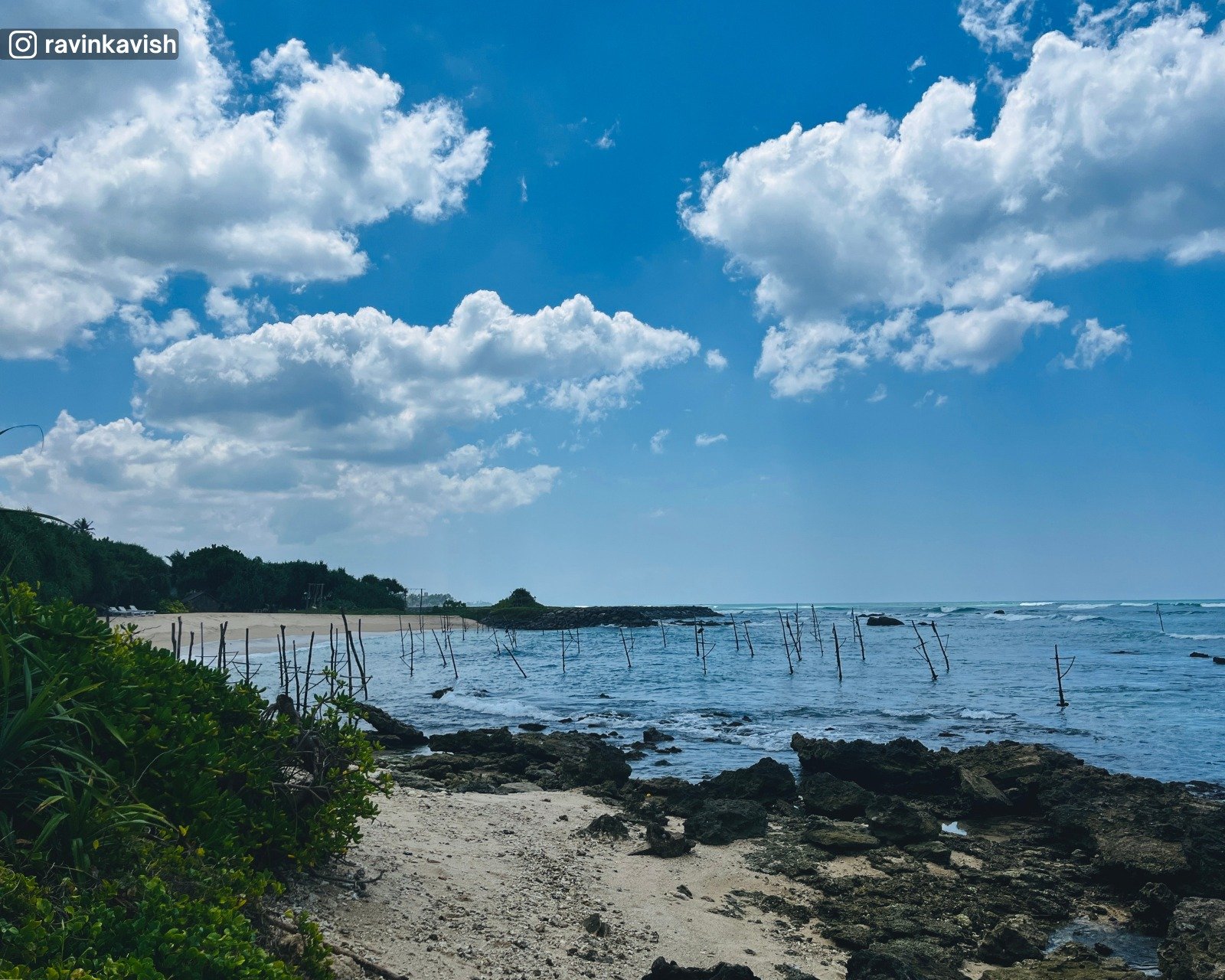
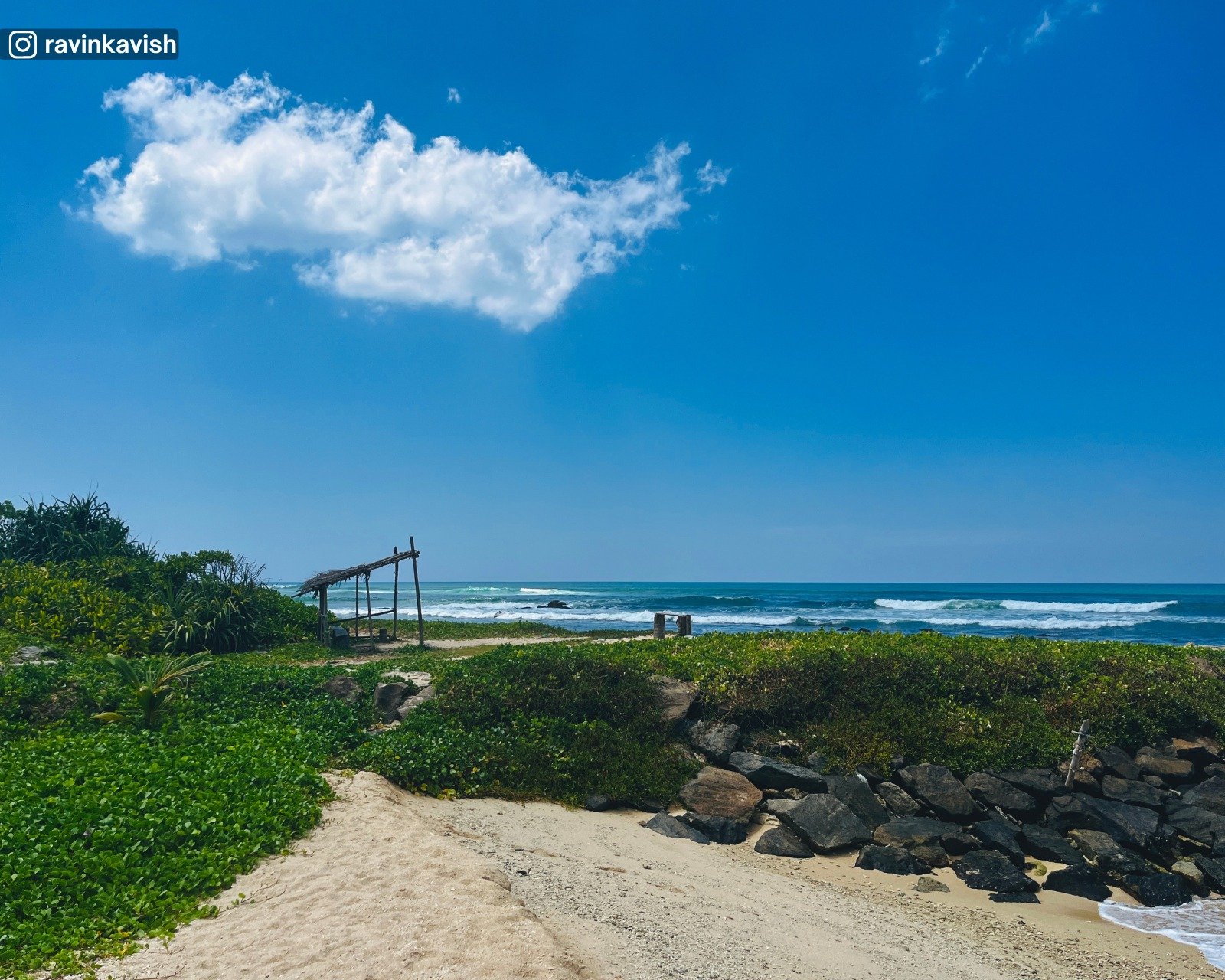
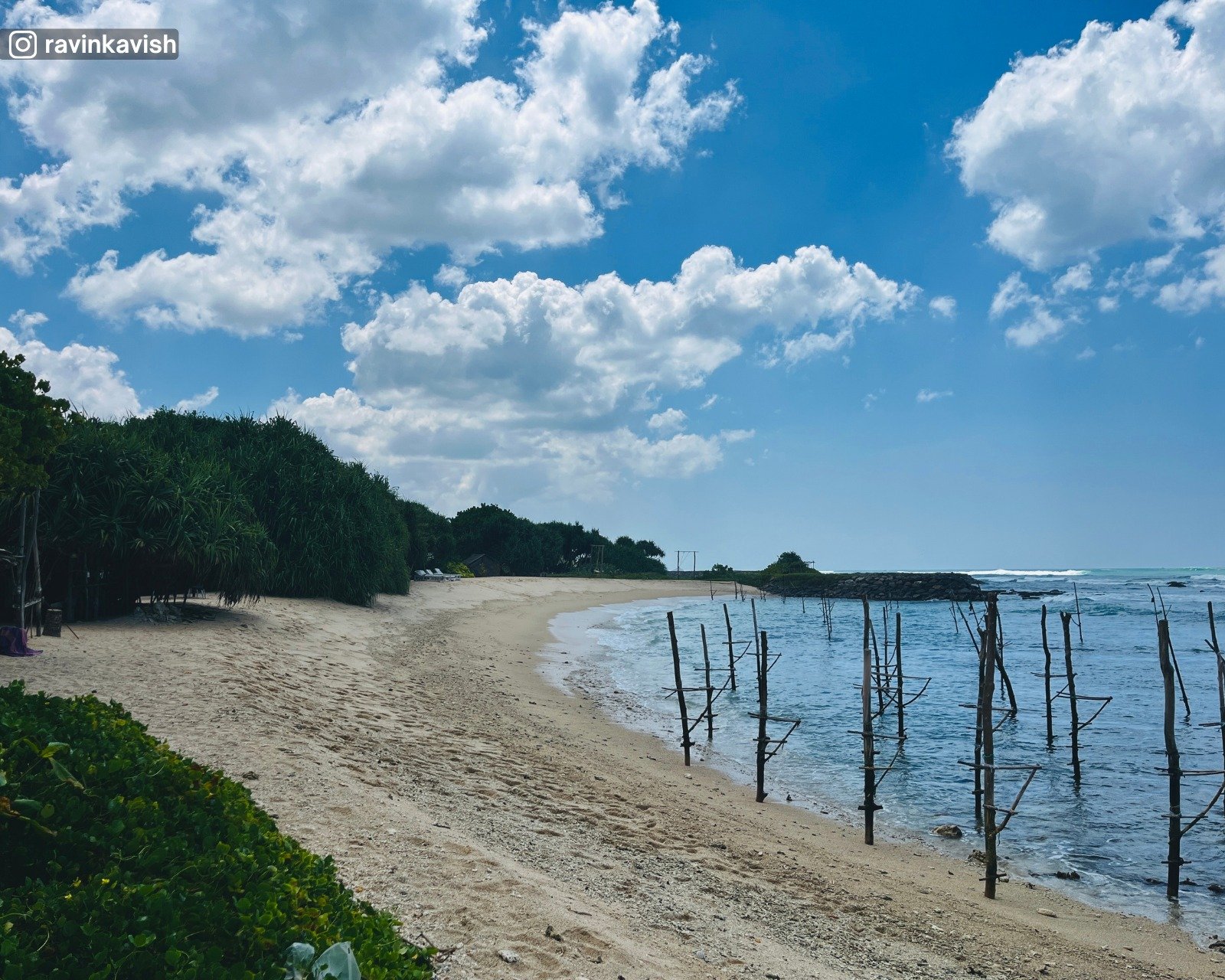
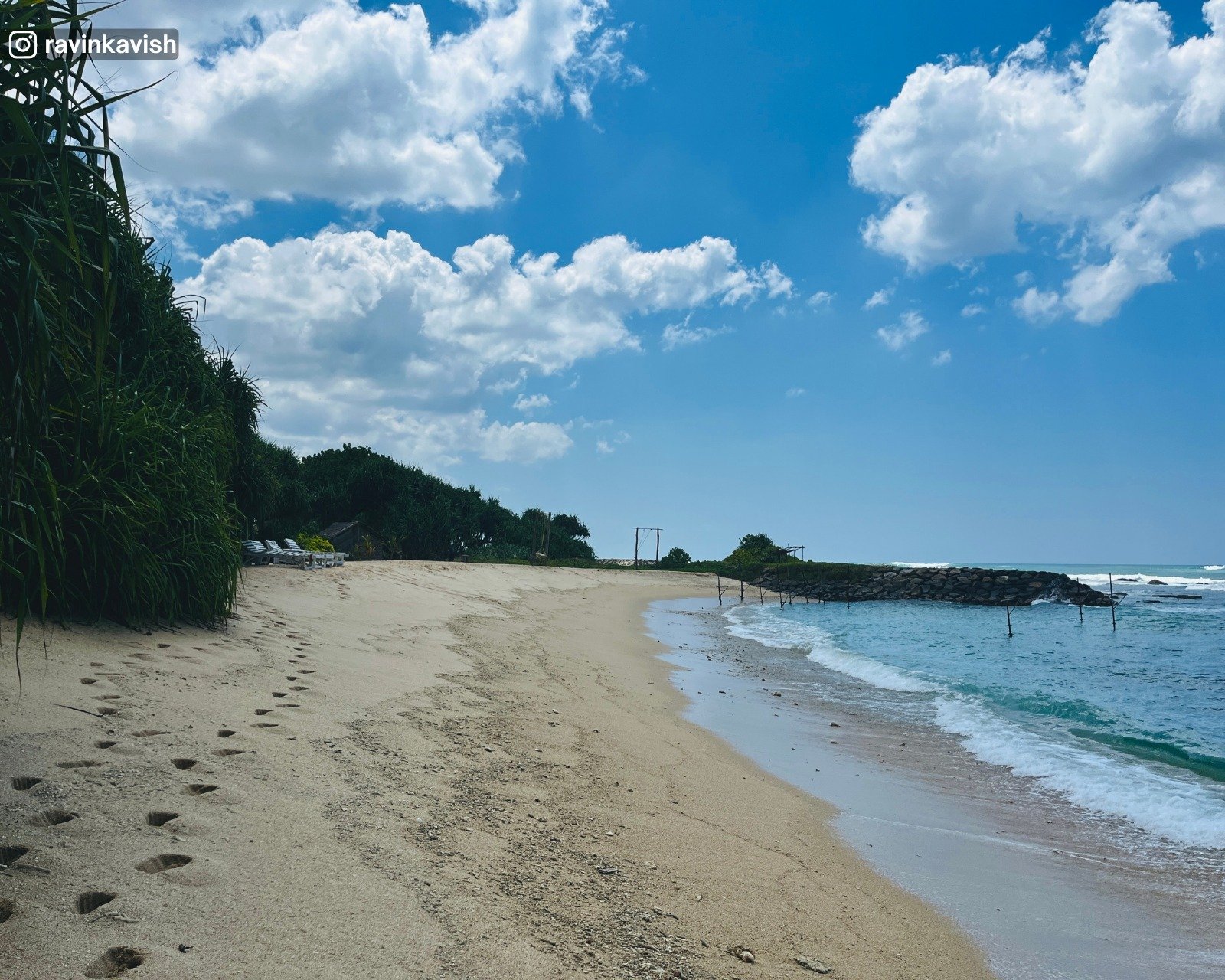
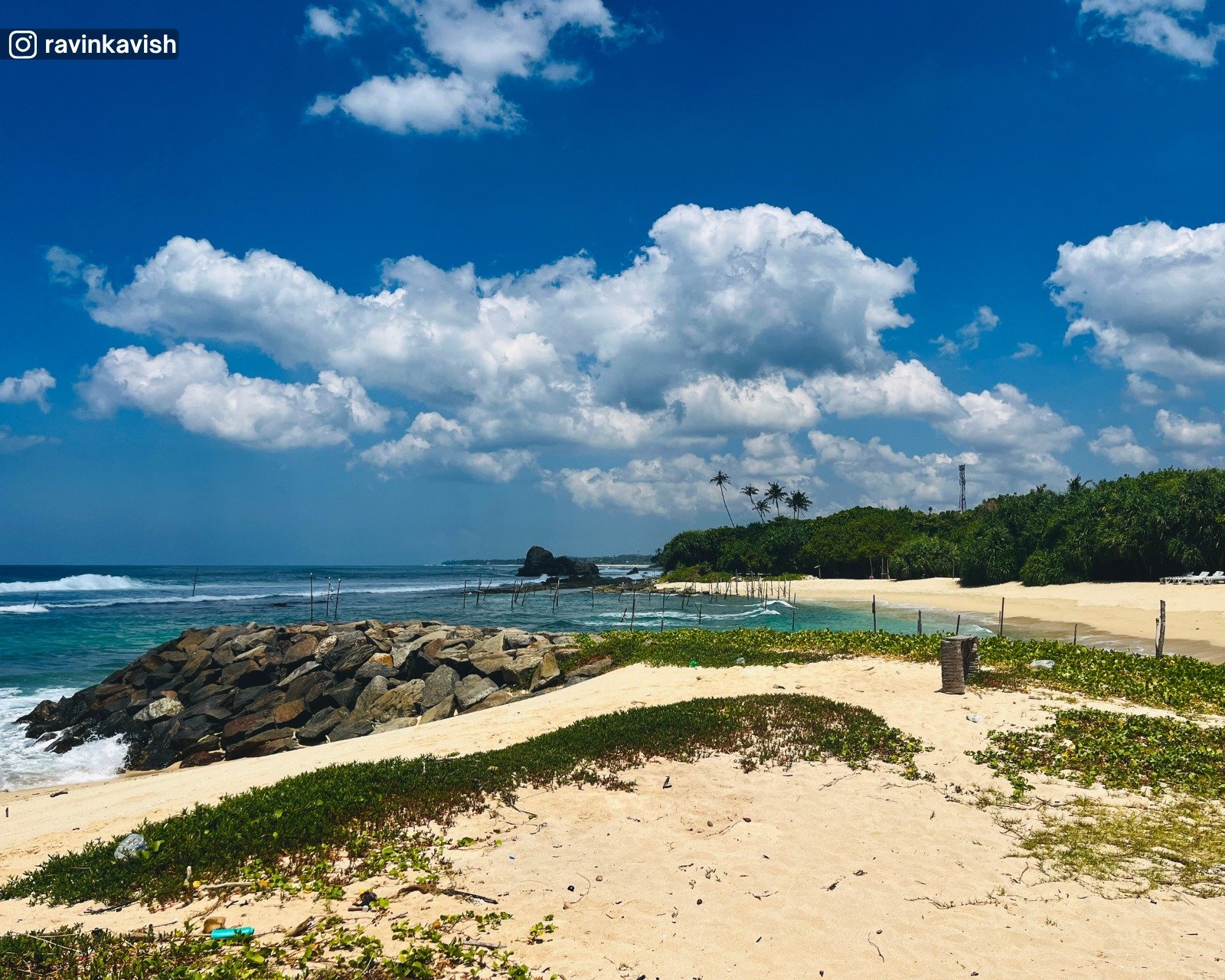
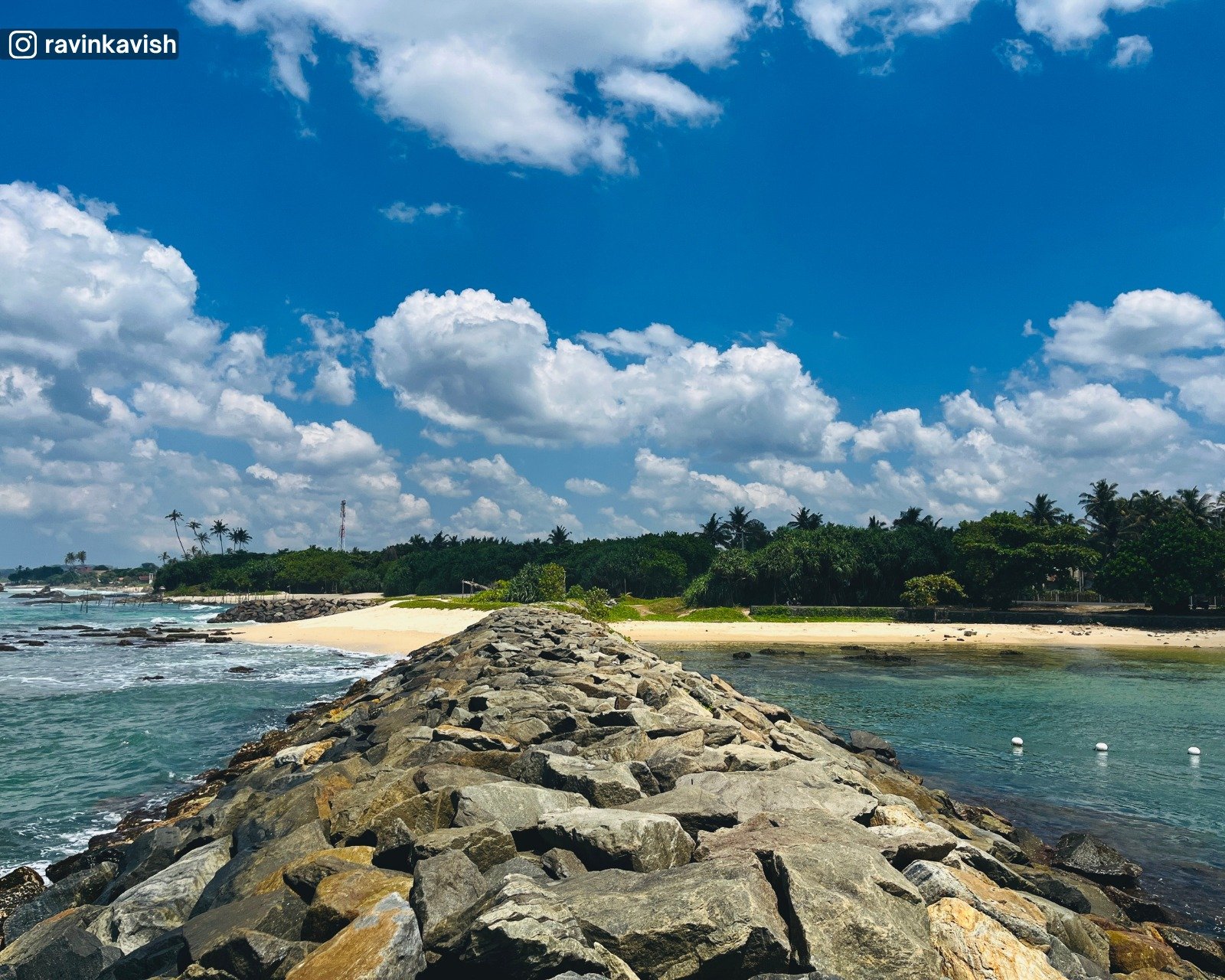
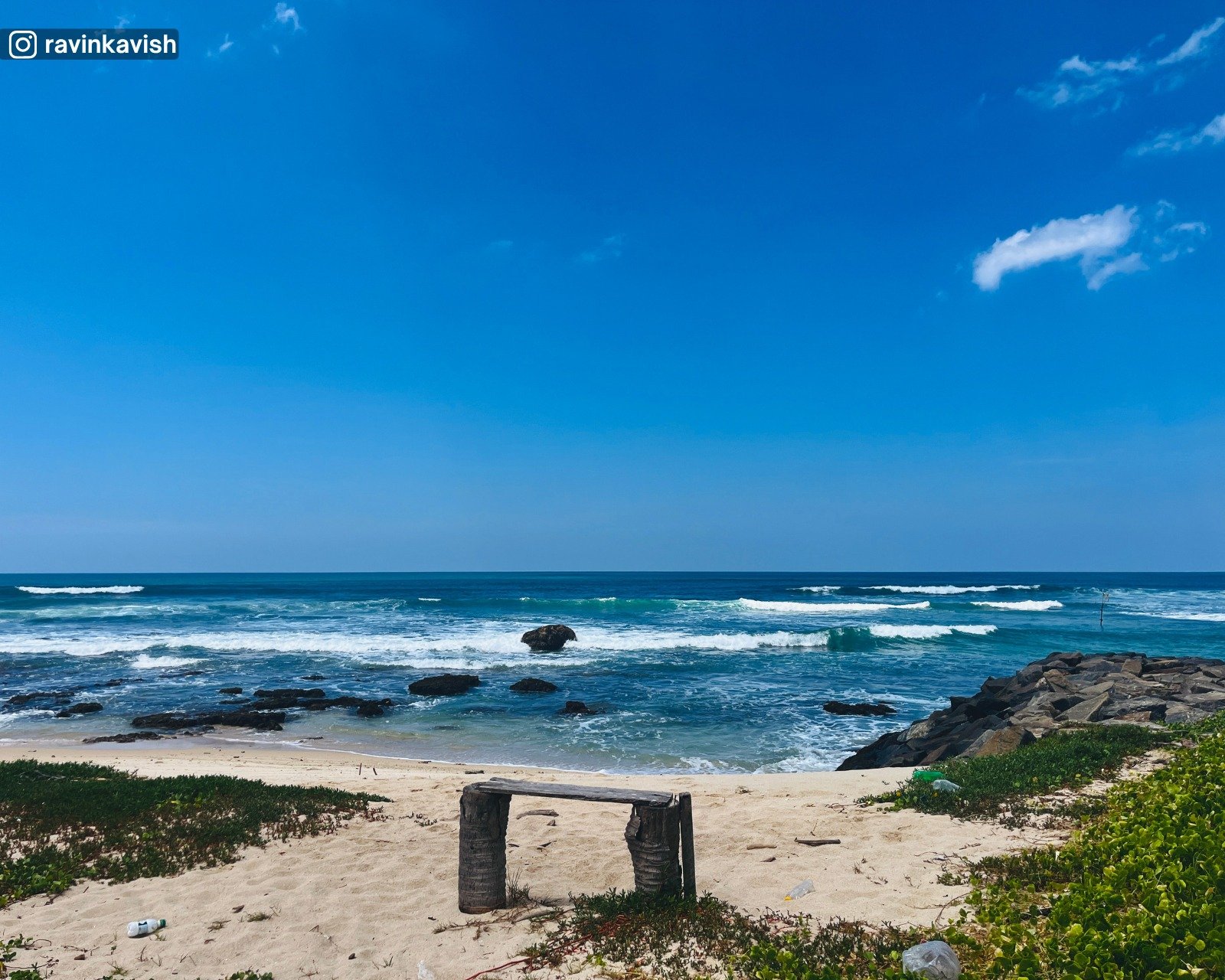
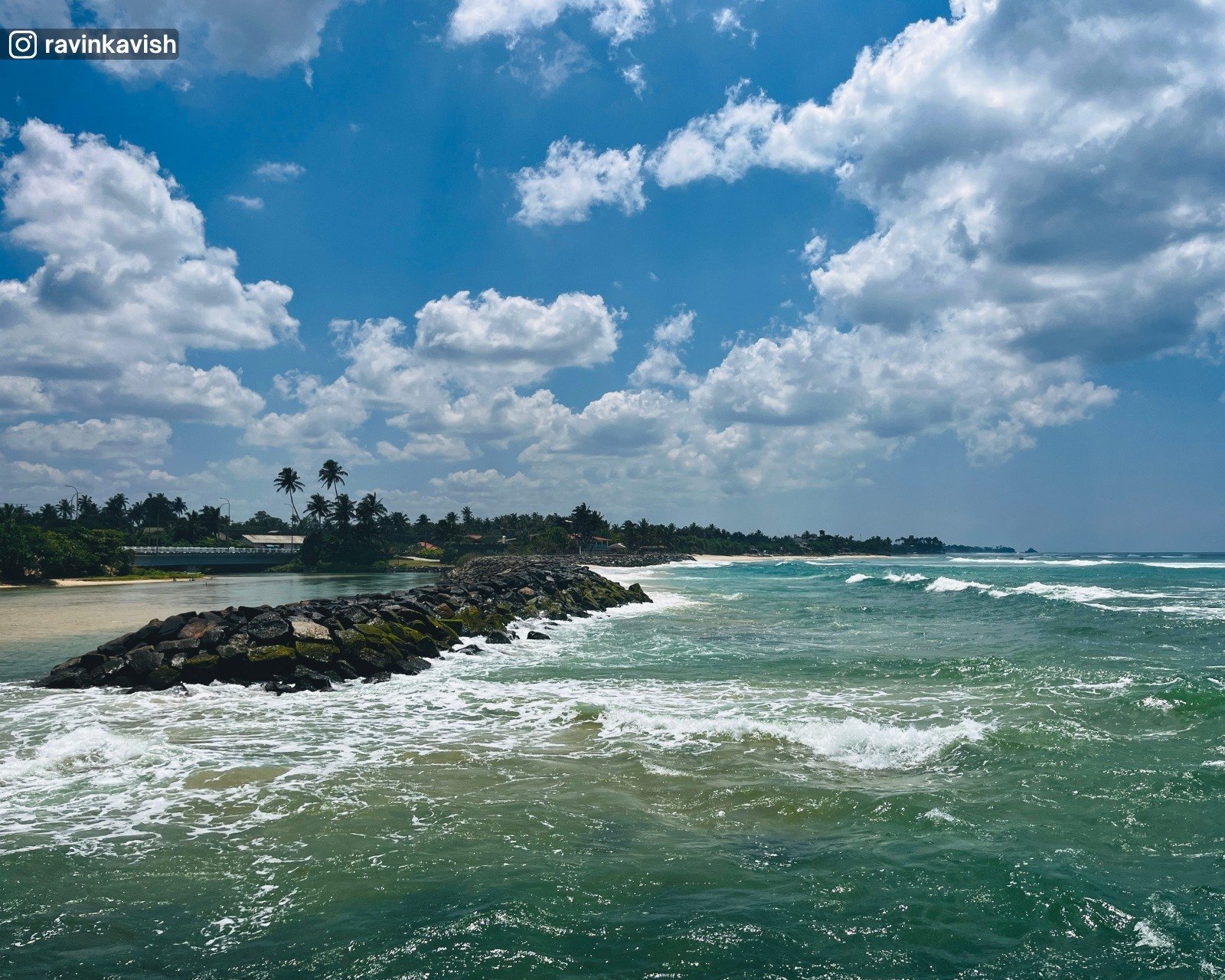
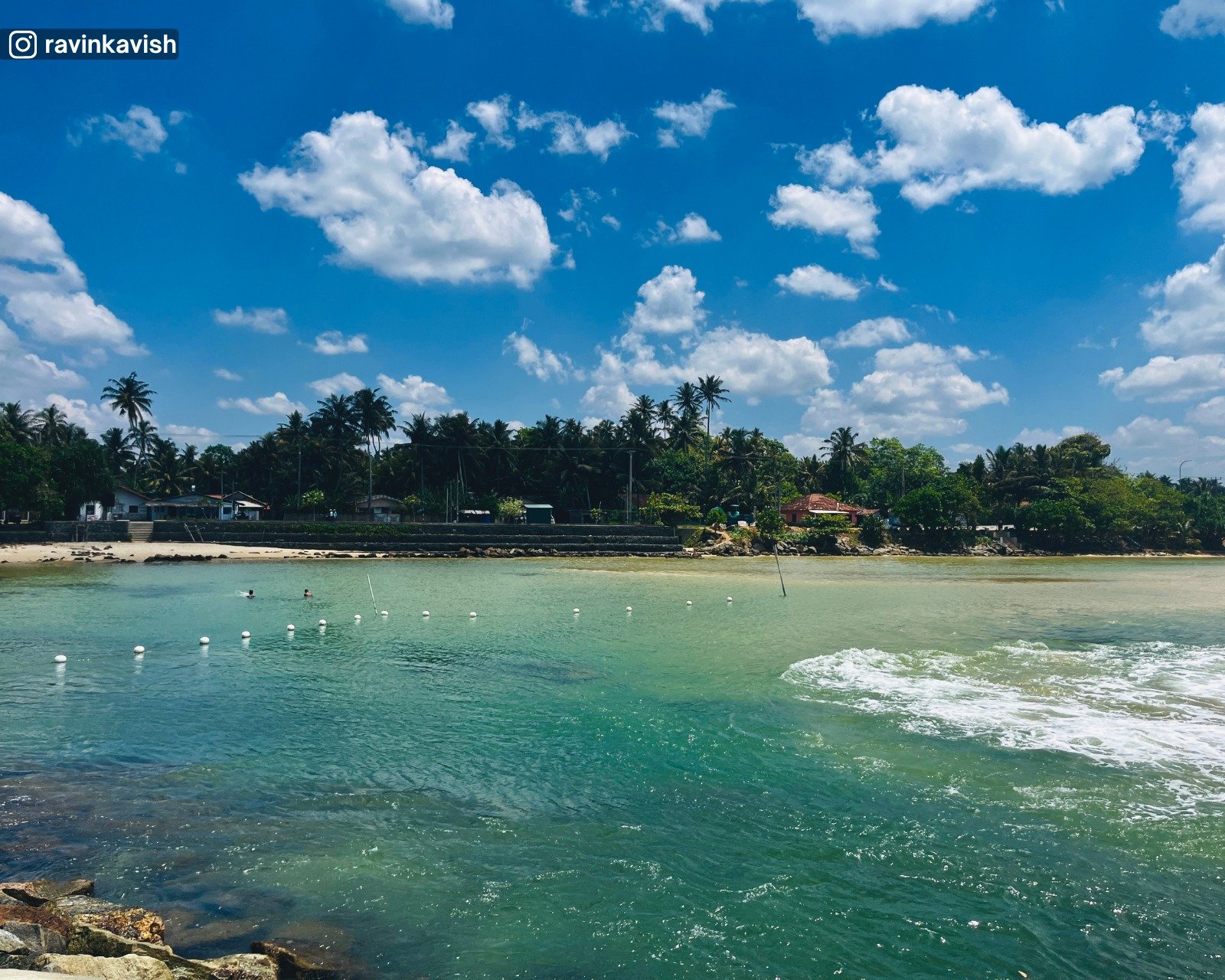
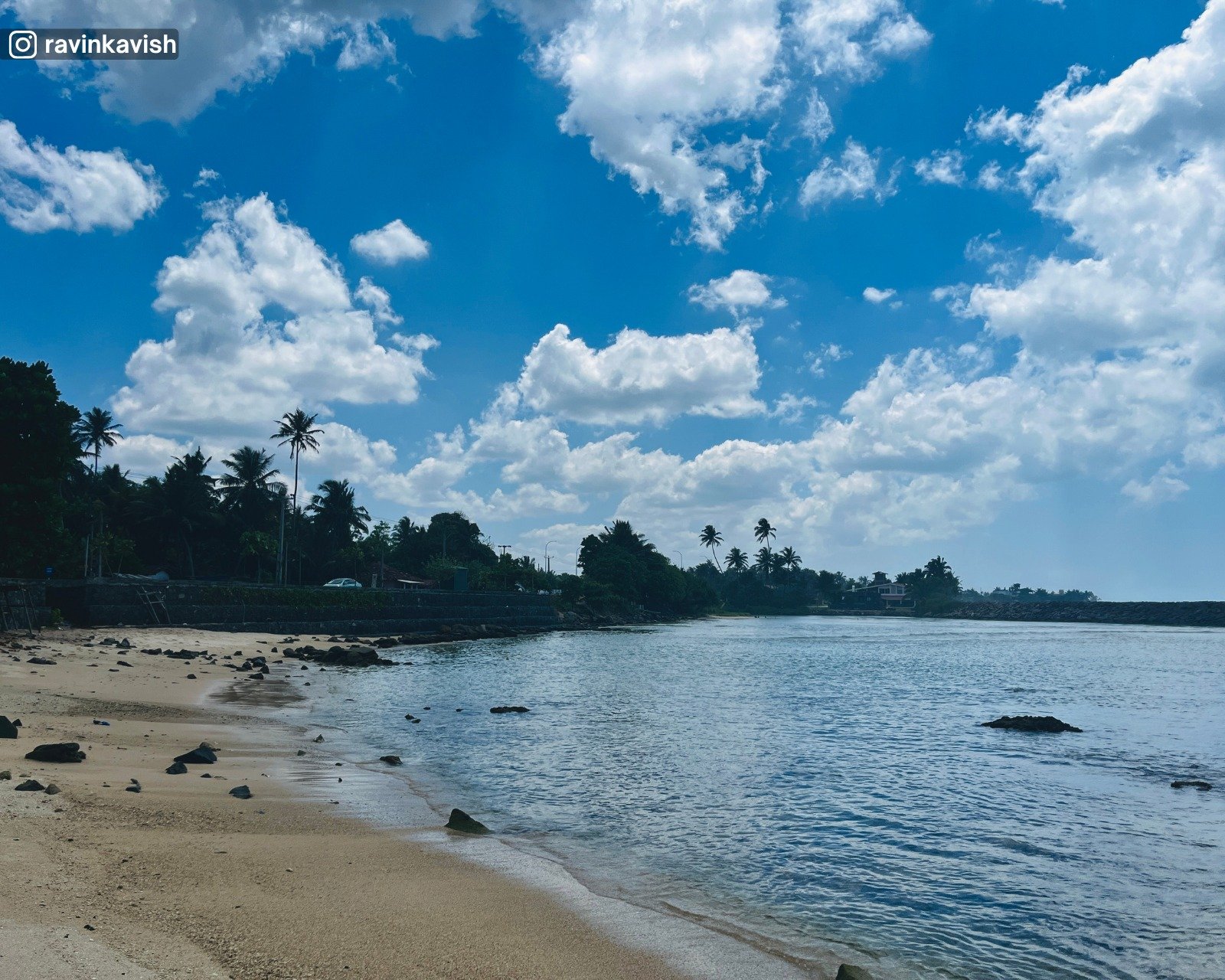
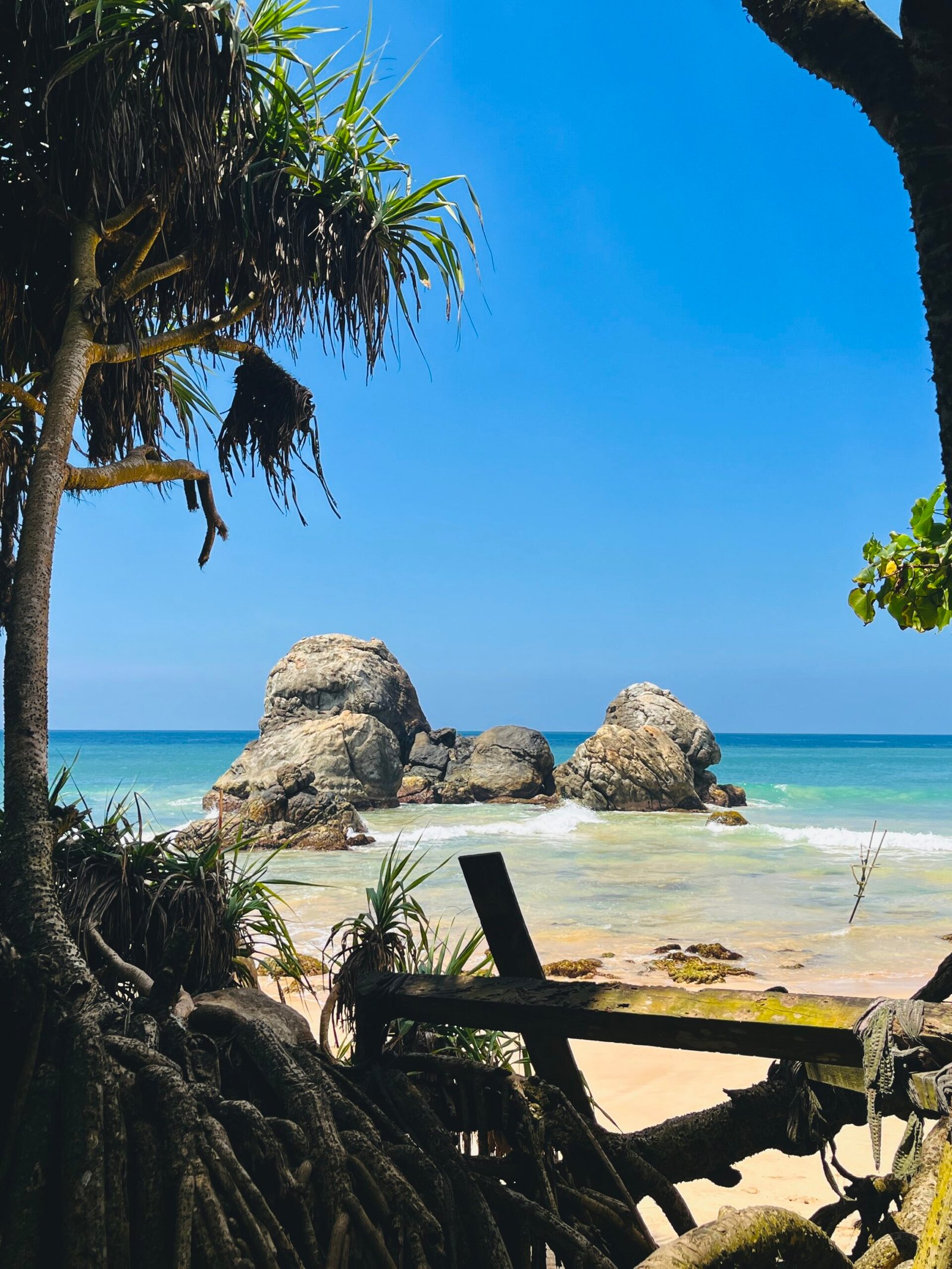
Koggala Beach is a long, open stretch of coastline located along Sri Lanka’s southern coast, just east of Galle. Unlike smaller coves or enclosed bays, the beach is wide and exposed, with uninterrupted sand extending for several kilometres. The openness of the shoreline gives the area a quieter and less crowded feel, even during peak travel periods.

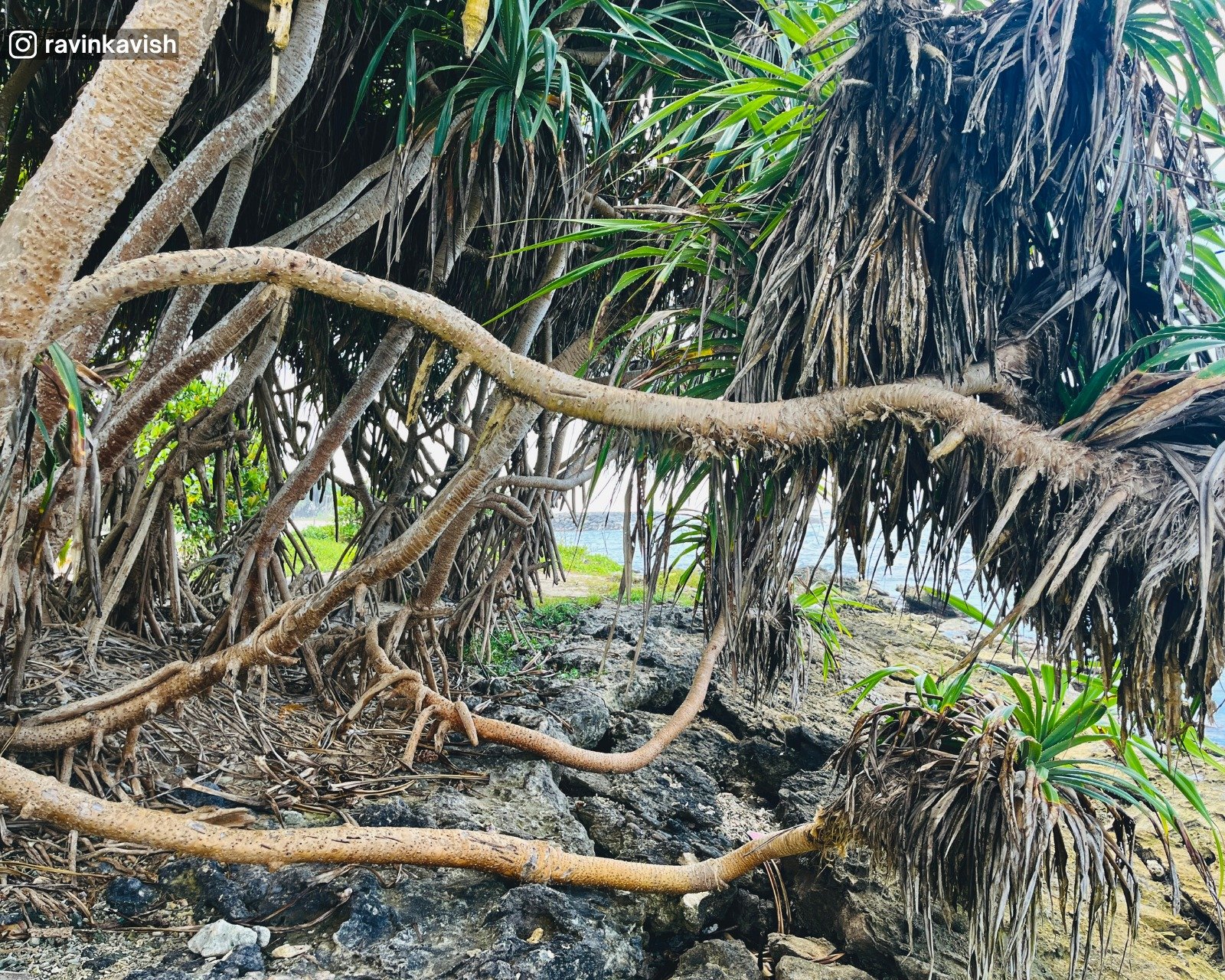
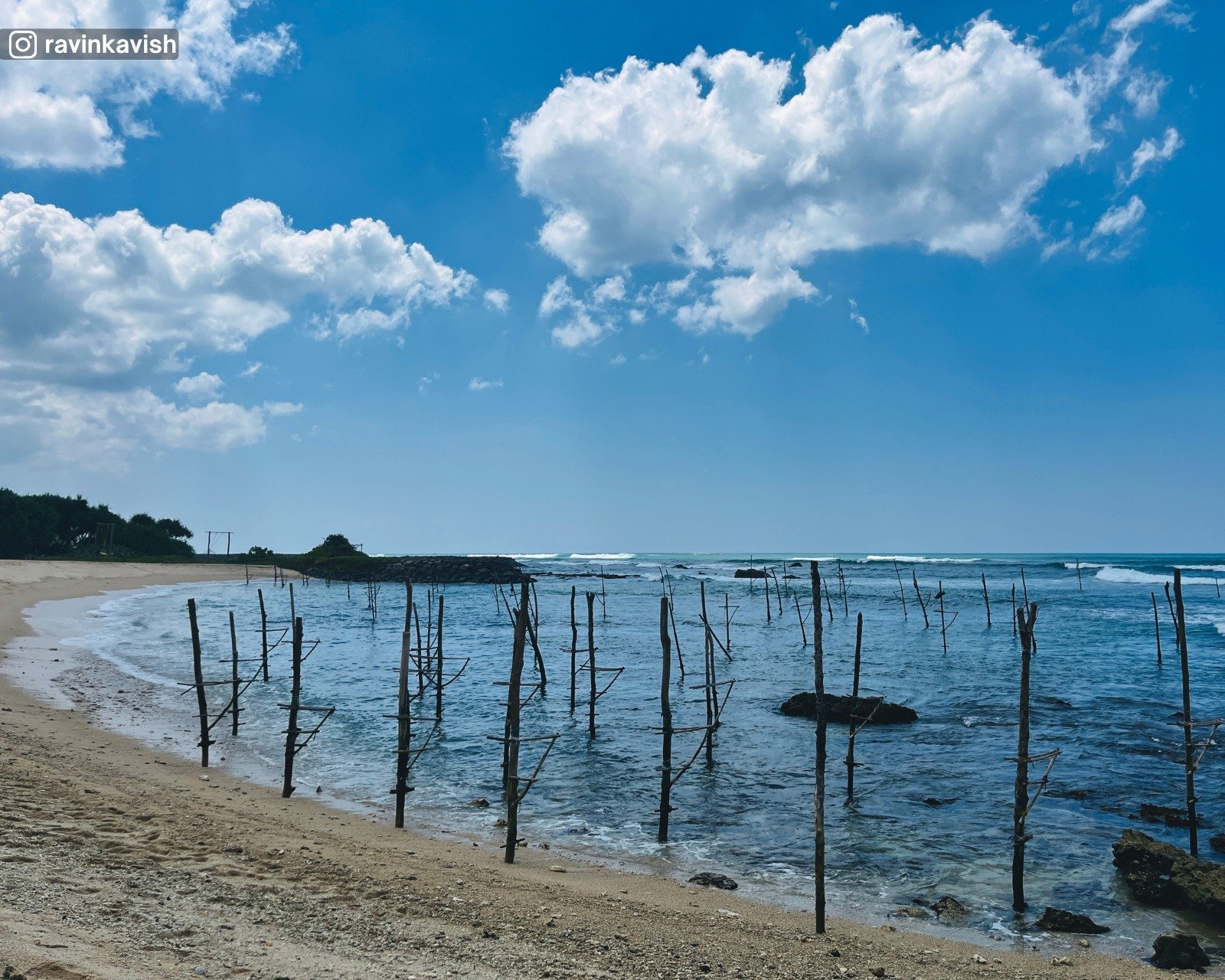
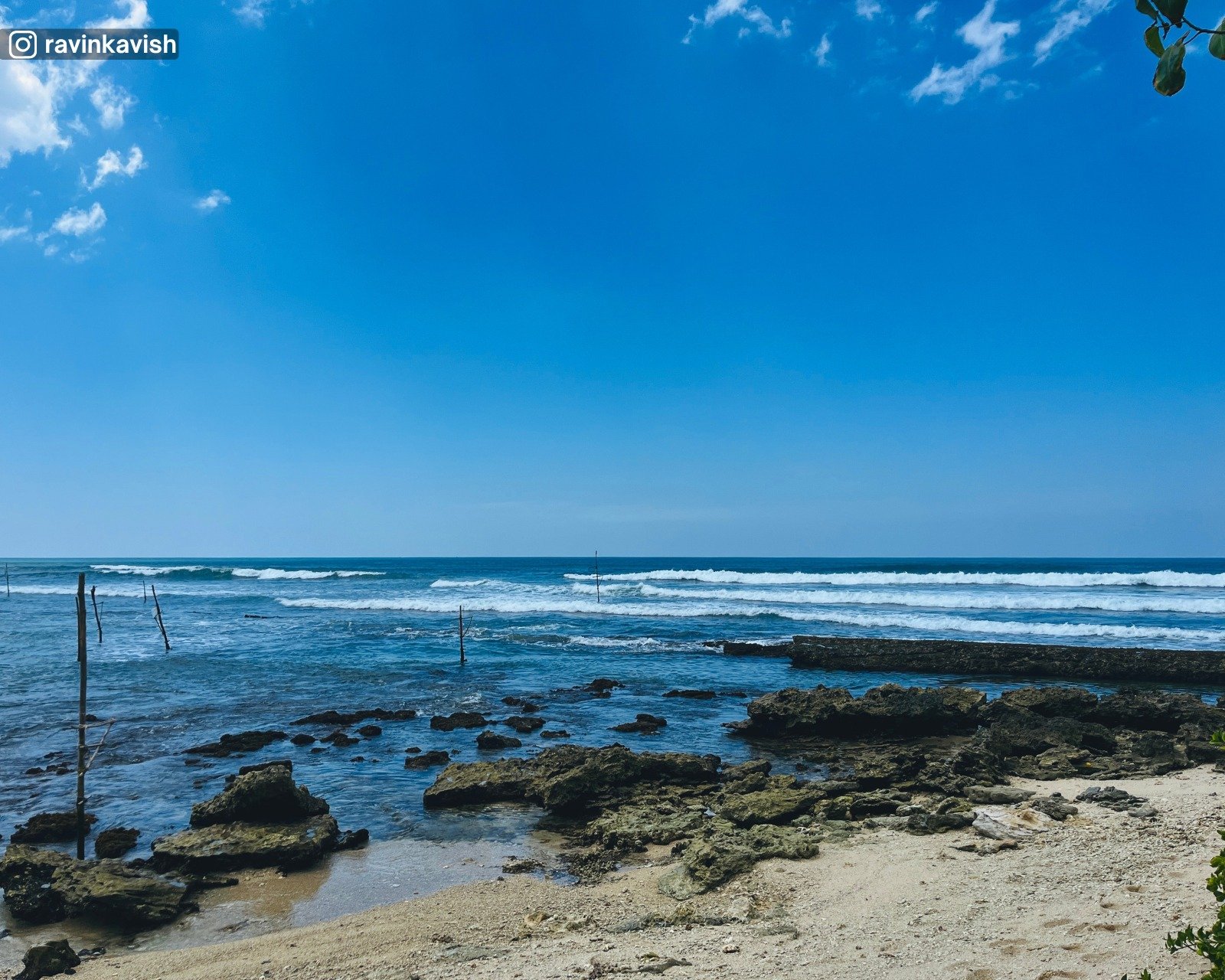
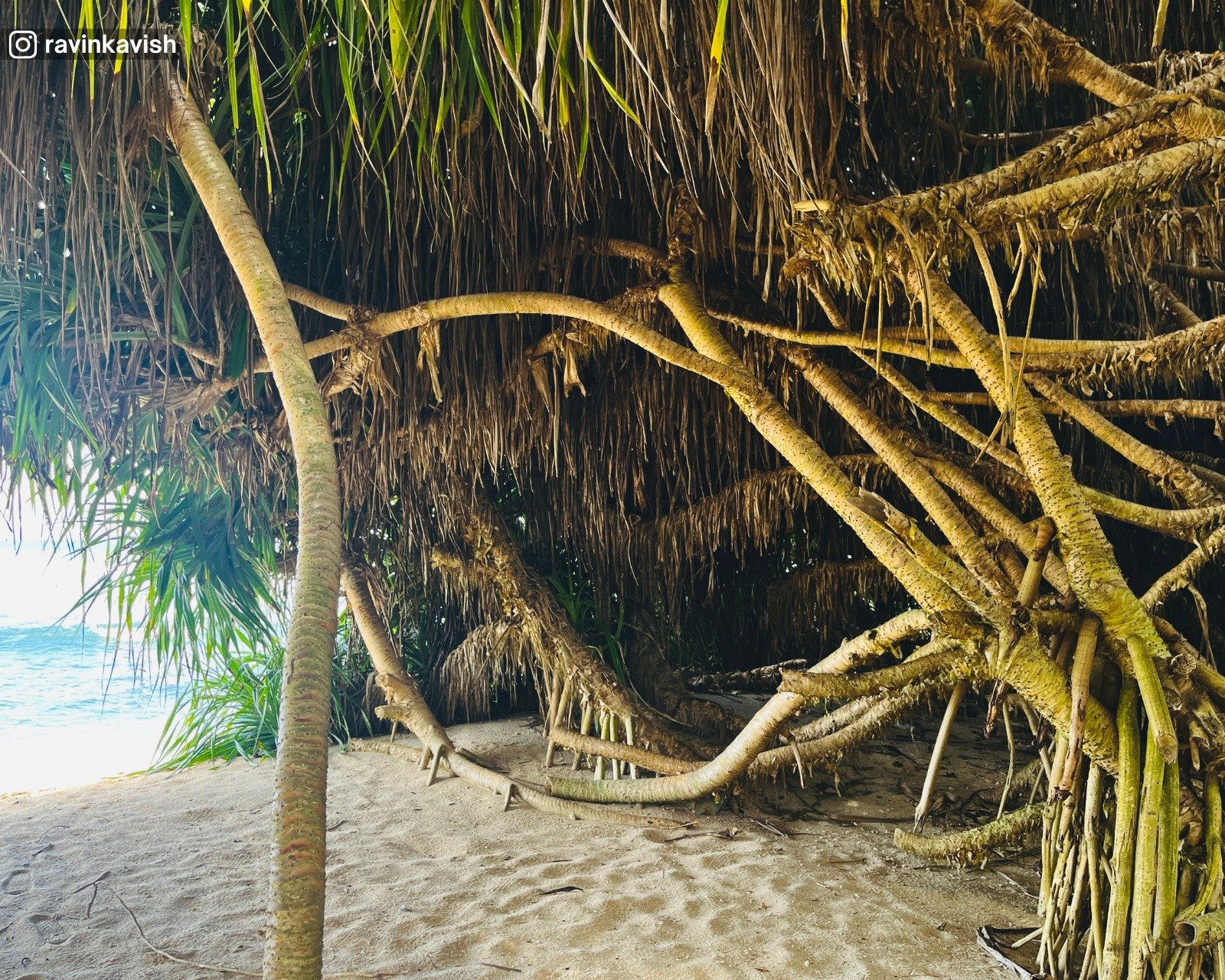
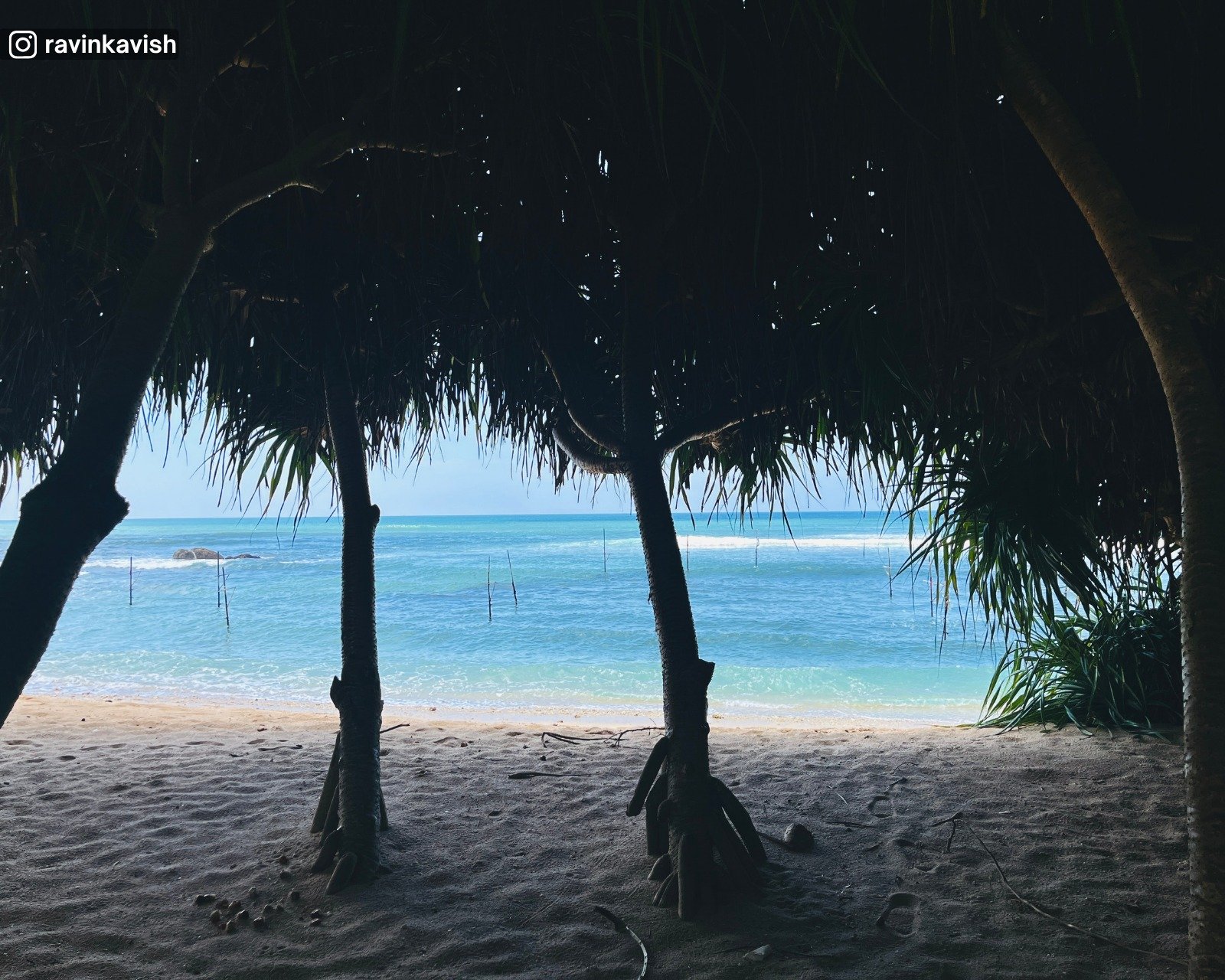
The beach is characterised by coarse golden sand, strong ocean swells, and a steady coastal breeze. Coconut palms and low vegetation line parts of the shore, while inland areas transition into village roads, homes, and access points to Koggala Lagoon. Fishing activity is still visible along the beach, especially in the early morning, reflecting the area’s long standing coastal livelihood.

Sea conditions at Koggala Beach are generally rougher than at sheltered bays such as Mirissa. Waves are strong and consistent, making the beach better suited for walking, scenery, and photography rather than casual swimming. During calmer periods, experienced swimmers may enter the water with caution, but currents and wave action can change quickly.

For visitors travelling along the southern coast, Koggala Beach offers a more spacious and natural coastal experience. It works well for long beach walks, quiet observation, and enjoying the scale of the open ocean without the activity and density found in more developed beach towns.
Read More
Scenery
Beach
Wide, open beach along the southern coast between Ahangama and Koggala.
Hike
Surfing
Famous reef break known as “The Rock,” suited mainly for experienced surfers due to shallow reef and powerful waves. Smaller waves closer to the shore are suitable for beginner surfers during calm conditions.
Scenery
Scenery
Open ocean views, exposed shoreline, sandy stretches, coconut palms, and strong coastal atmosphere.
Kabalana Beach
Top Pick
Kabalana Beach is a wide, open stretch of coastline located along Sri Lanka’s southern coast, positioned between Ahangama and Koggala. Facing the open Indian Ocean, the beach has an exposed shoreline that gives it a raw and energetic character, shaped by strong swells and changing sea conditions rather than sheltered bays or built up beachfronts.

The beach is internationally recognised for its surf break known as “The Rock,” a shallow reef formation just offshore that produces fast and powerful waves during the surfing season. This has made Kabalana a key destination for experienced surfers, while the surrounding sand remains largely open and uncluttered. Compared to nearby resort areas, development here is minimal, allowing the natural scale of the coastline to remain dominant.

Beyond surfing, Kabalana Beach offers expansive coastal scenery. Long stretches of coarse sand, rolling waves, and a wide horizon define the view, with coconut palms and low vegetation lining parts of the shore. Fishing activity is occasionally visible, particularly in quieter sections away from the main surf break, reinforcing the beach’s connection to everyday coastal life.

For visitors travelling between Ahangama and Koggala, Kabalana Beach works well as both a scenic stop and a specialised surf destination. Even for non-surfers, the open landscape, constant movement of the sea, and relative lack of crowds make it a strong example of the untamed side of Sri Lanka’s southern coastline.
Read More
Scenery
Beach
Open sandy beach along the southern coast between Koggala and Unawatuna.
Scenery
Scenery
Wide shoreline, open ocean views, fishing boats, and coastal village surroundings.
Hike
Swimming
Generally not recommended due to strong waves and currents. Only possible during very calm sea conditions. Best for Beach walks, photography, and observing local fishing activity.
Habaraduwa Beach
Top Pick
Habaraduwa Beach is a long, open stretch of coastline located along Sri Lanka’s southern coast, between Koggala and Unawatuna. The beach faces the open Indian Ocean, giving it a more exposed character compared to sheltered bays nearby. Its wide shoreline and steady waves reflect a working coastal environment rather than a resort focused beach setting.

The beach is closely connected to local fishing activity, with boats, nets, and early morning routines shaping the atmosphere along the shore. This gives Habaraduwa a grounded and lived in feel, where daily coastal life continues alongside passing travellers. Inland areas quickly transition into village roads, homes, and small shops, reinforcing the link between sea and community.

Sea conditions at Habaraduwa Beach are often rough, with strong waves and currents common throughout much of the year. While the beach works well for walking, scenery, and photography, swimming is generally not recommended except during very calm conditions. The exposed nature of the coastline makes it visually striking but demands caution near the water.

For visitors moving along the southern coastal route, Habaraduwa Beach offers an authentic glimpse of everyday coastal Sri Lanka. It is best experienced as a quiet stop or passing viewpoint, adding contrast to more developed beaches while highlighting the raw and practical side of life along the ocean’s edge.
Read More
Lake
Lagoon
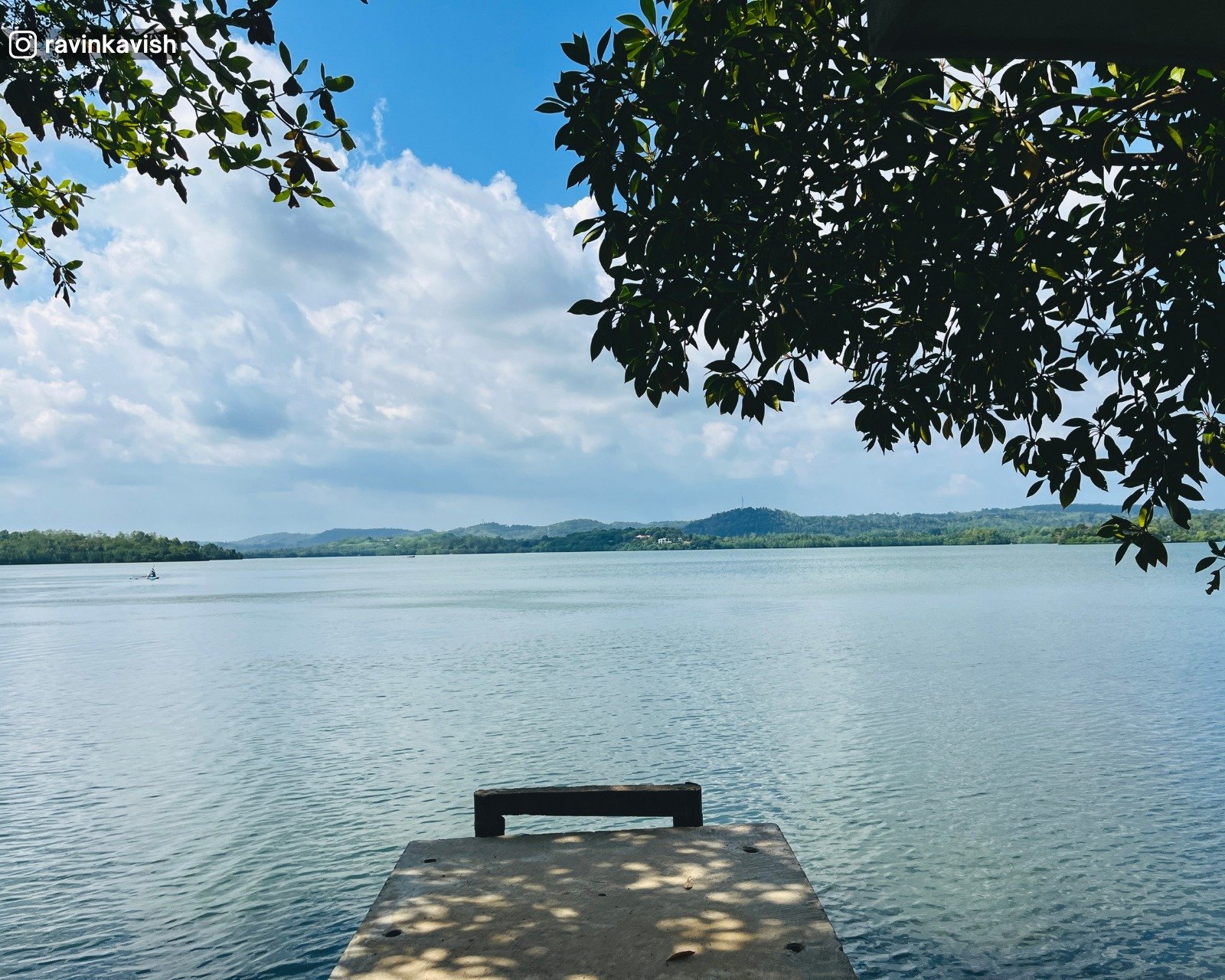
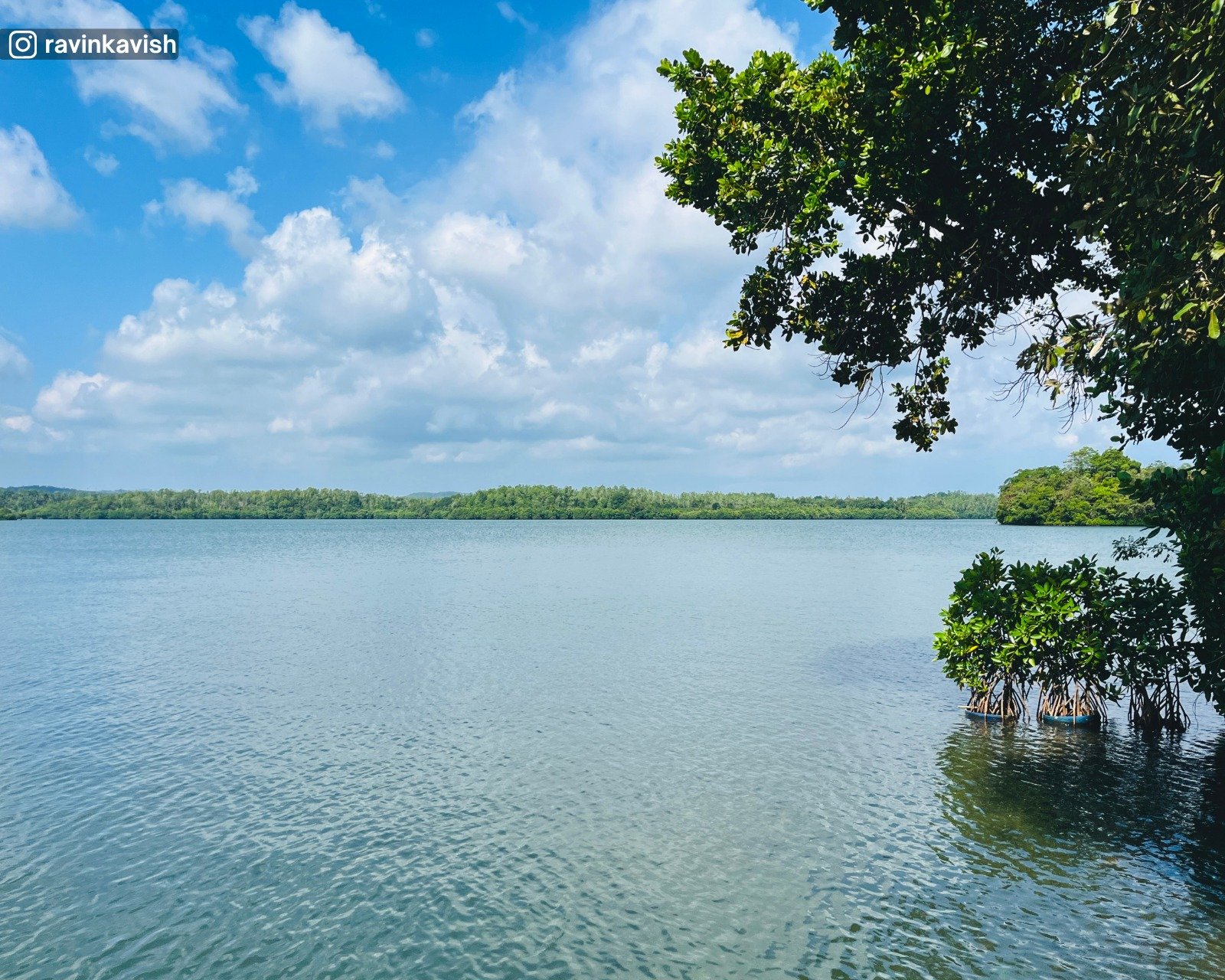
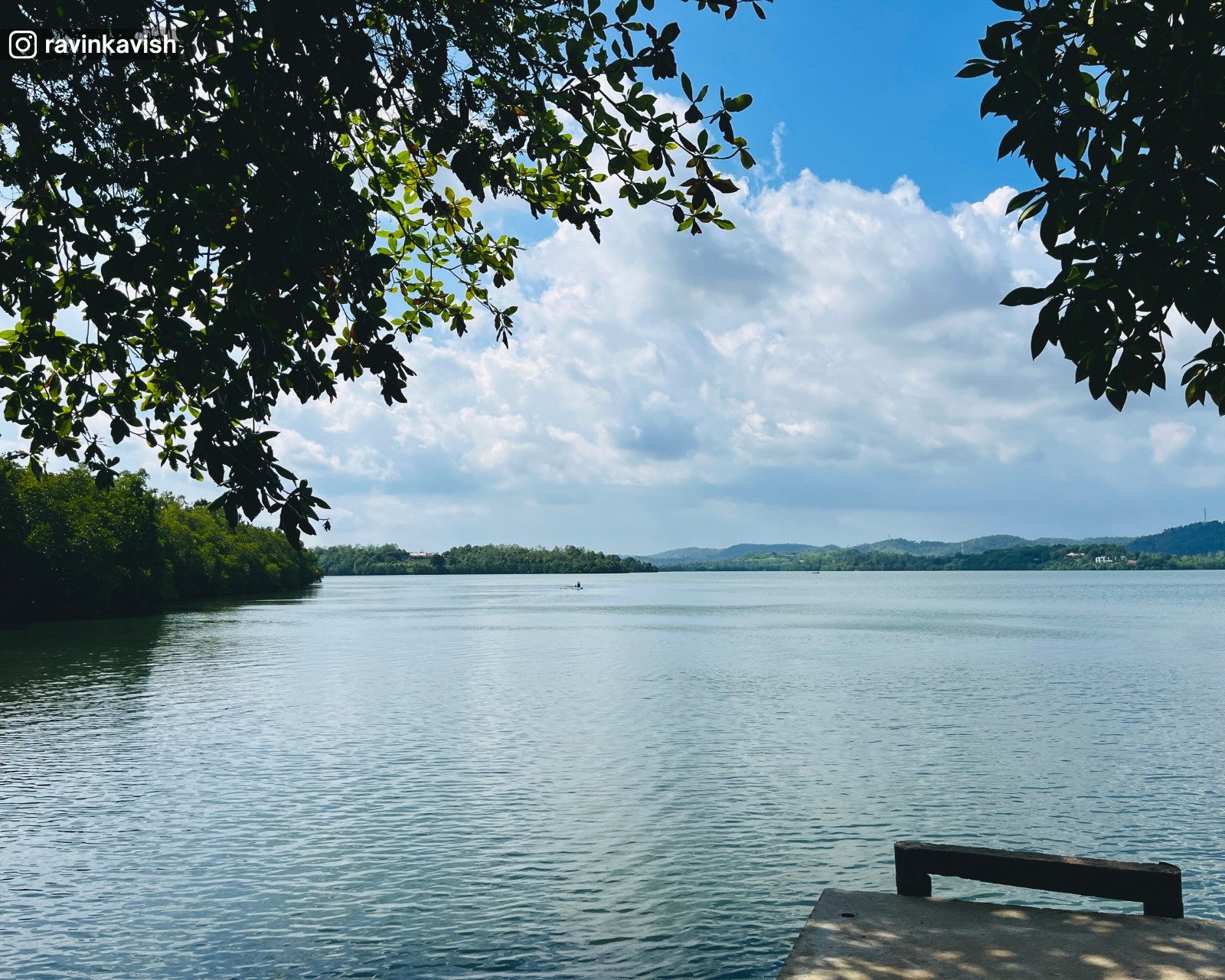
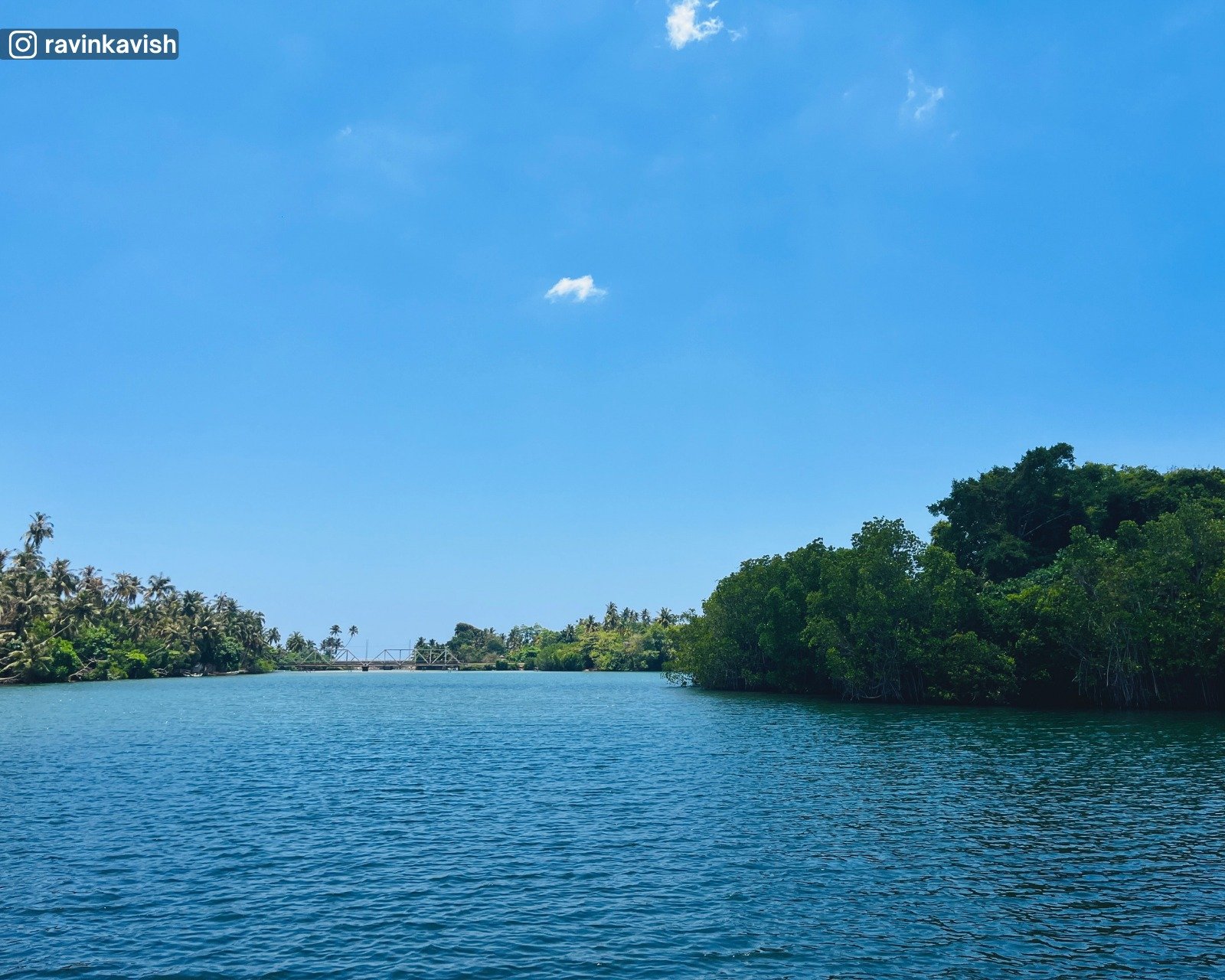
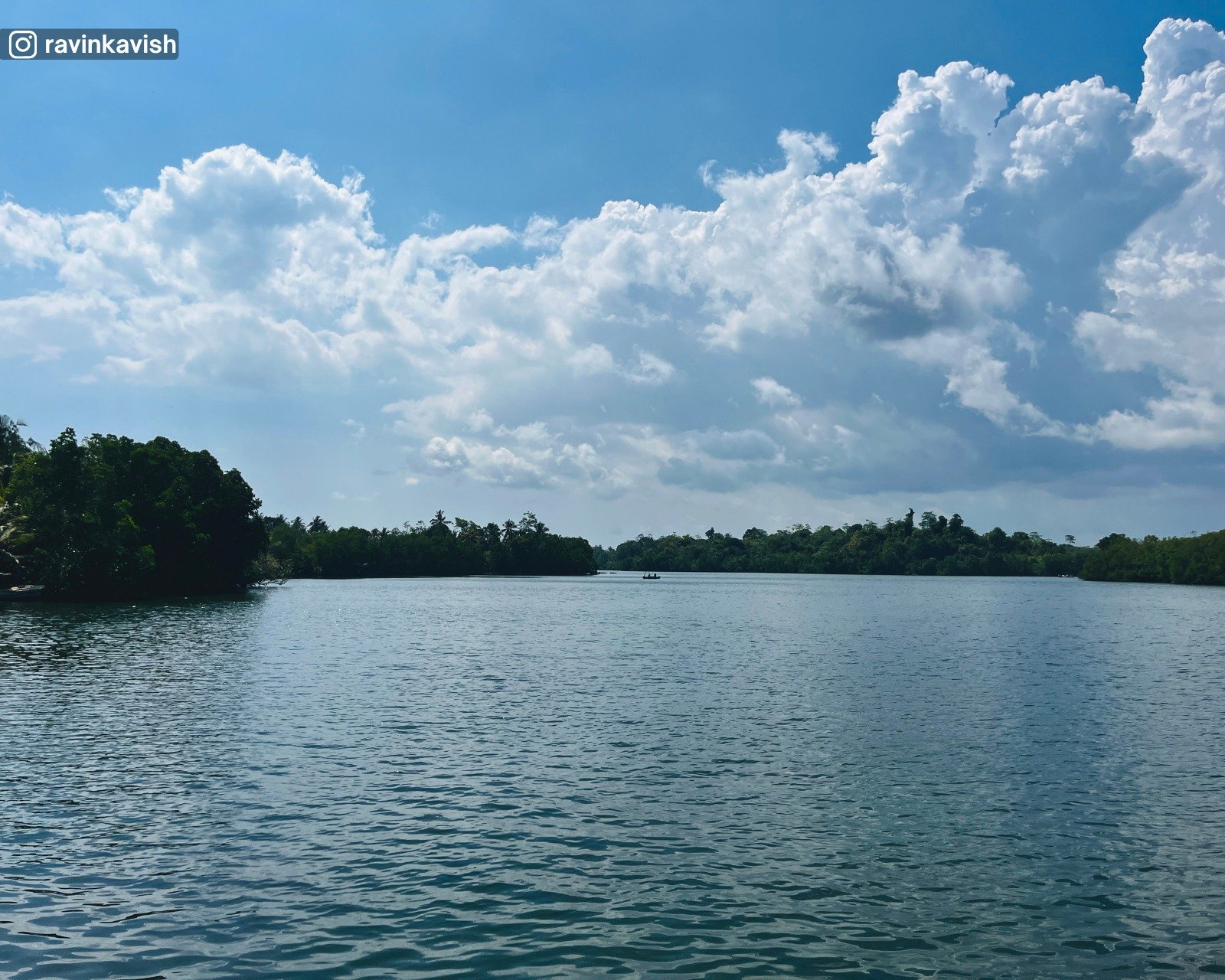
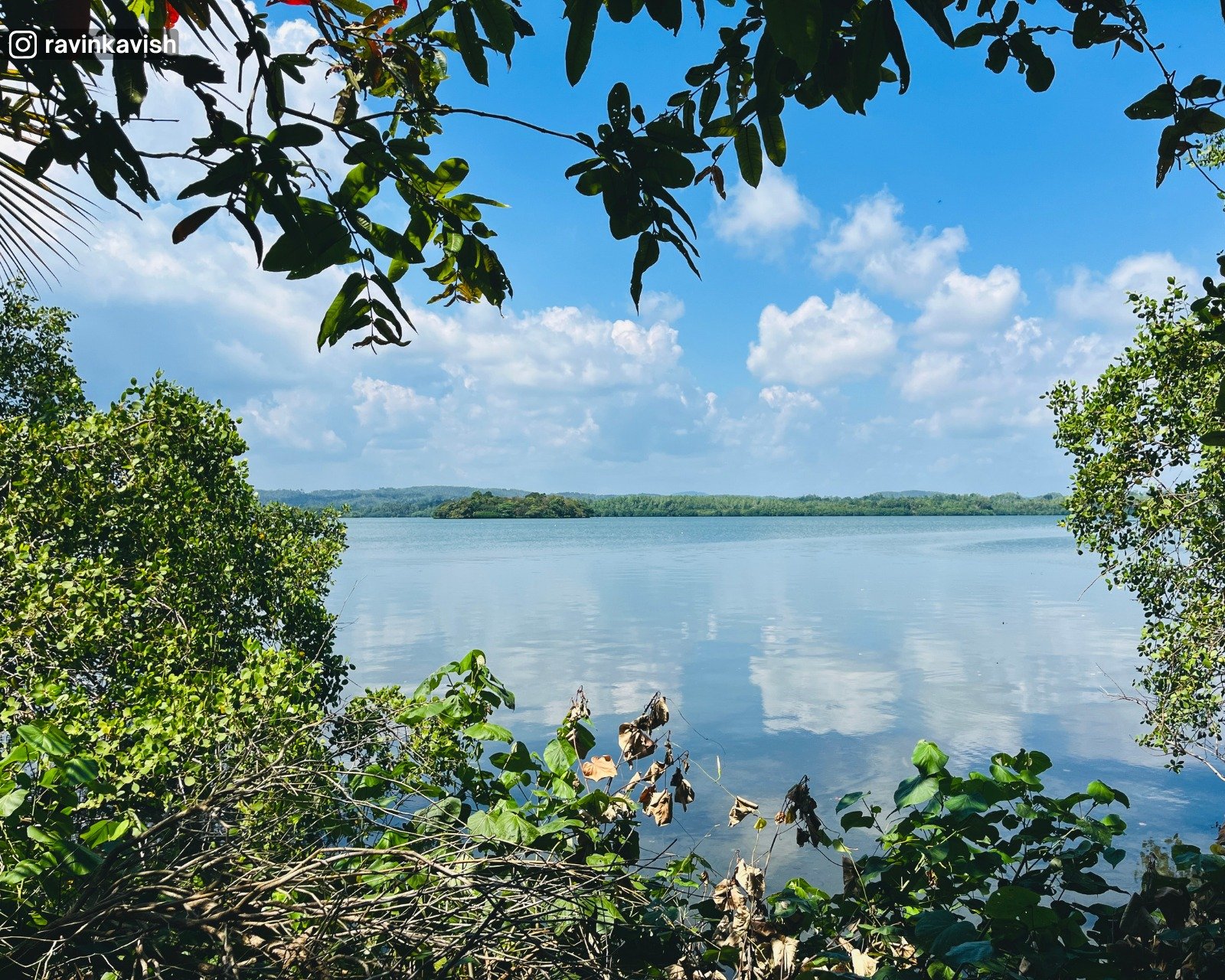
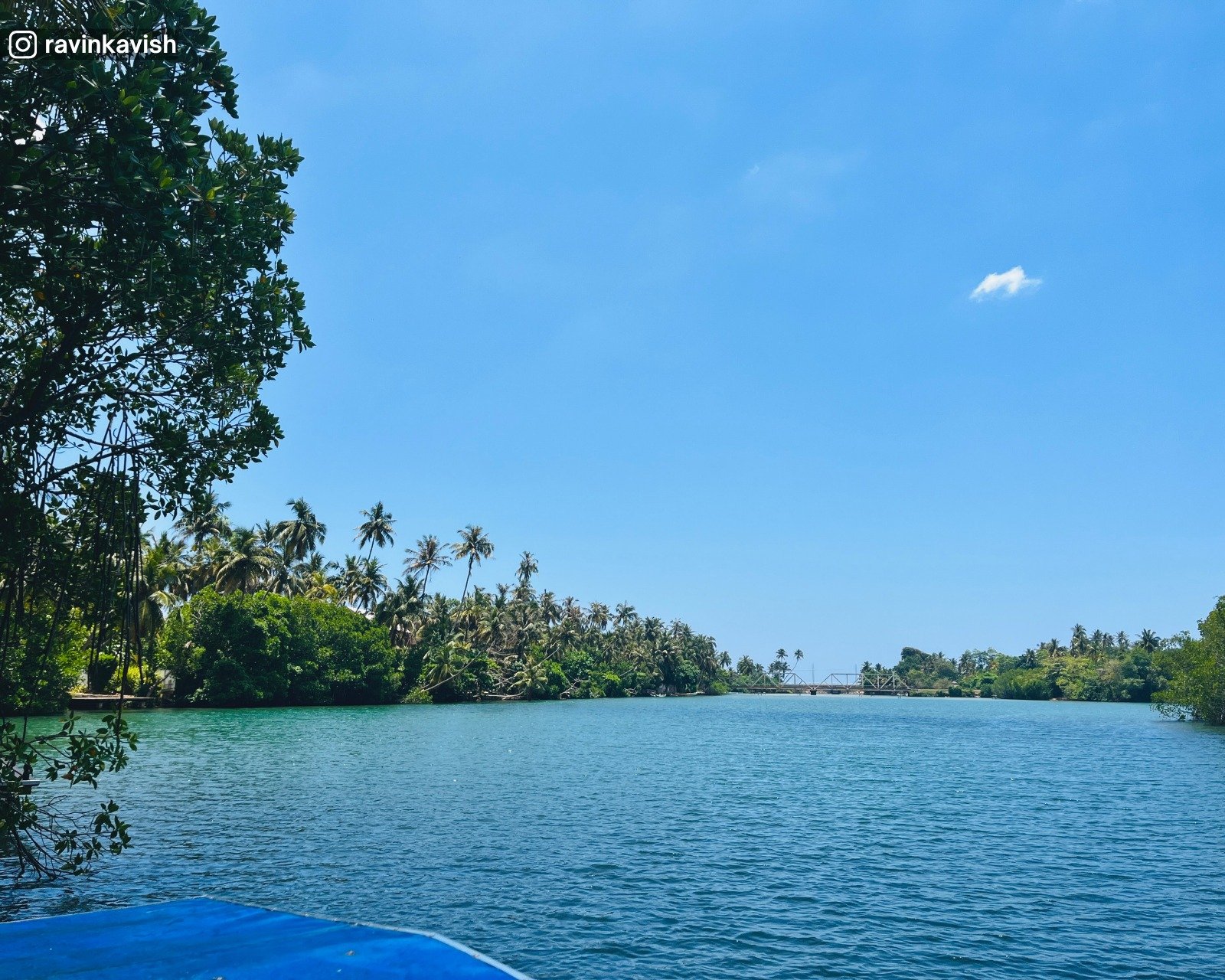
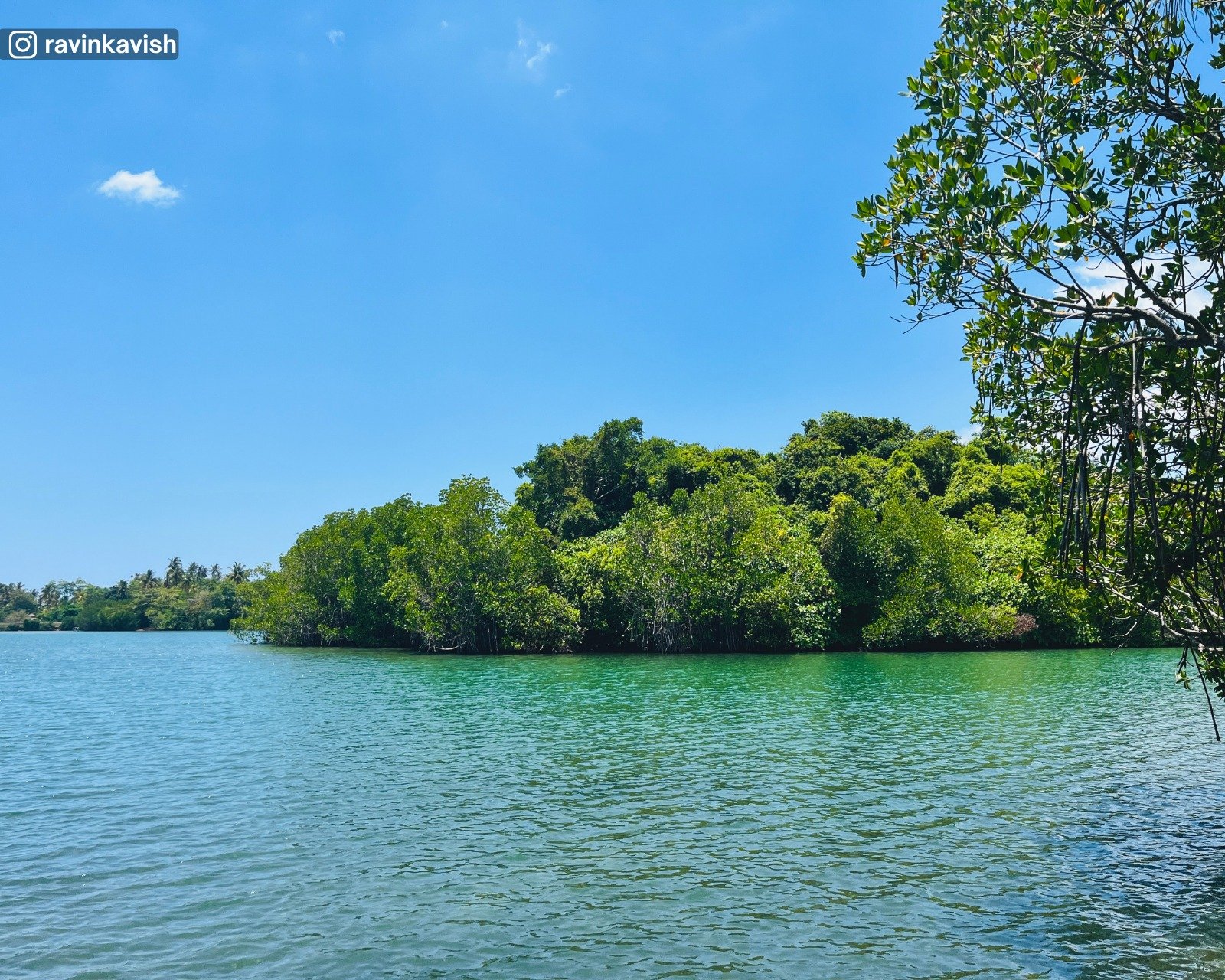
Large coastal lagoon located just inland from Koggala Beach near Galle.
Scenery
Scenery
Calm water, mangroves, small islands, reflections, and low lying wetland landscapes. Birdlife and wetland species commonly seen around mangroves and reed beds.
Koggala Lagoon
Top Pick
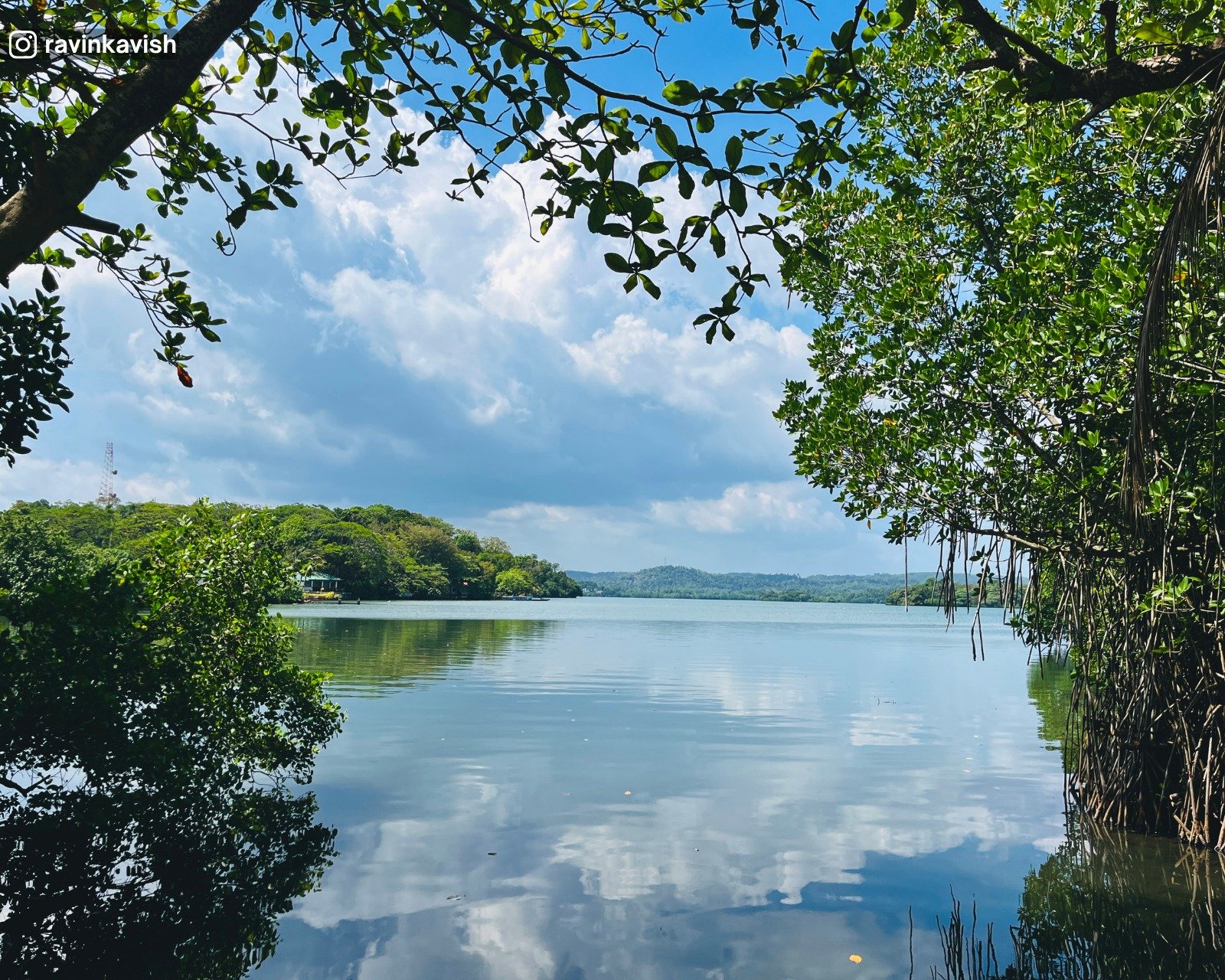
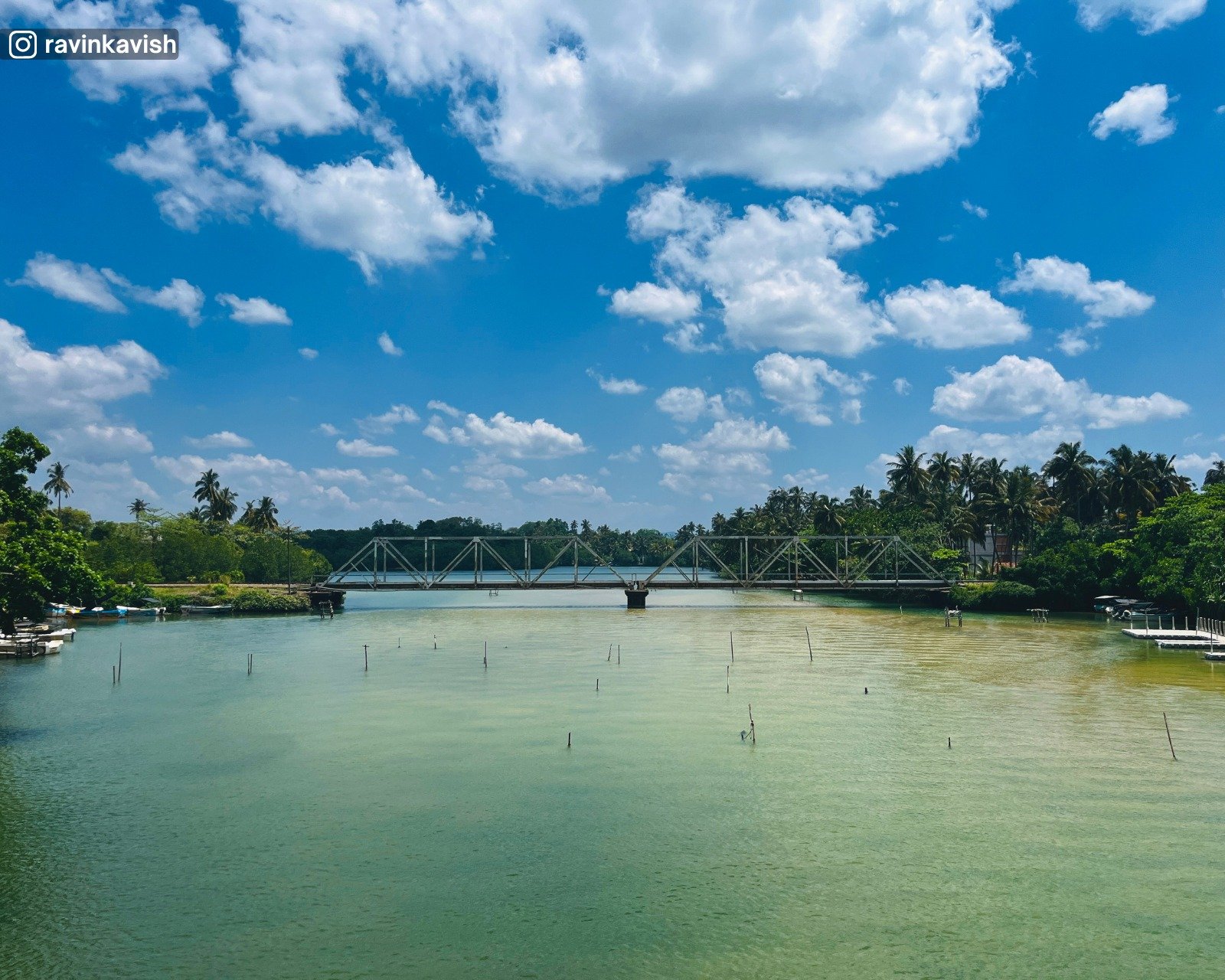
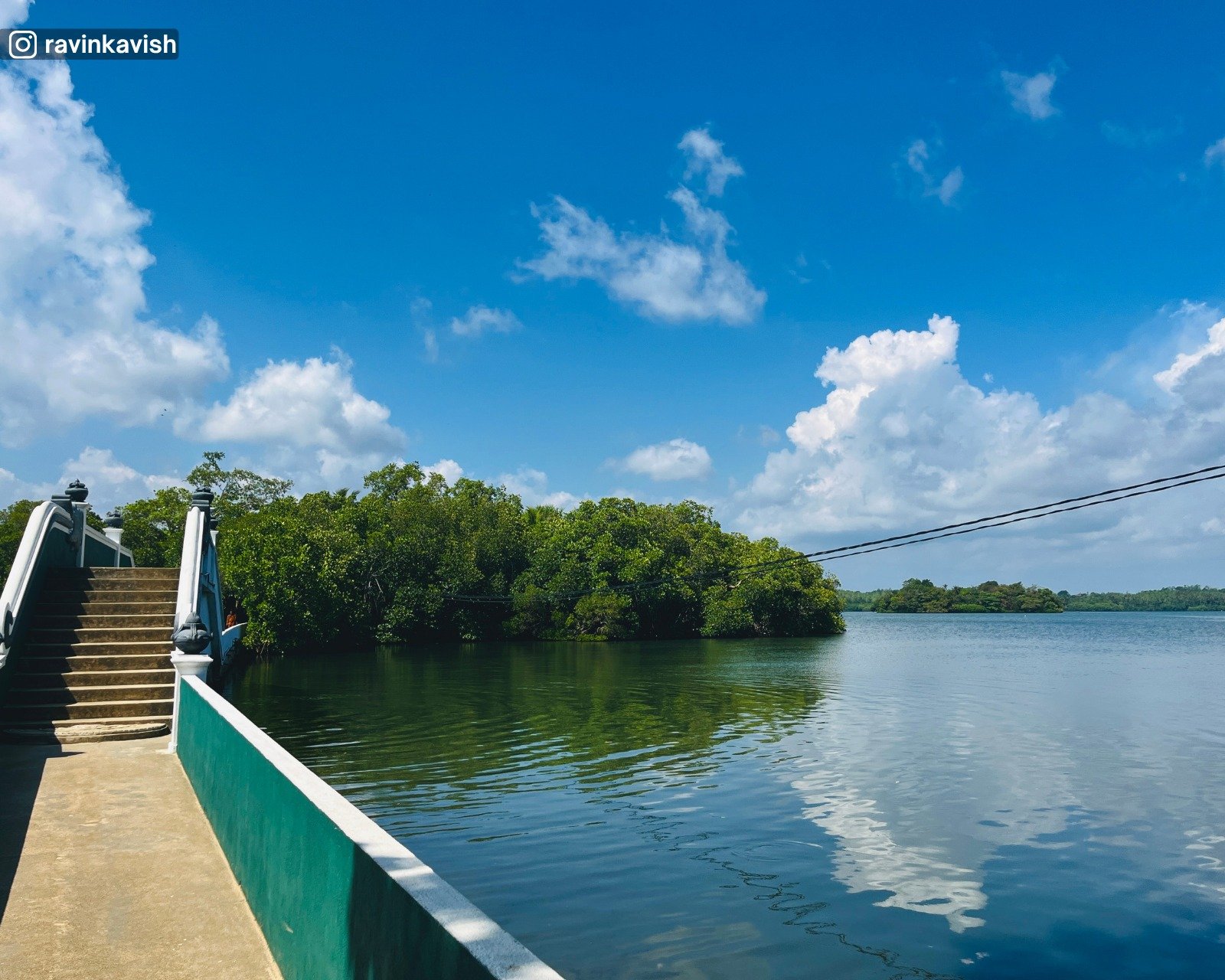
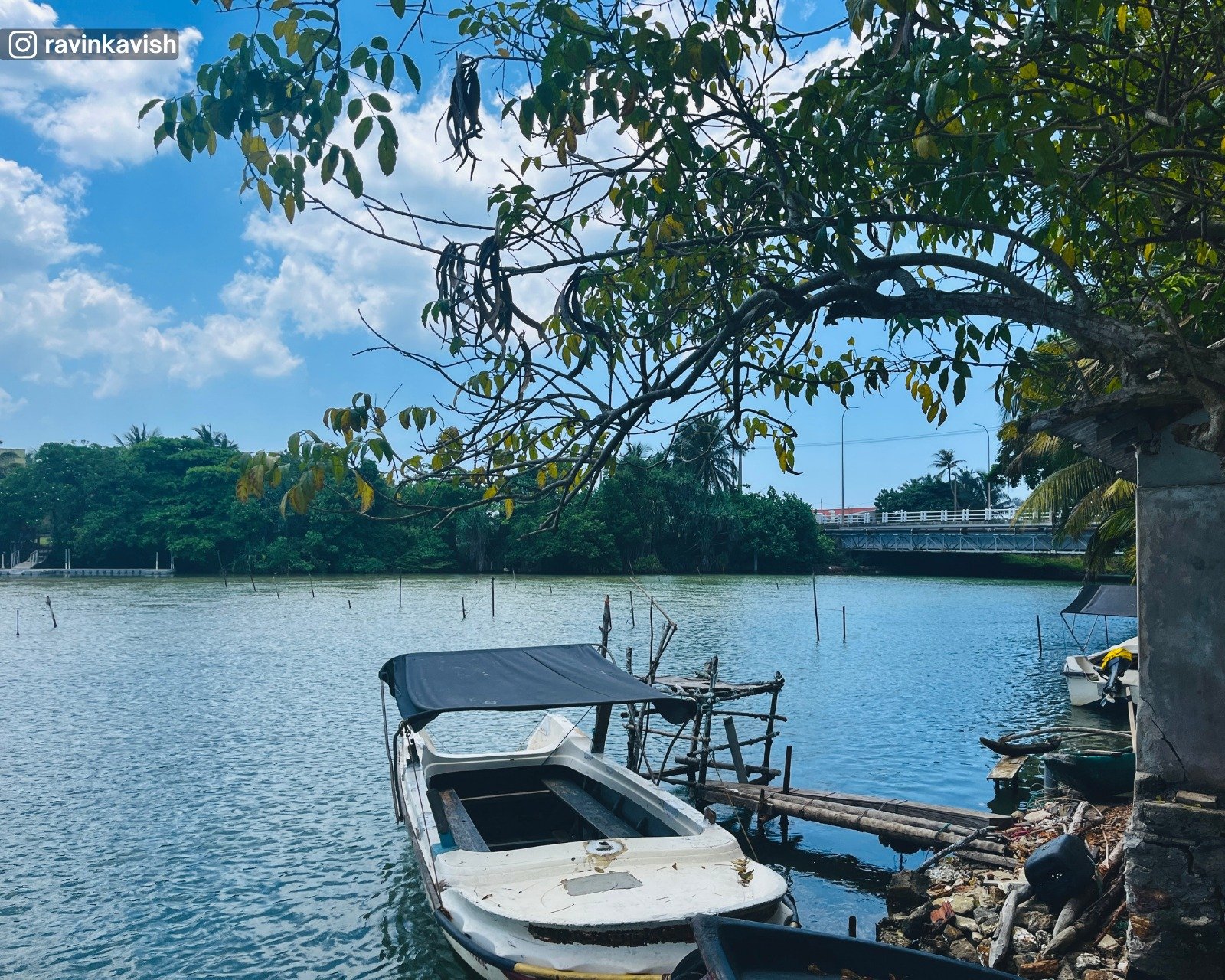
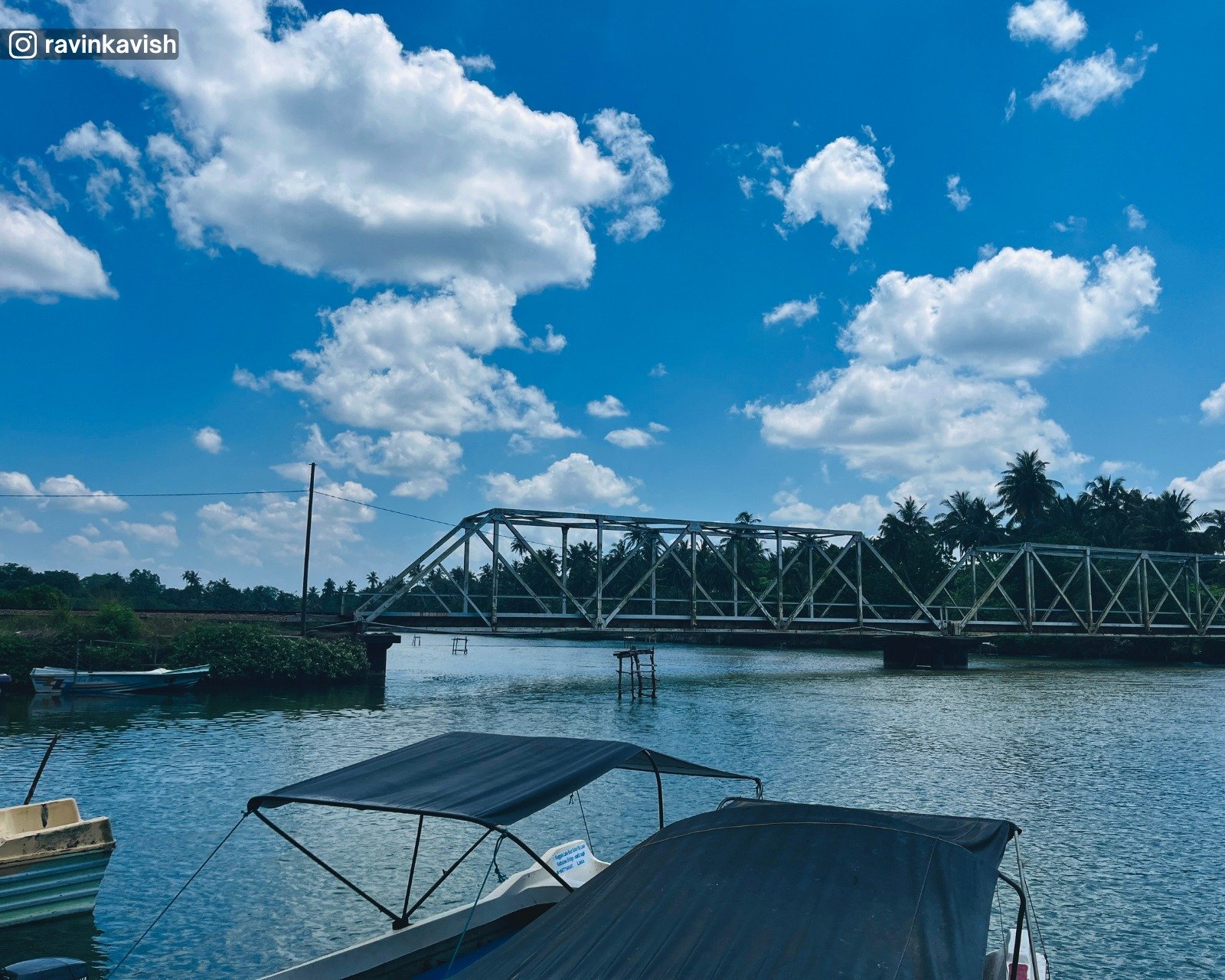
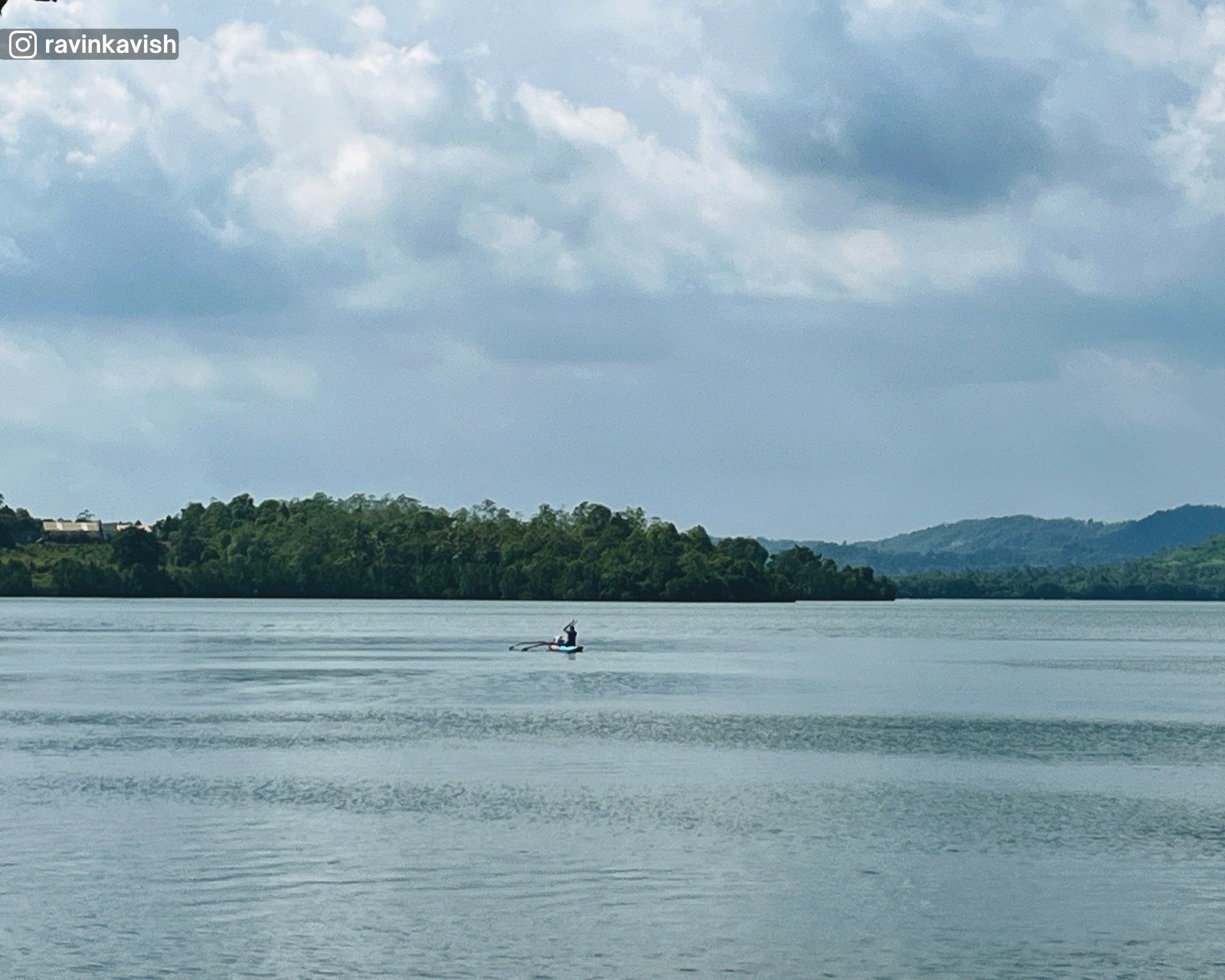
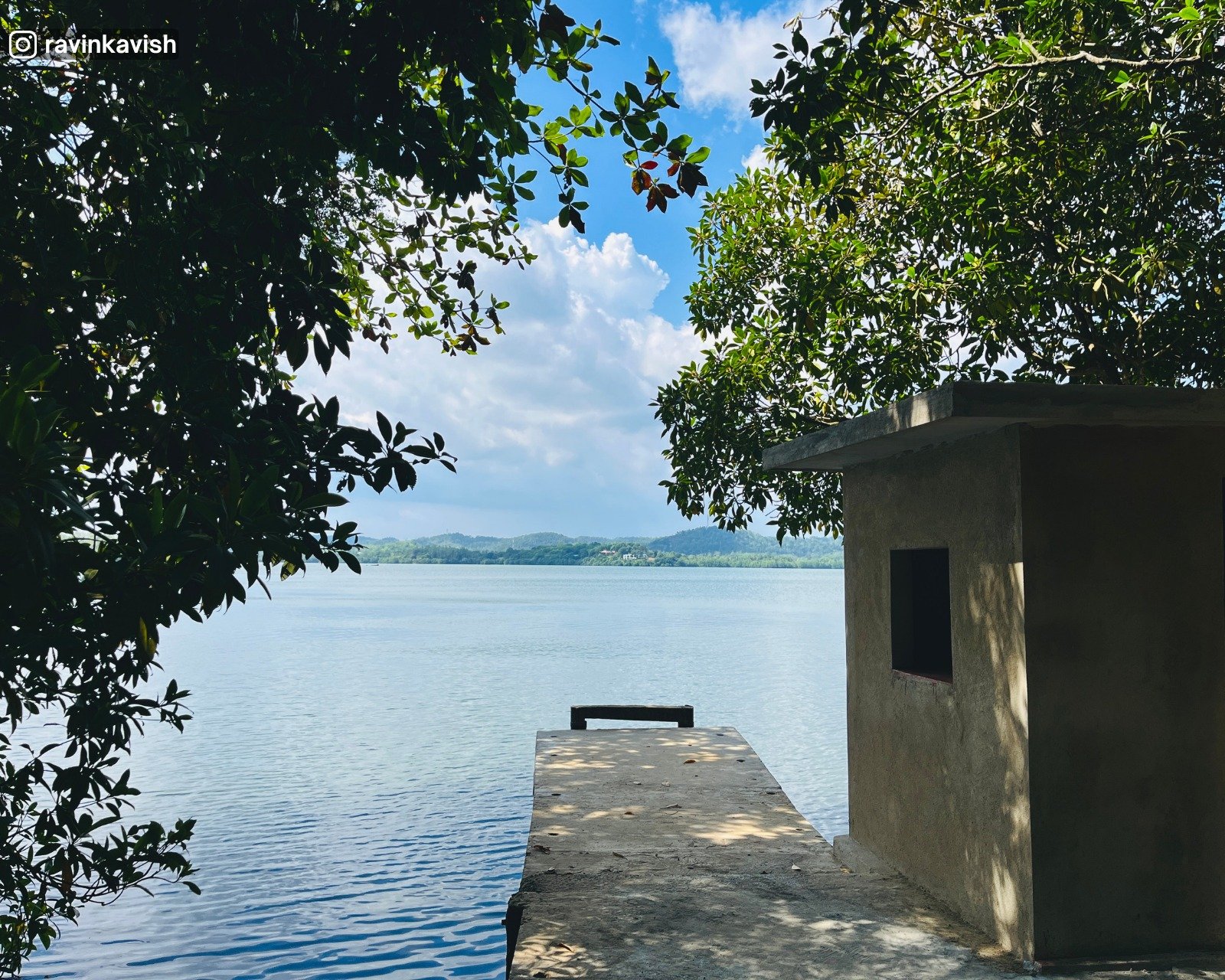
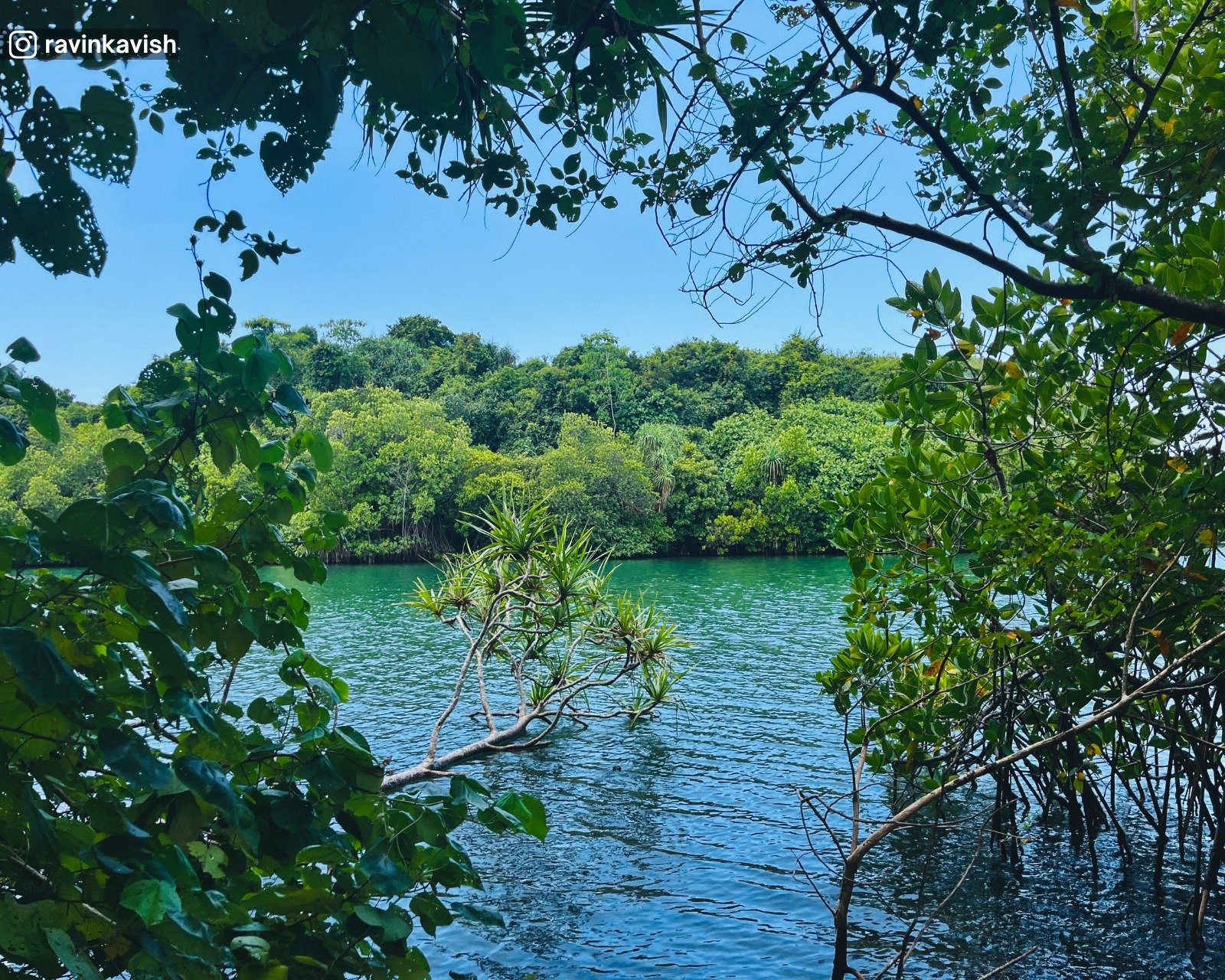
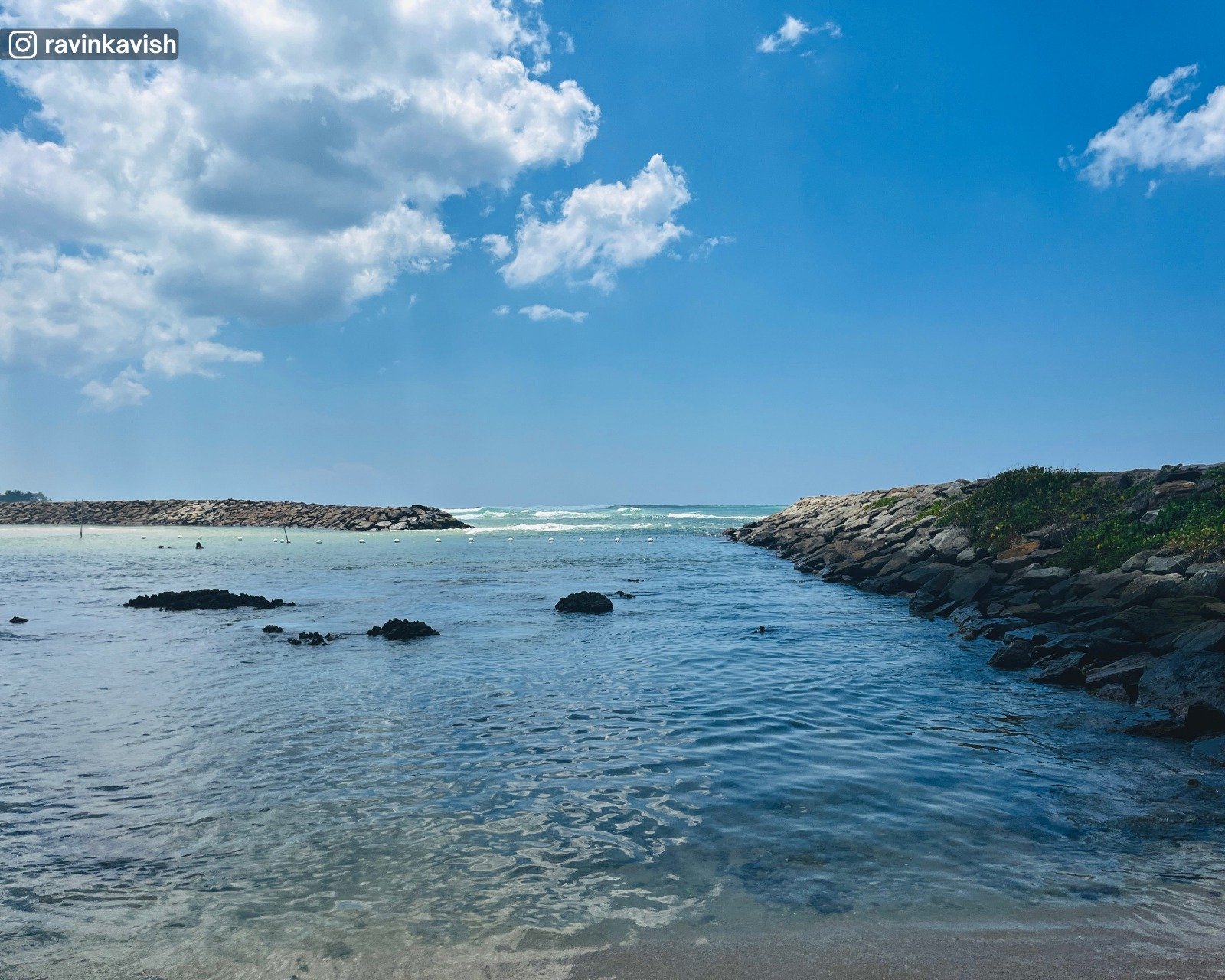
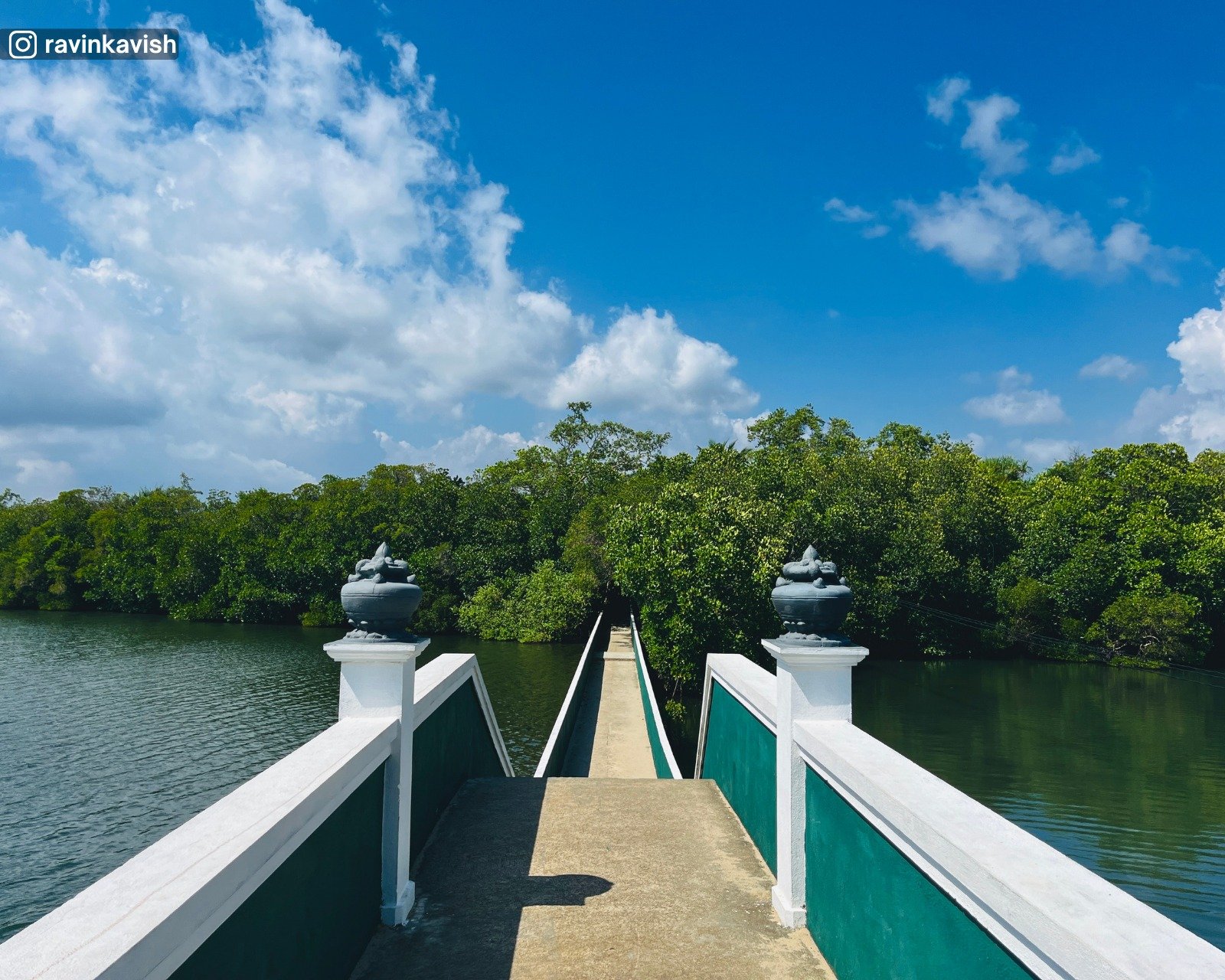
Koggala Lagoon is one of the largest coastal lagoons in Sri Lanka, located just inland from Koggala Beach along the southern coast near Galle. The lake stretches across a broad, low lying landscape of calm water, small islands, and mangrove fringes, creating a quiet contrast to the open ocean only a short distance away. Its scale and stillness give the area a distinctly slower and more expansive feel than nearby beach towns.

The lagoon has long played an important role in local livelihoods, supporting fishing, small scale agriculture, and inland water transport. Several small islands are scattered across the lake, some of which are associated with temples, cinnamon cultivation, or historical use. Seasonal rainfall and tidal influence subtly change the lake’s water levels, shaping both the shoreline and surrounding vegetation throughout the year.

Koggala Lake is especially known for its natural scenery and birdlife. Mangroves, reed beds, and overhanging trees provide habitat for birds and other wetland species, while the calm surface often reflects the sky and surrounding greenery. The lake’s sheltered environment creates a peaceful atmosphere, particularly in the early morning and late afternoon when activity is minimal and light is softer.

For visitors travelling through Koggala, the lake offers a quieter inland experience that complements the nearby beaches. Boat rides across the lagoon are a common way to explore its islands and waterways, while shoreline viewpoints allow for relaxed observation of village life and wetland landscapes. Koggala Lake adds depth to the region by highlighting the close relationship between coastal waters, inland lagoons, and everyday life along Sri Lanka’s southern coast.
Read More
Scenery
Buddhist Temple
Early 19th century temple known for rare murals and layered cultural history.
Scenery
Scenery
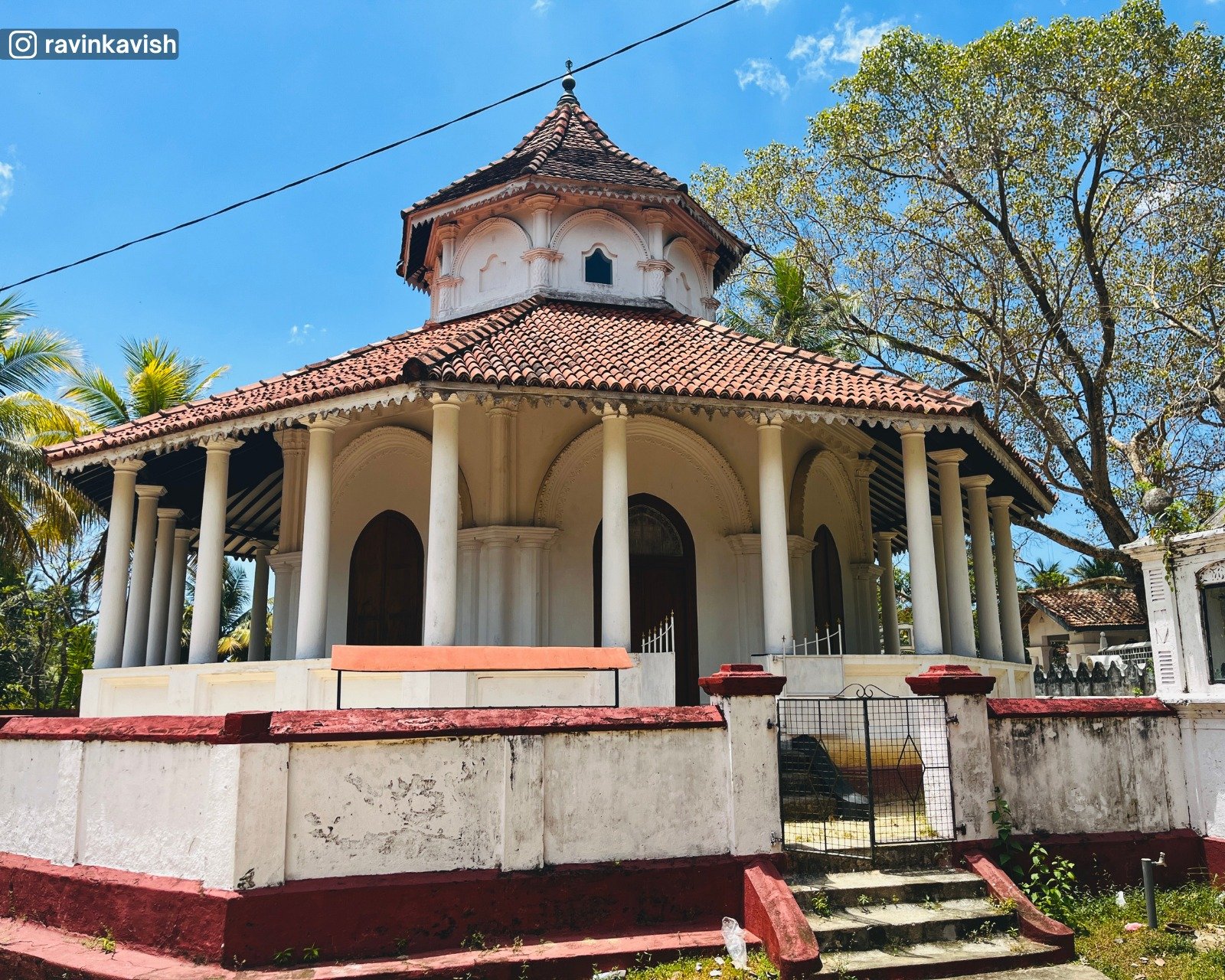
Traditional temple buildings in a quiet village setting, with views toward Madol Duwa island.

Art & Culture
Art & Culture
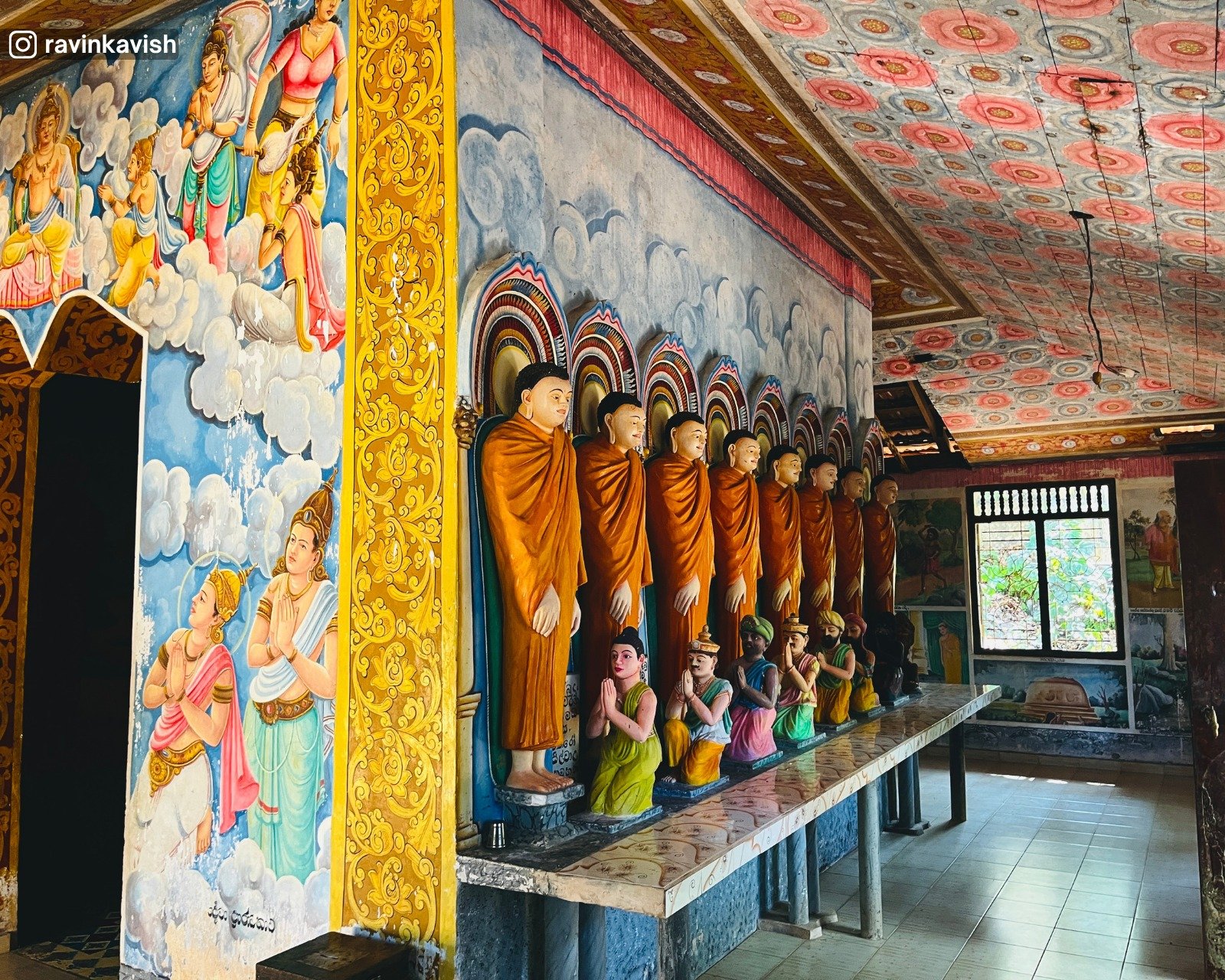
Kandyan style murals with distinctive low country and colonial influences, now gradually fading.

Scenery
History
Built in the early 1800s, with later additions reflecting religious and intellectual activity of the period.
Ranwella Old Temple
Top Pick
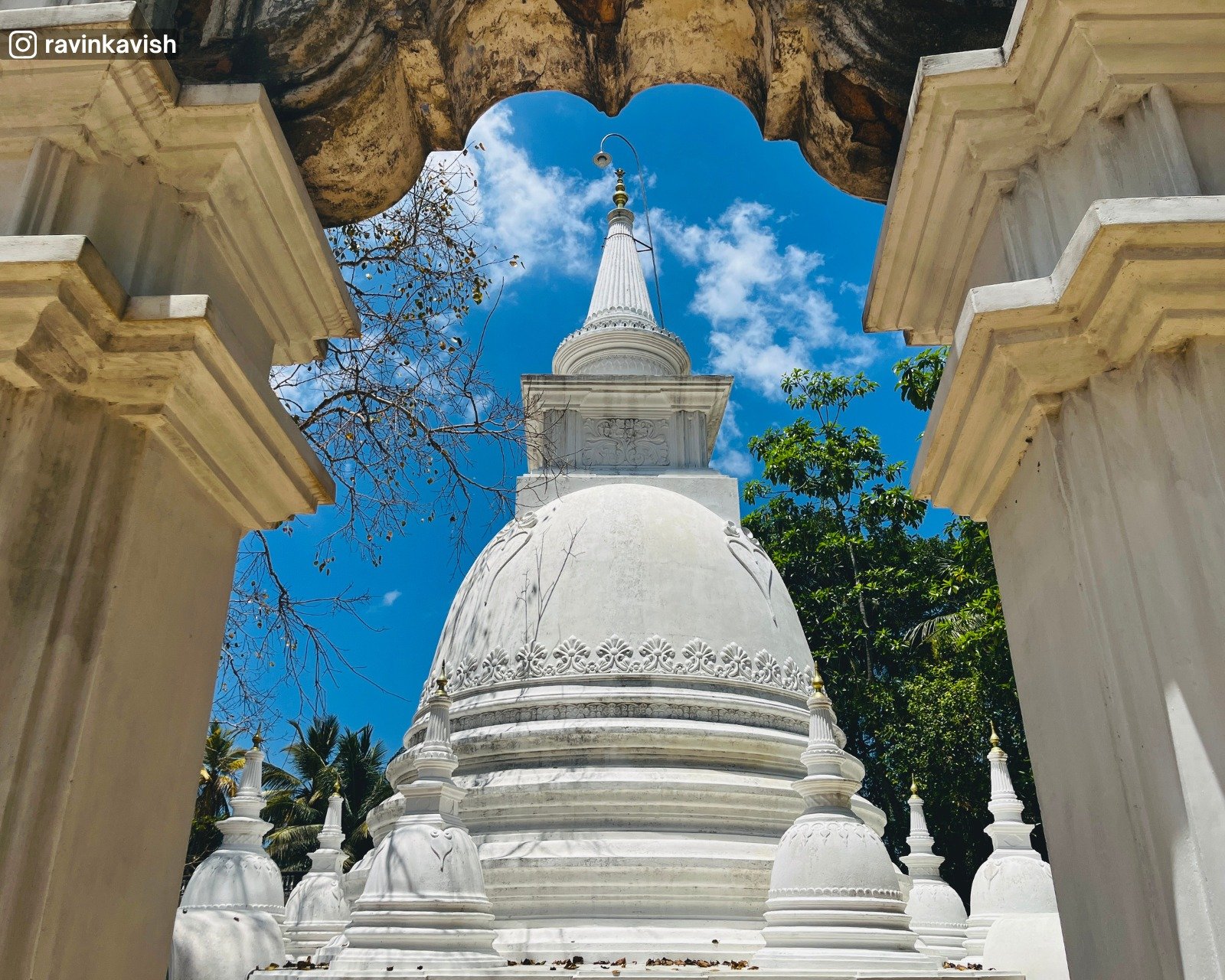
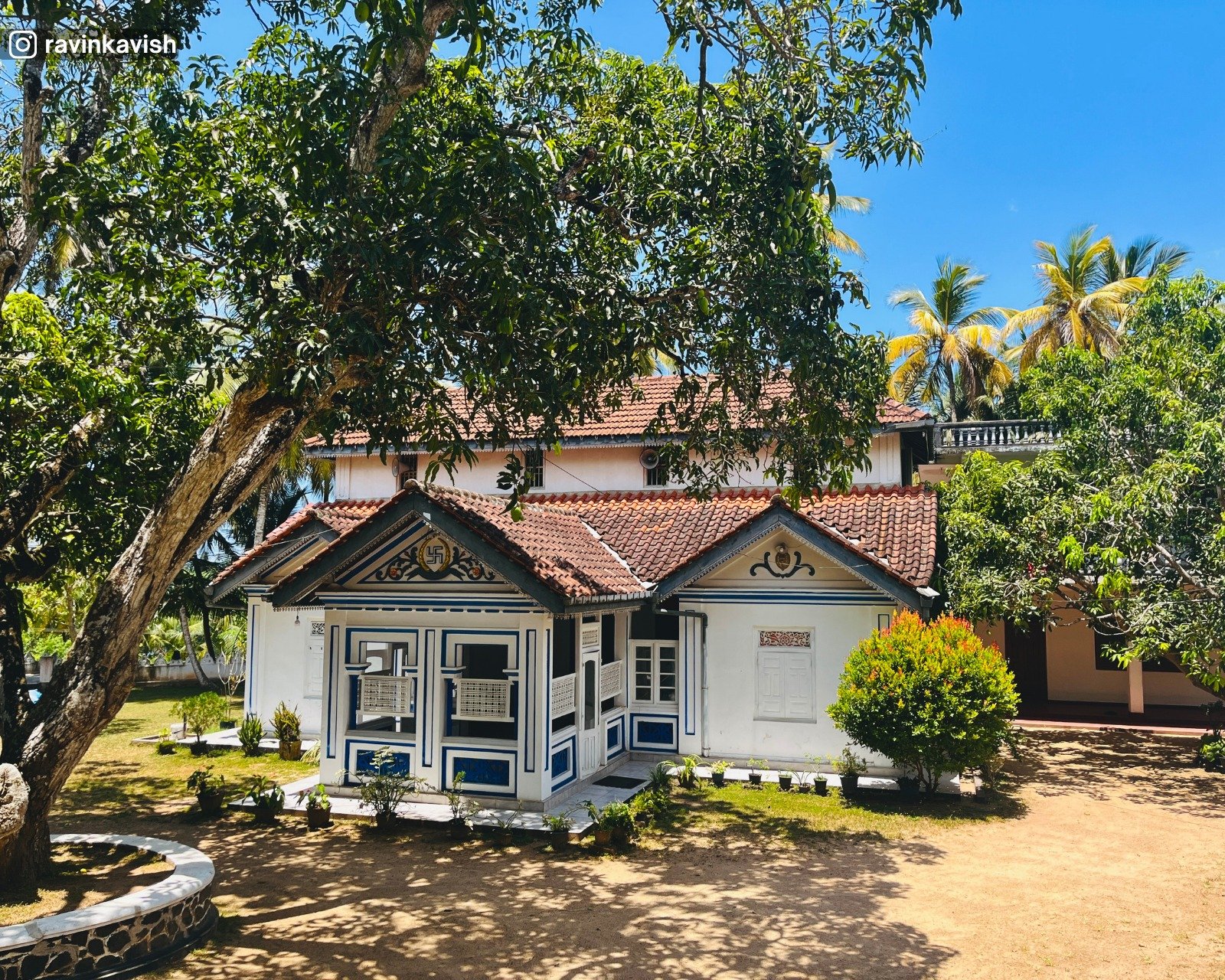
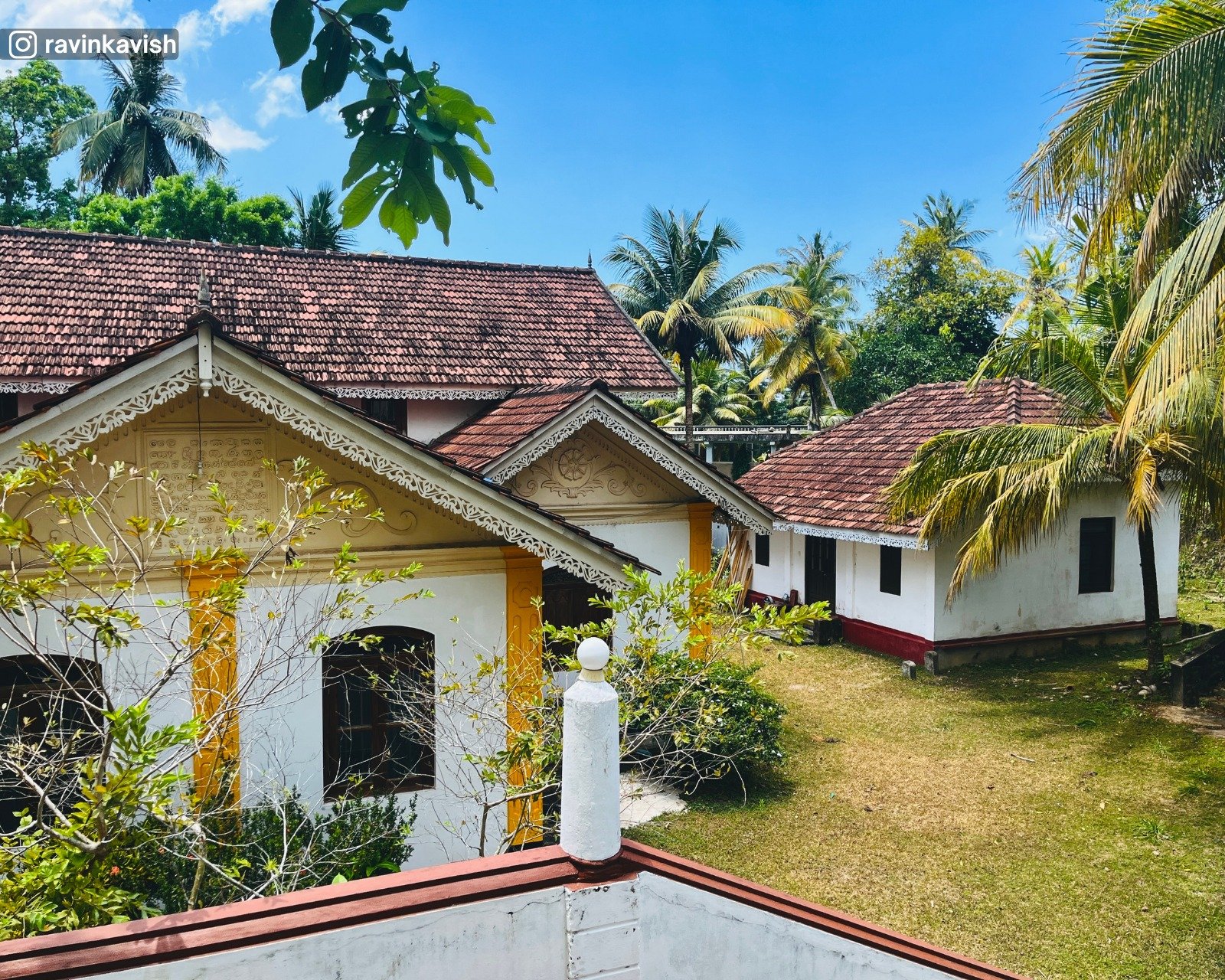
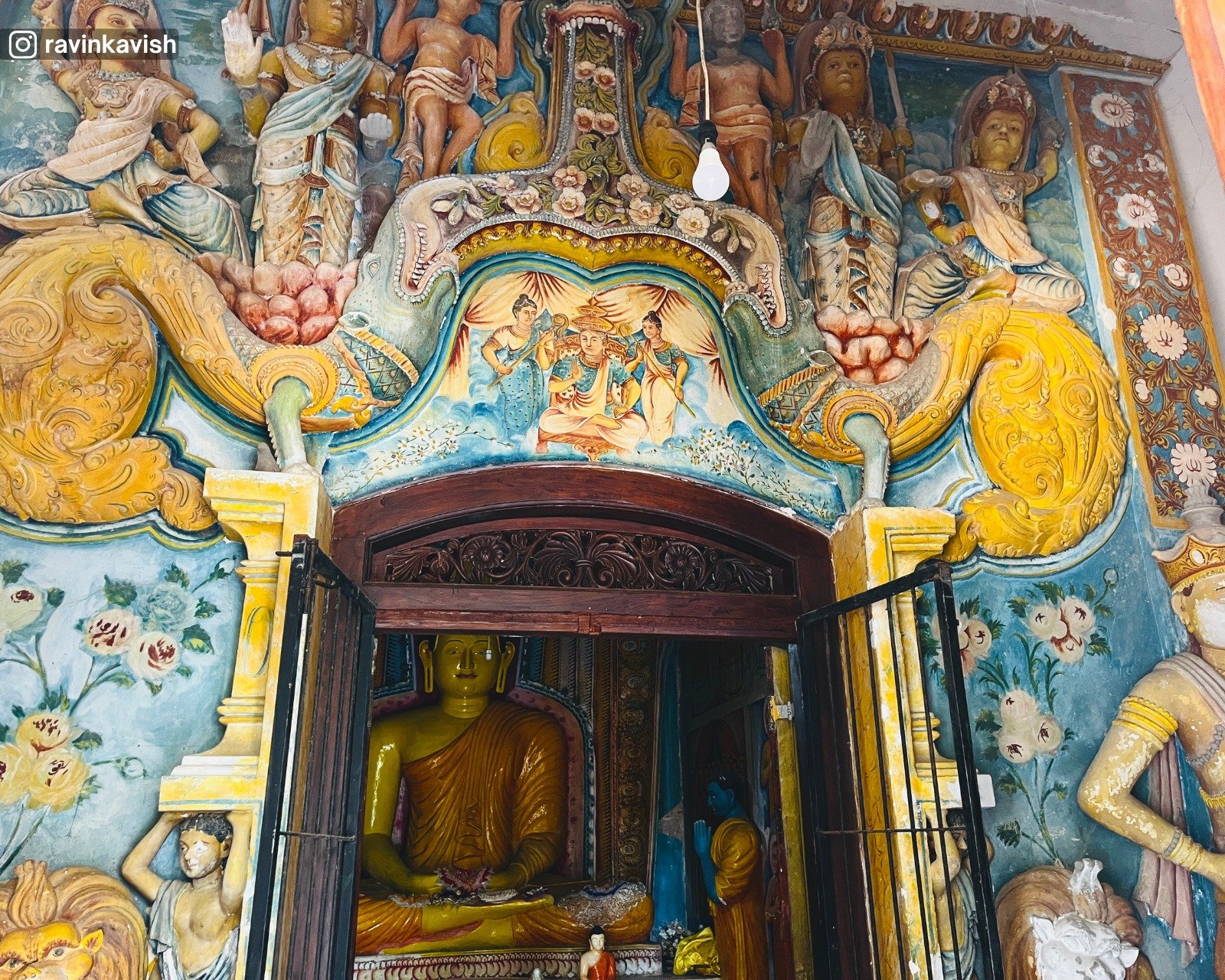
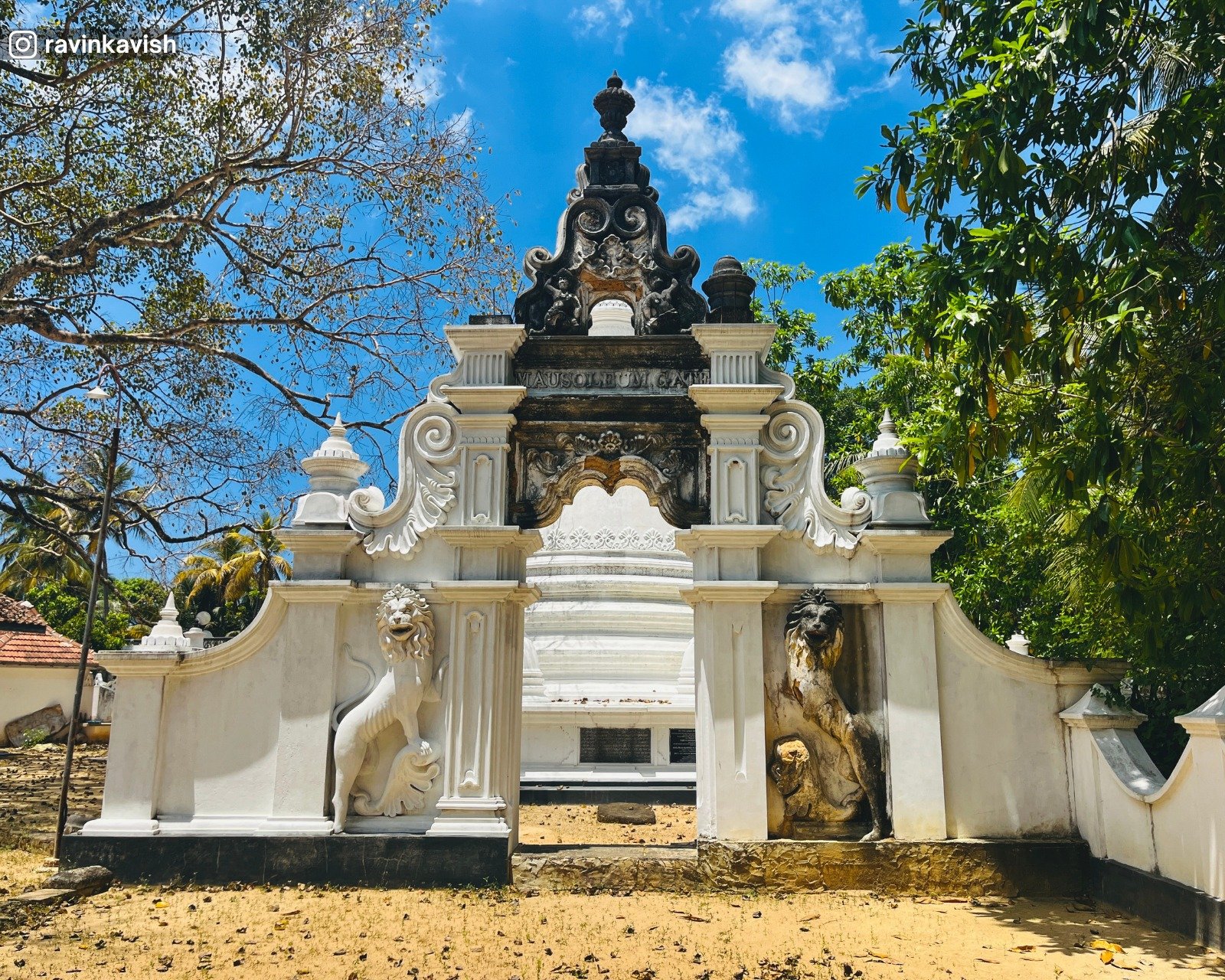
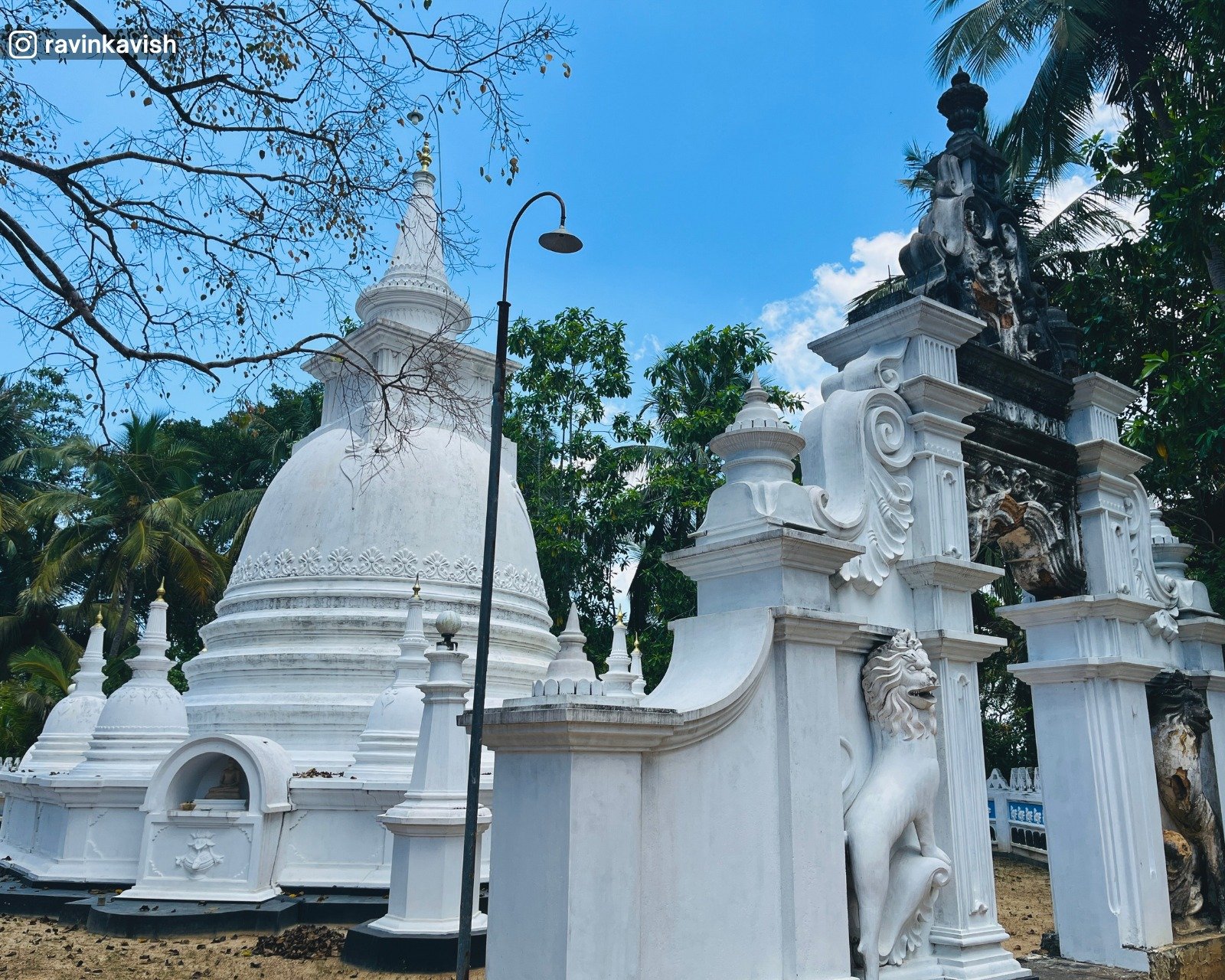
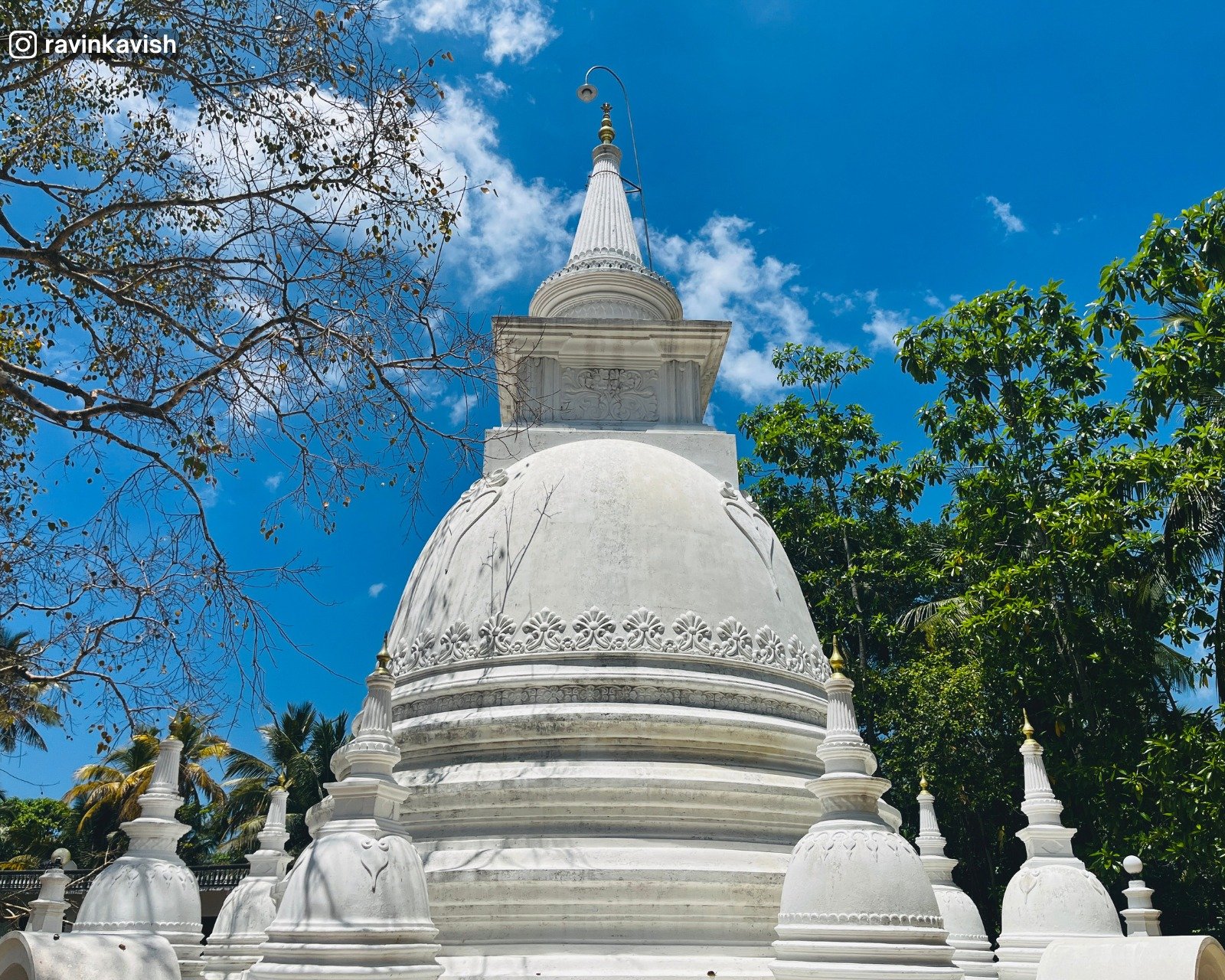
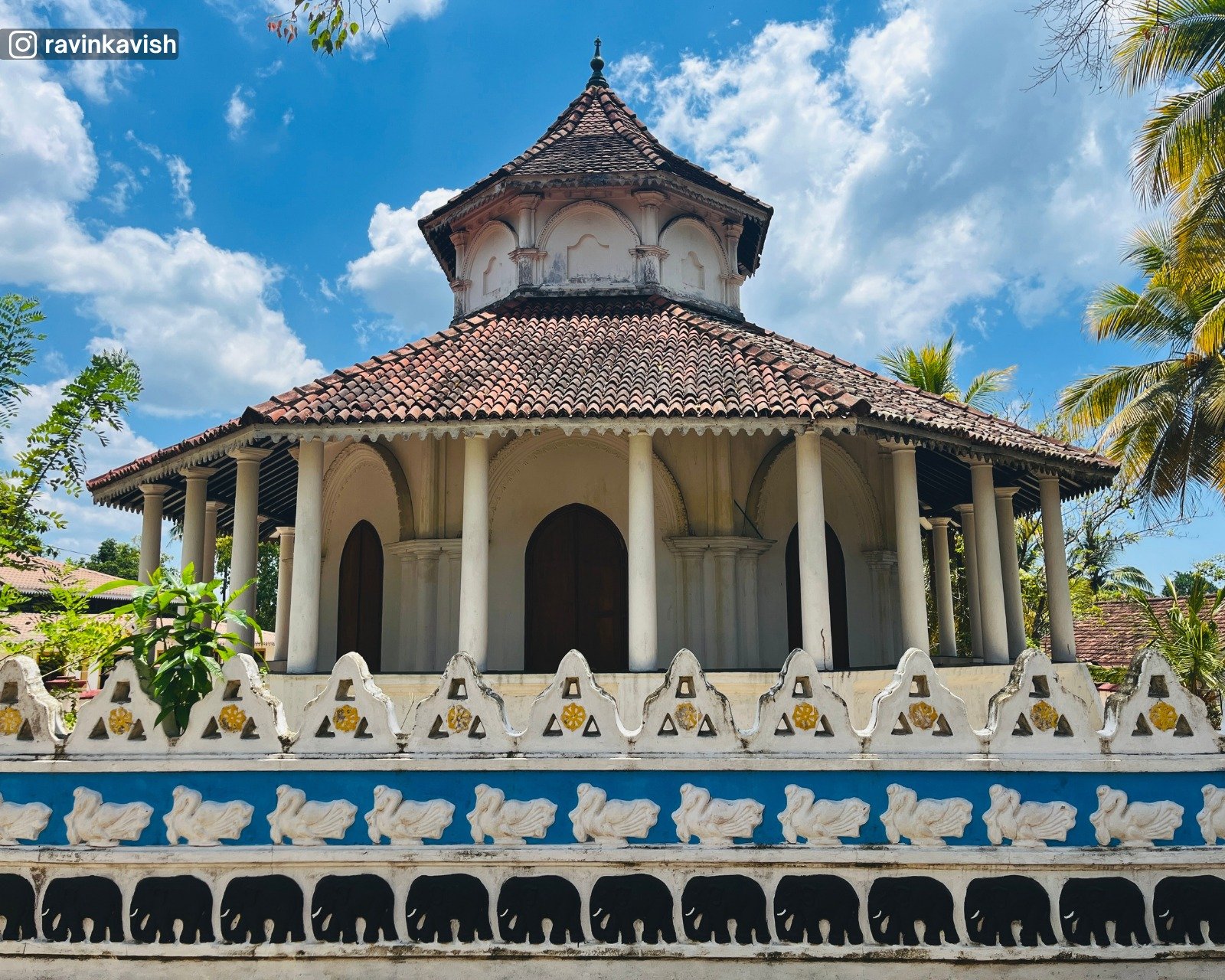
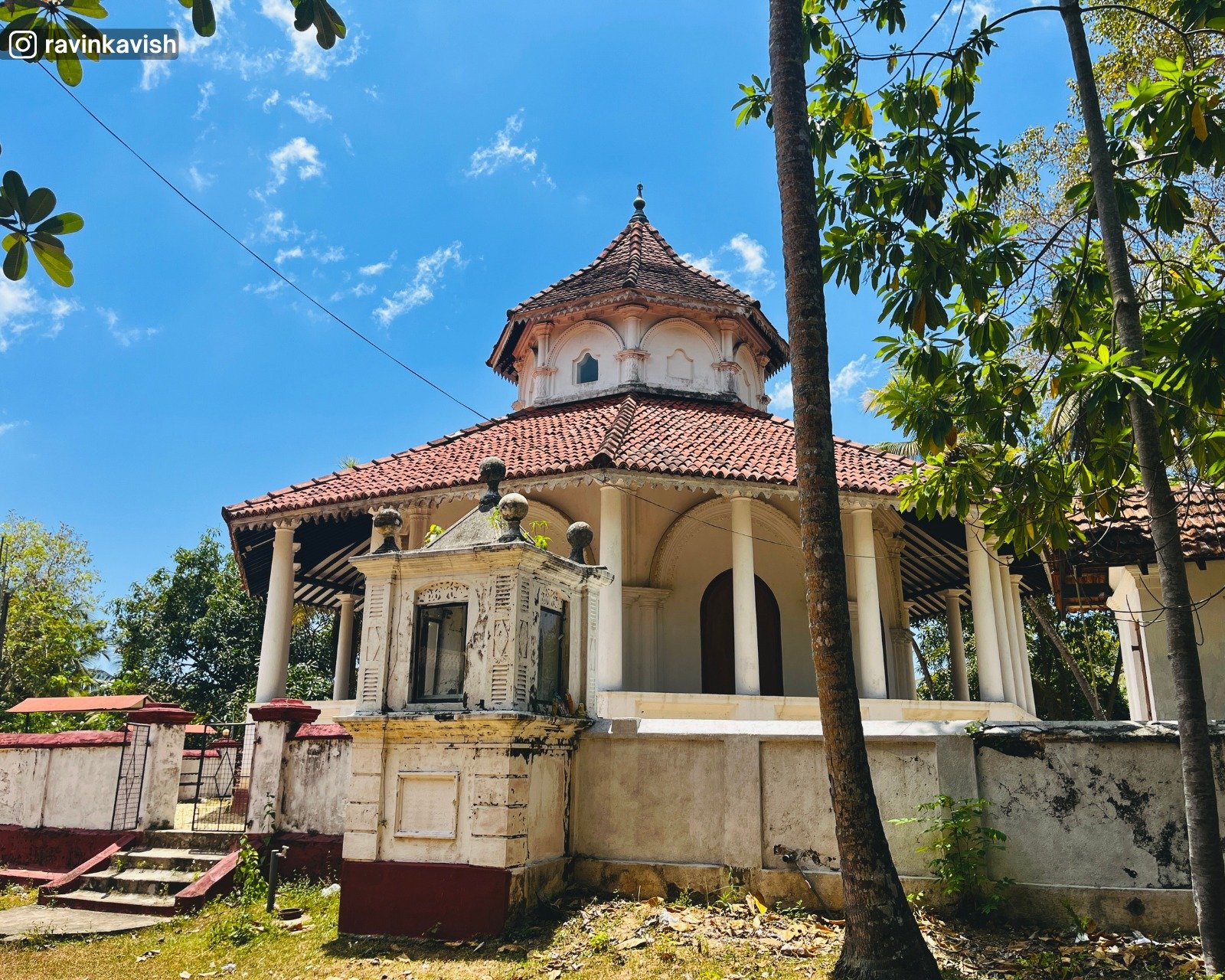
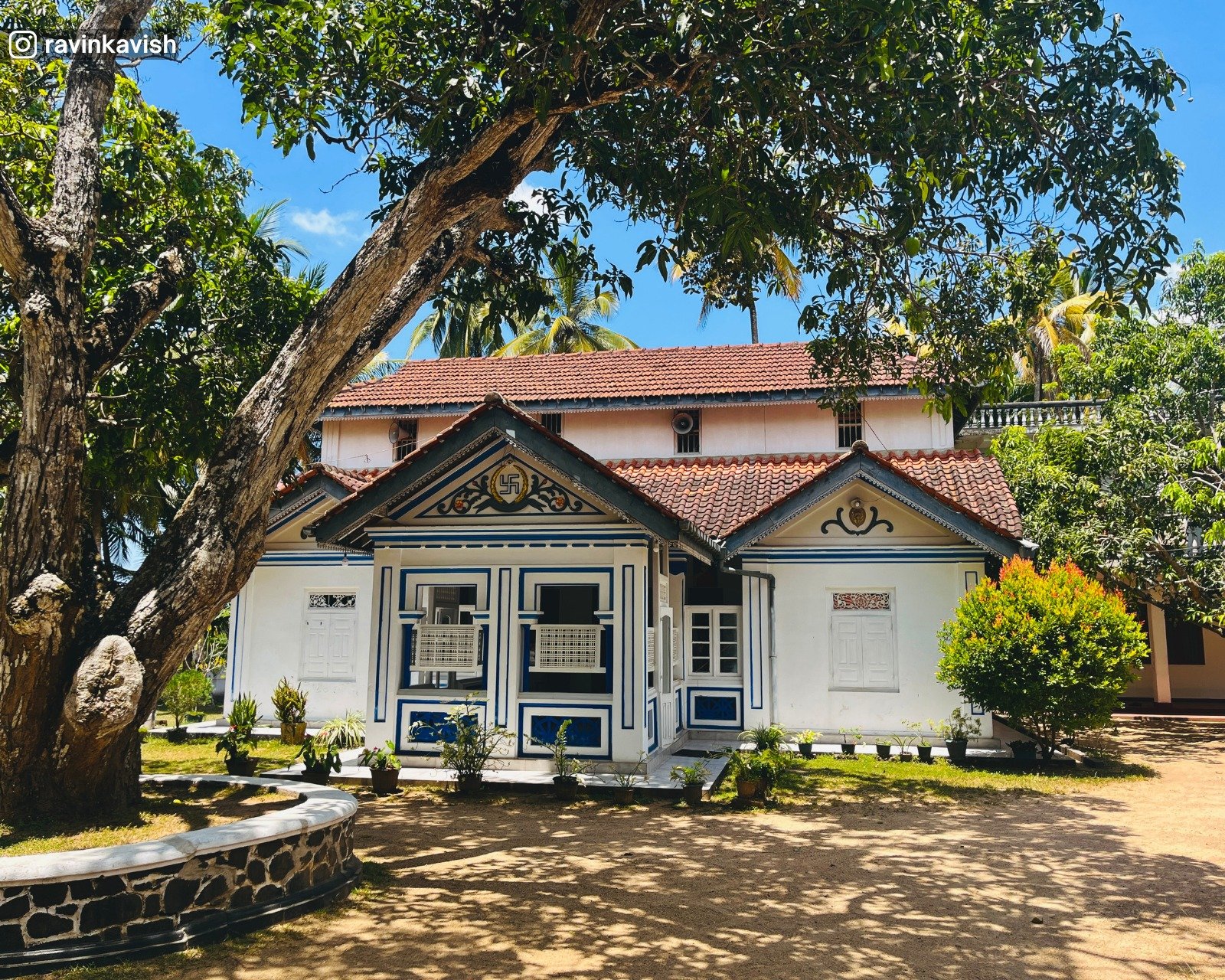
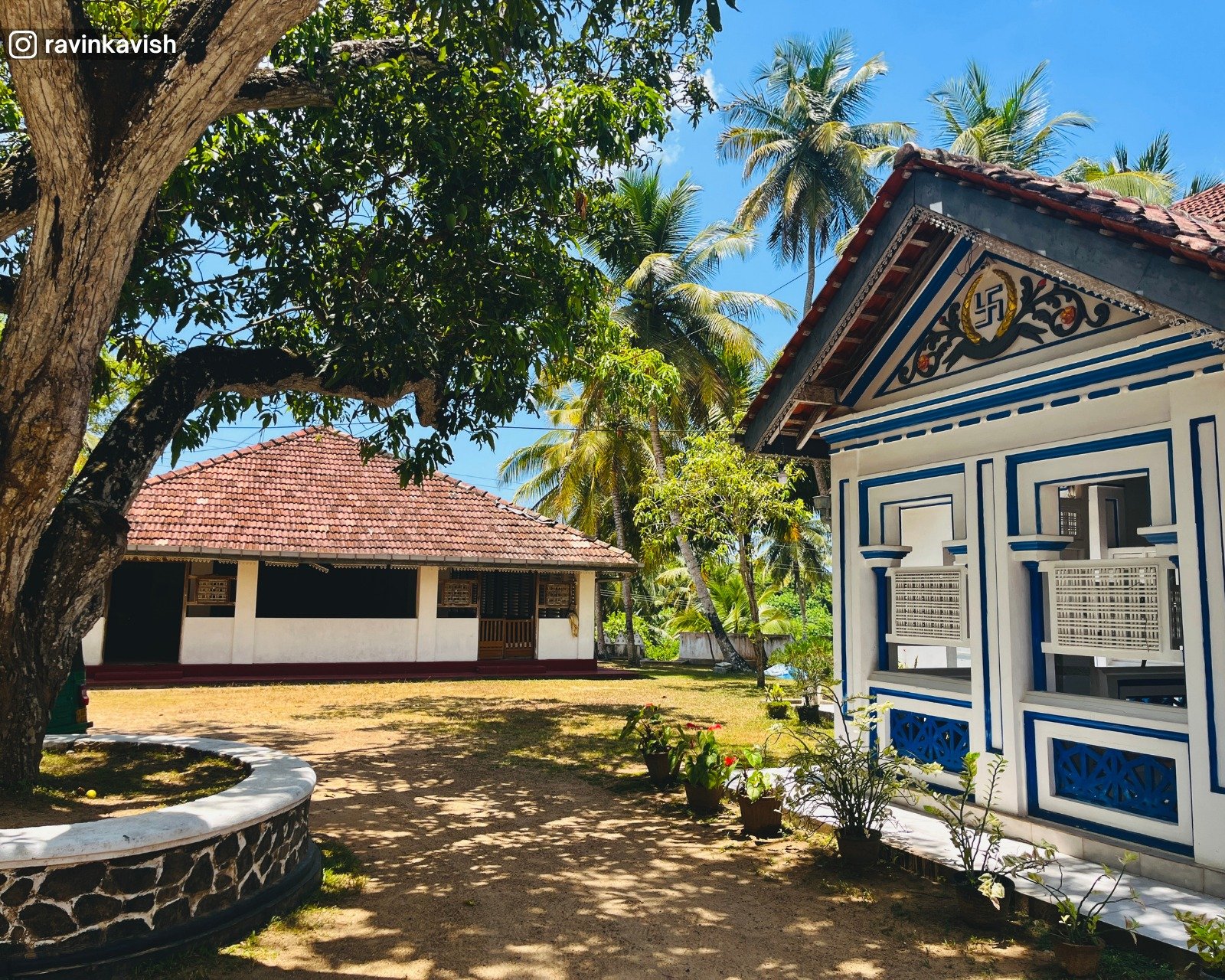
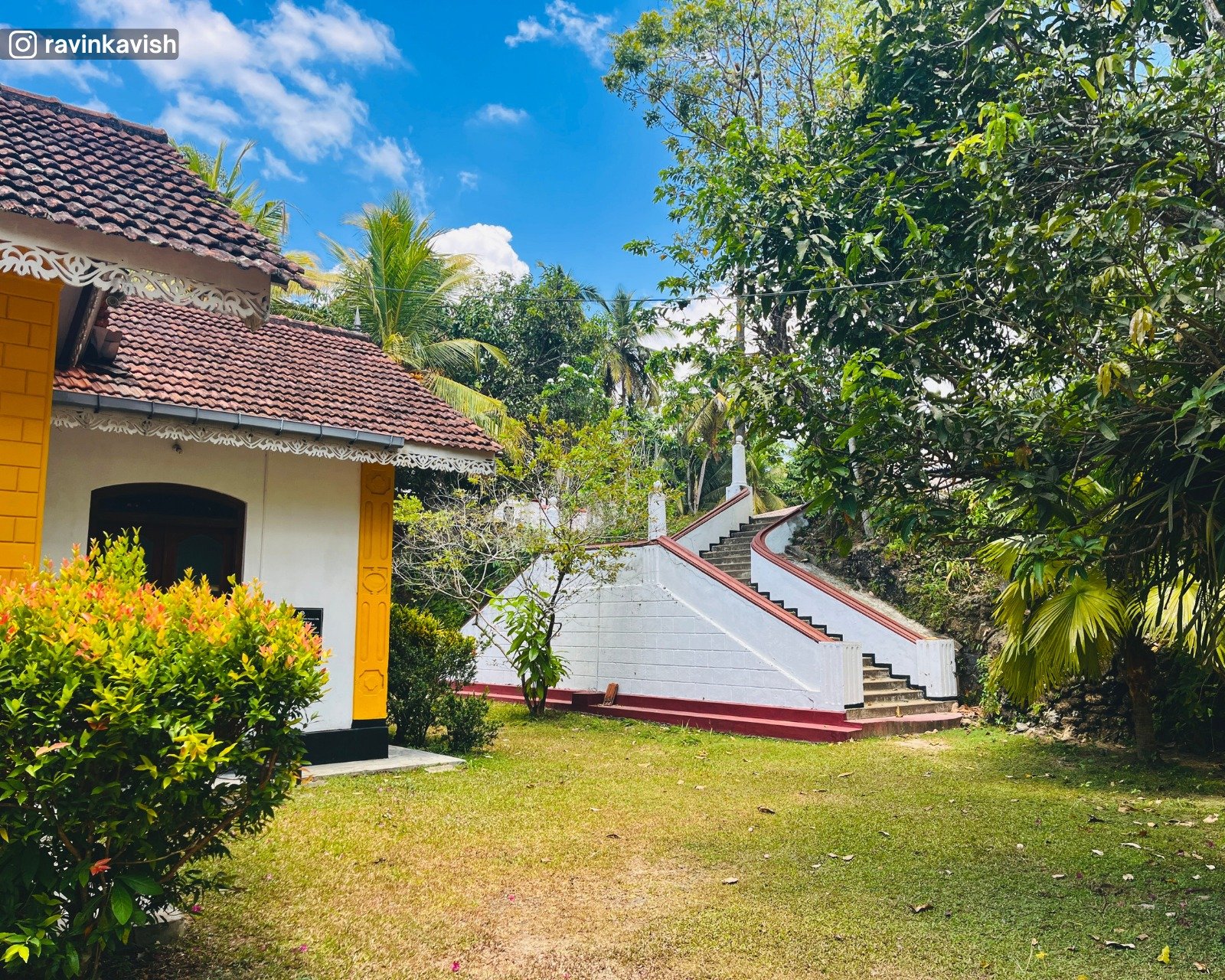
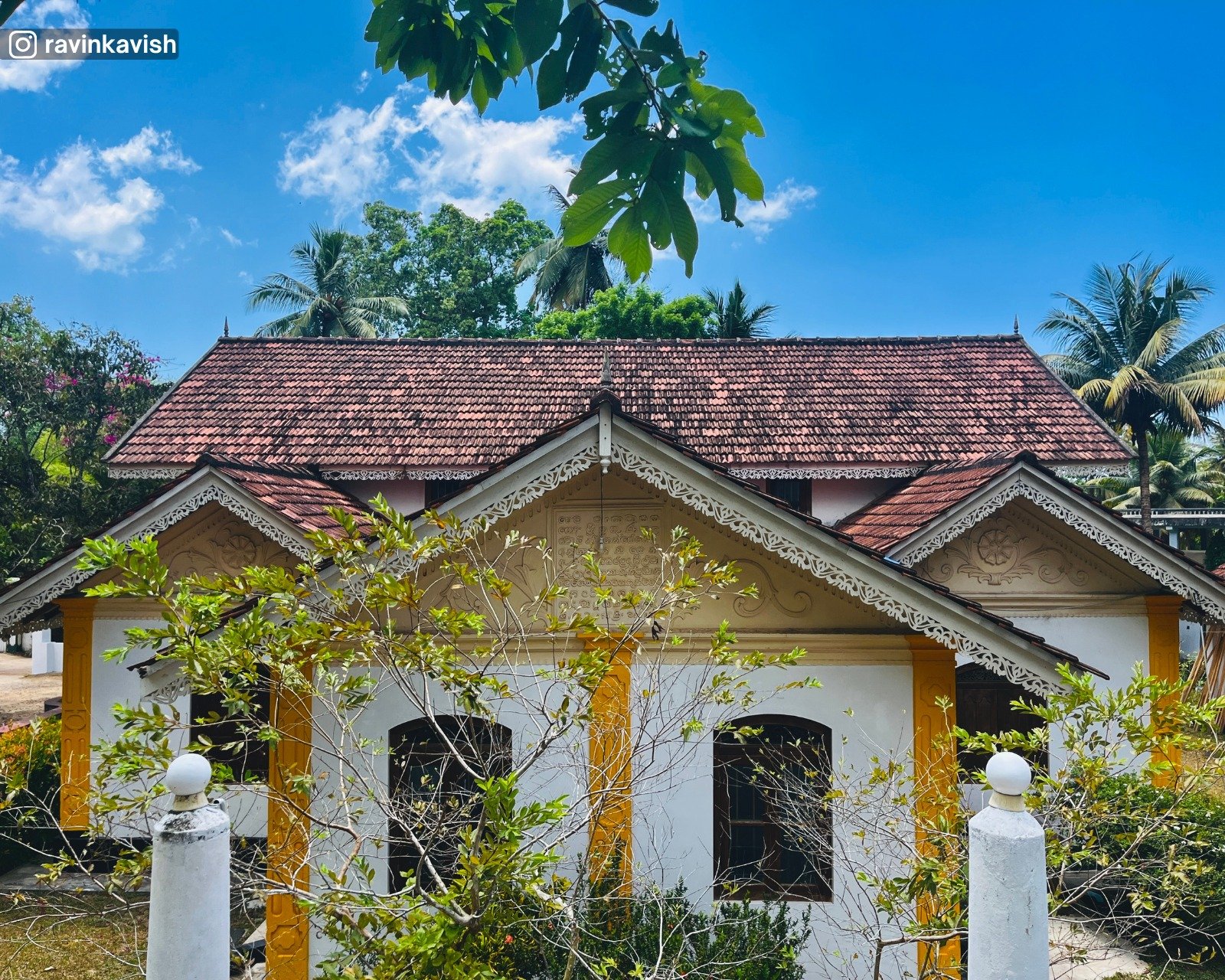
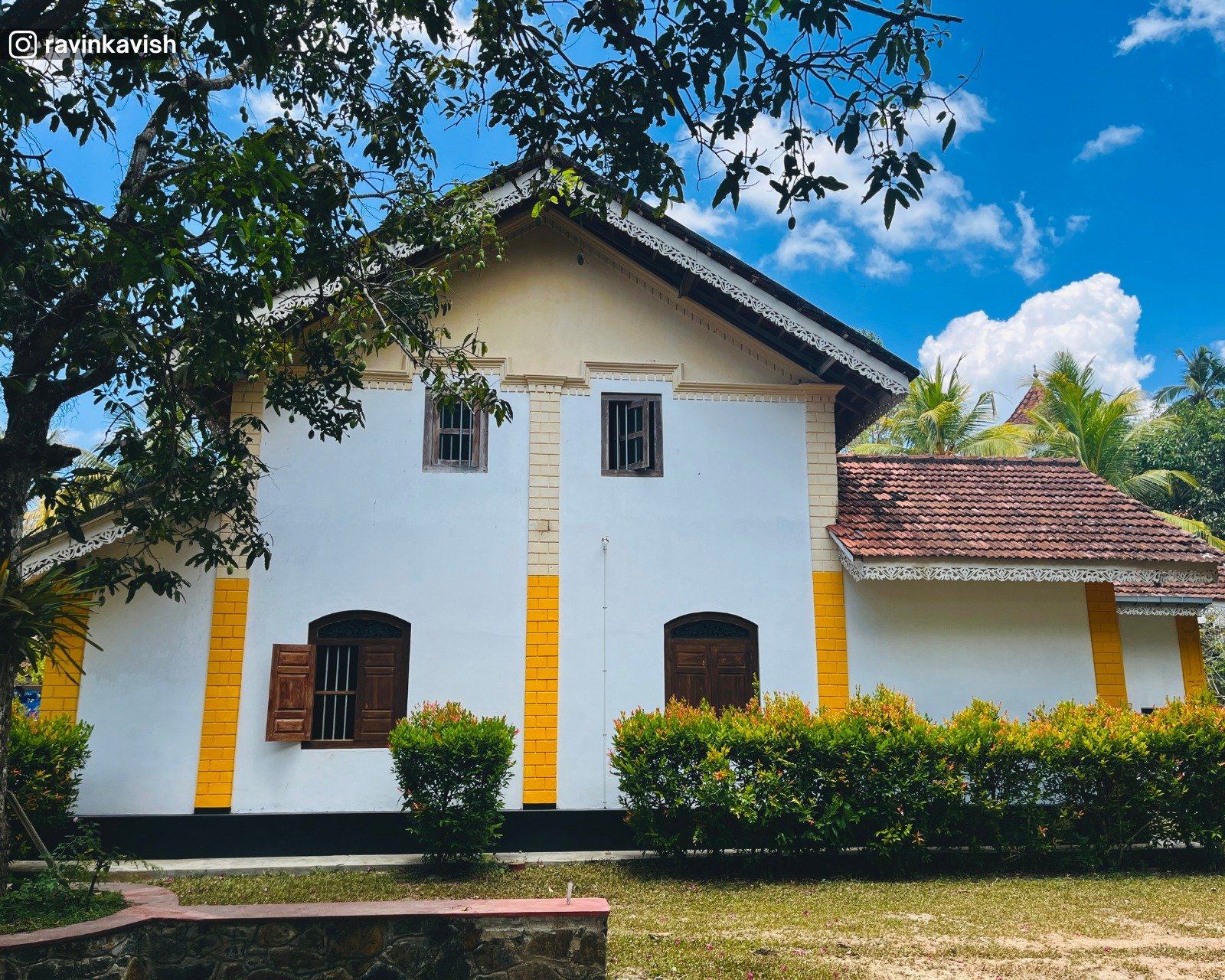
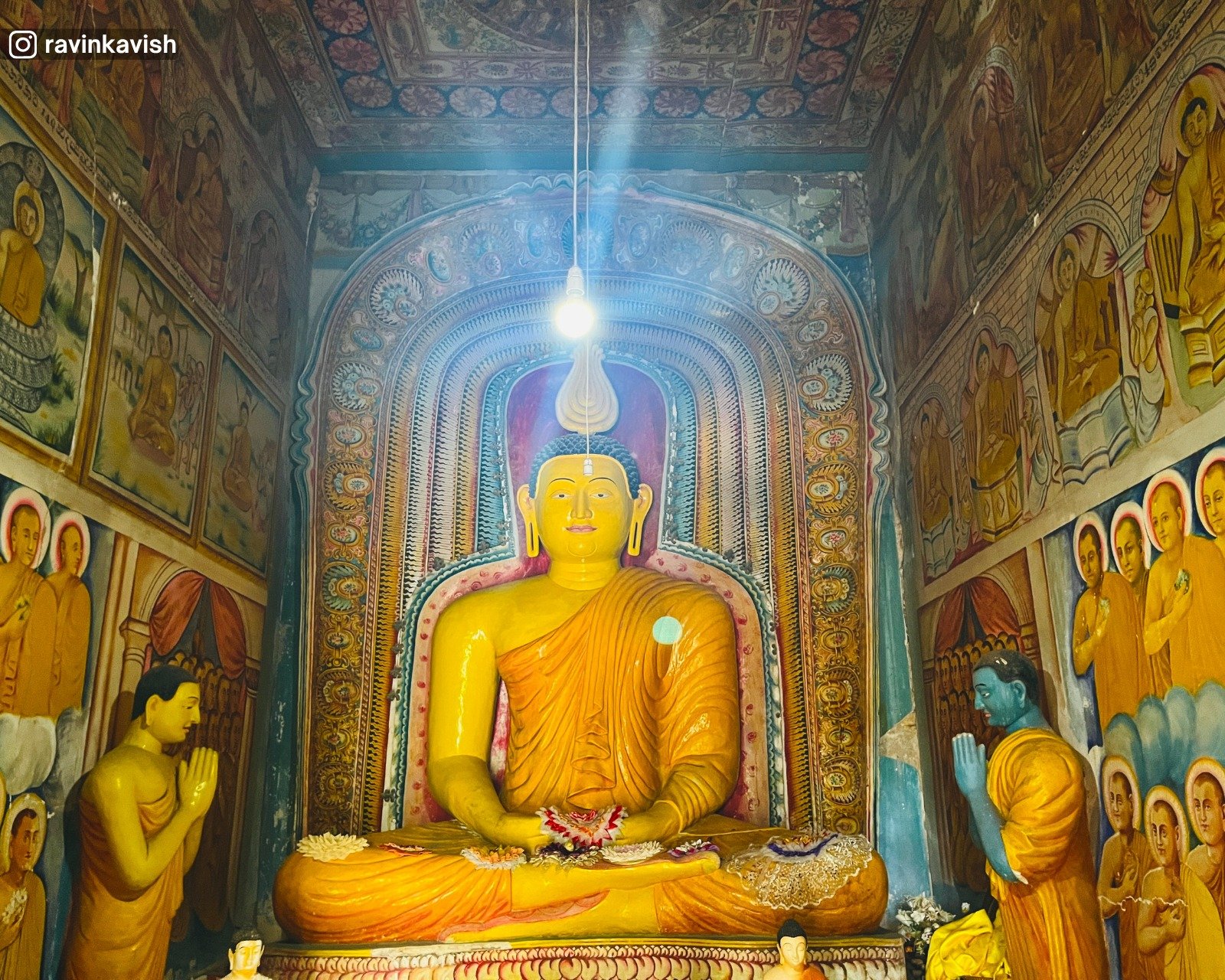
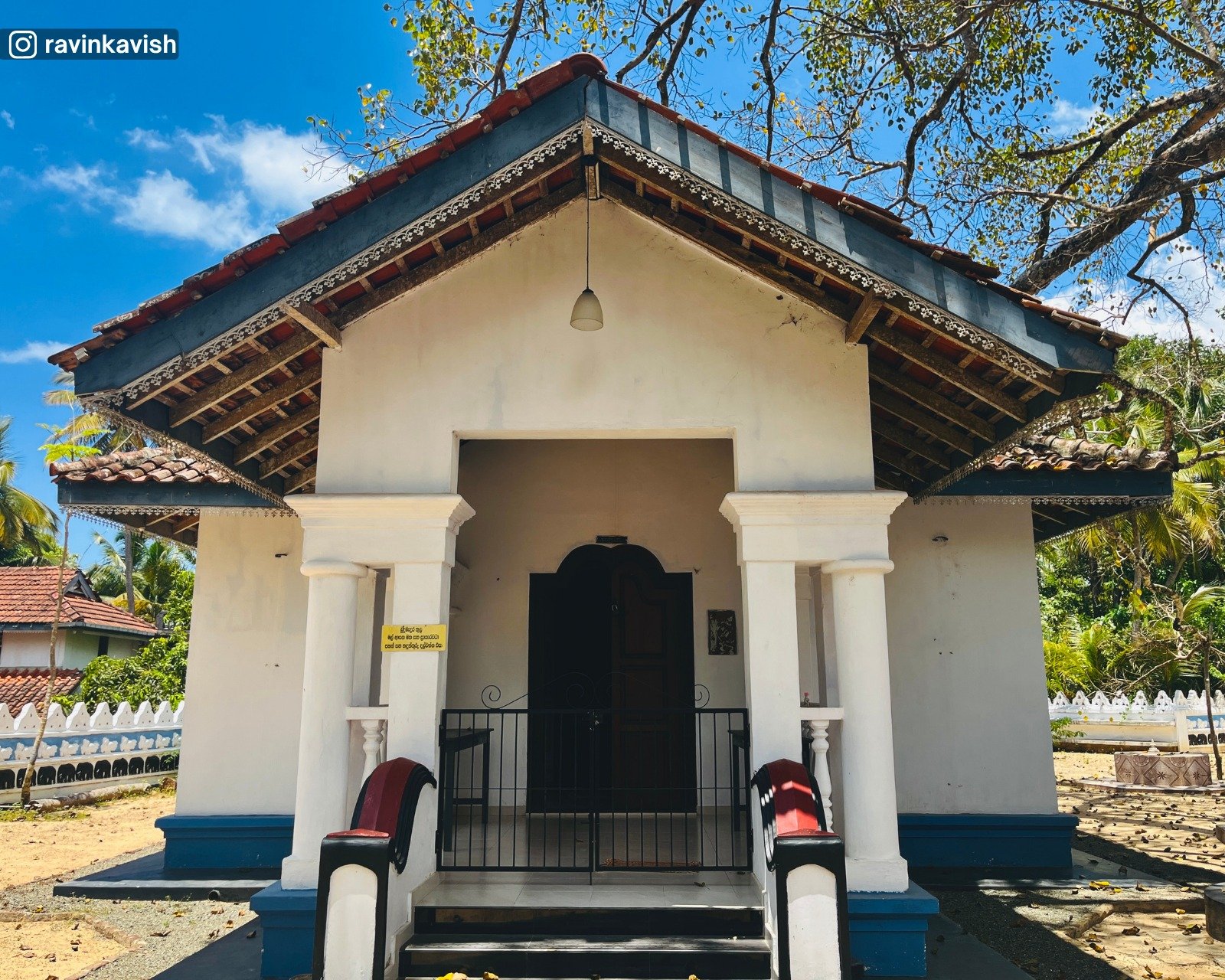
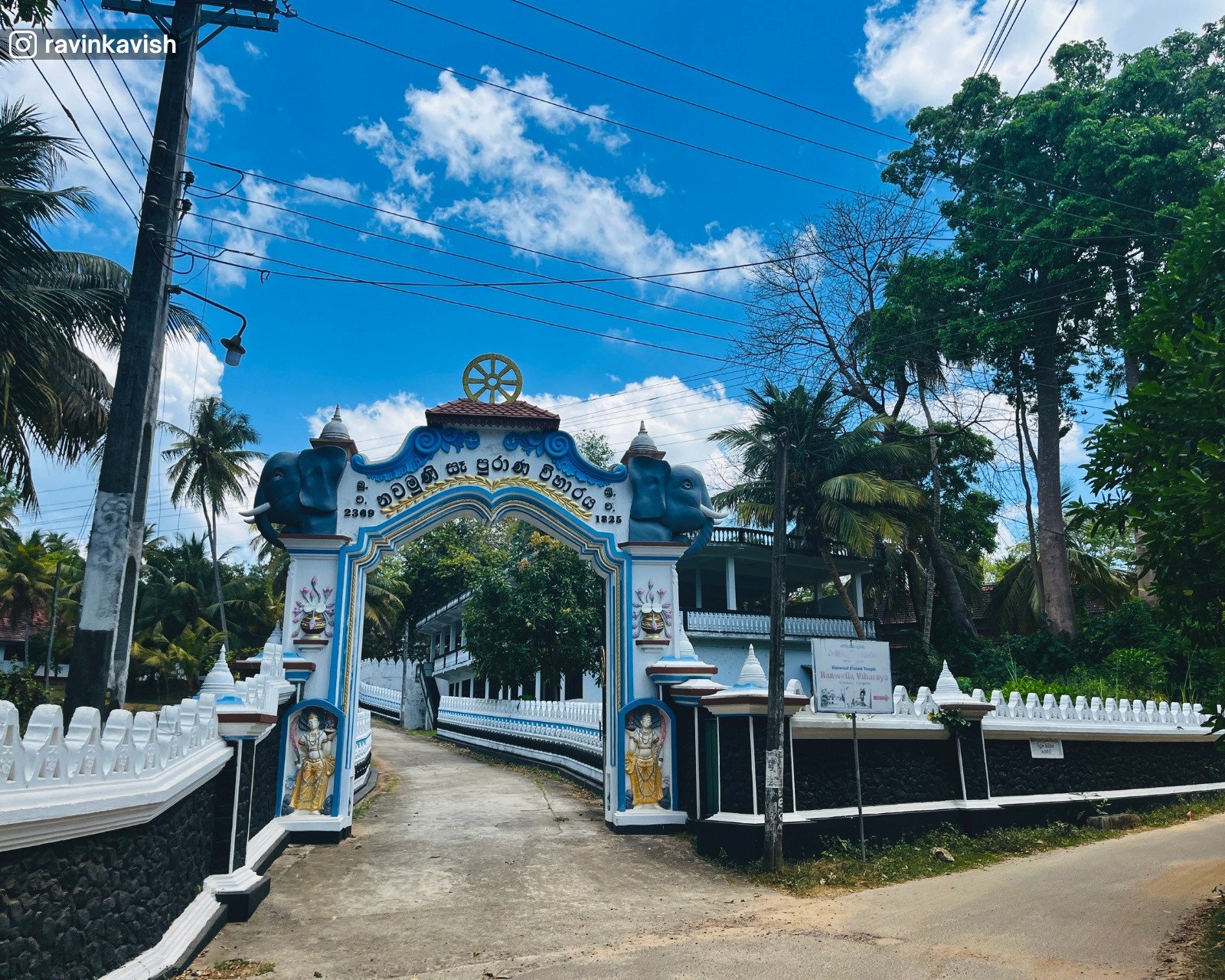
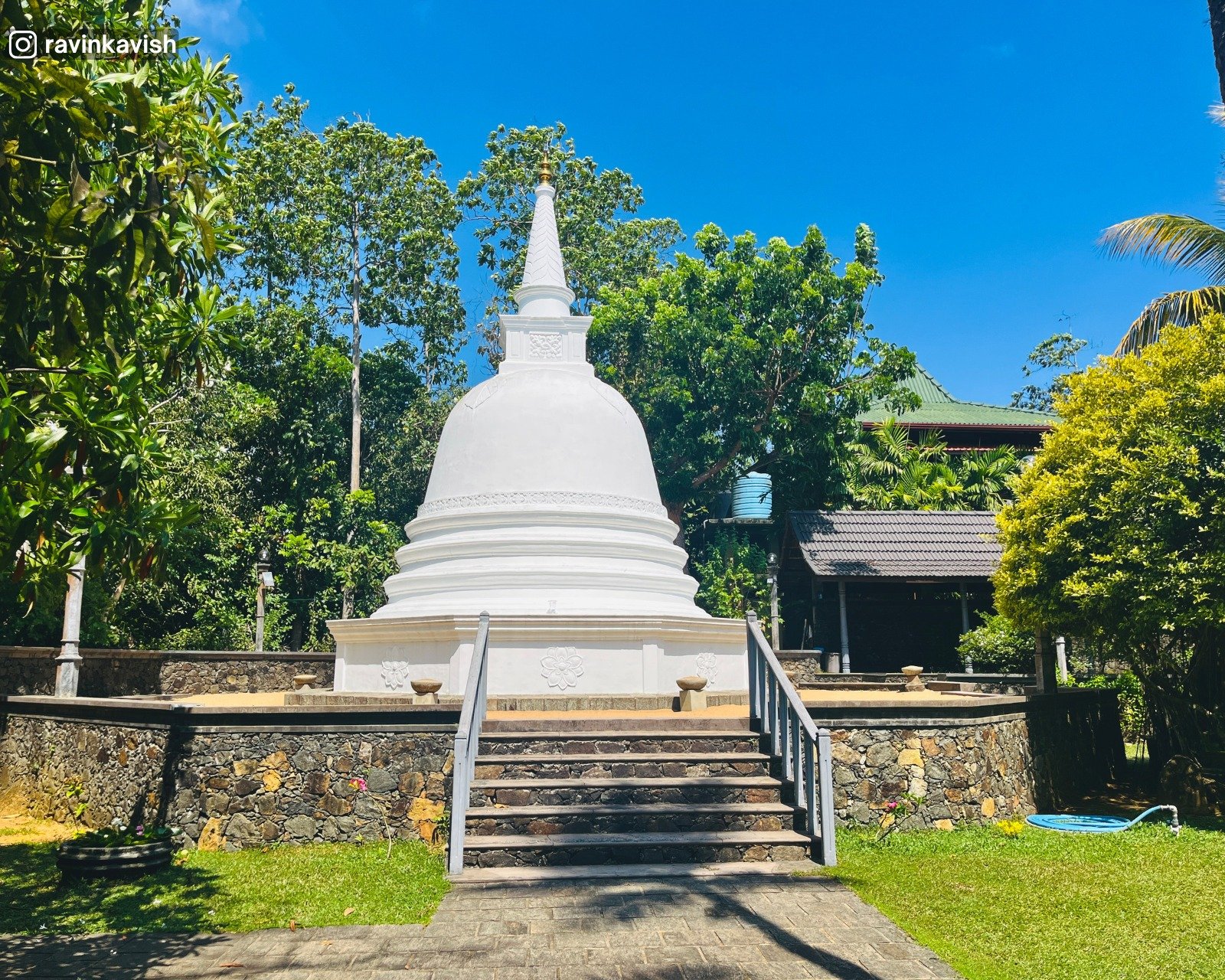
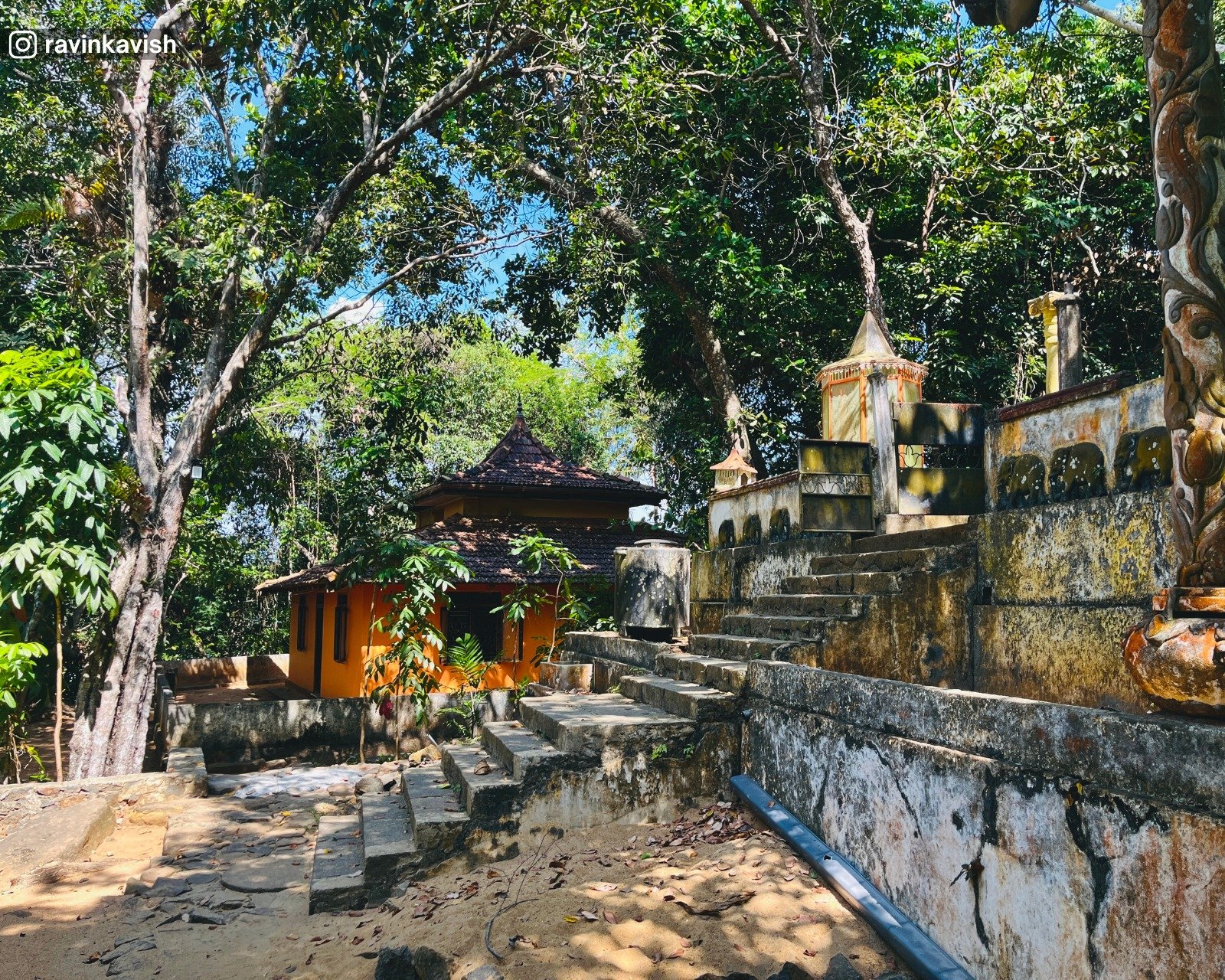
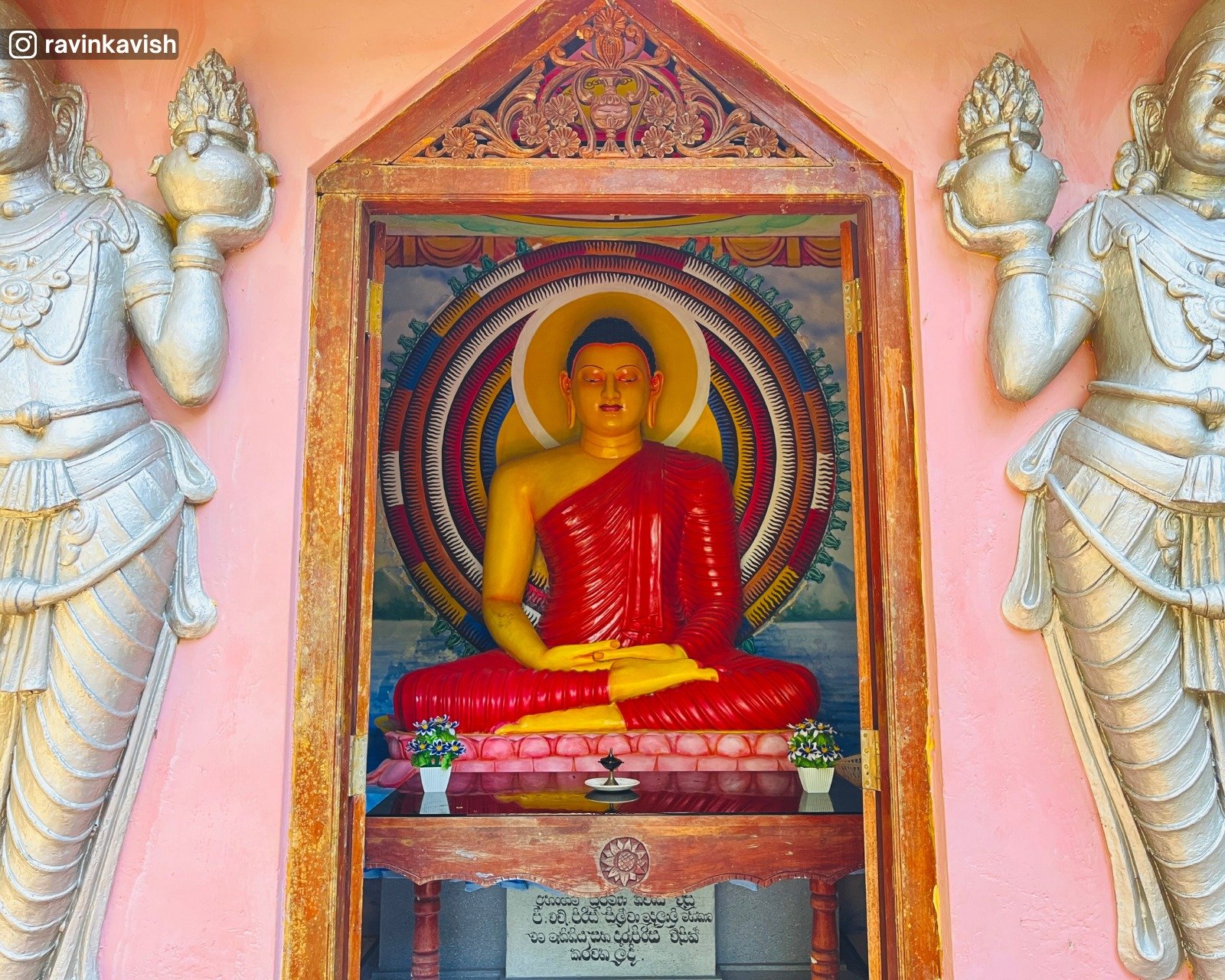
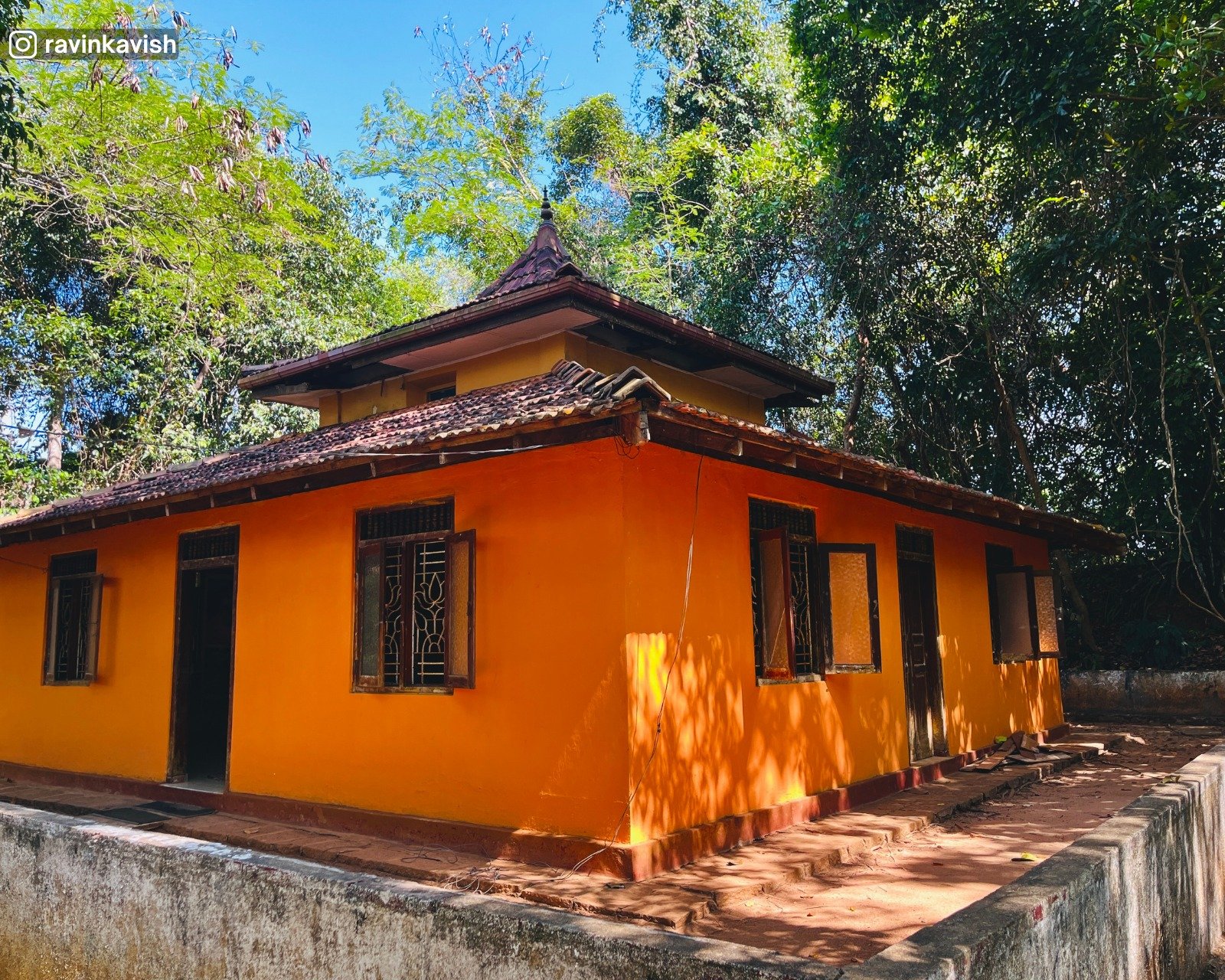
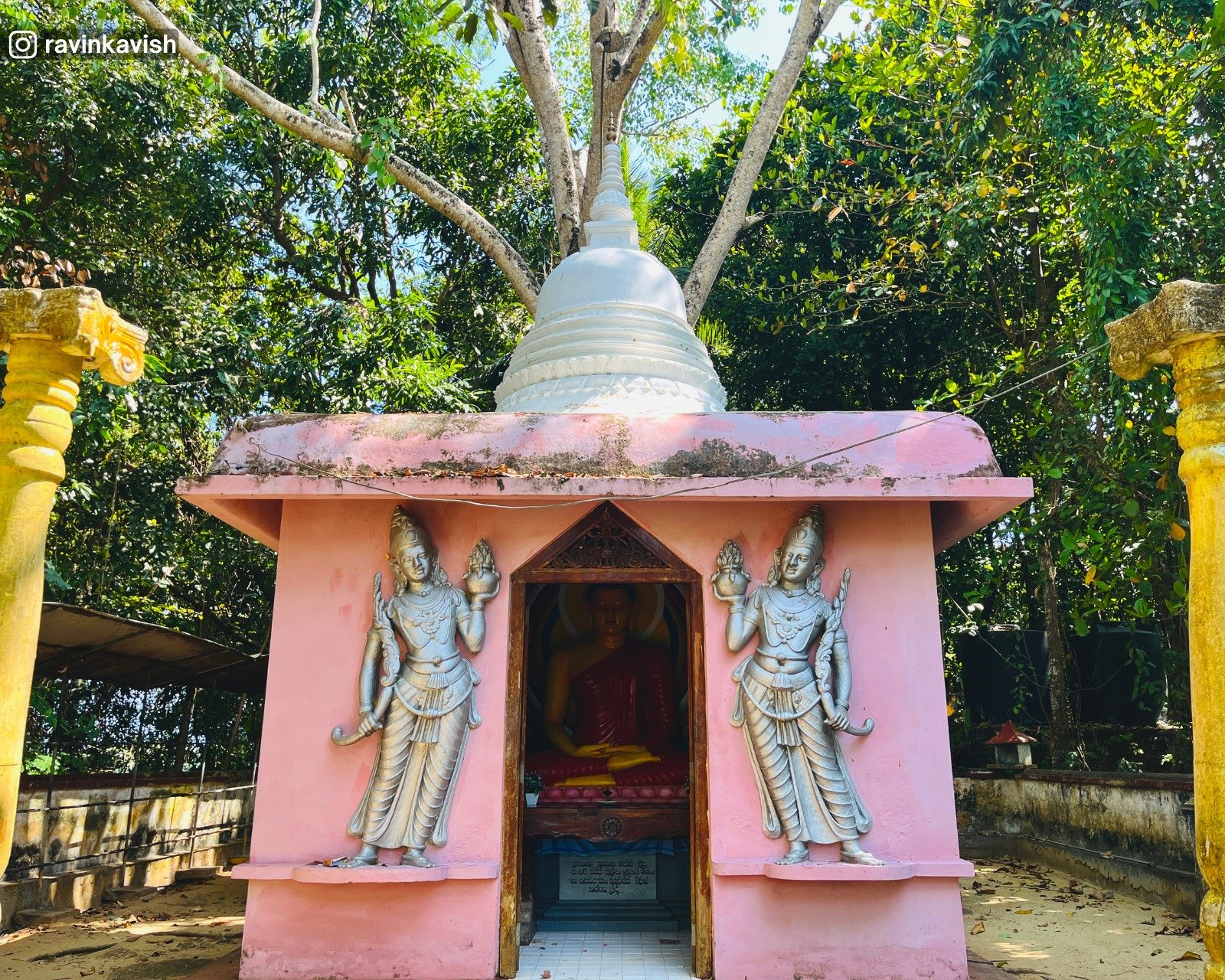
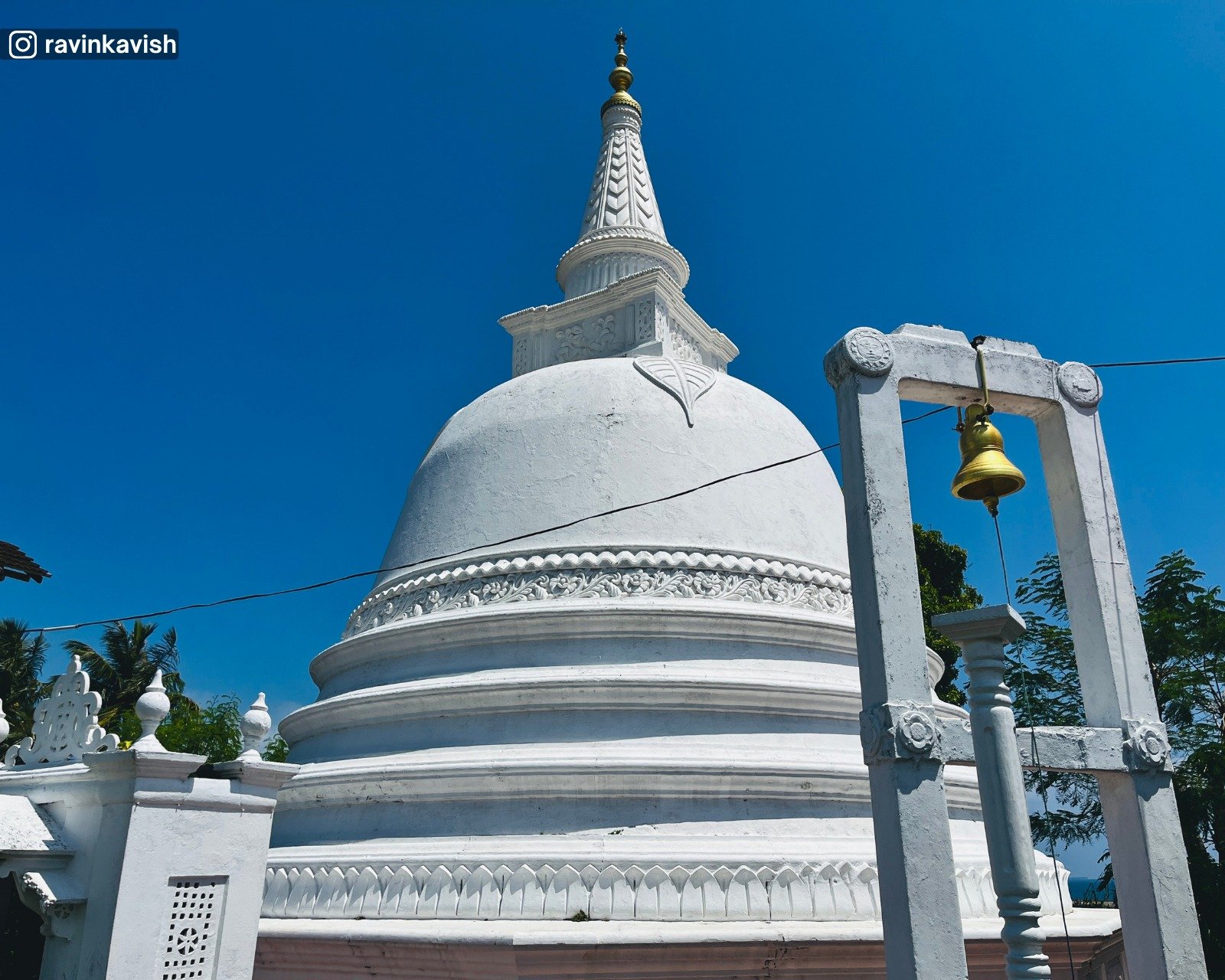
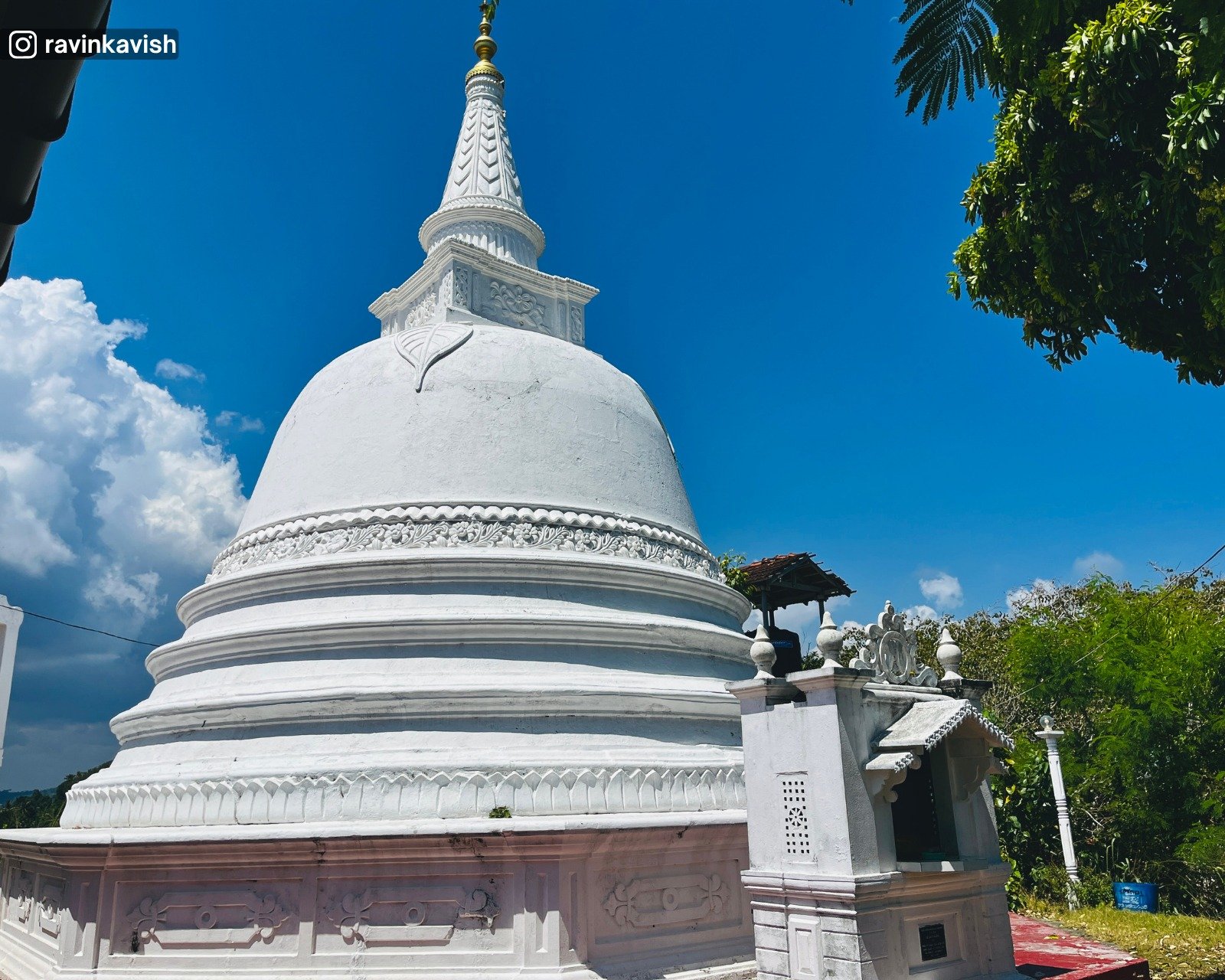
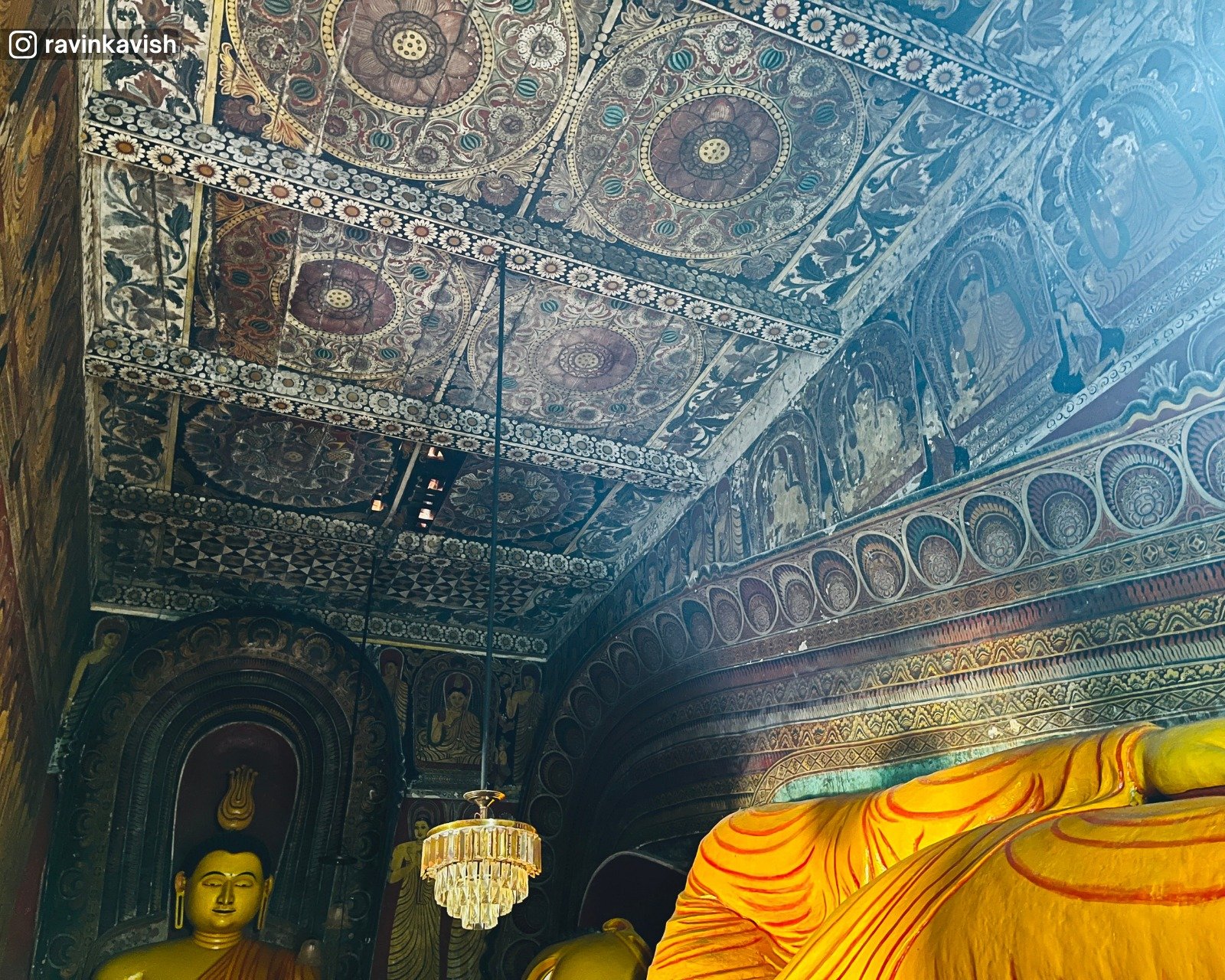
Ranwella Temple (Ranwella Purana Viharaya) is a peaceful Buddhist temple located near Koggala, set within a quiet village environment away from the busy southern coastline. Built in the early 1800s, the temple is best known for the old paintings that adorn the walls and roof of its main image house, making it one of the more culturally significant yet lesser known temples in the area.

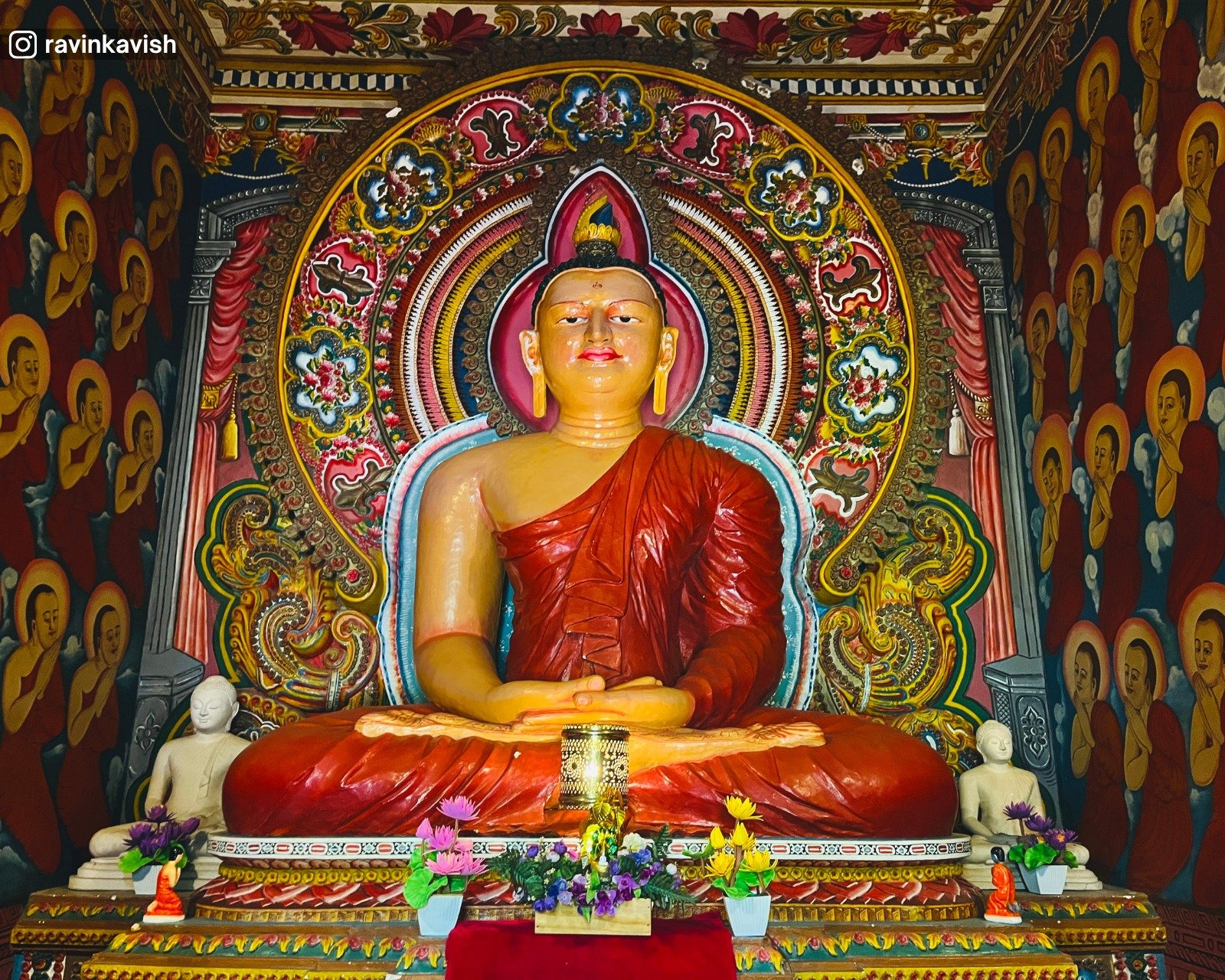
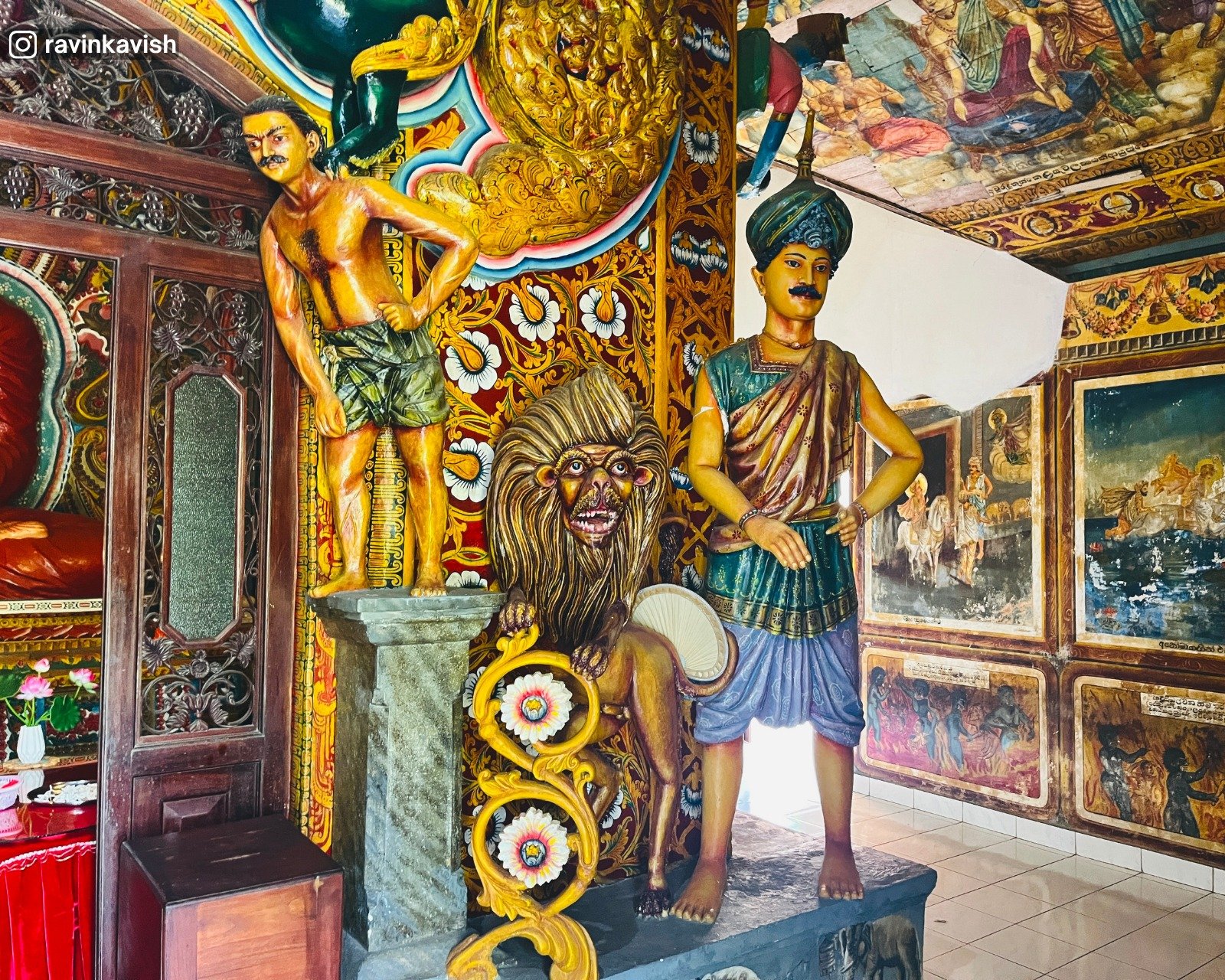
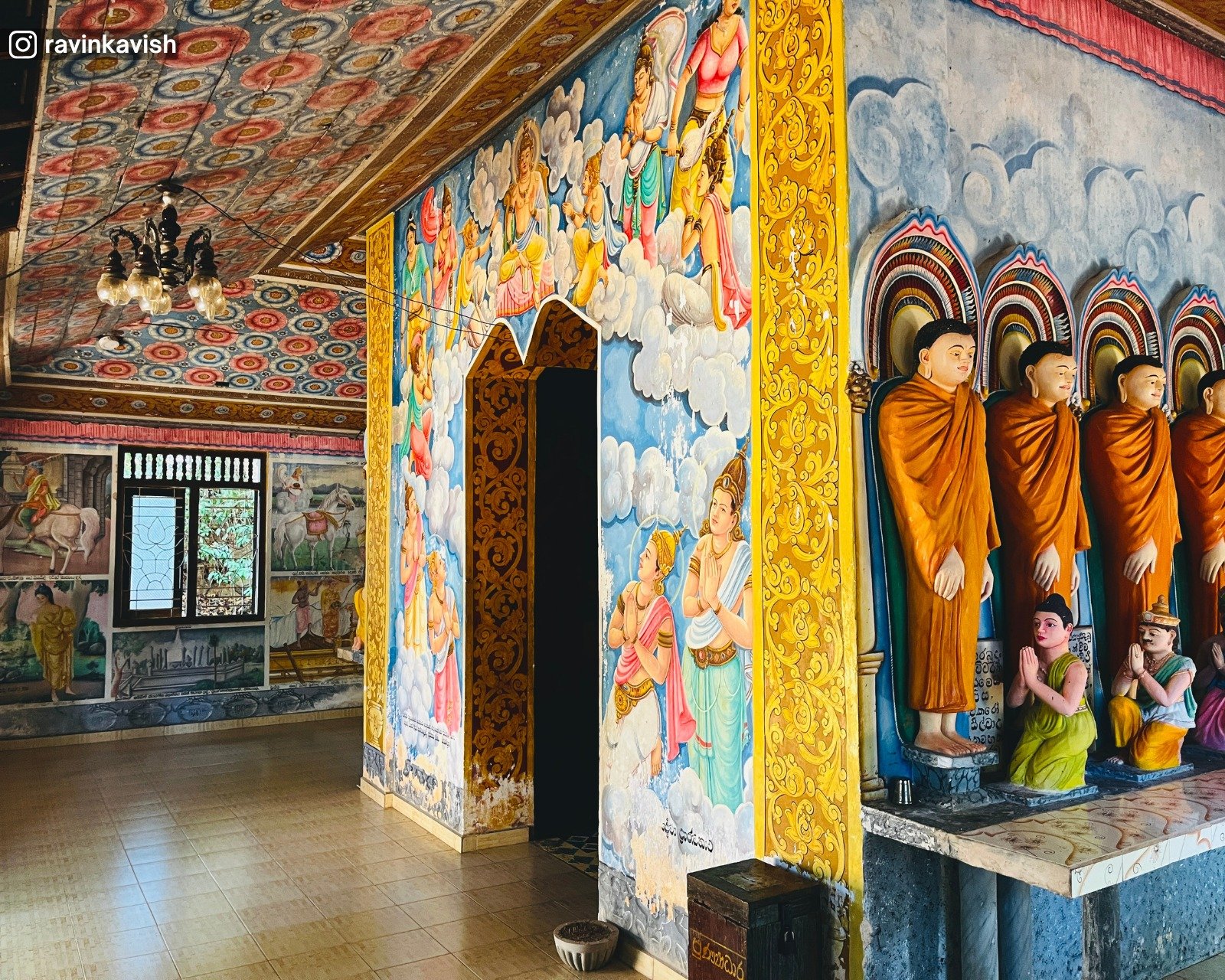
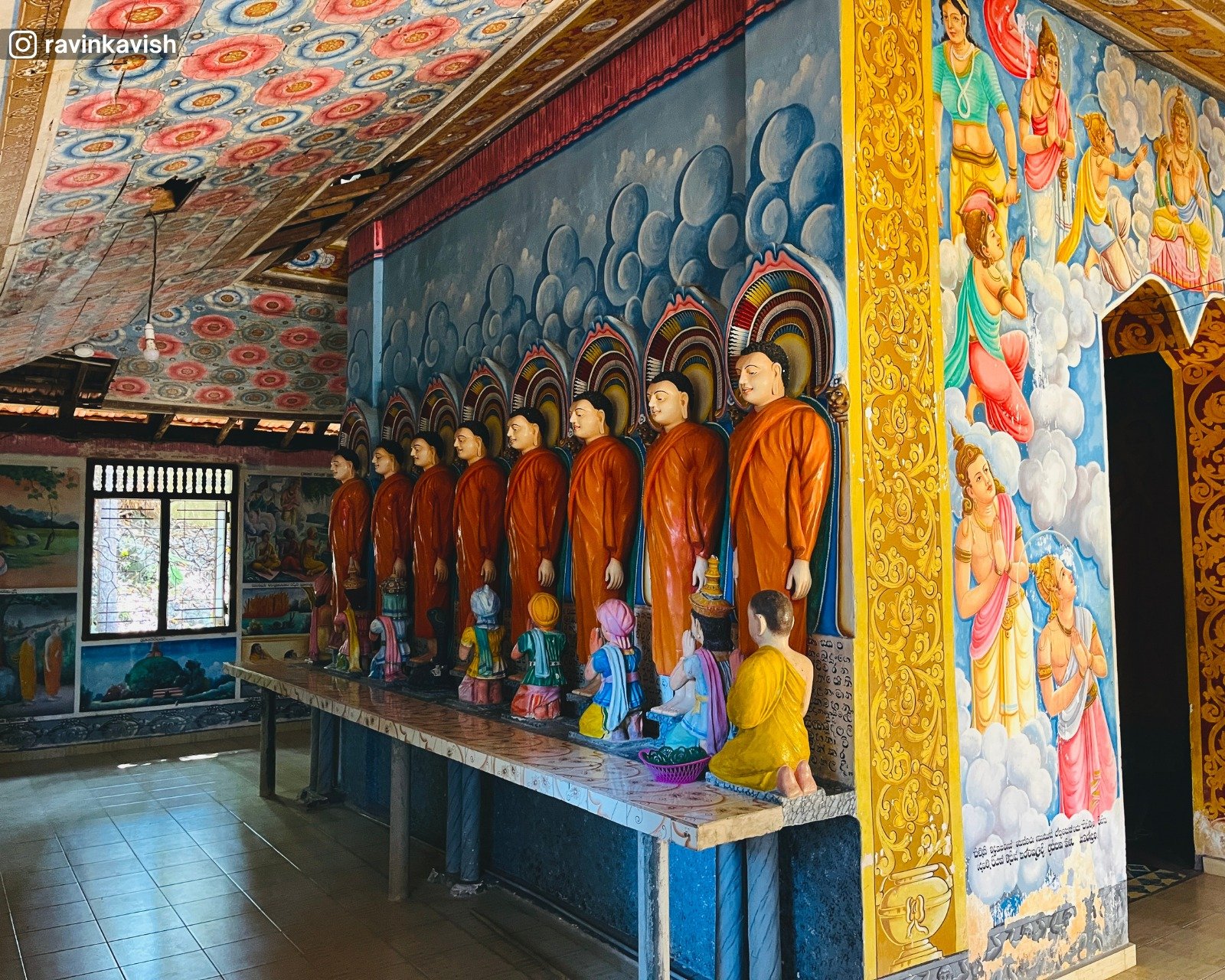
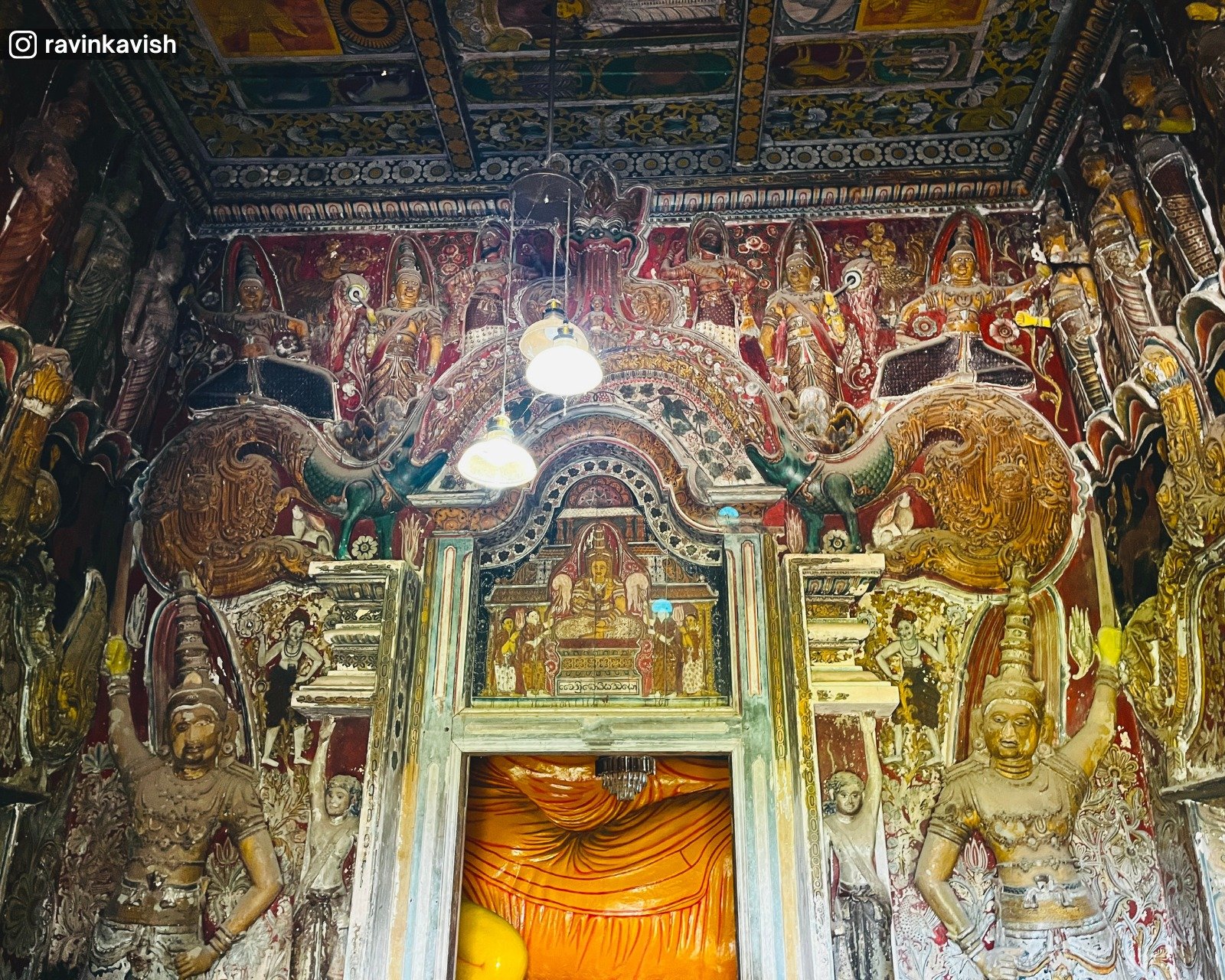
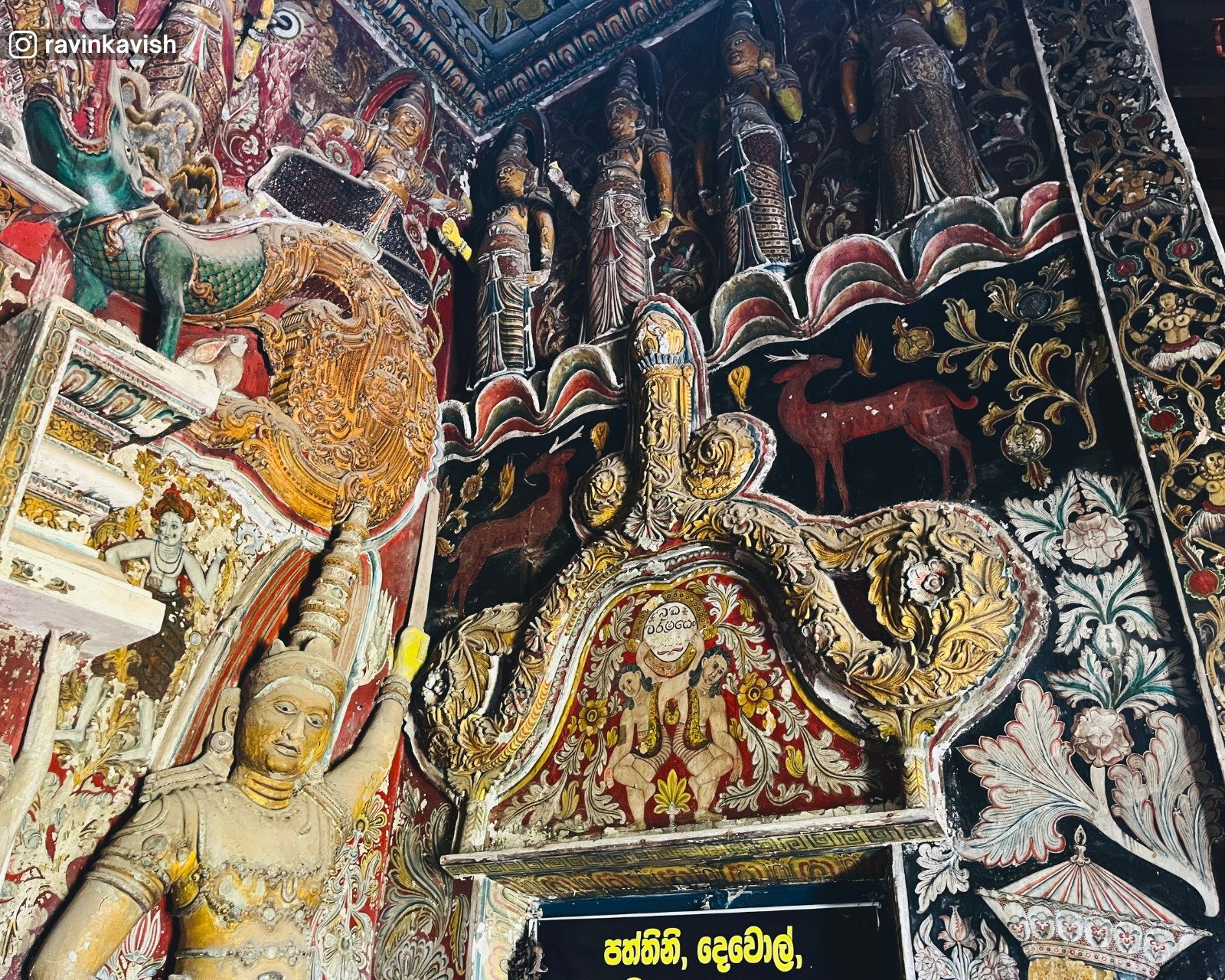
The murals, dating to the early 19th century, are detailed and carefully executed, following the Kandyan style of temple painting while also showing clear signs of British colonial influence. This blend is especially rare, with elements such as European motifs and symbols appearing within traditional Buddhist scenes, including depictions related to the Buddha’s Parinirvana. These paintings provide a visual record of a period when local religious art was adapting to colonial realities. Over time, many of the murals have begun to fade, adding urgency to their preservation.

In addition to its artistic value, the temple also holds historical significance as the site of the Lankopakaraya printing press, associated with the early development of Sinhala printed material. While not the temple’s primary feature, this connection adds another layer to its cultural importance and reflects the broader intellectual and religious activity that once took place here.

From parts of the temple grounds, visitors can see Madol Duwa, the island linked to Sri Lankan literary history, strengthening the site’s cultural context. Despite its importance, Ranwella Temple remains relatively unknown, preserving a calm and reflective atmosphere ideal for quiet exploration and appreciation of heritage.
Read More
Scenery
Buddhist Temple
Historic low country Raja Maha Viharaya with rare colonial era influenced murals.
Scenery
Scenery
Serene village setting on raised ground, offering a calm atmosphere and a strong sense of historical presence.
Art & Culture
Art & Culture
Kandyan style murals uniquely blended with colonial imagery such as horse carriages, Western dress, firearms, and British symbols, attributed to the Kadolgalla Sittara artistic lineage.
Scenery
History
Built in 1840 by Rev. Kataluwe Gunaratana Thero, with mural renovations dated to 1886 during the British colonial period.
Kathaluwa Poorvarama Temple
Top Pick
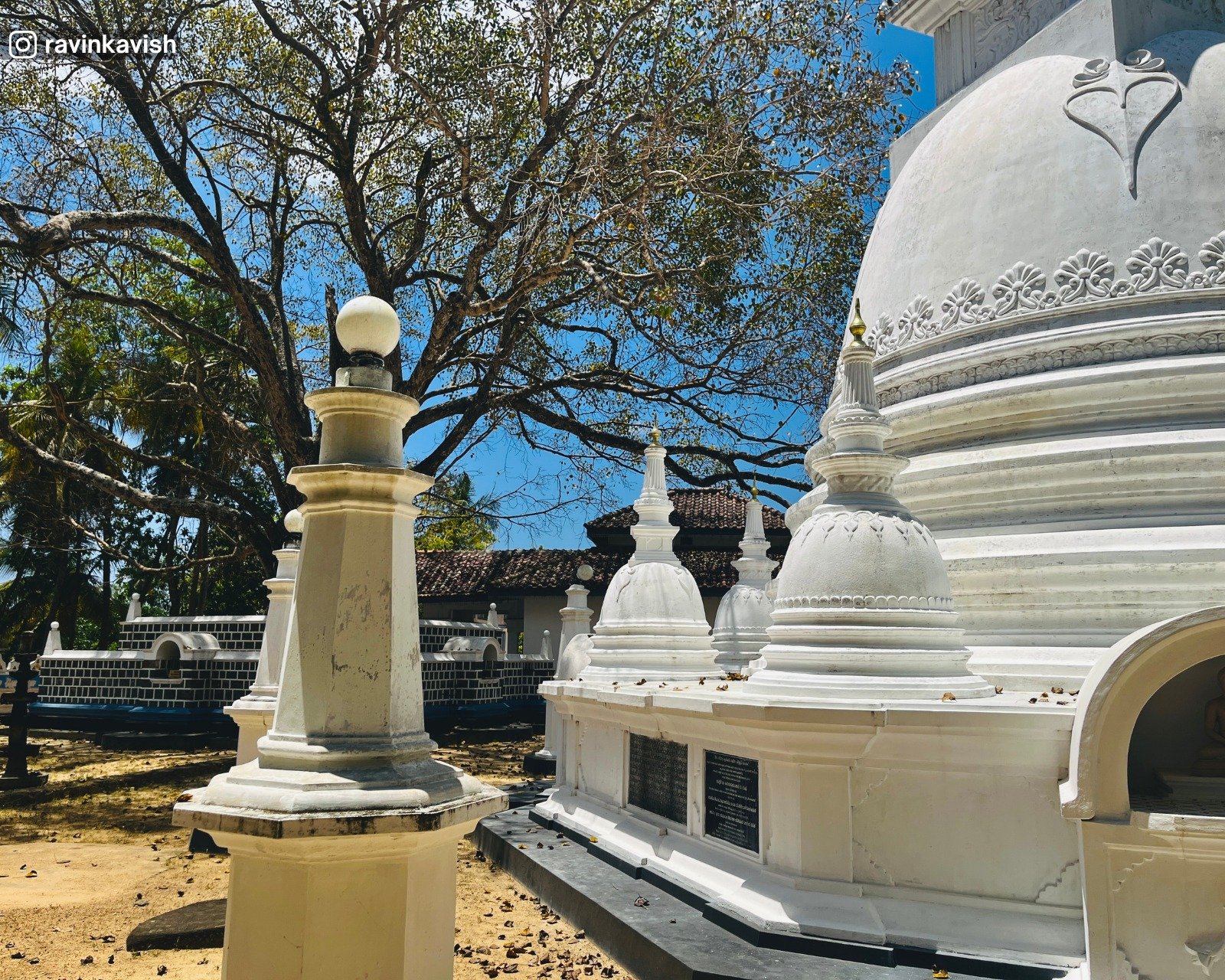
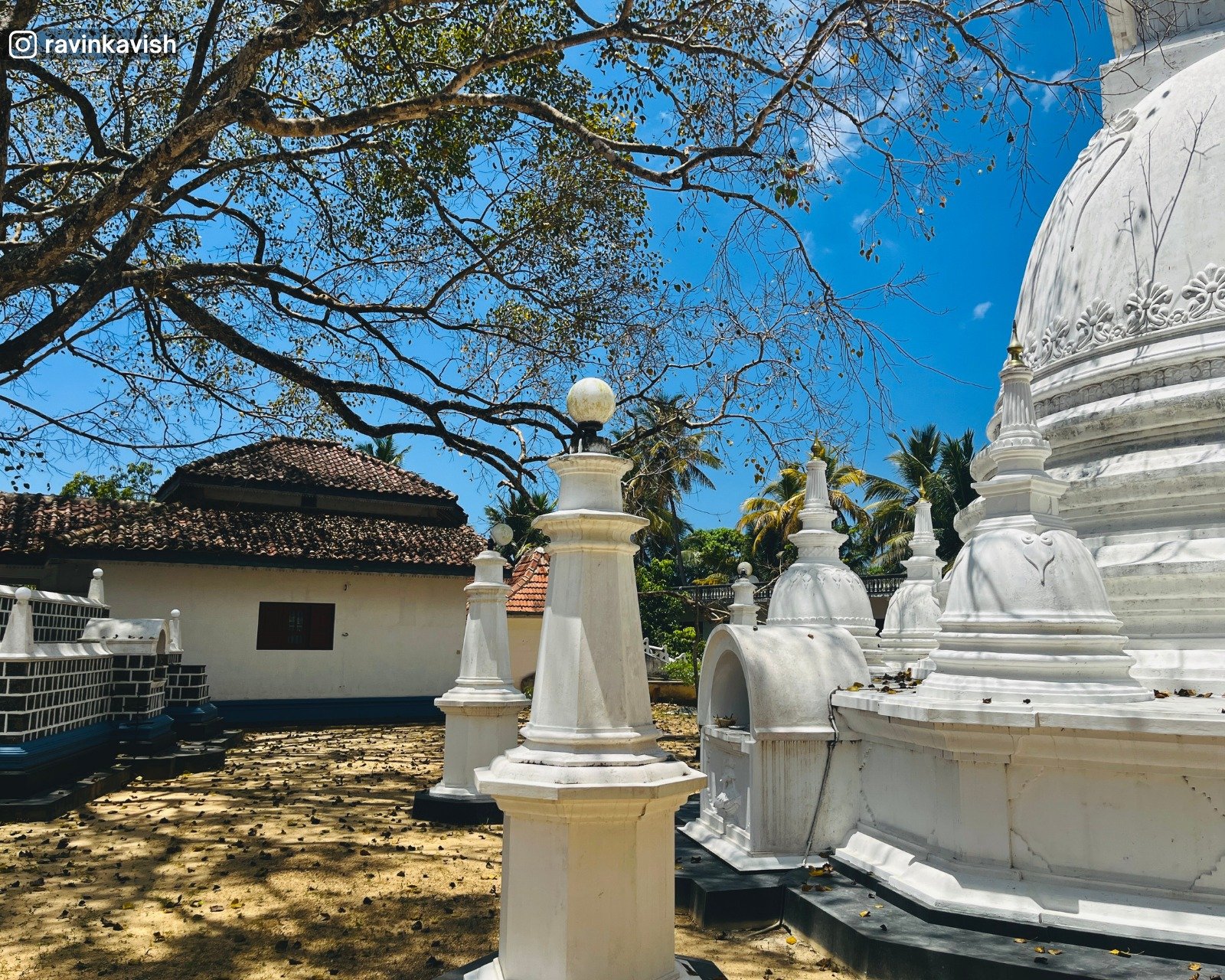
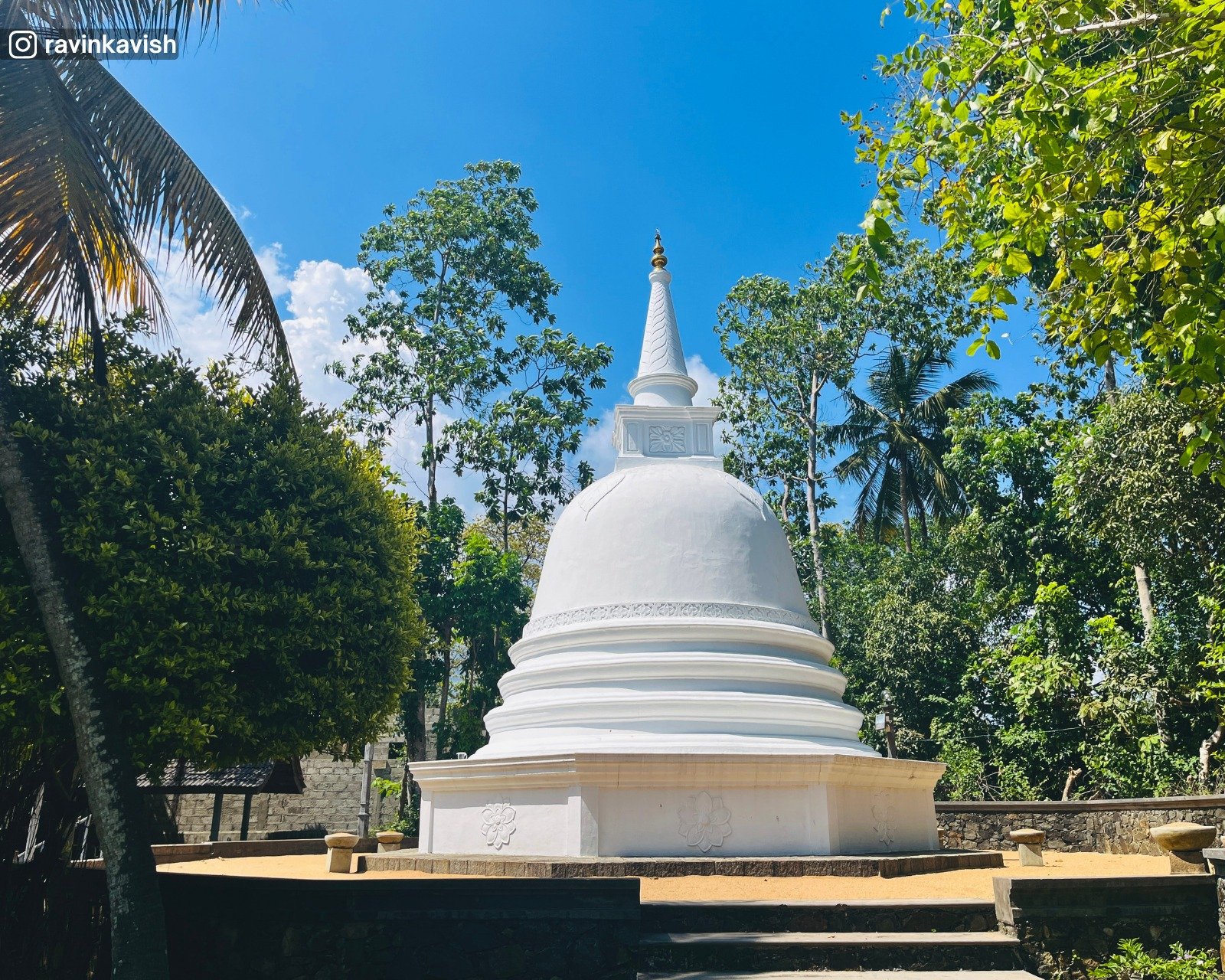
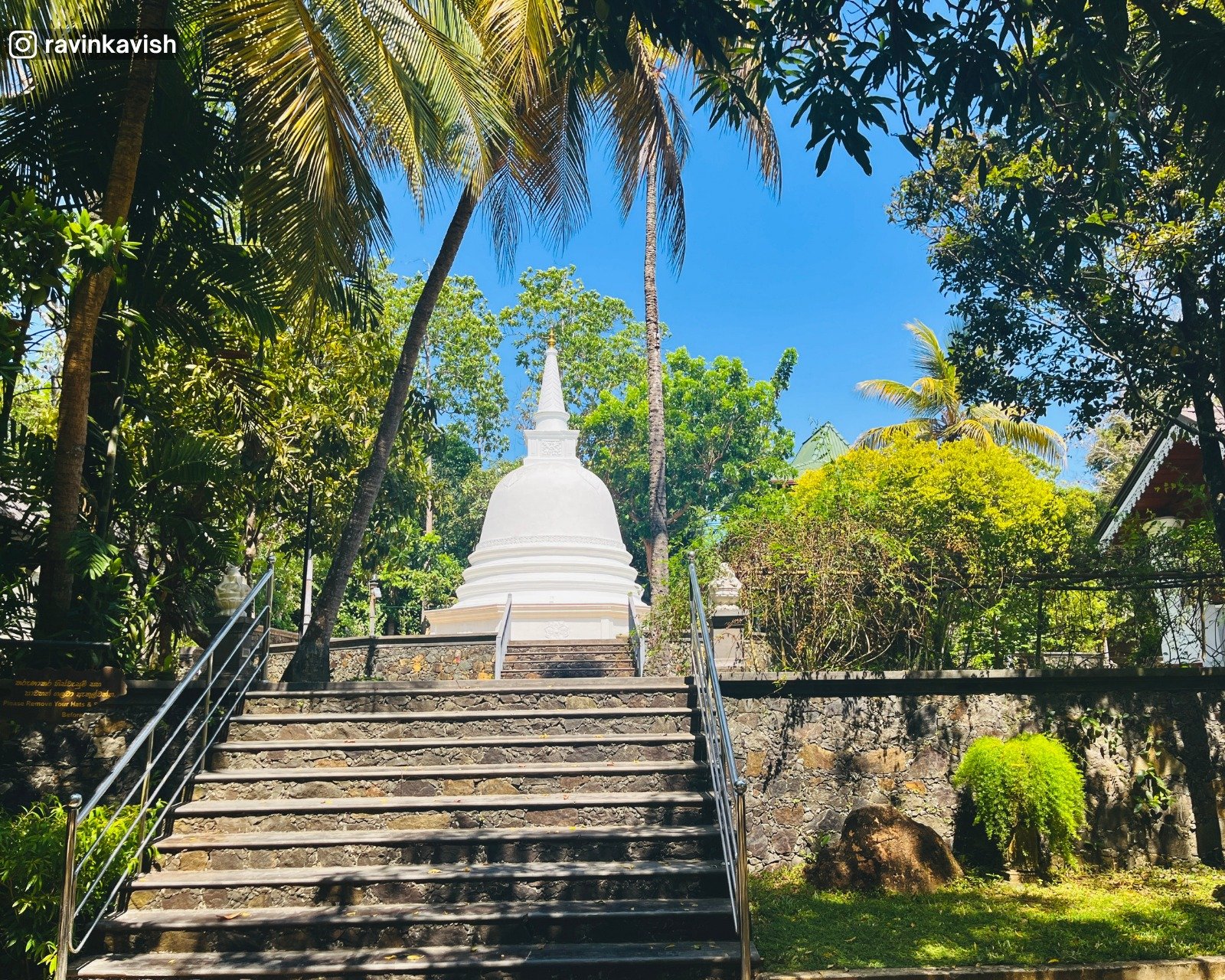
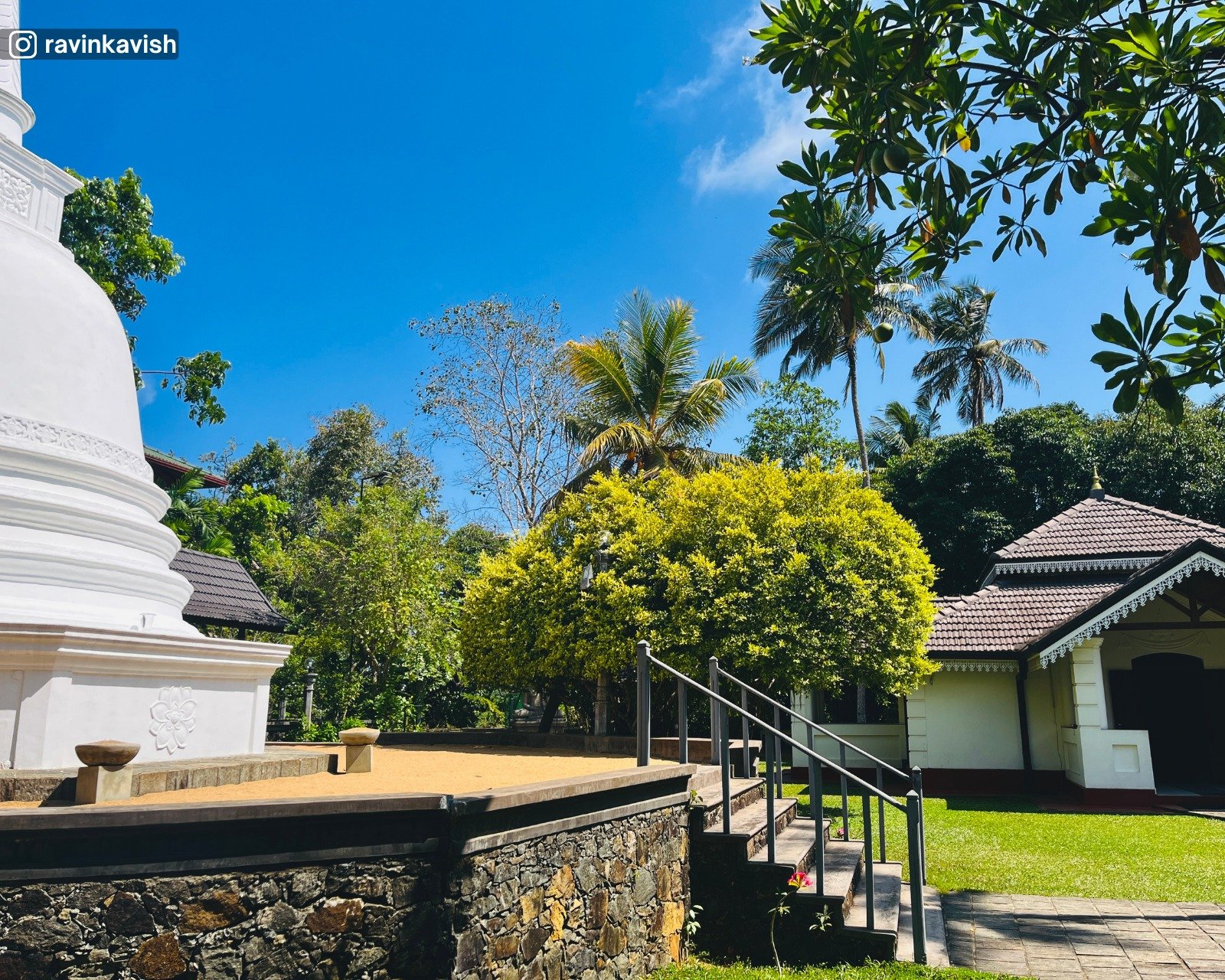
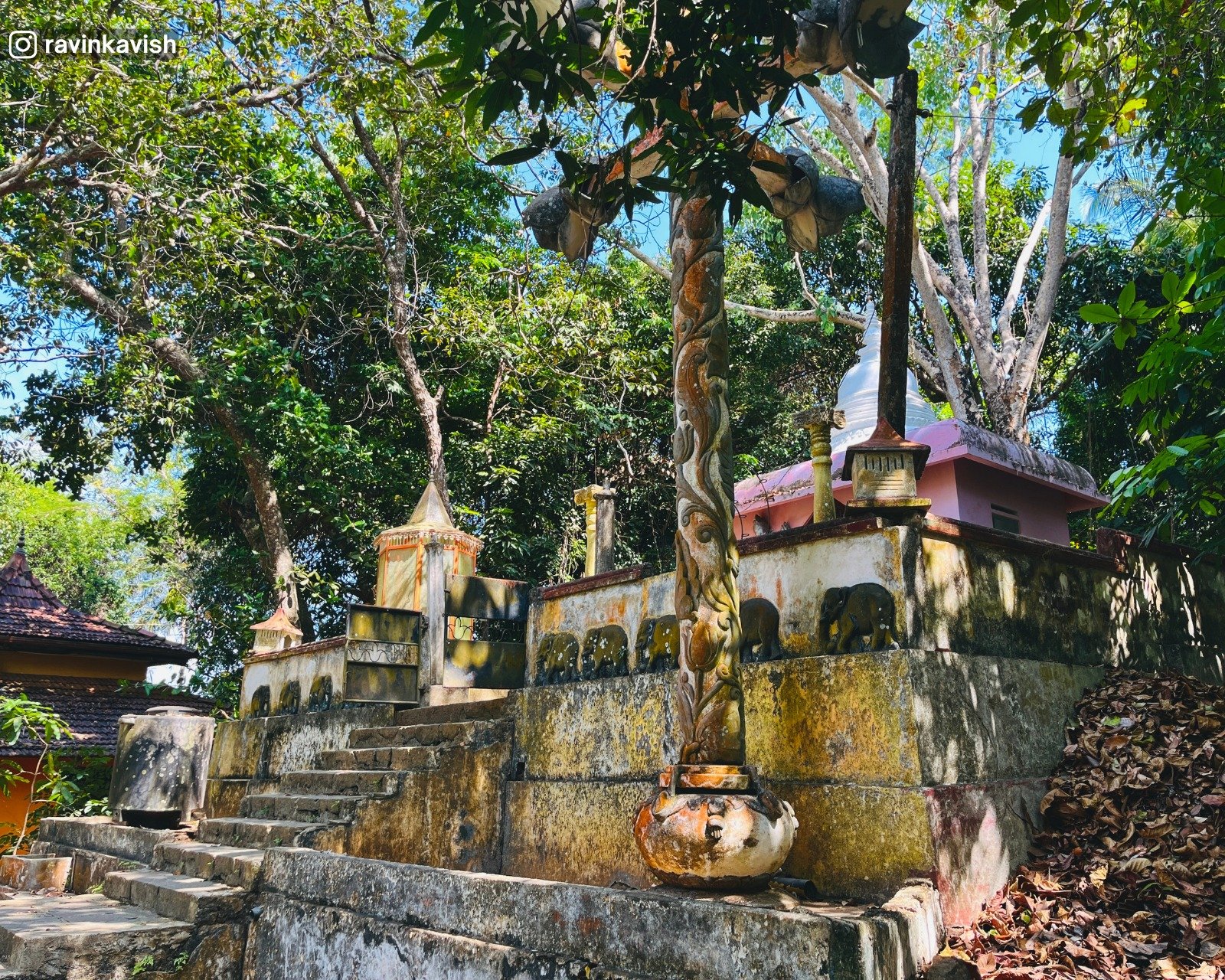
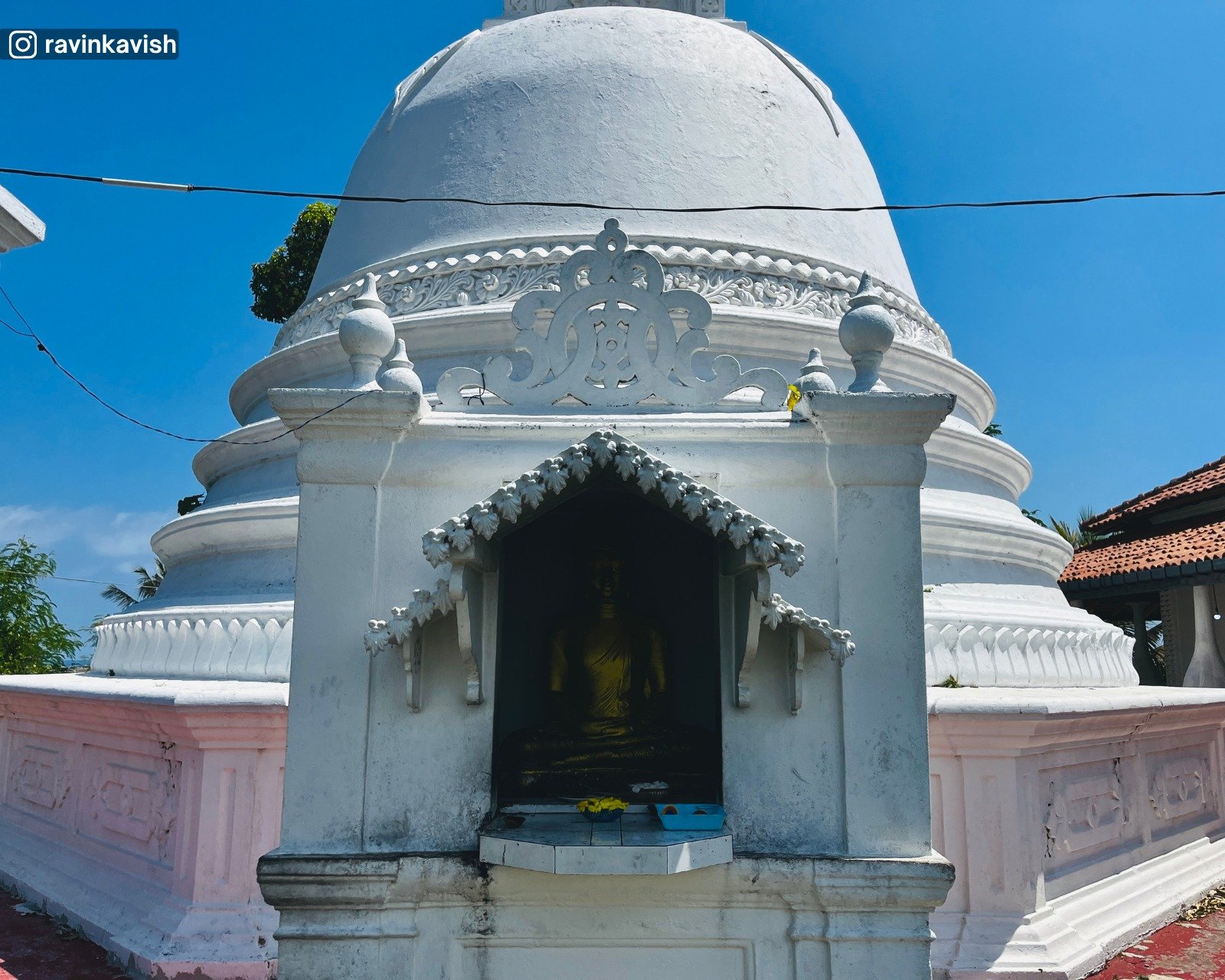
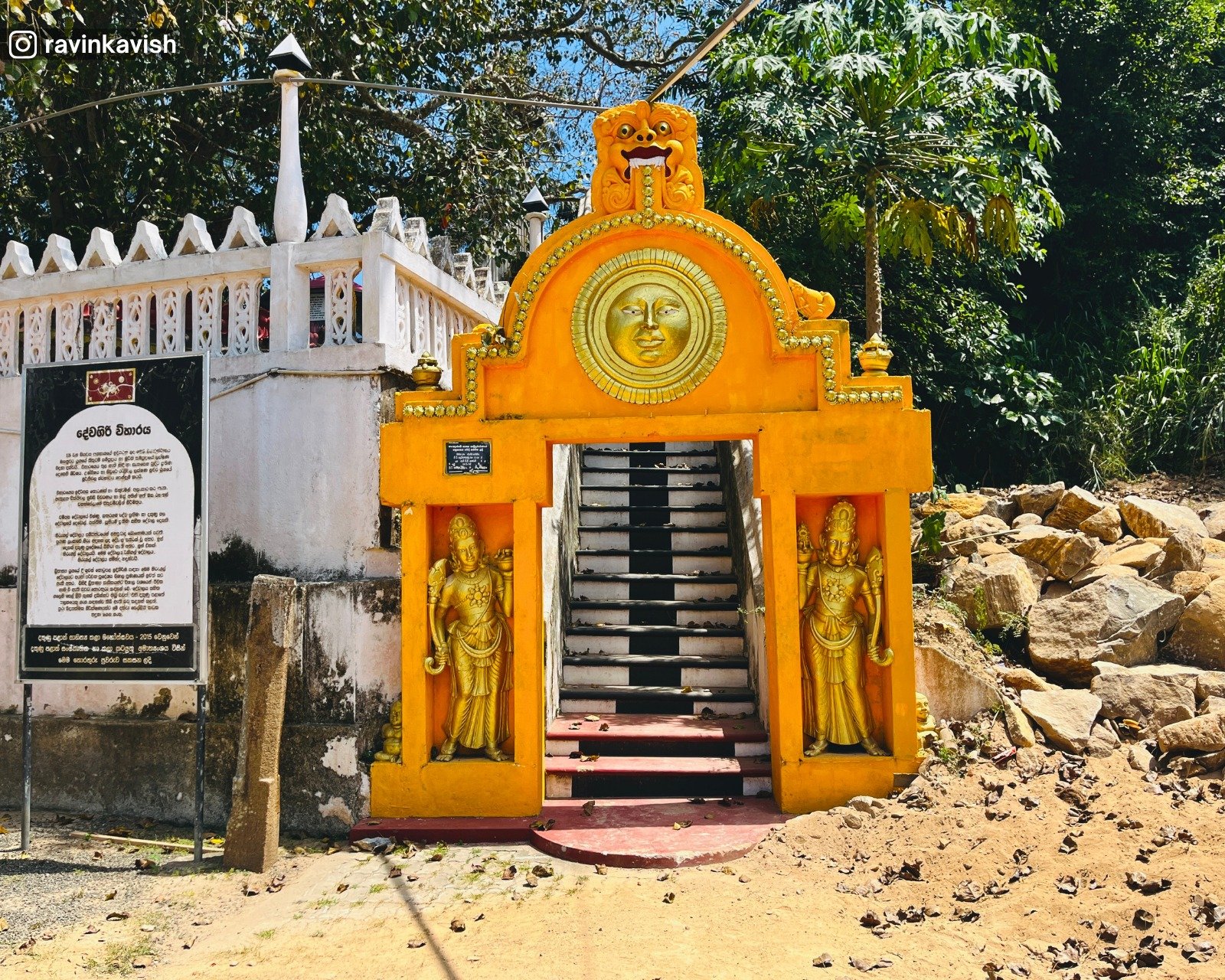
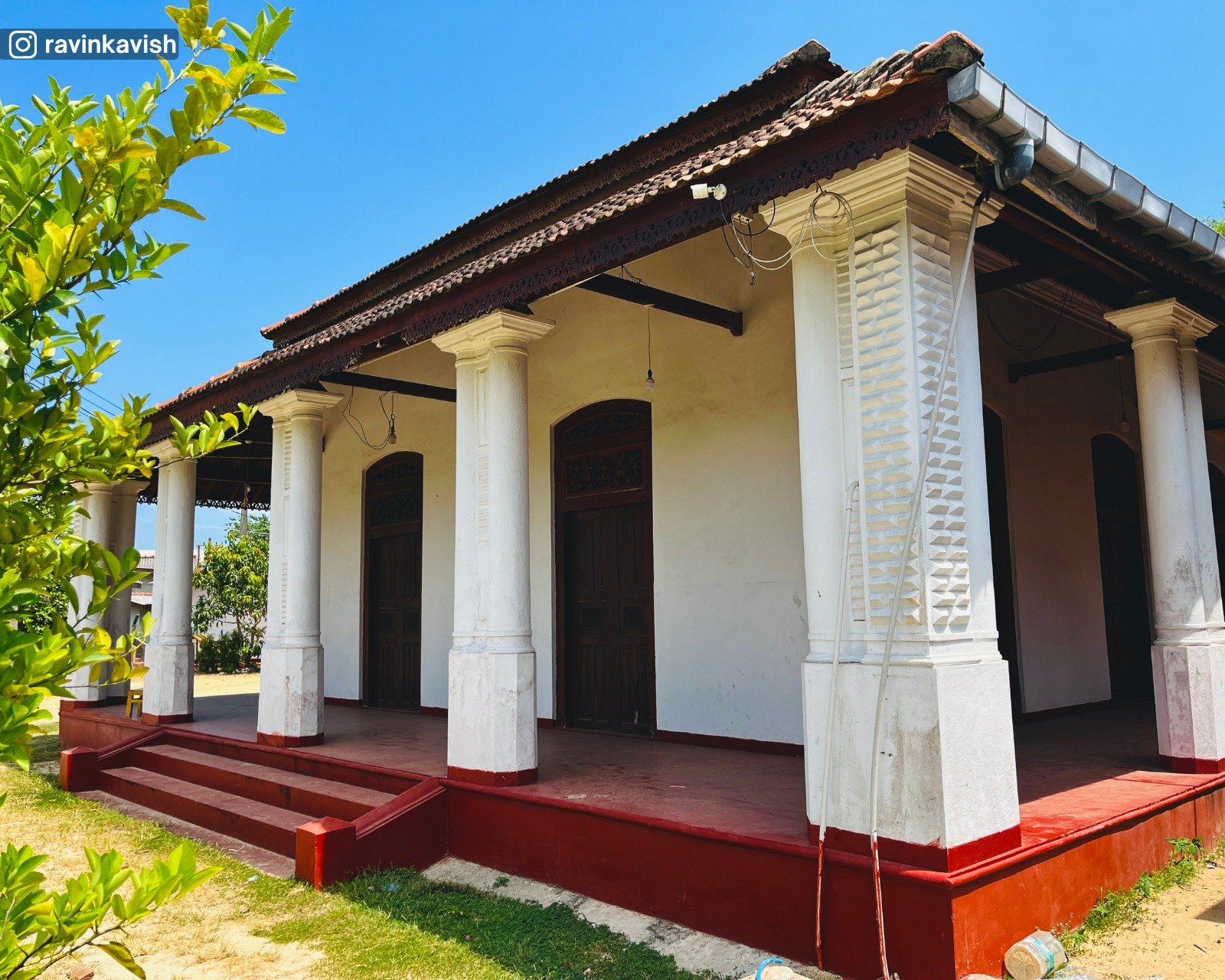
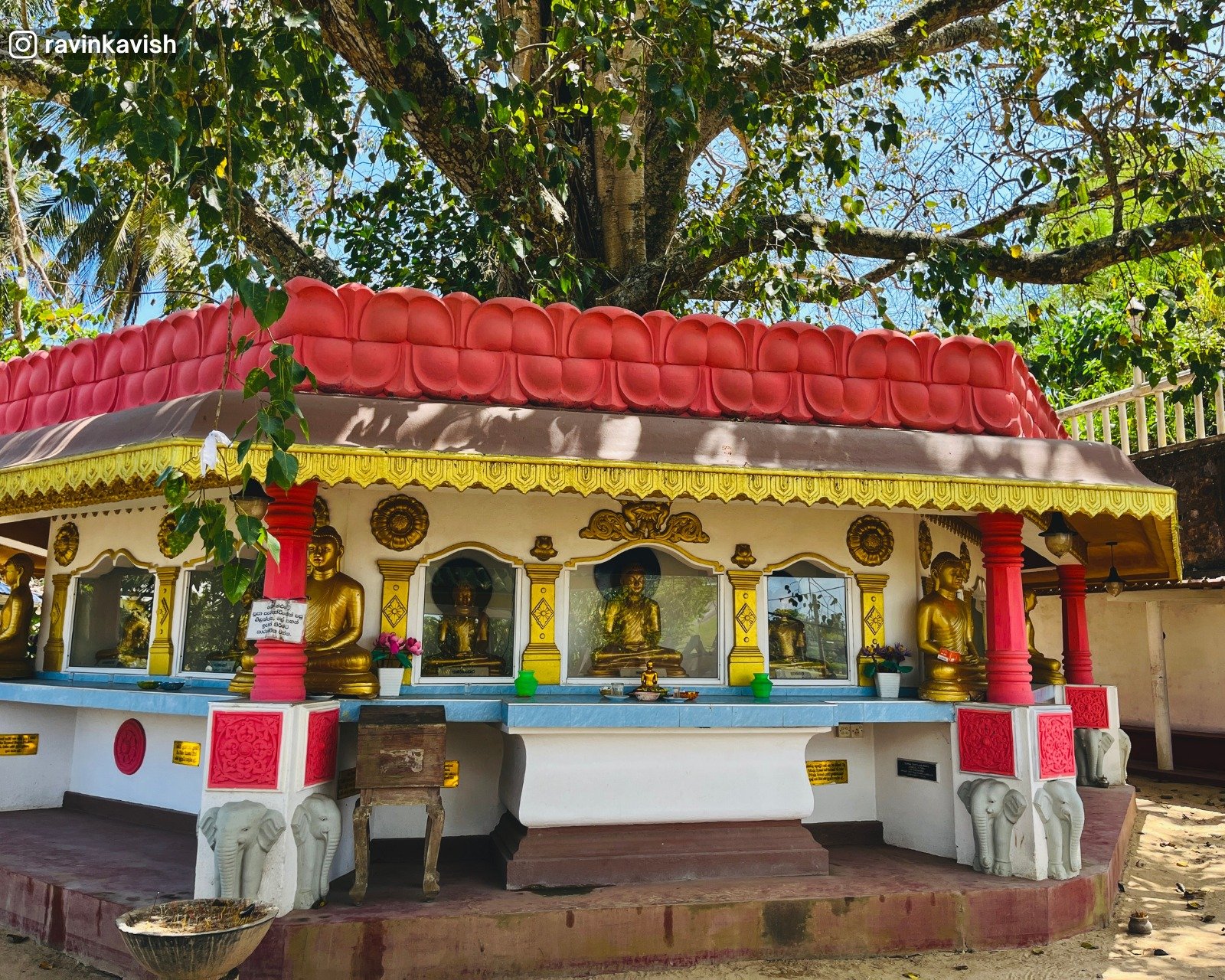
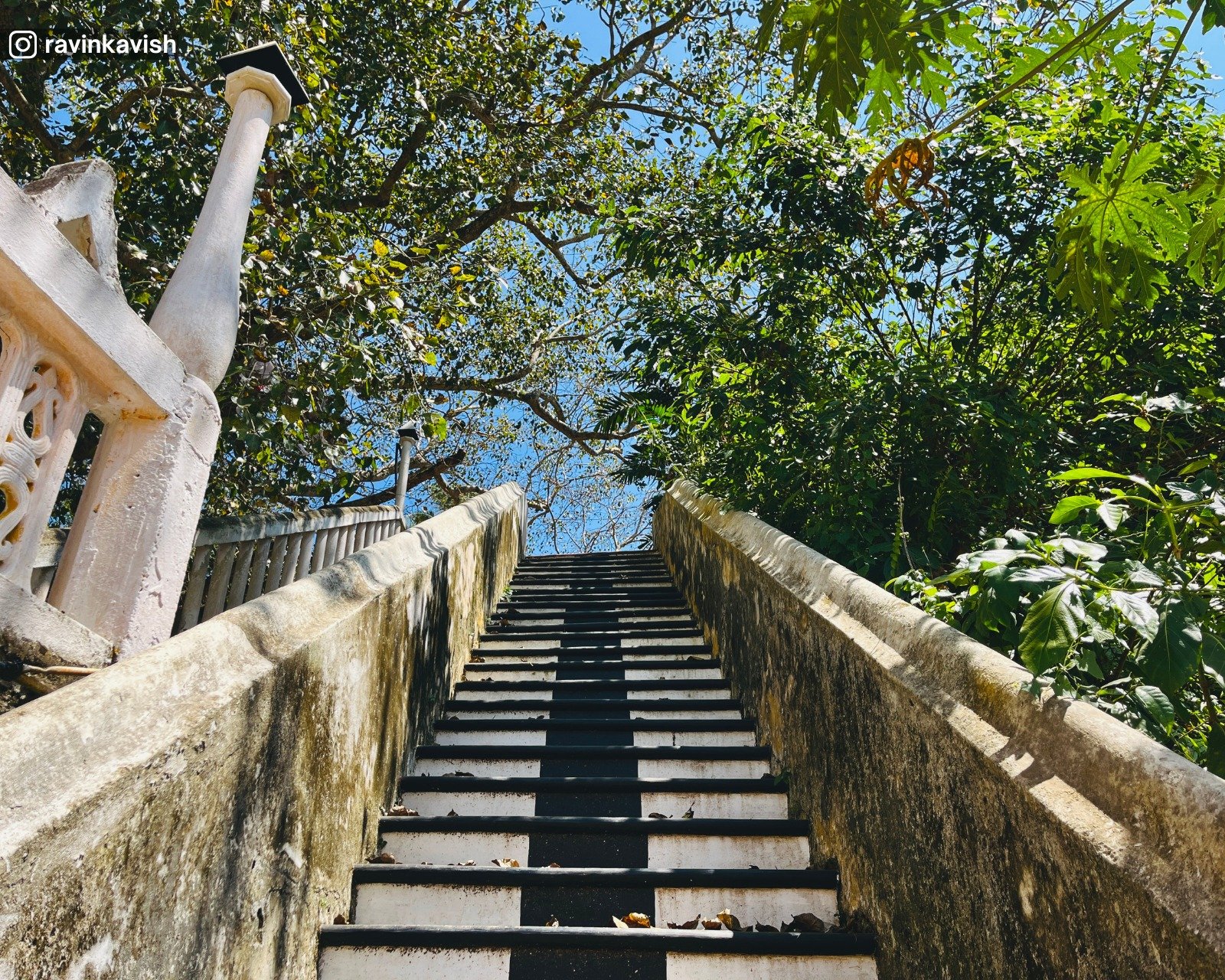
Kathaluwa Poorvarama Maha Viharaya is located in the quiet village of Kathaluwa, about 2 km inland from the Galle–Matara main road. Built on an elevated terrace enclosed by a granite boulder wall, the temple has a calm yet commanding presence within its surroundings. The site is estimated to be around 200 years old and is laid out with clear symmetry, featuring two separate entrances, one leading to the stupa area and the other to the image house. At the centre of the terrace stands the main stupa, flanked by four smaller stupas positioned at each corner.

According to temple records, the present structure of the vihara was constructed in 1840 by Rev. Kataluwe Gunaratana Thero. The image house bears the year 1886 CE, painted beneath a British royal crest displaying Queen Victoria, indicating renovations or artistic updates during the colonial period. The temple’s chief prelate suggests that the murals may have been repainted in the 1880s, incorporating visible British influence over an earlier Kandyan artistic foundation, reflecting the cultural transitions of the time.

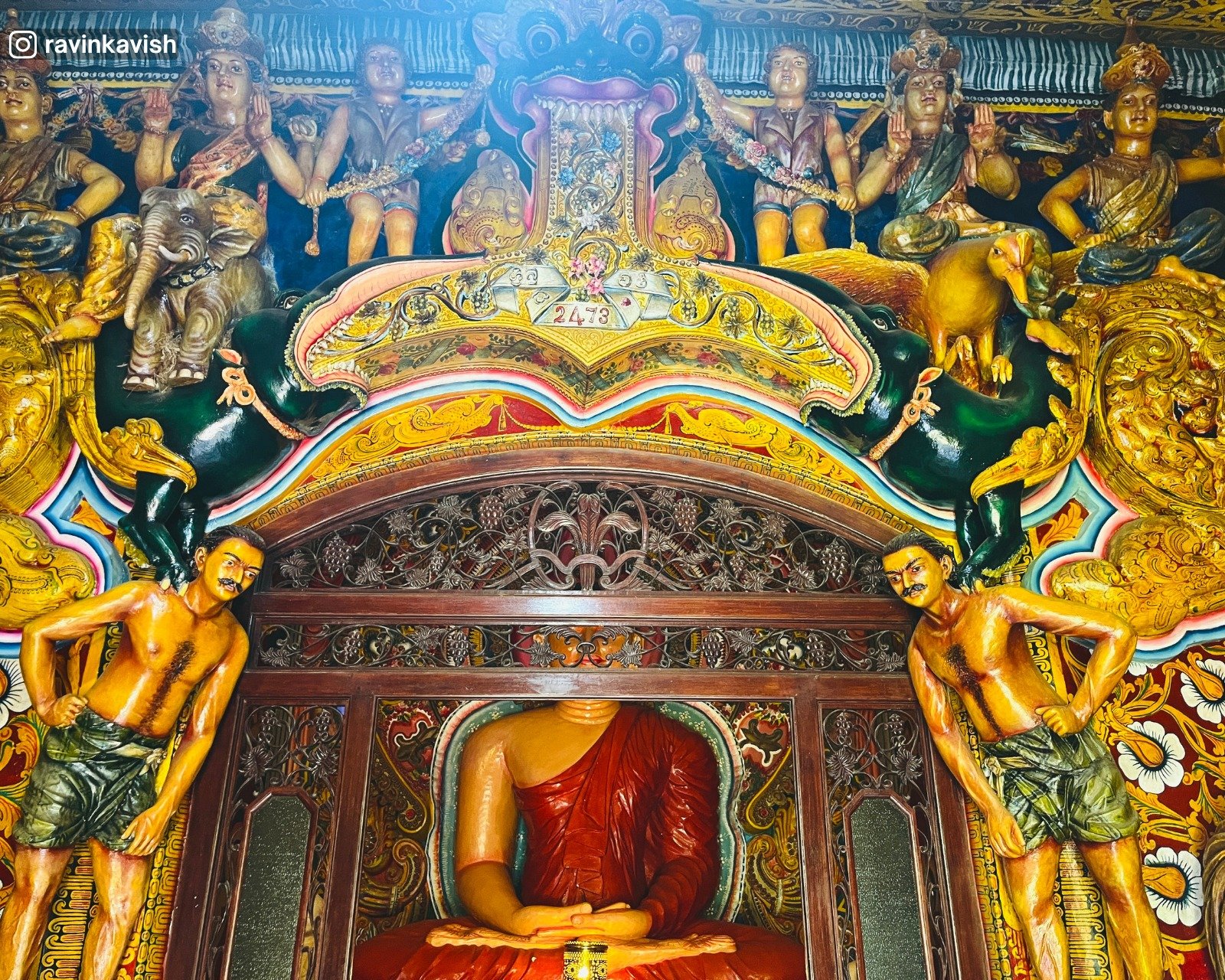
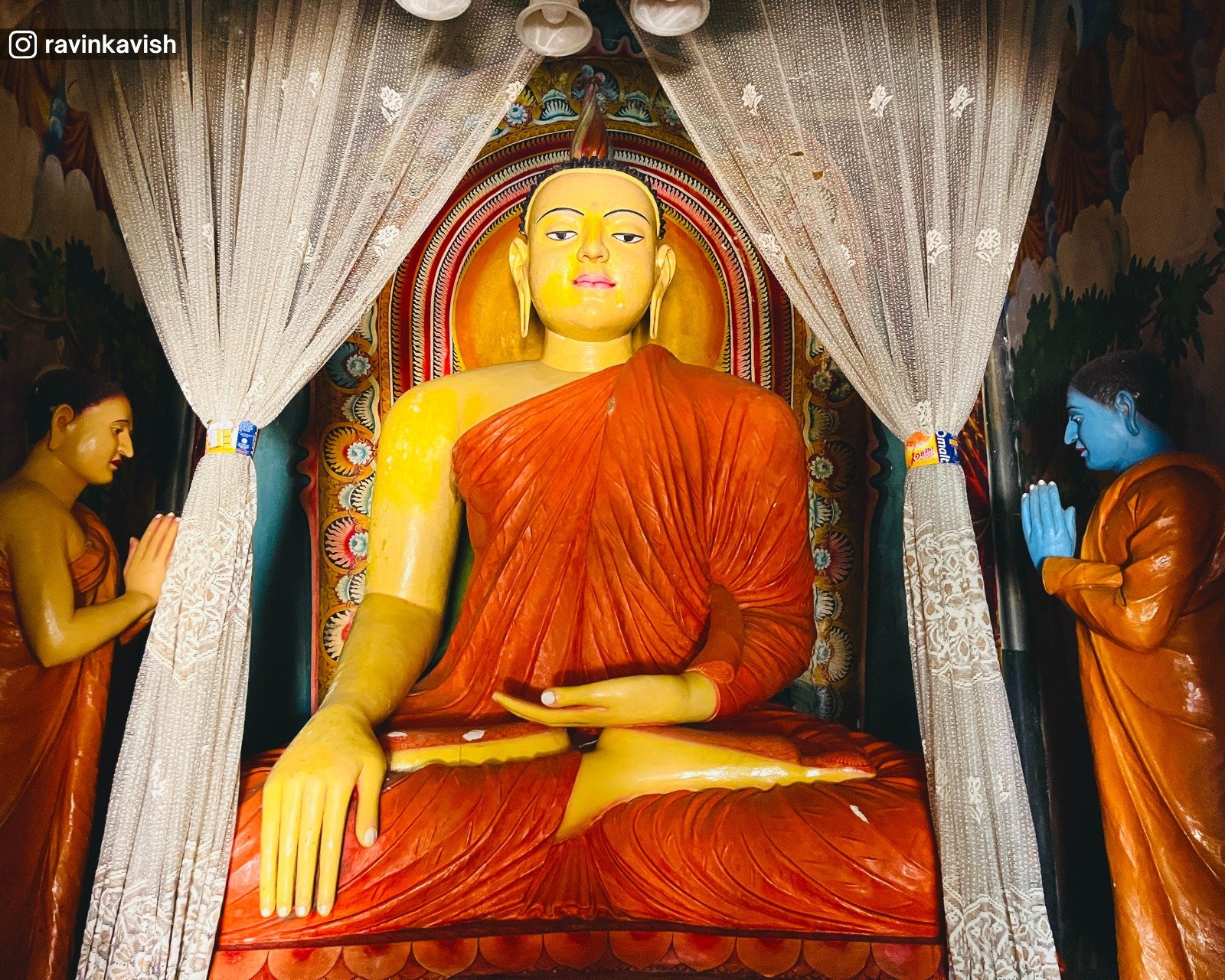
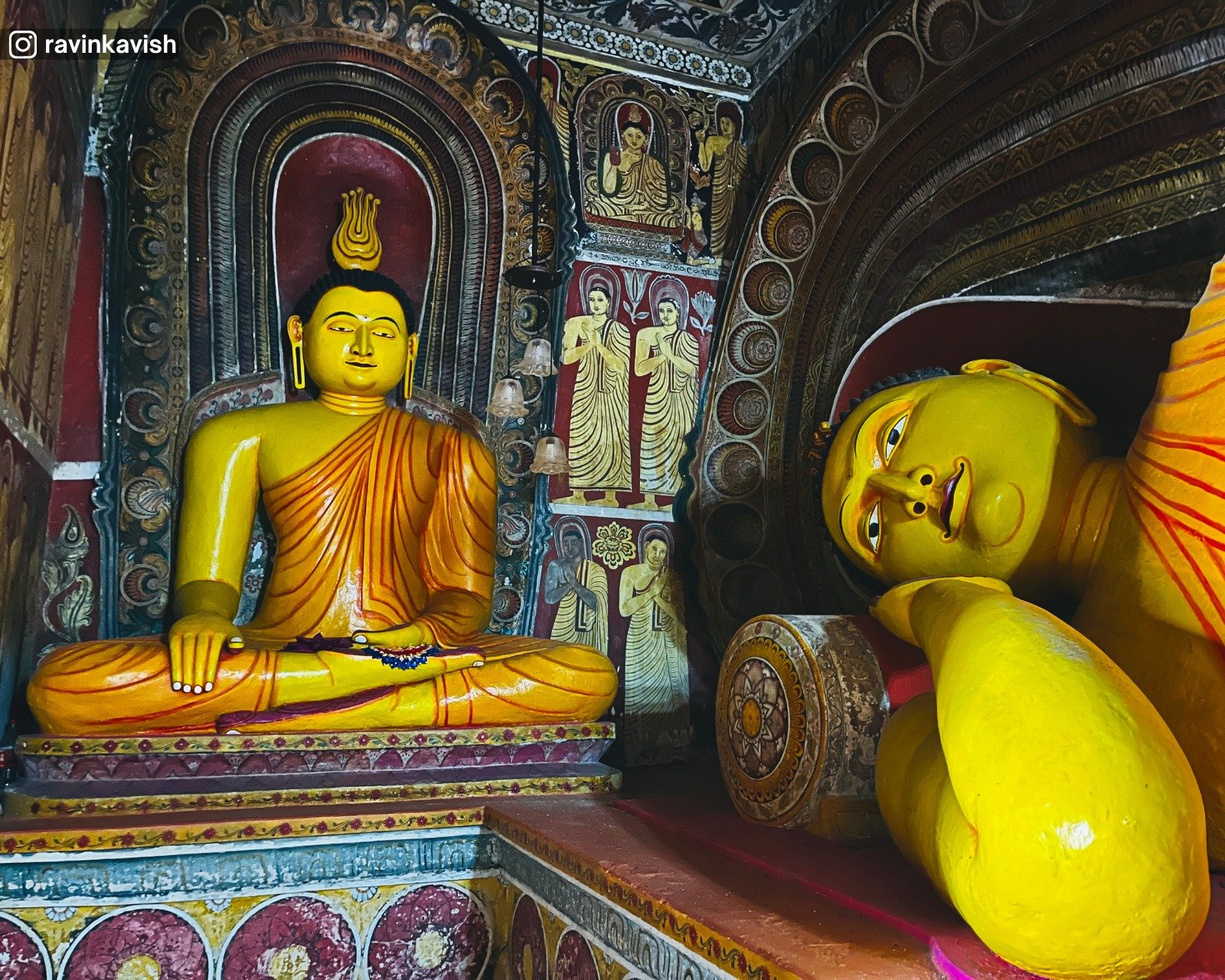
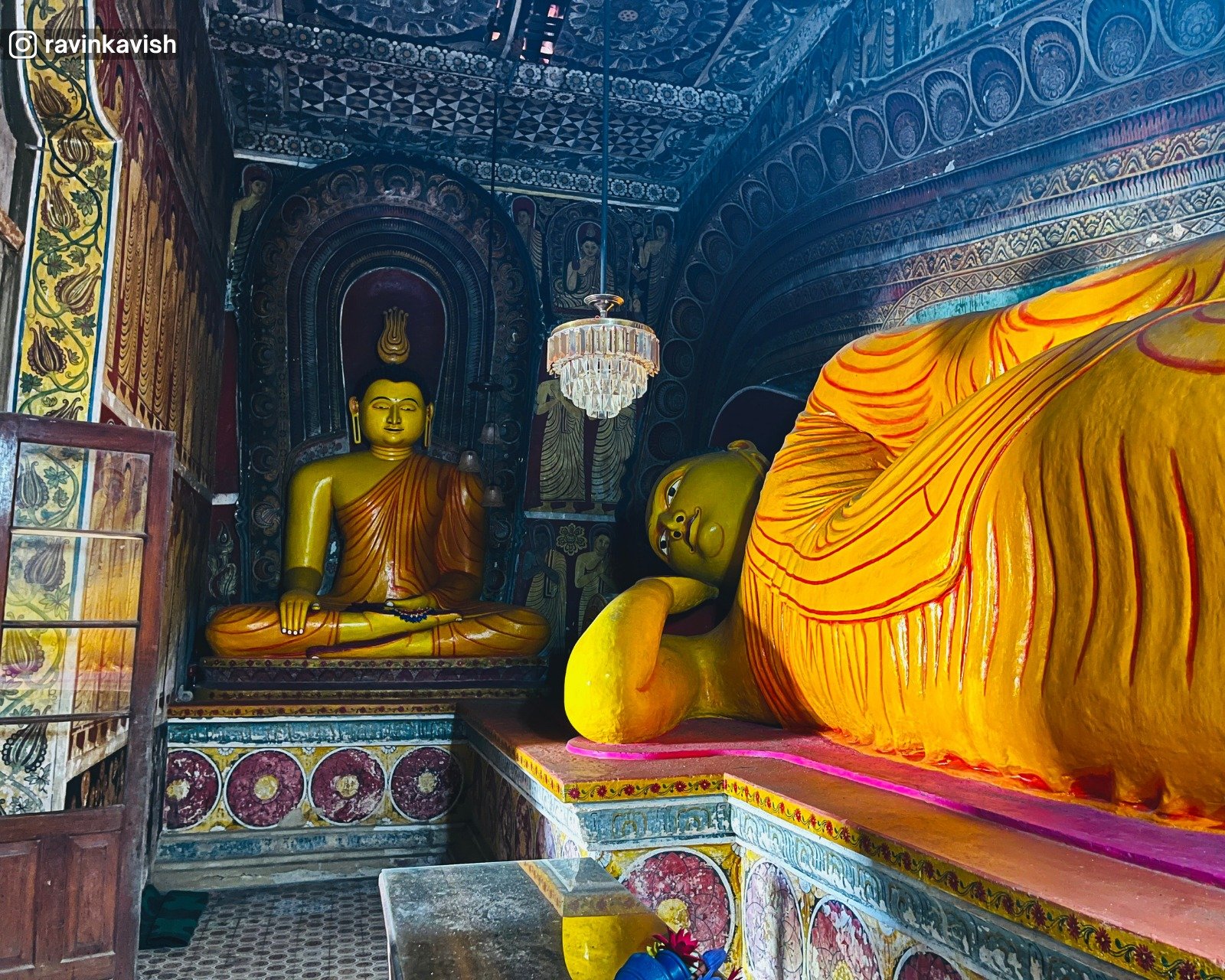
The image house consists of three chambers: an inner sanctuary, a middle chamber, and an outer hall. The inner chamber contains a large reclining Buddha, a seated Samadhi Buddha, and two statues of Deity Saman, all retaining stylistic features associated with the Kandyan period. Murals in the middle chamber depict key moments from the life of the Buddha, while the outer chamber illustrates the Suvisi Vivarana and episodes from various Jataka tales, creating a layered narrative progression as visitors move outward through the space.

What sets Kathaluwa Poorvarama Maha Viharaya apart is the strong colonial influence visible in its murals. Alongside traditional Buddhist imagery, the paintings include horse drawn carriages, Western clothing, jewellery, lamps, soldiers carrying guns, and scenes of card playing and wine drinking, elements rarely found in Buddhist temples. Traditional symbols such as palanquins and elephants are replaced by colonial transport, while temple guardians are shown holding firearms instead of swords. Artistically, the murals retain dark Kandyan backgrounds, but figures are painted in softer pastel tones with detailed fabric patterns. Some scholars believe the murals predate 1886, while others attribute stylistic variation to two artists from the same lineage, linked to the Kadolgalla Sittara tradition.
Read More
Scenery
Museum
Open air folk museum dedicated to Sri Lankan rural culture and traditions.
Scenery
Scenery
Garden setting with open spaces, traditional structures, and a calm cultural atmosphere near Koggala Lake.
Scenery
History
Established in memory of Martin Wickramasinghe (1890–1976), a key figure in modern Sinhala literature.
Art & Culture
Art & Culture
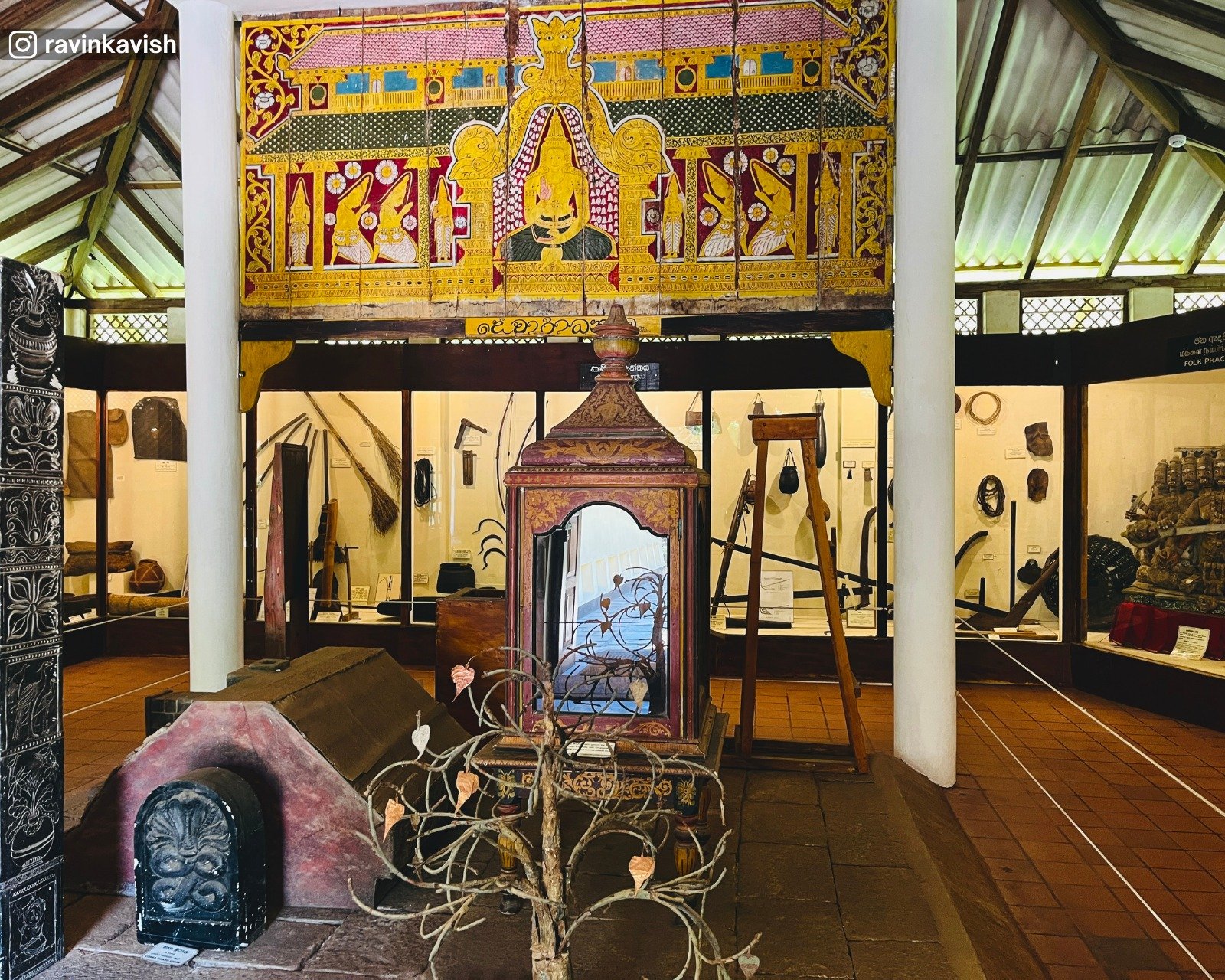
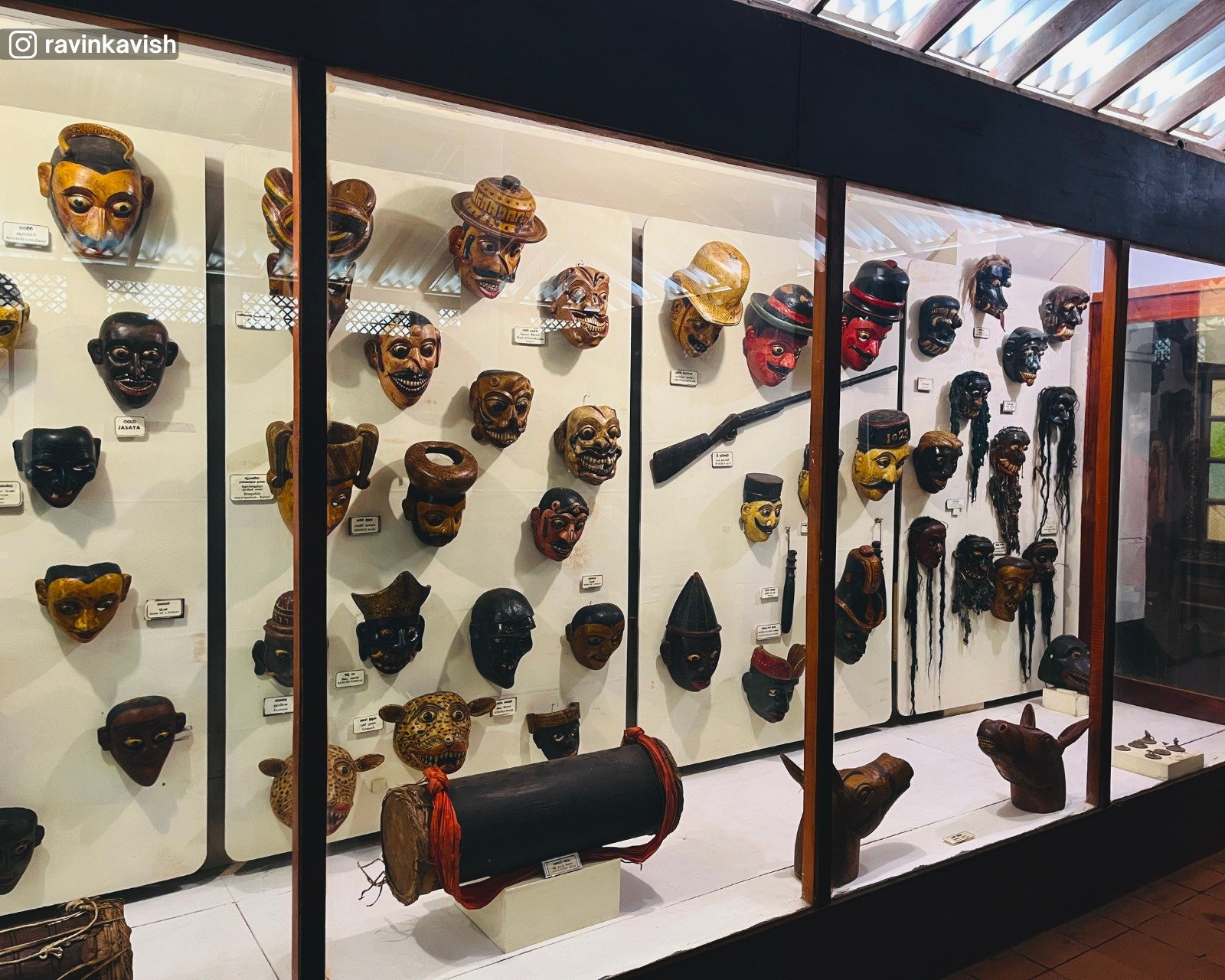
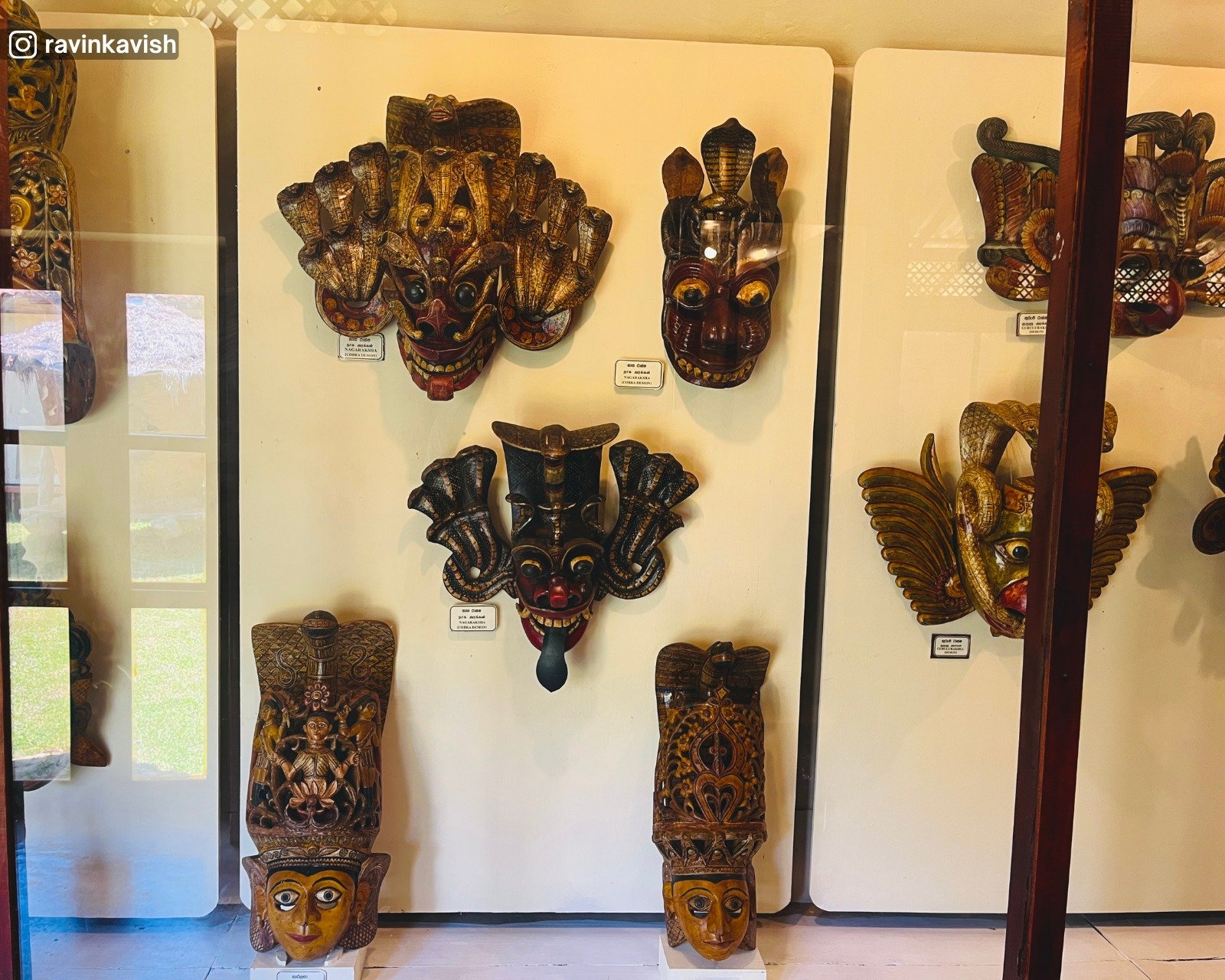
Traditional village houses, tools, crafts, masks, and objects representing everyday folk life across Sri Lanka.
Map Icon
Location

MapFolk Museum
Martin Wickramasinghe Folk Museum
Top Pick
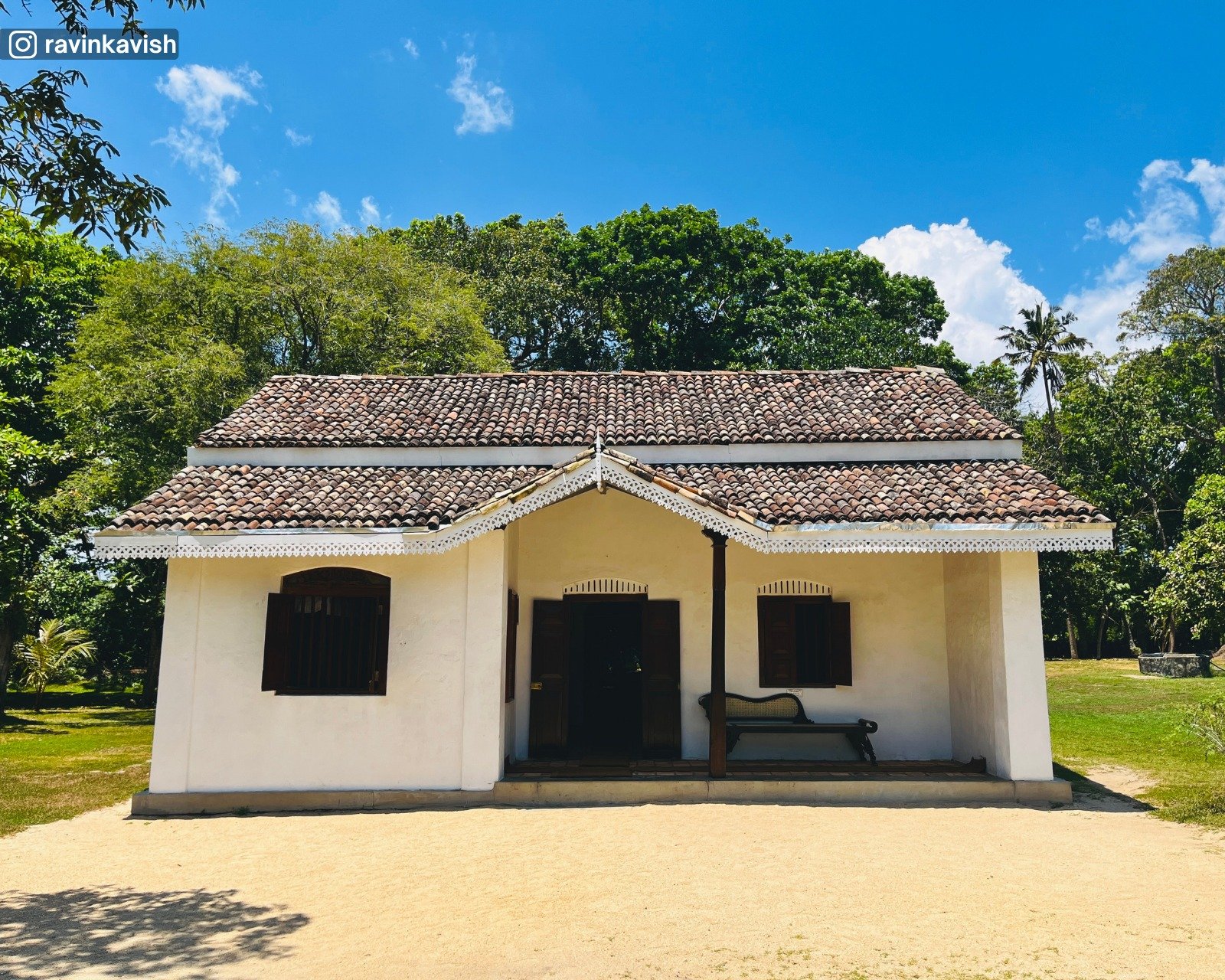
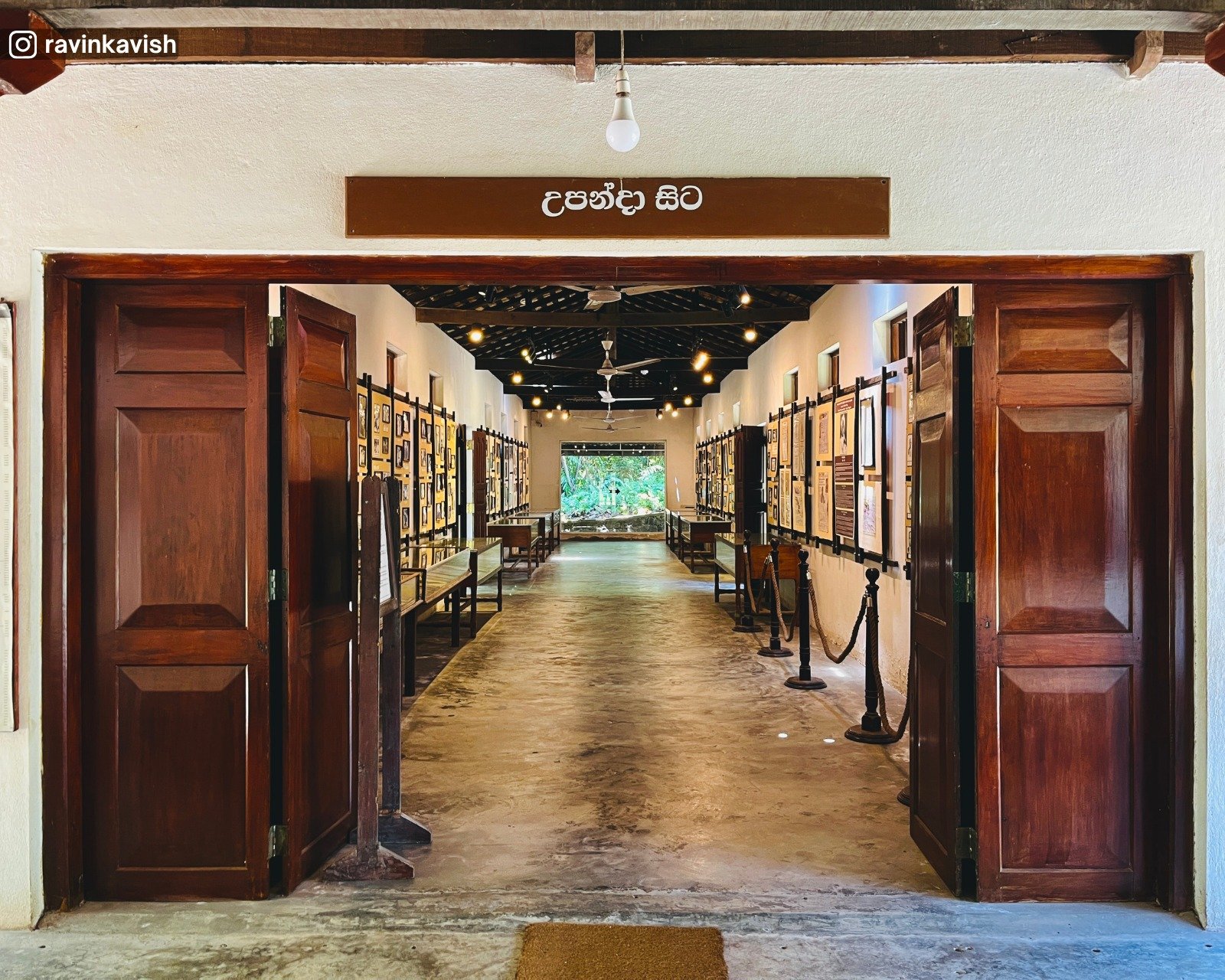
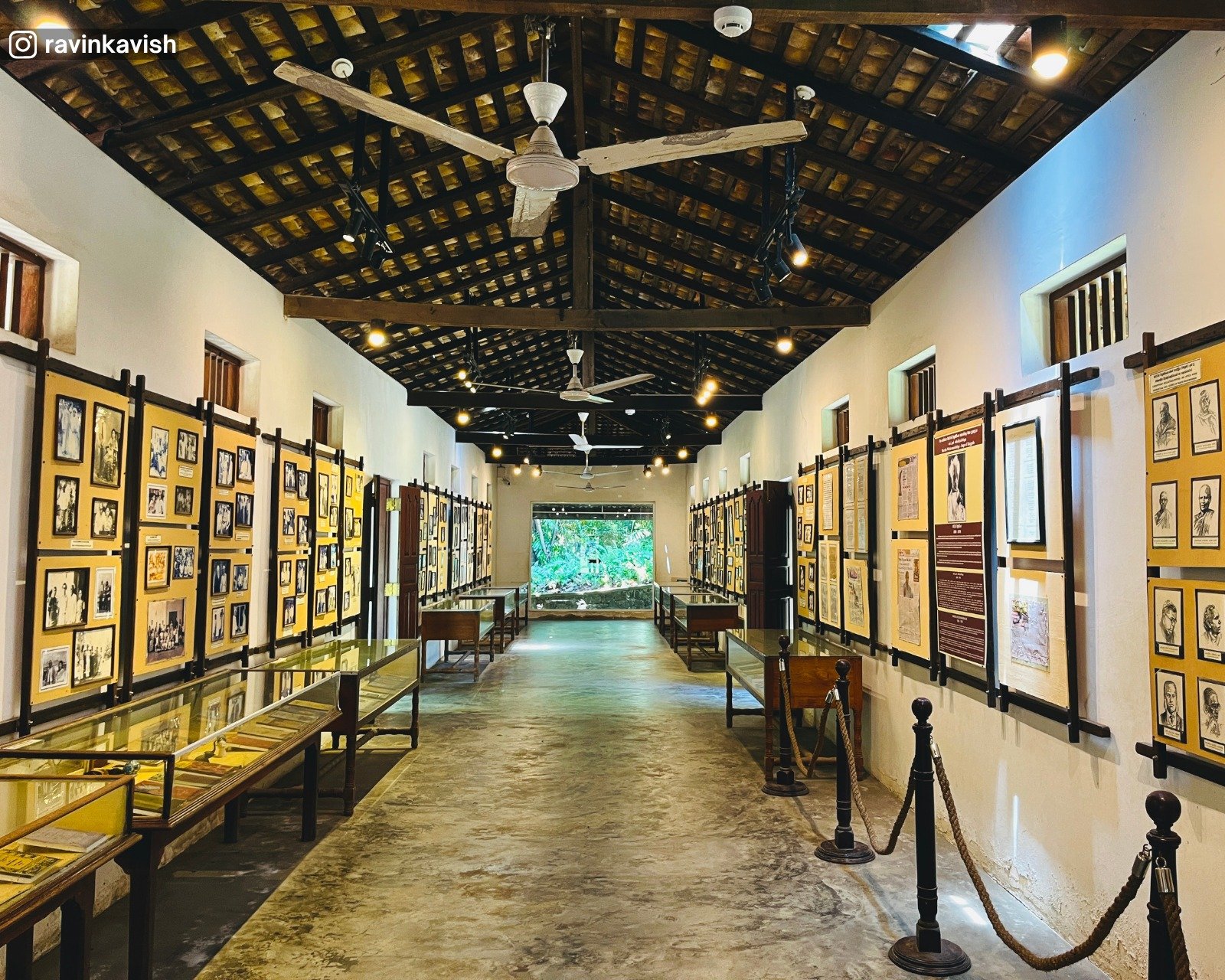
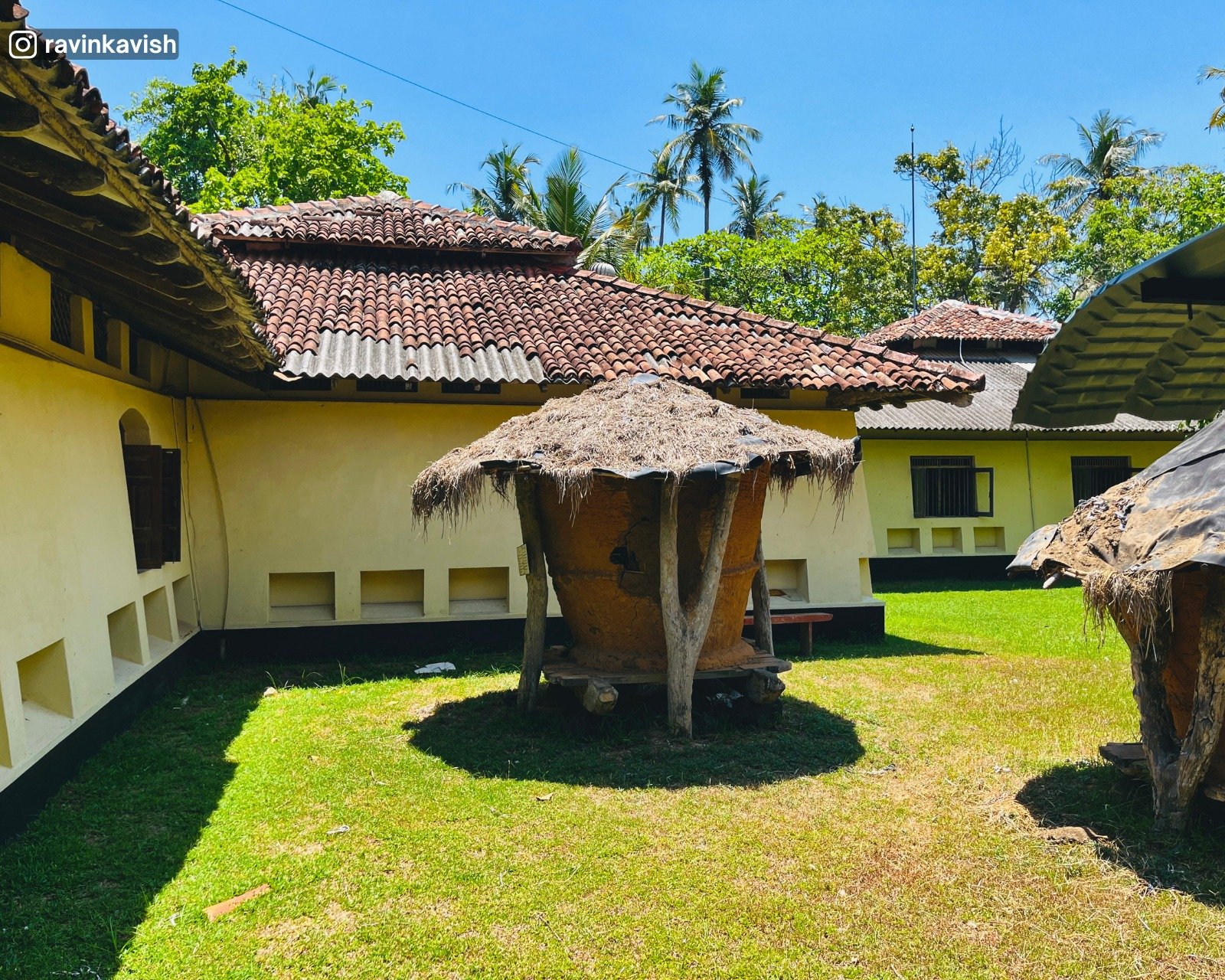
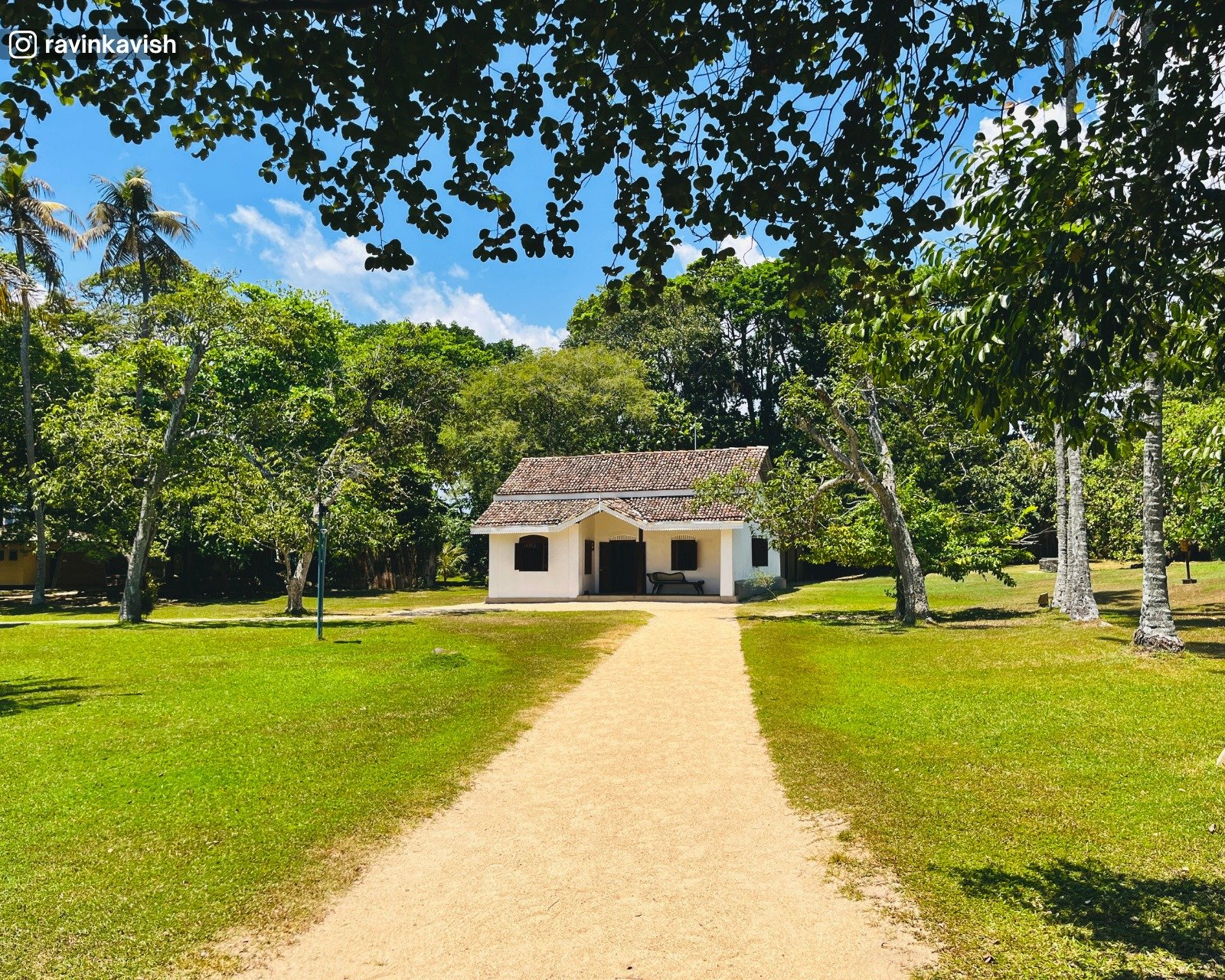
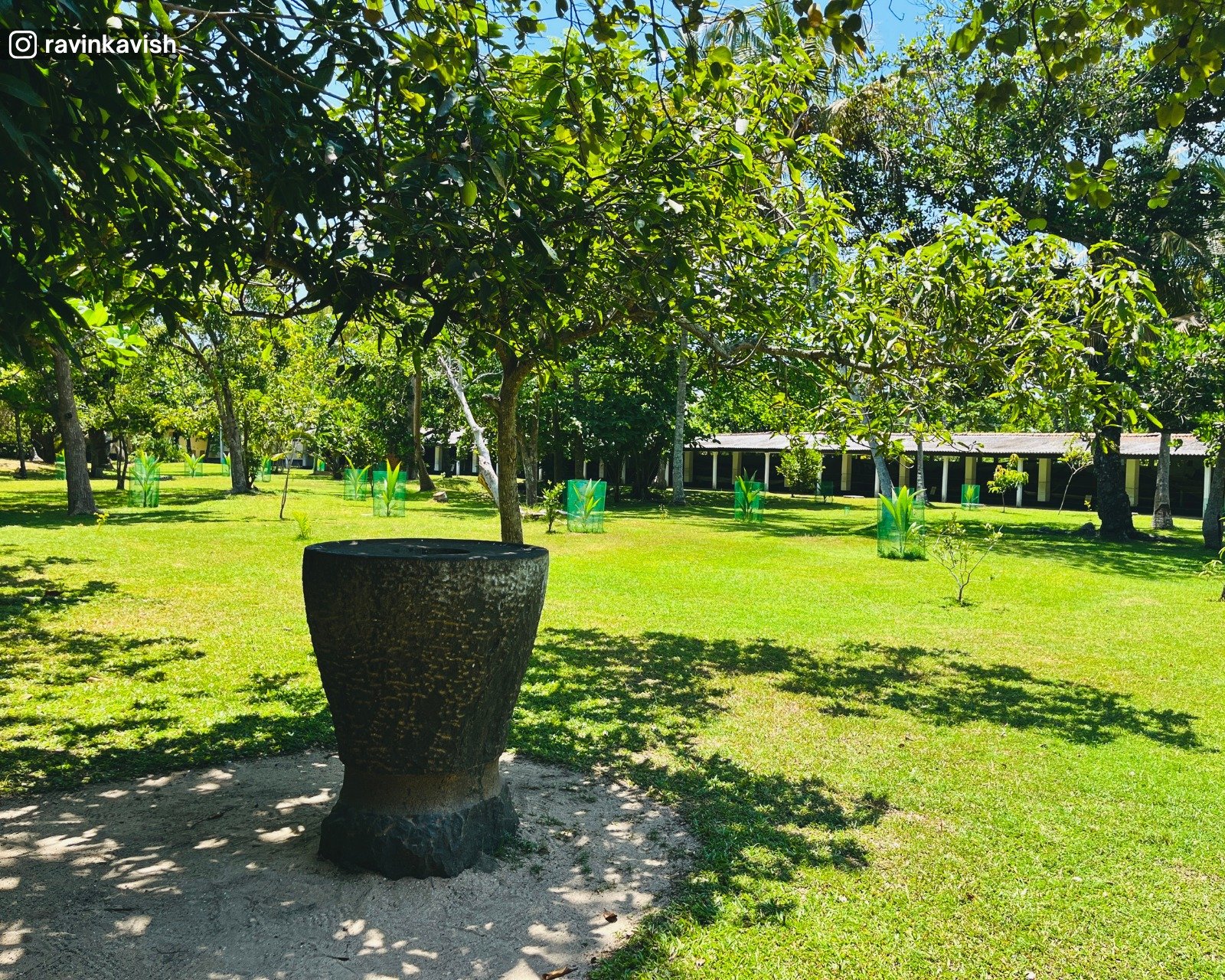
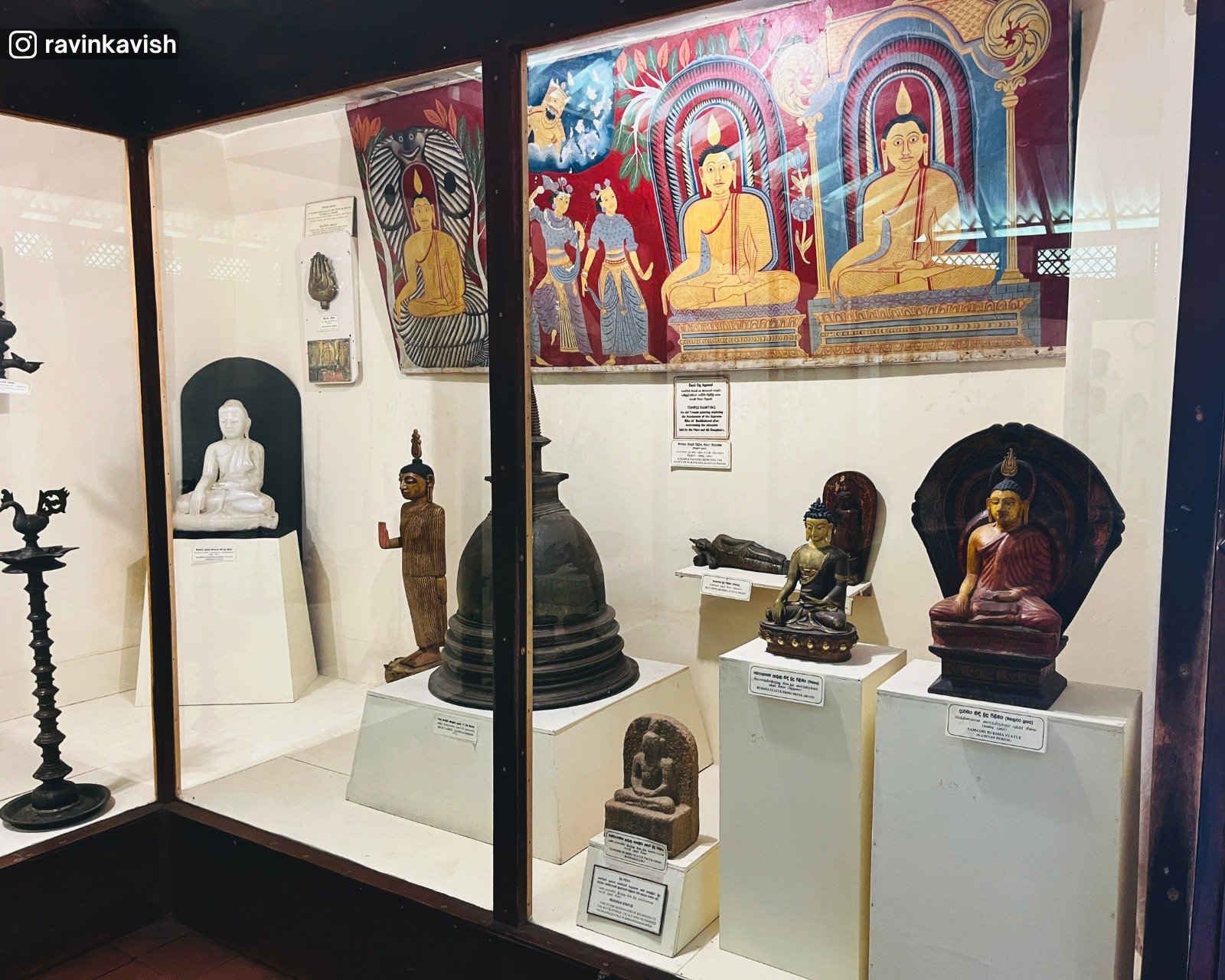
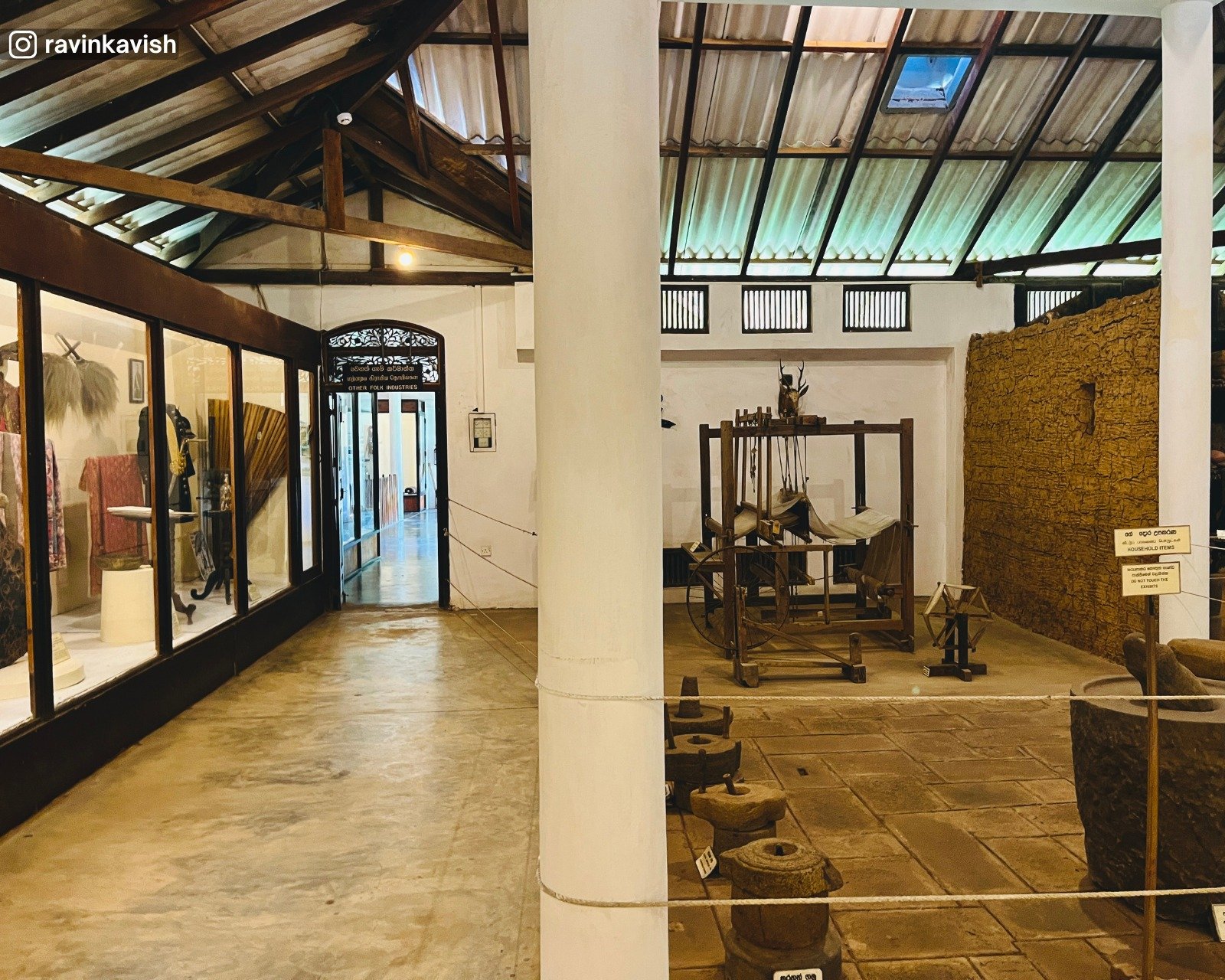
The Martin Wickramasinghe Folk Museum is located in Koggala, close to the southern coastline and Koggala Lake, on land associated with the birthplace of Martin Wickramasinghe, one of Sri Lanka’s most influential literary figures. The museum is set within a spacious garden environment, creating a calm and reflective setting that complements its cultural focus. Rather than functioning as a conventional indoor museum, the site is designed as an open folk village showcasing traditional life.

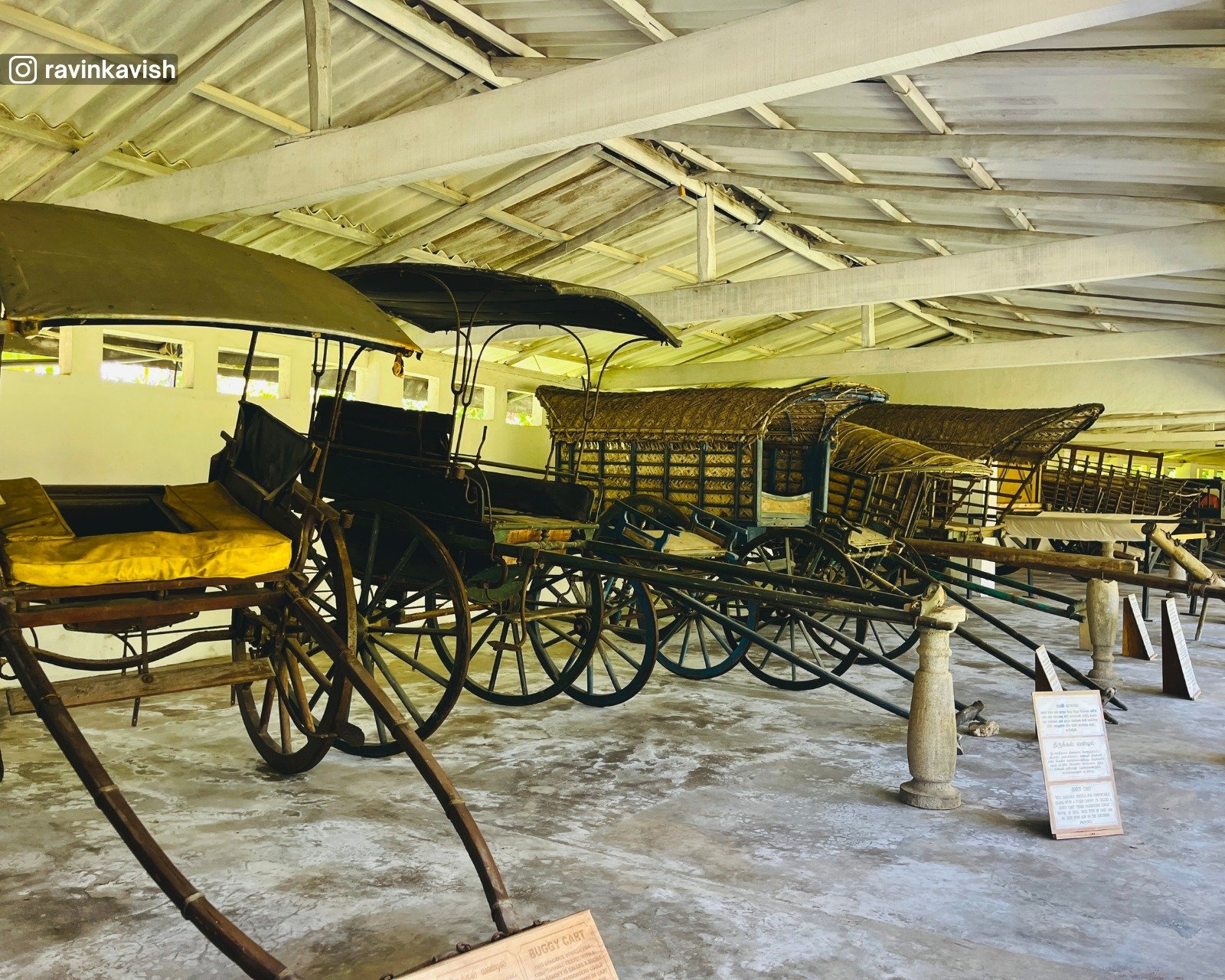
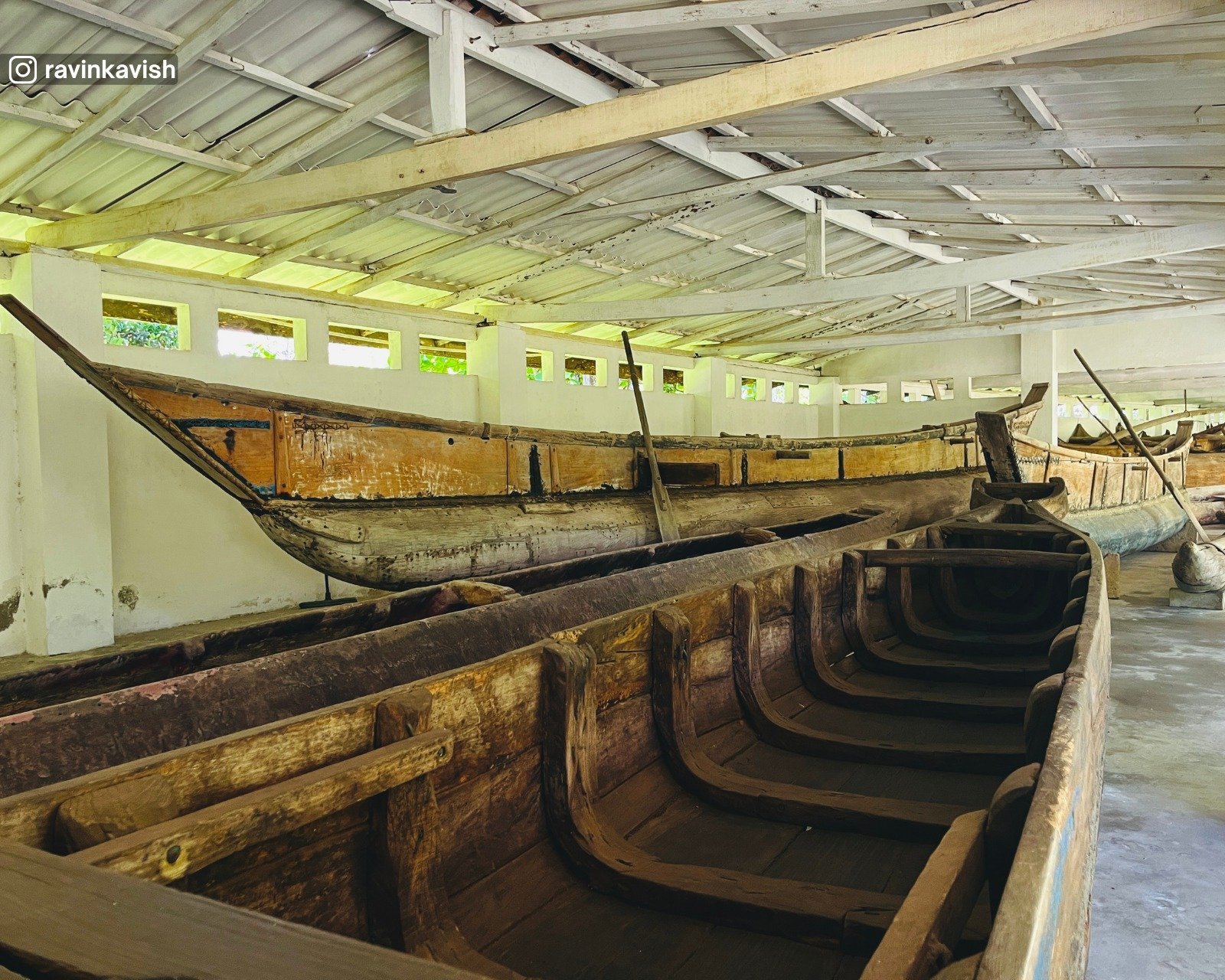
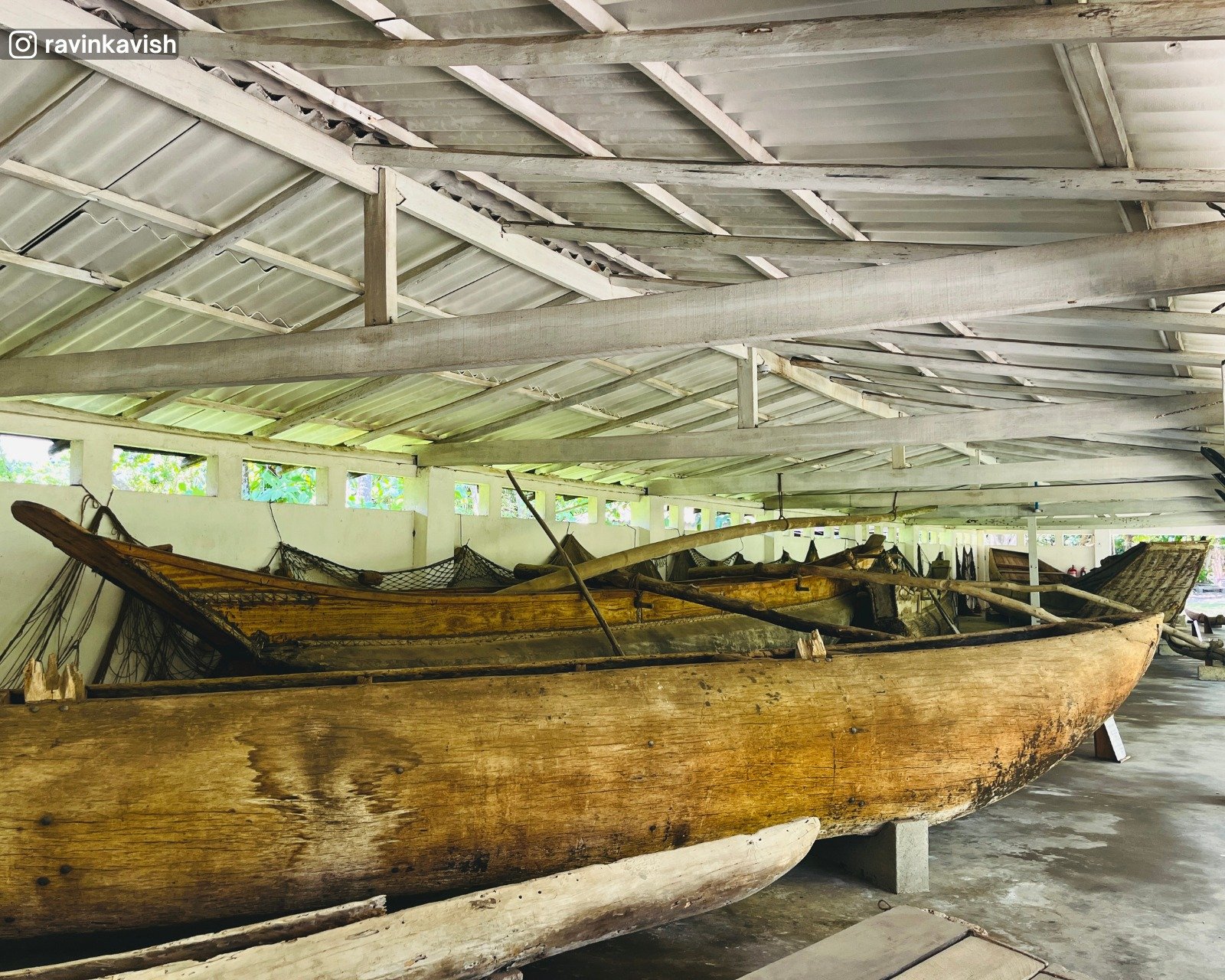
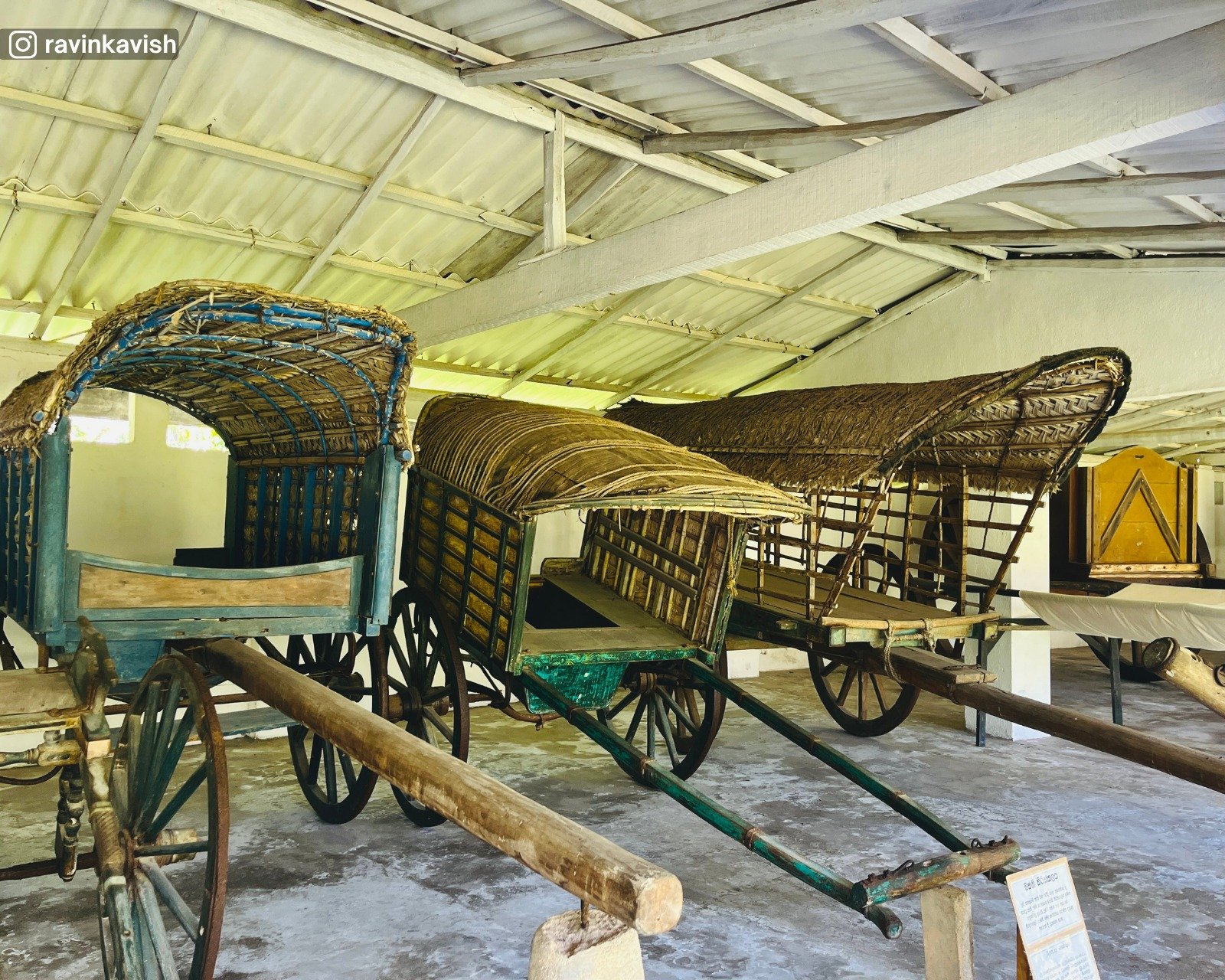
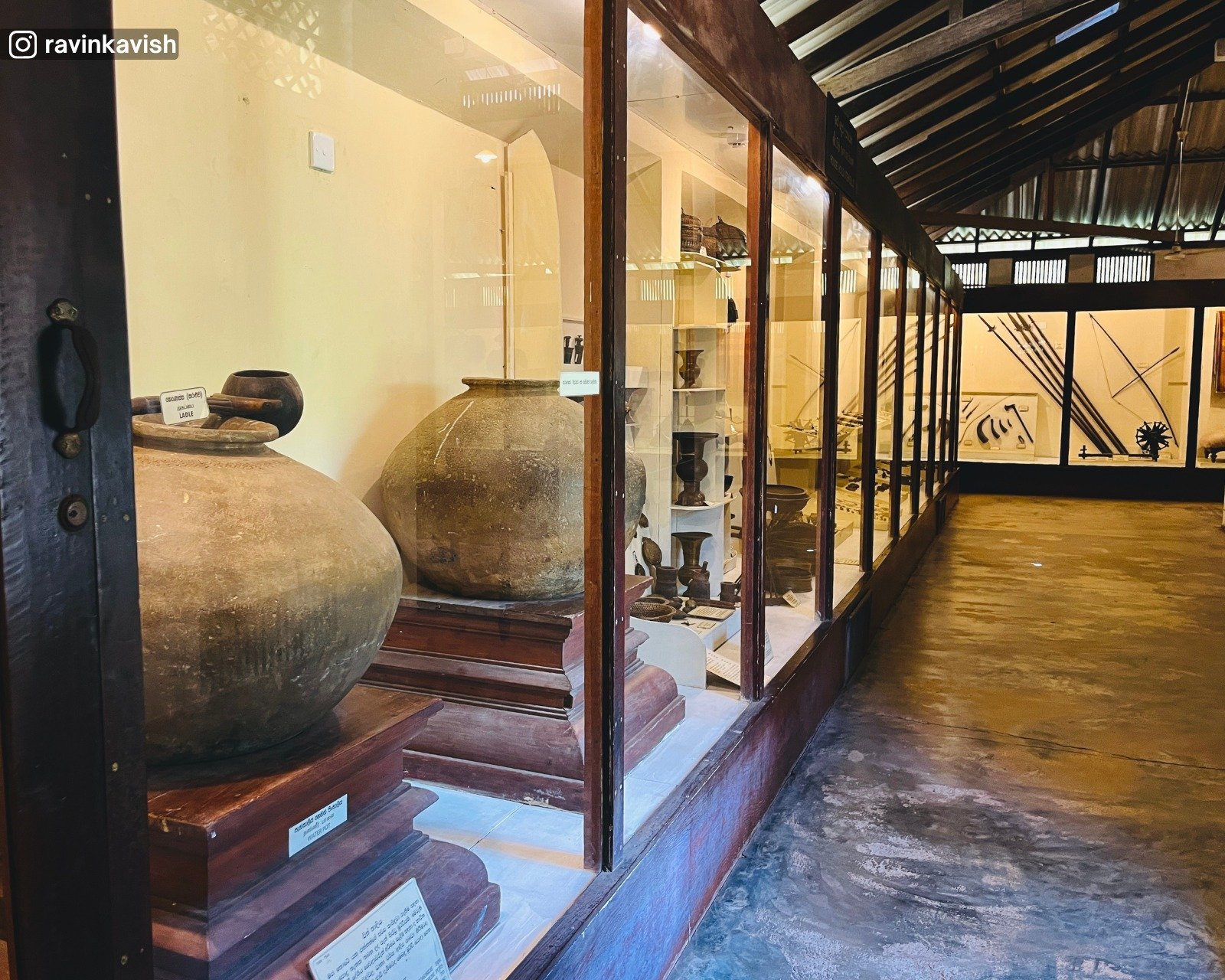
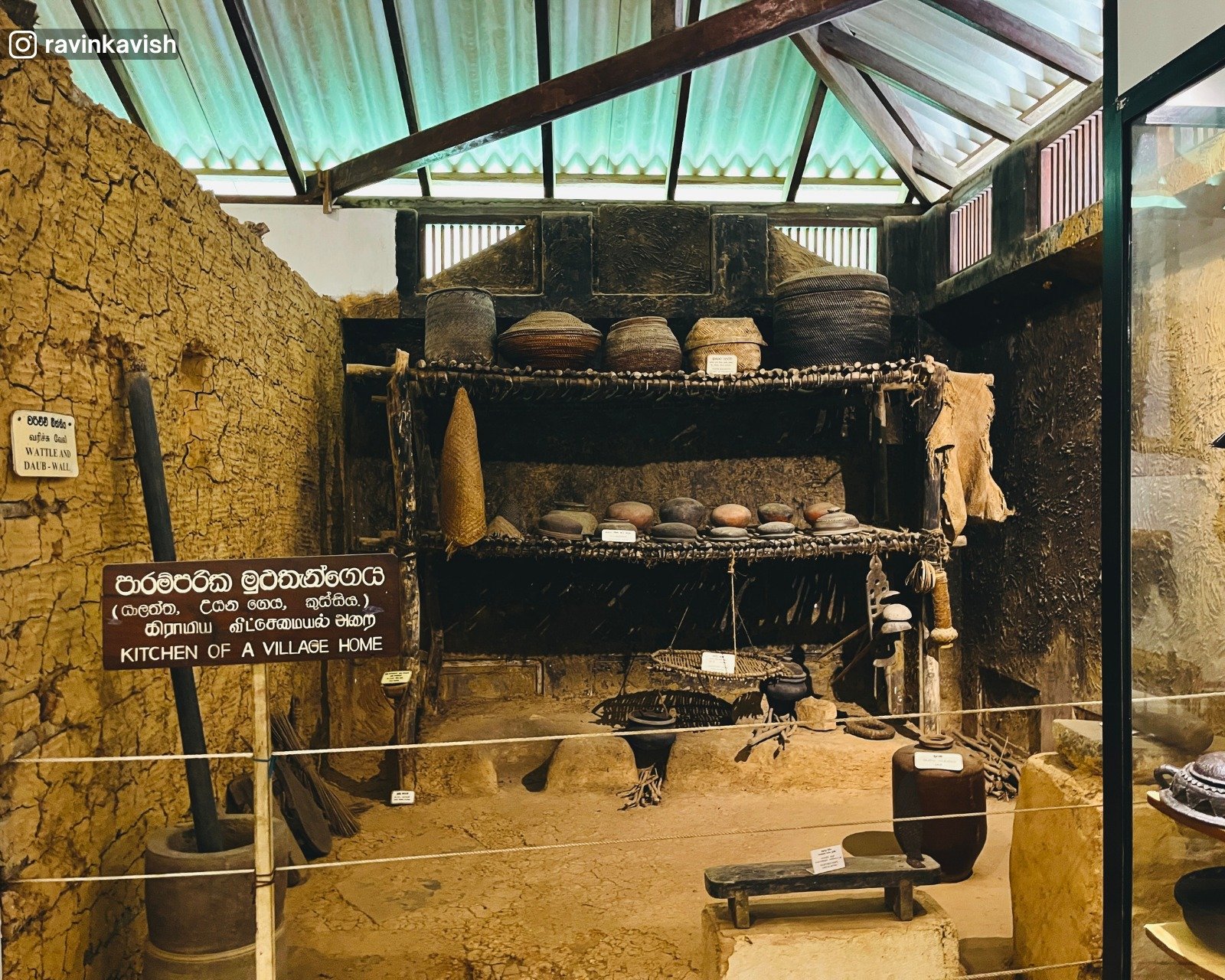
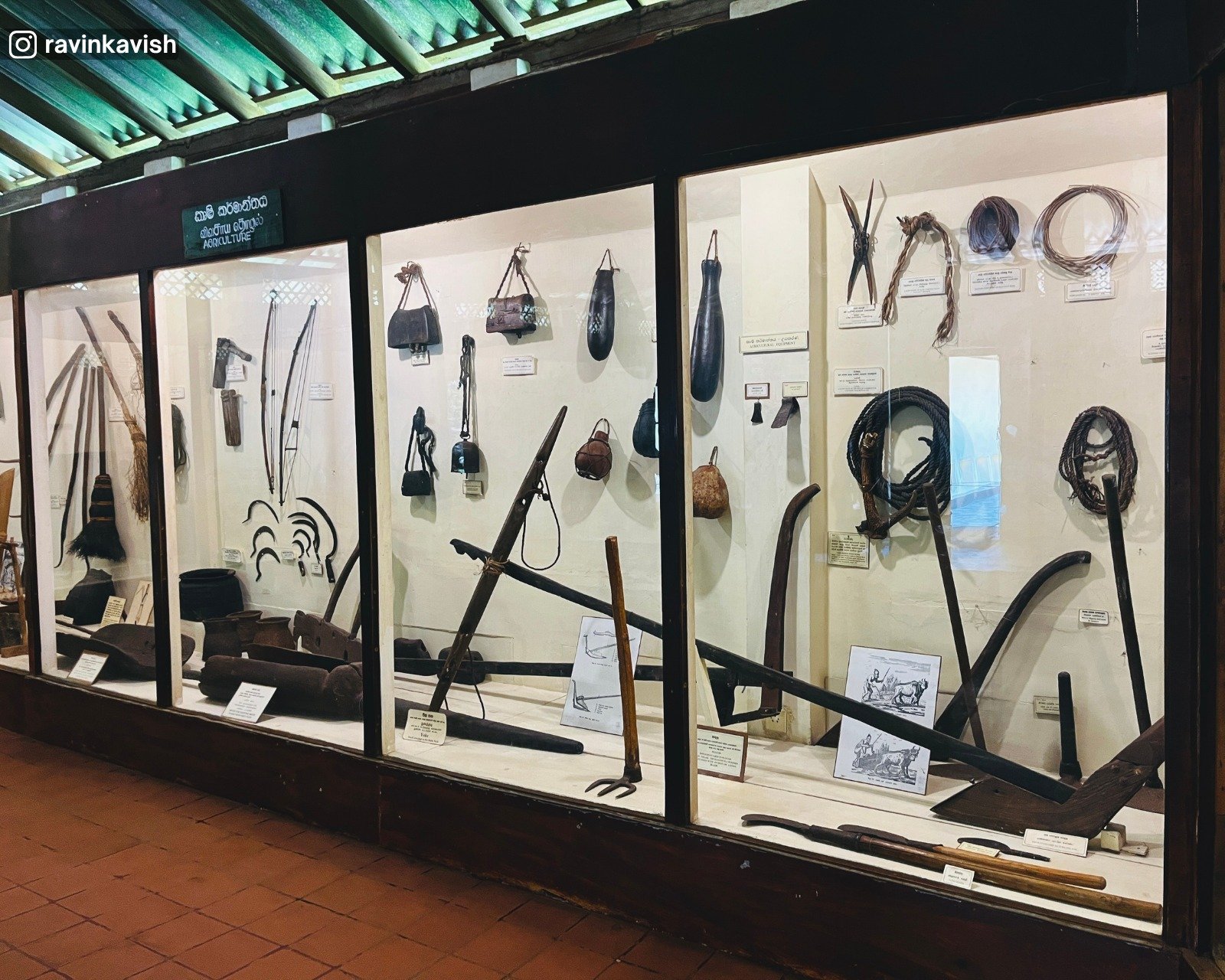
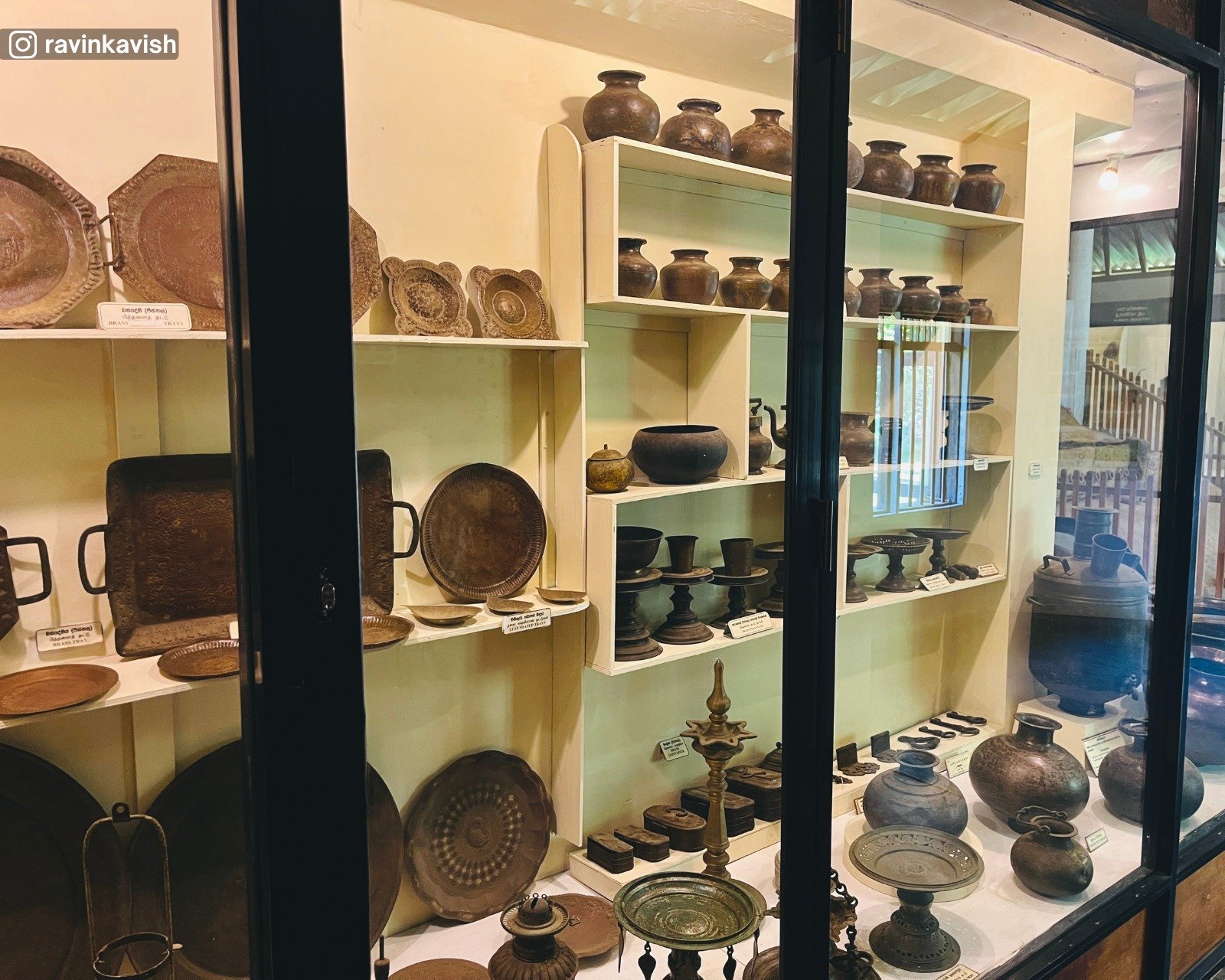
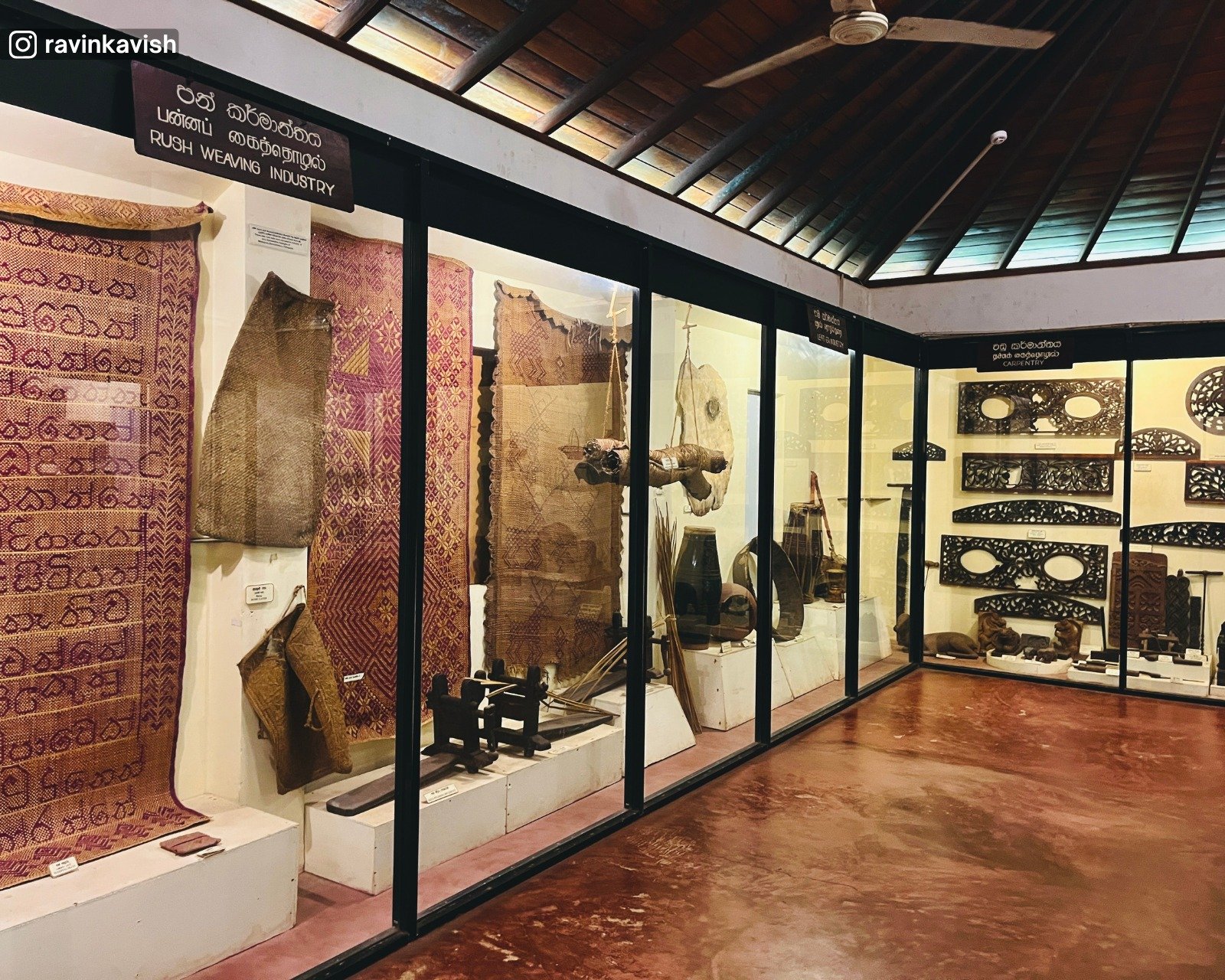
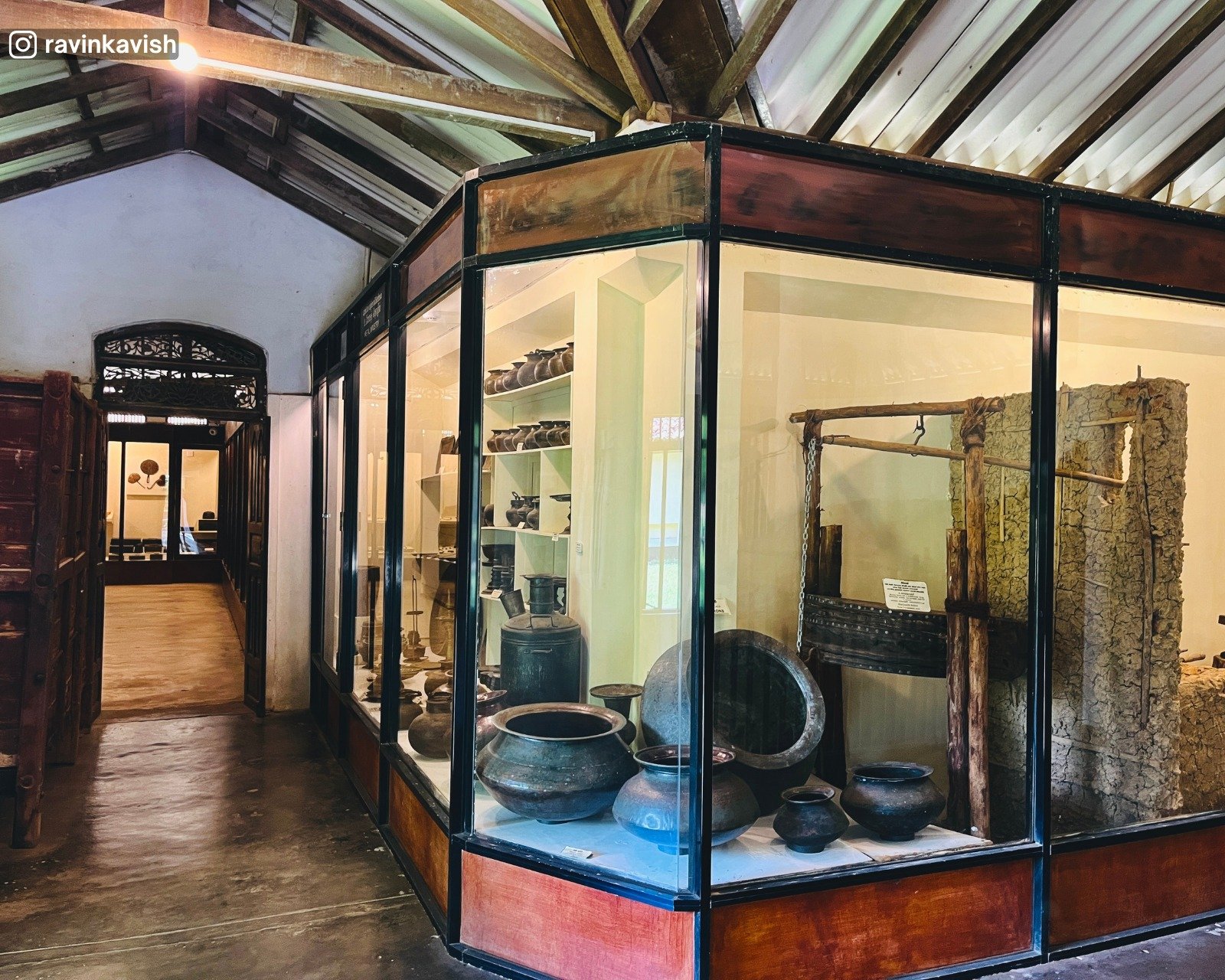
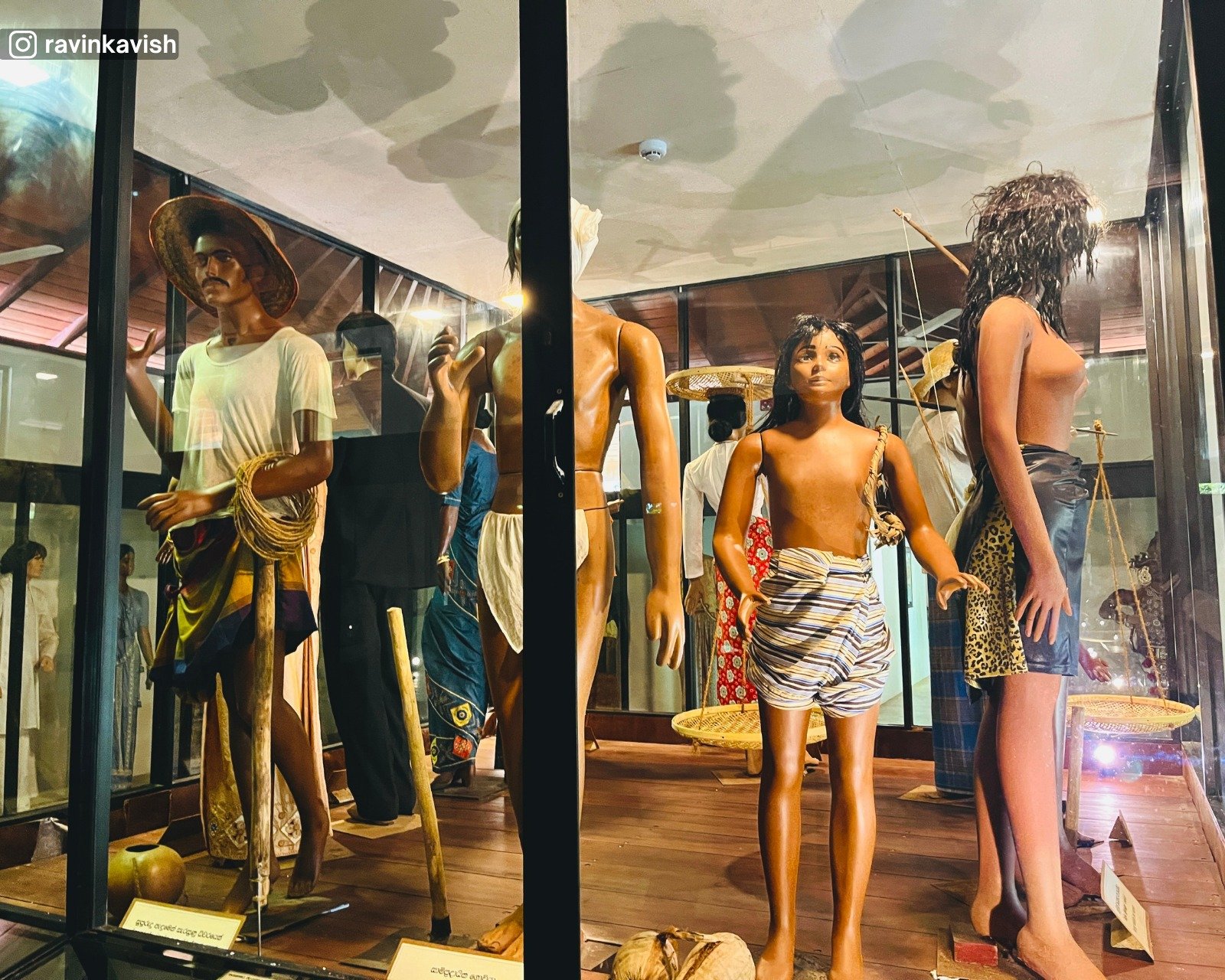
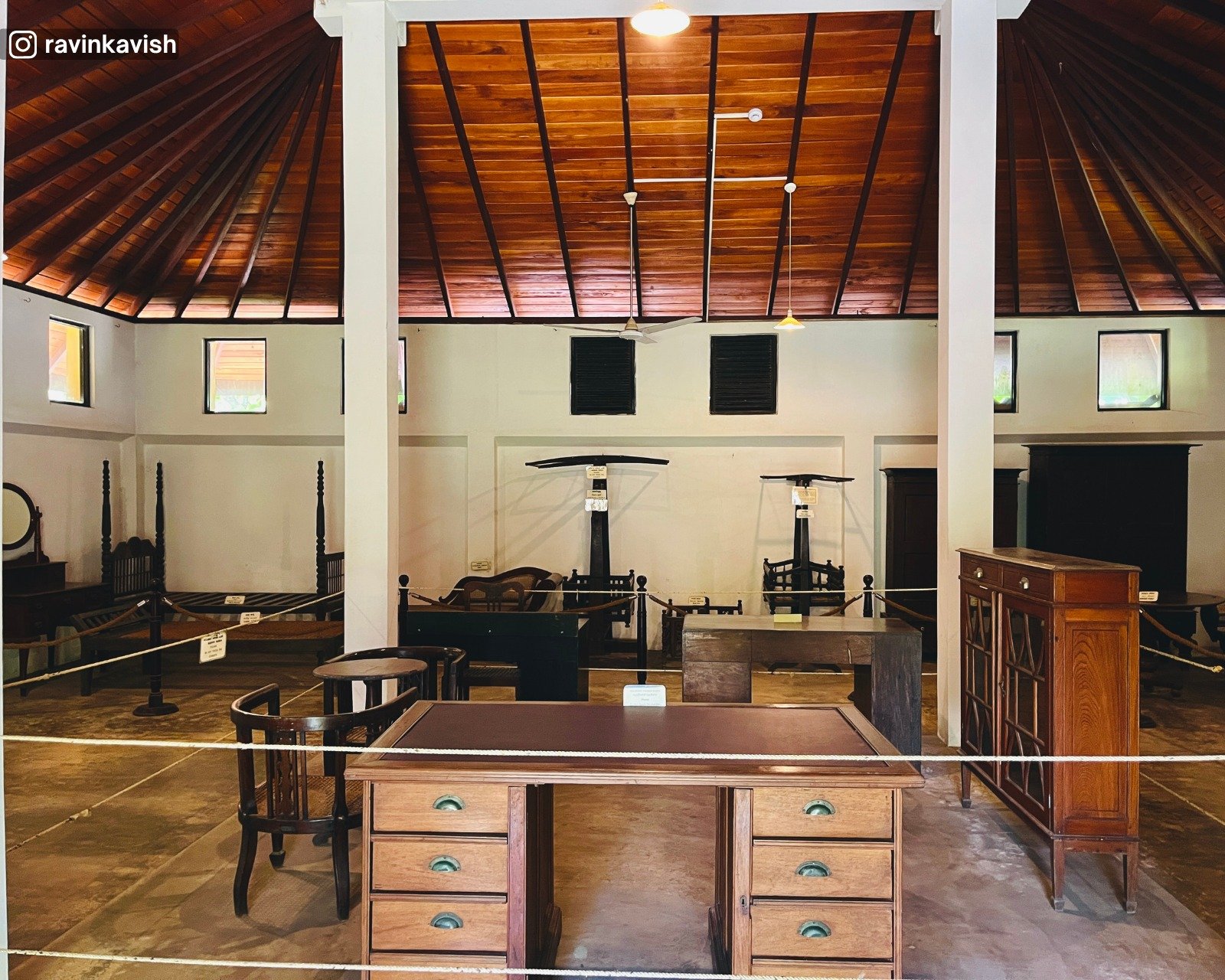
The museum was established to preserve and present Sri Lankan folk culture, rural traditions, and everyday tools that shaped village life in earlier centuries. Exhibits include traditional houses, farming implements, fishing gear, carts, kitchenware, masks, and household objects collected from different regions of the country. These displays reflect how ordinary people lived, worked, and interacted with their environment, particularly in the low country and coastal areas.

Beyond folk culture, the site honours Martin Wickramasinghe (1890–1976), whose novels and essays played a major role in shaping modern Sinhala literature and social thought. His work focused heavily on village life, social change, and cultural identity, making the folk museum a fitting extension of his legacy. The layout encourages visitors to move slowly through the grounds, observing structures and objects in a natural, outdoor setting rather than through formal gallery spaces.

For visitors travelling through Koggala, the Martin Wickramasinghe Folk Museum offers valuable context to the surrounding landscape. It connects coastal scenery, lagoon environments, and village traditions into a broader understanding of Sri Lanka’s cultural history. The museum is best experienced as a relaxed cultural stop, allowing time to walk through the grounds and absorb the details of traditional life preserved on site.
Read More
Scenery
Buddhist Monastery
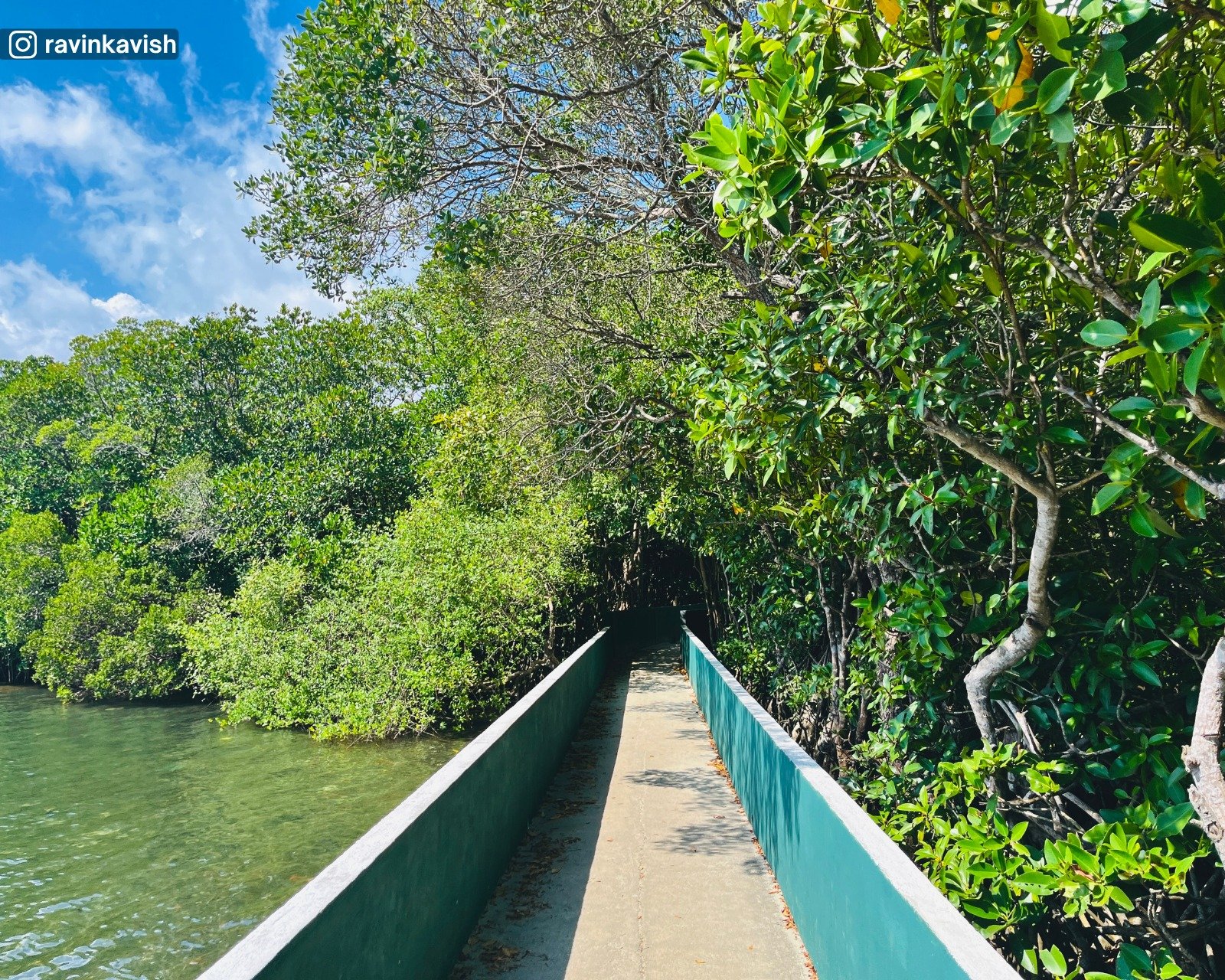
Low country monastic site associated with the Koggala Lake region.
Scenery
Scenery
Serene village setting on raised ground, offering a calm atmosphere and a strong sense of historical presence.
Art & Culture
Art & Culture
Kandyan style murals uniquely blended with colonial imagery such as horse carriages, Western dress, firearms, and British symbols, attributed to the Kadolgalla Sittara artistic lineage.
Weduwa Buddhist Monastery
Top Pick
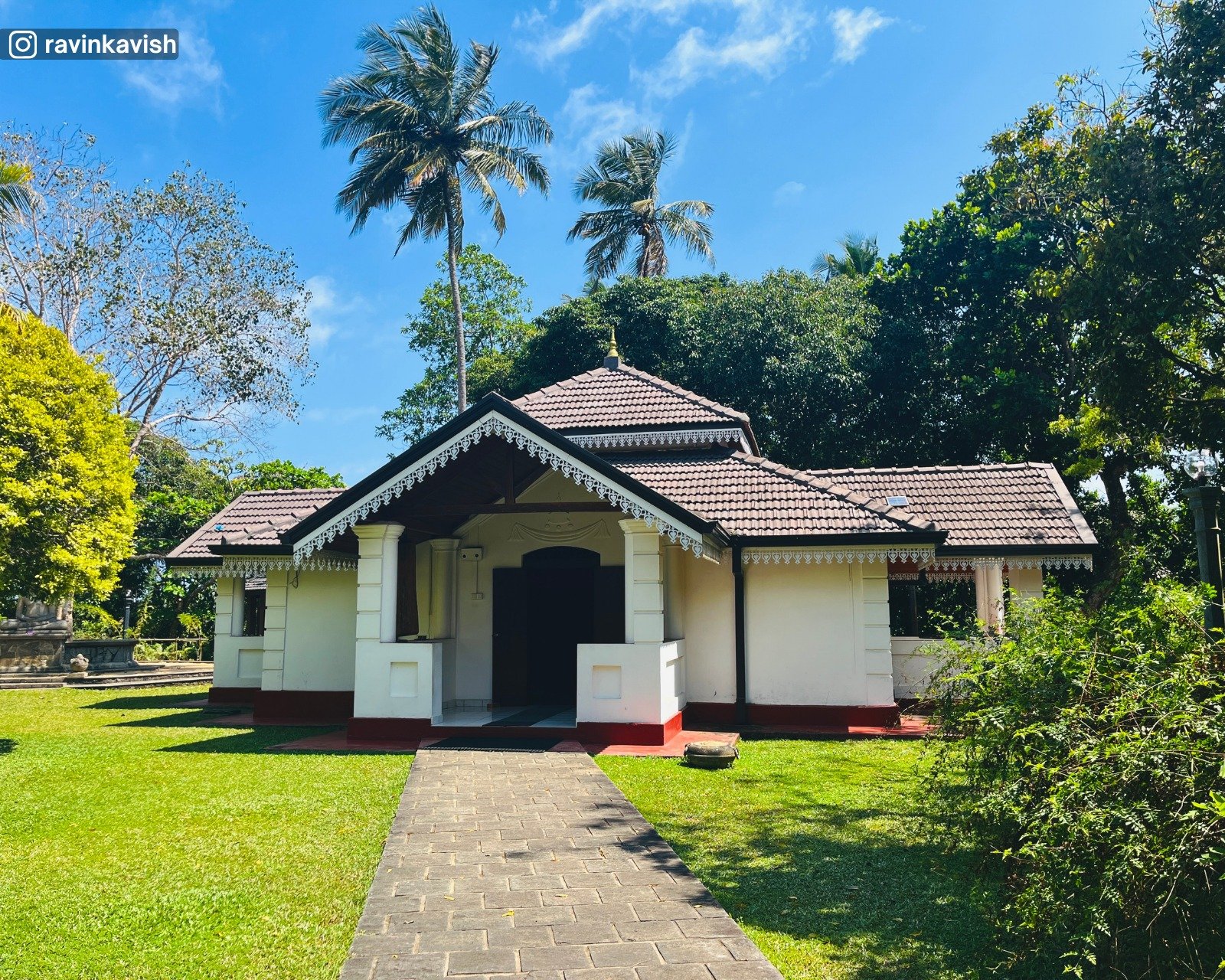
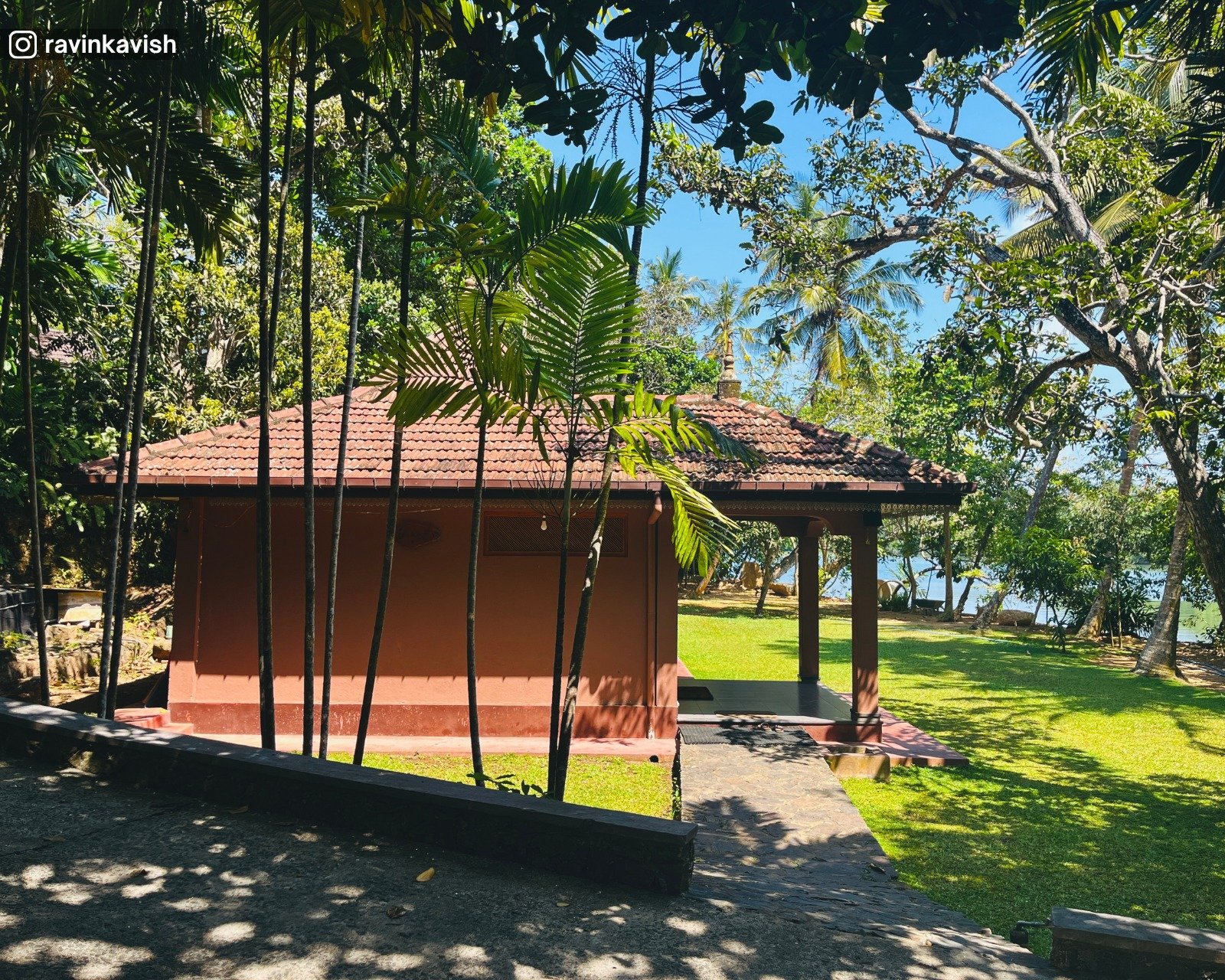
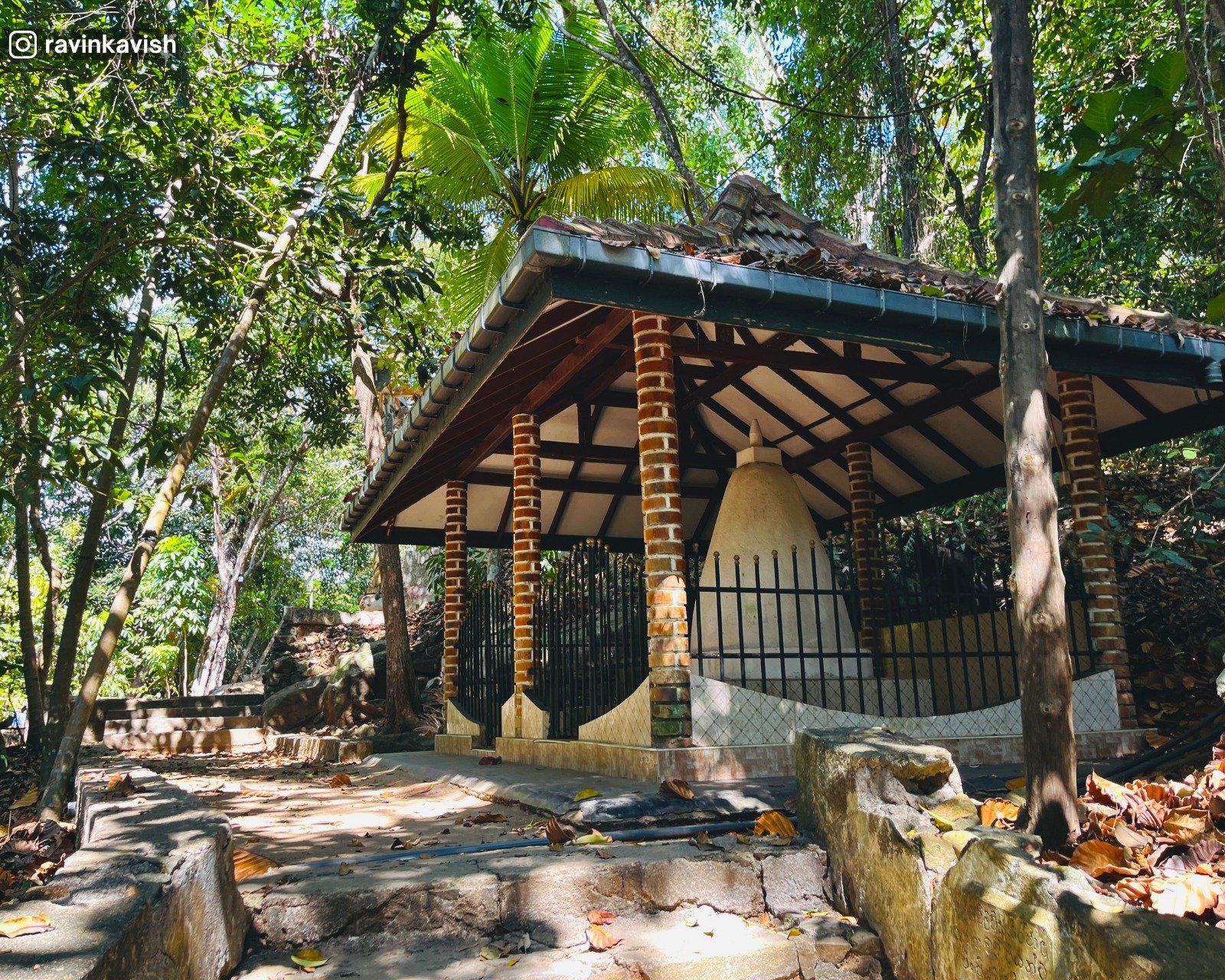
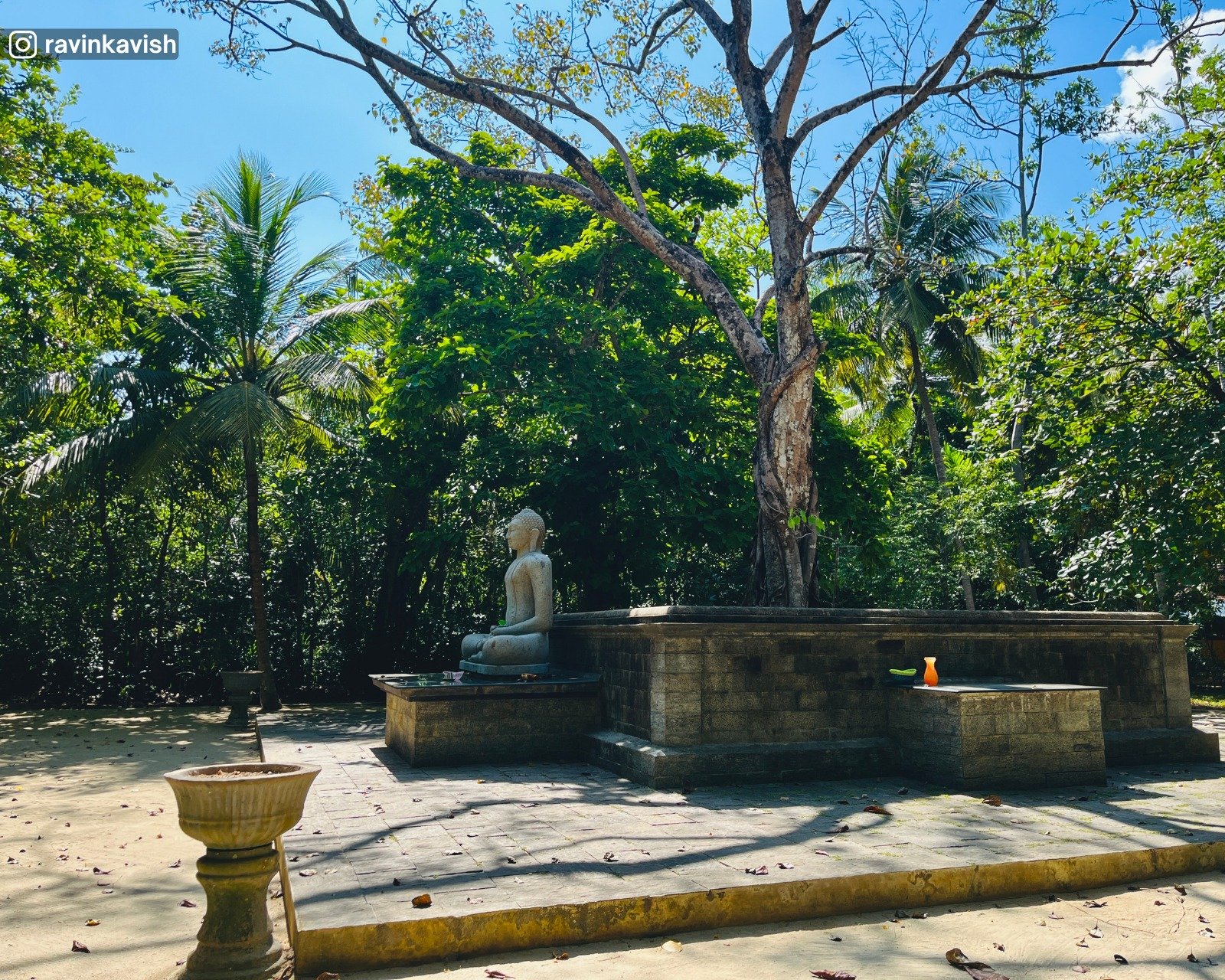
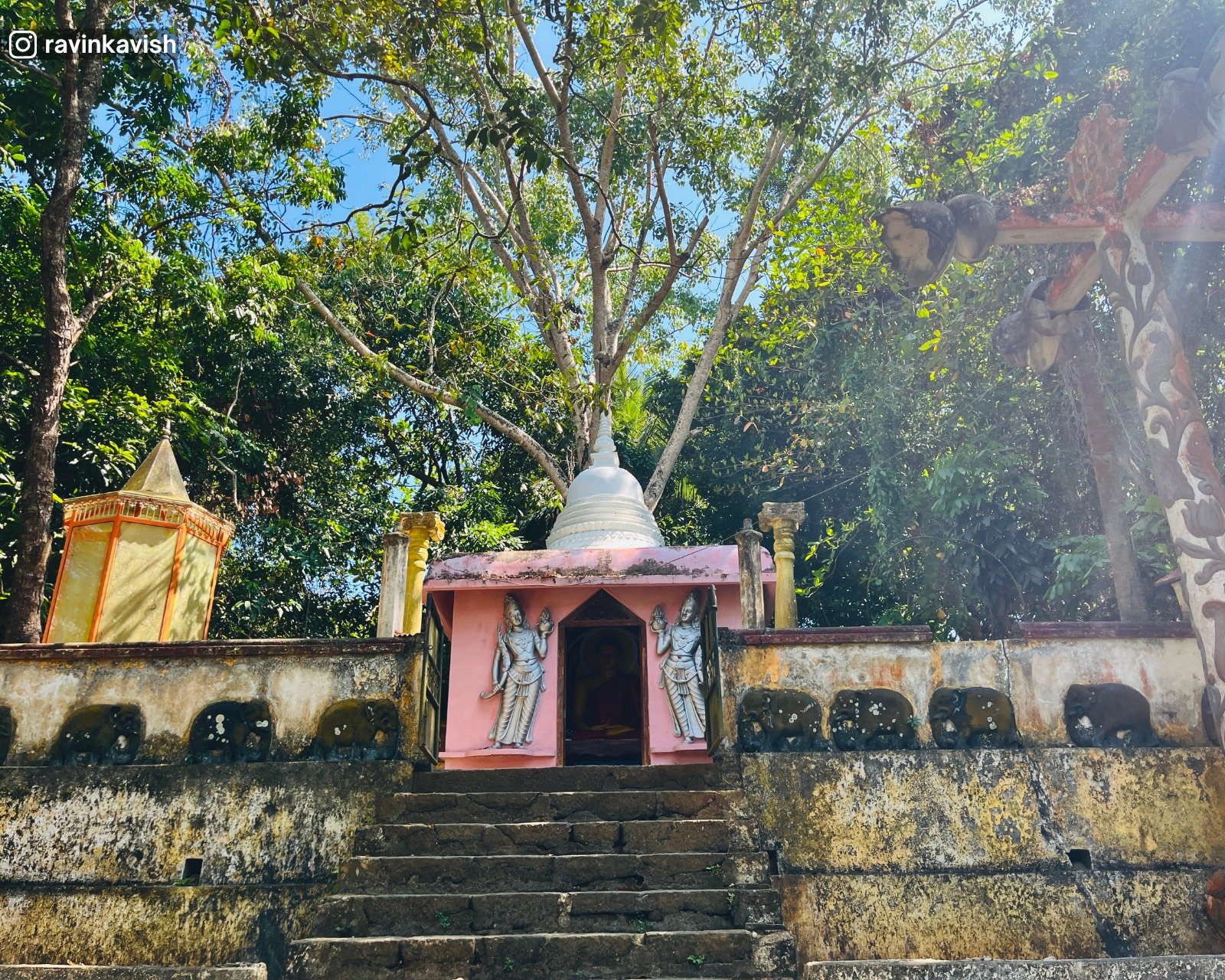
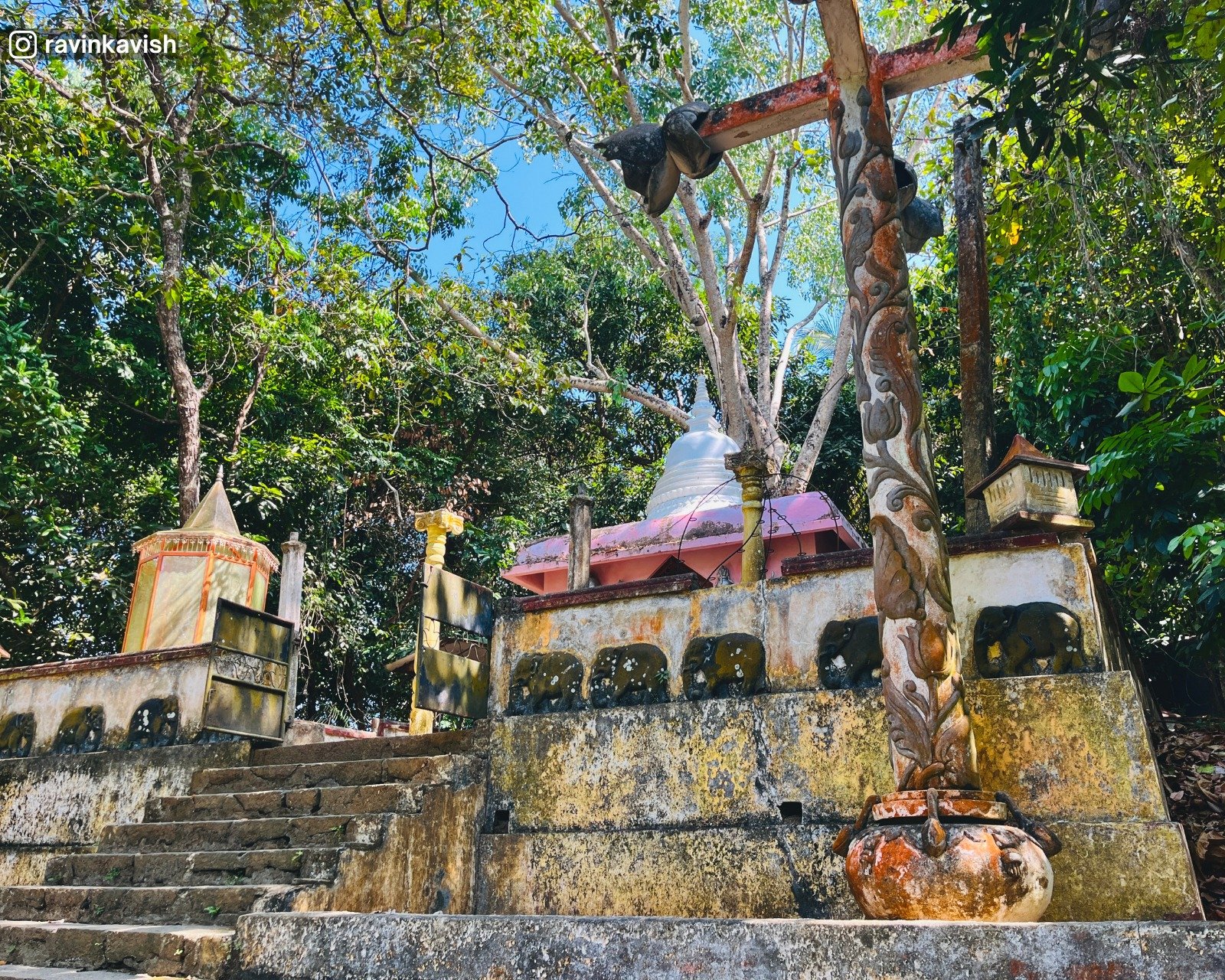
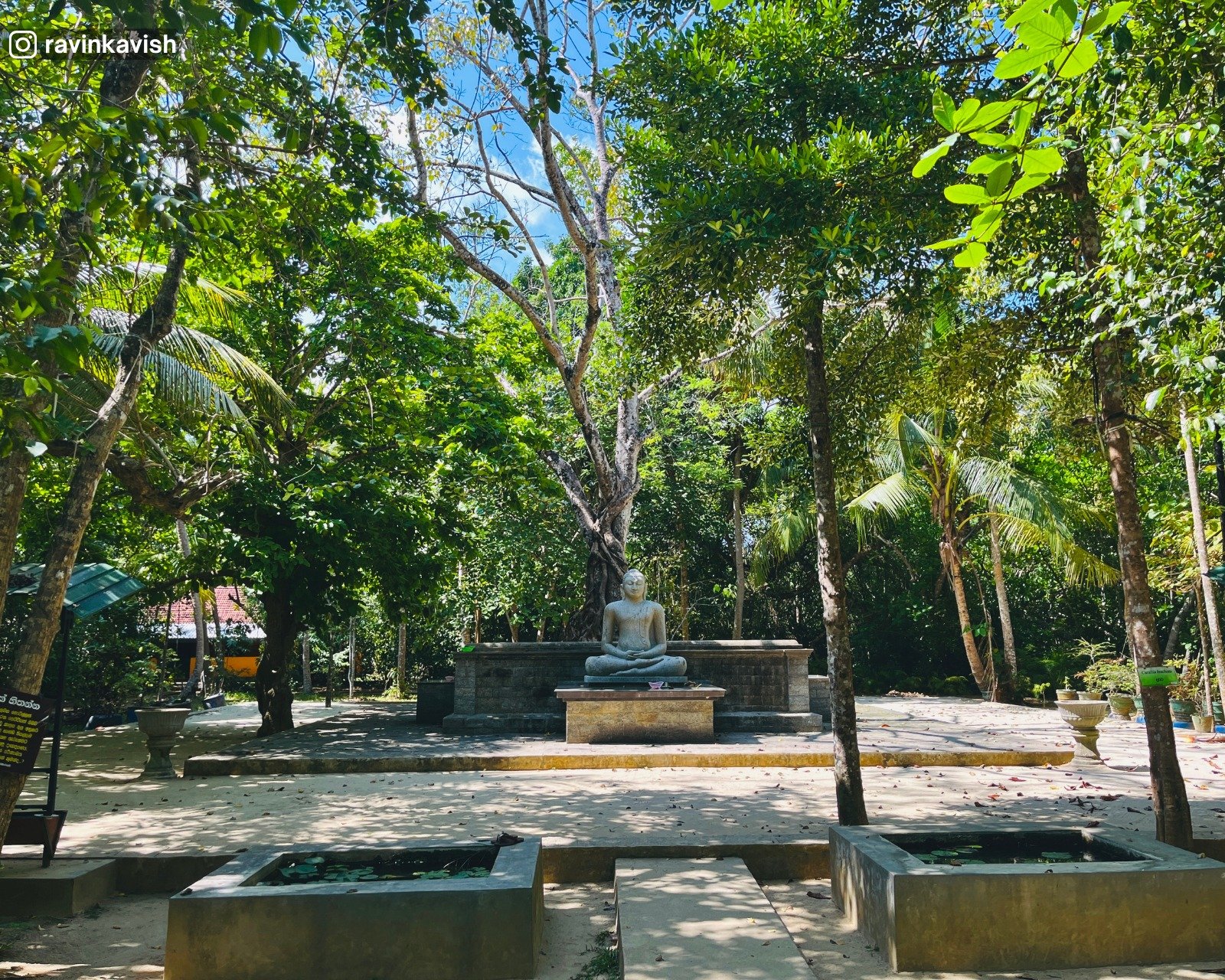
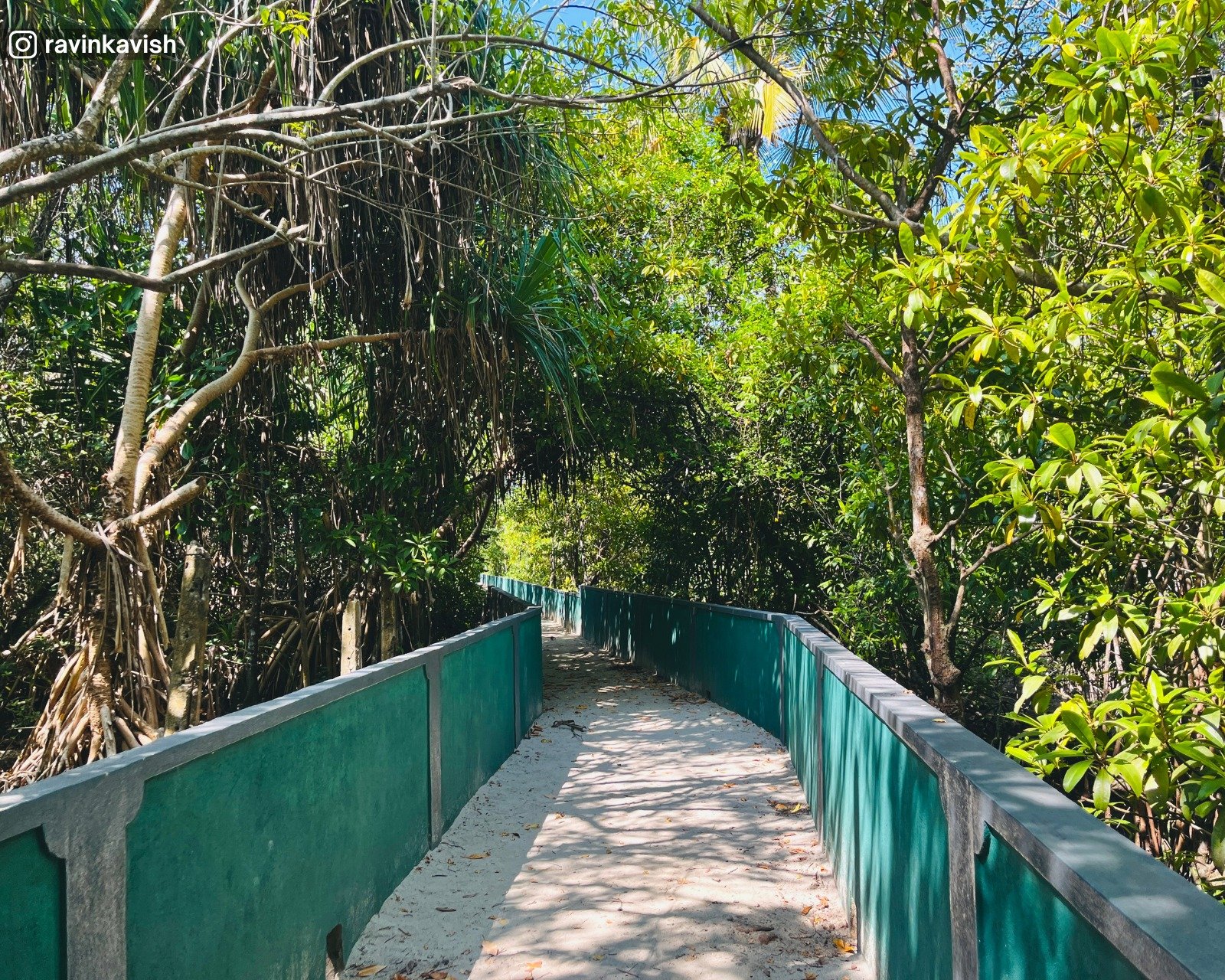
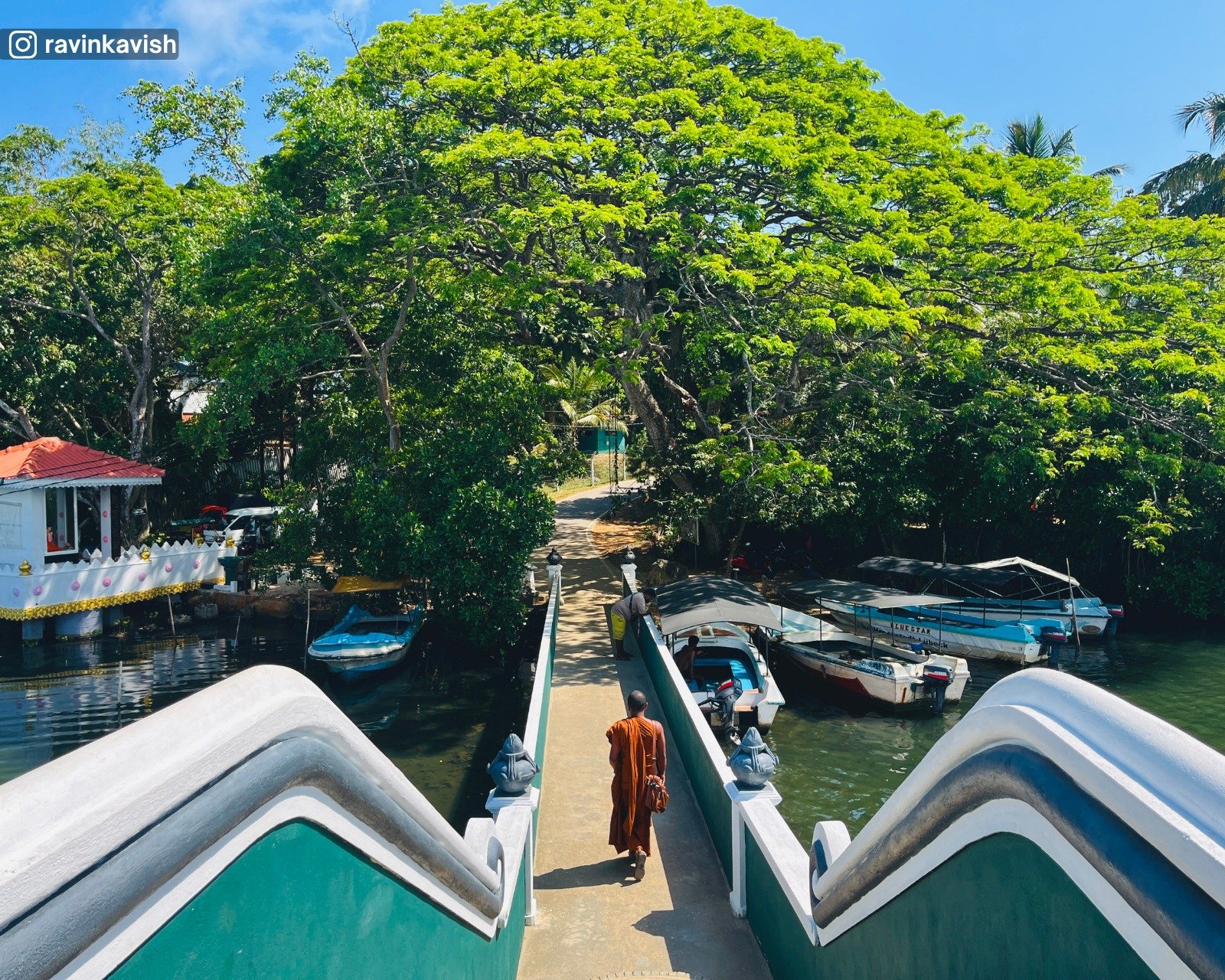
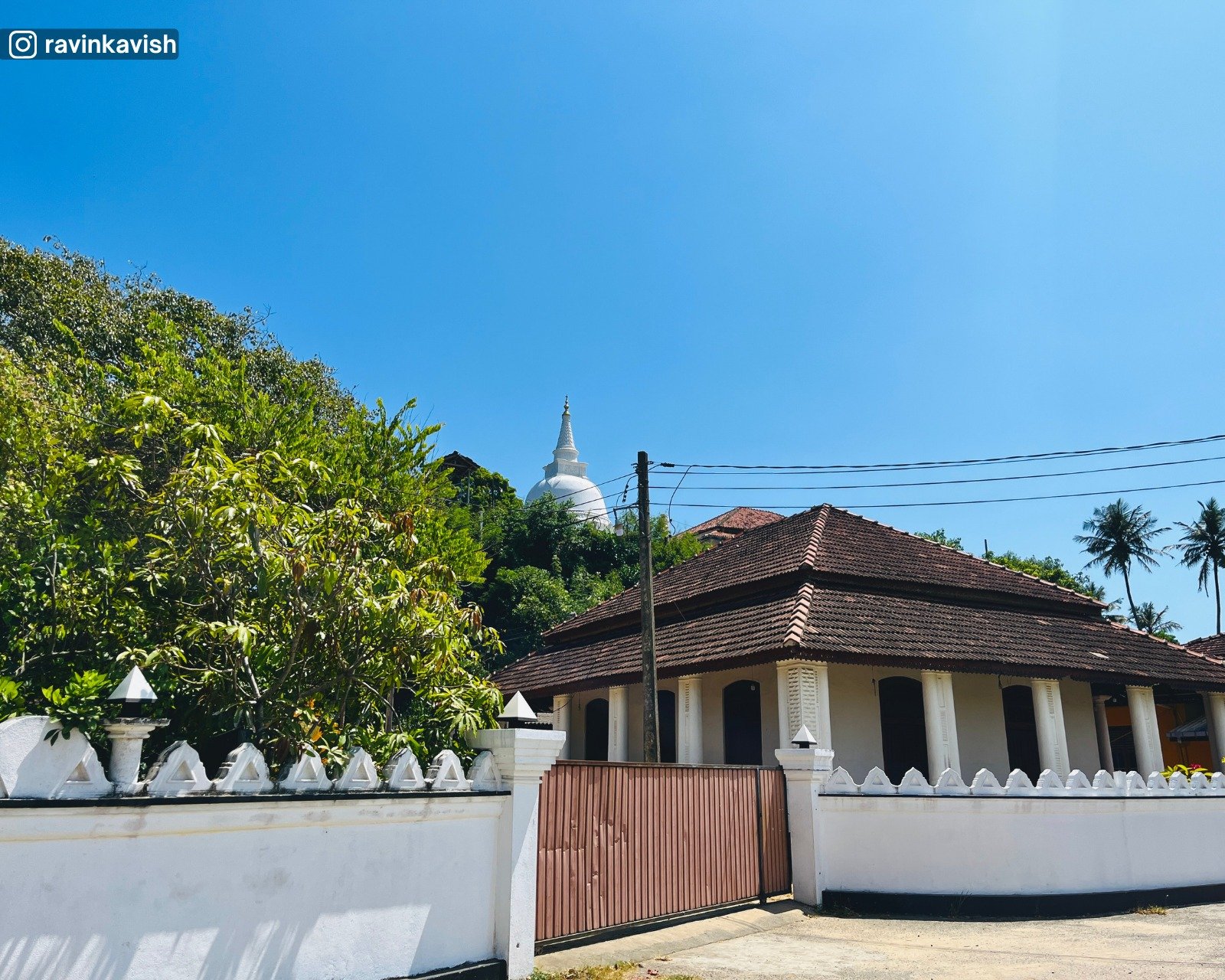
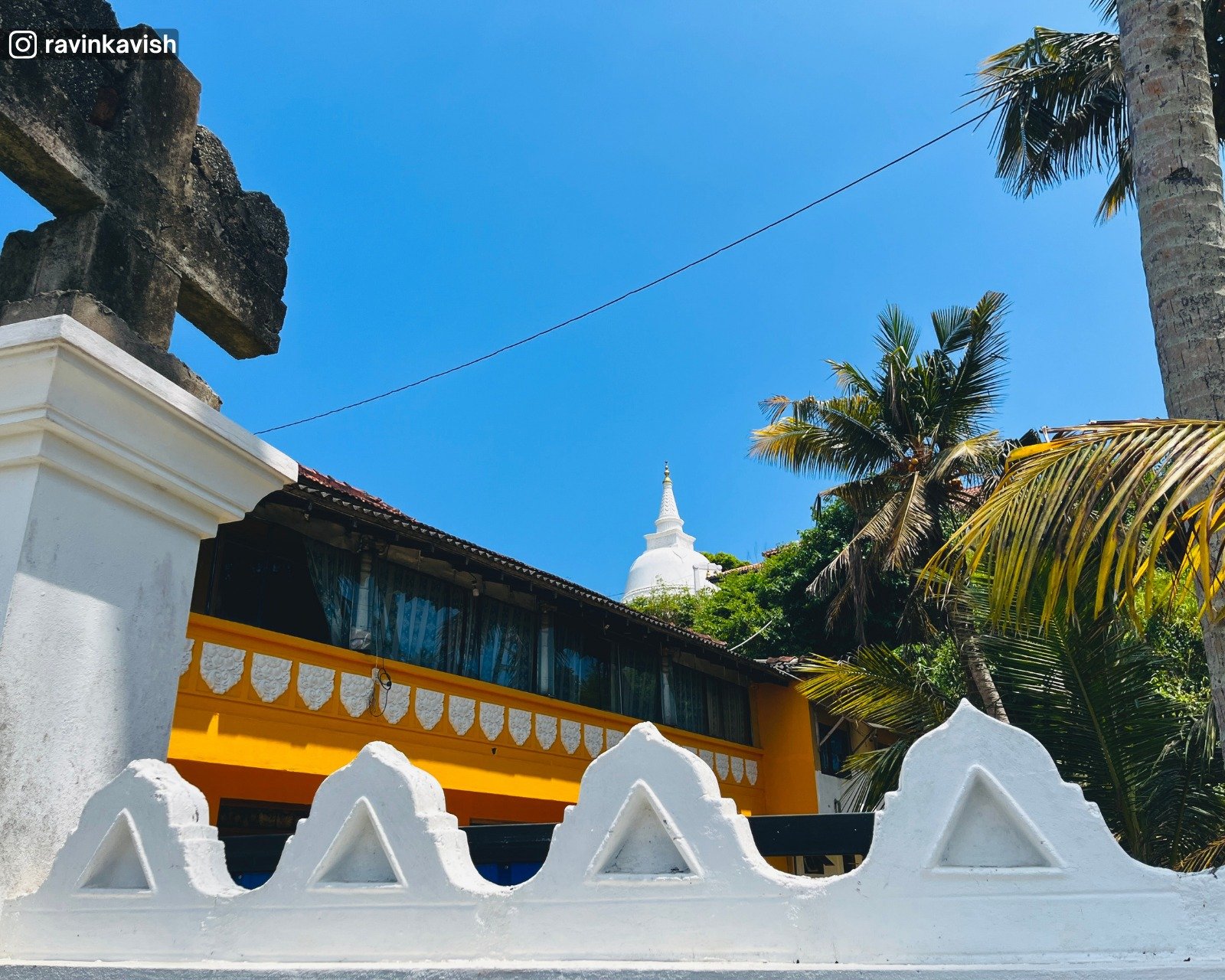
Weduwa Buddhist Monastery is a quiet monastic site located within the Koggala Lake region, set among inland greenery and lagoon influenced landscapes away from the busy southern coastline. The monastery’s setting reflects the traditional low country preference for calm, secluded environments suited to monastic life, with water, trees, and open land forming natural boundaries around the site.

The monastery is regarded locally as an old monastic settlement, traditionally used by resident monks for meditation and daily religious practice rather than large scale public worship. As with many low country monasteries, precise historical records regarding its founding period are limited. The present structures represent later rebuilding and maintenance carried out over time, replacing earlier constructions that once occupied the site.

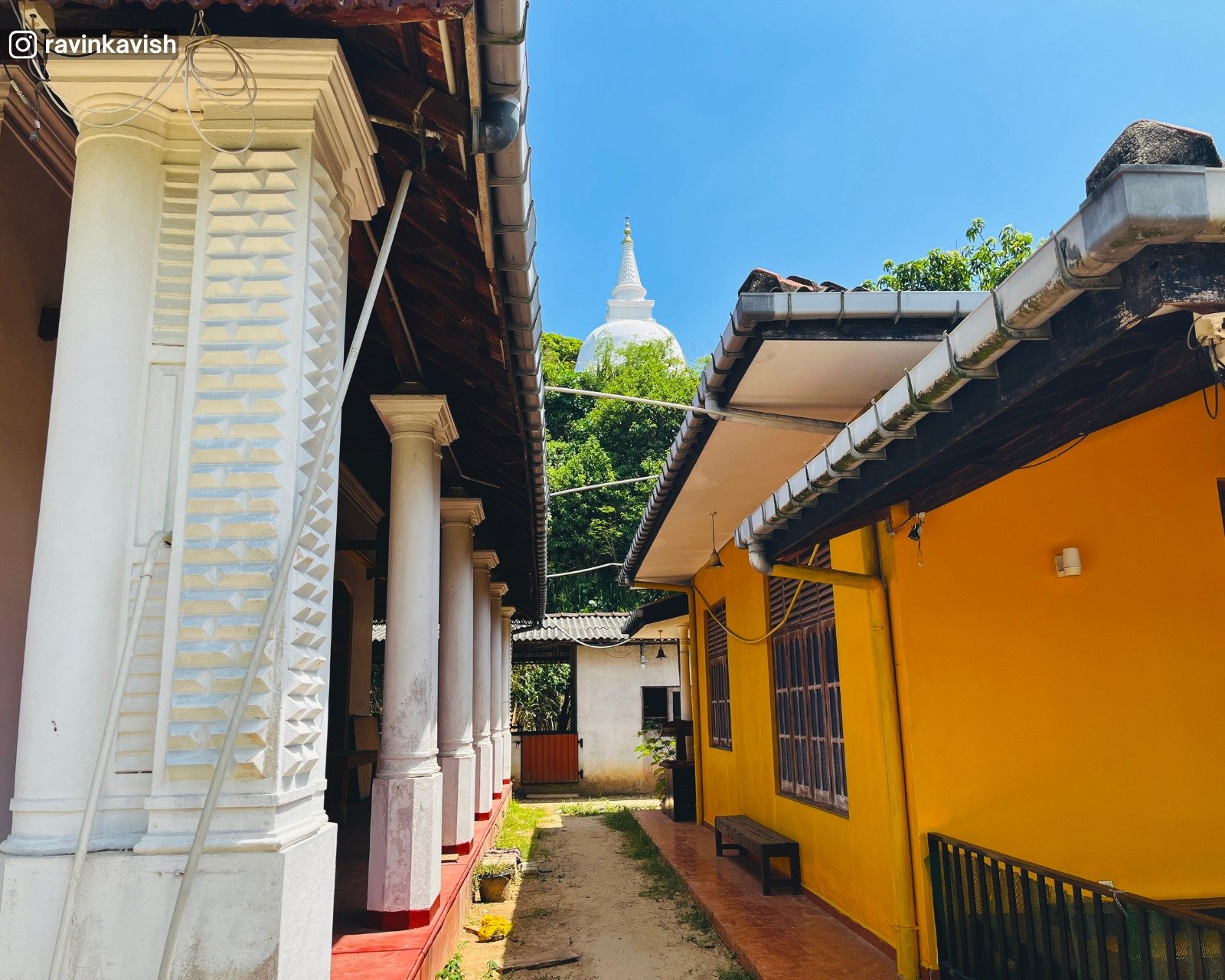
Architecturally, Weduwa Monastery is modest and functional, with simple shrine spaces and living quarters designed to support monastic routines. Decorative elements are minimal, placing emphasis on discipline, meditation, and simplicity rather than visual display. The surrounding natural environment plays an important role in shaping the atmosphere, reinforcing the sense of withdrawal from everyday activity.

For visitors exploring Koggala Lake and its islands, Weduwa Buddhist Monastery offers insight into living monastic traditions of the southern low country. It is best approached with respect and quiet observation, often as part of a broader lagoon exploration rather than as a standalone attraction. The monastery adds cultural depth to the lake landscape, showing how religious life continues alongside wetlands and village communities.
Read More
Scenery
Buddhist Monastery
Island monastery located within Koggala Lake near the southern coast.
Scenery
Scenery
Calm lagoon waters, mangroves, island greenery, and a quiet, enclosed setting.
Art & Culture
Art & Culture
Monastic traditions focused on meditation and simple religious practice rather than decorative display.

Thalathuduwa Monastery
Worth It
Thalathuduwa Monastery is a Buddhist monastic site located on Thalathuduwa Island within Koggala Lake, just inland from Sri Lanka’s southern coast near Koggala. Surrounded by calm lagoon waters and mangroves, the monastery has a distinctly secluded atmosphere, shaped by its island setting and separation from the busy coastal road. Access is typically by small boat, reinforcing the sense of retreat and quiet that defines the site.

The monastery is regarded as an old religious site, traditionally associated with monastic residence rather than large scale temple worship. While precise historical records and founding dates are limited, the island has long been linked to Buddhist practice within the lagoon system. As with many low country monastic sites, structures visible today reflect later rebuilding and maintenance rather than original construction phases.

Architecturally, Thalathuduwa Monastery is simple and functional, designed to support meditation and monastic life rather than ceremonial display. The buildings sit low within the landscape, blending with trees, water, and open space. The surrounding lagoon acts as a natural boundary, enhancing the feeling of isolation and focus that is central to monastic traditions.

For visitors exploring Koggala Lake, Thalathuduwa Monastery offers insight into how Buddhism adapted to lagoon environments in the southern low country. It is best experienced as part of a lake boat visit, where the emphasis is on stillness, setting, and the relationship between water, land, and religious life rather than architectural grandeur.
Read More

Discover More