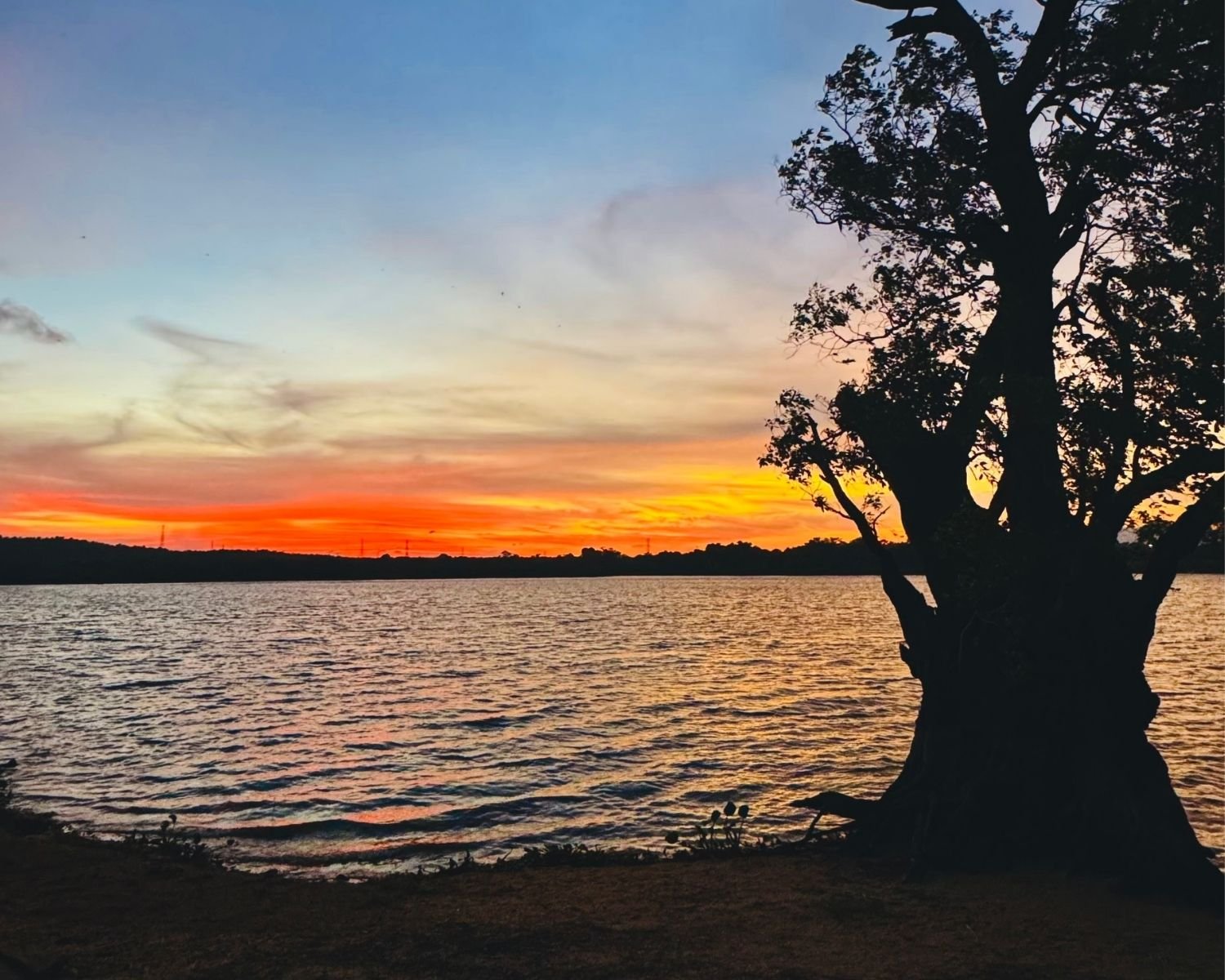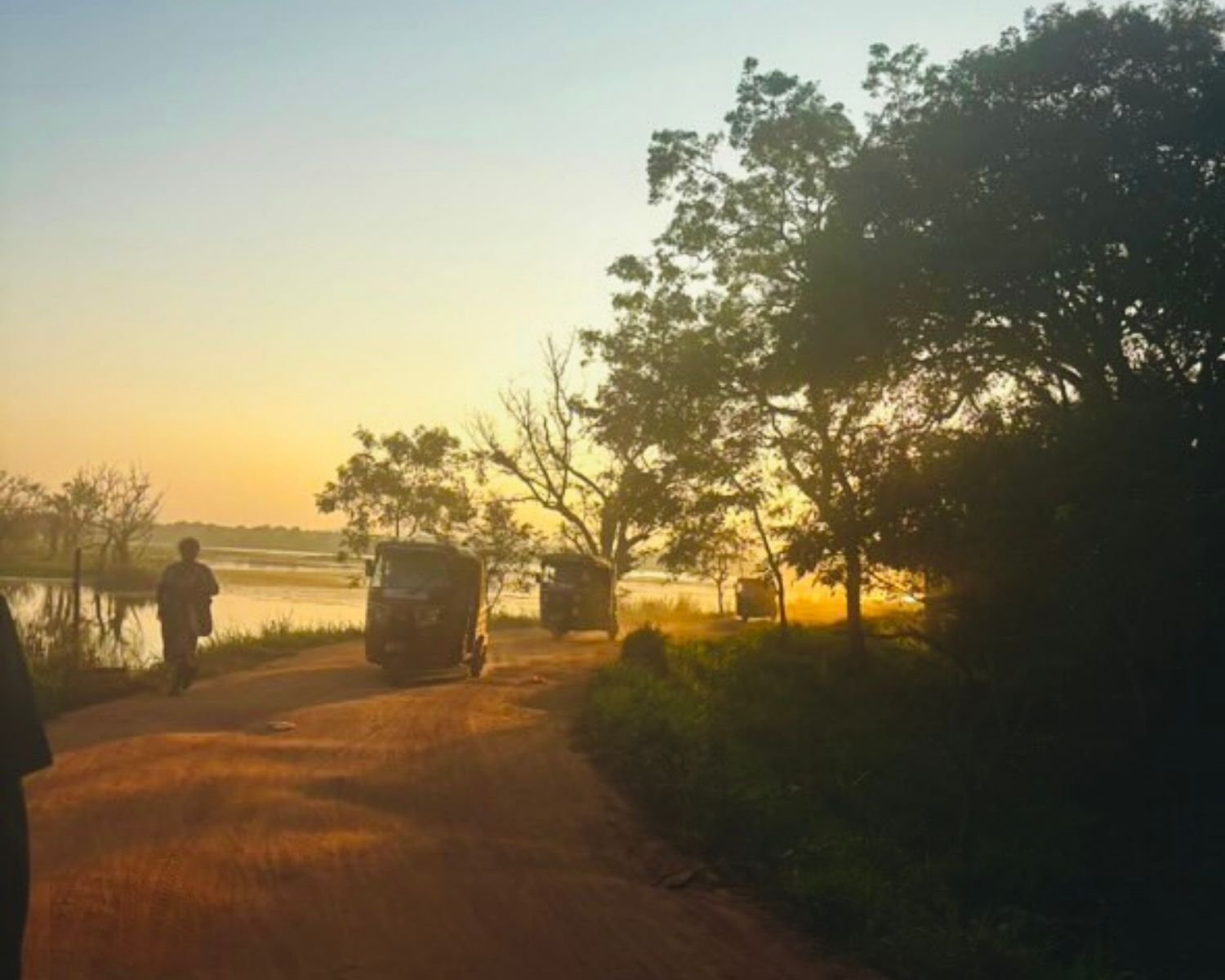
Jaffna Fort at sunset with lagoon in northern Sri Lanka

JAFFNA

Northern soul, vibrant Tamil culture, islands, and resilient history.

Jaffna is the cultural heart of northern Sri Lanka, known for Jaffna Fort, Nallur Kandaswamy Temple, island escapes like Delft and Nainativu, lagoon sunsets, and authentic Tamil food and village life.

Explore Now

Attractions

Best Places to See in Jaffna

History
Built in the 5th century CE by King Kashyapa as a royal palace and rock fortress.

Hike
Allow 2-3 hours total.
The summit climb takes about 45-60 minutes.
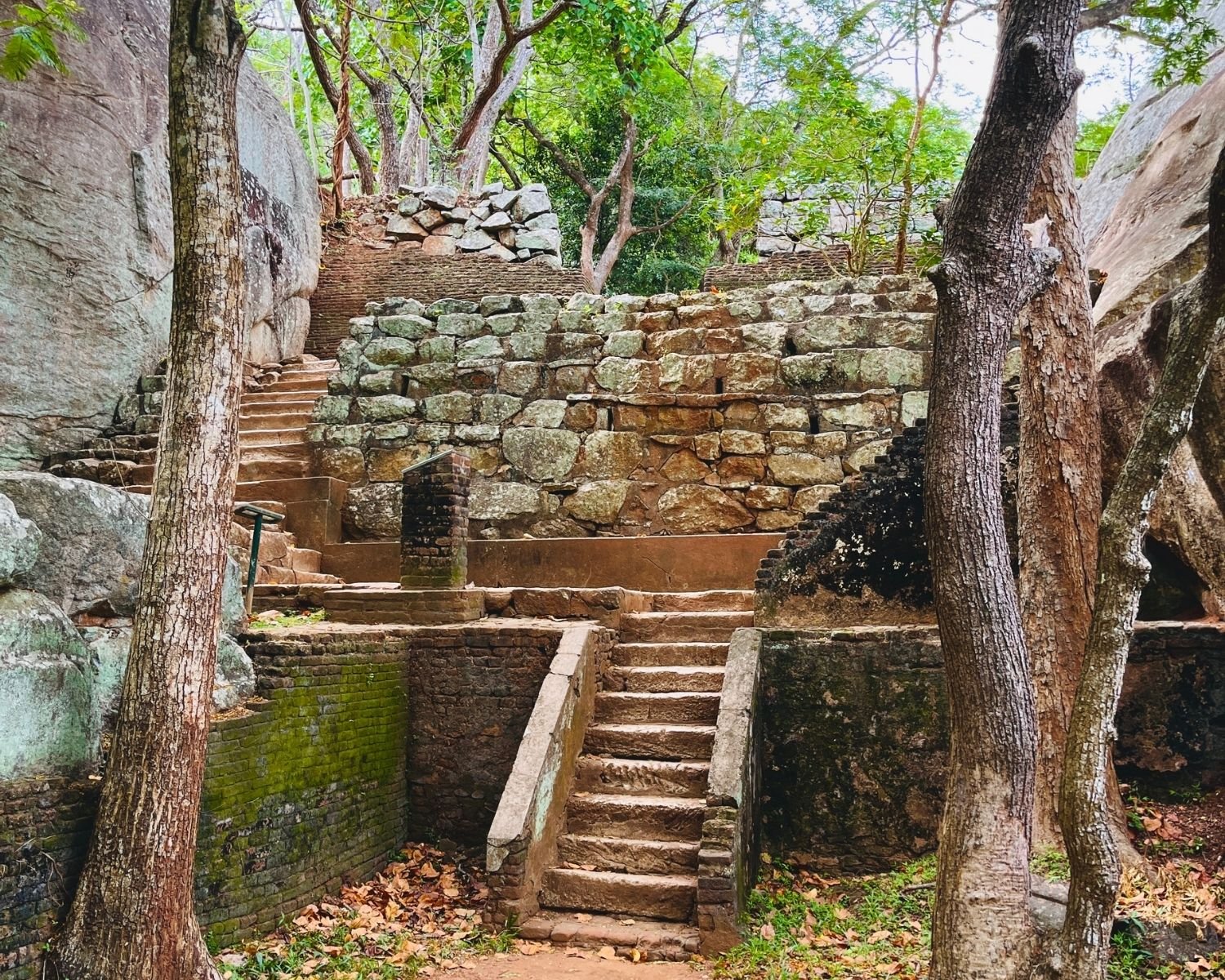
Expect around 1,200 steps with handrails.
Best early morning or late afternoon.

Scenery
Dramatic rock fortress with ancient gardens, jungle landscapes, and panoramic views from the summit.

Art & Culture
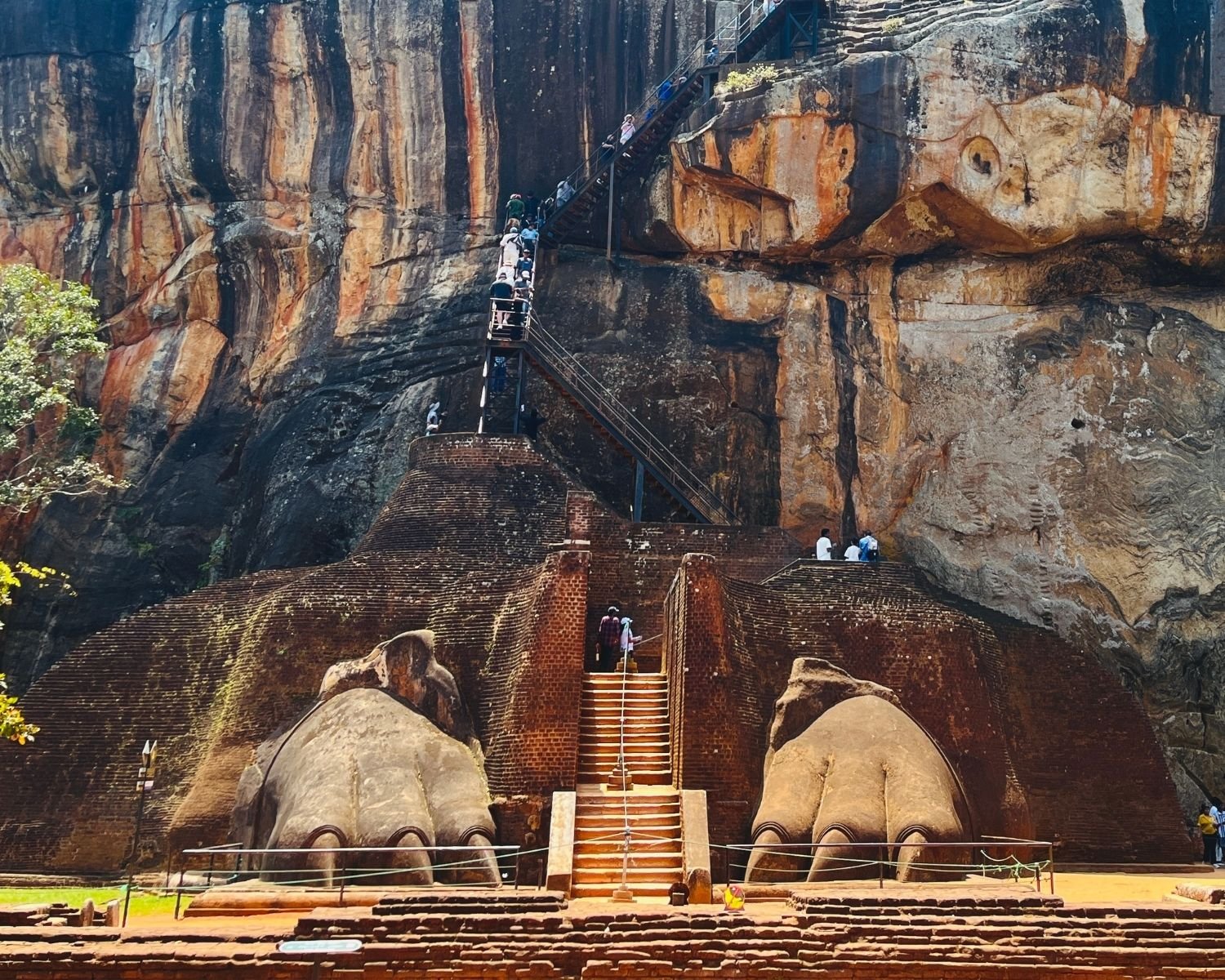
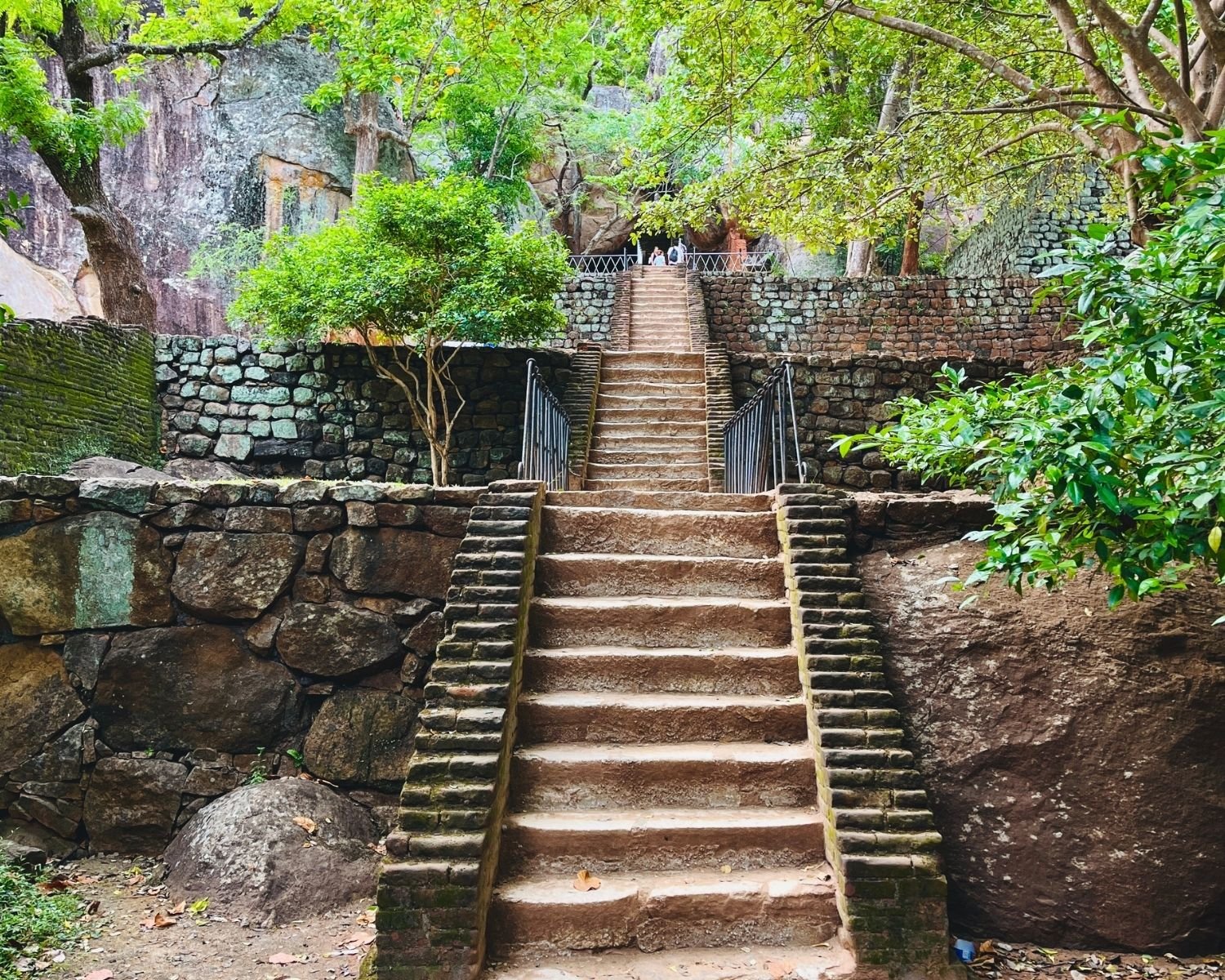
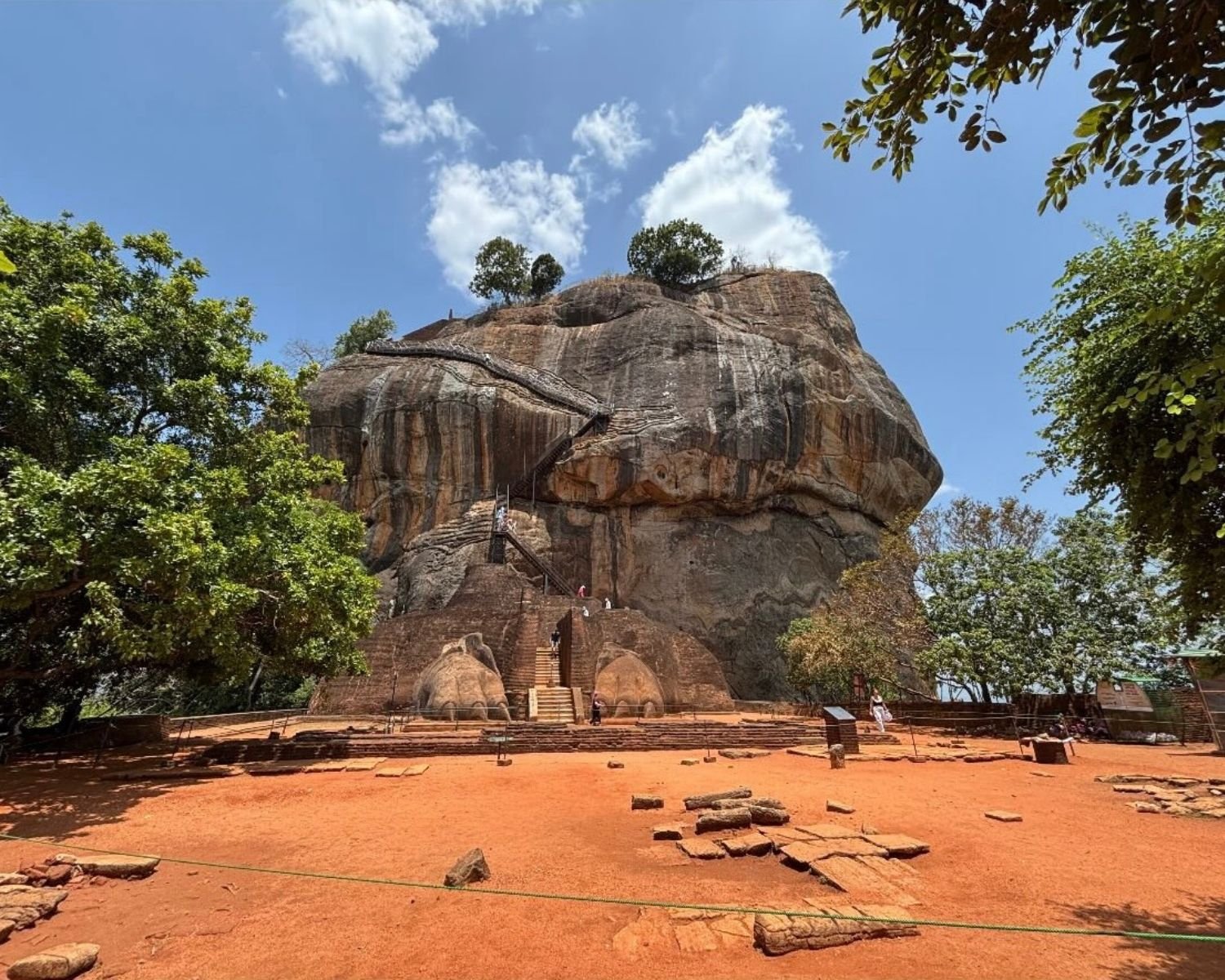
Includes the Sigiriya frescoes, Mirror Wall, Lion Paw entrance, water gardens, and palace ruins.

Entrance Fee
Foreign visitors:
-$35 adults
-$20 children
SAARC visitors:
-$20 adults and children
Under 6: Free
Tickets available at the entrance

Ticket Office

! Fees can change, so check at the ticket office before visiting.

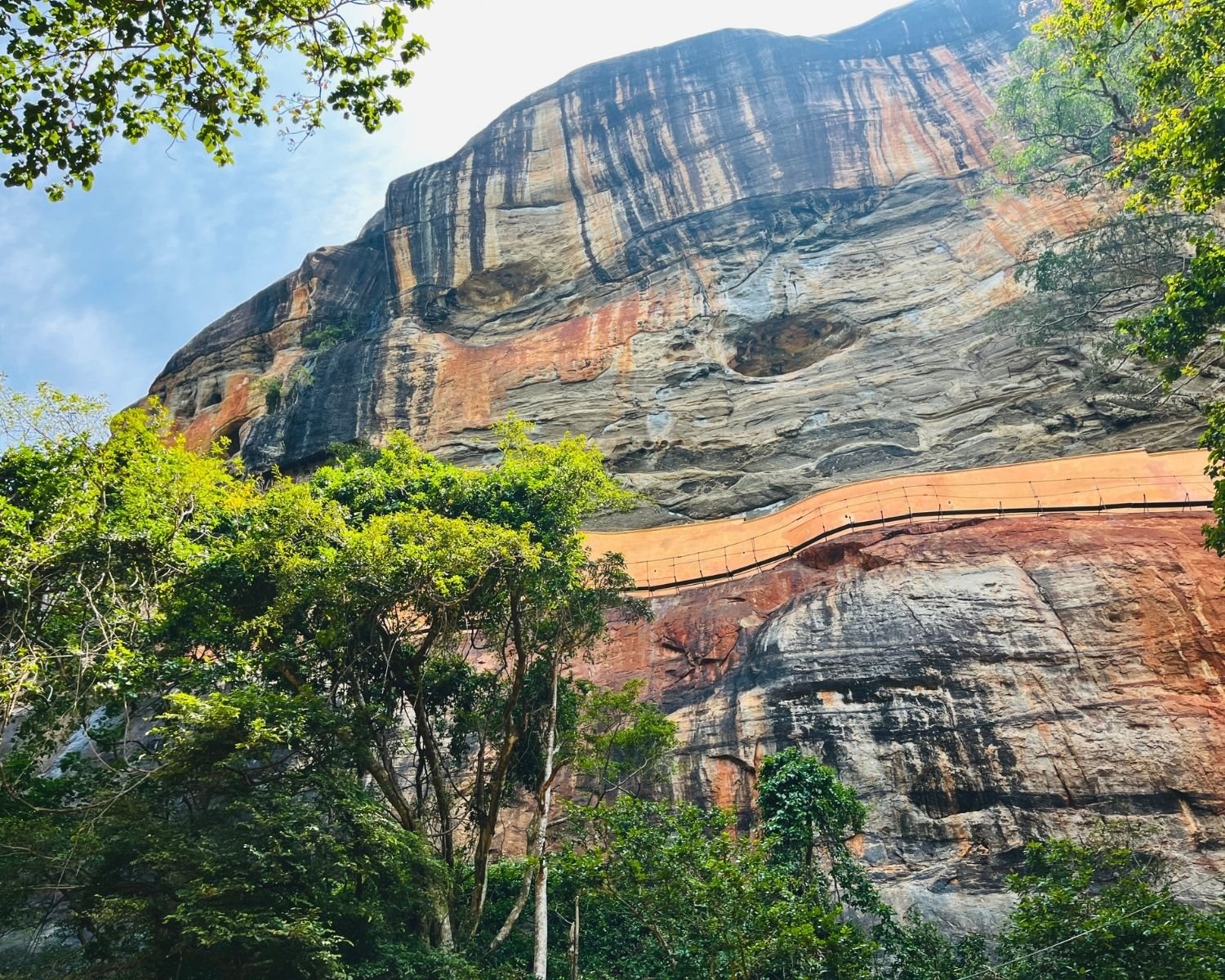
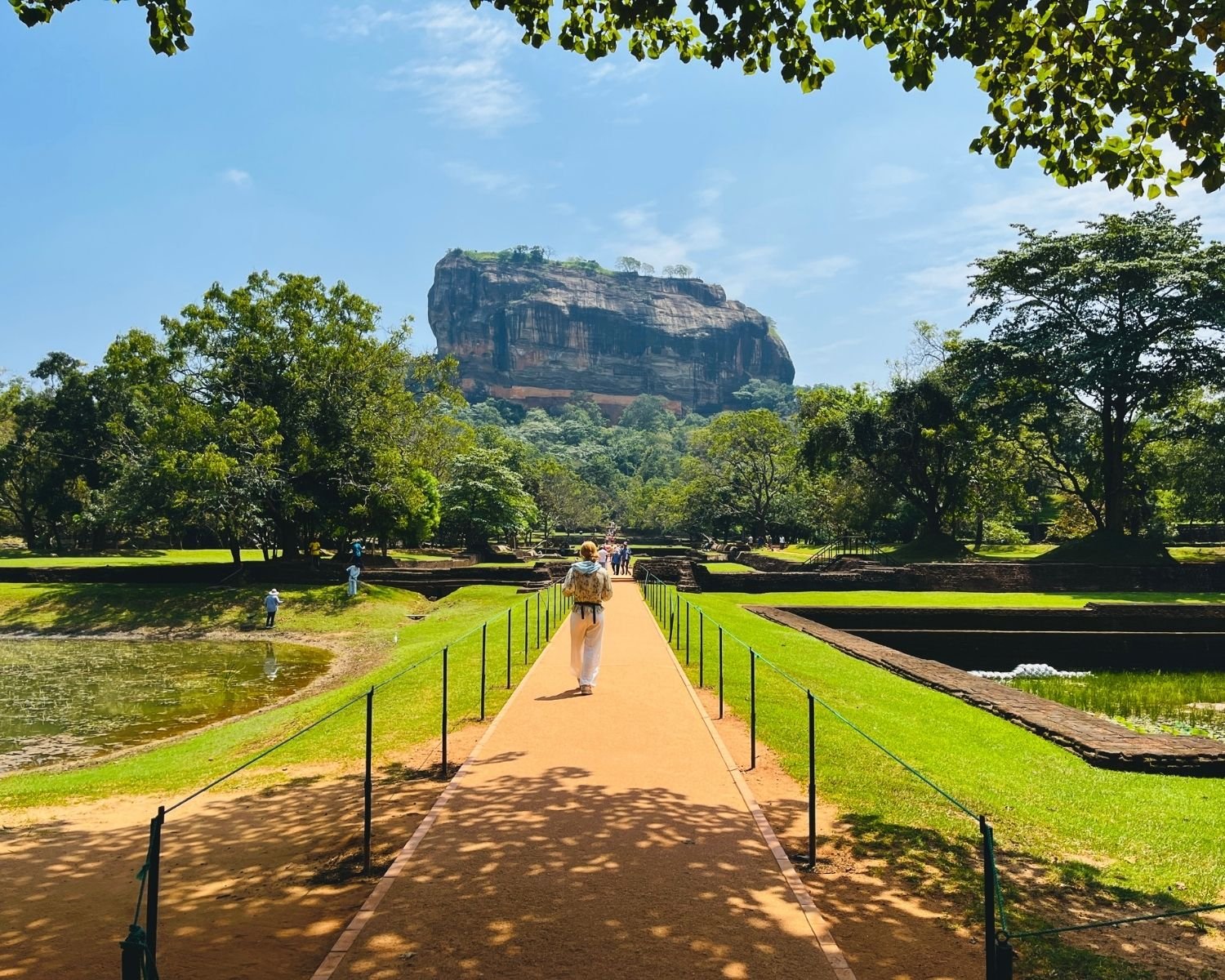
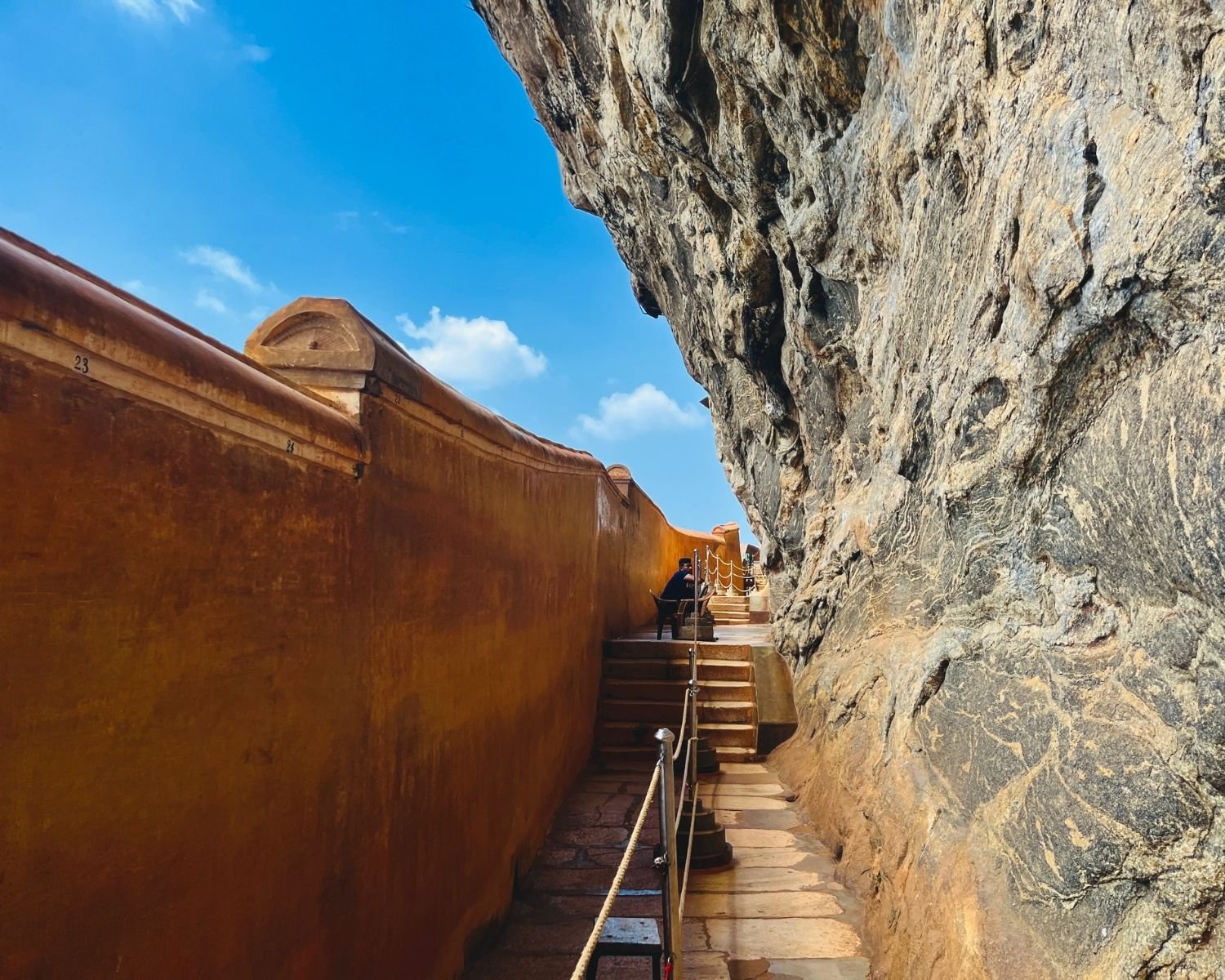
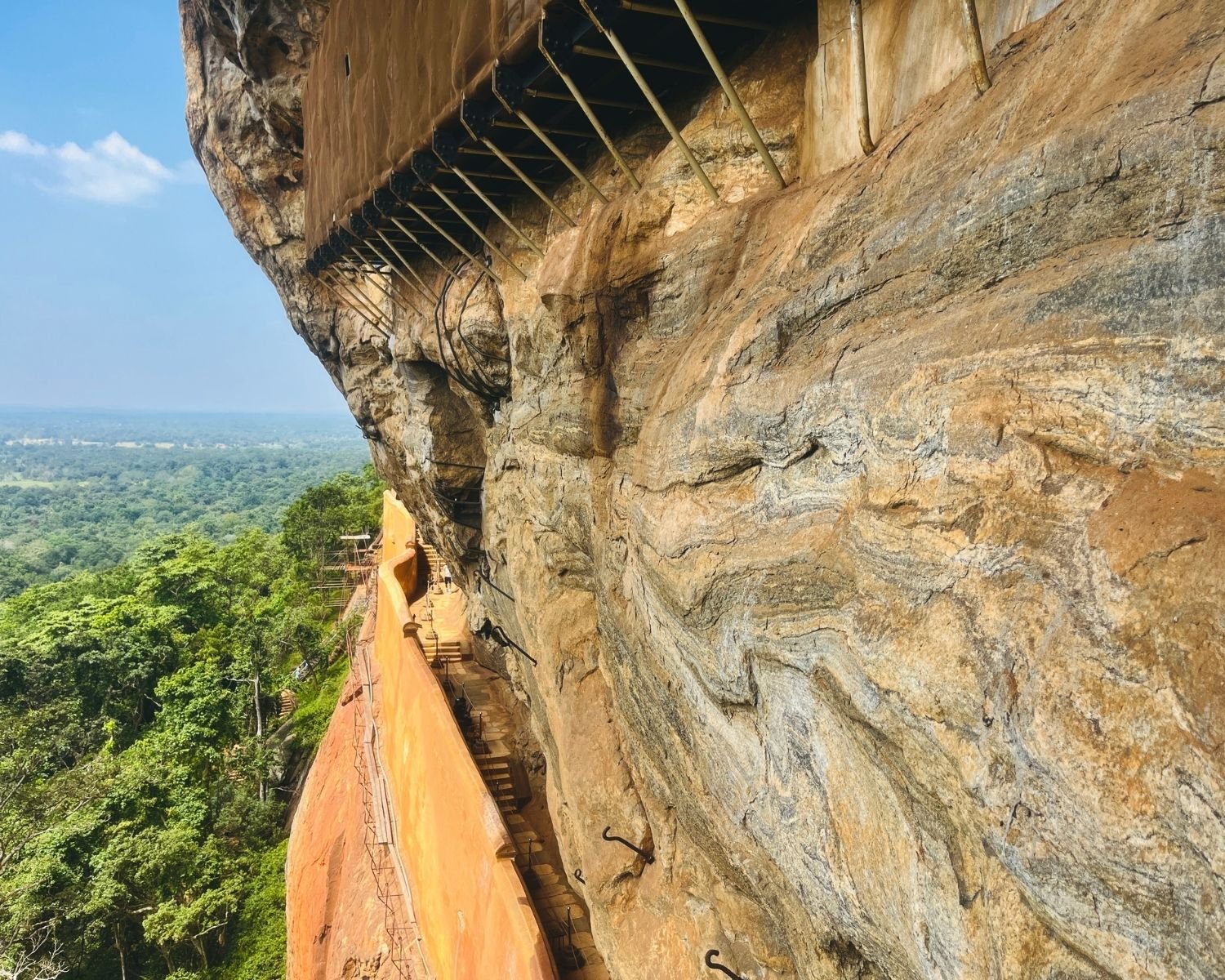
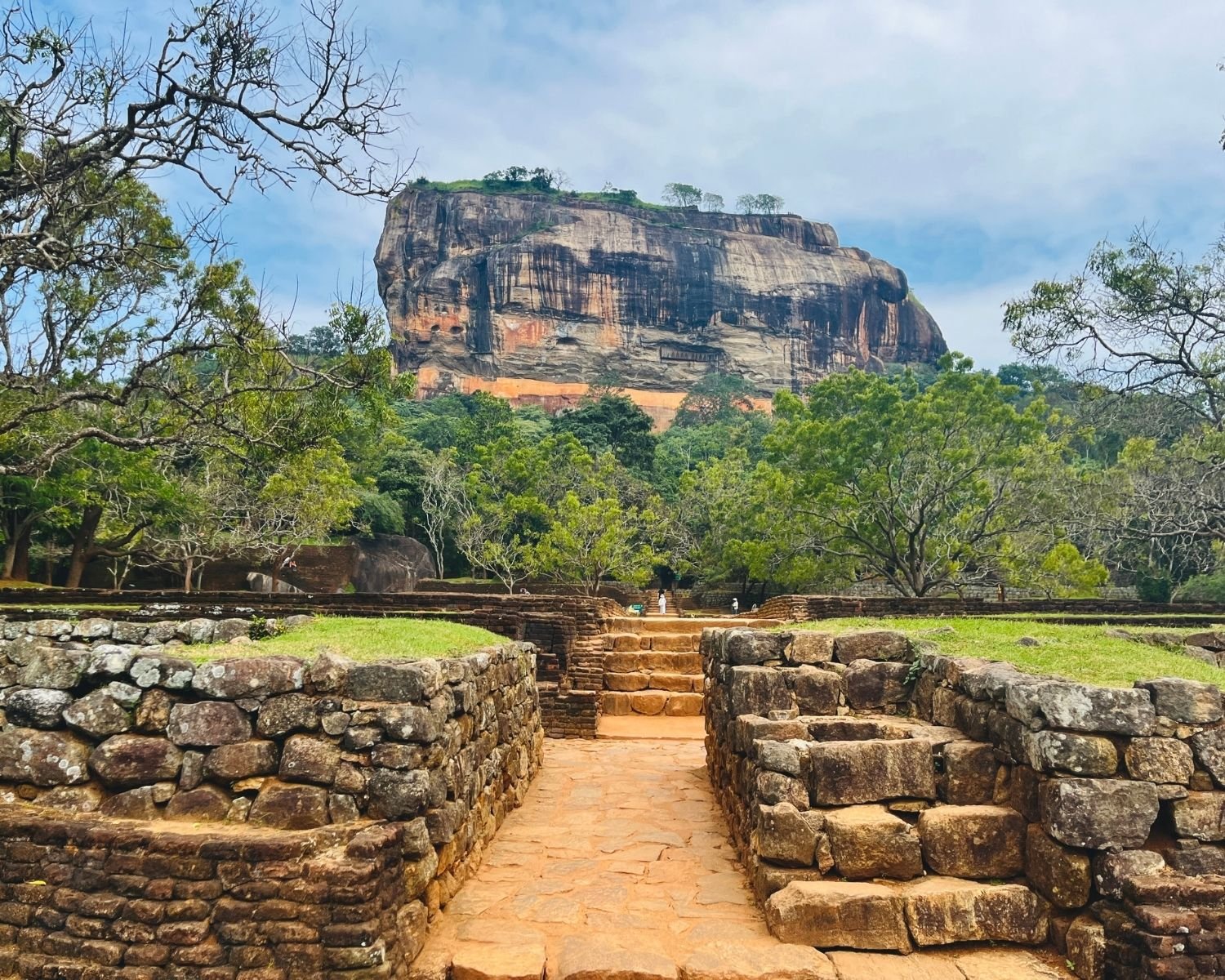
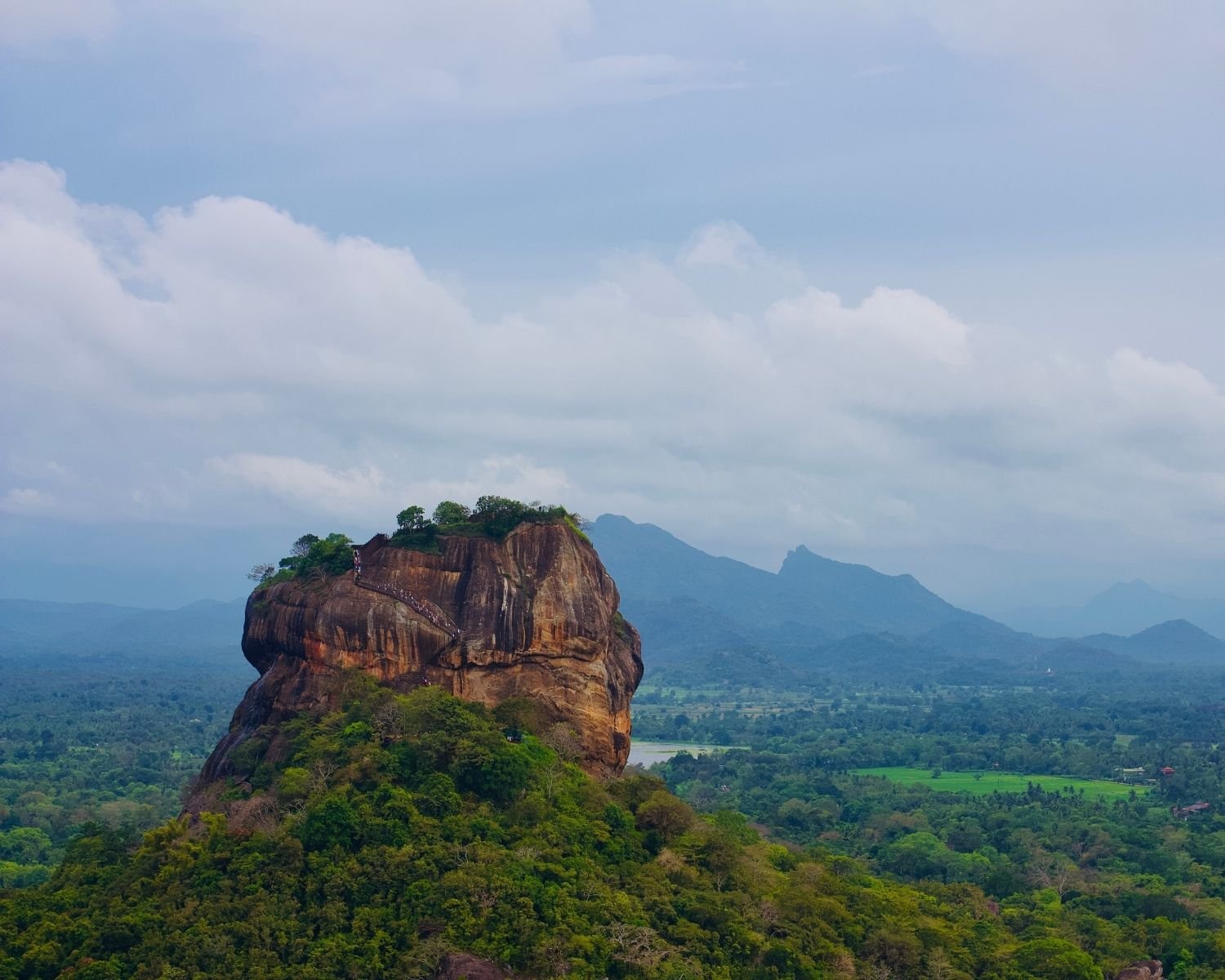
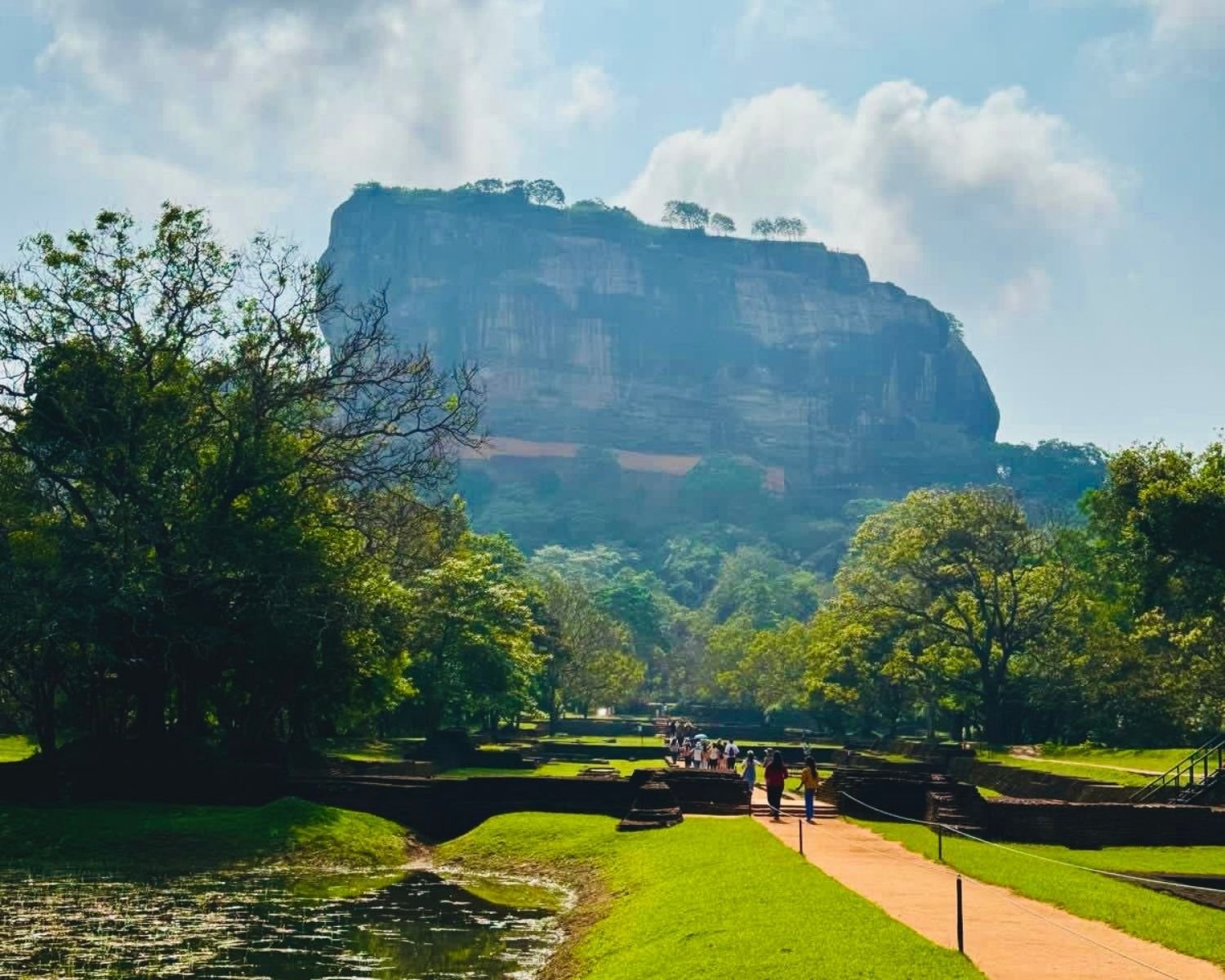
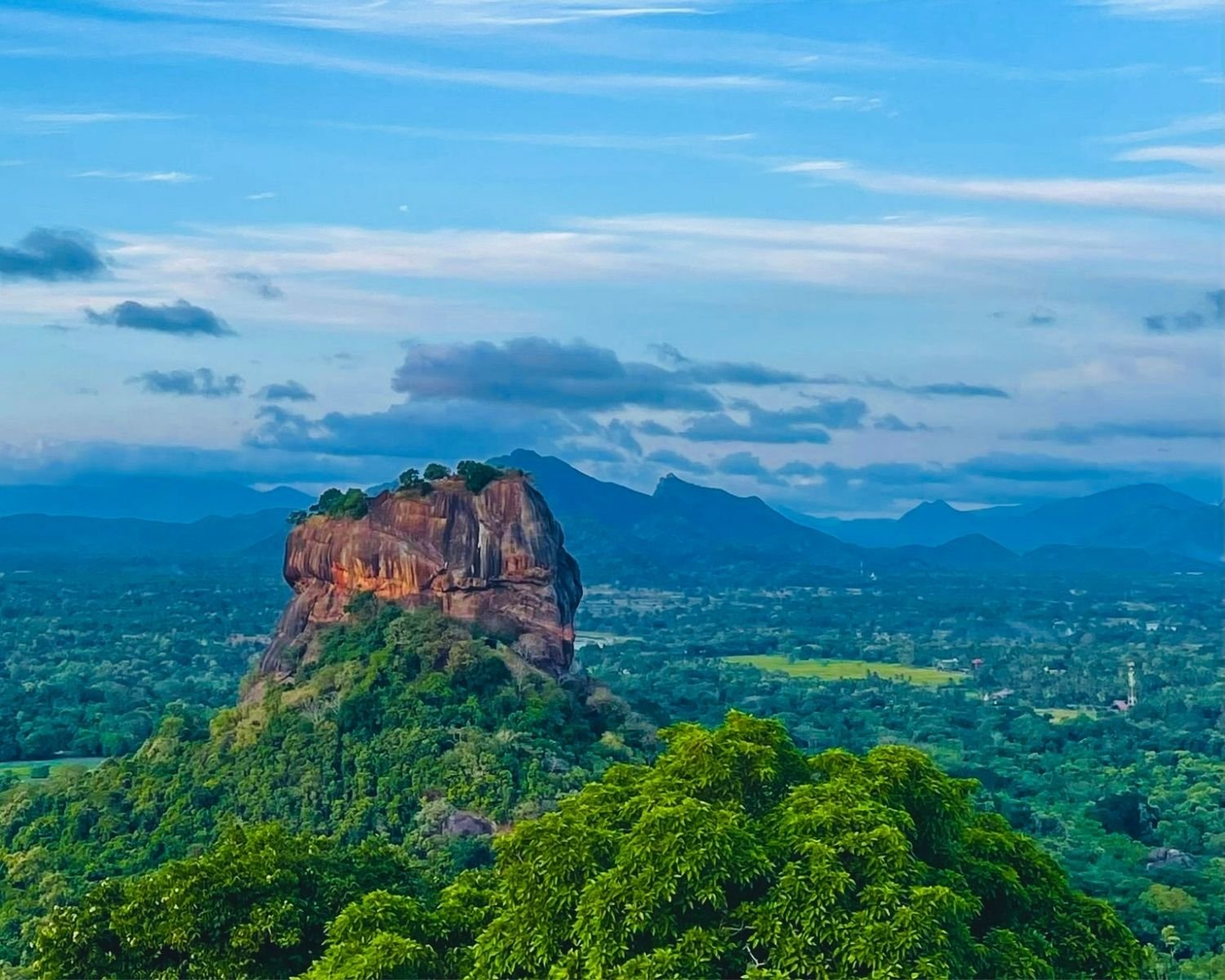
Rising nearly 200 metres (660 ft) above Sri Lanka's central plains, Sigiriya Rock Fortress, also known as Sigiriya Lion Rock, is one of the country's most famous historical landmarks and a UNESCO World Heritage Site. Built atop a massive granite outcrop, the site combines a royal palace, defensive fortress, landscaped gardens, and some of Sri Lanka's most important ancient artwork. Visible from miles away, the towering rock dominates the surrounding landscape and remains one of the most visited attractions in the country.

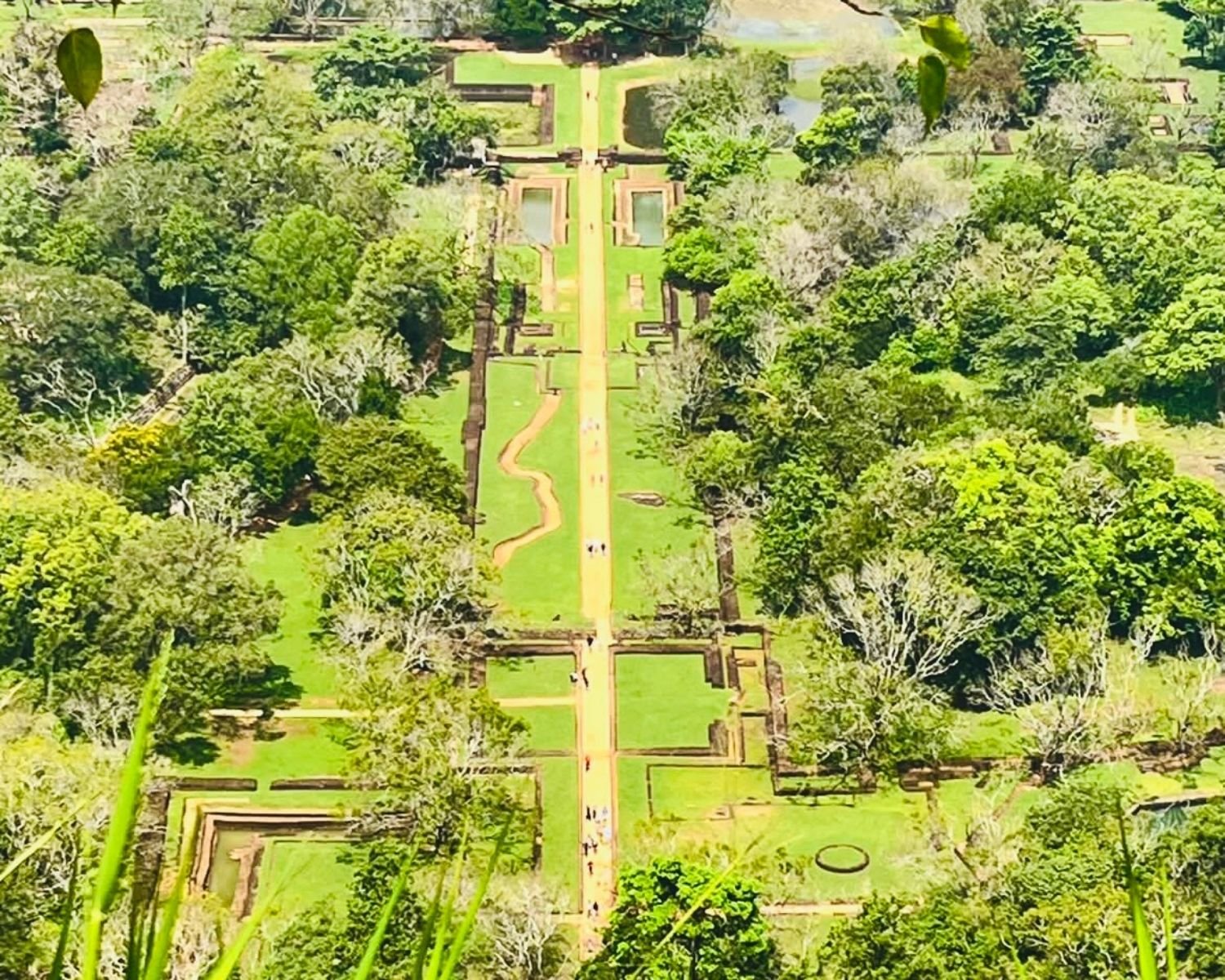
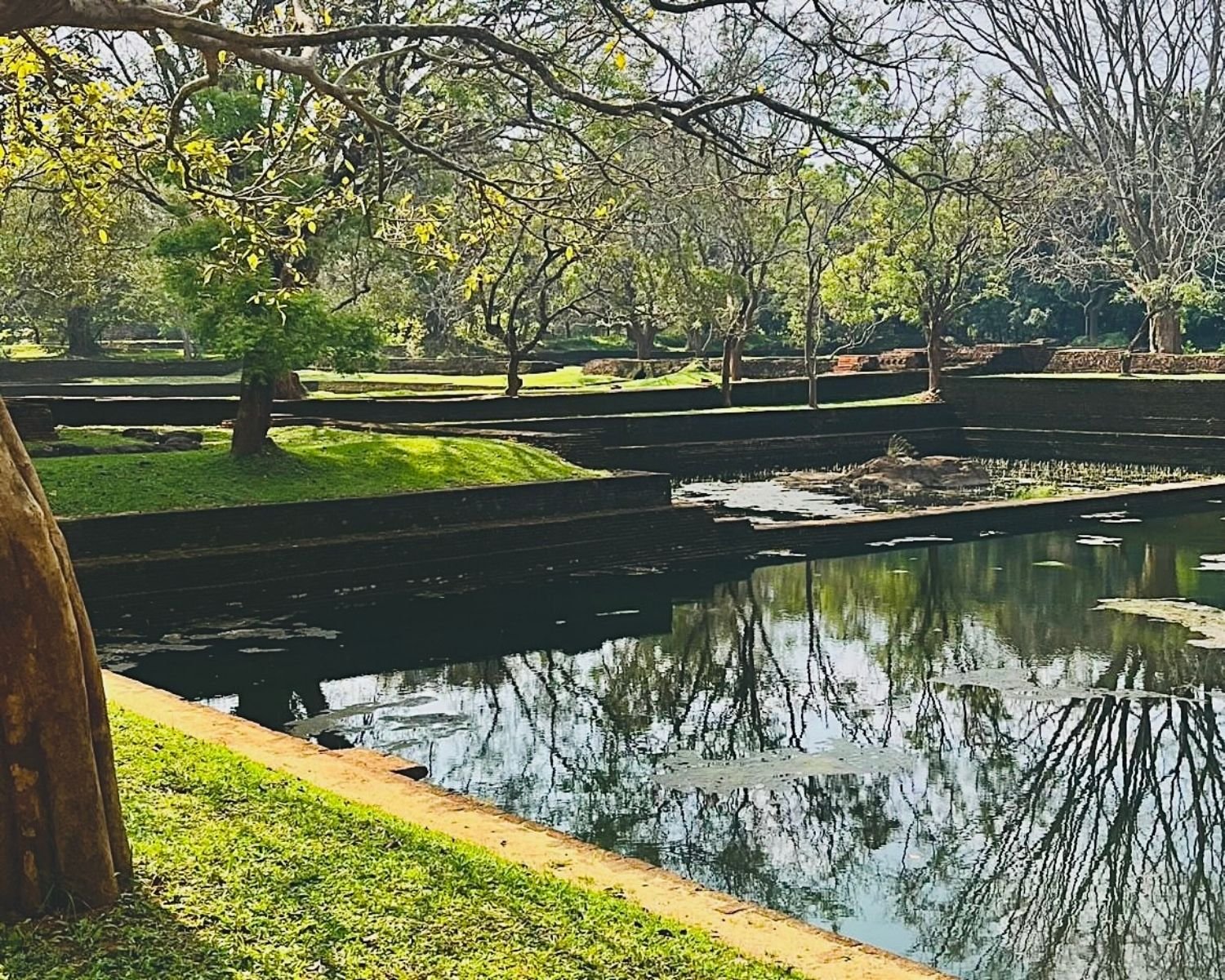
The fortress was established during the reign of King Kashyapa in the 5th century CE. According to ancient chronicles, the king transformed the rock into a royal citadel after taking the throne, creating a heavily fortified residence protected by steep cliffs and elaborate defences. At the base of the rock, visitors can still explore moats, water gardens, boulder gardens, and terraced gardens that showcase the advanced engineering and planning of the period. The symmetrical water gardens are particularly remarkable and are considered among the oldest landscaped gardens in the world.

One of Sigiriya's most famous attractions is its collection of frescoes, painted on a sheltered section of the western rock face. These colourful depictions of celestial maidens have survived for more than 1,500 years and remain among the finest examples of ancient Sri Lankan art. Nearby, the Mirror Wall, once polished so smoothly that it reflected the king's image, still preserves inscriptions and poems left by visitors centuries ago.

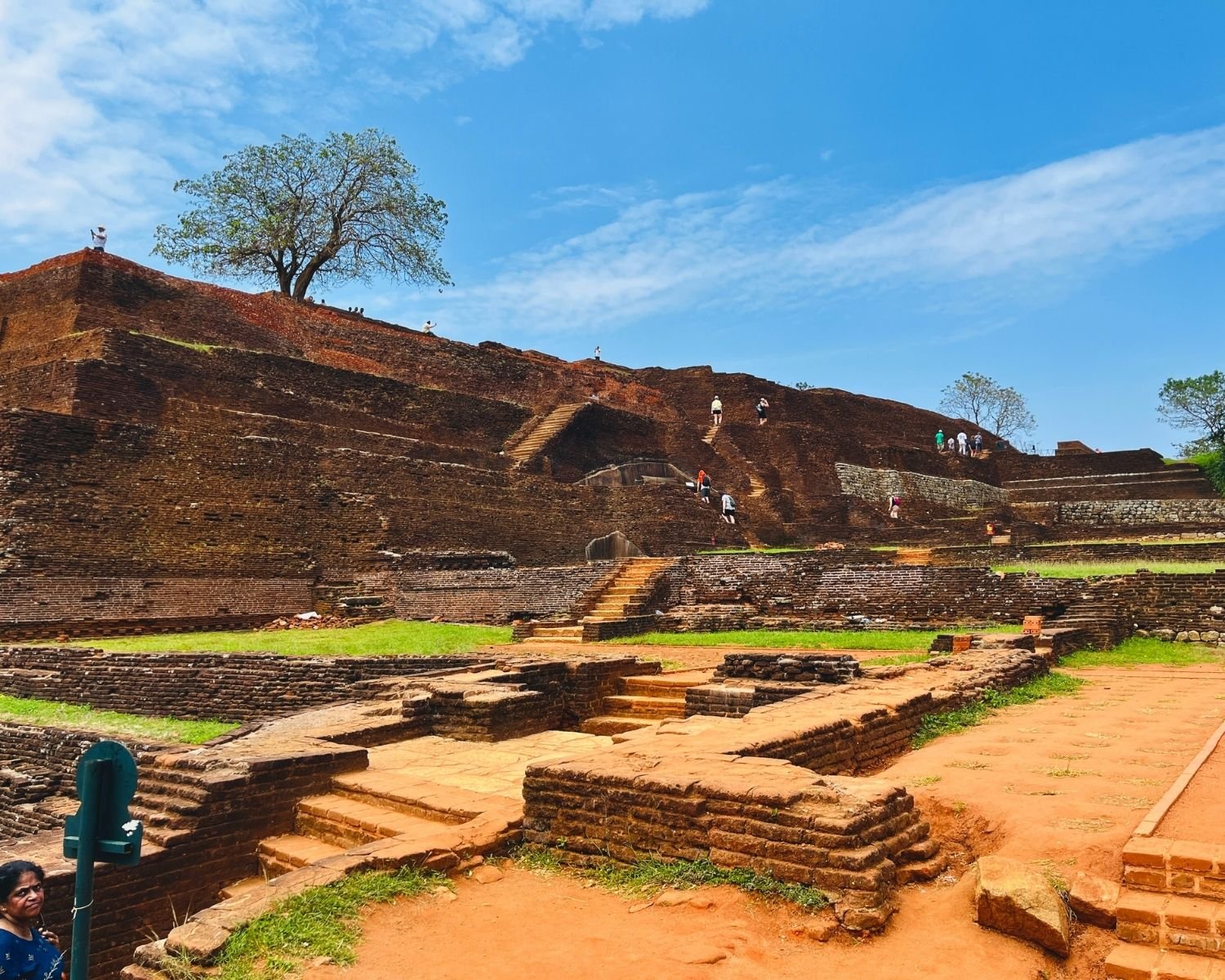
The final ascent passes through the Lion's Gate, where two enormous stone paws remain from what was once a giant lion-shaped entrance. Although the upper structure has long disappeared, the surviving paws continue to be one of Sigiriya's most recognisable features and mark the entrance to the summit. From here, visitors climb the final staircase to reach the ancient royal citadel at the top of the rock.

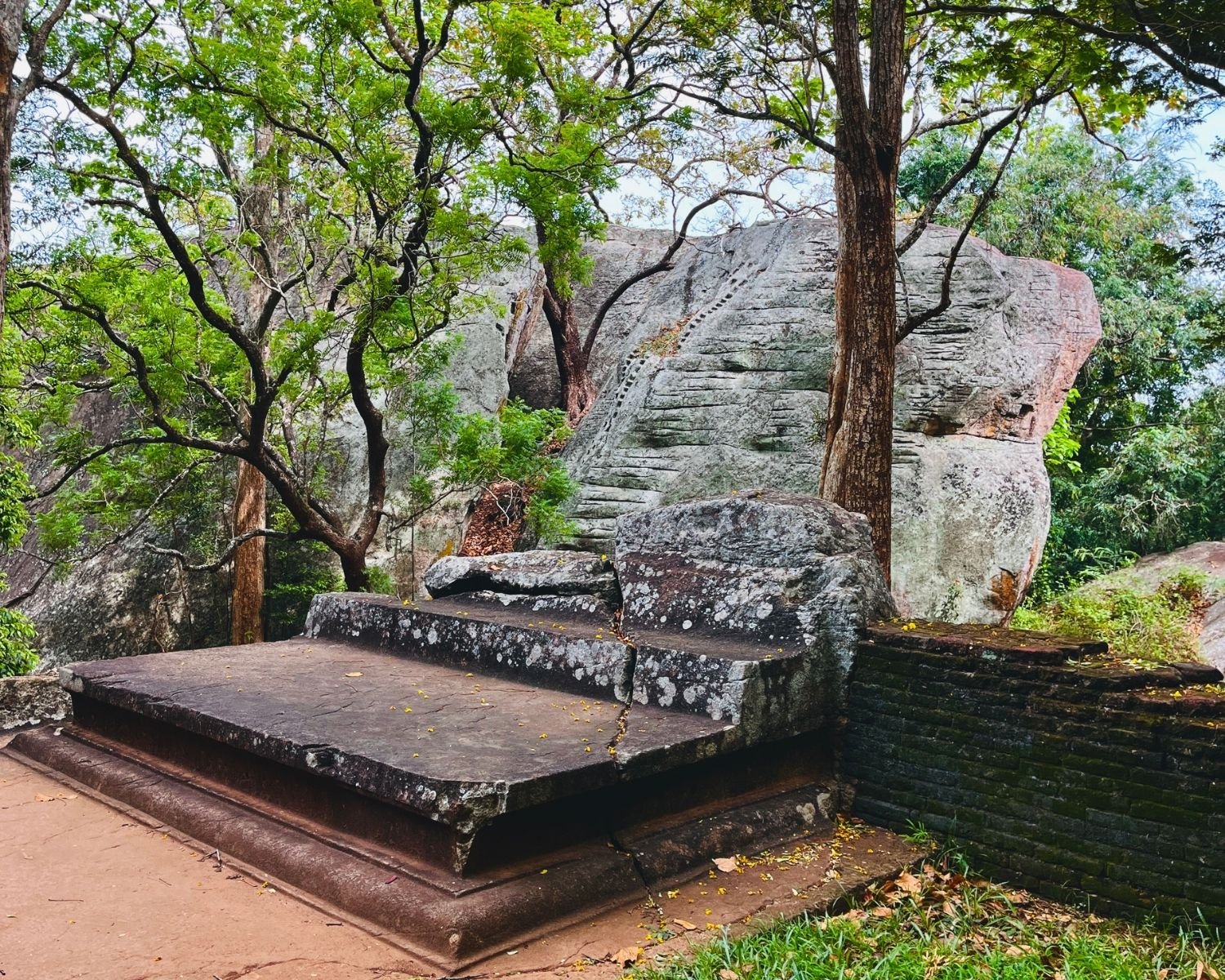
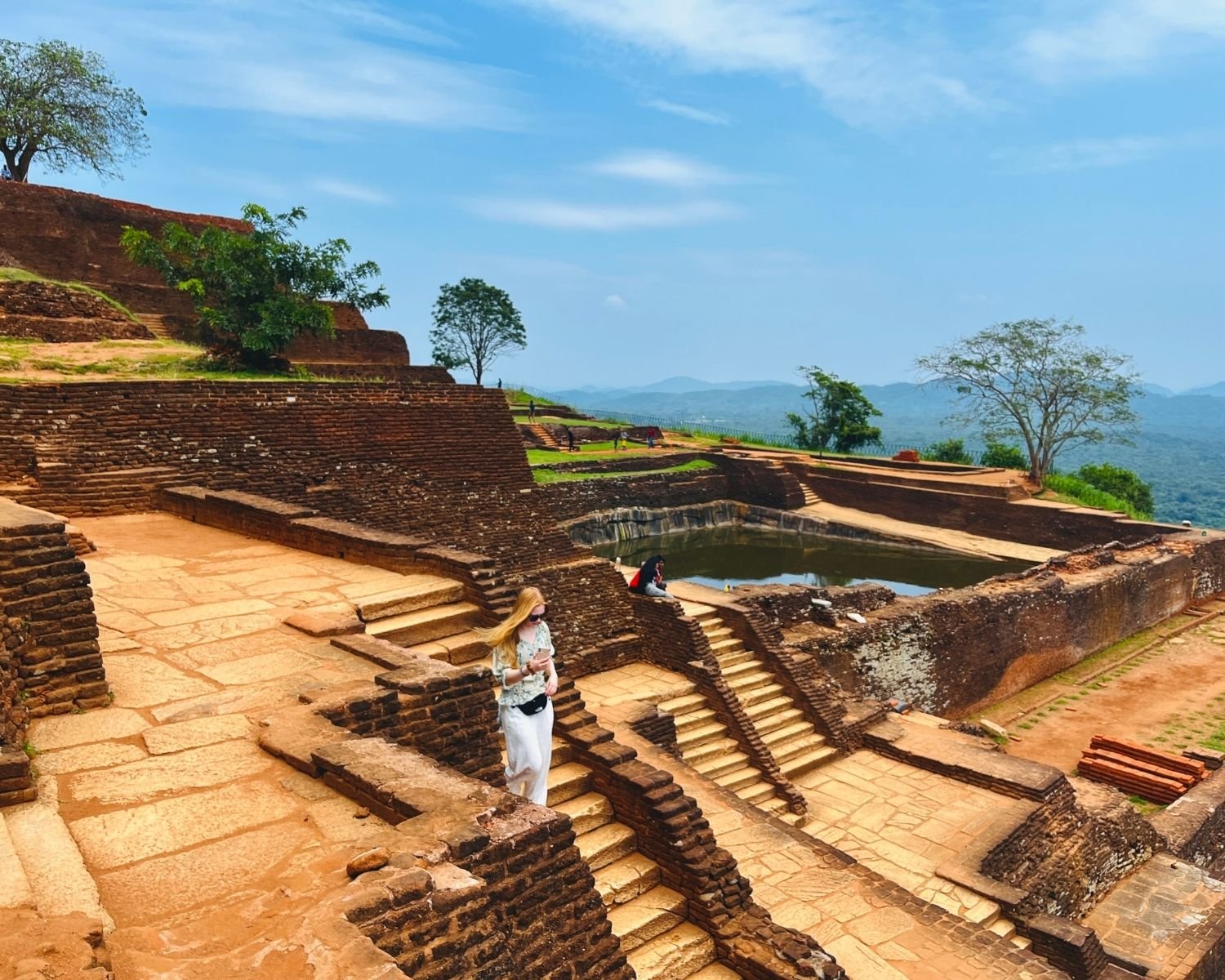
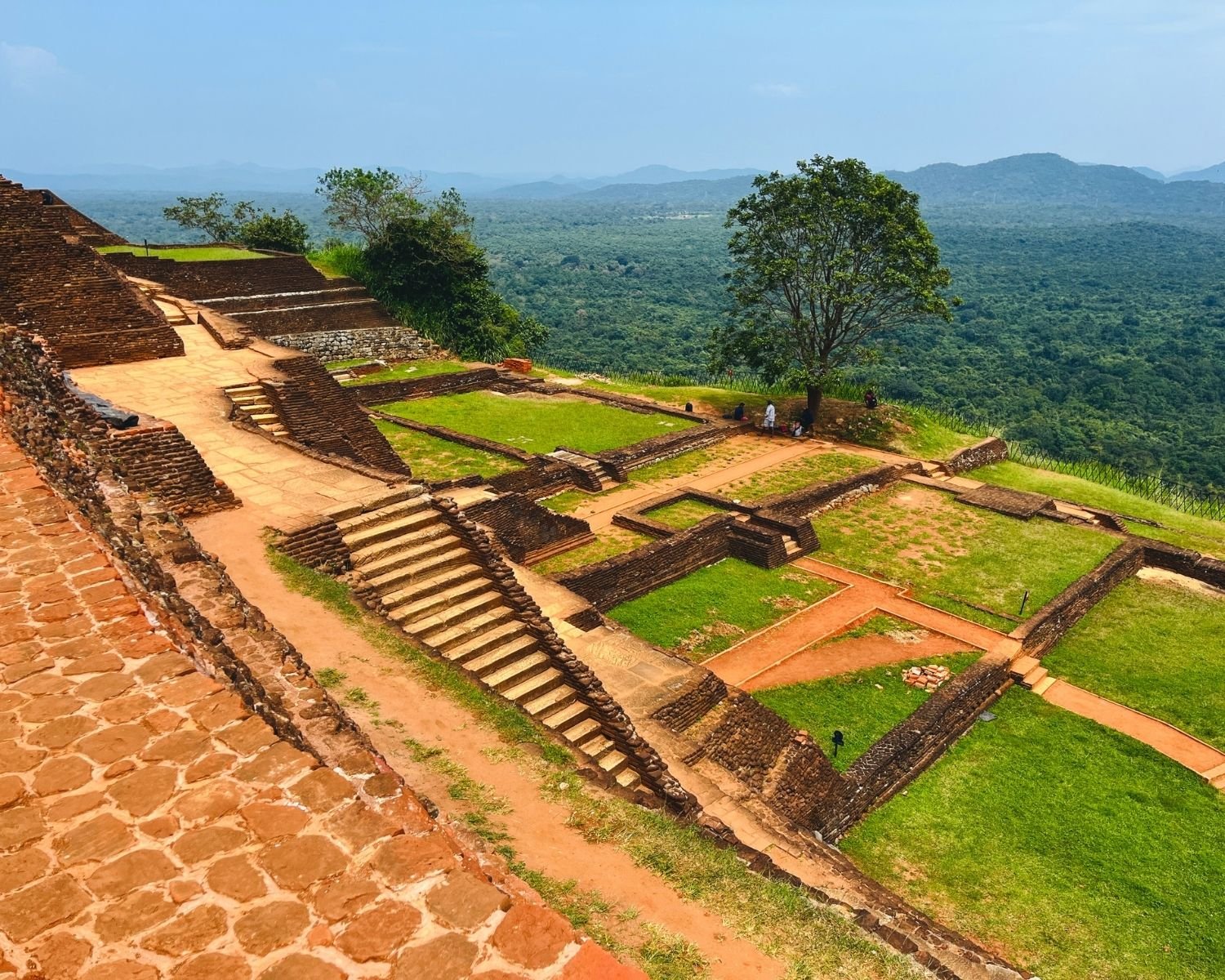
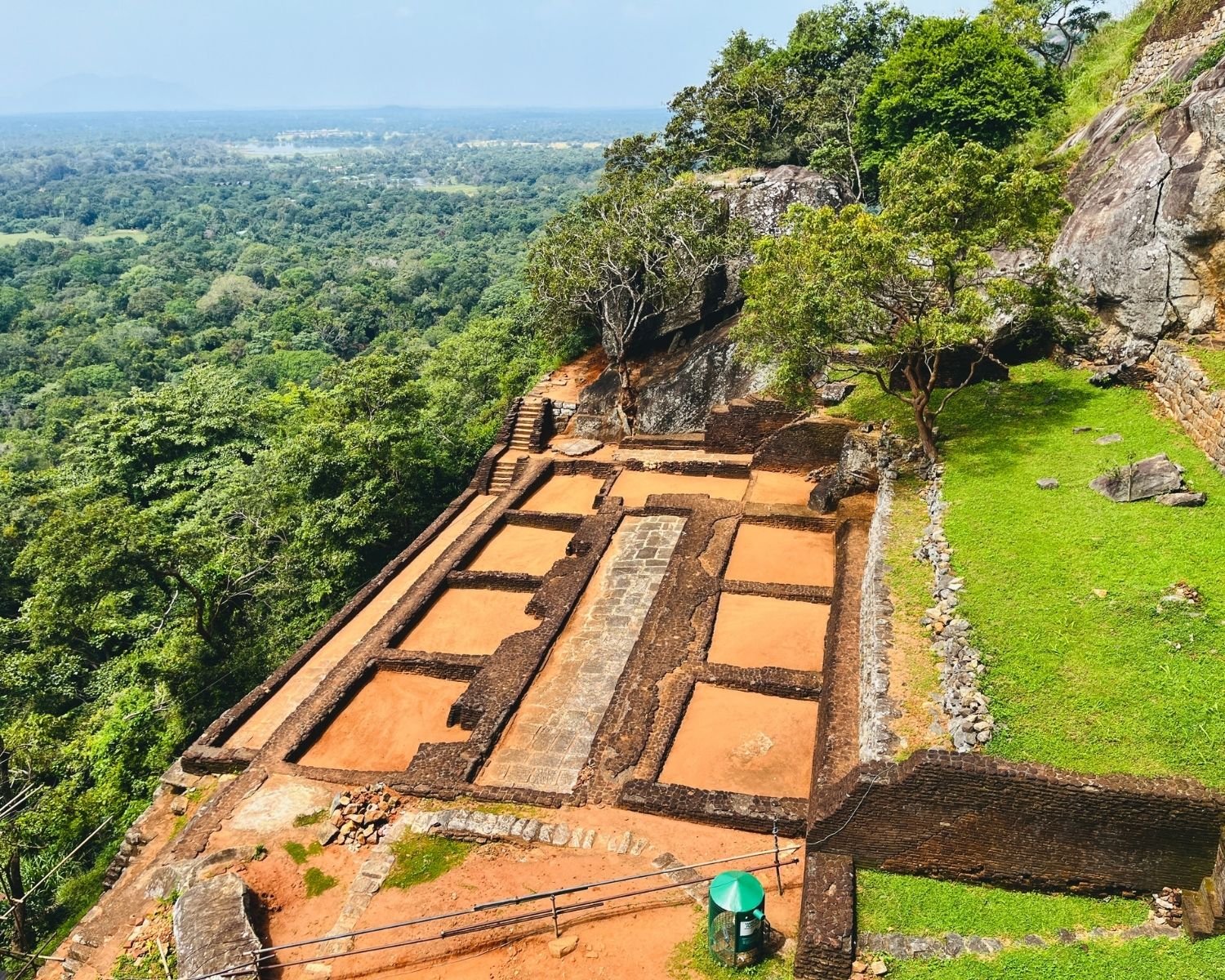
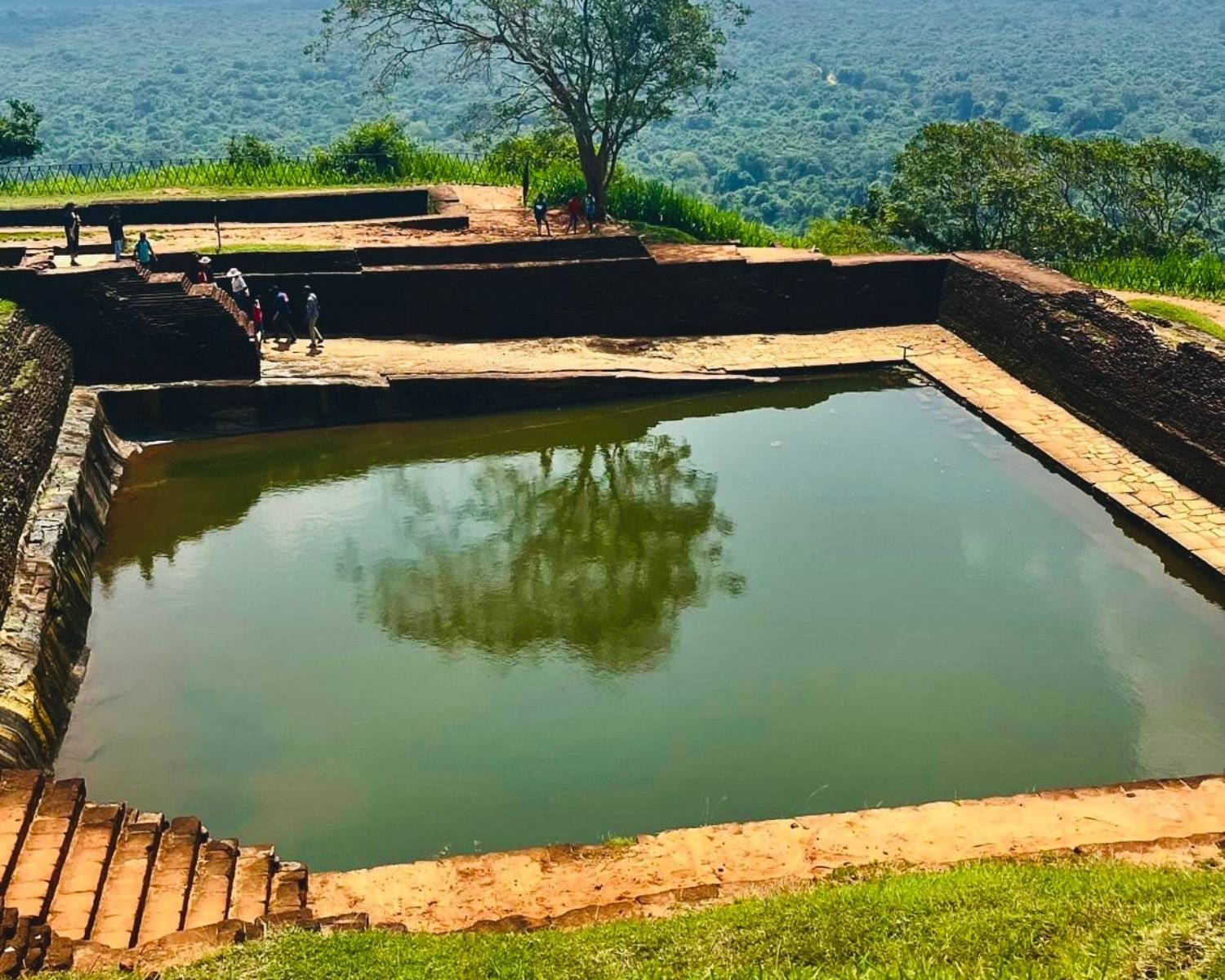
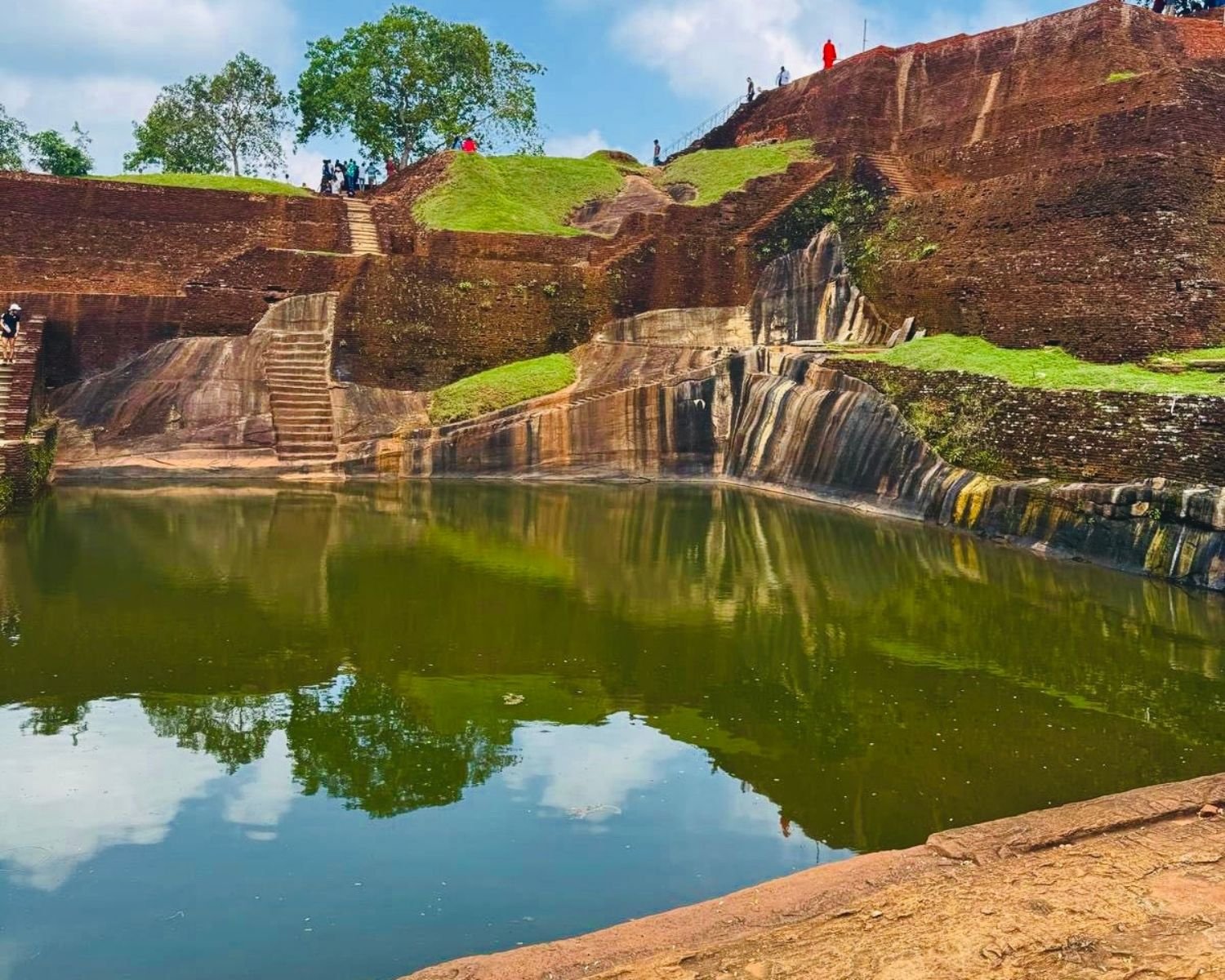
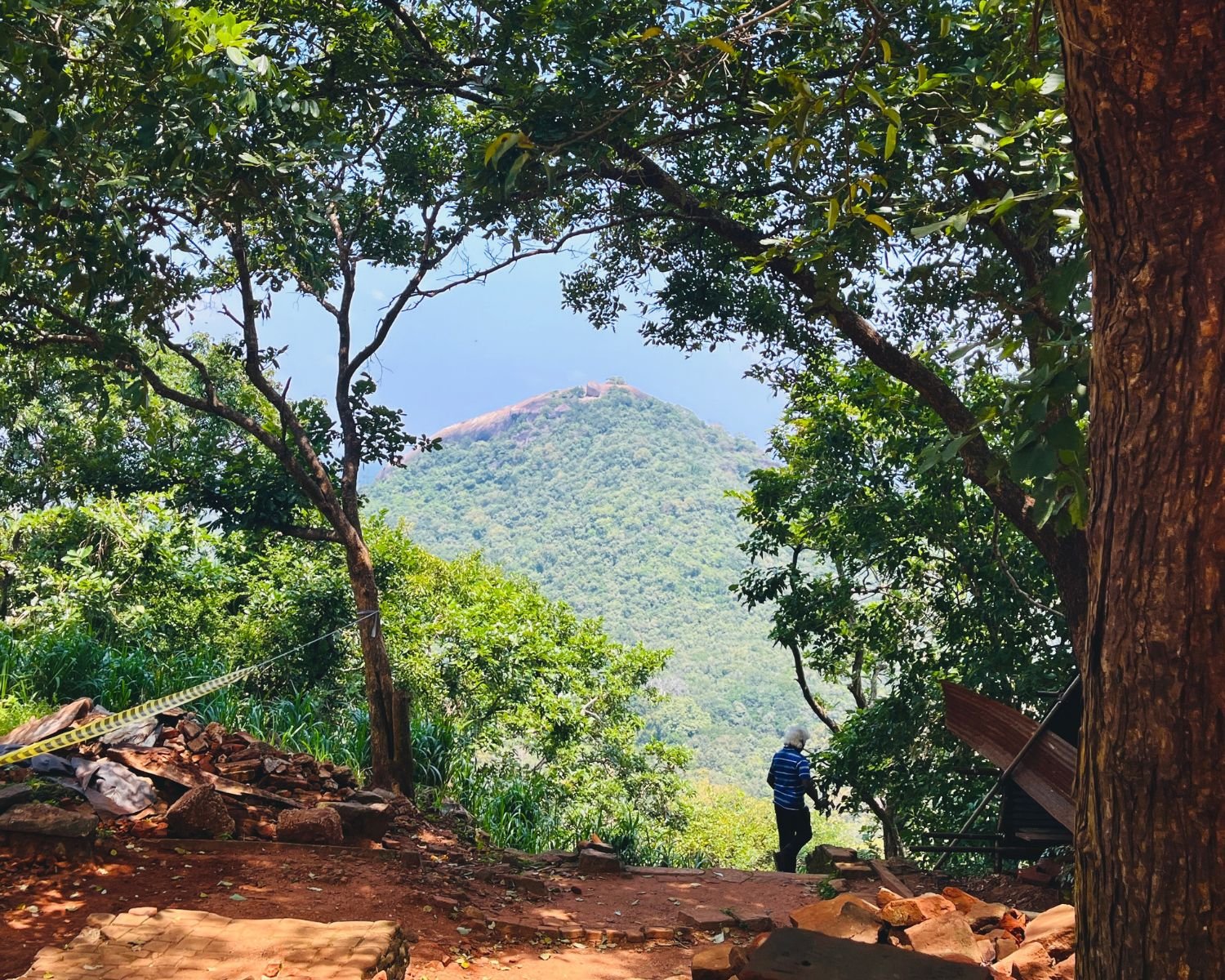
At the summit are the remains of King Kashyapa's palace complex, including foundations, terraces, pools, reservoirs, and other structures that once formed an impressive royal residence. The summit also offers panoramic views across forests, reservoirs, villages, and neighbouring landmarks such as Pidurangala Rock, providing one of the most spectacular viewpoints in Sri Lanka.

Beyond its royal history, Sigiriya also holds important archaeological and religious significance. Evidence suggests the site served as a Buddhist monastic complex both before and after King Kashyapa's reign. Today, Sigiriya is recognised not only for its historical importance but also for its unique combination of architecture, engineering, art, archaeology, and natural scenery.

Whether visiting for its history, ancient artwork, impressive engineering, or breathtaking views, Sigiriya Rock Fortress offers one of the most rewarding cultural experiences in Sri Lanka and remains an essential stop for travellers exploring the Cultural Triangle.
Read More
Lake
Easy lakeside walks, birdwatching, boat rides, sunset views, and nature photography.
Scenery
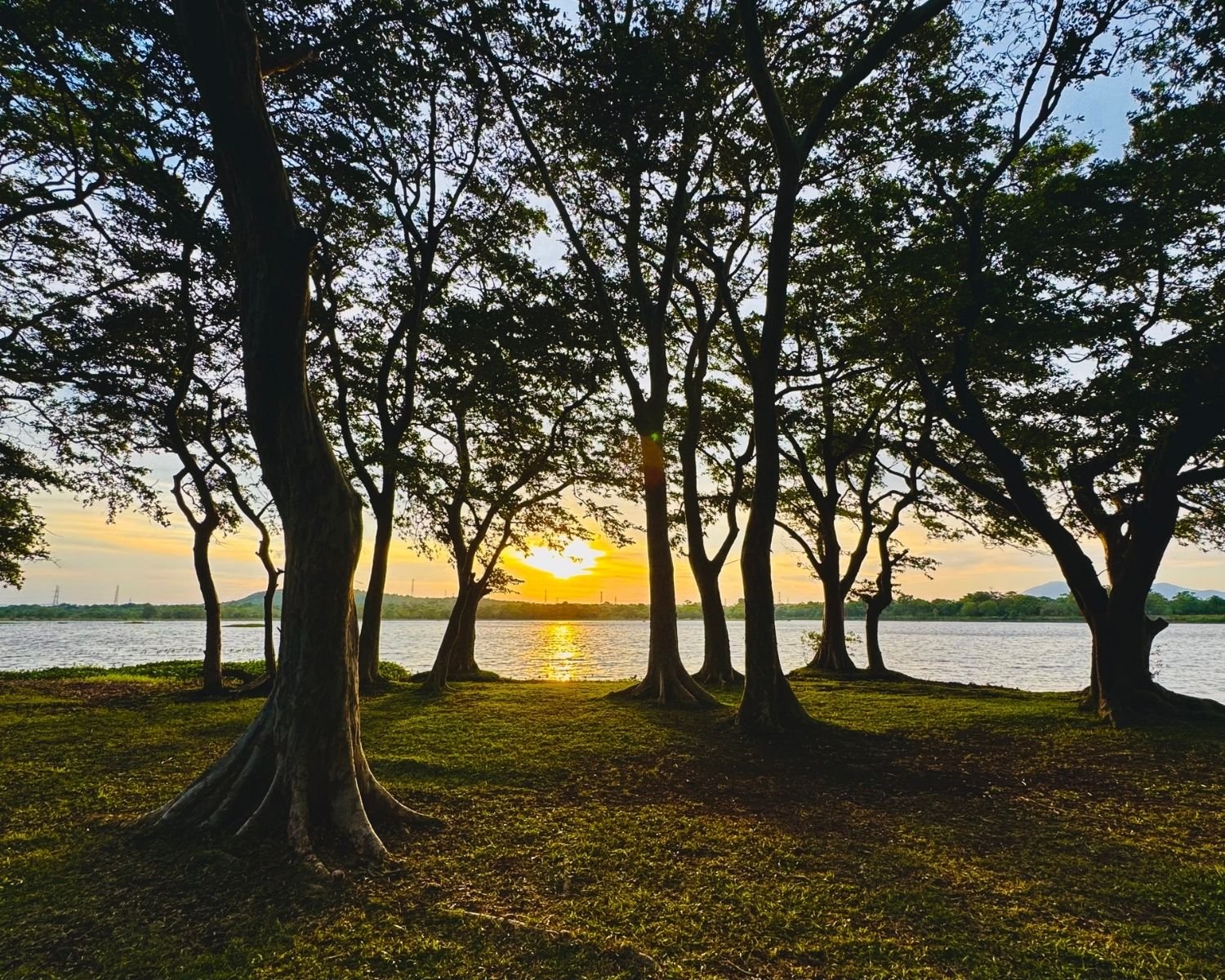
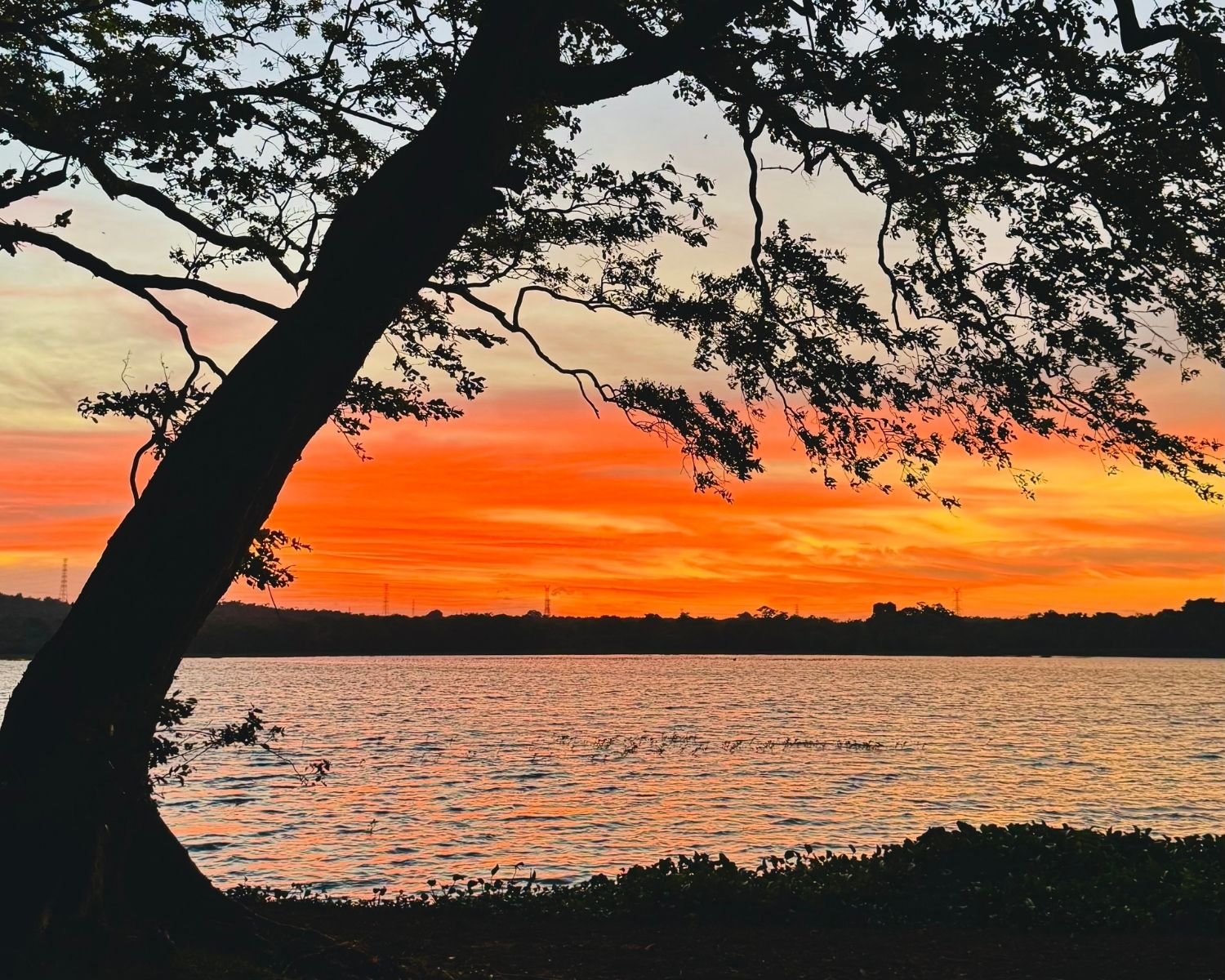
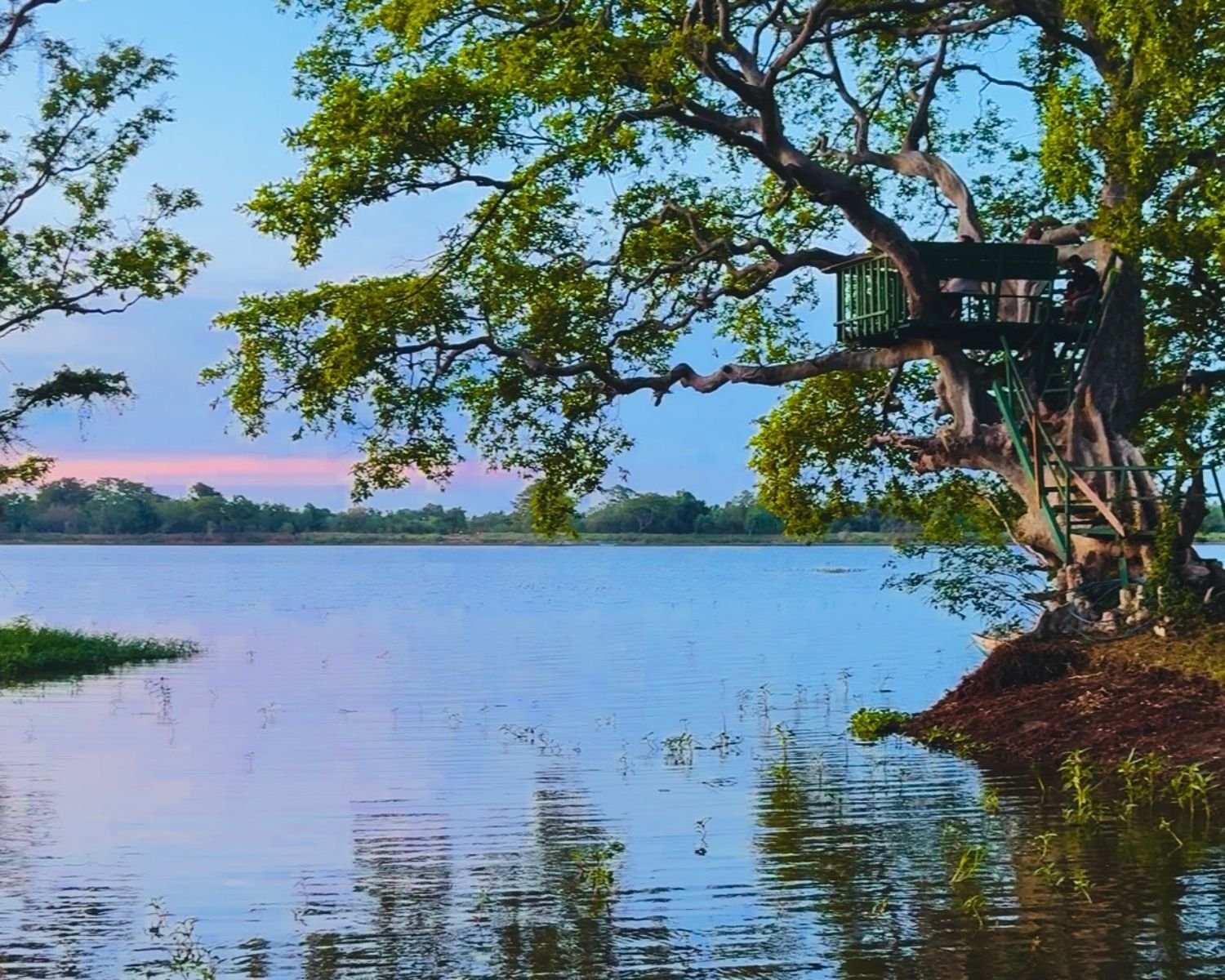
Peaceful reservoir surrounded by trees, wildlife, and spectacular sunsets reflected across the water.
History
Ancient irrigation reservoir that continues to support farming communities around Habarana today.

Habarana Reservoir

Worth It
Located near the town of Habarana, the Habarana Reservoir/Lake is a peaceful and expansive body of water that blends seamlessly with the surrounding landscape of Sri Lanka’s Cultural Triangle. Its calm surface reflects the sky and nearby trees, creating a serene atmosphere that makes it a perfect stop for travelers exploring the region.

The reservoir is part of the ancient irrigation system of Sri Lanka, built to support agriculture and sustain local communities. Even today, it continues to provide water for nearby paddy fields and villages. While it may not have grand historical ruins, the reservoir carries the quiet presence of centuries of human ingenuity and careful coexistence with nature.

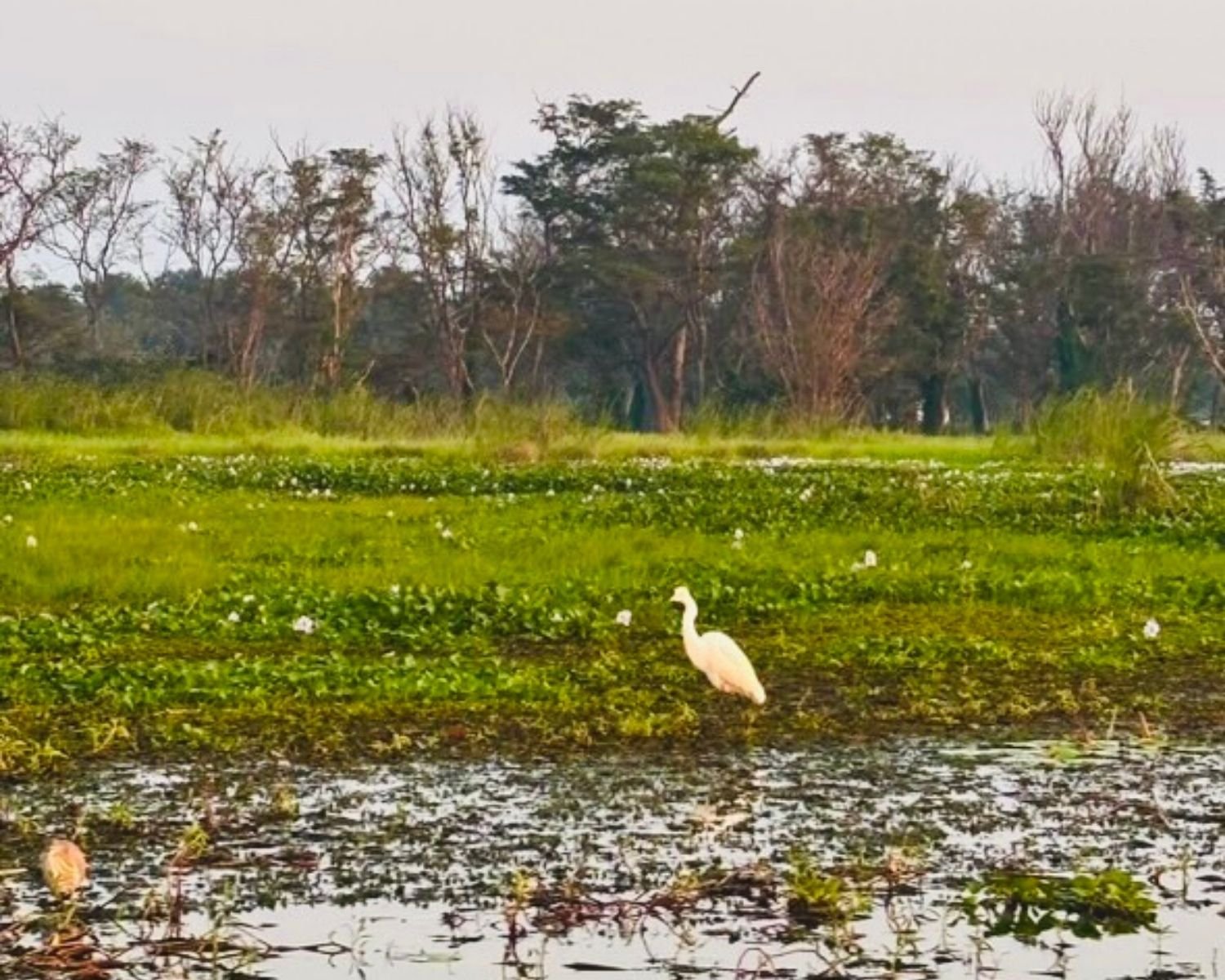
Habarana Reservoir is known for its natural beauty and wildlife. Birds such as kingfishers, herons, and egrets are often seen along the edges of the water, and the surrounding fields and small forests are home to monkeys and other wildlife. During early mornings and late afternoons, the area is particularly tranquil, with soft light reflecting on the water and gentle breezes rippling the surface.

The site is also a popular spot for leisure and photography. Visitors enjoy walking along the bund, observing daily village life, or simply sitting by the water and taking in the peaceful surroundings. The reservoir offers clear views of distant hills and forests, giving a sense of space and calm in contrast to the busier tourist sites nearby.

Though it is quiet and unassuming, Habarana Reservoir holds a special charm. It embodies the simple harmony between people, water, and land that has characterized Sri Lanka’s dry zone for centuries. For travelers seeking a moment of reflection, nature, or scenic beauty, the reservoir provides a quiet retreat where the rhythm of rural life and the timeless presence of water can be fully appreciated.
Read More
Lake
Traditional catamaran rides, birdwatching, village experiences, and nature photography around a peaceful wetland reservoir.
Scenery
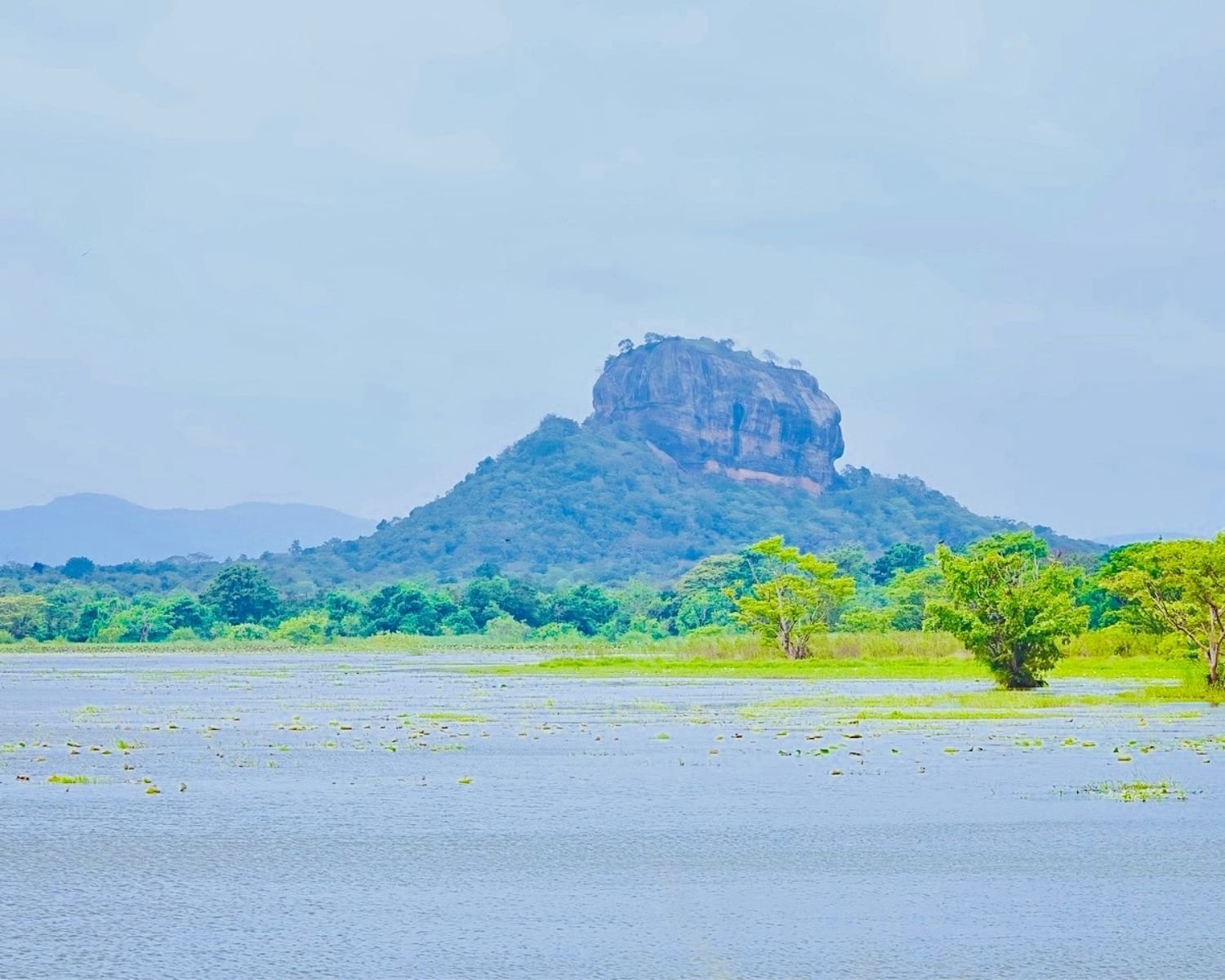
Water lilies, wetlands, village landscapes, and distant views of Sigiriya Rock reflected across tranquil waters.
History
Ancient irrigation reservoir that continues to support farming communities and village life around Hiriwadunna.

Hiriwadunna Reservoir

Optional
Hiriwadunna Reservoir, also known as Hiriwadunna Wewa, is one of the most authentic rural experiences in the Sigiriya region. Surrounded by traditional villages, wetlands, forests, and paddy fields, the reservoir offers visitors a glimpse into a slower way of life that has changed little for generations. Unlike many attractions in the Cultural Triangle, Hiriwadunna is not about ancient ruins or famous monuments. Instead, it is a place where nature, village culture, and traditional livelihoods come together.

The reservoir forms part of an ancient irrigation network that has supported farming communities in the area for centuries. Even today, local villagers depend on its waters for agriculture, fishing, and daily life. The surrounding landscape remains largely untouched, creating a peaceful setting that feels far removed from the busier tourist centres of Sigiriya and Habarana.

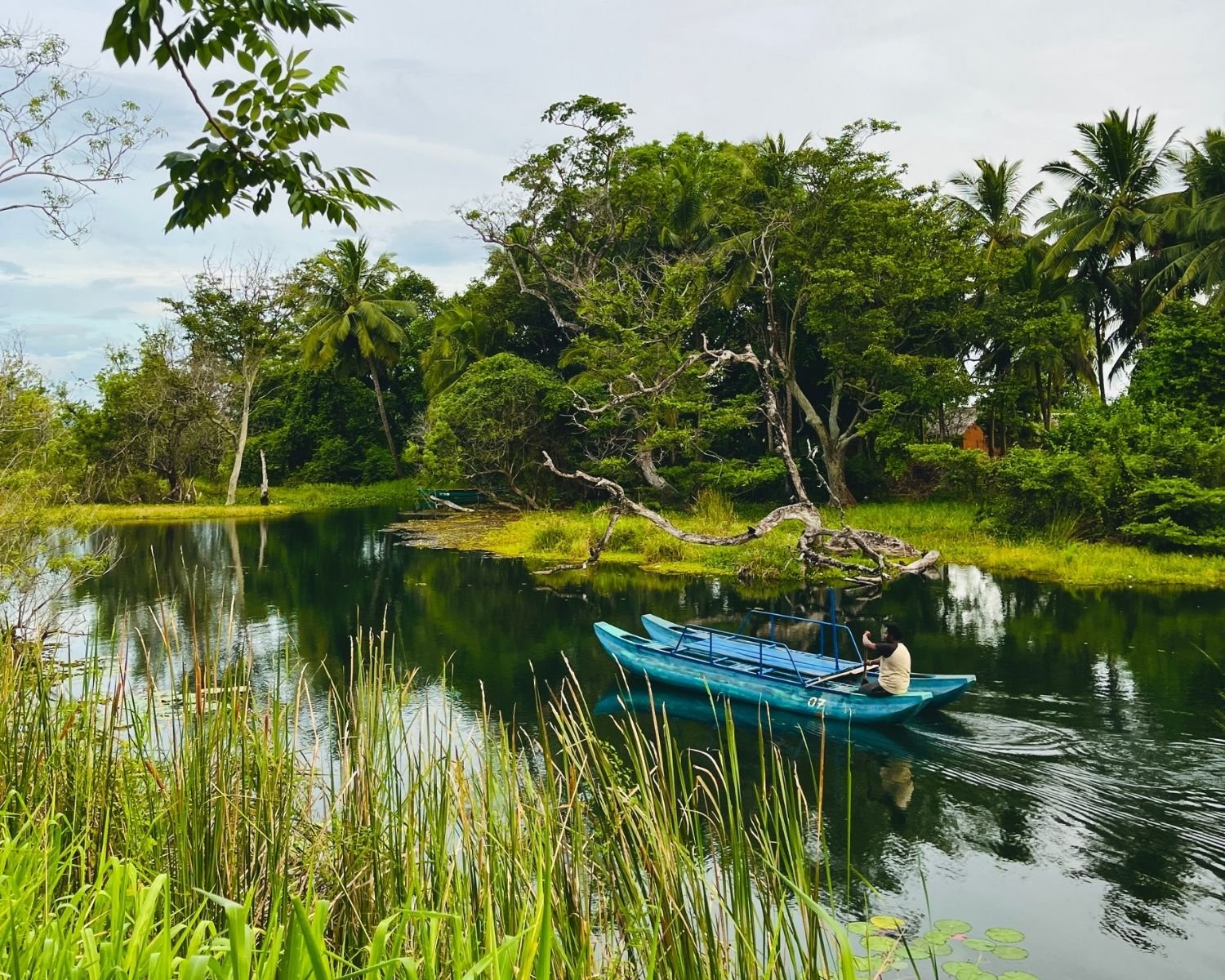
One of the most popular activities at Hiriwadunna Reservoir is the traditional catamaran ride. Local boatmen guide visitors across the calm waters on simple wooden rafts, passing through floating water lilies, wetland vegetation, and quiet coves along the shoreline. These slow-moving journeys offer a unique perspective of the reservoir and provide excellent opportunities to observe birds and wildlife in their natural habitat.

The reservoir is particularly rich in birdlife. Egrets, herons, kingfishers, cormorants, and other wetland species are frequently seen among the reeds and lily-covered waters. The surrounding forests also support monkeys, reptiles, and a variety of smaller wildlife. During certain times of the year, visitors may even spot wild elephants in nearby areas, adding another layer of excitement to the experience.

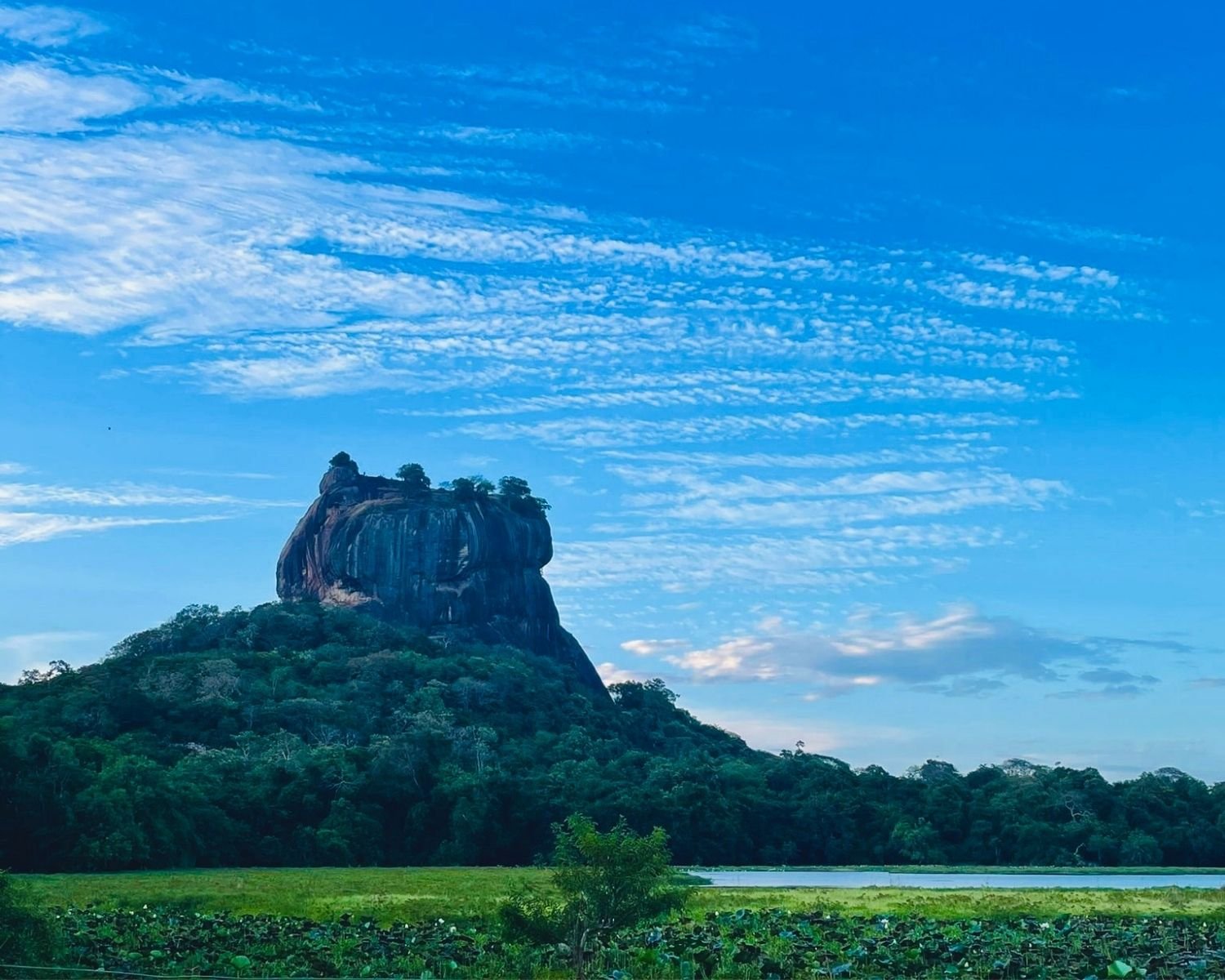
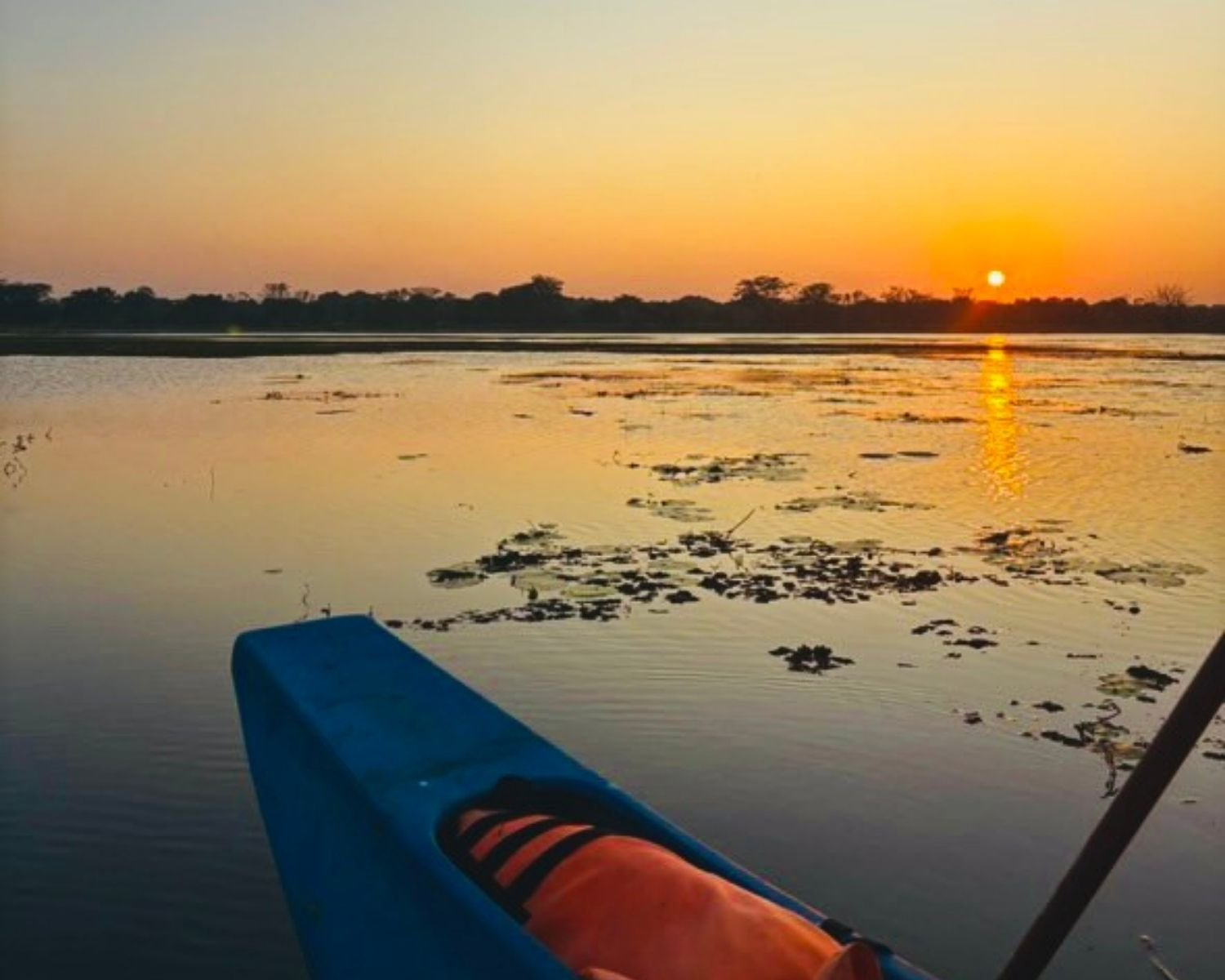
Hiriwadunna is also known for its beautiful scenery. Water lilies cover parts of the reservoir, while distant views of Sigiriya Rock rise above the surrounding countryside. Early mornings often bring mist hanging over the water, while sunset paints the sky in shades of orange and gold reflected across the lake's surface. These moments make the reservoir particularly popular with photographers and nature lovers.

Many village tours combine a visit to the reservoir with bullock cart rides, catamaran crossings, traditional cooking demonstrations, and opportunities to learn about local farming practices. These experiences allow visitors to connect directly with the people who live around the reservoir and gain a better understanding of rural life in Sri Lanka's dry zone.

Although often overlooked by travellers focused on Sigiriya and safari parks, Hiriwadunna Reservoir offers something equally rewarding: an authentic experience of Sri Lanka's countryside. Its combination of traditional village culture, wildlife, scenic beauty, and peaceful surroundings makes it one of the most memorable hidden gems in the Cultural Triangle.
Read More